
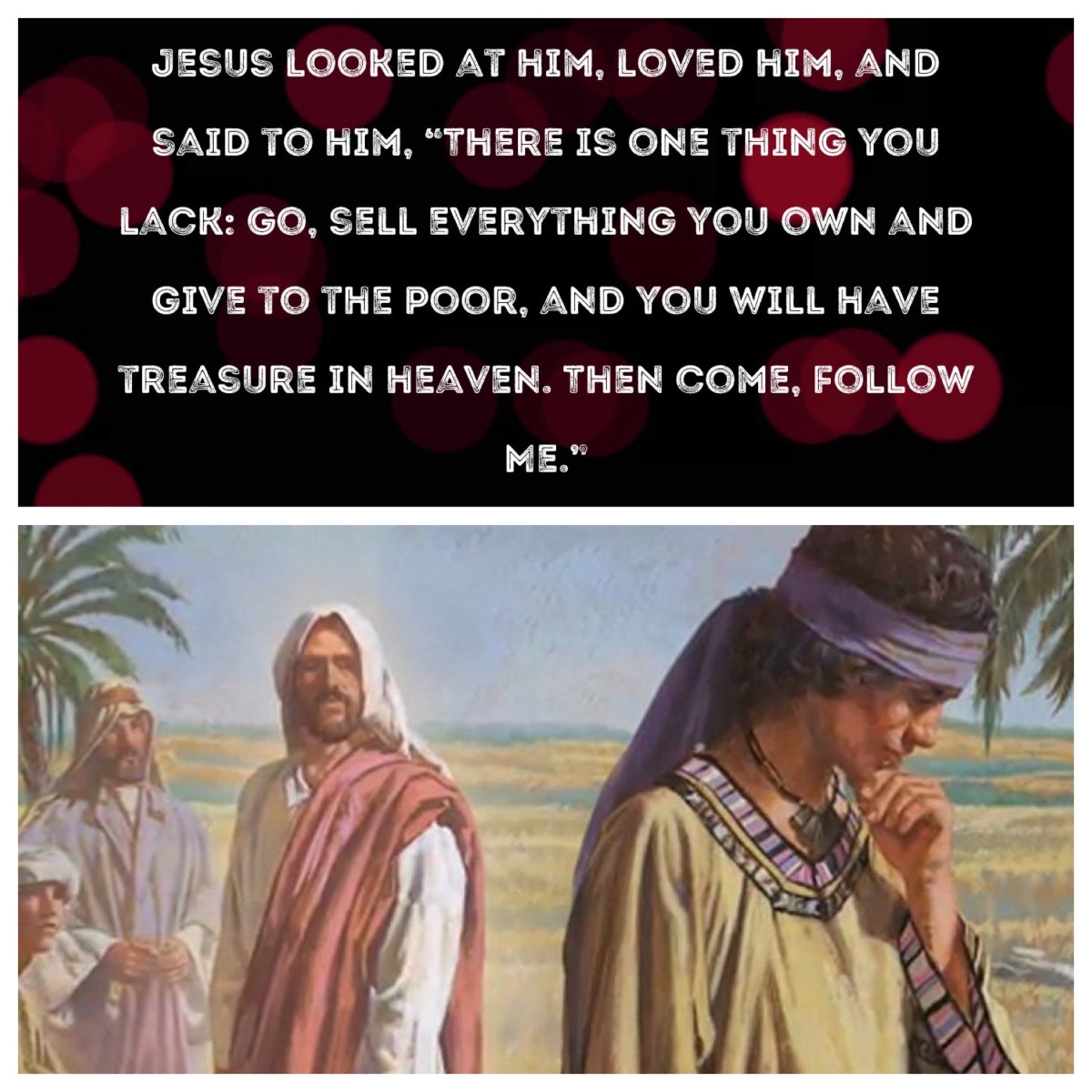
Next Sunday, the first Sunday in Lent, we will hear a Gospel passage in which Jesus sadly informs a man of means who prides himself on keeping all the commandments, that still “you lack one thing: go, sell what you own, and give the money to the poor, and you will have treasure in heaven; then come, follow me” (Mark 10:21).
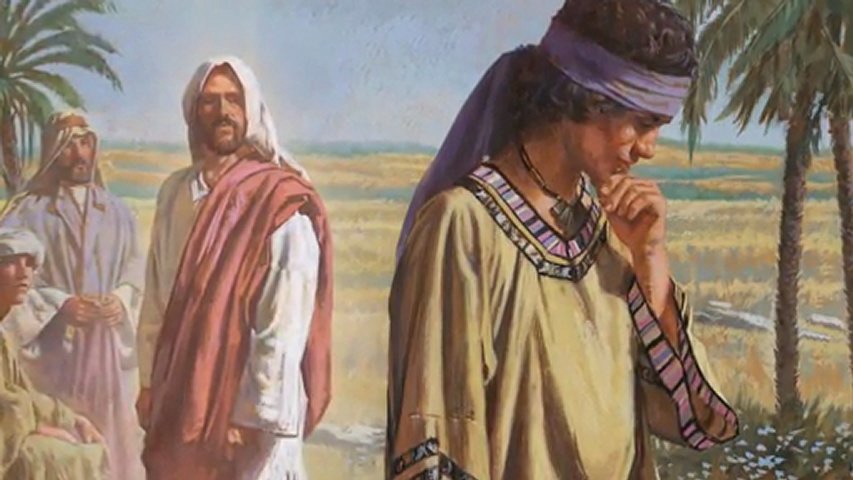
The man left, shocked and grieving; he could not do what Jesus instructed. Jesus here draws the line of belonging or being alienated from him on the basis of whether a person is able to implement radical actions of obedience. It’s not just a matter of believing—it’s a matter of doing, of implementing radical, practical changes.
Quite some time earlier, Jesus had instructed his followers of that they were to be characterised by an ascetic way of life (6:8–9) as they undertook their public proclamation “that all should repent” (6:12). As Jesus sent them out on mission, “he charged them to take nothing for their journey except a staff—no bread, no bag, no money in their belts— but to wear sandals and not put on two tunics” (6:8–9).
The description given here is often compared with the form of dress of a wandering philosopher, particularly of a Cynic philosopher, renowned for their poverty and dependence on others for food and shelter. The fact that Jesus also instructs his followers to accept hospitality when offered (6:10) but not to stay on if there is no welcome offered (6:11) reinforces the similarities.
On this comparison, see
The teachings of Jesus contain many indications that this way of life is what is expected of those who follow Jesus. He tells them, “if any want to become my followers, let them deny themselves and take up their cross and follow me” (8:34). He then reinforces this after his encounter with the rich man by noting, “how hard it will be for those who have wealth to enter the kingdom of God!” (10:23). Later, in Jerusalem, Jesus concludes a debate with some Pharisees and Herodians with the instruction, “give to the emperor the things that are the emperor’s, and to God the things that are God’s” (12:17).
Beyond Mark’s narrative, Jesus was remembered for sayings in which he taught his followers to “love your enemies, do good, and lend, expecting nothing in return” (Luke 6:35) and “sell your possessions, and give alms” (Luke 12:33; Matt 19:21). “When you give a banquet”, he advised, “invite the poor, the crippled, the lame, and the blind” (Luke 14:13). “You cannot serve God and wealth”, he asserts (Luke 16:13; Matt 6:24). Accumulating possessions is not part of the agenda that Jesus set forth!
David Bentley Hart has written about the encounter between Jesus and the rich man: “Whatever else capitalism may be, it is first and foremost a system for producing as much private wealth as possible by squandering as much as possible of humanity’s common inheritance of the goods of creation. But Christ condemned not only an unhealthy preoccupation with riches, but the getting and keeping of riches as such. The most obvious example of this, found in all three synoptic Gospels, is the story of the rich young ruler, and of Christ’s remark about the camel and the needle’s eye.”
See https://www.plough.com/en/topics/faith/discipleship/what-lies-beyond-capitalism
As we listen to this story, from long ago, in our present context, we can sense how it remains pertinent for us. It remains a challenging word to disciples, caught in the swirl of constant consumption and encouragement to get more, more, more, in our contemporary capitalist society. “Go, sell what you own, and give the money to the poor, and you will have treasure in heaven; then come, follow me.”

 An Informed Faith