
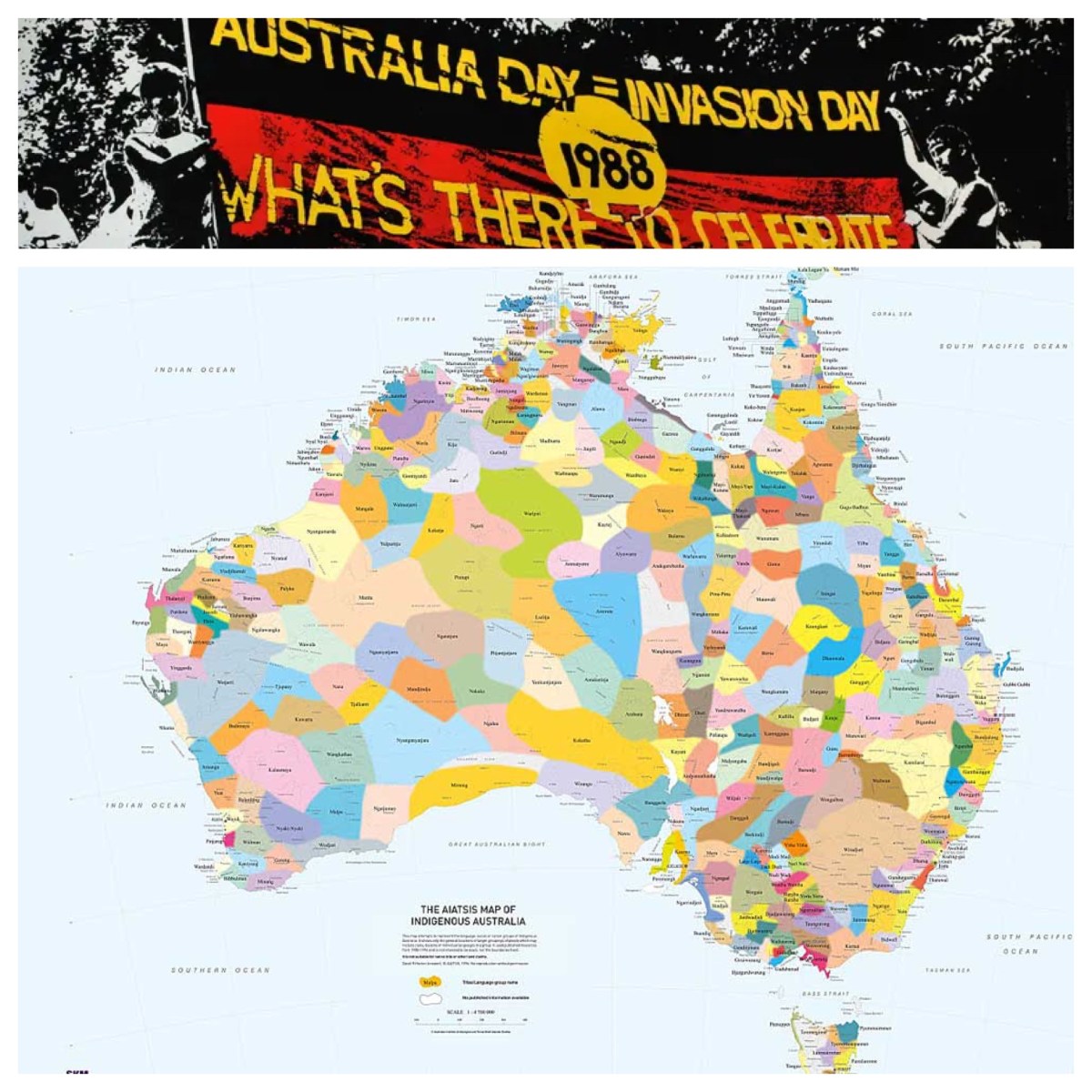
Today, 27 January, is the day after Australia Day, 26 January. But because that day fell, this year, on a Sunday, all state and territory governments have gazetted today as a public holiday. Because, you know, we neeeeeed that end-of-January long weekend!!
I have previously considered the use of the term “Australia” and thought about the names we use. See
Before 1788, there was no single name for the whole island continent. Some have claimed that the word bandaiyan was a name that referred to the entire continent of Australia. However, this is a Ngarinyin word, from the Kimberley region. It was not necessarily used by, or known to, any of the speakers of the 250 or more languages that were spoken (in what is now thought to be around 800 dialects) by others living on the continent.
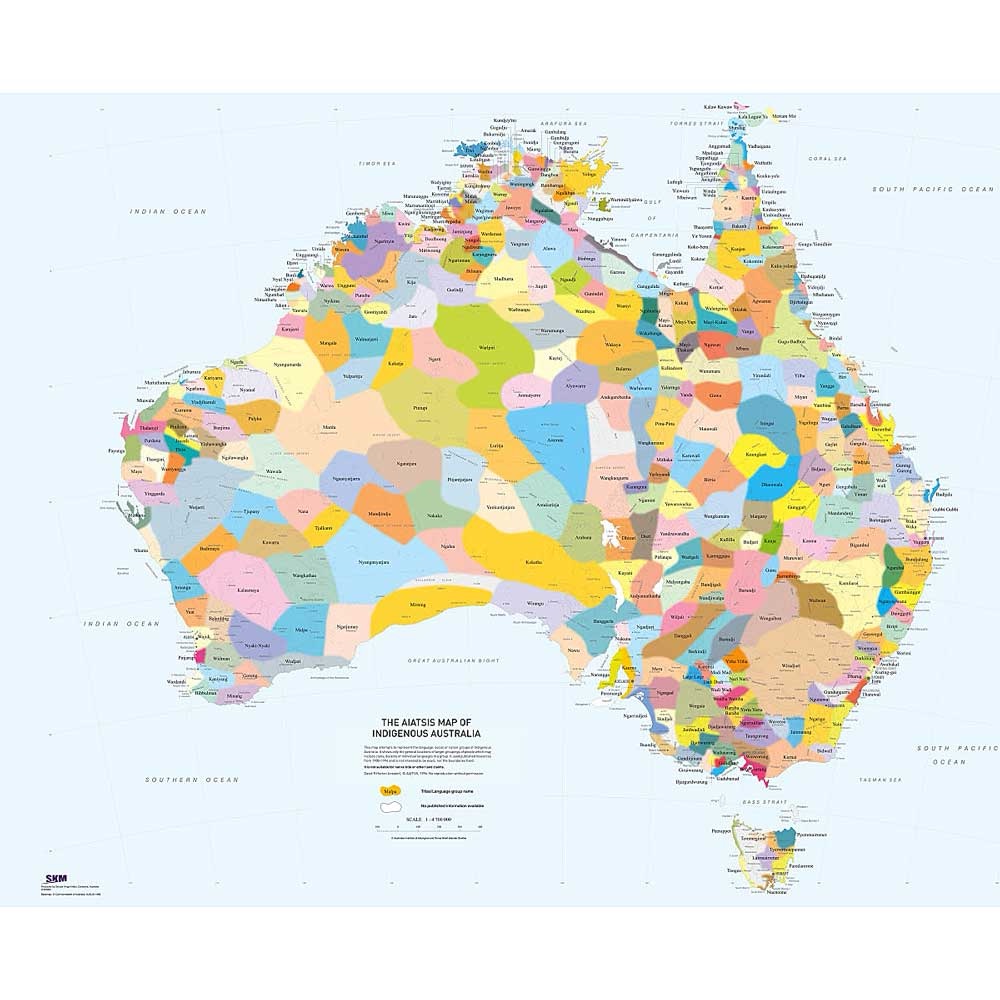
It is estimated that there were 750,000 people living in the 500 or so First Nations located across this large island continent—and on many of the smaller islands associated with the larger continental landmass. Each of these language groups had their own terms for the country where they lived, on the land they had cared for since time immemorial.
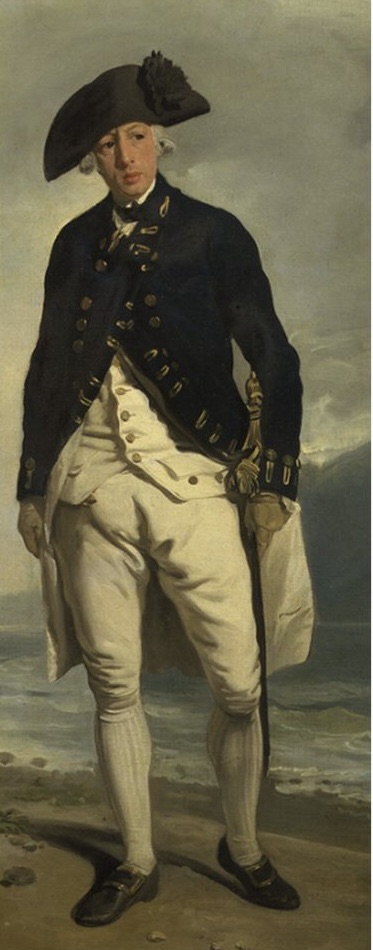
Arthur Philip, in a July 1788 letter to William Petty, wrote: “It has been my determination from the time I landed, never to fire on the Natives, but in a case of absolute necessity, & I have been so fortunate as to have avoided it hitherto. I think they deserve a better Character than what they will receive from Monsr. La Perouse, who was under the disagreable necessity of firing on them. I think better of them from having been more with them. they do not in my opinion want personal Courage, they very readily place a confidence & are, I believe, strictly honest amongst themselves. most of the Men wanting the Right front tooth in the Upper Jaw, & most of the Women wanting the first & second joints of the little finger of the left hand, are circumstances not observed in Capt. Cooks Voyage.”
It is a tragedy that this irenic form of relationship did not continue through the early years of the Colony; and certainly, the string of massacres that took place throughout the 19th century, and into the 20th century, reflect the arrogant, imperialising mentality of the invading colonisers. “The Natives”, when they stood in the way of land acquisitions, were simply to be disposed of. The project in the University of Newcastle, led by Prof. Lyndal Ryan, currently identifies 438 seperate massacres of First Peoples, where a massacre involved the death of six or more people who were unable to defend themselves.
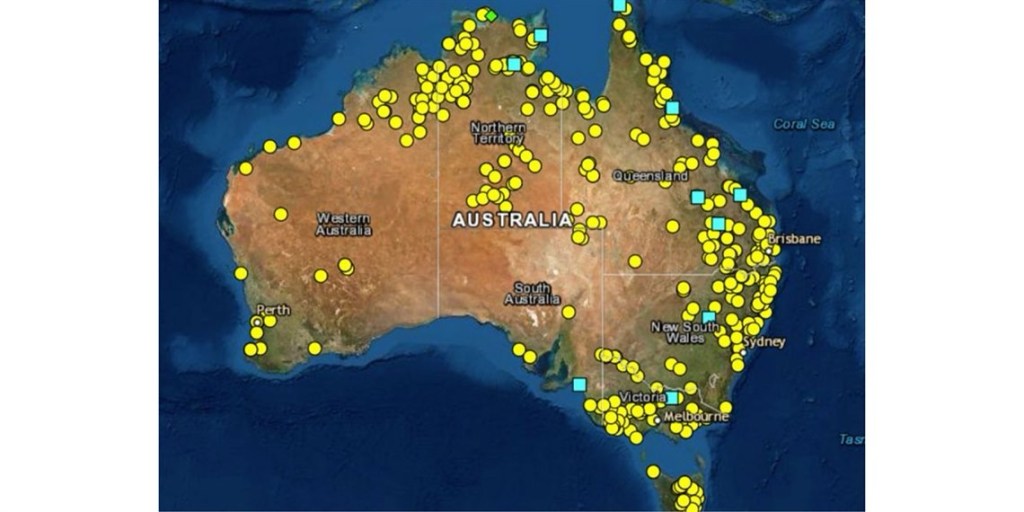
documented by the University of Newcastle project.
This project currently lists over 10,000 deaths in total, but of course, as the stories of more sites are discovered, that number will grow. In an 1885 letter discovered during this research, a Bob McCracken writes about the Calvert Downs massacre of,earlier that year, stating that “killing odd ones or even twos or threes is no good, they are never missed and nothing but wholesale slaughter will do any good.”
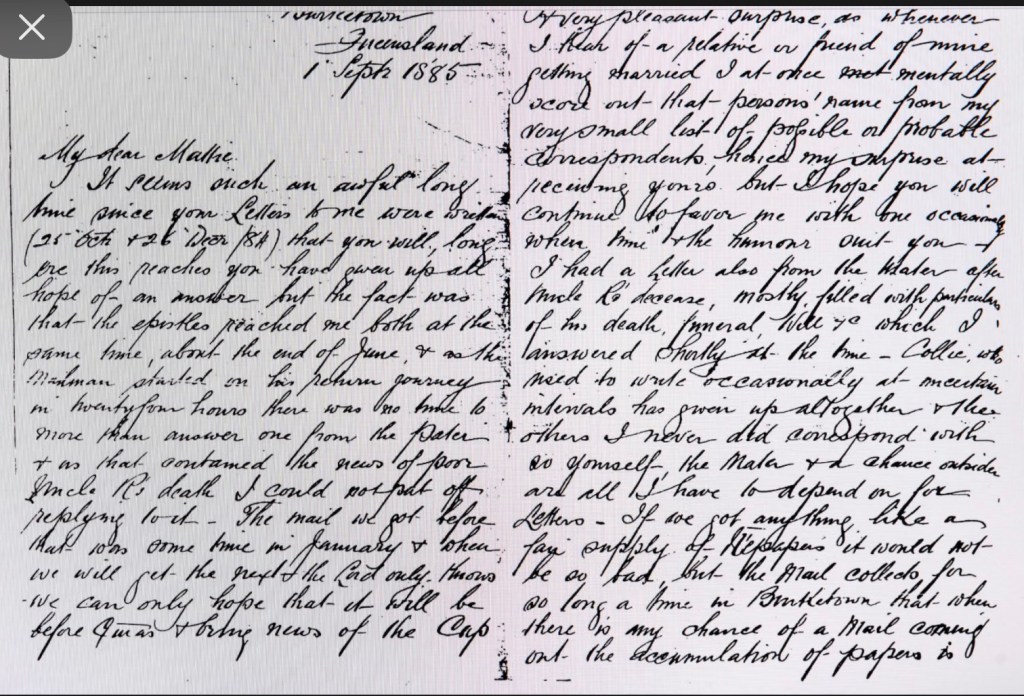
which details the Calvert Downs massacre.
These massacres form a massive collective stain on the consciences of modern white Australians who can trace their ancestors back onto those early decades of the Colony. How much do they signal,what is unfortunately increasingly evident in the Australian on the 2020s: we are less tolerant of “outsiders”, more likely to,turn our attacks (verbal, and physical), on “foreigners”, ready at times to shout “go back to where you came from” to people who look or sound different—even if they happen to have been born on this land! Is that an expression of our national character? I hope not.
We should reflect on these issues deeply this day, and each day, as we enjoy the benefits of our contemporary lifestyle.
I have consulted the following websites for this blog:
https://firstfleetfellowship.org.au/events/letter-from-governor-arthur-phillip/
https://c21ch.newcastle.edu.au/colonialmassacres/statistics.php
https://c21ch.newcastle.edu.au/colonialmassacres/detail.php?r=1040

 An Informed Faith