
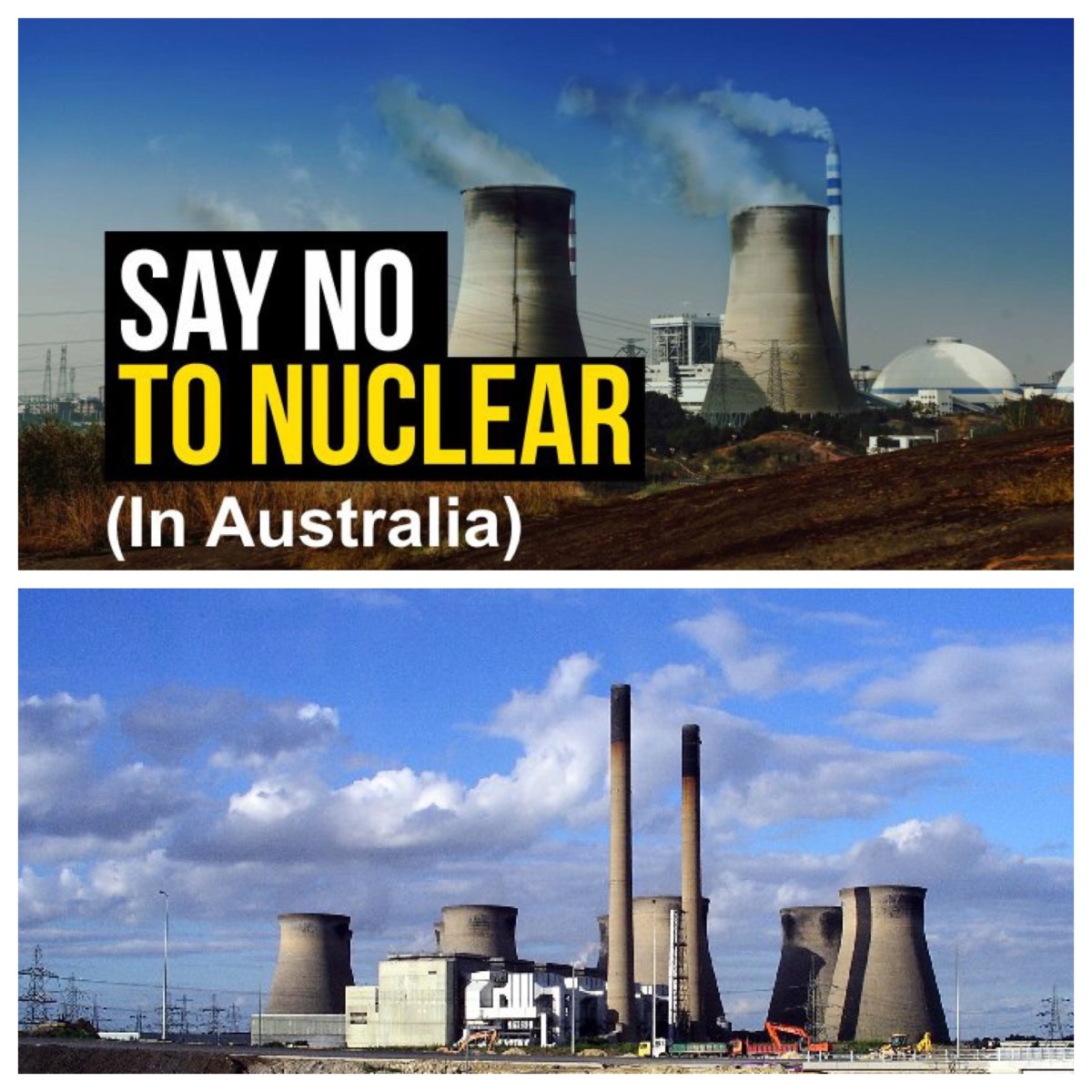
Is moving to nuclear power as the basis for electricity generation in Australia a reasonable move? There are many problems with this idea. Here are seven key reasons that come to mind for me.
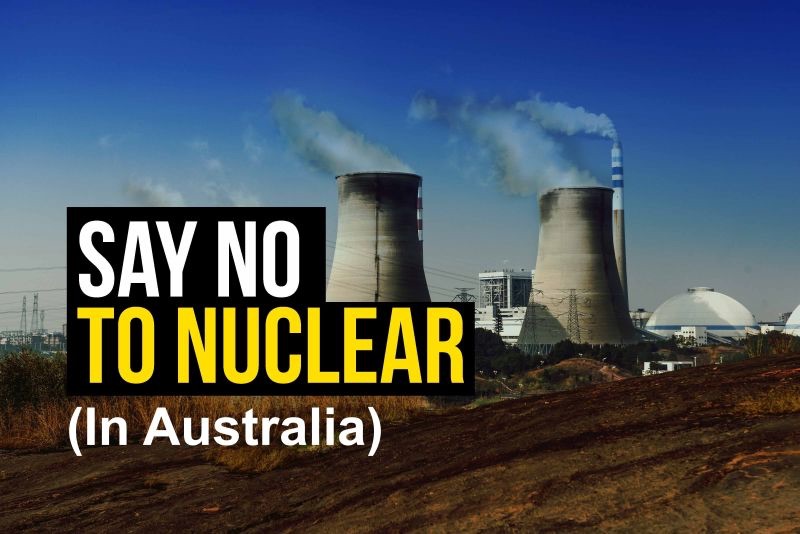
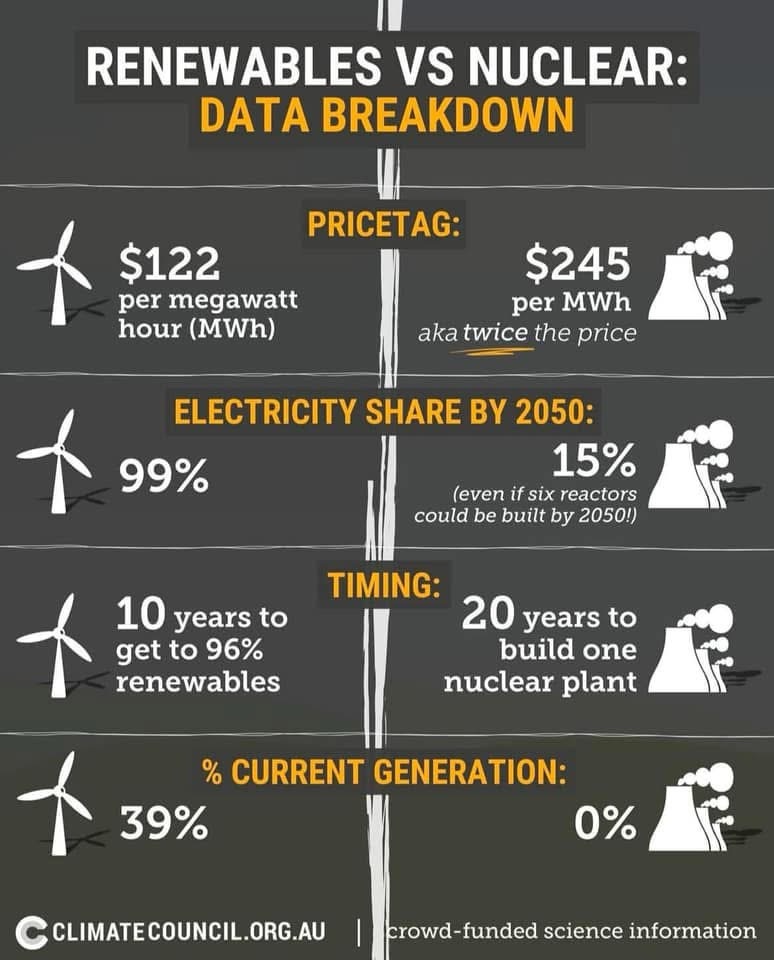
1. Time. We are a long way from having the capacity for nuclear power to provide electricity in Australia. If we were to start work right now, there wouldn’t be any nuclear-generated electricity before 2040 at the earliest, according to the CSIRO. Even then, it might take years longer. Nuclear energy is not an immediate solution to our energy production issues.
2. Pollution. In the meantime, while we wait for the nuclear power plants to be built, there will be about a billion tonnes of climate pollution from burning more coal and gas. It would be more sensible to spend money in developing truly renewable sources of energy. These will cause far less climate pollution than nuclear power. Nuclear energy produces lots of pollution.
3. Cost. The cost of building nuclear power plants to generate electricity is much higher than any other source of power. Small Modular Reactors cost more than four times more than Solar Farms to build and maintain. Even larger-scale nuclear plants (which are not in view for Australia at the moment) are two and a half times the cost involved in harnessing renewable sources of energy. Nuclear energy is bad economic policy.
4. Efficiency. For the seventh year in a row, the CSIRO has said that renewable sources of energy are the most cost-efficient way of generating electricity. Large scale Solar PV farms is the most efficient. Gas turbine costs are rising. Nuclear power is the most expensive and least efficient way to generate electricity.
5. Risks for the environment. There are large environmental risks associated with nuclear power. Radioactive waste is a by-product of producing nuclear energy. This waste needs to be transported safely and stored securely. If it escapes, it can cause significant damage to human beings and to the whole environment. The risk lasts for thousands of years. Again: nuclear energy is bad environmental policy.
6. Risks for people. We have seen that even nuclear power plants that have high safety standards have failed to keep radioactive materials safe (see Chernobyl in 1986, and Fukushima in 2011). Many people have suffered from the breakdown of these nuclear reactor sites. Playing with this risk in Australia is unacceptable. Nuclear energy is risky.
7. Water. Nuclear reactors would require massive amounts of water to keep them running. A typical 1600MW nuclear facility uses 2,000 litres of water per second—that’s how much water four average households use in one year! With increased risks of drought in Australia, the driest continent on earth, this is bad management of our resources. Again, nuclear energy is bad environmental policy.
Sources consulted:
Centre for Independent Studies, “The six fundamental flaws underpinning the energy transition” (2 May 2014)
Centre for Independent Studies, “Nuclear vs Renewables—which is cheaper?” (Energy News Bulletin, 12 July, 2024)
Climate Council, “Why nuclear energy is not worth the risk for Australia” (media release, 28 January 2025)
Climate Council, “CSIRO confirms nuclear fantasy would cost twice as much as renewables” (explainer, 10 December 2024)
CSIRO, “GenCost: cost of building Australia’s future electricity needs” (Consultation Draft released February 2025; final version to be released in the second quarter of 2025)

 An Informed Faith