
Each canonical Gospel ends with an account of the death of Jesus and his burial; the discovery of the empty tomb and subsequent appearances to various followers; and, in one case—that of Luke—an explicit account of his ascending into heaven. (Both Matthew, in its closing scene, and John, in one of the words of the risen Jesus, offer hints about this event without attempting to describe it.)
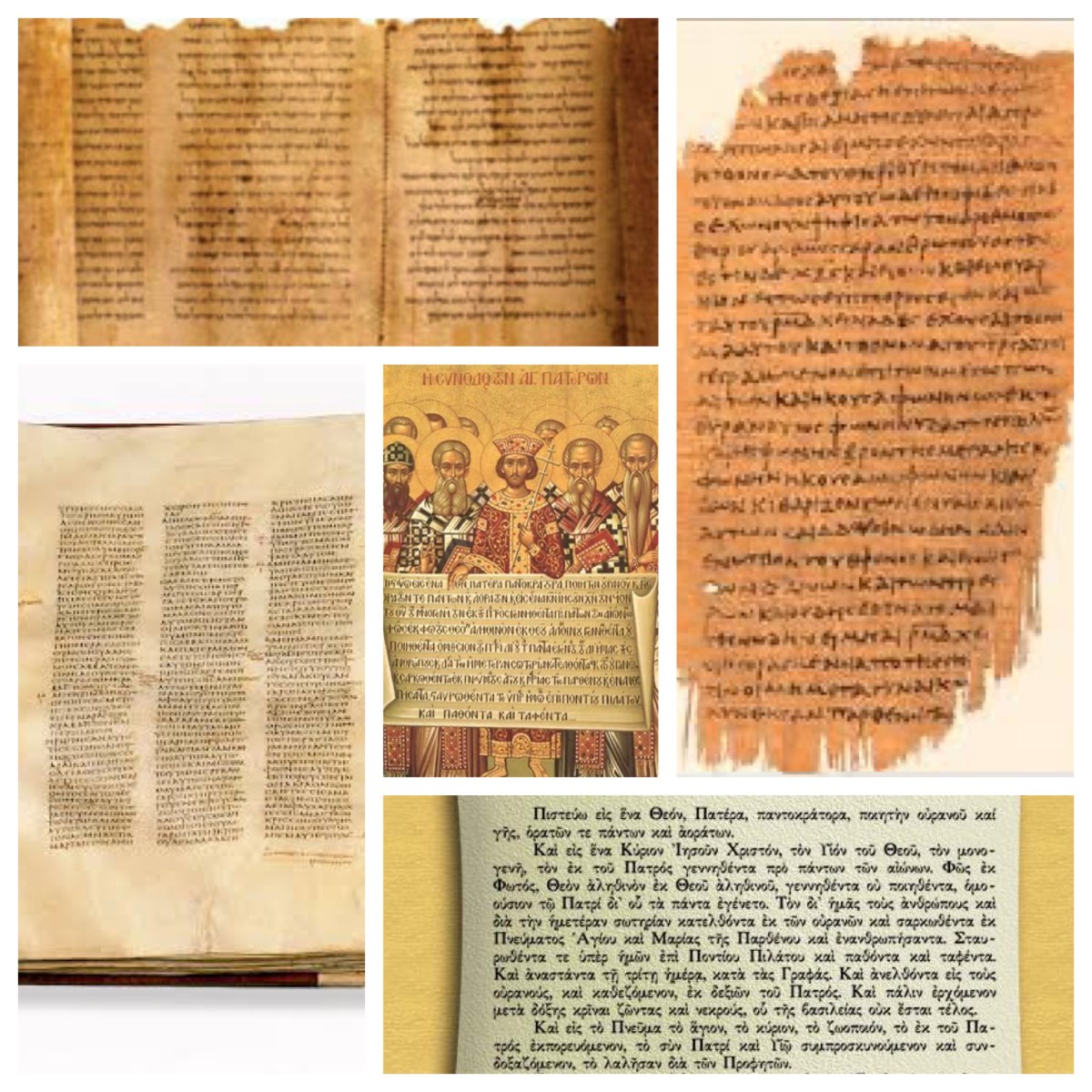
The Nicene Creed certainly acknowledges this, albeit in a staccato shorthand manner: “on the third day he rose again in accordance with the scriptures; he ascended into heaven and is seated at the right hand of the father”. It then goes on to describe future events yet to take place: “he will come again in glory to judge the living and the dead, and his kingdom will have no end”.
These statements draw from isolated verses found in a range of different contexts: various sayings attributed to Jesus, some statements made in Acts and some letters, and inferences drawn from Revelation. They are collated into a succinct, cohesive set of affirmations. It’s a very early instance of a method that became widespread throughout the centuries: weaving isolated “proof texts” into a single “systematic theology”.
However, the Creed turns a blind eye to much of what is told in the various Gospels, in terms of what Jesus said and did, who he encountered and what it meant to respond to his command to “follow me”, where he spent his time and what essential teachings he conveyed. These things were important to the Gospel writers—but not, it would seem, to the framers of the Creed. Perhaps they simply assumed these things from knowledge of the Gospel? But this would not explain why other aspects of the New Testament texts are, as we have seen, directly referenced within the Creed. Some selective editing was at work! See
The one exception to this might well be the thread running through the fourth Gospel, in which the series of conflicts that Jesus has with authorities in Judea revolve around the status of Jesus and his relationship to God. This issue sits at the heart of John’s Gospel, and it is also at the centre of the concerns reflected in the Nicene Creed.
In the Prologue to this Gospel, as we have seen, the pre–existent Logos, the word made flesh, Jesus Christ, is the one who “makes God known” (1:1, 14, 17-18). Jesus “speaks the words of God” (3:34; 8:47; 12:50; 14:8–10; 17:14), gives teaching which is “from God” (7:16–18; 14:24; 17:7–8), makes known “everything that I have heard from my Father” (15:15), utters words of “spirit and life” (6:63, 67). For the author of this Gospel, Jesus is, indeed, the Word who was always with God (1:1).
There are some striking claims made about Jesus in this Gospel, which relate directly to the Creed. Beside the Sea of Tiberias, Simon Peter affirms that, in Jesus, “we have come to believe and know that you are the Holy One of God” (John 6:69). Later, in Bethany, it is Martha who expresses what Peter had said (in the Synoptic Gospels) at Caesarea Philippi, “I believe that you are the Messiah, the Son of God”, before continuing with a characteristically Johannine addition, “(you are) the one coming into the world” (John 11:27).
It is worth exploring, however, how some of the other statements spoken about Jesus in this Gospel were made in contexts of dispute and disagreement. In the first half of the Gospel, the leaders in Jerusalem hear a series of teachings from Jesus and respond with surprise and a growing antagonism.
These leaders witnessed the healing of a lame man by Jesus and heard his claims about his authority (ch.5), leading them to accuse him of “making himself equal to God” (5:18). They heard him speak about himself as “the living bread which came down from heaven” (ch.6), although the key response in this chapter is not from the authorities, but from those following Jesus: “this teaching is difficult; who can accept it?” (6:60).
As Jesus teaches during the Festival of Booths (ch.7), “the chief priests and Pharisees sent temple police to arrest him” (7:32), but this threat was not carried through, for the temple police report back with their observation, “never has anyone spoken like this!” (7:46). Jesus continues with a further speech, claiming “I am the light of the world” (8:12; also 9:5). Is this a deliberate echo of the “pillar of fire by night” that gave light to the travelling Israelites (Exod 13:21; Neh 9:12, 18)? Certainly, looking forward from John’s Gospel, there is a clear allusion to this claim in the credal affirmation that Jesus is “Light from light”.
After Jesus makes this claim, the debate with the authorities intensifies with Jesus accusing them, “you are from your father the devil, and you choose to do your father’s desires” (8:44) and the authorities responding, “are we not right in saying that you are a Samaritan and have a demon?” (8:48). This scene ends with the first threat to stone Jesus (8:59).
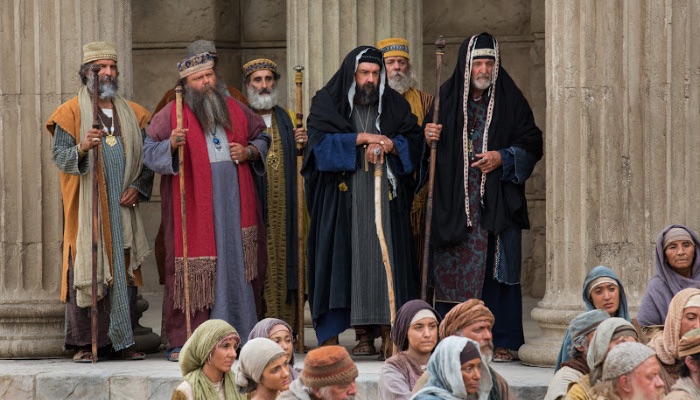
Then, after some Pharisees take the lead in interrogating a man who had been healed from his blindness by Jesus (ch.9), they reviled Jesus with the statement, “we are disciples of Moses; we know that God has spoken to Moses, but as for this man, we do not know where he comes from” (9:28–29). The antagonism continues, focussed around the identity of Jesus. In a further speech, Jesus then claims “I am the gate for the sheep”, lambasting those who came before him (presumably the Jewish authorities and their precursors) as “thieves and bandits”, declaring that “the sheep did not listen to them” (10:7–8).
Jesus intensifies matters still further when he appropriates the shepherd, a well-known image for leadership amongst the Jews (Jer 3:15, 23:4; Ezek 34:1–12; Ps 78:70–72), claiming that “I am the good shepherd” (John 10:11, 14). Again, he is accused by some of being possessed by a demon, although not all agree (10:19–21), and again there is a threat to stone him (10:31). His words are provocative: “the Father and I are one” (10:30). The response is equally incendiary: “you, though only a human being, are making yourself God” (10:33).
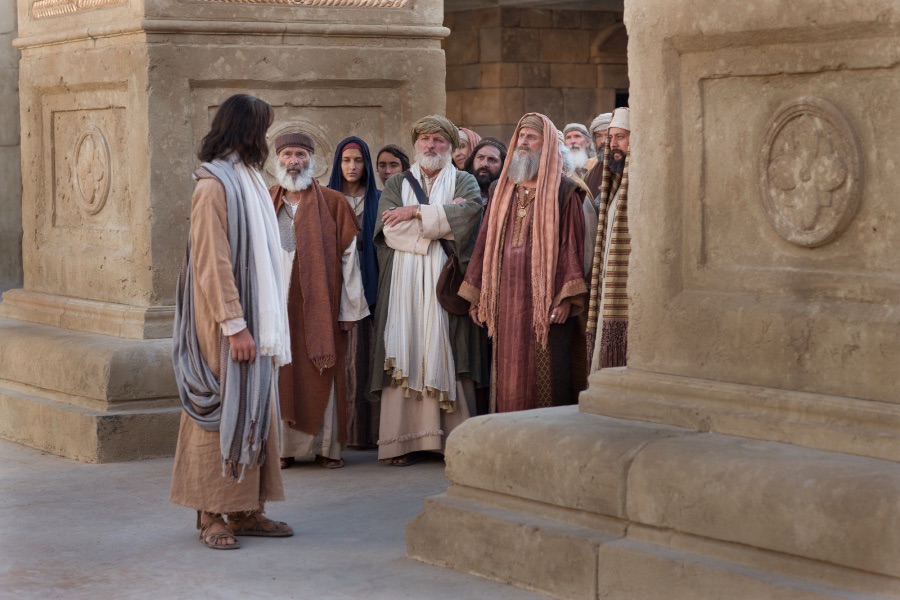
Yet again, Jesus avoids being arrested (10:39), but what he does next seals the deal in the mind of his powerful opponents. Responding to a plea to travel to Bethany, where his beloved friend Lazarus was ill, Jesus arrives to find him dead and in his tomb (ch.11). The narrator reports that Jesus made a sweeping claim for himself: “I am the resurrection and the life” (11:25)—the last of seven “I am” statements in this Gospel, which cumulatively provide a significant case for the unique significance of Jesus. For the author of this Gospel, Jesus is “the only Son, who is close to the Father’s heart” (1:18) who has been “made equal with God” (5:18); indeed, the Johannine Jesus claims explicitly, “the Father and I are one” (10:30).
To demonstrate that he is indeed “the resurrection”, Jesus called Lazarus out of the tomb—as a result of which, “many of the Jews therefore, who had come with Mary and had seen what Jesus did, believed in him” (11:45). Some of them, however, “went to the Pharisees and told them what he had done” leading to a meeting of the council which determined to put him to death (11:46–53). And so the decision is made, and the path is set.
Soon after, the narrator reports that “Jesus, knowing that the Father had given all things into his hands, and that he had come from God and was going to God, got up from the table, took off his outer robe, and tied a towel around himself” (13:3–4). Later, Jesus told his followers that “now the Son of Man has been glorified, and God has been glorified in him. If God has been glorified in him, God will also glorify him in himself and will glorify him at once” (16:27).
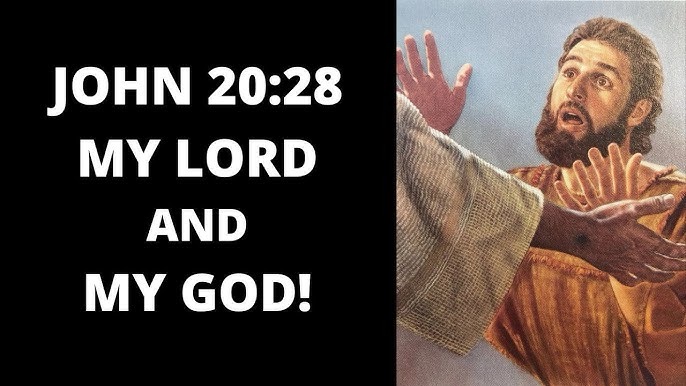
Then, after his death—and his resurrection from that death—Thomas utters the definitive Johannine declaration about, Jesus: “My Lord and my God!” (20:28). There can be no doubt, for this evangelist, about that claim. (No Synoptic author comes close to attributing any such claim to Jesus.) Again, the Nicene Creed echoes this in its assertion that Jesus is “true God from true God … of one being with the Father”.
It is worth recalling the antagonistic context in which Jesus makes some of his best-known and much-beloved affirmations. It is also worth noting that the Council that made the decisions about the wording of the Nicene Creed was also an environment of highly-contested disagreements. Why, the tale is told of one member who used physical violence to restrain another, echoing the conflicts of John 5–11. At least in this regard, those who wrote the Creed were faithful to the aggressive methos and polemical tone of scripture!
This Gospel thus follows a very different pathway from that offered by the Synoptics Gospels, which relentlessly orient the focus of the reader or hearer onto what Jesus said and did in Galilee, and then what was said and done to Jesus in Jerusalem. And the Nicene Creed, of course, happily ran headlong along the pathway opened up by the fourth Gospel, and, as we have noted, left the many significant elements of the body of each of the Synoptic Gospels to be noted, almost as afterthoughts, in a short sequence of punctiliar comments: he “became incarnate … was made human … was crucified under Pontius Pilate … suffered death and was buried”.
See previous posts at
and subsequent posts at

 An Informed Faith