What’s in our character? For “Australia Day”, 26 January (part 2)

Today, 27 January, is the day after Australia Day, 26 January. But because that day fell, this year, on a Sunday, all state and territory governments have gazetted today as a public holiday. Because, you know, we neeeeeed that end-of-January long weekend!!

I have previously considered the use of the term “Australia” and thought about the names we use. See 

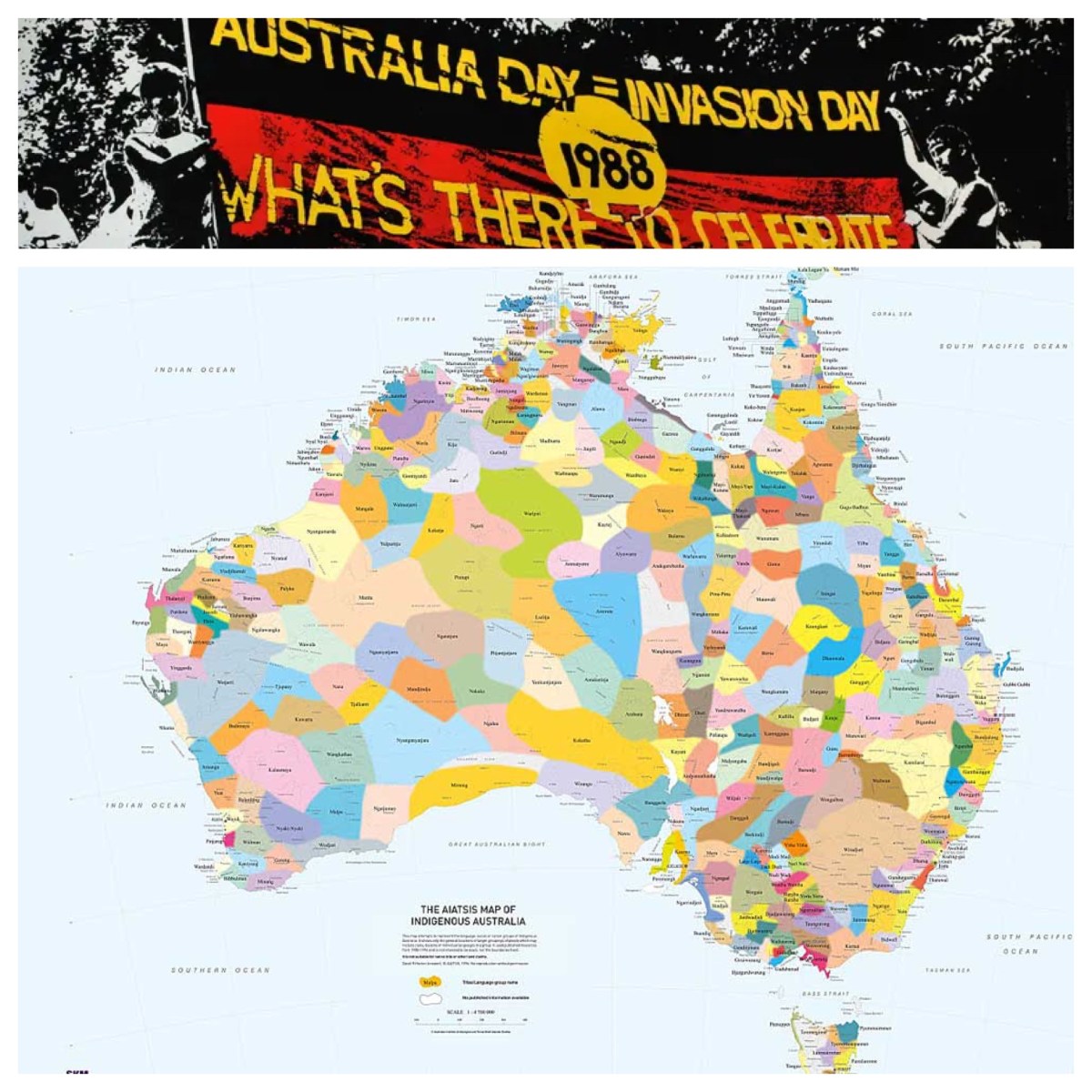
Before 1788, there was no single name for the whole island continent. Some have claimed that the word bandaiyan was a name that referred to the entire continent of Australia. However, this is a Ngarinyin word,  from the Kimberley region. It was not necessarily used by, or known to, any of the speakers of the 250 or more languages that were spoken (in what is now thought to be around 800 dialects) by others living on the continent.
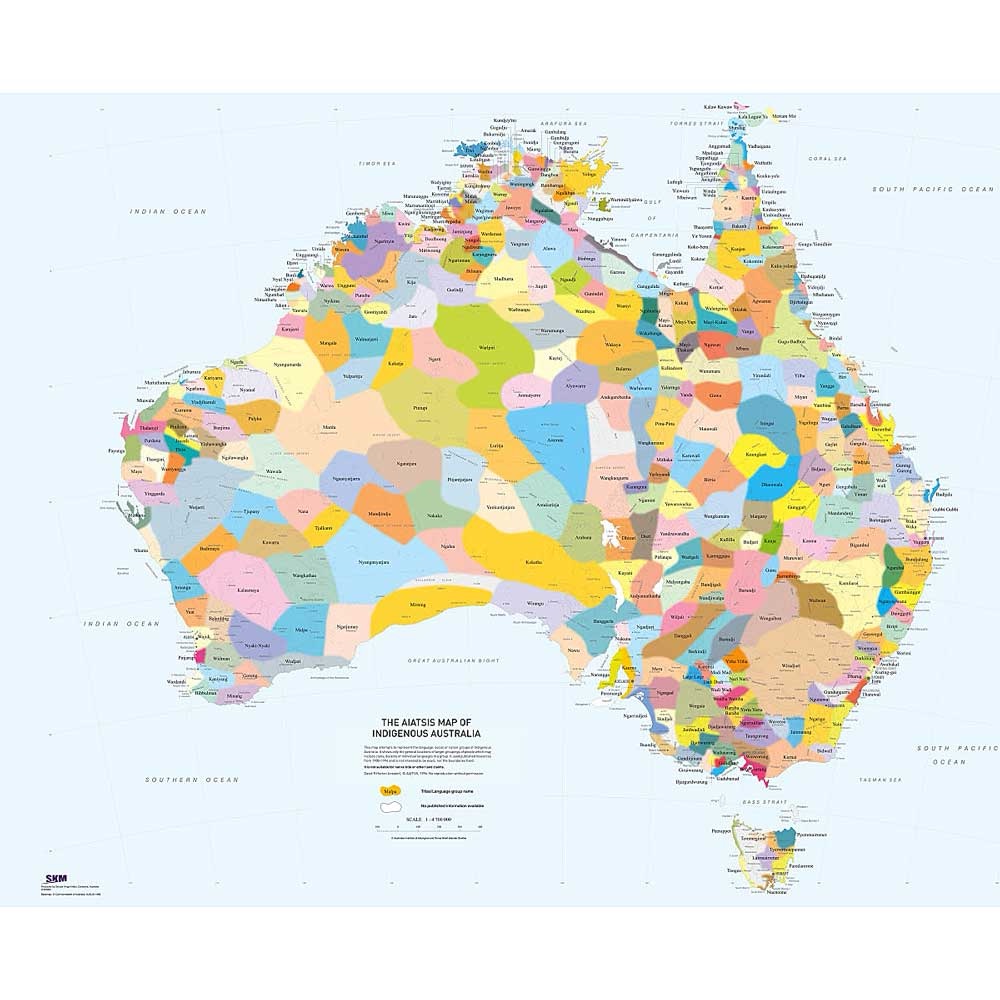
It is estimated that there were 750,000 people living in the 500 or so First Nations located across this large island continent—and on many of the smaller islands associated with the larger continental landmass. Each of these language groups had their own terms for the country where they lived, on the land they had cared for since time immemorial. 

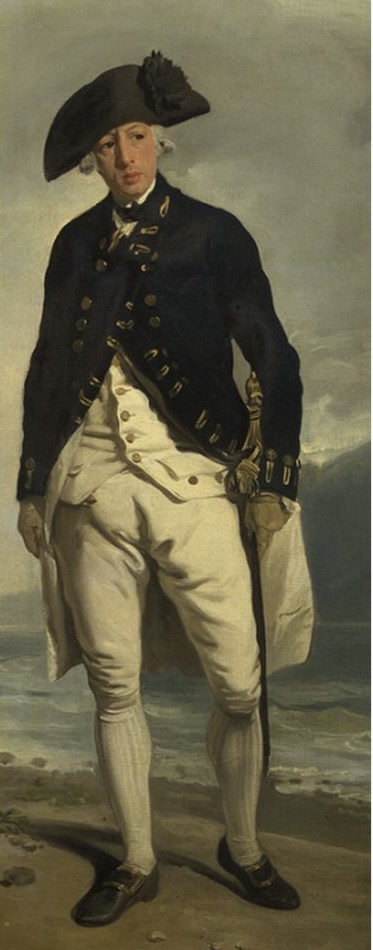
Arthur Philip, in a July 1788 letter to William Petty, wrote: “It has been my determination from the time I landed, never to fire on the Natives, but in a case of absolute necessity, & I have been so fortunate as to have avoided it hitherto. I think they deserve a better Character than what they will receive from Monsr. La Perouse, who was under the disagreable  necessity of firing on them. I think better of them from having been more with them. they do not in my opinion want personal Courage, they very readily place a confidence & are, I believe, strictly honest amongst themselves.  most of the Men wanting the Right front tooth in the Upper Jaw, & most of the Women wanting the first & second joints of the little finger of the left hand, are circumstances not observed in Capt. Cooks Voyage.”
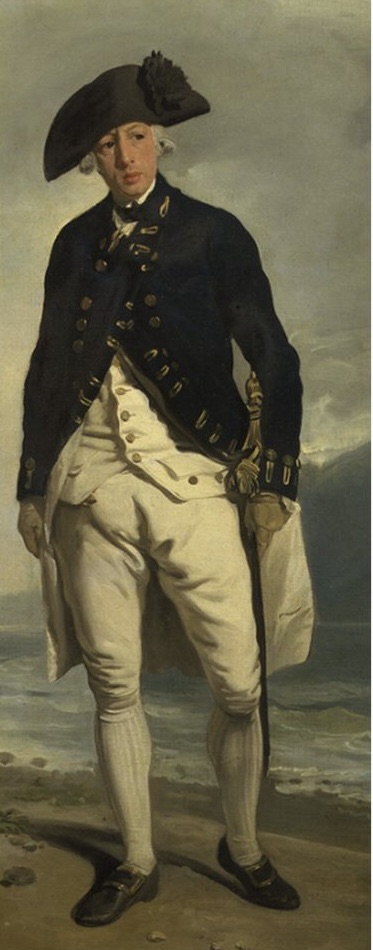
Governor Arthur Philip

It is a tragedy that this irenic form of relationship did not continue through the early years of the Colony; and certainly, the string of massacres that took place throughout the 19th century, and into the 20th century, reflect the arrogant, imperialising mentality of the invading colonisers. “The Natives”, when they stood in the way of land acquisitions, were simply to be disposed of. The project in the University of Newcastle, led by Prof. Lyndal Ryan,  currently identifies 438 seperate massacres of First Peoples, where a massacre involved the death of six or more people who were unable to defend themselves.
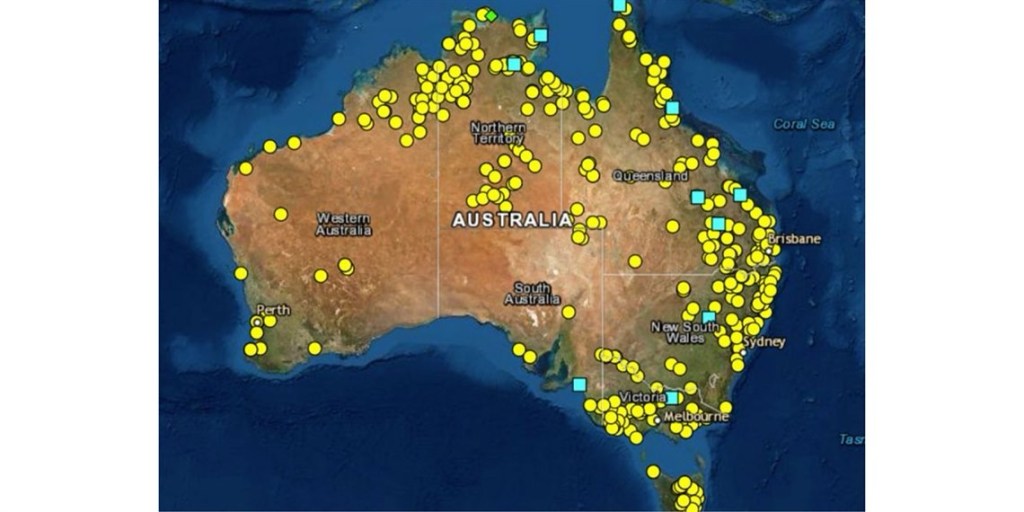
Each yellow dot represents the location of a massacre
documented by the University of Newcastle project.

This project currently lists over 10,000 deaths in total, but of course, as the stories of more sites are discovered, that number will grow. In an 1885 letter discovered during this research, a Bob McCracken writes about the Calvert Downs massacre of,earlier that year, stating that “killing odd ones or even twos or threes is no good, they are never missed and nothing but wholesale slaughter will do any good.”
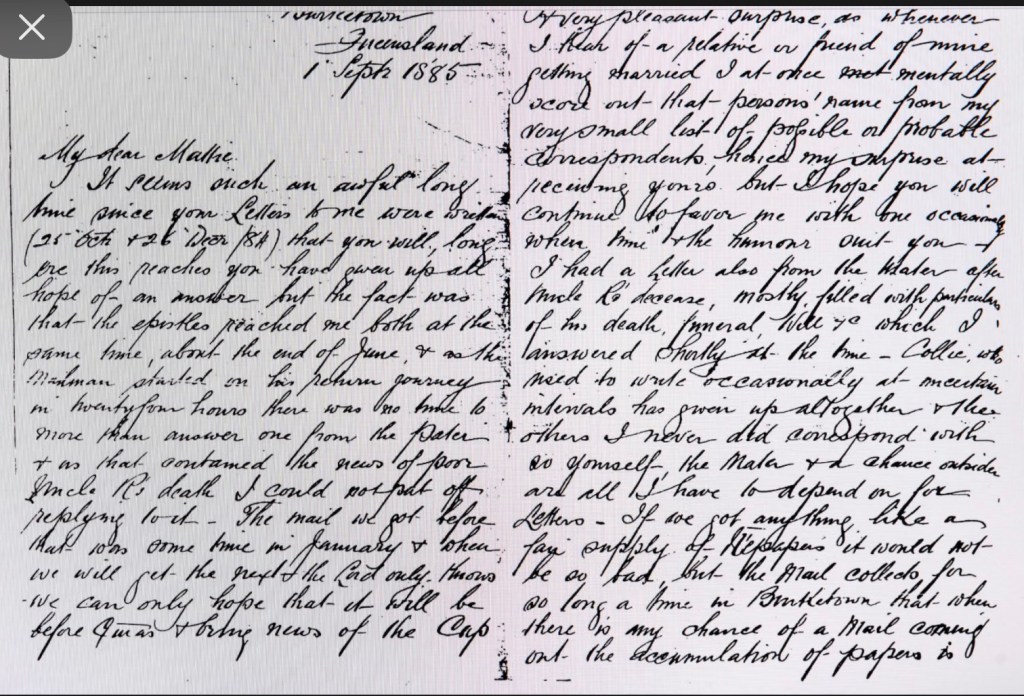
Bob McCracken’s 1885 letter to his sister,
which details the Calvert Downs massacre.

These massacres form a massive collective stain on the consciences of modern white Australians who can trace their ancestors back onto those early decades of the Colony. How much do they signal,what is unfortunately increasingly evident in the Australian on the 2020s: we are less tolerant of “outsiders”, more likely to,turn our attacks (verbal, and physical), on “foreigners”, ready at times to shout “go back to where you came from” to people who look or sound different—even if they happen to have been born on this land! Is that an expression of our national character? I hope not.

We should reflect on these issues deeply this day, and each day, as we enjoy the benefits of our contemporary lifestyle.

I have consulted the following websites for this blog:

https://firstfleetfellowship.org.au/events/letter-from-governor-arthur-phillip/

https://c21ch.newcastle.edu.au/colonialmassacres/statistics.php

https://www.theguardian.com/australia-news/2022/mar/16/attempted-aboriginal-massacres-took-place-as-recently-as-1981-historian-says

https://c21ch.newcastle.edu.au/colonialmassacres/detail.php?r=1040
What’s in a name? For “Australia Day”, 26 January (part 1)

Today, 26 January, is Australia Day, by official government decree. It remembers the landfall on the eastern shores of this continent made by the British-appointed Governor Arthur Philip, his troops, and the convicts of what we now call The First Fleet. Prior to his departure from Britain, Phillip had received Instructions (composed by Lord Sydney) from King George III, “with the advice of his Privy Council”. These Instructions included Phillip’s Commission as Captain-General and Governor-in-Chief of New South Wales. 

Governor Arthur Philip

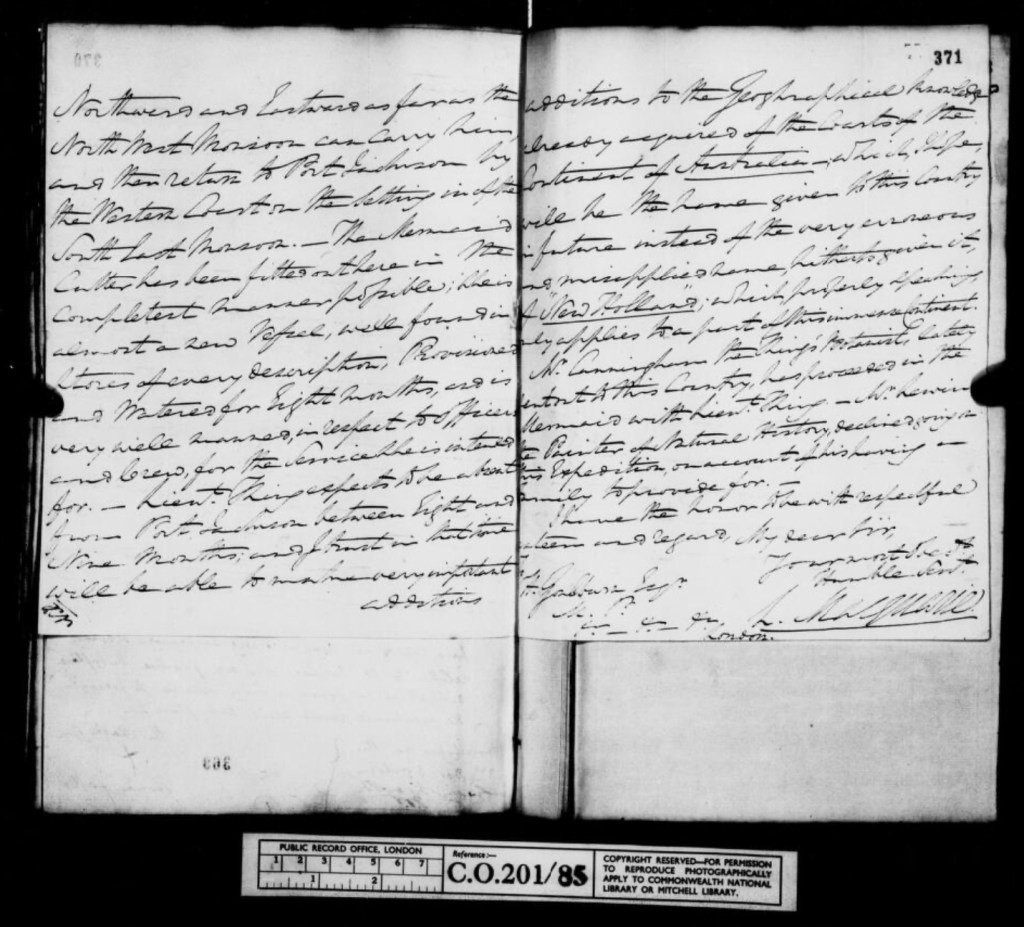
Despite extensive searching, these Instructions cannot be located in any library or state records office in Australia, nor in Britain. (Philip obviously had an inefficient PA !!) There is an amended Commission, located with the Public Record Office in London, dated 25 April 1787. This document designated the territory of New South Wales as including “all the islands adjacent in the Pacific Ocean” as well as the mainland mass running westward to the 135th meridian, that is, about mid-way through the continent. Such was the way of British imperialism.

We don’t know exactly what Philip said on 26 January 1788. He subsequently wrote a letter on 3 July that year to William Petty, 1st Marquess of Lansdowne and 2nd Earl of Shelburne, in which he explained that “Port Jackson … I have preferd to Botany bay as affording a more eligible Situation for the Colony, & being with out exception the finest Harbour in the World” and notes that “this Country will hereafter be a most Valuable acquisition to Great Brittain from its situation.”

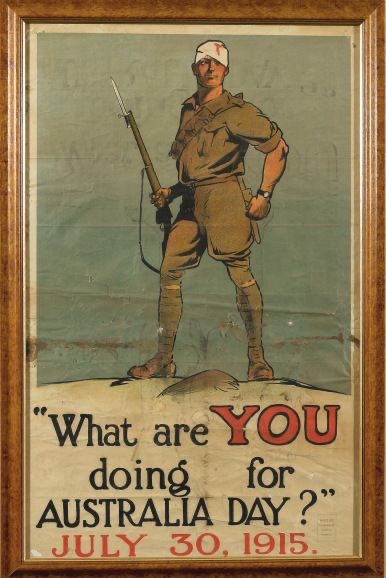
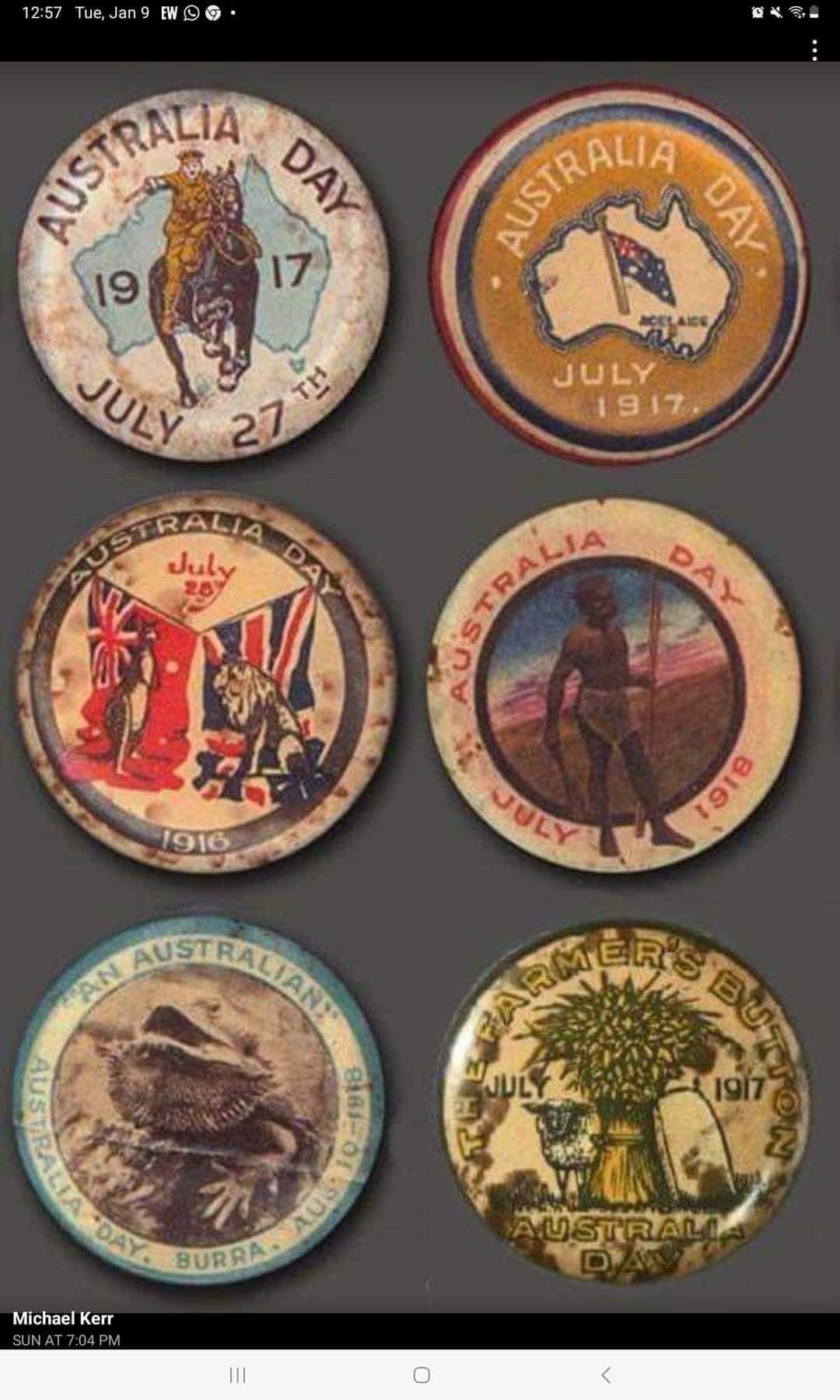
That’s what we remember on Australia Day. This day has, of course, been celebrated on other days in the past. In 1915, it was held on 30 July. The Australian War Memorial notes that it was suggested to the Premier of NSW that “an ‘Australia Day’ [be held] as a way of drawing on the pride of Australians in their soldiers’ recent achievements at Gallipoli”. The next year, the Australia Day committee that had formed in 1915 to organise the war effort fundraising determined that it would be held on 28 July.

In NSW, since the time of Governor Lachlan Macquarie, 26 January had been commemorated as “Anniversary Day” or “Founders Day”. There are records from as early as 1808 of ex-convicts participating in “drinking and merriment” on the evening of 25 January to celebrate their new home. In Tasmania, by contrast, “Hobart Regatta Day” was established on 1 December 1838, to commemorate the anniversary of Abel Tasman’s discovery of the island he named Van Diemen’s Land, in 1642. In 1879 it was moved to be earlier in the year, in January or February.

The name “Australia” was further entrenched in the (un)imaginatively-named Western Australia. Overwest, “Foundation Day” has long been held on the first Monday in June, to commemorate the founding of the Swan River Colony in 1829. In the equally (un)imaginatively-named South Australia, “Proclamation Day” celebrated the date the government was established in South Australia as a British province, on 28 December 1836. It was when South Australia held its “founding day” celebrations for decades, until they unified with other states to celebrate “Australia Day” on 26 January.  But there are still celebrations for “Proclamation Day” each year on 28 December.

By 1935, celebrations were held in all states on 26 January, although it was still known as “Anniversary Day” in NSW, and “Foundation Day” in other areas. The Sesquicentenary (150th anniversary) of British colonisation of Australia was widely celebrated in all state capitals in 1938. A significant protest took place on this day in 1938, when the Australian Natives Association held a “Day of Mourning”. The main celebrations were held in Sydney, but newspapers from others states show that the language of “Anniversary Day” had been adopted there for 26 January, recognising it to be a national date of significance. Its place in national life was, despite Indigenous protests, now settled.

In 1946, the Federal Government and all state governments agreed to unify all the state-based Australia Day celebrations and celebrate on 26 January as a country. The “Australia Day” public holiday was taken on the Monday closest to the 26th, giving the traditional “long weekend” in late January, which for many signalled the end of summer, the return to school and work. 

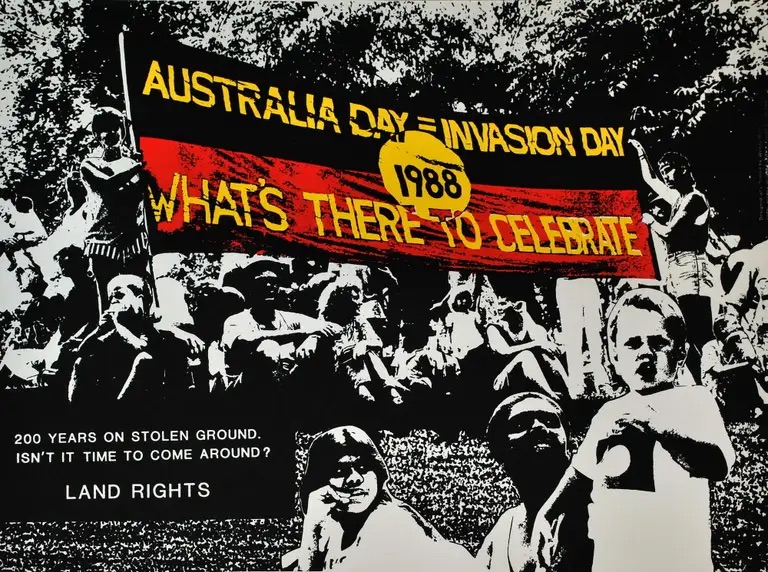
Questioning of the celebratory status of Australia Day gained impetus during the 1988 Bicentenary, when many protests were staged across Australia, involving both Indigenous and non-Indigenous people. They wanted Australia Day to become a commemoration rather than a celebration of Australia’s history.

However, in 1994 the conservative Federal Government decided that the public holiday would be on the actual day of 26 January itself. And so it has been, for 31 years. (So that’s tomorrow: enjoy!)

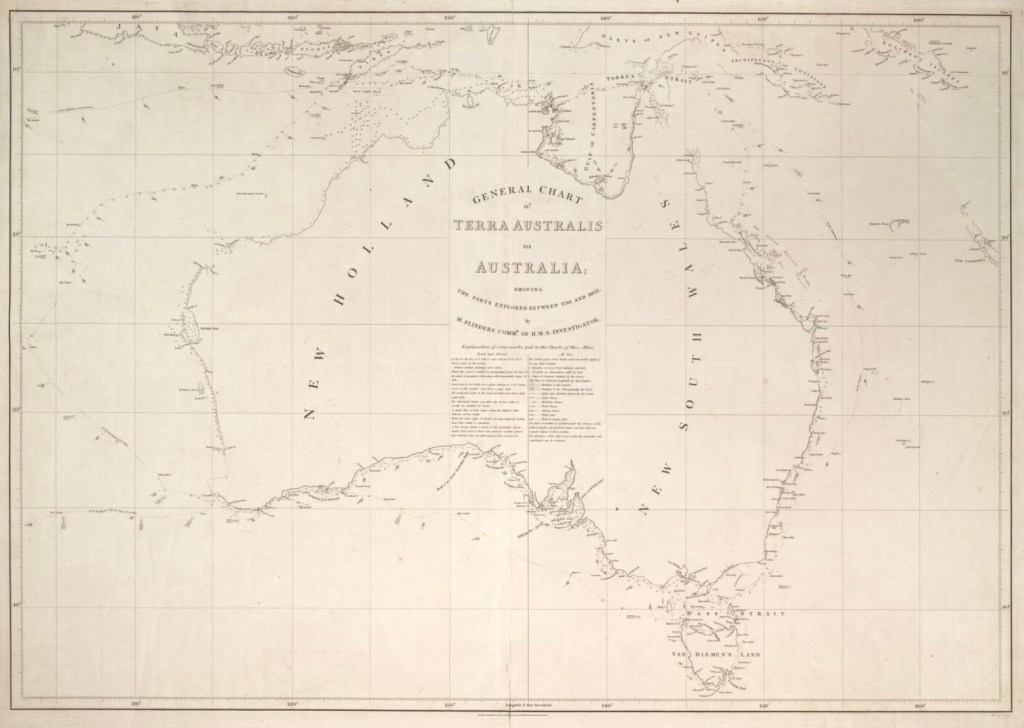
For many centuries Europeans believed there must be a vast land in the southern hemisphere, which they called Terra Australis Incognita, a Latin phrase for “the Unknown South Land”. (In Latin, austral means “south”.) A few decades after the 1788 British invasion and colonisation of the lands around Port Jackson (Sydney Harbour), Matthew Flinders circumnavigated the continent in 1803. Flinders used the name “Australia” to describe the continent on a hand drawn map in 1804. That map was published in 1814 and the continent was named “Terra Australis”.

Dutch explorers had been referring to the continent as “New Holland” since the 17th century. On colonising the region, the British had initially named the Colony “New South Wales”, and that name, of course, has continued to be used to apply to various eastern parts of the continent. In 1817, however, Governor Lachlan Macquarie endorsed the name “Australia” to replace “New Holland” in a dispatch to the Colonial Office in London; over time, this name came into common local usage. 

By 1824 the British Admiralty started to officially use the name, and the term “Australia” was first used in British legislation which decreed that British law was to apply to the two colonies of “New South Wales” (named in reminiscence of a region in Britain that the landscape allegedly reflected) and Van Diemen’s Land (named after its Dutch “discoverer”). Other state names that came later managed to reference the main name of “Australia” (South, or Western), as well as Victoria (in the state of the same name), the long-reigning British monarch (reflected in Queensand).

More to come tomorrow (on the public holiday), reflecting further on what it is that we “celebrate” on this day …

*****

I have consulted the following websites for this blog:

https://www.library.gov.au/research/research-guides-0/where-name-australia-came

https://www.sbs.com.au/voices/article/the-many-different-dates-weve-celebrated-australia-day/vuhb3ar1c

https://www.abc.net.au/news/2025-01-24/australia-day-public-holiday-janaury-26-sunday/104837212

https://www.foundingdocs.gov.au/item-did-35.html

https://firstfleetfellowship.org.au/events/letter-from-governor-arthur-phillip/

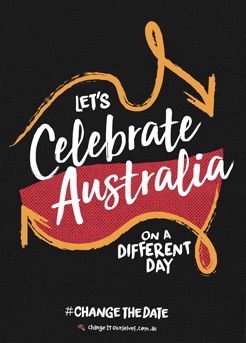
Because of the connection with the arrival of British imperial colonizers and their subsequent expanding “settlement”, do we need to change the date? For a fun discussion of “change the date”, see