
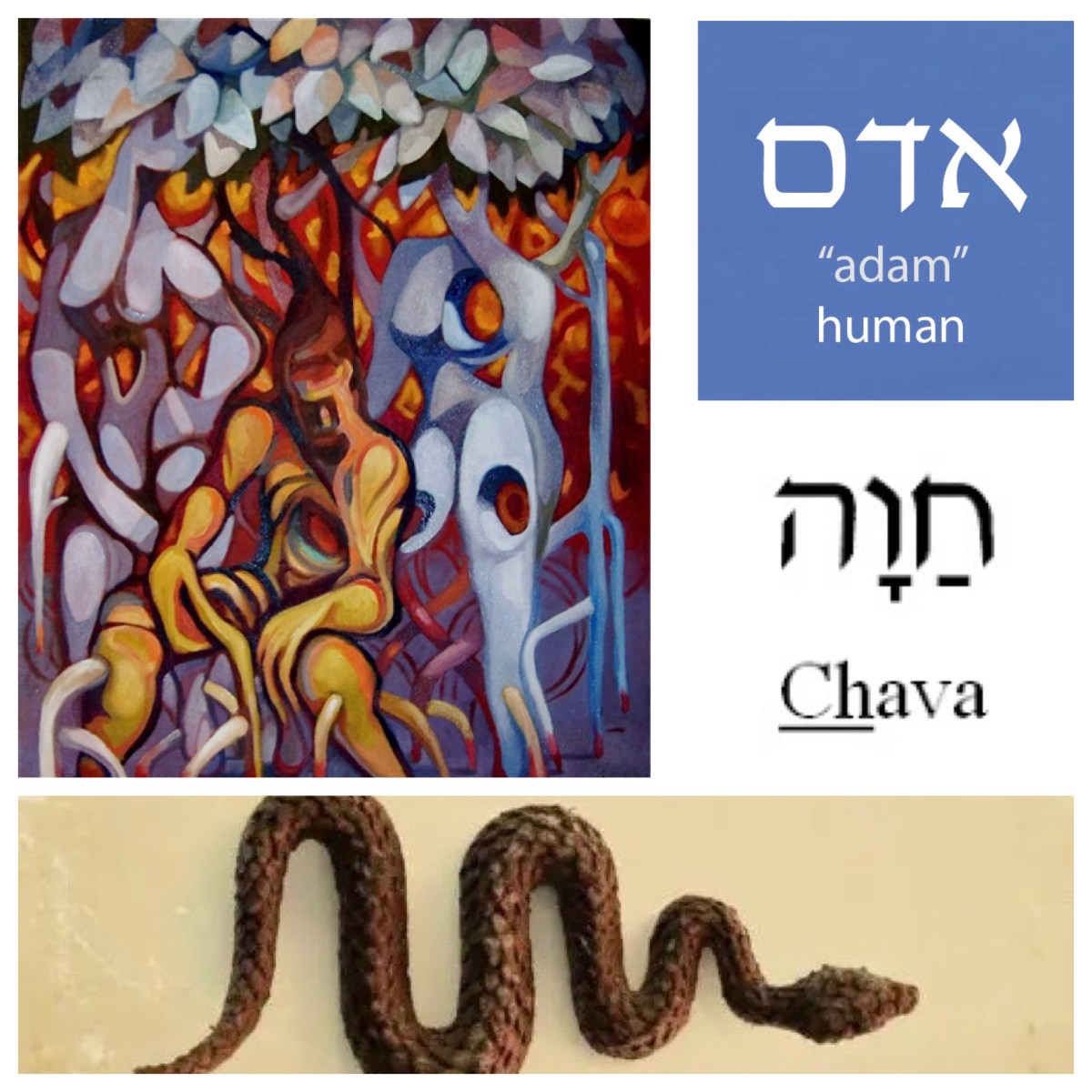
The Narrative Lectionary begins this year’s cycle of readings with some verses from early in the first book of the Bible, Genesis. The lectionary has picked out what it considers to be key verses (2:4–7, 15–17; 3:1–8) from the extended narrative that begins with the second account of creation (2:4–25) and continues with the story of The Garden of Eden (3:1–24).
The first section (2:4–7) tells of the creation of human beings. Unlike the first version of the creation (1:1—2:4a), in which human beings, “male and female”, are created “in the image of God” on the sixth “day” (1:27), this version moves immediately to declare that “the Lord God formed man from the dust of the ground, and breathed into his nostrils the breath of life” (2:7).
Both of these creation stories, and the long, extended narrative that follows, are to be regarded as “myths”; they are traditions about the time of origins, with paradigmatic or fundamental significance for ancient Israelite society, expressing the reality of life and the place of humanity in that reality, through story. See
The breathing of life into the human being in the second creation story signals that “the man became a living being (nephesh hayah)” (Gen 2:7). The phrase nephesh hayah appears also a number of times in the first creation story in Hebrew scripture, where it refers to “living creatures” in the seas (Gen 1:20, 21), on the earth (Gen 1:24), and to “every beast of the earth, and to every bird of the air, and to everything that creeps on the earth, everything that has the breath of life (nephesh hayah)” (Gen 1:30).
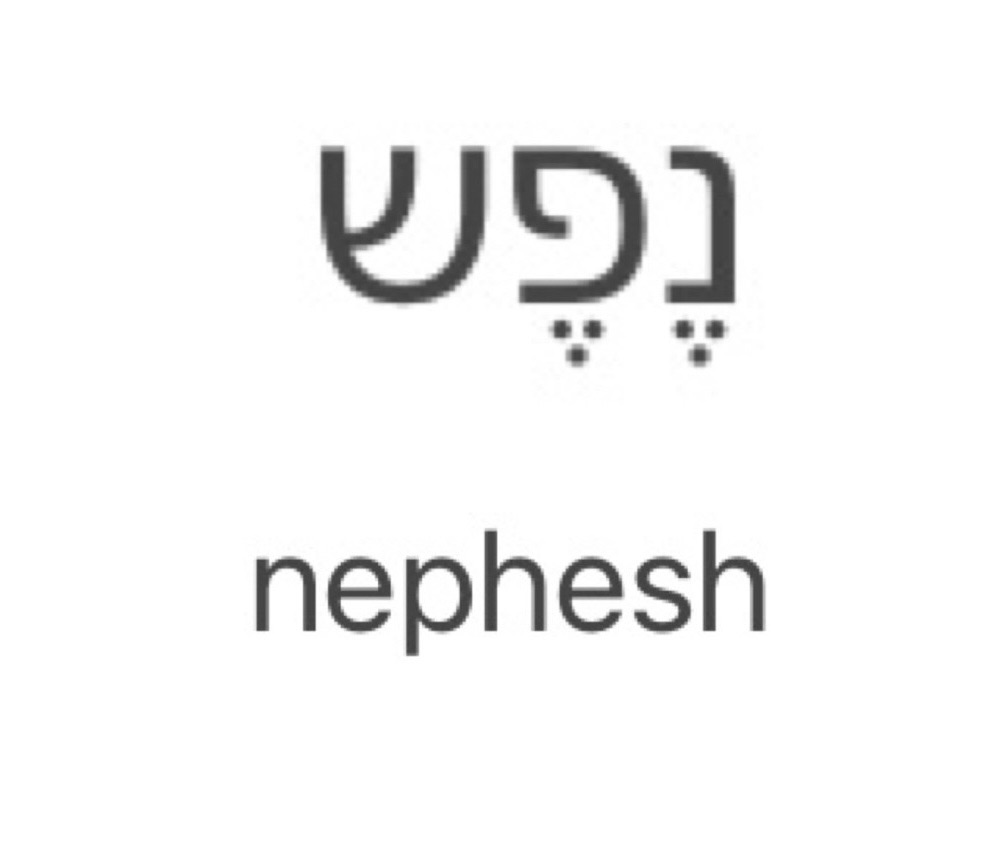
The word nephesh (נֶפֶש) is a common Hebrew word, appearing 688 times in Hebrew Scripture. It is most commonly translated (238 times) as “soul”; the next most common translation is “life” (180 times). The word is a common descriptor for a human being, as a whole; it is better translated in a way that indicates it refers to “the essence of a creature”, “the whole being”.
The claim that each living creature is a nephesh is reiterated in the Holiness Code (Lev 11:10, 46; 17:11). It is also stated in the account of the covenant that God made with all creation; “all living creatures” (nephesh) are explicitly noted in this narrative (9:10, 12, 15, 16). This signals the inherent interconnectedness of all creation; the covenant forged in Gen 9 is one that has a cosmic scope. Other passages in the Hebrew Scriptures affirm that human beings—indeed, all living creatures—are given life by God’s spirit and share the essence of a nephesh (Ps 104:24–30; Job 12:7–10). This is an important affirmation from this opening section of the Genesis 2—3 reading for this Sunday.
Myths concerning “the fruit” and “the serpent”
It is widely known (I hope) that what is popularly seen as “an apple”, which the serpent suggested to the woman that she might eat, was in fact not (necessarily) an apple; the Hebrew word used to identify “the fruit of the tree that is in the middle of the garden” which was prohibited to eat (3:3) is פְרִי (peri), which simply means “fruit”or “produce” in general. In no way does it specify “apple”. This popular identification of the fruit as an apple is a myth, in the popular sense that it is “not true”. It is also curious; the apple was a fruit with far eastern origins and appears to have been unknown in the Middle East in biblical times.
The reason for this misidentification comes, not from the Hebrew, nor from the Greek of the LXX translation, but from a later Latin translation. There is a wordplay in the Latin translation of Genesis 3, involving the Latin words mālum (an apple) and mălum (an evil), each of which is normally written simply malum, without differentiating the long ā from the short ă. So “the fruit of the tree that is in the middle of the garden” (3:3) was conflated with the “evil” that will become known to the human beings “when you eat of it your eyes will be opened, and you will be like God, knowing good and evil” (3:5).

https://www.mutualart.com/Artwork/ Adam–Eve-and-the-serpent/
Likewise, the traditional interpretation—strongly influenced by millennia of patriarchal bias—is that the serpent tempted the woman, Eve, and she succumbed to temptation. But we need to read these verses (3:1–6) carefully and thoughtfully. It is true that the first step is that the serpent encouraged the woman to eat the fruit, and she duly ate; but then “she also gave some to her husband, who was with her” (3:6b). He had agency at this point, as she had when she was encouraged to eat by the serpent. But “she took of its fruit and ate”, and then, when she offered it to him, “he ate”. He is as guilty as she is of succumbing to what the serpent proposed.
With regard to the serpent: whilst the phrase “the evil one” is absent from Hebrew Scripture, the notion of evil is present throughout—from the garden of Eden, where Adam and Eve flaunt the ban on their eating fruit from “the tree of the knowledge of good and evil” (Gen 2:15–17; 3:1–7), to the condition of humanity in the time of Noah, when “the wickedness of humankind was great in the earth, and that every inclination of the thoughts of their hearts was only evil continually” (Gen 6:5), through the forty years when Israel was condemned to “wander in the wilderness for forty years, until all the generation that had done evil in the sight of the Lord had disappeared” (Num 32:13), and on into the generations under the Judges when “the Israelites did what was evil in the sight of the Lord” (Judg 2:11; 3:7, 12; 4:1; 6:1; 9:23; 10:6; 13:1).
The introduction of evil into the story is generally laid at the feet (or, rather, the belly) of “the serpent” who slithers through the narrative, from the first verse of ch.3 (“the serpent was more crafty than any other wild animal that the Lord God had made”, v.1) to the punishment inflicted on him because of his deeds (“upon your belly you shall go, and dust you shall eat all the days of your life”, v.14).
The serpent is the first character in the Bible who was called shrewd. Alongside him, perhaps the most famous “shrewd” character was the manager in the parable told by Jesus in Luke 16:1–9. Actually, in that parable, whilst the manager is described as being “shrewd” (16:8), it does not convey a negative meaning, I believe. The Greek word used, phronimos (φρόνιμος), translated as shrewd, comes from the verb phroneō (φρονέω), which simply means to think, to use one’s brain. There is no malice involved in this; the manager is simply being intelligent.
Back in Genesis, the serpent is called “more shrewd than all other beasts”. Shrewd, of course, is an ambiguous term. On the one hand, it is a virtue the wise should cultivate. The word used at Gen 3:3 appears in proverbs where it is translated as “prudent”. Thus, “fools show their anger at once, but the prudent ignore an insult” (Prov 12:16), and “a fool despises a parent’s instruction, but the one who heeds admonition is prudent” (Prov 15:5). However, when this capacity is misused, it become wiliness and guile; the same Hebrew word is used to refer to those who are “crafty” (Job 5:12; 15:5), who “act with cunning” (Josh 9:4), or who practise “treachery” (Exod 21:14).

In the Genesis account, it is the craftiness or cunning of the serpent that is emphasised; this limbless reptile was “more crafty (עָר֔וּם, arum) than any other wild animal” (3:1). The Hebrew, however, has a wordplay here; in the previous verse (2:25), Adam and Eve were “naked” (עֲרוּמִּ֔ים, arummim); then (3:1) the serpent is described as “more crafty” (עָרוֹם, arum) than all others. It is a compliment!
Later, Paul will take a much more negative line, claiming that “as the serpent deceived Eve by his craftiness, so your minds may be corrupted from the simplicity that is in Christ” (2 Cor 11:3). It is this castigation of the serpent which has predominated throughout Christian history. So, although Impersonally have a great dislike for getting near to, or handling, snakes, I do want to stand up for the reputation of this creature!
The myth of Original Sin
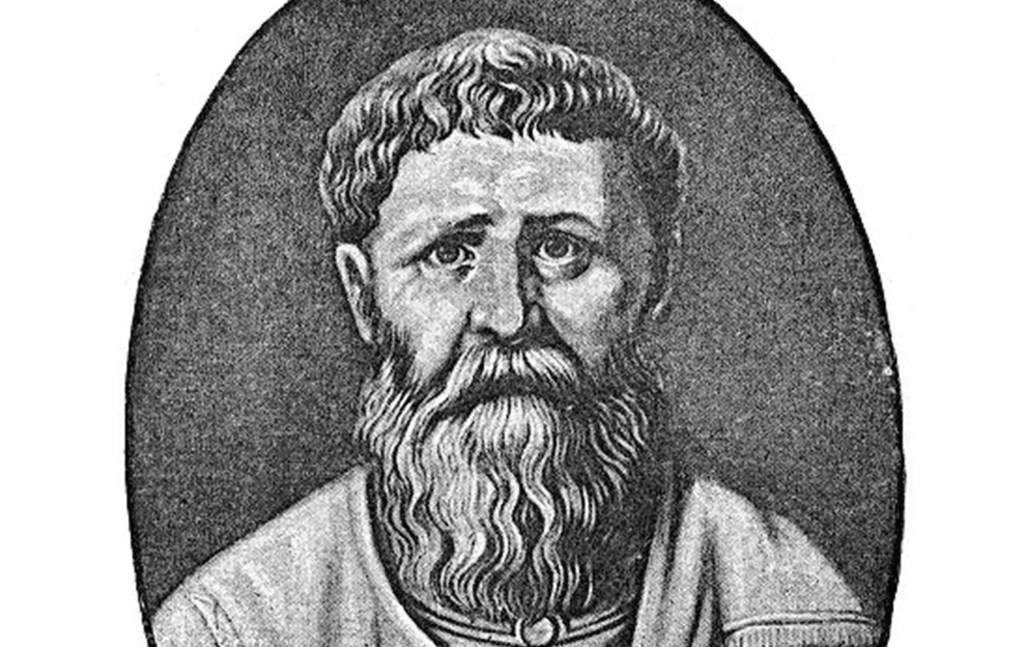
A hugely important deduction that has been made from this story is “the doctrine of original sin”, which can be traced back to Aigustine of Hippo. Augustine bases his claim about original sin on his reading of the story of Genesis 2–3, which depicts the fall of Adam, from which all humans inherited innate sinfulness (original sin). But I think this is another error in relation to the interpretation of this passage.
The problem is that the Genesis 1 account of creation which precedes this story (which is read in another year in the Narrative Lectionary) makes it quite clear that the original state of humanity was that human beings, like all that God created, “was good”—indeed, that as the final act of that sequence of creation, humanity was “very good” (Gen 1:31). So much for original sin; humanity, according to this narrative, was part of a “very good” creation.
Indeed, Augustine was reading the sequence of early chapters in Genesis as historical narrative, and his understanding was that the consequences of “the fall” in Gen 3 was that every person born after Adam inherited that fallen state from the first human being. However, we know from a careful application of literary criticism, that the Adam story is myth which has an aetiological purpose, and that it is not an historical account.
That is, it does not give a realistic account of “things as they happened”, but rather, it is an imaginative story which tells of the reasons for the origin of things. It doesn’t answer the question, “what happened?”; rather, it responds to the question, “why are things like this?” So the Genesis story as a whole explains the good original state of humanity, before any decline or corruption took place. It is descriptive of how we find things, not prescriptive for how things should be.
In fact, we can see this nature of the story in the names given to these mythical first two human beings: the man, Adam (adam) was created “from the dust of the earth” (ha-adaman), and so his name signifies “the earth person” (Gen 2:7), whilst the woman, Eve (chavah) was to be “the mother (chay) of all living creatures”, and thus her name signifies “the giver of life” (Gen 3:20).
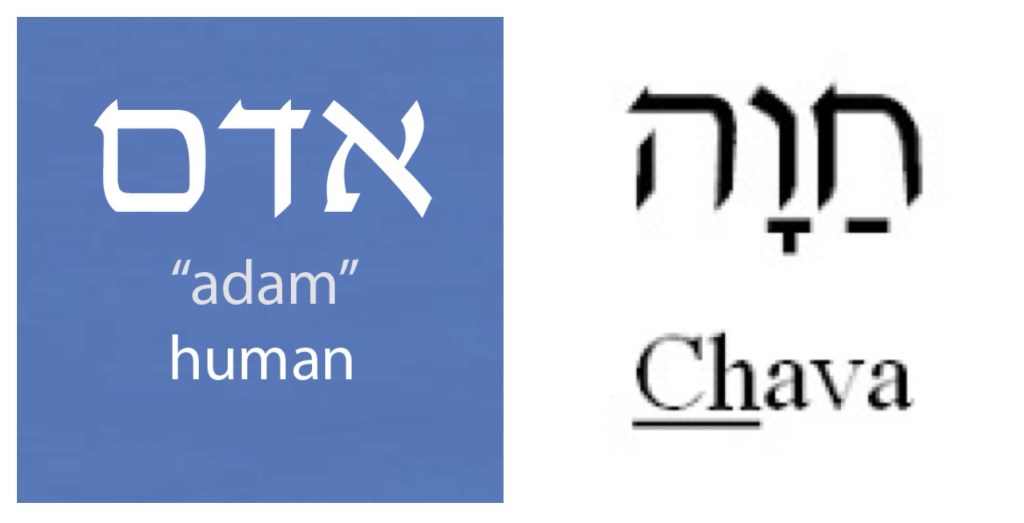
It’s not the case that what “occurs” with Adam and Eve has been passed on through human beings ever since; but, rather, it is the case that how we experience humanity has led to the creation of a story about Adam (the earth person) and Eve (the giver of life) as an explanation for the way that we experience ourselves, and other people on this earth.
Augustine’s distinctive interpretation was his own initiative; most patristic writers prior to him who addressed this topic (Barnabas, Hermas, Justin Martyr, Origen of Alexandria, Clement of Rome, Ignatius of Antioch, Cyril of Jerusalem) offered explicitly different interpretations of the human state. By contrast, Clement of Alexandria accepted that sin was inherited from Adam, and Cyprian of Carthage argued for the necessity of infant baptism on the basis of a belief that humans were born sinful.
Augustine had developed his views in opposition to the view of his contemporary, Pelagius; the debates continued on into the medieval period, with significant contributions being made by the great theologians Anselm of Canterbury and Thomas Aquinas, as well as Franciscans such as Duns Scotus and William of Ockham. The Reformers, Martin Luther and Jean Calvin, adopted and developed the Augustinian view, which has held sway in the Western Church over subsequent centuries. Eastern Orthodoxy, by contrast, attributes the origin of sin to the Devil; what we humans have inherited from Adam is our mortality, but not any innate sinfulness.
This is all a long way, then, from prophetic fulminations against foolish, stupid, evil Israelites, caught in the error of their sinful ways, or the grace-filled encounters that Jesus had with sinners as he called “not the righteous but sinners”, or the formulaic affirmation of the first letter to Timothy, that “Christ Jesus came into the world to save sinners”, which has become the bedrock of certain contemporary theologies.
Whilst a recognition of sin is inherent in each of those texts, there is no indication in any way that such sinfulness is innate, inherited from birth, of the very essence of our human nature. The doctrine of original sin is not a biblical idea; it’s not something that we should be maintaining in our theological discourse and spiritual understanding.
Made from the dust
Dust is central to who we are as human beings. The story of the creation of human beings indicates that the man was “formed from dust (עָפָר, aphar) of the ground” before God breathed the breathe of life into him (Gen 2:7). But in the foundational myth that is told in the earliest chapters of scripture, dust is at the centre, also, of the punishments that are handed out after the sin committed by Adam and Eve.
The serpent, as a result of its role in tempting them, is told, “because you have done this, cursed are you above all livestock and above all beasts of the field; on your belly you shall go, and dust you shall eat all the days of your life” (Gen 3:14; Isa 65:25). The man is told, “by the sweat of your face you shall eat bread, till you return to the ground, for out of it you were taken; for you are dust, and to dust you shall return” (Gen 3:19).
However, in association with the tearing of clothes, the placing of dust on your head is also a symbol of repentance. Joshua repents of the sin of Achan by tearing his clothes and placing dust on his head (Joshua 7:6). Ezekiel speaks of the people of Tyre, lamenting, as “they cast dust on their heads and wallow in ashes” (Ezek 27:30). Jeremiah reports that “ the elders of the daughter of Zion sit on the ground in silence; they have thrown dust on their heads and put on sackcloth; the young women of Jerusalem have bowed their heads to the ground” (Lam 2:10; see also Isa 25:12; 29:1–4).
The three friends of Job see him coming, and they “raised their voices and wept, and they tore their robes and sprinkled dust on their heads toward heaven”, before they then sat, grieving with him, “on the ground seven days and seven nights” (Job 2:12–13). Dust means mourning and repenting.

Job himself uses dust and sackcloth to signify that “my face is red with weeping, and on my eyelids is deep darkness” (Job 16:15–16). As a result, he laments, “ God has cast me into the mire, and I have become like dust and ashes” (Job 30:19). Returning to dust is the final state for those punished by God (Job 34:5; see also 10:9; 17:6; 20:11; 21:26; Ps 7:5; 22:15; 90:3; 104:29; Isa 26:5; Lam 2:21)—or, indeed, for all human beings (Eccles 3:20; 12:7).
In the end, though, Job “repents of dust and ashes” (42:6). He has had enough of being repentant. The book ends with a return of the defiant Job. He will have no more use for the dust and ashes of repentance.
In a number of scriptural incidents, dust is used in curses signalling divine punishment. Shimei, for instance, casts dust into the air to curse David (2 Sam 16:13). When Deutero-Isaiah speaks of the coming salvation that God will bring, to remove the punishment of exile, he exhorts Jerusalem to “shake yourself from the dust and arise” (Isa 52:2).
Dust had been a sign of the place of mourning, the place of despair, the place which signifies worthlessness and emptiness. Dust had been where the poor sat (1 Sam 2:8; Amos 2:7); it was where the enemies of Israel were pressed down and beaten into fine particles by the Lord (2 Sam 22:4 3; 2 Ki 13:7; Job 40:13; Ps 18:42; 44:24–25; 72:9; 83:13; Isa 41:2; Micah 7:17). Now, the people were called to leave that dust behind and move on in hope.
Could the action of shaking off the dust have the function of warning recalcitrants—along the lines of, God will turn you to ashes? As the disciples move on to the next town, they were leaving behind a warning with an implicit demand for their repentance. Or could it signal that there would be hope, in the future, from the message of good news that the disciples proclaimed?
Ransom and Atonement
In the third century scholar, Origen of Alexandria developed an idiosyncratic theory of the atonement (the way that Jesus enables God to deal with human sinfulness).
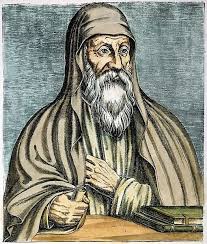
Origen’s ransom theory of atonement reads Genesis 3 as an account of Adam and Eve being taken captive by Satan; this state was then inherited by all human beings. The death of Jesus is what enables all humans to be saved; the means for this was that the blood shed by Jesus was the price paid to Satan to ransom humanity (or, in a variant form, a ransom paid by Jesus to God to secure our release).
However, none of these texts—and particularly not Mark 10:45—require this overarching theological superstructure to make sense of what they say. Origen’s ransom theory held sway for some centuries, but was definitively rejected by the medieval scholar Anselm of Canterbury. It is not a favoured theory of atonement in much of the contemporary church (though it is still advocated in various fundamentalist backwaters). Certainly, none of this should be attributed to the saying of Jesus in Mark 10:45. It is far more likely that he is drawing on the Jewish tradition of the righteous sufferer in his words. And the fundamental narrative of Gen 3 does not in any way support the theory of ransom by atonement.
 An Informed Faith