Another Time, Another Place: towards an Australian Church

A review of a book of sermons by Rev. Glenn Loughrey

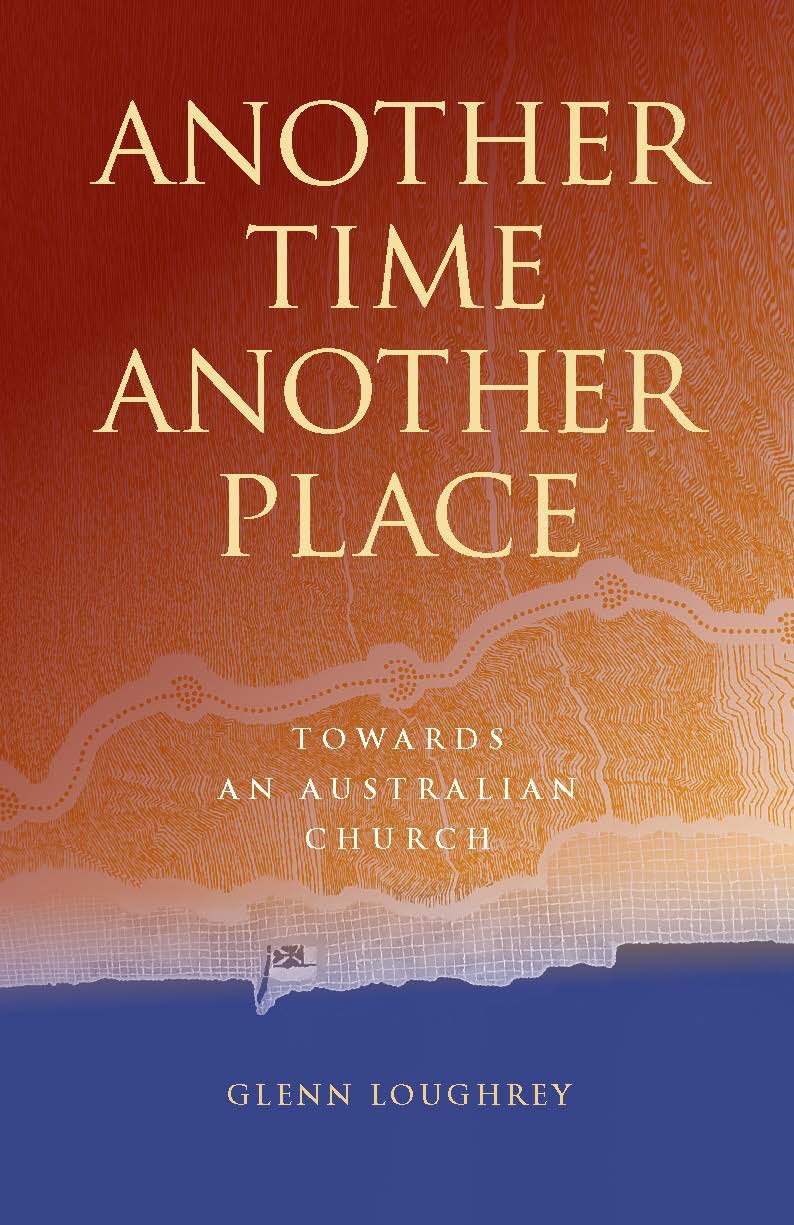
Another Time, Another Place: towards an Australian Church

Published by Coventry Press (2019)

https://coventrypress.com.au

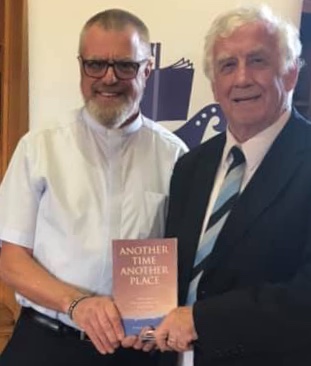
I have recently read this book, a collection of six sermons by Anglican priest, Glenn Loughrey, in which he articulates a plea for his church to move towards being a more consciously Australian church.

I had known of the innovative ministry of Glenn for some time, and was fortunate to have met him in person at a recent seminar. He practices what he preaches. He extols the character of love which Jesus exemplifies, which he describes in this manner: “grumpy, rude, difficult, alternative, disruptive, contrary, and more” (p.50). He does all of this in a constructive and challenging way. This book is a fine contribution to the enterprise of sharing this kind of love in a wider way.

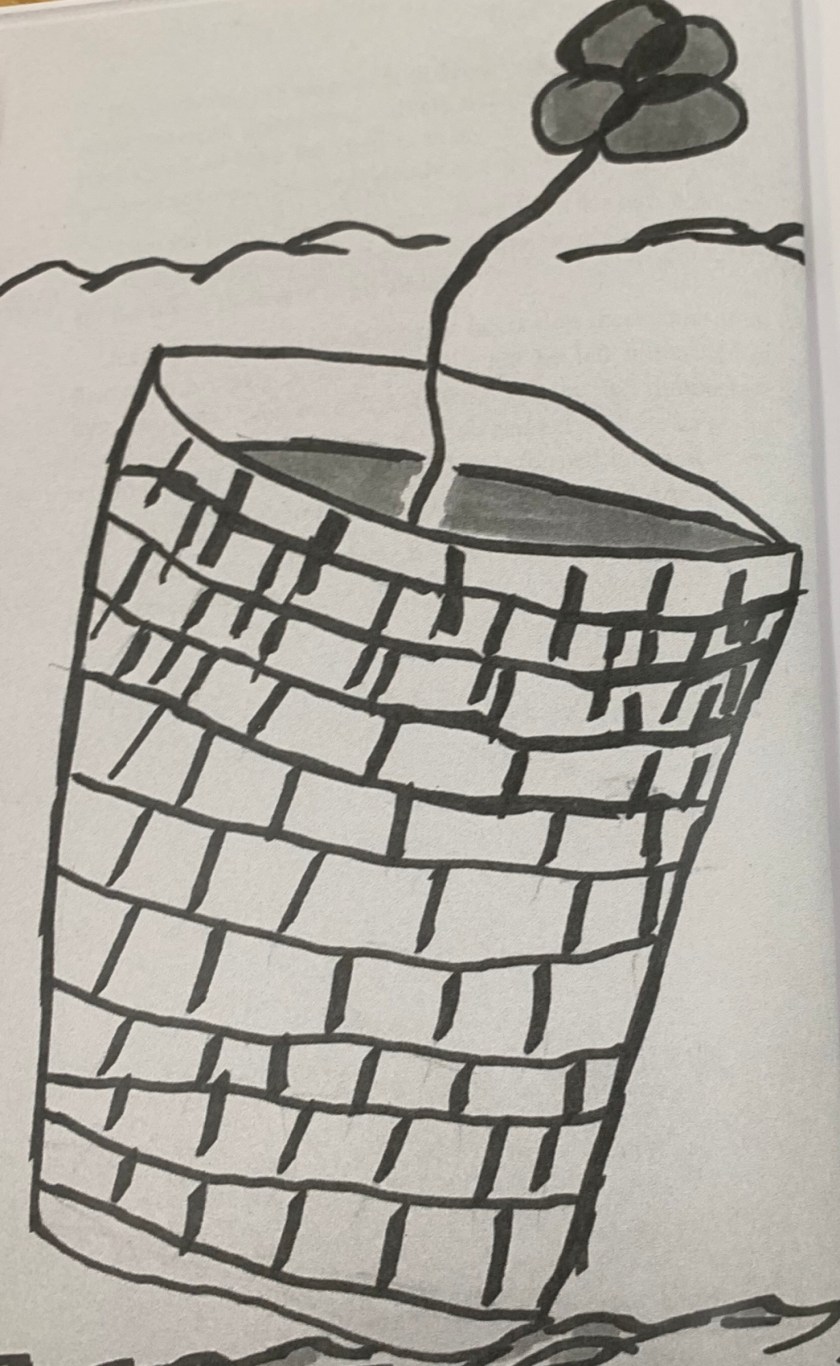
The central image of the book is a pot plant. The Anglican Church, says Glenn, is like the pot plant given to you by your favourite Aunt, which you have kept, all these years, in that beloved pot. The pot is still intact. The plant, however, is stunted and distorted. It has not grown to the full potential it has. It is still in the pot. It needs to be transplanted.

Thus, the book articulates a plea to the church: be transplanted into the soil of this continent. Find the place where you can send your roots down, deep into the country where you have been sitting, no longer protected and constrained by your pot. Draw on the age-old wisdom of the country. Be nourished by the spirit of the land.

Glenn can articulate this challenge with authenticity. He identifies as a Wiradjuri man, with connections deep into the people and the land of that nation. In his ministry, as well as in his creativity as an artist and his rhetoric as a speaker, he sets forth his response to this challenge on a regular basis. His words and his artwork both articulate this desire for contextualisation in our church life, for grounding our faith and our communal expressions of that faith in the realities of Australian society.

Grounding our faith expressions in the deep seated spirituality of this land, is a pressing and primary need.

Glenn outlines four ways in which this contextualisation could take place, arguing that we need to come to grips with four key factors:

the history of the church in this country

the ethos of the space we now inhabit

the language and spirituality of this context

the need to mature as a nation, and as a church.

These four factors read, to me, as eminently sensible and entirely central to the task that the church as a whole faces—not just the Anglican Church, but every Christian denomination in Australia. It will not be easy for us to grapple with these factors. But it is essential that we do so. There are multiple challenges for the churches in Australia in addressing these factors with care and responsibility.

The book is a series of sermon-reflections on a number of biblical passages, which Glenn correlates with these four factors. John 6 leads to a discussion of “breaking the sacred pot” and grappling with the church’s history in Australia. Ephesians 6 is the springboard to considering the ethos of the space we now inhabit. “We recognise that … through a process of living, we have come to this place [of belief]. In the midst of the diverse landscape that is modern Australia, we are to leave space for others to come to faith in the same way.”

Mark 7 and James 1-2 provoke insights into language and spirituality, flowing into possibilities for maturity. Placing a story from the ancient desert fathers alongside the scriptural texts, Glenn proposes that our spiritual ethos and language might be characterised by being “doers … fair dinkum … [giving] a fair go … in tune with nature … listen to land/country”, and then asks: “sound like what we say we believe as Australians?” Indeed; and the challenge for the church is to live this to the full!

In the encounter between Jesus and the Syrophoenician woman in Mark 7, he observes that “the woman and Jesus engage in such a transaction where both are visibly different as a result, but neither is diminished. Both grow in stature and in their understanding of who they are.” The bruising encounter which Jesus has with a person of his land models how the church in Australia needs to engage in intense encounters with the peoples of our land—and points to the transformation that ensues as a result.

The reflections conclude with Mark 8 offering a focus on transformation: “taking what you believe and planting it in the soil of relationships and community and watching it be shaken and broken by the winds of fear”.

4FDA9548-0BB8-4E9B-9C8E-77B2DC116D2D

Way back—over forty years ago—when I was a theological student, preparing for ministry in the Uniting Church, I was being challenged and encouraged to develop “an authentically Australian theology”. I remember that we looked at pithy sayings, like cutting down tall poppies, going in to bat for the underdog, and having a fair go for all, as well as trends in society like mateship, sexism, and the colonial cringe. These were identified as aspects that could well figure in the development of such a theology.

The scourge of racism, issues of migration, and the existence of indigenous spirituality, were each noted, but the deep connection between indigenous peoples and the land of this continent was not really canvassed at that time. Since then, an awareness of the importance of this has grown in Australian society. The voice of the First Peoples has been heard, most clearly, in the Statement from the Heart which was shaped at Uluru in 2017.

Now, the deep connection with the the land, and indeed the sovereignty of our First Peoples, are to the fore of our national conversation, and rightly call the churches to engage, listen, and be transformed through this conversation, and through undertaking work on the ground (as it were) with local indigenous communities.

This is a stimulating book, easy to read, consistently to the point, offering creative insights. I recommend it to my colleagues in ministry and to those exercising leadership in their local faith communities.

https://coventrypress.com.au/index.php?route=product/product&product_id=74

See also
https://johntsquires.wordpress.com/2018/08/13/affirming-the-sovereignty-of-first-peoples-undoing-the-doctrine-of-discovery/

https://johntsquires.wordpress.com/2018/08/10/the-sovereignty-of-the-first-peoples-of-australia/

https://johntsquires.wordpress.com/2018/10/13/on-covenant-reconciliation-and-sovereignty/

Learning from the land (4): Naiame’s Nghunnhu—fishtraps at Brewarrina

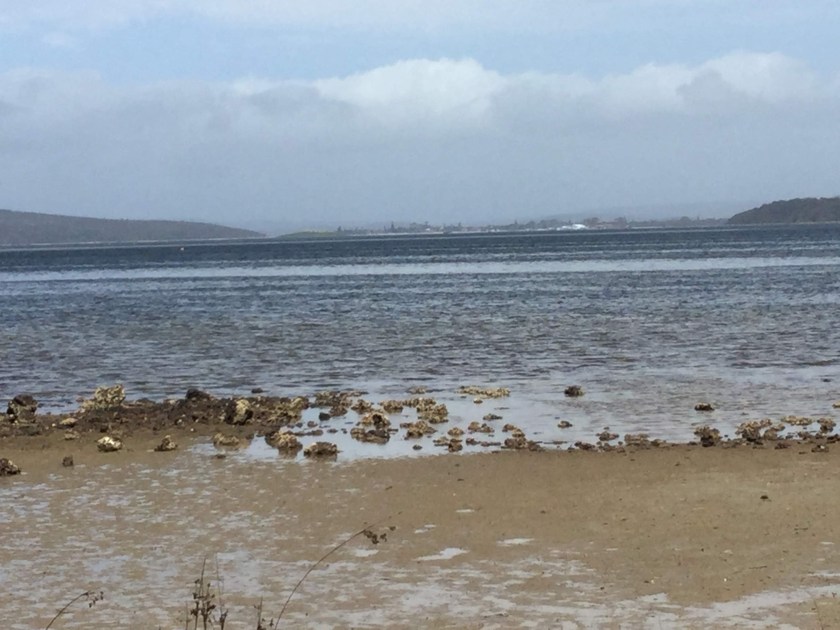
Last year, Elizabeth and I visited a site in southwest WA, where the remains of some ancient Aboriginal fishtraps could be seen. They were on the shoreline of Oyster Harbour, near the mouth of the Kalgan River just east of Albany. They were built and operated by the Menang people of the Noongar nation.

In 1790, three decades before the British established the Swan River Colony (on the site that is now  Perth), British explorer George Vancouver arrived on the southern coast of Western Australia. Despite naming King George Sound, various inlets and bays, and mapping the area, he did not encounter any Noongar. But he reported evidence that Noongar were there. 

Vancouver wrote that he found a “native village; fresh food remains near a well-constructed hut; a kangaroo that had apparently been killed with a blow to the head; a fish weir across what is now called the Kalgan River; and what appeared to be systematic firing of the land.” (This citation is sourced from https://www.noongarculture.org.au/wagyl-kaip-timeline/)

8A0267BC-B025-46E4-9DC7-E3F90EC07B92

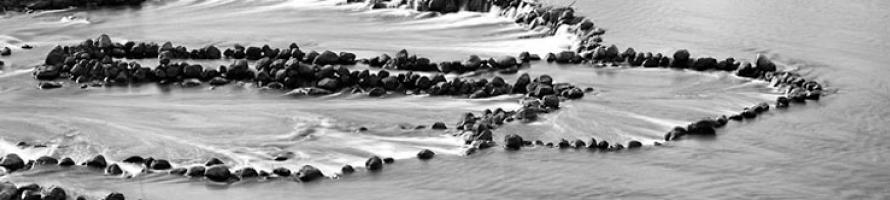
The traps (one of which is pictured above, from our visit in 2018) were constructed by the Menang peoples and are dated at over 7,500 years old. As the tide moved out, the fish would be stranded inside the courses of the stones, which were topped with brush, then collected at low tide. They provided food for the regular gatherings of the peoples each year.

There are eight separate weirs shaped as crescents, each of which is believed to consist of thousands of stones. They are now protected under local indigenous oversight. They are an amazing testimony to the ancient skills of the Menang people.

These fishtraps are one part of the evidence which demonstrates that the Aboriginal people were not “primitive nomadic hunter-gatherers”, but rather, settled people, who cared for country and developed the technology which enabled them to build structures which assisted them in harvesting the natural resources of the land. 

Western society has done the same, and we congratulate ourselves on our technological capacities. This evidence indicates that Indigenous peoples had done this very thing, many thousands of years before “Western civilisation” had developed.

These fishtraps were obviously sustainable. They lasted over thousands and thousands of years, being used to catch regular harvests of fish. The Menang people came back each year to gather what they needed, and then allowed the fish to replenish. Would that our modern ways showed the same, respect to the land and its rivers, and that we farmed and harvested in a sustainable way.

We can learn from the land, by attending to features such as these, and reflecting on what they tell us about the First Peoples of this continent, who have lived here for millennia—and pondering how we, today, might relate respectfully to the land, care for the creation, and live in ways that are sustainable.

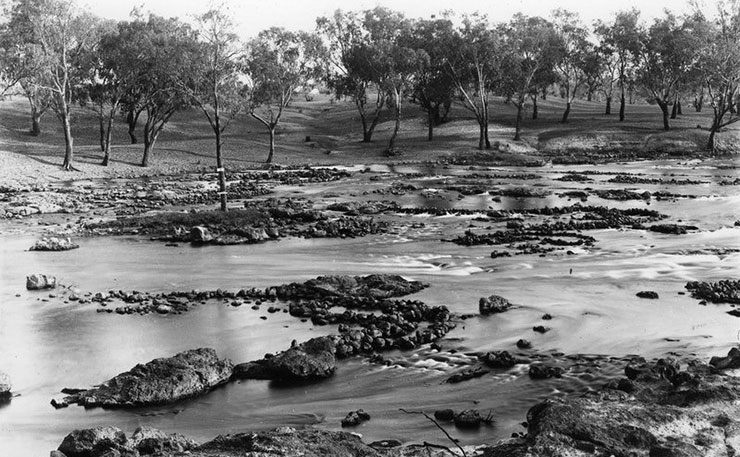
I recently read a fascinating account of Baiame’s Ngunnhu [pronounced By-ah-mee’s noon-oo]. These are stonewall fishtraps at Brewarrina in NSW, created by the Ngemba people. They are similar in technology and purpose to the ones we saw in WA. (See https://newmatilda.com/2019/02/05/australia-one-oldest-human-made-structures-earth-meh-nmfhpotae/)

These fishtraps are possibly the oldest known human-made structure on earth. The Australian Government’s National Heritage Register notes, “The structure of the Ngunnhu demonstrates the development of a very efficient method for catching fish involving a thorough understanding of dry-stone wall construction techniques, river hydrology and fish ecology.”

(See http://www.environment.gov.au/heritage/places/national/brewarrina)

8C50B976-4B5D-40C8-A12C-301BF35FAE1F

You can find a discussion of these fishtraps and many other such ancient Indigenous features, in Dark Emu: Black Seeds: Agriculture Or Accident? (Magabala Books, 2014), by Bruce Pascoe.

There is an excerpt from Dark Emu, with a description of how the fishtraps were worked, at https://www.foreground.com.au/environment/decolonising-agriculture-bruce-pascoes-dark-emu/, and there is a fascinating discussion of Pascoe’s book, some related works, and the implications for modern agricultural practices, at https://theconversation.com/friday-essay-dark-emu-and-the-blindness-of-australian-agriculture-97444 

Debate concerning the age of this particular construction, the Ngunnhu, is not settled; it may well be up to 40,000 years, which would make it more than 10 times older than Stonehenge!  That is certainly worth honouring, and protecting.

The National Heritage Register also notes that this location, in Brewarrina, was the place where people from the various indigenous groupings of the area could draw their own supply of fish on a regular basis, and where they would all meet together, on a regular basis, to celebrate, and to trade.

It notes: “While the Ngemba people are the custodians of the Ngunnhu, it was Baiame’s wish that other tribes in the region, including the Morowari, Paarkinji, Weilwan, Barabinja, Ualarai and Kamilaroi should use it in an organised way. He allocated particular traps to each family group and made them responsible under Aboriginal law for their use and maintenance. 

“Neighbouring tribes were invited to the Ngunnhu to join in great corroborees, initiation ceremonies, and meetings for trade and barter. The Ngunnhu were, and still are, a significant meeting place to those Aboriginal people with connections to the area and continue to be used.”

So, as well as a sustainable lifestyle, the Ngunnhu demonstrate how different groups can live together peaceably and co-operatively, sharing natural resources, and enjoying respectful relationships with each other. That, surely, is another lesson that we can learn!

https://johntsquires.wordpress.com/2019/01/30/learning-of-the-land-3-tuggeranong-queanbeyan-and-other-canberra-place-names/

https://johntsquires.wordpress.com/2018/12/18/learning-of-the-land-2-ngunnawal-namadgi-and-ngarigo/

https://johntsquires.wordpress.com/2018/12/17/learning-of-the-land-1/

https://johntsquires.wordpress.com/2018/10/13/on-covenant-reconciliation-and-sovereignty/

https://johntsquires.wordpress.com/2018/08/13/affirming-the-sovereignty-of-first-peoples-undoing-the-doctrine-of-discovery/

https://johntsquires.wordpress.com/2018/08/10/the-sovereignty-of-the-first-peoples-of-australia/

Learning of the land (3): Tuggeranong, Queanbeyan, and other Canberra place names

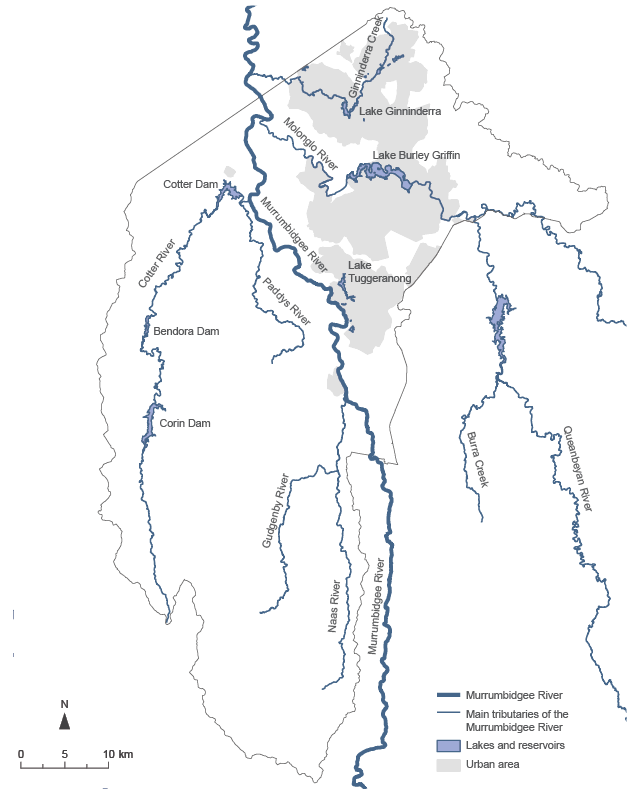
Living in Canberra, I am encountering a whole collection of indigenous words which are used as placenames. Why, Canberra itself is said to derive from an Aboriginal word. I have been exploring what these words mean, in my ongoing commitment to learn from the land on which I live and the people who have cared for it over the millennia.

The land on which we live is officially described as Ngunnawal country. However, this is contested; it seem there are a number of groups from the First People who are linked with this particular area. That makes sense, if it was, indeed, an ancient meeting place for various groups of people, who met each other on this land on regular occasions, perhaps at an annual festival gathering. Rather than there being just one nation for whom this was traditional land, it seems there were a number of nations which met here regularly.

Continue reading “Learning of the land (3): Tuggeranong, Queanbeyan, and other Canberra place names”

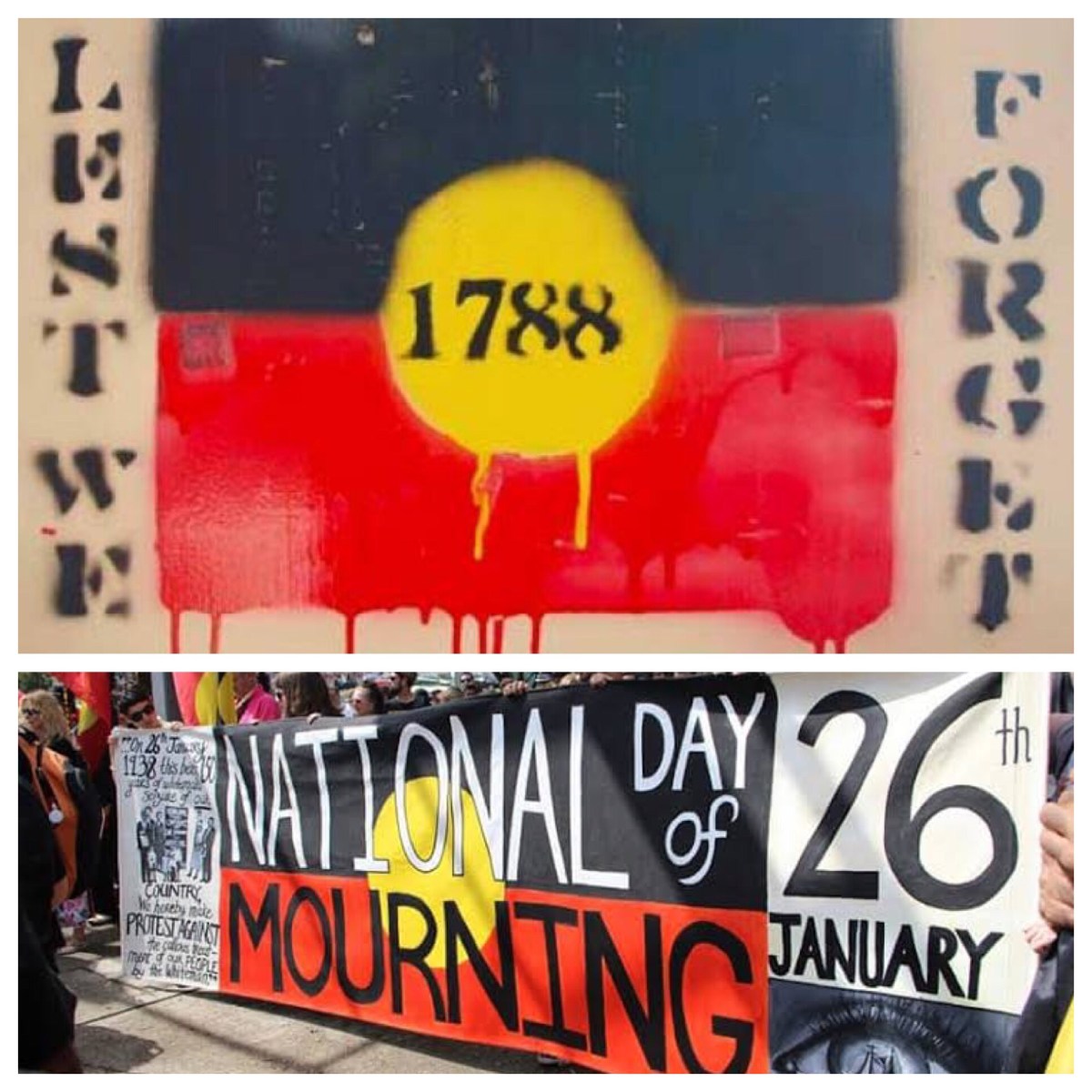
So, change the date—to what?

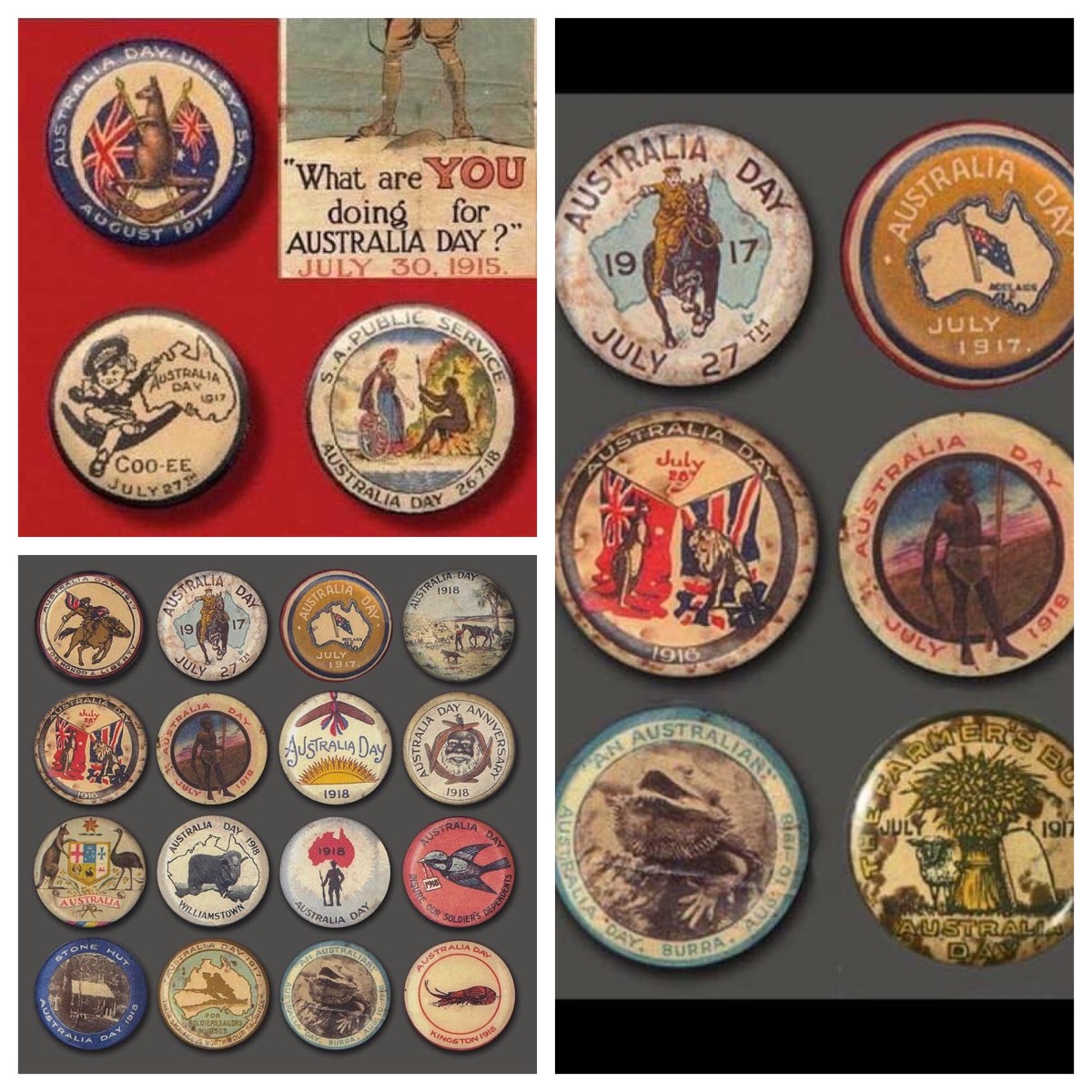
Because it was “first”, the day of British settlement in New South Wales, 26 January, became the default date of choice for a national day (thank you, Lachlan Macquarie, Henry Parkes, and John Howard, amongst other white male elites). But what if we don’t just fall in with the “first in, best dressed” way of operating?

Continue reading “So, change the date—to what?”

“They are to be hanged up on trees … to strike the survivors with the greater terror.”

As a sign of respect for the Aboriginal and Torres Strait Islanders, the first inhabitants of this continent and its islands, we need to change the date of our national day.

It is not just about what happened 231 years ago on this day, 26 January. It is about what the events of that day began. Within a short space of time, mere months, and continuing for an extended period, well over a century, the impacts of the white invasion of the land were felt by the First Peoples who already inhabited the continent.

Continue reading ““They are to be hanged up on trees … to strike the survivors with the greater terror.””

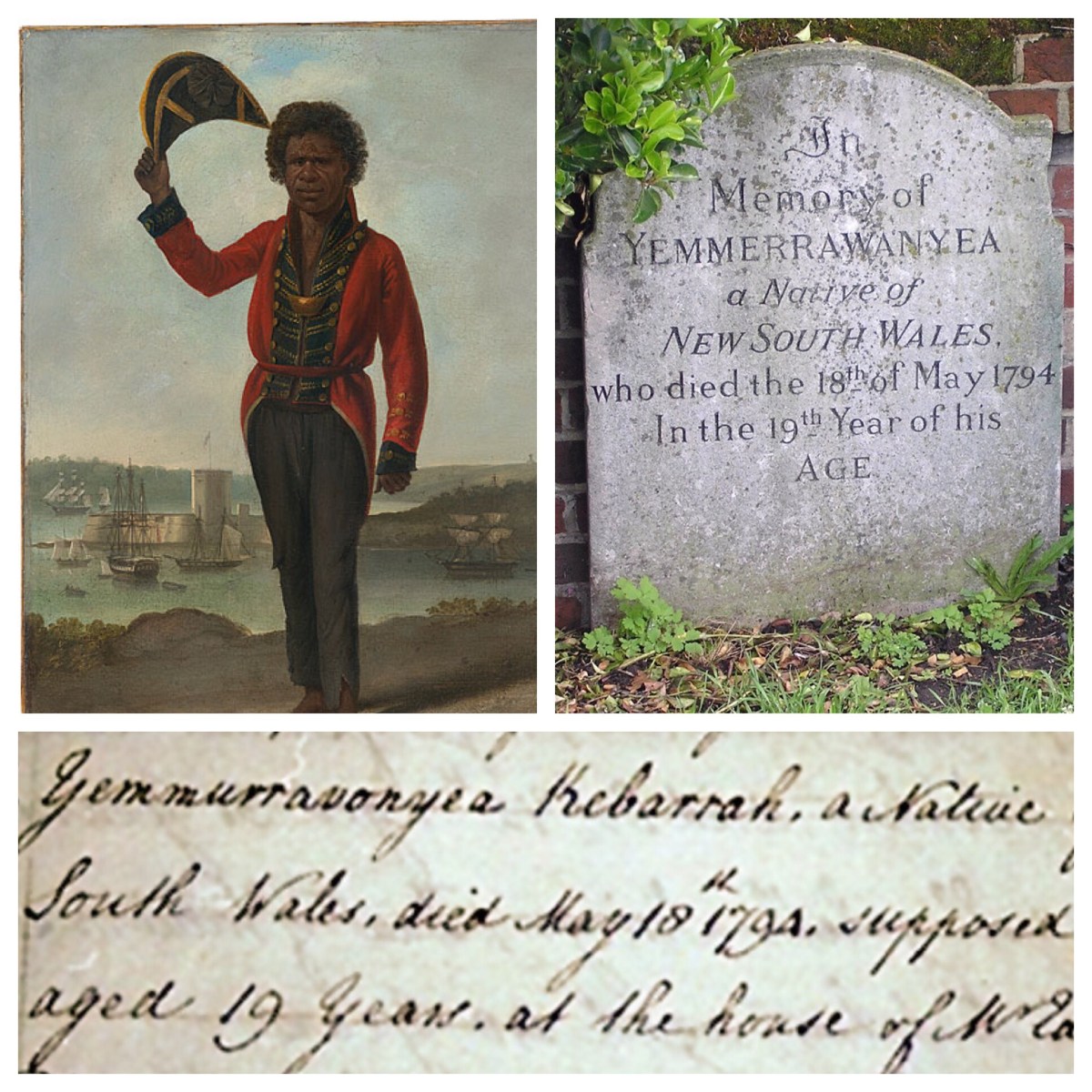
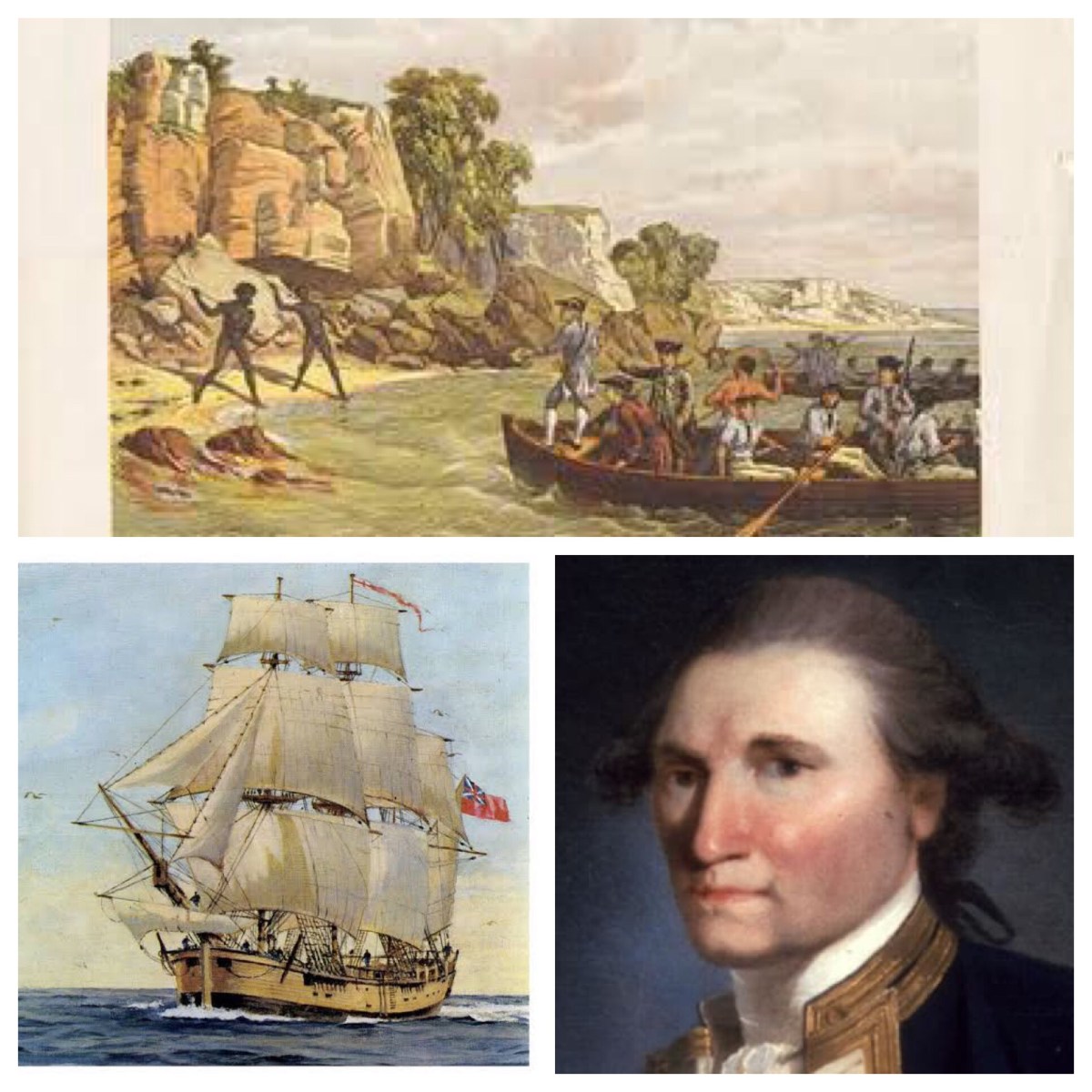
On Remembering: Cook and Flinders (and Trim), Bungaree and Yemmerrawanne

The location of the grave of Matthew Finders (1774–1814) has been identified in Euston, England. Flinders was the first British person to circumnavigate the continent of Terra Australis, in the early 1800s, and he was the one who suggested the name Australia. His cat, Trim, is well-known for accompanying Flinders on this trip.

Trim even had a novel, written by Bryce Courtenay, named after him (Matthew Flinder’s Cat, 2002)—and there is a statue of Trim outside the Mitchell Library in Sydney, with an epitaph from Flinders himself, extolling: TRIM. The best and most illustrious of his race. The most affectionate of friends, faithful of servants,and best of creatures. So Matthew Flinders, and his cat, have significant places in contemporary Australian history.

Continue reading “On Remembering: Cook and Flinders (and Trim), Bungaree and Yemmerrawanne”

“Resembling the park lands [of a] gentleman’s residence in England”

As a sign of respect for the Aboriginal and Torres Strait Islanders, the first inhabitants of this continent and its islands, we need to change the date of our national day.

Remembering 26 January as our national day embeds at the heart of our national identity, a story of dispossession, violence, marginalisation and oppression, perpetrated against the people who were already inhabiting, and caring for, the land we know as Australia.

Early explorers looked at the land, and the people, and decided that they saw uncultivated land and primitive, uncivilised peoples.

Continue reading ““Resembling the park lands [of a] gentleman’s residence in England””

“We never saw one inch of cultivated land in the whole country”

As a sign of respect for the Aboriginal and Torres Strait Islanders, the first inhabitants of this continent and its islands, we need to change the date of our national day.

Early encounters between the inhabitants of the continent we know as Australia, and seafaring explorers sent by imperial European powers, set the scene for what took place when the British colonised the continent.

These early encounters failed to develop a deepened understanding of each group by the other. Journal records show instances of failed encounter, misunderstood communication, and skewed interpretation (on the part of the journaling explorers) of “the Natives”.

Continue reading ““We never saw one inch of cultivated land in the whole country””

“Endeavour by every possible means … to conciliate their affections”

As a sign of respect for the Aboriginal and Torres Strait Islanders, the first inhabitants of this continent and its islands, we need to change the date of our national day.

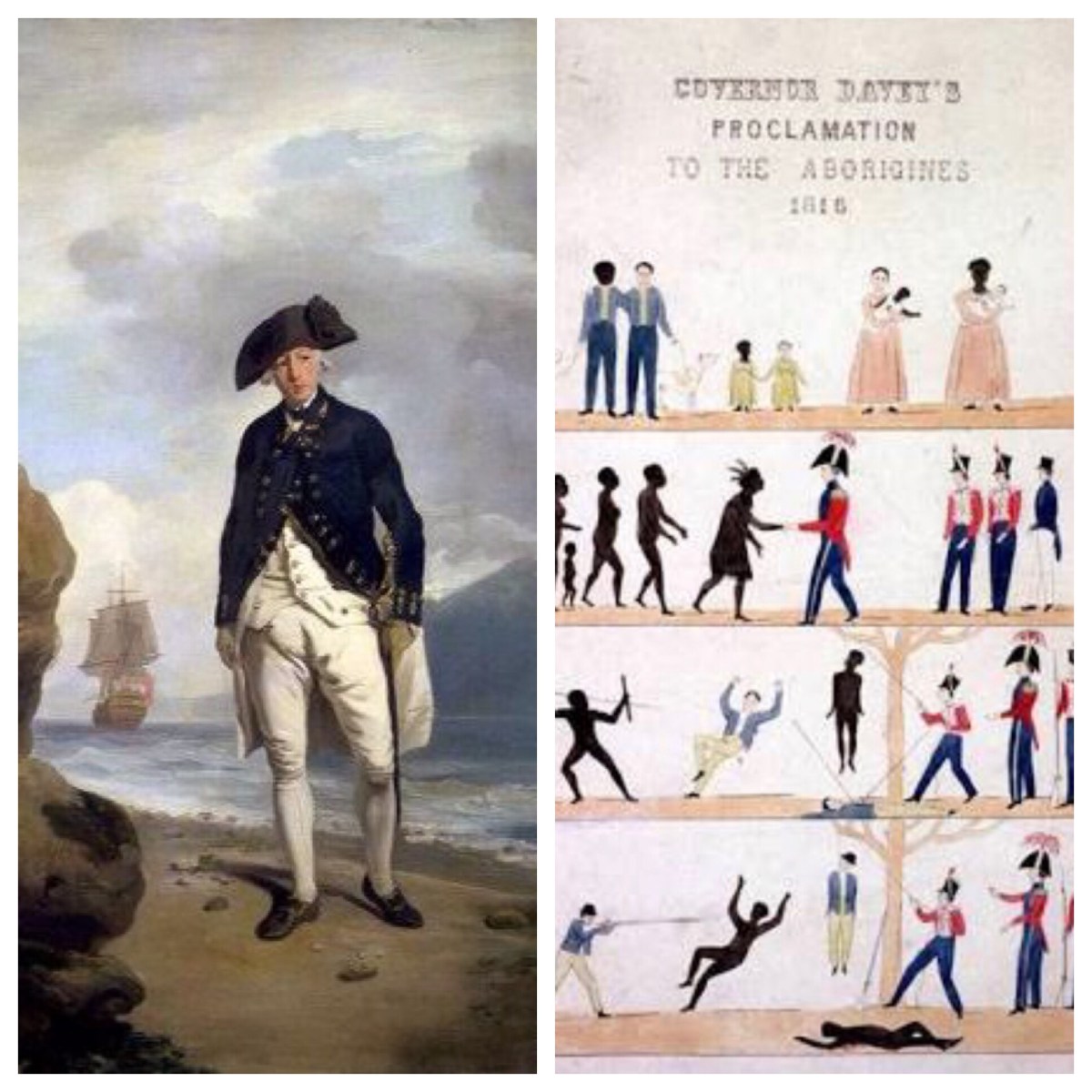
On 26 January 1788, the commander of the First Fleet, Arthur Philip (pictures), placed the British flag into the soil of Sydney Cove. Journals of the time record that the British had already set foot on the land a week or so earlier, at Botany Bay. However, because Philip couldn’t find fresh water there, he sailed further north. In Sydney Cove, he found fresh water in the Tank Stream, and this determined the site of the first British settlement.

At the time, this settlement was an expression of colonial expansion, claiming a new colony as “Britannia ruled the waves”. Today, we can see that it was an act of colonial imperialism, with inherent violence at its heart and aggressive marginalisation of the inhabitants of the land.

Continue reading ““Endeavour by every possible means … to conciliate their affections””

The profound effect of invasion and colonisation

This Sunday, 20 January, Uniting Churches around Australia will be holding services which focus on a Day of Mourning, ahead of a day later in the week (26 January) marked in many calendars as Australia Day.

These churches will be doing this in accord with the decision of the 15th Assembly of the UCA, held last year, “to request members to support a Day of Mourning to occur on the Sunday prior to 26th January each year, and to engage during worship services in activities such as reflection and discussion of the profound effect of invasion and colonisation on First Peoples” (see https://uniting.church/28-day-of-mourning/)

Continue reading “The profound effect of invasion and colonisation”