The wisdom from above (James 3; Pentecost 18B)

“If any of you lacks wisdom, let him ask God, who gives generously to all without reproach, and it will be given him”. So we read at the start of the treatise of James (1:5). There is a strong wisdom flavour to this treatise. The word appears in just four verses (1:5; 3:13, 15, 17), but the nature of the book is quite akin to the most famous work of wisdom in scripture: the book of Proverbs.

The “letter” of James is, in reality, a moral treatise (see https://johntsquires.com/2021/08/25/on-care-for-orphans-and-widows-james-1-pentecost-14b/) Sometimes called “the Proverbs of the New Testament,” the book of James provides practical guidance on how to live. It canvasses matters such as perseverance, controlling one’s tongue when speaking, submitting to God’s will, responsibilities towards the poor, dealing with anger, and fostering patience.

In terms of its style, James reflects the wisdom tradition that is so evident in Hebrew Scripture and in continuing Jewish traditions. An important place was ascribed to Wisdom amongst Jews of the Dispersion; Wisdom became a key figure for such Jews, as is reflected in a number of writings.

Wisdom is highlighted in Proverbs, which affirms that Wisdom was present with God at creation (Prov 8:22–31). Wisdom was the key creative force at work beside God, in conjunction with God, in creation the world. Wisdom plays a key role in the book of Sirach, where she gives knowledge, makes demands of those seeking instruction from her, imposes her yoke and fetters on her students, and then offers rest (Sir 6:24–28; 51:23–26). Furthermore, Wisdom is portrayed as the intermediary assisting God at creation and throughout salvation history (Sir 24:1–8).

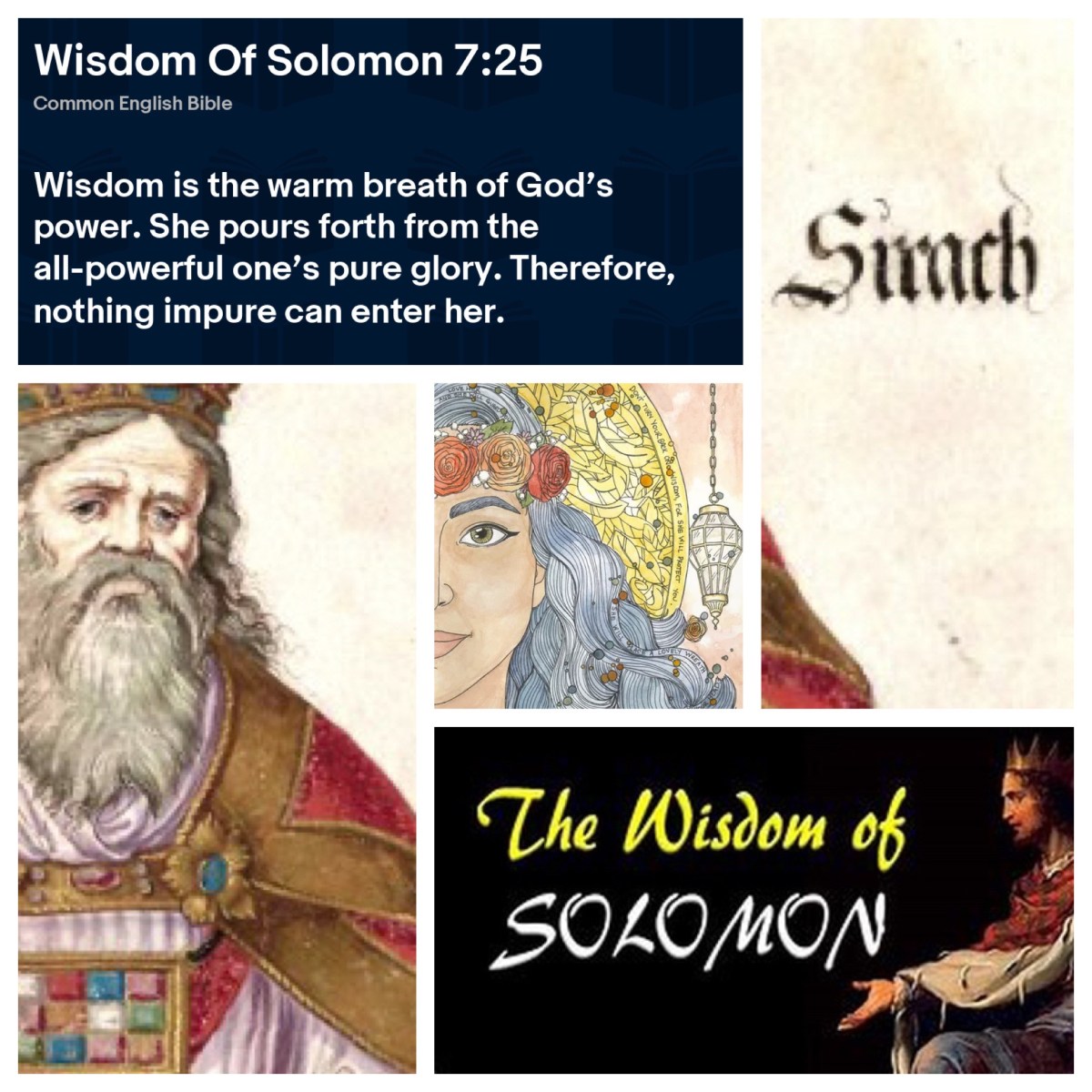
Another document which highlights the role of Wisdom, is the work known as the Wisdom of Solomon—a work which the anonymous author tells of his own search for Wisdom. But the description of Wisdom that is given in this book is more philosophical than biblical; it owes much to the developing middle platonic philosophy of the late Hellenistic period. Wisdom is described as “a breath of the power of God, a pure emanation of the Almighty” (Wis Sol 7:25) and reflects a most dazzling sequence of attributes (Wis Sol 7:22–24).

A comparison with Proverbs and Sirach can be drawn with Matthew, where it is said that Wisdom is at work in Jesus; when the Son of Man eats and drinks with tax collectors and sinners, Jesus declares that “Wisdom is justified by her deeds” (Matt 11:19b). Soon after those words, the Matthean Jesus explicitly adopts the language of Wisdom in a well-known set of words. Like Wisdom, he is a teacher (Matt 11:27). Like Wisdom, he invites his followers to take on the yoke of learning, and through this, find true rest (Matt 11:28–30).

Jesus teaches extensively in the style of the wise teacher, employing strings of short, pithy epithets and succinct maxims (see, for example, the collation of such sayings at Matt 6:19–34; 7:1–27; 9:10–17; 10:24–42; 18:1–14).

*****

The divine gift of wisdom occupies a central position in the treatise of James (1:5–8); this “wisdom from above” is to be contrasted with wisdom which is “earthly, unspiritual, devilish” (3:13–18).
Numerous epithets typical of the wisdom style are included in the treatise; there are succinct sayings which provide a definitive conclusion to discussion of a topic; for example, “mercy triumphs over judgement” (2:13; compare Matt 9:13) or “who are you to judge your neighbour?” (4:12; compare Matt 7:1).

Practical guidance, which also features in wisdom literature, runs through the treatise of James: “do not be deceived” (1:16), “care for orphans and widows” (1:27), do not favour the rich over the poor (2:1–7), curb your tongues, like putting a bridle in a horse’s mouth (3:3), “do not be boastful” (3:14), “humble yourselves before the Lord” (4:10), “do not grumble against one another” (5:9), “do not swear…by any oath” (5:12), “pray for one another” (5:16).

The treatise of James includes a biting tirade against the oppressive actions of the rich (5:1–6). James quotes snippets of pertinent prophetic denunciations of the rich (Isa 5:9; Jer 12:3), yet the same perspective is evident in Wisdom Literature. We see this, for example, in: “riches do not profit in the day of wrath, but righteousness delivers from death” (Prov 11:4); “a good name is to be chosen rather than great riches, and favour is better than silver or gold” (Prov 22:1); “whoever oppresses the poor to increase his own wealth, or gives to the rich, will only come to poverty” (Prov 22:16).

In an extended diatribe against wealth and honour (Eccles 5:8–6:12), The Teacher notes, “He who loves money will not be satisfied with money, nor he who loves wealth with his income; this also is vanity.” (Eccles 5:10). In Job, Zophar the Naamathite speaks of the wicked: “He swallows down riches and vomits them up again; God casts them out of his belly” (Job 20:15). Antagonism to the rich accumulating more and more wealth is found in various Wisdom works.

A diatribe against engaging in various prohibited actions (arguing, coveting, murder, adultery and impurity, 4:1–10) includes the statement, “God opposes the proud but gives grace to the humble” (James 4:6), which is perhaps citing Prov 3:34, “toward the scorners he is scornful, but to the humble he gives favour”.
The treatise as a whole ends with another saying which includes words from Proverbs: “if anyone among you wanders from the truth and someone brings him back, let him know that whoever brings back a sinner from his wandering will save his soul from death and will cover a multitude of sins” (5:20), citing the later part of Prov 10:12, “hatred stirs up strife, but love covers all offenses”.

The numerous scriptural allusions peppered through the moral exhortations of each chapter certainly demonstrate that the influence of Hebrew scripture on this book, and particularly of the Wisdom literature, cannot be underplayed.

*****

See also https://johntsquires.com/2021/09/12/in-the-squares-she-raises-her-voice-lady-wisdom-in-proverbs-pentecost-16b/ and https://johntsquires.com/2021/09/08/wisdom-cries-in-the-streets-proverbs-1-pentecost-16b/

and there’s a fine sermon on this passage by Avril Hannah-Jones at https://revdocgeek.com/2021/09/18/sermon-avril-preaches-to-herself/


Convicted (1): Joseph Pritchard

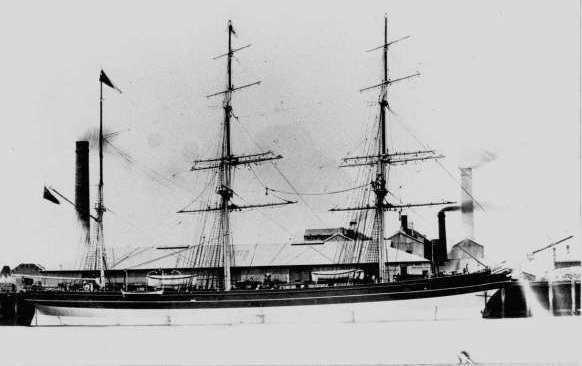
My ancestor Joseph Pritchard arrived in the colony of New South Wales on the ship Roslyn Castle 187 years ago on this day, 15 September 1834. Joseph was my great-great-great-grandfather on my father’s maternal line. He is the first reason that I was born in Sydney.

Joseph was born on 14 January 1817 at Macclesfield in Cheshire, England, the son of Joseph Pritchard and Hannah Ridgway, both born in Macclesfield, Cheshire (Joseph in 1791; Hannah in 1797). On the record of his baptism in the local church records (on 13 April 1817), his father’s occupation is listed as Silk Spinster. The minister performing the baptism was Jonathan Barker.

On 7 April 1834, at the age of 17, Joseph appeared at the Chester Quarter Sessions, charged with Larceny. We don’t have any more details than a note in the court records (in a very faint copy). His sentence, of transportation for a period of 7 years, can be found amongst a long list of men convicted of Larceny on the same day in that court.

Joseph was transported to NSW on the ship Roslyn Castle (pictured), which arrived at Port Jackson on 15 September 1834.

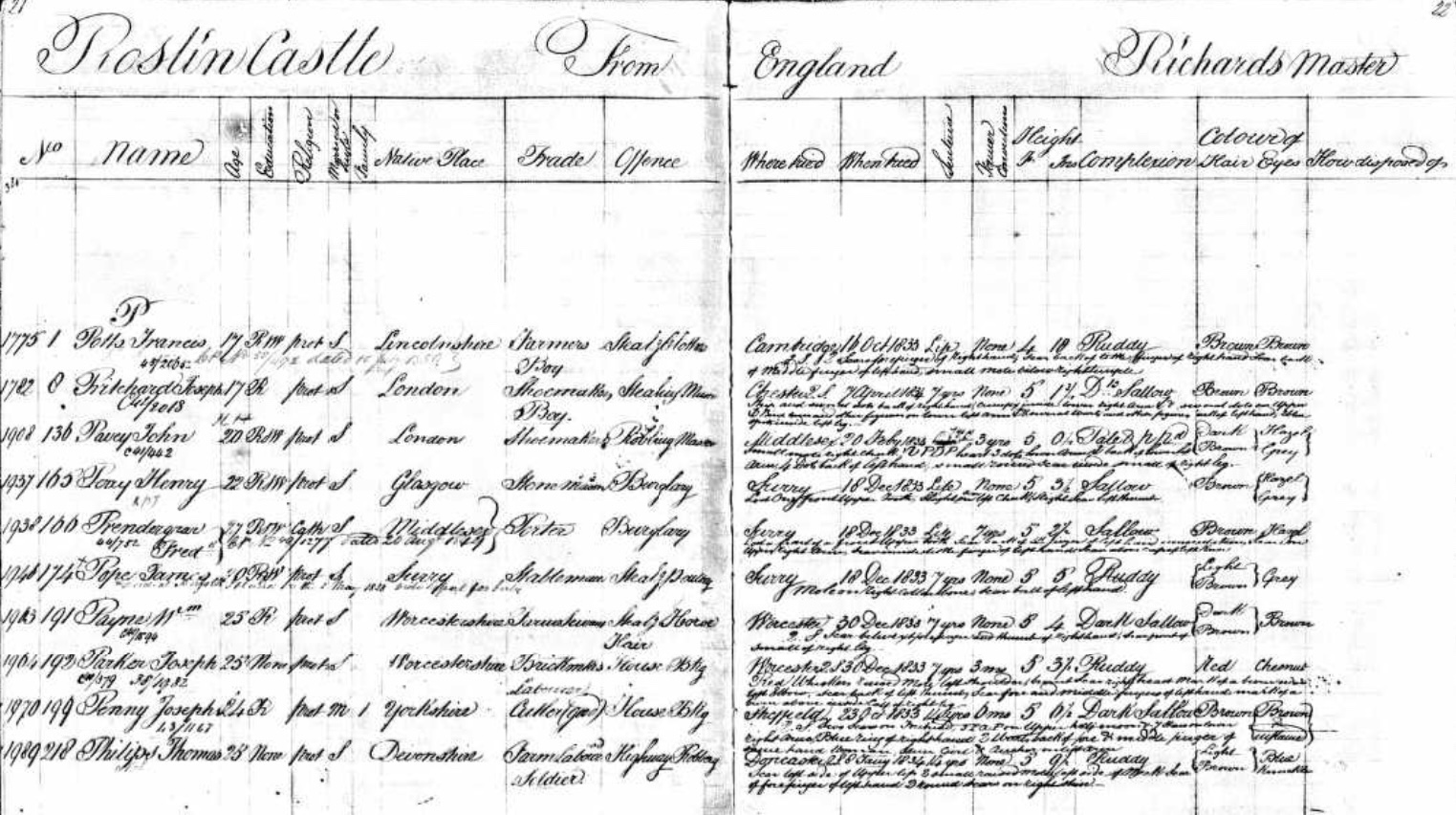
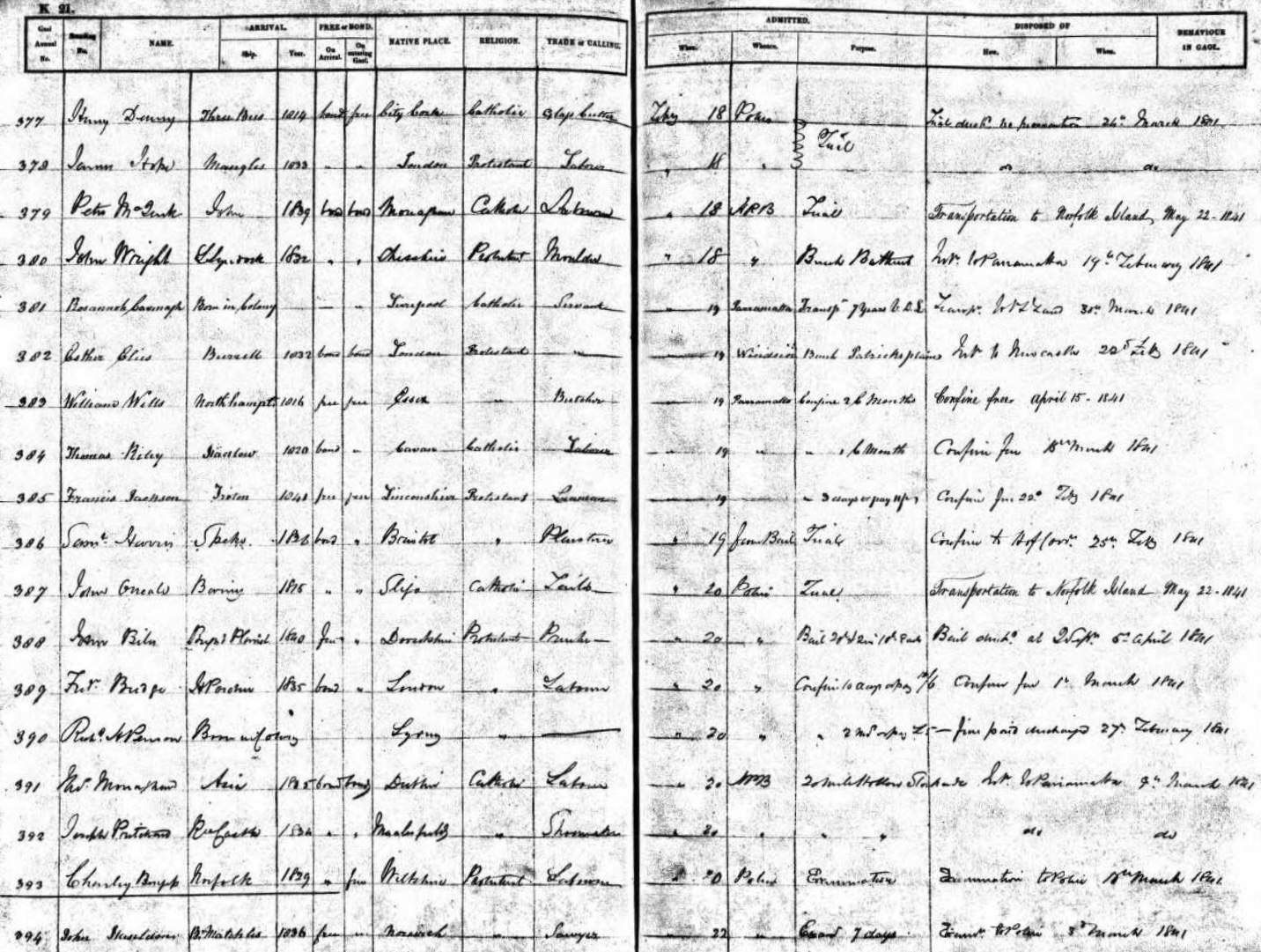
The Master of the ship was a Mr Richards. The ship records list amongst the convicts aboard, Joseph Pritchard, aged 17, from London, where he was a Shoemaker’s Boy. Joseph was recorded as able to read (but not write); his complexion was “Dark and Sallow”, his hair was Brown, and his eyes also were Brown.

Joseph was rather short, at 5’ 1 3/4”. Many of the others on the pages of the ship’s log are similarly short (from 5’5” down to 4’10”), suggesting that there was widespread malnutrition amongst the working class in Chester.

A commentary under each convict notes the tattoos on their skin; this writing is tiny and hard to decipher without seeing the original document. Fortunately, this document has been transcribed; the full description is as follows:

The crime for which Joseph was sentenced is clear: “Stealing [from] Master”, for which the sentence of 7 years was given.

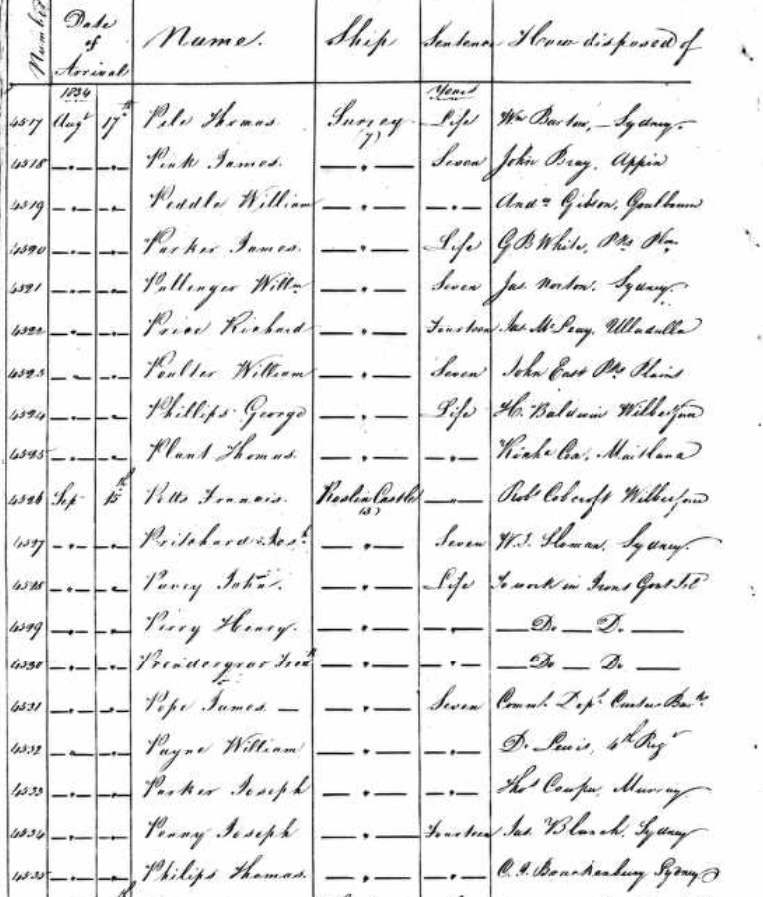
On arrival in Sydney on 15 September 1834, Joseph was one of a number of convicts from the Roslyn Castle who were “disposed of”—in his instance, he was sent to a “W. J. Homan, Sydney”—most likely a misspelling of William Holman, who was a cabinetmaker in Sydney at that time.

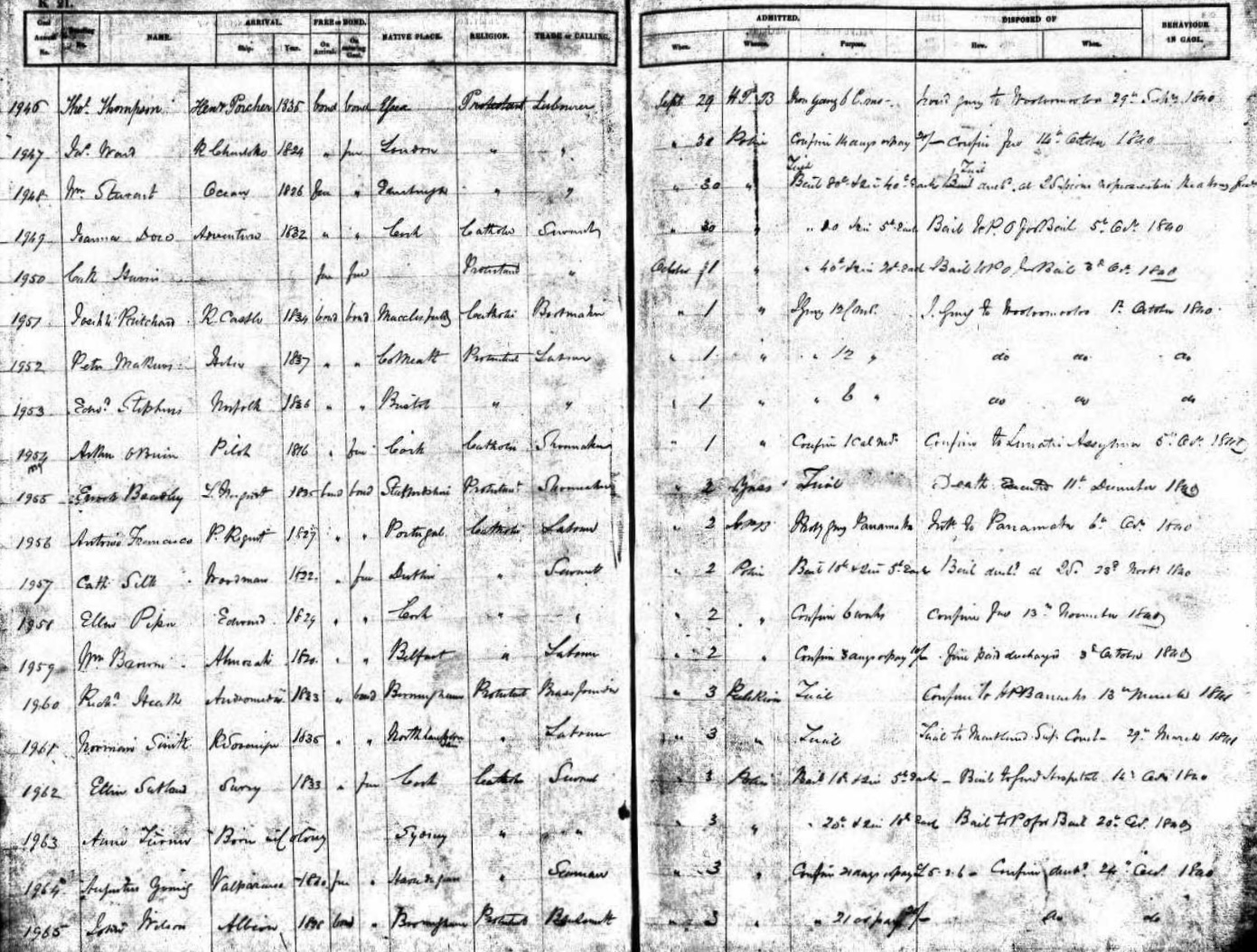
A further document from the records of the ship Roslyn Castle indicates that Joseph Pritchard of Macclesfield, a Roman Catholic who was a Shoemaker, was then “disposed of” on 1 October, on Bond to a Mr Grey at Wooloomooloo.

Another record indicates that on 20 July 1835, Joseph Pritchard, a Shoemaker from Macclesfield, who had arrived on the Roslyn Castle, was sent to Parramatta.

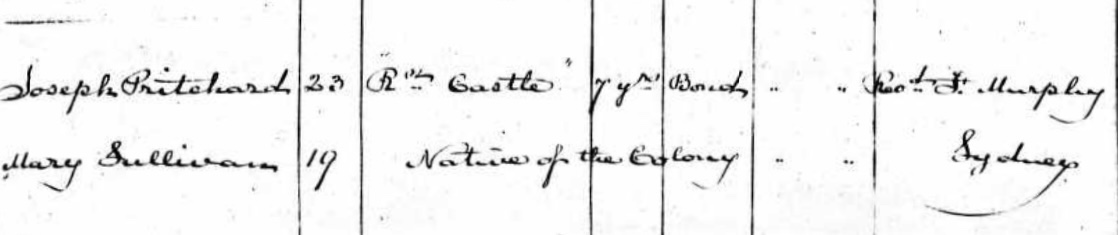
Just over six years after Joseph Pritchard arrived in the colony of NSW, he applied for permission to marry—as was required of all convicts seeking to marry. The application was made on 8 August 1840, to the Rev. John Murphy, Roman Catholic, of Sydney. Joseph was 23 years of age; His wife-to-be, Mary Sullivan, was 19 years of age, and described as “Native of the Colony”.

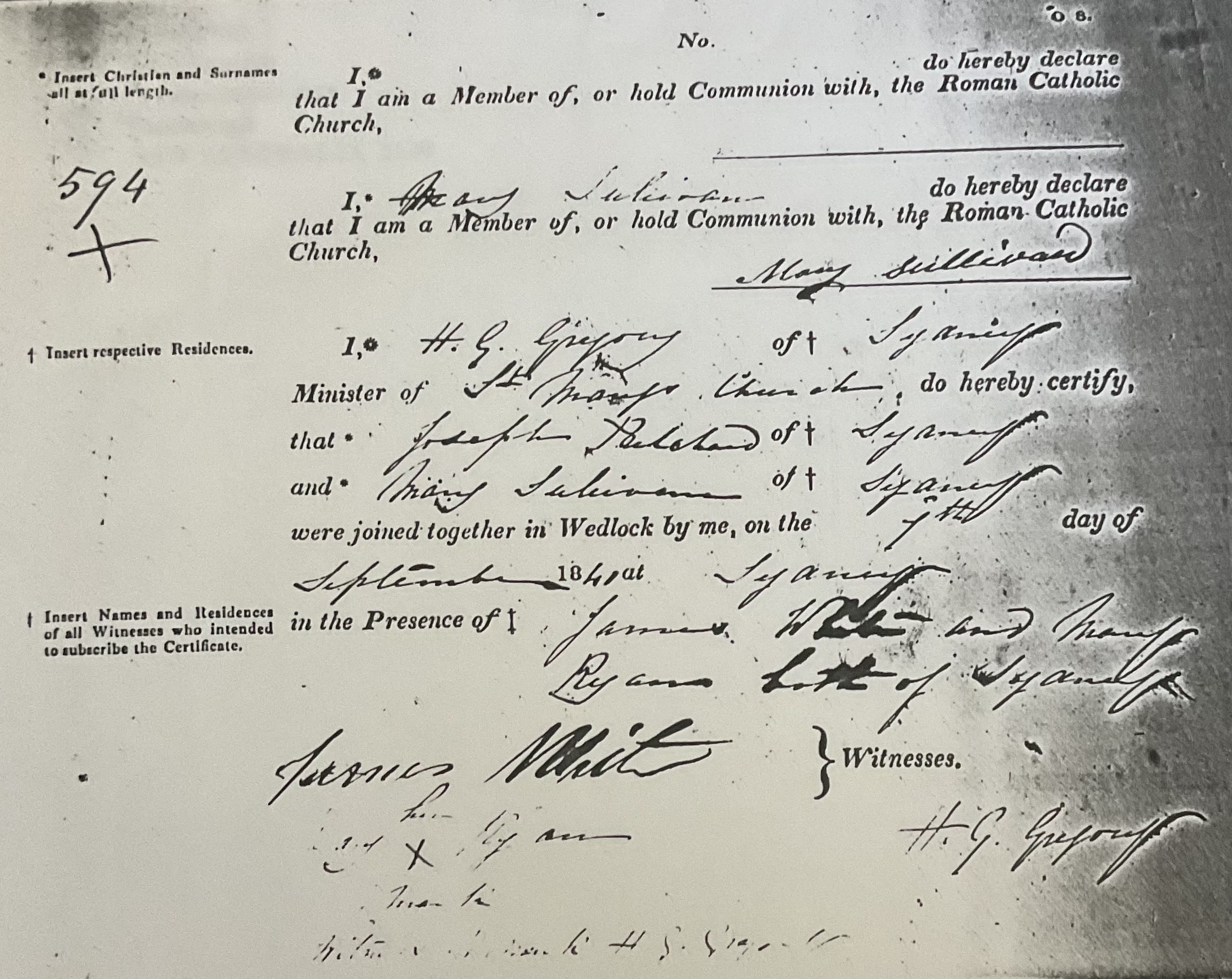
A month later, on 7 September 1840, Joseph Pritchard married Mary Sullivan at St Mary’s Roman Catholic Church in Sydney. The celebrant was Father H. G. Gregory; the witnesses were James White and Mary Ryan, both of Sydney. That year, there were just under 30,000 residents of Sydney—almost double the number of residents compared with the year, just six years earlier, when Joseph Pritchard had arrived in the colony.

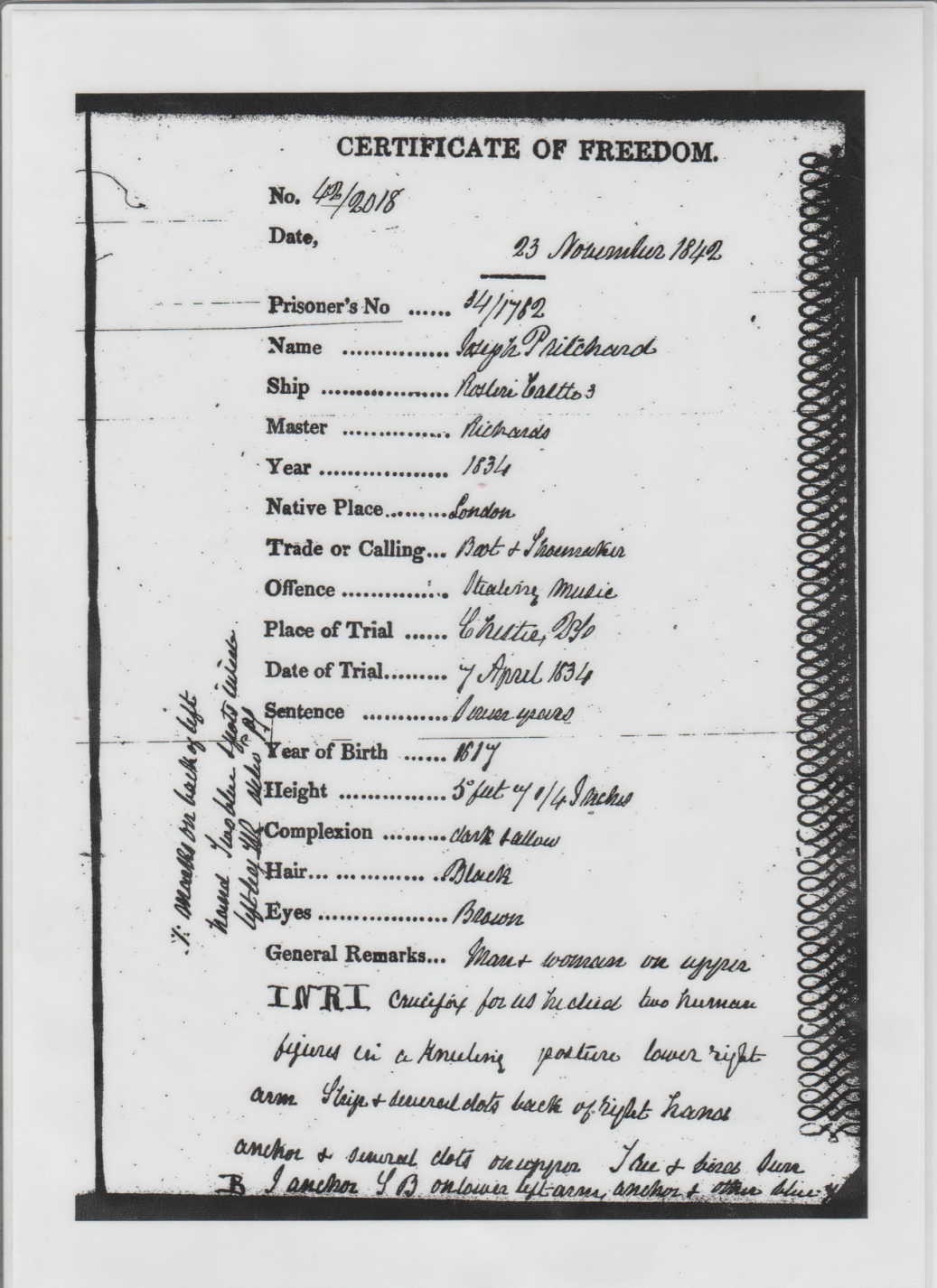
Two years later, on 23 November 1842, Joseph was issued his Certificate of Freedom.

There are records of Joseph Pritchard living in a house in Phillip Street, Sydney, in 1842–1843, and in a “dwelling house” in Bridge Street in 1851–1852. It is fair to assume that his wife, Mary (née Sullivan), was living there with him; indeed, in the decade after their marriage, Mary gave birth to six children—and in the ensuing 15 years, another nine children arrived!

Mary Sullivan was born in the colony of New South Wales, probably near Appin, NSW, in about 1823. The baptismal register of one of the early Roman Catholic priests of the colony, Rev. J.J. Therry, confirms that he baptised Mary at Appin on 21 August 1823. The sponsors for young Mary were Denis O’Brien and Bridget Dwyer.

The parents of Mary are listed in the register as Daniel Sullivan and Margaret Gorman. Mary was probably one of three children, her siblings being Daniel (baptised on March 13, 1822) and Ellen (born in 1825 or 1826). Her parents had probably each come to New South Wales from Ireland. No record of a marriage between Daniel and Margaret appears to exist in the NSW records.

It is possible that Mary’s father was a convict. A convict, or child of a convict, marrying another convict, or child of a convict, was quite common—they were part of the same strata of society in terms of where they lived, what work they did, and so on. And whilst convicts were still arriving into the colony, a free person marrying a convict was indeed possible, but perhaps not common.

One possibility is Daniel Sullivan, Labourer, of Cork, who was transported in 1820. Another possibility is the Daniel Sullivan, a Sailor/Labourer, who was transported in 1818. A third option is Daniel Sullivan, tried in London in 1799 and transported in 1800 on board the Royal Admiral. There currently are no records which link Mary to any one particular Daniel Sullivan, unfortunately. If anyone can provide me with such a link, I would be most grateful!!

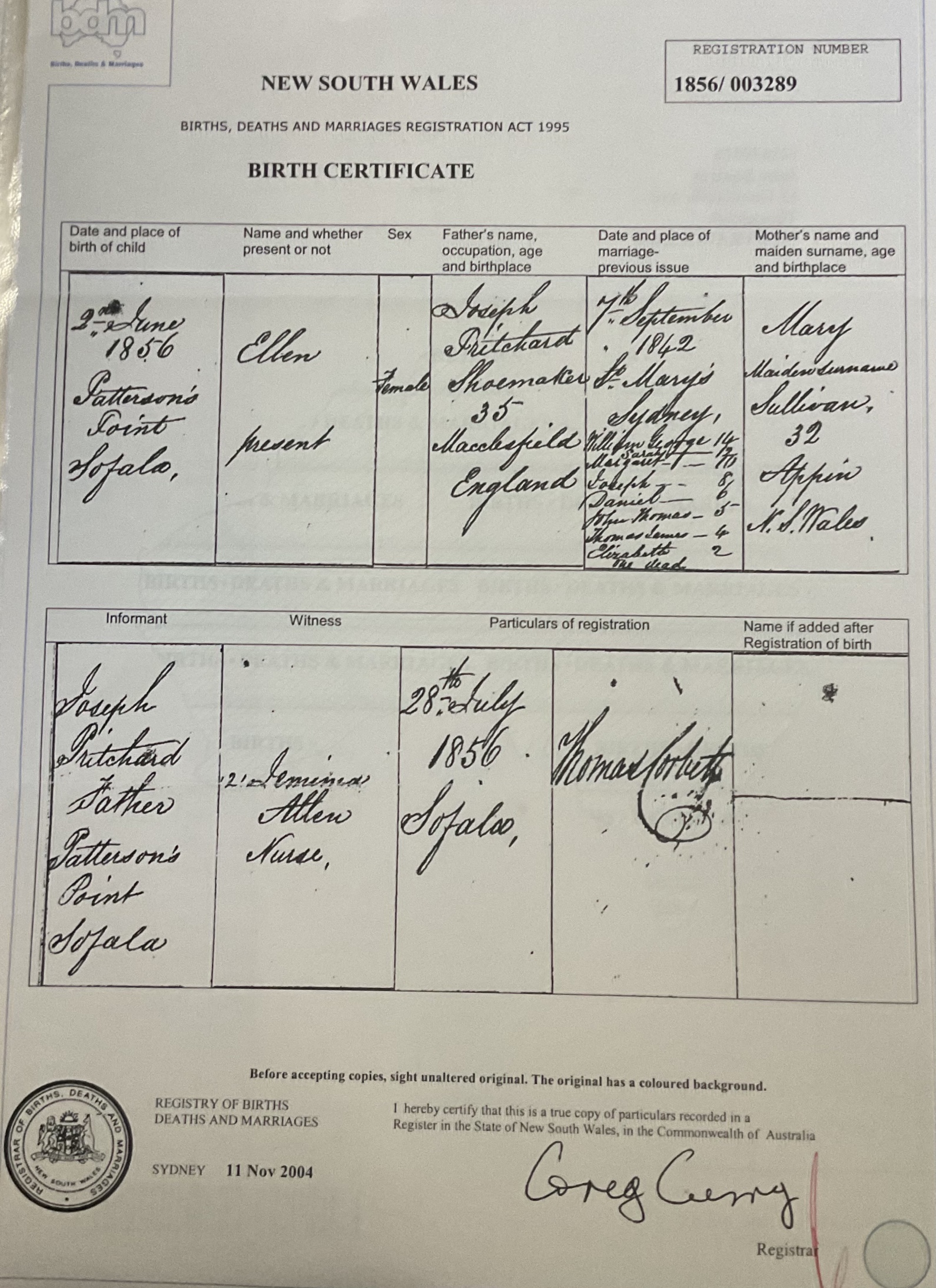
Mary and Joseph had fifteen children in total, between 1842 and 1865. The 1856 birth certificate of Ellen, the eighth child, provides clear information about the origins of Joseph and Mary.

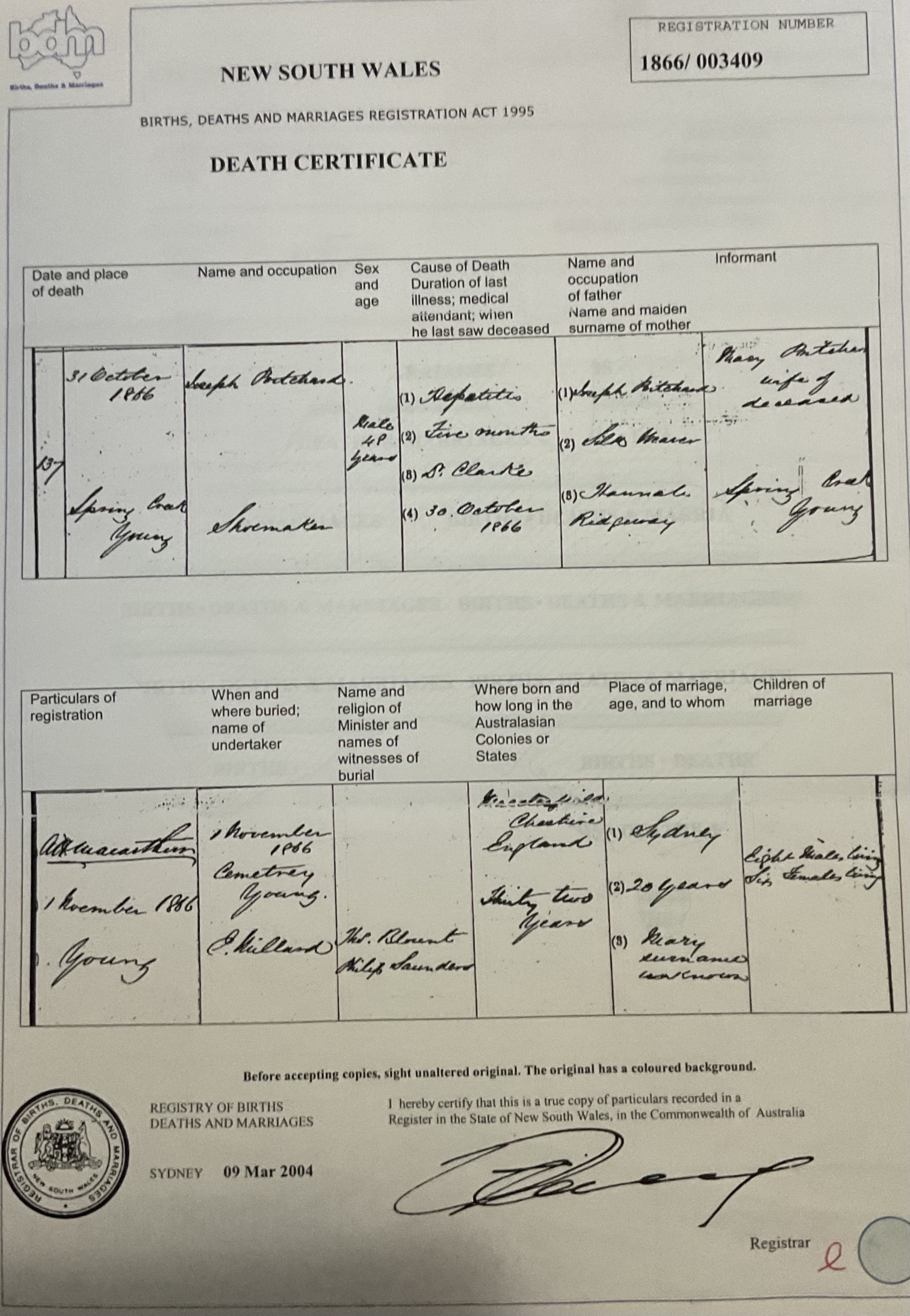
In 1866, the year after the last of these children, Herbert, was born, Joseph died at Spring Creek, near Young, in western NSW. He had been suffering from hepatitis for five months. Mary was left with a large brood of children.

Mary died in 1904.

Joseph and Mary’s fourth child and second son, Joseph Sullivan Pritchard, was born in 1847. He was the third Joseph in a row (in the same way, I am the third John in a row of my direct paternal line.) Joseph carried his mother’s maiden name as his middle name, before his surname, his father’s surname. My parents named me and my two brothers in the same way.

This Joseph (1847–1924) married Maria Jane Jackson in December 1880. Six months before she married Joseph, she birth to a daughter, Margaret Jane. Sadly, Maria Jane lived only a short life (1862–1891). Her daughter lived a long life (1880–1963). I think I can remember her from an encoder when I was a small child.

Margaret Jane Pritchard, in turn, married Edward Thomas Mathias (1871–1941) in November 1899, and gave birth to six children. The eldest of these was my paternal grandmother, Edna Mathias (1905–1992). And so my line of descent from the convict Joseph Pritchard can be traced.

Remembering John Shelby Spong (1931–2021)

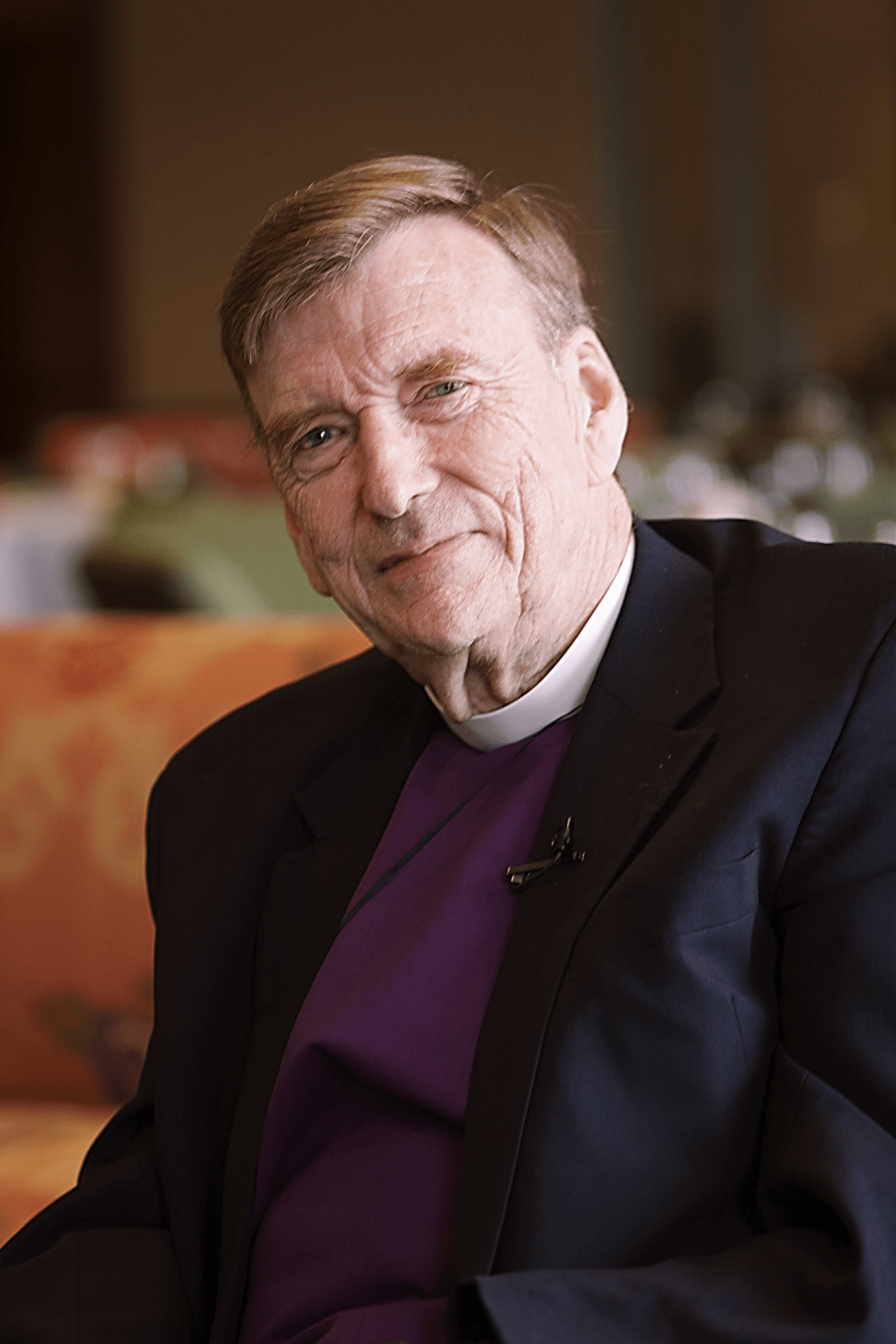
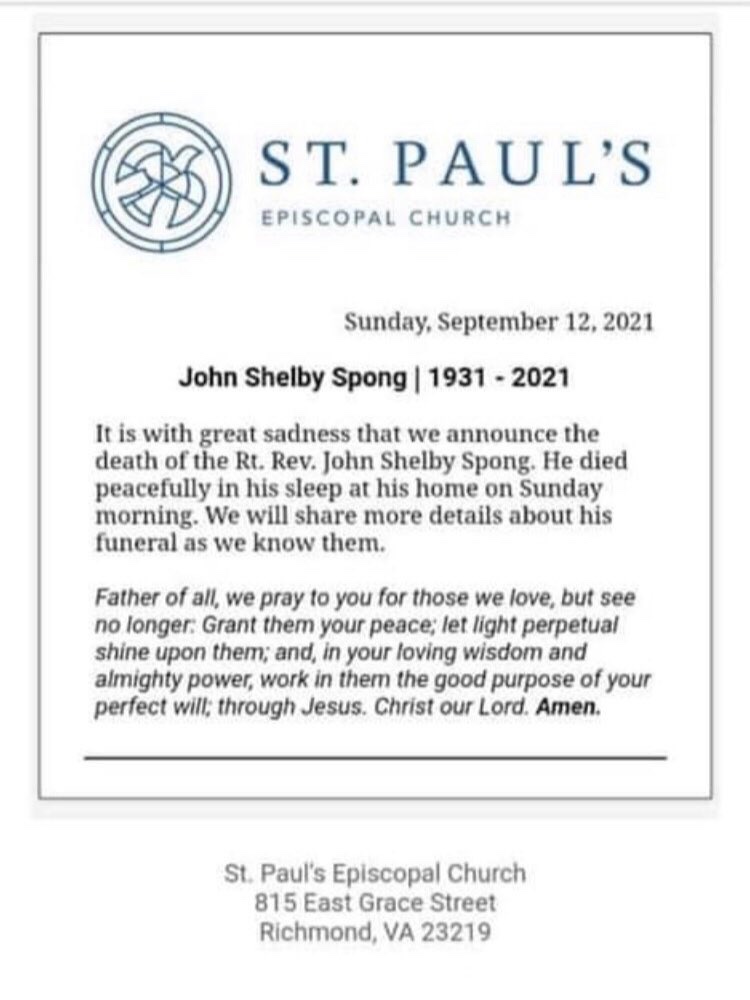
Bishop John Shelby Spong has died, at the end of his ninth decade of life. He has been an extraordinary figure in the life of the church in the 20th century. His legacy is large. Whilst a bishop in the Episcopalian Church in the USA, his influence has been across denominations and across continents, with countless thousands of thinking, exploring Christian believers, questioning received doctrines, exploring new ways of understanding what it means to be a person of faith, living out their discipleship in fresh and innovative ways.

Bishop Spong had his critics during his lifetime; every new book that he authored drew critical words from those who felt he had betrayed the Christian faith. He was regularly accused of hypocrisy, drawing a stipend from the Church yet speaking out against the beliefs of the Church. That kind of criticism is now being levelled once again against Bishop Spong, so soon after his death.

Critics of Spong should know that he advocated nothing that had not already been proposed and debated within biblical scholarship of the mid to later 20th century. Unlike many of the academics who in engaged in scholarly debate about details of exegesis and theology through articles and footnotes, Spong had the gift of speaking in ways that the headlines and opening paragraphs of newspaper articles could handle. He popularised a widespread and deeply debated series of discussions amongst academics.

Spong himself attributed great significance to the scholarly work of New Testament scholar Rudolph Bultmann and theologian Paul Tillich. We can’t avoid grappling with the important ideas that these scholars advocated and explained. Both demythologisation (Bultmann’s key idea) and existentialist theology (Tillich’s central contribution) need to be engaged with, explored, and critiqued—not just dismissively brushed aside with slogans and stereotypes.

Personally, I haven’t agreed with everything that Spong has published, either in written or spoken form. I have clearly benefitted from close reading and careful thinking about many of the issues that Spong himself has canvassed—both in terms of Spong’s publications and, more extensively, in the academic discussions about those issues in monographs and journal articles. His stimulus has been particularly important in the more popular arena.

Many people of faith who hold to what is called a “progressive theology” point to Spong as the person who first opened up their understanding about faith. He drew new visions, offered different understandings, provided viable options for people to hold to their faith in the increasingly complex and secularised world of the later 20th century. The miracles of Jesus, the resurrection of Jesus (and of believers), the Virgin Birth, the inerrancy of scripture—these, and more, he explained in his books in ways that “the ordinary believer” could understand.

Many then went on to discover, and rejoice in, the work of Dominic Crossan, Marcus Borg, the Jesus Seminar (to which both of these scholars belonged)—and locally, Australian voices such as Val Webb, Rex Hunt, and Greg Jenks. Many across the church have been enriched by the articulate, faithful writings and speaking of such people. Spong opened the door for them to experience a wider audience.

Bishop Spong visited Australia with his wife, Christine, in 2007. He spoke at the inaugural Common Dreams conference in Sydney and visited churches in a number of other cities whist downunder. His influence on the Progressive Christianity movement in Australia has been very significant. A number of my colleagues have testified that “Spong and his ideas helped my find my place (or recover my place) in the church”. We can be grateful for these testimonies.

Not only people with progressive viewpoints are in the debt of Spong. There are many evangelical scholars who have benefitted from the spadework done by more progressive scholars—adopting historical criticism, using it to illuminate the biblical text, and eventually enhancing understandings of scripture amongst evangelicals, even conservatives, and not just more progressive folks.

I think of the work of Don Carson, I. Howard Marshall, Ben Witherington, N.T. Wright, and many more—conservative biblical scholars who have faithfully grappled with the challenges posed by more progressive points of view, who have utilised the methods developed within so-called “liberal” circles of scholarship. Our academic understanding, and from this our practice of discipleship across the church, has been enhanced by this conversation, taking place in ways that reach across the stereotypes of separated schools of thought.

Spong played some part in that. Not a huge amount in the academic discussions, per se; but a very large role in the public discussions about faith. It is the faithfully determined work of people such as Spong that has shaped the articulation of academic discussions in ways that are understandable to the public, that communicate to ordinary people of faith.

At the end of his life, let’s acknowledge the fine work that John Shelby Spong did in popularising and making widely known an extensive set of insights about what it means to have an informed faith that “makes sense” in the contemporary world; and let’s give thanks for his ministry of deepening and broadening the whole Christian exploration of scripture, faith, and discipleship.

In the squares she raises her voice: Lady Wisdom in Proverbs (Pentecost 16B)

A sermon by Elizabeth Raine, preached at Tuggeranong Uniting Church (in the ACT, Canberra) on 12 September 2021

The purpose of the book of Proverbs is to guide us in learning how cope with life (Prov 1.2-6). It places an emphasis on teachings gathered from tradition of the elders (e.g., 4.1-4) and from experience (e.g., 6.6-11). In contrast to many other books of the Hebrew Bible, major themes such as the Mosaic and Davidic covenants are absent; Temple worship and sacrifice are rarely mentioned.

Most of the sayings are meant to inspire moral ideals. Guided by the principle that “the fear of the Lord is the beginning of wisdom” (9.10; 1.7; 15.33), the authors emphasise values such as honesty, diligence, trustworthiness, self-restraint, and appropriate attitudes toward wealth and poverty.

This first chapter of Proverbs introduces us to Lady Wisdom, a mystical feminine aspect of God. She calls to us and invites us on an unexpected journey. She is a central character in many chapters in this book, and those who know her are seen as righteous people. She is offered as a role model for us, her teachings are a template for life, and she a pioneer who opens upa pathway to faith and obedience.

Lady Wisdom, by Sara Beth Baca,

Lady Wisdom, as she is known, has fascinated ecclesiasts and scholars since the inception of the Christian church. She has been described in many ways—as an aspect of God, as a divine entity existing in her own right, even as something approaching a feminine deity, as Proverbs 8 states that Wisdom was present at the beginning of creation, and was a co-creator with God, who delighted in her presence.

This personification of wisdom as a female in Proverbs is one of the most extraordinary portrayals of femininity in the Hebrew Bible. 

This very positive image of the feminine is a stark counterpoint to the very negative metaphorical depiction of women generally encountered in the Old Testament: for example, the whore with many lovers (Jer 3:1); the slaughterer of the Lord’s children (Ezek 16:21), and the adulterous woman in Proverbs itself (Prov 7).

Wisdom offers us a radical example of faithfulness yet she remains a disturbing presence. She transgresses boundaries by standing amidst the male elders at the city gates and presuming to teach them. She has a clear voice, a colourful personality, a dominant presence, and offers words of hope and the promise of life. She is a vehicle of God’s self-revelation, and grants knowledge of God to those who pursue her through scripture and learning.

Unlike most woman of her time, Wisdom occupies what was the domain of men, teachers and prophets. She stands on busy street corners, she is at the town gate; she sets her table at the crossroads where many pass by. Unlike her counterpart in Proverbs 31, there is nothing of the domestic goddess about her. She is counter cultural and subversive. She teaches knowledge and leads her people on their way through history. In a most unladylike way, she raises her voice in public places that are the domain of men and calls to everyone who would hear her. 

The prominent biblical scholar, Elisabeth Schüssler Fiorenza, has written this about Wisdom:

“Divine Wisdom is a cosmic figure delighting in the dance of creation, a ‘master’ crafts wo/man and teacher of justice. She is a leader of Her people and accompanies them on their way through history. Very unladylike, she raises her voice in public places and calls everyone who would hear her. She transgresses boundaries, celebrates life, and nourishes those who will become her friends. Her cosmic house is without walls and her table is set for all.”

In short, the biblical figure of Wisdom represents a spirituality of roads and journeys, of public places and open borders, of nourishment and celebration, of justice and equality – rather than a spirituality of categories, doctrines, closed systems and ideologies.

Her dramatic modus operandi stands in striking contrast to the slow and methodical way of operating that we see in the classic formulations of Christendom, doctrines that have come to define the church in the eyes of those outside of it.

Wisdom calls us to work together, for the common good, with others in our society. She is not a figure bound to books and writing; she is out in the community seeking relationships with people, engaging wholeheartedly in public discourse, and living by example the key elements of a faith-filled life.

The church fathers, the male patriarchs of the church, loved making categories; they articulated their doctrines by amassing data, analysing the information, systematising the component parts and categorising the key dogmas. From this intensely rational approach to faith, we have inherited works such as the Congessions of Augustine, the Summa Theologiae of Thomas Aquinas, the institutes of the Christian Life by Jean Calvin, the string of creeds and confessions from the Westminster Confession onwards, and the massive Church Dogmatics of Karl Barth.

By contrast to these closed systems of knowledge, the biblical figure of Wisdom asks for a relational faith and invites us to develop a wide openness in the way we approach others and God. She requires of us that we really listen to others, including those we don’t agree with … she calls us to listen, to understand, to speak in ways that connect with others and ways that build productive and fruitful relationships across the differences that separate us.

I think that Wisdom is precisely the kind of person who would have relished the invitation, once offered to his disciples by Jesus, to push out to sea again and fish on the other side of the boat. She would value the opportunity to look in a different direction, to reconsider the task at hand and seek a new way of undertaking it. She would jump at the chance to explore a new arena, to pioneer a new task and to reshape her missional engagement so that it was fresh, invigorating, and creative. What a role model that is for us today!

So, the question that I invite you to ponder at this moment is: Where will we find Wisdom? Are we open to the exploration and discoveries that the biblical figure of Wisdom invites us to pursue?

Are we content with repeating our tried and true traditions from the past? Are we content with staying in our familiar comfort zone? Will our mission be simply no more than wishing people to walk through the door, as we remain in our comfortable, self-contained space?

Or will we choose the way of the rather unladylike Wisdom, the radical at the street corner, crying out to all who pass by? Can we understand Wisdom’s model as invitation to the church today? Should we be more concerned with ‘raising our voices’ in the public arena than confining ourselves to church buildings?

Hopefully we will choose to follow the path which offers us the potential to transform contemporary situations of injustice, brokenness and violence into communities that truly reflect the love of God, and we will take our stance in the marketplace in ways that show our deep and profound relationship with God. Hopefully we will follow Wisdom out of our enclosed gatherings to the space where social and spiritual change can take place.

*****

See https://johntsquires.com/2021/09/19/the-woman-of-valour-proverbs-31/

and also https://johntsquires.com/2021/09/08/wisdom-cries-in-the-streets-proverbs-1-pentecost-16b/ and https://johntsquires.com/2021/09/15/the-wisdom-from-above-james-3-pentecost-17b/

Wisdom cries in the streets (Proverbs 1; Pentecost 16B)

The lectionary is currently providing selections of Hebrew Scripture texts which focus on Wisdom. This focus started some weeks back, with the account, in 1 Kings 3:9–12, of Solomon praying for wisdom and discernment, and God responding by promising to deliver this gift.

After then recounting the prayer of Solomon at the opening of the Temple (1 Kings 8:22–43), we were offered a small section (2:8–13) from the Song of Songs. This work is attributed to King Solomon 1:1), but most likely it was not actually written by him. (It is also known as the Song of Solomon).

The following three Sundays provide selections from Proverbs, another work attributed to Solomon (Prov 1:1; 10:1; 25:1)—although, once again, most likely not written or compiled by him. The book contains a series of short, pithy proverbs (thus, its name), an example of which is provided in the excerpts from chapter 22 (verses 1–2, 8–9, 22–23; a most curious collection of unrelated sayings!).

Wisdom accosts her audience as “simple ones” (1:22, 32) and accuses them of ignoring all that she offers (1:24–25, 30). Wisdom therefore mocks the panic-stricken and laughs at the calamities they experience (1:26), “because they hated knowledge and did not choose the fear of the Lord” (1:29). This is full-on rhetoric, uncompromising speech, from a very feisty female character.

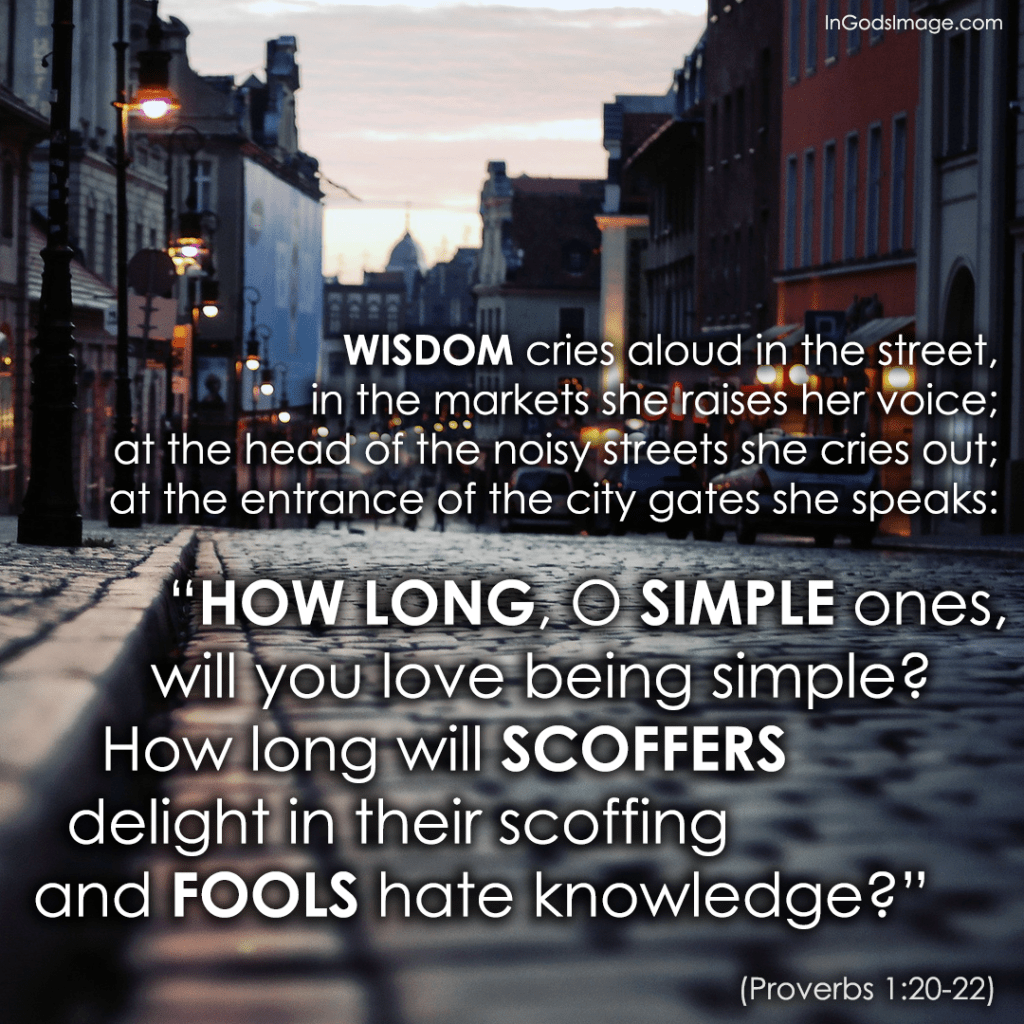
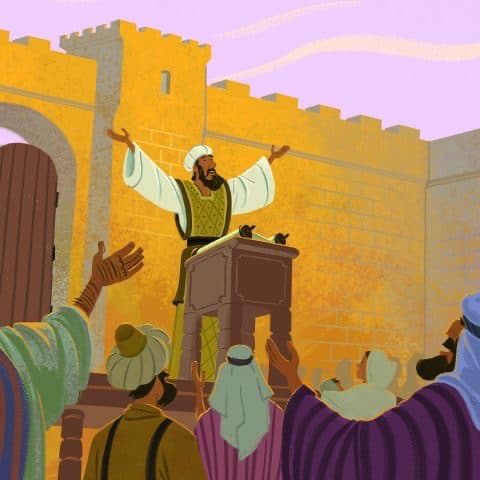
The figure of Wisdom is described in some detail in the passage that is offered this Sunday, in which Wisdom is portrayed in dramatic fashion. She “cries out in the street; in the squares she raises her voice; at the busiest corner she cries out; at the entrance of the city gates, she speaks” (Prov 1:20–21). The city gates, of course, is the place where the (male) elders of the town would sit, to receive matters for judgement, to apply the details of the Law, day after day.

She accosts her audience as “simple ones” (1:22, 32) and accuses them of ignoring all that she offers (1:24–25, 30). Wisdom therefore mocks the panic-stricken and laughs at the calamities they experience (1:26), “because they hated knowledge and did not choose the fear of the Lord” (1:29). This is full-on rhetoric, uncompromising speech, from a very feisty female character.

The lectionary also provides the full section of text from the last chapter of Proverbs (31:10–(31), where the eshet hayil (the woman of valour) is praised. While “her husband is known in the city gates, taking his seat among the elders of the land” (31:23)—to spend hours each day, no doubt, debating the finer points of the Law—this woman is energetically running her household, undertaking multiple daily tasks (spinning, making clothing, preparing meals), as well as overseeing the vineyard and the animals, assisting the poor and needy, running a successful merchandise business, undertaking commercial transactions—and, apparently, keeping her husband happy. “Many women have done excellently, but you surpass them all”, he says, admiringly (31:29).

There is more to her than is revealed in this initial portrayal, however. Wisdom is highlighted in Proverbs 8, which affirms that Wisdom was present with God at creation. In a clear retelling of the creation narrative of Genesis 1, Wisdom declares, “the Lord created me at the beginning of his work, the first of his acts of long ago … when he established the heavens, I was there … when he marked out the foundations of the earth, then I was beside him, like a master worker; and I was daily his delight, rejoicing before him always, rejoicing in his inhabited world and delighting in the human race” (Prov 8:22–31). Wisdom was the key creative force at work beside God, in conjunction with God, in creation the world.

The woman of valour is to be praised, for she is “a woman who fears the Lord” (31:30). And in the midst of all of this, “she opens her mouth with wisdom, and the teaching of kindness is on her tongue” (31:26).

“The fear of the Lord”, of course, is the central feature of the teachings of Wisdom, both in Proverbs (1:7, 29; 2:5; 9:10; 14:26–27; 15:33; 19:23; 23:17), and also in other works of wisdom literature (Eccles 5:7; 8:12–13; Job 28:28; 37:23–24; Sir 1:11–20, 27; 19:20; 21:11).

The lectionary continues on with further works drawn from the wisdom literature, part of the third main section of Hebrew Scripture (what the Jews call Kethuvim, or “the writings”). There are excerpts from Esther, Job, and Ruth over the ensuing seven Sundays.

Wisdom plays a key role in two further works, not included in the Protestant canon, but recognised as scripture within Roman Catholic and Orthodox churches. Wisdom appears in the book of Sirach, attributed to one Jesus, son of Eleanor, son of Sirach, of Jerusalem (50:27). In this book, Wisdom gives knowledge, makes demands of those seeking instruction from her, imposes her yoke and fetters on her students, and then offers rest.

Early in the book, the invitation is extended to engage with Wisdom. “Put your feet into her fetters, and your neck into her collar. Bend your shoulders and carry her, and do not fret under her bonds. Come to her with all your soul, and keep her ways with all your might. Search out and seek, and she will become known to you; and when you get hold of her, do not let her go. For at last you will find the rest she gives, and she will be changed into joy for you.” (Sir 6:24–28).

At the very end of the book, Wisdom extends her invitation: “Draw near to me, you who are uneducated, and lodge in the house of instruction. Why do you say you are lacking in these things, and why do you endure such great thirst? I opened my mouth and said, ‘Acquire wisdom for yourselves without money. Put your neck under her yoke, and let your souls receive instruction; it is to be found close by’.” (Sir 51:23–26).

In Sirach 24, Wisdom is portrayed as the intermediary assisting God at creation and throughout salvation history. “Wisdom praises herself, and tells of her glory in the midst of her people. In the assembly of the Most High she opens her mouth, and in the presence of his hosts she tells of her glory: ‘I came forth from the mouth of the Most High, and covered the earth like a mist. I dwelt in the highest heavens, and my throne was in a pillar of cloud. Alone I compassed the vault of heaven and traversed the depths of the abyss” (Sir 24:1–4). Wisdom played a crucial role in creation, surveying the whole scope of the created order for God.

She continues with a description of how she became connected specifically with Israel. “Then the Creator of all things gave me a command, and my Creator chose the place for my tent. He said, ‘Make your dwelling in Jacob, and in Israel receive your inheritance.’” (Sir 24:1–8). He link with the chosen people was secured.

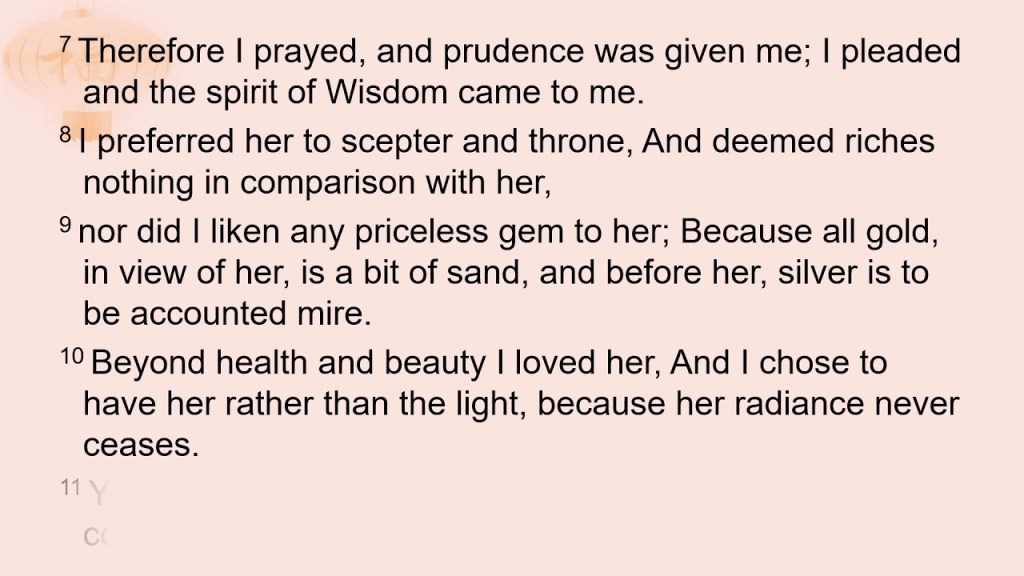
Another document which highlights the role of Wisdom is the work known as the Wisdom of Solomon—a work which the anonymous author tells of his own search for Wisdom. “I prayed, and understanding was given me; I called on God, and the spirit of wisdom came to me”, the author declares (Wis Sol 7:7), a passage which echoes the plea of King Solomon, “Give your servant therefore an understanding mind to govern your people, able to discern between good and evil; for who can govern this your great peoples” (1 Kings 3:9).

The description of Wisdom that is given in this book is more philosophical than biblical; it owes much to the developing middle platonic philosophy of the late Hellenistic period. Wisdom is described as being “more mobile than any motion, because of her pureness she pervades and penetrates all things” (7:24).

Furthermore, it is said that “she is a breath of the power of God, and a pure emanation of the glory of the Almighty” (7:25). She reflects a most dazzling sequence of attributes: “there is in her a spirit that is intelligent, holy, unique, manifold, subtle, mobile, clear, unpolluted, distinct, invulnerable, loving the good, keen, irresistible, beneficent, humane, steadfast, sure, free from anxiety, all-powerful, overseeing all, and penetrating through all spirits that are intelligent, pure, and altogether subtle” (Wis Sol 7:22–24). The work continues for chapter upon chapter, extolling the virtues of Wisdom, praising her glory and insight and knowledge.

The book ends with an extended recitation of the role that Wisdom played in the mighty acts of God, beginning with Adam (10:1-2), and moving through Noah (10:4), Moses and the Exodus (10:15), across the Red Sea. Through Wisdom, God has “exalted and glorified your people, and you have not neglected to help them at all times and in all places” (19:22).

And, of course, Wisdom, the teacher of understanding and the co-worker of God in creation, appears in another form in the New Testament: in the figure of Jesus, Teacher supreme, Word of God present and active from the very moment of creation. She is an important figure to understand.

*****

See also https://johntsquires.com/2021/09/12/in-the-squares-she-raises-her-voice-lady-wisdom-in-proverbs-pentecost-16b/

Rosh Hashanah: Jewish New Year

For Jews, last night, today, tonight and tomorrow during daylight hours forms Rosh Hashanah (Hebrew: ראש השנה). It begins at sundown on Monday 6 September and ends at sundown on Wednesday 8 September. The best translation of Rosh Hashanah is “head of the year”, meaning that this is the Jewish New Year. It begins Hebrew Year 5782.

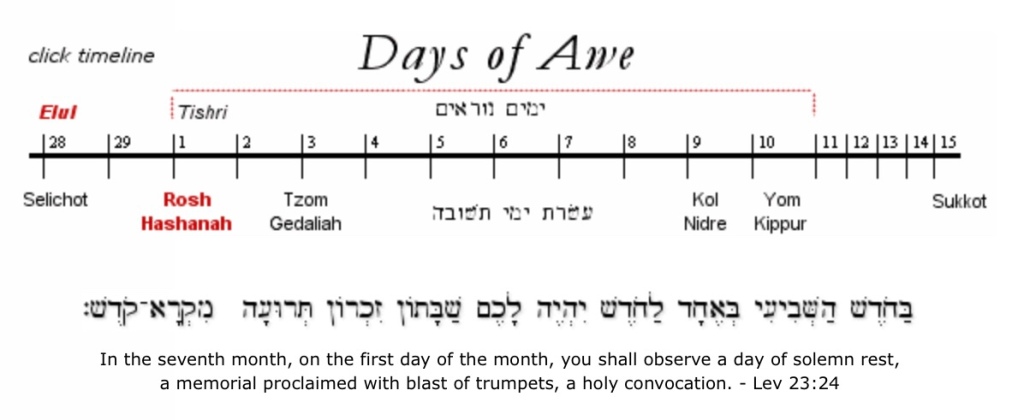
Rosh Hashanah is the first of the High Holidays, a series of ten “Days of Awe”. These ten days provide a period when observant Jews devote themselves to prayer, good deeds, reflection on the mistakes of the past year, and making amends with those whom they have hurt. It culminates with Yom Kippur, the “Day of Atonement”, which this year will fall on Thursday 16 September.

In Jewish tradition, so I understand, there is a belief that God spends these ten days determining whether to give life or death to all creatures during the coming year. Jewish law teaches that God inscribes the names of the righteous in the “book of life” and condemns the wicked to death on Rosh Hashanah; people who fall between the two categories have until Yom Kippur to perform teshuvah, or repentance.

This concept is clearly reflected in the scriptures of Christianity. At the final judgment in Revelation 20:15, we read that “anyone whose name was not found recorded in the Book of Life was thrown into the lake of fire.” That “Book of Life” reflects Jewish tradition, as the place where God records the names of those people adjudged as worthy of life in the coming year. In Revelation, the book is “the Lamb’s book of life” (Rev 21:27). Paul exhorts his “loyal companion” to help Euodia and Syntyche, noting that “they have struggled beside me in the work of the gospel, together with Clement and the rest of my co-workers, whose names are in the book of life” (Phil 4: 2–3).

Is this what Jesus is alluding to when he tells the 70 disciples to rejoice because “your names are written in heaven” (Luke 10:20)? For the person writing “to Timothy” in the name of Paul towards the end of the first century, it is in fact Jesus himself who will carry out the judgement about this matter (2 Tim 4:1, “Christ Jesus, who is to judge the living and the dead”).

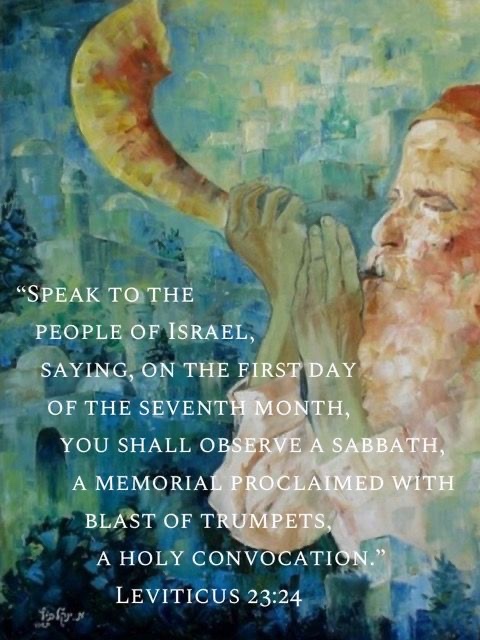
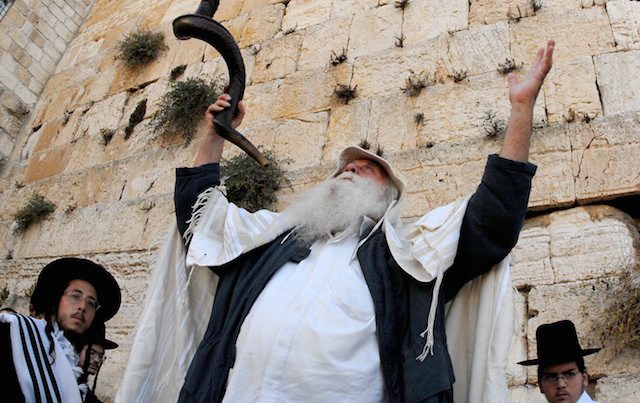
Rosh Hashanah is observed on the first two days of Tishrei, the seventh month of the Hebrew calendar. It is described in the Torah as יום תרועה (Yom Teru’ah, a day of sounding [the shofar]). The day begins with the sounding of the shofar, a ram’s horn, and then during the service a trumpet is blown 100 times. The festival, not surprisingly, is called The Feast of Trumpets.

That festival is described in Leviticus 23:24–25: “In the seventh month, on the first day of the month, you shall observe a day of complete rest, a holy convocation commemorated with trumpet blasts. You shall not work at your occupations; and you shall present the LORD’s offering by fire.”

There is a similar description in Numbers 29:1, although that passage then continues with detailed descriptions of the burnt offering (involving nine animals) and grain offerings associated with each burnt offering, which provide “a pleasing odour to the Lord”, offered “to make atonement for you” (Num 29:2–5).

These texts are priestly prescriptions, contained in books written after the return from exile in Babylon from the 520s BCE onwards, presenting as requirements for the people of Israel centuries before, when the Temple built in Jerusalem under Solomon was the focus of religious life.

After five decades of living in a foreign land, the priests are reinforcing these sets of laws for use in the rededicated Temple in the rebuilt Jerusalem in the time of Ezra, as the governor of the city, Nehemiah, reports (Neh 7:73–8:3). This is clear from the way the date is specified (“when the seventh month came—the people of Israel being settled in their towns—all the people gathered together into the square before the Water Gate”, 7:73–8:1). What follows is an account of a covenant renewal ceremony, as the Law is read, and explained, to all the people (Neh 8:1–12).

In this way, the traditions of centuries past are revitalised for a new situation. Jewish traditions relating to the Festival of Trumpets continue to be revitalised in subsequent centuries. Philo of Alexandria, the first‑century BCE Jewish philosopher, describes the first day of the seventh month as the great “Trumpet Feast”. He connects it with the sounding of the horn at Mount Sinai when revelation took place (Exod 19:13–16).

Philo interprets the trumpet as an instrument and symbol of war, and reinterprets the festival as relating to peace and abundance: “Therefore the law instituted this feast figured by that instrument of war the trumpet, which gives it its name, to be as a thank offering to God the peace‑maker and peace‑keeper, who destroys faction both in cities and in the various parts of the universe and creates plenty and fertility and abundance of other good things” (Philo, Special Laws, 2:188-192).

The significance of the festival is being reinterpreted and re-applied in the city of Alexandria in the decades prior to the time of Jesus. There is no reference to the festival signifying the new year. Had this dimension of the festival been dropped, at least in Alexandria, five centuries after Nehemiah? Or was it simply assumed, and not mentioned because it was common knowledge at the time?

Two centuries later, well after the Second Temple built under Nehemiah had been destroyed, Rabbi Judah ha-Nazi drew together the many oral traditions about the Law in a document we know as the Mishnah. The title is a Hebrew word which comes from a root word meaning “repetition”. The Mishnah contains the teachings of rabbis from centuries past, which were learnt by male Jewish students by study and repetition.

In the Mishnah, the eighth tractate (Rosh Hashanah) in the second order (Moed, meaning Festivals) deals with this festival. It provides the description, “On Rosh Hashanah all human beings pass before [the Lord] as troops, as it is said, ‘the Lord looks down from heaven, He sees all mankind. From His dwelling place He gazes on all the inhabitants of the earth, He who fashions the hearts of them all, who discerns all their doings’ (quoting Ps 33:13–15)” (Mishnah, Rosh Hashanah 1.2).

Other sections deal with the various stages of the festival, and provide a set of laws relating to the shofar, the trumpet sounded to give the festival its name.

In the Talmud, a later expansion of the discussions found in the Mishnah, further expositions are provided, including a detailed set of provisions relating to the shofar, which is to be blown on two occasions on Rosh Hashana: once while “sitting” (before the Mussaf, the additional prayer to be said on a festival day), and once while “standing” (during the Mussaf prayer). This increased the number of blasts from the basic requirement of 30, to 60.

An even later rabbi, Nathan ben Jehiel of Rome (1035–1106), provided for 100 blasts: 30 before Mussaf, 30 during the Mussaf silent prayer, 30 during the cantor’s loud repetition of Mussaf, and 10 more after Mussaf. And so the development and re-interpretation of the festival continued.

I found a good page on the history.com website that explains a number of the customs currently associated with Rosh Hashanah.

Apples and honey: One of the most popular Rosh Hashanah customs involves eating apple slices dipped in honey, sometimes after saying a special prayer. Ancient Jews believed apples had healing properties, and the honey signifies the hope that the new year will be sweet. Rosh Hashanah meals usually include an assortment of sweet treats for the same reason.

Round challah: On Shabbat (the Jewish Sabbath) and other holidays, Jews eat loaves of the traditional braided bread known as challah. On Rosh Hashanah, the challah is often baked in a round shape to symbolize either the cyclical nature of life or the crown of God. Raisins are sometimes added to the dough for a sweet new year.

Tashlich: On Rosh Hashanah, some Jews practice a custom known as tashlich (“casting off”), in which they throw pieces of bread into a flowing body of water while reciting prayers. As the bread, which symbolize the sins of the past year, is swept away, those who embrace this tradition are spiritually cleansed and renewed.

“L’shana tovah”: Jews greet each other on Rosh Hashanah with the Hebrew phrase “L’shana tovah,” which translates to “for a good year.” This is a shortened version of the Rosh Hashanah salutation “L’shanah tovah tikatev v’taihatem” (“May you be inscribed and sealed for a good year”).

See https://www.history.com/topics/holidays/rosh-hashanah-history and https://www.myjewishlearning.com/article/rosh-hashanah-customs/

My friend Peta Jones Pellach has written a lovely blog for Rosh Hashanah at https://blogs.timesofisrael.com/storytelling-for-the-new-year/

The paradoxes of discipleship (Mark 8; Pentecost 17B)

The section of the beginning of the good news of Jesus, the chosen one that is offered in the lectionary this coming Sunday (Mark 8:27–38) contains two striking paradoxes.

It reports the paradox that the fundamental identity of Jesus was recognised by Peter—followed by a command silencing Peter from telling anyone else about this. It also includes the paradox that Jesus anticipates the public shaming that he will experience on the cross—followed by his call to his followers, to take up the cross themselves. Each paradox invites considered reflection.

The first paradox: the silence about the central identity of Jesus

Mark reports that Jesus asked his followers, “who do you say that I am?”; to which Peter answered, “You are the Messiah” (8:29). The identification of Jesus as Messiah (or Christ) is central to this book. (Messiah is from the Hebrew word to anoint; Christ is from the Greek word with the same meaning.) This identification appears in the very first sentence of the work, in what may well be regarded as the title of the book: “the beginning of the good news of Jesus, Messiah, Son of God” (1:1).

The identity of Jesus continues as a motif running through this Gospel. It is reiterated in a variety of ways in statements made at crucial moments in the story (see 1:11; 8:29; 9:7; 10:45; 14:62; 15:39). But it also forms a recurring question, asked by many characters throughout the story.

We can’t read Mark’s Gospel without being confronted, again and again, by this question, in whatever guise it comes: “what have you to do with us, Jesus of Nazareth?” (1:24, from a possessed man); “who then is this, that even the wind and the sea obey him?” (4:41, from the disciples); “what have you to do with me, Jesus, Son of the Most High God?” (5:6, from the disciples); “what have you to do with me, Jesus, Son of the Most High God?” (5:6, from the Gadarene demoniac); “where did this man get all this? what is this wisdom that has been given to him?” (6:2, from his extended family in Nazareth).

Once he is in Jerusalem, Jesus encounters the same question from the High Priest: “are you the Messiah, the Son of the Blessed One?” (14:61); and from the Roman governor: “are you the King of the Jews?” (15:2). So, the key question remains for us: “who do people say that I am?” (8:27, asked by Jesus)—a question which he immediately sharpens into “who do you say that I am?” (8:28).

The question of the identity of Jesus is posed once again in the trial of Jesus before the Jewish authorities in Jerusalem. Mark reports that the high priest asked him, “Are you the Christ, the Son of the Blessed?”, to which Jesus replied, “I am, and you will see the Son of Man seated at the right hand of Power, and coming with the clouds of heaven” (14:61–62).

And at the midpoint of the Gospel narrative, at the central climactic moment of conversation at Caesarea Philippi, the question is put by Jesus to his followers. The question posed by Jesus comes at the high point in his public ministry—just before he is transfigured, before he makes his fateful decision to turn towards Jerusalem, in the Synoptics.

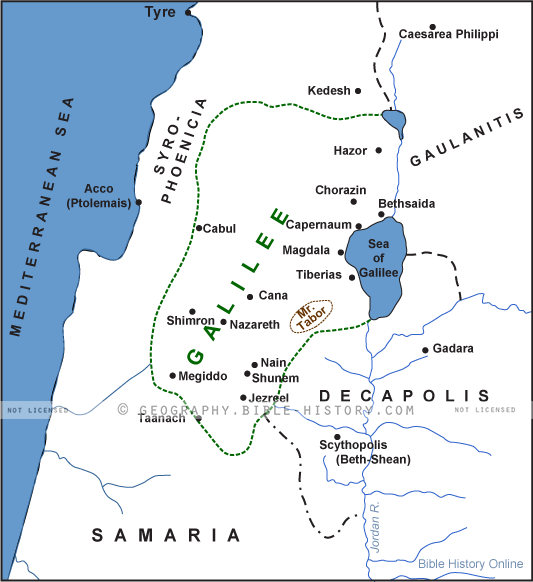
The scene is located at Caesarea Philippi, at the foot of Mount Herman, to the northeast of the Sea of Galilee, in the Tetrarchy of Philip. It was the northernmost point in ancient Israel (in modern terms, it is in the Golan Heights, the Israeli-occupied territory overlooking Syria). It is as if the story needs to take us to the very edge to hear the clarifying conversation about Jesus.

And in this clarifying conversation, Peter goes to the heart of who Jesus is. Not simply one of the prophets—although he clearly stands in the tradition of the prophets. Not Elijah, the one charged with preparing the way for the Messiah, the anointed one, specifically chosen by God amongst all of humanity. Rather, it is Jesus himself who is that chosen, anointed one.

Peter has identified him accurately; Jesus is the Messiah. Yet immediately we hear the paradoxical note that Jesus “strictly charged them to tell no one about him” (8:30).

Yet, it is a striking fact that, in this gospel, Jesus never himself claims that he is the Christ. (The irony, of course, is that the term used to describe the followers of Jesus throughout the centuries, Christian, is based precisely on the claim that Jesus is the Christ.)

The closest Jesus gets to this self-identification is his clipped response to the question put to him by the chief priest, when he is asked, “are you the Christ, the Son of the Blessed?” (14:61). Jesus admits this in two short words, “I am”, before proceeding immediately to speak about the Son of Man coming in glory.

Indeed, in his final set of teachings given to his followers outside the Temple, when he speaks about the time still to come, Jesus explicitly warns against those laying claim to such a title: “if anyone says to you, ‘Look, here is the Christ!’ or ‘Look, there he is!’ do not believe it; for false christs and false prophets will arise and perform signs and wonders, to lead astray, if possible, the elect” (13:21–22). The implication is that these other claimants are false, because Jesus is the true Messiah; yet he never specifically says this.

And Jesus persists in instructing people not to spread the news about him after he has healed them or cast out demons from them. He gives this instruction directly to demons (1:24; 1:34; 3:12), as well as to a healed leper (1:43), a healed blind man (8:26), crowds who have witnessed healings (5:43; 7:36), and the disciples (8:30; 9:9). (These verses provide the basis for the so-called “Messianic Secret” in Mark’s Gospel.)

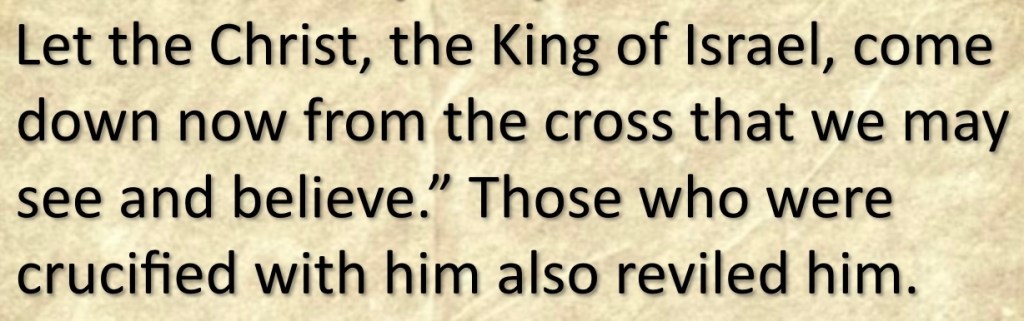
There is one place where Jesus is acclaimed as Messiah, with no come-back from Jesus: when the crowd of onlookers cry out to Jesus as he hangs on the cross: “let the Christ, the King of Israel, come down now from the cross that we may see and believe” (15:32). This isn’t an affirmingly positive acclamation of Jesus; rather, the term is used to mock and deride him in his helpless state.

The second paradox: the shame of the central dynamic of crucifixion

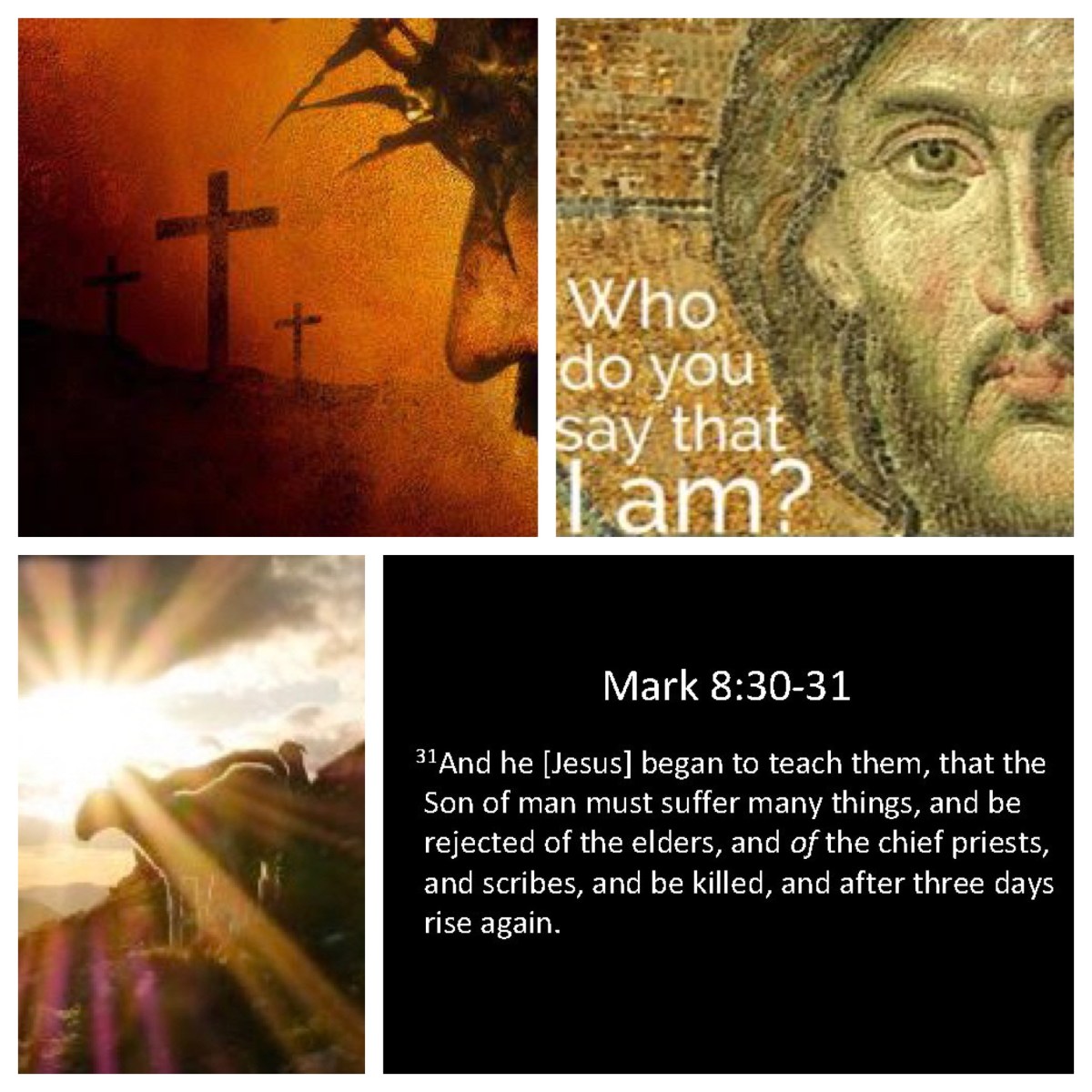
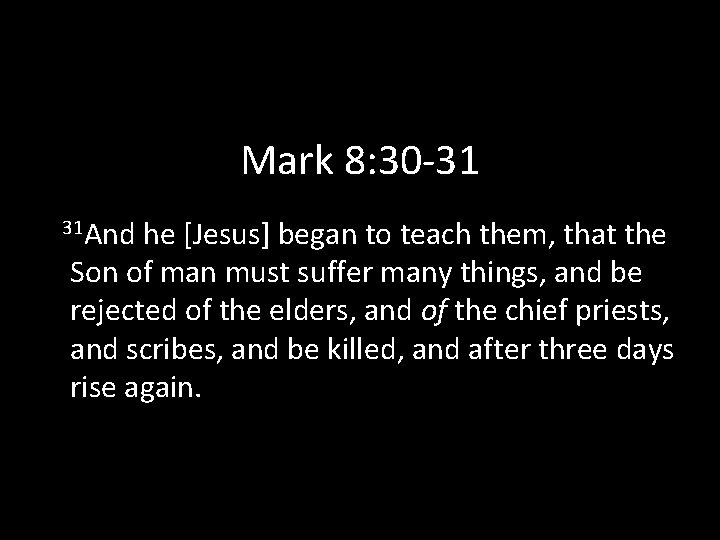
The cross is, in fact, the place where the second paradox appears in the Gospel passage set for this coming Sunday. The cross is introduced by Jesus himself, when he teaches his followers: “the Son of Man must undergo great suffering, and be rejected by the elders, the chief priests, and the scribes, and be killed, and after three days rise again” (8:31).

So important is this teaching, that Jesus repeats it twice more: “The Son of Man is going to be delivered into the hands of men, and they will kill him. And when he is killed, after three days he will rise” (9:31) and “the Son of Man will be delivered over to the chief priests and the scribes, and they will condemn him to death and deliver him over to the Gentiles; and they will mock him and spit on him, and flog him and kill him; and after three days he will rise” (10:33-34).

I don’t think that three predictions were spoken, historically, by Jesus, as he made his way towards Jerusalem. Rather, the author of the beginning of the good news of Jesus, Messiah placed them in this strategic place in the centre of his narrative. They mark the turn on the story from Galilee, where the earlier activity of Jesus took place (1:14–9:50), towards Jerusalem, where the final days of Jesus will play out (10:1–16:8). The dynamic of the narrative indicates that, as Jesus leaves behind the days of preaching and teaching, healing and casting out demons, his focus turns to the confrontation that he knows lies in store for him.

The public nature of crucifixion was humiliating and shaming. The typical process of crucifixion involved moment after moment of humiliation, undermining any sense of honour that the victim had, increasing the sense of public shame that they were experiencing. In the Roman world, crucifixion was variously identified as a punishment for slaves (Cicero, In Verrem 2.5.168), bandits (Josephus, War 5.449-451), prisoners of war (Josephus, War 5.451), and political rebels (Josephus, Antiquities 17.295). These were people whose situations or actions had generated shame.

In the case of Jesus, he is accused of treason through the inference that he is King of the Jews—a claim that was anathema to the Romans (John 19:12)—and he is crucified in the company of political rebels (Mark 15:27; Matt 27:38; the term used, lēstēs, is the one most often found in the writings of Josephus to denote a political rebel).

A public trial, followed by a public execution on the cross, was a ritual in which the accused person was shamed, through a public ritual of status degradation. Cicero, in speaking as the counsel of Rabinio, a man accused of treason, asserted that “the ignominy of a public trial is a miserable thing” and described a public execution as “the assembly being polluted by the contagion of an executioner … [exhibiting] traces of knefarious wickedness” (Pro Rabinio 11, 16).

See https://johntsquires.com/2021/03/26/reading-the-crucifixion-as-a-scene-of-public-shaming/

And yet, immediately after he spoke this prophetic word, Jesus issued his disciples with a call to take up their crosses themselves: “if any want to become my followers, let them deny themselves and take up their cross and follow me” (8:34). He invites them—indeed, he commands them—to enter into the public shame that he will experience in his own crucifixion.

In the narratives that recount the crucifixion of Jesus, it is not so muchk the physical torment of Jesus which is highlighted (although, admittedly, a slow death by suffocation whilst hanging on a cross for hours, even days, was a terrible fate). Rather, it is the various ways in which Jesus was shamed: he was spat upon, physically struck on the face and the head, verbally ridiculed and insulted, and treated contemptuously.

This is the way of Jesus; and the way of his followers. Instead of saving their life, the followers of Jesus are instructed to lose their life (8:35). Instead of aiming to “gain the whole world”, and thereby “forfeit their life”, a follower is, by implication, to let go of all hopes of “gaining the world” (8:36–37). To gain the world was presumably referring to occupying a position of power, prestige, and popularity—precisely the kind of issues that later writers, Matthew and Luke, reflected in their more detailed accounts of the testing of Jesus in the wilderness.

(See https://www.google.com.au/amp/s/johntsquires.com/2019/03/05/a-testing-time-forty-days-in-the-wilderness-1/)

Then, Jesus specifies the sense of shame that is involved in “taking up your cross” and “losing your life”, but he turns the tables as he declares that “those who are ashamed of me and of my words in this adulterous and sinful generation, of them the Son of Man will also be ashamed when he comes in the glory of his Father with the holy angels” (8:38).

This declaration of shame reflects the shame, in God’s eyes, of rejecting Jesus. Here is the paradox: to gain honour, Jesus had to be subjected to the shame of the cross. Likewise, to gain honour as a disciple following Jesus, a person must take up the shameful instrument of punishment (the cross), lay aside all desire to gain prestigious and powerful positions of honour, give up any claim on life itself, and (as Jesus later asserts), live as a servant, being willing to be dishonoured for the sake of the shame of the Gospel.

And that’s the second paradox of discipleship that the passage illuminates.

See also https://johntsquires.com/2021/02/22/2740/

On Jesus and Justa, Tyre and Decapolis (Mark 7; Pentecost 16B)

In the selection from the beginning of the good news of Jesus, the chosen one, that is provided by the lectionary this coming Sunday (Mark 7:24–37), we see encounters that Jesus has with two different people. The first is a woman who comes to Jesus, begging for his help (7:25–26). The second is a man who is brought to Jesus by some people who beg for him to help (7:32). The woman has a daughter who is gripped by “an unclean spirit” (7:25); the man is deaf and suffering from a speech impediment (7:32).

The response of Jesus is quite different in each scene. To the woman, he is curtly dismissive, inferring that she is but a dog under the table, begging for scraps (7:27). He appears not to want to engage with her. To the man, Jesus is immediately attentive; indeed, the actions he performs reflect the typical acts of a healer—he “put his fingers into his ears, spat, touched his tongue, and sighed” (7:33–34).

On touching and spitting during a healing, see https://johntsquires.com/2020/03/19/in-the-most-unlikely-way-touching-the-untouchable-john-9/

The second encounter leads swiftly to resolution; the man can immediately hear and speak (7:35). The amazement of the crowd that had witnessed the change in the man leads them to bear zealous witness to Jesus to anyone who will listen (7:36–37). It is a triumphant ending to a remarkable encounter.

Not so with the woman who had come, begging Jesus to cast the demon out of his daughter (7:26). The disdain expressed by Jesus towards the woman does not end the scene. On the contrary: it intensifies the interaction. The woman responds swiftly and courageously, pushing back against Jesus: “let the children be fed first” (7:28). She will not let him get away with such a demeaning remark!

The scene ends with Jesus admitting that the woman had bested him in this public interchange: “for this statement you may go your way” (7:29). Implicit in his admission of defeat is the recognition that he had overstepped the boundaries.

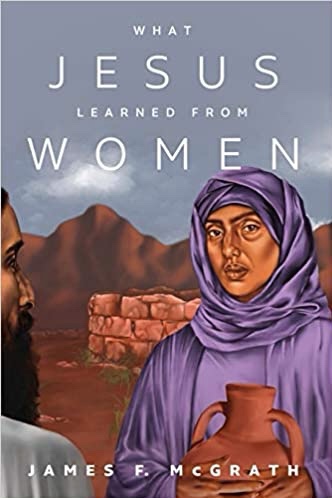
There’s a fine consideration of this encounter in a book by James McGrath which has recently been published. McGrath considers the many and varied ways that Jesus learnt from women during his life, including this striking scene. See https://johntsquires.com/2021/08/04/jesus-growing-learning-a-review-of-what-jesus-learned-from-women/

In her response to Jesus (“even the dogs under the table eat the children’s crumbs”, 7:28), the woman picks up on the language used by Jesus. The term “dog” was deliberately provocative, even demeaning. Some interpreters have wanted to claim that “dog” was a typical Jewish slander for Gentiles—but there is actually no evidence supporting this specific claim. Nevertheless, in general, we can sense that the words of Jesus would not have been heard by the woman as being very encouraging or supportive.

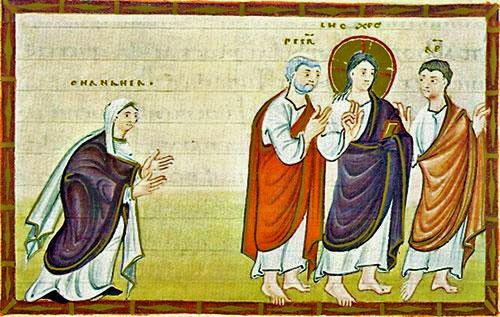
Miracle of the Canaanite Woman, from the Codex Egberti
German (Reichenau), c. 977-993, Trier, Stadtbibliothek
Ms 24, fol. 35v

What we do see in the words of Jesus is a glimpse into the character of Jesus. He reflects his Jewish heritage and culture. His reference to “children” is widely taken to refer to his own people, the people of Israel. They saw themselves as the children of God (see Exod 3:10–11; 1 Kings 6:13; Ezra 3:1; Isa 45:11; Jer 32:30–32; Hos 1:10–11; Luke 1:16; Acts 7:23; 9:15). The contrast between “the children” at the table and “the dogs” underneath is clear. If Jesus is one of the children, eating at the table, then the woman is the dog under the table, begging. The inference is clear.

The matter of territory is important in these two particular stories. One is set in the region of Tyre (7:24), which is to the north-west of the Sea of Galilee, and just outside of Jewish territory. The other is set in the Decapolis (7:31), a predominantly Gentile region across on the eastern side of the River Jordan. Both scenes clearly bring Jesus into Gentile territory.

Earlier on, Jesus left Jewish territory by crossing to “the other side” on the east of the Sea of Galilee (4:35, 5:1). He returns to Israel by boat (5:21) before once again heading east to “the other side” (6:45), not too long before these two incidents are narrated. (He returns to Jewish territory once more at 8:13).

Interestingly, while he is in Jewish territory, after the first return crossing of the lake, Jesus feeds a crowd of more than 5,000 people (6:30–44). The account of this miracle has a strong Jewish flavour: there are allusions to the Old Testament, such as how the Lord shepherds and feeds his people in the desert (see Psalm 78:18–25 and Psalm 23 — note the “green grass”). The baskets used are kophinoi, small Jewish baskets. The relevant numbers are 5 (as in the books of the Pentateuch) and 12 (Tribes of Israel).

When he heads over to “the other side”, Gentile territory, Jesus feeds a crowd of “about four thousand people” (8:1–10). In this story, the flavour is quite different: the Old Testament allusions are missing, the baskets (spuridas) are non-Jewish, and the numbers are 4 (signifying, in Jewish thought, the four corners of the world) and 7 (thought to signifying all the nations).

In both scenes there are also strong eucharistic allusions, with Jesus taking the bread, giving thanks, breaking it, and giving it to his disciples (6:41; 8:6). The pattern replicates his words and actions at the Last Supper (14:22). Is the symbolism significant? With eucharistic overtones, Jesus has fed both Jews and Gentiles, teaching by his words and actions that there are no food boundaries between Jews and Gentiles—precisely the point made in a debate located right in the centre between these two scenes, at 7:19.

Linked with the matter of territory, so also the matter of nationality of the people involved is important in these two scenes in Mark 7. In each story, Jesus encounters a person who is unclean: a Gentile woman who has been in contact with her daughter, who is possessed by a demon; and a Gentile man who is physically disabled in speech and hearing.

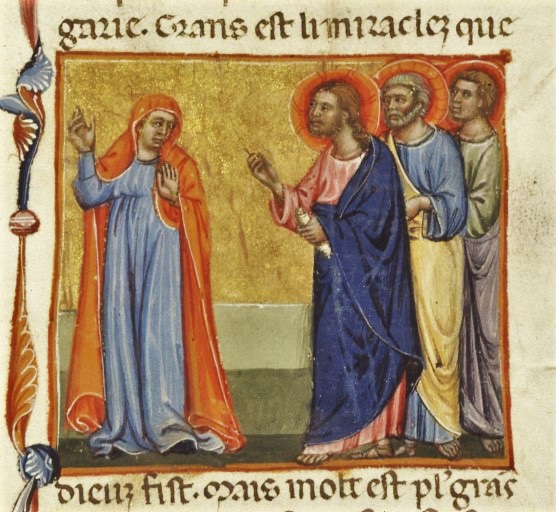
Miracle of the Canaanite Woman, from Sermons of Maurice de Sully
Italian, ca. 1320-1330; Paris, Bibliotheque nationale de France
MS Francais 187, fol. 9v

The woman had been born a Syrophoenician; she is clearly a Gentile (7:26). Matthew, in reworking this story, actually makes her a Canaanite (Matt 15:22), a member of the race native to the area long before the Hebrews lay claim to the land. Most certainly, she is not a Jew.

Contact with such people would make a person unclean and thus alienated from the holy people of God. Jesus is pushing the boundaries of his faith, deliberately engaging with people on the edge (or beyond) in territory which is outside the realms in which the rituals of purity and holiness apply—the land of Israel.

This is important when we consider how the story of the Syrophoenician woman was received and retold in later Christian tradition. Although anonymous in both passages where she appears in scripture (like so many women in the patriarchal world of the day), she is gifted with a name—Justa—in the same way that the unnamed woman of Samaria who encountered Jesus (in John 4) is gifted with a name by later Christian writers. (She gains the name Photini—and she also becomes a saint; see https://johntsquires.com/2020/03/12/from-the-woman-at-the-well-to-a-byazantine-saint-john-4-st-photini-and-the-path-to-enlightenment/.)

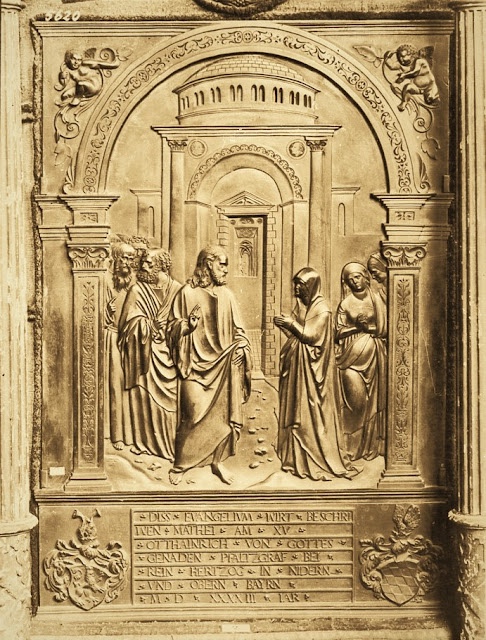
Hans Vischer, The Canaanite Woman Approaches Jesus
German, 1543; Munich, Bayerisches Nationalmuseum

Not only is the Syrophoenician-Phoenician woman named, but in later Christian writing, she actually converts. In the Clementine Homilies, a third century work, the story of the encounter between Jesus as Justa, as she is named, is retold, clarified, and expanded in Homily II, Chapter XIX. Jesus says to her, “It is not lawful to heal the Gentiles, who are like to dogs on account of their using various meats and practices, while the table in the kingdom has been given to the sons of Israel.”

The woman obtains healing for her daughter, not through her words back to Jesus (as in Mark 7:28), but by her actions: “hearing this, and begging to partake like a dog of the crumbs that fall from this table, having changed what she was, by living like the sons of the kingdom”. The women becomes a proselyte, changing from a Gentile to one of “the sons of the kingdom”.

Does this mean she became a follower of Jesus? The phrase “the sons of the kingdom” is found twice on the lips of Jesus, both times in Matthew’s Gospel (Matt 8:12; 13:38). After healing the servant of a centurion in Capernaum (8:5–13), Jesus teaches that “the sons of the kingdom will be thrown into the outer darkness”. Here, the phrase refers to Jews who do not believe in him. In his explanation of the parable of the weeds (13:37–43), Jesus declares that “the field is the world, and the good seed is the sons of the kingdom”, whilst “the weeds are the sons of the evil one, and the enemy who sowed them is the devil” (13:38–39). Here, the phrase describes Jews who accept the message of Jesus.

Does the description of the change undergone by Justa in Homily II indicate that she had converted to Judaism, or to Christianity? The former option would completely undermine the impact of the Gospel narratives, in which, as we have seen, her Gentile status is critical to the narrative. But the Homily is resolute, providing this clear explanation: “For she being a Gentile, and remaining in the same course of life, He would not have healed had she remained a Gentile, on account of its not being lawful to heal her as a Gentile.” So she had no choice. She had to convert. Jesus would not dare to heal a Gentile!

Ironically, this later patristic assertion that the woman converted undermines the very testimony of the Markan account. It is for her saying—not her faith—that Jesus commends her (7:29) and heals her daughter. (This is in contrast to the version told by Matthew, where Jesus explicitly commends her for her faith; see Matt 15:28).

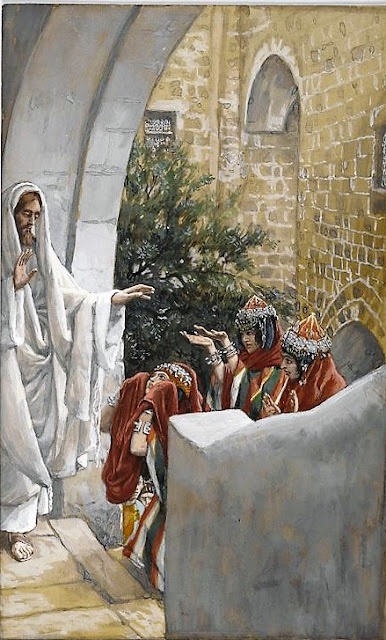
James Tissot, Jesus and the Canaanite Woman; French, 1888-1894
New York, Brooklyn Museum. (This interesting late 19th-century image
by Tissot shows the moment in a more archaeologically correct
setting and costume than in many medieval depictions.)

There is a further reference to Justa through her daughter, who lived in “Tyre of Phoenicia” and was familiar with Peter and other followers of Jesus—suggesting a conversion to Christianity. Later in the Clementine Homilies, in Homily III, Chapter LXXIII, Clement, Aquila, and Nicetas are instructed by Peter to travel to Tyre and stay in the household of “Bernice the Canaanite, the daughter of Justa”.

Then, in Homily IV, Chapter I, we read that the same three believers arrived in Tyre and lodged with “Bernice, the daughter of Justa the Canaanitess”, who lavished hospitality on them for some time. “She received us most joyfully; and striving with much honour towards me, and with affection towards Aquila and Nicetas, and speaking freely as a friend, through joy she treated us courteously, and hospitably urged us to take bodily refreshment”, writes Clement.

Bernice had certainly learned from her mother Justa the importance of providing generous, welcoming hospitality, with good food on the table, ensuring that her guests had no need to beg for the scraps. Her encounter with Jesus left a lasting impression on Justa.

*****

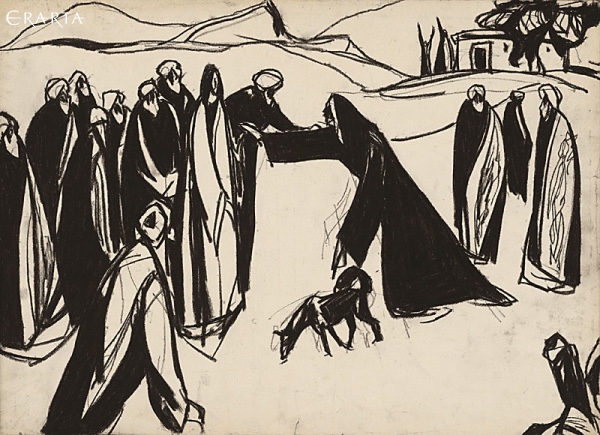
The front image is by Peter Gorman, Exorcising the Canaanite Woman’s Daughter; sauce-crayon on paper; 1990, еsize:36х50, from https://www.erarta.com/en/museum/collection/works/detail/G081009103/

The images above have been taken from http://imaginemdei.blogspot.com/2014/08/ilustrating-miracles-canaanite-woman.html

*****

My thanks to Elizabeth Raine, with whom I have had many discussions about this woman and the way she is portrayed in the two Gospel accounts.

Wisdom from ages past for the present times (Leviticus, Jesus, James, and Paul) (Pentecost 15B, 23B)

There’s a book in the Bible that gets really bad press. It is is cited as being irrelevant to modern life, because it talks about “in the camp” and “outside the camp”. It seems to contain pages and pages of laws about sacrifices and offerings and festivals and the Temple, none of which seem relevant to Christian faith. It has chapters devoted to what you can eat, and what you can’t eat. It talks about how to deal with skin diseases and sexual misbehaviour.

And we know that a couple of verses in this book have, most unhelpfully, been quite abused by some people in some churches, being misused to berate, judge, and condemn some people in society—in ways that are quite out of keeping with the original intentions and application of these verses.

Have you guessed which book? If you thought, “ Leviticus”, you are right.

Leviticus—the book of the Levites, the group within ancient Israel that were responsible for all that took place in the Temple—contains all of these things. And those passages that gave directions about worship, sacrifices, offerings, ordination, priestly activity, dietary matters, relationships, illnesses, and more, were important for the people of Israel in centuries past.

But in the present—how relevant are these things? That’s a fair question (but it requires an explanation much longer than can be given in this short article).

There is one thing in Leviticus, however, that is important. Very important. So important that it has been quoted at many times in subsequent generations. So important that it shapes faith and discipleship for us even today. So important that is provides the guiding principle for life in a global pandemic.

There is a story when Jesus engages in conversation with a teacher of the Torah (the law), recounted in Mark 12:28–34 and parallel passages. To the question, “which commandment in the law is the greatest?”, Jesus responds by citing two commandments, each drawn from Hebrew Scripture.

The first commandment, “love God”, comes from Deuteronomy (Deut 6:5; 10:12). Deuteronomy literally means “second law”; it is believed to be the book discovered in the Temple under King Josiah (2 Kings 22:8–11; 2 Chron 34:14–16) which was the catalyst and guide for the widespread reforms that Josiah undertook. Deuteronomy contains the Ten Commandments (Deut 5:1–21), as well as the Shema, which became the daily prayer of the Jews (Deut 6:4–9), and a series of blessings (28:1–6) and curses (28:15–19) which formed the basis for the beatitudes spoken by Jesus on the mountain (Matt 5:3–12) and the parallel set of blessings and woes on the plain (Luke 6:20–26).

The second commandment, “love your neighbour”, actually comes from Leviticus (19:18), a book which, as we have noted, contains a comprehensive set of laws which cover a wide range of issues and situations.

The command to “love your neighbour” culminates a series of instructions regarding the way a person is to relate to their neighbours: “you shall not defraud your neighbour .. with justice you shall judge your neighbour … you shall not profit by the blood of your neighbour … you shall not reprove your neighbour” (19:13–18). It sits within the section of the book which is often called The Holiness Code (Lev 17–26), a section which emphasises the word to Israel, that “you shall be holy, for I the Lord your God am holy” (Lev 19:2; also 20:7, 26). Being holy means treating others with respect.

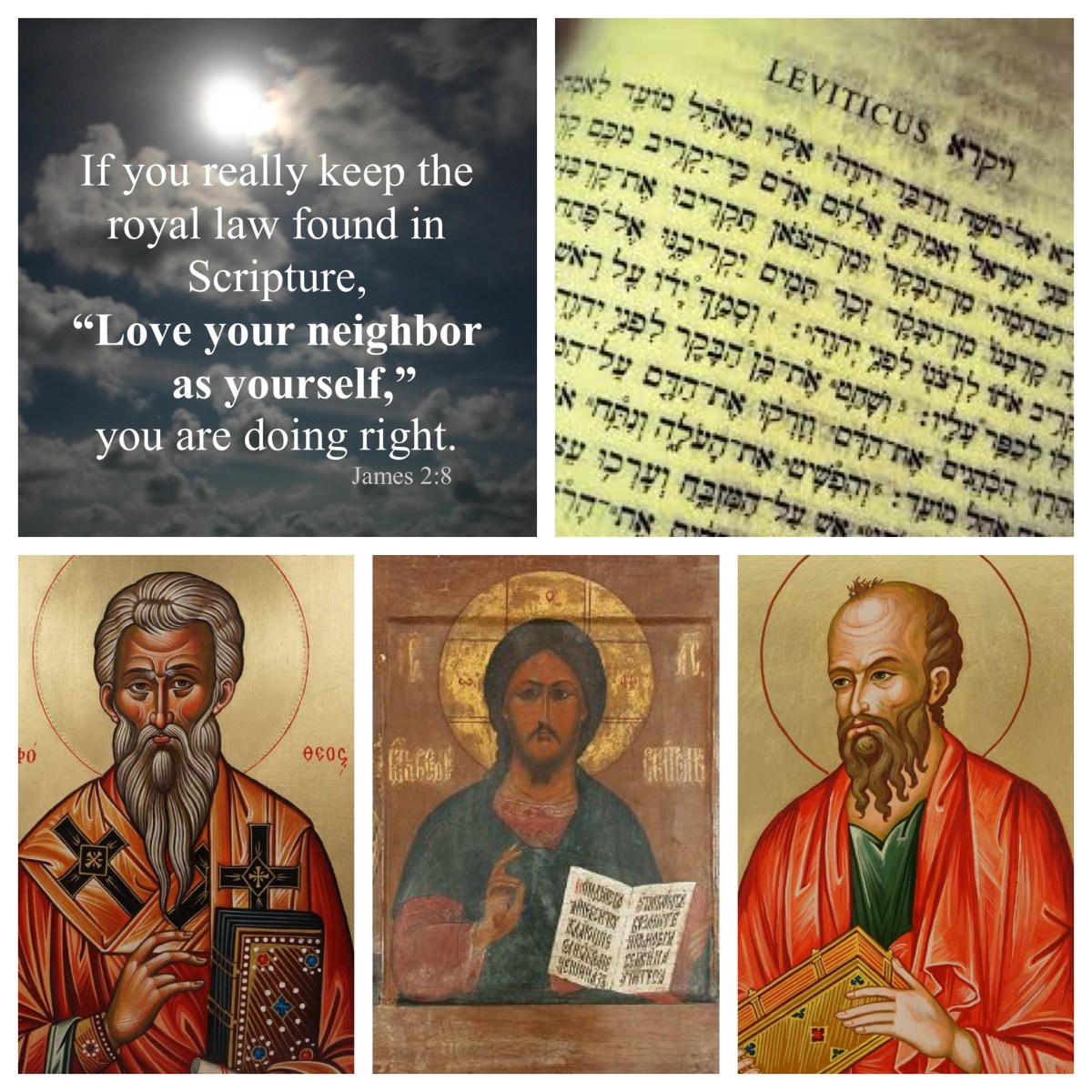
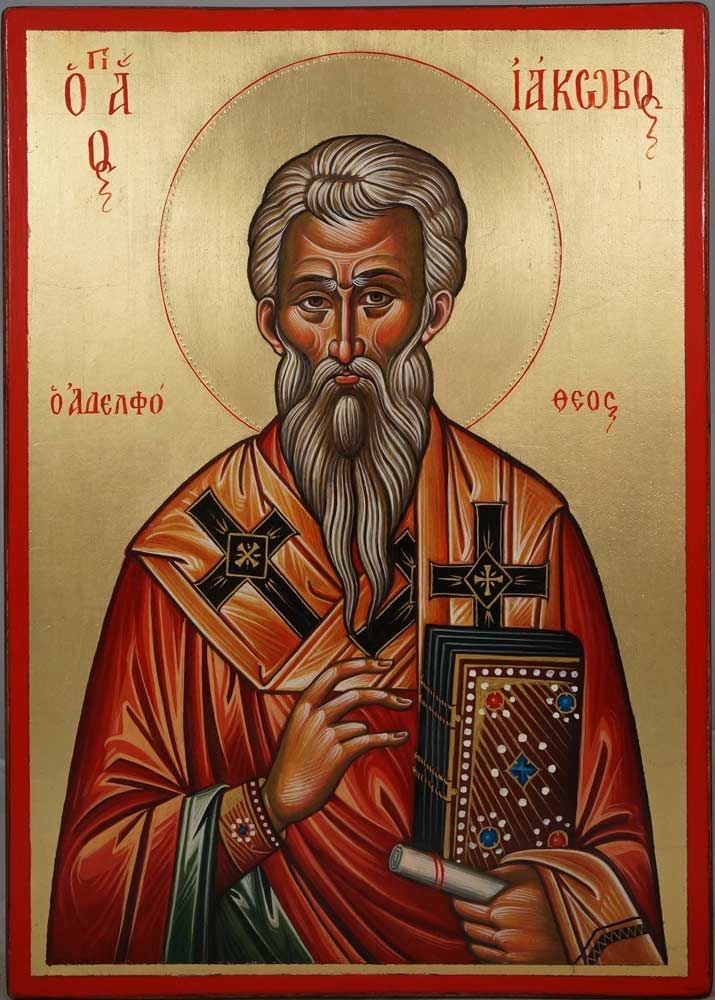
It is not only Jesus who quotes these words from Leviticus. In the treatise of James, the brother of Jesus, the command to love your neighbour (Lev 19:18) is quoted. It leads into a discussion of the need to fulfil the Law as a whole (2:8). James makes reference to two of the Ten Commandments (2:11), before drawing a succinct moral conclusion: “so speak and act as those who are to be judged by the law of liberty” (2:12). These verses appear in this Sunday’s epistle reading.

The command to love your neighbour is also quoted by Paul, not once, but twice. The first time is in Rom 13:8–10, in a section of that letter where Paul claims that “love is the fulfilment of the law”. The second is in Galatians, where Paul reminds his audience of a key theme of that letter, that “you were called to freedom”, before asserting that “the whole law is fulfilled in one word: ‘you shall love your neighbour as yourself’” (Gal 5:13–14).

It is worth noting that both James and Paul link this central command to the issue of liberty—James 2:12, Gal 5:13–14. Keeping the law is not a matter of bondage and oppressive restrictions; rather, loving your neighbour is an expression of freedom, for as we orient ourself to the other person, we release our own person from what might hold and constrain us.

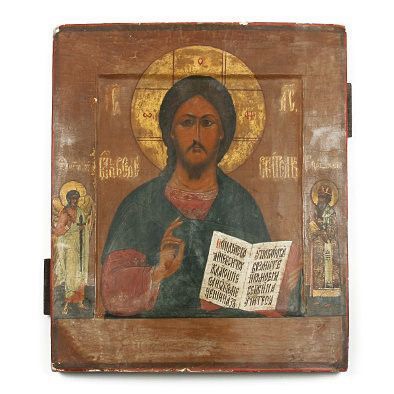
So the big three of first century Christianity—Jesus, his brother James, leader of the church in Jerusalem, and the apostle to the Gentiles, Paul—each refer to this one commandment from Leviticus, and give it prominence amongst all the other commandments. It is one of the two “greatest commandments” (Mark 12:31), it is “the royal law” (James 2:8), it is the one word that sums up all the other commandments (Rom 13:9) and fulfils the whole law (Gal 5:14).

And for us, today, in the world of the COVID-19 pandemic and the Delta strain, these ancient words of wisdom hold good as the guiding principle for all that we do. We love our neighbour by taking all the precautions necessary: careful hand washing and sanitising, wearing a mask when in public, getting vaccinated, social distancing when we are permitted to interact in person, staying at home when we are required. As we reduce the risk of transmitting infections by these means, we show that we truly love our neighbours.

See also https://johntsquires.com/2021/08/30/fulfilling-the-law-james-2-pentecost-15b/