
The compilers of the Revised Common Lectionary have selected a psalm for each Sunday of the year. That chosen for this coming Sunday, Psalm 19, has two main parts; we will concentrate on the second part in this blog.
Creation is the focus in the first six verses of the psalm, where the psalmist’s view is fixed on “the heavens”, which are “telling the glory of God” (v.1). In those heavens the Lord “has set a tent for the sun, which comes out like a bridegroom from his wedding canopy, and like a strong man runs its course with joy” (v.4–5)—clearly a description of the daily movement of the sun across the sky (from our perspective), from east to west, as verse 6 then elucidates.
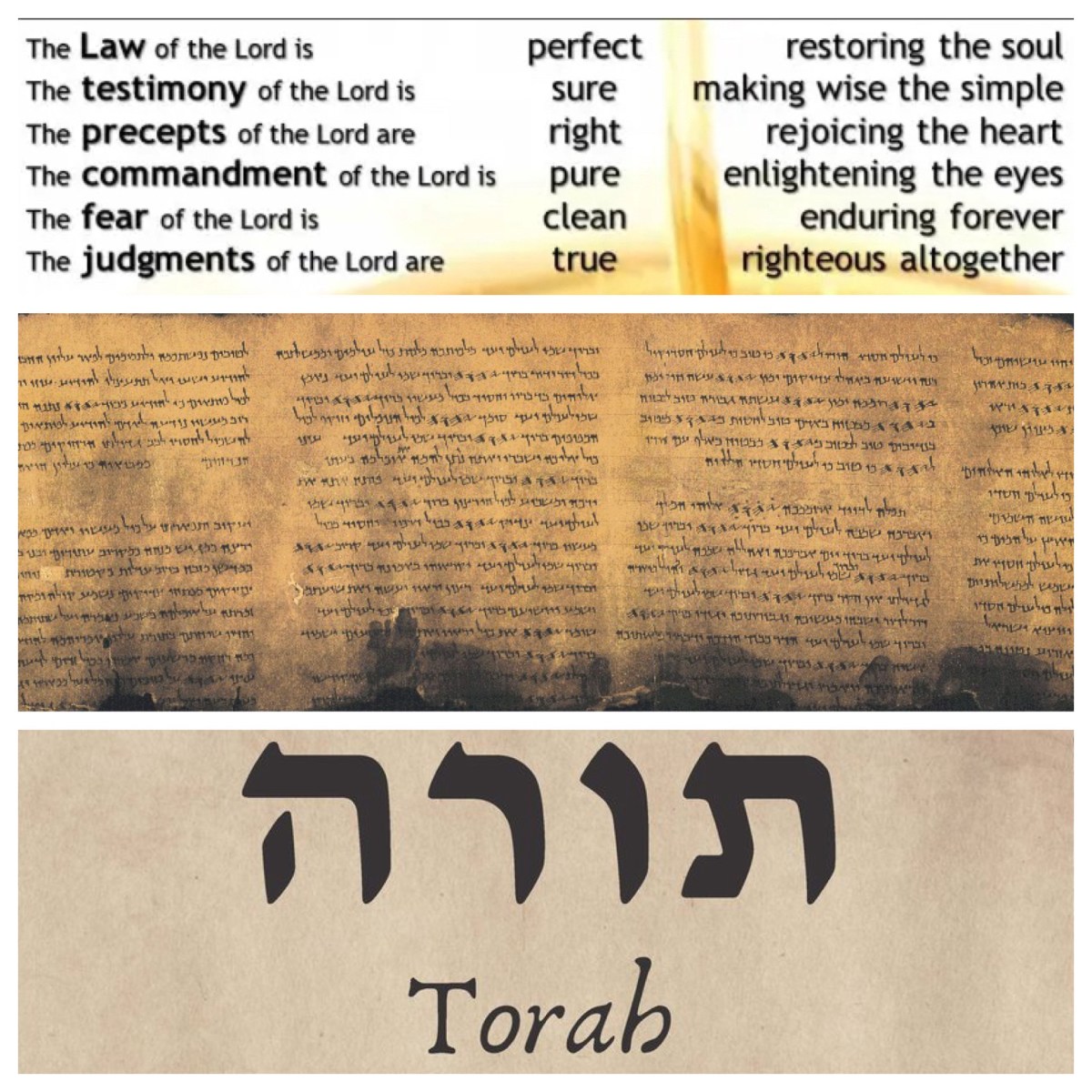
However, at this point the focus changes to Torah. The psalmist expresses a consistently positive attitude towards Torah in verses 7–14. Those verses contain a ringing affirmation of the Torah as “perfect, reviving the soul … sure, making wise the simple … right, rejoicing the heart … clear enlightening the eyes … pure, enduring forever … true and righteous altogether … more to be desired than gold … sweeter also than honey” (Ps 19:7–14).
The terms used here in parallel to describe Torah (law, decrees, precepts, commandment, fear, ordinances) are found regularly in the narrative books to describe the collection of laws (Deut 8:11; 11:1; 1 Ki 2:3; 6:12; 8:58; 2 Ki 17:34–37; 1 Chron 22:13; 28:17; Neh 9:13; 10:29) as well as right throughout Psalm 119. See
Such affirmations of Torah sound out insistently throughout the majestically grand doublets of the longest psalm, Psalm 119. The 176 verses of this psalm, artistically arranged into acrostic stanzas of eight verses at a time, are bracketed by delight and confidence (“happy are those … who walk in the way of the Lord … I long for your salvation, O Lord, and your law is my delight”, vv.1, 174). This psalm indicates that the Law shapes the way that the covenant is kept; and the covenant gives expression to the steadfast love and grace of God.
*****
So much is Torah valued, that it apparently offers perfection: “the law of the Lord is perfect” (Ps 19:7), which we might compare with “I have seen a limit to all perfection, but your commandment is exceedingly broad” (Ps 119:96). In this regard, the psalmist’s appreciation for Torah as perfection seems to reflect the priestly desire for people to offer perfect sacrifices, without blemish (Lev 22:21), and Solomon’s desire to build the Temple as a perfect house for God (1 Ki 6:22).
Indeed, such a conception of perfect Torah also resembles the sage’s musings regarding Wisdom: “to fix one’s thought on her is perfect understanding” (Wisdom 6:15), and thoughts found in a prayer attributed to Solomon: “even one who is perfect among human beings will be regarded as nothing without the wisdom that comes from you” (Wisdom 9:6).
Much value is accorded to these words of Torah. As well as calling the law “perfect”, we hear that “the decrees of the Lord are sure” (Ps 19:7), a claim echoed in another psalm (Ps 93:5). The precepts of the Lord that are right (Ps 19:8; see also 119:75, 137, 172) means that one who is faithful and obedient will be led “in right paths” (Ps 23:3) as they pray “put a new and right spirit within me” (Ps 51:10). “The commandment of the Lord is clear” (Ps 19:8) is a claim that informs the later portrayal of those who trace the course of Wisdom “from the beginning of creation … [who] make knowledge of her clear” (Wisd Sol 6:22).
The psalmist extends the adoration of the Law, declaring that “the fear of the Lord is pure” (Ps 19:9), a claim extended in another statement found in wisdom texts, “the fear of the Lord is the beginning of wisdom” (Ps 111:10; Prov 1:7; 9:10; 15:33; Sir 1:18, 27; 19:20). A further elaboration, “the ordinances of the Lord are true and righteous altogether” (Ps 19:9), is the way that Ezra describes the laws given to Moses on Mount Sinai (Neh 9:13). They are righteous (Ps 119:7, 62, 106, 160, 164), good (119:39), the basis of hope (119:43) and comfort (119:52).

The closing affirmation in this shorter psalm, “more to be desired are they than gold, even much fine gold; sweeter also than honey, and drippings of the honeycomb” (Ps 19:10), is echoed in the longest psalms, “how sweet are your words to my taste, sweeter than honey to my mouth!” (Ps 119:103).
By contrast, when Job asks, “where shall wisdom be found? and where is the place of understanding?”, he proposes that “gold and glass cannot equal it, nor can it be exchanged for jewels of fine gold” (Job 28:12–19), and concludes, “the fear of the Lord, that is wisdom; and to depart from evil is understanding” (Job 28:28).
Wisdom, love, the fear of the Lord, enlightenment, and rejoicing—these are the fruits of Torah, as the psalmist sings. These are the benefits of the law which are to be valued even into our own times, as this Sunday we hear again the words of this ancient psalm and affirm its relevance and importance in the contemporary world.

 An Informed Faith