
This coming Sunday, the lectionary offers two choices for the First Reading. One option, following on from the First Reading last Sunday (from Jeremiah 33) is the last chapter in the book of Baruch, a short book bearing the name of the Baruch who served as a scribe to Jeremiah. The book is included in the canon in Roman Catholic and Orthodox churches, but not in Reformed churches—and also not in Judaism.
The passage (Bar 5:1–9) invites the exiles from Jerusalem to “put off the garment of your sorrow and affliction … and put on forever the beauty of the glory from God” (Bar 5:1), to celebrate that “God will lead Israel with joy, in the light of his glory, with the mercy and righteousness that come from him” (Bar 5:9). It’s a joyful song that is quite appropriate for the season of Advent, as we prepare for the joyous celebrations—both sacred and secular—of the Christmas season.
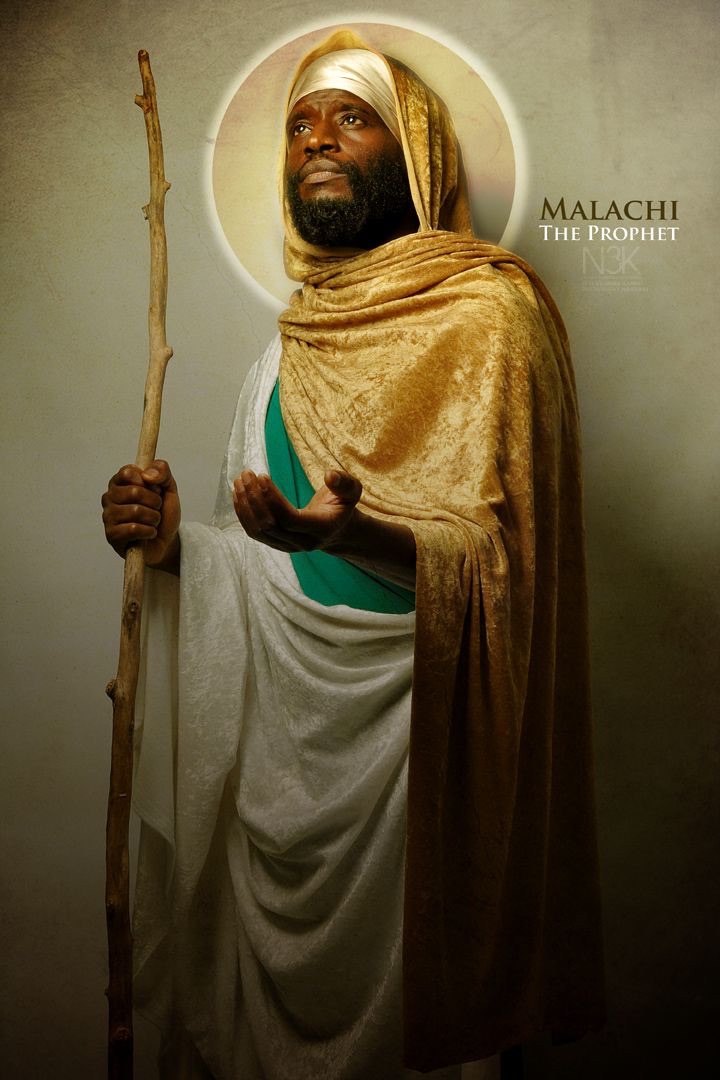
The alternative offering comes from the book of the prophet Malachi (3:1–4). The passage is obviously proposed because of correlates with the Gospel passage, in which John the Baptist declares that he comes to prepare for the coming of Jesus. “See, I am sending my messenger to prepare the way before me”, Malachi quotes the Lord as saying. “He is like a refiner’s fire and like fullers’ soap; he will sit as a refiner and purifier of silver, and he will purify the descendants of Levi and refine them like gold and silver”, Malachi declaims, providing a description that correlates well with the fiery declarations made by John.

Malachi was active after the Babylonian Exile; the city and temple had been fully restored and worship was now active in the temple. In this context, Malachi called the people to repentance, starting with the priests, whom he attacks for their corruption (1:6–2:9); “the lips of a priest should guard knowledge, and people should seek instruction from his mouth, for he is the messenger of the Lord of hosts; but you have turned aside from the way; you have caused many to stumble by your instruction; you have corrupted the covenant of Levi, says the Lord of hosts” (2:8–9).
He then turns to the religious profanity of the people; “Judah has been faithless, and abomination has been committed in Israel and in Jerusalem; for Judah has profaned the sanctuary of the Lord, which he loves, and has married the daughter of a foreign god” (2:11), and instructs them to “take heed to yourselves and do not be faithless” (2:16). God threatens punishment in graphic terms: “I will rebuke your offspring, and spread dung on your faces, the dung of your offerings, and I will put you out of my presence” (2:3).
In the passage that is proposed for this coming Sunday, Malachi then looks to the coming of a messenger from God (3:1) who will bring judgment “like a refiner’s fire and like fullers’ soap; he will sit as a refiner and purifier of silver, and he will purify the descendants of Levi and refine them like gold and silver, until they present offerings to the Lord in righteousness” (3:2–3).
He then identifies a range of ways by which social inequities are practised; God threatens, “I will be swift to bear witness against the sorcerers, against the adulterers, against those who swear falsely, against those who oppress the hired workers in their wages, the widow and the orphan, against those who thrust aside the alien, and do not fear me, says the Lord of hosts” (3:5). He notes that people regularly shortchange the Lord with incomplete tithes (3:8–15); rectifying this will result in blessings from God (3:10–12).
The fierce imagery continues with a description of “the day [which] is coming, burning like an oven, when all the arrogant and all evildoers will be stubble; the day that comes shall burn them up, says the Lord of hosts, so that it will leave them neither root nor branch” (4:1). The motif of “the day” has run through the prophets, from before the exile (Amos 5:18–20; Isa 2:12, 17; 13:6–8; 34:8; Zeph 1:7, 14–15), during the years of exile (Jer 35:32–33; 46:10), and on into the years after the return from exile (Joel 2:1–3, 30–31).
What is required of the people is clear: “remember the teaching of my servant Moses, the statutes and ordinances that I commanded him at Horeb for all Israel” (4:4). Adherence to the covenant undergirds the claims of this prophet, as indeed it does with each prophet in Israel.
This short book ends with a memorable prophecy from Malachi: “Lo, I will send you the prophet Elijah before the great and terrible day of the Lord comes. He will turn the hearts of parents to their children and the hearts of children to their parents, so that I will not come and strike the land with a curse.” (4:5–6). These words are explicitly picked up in the Gospel portrayals of John the Baptist as the returning Elijah (Matt 17:9–13; Luke 1:17), turning the hearts of people so that they might receive the promise offers by Jesus.
Whether Malachi himself understood these words to point to John and Jesus, of course, is somewhat dubious. But in the context of our Gospel passage for Advent 2, this passage is a timely offering—of a different nature from the Baruch passage, but relevant, nevertheless.
 An Informed Faith