The orderly account of the things coming to fulfilment (which we know as the Gospel of Luke) tells us much more about the beginnings of Jesus (his conception, birth, and early days) than the other Gospels. The passage offered by the lectionary as the psalm for this Sunday, the second Sunday in Advent, is one such text.
It’s a well-known and familiar passage, and although it is proposed as “the Psalm” for this Sunday, it is found in the New Testament—in the long first chapter of this Gospel, which leads into the Christmas story. The passage offered (Luke 1:68–79) comprises the text of a psalm-like song that is often called The Benedictus, after the opening phrase of the song in the Latin translation.
The song occurs after the birth of John, son of Elizabeth and Zechariah (recounted in 1:57–58). This is a surprise pregnancy for Elizabeth, who was described as being “barren”, and with Zechariah is noted as “getting on in years” (a better translation would be “of advanced years”) (1:7). During the announcement of the imminent birth of a child (1:8–20), Zechariah had questioned the declaration of the angel Gabriel, asking “How will I know that this is so? For I am an old man, and my wife is getting on in years” (1:18). For this lack of faith in what Gabriel has said, Zechariah is struck dumb (1:20).
Being muted by the action of the deity was the experience of the prophet Ezekiel, immediately after the vision that he saw which initiated his public prophetic activity. Before he could speak to the people, Ezekiel was given a scroll, which he was told to eat, and then he was informed by the Lord that “I will make your tongue stick to your palate so that you will become dumb and be unable to reprove them, for they are a rebellious people” (Ezek 3:26). Only after this experience can he prophesy to the people of Israel.
Zechariah’s experience mirrors the experience of Ezekiel. When Zechariah is eventually enabled to speak again, after the birth of his son, he offers the wonderful hymn of praise which forms this Sunday’s psalm— the Benedictus, so called from its appearance in the Latin text of the Roman Mass, Benedictus (in the original Greek text, it is eulogētēs; in English translation, this becomes “blessed”).
A depiction of Zechariah from the collection by photographer James C. Lewis
Zechariah, we are told, “was filled with the Holy Spirit” and spoke words described by Luke as “this prophecy” (Luke 1:67). This places Zechariah in the long line of prophets inspired by the Spirit to speak with boldness to the people. God’s Spirit is active in many of these scenes early in this Gospel; Mary is “overshadowed” by the Spirit (1:35), whilst Zechariah and Elizabeth are both “filled” with the Spirit (1:41, 1:67). Simeon is “righteous and devout” (2:25); the Spirit “rested on him” (2:25), then “revealed to him” the words he then speaks (2:26) before “guiding him … into the temple” (2:27).
This is the same Spirit that has been active since the moment of creation (Gen 1:2), that was breathed into human beings (Gen 2:7), and that infuses every one of the creatures brought into being in God’s wonderful creation (Ps 104:24–30). It is this Spirit that has endowed individuals with leadership (Exod 31:2–3; Num 11:25–26; Deut 34:9; and a number of judges) and which has inspired prophets to proclaim the word of the Lord (Isa 61:1; Ezek 2:2; Joel 2:28–29).
The words sung by Zechariah resonate richly with words from scripture. This is part of the technique being employed by the author of this Gospel in these opening two chapters, when, to set the scene firmly within Second Temple Judaism, he tells the story in ways reminiscent of the ancestral narratives of the Hebrew Scriptures, and has the main characters (Zechariah, Mary, and later Simeon) sing in the style of Hebraic psalms.
Some scholars refer to the Septuagintal style of Luke 1–2, because of the many ways that the Greek of these chapters reflect the Greek of the LXX. Other scholars refer to the Semitisms of Luke, here and in other places in his Gospel. A detailed and complex analysis by Albert Hogeterp and Adelbert Denaux, Semitisms in Luke’s Greek, can be read at https://api.pageplace.de/preview/DT0400.9783161553370_A33723451/preview-9783161553370_A33723451.pdf
Luke, of course, was writing many decades after the events he reports; he certainly wasn’t present at the time, and it is most unlikely that any of the people he refers to as his sources (Luke 1:2) were witnesses to them. Nevertheless, we could accept Luke’s portrayal of these two people as at least feasible. Zechariah was, with Elizabeth, “righteous before God” (Luke 1:6); as a priest, he served in the temple (Luke 1:8–9), and so would have known well the psalms. The form of the song he sang correlates with various psalms of praise; although in my mind, it was Luke who created this song and placed it on the lips of Zechariah, just as he did with the many speeches he includes in his Gospel and especially in Acts.
Zechariah would also have heard regular readings from Torah in temple worship, which is evident in the description of both Elizabeth and Zechariah as “living blamelessly according to all the commandments and regulations of the Lord” (1:6). This knowledge, along with his familiarity with the words of the Nevi’im (the prophets), is evident in what he sings in this song. Indeed, there is specific reference in the song to what has happened “as [God] spoke through the mouth of his holy prophets from of old” (v.70).
What Zechariah is singing about is, in a sense, a rich fulfilment of older prophetic texts (but there are many references to narrative and psalms, as well). In particular, he sings about how God has been at work, and is at work, in events of the time, just as Mary had done so earlier in this chapter in her song known as the Magnificat (Luke 1:46–55). On this, see
As we continue in Advent, the Narrative Lectionary is continuing the sequence of passages from the prophets in ancient Israel. This coming Sunday, just four verses from the book of Joel are proposed (Joel 2:12–13, 28–29). The reason for these verses will become evident in my commentary that follows. But I think that the best approach is to begin with a consideration of the book as a whole; this gives the context (as best as we can determine) for those particular verses.
Joel speaks words of lament and calls for repentance amongst the people of Judah. Nothing in this book provides any clues as to the time when Joel was active. The identification of the prophet as “son of Pethuel” (Joel 1:1) gives no clue, as Pethuel appears nowhere else in the Hebrew Scriptures—indeed, the name Joel, itself appears nowhere else. The name appears to combine the divine names of Jah and El, suggesting that it may be a symbolic creation. Was Joel an historical person? or not?
Joel calls on the “ministers of God” to “put on sackcloth and lament” (1:13); this reminds us of the response of the pagans in Nineveh (Jonah 3), whilst his remonstrations that “the day of the Lord is near” (1:15) echoes the motif of “the day” already sounded by other prophets (Amos 5:18–20; Isa 2:12, 17; 13:6–8; 34:8; Zeph 1:7, 14–15; Jer 35:32–33; 46:10).
This day forms the centrepiece of Joel’s undated prophecies, as he describes that day as “a day of darkness and gloom, a day of clouds and thick darkness!” (Joel 2:2), when “the earth quakes before them, the heavens tremble, the sun and the moon are darkened, and the stars withdraw their shining” (2:10). He describes the response of the people “in anguish, all faces grow pale” (2:6).
However, Joel adheres to the constant thread running through Hebrew Scriptures, that the Lord is “gracious and merciful, slow to anger, and abounding in steadfast love, and relents from punishing” (2:13). Because of this, he yearns for the people to “turn with all your heart, with fasting, with weeping, and with mourning” (2:12), sensing that there might be hope of restitution for the people. (These two verses form the start of the excerpt proposed for this Sunday by the Narrative Lectionary.)
Joel calls for the people to gather (2:15–16); the oracle that follows paints a picture of abundance and blessing (2:18–27), affirming that “my people shall never again be put to shame” (2:27).
The prophet then speaks words which have been given a central place in the later story of the Christian church, when he foreshadows that the blessings of God will be manifest through the outpouring of the spirit: “your sons and your daughters shall prophesy, your old men shall dream dreams, and your young men shall see visions; even on the male and female slaves, in those days, I will pour out my spirit” (2:28–29).
The promise that is set forth here is specifically for “all flesh”; this universal vision informs the whole outward impulse of the movement of followers of Jesus, after the day of Pentecost, which Peter interprets as being a fulfilment of this prophecy (Acts 2:14–21). And that most likely explains why these two verses (2:28–29) form the concluding section of the passage proposed by the Narrative Lectionary.
The day of the Lord that is then envisaged (2:31) will signal a significant reversal for Israel. The Lord laughs at other nations (3:1–8), a reversal that pivots on a turn from despair to hope, from the threats of judgement to a glorious future (3:9–21). Joel repeats the irenic vision of swords being beaten into ploughshares (3:10; see Isa 2:4; Mic 4:3); he sees a ripe harvest (3:13), the land will drip with sweet wine, and there will be milk and water in abundance (3:18). The voice of the Lord “roars from Zion, and utters his voice from Jerusalem, and the heavens and the earth shake” (3:16; cf the similar pronouncement of Amos at Am 1:2; 3:8).
The last word of this book, “the Lord dwells on Zion” (3:21), provides assurance and certainty for the future. These words of hope promises a peaceful future for the nation. When Joel might have been speaking these words cannot be definitively determined; it could have been under the Assyrian threat, during the Babylonian dominance, in the time of exile, or after the return to the land—whatever it was, the promise of hope holds good in each of these scenarios. As, indeed, we might well claim it for our present times.
The prophet Jeremiah lived at a turning point in the history of Israel. The northern kingdom had been conquered by the Assyrians in 721 BCE; the elite classes were taken into exile, the land was repopulated with people from other nations (2 Kings 17). The southern kingdom had been invaded by the Assyrians in 701 BCE, but they were repelled (2 Kings 18:13–19:37). King Hezekiah made a pact with the Babylonians, but the prophet Isaiah warned that the nation would eventually fall to the Babylonians (2 Kings 20:12–19). Babylon conquered Assyria in 607 BCE and pressed hard to the south; the southern kingdom fell in 587 BCE (2 Kings 24–25) and “Judah went into exile out of its land” (2 Ki 25:21).
Jeremiah lived in the latter years of the southern kingdom, through into the time of exile—although personally, he was sent into exile in Egypt, even though most of his fellow Judahites were taken to Babylon. The difficult experiences of Jeremiah as a prophet colour many of his pronouncements. As the book moves on from the poetic oracles of chapters 1–25, to a series of prose narratives in chapters 26–45, some key events in the life of Jeremiah are reported.
The passage from Jeremiah proposed for this coming Sunday, the first Sunday in Advent (Jer 33:14–16), contains a specific prophecy which appears fitting for this season, as we anticipate the celebration of the birth of Jesus. It takes on a deeper meaning if we understand where it fits within the original historical context of the time when Jeremiah was speaking.
Jeremiah had been called as a youth to declare the message of the Lord to the people of Israel, that God was planning “to pluck up and to pull down, to destroy and to overthrow, to build and to plant” (Jer 1:10). Years later, the adult prophet Jeremiah was called to “stand in the court of the Lord’s house and speak to all the cities of Judah that come to worship in the house of the Lord; speak to them all the words that I command you; do not hold back a word” (Jer 26:2). His message was about their failure to walk in the law that God had given them. The response from the ruling class is not positive—in fact, Jeremiah is threatened with death (26:7–11).
However, the midst of his despair, Jeremiah sees hope: “the days are surely coming, says the Lord, when I will restore the fortunes of my people, Israel and Judah, says the Lord, and I will bring them back to the land that I gave to their ancestors and they shall take possession of it” (30:3). In this context, Jeremiah indicates that the Lord “will make a new covenant with the house of Israel and the house of Judah … I will put my law within them, and I will write it on their hearts; and I will be their God, and they shall be my people” (31:31–34).
To signal his confidence in this promised return, Jeremiah buys a field in his hometown of Anathoth from his cousin Hanamel (32:1–15). The narrator notes that “the army of the king of Babylon was besieging Jerusalem, and the prophet Jeremiah was confined in the court of the guard that was in the palace of the king of Judah, where King Zedekiah of Judah had confined him” (32:2–3). Nevertheless, the purchase serves to provide assurance that the exiled people will indeed return to the land of Israel; “houses and fields and vineyards shall again be bought in this land” (32:15).
Jeremiah exhorts the people to “give thanks to the Lord of hosts, for the Lord is good, for his steadfast love endures forever!” (33:11), because in the places laid waste by the Babylonians, “in all its towns there shall again be pasture for shepherds resting their flocks … flocks shall again pass under the hands of the one who counts them, says the Lord” (33:12–13). As the people return to the land, the Lord “will cause a righteous Branch to spring up for David; and he shall execute justice and righteousness in the land” (33:15). The title “Son of David” is later applied to Jesus in three Gospels (Mark 10:47–48; Matt 1:1; 12:23; 15:22; 21:9, 15; Luke 18:38–39).
The prophet Isaiah also refers to the “shoot [which] shall come out from the stump of Jesse, and a branch shall grow out of his roots; the spirit of the Lord shall rest on him” (11:1–2). The appearance of this “shoot” will lead to the promised time when “the wolf shall live with the lamb, the leopard shall lie down with the kid, the calf and the lion and the fatling together, and a little child shall lead them” (11:6)—a wonderful Messianic prophecy.
Jeremiah, in an earlier oracle, had declared that “the days are surely coming, says the Lord, when I will raise up for David a righteous Branch, and he shall reign as king and deal wisely, and shall execute justice and righteousness in the land” (Jer 23:5). His words at Jer 33:14–16 repeat this message of hope. That hope, in Christian theology, was taken up in Jesus, who was claimed to be the righteous branch, the one ruling with justice (Matt 12:15–21). Jesus spoke clearly about the need for justice in our lives (Matt 23:23; Luke 7:29). He spoke in the tradition of the prophets, including Jeremiah, who had regularly reminded the people,of Israel of the centrality of doing justice for those who were obedient to the covenant with the Lord God.
In speaking out for justice, Jesus provided a clear countercultural vision for his followers, and called them into a radically different way of living. It is that Jesus whom we celebrate at Christmas, and that countercultural vision that is at the heart of the Advent season.
This coming Sunday is the first day in a new year-at least, as the church marks the years. Rather beginning on the first day of January (for the calendar month) or of July (for the financial year), the church year begins with the season of Advent. The season stretches over four weeks and serves as preparation for the joyous celebration of Christmas, marking the birth of Jesus. So this coming Sunday in worship, it would be quite appropriate to wish other people a happy new year!
It is the custom more generally in society to make “New Year resolutions”—even if such resolutions rarely last weeks, or even days, into the new year. In keeping with that custom, perhaps it could be appropriate for people of faith to use the words of the psalm proposed by the lectionary for this coming Sunday, the First Sunday in Advent.
In Psalm 25, the psalmist sets out a clear view of what it is that God expects of people of faith. First, the psalmist begins by offering their “soul” to God, declaring “O my God, in you I trust” (vv.1–2). The Hebrew word translated as “soul” in v.1 is nephesh. This is a common Hebrew word, appearing 688 times in Hebrew Scripture, of which the most common translation (238 times) is “soul”; the next most common translation is “life” (180 times). The word is thus a common descriptor for a human being, as a whole.
However, to use the English word “soul” to translate nephesh does it a disservice. We have become acclimatised to regarding the soul as but one part of the whole human being—that is the influence of dualistic Platonic thinking, where “body and soul” refer to the two complementary parts of a human being. In Hebrew, nephesh has a unified, whole-of-person reference, quite separate from the dualism that dominates a Greek way of thinking.
Nephesh appears a number of times in the first creation story in Hebrew scripture, where it refers to “living creatures” in the seas (Gen 1:20, 21), on the earth (Gen 1:24), and to “every beast of the earth, and to every bird of the air, and to everything that creeps on the earth, everything that has the breath of life (nepheshhayah)” (Gen 1:30). It is found also in the second creation story, where it likewise describes how God formed a man from the dust of the earth and breathed the breath of life into him, and “the man became a living being (nepheshhayah)” (Gen 2:7). The claim that each living creature is a nephesh is reiterated in the Holiness Code (Lev 11:10, 46; 17:11).
The concept of nephesh is a foundational understanding in Hebraic thought: the nephesh is the totality of existence for every creature, including humans. In our psalm for this Sunday, then, the psalmist offers their whole being to God, placing trust in God. This is a fine model for us to consider and emulate throughout the whole of the year: discipleship is a whole-of-being thing.
An attitude of trust towards God permeates the psalms. “Those who know your name put their trust in you”, one psalmist affirms, “for you, O Lord, have not forsaken those who seek you” (Ps 9:10). Another psalmist sings “I trust in you, O Lord; I say, ‘You are my God’; my times are in your hand” (Ps 31:14–15). A third psalmist affirms, “I am like a green olive tree in the house of God; I trust in the steadfast love of God forever and ever” (Ps 52:8). In yet another psalm, the writer sings “when I am afraid, I put my trust in you … in God I trust; I am not afraid” (Ps 52:3–4, 10–11).
One psalmist evokes the remembrance of trusting people in the past: “in you our ancestors trusted; they trusted, and you delivered them; to you they cried, and were saved; in you they trusted, and were not put to shame” (Ps 22:4–5). Another declares that they “trusted in your steadfast love; my heart shall rejoice in your salvation” (Ps 13:5), while yet another states “I have walked in my integrity, and I have trusted in the Lord without wavering” (Ps 26:1). Trust is a foundational element in our faith.
Then, the author of Psalm 25 prays for the ways in which they might know God’s ways: “make me to know your ways, O Lord; teach me your paths; lead me in your truth, and teach me” (vv.4–5). The paths of the Lord are probably best-known from the much-beloved Psalm 23, in the opening sequence of affirmations that the Lord “makes me lie down in green pastures … leads me beside still waters … restores my soul … [and] leads me in right paths” (Ps 23:2–3).
This psalmist later explains that “the paths of the Lord are steadfast love and faithfulness for those who keep his covenant and his decrees” (Ps 25:10). Another psalmist affirms, “my steps have held fast to your paths; my feet have not slipped” (Ps 17:5); yet another, in a well-known refrain, sings “word is a lamp to my feet and a light to my path” (Ps 119:195). In like manner, another psalm rejoices that “you show me the path of life; in your presence there is fullness of joy” (Ps 16:11).
Keeping to the path of the Lord requires knowing, and adhering to, the commandments of Torah, so one psalmist prays, “teach me to do your will, for you are my God; let your good spirit lead me on a level path” (Ps 143:10). In the longest psalm of all—an extended song of praise for Torah—the psalmist sings, “give me understanding, that I may keep your law and observe it with my whole heart; lead me in the path of your commandments, for I delight in it” (Ps 119:34–35). The prayer of Psalm 25, “make me to know your ways, O Lord; teach me your paths” reinforces the centrality of Torah obedience in the psalms.
Third, the psalm includes a short prayer seeking forgiveness: “do not remember the sins of my youth or my transgressions; according to your steadfast love remember me, for your goodness’ sake, O Lord!” (v.7). The petition is repeated a few verses later: “for your name’s sake, O Lord, pardon my guilt, for it is great” (v.11). Some psalms contain verses which echo this prayer: “consider my affliction and my trouble, and forgive all my sins” (Ps 25:8); “help us, O God of our salvation, for the glory of your name; deliver us, and forgive our sins, for your name’s sake” (Ps 79:9).
Other psalms offer an affirmation that God does, indeed, forgive: “when deeds of iniquity overwhelm us, you forgive our transgressions” (Ps 65:3); “if you, O Lord, should mark iniquities, Lord, who could stand? but there is forgiveness with you, so that you may be revered” (Ps 130:3–4); “bless the Lord, O my soul, and do not forget all his benefits—who forgives all your iniquity, who heals all your diseases” (Ps 103:2–3); “happy are those whose transgression is forgiven, whose sin is covered” (Ps 32:1).
Forgiveness is of the essence of the Lord God, who is “is slow to anger, and abounding in steadfast love, forgiving iniquity and transgression” (Exod 34:6–8; Num 14:18; Neh 9:17b; Ps 145:8–9; Joel 2:13; Jonah 4:2; see also 2 Kings 13:23; 2 Chron 30:9). In one of the central episodes in the life of the Israelites, after they had made a golden calf, Moses pleads with God for forgiveness (Exod 32:32); after God had punished those who sinned in this episode by sending a plague (Exod 32:35), God is declared to be “abounding in steadfast love and faithfulness, keeping steadfast love for the thousandth generation, forgiving iniquity and transgression and sin”, and the covenant is renewed (Exod 34:6–10).
Seeking forgiveness was central to the life of ancient Israelites, and continued on to be important in Second Temple Judaism. Indeed, it is this prayer for forgiveness which is taken up in the prayer that Jesus taught his disciples: “forgive us our sins, for we ourselves forgive everyone indebted to us” (Luke 11:4), or in what was likely an earlier version: “forgive us our debts, as we also have forgiven our debtors” (Matt 6:12).
Finally, towards the end of the psalm, the psalmist prays, “may integrity and uprightness preserve me, for I wait for you” (v.21). Integrity and uprightness figure in other psalms. “I will walk with integrity of heart within my house”, one psalmist sings, “I will not set before my eyes anything that is base” (Ps 101:2–3), while another declares, “I have walked in my integrity, and I have trusted in the Lord without wavering” (Ps 26:1).
So one psalmist prays, “judge me, O Lord, according to my righteousness and according to the integrity that is in me” (Ps 7:8), while another affirms that the precepts of the Lord “are established forever and ever, to be performed with faithfulness and uprightness” (Ps 111:8). In another psalm we learn that “the Lord is righteous; he loves righteous deeds; the upright shall behold his face” (Ps 11:7), while another psalm declares that “justice will return to the righteous and all the upright in heart will follow it” (Ps 94:15). The motif of uprightness permeates these songs of faith.
When the psalmist sings, “for you I wait all day long” (Ps 25:5), they are reflecting a common attitude across many psalms, waiting for the Lord: “I wait for the Lord, my soul waits” (Ps 130:5–6), “it is for you, O Lord, that I wait; it is you, O Lord my God, who will answer” (Ps 38:15); “for God alone my soul waits in silence, for my hope is from him” (Ps 62:5). So the psalmist encourages others, “be strong, and let your heart take courage, all you who wait for the Lord” (Ps 31:24) and affirms that “those who wait for the Lord shall inherit the land” (Ps 37:9).
Such waiting is in no way a passive statement being, for such waiting, as we have seen, involves the whole being (the nephesh) in active obedience to Torah and a deliberate intention to live in an upright way. This same attitude could well inform the way that we, today, live as people of faith.
I think this is a great psalm to read and hear at the start of the (church) year. It offers us a number of ways to ground our faith and live as faithful disciples in today’s world. If you don’t regularly include a reading of a psalm in your worship liturgy, this Sunday is a really good day to do that!
The Narrative Lectionary is currently offering us a selection of passages from six of the prophets of ancient Israel: Jonah, Isaiah, Jeremiah, Daniel, Joel, and the anonymous post-exilic prophet whose words are collected in Isaiah 56–66. This coming Sunday we we will read and hear the passage from Daniel 6, which tells of Daniel being placed in grave danger in a den of lions, and then rescued by the command of King Darius of Persia.
Ironically, although he is considered one of the four Major Prophets in Hebrew Scripture, Daniel himself is never “called to be a prophet”, as we have seen in other prophetic books; he is introduced as one of a number of “young men without physical defect and handsome, endowed with knowledge and insight”, who were chosen “to be taught the literature and language of the Chaldeans” (1:3–5). Indeed, the Israelite Daniel is given a Babylonian name, Belteshazzar (1:7; 4:8), and his entire story takes place in the Babylonian court.
(The Chaldeans were part of the Babylonian Empire; centuries earlier they had settled beside the Euphrates in what became the southeastern edge of the Babylonian Empire. Abraham is said to have come from Ur, a city in the region of Chaldea; see Gen 11:31; 15:7.)
The story of the prophet Daniel is thus set outside Israel, in the time of exile, after the conquest of the southern kingdom by the Babylonians in 587 BCE (Dan 1:1–2; see 2 Kings 25). Daniel had been chosen to serve in the court of Nebuchadnezzar, who reigned from 605 BCE to 562 BCE (Dan 1:3–7); when the Persians took control of the Babylonian empire in 539 BCE, Daniel continued to serve in a position of some power.
Scholars believe, however, that the story is told at a much later time, after the exile—perhaps even during the time of Seleucid superiority in the second century BCE. Two centuries after they had returned to the land of Israel, rebuilt their Temple, restored their cities and towns, and living under Persian rule, the people of Israel were over run by the troops of Alexander the Great, King of Macedonia, as he swept across the eastern Mediterranean region as Far East as modern day India. A new foreign power, and a new attitude towards the religion and customs of Israel.
Initially the interaction between Israelites and Macedonians was one of integration. Greek became the language of trade; syncretism marked the religious life of the people, as they adopted Greek customs. But when Antiochus Epiphanes came to power over the region, he introduced an altar in the temple to receive pagan offerings—something which, in Israelite eyes, was known a “desolating sacrilege” (Mark 13:14; 1 Mac 1:54). This appears to be clearly described in the final vision, recounting how forces “shall occupy and profane the temple and fortress, abolish the regular burnt offering and set up the abomination that makes desolate” (Dan 11:31).
A clear reflection of the exile experience is that an extended section of the book (2:4b—7:28) is written in Aramaic, a language which evolved from Hebrew because of the influence of Babylonian culture and language on the exiled Israelites. The rest of the book (like all the rest of Hebrew Scripture) is written in Hebrew. Whereas Aramaic became the common language of Jews even when they were living back in Israel (and this was the case by the time of Jesus), Hebrew was preserved as the holy language of scripture.
Curiously, the book has two distinct parts, which overlap this linguistic division; each part is likely to have originated in a different time after the exile. The first six chapters recount stories about Daniel, who was serving in the court and enjoyed friendly relations with the monarch; the style is one found in other legends about courtiers and dream interpreters. Chapters 7–12 comprise a series of apocalyptic visions which appear to contain some very direct references to events that took place in the second century BCE. These chapters come “from the mouth of Daniel”, as it were, rather than being stories about him (as in chapters 1–6).
Daniel has been operating in the murky arena of national politics: then, as now, a fraught environment! He has twice advised the king by interpreting dreams. Whilst Daniel exercised his role as a satrap under Darius the Mede, a conspiracy was formed against him as opponents looked to bring him down. When he is caught praying to the Lord God, despite the interdict of the king (6:1–15), he is thrown into the lion’s den (6:16).
The next morning, the king hurries to the den, and finds Daniel alive; his prayers have miraculously saved him (6:19–22). Daniel is released from the lion’s den and rescued from danger (6:23–28); Darius issues an edict praising “the living God” whose “kingdom shall never be destroyed, and his dominion has no end; he delivers and rescues, he works signs and wonders in heaven and on earth” (6:26–27).
If the story was written (as is thought by many) during the time of the Seleucids, its depiction of a foreign ruler who is positively disposed towards Israel’s God is striking. Under Antiochus Epiphanes, the colonising forces of the Macedonians “built a gymnasium in Jerusalem, according to Gentile custom, and removed the marks of circumcision, and abandoned the holy covenant; they joined with the Gentiles and sold themselves to do evil” (1 Mac 1:14–15). Antiochus not only erected an image in the temple (the “desolation of sacrilege”), but even had the scrolls of Torah collected and burnt—many centuries before the Nazis did this (you can read the details of his rule in 1 Mac 1:41–64).
The author of Daniel is writing political literature as political critique. We know that Antiochus provoked a political uprising led by the Maccabees, the sons of Matthias (1 Mac 2—6)—figures later upheld as heroes by the Zealots in the time of Jesus. The book of Daniel provides a rationale for the zealous ideology of the Maccabees, seeking to put in place a righteous leadership in Israel.
Carol Newsom observes that “in several narratives in the book of Daniel, the king humbly confesses the sovereignty of the God of the Jews, acknowledging that he rules by the will of God” (“Political Theology in the Book of Daniel: An Internal Debate”, Review and Expositor, vol. 109, 2012, pp.557–568). Prof. Newsom continues, “other parts of the book depict the gentile king as being part of God’s plan, but a part that will ultimately be destroyed as incompatible with divine sovereignty.” We see this clearly in view in chapters 1—6.
The covenant is a key theme of the Hebrew Scriptures. God’s commitment to covenant takes us deep into the abiding relationship between God and God’s people. That covenant had been offered initially to Noah, and to all living creatures (Gen 9), before it was subsequently renewed (and reshaped) by being offered to Abraham (Gen 15, 17), as mentioned here (Ps 105:9). That same covenant is renewed with Isaac (Gen 17) and then with Jacob (Israel) (Gen 35), and later is extended to Moses and the whole people (Exod 19), and later still to the people again through Jeremiah (Jer 31). It is this last reference to the covenant which forms the basis for the Narrative Lectionary passages for this coming Sunday.
Jeremiah was called to be a prophet at an early age (Jer 1:4–10); some commentators consider him to be in his early 20s, while others note that the distinctive Hebrew word used in this passage indicates he was in his teens. When he heard God declare to him, “I appointed you a prophet to the nations”, the NRSV translation says that the young man replied, “Ah, Lord God! Truly I do not know how to speak, for I am only a boy” (1:6).
Actually, when they say he replied, “Ah”, he was using a Hebrew word that actually means “alas” or “woe is me” (see also 4:10; 14:13: 32:17; and also Joel 1:15). Strong’s Concordance says this is “a primitive word expressing pain”—so, more like “ouch!!!” So perhaps it’s better to think of his response as more like “oh no, oh no, oh nooooo—I couldn’t possibly do that! no way at all!!”. Jeremiah just did not want this gig at all. See my sermon on this passage at
Yet Jeremiah faithfully carried out the task committed to him; it is thought that he was active from the mid-620s in Judah, through into the time of exile in Babylon, from 587 BCE onwards—that is, over four decades—although Jeremiah himself was exiled, not into Babylon, but into Egypt (Jer 43:1–7).
The task he was given when called to be a prophet was to declare the coming judgment of God on the people of Israel, for continuing to ignore their covenant commitments. The Lord tells him, “I will utter my judgments against them, for all their wickedness in forsaking me; they have made offerings to other gods, and worshiped the works of their own hands” (1:16). As encouragement, he urges the young man to “gird up your loins; stand up and tell them everything that I command you” (1:17).
So Jeremiah is given a daunting task. “Woe is me”, he declares (4:13)—or sometimes, “woe to us”—which become common phrases in Jeremiah’s oracles (4:31; 6:4; 10:19; 13:27; 15:10; 22:13; 23:1; 45:3; 48:46). It is the same term that we find in Isaiah’s call (Isa 6:5) and oracles (Isa 24:16), Hosea’s declarations (7:13; 9:12), Micah’s prophecies (Mic 7:1), and Ezekiel’s utterances (Ezek 13:18; 16:23; 24:6, 9). All lament the imposition of divine justice in ways that wreak havoc amongst the people.
Yet in the midst of his despair, Jeremiah sees hope: “the days are surely coming, says the Lord, when I will restore the fortunes of my people, Israel and Judah, says the Lord, and I will bring them back to the land that I gave to their ancestors and they shall take possession of it” (30:3). In this context, Jeremiah indicates that the Lord “will make a new covenant with the house of Israel and the house of Judah … I will put my law within them, and I will write it on their hearts; and I will be their God, and they shall be my people” (31:31–34).
The renewal of the covenant was not a new idea in the story of Israel. God had entered into covenants with Abraham, the father of the nation (Gen 15:1–21) and before that, in the story of Noah, with “you and your descendants after you, and with every living creature that is with you … that never again shall all flesh be cut off by the waters of the flood” (Gen 9:8–11). The covenant given to Moses on Mount Sinai (Exod 19:1–6), accompanied by the giving of the law (Exod 20:1–23:33), is sealed in a ceremony by “the blood of the covenant” (Exod 24:1–8).
The covenant with the people that Moses brokered is renewed after the infamous incident of the golden bull (Exod 34:10–28), then under Joshua at Gilgal, as the people enter the land of Canaan after their decades of wilderness wandering (Josh 4:1–24). It is renewed again in the time of King Josiah, after the discovery of “a book of the law” and his consultation with the prophet Huldah (2 Chron 34:29–33), and it will be renewed yet again after the exiled people of Judah return to the land under Nehemiah, when Ezra read from “the book of the law” for a full day (Neh 7:73b—8:12) amd the leaders of the people made “a firm commitment in writing … in a sealed document” which they signed (Neh 9:38–10:39).
However, the particular expression of renewal that Jeremiah articulates will prove to be critical for the way that later writers portray the covenant renewal undertaken by Jesus of Nazareth (1 Cor 11:25; Luke 22:20; 2 Cor 3:6–18; Heb 8:8–12). Especially significant is the claim that this renewed covenant “will not be like the covenant that I made with their ancestors when I took them by the hand to bring them out of the land of Egypt—a covenant that they broke” (Jer 31:32), for God “will put my law within them, and I will write it on their hearts; and I will be their God, and they shall be my people” (31:33). It is a covenant which has “the forgiveness of sins” at its heart (31:34)— precisely what is said of the “new covenant” effected by Jesus (Matt 26:28; and see Acts 5:31; 10:43; 13:38; 26:18).
To signal his confidence in this promised return, Jeremiah buys a field in his hometown of Anathoth from his cousin Hanamel (32:1–15). The narrator notes that “the army of the king of Babylon was besieging Jerusalem, and the prophet Jeremiah was confined in the court of the guard that was in the palace of the king of Judah, where King Zedekiah of Judah had confined him” (32:2–3). Nevertheless, the purchase serves to provide assurance that the exiled people will indeed return to the land of Israel; “houses and fields and vineyards shall again be bought in this land” (32:15).
Jeremiah exhorts the people to “give thanks to the Lord of hosts, for the Lord is good, for his steadfast love endures forever!” (33:11), because in the places laid waste by the Babylonians, “in all its towns there shall again be pasture for shepherds resting their flocks … flocks shall again pass under the hands of the one who counts them, says the Lord” (33:12–13). As the people return to the land, the Lord “will cause a righteous Branch to spring up for David; and he shall execute justice and righteousness in the land” (33:15). The title “Son of David” is later applied to Jesus in three Gospels (Mark 10:47–48; Matt 1:1; 12:23; 15:22; 21:9, 15; Luke 18:38–39).
A Byzantine icon of Jeremiah the prophet
As Jeremiah was “prevented from entering the house of the Lord” (36:5), he dictated his prophecies to a scribe named Baruch (36:4) and instructed Baruch to “read the words of the Lord from the scroll that you have written at my dictation” (36:6). The scroll is important, for it conveys a message that “great is the anger and wrath that the Lord has pronounced against this people” (36:7).
Baruch does read from the scroll to “all the people in Jerusalem and all the people who came from the towns of Judah to Jerusalem” (36:9–10); eventually, the scroll makes its way into the inner court, where it is read to the king (36:20–21). In response, piece by piece, King Jehoiakim methodically burns the scroll (36:23–26), so Jeremiah repeated the process with Baruch (36:32). This sequence of events is included in the selection of verses proposed by the Narrative Lectionary, presumably to give the specific narrative context for the oracle about “the new covenant” which is the primary theological focus for this coming Sunday.
Subsequently, the prophet was imprisoned in the court of the guard (37:11–21) and then in a cistern (38:1–6), before being rescued from the cistern, on the king’s orders, by Ebed-melech the Ethiopian (38:7–13). Life was certainly not easy for Jeremiah the prophet! Eventually, the city of Jerusalem is taken captive by the Babylonians (39:1–3), members of the royal family are slaughtered (39:6), the king is blinded and taken into exile (39:7), the city is plundered and destroyed (39:8), and “the rest of the people who were left in the city” were taken in the deportation to Babylon, with the exception of just “some of the poor people who owned nothing” (39:9–10). The misery of Jeremiah is shared right across the population.
In one final twist, the Narrative Lectionary suggests reading the verses from ch.36—the capture of the city and the exile to Babylon—before ch.31—the promise of a new covenant. This reversal of order is an interpretive ploy to infer that, despite the misery and trials of Jeremiah, his message offered hope to his people. It’s a hope that would not be made manifest for the exiles for five decades. In a Christian context, as we have seen, it’s a hope that is seen to be fulfilled in Jesus. And perhaps the context of this coming Sunday being the Festival of the Reign of Christ, it’s an orientation that points to the enduring reign of Christ, in contrast to the limited rule of Zedekiah of Judah, and indeed of Nebuchadrezzar of Babylon.
The lectionary does some curious things. Sometimes it offers us passages which have been chopped up into small bits, excerpts from a longer narrative. Sometimes it leaves out just a verse or two, usually because it seems to be expressing something “difficult” or “distasteful” to modern sensibilities. Many times, it provides us week-after-week of stories about men, and leaves out so many of the stories in the Bible about women.
We have experienced all of this over the last five months, since the Festival of Pentecost, as we have read and heard stories and poems and songs: twelve weeks of narrative telling of the days of the prophets Samuel and Nathan, with the kings Saul, David, and Solomon; and then eleven weeks largely of poetry from the Wisdom Literature.
Now, for the last-but-one Sunday in the long season stretching out after Pentecost, the lectionary does another strange thing. It takes us right back to the beginning of the narrative sequence, to the story which tells of the arrival of Samuel into the world. We meet Hannah right at the start of this passage, as the childless wife of Elkanah, whose other wife, Peninnah, had been blessed with children, both sons and daughters.
A depiction of Hannah, Peninnah, and Elkanah, from a 15th century illuminated manuscript
In a culture where children were seen as blessing from the Lord, this left Hannah in a difficult situation. Although Elkanah gave Hannah “a double portion, because he loved her, though the Lord had closed her womb” (1 Sam 1:5), nevertheless Peninnah “used to provoke her severely, to irritate her, because the Lord had closed her womb” (1:6)—to the extent that “Hannah wept and would not eat” (1:7).
We are presented with these individuals in a narrative which appears to be an historical account of a real ancient family. However, the nature of the text is somewhat different. Jewish scholar Lillian Klein argues that Peninnah “is probably a literary convention, a foil for the independence and goodness of Hannah, and should be regarded as such”. She proposes that “Peninnah represents a woman who accepts social paradigms without examining them, thus acting out the type of jealousy between co-wives known from the matriarchal texts of Genesis.” See her article in the Jewish Women’s Archive at
When we began reading the stories from the book of Samuel, back in June, I proposed that these stories were not to be regarded as “history” as we know it today. Rather, they are ancient tales told and retold, passed on by word of mouth and then written down, because of their enduring significance for the people of ancient Israel. Scholars call such stories “myths”, meaning that they convey something of fundamental importance. (We might best define myth as “a traditional story, usually associated with the time of origins, of paradigmatic significance for the society in which it is told”.)
Identifying the stories in the narrative books of the Hebrew Scriptures, including the story of Hannah, as “myths” does not mean they are “not true”—rather, it means that we need to read them, not as historically accurate accounts, but as stories which convey fundamentally important ideas. These stories were valued by people of ancient times. They may well offer us, in our own times, insights and guidance of value.
So we read and ponder these stories from old once again, in our time, because we believe that there is wisdom and guidance in the dynamics we see at work in this ancient society. We pay attention to them because we believe that the same Spirit who anointed the kings, and who called and equipped the prophets, is the very Spirit who today meets us, calls us, and equips us.
A portrayal of Hannah from the series by photographer James C. Lewis, in which he depicts biblical characters as they were—as “persons of colour”.
“In due time Hannah conceived and bore a son”, the narrator informs us (1 Sam 1:20a). The name of the child, in typical biblical narrative style, is Samuel, which she explains as given because “I have asked him of the Lord” (1:20b). After he is born, Hannah sings a wonderful song, praising God for how God has been at work. In this song, she gives thanks for the birth of her son, and praises God especially for God’s care for “the poor”, as she sings how the Lord “raises up the poor from the dust; he lifts the needy from the ash heap” (1 Sam 2:8; also Ps 113:7). Hannah is so grateful for all that God has done, that she offers Samuel to the Lord; “as long as he loves, he is given to the Lord”, she declares (1 Sam 1:28).
My wife has preached a fine sermon on Hannah and her place in this story, for Project Reconnect. See
The child born to Hannah, Samuel, will grow and develop to become a most important figure in the story of Israel. When Samuel was an adult, he served as the “court prophet” alongside the first two kings of Israel—Saul, whom he anointed (1 Sam 10:1) and then David, whom he also anointed (1 Sam 16:13). He spoke wise words concerning the appointment of a king in Israel, warning the people about what such a powerful leader would do:
“He will take your sons and appoint them to his chariots and to be his horsemen, and to run before his chariots; and he will appoint for himself commanders of thousands and commanders of fifties, and some to plow his ground and to reap his harvest, and to make his implements of war and the equipment of his chariots. He will take your daughters to be perfumers and cooks and bakers. He will take the best of your fields and vineyards and olive orchards and give them to his courtiers. He will take one-tenth of your grain and of your vineyards and give it to his officers and his courtiers. He will take your male and female slaves, and the best of your cattle and donkeys, and put them to his work. He will take one-tenth of your flocks, and you shall be his slaves.” (1 Sam 8:11–17).
And that, of course, is what successive kings did—especially the third king, Solomon, whose empire was extensive and whose army and court required massive resources to support them. Samuel was a wise prophet, indeed!
Both psalmists and prophets declared that the king was charged with the responsibility of leading Israel and ensuring that there was justice in the land. “Give the king your justice, O God”, the psalmist sings (Ps 72:1), so that they might rule with justice and righteousness (Ps 99:4; Prov 29:4). Isaiah looks to the time when “a king will reign in righteousness, and princes will rule with justice” (Isa 32:1; see also Jer 23:5). But the particular calling of the prophet, chosen and anointed by God, was to speak the word of God to the people—and, when required, to the king. This was a weighty responsibility!
A portrayal of Samuel from the series by photographer James C. Lewis, in which he depicts biblical characters as they were—as “persons of colour”.
We are told that as the young Samuel grew up, “the Lord was with him and let none of his words fall to the ground; and all Israel from Dan to Beer-sheba knew that Samuel was a trustworthy prophet of the Lord” (1 Sam 3:20–21). As prophet, Samuel was to listen to what God says to him, and then to speak forth the word of the Lord to the people of his society—and in particular, to speak truth to the king and to recall them to the centrality of their role, to ensure that God’s justice was a reality in Israelite society (Isa 42:1–4; 61:1–2; Mic 3:8).
So the story we hear this Sunday stands as a foundational tale for all that transpired in Israel over the coming centuries: in periods of growth and abundance, in periods of conflict and turmoil, through exile and return, through rebuilding and restoring Jerusalem and the Temple.
Samuel played a pivotal role at the beginning of this sequence; his story, and his words, have been remembered, repeated, recorded, and read over the centuries, because they still speak to us of the importance of justice and integrity in society.
The pattern of Samuel’s life was set from his early years: he would need to summon inner strength, demonstrate commitment to the cause, use clarity of speech, and model integrity of life. He presumably learnt much of this from his own mother, whose dedication in her actions, along with the words of her song, demonstrate these qualities in abundance. The stories from the early years of Samuel’s life (1 Sam 1–3) are remembered in order to instruct those who hear them in later generations, to listen and to obey, to be brave and focussed. And so we, in our time, are to hear the story, reflect on it, and respond appropriately.
The Gospel reading for this coming Sunday contains some very well-known words of Jesus, which we remember as “the greatest commandment” (Mark 12:28–34). Here are ten things worth knowing about these words.
ONE. The greatest commandment identified by Jesus comes from Hebrew Scripture. When Jesus says that the greatest commandment is to “love the Lord your God”, he is repeating words from the start of a long section in Deuteronomy, which reports a speech by Moses allegedly given to the people of Israel (Deut 5:1–26:19). The speech retells many of the laws that are reported in Exodus and Leviticus, framing them in terms of the repeated phrases, “the statutes and ordinances for you to observe” (4:1,5,14; 5:1; 6:1; 12:1; 26:16–17), “the statutes and ordinances that the Lord your God has commanded you” (6:20; 7:11; 8:11).
After proclaiming the Ten Commandments which God gave to Israel through Moses (Deut 5:1–21; cf. Exod 20:1–17) and rehearsing the scene on Mount Sinai and amongst the people below (5:22–33; cf. Exod 19:1–25; 20:18–21), Moses then delivers the word which provides the heading of all that follows: “Hear, O Israel: The Lord is our God, the Lord alone. You shall love the Lord your God with all your heart, and with all your soul, and with all your might. Keep these words that I am commanding you today in your heart” (Deut 6:4–6). Love, it would seem, is the key commandment amongst all the statutes and ordinances found in this book.
These words are known in Jewish tradition as the Shema, a Hebrew word literally meaning “hear” or “listen”. It’s the first word in this key commandment; and more broadly than simply “hear” or “listen”, it carries a sense of “obey”. These words are important to Jews as the daily prayer, to be prayed twice a day—in keeping with the instruction to recite them “when you lie down and when you rise” (Deut 6:7). As these daily words, “love the Lord your God” with all of your being are said, they reinforce the centrality of God and the importance of commitment to God within the covenant people.
TWO. The original version of this commandment in Deuteronomy 6 has three parts: “with all your heart, and with all your soul, and with all your might” (Deut 6:4). This is typical of Jewish speech; repetition, using different words which are related to the same concept, expressing the importance of what is being said; and especially, repetition in groups of three. So, the prophet Micah urges people to “do justice, love kindness, and walk humbly with God” ( Mic 6:8). Second Isaiah praises those messengers who proclaim peace, bring good news, and announce salvation (Isa 52:7).
The psalmist exhorts the people to “tell of his salvation … declare his glory … his marvelous works among all the peoples” (Ps 96:2-3). And the priestly authors of the creation story identifies all living creatures created by God in the threefold “fish of the sea … birds of the air … and every living thing that moves upon the earth” (Gen 1:28). That’s kind of like an ancient version of our “animal—mineral—vegetable” classification, I guess.
So the prayer of Deut 6:4 adheres to a widespread and longstanding literary feature in ancient Hebrew, of using three words in parallel. Just how parallel they are, we will now explore.
THREE. With all your heart: The Hebrew word translated as heart is לֵבָב, lebab. It’s a common word in Hebrew Scripture, and is understood to refer to the mind, will, or heart of a person—words which seek to describe the essence of the person. It is sometimes described as referring to “the inner person”. The word appears 248 times in the scriptures, of which well over half (185) are translated as “heart”.
Many of those occurrences are in verses which contrast heart with flesh—that is, “the inner person” alongside “the outer person”. For example, the psalmists declare that “my flesh and my heart may fail, but God is the strength of my heart and my portion forever” (Ps 73:26), and “my heart and my flesh sing for joy to the living God” (Ps 84:2b), whilst the prophet Ezekiel refers to “foreigners, uncircumcised in heart and flesh” (Ezek 44:7,9). When used together, these two terms (heart and flesh) thus often refer to the whole person, the complete being.
The Hebrew word lebab, heart, is rendered by the Greek word, kardia, in Mark 12:30. That word can refer directly to the organ which circulates blood through the body; but it also has a sense of the central part of a being—which is variously rendered as will, character, understanding, mind, and even soul. These English translations are attempting to grasp the fundamental and all-encompassing. It seems that this correlates well with the Hebrew word lebab, which indicates the seat of all emotions for the person.
FOUR. With all your soul: The second Hebrew word in the commandment articulated in Deut 6:4 is נֶפֶשׁ, nephesh. This is another common Hebrew word, appearing 688 times in Hebrew Scripture, of which the most common translation (238 times) is “soul”; the next most common translation is “life” (180 times). The word is thus a common descriptor for a human being, as a whole.
However, to use the English word “soul” to translate nephesh does it a disservice. We have become acclimatised to regarding the soul as but one part of the whole human being—that is the influence of dualistic Platonic thinking, where “body and soul” refer to the two complementary parts of a human being. In Hebrew, nephesh has a unified, whole-of-person reference, quite separate from the dualism that dominates a Greek way of thinking.
Nephesh appears a number of times in the first creation story in Hebrew scripture, where it refers to “living creatures” in the seas (Gen 1:20, 21), on the earth (Gen 1:24), and to “every beast of the earth, and to every bird of the air, and to everything that creeps on the earth, everything that has the breath of life (nepheshhayah)” (Gen 1:30). It is found also in the second creation story, where it likewise describes how God formed a man from the dust of the earth and breathed the breath of life into him, and “the man became a living being (nepheshhayah)” (Gen 2:7). The claim that each living creature is a nephesh is reiterated in the Holiness Code (Lev 11:10, 46; 17:11).
The two words, nephesh and lebab, appear linked together many times. One psalmist exults, “my ‘heart’ is glad, and my ‘soul’ rejoices” (Ps 16:9a), whilst another psalmist laments, “how long must I bear pain in my ‘soul’, and have sorrow in my ‘heart’ all day long?” (Ps 13:2). Proverbs places these words in parallel in sayings such as “wisdom will come into your ‘heart’, and knowledge will be pleasant to your ‘soul’” (Prov 2:10), and “does not he who weighs the ‘heart’ perceive it? does not he who keeps watch over your ‘soul’ know it?” (Prov 24:12). In Deuteronomy itself, the combination of “heart and soul” appears a number of times (Deut 4:29; 10:12; 11:13, 18; 13:3; 26:16; 30:2, 6, 10), where it references the whole human being.
In each of these instances, rather than taking a dualistic Greek approach (seeing “heart” and “soul” as two separate components of a human being), we should adopt the integrated Hebraic understanding. Both “heart” and “soul” refer to the totality of a human being. The repetition is a typical Hebraic style, using two different words to refer to the same entity (the whole human being). The repetition underlines and emphasises the sense of totality of being.
FIVE. With all your might: The third Hebrew word to note in Deut 6:5 is מְאֹד, meod, which is usually translated as “might” or “strength”. Its basic sense in Hebrew is abundance or magnitude; it is often rendered as an adverb, as “very”, “greatly”, “exceedingly”, or as an adjective, “great”, “more”, “much”. The function of this word, “might” or “strength”, in Deut 6:5 is to reinforce the totality of being that is required to love God.
In light of this, we could, perhaps, paraphrase the command of Deuteronomy as love God with all that you are—heart and soul, completely and entirely. Love God with “your everythingness” (to coin a word). There’s a cumulative sense that builds as the commandment unfurls—love God with all your emotions, all your being, all of this, your entire being.
We find the same threefold pattern in the description of King Josiah, who reigned in the eighth century (640–609 BCE): “before him there was no king like him, who turned to the Lord with all his heart, with all his soul, and with all his might, according to all the law of Moses; nor did any like him arise after him” (2 Kings 23:25). Most often, however, it is used as an intensifier, attached directly to another term, providing what we today would do in our computer typing by underlining, italicising, and bolding a key word or phrase.
Rendering this Hebrew word in Greek—as the translators of the Septuagint did—means making a choice as to what Greek word best explicated the intensifying sense of the Hebrew word, meod. The LXX settled on the word δύναμις, usually translated as power (the word from which we get, in English, dynamic, and dynamite). Dynamis often has a sense of physical strength and capacity, and that resonates well with the sense of the Hebrew term as it is used in Deut 6:5. So the LXX has dynamis as the third element in the Shema commandment.
SIX. In the version we find at Mark 12, Jesus adds a fourth element: with all your mind. Where does this addition come from? Centuries before Jesus, an ancient scribe wrote an account of events in his society in a time long before his life. He reports the instruction that King David spoke to his chosen successor, his son, Solomon: “set your mind and heart to seek the Lord your God” (1 Chron 22:19). He reinforces that in a later address, telling Solomon to “know God and serve [the Lord] with single mind and willing heart” (1 Chron 28:9). The book of Proverbs (attributed by tradition to Solomon) then advocates both attending to the mind (Prov 22:17; 23:12, 19) and “inclining your heart” towards God (Prov 2:2; 3:1–6; 4:4, 20–23; 6:21; 7:3) as integral parts of the life of faith.
The injunction of David is echoed in the way that Jesus extends the traditional commandment to “love the Lord your God with all your heart, and with all your soul, and with all your might” (Deut 6:5), adding “and with all your mind” (Mark 12:30). There are scriptural resonances underpinning this addition made by Jesus.
SEVEN. The combined effect of these four phrases in the version of the command that Jesus speaks in Mark 12 is telling: Jesus instructs his followers that life with him requires a complete, total, fully-immersed commitment. He conveys this quite directly in other sayings: to a grieving person, “follow me, and let the dead bury their own dead” (Matt 8:22; Luke 9:60); to a farmer, “no one who puts a hand to the plow and looks back is fit for the kingdom of God” (Luke 9:62); and to a rich man, “go, sell what you own, and give the money to the poor, and you will have treasure in heaven; then come, follow me” (Mark 10:21 a d parallels).
Jesus also declares that “whoever loves father or mother more than me is not worthy of me; and whoever loves son or daughter more than me is not worthy of me; and whoever does not take up the cross and follow me is not worthy of me” (Matt 10:37–38; Luke 14:26–27), leading to his claim that those who have left “house or brothers or sisters or mother or father or children or fields, for my sake and for the sake of the good news” will indeed receive “eternal life in the age to come” (Mark 10:29–30). Discipleship is full-on!
EIGHT. Jesus then adds a second ”great commandment”, which also comes from Hebrew Scripture. As a good Jew, Jesus was well able to reach into his knowledge of Torah in his answer to the scribe who had asked him “which commandment is the first of all?”. The commandments that he selects have been chosen with a purpose. They contain the essence of the Torah: love God, love your neighbour. His answer draws forth the agreement of the scribe; in affirming Jesus, the scribe reflects the prophetic perspective, that keeping the covenant in daily life is more important that following the liturgical rituals of sacrifice in the Temple (see Amos 5:21–24; Micah 6:6–8; Isaiah 1:10–17).
The scene is similar to a Jewish tale that is reported in the Babylonian Talmud, a 6th century CE work. In Shabbat 31a, within a tractate on the sabbath, we read: “It happened that a certain non-Jew came before Shammai and said to him, ‘Make me a convert, on condition that you teach me the whole Torah while I stand on one foot.’ Thereupon he repulsed him with the builder’s cubit that was in his hand. When he went before Hillel, he said to him, ‘What is hateful to you, do not to your neighbour: that is the whole Torah, the rest is the commentary; go and learn it.’”
Hillel, of course, had provided the enquiring convert, not with one of the 613 commandments, but with one that summarised the intent of many of those commandments. We know it as the Golden Rule, and it appears in the Synoptic Gospels as a teaching of Jesus (Matt 7:12; Luke 6:31).
Some Jewish teachers claim that the full text of Lev 19:18 is actually an expression of this rule: “You shall not take vengeance or bear a grudge against any of your people, but you shall love your neighbour as yourself: I am the Lord”. Later Jewish writings closer to the time of Jesus reflect the Golden Rule in its negative form: “do to no one what you yourself dislike” (Tobit 4:15), and “recognise that your neighbour feels as you do, and keep in mind your own dislikes” (Sirach 31:15).
NINE. Love of God is a thread running right through both testaments of scripture. The command is repeated in later chapters of Deuteronomy (10:12; 11:1; 13:3; 30:6) and in Joshua (22:5; 23:11). It is then picked up in all three Synoptic Gospels (Mark 12:30; Matt 22:37; Luke 10:27; 11:42) and echoed by Paul (Rom 8:28 and perhaps 2 Thess 3:5).
Finally, this claim is developed by the author of 1 John, who focusses on love as integral to the nature of God, declaring that “God is love” (1 John 4:16) and “love is from God” (4:7); and then explains that such love is expressed in the way that believers “love one another [for] if we love one another, God lives in us, and his love is perfected in us” (4:11–12), or that “the love of God is this, that we obey his commandments” (5:3); and that “those who do not love their brothers and sisters” are “not from God” (3:10; see also 4:19–20).
And so, the bold declarations are made that “whoever obeys [Christ’s] word, truly in this person the love of God has reached perfection” (2:5), and that “those who love God must love their brothers and sisters also” (4:21). In this way, the two commands to love are knitted together most completely.
TEN. Love of neighbour is also a consistent theme throughout scripture. After the command to “love your neighbor as yourself” (Lev 19:18), the Torah specifies that “the alien who resides with you shall be to you as the citizen among you; you shall love the alien as yourself” (19:34). Israelites are commanded not to defraud a neighbour (19:13), judge a neighbour “with justice” (19:15), not profit “by the blood of your neighbour” (19:16) and to deal justly with the neighbour in matters of commerce (25:14–15). The word of Moses in Deuteronomy is clear in the command to “open your hand to the poor and needy neighbour in your land” (Deut 15:11).
The book of Proverbs likewise counsels “do not plan harm against your neighbour who lives trustingly beside you” (Prov 3:29), “do not be a witness against your neighbor without cause, and do not deceive with your lips” (24:28), and warns that “like a war club, a sword, or a sharp arrow is one who bears false witness against a neighbour” (25:18). Its advice is, “better is a neighbour who is nearby than kindred who are far away” (27:10b).
Paul clearly knows the command to love one’s neighbour, for he quotes it to the Galatians: “the whole law is summed up in a single commandment, ‘You shall love your neighbour as yourself’” (Gal 5:14), and to the Romans: “the commandments … are summed up in this word, ‘Love your neighbor as yourself.’ Love does no wrong to a neighbor; therefore, love is the fulfilling of the law.” (Rom 13:9–10).
James also cites it: “you do well if you really fulfill the royal law according to the scripture, ‘You shall love your neighbour as yourself’” (James 2:8). Both writers reflect the fact that this was an instruction that stuck in people’s minds! And I wonder … perhaps there’s a hint, in these two letters, that the greater of these two equally-important commandments is actually the instruction to “love your neighbour”?
So it is for very good reasons that Jesus extracts these two commandments from amongst the 613 commandments that are to be found within the pages of the Torah. (The rabbis counted them all up—there are 248 “positive commandments”, giving instructions to perform a particular act, and 365 “negative commandments”, requiring people to abstain from certain acts.)
Jesus, of course, was a Jew, instructed in the way of Torah. He knew his scriptures—he argued intensely with the teachers of the Law over a number of different issues. He frequented the synagogue, read from the scroll, prayed to God, and went on pilgrimage to Jerusalem and into the Temple—where, once again, he offered a critique of the practices that were taking place in the courtyard of the Temple (11:15–17).
Then he engaged in debate and disputation with scribes and priests (11:27), Pharisees and Herodians (12:13), and Sadducees (12:18). Each of those groups came to Jesus with a trick question, which they expected would trap Jesus (12:13). Jesus inevitably bests them with his responses (11:33; 12:12, 17, 27). It was at this point that the particular scribe in our passage approached Jesus, perhaps intending to set yet another trap for him (12:28). We have seen how masterful Jesus was, in engaging with—and besting in debate—this scribe in the way he responded to him. These two “greatest commandments” have endured for centuries!
This blog explores the passage which the Narrative Lectionary offers for this Sunday (1 Kings 17:1–24), in which the prophet Elijah is introduced. But let me begin with Jesus.
Jesus was a Jew, raised in the manner of his time, taught to read Torah, the scrolls which held prime place in his religion. He was schooled in the detailed requirements of the Law which expressed commitment to the covenant made by the Lord God with ancestors of old (Noah, Abraham, Jacob, David). He actively participated in the practice of prayer and study which occurred in the synagogues and the rituals of offerings and sacrifices that took place in the Temple in Jerusalem.
A depiction of Jesus the Jew
As an adult, Jesus broke with his family and began to exercise an itinerant ministry, travelling from place to place with a small, but growing, group of followers, dependant upon the hospitality of those who welcomed him to the villages and towns he visited. In this regard, Jesus was following the practice of prophets in the traditions of the Israelites who travelled from place to place, not settling anywhere. Both Elijah and Elisha lived in this manner; Elijah was known as “hairy man, with a leather belt around his waist” (2 Ki 1:8).
This mode of living, of course, was adopted by John the Baptist, who was “clothed with camel’s hair, with a leather belt around his waist, and he ate locusts and wild honey” (Mark 1:6). And, of course, there are indications that Jesus—and some of his own disciples—had been followers of John before he launched into his own public mission. Jesus continued the message proclaimed by John, to “repent, for the kingdom of heaven has come near” (Matt 3:2; 4:17) and he continued the emphasis of John to “bear fruits worthy of repentance” (Matt 3:8–10; 7:17–20) and to share one’s own clothing and food with others who are lacking these essentials of life (Luke 3:11; 12:42; and see Matt 25:34–40).
For more on how Jesus and John are related, see the groundbreaking work of Prof. James McGrath in Christmaker, which I have reviewed at
As an adult, Jesus travelled from village to village, preaching his intense message that “the kingdom of God” was drawing near, fervently calling people to repent of their sins and commit completely to the ethical way of living that Torah required. It was all in for Jesus, both in terms of what he preachers, and in terms of how he lived—there was no halfway point for him!
In this regard, Jesus shared the key characteristics of a wild-eyed, desert-dwelling, fiery apocalyptic preacher, vigorously proclaiming the imminent coming of the reign of God. This itinerant, apocalyptic Jesus was resolutely Jewish, standing in the tradition of a string of earlier wild-eyed, rhetorically powerful prophetic figures: Elijah, Nathan, Isaiah, Jeremiah, Joel, Malachi—and his own relative and mentor, John the baptiser.
A depiction of Elijah the Tishbite, “a hairy man”
It is Elijah the Tishbite whom we meet in the passage which the Narrative Lectionary offers for this Sunday (1 Kings 17:1–24)—Elijah, who is later described as “a hairy man, with a leather belt around his waist” (2 Ki 1:8). This initial portrayal of Elijah is nested within the accounts of that long period of time when Israel was ruled by kings, when prophets functioned as the conscience of the king and the voice of integrity within society.
Elijah operated during the period when Ahab ruled Israel; he figures in various incidents throughout the remainder of 1 Kings—most famously, in the conflict with the prophets of Baal which came to a showdown on Mount Carmel (1 Ki 18), and then later in his confrontation with Ahab and his wife Jezebel, over the matter of Naboth’s vineyard (1 Ki 21). Like Jesus, Elijah was no shrinking violet!
Elijah first appears in the narrative of kings, seemingly out of nowhere, at the beginning of this lectionary passage (1 Ki 17)—just as he disappears from sight when he hands over his role to his successor, Elisha, and as “a chariot of fire and horses of fire separated the two of them”, Elijah ascends in a whirlwind into heaven (2 Kings 2:1–15).
So in 1 Kings 17, Elijah predicts a drought and takes himself into the desert, where ravens fed him food and he drank from the wadi, until the wadi dried up (vv.1–6). Elijah did as he was commanded and travelled out of Israel, to the neighbouring region of Sidon (v.7). Is this start of Elijah’s public activity mirrored, centuries later, in the account of Jesus retreating into the wilderness near the Jordan, before his public activity got underway?
However, whilst Jesus meets the tempter, Elijah meets a widow who, despite being unnamed, is nevertheless well known in Christian circles because Jesus himself, according to Luke, refers to her in a keynote sermon. This took place when he came to his hometown on Nazareth, and was given opportunity to speak in the synagogue (Luke 4:14–30). After reading from the scroll of Isaiah, Jesus refers to stories of two prophets—Elijah and Elisha—and honours this particular widow amongst “the many widows in Israel at the time of Elijah” (Luke 4:25–26). These verses form the short subsidiary reading which the Narrative Lectionary places alongside 1 Kings 17.
The widow offers hospitality to the prophet. Hospitality was a fundamental cultural practice in ancient Israel; there are many stories of the hospitality offered by people such as Abraham (Gen 18:1–15), Rahab (Josh 2:1–16), and David (2 Sam 9:7–13), and hospitality offered earlier to Moses in Midian (Exod 2:15–25), here to Elijah in Zarephath (1 Ki 17:10–24), and later Elijah in Shunem (2 Ki 4:8–17). Welcoming hospitality is commanded in relation to aliens in Israel (Lev 19:33–34) and is advocated in relation to exiles returning to the land (Isa 58:7). The passage from 1 Kings 17 that is proposed by the Narrative Lectionary well exemplifies this practice. The widow had very little; and yet she finds enough to provide for Elijah, in a display of warm hospitality to this foreign Israelite in her territory.
Hospitality had a fundamental significance in the cultural practices of the day. Writing in Bible Odyssey, Peter Altman notes that “hospitality serves as an underlying core value for how the characters in the Hebrew Bible should treat others, for they, too, understood the precarious nature of life as an outsider”.
In the same resource, Carolyn Osiek notes that this value continues strongly throughout New Testament books, which are “full of images and stories of guests received, both those already known as friends and those strangers who are taken in and transformed into guests. Among nomadic tribes, the guest comes under the protection of the host, who guarantees inviolable safety. The important elements of hospitality include the opportunity for cleansing dusty feet, scented oil to soften dried skin and mask odors of the road, food, shelter, security, and companionship.”
Gerd Theissen, a German New Testament scholar, has proposed that the message of Jesus was spread by itinerants within the early Jesus movement who travelled from village to village with their message. They were dependent on those who received them for hospitality and lodging, in literal obedience to what Jesus had told his disciples (Mark 6:10–11; see also Matt 10:41 and Didache 11:1, 4–6). Jesus and his followers were living in complete obedience to “the Son of Man [who] has nowhere to lay his head” (Matt 8:20; Luke 9:58). In a sense, they are also continuing the pattern which we see in this story of Elijah, as he travels to Sidon during the famine, receiving hospitality from the widow of Zarephath.
Widows in ancient Hebrew society were in a perilous position. In a strongly patriarchal society, the patronage of a man was vital: a man as husband and provider, a man as father and protector, a man as the household head. Children without fathers—orphans—as well as women without husbands—widows—were in equally perilous situations. They were vulnerable people, often at risk of being mistreated and exploited, of being pushed to the edge of society and being forgotten. They could well be the desolate who needed housing (Ps 68:6).
In the Hebrew Scriptures there are regular exhortations and instructions to the people to take care of widows and orphans, the key classes of vulnerable people in that society: “you shall not mistreat any widow or fatherless child” (Exod 22:22) and the instruction to gather a tithe of produce and invite “the Levite, the foreigner, the fatherless, and the widow to come and eat and be filled” (Deut 14:28–29). Even in ancient society, vulnerable people needed protection.
More that this, the Torah provides that the widow and the fatherless child were to included along with the sojourner in celebratory moments in Israel, at the Feast of Weeks (Deut 16:9–12) and the Feast of Booths (Deut 16:13–15). This was also to be the practice when the men were in the field harvesting; they were to leave some for gleaning by ”the alien, the orphan, and the widow” (Deut 24:19–22); and similar prescriptions govern the time when tithing (Deut 26:12–13; also 14:28–29).
Not everyone adhered to these prescriptions. Among the prophets, Isaiah proclaims God’s judgement on those who “turn aside the needy from justice … and rob the poor of my people”, including the way that they exploit the fatherless and widows (Isa 10:1–2). Likewise, Ezekiel includes those who “have made many widows” in Israel amongst those who will experience the full force of God’s vengeance (Ezek 22, see verse 25). He observes that “the sojourner suffers extortion in your midst; the fatherless and the widow are wronged in you” (Ezek 22:7). Jeremiah encourages the people of Jerusalem with a promise that God will allow them to continue to dwell in their land if they “do not oppress the sojourner, the fatherless, or the widow, or shed innocent blood in this place … or go after other gods” (Jer 7:5–7).
Accordingly, the people of Israel would regularly have sung, in the words of the psalmist, “the Lord watches over the sojourners; he upholds the widow and the fatherless, but the way of the wicked he brings to ruin” (Ps 146:9). Care for widows was central to the life of holiness required amongst the covenant people. This psalm reminds them of that claim on their lives.
And so the brother of Jesus, James, writes that “religion that is pure and undefiled before God, the Father, is this: to care for orphans and widows in their distress, and to keep oneself unstained by the world” (James 1:27), summing up a strong thread running through Israelite religion and on into Second Temple Judaism. See more on widows in biblical texts at
In 1 Kings 17, the first two key incidents that we are told of regarding Elijah both involve this widow: the widow who offers hospitality to Elijah, and the widow whose son had died, but whom Elijah brought back to life. In the first scene, the tables are turned on the typical biblical view of widows, as vulnerable and in need of protection. Here,it is the widow who serves and nourishes the prophet at his time of need. In another evocation of what Jesus taught, we see the humble exalted, the man of power brought down to a position of dependence, perhaps?
Both scenes involving the widow of Zarephath, a non-Israelite, are evoked in the stories about Jesus: first, the generosity of the widow, offering hospitality out of her meagre provisions, is echoed in the positive words Jesus spoke about widows giving in the temple (Mark 12:41–44; and see also Luke 18:1–8).
Second, the raising of the widow’s son from the dead is paralleled in the story Luke tells about Jesus when he visited Nain (Luke 7:10–17). That story ends with the people declaring, “A great prophet has risen among us!” and “God has looked favorably on his people!” (Luke 7:16). The story of Elijah bringing the widow’s son back to life ends in similar fashion, as the woman confesses, “Now I know that you are a man of God, and that the word of the Lord in your mouth is truth” (1 Ki 17:24). The prophetic vocation of both Jesus and Elijah is confirmed by their performing such a deed. And that is precisely the point in mind as the narrator introduces the prophet Elijah to us in these two stories.
This blog draws heavily from a sermon that I preached at St Ninians Uniting Church in Canberra, ACT, on 22 August 2021.
*****
As we follow the Narrative Lectionary, we now come to Solomon’s prayer of dedication as the Temple is completed. The passage proposed by the lectionary begins with a short excerpt (1 Ki 5:1–5) reporting the intention that Solomon had, “to build a house for the name of the Lord my God”, referring to the instruction that God gave his father David, “your son, whom I will set on your throne in your place, shall build the house for my name” (1 Ki 5:5).
We then hear excerpts from Solomon’s long, long prayer of dedication which he offered at the opening of the temple ( 1 Kings 8:27–30, 41–43). If you have time (just a few extra minutes) it is worth reading the whole 61 verses of this chapter, which includes all of Solomon’s prayer. As you do, you might note the repeated address of Solomon to God, “O hear in heaven your dwelling place” (verses 30, 32, 36, 39, 43, 45, 49), his regular invoking of “your name” (verses 33, 35, 41–44, 48), and his petition to “forgive the sin of your people Israel” (verses 30, 34, 36, 39, 50).
The narratives of the early decades of the United Kingdom began with Samuel in 1 Samuel; when we arrive at Solomon in 1 Kings, we have reached the zenith of this period in Israel’s history. The books of 1—2 Samuel have told about about Saul and David, the first two Kings of Israel; the prophets Samuel and Nathan; David’s battles with the Philistines, including the enemy giant Goliath, and his beloved companion Jonathan; and the unfortunate Absalom, one of David’s sons, as well as his wives Michal and Bathsheba. So this coming Sunday, we come to King Solomon, the third king of Israel.
These stories reveal the character of the leaders in Israel in telling ways. These stories reveal that these leaders were human; they acted in ways that were devious, unscrupulous, scheming, manipulative, emotional, hard-headed, self-serving, and deeply flawed. All of this, from these ancient texts—as if we didn’t already know this from our own observations of leaders in our own situation!
When Solomon, son of David, was installed as king of Israel after the death of his father (1 Kings 2), God made a promise to Solomon: “I give you a wise and discerning mind; no one like you has been before you and no one like you shall arise after you” (1 Ki 3:12). And in the passage proposed for this coming Sunday, we see this wisdom displayed, as Solomon gathers people for the opening of the Temple (1 Ki 8).
Under Solomon, Israel was said to stretch from the Euphrates to Egypt (1 Ki 4:21), the largest amount of land of all kings (and the extent that is, controversially, claimed by extremist Zionists today). The lengthy prayer that Solomon prays is equally grand; he recalls the many acts of God and the response of God’s people, and repeatedly presses God to “hear in heaven” and forgive, judge, act, and maintain their cause.
So this is a high, holy moment: the greatest king of Israel, Solomon, prays to dedicate the grand religious building, the Temple, on the top of the highest hill in Jerusalem, the capital city of the kingdom at the point of its greatest influence and power. At this moment of dedication “Solomon assembled the elders of Israel and all the heads of the tribes, the leaders of the ancestral houses of the Israelites, before King Solomon in Jerusalem, to bring up the ark of the covenant of the Lord out of the city of David, which is Zion” (1 Ki 8:1). The presence of then Ark evoked his father, David, and his taking of the city from the Jebusites. Solomon was making clear that he was seen to be standing in that fine tradition.
So “the priests brought the ark of the covenant of the Lord to its place, in the inner sanctuary of the house, in the most holy place, underneath the wings of the cherub. And when the priests came out of the holy place, a cloud filled the house of the Lord” (1 Ki 8:1–10). This is indeed serious stuff: the king, with all of his court, with all the elders, with the heads of each of the 12 tribes; and with the priests, with the ark of the covenant. All assembled at the place where Solomon, king in all his majesty and power, had arranged for a temple to be built. “Then Solomon stood before the altar of the Lord in the presence of all the assembly of Israel, and spread out his hands to heaven” (1 Ki 8:22), and prays a long prayer of blessing for the new edifice.
Now, Solomon, I am sure you are thinking, is remembered as the wise one. “The wisdom of Solomon”, we say. Jesus relates how “the Queen of the south [the Queen of Sheba] came from the ends of the earth to hear the wisdom of Solomon” (Matt 12:42). In 2 Chronicles 1, God says to Solomon, “because you have asked for wisdom and knowledge for yourself … wisdom and knowledge are granted to you” (2 Chr 1:11).
And later, King Solomon is said to have “excelled all the kings of the earth in riches and in wisdom. And all the kings of the earth sought the presence of Solomon to hear his wisdom, which God had put into his mind. Every one of [those kings] brought silver and gold, so much, year by year” (2 Chron 9:22–24).
This wonderfully wise, insightful, discerning man, Solomon—bearing a name derived from the Hebrew for peace, “shalom”—became a powerhouse in the ancient world. But he did not always live as a man of peace. indeed, he used his 4,000 horses and chariots and 12,000 horsemen to good effect; we read that “he ruled over all the kings from the Euphrates to the land of the Philistines and to the border of Egypt” (2 Chron 9:26).
Solomon was remembered as king over the greatest expanse of land claimed by Israel in all of history. Solomon was a warrior. And warrior-kings were powerful, tyrannical in their exercise of power, ruthless in the way that they disposed of rivals for the throne and enemies on the battlefield alike. Think Alexander the Great. Think Charlemagne. Think Genghis Khan. Think William the Conqueror. Solomon reigned for 40 years—a long, wealthy, successful time.
Yet in the passage we hear this Sunday Solomon appears not as a powerful king. Rather, he is a humble person of faith. He stands before all the people, raises his arms, and prays to the God who is to be worshipped in the Temple that he had erected. He is a person of faith, in the presence of his God, expressing his faith, exuding his piety.
Now, the prayer of Solomon goes for thirty solid verses; there are eight different sections in this prayer. The lectionary has mercy on us this Sunday; we are offered just two of those sections, a mere seven of the thirty verses. We have heard the shortened version! In these two sections of this prayer, Solomon identifies two important features of the newly-erected Temple. The first is that the fundamental reason for erecting this building is to provide a focal point, where people of faith can gather to pray to God (2 Ki 8:23–30).
Perhaps we may be used to hearing about the Temple in Jerusalem in fairly negative terms. Jesus cleared the Temple of the money changers and dove sellers who were exploring the people. He predicted the destruction of the Temple during the cataclysmic last days. For centuries, people from all over Israel were required to bring their sacrifices to the priests in the Temple, to offer up the firstborn of their animals and the firstfruits of their harvest. The Temple cult was seen as a harsh, primitive religious duty, imposing hardships on the people. The priests, the elites who ran the Temple, lived well off the benefits of all of these offerings.
I could offer you a counter argument to each of these criticisms; but today I simply want to note that Solomon, in his prayer of dedication, makes it clear that the fundamental purpose of the Temple was to provide a house of prayer, a place where the people of God could gather, knowing that they were in the presence of God, knowing that the prayers that they offer would be heard by God and would lead to God’s offering of grace, forgiving them for their inadequacies and failures.
The Temple was to be a place of piety for the people. It was to foster the sense of connection with God. It was to deepen the life of faith of the people. It was to strengthen their covenant relationship with the Lord God.
All of which can be said for us, in our own times, about the building that we each come to each Sunday, to worship. The church is a place of piety and devotion for us, the people of God. It helps us to foster the sense of connection with God. It helps us to deepen our lives of faith. It encourages us to strengthen our covenant relationship with the Lord God through the new covenant offered in grace by Jesus. Ideally, that’s what the church is to be.
So we read in the first part of Solomon’s Temple prayer. For the people of ancient Israel, standing in the shadow of this wonderful new building, the prayer might encourage a strong sense of self identity, blessed to be part of the people of God. Of course, it could also develop narrow nationalism, a jingoistic praising of the greatness of Israel, extolling their identity as the chosen nation, the holy people, the elect of God.
The Temple invited the people of God to meet the God of the people, to pray, to sing, to offer signs of gratitude and bring pleas and petitions—in short, to keep the covenant, to show that they are keeping the covenant, to be satisfied that they are keeping the covenant, as they worship. It had a strong, positive purpose for the people.
But that is not where the prayer ends. The second key element of Solomon’s prayer that the lectionary offers us today (2 Ki 8:41–43) is striking. It also relates to prayer. But it is not the prayer of the people of God, covenant partners with the Lord God. It is about the prayer of “a foreigner, who is not of your people Israel, [who] comes from a distant land because of your name”. This is a striking and dramatic element to include in this dedication prayer before all the people.
Solomon prays to God, imploring God to “hear in heaven your dwelling place and do according to all for which the foreigner calls to you, in order that all the peoples of the earth may know your name and fear you, as do your people Israel, and that they may know that this house that I have built is called by your name.”
Now that is an incredible prayer for the King of Israel to pray! It reflects an openness to the world beyond the nation, an engagement with the wider geopolitical and social relatives of the world at that time. Solomon was not an isolationist. He was not inwardly focussed on his nation. He had an outwards orientation. He did not want the Temple simply to foster a holy huddle, shut off from the world. He had other intentions. He wanted the Temple to be a holy place, a place of welcome and invitation, open to people from across the region, from far beyond the territory of Israel—a gathering place for all the peoples.
That was the vision that Solomon set forth for his people. That was not always the way that the Temple actually did function, we know. But that was the foundational vision—articulated by Solomon, remembered by the scribes, included in the narrative account of the kings, placed in a strategic position at the opening and dedication of the Temple. It is a vision which speaks, both to the people of Israel, but also to people of faith today, in the 21st century world.
So I have a whole cluster of questions in my mind, as a result of pondering this aspect of the prayer of Solomon. What happens in our temples? in our churches? How do we foster relationship with God in our prayers in this place? Who do we expect to find in our temples, our places of worship? Who would be most surprising to find in our places of worship? What prayers might come from those we least expect to come into our places of worship, when they do join with us in worship, to pray? How might we position ourselves, so that “foreigners”, people most unexpected to us, can feel welcomed to come into our church, be at home in our midst, make a connection with God? What do we need to do differently? What do we need to stop doing? What do we need to start doing?
We need to take seriously the claim that when we hear scripture read and expounded, we encounter God speaking to us. My own church has a Basis of Union in which it is stated that “The Word of God on whom salvation depends is to be heard and known from Scripture appropriated in the worshipping and witnessing life of the Church” (Uniting Church Basis of Union, para 5). That applies not only to Gospels and letters in the book of the new covenant, the New Testament, but also to narratives and psalms and prophetic works in Hebrew Scriptures, attesting to the earlier covenant. God speaks to us, as we hear and appropriate this scripture.
Our best response to this prayer of this discerning man of wisdom, warrior-king Solomon, offered as the Temple is dedicated, could well be for us to live our lives in response to that vision of what a place of worship and a community of worship might be—and shape a place open to all, a people welcoming of all who wish to come and make connection with God.


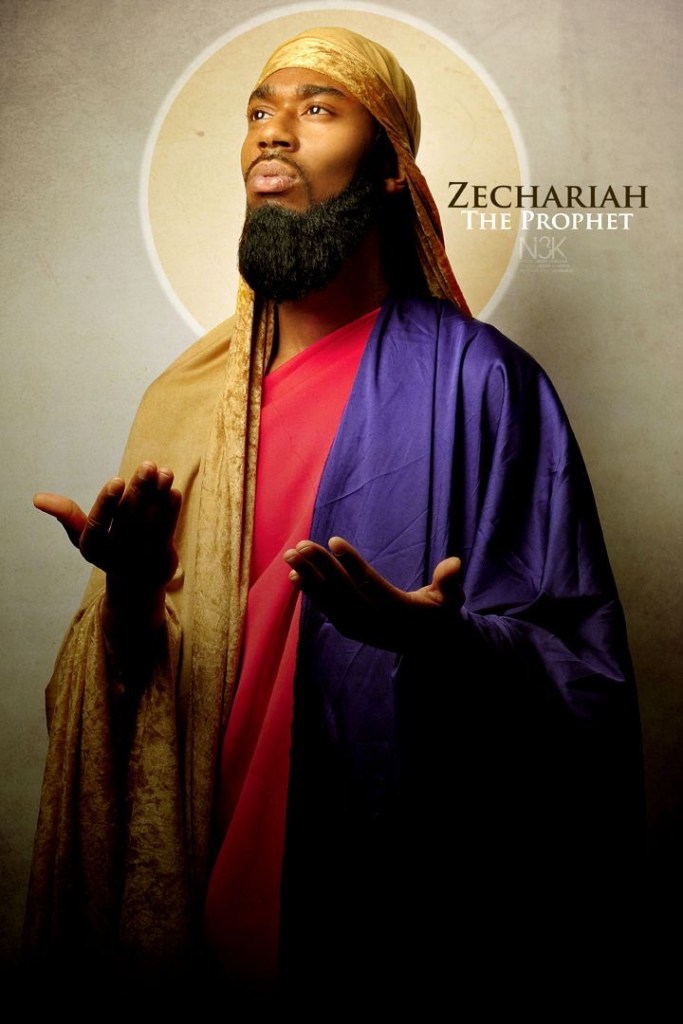


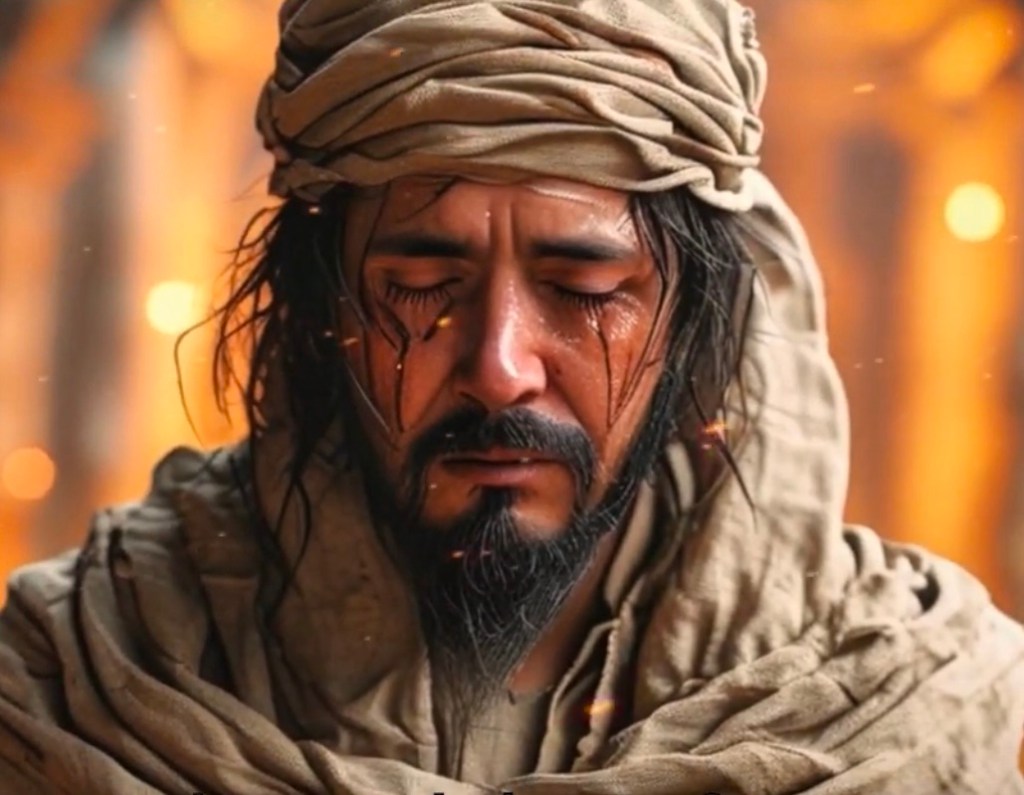

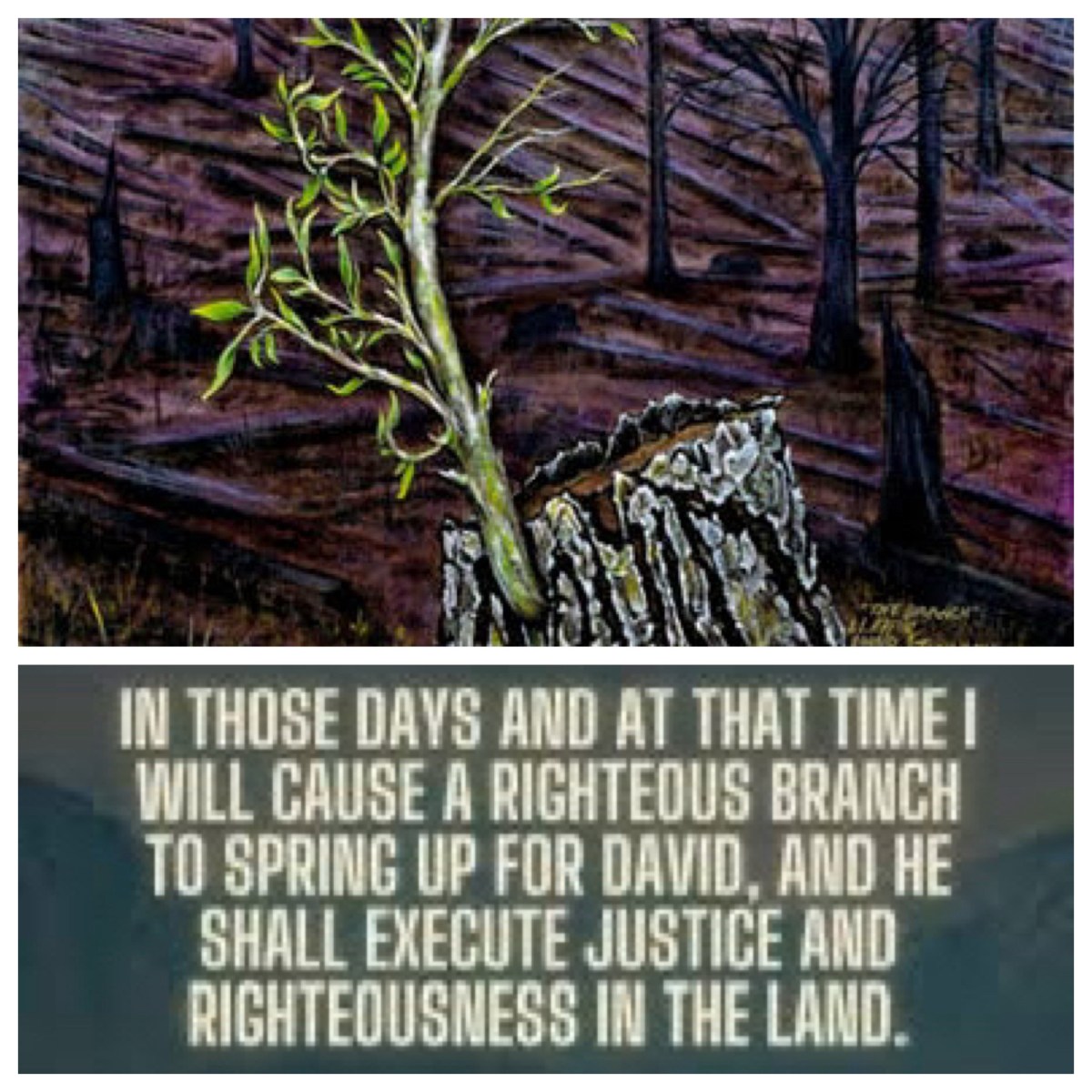
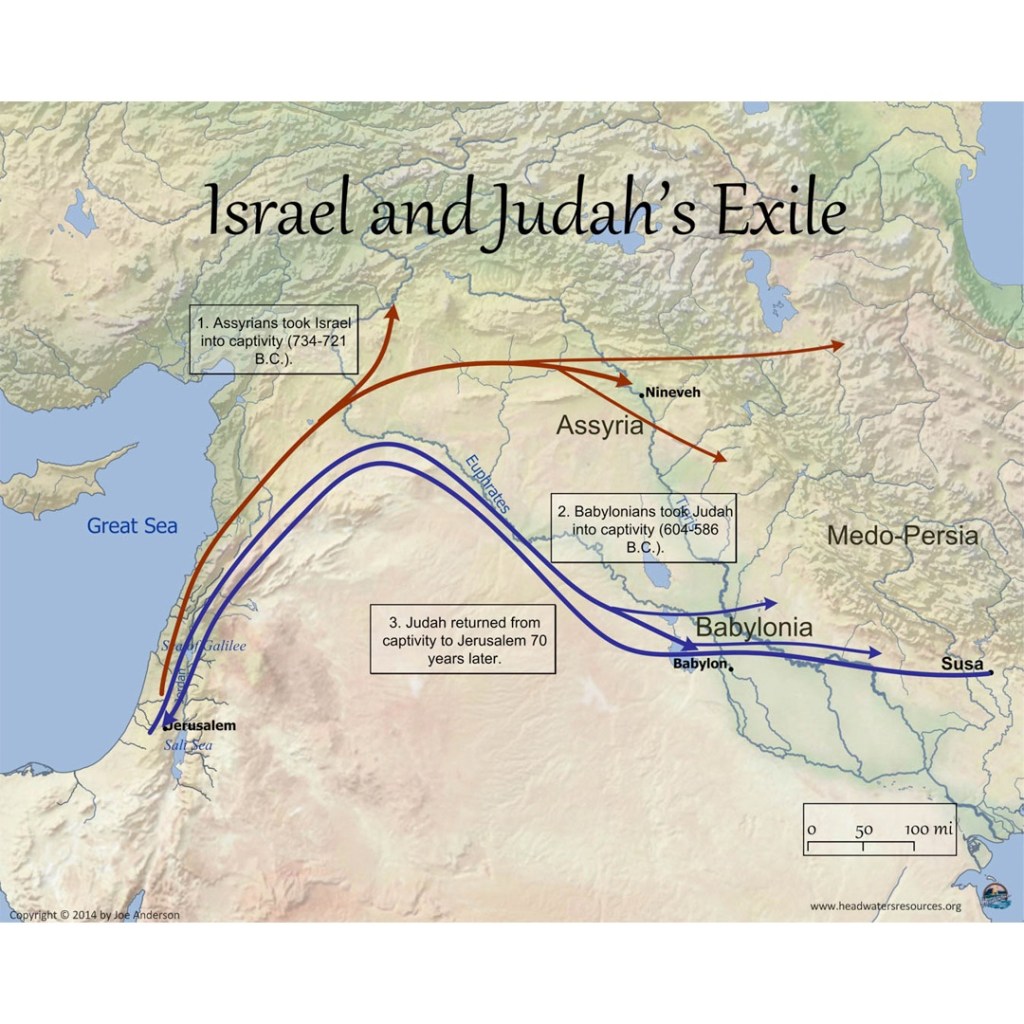
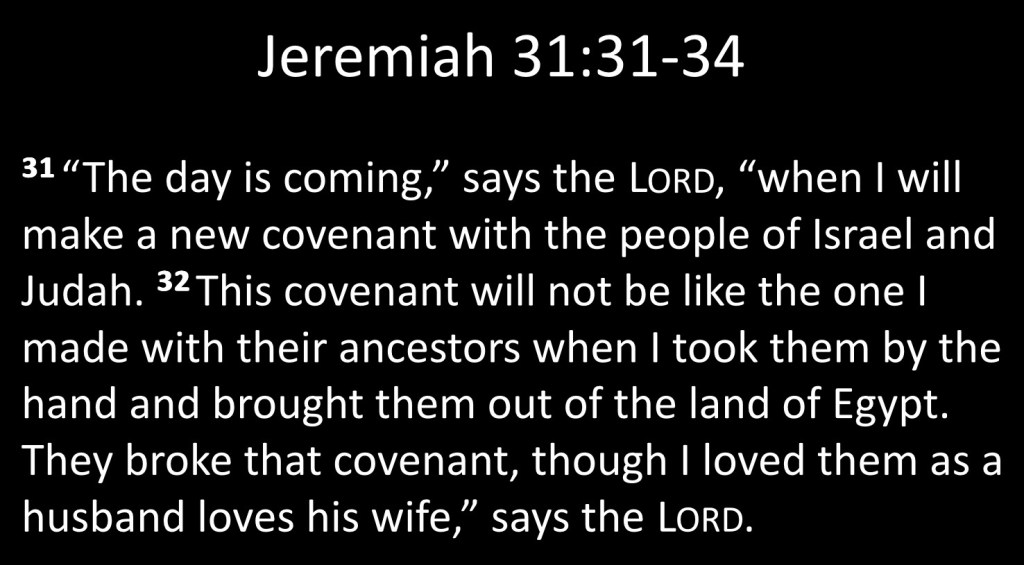
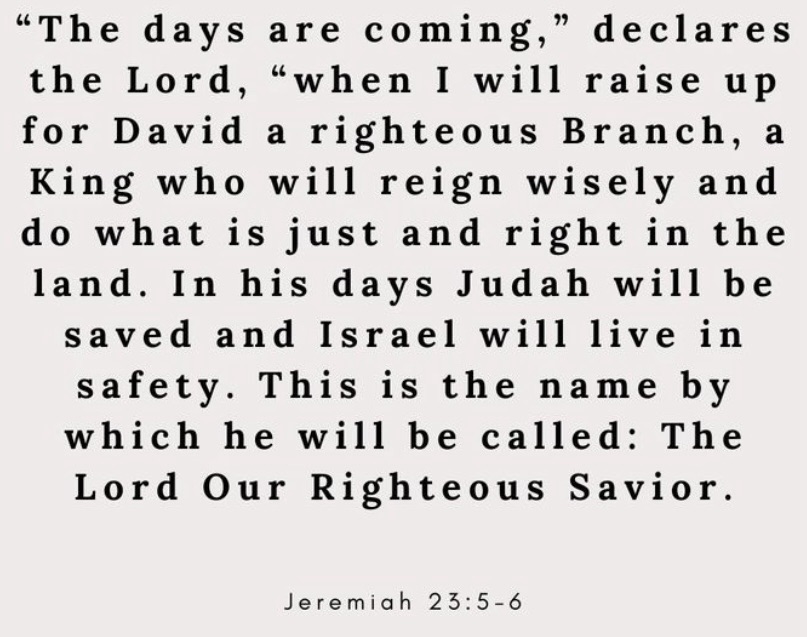
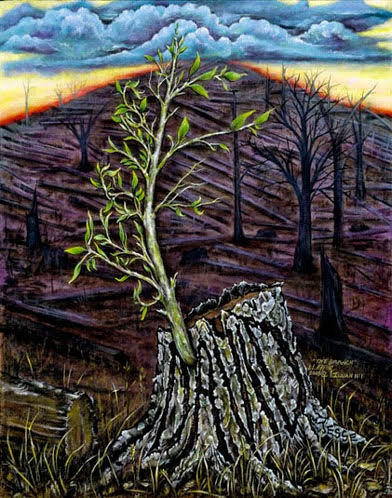
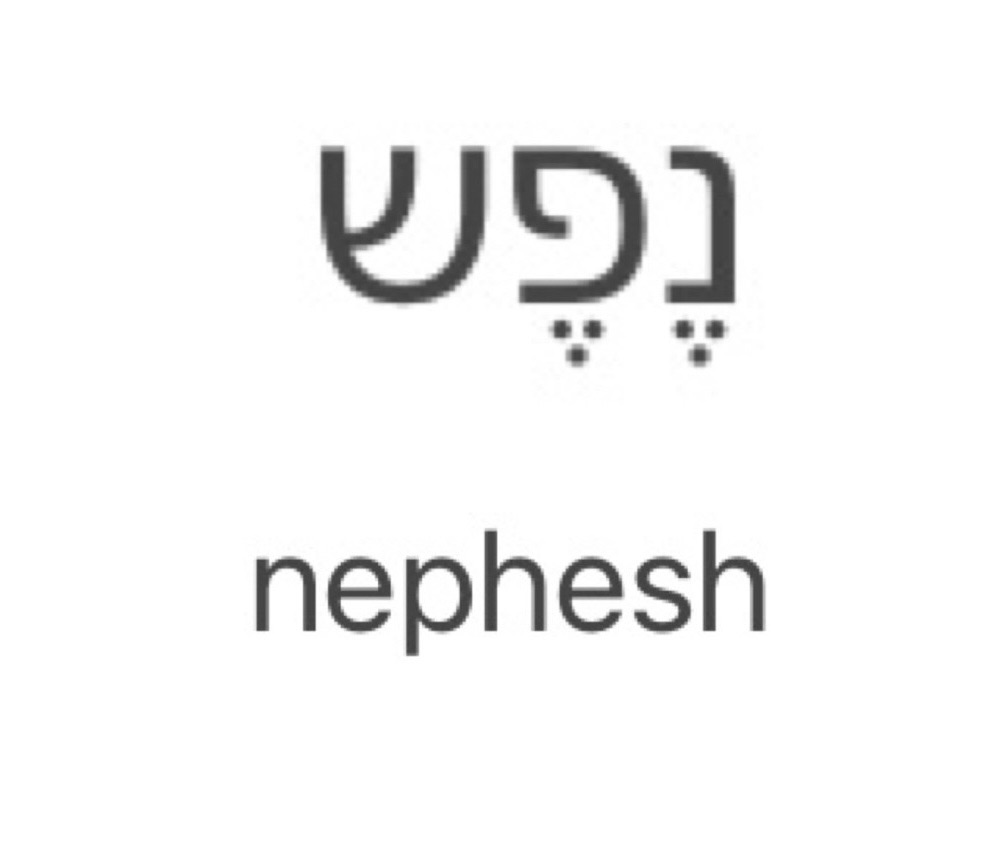
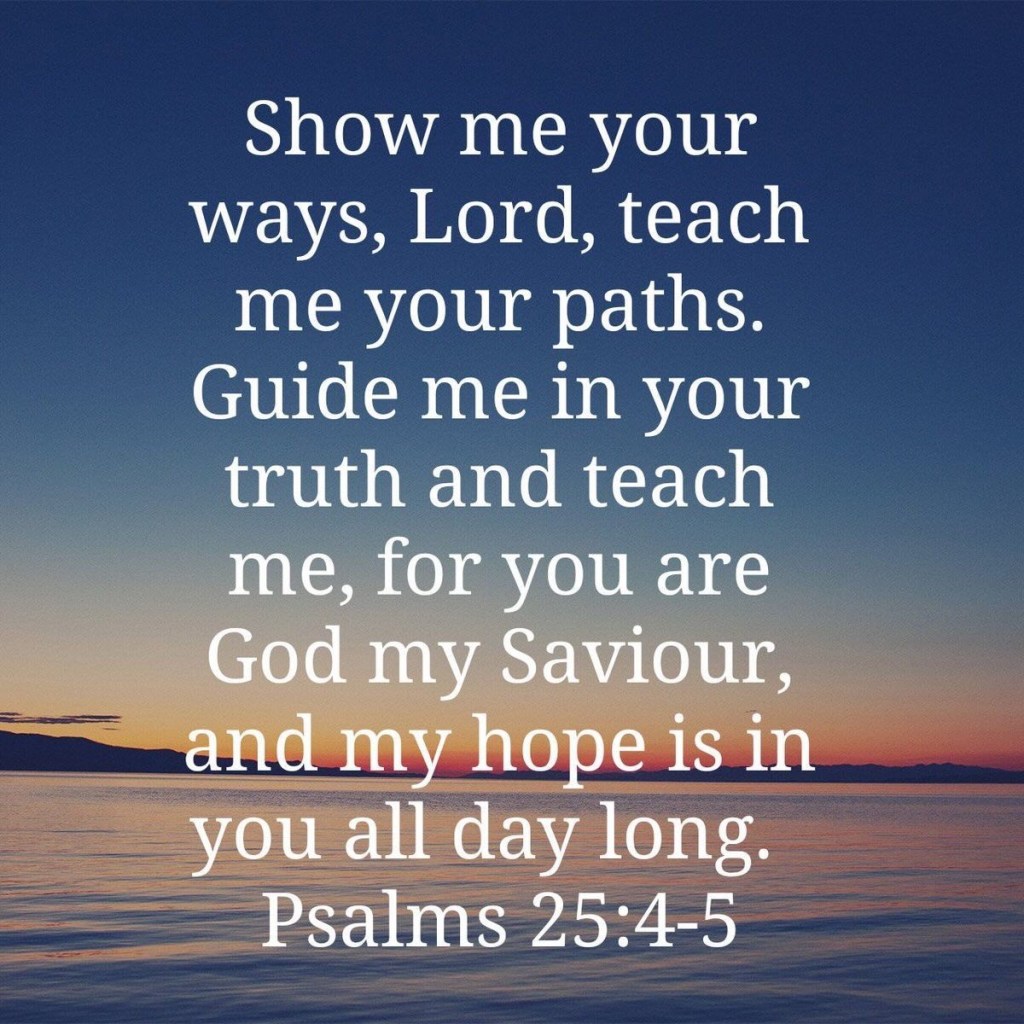


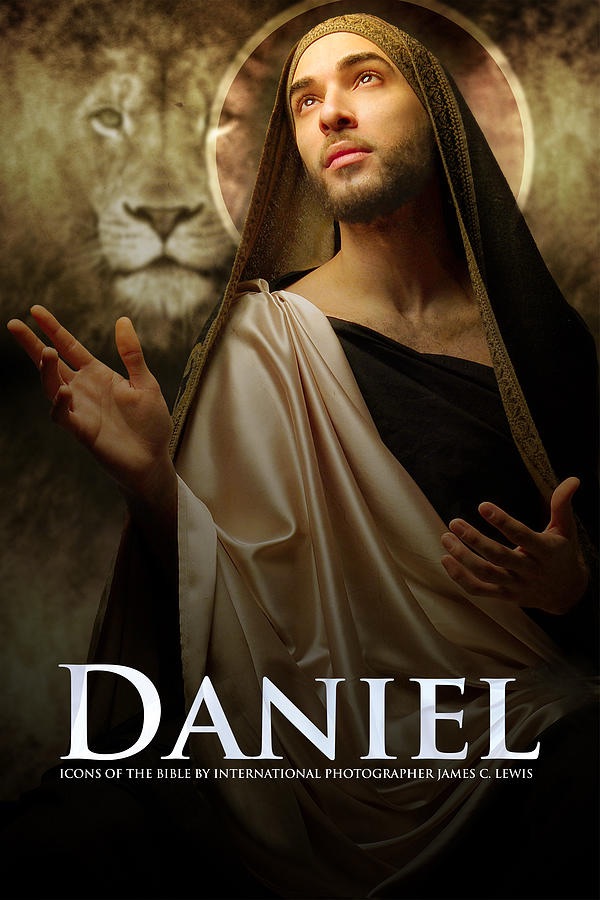
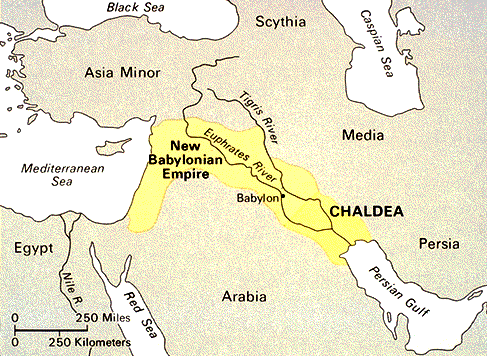
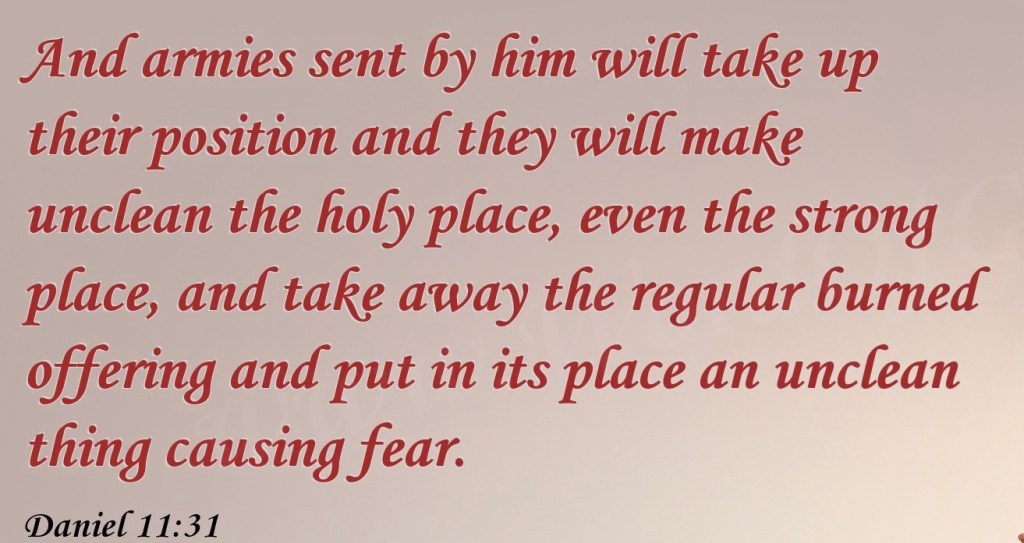
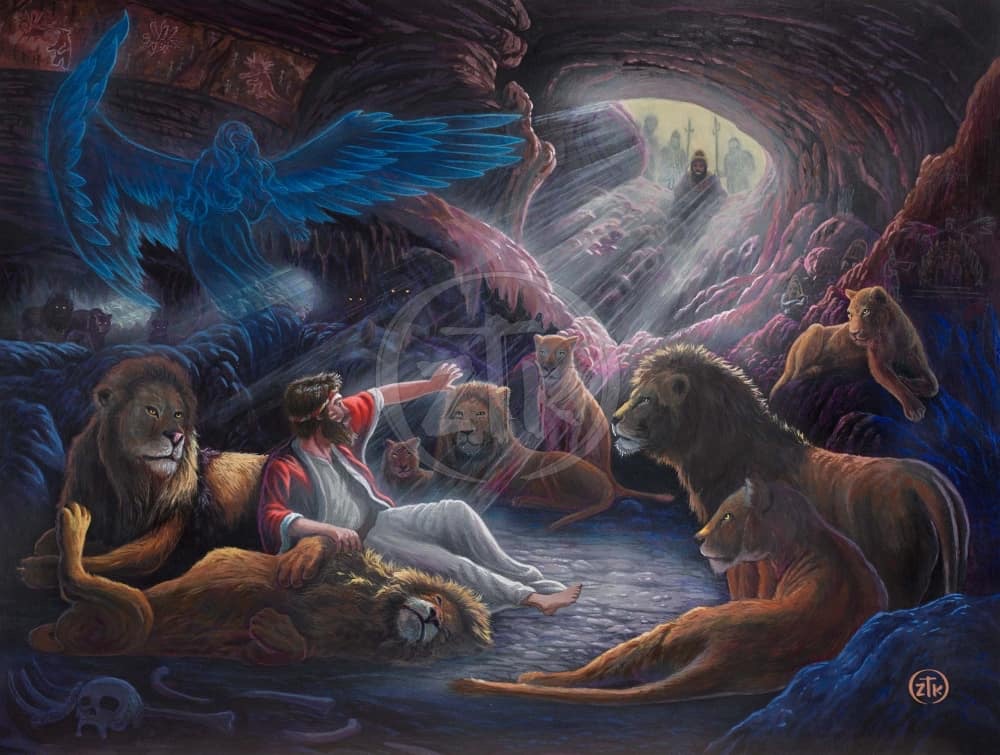
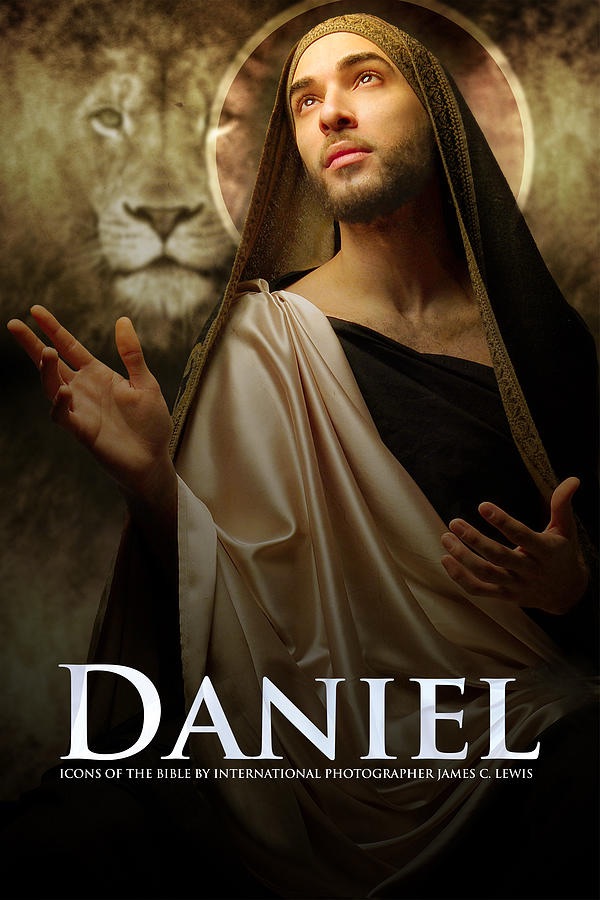

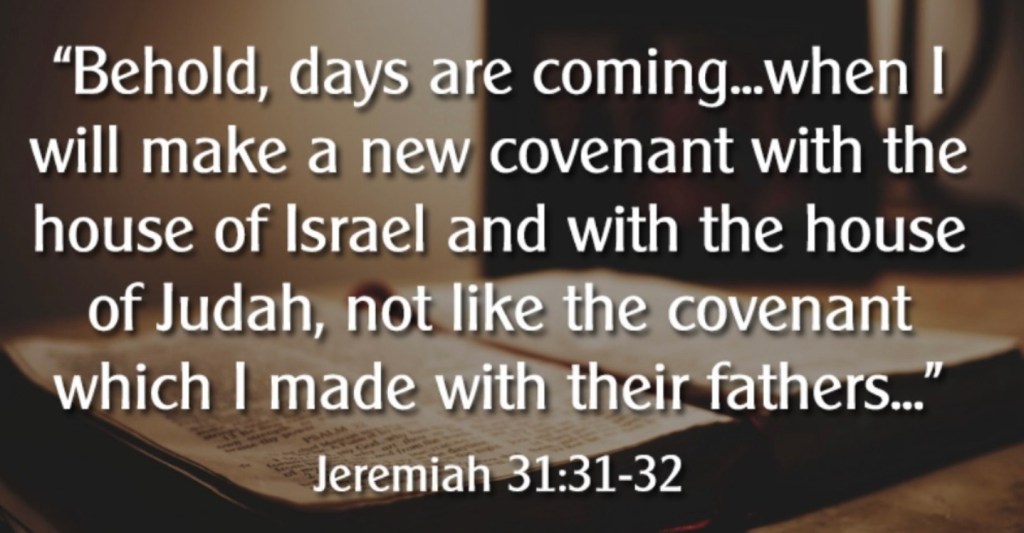
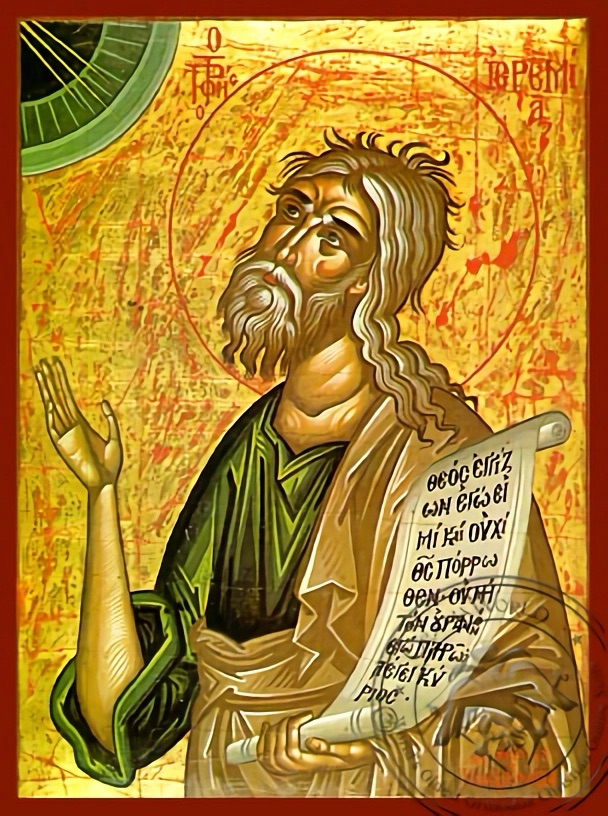


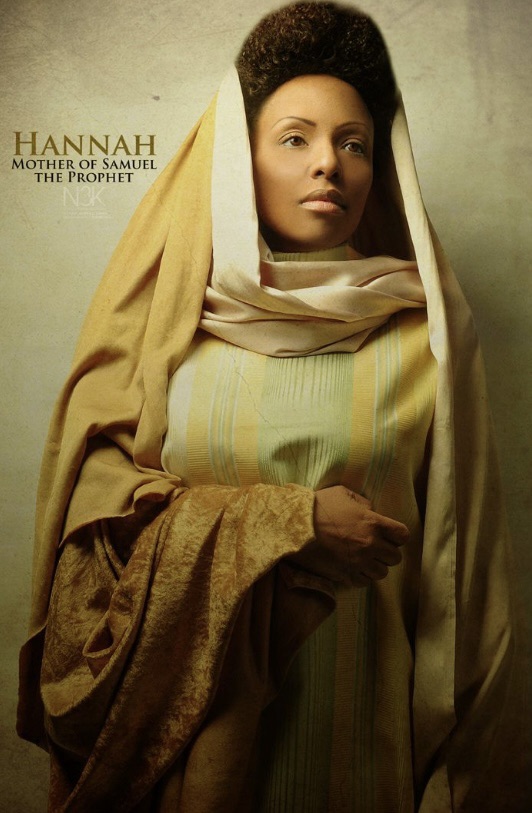
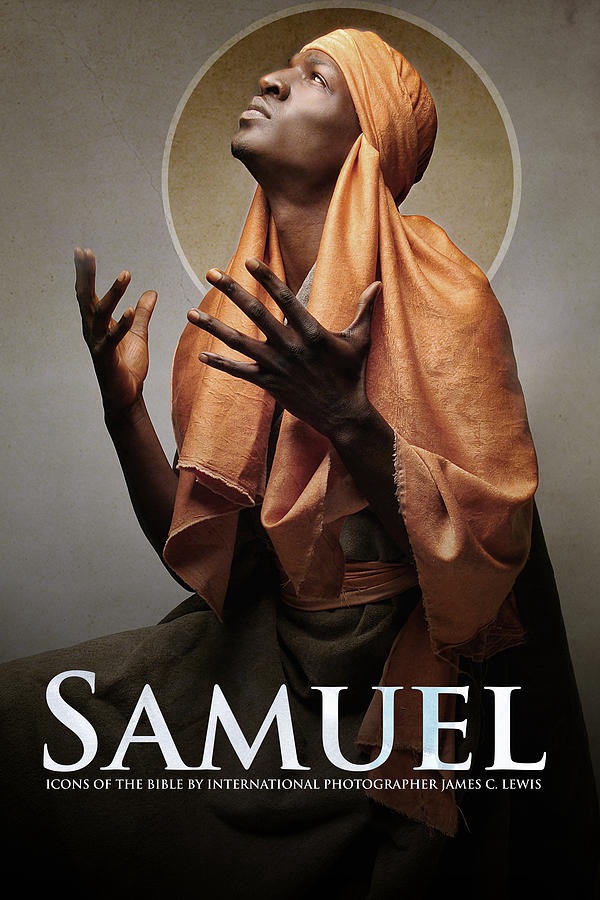
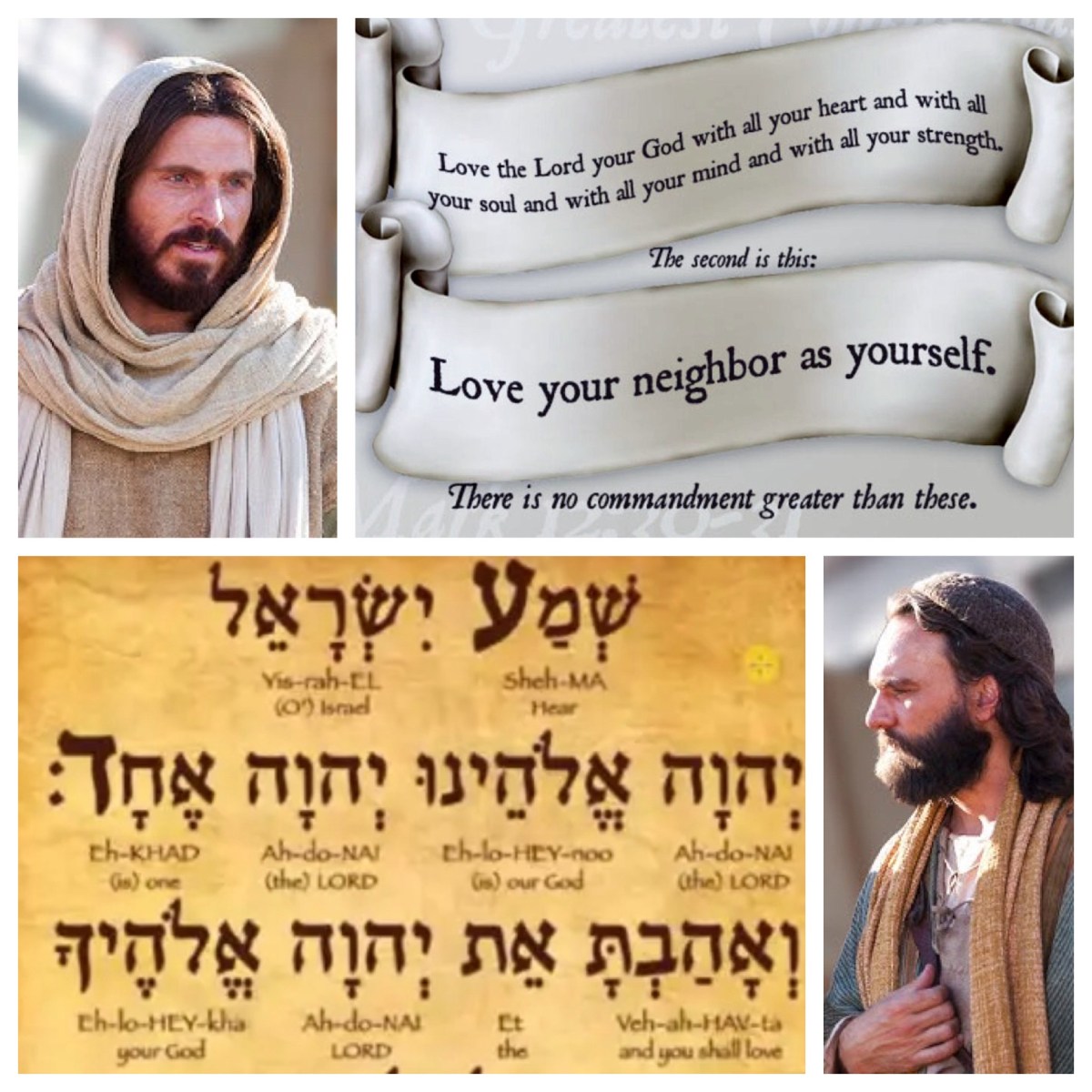
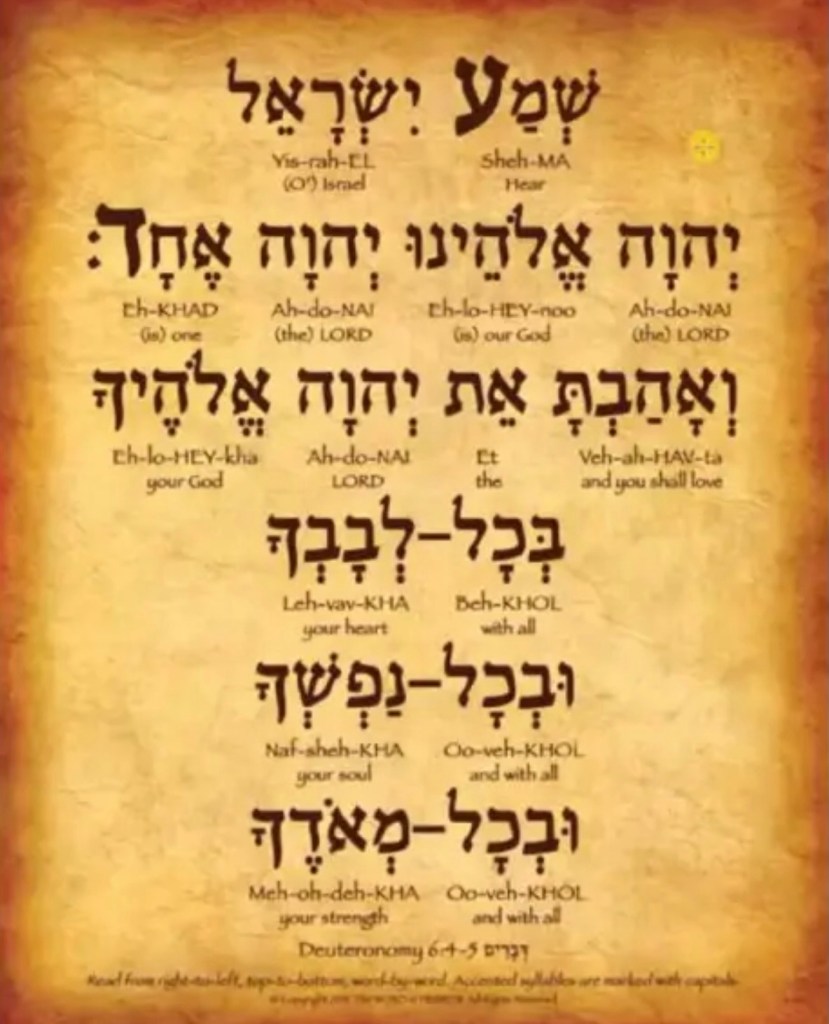
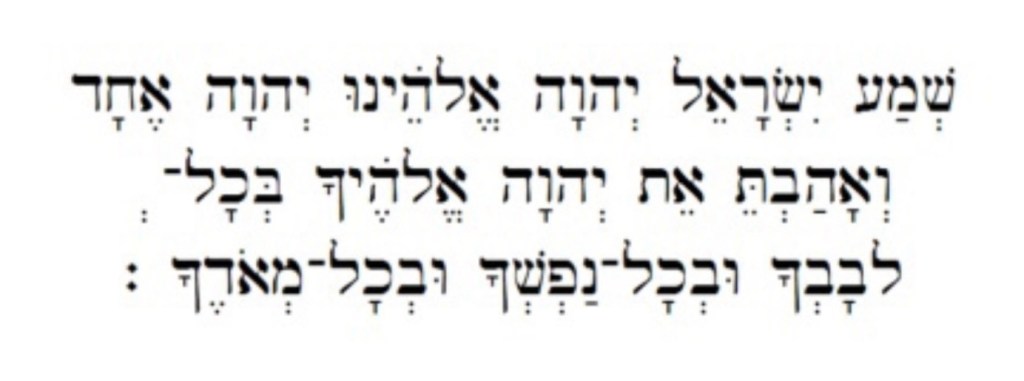
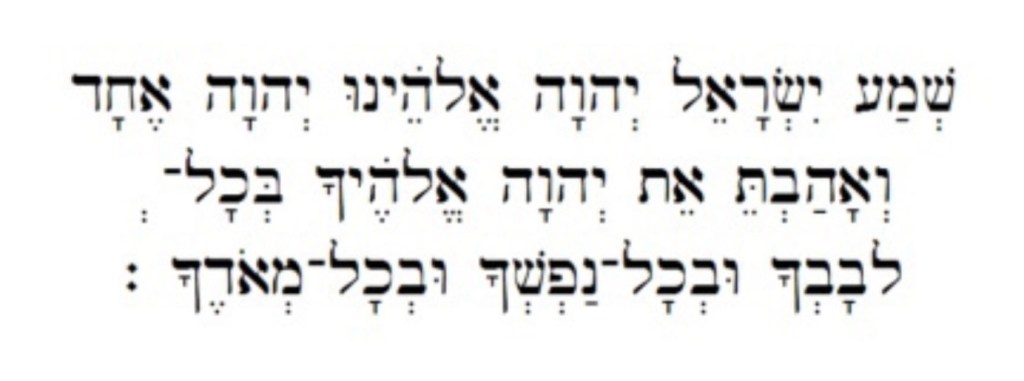
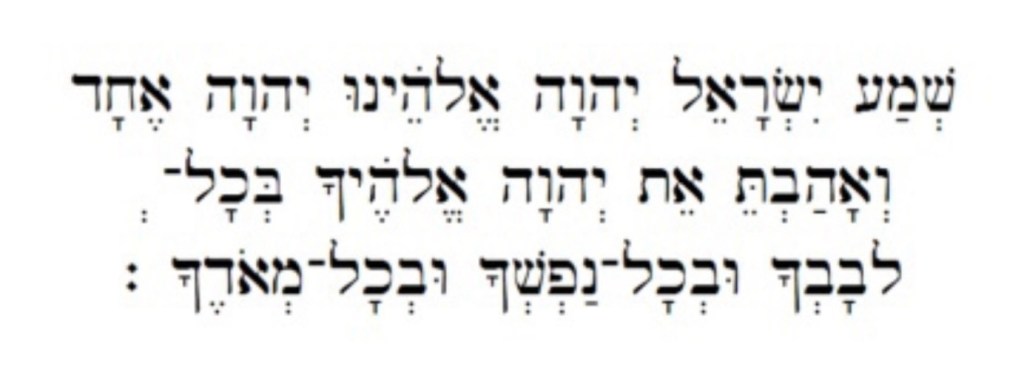
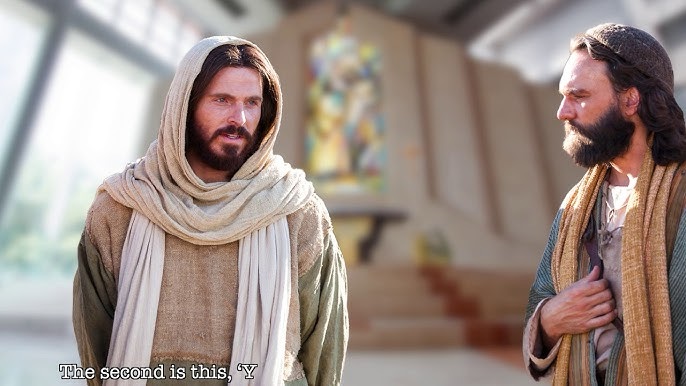
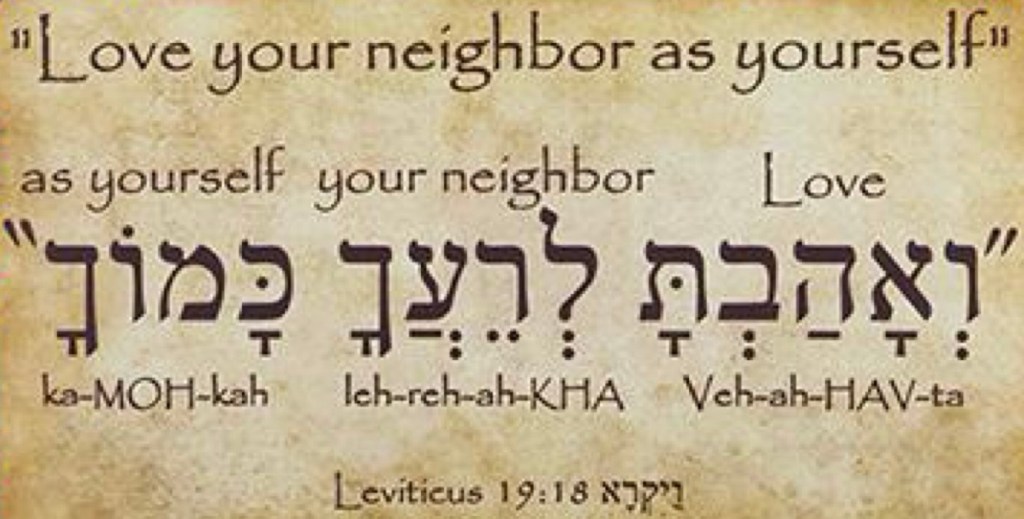
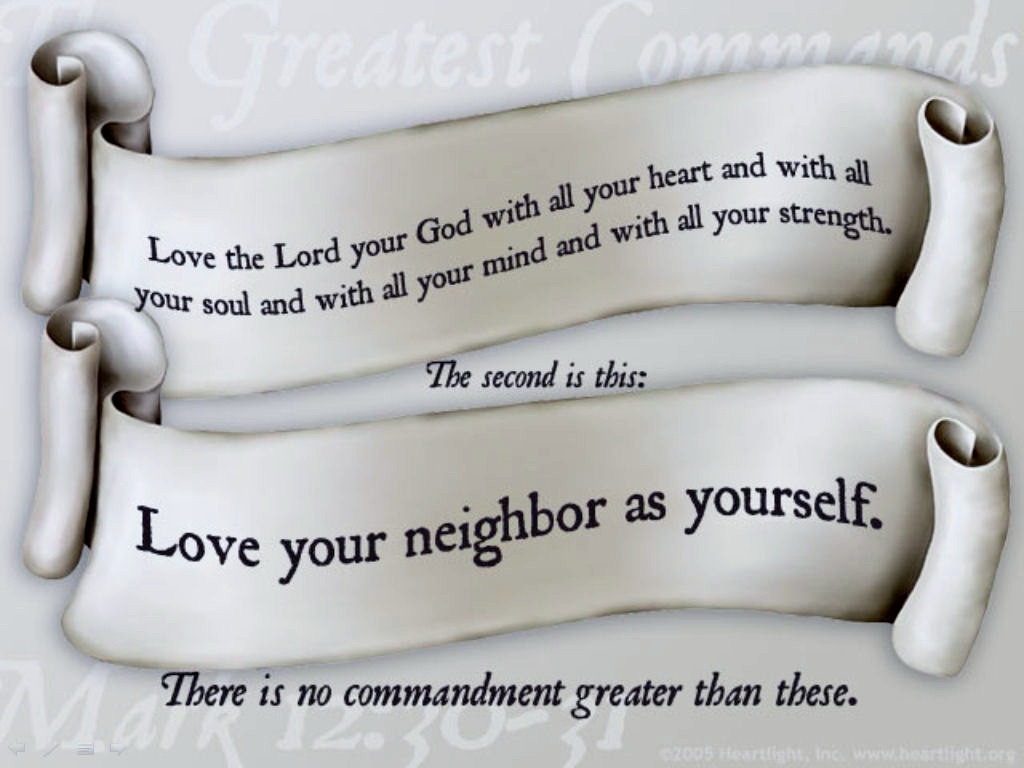
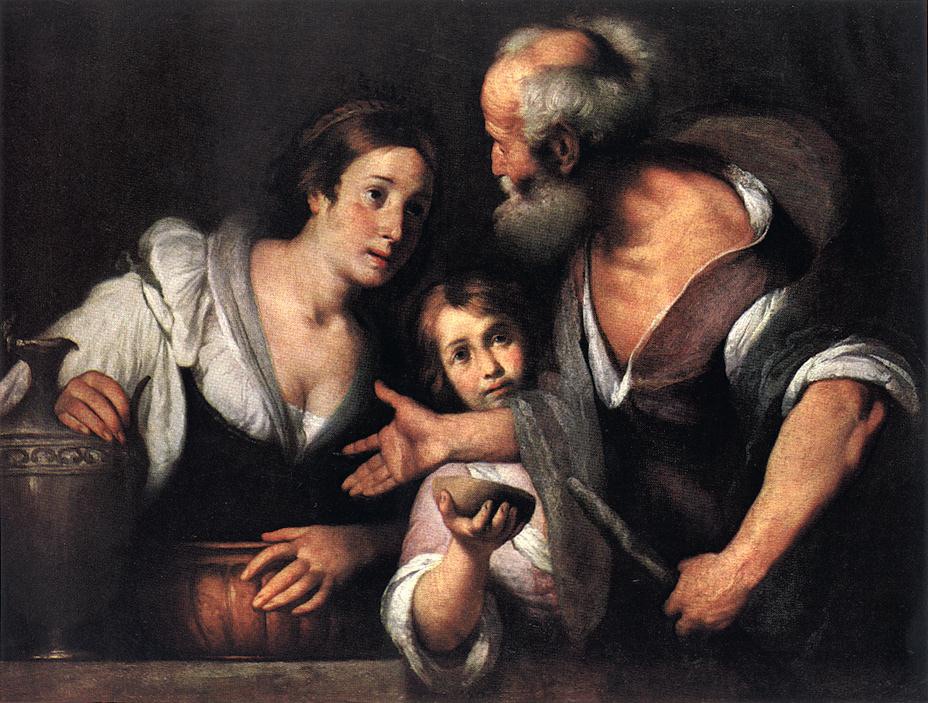
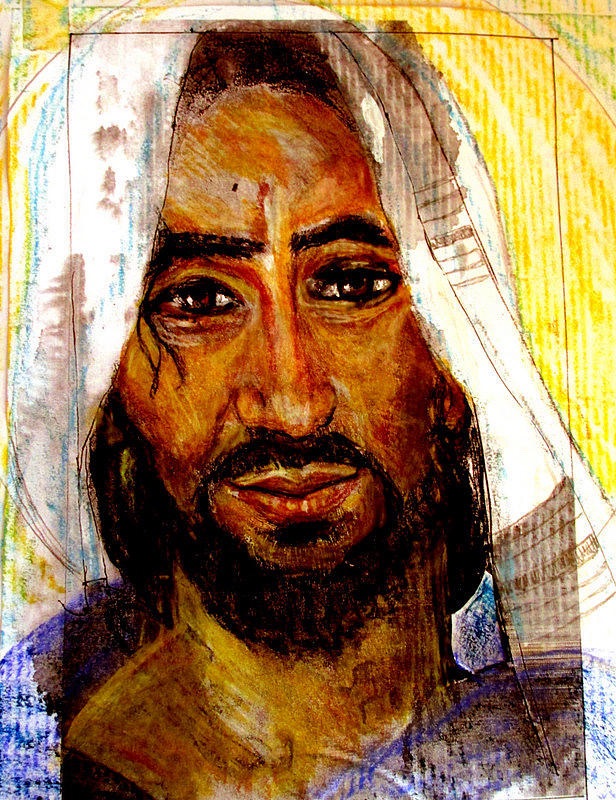

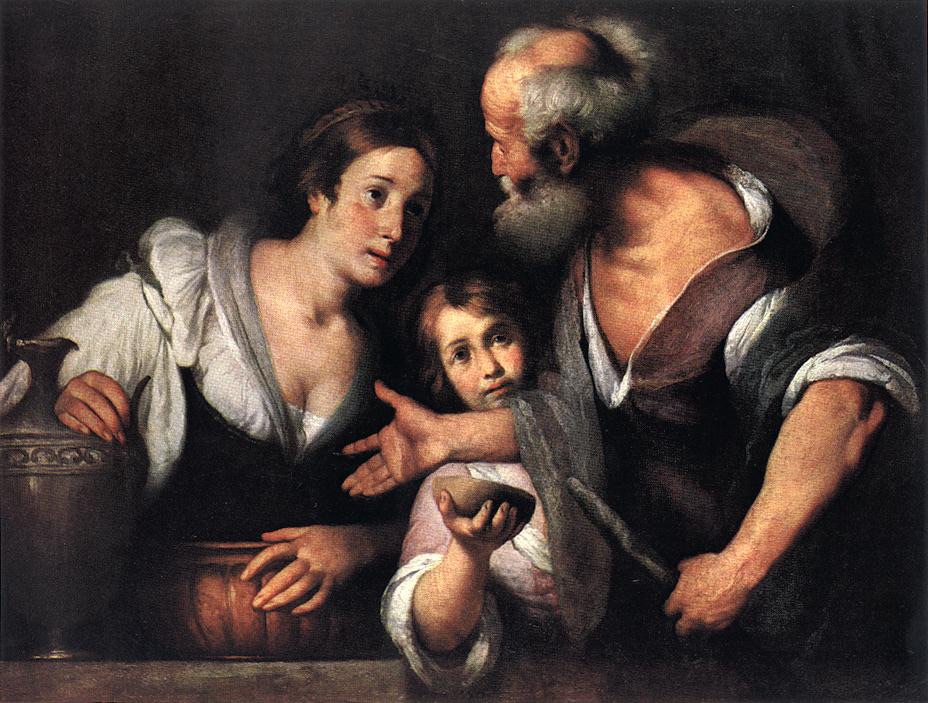
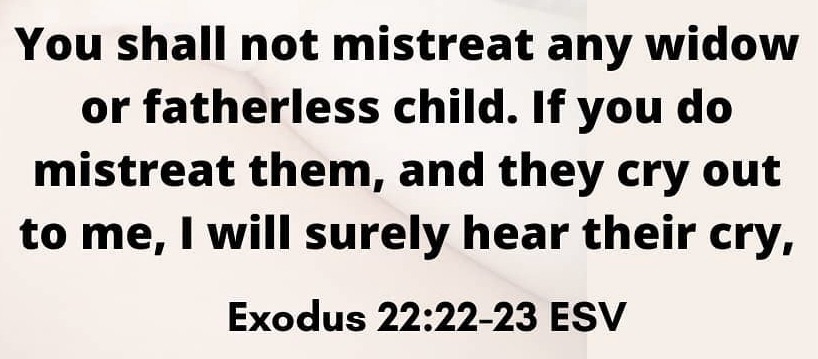


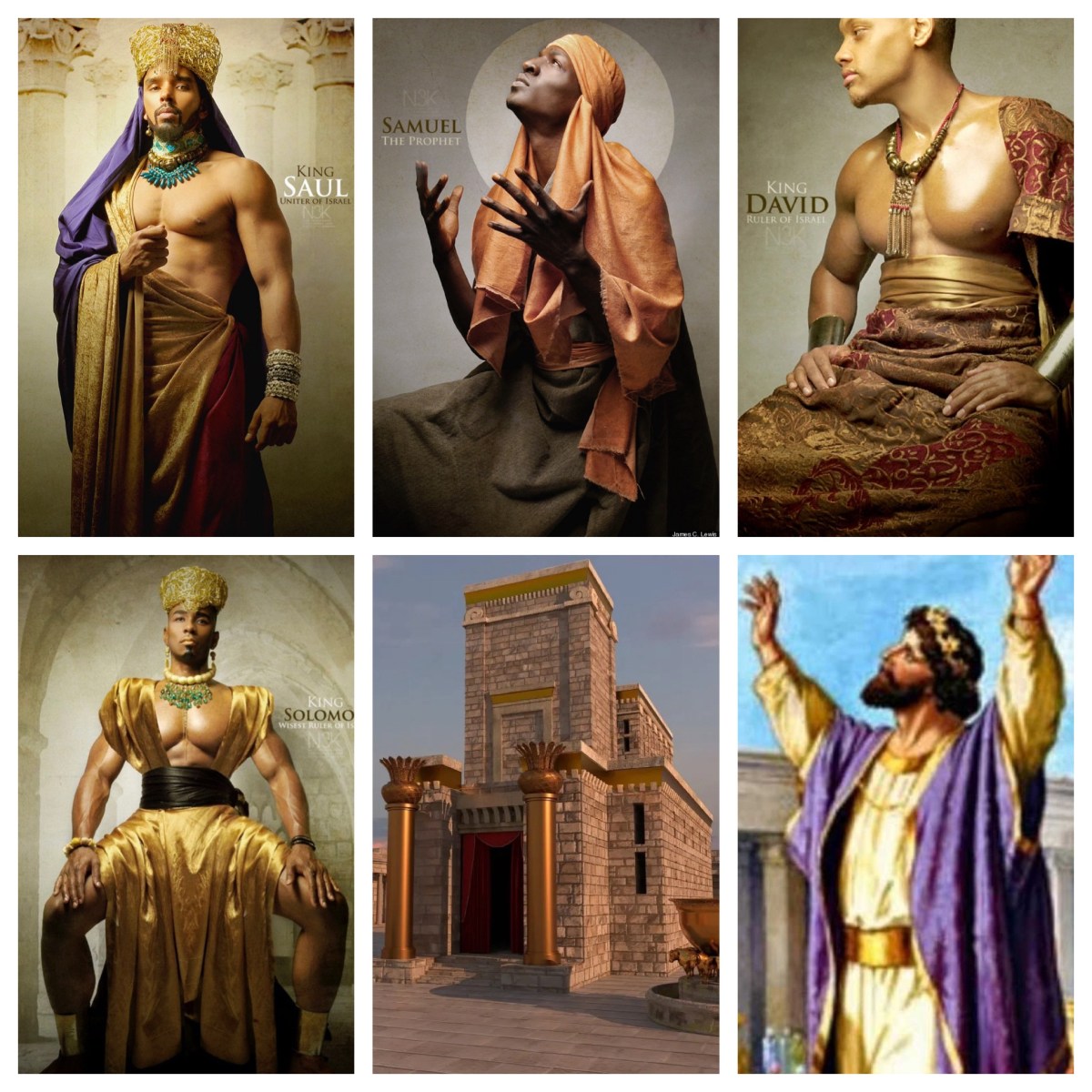


 An Informed Faith