I had a dream (Genesis 27–28; Narrative Lectionary for Pentecost 15) 

A discussion of the passage in the Narrative Lectionary for Pentecost 15

There are some famous dreams throughout history. “I have a dream”, said the Rev. Martin Luther King Jr, speaking in Washington on 28 August 1963, “a dream that my four little children will one day live in a nation where they will not be judged by the color of their skin but by the content of their character. I have a dream today.” That may be the most famous dream in the 20th century.

There have been other significant dreams in modern times. Paul McCartney woke from a dream and wrote the whole score of “Yesterday”. Mary Shelley’s novel “Frankenstein” was inspired by a nightmare. Niels Bohr had a dream in which he saw “the nucleus of the atom, with electrons spinning around it, much as planets spin around their sun”; and thus he developed his theory of atomic structure—a theory later proven by experimental investigation.
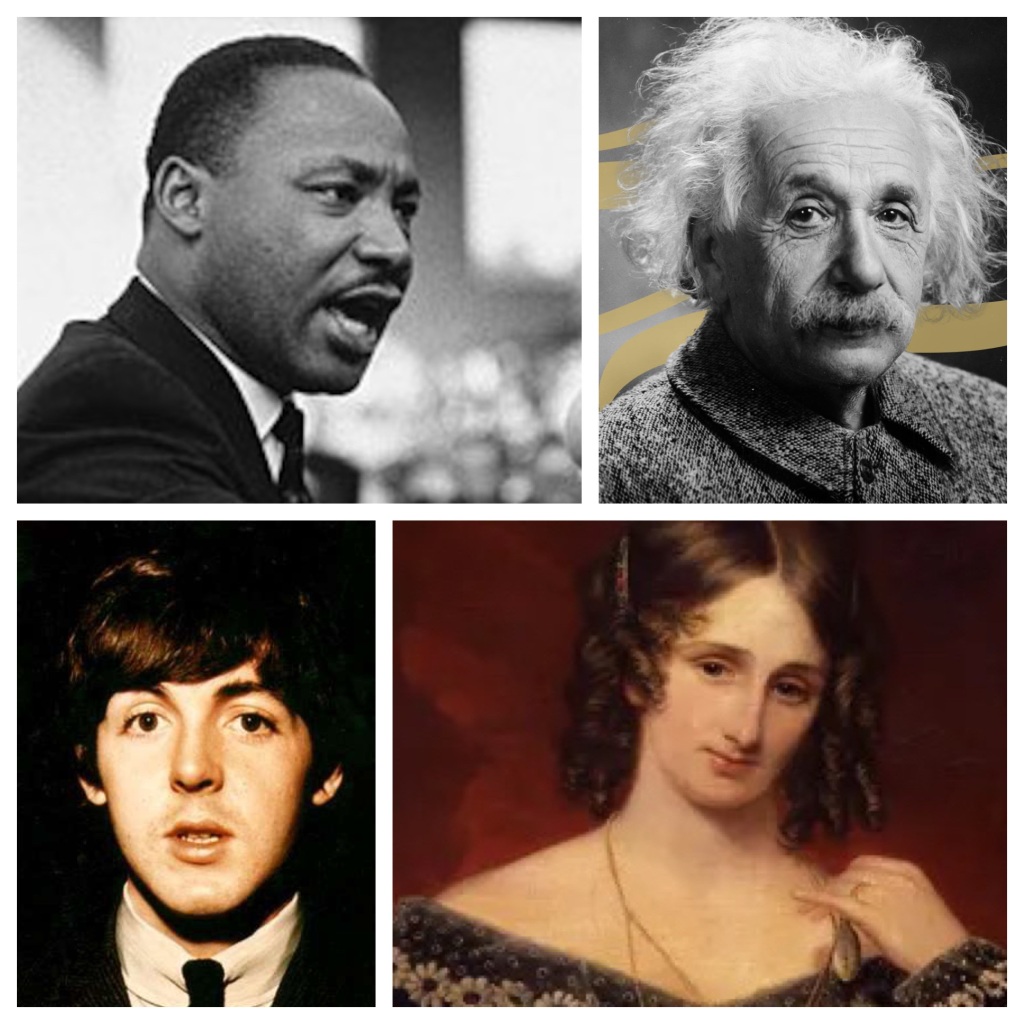
In like manner, Albert Einstein is said to have posed his theory of relativity in a dream in which “he was sledding down a steep mountainside, going so fast that eventually he approached the speed of light … at this moment, the stars in his dream changed their appearance in relation to him”; while it was a dream that led Frederick Banting to develop insulin as a drug to treat diabetes.

I found these and other significant modern dreams described at

https://www.world-of-lucid-dreaming.com/10-dreams-that-changed-the-course-of-human-history.html

*****

A part of the Hebrew Scripture readings that are offered by the Narrative Lectionary for this coming Sunday (Gen 28:10–17) includes a dream that Jacob had, as he slept one night. He was journeying from Beer-sheba, in the Negeb desert in the south of Israel, which is where he had received a blessing from his father, Isaac. This blessing, as we hear in the other section of scripture offered for this Sunday, was won by trickery,as he took the blessing that was intended for Esau  (Gen 27:1–4, 15–23). Which explains the name given to Jacob: he is “the one who supplants” (see Hos 12:3).

Isaac was travelling north towards Haran, the place from which Abram and Sarai had left on their journey towards the land of Canaan, the land which God had promised to him (12:1, 4–5). So the journey that Jacob is undertaking is a reversal, in direction and orientation, of the earlier journey that his grandfather had undertaken. 
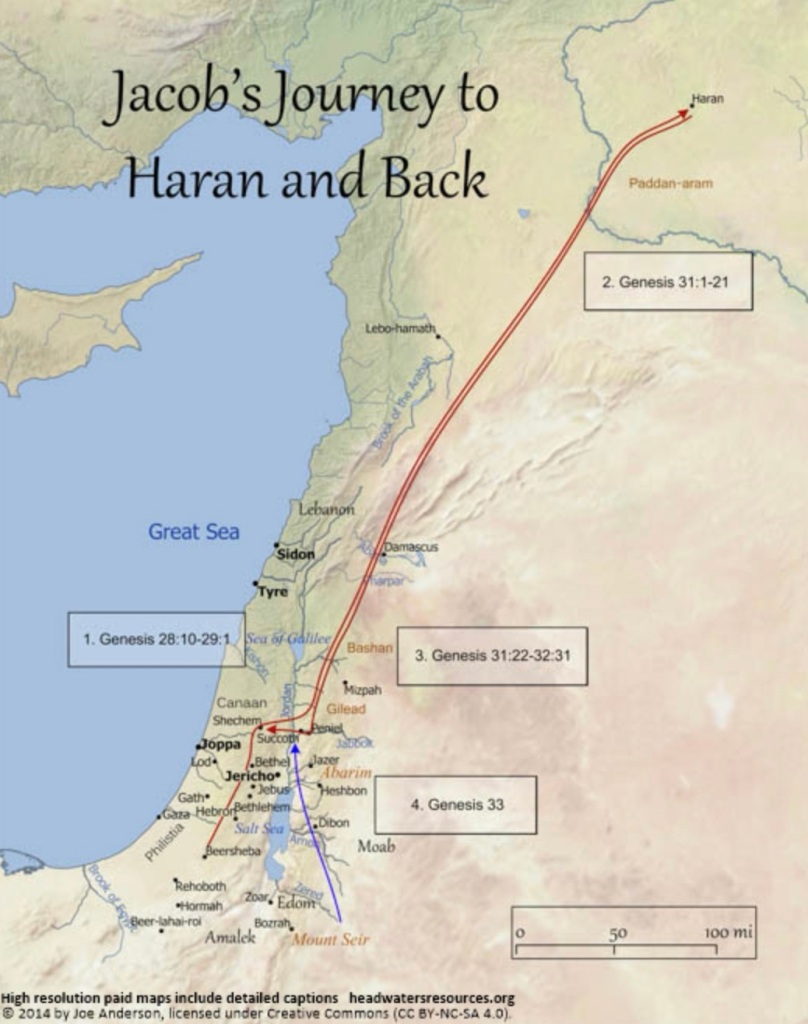
He was travelling to escape the anger of his brother Esau, after he had tricked their father Isaac into blessing him, Jacob, gifting him with the inheritance that was rightly owed to Esau (27:41). Abraham had travelled south in order to receive God’s blessing. Jacob travels in the other direction after having deceitfully gained his father’s blessing.

We are told that, understandably, “Esau hated Jacob because of the blessing with which his father had blessed him” (27:41), and that he threatens to murder his brother, once “the days of mourning for my father” are completed (27:42). Learning of this hatred, Rebekah advises her son, “flee at once to my brother Laban in Haran, and stay with him a while, until your brother’s fury turns away” (27:43–44).

Whether he had been tipped off about this by Rebekah, or not, Isaac commissions his son to journey back to the homeland—in another case of “don’t marry one of these folks, go back to our homeland and marry one of our own” (as we saw with Abraham and Isaac). Isaac says to Jacob, “you shall not marry one of the Canaanite women; go at once to Paddan-aram to the house of Bethuel, your mother’s father; and take as wife from there one of the daughters of Laban, your mother’s brother” (28:1–2). So Jacob obeys him. 

It is on this journey of escape that Jacob has his striking dream. Jacob is not the first to have encountered God in a dream, in these ancestral sagas. Abimelech of Gerar heard from God in a dream (20:3–7). After Jacob’s dream at Bethel (28:12–15), Jacob has a further dream regarding a flock of goats, relating to his inheritance, urging him to return to Isaac in the land of Canaan (31:10–16). At the same time, God appeared in a dream to Laban (31:24), conveying instructions which he disobeyed. 

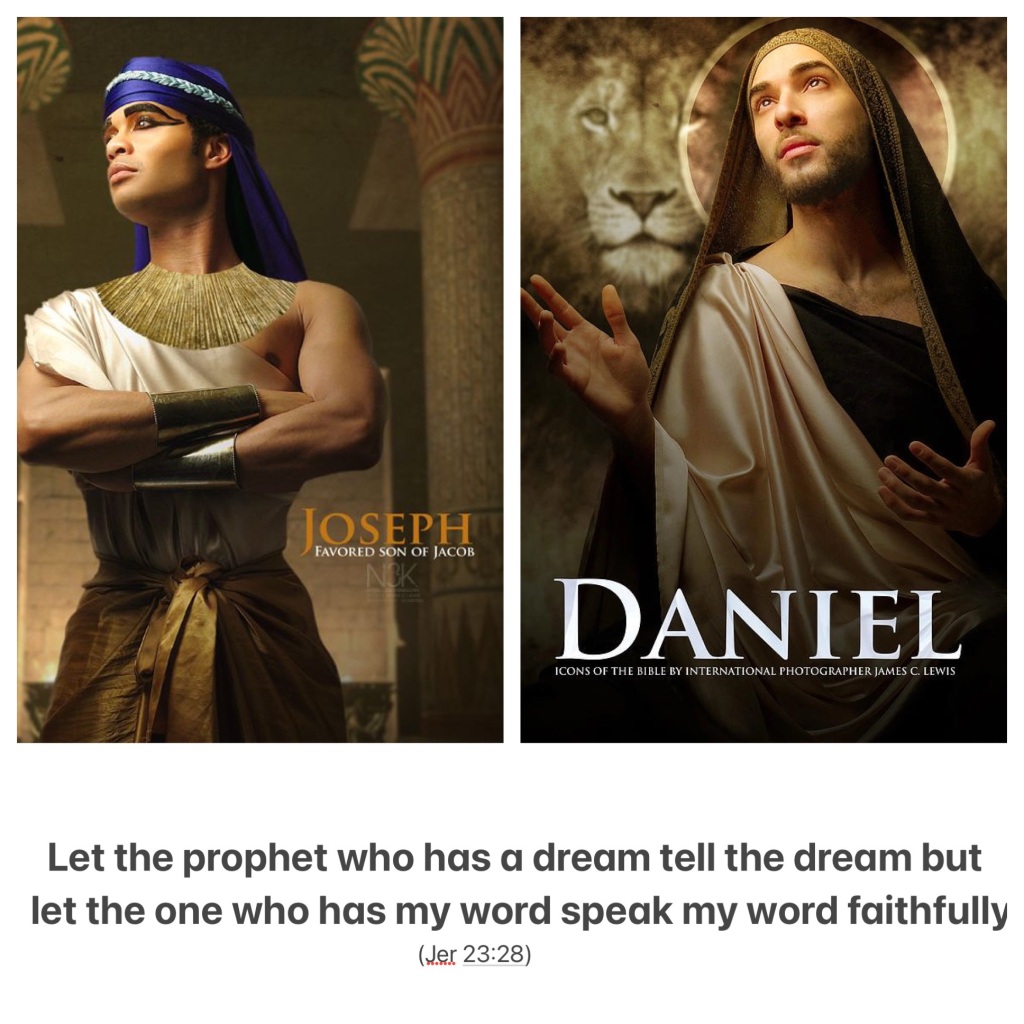
The two great “dreamers” in Hebrew Scripture are, of course, Joseph, one of the sons of Jacob, and Daniel, one of the courtiers of Nebuchadnezzar of Babylon, many centuries later. Both men not only dream dreams, but offer interpretations—and interpret dreams that have been dreamt by others. Jeremiah, too, knew of those who claimed that they encountered God in dreams, but warns that understanding those dreams correctly is important (Jer 23:28; 29:8–9). 
And dreams as the vehicle for divine communication is found in an important New Testament story, when Joseph learns of the pregnancy of Mary, in Matt 1–2. “Dreaming dreams” is actually an activity inspired by the Spirit, as Joel prophesied (Joel 2:28) and Peter reminds the crowd on the day of Pentecost (Acts 2:17).

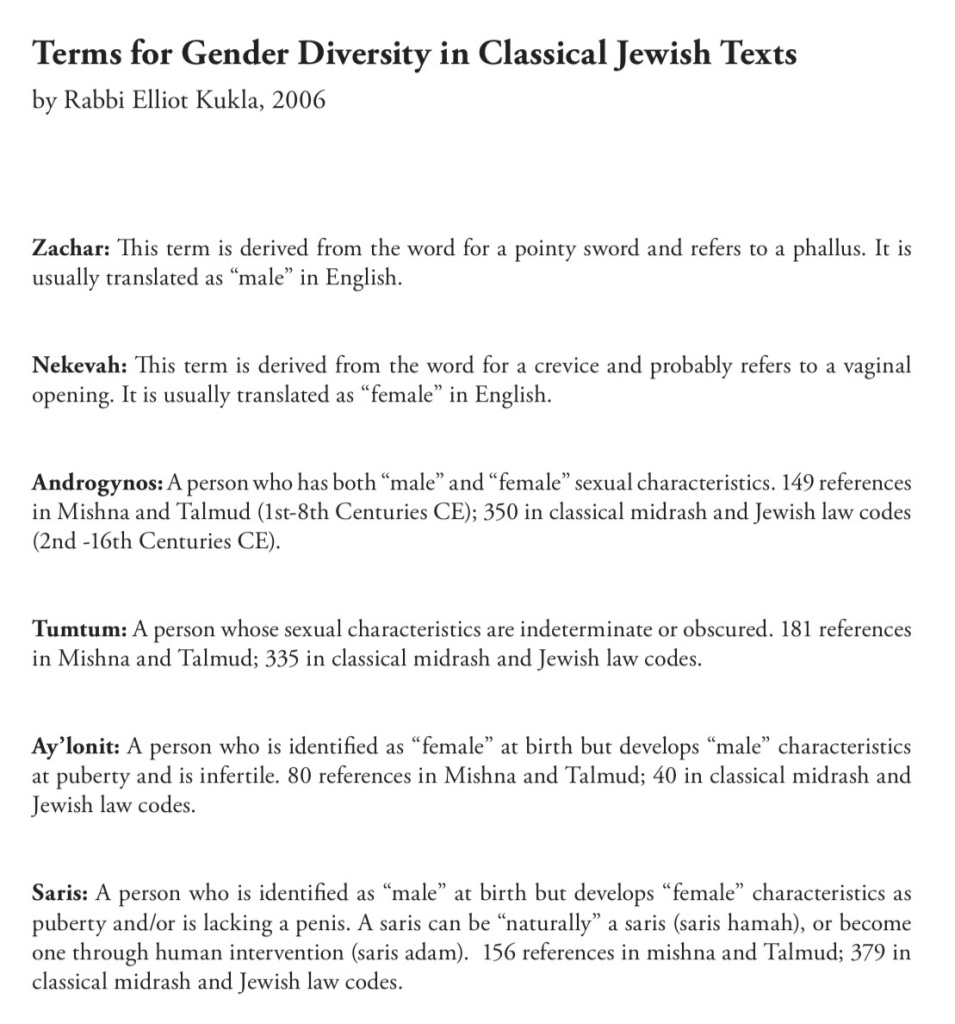
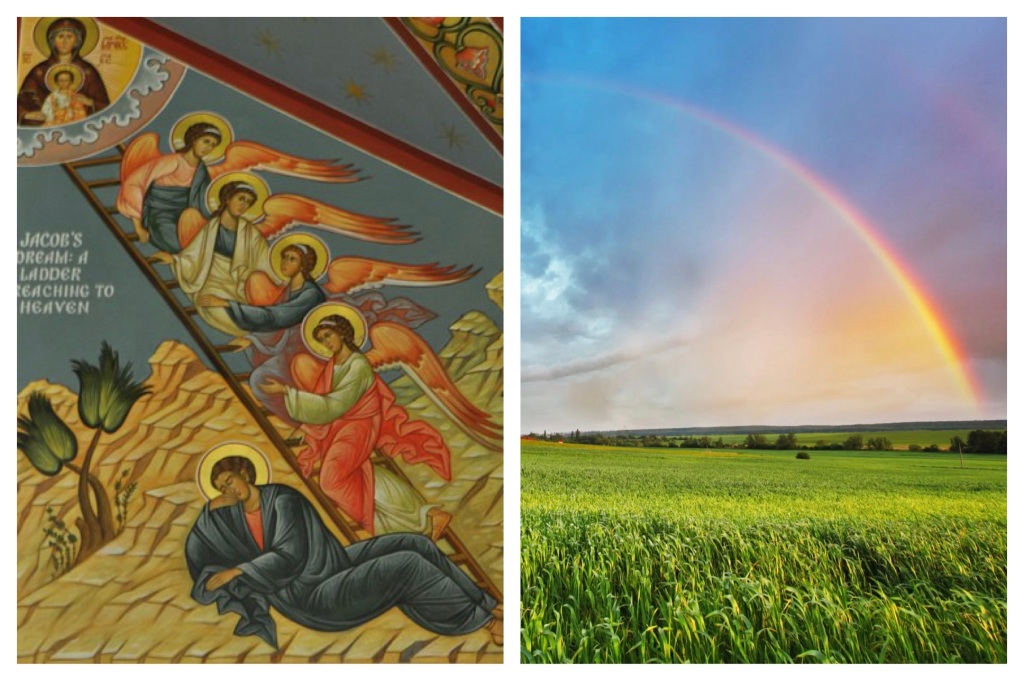
In the story we hear this coming Sunday, Jacob sleeps. As he does, he dreams that “there was a ladder set up on the earth, the top of it reaching to heaven; and the angels of God were ascending and descending on it” (28:12). What do we make of that dream?

In My Jewish Learning, Pinchas Leiser quotes from a book entitled Ruah Chaim (“the breath of life”), by Rabbi Haim of Volozhin. The Rabbi, who lived from 1749 to 1821, was a student of the Vilna Gaon (1695–1785), the pre-eminent sage of Lithuanian Jewry whose ideas were fundamental for the development of modern Jewry. Rabbi Haim writes:

“Our sages come to teach us that we ought not think that, because of our base material, we are truly despicable, like mere plaster on a wall. About this it says, a ladder stationed on the earth–that is Sinai; and its top reaches the heaven–which represents our soul’s life, which is in the highest sphere. There are even souls that see God, and they are the highest of the high, higher than ministering angels, and by this status can the soul cleave to Torah . A whole person is like a tree whose roots are above, and whose trunk extends downward, which is the body, and which is fastened to its supernal roots.”

Pinchas Leiser, a Jewish psychologist and educator, comments: “Thus, Rabbi Haim of Volozhin views Torah learning as a Sinaitic event, since Torah is what connects the heavens and the earth. With Torah, one can ascend and descend between the two spheres. The people who do so are angel-like.” 

This is a penetrating insight into the nature of human beings. We are not spiritual beings, trapped in the prison of the material world, as Plato imagined (and as many writers, including Paul, who were influenced by his philosophy, wrote). Rather, we are fully nephesh, creatures of God containing both material and spiritual characteristics. We belong both to earth and to heaven.

The ladder which Jacob saw reveals this true nature, and tells us that we can transport ourselves between the two places, if we would only open ourselves to the possibility. Jacob’s dream was archetypal—it illustrated exactly who we are and how we can live!

And for me, as a Christian reader, it is important to note that this story (and, indeed, many others in Hebrew Scripture) undermines the crass stereotyping of ancient Israelites—and modern Jews—as alienated from God, crushed under unbearable burdens, far from the grace of God. For this ancient story, told orally for many years before it was ever written down, portrays the possibility of a close and enduring relationship with God, accessible from the patriarch Jacob onwards.
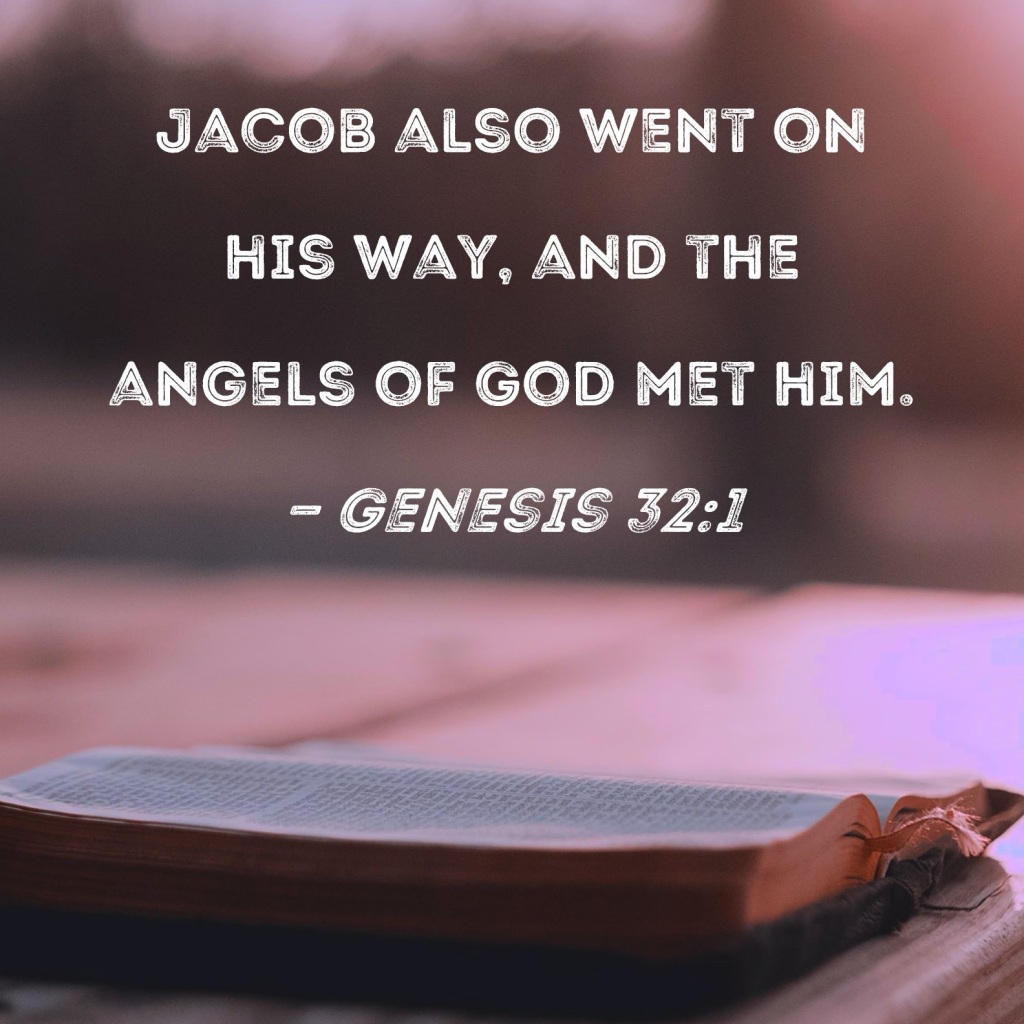
Accompanying the dream of Jacob is a sense of the presence of God; the divine speaks to Jacob, assuring him that God will never leave him. Jacob could never go beyond God’s keeping; angels accompany him on his onward journey to northern Mesopotamia, which was his destination (Gen 29:1). These angels keep going up and coming down on the ladder during this journey; more than this, they continue to accompany him for the twenty years he spends in Haran and then travel with him on his return to the land of Canaan (Gen 31:11; 32:1). The story has a strong sense of the enduring, faithful nature of God’s accompaniment of people of faith throughout their lives.

God’s grace is at work in this story. Jacob was an outcast who had deceived his father and lost friends. Seeking God was probably far from his mind; human company was probably what he yearned for. Nevertheless, he was guided by God at this point of need, offering him revealed care and an assurance for the future. Even though he was not expecting grace, grace was unleashed upon Jacob with no word of blame.

So there is a sign of God’s grace in this story—the ladder connecting heaven and earth, on which “angels” ascend and descend at will. God meets Jacob, even as he is running away from family, and perhaps also running away from God; God meets Jacob in a dream. Jacob was fleeing the consequences of his deception of his father. He wanted to be far away from Isaac, whom he deceived, and Esau, from whom he stole the birthright. And in the midst of that journey, God offers a sign of acceptance and grace in this dream.

Indeed, scripture had offered an earlier sign of God’s grace, in the story of Noah. This is a terrible story—God deliberately and intentionally destroys the world, and “starts all over again”. Only Noah and his family, and the animals on his ark, are saved. The rainbow in the sky is the sign of God’s grace for those who have survived, signalling that God will never again destroy the creation.

The ladder represents the commitment that God has, to an enduring connection with human beings, no matter what their situation. It is a sign of God’s grace—for which we can be thankful.
On the mount of the Lord it shall be provided (Genesis 21–22; Narrative Lectionary for Pentecost 14)

Discussion of the passages from Genesis 21–22 for the Narrative Lectionary.

The pair of passages from Genesis proposed by the Narrative Lectionary for this coming Sunday contain a paradox. On the one hand, after years of Abraham and Sarah yearning in vain for a son, “the Lord did for Sarah as he had promised; Sarah conceived and bore Abraham a son in his old age” (Gen 21:1–2). The son was named Isaac, meaning laughter; as Sarah, aged 100, declares, “God has brought laughter for me; everyone who hears will laugh with me” (21:6).

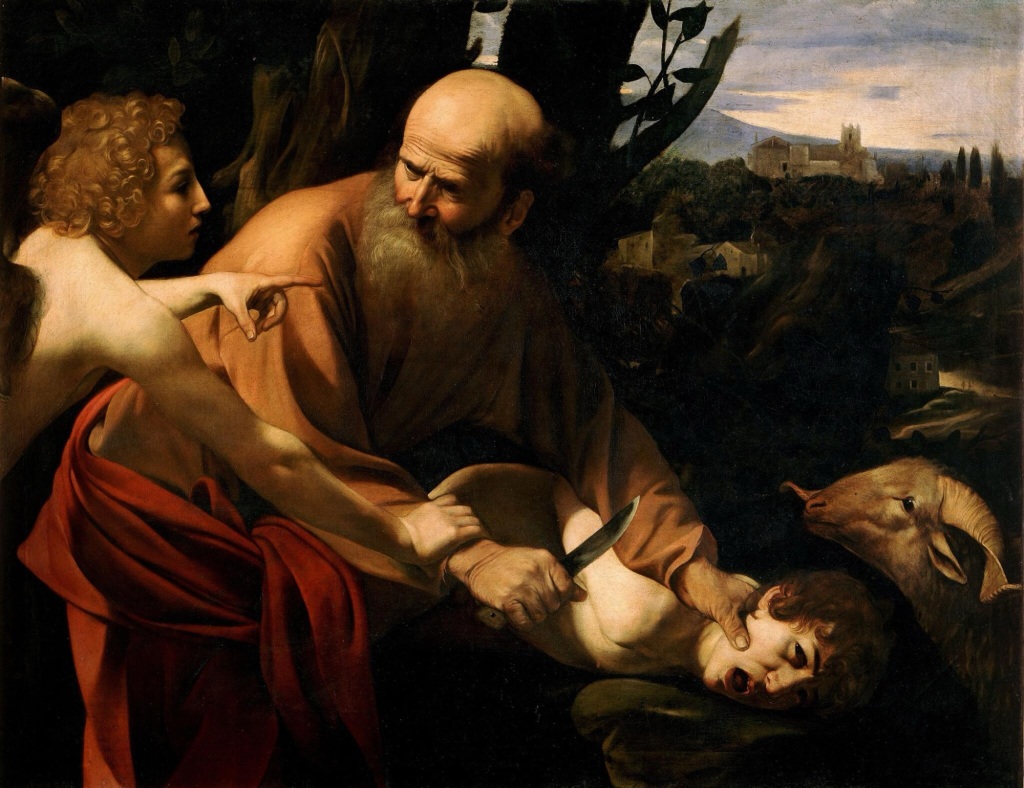
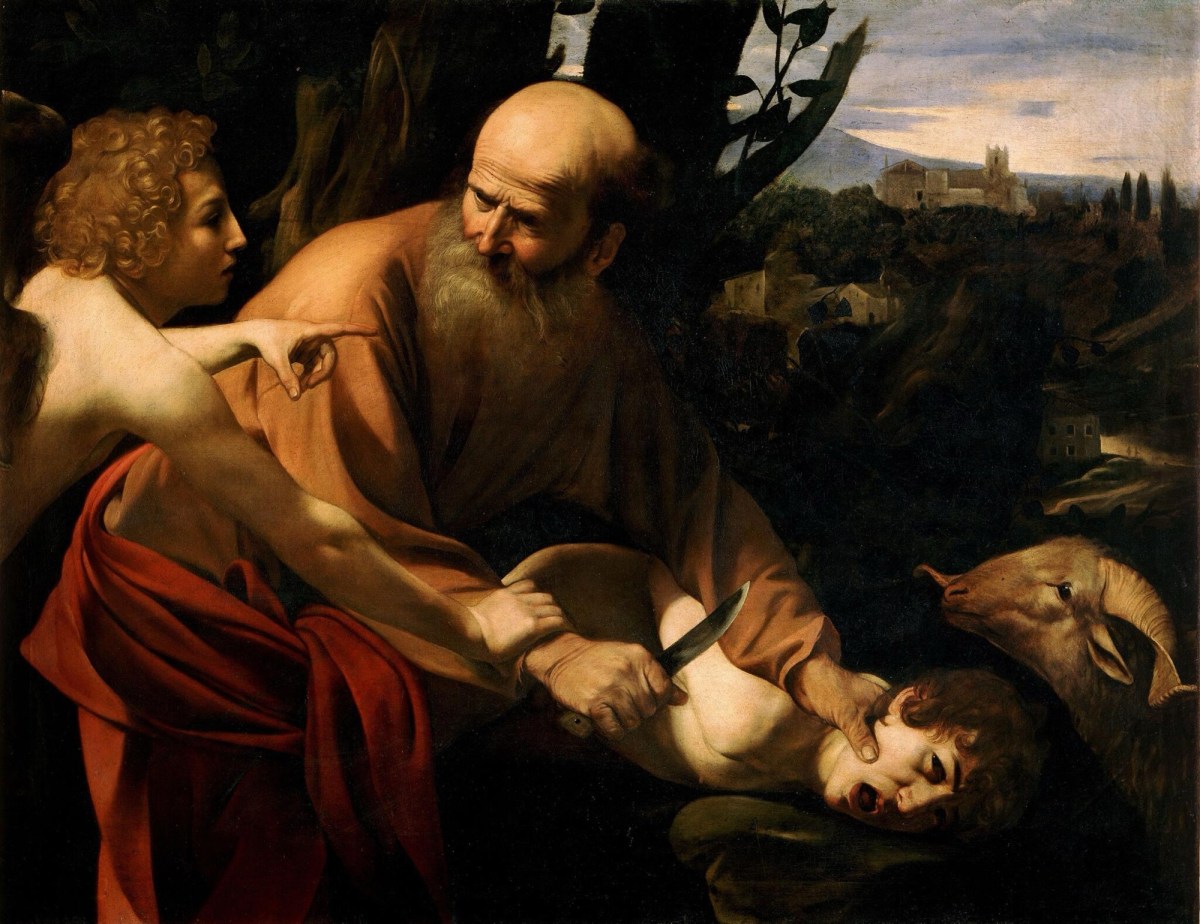
Yet in the second passage offered by the lectionary, we read some chilling words: “Abraham reached out his hand and took the knife to kill his son” (Gen 22:10). How does this relate to the joy seen at the birth of Isaac? There is no laughter in this story. It’s a horrifying story. How is this edifying material for hearing in worship?

Questions abound. Who is this God who calls Abraham to take his “only son” up the mountain and “offer him there as a burnt offering” (22:2)? Where is the God who, it is said, has shown “steadfast love” to the people of Israel (Exod 15:13), and before that to Joseph (Gen 39:21), to Jacob (Gen 32:9–19), and indeed to Abraham himself (Gen 24:27)? Why has God acted in a way that Is seemingly so out of character in this incident in Gen 22? Or is this the real nature of God, and these later displays of “steadfast love” are simply for show?

This story is indeed troubling: it presents a God who demands a father to kill his beloved son, with no questions asked. It is not just the knife in Abraham’s hand which is raised (22:10)—there are many questions raised by this seemingly callous story. 

My wife, Elizabeth Raine, has a cracker of a sermon in which she compares this story with the account of Jephthah and his daughter (Judg 11:29–40). Whilst the Lord commands Abraham to kill his son as a burnt offering, it is the vow made by Jephthah to sacrifice “whoever comes out of the doors of my house to meet me, when I return victorious from the Ammonites” as a burnt offering (Judg 11:30).

And whilst the Lord intervenes in what Abraham is planning to do at the very last moment, sending an angel to command him, “do not lay your hand on the boy or do anything to him” (Gen 22:11–12), Jephthah is held to the vow he has made—by his very own daughter, who knows that she will be the victim of this vow (Judg 11:39). There is no divine intervention in this story. 

And worse, whilst Abraham had carefully prepared for the sacrifice, taking his donkey, two servants, and the wood for the fire up the mountain with him (Gen 22:3–6), Jephthah’s vow was made on the spur of the moment (Judg 11:30–31), and when his daughter insisted that he must carry through with this vow, he gives her, as requested, two full months for her to spend with her companions before he sacrificed her (Judg 11:37–39). Surely he might have had time in those two months to reconsider his vow and turn away from sacrificing his daughter?

It would seem, then, that the daughter was dispensable; the son, the much loved only son of Sarah and Abraham, was clearly indispensable. That would clearly reflect the values of the patriarchal society of the day, in which “sons are indeed a heritage from the Lord, the fruit of the womb a reward” (Ps 127:3). 

And Abraham would have followed the same pathway, sacrificing his only son, had not the Lord intervened. Neither father is looking very appealing in these two stories! Which makes it hard to see how the story of the sacrifice told in Judg 11, and the story of the almost-sacrifice told in Gen 22, can be “the word of the Lord” for us, today, in the 21st century. Indeed, the story of Abraham and Isaac comes perilously close to being a story of child abuser—if not physical abuse, by the end of the story, at least emotional and spiritual abuse.

Situations of abuse destroy trust. After such an experience, how could Isaac ever trust his father again? And as we hear the story, how can we trust God? How could we ever believe that his commands to us are what we should follow?—if he follows the pattern of this story, and changes his mind at the last minute, after pushing us to the very brink of existence? How could we trust a God like this?

Or, if the story involving poor Isaac is really about God providing, as Abraham intimates early on (22:8), and then concludes at the end (22:14), then it is a rather malicious way for God to go about showing how he is able to “provide”. Provision, and providence, should be something positive—not perilous and threatening, as in this story.

Or yet again, if the story is about testing Abraham’s faith, as many interpreters conclude, then it is a particularly nasty and confronting way for God to do this—and that points to a nasty streak in the character of God. Is this really what we want to sit with? Was there not some other way for God to push Abraham to test his faith? 

What do we do with such a story within our shared sacred scriptures?

The Jewish site, My Jewish Learning, states that “although the story itself is quite troubling, it does contain a message of hope for Rosh Hashanah. In the liturgy we ask God to “remember us for life.”  The binding of Isaac concludes with his life being spared, and he too is “remembered for life.”  Abraham’s devotion results in hope for life.”

How does the message of hope for life emerge from this story? Clearly, the life of Isaac is spared; but this is a terrible way to teach that message!

James Goodman, writing in My Jewish Learning, explains how he was taught to understand this story. “I learned that the story was God’s way of proclaiming his opposition to human sacrifice”, Goodman writes. 

He refers to the way his Hebrew-school teacher explained this story: “God had brought Abraham to a new land. A good and fertile land, where it was common for pagan tribes, hoping to keep the crops and flocks coming, to sacrifice first-born sons to God. Then one day, God commanded Abraham to sacrifice Isaac, the beloved son of his old age. 

“Abraham set out to do it, and was about to, when God stopped him. He sacrificed a ram instead. In the end, Abraham had ‘demonstrated his—and the Jews’—heroic willingness to accept God and His law,’ and God had ‘proclaimed’ that ‘He could not accept human blood, that He rejected all human sacrifices’.”

See https://www.myjewishlearning.com/2013/09/11/understanding-genesis-22-god-and-child-sacrifice/

Setting the story in the broader context of the practice of child sacrifice is a way of accepting that this terrible story might indeed have some value. Seeing the story is a dramatised version of God’s command not to sacrifice children can be a way to deal with it. “Do not lay your hand on the boy or do anything to him”, the angel says; so Abraham obeys, finds a ram, offers the ram as a burnt offering (22:12–13). And so, the name of the place is given: “the Lord will provide”(22:14).

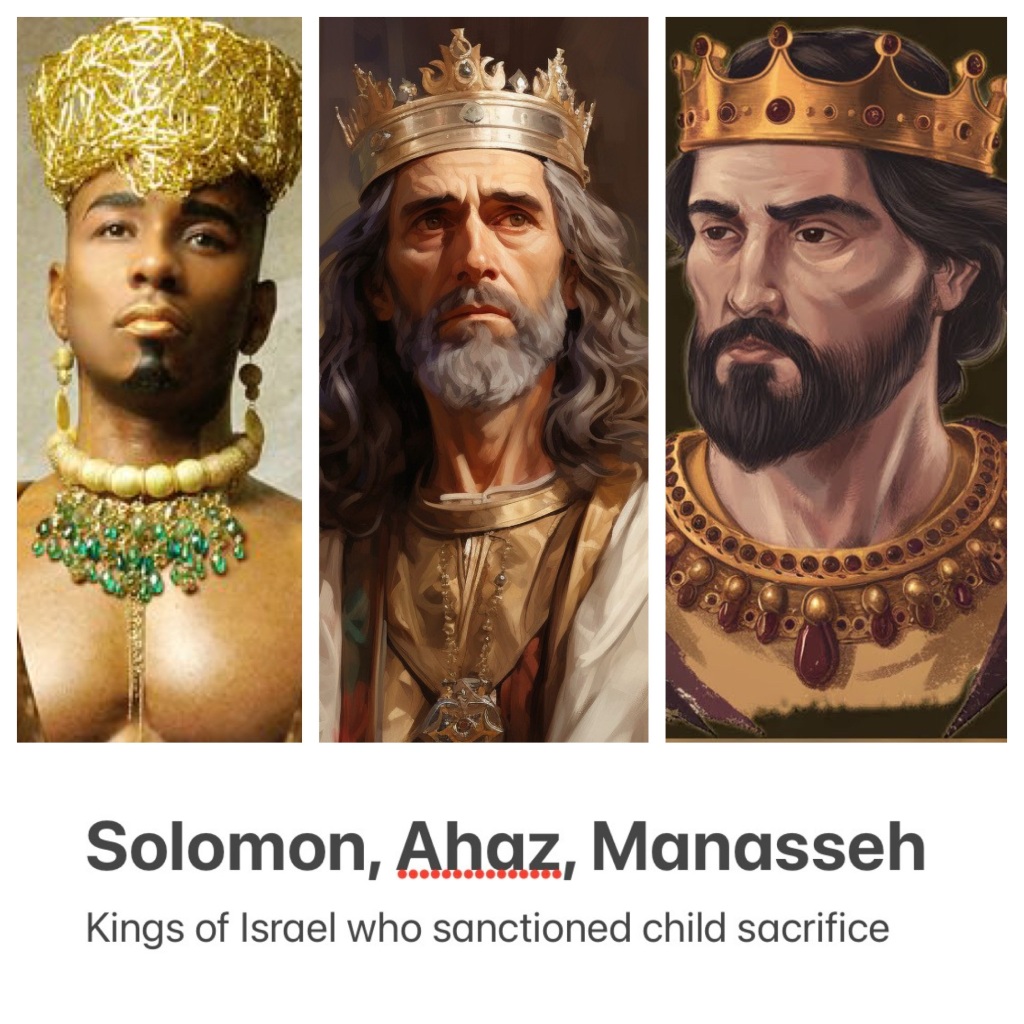
Three kings of Israel, at different times in the history of Israel, are said to have practised child sacrifice, as they turned to practices found in nations other than Israel. Solomon in his old age is said to have turned to the worship of Molech (1 Ki 11:7); this practice was subsequently adopted by Ahaz, who “made offerings in the valley of the son of Hinnom, and made his sons pass through fire, according to the abominable practices of the nations whom the Lord drove out before the people of Israel” (2 Chron 28:3). Likewise, Manasseh “made his son pass through fire; he practiced soothsaying and augury, and dealt with mediums and with wizards” (2 Ki 21:6). 

Direct commands not to sacrifice children are found in two books of Torah in the scriptural texts. Most direct is “you shall not give any of your offspring to sacrifice them to Molech, and so profane the name of your God: I am the Lord” (Lev 20:18). In Deuteronomy, other nations are condemned as they “burn their sons and their daughters in the fire to their gods” (Deut 12:31), so the command is “no one shall be found among you who makes a son or daughter pass through fire” (Deut 18:10). The prophet Jeremiah also asserts that this practice is not something that the Lord God had thought of (Jer 7:31). 

So the passage we have in the lectionary responds to this practice by telling a tale which has, as its punchline, the command “do not lay your hand on the boy or do anything to him” (22:12). Might this be the one redeeming feature of this passage? 

But if that is the case, the story belongs back in the days when child sacrifice was, apparently, widely practised. What, then, does it say to us today??

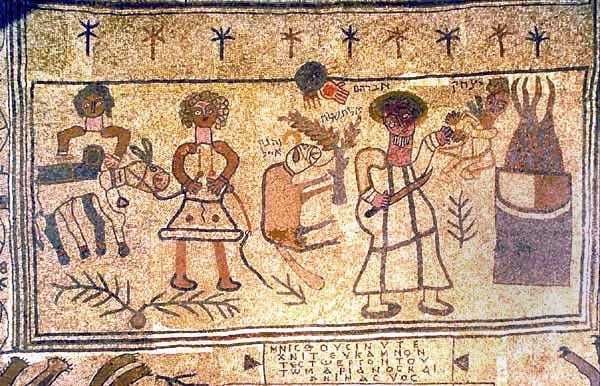
A sixth-century CE floor mosaic from the Beth Alpha synagogue, in Israel’s Jezreel Valley. The mosaic lay near the door, so that anyone who entered was confronted by the scene. In this mosaic, Abraham and Isaac are identified in Hebrew. The hand of God extends from heaven to prevent Abraham from proceeding. Below the hand are the Hebrew words, “Lay not [your hand].” Next to the ram are the words, “Behold a ram.”

Seven days and one pair: and God saw that it was good (Genesis 1; Narrative Lectionary for Pentecost 13)

Discussion of Gen 1:1–2:4a for the Narrative Lectionary

The lectionary Gospel reading for the first Sunday in this fourth year of the Narrative Lectionary cycle takes us back to the very beginning of the Bible, to the poetic priestly account of the creation of the world (Gen 1:1—2:4a). There is so much to say about this foundational text; I will be selective!

The story serves as an origin story—for ancient Israel, for the canon of scripture, for Christian thinkers. Words used in origin stories like this have a particular power—and origin stories are always created with care and deliberation, and passed on with love as explaining the essence of being. Each element reflects something of significance in the experience of ancient Israel, and indeed of contemporary humanity.

The first two verses introduce the key characters: God, first described as the one who creates; a formless void, which is how the earth is first described; darkness, an entity in and of itself (not defined in any further way); and the breath of God, sweeping over the waters of the void. 

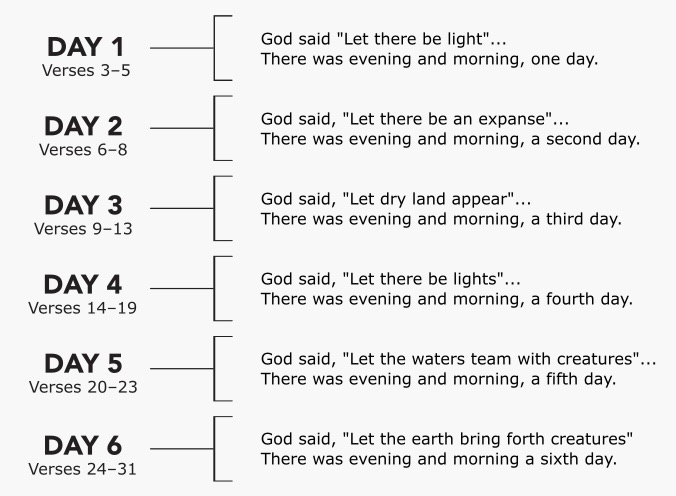
The story that follows in Gen 1 places the creation of light, the first act of creation, at the head of the story. All that happens after that is bathed in the light of God’s creation. Telling of the creation of light (1:3–5) establishes a pattern which is then repeated, five more times, for each of the various elements whose creation is noted in this narrative: the dome, or firmament, separating the waters (1:6–8); waters and dry land, with vegetation (1:9–13); lights in the sky and seasons (1:14–19); swarms of living creatures in sea and sky (1:20–23); living creatures on the earth (1:24–25); and humankind, male and female, in the image of God (1:26–31).

The third verse introduces light, which comes into existence through a single word of command. Then God said, “Let there be light”; and there was light (1:3). Light is the key entity in the creation story, signalling the creative process which then ensues. Each subsequent creative action results from something that God said (verses 6, 9, 11, 14, 20, 24, 26). And each creation is affirmed with the phrase, and it was so (verses 7, 9, 11, 15, 24, and then verse 30).

The fourth verse tells of God’s approval of what had been created: And God saw that the light was good (1:4). Likewise, God then affirms as good the creation of earth and seas (1:10), vegetation (1:12), the sun for the day and the moon for the night (1:18), all living creatures in the seas and in the sky (1:21), then the living creatures on the earth (1:25). Finally, after the creation of humanity in the image of God, there comes the climactic approval: God saw everything that he had made, and indeed, it was very good (1:31).

In a number of the six main sections of the narrative, God explicitly names what has been created: he called the light Day, and the darkness he called Night (1:5), then God called the dome Sky (1:8), God called the dry land Earth, and the waters that were gathered together he called Seas (1:10), followed by plants yielding seed of every kind, and trees of every kind bearing fruit with the seed in it (1:12), and the greater light to rule the day and the lesser light to rule the night—and the stars (1:16). 

After this, the categories of living creatures are identified (1:21, 25), before the climax of creation is identified: “So God created humankind in his image, in the image of God he created them; male and female he created them” (1:27), and then God’s blessing is narrated (1:28).

Finally, each section concludes with another formulaic note: and there was evening and there was morning, the first day (1:5; likewise, at verses 8, 13, 19, 23, 31), before the whole narrative draws to a close with the note that on the seventh day God finished the work that he had done, and he rested on the seventh day from all the work that he had done (2:2). Of course, it is from this demarcation of the sections of the creative process as “days” that there came the traditional notion that “creation took place over seven days”. 

The notation of “days”, however, is simply to give the story a shape that we can appreciate—they are not literal 24-hour periods, but a literary technique for the story, much like we find that some jokes, some children’s songs, and some fairy stories are constructed around threes (“three men went into a pub …”, or “three blind mice”, or “Goldilocks and the three bears”, etc).

The story is thus told with a set of simple, repetitive phrases, but arranged with sufficient variation to give aesthetic pleasure, and with a growing sense of building towards a climax, to shape the narrative arc towards the culmination of creation (humanity, 1:26) and the completion of the creative task (sabbath rest, 2:2–3).

*****

One verse in this stylised poetic account of creation has attracted much attention over the decades. It is a verse that is most famously quoted by Jesus in an encounter he has with some Pharisees—and so it forms a foundational idea for Christians, as well as Jews. And it is a verse that has particular relevance and importance in the immediate contemporary context, when matters of gender identity and sexuality are regularly in the public discourse.

The story told in Mark 10:2–16 reports this encounter; as they debate the matter of divorce, Jesus offers the Pharisees a quote from a key verse in Genesis, “from the beginning of creation, ‘God made them male and female’” (Gen 1:27).

This verse needs attention; here I want to notes the rabbinic exploration of this text and associated matters. A warning in advance: this will lead to the conclusion that the strict binary understanding of human gender is inadequate. The rabbis clearly understood that not everyone fits these categories. That has important implications for our current understandings of human sexuality and gender.

The quotation from Genesis made by Jesus, that God made human beings as male and female, sounds like a definitive declaration: this is the reality, this is who we are, there is nothing more to debate! Certainly, that’s the way this verse has been used in the “gender wars” that have swirled through western societies in recent times. “God made male and female” became “God made Adam and Eve, not Adam and Steve”, in an early salvo against the emerging number of people who were “outing” themselves as same-gender attracted. “Not so” was the sloganeers’ reply; two genders, each attracted to the opposite, is who we are. Definitively. Resolutely. Absolutely.

It’s worth noting some aspects of this statement in its original context in Genesis. What the priestly authors of the creation story wrote was “God created humankind in his image, in the image of God he created them; male and female he created them” (Gen 1:27). The emphasis is not so much on defining who we are are gendered people—but rather, the verse is reflecting on the amazing feature that, within humanity, signs of divinity are reflected. And in association with that, the statement indicates that the two genders familiar from humanity are somehow reflected in the very nature of God. 

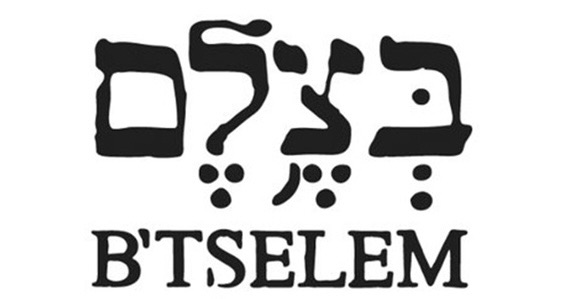
As God’s creatures, we are images of that creating being. The Hebrew word used, tselem (image), indicates a striking, detailed correlation between the human and the deity. This was the insight brought by the authors of this passage, perhaps shaped and honed over generations of telling and retelling the story, passing on through the oral tradition the insights of older generations.

My sense is that these ancients were not so much making a definite declaration about the nature of humanity—an early dogmatic assertion, if you like—as they were actually reflecting on their experience. They sensed that there was something within humanity that reaches out, beyond the material, into the unknown, beyond the tangible, into “the spiritual”. They surely knew the kind of experience that Celtic mystics have known, of coming to a place where “heaven meets earth”—what they call “a thin place”, where God can be sensed in the ordinariness of life. Indeed, such a “thin place” might well be being described in Gen 28:10–22, where Jacob comes to the realisation that “surely, the Lord is in this place” (Gen 28:16).

Indeed, as Jewish tradition developed over time, this fundamental duality of human gender—male and female—was questioned, probed, explored, and developed. Rabbis of late antiquity and the early medieval period (using the standard Western terminology) actually identified six genders.

The first move takes place in the Mishnah (early 3rd century). Tractate Bikkurim 4.1 contains the assertion, “an Androginus (a hermaphrodite, who has both male and female reproductive organs) is similar to men in some ways and to women in other ways, in some ways to both and in some ways to neither”.

It is interesting that the term androginus, a Greek term, is simply transliterated in this Aramaic work, as אדדוגינוס. That’s a sign that the consideration of this issue encompassed more than just rabbinic scholars, as they were drawing on insights and the term androginus from the hellenised world.

The text of Bikkurim goes on to offer indications of the ways that an androginus person is similar to, and dissimilar to, each gender (4.2–3). Another passage in the Mishnah identifies people known as a saris, סריס (Yevamot 8.4). These are people we identify as eunuchs; whether these are “eunuchs who have been so from birth … eunuchs who have been made eunuchs by others … [or] eunuchs who have made themselves eunuchs” (as Matthew reports Jesus saying, Matt 19:12) is not relevant in this context.

Presumably, the rabbis refer to males with arrested sexual development who are unable to procreate.  The female term for such people is given as aiylonit, אילונית. The discussion that follows makes it clear that these people are women with arrested sexual development who cannot bear children.

So this means that rabbis recognised four genders: male, female, androgyne, and eunuch (saris). In the Babylonian Talmud (sixth century CE), Rabbi Ammi is quoted as stating that “Abraham and Sarah were originally tumtumim” (טומטמין). Here we find another gender identity term; this time, describing people a person whose sex was unknown because their genitalia were hidden, undeveloped, or difficult to determine. (Tumtum means “hidden”.)

Thus, Abraham and Sarah lived most of their life as infertile, as their sex was not clear; and then, in Rabbi Ammi’s explanation, miraculously turned into a fertile husband and wife in their old age. The Rabbi points to Isa 51:1–2, saying that the instruction to “look to the rock from where you were hewn, and to the hole of the pit from where you were dug […] look to Abraham your father and to Sarah who bore you” explains their genitals being uncovered and miraculously remade.

(Explaining one scripture passage by drawing on another passage, however distantly related—often through their sharing a common word or phrase—was a common rabbinic mode of scripture interpretation.)

Today, we would explain the phenomenon of a tumtum as being an intersex person, born with both male and female characteristics, including genitalia—although modern science would not go so far as to accept a miraculous reversal of the condition, as Rabbi Ammi proposed. 

There’s a quite accessible discussion of these issues in an article by Dr Rachel Scheinerman, entitled “The Eight Genders in the Talmud”, in the My Jewish Learning online resource.

The title reflects the fact that Dr Scheinerman divides both aylonit and saris into two, on the basis of birth identification. So she lists: (1) zachar, male; (2) nekevah, female; (3) androgynos, having both male and female characteristics; (4) tumtum, lacking sexual characteristics; (5) aylonit hamah, identified female at birth but later naturally developing male characteristics; (6) aylonit adam, identified female at birth but later developing male characteristics through human intervention; (7) saris hamah, identified male at birth but later naturally developing female characteristics; and (8) saris adam, identified male at birth and later developing female characteristics through human intervention.

Dr Scheinerman concludes, “In recent decades, queer Jews and allies have sought to reinterpret these eight genders of the Talmud as a way of reclaiming a positive space for nonbinary Jews in the tradition. The starting point is that while it is true that the Talmud understands gender to largely operate on a binary axis, the rabbis clearly understood that not everyone fits these categories.”

https://www.myjewishlearning.com/article/the-eight-genders-in-the-talmud/

Dr. Charlotte Elisheva Fonrobert, a Talmudic scholar in the Department of Religious Studies at Stanford University, California, has provided a much more detailed and technical discussion of the matter of gender identity, in the online resource the Jewish Women’s Archive. See 

https://jwa.org/encyclopedia/article/gender-identity-in-halakhic-discourse

The abstract of this article reads, “Jewish law is based on an assumption of gender duality, and fundamental mishnaic texts indicate that this halakhic duality is not conceived symmetrically (as seen through the gendered exemptions of some commandments). Rabbinic halakhic discourse institutes a functional gender duality, anchored in the need of reproduction of the Jewish collective body. As such, it aims to enforce and normalize a congruence between sexed bodies and gendered identities. Furthermore, the semiotics of body surfaces produces other different and seemingly more ambiguous gender possibilities, and rabbinic discourse has widely discussed the halakhic implications of these ambiguities.”

What that means, I think, is that whilst Torah prescriptions are based on a definite duality of gender (you are either male or female), later rabbinic discussions entertained the possibility of a range of gender identifications. In this regard, the rabbinic discussions prefigured the move in contemporary society to recognise the full spectrum of diversity amongst human beings: some men are gay, some women are lesbian; some people are bisexual, attracted to both genders, while others are asexual, having no sexual-attraction feelings at all. 

Biologically, we know that some are born intersex, with both male and female physical characteristics; whilst psychologically, some people are born into a body that is clearly one gender have an internal energy that leads them to identify with the opposite gender, and so they undergo a medical transition to that gender, and we identify them as transgender people. And so we have the now-widespread “alphabet soup” of LGBTIQA+ (where the plus sign indicates there may well be other permutations within this widely diverse spectrum).

So we would do well not to remain in a static state of assertion that the Genesis text is a prescription for how human beings should be identified (and a definition for marriage). I think it is preferable to add into the discussion both the rabbinic understandings,  contemporary medical understandings, and psychological insights that reveal a wide spectrum of gender identities; a dazzling kaleidoscope of “letters”, as it were. For this is how we human beings are made, in an image that reflects the diversity and all-encompassing nature of God. 

I believe it is important that, rather than misusing the Genesis/Mark text as a club to batter people into submission, we ought to rejoice in the diversity we see amongst humanity, and affirm that, no matter whether L or G, whether B or A, whether T or I, all people who are Q, and all who are straight, are “fearfully and wonderfully made” (Ps 139:14).

There is a helpful collection of the Jewish texts relating to this matter in the online resource, Sefaria, entitled “More Than Just Male and Female: The Six Genders in Ancient Jewish Thought”, collated by Rabbi Sarah Freidson of Temple Beth Shalom in Mahopac, NY, USA. See

https://www.sefaria.org/sheets/37225?lang=bi

And so, in the end, given the rabbinic midrashic exploration and exposition of this crucial text, I hope we can come to the same conclusion as the ancient priestly writers: “God saw everything that he had made [including the diversity of gender expressions within humanity], and indeed, it was very good”.