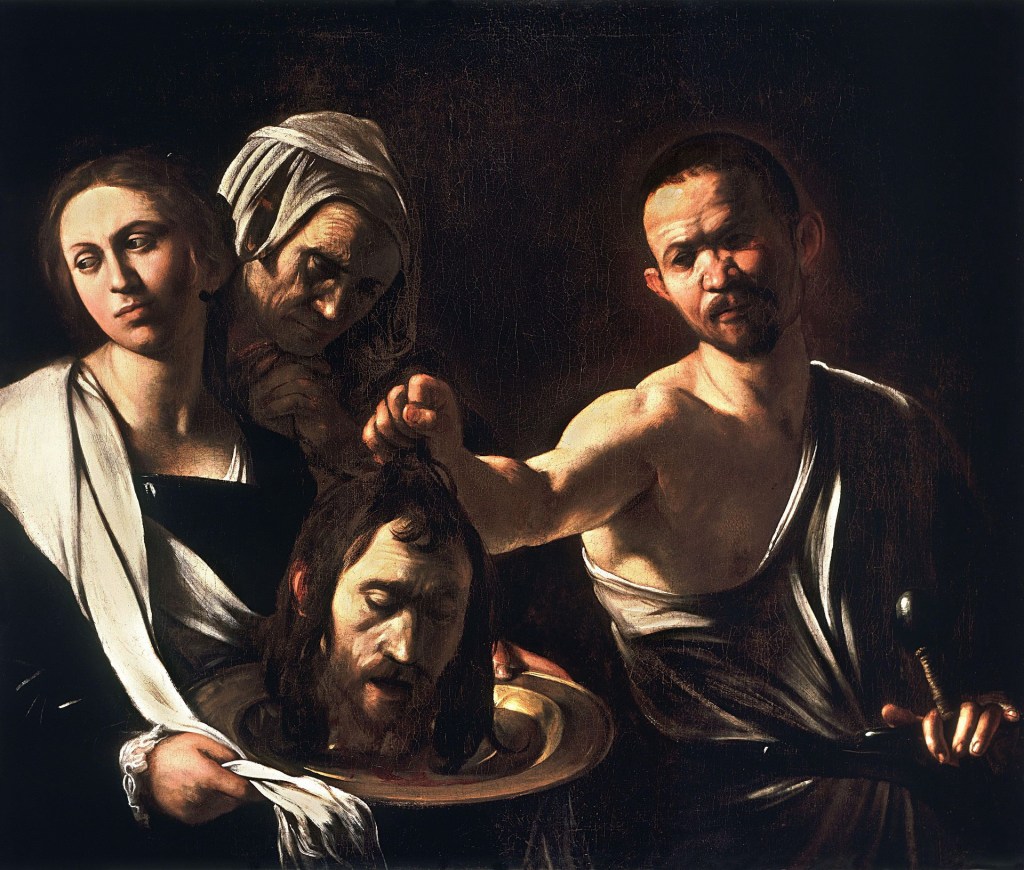

A Reflection for the Day of Mourning (19 January 2025)

Since 2019 the Uniting Church has marked a Day of Mourning on the Sunday before 26 January to reflect on the dispossession and ongoing injustices faced by Australia’s First Peoples, acknowledge our shared history and renew our commitment to justice and healing. The Uniting Church has acknowledged our nation’s history through its Preamble to the Constitution, Covenanting Statements, and at many other times through its covenanting journey.

I will be giving this reflection on Sunday 19 January 2025 at the Dungog Uniting Church.

Artwork by Zoe Belle, Guwa Koa and Kuku Yalanji woman

Prayer of Confession

Merciful God, as Second Peoples of this land, whose ancestors travelled and settled in Australia, we acknowledge with sorrow the injustice and abuse that has so often marked the treatment of the First Peoples of this land.

We acknowledge with sorrow the way in which their land was taken from them; the way their their language, culture and spirituality was suppressed.

We acknowledge with sorrow that the Christian church was so often not only complicit in this process but actively involved in it.

We acknowledge with sorrow that in our own time the injustice and abuse has continued.

We have been indifferent when we should have been outraged, we have been apathetic when we should have been active, we have been silent when we should have spoken out.

Gracious God, forgive us for our failures, past and present. By your Spirit, transform our minds and hearts so that we may boldly speak your truth and courageously do your will. Through Jesus Christ our Lord. Amen.

Reading Isaiah 62:1–5

For Zion’s sake I will not keep silent,
and for Jerusalem’s sake I will not rest,
until her vindication shines out like the dawn,
and her salvation like a burning torch.
The nations shall see your vindication,
and all the kings your glory;
and you shall be called by a new name
that the mouth of the LORD will give.
You shall be a crown of beauty in the hand of the LORD,
and a royal diadem in the hand of your God.
You shall no more be termed Forsaken,
and your land shall no more be termed Desolate;
but you shall be called My Delight Is in Her,
and your land Married;
for the LORD delights in you,
and your land shall be married.
For as a young man marries a young woman,
so shall your builder marry you,
and as the bridegroom rejoices over the bride,
so shall your God rejoice over you.

Reflection

We all know, I expect, what it feels like to be deeply disappointed; let down, betrayed, forsaken, abandoned. The emotions felt at such a time—emotions of despair and desolation—are named in the reading from Isaiah 62 which we have heard today. 

This part of Isaiah comes from the time when the exiles from Israel were returning to their land, leaving behind the difficulties they experienced during their five decades of exile in the foreign land of Babylon. They had returned to a devastated city; it probably looked like the images we have seen on our TVs, from bombed residential areas in Syria and Gaza, to the devastation of mass destruction of buildings from tornadoes in Florida and Louisiana and fires in Los Angeles. 

In just such a setting, as the people laboured day and night to rebuild and restore their beloved city, an unnamed prophet speaks out, bringing a word of hope: “You shall no more be termed Forsaken, and your land shall no more be termed Desolate, but you shall be called My Delight Is in Her and your land Married.” The hope that the prophet offers is of a time when desolation is left behind, when the sense of being forsaken has been replaced by loving acceptance and care and belonging; the language of a marriage provides a good analogy.

There are people in our midst, in this town, across this country, who know that sense of desolation and being forsaken. Today we remember them, especially, on a day which the Uniting Church now names as the annual Day of Mourning. On this day, we remember that First Peoples, custodians of this land since time immemorial, caring for creation in their respectful lifestyle and customs, were invaded, colonised, massacred, marginalised, and demonised.

The massacres across the country that took place from the early years of British settlement into the second decade of the 20th century, and the shattering of families by the removal of the stolen children, which lasted well into the 1960s, have given the Gringai, Worimi, Biripi, Wonnarua, and many other peoples cause for ongoing lament and despair. Many still alive today remember what was done to them or to their parents and grandparents. The pain is live.

So on this Day of Mourning, we commit to standing with the First Peoples, acknowledging their pain, sharing their distress (to the extent that we can), treating them respectfully, and committing to work for justice for the First Peoples today. We should know that their pain is still real, present, and powerful. 

The referendum held last year offered a ray of hope across the country; fuelled by a campaign of disinformation that played on fears and prejudices, that hope was shattered. The Uniting Church had joined with many other Christian denominations, and leaders of a number of faith communities, to advocate a Yes vote. We have shared in the disappointment of First Peoples, and the sense that this is yet another hurt that they have to bear.

On Australia Day in 1938, a large group of protestors marched through the streets of Sydney, followed by a congress attended by over a thousand people. One of the first major civil rights gatherings in the world—decades before Martin Luther King Jr led massive rallies in the USA—it was known as the Day of Mourning. Following the congress, a deputation led by William Cooper presented Prime Minister Joseph Lyons with a proposed national policy for Aboriginal people. Unfortunately, this was rejected because the Government did not hold constitutional powers in relation to Aboriginal people. That changed in 1967.

From 1940 until 1955, the Day of Mourning was held annually on the Sunday before Australia Day and was known as Aborigines Day. In 1955 Aborigines Day was shifted to the first Sunday in July after it was decided the day should become not simply a protest day but also a celebration of Aboriginal culture. This led to the formation of the National Aborigines Day Observance Committee (NADOC), which later then became NAIDOC, the week in July focussed on remembering Aboriginal people and their heritage.

In 2018, At the Uniting Church Assembly in Melbourne—which Elizabeth and I attended—it was decided to reinstate an annual Day of Mounring on the Sunday before Australia Day. So we stand in a grand tradition, and we stand in solidarity with our brothers and sisters, people who have cared for this land over millennia—many, many thousands of years. 

This year, President Charissa Suli and Congress chairperson Mark Kickett invite us “to listen deeply and learn humbly, and bear one another’s burdens; to receive the outstretched hand of friendship offered in grace and hope, and to trust in Jesus, whose reconciling love continues to mend the brokenness within and among us.”

They remind us that “the same ancient Spirit of God which has always been present in these lands has given us ‘a destiny together’ as the body of Christ in this time and place”, and so invite us “to celebrate the immense gift we have in each other [as First and Second Peoples], giving thanks for the transformative and boundless love of Christ which holds us.”

Let us pray.

Gracious God, we know that reconciliation between First and Second Peoples is a challenge. We sense that this must begin with reconciling ourselves in truth and humility with you, our God.

We know that is then that we can do the work of being peacemakers and justice seekers.

So help us to act responsibly and respectfully, to care for one another and to support one another. Amen.

We sing The Aboriginal Lord’s Prayer
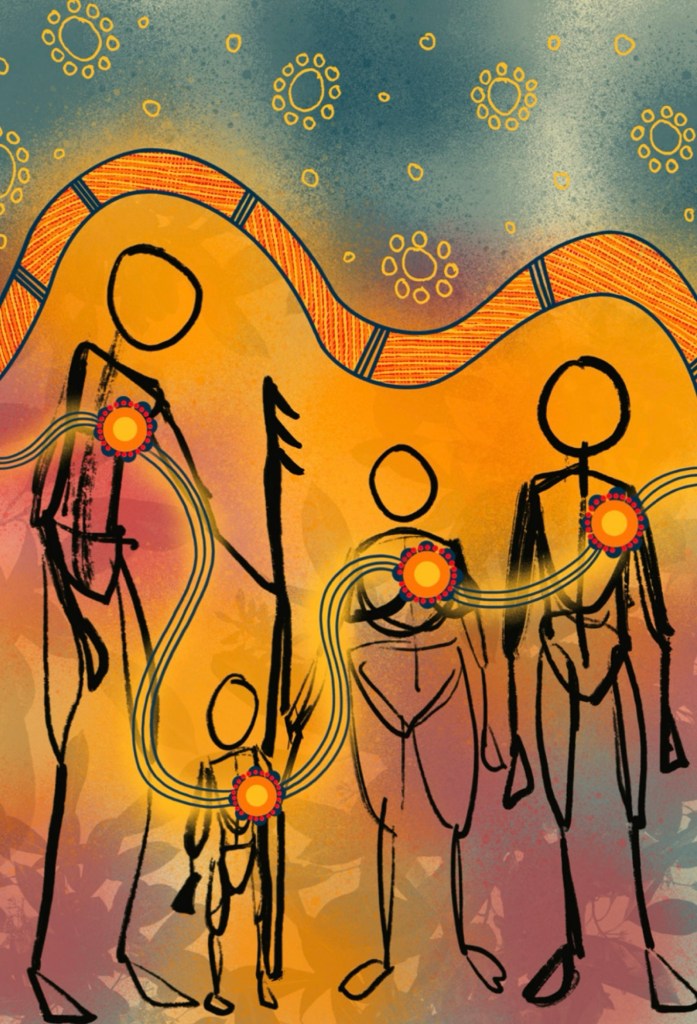
Artwork by Zoe Belle, Guwa Koa and Kuku Yalanji woman

Prayers adapted from the resources for the Day of Mourning 2025, https://uniting.church/wp-content/uploads/2024/12/Day-of-Mourning-2025_Final.pdf

Artwork by Zoe Belle, Guwa Koa and Kuku Yalanji woman. “The artworks depict the story of Christ’s presence being amongst First Peoples of these lands of his creation for generations. His teachings have long been displayed within the stories, songs, dances and ceremony First Peoples have used them to connect with God as great Creator and teacher for our communities.”
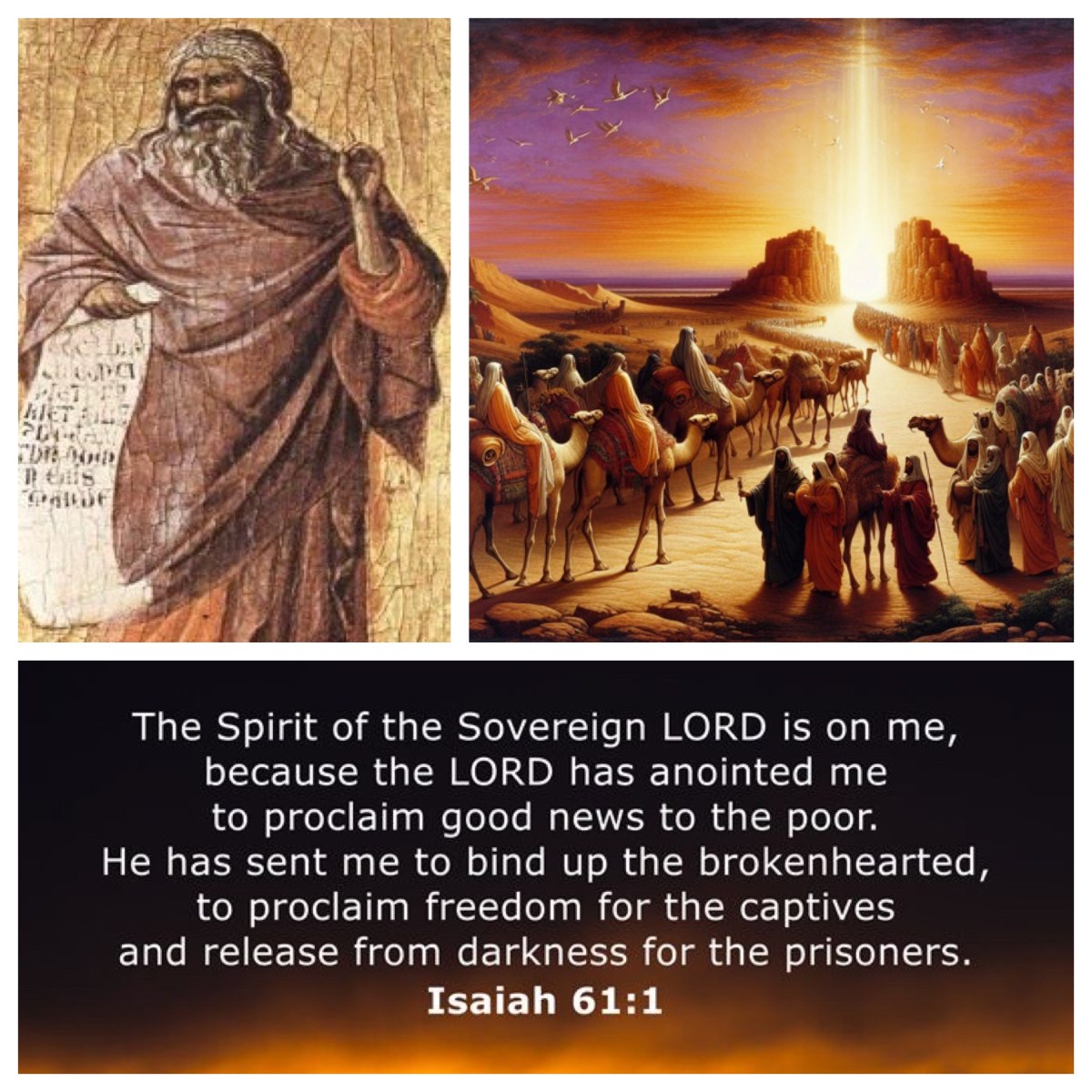
Good news to the oppressed, liberty to the captives: a message of hope (Isaiah 61; Narrative Lectionary for Advent 3C)

For this coming Sunday, the Narrative Lectionary is offering a very familiar passage from Third Isaiah, that part of the long book of Isaiah that is usually dated to a time when the exiles were returning from Babylon and re-establishing life in Jerusalem and the surrounding area. The passage (Isa 61:1–11) is best known within Christianity as providing the key elements for the manifesto that Jesus—at least in Luke’s Gospel—sets out to follow. 

Luke reports that Jesus quotes the opening verse of this oracle when he attends the synagogue in his hometown of Nazareth and was invited to read from the scroll of Isaiah (Luke 4:16–20). Most famously, Luke places the opening verse of the prophet on the lips of Jesus, and the first line of verse 2—but then stops short of quoting what follows, regarding “the day of vengeance of our God” and the mourning that will be associated with the mixed emotions of returning to a devastated city and engaging in the rebuilding programme: “they shall build up the ancient ruins, they shall raise up the former devastations; they shall repair the ruined cities, the devastations of many generations” (Isa 61:4).

The passage offered by the lectionary needs to be seen, primarily, within the context in which it was first spoken. The third section of the book of Isaiah (chapters 56–66) has begun with a familiar prophetic announcement: “maintain justice, and do what is right, for soon my salvation will come, and my deliverance be revealed” (Isa 56:1). As the people of Judah were returning to their land, to the city of Jerusalem (from the 520s BCE), the book sets out what this justice will look like through a series of powerful oracles.

The prophet sounds a vivid counter-cultural note in the midst of the events of his time. He begins with the promise to foreigners and eunuchs that “I will give, in my house and within my walls, a monument and a name better than sons and daughters; I will give them an everlasting name that shall not be cut off” (Isa 56:5). This is a striking contrast to the narrative provided in the books of Ezra and Nehemiah, which tell of the return to the city, the rebuilding of the walls, the renewal of the covenant and the public reading of the Law, the rededication of the Temple—and actions designed to remove foreigners (especially women) from within Israel (see Ezra 10; Neh 13). 

Ezra and Nehemiah exhibited a zealous fervour to restore the Law to its central place in the life of Israel. Ezra, learning that “the holy seed has mixed itself with the peoples of the lands” (Ezra 9:2), worked with “the elders and judges of every town” to determine who had married foreign women; the men identified “pledged themselves to send away their wives, and their guilt offering was a ram of the flock for their guilt” (Ezra 10:19). (So much for the importance of families!)

 Nehemiah considered that this project to “cleanse [the people] from everything foreign” (Neh 13:30) was in adherence to the command that “no Ammonite or Moabite should ever enter the assembly of God, because they did not meet the Israelites with bread and water, but hired Balaam against them to curse them” (Neh 13:1–2; see Num 22—24). The restoration of Israel as a holy nation meant that foreigners would be barred from the nation.

The oracle at the start of the third section of Isaiah stands in direct opposition to this point of view; “the foreigners who join themselves to the Lord … and hold fast my covenant—these I will bring to my holy mountain, and make them joyful in my house of prayer; their burnt offerings and their sacrifices will be accepted on my altar; for my house shall be called a house of prayer for all peoples” (Isa 56:6–7). 

Jesus, of course, quoted this last phrase in the action he undertook in the outer court of the Temple (Mark 11:17). Later, the welcome offered to the Ethiopian court official by Philip, who talked with him about scripture and baptised him, a eunuch (Acts 8:26–38), is consistent with the prophetic words, “to the eunuchs who keep my sabbaths, who choose the things that please me and hold fast my covenant, I will give them an everlasting name that shall not be cut off” (Isa 56:4–5). (From the earliest days, the church practised an inclusive welcoming of diversity that was consistent with this prophetic declaration.)

Other words in this last section of Isaiah also resonate strongly with texts in the New Testament. The ingathering of the outcasts (56:8) and the flocking of all the nations to Zion (60:1–18) together are reflected in the prediction of Jesus that “this good news of the kingdom will be proclaimed throughout the world, as a testimony to all the nations; and then the end will come” (Matt 24:14). 

The statement that those coming from Sheba “shall bring gold and frankincense, and shall proclaim the praise of the Lord” (60:6) most likely informed the story that Matthew created, concerning the wise ones from the east who came to see the infant Jesus and “offered him gifts of gold, frankincense, and myrrh” (Matt 2:11).

Further oracles set out exactly what the justice that God desires (56:1; 61:8) looks like. The extensive worship of idols (57:1–13) will bring God’s wrath on the people; “there is no peace, says my God, for the wicked” (57:13). Rather, “the high and lofty one who inhabits eternity, whose name is Holy” chooses “to revive the spirit of the humble and to revive the heart of the contrite” (57:15). 

Because God indicates that “I will not continually accuse, nor will I always be angry” (57:16), the prophet conveys what the Lord sees as the fast that is required; not a fast when “you serve your own interest on your fast day, and oppress all your workers” (58:3), but rather, a fast “to loose the bonds of injustice, to undo the thongs of the yoke, to let the oppressed go free, and to break every yoke … to share your bread with the hungry, and bring the homeless poor into your house; when you see the naked, to cover them, and not to hide yourself from your own kin” (58:6–7). These words resonate with the actions of “the righteous” in the well-known parable of Jesus, as they gave food, water, a welcome, clothing, and care to those sick or imprisoned (Matt 25:31–46).

The prophet laments that “there is no justice … justice is far from us … we wait for justice, but there is none … justice is turned back … the Lord saw it, and it displeased him” (59:8–15); he declares that, as a consequence, God “put on righteousness like a breastplate, and a helmet of salvation on his head; he put on garments of vengeance for clothing, and wrapped himself in fury as in a mantle” (59:17)—a description that underlines the later exhortations to the followers of Jesus to “put on the whole armour of God, so that you may be able to stand against the wiles of the devil” (Eph 6:10–17).

Because the Lord “loves justice” (61:8), the prophet has been anointed “to bring good news to the oppressed, to bind up the brokenhearted, to proclaim liberty to the captives, and release to the prisoners; to proclaim the year of the Lord’s favour, and the day of vengeance of our God” (61:1–2)—words which are appropriated by Jesus when he visits his hometown and reads from the scroll of Isaiah (Luke 4:18–19); “today this scripture has been fulfilled in your hearing”, Jesus declares (Luke 4:21).

Adhering to this way of justice, practising the fast that the Lord desires, means that he will give Israel a new name: “you shall no more be termed Forsaken, and your land shall no more be termed Desolate; but you shall be called My Delight Is in Her, and your land Married; for the Lord delights in you, and your land shall be married” (Isa 62:4). We have already seen the symbolic significance of names in considering the prophet Hosea and in Isaiah 8.

By contrast, vengeance will be the experience of Edom; using the image of trampling down the grapes in the wine press, the prophet reports the intention of God: “I trampled down peoples in my anger, I crushed them in my wrath, and I poured out their lifeblood on the earth” (63:1–6). So vigorously does God undertake this task, that he is attired in “garments stained crimson” because “their juice spattered on my garments and stained all my robes” (63:1–3). Once again, the prophet speaks in graphic terms.

Confronted with this display of wrath and vengeance, the prophet adopts an attitude of penitence, yearning for God to “look down from heaven and see, from your holy and glorious habitation” (63:15). His plea for the Lord to “tear open the heavens and come down, so that the mountains would quake at your presence—to make your name known to your adversaries, so that the nations might tremble at your presence!” (64:1–2) must surely have been in the mind of the evangelists as the reported the baptism of Jesus, when he “saw the heavens torn apart and the Spirit descending like a dove on him” (Mark 1:10).

The book ends with a sequence in which the prophet reports the words of the Lord which indicate that Israel will be restored (65:1–16), followed by the statement that the Lord is “about to create new heavens and a new earth” (65:17–25; 66:22–23).

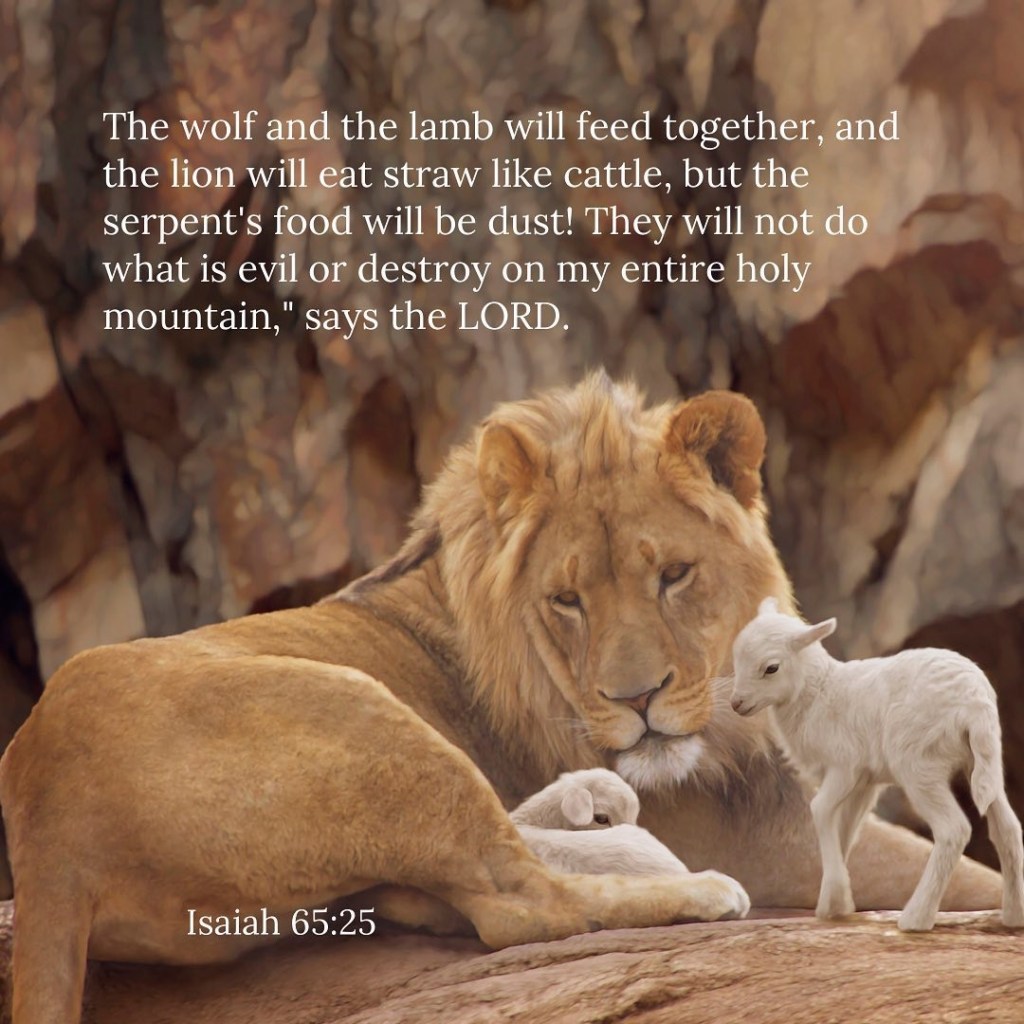
This vision is taken up and expanded in the closing chapters of the final book of the New Testament (Rev 21:1–22:7). The closing vision of Trito-Isaiah incorporates a number of references to earlier prophetic words: building houses and planting vineyards (65:21) recalls the words of Jeremiah (Jer 29:5–7); the image of wolves lying with lambs and lions “eating straw like the ox” recalls the vision of Isaiah (Isa 11:6–7). 

The promise that “they shall not hurt or destroy all on my holy mountain” (65:25) recalls that same vision of Isaiah (Isa 11:9), whilst the next promise about not labouring in vain nor bearing children for calamity (65:23) reverses the curse of Gen 3:16–19. The story of creation from the beginning of Genesis is evoked when the Lord asserts that “heaven is my throne and the earth is my footstool … all these things my hand has made” (66:1–2); these are the words which Stephen will quote back to the council in Jerusalem (Acts 7:48–50) and will lead to his death at their hands.

Even to the very end of this book, the judgement of the Lord is evident; the prophet declares that “the Lord will come in fire, and his chariots like the whirlwind, to pay back his anger in fury, and his rebuke in flames of fire; for by fire will the Lord execute judgment, and by his sword, on all flesh; and those slain by the Lord shall be many” (66:15–16). 

Nevertheless, the glory of the Lord shall be declared “among the nations” (66:19) and “they shall bring all your kindred from all the nations as an offering to the Lord” (66:20). The universalising inclusivism that was sounded at the start of this prophet’s work is maintained through into this closing oracle. In “the new heavens and the new earth which I will make … all flesh shall come to worship before me, says the Lord” (66:22–23). The vision lives strong!

I am sending my messenger to prepare the way (Mal 3; Advent 2C)

This coming Sunday, the lectionary offers two choices for the First Reading. One option, following on from the First Reading last Sunday (from Jeremiah 33) is the last chapter in the book of Baruch, a short book bearing the name of the Baruch who served as a scribe to Jeremiah. The book is included in the canon in Roman Catholic and Orthodox churches, but not in Reformed churches—and also not in Judaism.

The passage (Bar 5:1–9) invites the exiles from Jerusalem to “put off the garment of your sorrow and affliction … and put on forever the beauty of the glory from God” (Bar 5:1), to celebrate that “God will lead Israel with joy, in the light of his glory, with the mercy and righteousness that come from him” (Bar 5:9). It’s a joyful song that is quite appropriate for the season of Advent, as we prepare for the joyous celebrations—both sacred and secular—of the Christmas season.

The alternative offering comes from the book of the prophet Malachi (3:1–4). The passage is obviously proposed because of correlates with the Gospel passage, in which John the Baptist declares that he comes to prepare for the coming of Jesus. “See, I am sending my messenger to prepare the way before me”, Malachi quotes the Lord as saying. “He is like a refiner’s fire and like fullers’ soap; he will sit as a refiner and purifier of silver, and he will purify the descendants of Levi and refine them like gold and silver”, Malachi declaims, providing a description that correlates well with the fiery declarations made by John.

Malachi was active after the Babylonian Exile; the  city and temple had been fully restored and worship was now active in the temple. In this context, Malachi called the people to repentance, starting with the priests, whom he attacks for their corruption (1:6–2:9); “the lips of a priest should guard knowledge, and people should seek instruction from his mouth, for he is the messenger of the Lord of hosts; but you have turned aside from the way; you have caused many to stumble by your instruction; you have corrupted the covenant of Levi, says the Lord of hosts” (2:8–9).

He then turns to the religious profanity of the people; “Judah has been faithless, and abomination has been committed in Israel and in Jerusalem; for Judah has profaned the sanctuary of the Lord, which he loves, and has married the daughter of a foreign god” (2:11), and instructs them to “take heed to yourselves and do not be faithless” (2:16). God threatens punishment in graphic terms: “I will rebuke your offspring, and spread dung on your faces, the dung of your offerings, and I will put you out of my presence” (2:3).

In the passage that is proposed for this coming Sunday, Malachi then looks to the coming of a messenger from God (3:1) who will bring judgment “like a refiner’s fire and like fullers’ soap; he will sit as a refiner and purifier of silver, and he will purify the descendants of Levi and refine them like gold and silver, until they present offerings to the Lord in righteousness” (3:2–3). 

He then identifies a range of ways by which social inequities are practised; God threatens, “I will be swift to bear witness against the sorcerers, against the adulterers, against those who swear falsely, against those who oppress the hired workers in their wages, the widow and the orphan, against those who thrust aside the alien, and do not fear me, says the Lord of hosts” (3:5). He notes that people regularly shortchange the Lord with incomplete tithes (3:8–15); rectifying this will result in blessings from God (3:10–12). 

The fierce imagery continues with a description of “the day [which] is coming, burning like an oven, when all the arrogant and all evildoers will be stubble; the day that comes shall burn them up, says the Lord of hosts, so that it will leave them neither root nor branch” (4:1). The motif of “the day” has run through the prophets, from before the exile (Amos 5:18–20; Isa 2:12, 17; 13:6–8; 34:8; Zeph 1:7, 14–15), during the years of exile (Jer 35:32–33; 46:10), and on into the years after the return from exile (Joel 2:1–3, 30–31).

What is required of the people is clear: “remember the teaching of my servant Moses, the statutes and ordinances that I commanded him at Horeb for all Israel” (4:4). Adherence to the covenant undergirds the claims of this prophet, as indeed it does with each prophet in Israel.

This short book ends with a memorable prophecy from Malachi: “Lo, I will send you the prophet Elijah before the great and terrible day of the Lord comes. He will turn the hearts of parents to their children and the hearts of children to their parents, so that I will not come and strike the land with a curse.” (4:5–6). These words are explicitly picked up in the Gospel portrayals of John the Baptist as the returning Elijah (Matt 17:9–13; Luke 1:17), turning the hearts of people so that they might receive the promise offers by Jesus. 
Whether Malachi himself understood these words to point to John and Jesus, of course, is somewhat dubious. But in the context of our Gospel passage for Advent 2, this passage is a timely offering—of a different nature from the Baruch passage, but relevant, nevertheless.

Prophesy, dream dreams, see visions, as the Spirit is poured out (Narrative Lectionary for Advent 2C; Joel 2)

As we continue in Advent, the Narrative Lectionary is continuing the sequence of passages from the prophets in ancient Israel. This coming Sunday, just four verses from the book of Joel are proposed (Joel 2:12–13, 28–29). The reason for these verses will become evident in my commentary that follows. But I think that the best approach is to begin with a consideration of the book as a whole; this gives the context (as best as we can determine) for those particular verses.

Joel speaks words of lament and calls for repentance amongst the people of Judah. Nothing in this book provides any clues as to the time when Joel was active. The identification of the prophet as “son of Pethuel” (Joel 1:1) gives no clue, as Pethuel appears nowhere else in the Hebrew Scriptures—indeed, the name Joel, itself appears nowhere else. The name appears to combine the divine names of Jah and El, suggesting that it may be a symbolic creation. Was Joel an historical person? or not?
Joel calls on the “ministers of God” to “put on sackcloth and lament” (1:13); this reminds us of the response of the pagans in Nineveh (Jonah 3), whilst his remonstrations that “the day of the Lord is near” (1:15) echoes the motif of “the day” already sounded by other prophets (Amos 5:18–20; Isa 2:12, 17; 13:6–8; 34:8; Zeph 1:7, 14–15; Jer 35:32–33; 46:10). 

This day forms the centrepiece of Joel’s undated prophecies, as he describes that day as “a day of darkness and gloom, a day of clouds and thick darkness!” (Joel 2:2), when “the earth quakes before them, the heavens tremble, the sun and the moon are darkened, and the stars withdraw their shining” (2:10). He describes the response of the people “in anguish, all faces grow pale” (2:6).

However, Joel adheres to the constant thread running through Hebrew Scriptures, that the Lord is “gracious and merciful, slow to anger, and abounding in steadfast love, and relents from punishing” (2:13). Because of this, he yearns for the people to “turn with all your heart, with fasting, with weeping, and with mourning” (2:12), sensing that there might be hope of restitution for the people. (These two verses form the start of the excerpt proposed for this Sunday by the Narrative Lectionary.)

Joel calls for the people to gather (2:15–16); the oracle that follows paints a picture of abundance and blessing (2:18–27), affirming that “my people shall never again be put to shame” (2:27). 

The prophet then speaks words which have been given a central place in the later story of the Christian church, when he foreshadows that the blessings of God will be manifest through the outpouring of the spirit: “your sons and your daughters shall prophesy, your old men shall dream dreams, and your young men shall see visions; even on the male and female slaves, in those days, I will pour out my spirit” (2:28–29).

The promise that is set forth here is specifically for “all flesh”; this universal vision informs the whole outward impulse of the movement of followers of Jesus, after the day of Pentecost, which Peter interprets as being a fulfilment of this prophecy (Acts 2:14–21). And that most likely explains why these two verses (2:28–29) form the concluding section of the passage proposed by the Narrative Lectionary.

The day of the Lord that is then envisaged (2:31) will signal a significant reversal for Israel. The Lord laughs at other nations (3:1–8), a reversal that pivots on a turn from despair to hope, from the threats of judgement to a glorious future (3:9–21). Joel repeats the irenic vision of swords being beaten into ploughshares (3:10; see Isa 2:4; Mic 4:3); he sees a ripe harvest (3:13), the land will drip with sweet wine, and there will be milk and water in abundance (3:18). The voice of the Lord “roars from Zion, and utters his voice from Jerusalem, and the heavens and the earth shake” (3:16; cf the similar pronouncement of Amos at Am 1:2; 3:8).

The last word of this book, “the Lord dwells on Zion” (3:21), provides assurance and certainty for the future. These words of hope promises a peaceful future for the nation. When Joel might have been speaking these words cannot be definitively determined; it could have been under the Assyrian threat, during the Babylonian dominance, in the time of exile, or after the return to the land—whatever it was, the promise of hope holds good in each of these scenarios. As, indeed, we might well claim it for our present times.

I will cause a righteous branch to spring up for David (Jer 33; Advent 1C)

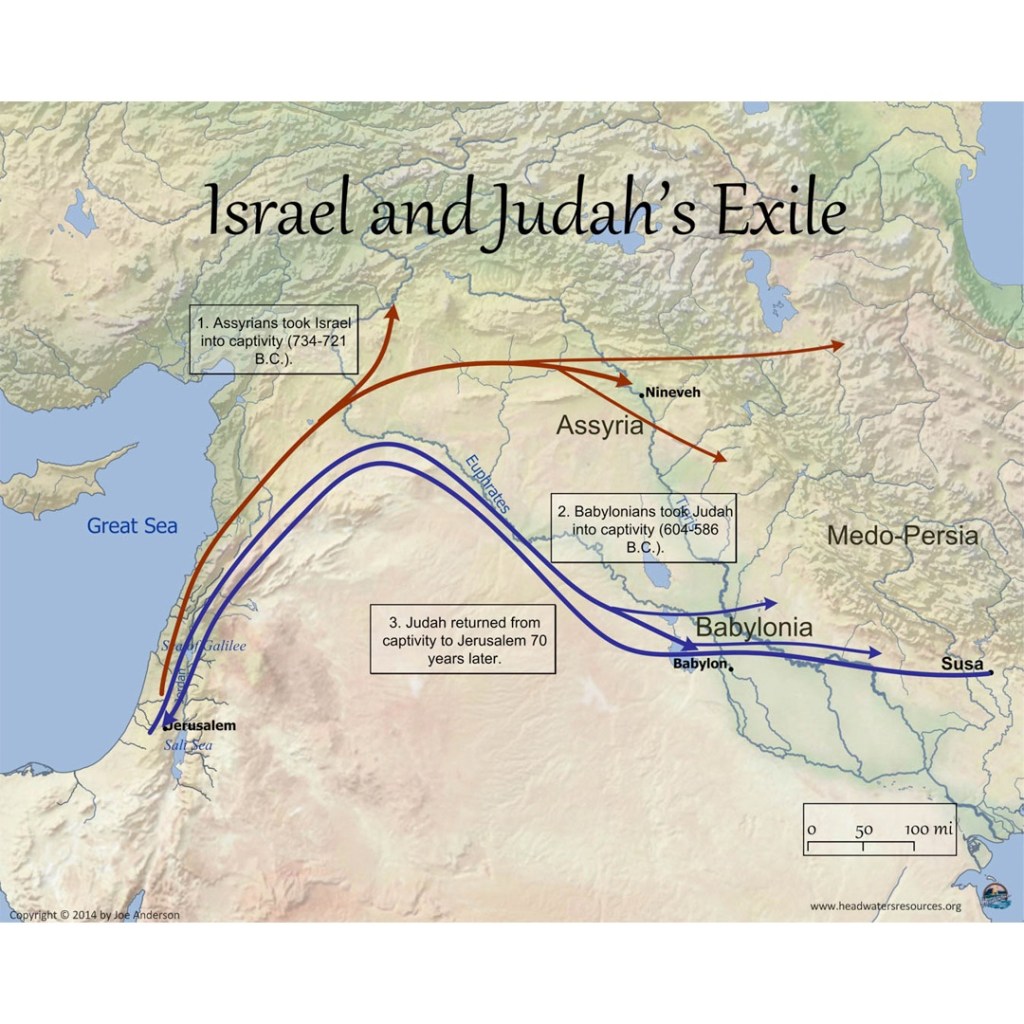
The prophet Jeremiah lived at a turning point in the history of Israel. The northern kingdom had been conquered by the Assyrians in 721 BCE; the elite classes were taken into exile, the land was repopulated with people from other nations (2 Kings 17). The southern kingdom had been invaded by the Assyrians in 701 BCE, but they were repelled (2 Kings 18:13–19:37). King Hezekiah made a pact with the Babylonians, but the prophet Isaiah warned that the nation would eventually fall to the Babylonians (2 Kings 20:12–19). Babylon conquered Assyria in 607 BCE and pressed hard to the south; the southern kingdom fell in 587 BCE (2 Kings 24–25) and “Judah went into exile out of its land” (2 Ki 25:21).

Jeremiah lived in the latter years of the southern kingdom, through into the time of exile—although personally, he was sent into exile in Egypt, even though most of his fellow Judahites were taken to Babylon. The difficult experiences of Jeremiah as a prophet colour many of his pronouncements. As the book moves on from the poetic oracles of chapters 1–25, to a series of prose narratives in chapters 26–45, some key events in the life of Jeremiah are reported. 

The passage from Jeremiah proposed for this coming Sunday, the first Sunday in Advent (Jer 33:14–16), contains a specific prophecy which appears fitting for this season, as we anticipate the celebration of the birth of Jesus. It takes on a deeper meaning if we understand where it fits within the original historical context of the time when Jeremiah was speaking.

Jeremiah had been called as a youth to declare the message of the Lord to the people of Israel, that God was planning “to pluck up and to pull down, to destroy and to overthrow, to build and to plant” (Jer 1:10). Years later, the adult prophet Jeremiah was called to “stand in the court of the Lord’s house and speak to all the cities of Judah that come to worship in the house of the Lord; speak to them all the words that I command you; do not hold back a word” (Jer 26:2). His message was about their failure to walk in the law that God had given them. The response from the ruling class is not positive—in fact, Jeremiah is threatened with death (26:7–11). 

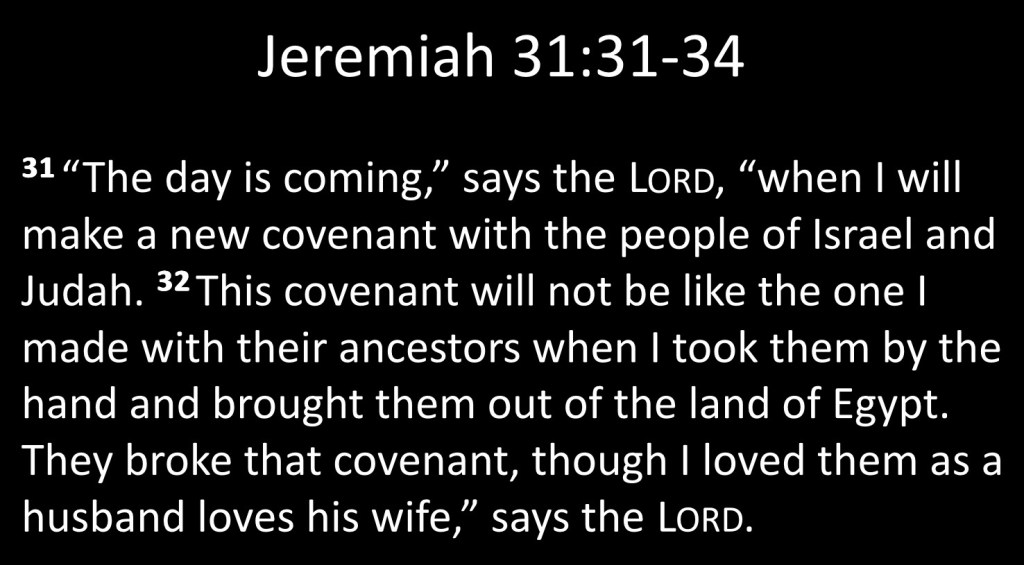
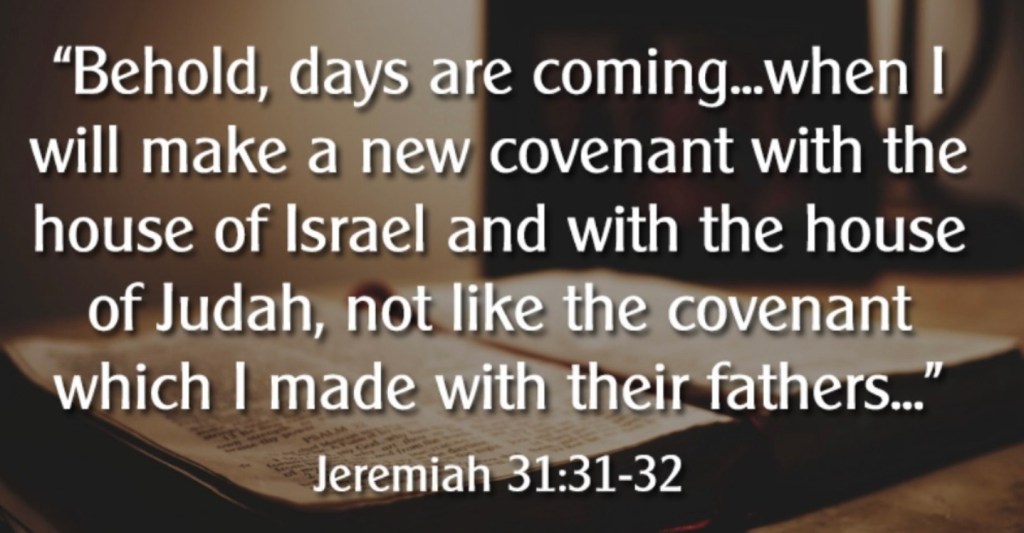
However, the midst of his despair, Jeremiah sees hope: “the days are surely coming, says the Lord, when I will restore the fortunes of my people, Israel and Judah, says the Lord, and I will bring them back to the land that I gave to their ancestors and they shall take possession of it” (30:3). In this context, Jeremiah indicates that the Lord “will make a new covenant with the house of Israel and the house of Judah … I will put my law within them, and I will write it on their hearts; and I will be their God, and they shall be my people” (31:31–34). 

To signal his confidence in this promised return, Jeremiah buys a field in his hometown of Anathoth from his cousin Hanamel (32:1–15). The narrator notes that “the army of the king of Babylon was besieging Jerusalem, and the prophet Jeremiah was confined in the court of the guard that was in the palace of the king of Judah, where King Zedekiah of Judah had confined him” (32:2–3). Nevertheless, the purchase serves to provide assurance that the exiled people will indeed return to the land of Israel; “houses and fields and vineyards shall again be bought in this land” (32:15). 

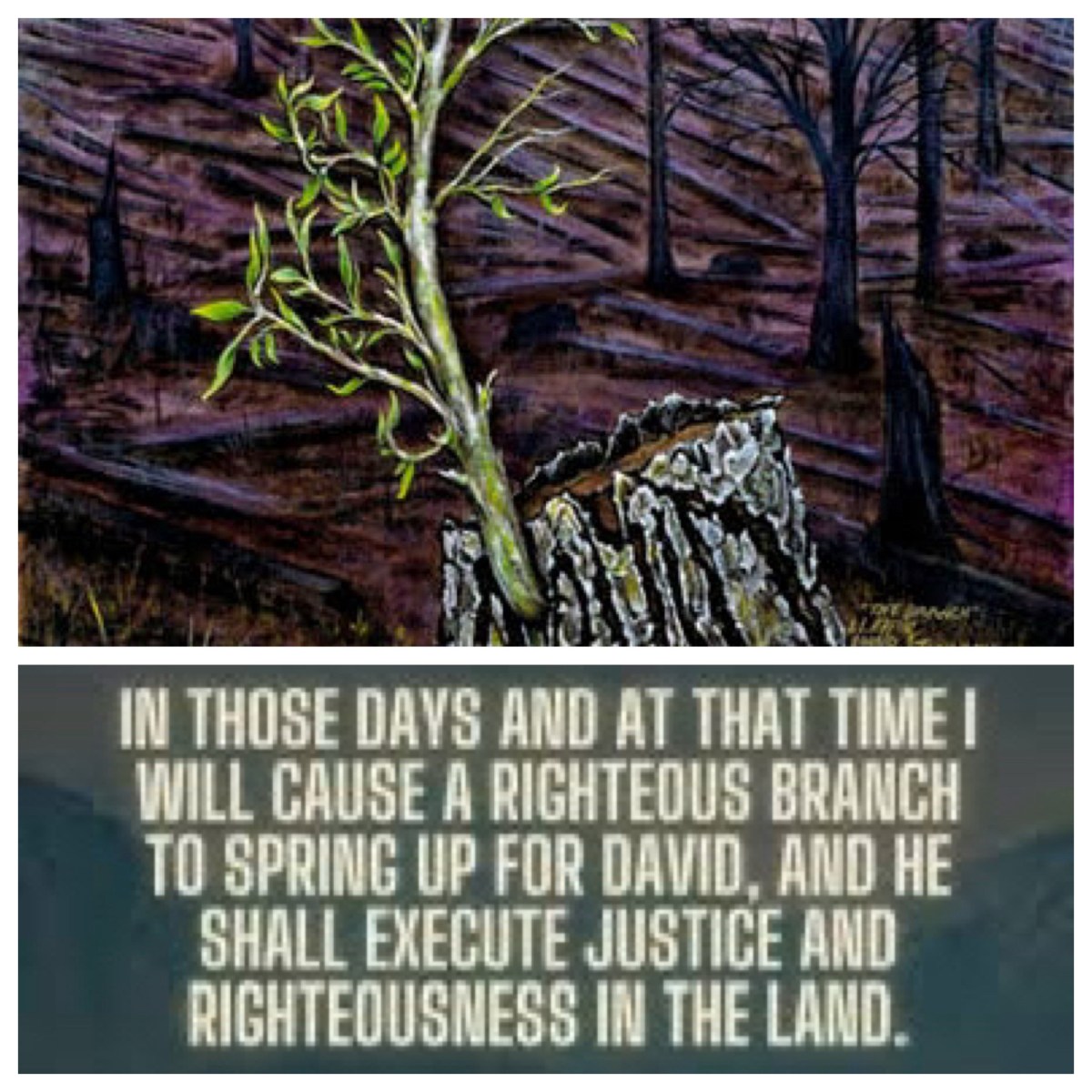
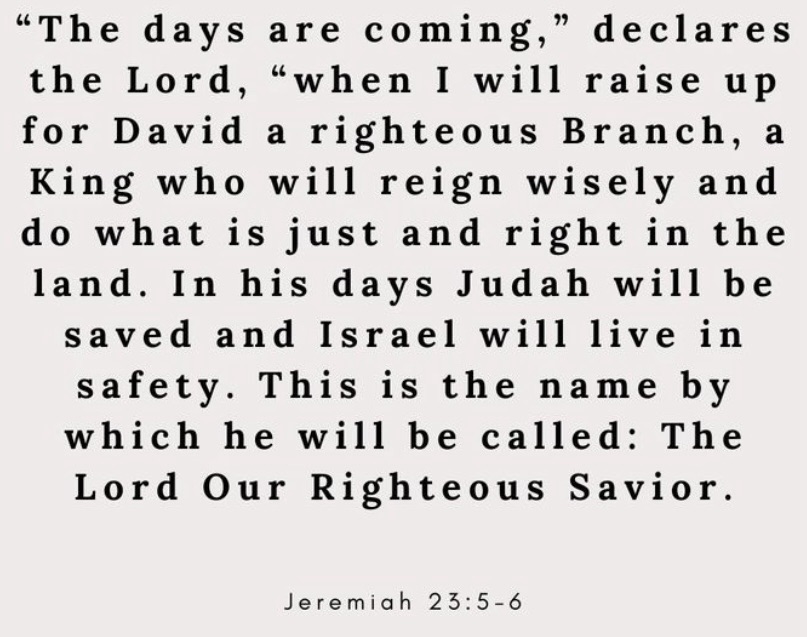
Jeremiah exhorts the people to “give thanks to the Lord of hosts, for the Lord is good, for his steadfast love endures forever!” (33:11), because in the places laid waste by the Babylonians, “in all its towns there shall again be pasture for shepherds resting their flocks … flocks shall again pass under the hands of the one who counts them, says the Lord” (33:12–13). As the people return to the land, the Lord “will cause a righteous Branch to spring up for David; and he shall execute justice and righteousness in the land” (33:15). The title “Son of David” is later applied to Jesus in three Gospels (Mark 10:47–48; Matt 1:1; 12:23; 15:22; 21:9, 15; Luke 18:38–39).

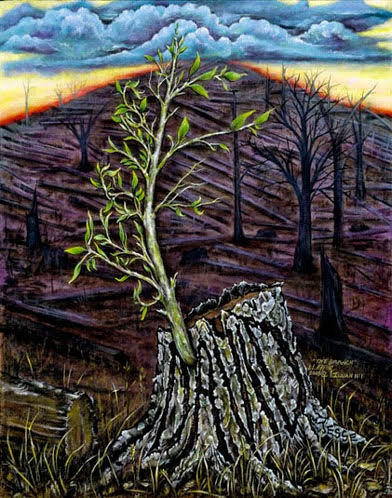
The prophet Isaiah also refers to the “shoot [which] shall come out from the stump of Jesse, and a branch shall grow out of his roots; the spirit of the Lord shall rest on him” (11:1–2). The appearance of this “shoot” will lead to the promised time when “the wolf shall live with the lamb, the leopard shall lie down with the kid, the calf and the lion and the fatling together, and a little child shall lead them” (11:6)—a wonderful Messianic prophecy.

Jeremiah, in an earlier oracle, had declared that “the days are surely coming, says the Lord, when I will raise up for David a righteous Branch, and he shall reign as king and deal wisely, and shall execute justice and righteousness in the land” (Jer 23:5). His words at Jer 33:14–16 repeat this message of hope. That hope, in Christian theology, was taken up in Jesus, who was claimed to be the righteous branch, the one ruling with justice (Matt 12:15–21). Jesus spoke clearly about the need for justice in our lives (Matt 23:23; Luke 7:29). He spoke in the tradition of the prophets, including Jeremiah, who had regularly reminded the people,of Israel of the centrality of doing justice for those who were obedient to the covenant with the Lord God.

In speaking out for justice, Jesus provided a clear countercultural vision for his followers, and called them into a radically different way of living. It is that Jesus whom we celebrate at Christmas, and that countercultural vision that is at the heart of the Advent season.

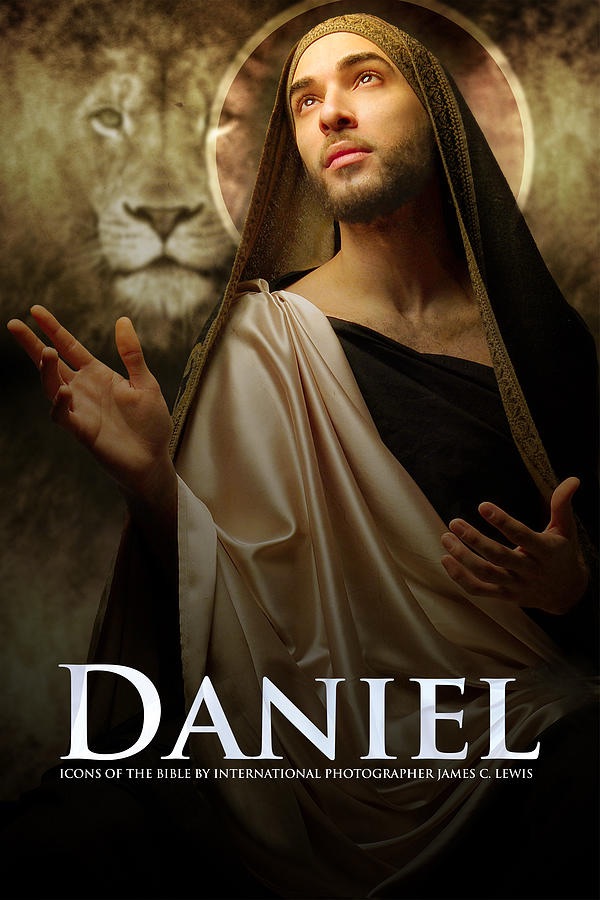
Daniel, saved from the power of the lions (Narrative Lectionary for Advent 1C; Daniel 6)

The Narrative Lectionary is currently offering us a selection of passages from six of the prophets of ancient Israel: Jonah, Isaiah, Jeremiah, Daniel, Joel, and the anonymous post-exilic prophet whose words are collected in Isaiah 56–66. This coming Sunday we we will read and hear the passage from Daniel 6, which tells of Daniel being placed in grave danger in a den of lions, and then rescued by the command of King Darius of Persia.

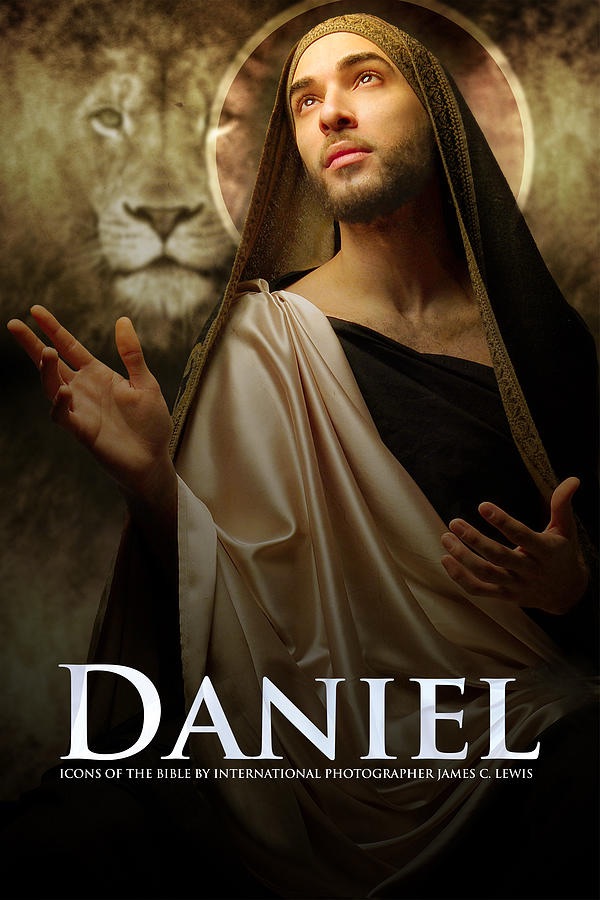
Ironically, although he is considered one of the four Major Prophets in Hebrew Scripture, Daniel himself is never “called to be a prophet”, as we have seen in other prophetic books; he is introduced as one of a number of “young men without physical defect and handsome, endowed with knowledge and insight”, who were chosen “to be taught the literature and language of the Chaldeans” (1:3–5). Indeed, the Israelite Daniel is given a Babylonian name, Belteshazzar (1:7; 4:8), and his entire story takes place in the Babylonian court. 

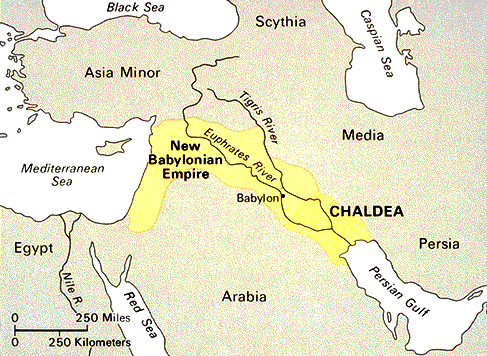
(The Chaldeans were part of the Babylonian Empire; centuries earlier they had settled beside the Euphrates in what became the southeastern edge of the Babylonian Empire. Abraham is said to have come from Ur, a city in the region of Chaldea; see Gen 11:31; 15:7.)

The story of the prophet Daniel is thus set outside Israel, in the time of exile, after the conquest of the southern kingdom by the Babylonians in 587 BCE (Dan 1:1–2; see 2 Kings 25). Daniel had been chosen to serve in the court of Nebuchadnezzar, who reigned from 605 BCE to 562 BCE (Dan 1:3–7); when the Persians took control of the Babylonian empire in 539 BCE, Daniel continued to serve in a position of some power.

Scholars believe, however, that the story is told at a much later time, after the exile—perhaps even during the time of Seleucid superiority in the second century BCE. Two centuries after they had returned to the land of Israel, rebuilt their Temple, restored their cities and towns, and living under Persian rule, the people of Israel were over run by the troops of Alexander the Great, King of Macedonia, as he swept across the eastern Mediterranean region as Far East as modern day India. A new foreign power, and a new attitude towards the religion and customs of Israel.

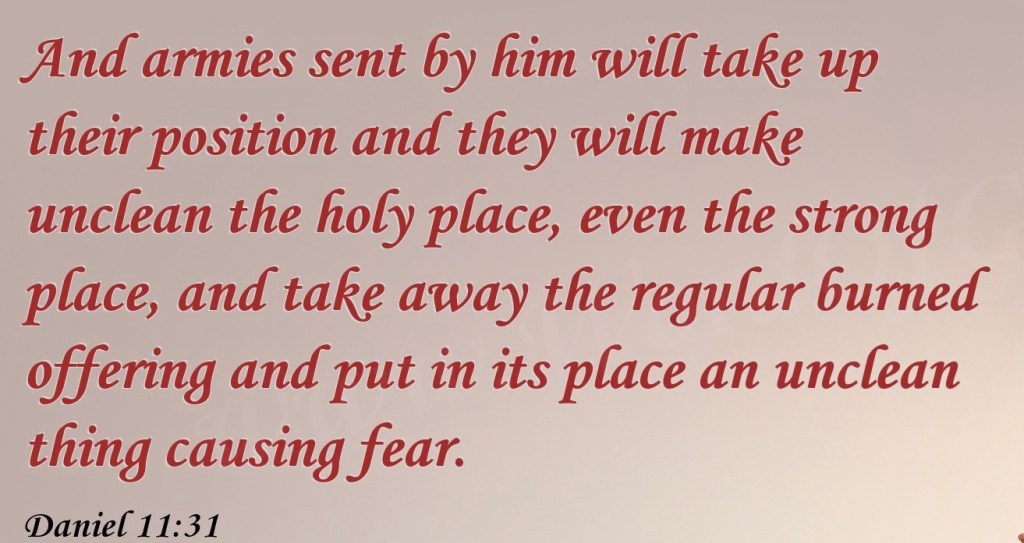
Initially the interaction between Israelites and Macedonians was one of integration. Greek became the language of trade; syncretism marked the religious life of the people, as they adopted Greek customs. But when Antiochus Epiphanes came to power over the region, he introduced an altar in the temple to receive pagan offerings—something which, in  Israelite eyes, was known a “desolating sacrilege” (Mark 13:14; 1 Mac 1:54). This appears to be clearly described in the final vision, recounting how forces “shall occupy and profane the temple and fortress, abolish the regular burnt offering and set up the abomination that makes desolate” (Dan 11:31).

A clear reflection of the exile experience is that an extended section of the book (2:4b—7:28) is written in Aramaic, a language which evolved from Hebrew because of the influence of Babylonian culture and language on the exiled Israelites. The rest of the book (like all the rest of Hebrew Scripture) is written in Hebrew. Whereas Aramaic became the common language of Jews even when they were living back in Israel (and this was the case by the time of Jesus), Hebrew was preserved as the holy language of scripture. 

Curiously, the book has two distinct parts, which overlap this linguistic division; each part is likely to have originated in a different time after the exile. The first six chapters recount stories about Daniel, who was serving in the court and enjoyed friendly relations with the monarch; the style is one found in other legends about courtiers and dream interpreters. Chapters 7–12 comprise a series of apocalyptic visions which appear to contain some very direct references to events that took place in the second century BCE. These chapters come “from the mouth of Daniel”, as it were, rather than being stories about him (as in chapters 1–6).

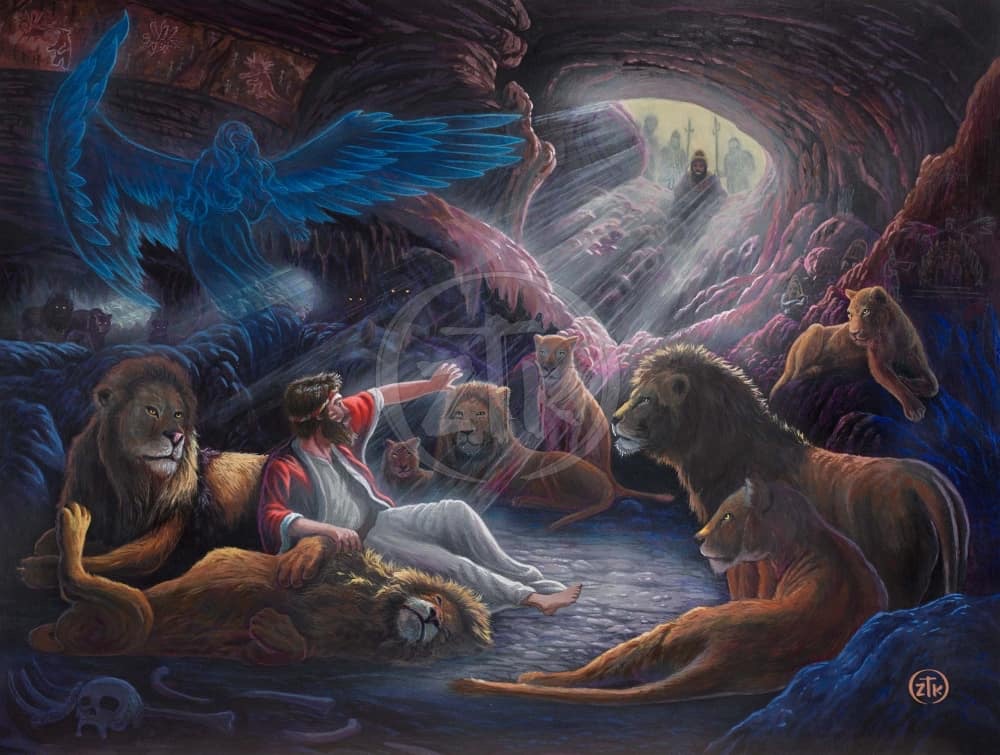
Daniel has been operating in the murky arena of national politics: then, as now, a fraught environment! He has twice advised the king by interpreting dreams. Whilst Daniel exercised his role as a satrap under Darius the Mede, a conspiracy was formed against him as opponents looked to bring him down. When he is caught praying to the Lord God, despite the interdict of the king (6:1–15), he is thrown into the lion’s den (6:16). 

The next morning, the king hurries to the den, and finds Daniel alive; his prayers have miraculously saved him (6:19–22). Daniel is released from the lion’s den and rescued from danger (6:23–28); Darius issues an edict praising “the living God” whose “kingdom shall never be destroyed, and his dominion has no end; he delivers and rescues, he works signs and wonders in heaven and on earth” (6:26–27).

If the story was written (as is thought by many) during the time of the Seleucids, its depiction of a foreign ruler who is positively disposed towards Israel’s God is striking. Under Antiochus Epiphanes, the colonising forces of the Macedonians “built a gymnasium in Jerusalem, according to Gentile custom, and removed the marks of circumcision, and abandoned the holy covenant; they joined with the Gentiles and sold themselves to do evil” (1 Mac 1:14–15). Antiochus not only erected an image in the temple (the “desolation of sacrilege”), but even had the scrolls of Torah collected and burnt—many centuries before the Nazis did this (you can read the details of his rule in 1 Mac 1:41–64).

The author of Daniel is writing political literature as political critique. We know that Antiochus provoked a political uprising led by the Maccabees, the sons of Matthias (1 Mac 2—6)—figures later upheld as heroes by the Zealots in the time of Jesus. The book of Daniel provides a rationale for the zealous ideology of the Maccabees, seeking to put in place a righteous leadership in Israel.

Carol Newsom observes that “in several narratives in the book of Daniel, the king humbly confesses the sovereignty of the God of the Jews, acknowledging that he rules by the will of God” (“Political Theology in the Book of Daniel: An Internal Debate”,  Review and Expositor, vol. 109, 2012, pp.557–568). Prof. Newsom continues, “other parts of the book depict the gentile king as being part of God’s plan, but a part that will ultimately be destroyed as incompatible with divine sovereignty.” We see this clearly in view in chapters 1—6.

God offers a new covenant (Narrative Lectionary for the Reign of Christ, Pentecost 27C; Jer 36, 31)

The covenant is a key theme of the Hebrew Scriptures. God’s commitment to covenant takes us deep into the abiding relationship between God and God’s people. That covenant had been offered initially to Noah, and to all living creatures (Gen 9), before it was subsequently renewed (and reshaped) by being offered to Abraham (Gen 15, 17), as mentioned here (Ps 105:9). That same covenant is renewed with Isaac (Gen 17) and then with Jacob (Israel) (Gen 35), and later is extended to Moses and the whole people (Exod 19), and later still to the people again through Jeremiah (Jer 31). It is this last reference to the covenant which forms the basis for the Narrative Lectionary passages for this coming Sunday.

Jeremiah was called to be a prophet at an early age (Jer 1:4–10); some commentators consider him to be in his early 20s, while others note that the distinctive Hebrew word used in this passage indicates he was in his teens. When he heard God declare to him, “I appointed you a prophet to the nations”, the NRSV translation says that the young man replied, “Ah, Lord God! Truly I do not know how to speak, for I am only a boy” (1:6). 

Actually, when they say he replied, “Ah”, he was using a Hebrew word that actually means “alas” or “woe is me” (see also 4:10; 14:13: 32:17; and also Joel 1:15). Strong’s Concordance says this is “a primitive word expressing pain”—so, more like “ouch!!!” So perhaps it’s better to think of his response as more like “oh no, oh no, oh nooooo—I couldn’t possibly do that! no way at all!!”. Jeremiah just did not want this gig at all. See my sermon on this passage at

Yet Jeremiah faithfully carried out the task committed to him; it is thought that he was active from the mid-620s in Judah, through into the time of exile in Babylon, from 587 BCE onwards—that is, over four decades—although Jeremiah himself was exiled, not into Babylon, but into Egypt (Jer 43:1–7).

The task he was given when called to be a prophet was to declare the coming judgment of God on the people of Israel, for continuing to ignore their covenant commitments. The Lord tells him, “I will utter my judgments against them, for all their wickedness in forsaking me; they have made offerings to other gods, and worshiped the works of their own hands” (1:16). As encouragement, he urges the young man to “gird up your loins; stand up and tell them everything that I command you” (1:17).

So Jeremiah is given a daunting task. “Woe is me”, he declares (4:13)—or sometimes, “woe to us”—which become common phrases in Jeremiah’s oracles (4:31; 6:4; 10:19; 13:27; 15:10; 22:13; 23:1; 45:3; 48:46). It is the same term that we find in Isaiah’s call (Isa 6:5) and oracles (Isa 24:16), Hosea’s declarations (7:13; 9:12), Micah’s prophecies (Mic 7:1), and Ezekiel’s utterances (Ezek 13:18; 16:23; 24:6, 9). All lament the imposition of divine justice in ways that wreak havoc amongst the people. 

Yet in the midst of his despair, Jeremiah sees hope: “the days are surely coming, says the Lord, when I will restore the fortunes of my people, Israel and Judah, says the Lord, and I will bring them back to the land that I gave to their ancestors and they shall take possession of it” (30:3). In this context, Jeremiah indicates that the Lord “will make a new covenant with the house of Israel and the house of Judah … I will put my law within them, and I will write it on their hearts; and I will be their God, and they shall be my people” (31:31–34). 

The renewal of the covenant was not a new idea in the story of Israel. God had entered into covenants with Abraham, the father of the nation (Gen 15:1–21) and before that, in the story of Noah, with “you and your descendants after you, and with every living creature that is with you … that never again shall all flesh be cut off by the waters of the flood” (Gen 9:8–11). The covenant given to Moses on Mount Sinai (Exod 19:1–6), accompanied by the giving of the law (Exod 20:1–23:33), is sealed in a ceremony by “the blood of the covenant” (Exod 24:1–8).

The covenant with the people that Moses brokered is renewed after the infamous incident of the golden bull (Exod 34:10–28), then under Joshua at Gilgal, as the people enter the land of Canaan after their decades of wilderness wandering (Josh 4:1–24). It is renewed again in the time of King Josiah, after the discovery of “a book of the law” and his consultation with the prophet Huldah (2 Chron 34:29–33), and it will be renewed yet again after the exiled people of Judah return to the land under Nehemiah, when Ezra read from “the book of the law” for a full day (Neh 7:73b—8:12) amd the leaders of the people made “a firm commitment in writing … in a sealed document” which they signed (Neh 9:38–10:39).

However, the particular expression of renewal that Jeremiah articulates will prove to be critical for the way that later writers portray the covenant renewal undertaken by Jesus of Nazareth (1 Cor 11:25; Luke 22:20; 2 Cor 3:6–18; Heb 8:8–12). Especially significant is the claim that this renewed covenant “will not be like the covenant that I made with their ancestors when I took them by the hand to bring them out of the land of Egypt—a covenant that they broke” (Jer 31:32), for God “will put my law within them, and I will write it on their hearts; and I will be their God, and they shall be my people” (31:33). It is a covenant which has “the forgiveness of sins” at its heart (31:34)— precisely what is said of the “new covenant” effected by Jesus (Matt 26:28; and see Acts 5:31; 10:43; 13:38; 26:18).

To signal his confidence in this promised return, Jeremiah buys a field in his hometown of Anathoth from his cousin Hanamel (32:1–15). The narrator notes that “the army of the king of Babylon was besieging Jerusalem, and the prophet Jeremiah was confined in the court of the guard that was in the palace of the king of Judah, where King Zedekiah of Judah had confined him” (32:2–3). Nevertheless, the purchase serves to provide assurance that the exiled people will indeed return to the land of Israel; “houses and fields and vineyards shall again be bought in this land” (32:15). 

Jeremiah exhorts the people to “give thanks to the Lord of hosts, for the Lord is good, for his steadfast love endures forever!” (33:11), because in the places laid waste by the Babylonians, “in all its towns there shall again be pasture for shepherds resting their flocks … flocks shall again pass under the hands of the one who counts them, says the Lord” (33:12–13). As the people return to the land, the Lord “will cause a righteous Branch to spring up for David; and he shall execute justice and righteousness in the land” (33:15). The title “Son of David” is later applied to Jesus in three Gospels (Mark 10:47–48; Matt 1:1; 12:23; 15:22; 21:9, 15; Luke 18:38–39).

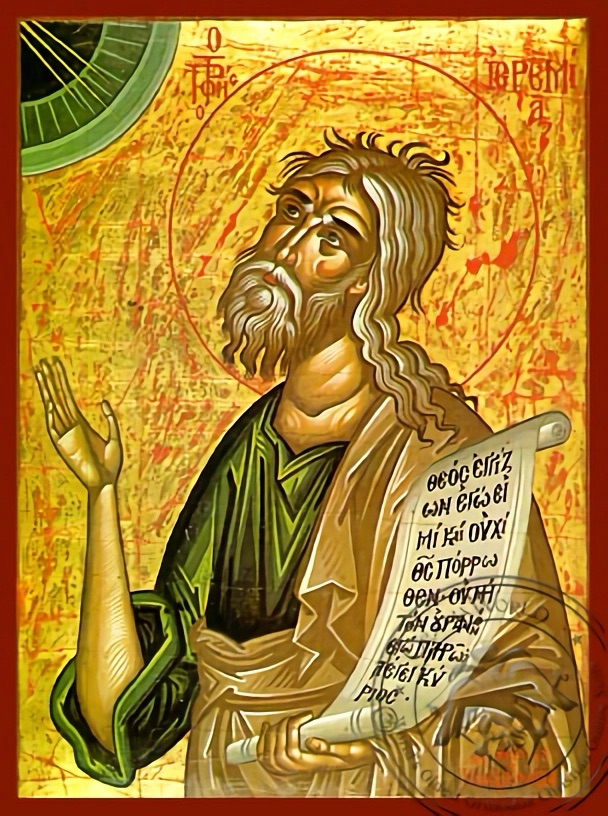
A Byzantine icon of Jeremiah the prophet

As Jeremiah was “prevented from entering the house of the Lord” (36:5), he dictated his prophecies to a scribe named Baruch (36:4) and instructed Baruch to “read the words of the Lord from the scroll that you have written at my dictation” (36:6). The scroll is important, for it conveys a message that “great is the anger and wrath that the Lord has pronounced against this people” (36:7).

Baruch does read from the scroll to “all the people in Jerusalem and all the people who came from the towns of Judah to Jerusalem” (36:9–10);  eventually, the scroll makes its way into the inner court, where it is read to the king (36:20–21). In response, piece by piece, King Jehoiakim methodically burns the scroll (36:23–26), so Jeremiah repeated the process with Baruch (36:32). This sequence of events is included in the selection of verses proposed by the Narrative Lectionary, presumably to give the specific narrative context for the oracle about “the new covenant” which is the primary theological focus for this coming Sunday.  

Subsequently, the prophet was imprisoned in the court of the guard  (37:11–21) and then in a cistern (38:1–6), before being rescued from the cistern, on the king’s orders, by Ebed-melech the Ethiopian (38:7–13). Life was certainly not easy for Jeremiah the prophet! Eventually, the city of Jerusalem is taken captive by the Babylonians (39:1–3), members of the royal family are slaughtered (39:6), the king is blinded and taken into exile (39:7), the city is plundered and destroyed (39:8), and “the rest of the people who were left in the city” were taken in the deportation to Babylon, with the exception of just “some of the poor people who owned nothing” (39:9–10). The misery of Jeremiah is shared right across the population.

In one final twist, the Narrative Lectionary suggests reading the verses from ch.36—the capture of the city and the exile to Babylon—before ch.31—the promise of a new covenant. This reversal of order is an interpretive ploy to infer that, despite the misery and trials of Jeremiah, his message offered hope to his people. It’s a hope that would not be made manifest for the exiles for five decades. In a Christian context, as we have seen, it’s a hope that is seen to be fulfilled in Jesus. And perhaps the context of this coming Sunday being the Festival of the Reign of Christ, it’s an orientation that points to the enduring reign of Christ, in contrast to the limited rule of Zedekiah of Judah, and indeed of Nebuchadrezzar of Babylon.

“Whom shall I send?” Considering the call of Isaiah (Narrative Lectionary for Pentecost 26C; Isaiah 6)

The second prophet whose words are included in the Narrative Lectionary for this year is Isaiah. (Last week we heard the story of Jonah.) Isaiah is foundational both for the developing Israelite identity, in the dying years of the northern kingdom,  and also for the later formation of Christian identity, in the early decades of the movement that Jesus initiated. 

The Narrative Lectionary proposes that this Sunday we read the story of Isaiah’s call whilst he was in the temple (Isa 6:1–8), and it pairs that story with the call of Simon Peter beside the Sea of Galilee, as Luke reports it (Luke 5:8–10). I think this pairing is made because when Isaiah heard the seraphim singing in the temple, he cried out “woe is me! I am lost, for I am a man of unclean lips”, and when Simon Peter was struck by the power of Jesus by then Sea of Galilee, saying “get away from me, Lord, for I am a sinful man!”. Both men responded in fear.

The book of Isaiah is generally considered to have three main parts; most scholars believe that these three sections originate from three different periods during the history of Israel. The first section (chs. 1–39) is located in Judah in the eighth century BCE, as the final decades of the northern kingdom of Israel play out. Two decades after conquering the north, the Assyrians attempted to gain control of the southern kingdom, but that effort failed. These events provide the context for the activity of Isaiah and the oracles include in chapters 1–39.

The second section of Isaiah (chs. 40–55) dates from the time of exile for the southern kingdom, after the people of Judah had been conquered by the Babylonians in 587 BCE; it offers words of hope as the people look to a return to the land. Then, the third section (chs. 56–66) is dated to a time when the exiles had returned to Judah, sometime after 520 BCE. By convention, the three parts are known as First Isaiah, Second Isaiah, and Third Isaiah.

The opening verse of the book of Isaiah says that Isaiah son of Amoz saw a vision concerning Judah and Jerusalem “in the days of Uzziah, Jotham, Ahaz, and Hezekiah, kings of Judah” (Isa 1:1). That places his prophetic activity over a period of some decades in the latter part of the 8th century BCE. Amos and Hosea had been active a little before Isaiah, but they were in the northern kingdom. Isaiah was a contemporary of Micah in the southern kingdom; both prophets would have known about the attacks on towns in Judah by the Assyrian king Sennacherib in 701 (see 2 Kings 18–19; Micah 1:10–16; Isa 7:17; 8:1–4, 5–8).

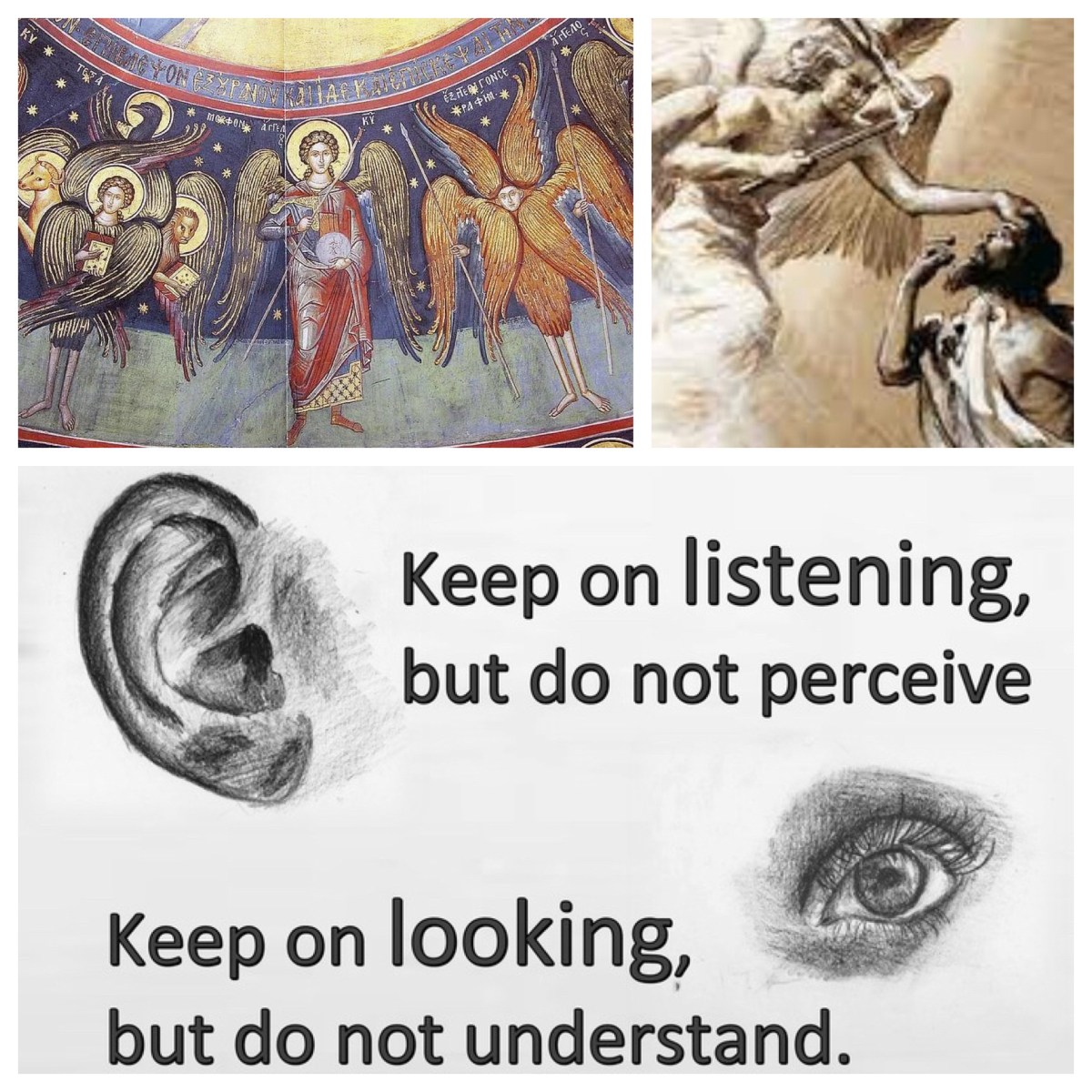
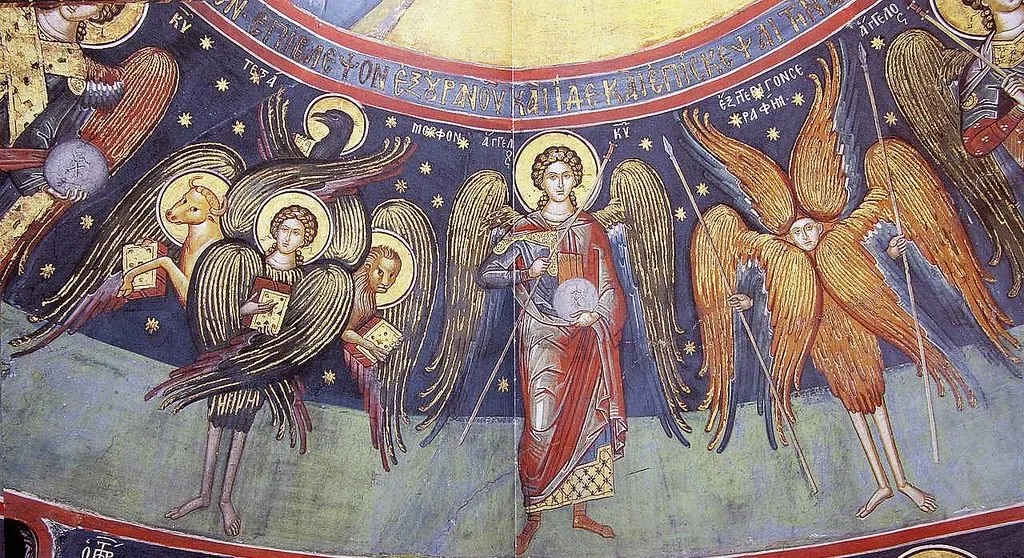
A Byzantine representation of the vision of Isaiah,
including the six-winged seraphim

As Isaiah was based in the southern kingdom, the account of his call (6:1–13) takes place in the temple in Jerusalem, where Isaiah “saw the Lord sitting on a throne, high and lofty; and the hem of his robe filled the temple” (6:1). This location, as well as a number of subsequent passages, suggest that Isaiah served as a “court prophet” to various southern kings; in particular, we see Isaiah providing prophetic advice to Ahaz (7:1–17) and Hezekiah (37:1–38; 39:1–8; 39:3–8). 

The call narrative is dated quite specifically (“in the year that King Uzziah died”, 6:1), suggesting that Isaiah began his activity right at the end of Uzziah’s reign, around 740 BCE in our modern dating. The prophet, initially reluctant (6:5), eventually accepts the call (“here I am; send me!”, 6:8). This is where the Narrative Lectionary portion ends; but that is a cruel cut, because it actually removes from the worship selection the actual content of that call. It is as if the lectionary wants us to focus on the fact of a call, and not worry about the content of that call. In my mind, that’s not a helpful interpretive strategy.

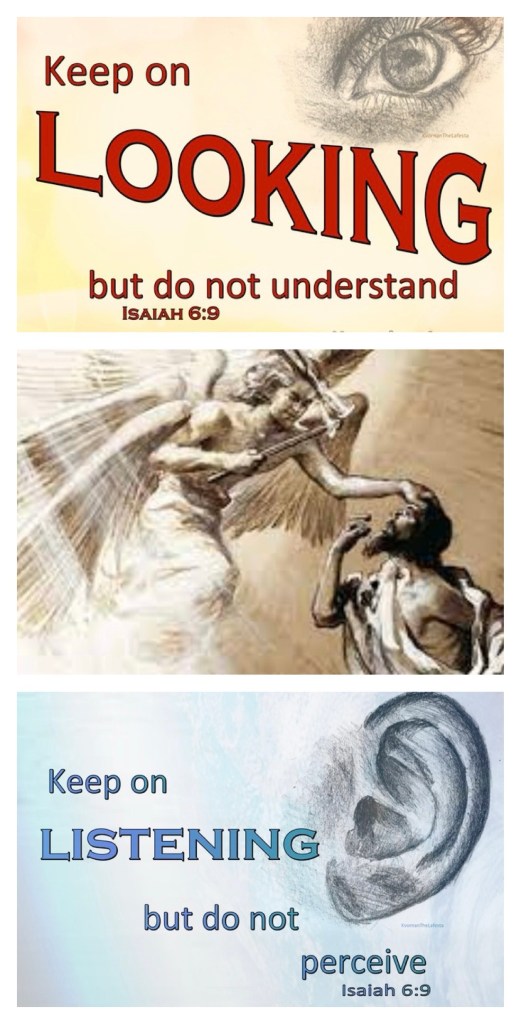
The narrative of Isaiah tells us that the soon-to-be prophet hears a most difficult charge given to him: “Go and say to this people: ‘Keep listening, but do not comprehend; keep looking, but do not understand.’ Make the mind of this people dull, and stop their ears, and shut their eyes, so that they may not look with their eyes, and listen with their ears, and comprehend with their minds, and turn and be healed” (6:9–10). It’s a charge that we hear at a couple of key places in the New Testament: when Jesus is teaching beside the Sea of Galilee at the start of his public activity (Mark 4:10 and parallels) and in a quotation by Paul during a debate while he was in a house in Rome at the end of his public activity (Acts 28:26–27).

The call of Isaiah is not the first thing we learn about this prophet in the book which bears his name. In the opening oracle (1:1–31), we meet a prophet who fearlessly berates Judah as a “sinful nation, people laden with iniquity, offspring who do evil, children who deal corruptly, who have forsaken the Lord, who have despised the Holy One of Israel, who are utterly estranged!” (1:4). Justice and righteousness have disappeared (1:21–22); the rulers “do not defend the orphan, and the widow’s cause does not come before them” (1:23). The covenant with the Lord has been seriously damaged. The prophet speaks clearly to issue a challenge to his contemporaries: God is displeased with them! No wonder his call stated quite clearly that people would not listen and not understand. He was required to speak hard words.

The main substance of this oracle involves a criticism of the worship practices in the Temple (“bringing offerings is futile; incense is an abomination to me; new moon and sabbath and calling of convocation—I cannot endure solemn assemblies with iniquity; your new moons and your appointed festivals my soul hates”, 1:10–15). You can imagine how the priests in the temple would have felt about this message! They would have been among those unable to hear, or see, or perceive what Isaiah was declaring to be “the word of the Lord”.

Instead of these rituals, Isaiah states that God demands that the people “wash yourselves; make yourselves clean; remove the evil of your doings from before my eyes; cease to do evil, learn to do good; seek justice, rescue the oppressed, defend the orphan, plead for the widow” (1:15–16). They need not only to hear and understand; they need to act. This is how repentance works, in transforming lives, in completely changing patterns of behaviour.

The prophet foreshadows, then, some good news: God will countenance repentance and a return to the covenant: “Zion shall be redeemed by justice, and those in her who repent, by righteousness” (1:27). However, he remains firm that if there is no repentance, the familiar prophetic indication of divine punishment will result: “rebels and sinners shall be destroyed together, and those who forsake the Lord shall be consumed” (1:28). Thus, the dual themes of punishment and forgiveness are sounded early; they recur throughout the rest of this section of the book. It was, undoubtedly, a hard message to hear and come to grips with, for the comfortable and privileged in Israelite society. 

There are many well-known oracles in the ensuing chapters of First Isaiah. There is a striking vision of when “nations shall beat their swords into plowshares, and their spears into pruning hooks; nation shall not lift up sword against nation, neither shall they learn war any more” (2:1–4; the same oracle appears in Micah 4:1–4). Would that the leaders of the nation had heard and understood this message! 

Next, the concept of the faithful remnant is introduced (4:2–6; see also 10:19–23; 11:10–11, 16; 28:5). This is followed by the story of the nation in God’s “love-song concerning his vineyard” (5:1–7). A love-song, we might think, would be good listening, an enjoyable tale. Sure enough, in the song, “my beloved” undertakes all the activity required to establish and nurture the vineyard. All bodes well.

Suddenly, however, the song takes a turn; only wild grapes were produced—and so, with typical Hebraic wordplays, the song turns to judgement: “he expected justice (mishpat) but saw bloodshed (mispach); righteousness (tsedakah) but heard a cry (seakah)” (5:7). Then  follows a searing denunciation of the ills of society: the excesses of a debaucherous elite, contributing to the oppressive state of the lowly (5:8–23). As a result, the Lord threatens invasion of the land (5:24–30); “he will raise a signal for a nation far away, and whistle for a people at the ends of the earth; here they come, swiftly, speedily!” (5:26). The threat from Assyria looms large in this oracle. Again, the prophet speaks hard words to a people seemingly unable to comprehend what he says.

In this section of Isaiah there is mention made of a group of disciples of the prophet (8:16–22), as well as the children of the prophet, who serve as “signs and portents in Israel from the Lord of hosts, who dwells on Mount Zion” (8:18). These children are named as Shear-jashub, meaning “a remnant shall return” (7:3), and Maher-shalal-hash-baz, meaning “the spoil speeds, the prey hastens” (8:3). Names, as is often the case within Hebrew Scripture, are potent symbols, describing the reality of the times.

Both names provide testimony to the fate that lies in store for Judah: the planned attack by Assyria will fail (7:4–9), and “the wealth of Damascus and the spoil of Samaria will be carried away by the king of Assyria” (8:4). The mother of these two sons, unnamed, is simply “the prophetess”, who “conceived and bore a son” for Isaiah (8:3)—although married to the prophet Isaiah, might she have been a prophet in her own right? 

That’s how she is understood in some later traditions; for instance, there is an assumption that she was involved with her husband in naming their children—with names that reflect prophetic insight. Added to this is the fact that Isaiah refers, not simply to his “wife”, but to “the prophetess”, suggesting that she stands alongside her husband in declaring “the word of the Lord” to a recalcitrant people.

So when we hear the shortened version of the call of this prophet, and ponder, perhaps, our own call, let us also recall the difficult message he was given to proclaim to the people (along with his wife), and the integrity and commitment he showed in delivering it. 

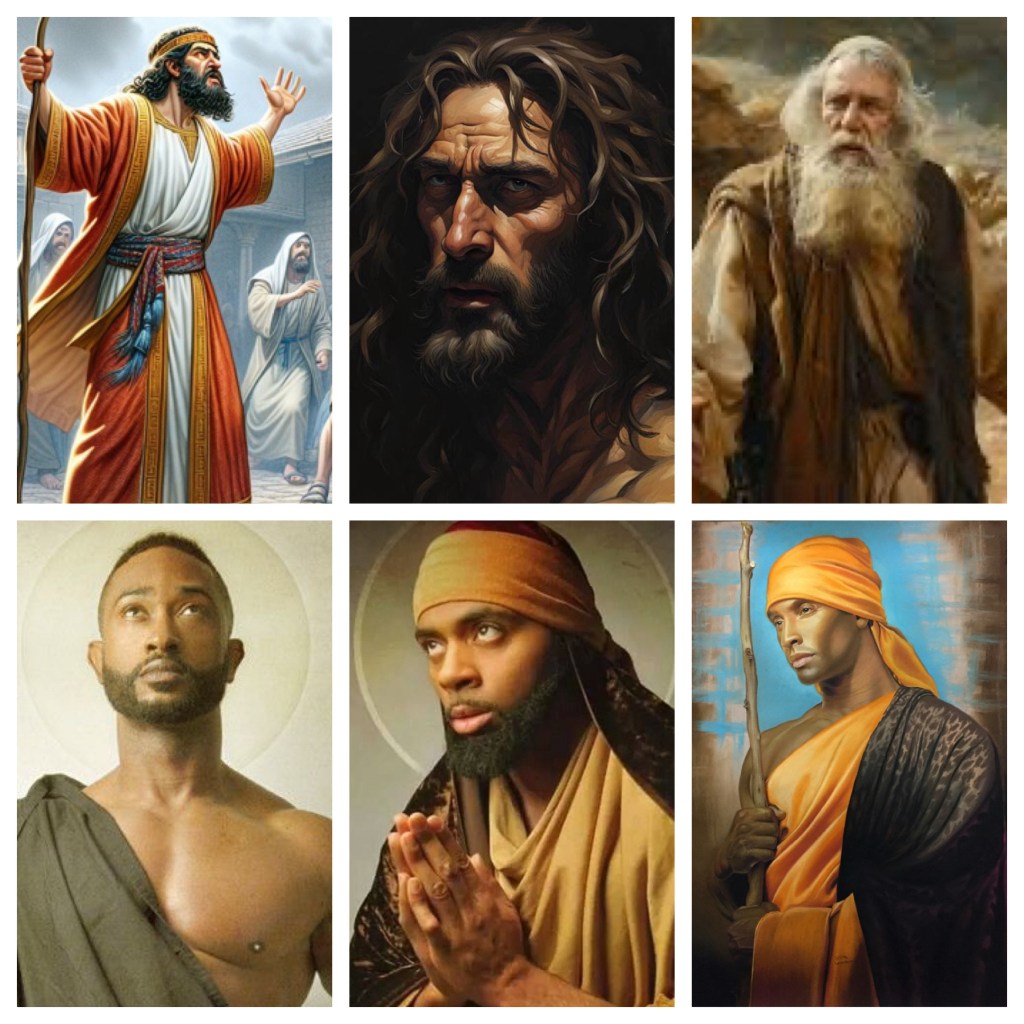
The last laugh is on Jonah (Narrative Lectionary for Pentecost 25C; Jonah 1, 3)

This Sunday the Narrative Lectionary will move us on from the narratives of the Samuel—Kings cycle, into the books of the prophets. There are six different prophets ahead: this Sunday, Jonah, followed by Isaiah, Jeremiah, Daniel, Joel, and then the anonymous prophet whose words form the final section of the scroll of Isaiah.

Jonah is a curiously enticing character; he is almost an anti-prophet in the way that he runs away from the call of God and then, when he finally submits and preaches repentance, he resents the fact that they do repent! Whether Jonah was an actual historical figure is hotly debated; but never mind, for the four chapters of this book tell a rollicking good tale, that makes us suspect that it was, in fact, “just a story”, rather than actual history. 

The Narrative Lectionary guides us to read and listen to two chapters of this four-chapter book, with the final chapter as an optional addition to the reading. Having all three prose chapters of the story read in worship means that the whole story is conveyed—from Jonah’s flight away from God’s call (1:1–3) through to the final dialogue between these two characters, set beside a withered bush, in which Jonah’s anger is met with God’s reproof (4:9–11). This omits, of course, the poetic offering of ch.2, in which Jonah sings (in the belly of the great fish) of his fear of the ocean, and of his trust in God (2:2–9).

Jonah is addressed by God at the very start of the book: “go at once to that great city” (1:2). The large city in this book is identified immediately as Nineveh (1:2; 3:1–10); it was the capital of Assyria (2 Ki 19:36; Isa 37:37) and we learn at the end of the story of Jonah that it had a huge population of more than 120,000 people. The story thus appears to be set during the period of Assyrian ascendancy, in the 8th century BCE. But many of the literary characteristics of this book reflect a later period, perhaps even a post-exilic time.

It is true that 2 Kings 14:25 mentions that God speaks through “Jonah son of Amittai, the prophet” during the time of Jeroboam II (about 793–753 B.C.), but this was a time before Nineveh was the capital of Assyria. There is no other indication that this individual was the prophet whose story is told in the book of Jonah, for it does not provide any specific dating; nor does the mention of Jonah in 2 Kings indicate how he exercised his prophetic role.

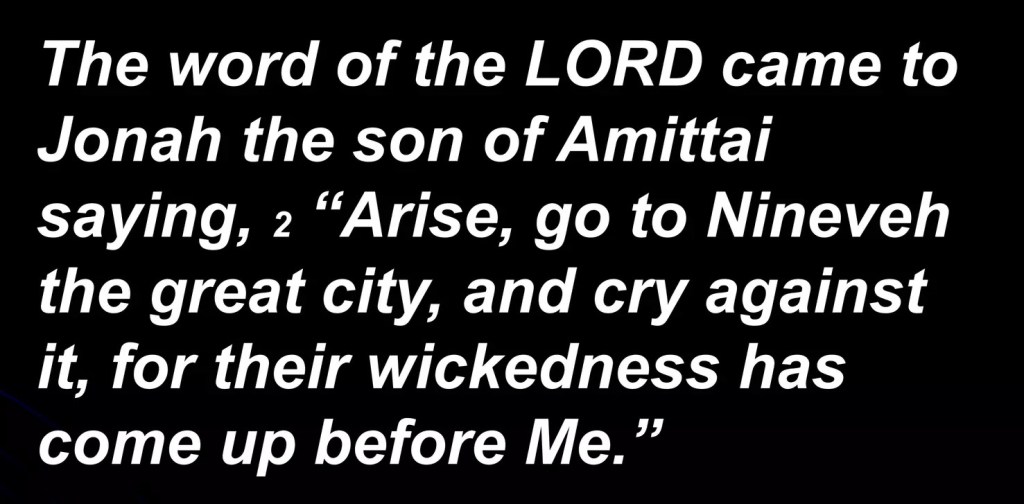
The charge that Jonah is given is a stock standard prophetic charge: “go to Nineveh, that great city, and cry out against it; for their wickedness has come up before me” (1:2). It’s worth comparing that with the message of judgement that is proclaimed by many other prophets. Amos begins, “the Lord roars from Zion, and utters his voice from Jerusalem … for three transgressions of Damascus, and for four, I will not revoke the punishment”, Amos 1:2–3). Isaiah is charged to “go and say to this people: ‘Keep listening, but do not comprehend; keep looking, but do not understand.’ Make the mind of this people dull, and stop their ears, and shut their eyes” (Isa 6:9–13).

Jeremiah is given the double-edged message, “today I appoint you over nations and over kingdoms, to pluck up and to pull down, to destroy and to overthrow, to build and to plant” (Jer 1:9–10), while Ezekiel is informed that he is being sent to speak “to a nation of rebels who have rebelled against me; they and their ancestors have transgressed against me to this very day; the descendants are impudent and stubborn” (Ezek 2:3–4). Quite ominously, the prophet is warned, “their blood I will require at your hand” (3:18–21).

The opening message to Nineveh from the prophet Nahum is fierce: “jealous and avenging God is the Lord; the Lord is avenging and wrathful; the Lord takes vengeance on his adversaries and rages against his enemies” (Nah 1:2–3). His task is not guaranteed to win him any friends. Likewise, Habakkuk is given an oracle of intense doom: “Look at the proud! their spirit is not right in them, but the righteous live by their faith … wealth is treacherous; the arrogant do not endure; they open their throats wide as Sheol; like Death they never have enough” (Hab 2:2–5). And Zephaniah, in similar fashion, forsees a disaster of cosmic proportions: “I will utterly sweep away everything

from the face of the earth, says the Lord; I will sweep away humans and animals; I will sweep away the birds of the air and the fish of the sea” (Zeph 1:2–6). The call to be a prophet is a fiercely challenging call!

The response of Jonah—fleeing from the presence of the Lord—is also like the response of some of those prophets. An initial reluctance to accept the charge is most famously expressed by Isaiah (“woe is me! I am lost, for I am a man of unclean lips, and I live among a people of unclean lips”, Isa 6:5) and the young Jeremiah (“truly I do not know how to speak, for I am only a boy”, Jer 1:6).

In this regard they follow the pattern already expressed in the story of Moses, who responds to God’s call with a string of objections: “who am I that I should go to Pharaoh, and bring the Israelites out of Egypt?” (Exod 3:11); “if they ask me, ‘What is his name?’ what shall I say to them?” (Exod 3:13); then “suppose they do not believe me or listen to me” (Exod 4:1); and finally “O my Lord, I have never been eloquent, neither in the past nor even now that you have spoken to your servant; but I am slow of speech and slow of tongue” (Exod 4:10). To which God, rather exasperatedly, retorts with “go, and I will be with your mouth and teach you what you are to speak” (Exod 4:12). No excuse will ever deflect the Lord God!

However, whilst other prophets ultimately accede to the divine pressure to take up the challenge and declare the judgement of the Lord to a sinful people, Jonah holds fast to his reticence—when commanded to go northeast to Nineveh, he immediately flees in the opposite direction, boarding a ship that was headed west across the Mediterranean Sea, to Tarshish, “away from the presence of the Lord” (Jon 1:3). 

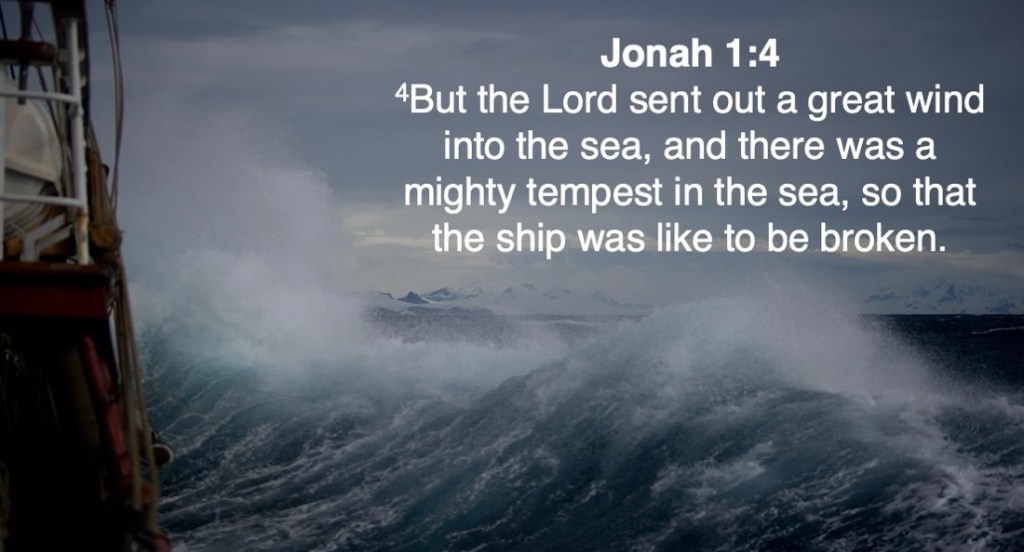
The escape of Jonah from the command of the Lord may be deeply troubling; but the narrative spins the story into burlesque, as “the Lord hurled a great wind upon the sea”, all the cargo on the ship is thrown overboard, and then Jonah (blissfully sleeping, apparently unaware of the great storm—as if!) is interrogated by the sailors, and eventually offers himself as a sacrifice to save the boat (1:12). 

The sailors try in vain to save the ship; realising that this is futile, they throw Jonah into the sea—and immediately “the sea ceased from its raging” (1:15). Then, adding further incredulity to the unbelievable narrative, “the Lord provided a large fish to swallow up Jonah” (1:17). The three days and three nights that he spends “in the belly of the fish” before he is vomited onto dry land (2:10) add to the comic exaggeration.

The psalm that Jonah prays from inside the fish (2:1–9) and the successful venture to Nineveh, where even the king “removed his robe, covered himself with sackcloth, and sat in ashes” (3:1–10) apparently demonstrate that Jonah should have obeyed the command of the Lord in the first place. However, Jonah’s response continues the exaggerated response of a burlesque character; “this was displeasing to Jonah, and he became angry” (4:1).

Jonah’s resentment and his plea for God to take his life (4:2–4) and his patient waiting for God to act (4:5) lead to yet another comic-book scene, as a bush grows and then is eaten by a worm and Jonah is assaulted by “a sultry east wind” (4:6–8). The closing words of the book pose a rhetorical question to Jonah (4:9–11) which infers that God has every right to be concerned about the lives of pagans in Nineveh. The last laugh is on Jonah; indeed, he has given his readers many good laughs throughout the whole story!

The head of John and the politics of ancient Judea (Mark 6; Pentecost 8B)

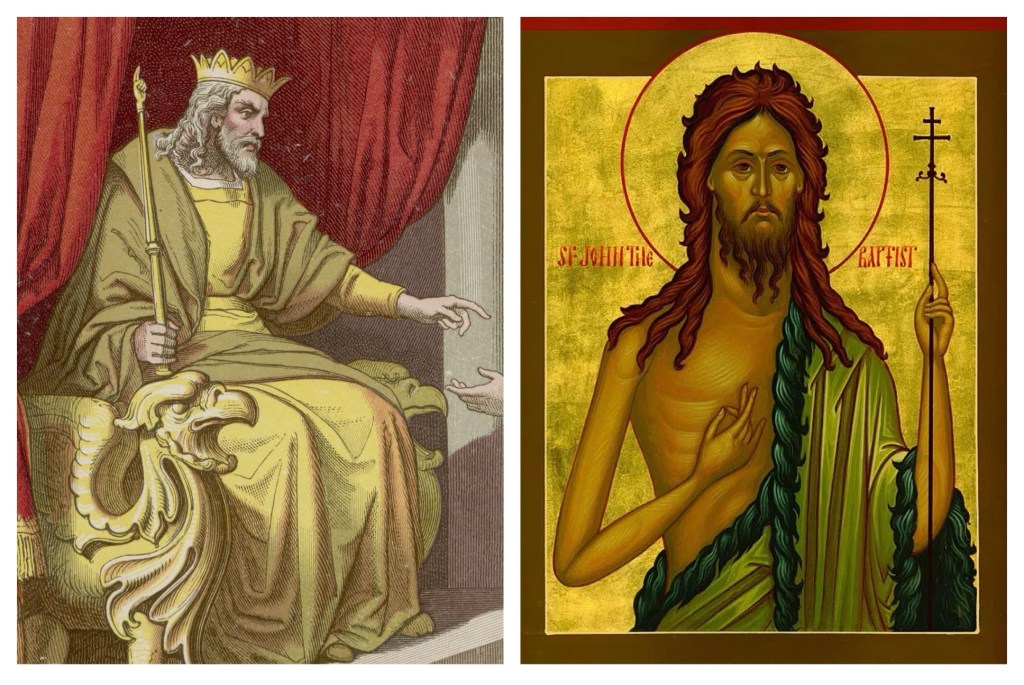
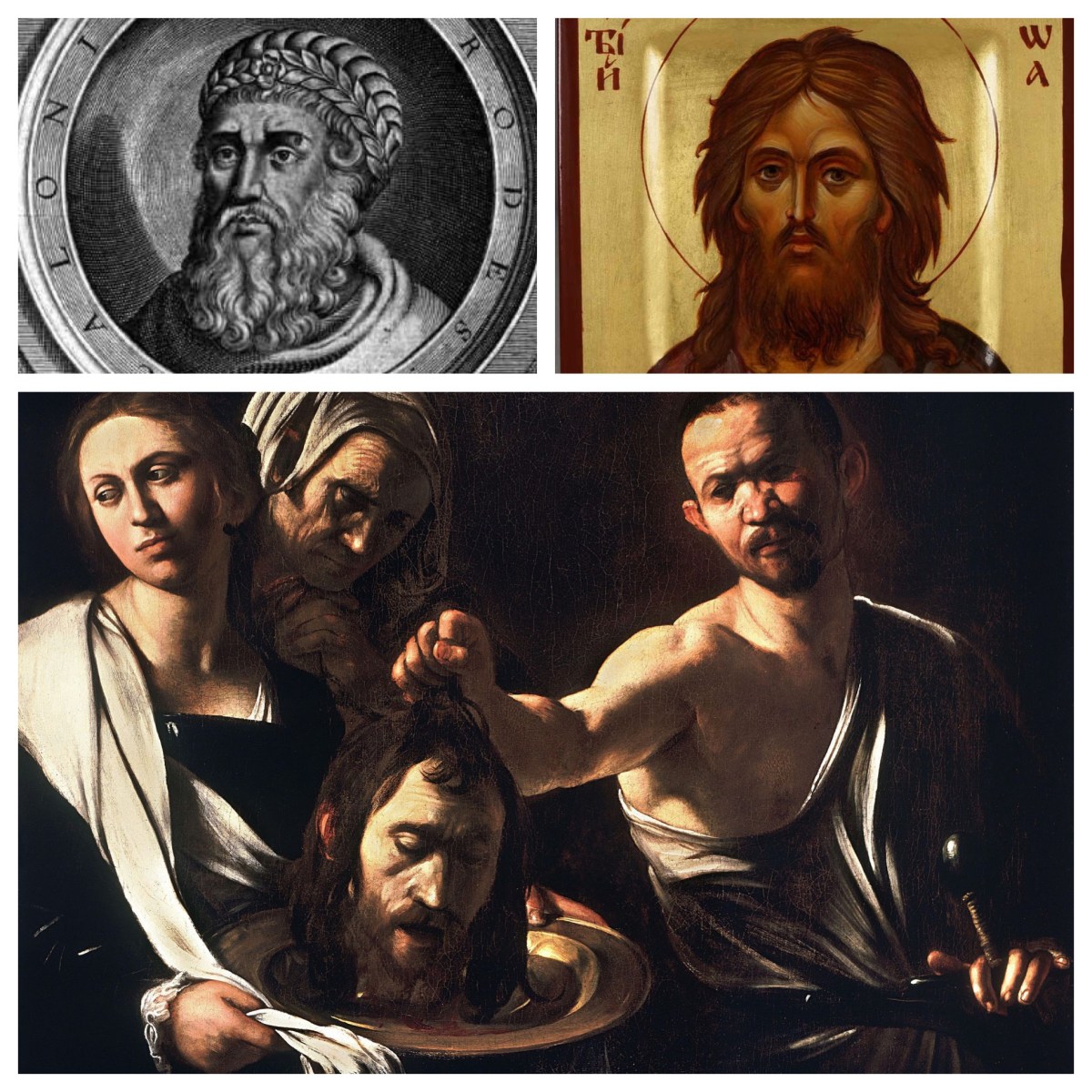
The passage we explore today takes us into the world of politics in ancient Judea. It is the story of Herod, Herodias, and John the baptiser (Mark 6:14–29). The Herod in this story is Herod Antipas, the son of Herod the Great, who features in Matthew’s account of the birth of Jesus, as the ruler ordering the killing of “all the children in and around Bethlehem who were two years old or under” (Matt 2:16). He is the same Herod to whom Jesus was sent in the course of his trial before Pilate—at least, according to Luke’s account (Luke 23:6–12).

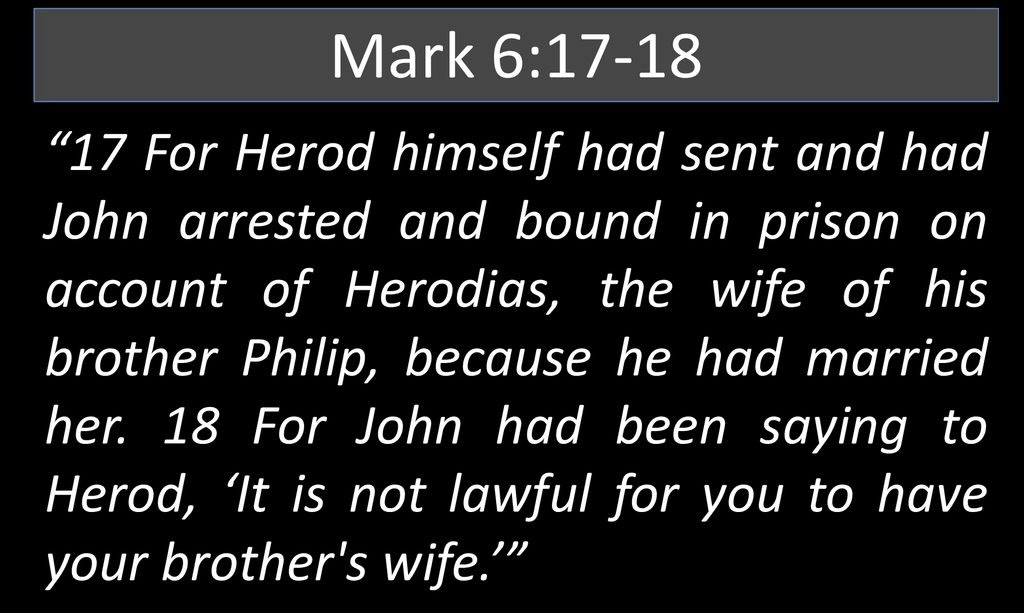
Just as the birth and death of Jesus are each immersed in the politics of the day, so too the death of John the Baptist is best understood in terms of the politics of the day. The story appears at this point, midway through Mark’s narrative, even though John had been beheaded at the command of Herod Antipas some time earlier (Mark 6:17).

Luke, in fact, locates the arrest of John immediately after reporting his baptising and preaching activity “in the wilderness” (Luke 3:1–20), before mentioning, in a brief aside, that Herod had beheaded John (Luke 9:9).

Mark, once again, provides us with plentiful details about the incident: Herod’s protection of John (Mark 6:20), that he liked to listen to John (6:21), his granting of a wish to his daughter Herodias (6:22), the consultation Herodias then had with her mother (6:24), the grief of Herod when he had to adhere to his promise to fulfil the wishes of Herodias (6:26), and the reverent disposal of John’s body by his disciples (6:29). Matthew reports each of these elements, with far fewer words—although he does add that John’s disciples, after burying his body, “went and told Jesus” (Matt 14:12).

Luke omits all of these details, noting only the arrest and the beheading of John in terse narrative comments. John makes no mention at all of Herod, and in his Gospel the figure of the Baptist serves primarily to point to Jesus as Messiah (John 1:6–8, 15, 19–28, 29–34; 3:25–30; 5:33; 10:41). John the evangelist knows that John was baptising (3:23), in apparent competition with the disciples of Jesus (4:1–2); perhaps these were the disciples of John who left him to follow Jesus (1:35–42)? The evangelist also knows that he was arrested (3:24), but reports nothing of his death.

So Mark offers a rich narrative with many details. It seems that this was a story “doing the rounds” at the time. The story criticised Herod—who was not popular among the Jews. Telling the story gave an indirect way to criticise him, albeit in an indirect way. The “hero” of the story—John, who tragically meets his death—is the polar opposite of Herod. John was austere, ascetic, and obedient to God; Herod was profligate, extravagant, and ran his territory of Galilee according to Roman custom.

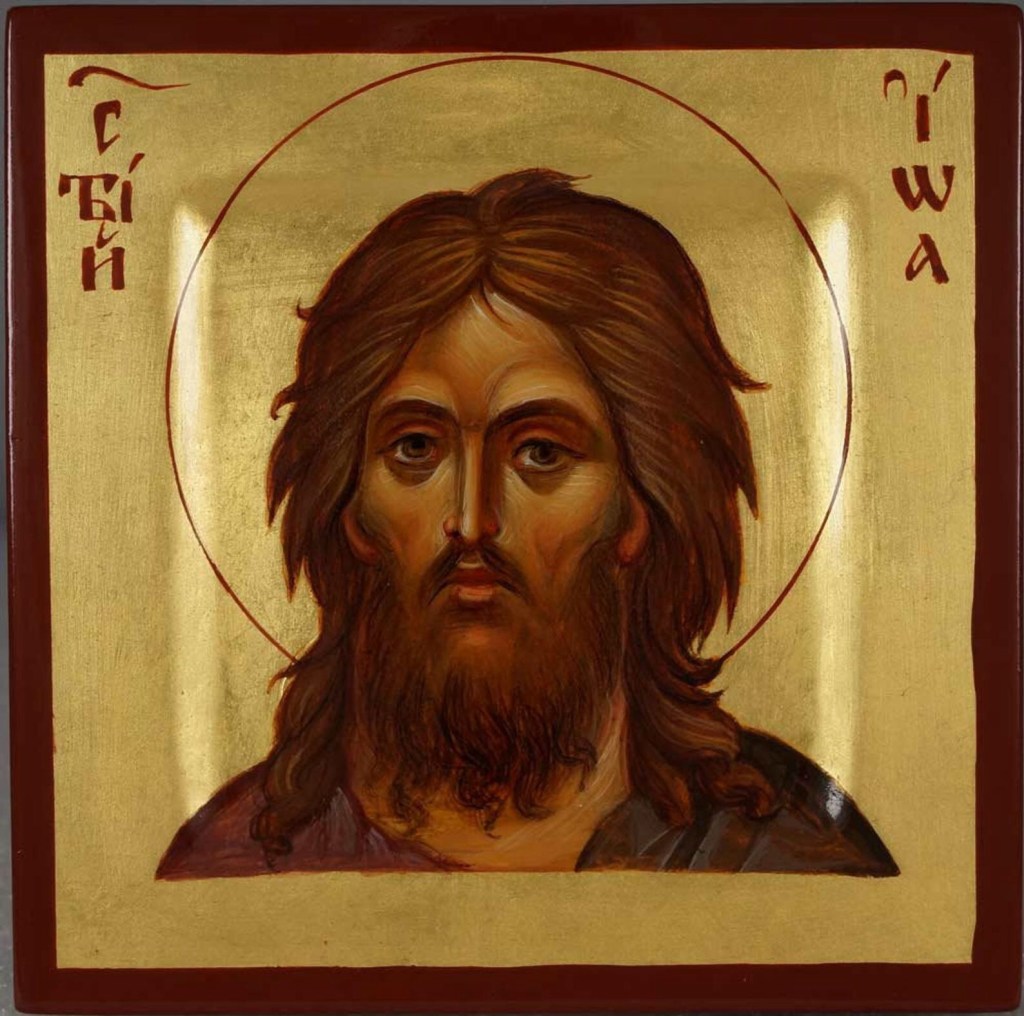
Herod and John

One detail that neither Mark, nor the other evangelists, includes, is that the Hebrew name of Herodias, the daughter of Herod Antipas, was Salome—the name by which she is best known in subsequent art and literature. Salome’s “dance of the seven veils” (another detail absent from the Gospel narratives!) is renowned, having inspired paintings by Titian and Moreau, an 1891 play by Oscar Wilde, a 1905 opera by Richard Strauss, and a 1953 film starring Rita Hayworth.

Indeed, in his recent book Christmaker (Eerdmans, 2024), Prof. James McGrath observes that “the best-known elements of the story—the dance of Salome, the promise of Herod, and John’s head on a platter—are the ones about which a historian has the most reason to be sceptical” (p.116).

James McGrath with his book on John, Christmaker

In fact, even in a number of manuscripts (from the 500s onwards, and especially in the Latin versions), the name of the woman we find named in our Bibles as Herodias (6:22) is missing; in these, she is called “the daughter of Herodias” (and thus the granddaughter of Herod Antipas). But this is a minor point compared to some other factors.

So what do we make of this story? Why has Mark chosen to tell it?

Three Herods: untangling the knots

The Herod who appears in this story that Mark and Josephus each tell is one of three Herods mentioned in the New Testament. What follows is an attempt to untangled the knots of history and make clear where each Herod fits.

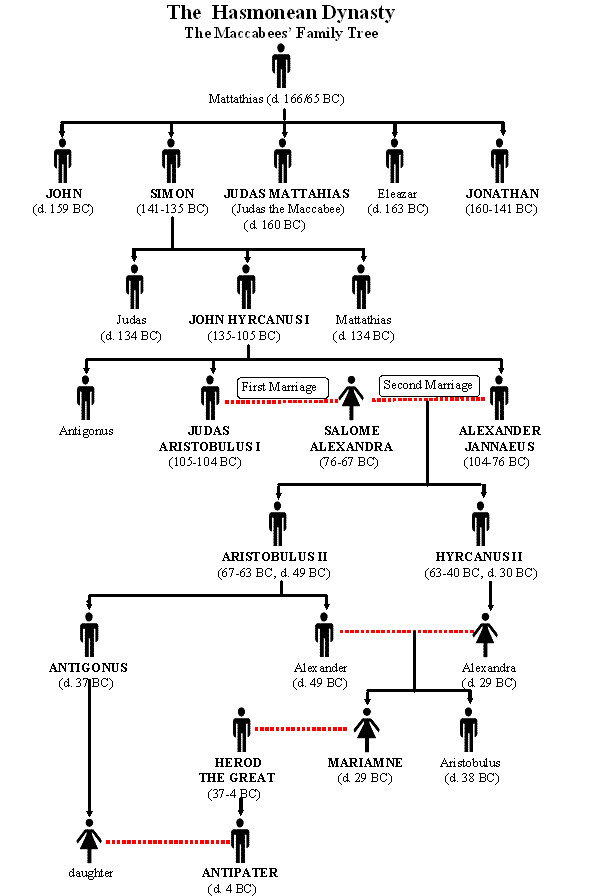
We begin with the Roman general Pompey leading Roman troops into Jerusalem in 63 BCE. Pompey granted Hyrcanus II the throne, under Roman oversight; Hyrcanus II ruled until 40 BCE. As a Roman protectorate, Judea had the right to have a king. Hyrcanus was a Hasmonean, a member of a priestly family that had worked itself into a position of power in Jerusalem after the revolt in the time of Antiochus Epiphanes (175—167 BCE).

The revolutionary activity of the Maccabees, led by a priest, Mattathias, and his five sons, sought to expel the foreigners from Israel. When Antiochus had a pagan symbol placed into the holy Temple, “Mattathias and his sons tore their clothes, put on sackcloth, and mourned greatly” (1 Macc 2:14). In the face of orders from the king’s officers, Mattathias declared, “I and my sons and my brothers will continue to live by the covenant of our ancestors. Far be it from us to desert the law and the ordinances. We will not obey the king’s words by turning aside from our religion to the right hand or to the left” (1 Macc 2:20–22).

The family of Mattathias and their followers were given the Hebrew name Maccabees, meaning hammer—reflecting the hammer blows they struck, again and again, against their enemies. From 167 BCE they fought an armed insurgency which eventually brought victory over the Seleucids in 164 BCE. For a time, Jews would rule Israel once again.

The Hasmonean dynasty

The family given the name Maccabees had at its centre a number of descendants of Hashmon (referred to by Josephus as Asmoneus at Jewish Antiquities 12.265). Thus the string of rulers drawn from this family for the ensuing century, until 63 BCE, are known as the Hasmoneans. The first three rulers from this family were sons of Mattathias: Judah (164–160), his youngest brother Jonathan (160–142), and then his oldest brother Simon (142–134). Each, in turn, moved the religious and cultural practices away from the initial zealous intention to restore Torah and Temple to Israel.

The Hasmoneans believed they should not only sit on the throne of Judah, but also exercise the responsibilities of the High Priest. Claiming this religious leadership was not in accord with the tradition that the priests came from the descendants of Aaron, the brother of Moses, descending through the tribe of Levi (Num 1:48–54; 1 Chron 6:48; 2 Chron 13:10–12; Ezek 44:15). That the Hasmonean high priests were not priests in this precise lineage was a problem for the more traditional members of Israelite society, and would foster discontent and rivalry amongst various groups with Israelite society.

In the midst of growing discontent and instability, in 40 BCE the Roman Senate declared Herod of Idumea to be “King of the Jews”. One of Herod’s many wives was Marianne, the granddaughter of both Aristobulus II and Hyrcanus II. (Aristobulus’s son, Alexander, had married Alexandria, the daughter of Hyrcanus. They were the parents of Marianne.) So he had married into the Hasmonean family.

It is said that Antigonus, the brother of Alexander and son of Aristobulus, had cut off Hyrcanus’s ears to make him unsuitable for the High Priesthood, so Antigonus ruled for three years in defiance of Rome’s decree. Herod, with the support of Mark Anthony, seized power in 37 BCE and held power until his death in 4 BCE. Hasmonean rule was at an end; Herod was an Idumean, the son of an Idumean man, Antipater, who served in the court of Hyrcanus II, and his wife Cypros, from a Nabatean Arab princess. He has been raised as a Jew, but to many Jews he was not a Jew, but an Idumean (the kingdom that had evolved from the Edomites, to the south of Judah).

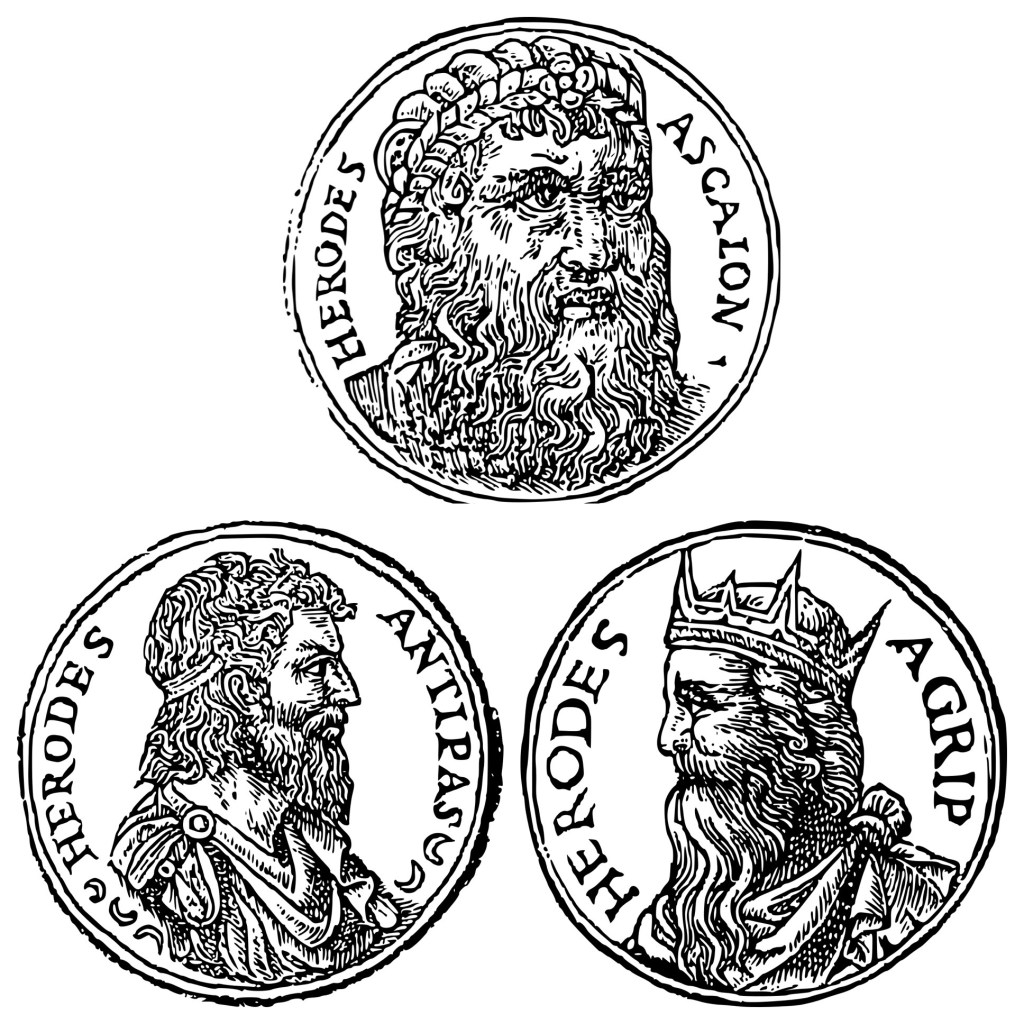
Herod the Great (top), titled “Herod Ascalon”
in light of the tradition that he was born in Ashkelon;
one of his younger sons, Herod Antipas (bottom left),
and his grandson through Aristobulus,
Herod Agrippa (bottom right)

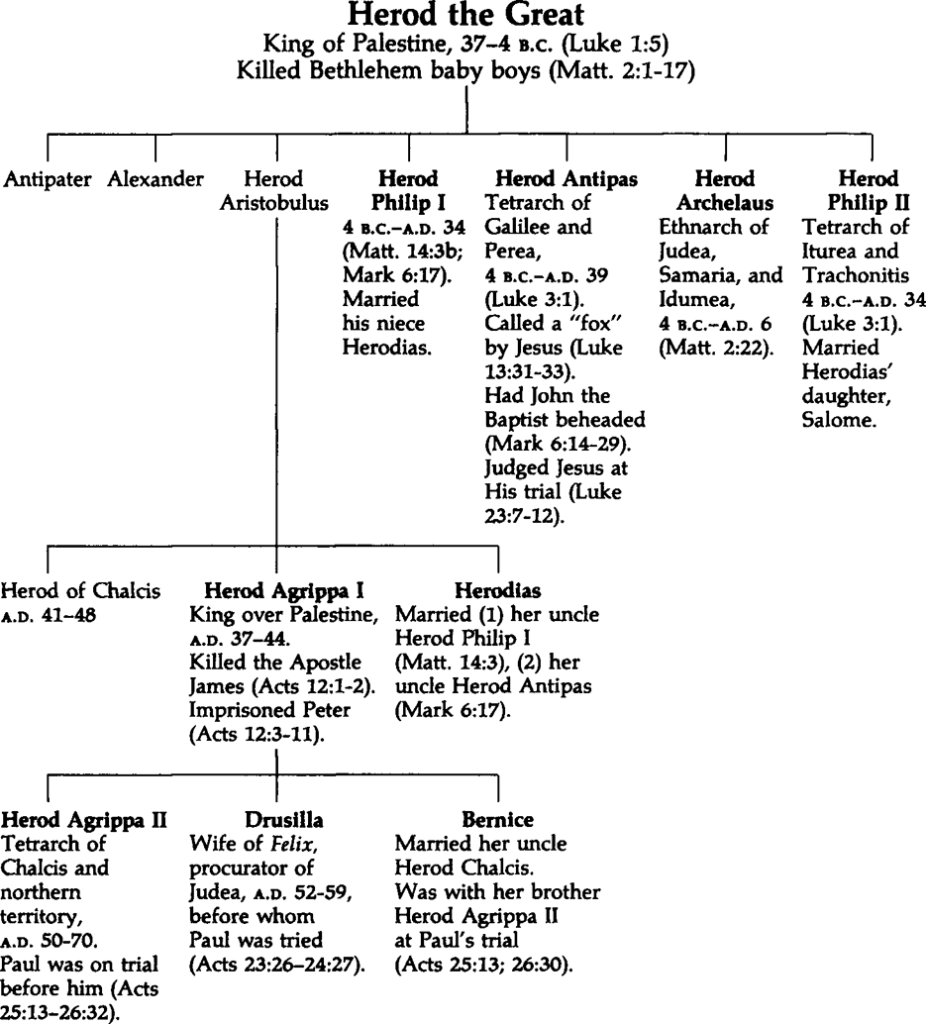
Later, after the death of Herod, one third of his kingdom (the region of Galilee) came under the control of Herod Antipas, the son of Herod the Great and one of his wives, Malthace, from Samaria. Herod senior was “Herod the Great”, the king who, according to Matthew, ordered the slaughter of all males born in Israel (Matt 2:16–18).

The Herodian family

Herod Antipas, his son, was, according to Mark, the ruler who, against his better judgement, ordered the beheading of John the baptiser (Mark 6:17–29). Herod Agrippa was another member of the family, a grandson of King Herod by another of his wives, Mariamne, who ruled as King of Judea from 41 to 44 CE. He appears as “King Agrippa” in Acts 24—25, when Paul is brought to Caesarea, the seat of government, to be judged by Agrippa, his consort Bernice, and the Roman Governor Festus.

So today’s story from Mark 6 involves the middle Herod, Herod Antipas. His relationship with John the Baptist is what lies at the heart of the account in Mark 6.

Why did Herod put John to death?

We actually have two detailed accounts of the death of John. Mark, as we have seen, portrays Herod as equivocating. He tries to move the primary responsibility of John’s death away from Herod, by interspersing his daughter and her request. Perhaps Mark feels the need to excuse the Roman-supported ruler of the time, to avoid having the Jesus movement portrayed as a terrorist movement?

After all, even though Jesus was clearly crucified under orders from the Roman Governor, Pilate (Mark 15:15), Mark does have Pilate bow to the pressure of the crowd that is calling out “crucify him”, by asking the question, “what evil has he done?” (15:12–14). It is Mark who provides our earliest source for placing the blame on the chief priests”, who had stirred up the crowd to press for Jesus to be crucified (15:10–11). So if there an apologetic purpose in the passion narrative—blame the Jews, excuse the Romans–then is a similar apologetic happening in the story of John’s death?—blame Herodias, excuse Herod.

There is an account written later than Mark, by the Jewish historian Flavius Josephus, in his history of the Jews, which he wrote under Roman patronage in the latter decades of the first century CE. Here, Josephus pins the blame squarely on Herod.

Herod Antipas had divorced his first wife Phasael, who was the daughter of the king of Nabataea. Herod Antipas then married Herodias, who had previously been married to Herod’s half-brother Herod II. John was publically critical of this (Mark 6:18; Matt 14:4; Luke 3:18).

John’s criticisms of Herod’s divorce and subsequent marriage did not sit well with Herod. John’s popularity meant that he was persuading many others to this negative view of Herod. Indeed, God later vindicates the criticisms made by John, according to Josephus, who says that God punished Herod by his later defeat in battle. Josephus writes:

“Herod had put him to death, though he was a good man and had exhorted the Jews to lead righteous lives, to practise justice towards their fellows and piety towards God, and so doing to join in baptism.

“In [John’s] view this was a necessary preliminary if baptism was to be acceptable to God. They must not employ it to gain pardon for whatever sins they committed, but as a consecration of the body implying that the soul was already thoroughly cleansed by right behaviour.

“When others too joined the crowds about him, because they were aroused to the highest degree by his sermons, Herod became alarmed. Eloquence that had so great an effect on mankind might lead to some form of sedition, for it looked as if they would be guided by John in everything that they did.

“Herod decided therefore that it would be much better to strike first and be rid of him before his work led to an uprising, than to wait for an upheaval, get involved in a difficult situation and see his mistake. Though John, because of Herod’s suspicions, was brought in chains to Machaerus, the stronghold that we have previously mentioned, and there put to death, yet the verdict of the Jews was that the destruction visited upon Herod’s army was a vindication of John, since God saw fit to inflict such a blow on Herod.” (Jewish Antiquities 18.116–19)

Josephus sides with God, in arguing that Herod did the wrong thing by putting John to death—and he paid for it later on. Mark sides a little more with Herod, in seeking to excuse him and shift the blame elsewhere.

So we might well ponder: How do we respond to the idea that as they tell the story of John and Herod, both the evangelist Mark, and Flavius Josephus have apologetic purposes? Josephus puts the blame on Herod. Mark shapes the story to excuse certain people and shift the blame to others. Does this cause us to question the historical value of these texts? Are we more inclined to believe Mark rather than Josephus? or the other way around? Why might that be?

John and the prophetic tradition

The fact that Herod finds John to be of interest is rather unusual. As a ruler under Roman control, he might be expected to want to repress Jewish voices, to ensure that order is kept in society. And yet, Herod has a Jewish heritage, and would know of the importance of the voice of the prophets within that heritage.

Nathan called out David for his adultery (2 Sam 12). Elijah spoke boldly against King Ahab (1 Ki 17–19, 21) and King Ahaziah in Samaria (2 Ki 1). Elisha spoke out to King Jehoram (2 Ki 3). Amos spoke out against King Jeroboam (Amos 7). Isaiah declared the word of the Lord to Hezekiah (2 Ki 20).

Haggai likewise guided Zerubbabel, the governor of Judah, after the exile (Hag 1) and at the same time Zechariah was making declarations to King Darius of Persia (Zech 7). The role of the prophet was to be an essential, irritant in the ears of rulers, to be the niggling (and perhaps even booming) voice in the ears of rulers.

A depiction of John

John stands, it would seem, in that tradition. Not only was he an irritant to “people from the whole Judean countryside and all the people of Jerusalem” (Mark 1:5), calling them to repentance and baptizing them as they confessed their sins. He was also, according to this story, an irritant to the ruler of the time—Herod Antipas. Herod, Mark says, regarded John as “a righteous and holy man” (6:20)—high praise indeed. Herod, Mark says, “protected” John and “liked to listen to him” (6:20). And yet, he is persuaded to arrest and then behead John, not of his own initiative, but by keeping the promise he had made to Herodias (6:26–28).

We have noted briefly that the stories of the death of John and the death of Jesus have certain similarities. John functioned as a prophet, apparently speaking to those in power. Jesus also conducted himself in a prophetic manner, speaking about the kingdom which God was going to bring in—although he talked about this, not directly to those in power, but to the people of Galilee and, ultimately, of Jerusalem.

John’s popularity was his undoing; it seemed that many liked to listen to John and accepted his criticisms of Herod and Herodias. Jesus’s popularity was also his undoing. Large crowds had followed Jesus since early in Galilee (2:13; 3:20, 32; 4:1; 5:21; 24, 30–31; 6:34; 7:14; 8:1–2, 34; 9:14–15, 25; 10:1, 46; 11:18; 12:37).

The Jewish leadership in Jerusalem were offended at the teachings they heard from Jesus in the temple; “they wanted to arrest him, but they feared the crowd” (Mark 12:12). in similar fashion, Mark notes that those priests and scribes “were afraid of the crowd, for all regarded John [the Baptist] as truly a prophet” (11:32).

In many churches today, “good discipleship” or “being a good Christian” would seem to be equated with “being a good citizen”. John provides a model that steps out of the bounds of “good citizenship”. Is this a model for us to consider? For instance, in the Code of Ethics and Ministry Practice in my own church (the Uniting Church in Australia), section 6.2 states that “It is unethical for Ministers deliberately to break the law or encourage another to do so. The only exception would be in instances of political resistance or civil disobedience.”

Ministers have been arrested for protesting against laws that they believe, as a matter of conscience, to be unethical, or against their principles. They are standing in the tradition of John and the prophets before him—although nobody who has done this has, to my knowledge, been beheaded like John was!!

The famous painting of Caravaggio,
Salome with the Head of John the Baptist
(c. 1607–1610; National Gallery, London)