Blessed are the peacemakers

Elizabeth and I attended The Perth Peacemaking Conference today, being held to mark the centenary of the end of World War One. We heard the Gospel proclaimed with clarity and passion by our colleague, Chris Walker, during the morning Eucharist in the Anglican Cathedral. We listened to representatives of a range of religious faiths express how their faith informs their commitment to peace; people from Judaism, Buddhism, Islam, Indigenous Australian, Baha’i, and Christianity (Quaker, Roman Catholic, Anglican and Uniting Church).

There was a good interchange of ideas. I jotted down some of the most striking and insightful comments made during the forum. Here’s my top twelve.
Continue reading “Blessed are the peacemakers”

Pondering peace, worrying about war

It’s 100 years, this weekend, since The Armistice was signed to end The War to End All Wars. In theory, that meant that war would end, and peace would prevail. It is an important moment, to recall that event, and to assess the consequences. Sadly, it has not been a century of peace; far from it.

So, this weekend, I am pondering peace, and worrying about war.

Continue reading “Pondering peace, worrying about war”

Interpreting the creeds “in a later age”

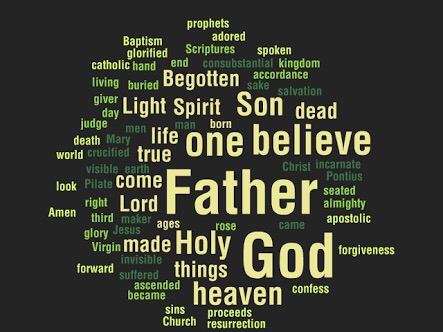
I’ve recently written about adding to, or modifying, the classic creed of the church, the Apostles Creed.

https://johntsquires.wordpress.com/2018/10/30/affirming-the-teachings-of-jesus/

In this blog, I turn my attention to the process of interpreting this creed, and other classic creeds of the church.

Continue reading “Interpreting the creeds “in a later age””

Affirming the Teachings of Jesus

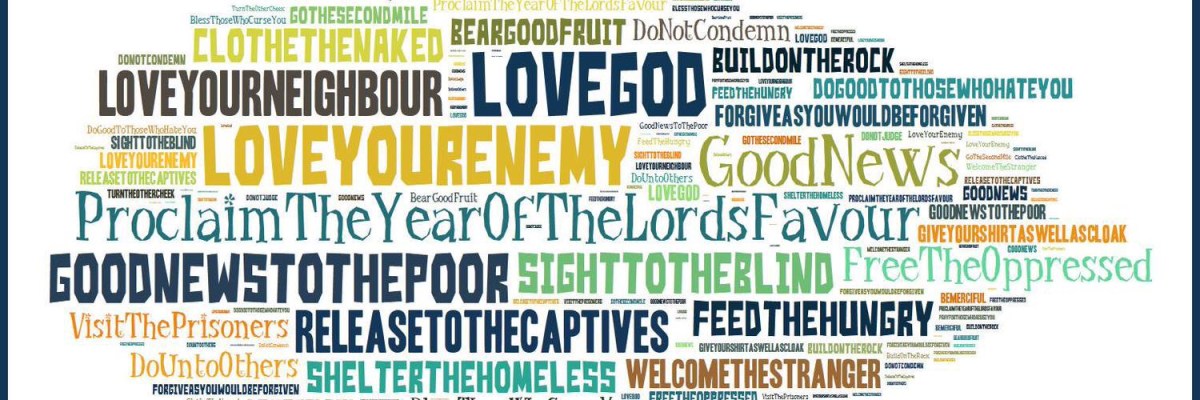
“The teachings of Jesus were a bit of an embarrassment to the [4th century] church and its relationship with power. The creeds which were developed at that time say almost nothing about the real life of Jesus or his teachings. Jesus is a saviour figure rather than one whose life and teachings matter.”

Chris Budden, Why Indigenous Sovereignty Should Matter To Christians (page 62).

Continue reading “Affirming the Teachings of Jesus”

What do we look like? From the outside, looking in …

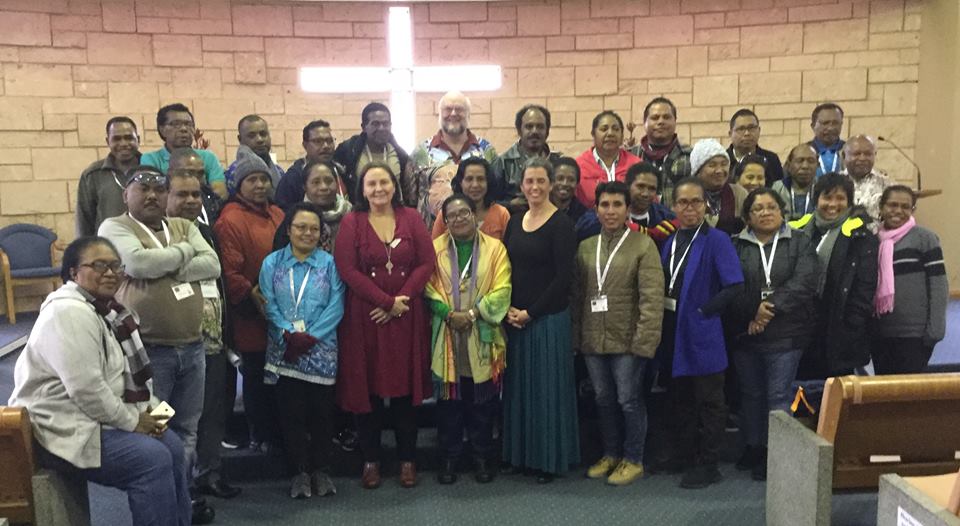
A few days ago, I joined with some colleagues to meet with a group of overseas visitors from the church in West Papua. They were spending some weeks in Perth, as guests of the Uniting Church, interacting with local UCA people and participating in church and community events, as a part of their Masters studies in community development.

Three of us from the UCA WA Education Team had opportunity to talk with the visitors over the course of an afternoon. We had been asked to speak about what education and training we offer people in the church. As a part of that, we set out to offer a short explanation of the Uniting Church, what our core values and commitments are, and what training we offer to people.

Continue reading “What do we look like? From the outside, looking in …”

The “additional marriage liturgy” for Uniting Churches

Good news from the Uniting Church in Australia website:

The Uniting Church in Australia has today published an additional marriage liturgy that will allow same-gender couples to get married in Uniting Churches from Friday 21 September 2018. The liturgy was approved by the Assembly Standing Committee which met in Sydney from 24-26 August.

The publication of the Uniting Church in Australia Additional Marriage Liturgy (2018) follows the decision by members of the Fifteenth Assembly in July to hold two equal and distinct statements of belief on marriage to honour the diversity of Christian belief among Uniting Church members.

President Dr Deidre Palmer has issued a Pastoral Letter to Church members, to reassure people about the additional liturgy. “By using this liturgy, or the previously authorised marriage liturgies, Uniting Church authorised marriage celebrants will be acting properly within the rites of the Uniting Church in Australia,” said Dr Palmer. “I reaffirm that the Assembly’s resolution on marriage allows you to hold one of two positions on marriage, as a member, Minister or Church Council. The Assembly made this decision acknowledging the faithfully held positions across the life of the Church.”

The Assembly decision allows ministers and celebrants in the Uniting Church the freedom to conduct or to refuse to conduct same-gender marriages.

In her Pastoral Letter, Dr Palmer also praised the conscientious work of Uniting Church Synods and Presbyteries. “If you are still concerned about the position of the Uniting Church in relation to same-gender marriage, I would encourage you to talk to your Presbytery or Synod leaders to ensure you are acting on accurate information about the nature and impact of the Assembly’s decision,” said Dr Palmer.

The Assembly General Secretary Colleen Geyer has written to all Uniting Church authorised celebrants notifying them of the additional liturgy, and the date from which it is authorised for use.

Resources including frequently asked questions are also available on the Assembly website.
What is missing from the Basis of Union?

I’ve offered some reflections in an earlier post concerning the things about the Basis of Union that I really appreciate:

https://johntsquires.wordpress.com/2018/08/15/what-i-really-like-about-the-basis-of-union/

But I ended those reflections with the note that the First Peoples of this continent (and related islands) are not mentioned anywhere in the Basis of Union. This needs to be noted, first of all, as a striking (and unfortunate) deficit in the Basis. I want to think further about this, and some other matters, that are absent from the Basis of Union.

Continue reading “What is missing from the Basis of Union?”

Alongside the Basis of Union, there was the Statement to the Nation

I recently reflected on “what I like about the Basis of Union”. It was a visionary document for its time, and in many ways it stands us in good stead as we seek to be a pilgrim people, always on the way towards a promised goal (para 3). That affirmation has shaped our understanding that, as a church, we are undertaking a journey, during which we continue to look to the final reconciliation of humanity under God’s sovereign grace (para 17).

At the same time (1977) as this document provided a foundation for three denominations to come together as a new Church, the inaugural national meeting of that body issued a Statement to the Nation. This document has lived under the shadow of the Basis. We could do well to read and reflect on it regularly. You can read this Statement at https://assembly.uca.org.au/resources/introduction/item/134-statement-to-the-nation-inaugural-assembly-june-1977

Continue reading “Alongside the Basis of Union, there was the Statement to the Nation”

What I really like about the Basis of Union

I am preparing to teach a couple of days on the Basis of Union, the foundational document on which the Uniting Church was created (back in 1977). That led me to thinking about the key things that I really love about the Basis. Here are some of them: Continue reading “What I really like about the Basis of Union”