“Do you believe in the Triune God?”

Every so often, I get asked the question, “Do you believe in the Triune God?”

My answer to that question involves consideration of a number of areas.

One. History

I accept that the Trinity is a helpful way of understanding God that the church has employed throughout most of its history. It arose within the debates that took place amongst philosophically-aware teachers of the church in the third and fourth centuries, so as an historical phenomenon, I can see that it makes a lot of sense within that context.

Three persons, consubstantial, of the same nature, co-inheriting, all makes sense in terms of the philosophical context of the day. Clearly, these were important ideas at the time; they generated vigorous debates amongst church leaders for quite some time!

That was how they thought and wrote, so analysing and describing God in terms of ‘persons’, ‘substance’ and ‘essence’, was utilising the tools of the time. From my studies of the period, and of many of the writings of these teachers as they debated and probed the ideas, I find I can generally admire their intellectual strength and spiritual insight in the course of these debates.

Viewed contextually, in their own time within history, the affirmations about God as “triune” make good sense. I value the concept of the Trinity as a fine example of good, honest, contextual theology.

Two. Scripture

I don’t find that there is a clearly-articulated awareness of a “three-in-one, one-in-three” divine being within either testament of the Bible. At best there are hints and clues which later investigators used, in the 3rd to 5th centuries, as the basis for their own theoretical speculations.

Neither the Hebrew Scriptures nor the Greek New Testament are informed by the developed neo-platonic worldview which was held by those Christian teachers of later centuries. So none of the writers of books which are placed into scripture can articulate things in the way that was later developed.

It is clear to me that a number of the individual elements (both the ‘persons’ and their attributes, or qualities) which made up the fourth-century concept of a triune God, are all to be found within the works of assorted first century followers of Jesus, which were eventually collected together as part of Christian scripture, the New Testament.

It is also clear to me that many of these elements are most certainly not found, in the way they are used in Christian theology, in the Jewish writings from centuries prior to Jesus, which were collected together as Hebrew Scripture.

So the individual elements can be seen if we identify a number of New Testament texts, extract those elements from their context, and combine them artificially into a new combination of ideas that we then grant the status of a reality. Clearly, the fully-fledged, totally integrated concept that the later fathers developed, is not there. Scripture does not testify to the “three-in-one” concept of God that is articulated in later theology.

This is an important distinction to maintain. Perhaps you can argue that individual elements are present in some biblical passages for assorts books. But certainly I cannot see how the final, integrated idea is put forward at any point in Scripture.

And, of course, there are numerous ways of understanding God, articulated in both testaments, which are not of primary consideration in the “doctrine of the Trinity” that arose over time. Hebrew and Greek writers offer a wide range of diverse insights into what God may well be like. A “triune God” is one, but by no means the only, deduction to be drawn from scripture.

Three. Liturgy

Personally, I find that the threefold pattern of prayers and litanies that have been developed within the church is a useful, and often quite poetic, help in shaping public worship and private prayers. And that makes sense, since the pattern of threes is a common technique in public speaking, in speeches, in jokes, and so also in liturgies.

However, I don’t for one moment imagine that the way I shape my litanies and prayers is a full and final reflection of the inner nature, the “essential being”, of God. That points in some ways to God, but by no means defines the essence of God. So I am open to other patterns and structures in worship, and in talking about God, as well.

Four. Doctrine

I do have a degree of frustration with the way that what appears to be a fixed, solidified understanding of ‘the Trinity’ or ‘the Triune God’ has taken hold, not only in many liturgies, but also in much theological writing and thinking, and doctrinal treatises, in our own time. This doctrine seems to have become a touchstone for orthodoxy, a test as to how genuine one’s doctrinal understanding is. We have solidifed our view of God into a Trinitarian formula.

The effect of this “solidification” of views about God has been that it has squeezed the life out of a wide range of other expressions as to who God is, how we relate to God, and what we understand of the mystery of the deity. Our doctrine (teaching) about God needs to be open to our range of experiences as we encounter and engage with and meditate upon God.

One way that systematic thinkers have grappled with the doctrine is by focussing on the notion that the Trinity places the idea of ‘community’ right at the heart of God; and that this then provides a mandate for exhorting our fellow human beings to live relationally, in community, with one another. That is an attractive idea, to be sure — and one that is much needed in modern society.

But how do we really know what is at the heart of God? what is the essential nature of God, within God’s own self? We can’t be sure that this is actually how God is. And why do we need an abstract theory of ideas and concepts to validate the exhortation to live in community? A theoretical philosophical doctrine, shaped so long ago, isn’t really a convincing argument in modern public discourse, I would have thought.

Five. Polemics.

Modern theologians are quite taken by the notion that the doctrine of the Trinity provides some unifying vision that enables Christian believers to feel content in their close relationship with God, and affirmed in their positive relationships with other people of faith (and beyond …).

I find it ironic, however, that the process by which this unifying vision emerged was through a series of entirely pragmatic political powerplays exercised by a group of church fathers who soughty and gained control over the church.

Those patristic patriarchs “played hard”, confronted alternative points of view, argued vociferously against them, expelled their proponents from the church, and created creeds which shut out these so-called ‘deviant’ or ‘heretical’ opinions. They were convinced that they possessed The Truth, and any other view was Beyond The Pale.

The irony is that such modern theologians can so readily overlook the hardball powerplays of the patriarchal pugilists, and create theories and pictures of trinity-as-communion, trinity-as-unity-in-diversity, and the whole idealistic perichoretic thing.

I’m somewhat sceptical of the conclusions to which such modern theologians arrive (very nice as they are, very appealing as they emerge), largely because these theologians appear to be completely oblivious to the rough, painful and highly politicised process by which the doctrine was created.

I wonder: would any of the fathers of old have been up on Discipline Charges, given they ways that they prosecuted their arguments and dealt with dissidents, if they were miraculously transported into the contemporary church??

Six. Prayer

It seems to me that the doctrinal stranglehold of the Triune God has limited, confined—even belittled—our human grasping after God, our human imaginings of who God is, our human efforts to articulate something of how we might gain access to the inner workings of God.

I am actually quite unsure as to how we human beings can do this with final, definitive confidence, so I much prefer the openness of pondering about, and praying with, God, that is not limited by trinitiarian formulae and dogmas. Prayer, after all, is opening ourselves to a renewed encounter with the divine.

I do not believe that the Trinity as a doctrine has nothing at all to offer to us today. That is not so. But, by the same token, there is so much more to ponder, explore, and explain, beyond this strict triune formula, so I think we need to be regularly reminded that we ought to be opened up to those possibilities.

So I am happy to have a place for “the Triune God” amongst the various ways in which I think about and relate to God. But it is not the one and only thing to be said, or thought, or prayed, in relation to God.

Seven. Mission and Meaning.

So, I reckon that Trinity Sunday provides a new missional opportunity. The missional task that we face is to follow the example provided by the contextualised development of doctrine by the church fathers. This Trinity Sunday, instead of sermons that grind through abstruse and remote arguments for the Trinity, I would hope we can begin to find ways, in the contemporary context, where we can talk about God and bear witness to our faith, using concepts that are understandable and ideas that are enlivening.

If we want to talk about the divine delight in deep relationships and God’s desire to relate fully to our world, then concepts of incarnation, God coming “down” to earth, hypostatic equality, co-inherence and perichoresis, just won’t cut through in the contemporary era.

We need to move beyond the ossified conceptualisation of God from so many centuries ago, and begin to create our own language and our own ideas for bearing witness to what we know in God. Mere repetition of ancient speculation and debate will not suffice.

It seems to me that, if we want to engage adequately in mission, we have to be immersed in our world, fully part of the communion of daily life. One critical problem is that when we devote time to speaking of the Trinity, using abstract philosophical terms drawn from the foreign languages of antiquity, then we are privileging the voices of male patriarchs from antiquity, over the lived experience of faithful people in these present time.

The Gospel is surely that God’s generous self-outpouring is evident in actions which foster justice and deeds which demonstrate compassion; in loving relationships and in living the values of the kingdom. Words which are uttered about concepts which are about imagined entities and their relationships, will not suffice. We need new images, concepts and doctrines: new images to reflect who God is for us, new concepts to help us think further about God, and new doctrines to speak clearly about God in our contemporary context!

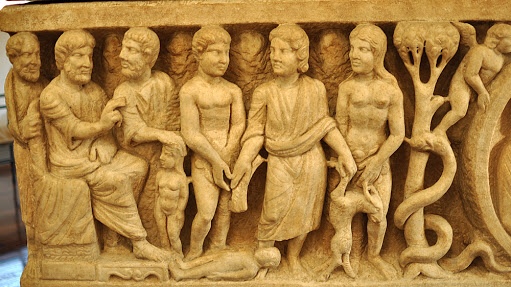
(The image is a literalist personification of the doctrine of the Trinity, from the so-called Dogmatic Sarcophagus, c. 350 CE, kept in the Vatican Museums)

Geoff Thompson has recently written a thoughtful and challenging reflection on the Trinity at http://xenizonta.blogspot.com/2019/06/trinitarian-disruption.html

Craig Mitchell has offered these words (to a familiar tune) which provide a supportive expression of how we encounter the triune God in our lives at https://craigmitchell.typepad.com/mountain_masala/2012/05/creator-companion-comforter.html?fbclid=IwAR39O1mfvMFx4dKIPtUhuUKfldiW4LAZZp2zgh4A6j37AGCh4tPDyWjGDqQ

For my musings about the creeds and what they contain, see

https://johntsquires.com/2018/10/30/affirming-the-teachings-of-jesus/

https://johntsquires.com/2018/11/02/interpreting-the-creeds-in-a-later-age/

The Paraclete in John’s Gospel: exploring the array of translation options (John 14, 15, 16)

The Gospel reading for this Sunday, from the Gospel of John, contains a rather unusual word, which is translated in various ways across the range of English translations. The word (in Greek) is parakletos. It appears four times in the Gospel of John (14:16, 14:26, 15:26, and 16:7) and once more in the first epistle of John (1 John 2:1). How should this word be translated?

First, a word about translations. There is a range of possibilities for undertaking a translation of the Bible into modern English, stretching across a spectrum that ranges from formal correspondence translations, all the way to dynamic equivalence translations. 

At one end of the spectrum, formal correspondence translations place a high value on sticking closely to the original biblical language. They follow, as closely as is possible, what was written in the original language. Where the original Greek or Hebrew is obscure, it may attempt to assist the reader in some measure; but the sentence structure of the original language is basically adhered to, and there are approximately the same number of words in the translation as in the original. 

At the other end of the spectrum of translations, dynamic equivalence translations move the emphasis away from the original language; the overriding concern of the translators is to communicate the meaning of the text in contemporary, idiomatic English expression. There are anumber of such translations that have been published over the years.

When we turn to this single Greek word, used in John and 1 John to describe the Holy Spirit, we find that the Revised Standard Version translates this word Parakletos, as Counsellor. The same term is used in the New International Version.

Both translations aim at formal correspondence as much as possible. The term counsellor infers that the spirit is a guide for Christian faith; one who relates one-to-one with the Christian person, who walks alongside them, encouraging them and offering advice where relevant. This is a fair translation of the Greek word used here.

The New Revised Standard Version has made a significant change from its parent translation, the RSV. In place of the term Counsellor, the NRSV prefers the term Advocate. The Jersualem Bible and the New Living Translation also use this term. It has quite a different nuance in English. 

The usual location for the term advocate, in contemporary English, is the courtroom; so we move from the intimacy of the counselling relationship, to the public realm of judicial hearings. By describing the spirit as an advocate, these translations are describing the spirit as a person who represents the Christian person and stands up for their rights, who ensures that the believer is given a full and fair hearing at the day of judgement. 

The NRSV translation, Advocate, is equally as valid as the alternative, Counsellor, since the Greek term they both translate actually contains both shades of meaning  it refers to one who walks beside and supports, as well as one who stands on behalf of and represents. Either translation corresponds formally to the original term. But, in opting for one or the other of the nuances of the term, the meaning has actually been specified far more narrowly than in the original language. Such are the limitations of translations. 

The Good News Bible, a dynamic equivalence translation, translates the word for the Spirit in John 14-15 as Helper. The New American Standard Bible and the translation made by J.B. Philips also use the term Helper.

This choice of word is obviously related to the sense of Counsellor, but it is very limited in meaning. A counsellor can certainly help; usually they have specific skills and expertise that they bring to bear into a situation. By contrast, the word helper suggests someone who is in a subordinate position, one who pitches in by assisting with the more menial tasks, and perhaps one who is at the beck and call of the one requesting the help. 

This kind of nuance might give some insight into the role of the spirit, who does come to the aid of the Christian person and provide assistance. Nevertheless, the English word helper sits somewhat at odds with the broader Christian conception of the Holy Spirit. It is a limited, over-simplistic view of the role of the Holy Spirit.  

A fourth option for translating this term is the word Comforter, which appears in the King James Version, the so-called ‘Authorised Version’ of 1611. This also is an accurate translation of the word Parakletos, for it was used in ancient writings to describe the comfort, or consolation, to those who were aggrieved. By opting for this translation, the KJV was also being faithful to the text. 

However, there are other considerations to be made here. Because the KJV is so old – it is over four centuries since this translation was made  it can sometimes be less relevant to contemporary understandings. The word “comfort” has shifted in meaning over the centuries, and to us it now conveys an image of the kindly parent, hugging the distressed child, drying their tears, settling them down into bed; a domestic image which may well describe something of the role of the spirit, but which loses so much of the broader scope inherent in the term.

In addition to the formal correspondence and dynamic equivalence translations, a third type of bible version which can be bought today is the Paraphrase. Although some of these versions claim to be translations, there is a significant difference. A paraphrase will happily move very far from the original text of the Bible, in order to convey in precise detail the particular nuance of the passage being translated. Most paraphrases deliberately use a number of words, a phrase, to convey one of the possible meanings of the original word. 

A popular contemporary paraphrase is The Message. In this instance, it uses just one word for Paraclete, which it renders as Friend. That is nice and cosy—but not quite grasping the range of meanings in the Greek! 

Finally, let me note a fifth option for translating the Greek term for the Holy Spirit in John 14-15. The Jerusalem Bible translates the term parakletos as Advocate; but in revising the JB, the New Jerusalem Bible has decided simply to transliterate the term from Greek into English. It thus uses the non-English term, the Paraclete, at this point. The virtue of this is that all the possible meanings are inherent in the term. We need to explore what it means, using biblical dictionaries or commentaries. Thus, this translation has encouraged us to work out what the word means for ourselves. 

The disadvantage of this translation is that, from a simple reading of the text, we have absolutely no idea what a Paraclete is. It is not an English word, and it is as puzzling as reading the original Greek. We cannot simply read this translation; we have to stop, think, explore, and question. Depending upon the situation, this may be appropriate and valuable, or frustrating and unhelpful.

The bottom line, for me, is: use a range of translations … explore the alternatives that are chosen in each of them … and use this range, to ponder the significance of the text that is under investigation!

Reconciliation on the land of Australia: living together with respect

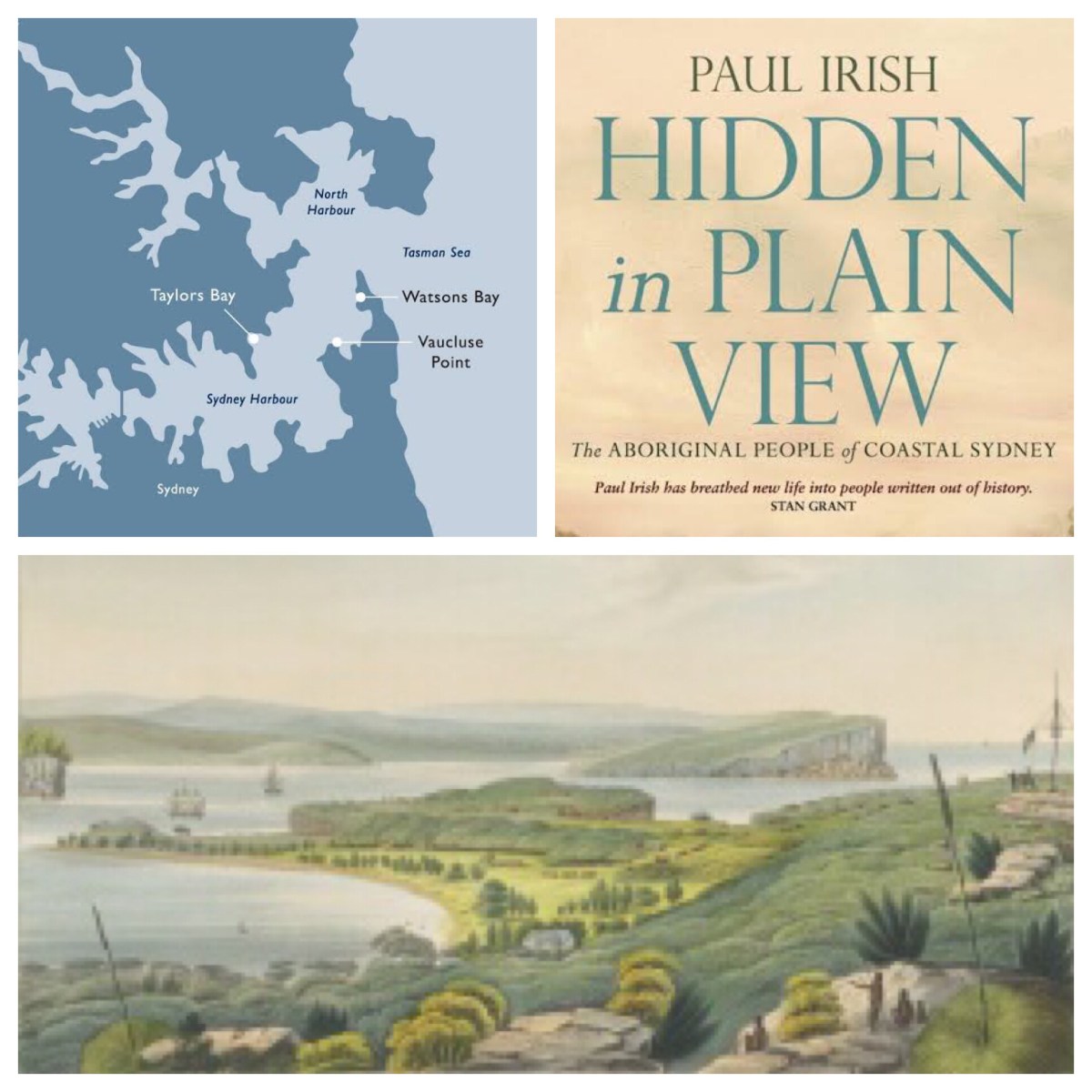
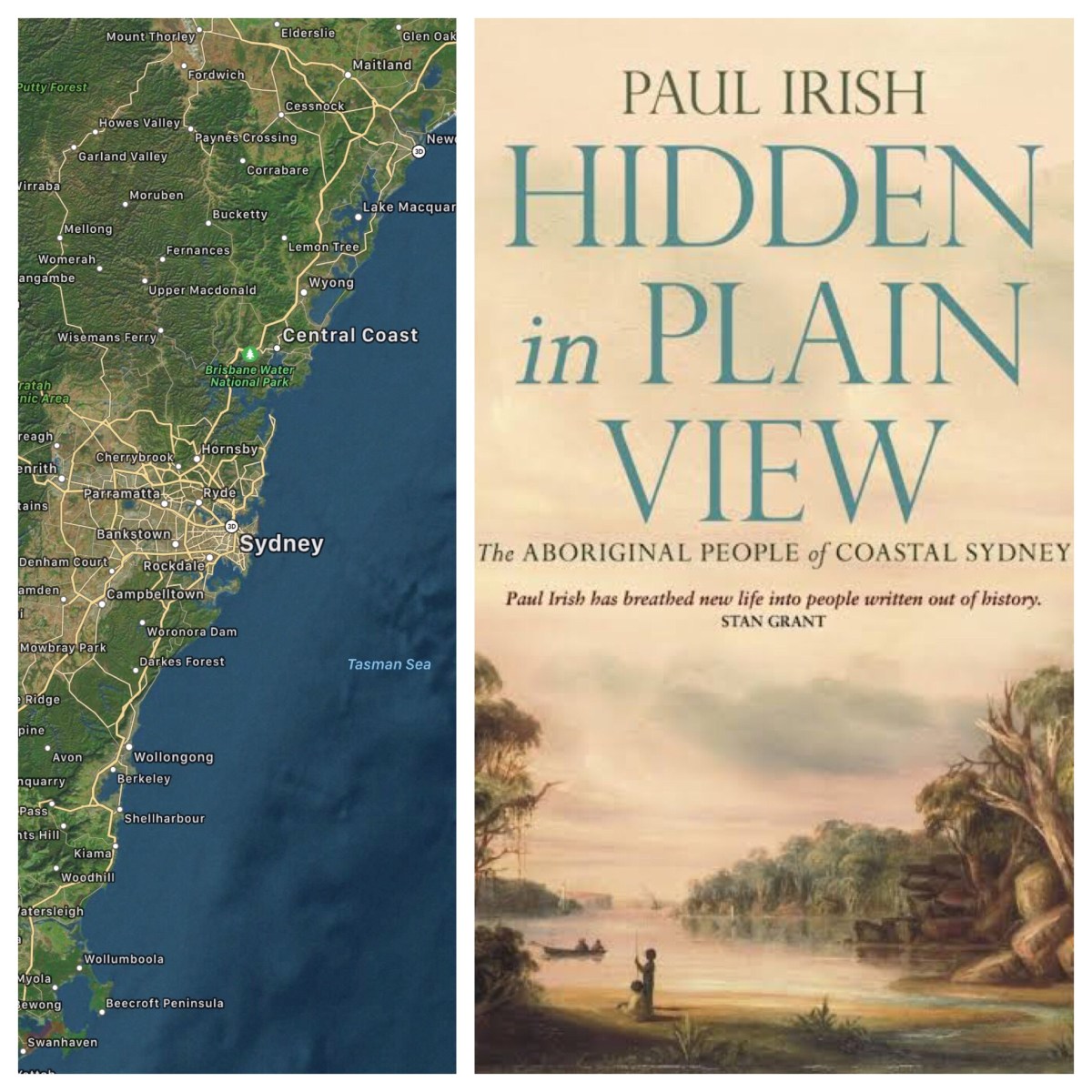
In his book Hidden in Plain View, Paul Irish has found many records that demonstrate the positive relationships between the colonisers and Indigenous people at various locations in the coastal Sydney region.

One story concerns the area in Sydney Harbour known today as Watsons Bay.

The original inhabitants of the area that is now known as Watsons Bay, were the Gadigal people. The Gadigal referred to the area as Kutti. This indigenous group of people fished and collected shellfish in the waters and bays off South Head. They acquired their resources from Camp Cove and carved rock engravings there, although many have since eroded from the cliff faces and rock surfaces that line the coastline.

Watsons Bay was named after Robert Watson (1756–1819), who had arrived with the First Fleet as quartermaster of H.M.S. Sirius. After some years at Norfolk Island, Watson was given a land grant at South Head. When the lighthouse at South Head was finished, Watson was installed as its first superintendent in November 1818.

In the early decades of the colony, there was a group of Aborigines which used Camp Cove as their base for fishing. They co-existed with the whites who began settling in the area. Later events would challenge, and then unravel, this positive relationship. There is a lot of tragedy and much sadness in the relationships between First Peoples and the colonisers, in the ensuing decades. But perhaps we need to look back to those early positive, respectful relationships, as the model for our lives today?

See also

http://home.dictionaryofsydney.org/paul-irish-hidden-in-plain-view-the-aboriginal-people-of-coastal-sydney/

https://johntsquires.com/2019/05/27/we-are-sorry-we-recognise-your-rights-we-seek-to-be-reconciled/

https://johntsquires.com/2019/05/28/reconciliation-on-the-land-of-australia-learning-from-the-past/

https://johntsquires.com/2019/05/29/reconciliation-on-the-land-of-australia-bennelong-and-yemmerrawanne/

https://johntsquires.com/2019/05/30/reconciliation-on-the-land-of-australia-bungaree-and-mahroot/

https://johntsquires.com/2019/05/31/reconciliation-on-the-land-of-australia-cora-gooseberry-and-biddy-giles/

https://johntsquires.com/2019/06/01/reconciliation-on-the-land-of-australia-these-are-my-people-this-is-my-land/

On the doctrine of discovery: https://johntsquires.com/2018/08/13/affirming-the-sovereignty-of-first-peoples-undoing-the-doctrine-of-discovery/

On learning from the land:

https://johntsquires.com/2018/12/17/learning-of-the-land-1/

https://johntsquires.com/2018/12/18/learning-of-the-land-2-ngunnawal-namadgi-and-ngarigo/

https://johntsquires.com/2019/01/30/learning-of-the-land-3-tuggeranong-queanbeyan-and-other-canberra-place-names/

https://johntsquires.com/2019/02/08/learning-from-the-land-4-naiames-nghunnhu-fishtraps-at-brewarrina/

On difficulties and tragedies in the early relationships:

https://johntsquires.wordpress.com/2019/01/16/the-profound-effect-of-invasion-and-colonisations/

https://johntsquires.wordpress.com/2019/01/18/endeavour-by-every-possible-means-to-conciliate-their-affections/

https://johntsquires.wordpress.com/2019/01/20/we-never-saw-one-inch-of-cultivated-land-in-the-whole-country/

https://johntsquires.wordpress.com/2019/01/22/they-stood-like-statues-without-motion-but-grinnd-like-so-many-monkies/

https://johntsquires.wordpress.com/2019/01/24/resembling-the-park-lands-of-a-gentlemans-residence-in-england/

https://johntsquires.com/2019/01/26/they-are-to-be-hanged-up-on-trees-to-strike-the-survivors-with-the-greater-terror/#more-424

Reconciliation on the land of Australia: “these are my people … this is my land”.

During this National Reconciliation Week, I am recalling the evidence for various positive and respectful relationships that existed between First Peoples and the invading colonisers from Britain, drawing on the work of Paul Irish in his recent book, Hidden in Plain View. (See https://www.newsouthbooks.com.au/books/hidden-plain-view/)

Earlier this week, I mentioned Bungaree, an early Aboriginal leader. He is reported as living, at various times, at Broken Bay, Sydney Town, and the Hunter region. Paul Irish reports that his first wife was Matora (1770s-1820s) and his second wife was Cora Gooseberry (1770s-1852). Both women were from the Sydney Harbour area, and Cora became known as the “Queen” of coastal Sydney in her latter years.

I love Bungaree for his clear and forthright declaration, when he was part of an Indigenous group meeting with a group of sailors from Russia in 1820. In one such meeting, he apparently declared to them: “These are my people … this is my land”.

Right on!!!

(Irish cites this from a report by Glynn Barrett in “The Russians at Port Jackson 1814-1822”, published in 1981. Barrett’s work relates to Russian ships travelling from Europe to Alaska, which often stopped at Sydney, anchoring at Port Jackson. Naval Officers and Sailors had close dealings with the Aboriginal people of the area.)

Bungaree spoke truth. This was (and still is) the land of his people. But the colonial powers of Britain failed to listen and respond appropriately. During Reconciliation Week, we need to foster an attitude of respectful relationship and careful listening, as we engage with our Indigenous sisters and brothers.

See also

http://home.dictionaryofsydney.org/paul-irish-hidden-in-plain-view-the-aboriginal-people-of-coastal-sydney/

https://johntsquires.com/2019/05/27/we-are-sorry-we-recognise-your-rights-we-seek-to-be-reconciled/

https://johntsquires.com/2019/05/28/reconciliation-on-the-land-of-australia-learning-from-the-past/

https://johntsquires.com/2019/05/29/reconciliation-on-the-land-of-australia-bennelong-and-yemmerrawanne/

https://johntsquires.com/2019/05/30/reconciliation-on-the-land-of-australia-bungaree-and-mahroot/

https://johntsquires.com/2019/05/31/reconciliation-on-the-land-of-australia-cora-gooseberry-and-biddy-giles/

On the doctrine of discovery: https://johntsquires.com/2018/08/13/affirming-the-sovereignty-of-first-peoples-undoing-the-doctrine-of-discovery/

Reconciliation on the land of Australia: Cora Gooseberry and Biddy Giles

As well as known Aboriginal men who were leaders of their clans and figured in ongoing relationships with the British colonisers in the coastal Sydney area, there are Aboriginal women who are recorded in the early colonial records. Paul Irish recounts what is known about some of them, in his book “Hidden in Plain View”.

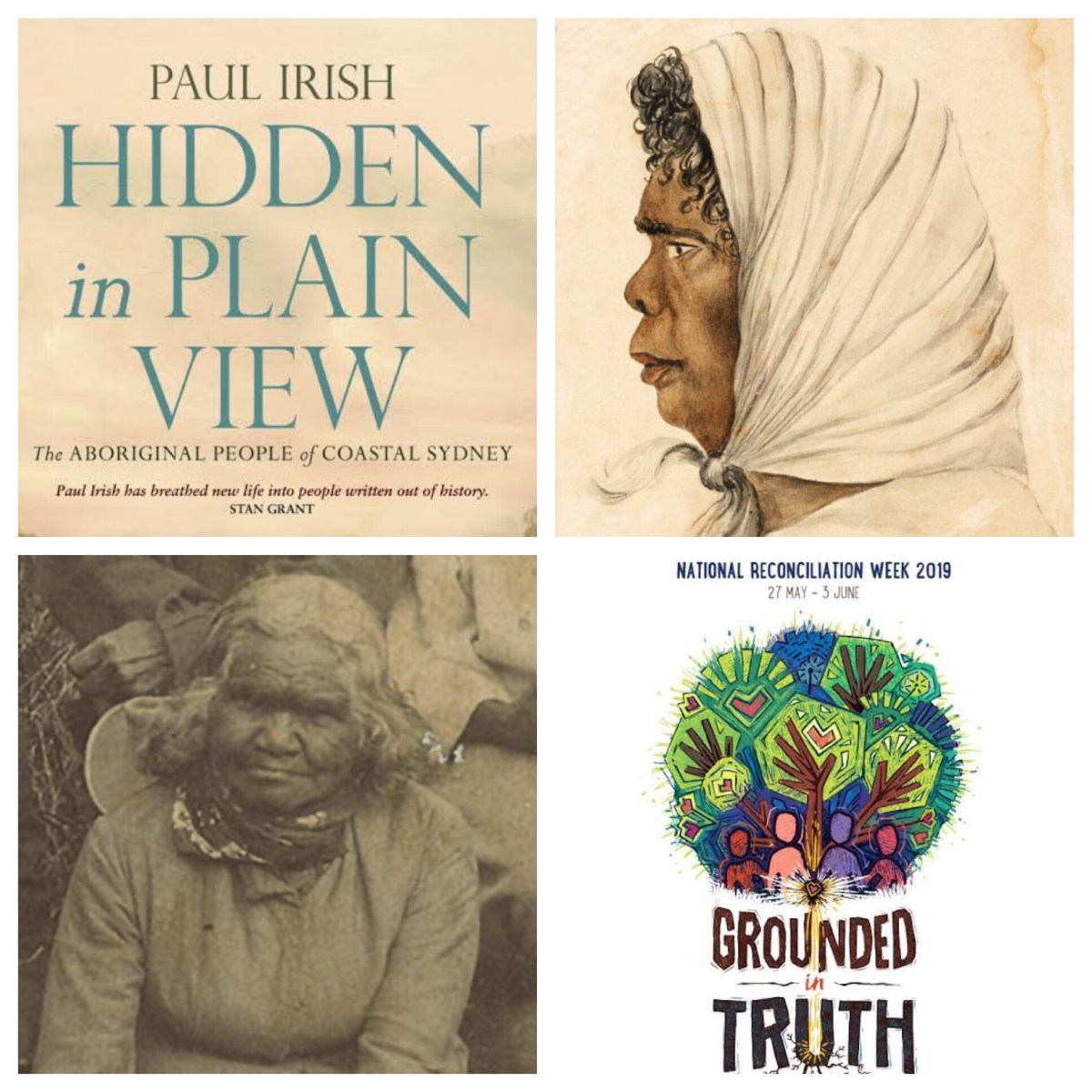
Cora Gooseberry was the widow of Bungaree (see https://johntsquires.com/2019/05/30/reconciliation-on-the-land-of-australia-bungaree-and-mahroot/). She was born around 1777 and lived until 1852. Cora was a well-known identity in the Sydney streets. Born as Carra or Kaaroo, she was the daughter of Moorooboora, leader of the Murro-Ore (Pathway Place) clan, named from muru (pathway) and Boora (Long Bay).

Irish reports that Gooseberry’s mob, including Ricketty Dick, Jacky Jacky and Bowen Bungaree, camped in the street outside Sydney hotels or in the Domain, where they engaged with the British invaders by giving exhibitions of boomerang throwing. In July 1845, in exchange for flour and tobacco, Cora Gooseberry took Angas and the police commissioner W.A. Miles on a tour of Aboriginal rock carvings at North Head and told them ‘all that she had heard her father say’ about the places where ‘dibble dibble walk about’, an inference that he had been a koradji from that region. (See http://adb.anu.edu.au/biography/gooseberry-cora-12942)

Biddy Giles, 1810 to 1888, lived first in the Illawarra, where she had two daughters to Burragalong, known as Paddy Davis. Davis lived with Biddy from 1850s on a farm at Mill Creek, off the George’s River. Biddy was skilled at fishing and hunting with a pack of dogs. Irish reports that she ran guided tours in the bush land near George’s River down to the Heathcote area, from the 1850s onwards, and then tours to whale engravings near Bundeena in 1860s and 1870s

About the time Paddy died around 1860, Biddy moved to the Georges River, with a new partner, an Englishman called Billy Giles. They lived on the western bank of Mill Creek, known to the Dharawal as Gurugurang, in a farmhouse built earlier by Dr Alexander Cuthill. They had fruit trees, goats and abundant bush tucker from the river and its banks. During the 1860s, Biddy and Billy acted as guides for groups of travellers in shooting or fishing parties, sharing their knowledge of the river and its wildlife, telling stories and sharing skills. These trips ranged from Mill Creek east all the way to the ocean and south into Dharawal country as far as the Shoalhaven.

Some of these travellers wrote accounts of their trips with Biddy, marvelling at her unfailing ability to find fish, her control of her hunting dogs and the skill with which she could rustle up a delicious meal from local produce. (See https://dictionaryofsydney.org/entry/giles_biddy)

Such women are fine models for us to ponder during this National Reconciliation Week.

(In the picture, Cora Gooseberry is top right, Biddy Giles is bottom left.)

See also

http://home.dictionaryofsydney.org/paul-irish-hidden-in-plain-view-the-aboriginal-people-of-coastal-sydney/

https://johntsquires.com/2019/05/27/we-are-sorry-we-recognise-your-rights-we-seek-to-be-reconciled/

https://johntsquires.com/2019/05/28/reconciliation-on-the-land-of-australia-learning-from-the-past/

https://johntsquires.com/2019/05/29/reconciliation-on-the-land-of-australia-bennelong-and-yemmerrawanne/

https://johntsquires.com/2019/05/30/reconciliation-on-the-land-of-australia-bungaree-and-mahroot/

On the doctrine of discovery: https://johntsquires.com/2018/08/13/affirming-the-sovereignty-of-first-peoples-undoing-the-doctrine-of-discovery/

Reconciliation on the land of Australia: Bungaree and Mahroot

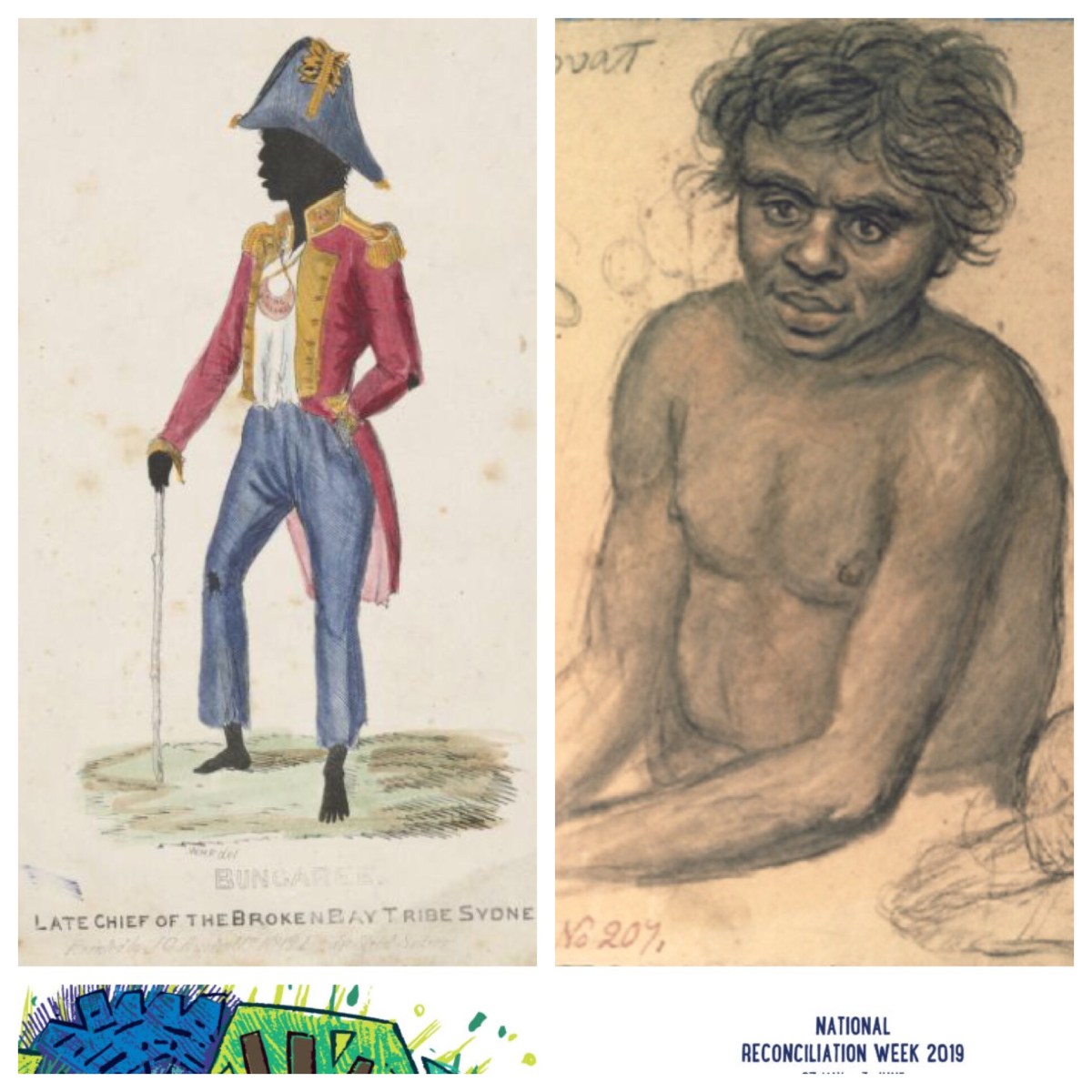
Paul Irish, in his recent book, “Hidden in Plain View”, introduces us to various Aboriginal people who are noted on a number of occasions in the early colonial records. One of them was Bungaree (1770s-1830), who came from the area we know as Broken Bay, at the northern end of “Coastal Sydney”.

Bungaree, or Boongarie, was born around the time that the First Fleet was being gathered together in preparation for the long trip to the Great South Land. As an adult, he adopted the role of a mediator between the invading British colonists and the Aboriginal people. He sailed in that capacity with Matthew Flinders, becoming the first Australian to circumnavigate the continent on that voyage of 1802–03.

It is said that, during this voyage, Bungaree used his knowledge of Aboriginal protocol to negotiate peaceful meetings with local Indigenous people. later, in A Voyage to Terra Australis, Matthew Flinders subsequently wrote that Bungaree’s ‘good disposition and open and manly conduct had attracted my esteem.’ (In A Voyage to Terra Australis)

In mid-life he found a patron in Governor Lachlan Macquarie, who made Bungaree ‘Chief of the Broken Bay Tribe’, set aside land and gave him a boat for fishing. In his later life Bungaree, while still respected as an Aboriginal leader, was regarded as the best-known character in the streets of Sydney.

Bungaree died in 1830. There is a substantial entry on him in the Dictionary of Sydney (https://dictionaryofsydney.org/entry/bungaree)

Another Aboriginal leader was Mahroot (1790s to 1850), who was also known as “Boatswain”. Mahroot lived with his wife at Botany (near the site of the Sir Joseph Banks Hotel), and it is recorded that he worked there as ferryman and guide in the 1840s. It is also claimed that several white people lived there, as his tenants. (https://dictionaryofsydney.org/person/boatswain_maroot)

Mahroot had regular and consistent engagement with whites in the colony; it is said that Mahroot and the British colonisers happily co-existed. He gave evidence to the Select Committee on the Condition of the Aborigines in 1845 where he spoke frankly about his life, his family, his Country and the impact on Indigenous people since 1788.

See also

http://home.dictionaryofsydney.org/paul-irish-hidden-in-plain-view-the-aboriginal-people-of-coastal-sydney/

https://johntsquires.com/2019/05/27/we-are-sorry-we-recognise-your-rights-we-seek-to-be-reconciled/

https://johntsquires.com/2019/05/28/reconciliation-on-the-land-of-australia-learning-from-the-past/

On the doctrine of discovery: https://johntsquires.com/2018/08/13/affirming-the-sovereignty-of-first-peoples-undoing-the-doctrine-of-discovery/

Reconciliation on the land of Australia: Bennelong and Yemmerrawanne

During this National Reconciliation Week, I think it is worth recalling the evidence for various positive and respectful relationships that existed between First Peoples and the invading colonisers from Britain. We are accustomed, now, to reading of the violent conflicts and massacres that occurred. These are tragic parts of our history that we must not deny, overlook, or ignore.

But in the early stages of the colony—and, indeed, stretching throughout the colonial period—there were mutually respectful relationships between these groups. National Reconciliation Week seems to be a good time to recall this.

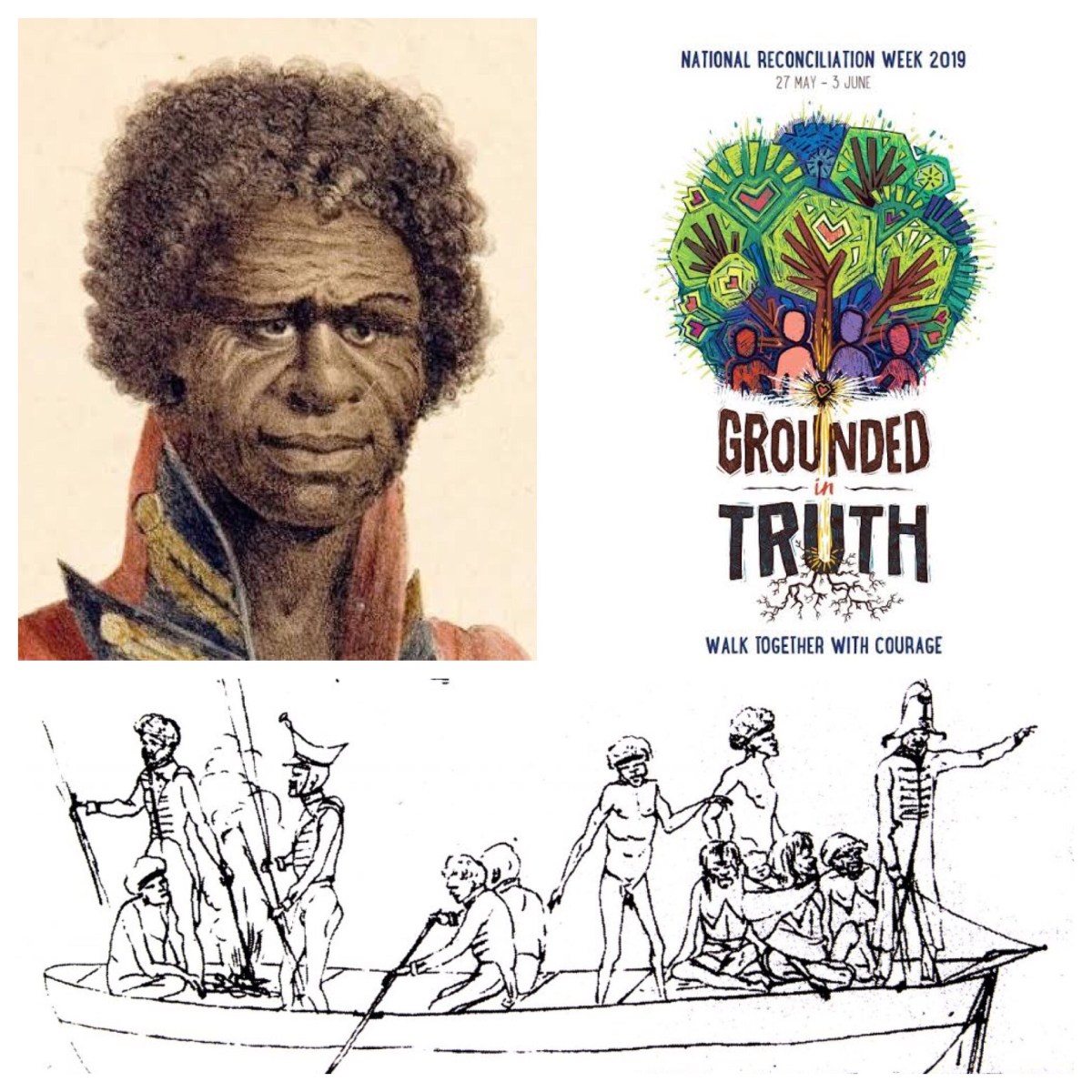
Perhaps the best known persona from amongst the First Peoples encountered by the invading British coloniser was Bennelong, born in 1764 on the southern shore of the Parramatta River. Paul Irish (in Hidden in Plain View) notes that his various family connections meant that Bennelong had connections to country on Goat Island, at Botany Bay, on the lower north shore of Sydney Harbour, and along the northern side of Parramatta River.

Bennelong was kidnapped in November 1789, under the orders of Governor Arthur Phillip, who thereby set an unfortunate tone for the relationship with the locals from the very early years of the colony. Phillip apparently assumed that Bennelong was a “King” of the local people, and thus the correct person with whom to negotiate about co-existing in the same area. It was an attempt to build a constructive relationship, even if it was carried out in what we now recognise to be an entirely flawed manner.

It is said that Bennelong took readily to life among the white men, relished their food, acquired a taste for liquor, learned to speak English and became particularly attached to the Governor. At the end of his term as Governor in 1792, Arthur Phillip travelled to England with Bennelong and another Aborigine, Yemmerrawanne, a Wangal man of the Eora people.

Yemmerrawanne was described by Watkin Tench, in his work, A Complete Account of the Settlement at Port Jackson (1793), as a “good-tempered lively lad” who became “a great favourite with us, and almost constantly lived at the governor’s house”. (See https://dictionaryofsydney.org/entry/yemmerrawanne)

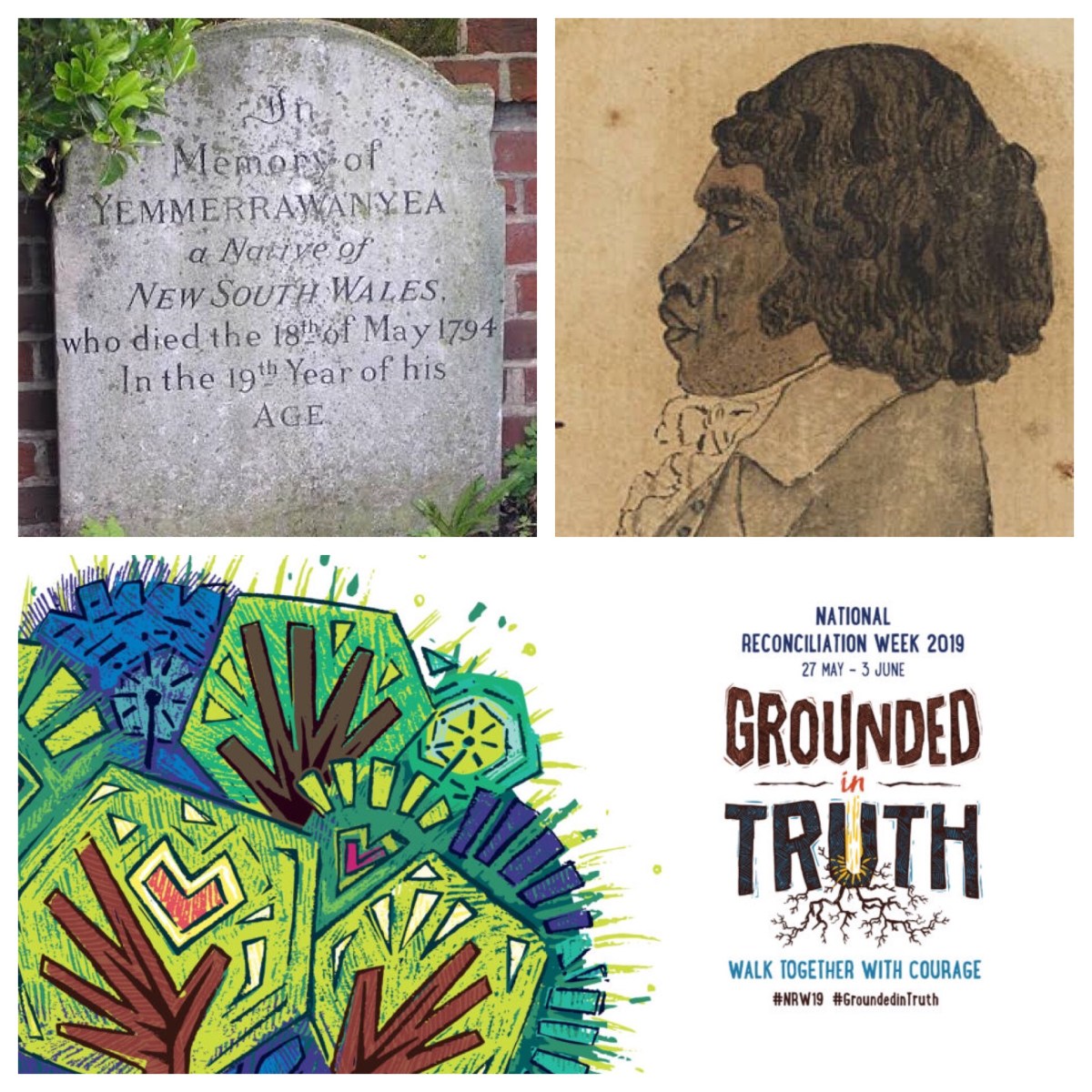
Yemmerrawanne never returned home from his trip to England. After a long illness, he died from a lung infection on 18 May 1794 at the home of Mr Edward Kent at South End, Eltham in the county of Kent. His gravestone in Kent marks his life, and death.

Bennelong stayed in England from 1792 to 1795. On his return to Sydney, he was able to develop more positive relationships with the British, and functioned as an advisor to Governor Hunter.

Bennelong lived his last years with one of his wives, Boorong, at Kissing Point, with an extended group of about 100 people, until his death on 3 January 1813. He was buried in the Kissing Point orchard of the brewer James Squire—no relationship! Squire had been a great friend to Bennelong and his clan; another sign of positive, respectful relationships between Aborigines and the colonisers. We need to learn from such stories in our history.

See the extensive article on Bennelong in the Australian Dictionary of Biography at http://adb.anu.edu.au/biography/bennelong-1769

The image portrays Bennelong, the grave of Yemmerrawanne, and the 2019 National Reconciliation Week logo and theme.

See also

http://home.dictionaryofsydney.org/paul-irish-hidden-in-plain-view-the-aboriginal-people-of-coastal-sydney/

https://johntsquires.com/2019/05/27/we-are-sorry-we-recognise-your-rights-we-seek-to-be-reconciled/

https://johntsquires.com/2019/05/28/reconciliation-on-the-land-of-australia-learning-from-the-past/

On the doctrine of discovery: https://johntsquires.com/2018/08/13/affirming-the-sovereignty-of-first-peoples-undoing-the-doctrine-of-discovery/

Reconciliation on the land of Australia: learning from the past

During this National Reconciliation Week, I think it is worth recalling the evidence for various positive and respectful relationships that existed between First Peoples and the invading colonisers from Britain.

We are accustomed, now, to reading of the violent conflicts and massacres that occurred As the invading colonisers settled on lands which had belonged, for millennia, to the First Peoples of the continent. These are tragic parts of our history that we must not deny, overlook, or ignore. (See my earlier posts on this aspect, noted below.)

But in the early stages of the colony—and, indeed, stretching throughout the colonial period—there were mutually respectful relationships between these groups. National Reconciliation Week seems to be a good time to recall this.

Paul Irish, in his recent book, Hidden in Plain View, has traced the evidence that shows the positive and respectful relationships that existed in the 19th century “between the colonial settlers and Aboriginal people in Coastal Sydney”. (See https://www.newsouthbooks.com.au/books/hidden-plain-view/)

Irish maps an area stretching from Port Stephens to the Shoalhaven, as far inland as the headwaters of the Parramatta and George’s Rivers in the Sydney Basin, but including coastal spurs along northern and southern edges of the Basin. (Pretty much like the current urban sprawl of Newcastle-Central Coast-Sydney-Wollongong-Kiama-Nowra.)

According to Irish, this was an area within which many of the Indigenous peoples moved about, living in different locations at different times, because of their long-established family and clan links with those locations. His interest in is mapping the relationships between the colonisers and Indigenous people at various locations in this coastal area.

Irish refers to “those whose links to coastal Sydney extend back hundreds of generations, whose ancestors met the first Europeans, and who found a way to create an ongoing place for themselves in the oldest and largest city in the country.”

He writes about their “remarkable story of survival through cultural strength and cross-cultural entanglement that sits in stark contrast to commonly held views of colonial and Aboriginal Australia, and to the experiences of most Australians today”. (There is an edited extract from his book available online at https://insidestory.org.au/atween-here-and-the-georges-river/)

Paul Irish refers to men such as Bennelong, Yemmerrawanne, Bungaree, and Mahroot. He also refers to women such as Cora Gooseberry, Biddy Giles, Matora, and Mary Ann Burns. They were leaders in their communities and they were able, for the most part, to relate to the colonisers who had invaded their lands, with grace and respect. In this National Reconciliation Week, we would do well to reflect on them and to follow their example.

(More reflections to come as the week continues …)

See also

http://home.dictionaryofsydney.org/paul-irish-hidden-in-plain-view-the-aboriginal-people-of-coastal-sydney/

https://johntsquires.com/2019/05/27/we-are-sorry-we-recognise-your-rights-we-seek-to-be-reconciled/

On the doctrine of discovery: https://johntsquires.com/2018/08/13/affirming-the-sovereignty-of-first-peoples-undoing-the-doctrine-of-discovery/

On learning from the land:

https://johntsquires.com/2018/12/17/learning-of-the-land-1/

https://johntsquires.com/2018/12/18/learning-of-the-land-2-ngunnawal-namadgi-and-ngarigo/

https://johntsquires.com/2019/01/30/learning-of-the-land-3-tuggeranong-queanbeyan-and-other-canberra-place-names/

https://johntsquires.com/2019/02/08/learning-from-the-land-4-naiames-nghunnhu-fishtraps-at-brewarrina/

On difficulties and tragedies in the early relationships:

https://johntsquires.wordpress.com/2019/01/16/the-profound-effect-of-invasion-and-colonisations/

https://johntsquires.wordpress.com/2019/01/18/endeavour-by-every-possible-means-to-conciliate-their-affections/

https://johntsquires.wordpress.com/2019/01/20/we-never-saw-one-inch-of-cultivated-land-in-the-whole-country/

https://johntsquires.wordpress.com/2019/01/22/they-stood-like-statues-without-motion-but-grinnd-like-so-many-monkies/

https://johntsquires.wordpress.com/2019/01/24/resembling-the-park-lands-of-a-gentlemans-residence-in-england/

https://johntsquires.com/2019/01/26/they-are-to-be-hanged-up-on-trees-to-strike-the-survivors-with-the-greater-terror/#more-424