The Narrative Lectionary proposes a passage for this coming Sunday containing three distinct events. First, Jesus is engaged by some Pharisees while he “was going through the grainfields” (Luke 6:1–5). Next, after he “entered a synagogue and taught”, he healed “a man whose right hand was withered” (6:6–11). Then, after spending a night on a mountain in prayer, Jesus “called his disciples and chose twelve of them, whom he also named apostles” (6:12–16).
I have already reflected at length on the first two sections of this passage; see
In this blog I focus on the third section, in which Jesus chose twelve disciples “whom he named as apostles”, presumably in recognition of their role in representing his message to those whom they encounter.
“The disciples” in Luke’s account is a broad, inclusive group of followers. It’s a term applied to those who began following Jesus from early on.The Pharisees refer to “your disciples” (Luke 5:33); they are “going through the grainfields” (6:1); and it is from this group that Jesus specifically nominates twelve “who he also named as apostles” (6:13). Jesus evidently attracts “a great crowd of disciples” (6:17) and they follow Jesus where he journeys (7:11; 8:1, 22; 9:18, 43; 11:1; 12:1; 16:1; 17:1), hearing the parables and teachings of Jesus and witnessing the miracles he performs.
Time spent with Jesus involves not just learning from him—although this is the bedrock of the relationship—but also putting his ethic into practice. First, the group of twelve are commissioned by Jesus “to proclaim the kingdom of God and to heal” (9:1–2). Then, a larger group of seventy, having spent time with Jesus learning, are challenged to exercise leadership within the Jesus movement. They are sent out “like lambs into the midst of wolves” (10:3) to proclaim peace and declare that “the kingdom of God has come near” (10:4–11).
Eventually, the disciples follow Jesus into Jerusalem (19:29). As they enter the city, the noise made by “the whole multitude of the disciples” (19:37) caused the Pharisees to tell Jesus to order them to stop (19:39). There, the disciples share a final meal with Jesus (22:11). As it was a Passover meal, it would have been a larger group, presumably including the women who were with Jesus in Galilee (8:1–3), who shared in this meal; although Luke, surprisingly, says only that “the apostles” were present (22:14).
The reason for this may be that a few verses later, Jesus tells the disciples, “I confer on you, just as my Father has conferred on me, a kingdom, so that you may eat and drink at my table in my kingdom, and you will sit on thrones judging the twelve tribes of Israel” (Luke 22:29–30; a similar saying can be found at Matt 19:28). On the four occasions when “the twelve apostles” are designated (Mark 3:14; Luke 6:13; Matt 10:2; Rev 21:14) they are intended to mirror and replicate the twelve sons of Jacob, whose names were given to the twelve tribes of Israel.
In the traditions of the church, “The Twelve Apostles” has come to be a standard phrase. A non-canonical work setting out teachings of Jesus styles itself “The teaching of the Lord to the Gentiles by the twelve apostles” (Didache 1.1). This group appears to have ben known at some stage in the early period of the movement.
But there questions about who, exactly, makes up those twelve. Is Judas in “the twelve”? And if so, what about Matthias also (Acts 1:21–26)? Or is Matthias there in place of Judas? And what of poor Joseph Barsabbas, who like Matthias witnessed everything in the ministry of Jesus but missed out replacing Judas by a whisker? Are they not both apostles?
Paul indicates that Jesus appeared to “the twelve” (v.5) and “all the apostles” (v.8)—apparently alluding to narratives found in the later texts of three Gospels Matt 28:16–20, Luke 24:33–48; John 20:19–23, 24–29; 21:1–14. The appearances narrated in the shorter and longer endings of Mark, added after 16:8, are not relevant; these are later patristic additions based on the other three Gospels, designed to harmonise the ending of Mark with these others. Acts 1:6–11 might, however, be relevant here, for Jesus appears for the last time over the forty days since his resurrection (Acts 1:3) to an unnamed and uncounted group; Luke simply recounts that “they had come together” (1:6).
An interesting question is, how did Paul distinguish between these two groups—“the twelve” on the one hand, and “all the apostles” on the other. Indeed, these terms appear to be inherited by Paul from earlier traditions. This is the only place in all Pauline letters which refer to “the twelve”; and besides, the Gospel narratives noted above do not have Jesus appearing to “the twelve”, as Judas was absent from all of them, and so was Thomas in John 20:19–23.
As far as the word “apostle” is concerned, in 16 of the 18 occurrences in the Pauline corpus (including those not authentic to Paul) Paul explicitly apply the term to himself. Paul also acknowledges others as apostles besides himself: James (Gal 1:19), Peter (Gal 2:8), perhaps Barnabas (1 Cor 9:1, 5–6), and an unspecified number of believers who were given gifts to be apostles (1 Cor 12:28–29; see also Eph 4:11). Most strikingly of all , Paul describes Andronicus, a male, and Junia, a female, as “most esteemed amongst the apostles” (Rom 16:7). (And Jesus himself is called “the apostle and high priest of our confession” by the unknown writer to the Hebrews, at Heb 3:1).
Are any of these the people that Paul has in mind when he refers to “all the apostles” at 1 Cor 15:7? Or is this simply a phrase inherited from the tradition, which Paul has repeated? That seems the likely conclusion, to me. And did Paul have a picture of “the twelve apostles” in his mind? Again, I think that unlikely. He is simply using phrases from the tradition in what he writes to the Corinthians. And the origins of those phrases are now, to us, quite unclear.
So the conclusion that I hold to is that “the twelve apostles” was a theological construction devised at an early stage of the movement, that did not bear any relationship to any historical reality of which we are definitely aware.
The Twelve Apostles, a striking rock formation off the coast of Victoria, Australia, seen from The Great Ocean Road
The following “transcript” reports an imagined interview that I conducted with “Luke”, the person claimed to be the author of the third Gospel and its sequel, Acts. (Of course, what the “Luke” of this “interview” articulates is what I have come to think about him and how he saw things.) Wouldn’t it be great if we did have the transcript of an actual interview with the author of this Gospel? Well, for the moment, we will just have to settle for this. Enjoy ………
What motivated you to write about Jesus?
I thought I had something to offer, in short. Lots of stories about Jesus have been passed on by word of mouth for some years now; there have been collections made of his best sayings and parables, as well as sets of well-known miracles. There is also an account of how he met his death (some call it “the passion of Jesus”) which has obviously been put together by someone who knew the psalms, especially the psalms of the righteous sufferer.
But beyond hearing these oral accounts, I have become aware more recently that some others have written about Jesus. I wanted to provide an extended version of the story of Jesus that highlighted both his connection to his Jewish heritage, and also how what he said and did provided the foundation for the development of the church. To achieve this I actually had to write a second volume, which some have called “the acts of the apostles”. But because I am convinced that the whole life of Jesus was guided by the Spirit, and that has continued on into the church, I prefer to think of it as “the acts of the holy spirit”.
At any rate, I wanted to provide my personal understanding of this important figure and the movement that he instigated. For everything that took place, I believe, is on accord with the predetermined plan of God. This plan involves both the very good things that took place, as Jesus drew people to him and as the movement spread across the world, as well as things that seemed to be quite a setback, such as the crucifixion of Jesus, the stoning of Stephen, and the trials of Paul. They are all part of this overall plan. We know that God confirmed all of this by raising Jesus from the dead—and by blessing the spread of the movement as the number of disciples grew—why, even some priests became followers!
So I think that my account, which is orderly and accurate, will stand well alongside these other works that I know of. Indeed, it is presented as a consistent work with an overarching theme of divine providence, which has been a favoured theme of numerous historians in the past, and much considered by philosophers in every age. So I am quite sure that the corrections and expansions that I offer in my work, as well as the deepened theological understandings that it contains, are all important to put on the public record.
Finally, I must express again my thanks to my patron Theophilus, whom I have acknowledged in the prefaces to each volume of my work. I am indebted to him for his provision of lodging, access to his wonderful library, and material support during the months when I was researching and writing my two volumes. I am most grateful to him for all of this. He has served me well as a fine patron.
Where did you get your information from? How well did you know Paul, for instance?
Well, I stated right at the start of my work that I was drawing from people who were actually with Jesus and were eyewitnesses of what took place, right from the very first. These people subsequently made sure that the words of Jesus and stories about him were remembered and passed on by word of mouth. The remembrances that they provided were very helpful, because I didn’t actually see anything in person of what I wrote about.
As well as stories from these eyewitnesses, I also drew from the recollections and writings of those who were part of the growing movement that developed in the years after the time of Jesus, as word spread around the various provinces of the Roman world—and beyond, down to Ethiopia, even. It has been important for me to receive and assess a whole host of stories from these “servants of the word”, as I call them. Even if some of them were, well, a little rough and unformed. So, I have worked diligently to put them in an order that conveys the truths that Jesus and the apostles each in turn spoke. All inspired by the Holy Spirit, of course.
Paul? Well, I’ve heard of him, of course; who hasn’t? Quite a character he was, it seems. Rather divisive, it is said; people either loved him or hated him. But I have never met him. Never travelled with him. Never heard him speak. Just heard about him, where he went, what he did, who he travelled with, what he said; and what eventually happened to him when the might of the Roman Empire caught up with him, despite his best efforts to defend himself. So I have tried to capture this in my second volume.
I have heard that Paul was quite a letter writer—although for myself, I haven’t seen many of his letters. What I have read seems to have been quite sharp and polemical. Perhaps that reflects his rabbinic upbringing at the feet of Gamaliel; he learnt how to argue hard! But I am not sure how helpful his polemical stance has been for the development of the movement.
I know that Paul was a faithful follower of Jesus in the years after his conversion, so I have given him the benefit of the doubt, making sure that any of his words that I included were consistent with what the apostles in Jerusalem had preached in earlier years. Harmony and consistency across the movement is important, I believe, despite the conflicts we have experienced over the years. That’s why I provided a careful account of the council held in Jerusalem in my second volume, when a major tension within the movement was resolved by the leaders coming together—and the spirit, of course.
It is said that you are a doctor. Where did you learn your medical skills?
Ah, yes, this old chestnut. So let’s be clear: I have no medical qualifications. I have never provided trained medical assistance to anyone. I do, however, know about medical things—like anyone who takes the time to read and think about these things does. I know technical medical terms. I know how healers operate. Indeed, I had to learn about this in order to give an accurate portrayal of Jesus as he went about healing people.
However, the medical insights you can see in my work don’t come from my own particular training or experience. No, it’s because I have read widely in literature that includes technical discussions of ailments and illnesses and healings, that I know about these things. As would any well-read person, I assume.
But this whole matter has not been helped, no doubt, by the fact that there are references to a person with the same name as me in letters associated with Paul. Although I haven’t seen these letters, I am told that in one letter written while he was imprisoned in Rome, Paul sends greetings from “Luke the beloved physician” to Nympha and Archippus, and those in their household gatherings.
That’s all well and good, but I can assure you that this particular person is not me. It’s simply a case of sharing the same name—a common-enough occurrence. I mean, how many people do you know named Paul? Or John? Or Mary? As I said before: I have never travelled anywhere with Paul. So I am not a physician, as this particular companion was. Although I am quite happy to be known as “beloved”. Someone amongst the followers of Jesus surely deserves this appellation!
Your story about Jesus is often called “the Gospel for the Gentiles”. What do you think about this description?
It’s true that I really wanted to offer an explanation to the wider world in which we live—beyond the Judaism of the land of Israel itself—about the relevance and the importance of the movement that Jesus initiated for everyone in that wider world. He fulfils the prophetic word that “all flesh” shall see the salvation that God is bringing through Jesus.
So I am undertaking the process that some call “apologetics”; writing a work that “speaks out” the meaning of the faith (that’s what “apologetics” means), reaching across the divisions of language and culture to explain a message from one context in a way that makes sense in another context. Like others who have done this before. I try to anticipate the difficulties and objections that might be raised, and try to provide ways that people of the Way can respond to these objections.
Yes, it is true that Jesus was a Jewish man, from Galilee, who taught in parables and debated Torah interpretation with the scribes, and went on pilgrimage to the Temple in Jerusalem—presumably to offer sacrifices to the Lord God. There’s no doubting his Jewishness. Nevertheless, I am certain that his teachings about the reign of God are applicable to people who do not know the God of Israel. So my two volumes show how the words of this Galilean prophet offer hope and salvation to Gentiles across the world.
And, you know, for a long time now, Jews have lived in many places beyond Jerusalem. There are many Jews that live in diaspora (in the Dispersion), and they have done so ever since the time of the Exile, when the people of Judea were taken away into captivity by the Babylonians. Many of them stayed where they were taken, married locals, learnt the language, planted vineyards, and established family businesses. And they emigrated elsewhere around the Mediterranean Sea—not just back to Israel, but to Egypt and to many other provinces which are under Roman rule.
So those of us who follow the Torah while we live in Diaspora have a particular interest in the teachings and the vision of this Galilean prophet.
Wait a minute: you said “those of us who follow the Torah while we live in Diaspora”, did you? But I thought you were a Gentile!
Yes, that’s a common misunderstanding. Just because I speak and write Greek, live outside Israel, in a strongly hellenised city amongst people who continue to worship many gods, and participate in public ceremonies along with other well-to-do citizens, does not mean that I am not one who keeps Torah. I believe in the one God, I follow the high ethical standards set out in Torah, and I take part in gatherings in the synagogue as often as I can, given my other civic duties.
Some people say that I am a “godfearer”, thinking that I am a Gentile who is attracted to the synagogue because of its high ethical standards. And that makes for a fairly easy transition to follow the way of Jesus, I must admit. I actually included a number of such characters in my second volume, you know: Cornelius, Lydia, some men attached to the synagogue in Antioch, Titius Justus and Crispus in Corinth, some leading women in Thessaloniki, and a group of some significant women and men in Beroea, for instance.
However, I was born, in diaspora, into a Jewish household. I was taught Torah as well as reading the literature of Greece and Rome. I have read from the scroll in the synagogue, just as I report Jesus doing—although I have never said “today this scripture has been fulfilled”, as he did! And yes, since you undoubtedly want to know, I am circumcised. I can read Hebrew, obviously, and can also speak our local language of Aramaic, just as Jesus did. And I am so pleased that I could report how Jesus, speaking in the synagogue after he read from the scroll, affirmed that God wants “release to the captives, recovery of sight to the blind, [and] to let the oppressed go free”, just as the prophet declared.
But all of this has not stood in the way of my reading and learning from Greek philosophers and historians, enjoying plays and poems by Greeks and Romans, as well as studying Torah and the teachings offered in the synagogue. I am a Jew, but I suppose you would say a very hellenised Jew. In fact, if there’s anyone in the work that I have written that I admire, and who I identify with—apart from Jesus himself—is Apollos of Alexandria. He’s quite cosmopolitan, well educated, and has a way with words. He was raised a Jew but has known about the Way of Jesus since the early days of John. I’d like to think I am rather like him.
If you had your time over again, what would you do differently with the story that you wrote?
There’s a couple of minor glitches that eagle-eyed readers of my work have drawn to my attention. The reference made by the Pharisee, Gamaliel, to the revolutionary Theudas was a slip of the pen: Gamaliel was speaking in the early 30s, but Theudas was active in the 40s. His uprising, which did not last long, was some years after the speech that I placed on the lips of Gamaliel! And I would remove the reference to the census that took place in Syria under Quirinius, as this confuses the matter. Some of my critics have said, wasn’t Jesus born when Herod was still alive? So I regret that error.
I think I should also clarify that the description of the Temple being surrounded and destroyed by the Roman army that I placed on the lips of Jesus was actually informed by my own knowledge of those events, as I have learnt about it from others closer to that event itself. I shouldn’t have had Jesus speak in such detail. I know that he was a prophet, and that he saw the ways that our people had become disobedient, but I don’t think his prophetic insight stretched quite as far as the specific details I provided.
And in contrast to those who say that I have confused the order of things in the account of the last supper that Jesus had with his disciples, I maintain that I got it right. A blessing over a cup of wine comes before a blessing over the bread—and then other blessings follow, including another blessing over another cup. At least, that’s the practice that I am used to.
In the same vein, to those who have criticised me for retaining the saying by Jesus about how “this generation will not pass away until all things have taken place”: I simply note that he said it! I think I have made it clear in other speeches of Jesus just how this expectation has already been modified and altered within the movement. Such reinterpretation is going on all the time!
Any final comments?
Thanks for giving me the chance to talk about my work, to explain some key things, and to set a few things right. I appreciate that. I hope everyone who reads it enjoys it and learns from it.
*****
What did “Theophilus” think about the work that “Luke” wrote? I have also written a series of Letters to Luke in which I imagine how his writings might have been received. You can find the links to these six letters at
I have written series of posts offering imaginary letters from the ancient world, only recently “discovered”. The letters, we might imagine, could reflect what the recipient of the “orderly account of the things that have come to fulfilment ” (what we know as the Gospel of Luke), the man named Theophilus, wrote to the author of that work, as he received sections of the “orderly account” in sequence.
Continuing to offer us selections from Luke’s Gospel, this year, the Narrative Lectionary proposes a passage for this coming Sunday containing three distinct events. First, Jesus is engaged by some Pharisees while he “was going through the grainfields” (Luke 6:1–5). Next, after he “entered a synagogue and taught”, he healed “a man whose right hand was withered” (6:6–11). Then, after spending a night on a mountain in prayer, Jesus “called his disciples and chose twelve of them, whom he also named apostles” (6:12–16).
Each section contain words which presage significant elements in the time when Jesus was active. The question of the Pharisees, “why are you doing what is not lawful on the sabbath?” (6:2), is later thrown back on the Pharisees and scribes by Jesus in another healing scene (14:3), asked in a way that strongly suggests that what Jesus was doing was, indeed, in accordance with the provisions of Torah.
Still later, the assembly of “the elders of the people, both chief priests and scribes” accuse Jesus of three breaches of law, as they tell Pilate that he has been “perverting our nation, forbidding us to pay taxes to the emperor, and saying that he himself is the Messiah, a king” (23:2). Three times, Pilate refuses to accept these charges as proven: “I find no basis for an accusation against this man” (23:4); then “I have examined him in your presence and have not found this man guilty of any of your charges against him [and] neither has Herod … he has done nothing to deserve death” (23:14–15); and finally “I have found in him no ground for the sentence of death” (23:22).
We know, however, that the Pilate created by the writers of the Gospels eventually succumbs to the cries of the crowd; Luke reports that “Pilate gave his verdict that their demand should be granted … he handed Jesus over as they wished” (23:24–25). It’s almost like a counter-Trumpian scenario: we know he is in innocent, but we will backpedal and condemn him anyway. (With Trump, we know he is guilty, but the courts backpedal and dismiss the charges.)
The accusation of being “lawless”—a serious matter for a Torah-abiding Jew, such as Jesus (see my blog on Luke 4)—rears its head again in the sequel to Luke’s Gospel narrative, when one of the followers of Jesus who have all been faithful in their participation in the Temple rituals (Luke 24:53; Acts 2:46; 3:1; 5:42) is accused directly in words reminiscent of those brought against Jesus: “this man never stops saying things against this holy place and the law; for we have heard him say that this Jesus of Nazareth will destroy this place and will change the customs that Moses handed on to us” (6:13–14). Stephen, of course, goes to his death, just as Jesus did.
Following this pattern, later in Acts a crowd of “Jews from Asia” seized Paul in the Jerusalem Temple, who claim “this is the man who is teaching everyone everywhere against our people, our law, and this place; more than that, he has actually brought Greeks into the temple and has defiled this holy place” (Acts 21:28). Paul is subsequently brought before Roman authorities. The tribune in Caesarea referred him to Governor Felix, noting that “he was accused concerning questions of their law, but was charged with nothing deserving death or imprisonment” (23:29).
In Paul’s defence, he affirms “I worship the God of our ancestors, believing everything laid down according to the law or written in the prophets” (24:14), just as in Jerusalem he had maintained “I am a Jew, born in Tarsus in Cilicia, but brought up in this city at the feet of Gamaliel, educated strictly according to our ancestral law, being zealous for God” (22:3). Left in prison for two years, Paul is later brought before Governor Porcius Festus, who travels to Jerusalem to receive a report against Paul from “the chief priests and the leaders of the Jews” (25:2; see earlier 22:30), the same group (albeit of a later generation) which had charged Stephen (6:12; 7:1) and, before him, Jesus (Luke 22:66; 23:13–18).
Festus involves Agrippa and his consort Berenice; between the three of them they agree, “this man is doing nothing to deserve death or imprisonment” (26:31). Yet in a perverse result (once again seemingly counter-Trumpian), Agrippa notes that “this man could have been set free if he had not appealed to the emperor” (26:32).
So there is a strong thread running through the two-volume narrative which Luke has created: accused of breaking the law, Jesus and the leading figures in the movement initiated by him are steadfastly deemed to have been Torah-observant. So the Gospel reading for this Sunday sounds an important theme which receives extensive apologetic treatment in Luke’s narrative.
The theme is developed in the first two sections of the designated passage, where specific instances of “breaking the law” are narrated. In both stories, Jesus is accused of “working on the sabbath”: something that was prohibited in The Ten Words, in the command relating to the seventh day, when “you shall not do any work” (Exod 20:9–10; Duet 5:13–14; see also Lev 23:3; Jer 17:24).
However, a blanket prohibition like this needed some nuancing. What about “working” to prepare food and drink on the sabbath? What about “working” to attend to the animals kept on the farm on the sabbath? What about “working” to save a life on the sabbath? Commonsense would indicate that certain exemptions were necessary.
Of course, ongoing rabbinic discussion did canvass precisely that: just what were the acceptable exceptions and what were not. We have access to these originally oral discussions through the written text of the Mishnah, a third century CE collection of rabbinic discussions of Torah. In the second Division, Moed, “festivals” are considered, and the first of these is Shabbat, discussing who is “liable” and who is “exempt” in a whole range of situations. It is this written discussion which best informs the stories told in in Luke 6—even given that Luke wrote in the late C1st, while the Mishnah is an early C3rd document (which lays claim to providing accounts of earlier oral discussions).
In terms of the first issue—plucking grains of head on the sabbath—the debate is conducted with reference to relevant scripture texts. The primary text, as,we have noted, is “do no work on the sabbath”. However, Hebrew Scripture does contain indications of ways to moderate that commandment: in particular, the plucking of grain to assuage hunger was permitted (Deut 23:25).
When the disciples plucked the grain on the Sabbath, technically they were harvesting food and then processing it (rubbing it in their hands to create a floury substance). Now one part of scripture seems absolute on this matter: “Six days you shall work, but on the seventh day you shall rest; even in plowing time and in harvest time you shall rest” (Exod 34:21). The expectation was that people would prepare for Sabbath meals before the time of rest began on sundown on Friday (see Exod 16:23–26).
However, Jesus—like the Pharisees—does not simply let things rest there. It is not a matter of “this is what the text says; that settles it”. No; Jesus—like the Pharisees—makes use of the time-honoured debating technique of midrash to offer a different way of considering the issue, to propose a different line of interpretation.
We should note that Jesus does not criticise the law as such, but rather the Pharisees’ interpretation of it. He offers a different interpretation, drawing on another part of scripture—a story involving David from the narrative section of Hebrew Bible (1 Sam 21). In doing this, Jesus demonstrates the midrash technique so often used by Pharisees and, later, rabbis. Jesus uses this story to demonstrate that in some instances, circumstances can override the foundational law.
David breached the law by requesting, and receiving, from the priest Ahimelech some of the “holy bread” which was reserved for use only in the sanctuary. (In telling this story, Luke eliminates an error made in the early version found in Mark, where the high priest was mis-identified as Abiathar; see Luke 6:4 and cf. Mark 2:26.) The conclusion is an application of analogy (another method used by a Pharisees and rabbis): just as David was permitted to eat what was not lawful because of his great hunger, so Jesus was permitted to heal on the day when this normally was prohibited. That is, the circumstances justified the action.
We should note that Jesus, here, does not speak against the commandment itself (do not work on the sabbath). Rather, he shows how the application of a fundamental principle can be modified if there are circumstances that justify this. And that justification is provided by drawing from elsewhere in scripture to support the exemption.
We know from the later rabbinic literature that even amongst themselves, the Pharisees rarely agreed on the interpretation of any Law — many alternative interpretations exist in Mishnah, Tosefta, and Talmuds, for each of the commandments being discussed. In particular the Rabbinic schools of Hillel and Shammai were famous for their disagreements; far too often they offered different interpretations of the same law.
It’s a common Christian misconception that Jesus’ interpretations of the law are always new and very different from any Jewish interpretation. This is simply not the case. In this debate with some Pharisees, Jesus draws a conclusion that is often seen to be revolutionary. However, a number of rabbis, using Hebrew bible parallels (cf. Exodus 23:12; Deuteronomy 5:14) also stressed that the sabbath was for people as well as for their refreshment after labouring. One saying found in the Rabbinic writings (Mekilta on Exod, 31:14; b. Yoma 85b) declares that “the sabbath is handed over to you, not you to it”.
The principle can then be applied to the scene that follows, when in an unidentified synagogue on “another sabbath”, Jesus encounters the man with a withered hand. He heals him, again infuriating the scribes and the Pharisees who were watching on, waiting to trap him (Luke 6:6–11). After healing the man, Jesus quotes a principle—the priority of not doing harm, of saving life—demonstrating that human need can override the foundational principle of “no work on the sabbath” (6:9). Torah always needs to be explored and interpreted. Jesus does just that.
Today, 27 January, is the day after Australia Day, 26 January. But because that day fell, this year, on a Sunday, all state and territory governments have gazetted today as a public holiday. Because, you know, we neeeeeed that end-of-January long weekend!!
I have previously considered the use of the term “Australia” and thought about the names we use. See
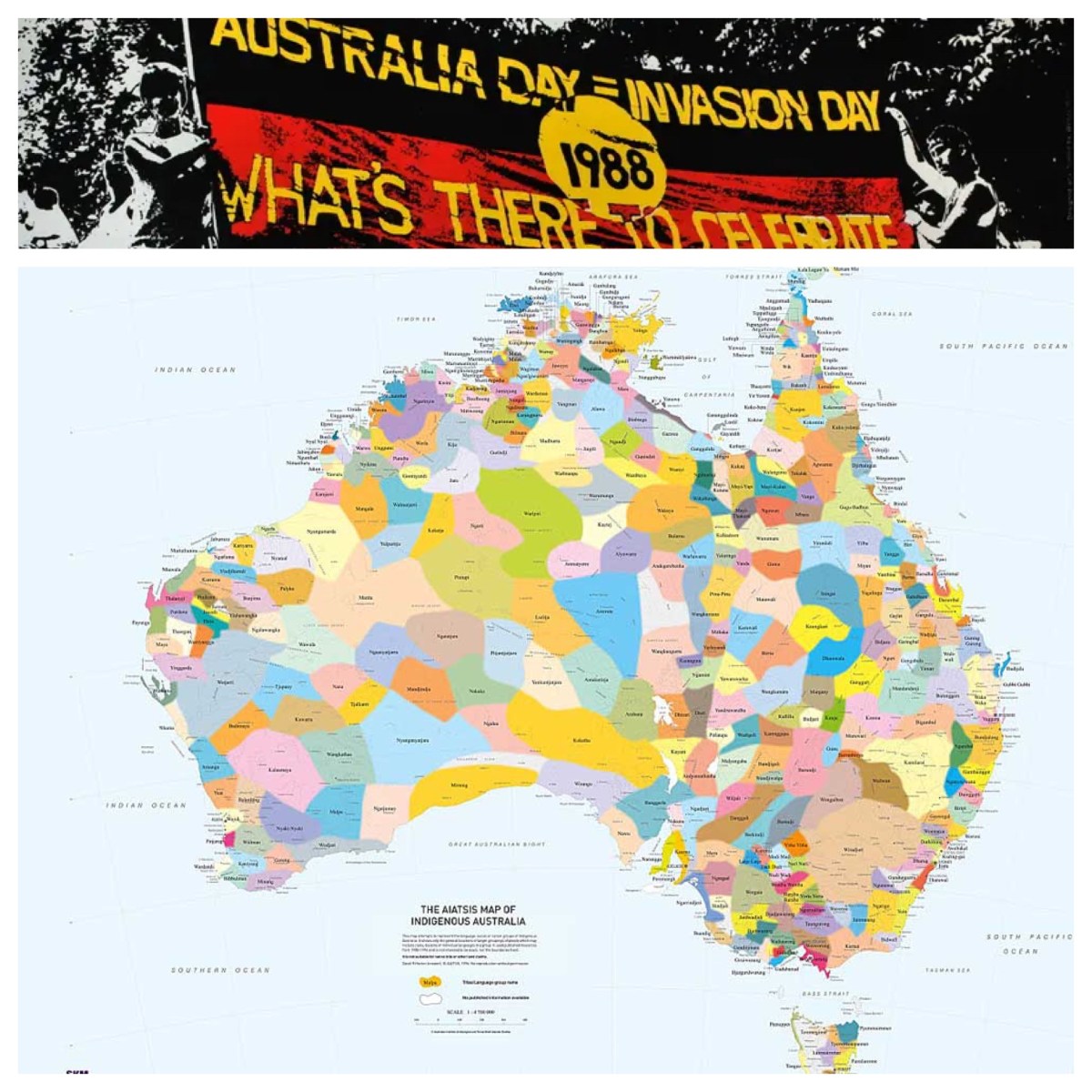
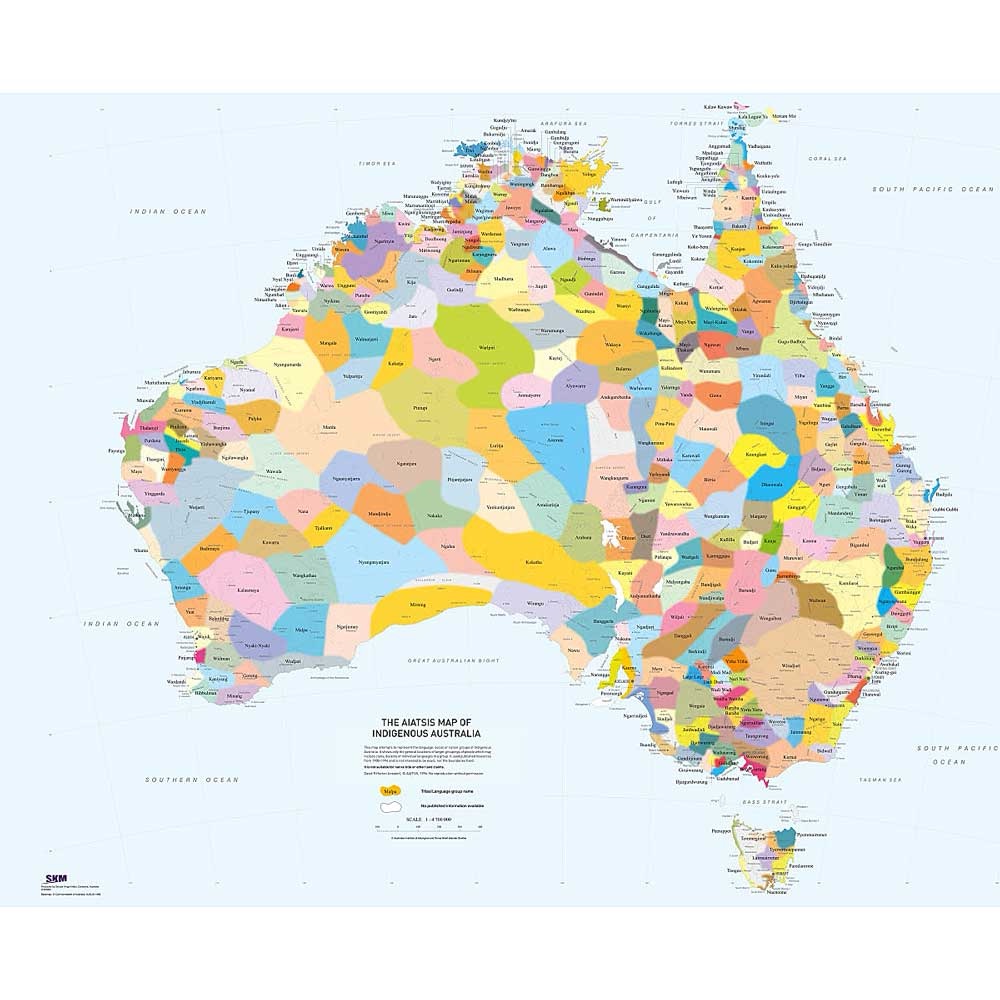
Before 1788, there was no single name for the whole island continent. Some have claimed that the word bandaiyan was a name that referred to the entire continent of Australia. However, this is a Ngarinyin word, from the Kimberley region. It was not necessarily used by, or known to, any of the speakers of the 250 or more languages that were spoken (in what is now thought to be around 800 dialects) by others living on the continent.
It is estimated that there were 750,000 people living in the 500 or so First Nations located across this large island continent—and on many of the smaller islands associated with the larger continental landmass. Each of these language groups had their own terms for the country where they lived, on the land they had cared for since time immemorial.
Arthur Philip, in a July 1788 letter to William Petty, wrote: “It has been my determination from the time I landed, never to fire on the Natives, but in a case of absolute necessity, & I have been so fortunate as to have avoided it hitherto. I think they deserve a better Character than what they will receive from Monsr. La Perouse, who was under the disagreable necessity of firing on them. I think better of them from having been more with them. they do not in my opinion want personal Courage, they very readily place a confidence & are, I believe, strictly honest amongst themselves. most of the Men wanting the Right front tooth in the Upper Jaw, & most of the Women wanting the first & second joints of the little finger of the left hand, are circumstances not observed in Capt. Cooks Voyage.”
Governor Arthur Philip
It is a tragedy that this irenic form of relationship did not continue through the early years of the Colony; and certainly, the string of massacres that took place throughout the 19th century, and into the 20th century, reflect the arrogant, imperialising mentality of the invading colonisers. “The Natives”, when they stood in the way of land acquisitions, were simply to be disposed of. The project in the University of Newcastle, led by Prof. Lyndal Ryan, currently identifies 438 seperate massacres of First Peoples, where a massacre involved the death of six or more people who were unable to defend themselves.
Each yellow dot represents the location of a massacre documented by the University of Newcastle project.
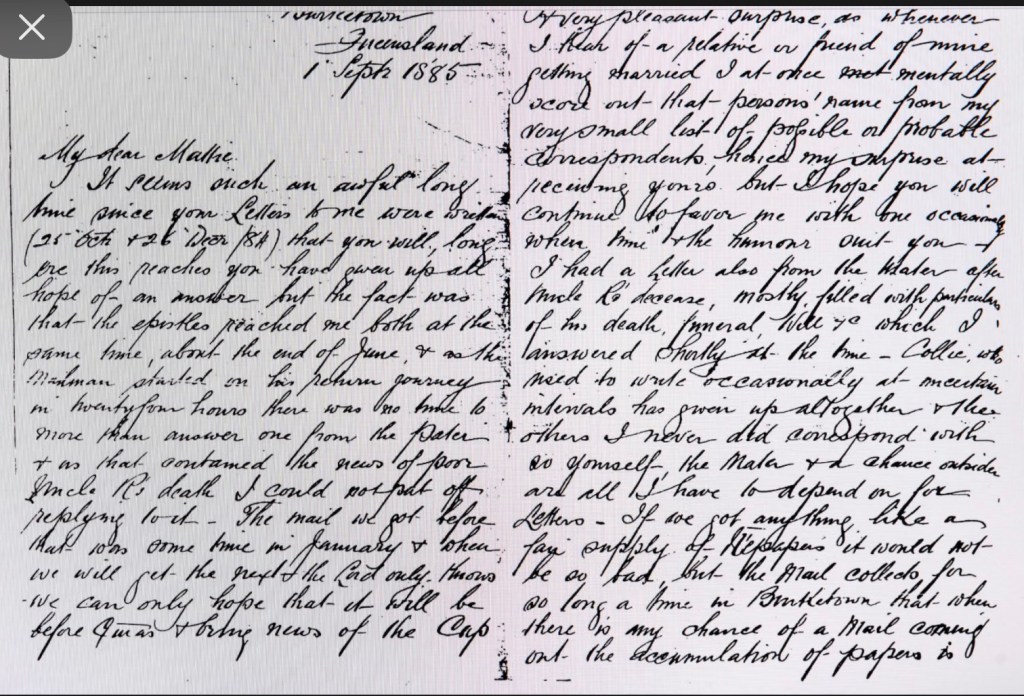
This project currently lists over 10,000 deaths in total, but of course, as the stories of more sites are discovered, that number will grow. In an 1885 letter discovered during this research, a Bob McCracken writes about the Calvert Downs massacre of,earlier that year, stating that “killing odd ones or even twos or threes is no good, they are never missed and nothing but wholesale slaughter will do any good.”
Bob McCracken’s 1885 letter to his sister, which details the Calvert Downs massacre.
These massacres form a massive collective stain on the consciences of modern white Australians who can trace their ancestors back onto those early decades of the Colony. How much do they signal,what is unfortunately increasingly evident in the Australian on the 2020s: we are less tolerant of “outsiders”, more likely to,turn our attacks (verbal, and physical), on “foreigners”, ready at times to shout “go back to where you came from” to people who look or sound different—even if they happen to have been born on this land! Is that an expression of our national character? I hope not.
We should reflect on these issues deeply this day, and each day, as we enjoy the benefits of our contemporary lifestyle.
I have consulted the following websites for this blog:
Today, 26 January, is Australia Day, by official government decree. It remembers the landfall on the eastern shores of this continent made by the British-appointed Governor Arthur Philip, his troops, and the convicts of what we now call The First Fleet. Prior to his departure from Britain, Phillip had received Instructions (composed by Lord Sydney) from King George III, “with the advice of his Privy Council”. These Instructions included Phillip’s Commission as Captain-General and Governor-in-Chief of New South Wales.
Governor Arthur Philip
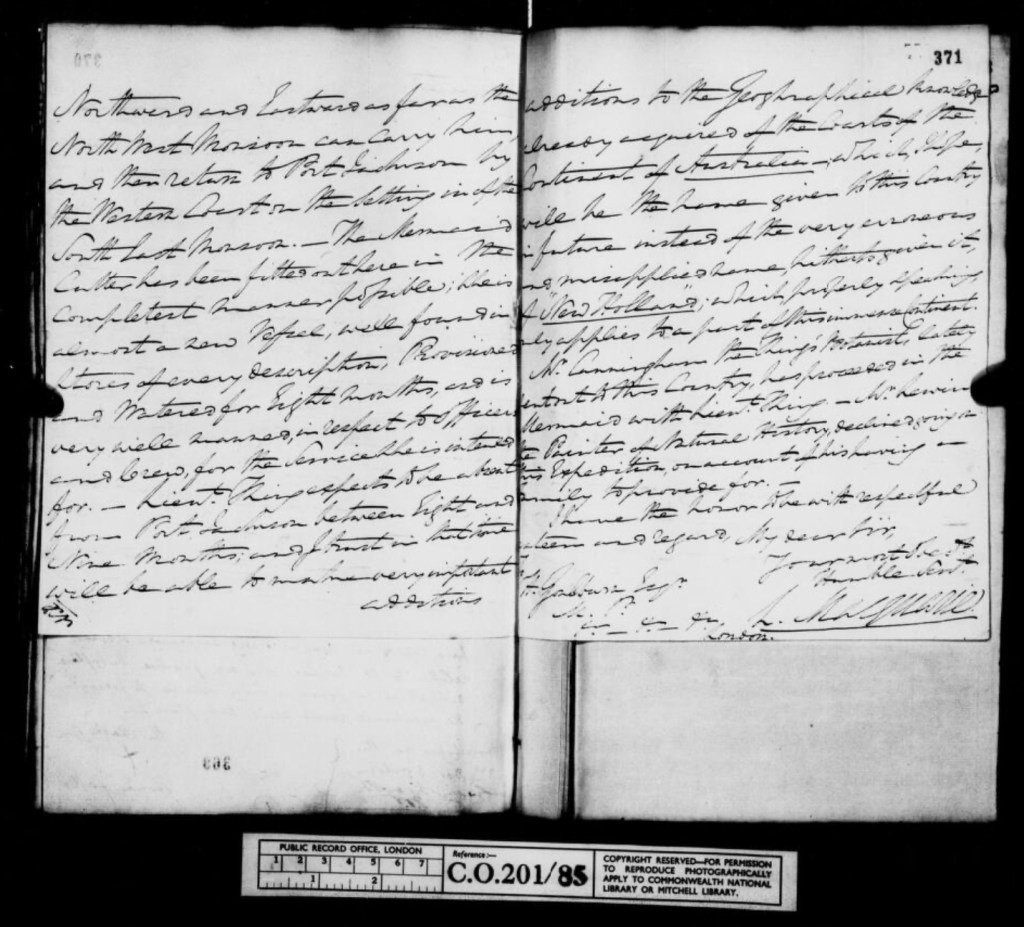
Despite extensive searching, these Instructions cannot be located in any library or state records office in Australia, nor in Britain. (Philip obviously had an inefficient PA !!) There is an amended Commission, located with the Public Record Office in London, dated 25 April 1787. This document designated the territory of New South Wales as including “all the islands adjacent in the Pacific Ocean” as well as the mainland mass running westward to the 135th meridian, that is, about mid-way through the continent. Such was the way of British imperialism.
We don’t know exactly what Philip said on 26 January 1788. He subsequently wrote a letter on 3 July that year to William Petty, 1st Marquess of Lansdowne and 2nd Earl of Shelburne, in which he explained that “Port Jackson … I have preferd to Botany bay as affording a more eligible Situation for the Colony, & being with out exception the finest Harbour in the World” and notes that “this Country will hereafter be a most Valuable acquisition to Great Brittain from its situation.”
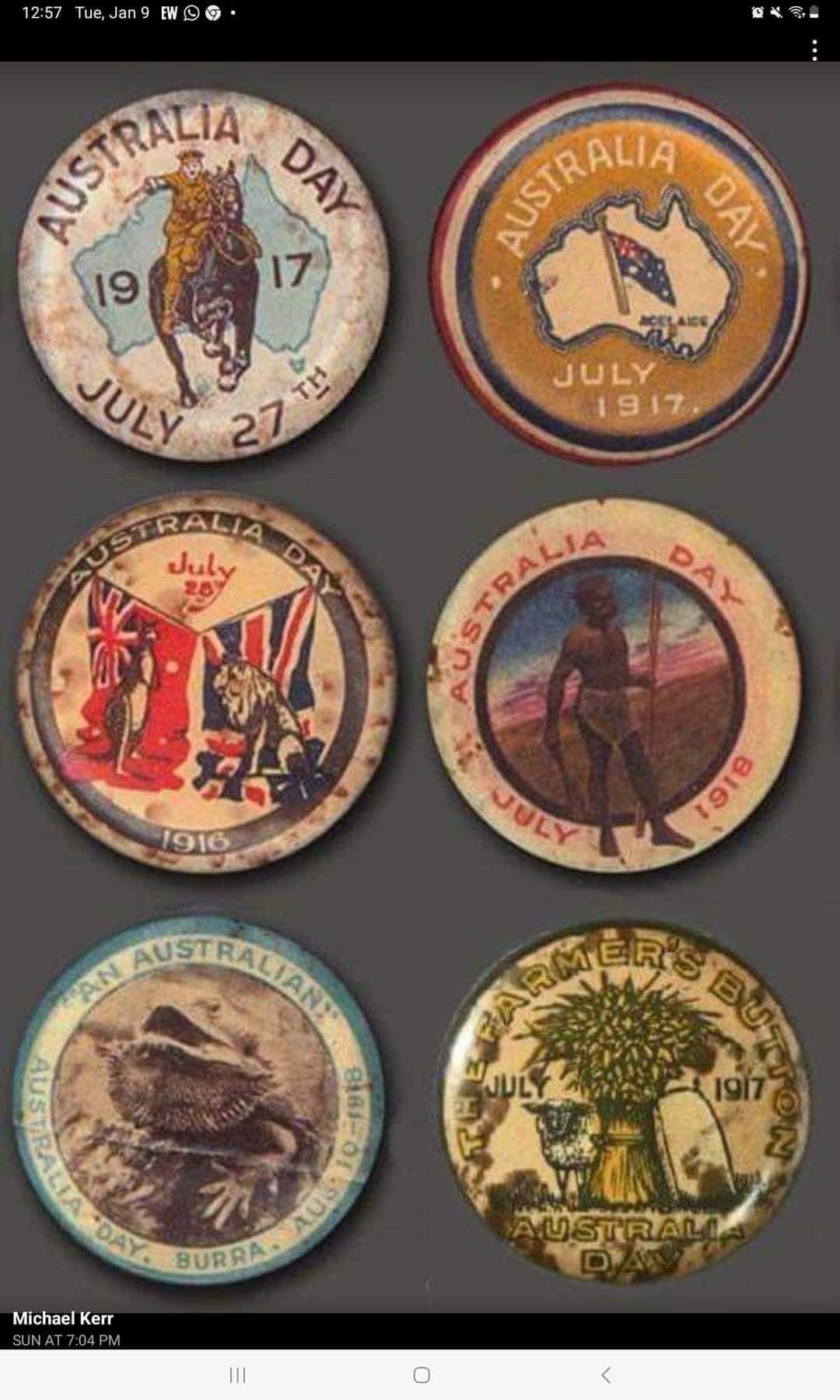
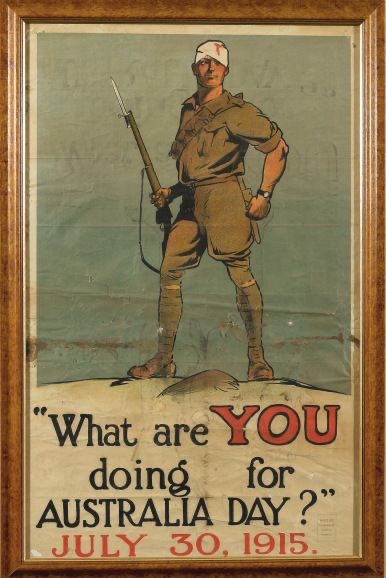
That’s what we remember on Australia Day. This day has, of course, been celebrated on other days in the past. In 1915, it was held on 30 July. The Australian War Memorial notes that it was suggested to the Premier of NSW that “an ‘Australia Day’ [be held] as a way of drawing on the pride of Australians in their soldiers’ recent achievements at Gallipoli”. The next year, the Australia Day committee that had formed in 1915 to organise the war effort fundraising determined that it would be held on 28 July.
In NSW, since the time of Governor Lachlan Macquarie, 26 January had been commemorated as “Anniversary Day” or “Founders Day”. There are records from as early as 1808 of ex-convicts participating in “drinking and merriment” on the evening of 25 January to celebrate their new home. In Tasmania, by contrast, “Hobart Regatta Day” was established on 1 December 1838, to commemorate the anniversary of Abel Tasman’s discovery of the island he named Van Diemen’s Land, in 1642. In 1879 it was moved to be earlier in the year, in January or February.
The name “Australia” was further entrenched in the (un)imaginatively-named Western Australia. Overwest, “Foundation Day” has long been held on the first Monday in June, to commemorate the founding of the Swan River Colony in 1829. In the equally (un)imaginatively-named South Australia, “Proclamation Day” celebrated the date the government was established in South Australia as a British province, on 28 December 1836. It was when South Australia held its “founding day” celebrations for decades, until they unified with other states to celebrate “Australia Day” on 26 January. But there are still celebrations for “Proclamation Day” each year on 28 December.
By 1935, celebrations were held in all states on 26 January, although it was still known as “Anniversary Day” in NSW, and “Foundation Day” in other areas. The Sesquicentenary (150th anniversary) of British colonisation of Australia was widely celebrated in all state capitals in 1938. A significant protest took place on this day in 1938, when the Australian Natives Association held a “Day of Mourning”. The main celebrations were held in Sydney, but newspapers from others states show that the language of “Anniversary Day” had been adopted there for 26 January, recognising it to be a national date of significance. Its place in national life was, despite Indigenous protests, now settled.
In 1946, the Federal Government and all state governments agreed to unify all the state-based Australia Day celebrations and celebrate on 26 January as a country. The “Australia Day” public holiday was taken on the Monday closest to the 26th, giving the traditional “long weekend” in late January, which for many signalled the end of summer, the return to school and work.
Questioning of the celebratory status of Australia Daygained impetus during the 1988 Bicentenary, when many protests were staged across Australia, involving both Indigenous and non-Indigenous people. They wanted Australia Day to become a commemoration rather than a celebration of Australia’s history.
However, in 1994 the conservative Federal Government decided that the public holiday would be on the actual day of 26 January itself. And so it has been, for 31 years. (So that’s tomorrow: enjoy!)
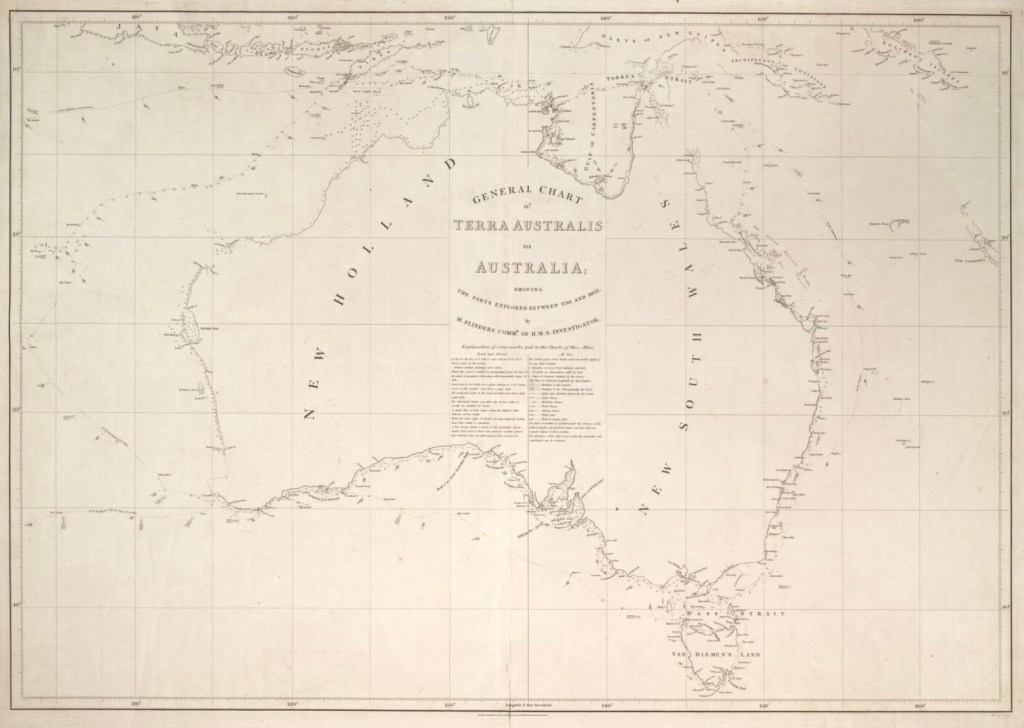
For many centuries Europeans believed there must be a vast land in the southern hemisphere, which they called Terra Australis Incognita, a Latin phrase for “the Unknown South Land”. (In Latin, austral means “south”.) A few decades after the 1788 British invasion and colonisation of the lands around Port Jackson (Sydney Harbour), Matthew Flinders circumnavigated the continent in 1803. Flinders used the name “Australia” to describe the continent on a hand drawn map in 1804. That map was published in 1814 and the continent was named “Terra Australis”.
Dutch explorers had been referring to the continent as “New Holland” since the 17th century. On colonising the region, the British had initially named the Colony “New South Wales”, and that name, of course, has continued to be used to apply to various eastern parts of the continent. In 1817, however, Governor Lachlan Macquarie endorsed the name “Australia” to replace “New Holland” in a dispatch to the Colonial Office in London; over time, this name came into common local usage.
By 1824 the British Admiralty started to officially use the name, and the term “Australia” was first used in British legislation which decreed that British law was to apply to the two colonies of “New South Wales” (named in reminiscence of a region in Britain that the landscape allegedly reflected) and Van Diemen’s Land (named after its Dutch “discoverer”). Other state names that came later managed to reference the main name of “Australia” (South, or Western), as well as Victoria (in the state of the same name), the long-reigning British monarch (reflected in Queensand).
More to come tomorrow (on the public holiday), reflecting further on what it is that we “celebrate” on this day …
Because of the connection with the arrival of British imperial colonizers and their subsequent expanding “settlement”, do we need to change the date? For a fun discussion of “change the date”, see
We continue this week hearing from a well-known section of the letter that Paul and Sosthenes wrote to the believers in Corinth. In the chapter proposed in the lectionary passages last Sunday and this coming Sunday (1 Cor 12:1–31), Paul and Sosthenes address the nature of the community that has been formed by those who formerly were “pagans … led astray to idols” (12:2). They have now have come to believe that “Jesus is Lord” (v.3) and desire to follow his way in their lives through offering their gifts in service (vv.4–7).
Paul and Sosthenes
In Corinth, however, the gifting of the Spirit has been claimed by some as a basis for unedifying behaviour, which as Paul and Sosthenes say, tears apart, rather than builds up, the community. This is manifested in various ways, including (as we noted last week) in the worship of the Corinthian community, where, fuelled by their sense of being “the spiritual ones”, some people unleash chaos in the gathering. This is in contrast to the desire of the letter writers that in this gathering “all things should be done decently and in order” (14:40), as befits the God who is “a God not of disorder but of peace” (14:33).
In the passage from 1 Cor 12 proposed as the Epistle for this coming Sunday (1 Cor 12:12–31), Paul and Sosthenes offer a strong affirmation to the Corinthians about the wide reach and inclusive invitation that characterises the work of the spirit: “For in the one Spirit we were all baptized into one body—Jews or Greeks, slaves or free—and we were all made to drink of one Spirit.” (1 Cor 12:13).
I rejoice that these words have been taken up in my church, the Uniting Church in Australia, as the basis for fostering a broad community of faith, across multiple social factors which could divide rather than unite (in paragraph 13 of the Basis of Union). Ministry is enabled by the gift of the spirit. To anyone. To everyone. It is a fine ideal.
That paragraph of the Basis affirms that “every member of the Church is engaged to confess the faith of Christ crucified and to be his faithful servant”. It continues with a declaration, grounded in the scriptural witness (1 Cor 12) that “the one Spirit has endowed the members of Christ’s Church with a diversity of gifts”.
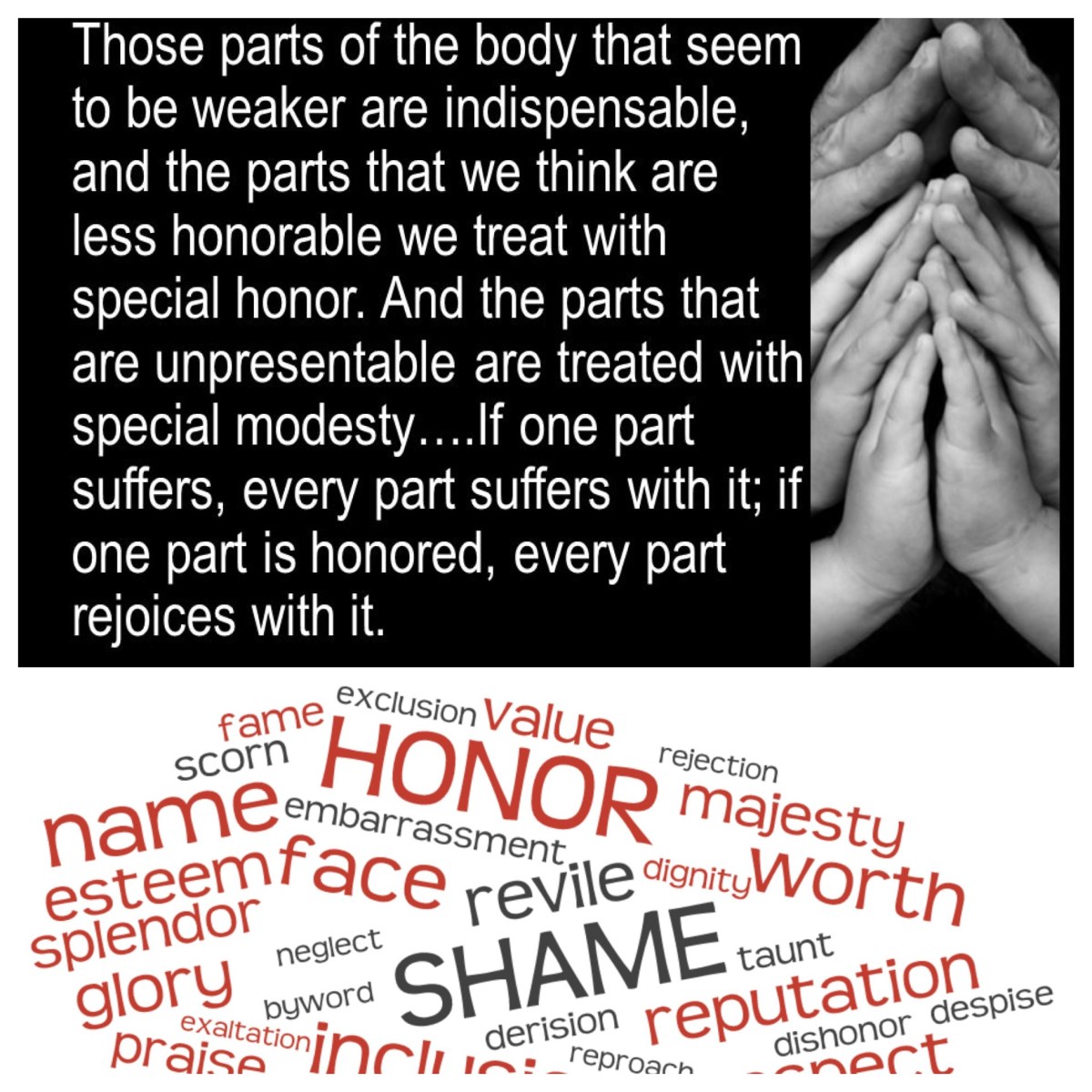
In writing to the Corinthians, Paul and Sosthenes first identified a range of gifts (1 Cor 12:8–10), and then emphasised the claim that “the body does not consist of one member, but of many” (1 Cor 12:14). As a result, each and every member plays an integral role in the whole. From this, they deduce that “the members of the body that seem to be weaker are indispensable … God has so arranged the body, giving the greater honour to the inferior member” (1 Cor 12:22–25). The context in Corinth has shaped the direction into which Paul develops this image.
Honour and shame were central features of ancient Mediterranean societies. Possessing much honour reflected a high social status; gathering much shame reflected low social status. Public debate amongst males was a key way in which honour was demonstrated; besting another person in such a debate was a means by which an increase in honour could be attained. Acting in a way that brought shame upon oneself meant that the amount of honour attributed to you would diminish. Women acting in ways that were not in accord with the patriarchal structures of the time would also be considered as shameful. A woman’s place was, literally, in the home.
Jesus did not shy away from the challenge to his honour and authority that public debating posed. He engaged in many debates, responding with confidence to challenges to his honour as various questions were posed to him, as is reported in Mark’s Gospel: “why does this fellow speak in this way? it is blasphemy! who can forgive sins but God alone?” (Mark 2:7); “why does he eat with tax collectors and sinners?” (2:16); “why do your disciples do not fast?” (2:18); “by what authority are you doing these things?” (11:28); “is it lawful to pay taxes to the emperor, or not?” (12:14). According to Mark, he bested his opponents on each of these occasions; he was a public debater of the first order.
Honour was praised by the Greek philosopher Aristotle as “the greatest of all external goods” (Aristotle, Nic. Eth. 1), whilst Xenophon considered that honour was what differentiated humans from animals (Hiero 7.3). Philo of Alexandria, bridging both Jewish and Hellenistic worlds, affirmed that “fame and honour are a most precarious possession, tossed about on the reckless tempers and flighty words of careless men” (Abraham 264).
The honour—shame culture runs through the Hebrew Scriptures. The ancient Hebrews affirmed that honour belongs primarily to God (1 Chron 16:27), so that God could bestow honour on those who were faithful to his ways (Ps 92:14-15). The same idea is expressed in the version of Isa 28:16 which is cited at 1 Pet 2:6, which modifies the ending to provide explicit reference to the claim that God will not shame believers. God can thus honour human beings (Ps 8:5), even those regarded as shameful (Zeph 3:19); and conversely, God could shame those accorded honour by humans (Isa 23:9). Paul later reflects this early in his first letter to Corinth (1 Cor 1:27).
And later in that letter, Paul and Sosthenes addressed the hierarchical ranking that is integral to the honour—shame culture, and offered a completely counter—cultural perspective. “The members of the body that seem to be weaker are indispensable”, he asserts; and so too, “those members of the body that we think less honourable we clothe with greater honour” (1 Cor 12:22–23). Accordingly, he advocates that “our less respectable members” should be “treated with greater respect; whereas our more respectable members do not need this” (12:23:—24). This is how this part of the letter upends the conventions of his time.
Then Paul and Sosthenes provide the theological rational that undergirds this perspective; “God has so arranged the body, giving the greater honour to the inferior member, that there may be no dissension within the body, but the members may have the same care for one another” (12:24–25). The pastoral conclusion that they draw from this—reinforcing the sense of equality that should mark the community of followers of Jesus—is that “if one member suffers, all suffer together with it; if one member is honoured, all rejoice together with it” (12:26). It is the fundamental lesson in standing firm against the culture because of the demands that the Gospel places on believers.
Since 2019 the Uniting Church has marked a Day of Mourning on the Sunday before 26 January to reflect on the dispossession and ongoing injustices faced by Australia’s First Peoples, acknowledge our shared history and renew our commitment to justice and healing. The Uniting Church has acknowledged our nation’s history through its Preamble to the Constitution, Covenanting Statements, and at many other times through its covenanting journey.
I will be giving this reflection on Sunday 19 January 2025 at the Dungog Uniting Church.
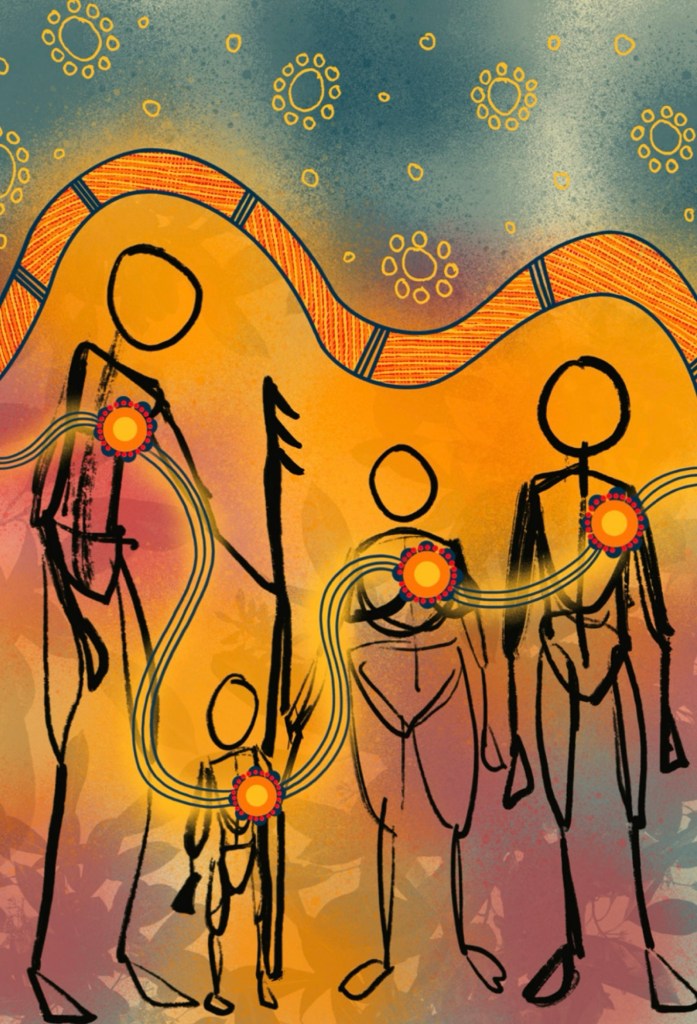
Artwork by Zoe Belle, Guwa Koa and Kuku Yalanji woman
Prayer of Confession
Merciful God, as Second Peoples of this land, whose ancestors travelled and settled in Australia, we acknowledge with sorrow the injustice and abuse that has so often marked the treatment of the First Peoples of this land.
We acknowledge with sorrow the way in which their land was taken from them; the way their their language, culture and spirituality was suppressed.
We acknowledge with sorrow that the Christian church was so often not only complicit in this process but actively involved in it.
We acknowledge with sorrow that in our own time the injustice and abuse has continued.
We have been indifferent when we should have been outraged, we have been apathetic when we should have been active, we have been silent when we should have spoken out.
Gracious God, forgive us for our failures, past and present. By your Spirit, transform our minds and hearts so that we may boldly speak your truth and courageously do your will. Through Jesus Christ our Lord. Amen.
ReadingIsaiah 62:1–5
For Zion’s sake I will not keep silent, and for Jerusalem’s sake I will not rest, until her vindication shines out like the dawn, and her salvation like a burning torch. The nations shall see your vindication, and all the kings your glory; and you shall be called by a new name that the mouth of the LORD will give. You shall be a crown of beauty in the hand of the LORD, and a royal diadem in the hand of your God. You shall no more be termed Forsaken, and your land shall no more be termed Desolate; but you shall be called My Delight Is in Her, and your land Married; for the LORD delights in you, and your land shall be married. For as a young man marries a young woman, so shall your builder marry you, and as the bridegroom rejoices over the bride, so shall your God rejoice over you.
Reflection
We all know, I expect, what it feels like to be deeply disappointed; let down, betrayed, forsaken, abandoned. The emotions felt at such a time—emotions of despair and desolation—are named in the reading from Isaiah 62 which we have heard today.
This part of Isaiah comes from the time when the exiles from Israel were returning to their land, leaving behind the difficulties they experienced during their five decades of exile in the foreign land of Babylon. They had returned to a devastated city; it probably looked like the images we have seen on our TVs, from bombed residential areas in Syria and Gaza, to the devastation of mass destruction of buildings from tornadoes in Florida and Louisiana and fires in Los Angeles.
In just such a setting, as the people laboured day and night to rebuild and restore their beloved city, an unnamed prophet speaks out, bringing a word of hope: “You shall no more be termed Forsaken, and your land shall no more be termed Desolate, but you shall be called My Delight Is in Her and your land Married.” The hope that the prophet offers is of a time when desolation is left behind, when the sense of being forsaken has been replaced by loving acceptance and care and belonging; the language of a marriage provides a good analogy.
There are people in our midst, in this town, across this country, who know that sense of desolation and being forsaken. Today we remember them, especially, on a day which the Uniting Church now names as the annual Day of Mourning. On this day, we remember that First Peoples, custodians of this land since time immemorial, caring for creation in their respectful lifestyle and customs, were invaded, colonised, massacred, marginalised, and demonised.
The massacres across the country that took place from the early years of British settlement into the second decade of the 20th century, and the shattering of families by the removal of the stolen children, which lasted well into the 1960s, have given the Gringai, Worimi, Biripi, Wonnarua, and many other peoples cause for ongoing lament and despair. Many still alive today remember what was done to them or to their parents and grandparents. The pain is live.
So on this Day of Mourning, we commit to standing with the First Peoples, acknowledging their pain, sharing their distress (to the extent that we can), treating them respectfully, and committing to work for justice for the First Peoples today. We should know that their pain is still real, present, and powerful.
The referendum held last year offered a ray of hope across the country; fuelled by a campaign of disinformation that played on fears and prejudices, that hope was shattered. The Uniting Church had joined with many other Christian denominations, and leaders of a number of faith communities, to advocate a Yes vote. We have shared in the disappointment of First Peoples, and the sense that this is yet another hurt that they have to bear.
On Australia Day in 1938, a large group of protestors marched through the streets of Sydney, followed by a congress attended by over a thousand people. One of the first major civil rights gatherings in the world—decades before Martin Luther King Jr led massive rallies in the USA—it was known as the Day of Mourning. Following the congress, a deputation led by William Cooper presented Prime Minister Joseph Lyons with a proposed national policy for Aboriginal people. Unfortunately, this was rejected because the Government did not hold constitutional powers in relation to Aboriginal people. That changed in 1967.
From 1940 until 1955, the Day of Mourning was held annually on the Sunday before Australia Day and was known as Aborigines Day. In 1955 Aborigines Day was shifted to the first Sunday in July after it was decided the day should become not simply a protest day but also a celebration of Aboriginal culture. This led to the formation of the National Aborigines Day Observance Committee (NADOC), which later then became NAIDOC, the week in July focussed on remembering Aboriginal people and their heritage.
In 2018, At the Uniting Church Assembly in Melbourne—which Elizabeth and I attended—it was decided to reinstate an annual Day of Mounring on the Sunday before Australia Day. So we stand in a grand tradition, and we stand in solidarity with our brothers and sisters, people who have cared for this land over millennia—many, many thousands of years.
This year, President Charissa Suli and Congress chairperson Mark Kickett invite us “to listen deeply and learn humbly, and bear one another’s burdens; to receive the outstretched hand of friendship offered in grace and hope, and to trust in Jesus, whose reconciling love continues to mend the brokenness within and among us.”
They remind us that “the same ancient Spirit of God which has always been present in these lands has given us ‘a destiny together’ as the body of Christ in this time and place”, and so invite us “to celebrate the immense gift we have in each other [as First and Second Peoples], giving thanks for the transformative and boundless love of Christ which holds us.”
Let us pray.
Gracious God, we know that reconciliation between First and Second Peoples is a challenge. We sense that this must begin with reconciling ourselves in truth and humility with you, our God.
We know that is then that we can do the work of being peacemakers and justice seekers.
So help us to act responsibly and respectfully, to care for one another and to support one another. Amen.
We sing The Aboriginal Lord’s Prayer
Artwork by Zoe Belle, Guwa Koa and Kuku Yalanji woman
Artwork by Zoe Belle, Guwa Koa and Kuku Yalanji woman. “The artworks depict the story of Christ’s presence being amongst First Peoples of these lands of his creation for generations. His teachings have long been displayed within the stories, songs, dances and ceremony First Peoples have used them to connect with God as great Creator and teacher for our communities.”
This coming Sunday and the following Sunday, the lectionary suggests that we read and hear a well-known section of Paul’s letter to the believers in Corinth. In this chapter (1 Cor 12:1–31), Paul addresses the nature of the community that has been formed by those who formerly were “pagans … led astray to idols” (12:2) and have now have come to believe that “Jesus is Lord” (v.3) and desire to follow his way in their lives through offering their gifts in service (vv.4–7).
What follows in this chapter—and in the subsequent ones that the lectionary proposes on the Sundays ahead—provides a good basis for considering fundamental matters of faith and discipleship throughout the season of Epiphany. It is, after all, a season focussed on revelation; and Paul’s words are quite revealing!
Actually, they are not just Paul’s words (although that is how we usually refer to them). Paul collaborated in the writing of many of his letters—of the seven agreed authentic letters, only two are written by Paul alone. The others are written in association with Timothy (2 Cor, Phil, 1 Thess and Phlm), Silvanus (1 Thess), and Sosthenes (1 Cor). So it is words from this last letter, co-written with Sosthenes, that the creators of the lectionary are offering us during the season of Epiphany.
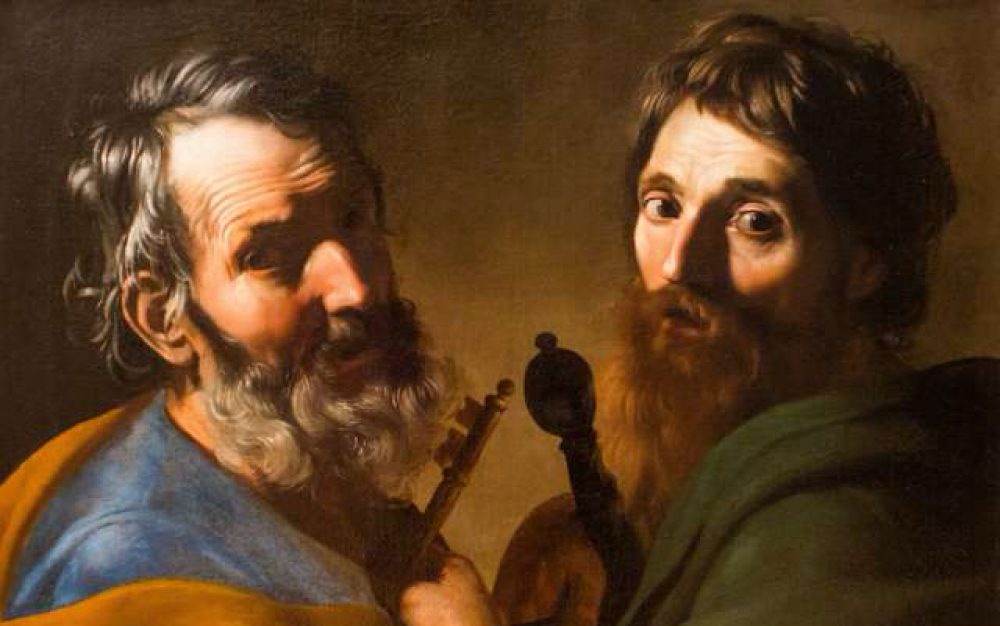
A depiction of Paul and Sosthenes
In opening this letter, Sosthenes and Paul tell the Corinthians that they write to “give thanks” (1:4) and also to “appeal to you” (1:10); and later, to “admonish you as my beloved children” (4:14). The constructive approach that they bring is made clear in the opening prayer of thanksgiving (1:4–9). Writing in chapter four, the author (here, presumably Paul) exhorts the Corinthians: “I appeal to you, then, be imitators of me” (1 Cor 4:16; see also 1 Thess 1:6). The letter contains many points of appeal, exhortation, encouragement—and also challenge, correction, and criticism!
This coming Sunday we focus on verses 1–11 of chapter 12. This is an instance of exhortation and encouragement (in the later part of the chapter, which we read and hear on the following Sunday, challenge and correction will occur). In these verses, Paul considers the diversity of expressions of faith that can be found in the faith community in Corinth—as, indeed, there are in many other communities of faith. He notes the diversity of gifts, the various ways of providing service, and the range of activities undertaken by “those who are sanctified in Christ Jesus, called to be saints” (1 Cor 1:2).
Each gift, service, or activity, however, has a common origin. It is “the same Spirit” who grants the diversity of gifts evident in the community (12:4), “the same Lord” who is the motivator for the array of offering service by those believers (v.5), and “the same God” who activates all of the activities that is evident in Corinth (v.6).
It is worth noting that an alternative way to translate this might be “the same God who energizes all of the expressions of energy”. The Greek words being translated as “activate” and “activities” relate to the central idea of energy; indeed, the foundational word is ἐνεργήμα, which when transliterated letter-for-letter results in “energēma”, from which we get the English word “energy”. So the Spirit is presented as an active, dynamic force, which is at work in a lively, tireless, and vital fashion.
In this passage, Paul places a particular emphasis on the unity that is—or at least, should be—a key feature of the group of people who are joined together by the common affirmation, “Jesus is Lord” (v.3). He affirms that the gifts, acts of service, and activities expressed by those people “are activated by one and the same Spirit” (v.11a). It is that Spirit who “allots to each one individually just as the Spirit chooses” (v.11b).
The irony, however, is that in the eleven chapters preceding this passage, there have been multiple signs of the many ways in which disagreement, conflict, division, and factionalism mark the community of believers in Corinth. There have been ethical breaches, instances of sexual misbehaviour, diverse views regarding marriage and related issues, and mistreatment of fellow members of the community who are seen as “weak” by some who perhaps regard themselves as “strong”. Has the Spirit be so energizing that the disruptions caused by the Spirit’s activity have promulgated all of these problems?
Further, the critical issues which Paul addresses in the chapters immediately following, in the later part of the letter (1 Cor 12–14), arise out of the highly spontaneous, seemingly chaotic situation that characterised worship in Corinth. How the Spirit was active—energizing—those who worship in this gathering! It was anything but a reverent gathering of people unified by their faith; it was a chaotic frenzy of activity and words, if Paul’s severe wording is to be believed.
Such worship had more the nature of a dialogue between conversation partners, rather than a monologue delivered by one person to a group of silent listeners. We can see this in a simple way, with the references to “interpreters” in what Paul writes to the Corinthians. Whilst there are people who contribute words of prophecy, pray in tongues, or speak in tongues (1 Cor 14), in each case there is the need for someone to interpret these phenomena. It seems that many things were happening simultaneously, creating a frenzied cacophony during worship. If we see the energizing of the Spirit as a disruptive force, then much disruption has occurred!
For my reflections on the disruptive work of the Spirit in Corinth, see
So in 1 Cor 12, Paul adapts an image which was extensively used in political discussions about the city state (“the body is one and has many members”, 12:12) as well as what may be a reference to a developing baptismal liturgy within the early church (“we were all baptised into one body”, 12:13) and a very early creedal statement (“Jesus is Lord”, 12:3).
The work of the Spirit was supposed to provide a range of gifts for the mutual benefit of all involved in the community. Paul provides a list of just such gifts in verses 8–10. He notes wisdom, knowledge, faith, healing, miracles, prophecy, discernment, tongues, and interpretation of tongues. This should not be taken as an exhaustive list; in other places, Paul refers to other gifts, such as teaching, exhorting, giving,leading, and offering compassion (Rom 12:7–8), as well as power and assistance later in this chapter (1 Cor 12:28).
He also identifies some offices exercised by people alongside gifts already noted, as he concludes this same discussion of gifts: “Are all apostles? Are all prophets? Are all teachers? Do all work miracles? Do all possess gifts of healing? Do all speak in tongues? Do all interpret?” (1 Cor 12:29–30). Similar offices are noted in a later letter written in the name of Paul: “apostles … prophets … evangelists … pastors … teachers”, all,of which are said to be “to equip the saints for the work of ministry” (Eph 4:11–12).
Nor should this list of 1 Cor 12:8–10 be regarded as a prioritising of such gifts by the order in which they are listed. In fact, the concluding comment of v.11 specifically places all of the gifts noted on the same level, each equally “activated by the one and the same Spirit” and “allocated … just as the Spirit chooses”. We should affirm that today; all gifts for service come from the same source.
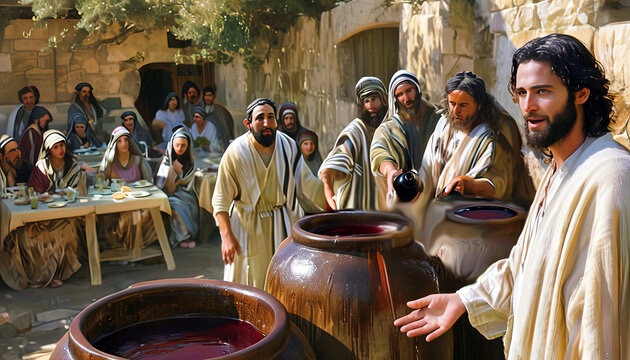
For the second Sunday in Epiphany, we are offered a passage from early in the book of signs—the work that we know as the Gospel according to John. It is the first sign performed by Jesus, when he was attending a wedding in the town of Cana in Galilee (John 2:1–11).
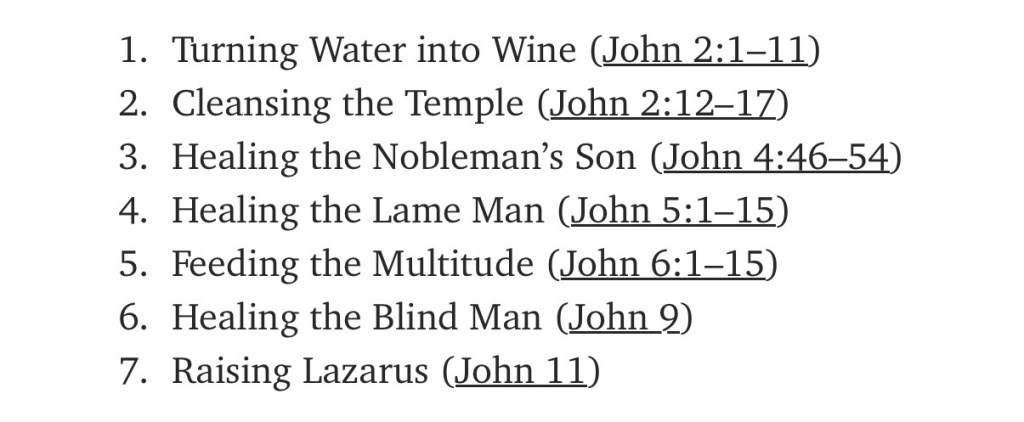
I call this Gospel the book of signs because it includes seven clearly narrated signs, or miracles, performed by Jesus. Most of them are inserted in the midst of an evolving narrative, in which followers of Jesus grow in their understanding of who he is, whilst at the same time a movement of those opposed to Jesus gains strength. Both of those features are evident in this first sign.
The author of this Gospel makes it clear that there were more signs performed by Jesus than what is narrated (20:30), and that the signs actually narrated are told in order to strengthen the faith of those hearing or reading them (20:31).
The first and second signs take place in Galilee (2:1–11, 4:46–54). Subsequent signs are located in Jerusalem (5:2–9), the Sea of Galilee (6:1–14), on the Sea of Galilee near Capernaum (6:16–21), back in Jerusalem (9:1–7) and then, for the seventh, and final, sign of those narrated, in Bethany, where Lazarus had recently died (11:17–44).
This final sign provides a clear climax to the Book of Signs, the first half of the whole Gospel. This is the miracle supreme—raising a dead person back to life takes some beating! It is told at some length, with many details, leading to the climactic moment of the appearance of the once-dead man, now alive. “The dead man came out, his hands and feet bound with strips of cloth, and his face wrapped in a cloth. Jesus said to them, “Unbind him, and let him go.” (11:44).
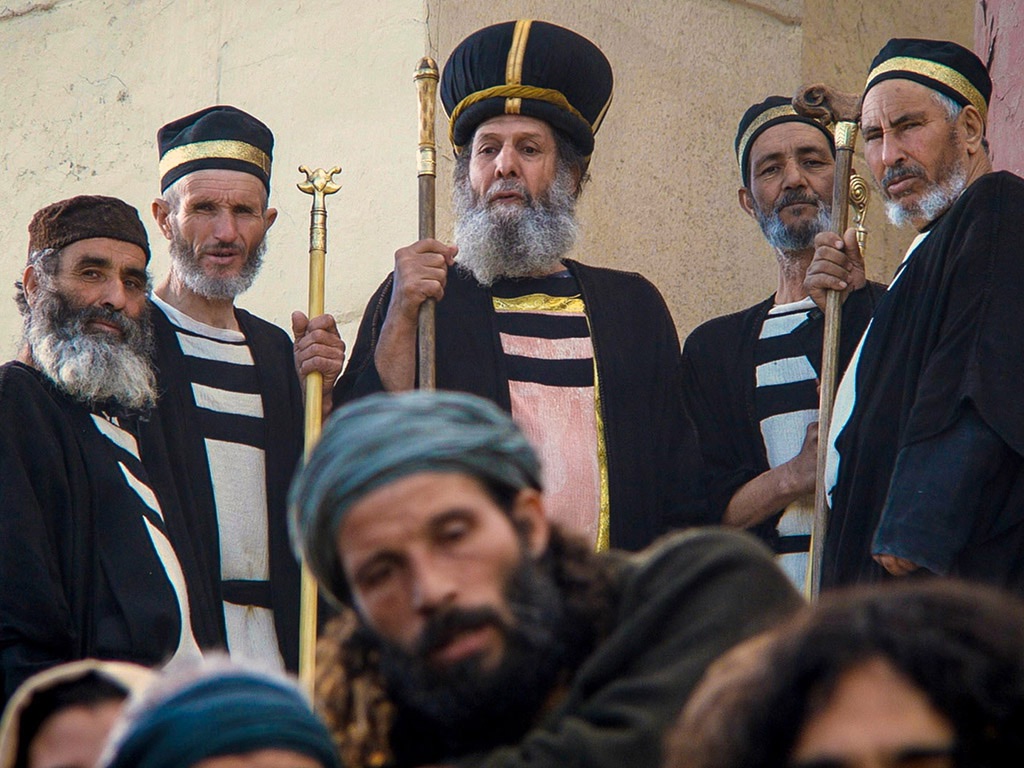
In the literary framework of the whole Gospel, however, this building to a climax through the seven signs is paralleled by the growing tension as leaders in the Jewish community marshal forces in plotting against Jesus. Initially, there were positive responses to Jesus (2:23, 4:42, 4:45). Then, an engagement in debate and controversy with “the Jews” (5:13) quickly escalated into persecution (5:16) and indeed an attempt to kill Jesus (5:18).
This early opposition then continues unchecked throughout the narrative. Whilst Jesus remained popular in Galilee (6:14, 34) and amongst some in Jerusalem (7:31, 40-41a, 46: 8:30; 9:17, 38; 10:21, 41) and Bethany (11:27, 45), hostility towards Jesus continued, being expressed both in verbal aggression (6:41, 52; 7:15, 20; 8:48; 9:18-19; 10:20), threats of his arrest (7:32, 44; 11:57), direct physical threats (stoning at 8:49, expulsion from the synagogue at 9:22, and stoning once more at 10:31) and threats against his life (7:1, 25, 32).
Then, at the climactic moment, after Lazarus appears, the Jewish leadership plans a strategy to put Jesus to death (11:45-53). The plot is hatched, the fate of Jesus is sealed. That section of the narrative also includes the famous, yet ironic, comment by Caiaphas: “it is better for you to have one man die for the people than to have the whole nation destroyed” (11:50). And so the inevitable process begins, moving towards the death of Jesus (11:53, 57).
For the author of the book of signs, affirming the identity of Jesus shapes the whole narrative of this Gospel. Each sign points to the significance of Jesus. The first sign, in Cana of Galilee, manifests his glory (2:12); the next sign, also in Cana, fosters belief in Jesus (4:48, 53). What Jesus does beside the Sea of Galilee identifies him as “the Prophet who is to come into the world!” (6:14), whilst the sign performed in Jerusalem signal that he is the Son of Man (9:35–38). Later, in Bethany, Jesus raises Lazarus from death, and Martha articulates the faith of others when she confesses Jesus to be Son of God and Messiah (11:27). Alongside these seven signs, the various interpersonal encounters that are narrated illuminate the identity of Jesus.
I read the whole sequence of scenes in this Gospel, from the wedding in Cana, with its implicit criticism of “the Jewish rites of purification” (2:1–11), through the heated debates of chs. 5—8, the high drama of the multi-scene conflict with Jewish leaders and “expulsion from the synagogue” in ch.9, on into the plot of ch.11, as a story that reflects the position of the followers of Jesus who comprised the community in which this book was eventually written.
This group of people (what Raymond Brown called “the community of the beloved disciple”) had been rejected by their fellows, expelled from their community of faith, because of their views about Jesus. They had become yet another sectarian group in the mixture of late Second Temple Judaism, which then bled into early Rabbinic Judaism.
It is this “Johannine sectarianism”, as Wayne Meeks called it, which explains the bruising debates in this Gospel; Jesus is being remembered as “standing up for the truth” by a group of people who had been pillaged and persecuted for standing up for what they say as “the truth”. They had become outsiders; some of them had met death for the stand they took. This was what it meant for them to be faithful to Jesus.
This tragic development is a natural development, at least as the author tells it, from that initial sign, where Jesus is already portrayed as being in tension with others of his own faith. Although it was a wedding—a time of joyous celebration—there were ominous clouds overshadowing what transpired in Cana that day.
Wayne Meeks, “The Man from Heaven in Johannine Sectarianism”, JBL 91 (1972) 44–72)
Raymond E. Brown, The Community of the Beloved Disciple (Paulist, 1978)





















 An Informed Faith