We are drawing to the end of the long “season after Pentecost” that began back in June and has run through half the year. This coming Sunday is celebrating The Festival of the Reign of Christ, as the climactic moment of this long “season of growth”, as it is often called. The Epistle reading proposed by the lectionary for this Sunday (Rev 1:4b—8) fits well with the theme of “the reign of Christ”, as it contains a greeting from the author which refers to “Jesus Christ, the faithful witness, the firstborn of the dead, and the ruler of the kings of the earth” (1:5).
It is also fitting that, on the last Sunday in the church year, we hear from the last book in the New Testament, commonly called the Revelation of John. This book has some indications that it is to be understood as a letter. The opening section (1:1–20) includes an explicit identification of the author (1:4) and the location of his writing (1:9); a brief description of the situation of the recipients (1:9) along with a listing of the specific cities in which they lived (1:11); and a short blessing and doxology (1:4–5).
The book also contains the text of seven short letters, to the churches in these seven cities (2:1–3:22). The closing section (22:8–21) reiterates the role of the author (22:8) and concludes with a blessing formula (22:21). Each of these elements reflects traditional letter-writing style.
The author identifies himself as John (1:4, 9; 22:8) and notes that he was living on the island of Patmos (1:9); church tradition has equated him with John, the disciple of Jesus, as well as the author of the fourth Gospel and three letters. However, this book is strikingly different from the Gospel and the three letters.
Some have argued that the tone of the book might reflect the style of one of “the sons of Thunder”, as the disciple John was labelled (Mark 3:17); but such a generalisation is not grounded in specific evidence.
Both the style of Greek employed and the way that biblical imagery is deployed sets this book apart from the Gospel which bears John’s name; whilst that book is steeped in biblical imagery and language, it is done in a more subtle and sophisticated manner.
The recipients of the book, identified generically as “the seven churches that are in Asia” (1:4), are subsequently named one by one, by city (1:11). In the details of the seven letters which are addressed specifically to these seven churches (2:1– 3:22), we might imagine that we will find insight into the specific situation in these churches, which is being addressed in this book.
Yet, a careful reading of these particular letters indicates that they are written and delivered in response to a dramatic vision of a distinguished figure with an ominous presence, who instructs the author to write the letters to the angels of the various churches (1:9–20). This figure can well be understood to be the “ruler of the kings of the earth” already referred to (see 1:4)—Jesus, reigning supreme over all.
Indeed, this opening section of the book is rich with imagery which describes the significance of Jesus. Many of the phrases used here to describe Jesus are later employed in connection with those who follow him. In the initial doxology of 1:4–6, four key phrases are used to describe Jesus. First, the author affirms the traditional view of the redemptive power of the blood which Jesus has shed (1:5); the same language appears in other New Testament books (Rom 3:25; 5:9; 1 Cor 11:25–27; Col 1:20; Eph 1:7; 2:13; Heb 9:12–14; 10:19; 13:20; 1 Pet 1:2, 19; 1 John 1:7; 5:6–8).
This affirmation, of Jesus as the lamb who is sacrificed in order to effect redemption, returns as a common refrain in Revelation (5:10; 7:14; 12:11; 14:3–4; 19:13). In the regulations for temple sacrifice, the purity of the sacrificial lamb was seen as essential (Num 28:3; Lev 1:10). Jesus is depicted in this book as the supreme authority, the one who has risen from the dead and is at one with God. Yet there is a stark counterpoint running throughout the whole book. Jesus is the one who has been pierced (1:7); perhaps this evokes the piercing of Jesus’ side as he hung on the cross (John 19:34–37, citing this as a fulfillment of Zech 12:10). Such power comes only through complete submission.
Next comes the affirmation that he is “the firstborn of the dead” (1:5; see also 1:18; 2:8); resurrected believers will follow the same path he treads (20:6). This resonates with the Pauline language about Jesus as firstborn from the dead (Rom 8:29; Col 1:15, 18; and see 1 Cor 15:20, 23; and Heb 1:6).
A third affirmation is that he is “the faithful witness” who testifies to the purposes of God (1:5; 3:14); those who follow his way are given insight into God’s will and in turn, they become witnesses to Jesus (17:6).
Jesus Christ Pantocrator, from a mosaic in the Hagia Sophia Church (now a Mosque) in Istanbul
Finally, as the risen one, Jesus is “the ruler of the kings of the earth” (1:5) who exercises the sovereign powers of God over earthly authorities (6:15–17); ultimately these rulers will either be destroyed (19:17–21) or acknowledge his authority (21:22– 24). His supreme authority is conveyed by a later reference to the keys given to him (1:18; see Isa 22:20–22; Matt 16:19); these keys grant him power over Death and Hades (1:18; see also 6:8; 20:13–14). This element certainly resonates with the theme of The Reign of Christ, which originated when it was introduced by Pope Pius XI in 1925.
The 1920s were a time when Fascist dictators were rising to power in Europe. I have read that “the specific impetus for the Pope establishing this universal feast of the Church was the martyrdom of a Catholic priest, Blessed Miguel Pro, during the Mexican revolution”; see Today’s Catholic, 18 Nov 2014, at https://todayscatholic.org/christ-the-king/
The article continues, “The institution of this feast was, therefore, almost an act of defiance from the Church against all those who at that time were seeking to absolutize their own political ideologies, insisting boldly that no earthly power, no particular political system or military dictatorship is ever absolute. Rather, only God is eternal and only the Kingdom of God is an absolute value, which never fails.” The vision of Rev 1:4b—8 is certainly consistent with this perspective. And the distinctive vision of this book, concerning “the lamb who was slain” (5:1–14), offers a distinctive way by which this political power is exercised. See
The work as a whole is characterised as being “words of prophecy” (1:3; 22:10, 18–19). The prophecy which is presented in this book is summarised as “what must soon take place” (1:1; 22:6). Both at the beginning and at the end of the book, the author declares that he is looking forward in time, reporting events that will soon take place. When, exactly, those events will take place has been the focus of investigation by numerous people of faith over many centuries—“the end of the world is nigh” has been proclaimed in every century since the first century, and always (as we know) without success. Any claims in this regard, today, should be dismissed as not at all correct.
In the ways that Revelation has been interpreted, and the problems associated with each of them, see
I preached this sermon for Project Reconnect, to be used in the resources they distribute for Sunday 24 November 2024, the Festival of the Reign of Christ. For information about Project Reconnect, see the end of this blog.
The church’s year is currently designated as Year B. During the year, on most Sundays we have heard from the Gospel of Mark, along with passages from the narrative of Samuel and Kings, some of the Wisdom Literature, and letters written by Paul and James, and more recently, the letter to the Hebrews. And each Sunday, one of the Psalms is designated also for us to hear, sing, and reflect on.
The lectionary provides a rich offering throughout the three years that form the full cycle, ensuring that we read passages from all four Gospels and all major sections of scripture. The current year draws to a close this coming Sunday, as happens at the end of each church year, with the Festival of the Reign of Christ. After this Sunday, we enter a new church year, as the season of Advent begins for Year C, when the focus is on Luke, the prophets, and other letters.
The church’s year is organised differently from the calendar year; it revolves around the key events of our faith: the birth of Jesus, which we celebrate each Christmas, the death and resurrection of Jesus, which comes into focus at Easter, the birth of the Church, which we recall at the celebration of Pentecost, and the long season after Pentecost, when we attend to our life as disciples and the mission into which we are called as people of faith.
This Sunday, the day I am referring to as the festival of the Reign of Christ, has been known traditionally as the festival of Christ the King, when we commemorate the reign that Christ exercises over the world. I prefer the term Reign of Christ as at least one step away from the connotations that are associated with that archaic institution of monarchy.
And that flags one of the questions that I have with this feast day: how do we maintain a contemporary feel about aspects of our faith that seem to be bound to older patterns and customs? It’s a question that relates to many aspects of our life in the church; how do we demonstrate the relevance for today of the ancient faith? It’s a question worth pondering.
A depiction of Jesus Christ Pantocrator (ruler of all) in the Hagia Sophia church (now Mosque) in Istanbul
The Reign of Christ is a relatively new festival in the calendar of church festivals—it was introduced by Pope Pius XI in 1925, and has since been adopted by Lutheran, Anglican, and various Protestant churches around the world, and also, apparently, by the Western Rite parishes of the Russian Orthodox Church Outside Russia. (Yes, that is a real denomination!)
So that is a second question that I have relating to this day—along with Trinity Sunday, it sits as a day devoted to “a doctrine” developed later in the church’s life, rather than “a time in the life of Jesus”, which is what Christmas and Easter is, or “a time in the life of the church”, namely, Pentecost. Does it really belong in our pattern of seasonal celebrations?
In Roman Catholic tradition, the day is explained by some words from Cyril of Alexandria, a fifth century Doctor of the Church who served as Patriarch of Alexandria, in Egypt, from 412 to 444. In establishing this festival, Pope Pius XI quoted from the writings of Cyril: “Christ has dominion over all creatures … by essence and by nature … the Word of God, as consubstantial with the Father, has all things in common with him, and therefore has necessarily supreme and absolute dominion over all things created. From this it follows that to Christ angels and men [sic] are subject. Christ is also King by acquired, as well as by natural right, for he is our Redeemer. …’ We are no longer our own property, for Christ has purchased us with a great price; our very bodies are the members of Christ.”
However, the festival of the Reign of Christ has only been celebrated in the Roman Catholic Church since it was introduced by Pope Pius XI in 1925. This was a time when Fascist dictators were rising to power in Europe. I have read that “the specific impetus for the Pope establishing this universal feast of the Church was the martyrdom of a Catholic priest, Blessed Miguel Pro, during the Mexican revolution”; see Today’s Catholic, 18 Nov 2014, at
The article continues, “The institution of this feast was, therefore, almost an act of defiance from the Church against all those who at that time were seeking to absolutize their own political ideologies, insisting boldly that no earthly power, no particular political system or military dictatorship is ever absolute. Rather, only God is eternal and only the Kingdom of God is an absolute value, which never fails.”
The scriptures, as a whole, puncture the pomposity of powerful kings, and subversively present Jesus as the one who stands against all that those kings did. This festival provides a unique way of reflecting on the eternal kingship of Jesus. It offers a distinctive way for considering how the kingship bestowed upon David has been understood to last “forever”.
Indeed, if you had listened carefully to the Gospel reading, you would have heard the interaction between Pilate and Jesus, on this very matter. When Jesus is brought before the Roman Governor by the priests who had religious authority in Jerusalem, Governor Pilate asks him a direct question: “So, you are a king?”. I hear the question in this way: “So, Jesus, you think you are a king, do you?”
Pilate, in this way of understanding his question, seems quite sceptical about such a claim, because the priests have brought their prisoner Jesus to him, indicating that he was “a criminal”, and seeking to have the Roman authority pass a sentence of death upon him. “Are you the King of the Jews?”, Pilate had asked Jesus—to which Jesus replies with his own question, “do you ask this on your own, or did others tell you about me?” The prisoner from Galilee knows that the Roman Governor is really just following the line presented to him by the Jerusalem priests.
Pilate’s response to this is to observe that “your own nation and the chief priests have handed you over to me”, so there must be an issue of some sort here. “What have you done?” is the naive question that Pilate then poses; Jesus answers, “my kingdom is not from this world”. In this response, Jesus seems to be accepting that he is a king—but not a king in the form that the rulers of the nations would recognise. It is no wonder that Pilate seems not to grasp the point. How can this bedraggled Galilean be a king over a kingdom “not from this world”.
So he presses the point. “So you are a king, then?” Jesus will not give a straightforward answer. He will not say, “yes, I am a king”; nor will he deny it, “no, of course I am not a king”. Rather, he diverts the focus, from the political reality of kingship, to the esoteric philosophical concept of “truth”. “For this I came into the world”, Jesus says, “to testify to the truth; everyone who belongs to the truth listens to my voice.”
The implication is that he was not planning to lead a political uprising that would use force try to take over control of the land from the Romans; so Pilate should not have any fears on that account. Rather, says Jesus, “I came into the world to testify to the truth”.
Which draws from Pilate his most famous words, “What is truth?” According to the author of John’s Gospel, this trial scene morphed into a philosophical discussion—a development quite unexpected, and indeed, quite unrealistic. Which means, I think, that the whole scene is filled with irony.
The first point of irony is when the Jewish priests, whose nation once did boast a king, tell the Roman Governor, “we have no king but the emperor”. The second irony is when the Roman Governor, whose nation had banned kings and despised this autocratic form of government, questions Jesus, “are you the king of the Jews?”. And the third moment of irony comes when Galilean prisoner, dressed with a crown of thorns around his head a purple robe on his shoulders, passes by the opportunity to give a clear answer and instead asserts, “my kingdom is not from this world”.
From our point of view, as people of faith, many centuries later, we could well consider this ancient account quite strange. From our perspective, informed by centuries when deeper theological understandings have been developed and complex doctrine has been articulated, we may well see Jesus as God’s chosen human being, imbued with divine powers, enthroned as the King over all the earth.
Why, we sing of him in this way: “Jesus shall reign where’er the sun does his successive journeys run”, “At the name of Jesus every knee shall bow”, “King of kings and Lord of lords”, “Come, Thou Almighty King … come, and reign over us”, “Rejoice, the Lord is King: your Lord and King adore!”, “Glory, glory, glory to the King of kings” … and many more.
So it is deeply embedded in our collective understanding that Jesus is, indeed, King who reigns over all, whose power and dominion covers the whole earth. And yet, in this passage, offered to us for the very festival of The Reign of Christ, the words of scripture invite us to reconsider: the nature of the Reign that Jesus envisages is radically different from the kind of reign that kings—and queens—have demonstrated throughout history.
He is, as Graham Kendrick’s song so powerfully expresses it, our Servant King, who came as a “helpless babe”, who “entered our world … not to be served but to serve, and give [his] life that we might live”; for “This is our God, The Servant King, [who] calls us now to follow him, to bring our lives as a daily offering of worship to The Servant King”.
On this day, this festive celebration of the Reign of Christ, let us commit to following him not along the pathway of power, authority, prestige … but rather in service, with humility, through compassion, standing firm for justice, holding fast to a righteous way of living. For this is our king, the one who reigns, and this is the path that he calls us to walk.
Project Reconnect is a ministry of The Hunter Presbytery of the Uniting Church in Australia which provides a weekly worship resource for congregations, including a video sermon and a video all-age address, with music resources and discussion starters. See https://projectreconnect.com.au
The covenant is a key theme of the Hebrew Scriptures. God’s commitment to covenant takes us deep into the abiding relationship between God and God’s people. That covenant had been offered initially to Noah, and to all living creatures (Gen 9), before it was subsequently renewed (and reshaped) by being offered to Abraham (Gen 15, 17), as mentioned here (Ps 105:9). That same covenant is renewed with Isaac (Gen 17) and then with Jacob (Israel) (Gen 35), and later is extended to Moses and the whole people (Exod 19), and later still to the people again through Jeremiah (Jer 31). It is this last reference to the covenant which forms the basis for the Narrative Lectionary passages for this coming Sunday.
Jeremiah was called to be a prophet at an early age (Jer 1:4–10); some commentators consider him to be in his early 20s, while others note that the distinctive Hebrew word used in this passage indicates he was in his teens. When he heard God declare to him, “I appointed you a prophet to the nations”, the NRSV translation says that the young man replied, “Ah, Lord God! Truly I do not know how to speak, for I am only a boy” (1:6).
Actually, when they say he replied, “Ah”, he was using a Hebrew word that actually means “alas” or “woe is me” (see also 4:10; 14:13: 32:17; and also Joel 1:15). Strong’s Concordance says this is “a primitive word expressing pain”—so, more like “ouch!!!” So perhaps it’s better to think of his response as more like “oh no, oh no, oh nooooo—I couldn’t possibly do that! no way at all!!”. Jeremiah just did not want this gig at all. See my sermon on this passage at
Yet Jeremiah faithfully carried out the task committed to him; it is thought that he was active from the mid-620s in Judah, through into the time of exile in Babylon, from 587 BCE onwards—that is, over four decades—although Jeremiah himself was exiled, not into Babylon, but into Egypt (Jer 43:1–7).
The task he was given when called to be a prophet was to declare the coming judgment of God on the people of Israel, for continuing to ignore their covenant commitments. The Lord tells him, “I will utter my judgments against them, for all their wickedness in forsaking me; they have made offerings to other gods, and worshiped the works of their own hands” (1:16). As encouragement, he urges the young man to “gird up your loins; stand up and tell them everything that I command you” (1:17).
So Jeremiah is given a daunting task. “Woe is me”, he declares (4:13)—or sometimes, “woe to us”—which become common phrases in Jeremiah’s oracles (4:31; 6:4; 10:19; 13:27; 15:10; 22:13; 23:1; 45:3; 48:46). It is the same term that we find in Isaiah’s call (Isa 6:5) and oracles (Isa 24:16), Hosea’s declarations (7:13; 9:12), Micah’s prophecies (Mic 7:1), and Ezekiel’s utterances (Ezek 13:18; 16:23; 24:6, 9). All lament the imposition of divine justice in ways that wreak havoc amongst the people.
Yet in the midst of his despair, Jeremiah sees hope: “the days are surely coming, says the Lord, when I will restore the fortunes of my people, Israel and Judah, says the Lord, and I will bring them back to the land that I gave to their ancestors and they shall take possession of it” (30:3). In this context, Jeremiah indicates that the Lord “will make a new covenant with the house of Israel and the house of Judah … I will put my law within them, and I will write it on their hearts; and I will be their God, and they shall be my people” (31:31–34).
The renewal of the covenant was not a new idea in the story of Israel. God had entered into covenants with Abraham, the father of the nation (Gen 15:1–21) and before that, in the story of Noah, with “you and your descendants after you, and with every living creature that is with you … that never again shall all flesh be cut off by the waters of the flood” (Gen 9:8–11). The covenant given to Moses on Mount Sinai (Exod 19:1–6), accompanied by the giving of the law (Exod 20:1–23:33), is sealed in a ceremony by “the blood of the covenant” (Exod 24:1–8).
The covenant with the people that Moses brokered is renewed after the infamous incident of the golden bull (Exod 34:10–28), then under Joshua at Gilgal, as the people enter the land of Canaan after their decades of wilderness wandering (Josh 4:1–24). It is renewed again in the time of King Josiah, after the discovery of “a book of the law” and his consultation with the prophet Huldah (2 Chron 34:29–33), and it will be renewed yet again after the exiled people of Judah return to the land under Nehemiah, when Ezra read from “the book of the law” for a full day (Neh 7:73b—8:12) amd the leaders of the people made “a firm commitment in writing … in a sealed document” which they signed (Neh 9:38–10:39).
However, the particular expression of renewal that Jeremiah articulates will prove to be critical for the way that later writers portray the covenant renewal undertaken by Jesus of Nazareth (1 Cor 11:25; Luke 22:20; 2 Cor 3:6–18; Heb 8:8–12). Especially significant is the claim that this renewed covenant “will not be like the covenant that I made with their ancestors when I took them by the hand to bring them out of the land of Egypt—a covenant that they broke” (Jer 31:32), for God “will put my law within them, and I will write it on their hearts; and I will be their God, and they shall be my people” (31:33). It is a covenant which has “the forgiveness of sins” at its heart (31:34)— precisely what is said of the “new covenant” effected by Jesus (Matt 26:28; and see Acts 5:31; 10:43; 13:38; 26:18).
To signal his confidence in this promised return, Jeremiah buys a field in his hometown of Anathoth from his cousin Hanamel (32:1–15). The narrator notes that “the army of the king of Babylon was besieging Jerusalem, and the prophet Jeremiah was confined in the court of the guard that was in the palace of the king of Judah, where King Zedekiah of Judah had confined him” (32:2–3). Nevertheless, the purchase serves to provide assurance that the exiled people will indeed return to the land of Israel; “houses and fields and vineyards shall again be bought in this land” (32:15).
Jeremiah exhorts the people to “give thanks to the Lord of hosts, for the Lord is good, for his steadfast love endures forever!” (33:11), because in the places laid waste by the Babylonians, “in all its towns there shall again be pasture for shepherds resting their flocks … flocks shall again pass under the hands of the one who counts them, says the Lord” (33:12–13). As the people return to the land, the Lord “will cause a righteous Branch to spring up for David; and he shall execute justice and righteousness in the land” (33:15). The title “Son of David” is later applied to Jesus in three Gospels (Mark 10:47–48; Matt 1:1; 12:23; 15:22; 21:9, 15; Luke 18:38–39).
A Byzantine icon of Jeremiah the prophet
As Jeremiah was “prevented from entering the house of the Lord” (36:5), he dictated his prophecies to a scribe named Baruch (36:4) and instructed Baruch to “read the words of the Lord from the scroll that you have written at my dictation” (36:6). The scroll is important, for it conveys a message that “great is the anger and wrath that the Lord has pronounced against this people” (36:7).
Baruch does read from the scroll to “all the people in Jerusalem and all the people who came from the towns of Judah to Jerusalem” (36:9–10); eventually, the scroll makes its way into the inner court, where it is read to the king (36:20–21). In response, piece by piece, King Jehoiakim methodically burns the scroll (36:23–26), so Jeremiah repeated the process with Baruch (36:32). This sequence of events is included in the selection of verses proposed by the Narrative Lectionary, presumably to give the specific narrative context for the oracle about “the new covenant” which is the primary theological focus for this coming Sunday.
Subsequently, the prophet was imprisoned in the court of the guard (37:11–21) and then in a cistern (38:1–6), before being rescued from the cistern, on the king’s orders, by Ebed-melech the Ethiopian (38:7–13). Life was certainly not easy for Jeremiah the prophet! Eventually, the city of Jerusalem is taken captive by the Babylonians (39:1–3), members of the royal family are slaughtered (39:6), the king is blinded and taken into exile (39:7), the city is plundered and destroyed (39:8), and “the rest of the people who were left in the city” were taken in the deportation to Babylon, with the exception of just “some of the poor people who owned nothing” (39:9–10). The misery of Jeremiah is shared right across the population.
In one final twist, the Narrative Lectionary suggests reading the verses from ch.36—the capture of the city and the exile to Babylon—before ch.31—the promise of a new covenant. This reversal of order is an interpretive ploy to infer that, despite the misery and trials of Jeremiah, his message offered hope to his people. It’s a hope that would not be made manifest for the exiles for five decades. In a Christian context, as we have seen, it’s a hope that is seen to be fulfilled in Jesus. And perhaps the context of this coming Sunday being the Festival of the Reign of Christ, it’s an orientation that points to the enduring reign of Christ, in contrast to the limited rule of Zedekiah of Judah, and indeed of Nebuchadrezzar of Babylon.
The lectionary does some curious things. Sometimes it offers us passages which have been chopped up into small bits, excerpts from a longer narrative. Sometimes it leaves out just a verse or two, usually because it seems to be expressing something “difficult” or “distasteful” to modern sensibilities. Many times, it provides us week-after-week of stories about men, and leaves out so many of the stories in the Bible about women.
We have experienced all of this over the last five months, since the Festival of Pentecost, as we have read and heard stories and poems and songs: twelve weeks of narrative telling of the days of the prophets Samuel and Nathan, with the kings Saul, David, and Solomon; and then eleven weeks largely of poetry from the Wisdom Literature.
Now, for the last-but-one Sunday in the long season stretching out after Pentecost, the lectionary does another strange thing. It takes us right back to the beginning of the narrative sequence, to the story which tells of the arrival of Samuel into the world. We meet Hannah right at the start of this passage, as the childless wife of Elkanah, whose other wife, Peninnah, had been blessed with children, both sons and daughters.
A depiction of Hannah, Peninnah, and Elkanah, from a 15th century illuminated manuscript
In a culture where children were seen as blessing from the Lord, this left Hannah in a difficult situation. Although Elkanah gave Hannah “a double portion, because he loved her, though the Lord had closed her womb” (1 Sam 1:5), nevertheless Peninnah “used to provoke her severely, to irritate her, because the Lord had closed her womb” (1:6)—to the extent that “Hannah wept and would not eat” (1:7).
We are presented with these individuals in a narrative which appears to be an historical account of a real ancient family. However, the nature of the text is somewhat different. Jewish scholar Lillian Klein argues that Peninnah “is probably a literary convention, a foil for the independence and goodness of Hannah, and should be regarded as such”. She proposes that “Peninnah represents a woman who accepts social paradigms without examining them, thus acting out the type of jealousy between co-wives known from the matriarchal texts of Genesis.” See her article in the Jewish Women’s Archive at
When we began reading the stories from the book of Samuel, back in June, I proposed that these stories were not to be regarded as “history” as we know it today. Rather, they are ancient tales told and retold, passed on by word of mouth and then written down, because of their enduring significance for the people of ancient Israel. Scholars call such stories “myths”, meaning that they convey something of fundamental importance. (We might best define myth as “a traditional story, usually associated with the time of origins, of paradigmatic significance for the society in which it is told”.)
Identifying the stories in the narrative books of the Hebrew Scriptures, including the story of Hannah, as “myths” does not mean they are “not true”—rather, it means that we need to read them, not as historically accurate accounts, but as stories which convey fundamentally important ideas. These stories were valued by people of ancient times. They may well offer us, in our own times, insights and guidance of value.
So we read and ponder these stories from old once again, in our time, because we believe that there is wisdom and guidance in the dynamics we see at work in this ancient society. We pay attention to them because we believe that the same Spirit who anointed the kings, and who called and equipped the prophets, is the very Spirit who today meets us, calls us, and equips us.
A portrayal of Hannah from the series by photographer James C. Lewis, in which he depicts biblical characters as they were—as “persons of colour”.
“In due time Hannah conceived and bore a son”, the narrator informs us (1 Sam 1:20a). The name of the child, in typical biblical narrative style, is Samuel, which she explains as given because “I have asked him of the Lord” (1:20b). After he is born, Hannah sings a wonderful song, praising God for how God has been at work. In this song, she gives thanks for the birth of her son, and praises God especially for God’s care for “the poor”, as she sings how the Lord “raises up the poor from the dust; he lifts the needy from the ash heap” (1 Sam 2:8; also Ps 113:7). Hannah is so grateful for all that God has done, that she offers Samuel to the Lord; “as long as he loves, he is given to the Lord”, she declares (1 Sam 1:28).
My wife has preached a fine sermon on Hannah and her place in this story, for Project Reconnect. See
The child born to Hannah, Samuel, will grow and develop to become a most important figure in the story of Israel. When Samuel was an adult, he served as the “court prophet” alongside the first two kings of Israel—Saul, whom he anointed (1 Sam 10:1) and then David, whom he also anointed (1 Sam 16:13). He spoke wise words concerning the appointment of a king in Israel, warning the people about what such a powerful leader would do:
“He will take your sons and appoint them to his chariots and to be his horsemen, and to run before his chariots; and he will appoint for himself commanders of thousands and commanders of fifties, and some to plow his ground and to reap his harvest, and to make his implements of war and the equipment of his chariots. He will take your daughters to be perfumers and cooks and bakers. He will take the best of your fields and vineyards and olive orchards and give them to his courtiers. He will take one-tenth of your grain and of your vineyards and give it to his officers and his courtiers. He will take your male and female slaves, and the best of your cattle and donkeys, and put them to his work. He will take one-tenth of your flocks, and you shall be his slaves.” (1 Sam 8:11–17).
And that, of course, is what successive kings did—especially the third king, Solomon, whose empire was extensive and whose army and court required massive resources to support them. Samuel was a wise prophet, indeed!
Both psalmists and prophets declared that the king was charged with the responsibility of leading Israel and ensuring that there was justice in the land. “Give the king your justice, O God”, the psalmist sings (Ps 72:1), so that they might rule with justice and righteousness (Ps 99:4; Prov 29:4). Isaiah looks to the time when “a king will reign in righteousness, and princes will rule with justice” (Isa 32:1; see also Jer 23:5). But the particular calling of the prophet, chosen and anointed by God, was to speak the word of God to the people—and, when required, to the king. This was a weighty responsibility!
A portrayal of Samuel from the series by photographer James C. Lewis, in which he depicts biblical characters as they were—as “persons of colour”.
We are told that as the young Samuel grew up, “the Lord was with him and let none of his words fall to the ground; and all Israel from Dan to Beer-sheba knew that Samuel was a trustworthy prophet of the Lord” (1 Sam 3:20–21). As prophet, Samuel was to listen to what God says to him, and then to speak forth the word of the Lord to the people of his society—and in particular, to speak truth to the king and to recall them to the centrality of their role, to ensure that God’s justice was a reality in Israelite society (Isa 42:1–4; 61:1–2; Mic 3:8).
So the story we hear this Sunday stands as a foundational tale for all that transpired in Israel over the coming centuries: in periods of growth and abundance, in periods of conflict and turmoil, through exile and return, through rebuilding and restoring Jerusalem and the Temple.
Samuel played a pivotal role at the beginning of this sequence; his story, and his words, have been remembered, repeated, recorded, and read over the centuries, because they still speak to us of the importance of justice and integrity in society.
The pattern of Samuel’s life was set from his early years: he would need to summon inner strength, demonstrate commitment to the cause, use clarity of speech, and model integrity of life. He presumably learnt much of this from his own mother, whose dedication in her actions, along with the words of her song, demonstrate these qualities in abundance. The stories from the early years of Samuel’s life (1 Sam 1–3) are remembered in order to instruct those who hear them in later generations, to listen and to obey, to be brave and focussed. And so we, in our time, are to hear the story, reflect on it, and respond appropriately.
This is a sermon on this week’s lectionary passages, written and preached for Project Reconnect by the Rev. Elizabeth Raine. It was used in the resources they distribute for Sunday 17 November 2024, the 26th Sunday after Pentecost. For information about Project Reconnect, see the end of this blog.
*****
The two books of Samuel are named after the prophet God used to establish monarchy in Israel. Samuel anointed both Saul and David, Israel’s first two kings. Along with Moses and Elijah, Samuel ranks as one of the most important prophets of Israel.
The two books of 1 and 2 Samuel are a composite of several sources. Along with Deuteronomy, Joshua, Judges, and 1 and 2 Kings, they belong to the tradition of Deuteronomic history thought to have been written between 900 and 550 BCE.
For a woman in this ancient world, not to produce children brought shame and misery on her. In 1 Samuel 1:6-7, Penninah, the second wife of Elkanah, torments Hannah for being barren (“because the Lord had closed Hannah’s womb, her rival kept provoking her in order to irritate her…. her rival provoked her till she wept and would not eat”). At a time when children were considered to measure blessings, wealth and happiness, Peninnah’s tormenting of Hannah was as much about power as it was about Hannah’s failure as a woman to provide her husband with any offspring.
The ancient world, like the world today, had many people in pain, a pain often caused by this kind abuse, involving the exercise of status and power over another person. So the book of 1 Samuel begins with a woman in this type of pain; this comes at a time when Israel was at a dark point in her history, just having emerged from the period of the Judges where “everyone did whatever they thought was right in their eyes.”
Seeing his wife’s distress, Elkanah tries to comfort her by reminding her of his love, asking her, “Am I not better to you than ten sons?” Unsurprisingly, however, this does not console Hannah. As well-meaning as Elkanah is, his devotion could not replace the worthless feeling inside Hannah at her failure to become a mother. On their annual trip to the house of the Lord at Shiloh, Peninnah continues to mock Hannah; soon their arrival, Hannah takes herself to the temple and prays so fervently that Eli, the priest, thinks she was drunk. She promises the Lord that if he would give her a son, she would dedicate him to the Lord and he would be a Nazarite from birth.
Eli confronts Hannah about her supposed drunkenness and she explains the real heart of the matter. Eli tells her to go in peace and Hannah leaves with his blessing that the Lord may grant her prayer.
Unsurprisingly, the next thing we hear is that the Lord remembers Hannah and in due time, she conceives and thengives birth to a son; naming him Samuel, which appears to mean “the Lord has heard her”.
At the appropriate time, once Samuel is weaned, Hannah returns to dedicate him to the service of God. Hannah, by fulfilling her vow to dedicate her first-born, Samuel, to God’s service (1 Samuel 1:27–28) is later rewarded by the birth of five other children whom she and her husband could keep for themselves (1 Samuel 2:20–21).
Hannah sings a wonderful song here in gratitude for what the Lord has done for her, and later Christian interpreters consider this song to be a model for the Magnificat, the song that Mary the mother of Jesus sings whilst visiting her cousin Elizabeth(Luke 1). In Hannah’s song of praise in response to Samuel’s birth and dedication to the Lord, she praises God’s grace and justice, just as Mary later does. She proclaims that God shatters the bows of the powerful, while filling the hungry with bread, that God gives life and raises the poor, while also bringing the wealthy low. It is a song of the reversal of power and status. And what Hannah sang long ago, Mary echoed centuries later.
Interestingly, such a reversal of suffering and status in Israel’s history has often been shown to come from a baby. The opening chapters of Exodus tells us of the birth of a baby boy who should have been murdered, but instead was preserved in the house of Pharoah and who goes on to lead his people from slavery to freedom. In the words of the prophet Isaiah, God promises to send a sign of hope to those in exile – and the signwill be that a young woman bears a son. Then when Israel was under Roman occupation, a baby is promised that will bring peace to the world, free people from their sin and give them hope – Jesus Christ.
Like Hannah, when we have faith that God is at work in our world, and that God will find ways to overcome the abuses of power and status, we can find signs of hope in the brokenness around us and within us.
Like Elkanah’s family, every human community and family has its share of power plays and conflicts. Like Hannah demonstrates, often the best thing to do is not retaliate, but try and find comfort in the presence of God and the hope and calmness that can bring. This was certainly demonstrated by Jesus, the baby born to bring hope and peace and forgiveness into the world. As John van de Laar says on his websiteSacredise,
“Every person, and every community, has been hurt by someone else, or some other group. Our natural human inclination is to try and hurt them back, to even the score. But the way of cross is the way of absorbing the violence and pain, and responding in love, forgiveness and acceptance. As hard as this is, it is the Kingdom view to which we are all called.”
The church is the place where kingdom values should be modelled, and those values should be showing a different m way of living – an upside down way where power, wealth and status become meaningless and where all are equal before God. It is a powerful message because it is a message of hope that disrupts the ways of power and status. It is a vision of a different way of organising the world. It is a word of justice and justice is powerful as a motive for those who have lived with injustice.
And by following Hannah and Mary and Jesus and those who embodied Kingdom values, we too can work and pray and sing to turn the world into a place of peace and justice.
Project Reconnect is a ministry of The Hunter Presbytery of the Uniting Church in Australia which provides a weekly worship resource for congregations, including a video sermon and a video all-age address, with music resources and discussion starters.
The second prophet whose words are included in the Narrative Lectionary for this year is Isaiah. (Last week we heard the story of Jonah.) Isaiah is foundational both for the developing Israelite identity, in the dying years of the northern kingdom, and also for the later formation of Christian identity, in the early decades of the movement that Jesus initiated.
The Narrative Lectionary proposes that this Sunday we read the story of Isaiah’s call whilst he was in the temple (Isa 6:1–8), and it pairs that story with the call of Simon Peter beside the Sea of Galilee, as Luke reports it (Luke 5:8–10). I think this pairing is made because when Isaiah heard the seraphim singing in the temple, he cried out “woe is me! I am lost, for I am a man of unclean lips”, and when Simon Peter was struck by the power of Jesus by then Sea of Galilee, saying “get away from me, Lord, for I am a sinful man!”. Both men responded in fear.
The book of Isaiah is generally considered to have three main parts; most scholars believe that these three sections originate from three different periods during the history of Israel. The first section (chs. 1–39) is located in Judah in the eighth century BCE, as the final decades of the northern kingdom of Israel play out. Two decades after conquering the north, the Assyrians attempted to gain control of the southern kingdom, but that effort failed. These events provide the context for the activity of Isaiah and the oracles include in chapters 1–39.
The second section of Isaiah (chs. 40–55) dates from the time of exile for the southern kingdom, after the people of Judah had been conquered by the Babylonians in 587 BCE; it offers words of hope as the people look to a return to the land. Then, the third section (chs. 56–66) is dated to a time when the exiles had returned to Judah, sometime after 520 BCE. By convention, the three parts are known as First Isaiah, Second Isaiah, and Third Isaiah.
The opening verse of the book of Isaiah says that Isaiah son of Amoz saw a vision concerning Judah and Jerusalem “in the days of Uzziah, Jotham, Ahaz, and Hezekiah, kings of Judah” (Isa 1:1). That places his prophetic activity over a period of some decades in the latter part of the 8th century BCE. Amos and Hosea had been active a little before Isaiah, but they were in the northern kingdom. Isaiah was a contemporary of Micah in the southern kingdom; both prophets would have known about the attacks on towns in Judah by the Assyrian king Sennacherib in 701 (see 2 Kings 18–19; Micah 1:10–16; Isa 7:17; 8:1–4, 5–8).
A Byzantine representation of the vision of Isaiah, including the six-winged seraphim
As Isaiah was based in the southern kingdom, the account of his call (6:1–13) takes place in the temple in Jerusalem, where Isaiah “saw the Lord sitting on a throne, high and lofty; and the hem of his robe filled the temple” (6:1). This location, as well as a number of subsequent passages, suggest that Isaiah served as a “court prophet” to various southern kings; in particular, we see Isaiah providing prophetic advice to Ahaz (7:1–17) and Hezekiah (37:1–38; 39:1–8; 39:3–8).
The call narrative is dated quite specifically (“in the year that King Uzziah died”, 6:1), suggesting that Isaiah began his activity right at the end of Uzziah’s reign, around 740 BCE in our modern dating. The prophet, initially reluctant (6:5), eventually accepts the call (“here I am; send me!”, 6:8). This is where the Narrative Lectionary portion ends; but that is a cruel cut, because it actually removes from the worship selection the actual content of that call. It is as if the lectionary wants us to focus on the fact of a call, and not worry about the content of that call. In my mind, that’s not a helpful interpretive strategy.
The narrative of Isaiah tells us that the soon-to-be prophet hears a most difficult charge given to him: “Go and say to this people: ‘Keep listening, but do not comprehend; keep looking, but do not understand.’ Make the mind of this people dull, and stop their ears, and shut their eyes, so that they may not look with their eyes, and listen with their ears, and comprehend with their minds, and turn and be healed” (6:9–10). It’s a charge that we hear at a couple of key places in the New Testament: when Jesus is teaching beside the Sea of Galilee at the start of his public activity (Mark 4:10 and parallels) and in a quotation by Paul during a debate while he was in a house in Rome at the end of his public activity (Acts 28:26–27).
The call of Isaiah is not the first thing we learn about this prophet in the book which bears his name. In the opening oracle (1:1–31), we meet a prophet who fearlessly berates Judah as a “sinful nation, people laden with iniquity, offspring who do evil, children who deal corruptly, who have forsaken the Lord, who have despised the Holy One of Israel, who are utterly estranged!” (1:4). Justice and righteousness have disappeared (1:21–22); the rulers “do not defend the orphan, and the widow’s cause does not come before them” (1:23). The covenant with the Lord has been seriously damaged. The prophet speaks clearly to issue a challenge to his contemporaries: God is displeased with them! No wonder his call stated quite clearly that people would not listen and not understand. He was required to speak hard words.
The main substance of this oracle involves a criticism of the worship practices in the Temple (“bringing offerings is futile; incense is an abomination to me; new moon and sabbath and calling of convocation—I cannot endure solemn assemblies with iniquity; your new moons and your appointed festivals my soul hates”, 1:10–15). You can imagine how the priests in the temple would have felt about this message! They would have been among those unable to hear, or see, or perceive what Isaiah was declaring to be “the word of the Lord”.
Instead of these rituals, Isaiah states that God demands that the people “wash yourselves; make yourselves clean; remove the evil of your doings from before my eyes; cease to do evil, learn to do good; seek justice, rescue the oppressed, defend the orphan, plead for the widow” (1:15–16). They need not only to hear and understand; they need to act. This is how repentance works, in transforming lives, in completely changing patterns of behaviour.
The prophet foreshadows, then, some good news: God will countenance repentance and a return to the covenant: “Zion shall be redeemed by justice, and those in her who repent, by righteousness” (1:27). However, he remains firm that if there is no repentance, the familiar prophetic indication of divine punishment will result: “rebels and sinners shall be destroyed together, and those who forsake the Lord shall be consumed” (1:28). Thus, the dual themes of punishment and forgiveness are sounded early; they recur throughout the rest of this section of the book. It was, undoubtedly, a hard message to hear and come to grips with, for the comfortable and privileged in Israelite society.
There are many well-known oracles in the ensuing chapters of First Isaiah. There is a striking vision of when “nations shall beat their swords into plowshares, and their spears into pruning hooks; nation shall not lift up sword against nation, neither shall they learn war any more” (2:1–4; the same oracle appears in Micah 4:1–4). Would that the leaders of the nation had heard and understood this message!
Next, the concept of the faithful remnant is introduced (4:2–6; see also 10:19–23; 11:10–11, 16; 28:5). This is followed by the story of the nation in God’s “love-song concerning his vineyard” (5:1–7). A love-song, we might think, would be good listening, an enjoyable tale. Sure enough, in the song, “my beloved” undertakes all the activity required to establish and nurture the vineyard. All bodes well.
Suddenly, however, the song takes a turn; only wild grapes were produced—and so, with typical Hebraic wordplays, the song turns to judgement: “he expected justice (mishpat) but saw bloodshed (mispach); righteousness (tsedakah) but heard a cry (seakah)” (5:7). Then follows a searing denunciation of the ills of society: the excesses of a debaucherous elite, contributing to the oppressive state of the lowly (5:8–23). As a result, the Lord threatens invasion of the land (5:24–30); “he will raise a signal for a nation far away, and whistle for a people at the ends of the earth; here they come, swiftly, speedily!” (5:26). The threat from Assyria looms large in this oracle. Again, the prophet speaks hard words to a people seemingly unable to comprehend what he says.
In this section of Isaiah there is mention made of a group of disciples of the prophet (8:16–22), as well as the children of the prophet, who serve as “signs and portents in Israel from the Lord of hosts, who dwells on Mount Zion” (8:18). These children are named as Shear-jashub, meaning “a remnant shall return” (7:3), and Maher-shalal-hash-baz, meaning “the spoil speeds, the prey hastens” (8:3). Names, as is often the case within Hebrew Scripture, are potent symbols, describing the reality of the times.
Both names provide testimony to the fate that lies in store for Judah: the planned attack by Assyria will fail (7:4–9), and “the wealth of Damascus and the spoil of Samaria will be carried away by the king of Assyria” (8:4). The mother of these two sons, unnamed, is simply “the prophetess”, who “conceived and bore a son” for Isaiah (8:3)—although married to the prophet Isaiah, might she have been a prophet in her own right?
That’s how she is understood in some later traditions; for instance, there is an assumption that she was involved with her husband in naming their children—with names that reflect prophetic insight. Added to this is the fact that Isaiah refers, not simply to his “wife”, but to “the prophetess”, suggesting that she stands alongside her husband in declaring “the word of the Lord” to a recalcitrant people.
So when we hear the shortened version of the call of this prophet, and ponder, perhaps, our own call, let us also recall the difficult message he was given to proclaim to the people (along with his wife), and the integrity and commitment he showed in delivering it.
Racing happens around the year around Australia. At least 168 horses were killed on Australian racetracks in the last racing year. This equates to one horse suffering a painful, life-ending injury in the name of gambling profits every two days. This is almost entirely made up of the deaths made public from official race day reports.
Countless other horses are taken away from the racetrack and killed behind the scenes when it is clear they cannot (or were chosen not to) be saved. Fifty-one of these deaths occurred past the winning post, meaning many horses were suffering injuries whilst being beaten and pushed beyond their limits to the finish line.
Whilst the racing industry is spending big bucks on advertisments aimed at luring back Australia’s trust in the Melbourne Cup and spruiking new Spring Carnival safety measures, the thousands of other horses forced onto racetracks across the rest of the year are being forgotten. Those are the horses who make up the vast majority of deaths on track and nothing is being done to protect them, simply because they are not Melbourne Cup runners who attract the media spotlight.
On Derby Day just a few days ago, at the Flemington Racecourse and Victoria Racing Club, two horses, Traffic Warden and Oxford Blue, were found to be bleeding from the lungs after the race. Two other horses, Hurry Curry and Ziggy Rose, were both panicking so badly that they were unable to be loaded into the barriers. Another horse, Bodyguard, was found lame, and Scary was found suffering cardiac arrhythmia. This happens with regularity on racecourses around Australia.
Lots of money is gambled on horses. A recent study calculated that turnover in Australia was $29.144 billion. This was an increase of $1.910 billion or 7 per cent from 2020–2021. A study entitled Household, Income and Labour Dynamics in Australia (HILDA) Survey, from 2015, estimated that nearly one million Australians regularly gambled on horse and dog racing. Most race bettors were men, and aged between 30 and 64. Their typical monthly expenditure on race betting amounted to $1,300 each over the year. Some 400,000 experienced one or more gambling-related problems.
In a typical month, the survey report commented, 41 cents in every dollar spent on race betting by regular race bettors came from a person with moderate to severe gambling problems. The Australian Institute of Health and Welfare states that in Australia about $25 billion was lost on legal forms of gambling in 2018–19.
Harm from gambling is not only about losing money or financial problems, gambling harm can also include: health problems including emotional, psychological distress or physical issues — issues with relationships with family or friends — problems with work or study — cultural problems — and criminal activity.
According to the Vic Health report Drinking cultures and social occasions: Alcohol harms in the context of major sporting events, there is a significant rise in acute alcohol intoxication, assault, and motor vehicle accidents on Melbourne Cup Day. This is especially noted in men and young people. Police have also recorded that family incidents of assault ‘were significantly elevated on Melbourne Cup.’ Celebrations on Melbourne Cup Day put a strain on the public health system in Victoria. Ambulance attendances, emergency department presentations and hospital admissions due to intoxication and assault rise in the days leading up to Melbourne Cup and on the day itself.
In 2021, the amount spent in betting on the Melbourne Cup was $221.6 million. Total spending on the race averaged out at almost $180 for each adult in Australia; this includes both bets placed as well as money spent workplaces around the nation for their social events relating to the day.
*****
I have drawn the text and statistics above from various sources, including:
This Sunday the Narrative Lectionary will move us on from the narratives of the Samuel—Kings cycle, into the books of the prophets. There are six different prophets ahead: this Sunday, Jonah, followed by Isaiah, Jeremiah, Daniel, Joel, and then the anonymous prophet whose words form the final section of the scroll of Isaiah.
Jonah is a curiously enticing character; he is almost an anti-prophet in the way that he runs away from the call of God and then, when he finally submits and preaches repentance, he resents the fact that they do repent! Whether Jonah was an actual historical figure is hotly debated; but never mind, for the four chapters of this book tell a rollicking good tale, that makes us suspect that it was, in fact, “just a story”, rather than actual history.
The Narrative Lectionary guides us to read and listen to two chapters of this four-chapter book, with the final chapter as an optional addition to the reading. Having all three prose chapters of the story read in worship means that the whole story is conveyed—from Jonah’s flight away from God’s call (1:1–3) through to the final dialogue between these two characters, set beside a withered bush, in which Jonah’s anger is met with God’s reproof (4:9–11). This omits, of course, the poetic offering of ch.2, in which Jonah sings (in the belly of the great fish) of his fear of the ocean, and of his trust in God (2:2–9).
Jonah is addressed by God at the very start of the book: “go at once to that great city” (1:2). The large city in this book is identified immediately as Nineveh (1:2; 3:1–10); it was the capital of Assyria (2 Ki 19:36; Isa 37:37) and we learn at the end of the story of Jonah that it had a huge population of more than 120,000 people. The story thus appears to be set during the period of Assyrian ascendancy, in the 8th century BCE. But many of the literary characteristics of this book reflect a later period, perhaps even a post-exilic time.
It is true that 2 Kings 14:25 mentions that God speaks through “Jonah son of Amittai, the prophet” during the time of Jeroboam II (about 793–753 B.C.), but this was a time before Nineveh was the capital of Assyria. There is no other indication that this individual was the prophet whose story is told in the book of Jonah, for it does not provide any specific dating; nor does the mention of Jonah in 2 Kings indicate how he exercised his prophetic role.
The charge that Jonah is given is a stock standard prophetic charge: “go to Nineveh, that great city, and cry out against it; for their wickedness has come up before me” (1:2). It’s worth comparing that with the message of judgement that is proclaimed by many other prophets. Amos begins, “the Lord roars from Zion, and utters his voice from Jerusalem … for three transgressions of Damascus, and for four, I will not revoke the punishment”, Amos 1:2–3). Isaiah is charged to “go and say to this people: ‘Keep listening, but do not comprehend; keep looking, but do not understand.’ Make the mind of this people dull, and stop their ears, and shut their eyes” (Isa 6:9–13).
Jeremiah is given the double-edged message, “today I appoint you over nations and over kingdoms, to pluck up and to pull down, to destroy and to overthrow, to build and to plant” (Jer 1:9–10), while Ezekiel is informed that he is being sent to speak “to a nation of rebels who have rebelled against me; they and their ancestors have transgressed against me to this very day; the descendants are impudent and stubborn” (Ezek 2:3–4). Quite ominously, the prophet is warned, “their blood I will require at your hand” (3:18–21).
The opening message to Nineveh from the prophet Nahum is fierce: “jealous and avenging God is the Lord; the Lord is avenging and wrathful; the Lord takes vengeance on his adversaries and rages against his enemies” (Nah 1:2–3). His task is not guaranteed to win him any friends. Likewise, Habakkuk is given an oracle of intense doom: “Look at the proud! their spirit is not right in them, but the righteous live by their faith … wealth is treacherous; the arrogant do not endure; they open their throats wide as Sheol; like Death they never have enough” (Hab 2:2–5). And Zephaniah, in similar fashion, forsees a disaster of cosmic proportions: “I will utterly sweep away everything
from the face of the earth, says the Lord; I will sweep away humans and animals; I will sweep away the birds of the air and the fish of the sea” (Zeph 1:2–6). The call to be a prophet is a fiercely challenging call!
The response of Jonah—fleeing from the presence of the Lord—is also like the response of some of those prophets. An initial reluctance to accept the charge is most famously expressed by Isaiah (“woe is me! I am lost, for I am a man of unclean lips, and I live among a people of unclean lips”, Isa 6:5) and the young Jeremiah (“truly I do not know how to speak, for I am only a boy”, Jer 1:6).
In this regard they follow the pattern already expressed in the story of Moses, who responds to God’s call with a string of objections: “who am I that I should go to Pharaoh, and bring the Israelites out of Egypt?” (Exod 3:11); “if they ask me, ‘What is his name?’ what shall I say to them?” (Exod 3:13); then “suppose they do not believe me or listen to me” (Exod 4:1); and finally “O my Lord, I have never been eloquent, neither in the past nor even now that you have spoken to your servant; but I am slow of speech and slow of tongue” (Exod 4:10). To which God, rather exasperatedly, retorts with “go, and I will be with your mouth and teach you what you are to speak” (Exod 4:12). No excuse will ever deflect the Lord God!
However, whilst other prophets ultimately accede to the divine pressure to take up the challenge and declare the judgement of the Lord to a sinful people, Jonah holds fast to his reticence—when commanded to go northeast to Nineveh, he immediately flees in the opposite direction, boarding a ship that was headed west across the Mediterranean Sea, to Tarshish, “away from the presence of the Lord” (Jon 1:3).
The escape of Jonah from the command of the Lord may be deeply troubling; but the narrative spins the story into burlesque, as “the Lord hurled a great wind upon the sea”, all the cargo on the ship is thrown overboard, and then Jonah (blissfully sleeping, apparently unaware of the great storm—as if!) is interrogated by the sailors, and eventually offers himself as a sacrifice to save the boat (1:12).
The sailors try in vain to save the ship; realising that this is futile, they throw Jonah into the sea—and immediately “the sea ceased from its raging” (1:15). Then, adding further incredulity to the unbelievable narrative, “the Lord provided a large fish to swallow up Jonah” (1:17). The three days and three nights that he spends “in the belly of the fish” before he is vomited onto dry land (2:10) add to the comic exaggeration.
The psalm that Jonah prays from inside the fish (2:1–9) and the successful venture to Nineveh, where even the king “removed his robe, covered himself with sackcloth, and sat in ashes” (3:1–10) apparently demonstrate that Jonah should have obeyed the command of the Lord in the first place. However, Jonah’s response continues the exaggerated response of a burlesque character; “this was displeasing to Jonah, and he became angry” (4:1).
Jonah’s resentment and his plea for God to take his life (4:2–4) and his patient waiting for God to act (4:5) lead to yet another comic-book scene, as a bush grows and then is eaten by a worm and Jonah is assaulted by “a sultry east wind” (4:6–8). The closing words of the book pose a rhetorical question to Jonah (4:9–11) which infers that God has every right to be concerned about the lives of pagans in Nineveh. The last laugh is on Jonah; indeed, he has given his readers many good laughs throughout the whole story!
Today, 1 November, we are in the middle of a special sequence of days, which in traditional Roman Catholic piety form a triduum (simply meaning, “three days”). This current sequence of three days is the “other” three days—standing in the shadow of the Great Three Days of Easter (Good Friday—Holy Saturday—Easter Sunday). Whilst the three days of Easter celebrate new life (the Triduum of Life), this “other” three days has been called the Triduum of Death.
Why, death? Well, the explanation lies in the three particular days that are included: All Hallows’ Eve, All Saints’ Day, and All Souls’ Day. All three have to do with life beyond this life as we know it, in one form or another—that is, they are dealing with death and those who have died.
All Hallows’ Eve is best known to us as Halloween; it falls, every year, on 31 October, round about six months after Easter Sunday. Unlike Easter, however, this is not a “moveable feast”, following the pattern of the lunar cycle (which does not lineup with our solar-based calendar). Halloween falls, each and every year, on the very last day of October.
It needs to be said that the contemporary commercialised celebration of Halloween is a long way from its origins in medieval Christian piety. And so it also needs to be emphasised that Halloween is not a pagan festival. It has its origins deep in Christian history and tradition.
The English word ‘Halloween’ is a shortening of All Hallows’ Eve(n), which long ago began this series of three holy days, designed to enable the faithful to remember the saints of old (All Saints’ Day on 1 November) and the faithful who have died, “the souls of the faithful departed” (All Souls’ Day on 2 November). These three days, Halloween—All Saints’ Day—All Souls’ Day, belong together—as the “other” Christian triduum (like Good Friday—Holy Saturday—Easter Sunday).
How long ago this sequence began is not clear, as local customs varied. There is evidence that some days had been identified as the time to remember individual saints or groups of saints in some locations in the 7th to 9th centuries. By around 800, churches in Northumbria and Ireland apparently remembered “all saints” on 1 November.
In the online resources of the Northumbria Community, there is a good statement about the significance of this time. (Elizabeth and I use the resources of the Northumbria Community as the basis for our daily devotional, with Morning Prayer and Evening Compline serving to mark each day and night and provide a faith-focus at those moments which, it is intended, will carry through the full 24-hour cycle each day and night.)
The Northumbria Community resource says: “The old belief was that there was danger and vulnerability at this time of transition, which was neither in one year nor the next. Spiritual barriers could be dissolved. Inevitably, looking back led to the remembrance of those who had died and gone before; and, as the dark, cold days were awaited, protection was sought against the evil spirits that were bound to be abroad until spring returned. These old beliefs were never quite eradicated by the coming of Christianity, but lingered as a persistent superstition, a residual folk memory.” See
By the 12th century, All Saints’ and All Souls’ had become holy days of obligation in the medieval churches, and various rituals developed for each day. Baking and sharing cakes for the souls of baptised people is evidenced in some European countries in the 15th century; this may be the origins of trick-or-treat. Lighting candles in homes on these days was done in Ireland in the 19th century—another element which is reflected in current Halloween practices.
The Forerunners of Christ with Saints and Martyrs by Fra Angelico (1395–1455)
I have had the experience, in churches today, of being caught up in a grand worship experience for All Saints’ Day, the middle of the three days (a number of these were memorable experiences where my wife Elizabeth Raine created and presided at the liturgy). We surrounded ourselves with the memory of saints of ancient and more recent times, and recalled with gratitude saints of the present times, particularly those important to the immediate locality or congregation.
In those times of worship, we joined in singing “for all the saints who from their labour rest—alleluia! alleluia!” (from a hymn by William Walsham How), and then “a world without saints forgets how to praise; in loving, in living, they prove it is true— their way of self-giving, Lord, leads us to you” (from a hymn by Jacob Friedrich).
It is sometimes claimed that Halloween originated as a response to existing pagan rituals—but we need some considered nuance as we reflect on this. A number of the current practices involved in Halloween certainly do show the strong influence of folk customs with pagan origins in a number of Celtic countries.
This is especially so in relation to Samhain in Ireland, marking the start of winter with a festival from sundown on 31 October to sundown on 1 November. This was a liminal time when the boundary between this world and the world beyond was thinned; at this time, it was thought, the spirits could more easily enter this world. The connection with the Christian days of All Saints’ and All Souls’ is thus clear to see.
However, this does not mean that we can simply (and simplistically) conclude that these days have pagan origins; rather, what we ought to recognise is that, like other Christian festivals, there has been a blurring of customs and practices and a linking of Christian patterns with pagan festivities.
This blurring and linking is a natural tendency that has taken place time after time in place after place. This is what historians and scholars of religion call syncretism—the merging and assimilating of traditions that were originally discrete, with separate origins. It can also be called eclecticism; but I prefer to see this more accurately as contextualisation, the shaping of a tradition in the light of the immediate social and cultural context.
For that is what Halloween did in the mists of the time when it was being created and shaped—existing practices of pagan neighbours were co-opted and adapted by faithful Christians. Then, the practices were extended with the introduction of days to remember All Saints and All Souls. (The same dynamic was at work in the ways that Easter was shaped, drawing on northern hemisphere Spring practices, and the way that Christmas also developed, drawing on northern hemisphere Winter Solstice practices—but these are stories for other times of the year!)
The same perspective can be applied to the ways that Halloween, in particular, is commemorated each year. Lamenting the commercialisation of a festival that was originally Christian is a poor strategy. (And, as noted, this commercialisation has already happened with Christmas—which is now peak selling period for so many businesses and peak holiday period for many families—and in a different way with Easter—which is now a second peak holiday period for so many families.)
This kind of commercialisation (Jack-o’-Lantern pumpkins, bright lanterns, all manner of costumes, the proliferation of sweets for Halloween, trick-or-treat, and more) is now well underway with Halloween. We won’t turn the clock back. People of faith can simply hold to Christian understandings and practices in the midst of the increasing changes being made in broader society. As we observe what is taking place around us, the best strategy, surely, is to inform ourselves of the origins of, and reasons for, the season, and to reflect on those matters that take us to the heart of our faith.
*****
To close, here is my poetic musing on this season in the life of the church:
Every year in the church we remember,
we remember the saints of old;
those who kept silence, those who spoke clearly,
monks and ascetics, sisters and nurses,
teachers and preachers, writers and poets,
mystics and prophets, all serving faithfully;
saints who were blessed in their lives,
saints who blessed others through their lives.
Every year in the church we remember,
we remember those souls now departed;
family, friends, acquaintances, strangers,
known and remembered, hallowed in death.
To commemorate all the faithful departed,
we mark this time as All Souls’ Day.
And the evening before All Saints’ Day,
it is best known as “Halloween”.
Hallowed, sanctified, sainted in memory,
recalled in remembrance, all saints and all souls.
The Gospel reading for this coming Sunday contains some very well-known words of Jesus, which we remember as “the greatest commandment” (Mark 12:28–34). Here are ten things worth knowing about these words.
ONE. The greatest commandment identified by Jesus comes from Hebrew Scripture. When Jesus says that the greatest commandment is to “love the Lord your God”, he is repeating words from the start of a long section in Deuteronomy, which reports a speech by Moses allegedly given to the people of Israel (Deut 5:1–26:19). The speech retells many of the laws that are reported in Exodus and Leviticus, framing them in terms of the repeated phrases, “the statutes and ordinances for you to observe” (4:1,5,14; 5:1; 6:1; 12:1; 26:16–17), “the statutes and ordinances that the Lord your God has commanded you” (6:20; 7:11; 8:11).
After proclaiming the Ten Commandments which God gave to Israel through Moses (Deut 5:1–21; cf. Exod 20:1–17) and rehearsing the scene on Mount Sinai and amongst the people below (5:22–33; cf. Exod 19:1–25; 20:18–21), Moses then delivers the word which provides the heading of all that follows: “Hear, O Israel: The Lord is our God, the Lord alone. You shall love the Lord your God with all your heart, and with all your soul, and with all your might. Keep these words that I am commanding you today in your heart” (Deut 6:4–6). Love, it would seem, is the key commandment amongst all the statutes and ordinances found in this book.
These words are known in Jewish tradition as the Shema, a Hebrew word literally meaning “hear” or “listen”. It’s the first word in this key commandment; and more broadly than simply “hear” or “listen”, it carries a sense of “obey”. These words are important to Jews as the daily prayer, to be prayed twice a day—in keeping with the instruction to recite them “when you lie down and when you rise” (Deut 6:7). As these daily words, “love the Lord your God” with all of your being are said, they reinforce the centrality of God and the importance of commitment to God within the covenant people.
TWO. The original version of this commandment in Deuteronomy 6 has three parts: “with all your heart, and with all your soul, and with all your might” (Deut 6:4). This is typical of Jewish speech; repetition, using different words which are related to the same concept, expressing the importance of what is being said; and especially, repetition in groups of three. So, the prophet Micah urges people to “do justice, love kindness, and walk humbly with God” ( Mic 6:8). Second Isaiah praises those messengers who proclaim peace, bring good news, and announce salvation (Isa 52:7).
The psalmist exhorts the people to “tell of his salvation … declare his glory … his marvelous works among all the peoples” (Ps 96:2-3). And the priestly authors of the creation story identifies all living creatures created by God in the threefold “fish of the sea … birds of the air … and every living thing that moves upon the earth” (Gen 1:28). That’s kind of like an ancient version of our “animal—mineral—vegetable” classification, I guess.
So the prayer of Deut 6:4 adheres to a widespread and longstanding literary feature in ancient Hebrew, of using three words in parallel. Just how parallel they are, we will now explore.
THREE. With all your heart: The Hebrew word translated as heart is לֵבָב, lebab. It’s a common word in Hebrew Scripture, and is understood to refer to the mind, will, or heart of a person—words which seek to describe the essence of the person. It is sometimes described as referring to “the inner person”. The word appears 248 times in the scriptures, of which well over half (185) are translated as “heart”.
Many of those occurrences are in verses which contrast heart with flesh—that is, “the inner person” alongside “the outer person”. For example, the psalmists declare that “my flesh and my heart may fail, but God is the strength of my heart and my portion forever” (Ps 73:26), and “my heart and my flesh sing for joy to the living God” (Ps 84:2b), whilst the prophet Ezekiel refers to “foreigners, uncircumcised in heart and flesh” (Ezek 44:7,9). When used together, these two terms (heart and flesh) thus often refer to the whole person, the complete being.
The Hebrew word lebab, heart, is rendered by the Greek word, kardia, in Mark 12:30. That word can refer directly to the organ which circulates blood through the body; but it also has a sense of the central part of a being—which is variously rendered as will, character, understanding, mind, and even soul. These English translations are attempting to grasp the fundamental and all-encompassing. It seems that this correlates well with the Hebrew word lebab, which indicates the seat of all emotions for the person.
FOUR. With all your soul: The second Hebrew word in the commandment articulated in Deut 6:4 is נֶפֶשׁ, nephesh. This is another common Hebrew word, appearing 688 times in Hebrew Scripture, of which the most common translation (238 times) is “soul”; the next most common translation is “life” (180 times). The word is thus a common descriptor for a human being, as a whole.
However, to use the English word “soul” to translate nephesh does it a disservice. We have become acclimatised to regarding the soul as but one part of the whole human being—that is the influence of dualistic Platonic thinking, where “body and soul” refer to the two complementary parts of a human being. In Hebrew, nephesh has a unified, whole-of-person reference, quite separate from the dualism that dominates a Greek way of thinking.
Nephesh appears a number of times in the first creation story in Hebrew scripture, where it refers to “living creatures” in the seas (Gen 1:20, 21), on the earth (Gen 1:24), and to “every beast of the earth, and to every bird of the air, and to everything that creeps on the earth, everything that has the breath of life (nepheshhayah)” (Gen 1:30). It is found also in the second creation story, where it likewise describes how God formed a man from the dust of the earth and breathed the breath of life into him, and “the man became a living being (nepheshhayah)” (Gen 2:7). The claim that each living creature is a nephesh is reiterated in the Holiness Code (Lev 11:10, 46; 17:11).
The two words, nephesh and lebab, appear linked together many times. One psalmist exults, “my ‘heart’ is glad, and my ‘soul’ rejoices” (Ps 16:9a), whilst another psalmist laments, “how long must I bear pain in my ‘soul’, and have sorrow in my ‘heart’ all day long?” (Ps 13:2). Proverbs places these words in parallel in sayings such as “wisdom will come into your ‘heart’, and knowledge will be pleasant to your ‘soul’” (Prov 2:10), and “does not he who weighs the ‘heart’ perceive it? does not he who keeps watch over your ‘soul’ know it?” (Prov 24:12). In Deuteronomy itself, the combination of “heart and soul” appears a number of times (Deut 4:29; 10:12; 11:13, 18; 13:3; 26:16; 30:2, 6, 10), where it references the whole human being.
In each of these instances, rather than taking a dualistic Greek approach (seeing “heart” and “soul” as two separate components of a human being), we should adopt the integrated Hebraic understanding. Both “heart” and “soul” refer to the totality of a human being. The repetition is a typical Hebraic style, using two different words to refer to the same entity (the whole human being). The repetition underlines and emphasises the sense of totality of being.
FIVE. With all your might: The third Hebrew word to note in Deut 6:5 is מְאֹד, meod, which is usually translated as “might” or “strength”. Its basic sense in Hebrew is abundance or magnitude; it is often rendered as an adverb, as “very”, “greatly”, “exceedingly”, or as an adjective, “great”, “more”, “much”. The function of this word, “might” or “strength”, in Deut 6:5 is to reinforce the totality of being that is required to love God.
In light of this, we could, perhaps, paraphrase the command of Deuteronomy as love God with all that you are—heart and soul, completely and entirely. Love God with “your everythingness” (to coin a word). There’s a cumulative sense that builds as the commandment unfurls—love God with all your emotions, all your being, all of this, your entire being.
We find the same threefold pattern in the description of King Josiah, who reigned in the eighth century (640–609 BCE): “before him there was no king like him, who turned to the Lord with all his heart, with all his soul, and with all his might, according to all the law of Moses; nor did any like him arise after him” (2 Kings 23:25). Most often, however, it is used as an intensifier, attached directly to another term, providing what we today would do in our computer typing by underlining, italicising, and bolding a key word or phrase.
Rendering this Hebrew word in Greek—as the translators of the Septuagint did—means making a choice as to what Greek word best explicated the intensifying sense of the Hebrew word, meod. The LXX settled on the word δύναμις, usually translated as power (the word from which we get, in English, dynamic, and dynamite). Dynamis often has a sense of physical strength and capacity, and that resonates well with the sense of the Hebrew term as it is used in Deut 6:5. So the LXX has dynamis as the third element in the Shema commandment.
SIX. In the version we find at Mark 12, Jesus adds a fourth element: with all your mind. Where does this addition come from? Centuries before Jesus, an ancient scribe wrote an account of events in his society in a time long before his life. He reports the instruction that King David spoke to his chosen successor, his son, Solomon: “set your mind and heart to seek the Lord your God” (1 Chron 22:19). He reinforces that in a later address, telling Solomon to “know God and serve [the Lord] with single mind and willing heart” (1 Chron 28:9). The book of Proverbs (attributed by tradition to Solomon) then advocates both attending to the mind (Prov 22:17; 23:12, 19) and “inclining your heart” towards God (Prov 2:2; 3:1–6; 4:4, 20–23; 6:21; 7:3) as integral parts of the life of faith.
The injunction of David is echoed in the way that Jesus extends the traditional commandment to “love the Lord your God with all your heart, and with all your soul, and with all your might” (Deut 6:5), adding “and with all your mind” (Mark 12:30). There are scriptural resonances underpinning this addition made by Jesus.
SEVEN. The combined effect of these four phrases in the version of the command that Jesus speaks in Mark 12 is telling: Jesus instructs his followers that life with him requires a complete, total, fully-immersed commitment. He conveys this quite directly in other sayings: to a grieving person, “follow me, and let the dead bury their own dead” (Matt 8:22; Luke 9:60); to a farmer, “no one who puts a hand to the plow and looks back is fit for the kingdom of God” (Luke 9:62); and to a rich man, “go, sell what you own, and give the money to the poor, and you will have treasure in heaven; then come, follow me” (Mark 10:21 a d parallels).
Jesus also declares that “whoever loves father or mother more than me is not worthy of me; and whoever loves son or daughter more than me is not worthy of me; and whoever does not take up the cross and follow me is not worthy of me” (Matt 10:37–38; Luke 14:26–27), leading to his claim that those who have left “house or brothers or sisters or mother or father or children or fields, for my sake and for the sake of the good news” will indeed receive “eternal life in the age to come” (Mark 10:29–30). Discipleship is full-on!
EIGHT. Jesus then adds a second ”great commandment”, which also comes from Hebrew Scripture. As a good Jew, Jesus was well able to reach into his knowledge of Torah in his answer to the scribe who had asked him “which commandment is the first of all?”. The commandments that he selects have been chosen with a purpose. They contain the essence of the Torah: love God, love your neighbour. His answer draws forth the agreement of the scribe; in affirming Jesus, the scribe reflects the prophetic perspective, that keeping the covenant in daily life is more important that following the liturgical rituals of sacrifice in the Temple (see Amos 5:21–24; Micah 6:6–8; Isaiah 1:10–17).
The scene is similar to a Jewish tale that is reported in the Babylonian Talmud, a 6th century CE work. In Shabbat 31a, within a tractate on the sabbath, we read: “It happened that a certain non-Jew came before Shammai and said to him, ‘Make me a convert, on condition that you teach me the whole Torah while I stand on one foot.’ Thereupon he repulsed him with the builder’s cubit that was in his hand. When he went before Hillel, he said to him, ‘What is hateful to you, do not to your neighbour: that is the whole Torah, the rest is the commentary; go and learn it.’”
Hillel, of course, had provided the enquiring convert, not with one of the 613 commandments, but with one that summarised the intent of many of those commandments. We know it as the Golden Rule, and it appears in the Synoptic Gospels as a teaching of Jesus (Matt 7:12; Luke 6:31).
Some Jewish teachers claim that the full text of Lev 19:18 is actually an expression of this rule: “You shall not take vengeance or bear a grudge against any of your people, but you shall love your neighbour as yourself: I am the Lord”. Later Jewish writings closer to the time of Jesus reflect the Golden Rule in its negative form: “do to no one what you yourself dislike” (Tobit 4:15), and “recognise that your neighbour feels as you do, and keep in mind your own dislikes” (Sirach 31:15).
NINE. Love of God is a thread running right through both testaments of scripture. The command is repeated in later chapters of Deuteronomy (10:12; 11:1; 13:3; 30:6) and in Joshua (22:5; 23:11). It is then picked up in all three Synoptic Gospels (Mark 12:30; Matt 22:37; Luke 10:27; 11:42) and echoed by Paul (Rom 8:28 and perhaps 2 Thess 3:5).
Finally, this claim is developed by the author of 1 John, who focusses on love as integral to the nature of God, declaring that “God is love” (1 John 4:16) and “love is from God” (4:7); and then explains that such love is expressed in the way that believers “love one another [for] if we love one another, God lives in us, and his love is perfected in us” (4:11–12), or that “the love of God is this, that we obey his commandments” (5:3); and that “those who do not love their brothers and sisters” are “not from God” (3:10; see also 4:19–20).
And so, the bold declarations are made that “whoever obeys [Christ’s] word, truly in this person the love of God has reached perfection” (2:5), and that “those who love God must love their brothers and sisters also” (4:21). In this way, the two commands to love are knitted together most completely.
TEN. Love of neighbour is also a consistent theme throughout scripture. After the command to “love your neighbor as yourself” (Lev 19:18), the Torah specifies that “the alien who resides with you shall be to you as the citizen among you; you shall love the alien as yourself” (19:34). Israelites are commanded not to defraud a neighbour (19:13), judge a neighbour “with justice” (19:15), not profit “by the blood of your neighbour” (19:16) and to deal justly with the neighbour in matters of commerce (25:14–15). The word of Moses in Deuteronomy is clear in the command to “open your hand to the poor and needy neighbour in your land” (Deut 15:11).
The book of Proverbs likewise counsels “do not plan harm against your neighbour who lives trustingly beside you” (Prov 3:29), “do not be a witness against your neighbor without cause, and do not deceive with your lips” (24:28), and warns that “like a war club, a sword, or a sharp arrow is one who bears false witness against a neighbour” (25:18). Its advice is, “better is a neighbour who is nearby than kindred who are far away” (27:10b).
Paul clearly knows the command to love one’s neighbour, for he quotes it to the Galatians: “the whole law is summed up in a single commandment, ‘You shall love your neighbour as yourself’” (Gal 5:14), and to the Romans: “the commandments … are summed up in this word, ‘Love your neighbor as yourself.’ Love does no wrong to a neighbor; therefore, love is the fulfilling of the law.” (Rom 13:9–10).
James also cites it: “you do well if you really fulfill the royal law according to the scripture, ‘You shall love your neighbour as yourself’” (James 2:8). Both writers reflect the fact that this was an instruction that stuck in people’s minds! And I wonder … perhaps there’s a hint, in these two letters, that the greater of these two equally-important commandments is actually the instruction to “love your neighbour”?
So it is for very good reasons that Jesus extracts these two commandments from amongst the 613 commandments that are to be found within the pages of the Torah. (The rabbis counted them all up—there are 248 “positive commandments”, giving instructions to perform a particular act, and 365 “negative commandments”, requiring people to abstain from certain acts.)
Jesus, of course, was a Jew, instructed in the way of Torah. He knew his scriptures—he argued intensely with the teachers of the Law over a number of different issues. He frequented the synagogue, read from the scroll, prayed to God, and went on pilgrimage to Jerusalem and into the Temple—where, once again, he offered a critique of the practices that were taking place in the courtyard of the Temple (11:15–17).
Then he engaged in debate and disputation with scribes and priests (11:27), Pharisees and Herodians (12:13), and Sadducees (12:18). Each of those groups came to Jesus with a trick question, which they expected would trap Jesus (12:13). Jesus inevitably bests them with his responses (11:33; 12:12, 17, 27). It was at this point that the particular scribe in our passage approached Jesus, perhaps intending to set yet another trap for him (12:28). We have seen how masterful Jesus was, in engaging with—and besting in debate—this scribe in the way he responded to him. These two “greatest commandments” have endured for centuries!

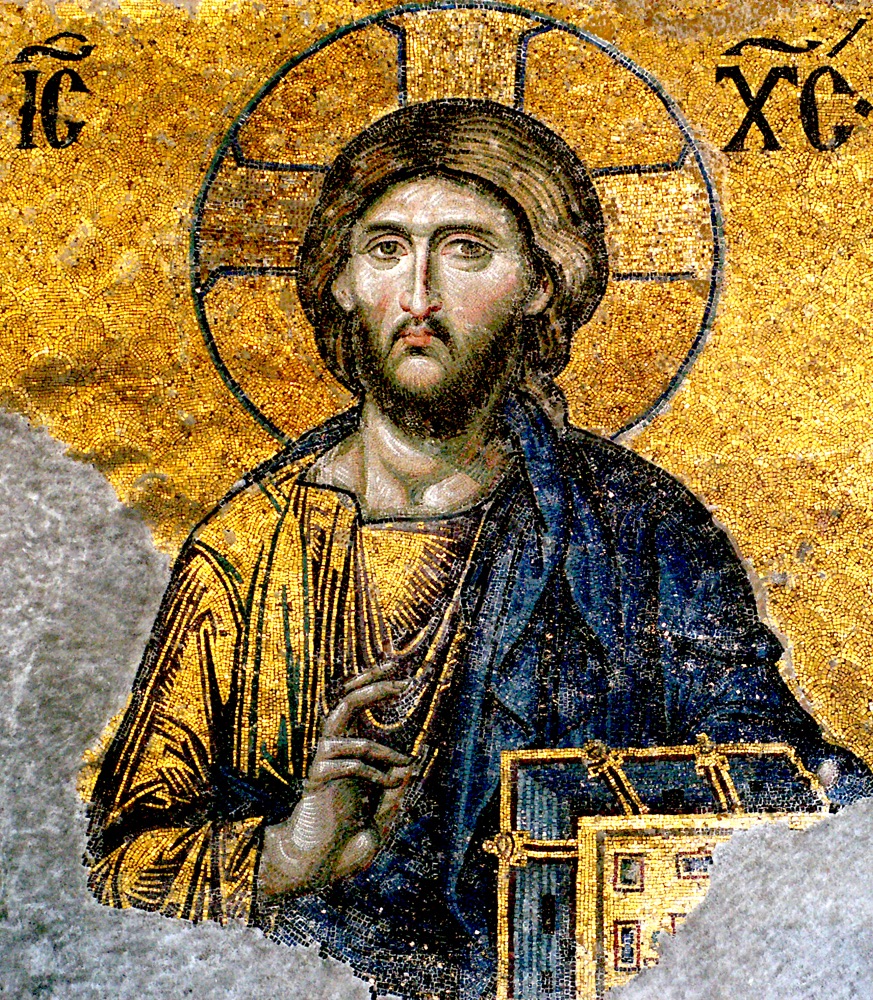
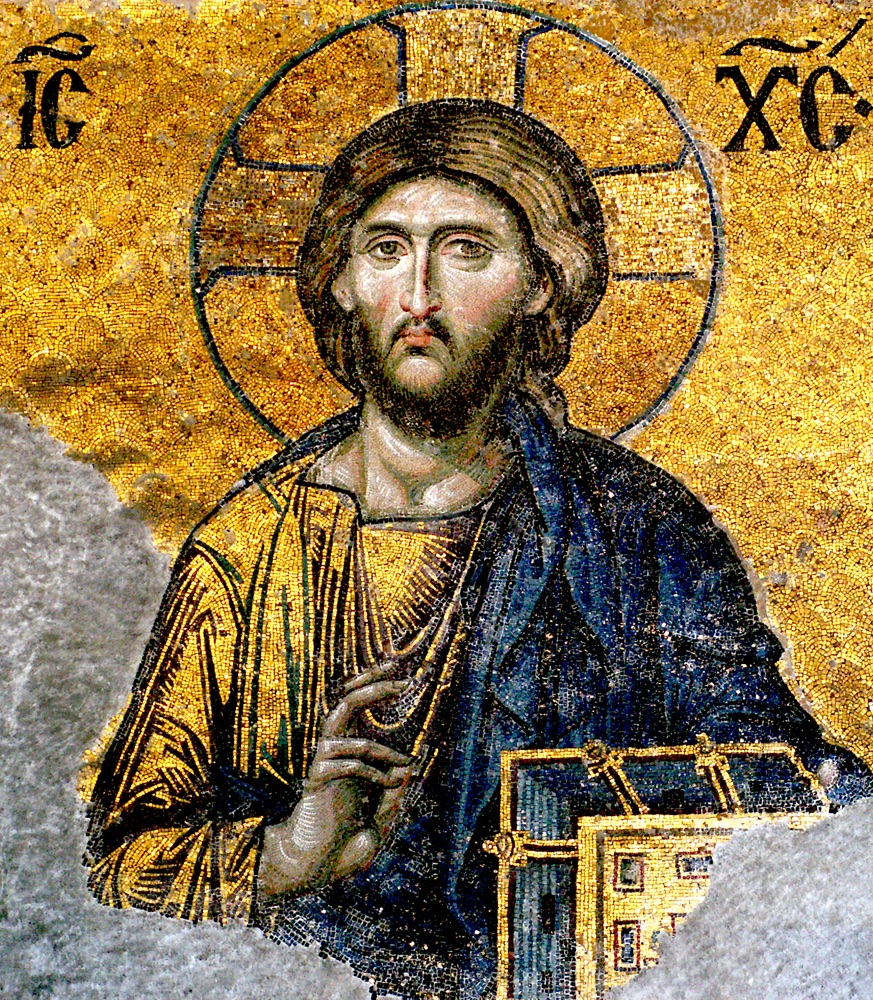
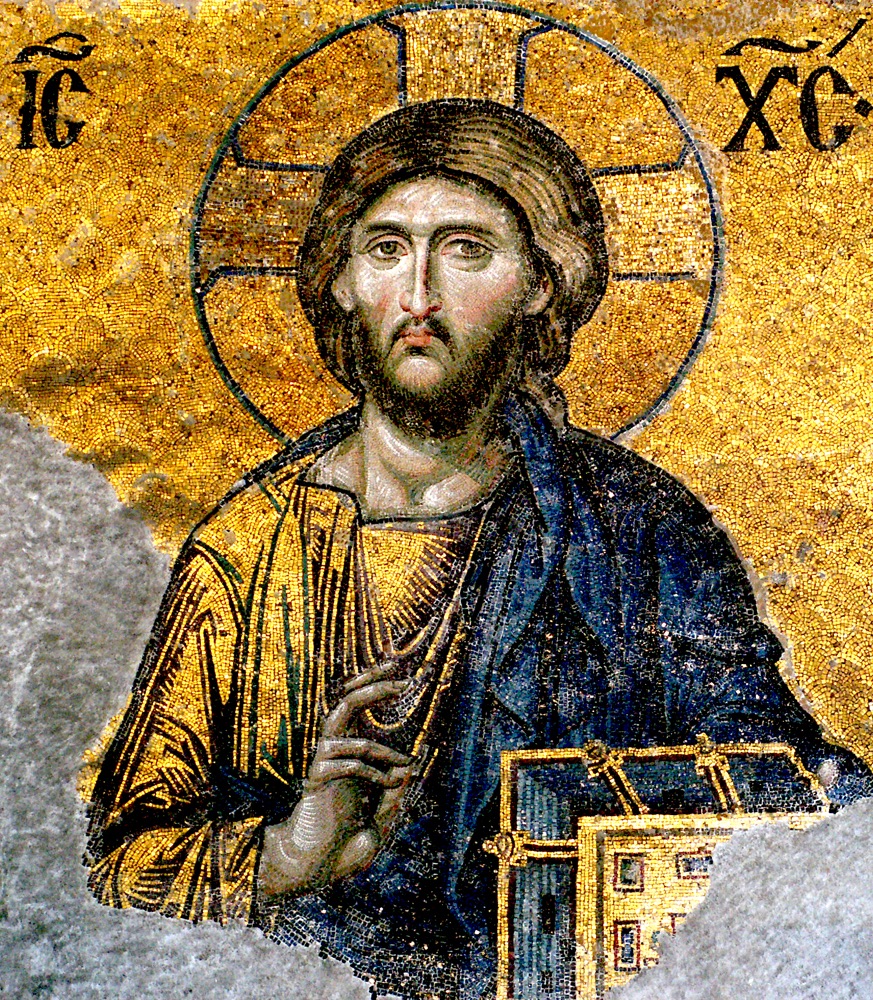
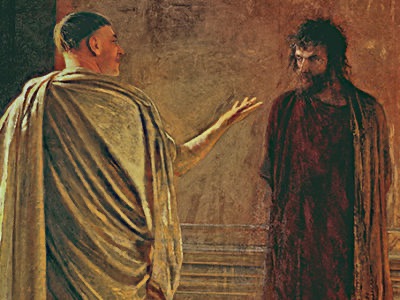


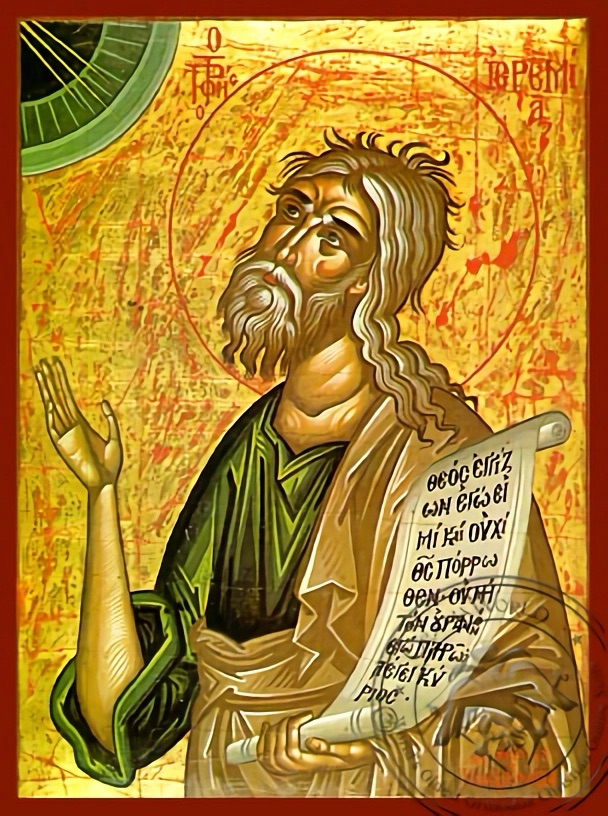

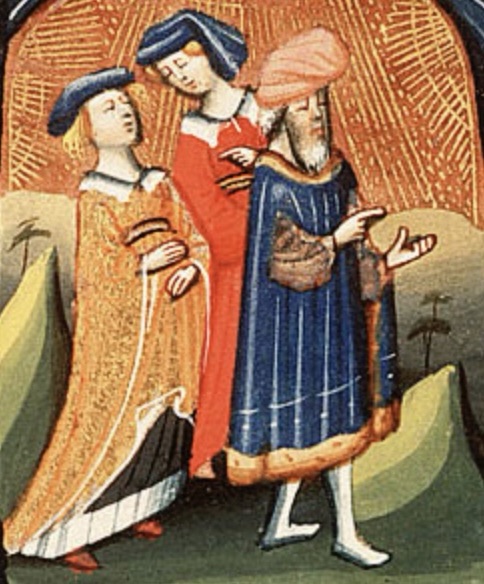
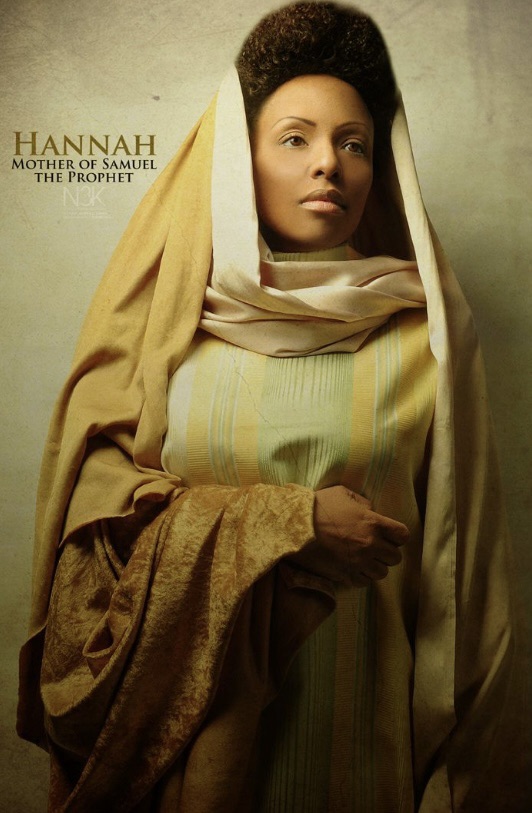
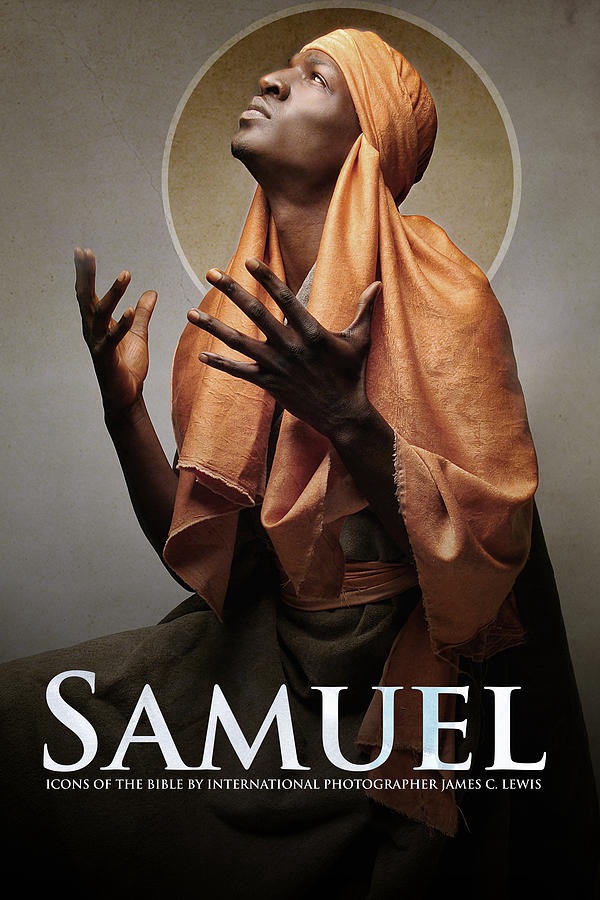
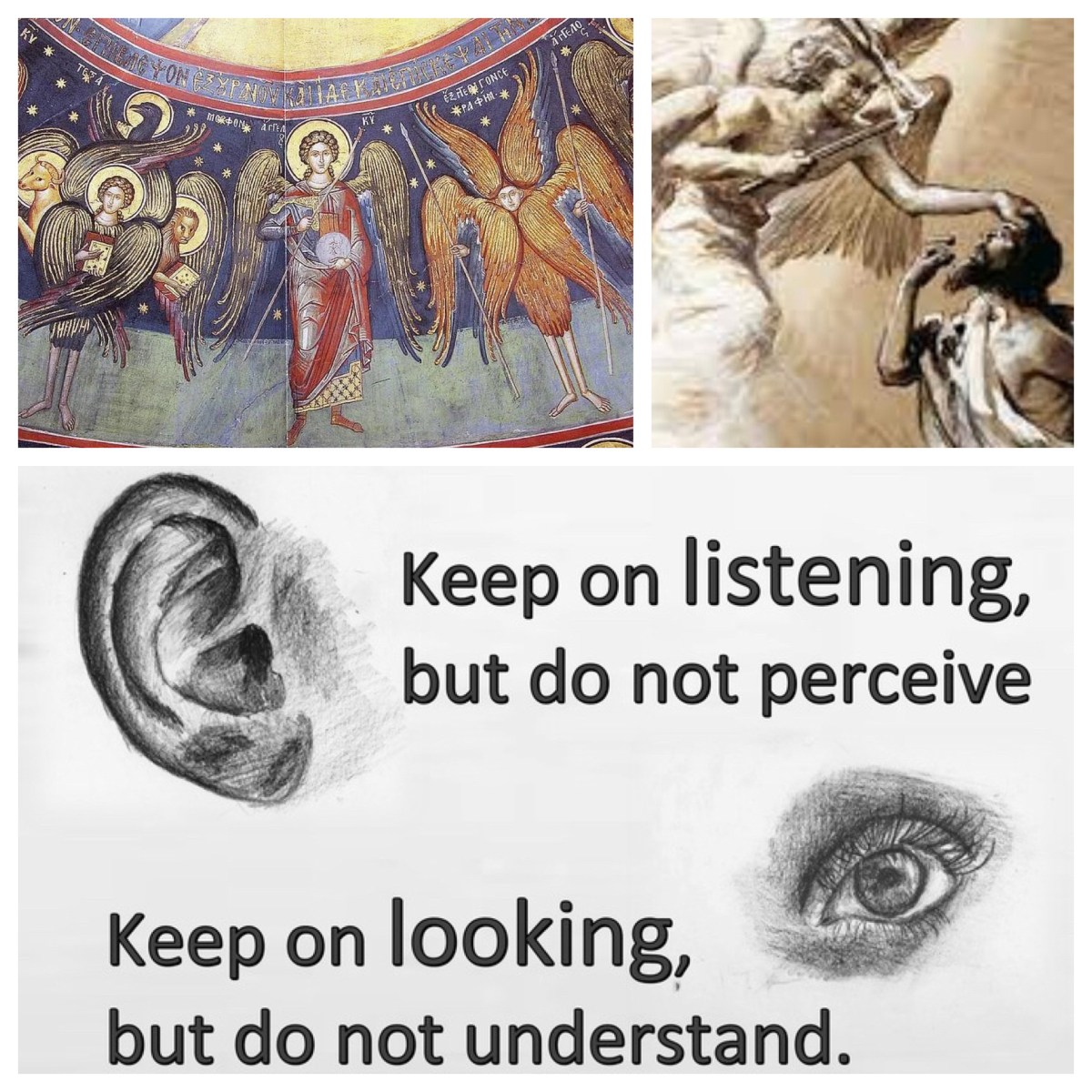
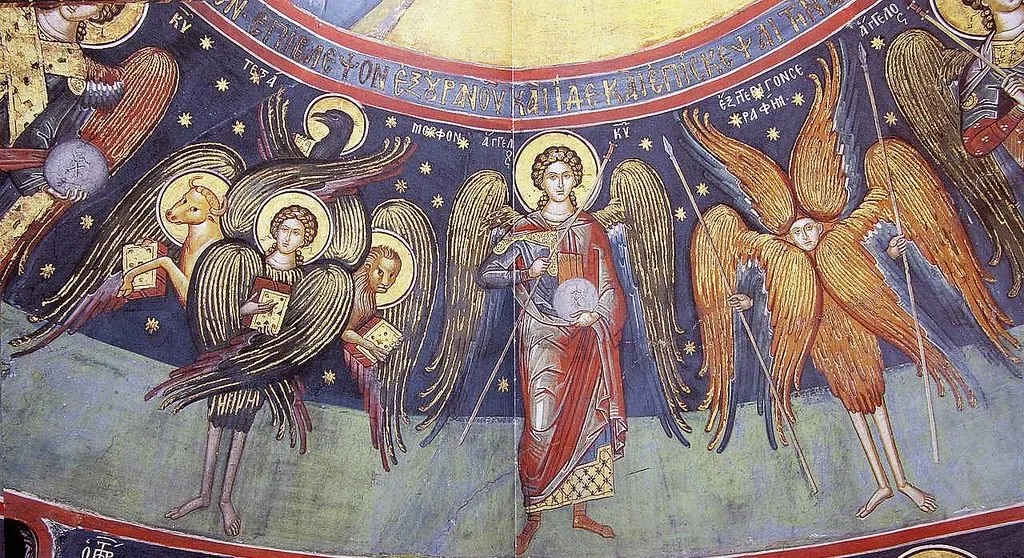
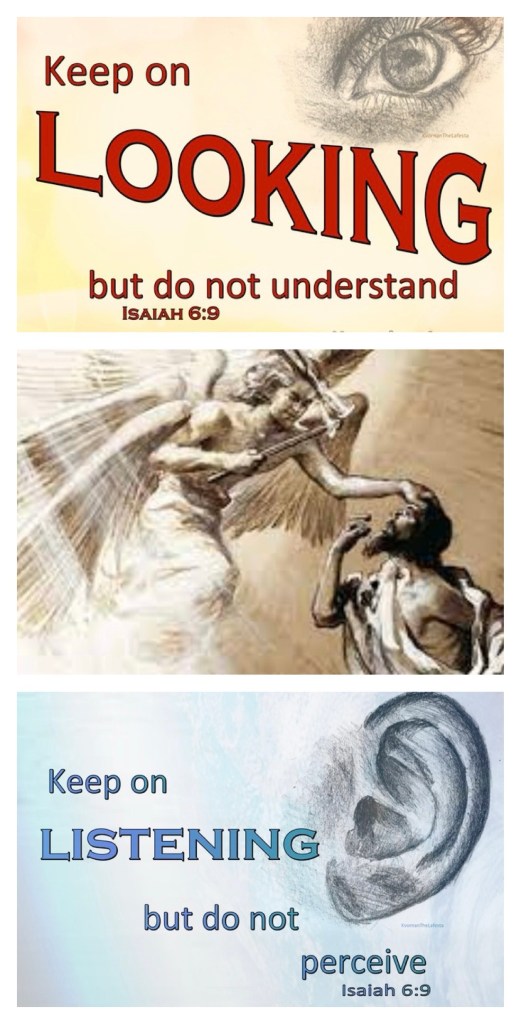
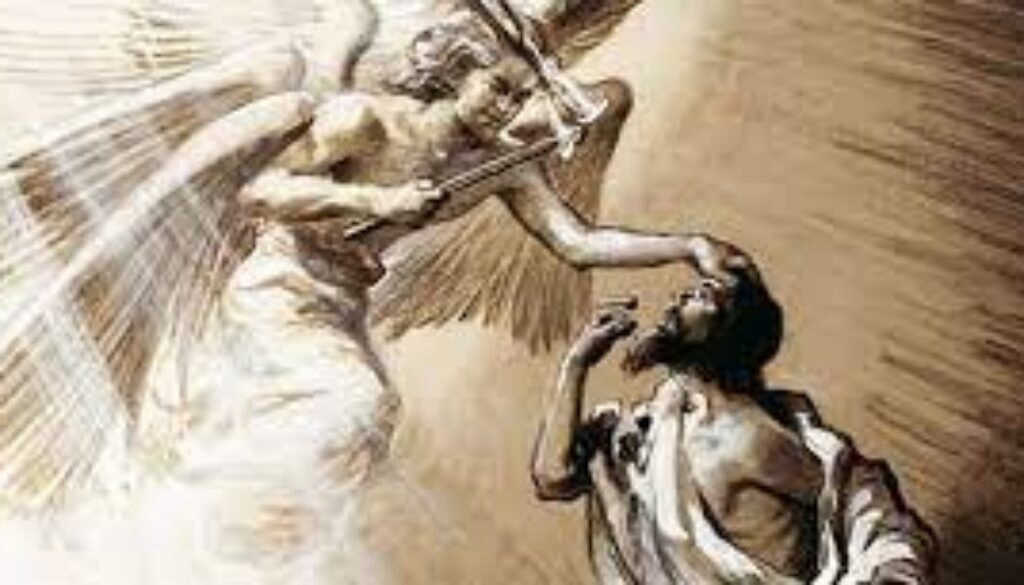



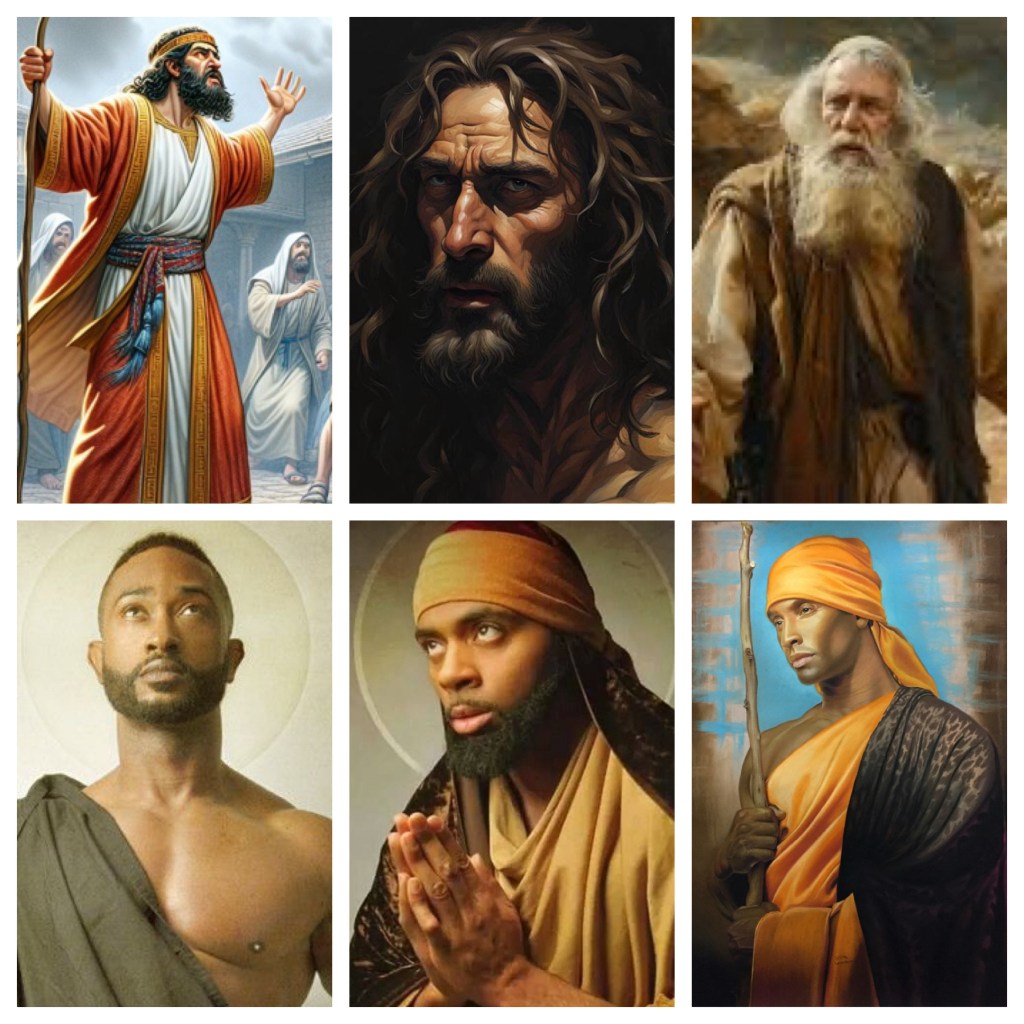
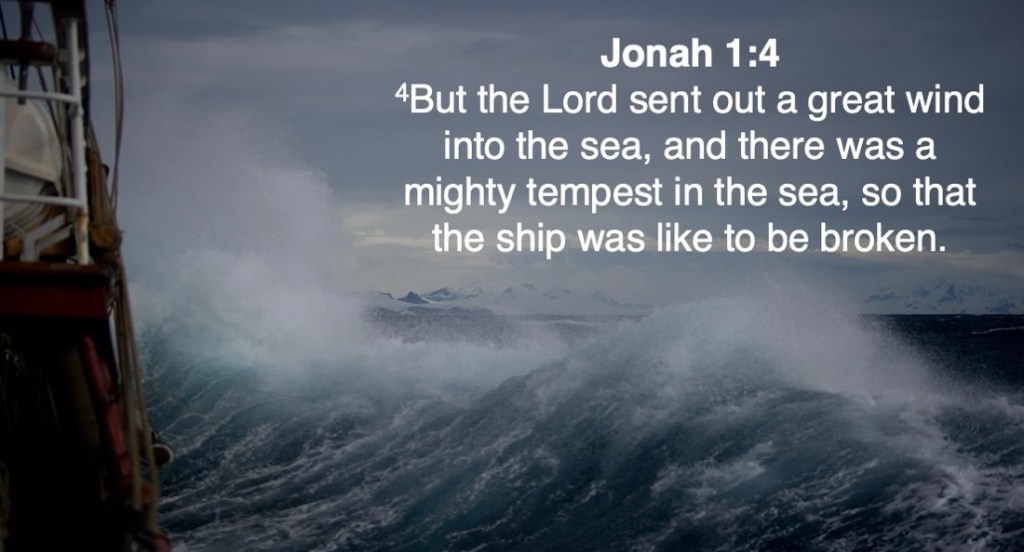
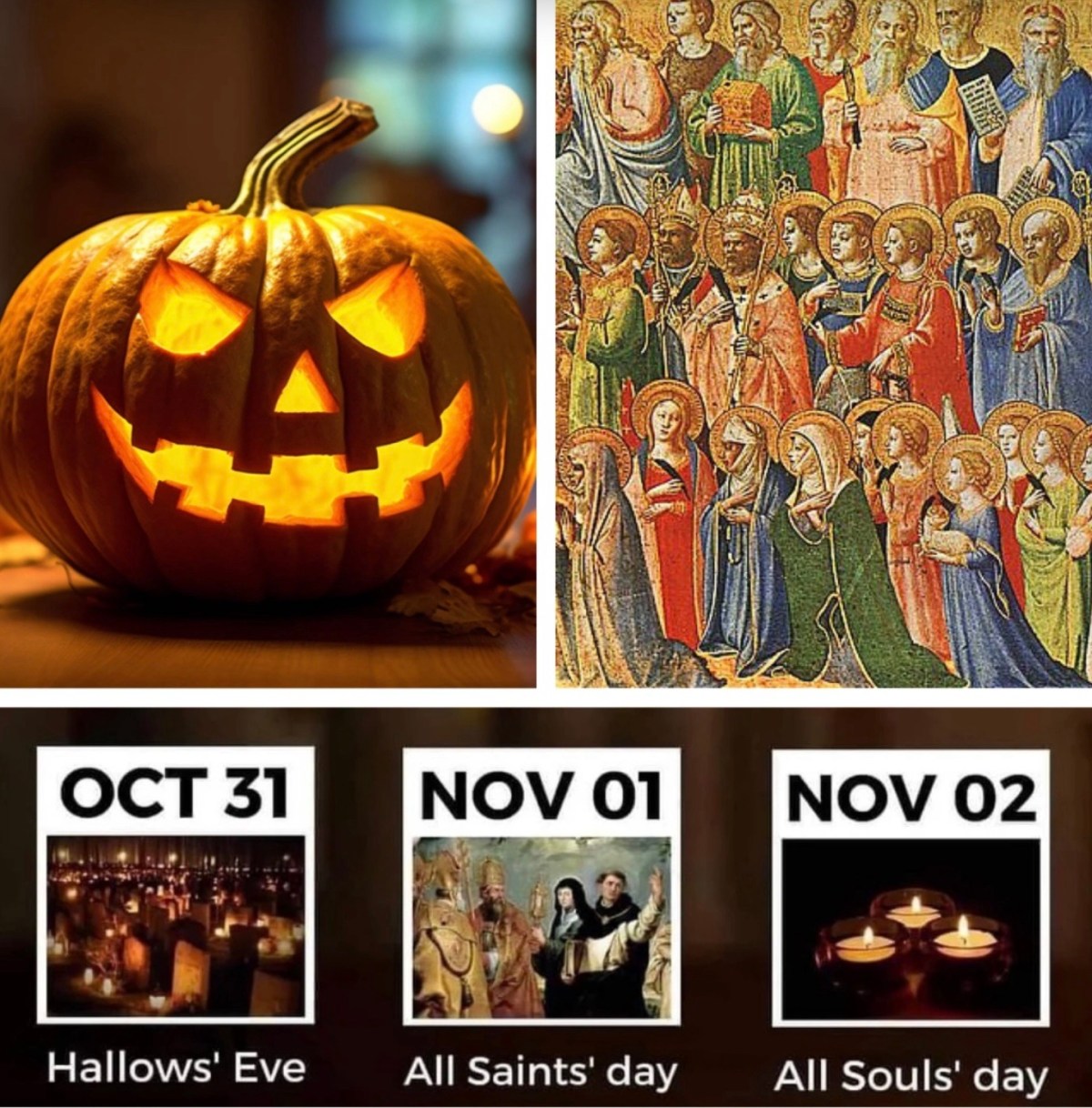
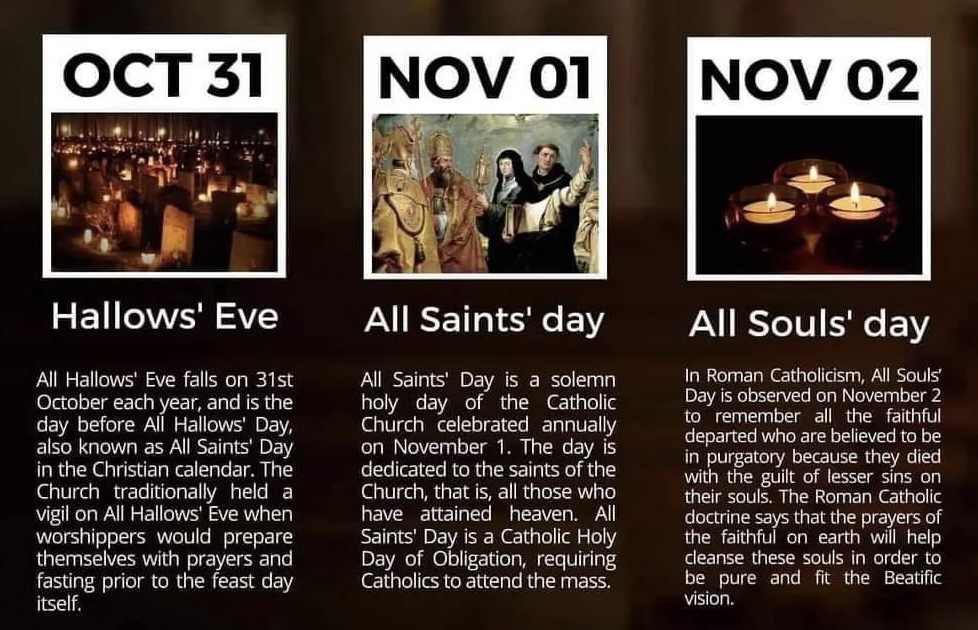
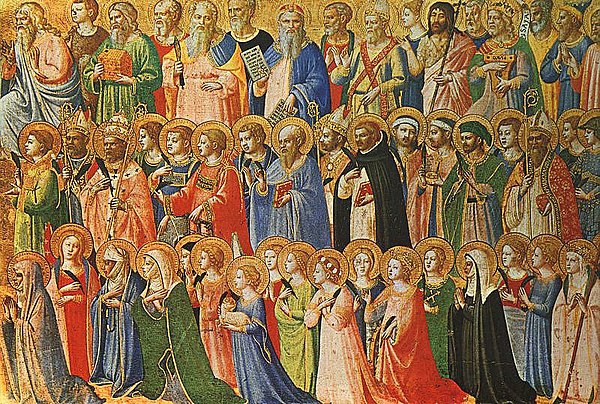


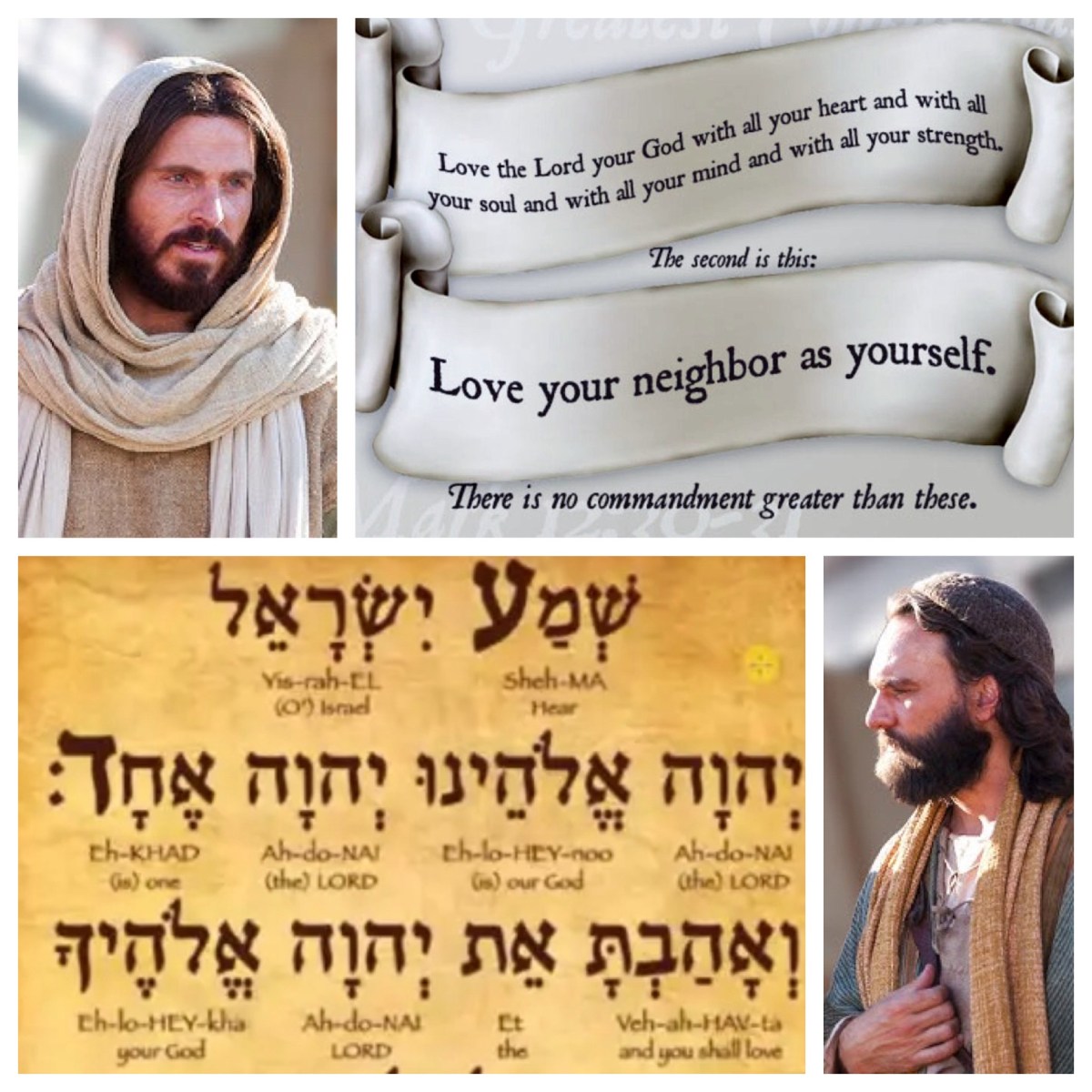
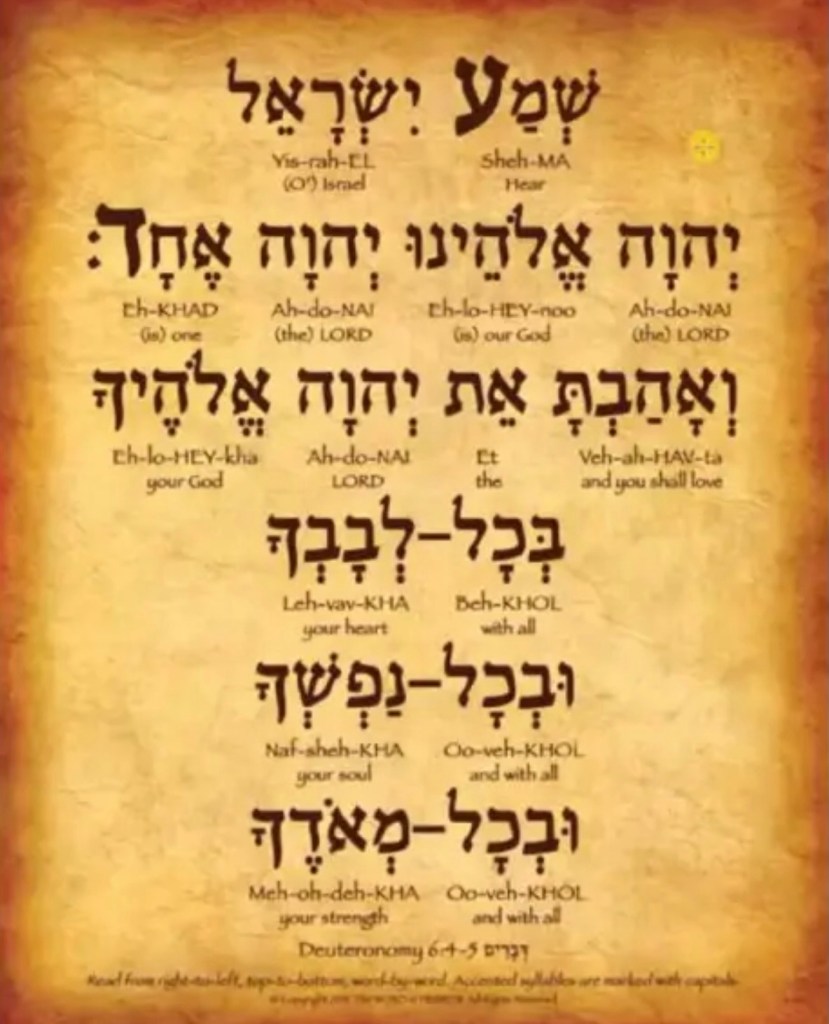
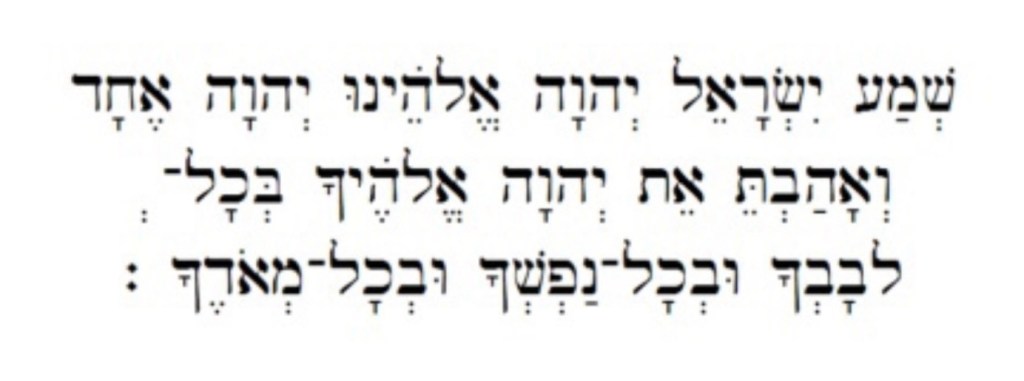
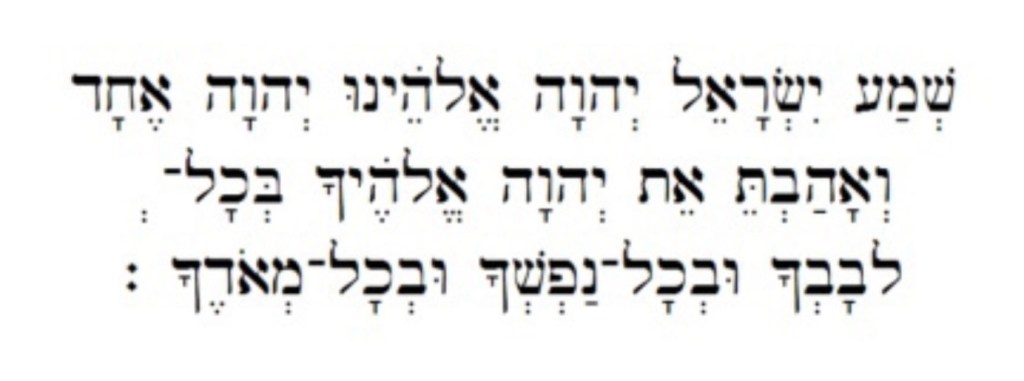
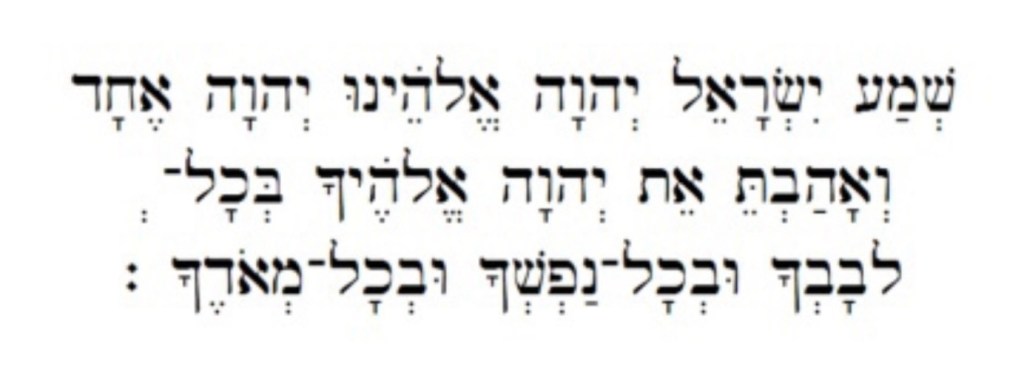
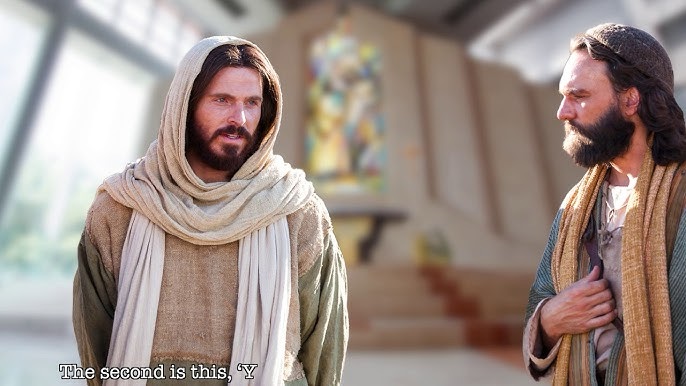
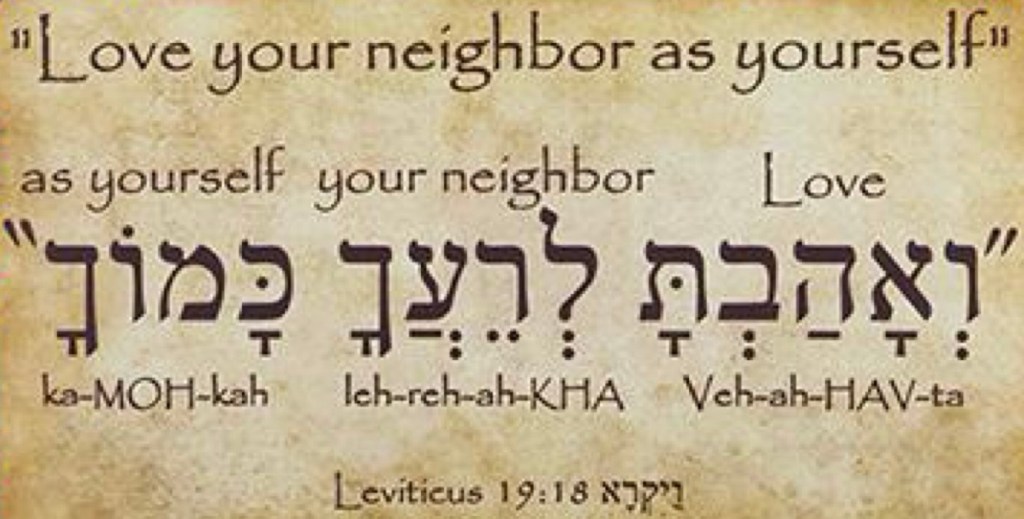
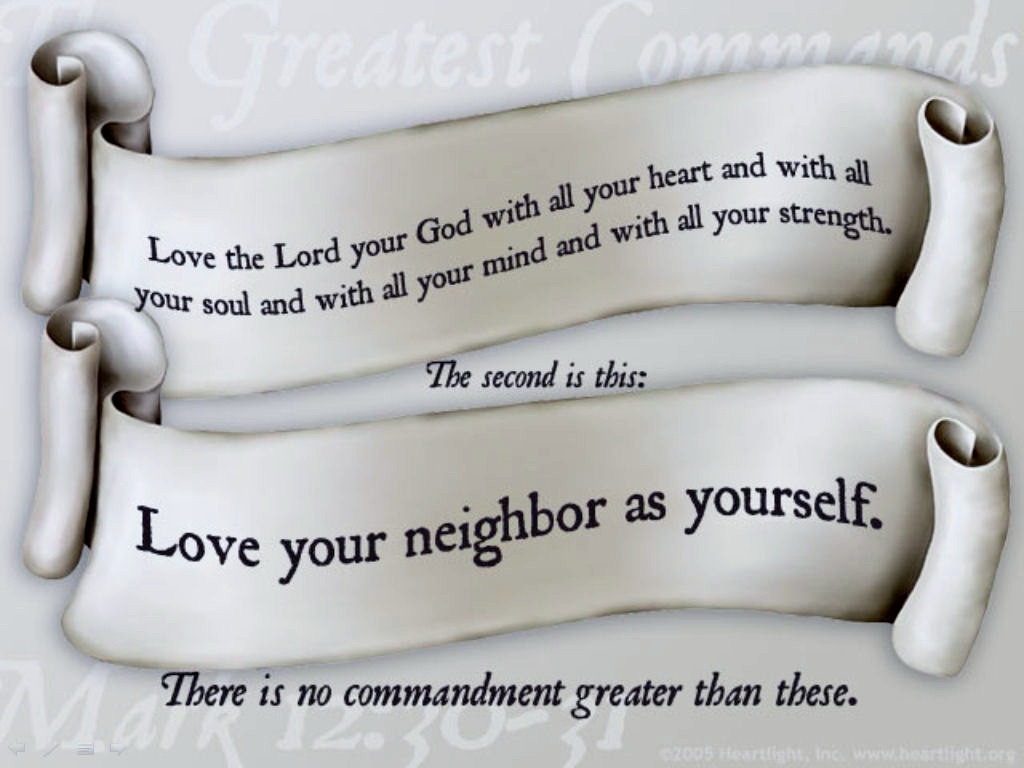
 An Informed Faith