Last Sunday morning at Tuggeranong Uniting Church (TUC) in the south of Canberra, the Moderator came to visit. The Rev. Simon Hansford preached on the parable of the seeds and the sower—or the four types of ground onto which the seeds were sown (Matt 13). In his sermon, the Moderator called this “a story of God’s grace-filled, generous extravagance; a story that subverts our expectations and invites us to listen, pay attention, and be changed”.
The Moderator contrasted the story that Jesus told with the current business focus on KPIs (key performance indicators) and the need to measure, assess, and evaluate every aspect of work life—including the work of ministers within the church at large. In this view of work, no energy is to be expended on activity that does not produce results! Everything must be successful and achieve the desired goals; nothing should be “wasted”.
He then went on to insist that we should not focus on the fear of wasting the seeds we sow through our Christian life and witness. The story is not instructing us to measure how well we are doing. Rather, he invited the Congregation to hear the story as a demonstration of how God engages with us in Christ—generously, gracefully, extravagantly—and to model our own lives as disciples on this pattern. The story encourages us to live “a discipleship of gentleness and mercy, of grace and wonder”, he said.
The new mural on the large western brick wall of the Tuggeranong Uniting Church in Wanniassa, ACT
After worship, the Congregation moved outside to the western wall of the church, where Geoff Filmer’s wonderful mural—hope-filled, inviting, and generous—was dedicated by the Moderator. Geoff had recently painted this mural on what was previously a huge blank brick wall, facing the street and the Erindale shopping centre. Now, vibrant primary colours adorn the wall, with a set of symbols that were designed in close consultation between the artist and a small working group of the church. The mural is one way amongst many ways by which the Congregation is making connections with the local Tuggeranong community.
The Rev. Elizabeth Raine, minister of the Tuggeranong Uniting Church, with the Rev. Simon Hansford, moderator of the NSW.ACT Synod of the Uniting Church in Australia
The mural was the idea of the Rev. Elizabeth Raine, one of the ministers in placement at Tuggeranong. One of the mission groups that were established early in her ministry (in 2019) worked through the process of conceptualising the idea, fundraising to finance the mural, engaging the Congregation with the proposal, and negotiating with the artist. Some funding came from the Synod, other funding came from a community grant. The work was mostly completed just two months ago.
As a whole, the mural offers the community of the Tuggeranong Valley the symbols of the Gospel: hope and growth, an inclusive welcome and a resilient future. A large dove hovers in the sky, while rain falls to nurture the earth, symbolising the TUC commitment to environmental responsibility. The Uniting Church logo is surrounded by dots, representing a desire to seek reconciliation with First Peoples, whilst a rainbow signals the welcome extended to members of the LGBTIQA+ community, who participate both in the Rainbow Christian Alliance at TUC and in Sunday morning worship.
Members of the congregation complete the mural— much to the delight of Geoff Filmer, the artist who painted the mural
As people gathered on the grass, the Moderator prayed a blessing on the mural and the mission of the Congregation in the Tuggeranong Valley. To celebrate the occasion, members of the Congregation—young and old—joined Geoff Filmer in completing the bottom right-hand corner of the mural, painting sprouts of new growth which are now blossoming into life! The future looks bright; the seeds of God’s generous grace will continue to be sown throughout the Tuggeranong Valley.
The bottom right-hand section of the mural, complete after members of the Congregation finished the painting of a beautiful sprouting flower!
Two weeks ago, we considered the section of Paul’s letter to the Romans which the lectionary offered: Paul grappling within “the sin that lives within me” (Rom 7:14–25a). The following week, the lectionary continued following the argument developed by Paul, as he rejoices that “there is now no condemnation for those who are in Christ Jesus” (8:1–11). This week, we read the next passage in this letter, which reflects on “being led by the Spirit” and praying the prayer, “Abba, Father” (8:12–25).
In earlier weeks, we have been tracing the progression of Paul’s argument in this letter, as he sets out how he understudy the Gospel is “the power of God for salvation to everyone who has faith, to the Jew first and also to the Greek” (1:16). He has set out the way that “the righteousness of God is revealed, through faith for faith” (1:17), the way that “this righteousness of God has been disclosed, and is attested by the law and the prophets” (3:21).
He has noted that this has been effected through “the redemption that is in Christ Jesus, whom God put forward as a sacrifice of atonement by his blood, effective through faith” (3:24–25), and that this is consistent with the way that God had already acted, when “faith was reckoned to Abraham as righteousness” (4:9). This means, says Paul, that this same righteousness “will be reckoned to us who believe in him who raised Jesus our Lord from the dead” (4:24).
Accordingly, Paul tells the Romans that, “since we are justified by faith, we have peace with God through our Lord Jesus Christ, through whom we have obtained access to this grace in which we stand; and we boast in our hope of sharing the glory of God” (5:1–2). What follows is a detailed exploration of what this theologically rich affirmation entails: understanding the significance of the death of Jesus for believers (5:6–11); exploring the origin of sin and the parallel offering of being declared to be righteous (5:12–21); the life of faith with the risen Christ (6:1–11); the relationship between sin and grace (6:12–23); the place of sin, the law, and death in the life of faith (7:1–25); and life in the Spirit (8:1–11).
This is heavy going: Paul is entering into difficult areas for consideration—but he plunges in head-first, deploying the familiar techniques he has used in some of his earlier letters: vigorous debate using the techniques of diatribe, question-and-answer dialogues, with scriptural citation and exposition in the style of the rabbis (see especially Galatians and both letters to the Corinthians). This shows the complex, cross-cultural nature of Paul’s life, and the sophisticated way that he operated.
In the section of this letter that is offered this coming Sunday, then (8:12–17), Paul pauses the vigorous debating style of earlier sections, and here operates more by offering pastoral exhortation in the manner of moral philosophers, as he does especially in 1 Thessalonians and Philippians. In this instance, the focus is to offer encouragement regarding the present state of believers, reiterated in these words: “all who are led by the Sprit of God are children of God” (8:14), “you have received a spirit of adoption” (8:15), “we are children of God” (8:16).
Paul continues his dualistic perspective, here, by contrasting “to love according to the flesh” with being “led by the Spirit of God”, which means to “put to death the deeds of the body” (8:13–14). This dualism, from the strong Greek influence on Paul (and, indeed, on many of his hellenised Jewish contemporaries) drives his thoughts away from the integrated Hebraic view of the whole person, the nephesh, which is at the heart of how the Hebrew Scriptures regard humanity.
Those scriptures had clearly indicated that God created nepheshhayah, “living creatures”, in the seas (Gen 1:20, 21) and on the earth (Gen 1:24); indeed, in “every beast of the earth … every bird of the air … everything that creeps on the earth, everything that has the breath of life (nephesh hayah)” (Gen 1:30). The same phrase occurs in the second creation story, describing how God formed a man from the dust of the earth and breathed the breath of life into him, and “the man became a living being (nepheshhayah)” (Gen 2:7). The claim that each living creature is a nephesh is reiterated in the Holiness Code (Lev 11:10, 46; 17:11).
For Paul, however, flesh and spirit compete with one another within the same person; he has stated this conflict clearly at Rom 7:5–6, and developed his thinking further at 8:3–9. In an earlier letter, Paul has taken this flesh/spirit dichotomy as a primary lens for viewing the various conflicts and problems within the gatherings in Corinth (1 Cor 3:1–4; 6:16–17); a similar dynamic can be seen in the extended allegory of Sarah and Hagar (Gal 4:21–31; see esp. v.29). Concerning the dissension in Philippi, he is clear: “we who worship in the Spirit of God … have no confidence in the flesh” (Phil 3:3).
It is a shame that this adoption of Hellenistic dualism has overshadowed and then overwhelmed the rigorously wholistic approach to the human condition that is the gift of the Hebraic tradition. Paul’s words occupy much less space in our scriptures than do the material from the ancient scrolls of Israel, but we have allowed the writings of Paul (the seven authentic letters, as well as the later pseudonymous works) to take up so much more space than those earlier works—and, indeed, more space than the Gospels in the New Testament—in the thinking, writing, and doctrinal exposition of Christianity.
This dualistic dynamic that Paul has adopted and integrated into his way of thinking spills out into the further imagery that is used in Rom 8, where the flesh is entangled in “a spirit of slavery” which leads people to “fall back into fear”, but believers “have received a spirit of adoption” which attests that they are “children of God” (8:15–16).
That people can be considered to be “children of God” is a common point of view today; it is a way of recognising that we are all created by God and share the same characteristics as human beings. It is perhaps a point of view that has developed from the observation that Paul occasionally refers to “the children of God”.
He assures the Galatians that “in Christ Jesus you are all children of God through faith” (Gal 3:26), and encourages the Philippians to “do all things without murmuring and arguing, so that you may be blameless and innocent, children of God without blemish in the midst of a crooked and perverse generation, in which you shine like stars in the world” (Phil 2:14–15).
The term occurs five times in this immediate section of Romans (Rom 8:14, 16, 19, 21; 9:8), where Paul makes it clear that “all who are led by the Spirit of God are children of God” (8:14) and “it is not the children of the flesh who are the children of God, but the children of the promise are counted as descendants” (9:8). This usage is different from the contemporary sense that “we are all children of God because God has created us all”—for Paul, the children of God are birthed into that state by virtue of their faith, being led by the Spirit and finding themselves to be “in Christ”.
The phrase is used by the author of 1 John in a similar manner, comparing “the children of God and the children of the devil”—although in the rigorous view taken by this writer, the former “have been born of God [and] do not sin, because God’s seed abides in them” whilst the latter “do not do what is right [and] are not from God”, and indeed they “do not love their brothers and sisters” (1 John 3:9–10; see also 3:1; 5:2).
The phrase appears also in two sayings attributed to Jesus: a blessing of “the peacemakers” (Matt 5:9), and a discussion of those in “the age to come” who “cannot die anymore, because they are like angels and are children of God, being children of the resurrection” (Luke 20:36).
The phrase is also found in two narrative comments by the author of John’s Gospel, affirming that Jesus “gave power to become children of God” to “all who received him” (John 1:14), and in a summation of a high priestly prophecy that Jesus was “about to die for the nation, and not for the nation only, but to gather into one the dispersed children of God” (John 11:52). So this usage is diverse and generalised, rather than conveying a specific focus, which is what Paul clearly has in mind in Rom 8:12–25.
Those described as “children of God”, we have noted, are also described by Paul as having a “spirit of adoption”. This language appears as Paul encourages the Galatians, explaining the significance of Jesus in the short saying: “when the fullness of time had come, God sent his Son, born of a woman, born under the law, in order to redeem those who were under the law, so that we might receive adoption as children” (Gal 4:4–5). He continues that, “because you are children, God has sent the Spirit of his Son into our hearts, crying, ‘Abba! Father!’” (Gal 4:6), the very same prayer that he references in Rom 8.
The concept of adoption is taken up in the language of a post-Pauline letter, which declares that God “destined us for adoption as his children through Jesus Christ, according to the good pleasure of his will, to the praise of his glorious grace that he freely bestowed on us in the Beloved” (Eph 1:5).
In his letter to the Romans, Paul equates this adoption with “the redemption of our bodies” (Rom 8:23), indicating that the concept fits neatly, in Paul’s thinking, within his adopted hellenistic dualistic worldview. The Spirit which gifts this adoption to believers as “children of God” is the Spirit which makes us to be “heirs, heirs of God and joint heirs with Christ” (8:17). The end result of this process is, as Paul then declares, that “we suffer with him [Christ] so that we may also be glorified with him” (8:17).
The idea that we are glorified with Christ is then reiterated later in this chapter, where Paul writes about the overarching providence of God, stating that “those whom he foreknew he also predestined to be conformed to the image of his Son”, using once again a family image to explain what this means: “in order that he might be the firstborn within a large family” (8:29). This process drives inexorably towards the moment of glorification: “those whom he predestined he also called; and those whom he called he also justified; and those whom he justified he also glorified” (8:30).
This is an unusual portrayal of what this means for believers. To “be glorified” in scriptural usage normally applies to God (Lev 10:3; 1 Chron 22:5; Isa 26:15; 44:23; 49:3; 60:21; 66:5; Sir 3:20; 38:6; 45:3; Mark 2:12; Matt 9:8; Luke 5:26; 7:16; John 12:28; 13:31–32; 14:13; 15:28; 17:4) or to Jesus (John 11:4; 12:16, 23; 13:31), although there are some late references to Israel being glorified (Isa 55:3–5), Moses being glorified (Sir 44:25–45:3), and then to David also being glorified (Sir 47:2–6). Paul is placing believers in Christ within that same stream of being glorified by their strong faith and good works.
As he writes to the Romans, Paul refers to a prayer that we find on the lips of Jesus: “Abba! Father!” (Rom 8:15; Mark 14:36). Jesus prays this way in the Garden of Gethsemane, when he was “distressed and agitated” (Mark 4:33) as he grapples with what he now knows is in store for him: “the hour has come; the Son of Man is betrayed into the hands of sinners” (Mark 14:41). It is a reflexive prayer, coming almost automatically from within the depths of Jesus’ inner life, in his very being that is “deeply grieved, even to death” (Mark 14:34).
Paul has also referenced this prayer in a similar moment of encouragement in his letter to the Galatians, when he reminds them that Jesus had come “in order to redeem those who were under the law, so that we might receive adoption as children” (4:4–5). It is because of this state, as children of God, that “God has sent the Spirit into our hearts, crying ‘Abba! Father!’” (Gal 6:6).
Quite tellingly, Paul notes that this is a prayer that we “cry” (Rom 8:15), using the Greek word, kradzein, which is used both in Gospel accounts of casting out demons (Mark 1:23), but, more significantly, 40 times in the LXX translation of Psalms (Ps 3:4; 4:3; 8:6; 22:2, 5; etc). It indicates an intensity of focus in what is being said.
The psalmist “cries aloud to the Lord” (Ps 3:4; 27:7; 77:1) and the response is clear, for the Lord “fulfils the desire of all who fear him [and] hears their cry and saves them” (Ps 145:19), “he gives to the animals their food, and to the young ravens when they cry” (Ps 147:9), and as “I waited patiently for the Lord, he inclined to me and heard my cry” (Ps 40:1).
The Abba Prayer has come to have a life all of its own in contemporary spirituality. It is offered in scripture, both as words that Jesus prayed, and as words which Paul offers to believers for our prayers. It is a good foundation to foster our relationship with God in prayer.
In the final section of the reading that the lectionary offers us for this coming Sunday, Paul makes much of the promise that, since believers are “children of God” and thus “joint-heirs with Christ”, so they will “be glorified with him” (8:17). This theme continues on in the consideration that Paul gives to “the glory about to be revealed to us” (8:18), when “the creation will be set free from its bondage to decay and will obtain the freedom of the glory of the children of God” (8:21), and when “those whom he called he also justified”, such that “those whom he justified he also glorified” (8:30).
Earlier in this same chapter, Paul has reported to the Romans that “we boast in our hope of sharing the glory of God” (5:2). This boastful praise for the promised, soon-to-be realised glory, draws on a strong theme in Hebrew scripture. The glory of God is present in the stories that recount the formation of Israel, through the years in the wilderness (Exod 16:6–10; Num 14:22), on Mount Sinai (Exod 24:16–17; Deut 5:22–24), in the Tabernacle (Exod 40:34–35; Lev 9:23; Num 14:10; 16:19, 42; 20:16), and in the temple (1 Ki 8:1–11; 2 Chron 7:1–4).
The psalmists reinforce the notion that the glory resides in the sanctuary (Ps 26:8; 63:2; 102:16; Hag 2:3) and in the land of Israel (Ps 85:9). In some psalms the realm of God’s glory is extended to be “over the waters” (Ps 29:1–4), “over all the earth” (Ps 57:5; 72:19; 97:6; 102:15; 108:5; also Isa 6:3; 24:15–16; 60:1–2; Hab 2:14) and even to “the heavens” (Ps 19:1; 113:4; 148:13; and Hab 3:3).
This concept of God’s glory plays an important role in Paul’s argument in Romans. “All have sinned and fallen short of the glory of God”, Paul brazenly declares (Rom 3:23); some who claim to know God “exchanged the glory of the immortal God for images resembling a mortal human being” (1:23), in contrast to “those who by patiently doing good seek for glory and honour”, to whom “glory and honour and peace” will be given (2:7, 10).
To Abraham, who “grew strong in his faith as he gave glory to God”, his faith would be “reckoned as righteousness” (4:20–22). In God’s time, “the freedom of the glory of the children of God” will given to the creation (8:21). Within the communities of faith in Rome, the imperative of “welcoming one another” is to be done “for the glory of God” (15:7). This glory is God’s gift to people of faith, and indeed to the whole creation. It is this which Paul here yearns for and anticipates with confident hope.
However, it is imperative that we notice that when Paul writes about being glorified with Christ, he prefaces that with an important condition—“if, in fact, we suffer with him” (8:17). Sharing fully in the fruits of God’s glory, as joint-heirs with Christ, means sharing completely in the suffering that Christ experienced, in his betrayal, arrest, trials, and crucifixion.
It is, as Paul famously writes to the Philippians, to “suffer the loss of all things, and regard them as rubbish” (Phil 3:8); and to the Galatians, that “I have been crucified with Christ; it is no longer I who live, but Christ who lives in me” (Gal 2:19–20); and again, as he has written to the Romans, “we have been buried with Christ by baptism into his death, so that … we might walk in newness of life” (Rom 6:4), and accordingly, “you must consider yourselves dead to sin and alive to God in Christ Jesus” (Rom 6:11).
There is no easy path to that much-anticipated glory; rather, it requires that we enter completely into the passion, the sufferings, of Christ. And that is the challenge that stands before us from these words of Paul.
Next week, the lectionary brings to a close the sequence of passages from chapter 5 through to chapter 8, moving inexorably to Paul’s rhetorical climax of great power: “If God is for us, who is against us? … Who will separate us from the love of Christ? … [nothing] will be able to separate us from the love of God in Christ Jesus our Lord.” (8:31–39). It then thrusts us into chapters 9 to 11, where Paul sets out his complex arguments concerning Jews and Gentiles—which may, in fact, be the central purpose of the whole letter! (so, more blogs are coming …)
There are some famous dreams throughout history. “I have a dream”, said the Rev. Martin Luther King Jr, speaking in Washington on 28 August 1963, “a dream that my four little children will one day live in a nation where they will not be judged by the color of their skin but by the content of their character. I have a dream today.” That may be the most famous dream in the 20th century.
There have been other significant dreams in modern times. Paul McCartney woke from a dream and wrote the whole score of “Yesterday”. Mary Shelley’s novel “Frankenstein” was inspired by a nightmare. Niels Bohr had a dream in which he saw “the nucleus of the atom, with electrons spinning around it, much as planets spin around their sun”; and thus he developed his theory of atomic structure—a theory later proven by experimental investigation.
In like manner, Albert Einstein is said to have posed his theory of relativity in a dream in which “he was sledding down a steep mountainside, going so fast that eventually he approached the speed of light … at this moment, the stars in his dream changed their appearance in relation to him”; while it was a dream that led Frederick Banting to develop insulin as a drug to treat diabetes.
I found these and other significant modern dreams described at
The Hebrew Scripture passage that is offered by the lectionary for this coming Sunday (Gen 28:10–19a) includes a dream that Jacob had, as he slept one night during his journey from Beer-sheba, in the Negeb desert in the south of Israel, north towards Haran, the place from which Abram and Sarai had left on their journey towards the land of Canaan, the land which God had promised to him (12:1, 4–5).
So the journey that Jacob is undertaking is a reversal, in direction and orientation, of the earlier journey that his grandfather had undertaken. He was travelling to escape the anger of his brother Esau, after he had tricked their father Isaac into blessing him, Jacob, gifting him with the inheritance that was rightly owed to Esau (27:41). Abraham had travelled south in order to receive God’s blessing. Jacob travels in the other direction after having deceitfully gained his father’s blessing.
We are told that, understandably, “Esau hated Jacob because of the blessing with which his father had blessed him” (27:41), and that he threatens to murder his brother, once “the days of mourning for my father” are completed (27:42). Learning of this hatred, Rebekah advises her son, “flee at once to my brother Laban in Haran, and stay with him a while, until your brother’s fury turns away” (27:43–44).
Whether he had been tipped off about this by Rebekah, or not, Isaac commissions his son to journey back to the homeland—in another case of “don’t marry one of these folks, go back to our homeland and marry one of our own” (as we saw with Abraham and Isaac). Isaac says to Jacob, “you shall not marry one of the Canaanite women; go at once to Paddan-aram to the house of Bethuel, your mother’s father; and take as wife from there one of the daughters of Laban, your mother’s brother” (28:1–2). So Jacob obeys him.
It is on this journey of escape that Jacob has his striking dream. Jacob is not the first to have encountered God in a dream, in these ancestral sagas. Abimelech of Gerar heard from God in a dream (20:3–7). After Jacob’s dream at Bethel (28:12–15), Jacob has a further dream regarding a flock of goats, relating to his inheritance, urging him to return to Isaac in the land of Canaan (31:10–16). At the same time, God appeared in a dream to Laban (31:24), conveying instructions which he disobeyed.
The two great “dreamers” in Hebrew Scripture are, of course, Joseph, one of the sons of Jacob, and Daniel, one of the courtiers of Nebuchadnezzar of Babylon, many centuries later. Both men not only dream dreams, but offer interpretations—and interpret dreams that have been dreamt by others. Jeremiah, too, knew of those who claimed that they encountered God in dreams, but warns that understanding those dreams correctly is important (Jer 23:28; 29:8–9).
And dreams as the vehicle for divine communication is found in an important New Testament story, when Joseph learns of the pregnancy of Mary, in Matt 1–2. “Dreaming dreams” is actually an activity inspired by the Spirit, as Joel prophesied (Joel 2:28) and Peter reminds the crowd on the day of Pentecost (Acts 2:17).
*****
As Jacob sleeps, he dreams that “there was a ladder set up on the earth, the top of it reaching to heaven; and the angels of God were ascending and descending on it” (28:12). What do we make of that dream?
In My Jewish Learning, Pinchas Leiser quotes from a book entitled Ruah Chaim (“the breath of life”), by Rabbi Haim of Volozhin. The Rabbi, who lived from 1749 to 1821, was a student of the Vilna Gaon (1695–1785), the pre-eminent sage of Lithuanian Jewry whose ideas were fundamental for the development of modern Jewry. Rabbi Haim writes:
“Our sages come to teach us that we ought not think that, because of our base material, we are truly despicable, like mere plaster on a wall. About this it says, a ladder stationed on the earth–that is Sinai; and its top reaches the heaven–which represents our soul’s life, which is in the highest sphere. There are even souls that see God, and they are the highest of the high, higher than ministering angels, and by this status can the soul cleave to Torah . A whole person is like a tree whose roots are above, and whose trunk extends downward, which is the body, and which is fastened to its supernal roots.”
Pinchas Leiser, a Jewish psychologist and educator, comments: “Thus, Rabbi Haim of Volozhin views Torah learning as a Sinaitic event, since Torah is what connects the heavens and the earth. With Torah, one can ascend and descend between the two spheres. The people who do so are angel-like.”
This is a penetrating insight into the nature of human beings. We are not spiritual beings, trapped in the prison of the material world, as Plato imagined (and as many writers, including Paul, who were influenced by his philosophy, wrote). Rather, we are fully nephesh, creatures of God containing both material and spiritual characteristics. We belong both to earth and to heaven.
The ladder which Jacob saw reveals this true nature, and tells us that we can transport ourselves between the two places, if we would only open ourselves to the possibility. Jacob’s dream was archetypal—it illustrated exactly who we are and how we can live!
And for me, as a Christian reader, it is important to note that this story (and, indeed, many others in Hebrew Scripture) undermine the crass stereotyping of ancient Israelites—and modern Jews—as alienated from God, crushed under unbearable burdens, far from the grace of God. For this ancient story, told orally for many years before it was ever written down, portrays the possibility of a close and enduring relationship with God, accessible from the patriarch Jacob onwards.
*****
A related approach is taken by the Rev. Sunny Lee, writing in With Love to the World. Sunny Lee says, “As he hears the voice of God, Jacob feels the dynamic presence of God and he is assured that God will never leave him. Jacob could never go beyond God’s keeping. The angels will go with him to northern Mesopotamia, which was his destination (Gen 29:1). And they will keep going up and coming down on the ladder. Also, they will accompany him for twenty years in Haran and return to the land (Canaan) with him (Gen 31:11; 32:1). Here, we can see that there will always be a ladder! Always the angels! Always God! (with Jacob).”
Sunny sees a sign of God’s grace in this story: “Jacob was outcast and alone because he deceived his father. He was not seeking God. Nevertheless, he was guided by God in his misery. God revealed God’s care and assurance for the future. Even though he was not expecting grace, grace was unleashed upon his soul with no word of blame.”
So there is a sign of God’s grace in this story—the ladder connecting heaven and earth, on which “angels” ascend and descend at will. God meets Jacob, even as he is running away from family, and perhaps also running away from God; God meets Jacob in a dream. Jacob was fleeing the consequences of his deception of his father. He wanted to be far away from Isaac, whom he deceived, and Esau, from whom he stole the birthright. And in the midst of that journey, God offers a sign of acceptance and grace in this dream.
Indeed, scripture had offered an earlier sign of God’s grace, in the story of Noah. This is a terrible story—God deliberately and intentionally destroys the world, and “starts all over again”. Only Noah and his family, and the animals on his ark, are saved. The rainbow in the sky is the sign of God’s grace for those who have survived, signalling that God will never again destroy the creation.
The ladder represents the commitment that God has, to an enduring connection with human beings, no matter what their situation. It is a sign of God’s grace—for which we can be thankful.
Psalm 119, the longest of all psalms, is the 176–verse grand acrostic of the Hebrew Scriptures (22 section s of eight verses each, commencing in order with the letters of the Hebrew alphabet. A small portion of this psalm (119:105–112) is offered by the lectionary this coming Sunday. I am exploring the questions: what would a theology look like, using only the verses in this psalm? and how full (or inadequate) would that theology be? See earlier instalments at
So a sixth element in the psalm, which also correlates with a standard section in a fully-developed theology, is what it says about the life of a faithful person. This life is characterised most strikingly by delight—a quality that is articulated ten times in the psalm. The second section ends in a paean of praise: “I delight in the way of your decrees as much as in all riches. I will meditate on your precepts, and fix my eyes on your ways. I will delight in your statutes; I will not forget your word.” (vv.14–16).
The psalmist continues, “your decrees are my delight, they are my counselors” (v.24); “lead me in the path of your commandments, for I delight in it” (v.35); “I find my delight in your commandments, because I love them” (v.47); “I delight in your law” (v.70), “your law is my delight” (v.77, 174); “your commandments are my delight” (v.143); and, most powerfully, “if your law had not been my delight, I would have perished in my misery” (v.92). The requirements of the law bring delight to the person of faith.
A second characteristic of the life of a person of faith is that it is marked by love. In typical style, this love—which is a response to the steadfast love of God (see above)—is focussed on Torah, the source of knowledge about, and relationship with, God. Nearing the end of the psalm, we hear the psalmist say, “consider how I love your precepts; preserve my life according to your steadfast love” (v.159), drawing together the two expressions of love—love of God for humans, love of humans for God’s word in Torah.
The psalmist exults, “I find my delight in your commandments, because I love them; I revere your commandments, which I love, and I will meditate on your statutes” (vv.47–48). They exclaim, “Oh, how I love your law! It is my meditation all day long” (v.97) and affirm that “truly I love your commandments more than gold, more than fine gold” (v.127).
So much is Torah valued, that it apparently offers perfection: “I have seen a limit to all perfection, but your commandment is exceedingly broad” (v.96). In this regard, the psalmist’s appreciation for Torah as perfection seems to reflect the priestly desire for people to offer perfect sacrifices, without blemish (Lev 22:21), and Solomon’s desire to build the Temple as a perfect house for God (1 Ki 6:22).
Indeed, such a conception of perfect Torah also resembles the sage’s musings regarding Wisdom: “to fix one’s thought on her is perfect understanding” (Wisdom 6:15), and thoughts found in a prayer attributed to Solomon: “even one who is perfect among human beings will be regarded as nothing without the wisdom that comes from you” (Wisdom 9:6).
The writer clearly loves Torah. This love leads to joy: “your decrees are my heritage forever; they are the joy of my heart” (v.111). Joy is manifest in praise: “let me live that I may praise you, and let your ordinances help me” (v.175). And God’s love also provides comfort: “let your steadfast love become my comfort according to your promise to your servant” (v.76). This is the fulfilment of God’s promise to the believer: “let my supplication come before you; deliver me according to your promise” (v.170).
The psalmist prays “give me life” a number of times, linking this life with God’s ways (v.37), righteousness (v.40), word (v.107), promise (v.154), and justice (v.156). In return, the psalmist makes a whole-of-being commitment; this is the way I believe that the Hebrew nephesh should be translated. (It is regularly translated as “soul”, but this fails to convey the sense that the Hebrew has, of the whole of a person’s being.)
So the author prays, “my [whole being] is consumed with longing for your ordinances at all times” (v.20), “your decrees are wonderful; therefore my [whole being] keeps them” (v.129), and “my [whole being] keeps your decrees; I love them exceedingly” (v.167).
Another way that the Hebrews spoke about the whole of a person’s being was to refer to the “heart” (Hebrew, leb). The psalmist opens with the declaration, “happy are those who keep [God’s] decrees, who seek him with their whole heart” (v.2), place the phrase about seeking “with their whole heart” in apposition to “walk in the law of the Lord” (v.1). With their heart, the psalmist praises God (v.7), seeks God (v. 10), implores God’s favour (v.58), and cries to God (v.145).
The psalmist’s heart “stands I awe of [God’s] words” (v.161), and it is in their heart that they treasure God’s word (v.11), observe God’s law (v.34), and keep God’s precepts (v.69). Truly “your decrees are my heritage forever; they are the joy of my heart; I in line my heart to perform your statutes forever, to the end” (vv.111-112). Diligence in attending to Torah is clearly to the benefit of the psalmist; they pray, “may my heart be blameless in your statutes, so that I may not be put to shame” (v.80).
Likewise, shame is avoided when the psalmist looks towards the commandments (v.6). They confess that, as they are “looking at vanities”, God needs to “turn their eyes”(v.37); they confess, “my eyes shed streams of tears because your law is not kept” (v.136). So it is with their whole being (nephesh), their whole heart (leb), and also with their eyes (ayin) that the psalmist demonstrates this whole of being commitment to Torah. “I will meditate on your precepts and fix my eyes on your ways” (v.15), they pray; and yet these eyes “fail from watching” (vv.82, 123), so the psalmist petitions, “open my eyes” (v.18).
With knowledge of Torah, the psalmist is able to walk in God’s way. “Your word is a lamp to my feet and a light to my path” (v.105) is the best known statement of this; but we have also “when I think of your ways, I turn my feet to your decrees” (v.59) and “I hold back my feet from every evil way, in order to keep your word” (v.101).
Finally, along with sight and touch, the sense of taste is engaged in responding to God. “How sweet are your words to my taste”, the psalmist sings, “sweeter than honey to my mouth!” (v.103). These words are reminiscent of the same praise in Psalm 19, when reflecting on the words of Torah:”more to be desired are they than gold, even much fine gold; sweeter also than honey, and drippings of the honeycomb” (Ps 19:10).
4QPs Dead Sea Scroll Psalm 119 First Century CE
7 The future
Most classic articulations of a full theology end with a view looking forward into the future. This is perhaps the least-developed aspect of Psalm 119. The writer is focussed on obedience to Torah in the present, simply as an expression of faithfulness and commitment. There is full acceptance of the Deuteronomic view that this life is when God rewards those who are faithful and punishes disobedience and evil. There is not yet any sense of the later Pharisaic development that there will be a “resurrection of the dead” and that rewards (and punishments) can be deferred to be experienced in the afterlife.
For the psalmist, the future is simply as far ahead within this life as can be envisaged. In light of that, they sing to God, “your faithfulness endures to all generations; you have established the earth, and it stands fast” (v.90). Throughout all of those generations, what is required is continuing faithfulness: “long ago I learned from your decrees that you have established them forever” (v.152), and so “I incline my heart to perform your statutes forever, to the end” (v.112), for “every one of your righteous ordinances endures forever” (v.160). The psalmist prays, “your decrees are righteous forever; give me understanding that I may live” (v.154).
The viewpoint has strong resonances with words of Jesus which Matthew reports: “until heaven and earth pass away, not one letter, not one stroke of a letter, will pass from the law until all is accomplished” (Matt 5:18).
Indeed, what undergirds this confidence is the affirmation that “the Lord exists forever; your word is firmly fixed in heaven” (v.89). That stanza continues with deep assurance, “your faithfulness endures to all generations; you have established the earth, and it stands fast; by your appointment they stand today, for all things are your servants” (vv.90–91).
Whatever may come, it seems, the author of this psalm will hold fast with confidence to the way set before them. It is as if they “lay aside every weight and the sin that clings so closely, and … run with perseverance the race that is set before us”—although, rather than “looking to Jesus the pioneer and perfecter of our faith” (Heb 12:1–2), they look to Torah as the foundation and indeed the perfection of their faith (cf. Ps 119:96).
I recently came across a fascinating thread on Twitter, from Dr Jeremy Walker, of the University of Technology Sydney. Dr Walker researches across the disciplines of political economy, geography, and science and technology studies. His current research focuses on “the history of neoliberal economic theory and government in relation to energy transition and climate justice”.
He had some very revealing things to say about the links between opposition to the Voice to Parliament and the fossil fuel industry. Those who are behind the scenes, funding the public opposition to the Voice, are right wing characters who have been active for many decades, now, in defending the industries of, first tobacco, and then fossil fuels, and in promoting climate denialism. They are a most unsavoury bunch; unfortunately, they are well-connected with regard to money, media, and conservatives with high public profiles.
They are precisely the sort of people that I do not wish to pay attention to, or to give any credence to what they say, coming from their own vested personal interest. But what Dr Walker has written, about those supporting the public advocates of the No cause, is disturbing. It is worth reading. With his permission, I have extracted and summarised from his postings on Twitter, in what follows:
“The anti-Voice campaign is being run by the Australian branch of the global Atlas Network, comprised of 500+ neoliberal ‘research institutes’. One notable member of this Atlas Network is the “Centre for Independent Studies” (CIS), which fosters the careers of Warren Mundine and Jacinta Nampijinpa Price. Evidence suggests they speak not with the authority of any First Nations community but for fossil fuel/mining corporates.
“Big Oil ‘think thanks’ which are funded by the Atlas Network are usually run by the elite members of the invitation-only Mont Pelerin Society. John Howard is one such member. A key Australian Atlas organiser, and central to climate science denial and policy defeat in recent years in Australia, was mining lobbyist Hugh Morgan, who begins meetings “acknowledging the traditional owners of this country: King George III, his heirs and assigns.”
“The Atlas-affiliated “Institute of Public Affairs” (IPA) was established in 1943 by Keith Murdoch, with funding from RioTinto and BHP. Since then, the IPA, funded by Rupert and coal baron Gina, has had many oil, gas and mining execs on its board, and it also runs anti-climate & anti-Voice campaigns.
“In Canada, Atlas units defeated laws to recognise First Nations rights established under the United Nations Declaration on the Rights of Indigenous Peoples (UNDRIP), to protect their oils and their corporate profits. Very similar tactics are now in play in Australia. Atlas has also been implicated in the election of far-right, neofascist anti-Indigenous govts in South America—for instance, Balsonaro in Brazil.
“In the UK, climate protestors now face major jail sentences, which was unheard of only a year or two back. Apparently activists are forbidden from even saying in court why they protest—that is, there is to be no mention of a climate emergency allowed as a defence. This authoritarian turn in policing by the UK Tory government was prompted by an Exxon funded Atlas-linked unit called Policy Exchange.
“Listed among the registered owners of Policy Exchange are Howard’s foreign minister Alexander Downer, and David Frum, George W. Bush speechwriter. Another Atlas-linked organisation in the UK is the science denial and anti-climate policy unit, the Global Warming Policy Foundation. Look who is the new board director: ex-Australian PM Tony Abbott.”
These are the people and the organisations that are pushing people to vote No in the forthcoming referendum. It is outrageous! There have been decades of conspiracy and underhand dealings in relation to protecting fossil fuel. It is a shameful and tragic story which is continuing now in the anti-Voice agitation. All the more reason why we need to Vote YES!
Dr Jeremy Walker is acting director of the Climate, Society and Environment Research Centre (C-SERC) based in the Faculty of Arts and Social Sciences at UTS, and a member of the international Climate Social Science Network (CSSN) based at Brown University (USA). He is the author of More Heat than Life: the Tangled Roots of Ecology, Energy and Economics (2020, Palgrave).
*****
There is a comprehensive exposé of the Atlas Network at
Psalm 119, the longest of all psalms, is the 176–verse grand acrostic of the Hebrew Scriptures (22 sections of eight verses each, commencing in order with the letters of the Hebrew alphabet. A small portion of this psalm (119:105–112) is offered by the lectionary this coming Sunday. I am exploring the questions: what would a theology look like, using only the verses in this psalm? and how full (or inadequate) would that theology be? See earlier instalments at
Like all of the psalms, this psalm indicates a firm belief that God can be directly involved in the life of the believer. This is yet another topic which features in a fully-developed theology. The author invites God to “turn to me and be gracious to me, as is your custom toward those who love your name” (v.132); there is a clear sense that God is at hand, hearing the song, and willing to respond.
In one section (vv.81–88), the author sounds a classic lament, indicating that they are languishing, feeling “like a wineskin in the smoke” (v.83); they are persecuted, facing pitfalls, “they have almost made an end of me on earth” (v.87). Yet although they fear their life (v.88), they endure, with hope, and keep “watching for your promise” (v.82).
Confidence in God’s ability to intervene and strengthen the person of faith is expressed in a multitude of ways throughout this psalm. The psalmist prays, “revive me according to your word” (v.25), and is grateful to report that when “I told of my ways, you answered me” (v.26).
“Confirm to your servant your promise, which is for those who fear you”, the psalmist prays (v.38), offering a hope that God will “give me life” (v.37, 107, 154). This is a hope that is regularly expressed throughout the psalm: “in your righteousness, give me life” (v.40), “your promise gives me life” (v.50), “I will never forget your precepts, for by them you have given me life” (v.93), and “consider how I love your precepts; preserve my life according to your steadfast love” (v.159).
The mutuality of this relationship (as befits the covenantal relationship) is well-expressed in the couplet, “in your steadfast love, hear my voice; O Lord, in your justice, preserve my life” (v.149). The confident trust that the psalmist has in God is declared in the affirmation, “great is your mercy, O Lord; give me life according to your justice” (v.156). The intensity of this desire is articulated by the affirmation, “in your steadfast love, spare my life, so that I may keep the decrees of your mouth” (v.88).
The psalmist has this deep confidence in their personal relationship with God, for “this blessing has fallen to me” (v.56), echoing the favoured situation that was enjoyed by many in the past who were blessed by God: Noah and his progeny (Gen 9:1), Abram (Gen 12:1–3; 24:1), Isaac (Gen 25:11; 26:12), Jacob (Gen 27:23–29; 28:1; 35:9), Joseph (Gen 48:15–16), the twelve tribes (Gen 49:28), and then all the people who journeyed in the wilderness and entered the land (Deut 2:7; 7:14; 28:1–6)—and, of course, in the foundational creation story, all human beings themselves (Gen 1:28; 5:2).
On the basis of this deep confidence, the psalmist therefore asks God, “I implore your favour with all my heart; be gracious to me according to your promise” (v.58) and “turn to me and be gracious to me, as is your custom toward those who love your name” (v.132). Those who love the name of the Lord are also described, in typical scriptural terms, as “those who fear you” (vv.38, 63, 74, 79, 120). More often, the psalmist relates their love, not directly for God, but for God’s commandments (vv.47–48, 127), decrees (vv.119, 167), precepts (v.159), and law (vv.97, 113, 163, 165).
Quite characteristically, the psalmist looks to the Lord to teach—after all, the root sense of Torah is actually teaching, as already noted. “Put false ways far from me and graciously teach me your law” (v.29) is the psalmist’s prayer; “teach me your way” (vv.12), or “your ordinances” (v.108), or most often, “your statutes” (vv.26, 33, 64, 68, 124, 135, 171). Such teaching will provide and enlarge understanding (vv.32, 34, 73, 125, 144, 169).
The psalmist is clear that “the unfolding of your words gives light; it imparts understanding to the simple” (v.130), and so they are able to assert, “through your precepts I get understanding” (v.104), and, indeed, “I have more understanding than all my teachers, for your decrees are my meditation” (v.99).
This is an active, engaged deity, relating directly with the person singing this lengthy prayer. God relates specifically through the words of Torah, yes; but nevertheless, those words draw the psalmist into a close relationship with the Lord God—a relationship that feels intimate, a relationship that is based on solid trust and firm confidence.
On the basis of this confident trust in God, the psalmist affirms, “you are my hiding place and my shield; I hope in your word” (v.114), and again, “my hope is in your ordinances” (v.43). So the psalmist prays for God to “remember your word to your servant, in which you have made me hope” (v.49) and “my [whole being] languishes for your salvation; I hope in your word” (v.81).
The motif of hope is consistently expressed throughout: “uphold me according to your promise, that I may live, and let me not be put to shame in my hope” (v.116), “I rise before dawn and cry for help; I put my hope in your words” (v.147), and “I hope for your salvation, O Lord” (v.166).
The relationship with God that the psalmist demonstrates throughout is strong, trusting, confident, and hope-filled. It is an intensely personal relationship—which puts to lie to the terrible discriminatory caricature of Jews in the past having no personal relationship with God, and feeling weighed down by the demands of the Law.
4QPs Dead Sea Scroll Psalm 119 First Century CE
5 Revelation in Torah
What is striking about this psalm is that at every point, the understanding of God, and the expectation that God will relate closely to faithful human beings, is grounded in Torah. Torah was the essence of what God gave to Moses on Mount Sinai, and which Moses then passed on the people of Israel (Exod 19:1–9; 24:12–18; Deut 4:45–46; 6:1–9).
The psalmist values, appreciates, and is committed to Torah in every aspect that they are aware of. Torah does not oppress or bind; on the contrary, Torah gives life and offers salvation.
The psalm is thoroughly embued with the presence of Torah; this is the means by which God communicates to those singing and hearing the psalm. Not only does every one of the 8–verse stanzas of the psalm contain references to Torah, but also, a set of eight related words are deployed in ever-changing sequences of synonymous parallelism within each section. The most commonly word used, of course, is Torah, translated as law. It occurs 25 times in the 176 verses.
Synonymous with Torah (and, indeed, describing elements of it) are decrees (23 times), statutes (22), precepts (21), commandments (20), promises (15), and ordinances (14). The eighth word is word itself, appearing 21 times—most famously in the verse, “your word is a lamp to my feet and a light to my path” (v.105), which is often used in Christian liturgies to introduce the reading of scripture.
(If you add up the statistics in the previous paragraph, you find that there are 161 occurrences of these words for Torah; and as there are 176 verses in the psalm, this means that one of this cluster of terms appears in almost every single verse!)
This recurrent use of a set of synonyms expands the pattern that is found in the second section of Psalm 19, where the terms law, decrees, precepts, commandment, ordinances (and “fear of the Lord”) appear in parallelism in a section praising Torah (Ps 19:7–10).
Of this Torah, the psalmist affirms the word from God very early on, “I have commanded your precepts to be kept diligently” (v.4), to which they respond, “O that my ways may be steadfast in keeping your statutes!” (v.5). This way that is to be taught is important; “teach me, O Lord, the way of your statutes, and I will observe it to the end” (v.33).
The term way, of course, appears in the very first verse of the psalm as a synonym for those “who walk in the law of the Lord” (v.1) and then recurs a further six times (vv.9, 14, 27, 30, 32, 33). This is in contrast to “every evil way” (v.101), “every false way” (v.104, 128). It is the same contrast that expressed so succinctly in another psalm, “see if there is any wicked way in me, and lead me in the way everlasting” (Ps 139:24).
“The Way” is important in the story of Israel: both the way in the wilderness, escaping from Egypt and heading towards the promised land—“the way that the Lord had commanded you” (Exod 32:8; Deut 9:16; 13:5; 31:29); and also the way out of Exile, back across that wilderness—“the way of the Lord“ which is to be prepared, to make way for “the glory of the Lord [to] be revealed” (Isa 40:3–5).
In Proverbs, the sage declares that “the way of the Lord is a stronghold for the upright, but destruction for evildoers” (Prov 10:29), whilst the prophet Jeremiah equates “the way of the Lord” with “the law of the Lord” (Jer 5:4–5), and Ezekiel compares the righteous “way of the Lord” with the unrighteous ways of sinful Israel (Ezek 18:25–29; 33:17–20).
Seven times the psalmist refers to the “righteous ordinances” or “righteous commandments” of the Lord, including, “you are righteous, O Lord, and your judgments are right (v.137); “the sum of your word is truth; and every one of your righteous ordinances endures forever” (v.167); and “seven times a day I praise you for your righteous ordinances” (v.164).
Three times, the truth of Torah is affirmed as “the word of truth” comes from the mouth of God (v.43), “your law is the truth” (v.142), and “you are near, O Lord, and all your commandments are true” (v.151). In many ways, Torah functions as a central pivot in this psalm in the same way that “the word of the cross” functions as the central theological claim in Paul’s letters, and indeed the Gospels; and the way in which “the Bible” has a determinative, guiding, and even controlling role in Protestant evangelical theologies. This is how God can best be known, and this is what guides and informs the life of the believer.
Psalm 119, the longest of all psalms, is the 176–verse grand acrostic of the Hebrew Scriptures (22 section s of eight verses each, commencing in order with the letters of the Hebrew alphabet. A small portion of this psalm (119:105–112) is offered by the lectionary this coming Sunday. I am exploring the questions: what would a theology look like, using only the verses in this psalm? and how full (or inadequate) would that theology be? See the first instalment (Introduction, and on God) at
The psalmist demonstrates a keen awareness of the human condition, lamenting that their very being (nephesh) “clings to the dust” (v.25), “melts away for sorrow” (v.28), and “languishes” (v.81), as well as offering the confession, “before I was humbled I went astray, but now I keep your word” (v.67).
Early on, they declare, “I live as an alien in the land; do not hide your commandments from me” (v.19). This is a curious statement, given that the psalm is intended for pious Israelites, holding fast to God’s Torah. Identifying with “the alien in the land” is a striking rhetorical move—although Torah is abundantly clear that “the alien in the land” is to be treated with compassion and equity in all ways (see Exod 12:47–49; 22:21; 23:9; Lev 19:33–34; 23:22).
This key ethical commitment, of respecting of the alien, is read back into the ancestral stories of Abram (Gen 21:22–24), Isaac (Gen 26:1–5), and Jacob (Gen 28:1–5; also Ps 105:23–25), as well as Joseph (Gen 37:1 and all that follows), and then Moses and Zipporah (Exod 2:15–22; 18:1–12). This central aspect of the story of Israel is then presented as the reason for respecting the alien (Exod 22:; 23:9; Lev 19:34; Deut 23:7; cf. Deut 26:5–9).
So the psalmist places themselves (and those who hear, and eventually, read, the psalm) in the position of “the alien in the land”, dependant on the grace of the Lord God, demonstrated through those surrounding them in the land (Ps 119:19). Whilst the phrase reflects the grounding of the people of the covenant in the land of Israel, perhaps to later Christian readers it also has resonances with the later notion that human beings are aliens in the material realm (Heb 11:13)?
More generally, the psalmist is acutely aware of the way that sin and evil grips human beings. This is an observation found elsewhere in Hebrew Scripture. Although the creation story describes humanity as created by God “in the image of God” (Gen 1:27) and declared by God to be “very good” (Gen 1:31), there is a clear recognition that “the inclination of the human heart is evil from youth” (Gen 8:21).
This latter statement comes at the end of the story of the flood in the time of Noah—a flood that was deemed necessary because “the wickedness of humankind was great in the earth, and every inclination of the thoughts of their hearts was only evil continually” (Gen 6:5). This evil is acted out by Cain (Gen 4:8) and indeed is reflected in the story of Adam and Eve (Gen 3:1–24).
Evil is also an explanation given for the forty years of Israel’s wandering in the wilderness (Num 32:13) and evil is foreseen by Moses as taking place once the,people are in the land, when the worship other gods (Deut 17:2–7; and note the refrain, “purge the evil from your midst”, at 17:12; 19:19; 21:21; 22:21, 22, 24; 24:7). The people acted with evil during the time of the Judges (Judg 2:11; 3:7, 12; 4:1; 6:1; 10:6; 13:1), and a string of kings from the time of David onwards are accused of “doing evil in the sight of the Lord” (2 Sam 12:9; 1 Ki 11:6; 14:22; 15:26, 34; 16:7, 19, 25, 30; 21:25; 22:52; 2 Ki 3:2; 8:18, 27; 13:2, 11; 14:25; 15:9, 18, 24, 28; 17:2; 21:2, 6, 9, 16, 20; 23:32, 37; 24:9, 19).
Sin is acknowledged in this psalm. First, the author’s own sin is to the fore: “I treasure your word in my heart, so that I may not sin against you” (v.11), and “I hold back my feet from every evil way, in order to keep your word” (v.101). So the psalmist prays, “put false ways far from me and graciously teach me your law” (v.29), and, using the recurrent biblical motif of a straying sheep, “I have gone astray like a lost sheep; seek out your servant, for I do not forget your commandments” (v.176).
Evil is seen, in addition, in other people—those characterised as “those who persecute me” (v.84, 86, 150, 161), the wicked … [who] forsake your law” (v.53; see also vv.61, 95, 110, 119, 155), evildoers (v.115), and adversaries (v.157). It is the arrogant who “utterly deride me” (v.51), “smear me with lies” (v.69), and have “dug pitfalls for me” (v.85). In each case, they are accused of flouting the Torah. So the psalmist prays, without regret, “let the arrogant be put to shame, because they have subverted me with guile” (v.78). The response of the psalmist is clear: “as for me, I will meditate on your precepts” (v.78; see also vv.15, 23, 27, 48, and 148).
In terms of how human beings are understood, then, this psalm reflects the view that, not only are we “made and fashioned” by God, but we are afflicted by sinfulness—a condition which requires addressing.
4QPs Dead Sea Scroll Psalm 119 First Century CE
3 Salvation
God’s way of addressing the human condition comes through salvation. As the psalmist meditates on Torah, they receive confirmation of God’s salvation, which is another key aspect of a classic theological structure. “Christ Jesus came into the world to save sinners” (1 Tim 1:15) is a classic Christian formulation, valued as central to Christian theology over the centuries.
In the Gospels, Jesus declares, “the Son of Man came to seek out and save the lost” (Luke 19:10). Paul identifies Jesus as Saviour (Phil 3:20), proclaims good news “through which also you are being saved” (1 Cor 15:2), and celebrates that “everyone who calls on the name of the Lord shall be saved” (Rom 10:13, quoting Joel 2:32). Indeed, there are many indications in Hebrew Scriptures of the saving purposes of God.
The Chronicler reports that when David places the ark of God into the tent on Mount Zion, he instructs the Levites to sing, “save us, O God of our salvation, and gather and rescue us from among the nations” (1 Chron 16:35). A number of psalms include the petition, “save me, O God” (Ps 22:21; 31:16; 54:1; 55:16; 59:2; 69:1; 71:2–3; 142:6; 143:9; and twice in Psalm 119, at verses 94 and 146).
The prophet Isaiah affirms that “the Lord will save me” (Isa 38:20) and the prophet Habakkuk reflects that the Lord God “came forth to save your people, to save your anointed” (Hab 3:13). Later, when King Sennacherib of Assyria besieges Jerusalem and presses King Hezekiah of Judah to surrender, he addresses “all the people of Judah that were in Jerusalem”, ironically asking them, “Is not Hezekiah misleading you … when he tells you, ‘The Lord our God will save us?'” (2 Chron 32:9–11).
Subsequently, the prophet Jeremiah assures his fellow exiles that “the Lord of hosts, the God of Israel” promises, “I am going to fulfill my words against this city for evil and not for good … but I will save you on that day” (Jer 39:16–17). It is no wonder that God is addressed as Saviour by kings (David, 2 Sam 22:3) and prophets (Isa 43:3, 11; 45:15, 21; 49:26; 60:16; 63:8; Jer 14:8; Hos 13:4), in psalms (Ps 17:7; 106:21) and in later wisdom literature (Judith 9:11; Wisdom of Solomon 16:7; Sirach 51:1).
In Psalm 119, thus, it is no surprise that as the psalmist cries out, “let your steadfast love come to me, O Lord”, they equate that love precisely with “your salvation according to your promise” (v.41). Unsurprisingly, the psalmist places their trust in Torah as the means for attaining that salvation: “my [whole being] languishes for your salvation, I hope in your word” (v.81).
Indeed, this waiting requires persistence; “my eyes fail from watching for your salvation, and for the fulfillment of your righteous promise” (v.123). By contrast, “salvation is far from the wicked, for they do not seek your statutes” (v.155). This salvation is intimately bound up with keeping Torah (vv.94, 146, 166, 174); “I do not forget [Torah]” is a persistent affirmation (vv.16, 61, 109, 141, 153, and in the final verse, 176).
The psalmist twice implores God to redeem them, another classic theological concept: “redeem me from human oppression” (v.134), “look on my misery and rescue me” (v.153), and “plead my cause and redeem me; give me life according to your promise” (v.154). That comes, of course, from the redemption won in the Exodus story (Exod 15:13; Deut 7:8; 9:26; 13:5; 15:15; 21:8; 24:18; Neh 1:10; Ps 74:2; 77:15; 78:42).
This understanding is further reflected in the times that God is addressed as Redeemer (Ps 19:14; 78:35; Job 19:25; Isa 41:14; 43:14; 44:6, 24; 47:4; 48:1, 17; 49:7, 26; 54:8; 59:20; 60:16; 63:16; Jer 50:34; and in the Hebrew epilogue to Sirach 51). Psalm 119 resonates with a common biblical motif, that salvific redemption is a key factor in the relationship that a person of faith has with God.
Last week, we considered the section of Paul’s letter to the Romans which the lectionary offered: Paul grappling within “the sin that lives within me” (Rom 7:14–25a). In probing that state, Paul came to a rather pessimistic conclusion: “wretched man that I am! who will rescue me from this body of death?” (7:24), before immediately switching to a grateful “thanks be to God through Jesus Christ our Lord!” (7:25). See
This week, the lectionary continues the argument that Paul is developing, as he presses on to rejoice that “there is now no condemnation for those who are in Christ Jesus” (8:1). The passage proposed by the lectionary (8:1–11) marks a dramatic change in tone. Whilst he still recognises that “the mind that is set on the flesh is hostile to God; it does not submit to God’s law” (8:7), the primary focus that Paul now has is on the claim that “the law of the Spirit of life in Christ Jesus has set you free from the law of sin and of death” (8:2).
Paul considers the state of humanity: “to set the mind on the flesh is death … the mind that is set on the flesh is hostile to God; it does not submit to God’s law—indeed it cannot, and those who are in the flesh cannot please God” (Rom 8:6–8). He has already grappled with this in the previous chapter. Here, he presses on to celebrate that, as he tells the believers in Rome, “you are not in the flesh; you are in the Spirit, since the Spirit of God dwells in you” (8:9).
Because of what the Spirit effects in the lives of believers, Paul is embued with great hope—a quality that he expresses in other letters he wrote. He rejoices with the Thessalonians that they share with him in “hope in our Lord Jesus Christ” (1 Thess 1:3) and tells the Galatians that “through the Spirit, by faith, we eagerly waits for the hope of righteousness” (Gal 5:5).
He reminds the Corinthians that “faith, hope and love abide” (1 Cor 13:13), and then in a subsequent letter to believers in Corinth, he asserts that “he who rescued us from so deadly a peril will continue to secure us; on him we have set our hope that he will rescue us again” (2 Cor 1:10)
Paul has already reported to the Romans that “we boast in our hope of sharing the glory of God” (Rom 4:2) and that “we boast in our hope of sharing the glory of God” (5:2). He will go on to refer to “the law of the Spirit of life in Christ Jesus” (8:2), and explain how the work of the Spirit gives hope to the whole creation, currently “in bondage to decay”, which will “obtain the freedom of the glory of the children of God” (8:21). And so, Paul declares, it is “in hope that we were saved” (8:24).
Towards the end of the letter, Paul offers a blessing to the Romans: “may the God of hope fill you with all joy and peace in believing, so that you may abound in hope by the power of the Holy Spirit” (15:13). That the Spirit produces this hope is a fundamental dynamic in the process of “setting [believers] free from the law of sin and of death” (8:2).
The Spirit is rarely mentioned in the first seven chapters of this letter. Paul does note that it was “according to the spirit of holiness by resurrection from the dead” that Jesus was “declare to be Son of God with power” (1:4), and that it was “through the Holy Spirit that has been given to us” that “God’s love has been poured into our hearts” (5:5). And he notes that it was by being “discharged from the law” that believers entered into “the new life of the Spirit” (7:6).
But from 8:1 onwards, the Spirit becomes an active presence in what Paul writes about. The Greek word pneuma appears 33 times in the letter to the Romans; most of these are referring to the Holy Spirit. Strikingly, 19 of these occurrences are in chapter 8; a further eight instances then occur in chapters 9–15.
We might contrast this with the word that is often seen to be the key to this letter, dikaiosunē, which appears 57 times in Romans—including the programmatic key verse of 1:17, 13 times in ch.3, 11 times in ch.4, nine times in ch.5, and then nine more times in chs.9–11. Whilst righteousness is indeed an important word, the Spirit is also of crucial significance in Paul’s argument throughout Romans.
Rom 8:1–11 makes a strategic contribution to what Paul is explaining in this letter—that in the Gospel, “the righteousness of God is revealed through faith for faith” (1:17), that “the righteousness of God has been disclosed, and is attested by the law and the prophets, the righteousness of God through faith in [or of] Jesus Christ for all who believe” (3:21–22).
As he develops his argument, drawing on the story of Abraham (Gen 15), Paul affirms that this righteousness “will be reckoned to us who believe in him who raised Jesus our Lord from the dead, who was handed over to death for our trespasses and was raised for our justification” (4:24–25), concluding that “since we have been made righteous by faith, we have peace with God through our Lord Jesus Christ” (5:1), and asserting that “if Christ is in you … the Spirit is life because of righteousness” (8:10).
Incidentally, when we look at the statistics of word occurrences in the seven authentic letters of Paul, we see that “righteousness” occurs a total of 87 times (57 of them in Romans, 13 in Galatians), whilst “spirit” can be found 117 times: as well as the 33 times in Romans, there are 39 occurrences in 1 Corinthians and a further 15 occurrences in 2 Corinthians, and then 19 more appearances in Galatians. Spirit is a fundamental component in Paul’s theology.
Paul believes that it is by the Spirit that the gift of righteousness is enlivened and activated within the believer. He hammers this point with a series of clear affirmations in this week’s passage (8:1–11): “there is no condemnation” (v.1), “the law of the Spirit has set me free” (v.2), “God has done what the law, weakened by the flesh, could not do: by sending his own Son in the likeness of sinful flesh, and to deal with sin” (v.3), “the Spirit of God dwells in you” (v.9), “the Spirit is life” (v.10), and “he who raised Christ from the dead will give life to your mortal bodies also through his Spirit that dwells in you” (v.11).
Important for Paul is for the believer to know that “you are in the Spirit, since the Spirit of God dwells in you” (8:9) and that “his Spirit … dwells in you” (8:11). This is an idea that Paul also articulates in his first letter to a Corinth, when he poses the rhetorical question, “do you not know that you are God’s temple and that God’s Spirit dwells in you?” (1 Cor 3:16). The answer to this rhetorical question which is expected (but not stated) is, of course, “yes, we do know that God’s Spirit dwells in us”.
A similar rhetorical strategy can be seen as Paul draws this section (Rom 8:1–11) to a close. He poses a matched pair of conditional possibilities: “if Christ is in you” (v.10), “if the Spirit dwells in you” (v.11). The possibility, in each case, is crystal clear: since Christ is in you, “the Spirit is life because of righteousness” (v.10), and since the Spirit dwells in you, “he who raised Christ from the dead will give life to your mortal bodies also through his Spirit that dwells in you” (8:11).
For Paul, then, the role of the Spirit in enlivening and energising the believer is crucial. That is the important contribution that this passage makes to Pauline theology, and to our understanding of the Christian life.
I set myself a challenge: develop a fully-rounded theology from just one psalm. Easy, I thought; the shortest psalm, 117, has a number of key elements in its two verses: praise (“praise the Lord” twice, at the beginning and the end), adoration (“extol him”), a recognition of divine love (“great is his steadfast love towards us”), the universal orientation of that love (“all peoples”), and the assurance of divine fidelity (“the faithfulness of the Lord endures forever”).
There: done and dusted! … although, I think, on further reflection, that this looks more like the outline of a litany (praise—adoration—intercession —blessing) than a fully-developed theology. As a litany, it is succinct; as a theology, it is still quite deficient.
So, what about a challenge to develop a fully-rounded theology, not from the shortest psalm, but from the longest psalm? For just two psalms later, we have the 176–verse grand acrostic of the Hebrew Scriptures: Psalm 119—a small portion of which (119:105–112) is offered by the lectionary this coming Sunday. What would a theology look like, using only the verses in this psalm? And how full (or inadequate) would that theology be?
I love the way that this wonderfully artistic creation contains key elements of a theological understanding of the world. There are components regarding the nature of God, the human condition, and the divine response to that human condition. There is much to be gleaned regarding revelation and also salvation. And there are indications that touch on the character of living a faithful life, as well as signs of what the future is to be. All of these elements contribute to a fully-developed theology, surely?
This longest psalm of all, Psalm 119, is an acrostic series of 22 eight-verse stanzas (arranged alphabetically) in which the author(s) consistently affirm the value and importance of the teaching (Hebrew, torah) which sits at the centre of faith for the person singing this psalm. “I will delight in your statutes; I will not forget your word” (Ps 119:16). By contrast to “the arrogant”, whose “hearts are fat and gross”, the psalmist declares, “I delight in your law” (Ps 119:70).
The psalm includes the petition, “let your mercy come to me, that I may live, for your law is my delight” (Ps 119:77), noting that “if your law had not been my delight, I would have perished in my misery” (Ps 119:92). It also affirms, “I long for your salvation, O Lord, and your teaching (torah) is my delight” (Ps 119:74). Echoing these words many centuries later, Paul, in the midst of his agonising about Torah in Romans 7, is able to affirm, “I delight in the law of God in my inmost self” (Rom 7:22). Delight for the Law runs through Jewish history.
This longest of all psalms is a series of 22 meditations on teachings, or Torah, which is usually translated as “law”. It contains regular affirmations of the place of Torah in personal and communal piety: “give me understanding, that I may keep your law and observe it with my whole heart” (v.34); “Oh, how I love your law! it is my meditation all day long” (v.97).
The psalmist contrasts their devotion to Torah with those who neglect or ignore it: “I hate the double-minded, but I love your law” (v.113); “I hate and abhor falsehood, but I love your law” (v.163). They rejoice that “great peace have those who love your law; nothing can make them stumble” (v.165). From this long and persistent affirmation of Torah throughout all 22 stanzas, we can indeed devise a fully-fledged theology, canvassing many of the key issues that we have come to associate with theology.
(In what follows, I will refer to the psalmist as “they”, making no assumptions about who they were, even their gender. As psalms were collective songs, it is reasonable to suggest that they were developed within the community, by members of the community—so “ they” is a reasonable assumption, I feel.)
4QPs Dead Sea Scroll Psalm 119 from the First Century CE
1 God
Undergirding the joyful appreciation of Torah in the lengthy psalm is a consistent trust in God, who is consistently acknowledged as the author and giver of Torah, but is also celebrated as creator: “your hands have made and fashioned me” (v.73). That affirmation reflects famous words sung in another psalm, “I praise you [God], for I am fearfully and wonderfully made; wonderful are your works; that I know very well” (Ps 139:14).
God’s creative power is at the centre of Hebrew Scripture. It is celebrated in passing in many psalms (Ps 8:3–8; 33:6–7; 74:16–17; 95:4–5; 96:5; 100:3; 103:14; 115:15; 121:2; 124:8; 136:4–9; 146:5–6); in the majestic celebratory psalm, Psalm 104, which rejoices, “Lord, how manifold are your works! In wisdom you have made them all” (Ps 104:24); and in the carefully-crafted priestly account of creation that stands at the head of Hebrew Scripture (Gen 1:1–2:4a). It is noted with appreciation also in psalm 119 (v.73).
A second element in this psalm is that God’s mercy is valued; “great is your mercy, O Lord” (v.156), and so the psalmist prays, “let your mercy come to me, that I may live; for your law is my delight” (v.77). This is a common refrain in other psalms, where God is asked to show mercy (Ps 25:6; 40:11; 51:1; 123:2, 3). As one proverb says, “no one who conceals transgressions will prosper, but one who confesses and forsakes them will obtain mercy” (Prov 28:13). A similar sentiment is offered by Isaiah: “the Lord waits to be gracious to you; therefore he will rise up to show mercy to you, for the Lord is a God of justice; blessed are all those who wait for him” (Isa 30:18).
Then, we might note the love of God. A recurrent refrain in Hebrew Scripture is a celebration of “the steadfast love of the Lord” (Exod 34:6; 2 Chron 30:8–9; Neh 9:17, 32; Jonah 4:2; Joel 2:13; Ps 86:15; 103:8, 11; 111:4; 145:8–9). This affirmation presents God as “merciful and gracious, slow to anger, and abounding in steadfast love and faithfulness, keeping steadfast love for the thousandth generation”.
God is praised for showing love by redeeming the people in the Exodus (Exod 15:13) and then guaranteeing abundance in the land is promised to the people: “he will love you, bless you, and multiply you; he will bless the fruit of your womb and the fruit of your ground, your grain and your wine and your oil, the increase of your cattle and the issue of your flock, in the land that he swore to your ancestors to give you”, says Moses (Deut 7:13).
Solomon later praises God, saying “you have shown great and steadfast love to your servant my father David … and you have kept for him this great and steadfast love, and have given him a son to sit on his throne today” (1 Ki 3:6; also 2 Chron 1:8), and then as he dedicates the Temple, he prays “there is no God like you in heaven above or on earth beneath, keeping covenant and steadfast love for your servants who walk before you with all their heart” (1 Ki 8:23; 2 Chron 6:14).
When the foundations of the Temple are laid, after it has been destroyed by the Babylonians, the people sing, “praising and giving thanks to the Lord, ‘for he is good, for his steadfast love endures forever toward Israel” (Ezra 3:11). When a covenant renewal ceremony takes place under Nehemiah, he addresses God as “a gracious and merciful God” and continues, “the great and mighty and awesome God, keeping covenant and steadfast love” (Neh 9:31–32). A number of prophets refer to God’s enduring, steadfast love (Isa 16:5; 43:4; 54:8, 10; 63:7; Jer 9:24; 31:3; 33:11; Dan 9:4; Hos 2:19; 11:3–4; Jonah 4:2; Micah 7:18–19; Zeph 3:17).
Reference is made to the steadfast love of God on seven occasions in this psalm (verses 41, 64, 76, 88, 124, 149, and 159). Such love is often linked with Torah—“the earth, O Lord, is full of your steadfast love; teach me your statutes” (v.64); and again, “deal with your servant according to your steadfast love, and teach me your statutes” (v.124). An important function of Torah is thus to communicate the extent of divine live.
In tandem with God’s mercy and steadfast love, so divine justice is also noted. “Great is your mercy, O Lord; give me life according to your justice” (v.156); and “in your steadfast love hear my voice; O Lord, in your justice preserve my life” (v.149).
Justice, of course, is at the heart of the covenant that God made with Israel. Moses is said to have instructed, “justice, and only justice, you shall pursue” (Deut 16:20), the king is charged with exhibiting justice (Ps 72:1–2; Isa 32:1), whilst many prophets advocate for justice (Isa 1:17; 5:7; 30:18; 42:1–4; 51:4; 56:1; Jer 9:24; 22:3; 23:5; 33:15; Ezek 18:5–9; 34:16; Dan 4:37; Hos 12:6; Amos 5:15, 24; Mic 3:1–8; 6:8).
So God, says the psalmist, holds the people of the covenant to the standard set in Torah: “you rebuke the insolent, accursed ones, who wander from your commandments” (Ps 119:21). The assumption throughout this psalm is that the creator God is personal, approachable, relatable; just and fair, kind and loving.
“Is it a boy or a girl?” For many years, that has been a standard question after a woman has just given birth. In more recent times, due to the advances in medical technology that have occurred, that question can no be put to pregnant couples: “Is it a boy or a girl?” Ultrasounds can now apparently reveal the gender of the foetus from about 11–13 weeks.
So it is always a surprise when the answer to that question is not “boy” or “girl”, but “both”—in the case of male-and-female twins—or “two boys” or “two girls”, as the case may be, in other instances.
“Isaac prayed to the Lord for his wife, because she was barren; and the Lord granted his prayer, and his wife Rebekah conceived”, we read in the Hebrew Scripture passage offered by the lectionary for this coming Sunday (Gen 25:19–34). Here, we meet another barren woman in the ancestral sagas of Israel. Years before, Isaac’s mother Sarah had been barren, and that state had lasted for many decades—and indeed “the Lord had closed fast all the wombs of the house of Abimelech because of Sarah, Abraham’s wife” (20:18).
And other barren women are yet to come in those ancestral sagas; the rabbis note that there are seven significant women who were infertile in scripture: Sarah (Gen 11:30), Rebekah (Gen 25:2), Rachel and Leah (Gen 29:31), Manoah’s wife (Judg 13:2), Hannah (1 Sam 1:2), and Zion (Isa 54:1). The eventual gifting of children to these seven is related by the rabbis to a textual variant in 1 Sam 2:5, reading “the barren has borne seven” as “on seven occasions has the barren woman borne”.
The seventh in this list, Zion, is not an individual who lived in the past but is the personified Israel of some future time, based on Second Isaiah’s characterization of Zion as a barren woman: “Sing, O barren one who did not bear, burst into song and shout, you who have not been in labour; for the children of the desolate woman will be more than the children of her that is married, says the Lord” (Isa 54:1).
The result of God’s intervention, in Rebekah’s case, was a surprise: not one, but two, boys! But the time for shouting with joy is short, for poor Rebekah is given sobering news about her twin boys: “two nations are in your womb, and two peoples born of you shall be divided” (25:23a). Not only that, but “the one shall be stronger than the other, the elder shall serve the younger” (25:23b).
Isaac and Rebekah have brought into the world two boys—the older, who “came out red, all his body like a hairy mantle”, who was named Esau (meaning “hairy”), and the younger, hot on the heels of his brother (literally), who followed immediately “with his hand gripping Esau’s heel”, who was named Jacob (meaning “supplanter”).
The other twins that are (in)famous in Hebrew Scripture are Perez (“a breach”) and Zerah (“brightness”), twin sons of Tamar, daughter-in-law of Judah, who had liaised with her whilst visiting his sheepshearers (38:12–30). In the New Testament, “Thomas the Twin” is one of the named twelve disciples (John 11:16; 20:24; 21:2), although his sibling is never identified.
Who calls their child “the one who supplants” at the moment of birth? The names, identified in the narrative at the moment of birth (25:25–26), must surely be retrojections into the story, for the names prefigure events as they later transpired. This story, like many of the stories in the book of Genesis, is an aetiological narrative—a story told to explain how things are as they are.
I have noted previously that such narratives tell of something that is said to have occurred long back in the past, but the focus is on present experiences and realities, for “such explanations elucidate something known in the contemporary world by reference to an event in the mythical past”.
The name of Jacob is given to explain his role in the story that is unfolding: first, Jacob tricks his brother Esau to sell his birthright to him (25:29–34). As firstborn, Esau should have inherited from Isaac; now, Jacob has supplanted him (as his name indicates). In subsequent passages that the lectionary skips over, Jacob deceives his father in order to receive the blessing that was intended for the firstborn (27:1–29).
As Esau subsequently laments to his father, “Is he not rightly named Jacob? He has supplanted me these two times: he took away my birthright; and look, now he has taken away my blessing” (27:36). His fate as the one no longer relevant for the continuation of the family line, promised to Abraham and continuing through Isaac to Jacob, now, comes when he marries “Mahalath daughter of Abraham’s son Ishmael, and sister of Nebaioth, to be his wife in addition to the wives he had” (28:9). See my earlier reflections on Ishmael at
So Jacob lives up to his name. And we know well his name, through the seven places in the New Testament where we find formulaic references to the three patriarchs, Abraham, Isaac, and Jacob (Mark 12:26; Matt 8:11; 22:32; Luke 13:28; 20:37; Acts 3:13; 7:32), as well as the many references to them together in the Hebrew Scriptures (Gen 50:24; Exod 2:24; 3:6, 15, 16; 4:5; 6:3, 8; 33:1; Lev 26:42; Num 32:11; Deut 1:8; 6:10; 9:5, 27; 29:13; 30:20; 34:4; 2 Ki 13:23; Jer 33:26).
Yet the irony is that Jacob’s name is later changed, to a name that would become still more famous—and live on into the modern world as the name of the nation of people who see themselves as the chosen ones. After wrestling all night with a man at the ford of the river Jabbok, Jacob is told “you shall no longer be called Jacob, but Israel, for you have striven with God and with humans, and have prevailed” (32:28; see Pentecost 10A).
And that story, of course, is yet another aetiological narrative; for the name given, Israel, means “the one who strives with God”, which was the fate of Jacob on that night, and of the people of the nation over the centuries and millennia to follow. So the story of this change of names is an important one to remember and pass on.
In this story, however, the names of the boys born to Isaac and Rebekah are the key point: one is born hairy, the other is a supplanter. And the trick that he played to gain the inheritance of his father plays a crucial role in the self-understanding of the people who were telling this story, and passing it down the generations, and remembering it to this day. It is the second-born (even if just by a few seconds in time) who supplants the firstborn.
So Isaac was preferred over his older brother, Ishmael. Jacob gained the birthright of his (slightly) older twin brother Esau. Joseph gained ascendancy over his many older brothers. Jacob, at the end of his life, blessed the younger son of Joseph, Ephraim, rather than his older son, Manasseh. Moses was chosen as God’s spokesperson in Egypt, in preference to his older brother, Aaron. And instead of any of the seven older sons of Jesse, the ruddy, handsome youngest, David, received the blessing of the prophet Samuel to be anointed as king. In each case, it was the younger who was preferred over the older—a striking set of stories to be remembered!
Esau, we are told, is the ancestor of the Edomites, to the south of Israel (Gen 36:1–43), whilst the descendants of Jacob (Gen 25:19–28), of course, populated the land of Canaan, known as Israel, after the name later given to Jacob (Gen 32:28; see Pentecost 10A).


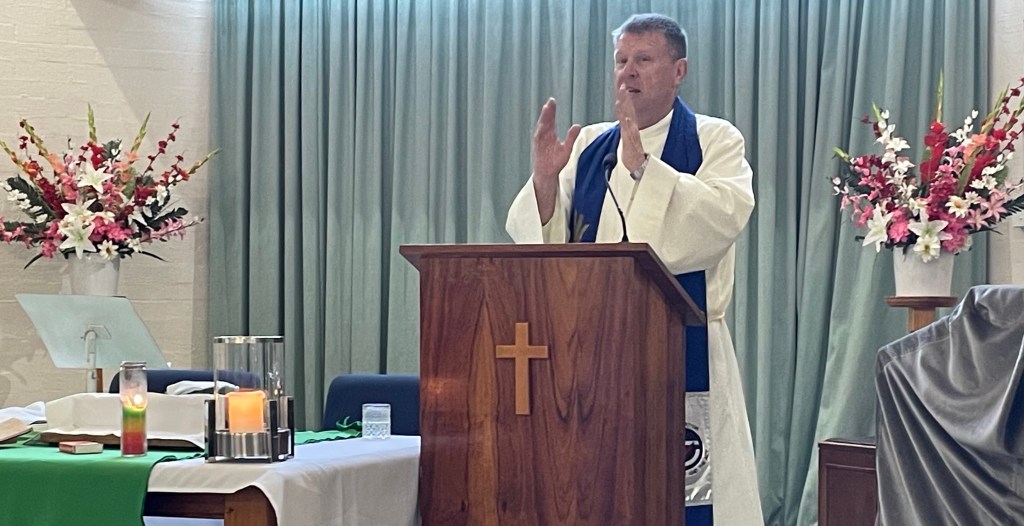






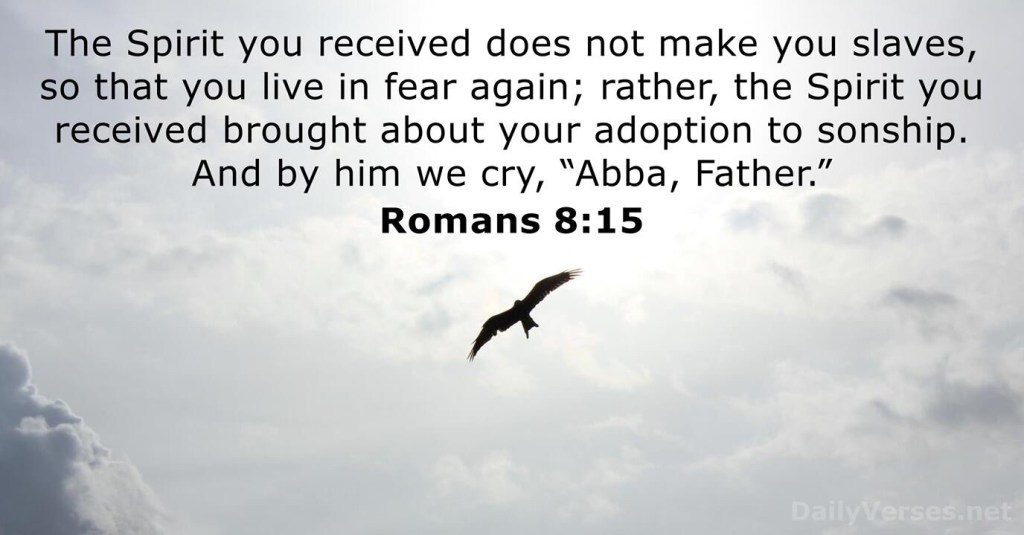
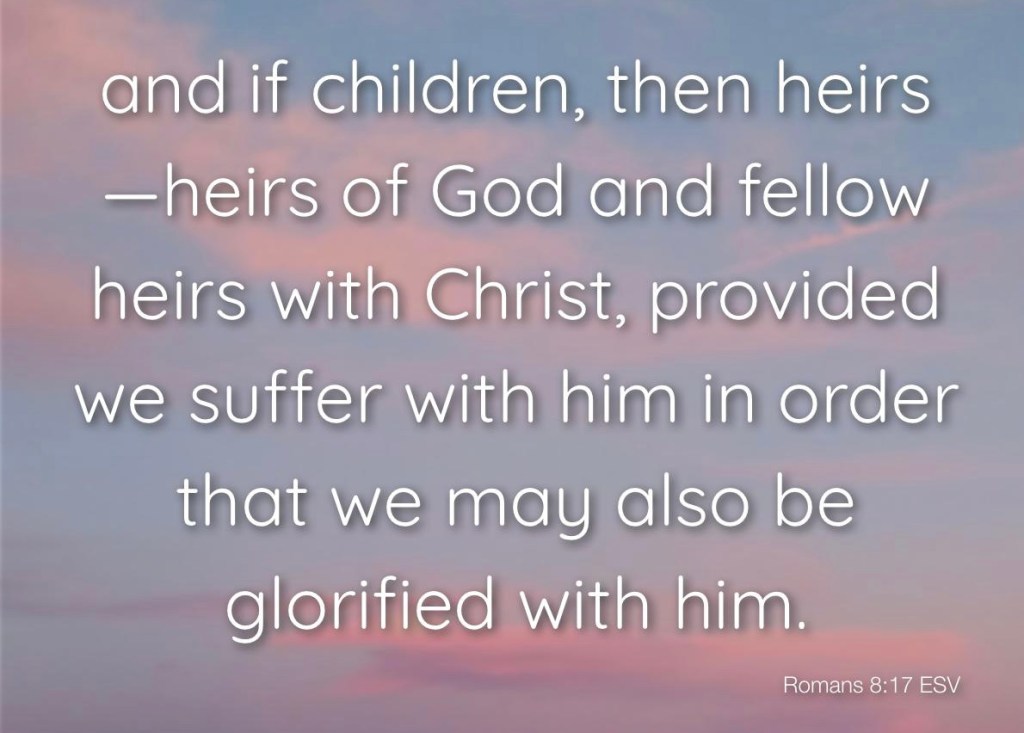


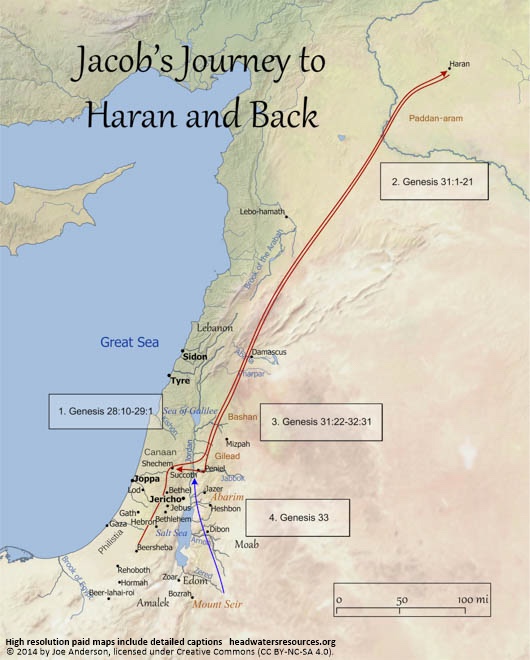

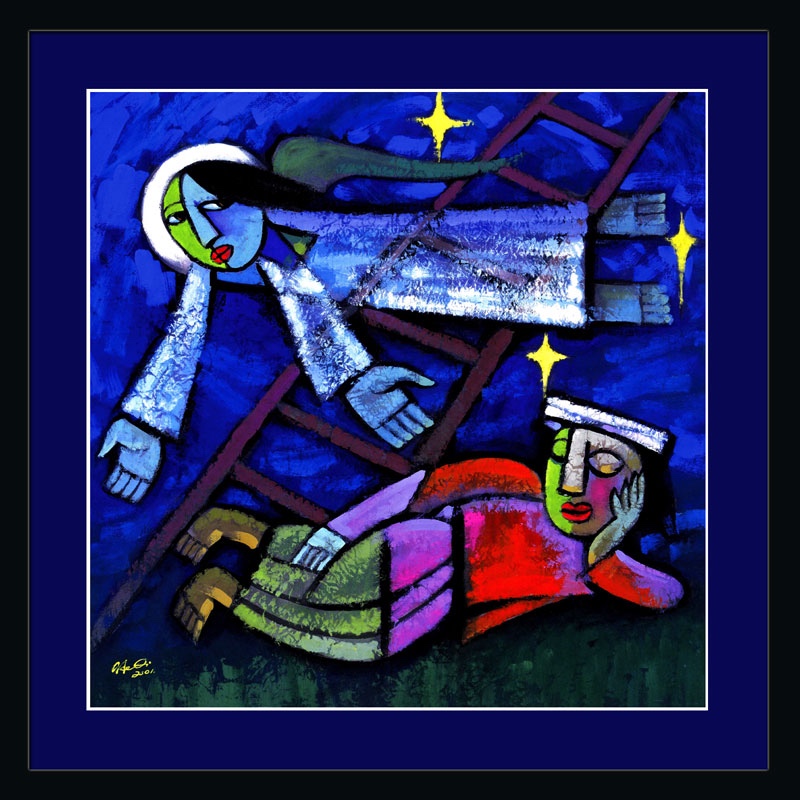
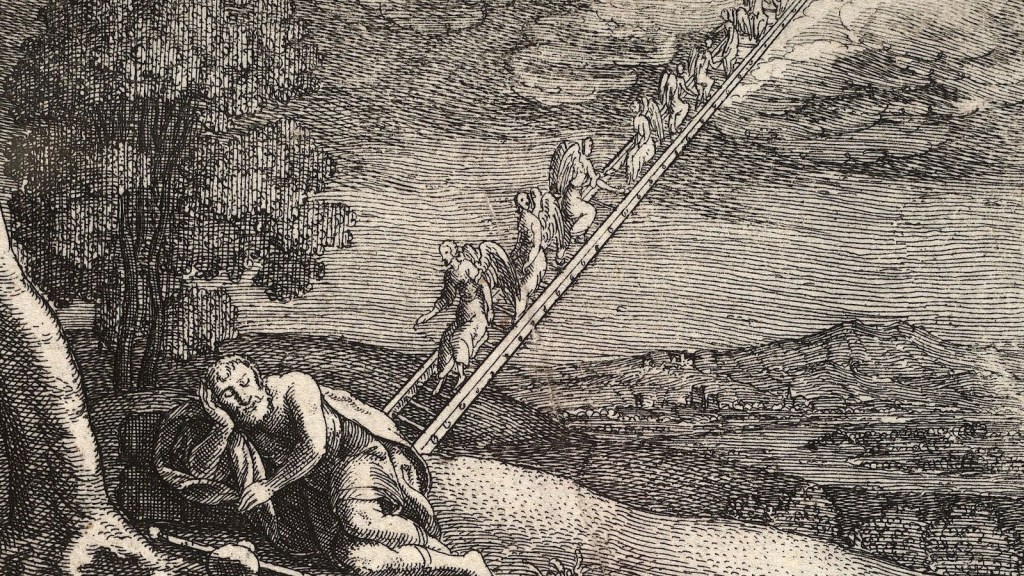
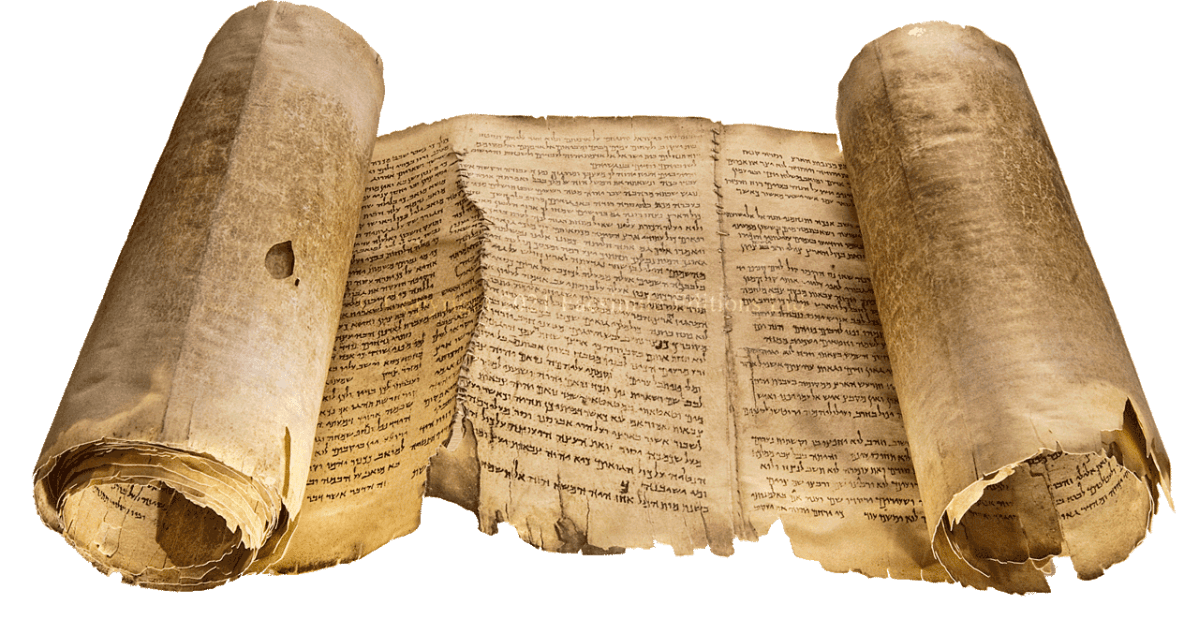
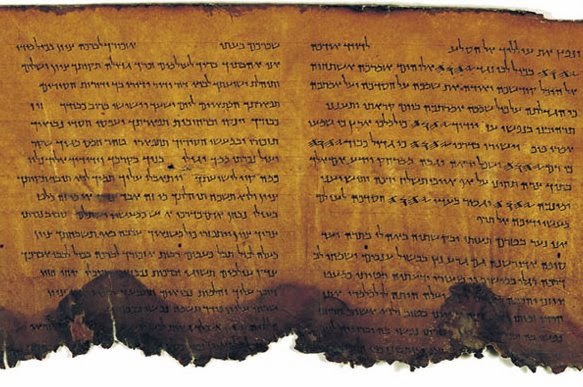



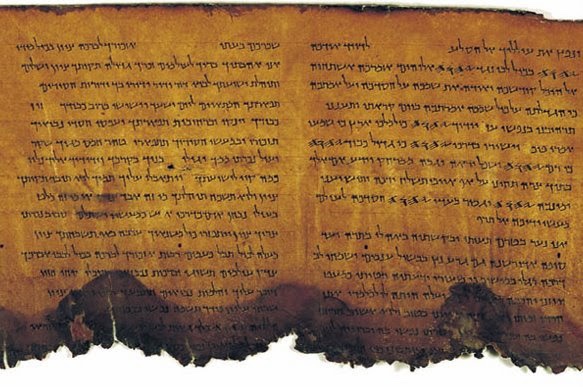
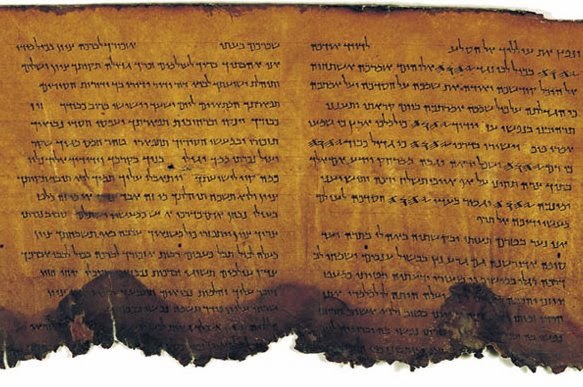
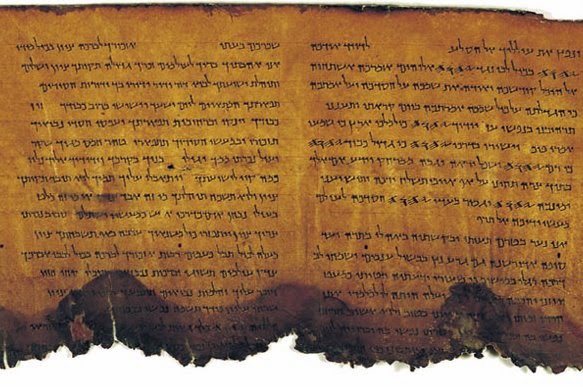
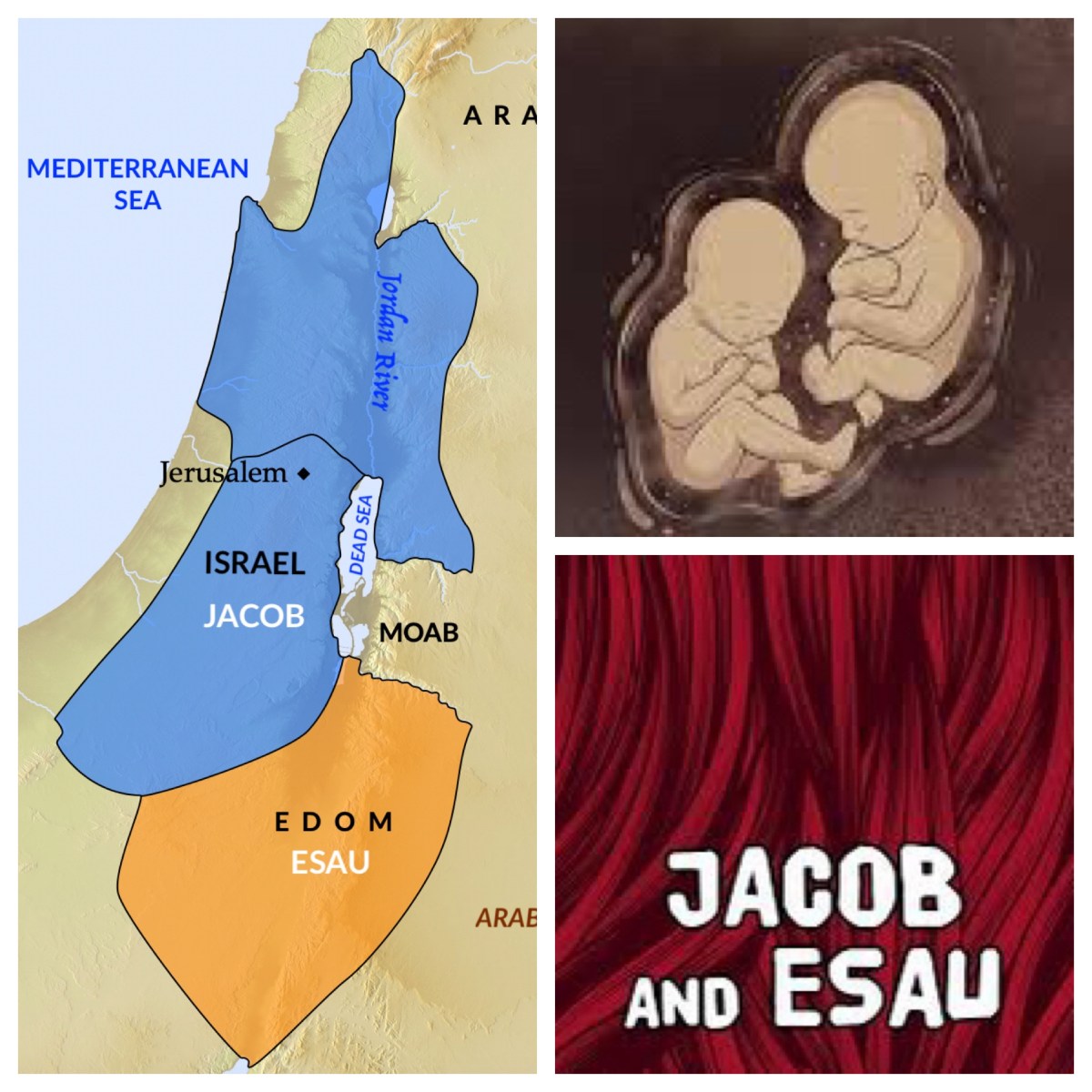

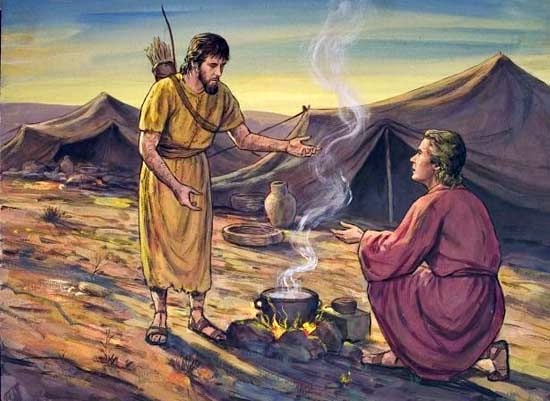
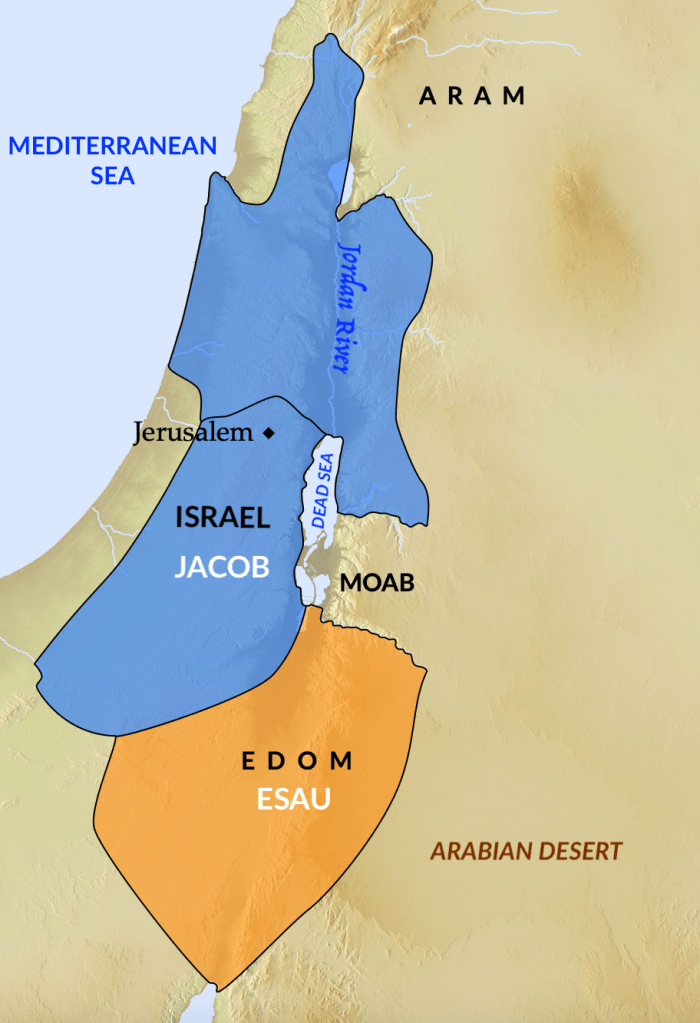
 An Informed Faith