Jewish people of the first century lived in one of two ways. Some were members of the nation of Israel which was occupied by a foreign military force, the Romans. (The Romans called this region Palestine). Others were members of a minority group of Jews who were permitted to exist in another nation. (These are known as Jews of the Dispersion).
Life in such situations demanded compromise. For Jews living in the Dispersion (also called the Diaspora), the degree of compromise might vary—but compromise was inevitable. For those living within Israel, the need for compromise was a constant irritant. Some groups, like the Sadducees and the priests, accepted the compromises and did well out of them. Many common folk simply made the best of the situation.
Others resented what was imposed on them. They looked back to an earlier time in the history of Israel, when the troops of another foreign force, the Seleucids, held power in Israel. An honoured group of Jews, the Maccabees, had led an armed insurgency which brought victory over the Seleucids in the years 167 to 164 BCE. For a time, Jews had ruled Israel once again.
From the time that Roman troops had occupied Palestine, in 63 BCE, there was tension. It would wax and wane according to the attitudes of the Jewish leaders and the political imperatives at work through the Roman governors. In the year 66, the governor, Florus, demanded money from the Temple treasury in Jerusalem. This was too much for some Jews; hostilities broke out in various places across Palestine. The war which resulted lasted eight years; in 70CE, the Temple in Jerusalem would be burnt to the ground, and by 74CE, all active Jewish resistance to the Romans would be quashed.
In this setting, amidst the battles fought in Galilee, Samaria and Judaea, apocalyptic hopes were inflamed. Many of the Jews actively fighting the Romans believed that their actions would help to usher in the long-promised kingdom of God. This kingdom would represent a new era, in which God would reign over Israel and foreign troops would be banished.
The term apocalyptic describes this attitude. It comes from the Greek word apokalupsis, which mean ‘unveiling’ or ‘revealing’. It indicates a belief that God would act to unveil, or reveal, the new era.
Perhaps a significant number of the followers of Jesus also believed that the kingdom of God was drawing near, as Jesus had proclaimed some decades earlier, in the events of their own day. After all, Jesus spoke the language of apocalyptic and told stories about the kingdom that God had in store for his people.
Should the followers of Jesus, then, join with the rebel groups in rising up against Rome? Was the way to the kingdom to be won through conflict, martyrdom, and military victory? Or was there another way?
Remarkably, one writer chose to answer these questions by writing about the way which would have been chosen by Jesus. The earliest written account that we have for the life of Jesus, which opens with a declaration about the beginning of the good news of Jesus—which we know, by tradition, as “the Gospel according to Mark”—appears to deal with precisely these issues as it assembles and reshapes many of the stories told about Jesus.
It is strongly marked by apocalyptic overtones, from the urgent message which Jesus utters (the kingdom is at hand, 1:14–15) to his parting description of apocalyptic terrors (there will be earthquakes and terrors … you will be hated by all … there will be suffering, such as has not been from the beginning of the creation … the powers in the heavens will be shaken … they will see ‘the Son of Man coming in clouds’ with great power and glory, 13:3–37).
This Gospel was written for first century Jews who were who were caught up in a fervent hope that the kingdom of God was soon to be ushered in, but who were also struggling with what it meant to follow the way of Jesus.
So Mark tells the story of Jesus, a person who submitted to his death, at the hands of the Romans, without raising any weapons in defence. The way of Jesus, according to Mark, was the way of suffering obedience and faithful discipleship. The answer to the questions posed lay in following the way of Jesus. And this Gospel particularly emphasises the necessity of faithful discipleship; follow me is an important refrain (1:17, 19; 2:14; 10:21).
The high cost of this following is also made clear in Jesus’ teachings. As the earliest readers of this Gospel struggled to live out their faith in a vibrant but challenging situation, they remembered and treasured stories about Jesus’ travels to Gentile lands (4:35–5:21; 6:45–8:13). During these travels, Jesus showed that the kingdom would include people who were regarded by many Jews as being unclean, dishonoured, and beyond salvation: disabled people, Gentiles, women, and mentally ill (i.e. demon-possessed) people.
So this account of Jesus is infused with drama and intensity as the story moves from one incident to the next. Yet, the whole Gospel is a carefully-crafted piece of literature. The structure of the work conveys the significance of Jesus and the necessity of faithful discipleship in the midst of suffering. (See my outline of this Gospel below.)
Mark writes to help believers understand what it means to follow Jesus and to take up our cross (8:34) in the time of expectant waiting as the kingdom is at hand (1:15). Just as Jesus crossed over the margins of society, so must we; as Jesus suffered, so may we; but as he lives, so may we know the presence of God’s chosen one with us. The Gospel story is an invitation to follow Jesus along this pathway.
This year we have the opportunity to listen to the story of Jesus as it is offered in this Gospel. Each Sunday, the lectionary offers a selection from the beginning of the good news of Jesus the chosen one. May we listen, hear, engage — and be transformed.
An outline of the story told in the beginnings of the good news about Jesus
This blog draws on material in MARKING THE GOSPEL: an exploration of the Gospel for Year B, by Elizabeth Raine and John Squires (self-published 2012).
There are six passages in the New Testament which traditional (patriarchal) interpreters have considered to be warrant for the view that women hold an inferior, subordinate position in the church and in society.
In many cases, however, the constraints placed upon women in these passages might be said to be due to the particular circumstances in which the letter was written. They do not provide prescriptive commands that apply at all times and in all places to all women.
In what follows below, I offer some very general comments about each passage, and some links to more detailed discussion of the issues involved in interpreting these passages in the contemporary context (many are from the wonderful blog of Marg Mowczko).
1 Corinthians 14:33b-35. The invocations to women to be silent in church most likely form part of an interpolation into the text by a later writer, and were not written by Paul. However, even if this is not the case, the specific context of the letter suggests that there was a need for Paul to reign in the excesses of at least some of the women believers in Corinth.
He exhorts them to keep silent, as he also instructs others – presumably males as well as females – to keep silent at the appropriate times, when they prophesy, or when they speak in tongues, so that worship may be seemly and orderly. The primary concern is not the role accorded by gender, but the proper conduct of worship.
1 Corinthians 11:2-16. Paul informs women that head coverings were compulsory when they gathered in worship. Again, this instruction may relate to the particular situation in Corinth, where certain pagan religions allowed women almost unbridled freedoms and brought them into contempt of “mainstream” Corinthian society.
Perhaps Paul wrote as he did because he did not want Christian women to be dismissed as extremists in this same manner. An interpretation of his words about “headship” which differs from the traditional view, hinges on a linguistic argument that the Greek word may also mean “source”, and the fact that some of the other statements in this passage seem to support the claim of mutuality and equality which Paul elsewhere upholds.
1 Timothy 2:8-12. This passage further commands to women to keep silent in church may also be interpreted in the light of the specific context which is addressed in the letter. It appears that those addressed in this letter were under threat from a rather disruptive group of “heretics”, including some prominent women.
Grammatical analysis may suggest that the command is not a universal injunction with universal applicability, but a specific command to a particular situation.
The traditional interpretation of the words in 1 Timothy 2:13-15, that salvation comes to women only by childbirth, may also be debated in the light of linguistic and grammatical argumentation. This is not the only way the phrase can be translated.
Ephesians 5:21-33. The exhortation to wives to submit to their husbands has traditionally been taken in isolation as a principle valid for all times and places. However, the precise form which is employed in this text (the “household table”) was widely known in the ancient world. It was a way of keeping social order by establishing the superior and the inferior in any relationship.
The three “tables” in the household table of 1 Peter: husbands and wives, parents and children, masters and slaves
What is quite significant in Ephesians 5 is the way that such a traditional form is modified by the writer of this letter. Indeed, the key to interpreting the passage is sounded in 5:21, with the command to practice mutual submission in marriage (and in other relationships). The typical ancient pattern of inferior/superior is transformed by the Gospel, resulting in a radical equality and mutuality in relationship.
Similar matters are to be brought to bear in an interpretation of 1 Peter 3:1-7, where the “household code” is used in a particular rhetorical manner (“apologetic”). The teaching of submission in marriage has a specific function related to the overall purpose of this letter, and need not be seen in isolation as a universalised teaching.
In these ways, then, long-standing interpretations of these passages can be challenged as patriarchal, and alternative feminist readings can be proposed from within a reform paradigm. The debate is not concluded, but has opened up important issues for further consideration. Responsible biblical interpretation can no longer avoid confronting the inherent biases and presuppositions of past generations of interpreters – and also of present interpreters.
The Bible includes a significant number of texts which present very positive role models about women. Such texts can be found in the Gospels (reflecting the positive practices of Jesus) as well as in the letters of Paul and in Acts (reflecting the positive practices of Paul and the early church).
1 The positive practices of Jesus
Whilst the norm in Jewish society was that men did not speak to women in public, in John 4:5-9, 25-27 and other places we find that Jesus talked with women. Jesus encouraged women to be part of his inner group. Luke 8:1-3 indicates that the women ministered to Jesus as a part of his inner group of disciples. The word used to describe this support (diakoneo) is used as a technical term for a ministry role in the Gospels and the letters of Paul.
Jesus also commended women when it seems that the Law would not explicitly support their actions. In Luke 8:42-48, he commended a woman (unnamed) who was (according to Leviticus 15:25-30) ceremoniously unclean. In Luke 10:38-42, although Mary was doing something not at all traditional for women, Jesus commended her for sitting at his feet to learn from him.
At the last supper, women as well as men were present. If it was a Passover meal (as the Synoptic Gospels claim), then it was a family affair, with women as well as men present at the table for the festive celebration. Australian artist Margaret Auckland has created a wonderful artwork that depicts what the scene might have been like.
The Gospels clearly signal the important role played by women in the ministry of Jesus. Women were disciples of Jesus – the use of Greek word akoloutheo (a technical term for being a disciple) is the basic term for being a disciple (Luke 9:23, Acts 1:21-22) and is the same whether applied to men or women (as in Luke 23:27,49,55).
Women recognised the significance of Jesus: in John 4:28-30,39, a Samaritan woman confessed Jesus as Messiah, whilst in John 11:27 Martha’s confession of Jesus as Messiah and Son of God is the same as Peter’s confession in Matt 16:16. Placing these high confessional statements on the lips of women is significant.
Furthermore, women were eyewitnesses to the passion of Jesus. In contrast to the men, who deserted him (Mark 14:50), the women remained present throughout the last events of the life of Jesus (Mark 15:40-41, 47, 16:1; Luke 23:27-28, 44-49, 23:55-24:1). They provided the line of tradition, the assurance that the same person was crucified, buried, and raised; and that they went to the tomb where the body of Jesus had been laid, to anoint him.
Finally, women were witnesses to the risen Jesus. The consistent note in each Gospel is that women were the first witnesses to the risen Jesus: Matt 28:10, Mark 16:7, John 20:17-18, Luke 24:9. It was women who first declared “We saw him! The Lord is risen! He is alive!”
In Luke’s Gospel, the motif of faithful men and faithful women is heightened. Luke’s distinctive beginning to the story of Jesus introduces us to two faithful pairs: Zechariah and Elizabeth (1:5–25, 57–80), and Simeon and Anna (2:25-38), as well as to Mary, “the servant of the Lord” (1:38).
The end of the Gospel has a similar tendency. The Markan portrayal of the last hours of Jesus is stark: the male disciples desert him (Mark 14:43–46, 50, 51–52) and Peter betrays him (Mark 14:66–72) whilst the women watch from afar (Mark 15:40–41).
In Luke’s version, Peter’s betrayal of Jesus is interpreted as having been forced by Satan (Luke 22:31); the Markan comment that the men deserted him is omitted; and those who watched from afar include both genders: “all his acquaintances, including the women” (Luke 23:49).
In his account of Jesus’ preaching and teaching, Luke intensifies the theme of the faithfulness of women which was available to him in his sources. To the Markan account in which Jesus blesses an ill woman for her faith (Mark 5:34; Luke 8:48), Luke adds a similar commendation of another woman (7:50).
Only Luke specifically notes that in the early period of Jesus’ public activity, women travelled around with the group of male disciples of Jesus (8:1–3). Only Luke tells the story of Mary and Martha, sisters who gave Jesus hospitality, and of Jesus’ commendation of Mary for her desire to learn from Jesus (10:38-42). See https://johntsquires.com/2019/07/15/listening-and-learning-at-the-feet-of-jesus-luke-10/
In the Acts of the Apostles, this strand of female faithfulness continues. The spirit is poured out upon males and females alike (Acts 2:17-18). Amongst the significant women who are presented as positive models of faithfulness, we find Tabitha in Joppa, a woman “full of good works, acts of charity” (9:36) and Mary, in whose house the believers meet in Jerusalem (12:12)
As Paul travels, he encounters Lydia in Philippi, who likewise provides hospitality to Paul and his companions (16:15); Priscilla, who with her husband, Aquila, teaches Apollos in Ephesus (18:26); and the four female prophets in Caesarea (21:9). Each of these women, we must conclude, exercise a leadership role in the early church. Some additional faithful women are noted amongst the converts in Antioch (13:50), Thessalonica (17:4), Beroea (17:12) and Athens (17:34).
When Jesus, early in his public activity, refers to the anonymous widow from Zarephath in Sidon (Luke 4:26) and the named male from Syria (Luke 4:27), he offers prototypes of those who will become faithful followers of Jesus. Both males and females will become disciples of Jesus, and later, members of the early church communities
Discipleship is inclusive in gender terms. Of particular note is the fact that Luke has Jesus explicitly draw attention to a faithful woman in his synagogue sermon in Nazareth, which functions as a manifesto for the whole of the ministry of Jesus. This emphasises that women enjoy equal status within the group of Jesus’ followers.
Some years ago, I gave a series of lectures on this topic, which I have self-published as At Table with Luke: four studies in Luke-Acts, and I have copies available for sale ($10 including postage) if you are interested.
Paul put this fundamental principle into practice in his missionary strategy and in the churches which he helped establish. Overall, Paul named ninety individuals associated with his mission – and 20% of these are women. (By comparison, Seneca, in 100 of his letters, named only one woman – as was typical of writers in antiquity.)
In Romans 16, Paul sent greetings to 29 individuals (as well as associated groups such as families/congregations). Of these 29, 10 are clearly females who have leadership roles. Paul worked happily and co-operatively with each of them in his missionary activities.
An Early Christian fresco of a female figure holding a chalice during an Agape Feast. Catacomb of Saints Peter and Marcellinus, Rome, Italy; Public Domain.
One of these women was Junia (Rom 16:7). From the 12th century, Junia was considered to have been a male; but prior to this, she was always acknowledged as a female – indeed, as one “esteemed among the apostles” (not “esteemed by the apostles” as older translations usually said).
Another woman was Phoebe (Rom 16:1-2). Two terms are used to indicate her leadership role. The first word, diakonos, is a term used by Paul to describe his own preaching activity. The correct translation should be deacon (not deaconess). The second word, prostatis, can mean “helper” in the sense of a “Girl Friday” – but it can also mean “benefactor” in the sense of one who helps from a position of prestige and power – as can be inferred from its use at Rom 12:8 and 1 Thess 5:12.
A first century portrayal of a woman, from Pompei
A third woman he named was Prisca (Rom 16:3-4). She is described as a fellow worker of Jesus Christ (as is her husband Aquila). This term is found in reference to many other individuals (Rom 16:9,21; 1 Cor 3:9,8:23; Phil 2:25,4:3) – usually in connection with the role of preacher/teacher (Acts 18:26). Both males and females engaged in these activities.
The sum total of the above picture is that we can begin to see abundant evidence, both in the ministry of Jesus and within the early church, for practices which place men and women on an equal footing, carrying out the same functions with equal status and responsibility.
More detailed discussion of these three women can be found at these websites:
There are thirteen letters in the New Testament which begin by naming Paul as the person (or one of the people) responsible for writing the letter. A fourteenth letter, written “to the Hebrews”, was long considered to have been written by Paul, even though he was nowhere explicitly identified in this letter. The opinion of the overwhelming majority of scholars, for some time now, has been that Hebrews was not written by Paul. What about the other thirteen letters? Did all of those thirteen letters attributed to Paul actually originate with him?
An ancient depiction of Paul.
Authentic Letters from Paul. There are seven letters which virtually all scholars say were written by Paul. But look carefully! The earliest letter, 1 Thessalonians, declares at the start that it was written by Paul, Silvanus, and Timothy (1 Thess 1:1). A latter letter to the Philippians, states that it was written by Paul and Timothy, servants of Christ Jesus (Phil 1:1), and so does the letter to Philemon(Paul, a prisoner of Christ Jesus, and Timothy our brother, Phlm 1:1).
Of the two letters to Corinth, 1 Corinthians is identified as coming from Paul … and our brother Sosthenes (1 Cor 1:1), whilst 2 Corinthians comes from Paul .. and Timothy our brother (2 Cor 1:1). So joint authorship of letters was a common practice.
Only Galatians and Romans actually claim to have been written solely by Paul (“Paul an apostle”, Gal 1:1; “Paul, a servant of Jesus Christ, called to be an apostle, set apart for the gospel of God …”, Rom 1:1). To underline that, the author of Galatians declares near the end, “see what large letters I make when I am writing with my own hand!” (Gal 6:11).
By contrast, in the last chapter of Romans, as Paul is sending his characteristic greetings (from Timothy, Lucius, Jason and Sosipater, Rom 16:21), his words are abruptly interrupted: “I, Tertius, the writer of this letter, greet you in the Lord” (Rom 16:22). Clearly, Paul was using a scribe to write down this lengthy letter, which he most likely was dictating (and, if the state of his Greek sentences are any indicator, at times he was speaking with great rapidity!).
Disputed Letters, written in the name of Paul. Many scholars have come to doubt that all of the thirteen letters were authentic letters of Paul. They have been able to come to this view because of what is known about the widespread practice, in the ancient world, of circulating letters and other documents in the name of an eminent person from an earlier age—a great scholar, or philosopher, or religious leader, or teacher. This was done by a writer who wished to “borrow” the authority of the older figure, believing that this would give greater weight to the views and teachings included in their work.
The suggestion is that members of the church in the later decades of the first century did this, using the name of Paul, because they regarded him as a teacher of note and an apostle of the church. There were already many works like this in Jewish circles, and a number amongst the gentiles also; so this was a well-known practice. And the ancient world did not have the strict laws of copyright and intellectual property which characterise the twenty-first century!
Colossians begins with a claim to be a letter from “Paul, an apostle of Christ Jesus by the will of God, and Timothy our brother, to the saints and faithful brothers and sisters in Christ in Colossae” (Col 1:1-2).
However, it was most likely written by a follower of Paul, writing in his teacher’s name in order to claim his authority as he addressed a situation different from, and some time after, Paul’s own time. Paul’s theological and ethical positions are known by the author. However, the problematic situation addressed, the theological ideas expressed, and the ethical instructions offered, each point to an origin after the lifetime of Paul.
The situation envisaged in Ephesians is quite different from that of Colossians; we know little, if anything, about it. The letter does begin in the expected manner, “Paul, an apostle of Christ Jesus by the will of God, to the saints who are in Ephesus and are faithful in Christ Jesus” (Eph 1:1). However, the phrase “who are in Ephesus” is missing from some significant manuscripts of this letter, raising the possibility that it was more of a general circular letter for early churches, than a letter to a specific community.
This is supported by various observations. The letter does not move immediately to a thanksgiving to identify the key characteristics of the community to which the letter is sent, as Paul’s letters inevitably do. Instead, there is a lengthy blessing in which a grand theological statement is developed (1:3–14), before a brief thanksgiving is offered for the faith and love of the (unspecified) recipients (1:15–16).
These are generic qualities, and the prayer veers off almost immediately into further theological exposition (1:17–23). The end of the letter simply replicates some of the greetings of Colossians in shortened form, suggesting a later writer imitating the style of an earlier letter. The body of the letter indicates only that Paul is a prisoner (3:1; 4:1) and that the recipients are Gentiles (2:11; 3:2), while the final prayer and grace (6:23–24) is likewise entirely generic.
For all these reasons, it is unlikely that Paul himself wrote this letter.
2 Thessalonians concludes with an insistence that it was written by Paul: “I, Paul, write this greeting with my own hand” (2 Thess 3:17). At first glance, this looks similar to the reference to Paul’s “large letters” in his “own hand” at Gal 6:11; but this is a brief passing comment, whereas the claim is laboured in 2 Thessalonians by the addition of extra phrases (“this is the mark in every letter of mine; it is the way I write”). So much so, that I start to have a sense of “methinks he doth protest too much”.
The first twenty words of the opening address of 1 Thess 1:1 are repeated exactly in 2 Thess 1:1–2a; this is unusual amongst the seven authentic letters of Paul, for in every other case there are variations of both minor and major significance in this opening section. (See Rom 1:2–6; 1 Cor 1:2b; 2 Cor 1:b; Gal 1:1 and 1:4; Phil 1:1b; Phlmn 2.) So 2 Thessalonians bears many marks of being a rather unsubtle “copy” of 1 Thessalonians.
Whilst Paul’s authentic letters reflect the dynamic nature of the community of faith, the three Pastoral Letters (1 Timothy, 2 Timothy and Titus) reflect a move towards a more developed organisational structure. They point towards the institutionalised church of the second century and beyond, in which the way of Jesus would become determined by the authority of the apostle and his local representative, the bishop.
Each of these letters follows the standard formula for a letter from Paul, and they each identify only Paul as the author (1 Tim 1:1; 2 Tim 1:1; Tit 1:1). And yet, the format of the letters and the distinctive vocabulary used throws doubt on the claim that Paul was the author. Whilst they each have a traditional framework for a letter, the body of the letters often read more like a sermon or a moral treatise. Over one third of the words found in these three letters are not found in the authentic letters of Paul. Many words found frequently in the authentic letters do not appear anywhere in these three letters.
In addition, the situations addressed, the theology of the letters and the ecclesial structures envisaged reflect many differences between each of these three letters and the seven authentic letters of Paul.
Together, all of these elements point to the conclusion that the author wrote these letters after the lifetime of Paul. He reaches back in time to the figure of Paul in order to validate the teachings given to the community of faith in his own time. The figures of Timothy and Titus represent the leaders in the communities of faith in this later period.
This Sunday, we are approaching the end of Year A, the year when we have been tracing the story of Jesus was it is reported in the book of origins, the Gospel we attribute to Matthew.
During the month of November, we have heard a series of parables–stories which Jesus tells about the kingdom of heaven. Just in case the disciples didn’t actually get the message about what it will take to enter the kingdom of heaven, Jesus uses this string of parables to end this last section of his last long teaching block, as we have it reported in the book of origins.
After launching in to a dramatic depiction of the coming times—wars and famines, etc—Jesus tells four stories, one after another, each ending with an admonition to be alert, be prepared; each one ending with a dire warning about what will happen to those who are not adequately prepared. See https://johntsquires.com/2020/11/04/discipleship-in-an-apocalyptic-framework-matt-23-25/
A story about an unprepared slave (24:45-51) ends: “He will cut him in pieces and put him with the hypocrites, where there will be weeping and gnashing of teeth.” (24:51). To conclude the story of the ten virgins, some prepared, others unprepared (25:1-13), the final words of Jesus to those unprepared are, “Truly I tell you, I do not know you” (25:13).
At the end of the story of the talents given to various slaves (25:14-30), Jesus concludes, “From those who have nothing, even what they have will be taken away. As for this worthless slave, throw him into the outer darkness, where there will be weeping and gnashing of teeth.” (25:29-30).
And towards the end of the famous parable of the sheep and the goats (25:31-46), Jesus says, “Then he will say to those at his left hand, ‘You that are accursed, depart from me into the eternal fire prepared for the devil and his angels’ (25:41), and he concludes that “these will go away into eternal punishment” (25:46).
All of these dire warnings are consistent with the teachings of the Matthean Jesus, who warns about “weeping and gnashing of teeth” when he tells a story about weeds sown in a field amongst the wheat (13:42), another story about good bad fish caught in the same net (13:49), and a later story about a man who attended a wedding banquet with inappropriate dress (22:14). See https://johntsquires.com/2020/10/06/darkness-weeping-and-gnashing-of-teeth-the-scene-of-judgement-matt-22/
This is the same Matthean Jesus who also predicts that evildoers (a better translation would be, “those who do not live by the Law”) will be “thrown into outer darkness” (8:12), as will the poorly-dressed man at the wedding banquet (22:13) and also the slave who buried the talents that he was given (25:30).
It is the same Jesus who pronounces a series of woes upon the scribes and Pharisees, accusing them of being “hypocrites” (multiple times), children of hell (23:15), blind (23:19), neglectful of the Law (23:23), self-indulgent (23:25), full of filth (23:27) and lawlessness (23:28). He ends this series of invective denunciations with the clear condemnation: “you snakes, you brood of vipers—how can you escape being sentenced to hell [Gehenna]?” (23:33). See https://johntsquires.com/2020/10/26/sitting-on-the-seat-of-moses-teaching-the-law-but-they-do-not-practice-what-they-teach-matt-23/
It’s a perspective that presents us with quite a challenge!
This particular Gospel highlights and intensifies the theme of judgement. Is this something that the author of the book of origins has created, as some interpreters might suggest? My sense, on the other hand, is that even though this message is very strong at so many places in this book, the author of the book of origins gets this from the historical Jesus.
In Luke 13:28, as Jesus speaks about the narrow way, he warns his followers, “I do not know where you come from; go away from me, all you evildoers! There will be weeping and gnashing of teeth when you see Abraham and Isaac and Jacob and all the prophets in the kingdom of God, and you yourselves thrown out.”
That saying is a doublet, found also (in a modified form) at Matt 8:11-12. It is thus part of what is known as the “Q material”—sayings of Jesus found only in Luke and Matthew, but not in Mark, and thus hypothesised to have come from an early oral collection of sayings of Jesus (called Q, after the German Quelle, meaning source).
This saying is not unique to Jesus, however. It draws on language from a number of Psalms. In Psalm 6:8, the writer cries out: depart from me, all you workers of evil, for the LORD has heard the sound of my weeping. Psalm 9:17 declares that the wicked shall depart to Sheol, and Psalm 139:19 offers the prayer, O that you would kill the wicked, O God, and the bloodthirsty would depart from me. The command to the wicked to depart has good biblical warrant.
Likewise, the image of the wicked gnashing their teeth is found in Hebrew Scripture. In Psalm 35:16, lamenting the activities of “malicious witnesses” who attacks the Psalmist, the writer accuses them: they impiously mocked more and more, gnashing at me with their teeth. The same phrase appears in Psalm 112:10, where the psalmist declares that, in the face of the grace and justice demonstrated by “the righteous”, the wicked see it and are angry; they gnash their teeth and melt away; the desire of the wicked comes to nothing. (There are similar descriptions of gnashing teethat Lamentations 2:16 and Sirach 30:10.)
So Jesus stands in the tradition of the Psalms, affirming the righteous-justice exhibited by those who faithfully live by the Law, and imploring God to exercise divine justice in dealing with those who are wicked.
And alongside these Psalms, we can invoke many of the prophetic oracles, decrying the injustice and failure to live by the covenant, disregarding the commandments and statutes of the Law. Consistent with the prayers of the Psalms, the oracles of the prophets call on God to be good to God’s word and adhere to the punishments prescribed for the wicked.
Therefore, Matthew does the right and fair thing, by depicting Jesus as consistently and insistently holding the people of Israel in his time to account: live your lives in accord with righteous-justice, or be prepared to face the fate that is in store for you if you breach the covenant by ignoring the Law. See https://johntsquires.com/2020/02/06/an-excess-of-righteous-justice-matt-5/
Of course, this is destabilising and disturbing for us today. Did not Jesus establish a movement founded on love and grace? (Thank you, Paul.) Did he not carry out a ministry that was invitational and attractive, calling people to the excitement of discipleship discovery? (For some, that’s a way to read Mark.)
Surely he spent his years reaching out beyond traditional barriers, offering an inclusive vision of the kingdom, throwing open the doors of welcome to all comers? (Luke, take a bow.) And was he not the very image of God, enfleshed in our lives, speaking truth and love, offering abundant life? (That’s how John portrays him.)
Yet, for Matthew, Jesus speaks truth, calls out sin, adheres to standards, advocates for a deep righteous-justice. The perceived negativity of the attack mode, the damaging denunciation of those who fall short, is harnessed in the service of advocating the positive, affirming the heart of covenant relationship with God. It is not only the teeth-gnashing, wailing, cast-out wicked ones, that are in view for Jesus.
Rather, it is the blessing that he offers to “the slave whom his master will find at work when he arrives” (24:46). It is the affirmation of the wisely prepared virgins who were ready, who “went with him [the bridegroom] into the wedding banquet” (25:10). It is the slaves who made constructive use of the talents that they were given, who are commended with the words, “Well done, good and trustworthy slave; you have been trustworthy in a few things, I will put you in charge of many things; enter into the joy of your master” (25:21, 23).
And it is in the abundant welcome offered to “the sheep”, whose good deeds lead them to be invited, “Come, you that are blessed by my Father, inherit the kingdom prepared for you from the foundation of the world” (25:34), and who, as “the righteous”, will inevitably experience “eternal life” (25:46).
And how is it that these people “inherit the kingdom” and experience “ eternal life”? They feed the hungry, give drink to the thirsty, welcome strangers, clothe the naked, take care of the sick, and visit those in prison (25:35-36).
Each of these actions, of course, is carrying out a commandment of the Law. Ezekiel 18:5-9 includes amongst actions undertaken by a righteous person who “does what is lawful and right”, the fact that such a person gives his bread to the hungry and covers the naked with a garment (the same phrase is repeated in a subsequent list at Ezekiel 18:16). Similar actions are noted at Job 22:7, when Eliphaz the Temanite condemns Job from Uz with you have given no water to the weary to drink, and you have withheld bread from the hungry.
Care for those “in bonds” is noted at Psalm 70:33 and liberty for the captives is clearly part of the mission of the one anointed by the Spirit at Isaiah 61:1. Care for the stranger and their inclusion on the festivals of Israel is exhorted in the laws set forth in Deuteronomy 10:18-19, 16:11,14, and commended in Psalm 146:9. Visiting the sick is commanded in Sirach 7:35.
A larger list of such actions is canvassed at Isaiah 58:6-7, which poses the rhetorical question from God, “is not this the fast that I choose … to share your bread with the hungry, and bring the homeless poor into your house; when you see the naked, to cover them, and not to hide yourself from your own kin?”.
What “the sheep” have done, is demonstrate an unflinching commitment to the way of life enjoined by the Law. They live, breathe, and offer righteous-justice in what they do.
And the kicker in this story is that “the sheep”, those who carry out these good deeds in adherence to the Law, are not drawn entirely and exclusively from the people of Israel. They are drawn from “the nations”–a phrase that is usually translated as “the Gentiles” (τά ἔθνη is translated this way, in the NRSV, at Matt 4:15, 6:32, 10:5, 10:18, 12:18,21, 20:19,25, and most famously of all, 28:19).
In this parable, the usual biblical description of Israel as “sheep” (Psalms 78:52, 95:7, 100:3; Jer 23:1, 50:6,17; Ezek 34:1-31; Micah 2:12; Zech 10:2) is turned completely on its head. Amongst the people outside of Israel, there are many who are now “the sheep”, who follow the way of righteous-justice.
So the sheep are not just those who are righteous within Israel, who live by the Law, but the sheep also include many Gentiles, drawn from the regions surrounding Israel, whose lives exemplify the heart of the law, in the various actions set out in the parable (feed the hungry, visit those in prison, clothe the naked, house the homeless, etc). These actions are perhaps akin to what later became known as “the Noahide laws”—the prohibitions to avoid blasphemy, idolatry, adultery, bloodshed, theft, and eating the blood of a living animal, as well as to establish courts of justice to govern the behaviours of people in society. (They are set out in the 6th century document, the Babylonian Talmud, Sanhedrin 56ab.)
This means that, in their own way, those Gentiles who act righteously and live with justice to the fore join with Jews who live with righteous-justice, abiding by all 613 commandments of Torah, to provide encouragement, to stand as role models, living in the way that is required to “inherit the kingdom that is prepared … from the foundation of the world” (25:34).
These people, both Jews and Gentiles, exhibit righteous-justice, the heart of the covenant, in contrast to lives which are lived without reference to the Law. There is no justice with judgement. There is no justice without righteous deeds. And righteous deeds require fidelity to the Law. Not in Matthew’s account of Jesus, and not in Hebrew Scriptures. Righteous-justice and fiersome judgement are the two sides of the one coin. We can’t have one without the other.
Belief in Jesus, as Messiah, as the authoritative Teacher of the Law, thus requires faithfulness to the ethical demands and instructions taught by Jesus—which themselves are drawn entirely from Hebrew Scriptures. The way of Jesus, according to Matthew, is the way of righteous-justice, the way of faithfulness to Torah.
*****
This blog draws on material in MESSIAH, MOUNTAINS, AND MISSION: an exploration of the Gospel for Year A, by Elizabeth Raine and John Squires (self-published 2012). I am particularly grateful to Elizabeth for the ways in which her research and our conversations over the years have deepened my understanding of Matthew’s “parable of the sheep and the goats”.
I am a longterm lectionary devotee (as preacher, as teacher, as thesis supervisor, as blog writer). There is a richness in the lectionary that I appreciate. It has a clear structure, an observable order, a logic to its pattern, a rationale to the progress that it offers us, year by year, through the seasons of the (church) year.
There are also some frustrations with the lectionary: what stories are not included, what stories appear more than once (even if in different versions), where the passage starts (omitting verses that give “context”), where the passage ends (omitting significant follow-one verses), how the passage is edited (such as parts omitted), and so on.
But this is only to be expected: it is a human creation, subject to the idiosyncrasies and prejudices of its compilers, bound in many ways to the traditions of the church, limited by the number of Sunday’s that are to be found over three years. So I take it as it is, with its own biases as well as the benefits it offers.
Alongside this structure and order, the lectionary invites choice. It stimulates in me a consideration of the options available to me, and offers ways of using it that generates creativity in whatever I do as preacher, liturgies, or instructor. Every week, there are four readings listed in the lectionary. That itself suggests some choice (at least, in my denominational context).
However, the lectionary is far more than just four readings. It is a three-year creation, following a similar pattern in each of the three years, whilst still being designed to allow for a different focus each year.
*****
The lectionary is is based on a repeating year-long cycle, following a well-established tradition of tracing the Christian story through a familiar pattern. It starts by looking to the coming of Jesus (the four weeks of Advent), before celebrating the birth of Jesus (the twelve days of Christmas) and rejoicing in the revelation of God (a season of varying numbers of weeks during Epiphany–sometimes simply called Ordinary Time).
It continues by walking the pathway towards the cross (another six weeks, in Lent) and then remembering the pivotal events of the last meal of Jesus (Maundy Thursday), the death of Jesus (Good Friday), a time of waiting (Holy Saturday), and the empty tomb (Easter Sunday).
This is followed by a season celebrating the appearances of the risen one and the shaping of the early church (seven weeks in the season of Easter), reaching a climactic point of with the Day of Pentecost (the gift of the Spirit).
But this is only the halfway point. After these six months of richness, the ensuing six months (with the rather unfortunate name of Ordinary Time) allow time for tracing through in order the story told in one of the Gospels; or the narratives, prophetic works, and writings found in Hebrew Scriptures; or the string of Letters found in the New Testament.
So, whilst the first half of the year is based on key moments in the story of Jesus, the second half of the year is more devoted to follow through passages from a common source in their narrative order. It is sometimes referred to as a season of growth–growing in understanding of scripture, growing in discipleship and faith.
This ecumenical lectionary is based on an earlier version, The Common Lectionary, which derives from the daily and weekly lectionaries used for centuries in the Roman Catholic tradition. And behind those lectionaries, there sits the Jewish custom of reading right through the Torah, the five Books of Moses, each year, with a particular selection of chapters set for each Sabbath day.
There are other options for lectionaries–the Narrative Lectionary, Uncommon Preaching, Beyond the Lectionary–but the Revised Common Lectionary is the most widespread, used across a good range of denominations, right round the world.
Christian lectionaries can be identified as far back as the fourth century. A lection is a passage to be read; a lectionary is thus an arrangement of passages to be read (and heard). Over time, in monasteries, lectionaries developed to provide sets of readings for the monks to hear and chant, as they gathered to worship at set hours throughout each day, and then further readings for worship each Sunday, right through the year.
The Jaharis Byzantine Lectionary, held by the Metropolitan Museum of Art in New York, USA
Following a lectionary in our time is a good challenge to preachers—it invites them to step away from that clutch of familiar, beloved passages to which they would turn when considering “what shall I preach on?”, and challenges the preacher not simply to lapse back into familiar themes week after week.
It is also a fine resource for a community of faith. It clearly indicates “what is on next week”. It means that keen members can read the passages in advance of worship–perhaps even following a lectionary-based Bible reading guide like With Love to the World, for personal use or with a group. (See http://www.withlovetotheworld.org.au/).
It also means that visiting preachers can have an idea of what has just been preached on and what is coming after their visit, to avoid embarrassing “double-ups”.
It’s also fascinating to note just how often a passage that seems to be quite unrelated to the current context can “come alive” and offer striking or unforeseen insights into that situation. That’s a real gift that the lectionary offers!
*****
Sometimes, people talk about what is “set” in the lectionary. (I confess to have been guilty of this on occasions.) That seems to be the expectation, even the requirement, in some denominations with a highly structured (and some would say inflexible) approach to worship.
But my own denomination has roots traced to the “non-conformist” section of the church: protestants emerging from the Reformation, pietists flowing from the Wesleyan revival, a congregational emphasis growing from anti-establishment commitments of the past. Perhaps it is better for us to describe the passages available each week as being “offered” to us. They are offered; we need to consider how we accept them, how we use them, what they each offer to us.
In Year A, the focus is on the first Gospel, attributed to Matthew, alongside the ancestral narratives and account of the formation of Israel in the first five books of Hebrew Scripture. Following one or the other of these threads over a number of months can be an enriching experience for a community of faith.
In Year B, the focus is on the shortest Gospel, attributed to Mark, paralleled with passages drawn from the Writings of ancient Israel, whilst in Year C, the third Gospel, attributed to Luke, alongside a series of passages drawn from the prophetic tradition of Israel. These years each offer their own distinctives. There is enriching variety across the three years.
The fourth Gospel, attributed to John, is spread throughout these three years, at designated places throughout the year, whilst passages from the book of Acts are offered each year in the season of Easter (the weeks following after Easter Sunday). And passages from the various Letters found in the New Testament are spread across all three years.
In each of the three years, on every Sunday and special feast day, a selection from the Psalms is also offered. This ensures that over the course of three years, virtually all the Psalms are offered for Sunday worship.
The same can’t be said, unfortunately, for many other books of scripture. There are some striking omissions from the lectionary, when we look at the whole set of offerings. Many of the stories relating to women, for instance, do not appear. Some of the more difficult passages (the “texts of terror”, as they have been called) are missing. Some of the juicy parts of certain letters are missing.
Even with four readings each Sunday, 52 times each year, over three years, there still is not time for everything to be included. The only way to deal with “the whole Bible” is actually to undertake one of those “read the whole Bible in one year” programmes. That will mean reading quite a few chapters each and every day! (For instance, I found this website, that offers a range of possibilities: https://www.biblestudytools.com/bible-reading-plan/)
*****
How do we respond to the offering of four Bible passages each and every Sunday? There is nothing worse, in my opinion, than a sermon that stodgily treats the OT, then the Epistle, the Gospel (and sometimes even the Psalm), all with 20 minutes! This slavish, literalist use of the resources provided in the lectionary is inevitably (in the negative sense) utterly deadly. It deadens my mind and depresses my spirit.
Likewise, there is nothing inviting or encouraging in a preacher who starts, “this week the lectionary offers hopeless passages, but I have to follow it, so here goes nothing”. It offers a structure and an order, but it is not a demand and a non-negotiable requirement, surely.
There is actually an abundance of choices when I consider the lectionary: do follow the Gospel? or take a pathway though the OT readings and the enriching theological ideas they offer? Might I focus on the psalms for a season, or a month? Should I take a letter when it appears, and examine it with care over 4 or 6 or 8 weeks? Or is it best, in this age of small attention rates and high expectation of novelty, simply to change it up week by week?
Of course, there is also the option to follow the lectionary in the key seasons—Advent, Christmas, Epiphany, Lent, and Easter—then after the Pentecost celebration, in the long stretch of six months leading up to Advent, reshape worship with a local focus, or topical issues, or even a series on a theme or a book, and so on.
After 43 years I still find enrichment, challenge, and stimulation, and frustration, when I turn to the lectionary each week. And because the UCA is committed to “ordered liberty”, in worship, and in preaching, I am grateful for the order offered by the lectionary and the liberty possible in considering whether, why, and how the lectionary might shape what I end up doing.
This week is NAIDOC Week 2020. Earlier this year, the decision was taken to postpone NAIDOC Week from the original July dates, due to the impacts and uncertainty from the escalating Coronavirus (COVID-19) pandemic across our communities and cities.
The postponement was primarily aimed at protecting indigenous elders and those in indigenous communities with chronic health issues from the disastrous impacts of COVID-19. So National NAIDOC Week 2020 celebrations are being held this week, 8-15 November. See https://www.naidoc.org.au/about/naidoc-week
The theme, Always Was, Always Will Be, recognises that First Nations people have occupied and cared for this continent for over 65,000 years; that they have a spiritual and cultural connected to this land. Aboriginal and Torres Strait Islander people were Australia’s first explorers, first navigators, first engineers, first farmers, first botanists, first scientists, first diplomats, first astronomers and first artists.
Australia has the world’s oldest oral stories. The First Peoples engraved the world’s first maps, made the earliest paintings of ceremony and invented unique technologies. They built and engineered structures on Earth, long before well-known sites such as the Egyptian Pyramids and Stonehenge.
The adaptation demonstrated by First Peoples and their intimate knowledge of Country enabled them to endure climate change, catastrophic droughts and rising sea levels.
Always Was, Always Will Be acknowledges that hundreds of Nations and our cultures covered this continent. All were managing the land (“the biggest estate on earth”, as Bill Gammage has described it) to sustainably provide for their future. Through ingenious land management systems like fire stick farming, they transformed the harshest habitable continent into a land of bounty. See https://www.naidoc.org.au/get-involved/2020-theme
So this week offers a good opportunity for people around Australia to pause, acknowledge the care that the indigenous peoples of the continent and its surrounding islands have given to the land, and give thanks for their resilience and dedication over many millennia, into the present age.
Sovereignty is defined with reference to two documents. First, the Preamble to the Constitution of Uniting Church in Australia, which defines sovereignty to be “the way in which First Peoples understand themselves to be the traditional owners and custodians”.
Second, the Uluru Statement from the Heart acknowledges that “sovereignty is a spiritual notion, reflecting the ancestral tie between the land and First Peoples”, and affirms that “the First Peoples of Australia, the Aboriginal and Islander Peoples, are sovereign peoples in this land”.
This coming Sunday, the Gospel passage in our lectionary jumps a chapter and plunges into the very last section of the teachings of Jesus that are collected in the book of origins, which we know as we the Gospel according to Matthew. For this Sunday, and following Sundays, Jesus speaks parables which contain instructions on the form of discipleship in a situation of anxiety, expectation, and waiting.
That passage (23:1-10) begins the fifth of five teaching blocks in this Gospel: the Sermon on the Mount (5–7), instructions on mission (10), parables of the kingdom (13), guidance for life in community (18), and this teaching block, which focuses on the imminent future—the coming kingdom of heaven, which was expected to come very soon (23–25).
The lectionary jumps over chapter 24; although, to be fair, we read an excerpt from this chapter right back at the beginning of the year in which we read through Matthew’s Gospel. This chapter is often labelled as the “apocalyptic discourse” in which Jesus tells his followers what is soon to take place. By tradition, the “apocalyptic discourse” is read on the First Sunday in Advent, which is when the new year begins in the Christian calendar.
So, you can think back to what you read, heard, or said back on Sunday 1st December 2019 … or you can read on and see my take.
Matthew sets out the teachings of Jesus concerning discipleship in chapter 25, within the context of an apocalyptic view of reality that is outlined in chapter 24. This view locates the present time in relation to the ultimate end of time, when God will reveal God’s ultimate will for the world (that’s what apocalyptic is), and calls for a way of living that will ultimately show responsibility for decisions made.
What ultimate end does Matthew have in view? Each Gospel writer tends to emphasis something slightly different as the climax for the story they narrate. In Mark, the focus is on the resurrection of Jesus (Mark 14:28; 16:7). In Luke-Acts, carrying the good news throughout the Roman Empirefulfils the story of the universal Gospel (Luke 24:47–48; Acts 1:8). In John, it is eternal life which is emphasised (John 20:31).
Matthew’s Jesus has in mind the coming eschatological deliverance, a deliverance which is expected imminently and that will vindicate the community as faithful and righteous to the will of God.
Apocalyptic hope
In this way, the community of faith reflected in this Gospel is typical of one type of Judaism after the destruction of the Second Temple; that of apocalyptic hope. Most of the post-70 sectarian groups express hope that God will remember his covenant with them, the faithful few of Israel, and save them; for example, 2 Baruch and 4 Ezra write that God will provide consolation for their suffering and vindicate them, whilst also punishing their enemies on the Day of Judgement (2 Baruch 6:21; 82:1–2; 4 Ezra 8:51–59; 12:34).
In these sectarian documents, the kingdom of God is eschatological is nature; it has not yet arrived on earth, though signs telling of its coming can be detected. These communities also agree that much of Israel no longer truly follows the Law of God, and that the dominant Jewish leadership is unfaithful and wicked, and that they are the ones alone representing the true Israel. Therefore, entry to the kingdom is dependent upon faithfulness to the Law as interpreted by the community.
Much of this opinion can also be found in this book of origins. In fact, the evangelist redacts his sources and shapes his material so that this eschatological end is prominent, and the author makes it clear that there are two ages: the first is the current time for the evangelist, and the second is the age to come (Matt 12:32, from Mark 3:29).
The nearness of the second age
In this book of origins, the first indication that we have of the nearness of the second age is the announcement of John the Baptist, “Repent, for the kingdom of heaven has come near” (3:2). This sets the tone for the rest of the Gospel, where Jesus calls people to repent and be obedient to God’s Law, as the end-time of God’s judgement is fast approaching.
In the teachings of Jesus in this Gospel, the kingdom is imminent, but not yet arrived; however, signs of its imminence break in to the present times as a demonstration and proof of its nearness. The ministry of Jesus is set at the end of the first age; the second age will commence very shortly with the triumphant return of Jesus after his death, within the lifetime of his disciples (10:23; 16:28; 24:34).
There is no real sense in this Gospel of the notion that the kingdom had already arrived and was present on the earth, though it can be seen in the ministry of Jesus (12:28), and in the continuation of his ministry by his followers after his death. Jesus and the disciples both preach that the kingdom of heaven is near, or at hand (4:17; 7:21–22; 9:35; 10:7), but it has not yet established itself on earth.
The kingdom of heaven will be established “at the end of the age”, when the final judgement of righteous and unrighteous will take place (13:39–40, 49; 24:3). Before the coming of the Son of Man, it remains hidden and mysterious (13:31–33, 44–45), too small to be observed, but the day is coming when it will grow and become the “greatest of all things”, and the righteousness of God will triumph.
The promise of the coming age
On Jesus’ return as the Son of Man, the promised kingdom will be established for the faithful people of God. At this time, God will cleanse the earth of evil; Matthew’s Gospel emphasises the fate of the unrighteous as being the place of eternal punishment (25:46), where there will be “weeping and gnashing of teeth” (13:42, 49; 22:14; 25:30). See https://johntsquires.com/2020/10/06/darkness-weeping-and-gnashing-of-teeth-the-scene-of-judgement-matt-22/
Much of the view of the eschaton and the judgement it entails reflected in this Gospel is dependent on prophetic texts such as Ezek 32:7; Joel 2:10–11; Zeph 1:14–15; Dan 7:13; as well as parts of Trito-Isaiah (Isa 56–66) and 1 Enoch.
Matthew’s Jesus states that the exact day of these events is not known (24:42), but its arrival will be heralded by cosmic tribulations (24:7), and the Son of Man will be the judge on that day (7:21; 13:41; 16:27; 24:30–31, 44; 25:31–46), separating the righteous from the unrighteous. The righteous shall enter the kingdom with God, the unrighteous will be cast into outer darkness and fire (5:20–22; 13:40–42; 25:30, 41).
The reference to the resurrection of the saints (found only at Matt 27:52–54) strengthens the eschatological interpretation of the crucifixion of Jesus as the revelation of God’s Son. Though the kingdom has not been established in its fullness, nonetheless God has broken in to the world in a way that can only be equated with the end of time.
Matthew here has Jesus drawing on the tradition of Ezekiel, a text which assumed importance in Jewish apocalyptic literature, with references to an earthquake (Matt 27:52; Ezek 37:12), the opening of graves occurs (Matt 27:52; Ezek 37:12), a resurrection (Matt 27:52; Ezek 37:12) after which the risen saints enter into the Holy city, or Israel (Matt 27:53; Ezek 37:12). This reworking of the ancient prophecy underlines the sense of hope in God, even in the face of death.
Discipleship as active waiting
The form of discipleship that is required in such an apocalyptic context is to remain faithful, awaiting the return of Jesus (the parousia). There is some evidence of concern within the community that the delay of the return of Jesus may have given rise to tension, especially if those who actually knew Jesus were dead or few in number.
The text indicates that at least some of the community expected the parousia to arrive and vindicate them very soon; its non-appearance may have affected the faith of members or influenced others to leave the community. That is the issue which undergirds the chapter of the Gospel that appears in our lectionary this Sunday, and on the two following Sundays. The parables are told to foster a sense of active waiting.
Two parables contain specific warnings about this delay (24:45–51; 25:1–13); the second of these is unique to Matthew, and we encounter it in the lectionary this coming Sunday. It indicates that active waiting involves making wise decisions, persisting tenaciously in hope for what lies in the future. The wise virgins are commended: “those who were ready went with him [the bridegroom] into the wedding banquet” (25:10). The foolish virgins are rejected by Jesus: “truly I tell you, I do not know you” (25:12).
Similar warnings occur in other parables drawn from the Q tradition: the parable of the banquet (22:1–14), which we have read some weeks back; and the well-known parable of the talents (25:14–30), which appears next Sunday, in which the master commends his two “good and trustworthy slaves” with the words, “you have been trustworthy in a few things, I will put you in charge of many things; enter into the joy of your master” (25:21,23). By contrast, the third slave is condemned as worthless: “throw him into the outer darkness, where there will be weeping and gnashing of teeth” (25:30).
These parables all advocate active waiting as the desired form of discipleship. Being faithful to the way of Jesus means being ready for his coming, prepared for the kingdom. The message is driven home by the contrasting pairs: wise virgins, foolish virgins; trustworthy slaves, worthless slave”.
Chapter 25 comes to a rousing conclusion with perhaps the most famous parable of Jesus from this Gospel, the parable of the sheep and the goats (25:31-46). The parable uses the same contrasting pair: the sheep are the righteous, the goats are the wicked, those without law.
This blog draws on material in MESSIAH, MOUNTAINS, AND MISSION: an exploration of the Gospel for Year A, by Elizabeth Raine and John Squires (self-published 2012)
The Samaritans. We read about them in the encounters narrated in John 4 and in the apostolic visit in Acts 8. We hear the story that Jesus tells about “the Good Samaritan” (Luke 10) and recall the time when the only healed leper who thanked Jesus was a Samaritan (Luke 17). We read about the antagonism felt towards the Samaritans by the disciples (Luke 9) and remember that in one Gospel Jesus instructed his disciples not to enter the region of Samaria (Matt 10)—even though another Gospel reports that he travelled through the region with his followers (Luke 17).
The Samaritans were a group of people living in the region known as Samaria. They originated amongst the people of Israel, but trace a different history from the people we today know as Jews.
Samaria was a part of the Northern Kingdom of Israel, when the united kingdom of Solomon was divided into north and south around 922 BCE. The Samaritans claimed that they descended from the priestly clan, the Levites, as well as the two clans from the sons of Joseph, Ephraim and Manasseh. In their view, these clans were the faithful ones, and the others strayed from the true faith.
Origins 1. In Samaritan literature, the split from the southern kingdom is traced back to the time of Eli, the priest at the time of Samuel (1 Sam 1—2). In the literature of the southern kingdom, the split is dated later, to the 8th century exile of the northern kingdom (2 Kings 17). The other nine tribes all became considered as apostate by the Samaritans.
Samaritan worship was based at a Temple on Mount Gerizim, a site which is referred to at Deuteronomy 11:29 and Joshua 8:33. This is a mountain near to modern-day Nablus (previously Shechem), on the West Bank. The Samaritans considered Mt Gerizim to be the highest and oldest mountain of the world (but it is 881m high, less even than the neighbouring mountain of Ebal, at 951m).
The temple was destroyed in 110 BCE during the aggressive expansion of the Hasmonean kingdom (based at Jerusalem). The destruction of the sanctuary and the city on Mount Gerizim deepened the rift between Samaritans and Jews.
Archaeological remains on Mount Gerizim
Origins 2. For Jews during the Second Temple period, 2 Kings 17:24-41 explained the origin of the Samaritans. After the Assyrians sent the inhabitants of the northern kingdom into exile in 722 BCE (2 Ki 17:1-6), they resettled the area with pagans from other nations (2 Ki 17:24). These people, of course, brought their own religions. But the Assyrians recognised the need for these new inhabitants to worship the ancestral god(s) of the land, and so they sent exiled priests back to the land to instruct the people of the ancestral religion (2 Ki 17:25-28).
In the eyes of the southern author of 2 Kings, this was completely unacceptable, for the people “worshipped the Lord … and sacrificed in the shrines of the high places” (2 Ki 17:29-33). This unacceptable behaviour continued: “to this day they continue to practice their former customs. They do not worship the Lord and they do not follow the statutes or the ordinances or the law” (2 Ki 17:34). The southern antagonism towards the northerners is also reflected at Ezra 4:1-5.
We can trace a history of continuing antagonism in the writings of Flavius Josephus, a late 1st century CE historian. He notes disagreement about which site should be the location for the temple (Josephus, JewishAntiquities 12.9-10); the same issue is reflected at John 4:20-22.
Josephus tells of a time when some Samaritans scattered bones of dead people in the in portico of the Jerusalem Temple, thus rendering it unclean (Antiquities 18.29-30), and he gives a graphic description of the time when Cumanus (governor of Judea 48-52 CE) was bribed by some Samaritans, leading some Judean brigands to mount an uprising. Cumanus ordered the Romans to join with the Samaritans in battling the Judeans; many were killed, many more taken captive (Antiquities 20.118-123).
Jewish disdain for the Samaritans is clear in a number of places in the Mishnah, a third century CE collection of legal opinions handed down by teachers of the law (later, Rabbis). In these texts, Samaritans are equated with Gentiles “who eat the flesh of swine” (Shebith 8.10); along with Gentiles, women, slaves and minors, they are excused from any responsibility to pay the temple tax (Shekalim 1.5); Samaritans are not recognised as authentic witnesses to most writs (Gittin 1.5); and in matters of marriage, Samaritans are placed in the same category as shetuki and asufi, categories of people whom Jews are firmly prohibited to marry (Kiddushin 4.2-3).
These points of view are what lay behind the insult thrown at Jesus, that he was a Samaritan, possessed by a demon (John 8:48). It was a great slander.
The name Samaritan is another pointer to this rivalry and antagonism between north and south. The word Samaritan is claimed to come from the Hebrew word shamerim (ַש ֶמ ִרים ), from the root word SMR (שמר) which means “to watch, to guard, to keep”. Thus, the name indicates that the Samaritans saw themselves as “the true keepers of the Law”. On the other side, we find the same term (shamerim) used at 2 Chronicle 13:11 to refer to the Levitical priests at Jerusalem, who keep the traditions of the Law alive in the worship in Jerusalem. Who was the true keeper of the Law??
The Samaritan Pentateuch
The Samaritan Bible consists of just the first five books (Genesis to Deuteronomy), in the same way that the Sadducees accepted only the five books of Moses. The Samaritan Bible is written in a different dialect of Hebrew. The Sadducees reject the idea of the resurrection, because it is not mentioned in any of these books of scripture. The Samaritans note that these books do not ever refer to Jerusalem, but they do refer to Mount Gerizim (Deut 11:29, 27:12). That explains their fervent preference for Gerizim as the holy mountain where the temple is to be located.
In the 5th century, a Christian invasion of the area led to the building of a Christianchurch in honour of Mother Mary on Mount Gerizim. Throughout the Byzantine period, there are numerous indications of a widespread, Greek-speaking Samaritan diaspora; evidence has been found in Delos, Egypt, Asia Minor, and Italy. The situation of the Samaritans improved under Islamic rule, but in the course of time, their numbers dwindled. There might have been a million Samaritans at the time of Jesus. There are barely a few hundred today.
Remains of the Christian church on Mount Gerizim
Moses has a prominent role in Samaritan literature. In “The Birth of Moses” (Molad Mosheh), Moses is described in glowing terms very much like the way Jesus is exalted in Christian traditions. “The prophet of the Lord is born in whom is His Favour; the Select of creation is born; the Man of God is born; the Servant of the Lord is born; the One Chosen out of all the prophets is born; the Prophet of the world and of its end is born.” The Samaritans look to the time when Moses will return as the Taheb, the Restorer, who will restore God’s sovereign rule over all the earth and bring universal peace.
Today, only a few hundred Samaritans live on Mount Gerizim and in Holon, near Tel Aviv. They observe the sabbath and continue to offer animal sacrifices each Passover. They maintain customs based on a strict interpretation of the purity laws in Leviticus; they marry only amongst themselves, for instance.
This coming Sunday, the lectionary offers us a passage from Joshua (3:7-17). It is the one and only time, in the three years of the lectionary, that we are invited to read from this book.
Joshua as history?
The story from Joshua tells, in a highly stylised way, of the entry of the people of God into the promised land. It is a key incident in the extended narrative history that stretches from Genesis to 1 Kings, recounting slavery in Egypt, the redemptive moment of Exodus, the giving of the Law, the long haul of wilderness wanderings, the battles waged to capture the land under the Judges, and the ultimate vindication of the establishment of the kingdom of Israel under King David.
Of course, it didn’t actually happen like this. For one thing, the book of Joshua is almost universally considered to be a wonderfully embellished and highly stylised narrative constructed by the priests in the sixth century BCE, as they prepared to lead exiled people of Israel in their return to the land from which they had been removed.
The book as a whole is marked by the schematic structuring that was so characteristic of priestly narratives. Structure and order was central to their style (see the various genealogies in various books of Hebrew scripture; the regular identifications of dates and locations; the repeated phrases throughout the “seven days” of Gen 1:1-2:3; the structure of the whole of the book of Numbers, as well as Joshua; and the repeated formulaic assessment of various kings in 1 Ki 11:6, 11:19, 14:22, 15:5, 15:11, 15:26, 15:34, 16:7, etc).
For another thing, we know that the division of Israel into the twelve tribes (3:12), so important in the story that the priests of Israel tell about the nation, was a later ideological construction of the priestly story-tellers—there were no neatly schematised tribes at the time of this incident.
And, of course, the whole story of Exodus, liberation, wilderness and conquest, is beset by multiple historical problems. There is no evidence in the records of the Egyptians about the escape of a large crowd of slaves, not any record of the destruction of the Egyptian Army in the Red Sea. There are no remains in the wilderness between Egypt and Israel that suggest that such a large crowd was travelling, for many years, through the desire—no remains of campsites, no graves of deceased people. And there is no archaeological evidence that correlates the biblical record of the capture of Jericho and other cities in the land. All we have is the story told in the Bible.
The form of the story we have was written down quite some centuries from when the event is alleged to have taken place. It serves an ideological purpose, as exiled people prepare to return to the land. As the 5th century exiles enter the land, the story of the wandering tribes entering the land centuries before provides encouragement and inspiration.
So it is not the historical reliability of this incident itself that is to the fore as the story is told. What we, in the post-Enlightenment era, understand to be “history”, is very different from the way that “history” was understood in the time when the story was written.
Joshua as saga
Rather than history, the narrative offers us a saga that invites us into a creative, thoughtful pondering of the story. It offers the people of Israel, exiles returning from Babylon, hope and assurance for their future. The best question we can ask of this story, is not, “did this actually happen?”, but rather, “what does this story offer to us, today?”
Central in the story is the ark of the covenant. The story tells of the time at Mount Sinai when God established a covenant with Moses and Israel, and the giving of the Law within that covenant relationship. The ark is a sign of the presence of God, continuing on with the people of Israel beyond Mount Sinai (Exod 25:10-22). God is not an absentee God, but very present amongst the people. The ark symbolises and reinforces that message.
The priests serve to mediate the presence of God. They carry the ark of the covenant, maintaining it, ensuring that it remains safe (Deut 10:8, 31:9, 25-26; Josh 3:3, 6, 8, 13). The story offers an indication that holy people are necessities in life; their mediation of the divine in the midst of the mundane is important. (As an ordained person, I confess that I have a vested interest in this claim!) As the priests shape the story, they make sure that priests play a central role in what is narrated.
Joshua as testimony to faith
The story contains a memorable description of God as “the living God” (3:10). The phrase appears elsewhere in a Hebrew Scriptures (Deut 5:26, 1 Sam 17:26, 36, 2 Kings 19:4, 16, Pss 42:2, 84:2, Isa 37:4,17, Jer 10:10, 23:36, Dan 6:20, 26, Hos 1:10) and also in the New Testament (Matt 16:16, 26:63, Acts 14:15, Rom 9:26, 2 Cor 3:3, 6:16, 1 Thess 1:9, 1 Tim 3:15, 4:10, Heb 3:13, 4:12, 9:14, 10:31, 12:22, Rev 7:2). The ark is a sign that this living God is present, active and engaged in the lives of the people.
A striking event demonstrates this: as the priests stand in the river, the waters stand still (3:16), and so the people are able to cross the river and enter the land. Of course, later on in Joshua, another miraculous event takes place, as the sun stands still (10:13). These were not actual events, but symbolic of divine intervention.
We might well compare the New Testament story of the earthquake and resurrection of the saints (found only in Matt 27) after the resurrection of Jesus. This, too, was not an historical event; it was a dramatic tale told to underline that God was active in the story.
The key aspect of the story of the escape from Egypt, as the story is found in Exodus 14-15, is the connection with the Feast of the Passover. The story that is attached to the Exodus actually serves a liturgical purpose; the priests have developed the story to reinforce and highlight the way that God was able to redeem the people—as in the story, so in the experience of the returning exiles.
Likewise, the key aspect of this story of the entry into the land, in Joshua 3, is not the actual physical wading across the river, but the assurance of faith that comes from the telling of the story of entering the land. God is not only the redeemer, who delivers the people into freedom, but the one who delivers the land to the people. The promise of the gift of land, first made to Abraham (Gen 12:1, 15:7, 17:8), then reiterated to Jacob (Gen 28:4,13, 35:12) and again to Moses (Exod 3:8,17, 6:4,8, 12:25, 13:5,11), is now coming to fulfilment.
Joshua as military victory
Indeed, the crossing of the river itself points to the symbolism that this story contributes to the overarching narrative. Leaving Egypt, the Lord God parts the waters, the people pass through, the army is bogged and drowned, and their escape from Egypt is secure. Entering Canaan, the Lord God once again stops the flow of the waters, the priests who carried the ark of the covenant enable the people to cross the river and enter the land, and their hold on the land is made secure. Josh 4:19-24 draws this comparison quite explicitly.
The parallel continues in the strong militaristic element, found in the list of the peoples whom “the living God who without fail will drive out from before you”. The text specifies “the Canaanites, Hittites, Hivites, Perizzites, Girgashites, Amorites, and Jebusites” (3:10). Even before the battles are waged, the victories have been declared. This also provides a neat bookend: the army of Egypt is crushed in Exodus 15, the inhabitants of the land are subdued and defeated in Joshua 3.
What follows on from this story of entering the land is a highly schematic presentation of the military conquest of the land, in the rest of the book of Joshua. The invaders take the key areas in turn: first the Central area (chs. 6-8), then the Southern regions (chs. 9-10) followed by the Northern areas (ch 11). Chapter 12 then provides a summary of the conquest, listing “the kings of the lands whom the Israelites defeated”—a kind of victor’s gloating, “thirty one kings in all” (Josh 3:24).
The story of taking control of the land is then followed by a parallel schematic account of the allotment of the land to each of the tribes. The Transjordan (the land to the east of the Jordan River) is allotted in ch. 13; the Central regions in chs. 14-17; and then the peripheral regions to the north and south in chs. 18-19. Chapter 20 details the allocation of the five “cities of refuge”, whilst chapter 21 identifies the forty-eight towns which were allotted to the tribe of Levi, from which the priests came.
None of these are historical accounts. The schematic ordering carries symbolic weight, rather than being an historical account. Indeed, the twelve tribes of Israel were a later construction by the compiler of the narrative, rather than being an actual organisational principle at the time of any such conquest.
And even as the list of conquered peoples are identified, the savagery of this glorious moment is revealed. The memorial stones provide a reminder of the event (Josh 4:1-10), a reminder of the power of the invading force as they colonise the settled inhabitants of the land. We hear the story from the perspective of the victorious invaders—the people of Israel. The dispossession and death of so many Canaanites is simply “collateral damage” in this process.
Joshua and Israel, Britain and Australia, and the indigenous perspective
This is a story of land, invasion, massacre, colonisation, and victory. It is an ancient story which resonates strongly with the experience of indigenous peoples in the modern era of history. Time and time again, from late medieval times onwards, “explorers” set out from Western powers, “discovered” new lands, followed by “settlers” who came and established “civilisation”, most often by means of “subduing” the indigenous peoples, making them subservient to the “new order”—and even, in many instances, punishing those who resisted their new ways, even utilising means of killing the indigenous peoples.
This is the dynamic of the story of “Israel entering the promised land” which is told in Joshua, as well as the story of “establishing British civilisation in the land of Australia” which is the story of our own continent. The imposition of a new way of living by a more powerful force, the subjugation of those who already were living in the land, and the use of violence and murder to ensure that the new order was maintained and could flourish—all of this is in the history of Australia since 1788.
The story of invasion and settlement, defeat and decline, resonates with the contemporary Australian experience of the indigenous peoples of the continent and its islands. Which gives us pause for thought: how, then, do we hear and understand that story recounted in Joshua?

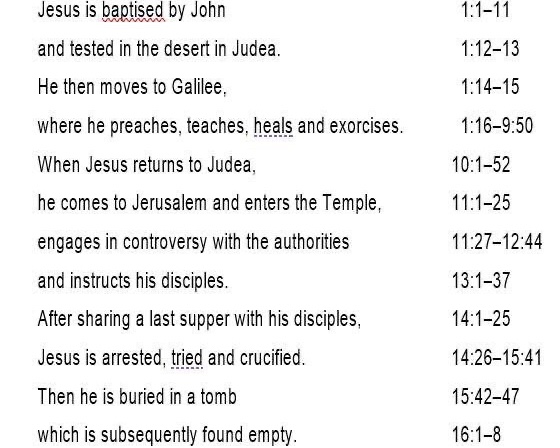

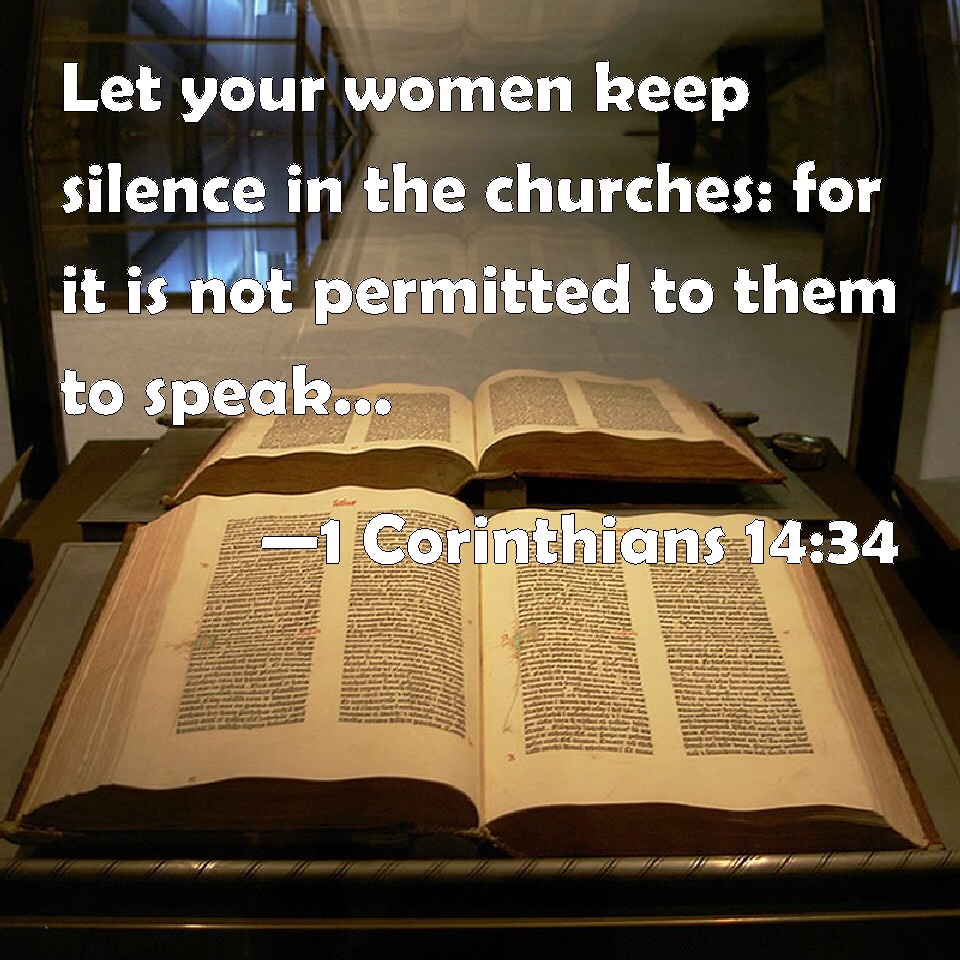

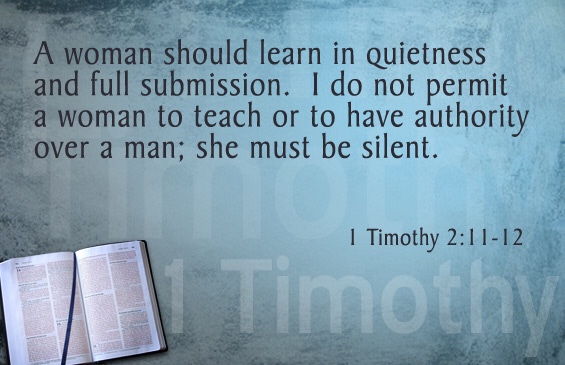
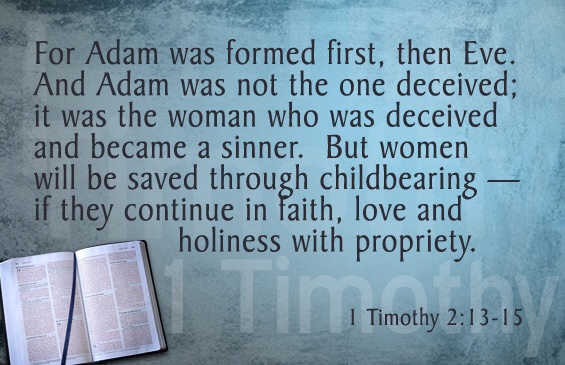
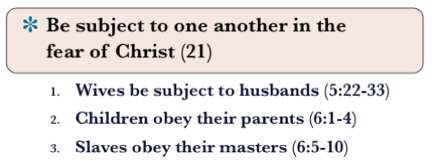
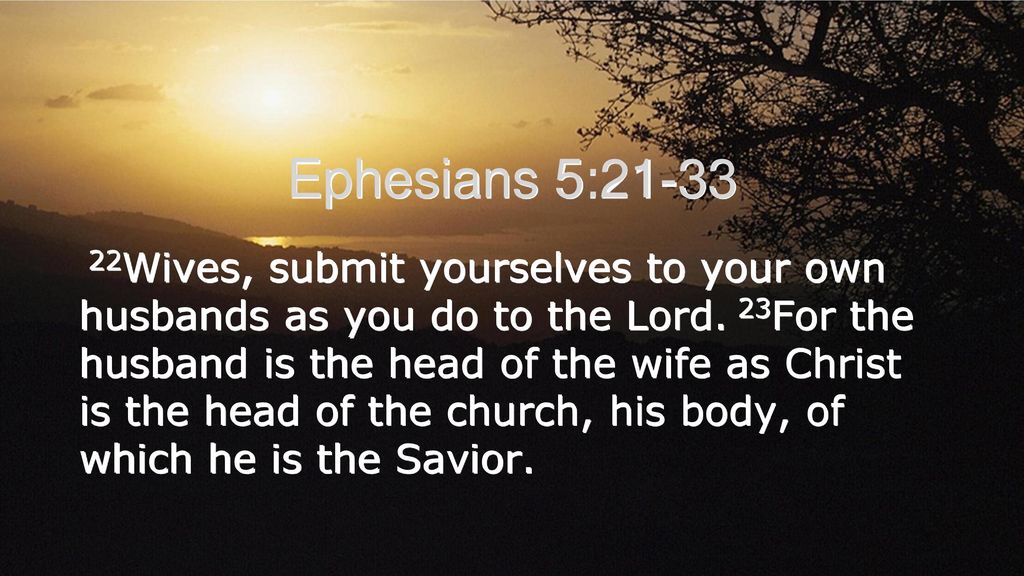

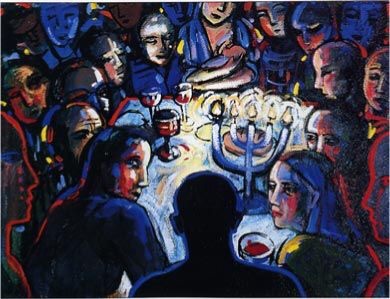
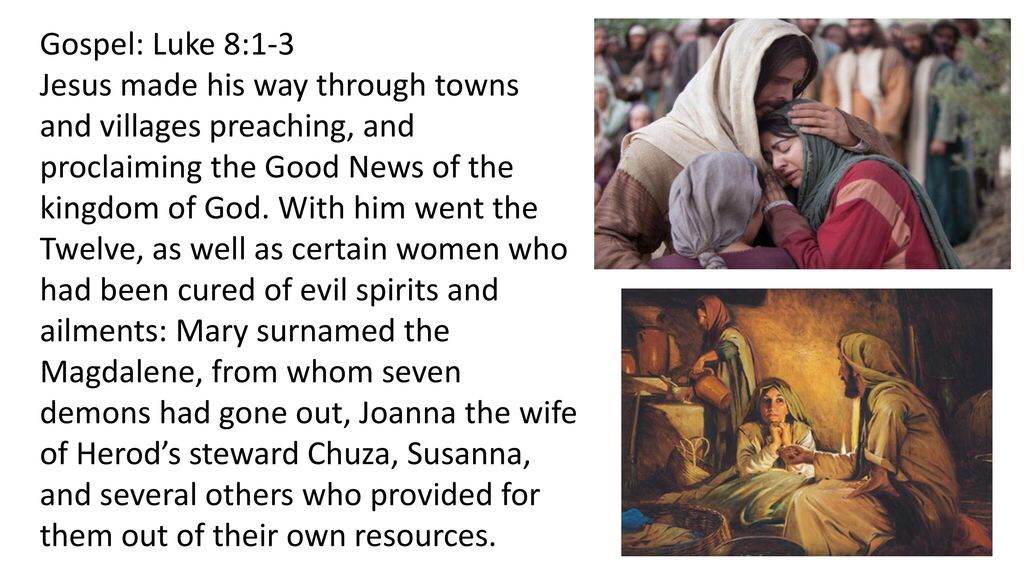
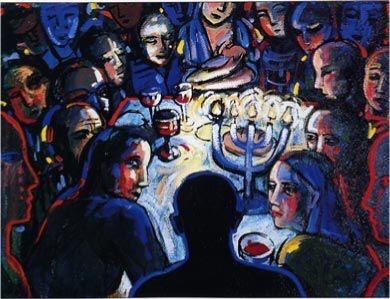

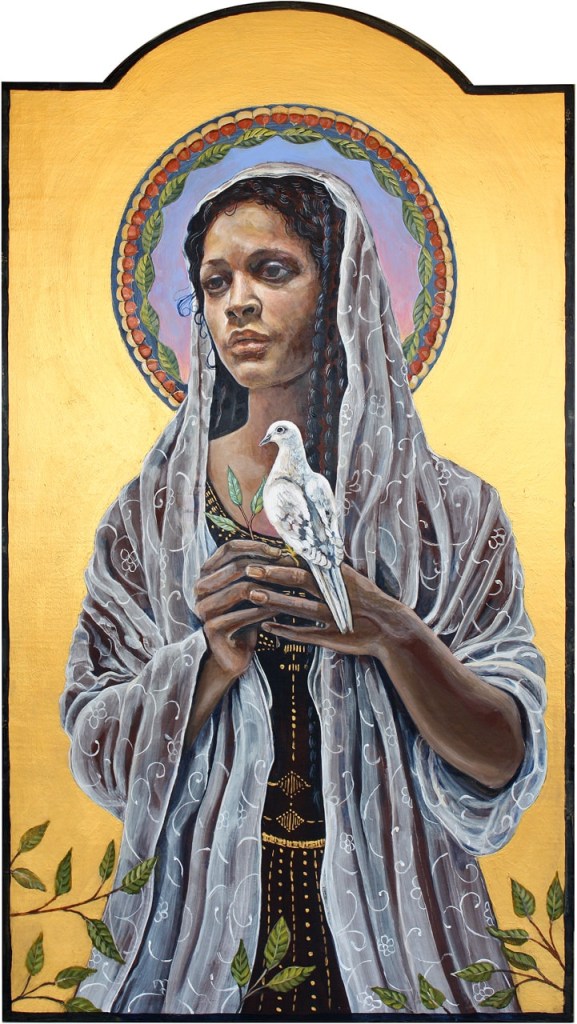
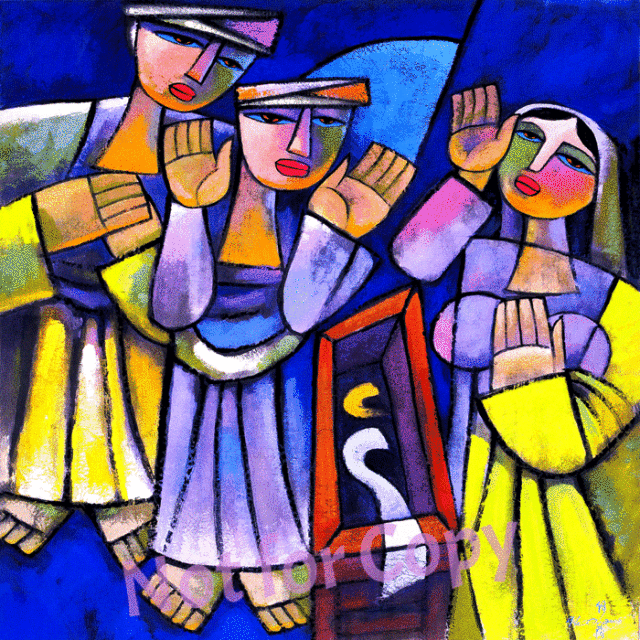
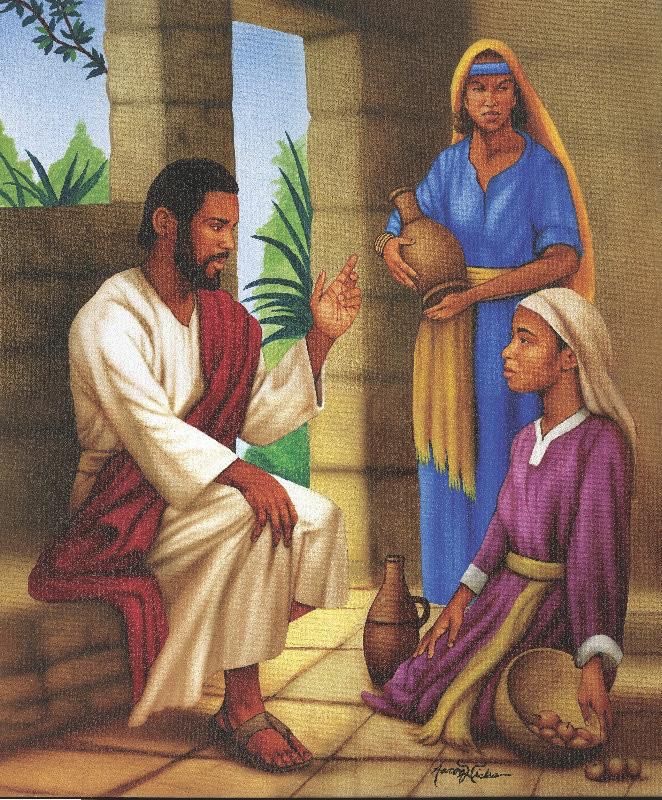

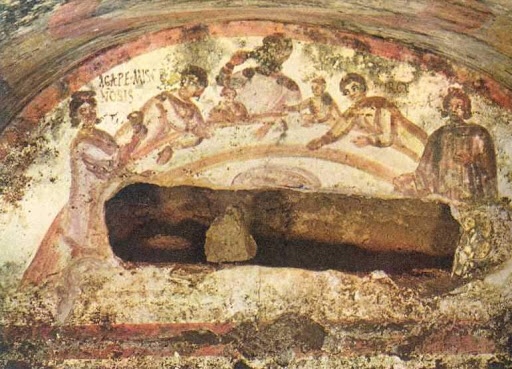

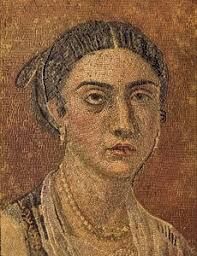
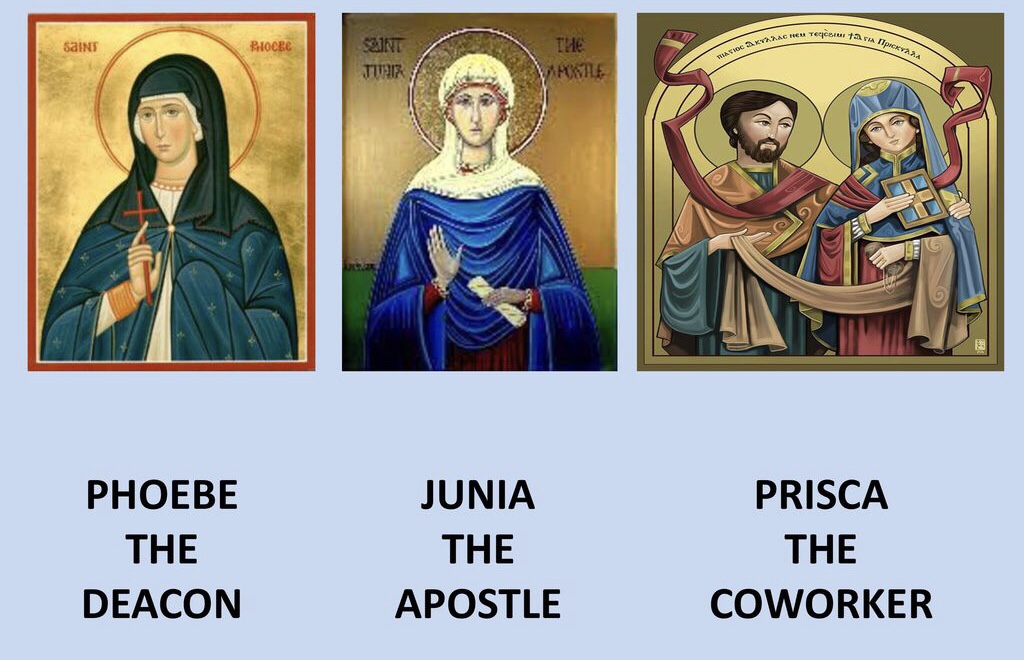
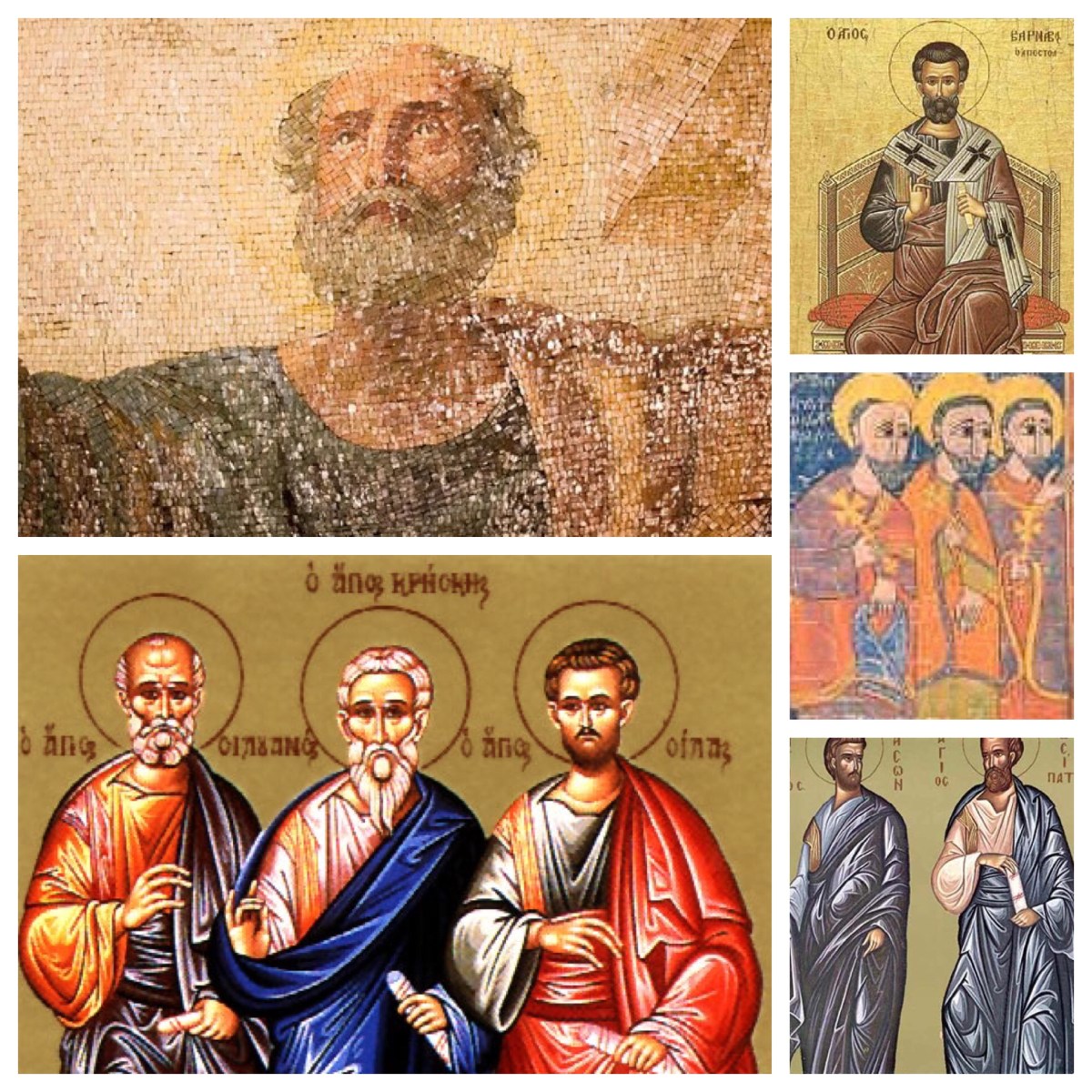
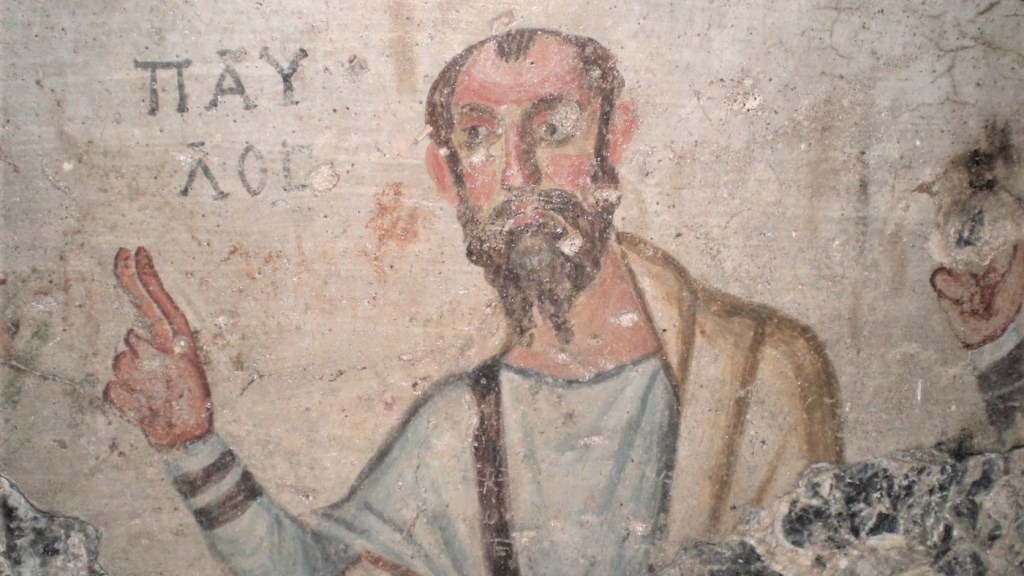

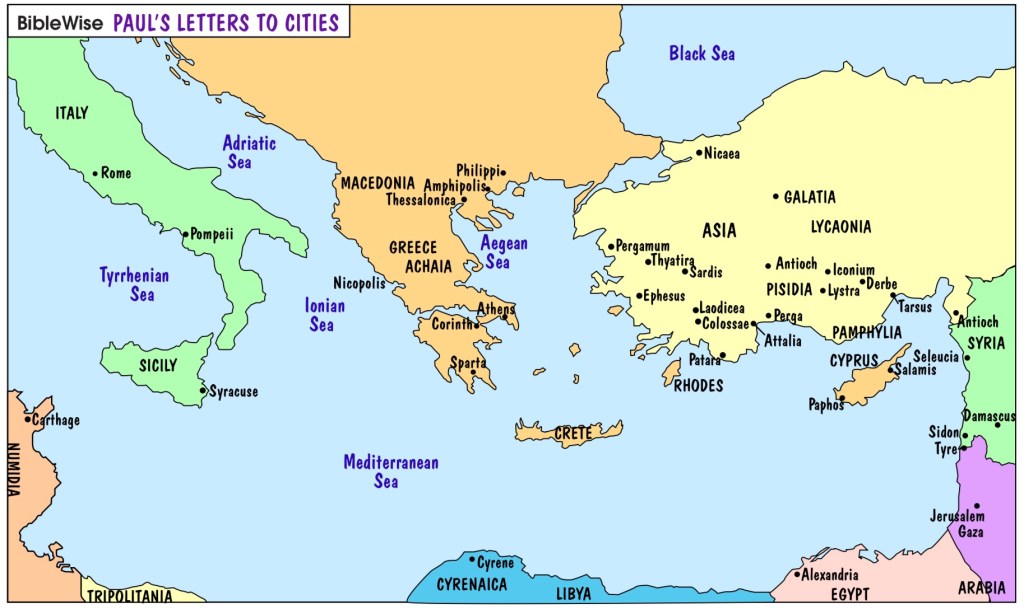
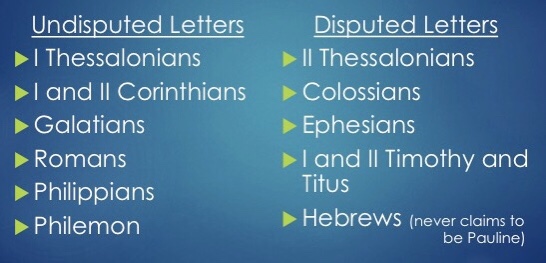
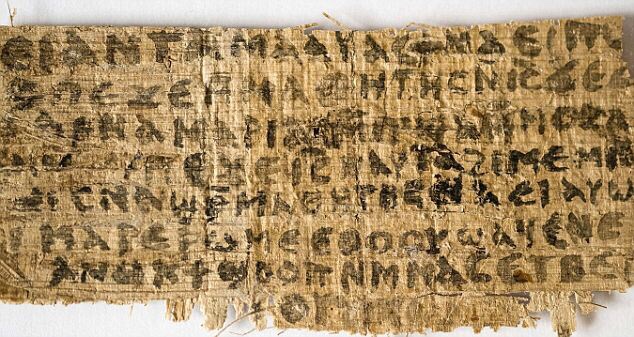




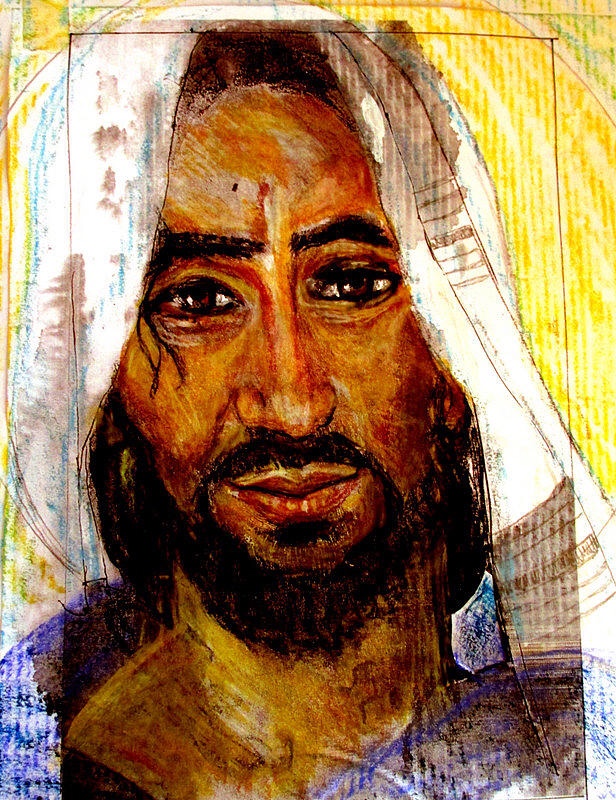

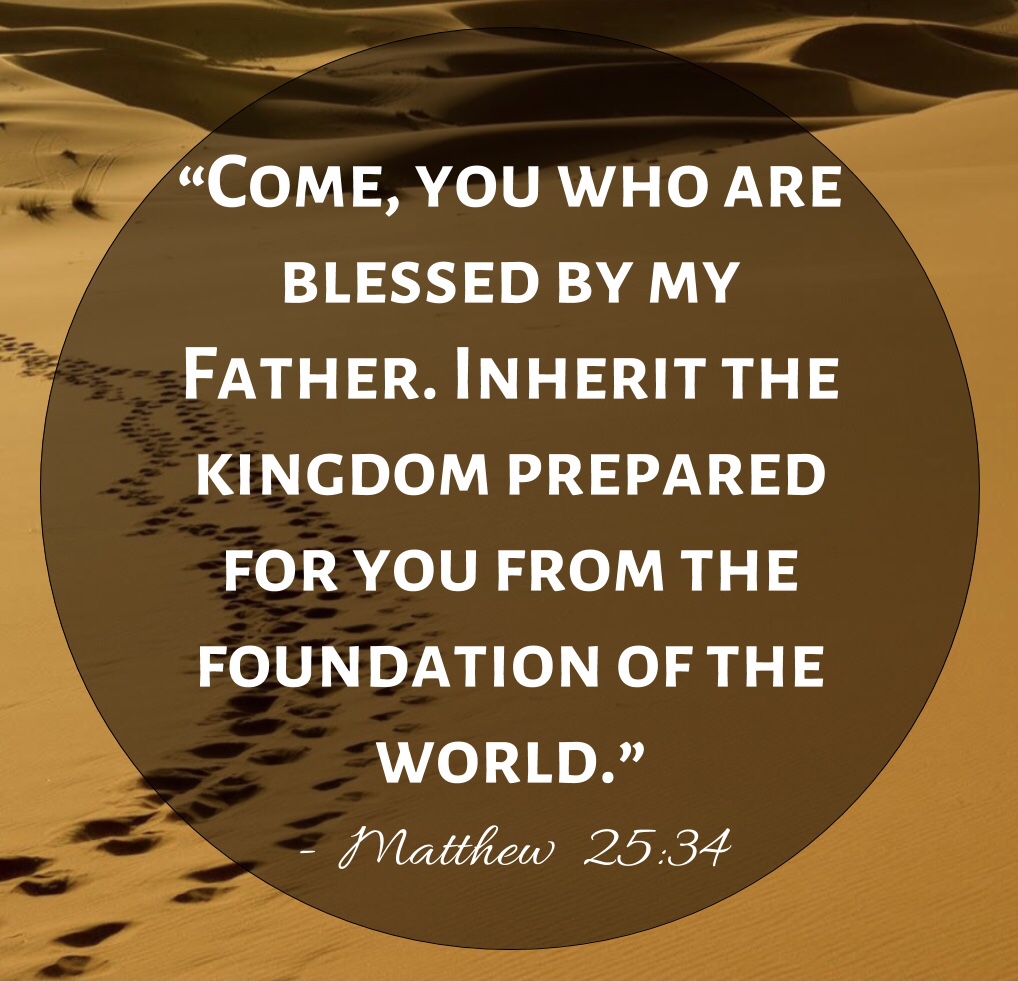



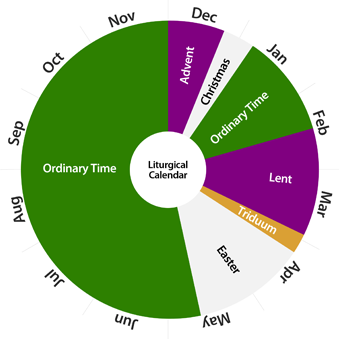

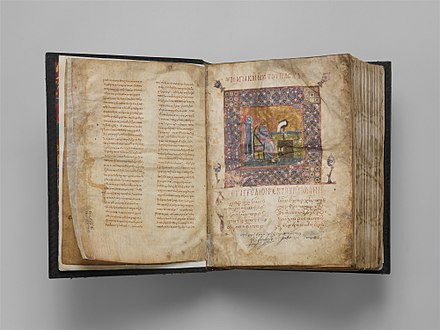







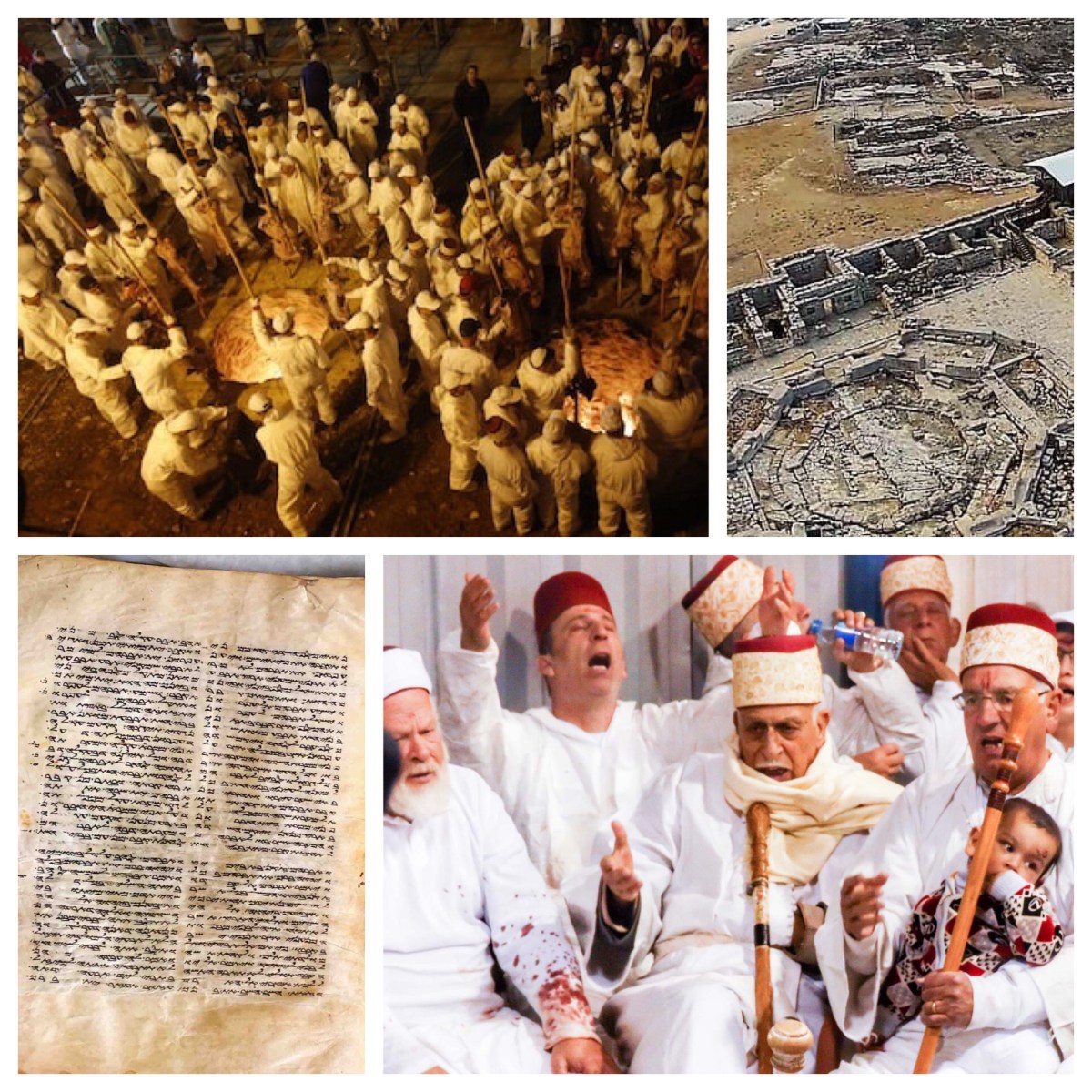

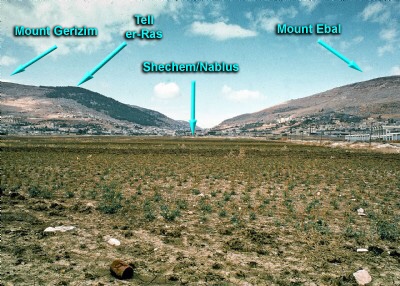
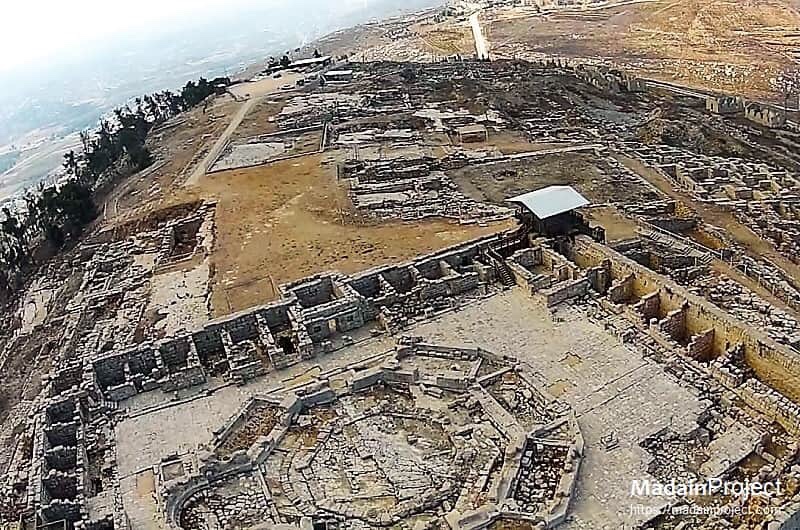
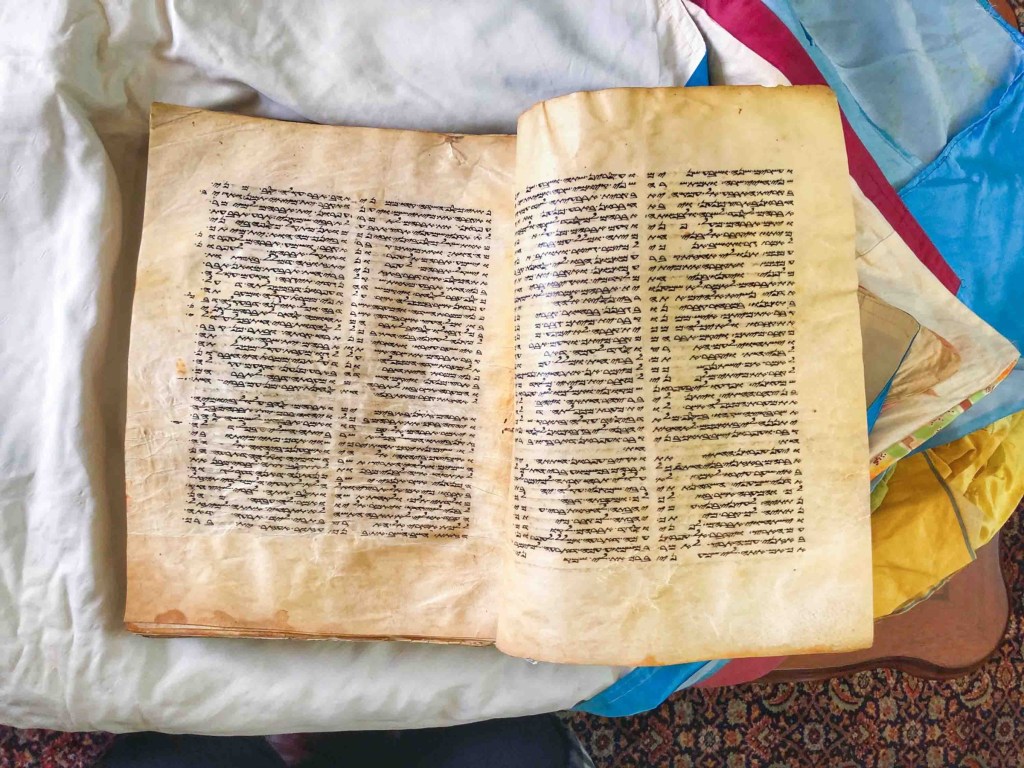
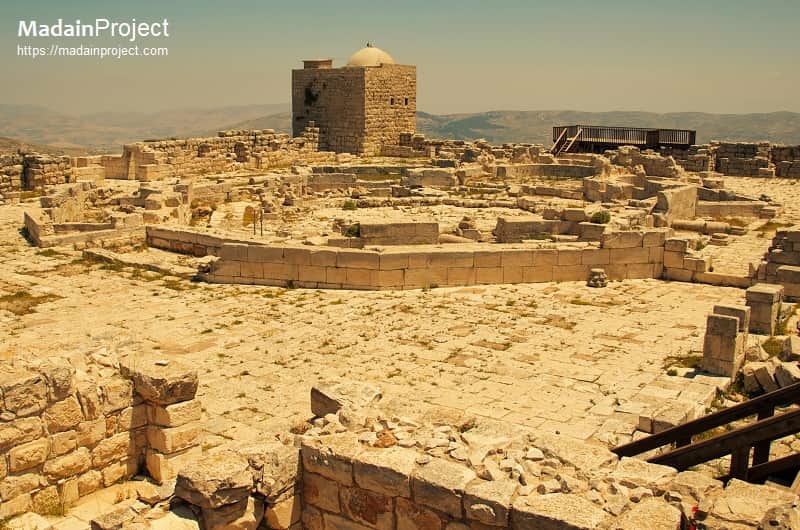

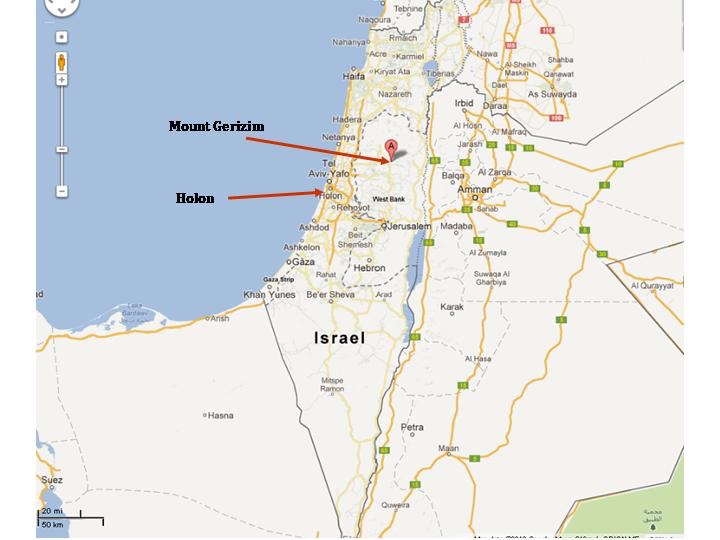
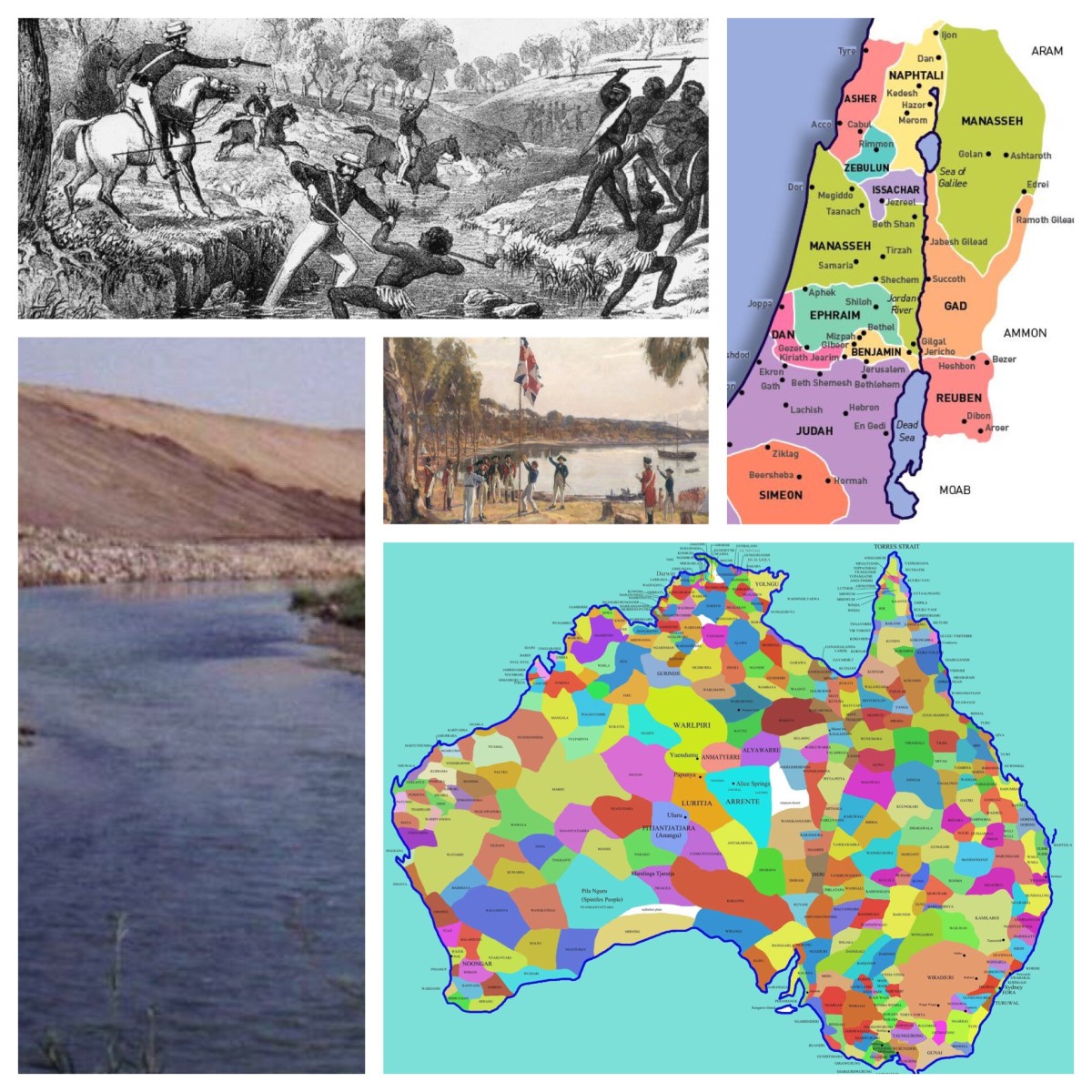
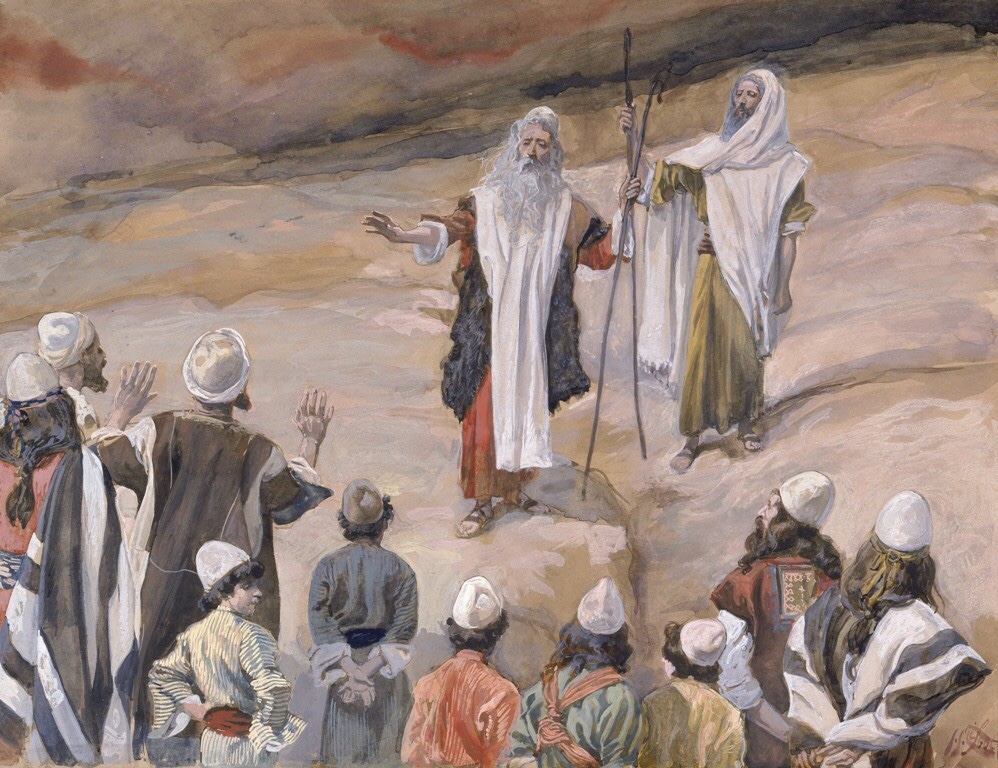

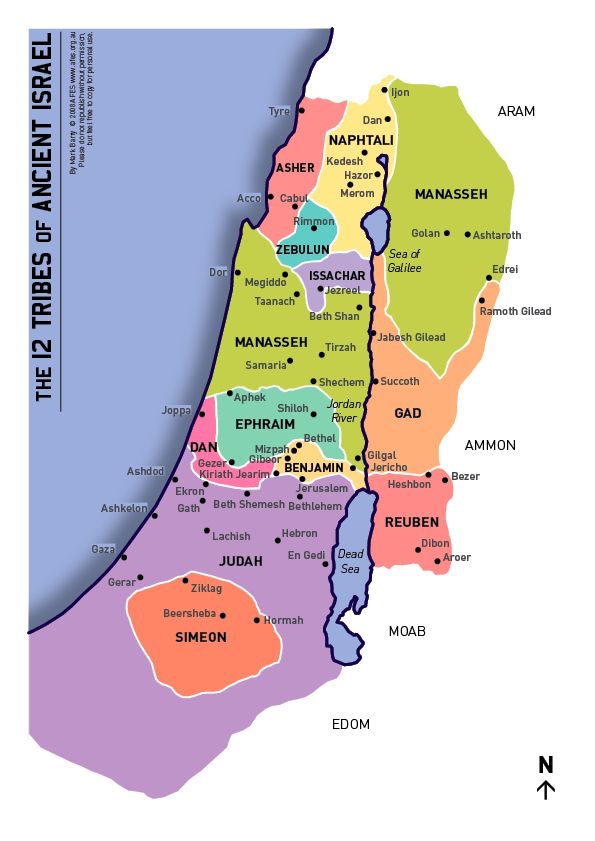

 An Informed Faith