David: “bring her to me, set him in the front of the fighting” (2 Sam 11; Pentecost 10B)

This coming Sunday, we read the story of David’s adultery with Bathsheba (2 Sam 11:1–15). This story is known and remembered through the ages—although it is often misinterpreted, in explanations that “blame the woman” for what, in the text, is clearly a series of actions undertaken explicitly by the man who has power, the man who decides to “take” the woman.

In this regard, this ancient story resonates strongly with the experience of millions, if not billions, of women in the modern world. The #MeToo movement attests to the ongoing occurrence of sexual exploitation and abuse of women by men with power. It continues to take place every day, in every country, around the world. Abusive behaviour, abusive words, sexual pressures, rape and domestic violence—the list goes on and on. It is a sad indictment of the overwhelming numbers of males who continue to perpetrate this sad way of being.

Estimates published by the World Health Organisation indicate that “globally about 1 in 3 (30%) of women worldwide have been subjected to either physical and/or sexual intimate partner violence or non-partner sexual violence in their lifetime. Most of this violence is intimate partner violence. Worldwide, almost one third (27%) of women aged 15-49 years who have been in a relationship report that they have been subjected to some form of physical and/or sexual violence by their intimate partner.”

The report concluded that “The social and economic costs of intimate partner and sexual violence are enormous and have ripple effects throughout society. Women may suffer isolation, inability to work, loss of wages, lack of participation in regular activities and limited ability to care for themselves and their children.” See https://www.who.int/news-room/fact-sheets/detail/violence-against-women

In my previous post, I explored the figure of Bathsheba. In this post, attention turns to David. I have already flagged my support for the view that it was the sin of David, rather than any sinfulness by Bathsheba, which lies at the root of this story. Yet we need to note that it is not just one sin of David which the narrative reports; there are two different (albeit related) and equally serious sins that he committed. See

The first sin involves Bathsheba. David has sexual relations with her; “he sent messengers to get her, and she came to him, and he lay with her” (2 Sam 11:4). This resulted in the birth of a child (11:5); sadly, the child later died (12:15–19). What was the nature of this liaison David engineered with Bathsheba? Was it “a fling”? “an affair”? an abuse of his power? Was it adultery? Was it, even, as some maintain, rape?
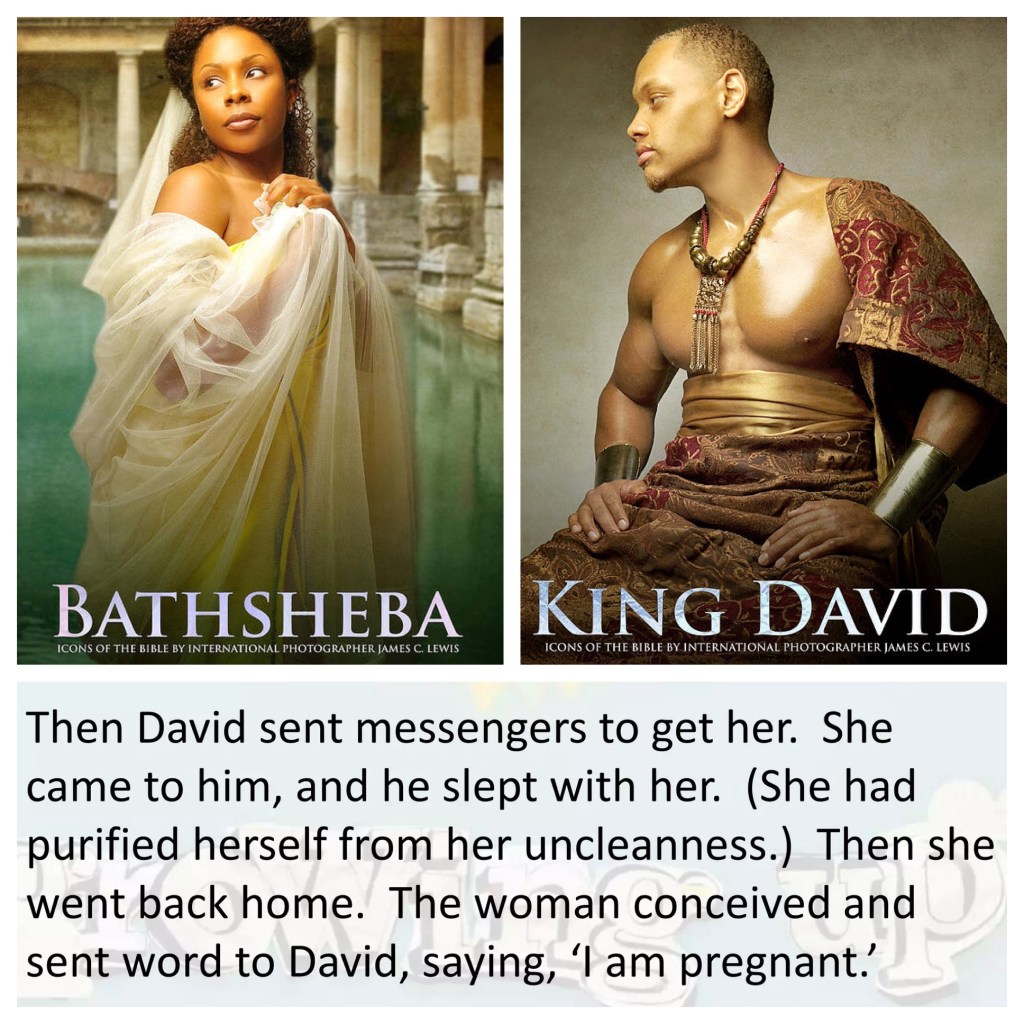
Richard Davidson has written a fascinating article, “Did King David Rape Bathsheba? A Case Study in Narrative Theology”, published in the Journal of the Adventist Theological Society, 17/2 (Autumn 2006): 81–95. It is also accessible online (see link below). Davidson opens his careful analysis of the story by reporting ways that interpreters have sought to minimise the sin that David committed.

He notes that various commentators have claimed that Bathsheba is “a willing and equal partner to the events that transpire” (Randall Bailey), there is a possible element of “feminine flirtation” (H.W. Hertzberg), Bathsheba showed “complicity in the sexual adventure” (Lillian Klein), or “the text seems to imply that Bathsheba asked to be ‘sent for’ and ‘taken’” (Cheryl A. Kirk-Duggan).

Davidson will have nothing of this minimising of what David has done, from those who claim that Bathsheba was somehow complicit. The narrative, he concludes, “represents an indictment directed solely against the man and not the woman, against David and all men in positions of power (whether civil or ecclesiastical or academic) who take advantage of their ‘power’ and victimize women sexually. Power rape receives the strongest possible theological condemnation in this narrative.” See https://digitalcommons.andrews.edu/cgi/viewcontent.cgi?article=1174&context=jats

Indeed, the text could not be clearer; the chapter ends with the definitive conclusion, “the thing that David had done displeased the Lord” (2 Sam 11:27b). The two key factors that Davidson cites in support of this “displeasing thing” actually being a rape are based on his reading of the Hebrew text.

First, he notes that “the fact that the narrator still here calls her ‘the wife of Uriah’ implies her continued fidelity to her husband, as does the reference to Uriah as ‘her lord/husband’. By using the term ba’al [lord] to denote her husband, the narrator intimates that if ‘Uriah is her lord’, then David is not”.

Davidson supports this by noting that the narrator “carefully avoids using the name of Bathsheba throughout the entire episode of David’s sinning” and suggesting that this “makes her character more impersonal, and thus perhaps further conveying the narrator’s intention of suggesting that Bathsheba wasn’t personally responsible.”

This anonymising of Bathsheba in the story is not unusual in terms of other biblical narratives, where women in the story go unnamed. But the reference to Uriah as her ba’al [lord] does suggest a distancing from David, even though he is king,with seemingly unfettered power.

Second, he observes that at the conclusion of the story, after Uriah had been killed and Bathsheba had completed her mourning rites, “David again sent for Bathsheba and ‘harvested’ her”. He comments on the Hebrew word used here, asap; he maintains that it was usually used “for harvesting a crop or mustering an army”, and here it “further implies King David’s capacity for cold and calculating ruthlessness, which was exercised in his power rape of Bathsheba and subsequent summoning (“harvesting”) of her to the palace.”

That might be pushing the point too far. The word asap is indeed used many times to refer to picking crops and taking them home, and also to gathering men for an army. But it is used on some occasions simply to refer to gathering a person to take them to another person, without any sense of duress or force being involved.

We find such a “neutral” sense on the death of Jacob (Gen 49:33), when Saul recruits soldiers for his army (1 Sam 14:52), in the command to care for a neighbour’s lost animal (Deut 22:2), in the psalmist’s words that “if my father and mother forsake me, the Lord will take me up” (Ps 27:10), and in Huldah’s comforting words to King Josiah, “you shall be gathered to your grave in peace; your eyes shall not see all the disaster that I will bring on this place” (2 Ki 22:20).

And there is certainly no direct indication of physical force or emotional abuse in the report of the initial act of intercourse between David and Bathsheba. David sent messengers and “she came to him, and he lay with her” (2 Sam 11:4). But, as already noted, she really had no choice in the matter.

Today, we would call what David did coercive control, and would consider there are implicit “red flags” which the text does not make explicit. Certainly, we cannot argue for any lessening of David’s responsibility by any suggestion of any complicity on the part of Bathsheba. She was forced to have sex; she was raped by the most powerful man in the kingdom.
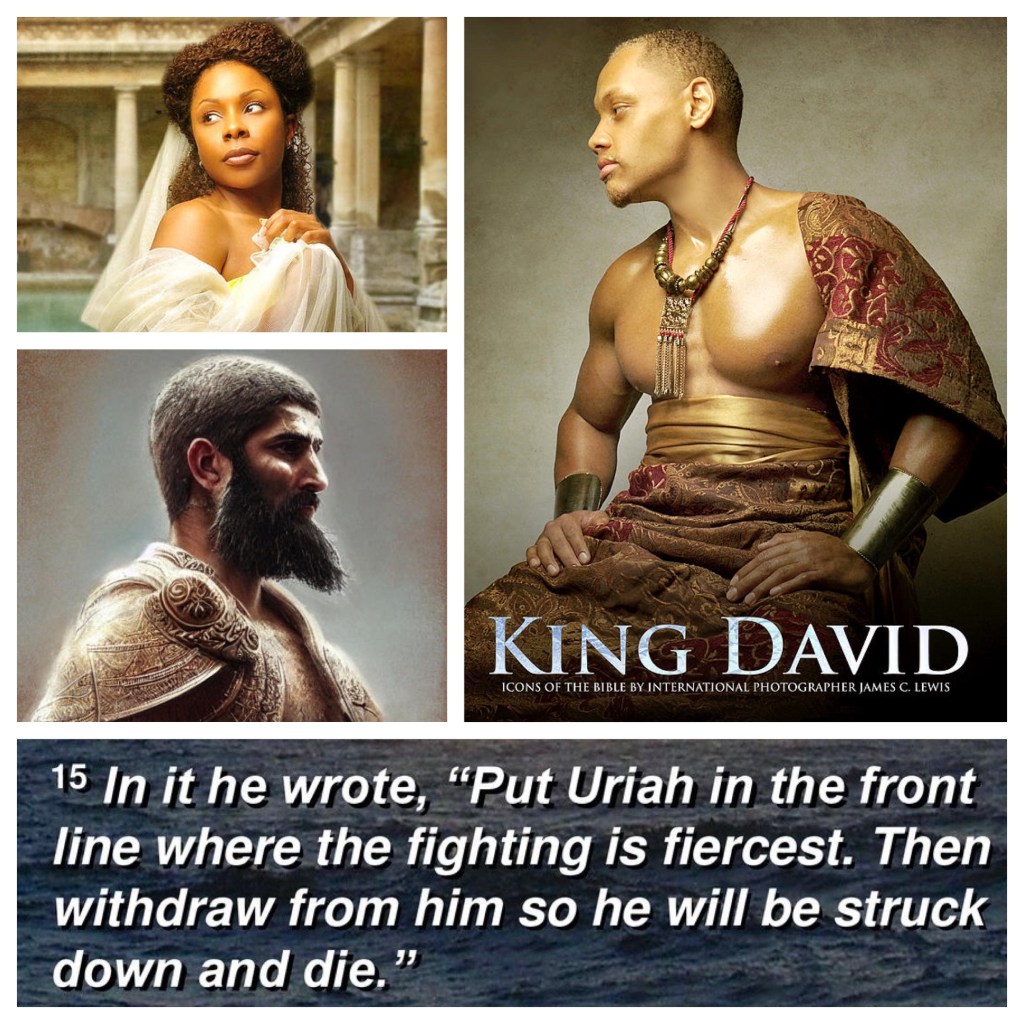
The second sin committed by David is not “up close and personal” like his rape of Bathsheba. It is perpetrated “at arm’s length” by others, acting at his command. Indeed, whilst the death of Uriah occurs some 150 kms or more away on the battlefield, at Rabbah, where David’s forces were besieging the Ammonites in that city, it is the command that David makes in Jerusalem, over 150km away, that reveals his sin.

And as noted in the previous blog post, David should have been on the front line with his troops; it was spring, “the time when kings go out to battle” (2 Sam 11:1), yet David is leisurely strolling on his roof, looking down to see the happenings in the nearby houses below.

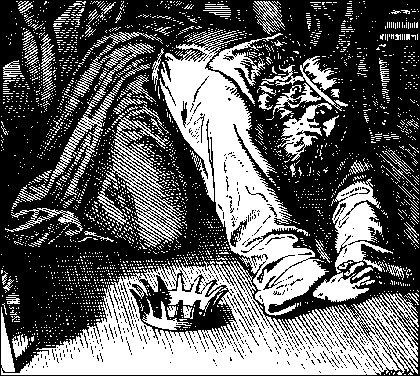
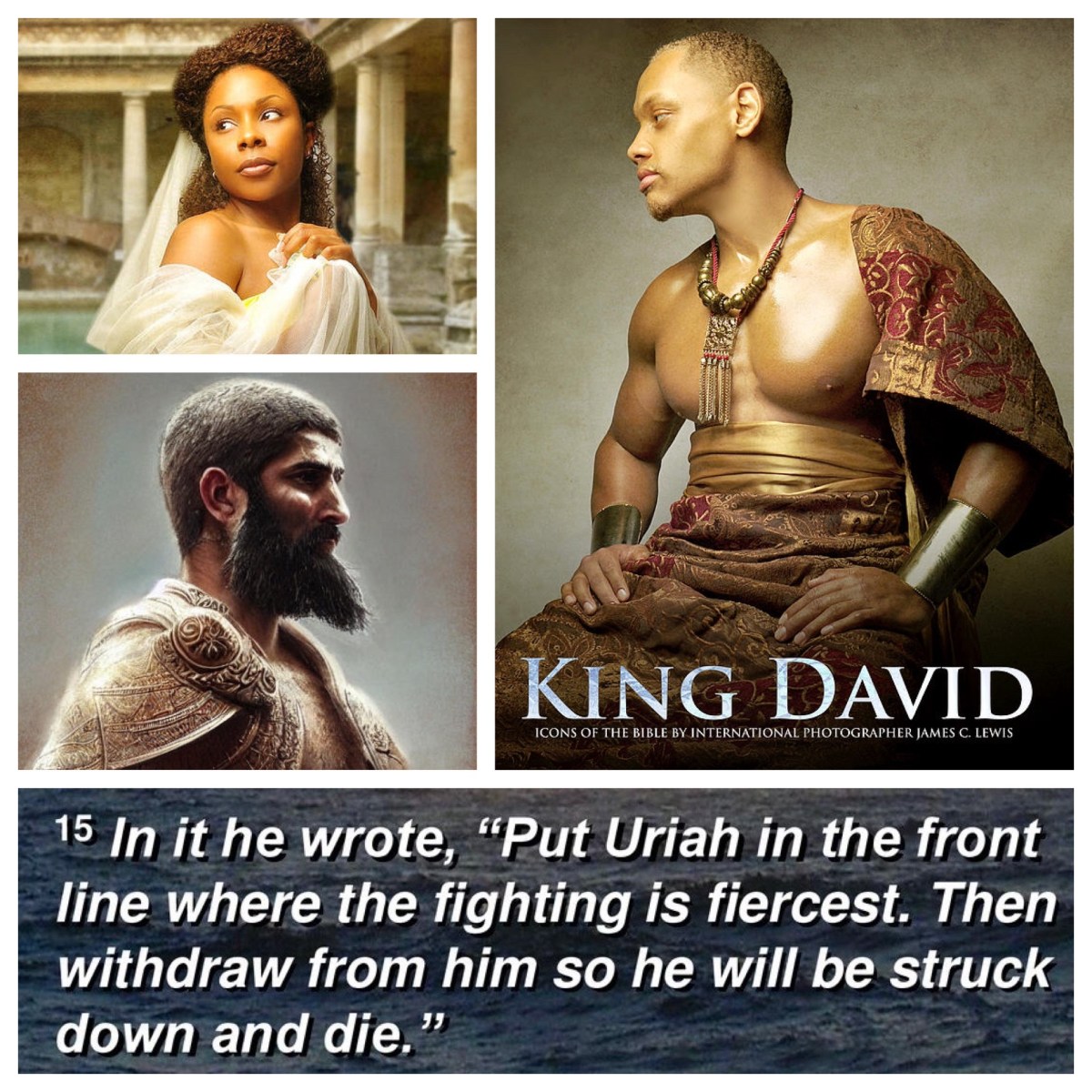
The text is, once again, crystal clear about the initiative that David took and the plot that he himself had concocted: “David wrote a letter to Joab, and sent it by the hand of Uriah. In the letter he wrote, ‘Set Uriah in the forefront of the hardest fighting, and then draw back from him, so that he may be struck down and die.’ As Joab was besieging the city, he assigned Uriah to the place where he knew there were valiant warriors. The men of the city came out and fought with Joab; and some of the servants of David among the people fell. Uriah the Hittite was killed as well.” (2 Sam 11:15–17).

Whilst David does not physically murder Uriah, he issues the order, faithfully transmitted by his general, Joab, and executed by “the men of the city” (11:17). He bears ultimate responsibility. No commentator attempts to extricate him from this. And curiously, we note that the lectionary stops before the death of Uriah is reported; it ends with David’s command in his letter (v.15). It seems a strange marking of the passage. We need to read and hear the story at least through to the denouement of David’s plan: “Uriah the Hittite was killed as well” (v.17).

The situation regarding the clinical way that David carries out his plan is intensified—made worse, or made perfectly clear—by the fact that, in between his rape of Bathsheba and the murder of Uriah, David deliberately courts Uriah in a show of friendship. He asked for Uriah to leave the battlefield and come to him (v.6), enquired about the progress of the war (v.7), granted him a time of leave and sent a gift to him (v.8), and wined and dined him with a feast (v.13).

David’s intentions are clear; he wants Uriah to “go down to his house”—presumably in order for him to sleep with Bathsheba, and thus explain her pregnancy. However, Uriah twice does not do so (vv.9, 13). On the first occasion, he sleeps rough in solidarity with his men on the battle field (v.11). He explicitly states that he does not intend to sleep with his wife. On the second occasion, David has made him drunk, so he sleeps it off “on his couch with the servants of his lord” (v.13).

That Uriah “did not go down to his house”, stated twice, declares his resolute character. He will not take advantage of this unexpected call back to the comfort of the city; he maintains his integrity as one of David’s “warriors”. This is in stark contrast to David’s clinical, self-interested scheming—first, to gain Bathsheba, when she catches his eye, and then to dispatch Uriah, to have him out of the way.

We all know about David’s illicit liaison with Bathsheba—even if, as I have noted, not everybody accepts his total responsibility for what he did, and not everybody accepts that he did actually rape her. He is clearly remembered for this sin; as well as this story, the superscription to Psalm 51 reinforces this. (See more in next week’s blog.)

David’s arrangement of the murder of Uriah ought also to be known and remembered through the ages. He acted with cunning, deception, cruelty, and self-interest. It is a scathing indictment of a powerful male figure—sadly, he is just one of so, so many throughout history.

Writing in With Love to the World, Amel Manyon considers the character of David: “David was a man of faith, but he was not acting responsibly as the leader of his army when he decided to stay in Jerusalem. He was expected to do his duty—at least meditating on the law of Moses, praying, or writing psalms. Perhaps he was bored, with nothing to do?” (That’s a rather generous assessment of David’s character, I think.)

Manyon rightly notes that David “used his positional power to force Bathsheba into immorality. At the time, Bathsheba would have had no choice but to obey her leader, the King—but that is not an excuse for the leader to justify his actions. When David sent for Uriah, husband of Bathsheba, he had an opportunity to learn about leadership. Uriah had not allowed himself to enjoy time with his wife when his fellow soldiers were exposing their lives to danger for their country; David under such circumstances indulged in sinful lust and criminal actions.” The contrast is indeed striking.

Manyon relates what she says about David to contemporary leaders, noting that “we should not use our power to take what does not belong to us.” It’s a simple, succinct application. Indeed, this is what is conveyed in next week’s lectionary passage (2 Sam 12), where Nathan confronts David with the extent of his sin—he used his power to grasp what belonged to another man.

A very generous assessment of David is offered later in the long narrative history telling of the Kings of Israel and Judah. During the assessment of the reign of Abijam, a great-grandson of David and the second King of Judah after the kingdom was split in two at the death of Solomon, the narrator assesses the poor character of Abijam as one who “committed all the sins that his father did before him; his heart was not true to the Lord his God, like the heart of his father David” (1 Ki 15:3).

The narrator notes that, despite this flawed character, Abijam was able to rule for three years only because the Lord looked favourably upon David, of whom it is said, “he did what was right in the sight of the Lord, and did not turn aside from anything that he commanded him all the days of his life, except in the matter of Uriah the Hittite” (1 Ki 15:5). How interesting—and telling—that it is the sin against Uriah that is mentioned, and not the sin against Bathsheba.

What model of leadership is offered by this tale? The initial compilers of the sagas of Israel could have skimmed over this episode, allowing David to be painted in a resolutely positive light. Indeed, this is what the compiler(s) of 1–2 Chronicles does. (There is no story about David and Bathsheba in these books; it is as if it didn’t happen!) But the story is included in 2 Samuel; and David the Adulterer and David the Murderer sit alongside David the Harpist and David the Psalmist in Jewish and Christian traditions. He exemplifies the complexities of every human being. He is Everyperson. We should listen carefully, and learn from the stories told about him.

*****

Once again, I am grateful to Elizabeth Raine for her comments on this post, informed by her careful study of the text.

With Love to the World is a daily Bible reading resource, written and produced within the Uniting Church in Australia, following the Revised Common Lectionary. It offers Sunday worshippers the opportunity to prepare for hearing passages of scripture in the week leading to that day of worship. It seeks to foster “an informed faith” amongst the people of God.

You can subscribe on your phone or iPad via an App, for a subscription of $28 per year. Search for With Love to the World on the App Store, or UCA—With Love to the World on Google Play. For the hard copy resource, for just $28 for a year’s subscription, email Trevor at wlwuca@bigpond.com or phone +61 (2) 9747-1369.


Bathsheba: “she was very beautiful” (2 Sam 11; Pentecost 10B)

This coming Sunday, we read the story of David’s adultery with Bathsheba (2 Sam 11:1–15). This story is known and remembered through the ages—although it is often misinterpreted, in explanations that “blame the woman” for what, in the text, is clearly a series of actions undertaken explicitly by the man who has power, the man who decides to “take” the woman. In this regard, this ancient story resonates strongly with the experience of millions, if not billions, of women in the modern world. The #MeToo movement attests to the ongoing occurrence of sexual exploitation and abuse of women by men with power.

So the man, David, is depicted as exercising a shameful demonstration of sheer power, expressed through sexual violence. He was the King of Israel, and so had become accustomed ordering people around and getting what he wanted.

And it was, after all, “the spring of the year, the time when kings go out to battle” (2 Sam 11:1). He should have been with his troops as they were fighting the Ammonites, but instead he was walking on the rooftop, looking down into the bathing room of a nearby house where Bathsheba was bathing.

Let’s note that it was David who was up on the roof; Bathsheba was not bathing on the roof; he was looking down on her. The text is explicit: “David rose from his couch and was walking about on the roof of the king’s house, [when] he saw from the roof a woman bathing” (11:2). We’ll come back to him in a subsequent post.

In what follows, I am grateful to my wife, Elizabeth Raine, for what she has shared with me as we have explored this story. Elizabeth has spent much time with the texts relating to Bathsheba, and I have benefitted from her knowledge—and, of course, from the female perspective on this story which males need to hear and understand and appreciate.

The woman, Bathsheba, by contrast to the man, is apparently compliant in their coming together; well, what choice did she have, as David was the king, ruler supreme, with courtiers and soldiers ready to do his bidding? She had no chance, it would seem, of avoiding the trap set by David. And it is noteworthy that we hear nothing, in this narrative, of her thoughts about the whole incident. She is completely without voice in the story.

When we first meet Bathsheba in this passage, she is described as “very beautiful” (2 Sam 11:2). Let’s remember that David himself was first revealed to the readers and hearers of the ancient narrative saga as “ruddy, he had beautiful eyes and was handsome” (1 Sam 16:12). The same had been said of handsome Joseph (Gen 39:6), “a handsome young man” named Saul (1 Sam 9:2), and the same would later be said of Adonijah, a son of David (1 Ki 1:6), and much later of Daniel, with his companions in the Chaldean court (Dan 1:4). Commenting favourably on the physical appearance of a character was part of the craft of the ancient storyteller.

Bathsheba stands in a line of even more women who are introduced into the story as “beautiful”: Sarai (Gen 12:11), Leah and her sister Rachel (Gen 29:17), Abigail (1 Sam 25:3), Tamar, the daughter of David (2 Sam 13:1; 14:27), Abishag the Shunnamite (1 Ki 1:3–4), as well as Hadasseh, known as Esther (Est 2:7), the daughters of Job Job 42:15), and the “black and beautiful” lover in the Song of Songs (Song 1:5, 15–16; 4:1, 7), praised as being “as beautiful as Tirzah” (Song 6:4).

Alongside this, Bathsheba is identified in the typical terms of the day, through her relationships with key men: “Bathsheba, daughter of Eliam, the wife of Uriah the Hittite” (11:3). However, although Bathsheba has married a foreigner, a Hittite, she did have an Israelite lineage. Her father, Eliam, is identified as the son of “Ahithophel the Gilonite” (2 Sam 23:33)—that is, he was from Giloh, a town in Judah (2 Sam 15:12) which is listed amongst the towns in “the hill country” that were taken under Joshua’s command and allocated to Judah (Josh 15:51). So she should not be regarded as foreign; she is of David’s own people.

A contemporary depiction of Uriah the Hittite

Although we know that the lineage of Uriah was Hittite, from the area to the north of Israel, he nevertheless served in the army of the Israelites, as one of “the servants of David” (2 Sam 11:17). Indeed, we subsequently learn that both Eliam and Uriah were among the chiefs, many of them from foreign tribes, who are numbered amongst “The Thirty” who had joined David’s troops in battle (2 Sam 23:24–38). They were renowned as “mighty warriors” who served David’s cause in these battles (2 Sam 23:8). So Bathsheba’s family had been important for David in gaining and retaining his powerful position.

So the man, David, is depicted as exercising a shameful demonstration of sheer power, expressed through sexual violence. He was the King of Israel, and so had become accustomed ordering people around and getting what he wanted. And it was, after all, “the spring of the year, the time when kings go out to battle” (2 Sam 11:1). He should have been with his troops as they were fighting the Ammonites, but instead he was walking on the rooftop, looking down into the bathing room of a nearby house where Bathsheba was bathing. Let’s note that he was up on the roof; she was not bathing on the roof; he was looking down on her. The text is explicit: “David rose from his couch and was walking about on the roof of the king’s house, [when] he saw from the roof a woman bathing” (11:2). We’ll come back to him in a subsequent post.

As well as this story of Bathsheba’s first encounter with David, she features at two key moments later in the narrative. In 2 Sam 12, we learn the sad news that “the Lord struck the child that Uriah’s wife bore to David, and it became very ill … [then] on the seventh day the child died” (12:15, 18). David, having been physically attracted to Bathsheba and having had intercourse with her, was deeply affected: “he pleaded with God for the child … fasted, and went in and lay all night on the ground” (12:16).

Curiously, once David had learnt that the child had died, he immediately resumed regular life, telling his servants, “while the child was still alive, I fasted and wept … but now he is dead; why should I fast? Can I bring him back again?” (12:21, 23). Strikingly, by contrast, we hear nothing of what Bathsheba felt or thought on this sad occasion. Was she also deeply affected? We might presume so, but the narrator does not choose to convey that.

Did Bathsheba resume normal life as soon as the child died? We might recoil in horror at this thought, and imagine her as carrying out the prescribed period of mourning; but again, the narrator says nothing at all about her reaction. She mourns in silence, unheard, unseen. The woman who was so badly mistreated by the king in her first encounter with him, who learnt that she needed to be subservient to him, has no agency in this later scene. She has been muted.

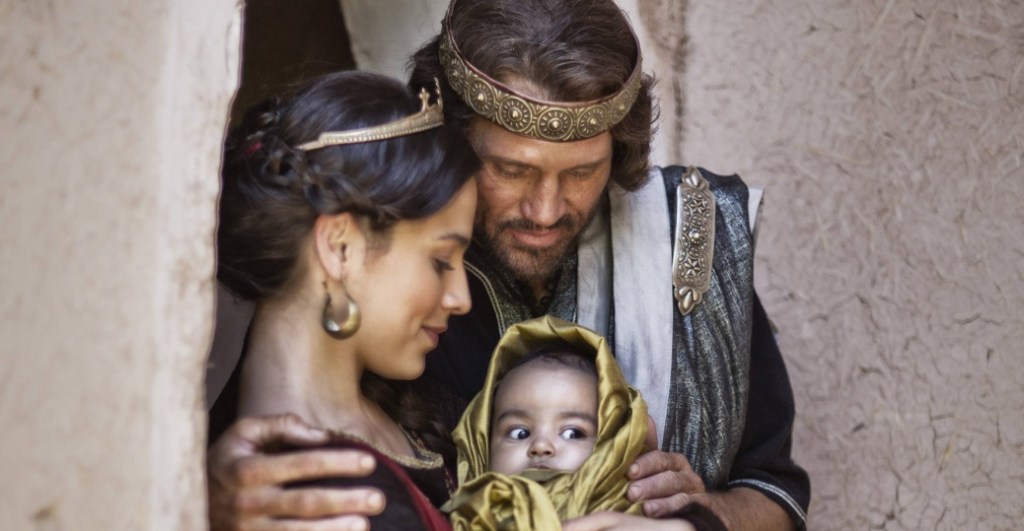
To his credit, however, the narrator does reveal that David then took care of Bathsheba—although the narrative is sparse at this point, reporting simply that “David consoled his wife Bathsheba, and went to her, and lay with her; and she bore a son, and he named him Solomon” (12:24). Was this to console her, or to satisfy his need for the woman he had chosen to bear him a son and heir? Was his grief for the dying child all about his lineage, rather than for the people involved?

At any rate, amidst the many offspring that David eventually produced (18 sons and one daughter, that we know of), from various wives and concubines, this child, Solomon, was already marked from the start as special; “the Lord loved him, and sent a message by the prophet Nathan; so he named him Jedidiah, because of the Lord” (2:25). Jedidiah means, simply, “beloved of the Lord”.

Bathsheba reappears in the narrative in 1 Kings 1—2, where she speaks as his wife to the king, intervening in matters of the state. First, she attends to the aged, dying king, intervening into the matter of succession. She is introduced here in relation to another male, to whom she was related; this time, she is identified as “Bathsheba, Solomon’s mother” (1 Ki 1:11). Already, as the reign of King David wanes, the star of the future King Solomon was rising.

Her involvement is because she has learnt from Nathan that Adonijah was positioned to succeed David. So Nathan uses Bathsheba to intercede for her son, reminding David of his desire for Solomon to succeed him (1:11–21). David confers with Nathan (1:22–27), and again with Bathsheba (1:28–31), before he orders the action to be taken: “have my son Solomon ride on my own mule, and bring him down to Gihon; there let the priest Zadok and the prophet Nathan anoint him king over Israel” (1:33–34). And so the deed was done. The voice of Bathsheba, at last expressed, was heard. And yet: she only speaks on the urging of Nathan. Her voice is appears conditional, tentative.

Bathsheba is involved in matters of state a second time, after the death of David (2:10), when “Solomon sat on the throne of his father David; and his kingdom was firmly established” (2:12). Here, Adonijah son of Haggith approaches her with a request that she advocate with her son on his behalf (2 Sam 2:13–18). Bathsheba submissively acquiesces to his request, and petitions her son, now the king. Adonijah, it must be noted, was smitten with Abishag the Shunammite, previously described as “very beautiful”, who had served David in his last months (1:1–4).

The intervention of Bathsheba backfires, however; on hearing of Adonijah’s request, King Solomon explodes: “Adonijah has devised this scheme at the risk of his life!” (2:23), and issues the order, “today Adonijah shall be put to death” (2:24). And so, according to the narrator, “King Solomon sent Benaiah son of Jehoiada; he struck him down, and he died” (2:25). Bathsheba has sought exercise her relational influence in these two scenes, seeking to persuade the King on particular courses of action. The first was successful, but not the second. Her attempts to gain a voice in the story of Israel and its kings—one her husband, another her son—seem to be a failure.

After this, there is no further mention of Bathsheba; her son Solomon proceeds to remove other possible contenders for the throne, so that “the kingdom was established in the hand of Solomon” (2:46) and he rules with power and wisdom for decades to come. We remember him primarily for his wisdom. We remember Bathsheba primarily for what David did with her and to her.

The role of Bathsheba in the encounter with David has regularly been misrepresented. In popular (mis)understanding, she is thought to have seduced David. This is not, however, the case. Nothing in the text of 2 Samuel indicates this in any way.

I spent a *happy* eight minutes googling conservative websites to see what they said about Bathsheba’s sin. On setapartpeople.com, we read, “David’s sin was very great, and Bath-sheba’s very small. David’s sin was deliberate and presumptuous; Bath-sheba’s only a sin of carelessness. David committed deliberate adultery and murder; Bath-sheba only carelessly and undesignedly exposed herself before David’s eyes. We have no doubt that David’s sin was great, and Bath-sheba’s small. Yet it remains a fact that Bath-sheba’s little sin was the cause of David’s great sin.” Yoiks.

On gloriouschurch.com, “Anonymous” writes, “Yet the fact remains that it was Bathsheba’s small sin that instigated David’s great sin. It was her minor act of indiscretion, her thoughtless little exposure of her body, that was the spark that kindled a great devouring flame. ‘Behold how great a matter a little fire kindleth!’ On the one side, only a little carelessness, only a little thoughtless unintentional exposure of herself before the eyes of David.”

This website continues, “But on the other side, [she instigates] adultery and guilt of conscience; murder and the loss of a husband; the death in battle of other innocent men; great occasion for the enemies of the Lord to blaspheme; the shame of an illegitimate pregnancy and the death of the child; the uprising and death of Absalom; the defiling of David’s wives in the sight of all Israel; the sword never departing from David’s house (2 Samuel 12:11-18).” Yes, I would remain anonymous, too, after that little diatribe seeking to place the weight of blame for all of David’s sins on Bathsheba!

And various websites, too many to cite and too terrible to actually quote (CBE International, Fossil Creek Church of Christ, My Only Comfort, Elmwood Baptist, the Gospel Broadcasting Network, Moving Towards Modesty … and more), provide careful and specific advice for women and girls on “dressing modestly” (drawing first of all, of course, from 1 Pet 3:1–4) in which the sin of Bathsheba being naked in full sight of the King is cited. (But just try bathing while you are still dressed and taking care of your modesty and still getting properly cleaned !!)

So did Bathsheba seduce David by being naked and stimulating his lust? In fact, the narrative of 2 Sam 11 says no such thing, nor does it provide any warrant at all for suggesting this. Bathsheba is presented as entirely innocent—indeed, as completely passive—in what takes place. Bathsheba is simply taking a bath (v.2).

Yes, Bathsheba was “very beautiful” (v.3), but it was up to David to manage himself appropriately when he happened to see Bathsheba bathing. The common misinterpretation of the incident follows the standard misogynistic practice of blaming the woman for seducing the man, and excusing the man because he was caught by the wiles of the wicked woman. That is not what the text says!

Writing in With Love to the World, Amel Manyon notes that “David used his positional power to force Bathsheba into immorality”, and then observes, “As a leader, we should not use our power to take what does not belong to us. At the time, Bathsheba would have had no choice but to obey her leader, the King—but that is not an excuse for the leader to justify his actions.”

Reflecting on this story in the light of the teachings of Jesus (Mark 9:42–48), James McGrath says, “I’ll take the opportunity to express appreciation for Jesus’ teaching that tells men to pluck out eyes and cut off organs if they are sure they cannot keep from sinning. He doesn’t say to remove someone or something else because it is not the thing that is found tempting that is to blame.” See

The rabbis have much to say about Bathsheba. In the Jewish Women’s Archive, Prof. Tamar Kadari indicates that the Rabbis were well aware of Bathsheba’s innocence and David’s sinfulness. She writes that Bathsheba “had been appointed for David during the six days of Creation, but ‘he enjoyed her as an unripe fruit’, that is, he married her before the proper time, when the fruit [the fig] was still unripe. He rather should have waited until she was ready for him, after the death of Uriah (BT Sanhedrin 107a). This exposition is based on a wordplay, since, in the Rabbinic period, bat sheva was the name of an especially fine type of fig (see Mishnah Ma’aserot 2:8).”

See https://jwa.org/encyclopedia/article/bathsheba-midrash-and-aggadah

In the Jewish Virtual Library, it is noted that Bathsheba “was not guilty of adultery since it was the custom that soldiers going to war gave their wives bills of divorce which were to become valid should they fail to return and Uriah did fall in battle (Ket. 9b)”. The article also notes that rabbis later held Bathsheba in high regard: “She was a prophet in that she foresaw that her son would be the wisest of men.”

Then the article claims that Bathsheba “is numbered among the 22 women of valor (Mid. Hag. to Gen. 23:1)”—although I can’t find any such list of 22 “women of valour”. There are seven matriarchs—Sarah, Hagar, Rebekah, Leah, Rachel, and Bilhah and Zilpah—and (with one overlap, Sarah), seven prophets—Sarah, Miriam, Deborah, Hannah, Abigail, Huldah, and Esther—but no list of 22 women. Nevertheless, it is clear that Bathsheba was valued and honoured in rabbinic writings.

And so should we, too; from a most unpropitious start, she ended up an apparently significant character in David’s life, if the stories in 1 Kings 1—2 are to be accepted. And then, of course, in Christian scripture and tradition, this woman is (anonymously) given a place in the lineage of Jesus that Matthew reports in his “account of the origins of Jesus”, when he notes that “David was the father of Solomon by the wife of Uriah” (Matt 1:6b). She is a part of the reason that the (fictive) descent of Jesus from David is claimed; she is one of just four women identified in this genealogy as ancestors of the Messiah himself.

So here’s to Bathsheba! Long may we remember, honour, and value her.

My thanks to Elizabeth Raine for her insights into the character of Bathsheba and the narratives about her.

With Love to the World is a daily Bible reading resource, written and produced within the Uniting Church in Australia, following the Revised Common Lectionary. It offers Sunday worshippers the opportunity to prepare for hearing passages of scripture in the week leading to that day of worship. It seeks to foster “an informed faith” amongst the people of God.

You can subscribe on your phone or iPad via an App, for a subscription of $28 per year. Search for With Love to the World on the App Store, or UCA—With Love to the World on Google Play. For the hard copy resource, for just $28 for a year’s subscription, email Trevor at wlwuca@bigpond.com or phone +61 (2) 9747-1369.