The prophet Jeremiah lived at a turning point in the history of Israel. The northern kingdom had been conquered by the Assyrians in 721 BCE; the elite classes were taken into exile, the land was repopulated with people from other nations (2 Kings 17). The southern kingdom had been invaded by the Assyrians in 701 BCE, but they were repelled (2 Kings 18:13–19:37). King Hezekiah made a pact with the Babylonians, but the prophet Isaiah warned that the nation would eventually fall to the Babylonians (2 Kings 20:12–19). Babylon conquered Assyria in 607 BCE and pressed hard to the south; the southern kingdom fell in 587 BCE (2 Kings 24–25) and “Judah went into exile out of its land” (2 Ki 25:21).
Jeremiah lived in the latter years of the southern kingdom, through into the time of exile—although personally, he was sent into exile in Egypt, even though most of his fellow Judahites were taken to Babylon. The difficult experiences of Jeremiah as a prophet colour many of his pronouncements. As the book moves on from the poetic oracles of chapters 1–25, to a series of prose narratives in chapters 26–45, some key events in the life of Jeremiah are reported.
The passage from Jeremiah proposed for this coming Sunday, the first Sunday in Advent (Jer 33:14–16), contains a specific prophecy which appears fitting for this season, as we anticipate the celebration of the birth of Jesus. It takes on a deeper meaning if we understand where it fits within the original historical context of the time when Jeremiah was speaking.
Jeremiah had been called as a youth to declare the message of the Lord to the people of Israel, that God was planning “to pluck up and to pull down, to destroy and to overthrow, to build and to plant” (Jer 1:10). Years later, the adult prophet Jeremiah was called to “stand in the court of the Lord’s house and speak to all the cities of Judah that come to worship in the house of the Lord; speak to them all the words that I command you; do not hold back a word” (Jer 26:2). His message was about their failure to walk in the law that God had given them. The response from the ruling class is not positive—in fact, Jeremiah is threatened with death (26:7–11).
However, the midst of his despair, Jeremiah sees hope: “the days are surely coming, says the Lord, when I will restore the fortunes of my people, Israel and Judah, says the Lord, and I will bring them back to the land that I gave to their ancestors and they shall take possession of it” (30:3). In this context, Jeremiah indicates that the Lord “will make a new covenant with the house of Israel and the house of Judah … I will put my law within them, and I will write it on their hearts; and I will be their God, and they shall be my people” (31:31–34).
To signal his confidence in this promised return, Jeremiah buys a field in his hometown of Anathoth from his cousin Hanamel (32:1–15). The narrator notes that “the army of the king of Babylon was besieging Jerusalem, and the prophet Jeremiah was confined in the court of the guard that was in the palace of the king of Judah, where King Zedekiah of Judah had confined him” (32:2–3). Nevertheless, the purchase serves to provide assurance that the exiled people will indeed return to the land of Israel; “houses and fields and vineyards shall again be bought in this land” (32:15).
Jeremiah exhorts the people to “give thanks to the Lord of hosts, for the Lord is good, for his steadfast love endures forever!” (33:11), because in the places laid waste by the Babylonians, “in all its towns there shall again be pasture for shepherds resting their flocks … flocks shall again pass under the hands of the one who counts them, says the Lord” (33:12–13). As the people return to the land, the Lord “will cause a righteous Branch to spring up for David; and he shall execute justice and righteousness in the land” (33:15). The title “Son of David” is later applied to Jesus in three Gospels (Mark 10:47–48; Matt 1:1; 12:23; 15:22; 21:9, 15; Luke 18:38–39).
The prophet Isaiah also refers to the “shoot [which] shall come out from the stump of Jesse, and a branch shall grow out of his roots; the spirit of the Lord shall rest on him” (11:1–2). The appearance of this “shoot” will lead to the promised time when “the wolf shall live with the lamb, the leopard shall lie down with the kid, the calf and the lion and the fatling together, and a little child shall lead them” (11:6)—a wonderful Messianic prophecy.
Jeremiah, in an earlier oracle, had declared that “the days are surely coming, says the Lord, when I will raise up for David a righteous Branch, and he shall reign as king and deal wisely, and shall execute justice and righteousness in the land” (Jer 23:5). His words at Jer 33:14–16 repeat this message of hope. That hope, in Christian theology, was taken up in Jesus, who was claimed to be the righteous branch, the one ruling with justice (Matt 12:15–21). Jesus spoke clearly about the need for justice in our lives (Matt 23:23; Luke 7:29). He spoke in the tradition of the prophets, including Jeremiah, who had regularly reminded the people,of Israel of the centrality of doing justice for those who were obedient to the covenant with the Lord God.
In speaking out for justice, Jesus provided a clear countercultural vision for his followers, and called them into a radically different way of living. It is that Jesus whom we celebrate at Christmas, and that countercultural vision that is at the heart of the Advent season.
The covenant is a key theme of the Hebrew Scriptures. God’s commitment to covenant takes us deep into the abiding relationship between God and God’s people. That covenant had been offered initially to Noah, and to all living creatures (Gen 9), before it was subsequently renewed (and reshaped) by being offered to Abraham (Gen 15, 17), as mentioned here (Ps 105:9). That same covenant is renewed with Isaac (Gen 17) and then with Jacob (Israel) (Gen 35), and later is extended to Moses and the whole people (Exod 19), and later still to the people again through Jeremiah (Jer 31). It is this last reference to the covenant which forms the basis for the Narrative Lectionary passages for this coming Sunday.
Jeremiah was called to be a prophet at an early age (Jer 1:4–10); some commentators consider him to be in his early 20s, while others note that the distinctive Hebrew word used in this passage indicates he was in his teens. When he heard God declare to him, “I appointed you a prophet to the nations”, the NRSV translation says that the young man replied, “Ah, Lord God! Truly I do not know how to speak, for I am only a boy” (1:6).
Actually, when they say he replied, “Ah”, he was using a Hebrew word that actually means “alas” or “woe is me” (see also 4:10; 14:13: 32:17; and also Joel 1:15). Strong’s Concordance says this is “a primitive word expressing pain”—so, more like “ouch!!!” So perhaps it’s better to think of his response as more like “oh no, oh no, oh nooooo—I couldn’t possibly do that! no way at all!!”. Jeremiah just did not want this gig at all. See my sermon on this passage at
Yet Jeremiah faithfully carried out the task committed to him; it is thought that he was active from the mid-620s in Judah, through into the time of exile in Babylon, from 587 BCE onwards—that is, over four decades—although Jeremiah himself was exiled, not into Babylon, but into Egypt (Jer 43:1–7).
The task he was given when called to be a prophet was to declare the coming judgment of God on the people of Israel, for continuing to ignore their covenant commitments. The Lord tells him, “I will utter my judgments against them, for all their wickedness in forsaking me; they have made offerings to other gods, and worshiped the works of their own hands” (1:16). As encouragement, he urges the young man to “gird up your loins; stand up and tell them everything that I command you” (1:17).
So Jeremiah is given a daunting task. “Woe is me”, he declares (4:13)—or sometimes, “woe to us”—which become common phrases in Jeremiah’s oracles (4:31; 6:4; 10:19; 13:27; 15:10; 22:13; 23:1; 45:3; 48:46). It is the same term that we find in Isaiah’s call (Isa 6:5) and oracles (Isa 24:16), Hosea’s declarations (7:13; 9:12), Micah’s prophecies (Mic 7:1), and Ezekiel’s utterances (Ezek 13:18; 16:23; 24:6, 9). All lament the imposition of divine justice in ways that wreak havoc amongst the people.
Yet in the midst of his despair, Jeremiah sees hope: “the days are surely coming, says the Lord, when I will restore the fortunes of my people, Israel and Judah, says the Lord, and I will bring them back to the land that I gave to their ancestors and they shall take possession of it” (30:3). In this context, Jeremiah indicates that the Lord “will make a new covenant with the house of Israel and the house of Judah … I will put my law within them, and I will write it on their hearts; and I will be their God, and they shall be my people” (31:31–34).
The renewal of the covenant was not a new idea in the story of Israel. God had entered into covenants with Abraham, the father of the nation (Gen 15:1–21) and before that, in the story of Noah, with “you and your descendants after you, and with every living creature that is with you … that never again shall all flesh be cut off by the waters of the flood” (Gen 9:8–11). The covenant given to Moses on Mount Sinai (Exod 19:1–6), accompanied by the giving of the law (Exod 20:1–23:33), is sealed in a ceremony by “the blood of the covenant” (Exod 24:1–8).
The covenant with the people that Moses brokered is renewed after the infamous incident of the golden bull (Exod 34:10–28), then under Joshua at Gilgal, as the people enter the land of Canaan after their decades of wilderness wandering (Josh 4:1–24). It is renewed again in the time of King Josiah, after the discovery of “a book of the law” and his consultation with the prophet Huldah (2 Chron 34:29–33), and it will be renewed yet again after the exiled people of Judah return to the land under Nehemiah, when Ezra read from “the book of the law” for a full day (Neh 7:73b—8:12) amd the leaders of the people made “a firm commitment in writing … in a sealed document” which they signed (Neh 9:38–10:39).
However, the particular expression of renewal that Jeremiah articulates will prove to be critical for the way that later writers portray the covenant renewal undertaken by Jesus of Nazareth (1 Cor 11:25; Luke 22:20; 2 Cor 3:6–18; Heb 8:8–12). Especially significant is the claim that this renewed covenant “will not be like the covenant that I made with their ancestors when I took them by the hand to bring them out of the land of Egypt—a covenant that they broke” (Jer 31:32), for God “will put my law within them, and I will write it on their hearts; and I will be their God, and they shall be my people” (31:33). It is a covenant which has “the forgiveness of sins” at its heart (31:34)— precisely what is said of the “new covenant” effected by Jesus (Matt 26:28; and see Acts 5:31; 10:43; 13:38; 26:18).
To signal his confidence in this promised return, Jeremiah buys a field in his hometown of Anathoth from his cousin Hanamel (32:1–15). The narrator notes that “the army of the king of Babylon was besieging Jerusalem, and the prophet Jeremiah was confined in the court of the guard that was in the palace of the king of Judah, where King Zedekiah of Judah had confined him” (32:2–3). Nevertheless, the purchase serves to provide assurance that the exiled people will indeed return to the land of Israel; “houses and fields and vineyards shall again be bought in this land” (32:15).
Jeremiah exhorts the people to “give thanks to the Lord of hosts, for the Lord is good, for his steadfast love endures forever!” (33:11), because in the places laid waste by the Babylonians, “in all its towns there shall again be pasture for shepherds resting their flocks … flocks shall again pass under the hands of the one who counts them, says the Lord” (33:12–13). As the people return to the land, the Lord “will cause a righteous Branch to spring up for David; and he shall execute justice and righteousness in the land” (33:15). The title “Son of David” is later applied to Jesus in three Gospels (Mark 10:47–48; Matt 1:1; 12:23; 15:22; 21:9, 15; Luke 18:38–39).
A Byzantine icon of Jeremiah the prophet
As Jeremiah was “prevented from entering the house of the Lord” (36:5), he dictated his prophecies to a scribe named Baruch (36:4) and instructed Baruch to “read the words of the Lord from the scroll that you have written at my dictation” (36:6). The scroll is important, for it conveys a message that “great is the anger and wrath that the Lord has pronounced against this people” (36:7).
Baruch does read from the scroll to “all the people in Jerusalem and all the people who came from the towns of Judah to Jerusalem” (36:9–10); eventually, the scroll makes its way into the inner court, where it is read to the king (36:20–21). In response, piece by piece, King Jehoiakim methodically burns the scroll (36:23–26), so Jeremiah repeated the process with Baruch (36:32). This sequence of events is included in the selection of verses proposed by the Narrative Lectionary, presumably to give the specific narrative context for the oracle about “the new covenant” which is the primary theological focus for this coming Sunday.
Subsequently, the prophet was imprisoned in the court of the guard (37:11–21) and then in a cistern (38:1–6), before being rescued from the cistern, on the king’s orders, by Ebed-melech the Ethiopian (38:7–13). Life was certainly not easy for Jeremiah the prophet! Eventually, the city of Jerusalem is taken captive by the Babylonians (39:1–3), members of the royal family are slaughtered (39:6), the king is blinded and taken into exile (39:7), the city is plundered and destroyed (39:8), and “the rest of the people who were left in the city” were taken in the deportation to Babylon, with the exception of just “some of the poor people who owned nothing” (39:9–10). The misery of Jeremiah is shared right across the population.
In one final twist, the Narrative Lectionary suggests reading the verses from ch.36—the capture of the city and the exile to Babylon—before ch.31—the promise of a new covenant. This reversal of order is an interpretive ploy to infer that, despite the misery and trials of Jeremiah, his message offered hope to his people. It’s a hope that would not be made manifest for the exiles for five decades. In a Christian context, as we have seen, it’s a hope that is seen to be fulfilled in Jesus. And perhaps the context of this coming Sunday being the Festival of the Reign of Christ, it’s an orientation that points to the enduring reign of Christ, in contrast to the limited rule of Zedekiah of Judah, and indeed of Nebuchadrezzar of Babylon.
This Sunday, the Narrative Lectionary takes us from the story of The Garden of Eden, into the Negeb, where “Abram the Chaldean” (Gen 11:27–28) had become “Abram the Hebrew” (Gen 14:13). In this week’s passage (Gen 15:1–6), Abram experiences a vision which
In these chapters, the long saga of Israel begins with stories about the ancestors held in highest regard as the mother and father of the nation: Sarai and Abram. The command that they heard is set out at the beginning of their story: “Go from your country and your kindred and your father’s house to the land that I will show you” (Gen 12:1). The saga of this couple that is told in the ensuing chapters will reach fulfilment, many centuries later, when their descendants enter the land and settle in Canaan.
This sequence of passages offers us stories which were told, retold, and probably developed over quite some time by the elders in ancient Israel. They are stories which define the nature of the people and convey key values which were important in ancient Israel. These faithful people from the past stand, for us today, as role models to encourage us, centuries later, in our own journey of faith. They are stories which are worth holding up for our reflection and consideration.
These stories each have the function of an aetiology—that is, a mythic story which is told to explain the origins of something that is important in the time of the storyteller. The online Oxford Classical Dictionary defines an aetiology as “an explanation, normally in narrative form (hence ‘aetiological myth’), of a practice, epithet, monument, or similar.”
Whilst telling of something that is presented as happening long back in the past, the focus is on present experiences and realities, for “such explanations elucidate something known in the contemporary world by reference to an event in the mythical past”.
The ancestral narratives of Israel (Gen 12–50), as well as the series of books known as “the historical narratives” (Exodus to 2 Kings, Ezra—Nehemiah) are all written at a time much later that the presumed events which they narrate. The final form of the books as we have them most likely date to the Exile or post-exilic times, although pre-existing sources would have been used for many of these stories. (There are specific references to earlier written documents—now lost to us—scattered throughout 1—2 Kings.)
Those older stories were remembered, retold, and then written down, because they spoke into the present experiences of the writers. Common scholarly belief is that the stories found in Gen 12–50 were originally oral tales, that were collected together, told and retold over the years, and ultimately written down in one scroll, that we today call Genesis.
One of the leaves of the Genesis Apocryphon, a text found in the Qumran Caves which contains narratives not found in the biblical text, involving Noah and Abraham.
At the start of the ancestral narratives, Abram sets off, with his extended family: “his wife Sarai and his brother’s son Lot, and all the possessions that they had gathered, and the persons whom they had acquired in Haran” (12:5). Haran was a strategic city in the upper reaches of the area we know as the Fertile Crescent, far from the land of Canaan (over 12,000km). The call was to travel that distance, to Canaan. For support and sustenance along the way, Abram and Sarai were called into covenant relationship with God. The formalising of the covenant is reported later in this chapter, at 15:18, with a promise that the descendants of Abram and Sarah will indeed have the land that is specified.
Abram and Sarah had left their homeland with some assured promises from God; they would be parents of a great nation, blessed by God, remembered as having a great name, and that all the nations of the earth would be blessed through them (12:1–3). Those promises were intended to hold Sarai and Abram to the journey, despite all that they might encounter. The end result would make the travails along the way bearable.
However, Abram expresses some doubt that the promises made by God would come to pass (15:2–3). God’s response is to provide further reassurance; the multitude of stars in the sky is testimony to that (15:5). Abraham’s resulting affirmation of faith leads to the famous phrase, so central to Paul’s later argument about righteousness: “he believed the Lord; and the Lord reckoned it to him as righteousness” (15:6; see Rom 4:3,9,22).
The ceremony that follows adheres to the traditional cultic practices of the time. A collection of sacrificial victims, two animals and two birds, are offered and slaughtered, and the animals are cut in two (15:9–11). (The phrase, “to make a covenant” in Hebrew, can literally be rendered as ”to cut a covenant”.) Such practices signal the seriousness of the moment and symbolise that each party will keep their word on pain of death.
Indeed, the prophet Jeremiah later alludes to this specific provision, when he warns recalcitrant Israelites that “those who transgressed my covenant and did not keep the terms of the covenant that they made before me, I will make like the calf when they cut it in two and passed between its parts” (Jer 34:18, referring to Gen 15:10). The prophet continues, “their corpses shall become food for the birds of the air and the wild animals of the earth” (Jer 34:20, referring to Gen 15:11).
This ancient cultic sacrificial practice of cutting animals does not reflect modern practices and is, in fact, distasteful to contemporary sensitivities. That might prod current readers to dismiss this passage as archaic, irrelevant, obsolete. That would be a shame. It remains relevant to us in a striking way.
Abram and Sarai reveal both trust in the promises they have been given, but also articulate some uncertainty about whether God would continue to be faithful to those promises. How human this is! In this regard, they reflect the somewhat ambivalent way that each of us relate to the promises of God: living out our trust and hope in the midst of the challenges, changes, and obstacles along the way, yet still holding back, somewhat dubious, about the ultimate reality this all.
We cannot hear of this covenant without thinking of the current inhabitants of the land defined by these verses (vv.18–21). Some claim the land through Abram, some through Ishmael, some through Isaac. Each of these peoples have sought to justify their claim to the land through politics and power, and sometimes bombs and guns. Yet the way to participate in this promise is to recognise that God offers up God’s own life as God’s pledge of faithfulness.
It’s a perfect vignette for those in the northern hemisphere (where the Narrative Lectionary originates) as people regather after the summer and face the year that lies ahead. This gathering back together offers an opportunity to reconsider how God had been at work in our midst, when we reconsider our commitment to the covenant we have made with God, and how live out that covenant in the realities of discipleship. It reminds us of the call to full-blooded, whole-scale, all-of-life commitment to the covenant that we have with God through Jesus.
See my reflections on the current situation in Gaza at
“A king forever”. That is the promise of these well-known words in 2 Samuel 7, which we will hear and reflect on in worship this coming Sunday. They are significant words for Jews; they are also significant words for Christians, for they have informed the way that followers of Jesus would talk about him. The words are given initially to David, only the second king of Israel, but the one who would provide descendants to sit on the throne for half a millennium.
The words of the prophet Nathan, given to him (as he says) by the Lord God, are reported and remembered over those centuries as validation of the power of those kings, even though so many of them “did evil in the sight of the Lord” (as later verses in the historical narratives of Israel report). God stood by those leaders over many generations, consistently reminding the people of their responsibility to adhere to the covenant, affirming them at moments when their faith is evident, and rebuking them at times when that is not the case.
These words have been remembered further by Christians, who see that in Jesus, God has sent “the King of the ages” (1 Tim 1:17), to whom “belong the glory and the power forever and ever” (1 Pet 4:11; also Rom 16:26; Eph 3:21). This is in accord with the “eternal purpose that [God] has carried out in Christ Jesus our Lord” (Eph 3:11), to lead believers to “eternal life” (Luke 10:25; John 17:3; Rom 5:21; 6:23).
Of course, in those words which Nathan speaks to David, we recognise the play on words that occurs. David understands God to be promising a “house” which is “a house of cedar” (v.7), but God actually intends to establish “offspring after you … his kingdom” (v.12).
Writing in With Love to the World, Mel Pouvalu observes that “The word “house” is used fifteen times in 2 Samuel 7, where it has three different meanings. It refers to David’s palace (vv.1–2), to the temple of the Lord God (vv.5–7, 13), and then to David’s dynasty (vv.11, 16, 18–19, 25–27, 29).” She continues, “It is important to see that our ways are not God’s ways, even if we mean well. The story promises a stable future for generations to come, and these narratives are reminders that God will always be seeking us.”
The motif of a kingdom that lasts “forever” is linked both with the affirmation that there will be a king “forever”, and also with the belief that the covenant with Israel will last “forever”. That there will be a king “forever” is integral to God’s promise to David that “your throne shall be established forever” (2 Sam 7:16), repeated by the Chronicler, “when your days are fulfilled to go to be with your ancestors, I will raise up your offspring after you, one of your own sons, and I will establish his kingdom … and I will establish his throne forever” (1 Chron 17:11–12).
The kingdom that will last “forever” is introduced by God’s words in 2 Samuel 7, where God promises David that “your house and your kingdom shall be made sure forever before me” (2 Sam 7:16). The Chronicler also repeats this promise, quoting God as saying of David, “I will confirm him in my house and in my kingdom forever, and his throne shall be established forever” (1 Chron 17:14).
Affirmation of a covenant that will last forever is found in a number of psalms. “The Lord our God … is mindful of his covenant forever, of the word that he commanded, for a thousand generations, the covenant that he made with Abraham, his sworn promise to Isaac, which he confirmed to Jacob as a statute, to Israel as an everlasting covenant” (Ps 105:7–10).
The covenant is noted in a number of psalms. “The friendship of the Lord is for those who fear him, and he makes his covenant known to them”, sings the psalmist (Ps 25:14). “I have made a covenant with my chosen one, I have sworn to my servant David”, God sings in another psalm; “I will establish your descendants forever, and build your throne for all generations” (Ps 89:3–4).
In this same psalm, God affirms that, even if the children of David “forsake my law and do not walk according to my ordinances”, God will punish them, but “forever I will keep my steadfast love for him, and my covenant with him will stand firm … I will not violate my covenant, or alter the word that went forth from my lips” (Ps 89:28, 34). That covenant is to last “forever” (Ps 111:9).
The ultimate message, then, is that God will stand by the leaders of Israel, punishing them, forgiving them, loving them at each step along the way. A promise to sustain a king and a kingdom “forever”, by virtue of a covenant that lasts “forever”, undergirds this reality for the people of Israel. The modern nation state of Israel has adopted this confident assertion, although without any critical appreciation of the context and the purpose of this promise in antiquity. The dreadful results of this unthinking adoption of the mantra that “God is always with us” is playing out in the many deaths, injuries, and sadness that is taking place in Gaza, even today.
Of course, in the traditional understanding of Christianity, the “forever” component has been taken up in the application of 2 Samuel 7 to Jesus of Nazareth. Jesus is acclaimed as “Son of David” in the Synoptic Gospels (Mark 10:47–48; 12:35; Luke 3:31; 18:38–39; and especially in Matt 1:1, 20; 9:27; 12:23; 15:22; 20:30–31; 21:9, 15; 22:42). This claim is also noted at John 7:42; Rom 1:3; 2 Tim 2:8; Rev 3:7; 5:5; 22:16). The heritage of David lives on in these stories.
This particular son of David, as Christian understanding develops, was understood to be king “forever”; “he will reign over the house of Jacob forever, and of his kingdom there will be no end” (Luke 1:31–33). The covenant that he has renewed and enacted with the people of God is “forever” (Heb 9:15; 12:20); and the kingdom that he proclaimed and for which we hope will also be “forever” (2 Pet 1:11).
In the late first century document that we know as letter to the Ephesians, for instance, the resurrected Jesus is seen as seated at the right hand of God “in the heavenly places, far above all rule and authority and power and dominion, and above every name that is named” (Eph 1:20–21). That place of authority for Jesus is envisaged as stretching into eternity, “not only in this age but also in the age to come” (1:20), and as encompassing all places, for God “has put all things under his feet and has made him the head over all things” (1:22).
The global and eternal rule of Christ is here clearly articulated. The statement by the writer that God “seated [Jesus] at his right hand in the heavenly places, far above all rule and authority and power and dominion” (1:20–21) has inspired the development of the imagery of Christ as Pantocrator (Greek for “ruler of all”) in Eastern churches, both Orthodox and Catholic.
Jesus Christ Pantocrator; from a mosaic in the Hagia Sophia mosque (formerly a church), in Istanbul
This line of thinking has culminated in the festival of the Reign of Christ, which has been celebrated in the Roman Catholic Church since it was introduced by Pope Pius XI in 1925. It has since been adopted by Lutheran, Anglican, and various Protestant churches around the world, and also, apparently, by the Western Rite parishes of the Russian Orthodox Church Outside Russia.
1925 was a time when Fascist dictators were rising to power in Europe. I have read that “the specific impetus for the Pope establishing this universal feast of the Church was the martyrdom of a Catholic priest, Blessed Miguel Pro, during the Mexican revolution”; see Today’s Catholic, 18 Nov 2014, at
The article continues, “The institution of this feast was, therefore, almost an act of defiance from the Church against all those who at that time were seeking to absolutize their own political ideologies, insisting boldly that no earthly power, no particular political system or military dictatorship is ever absolute. Rather, only God is eternal and only the Kingdom of God is an absolute value, which never fails.”
The scriptures puncture the pomposity of powerful kings, and subversively present Jesus as the one who stands against all that those kings did. This festival provides a unique way of reflecting on the eternal kingship of Jesus. It offers a distinctive way for considering how the kingship bestowed upon David has been understood to last “forever”.
With Love to the World is a daily Bible reading resource, written and produced within the Uniting Church in Australia, following the Revised Common Lectionary. It offers Sunday worshippers the opportunity to prepare for hearing passages of scripture in the week leading to that day of worship. It seeks to foster “an informed faith” amongst the people of God.
You can subscribe on your phone or iPad via an App, for a subscription of $28 per year. Search for With Love to the World on the App Store, or UCA—With Love to the World on Google Play. For the hard copy resource, for just $28 for a year’s subscription, email Trevor at wlwuca@bigpond.com or phone +61 (2) 9747-1369.
Every July, NAIDOC Week takes place. It runs from the first Sunday in July (this year, 7July) until the following Sunday (this year, 14 July). The week has a focus on the First Peoples of this continent and its surrounding islands—the Aboriginal and Torres Strait Islanders from the more than 250 nations that existed on this continent and its surrounding islands before the invasion of 1788.
NAIDOC Week has been held for over 50 years, under the auspices of the National Aborigines and Islanders Day Observance Committee (which forms the acronym NAIDOC). The origins of this week are attributed to Aboriginal Christian leader, William Cooper, who called churches to recognise and celebrate Aboriginal and Torres Strait Islander communities in worship services. For many years, congregations across the Uniting Church have recognised and celebrated NAIDOC Week in worship services.
The theme for 2024 is Keep the Fire Burning! Blak, Loud and Proud.
The NAIDOC WEEK website explains the theme:
“This year’s theme celebrates the unyielding spirit of our communities and invites all to stand in solidarity, amplifying the voices that have long been silenced.
“The fire represents the enduring strength and vitality of Indigenous cultures, passed down through generations despite the challenges faced. It is a symbol of connection to the land, to each other, and to the rich tapestry of traditions that define Aboriginal and Torres Strait Islander peoples. As we honour this flame, we kindle the sparks of pride and unity, igniting a renewed commitment to acknowledging, preserving, and sharing the cultural heritage that enriches our nation.
“Blak, Loud and Proud encapsulates the unapologetic celebration of Indigenous identity, empowering us to stand tall in our heritage and assert our place in the modern world. This theme calls for a reclamation of narratives, an amplification of voices, and an unwavering commitment to justice and equality. It invites all Australians to listen, learn, and engage in meaningful dialogue, fostering a society where the wisdom and contributions of Indigenous peoples are fully valued and respected.
“Through our collective efforts, we can forge a future where the stories, traditions, and achievements of Aboriginal and Torres Strait Islander communities are cherished and celebrated, enriching the fabric of the nation with the oldest living culture in the world.”
This July during NAIDOC Week the Uniting Church will be marking two significant anniversaries in the life of the church and our relationship with First Peoples. 10 July marks the 30th anniversary of the Covenant between the Uniting Aboriginal and Islander Christian Congress (UAICC) and the Uniting Church in Australia, while mid-July marks the 15th Anniversary of the revised Preamble to the Uniting Church Constitution.
The Covenant with the UAICC (Congress) was a result of years of discernment and planning from Aboriginal Christian leaders within the Uniting Church who held a prophetic vision for a more just and healed future. In the Christian faith, the term “covenant” is used to signal a commitment of two parties to each other. In the Bible, a covenant is initially made by the Lord God with Noah, “with you and your descendants after you, and with every living creature that is with you, the birds, the domestic animals, and every animal of the earth with you, as many as came out of the ark” (Gen 9:9–10).
The same covenant is then renewed with Abraham (Gen 17:1–7, 15–16), where Abraham is identified as “the ancestor of a multitude of nations” (Gen 17:4) who would then be party to that covenant in subsequent generations. The covenant is then renewed with Abraham’s son, Isaac (Gen 17:19, 21) and then with Jacob (Israel) (Gen 35:9–15). Later, it is extended to Moses and the whole people (Exod 19:1–4) and sealed in a ceremony involving “the blood of the covenant” (Exod 24:1–8).
Many centuries later, a prophet during the Exile proclaimed that God was promising, “this is the covenant that I will make with the house of Israel after those days, says the Lord: I will put my law within them, and I will write it on their hearts; and I will be their God, and they shall be my people” (Jer 31:31).
That renewed covenant is what Christians believe was enacted by Jesus, when he submitted to death on a cross; dying as a sacrifice, he shed “the blood of the covenant” (Mark 14:24; Matt 26:28; Luke 22:20; 1 Cor 11:25) and is recognised as “the mediator of a better covenant” (Heb 8:6) or “the mediator of a new covenant” (Heb 9:15; 12:24)—even though in terms of the declaration made by Jeremiah, this was actually yet another renewal of the one covenant that God had made and renewed with God’s people over the millennia.
So entering into a covenant in our current time reflects this strong biblical understanding of what a genuine partnership looks like; it is an expression of an intentional promise to seek mutual understanding, to listening and to serve together within a shared life.
The Assembly of the Uniting Church has offered a reminder of the importance of what took place 30 years ago. The next few paragraphs come from that piece, “Save the Date: 30th Anniversary of the Covenant”, at https://uniting.church/save-the-date-covenant-anniversary/
First, it recalls that in May 1988 when the 5th Assembly met, Rev Charles Harris and Rev Dr Djiniyini Gondarra with other UAICC leaders called for a Covenant to bind the UCA and the UAICC together in relationship. This was endorsed by the full Assembly by acclamation. Six years later, the Covenanting Statement was formally signed at the 7th Assembly, on 10 July 1994.
In the Covenanting Statement read at the meeting, then President Dr Jill Tabart formally apologised for the church’s role in colonisation and dispossession of Australia’s First Peoples and committed the church to a new relationship. In response Pastor Bill Hollingsworth, then National Chair of UAICC, offered an inspiring challenge to the church to honour this commitment. (The full text of both speeches is below.)
The statement continues to serve as a formational part of the Uniting Church’s commitments to walking together as First and Second Peoples and to self-determination for First Peoples.
In a significant milestone in the covenant journey, the Uniting Church’s Constitution was revised to include a revisedPreamble at the 12th Assembly (15–21 July 2009). The first half of this revisedPreamble contains a number of significant statements of truth about the experience of the First Peoples over the past 240 years. (The full text of the revised Preamble is below.)
Significantly, the revised Preamble affirms that “The First Peoples had already encountered the Creator God before the arrival of the colonisers; the Spirit was already in the land revealing God to the people through law, custom and ceremony” (Preamble, para. 3). A conference reflecting on the Preamble has just been held in Sydney.
The declaration made in paragraph 3 of the revised Preamble provides a fundamental theological affirmation which undergirds both our present respect for First Peoples, and our understanding that a relationship with and an understanding of God are not limited to western Christian perceptions of the divine.
This has been an important step for the Uniting Church to take, moving out from the concept that God’s covenant love is offered to a narrow group of people with a particular way of expressing their commitment to God through Jesus (mediated by Western culture, Enlightenment thinking, and Protestant ethic), and that rather this covenant love is offered with grace and hope to people of all times, in all places, in many and varied ways, reflecting the wide diversity of human identities and experiences.
And so, just as we have accepted within Christianity that the God we know in Jesus was active in relationship with human beings for many centuries before the time of Jesus—through the covenant with the people of Israel, as the Hebrew Scriptures attest—so we can agree that God was in relationship with the peoples of the continent we call Australia and the islands which surround it, “in time beyond our dreaming”, in Daramoolen … in Tjukurrpa … in Alcheringa. This is the truth that we now recognise and affirm—and it’s an important affirmation to make!
We are in the season of Lent, a 40-day season in the Christian calendar when the focus is firmly on the pathway that Jesus trod as he walked towards Jerusalem, where he would meet his fate. The Gospel passages offered by the lectionary include the baptism and testing of Jesus at the start of his ministry (Mark 1), his prediction about what awaits him in Jerusalem (Mark 8), the incident in the temple (in the version told in John 2), his saying about a grain of wheat falling into the ground and dying (John 12), and ultimately his entry into the city to the acclamation of the crowd (Mark 11).
These passages, rightly, attract the attention of preachers during the season of Lent. And each Sunday, a psalm is offered to accompany and often complement the particular Gospel reading for that Sunday. These psalms offer reflections on the nature of God and God’s covenant relationship with the people of God. I have been offering weekly blogposts reflecting on the Gospel and the Psalm for each Sunday.
However, the sequence of Hebrew Scripture passages proposed by the lectionary during Lent also merit our consideration. At this midpoint of the season, it is appropriate to pause and reflect somewhat on the passages that are designated by the lectionary. For this past Sunday, the Ten Words that God gave to Moses (Exodus 20:1–17) were the Hebrew Scriptures passage. These words set out the requirements of the people as they commit to the covenant with the Lord God. I have reflected on this when the passage occurred last year during the season after Pentecost; see
This sequence of passages began with two excerpts from Genesis, in which that covenant is described in passages. In the first passage (Gen 9:8–17), the covenant is made with Noah, “with you and your descendants after you, and with every living creature that is with you, the birds, the domestic animals, and every animal of the earth with you, as many as came out of the ark” (Gen 9:9–10). It is striking that this is not just a covenant with a select group of human beings, but a covenant with the whole of creation—humans and other creatures, “every living creature of all flesh” (Gen 9:15–17).
The Hebrew word translated as “creature” is nephesh, which is a highly significant word. being. In Hebrew, nephesh has a unified, whole-of-person reference, quite separate from the dualism that dominates a Greek way of thinking. It is used to refer to the whole of a human being.
Nephesh appears in the second creation story, where it describes how God formed a man from the dust of the earth and breathed the breath of life into him, and “the man became a living being (nephesh hayah)” (Gen 2:7). It appears also a number of times in the first creation story in Hebrew scripture, where it refers to “living creatures” in the seas (Gen 1:20, 21), on the earth (Gen 1:24), and to “every beast of the earth, and to every bird of the air, and to everything that creeps on the earth, everything that has the breath of life (nepheshhayah)” (Gen 1:30).
The claim that each living creature is a nephesh is reiterated in the Holiness Code (Lev 11:10, 46; 17:11). The fact that all living creatures are nephesh signals the inherent interconnectedness of all creation. The covenant forged in Gen 9 is one that has a cosmic scope.
In the second passage (Gen 17:1–7, 15–16), the covenant is made, or perhaps renewed, with Abraham as “the ancestor of a multitude of nations” (Gen 17:4). The Lord God declares that this covenant relationship is “between me and you, and your offspring after you throughout their generations, for an everlasting covenant, to be God to you and to your offspring after you” (Gen 17:7).
The means for sealing this covenant is circumcision (Gen 17:10–14). The lectionary skips over these verses, which have been critical for Israelites and Jews through the centuries, as circumcision has been one of the central identity markers for those who adhere to the Torah given by God through Moses.
The covenant had been made with Abraham after his meeting with Melchizedek (Gen 15:18), with the cutting of animals to signify this covenant (Gen 15:9–10). In this passage, however, it is the circumcising of all males which confirms this covenant relationship. And the passage makes it clear that it is not Ishmael, the son of Abraham through Hagar (Gen 16:15–16) who will provide the line through which the covenant continues; it will be a son born to Sarai who will provide that continuity (Gen 17:16).
That same covenant is then renewed with that son, Isaac (Gen 17:19, 21) and then with Jacob (Israel) (Gen 35), and later is extended to Moses and the whole people (Exod 19), which is where the Ten Words are given, articulating the terms and conditions of that covenant. Later still, the promise that this covenant is to be renewed with the people again is articulated by Jeremiah (Jer 31).
For my consideration of the covenant with Abraham, see
The passages that follow after this Sunday’s focus on the Ten Words (Exod 20:1–17) continue the theme of covenant. The story of the impatience of the people, in the wilderness after they had left Mount Hor (Num 21:4–9), offers both a warning to those who would breach the covenant—they will die (v.6)—and also a reaffirmation of the centrality of the covenant relationship between Israel and God.
The people recognise that they have sinned (v.7) and thus the punishment has been merited. However, Moses stands as intermediary between the people and the Lord God (v.7), and a reminder of the commitments that the people had made is raised before them (vv.8–9). And as the psalmist sings, it is because of the steadfast love of the Lord (Ps 107:1, 21) that they are healed and saved (vv.19–20). This is the love that undergirds the covenant and drives the relationship of the Lord God with regard to Israel. See
On the following Sunday, the lectionary offers a visit to a familiar and widely-cited passage from the prophet Jeremiah, in which the “new covenant” is canvassed (Jer 31:31–34). In this covenant, God promises that “I will put my law within them, and I will write it on their hearts” (v.33); the blessings continue to be that “I will forgive their iniquity, and remember their sin no more” (v.34).
These terms and conditions reflects the initial covenant, the words of which the people are to “write on the doorposts of your house and on your gates” (Deut 6:9), and which likewise promised that God will forgive iniquity (Num 14:18–20). It seems that what Jeremiah is speaking about is not a new covenant, per se, but a renewal of the covenant made earlier with Noah, Abraham, and then Moses. See
Finally, the Hebrew Scripture passage for the sixth Sunday in Lent (Isa 50:4–9a) is one of the well-known Servant Songs from the second main section of Isaiah (Isa 40—55). There are four Songs of the Servant—three relatively brief (42:1–9; 49:1–7; 50:4–11); and the fourth, best-known within Christian circles, a longer description of the servant who “was despised and rejected by others; a man of suffering and acquainted with infirmity” (Isa 52:13–53:12).
In the second of these songs, Isaiah had looked for “my servant … my chosen … [who] will bring forth justice to the nations … he will faithfully bring forth justice … [he will] establish justice in the earth” (Isa 42:1–4). In this third song, the Servant is described as a teacher, “that I may know how to sustain the weary with a word” (v.4), who would stand up to his adversaries (v.8). So he declares, “I have set my face like flint, and I know that I shall not be put to shame” (v.7), exuding confidence because “he who vindicates me is near” (v.8).
The song provides a firm assurance that the justice for which the Servant is working will, indeed, eventuate. That Servant fulfils the word announced at the start of this prophet’s work; of “the voice … crying in the wilderness” (40:4, 6), the prophet poses the rhetorical,question, “who. did he consult for his enlightenment, and who taught him the path of justice? who taught him knowledge, and showed him the way of understanding?” (40:14).
It is, of course, the Lord God who so instructs the voice in the wilderness (40:9–11, 22–23). And it is the Servant who brings to fulfilment the promises articulated by the prophet, and whom Christians see as being brought to fruition in Jesus of Nazareth—which makes this a most appropriate Hebrew Scripture passage to conclude this sequence of passages offered throughout Lent.
As we look over these passages, we need to remember that we are to be very careful in how we speak about these passages. We do well to remember that we are taking passages from scriptures that are sacred to people of another faith, which existed long before the Christian faith came into being as a system of belief; indeed, long before Jesus himself was born.
We know “in our heads” that Christianity emerged from the Jewish faith—but often we act as if this newly-formed religious system now stands in the place of Judaism, as the body of belief to which the Lord God, the ancient of days, now relates and responds; and that Judaism itself is now obsolete, no longer relevant, superseded. Presenting readings from Hebrew Scripture as if they speak directly and clearly about Jesus, and about us as followers of Jesus, without any reference to what came before him, continues such an attitude.
Judaism is not, of course obsolete; there are still millions of people holding the beliefs of Judaism and keeping the practices of Judaism around the world—in Israel, in the United States, in Australia, and in any other countries. The Jewish faith has not ended; Christian believers have not superceded Jews as God’s chosen people.
God’s covenant with Jewish people continues; as Paul declared so clearly, “God has not rejected God’s people” (Rom 11:1), “the gifts and the calling of God [to Israel] are irrevocable” (Rom 11:29). The covenant traced through these Lenten passages flows on, into the story of Jesus and then of his followers. And whilst “salvation has come to the Gentiles” (Rom 11:11), even so, Paul asserts, “all Israel will be saved” (Rom 11:26), for “as regards election, they are beloved” (Rom 11:28). See more at
Indeed, there is much in common amongst these two faith. Jews and Christians each orient our belief towards the same God, the God of Abraham and Sarah, of Isaac and Rebekah, the God of Moses, Aaron, and Miriam—those who first entered into covenant with the Lord God. Christians believe that this God is the same as the God of Mary and Jesus, of Peter and Paul, of Priscilla and Phoebe, and the God in whom we believe; and so, that ancient covenant continues on today, not only amongst Jews, but also amongst Christian’s. We need to give due acknowledgement of that reality in our worship and preaching.
Supersessionism is a term used to describe the way that the Church, through the centuries, has simply taken over Jewish elements (such as scripture, the covenant, the Ten Commandments, Pentecost, the Passover Seder—and these specific passages that we are hearing this Lent). We have “baptised” them so that believers have the view that these are Christian elements, without any sense of their Jewish origins—and their continuing place in contemporary Jewish life.
The church to which I belong, the Uniting Church in Australia, adopted a Statement on Jews and Judaism in 2009 (I was on the working group that developed initial material for this) which offered guidance about our theology, exegesis, and preaching. It is in the same vein as many other statements issued by various enlightened denominations around the world, ever since the lead was taken by the Roman Catholic Church in promulgating NostraAetate in 1965.
This document repudiated the centuries-old “deicide” charge against all Jews, stressed the religious bond shared by Jews and Catholics, reaffirmed the eternal covenant between God and the People of Israel, and dismissed church interest in trying to baptize Jews. It called for Catholics and Jews to engage in friendly dialogue and biblical and theological discussions to better understand each other’s faith.
The 2009 Uniting Church Statement declares that “The Uniting Church acknowledges with repentance a history of interpretation of New Testament texts which has often failed to appreciate the context from which these texts emerged, viz. the growing separation of Christianity and Judaism with attendant bitterness and antagonism, resulting in deeply rooted anti-Jewish misunderstandings” (para. 9). See https://assembly.uca.org.au/resources/key-papers-reports/item/1704-jews-and-judaism
That’s a key guiding principle for me, as I read and interpret the Gospels—particularly those attributed to John and Matthew, for these books contain texts which have been grossly and inventively distorted and misused by the Church over many centuries, to fuel the false doctrine of supersessionism and thus the hatred of antisemitism. They do provide evidence for the growing separation between Judaism and Christianity, but they should not be used in a supersessionism way or to fuel antisemitism.
The Uniting Church Statement offers concise definitions of supersessionism (“the belief that Christians have replaced Jews in the love and purpose of God”) and antisemitism (“a term coined in imperial Germany during the 1870s by propagandists who did not wish Jews to enjoy equal rights with Christians. Its true political meaning is ‘I am against the Jews’.”). We should take care not to reflect either of these in our interpretation of scripture, during this Lent, or at any time.
“Then Joshua gathered all the tribes of Israel to Shechem, and summoned the elders, the heads, the judges, and the officers of Israel; and they presented themselves before God … so Joshua made a covenant with the people that day, and made statutes and ordinances for them at Shechem” (Josh 24:1, 25).
For the last two weeks, we have been considering the matter of the land promised to Israel and claimed by them under Joshua, as we heard first Deut 34 and then Josh 3. This week, as the lectionary presents us with a second passage from the book of Joshua (Josh 24:1–3a,14–25), our attention is turned to the covenant, the formalising of the relationship between the Lord God and the people of Israel.
The covenant that was formally ratified on that day had already been made with the people. During their wanderings in the wilderness, Moses “went up to God” on Mount Sinai, where the covenant was offered to Moses by God, and the people accepted the offer (Exod 19:1–8). The covenant was sealed in a formal ceremony in which “the blood of the covenant” was splashed on the altar and the people (Exod 24:1–8).
That covenant stood on the foundation of a series of covenants that had already been offered to people—initially to Noah, and to all living creatures (Gen 9), before it was subsequently renewed (and reshaped) by being offered to Abraham (Gen 15, 17). That same covenant was then renewed with Isaac (Gen 17) and then with Jacob (Israel) (Gen 35), before being extended to Moses and the whole people (Exod 19).
It is this sequence which is celebrated by the psalmist: “The Lord our God … is mindful of his covenant forever, of the word that he commanded, for a thousand generations, the covenant that he made with Abraham, his sworn promise to Isaac, which he confirmed to Jacob as a statute, to Israel as an everlasting covenant” (Ps 105:7–10).
And it is this sequence of events which is remembered in the narrative of Joshua 24. It begins by recalling when “your ancestors—Terah and his sons Abraham and Nahor—lived beyond the Euphrates and served other gods” (Josh 24:2), a time reported in Gen 11:26–32. Then follows the gifting of land and descendants to Abraham (Josh 24:3), recalling the promise of Gen 12:1–3 and the story told in Gen 12 onwards, including the making of a covenant (Gen 15:17–21), the sealing of that covenant by circumcision (Gen 17:1–27), the promise of a son to Abraham (Gen 18:1–15) and the arrival of that son, Isaac (Gen 21:1–7).
The ceremony at Shechem, as recounted in Joshua 24, continues with a brief mention of Isaac, Jacob and Esau (24:3–4) before noting that “Jacob and his children went down to Egypt” (24:4). This is the story that is recounted in Genesis 21 through to 50, which ends with a reminder that “God will surely come to you, and bring you up out of this land to the land that he swore to Abraham, to Isaac, and to Jacob” (Gen 50:24).
The story of the people of Israel leaving Egypt and wandering in the wilderness is recalled in Josh 24:5–7, summarising the lengthy narrative of Exodus 3—17, before remembering the early forays into the land promised, the land of Canaan (Josh 24:8–12). This culminates in the words, “I gave you a land on which you had not labored, and towns that you had not built, and you live in them; you eat the fruit of vineyards and oliveyards that you did not plant” (24:13). That is the point in the narrative at which the story of Joshua stands—whilst some of the land has been occupied, the people are still to mount the campaigns that will see them claim the whole of that land.
What follows is a pledge of loyalty made by the people, in response to the urging of Joshua to “revere the Lord, and serve him in sincerity and in faithfulness” (24:14). The people recall all that God had done for them: he “brought us and our ancestors up from the land of Egypt … did those great signs in our sight … protected us along all the way that we went … and drove out before us all the peoples who lived in the land” (24:17–18). Their declaration is, “we also will serve the Lord, for he is our God” (24:18).
The ceremony that follows under Joshua (Josh 24:24–28) contains five components, each one of which has resonances with the covenant made with Israel in the time of Moses (Exod 19 and 24). This narrative is brought to consistency wi the earlier account in Exodus through the work of the priestly redactors at work in the Exile, as they collated, wrote down, and shaped a narrative of the saga of Israel’s origins.
First, when the people repeat their vow, “The Lord our God we will serve, and him we will obey” (Josh 24:24, repeating v.18), they are echoing the earlier occasion when Moses “summoned the elders of the people, and set before them all these words that the Lord had commanded him” (Exod 19:7). At that moment, we are told that “the people all answered as one: ‘Everything that the Lord has spoken we will do’” (Exod 19:8).
Second, the text declares that “Joshua made a covenant with the people that day, and made statutes and ordinances for them at Shechem” (Josh 24:25). This evokes the earlier covenantal offer by God at Sinai, “if you obey my voice and keep my covenant, you shall be my treasured possession out of all the peoples” (Exod 19:5), as well as the subsequent actions of Moses which signalled acceptance of that covenant (Exod 24:6–8).
The Exodus narrative (itself shaped by the later priestly redactional undertaking) reports that Moses dashed half of the blood against the altar (24:6), read from the book of the covenant—to which the people once again affirmed, “All that the Lord has spoken we will do, and we will be obedient” (24:7), and then dashed the other half of the blood on the people, and said, “See the blood of the covenant that the LORD has made with you in accordance with all these words” (24:8).
Third, we learn that “Joshua wrote these words in the book of the law of God; and he took a large stone, and set it up there under the oak in the sanctuary of the Lord” (Josh 24:26). This is a clear reflection of the action of Moses at Sinai, when “he built an altar at the foot of the mountain, and set up twelve pillars, corresponding to the twelve tribes of Israel” (Exod 24:4). Of course, the stone is also present in the tablets of stone which God gave to Moses (24:12), “written with the finger of God” (Exod 31:18).
The stone set up at Shechem might well also connect with the twelve stones that Joshua had taken from the River Jordan when the people had crossed over into the land of Canaan, to be “laid down in the place where you camp tonight” (Josh 4:1–9). Those twelve stones, one for each tribe, were to be “a memorial forever” to the Israelites (4:7), and were placed at Gilgal, the place of transition into the land. Gilgal was the place where all the male Israelites were circumcised (5:1–9), the Passover was celebrated (5:10–11), and the daily gift of manna, provided throughout the wilderness years, ceased (5:12). See
Fourth, Joshua tells the people, “See, this stone shall be a witness against us; for it has heard all the words of the Lord that he spoke to us; therefore it shall be a witness against you, if you deal falsely with your God” (Josh 24:27). The large stone at the holy site of Shechem reflects the altar of stone at Sinai which Moses was commanded to build: “do not build it of hewn stones; for if you use a chisel upon it you profane it” (Exod 20:25). The stone bears witness to the people at Shechem, just as the stone altar and tablets bore witness at Sinai.
Finally, the narrator indicates that “Joshua sent the people away to their inheritances” (Josh 24:28)—namely, into those parts of the land which had been allocated to them in the earlier chapters of this book. This provides a fulfilment of the journey that the people had been undertaking, ever since Moses had sealed the covenant with the Lord at Sinai. From that time, “the cloud of the Lord was on the tabernacle by day, and fire was in the cloud by night, before the eyes of all the house of Israel at each stage of their journey” (Exod 40:38).
So the ceremony recorded in Joshua 24 is a renewal of the covenant made with Moses. This covenant would be renewed yet again in the time of King Josiah, after the discovery of “a book of the law” and his consultation with the prophet Huldah (2 Chron 34:29–33).
It was renewed yet again after the exiled people of Judah returned to the land under Nehemiah, when Ezra read from “the book of the law” for a full day (Neh 7:73b—8:12) and the leaders of the people made “a firm commitment in writing … in a sealed document” which they signed (Neh 9:38–10:39). This is the renewal of the covenant with the people which is signalled in the words of the prophet Jeremiah (Jer 31:31–34).
The particular expression of renewal that Jeremiah articulates proved to be critical for the way that later writers portray the covenant renewal undertaken by Jesus of Nazareth (1 Cor 11:25; Luke 22:20; 2 Cor 3:6–18; Heb 8:8–12). Especially significant is the claim that this renewed covenant “will not be like the covenant that I made with their ancestors when I took them by the hand to bring them out of the land of Egypt—a covenant that they broke” (Jer 31:32).
Jeremiah indicates that God “will put my law within them, and I will write it on their hearts; and I will be their God, and they shall be my people” (31:33). This is a covenant which has “the forgiveness of sins” at its heart (31:34)— precisely what is said of the “new covenant” effected by Jesus (Matt 26:28; and see Acts 5:31; 10:43; 13:38; 26:18).
The story in Joshua 24 that we hear this coming Sunday thus stands firmly in the stream of significant biblical passages which tell of the covenant between the Lord God and the people of God, offered and received and renewed a number of times throughout the long story of the people of Israel, from ancestral times through to the time of Jesus.
“The Lord our God … is mindful of his covenant forever, of the word that he commanded, for a thousand generations, the covenant that he made with Abraham, his sworn promise to Isaac, which he confirmed to Jacob as a statute, to Israel as an everlasting covenant” (Ps 105:7–10).
The psalm set for this coming Sunday (Ps 105:1–11, 45c) offers this striking affirmation of the covenant, which was the means by which the people of God entered into relationship with God. The covenant that is offered to them by God stretches back, in the saga told about the early times of Israel, to Abraham, Isaac, and Jacob, the three great patriarchs of that ancient saga.
The covenant is a key theme of the Hebrew Scriptures. God’s commitment to covenant takes us deep into the abiding relationship between God and God’s people. That covenant had been offered initially to Noah, and to all living creatures (Gen 9), before it was subsequently renewed (and reshaped) by being offered to Abraham (Gen 15, 17), as mentioned here (Ps 105:9). That same covenant is renewed with Isaac (Gen 17) and then with Jacob (Israel) (Gen 35), and later is extended to Moses and the whole people (Exod 19), and later still to the people again through Jeremiah (Jer 31).
Underlying the covenant is the clear understanding that God is a loving God, filled with steadfast love. A regular refrain in the Hebrew Scriptures is this clear affirmation: “The Lord, the Lord, a God merciful and gracious, slow to anger, and abounding in steadfast love and faithfulness, keeping steadfast love for thousands, forgiving iniquity and transgression and sin” (Exod 34:6–8; Num 14:18; Neh 9:17b; Ps 145:8–9; Joel 2:13; Jonah 4:2; see also 2 Kings 13:23; 2 Chron 30:9).
The nature of the covenant is expressed when the Lord affirms to Moses, “I will be gracious to whom I will be gracious, and will show mercy on whom I will show mercy” (Exod 33:19), and Moses offers Aaron and his sons the prayer, “the Lord bless you and keep you … and be gracious to you” (Num 6:22–27)—a ancient prayer which lives on in Christian spirituality and liturgy! The Psalmist knows that graciousness is a key characteristic of God, for there are regular calls throughout these songs for God to demonstrate divine graciousness (Ps 4:1, 6:2, 9:13, 25:16, 31:9, 41:10, 56:1, 67:1, and many more times).
However, the juxtaposition of punishment and steadfast love is clearly stated (Exod 20:5–6), signalling that the complexity of God’s nature is clearly understood. The offer of divine graciousness and the demands of divine justice co-exist within the Lord God. That is the very nature of the covenant that God has made with Israel: it sets standards, but also ensures God’s faithfulness even when conditions are broken by human beings.
The covenant is noted in a number of psalms. “The friendship of the Lord is for those who fear him, and he makes his covenant known to them”, sings the psalmist (Ps 25:14). “I have made a covenant with my chosen one, I have sworn to my servant David”, God sings in another psalm; “I will establish your descendants forever, and build your throne for all generations” (Ps 89:3–4).
In this same psalm, God affirms that, even if the children of David “forsake my law and do not walk according to my ordinances”, God will punish them, but “forever I will keep my steadfast love for him, and my covenant with him will stand firm … I will not violate my covenant, or alter the word that went forth from my lips” (Ps 89:28, 34). That covenant is to last forever (Ps 111:9).
In the face of disobedience, God punishes, and then, as he “regarded their distress when he heard their cry” (Ps 106:40, 44), still “he remembered his covenant, and showed compassion according to the abundance of his steadfast love” (Ps 106:45). So God “provides food for those who fear him; he is ever mindful of his covenant” (Ps 111:5). And the psalmist encourages others in Israel to maintain faithfulness to that covenant (Ps 25:10; 103:8; 132:12).
The covenant will not be withdrawn; this is the focus in this particular psalm, with the psalmist’s insistence that God is “mindful of his covenant forever”, which is “an everlasting covenant” (Ps 105:8, 10). So, when Israel breaks the conditions of the covenant, God nevertheless will offer an opportunity for the people to renew their covenant with him.
Such renewal of the covenant is promised by one prophet, with “a new covenant with the house of Israel and the house of Judah” which “will not be like the covenant that I made with their ancestors … I will put my law within them, and I will write it on their hearts; and I will be their God, and they shall be my people” (Jer 31:31–33). Another prophet declares, “[with] you who have despised the oath, breaking the covenant … I will remember my covenant with you in the days of your youth, and I will establish with you an everlasting covenant” (Ezek 16:59–60).
Renewing the covenant, of course, is the way that various New Testament writers understand the purpose of Jesus’ life and death (2 Cor 3:1–6; Heb 7:22, 8:10–13, 12:24). And the very title ‘New Testament’ is itself a variant of ‘New Covenant’ (the same Greek word can be translated as covenant or testament).
When Luke introduces the story of Jesus, he places a blessing on the lips of the once-dumb Zechariah, who sings, “blessed be the Lord God of Israel, for he has looked favourably on his people and redeemed them … he has shown the mercy promised to our ancestors, and has remembered his holy covenant, the oath that he swore to our ancestor Abraham” (Luke 1:68, 72–73).
Jesus evokes this covenant with his words at his final meal with his followers, reminding them that “this is my blood of the covenant, which is poured out for many” (Mark 14:24; Matt 26:28; Luke 22:20; 1 Cor 11:25).
Paul has the final word on what has been a long enduring relationship between God and Israel, when he considers the situation, “what if some were unfaithful? will their faithlessness nullify the faithfulness of God?” (Rom 3:3). “By no means!” is his immediate response (Rom 3:4), since “the righteousness of God has been disclosed, and is attested by the law and the prophets” (Rom 3:21), and that righteousness means that God remains “God of the Jews” whilst also being acknowledged as “God of the Gentiles” (Rom 3:29).
Accordingly, Paul insists that “it is not as though the word of God had failed” (Rom 9:6), and that “there is no distinction between Jew and Greek; the same Lord is Lord of all and is generous to all who call on him” (Rom 10:12). Again, he asks, “has God rejected his people?”, evoking the immediate response, “by no means!” (Rom 11:1)—for “God has not rejected his people whom he foreknew” (Rom 11:2).
So Paul tells the Roman’s that “those of Israel, if they do not persist in unbelief, will be grafted in, for God has the power to graft them in again” (Rom 11:23), and thus “all Israel will be saved; as it is written … “this is my covenant with them, when I take away their sins” (Rom 11:26–27). “The gifts and the calling of God are irrevocable” (Rom 11:29), as he says; the covenant is, as the psalmist affirms, “an everlasting covenant” (Ps 105:10).
And there important consequences, for Christian readers of scripture, with regard to our relationship with the ongoing expressions of Jewish faith in our world today—as we shall see when we read on, in coming weeks, into what Paul wrote to the believers in Rome, in Romans 9–11.
Jeremiah lived at a turning point in the history of Israel. The northern kingdom had been conquered by the Assyrians in 721 BCE; the elite classes were taken into exile, the land was repopulated with people from other nations (2 Kings 17). The southern kingdom had been invaded by the Assyrians in 701 BCE, but they were repelled (2 Kings 18:13–19:37). King Hezekiah made a pact with the Babylonians, but the prophet Isaiah warned that the nation would eventually fall to the Babylonians (2 Kings 20:12–19). Babylon conquered Assyria in 607 BCE and pressed hard to the south; the southern kingdom fell in 587 BCE (2 Kings 24–25) and “Judah went into exile out of its land” (2 Ki 25:21).
Jeremiah lived in the latter years of the southern kingdom, through into the time of exile—although personally, he was sent into exile in Egypt, even though most of his fellow Judahites were taken to Babylon. The difficult experiences of Jeremiah as a prophet colour many of his pronouncements. He is rightly known as a prophet of doom and gloom.
And yet, in the midst of his despair, Jeremiah sees hope: “the days are surely coming, says the Lord, when I will restore the fortunes of my people, Israel and Judah, says the Lord, and I will bring them back to the land that I gave to their ancestors and they shall take possession of it” (30:3).
He goes on to report that the Lord says to the people, “I will be the God of all the families of Israel, and they shall be my people”, for “the people who survived the sword found grace in the wilderness; when Israel sought for rest, the Lord appeared to him from far away” (31:1–2).
This grace was made known to the people in the affirmation that God makes, “I have loved you with an everlasting love; therefore I have continued my faithfulness to you” (31:3).
In this context, Jeremiah indicates that the Lord “will make a new covenant with the house of Israel and the house of Judah … I will put my law within them, and I will write it on their hearts; and I will be their God, and they shall be my people” (31:31–34). This covenant will give expression to the love and faithfulness of the Lord, which is how God’s grace is to be known by the people. This renewal of covenant is offered in grace; the requirements of the covenant make clear and tangible the grace-filled relationship that the people have with their God.
Clear appreciation for the grace that is offered to the people by the laws which guide the people to keep the covenant can be seen in the affirmation of the Torah as “perfect, reviving the soul … sure, making wise the simple … right, rejoicing the heart … clear enlightening the eyes … pure, enduring forever … true and righteous altogether … more to be desired than gold … sweeter also than honey” (Ps 19:7–14), and then by the majestically grand affirmations of Torah in the 176 verses which are artistically-arranged into acrostic stanzas of Psalm 119 (“happy are those … who walk in the way of the Lord … I long for your salvation, O Lord, and your law is my delight”, vv.1, 174). The laws shape the way that the covenant is kept; the covenant gives expression to the steadfast love and grace of God.
*****
The renewal of the covenant was not a new idea in the story of Israel. God had entered into covenants with Abraham, the father of the nation (Gen 15:1–21) and before that, in the story of Noah, with “you and your descendants after you, and with every living creature that is with you … that never again shall all flesh be cut off by the waters of the flood” (Gen 9:8–11). The covenant given to Moses on Mount Sinai (Exod 19:1–6), accompanied by the giving of the law (Exod 20:1–23:33), is sealed in a ceremony by “the blood of the covenant” (Exod 24:1–8).
The covenant with the people that Moses brokered is renewed after the infamous incident of the golden bull (Exod 34:10–28), then it is renewed again under Joshua at Gilgal, as the people enter the land of Canaan after their decades of wilderness wandering (Josh 4:1–24). It is renewed yet again in the time of King Josiah, after the discovery of “a book of the law” and his consultation with the prophet Huldah (2 Chron 34:29–33).
The covenant will be renewed yet another time, after the lifetime of Jeremiah, when the exiled people of Judah return to the land under Nehemiah, when Ezra read from “the book of the law” for a full day (Neh 7:73b—8:12) and the leaders of the people made “a firm commitment in writing … in a sealed document” which they signed (Neh 9:38–10:39). So renewing the covenant, recalling the people to their fundamental commitments made in relationship with God, is not an unknown process in the story of ancient Israel.
However, the particular expression of renewal that Jeremiah articulates is significance, not only for the exiled Israelites, but also centuries later, for the followers of the man from Nazareth who came to be recognised as God’s Messiah. Jeremiah’s articulation of the promise of a “new covenant” will prove to be critical for the way that later writers portray the covenant renewal undertaken by Jesus of Nazareth (1 Cor 11:25; Luke 22:20; 2 Cor 3:6–18; Heb 8:8–12).
Especially significant is the claim that this renewed covenant “will not be like the covenant that I made with their ancestors when I took them by the hand to bring them out of the land of Egypt—a covenant that they broke” (Jer 31:32), for God “will put my law within them, and I will write it on their hearts; and I will be their God, and they shall be my people” (31:33). It is a covenant which has “the forgiveness of sins” at its heart (31:34)— precisely what is said of the “new covenant” effected by Jesus (Matt 26:28; and see Acts 5:31; 10:43; 13:38; 26:18).
*****
To signal his confidence in this promised return, Jeremiah buys a field in his hometown of Anathoth from his cousin Hanamel (32:1–15). the purchase serves to provide assurance that the exiled people will indeed return to the land of Israel; “houses and fields and vineyards shall again be bought in this land” (32:15).
Jeremiah exhorts the people to “give thanks to the Lord of hosts, for the Lord is good, for his steadfast love endures forever!” (33:11). Here, Jeremiah makes use of a phrase that recurs in key places throughout Hebrew Scripture, where it crystallises what the Israelites appreciated about the nature of God. The Lord is said, a number of times, to be “gracious and merciful, slow to anger and abounding in steadfast love” (Exod 34:6; 2 Chron 30:8–9; Neh 9:17, 32; Jonah 4:2; Joel 2:13; Ps 86:15; 103:8, 11; 111:4; 145:8–9). This is the Lord God who enters into covenant, time and time and again, with the people.
There is a strong sequence of affirming, hopeful oracles which characterise this section of Jeremiah, from “the days are surely coming … when I will restore the fortunes of my people, Israel and Judah, and I will bring them back to the land that I gave to their ancestors” (30:3) to “I will restore their fortunes, and will have mercy on them” (33:26). All of this is done because, as the Lord declares, “only if I had not established my covenant with day and night and the ordinances of heaven and earth, would I reject the offspring of Jacob and of my servant David” (33:25–26). It is the covenant which holds the Lord and the people together.
So Jeremiah offers a clear sign of hope for the future; in the places laid waste by the Babylonians, “in all its towns there shall again be pasture for shepherds resting their flocks … flocks shall again pass under the hands of the one who counts them, says the Lord” (33:12–13). As the people return to the land, the Lord “will cause a righteous Branch to spring up for David; and he shall execute justice and righteousness in the land” (33:15).
This oracle, also, is significant for the later community that developed from the followers of the man from Nazareth; the promise of a “righteous branch for David” becomes the title “Son of David”, which is then applied to Jesus in all three Synoptic Gospels (Mark 10:47–48; 12:35; Matt 1:1, 20; 9:27; 12:23; 15:22; 20:30, 31; 21:9, 15; 22:42; Luke 18:38–39). The whole sequence of oracles in this section of Jeremiah is of key significance for followers of Jesus in later ages.
Elizabeth and I are leading a weekly study on The Prophets, because excerpts from these books appear in the Revised Common Lectionary as the Hebrew Scripture selection each week during the current church season (the long season of Pentecost). See
Our study series kicked off last week with two sessions of robust, engaged discussion (one on Thursday morning, the same session repeated on Thursday evening). I’ll be blogging material relating to this series and these readings 8n coming weeks.
The concept of a prophet was widely-known in the ancient world. Marvin Sweeney writes that “prophets were well known throughout the ancient Near Eastern world as figures who would serve as messengers or mouthpieces for the gods to communicate the divine will to their human audiences.”
He notes, in particular: “Mesopotamian baru priests who read smoke patterns from sacrificial altars, examined the livers of sacrificial animals, read the movements of heavenly bodies … ecstatic muhhu prophets from the Mesopotamian city ofMari drew blood from themselves and engaged in trance possession as part of their preparation for oracular speech … the assinu prophets of Mari were well known for emulating feminine characteristics and dress as they prepared themselves to embody the goddess Ishtar of Arbela to speak on her behalf … Egyptian lector priests (see image) engaged in analysis of the worlds of nature and human beings in preparation for the well-crafted poetic compositions that gave expression to the will of the gods”. (“The Latter Prophets and prophecy”, pp.234–235 in The Cambridge Companion to the Hebrew Bible/Old Testament, ed. Stephen B. Chapman and Marvin A. Sweeney, CUP, 2016)
Egyptian lector priests
The Hebrew Prophets typically claim that the word of the Lord came to me and pepper their speeches with the interjection, thus says theLord. They often report visionary experiences which provide the divine authorisation for what they speak. Some are reported as having had ecstatic experiences where they travel out-of-body and, they say, see things from God’s perspective. A number of prophets engage in symbolic activities which underline the message delivered by their words. Woe to you is a standard introductory phrase, leading to condemnations on nations or people for their sinfulness.
Adherence to the covenant of the Lord lies at the root of all that the prophets say—they recall Israel to their distinctive task of being a holy people, dedicated to the Lord. “I have given you as a covenant to the people, a light to the nations”, Isaiah declares (Isa 42:6); “cursed be anyone who does not heed the words of this covenant”, cries Jeremiah (Jer 11:3); “I pledged myself and entered into a covenant with you, and you became mine”, Ezekiel declaims (Ezek 16:8).
Daniel prays, saying, “Ah, Lord, great and awesome God, keeping covenant and steadfast love with those who love you and keep your commandments, we have sinned and done wrong … turning aside from your commandments and ordinances” (Dan 9:4–5). Amos announces that Israel has “rejected the law of the Lord, and have not kept his statutes” (Amos 2:4); Hosea denounces the people, for “you have forgotten the law of your God” (Hos 4:6); Malachi berates the people in the name of God, for “ever since the days of your ancestors you have turned aside from my statutes and have not kept them” (Mal 3:7).
Similar declarations of the sinfulness of Israel, turning away from the covenant, recur in other prophetic books (Isa 30:9–11; Jer 2:20–22; Ezek 18:21–22, 24; Hos 8:1; Mal 2:4–17). So many of the oracles of judgement pronounced by the prophets are built on the assumption that the sinful behaviours being described indicate that Israel and Judah have turned from the covenant and are ignoring the commandments that God gave.
Ezekiel also notes that God says “I will establish with you an everlasting covenant” (Ezek 16:60), whilst Jeremiah says that God promises “I will make a new covenant with the house of Israel and the house of Judah … I will put my law within them and I will write it on their hearts” (Jer 31:31–33). Hosea declares that God promises, “I will make for you a covenant … I will make you lie down in safety” (Hos 2:18).
The prophetic call for repentance is heard often (Isa 1:27; 45:22; 59:20; Jer 15:19; 18:11; 22:1–5; 35:15; 36:5–7; 44:4-5; Ezek 3:19; 14:6–8; 18:21–32; 33:8–9; Mal 4:4–6). This call is based on the premise that God will relent, and redeem those who turn from sinful practices. Sadly, Jeremiah notes that “the Lord persistently sent you all his servants the prophets”, but “you did not listen to me, says the Lord” (Jer 25:4-7). The work of a prophet is often thankless.
In the course, we are exploring each of the named prophets in our Bibles: the four Major Prophets (Isaiah, Jeremiah, Ezekiel, Daniel) and the twelve Minor Prophets (Hosea—Joel—Amos—Obadiah—Jonah—Micah—Nahum—Habakkuk—Zephaniah—Haggai—Zechariah—Malachi); the latter ones are collected together in one scroll by Jews, who call this The Book of The Twelve. Some merit more detailed attention than others (because their works are longer), but all of them share a common concern to “set right” the people of Israel and Judah.
We have noted that there are others in scripture who are declared to be prophets, but who do not have a book dedicated to them. We’ll be paying some of them some attention as we work through the books. The first prophet mentioned in scripture is Miriam, the sister of Moses, who led the women of Israel in song, to celebrate victory over the Egyptians; the short Song of Miriam (Exod 15:20–21) was then attributed also to Moses, and placed at the head of a much longer song in his name (Exod 15:1–18).
Such musical leadership is recognised as an act of prophecy in the story of Saul: “you will meet a band of prophets coming down from the shrine with harp, tambourine, flute, and lyre playing in front of them; they will be in a prophetic frenzy” (1 Sam 10:5). Both males and females were able to serve as musicians who prophesied (1 Sam 18:6; 1 Chron 25:1–8).
Miriam is described as a prophet at Exodus 15:20 and again at Micah 6:4. She shares this designation with Deborah, who is introduced as a prophet “who was judging Israel” (Judg 4:4);. Deborah sits under a palm tree, the place for exercising judgement (Judg 4:5). However, the function of a “judge” was more akin to that of a military leader—a tribal elder who led military activities to protect their tribe from enemies and to establish justice within their group.
Deborah exercises such military leadership against Sisera, who led the army of King Jabin of Canaan. She recruits Barak to lead the fight (Judg 4:6–7); persuaded by her oracle, Barak insists that he will not fight unless Deborah goes out with him (Judg 4:8). When the Israelites gain victory over the Canaanite general (Judg 4:23–24), Deborah sings a song to celebrate her victory (Judg 5:1–31), maintaining the musical connection already noted in Miriam.
After the conquest and settlement of the land of Canaan, Samuel and Nathan figure significantly in the historical narratives about Israel. Samuel anoints Saul as the first king (and one interesting story about Saul ends with the question, is Saul also among the prophets? (1 Sam 19:18–24). Nathan, of course, is the prophet who promises David that “your house and your kingdom shall be made sure forever before me; your throne shall be established forever” (2 Sam 7:14). This is the oracle that assures the Davidic dynasty in Israel.
Nathan also is the one who confronts David about his adultery with Bathsheba, ending his famous parable of “the poor man [who] had nothing but one little ewe lamb” with the scathing denunciation: “you are the man” (2 Sam 12:1–7). Still later, Nathan tells the dying David of the plot by Adonijah to become king (1 Ki 1:11–14), leading to David’s final machinations which saw Solomon appointed as king (1 Ki 1:15–53) and the death of Adonijah (1 Ki 2:13–25).
Later in the time of the divided kingdoms, Elijah and Elisha serve as prophets to call the king to account for the sinfulness of the court, and of all the people. Elijah spectacularly defended Yahweh against the might of the prophets of Baal, who were being worshipped in Israel, even by King Ahab. The prophets of Baal were unable to call down fire for the sacrifice (1 Ki 18:26–29), but Elijah, building an altar and drenching it with water, was able to call down “the fire of the Lord [which] fell and consumed the burnt offering” (1 Ki 18:30–40).
Elisha raised the son of a Shunnamite woman (2 Ki 4:8–37), turned a poisoned pot of stew into an edible meal (2 Ki 4:38–41), and fed a hundred men with twenty loaves of barley (2 Kings 4:42–44); these stories evoke Jesus.
Elijah is taken up into heaven in a whirlwind (2 Ki 2), passing his mantle to Elisha. The last words of the prophet Malachi indicate that Elijah would return “before the great and terrible day of the Lord comes” (Mal 4:5–6); this prophecy plays an important role in New Testament texts. Just as it is not said that Enoch dies, but “walked with God, because God took him” (Gen 5:21–24), so this ascension of Elijah is believed to indicate that he did not die.
The final words uttered over Elisha were the same as those uttered over Elijah: “my father, my father! the chariots of Israel and its horsemen!” (2 Ki 13:14; cf. 2 Ki 2:12). His miraculous power lived on after his death; it is said that the body of a Moabite soldier killed in battle was thrown into his grave, and immediately “he came to life and stood on his feet” (2 Ki 13:20–21).
We might also include the woman of Endor as a prophet; despite the condemnation of divination (Deut 8:10–11), this woman provides Saul with guidance at the point where traditional means have failed. She consults with the ghosts; she sees “an old man is coming up, and he is wrapped in a robe” (1 Sam 28:14), and Saul recognises this as the ghost of Samuel. The deceased prophet thus directs the terrified king (1 Sam 28:15–19).
Later, we meet Huldah the wife of Shallum son of Tikva, son of Harhas, keeper of the wardrobe (2 Kings 22; 2 Chronicles 34). Both narratives tell of the reforms that took place under King Josiah, when a “Book of the Law” was discovered, and the king ordered that its prescriptions be followed. It is striking that Huldah, a female prophet, was consulted in relation to this book (not a male prophet). In a detailed oracle (2 Ki 22:16–20; 2 Chron 34:23–28), she speaks the word of the Lord to the king. Huldah validates the book that has been discovered.
Another female prophet is the wife of Isaiah, noted (without name) at Isa 8:3, who become the mother of one of Isaiah’s children; all of these children are given to be “signs and portents in Israel from the Lord of hosts” (Isa 8:18).
There were many more prophets active alongside Elijah and Elisha. Throughout the historical narratives, there are regular refences to “the prophets” (1 Sam 10:11–12; 1 Ki 18:4, 13, 20; 20:41; 22:6, 13; 2 Ki 23:2), “my servants the prophets” (2 Ki 9:7; 17:13, 23; 21:10; 24:2), a “band of prophets” (1 Sam 10:5, 10), a “company of prophets” (1 Sam 19:20; 1 Ki 20:35; 2 Ki 2:3, 5, 7, 15; 4:1, 38; 5:22; 6:1; 9:1), 2 Chron 18:5, 12), and “all the prophets” (1 Ki 19:1; 22:10–12; 2 Chron 18:9–11).
Indeed, later Jewish tradition refers to the forty-eight prophets and the seven prophetesses who prophesied on behalf of the Jewish people.The relevant section of the Talmud reads: “In fact, there were more prophets, as it is taught in a baraita*: Many prophets arose for the Jewish people, numbering double the number of Israelites who left Egypt. However, only a portion of the prophecies were recorded, because only prophecy that was needed for future generations was written down in the Bible for posterity, but that which was not needed, as it was not pertinent to later generations, was not written. Therefore, the fifty-five prophets recorded in the Bible, although not the only prophets of the Jewish people, were the only ones recorded, due to their eternal messages.” (Talmud, Megillah 14a) [* A Baraita is an ancient teaching that was not recorded in the Mishnah]
That would make the sum total of prophets a whopping 1,200,000 prophets! (This assumes the number of 600,000 “men on foot” as given at Exod 12:37—a gross exaggeration, by any account—-and also overlooks the complicating comment, “besides children”, and the complete omission of any reference to women!) We can at least say that there were more people undertaking prophetic activity than are named or designated in the scrolls of Hebrew scriptures. Whether each of them would meet the criteria that is set out for a true prophet (Deut 18:15-22), we will never know!
In the New Testament, the words of Joel that Peter cites on the Day of Pentecost indicate that the gifting of prophecy continues in this new era: “God declares that I will pour out my Spirit upon all flesh, and your sons and your daughters shall prophesy … even upon my slaves, both men and women, in those days I will pour out my Spirit” (Acts 2:17–18).
So we find Anna described as a prophet (Luke 2:38), as is Zechariah (Luke 1:67) and his son, John the Baptist (Mark 6:15; Matt 11:9; 21:26; Luke 1:76; 7:26; 20:6), while Jesus himself is recognised as a prophet (Matt 14:5; 21:11, 46; Luke 7:16; 24:19; John 4:19; 6:14: 7:40–42; 9:17).
There were prophets active at the time of Jesus, as we see in his saying about welcoming a prophet (Matt 10:41). The movement that continued after the time of Jesus had prophets active such as the four daughters of Philip (Acts 21:9) and Agabus (Acts 21:10), as well as those gifted by the Spirit with the gift of prophecy (Rom 12:6; 1 Cor 12:10, 28–29; 13:2; 14:1–5, 22–25, 29, 37; Eph 2:20; 4:11; 1 Tim 4:14), although the activity here described as prophecy may well differ in significant ways from what is found throughout Hebrew Scripture.

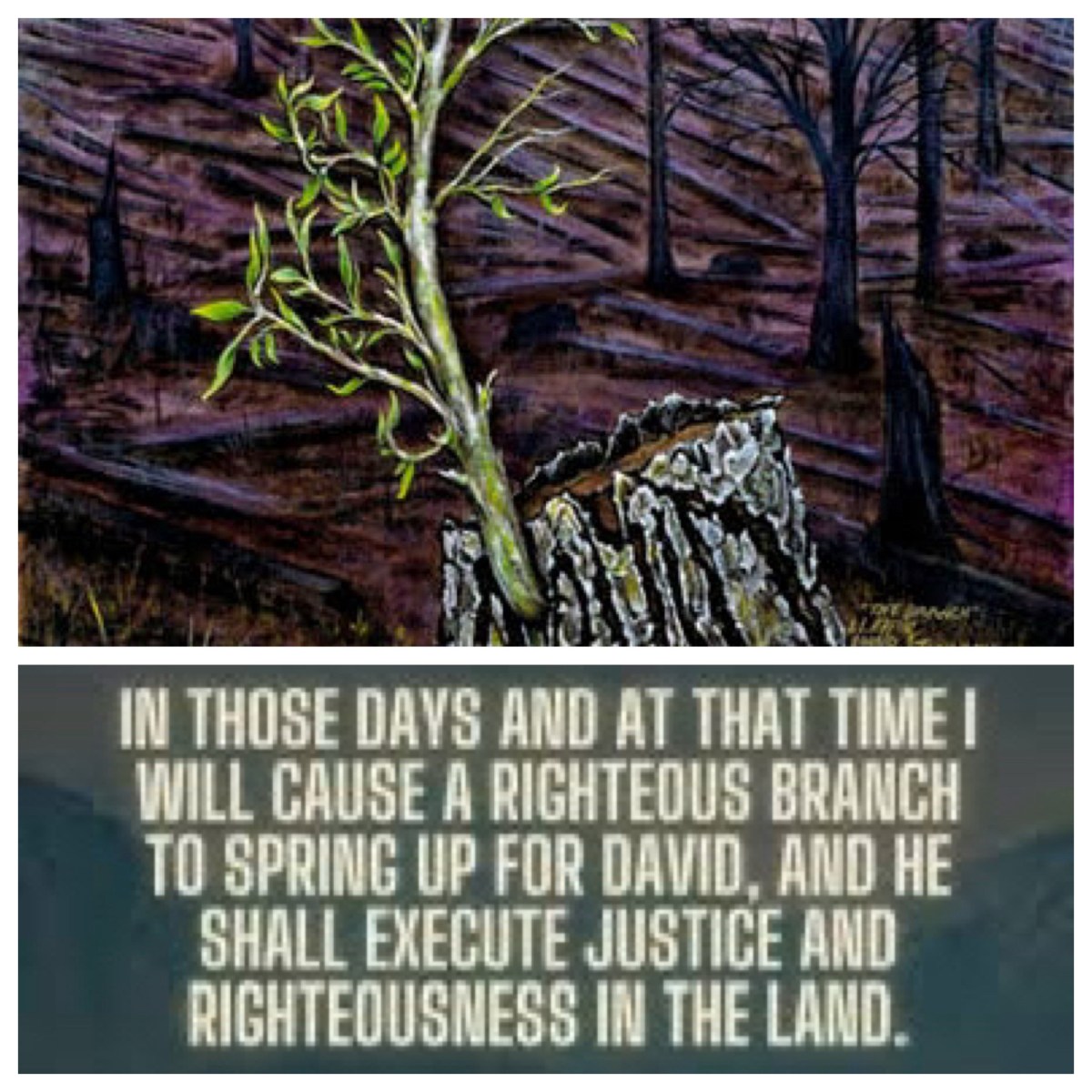
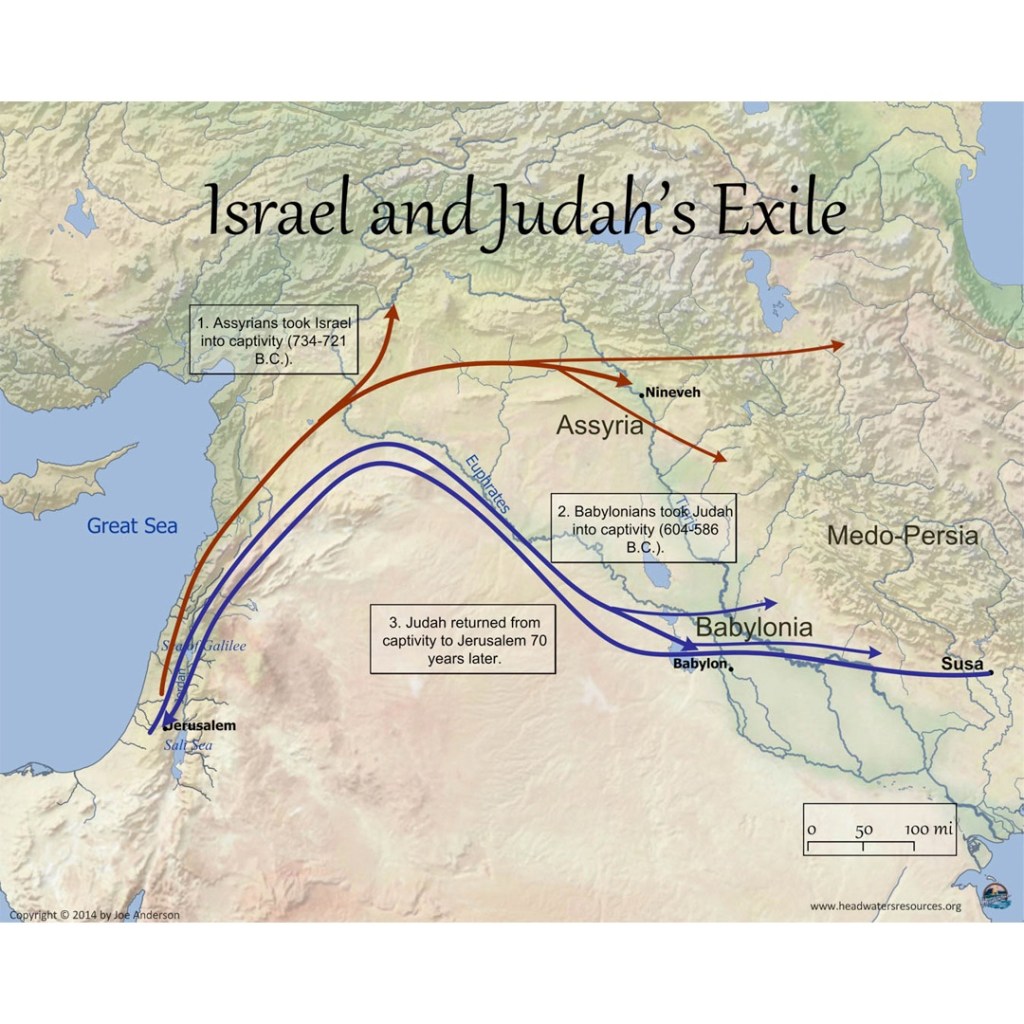
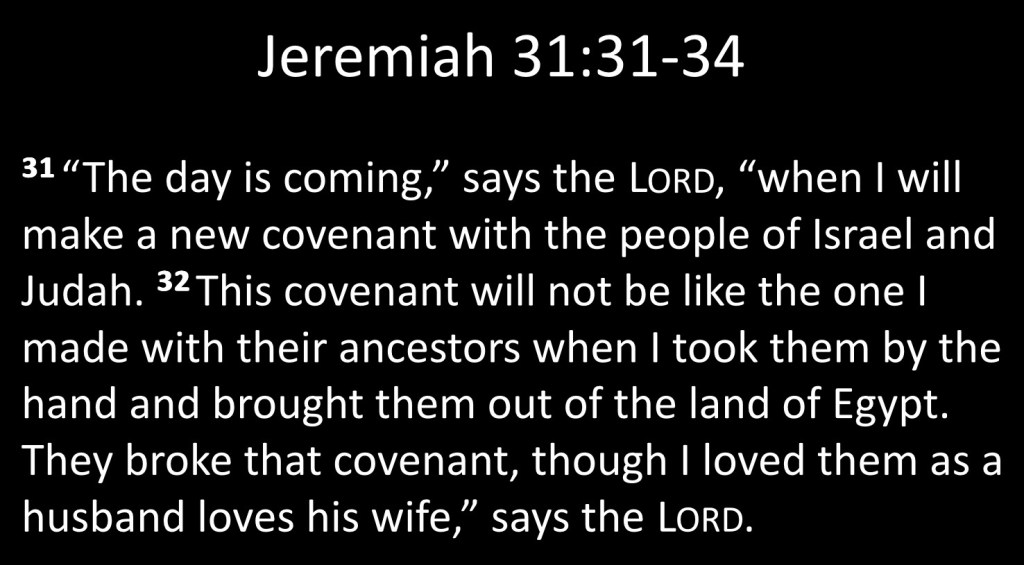
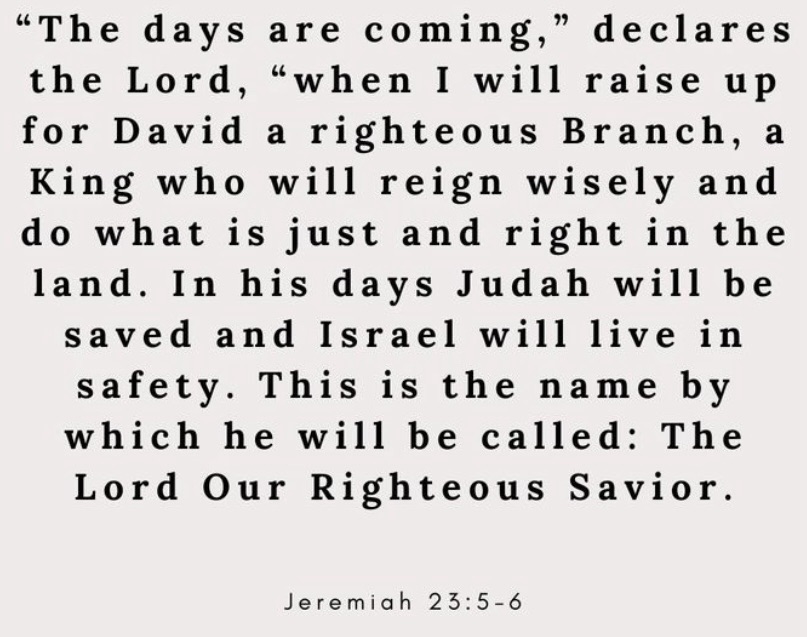
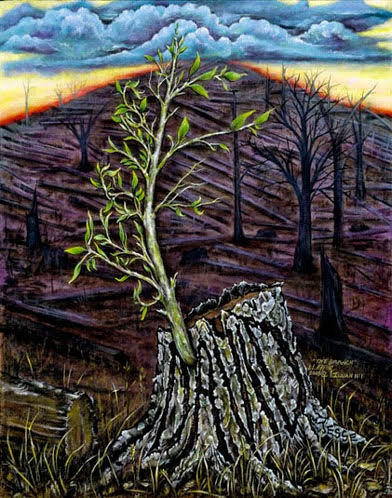

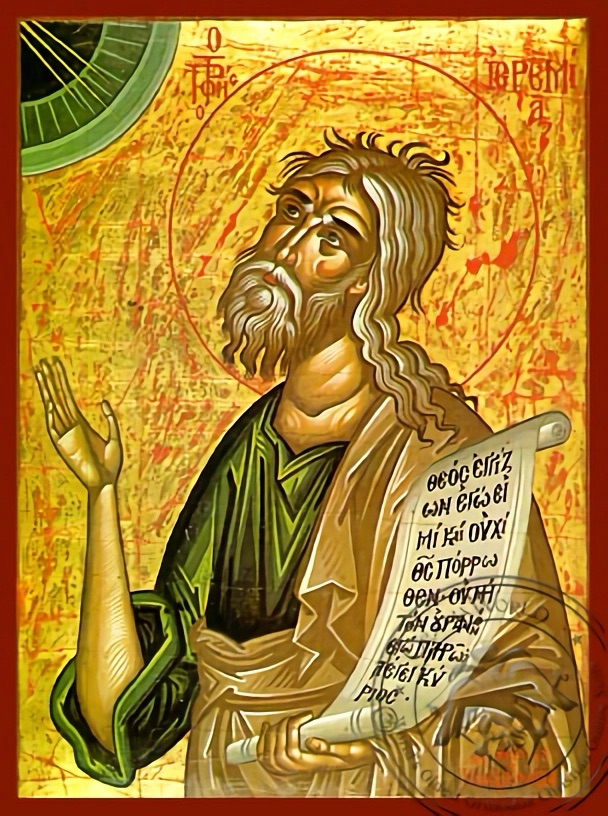

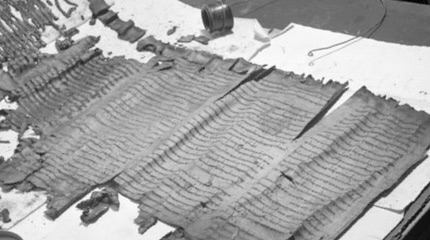



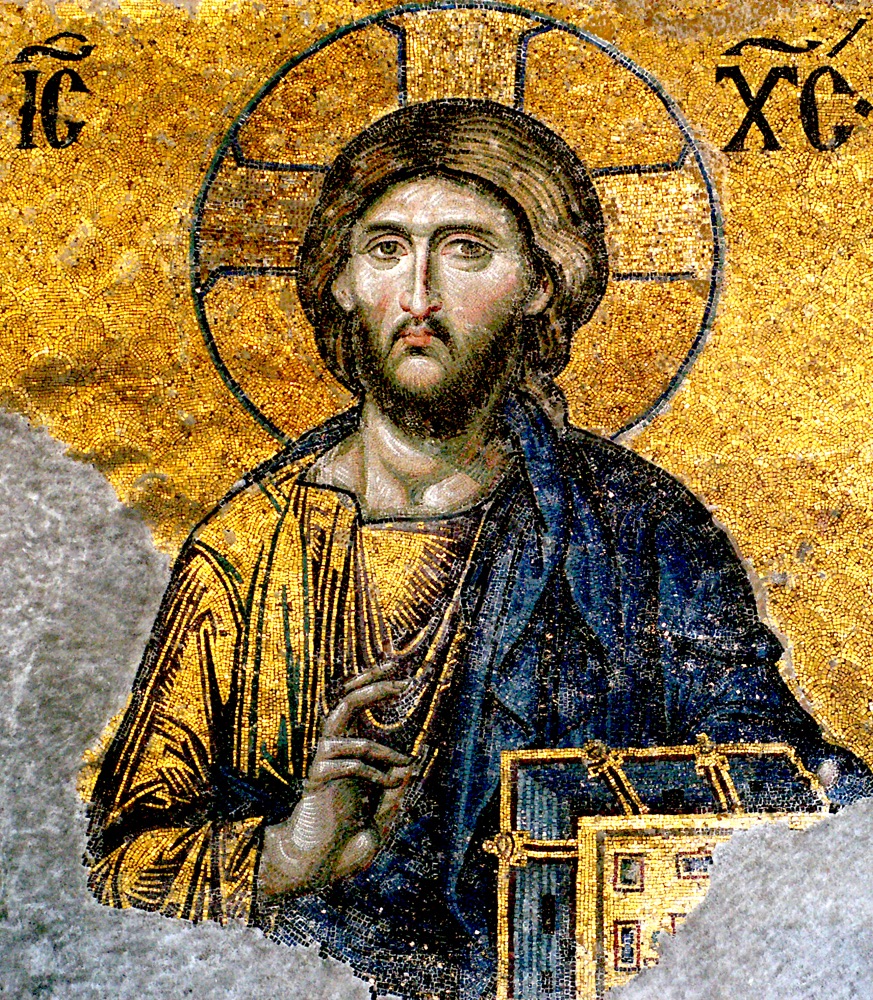






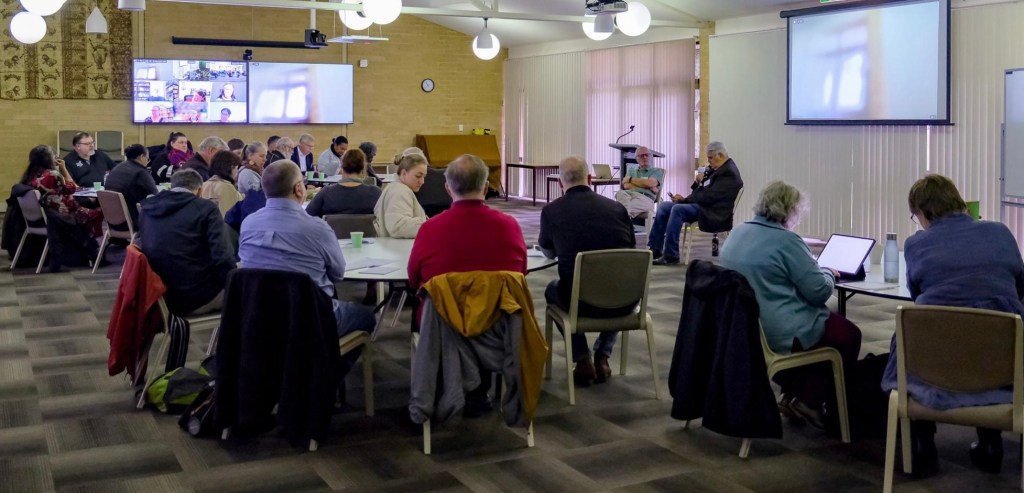
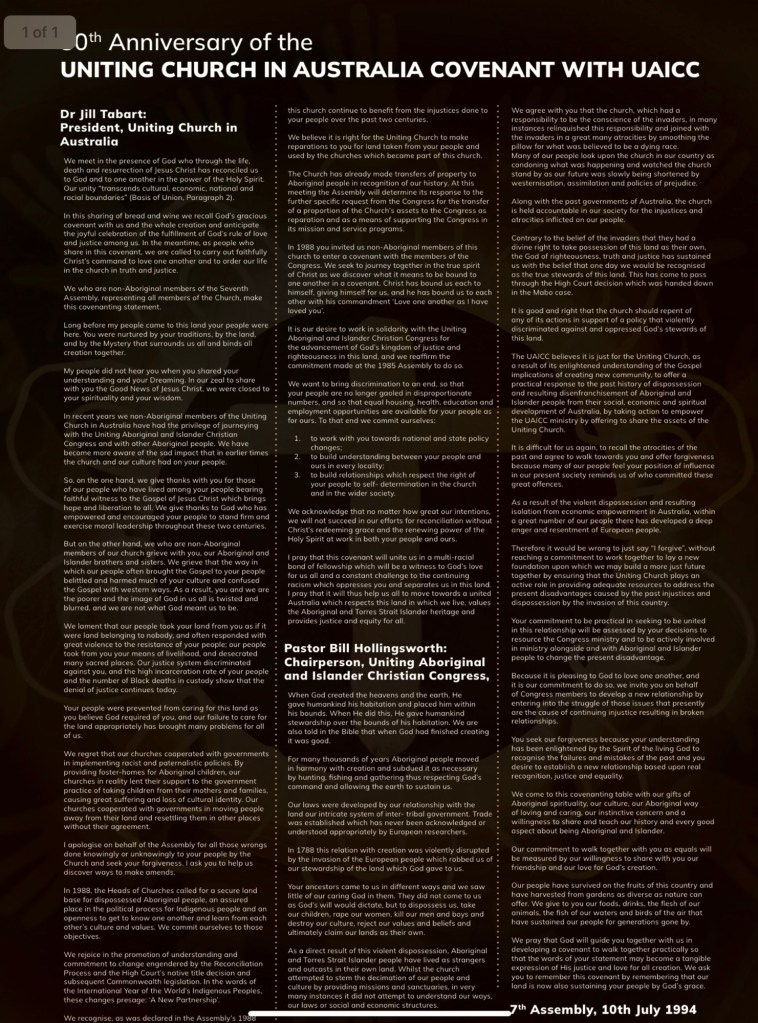
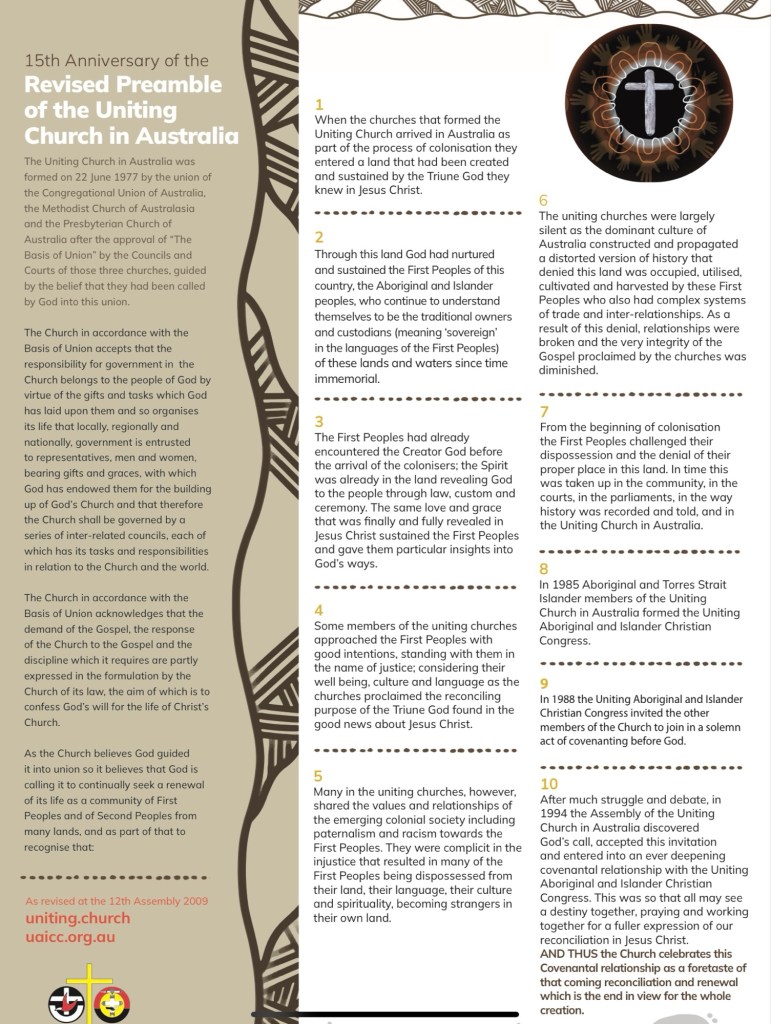

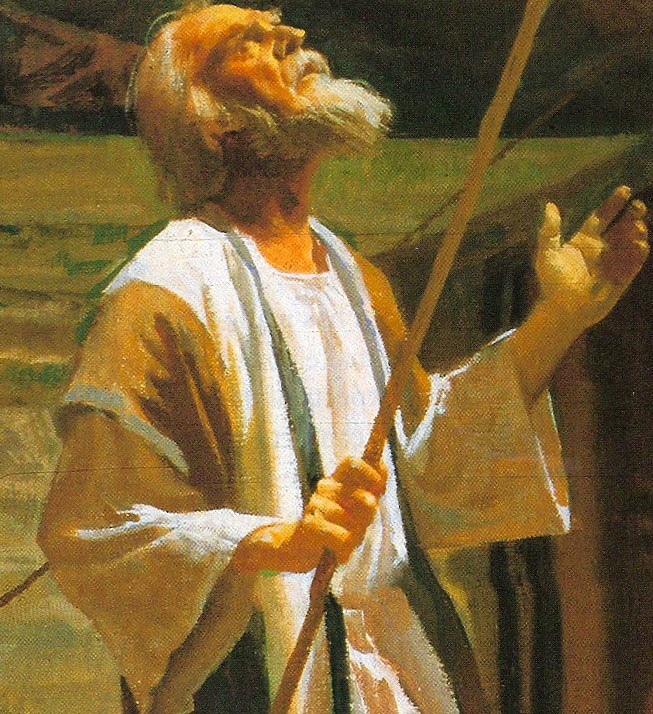
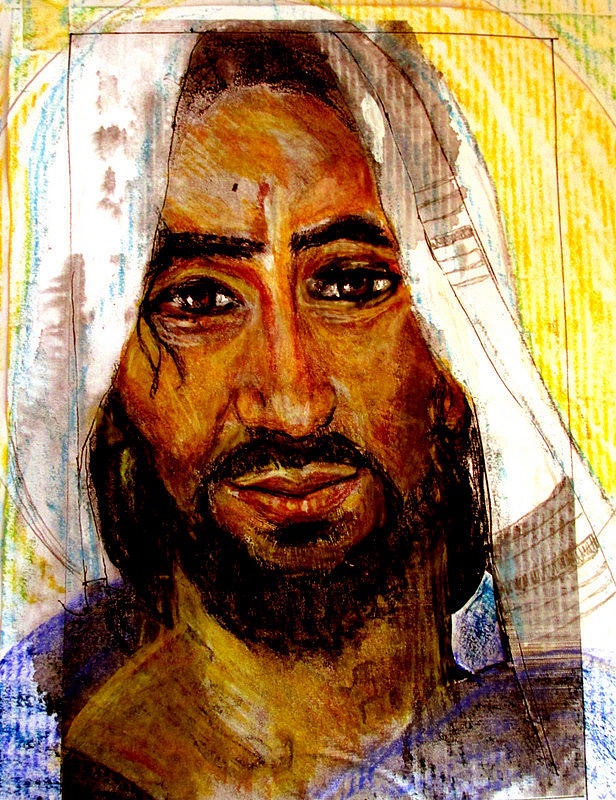

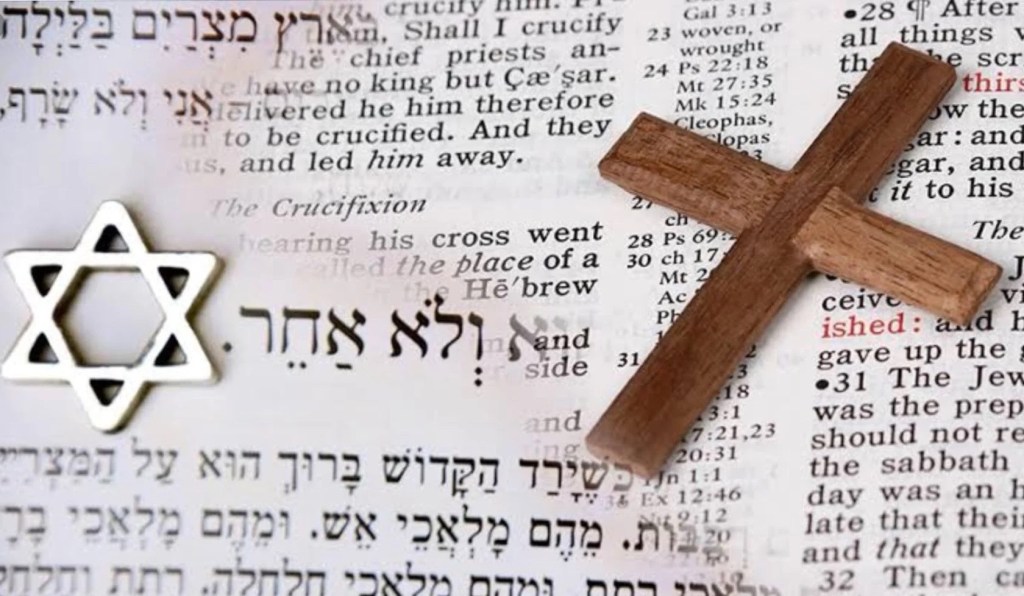


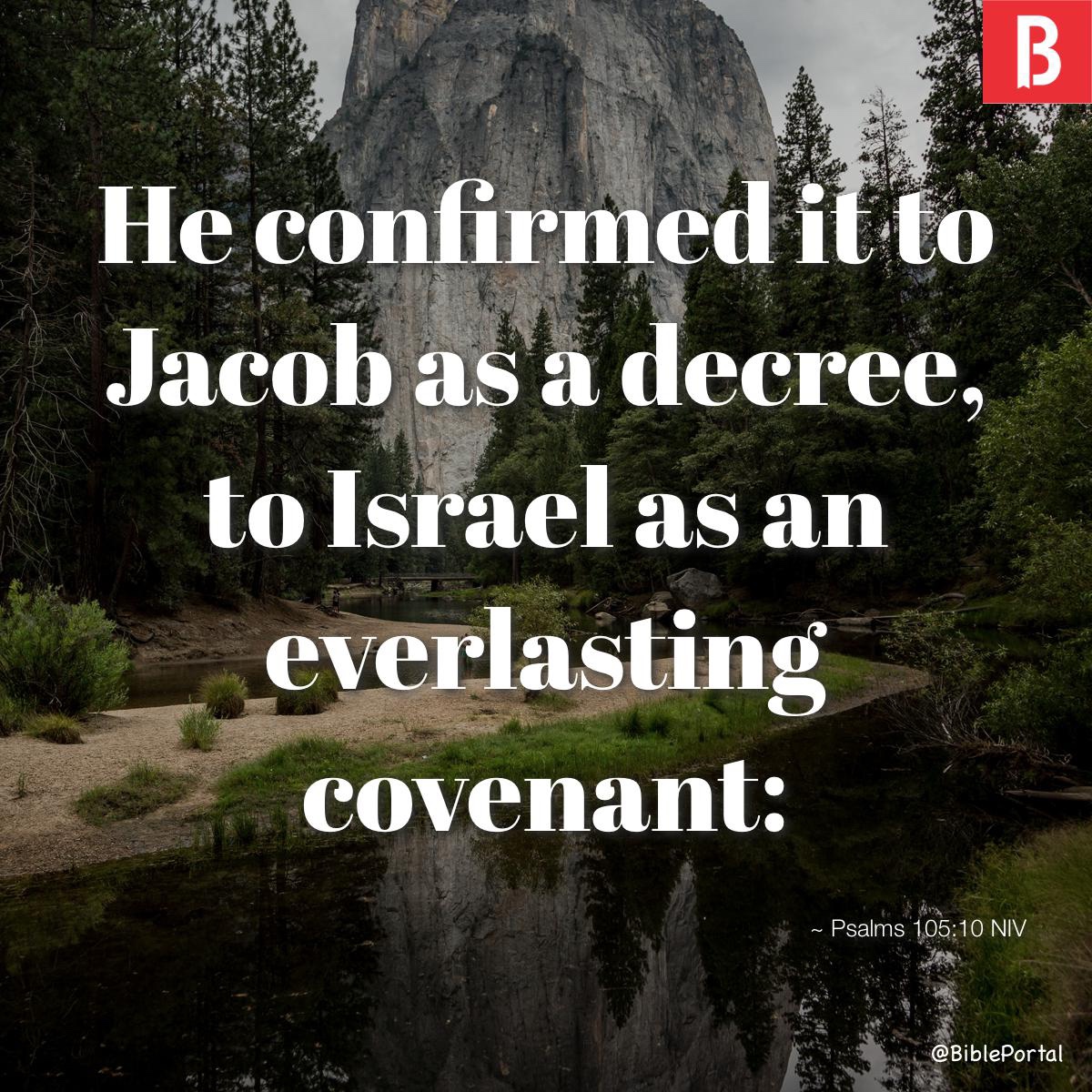
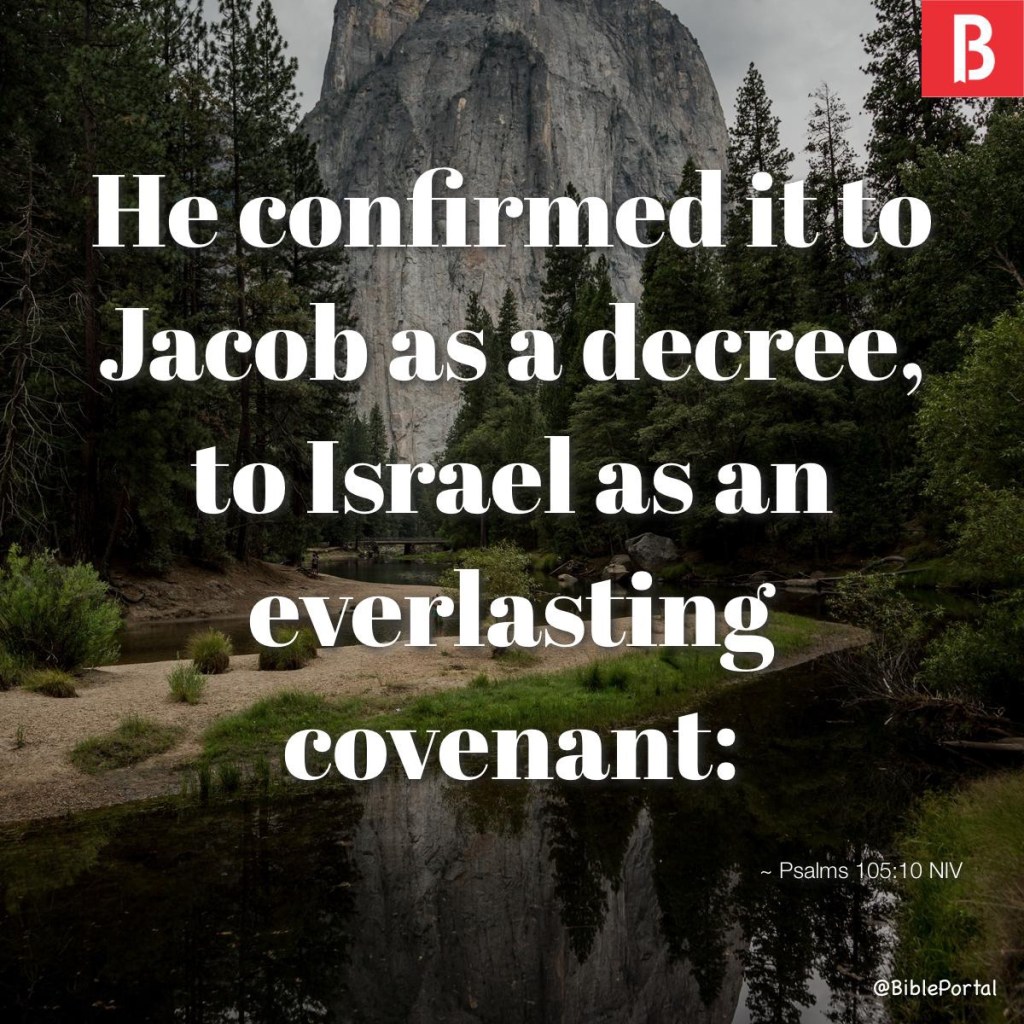
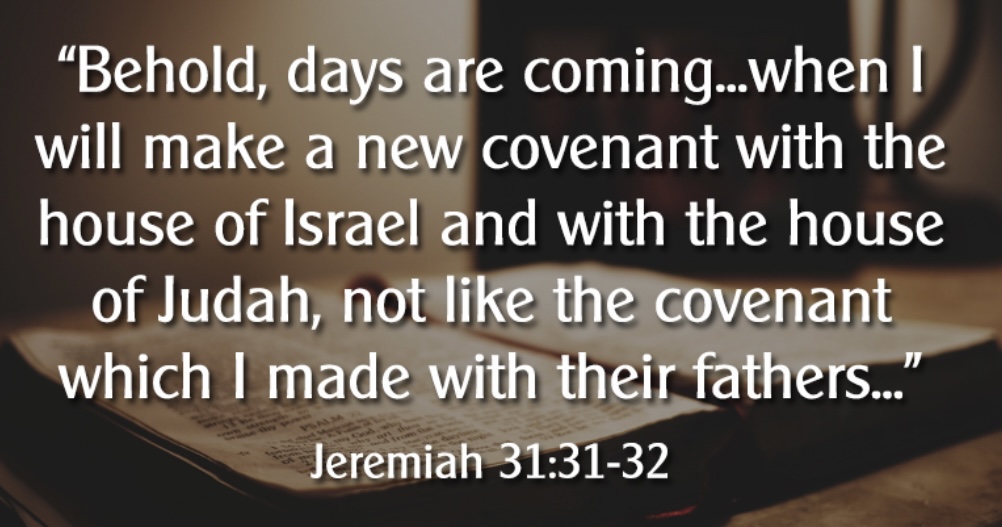
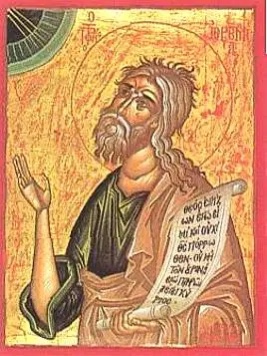
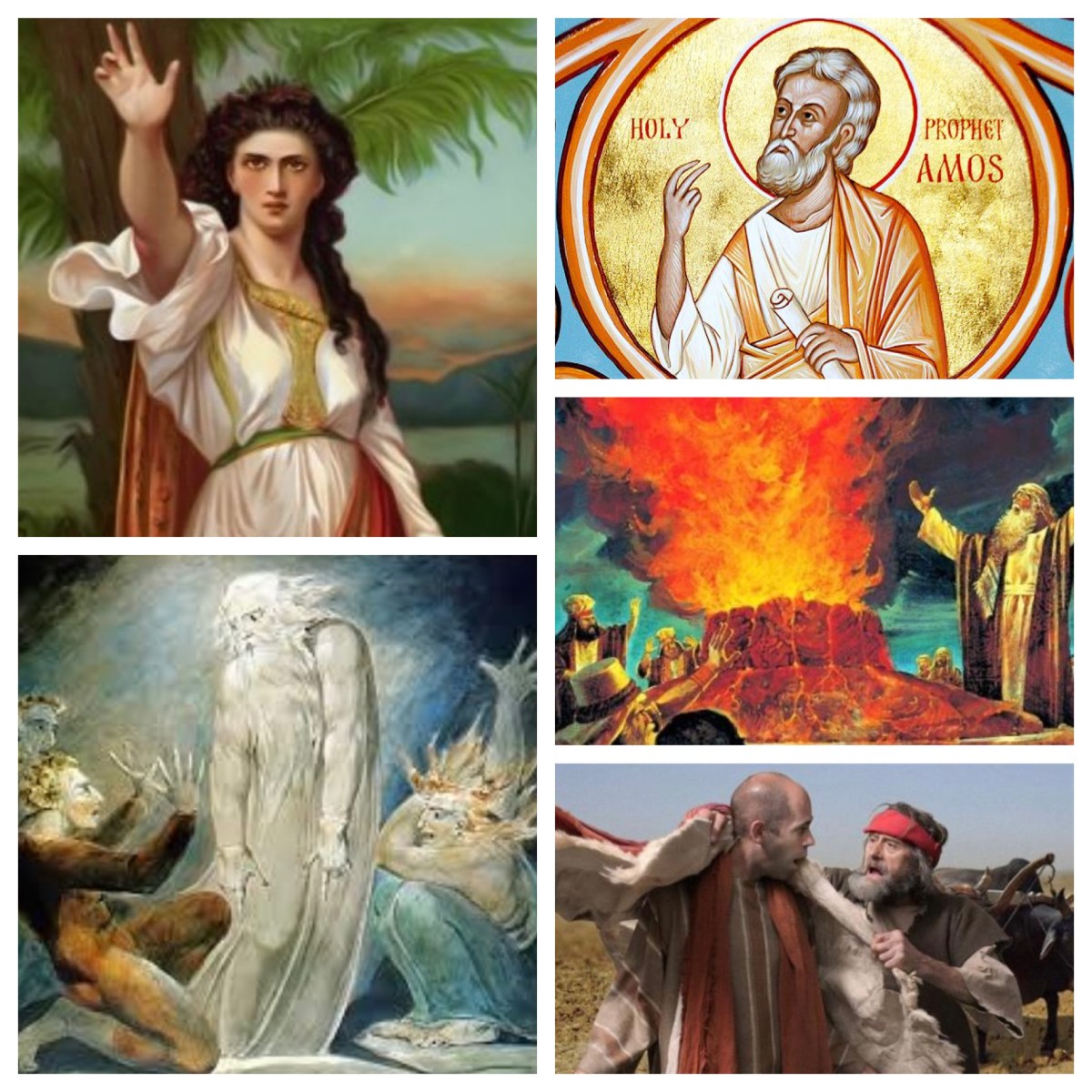
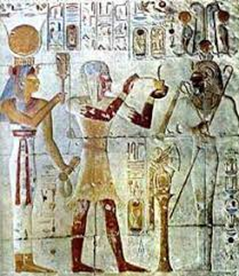
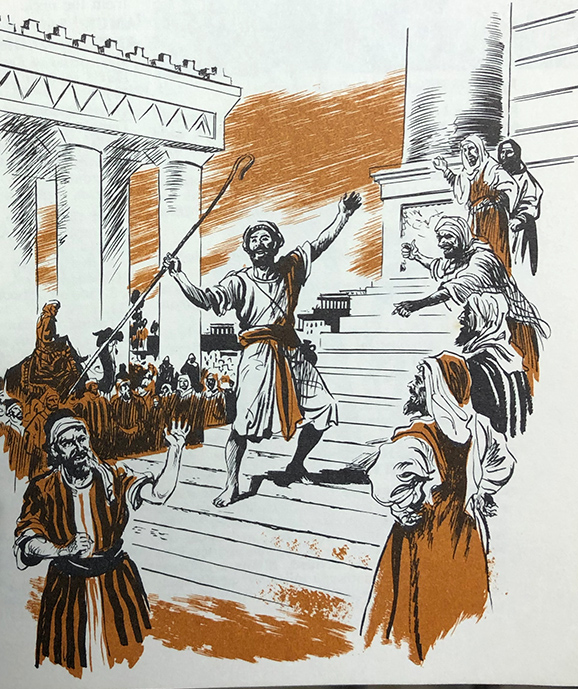

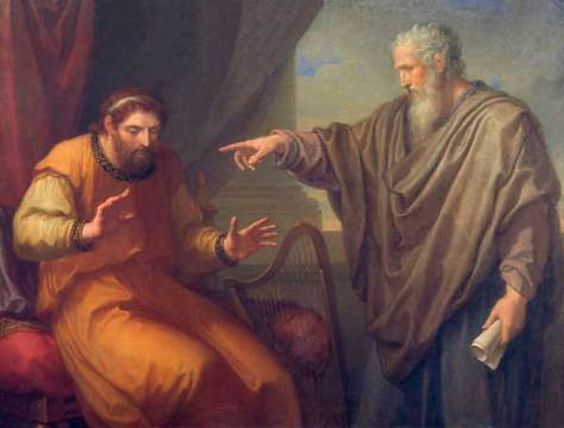
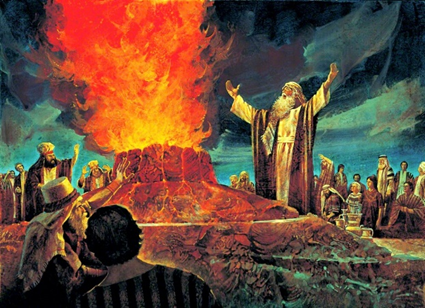

 An Informed Faith