“Hear a just cause, O Lord; attend to my cry”, the psalmist cries (Ps 17:1). The expectation that God will act with justice is crystal clear in this psalm; the psalmist expects vindication from God (v.2), who will “show your steadfast love” (v.7), who will “rise up, confront [and] overthrow” the wicked (v.13). “As for me”, the psalmist concludes, “I shall behold your face in righteousness; when I awake I shall be satisfied, beholding your likeness” (v.15).
Other psalms make it clear that justice is integral to God’s being. “The word of the Lord is upright … he loves righteousness and justice” (Ps 33:4–5). “The Lord works vindication and justice for all who are oppressed” (Ps 103:6); “the Lord loves justice, he will not forsake his faithful ones” (Ps 37:28); “the Lord maintains the cause of the needy and executes justice for the poor” (Ps 140:12).
One psalmist provides a fulsome description of how this works in society, declaring that they place their trust in “the God of Jacob … who keeps faith forever, who executes justice for the oppressed, who gives food to the hungry … who sets the prisoners free [and] opens the eyes of the blind … [who] lifts up those who are bowed down … [who] watches over the strangers, upholds the orphan and the widow” (Ps 146:5–9). This resonates with other prophetic texts and with the mission that Jesus later undertook.
That God will act with justice is an expectation that is found again and again throughout the pages of Hebrew Scripture. The prophet Amos places justice and righteousness at the heart of God’s intentions for Israel, prioritising them over any ritual actions of worship (Amos 5:21–23). In like manner, the prophet Hosea declares that God “desires steadfast love and not sacrifice, the knowledge of God rather than burnt offerings” (Hos 6:6).
According to the narrative books recounting earlier stories, justice had been the key quality of the prophetic messages given to Israel over a number of centuries before these prophets. Moses and the elders he appointed had a responsibility to judge the people (Exod 18:13–27). This was continued by men and women designated as judges in the book of Judges.
Over time, the role of the prophet arose, as judges gave way to kings; the prophet was called to hold the king to account (for instance, Nathan at 2 Sam 12). This then expands so that the prophetic voice speaks truth to all the people, persistently calling out for justice. Amos sounds this central motif: “let justice roll down like waters, and righteousness like an ever-flowing stream” (Amos 5:24). Micah repeats and expands it in his powerful rhetorical question, “what does the Lord require of you but to do justice, and to love kindness, and to walk humbly with your God?” (Micah 6:8).
Praying that God’s ways of justice and righteousness may be evident in the king is a repeated motif in the psalms. “Give the king your justice, O God, and your righteousness to a king’s son; may he judge your people with righteousness and your poor with justice” (Ps 72:1–2). “Mighty King, lover of justice, you have established equity, you have executed justice and righteousness in Jacob” (Ps 99:4).
“Righteousness and justice are the foundation of your throne”, another psalmist sings (Ps 89:14); “happy are the people … who walk, O Lord, in the light of your countenance … who extol your righteousness” (Ps 86:15–16). Prayers for justice to be lived out in the society of the time are also found at Ps 10:17–18; 37:5–6; 106:3; and the whole of Psalm 112 offers a song in praise of “those who conduct their affairs with justice”, who exude the best of the character of God: “they are gracious, merciful, and righteous” (Ps 112:4).
The oracles placed at the start of the book of Isaiah sounds the importance of living with justice: “wash yourselves, make yourselves clean … cease to do good, learn to do good, seek justice, rescue the oppressed, defend the orphan, plead for the widow” (Isa 1:16–17). The powerful “song of the vineyard” (Isa 5:1–7) concludes with the wonderful Hebrew wordplay, which reinforces this theme: so, “he expected justice (mishpat) but saw bloodshed (mispach); righteousness (tsedakah) but heard a cry (seakah)” (5:7).
What follows is a searing prophetic denunciation of the ills of society: the excesses of a debaucherous elite, the oppressive state of the lowly (5:8–23). The prophet yearns for the coming of a royal child who will rule the nation “with justice and with righteousness from this time onward and forevermore” (Isa 9:6–7). A later prophet whose oracles are collected with those of Isaiah likewise looks for “my servant … my chosen … [who] will bring forth justice to the nations … he will faithfully bring forth justice … [he will] establish justice in the earth” (Isa 42:1–4). Again, the resonances with the later story of Jesus are evident to Christian readers.
A little later than Isaiah, the prophet Zephaniah declares that “the Lord is righteous, he does no wrong; every morning he renders his judgement, each dawn without fail” (Zeph 3:5). Prophets in exile repeat this vision. Jeremiah instructs the nation to “execute justice in the morning and deliver from the hand of the oppressor anyone who has been robbed” (Jer 21:12; 22:3; 33:15). Ezekiel advises that “if a man is righteous and does what is lawful and right … he shall surely live” (Ezek 18:5–9; 34:11–16). Zeph 3:5).
And in the last prophetic book (in the order familiar to Christians), the prophet Malachi asks, “where is the God of justice?”, and answers his own question with a description of “the messenger of the covenant” who will execute justice “like a refiner’s fore and like fuller’s soap … he will purify the descendants of Levi … until they present offerings to the Lord in righteousness” (Mal 2:17—3:4).
This prophetic cry continues into the New Testament, as justice is placed at the centre. Jesus calls for justice (Matt 23:23; Luke 11:42, 18:1–8)—at times, we find it rendered as “righteousness” in his sayings (Matt 5:1–12, 20; 6:33, 21:28–32). This, of course, is the way that it appears in the letters of Paul, where the righteousness of God is the action that we experience when God implements justice in our lives (Rom 3:21–26, 4:1–25; 2 Cor 5:16–21).
Both the manifesto for mission that Luke highlights at the start of the public activity of Jesus (Luke 4:18–21) and the climactic parable of the sheep and the goats that Matthew places at the end of the public teaching of Jesus (Matt 25:31–46) draw strongly from Old Testament insights. Both demonstrate the priority that Jesus gave to practical actions of support, care, and advocacy within ordinary life—precisely what justice is!
Jesus highlights the judgement executed by God (Matt 8:10–12; Luke 13:28–30) and told a number of parables of judgement—particularly those collected in Matthew’s Gospel (Matt 13:36–43, 47–50, 22:1–14, 24:44–25:46). These stories use the threat of divine judgement as a warning against sinful injustice and as a spur to righteous living. Underlying these warnings is the fundamental principle that God’s justice undergirds all (Matt 12:17–20; Luke 18:1–8).
“Hear a just cause, O Lord; attend to my cry”, the psalmist cries (Ps 17:1). The expectation that God will act with justice saturates the books of Hebrew Scriptures and flows on into the books of the New Covenant. Justice is at the heart of what we believe about God; justice is to mark the lives that we live by faith. May it be so.
The stories we are following in the sagas of ancient Israel, during this season after Pentecost, come from a different time, a different place. They reflect different cultures, with different customs, and seemingly different moralities. And they certainly depict the women at the centre of these stories in ways that we would recoil from, if we were to tell stories in our own time, place, and culture.
“Leah’s eyes were lovely, and Rachel was graceful and beautiful” (Gen 29:17). That’s how we are introduced to the two women, sisters, daughters of Laban, who figure in the story offered by the lectionary for this coming Sunday (Gen 29:15–28). Could a more patronising and sexist introduction be given to these two characters? Descriptions of women on the basis of their outward appearance are sure to disturb and anger contemporary readers of this story; judging a woman by her appearance is not a sensible way to proceed!
More than that, however, we find that the older male protagonist in this story, Laban, appears to have very dubious ethical standards. He does not seem to act in accord with the propriety that we, today, would expect. Jacob had been instructed by Isaac “not marry one of the Canaanite women” but rather to take a wife from “one of the daughters of Laban, your mother’s brother” (28:2). Jacob is under instruction; what role does Laban play?
On arrival at Haran, or Paddan-Aram, in “the land of the people of the east” (29:1), Jacob early on indicates his interest in Laban’s daughter Rachel, kissing her (29:11). When Rachel then conveys to her father the fact of his family’s connection to theirs, Laban greets him with joy: “surely you are my bone and my flesh!” (19:14). From that, we might expect honest behaviour will follow.
Jacob flags his interest in Rachel; Laban promises her to him in exchange for seven years of work (29:15–20). Writing in My Jewish Learning, Dr Kristine Henriksen-Garroway, Associate Professor of Hebrew Bible at the Hebrew Union College in Jerusalem, observes that “to marry a woman, a man had to first pay her father a מֹהַר (mohar), ‘bride-price.’ Although Laban allows Jacob to marry Rachel before working off his debt, she only has her first child at the end of the seven-year period.
Dr Henriksen-Garroway explains, “Jacob wishes to marry Rachel, but he has no land or money to speak of; he is a guest in Laban’s house. Marriage is not free, so he offers his own labor as the bride-price (mohar/tirḫatum). While the text makes no mention of his being betrothed first, Jacob’s need to wait until the bride-price is paid in full in order to marry Rachel fits with biblical and ancient Near Eastern practice.”
*****
So Jacob marries Rachel and works for Laban for seven years; after which time, Laban craftily provided Leah as the woman with whom Jacob slept (29:21–22). The language suggests that it is sexual union that is to the forefront of Jacob’s mind (“give me my wife that I may go in to her, for my time is completed”, 29:21), so his lack of awareness appears due to this focus. Had he not slept with Rachel in those seven years?
The NRSV, following the KJV, renders the words of Jacob in this crass manner, “that I may go in to her”. The NIV reports Jacob as saying, “give me my wife; I want to make love with her”; the NASB says, “that I may have relations with her”; and the NLT is much more demure with “so I can sleep with her”.
Whatever translation is used, it is clear that events are driven by the libido of Jacob. He was the “supplanter”, who gained his birthright by bargaining with his brother and deceiving his father. But his time has come; as we read on in the story, it is clear that Laban has always been intent on deceiving Jacob.
Citing local customs, Laban claims that “giving the younger [daughter] before the firstborn” in marriage was a custom that was “not done in our country” (29:26). Laban manipulates matters so that Jacob, still besotted by Rachel’s grace and beauty, is willing to submit to a further seven years of working for Laban, in order to secure Rachel as his wife, even though he is now married to Leah, who had lovely eyes. Jacob trusts Laban—but why? He has already been deceived once by him.
So, he needs to work for Laban for another “week (of years)”. The text is very matter-of-fact at this point, simply recounting that “Jacob did so, and completed her week; then Laban gave him his daughter Rachel as a wife” (29:28). Dr Henriksen-Garroway notes that “the requirement for Jacob to ‘pay’ to marry Rachel fits with the basic sequence of marriage steps assumed in the Bible and ancient Near East”.
In her further exploration of ancient Israelite marriage customs, she notes that “when a girl’s father agreed to a union between a suiter and his daughter, the suiter often did not have the bride-price handy. This may be one reason for the betrothal period, what the rabbis call ʾerusin (from the root א.ר.שׂ). The girl’s betrothal to the man made her unavailable to other men, but she still lived with her father until the man paid the bride-price.”
This explains Jacob’s seven years of working whilst betrothed to Rachel, who continued to live with Laban, before Laban deceitfully gave him Leah (29:18–20). It also explains the further seven years of working before he actually is given Rachel in marriage (29:27–28). What trust Jacob had—believing Laban, even after that first act of trickery. Would he do the same yet again? Perhaps, as he seems to have had only two daughters, Rachel would be “supplied” to him second time around.
Dr Henriksen-Garroway offers further explanation: “when we look at Laban’s agreement carefully, we can see that he never explicitly accepts Jacob’s proposal or mentioned which of his daughters he is offering”, citing the vagueness of Laban’s earlier comment, “it is better that I give her to you than that I should give her to any other man; stay with me” (29:19).
*****
So, after Jacob had worked his second term of seven years, this time actually for Rachel (29:28), another matter-of-fact statement follows in the NRSV: “Jacob went in to Rachel also, and he loved Rachel more than Leah” (29:30). Once again, other translations use the euphemisms we have earlier noted, in order to soften the crude physical depiction into a more relational understanding.
Yet the story is crassly sexualised—consummating the marital relationship is at the heart of events. Although, to be fair, the production of an heir is an important focus in ancient societies, and an heir for Jacob is necessary to fulfil “the promise that the Lord made on oath … to Abraham, to Isaac, and to Jacob” (Deut 9:5; Exod 32:13). This promise was first announced to Abraham—“I will make of you a great nation” (Gen 12:1, reiterated at 22:17)—then repeated to his son, Isaac (26:4–5, 24) and to his grandson, Jacob (28:13–14; 32:12). So the story continues with a sequence of event that show how this eventuates.
Like his grandfather and his father, Jacob finds that his wife, Rachel, is barren (29:31). In subsequent years, Leah bore him four sons, Reuben, Simeon, Levi, and Judah (29:32–35), and Rachel’s maid Bilhah bore him two sons, Dan and Naphtali (30:4–8), and Leah’s maid Zilpah then bore him two more sons, Gad and Asher (30:9–13), and then Leah bore him two further sons, Issachar and Zebulun (30:16–20) as well as a daughter, Dinah (30:21).
Six boys and one girl, in seven years: Leah fulfils the primary expectation of fertile women in ancient Israel—producing children. That the majority are males is even better! And it is noteworthy that, as Dr Henriksen-Garroway observes, “a wife who cannot produce children might even feel the need to give her husband a surrogate to produce children for her (Gen 16:2, 30:3, 9), since otherwise, they are not fulfilling their function as wife”.
As Leah produces children for Jacob, Rachel remains barren—a stigma in ancient societies, an indication amongst Israelites that God has chosen not to “open her womb”. Barrenness is attributed to the action of God, for he had previously “closed fast all the wombs of the house of Abimelech because of Sarah” (20:18). Perhaps the fact that Jacob had not yet paid off his debt to Laban meant that God would not act to provide a child to this union?
It is only after the seven children had been born to Leah, and the seven years that Jacob was working towards marriage with Rachel had been completed, that we then read, “then God remembered Rachel, and God heeded her and opened her womb; she conceived and bore a son … and she named him Joseph, saying, ‘May the Lord add to me another son!’” (30:22–24).
Later still, after fleeing from Laban and returning at last to Canaan, Rachel becomes mother to a second son, Benjamin (35:16–18), although sadly she dies during this childbirth. Ironically, Benjamin was the only one of “the twelve sons of Israel” (Gen 35:22–26; Exod 28:21; 39:14; 1 Ki 18:31) who gave their names to the regions of Israel (Num 26:52–56) to have been born in that land.
*****
And the one daughter, Dinah, of course has no place in “the twelve tribes of Israel”, named after the twelve sons (by four different women!) that Jacob produced (Gen 49:1–28). Despite the fractured nature of their origins—twelve boys from four mothers, two of whom took fourteen years and one deceitful trick for Jacob to secure—these twelve sons gave their names to “the twelve tribes of Israel” throughout the ensuing saga (Exod 24:4; 28:21; 39:14; Josh 3:12; 4:8; 1 Ki 18:31; Ezra 6:17).
Dinah’s own fate is sombre; she is raped by “Shechem son of Hamor the Hivite, prince of the region”, who when he saw her, “he seized her and lay with her by force” (34:3). He then wishes to marry her, and negotiates to receive the blessing of the men of the city at the gates of the city, who curiously agree, subject to the one condition “that every male among us be circumcised as they are circumcised” (34:22).
However, before this can be finalised, the dishonouring of Dinah is enacted by two of her brothers, Simeon and Levi, who “killed Hamor and his son Shechem with the sword, and took Dinah out of Shechem’s house, and went away”, only to be followed by “the other sons of Jacob [who] came upon the slain, and plundered the city, because their sister had been defiled” (34:25–29).
Jacob is unimpressed at their violent actions; but the reposte of the brothers cannot be answered: “should our sister be treated like a whore?” (34:31). As a result, the whole family returns to Bethel, in southern Canaan (35:1), where Jacob will have a significant religious experience (35:9–15), and his name is changed to Israel.
And the new name of the father, as well as the names of each of the twelve sons, live on throughout the stories told and the scrolls written in Israel—and on through into today.
*****
The image on the front of this post is Jacob accusing Laban for having given him Leah instead of Rachel, a colour lithograph by L. Gruner, after N. Consoni, after Raphael (1483–1520), from the Wellcome Collection, a free online museum and library.
“The Lord our God … is mindful of his covenant forever, of the word that he commanded, for a thousand generations, the covenant that he made with Abraham, his sworn promise to Isaac, which he confirmed to Jacob as a statute, to Israel as an everlasting covenant” (Ps 105:7–10).
The psalm set for this coming Sunday (Ps 105:1–11, 45c) offers this striking affirmation of the covenant, which was the means by which the people of God entered into relationship with God. The covenant that is offered to them by God stretches back, in the saga told about the early times of Israel, to Abraham, Isaac, and Jacob, the three great patriarchs of that ancient saga.
The covenant is a key theme of the Hebrew Scriptures. God’s commitment to covenant takes us deep into the abiding relationship between God and God’s people. That covenant had been offered initially to Noah, and to all living creatures (Gen 9), before it was subsequently renewed (and reshaped) by being offered to Abraham (Gen 15, 17), as mentioned here (Ps 105:9). That same covenant is renewed with Isaac (Gen 17) and then with Jacob (Israel) (Gen 35), and later is extended to Moses and the whole people (Exod 19), and later still to the people again through Jeremiah (Jer 31).
Underlying the covenant is the clear understanding that God is a loving God, filled with steadfast love. A regular refrain in the Hebrew Scriptures is this clear affirmation: “The Lord, the Lord, a God merciful and gracious, slow to anger, and abounding in steadfast love and faithfulness, keeping steadfast love for thousands, forgiving iniquity and transgression and sin” (Exod 34:6–8; Num 14:18; Neh 9:17b; Ps 145:8–9; Joel 2:13; Jonah 4:2; see also 2 Kings 13:23; 2 Chron 30:9).
The nature of the covenant is expressed when the Lord affirms to Moses, “I will be gracious to whom I will be gracious, and will show mercy on whom I will show mercy” (Exod 33:19), and Moses offers Aaron and his sons the prayer, “the Lord bless you and keep you … and be gracious to you” (Num 6:22–27)—a ancient prayer which lives on in Christian spirituality and liturgy! The Psalmist knows that graciousness is a key characteristic of God, for there are regular calls throughout these songs for God to demonstrate divine graciousness (Ps 4:1, 6:2, 9:13, 25:16, 31:9, 41:10, 56:1, 67:1, and many more times).
However, the juxtaposition of punishment and steadfast love is clearly stated (Exod 20:5–6), signalling that the complexity of God’s nature is clearly understood. The offer of divine graciousness and the demands of divine justice co-exist within the Lord God. That is the very nature of the covenant that God has made with Israel: it sets standards, but also ensures God’s faithfulness even when conditions are broken by human beings.
The covenant is noted in a number of psalms. “The friendship of the Lord is for those who fear him, and he makes his covenant known to them”, sings the psalmist (Ps 25:14). “I have made a covenant with my chosen one, I have sworn to my servant David”, God sings in another psalm; “I will establish your descendants forever, and build your throne for all generations” (Ps 89:3–4).
In this same psalm, God affirms that, even if the children of David “forsake my law and do not walk according to my ordinances”, God will punish them, but “forever I will keep my steadfast love for him, and my covenant with him will stand firm … I will not violate my covenant, or alter the word that went forth from my lips” (Ps 89:28, 34). That covenant is to last forever (Ps 111:9).
In the face of disobedience, God punishes, and then, as he “regarded their distress when he heard their cry” (Ps 106:40, 44), still “he remembered his covenant, and showed compassion according to the abundance of his steadfast love” (Ps 106:45). So God “provides food for those who fear him; he is ever mindful of his covenant” (Ps 111:5). And the psalmist encourages others in Israel to maintain faithfulness to that covenant (Ps 25:10; 103:8; 132:12).
The covenant will not be withdrawn; this is the focus in this particular psalm, with the psalmist’s insistence that God is “mindful of his covenant forever”, which is “an everlasting covenant” (Ps 105:8, 10). So, when Israel breaks the conditions of the covenant, God nevertheless will offer an opportunity for the people to renew their covenant with him.
Such renewal of the covenant is promised by one prophet, with “a new covenant with the house of Israel and the house of Judah” which “will not be like the covenant that I made with their ancestors … I will put my law within them, and I will write it on their hearts; and I will be their God, and they shall be my people” (Jer 31:31–33). Another prophet declares, “[with] you who have despised the oath, breaking the covenant … I will remember my covenant with you in the days of your youth, and I will establish with you an everlasting covenant” (Ezek 16:59–60).
Renewing the covenant, of course, is the way that various New Testament writers understand the purpose of Jesus’ life and death (2 Cor 3:1–6; Heb 7:22, 8:10–13, 12:24). And the very title ‘New Testament’ is itself a variant of ‘New Covenant’ (the same Greek word can be translated as covenant or testament).
When Luke introduces the story of Jesus, he places a blessing on the lips of the once-dumb Zechariah, who sings, “blessed be the Lord God of Israel, for he has looked favourably on his people and redeemed them … he has shown the mercy promised to our ancestors, and has remembered his holy covenant, the oath that he swore to our ancestor Abraham” (Luke 1:68, 72–73).
Jesus evokes this covenant with his words at his final meal with his followers, reminding them that “this is my blood of the covenant, which is poured out for many” (Mark 14:24; Matt 26:28; Luke 22:20; 1 Cor 11:25).
Paul has the final word on what has been a long enduring relationship between God and Israel, when he considers the situation, “what if some were unfaithful? will their faithlessness nullify the faithfulness of God?” (Rom 3:3). “By no means!” is his immediate response (Rom 3:4), since “the righteousness of God has been disclosed, and is attested by the law and the prophets” (Rom 3:21), and that righteousness means that God remains “God of the Jews” whilst also being acknowledged as “God of the Gentiles” (Rom 3:29).
Accordingly, Paul insists that “it is not as though the word of God had failed” (Rom 9:6), and that “there is no distinction between Jew and Greek; the same Lord is Lord of all and is generous to all who call on him” (Rom 10:12). Again, he asks, “has God rejected his people?”, evoking the immediate response, “by no means!” (Rom 11:1)—for “God has not rejected his people whom he foreknew” (Rom 11:2).
So Paul tells the Roman’s that “those of Israel, if they do not persist in unbelief, will be grafted in, for God has the power to graft them in again” (Rom 11:23), and thus “all Israel will be saved; as it is written … “this is my covenant with them, when I take away their sins” (Rom 11:26–27). “The gifts and the calling of God are irrevocable” (Rom 11:29), as he says; the covenant is, as the psalmist affirms, “an everlasting covenant” (Ps 105:10).
And there important consequences, for Christian readers of scripture, with regard to our relationship with the ongoing expressions of Jewish faith in our world today—as we shall see when we read on, in coming weeks, into what Paul wrote to the believers in Rome, in Romans 9–11.
The next issue of With Love to the World is currently being distributed. The issue covers the second half of the season of Pentecost, from mid-August through until mid-November. There are commentaries on biblical passages for each day (with the four “lectionary passages” included), along with a prayer, a song, a psalm, and a discussion question for each passage. During September and October, to help focus on the Season of Creation, a creation psalm begins the readings each week.
The resource is published by the Uniting Church in Australia, but is used by people of many denominations in a number of countries. As always, the resource exhibits a core commitment of the Uniting Church: to present “an informed faith”.
This commitment was articulated in the Basis of Union for the UCA. Each contributor offers a reflection on the daily passage which is informed by their theological training as well as their engagement in pastoral ministry. The resource seeks to assist worshippers to come to Sunday worship with an awareness of the Bible passages they will hear read and proclaimed.
With Love to the World also seeks to be faithful to the UCA commitment to shape “a destiny together” with the First Nations Peoples of Australia. The period covered in this issue includes a week of commentaries by Nathan Tyson, an Aboriginal man of Anaiwon/Gomeroi descent, who has lived most of his life in Sydney. Nathan currently serves as First Nations Strategy and Engagement Manager for the NSW.ACT Synod of the Uniting Church in Australia.
The other commentaries in this issue of the resource are provided largely by Australian Uniting Church people with Pasifika heritage, who know at first hand the complexities of living as a Christian in Australia with awareness of their own heritage. There are Tongan, Fijian, Samoan, Rotuman, and Niuean voices which can be heard and considered in this issue. This reflects the commitment made by the Uniting Church in 1985, to be “a multicultural church”.
The striking cover of the issue on the front of this post) is a painting by Malia Patricia Akanisi Vaurasi, from the island of Rotuma, near Fiji. This painting, Hands of Resistance, was created as a way to portray the vast ocean of struggles that Pacific people bravely navigate.
Malia explains, “those struggles relate to our nuclear legacies, the climate crisis and growing food insecurity, the continuous struggle for self-determination by our brothers and sisters in West Papua, Maohi Nui, and Kanaky, the neo-colonialist hands of greed and exploitation that reach out to pillage the abundance of our lands and oceans to enrich their empires—and in this process our people are displaced and our natural environment is destroyed.” It is a brilliantly colourful depiction of the life of Pasifika peoples.
You will be sure to find commentaries that probe the depths of the biblical passages, questions that challenge your own discipleship, and,prayers that nurture your spirit, as you read through this daily resource.
With Love to the World can be ordered as a printed resource for just $28 for a year’s subscription (email Trevor at wlwuca@bigpond.com or phone +61 (2) 9747-1369). It can also be accessed on phones and iPads via an App, for a subscription of $24.49 per year (go to the App Store or Google Play).
Jesus used parables as the chief means of his story-telling. A parable is a story told in a specific way, often to make a single clear point. Parables are conundrums. They contain unresolved tensions. They invite multiple understandings. They press for exploration and investigation. We have another parable in the Gospel reading for this coming Sunday!
The accounts of Jesus that we have in scripture—Mark’s beginning of the good news of Jesus, Matthew’s book of origins of Jesus, Chosen One, and Luke’s orderly account of the things fulfilled—each contain a number of parables. Even in John’s book of signs, there are some parable-like sections, buried in the midst of the long discourses that this book contains.
Last week (Pentecost 7A), we had the parable of the seeds and the sower (13:3-9) and its interpretation (13:18-23). This week (Pentecost 8A), we will hear the parable of the weeds among the wheat (13:24-30) and its interpretation (13:36-43). Then in the following week (Pentecost 9A), we will hear the other five parables in this chapter: the mustard seed (13:31-32), the yeast in the flour (13:33), hidden treasure (13:44), a pearl of great value (13:45-46), and the net that caught fish (13:47-48)—each one offered without interpretation.
However, Elizabeth and I have had a rolling conversation about parables, and how they were seen and used in Judaism. The idea that the allegorising interpretation was a later addition, beyond the time of Jesus, has held sway for a number of decades in critical biblical scholarship. Christian scholars are dubious about whether Jesus would have utilise this somewhat hellenised approach to stories. (We know that allegories were in evidence centuries before Jesus in Greek literature. Whether Jesus knew this long tradition is debatable.)
Yet this critical Christian perspective overlooks the claim that Judaism, and the long stream of Jewish tellers of parables, have on such stories. Parables are found, in Jewish literature, in various forms. There are, for a start in Hebrew Scripture, a number of short, succinct, one-liners, often introduced as a simple comparison (“this is like that”), making just one focussed point. (Indeed, that is what the Greek word parabolē means—it signals two things that are “thrown beside” each other.)
The widow in Tekoa explains her plight to King David, explaining that “your servant had two sons, and they fought with one another in the field; there was no one to part them, and one struck the other and killed him; now the whole family has risen against your servant” (2 Sam 14:6–7).
When Ahab was king, a prophet waited beside the road, disguised with a bandage over his eyes, and taunts the king: “your servant went out into the thick of the battle; then a soldier turned and brought a man to me, and said, ‘Guard this man; if he is missing, your life shall be given for his life, or else you shall pay a talent of silver.’ While your servant was busy here and there, he was gone.” (1 Ki 20:38–40).
The “song of my lover about his vineyard” that Isaiah tells (Isa 5:1–7) is longer, but drives relentlessly to the single point: the Lord of hosts “expected justice, but saw bloodshed; righteousness, but heard a cry!”. Another agricultural parable relates the skill of the farmer who utilises good practices to produce abundant harvests; “they are well instructed; their God teaches them”, and so “this also comes from the Lord of hosts; he is wonderful in counsel, and excellent in wisdom” (Isa 28:24–29).
The classic example from Hebrew Scripture comes after David pursues Bathsheba, the wife of Uriah, after he has sent Uriah off into battle. The adultery of King David leads the prophet Nathan to confront him with a story about “a rich man who had many flocks” and “a poor man who had nothing but one little ewe lamb” (2 Sam 12:1–4).
As the story develops, and the rich man took the poor man’s lamb to feed a visitor, the king explodes into anger (2 Sam 12:5–6)—only to be met by the damning words of the prophet: “you are the man!” (2 Sam 12:7). The parable had drawn David into the web of the story, and there was now no escape!
In the parable of the weeds and the wheat which Jesus tells (Matt 13:24–30), there is a simple contrast drawn between the weeds and the wheat, and a story which develops so that the conclusion that is drawn can only be seen as inevitable. That simplicity, and also that technique of drawing the listener into the story, is typical of parables that Jesus told.
A number of the parables told be Jesus were indeed short and direct, making a single point and needing little explanation: see the parables of the treasure (13:44) and the pearl (13:45), for instance. This made the parable easy to remember and repeat orally.
These parables are little more than an introduction (“the kingdom of heaven is like…”) and a single image which is used to describe a characteristic of the kingdom (hidden treasure, or fine pearls). The first part of this week’s parable (13:24–26) has this form. It is short and direct.
It starts with the classic introduction, “the kingdom of heaven may be compared to …”. It goes on to tell of the good seeds, which grow into wheat, and the bad seeds, which grow into weeds. This part of the parable has a simple contrasting form, like the parable of the good fish and the bad fish caught in the net, as told in the last of the seven parables (13:47–48).
But the parable has a story attached to these weeds among the wheat (13:27–30). So Jesus continues with a little plot development, which brings in a reflection on the human characters who sowed the seeds. In this regard, this is like other parables of Jesus, which are a little more developed; they still make a single point, but it is developed or explained a little more. And the questions are raised … and the listeners ponder, and consider their responses …
This parable plays,quite cleverly, on the fact that there is, indeed, a type of “weed” which, for much of its life, looks quite like wheat (the bearded darnel, loliumtemulentum, or Darnel Ryegrass). So it is a story which is quite credible in the scenario it proposes. And then, added to the actual parable, there comes a separate section that provides a strongly allegorised interpretation of what happened in the field where the wheat and the weeds grew (13:24–30).
That development in the plot of this parable, and the subsequent allegorical interpretation, might well relate to the fact that the Hebrew Scriptures also contain parables with developed plots and allegorical elements. In an allegory, particular individual features can play an independently figurative role, so that the story told becomes a kind of riddle which invites a response from the listener. “What do you think?” becomes the implied way that the allegory-riddle ends. Listening to the story is not enough—the listener needs to engage, enter the conundrum, make up their mind!
A classic short, simple riddle is that spoken by Samson, “out of the eater came something to eat; out of the strong came something sweet” (Judg 14:14). The narrative comment that follows is delightful: “for three days they could not explain the riddle”! Another example is the proverb quoted by two prophets, about the impact of the Exile: “the parents have eaten sour grapes, and the children’s teeth are set on edge” (Jer 31:29; Ezek 18:2). The point of this saying is clear, and telling.
In Hebrew Scripture, the allegory of the Eagles and the Vine (Ezek 17:3–10) is described as both ḥidah (“riddle”) and mashal in verse 2. The parable first describes “a great eagle, with great wings and long pinions”, who carried seed far away where it took root and became a vine (a classic symbol of Israel). It then offers a further description of “another great eagle, with great wings and much plumage”, which the teller of the parable fears may seek to uproot the vine.
“When it is transplanted, will it thrive”, the parable ends (v.10)—will Israel, transplanted into exile, manage to survive that experience? Then follows an explanation of the details of the parable (Ezek 17:11–21), relating the story to the immediate situation of Israel.
Further parable-riddles occur in subsequent chapters in Ezekiel. There is the Lamenting of the Lioness (Ezek 19:2–9) and the Transplanted Vine (Ezek 19:10–14), and the stories of the Harlot Sisters (ibid. 23:2–21). There is also one of my favourites, the very vivid—and gruesome—parable of the Cooking-Pot (Ezek 24:3b—5).
In this parable, the prophet warns the people of judgement: “set on the pot … pour in water … put in the pieces, the thigh and the shoulder … fill it with choice bones” (that is, the meat and bones of the Israelites being punished). The prophet concludes with a booming denunciation: “woe to the bloody city … the blood is shed inside it … to rouse my wrath, I have placed the blood she shed on on a bare rock” (Ezek 24:6–8, and then the metaphor extended still further in 24:9–14).
Each of these parables are clearly allegorical, in that the overall point is clear, and yet also the details in the story invite connection with specific people or events. Ezekiel is a powerful speaker, who utilises this dramatic story-form with great flair, and effect.
A third type of mashal is the fable, where animals or inanimate objects are made to speak and act like men. We know about fables in Greek literature from Aesop, of course, and in more recent literature through those tales collected by the Brothers Grimm; but the article on “Parables” in the Jewish Virtual Library notes a number of instances where Hebrew Scripture contains fables. One good example is Judges 9:8–15, where the trees confer as to who will become king. Another is 2 Kings 14:9–10, where a thornbush sends a message to a cedar, but a wild animal tramples down the thornbush. These fables can be seen to relate directly to the political situation of Israel at different times in their history.
The article on “Parable” in the Jewish Virtual Library also notes: “Mashal and ḥidah are used almost synonymously in Ezekiel 17:2; Habakkuk 2:6; Psalms 49:5 and 78:2; and Proverbs 1:6. Certain proverbs are in effect parable-riddles, e.g., Proverbs 30:15a, 15b–16, 18–19, and 21–31.
Beyond these many examples, there are the multitudes of parables in rabbinic literature (about which, see the further resources listed at the end of this blog).
Returning to the parable of the wheat and the weeds: if we take an agricultural approach to the story, it is a mystery why the weeds had to be burnt, and not just pulled out—as in the version of this parable found in the Gospel of Thomas—and composted—as would occur in my own gardening!
My own take would be that this links with the Jewish prophetic tendency to connect burning with God’s judgement (see Isa 27:2–4; Jer 4:4, 7:20, 15:14, 17:4; Nahum 1:13; Malachi 4:1; see also Ps 79:5, 89:46, and Exod 15:7). And we saw in my comments on the earlier parable that God’s judgement was a strong motif in the parables and teachings of Jesus, especially strengthened in Matthew’s account.
The parable of the mustard seed (13:31–32) is another example of a simple parable with a short plot development. This parable uses the same introductory phrase, “the kingdom of heaven is like …”, and conveys its main point in an image (mustard seed, 13:31) which is further developed to convey what happens to the mustard seed as it grows and forms “the greatest of shrubs” (13:32).
So the plot of the parable of the wheat and the weeds continues until the punchline is reached. It is not during the growing that any distinction is to be made; it is at the harvest that this distinction is enforced. Wheat that grew from good seeds is to be collected and stored; weeds that grew from bad seeds are to be bundled and burnt (13:28–30).
That much, as a parable, has a clear message: don’t intervene into the process of growing, don’t judge (recalling words of Jesus reported at Matt 7:1), but let the end result of the process of growing be the moment when the judgement occurs—and let that judgement be undertaken by God. And that taps into a strong interest, throughout the book of origins, for depicting Jesus as the eschatological preacher of judgement. See
This probably explains one curious aspect of the parable, that we noted above: why the weeds had to be burnt, and not just pulled out. It connects with Jewish understandings of judgement. Consistently throughout the book of origins, Jesus is presented as a prophetic eschatological figure. And yet alongside that, he functions as a master story-teller, in the mode of prophets of old as well as the rabbis to come!
In his capacity as God’s Messiah, Jesus frequently promises (or threatens) judgement (5:21–26; 7:1–2; 10:15; 11:21–24; 12:36–37; 19:28– 30; 21:33–44; 22:1–14; 24:29–31, 36-44, 45–51; 25:1–13, 14–30, 31–46; 26:64). The language of burning in the eternal fire characterises both conclusions to parables of Jesus, and the warnings of earlier prophets. Many of these declarations occur in eschatological contexts, where Jesus is warning about the punishment that is to come at “the end of time”, unless the righteous-justice that he advocates is followed in the present.
In the previous chapter, a quotation from the prophet Isaiah (Isa 42:1–4, at Matt 12:15–21) includes an extended quotation from Isaiah 42, where the servant of the Lord proclaims judgement to the Gentiles and they are said to have hope in his name (presumably because they repent and believe him). This is the function that Jesus, as God’s servant, the Chosen One, carries out. It’s not for us human beings to take on the role of judge. That belongs to God, carried out through his chosen agent, Jesus.
The parable of the wheat and the weeds has an intensity because of its focus and orientation towards this fearsome judgement, executed by Jesus as “the Son of Man” (24:30–31), in obedience to the desire of God. The interpretation of the parable might be seen to defuse the intensity of the parable by fussing about what each element refers to: the Sower is the Son of Man, the good seeds are the children of the kingdom, the bad seeds are the children of the evil one, the enemy is the devil, and so on (13:39). But the end point remains clear: judgement is a hand!
The interpretation of the parable ends with a repetition and expansion of the scene of judgement that ended the parable—but the good seed is not simply stored, it morphs into the righteous in the kingdom, and the bad seed is not burnt as seed, but it becomes the ones who disobeyed the law, burning in the furnace (13:41–43). And there will be “weeping and gnashing of teeth” (13:42; see also 13:50; 22:14; 25:30). So the same punchline holds in this section, as in the parable itself.
Interestingly, the interpretation ends with the same punchline that concluded the parable of the seeds and the sower: let anyone with ears, listen! (13:43, cf. 13:9). Jesus continues to press the point. Judgement is inevitable. He will continue to articulate this ominous message throughout the remainder of the Gospel—right through to the sequence of the four parables of judgement that conclude the final teachings of Jesus (24:44—25:46). Let anyone with ears, listen, indeed!
This blog draws on material in MESSIAH, MOUNTAINS, AND MISSION: an exploration of the Gospel for Year A, by Elizabeth Raine and John Squires (self-published 2012), and from ongoing conversations that Elizabeth and I have had about parables, Christian interpretation, Jewish storytelling techniques, and associated matters.
On Jesus’ language of judgement elsewhere in Matthew’s book of origins, see
The Jewish Virtual Library is a project of the American-Israeli Cooperative Enterprise (AICE), which was established in 1993 as a nonprofit and nonpartisan organization to strengthen the U.S.-Israel relationship by emphasizing the fundamentals of the alliance — the values which those two nations share. The extensive online resource on Jewish history, politics and culture provides a one-stop shop for users from around the world seeking answers to questions on subjects ranging from anti-Semitism to Zionism. AICE seeks to provide a vehicle for the research, study, discussion and exchange of views concerning nonmilitary cooperation (Shared Value Initiatives) between the peoples and governments of the United States and Israel.
Last Sunday morning at Tuggeranong Uniting Church (TUC) in the south of Canberra, the Moderator came to visit. The Rev. Simon Hansford preached on the parable of the seeds and the sower—or the four types of ground onto which the seeds were sown (Matt 13). In his sermon, the Moderator called this “a story of God’s grace-filled, generous extravagance; a story that subverts our expectations and invites us to listen, pay attention, and be changed”.
The Moderator contrasted the story that Jesus told with the current business focus on KPIs (key performance indicators) and the need to measure, assess, and evaluate every aspect of work life—including the work of ministers within the church at large. In this view of work, no energy is to be expended on activity that does not produce results! Everything must be successful and achieve the desired goals; nothing should be “wasted”.
He then went on to insist that we should not focus on the fear of wasting the seeds we sow through our Christian life and witness. The story is not instructing us to measure how well we are doing. Rather, he invited the Congregation to hear the story as a demonstration of how God engages with us in Christ—generously, gracefully, extravagantly—and to model our own lives as disciples on this pattern. The story encourages us to live “a discipleship of gentleness and mercy, of grace and wonder”, he said.
The new mural on the large western brick wall of the Tuggeranong Uniting Church in Wanniassa, ACT
After worship, the Congregation moved outside to the western wall of the church, where Geoff Filmer’s wonderful mural—hope-filled, inviting, and generous—was dedicated by the Moderator. Geoff had recently painted this mural on what was previously a huge blank brick wall, facing the street and the Erindale shopping centre. Now, vibrant primary colours adorn the wall, with a set of symbols that were designed in close consultation between the artist and a small working group of the church. The mural is one way amongst many ways by which the Congregation is making connections with the local Tuggeranong community.
The Rev. Elizabeth Raine, minister of the Tuggeranong Uniting Church, with the Rev. Simon Hansford, moderator of the NSW.ACT Synod of the Uniting Church in Australia
The mural was the idea of the Rev. Elizabeth Raine, one of the ministers in placement at Tuggeranong. One of the mission groups that were established early in her ministry (in 2019) worked through the process of conceptualising the idea, fundraising to finance the mural, engaging the Congregation with the proposal, and negotiating with the artist. Some funding came from the Synod, other funding came from a community grant. The work was mostly completed just two months ago.
As a whole, the mural offers the community of the Tuggeranong Valley the symbols of the Gospel: hope and growth, an inclusive welcome and a resilient future. A large dove hovers in the sky, while rain falls to nurture the earth, symbolising the TUC commitment to environmental responsibility. The Uniting Church logo is surrounded by dots, representing a desire to seek reconciliation with First Peoples, whilst a rainbow signals the welcome extended to members of the LGBTIQA+ community, who participate both in the Rainbow Christian Alliance at TUC and in Sunday morning worship.
Members of the congregation complete the mural— much to the delight of Geoff Filmer, the artist who painted the mural
As people gathered on the grass, the Moderator prayed a blessing on the mural and the mission of the Congregation in the Tuggeranong Valley. To celebrate the occasion, members of the Congregation—young and old—joined Geoff Filmer in completing the bottom right-hand corner of the mural, painting sprouts of new growth which are now blossoming into life! The future looks bright; the seeds of God’s generous grace will continue to be sown throughout the Tuggeranong Valley.
The bottom right-hand section of the mural, complete after members of the Congregation finished the painting of a beautiful sprouting flower!
Two weeks ago, we considered the section of Paul’s letter to the Romans which the lectionary offered: Paul grappling within “the sin that lives within me” (Rom 7:14–25a). The following week, the lectionary continued following the argument developed by Paul, as he rejoices that “there is now no condemnation for those who are in Christ Jesus” (8:1–11). This week, we read the next passage in this letter, which reflects on “being led by the Spirit” and praying the prayer, “Abba, Father” (8:12–25).
In earlier weeks, we have been tracing the progression of Paul’s argument in this letter, as he sets out how he understudy the Gospel is “the power of God for salvation to everyone who has faith, to the Jew first and also to the Greek” (1:16). He has set out the way that “the righteousness of God is revealed, through faith for faith” (1:17), the way that “this righteousness of God has been disclosed, and is attested by the law and the prophets” (3:21).
He has noted that this has been effected through “the redemption that is in Christ Jesus, whom God put forward as a sacrifice of atonement by his blood, effective through faith” (3:24–25), and that this is consistent with the way that God had already acted, when “faith was reckoned to Abraham as righteousness” (4:9). This means, says Paul, that this same righteousness “will be reckoned to us who believe in him who raised Jesus our Lord from the dead” (4:24).
Accordingly, Paul tells the Romans that, “since we are justified by faith, we have peace with God through our Lord Jesus Christ, through whom we have obtained access to this grace in which we stand; and we boast in our hope of sharing the glory of God” (5:1–2). What follows is a detailed exploration of what this theologically rich affirmation entails: understanding the significance of the death of Jesus for believers (5:6–11); exploring the origin of sin and the parallel offering of being declared to be righteous (5:12–21); the life of faith with the risen Christ (6:1–11); the relationship between sin and grace (6:12–23); the place of sin, the law, and death in the life of faith (7:1–25); and life in the Spirit (8:1–11).
This is heavy going: Paul is entering into difficult areas for consideration—but he plunges in head-first, deploying the familiar techniques he has used in some of his earlier letters: vigorous debate using the techniques of diatribe, question-and-answer dialogues, with scriptural citation and exposition in the style of the rabbis (see especially Galatians and both letters to the Corinthians). This shows the complex, cross-cultural nature of Paul’s life, and the sophisticated way that he operated.
In the section of this letter that is offered this coming Sunday, then (8:12–17), Paul pauses the vigorous debating style of earlier sections, and here operates more by offering pastoral exhortation in the manner of moral philosophers, as he does especially in 1 Thessalonians and Philippians. In this instance, the focus is to offer encouragement regarding the present state of believers, reiterated in these words: “all who are led by the Sprit of God are children of God” (8:14), “you have received a spirit of adoption” (8:15), “we are children of God” (8:16).
Paul continues his dualistic perspective, here, by contrasting “to love according to the flesh” with being “led by the Spirit of God”, which means to “put to death the deeds of the body” (8:13–14). This dualism, from the strong Greek influence on Paul (and, indeed, on many of his hellenised Jewish contemporaries) drives his thoughts away from the integrated Hebraic view of the whole person, the nephesh, which is at the heart of how the Hebrew Scriptures regard humanity.
Those scriptures had clearly indicated that God created nepheshhayah, “living creatures”, in the seas (Gen 1:20, 21) and on the earth (Gen 1:24); indeed, in “every beast of the earth … every bird of the air … everything that creeps on the earth, everything that has the breath of life (nephesh hayah)” (Gen 1:30). The same phrase occurs in the second creation story, describing how God formed a man from the dust of the earth and breathed the breath of life into him, and “the man became a living being (nepheshhayah)” (Gen 2:7). The claim that each living creature is a nephesh is reiterated in the Holiness Code (Lev 11:10, 46; 17:11).
For Paul, however, flesh and spirit compete with one another within the same person; he has stated this conflict clearly at Rom 7:5–6, and developed his thinking further at 8:3–9. In an earlier letter, Paul has taken this flesh/spirit dichotomy as a primary lens for viewing the various conflicts and problems within the gatherings in Corinth (1 Cor 3:1–4; 6:16–17); a similar dynamic can be seen in the extended allegory of Sarah and Hagar (Gal 4:21–31; see esp. v.29). Concerning the dissension in Philippi, he is clear: “we who worship in the Spirit of God … have no confidence in the flesh” (Phil 3:3).
It is a shame that this adoption of Hellenistic dualism has overshadowed and then overwhelmed the rigorously wholistic approach to the human condition that is the gift of the Hebraic tradition. Paul’s words occupy much less space in our scriptures than do the material from the ancient scrolls of Israel, but we have allowed the writings of Paul (the seven authentic letters, as well as the later pseudonymous works) to take up so much more space than those earlier works—and, indeed, more space than the Gospels in the New Testament—in the thinking, writing, and doctrinal exposition of Christianity.
This dualistic dynamic that Paul has adopted and integrated into his way of thinking spills out into the further imagery that is used in Rom 8, where the flesh is entangled in “a spirit of slavery” which leads people to “fall back into fear”, but believers “have received a spirit of adoption” which attests that they are “children of God” (8:15–16).
That people can be considered to be “children of God” is a common point of view today; it is a way of recognising that we are all created by God and share the same characteristics as human beings. It is perhaps a point of view that has developed from the observation that Paul occasionally refers to “the children of God”.
He assures the Galatians that “in Christ Jesus you are all children of God through faith” (Gal 3:26), and encourages the Philippians to “do all things without murmuring and arguing, so that you may be blameless and innocent, children of God without blemish in the midst of a crooked and perverse generation, in which you shine like stars in the world” (Phil 2:14–15).
The term occurs five times in this immediate section of Romans (Rom 8:14, 16, 19, 21; 9:8), where Paul makes it clear that “all who are led by the Spirit of God are children of God” (8:14) and “it is not the children of the flesh who are the children of God, but the children of the promise are counted as descendants” (9:8). This usage is different from the contemporary sense that “we are all children of God because God has created us all”—for Paul, the children of God are birthed into that state by virtue of their faith, being led by the Spirit and finding themselves to be “in Christ”.
The phrase is used by the author of 1 John in a similar manner, comparing “the children of God and the children of the devil”—although in the rigorous view taken by this writer, the former “have been born of God [and] do not sin, because God’s seed abides in them” whilst the latter “do not do what is right [and] are not from God”, and indeed they “do not love their brothers and sisters” (1 John 3:9–10; see also 3:1; 5:2).
The phrase appears also in two sayings attributed to Jesus: a blessing of “the peacemakers” (Matt 5:9), and a discussion of those in “the age to come” who “cannot die anymore, because they are like angels and are children of God, being children of the resurrection” (Luke 20:36).
The phrase is also found in two narrative comments by the author of John’s Gospel, affirming that Jesus “gave power to become children of God” to “all who received him” (John 1:14), and in a summation of a high priestly prophecy that Jesus was “about to die for the nation, and not for the nation only, but to gather into one the dispersed children of God” (John 11:52). So this usage is diverse and generalised, rather than conveying a specific focus, which is what Paul clearly has in mind in Rom 8:12–25.
Those described as “children of God”, we have noted, are also described by Paul as having a “spirit of adoption”. This language appears as Paul encourages the Galatians, explaining the significance of Jesus in the short saying: “when the fullness of time had come, God sent his Son, born of a woman, born under the law, in order to redeem those who were under the law, so that we might receive adoption as children” (Gal 4:4–5). He continues that, “because you are children, God has sent the Spirit of his Son into our hearts, crying, ‘Abba! Father!’” (Gal 4:6), the very same prayer that he references in Rom 8.
The concept of adoption is taken up in the language of a post-Pauline letter, which declares that God “destined us for adoption as his children through Jesus Christ, according to the good pleasure of his will, to the praise of his glorious grace that he freely bestowed on us in the Beloved” (Eph 1:5).
In his letter to the Romans, Paul equates this adoption with “the redemption of our bodies” (Rom 8:23), indicating that the concept fits neatly, in Paul’s thinking, within his adopted hellenistic dualistic worldview. The Spirit which gifts this adoption to believers as “children of God” is the Spirit which makes us to be “heirs, heirs of God and joint heirs with Christ” (8:17). The end result of this process is, as Paul then declares, that “we suffer with him [Christ] so that we may also be glorified with him” (8:17).
The idea that we are glorified with Christ is then reiterated later in this chapter, where Paul writes about the overarching providence of God, stating that “those whom he foreknew he also predestined to be conformed to the image of his Son”, using once again a family image to explain what this means: “in order that he might be the firstborn within a large family” (8:29). This process drives inexorably towards the moment of glorification: “those whom he predestined he also called; and those whom he called he also justified; and those whom he justified he also glorified” (8:30).
This is an unusual portrayal of what this means for believers. To “be glorified” in scriptural usage normally applies to God (Lev 10:3; 1 Chron 22:5; Isa 26:15; 44:23; 49:3; 60:21; 66:5; Sir 3:20; 38:6; 45:3; Mark 2:12; Matt 9:8; Luke 5:26; 7:16; John 12:28; 13:31–32; 14:13; 15:28; 17:4) or to Jesus (John 11:4; 12:16, 23; 13:31), although there are some late references to Israel being glorified (Isa 55:3–5), Moses being glorified (Sir 44:25–45:3), and then to David also being glorified (Sir 47:2–6). Paul is placing believers in Christ within that same stream of being glorified by their strong faith and good works.
As he writes to the Romans, Paul refers to a prayer that we find on the lips of Jesus: “Abba! Father!” (Rom 8:15; Mark 14:36). Jesus prays this way in the Garden of Gethsemane, when he was “distressed and agitated” (Mark 4:33) as he grapples with what he now knows is in store for him: “the hour has come; the Son of Man is betrayed into the hands of sinners” (Mark 14:41). It is a reflexive prayer, coming almost automatically from within the depths of Jesus’ inner life, in his very being that is “deeply grieved, even to death” (Mark 14:34).
Paul has also referenced this prayer in a similar moment of encouragement in his letter to the Galatians, when he reminds them that Jesus had come “in order to redeem those who were under the law, so that we might receive adoption as children” (4:4–5). It is because of this state, as children of God, that “God has sent the Spirit into our hearts, crying ‘Abba! Father!’” (Gal 6:6).
Quite tellingly, Paul notes that this is a prayer that we “cry” (Rom 8:15), using the Greek word, kradzein, which is used both in Gospel accounts of casting out demons (Mark 1:23), but, more significantly, 40 times in the LXX translation of Psalms (Ps 3:4; 4:3; 8:6; 22:2, 5; etc). It indicates an intensity of focus in what is being said.
The psalmist “cries aloud to the Lord” (Ps 3:4; 27:7; 77:1) and the response is clear, for the Lord “fulfils the desire of all who fear him [and] hears their cry and saves them” (Ps 145:19), “he gives to the animals their food, and to the young ravens when they cry” (Ps 147:9), and as “I waited patiently for the Lord, he inclined to me and heard my cry” (Ps 40:1).
The Abba Prayer has come to have a life all of its own in contemporary spirituality. It is offered in scripture, both as words that Jesus prayed, and as words which Paul offers to believers for our prayers. It is a good foundation to foster our relationship with God in prayer.
In the final section of the reading that the lectionary offers us for this coming Sunday, Paul makes much of the promise that, since believers are “children of God” and thus “joint-heirs with Christ”, so they will “be glorified with him” (8:17). This theme continues on in the consideration that Paul gives to “the glory about to be revealed to us” (8:18), when “the creation will be set free from its bondage to decay and will obtain the freedom of the glory of the children of God” (8:21), and when “those whom he called he also justified”, such that “those whom he justified he also glorified” (8:30).
Earlier in this same chapter, Paul has reported to the Romans that “we boast in our hope of sharing the glory of God” (5:2). This boastful praise for the promised, soon-to-be realised glory, draws on a strong theme in Hebrew scripture. The glory of God is present in the stories that recount the formation of Israel, through the years in the wilderness (Exod 16:6–10; Num 14:22), on Mount Sinai (Exod 24:16–17; Deut 5:22–24), in the Tabernacle (Exod 40:34–35; Lev 9:23; Num 14:10; 16:19, 42; 20:16), and in the temple (1 Ki 8:1–11; 2 Chron 7:1–4).
The psalmists reinforce the notion that the glory resides in the sanctuary (Ps 26:8; 63:2; 102:16; Hag 2:3) and in the land of Israel (Ps 85:9). In some psalms the realm of God’s glory is extended to be “over the waters” (Ps 29:1–4), “over all the earth” (Ps 57:5; 72:19; 97:6; 102:15; 108:5; also Isa 6:3; 24:15–16; 60:1–2; Hab 2:14) and even to “the heavens” (Ps 19:1; 113:4; 148:13; and Hab 3:3).
This concept of God’s glory plays an important role in Paul’s argument in Romans. “All have sinned and fallen short of the glory of God”, Paul brazenly declares (Rom 3:23); some who claim to know God “exchanged the glory of the immortal God for images resembling a mortal human being” (1:23), in contrast to “those who by patiently doing good seek for glory and honour”, to whom “glory and honour and peace” will be given (2:7, 10).
To Abraham, who “grew strong in his faith as he gave glory to God”, his faith would be “reckoned as righteousness” (4:20–22). In God’s time, “the freedom of the glory of the children of God” will given to the creation (8:21). Within the communities of faith in Rome, the imperative of “welcoming one another” is to be done “for the glory of God” (15:7). This glory is God’s gift to people of faith, and indeed to the whole creation. It is this which Paul here yearns for and anticipates with confident hope.
However, it is imperative that we notice that when Paul writes about being glorified with Christ, he prefaces that with an important condition—“if, in fact, we suffer with him” (8:17). Sharing fully in the fruits of God’s glory, as joint-heirs with Christ, means sharing completely in the suffering that Christ experienced, in his betrayal, arrest, trials, and crucifixion.
It is, as Paul famously writes to the Philippians, to “suffer the loss of all things, and regard them as rubbish” (Phil 3:8); and to the Galatians, that “I have been crucified with Christ; it is no longer I who live, but Christ who lives in me” (Gal 2:19–20); and again, as he has written to the Romans, “we have been buried with Christ by baptism into his death, so that … we might walk in newness of life” (Rom 6:4), and accordingly, “you must consider yourselves dead to sin and alive to God in Christ Jesus” (Rom 6:11).
There is no easy path to that much-anticipated glory; rather, it requires that we enter completely into the passion, the sufferings, of Christ. And that is the challenge that stands before us from these words of Paul.
Next week, the lectionary brings to a close the sequence of passages from chapter 5 through to chapter 8, moving inexorably to Paul’s rhetorical climax of great power: “If God is for us, who is against us? … Who will separate us from the love of Christ? … [nothing] will be able to separate us from the love of God in Christ Jesus our Lord.” (8:31–39). It then thrusts us into chapters 9 to 11, where Paul sets out his complex arguments concerning Jews and Gentiles—which may, in fact, be the central purpose of the whole letter! (so, more blogs are coming …)
Psalm 119, the longest of all psalms, is the 176–verse grand acrostic of the Hebrew Scriptures (22 section s of eight verses each, commencing in order with the letters of the Hebrew alphabet. A small portion of this psalm (119:105–112) is offered by the lectionary this coming Sunday. I am exploring the questions: what would a theology look like, using only the verses in this psalm? and how full (or inadequate) would that theology be? See earlier instalments at
So a sixth element in the psalm, which also correlates with a standard section in a fully-developed theology, is what it says about the life of a faithful person. This life is characterised most strikingly by delight—a quality that is articulated ten times in the psalm. The second section ends in a paean of praise: “I delight in the way of your decrees as much as in all riches. I will meditate on your precepts, and fix my eyes on your ways. I will delight in your statutes; I will not forget your word.” (vv.14–16).
The psalmist continues, “your decrees are my delight, they are my counselors” (v.24); “lead me in the path of your commandments, for I delight in it” (v.35); “I find my delight in your commandments, because I love them” (v.47); “I delight in your law” (v.70), “your law is my delight” (v.77, 174); “your commandments are my delight” (v.143); and, most powerfully, “if your law had not been my delight, I would have perished in my misery” (v.92). The requirements of the law bring delight to the person of faith.
A second characteristic of the life of a person of faith is that it is marked by love. In typical style, this love—which is a response to the steadfast love of God (see above)—is focussed on Torah, the source of knowledge about, and relationship with, God. Nearing the end of the psalm, we hear the psalmist say, “consider how I love your precepts; preserve my life according to your steadfast love” (v.159), drawing together the two expressions of love—love of God for humans, love of humans for God’s word in Torah.
The psalmist exults, “I find my delight in your commandments, because I love them; I revere your commandments, which I love, and I will meditate on your statutes” (vv.47–48). They exclaim, “Oh, how I love your law! It is my meditation all day long” (v.97) and affirm that “truly I love your commandments more than gold, more than fine gold” (v.127).
So much is Torah valued, that it apparently offers perfection: “I have seen a limit to all perfection, but your commandment is exceedingly broad” (v.96). In this regard, the psalmist’s appreciation for Torah as perfection seems to reflect the priestly desire for people to offer perfect sacrifices, without blemish (Lev 22:21), and Solomon’s desire to build the Temple as a perfect house for God (1 Ki 6:22).
Indeed, such a conception of perfect Torah also resembles the sage’s musings regarding Wisdom: “to fix one’s thought on her is perfect understanding” (Wisdom 6:15), and thoughts found in a prayer attributed to Solomon: “even one who is perfect among human beings will be regarded as nothing without the wisdom that comes from you” (Wisdom 9:6).
The writer clearly loves Torah. This love leads to joy: “your decrees are my heritage forever; they are the joy of my heart” (v.111). Joy is manifest in praise: “let me live that I may praise you, and let your ordinances help me” (v.175). And God’s love also provides comfort: “let your steadfast love become my comfort according to your promise to your servant” (v.76). This is the fulfilment of God’s promise to the believer: “let my supplication come before you; deliver me according to your promise” (v.170).
The psalmist prays “give me life” a number of times, linking this life with God’s ways (v.37), righteousness (v.40), word (v.107), promise (v.154), and justice (v.156). In return, the psalmist makes a whole-of-being commitment; this is the way I believe that the Hebrew nephesh should be translated. (It is regularly translated as “soul”, but this fails to convey the sense that the Hebrew has, of the whole of a person’s being.)
So the author prays, “my [whole being] is consumed with longing for your ordinances at all times” (v.20), “your decrees are wonderful; therefore my [whole being] keeps them” (v.129), and “my [whole being] keeps your decrees; I love them exceedingly” (v.167).
Another way that the Hebrews spoke about the whole of a person’s being was to refer to the “heart” (Hebrew, leb). The psalmist opens with the declaration, “happy are those who keep [God’s] decrees, who seek him with their whole heart” (v.2), place the phrase about seeking “with their whole heart” in apposition to “walk in the law of the Lord” (v.1). With their heart, the psalmist praises God (v.7), seeks God (v. 10), implores God’s favour (v.58), and cries to God (v.145).
The psalmist’s heart “stands I awe of [God’s] words” (v.161), and it is in their heart that they treasure God’s word (v.11), observe God’s law (v.34), and keep God’s precepts (v.69). Truly “your decrees are my heritage forever; they are the joy of my heart; I in line my heart to perform your statutes forever, to the end” (vv.111-112). Diligence in attending to Torah is clearly to the benefit of the psalmist; they pray, “may my heart be blameless in your statutes, so that I may not be put to shame” (v.80).
Likewise, shame is avoided when the psalmist looks towards the commandments (v.6). They confess that, as they are “looking at vanities”, God needs to “turn their eyes”(v.37); they confess, “my eyes shed streams of tears because your law is not kept” (v.136). So it is with their whole being (nephesh), their whole heart (leb), and also with their eyes (ayin) that the psalmist demonstrates this whole of being commitment to Torah. “I will meditate on your precepts and fix my eyes on your ways” (v.15), they pray; and yet these eyes “fail from watching” (vv.82, 123), so the psalmist petitions, “open my eyes” (v.18).
With knowledge of Torah, the psalmist is able to walk in God’s way. “Your word is a lamp to my feet and a light to my path” (v.105) is the best known statement of this; but we have also “when I think of your ways, I turn my feet to your decrees” (v.59) and “I hold back my feet from every evil way, in order to keep your word” (v.101).
Finally, along with sight and touch, the sense of taste is engaged in responding to God. “How sweet are your words to my taste”, the psalmist sings, “sweeter than honey to my mouth!” (v.103). These words are reminiscent of the same praise in Psalm 19, when reflecting on the words of Torah:”more to be desired are they than gold, even much fine gold; sweeter also than honey, and drippings of the honeycomb” (Ps 19:10).
4QPs Dead Sea Scroll Psalm 119 First Century CE
7 The future
Most classic articulations of a full theology end with a view looking forward into the future. This is perhaps the least-developed aspect of Psalm 119. The writer is focussed on obedience to Torah in the present, simply as an expression of faithfulness and commitment. There is full acceptance of the Deuteronomic view that this life is when God rewards those who are faithful and punishes disobedience and evil. There is not yet any sense of the later Pharisaic development that there will be a “resurrection of the dead” and that rewards (and punishments) can be deferred to be experienced in the afterlife.
For the psalmist, the future is simply as far ahead within this life as can be envisaged. In light of that, they sing to God, “your faithfulness endures to all generations; you have established the earth, and it stands fast” (v.90). Throughout all of those generations, what is required is continuing faithfulness: “long ago I learned from your decrees that you have established them forever” (v.152), and so “I incline my heart to perform your statutes forever, to the end” (v.112), for “every one of your righteous ordinances endures forever” (v.160). The psalmist prays, “your decrees are righteous forever; give me understanding that I may live” (v.154).
The viewpoint has strong resonances with words of Jesus which Matthew reports: “until heaven and earth pass away, not one letter, not one stroke of a letter, will pass from the law until all is accomplished” (Matt 5:18).
Indeed, what undergirds this confidence is the affirmation that “the Lord exists forever; your word is firmly fixed in heaven” (v.89). That stanza continues with deep assurance, “your faithfulness endures to all generations; you have established the earth, and it stands fast; by your appointment they stand today, for all things are your servants” (vv.90–91).
Whatever may come, it seems, the author of this psalm will hold fast with confidence to the way set before them. It is as if they “lay aside every weight and the sin that clings so closely, and … run with perseverance the race that is set before us”—although, rather than “looking to Jesus the pioneer and perfecter of our faith” (Heb 12:1–2), they look to Torah as the foundation and indeed the perfection of their faith (cf. Ps 119:96).
Psalm 119, the longest of all psalms, is the 176–verse grand acrostic of the Hebrew Scriptures (22 sections of eight verses each, commencing in order with the letters of the Hebrew alphabet. A small portion of this psalm (119:105–112) is offered by the lectionary this coming Sunday. I am exploring the questions: what would a theology look like, using only the verses in this psalm? and how full (or inadequate) would that theology be? See earlier instalments at
Like all of the psalms, this psalm indicates a firm belief that God can be directly involved in the life of the believer. This is yet another topic which features in a fully-developed theology. The author invites God to “turn to me and be gracious to me, as is your custom toward those who love your name” (v.132); there is a clear sense that God is at hand, hearing the song, and willing to respond.
In one section (vv.81–88), the author sounds a classic lament, indicating that they are languishing, feeling “like a wineskin in the smoke” (v.83); they are persecuted, facing pitfalls, “they have almost made an end of me on earth” (v.87). Yet although they fear their life (v.88), they endure, with hope, and keep “watching for your promise” (v.82).
Confidence in God’s ability to intervene and strengthen the person of faith is expressed in a multitude of ways throughout this psalm. The psalmist prays, “revive me according to your word” (v.25), and is grateful to report that when “I told of my ways, you answered me” (v.26).
“Confirm to your servant your promise, which is for those who fear you”, the psalmist prays (v.38), offering a hope that God will “give me life” (v.37, 107, 154). This is a hope that is regularly expressed throughout the psalm: “in your righteousness, give me life” (v.40), “your promise gives me life” (v.50), “I will never forget your precepts, for by them you have given me life” (v.93), and “consider how I love your precepts; preserve my life according to your steadfast love” (v.159).
The mutuality of this relationship (as befits the covenantal relationship) is well-expressed in the couplet, “in your steadfast love, hear my voice; O Lord, in your justice, preserve my life” (v.149). The confident trust that the psalmist has in God is declared in the affirmation, “great is your mercy, O Lord; give me life according to your justice” (v.156). The intensity of this desire is articulated by the affirmation, “in your steadfast love, spare my life, so that I may keep the decrees of your mouth” (v.88).
The psalmist has this deep confidence in their personal relationship with God, for “this blessing has fallen to me” (v.56), echoing the favoured situation that was enjoyed by many in the past who were blessed by God: Noah and his progeny (Gen 9:1), Abram (Gen 12:1–3; 24:1), Isaac (Gen 25:11; 26:12), Jacob (Gen 27:23–29; 28:1; 35:9), Joseph (Gen 48:15–16), the twelve tribes (Gen 49:28), and then all the people who journeyed in the wilderness and entered the land (Deut 2:7; 7:14; 28:1–6)—and, of course, in the foundational creation story, all human beings themselves (Gen 1:28; 5:2).
On the basis of this deep confidence, the psalmist therefore asks God, “I implore your favour with all my heart; be gracious to me according to your promise” (v.58) and “turn to me and be gracious to me, as is your custom toward those who love your name” (v.132). Those who love the name of the Lord are also described, in typical scriptural terms, as “those who fear you” (vv.38, 63, 74, 79, 120). More often, the psalmist relates their love, not directly for God, but for God’s commandments (vv.47–48, 127), decrees (vv.119, 167), precepts (v.159), and law (vv.97, 113, 163, 165).
Quite characteristically, the psalmist looks to the Lord to teach—after all, the root sense of Torah is actually teaching, as already noted. “Put false ways far from me and graciously teach me your law” (v.29) is the psalmist’s prayer; “teach me your way” (vv.12), or “your ordinances” (v.108), or most often, “your statutes” (vv.26, 33, 64, 68, 124, 135, 171). Such teaching will provide and enlarge understanding (vv.32, 34, 73, 125, 144, 169).
The psalmist is clear that “the unfolding of your words gives light; it imparts understanding to the simple” (v.130), and so they are able to assert, “through your precepts I get understanding” (v.104), and, indeed, “I have more understanding than all my teachers, for your decrees are my meditation” (v.99).
This is an active, engaged deity, relating directly with the person singing this lengthy prayer. God relates specifically through the words of Torah, yes; but nevertheless, those words draw the psalmist into a close relationship with the Lord God—a relationship that feels intimate, a relationship that is based on solid trust and firm confidence.
On the basis of this confident trust in God, the psalmist affirms, “you are my hiding place and my shield; I hope in your word” (v.114), and again, “my hope is in your ordinances” (v.43). So the psalmist prays for God to “remember your word to your servant, in which you have made me hope” (v.49) and “my [whole being] languishes for your salvation; I hope in your word” (v.81).
The motif of hope is consistently expressed throughout: “uphold me according to your promise, that I may live, and let me not be put to shame in my hope” (v.116), “I rise before dawn and cry for help; I put my hope in your words” (v.147), and “I hope for your salvation, O Lord” (v.166).
The relationship with God that the psalmist demonstrates throughout is strong, trusting, confident, and hope-filled. It is an intensely personal relationship—which puts to lie to the terrible discriminatory caricature of Jews in the past having no personal relationship with God, and feeling weighed down by the demands of the Law.
4QPs Dead Sea Scroll Psalm 119 First Century CE
5 Revelation in Torah
What is striking about this psalm is that at every point, the understanding of God, and the expectation that God will relate closely to faithful human beings, is grounded in Torah. Torah was the essence of what God gave to Moses on Mount Sinai, and which Moses then passed on the people of Israel (Exod 19:1–9; 24:12–18; Deut 4:45–46; 6:1–9).
The psalmist values, appreciates, and is committed to Torah in every aspect that they are aware of. Torah does not oppress or bind; on the contrary, Torah gives life and offers salvation.
The psalm is thoroughly embued with the presence of Torah; this is the means by which God communicates to those singing and hearing the psalm. Not only does every one of the 8–verse stanzas of the psalm contain references to Torah, but also, a set of eight related words are deployed in ever-changing sequences of synonymous parallelism within each section. The most commonly word used, of course, is Torah, translated as law. It occurs 25 times in the 176 verses.
Synonymous with Torah (and, indeed, describing elements of it) are decrees (23 times), statutes (22), precepts (21), commandments (20), promises (15), and ordinances (14). The eighth word is word itself, appearing 21 times—most famously in the verse, “your word is a lamp to my feet and a light to my path” (v.105), which is often used in Christian liturgies to introduce the reading of scripture.
(If you add up the statistics in the previous paragraph, you find that there are 161 occurrences of these words for Torah; and as there are 176 verses in the psalm, this means that one of this cluster of terms appears in almost every single verse!)
This recurrent use of a set of synonyms expands the pattern that is found in the second section of Psalm 19, where the terms law, decrees, precepts, commandment, ordinances (and “fear of the Lord”) appear in parallelism in a section praising Torah (Ps 19:7–10).
Of this Torah, the psalmist affirms the word from God very early on, “I have commanded your precepts to be kept diligently” (v.4), to which they respond, “O that my ways may be steadfast in keeping your statutes!” (v.5). This way that is to be taught is important; “teach me, O Lord, the way of your statutes, and I will observe it to the end” (v.33).
The term way, of course, appears in the very first verse of the psalm as a synonym for those “who walk in the law of the Lord” (v.1) and then recurs a further six times (vv.9, 14, 27, 30, 32, 33). This is in contrast to “every evil way” (v.101), “every false way” (v.104, 128). It is the same contrast that expressed so succinctly in another psalm, “see if there is any wicked way in me, and lead me in the way everlasting” (Ps 139:24).
“The Way” is important in the story of Israel: both the way in the wilderness, escaping from Egypt and heading towards the promised land—“the way that the Lord had commanded you” (Exod 32:8; Deut 9:16; 13:5; 31:29); and also the way out of Exile, back across that wilderness—“the way of the Lord“ which is to be prepared, to make way for “the glory of the Lord [to] be revealed” (Isa 40:3–5).
In Proverbs, the sage declares that “the way of the Lord is a stronghold for the upright, but destruction for evildoers” (Prov 10:29), whilst the prophet Jeremiah equates “the way of the Lord” with “the law of the Lord” (Jer 5:4–5), and Ezekiel compares the righteous “way of the Lord” with the unrighteous ways of sinful Israel (Ezek 18:25–29; 33:17–20).
Seven times the psalmist refers to the “righteous ordinances” or “righteous commandments” of the Lord, including, “you are righteous, O Lord, and your judgments are right (v.137); “the sum of your word is truth; and every one of your righteous ordinances endures forever” (v.167); and “seven times a day I praise you for your righteous ordinances” (v.164).
Three times, the truth of Torah is affirmed as “the word of truth” comes from the mouth of God (v.43), “your law is the truth” (v.142), and “you are near, O Lord, and all your commandments are true” (v.151). In many ways, Torah functions as a central pivot in this psalm in the same way that “the word of the cross” functions as the central theological claim in Paul’s letters, and indeed the Gospels; and the way in which “the Bible” has a determinative, guiding, and even controlling role in Protestant evangelical theologies. This is how God can best be known, and this is what guides and informs the life of the believer.
Psalm 119, the longest of all psalms, is the 176–verse grand acrostic of the Hebrew Scriptures (22 section s of eight verses each, commencing in order with the letters of the Hebrew alphabet. A small portion of this psalm (119:105–112) is offered by the lectionary this coming Sunday. I am exploring the questions: what would a theology look like, using only the verses in this psalm? and how full (or inadequate) would that theology be? See the first instalment (Introduction, and on God) at
The psalmist demonstrates a keen awareness of the human condition, lamenting that their very being (nephesh) “clings to the dust” (v.25), “melts away for sorrow” (v.28), and “languishes” (v.81), as well as offering the confession, “before I was humbled I went astray, but now I keep your word” (v.67).
Early on, they declare, “I live as an alien in the land; do not hide your commandments from me” (v.19). This is a curious statement, given that the psalm is intended for pious Israelites, holding fast to God’s Torah. Identifying with “the alien in the land” is a striking rhetorical move—although Torah is abundantly clear that “the alien in the land” is to be treated with compassion and equity in all ways (see Exod 12:47–49; 22:21; 23:9; Lev 19:33–34; 23:22).
This key ethical commitment, of respecting of the alien, is read back into the ancestral stories of Abram (Gen 21:22–24), Isaac (Gen 26:1–5), and Jacob (Gen 28:1–5; also Ps 105:23–25), as well as Joseph (Gen 37:1 and all that follows), and then Moses and Zipporah (Exod 2:15–22; 18:1–12). This central aspect of the story of Israel is then presented as the reason for respecting the alien (Exod 22:; 23:9; Lev 19:34; Deut 23:7; cf. Deut 26:5–9).
So the psalmist places themselves (and those who hear, and eventually, read, the psalm) in the position of “the alien in the land”, dependant on the grace of the Lord God, demonstrated through those surrounding them in the land (Ps 119:19). Whilst the phrase reflects the grounding of the people of the covenant in the land of Israel, perhaps to later Christian readers it also has resonances with the later notion that human beings are aliens in the material realm (Heb 11:13)?
More generally, the psalmist is acutely aware of the way that sin and evil grips human beings. This is an observation found elsewhere in Hebrew Scripture. Although the creation story describes humanity as created by God “in the image of God” (Gen 1:27) and declared by God to be “very good” (Gen 1:31), there is a clear recognition that “the inclination of the human heart is evil from youth” (Gen 8:21).
This latter statement comes at the end of the story of the flood in the time of Noah—a flood that was deemed necessary because “the wickedness of humankind was great in the earth, and every inclination of the thoughts of their hearts was only evil continually” (Gen 6:5). This evil is acted out by Cain (Gen 4:8) and indeed is reflected in the story of Adam and Eve (Gen 3:1–24).
Evil is also an explanation given for the forty years of Israel’s wandering in the wilderness (Num 32:13) and evil is foreseen by Moses as taking place once the,people are in the land, when the worship other gods (Deut 17:2–7; and note the refrain, “purge the evil from your midst”, at 17:12; 19:19; 21:21; 22:21, 22, 24; 24:7). The people acted with evil during the time of the Judges (Judg 2:11; 3:7, 12; 4:1; 6:1; 10:6; 13:1), and a string of kings from the time of David onwards are accused of “doing evil in the sight of the Lord” (2 Sam 12:9; 1 Ki 11:6; 14:22; 15:26, 34; 16:7, 19, 25, 30; 21:25; 22:52; 2 Ki 3:2; 8:18, 27; 13:2, 11; 14:25; 15:9, 18, 24, 28; 17:2; 21:2, 6, 9, 16, 20; 23:32, 37; 24:9, 19).
Sin is acknowledged in this psalm. First, the author’s own sin is to the fore: “I treasure your word in my heart, so that I may not sin against you” (v.11), and “I hold back my feet from every evil way, in order to keep your word” (v.101). So the psalmist prays, “put false ways far from me and graciously teach me your law” (v.29), and, using the recurrent biblical motif of a straying sheep, “I have gone astray like a lost sheep; seek out your servant, for I do not forget your commandments” (v.176).
Evil is seen, in addition, in other people—those characterised as “those who persecute me” (v.84, 86, 150, 161), the wicked … [who] forsake your law” (v.53; see also vv.61, 95, 110, 119, 155), evildoers (v.115), and adversaries (v.157). It is the arrogant who “utterly deride me” (v.51), “smear me with lies” (v.69), and have “dug pitfalls for me” (v.85). In each case, they are accused of flouting the Torah. So the psalmist prays, without regret, “let the arrogant be put to shame, because they have subverted me with guile” (v.78). The response of the psalmist is clear: “as for me, I will meditate on your precepts” (v.78; see also vv.15, 23, 27, 48, and 148).
In terms of how human beings are understood, then, this psalm reflects the view that, not only are we “made and fashioned” by God, but we are afflicted by sinfulness—a condition which requires addressing.
4QPs Dead Sea Scroll Psalm 119 First Century CE
3 Salvation
God’s way of addressing the human condition comes through salvation. As the psalmist meditates on Torah, they receive confirmation of God’s salvation, which is another key aspect of a classic theological structure. “Christ Jesus came into the world to save sinners” (1 Tim 1:15) is a classic Christian formulation, valued as central to Christian theology over the centuries.
In the Gospels, Jesus declares, “the Son of Man came to seek out and save the lost” (Luke 19:10). Paul identifies Jesus as Saviour (Phil 3:20), proclaims good news “through which also you are being saved” (1 Cor 15:2), and celebrates that “everyone who calls on the name of the Lord shall be saved” (Rom 10:13, quoting Joel 2:32). Indeed, there are many indications in Hebrew Scriptures of the saving purposes of God.
The Chronicler reports that when David places the ark of God into the tent on Mount Zion, he instructs the Levites to sing, “save us, O God of our salvation, and gather and rescue us from among the nations” (1 Chron 16:35). A number of psalms include the petition, “save me, O God” (Ps 22:21; 31:16; 54:1; 55:16; 59:2; 69:1; 71:2–3; 142:6; 143:9; and twice in Psalm 119, at verses 94 and 146).
The prophet Isaiah affirms that “the Lord will save me” (Isa 38:20) and the prophet Habakkuk reflects that the Lord God “came forth to save your people, to save your anointed” (Hab 3:13). Later, when King Sennacherib of Assyria besieges Jerusalem and presses King Hezekiah of Judah to surrender, he addresses “all the people of Judah that were in Jerusalem”, ironically asking them, “Is not Hezekiah misleading you … when he tells you, ‘The Lord our God will save us?'” (2 Chron 32:9–11).
Subsequently, the prophet Jeremiah assures his fellow exiles that “the Lord of hosts, the God of Israel” promises, “I am going to fulfill my words against this city for evil and not for good … but I will save you on that day” (Jer 39:16–17). It is no wonder that God is addressed as Saviour by kings (David, 2 Sam 22:3) and prophets (Isa 43:3, 11; 45:15, 21; 49:26; 60:16; 63:8; Jer 14:8; Hos 13:4), in psalms (Ps 17:7; 106:21) and in later wisdom literature (Judith 9:11; Wisdom of Solomon 16:7; Sirach 51:1).
In Psalm 119, thus, it is no surprise that as the psalmist cries out, “let your steadfast love come to me, O Lord”, they equate that love precisely with “your salvation according to your promise” (v.41). Unsurprisingly, the psalmist places their trust in Torah as the means for attaining that salvation: “my [whole being] languishes for your salvation, I hope in your word” (v.81).
Indeed, this waiting requires persistence; “my eyes fail from watching for your salvation, and for the fulfillment of your righteous promise” (v.123). By contrast, “salvation is far from the wicked, for they do not seek your statutes” (v.155). This salvation is intimately bound up with keeping Torah (vv.94, 146, 166, 174); “I do not forget [Torah]” is a persistent affirmation (vv.16, 61, 109, 141, 153, and in the final verse, 176).
The psalmist twice implores God to redeem them, another classic theological concept: “redeem me from human oppression” (v.134), “look on my misery and rescue me” (v.153), and “plead my cause and redeem me; give me life according to your promise” (v.154). That comes, of course, from the redemption won in the Exodus story (Exod 15:13; Deut 7:8; 9:26; 13:5; 15:15; 21:8; 24:18; Neh 1:10; Ps 74:2; 77:15; 78:42).
This understanding is further reflected in the times that God is addressed as Redeemer (Ps 19:14; 78:35; Job 19:25; Isa 41:14; 43:14; 44:6, 24; 47:4; 48:1, 17; 49:7, 26; 54:8; 59:20; 60:16; 63:16; Jer 50:34; and in the Hebrew epilogue to Sirach 51). Psalm 119 resonates with a common biblical motif, that salvific redemption is a key factor in the relationship that a person of faith has with God.




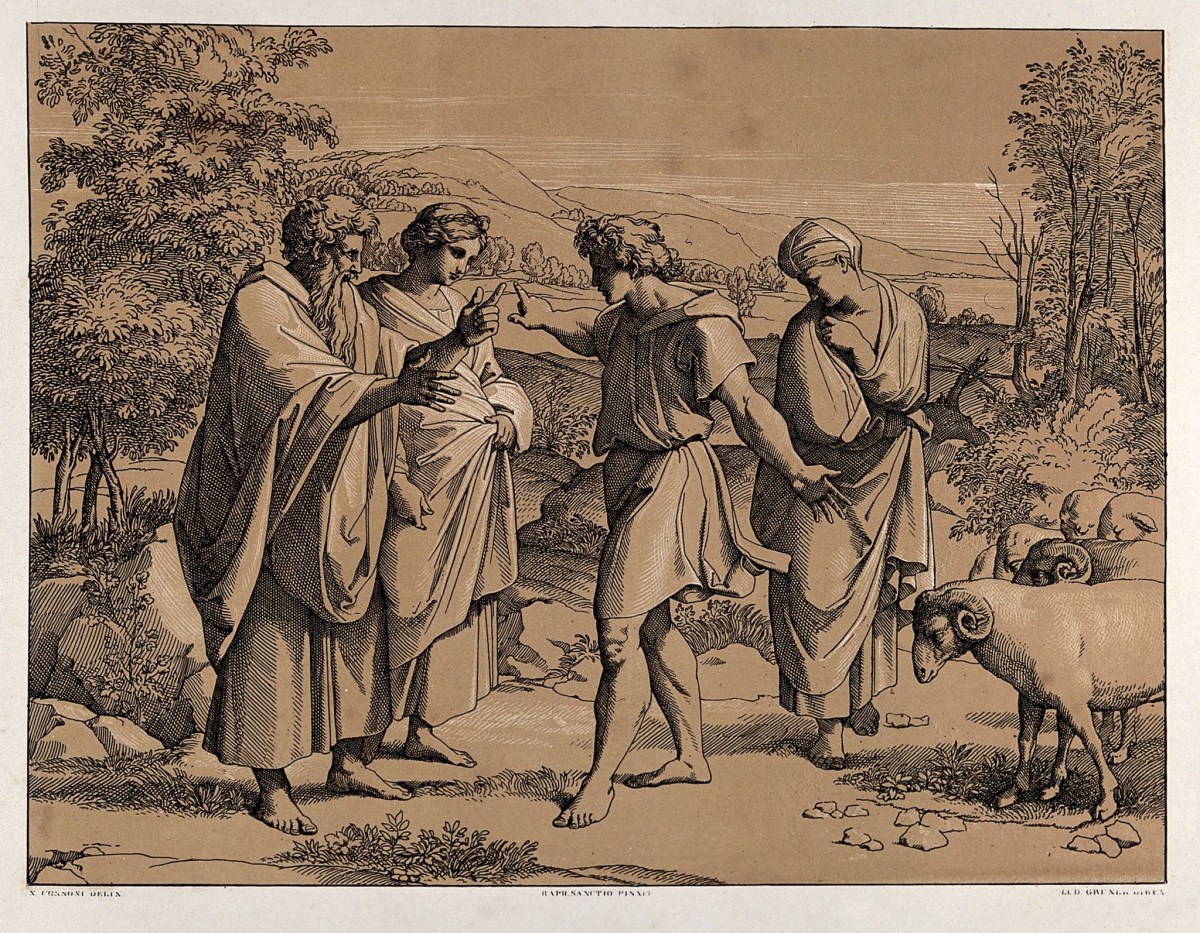
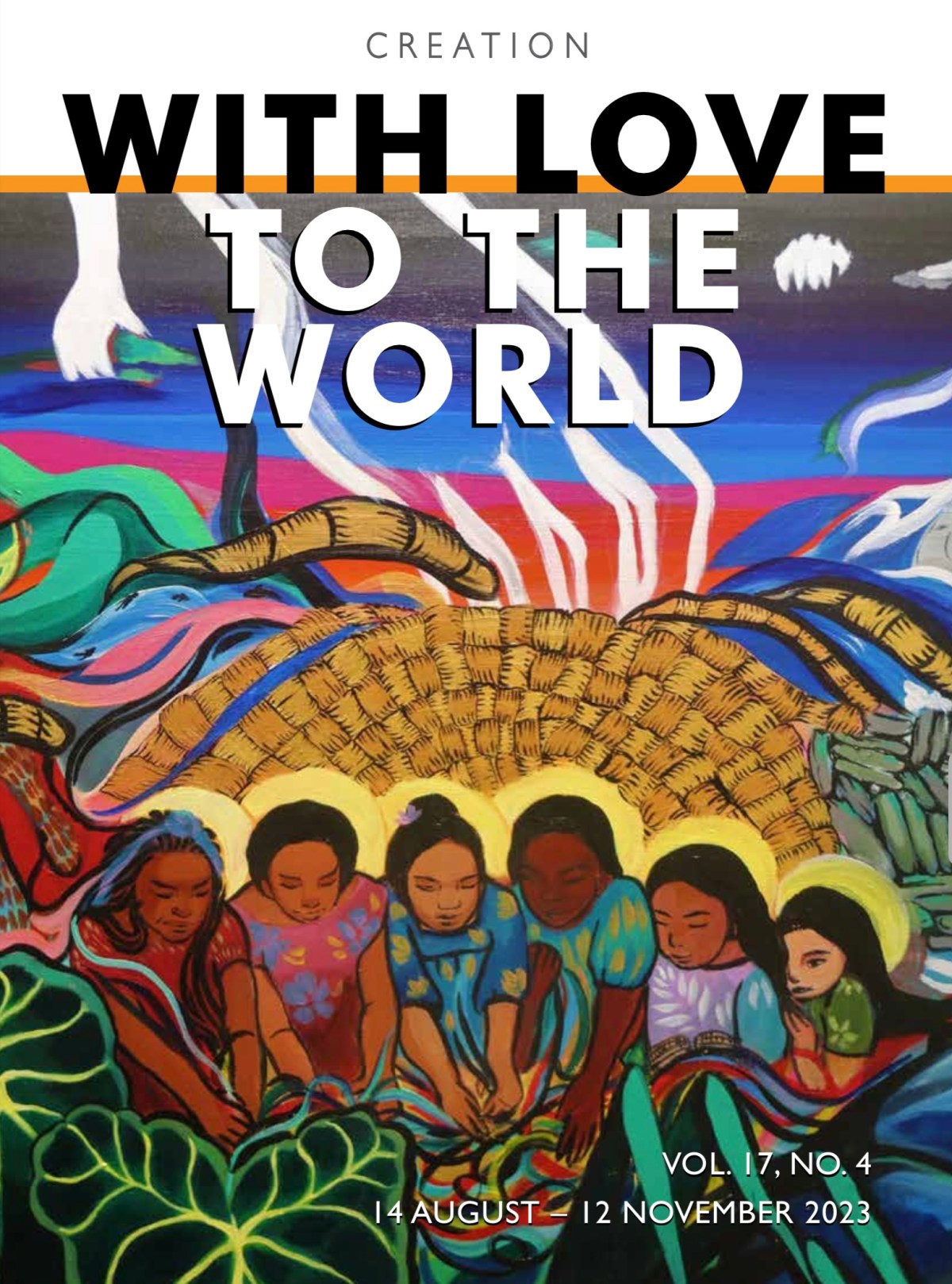


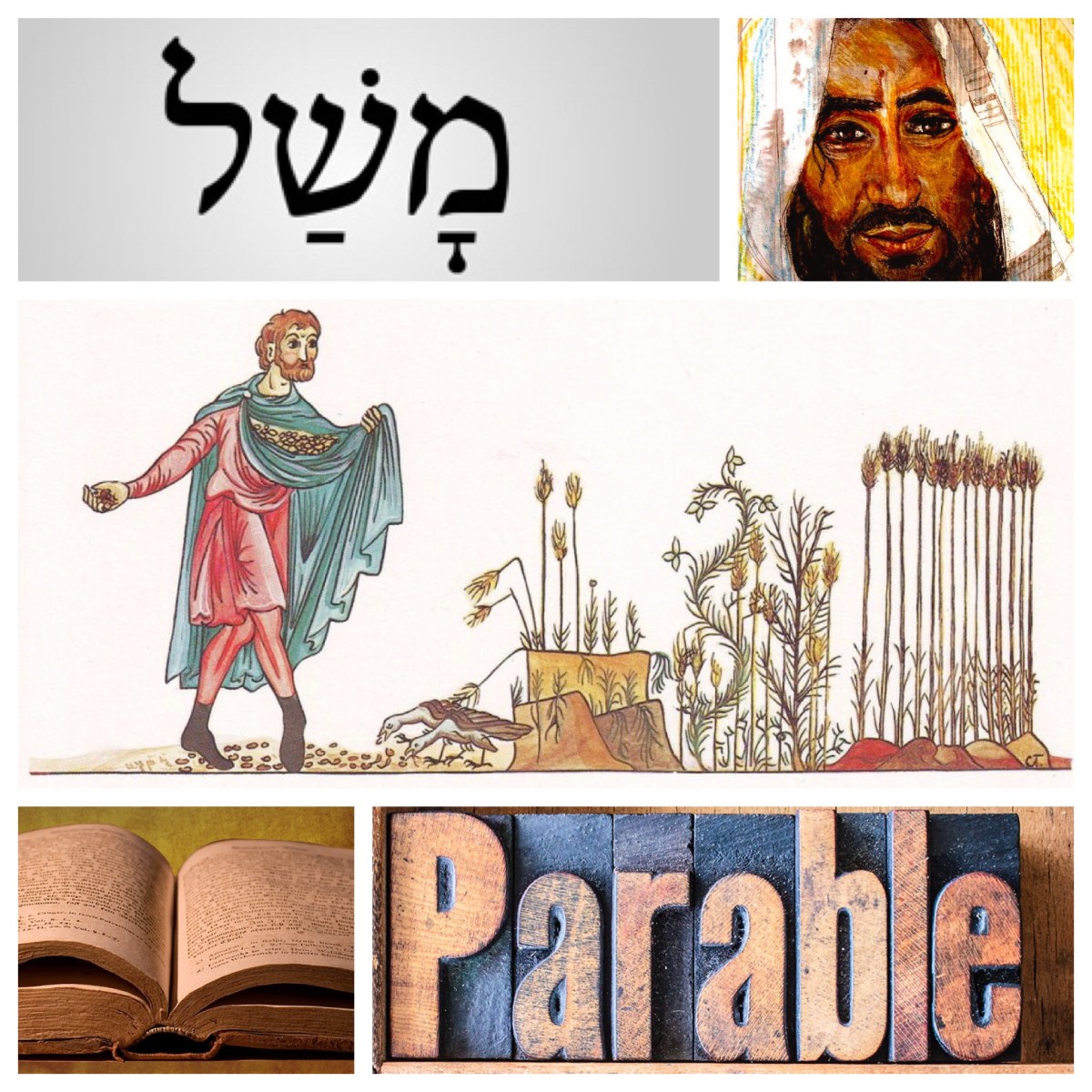








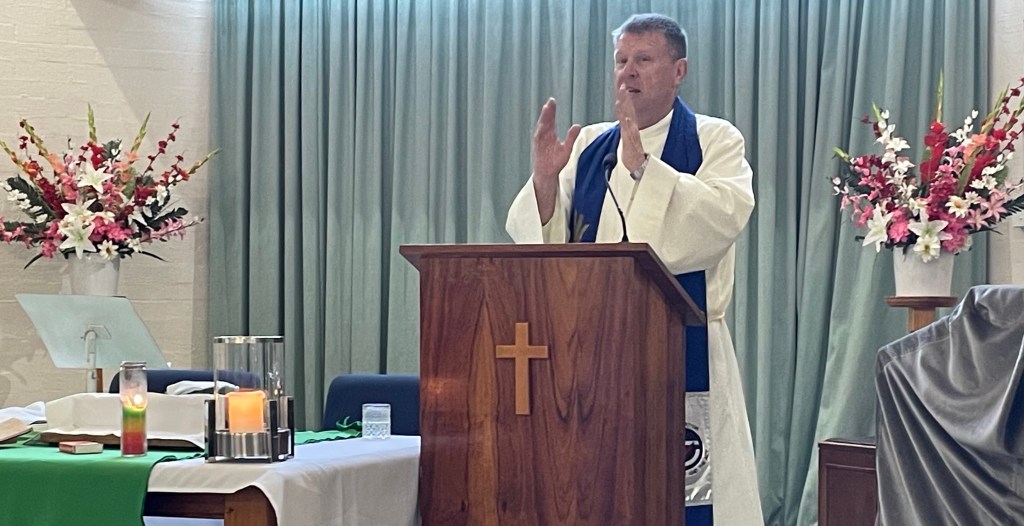






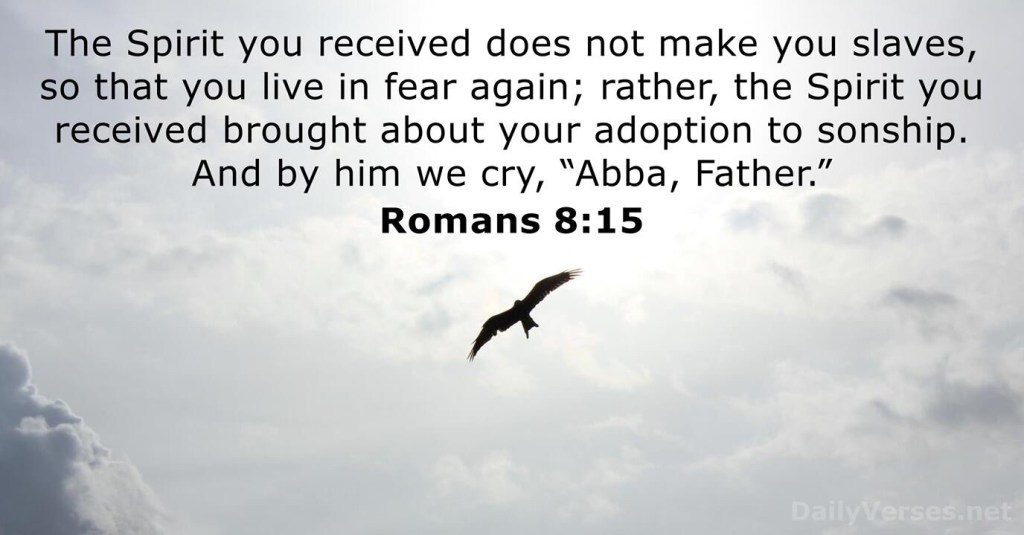
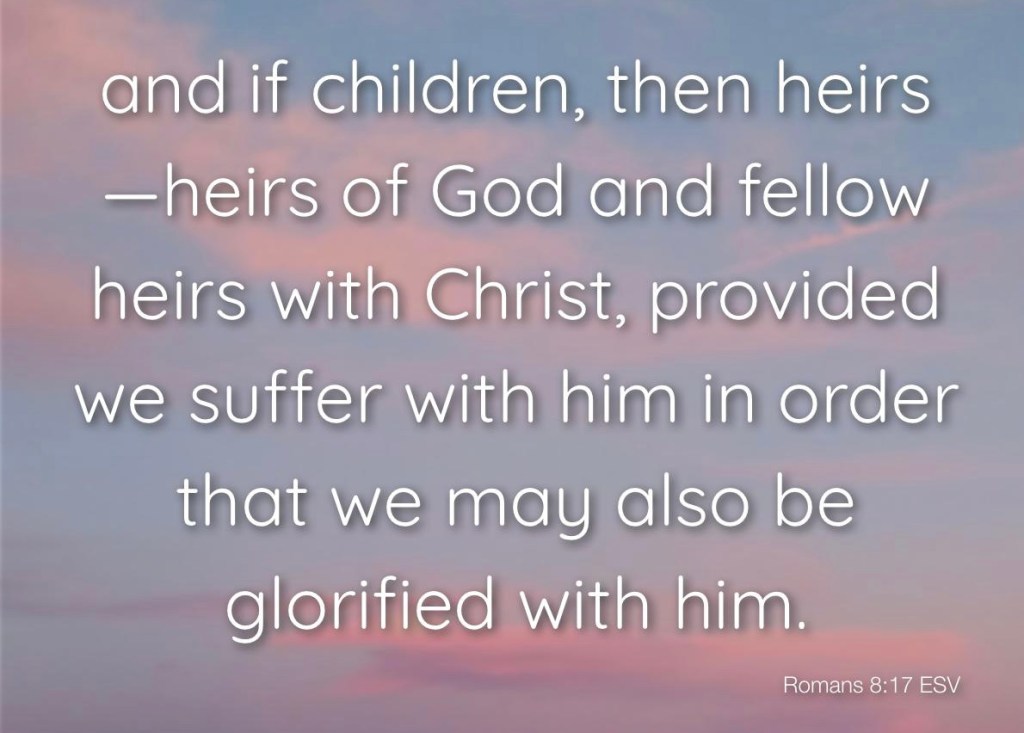
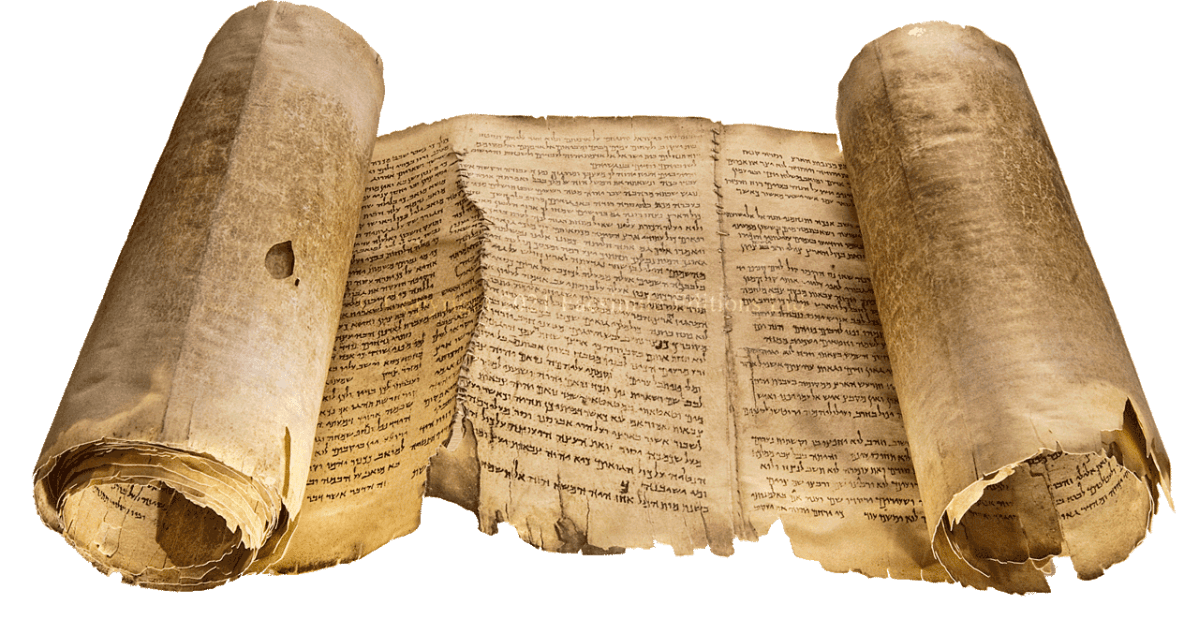
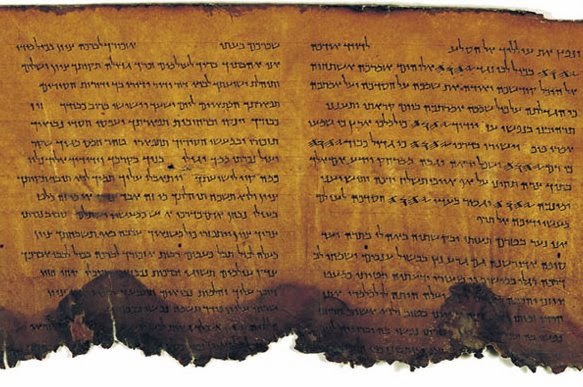
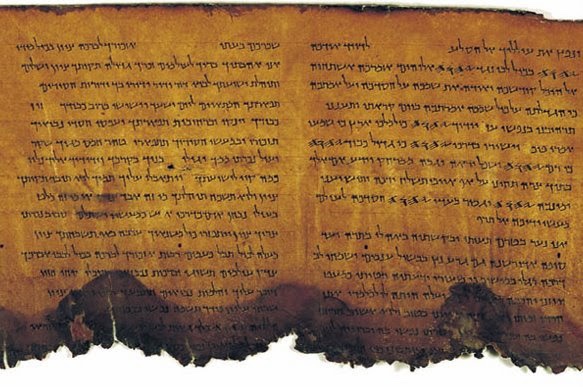
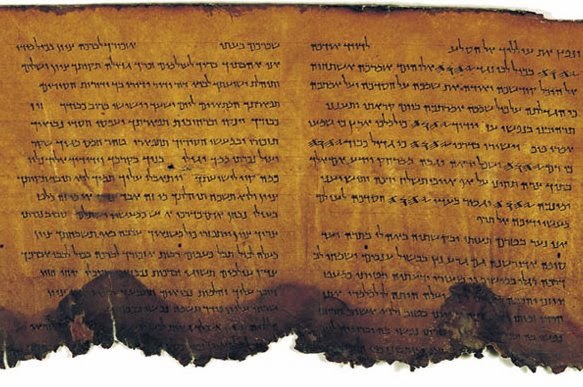
 An Informed Faith