Today, 25 August, is Wear It Purple Day. This day was founded in 2010 in response to global stories of real teenagers, real heartache, and their very real responses. The day is specifically designed to foster supportive, safe, empowering and inclusive environments for rainbow young people around the world.
On the website for Wear It Purple Day, we are told more about the story of its origins:
“In 2010, several rainbow young people took their own lives following bullying and harassment resulting from the lack of acceptance of their sexuality or gender identity. One member of this group was 18 year old Tyler Clementi, who took his own life after being publicly ‘outed’ as gay by his roommate, prompting a frenzy as reports poured in of various young people sadly in the same situation.
“As the world saw the faces of precious young lives lost, some young people found a new sense of conviction and purpose to ensure that young people everywhere would know that there were people who did support and love them. Wear it Purple was established to show young people across the globe that there was hope, that there were people who did support and accept them, and that they have the right to be proud of who they are.”
Locally, in the lead up to this day, the Rainbow Christian Alliance (RCA) that meets at Tuggeranong Uniting Church (TUC) once each month held an evening to give a local focus on Wear It Purple Day. So, on Sunday 13 August, RCA members and visitors came dressed in purple—it was a dazzling display!
Local Greens MLA, Johnathan Davis, was the guest for the evening. (Sadly, as Johnathan does not own any purple clothing, he didn’t come dressed in purple, as the phot above shows!). Johnno, as he likes to be called, describes himself as “a young shamelessly queer person in public life”. He was elected to the Legislative Assembly of the Australian Capital Territory in 2020, as one of a number of Green members of that Assembly.
In the ACT, the Greens and Labor have formed a coalition government for the past few years, working together to provide reasonable and intelligent government for the territory. Johnno is not the only gay member of the Legislative Assembly—in fact, the ACT Chief Minister is a gay man in a longterm relationship. And he pointed out that while the Deputy Leader of the Greens is a practising Muslim, this indicates the breadth of opinions amongst the local political parties in the ACT.
Johnathan spoke about how he was radicalised politically by his own public school experiences—including a time when the then government was proposing to close the high school that he was attending. Indignant at this move, Johnno mobilised the school community and was successful in stopping the closure of his school. His first successful political campaign!
Wear It Purple is a day that is important to celebrate, he said. Visibility is so important to young gay and lesbian people—and, also, to young intersex and transgender people, as well as asexual and bisexual young people. Visibility such as like Wear It Purple Day provides is personally empowering for such people and it works to ensure that young rainbow people are not isolated. The Day helps to provide a shared sense of identity amongst young rainbow people, giving them encouragement and support from others of same identity—and, indeed, from straighten allies in the wider community who support this Day.
Johnathan talked about some of the initiatives that the ACT Government has introduced to strengthen mental health support for young rainbow people. We know that rainbow people are more liable to have mental health crisis, to attempt suicide, and indeed to die from their own hands, than those in the straight community. This is exacerbated even more for younger members of the rainbow community.
Studies show that the situation is very serious for members of this community. For instance, I have found that LGBTIQ+ Health Australia has stated the following in its October 2021 report:
The ACT Government has recently opened a “queer space cafe”, which is a safe haven space, in the northwest of Canberra. Already, after just a short period of time, the impact of this safe haven space has proved to be incredibly powerful. It is based on the observation that early intervention, when a person is facing a mental health crisis, is far more effective than waiting until the issues have magnified and become far more difficult to manage.
The cafe is staffed by people who transform a simple space to sip coffee and chat into a one-stop shop to refer people in need to whatever services might best be able to support their need. Johnathan says that this reflects the current approach of the ACT Minister for Mental Health, Emma Davidson, MLA, to divert mental health funding away from government-run services into supporting existing community services that are working well. (Emma Davidson is, like Johnathan Davis, a member of the Greens Party.)
Johnathan also spoke quite candidly about his own faith. He volunteered that “Faith has not been an issue for me for many years, but my recent connections with Tuggeranong Uniting Church has led me to re-evaluate my position and rethink faith questions”. He noted that his understanding of God and his experience of church did not correlate—a disjuncture that, sadly, is the case for many people in today’s society, especially when they experience a church that is dogmatic, and judgemental, and what they experience is condemnation and exclusion.
“When I came out”, Johnno said, “everyone who had a problem with my sexuality attributed that to their faith”. That is, they judged him on the basis of what they believed (and what they had been taught) was “right”, rather than encountering him as he was, and building relationships with him from that.
The approach at Tuggeranong Uniting is quite different from this; the community has worked hard to develop an inclusive and welcoming community where relationships are valued over judging, where being an inclusive space has a higher value than being a set-apart, “holy” community of faith. (There are quite a number of other Uniting Churches which are similar in this regard.)
So Johnno continued, saying that “I feel like I can reconsider my faith because of the contact I have had with Tuggeranong; this church is prodding me to re-evaluate my faith”. He had said the same when interviewed for the recent video, “Transforming Connections”, which was recently released. He finished with an indication that he would like to continue to develop his relationship with TUC in the future.
The website for Wear it Purple Day notes that the Day has developed into an international movement. “New generations of rainbow young people continue to be dedicated to promoting the annual expression of support and acceptance to rainbow young people. What started out small has now grown; however the message remains the same: Everybody has the right to be proud of who they are.”
On 25 August, why not celebrate Wear it Purple Day? Be part of a movement that has the potential to save thousands of lives. Be part of this change.
The church is alive and well. In recent years, Uniting Mission and Education, working within the Synod of New South Wales and the Australian Capital Territory of the Uniting Church in Australia, has supported a project in which good news stories of thriving congregations are told through professionally-produced videos. The Signal Box has just completed the sixth video in this series, Transforming Connections, featuring the mission and ministry of the Tuggeranong Congregation in the southern suburbs of Canberra.
Under the energetic leadership of the Rev. Elizabeth Raine [my wife], the Tuggeranong Church Council has charted a deliberate course to make a difference in the wider Tuggeranong community—to be the “salt of the earth” in southern Canberra. “I am a change agent”, says Elizabeth, with great honesty; “I won’t just come in and do the ‘status quo’.” The video, which shows the results of this approach, can be viewed at https://www.nswact.uca.org.au/resources/our-story-future-directions-video-series/
In this video, we learn how deliberate connections have been fostered with a number of community groups in the area. Kirsty and Liz speak about the flourishing with SeeChange Tuggeranong, which has seen regular events with a focus on sustainability. In recent years, the Congregation has also participated in local ACT community events such as Floriade Reimagined and SouthFest, and hosted the Canberra SleepBus for a period of time.
Jenny and Anne represent the fine team of volunteers in the Red Dove pop-up Op Shop. Wearing their “volunteers uniform” (which has the words of Micah 6:8 as the motif for the shop), they speak about the reinvigoration that has taken place, as the team has focussed on both living and sharing the good news—the Gospel—that drives the enterprise. As well as providing recycled clothing and goods at very reasonable prices, there is an environmental plus: “Jesus would be horrified with all this clothing going into the tip”, Anne says. That marks one of the many ways that the Congregation is working to reduce their carbon footprint on the earth.
Within the Congregation, another group continues to provide its weekly Emergency Food programme and the Lunchtime Conversation group. Quite a number of people within the Congregation take part in the weekly visit to Karralika, a drug and alcohol rehabilitation centre in the Tuggeranong Valley, to offer a “God space” to residents. Leonie and one of the former residents speak in the video with joy and hope about the positive impact that this ministry offering has had over many years.
Bill Lang, a member of the Church Council, is responsible for communications for the Congregation. Under Bill’s leadership, the website has been upgraded, regular Facebook posts are made about activities of the church, and short seasonal videos are posted on the Tuggeranong Uniting Church (TUC) website at https://tuc.org.au. Bill also edits and uploads videos of the weekly online Bible Studies which are offered throughout the year—they can be accessed in the TUC YouTube Library at https://www.youtube.com/@tuggeranongunitingchurch4795/playlists
Bill has been a member at Tuggeranong for many decades, and in the video he speaks about the ways the Congregation has adapted and developed through into the contemporary period. The online presence of TUC, through website, Facebook, and Instagram, is a key to the growth of the Congregation. Another longterm member Liz talks about the TUC Girls Brigade ministry that has been offered over the years.
Supporting the Congregation in its development, Canberra Region Presbytery Minister Andrew Smith talks in the video about the importance of informed, enthusiastic leadership—from ministers as well as from key lay leaders. “Elizabeth’s leadership has been really important”, Andrew says; “she has enabled them to see differently, to imagine differently for what church might be”.
“Canberra has a higher proportion of same-sex couples than any other city according to the Australian Bureau of Statistics”, Elizabeth Raine comments, “and TUC offers a safe space for the many Christian LGBTQI people who report poor experiences with churches and Christianity in general.” A monthly Rainbow Christian Alliance, which has been a part of the Congregation for eight years, has broadened its membership in recent years, spreading beyond gay and lesbian people to include growing numbers of people who are trans, intersex, and asexual. Three members of the Rainbow group speak in the video about their experiences of being accepted and valued within a faith community.
The local Greens MLA, Jonathan Davis, who himself identifies as gay, is a friend of the Congregation. In the video, he speaks about how he finds the Tuggeranong Community to be a welcoming space for him—unlike many other faith spaces where he has felt awkward or unwanted.
A monthly Messy Church under the name of Fam@4 now meets at 4pm on the 4th Sunday of the month, providing a time for younger folk to enjoy craft, worship, and eat a meal together. The video shows one of the regular intergenerational worship services which are held at key moments on Sunday mornings. Inevitably the church is filled with people of all ages, craft activities, vibrant music, with lots of colour, energy, and caring relationships growing. Pentecost is always a blaze of red; Christmas offers opportunity for joyous celebrations!
The Rev. Sharon Jacobs recently began a placement as the Relationships and Growth Minister, a newly-created position funded substantially by the Synod Growth Fund. Sharon is focussing her 50% role on developing the Congregation’s work with families and children, as well as supporting and growing the leadership and membership of the Rainbow Christian Alliance.
She works alongside Elizabeth Raine, whose experience in transitional ministry and understanding of how systems work has undergirded the way she has encouraged, enthused, challenged, and grown the many aspects of the life of the Congregation. The video offers dramatic and encouraging glimpses into the development and growth that has taken place.
And there is a stunning drone shot of the recently-completed mural on the large western wall of the church building which looks out across Comrie St to the regional Erindale Shopping Centre. The joy and colour of the symbols in the mural offer an inviting facade to those who pass by each day. The church is known and valued within its local community—and the many connections that have been made, and are being made, are truly “transforming connections”. They are transforming for the community; and they are transforming for the Congregation.
The church is alive and well. In recent years, Uniting Mission and Education, working within the Synod of New South Wales and the Australian Capital Territory of the Uniting Church in Australia, has supported a project in which good news stories of thriving congregations are told through professionally-produced videos. The Signal Box has just completed the sixth video in this series, Transforming Connections, featuring the mission and ministry of the Tuggeranong Congregation in the southern suburbs of Canberra.
Under the energetic leadership of the Rev. Elizabeth Raine [my wife], the Tuggeranong Church Council has charted a deliberate course to make a difference in the wider Tuggeranong community—to be the “salt of the earth” in southern Canberra. “I am a change agent”, says Elizabeth, with great honesty; “I won’t just come in and do the ‘status quo’.” The video, which shows the results of this approach, can be viewed at https://www.nswact.uca.org.au/resources/our-story-future-directions-video-series/
In this video, we learn how deliberate connections have been fostered with a number of community groups in the area. Kirsty and Liz speak about the flourishing with SeeChange Tuggeranong, which has seen regular events with a focus on sustainability. In recent years, the Congregation has also participated in local ACT community events such as Floriade Reimagined and SouthFest, and hosted the Canberra SleepBus for a period of time.
Jenny and Anne represent the fine team of volunteers in the Red Dove pop-up Op Shop. Wearing their “volunteers uniform” (which has the words of Micah 6:8 as the motif for the shop), they speak about the reinvigoration that has taken place, as the team has focussed on both living and sharing the good news—the Gospel—that drives the enterprise. As well as providing recycled clothing and goods at very reasonable prices, there is an environmental plus: “Jesus would be horrified with all this clothing going into the tip”, Anne says. That marks one of the many ways that the Congregation is working to reduce their carbon footprint on the earth.
Within the Congregation, another group continues to provide its weekly Emergency Food programme and the Lunchtime Conversation group. Quite a number of people within the Congregation take part in the weekly visit to Karralika, a drug and alcohol rehabilitation centre in the Tuggeranong Valley, to offer a “God space” to residents. Leonie and one of the former residents speak in the video with joy and hope about the positive impact that this ministry offering has had over many years.
Bill Lang, a member of the Church Council, is responsible for communications for the Congregation. Under Bill’s leadership, the website has been upgraded, regular Facebook posts are made about activities of the church, and short seasonal videos are posted on the Tuggeranong Uniting Church (TUC) website at https://tuc.org.au. Bill also edits and uploads videos of the weekly online Bible Studies which are offered throughout the year—they can be accessed in the TUC YouTube Library at https://www.youtube.com/@tuggeranongunitingchurch4795/playlists
Bill has been a member at Tuggeranong for many decades, and in the video he speaks about the ways the Congregation has adapted and developed through into the contemporary period. The online presence of TUC, through website, Facebook, and Instagram, is a key to the growth of the Congregation. Another longterm member Liz talks about the TUC Girls Brigade ministry that has been offered over the years.
Supporting the Congregation in its development, Canberra Region Presbytery Minister Andrew Smith talks in the video about the importance of informed, enthusiastic leadership—from ministers as well as from key lay leaders. “Elizabeth’s leadership has been really important”, Andrew says; “she has enabled them to see differently, to imagine differently for what church might be”.
“Canberra has a higher proportion of same-sex couples than any other city according to the Australian Bureau of Statistics”, Elizabeth Raine comments, “and TUC offers a safe space for the many Christian LGBTQI people who report poor experiences with churches and Christianity in general.” A monthly Rainbow Christian Alliance, which has been a part of the Congregation for eight years, has broadened its membership in recent years, spreading beyond gay and lesbian people to include growing numbers of people who are trans, intersex, and asexual. Three members of the Rainbow group speak in the video about their experiences of being accepted and valued within a faith community.
The local Greens MLA, Jonathan Davis, who himself identifies as gay, is a friend of the Congregation. In the video, he speaks about how he finds the Tuggeranong Community to be a welcoming space for him—unlike many other faith spaces where he has felt awkward or unwanted.
A monthly Messy Church under the name of Fam@4 now meets at 4pm on the 4th Sunday of the month, providing a time for younger folk to enjoy craft, worship, and eat a meal together. The video shows one of the regular intergenerational worship services which are held at key moments on Sunday mornings. Inevitably the church is filled with people of all ages, craft activities, vibrant music, with lots of colour, energy, and caring relationships growing. Pentecost is always a blaze of red; Christmas offers opportunity for joyous celebrations!
The Rev. Sharon Jacobs recently began a placement as the Relationships and Growth Minister, a newly-created position funded substantially by the Synod Growth Fund. Sharon is focussing her 50% role on developing the Congregation’s work with families and children, as well as supporting and growing the leadership and membership of the Rainbow Christian Alliance.
She works alongside Elizabeth Raine, whose experience in transitional ministry and understanding of how systems work has undergirded the way she has encouraged, enthused, challenged, and grown the many aspects of the life of the Congregation. The video offers dramatic and encouraging glimpses into the development and growth that has taken place.
And there is a stunning drone shot of the recently-completed mural on the large western wall of the church building which looks out across Comrie St to the regional Erindale Shopping Centre. The joy and colour of the symbols in the mural offer an inviting facade to those who pass by each day. The church is known and valued within its local community—and the many connections that have been made, and are being made, are truly “transforming connections”. They are transforming for the community; and they are transforming for the Congregation.
Earlier this month, Elizabeth and I attended the regular monthly gathering of Rainbow Christian Alliance (RCA), where rainbow people of faith, who identify with one or more of the letters in LGBTIQA, join with allies to share food, conversation, and prayer, and discuss matters of mutual concern.
This time, the theme for RCA—since it is Pride Month during June—was “Proud of Pride?” Pride Month runs throughout the month of June. It honours the 1969 Stonewall Riots, a tipping point for the then Gay Liberation Movement in the USA.
In response to a police raid of a gay bar, the Stonewall Inn, on 28 June 1969, in Greenwich Village, New York City, members of the gay community began a rolling series of spontaneous protests that were marred by police violence, which generated increasingly aggressive protests in response.
Simultaneous Gay Pride marches were held a year later, in New York, Chicago, and Los Angeles, to remember the Stonewall Riots. That custom has continued each year since, and has grown into Pride Month.
The long-term result of these protests was that gay rights groups sprang up in every major US city, and the decriminalisation of homosexuality (which had already occurred in Illinois in 1962) spread across the fifty states over the next four decades. A similar slow-drip rollout occurred across the states and territories of Australia, from South Australia in 1972, to 1997 in Tasmania, the last state to decriminalise consenting homosexual activity.
Today, Pride Month is a time for celebrations, including pride parades, picnics, parties, workshops, symposia and concerts. It offers an opportunity to “celebrate the diversity of the lesbian, gay, bisexual, transgender and intersex community … to reflect on just how far civil rights have progressed in half a century… and an opportunity to protest discrimination and violence”. (quoted from https://unyouth.org.au/event/global-issues-resources/national-pride-month/)
Those present at the Rainbow Christian Alliance gathering earlier in June engaged in a discussion of the differences between the sin of pride—hubris, according to the ancient Greeks—and the situation of LGBTIQA+ people today, where their expressing of pride in their gender identity or their sexual orientation is encouraged.
It is my view that the longterm historical prejudice and discrimination that LGBTIQA+ people have experienced—and that many continue to experience today—means that it is quite different for rainbow people. To express pride in their identity is something that is important and necessary for them to do. It is a way of claiming a place as a respected, honoured, and valued member of society.
That is quite different from someone like myself (a cis-gender white straight male, who has experienced so many points of privilege in life) expressing pride. Any expression of pride by myself about my privileges would be hubris; rainbow pride is seeking to redress past wrongs and establish a good and positive place in society for LGBTIQA+ people.
The Rainbow Christian Alliance provides a safe space for people to gather under the umbrella of the church. The importance of this space is evident at every RCA gathering, where friendship, support, compassion, and empathy is always strong. Participants keep coming back because they are valued and respected. Acceptance and affirmation are central to what takes place at each gathering.
As an ally, I find that welcoming rainbow people into the physical space where I worship week by week is complemented by the fact that I always feel welcomed into the emotional “rainbow space” that people create on these Sunday nights. Being able to take part in such a gathering is so important for all of us; there are mutual benefits for all of us.
Many of the people who participate in RCA have had negative experiences, related to their sexuality and/or gender, from family members, and from churches. The churches that give the most grief are of a more conservative theology, and a substantial proportion of those are Pentecostal, but even mainstream churches, Anglican and Catholic alike, have inflicted hurt and perpetrated harm by the way they have dealt with people in their midst who “come out” in relation to their gender identity or sexual preference.
I am glad that the Uniting Church has held a strong line in relation to LGBTIQA+ people. We have consistently grappled with issues of sexuality and, more recently, gender identity, exploring the biblical, theological, and pastoral dimensions with care, compassion, and integrity. That we can offer safe spaces in so many of our Congregations, now, is a small testimony to the determination we have to hold fast to the Gospel, as we best understand: we value, we accept, we include, and we advocate for people across the spectrum, as integral members of our community of faith.
May 17 is IDAHOBIT, the International Day Against Homophobia, Biphobia and Transphobia. IDAHOBIT is a day to draw attention to the discrimination experienced by LGBTQI+ people internationally.
The day is marked worldwide in over 130 countries, including 37 countries where same-sex acts are still illegal. The first day was held in 2004 to raise awareness of the violence and discrimination faced by lesbian, gay, bisexual and transgender people, including all people who have diverse gender identities or sexual expressions.
The date of 17 May was chosen for IDAHOBIT as this was the date in 1990 when the World Health Organisation finally removed homosexuality from its list of mental illnesses. Despite this, LGBTIQA+ people across the world continue to face hate, discrimination and violence.
The theme for IDAHoBiT 2023, adopted after consultation with LGBTQI+ organisations worldwide, is Together Always: United in Diversity. The website for this day at https://may17.org states that the theme undergirds the advocacy of many organisations around the world which are working to support LGBTIQA+ people “in a time where the progress made by our LGBTQIA+ communities worldwide is increasingly at risk”.
The website notes that “it is crucial to recognise the power of solidarity, community, and allyship across different identities, movements, and borders. When we unite, in all our beautiful diversity, we can really bring about change!”
For myself, I do not identify with any of the letters in the LGBTIQA+ acronym. I have lived my life as a male who is heterosexual (experiencing sexual attraction to people of the opposite gender) and cis-gender (the gender assigned to me at my birth correlates with my sense of personal identity and gender)—in short, I am what is referred to as heteronormative. And, as a white male in the Western world, my life experience has certainly been privileged and sheltered from internal or external disturbances and challenges related to my sexuality or gender identity.
So I have no personal experience of the gender dysmorphia that others experience in their lives; nor have I had any experience of the prejudice or persecution experienced by people identifying as a member of the LGBTIQA+ community. My understanding of what such people have experienced has come through relationships, conversations, readings, and personal thinking through of the issues. It has required empathy and understanding, and I think that it’s clear that I haven’t done this perfectly; but hopefully I have done so at least adequately.
I’m also a person of faith, and thus embedded within a community that, sadly, has demonstrated a collection of failures in the way that sexually and gender diverse people have been seen and treated. The Christian Church has shown a persistent lack of understanding, a continual marginalising (or “othering”), an aggressive assertion about the sinfulness of the particular identity or lifestyle, and undertaking attempts to “change the protestation” or “reverse the gender” of some people. All of these attitudes and actions have been unloving, uncaring, and indeed (in my view) unChristian.
Thankfully, my own church (the Uniting Church in Australia), as well as many other enlightened faith communities around the world, have taken steps towards the acceptance, valuing, and inclusion of LGBTIQA+ people in every part of their lives. There are still important and major steps to be taken, but the direction is clear and the commitment to that pathway is resolute.
I asked last year (and so repeat this year) for IDAHOBIT Day: How are privileged, cis-gender heterosexual people like myself to respond to a day like IDAHoBiT?
I think we need to cultivate empathy and develop understanding. I think we need to seek out and develop respectful relationships in which we can hear stories, learn of experiences, articulate our own inadequacies and sorrow for how we have acted or interacted with people in the past. Most importantly, I believe we need to learn ways by which we can support survivors of gender identity change efforts and help prevent harm from the ideology and practices of such gender identity change efforts.
Underlying this is my own firm commitment to an understanding of human beings as intentionally created by God, exactly as we are, to be exactly who we are, without qualification or change. The “doctrine of sin” that the church has promulgated has impressed on us that we are all “fall short of the glory of God”, that we all do wrong things—and who would argue with that?
But this doctrine has also been used to identify and persecute specific sinfulness on the part of identifiable minority groups—gays, lesbians, bisexuals, intersex, and transgender people in particular—not recognising the nuances of differences that actually do exist across the spectrum of humanity. That’s a misuse of the doctrine, in my opinion. It should not be used to persecute someone on the basis of differences that are perceived.
What gender a person believes that they are, and what attraction an individual has to other people, is built into the very DNA of them as a person, wanting to force change in either of those matters is, to my mind, one of the greatest sins. I think it’s important for “allies” such as myself to remind others of this truth, and to stand in solidarity with “rainbow people” each and every day.
On this International Day Against Homophobia, Biphobia and Transphobia, let us ensure that each and every lesbian, gay, bisexual, transgender, intersex, queer, asexual, or otherwise identifying people knows that we accept them, value them, and love them, exactly as they are!
And let us be strong in calling out any sign of homophobia, biphobia, or transphobia, when we hear it expressed or see it enacted.
There have been some great speeches by politicians over the years. It was before my time, but Chifley’s “light on the hill” speech at a 1949 Labor Conference in Sydney, is often cited. “We have a great objective”, Prime Minister Chifley declared, “the light on the hill, which we aim to reach by working the betterment of mankind [sic.] not only here but anywhere we may give a helping hand. If it were not for that, the Labor movement would not be worth fighting for.” The Labor party has referenced this speech regularly in the ensuing decades.
So too, also before my time, but also regularly referenced in the decades that followed, was a 1941 speech by Prime Minister Menzies, identifying “the forgotten class — the middle class — those people who are constantly in danger of being ground between the upper and the nether millstones of the false war; the middle class who, properly regarded represent the backbone of this country.”
Alongside them, who could forget other Prime Ministerial offerings? One of huge significance was Kevin Rudd’s 2008 Apology to the Stolen Generations: “we say, sorry; to the mothers and the fathers, the brothers and the sisters, for the breaking up of families and communities, we say sorry; and for the indignity and degradation thus inflicted on a proud people and a proud culture, we say sorry.”
Another, also filled with rhetorical power and cultural significance, was Paul Keating’s Redfern Speech in 1997: “we committed the murders, we took the children from their mothers, we practised discrimination and exclusion; it was our ignorance and our prejudice.”
And, of course, there is Gough Whitlam, a master wordsmith, whose quick wit and rhetorical prowess was evident on the steps of Old Parliament House, immediately after the treachery of The Dismissal in November 1975; “well may we say God Save the Queen, because nothing will save the Governor-General.”
All memorable speeches, on (mostly) memorable occasions, eliciting words which live on in Australian culture and memory. They point to the best in Australian society, the most worthy aspects of our developing national culture.
There have been other signal speeches with a very different perspective—speeches that I won’t quote from, such as Pauline Hanson’s 1996 inaugural speech making outrageously discriminatory racist claims; John Howard, opportunistically picking up and running with this xenophobic streak with his declaration, in 2001, that “we will decide who comes to this country”; and Fraser Anning’s terrible reference to “the final solution” in his 2018 speech. These speeches live on in infamy. They reflect the worst of who some of us are.
Today is the tenth anniversary of the most recent memorable, and utterly praiseworthy, speech by a federal political leader: a speech by Julia Gillard that has come to be known as the Misogyny Speech. This speech was delivered on 9 October 2012, with the penetrating declaration, “I will not be lectured about sexism and misogyny by this man; I will not—not now, not ever ”, searing the air in the House of Representatives chamber, as Prime Minister Gillard spoke directly and forcefully to the Opposition Leader, Tony Abbott.
Katherine Murphy has written a fine analysis of the moment, and how the speech was a turning point in the cultural change that focussed the nation’s attention on male privilege, misogynistic practices, and sexist words and actions, especially in the federal political arena. From that speech to the Enough is Enough! rallies on 15 March 2020, a significant shift has taken place. There is momentum for deep-seated cultural change, despite the troglodyte resistance of the pathetic remnant of conservative members currently in the post-Morrison federal parliament.
Julia Gillard’s potent impromptu speech is well worth reading once again on this anniversary—and worth remembering each day as a pointer to what is of fundamental importance in our society, if we really do want to commit to a fully equitable society. We remember this fine political speech, with gratitude. We anticipate ongoing cultural change, with hope. And so may it be.
There is much debate amongst Christian thinkers, these days, about what comes first as we invite people to be a part of the church. Do we say, “this is what we believe, expressing our fundamental understanding of life; do you want to sign up to show you have the same beliefs?” Or do we say, “this is how we behave, guided by our fundamental ethical principles; would you like to act the same way and join us?” Or perhaps the invitation is simply, “come along, join in with us, see what we believe, what we are on about, and soon you’ll feel like you belong”?
Is it believe first? Or behave? Or simply, belong? The tendency to put a creed at the forefront of our invitations—to show that we are a people who believe, first and foremost—is widespread and deeply ingrained. Whether it be affirming The Apostles Creed in baptism, or saying The Believer’s Prayer at conversion, or working out a new Mission Statement for the Congregation, giving priority to belief is a very familiar pattern for us. We tend to think that, whatever formula we are repeating, that is exactly what declares and confirms our identity as people of faith.
So it’s no surprise that when we read Deuteronomy 26 (the Hebrew Scripture passage in next Sunday’s lectionary), we gravitate to the middle part of the passage, and lay claim to what looks to be an early affirmation of faith that sets out the identity of the people of Israel: “A wandering Aramean was my ancestor; he went down into Egypt and lived there as an alien, few in number, and there he became a great nation, mighty and populous” (Deut 26:5). This affirmation seems to go right back to the start, affirming what sets the people of Israel apart as a distinctive entity.
This way of reading this passage gained influence from the analysis of Gerhard von Rad, a German scholar of the 20th century. Von Rad claimed that the credal statement in verses 5 following was most likely a formula much older than the era when the book of Deuteronomy was written. And the origins of this creed, he claims, most likely lay in ancient cultic remembrances of the origins of the people. The wandering Aramean (Jacob, grandson of Abraham of Aramn) and the time in Egypt (leading up to Moses) reflect those times of origin.
*****
But the whole of this “creed” is not actually a “statement of faith”. It is more a narrative that tells a story. Such was the way of the ancient world; central beliefs were not articulated in crisp propositional statements (for this is the way of the post-Enlightenment western world); rather, a story was told, in the course of which key events pointed to central affirmations for the people. The ancients were story-tellers, more concerned to tell the story than state the faith. This is the story of the people; it is their saga.
God is important in the story that is told, nevertheless. God is the one who “heard our voice and saw our affliction, our toil, and our oppression … who brought us out of Egypt with a mighty hand and an outstretched arm, with a terrifying display of power, and with signs and wonders” (26:7–8). The rescue of the people by their powerful God is central to the story. This, of course, if the story of the Exodus, which stands at the heart of Israelite identity and later Jewish identity. It is the central story of the people of Israel.
More than this, God is the one who “brought us into this place and gave us this land, a land flowing with milk and honey” (26:9). The land of Israel is the second aspect of ancient Israelite life that is central and fundamental; and so it continues to be, in the 20th and 21st centuries, in which the land of Israel has been one of the most contested pieces of land in the world.
The story is told, however, for a purpose. Not just to remember—although remembering is important, for it recurs as a regular refrain in the book of Deuteronomy (7:18: 8:2, 18: 9:7, 27; 11:2; 15:15; 16:12; 24:9, 18, 22; 25:17; 32:7). The story is told, also, to inculcate the ethos, the values, the very identity of the people. And central to that ethos, taking prime place amongst the things that were seen to be important to affirm about who the people of Israel were, is this: giving back to God the first fruits produced by the land.
“So now I bring the first of the fruit of the ground that you, O LORD, have given me”, are the words that the people are to say, each time a harvest is produced. “You shall set it down before the LORD your God and bow down before the LORD your God”, the instruction declares (26:10). Gratitude is to the fore; gifting back the beginnings of “the fruit of the ground” to the God who gave the people the land to grow this fruit.
*****
Of course, there is a dark story submerged, for the most part, underneath that celebratory action. The land was “given” by God over the resistance of the people who were already IN the land, producing fruit, settled and content with their lot in life. The battles recounted in the book of Joshua—most likely not actual historical events, but reflecting a reality of submission to the Hebrews who took control of the land—reflect this dark story.
This dark story does not figure in the “received tradition” and “authorised affirmation” that we read in Deut 26. Nor do we find this in the affirmation of Deut 6:20–24, which begins “we were Pharaoh’s slaves in Egypt, but the Lord brought us out …”. Mention of the Exodus jumps straight across to life in the land—no mention of the conquest that (in other biblical texts) is reported in detail.
This conquest is part, by contrast, of the larger recitation of Josh 24:2–13, “I brought you out of Egypt … and I handed the Amorites over to you, and you took possession of their land, and I destroyed them before you … and also the Amorites, the Perizzites, the Canaanites, the Hittites, the Girgashites, the Hivites, and the Jebusites; and I handed them over to you … I gave you a land on which you had not labored, and towns that you had not built, and you live in them; you eat the fruit of vineyards and oliveyards that you did not plant.” At least this version of the affirmation is honest about the cost to the earlier inhabitants, and the benefits enjoyed with relative ease by the invading Hebrews.
*****
Yet the affirmation of Deut 26 highlights the central importance of gratitude for the gift of the land; and not only that, for it especially indicates the importance of making this celebration inclusive: “you, together with the Levites and the aliens [or, sojourners] who reside among you, shall celebrate with all the bounty that the LORD your God has given to you and to your house” (26:11). So the instructions for the annual festival of the first fruits provide.
The inclusion of the aliens in this annual festival reflected a gracious openness to others in the developing people of Israel. These texts differ from the xenophobic antagonism of earlier texts, recounting the conquest of Israel. They reflect a later understanding of the identity of the people, as they were collated during and after the Exile, centuries after the formation of Israel. People designated as aliens (non-Israelites), sojourners in the land, were welcome to bring offerings to the Lord (Lev 22:18), to adhere to Israelite food prescriptions (Lev 17:12), to keep the Sabbath (Exod 20:8–11; 23:12), to have gleaning rights (Lev 23:22), and to join in the annual process of atonement (Lev 16:29–31; Num 15:29).
The foundational Passover narrative indicates that aliens, or sojourners, were able to join (under certain conditions) in the Passover celebrations (Exod 12:47–49); a second narrative (Num 9:14) is much less restrictive. Aliens were to be subject to the same laws regarding murder (Lev 24:17–22), able to have right of access to cities of refuge (Num 35:13–15), and indeed to enter into the covenant at the annual covenant renewal ceremony (Deut 29:10–13; see also 31:10–13). The voice of the alien even sounds appreciation for the Law: “I live as an alien in the land; do not hide your commandments from me” (Ps 119:19).
Because Israelites were once “an alien residing in the land” of Egypt, the people were instructed, “you shall not abhor any of the Edomites, for they are your kin; you shall not abhor any of the Egyptians” (Deut 23:7); by the third generation, the children of aliens “may be admitted to the assembly of the Lord” (Deut 23:8).
This meant that “the alien who resides with you shall be to you as the citizen among you; you shall love the alien as yourself, for you were aliens in the land of Egypt: I am the LORD your God” (Lev 19:34; a similar affirmation is made at Num 15:14–16).
The principle of equality is clear: “you shall not deprive a resident alien or an orphan of justice; you shall not take a widow’s garment in pledge” (Deut 24:17; see also Jer 7:5–7; 23:5–7; Zech 7:9–10; Mal 3:5). The alien, or sojourner, deserves the same measure of justice as all residents of Israel.
Accordingly, amongst the curses at the end of Deuteronomy, we read, “cursed be anyone who deprives the alien, the orphan, and the widow of justice. All the people shall say, ‘Amen!'” (Deut 27:19). The curse outlines the negative consequences from not adhering to the positive principle of welcoming and including those sojourning for a time innIsrael, the “alien”. That is integral to the celebrations each year, when the harvest produces its fruit from the land.
Gratitude. Belonging. Celebration. Inclusion. All of this is embedded in the story; and all of this comes before believing, repeating doctrinal claims, affirming credal statements. We are a people of welcome, including, belonging. This much is embedded in the ancient Hebrew tradition. This much should be living, still, in Christianity today.
A sermon preached by the Rev. Elizabeth Raine at Tuggeranong Uniting Church on Sunday 7 November 2021
*****
We rejoin Ruth and Naomi in chapter 3, where Naomi takes the initiative to securethe future for herself and Ruth, a future that centres around Boaz as a potential husband for Ruth. Naomi issues detailed instructions to Ruth in regard to staging an encounter with Boaz at the threshing floor, a place with a poor reputation in Hebrew scritpure, where Boaz is working late.
Ruth is instructed to bathe, put onher best clothes, and apply perfume, all which signifies romantic intent. Despite the risk, Ruth dutifully obeys, informing Boaz when she accosts him on the threshing floor that she is “Ruth, your servant; spread your cloak over your servant, for you are next-of-kin.” ‘Spread your cloak’ is a Hebrew euhphenism for sexual intercourse, and Ruth is not only signifying her availability for marriage but her desire that Boaz carry out his duty as next of kin according to the Levirite law.
This law required the next of kin of a deceased husband to father a child for the deadman so that his lineage could continue. Boaz takes the hint, and tells Ruth that though there is a nearer next of kin, he will sort this out tomorrow with that closer family member.
In chapter 2 we noted a number of contrasts: male and female, foreigner and Israelite rich and poor, etc. In this chapter we also find contrasts. Boaz and Ruth had met during the day, in a public place, where the social custom for such encounters were maintained. Here they meet in private under the cover of darkness, and unrestrained by custom, their interaction is quite different. We are now in the private domain of women, signified by the night. Boaz’s prominence, riches and public profile are not as important here. It is both a time of danger and a time of potential promise and blessing.
Despite Ruth’s bold initiative, she and Naomi still live in a world that does not value its widowed women, and their fate rests in the hands of a man with wealth and status. Boaz needs now to fulfill his part of the plan in the public, male sphere of lifein chapter 4.
We now return to daylight and the male) domain. The focus shifts from Ruth to Boaz, and from the private to public sphere. Boaz is here to wait for the nearer next of kin, or goel. It is Boaz’s interests that dictate how the exchange between the two men will go, and we can tell this because the Hebrew passage here begins and ends with Boaz’s name. Further, despite the bible translation of ‘friend’, the other goel is called peloni almoni, Hebrew rhyming slang that basically means “old what’s his name”, or “Mr such and such”. Again we see the sense of humour of the author of this book at work.
Boaz is shown to have authority in this society as “Mr what’s his name” and the ten elders do what he tells them to. None of the men he addresses challenges his authority or his right to order them around.
In the ancient Hebrew world, decisions about law, property and finances were made at the town gates, where the men and elders would gather to discuss aspects of law and to enact judgment.
Boaz constructs an elaborate legal argument around an alleged piece of land we haven’t heard of before that Naomi apparently wants to sell. Her nearest kinsman has first right of refusal under Hebrew law. This begs the question: why did Naomi need Ruth to glean if she had land to redeem? Is Boaz resorting to an imaginery piece of land to cover his real aim – which is to acquire Ruth as a wife? It would certainly give him the legal cover he needs for such a proceeding – for even in this rather enlightened book, for someone of Boaz’s social standing to enter into marriage with a Moabite, a foreigner, would be risky if no legal duty is involved.
So while Boaz is apparently concerned with the noble duty of redeeming his kinswoman Naomi’s land, he can just slip in that Ruth is part of the deal as well. Mr “what’s his name” decide that the risk of redeeming the alleged land is too great to him, as if Ruth were to have a child that child could legally claim the land in the future, even if he had paid for it now. So he refuses, and Boaz is free to marry Ruth.
The outcome of this chapter presents a very different family picture from that in the first chapter. Life has replaced death, abundance has replaced famine, fullness of life and fertility has replaced emptiness and barrenness. Amidst the rejoicing of the community, God finally appears as an active character, causing Ruth to conceive a son to Boaz.
Despite this intervention of God, the story is not about divine manipulation or a system where God directly rewards and punishes. The important thing in this story is the role of human action and intervention. God’s grace is bestowed only when such action is taken by the people concerned, and when it concerns all people.
Ruth’s story ultimately has a happy ending because the community decide to accept and welcome her despite being a foreigner.
The book of Ruth challenges us to look more closely at our own cultural context, and how the poor and the foreigner are welcomed and provided for in our community. Even in a world where prosperity has become available for some on a ridiculous scale, many still die of starvation. Many flee countries where food supplies are insufficient, and where opression is rife.
It is clear that true community in our world is broken. Gleaning has been replaced by our welfare system, which is often inadequate to address the real issues facing the poor. If nothing else, the story of Ruth here should challenge us to work for cultural change, to transform the brokeness into a society where all are equally valued.
The little genealogy at the end probably strikes the modern reader as a rather oddaddition, but it has a special function. If further proof is needed by the reader of Ruth that God favours the inclusion of the foreigner, this is it. The gift of children was regarded as a sure sign that God’s blessing was resting upon a person. Ruth is the great grandmother of King David, the most famous of Israel’s kings in the biblical record. The genealogy shows that by accepting the foreigner, Israel goes on to beextraordinarily blessed.
Many generations later, some people in Israel became followers of the one whom they believed had been chosen by God to be the Messiah. They claimed that this man from Nazareth was a descendant of the great King David; this claim would be crucial to establishing his credentials amongst his Jewish contemporaries. And since the man from Nazareth was descended from David, he was also descended from Ruth, the Moabite and foreigner. Without this story of the refugee and the foreigner, who married across ethnic boundaries and became part of a new family, there would be no David – and thus, no Jesus.
From the simple act of welcoming and giving hospitality to the stranger and foreigner, and building a new life with new relationships and new hopes, new outcomes and consequences can happen that were never imagined at the outset.
Lead us, O God, in the way of Christ, the servant, who opened his arms to the poor and the foreigner.
Lead us, O God, in the way of welcoming the stranger caring for the neglected, feeding the hungry, housing the homeless, and challenging the powerful,
Lead us, O God, in the foolish way of the Gospel, which turns the world upside down to bring salvation to all.
A sermon by the Rev. Elizabeth Raine, preached at Tuggeranong Uniting Church on Sunday 31 October 2021.
*****
The book of Ruth stands as an island of peace and goodwill in the middle of a sea of wars, treachery, unfaithfulness and violence, as characterised by the preceeding book of Judges, and the following books of Kings and Samuel which follow.
The central characters appear to care for each other, the community generally acts well towards each other, and God’s providence is made available to the most vulnerable in society. It tells the story of a remarkable woman, a foreigner who gave up everything to devote herself to her Israelite mother-in-law Naomi.
The author also has a good sense of humour. The names of Mahlon and Chilion, the two sons that die, which in the Hebrew mean “sickness” and “consumption” respectively. Naomi’s home city, Bethlehem, literally means “house of bread”. So we find at the start that Bethlehem, the “house of bread” was in the grip of a famine, and that Naomi’s husband has to go to Moab, a land where the people are specifically excluded from the congregation of Israel because they refused to give bread to the Israelites fleeing Egpyt.
So Bethlehem, the house of bread, is starving its people, and the land of Moab where food was withheld from the Israelites, now has plenty to share with them. This reversal of the expected puts the reader on notice that this is no ordinary book and no straightforward story.
Although the story is set “in the days when the judges ruled” (ca. 1200-1025 BCE), the date of Ruth’s composition is probably much later. The story’s frequent reminders that its heroine is not an Israelite provides the best clue, and the storyteller is suggesting that Boaz’s gracious treatment of a Moabite woman in this way is unusual. This insistence on an inclusive attitude toward foreigners suggests a composition date in the fifth century BCE, when the issue of intermarriage between the Israelites and non-Israelites had become extremely controversial.
This short story therefore is composed to remind a nationalistic and post-exilic people who are keen on eliminating “foreigners” and people of mixed heritage that their most fondly remembered king, David, was the great-grandson of a Moabite woman.
Ruth 1
In the first speech of the book, Naomi counts herself as among the dead – her husband and sons are dead and she may as well be dead herself. She now sees her worth measured solely by the ability to produce sons. With some irony on the part of the author, Naomi recommends that her 2 daughters in law find security in a husband’s house, apparently forgetting that the house of a husband to date has provided neither safety or security for any of them.
Ruth counters with a speech that is brief and to the point, and pledges a commitment and loyalty far beyond what is required. Few of us today can really appreciate how great this commitment really is. To abandon one’s ancestral homeland, family and gods in favour of those of a foreigner was an enormous risk, and acceptance by the new community was by no means assured. It meant learning new customs, preparing new foods, a new language and a new folklore. That Ruth is constantly referred to as a ‘Moabite’ suggests that she (and the narrator) are aware that her ethnicity is an immense barrier to her full inclusion in the new community.
When we read this story, we forget that racism and nationalism were as rampant in ancient times as they are now. We may unconsciously view Judaism as the ‘right’ religion, and thus a natural and desirable course of action for Ruth. The truth is that inter-ethnic relationships were complex and often viewed very unfavourably by the ruling elite of Israel, as the books of Ezra and Nehemiah make very clear. For example, in chapter 9 of Ezra, the officials refer to the “abomination” of inter marriage with Moabites and other races, and state that this “pollutes” the holy seed of Israel. Integration was not easy; acceptance not guaranteed.
Naomi does not seem convinced by Ruth’s speech, but allows her to continue with her whilst the more obedient Orpah returns to her homeland. For Naomi to be burdened with even one Moabite woman in her homeland of Israel may have lowered her status as a poor widow further and stretched her already meagre means. In other words, where we are easily impressed with Ruth’s speech of devotion, it is questionable if Naomi was. The narrator merely states that seeing “how determined” Ruth was, Naomi “stopped speaking to her”. The rest of the journey is not mentioned, and no further conversation recorded.
Naomi’s final lament that she wants to be known as “Mara”, meaning bitterness, rather than Naomi, meaning sweetness, suggests that she is not yet grateful for Ruth’s exceptional gesture of solidarity and loyalty with her. She laments that she returns empty, her daughter in law’s devotion is ignored.
It is also worthy of note that while Naomi is recognised by the women of Bethlehem, Ruth has been rendered invisible. Neither the townsfolk nor Naomi refer to her presence. The narrator alone makes reference to her, reminding us that not only is she Ruth the Moabite, but also Naomi’s daughter in law.
Ruth 2
The first chapter of Ruth was intended to challenge the reader’s or hearer’s stereotypes about women, loyalties, and national origin by the use of humour and irony. The relationship of Naomi and Ruth is meant confront hearers about what they thought they knew and invites them to ask new questions that help them begin to rethink their view of “the world as it should be.”
By this strategy and others that keep the hearer/reader guessing throughout the chapter, the book of Ruth has begun by turning expectations upside down and subverting the dominant world vision.
Chapter 2 picks up the story of Ruth and Naomi as they settle into life at Bethlehem. Though the famine which drove Naomi and her family from Israel has ended, action is required so that food might be put on the table. Ruth therefore proposes that she go and glean in the fields. As a poor foreign widow, this is Ruth’s only means of survival, as gleaning was the main means of support for the poor in Israelite law. Up to this point, the story has been about two widowed women supporting each other.
Ruth’s industrious activities draw the attention of Boaz, the owner of the field in which she gleans. Despite being poor, female and a Moabite, Ruth finds favour in the eyes of Boaz, rich, male and Jewish. By strange coincidence, Boaz is the kinsman of Naomi. A good translation of his Hebrew name is ‘pillar of the community’.
On Boaz’ appearance, the Hebrew reader is likely to be asking some serious questions. Why isn’t he helping Naomi as Israelite familial duty would dictatehe should – especially seeing he is so upright in the community and so obviously rich? Why has she been left to fend for herself, facing deprivation and possible starvation? Why does Boaz only take an interest in Naomi’s fate after he sightedRuth?
The chapter has a lot of complex interplays going on, between foreigner and Israelite, male and female; old and young; rich and poor; powerful and powerless. The author subverts most of the prevailing stereotypes as the story progresses.
Ruth stated at the beginning of the chapter to Naomi that she hoped to ‘find favour’in someone’s eyes. “Finding favour” in the Hebrew Bible generally means that a woman is desirable in the eyes of men. Coupled with the pervasive Israelite belief that Moabite women were sexually immoral (Gen 19 and Numbers 25 allude to this), the author is stressing both Ruth’s vulnerability – and her desirability.
We turn now to Boaz. His first question is “To whom does this young woman belong?”, a most irrelevant question as far as his interests as a landowner are concerned. The author is communicating Boaz’s very keen interest in Ruth.
The foreman identifies Ruth as the young Moabite woman who returned with Naomi. There is a conversation between Ruth, and Boaz. She has fallen prostrate at his feet. Such deference is usually reserved for God. Ruth twice uses the phrase “found favour in your sight”, the phrase that indicates a love interest. Boaz evokes the name of the Lord. Apart from her speech in chapter one, Ruth shows no interest in the Lord, the God of Israel. Instead she makes it clear her fate is going to lie with Boaz, not the God of Israel.
This is emphasised by her saying that Boaz has ‘spoken to her heart’ (mistranslated as ‘spoken kindly’ by the NRSV), another phrase frequently used in the Hebrew bible to indicate a love interest. Ruth is signalling her availability and interest in Boaz, but she has also shown she will not be bullied into an inequitable relationship.
Back at home, Naomi undergoes quite a transformation in relation to Ruth when she sees the amount of grain Ruth has gleaned. Naomi is no fool either, andknows by the cooked food Ruth has given her, and by the huge amount of barley, that something unusual is afoot and that there is a man involved. Hence her first questions “Where did you glean today?” Where did you work?” are quickly followed by “Blessed be the man who took notice of you”. One does not come across large portions of cooked food or ephahs of grain in the normal course of gleaning.
Naomi’s response is to initially call down a blessing on Boaz, in a reference to herself and her late husband. Again, the discerning Hebrew reader must be wondering here why Boaz has failed to act for Naomi before this time. For the first time Naomi reveals the familial connection to Boaz, and calls him goel, or redeemer. This term indicates a close family member with an assigned role in family legal matters, usually financial. To date Boaz has proved a rather unreliable goel, and Naomi is quick to capitalise on his apparent interest in Ruth by warning her against gleaning in another field “lest she be bothered”.
Despite being poor, female and a Moabite, Ruth has reversed the normal social order to find favour in the eyes of Boaz, rich, male and Israelite. The harvest scenes evoke themes of life and fertility that point towards blessings to come. But for the moment, life is still difficult, and the women’s future needs to be secured.
Despite Ruth’s resourcefulness, she and Naomi are still in a category of people whose well-being depends on the actions of others. The shortcomings of Israelite society that the book highlights challenge us to look more closely at our own cultural context, and how the poor and the foreigner are welcomed and provided for in our community.
Even in a world where prosperity has become available for some on a ridiculous scale, many still die of starvation. Many flee countries where food supplies are insufficient, and where opression is rife. It is clear that true community in our world is broken. While gleaning may be unknown to us, it has been replaced by our welfare system, which is often inadequate to address the real issues facing the poor.
If nothing else, the story of Ruth here should challenge us to work for cultural change, to a society where all are equally valued.
The author of Ruth is a political commentator of the times. He or she disagrees with the extreme nationalistic sentiments of Ezra and Nehemiah, and wants to offer another point of view, a point of view where personal qualities of faith, love and loyalty are placed ahead of race and country of origin. So be with us next week, as we see how this unfolds in the remaining two chapters.
The Uniting Church is part of the one holy catholic and apostolic church – we see ourselves as just one part of a much larger whole. We do the things that other denominations within the church do: we gather for worship, preach the Gospel, care for the needy, witness to our faith, and connect with communities.
We have many organisations that cater specifically for pre-schoolers, school students, people with disabilities, theological students, adult learners, Indigenous people and aged and infirm people. We have chaplains in hospitals, schools, industry, and the defence forces. And we have congregations in many places across the continent.
When we worship, we feel connected with the people of God of all denominations across the globe. When we witness, we bear testimony to the faith shared by Christians of many varieties. When we reach out in service, we act in solidarity with people of Christian faith, people of other faiths, and people of goodwill of any stripe, in our communities and across the globe.
We share in the call to be missional, universal, set apart, and unified, as God’s people together. Or in more traditional theological language, we are part of the ‘one, holy, catholic and apostolic’ church.
But we believe that we have some distinctive elements to contribute to that larger whole. Our identity as the Uniting Church in Australia is marked by ten distinctive features.
I In Ecumenical Relationship
When the Congregational, Methodist and Presbyterian churches joined together in 1977 to form the Uniting Church in Australia, they declared that this union was both in accord with the will of God, and that it was a gift of God to the people of God in Australia.
Since then, the Uniting Church has been a church which is committed to working ecumenically with other Christian denominations. That commitment is one very important aspect of our identity as a Uniting Church. We belong to the National Council of Churches in Australia and the World Council of Churches, where we co-operate with many denominations.
Nationally, we have participated in ongoing conversations with other denominations (Anglican, Lutheran, Greek Orthodox, and Roman Catholic). At the grassroots level, our ministers participate in local ministers’ associations in hundreds of towns and cities across the nation. Some Congregations share buildings with other denominations; some worship and serve together, especially in rural towns.
We are an ecumenical church.
II In Covenant with First Peoples
A very important dimension to being the church in this country is that we are a church in Covenant with the First Peoples of Australia. From its earliest years, the Uniting Church has been involved in actions which express our solidarity with the Aboriginal and Torres Strait Islander peoples. Older members will recall events at Noonkanbah Station in the Kimberley in 1980, when Uniting Church members stood in solidarity with the traditional owners, the Yungngora people, against the mining of their land.
The Uniting Aboriginal and Islander Christian Congress (UAICC) was established in 1985, and a Covenant between the UAICC and the UCA was implemented in 1994. This Covenant recognises that working for reconciliation amongst people is central to the Gospel. This gives expression to our commitment to shape a destiny together.
In 2009, the Preamble to the UCA Constitution was revised to recognise the difficult history of relationships between the First Peoples and the later arrivals, as Second Peoples. In 2018, we agreed to support a Makarrata process to give a clear national voice to First Peoples, and to support a national Treaty. Our present relationship is one which seeks to ensure that we commit to the destiny together which we share as Australians. The Assembly fosters ongoing work in this area through the Walking Together as First and Second Peoples Circle.
We stand in covenant relationship with the First Peoples.
III A Multicultural Church
In the same year that the Congress was formed, the Uniting Church declared that it is a multicultural church, which rejoices in the diversity of cultures and languages which are found across Australia. The Basis of Union recognises that we share much, as Australians, with people of Asia and the Pacific. The Uniting Church has maintained strong relationships with churches from these regions, as well forging new links with churches in Africa and the Middle East.
The Statement to the Nation, issued in 1977, acknowledged that the Uniting Church seeks a unity that transcends cultural, economic and racial distinctions. Within Australia, there are at least 12 national conferences based on regional groupings and people from 193 language groups who belong to the Uniting Church.
Each Sunday, worship takes place in Uniting Churches in 26 languages from cultures beyond Australia, as well as many indigenous languages used in worship by first peoples across our church. We have learnt the importance of moving from “enjoying each other’s foods”, to conversing at a deep level about the hopes and expectations we bring from different cultural experiences. We have learnt that we need to be intercultural in our relationships.
Through UnitingWorld, we maintain partnerships with churches in Asia, the Pacific, Africa and the Middle East. We are truly a multicultural church. Through the Relations with Other Faiths Working Group and the Seeking Common Ground Circle, the Uniting Church has been active in developing relationships with other faith communities. We have had a long and fruitful Dialogue with the Jewish Community, and participate in a number of other interfaith Dialogue conversations. We are firmly committed to constructive interfaith relations.
We continue to develop as a church in deepening relationships with many cultures and faiths.
IV All the people of God
The Uniting Church is a church which values the ministry of all the people of God and seeks to order itself in accordance with the will of God. Our Basis of Union affirms that every member of the church is engaged to confess Christ crucified, and every person is gifted by the Spirit to engage in ministry in their own particular way. We are a church that values the ministry of each and every person.
Throughout the life of the Uniting Church, we have held our structures and forms of ministry accountable to ongoing scrutiny. Alongside the Ministry of the Word, to nurture and guide Congregations, we have introduced the Ministry of Deacon, to focus attention on people living on the margins. We have introduced the Ministry of Pastor to recognise the giftedness of lay people, and that sits alongside the Ministry of Lay Preacher (which we have had since 1977), and the more recent accreditation of Lay Presiders in many locations.
We have also undertaken important conversations about membership and the relationship of Baptism to Holy Communion. We now have a clear commitment to an open table when we gather for The Lord’s Supper: all who are baptised (whether adult or child, whether confirmed or not) are welcome to share at this table.
We are a church which values the ministry of all the people of God.
V Women and Men
The Basis of Union makes it very clear that we are a church which is committed to equality and mutuality of women and men in ministry. Even before 1977, the three previous denominations had ordained women to ministry. This is a very strong distinctive, especially in the Australian scene.
Since 1977, many women have stood on an equal basis alongside men, as Ministers of the Word, Deacons, Elders, Church Councillors, Lay Preachers, Lay Presiders, Chaplains, and Pastoral Carers. We value the insights and experience of women in each and every way that we seek to “be church”—as we gather to worship, as we witness to our faith, as we serve the wider community.
Women in leadership: Presidents Jill Tabart (1994–1997) and Deidre Palmer (2018–2021); Deidre Palmer and President-Elect Sharon Hollis (2021–2024); Assembly General Secretary Colleen Geyer (2016– ); and Moderators Sue Ellis (SA), Sharon Hollis (VicTas), Myung Hwa Park (NSW.ACT) and Thresi Mauboy (Northern Synod).
Both lay and ordained women have served in leadership positions across all councils of the Uniting Church, from Church Council Chairpersons to Presbytery Chairpersons, to Synod Moderators and Secretaries, to the Assembly General Secretary and President. Many couples minister together as husband and wife. Gender equality is most certainly part of our identity.
We are committed to mutuality and gender equality in every part of the church.
VI Discernment
Another contribution that the UCA has made has been to highlight the importance, when we gather in council, of being open to the Spirit, and seeking to discern the will of God. We live this out in our councils by practising a process of consensus decision-making. The Manual for Meetings sets out the various elements that are involved in making decisions by discernment: a time of information, a time of deliberation, and a time of decision-making.
The infamous “coloured cards” are only one small part of the whole. The focus is on listening to the Spirit before we speak, and striving to find a way forward that most, if not all, people can see as the will of God for the church. This way of decision-making, which originated in the UCA, has now been adopted by the World Council of Churches and a number of its member Churches.
We are a church which deliberately seeks to discern the movement of the Spirit in our midst.
VII Professional Standards
Over the last 20 years, the Uniting Church has developed a firm commitment to strong professional standards, for Ministers as well as for lay people who exercise leadership in the church. Our commitment to professional standards emerged initially in response to the problems of sexual misconduct within the church. A whole section of the Regulations is now devoted to this.
Since 1999, all Ministers have been expected to adhere to a Code of Ethics, and this has most recently been revised to provide a Code of Ethics Ministry Practice for Ministers and a Code of Conduct for Lay Leaders. Ministers and Pastors undertake regular training in aspects of this code, in ethical ministry workshops.
Since the Royal Commission into Institutional Responses to Child Sexual Abuse, we have intensified our efforts to ensure that our churches are Safe Places, valuing everybody, honouring integrity, avoiding negative and hurtful behaviours.
We are a church which values integrity and clarity about our ethical standards.
VIII Open to explore difficult issues
Over 40 years, the Uniting Church has shown that it is a church which is prepared to engage in difficult discussions about contentious issues. Our Basis of Union commits us to learn from the insights of contemporary scientific and historical studies, and affirms that we remain open to correction by God in the way we order our life together.
In the early years of the Uniting Church, debates about Baptism were the focus of great controversy. Infant baptism had been an integral part of the worship practices of each denomination which joined the Uniting Church, but Ministers and Elders Councils were receiving regular requests for baptism by adults who had been baptised as infants but had come to a personal faith later in their lives. After debates stretching through the 1980s and 1990s, the Uniting Church has developed a clear set of protocols to cover such requests.
Another area of enduring controversy has been that of human sexuality. There is a wide diversity of opinion within society relating to such matters, and this diversity is present within the Uniting Church. Once again, from the 1980s though into the present era, lively debates regarding human sexuality have taken place in the various councils of the church. We have worked through difficult decisions about sexuality and leadership, and then about sexuality, gender, and marriage. We continue to learn, explore, and adapt.
In dealing with such issues, we have learned how to debate with respect and integrity with ongoing conversations looking to employ a “Space for Grace” process to encourage respectful, empowering, and inclusive decision-making.
We seek to be a church that engages in the difficult discussions with honesty, transparency, and hopefulness.
IX Advocating for Justice
The Uniting Church inherited from its predecessor Churches a strong commitment to advocating for justice for all. Many Uniting Church congregations and members are actively committed to serving those people who find themselves on the margins of society. This commitment was clearly articulated in the 1977 Statement to the Nation and it has been evident in many actions undertaken by Uniting Church members over the decades.
The Uniting Church has joined in common cause with other groups and organisations in society, in advocating for a welcoming attitude towards refugees; in lobbying for a fair and just system of caring for people who are experiencing poverty and homelessness; in seeking equity for workers in their workplace; and in many other issues. The Assembly Working for JusticeCircle, brings together people who are strongly committed to this avenue of ministry.
A regular stream of policy documents and public resolutions point to a clear and unbroken commitment to seeking justice for all. Each federal election, we are provided with resources that encourage us, as people of faith, to consider the implications of our votes in the life of the nation.
We are a church which is strongly committed to justice for all.
X Environmental Sustainability
In like manner, the Uniting Church has always been a church which honours the environment and supports a sustainable lifestyle. Although such matters are firmly on the radar of the public now, they have long been integral to the identity of the UCA. Once again, the 1977 Statement to the Nation flagged such commitment. A series of subsequent documents attest to the ongoing determination of the church to live responsibly, in such a way that we minimise the damage we cause to the environment in which we live.
Our partnerships with Churches in the Pacific have intensified our awareness of the negative impacts that are resulting from climate change. We know that we need to act now, to reduce the threat. Each year, we experience catastrophic consequences from more regular and more intensified “natural disasters”—fires, floods, drought, cyclones. Just as we provide pastoral support in these situations through Disaster Response Chaplains, so too we maintain advocacy with governments, urging them to set policies which will turn us away from the trajectory of yet more environmental disasters.
Locally, many Congregations and individual members of the UCA are seeking to implement practices that will reduce their carbon footprint on the planet. We know that we owe it to future generations, to live responsibly in the present.
We are a church that lives, acts, and advocates for a sustainable environmental future.
*****
You may have some thoughts about what I have articulated above. You may have thought, “what about …?” – something that I have overlooked, that you see as important. You may have some questions about how I have described some of these elements. I encourage you to talk with others about how you respond. Together, we are the Uniting Church!




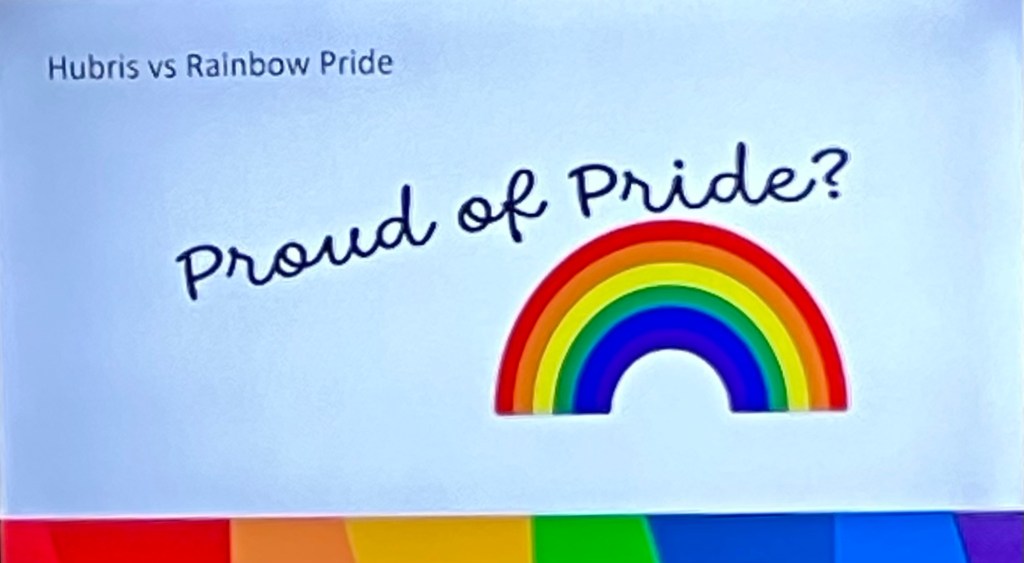
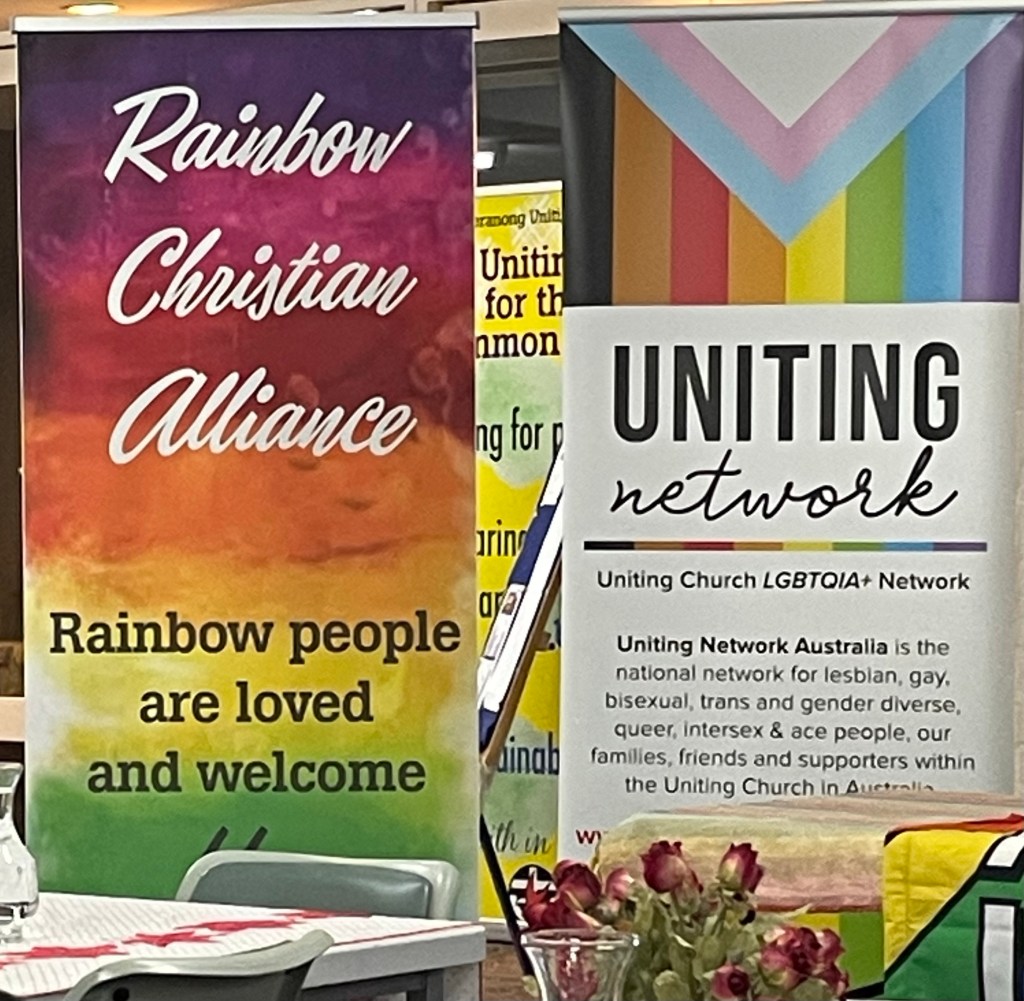
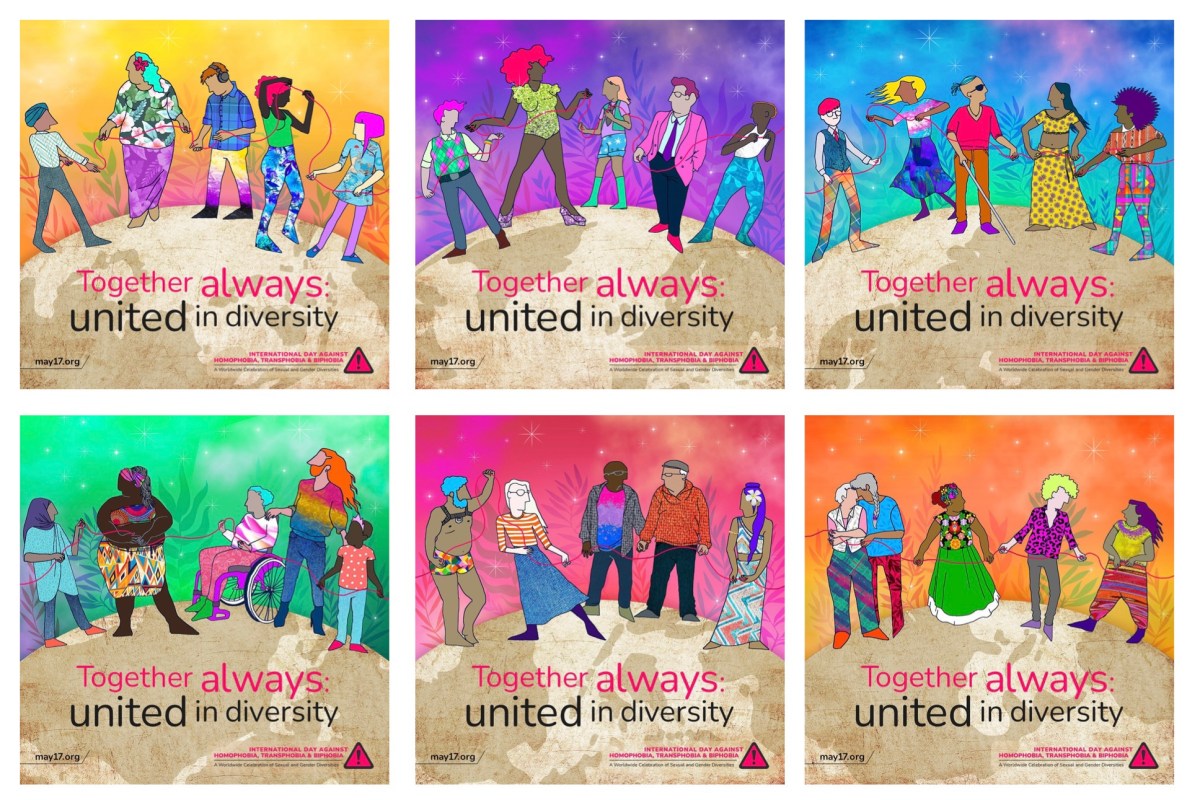

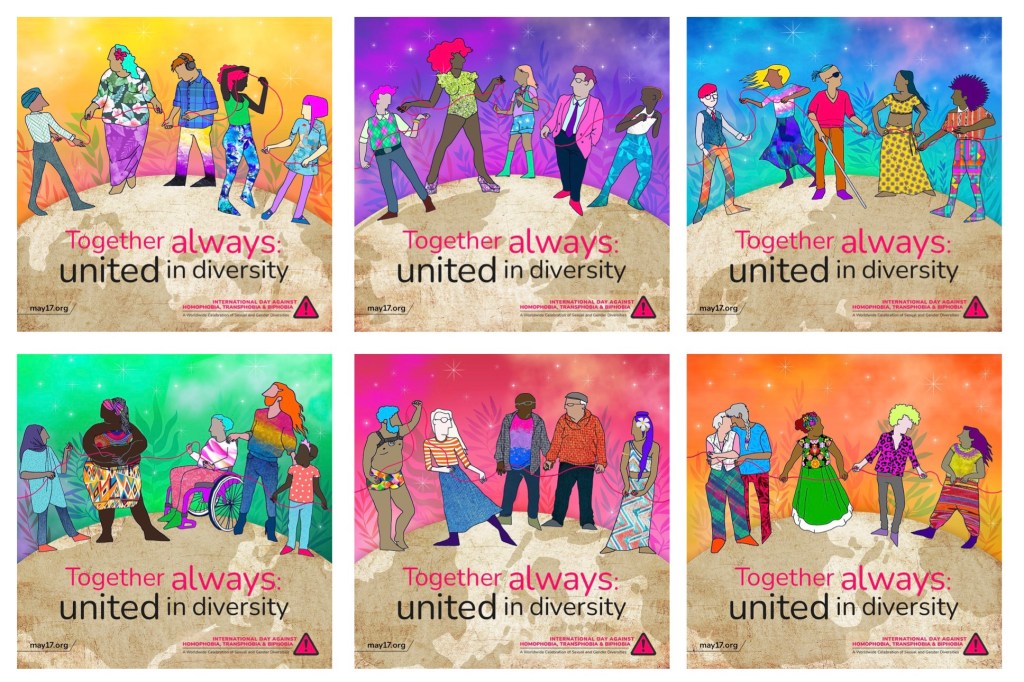


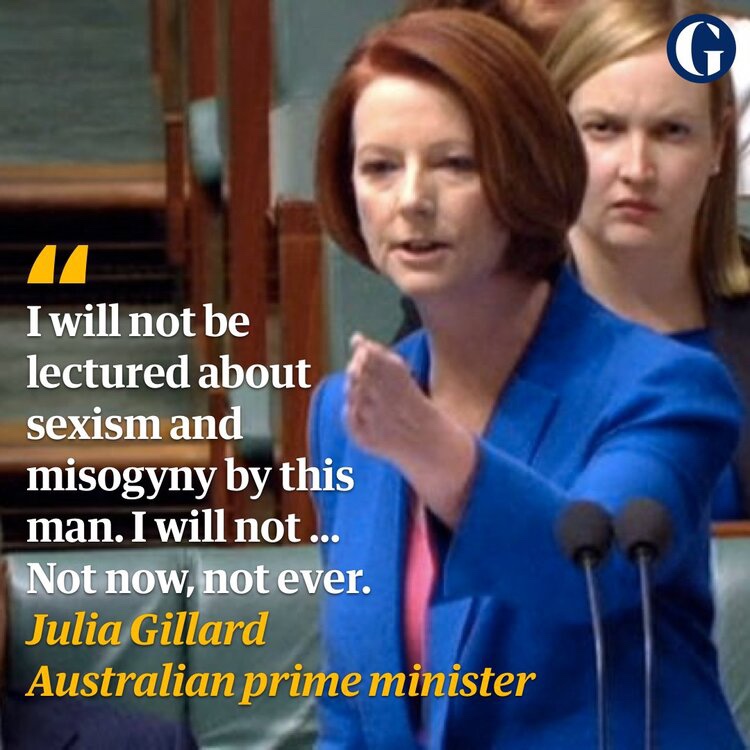
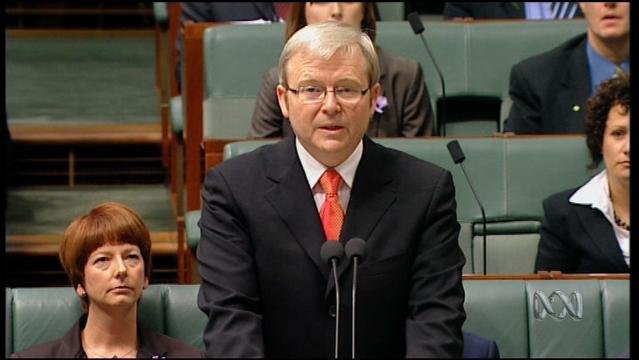
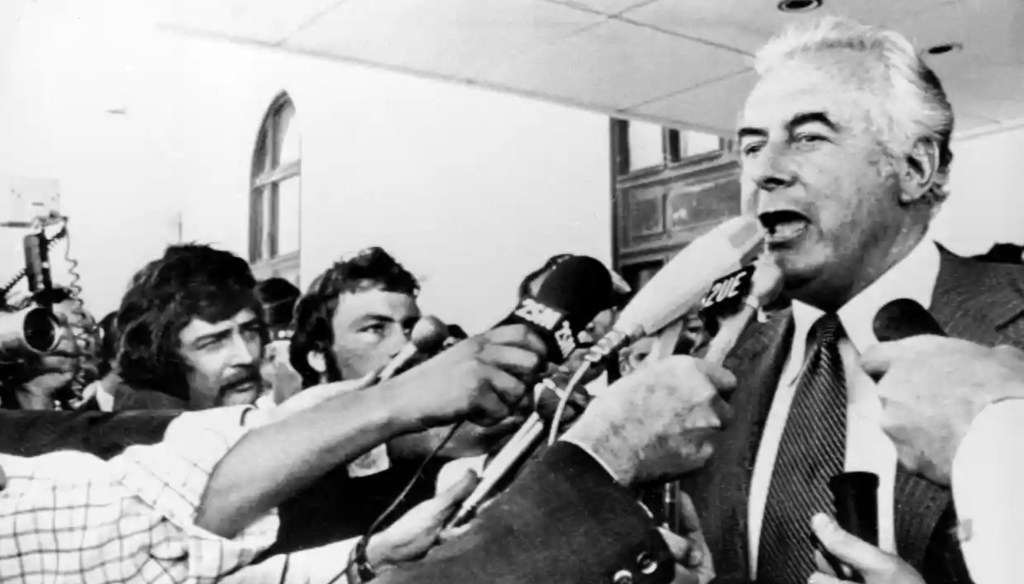
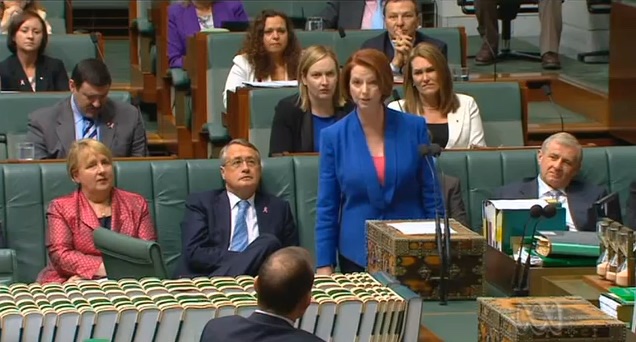


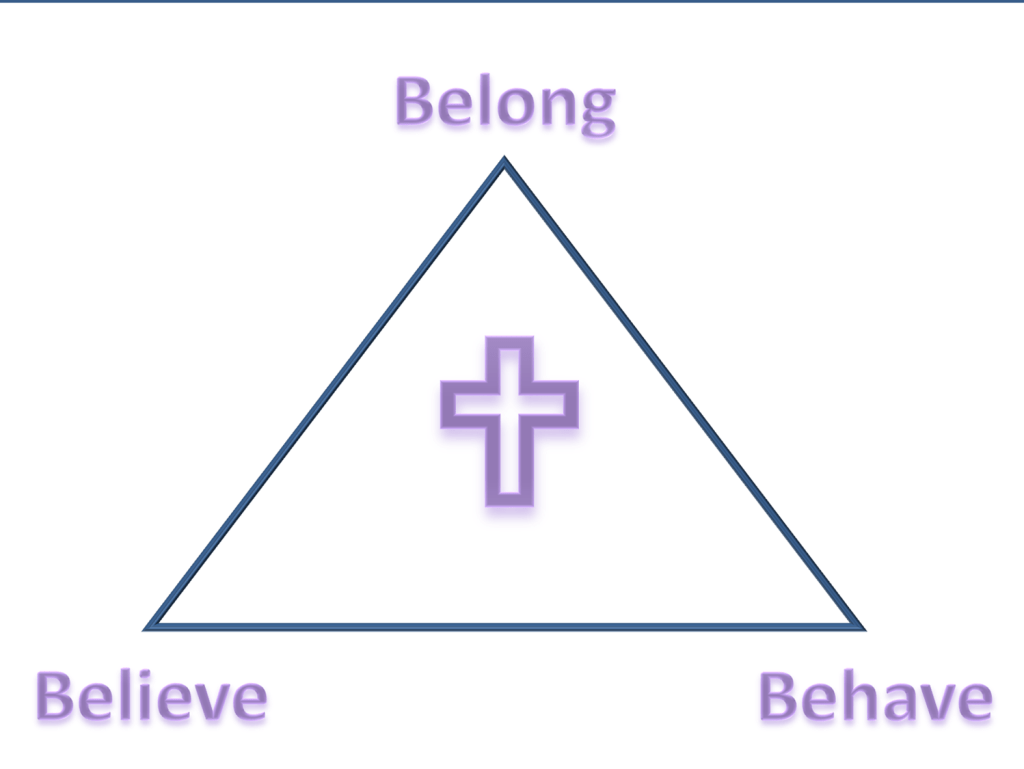
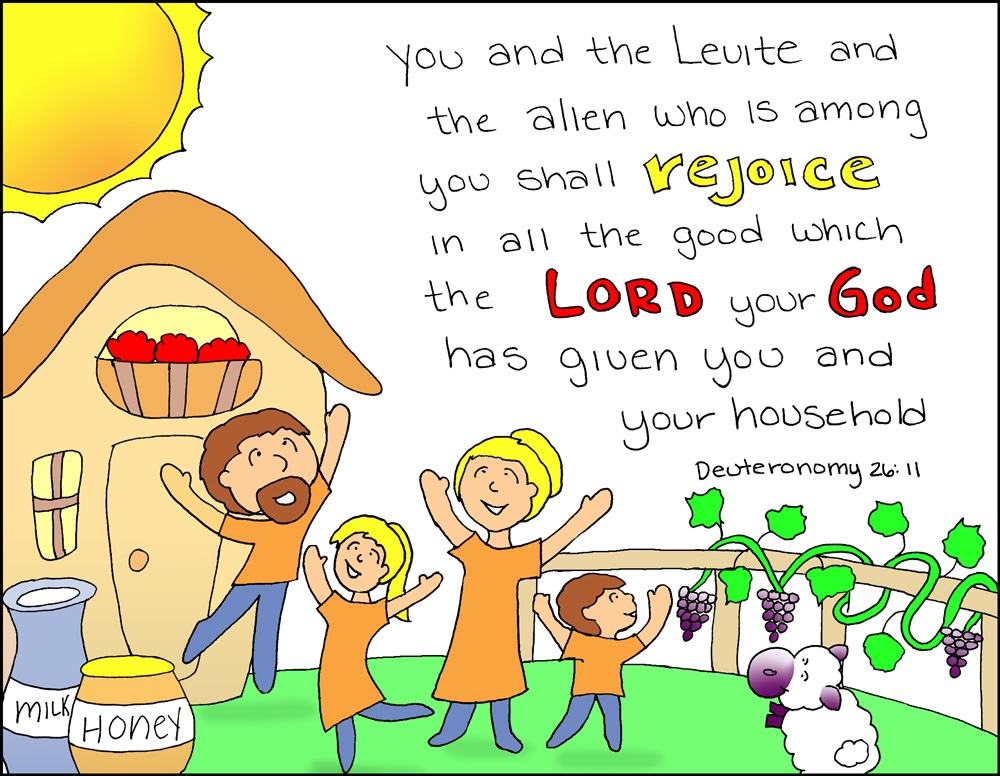

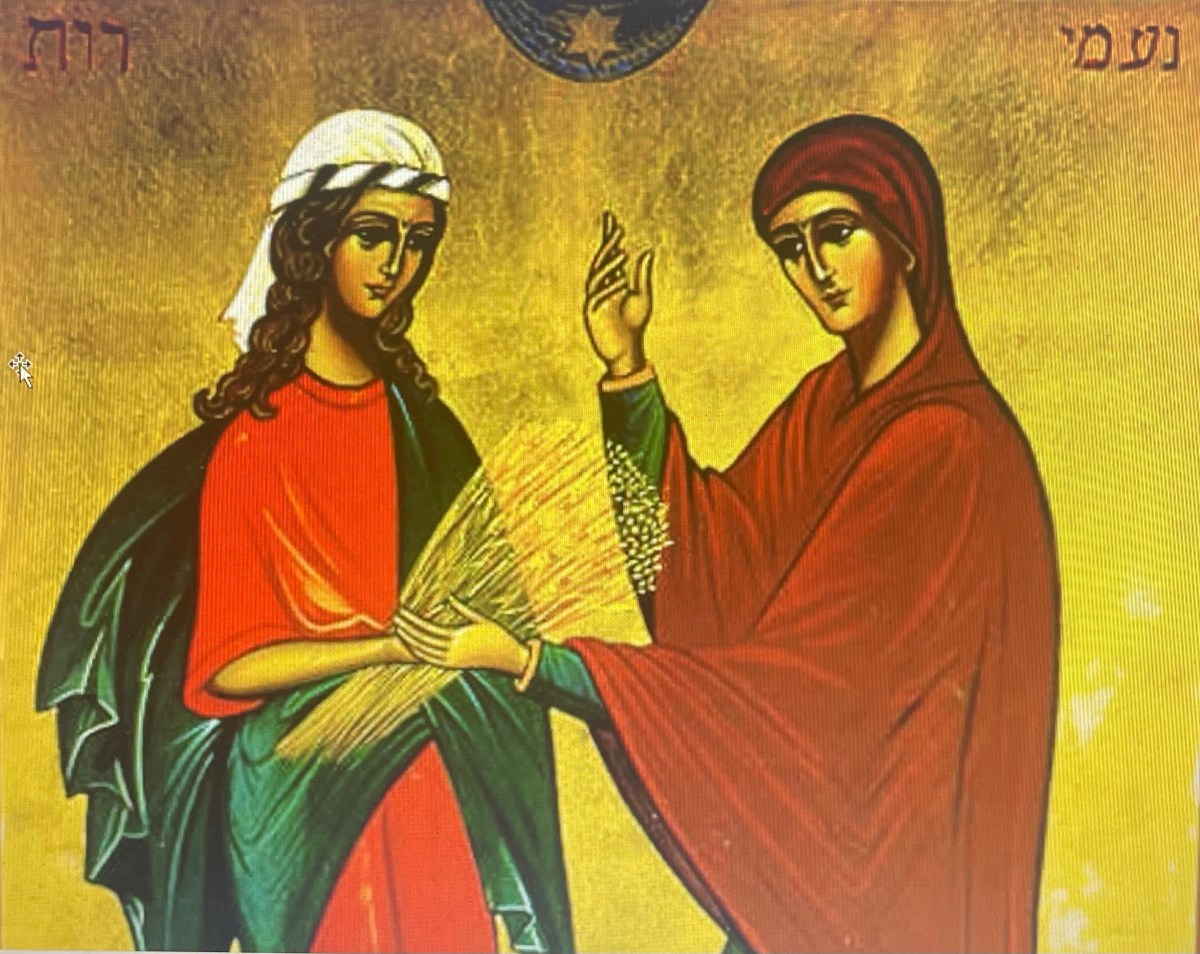
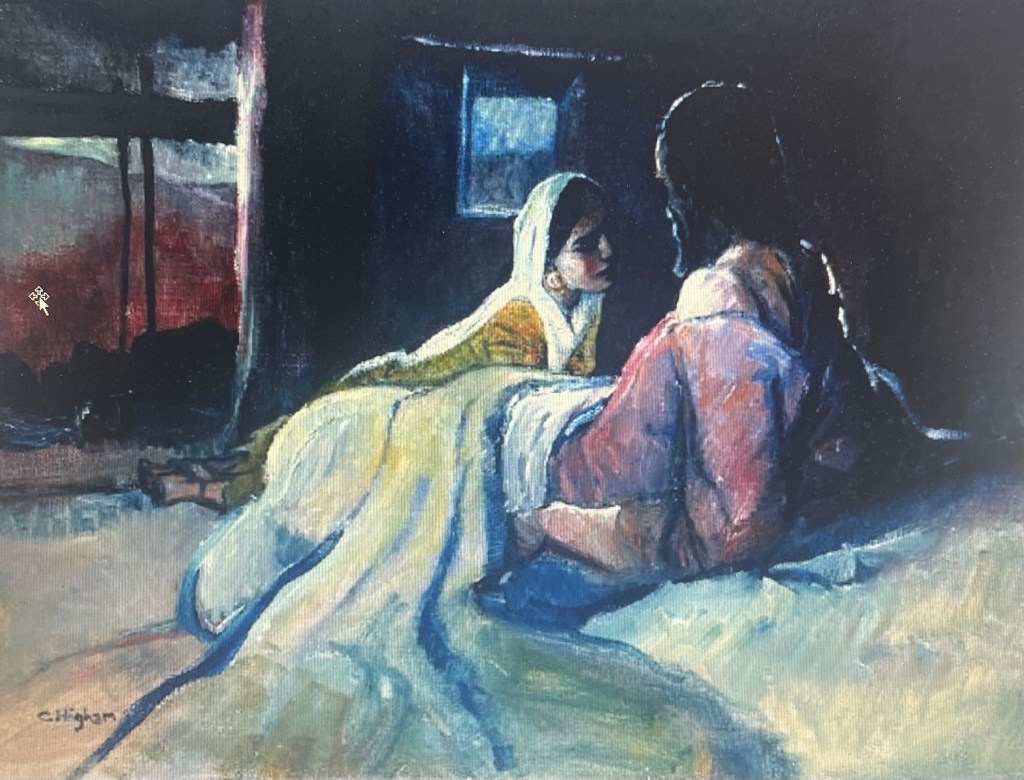
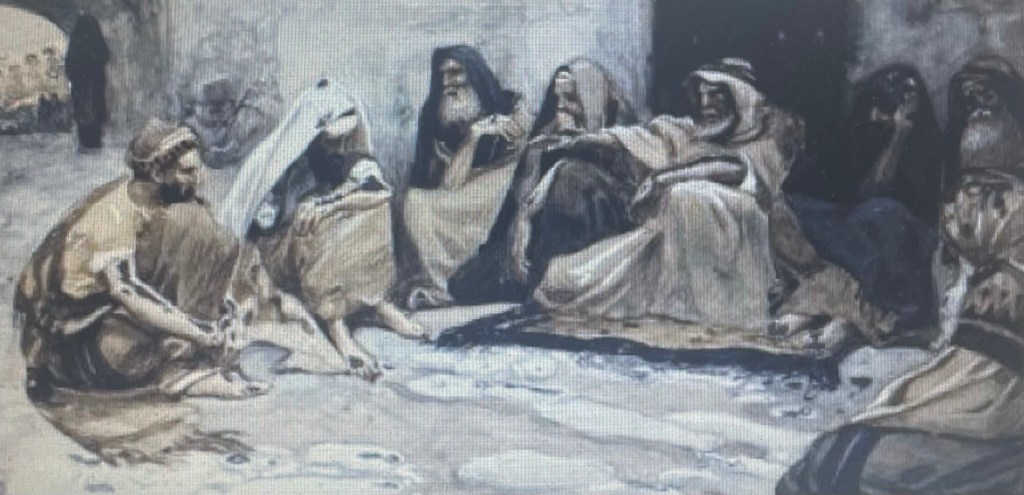
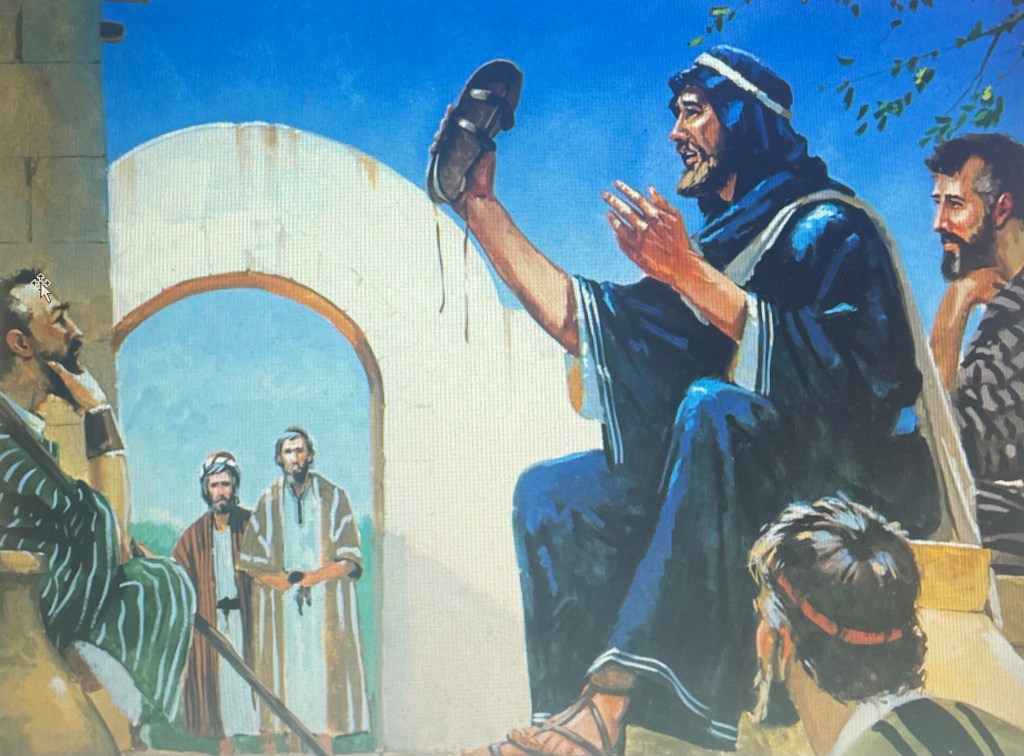
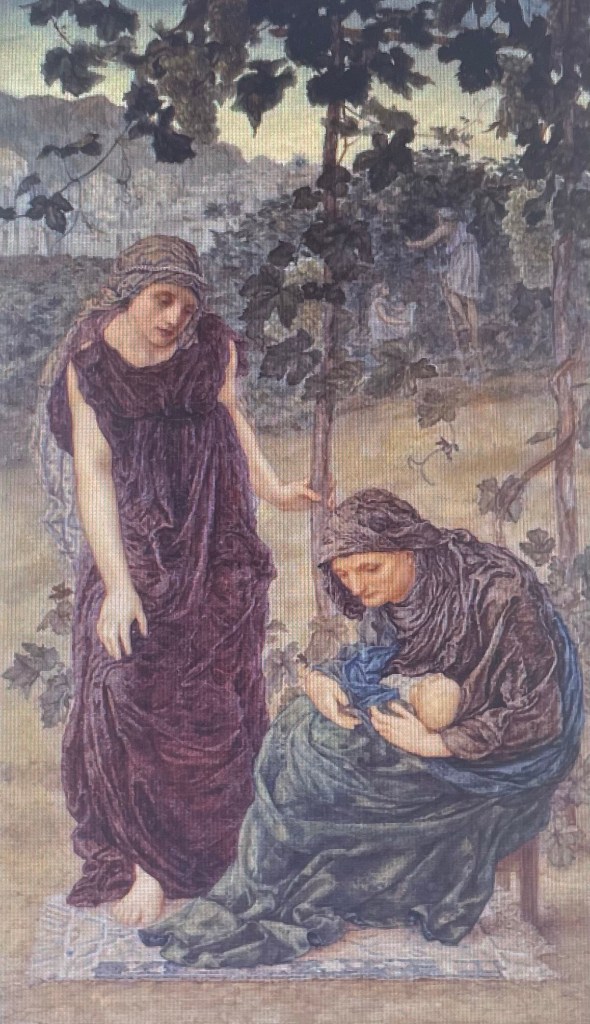
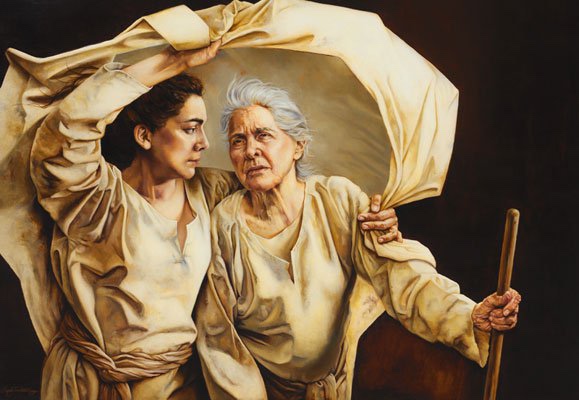


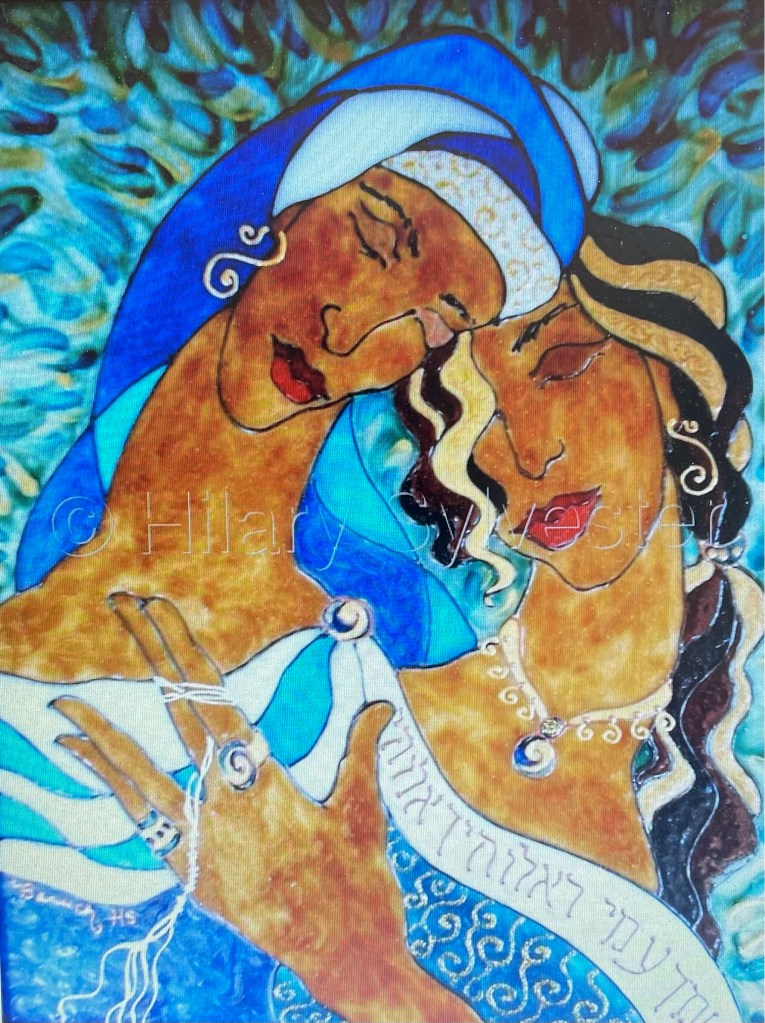
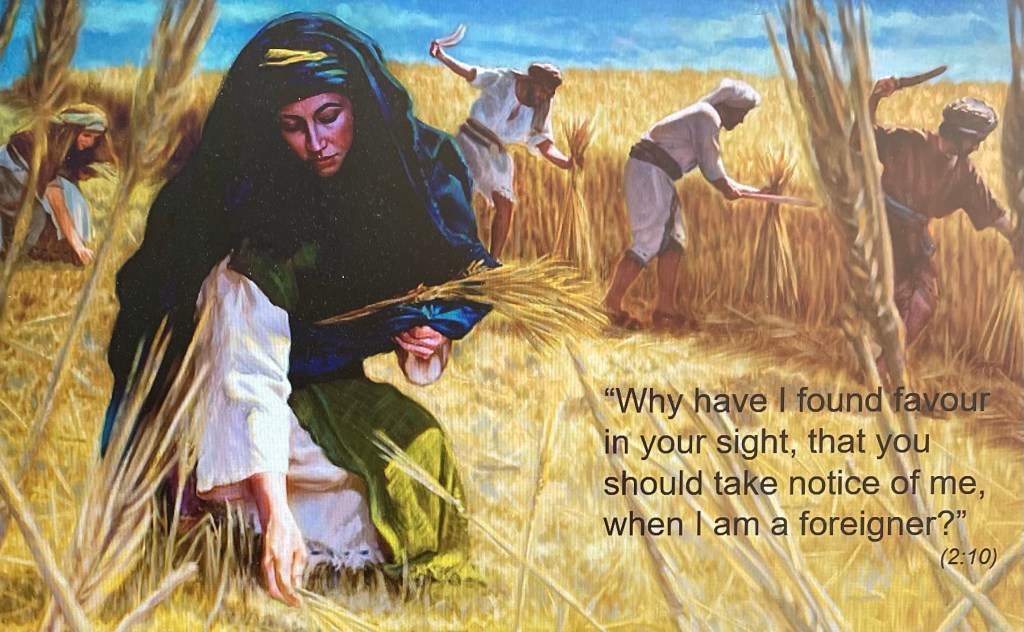
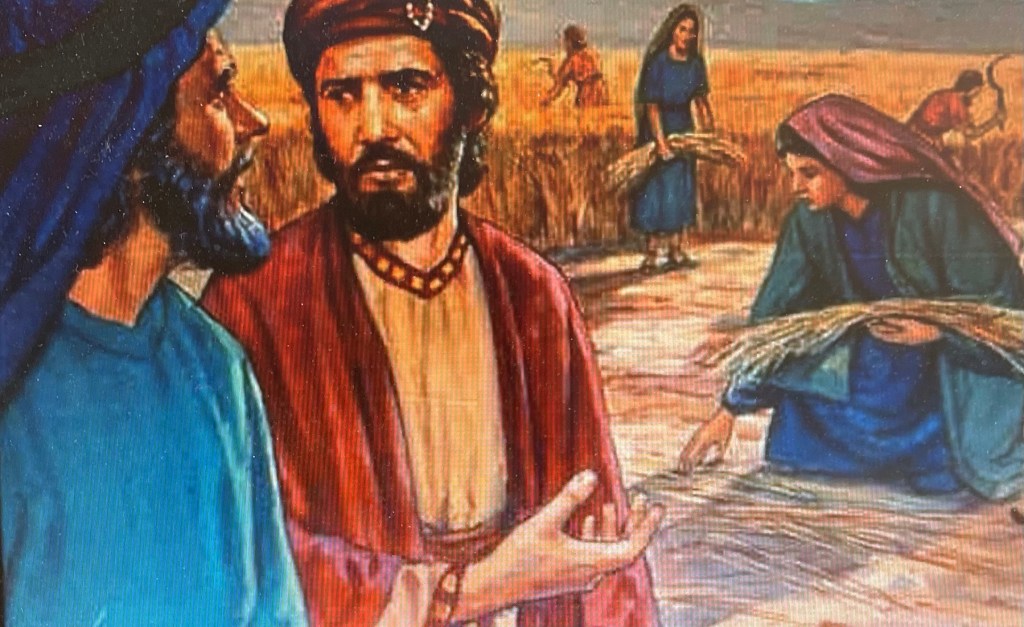



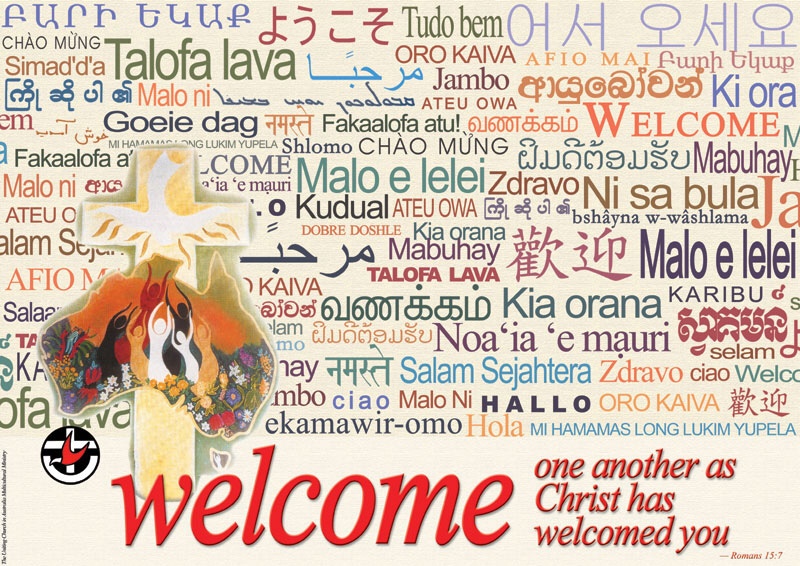
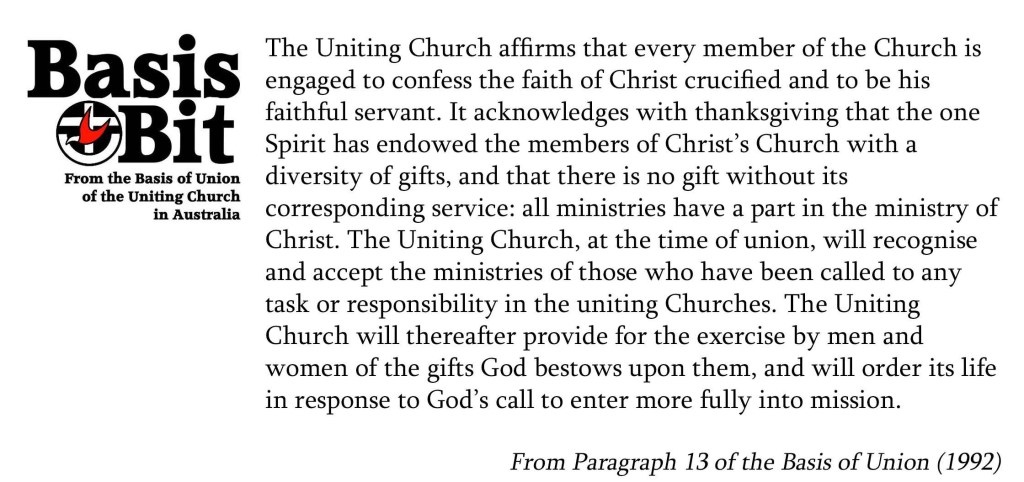
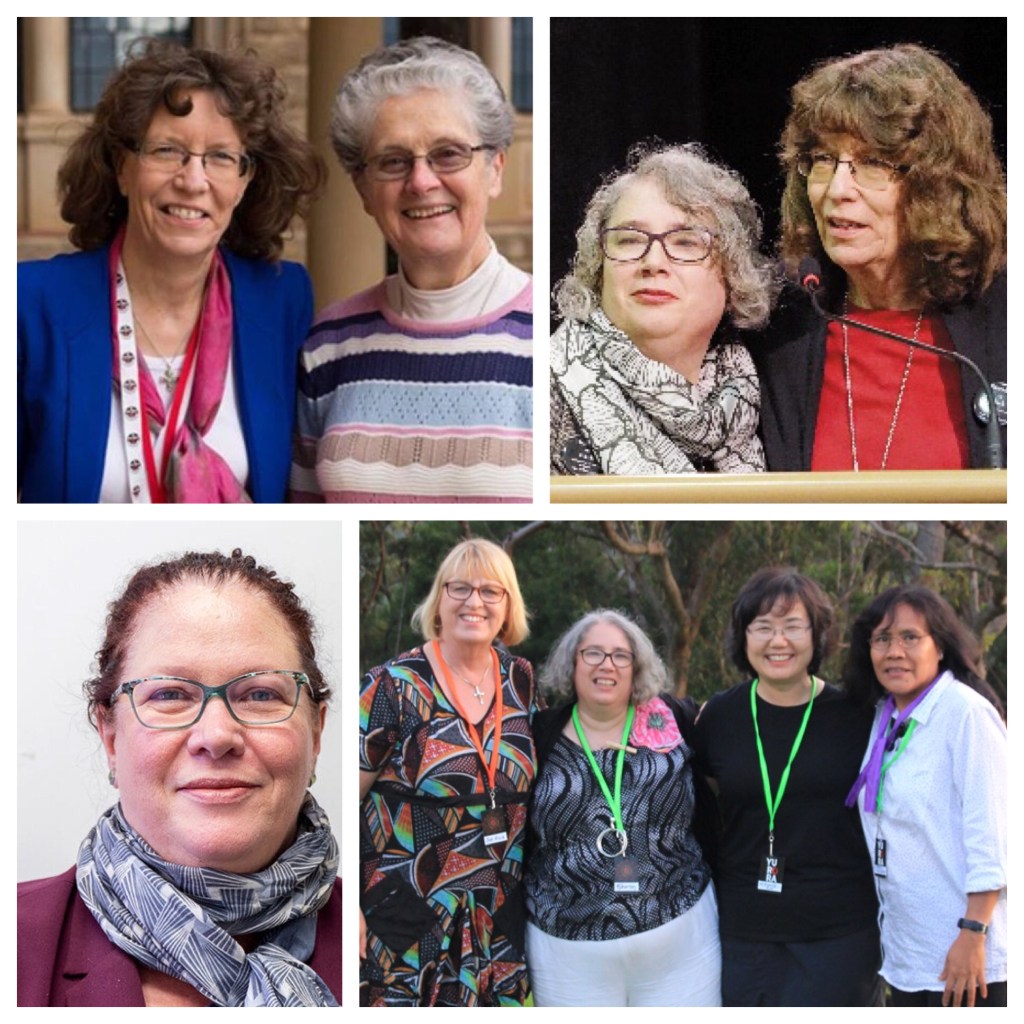


 An Informed Faith