Giving Voice, Telling Truth, Talking Treaty: NAIDOC 2019

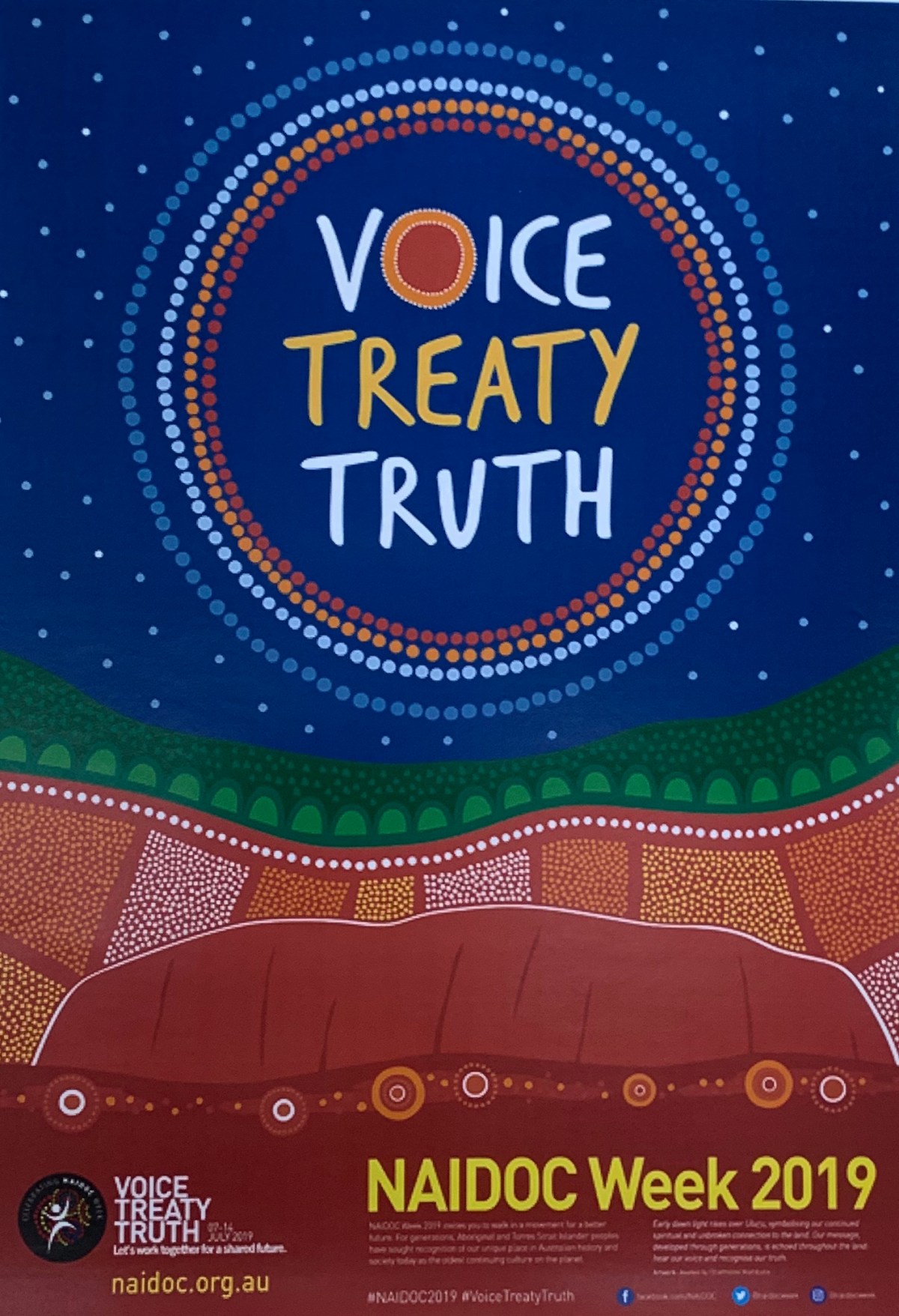
NAIDOC Week runs for a week each July. NAIDOC originally was an acronym for the National Aborigines and Islanders Day Observance Committee. The organising committee behind the day adopted this name in 1991. It has been held, as a week, each year since then.

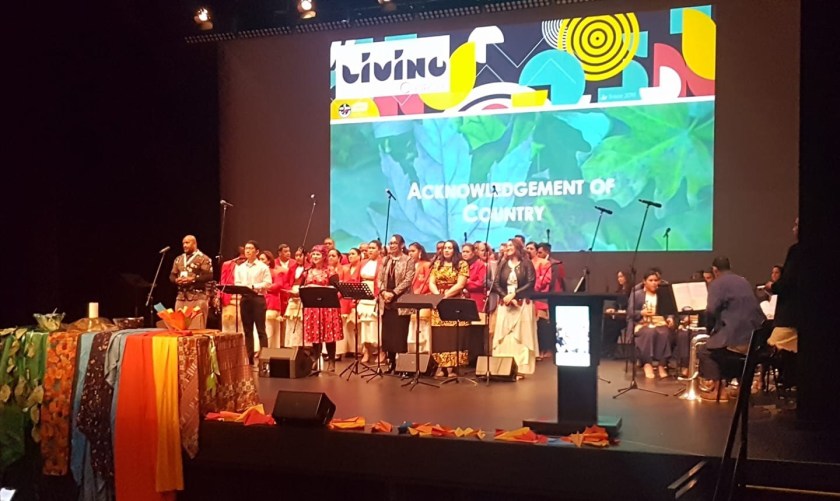
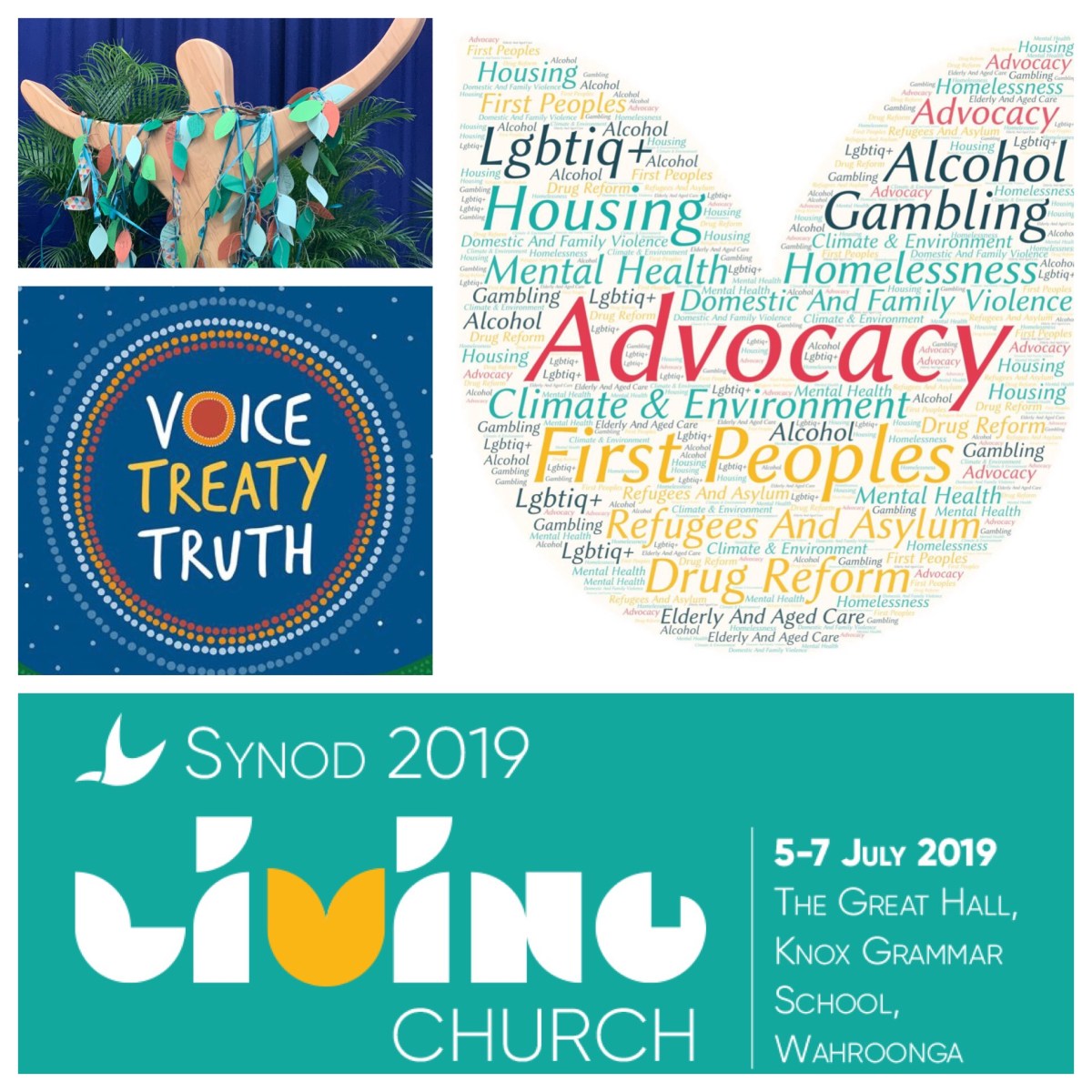
The theme for NAIDOC Week 2019 is Giving Voice, Telling Truth, Talking Treaty. This is something that all Australians should support. And this is certainly something that people within the Uniting Church are able to support.

The Uniting Church has given voice to First Peoples. Twenty five years ago the Uniting Church entered into a covenant relationship with the Uniting Aboriginal and Islander Christian Congress. The Covenant is an expression of how we seek to listen to the voice of First Peoples. (See https://assembly.uca.org.au/news/item/3035-the-25th-anniversary-of-the-covenant and https://assembly.uca.org.au/resources/covenanting/item/135-covenanting-statement-1994)

A covenant relationship is often an agreement between equals. Yet the relationships between First and Second Peoples is not one between equals. The voice of First Peoples, the place of First Peoples, has a priority over the voices and the place of those of us who have come more recently, in the past two and a half centuries, to this continent and its islands. We are committed to prioritising the voice of the First Peoples.

The Uniting Church is committed to telling truth. This truth is confronting and challenging. In the revised Preamble which was adopted a decade ago by the Uniting Church, we sought to tell the truth. Drawing on the voices of Indigenous Peoples, we have named the settlement of this continent as a colonising movement, generated by foreign imperialism, manifesting in violent invasion and genocidal massacres, spread from north to south, from east to west, of this continent. We must continue to prioritise this commitment to tell the truth. (See https://johntsquires.com/2019/01/16/the-profound-effect-of-invasion-and-colonisations/)

Likewise, at the 14th Assembly, we decided to repudiate the Doctrine of Discovery, that medieval theological foundation upon which the worldwide invasion and colonisation of lands was based—including the invasion and colonisation of Terra Australis. This has been part of our commitment to tell the truth. (See https://johntsquires.com/2018/08/13/affirming-the-sovereignty-of-first-peoples-undoing-the-doctrine-of-discovery/)

And the Uniting Church is committed to talking treaty. We are supportive of the formalisation of treaties with the various nations of Peoples who have inhabited, nurtured and cared for this land since time immemorial. This commitment is based on a recognition of the Sovereignty of each of those nations, sovereignty over the land that the people have inhabited, nurtured, and cared for over those many millennia.

Sovereignty, as articulated in the Statement from the Heart of 2017, is understood by the First Peoples as a spiritual notion, reflecting the ancestral tie between the land and the First Peoples (see https://johntsquires.wordpress.com/2018/10/13/on-covenant-reconciliation-and-sovereignty/ and https://johntsquires.wordpress.com/2018/10/13/on-covenant-reconciliation-and-sovereignty/)

Each of the hundreds of nations found before 1788 on this continent hold that sovereignty. The 15th Assembly of the Uniting Church recognised this sovereignty. This current proposal seeks to take the next step with regard to this sovereignty. A treaty between the governments of the invading, colonising settlers and the long-existing nations of First Peoples, is the logical next step. That is the pathway stretching out ahead of us.

Labor governments in Victoria and South Australia have already committed to signing a treaty with Indigenous peoples. SA has appointed a treaty commissioner, Roger Thomas, to consult with Aboriginal communities and help negotiate individual clan-based treaties. This work is now underway and resulting in regional treaties.

Victoria has also appointed a treaty commissioner, Gunditjmara woman Jill Gallagher, who will oversee the development of an elected representative body which will negotiate with the Victorian government on behalf of Victoria’s Aboriginal peoples. (See https://www.google.com.au/amp/s/amp.theguardian.com/australia-news/2019/apr/11/victoria-a-step-closer-to-indigenous-treaty-with-creation-of-first-peoples-assembly)

In NSW, the Aboriginal Land Council has a Strategic Plan which sets its direction. The Plan commits to an ambitious agenda of cultural protection, social wellbeing and economic development. In 2019, it now adds a new political call: that there be a process for establishing a Treaty or Treaties between the NSW Government and the Aboriginal people of this state. (See

http://alc.org.au/about-nswalc/strategic-plan-2018—2022.aspx)

The current NSW state government needs to be pressed with regard to this issue. It is not an optional matter. It is core business.

Finally, the Federal Government needs to be lobbied to return to the process set up some years ago, working towards reconciliation. National governments have formalised treaties with Indigenous peoples in New Zealand and Canada, and parts of the United States of America. (See https://www.google.com.au/amp/s/theconversation.com/amp/why-the-indigenous-in-new-zealand-have-fared-better-than-those-in-canada-84980)

The establishment of a Makarratta Commission within Australia, to oversee and facilitate the making of treaties, is essential to our national wellbeing. As a church, we should be strongly committed to encourage that process.

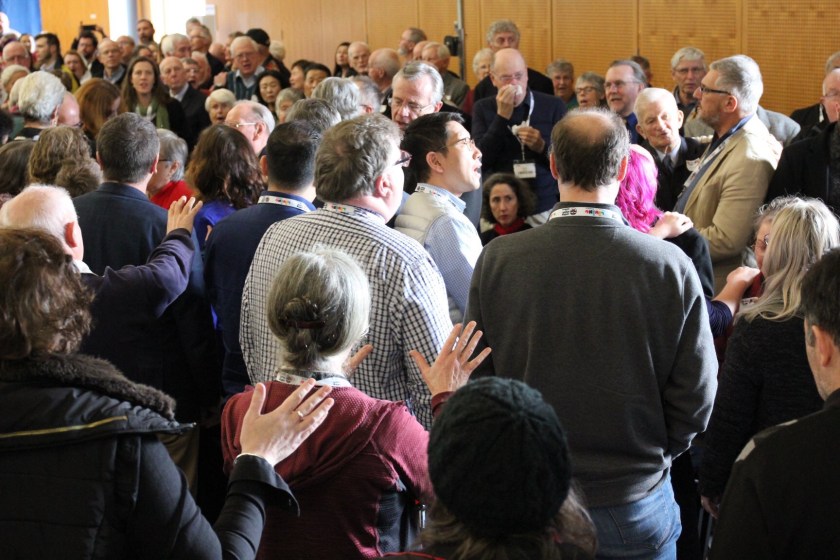
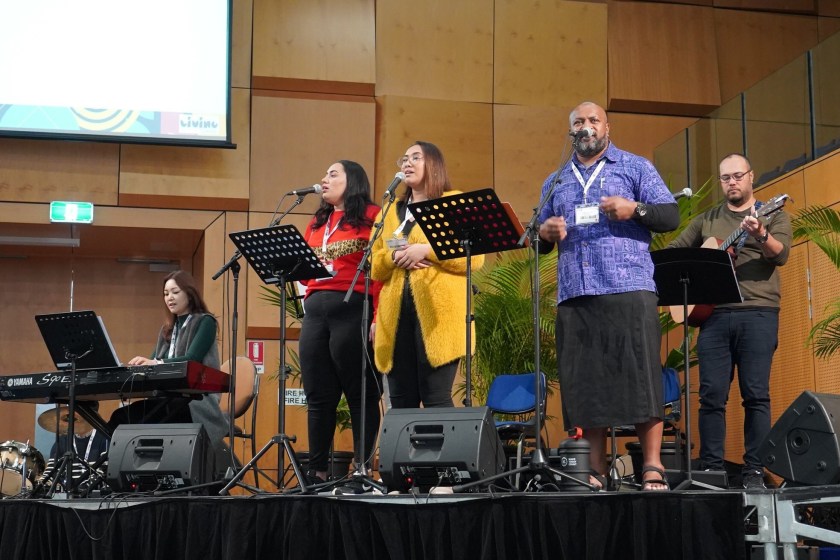
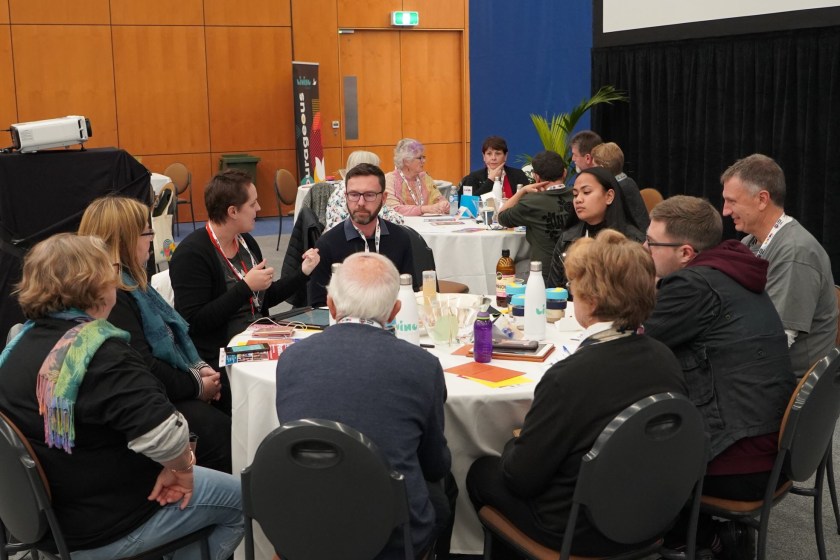
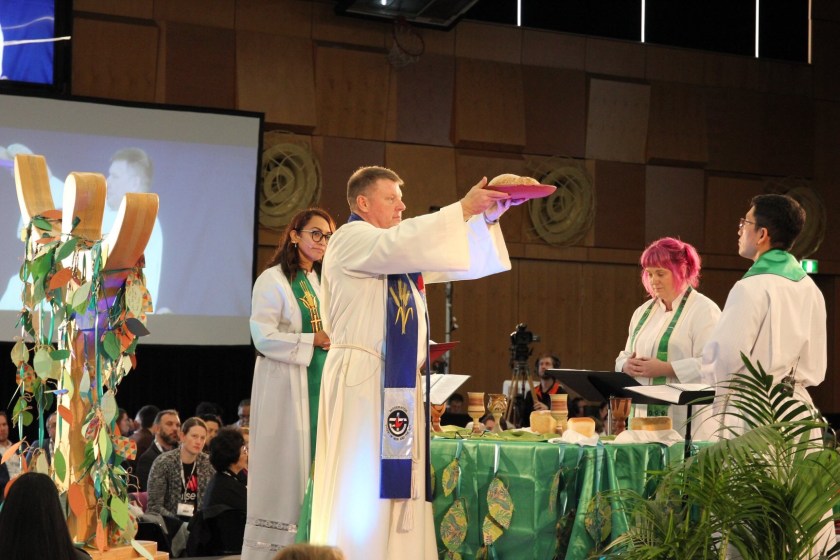
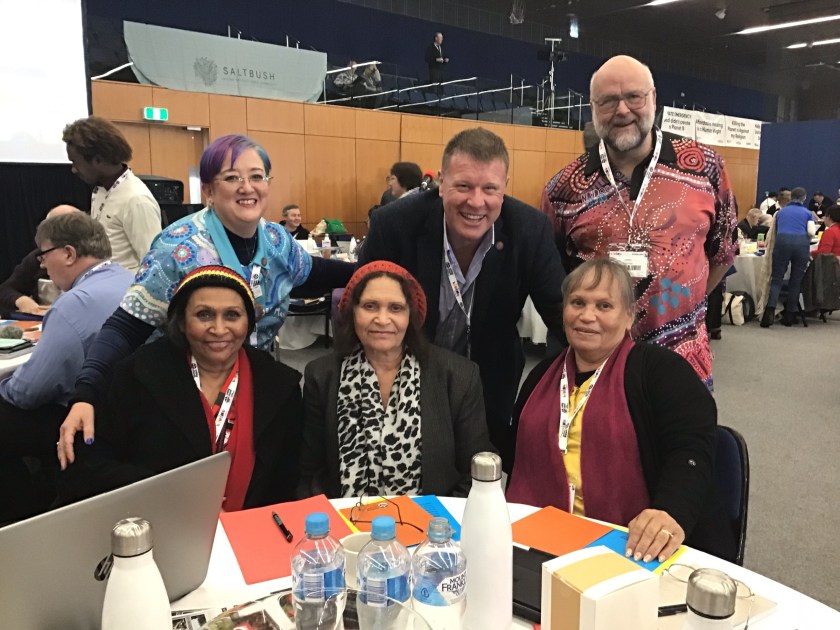
At the 2019 meeting of the Synod of NSW and the ACT, we have now agreed by consensus to enact a series of proposals to give support to the theme of Giving Voice, Telling Truth, Talking Treaty. A similar proposal was adopted by the Synod of Victoria and Tasmania. The church is committed to reconciliation, giving voice, telling truth, and working to secure treaties.

See https://www.insights.uca.org.au/news/hear-the-statement-from-the-heart

https://victas.uca.org.au/synod-day-three-recap/

https://www.insights.uca.org.au/news/its-a-time-for-a-treaty

The DNA of the UCA (part II)

Two years ago, for the fortieth anniversary of the formation of the Uniting Church in Australia, I prepared a resource exploring the key characteristics of this church. This week, for the 52nd anniversary, I am reposting those thoughts. Here is a second set of five key characteristics.

VI A very important dimension to being the church in this country is that we are a church in Covenant with the First Peoples of Australia. From its earliest years, the Uniting Church has been involved in actions which express our solidarity with the Aboriginal and Torres Strait Islander peoples. Older members will recall events at Noonkanbah Station in the Kimberley in 1980, when Uniting Church members stood in solidarity with the traditional owners, the Yungngora people, against the mining of their land.

The Uniting Aboriginal and Islander Christian Congress (UAICC) was established in 1985, and a Covenant between the UAICC and the UCA was implemented in 1994. This Covenant recognises that working for reconciliation amongst people is central to the Gospel.

In 2009, the Preamble to the UCA Constitution was revised to recognise the difficult history of relationships between the First Peoples and the later arrivals, as Second Peoples. Our present relationship is one which seeks to ensure that we commit to the destiny together which we share as Australians.

VII In the same year that the Congress was formed, the Uniting Church declared that it is a multicultural church, which rejoices in the diversity of cultures and languages which are found across Australia. The Basis of Union recognises that we share much, as Australians, with people of Asia and the Pacific. The Uniting Church has maintained strong relationships with churches from these regions, as well forging new links with churches in Africa and the Middle East.

The Statement to the Nation, issued in 1977, acknowledged that the Uniting Church seeks a unity that transcends cultural, economic and racial distinctions. Within Australia, there are currently 12 national conferences based on regional groupings and people from 193 language groups who belong to the Uniting Church.

Each Sunday, worship takes place in Uniting Churches in 26 different languages, not including the many indigenous languages used in worship by first peoples across our church.

Through UnitingWorld, we maintain partnerships with churches in Asia, the Pacific, Africa and the Middle East. We are truly a multicultural church. Through the Relations with Other Faiths Working Group, the Uniting Church has been active in developing relationships with other faith communities. We are firmly committed to constructive interfaith relations.

VIII Over 40 years, the Uniting Church has shown that it is a church which is prepared to engage in difficult discussions about contentious issues. Our Basis of Union commits us to learn from the insights of contemporary scientific and historical studies, and affirms that we remain open to correction by God in the way we order our life together.

In the early years of the Uniting Church, debates about Baptism were the focus of great controversy. Infant baptism had been an integral part of the worship practices of each denomination which joined the Uniting Church, but Ministers and Elders Councils were receiving regular requests for baptism by adults who had been baptised as infants but had come to a personal faith later in their lives. After debates stretching through the 1980s and 1990s, the Uniting Church has developed a clear set of protocols to cover such requests.

Another area of enduring controversy has been that of human sexuality. There is a wide diversity of opinion within society relating to such matters, and this diversity is present within the Uniting Church. Once again, from the 1980s though into the present era, lively debates regarding human sexuality have taken place in the various councils of the church. In dealing with such issues, we have learned how to debate with respect and integrity with ongoing conversations looking to employ a “Space for Grace” process to encourage respectful, empowering, and inclusive decision-making. Let us hope that this trait stays firmly embedded in the DNA of the UCA.

IX The Uniting Church inherited from its predecessor Churches a strong commitment to advocating for justice for all. Many Uniting Church congregations and members are actively committed to serving those people who find themselves on the margins of society. This commitment was clearly articulated in the 1977 Statement to the Nation and it has been evident in many actions undertaken by Uniting Church members over the decades.

The Uniting Church has joined in common cause with other groups and organisations in society, in advocating for a welcoming attitude towards refugees; in lobbying for a fair and just system of caring for people who are experiencing poverty and homelessness; in seeking equity for workers in their workplace; and in many other issues.

A regular stream of policy documents and public resolutions point to a clear and unbroken commitment to seeking justice for all.

X In like manner, the Uniting Church has always been a church which honours the environment and supports a sustainable lifestyle.

Although such matters are firmly on the radar of the public now, they have long been integral to the DNA of the UCA. Once again, the 1977 Statement to the Nation flagged such commitment. A series of subsequent documents attest to the ongoing determination of the church to live responsibly, in such a way that we minimise the damage we cause to the environment in which we live.

Our partnerships with Churches in the Pacific have intensified our awareness of the negative impacts that are resulting from climate change. We know that we need to act now, to reduce the threat.

So, many congregations and individual members of the UCA are seeking to implement practices that will reduce their carbon footprint on the planet. We know that we owe it to future generations, to live responsibly in the present.

For the first five key characteristics, see https://johntsquires.com/2019/06/18/the-dna-of-the-uca-part-i/

So: these are ten strands to our DNA, as far as my thinking is concerned. What about you?

Would you add anything? Take anything away?

What do you think are the essential aspects of our UCA DNA?

See also https://johntsquires.com/2018/08/15/what-i-really-like-about-the-basis-of-union/

https://johntsquires.com/2018/08/20/alongside-the-basis-of-union-there-was-the-statement-to-the-nation/

Reconciliation on the land of Australia: living together with respect

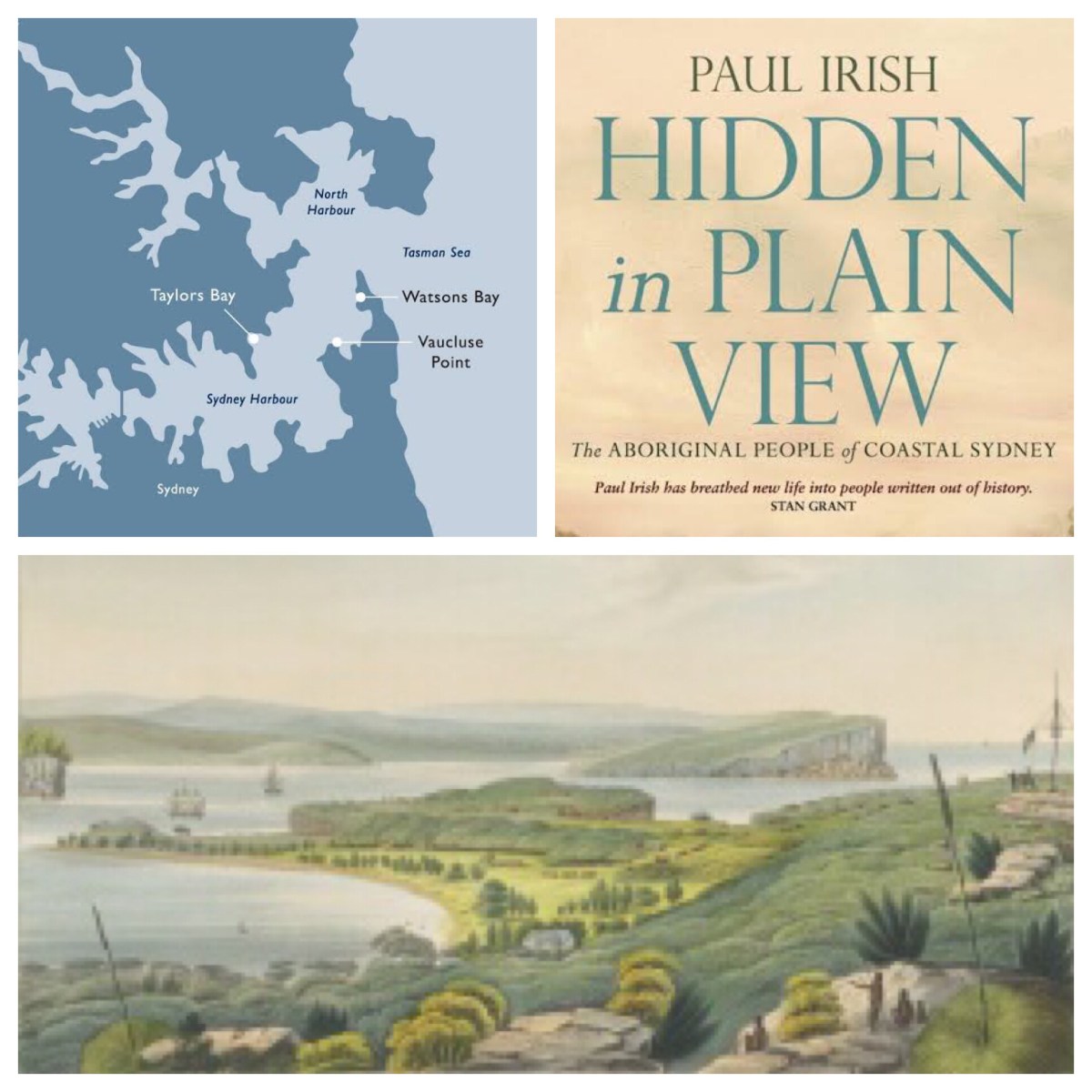
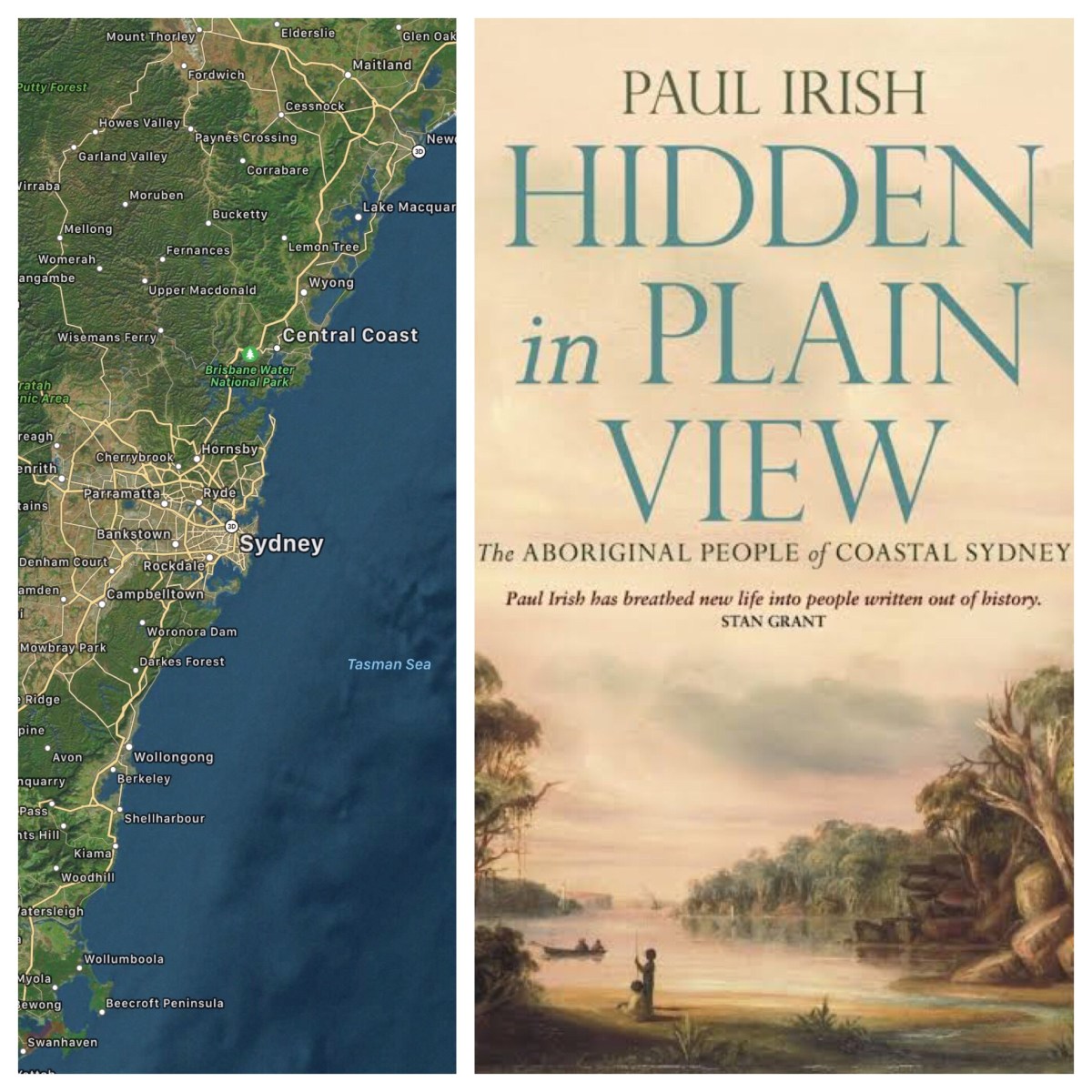
In his book Hidden in Plain View, Paul Irish has found many records that demonstrate the positive relationships between the colonisers and Indigenous people at various locations in the coastal Sydney region.

One story concerns the area in Sydney Harbour known today as Watsons Bay.

The original inhabitants of the area that is now known as Watsons Bay, were the Gadigal people. The Gadigal referred to the area as Kutti. This indigenous group of people fished and collected shellfish in the waters and bays off South Head. They acquired their resources from Camp Cove and carved rock engravings there, although many have since eroded from the cliff faces and rock surfaces that line the coastline.

Watsons Bay was named after Robert Watson (1756–1819), who had arrived with the First Fleet as quartermaster of H.M.S. Sirius. After some years at Norfolk Island, Watson was given a land grant at South Head. When the lighthouse at South Head was finished, Watson was installed as its first superintendent in November 1818.

In the early decades of the colony, there was a group of Aborigines which used Camp Cove as their base for fishing. They co-existed with the whites who began settling in the area. Later events would challenge, and then unravel, this positive relationship. There is a lot of tragedy and much sadness in the relationships between First Peoples and the colonisers, in the ensuing decades. But perhaps we need to look back to those early positive, respectful relationships, as the model for our lives today?

See also

http://home.dictionaryofsydney.org/paul-irish-hidden-in-plain-view-the-aboriginal-people-of-coastal-sydney/

https://johntsquires.com/2019/05/27/we-are-sorry-we-recognise-your-rights-we-seek-to-be-reconciled/

https://johntsquires.com/2019/05/28/reconciliation-on-the-land-of-australia-learning-from-the-past/

https://johntsquires.com/2019/05/29/reconciliation-on-the-land-of-australia-bennelong-and-yemmerrawanne/

https://johntsquires.com/2019/05/30/reconciliation-on-the-land-of-australia-bungaree-and-mahroot/

https://johntsquires.com/2019/05/31/reconciliation-on-the-land-of-australia-cora-gooseberry-and-biddy-giles/

https://johntsquires.com/2019/06/01/reconciliation-on-the-land-of-australia-these-are-my-people-this-is-my-land/

On the doctrine of discovery: https://johntsquires.com/2018/08/13/affirming-the-sovereignty-of-first-peoples-undoing-the-doctrine-of-discovery/

On learning from the land:

https://johntsquires.com/2018/12/17/learning-of-the-land-1/

https://johntsquires.com/2018/12/18/learning-of-the-land-2-ngunnawal-namadgi-and-ngarigo/

https://johntsquires.com/2019/01/30/learning-of-the-land-3-tuggeranong-queanbeyan-and-other-canberra-place-names/

https://johntsquires.com/2019/02/08/learning-from-the-land-4-naiames-nghunnhu-fishtraps-at-brewarrina/

On difficulties and tragedies in the early relationships:

https://johntsquires.wordpress.com/2019/01/16/the-profound-effect-of-invasion-and-colonisations/

https://johntsquires.wordpress.com/2019/01/18/endeavour-by-every-possible-means-to-conciliate-their-affections/

https://johntsquires.wordpress.com/2019/01/20/we-never-saw-one-inch-of-cultivated-land-in-the-whole-country/

https://johntsquires.wordpress.com/2019/01/22/they-stood-like-statues-without-motion-but-grinnd-like-so-many-monkies/

https://johntsquires.wordpress.com/2019/01/24/resembling-the-park-lands-of-a-gentlemans-residence-in-england/

https://johntsquires.com/2019/01/26/they-are-to-be-hanged-up-on-trees-to-strike-the-survivors-with-the-greater-terror/#more-424

Reconciliation on the land of Australia: “these are my people … this is my land”.

During this National Reconciliation Week, I am recalling the evidence for various positive and respectful relationships that existed between First Peoples and the invading colonisers from Britain, drawing on the work of Paul Irish in his recent book, Hidden in Plain View. (See https://www.newsouthbooks.com.au/books/hidden-plain-view/)

Earlier this week, I mentioned Bungaree, an early Aboriginal leader. He is reported as living, at various times, at Broken Bay, Sydney Town, and the Hunter region. Paul Irish reports that his first wife was Matora (1770s-1820s) and his second wife was Cora Gooseberry (1770s-1852). Both women were from the Sydney Harbour area, and Cora became known as the “Queen” of coastal Sydney in her latter years.

I love Bungaree for his clear and forthright declaration, when he was part of an Indigenous group meeting with a group of sailors from Russia in 1820. In one such meeting, he apparently declared to them: “These are my people … this is my land”.

Right on!!!

(Irish cites this from a report by Glynn Barrett in “The Russians at Port Jackson 1814-1822”, published in 1981. Barrett’s work relates to Russian ships travelling from Europe to Alaska, which often stopped at Sydney, anchoring at Port Jackson. Naval Officers and Sailors had close dealings with the Aboriginal people of the area.)

Bungaree spoke truth. This was (and still is) the land of his people. But the colonial powers of Britain failed to listen and respond appropriately. During Reconciliation Week, we need to foster an attitude of respectful relationship and careful listening, as we engage with our Indigenous sisters and brothers.

See also

http://home.dictionaryofsydney.org/paul-irish-hidden-in-plain-view-the-aboriginal-people-of-coastal-sydney/

https://johntsquires.com/2019/05/27/we-are-sorry-we-recognise-your-rights-we-seek-to-be-reconciled/

https://johntsquires.com/2019/05/28/reconciliation-on-the-land-of-australia-learning-from-the-past/

https://johntsquires.com/2019/05/29/reconciliation-on-the-land-of-australia-bennelong-and-yemmerrawanne/

https://johntsquires.com/2019/05/30/reconciliation-on-the-land-of-australia-bungaree-and-mahroot/

https://johntsquires.com/2019/05/31/reconciliation-on-the-land-of-australia-cora-gooseberry-and-biddy-giles/

On the doctrine of discovery: https://johntsquires.com/2018/08/13/affirming-the-sovereignty-of-first-peoples-undoing-the-doctrine-of-discovery/

Reconciliation on the land of Australia: Cora Gooseberry and Biddy Giles

As well as known Aboriginal men who were leaders of their clans and figured in ongoing relationships with the British colonisers in the coastal Sydney area, there are Aboriginal women who are recorded in the early colonial records. Paul Irish recounts what is known about some of them, in his book “Hidden in Plain View”.

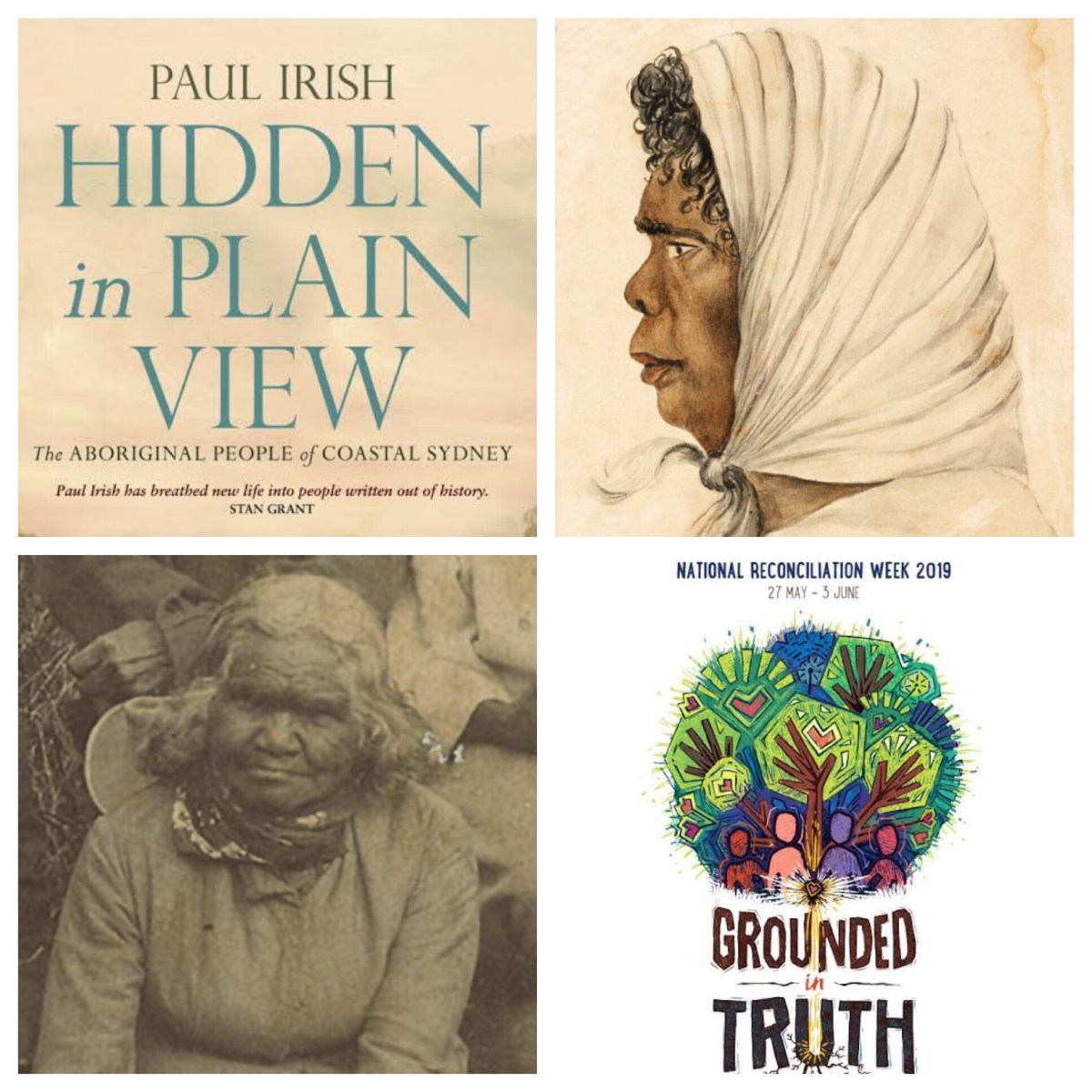
Cora Gooseberry was the widow of Bungaree (see https://johntsquires.com/2019/05/30/reconciliation-on-the-land-of-australia-bungaree-and-mahroot/). She was born around 1777 and lived until 1852. Cora was a well-known identity in the Sydney streets. Born as Carra or Kaaroo, she was the daughter of Moorooboora, leader of the Murro-Ore (Pathway Place) clan, named from muru (pathway) and Boora (Long Bay).

Irish reports that Gooseberry’s mob, including Ricketty Dick, Jacky Jacky and Bowen Bungaree, camped in the street outside Sydney hotels or in the Domain, where they engaged with the British invaders by giving exhibitions of boomerang throwing. In July 1845, in exchange for flour and tobacco, Cora Gooseberry took Angas and the police commissioner W.A. Miles on a tour of Aboriginal rock carvings at North Head and told them ‘all that she had heard her father say’ about the places where ‘dibble dibble walk about’, an inference that he had been a koradji from that region. (See http://adb.anu.edu.au/biography/gooseberry-cora-12942)

Biddy Giles, 1810 to 1888, lived first in the Illawarra, where she had two daughters to Burragalong, known as Paddy Davis. Davis lived with Biddy from 1850s on a farm at Mill Creek, off the George’s River. Biddy was skilled at fishing and hunting with a pack of dogs. Irish reports that she ran guided tours in the bush land near George’s River down to the Heathcote area, from the 1850s onwards, and then tours to whale engravings near Bundeena in 1860s and 1870s

About the time Paddy died around 1860, Biddy moved to the Georges River, with a new partner, an Englishman called Billy Giles. They lived on the western bank of Mill Creek, known to the Dharawal as Gurugurang, in a farmhouse built earlier by Dr Alexander Cuthill. They had fruit trees, goats and abundant bush tucker from the river and its banks. During the 1860s, Biddy and Billy acted as guides for groups of travellers in shooting or fishing parties, sharing their knowledge of the river and its wildlife, telling stories and sharing skills. These trips ranged from Mill Creek east all the way to the ocean and south into Dharawal country as far as the Shoalhaven.

Some of these travellers wrote accounts of their trips with Biddy, marvelling at her unfailing ability to find fish, her control of her hunting dogs and the skill with which she could rustle up a delicious meal from local produce. (See https://dictionaryofsydney.org/entry/giles_biddy)

Such women are fine models for us to ponder during this National Reconciliation Week.

(In the picture, Cora Gooseberry is top right, Biddy Giles is bottom left.)

See also

http://home.dictionaryofsydney.org/paul-irish-hidden-in-plain-view-the-aboriginal-people-of-coastal-sydney/

https://johntsquires.com/2019/05/27/we-are-sorry-we-recognise-your-rights-we-seek-to-be-reconciled/

https://johntsquires.com/2019/05/28/reconciliation-on-the-land-of-australia-learning-from-the-past/

https://johntsquires.com/2019/05/29/reconciliation-on-the-land-of-australia-bennelong-and-yemmerrawanne/

https://johntsquires.com/2019/05/30/reconciliation-on-the-land-of-australia-bungaree-and-mahroot/

On the doctrine of discovery: https://johntsquires.com/2018/08/13/affirming-the-sovereignty-of-first-peoples-undoing-the-doctrine-of-discovery/

Reconciliation on the land of Australia: Bungaree and Mahroot

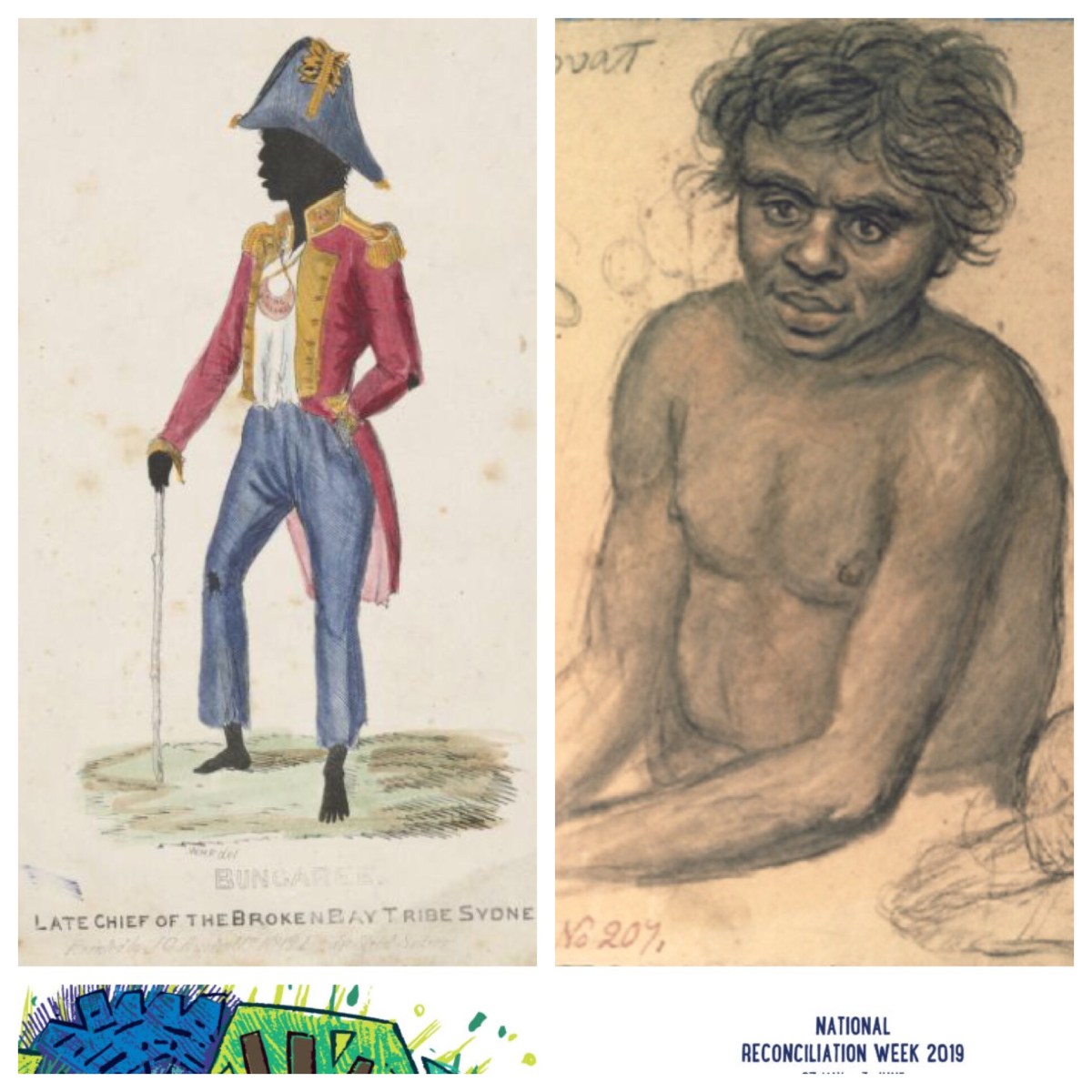
Paul Irish, in his recent book, “Hidden in Plain View”, introduces us to various Aboriginal people who are noted on a number of occasions in the early colonial records. One of them was Bungaree (1770s-1830), who came from the area we know as Broken Bay, at the northern end of “Coastal Sydney”.

Bungaree, or Boongarie, was born around the time that the First Fleet was being gathered together in preparation for the long trip to the Great South Land. As an adult, he adopted the role of a mediator between the invading British colonists and the Aboriginal people. He sailed in that capacity with Matthew Flinders, becoming the first Australian to circumnavigate the continent on that voyage of 1802–03.

It is said that, during this voyage, Bungaree used his knowledge of Aboriginal protocol to negotiate peaceful meetings with local Indigenous people. later, in A Voyage to Terra Australis, Matthew Flinders subsequently wrote that Bungaree’s ‘good disposition and open and manly conduct had attracted my esteem.’ (In A Voyage to Terra Australis)

In mid-life he found a patron in Governor Lachlan Macquarie, who made Bungaree ‘Chief of the Broken Bay Tribe’, set aside land and gave him a boat for fishing. In his later life Bungaree, while still respected as an Aboriginal leader, was regarded as the best-known character in the streets of Sydney.

Bungaree died in 1830. There is a substantial entry on him in the Dictionary of Sydney (https://dictionaryofsydney.org/entry/bungaree)

Another Aboriginal leader was Mahroot (1790s to 1850), who was also known as “Boatswain”. Mahroot lived with his wife at Botany (near the site of the Sir Joseph Banks Hotel), and it is recorded that he worked there as ferryman and guide in the 1840s. It is also claimed that several white people lived there, as his tenants. (https://dictionaryofsydney.org/person/boatswain_maroot)

Mahroot had regular and consistent engagement with whites in the colony; it is said that Mahroot and the British colonisers happily co-existed. He gave evidence to the Select Committee on the Condition of the Aborigines in 1845 where he spoke frankly about his life, his family, his Country and the impact on Indigenous people since 1788.

See also

http://home.dictionaryofsydney.org/paul-irish-hidden-in-plain-view-the-aboriginal-people-of-coastal-sydney/

https://johntsquires.com/2019/05/27/we-are-sorry-we-recognise-your-rights-we-seek-to-be-reconciled/

https://johntsquires.com/2019/05/28/reconciliation-on-the-land-of-australia-learning-from-the-past/

On the doctrine of discovery: https://johntsquires.com/2018/08/13/affirming-the-sovereignty-of-first-peoples-undoing-the-doctrine-of-discovery/

Reconciliation on the land of Australia: Bennelong and Yemmerrawanne

During this National Reconciliation Week, I think it is worth recalling the evidence for various positive and respectful relationships that existed between First Peoples and the invading colonisers from Britain. We are accustomed, now, to reading of the violent conflicts and massacres that occurred. These are tragic parts of our history that we must not deny, overlook, or ignore.

But in the early stages of the colony—and, indeed, stretching throughout the colonial period—there were mutually respectful relationships between these groups. National Reconciliation Week seems to be a good time to recall this.

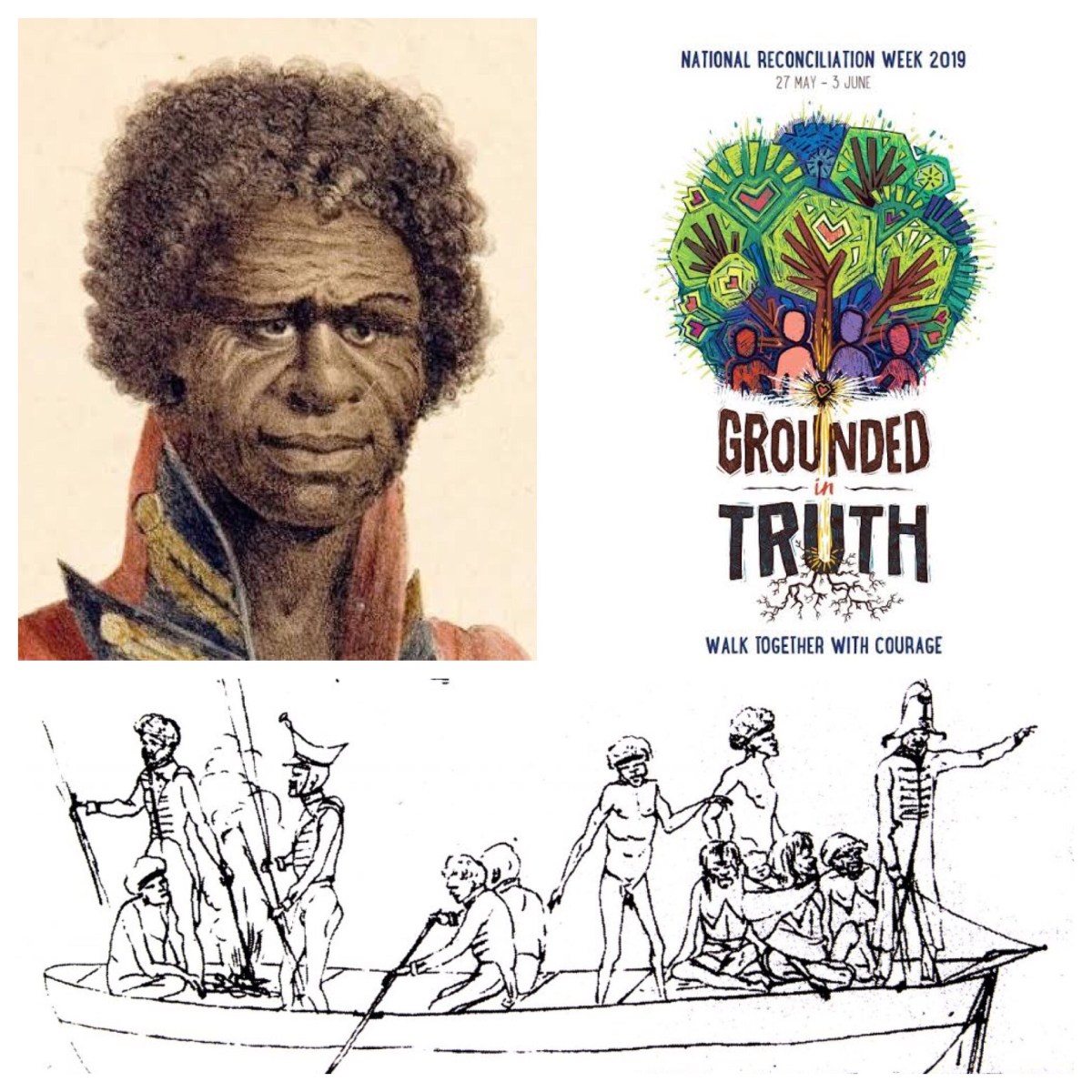
Perhaps the best known persona from amongst the First Peoples encountered by the invading British coloniser was Bennelong, born in 1764 on the southern shore of the Parramatta River. Paul Irish (in Hidden in Plain View) notes that his various family connections meant that Bennelong had connections to country on Goat Island, at Botany Bay, on the lower north shore of Sydney Harbour, and along the northern side of Parramatta River.

Bennelong was kidnapped in November 1789, under the orders of Governor Arthur Phillip, who thereby set an unfortunate tone for the relationship with the locals from the very early years of the colony. Phillip apparently assumed that Bennelong was a “King” of the local people, and thus the correct person with whom to negotiate about co-existing in the same area. It was an attempt to build a constructive relationship, even if it was carried out in what we now recognise to be an entirely flawed manner.

It is said that Bennelong took readily to life among the white men, relished their food, acquired a taste for liquor, learned to speak English and became particularly attached to the Governor. At the end of his term as Governor in 1792, Arthur Phillip travelled to England with Bennelong and another Aborigine, Yemmerrawanne, a Wangal man of the Eora people.

Yemmerrawanne was described by Watkin Tench, in his work, A Complete Account of the Settlement at Port Jackson (1793), as a “good-tempered lively lad” who became “a great favourite with us, and almost constantly lived at the governor’s house”. (See https://dictionaryofsydney.org/entry/yemmerrawanne)

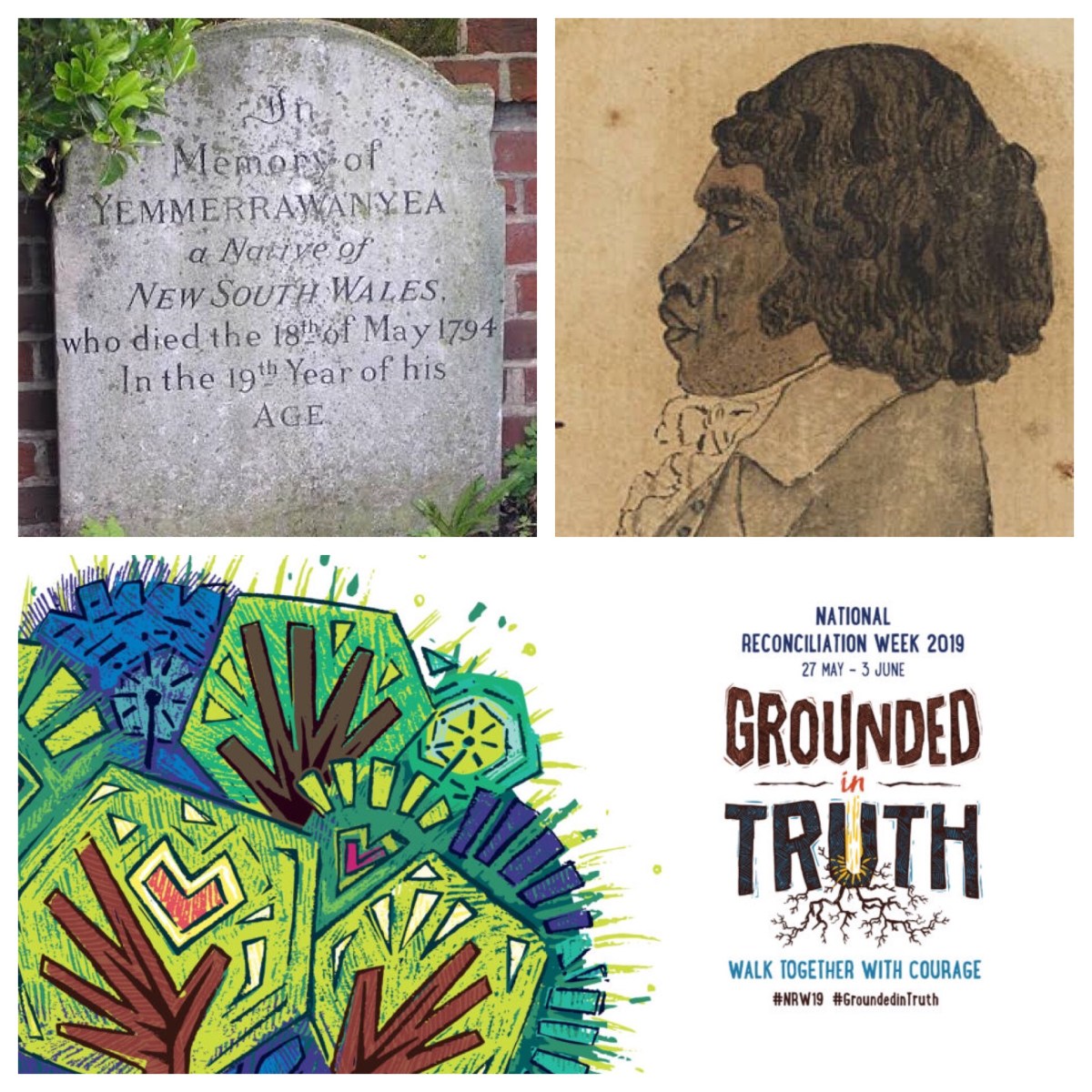
Yemmerrawanne never returned home from his trip to England. After a long illness, he died from a lung infection on 18 May 1794 at the home of Mr Edward Kent at South End, Eltham in the county of Kent. His gravestone in Kent marks his life, and death.

Bennelong stayed in England from 1792 to 1795. On his return to Sydney, he was able to develop more positive relationships with the British, and functioned as an advisor to Governor Hunter.

Bennelong lived his last years with one of his wives, Boorong, at Kissing Point, with an extended group of about 100 people, until his death on 3 January 1813. He was buried in the Kissing Point orchard of the brewer James Squire—no relationship! Squire had been a great friend to Bennelong and his clan; another sign of positive, respectful relationships between Aborigines and the colonisers. We need to learn from such stories in our history.

See the extensive article on Bennelong in the Australian Dictionary of Biography at http://adb.anu.edu.au/biography/bennelong-1769

The image portrays Bennelong, the grave of Yemmerrawanne, and the 2019 National Reconciliation Week logo and theme.

See also

http://home.dictionaryofsydney.org/paul-irish-hidden-in-plain-view-the-aboriginal-people-of-coastal-sydney/

https://johntsquires.com/2019/05/27/we-are-sorry-we-recognise-your-rights-we-seek-to-be-reconciled/

https://johntsquires.com/2019/05/28/reconciliation-on-the-land-of-australia-learning-from-the-past/

On the doctrine of discovery: https://johntsquires.com/2018/08/13/affirming-the-sovereignty-of-first-peoples-undoing-the-doctrine-of-discovery/

Reconciliation on the land of Australia: learning from the past

During this National Reconciliation Week, I think it is worth recalling the evidence for various positive and respectful relationships that existed between First Peoples and the invading colonisers from Britain.

We are accustomed, now, to reading of the violent conflicts and massacres that occurred As the invading colonisers settled on lands which had belonged, for millennia, to the First Peoples of the continent. These are tragic parts of our history that we must not deny, overlook, or ignore. (See my earlier posts on this aspect, noted below.)

But in the early stages of the colony—and, indeed, stretching throughout the colonial period—there were mutually respectful relationships between these groups. National Reconciliation Week seems to be a good time to recall this.

Paul Irish, in his recent book, Hidden in Plain View, has traced the evidence that shows the positive and respectful relationships that existed in the 19th century “between the colonial settlers and Aboriginal people in Coastal Sydney”. (See https://www.newsouthbooks.com.au/books/hidden-plain-view/)

Irish maps an area stretching from Port Stephens to the Shoalhaven, as far inland as the headwaters of the Parramatta and George’s Rivers in the Sydney Basin, but including coastal spurs along northern and southern edges of the Basin. (Pretty much like the current urban sprawl of Newcastle-Central Coast-Sydney-Wollongong-Kiama-Nowra.)

According to Irish, this was an area within which many of the Indigenous peoples moved about, living in different locations at different times, because of their long-established family and clan links with those locations. His interest in is mapping the relationships between the colonisers and Indigenous people at various locations in this coastal area.

Irish refers to “those whose links to coastal Sydney extend back hundreds of generations, whose ancestors met the first Europeans, and who found a way to create an ongoing place for themselves in the oldest and largest city in the country.”

He writes about their “remarkable story of survival through cultural strength and cross-cultural entanglement that sits in stark contrast to commonly held views of colonial and Aboriginal Australia, and to the experiences of most Australians today”. (There is an edited extract from his book available online at https://insidestory.org.au/atween-here-and-the-georges-river/)

Paul Irish refers to men such as Bennelong, Yemmerrawanne, Bungaree, and Mahroot. He also refers to women such as Cora Gooseberry, Biddy Giles, Matora, and Mary Ann Burns. They were leaders in their communities and they were able, for the most part, to relate to the colonisers who had invaded their lands, with grace and respect. In this National Reconciliation Week, we would do well to reflect on them and to follow their example.

(More reflections to come as the week continues …)

See also

http://home.dictionaryofsydney.org/paul-irish-hidden-in-plain-view-the-aboriginal-people-of-coastal-sydney/

https://johntsquires.com/2019/05/27/we-are-sorry-we-recognise-your-rights-we-seek-to-be-reconciled/

On the doctrine of discovery: https://johntsquires.com/2018/08/13/affirming-the-sovereignty-of-first-peoples-undoing-the-doctrine-of-discovery/

On learning from the land:

https://johntsquires.com/2018/12/17/learning-of-the-land-1/

https://johntsquires.com/2018/12/18/learning-of-the-land-2-ngunnawal-namadgi-and-ngarigo/

https://johntsquires.com/2019/01/30/learning-of-the-land-3-tuggeranong-queanbeyan-and-other-canberra-place-names/

https://johntsquires.com/2019/02/08/learning-from-the-land-4-naiames-nghunnhu-fishtraps-at-brewarrina/

On difficulties and tragedies in the early relationships:

https://johntsquires.wordpress.com/2019/01/16/the-profound-effect-of-invasion-and-colonisations/

https://johntsquires.wordpress.com/2019/01/18/endeavour-by-every-possible-means-to-conciliate-their-affections/

https://johntsquires.wordpress.com/2019/01/20/we-never-saw-one-inch-of-cultivated-land-in-the-whole-country/

https://johntsquires.wordpress.com/2019/01/22/they-stood-like-statues-without-motion-but-grinnd-like-so-many-monkies/

https://johntsquires.wordpress.com/2019/01/24/resembling-the-park-lands-of-a-gentlemans-residence-in-england/

https://johntsquires.com/2019/01/26/they-are-to-be-hanged-up-on-trees-to-strike-the-survivors-with-the-greater-terror/#more-424

We are sorry, we recognise your rights, we seek to be reconciled

Yesterday was National Sorry Day. It has been observed for only a decade. On 26 May 1997, the Bringing Them Home Report report was tabled in Federal Parliament. This report addressed them impacts of the fact that in the late 19th century and throughout the 20th century, Australian government policies resulted in many Stolen Generations, in which thousands of Indigenous children were separated, often forcibly, from their families, with the aim of removing them from their culture and turning them into “white Australians”.

Because of this, the date 26 May carries great significance for the Stolen Generations, as well as for Aboriginal and Torres Strait Islander communities, and its supporters among non-indigenous Australians. So Sorry Day is an annual event that has been held around the continent on 26 May since 1998, to remember and commemorate the mistreatment of the country’s Aboriginal and Torres Strait Islander People.

Today marks the start of National Reconciliation Week. This week was initiated in 1996 by Reconciliation Australia, to celebrate Indigenous history and culture in Australia and promote discussions and activities which would foster reconciliation. It is held between 27 May and 3 June of each year, with the dates holding special historical significance.

27 May marks the anniversary of the 1967 referendum in Australia, which gave the vote to Aboriginal and Torres Strait Islander people, while 3 June marks the anniversary of the 1992 judgement by the High Court on the Mabo v Queensland case.

Sorry Day (26 May) and the National Apology (made in Federal Parliament on 13 February 2008), the 1967 referendum, the 1992 Mabo decision, along with the Wik decision on native title (delivered by the High Court on 23 December 1996), are considered to be key events in addressing the historic mistreatment of indigenous Australians, and in taking steps towards reconciliation and restorative justice.

But these were only steps. The path still lies ahead. We need to take more steps, foster deeper relationships, advocate for a more embedded restoration of justice, work for wider and more lasting reconciliation within our communities. May we tread that pathway with compassion and intent.

The picture montage shows a Sorry Day poster, celebrations after the 1967 referendum, Eddie Mabo who brought the High Court case that was resolved in 1992, Gladys Tybingoompa dancing outside the high court in Canberra on 23 December 1996 following the Wik people’s native title win, and the front page of a national newspaper reporting the National Apology in 2008.

To care for, honour, and respect the creation, we need to #StopAdani

Elizabeth and I attended the #StopAdani climate crisis rally outside the Federal Parliament this morning. The crowd present was estimated at around 5,000 people. There were people from churches, schoolchildren, union members, as well as members of many community organisations and climate change action groups participating.

Author Richard Flanagan addressed the crowd in his inimitable poetic manner, marking the issues and telling the truth:

“Jabbering ‘jobs, jobs, jobs’ in a hi-vis shirt does not make you a leader”

“The Franklin was more than a river. Adani is more than a mine.”

“Was there hope with the Franklin!? Yes, there was. Is there hope with Adani? Yes, there is!”

Two young female school-age climate strikers stirred the crowd with pointed rhetoric and a call to action. “Change is never implemented by the oppressors. Change must always be demanded by the oppressed.”

Other speakers from various organisations urged the large crowd to hold fast, stand firm, and work for change. “We are on the right side of history. We will Stop Adani.”

Adrian Burragubba, an elder of the Wangan and Jagalingou people of the Galilee Basin in central western Queensland, reminded the crowd that Adani does not have the consent of the First People of the area, whose ancestral lands, waters and culture would be destroyed by the mime if it went ahead.

Paul Kelly sang two song, including “My island home”, and then Bob Brown brought the rally to a climax with his clarion call: “There will be no divine intervention. The onus is on us. And we will take it.” He noted that there was “a bigger crowd here today, than Bill Shorten will have in Brisbane, than Scott Morrison will have, whenever he has his campaign launch.” Popular opinion is clearly against the development of this mine.

Why is it important to protest against this mine, and to petition our leaders to ensure that the Adani mine and associated works do not go ahead?

The Great Barrier Reef. The mine will see ships travelling through this unique World Heritage Area each year, risking ship groundings, coal and oil spills; and it requires further dredging within the World Heritage Area causing water contamination, destruction of dugong habitat, impacts on Green and Flatback turtle nests, and more.

The Great Artesian Basin is our greatest inland water resource, covering 22% of the Australian continent. Putting control of all that land, and water, into the hands of a foreign commercial enterprise, is foolhardy. The mine will take at least 270 billion litres of groundwater over the life of the mine; put aquifers of the Basin at risk; and dump mine polluted wastewater into the Carmichael River.

It will threaten ancient springs and 160 wetlands that provide permanent water during drought, and leave behind 6 unfilled coal pits that will drain millions of litres of groundwater, forever. Adani’s associated water licence allows unlimited access to groundwater for 60 years for free. Putting control of all that land, and water, into the hands of a foreign commercial enterprise, is foolhardy.

The Great Coal Swindle. Pollution from burning coal is the single biggest contributor to dangerous global warming, threatening our way of life. In Australia, ‘black lung’ disease has recently re-emerged among coal miners, with at least 19 workers in Qld identified with the disease. The coal from the Carmichael mine will be burnt in India where 115,000 people die from coal pollution every year. Developing renewable energy is more responsible for the environment and more energising for the economy.

The Great Employment Myth. There are 69,000 tourism jobs related to the Great Barrier Reef, which rely on a healthy Reef. There are thousands of farming jobs in the inland areas under threat. The Adani mine and associated works will pollute, despoil, and degrade both the land area and the associated offshore seas, impacting hugely on the Reef. Adani claims the mine will bring employment opportunities to the region, but in reality there will be far fewer jobs if the mine goes ahead. The mine will decimate local employment opportunities.

The Great Commercial Swindle. Adani companies are under investigation for tax evasion, corruption, fraud, and money laundering. Nine of the 20 Adani subsidiaries registered in Australia are ultimately owned by an entity registered in the infamous Cayman Islands tax haven. That is beyond the regulatory reach of the Australian Government.

Adani Group companies have an appalling environmental track record with a documented history of destroying the environments and livelihoods of traditional communities in India, and failure to comply with regulations. They will do the same in Australia if the mine goes ahead.

There are other reasons—environmental, economic, political—that mean we should not go ahead with the mine.

And, for me, there is a fundamental theological principle undergirding this issue: God’s good creation is in our hands; we are called to act responsibly, to care for, honour, and respect that creation. That means that we act to lessen our carbon footprint, restructure our energy infrastructure to grow renewable sources, and refresh our national policies so that we prioritise the planet over personal preferences.

The Uniting Church has affirmed, “We seek the flourishing of the whole of God’s Creation and all its creatures. We act to renew the earth from the damage done and stand in solidarity with people most impacted by human induced climate change. Government, churches, businesses and the wider community work together for a sustainable future.” (See https://uniting.church/visionstatement2019/)

The Church has issued a Vision Statement which sets out the following desired Key Actions:

1. A national climate policy that drives down greenhouse gas pollution, including no new coal or gas mining in Australia and investment in renewable energy.

2. Just and sustainable transition for communities currently dependent on fossil fuel industries for employment, towards more environmentally sustainable sources of income.

3. Equitable access to renewables for all Australians.

4. Policies which support people and nations that are most vulnerable to climate change.

There is No Planet B. We have no choice but to #StopAdani.

See also https://wanganjagalingou.com.au/our-fight/

https://d3n8a8pro7vhmx.cloudfront.net/stopadani/pages/1816/attachments/original/1497939723/factsheet20.06.17.pdf?1497939723

https://d3n8a8pro7vhmx.cloudfront.net/lockthegate/pages/5429/attachments/original/1521596433/Adani_Water_Factsheet.pdf?1521596433

https://www.unitingjustice.org.au/environment