Celebrating 50 years of With Love to the World, a unique Australian-produced daily Bible reading resource
A celebratory service of worship was held on Sunday 8 March in the Carrington Ave Uniting Church in Strathfield, to recognise that With Love to the World (WLW) has been in existence for 50 years. It is a unique Australian resource—written and produced by people within the Uniting Church in Australia, for people of faith in Australia and surrounding countries. It reflects a “southern hemisphere” take on matters of faith and life.
The first issue of WLW was printed in March 1976. It was written by Bob Maddox and Gordon Dicker, two lecturers at Leigh College, Enfield, the Methodist Church theological college, then printed, collated, and distributed by volunteers from seven local churches in the Strathfield—Homebush area.
The college soon became part of United Theological College, while the seven churches (Methodist, Congregational, and Presbyterian) formed the Strathfield—Homebush Parish of the Uniting Church in 1977. Since then, WLW has been operated by a partnership of UTC and the Strathfield—Homebush UCA, under the auspices of the Synod of NSW.ACT.
The service of worship was conducted by the Rev. Fololeni Tafokitau, minister of the Strathfield—Homebush Uniting Church. After an Acknowledgement of Country, a Welcome was given by William Emilsen, who reminded those present of the twofold purpose of WLW: (i) to produce a high quality and accessible commentary on the lectionary passages for the coming Sunday; and (ii) to support the research and writing of Uniting Church postgraduate students. It has done the former since 1976, and the latter since the first scholarship was granted in 1982. Since then, 65 people have received scholarship support.
The congregation then joined in a responsive version of Psalm 95, adapted for the occasion, and joyfully sang the Doxology. Music remained a feature of the service as people sang a number of favourite hymns, and the Tongan Choir led in a characteristically rich presentation of a song highlighting the importance of our scriptures.
Words from scripture were read by Seneti Katoa (Secretary of the WLW Committee) and the Rev. Dr Peter Walker (Secretary of the Synod of NSW.ACT). Peter had, until recently, been the Principal of United Theological College; the two readers represent the two bodies who have been in partnership since the beginning of WLW in 1976.
On the left: Peter Walker, William Emilsen, Fololeni Tafokitau. On the right: Vicky Balabanski.
The guest preacher for this occasion was the Rev. Professor Vicky Balabanski, Principal of the Uniting College of Leadership and Theology in Adelaide, SA. Vicky (like William, Peter, and current Editor John Squires) had received scholarship support from WLW to undertake doctoral research. Indeed, the very first recipient of a scholarship, the Rev. Professor Howard Wallace, was in attendance on the day., as were a number of other scholarship recipients.
Vicky set the lectionary passage from John 4 into the context of today’s world, beset by warfare, famine, and distress. She noted that we had on the screen at the front of the church a depiction of “the woman of Samaria”—known in the Orthodox tradition as Photini, “the enlightened one”. Vicky then went on to reflect on three themes found in the story: living, flowing water; worship in Spirit and truth; and a fruitful harvest. Each, she observed, relates well to the purposes of WLW.
A depiction of “the woman of Samaria” by American artist Macey Dickerson. Image reproduced by permission. https://maceydickerson.com
Water runs (as it were) right through John’s Gospel, as it is found in many of the stories recorded in it: from the water in which Jesus was baptised (ch.1), through the streams of living water (ch.7), the water with which Jesus washed the feet of his disciples (ch.13), the water that flowed from the side of the crucified Jesus (ch19), to the water of the sea where the risen Jesus appeared to the disciples (ch.21).
Jesus expresses his need for water—living, flowing water. Such water rises up from the shaft of Jacob’s well, a cistern storing water, bubbling up and flowing out as a spring of living water in the encounter between Jesus and the woman. The water in this encounter reflects the changes taking place in how the woman understands Jesus—from suspicion (4:9) to recognition (4:19) to ultimate confession (4:25–26, 29) and bearing testimony about him (4:39–42). The imagery of this living, transformative water also symbolises how writers in WLW takes words of scripture and reflect on their relevance and significance in today’s world.
Vicky Balabanski, speaking on John 4
Worship is also a theme receiving attention in the story told by John. Ancient rivalries about the appropriate site for worship—a conflicted, but typical human question—are less significant. What matters more is how God is at work in the world, and especially how worshippers are spiritually attuned to what God is doing. The identity of the Samaritan woman had been shaped by the conflict over the sacred site; it is transformed into an openness to the ways that God’s Spirit is alive and active in the world.
That is expressed also in the title of the resource; as Vicky noted, it is not With Love to the Church, nor With Love to the Believing Christian—but With Love to the World. It is truthful, prayerful, and reflective, leading towards openness in worship.
Then, the story tells that the sowers and reapers of the harvest rejoice at the fruits they have found in the teaching of the woman amongst them. There is a big picture that we are invited to imagine, and indeed to enter. We are part of a much larger whole reflecting God’s enterprise. So today, WLW sows the seed and encourages participation in the harvesting process. “We have heard, and we know”, the villagers say; may that be the experience of those we encounter today as we share the good news.
Three of the Editors of WLW
After another rousing hymn, William Emilsen acknowledged the three people who have been Editors of the resource over 47 of the past 50 years: Shirley Maddox (1979–2006), Peter Butler (2006–2021), and John Squires (since 2021). Fololeni then presented bouquets of flowers to Shirley Maddox and Ruth Dicker. As the spouses of the foundation editors, Rev. Dr Bob Maddox and Rev. Dr Gordon Dicker, and as two people always actively involved in WLW over the decades, they represent the “apostolic tradition” that continues with WLW.
Flowers for Ruth Dicker (top left) and Shirley Maddox (top right). Bottom row shows longtime supporters and subscribers to WLW, Bill Ives (left) and Doug Hewitt (right).
Ruth then led the Prayers of the People, offering thanks for all involved in the writing and distribution of WLW, before then praying earnestly for the peace and justice we so desperate need in the world today. The service ended with a closing hymn and benediction, followed by a postlude played by the fine organist, Hugh Knight.
The congregation then moved to the hall, where a fine morning tea was enjoyed. Doug Hewitt, a member of the Strathfield church in 1976, reminisced about the very beginnings of WLW. He remembered especially the Sunday evening conversation about the lectionary passages that Bob Maddox and Gordon Dicker offered each week in “the early days”.
Shirley Maddox and Peter Butler (top); the gathering in the hall (centre); Doug Hewitt and John Squires (bottom).
Two previous Editors then spoke. Shirley Maddox gave her greetings to the people; then Peter Butler explained his commitment to ensure that WLW always spoke to the everyday needs of people. Every day, he noted, someone reading WLW will be grieving, another will be hurting, another will be hoping, and yet another will be joyfully celebrating. WLW, he noted, needs to be connecting with all such people every day.
A large birthday cake was then presented; as Shirley Maddox blew out the candles, the people sang “happy birthday”—first to WLW, then again to Ruth Dicker, whose 93rd birthday occurs in the coming week. Current Editor John Squires drew the proceedings to a close with a thanks to those who had provided the sumptuous morning tea, and a reminder of his three-word commitment to ensure that With Love to the World is Inclusive—Collaborative— Diverse. And so the celebrations ended.
A WLW subscription is $28 per year. To subscribe to the hard copy booklet of With Love to the World, contact Trevor Naylor at the WLW Office on (02) 9747 1369, or email him at wlwuca@bigpond.com. To subscribe to the electronic version, download the App on your device from the App Store or Google Play.
During the season of Easter this year, we have read and heard passages from Revelation, the dramatic and vivid last book of scripture. We have encountered a number of creatively striking images: a white-haired, fiery-eyed figure like the Son of Man, a slaughtered lamb upon a throne, a multitude of white-robed people singing praises, a new heaven and new earth, and a city descending from the heavens. An amazing list, drawn from a book with even more amazing images in other chapters.
This Sunday, as the final Sunday in the seven-week season of Easter, we hear a passage which contains three striking images within the closing declarations and blessings that end the book (Rev 22:12–21). To give the creators of the lectionary their due, they have chosen not to excise a verse with a rather difficult message from the passage proposed—as they are wont to do at other times when dealing with other difficult verses.
So we will hear this Sunday the statement by John, as he concludes his long series of images, that whilst those who “wash their robes” will be firmly included within the holy city that has descended to earth (22:14; see 21:2, 10–26), those who are “dogs and sorcerers and fornicators and murderers and idolaters, and everyone who loves and practices falsehood” will remain outside, debarred from entry (22:15; see 21:27). The holy city will remain as the place which has “the glory of God and a radiance like a very rare jewel, like jasper, clear as crystal” (21:11). It’s a vibrant picture to bring to a close this year’s season of Easter, as we celebrate the risen Jesus in our midst.
In the midst of this exultant final vision of the book, we also hear this dire warning to all who read this book: “if anyone takes away from the words of the book of this prophecy, God will take away that person’s share in the tree of life and in the holy city, which are described in this book” (22:19). They are evocative of the instruction to Daniel, that the words of that book “are to remain secret and sealed until the time of the end” (Dan 12:9).
The book of Revelation has included many gruesome scenes where punishment—and, indeed, torture—are envisaged. As each of seven seals are broken and seven angels each blow their trumpet in turn (8:6–11:19), repeated scenes of destruction and devastation unfold across the earth. After the fifth seal is broken, locusts are sent to inflict on those who do not bear the seal of God on their foreheads five months of torture “like the torture of a scorpion when it stings someone” (9:3–5). After the sixth seal, “a third of humankind was killed by the fire and smoke and sulfur coming out of [the] mouths” of the four angels rampaging across the earth on their horses (9:15–19).
In subsequent visions, because of the evil that has infiltrated the whole world in multiple manifestations, a great red dragon threatens to consume the child born to a pregnant woman (12:1–4); a beast with ten horns and seven heads wages war “over every tribe and people and language and nation” (13:1–10); ad a group of seven angels pours out the wrath of God on earth, sea, rivers, sun, the throne of the beast, the great river, and into the air (15:1, 16:1–21).
These visions climax with the vision of “the great whore”, Babylon, and “the beast with seven heads and ten horns that carries her” (17:1–8), who gatherers up all the sins of the world, whose sins “are heaped high as heaven, and God has remembered her iniquities” (18:5). Judgement comes upon her as “plagues will come in a single day—pestilence and mourning and famine—and she will be burned with fire” (18:8, celebrated in song from v.10 to v.24).
Then, in due course, the beast and the false prophet “were thrown alive into the lake of fire that burns with sulfur” (19:20), and last of all, after a millennium has passed, “the devil who had deceived them was thrown into the lake of fire and sulfur, where the beast and the false prophet were, and they will be tormented day and night forever and ever” (20:10).
These scenes of judgement, plagues, punishments, and torture, come to dominate the whole book. Yet none of these scenes appear in the passages selected for inclusion in the lectionary. The only negative notes in the passages included in the lectionary relate to the description of the lamb as one who has been slaughtered, but who now sits triumphant on the throne (5:6–14). So it is somewhat striking that this final passage includes these particular negative notes.
*****
In association with the celebratory notes attached to his vision of this holy city—the river of the water of life, the dazzling jewels of the city, the eternally-shining light from God, the celebrations around the throne of God and of the Lamb—John also offers striking statements about the figure whom he first described at the start of his book, the one “coming with the clouds” (1:7) whose face “was like the sun shining with full force” (1:16). This imposing figure is the one who is yet “coming soon” (22:12, 20).
Three striking images characterise him in these final verses. None of these images should come as a surprise; they have each appeared earlier in Revelation, and indeed they tap into imagery in other books of scripture, in both testaments.
ALPHA AND OMEGA
The first striking image is one that was sounded at the very start of the book, when John was testifying “to the word of God and to the testimony of Jesus Christ, even to all that he saw” (1:2). Included in that early testimony is the claim that “the one who is pierced” is “coming with the clouds; every eye will see him” (1:7). At this, God himself speaks: “‘I am the Alpha and the Omega’, says the Lord God, who is and who was and who is to come, the Almighty” (1:8).
Then, in the second of the seven letters to be sent to the seven churches (2:1—3:22), this claim is adopted by the author of the letter, “one like the Son of Man, clothed with a long robe and with a golden sash across his chest” (1:13). This figure adopts the words spoken by the Lord God as he declares “these are the words of the first and the last, who was dead and came to life” (2:8). It is a clear reference to Jesus, already identified as “the faithful witness, the firstborn of the dead, and the ruler of the kings of the earth”, the one who “loves us and freed us from our sins by his blood” (1:5–6).
The same claim recurs in the climactic closing vision of the book, when “the one who was seated on the throne” (21:5)—that is, the great white throne on which sat the judge of all humanity (20:11–16)—declared, “It is done! I am the Alpha and the Omega, the beginning and the end” (21:6). And then, after the vision concludes, the angelic figure seen by John reminds him, “I am the Alpha and the Omega, the first and the last, the beginning and the end” (Rev 22:13).
The words spoken by the Lord God, the one like a Son of Man, the judge on his throne, and his angelic messenger rekindle the image of God which had been described, centuries before, by the unnamed exilic prophet whose words are included as the second section of the book of Isaiah (Isa 40—55). “Who has performed and done this, calling the generations from the beginning?”, the prophet asks.”I, the Lord, am first, and will be with the last”, is the response (Isa 41:4). In a later oracle, the Lord God declares “I am the first and I am the last; besides me there is no god” (Isa 44:6); and still later, “Listen to me, O Jacob, and Israel, whom I called: I am He; I am the first, and I am the last” (Isa 48:12).
The significance of this claim is outlined in another prophecy: “Remember the former things of old; for I am God, and there is no other; I am God, and there is no one like me, declaring the end from the beginning and from ancient times things not yet done, saying, ‘My purpose shall stand, and I will fulfill my intention’” (Isa 46:8–10).
In the Revelation of John, these words are heard from the mouth of the one like a Son of Man, identified as Jesus (1:5; 22:16). Jesus is both Alpha and Omega, first and last; as the letter to the Hebrews declares in its idiosyncratic language, “without father, without mother, without genealogy, having neither beginning of days nor end of life, but resembling the Son of God, he remains a priest forever” (Heb 7:3).
BRIGHT MORNING STAR
A second striking image is that of the morning star, in the words of Jesus, “I am the root and the descendant of David, the bright morning star” (22:16). That image was first expressed early in this book, in one of the seven letters to the churches. In each of the seven letters included in this book, “those who conquer” are given a specific gift to signal their special status. To those in Thyatira, to signal the authority that is given to them “to rule [the nations] with an iron rod, as when clay pots are shattered”, the specific gift is “I will also give the morning star” (2:26–28).
The morning star is referenced in the book of Ecclesiasticus (Ben Sirach), in a poem which praises Simon son of Onias (high priest in the early C3rd BCE). After celebrating his work in repairing and fortifying the temple, the joy that he brought is described through a series of images: “How glorious he was, surrounded by the people, as he came out of the house of the curtain. Like the morning star among the clouds, like the full moon at the festal season; like the sun shining on the temple of the Most High, like the rainbow gleaming in splendid clouds” (Sirach 50:5–7, and continuing on for some verses). A similar use of the phrase appears in the second letter attributed to Peter, where “the prophetic message” is compared with “a lamp shining in a dark place, until the day dawns and the morning star rises in your hearts” (2 Pet 1:19).
It is the bright, dazzling quality of the star that rises early in the morning, before sunrise—the planet we know as Venus—that is in view here. We should note that there is no intention to allude to the words of Isaiah, who refers in one of his prophecies about the punishment that was imminent for the King of Babylon. The prophet warns, “Sheol beneath is stirred up to meet you when you come … you pomp is brought down to Sheol” (Isa 14:9, 11), before depicting this decline in poetic language: “How you are fallen from heaven, O Day Star, son of Dawn! How you are cut down to the ground, you who laid the nations low!” (Isa 14:12).
In the 17th century King James Version, “O Day Star” is rendered as Lucifer—since that is how “light-bringer” is expressed in Latin. This was the term used in the Vulgate, a late-4th century Latin translation of the Bible. This verse has been picked up in later theological developments and applied to the figure of the devil; it is probably also influenced by words attributed to Jesus in Luke 10:18, “I watched Satan fall from heaven like a flash of lightning”.
However, this sense of the term does not relate at all to the way the imagery of “the morning star” appears in Revelation. In this book, the devil is depicted as “a great red dragon, with seven heads and ten horns, and seven diadems on his heads” (Rev 12:3; 20:2) who is “the deceiver of the whole world” (Rev 12:9) who is ultimately “thrown into the lake of fire and sulfur …[to be] tormented day and night forever and ever” (Rev 20:10).
WATER OF LIFE
The third striking image in this final chapter of Revelation is “the water of life”. John had indicated that this water would be gifted to those who are thirsty (Rev 21:6). This gift comes from “the Lamb at the centre of the throne” who is the shepherd of “a great multitude that no one could count, from every nation, from all tribes and peoples and languages, standing before the throne and before the Lamb, robed in white, with palm branches in their hands” (7:9). This shepherd, says John, “will guide them to springs of the water of life, and God will wipe away every tear from their eyes” (7:17).
The imagery appears returns as integral part of the final climactic vision of “the holy city Jerusalem coming down out of heaven from God” (21:10). John writes that the angel showing him the vision of this city “showed me the river of the water of life, bright as crystal, flowing from the throne of God and of the Lamb” (22:1).
The river brings water to nourish life, just as another John (compiling a Gospel narrative) attributes to Jesus words in which he offers water as the basis for life: “those who drink of the water that I will give them will never be thirsty; the water that I will give will become in them a spring of water gushing up to eternal life” (John 4:14). These words evoke the reality that all human beings know, that “the necessities of life are water, bread, and clothing, and also a house to assure privacy” (Sirach 29:21; see a similar, but expanded, list at Sirach 39:26).
The scene at the end of Revelation evokes the vision described centuries earlier by the prophet Ezekiel, in the final chapter of his book. Ezekiel details the water flowing from the temple, the abundant trees growing beside the river, and the food sources for the people (Ezek 47:1–12). It is a wonderful ecologically vibrant scene, as is the vision in Revelation, where “on either side of the river is the tree of life with its twelve kinds of fruit, producing its fruit each month; and the leaves of the tree are for the healing of the nations” (Rev 22:2).
So the book ends with words of grace: “The Spirit and the bride say, ‘Come’; and let everyone who hears say, ‘Come’, and let everyone who is thirsty come. Let anyone who wishes take the water of life as a gift” (22:17). It’s a nice closing note.
I preached this sermon for Project Reconnect, to be used in the resources they distribute for Sunday 24 November 2024, the Festival of the Reign of Christ. For information about Project Reconnect, see the end of this blog.
The church’s year is currently designated as Year B. During the year, on most Sundays we have heard from the Gospel of Mark, along with passages from the narrative of Samuel and Kings, some of the Wisdom Literature, and letters written by Paul and James, and more recently, the letter to the Hebrews. And each Sunday, one of the Psalms is designated also for us to hear, sing, and reflect on.
The lectionary provides a rich offering throughout the three years that form the full cycle, ensuring that we read passages from all four Gospels and all major sections of scripture. The current year draws to a close this coming Sunday, as happens at the end of each church year, with the Festival of the Reign of Christ. After this Sunday, we enter a new church year, as the season of Advent begins for Year C, when the focus is on Luke, the prophets, and other letters.
The church’s year is organised differently from the calendar year; it revolves around the key events of our faith: the birth of Jesus, which we celebrate each Christmas, the death and resurrection of Jesus, which comes into focus at Easter, the birth of the Church, which we recall at the celebration of Pentecost, and the long season after Pentecost, when we attend to our life as disciples and the mission into which we are called as people of faith.
This Sunday, the day I am referring to as the festival of the Reign of Christ, has been known traditionally as the festival of Christ the King, when we commemorate the reign that Christ exercises over the world. I prefer the term Reign of Christ as at least one step away from the connotations that are associated with that archaic institution of monarchy.
And that flags one of the questions that I have with this feast day: how do we maintain a contemporary feel about aspects of our faith that seem to be bound to older patterns and customs? It’s a question that relates to many aspects of our life in the church; how do we demonstrate the relevance for today of the ancient faith? It’s a question worth pondering.
A depiction of Jesus Christ Pantocrator (ruler of all) in the Hagia Sophia church (now Mosque) in Istanbul
The Reign of Christ is a relatively new festival in the calendar of church festivals—it was introduced by Pope Pius XI in 1925, and has since been adopted by Lutheran, Anglican, and various Protestant churches around the world, and also, apparently, by the Western Rite parishes of the Russian Orthodox Church Outside Russia. (Yes, that is a real denomination!)
So that is a second question that I have relating to this day—along with Trinity Sunday, it sits as a day devoted to “a doctrine” developed later in the church’s life, rather than “a time in the life of Jesus”, which is what Christmas and Easter is, or “a time in the life of the church”, namely, Pentecost. Does it really belong in our pattern of seasonal celebrations?
In Roman Catholic tradition, the day is explained by some words from Cyril of Alexandria, a fifth century Doctor of the Church who served as Patriarch of Alexandria, in Egypt, from 412 to 444. In establishing this festival, Pope Pius XI quoted from the writings of Cyril: “Christ has dominion over all creatures … by essence and by nature … the Word of God, as consubstantial with the Father, has all things in common with him, and therefore has necessarily supreme and absolute dominion over all things created. From this it follows that to Christ angels and men [sic] are subject. Christ is also King by acquired, as well as by natural right, for he is our Redeemer. …’ We are no longer our own property, for Christ has purchased us with a great price; our very bodies are the members of Christ.”
However, the festival of the Reign of Christ has only been celebrated in the Roman Catholic Church since it was introduced by Pope Pius XI in 1925. This was a time when Fascist dictators were rising to power in Europe. I have read that “the specific impetus for the Pope establishing this universal feast of the Church was the martyrdom of a Catholic priest, Blessed Miguel Pro, during the Mexican revolution”; see Today’s Catholic, 18 Nov 2014, at
The article continues, “The institution of this feast was, therefore, almost an act of defiance from the Church against all those who at that time were seeking to absolutize their own political ideologies, insisting boldly that no earthly power, no particular political system or military dictatorship is ever absolute. Rather, only God is eternal and only the Kingdom of God is an absolute value, which never fails.”
The scriptures, as a whole, puncture the pomposity of powerful kings, and subversively present Jesus as the one who stands against all that those kings did. This festival provides a unique way of reflecting on the eternal kingship of Jesus. It offers a distinctive way for considering how the kingship bestowed upon David has been understood to last “forever”.
Indeed, if you had listened carefully to the Gospel reading, you would have heard the interaction between Pilate and Jesus, on this very matter. When Jesus is brought before the Roman Governor by the priests who had religious authority in Jerusalem, Governor Pilate asks him a direct question: “So, you are a king?”. I hear the question in this way: “So, Jesus, you think you are a king, do you?”
Pilate, in this way of understanding his question, seems quite sceptical about such a claim, because the priests have brought their prisoner Jesus to him, indicating that he was “a criminal”, and seeking to have the Roman authority pass a sentence of death upon him. “Are you the King of the Jews?”, Pilate had asked Jesus—to which Jesus replies with his own question, “do you ask this on your own, or did others tell you about me?” The prisoner from Galilee knows that the Roman Governor is really just following the line presented to him by the Jerusalem priests.
Pilate’s response to this is to observe that “your own nation and the chief priests have handed you over to me”, so there must be an issue of some sort here. “What have you done?” is the naive question that Pilate then poses; Jesus answers, “my kingdom is not from this world”. In this response, Jesus seems to be accepting that he is a king—but not a king in the form that the rulers of the nations would recognise. It is no wonder that Pilate seems not to grasp the point. How can this bedraggled Galilean be a king over a kingdom “not from this world”.
So he presses the point. “So you are a king, then?” Jesus will not give a straightforward answer. He will not say, “yes, I am a king”; nor will he deny it, “no, of course I am not a king”. Rather, he diverts the focus, from the political reality of kingship, to the esoteric philosophical concept of “truth”. “For this I came into the world”, Jesus says, “to testify to the truth; everyone who belongs to the truth listens to my voice.”
The implication is that he was not planning to lead a political uprising that would use force try to take over control of the land from the Romans; so Pilate should not have any fears on that account. Rather, says Jesus, “I came into the world to testify to the truth”.
Which draws from Pilate his most famous words, “What is truth?” According to the author of John’s Gospel, this trial scene morphed into a philosophical discussion—a development quite unexpected, and indeed, quite unrealistic. Which means, I think, that the whole scene is filled with irony.
The first point of irony is when the Jewish priests, whose nation once did boast a king, tell the Roman Governor, “we have no king but the emperor”. The second irony is when the Roman Governor, whose nation had banned kings and despised this autocratic form of government, questions Jesus, “are you the king of the Jews?”. And the third moment of irony comes when Galilean prisoner, dressed with a crown of thorns around his head a purple robe on his shoulders, passes by the opportunity to give a clear answer and instead asserts, “my kingdom is not from this world”.
From our point of view, as people of faith, many centuries later, we could well consider this ancient account quite strange. From our perspective, informed by centuries when deeper theological understandings have been developed and complex doctrine has been articulated, we may well see Jesus as God’s chosen human being, imbued with divine powers, enthroned as the King over all the earth.
Why, we sing of him in this way: “Jesus shall reign where’er the sun does his successive journeys run”, “At the name of Jesus every knee shall bow”, “King of kings and Lord of lords”, “Come, Thou Almighty King … come, and reign over us”, “Rejoice, the Lord is King: your Lord and King adore!”, “Glory, glory, glory to the King of kings” … and many more.
So it is deeply embedded in our collective understanding that Jesus is, indeed, King who reigns over all, whose power and dominion covers the whole earth. And yet, in this passage, offered to us for the very festival of The Reign of Christ, the words of scripture invite us to reconsider: the nature of the Reign that Jesus envisages is radically different from the kind of reign that kings—and queens—have demonstrated throughout history.
He is, as Graham Kendrick’s song so powerfully expresses it, our Servant King, who came as a “helpless babe”, who “entered our world … not to be served but to serve, and give [his] life that we might live”; for “This is our God, The Servant King, [who] calls us now to follow him, to bring our lives as a daily offering of worship to The Servant King”.
On this day, this festive celebration of the Reign of Christ, let us commit to following him not along the pathway of power, authority, prestige … but rather in service, with humility, through compassion, standing firm for justice, holding fast to a righteous way of living. For this is our king, the one who reigns, and this is the path that he calls us to walk.
Project Reconnect is a ministry of The Hunter Presbytery of the Uniting Church in Australia which provides a weekly worship resource for congregations, including a video sermon and a video all-age address, with music resources and discussion starters. See https://projectreconnect.com.au
“Whoever welcomes one such child in my name welcomes me, and whoever welcomes me welcomes not me but the one who sent me.” In this striking statement, which occurs in the lectionary Gospel passage we hear this coming Sunday (Mark 9:30–37), Jesus does two important things.
The first is that he prioritises one of the least important figures in ancient society—a child—and puts them forth as a representative of him The second is that he then uses this affirmation as the basis for making a statement about his relationship to God.
First, Jesus affirms the central significance of a child in his consideration of this issue. Mark notes that Jesus “took a little child and put it among them” (9:36), using the presence of this child to undergird his statement about welcoming such a child (9:37). Still earlier, Jesus had placed the health of a child at the centre of his focus, when approached by a synagogue leader, who pleads with Jesus, “my little daughter is at the point of death; come and lay your hands on her, so that she may be made well, and live” (5:23).
In ancient times, a child was inevitably a person with no authority, no status, no prestige or power, in the society of the day; yet the low-status, not-important child is the exemplar, not only of Jesus, but of God, “the one who sent me” (9:37). Welcoming the child is a clear manifestation of the paradox that lies at the heart of the Gospel. Jesus is the one who will walk resolutely towards death (8:31: 9:31: 10:34), becoming “the slave of all” (10:44) who will “give his life a ransom for many” (10:45). Along this pathway, it is the child who best exemplifies the simplicity of this sacrificial service; it is the child who best prefigures the fullness of life promised in the coming age.
Interestingly, in the Hebrew Scriptures which formed the context for Jesus’ faith development, there are some fascinating examples of the value and power of younger people. Young Isaac questions his father Abraham, who is about to sacrifice him, asking him, “where is the lamb for a burnt offering?” (Gen 22:7). 17-year-old Joseph boldly shares his dreams with his brothers, taking the risk of alienating himself from them (Gen 37:1–11). The young boy Samuel hears God’s call in the temple (1 Sam 3:1–18); he grows to become “a trustworthy prophet of the Lord” (1 Sam 3:20) who will play a pivotal role in events leading to the establishment of a king in Israel. And before he became one of those kings, a youthful David enters the battlefield and, against all the odds, slays the giant Goliath (1 Sam 17).
Alongside these young men in scripture, there are girls who also have significant roles to play. An adolescent Rebekah eagerly offers hospitality to visitors and ultimately receives the blessing of “thousands of myriads” of descendants (Gen 24:15–60). The young Miriam bravely negotiates with Pharaoh’s daughter to ensure the safety of her newly-born brother Moses (Exod 2:1–10). A young princess Tamar speaks eloquently to Amnon; ultimately, she is unsuccessful in resisting his sexual assault, but this is the beginning of his downfall (2 Sam 13:1–20). Then, at the end of his life, it is the young Abishag who faithfully serves the ageing king, David (1 Kgs 1:1–4).
Jesus has many role models of children, young people, to draw on from his heritage. He knows that they are able to speak the truth and act with integrity. So he happily receives children as they come to him and highlights them as models of the kind of life that is needed to enter the kingdom of God. Those who follow Jesus on his pathway to that kingdom will need to take up their crosses (8:34), lose their lives (8:35), be “last of all and servant of all” (9:35), “receive the kingdom of God as a little child” (10:15), sell all that they possess (10:21), leave their families (10:29), and become “last of all” (10:31). (See https://johntsquires.com/2021/09/06/the-paradoxes-of-discipleship-mark-8-pentecost-16b/)
So, the children show how Jesus is in relationship with God; “whoever welcomes one such child in my name welcomes me, and whoever welcomes me welcomes not me but the one who sent me” (Mark 9:37). In this saying, Jesus offers a description of God as “the one who sent me”. This Markan saying is found also in a Lukan form, with the same words followed by the tag, “for the least among all of you is the greatest” (Luke 9:48).
A related version of this saying appears in the Q tradition, which lacks direct reference to the child (Matt 10:40 and Luke 10:16), although the context in Matt 10 does develop the central idea of the saying, and adds a further saying about giving “a cup of cold water to one of these little ones” (Matt 10:42).
The saying has close links with a turn of phrase found in another strand of the tradition—that found in John’s Gospel. Identifying God as “the one who sent me” first appears in this Gospel on the mouth of John, who refers to “the one who sent me to baptize with water” (John 1:33). This phrase is picked up by the Johannine Jesus, who uses it no less than 22 times to refer to God. It is an interesting overlap of the streams of tradition that are usually considered in isolation from one another, as if they never overlapped. Yet here, Johannine tradition bears similarities with Markan tradition and Q material.
In John’s Gospel, Jesus declares that “my food is to do the will of him who sent me and to complete his work” (4:34; 9:4) and “I seek to do not my own will but the will of him who sent me” (5:30; 6:38–39). The Johannine Jesus refers to God as the one who sent him as he declares that “my teaching is not mine but his who sent me” (7:16) and notes that “the Father who sent me has himself given me a commandment about what to say and what to speak” (12:49; 14:24).
As Jesus affirms that “the one who sent me is true” (7:28; 8:26), he looks to his return to be with God in sayings that use this phrase: “I will be with you a little while longer, and then I am going to him who sent me” (7:33; 16:5). Indeed, Jesus asserts that “the one who sent me is with me; he has not left me alone, for I always do what is pleasing to him” (8:29).
Because of this belief, in the first farewell discourse at his last meal with his disciples, Jesus speaks the same word that we have heard in Mark 9:37, namely, “whoever receives one whom I send receives me; and whoever receives me receives him who sent me” (John 13:20). The phrase is integral to the Johannine concept of the Union of Father and Son, most famously expressed as “the Father and I are one” (10:20).
That intimate relationship that Jesus has with God is emphasised in the final High Priestly Prayer of the Johannine Jesus, where Jesus prays “you, Father, are in me and I am in you” (17:21), for the Father has given him his glory (17:22). This intimacy provides the basis for the charge that Jesus gives his disciples: “as the Father has sent me, so I send you” (20:21); as he has prayed for them, “the glory that you have given me I have given them, so that they may be one, as we are one, I in them and you in me, that they may become completely one, so that the world may know that you have sent me and have loved them even as you have loved me” (17:22–23).
This rich and extensive theological understanding of the relationship between Jesus as Son and God as Father is developed throughout John’s Gospel. It is hinted at in the saying found at Mark 9:37 and its synoptic parallels, but receives no development in those three Gospels. There, Jesus is chosen by God for a purpose—sent, if you will—but no thought of organic unity of the two persons is ventured in those works.
Jesus is the messenger of God, telling in his words and showing in his life how God wishes people to live. And most powerfully of all, Jesus declares, this life that he, the special child of God, advocates, is seen simply in “a little child” from within our midst.
The long detour away from Mark’s Gospel draws to a close. Next week we will rejoin the story of the beginning of the good news of Jesus, Messiah (which we know as the Gospel of Mark), after having spent more than a month with the book of signs, which contains just some of “the many things that Jesus did” (which we know as the Gospel of John).
Some weeks ago, after hearing John’s version of Jesus feeding a large crowd (6:1–13), we heard a passage ending with the first declaration by Jesus, “I am the bread of life” (6:24–35). Then we heard the next section of that discourse, dealing with an elaborated midrashic exposition about that “bread of life” (6:35–51), followed by the disputes that this teaching generated with the Judaean authorities (6:51–58). This coming Sunday we hear the final section of the discourse where Jesus turns to deal with dissent from his own disciples (6:56–69).
The early section of this passage contains verses which are always controversial when they are read in worship. Last week’s passage had drawn to a close with Jesus declaring that “those who eat my flesh and drink my blood have eternal life, and I will raise them up on the last day” (v.54), before continuing on to provide a further statement: “my flesh is true food and my blood is true drink” (v.55). The language is significant; Jesus does not talk about his body (sōma), but his flesh (sarx). That continues through to v.58, and on into v.63.
The passage proposed for this coming Sunday picks up at v.56, in the middle of this discussion, and runs through to the end of the chapter. We have noted that verse 58 provides a neat conclusion to the lengthy midrashic treatment that began in v.31, with the citation of a scriptural verse and was focussed by the statement of Jesus, “I am the bread of life” (v.35, repeated at v.48). That’s a neat inclusio for the whole extended discussion.
The conclusion in v.58 rehearses this central theme: “this is the bread that came down from heaven, not like that which your ancestors ate [with reference to v.31], and they died”. Jesus then extends the imagery to cover those who are his followers: “the one who eats this bread will live forever”. That includes his disciples in the eternal state that he himself enjoys. So v.58 actually functions more like a hinge, connecting what has gone before with what then follows.
The difficulty that the disciples identify (v.60) is inherent in the language and concepts of what Jesus has said. As far back as v.51 he has stated, “the bread that I will give for the life of the world is my flesh (sarx)”. He continued with the claim, “unless you eat the flesh (sarka) of the Son of Man and drink his blood, you have no life in you” (v.53), intensifying the claim with “my flesh (sarx) is true food and my blood is true drink” (v.55).
The whole sequence comes to a head with the narrator’s comment that “Jesus, being aware that his disciples were complaining about it, said to them, ‘Does this offend you?’” (v.61). The Greek verb in what Jesus says is skandalidzō, which we might translate as “scandalized”. That translation well encapsulates the outrage and disgust of the disciples.
The use of the word sarx in this sequence of statements is jarring. Elsewhere in Eucharistic passages in the New Testament, Jesus refers to his body as sōma, a word which has connotations of materiality, earthiness. The more physical term, sarx, refers to flesh. Eating the body of Jesus is one thing—already a difficult enough concept—but eating the flesh of Jesus makes it sound like a cannibalistic feast (as later critics of the Christians argued).
Some commentators maintain that the use of the more basic term sarx reflects the incarnational emphasis of this Gospel, already set forth with clarity at 1:14, “the Word became flesh and lived among us”. In that same section of text, one description of human beings is “those born of the will of the flesh”, so that argument does carry some weight. James Dunn (in a short article in NTS 17, 1971, p.336) says that the choice of vocabulary is “best understood as a deliberate attempt to exclude docetism by heavily, if somewhat crudely, underscoring the reality of the incarnation in all its offensiveness”. However, I find it somewhat unusual that the author of this Gospel would operate in this rather clumsy manner.
Added to this observation, we might note that the word that is used here for “eating” is a very base word, most commonly referring to “munching” or “chewing”, as the BAGD Lexicon notes. This verb, trōgō, is used in quick succession in verses 54,56,57,58, and also at 13:18, where it is in a quotation of Ps 91.10, “the one who ate my bread has lifted his heel against me”. This vocabulary, then, is quite distinctive; it, too, is quite earthy and base.
A common interpretive question is whether the references to eating bread and drinking blood in this latter part of John 6 were intended to be eucharistic—that is, to evoke the moment in the last supper that Jesus ate with his disciples when he broke the bread and shared it with them? On face value, that seems unlikely. John’s Gospel does have Jesus sharing a last meal with his disciples (from 13:1 onwards), but there is no mention of any breaking of bread and drinking of wine in the formal pattern found in the Synoptic Gospels. Rather, in that meal the focus is initially on washing feet (13:3–5), before Jesus offers a long, extended “farewell discourse” (or, more accurately, two such discourses) stretching through until his long prayer in ch.17.
The recollection of the last meal of Jesus is clearly attested in four separate New Testament books. The earliest to write about it, Paul, recalls the tradition that he received, in which Jesus said “This is my body, which is for you; do this in remembrance of me” (1 Cor 11:24). Mark recalls the words of Jesus as the simple “Take, this is my body” (Mark 14:22), while Matthew, utilising Mark’s account, slightly extends this to “Take, eat; this is my body” (Matt 26:26). The latest of the four, the Lukan record, has more of an evocation of Paul’s version, “This is my body, which is given for you; do this in remembrance of me” (Luke 22:19). All four passages have Jesus use the word sōma, body. In John 6, however, the word sōma is nowhere to be found, unlike in John’s account, where Jesus is reported as using the word “flesh” (sarx).
Raymond Brown, in his thorough analysis of this Gospel and working within his hypothesis regarding the complex formation of the text through various stages, is clear: when compared with verses 35–50, “verses 51–58 have a much clearer eucharistic reference” (Brown, The Gospel according to John, vol.I pp.290–91). However, he concedes that this reference is “scarcely intelligible in the setting in which it now stands”. In Brown’s view, the various redactional layers in the text means that the original intention has been lost.
Writing decades later, Australian scholar Francis Moloney notes that, in true Johannine style, “the midrashic unfolding of the verb ‘to eat’ naturally led to the use of eucharistic language to insinuate a secondary but important theme” (Sacra Pagina: The Gospel of John, p.224). For Moloney, the occurrence of regular eucharistic celebrations, even in those ancient times, would evoke and bring forth the eucharistic sense that underlies the passage.
Moloney and Brown are Roman Catholics; we might expect such commentators to lean towards the eucharistic understanding. Coming from a rather different ecclesial context (as an evangelical Baptist), however, George Beasley-Murray admits that “neither the Evangelist nor the Christian readers could have written or read the saying without conscious reference to the Eucharist” (Word Biblical Commentary: John, p.95).
One final comment on this issue from me: we know that in the early centuries of Christianity, there was much passing on of tradition by word of mouth; for some (such as Papias) oral traditions were even to be preferred over written documents. The context was fluid, so the possibilities for variations and differences was much higher than our contemporary context, in which written texts are precise and need to be quoted exactly (at least in academic and careful liturgical contexts). The author of John’s Gospel could well be working from a slightly different tradition and saw no constraints in developing it in the direction that particularly wanted to take it.
The whole chapter draws to a close, after the intense explanation of eating and drinking that Jesus offers, with his response to the offence taken by the disciples, as he reiterates the “spirit” emphasis that was central in his encounters with the Pharisee in Jerusalem (3:4–8) and the woman in Samaria (4:23–24). Indeed, since the Spirit had descended upon Jesus (1:32–33), it is now the one “whom God has sent [who] gives the Spirit without measure” (3:34). So he declares, “it is the spirit that gives life … the words that I have spoken to you are spirit and life” (6:63). Jesus says more about the Spirit later, in his farewell discourses (14:15–17, 25–26; 15:26; 16:12–15).
Of course, in the very same breath, Jesus dismisses the flesh as “useless” (6:63), thereby relativising the impact of the incarnational affirmation of 1:14 that we have noted above. Jesus here presses the importance of faith, ultimately, in what God is doing: “no one can come to me unless it is granted by the Father” (v.65). This is the framework of reality that he operates in, and into which he invites his followers.
I am wary of reading this as a kind of proto-Calvinist claim about predestination. Rather, I think it reflects the sectarian nature of the community for which the author is writing (as I have noted in earlier posts). The group was battered by the conflicts they had experienced, culminating in their expulsion from the synagogue. They needed to recall the story of Jesus in a way that encouraged them and affirmed their own sense of holding to “the truth”.
Through this long and complex chapter, then, Jesus has been building a picture of the “symbolic universe” in which he, the disciples, and his opponents are located. This is the context in which the members of the community understood themselves to be. All that takes place is set within the overarching framework of God’s work, which is what Jesus is called to do (4:34; 17:4) and what his followers are called to undertake (6:29–30; 9:4). The whole thing becomes mutually self-reinforcing.
The teachings they have heard from Jesus, however, are portrayed as being off-putting to some of the disciples, who “turned back and no longer went about with him” (6:66). The division amongst humanity, signalled from very early in the Gospel (1:10–13) and acted out in the extended conflict with the Judaean authorities which runs through the whole Gospel, here infiltrates the company of disciples. Some continued with Jesus, some departed from him.
Jesus puts “the twelve” on the spot, asking them, “do you also wish to go away?” (v.67). Simon Peter here speaks on their behalf (as he does often in the Synoptics) to affirm faith in Jesus: “you have the words of eternal life; we have come to believe and know that you are the Holy One of God” (6:69). This is the Johannine equivalent of the confession that Peter speaks, on behalf of the disciples, at Caesarea Philippi (Mark 8:29; extended at Matt 16:16; see also Luke 9:30). In John’s Gospel, however, this high point of confession is repeated later in the narrative by Martha, who extends her statement even further: “I believe that you are the Messiah, the Son of God, the one coming into the world” (John 11:27).
The chapter ends with the gathering of ominous dark clouds, as Judas is identified as the one who was going to betray Jesus (v.71)—quite dramatically, he is identified as “a devil” (v.70). This is explained later, in the introduction to the last meal scene, as “the devil had already put it into the heart of Judas son of Simon Iscariot to betray him” (13:1). The lines are drawn. And so the ultimate end of what is being narrated about Jesus is signalled.
Under the guidance of the lectionary, we have been following a pathways which has deviated from the story of “the beginning of the good news of Jesus, Messiah” (which we know as the Gospel of Mark) that we have been following each Sunday since Pentecost. For the moment, we read and hear excerpts from “the book of signs”, which contains just some of “the many things that Jesus did” (which we know as the Gospel of John).
We have read or heard the account that John gives of when Jesus “took the loaves, and when he had given thanks, he distributed them to those who were seated; so also the fish, as much as they wanted” (John 6:1–13). From that day, we have then been guided to follow the extensive discourse that Jesus gives to a crowd that “went to Capernaum looking for Jesus” (John 6:25–71).
First, we heard a passage that ends with the first of seven I AM declarations made by the Johannine Jesus, “I am the bread of life” (6:24–35). Then, in the next section of that discourse, we encountered an elaborated exposition of that “bread of life” (6:35–51). This Sunday we hear about the disputes that this teaching generated with the Judaean authorities (6:51–58), and then the following Sunday takes us to the final section of the discourse where Jesus then has to deal with dissent from his own disciples (6:56–69).
The passage for this coming Sunday (John 6:51–58) is introduced, as we saw in the previous blog on this discourse, with a restatement of the theme that Jesus had what has just been declared: first, the primary affirmation about Jesus: “I am the living bread that came down from heaven” (v.51a); followed by the consequence for those who believe in him: “whoever eats of this bread will live forever” (v.51b)—and then a further step, following this summary, with and immediate extension of the argument: “the bread that I will give for the life of the world”, Jesus declares, “is my flesh” (v.51c).
Whilst a superficial, or impatient, reading of this chapter reacts with “here we go again, ‘I am the bread of life’ yet again”, a more careful reading will reveal to us the developments and new elements that are being added into the discourse at each reiteration of this fundamental claim. This restatement does just that.
A strong response to the statement of Jesus made in v.51 comes immediately. Most contemporary translations refer to “the Jews” when they report the immediate kickback: “[they] disputed among themselves, saying, ‘How can this man give us his flesh to eat?’” (v.52).
It’s a fair question, I reckon, since it’s a curious, and confronting, thing for Jesus to say. Who talks about giving his own flesh to others for them to eat?
I am reminded of the criticism of the Christians made in the early centuries of the movement. Second century Roman writer Suetonius wrote that “Nero inflicted punishment on the Christians, a sect given to a new and mischievous religious belief” (Suetonius, The 12 Caesars, Nero Claudius Caesar, XVI). A similar comment is found in the Annals of Tacitus: “Nero fastened the guilt and inflicted the most exquisite tortures on a class hated for their abominations, called Christians by the populace” (Tacitus, Annals 15.44).
In a third century work written by Minucius Felix we gain a glimpse of the accusation of cannibalism being levelled against the Christians, in a “story about the initiation of young novices” (Octavius 30). Minucius Felix reports the criticism that an infant, “covered over with meal, that it may deceive the unwary, is placed before him who is to be stained with their rites” (that is, before the person about to be baptised).
He continues with a description of the alleged horrors: “this infant is slain by the young pupil, who has been urged on as if to harmless blows on the surface of the meal, with dark and secret wounds”, and then gives a graphic description of what ensues: “thirstily … they lick up its blood; eagerly they divide its limbs; by this victim they are pledged together; with this consciousness of wickedness they are covenanted to mutual silence.” It’s quite a take on what believers know as the celebration of Holy Communion.
(We will come back to the strangely-different language and the distinctive Eucharistic resonances of the discourse of the Johannine Jesus in John 6 in my blog on next week’s lectionary passage.)
Who are these “Jews” who are criticizing Jesus in this way? I have already noted (in my blog on John 6:1–15) that most translations describe this latter group simply as “the Jews”. The Greek word used, however, can equally be translated as “the Judeans”. It’s a preferable option, I believe, as it avoids having a sense of antisemitism creep into our understanding of the text, every time we hear “the Jews” criticising and arguing with Jesus.
To be fair to the whole population of Judaea at the time, however, I’ll refer to them as “Judaean leaders”, as it seems clear that this is the particular group that is generating and exacerbating the conflict.
In doing so, I am taking the lead from D. Moody Smith, who argues that that the way the word is used in the fourth Gospel means that it should be translated as “a group of Jewish leaders who exercise great authority among their compatriots and are especially hostile to Jesus and his disciples … it refers to certain authorities rather than to the people as a whole.” See D. Moody Smith, “Judaism and the Gospel of John”, accessible at https://www.bc.edu/content/dam/files/research_sites/cjl/sites/partners/cbaa_seminar/Smith.htm
The sixth chapter of John’s Gospel offers a series of encounters that reveal misunderstanding, antagonism, and conflict in the ways that people relate to Jesus, even whilst he sets forth this significant teaching that he is “the bread of life” (6:35, 48). To be sure, the earlier interactions between Jesus and “the crowd” (6:24–40) appear to be amenable, offering Jesus the opportunity to explain himself.
However, when this group of Judaean leaders come into the foreground (v.41), this become more tense. The antagonism of these leaders is palpable. This mood continues through their complaining (vv.41–51) and disputing (vv.52–58), on into the complaining of the disciples of Jesus (v.60–65) and the rejection of Jesus by some of them (vv.66–71).
We have already met opponents of Jesus very early in John’s narrative. Indeed, in the prosaic interpolation into the poetic prologue, even before the story proper begins, there is a clear indication of looming opposition to Jesus: “the world did not know him … his own people did not accept him” (1:10–11).
Early in the narrative that John the evangelist presents, a group of Judaean leaders had questioned John the baptiser, asking him “who are you?” (1:19); then they had questioned Jesus, “what sign can you show us?” (2:18). These questions are not necessarily antagonistic. (You could read them as a form of “appreciative enquiry”.)
The explicit opposition to Jesus from these Judaean leaders emerges, however, after he has healed on the sabbath (5:10). Here, the narrator declares that these Judaean leaders “started persecuting Jesus” (5:16) and indeed “were seeking all the more to kill him” because of what he was saying (5:18). From this point on, the conflict just deepens.
After they began to complain about Jesus (6:41) and quarrel about him (6:52), these leaders have success: “many of his disciples turned back and no longer went about with him” (6:66). They intensify their opposition, “looking for an opportunity to kill him” (7:1), intimidating people to silence (7:13), further questioning the teaching of Jesus (7:35–36; 8:22, 57; 10:24), accusing him of being a Samaritan (8:48) and possessed by a demon (8:48, 52; 10:20)—although not everyone holds this view (10:19, 21) and there are indeed Judaean leaders who “believed in him” (11:45; 12:11).
Twice the Judaean leaders take up stones to kill Jesus (8:59; 10:31–33; 11:8), accusing him of blasphemy in “making yourself God” (10:33, alluding back to their assessment of 5:18). Their success in persecuting the followers of Jesus is reflected in the observation that they “had already agreed that anyone who confessed Jesus to be the Messiah would be put out of the synagogue” (9:22; and see later references at 12:52; 16:2). The plot to kill Jesus is finalised when Pharisees and priests combine, in the face of the greatest sign performed by Jesus, in raising Lazarus from death (11:46–53).
Where these Judaean leaders stand in relation to Jesus and the truth that he declares (1:14, 17; 8:23, 40, 45–47; 14:6; 18:37) is clear from the division outlined in the vehement vitriol of the debate in chapter 8. “You are from below, I am from above”, Jesus tells them; “you are of this world, I am not of this world” (8:23). Not content with this (characteristically Johannine) dualistic assessment, he then confronts them with the clear reality, as he sees it: “I told you that you would die in your sins, for you will die in your sins unless you believe that I am he” (8:24).
I read the whole sequence of scenes in this Gospel, from the wedding in Cana, with its implicit criticism of “the Jewish rites of purification” (2:1–11), through the heated debates of chs. 5—8, the high drama of the multi-scene conflict with Jewish leaders and “expulsion from the synagogue” in ch.9, on into the plot of ch.11, as a story that reflects the position of the followers of Jesus who comprised the community in which this book was eventually written.
This group of people (what Raymond Brown called “the community of the beloved disciple”) had been rejected by their fellows, expelled from their community of faith, because of their views about Jesus. They had become yet another sectarian group in the mixture of late Second Temple Judaism, which then bled into early Rabbinic Judaism.
It is this “Johannine sectarianism”, as Wayne Meeks called it, which explains the bruising debates in this Gospel; Jesus, “the man from heaven”, as Meeks styles him, is being remembered as “standing up for the truth” in the face of intense criticism, by a group of people who had been pillaged and persecuted for standing up for what they saw as “the truth”. They had become outsiders; some of them had met death for the stand they took. This was what it meant for them to be faithful to Jesus.
So in the Johannine story of Jesus, the Judaean authorities, and the disciples of Jesus, the die is cast; the antagonism is set. Jesus will head to his death and his followers also will experience “an hour … when those who kill you will think that by doing so they are offering worship to God” (16:2). The fate that is in store for Jesus is the same fate for his followers.
Using the commonplace image of “a grain of wheat [that] falls into the earth and dies” (12:24), Jesus appears to foreshadow his imminent death; “the hour has come for the Son of Man to be glorified” (12:23) is the way that the Johannine Jesus refers to his death (7:39; 11:4; 12:16, 28–33; 13:31–33; 17:1–5).
He follows the saying about the grain of wheat dying, only to “bear much fruit”, with an assertion about his followers: “those who love their life lose it, and those who hate their life in this world will keep it for eternal life” (12:25; the language reflects Mark 8:35; Matt 10:39; 16:25; Luke 9:24; 17:33). The way of Jesus is also the way of his followers.
(At this point, we might want to reflect on how appropriate for us—or how distant from us—this portrayal of Jesus is. How much do I know, personally, of the opposition and conflict that puts my very life in peril, because of what I believe and how I live? In this light, the Johannine Jesus and the community faithful adhered to his way can appear to be alien from the comfortable existence of so many Christians—myself included—in the western world.)
The final verse of this section (not included in the lectionary selection, 6:51–58) is a surprise: “he said these things while he was teaching in the synagogue at Capernaum” (6:59). The chapter had begun on “the other side of the Sea of Galilee, also called the Sea of Tiberias” (v.1), where Jesus had fed the large crowd, before moving “across the sea to Capernaum” (v.17), where Jesus had walked on the water.
When those left on “the other side” of the sea saw the crowd across the lake, “they got into the boats and went to Capernaum looking for Jesus” (v.24), where they found him, engaging him in discussion (v.25). The mention of the synagogue in 6:59 provides a pivot for the narrative then to focus on the disciples, who had been with Jesus “on the other side” (v.3) and then in the boat (vv.6–7). What ensues (v.60 onwards) then maintains a focus on Jesus interacting with the disciples. On which, see next week’s blog …
The passage we explore today takes us into the world of politics in ancient Judea. It is the story of Herod, Herodias, and John the baptiser (Mark 6:14–29). The Herod in this story is Herod Antipas, the son of Herod the Great, who features in Matthew’s account of the birth of Jesus, as the ruler ordering the killing of “all the children in and around Bethlehem who were two years old or under” (Matt 2:16). He is the same Herod to whom Jesus was sent in the course of his trial before Pilate—at least, according to Luke’s account (Luke 23:6–12).
Just as the birth and death of Jesus are each immersed in the politics of the day, so too the death of John the Baptist is best understood in terms of the politics of the day. The story appears at this point, midway through Mark’s narrative, even though John had been beheaded at the command of Herod Antipas some time earlier (Mark 6:17).
Luke, in fact, locates the arrest of John immediately after reporting his baptising and preaching activity “in the wilderness” (Luke 3:1–20), before mentioning, in a brief aside, that Herod had beheaded John (Luke 9:9).
Mark, once again, provides us with plentiful details about the incident: Herod’s protection of John (Mark 6:20), that he liked to listen to John (6:21), his granting of a wish to his daughter Herodias (6:22), the consultation Herodias then had with her mother (6:24), the grief of Herod when he had to adhere to his promise to fulfil the wishes of Herodias (6:26), and the reverent disposal of John’s body by his disciples (6:29). Matthew reports each of these elements, with far fewer words—although he does add that John’s disciples, after burying his body, “went and told Jesus” (Matt 14:12).
Luke omits all of these details, noting only the arrest and the beheading of John in terse narrative comments. John makes no mention at all of Herod, and in his Gospel the figure of the Baptist serves primarily to point to Jesus as Messiah (John 1:6–8, 15, 19–28, 29–34; 3:25–30; 5:33; 10:41). John the evangelist knows that John was baptising (3:23), in apparent competition with the disciples of Jesus (4:1–2); perhaps these were the disciples of John who left him to follow Jesus (1:35–42)? The evangelist also knows that he was arrested (3:24), but reports nothing of his death.
So Mark offers a rich narrative with many details. It seems that this was a story “doing the rounds” at the time. The story criticised Herod—who was not popular among the Jews. Telling the story gave an indirect way to criticise him, albeit in an indirect way. The “hero” of the story—John, who tragically meets his death—is the polar opposite of Herod. John was austere, ascetic, and obedient to God; Herod was profligate, extravagant, and ran his territory of Galilee according to Roman custom.
Herod and John
One detail that neither Mark, nor the other evangelists, includes, is that the Hebrew name of Herodias, the daughter of Herod Antipas, was Salome—the name by which she is best known in subsequent art and literature. Salome’s “dance of the seven veils” (another detail absent from the Gospel narratives!) is renowned, having inspired paintings by Titian and Moreau, an 1891 play by Oscar Wilde, a 1905 opera by Richard Strauss, and a 1953 film starring Rita Hayworth.
Indeed, in his recent book Christmaker (Eerdmans, 2024), Prof. James McGrath observes that “the best-known elements of the story—the dance of Salome, the promise of Herod, and John’s head on a platter—are the ones about which a historian has the most reason to be sceptical” (p.116).
James McGrath with his book on John, Christmaker
In fact, even in a number of manuscripts (from the 500s onwards, and especially in the Latin versions), the name of the woman we find named in our Bibles as Herodias (6:22) is missing; in these, she is called “the daughter of Herodias” (and thus the granddaughter of Herod Antipas). But this is a minor point compared to some other factors.
So what do we make of this story? Why has Mark chosen to tell it?
Three Herods: untangling the knots
The Herod who appears in this story that Mark and Josephus each tell is one of three Herods mentioned in the New Testament. What follows is an attempt to untangled the knots of history and make clear where each Herod fits.
We begin with the Roman general Pompey leading Roman troops into Jerusalem in 63 BCE. Pompey granted Hyrcanus II the throne, under Roman oversight; Hyrcanus II ruled until 40 BCE. As a Roman protectorate, Judea had the right to have a king. Hyrcanus was a Hasmonean, a member of a priestly family that had worked itself into a position of power in Jerusalem after the revolt in the time of Antiochus Epiphanes (175—167 BCE).
The revolutionary activity of the Maccabees, led by a priest, Mattathias, and his five sons, sought to expel the foreigners from Israel. When Antiochus had a pagan symbol placed into the holy Temple, “Mattathias and his sons tore their clothes, put on sackcloth, and mourned greatly” (1 Macc 2:14). In the face of orders from the king’s officers, Mattathias declared, “I and my sons and my brothers will continue to live by the covenant of our ancestors. Far be it from us to desert the law and the ordinances. We will not obey the king’s words by turning aside from our religion to the right hand or to the left” (1 Macc 2:20–22).
The family of Mattathias and their followers were given the Hebrew name Maccabees, meaning hammer—reflecting the hammer blows they struck, again and again, against their enemies. From 167 BCE they fought an armed insurgency which eventually brought victory over the Seleucids in 164 BCE. For a time, Jews would rule Israel once again.
The Hasmonean dynasty
The family given the name Maccabees had at its centre a number of descendants of Hashmon (referred to by Josephus as Asmoneus at Jewish Antiquities 12.265). Thus the string of rulers drawn from this family for the ensuing century, until 63 BCE, are known as the Hasmoneans. The first three rulers from this family were sons of Mattathias: Judah (164–160), his youngest brother Jonathan (160–142), and then his oldest brother Simon (142–134). Each, in turn, moved the religious and cultural practices away from the initial zealous intention to restore Torah and Temple to Israel.
The Hasmoneans believed they should not only sit on the throne of Judah, but also exercise the responsibilities of the High Priest. Claiming this religious leadership was not in accord with the tradition that the priests came from the descendants of Aaron, the brother of Moses, descending through the tribe of Levi (Num 1:48–54; 1 Chron 6:48; 2 Chron 13:10–12; Ezek 44:15). That the Hasmonean high priests were not priests in this precise lineage was a problem for the more traditional members of Israelite society, and would foster discontent and rivalry amongst various groups with Israelite society.
In the midst of growing discontent and instability, in 40 BCE the Roman Senate declared Herod of Idumea to be “King of the Jews”. One of Herod’s many wives was Marianne, the granddaughter of both Aristobulus II and Hyrcanus II. (Aristobulus’s son, Alexander, had married Alexandria, the daughter of Hyrcanus. They were the parents of Marianne.) So he had married into the Hasmonean family.
It is said that Antigonus, the brother of Alexander and son of Aristobulus, had cut off Hyrcanus’s ears to make him unsuitable for the High Priesthood, so Antigonus ruled for three years in defiance of Rome’s decree. Herod, with the support of Mark Anthony, seized power in 37 BCE and held power until his death in 4 BCE. Hasmonean rule was at an end; Herod was an Idumean, the son of an Idumean man, Antipater, who served in the court of Hyrcanus II, and his wife Cypros, from a Nabatean Arab princess. He has been raised as a Jew, but to many Jews he was not a Jew, but an Idumean (the kingdom that had evolved from the Edomites, to the south of Judah).
Herod the Great (top), titled “Herod Ascalon” in light of the tradition that he was born in Ashkelon; one of his younger sons, Herod Antipas (bottom left), and his grandson through Aristobulus, Herod Agrippa (bottom right)
Later, after the death of Herod, one third of his kingdom (the region of Galilee) came under the control of Herod Antipas, the son of Herod the Great and one of his wives, Malthace, from Samaria. Herod senior was “Herod the Great”, the king who, according to Matthew, ordered the slaughter of all males born in Israel (Matt 2:16–18).
The Herodian family
Herod Antipas, his son, was, according to Mark, the ruler who, against his better judgement, ordered the beheading of John the baptiser (Mark 6:17–29). Herod Agrippa was another member of the family, a grandson of King Herod by another of his wives, Mariamne, who ruled as King of Judea from 41 to 44 CE. He appears as “King Agrippa” in Acts 24—25, when Paul is brought to Caesarea, the seat of government, to be judged by Agrippa, his consort Bernice, and the Roman Governor Festus.
So today’s story from Mark 6 involves the middle Herod, Herod Antipas. His relationship with John the Baptist is what lies at the heart of the account in Mark 6.
Why did Herod put John to death?
We actually have two detailed accounts of the death of John. Mark, as we have seen, portrays Herod as equivocating. He tries to move the primary responsibility of John’s death away from Herod, by interspersing his daughter and her request. Perhaps Mark feels the need to excuse the Roman-supported ruler of the time, to avoid having the Jesus movement portrayed as a terrorist movement?
After all, even though Jesus was clearly crucified under orders from the Roman Governor, Pilate (Mark 15:15), Mark does have Pilate bow to the pressure of the crowd that is calling out “crucify him”, by asking the question, “what evil has he done?” (15:12–14). It is Mark who provides our earliest source for placing the blame on the chief priests”, who had stirred up the crowd to press for Jesus to be crucified (15:10–11). So if there an apologetic purpose in the passion narrative—blame the Jews, excuse the Romans–then is a similar apologetic happening in the story of John’s death?—blame Herodias, excuse Herod.
There is an account written later than Mark, by the Jewish historian Flavius Josephus, in his history of the Jews, which he wrote under Roman patronage in the latter decades of the first century CE. Here, Josephus pins the blame squarely on Herod.
Herod Antipas had divorced his first wife Phasael, who was the daughter of the king of Nabataea. Herod Antipas then married Herodias, who had previously been married to Herod’s half-brother Herod II. John was publically critical of this (Mark 6:18; Matt 14:4; Luke 3:18).
John’s criticisms of Herod’s divorce and subsequent marriage did not sit well with Herod. John’s popularity meant that he was persuading many others to this negative view of Herod. Indeed, God later vindicates the criticisms made by John, according to Josephus, who says that God punished Herod by his later defeat in battle. Josephus writes:
“Herod had put him to death, though he was a good man and had exhorted the Jews to lead righteous lives, to practise justice towards their fellows and piety towards God, and so doing to join in baptism.
“In [John’s] view this was a necessary preliminary if baptism was to be acceptable to God. They must not employ it to gain pardon for whatever sins they committed, but as a consecration of the body implying that the soul was already thoroughly cleansed by right behaviour.
“When others too joined the crowds about him, because they were aroused to the highest degree by his sermons, Herod became alarmed. Eloquence that had so great an effect on mankind might lead to some form of sedition, for it looked as if they would be guided by John in everything that they did.
“Herod decided therefore that it would be much better to strike first and be rid of him before his work led to an uprising, than to wait for an upheaval, get involved in a difficult situation and see his mistake. Though John, because of Herod’s suspicions, was brought in chains to Machaerus, the stronghold that we have previously mentioned, and there put to death, yet the verdict of the Jews was that the destruction visited upon Herod’s army was a vindication of John, since God saw fit to inflict such a blow on Herod.” (Jewish Antiquities 18.116–19)
Josephus sides with God, in arguing that Herod did the wrong thing by putting John to death—and he paid for it later on. Mark sides a little more with Herod, in seeking to excuse him and shift the blame elsewhere.
So we might well ponder: How do we respond to the idea that as they tell the story of John and Herod, both the evangelist Mark, and Flavius Josephus have apologetic purposes? Josephus puts the blame on Herod. Mark shapes the story to excuse certain people and shift the blame to others. Does this cause us to question the historical value of these texts? Are we more inclined to believe Mark rather than Josephus? or the other way around? Why might that be?
John and the prophetic tradition
The fact that Herod finds John to be of interest is rather unusual. As a ruler under Roman control, he might be expected to want to repress Jewish voices, to ensure that order is kept in society. And yet, Herod has a Jewish heritage, and would know of the importance of the voice of the prophets within that heritage.
Nathan called out David for his adultery (2 Sam 12). Elijah spoke boldly against King Ahab (1 Ki 17–19, 21) and King Ahaziah in Samaria (2 Ki 1). Elisha spoke out to King Jehoram (2 Ki 3). Amos spoke out against King Jeroboam (Amos 7). Isaiah declared the word of the Lord to Hezekiah (2 Ki 20).
Haggai likewise guided Zerubbabel, the governor of Judah, after the exile (Hag 1) and at the same time Zechariah was making declarations to King Darius of Persia (Zech 7). The role of the prophet was to be an essential, irritant in the ears of rulers, to be the niggling (and perhaps even booming) voice in the ears of rulers.
A depiction of John
John stands, it would seem, in that tradition. Not only was he an irritant to “people from the whole Judean countryside and all the people of Jerusalem” (Mark 1:5), calling them to repentance and baptizing them as they confessed their sins. He was also, according to this story, an irritant to the ruler of the time—Herod Antipas. Herod, Mark says, regarded John as “a righteous and holy man” (6:20)—high praise indeed. Herod, Mark says, “protected” John and “liked to listen to him” (6:20). And yet, he is persuaded to arrest and then behead John, not of his own initiative, but by keeping the promise he had made to Herodias (6:26–28).
We have noted briefly that the stories of the death of John and the death of Jesus have certain similarities. John functioned as a prophet, apparently speaking to those in power. Jesus also conducted himself in a prophetic manner, speaking about the kingdom which God was going to bring in—although he talked about this, not directly to those in power, but to the people of Galilee and, ultimately, of Jerusalem.
John’s popularity was his undoing; it seemed that many liked to listen to John and accepted his criticisms of Herod and Herodias. Jesus’s popularity was also his undoing. Large crowds had followed Jesus since early in Galilee (2:13; 3:20, 32; 4:1; 5:21; 24, 30–31; 6:34; 7:14; 8:1–2, 34; 9:14–15, 25; 10:1, 46; 11:18; 12:37).
The Jewish leadership in Jerusalem were offended at the teachings they heard from Jesus in the temple; “they wanted to arrest him, but they feared the crowd” (Mark 12:12). in similar fashion, Mark notes that those priests and scribes “were afraid of the crowd, for all regarded John [the Baptist] as truly a prophet” (11:32).
In many churches today, “good discipleship” or “being a good Christian” would seem to be equated with “being a good citizen”. John provides a model that steps out of the bounds of “good citizenship”. Is this a model for us to consider? For instance, in the Code of Ethics and Ministry Practice in my own church (the Uniting Church in Australia), section 6.2 states that “It is unethical for Ministers deliberately to break the law or encourage another to do so. The only exception would be in instances of political resistance or civil disobedience.”
Ministers have been arrested for protesting against laws that they believe, as a matter of conscience, to be unethical, or against their principles. They are standing in the tradition of John and the prophets before him—although nobody who has done this has, to my knowledge, been beheaded like John was!!
The famous painting of Caravaggio, Salome with the Head of John the Baptist (c. 1607–1610; National Gallery, London)
“I write these things to you who believe in the name of the Son of God, so that you may know that you have eternal life” (1 Joh. 5:13). That’s how the author of the work we know as the first letter of John begins the final section of this work, drawing to a close the extended reflection that has been offered in the previous sections, regarding belief in Jesus and what it means for believers.
Of course, as I have already noted, although this work is described as a letter by John, it does not show many characteristics at all of the classic letter style, nor does it anywhere explicitly identify its author as John. The closest we get to an indication that this could have been a letter is in the phrases “little children, I am writing these things” (2:1), “beloved, I am writing you” (2:7), and the immediately-repeated “I am writing to you” (2:8, 12, 13). And the closest we get to any sense of Johannine authorship is the claim for eyewitness status, “what we have seen and heard”, in the opening lines (1:1–4). See more at
The verses that come immediately before this statement are proposed by the lectionary as the Epistle reading for this coming Sunday (1 John 5:9–13). This is the final selection from this letter, which we have been following during the season of Easter. It begins with a reference to “the testimony of God” and continues by declaring that, for believers, this this testimony in “in their hearts” (5:10). Then, the content of the testimony is given: “this is the testimony: God gave us eternal life, and this life is in his Son” (5:11).
The Gospel attributed to the author with the same name that is applied to this letter—John—refers a number of times to the testimony that was given concerning the Son. That testimony begins with John, who “came as a witness to testify to the light, so that all might believe through him; he himself was not the light, but he came to testify to the light” (John 1:7–8). It continues in the words and actions of Jesus himself, as he regularly states (John 3:11, 33; 5:31–36; 8:14, 18; 10:25;18:37).
Testimony comes also through scripture (John 5:39), from the crowd that witnessed the final sign involving Lazarus (12:17), from the work of the Spirit (15:26), by the disciples themselves (15:27)—and by the author of this Gospel himself: “he who saw this has testified so that you also may believe; his testimony is true, and he knows that he tells the truth” (19:35).
This statement towards the end of John’s Gospel is echoed in two statements in the first letter of John. The letter begins with the author’s claim to eyewitness status: “we declare to you what was from the beginning, what we have heard, what we have seen with our eyes, what we have looked at and touched with our hands, concerning the word of life— this life was revealed, and we have seen it and testify to it, and declare to you the eternal life that was with the Father and was revealed to us— we declare to you what we have seen and heard so that you also may have fellowship with us” (1 John 1:1–3).
A second such claim is made in the discussion about God’s love being revealed in the Son; “we have seen and do testify that the Father has sent his Son as the Saviour of the world”, the author maintains (1 John 4:14). This is followed, some verses later, with the statement that “there are three that testify: the Spirit and the water and the blood, and these three agree” (5:7). This is a passage which has been the focus of controversy amongst interpreters, for two reasons.
The first is that it seems to come from nowhere, and lacks consistency with the rest of this letter. The Spirit as witness does echo John 15:26, noted above; as for the other two elements being witnesses, there are no such indications elsewhere in the letter (or the Gospel). And in the letter itself, the affirmation is made just a few sentences later, that the testimony is actually that “God gave us eternal life, and this life is in his Son” (5:11).
The second reason is that there is an extension to this verse that does not appear in many manuscripts; it is very clear that this is a later scribal addition designed to make the initial claim consistent, at least, with the developing orthodox theology of the church. The “three that testify in heaven, the Father, the Word, and the Holy Spirit, and these three are one”, clearly aligns this letter with the theology that is articulated by the Council of Nicea (in 325 CE); the parallelism is signalled in the final phrase, “and there are three that testify on earth”.
The final verse in the selection proposed by the lectionary (5:13) introduced the epilogue for the whole letter (5:13–21), in which key themes of the letter are reprised. This verse itself includes three key Johannine words, which figure prominently in both Gospel and letter: belief, knowledge, and life.
The author addresses those who “believe in the name of the Son of God”, echoing earlier injunctions to “believe in the name of [God’s] Son Jesus Christ and love one another, just as he has commanded us” (3:23), the affirmation that “we have known and believe the love that God has for us” (4:16), and the statement already noted in 5:10.
The author also indicates that they write so that those receiving this letter “may know that you have eternal life”. Knowledge figures earlier in the letter (2:3–4, 13–14, 18, 21, 29; 3:2, 5, 14–16, 19, 24; 4:2, 6, 8, 13; 5:2).
It is also prominent at key moments in the Gospel, when the woman in Samaria convinces the people of her city to know that Jesus “truly is the Saviour of the world” (John 4:42), Peter confesses on behalf of the twelve that “we have come to believe and know that you are the Son of God” (6:69), and Martha affirms that she knows that Lazarus will rise “in the resurrection on the last day”, which leads Jesus to push her further so that she can affirm to him, “I believe you are the Messiah, the Son of God, the one coming into the world” (11:23–27).
Life, eternal life, is what is known (3:14; see also 1:2; 2:25), as the words immediately prior to this affirm: “this is the testimony: God gave us eternal life, and this life is in his Son. Whoever has the Son has life; whoever does not have the Son of God does not have life” (3:11–12).
Life, eternal life, is what Jesus promises and delivers in the Gospel, as is stated in the most famous verse of the Gospel (3:16) and in the two great affirmations by Jesus, “I am the resurrection and the life” (11:25) and “I am the way, the truth, and the life” (14:6), and at many other places (1:4; 3:15, 36; 4:14, 36; 5:21, 24, 26, 29, 39–40; 6:27, 33, 35, 40, 47–48, 51–54, 60–68; 8:12; 10:10–17, 28; 12:50; 17:2–3).
It is also noteworthy that this statement of purpose by the author of the letter closely parallels a statement of purpose made by the author of the Gospel. In the Gospel, the author writes “so that you may come to believe that Jesus is the Messiah, the Son of God, and that through believing you may have life in his name” (John 20:31).
In the letter, the author says, “I write these things to you who believe in the name of the Son of God, so that you may know that you have eternal life” (1 John 5:13). It is a most fitting conclusion to the sequence of passages that we have read from this letter throughout Easter.
The Gospel passage that the lectionary designates for reading this coming Sunday opens with the statement by Jesus, “I am the true vine, and my Father is the vinegrower” (15:1). In a later verse, the statement is reworked: “I am the vine, you are the branches” (15:5).
“I am the vine” is the last in a series of seven I AM statements found within the book of signs, the Gospel we attribute to John. “I am the bread of life” (6:48) is the first such instance in this series. The others are “the light of the world” (8:12), “the door of the sheep” (10:7, 9), “the good shepherd” (10:11, 14), “the resurrection and the life” (11:25), “the way, the truth, and the life” (14:6), and “the true vine” (16:1).
The vine, of course, was a standard image for Israel. The psalmist sings, “you brought a vine out of Egypt; you drove out the nations and planted it; you cleared the ground for it; it took deep root and filled the land; the mountains were covered with its shade, the mighty cedars with its branches; it sent out its branches to the sea, and its shoots to the River” (Ps 80:8–10). The prophet Hosea reflects a similar understanding, declaring, “Israel is a luxuriant vine that yields its fruit; the more his fruit increased, the more altars he built; as his country improved, he improved his pillars” (Hosea 10:1–2).
In the book of Judges, Jotham, the youngest son of Jerubbaal, tells a parable in which the trees seek a king, asking first the olive tree and the fig tree, before approaching to the vine, saying, “You come and reign over us”. However, the vine replied, “Shall I stop producing my wine
that cheers gods and mortals, and go to sway over the trees?”, before the bramble ultimately accepted the role (Judg 9:8–15).
Various prophets portray Israel as a vine. Isaiah sings God’s “love-song for my beloved … concerning his vineyard”, in which Israel is portrayed as the vineyard. He ends it by declaring that God “expected justice, but saw bloodshed; righteousness, but heard a cry!” (Isa 5:1–7).
In similar vein, Jeremiah laments the state of Israel, conveying God’s plea, “I planted you as a choice vine, from the purest stock. How then did you turn degenerate and become a wild vine?” (Jer 2:21). In a later oracle, the lament continues: “I wanted to gather them, says the Lord, there are no grapes on the vine, nor figs on the fig tree; even the leaves are withered, and what I gave them has passed away from them” (Jer 8:13).
Fellow prophet Ezekiel also utilises the imagery of the vine as a way to berate Israel for its sinful state. He reflects on the uselessness “the vine branch that is among the trees of the forest”—nothing useful is made from it, it simply provides wood for the fire (Ezek 15:1–8). The prophet draws the pointed comparison: “thus says the Lord God: like the wood of the vine among the trees of the forest, which I have given to the fire for fuel, so I will give up the inhabitants of Jerusalem; I will set my face against them” (Ezek 15:7–8).
Another parable told by Ezekiel involves a vine, planted and flourishing; it bore fruit and became a noble vine (Ezek 17:3–19). The parable ends with the rhetorical questions, “Will it prosper? Will he not pull up its roots, cause its fruit to rot and wither, its fresh sprouting leaves to fade? No strong arm or mighty army will be needed to pull it from its roots” (Ezek 17:9). Regarding the king who presides over this situation, God declares, “I will surely return upon his head my oath that he despised, and my covenant that he broke. I will spread my net over him, and he shall be caught in my snare; I will bring him to Babylon and enter into judgment with him there … all the pick of his troops shall fall by the sword, and the survivors shall be scattered to every wind” (Ezek 17:19–21).
A third use of the image begins positively, as Ezekiel speaks to the people, “Your mother was like a vine in a vineyard transplanted by the water, fruitful and full of branches from abundant water. Its strongest stem became a ruler’s sceptre; it towered aloft among the thick boughs; it stood out in its height with its mass of branches” (Ezek 18:10–11). But the sins of the people meant that God plucked out the vine and burnt it in fury, “so that there remains in it no strong stem, no sceptre for ruling” (Ezek 18:12–14).
In developing this parabolic image, Jesus applies it to his followers, both positively and negatively. The negative application comes directly from the way the prophets used this image in their parables and oracles; Jesus declares that “whoever does not abide in me is thrown away like a branch and withers; such branches are gathered, thrown into the fire, and burned” (John 15:6).
The more positive dimension of the imagery receives a more extended treatment by Jesus, both in this chapter and in other places in John’s Gospel. “Those who abide in me and I in them bear much fruit, because apart from me you can do nothing”, says Jesus (John 15:5b). “If you abide in me, and my words abide in you, ask for whatever you wish, and it will be done for you”, he continues (15:7).
The close relationship of the vine and the branches thus provides significant statements about the mutual indwelling of the Son with the disciples, in these verses. This is a theme that runs throughout John’s Gospel. “Abide in me as I abide in you. Just as the branch cannot bear fruit by itself unless it abides in the vine, neither can you unless you abide in me. I am the vine, you are the branches.” (15:4–5a).
The sense of “abiding in” is a mysterious inner connection that binds followers to their master; but because that master has likewise been bound with the Father, the intimacy of connection between Father, Son, and disciples is clear. In an earlier chapter, where the saying “I am the bread of life” is prominent, the Johannine Jesus had introduced this theme in relation to Eucharistic practice: “those who eat my flesh and drink my blood have eternal life, and I will raise them up on the last day … those who eat my flesh and drink my blood abide in me, and I in them” (6:54, 56).
Thus, in the extended explanation that Jesus had provided in response to the request of Philip, “Lord, show us the Father” (14:8), he affirms that “you will know that I am in my Father, and you in me, and I in you” (14:20). Those who are linked inextricably with the Son, who abide in him, are linked through his intimate connection with the Father, as he abides in the Father. Father, Son, and Disciples: this is what I refer to as the Johannine version of the trinity; it comes to full fruition in the chapter that provides the Gospel,passage for the Sunday after this coming Sunday (John 17).
On the way that this three-part unity of Father, Son, and Disciples is developed in John’s Gospel, see more detail at
Each year, on the fourth Sunday of the season of Easter, the Revised Common Lectionary provides a section of John 10 as the Gospel reading for the Sunday. That chapter is where Jesus teaches about his role as “the good shepherd” who lays down his life for the sheep. The chapter is divided over the three years: 10:1–10 in Year A, then 10:11–18 in Year B, and 10:22–30 in Year C. For this reason, this particular Sunday is sometimes called the Good Shepherd Sunday.
The section offered in Year A concludes with the classic claim of Jesus, “I came that they may have life, and have it abundantly” (10:10). The passage set for Year B, this year, begins with the famous affirmation, “I am the good shepherd; the good shepherd lays down his life for the sheep” (10:14-15).
Both passages develop the image of Jesus as the shepherd of the sheep, in intimate relationship with the sheep; the shepherd knows his own (10:15), calls them by name (10:3), shows them the way of salvation (10:9), and lays down his life for the sheep (10:11, 15, 17–18).
These two sections of this chapter (10:1–10, 11–18) follow on from the story of the man born blind (9:1–41), which itself has emerged out of the conflicts between Jesus and Jewish authorities (7:10—8:59), reported as taking place in Jerusalem during the Festival of Booths (7:2). That sequence of conflicts had culminated with the Jewish authorities picking up stones to throw at Jesus (8:59).
The story told in chapter 9, like the whole Gospel, reflects the situation of a group of followers of Jesus towards the end of the first century CE, inheriting the richness of the Jewish faith, convinced that they have found The Teacher of the way that God requires, in Jesus of Nazareth. As a result, they have encountered opposition, argumentation, and expulsion from their familiar faith community, and through this they have engaged in verbal warfare with those who have pushed them out.
Retelling the story of the man born blind, who encounters Jesus and claims faith in him, validates their perspective on life and faith. The story reveals what God intends and desires, through the way that an unknown member of their community has constructed this narrative. The story reinforces the views that have been developed by members of the community, as they hope that others might “come to believe that Jesus is the Messiah, the Son of God, and that through believing [they] may have life in his name” (20:31).
John’s Gospel is known for its series of I AM statements. In the first offering from John 10 (verses 1–10), Jesus has said, “I am the gate” (v.9)—the avenue for entry into the sheepfold, which was a place of care and protection for the sheep.
But “I am the gate” makes sense only because of what goes before it; the gatekeeper, who opens the gate for the sheep (v.3). This image then morphs into the more familiar image of the shepherd of the sheep (vv.11, 14)—the one who knows the sheep, calls them by name, and guides them in the paths that they should follow.
In fact, Jesus refers to his followers as “sheep” 13 times throughout the chapter. This draws on the common description of the people of Israel as sheep, found in a number of psalms. The exodus from Egypt is described as the time when “he led out his people like sheep, and guided them in the wilderness like a flock; he led them in safety, so that they were not afraid” (Ps 78:52–53).
The psalmist encourages the people to sing with joy, for “he is our God, and we are the people of his pasture, and the sheep of his hand” (Ps 95:7). The people rejoice that it is this God who “made us, and we are his; we are his people, and the sheep of his pasture” (Ps 100:3; see also Ps 44:11, 22; 74:1).
Alongside this, in Hebrew Scripture, God is explicitly identified as a shepherd; the psalmist declares that God is the “Shepherd of Israel, who lead[s] Joseph like a flock” (Ps 80:1). Elsewhere, the opening line of perhaps the best-known psalm is simply, “the Lord is my shepherd” (Ps 23:1).
But many other passages contain mentions of shepherds. As he was dying, with his sons gathered around him, Jacob spoke to his son Joseph, praying, “the God before whom my ancestors Abraham and Isaac walked, the God who has been my shepherd all my life to this day … bless the boys [Ephraim and Manasseh]” (Gen 48:15–16).
Later, Jacob indicated that Joseph’s strength came “by the hands of the Mighty One of Jacob, by the name of the Shepherd, the Rock of Israel, by the God of your father, who will help you, by the Almighty who will bless you” (Gen 49:24–25). Then, when David was anointed as king, Samuel said to him “it is you who shall be shepherd of my people Israel, you who shall be ruler over Israel” (2 Sam 5:2; 1 Chron 11:2).
Subsequent rulers in Israel were accorded this title; yet key prophets during the exile lamented that there had been “stupid shepherds” with “no understanding” (Jer 10:21; Isa 56:11) and had done evil (Jer 12:10–13; 23:1–2; 50:6–7; Ezek 34:1–10). Some prophets in the Exile then looked beyond this to a better kind of shepherd-leader.
The anonymous exilic figure we know as Second Isaiah declared that the Lord God “will feed his flock like a shepherd; he will gather the lambs in his arms, and carry them in his bosom, and gently lead the mother sheep” (Isa 40:11). Later, he declares that Cyrus, king of Persia, would be anointed as Messiah, to carry out God’s purpose (Isa 44:28–45:1). He is the one of whom the Lord says, “he is my shepherd and he shall carry out all my purpose” (Isa 45:28). That is a striking extension of the strong scriptural imagery of the shepherd, normally applied to the God of Israel or rulers within Israel, which is now placed onto a foreign ruler.
Also during the exile, the prophet Jeremiah looked to the time when God would restore “shepherds after my own heart” in their midst (Jer 3:15) and Ezekiel prophesied God’s intentions: “I myself will search for my sheep, and will seek them out. As shepherds seek out their flocks when they are among their scattered sheep, so I will seek out my sheep. I will rescue them from all the places to which they have been scattered on a day of clouds and thick darkness.” (Ezek 34:12). Ezekiel then extends this role to the king when he reports God’s words: “my servant David shall be king over them; and they shall all have one shepherd” (Ezek 37:24).
This is the scriptural heritage that Jesus draws on in his famous statement, “I am the good shepherd” (John 10:11, 14). Jesus refers to his followers as “sheep” 13 times throughout the chapter, drawing on the equally common description of the people of Israel as sheep, found in a number of psalms (Ps 44:11, 22; 74:1; 78:52; 95:7; 100:3).
Jews would have recognised immediately the claim that he was making for himself—and the way that he has intensified it by noting that “the good shepherd lays down his life for the sheep” (John 10:11; see also v.15). The passage thus looks forward to the death he will suffer on the cross—the example supreme of “the good shepherd”.



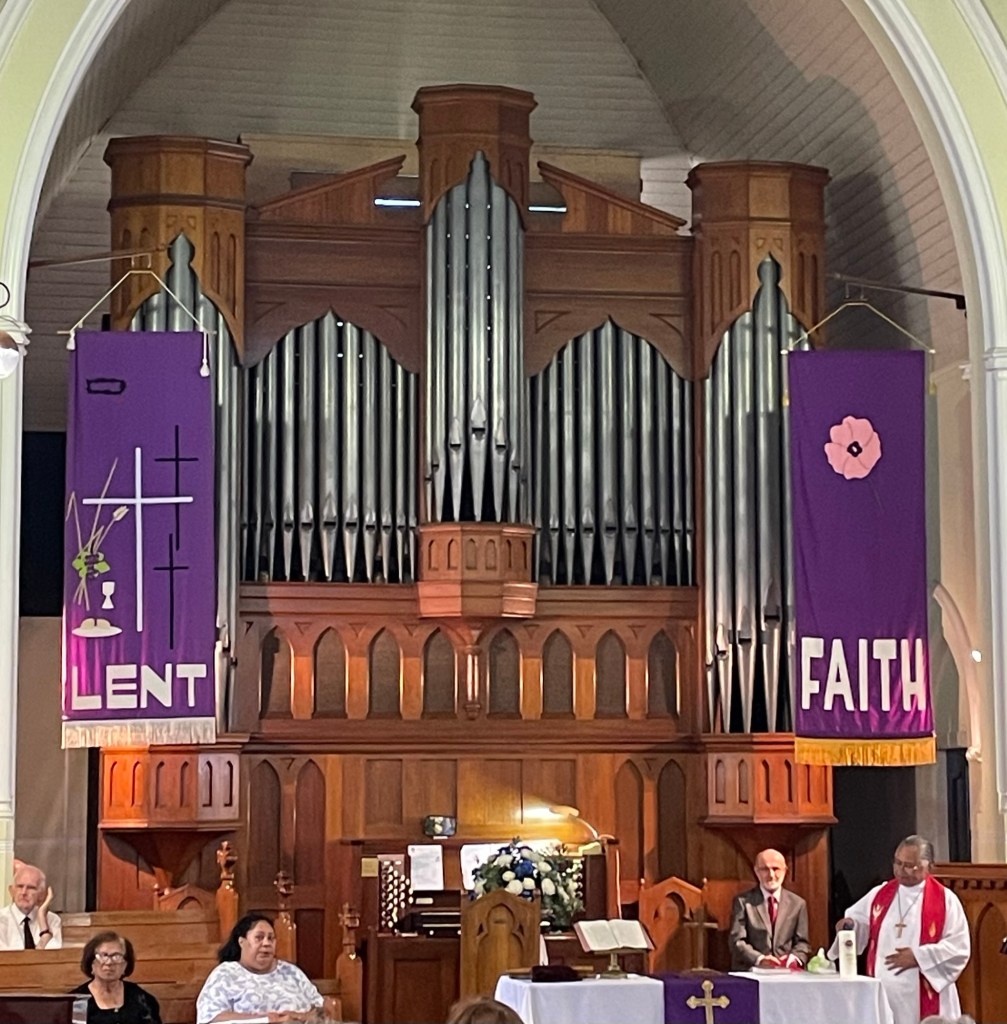
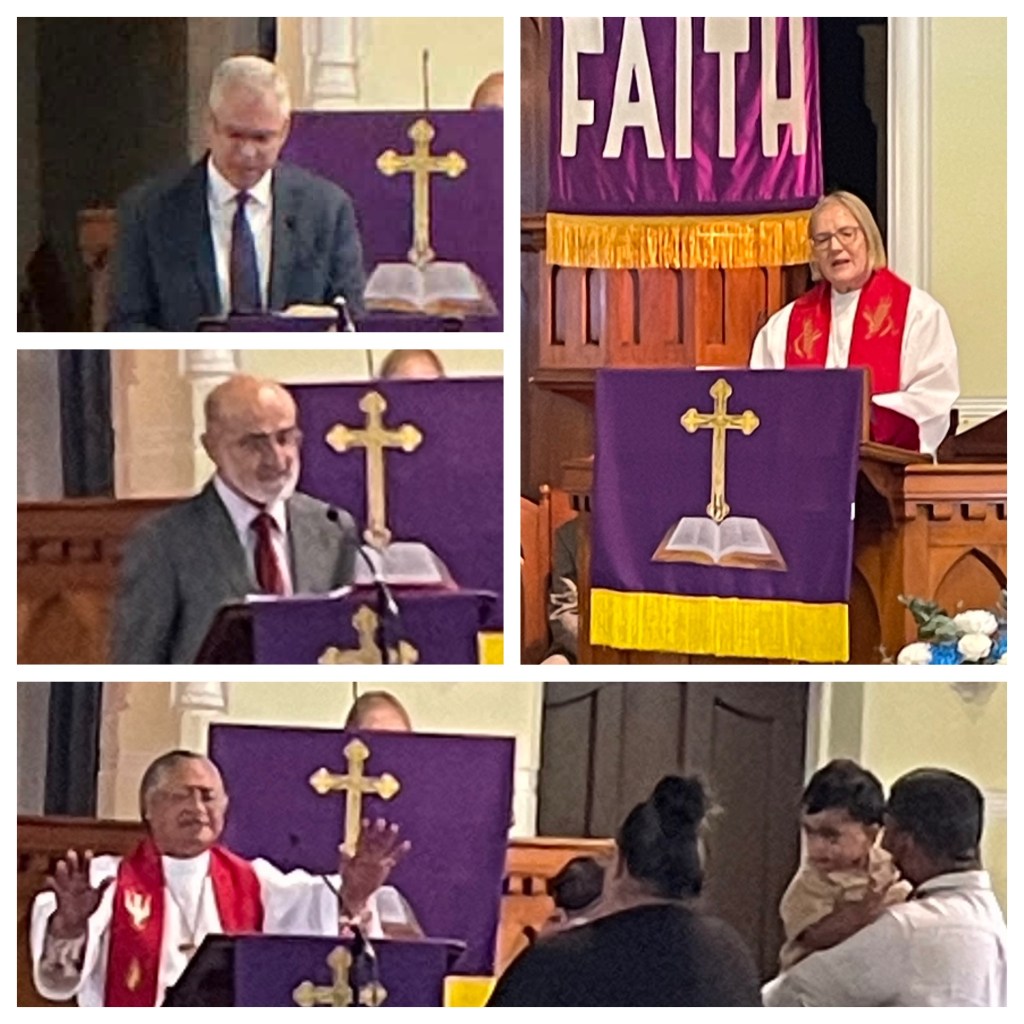
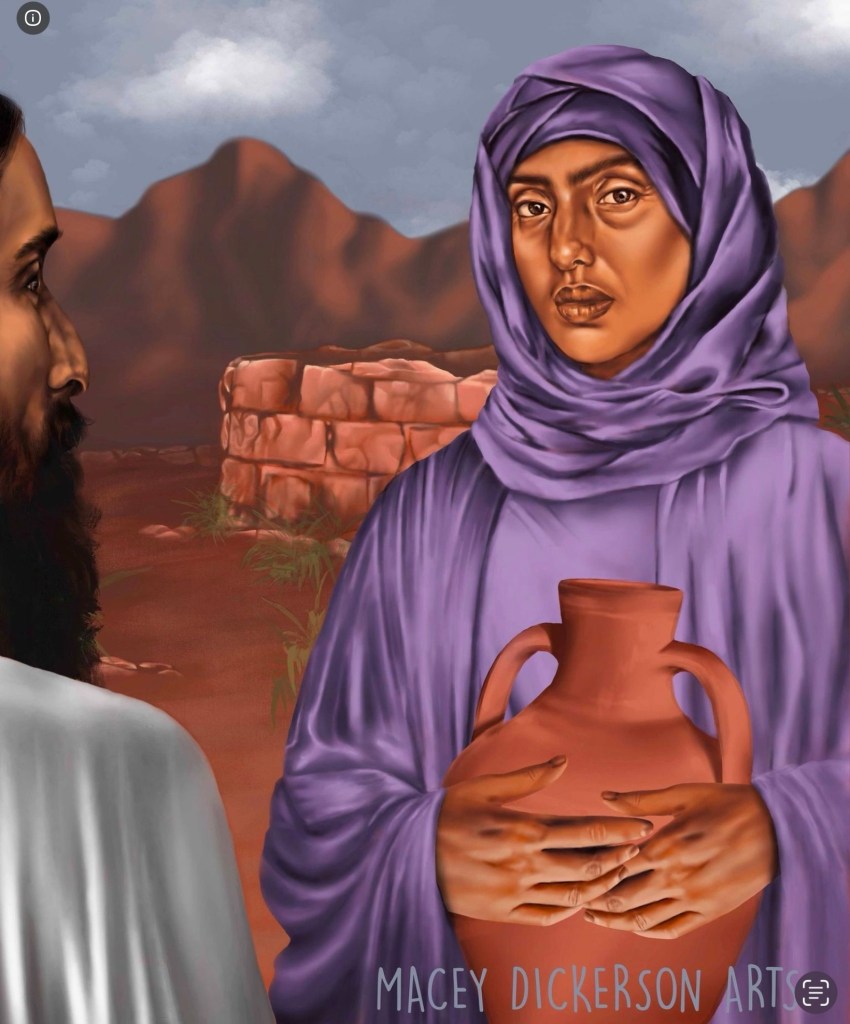
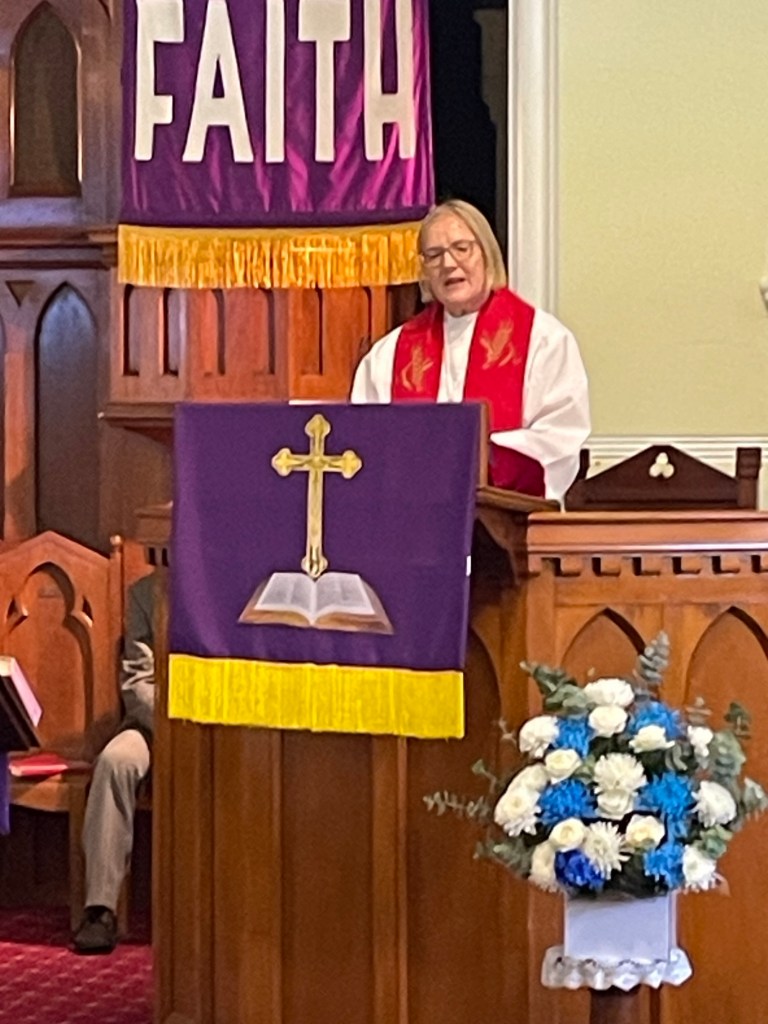


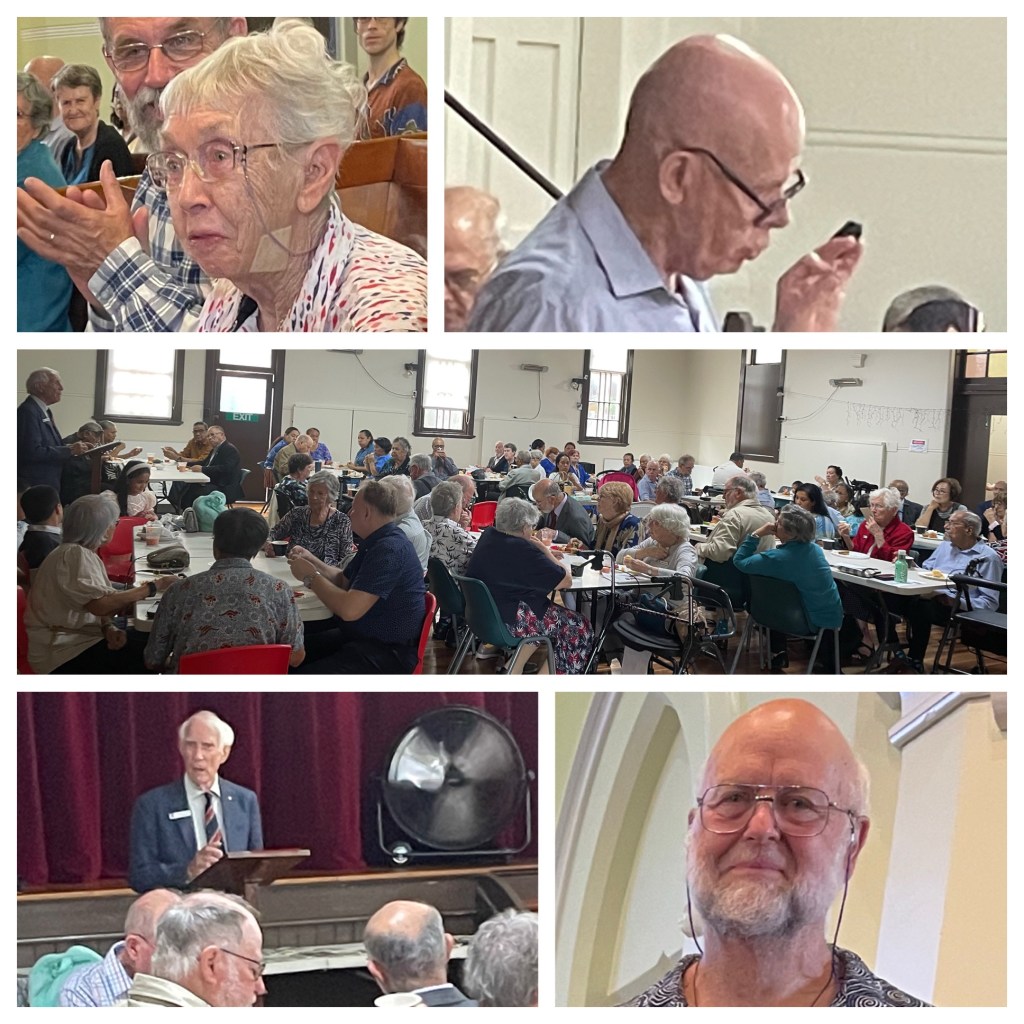
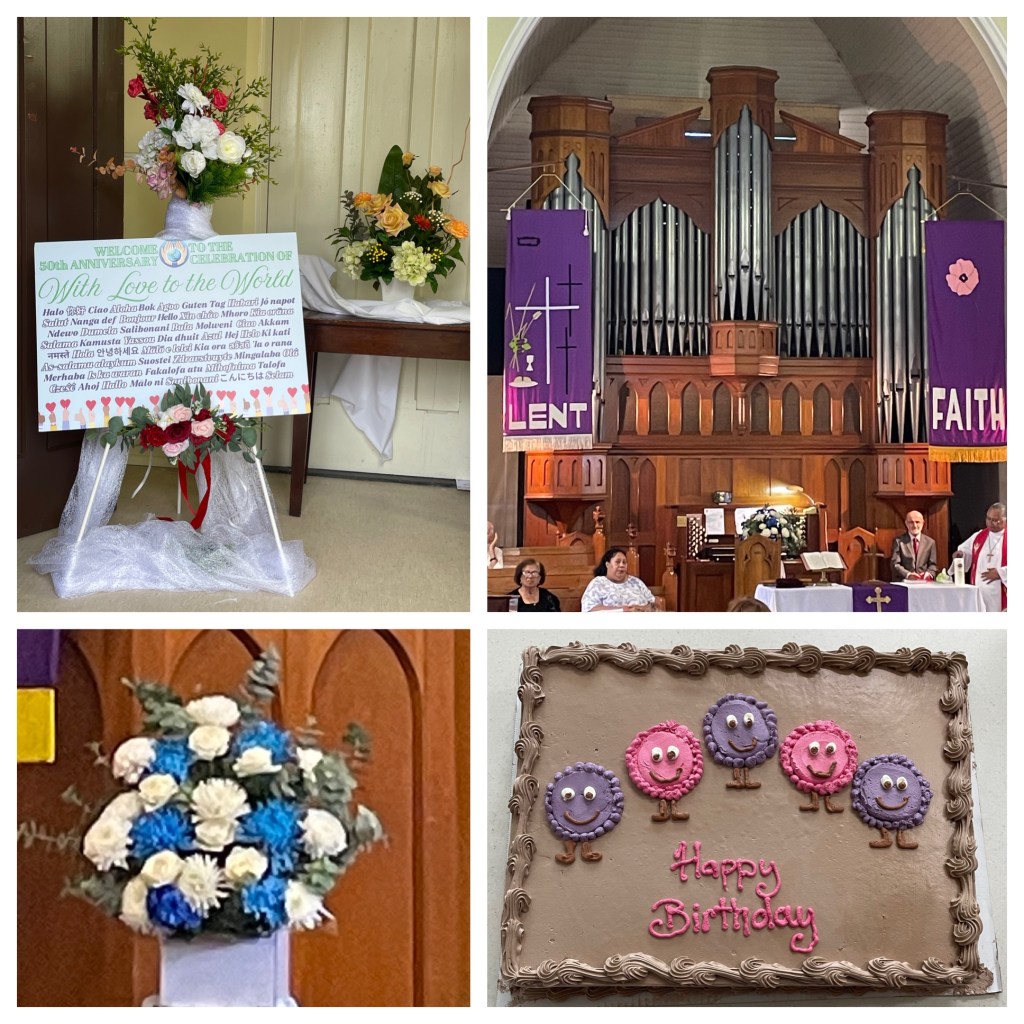

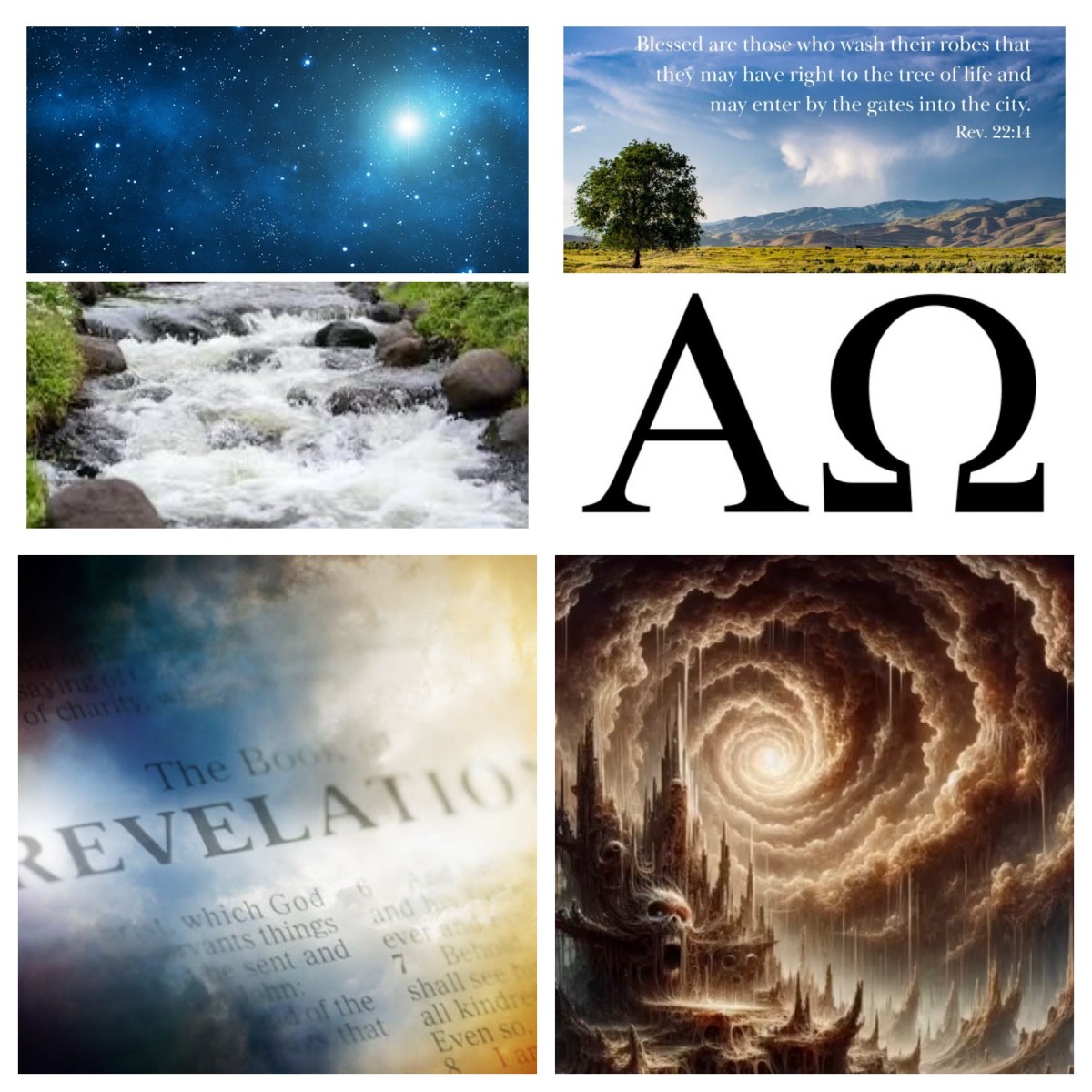


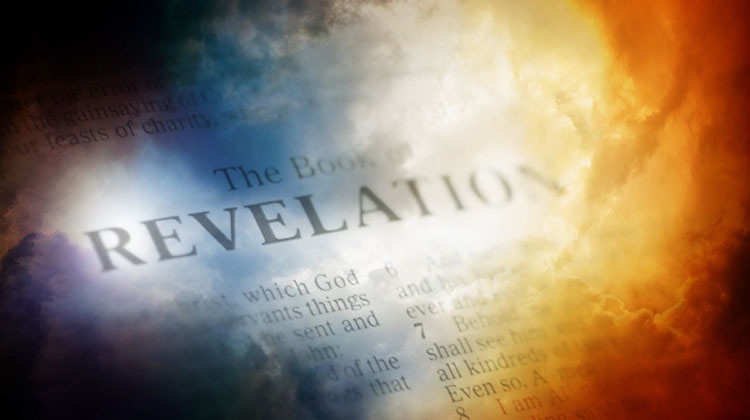



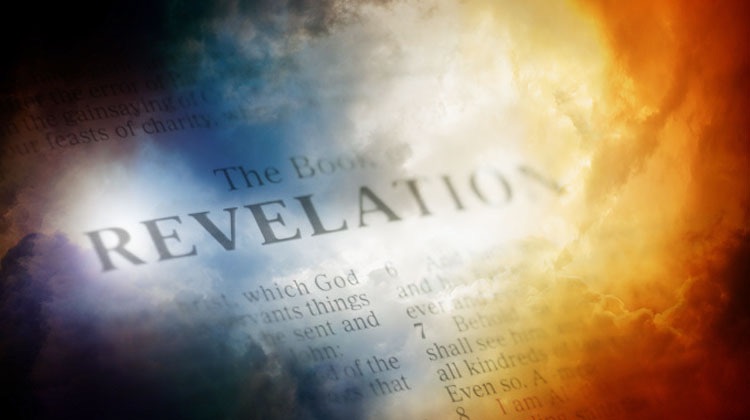
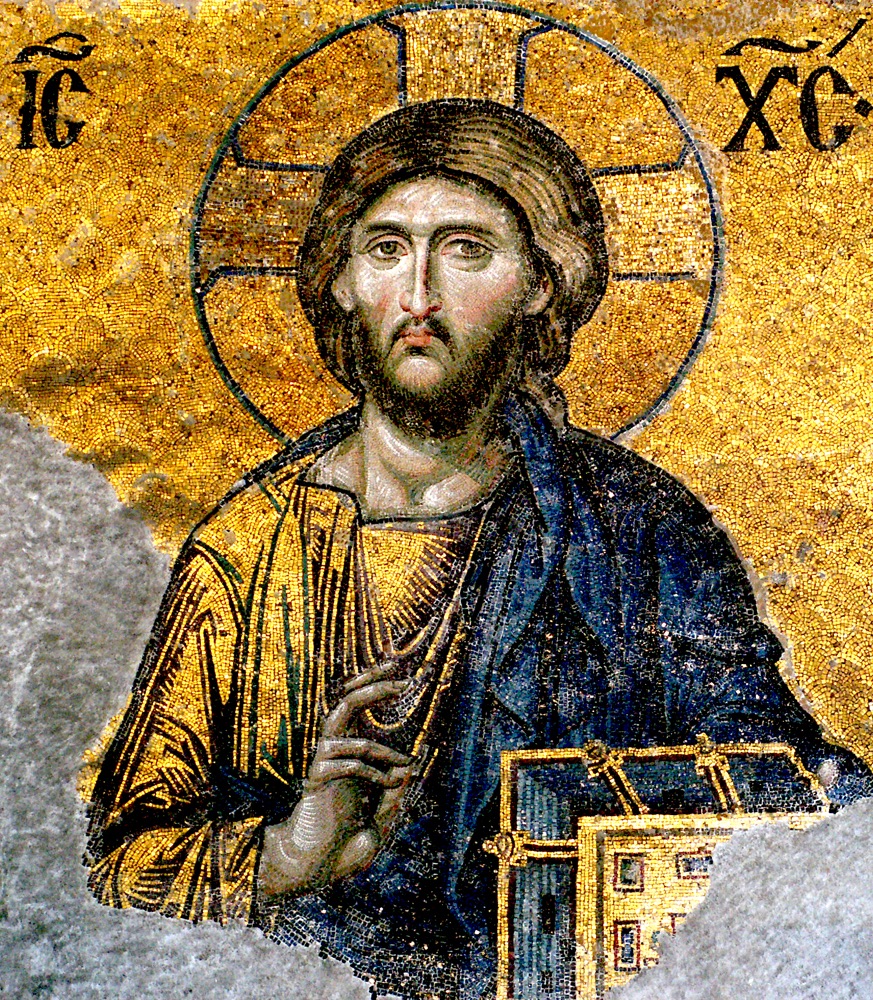
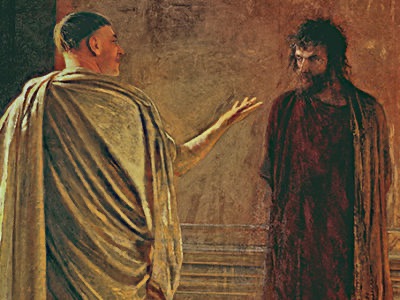

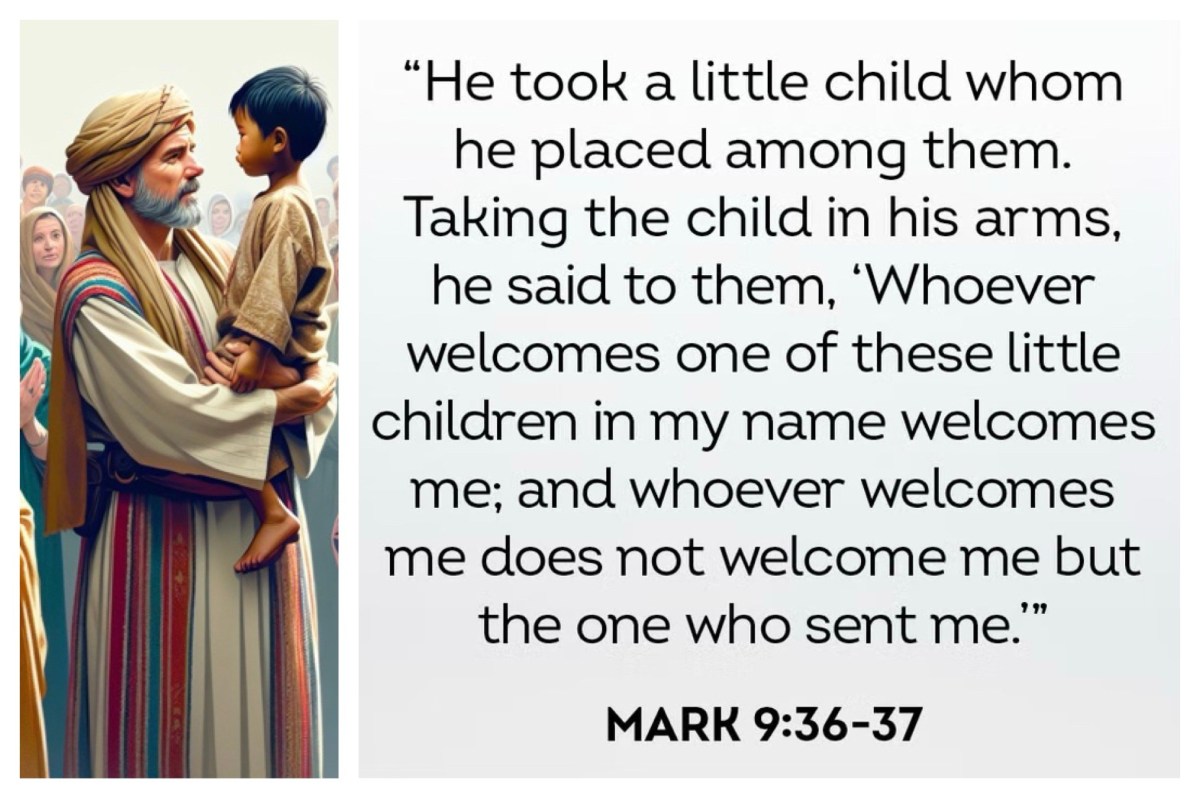

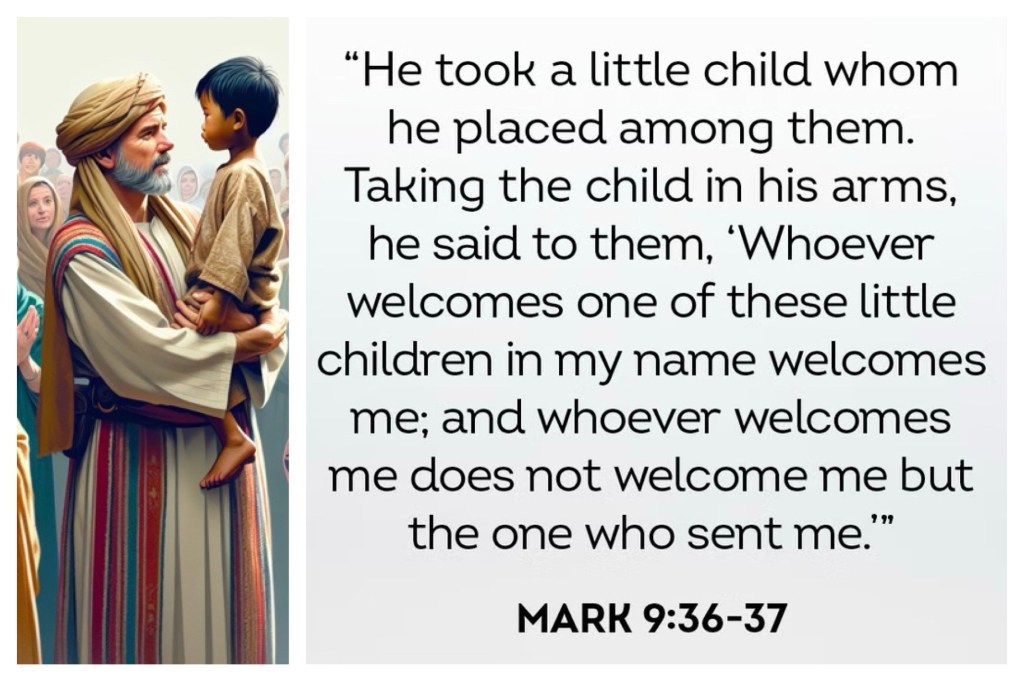

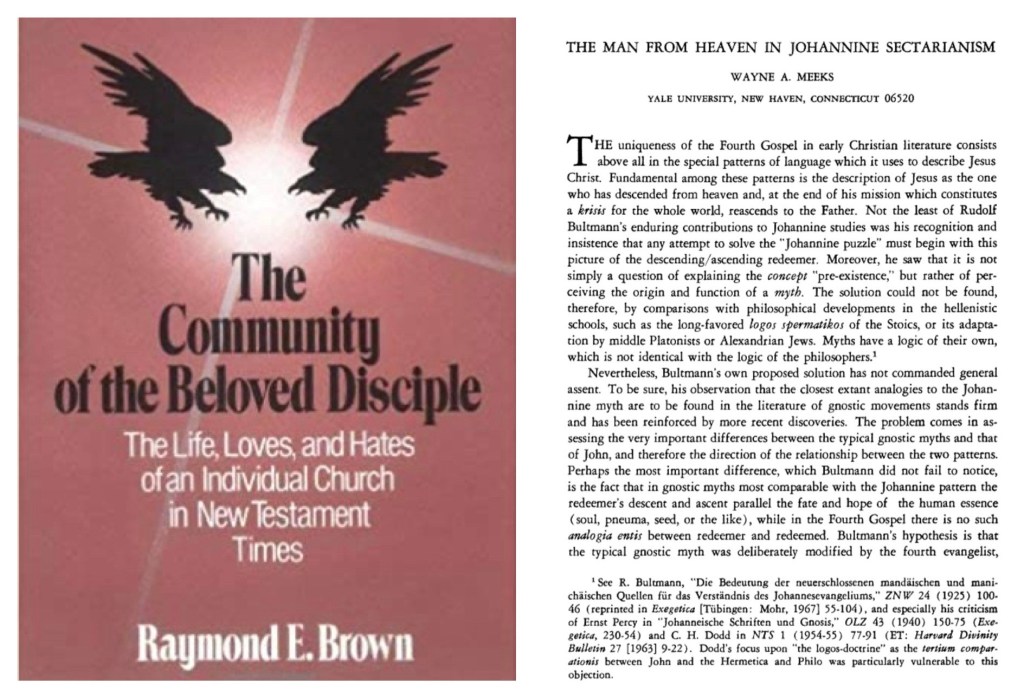
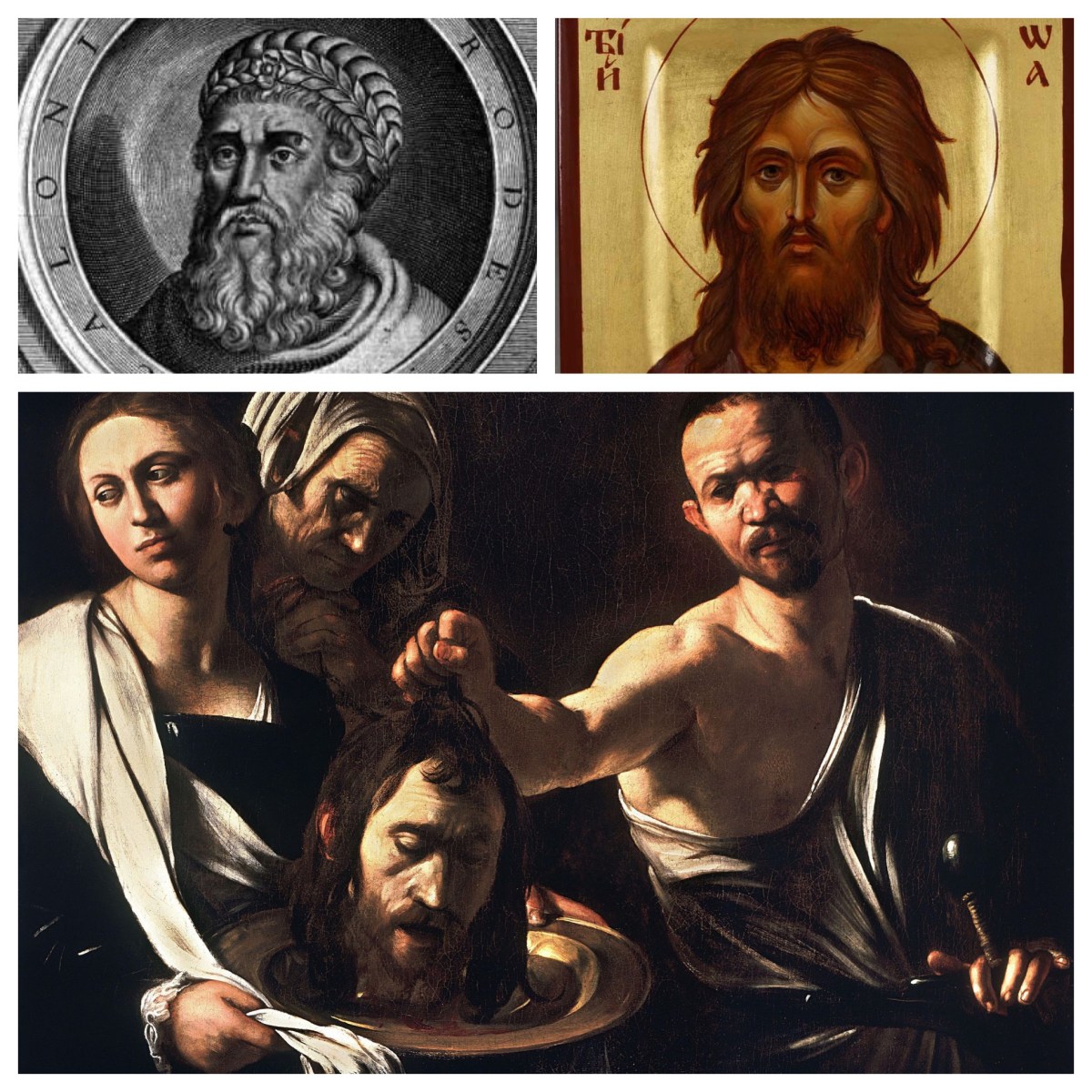
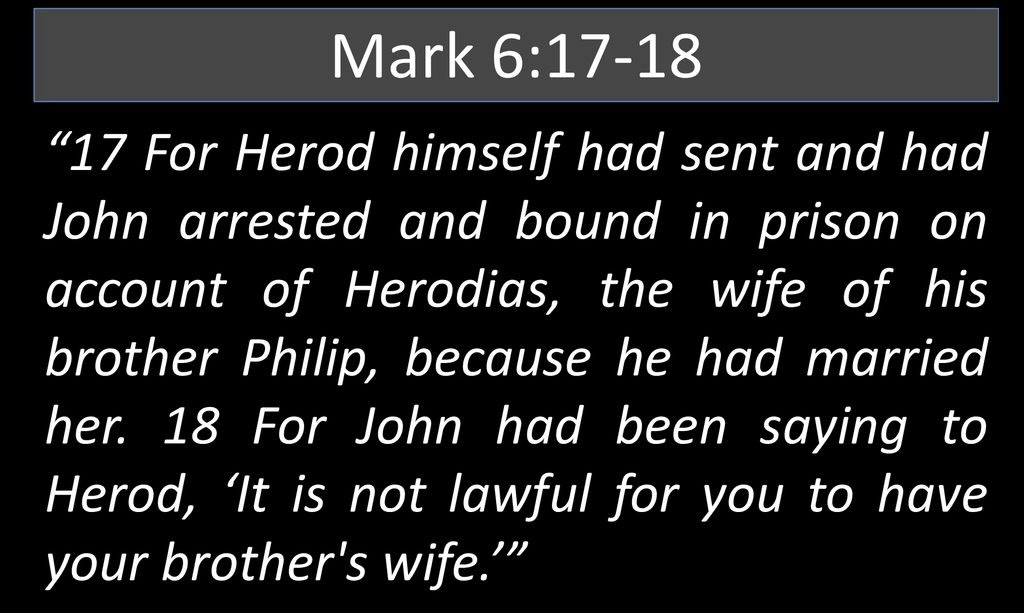
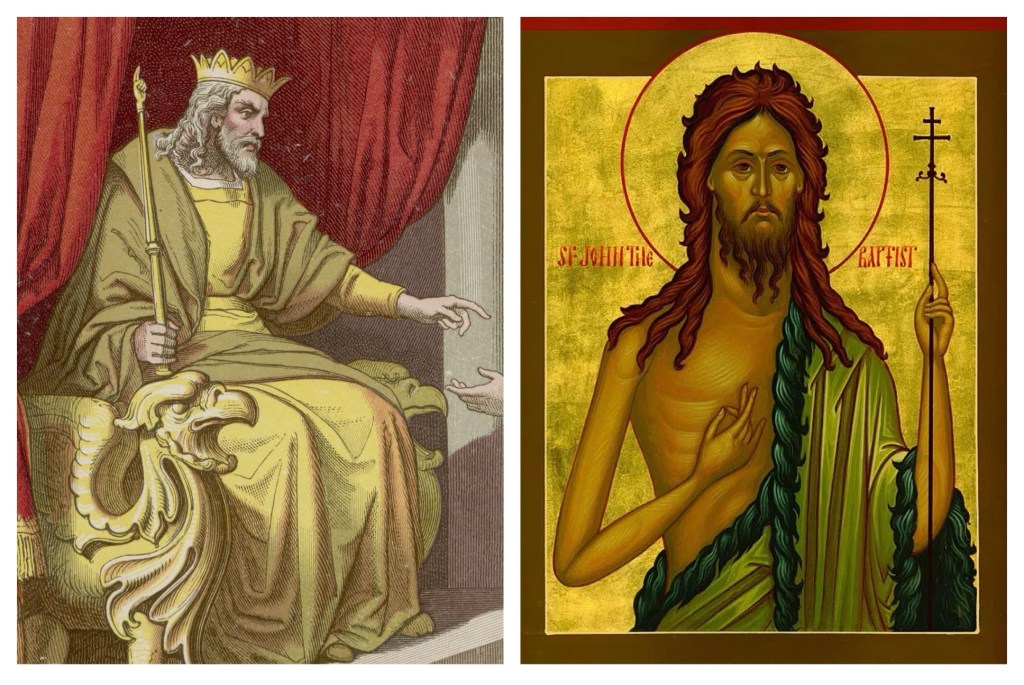

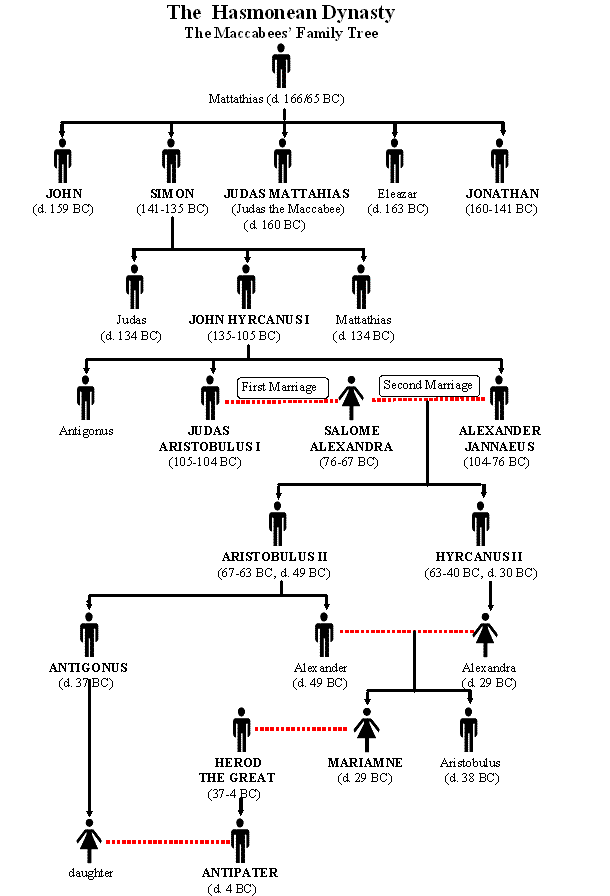
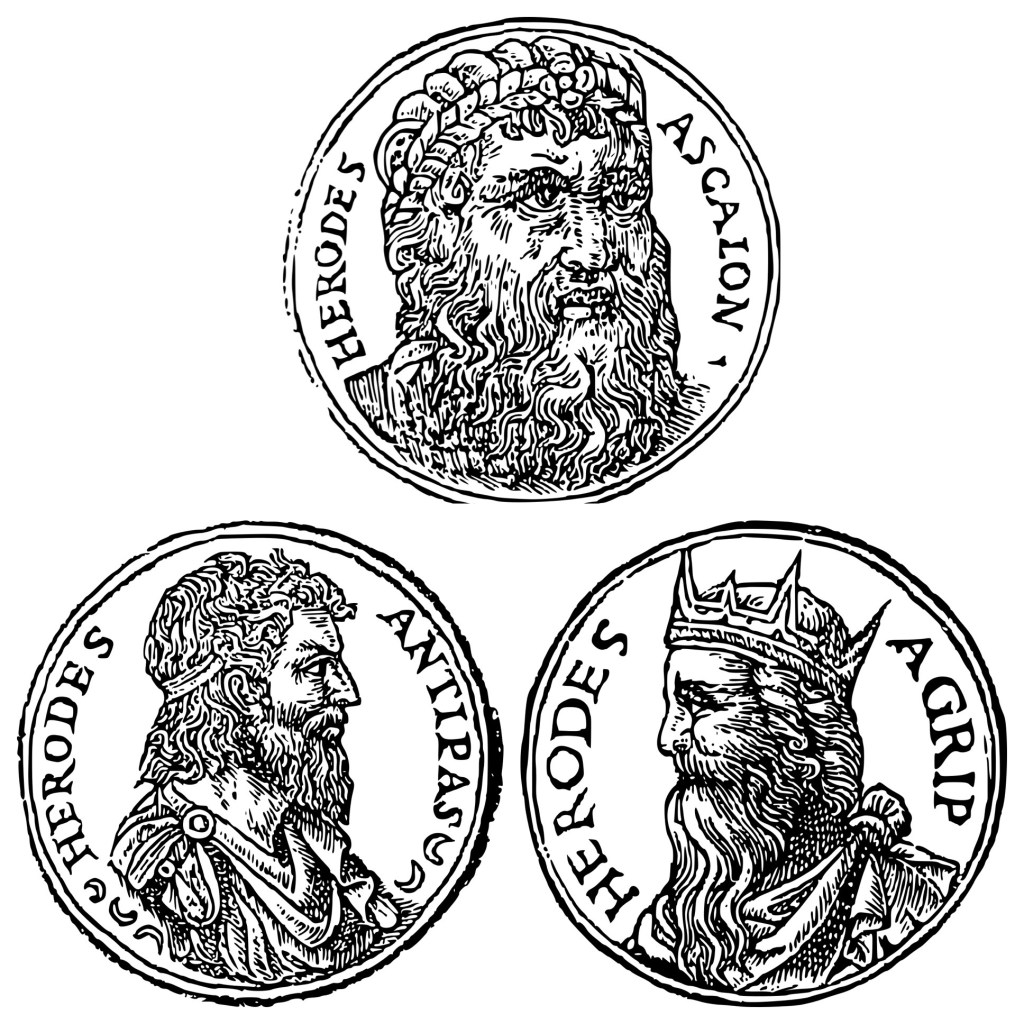
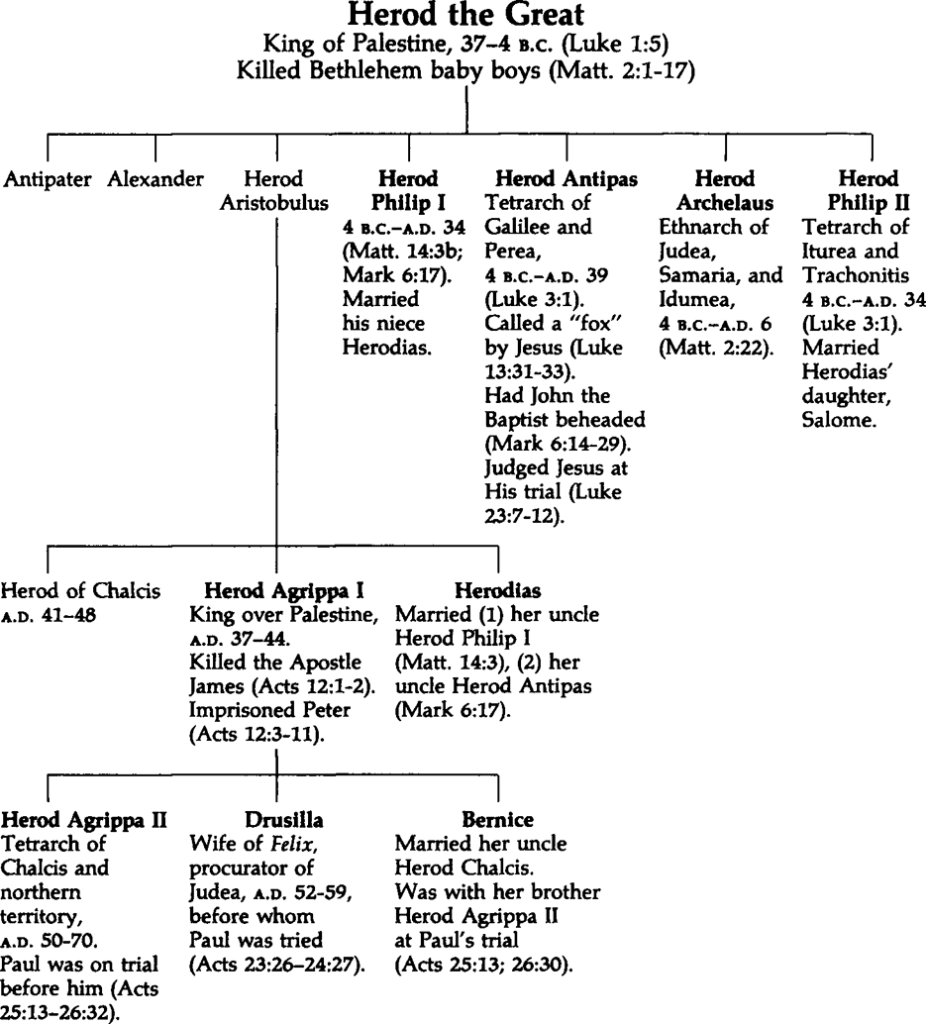
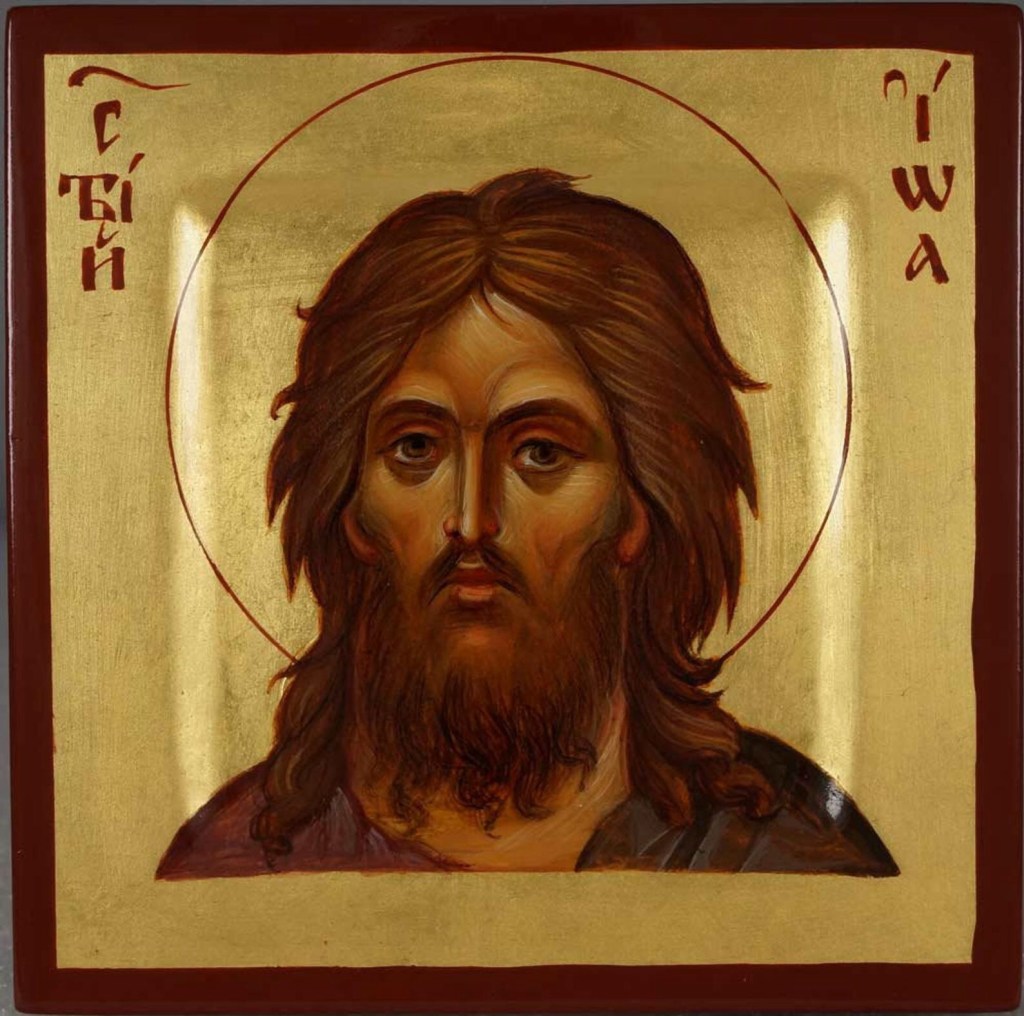
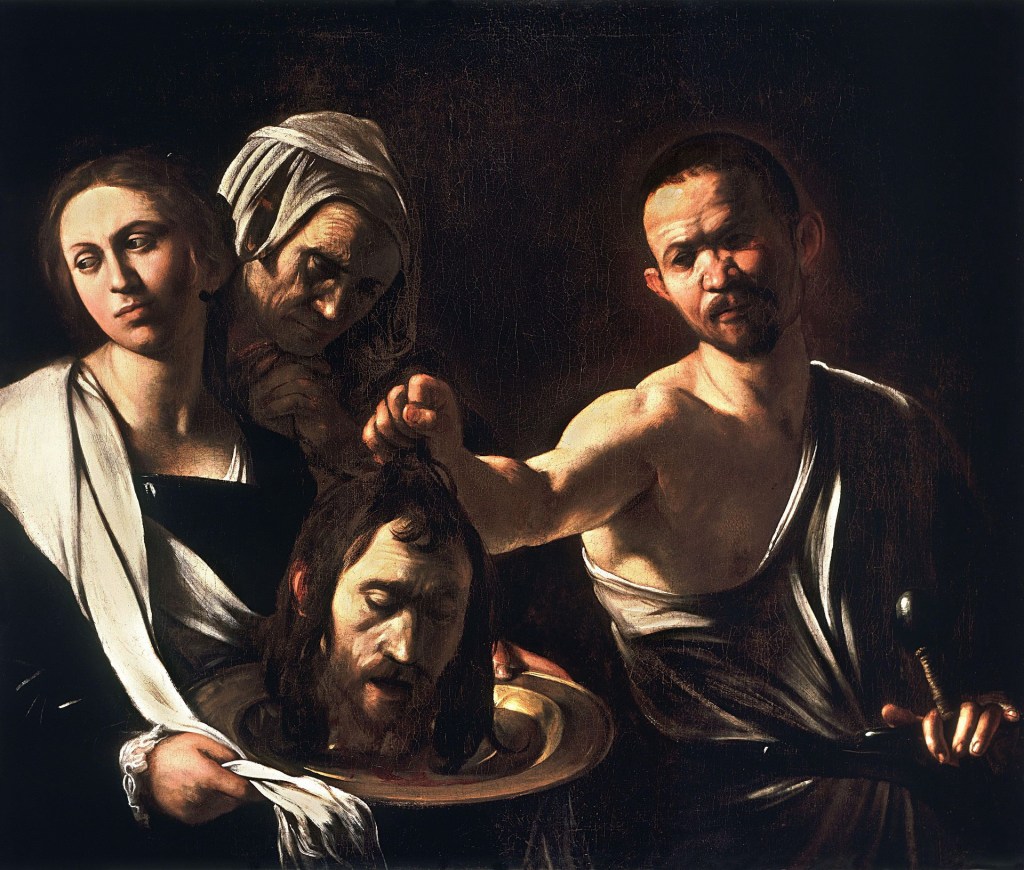





![I am the good shepherd [who] lays down his life for the sheep (John 10; Easter 4B)](https://johntsquires.com/wp-content/uploads/2024/04/img_4491-1.jpg?w=1200)


 An Informed Faith