

This Sunday, the lectionary proposes a selection of verses from Acts 3, containing most (but not all) of a speech by Peter (Acts 3:12–19). That speech (3:12–26) follows an account of how Peter heals a lame man (3:1–11); a miracle that provides a specific instance of the “many wonders and signs” which the apostles performed (2:43). In this blog, I will range beyond these explore the speech in its context.

As this particular healing takes place in the grounds of the temple (3:2), the heart of the Jewish capital, Jerusalem. Peter and John come to the temple to pray (3:1), in keeping with both the community practice of prayer (2:42) and of regularly attending the temple (2:46). The temple remained a focal point for prayer until its destruction in 70 CE.
The juxtaposition of the lame man and the temple setting is striking. Lame animals were decreed to be unsuitable as offerings to God (Deut 15:21; Mal 1:8,13) and lame people were amongst those forbidden from drawing near to offer sacrifice in the temple (Lev 21:18; 2 Sam 5:8). Yet amongst the prophets, the lame are included among the outcasts gathered by God as the faithful remnant (Jer 31:8; Mic 4:6-7; Zeph 3:19), and the vision of the return of the redeemed to Zion (Isa 35:1–10) includes the assertion that “the lame shall leap like a deer” (Isa 35:6).
Jesus has followed in this prophetic tradition by healing the various categories of outcast; by his activity, “the blind receive their sight, the lame walk, the lepers are cleansed, the deaf hear, the dead are raised, the poor have good news preached to them” (Luke 7:22, par Matt 11:5; see also Luke 4:18; Matt 15:30–31; 21:14).
In parables told only by the Lukan Jesus, the lame are included in the outcasts invited to the banquets (Luke 14:13,21). This compares with the account of how Mephibosheth, the lame grandson of Saul, son of Jonathan, ate regularly at the table of King David (2 Sam 4:4; 9:1–13).
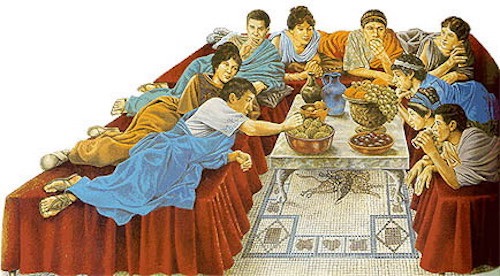
Although no account of a specific healing of a lame person is found in Luke’s Gospel (cf. John 5:1–9), the healing of this lame man (the first specific healing incident in Acts) places the apostles in continuity with Jesus who heals the lame (Luke 7:22). A similar healing is later performed by Paul (14:8–10), whilst Philip is described as healing “many others who were paralysed or lame” (8:7).
The lame man’s expectation that he would receive alms (3:2–3) is reasonable. Caring for the needy was integral to Jewish piety (Deut 15:7–11). By the hellenistic period, almsgiving had become highly valued as a religious duty (Sir 3:30; 7:10; 29:9–12; 40:24; Tob 4:7–11,16; 12:8–10; 14:8–11; cf. Matt 6:2–4). The Lukan Jesus commended almsgiving (Luke 11:41; 12:33) and subsequent characters in Acts practice almsgiving—notably, Cornelius (Acts 10:2,4,31) and Paul (24:17).
However, as Peter and John “look intensely” at the man (3:4; on such intense scrutiny, see 14:9), they sidestep this responsibility, for the focus in this account is to be on their exercise of divine power. Peter commands the man to stand, revealing that his power comes from “the name of the Messiah, Jesus of Nazareth” (3:6).

This name has already been declared as the source of salvation (2:21) and forgiveness (2:38); “the name” remains a constant emphasis in the ensuing scenes (3:16; 4:7,10,12,17–18,30; 5:40-41) and appears subsequently in connection with proclamation (8:12; 9:15–16,27–28; 10:43; 15:14,17; 21:13), baptism (8:16; 10:48; 19:5; 22:16) and exorcism (16:18; 19:13,17).
As Peter raises up the lame man (3:7), he is healed and strengthened, and enters the temple (3:8). The healed man immediately recognises the source of this miracle, for he is portrayed as “praising God” (3:8,9). The man joins himself with the community members whose regular life is typified by an attitude of praise towards God (2:47). Seeing this healing, the people show “wonder” (3:10), a questioning attitude also displayed towards Jesus (Luke 4:36; 5:9), and “amazement” (3:10), a more insightful appreciation of the incident, as also displayed towards Jesus (Luke 5:26).
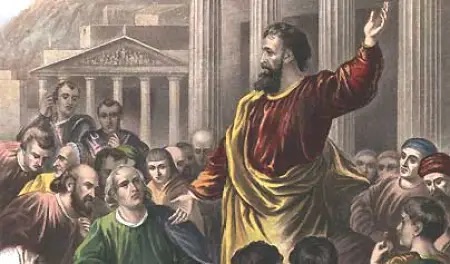
Having reported the healing, Luke shifts his focus to Peter, who addresses the people, providing an interpretation of what has taken place, just as he did on the day of Pentecost. Peter’s third speech (3:12–26) begins by accusing the people of thinking “as if by our own power or piety we have made him walk” (3:12). Peter asserts that it is God—“the God of Abraham and Isaac and Jacob, the God of our ancestors” (3:13)—who has enabled the miracle.
The speech echoes key elements of Peter’s Pentecost speech. The healing took place in the name of “the Messiah, Jesus of Nazareth” (3:6; see 2:36). Jesus is the one whom God glorified (3:13) and God raised (3:15; see 2:24); he is the one of whom the apostles are witnesses (3:15; see 2:32) for of him they “see and know” (3:16).
Peter also says that Jesus is the suffering Messiah, in fulfilment of “what God announced beforehand through the mouth of all the prophets” (3:18). This extends the fulfilment of prophecy from Jesus’ resurrection (2:25–31) and exaltation (2:34–35) to his crucifixion. Paul makes the same affirmation, that the suffering of the Messiah fulfils scripture, at 26:23. So the speech both reprises and develops the explicit things said about Jesus in 2:22–36, as well as the prophetic and apostolic witness which characterises the apostolic proclamation.
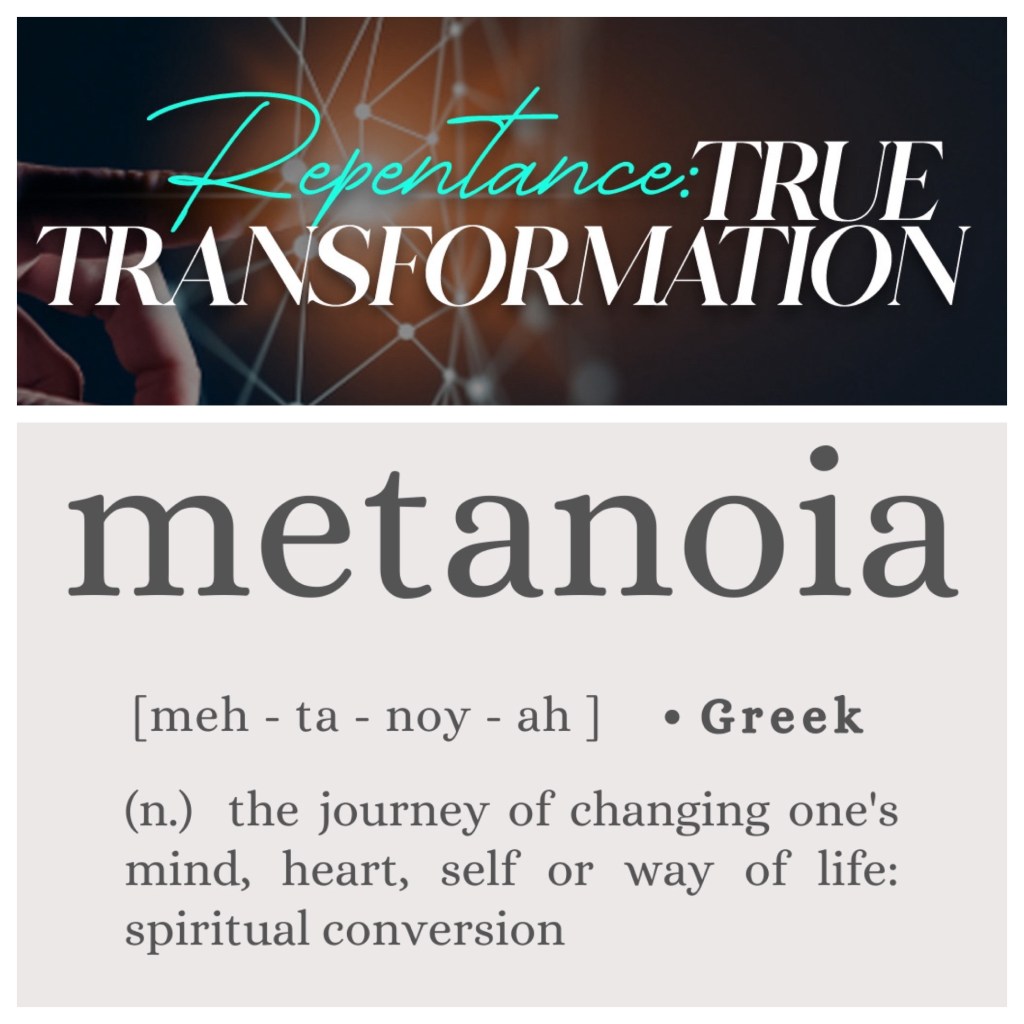
Luke has Peter call for a response of repentance (3:19), as he did at 2:37–39. Repentance is an integral element in the eschatological scenario. The eschatological hope for the coming times had often been proclaimed by Jesus (Luke 4:43; 9:26-27; 10:1–16; 12:49–56; 13:22–30; 17:20–37; 19:11–27; 21:5–36). This continues as an essential element in the apostolic proclamation.
Luke reports Peter as describing this future time in some detail (3:19–21). God is in control of this process: God will wipe out sins (3:19b) because people will have already repented and turned to God (3:19a); “times of refreshing” will come “from the presence of the Lord” (3:20a); and God will then send the appointed Messiah (3:20b).
After this, during an interim period, the ascended Jesus remains in heaven (cf. 1:11; 2:33), awaiting “the time of universal restoration” which will implement what God has long ago promised (3:21). The delay occasioned by this waiting does not mean that God has lost control of events, however. Jesus remains in heaven by divine decree; the word “must”, 3:21, indicates this.
The “times of refreshing” may refer to Jesus’ teaching that “the Lord will cut short the end” (Mark 13:20, but omitted in Luke 21); the sense of “refreshing” is of a breathing space before the next event in sequence takes place (see Exod 8:15). The “time of universal restoration” transcends the earlier question of the disciples concerning the restoration of the kingdom to Israel (1:6); here, restoration has a universal scope. This is the broadest expression of eschatological hope in all of Acts.
This time of restoration may thus correlate with the eschatological events which Peter has already reported at 2:17-21 (citing Joel 2:28-32; see also Mal 4:5-6); and which is later mention in Peter’s Caesarea speech (10:42) and in Paul’s Areopagus speech (17:31). On these occasions, however, the description of that time is limited to noting the role that Jesus will perform, as the one “ordained” (10:42) or “appointed” (17:31; cf. 3:20) to carry out God’s judgement. This speech thus provides the most detailed look into the promised future time of judgement and redemption.

The time of universal restoration which Peter declares is that which “God spoke through the mouth of his holy prophets” (3:21; cf. Luke 1:70). The way that Peter here expresses the future role of Jesus evokes the prophetic words of Mary (Luke 1:54–55) and Zechariah (Luke 1:68–75). Justice and salvation will come about at this time.
It is this still-awaited future act of God which provides the springboard for Peter’s demand for repentance (3:19). Peter concludes his speech by urging the people to “turn, each one, from your sins because God raised up his son and sent him as a blessing to you” (3:26, as a fulfilment of the promise to Abraham cited in 3:25).
Conflict erupts, however, when the authorities object that Peter is teaching the people, primarily (in their eyes) about the resurrection of the dead (4:2). Luke has already documented the opposition of the Sadducees to this idea (Luke 20:27-40). Here, they join with the priests and the temple police, the same group which Luke noted as having plotted against Jesus (Luke 22:4) and arrested him (Luke 22:52).
Together, they initiate the arrest of Peter and John (4:1-3). This is the first of many scenes of judicial conflict in Acts; the pattern has already been established in the story of Jesus (Luke 22:47-23:25). A very brief second summary description of the community (4:4) follows, picking up from 2:41 the motif of increasing numbers within the messianic community.


 An Informed Faith