Dark sayings from of old (Psalm 78; Pentecost 24A)

Scripture contains many sayings. Of particular note in the Hebrew Scriptures are “sayings of the wise” (Prov 24:23), offering insights into the best ways of living with integrity in daily life. The book of Proverbs refers to “thirty sayings of admonition and knowledge” (Prov 22:20), but in fact it contains a multitude of succinct two-part sayings, known as proverbs, attributed to King Solomon (Prov 10:1—29:27), Agur Ben Jakeh, a sage of Arabic descent (Prov 30:1–33), and King Lemuel, perhaps of Assyria (Masa) (Prov 31:1–9).

The Preacher, characteristically, bemoans that “the sayings of the wise are like goads, and like nails firmly fixed are the collected sayings that are given by one shepherd” (Eccl 12:11). He notes that “of the making many books there is no end, and much study is a weariness of the flesh” (Eccl 12:12). He presumably sees little need for saying after saying after saying.

Nevertheless, scripture as a whole has collected and retained “treasuries of wisdom” in which there are many “sayings of the wise” (Sir 1:25), sayings which are “life to those who find them, and healing to all their flesh” (Prov 4:22). Attention to these words means that “you may hold on to prudence, and your lips may guard knowledge” (Prov 5:2).

Faithful people are advised to “keep your father’s commandment, and do not forsake your mother’s teaching; them upon your heart always; tie them around your neck” (Prov 6:20)—words which evoke the directions given to Israel concerning the Torah itself: “bind them as a sign on your hand, fix them as an emblem on your forehead, and write them on the doorposts of your house and on your gates” (Deut 6:8–9).

So the “sayings of the wise” are regularly described in some of the terms used to describe Torah: they are “commandments” (Prov 2:1; 3:1; 4:4; 7:1–2; 10:8) and “precepts” (Prov 4:2), and like the Torah itself, they provide “instruction” (Prov 1:8; 4:1, 13; 8:10, 33; 9:9; 10:17; 15:5, 32–33; 19:20, 27; 23:12, 23; 24:32). Ben Sirach links the two when he advises, “if you desire wisdom, keep the commandments, and the Lord will lavish her [i.e. Wisdom] upon you”, for “the fear of the Lord is wisdom and discipline” (Sir 1:26–27).

The people are told that, “if you accept my words and treasure up my commandments within you, making your ear attentive to wisdom and inclining your heart to understanding … then you will understand the fear of the Lord and find the knowledge of God” (Prov 2:1–2, 5). The connection between “the fear of the Lord” and the wisdom that is conveyed by “the sayings of the wise” is manifest (Prov 1:7; 2:5; 9:10; 14:27; 15:33).

Penetrating into the wisdom contained within these sayings ought to come readily to those who are regular and persistent in listening to them; yet, as Job laments regarding God, “how small a whisper do we hear of him!”, and “the thunder of his power who can understand?” (Job 26:14). At the end of the long whirlwind speech of God, Job concedes that his knowledge of God had been quite inadequate, noting that “I had heard of you by the hearing of the ear, but now my eye sees you” (Job 42:5).

The introduction to the book of Proverbs recognises the difficulty of gaining clear understanding of these sayings, indicating that it takes work: “let the wise also hear and gain in learning, and the discerning acquire skill, to understand a proverb and a figure, the words of the wise and their riddles” (Prov 1:5–6).

Ben Sirach notes that “the one who devotes himself to the study of the law of the Most High” is one who “seeks out the wisdom of all the ancients, and is concerned with prophecies; he preserves the sayings of the famous and penetrates the subtleties of parables; he seeks out the hidden meanings of proverbs and is at home with the obscurities of parables” (Sir 39:1–3).

Those hidden meanings and obscurities may well be what has driven the psalmist, in the psalm offered in this coming Sunday”s lectionary psalm, to refer to “hidden things, things from of old” (Ps 78:2, NIV)—or more ominously, as the NRSV translates it, “dark sayings from of old” (Ps 78:2, NRSV). What are these hidden things, these dark sayings, from the past?

Although the psalmist refers to “the glorious deeds of the Lord, and his might, and the wonders that he has done” in years past, recounting them with admiration and gratitude (Ps 78:5–16), they note with pathos that the people “did not keep God’s covenant … refused to walk according to his law … forgot what he had done”, that they “sinned still more against him, rebelling against the Most High in the desert … tested God in their heart … spoke against God” (Ps 78:10–11, 17–19). Understanding came hard to the people.

The psalmist places these “hidden things”, these “dark sayings from of old” in parallel with parables (Ps 78:2). The Hebrew word translated as parable is mashal, which signals a comparison; it literally means “is like”. We know about parables from the use that Jesus made of them in his teaching. “The kingdom of heaven is like …”, or “what shall I compare the kingdom of God to?” are introductions to short stories which Jesus tells, in which the realm of God is explained with reference to a familiar situation in daily life—making bread, keeping sheep, tending a vineyard, seeking work, attending a marriage.

A mashal, a parable, is simply a comparison. So in Proverbs, we can read various parables: “the path of the righteous is like the morning sun, shining ever brighter till the full light of day; but the way of the wicked is like deep darkness; they do not know what makes them stumble” (Prov 4:18–19); “like a gold ring in a pig’s snout is a beautiful woman who shows no discretion” (Prov 11:22); “the words of the reckless pierce like swords, but the tongue of the wise brings healing” (Prov 12:18); “a king’s rage is like the roar of a lion, but his favour is like dew on the grass” (Prov 19:12); “like a roaring lion or a charging bear is a wicked ruler over a poor people” (Prov 28:15); and so on.

Elsewhere in the Hebrew Scriptures, we find comparisons—parables—that are short and succinct. A classic short, simple Another example is the proverb quoted by two prophets, about the impact of the Exile: “the parents have eaten sour grapes, and the children’s teeth are set on edge” (Jer 31:29; Ezek 18:2). The point of this saying is clear, and telling.

We also find more extended comparisons—parables with developed plots and allegorical elements. (In an allegory, particular individual features can play an independently figurative role, so that the story told becomes a kind of riddle which invites a response from the listener. “What do you think?” becomes the implied way that the allegory-riddle ends.) The most famous examples in the Hebrew Bible are Samuel’s story-parable comparing David with a callous rich herdsman in 2 Samuel 12 and the prophet’s lovesong-parable comparing Israel with an unfruitful vineyard in Isaiah 5.

Psalm 78:2 in Hebrew

The Hebrew word in parallel to mashal (משל, “parable”) in Ps 78:2, which is translated as “hidden things” (NIV) or “dark sayings” (NRSV), is the word chidah, חַידָה, which is most often translated as “riddle”. This word refers to a parable “whose point is deliberately obscured so that greater perception is needed to interpret it”, according to the Jewish Virtual Library (reference below). A good example is the riddle is that spoken by Samson, “out of the eater came something to eat; out of the strong came something sweet” (Judg 14:14). The narrative comment that follows is delightful: “for three days they could not explain the riddle”!

A number of proverbs are classified as riddles, especially in the section of Proverbs containing “the sayings of Agur son of Jakeh—an inspired utterance” (Prov 30:1). For instance: “There are three things that are never satisfied, four that never say, ‘Enough!’: the grave, the barren womb, land, which is never satisfied with water, and fire, which never says, ‘Enough!’” (Prov 30:15b—16). Another example comes a few verses later: ““There are three things that are too amazing for me, four that I do not understand: the way of an eagle in the sky, the way of a snake on a rock, the way of a ship on the high seas, and the way of a man with a young woman” (Prov 30:18–19).

In Psalm 78, we do not seem to have specific verses that can be categorised as riddles—rather, it presents as one of the psalms which retell the saga of the origins of Israel (as well as this psalm, see also Psalms 105, 106, 135 and 136). The particular perspective of the psalmist in retelling this story in Psalm 78 is that the people “should set their hope in God, and not forget the works of God, but keep his commandments” (v.7), in the hope that “they should not be like their ancestors, a stubborn and rebellious generation, a generation whose heart was not steadfast, whose spirit was not faithful to God” (v.8). After all, God had performed many miracles in the Exodus, at the formational stage of the people of Israel (vv.12–16).

Nevertheless, the repeated sinfulness shown by Israel in the wilderness (vv.17–19) is replicated in later times; in spite of all that God did for them in the wilderness (vv.20, 23–29), “they still sinned; they did not believe in his wonders” (v.32), “their heart was not steadfast toward him; they were not true to his covenant” (v.37), “they tested God again and again, and provoked the Holy One of Israel” (v.41), thereby incurring the great wrath of God (vv.44–51).

Even when God led them to Canaan and “drove out nations before them; he apportioned them for a possession and settled the tribes of Israel in their tents” (v.56), still “they tested the Most High God and rebelled against him; they did not observe his decrees, but turned away and were faithless like their ancestors; they twisted like a treacherous bow” (vv.56–57), incurring still more punishment (vv.58–64).

The psalm ends with a picture of pastoral bliss as God favoured the tribe of Judah with the site of the temple, and David is installed as the shepherd-king of the people (vv.65–72). The conclusion is encouraging; “David shepherded them with integrity of heart; with skillful hands he led them” (v.72).

Perhaps, notwithstanding this irenic ending, this is the chidah, the riddle, the dark saying of the past? Perhaps it is about the stubborn, incorrigible nature of human beings—exemplified by Israel’s regular return to sinful ways?

Perhaps the psalm was written in the knowledge of the persistent inadequacies and sinfulness of the kings who came after David? (We might note the regular refrain about the kings who “did evil in the eyes of the Lord” throughout the narrative books, first applied to Solomon at 1 Ki 11:6 and then forming a recurring formula of condemnation of many of the kings that followed him in the northern kingdom as well as a number in the southern kingdom).

Perhaps it is that, no matter how much God did for God’s people, their persistent sinfulness would always rise to the surface? If that is so, it is a dark saying, indeed.

On parables in Hebrew Scripture, see https://www.jewishvirtuallibrary.org/parable

On later developments on rabbinic literature, see https://www.jewishencyclopedia.com/articles/11898-parable

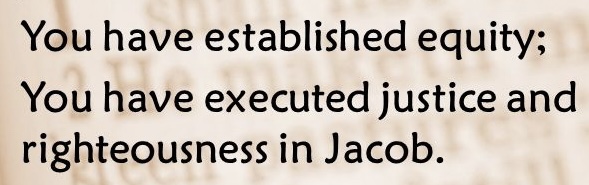
Executing justice and righteousness (Ps 99; Pentecost 21A)

“You have established equity; you have executed justice and righteousness in Jacob” (Ps 99:4). So the psalmist sings, in the psalm offered by the lectionary for this coming Sunday. Noting that leaders of the past have called out to God and been answered—Moses, Aaron, and Samuel (99:6)—the psalmist praises God, “you answered them; you were a forgiving God to them, but an avenger of their wrongdoings” (99:8).

In this psalm it is the king, the “Mighty King, lover of justice [who has] established equity” (99:4), whose “royal scepter is a scepter of equity” (Ps 45:6), modelled on the Lord God himself, who “judges the world with righteousness [and] judges the peoples with equity” (Ps 9:8; see also 67:4; 75:2; 96:10; 98:9). Accordingly, King David is remembered as the one who “administered justice and equity to all his people” (2 Sam 8:15; 1 Chron 18:14), and the opening words of the book of wisdom attributed to King Solomon are “love righteousness, you rulers of the earth, think of the Lord in goodness and seek him with sincerity of heart” (Wisd Sol 1:1).

Divine justice is regularly noted in tandem with God’s mercy forgiveness. “Great is your mercy, O Lord; give me life according to your justice” (Ps 119:156); and “in your steadfast love hear my voice; O Lord, in your justice preserve my life” (Ps 119:149). The prophet Isaiah tells the rebellious people of his day, “the Lord waits to be gracious to you; therefore he will rise up to show mercy to you—for the Lord is a God of justice; blessed are all those who wait for him” (Isa 30:18).

Likewise, through the prophet Hosea, the Lord God promises to Israel, “I will take you for my wife in righteousness and in justice, in steadfast love, and in mercy” (Hos 2:19), whilst centuries later, Ezekiel reminds the exiles of God’s pledge: “I say to the righteous that they shall surely live, yet if they trust in their righteousness and commit iniquity, none of their righteous deeds shall be remembered; but in the iniquity that they have committed they shall die” (Ezek 33:13). Justice and mercy belong hand-in-hand, as yet another prophetic voice declares as the exiles are returning to the land: “in my wrath I struck you down, but in my favour I have had mercy on you” (Isa 60:10).

God’s mercy sat at the heart of the covenant made with Israel; the Lord affirms to Moses, “I will be gracious to whom I will be gracious, and will show mercy on whom I will show mercy” (Exod 33:19). So in the longest psalm, declaring persistent praise of the Law, the psalmist offers the petition, “let your mercy come to me, that I may live, for your law is my delight” (Ps 119:77). A number of other psalms likewise contain petitions God to show mercy (Ps 25:6; 40:11; 51:1; 69:16; 123:3).

Jesus, centuries later, brings together mercy and justice when he accuses the scribes and the Pharisees of hypocrisy, as they “neglect the weightier matters of the law: justice and mercy and faith” (Matt 23:23).

Justice, of course, is at the heart of the covenant that God made with Israel. Moses is said to have instructed, “justice, and only justice, you shall pursue” (Deut 16:20), the king is charged with exhibiting justice (Ps 72:1–2; Isa 32:1), whilst many prophets advocate for justice (Isa 1:17; 5:7; 30:18; 42:1–4; 51:4; 56:1; Jer 9:24; 22:3; 23:5; 33:15; Ezek 18:5–9; 34:16; Dan 4:37; Hos 12:6; Amos 5:15, 24; Mic 3:1–8; 6:8).

That God is righteous is likewise declared in scripture (Deut 32:4; Ps 145:7; Job 34:17). The psalmists regularly thank God for God’s righteousness (Ps 5:8; 7:17; 9:8; 33:5; 35:24, 28; 36:6; 50:6; etc) and note the importance of humans living in that same way of righteousness (Ps 18:20, 24; 85:10–13; 106:3, 31; 112:1–3, 9).

The book of Proverbs advises that the wisdom it offers is “for gaining instruction in wise dealing, righteousness, justice, and equity” (Prov 1:3) and the prophets consistently advocated for Israel to live in accordance with righteousness (Hos 10:12; Amos 5:24; Isa 1:22; 5:7; 28:17; 32:16–17; 54:14; Jer 22:3; Ezek 18:19–29; Dan 9:24; 12:3; Zeph 2:3; Mal 4:1–3; Hab 2:1–4).

This psalm thus focusses some important elements in the Israelite understanding of God, summarising notes from many places elsewhere in Hebrew Scriptures. These recurring notes of the nature of God then form the basis for a Christian understanding of Jesus, who affirms mercy (Matt 23:23), teaches righteousness (Matt 5:6, 10, 20; 6:33), offers forgiveness (Mark 2:10; Luke 23:34; 1 John 1:9), and exudes grace (John 1:14–18). The affirmation made in this ancient Jewish psalm is one that we Christians can joyfully sing and affirm!

*****

Since I wrote this blog post, the situation in the Middle East has erupted once again. My reflections in the early stages of the present inflammation of that conflict is at

The law of the Lord is perfect (Psalm 19; Pentecost 19A)

The psalm that is offered by the lectionary for this coming Sunday (Psalm 19) contains some very well-known phrases. It deals with the way that we know God, and know about God—through creation, and through scripture. Those two “ways of knowing” form the basis for the later theological development of the notions of “natural revelation” (that we can know about God by observing the world around us) and “scriptural revelation” (that we can know about God by reading and studying the scriptures).

However, in this psalm, although there are two clearly delineated sections (verses 1–6 and 7–13) with a concluding verse 14, there are overlaps and connections between those two sections. Howard Wallace notes that “there are certain connections between the [two] parts of the psalm: word connections (e.g. ‘hid’ and ‘hide’ in vv. 6 and 12; ‘heart’ in vv. 8 and 14) … also the theme of ‘speech’ ties the psalm together (e.g. in vv. 1, 2, and 14, and presumed in the words ‘precepts’ and ‘commandments’)”. He concludes that “these connections invite us to consider the psalm as a unity with the meaning of the whole greater than the sum of the parts.”

See https://hwallace.unitingchurch.org.au/WebOTcomments/LentB/Lent3BExod20Ps19.html

Creation is the focus in the first six verses. The psalmist’s view is fixed on “the heavens”, which are “telling the glory of God” (v.1). In those heavens the Lord “has set a tent for the sun, which comes out like a bridegroom from his wedding canopy, and like a strong man runs its course with joy” (v.4–5)—clearly a description of the daily movement of the sun across the sky (from our perspective), from east to west, as verse 6 then elucidates.

In other psalms, the psalmist praises God for the heavens as the place where “you have set your glory above the heavens” (Ps 8:1); as a consequence, “the Lord has established his throne in the heavens” (Ps 103:19). By contrast with earthly idols—deaf, dumb, blind, immobile, mute—“God is in the heavens” (Ps 115:3–7; 123:1), from where he blesses the house of Israel (Ps 115:12–13).

So a recurrent refrain is, “your steadfast love is higher than the heavens, and your faithfulness reaches to the clouds” (Ps 36:5; 57:10; 108:4). “Be exalted, O God, above the heavens; let your glory be over all the earth” is another repeated prayer (Ps 57:5, 11; 108:5). In the same mode, another psalm rejoices that “your power and your righteousness, O God, reach the high heavens” (Ps 71:19).

However, another psalm declares that God “thundered in the heavens, and the Most High uttered his voice; and he sent out his arrows, and scattered them; he flashed forth lightnings, and routed them” (Ps 18:13–14). These natural elements, in the view of this psalmist, reflect the righteous judgement of the Lord—a view that we would distance ourselves from, today. (See also Ps 50:4–6; 76:7–9.)

By contrast, the rain that poured forth from the heavens when the people of Israel were in the wilderness “restored your heritage when it languished … in your goodness, O God, you provided for the needy” (Ps 68:7–10). So the heavens can be the source of nourishment and refreshment, as another psalm affirms: “he commanded the skies above, and opened the doors of heaven; he rained down on them manna to eat, and gave them the grain of heaven” (Ps 78:23–29).

Along with “the moon and the stars that you have established”, the heavens are seen to be “the work of your fingers” (Ps 8:3). “The Lord made the heavens” (Ps 96:5), “the heavens are yours, the earth also is yours”, other psalms offer, declaring that “the world and all that is in it—you have founded them” (Ps 89:11). It is “by the word of the Lord the heavens were made”, the psalmists sing (Ps 33:6; 102:25; 136:5), providing a bridge which connects both the heavens and the Law of the Lord, as in Psalm 19. Both the creation and the scriptures are the Lord God speaking to humanity.

The Law of the Lord is what shapes the second part of the psalm (verses 7–14). Those verses contain a ringing affirmation of the Torah as “perfect, reviving the soul … sure, making wise the simple … right, rejoicing the heart … clear enlightening the eyes … pure, enduring forever … true and righteous altogether … more to be desired than gold … sweeter also than honey” (Ps 19:7–14).

The terms used here in parallel to describe Torah (law, decrees, precepts, commandment, fear, ordinances) are found regularly in the narrative books to describe the collection of laws (Deut 8:11; 11:1; 1 Ki 2:3; 6:12; 8:58; 2 Ki 17:34–37; 1 Chron 22:13; 28:17; Neh 9:13; 10:29) as well as right throughout Psalm 119. See

https://johntsquires.com/2023/07/13/a-fully-developed-theology-from-just-one-psalm-psalm-119-pentecost-7a-§§4-5/

Such affirmations of Torah sound out insistently throughout the majestically grand doublets of the 176 verses which are artistically-arranged into acrostic stanzas of Psalm 119 (“happy are those … who walk in the way of the Lord … I long for your salvation, O Lord, and your law is my delight”, vv.1, 174). This psalm indicates that the Law shapes the way that the covenant is kept; and the covenant gives expression to the steadfast love and grace of God.

So much is Torah valued, that it apparently offers perfection: “the law of the Lord is perfect” (Ps 19:7), which we might compare with “I have seen a limit to all perfection, but your commandment is exceedingly broad” (Ps 119:96). In this regard, the psalmist’s appreciation for Torah as perfection seems to reflect the priestly desire for people to offer perfect sacrifices, without blemish (Lev 22:21), and Solomon’s desire to build the Temple as a perfect house for God (1 Ki 6:22).

Indeed, such a conception of perfect Torah also resembles the sage’s musings regarding Wisdom: “to fix one’s thought on her is perfect understanding” (Wisdom 6:15), and thoughts found in a prayer attributed to Solomon: “even one who is perfect among human beings will be regarded as nothing without the wisdom that comes from you” (Wisdom 9:6).

Much value is accorded to these words of Torah. As well as calling the law “perfect”, we hear that “the decrees of the Lord are sure” (Ps 19:7), a claim echoed in another psalm (Ps 93:5). The precepts of the Lord that are right (Ps 19:8; see also 119:75, 137, 172) means that one who is faithful and obedient will be led “in right paths” (Ps 23:3) as they pray “put a new and right spirit within me” (Ps 51:10). “The commandment of the Lord is clear” (Ps 19:8) is a claim that informs the later portrayal of those who trace the course of Wisdom “from the beginning of creation … [who] make knowledge of her clear” (Wisd Sol 6:22).

The psalmist extends the adoration of the Law, declaring that “the fear of the Lord is pure” (Ps 19:9), a claim extended in another statement found in wisdom texts, “the fear of the Lord is the beginning of wisdom” (Ps 111:10; Prov 1:7; 9:10; 15:33; Sir 1:18, 27; 19:20). A further elaboration, “the ordinances of the Lord are true and righteous altogether” (Ps 19:9), is the way that Ezra describes the laws given to Moses on Mount Sinai (Neh 9:13). They are righteous (Ps 119:7, 62, 106, 160, 164), good (119:39), the basis of hope (119:43) and comfort (119:52).

The closing affirmation, “more to be desired are they than gold,

even much fine gold; sweeter also than honey, and drippings of the honeycomb” (Ps 19:10), is echoed in “how sweet are your words to my taste, sweeter than honey to my mouth!” (Ps 119:103). By contrast, when Job asks, “where shall wisdom be found? and where is the place of understanding?”, he proposes that “gold and glass cannot equal it, nor can it be exchanged for jewels of fine gold” (Job 28:12–19), and concludes, “the fear of the Lord, that is wisdom; and to depart from evil is understanding” (Job 28:28).

Meditation and prayer is then affirmed in the final verse which brings the psalm to a close: “let the words of my mouth and the meditation of my heart be acceptable to you, O Lord, my rock and my redeemer” (v.14). They echo the plea of another psalm, “hear my prayer, O God; give ear to the words of my mouth” (Ps 54:2).

Yet another psalm affirms that “all the kings of the earth shall praise you, O Lord, for they have heard the words of your mouth” (Ps 138:4), while in another psalm the prayer is, “may my meditation be pleasing to him, for I rejoice in the Lord” (Ps 104:34). Finally, the closing verse of Psalm 19 resonates with a similar affirmation in Psalm 49, “my mouth shall speak wisdom; the meditation of my heart shall be understanding” (Ps 49:3).

Sing a new song to the Lord (Psalm 149; Pentecost 15A)

Many psalms in the later sections of the Book of Psalms begin with the exclamation, “praise the Lord!” (106:1; 111:1; 112:1; 117:1; 135:1; 146:1; 147:1; 148:1; 149:1; 150:1), whilst some end with that same exclamation (105:45; 106:48; 115:18; 117:2; 135:21; 146:10; 147:20; 148:14; 149:9; 150:6). We find this phrase at the beginning and at the end of Psalm 149, which is offered by the lectionary as the psalm for this coming Sunday.

Singing (v.1) is mentioned often in the psalms: “how good it is to sing praise to our God” (147:1), “with my song I give thanks to him” (28:7), “I will praise the name of God with a song” (69:30), and so the people of Israel are encouraged to “sing to God … lift up a song to him who rides on the clouds” (68:4), “raise a song, sound the tambourine, the west lyre with the harp” (81:2). A whole sequence of “songs of ascent” are included in this book, reflecting the journey of pilgrims as the approach the temple to bring their offerings (psalms 120—134).

, was a staple part of the temple liturgy. The Chronicler regularly reports the role that “the singers” had in the Temple, where “they were on duty [to sing] day and night” (1 Chron 9:33). They were to “play on musical instruments, on harps and lyres and cymbals, to raise loud sounds of joy” (1 Chron 15:16; see also 2 Chron 5:12–13; 9:11; 23:13; 29:28; 35:15).

In the return of the people to the city after the Exile, singers take their place alongside “the gatekeepers and the temple servants” (Ezra 2:70; 7:7; 7:24; Neh 7:1, 73; 10:28, 39; 12:45–47; 13:5). Often in these passages they are mentioned in association with the Levites. It was the descendants of Levi who had been appointed to take care of the Tabernacle (Num 1:51–53; 1 Sam 6:15; 2 Sam 5:24; 1 Ki 8:4) and then the Temple (1 Chron 6:48), “living in the chambers of the temple free from other service” (1 Chron 9:33–34).

Psalms are often communal. This particular psalm which we hear this coming Sunday is set “in the assembly of the faithful” (Ps 149:1), as others seem to be (Ps 7:7; 89:5; 107:32). Still other psalms reflect a setting in “the sanctuary of the Lord” (Ps 60:6; 68:35; 96:6; 108:7; 150:1). Sing “a new song” is often enjoined by the psalmists (33:3; 40:3; 96:1; 98:1; 144:9; and here, 149:1). This refrain is picked up by the four living creatures and the twenty-four elders in heaven (Rev 5:9) and then “the one hundred and forty-four thousand who had [the Lamb’s] name and his Father’s name written on their foreheads” (Rev 14:1–2). These latter texts have occasioned much interest in what, exactly, that “new song” was. But who knows?

The instruction to “let them praise his name … making melody to him with tambourine and lyre” (v.3) is repeated in “praise the Lord with the lyre, make melody to him with the harp of ten strings” (Ps 33:2) and further expanded in the complete orchestral array that is mentioned in Ps 150:1–6, as well as in narrative texts concerning the band of prophets coming to meet Samuel and Saul (1 Sam 10:5) and the sons of Jeduthun (1 Chron 25:1–8). Job notes that faithful people “sing to the tambourine and the lyre” (Job 21:12) and David, of course, was recognised for his skill with the lyre (1 Sam 16:14–16, 23; 18:10).

The role of playing the tambourine appears to have been linked with young girls (Ps 68:25) and women (1 Sam 18:6), following the example of “the prophet Miriam, Aaron’s sister” (Exod 15:20). There are tambourines in the instrumental array in the time of David (2 Sam 6:5; 1 Chron 13:8) and they are noted by Jeremiah (Jer 31:4) and in Judith’s “new psalm” of praise to God (Judith 16:1).

Their presence at weddings is reflected in the sad tale of the wedding of the family of Jambri, where weapons concealed amongst “the tambourines and musicians” are used to perpetrate a huge slaughter, such that “the wedding was turned into mourning and the voice of their musicians into a funeral dirge” (1 Mac 9:37–41).

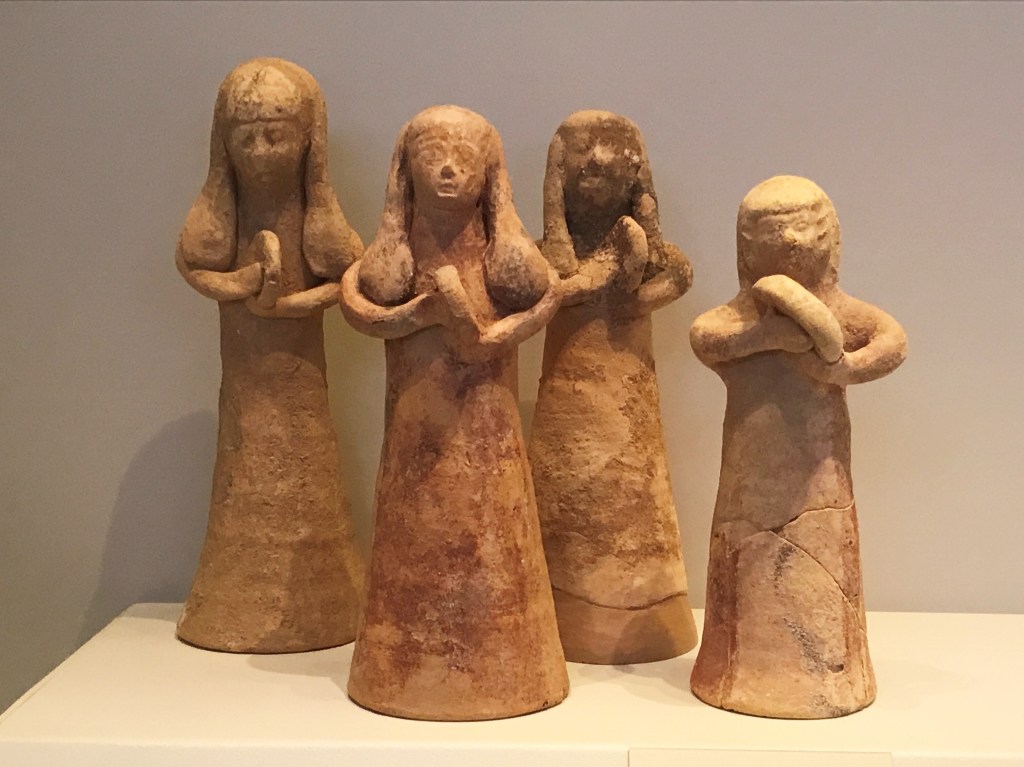
A group of terracotta figurines dating to the eight-seventh century BCE.
These small figurines, six–eight inches tall, represent female figures playing the hand-drum, which was probably a woman’s instrument in ancient Israel.
These terracottas are in the collection of the Israel Museum in Jerusalem. Photo by Carol Meyers, Duke University; from
https://jwa.org/encyclopedia/article/women-with-hand-drums-dancing-bible

Dancing in temple worship (v.3) is also noted in other psalms; on Zion “singers and dancers alike say, ‘all my springs are in you’” (Ps 87:7), and praising God “with tambourine and dance” is encouraged in the great final psalm of praise (Ps 150:4). Dancing appears also in the narrative texts concerning Miriam (Exod 15:20), the daughter of Jephthah (Judg 11:34), Saul (1 Sam 8:6), and David (2 Sam 6:5; 1 Chron 13:8; 15:29).

The psalm ends with a celebration of the ways that God’s justice will be implemented (Ps 149:6–9), which is bracketed by reference to “the faithful” who “exult in glory” (v.5) and the closing affirmation, “this is glory for all his faithful ones” (v.9). These “faithful ones” are active in offering praise in other psalms (Ps 30:4), for they are valued by God. The psalmists affirm that the Lord “will not forsake his faithful ones” (Ps 37:28) and that their death is “precious … in the sight of the Lord” (Ps 116:15).

Yet regarding God’s just actions as the “glory” which God grants to these “faithful ones” is a reminder of the realities of the world in which the Israelites lived. It was marked by conflicts and battles, by bloodshed and killings, by invasions and deportations, so the judgement of God was sought by the “faithful ones” in brutal terms. With “two-edged swords”, with fetters and chains of iron, so “the judgement decreed” by the Lord God will take place (vv.6–9).

After which, the psalmist takes breath, and concludes, “Praise the Lord!” Indeed!

Dealing craftily with others (Psalm 105; Pentecost 14A)

“The Lord made his people very fruitful, and made them stronger than their foes, whose hearts he then turned to hate his people, to deal craftily with his servants” (Ps 105:24–25). These words appear in the psalm that is offered by the Revised Common Lectionary this coming Sunday (Ps 105:1–6, 23–26, 46b).

“Dealing craftily” is presented as something quite negative; a characteristic of the way that the “foes” of Israel deal with the “servants” of the Lord. The reference is made in the course of providing a summation of one part of the Joseph episode within the overall story of Israel that is told by this psalm.

In the course of the 45 verses of this psalm, there are summaries of key episodes in this story, from the ancestral covenant with Abraham, Isaac, and Jacob (vv.7–11), through the times involving the elderly Jacob, his sons, the famine in Canaan, and the rescue provided by Joseph in Egypt (vv.12–25), on to the period of Moses and Aaron (vv.26–36), the Exodus from Egypt and wilderness wandering (vv.37–42) and then the entry into the land of Canaan (vv.43–45).

This lyrical retelling of the story of Israel fits it well for singing on the first day of Passover, remembering the escape from slavery in Egypt. However, the portion offered by the lectionary this Sunday tells of a time prior to that, when “Israel came to Egypt; Jacob lived as an alien in the land of Ham” (v.23). Of that period, the psalmist sings that “the Lord made his people very fruitful” (v.24).

This presumably reflects the time after the severe famine in Canaan (Gen 43:1), when, after various machinations, Jacob and his family relocate to Egypt, and Joseph, having revealed his true identity to his family (Gen 45:1–5), “settled his father and his brothers, and granted them a holding in the land of Egypt, in the best part of the land, in the land of Rameses, as Pharaoh had instructed; and Joseph provided his father, his brothers, and all his father’s household with food, according to the number of their dependents” (Gen 47:11–12).

Of course, soon after this, famine hit Egypt as well (Gen 47:13). Joseph’s scheme for surviving the famine works (Gen 47:14–26), the country survives, and “Israel settled in the land of Egypt, in the region of Goshen; and they gained possessions in it, and were fruitful and multiplied exceedingly” (Gen 47:27). This bounty is reiterated in the opening chapter of Exodus, which declares that “the Israelites were fruitful and prolific; they multiplied and grew exceedingly strong, so that the land was filled with them” (Exod 1:7).

All of this is conveyed in the highly compressed summation of the psalm, “the Lord made his people very fruitful” (Ps 105:24). But then, according to the psalmist, the Lord turned the hearts of the Egyptians “to hate his people, to deal craftily with his servants” (Ps 105:25). This marries with the way that the narrative continues in Exodus, which notes that “a new king arose over Egypt, who did not know Joseph”, and so “they set taskmasters over them to oppress them with forced labour” (Exod 1:11).

The Egyptians are described as acting “shrewdly” (Exod 1:10). Is this the same as the psalmist’s note that the foes of Israel “dealt craftily” with them (Ps 105:25)? The Hebrew word used in the quasi-historical narrative of Exodus is chakam, which is most often translated as “act wisely”. Thus it is applied to Solomon (1 Ki 4:31), the simple who are made wise through “the decrees of the Lord” (Ps 19:7; so also 119:97–100), the instruction of Wisdom herself (Prov 8:33), and the activity (as whispily vain as it is) of the Preacher, Qohelet (Eccles 2:15, 19). The way the Egyptian treated the Israelites had a certain cunning involved—they acted with a canny, shrewd wisdom.

The Hebrew word chosen in the poetry of the psalmist’s song is nakal, “to be crafty, deceitful, or knavish”, according to Brown, Driver, and Briggs. This word is also employed in the Genesis narrative, when the brothers of Joseph plot to kill him. “Here comes this dreamer; come now, let us kill him and throw him into one of the pits”, they say (Gen 37:19–20), as he approaches them in his “long robe with sleeves” (Gen 37:3). Such behaviour is described in various translations as being a conspiracy or a plot—the translation offered here for nakal.

Attributing this mode of behaviour to the sons of Jacob should not surprise us—after all, they have inherited the DNA which has previously led their ancestors to lie, deceive, and even threaten to murder their own child! Remember: Abraham lying about his wife Sarah as his sister (Gen 12 and again in Gen 20) and threatening to sacrifice his own son (Gen 22); Isaac, who also lied that his wife Rebekah was his sister (Gen 26); and Jacob, the deceiver, who stole his birthright from his twin brother Esau (Gen 27) and then deceived his father-in-law Laban and profited from his flock (Gen 30–31). They are not exactly wonderful role models!

But the Exodus narrative attributes such “shrewdness” to the Egyptians, as the foes of Israel (Exod 1:10); a shrewdness that overlaps, as we have seen, with divinely-granted wisdom. The Egyptians were being wise in pressing the foreigners in their midst to work for them in their building projects. And no, they were not being used as slave labour to build the great pyramids of Egypt. Those structures are dated to “the Old Kingdom”, from 2686 until about 2160 BCE—well, well before any possible dating of the Israelites were in Egypt.

It’s interesting that the psalmist called out the Egyptians for what they saw them to be—shrewd, conniving, deceitful—whereas the Exodus story leaves open a sliver of possibility they the Egyptians were being shrewd and wise in the way they use (and, it would seem, greatly abused) the Israelites living in their land. Interesting.

Hear a just cause, O God (Psalm 17; Pentecost 10A)

“Hear a just cause, O Lord; attend to my cry”, the psalmist cries (Ps 17:1). The expectation that God will act with justice is crystal clear in this psalm; the psalmist expects vindication from God (v.2), who will “show your steadfast love” (v.7), who will “rise up, confront [and] overthrow” the wicked (v.13). “As for me”, the psalmist concludes, “I shall behold your face in righteousness; when I awake I shall be satisfied, beholding your likeness” (v.15).

Other psalms make it clear that justice is integral to God’s being. “The word of the Lord is upright … he loves righteousness and justice” (Ps 33:4–5). “The Lord works vindication and justice for all who are oppressed” (Ps 103:6); “the Lord loves justice, he will not forsake his faithful ones” (Ps 37:28); “the Lord maintains the cause of the needy and executes justice for the poor” (Ps 140:12).

One psalmist provides a fulsome description of how this works in society, declaring that they place their trust in “the God of Jacob … who keeps faith forever, who executes justice for the oppressed, who gives food to the hungry … who sets the prisoners free [and] opens the eyes of the blind … [who] lifts up those who are bowed down … [who] watches over the strangers, upholds the orphan and the widow” (Ps 146:5–9). This resonates with other prophetic texts and with the mission that Jesus later undertook.

That God will act with justice is an expectation that is found again and again throughout the pages of Hebrew Scripture. The prophet Amos places justice and righteousness at the heart of God’s intentions for Israel, prioritising them over any ritual actions of worship (Amos 5:21–23). In like manner, the prophet Hosea declares that God “desires steadfast love and not sacrifice, the knowledge of God rather than burnt offerings” (Hos 6:6).

According to the narrative books recounting earlier stories, justice had been the key quality of the prophetic messages given to Israel over a number of centuries before these prophets. Moses and the elders he appointed had a responsibility to judge the people (Exod 18:13–27). This was continued by men and women designated as judges in the book of Judges.

Over time, the role of the prophet arose, as judges gave way to kings; the prophet was called to hold the king to account (for instance, Nathan at 2 Sam 12). This then expands so that the prophetic voice speaks truth to all the people, persistently calling out for justice. Amos sounds this central motif: “let justice roll down like waters, and righteousness like an ever-flowing stream” (Amos 5:24). Micah repeats and expands it in his powerful rhetorical question, “what does the Lord require of you but to do justice, and to love kindness, and to walk humbly with your God?” (Micah 6:8).

Praying that God’s ways of justice and righteousness may be evident in the king is a repeated motif in the psalms. “Give the king your justice, O God, and your righteousness to a king’s son; may he judge your people with righteousness and your poor with justice” (Ps 72:1–2). “Mighty King, lover of justice, you have established equity, you have executed justice and righteousness in Jacob” (Ps 99:4).

“Righteousness and justice are the foundation of your throne”, another psalmist sings (Ps 89:14); “happy are the people … who walk, O Lord, in the light of your countenance … who extol your righteousness” (Ps 86:15–16). Prayers for justice to be lived out in the society of the time are also found at Ps 10:17–18; 37:5–6; 106:3; and the whole of Psalm 112 offers a song in praise of “those who conduct their affairs with justice”, who exude the best of the character of God: “they are gracious, merciful, and righteous” (Ps 112:4).

The oracles placed at the start of the book of Isaiah sounds the importance of living with justice: “wash yourselves, make yourselves clean … cease to do good, learn to do good, seek justice, rescue the oppressed, defend the orphan, plead for the widow” (Isa 1:16–17). The powerful “song of the vineyard” (Isa 5:1–7) concludes with the wonderful Hebrew wordplay, which reinforces this theme: so, “he expected justice (mishpat) but saw bloodshed (mispach); righteousness (tsedakah) but heard a cry (seakah)” (5:7).

What follows is a searing prophetic denunciation of the ills of society: the excesses of a debaucherous elite, the oppressive state of the lowly (5:8–23). The prophet yearns for the coming of a royal child who will rule the nation “with justice and with righteousness from this time onward and forevermore” (Isa 9:6–7). A later prophet whose oracles are collected with those of Isaiah likewise looks for “my servant … my chosen … [who] will bring forth justice to the nations … he will faithfully bring forth justice … [he will] establish justice in the earth” (Isa 42:1–4). Again, the resonances with the later story of Jesus are evident to Christian readers.

A little later than Isaiah, the prophet Zephaniah declares that “the Lord is righteous, he does no wrong; every morning he renders his judgement, each dawn without fail” (Zeph 3:5). Prophets in exile repeat this vision. Jeremiah instructs the nation to “execute justice in the morning and deliver from the hand of the oppressor anyone who has been robbed” (Jer 21:12; 22:3; 33:15). Ezekiel advises that “if a man is righteous and does what is lawful and right … he shall surely live” (Ezek 18:5–9; 34:11–16). Zeph 3:5).

And in the last prophetic book (in the order familiar to Christians), the prophet Malachi asks, “where is the God of justice?”, and answers his own question with a description of “the messenger of the covenant” who will execute justice “like a refiner’s fore and like fuller’s soap … he will purify the descendants of Levi … until they present offerings to the Lord in righteousness” (Mal 2:17—3:4).

This prophetic cry continues into the New Testament, as justice is placed at the centre. Jesus calls for justice (Matt 23:23; Luke 11:42, 18:1–8)—at times, we find it rendered as “righteousness” in his sayings (Matt 5:1–12, 20; 6:33, 21:28–32). This, of course, is the way that it appears in the letters of Paul, where the righteousness of God is the action that we experience when God implements justice in our lives (Rom 3:21–26, 4:1–25; 2 Cor 5:16–21).

Both the manifesto for mission that Luke highlights at the start of the public activity of Jesus (Luke 4:18–21) and the climactic parable of the sheep and the goats that Matthew places at the end of the public teaching of Jesus (Matt 25:31–46) draw strongly from Old Testament insights. Both demonstrate the priority that Jesus gave to practical actions of support, care, and advocacy within ordinary life—precisely what justice is!

Jesus highlights the judgement executed by God (Matt 8:10–12; Luke 13:28–30) and told a number of parables of judgement—particularly those collected in Matthew’s Gospel (Matt 13:36–43, 47–50, 22:1–14, 24:44–25:46). These stories use the threat of divine judgement as a warning against sinful injustice and as a spur to righteous living. Underlying these warnings is the fundamental principle that God’s justice undergirds all (Matt 12:17–20; Luke 18:1–8).

“Hear a just cause, O Lord; attend to my cry”, the psalmist cries (Ps 17:1). The expectation that God will act with justice saturates the books of Hebrew Scriptures and flows on into the books of the New Covenant. Justice is at the heart of what we believe about God; justice is to mark the lives that we live by faith. May it be so.

God is mindful of this covenant forever (Psalm 105; Pentecost 9A)

“The Lord our God … is mindful of his covenant forever, of the word that he commanded, for a thousand generations, the covenant that he made with Abraham, his sworn promise to Isaac, which he confirmed to Jacob as a statute, to Israel as an everlasting covenant” (Ps 105:7–10).

The psalm set for this coming Sunday (Ps 105:1–11, 45c) offers this striking affirmation of the covenant, which was the means by which the people of God entered into relationship with God. The covenant that is offered to them by God stretches back, in the saga told about the early times of Israel, to Abraham, Isaac, and Jacob, the three great patriarchs of that ancient saga.

The covenant is a key theme of the Hebrew Scriptures. God’s commitment to covenant takes us deep into the abiding relationship between God and God’s people. That covenant had been offered initially to Noah, and to all living creatures (Gen 9), before it was subsequently renewed (and reshaped) by being offered to Abraham (Gen 15, 17), as mentioned here (Ps 105:9). That same covenant is renewed with Isaac (Gen 17) and then with Jacob (Israel) (Gen 35), and later is extended to Moses and the whole people (Exod 19), and later still to the people again through Jeremiah (Jer 31).

Underlying the covenant is the clear understanding that God is a loving God, filled with steadfast love. A regular refrain in the Hebrew Scriptures is this clear affirmation: “The Lord, the Lord, a God merciful and gracious, slow to anger, and abounding in steadfast love and faithfulness, keeping steadfast love for thousands, forgiving iniquity and transgression and sin” (Exod 34:6–8; Num 14:18; Neh 9:17b; Ps 145:8–9; Joel 2:13; Jonah 4:2; see also 2 Kings 13:23; 2 Chron 30:9).

The nature of the covenant is expressed when the Lord affirms to Moses, “I will be gracious to whom I will be gracious, and will show mercy on whom I will show mercy” (Exod 33:19), and Moses offers Aaron and his sons the prayer, “the Lord bless you and keep you … and be gracious to you” (Num 6:22–27)—a ancient prayer which lives on in Christian spirituality and liturgy! The Psalmist knows that graciousness is a key characteristic of God, for there are regular calls throughout these songs for God to demonstrate divine graciousness (Ps 4:1, 6:2, 9:13, 25:16, 31:9, 41:10, 56:1, 67:1, and many more times).

However, the juxtaposition of punishment and steadfast love is clearly stated (Exod 20:5–6), signalling that the complexity of God’s nature is clearly understood. The offer of divine graciousness and the demands of divine justice co-exist within the Lord God. That is the very nature of the covenant that God has made with Israel: it sets standards, but also ensures God’s faithfulness even when conditions are broken by human beings.

The covenant is noted in a number of psalms. “The friendship of the Lord is for those who fear him, and he makes his covenant known to them”, sings the psalmist (Ps 25:14). “I have made a covenant with my chosen one, I have sworn to my servant David”, God sings in another psalm; “I will establish your descendants forever, and build your throne for all generations” (Ps 89:3–4).

In this same psalm, God affirms that, even if the children of David “forsake my law and do not walk according to my ordinances”, God will punish them, but “forever I will keep my steadfast love for him, and my covenant with him will stand firm … I will not violate my covenant, or alter the word that went forth from my lips” (Ps 89:28, 34). That covenant is to last forever (Ps 111:9).

In the face of disobedience, God punishes, and then, as he “regarded their distress when he heard their cry” (Ps 106:40, 44), still “he remembered his covenant, and showed compassion according to the abundance of his steadfast love” (Ps 106:45). So God “provides food for those who fear him; he is ever mindful of his covenant” (Ps 111:5). And the psalmist encourages others in Israel to maintain faithfulness to that covenant (Ps 25:10; 103:8; 132:12).

The covenant will not be withdrawn; this is the focus in this particular psalm, with the psalmist’s insistence that God is “mindful of his covenant forever”, which is “an everlasting covenant” (Ps 105:8, 10). So, when Israel breaks the conditions of the covenant, God nevertheless will offer an opportunity for the people to renew their covenant with him.

Such renewal of the covenant is promised by one prophet, with “a new covenant with the house of Israel and the house of Judah” which “will not be like the covenant that I made with their ancestors … I will put my law within them, and I will write it on their hearts; and I will be their God, and they shall be my people” (Jer 31:31–33). Another prophet declares, “[with] you who have despised the oath, breaking the covenant … I will remember my covenant with you in the days of your youth, and I will establish with you an everlasting covenant” (Ezek 16:59–60).

Renewing the covenant, of course, is the way that various New Testament writers understand the purpose of Jesus’ life and death (2 Cor 3:1–6; Heb 7:22, 8:10–13, 12:24). And the very title ‘New Testament’ is itself a variant of ‘New Covenant’ (the same Greek word can be translated as covenant or testament).

When Luke introduces the story of Jesus, he places a blessing on the lips of the once-dumb Zechariah, who sings, “blessed be the Lord God of Israel, for he has looked favourably on his people and redeemed them … he has shown the mercy promised to our ancestors, and has remembered his holy covenant, the oath that he swore to our ancestor Abraham” (Luke 1:68, 72–73).

Jesus evokes this covenant with his words at his final meal with his followers, reminding them that “this is my blood of the covenant, which is poured out for many” (Mark 14:24; Matt 26:28; Luke 22:20; 1 Cor 11:25).

Paul has the final word on what has been a long enduring relationship between God and Israel, when he considers the situation, “what if some were unfaithful? will their faithlessness nullify the faithfulness of God?” (Rom 3:3). “By no means!” is his immediate response (Rom 3:4), since “the righteousness of God has been disclosed, and is attested by the law and the prophets” (Rom 3:21), and that righteousness means that God remains “God of the Jews” whilst also being acknowledged as “God of the Gentiles” (Rom 3:29).

Accordingly, Paul insists that “it is not as though the word of God had failed” (Rom 9:6), and that “there is no distinction between Jew and Greek; the same Lord is Lord of all and is generous to all who call on him” (Rom 10:12). Again, he asks, “has God rejected his people?”, evoking the immediate response, “by no means!” (Rom 11:1)—for “God has not rejected his people whom he foreknew” (Rom 11:2).

So Paul tells the Roman’s that “those of Israel, if they do not persist in unbelief, will be grafted in, for God has the power to graft them in again” (Rom 11:23), and thus “all Israel will be saved; as it is written … “this is my covenant with them, when I take away their sins” (Rom 11:26–27). “The gifts and the calling of God are irrevocable” (Rom 11:29), as he says; the covenant is, as the psalmist affirms, “an everlasting covenant” (Ps 105:10).

And there important consequences, for Christian readers of scripture, with regard to our relationship with the ongoing expressions of Jewish faith in our world today—as we shall see when we read on, in coming weeks, into what Paul wrote to the believers in Rome, in Romans 9–11.

A fully-developed theology from just one psalm? (Psalm 119; Pentecost 7A) §§6, 7

Psalm 119, the longest of all psalms, is the 176–verse grand acrostic of the Hebrew Scriptures (22 section s of eight verses each, commencing in order with the letters of the Hebrew alphabet. A small portion of this psalm (119:105–112) is offered by the lectionary this coming Sunday. I am exploring the questions: what would a theology look like, using only the verses in this psalm? and how full (or inadequate) would that theology be? See earlier instalments at

6 The life of a faithful person

So a sixth element in the psalm, which also correlates with a standard section in a fully-developed theology, is what it says about the life of a faithful person. This life is characterised most strikingly by delight—a quality that is articulated ten times in the psalm. The second section ends in a paean of praise: “I delight in the way of your decrees as much as in all riches. I will meditate on your precepts, and fix my eyes on your ways. I will delight in your statutes; I will not forget your word.” (vv.14–16).

The psalmist continues, “your decrees are my delight, they are my counselors” (v.24); “lead me in the path of your commandments, for I delight in it” (v.35); “I find my delight in your commandments, because I love them” (v.47); “I delight in your law” (v.70), “your law is my delight” (v.77, 174); “your commandments are my delight” (v.143); and, most powerfully, “if your law had not been my delight, I would have perished in my misery” (v.92). The requirements of the law bring delight to the person of faith.

A second characteristic of the life of a person of faith is that it is marked by love. In typical style, this love—which is a response to the steadfast love of God (see above)—is focussed on Torah, the source of knowledge about, and relationship with, God. Nearing the end of the psalm, we hear the psalmist say, “consider how I love your precepts; preserve my life according to your steadfast love” (v.159), drawing together the two expressions of love—love of God for humans, love of humans for God’s word in Torah.

The psalmist exults, “I find my delight in your commandments, because I love them; I revere your commandments, which I love, and I will meditate on your statutes” (vv.47–48). They exclaim, “Oh, how I love your law! It is my meditation all day long” (v.97) and affirm that “truly I love your commandments more than gold, more than fine gold” (v.127).

So much is Torah valued, that it apparently offers perfection: “I have seen a limit to all perfection, but your commandment is exceedingly broad” (v.96). In this regard, the psalmist’s appreciation for Torah as perfection seems to reflect the priestly desire for people to offer perfect sacrifices, without blemish (Lev 22:21), and Solomon’s desire to build the Temple as a perfect house for God (1 Ki 6:22).

Indeed, such a conception of perfect Torah also resembles the sage’s musings regarding Wisdom: “to fix one’s thought on her is perfect understanding” (Wisdom 6:15), and thoughts found in a prayer attributed to Solomon: “even one who is perfect among human beings will be regarded as nothing without the wisdom that comes from you” (Wisdom 9:6).

The writer clearly loves Torah. This love leads to joy: “your decrees are my heritage forever; they are the joy of my heart” (v.111). Joy is manifest in praise: “let me live that I may praise you, and let your ordinances help me” (v.175). And God’s love also provides comfort: “let your steadfast love become my comfort according to your promise to your servant” (v.76). This is the fulfilment of God’s promise to the believer: “let my supplication come before you; deliver me according to your promise” (v.170).

The psalmist prays “give me life” a number of times, linking this life with God’s ways (v.37), righteousness (v.40), word (v.107), promise (v.154), and justice (v.156). In return, the psalmist makes a whole-of-being commitment; this is the way I believe that the Hebrew nephesh should be translated. (It is regularly translated as “soul”, but this fails to convey the sense that the Hebrew has, of the whole of a person’s being.)

So the author prays, “my [whole being] is consumed with longing for your ordinances at all times” (v.20), “your decrees are wonderful; therefore my [whole being] keeps them” (v.129), and “my [whole being] keeps your decrees; I love them exceedingly” (v.167).

Another way that the Hebrews spoke about the whole of a person’s being was to refer to the “heart” (Hebrew, leb). The psalmist opens with the declaration, “happy are those who keep [God’s] decrees, who seek him with their whole heart” (v.2), place the phrase about seeking “with their whole heart” in apposition to “walk in the law of the Lord” (v.1). With their heart, the psalmist praises God (v.7), seeks God (v. 10), implores God’s favour (v.58), and cries to God (v.145).

The psalmist’s heart “stands I awe of [God’s] words” (v.161), and it is in their heart that they treasure God’s word (v.11), observe God’s law (v.34), and keep God’s precepts (v.69). Truly “your decrees are my heritage forever; they are the joy of my heart; I in line my heart to perform your statutes forever, to the end” (vv.111-112). Diligence in attending to Torah is clearly to the benefit of the psalmist; they pray, “may my heart be blameless in your statutes, so that I may not be put to shame” (v.80).

Likewise, shame is avoided when the psalmist looks towards the commandments (v.6). They confess that, as they are “looking at vanities”, God needs to “turn their eyes”(v.37); they confess, “my eyes shed streams of tears because your law is not kept” (v.136). So it is with their whole being (nephesh), their whole heart (leb), and also with their eyes (ayin) that the psalmist demonstrates this whole of being commitment to Torah. “I will meditate on your precepts and fix my eyes on your ways” (v.15), they pray; and yet these eyes “fail from watching” (vv.82, 123), so the psalmist petitions, “open my eyes” (v.18).

With knowledge of Torah, the psalmist is able to walk in God’s way. “Your word is a lamp to my feet and a light to my path” (v.105) is the best known statement of this; but we have also “when I think of your ways, I turn my feet to your decrees” (v.59) and “I hold back my feet from every evil way, in order to keep your word” (v.101).

Finally, along with sight and touch, the sense of taste is engaged in responding to God. “How sweet are your words to my taste”, the psalmist sings, “sweeter than honey to my mouth!” (v.103). These words are reminiscent of the same praise in Psalm 19, when reflecting on the words of Torah:”more to be desired are they than gold, even much fine gold; sweeter also than honey, and drippings of the honeycomb” (Ps 19:10).

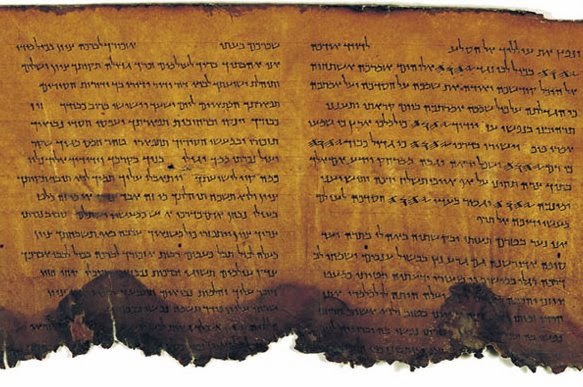
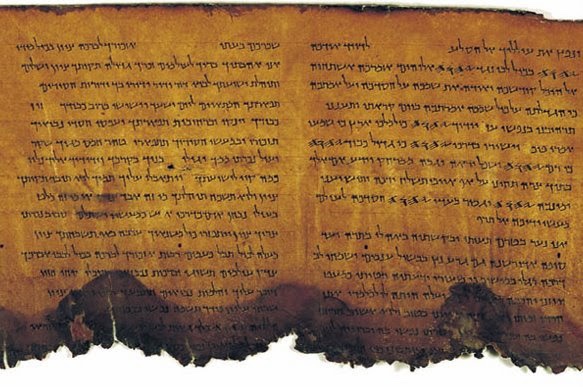
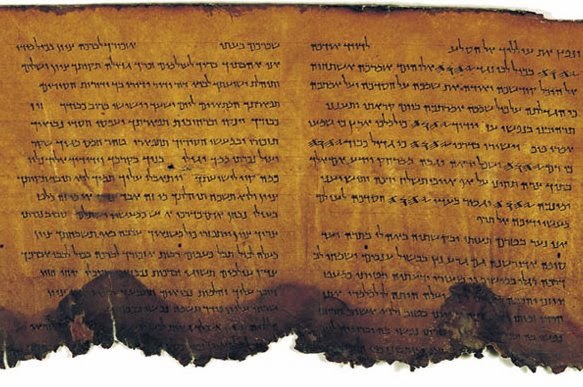
4QPs Dead Sea Scroll Psalm 119 First Century CE

7 The future

Most classic articulations of a full theology end with a view looking forward into the future. This is perhaps the least-developed aspect of Psalm 119. The writer is focussed on obedience to Torah in the present, simply as an expression of faithfulness and commitment. There is full acceptance of the Deuteronomic view that this life is when God rewards those who are faithful and punishes disobedience and evil. There is not yet any sense of the later Pharisaic development that there will be a “resurrection of the dead” and that rewards (and punishments) can be deferred to be experienced in the afterlife.

For the psalmist, the future is simply as far ahead within this life as can be envisaged. In light of that, they sing to God, “your faithfulness endures to all generations; you have established the earth, and it stands fast” (v.90). Throughout all of those generations, what is required is continuing faithfulness: “long ago I learned from your decrees that you have established them forever” (v.152), and so “I incline my heart to perform your statutes forever, to the end” (v.112), for “every one of your righteous ordinances endures forever” (v.160). The psalmist prays, “your decrees are righteous forever; give me understanding that I may live” (v.154).

The viewpoint has strong resonances with words of Jesus which Matthew reports: “until heaven and earth pass away, not one letter, not one stroke of a letter, will pass from the law until all is accomplished” (Matt 5:18).

Indeed, what undergirds this confidence is the affirmation that “the Lord exists forever; your word is firmly fixed in heaven” (v.89). That stanza continues with deep assurance, “your faithfulness endures to all generations; you have established the earth, and it stands fast; by your appointment they stand today, for all things are your servants” (vv.90–91).

Whatever may come, it seems, the author of this psalm will hold fast with confidence to the way set before them. It is as if they “lay aside every weight and the sin that clings so closely, and … run with perseverance the race that is set before us”—although, rather than “looking to Jesus the pioneer and perfecter of our faith” (Heb 12:1–2), they look to Torah as the foundation and indeed the perfection of their faith (cf. Ps 119:96).

A fully-developed theology from just one psalm? (Psalm 119; Pentecost 7A) §§4, 5

Psalm 119, the longest of all psalms, is the 176–verse grand acrostic of the Hebrew Scriptures (22 sections of eight verses each, commencing in order with the letters of the Hebrew alphabet. A small portion of this psalm (119:105–112) is offered by the lectionary this coming Sunday. I am exploring the questions: what would a theology look like, using only the verses in this psalm? and how full (or inadequate) would that theology be? See earlier instalments at

4 Relationship to God

Like all of the psalms, this psalm indicates a firm belief that God can be directly involved in the life of the believer. This is yet another topic which features in a fully-developed theology. The author invites God to “turn to me and be gracious to me, as is your custom toward those who love your name” (v.132); there is a clear sense that God is at hand, hearing the song, and willing to respond.

In one section (vv.81–88), the author sounds a classic lament, indicating that they are languishing, feeling “like a wineskin in the smoke” (v.83); they are persecuted, facing pitfalls, “they have almost made an end of me on earth” (v.87). Yet although they fear their life (v.88), they endure, with hope, and keep “watching for your promise” (v.82).

Confidence in God’s ability to intervene and strengthen the person of faith is expressed in a multitude of ways throughout this psalm. The psalmist prays, “revive me according to your word” (v.25), and is grateful to report that when “I told of my ways, you answered me” (v.26).

“Confirm to your servant your promise, which is for those who fear you”, the psalmist prays (v.38), offering a hope that God will “give me life” (v.37, 107, 154). This is a hope that is regularly expressed throughout the psalm: “in your righteousness, give me life” (v.40), “your promise gives me life” (v.50), “I will never forget your precepts, for by them you have given me life” (v.93), and “consider how I love your precepts; preserve my life according to your steadfast love” (v.159).

The mutuality of this relationship (as befits the covenantal relationship) is well-expressed in the couplet, “in your steadfast love, hear my voice; O Lord, in your justice, preserve my life” (v.149). The confident trust that the psalmist has in God is declared in the affirmation, “great is your mercy, O Lord; give me life according to your justice” (v.156). The intensity of this desire is articulated by the affirmation, “in your steadfast love, spare my life, so that I may keep the decrees of your mouth” (v.88).

The psalmist has this deep confidence in their personal relationship with God, for “this blessing has fallen to me” (v.56), echoing the favoured situation that was enjoyed by many in the past who were blessed by God: Noah and his progeny (Gen 9:1), Abram (Gen 12:1–3; 24:1), Isaac (Gen 25:11; 26:12), Jacob (Gen 27:23–29; 28:1; 35:9), Joseph (Gen 48:15–16), the twelve tribes (Gen 49:28), and then all the people who journeyed in the wilderness and entered the land (Deut 2:7; 7:14; 28:1–6)—and, of course, in the foundational creation story, all human beings themselves (Gen 1:28; 5:2).

On the basis of this deep confidence, the psalmist therefore asks God, “I implore your favour with all my heart; be gracious to me according to your promise” (v.58) and “turn to me and be gracious to me, as is your custom toward those who love your name” (v.132). Those who love the name of the Lord are also described, in typical scriptural terms, as “those who fear you” (vv.38, 63, 74, 79, 120). More often, the psalmist relates their love, not directly for God, but for God’s commandments (vv.47–48, 127), decrees (vv.119, 167), precepts (v.159), and law (vv.97, 113, 163, 165).

Quite characteristically, the psalmist looks to the Lord to teach—after all, the root sense of Torah is actually teaching, as already noted. “Put false ways far from me and graciously teach me your law” (v.29) is the psalmist’s prayer; “teach me your way” (vv.12), or “your ordinances” (v.108), or most often, “your statutes” (vv.26, 33, 64, 68, 124, 135, 171). Such teaching will provide and enlarge understanding (vv.32, 34, 73, 125, 144, 169).

The psalmist is clear that “the unfolding of your words gives light; it imparts understanding to the simple” (v.130), and so they are able to assert, “through your precepts I get understanding” (v.104), and, indeed, “I have more understanding than all my teachers, for your decrees are my meditation” (v.99).

This is an active, engaged deity, relating directly with the person singing this lengthy prayer. God relates specifically through the words of Torah, yes; but nevertheless, those words draw the psalmist into a close relationship with the Lord God—a relationship that feels intimate, a relationship that is based on solid trust and firm confidence.

On the basis of this confident trust in God, the psalmist affirms, “you are my hiding place and my shield; I hope in your word” (v.114), and again, “my hope is in your ordinances” (v.43). So the psalmist prays for God to “remember your word to your servant, in which you have made me hope” (v.49) and “my [whole being] languishes for your salvation; I hope in your word” (v.81).

The motif of hope is consistently expressed throughout: “uphold me according to your promise, that I may live, and let me not be put to shame in my hope” (v.116), “I rise before dawn and cry for help; I put my hope in your words” (v.147), and “I hope for your salvation, O Lord” (v.166).

The relationship with God that the psalmist demonstrates throughout is strong, trusting, confident, and hope-filled. It is an intensely personal relationship—which puts to lie to the terrible discriminatory caricature of Jews in the past having no personal relationship with God, and feeling weighed down by the demands of the Law.

4QPs Dead Sea Scroll Psalm 119 First Century CE

5 Revelation in Torah

What is striking about this psalm is that at every point, the understanding of God, and the expectation that God will relate closely to faithful human beings, is grounded in Torah. Torah was the essence of what God gave to Moses on Mount Sinai, and which Moses then passed on the people of Israel (Exod 19:1–9; 24:12–18; Deut 4:45–46; 6:1–9).

The psalmist values, appreciates, and is committed to Torah in every aspect that they are aware of. Torah does not oppress or bind; on the contrary, Torah gives life and offers salvation.

The psalm is thoroughly embued with the presence of Torah; this is the means by which God communicates to those singing and hearing the psalm. Not only does every one of the 8–verse stanzas of the psalm contain references to Torah, but also, a set of eight related words are deployed in ever-changing sequences of synonymous parallelism within each section. The most commonly word used, of course, is Torah, translated as law. It occurs 25 times in the 176 verses.

Synonymous with Torah (and, indeed, describing elements of it) are decrees (23 times), statutes (22), precepts (21), commandments (20), promises (15), and ordinances (14). The eighth word is word itself, appearing 21 times—most famously in the verse, “your word is a lamp to my feet and a light to my path” (v.105), which is often used in Christian liturgies to introduce the reading of scripture.

(If you add up the statistics in the previous paragraph, you find that there are 161 occurrences of these words for Torah; and as there are 176 verses in the psalm, this means that one of this cluster of terms appears in almost every single verse!)

This recurrent use of a set of synonyms expands the pattern that is found in the second section of Psalm 19, where the terms law, decrees, precepts, commandment, ordinances (and “fear of the Lord”) appear in parallelism in a section praising Torah (Ps 19:7–10).

Of this Torah, the psalmist affirms the word from God very early on, “I have commanded your precepts to be kept diligently” (v.4), to which they respond, “O that my ways may be steadfast in keeping your statutes!” (v.5). This way that is to be taught is important; “teach me, O Lord, the way of your statutes, and I will observe it to the end” (v.33).

The term way, of course, appears in the very first verse of the psalm as a synonym for those “who walk in the law of the Lord” (v.1) and then recurs a further six times (vv.9, 14, 27, 30, 32, 33). This is in contrast to “every evil way” (v.101), “every false way” (v.104, 128). It is the same contrast that expressed so succinctly in another psalm, “see if there is any wicked way in me, and lead me in the way everlasting” (Ps 139:24).

“The Way” is important in the story of Israel: both the way in the wilderness, escaping from Egypt and heading towards the promised land—“the way that the Lord had commanded you” (Exod 32:8; Deut 9:16; 13:5; 31:29); and also the way out of Exile, back across that wilderness—“the way of the Lord“ which is to be prepared, to make way for “the glory of the Lord [to] be revealed” (Isa 40:3–5).

In Proverbs, the sage declares that “the way of the Lord is a stronghold for the upright, but destruction for evildoers” (Prov 10:29), whilst the prophet Jeremiah equates “the way of the Lord” with “the law of the Lord” (Jer 5:4–5), and Ezekiel compares the righteous “way of the Lord” with the unrighteous ways of sinful Israel (Ezek 18:25–29; 33:17–20).

Seven times the psalmist refers to the “righteous ordinances” or “righteous commandments” of the Lord, including, “you are righteous, O Lord, and your judgments are right (v.137); “the sum of your word is truth; and every one of your righteous ordinances endures forever” (v.167); and “seven times a day I praise you for your righteous ordinances” (v.164).

Three times, the truth of Torah is affirmed as “the word of truth” comes from the mouth of God (v.43), “your law is the truth” (v.142), and “you are near, O Lord, and all your commandments are true” (v.151). In many ways, Torah functions as a central pivot in this psalm in the same way that “the word of the cross” functions as the central theological claim in Paul’s letters, and indeed the Gospels; and the way in which “the Bible” has a determinative, guiding, and even controlling role in Protestant evangelical theologies. This is how God can best be known, and this is what guides and informs the life of the believer.

*****

The final post is at

A fully-developed theology from just one psalm? (Psalm 119; Pentecost 7A) §§2, 3

Psalm 119, the longest of all psalms, is the 176–verse grand acrostic of the Hebrew Scriptures (22 section s of eight verses each, commencing in order with the letters of the Hebrew alphabet. A small portion of this psalm (119:105–112) is offered by the lectionary this coming Sunday. I am exploring the questions: what would a theology look like, using only the verses in this psalm? and how full (or inadequate) would that theology be? See the first instalment (Introduction, and on God) at

2 The human condition

The psalmist demonstrates a keen awareness of the human condition, lamenting that their very being (nephesh) “clings to the dust” (v.25), “melts away for sorrow” (v.28), and “languishes” (v.81), as well as offering the confession, “before I was humbled I went astray, but now I keep your word” (v.67).

Early on, they declare, “I live as an alien in the land; do not hide your commandments from me” (v.19). This is a curious statement, given that the psalm is intended for pious Israelites, holding fast to God’s Torah. Identifying with “the alien in the land” is a striking rhetorical move—although Torah is abundantly clear that “the alien in the land” is to be treated with compassion and equity in all ways (see Exod 12:47–49; 22:21; 23:9; Lev 19:33–34; 23:22).

This key ethical commitment, of respecting of the alien, is read back into the ancestral stories of Abram (Gen 21:22–24), Isaac (Gen 26:1–5), and Jacob (Gen 28:1–5; also Ps 105:23–25), as well as Joseph (Gen 37:1 and all that follows), and then Moses and Zipporah (Exod 2:15–22; 18:1–12). This central aspect of the story of Israel is then presented as the reason for respecting the alien (Exod 22:; 23:9; Lev 19:34; Deut 23:7; cf. Deut 26:5–9).

So the psalmist places themselves (and those who hear, and eventually, read, the psalm) in the position of “the alien in the land”, dependant on the grace of the Lord God, demonstrated through those surrounding them in the land (Ps 119:19). Whilst the phrase reflects the grounding of the people of the covenant in the land of Israel, perhaps to later Christian readers it also has resonances with the later notion that human beings are aliens in the material realm (Heb 11:13)?

More generally, the psalmist is acutely aware of the way that sin and evil grips human beings. This is an observation found elsewhere in Hebrew Scripture. Although the creation story describes humanity as created by God “in the image of God” (Gen 1:27) and declared by God to be “very good” (Gen 1:31), there is a clear recognition that “the inclination of the human heart is evil from youth” (Gen 8:21).

This latter statement comes at the end of the story of the flood in the time of Noah—a flood that was deemed necessary because “the wickedness of humankind was great in the earth, and every inclination of the thoughts of their hearts was only evil continually” (Gen 6:5). This evil is acted out by Cain (Gen 4:8) and indeed is reflected in the story of Adam and Eve (Gen 3:1–24).

Evil is also an explanation given for the forty years of Israel’s wandering in the wilderness (Num 32:13) and evil is foreseen by Moses as taking place once the,people are in the land, when the worship other gods (Deut 17:2–7; and note the refrain, “purge the evil from your midst”, at 17:12; 19:19; 21:21; 22:21, 22, 24; 24:7). The people acted with evil during the time of the Judges (Judg 2:11; 3:7, 12; 4:1; 6:1; 10:6; 13:1), and a string of kings from the time of David onwards are accused of “doing evil in the sight of the Lord” (2 Sam 12:9; 1 Ki 11:6; 14:22; 15:26, 34; 16:7, 19, 25, 30; 21:25; 22:52; 2 Ki 3:2; 8:18, 27; 13:2, 11; 14:25; 15:9, 18, 24, 28; 17:2; 21:2, 6, 9, 16, 20; 23:32, 37; 24:9, 19).

Sin is acknowledged in this psalm. First, the author’s own sin is to the fore: “I treasure your word in my heart, so that I may not sin against you” (v.11), and “I hold back my feet from every evil way, in order to keep your word” (v.101). So the psalmist prays, “put false ways far from me and graciously teach me your law” (v.29), and, using the recurrent biblical motif of a straying sheep, “I have gone astray like a lost sheep; seek out your servant, for I do not forget your commandments” (v.176).

Evil is seen, in addition, in other people—those characterised as “those who persecute me” (v.84, 86, 150, 161), the wicked … [who] forsake your law” (v.53; see also vv.61, 95, 110, 119, 155), evildoers (v.115), and adversaries (v.157). It is the arrogant who “utterly deride me” (v.51), “smear me with lies” (v.69), and have “dug pitfalls for me” (v.85). In each case, they are accused of flouting the Torah. So the psalmist prays, without regret, “let the arrogant be put to shame, because they have subverted me with guile” (v.78). The response of the psalmist is clear: “as for me, I will meditate on your precepts” (v.78; see also vv.15, 23, 27, 48, and 148).

In terms of how human beings are understood, then, this psalm reflects the view that, not only are we “made and fashioned” by God, but we are afflicted by sinfulness—a condition which requires addressing.

4QPs Dead Sea Scroll Psalm 119 First Century CE

3 Salvation

God’s way of addressing the human condition comes through salvation. As the psalmist meditates on Torah, they receive confirmation of God’s salvation, which is another key aspect of a classic theological structure. “Christ Jesus came into the world to save sinners” (1 Tim 1:15) is a classic Christian formulation, valued as central to Christian theology over the centuries.

In the Gospels, Jesus declares, “the Son of Man came to seek out and save the lost” (Luke 19:10). Paul identifies Jesus as Saviour (Phil 3:20), proclaims good news “through which also you are being saved” (1 Cor 15:2), and celebrates that “everyone who calls on the name of the Lord shall be saved” (Rom 10:13, quoting Joel 2:32). Indeed, there are many indications in Hebrew Scriptures of the saving purposes of God.

The Chronicler reports that when David places the ark of God into the tent on Mount Zion, he instructs the Levites to sing, “save us, O God of our salvation, and gather and rescue us from among the nations” (1 Chron 16:35). A number of psalms include the petition, “save me, O God” (Ps 22:21; 31:16; 54:1; 55:16; 59:2; 69:1; 71:2–3; 142:6; 143:9; and twice in Psalm 119, at verses 94 and 146).

The prophet Isaiah affirms that “the Lord will save me” (Isa 38:20) and the prophet Habakkuk reflects that the Lord God “came forth to save your people, to save your anointed” (Hab 3:13). Later, when King Sennacherib of Assyria besieges Jerusalem and presses King Hezekiah of Judah to surrender, he addresses “all the people of Judah that were in Jerusalem”, ironically asking them, “Is not Hezekiah misleading you … when he tells you, ‘The Lord our God will save us?'” (2 Chron 32:9–11).

Subsequently, the prophet Jeremiah assures his fellow exiles that “the Lord of hosts, the God of Israel” promises, “I am going to fulfill my words against this city for evil and not for good … but I will save you on that day” (Jer 39:16–17). It is no wonder that God is addressed as Saviour by kings (David, 2 Sam 22:3) and prophets (Isa 43:3, 11; 45:15, 21; 49:26; 60:16; 63:8; Jer 14:8; Hos 13:4), in psalms (Ps 17:7; 106:21) and in later wisdom literature (Judith 9:11; Wisdom of Solomon 16:7; Sirach 51:1).

In Psalm 119, thus, it is no surprise that as the psalmist cries out, “let your steadfast love come to me, O Lord”, they equate that love precisely with “your salvation according to your promise” (v.41). Unsurprisingly, the psalmist places their trust in Torah as the means for attaining that salvation: “my [whole being] languishes for your salvation, I hope in your word” (v.81).

Indeed, this waiting requires persistence; “my eyes fail from watching for your salvation, and for the fulfillment of your righteous promise” (v.123). By contrast, “salvation is far from the wicked, for they do not seek your statutes” (v.155). This salvation is intimately bound up with keeping Torah (vv.94, 146, 166, 174); “I do not forget [Torah]” is a persistent affirmation (vv.16, 61, 109, 141, 153, and in the final verse, 176).

The psalmist twice implores God to redeem them, another classic theological concept: “redeem me from human oppression” (v.134), “look on my misery and rescue me” (v.153), and “plead my cause and redeem me; give me life according to your promise” (v.154). That comes, of course, from the redemption won in the Exodus story (Exod 15:13; Deut 7:8; 9:26; 13:5; 15:15; 21:8; 24:18; Neh 1:10; Ps 74:2; 77:15; 78:42).

This understanding is further reflected in the times that God is addressed as Redeemer (Ps 19:14; 78:35; Job 19:25; Isa 41:14; 43:14; 44:6, 24; 47:4; 48:1, 17; 49:7, 26; 54:8; 59:20; 60:16; 63:16; Jer 50:34; and in the Hebrew epilogue to Sirach 51). Psalm 119 resonates with a common biblical motif, that salvific redemption is a key factor in the relationship that a person of faith has with God.

*****

Further posts are at