
This coming Sunday, the lectionary offers the one and only chance in three years to hear from the book of Esther. (The passages offered are Esther 7:1–6, 9–10; 9:20–22.) There is a lot to note in considering this story, so I am devoting two blogs to it. Part One (this blog) considers the historical and social context. Part Two will explore theological issues which are embedded in this story.
This material was originally developed by my wife Elizabeth Raine and myself in the course of teaching a whole course on the Wisdom Literature; you can watch videos of the various sessions at
This short book sits oddly within the body of wisdom literature. It is not like Proverbs (poetic songs and short proverbs), nor Ecclesiastes (musings on the meaning of life), nor the Song of Songs (love poetry). There is no clear moral teaching in this book; rather, it tells a story which has twists and turns in the plot to keep us entertained.
So this book of nine chapters is more like the “short story” books in the Bible—Ruth (four chapters), Tobit (a little longer, at 14 chapters), and Judith (the longest, at 16 chapters). However, whilst Ruth and Judith are set within Israel, Tobit and Esther are located outside of Israel. And whilst Ruth, Judith, and Tobit all tell of people who faithfully keep the laws of Israel (even though Ruth is from Moab), there is barely any reference to the Law, or to Jewish matters, in the story of Esther.
Yet Esther has its place as one of the five scrolls (in Hebrew, Megilloth) in the third section of the Hebrew Bible (the Writings, or Kethuvim), along with Song of Songs, Ruth, Lamentations, and Ecclesiastes. Each of these books is associated with a key Jewish Festival and the book is read in synagogue worship on that day: Song of Songs at Pesach (Passover), Ruth at Shavuot (the Feast of Weeks, or Pentecost), Lamentations on Tish B’Av (the Ninth of Av, the saddest day in the calendar marking the destruction of both Temples), Ecclesiastes at Sukkot (Tabernacles), and Esther at Purim.
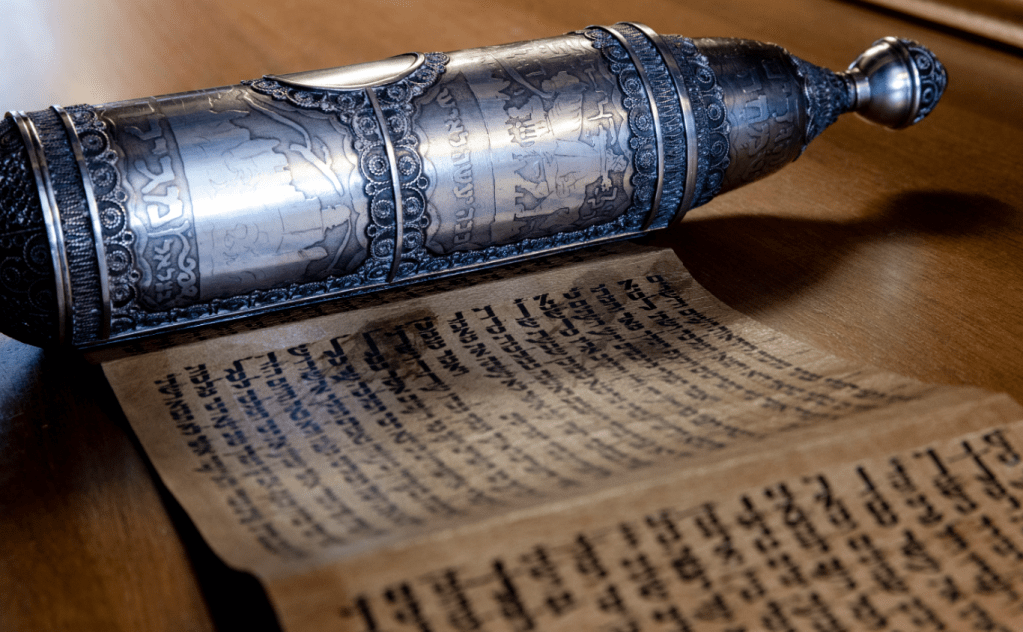
A scroll of Esther, made at the Bezalel Academy of Art
in Jerusalem in the early 20th century,
held in the Library of Congress in Washington DC, USA
This book tells a rollicking tale, a story with goodies and baddies, twists and turns, drama and suspense … it seems that it was not intended to be “a factual account of a real person”, but rather it tells a dramatic story designed to draw right into the plot those who hear the story—a story filled with tension, drama, and potential disaster—a story that tells of the survival of the people of Israel, through their exile and on into the life in Diaspora.
Esther tells a story of a faithful Israelite women, living in the dispersion (in exile from the land of Israel) in Persia. Israelites were taken into exile in two major waves. The first was in the northern kingdom, when invaded by the Assyrians in 721 BCE. Israelites from the north were taken away to live in various lands under Assyrian control. Some people were permitted to return to the land; but most stayed in exile. (2 Kings 17 gives a southern perspective on what took place.)
The second was in the southern kingdom, when invaded by the Babylonians in 587 BCE. People of Judah were taken away to live in Babylon. Adapting to foreign customs, learning a foreign language, and becoming a part of another culture, was challenging. (Psalm 137 reflects the bitterness of those in exile.)
However, a large number of such exiles were permitted to return to the land when the Persians took control of Babylonian territories. Cyrus of Persia decreed that the people could return; he was hailed as “the Lord’s anointed” (Isaiah 44:28, 45:1-13).

Living in exile was a challenge that called forth different responses from the people of Israel. Some felt the difficulties of living in a foreign land, and yearned to return ‘home’. They jumped at the chance to return. Some adapted more easily into life in exile, married local people, and became settled in this new land as their new ‘home’. It is for this latter group that the story of Esther was told. Esther’s story takes place in Persia, in around 483—473 BCE, when Ahasuerus was king. (Ahasuerus is a Hebrew name; he is identified with the Persian king Xerxes, grandson of Cyrus.)
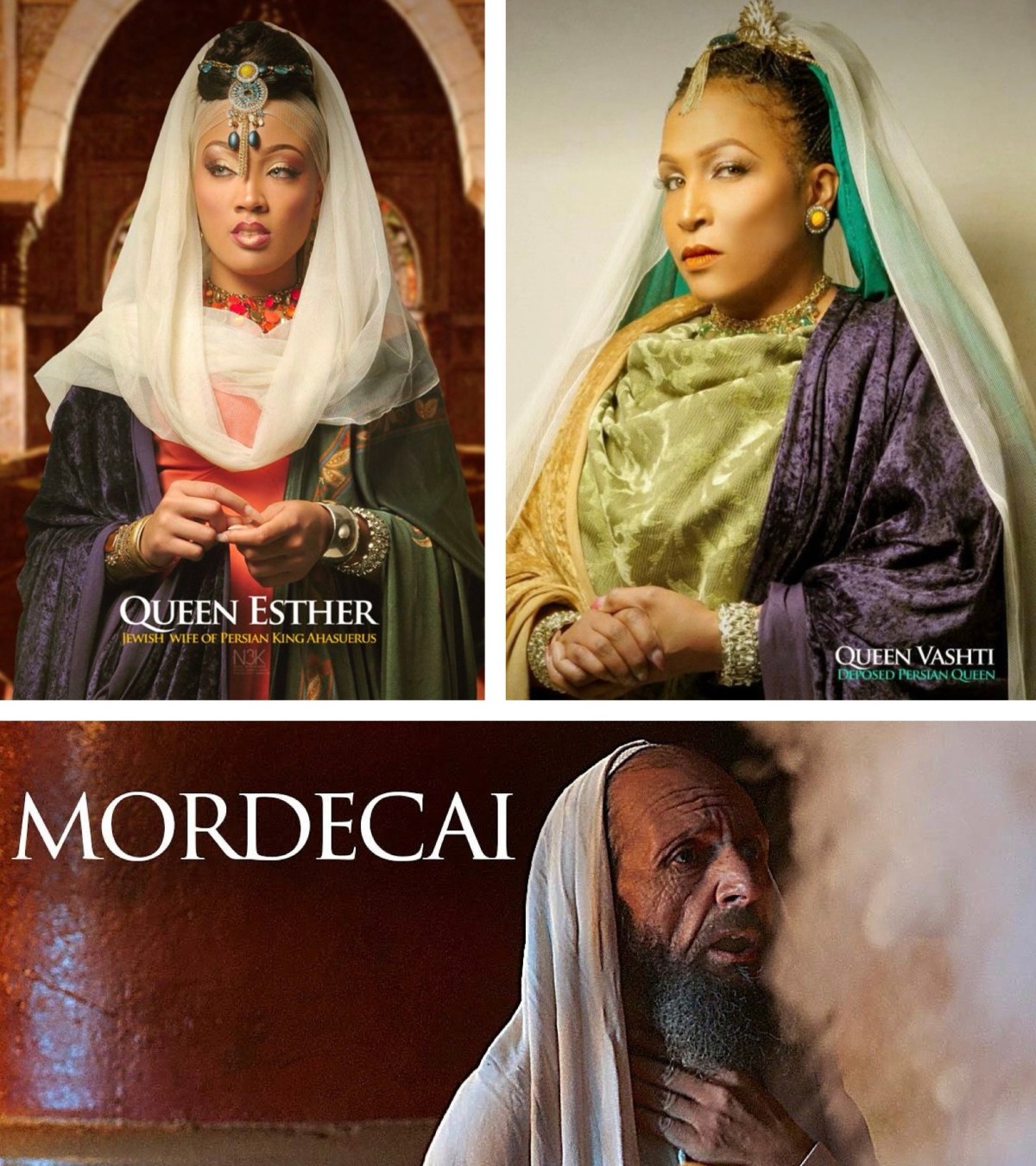
The book of Esther tells the story of how two wise and courageous Jews, Mordecai and Queen Esther, aided by the providential hand of fate, foil the genocidal schemes of Haman, the “enemy of the Jews”. The ensuing victory celebration of the fourteenth and fifteenth of the month of Adar (February-March) becomes the occasion for inaugurating a new Jewish festival, Purim. It is a very entertaining story. It illustrates how the Jews survived whilst living in exile.
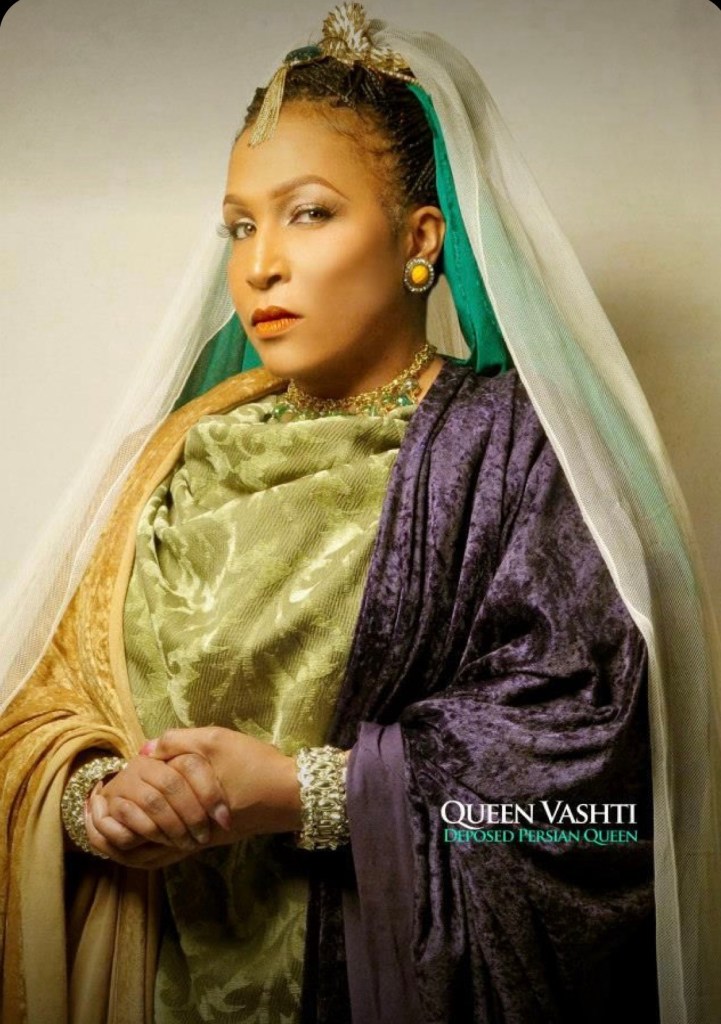
There are a string of banquets in Esther. They start in the opening scenes: a banquet of 180 days (1:2-4), a banquet of 7 days (1:5), the banquet of Queen Vashti (1:9). Then the king throws a great banquet (2:18), after which Esther holds a banquet (5:4-5, 6:14—7:1).
After this, the establishment of an annual banquet to celebrate Purim is told (8:17, 9:16-19, 9:24). This banquet is named after the lots that were cast (3:17)—the Hebrew for “lots” is purim. These banquets are contrasted with the fast undertaken by the Jewish people (4:16—17).
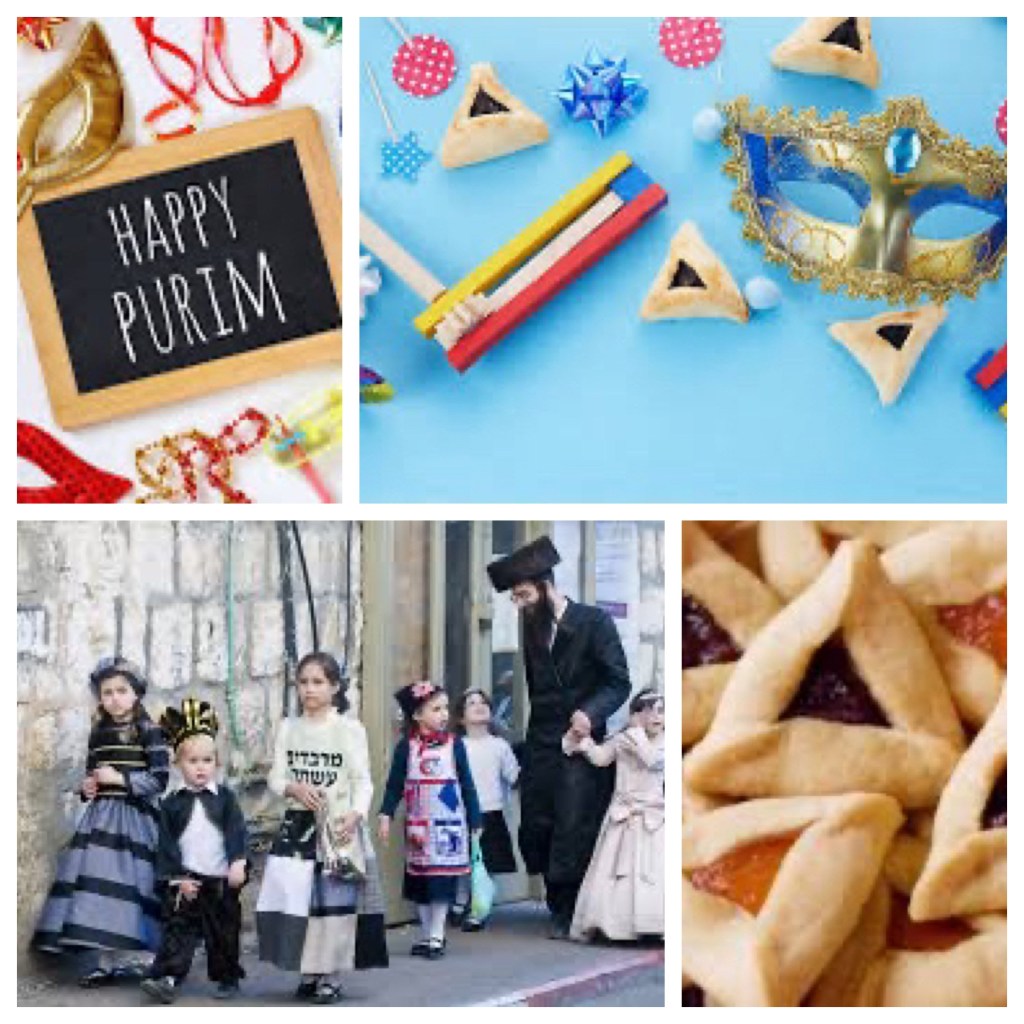
What do Jews do at the feast of Purim? They read the story of Esther (The Megillah), once on Purim Eve, once on the morning of Purim—give money or food to needy people—send gifts of food to their friends—fast in the daylight hours on Purim Eve—get dressed up in costumes for the synagogue service—hold The Feast of Purim on Purim itself—eat special dishes: a large challah with raisins, meals made with beans and peas, and hamantashen, triangular cookies filled with jelly or fruit—and wish each other “chag Purim sameach” ( חג פורים שמח ).
One Jewish website says, “When Haman’s name is mentioned you can twirl graggers (noisemakers) or stamp your feet to eradicate his evil name. Tell your kids that Purim is the only time when it’s encouraged to make noise during services!” You can watch videos of celebrations at Purim: https://www.youtube.com/watch?v=6mmZDYogjCk
 An Informed Faith