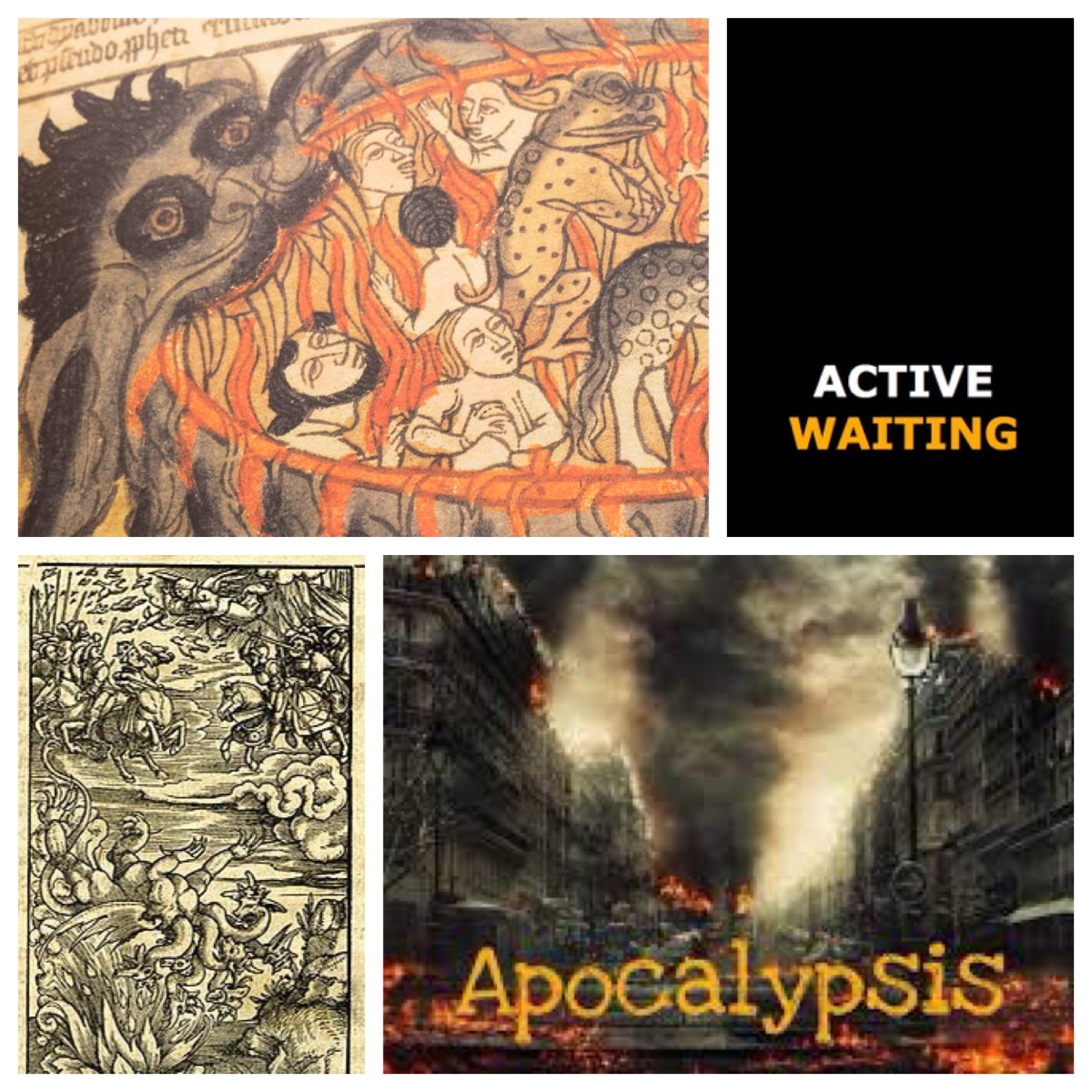
Discipleship in an apocalyptic framework (Matt 23–25; Pentecost 23–26A)

This coming Sunday, the Gospel passage in our lectionary jumps a chapter and plunges into the very last section of the teachings of Jesus that are collected in the book of origins, which we know as we the Gospel according to Matthew. For this Sunday, and following Sundays, Jesus speaks parables which contain instructions on the form of discipleship in a situation of anxiety, expectation, and waiting.

Last Sunday we were reading the teachings of Jesus in chapter 23, about following the Law in all of life. See https://johntsquires.com/2020/10/26/sitting-on-the-seat-of-moses-teaching-the-law-but-they-do-not-practice-what-they-teach-matt-23/

That passage (23:1-10) begins the fifth of five teaching blocks in this Gospel: the Sermon on the Mount (5–7), instructions on mission (10), parables of the kingdom (13), guidance for life in community (18), and this teaching block, which focuses on the imminent future—the coming kingdom of heaven, which was expected to come very soon (23–25).

The lectionary jumps over chapter 24; although, to be fair, we read an excerpt from this chapter right back at the beginning of the year in which we read through Matthew’s Gospel. This chapter is often labelled as the “apocalyptic discourse” in which Jesus tells his followers what is soon to take place. By tradition, the “apocalyptic discourse” is read on the First Sunday in Advent, which is when the new year begins in the Christian calendar.

So, you can think back to what you read, heard, or said back on Sunday 1st December 2019 … or you can read on and see my take.

Matthew sets out the teachings of Jesus concerning discipleship in chapter 25, within the context of an apocalyptic view of reality that is outlined in chapter 24. This view locates the present time in relation to the ultimate end of time, when God will reveal God’s ultimate will for the world (that’s what apocalyptic is), and calls for a way of living that will ultimately show responsibility for decisions made.

What ultimate end does Matthew have in view? Each Gospel writer tends to emphasis something slightly different as the climax for the story they narrate. In Mark, the focus is on the resurrection of Jesus (Mark 14:28; 16:7). In Luke-Acts, carrying the good news throughout the Roman Empire fulfils the story of the universal Gospel (Luke 24:47–48; Acts 1:8). In John, it is eternal life which is emphasised (John 20:31).

Matthew’s Jesus has in mind the coming eschatological deliverance, a deliverance which is expected imminently and that will vindicate the community as faithful and righteous to the will of God.
Apocalyptic hope

In this way, the community of faith reflected in this Gospel is typical of one type of Judaism after the destruction of the Second Temple; that of apocalyptic hope. Most of the post-70 sectarian groups express hope that God will remember his covenant with them, the faithful few of Israel, and save them; for example, 2 Baruch and 4 Ezra write that God will provide consolation for their suffering and vindicate them, whilst also punishing their enemies on the Day of Judgement (2 Baruch 6:21; 82:1–2; 4 Ezra 8:51–59; 12:34).

In these sectarian documents, the kingdom of God is eschatological is nature; it has not yet arrived on earth, though signs telling of its coming can be detected. These communities also agree that much of Israel no longer truly follows the Law of God, and that the dominant Jewish leadership is unfaithful and wicked, and that they are the ones alone representing the true Israel. Therefore, entry to the kingdom is dependent upon faithfulness to the Law as interpreted by the community.

Much of this opinion can also be found in this book of origins. In fact, the evangelist redacts his sources and shapes his material so that this eschatological end is prominent, and the author makes it clear that there are two ages: the first is the current time for the evangelist, and the second is the age to come (Matt 12:32, from Mark 3:29).

The nearness of the second age

In this book of origins, the first indication that we have of the nearness of the second age is the announcement of John the Baptist, “Repent, for the kingdom of heaven has come near” (3:2). This sets the tone for the rest of the Gospel, where Jesus calls people to repent and be obedient to God’s Law, as the end-time of God’s judgement is fast approaching.

In the teachings of Jesus in this Gospel, the kingdom is imminent, but not yet arrived; however, signs of its imminence break in to the present times as a demonstration and proof of its nearness. The ministry of Jesus is set at the end of the first age; the second age will commence very shortly with the triumphant return of Jesus after his death, within the lifetime of his disciples (10:23; 16:28; 24:34).

There is no real sense in this Gospel of the notion that the kingdom had already arrived and was present on the earth, though it can be seen in the ministry of Jesus (12:28), and in the continuation of his ministry by his followers after his death. Jesus and the disciples both preach that the kingdom of heaven is near, or at hand (4:17; 7:21–22; 9:35; 10:7), but it has not yet established itself on earth.

The kingdom of heaven will be established “at the end of the age”, when the final judgement of righteous and unrighteous will take place (13:39–40, 49; 24:3). Before the coming of the Son of Man, it remains hidden and mysterious (13:31–33, 44–45), too small to be observed, but the day is coming when it will grow and become the “greatest of all things”, and the righteousness of God will triumph.

The promise of the coming age

On Jesus’ return as the Son of Man, the promised kingdom will be established for the faithful people of God. At this time, God will cleanse the earth of evil; Matthew’s Gospel emphasises the fate of the unrighteous as being the place of eternal punishment (25:46), where there will be “weeping and gnashing of teeth” (13:42, 49; 22:14; 25:30). See https://johntsquires.com/2020/10/06/darkness-weeping-and-gnashing-of-teeth-the-scene-of-judgement-matt-22/
Much of the view of the eschaton and the judgement it entails reflected in this Gospel is dependent on prophetic texts such as Ezek 32:7; Joel 2:10–11; Zeph 1:14–15; Dan 7:13; as well as parts of Trito-Isaiah (Isa 56–66) and 1 Enoch.

Matthew’s Jesus states that the exact day of these events is not known (24:42), but its arrival will be heralded by cosmic tribulations (24:7), and the Son of Man will be the judge on that day (7:21; 13:41; 16:27; 24:30–31, 44; 25:31–46), separating the righteous from the unrighteous. The righteous shall enter the kingdom with God, the unrighteous will be cast into outer darkness and fire (5:20–22; 13:40–42; 25:30, 41).

The reference to the resurrection of the saints (found only at Matt 27:52–54) strengthens the eschatological interpretation of the crucifixion of Jesus as the revelation of God’s Son. Though the kingdom has not been established in its fullness, nonetheless God has broken in to the world in a way that can only be equated with the end of time.

Matthew here has Jesus drawing on the tradition of Ezekiel, a text which assumed importance in Jewish apocalyptic literature, with references to an earthquake (Matt 27:52; Ezek 37:12), the opening of graves occurs (Matt 27:52; Ezek 37:12), a resurrection (Matt 27:52; Ezek 37:12) after which the risen saints enter into the Holy city, or Israel (Matt 27:53; Ezek 37:12). This reworking of the ancient prophecy underlines the sense of hope in God, even in the face of death.

Discipleship as active waiting

The form of discipleship that is required in such an apocalyptic context is to remain faithful, awaiting the return of Jesus (the parousia). There is some evidence of concern within the community that the delay of the return of Jesus may have given rise to tension, especially if those who actually knew Jesus were dead or few in number.

The text indicates that at least some of the community expected the parousia to arrive and vindicate them very soon; its non-appearance may have affected the faith of members or influenced others to leave the community. That is the issue which undergirds the chapter of the Gospel that appears in our lectionary this Sunday, and on the two following Sundays. The parables are told to foster a sense of active waiting.

Two parables contain specific warnings about this delay (24:45–51; 25:1–13); the second of these is unique to Matthew, and we encounter it in the lectionary this coming Sunday. It indicates that active waiting involves making wise decisions, persisting tenaciously in hope for what lies in the future. The wise virgins are commended: “those who were ready went with him [the bridegroom] into the wedding banquet” (25:10). The foolish virgins are rejected by Jesus: “truly I tell you, I do not know you” (25:12).

Similar warnings occur in other parables drawn from the Q tradition: the parable of the banquet (22:1–14), which we have read some weeks back; and the well-known parable of the talents (25:14–30), which appears next Sunday, in which the master commends his two “good and trustworthy slaves” with the words, “you have been trustworthy in a few things, I will put you in charge of many things; enter into the joy of your master” (25:21,23). By contrast, the third slave is condemned as worthless: “throw him into the outer darkness, where there will be weeping and gnashing of teeth” (25:30).

These parables all advocate active waiting as the desired form of discipleship. Being faithful to the way of Jesus means being ready for his coming, prepared for the kingdom. The message is driven home by the contrasting pairs: wise virgins, foolish virgins; trustworthy slaves, worthless slave”.

Chapter 25 comes to a rousing conclusion with perhaps the most famous parable of Jesus from this Gospel, the parable of the sheep and the goats (25:31-46). The parable uses the same contrasting pair: the sheep are the righteous, the goats are the wicked, those without law.

Faithful discipleship is following the teachings of Jesus in the time of active waiting–adhering to righteous-justice in all of life. See https://johntsquires.com/2020/02/06/an-excess-of-righteous-justice-matt-5/

*****

This blog draws on material in MESSIAH, MOUNTAINS, AND MISSION: an exploration of the Gospel for Year A, by Elizabeth Raine and John Squires (self-published 2012)

Invasion and colonisation, Joshua 3 and contemporary Australia (Pentecost 23A)

This coming Sunday, the lectionary offers us a passage from Joshua (3:7-17). It is the one and only time, in the three years of the lectionary, that we are invited to read from this book.

Joshua as history?

The story from Joshua tells, in a highly stylised way, of the entry of the people of God into the promised land. It is a key incident in the extended narrative history that stretches from Genesis to 1 Kings, recounting slavery in Egypt, the redemptive moment of Exodus, the giving of the Law, the long haul of wilderness wanderings, the battles waged to capture the land under the Judges, and the ultimate vindication of the establishment of the kingdom of Israel under King David.

Of course, it didn’t actually happen like this. For one thing, the book of Joshua is almost universally considered to be a wonderfully embellished and highly stylised narrative constructed by the priests in the sixth century BCE, as they prepared to lead exiled people of Israel in their return to the land from which they had been removed.

The book as a whole is marked by the schematic structuring that was so characteristic of priestly narratives. Structure and order was central to their style (see the various genealogies in various books of Hebrew scripture; the regular identifications of dates and locations; the repeated phrases throughout the “seven days” of Gen 1:1-2:3; the structure of the whole of the book of Numbers, as well as Joshua; and the repeated formulaic assessment of various kings in 1 Ki 11:6, 11:19, 14:22, 15:5, 15:11, 15:26, 15:34, 16:7, etc).

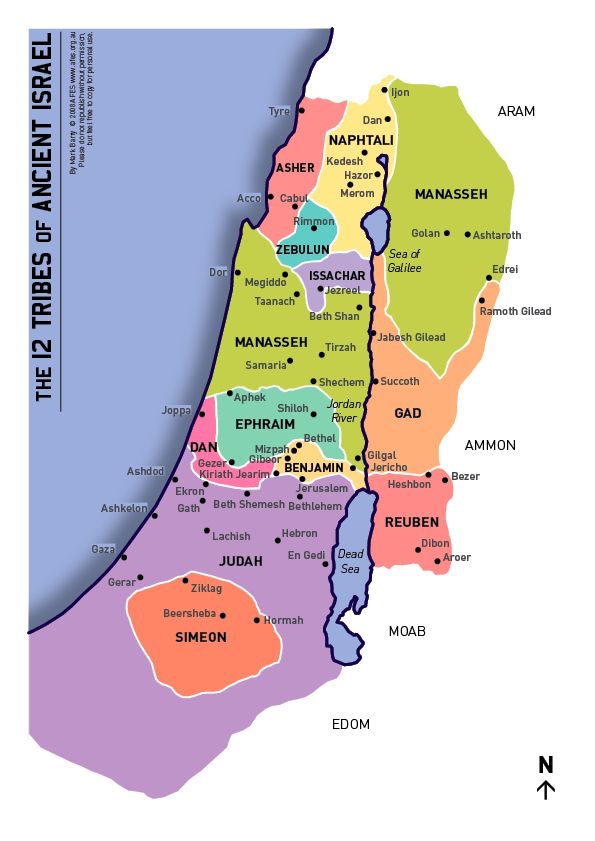
For another thing, we know that the division of Israel into the twelve tribes (3:12), so important in the story that the priests of Israel tell about the nation, was a later ideological construction of the priestly story-tellers—there were no neatly schematised tribes at the time of this incident.

And, of course, the whole story of Exodus, liberation, wilderness and conquest, is beset by multiple historical problems. There is no evidence in the records of the Egyptians about the escape of a large crowd of slaves, not any record of the destruction of the Egyptian Army in the Red Sea. There are no remains in the wilderness between Egypt and Israel that suggest that such a large crowd was travelling, for many years, through the desire—no remains of campsites, no graves of deceased people. And there is no archaeological evidence that correlates the biblical record of the capture of Jericho and other cities in the land. All we have is the story told in the Bible.

The form of the story we have was written down quite some centuries from when the event is alleged to have taken place. It serves an ideological purpose, as exiled people prepare to return to the land. As the 5th century exiles enter the land, the story of the wandering tribes entering the land centuries before provides encouragement and inspiration.

So it is not the historical reliability of this incident itself that is to the fore as the story is told. What we, in the post-Enlightenment era, understand to be “history”, is very different from the way that “history” was understood in the time when the story was written.

Joshua as saga

Rather than history, the narrative offers us a saga that invites us into a creative, thoughtful pondering of the story. It offers the people of Israel, exiles returning from Babylon, hope and assurance for their future. The best question we can ask of this story, is not, “did this actually happen?”, but rather, “what does this story offer to us, today?”

Central in the story is the ark of the covenant. The story tells of the time at Mount Sinai when God established a covenant with Moses and Israel, and the giving of the Law within that covenant relationship. The ark is a sign of the presence of God, continuing on with the people of Israel beyond Mount Sinai (Exod 25:10-22). God is not an absentee God, but very present amongst the people. The ark symbolises and reinforces that message.

The priests serve to mediate the presence of God. They carry the ark of the covenant, maintaining it, ensuring that it remains safe (Deut 10:8, 31:9, 25-26; Josh 3:3, 6, 8, 13). The story offers an indication that holy people are necessities in life; their mediation of the divine in the midst of the mundane is important. (As an ordained person, I confess that I have a vested interest in this claim!) As the priests shape the story, they make sure that priests play a central role in what is narrated.

Joshua as testimony to faith

The story contains a memorable description of God as “the living God” (3:10). The phrase appears elsewhere in a Hebrew Scriptures (Deut 5:26, 1 Sam 17:26, 36, 2 Kings 19:4, 16, Pss 42:2, 84:2, Isa 37:4,17, Jer 10:10, 23:36, Dan 6:20, 26, Hos 1:10) and also in the New Testament (Matt 16:16, 26:63, Acts 14:15, Rom 9:26, 2 Cor 3:3, 6:16, 1 Thess 1:9, 1 Tim 3:15, 4:10, Heb 3:13, 4:12, 9:14, 10:31, 12:22, Rev 7:2). The ark is a sign that this living God is present, active and engaged in the lives of the people.

A striking event demonstrates this: as the priests stand in the river, the waters stand still (3:16), and so the people are able to cross the river and enter the land. Of course, later on in Joshua, another miraculous event takes place, as the sun stands still (10:13). These were not actual events, but symbolic of divine intervention.

We might well compare the New Testament story of the earthquake and resurrection of the saints (found only in Matt 27) after the resurrection of Jesus. This, too, was not an historical event; it was a dramatic tale told to underline that God was active in the story.

The key aspect of the story of the escape from Egypt, as the story is found in Exodus 14-15, is the connection with the Feast of the Passover. The story that is attached to the Exodus actually serves a liturgical purpose; the priests have developed the story to reinforce and highlight the way that God was able to redeem the people—as in the story, so in the experience of the returning exiles.

Likewise, the key aspect of this story of the entry into the land, in Joshua 3, is not the actual physical wading across the river, but the assurance of faith that comes from the telling of the story of entering the land. God is not only the redeemer, who delivers the people into freedom, but the one who delivers the land to the people. The promise of the gift of land, first made to Abraham (Gen 12:1, 15:7, 17:8), then reiterated to Jacob (Gen 28:4,13, 35:12) and again to Moses (Exod 3:8,17, 6:4,8, 12:25, 13:5,11), is now coming to fulfilment.

Joshua as military victory

Indeed, the crossing of the river itself points to the symbolism that this story contributes to the overarching narrative. Leaving Egypt, the Lord God parts the waters, the people pass through, the army is bogged and drowned, and their escape from Egypt is secure. Entering Canaan, the Lord God once again stops the flow of the waters, the priests who carried the ark of the covenant enable the people to cross the river and enter the land, and their hold on the land is made secure. Josh 4:19-24 draws this comparison quite explicitly.

The parallel continues in the strong militaristic element, found in the list of the peoples whom “the living God who without fail will drive out from before you”. The text specifies “the Canaanites, Hittites, Hivites, Perizzites, Girgashites, Amorites, and Jebusites” (3:10). Even before the battles are waged, the victories have been declared. This also provides a neat bookend: the army of Egypt is crushed in Exodus 15, the inhabitants of the land are subdued and defeated in Joshua 3.

What follows on from this story of entering the land is a highly schematic presentation of the military conquest of the land, in the rest of the book of Joshua. The invaders take the key areas in turn: first the Central area (chs. 6-8), then the Southern regions (chs. 9-10) followed by the Northern areas (ch 11). Chapter 12 then provides a summary of the conquest, listing “the kings of the lands whom the Israelites defeated”—a kind of victor’s gloating, “thirty one kings in all” (Josh 3:24).

The story of taking control of the land is then followed by a parallel schematic account of the allotment of the land to each of the tribes. The Transjordan (the land to the east of the Jordan River) is allotted in ch. 13; the Central regions in chs. 14-17; and then the peripheral regions to the north and south in chs. 18-19. Chapter 20 details the allocation of the five “cities of refuge”, whilst chapter 21 identifies the forty-eight towns which were allotted to the tribe of Levi, from which the priests came.

None of these are historical accounts. The schematic ordering carries symbolic weight, rather than being an historical account. Indeed, the twelve tribes of Israel were a later construction by the compiler of the narrative, rather than being an actual organisational principle at the time of any such conquest.

And even as the list of conquered peoples are identified, the savagery of this glorious moment is revealed. The memorial stones provide a reminder of the event (Josh 4:1-10), a reminder of the power of the invading force as they colonise the settled inhabitants of the land. We hear the story from the perspective of the victorious invaders—the people of Israel. The dispossession and death of so many Canaanites is simply “collateral damage” in this process.

Joshua and Israel, Britain and Australia, and the indigenous perspective

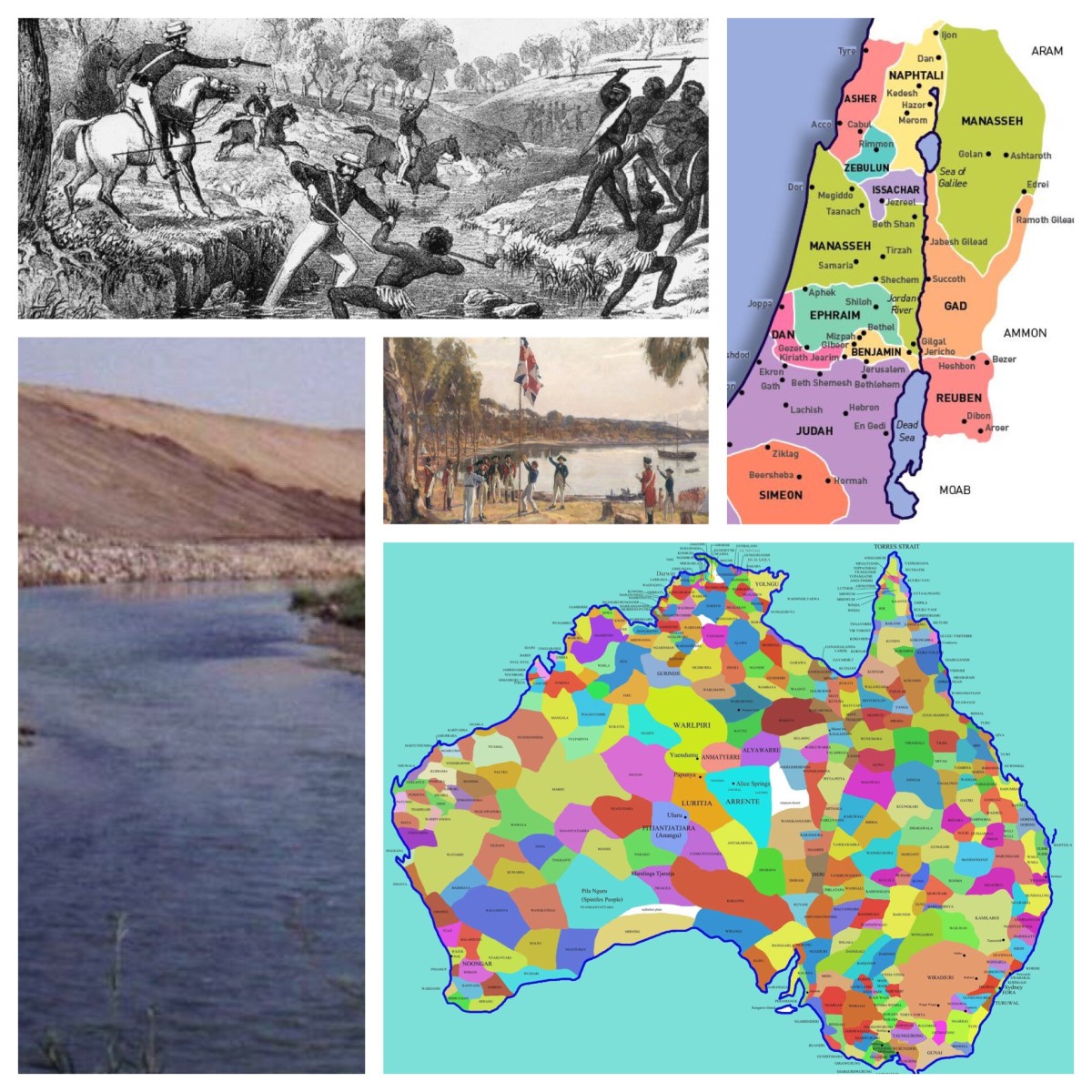
This is a story of land, invasion, massacre, colonisation, and victory. It is an ancient story which resonates strongly with the experience of indigenous peoples in the modern era of history. Time and time again, from late medieval times onwards, “explorers” set out from Western powers, “discovered” new lands, followed by “settlers” who came and established “civilisation”, most often by means of “subduing” the indigenous peoples, making them subservient to the “new order”—and even, in many instances, punishing those who resisted their new ways, even utilising means of killing the indigenous peoples.

This is the dynamic of the story of “Israel entering the promised land” which is told in Joshua, as well as the story of “establishing British civilisation in the land of Australia” which is the story of our own continent. The imposition of a new way of living by a more powerful force, the subjugation of those who already were living in the land, and the use of violence and murder to ensure that the new order was maintained and could flourish—all of this is in the history of Australia since 1788.

The story of invasion and settlement, defeat and decline, resonates with the contemporary Australian experience of the indigenous peoples of the continent and its islands. Which gives us pause for thought: how, then, do we hear and understand that story recounted in Joshua?

Sitting on the seat of Moses, teaching the Law—but “they do not practice what they teach” (Matt 23; Pentecost 23A)

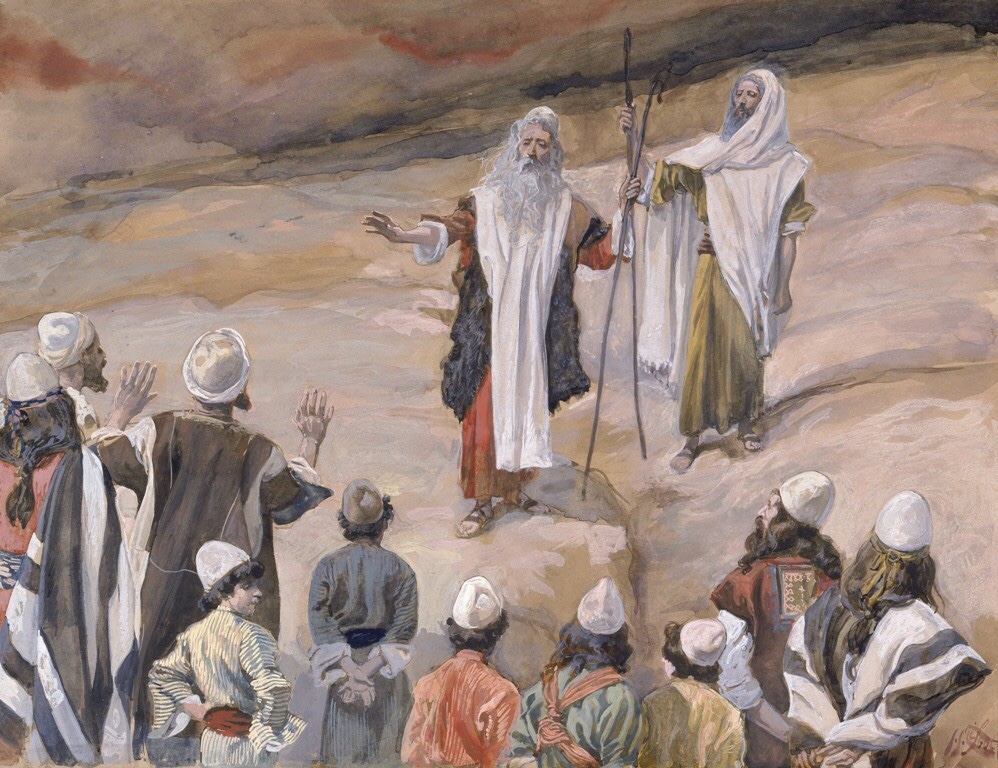
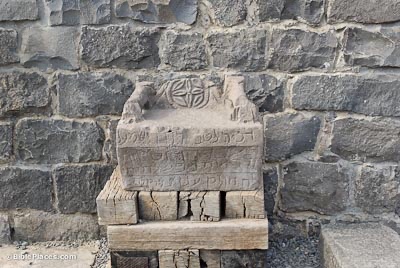
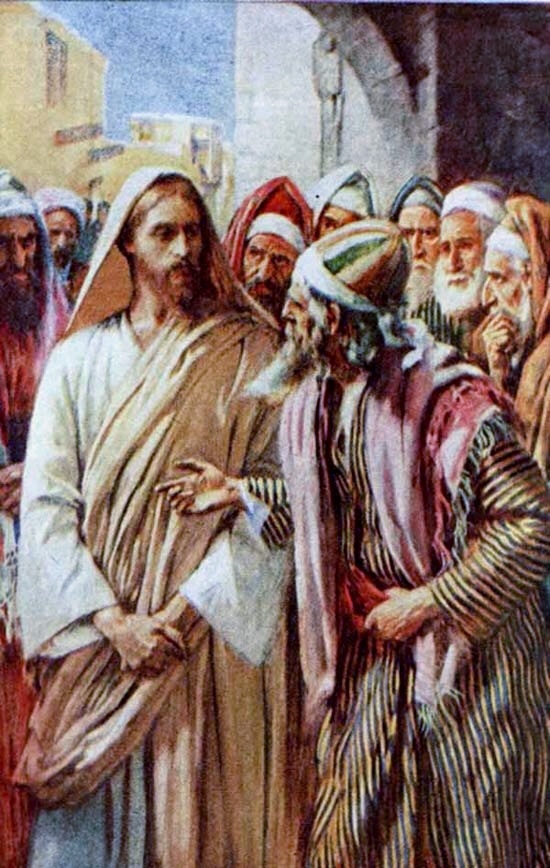
“The scribes and the Pharisees sit on the seat of Moses; therefore, do whatever they teach you.” So Jesus instructs his followers, according to a teaching reported only in the book of origins, which we know by tradition as the Gospel according to Matthew.

This teaching comes at the start of a lengthy chapter (Matt 23), where Jesus does two important things. He reinforces the central significance of the Law of Moses which was taught by the scribes and the Pharisees. At the same time, he criticises the practices of those scribes and Pharisees, for again and again they fail (in the view of Jesus) to put into practice what they teach. Slightly modifying the end of verse 3 results in the familiar proverb, “practice what you preach”.

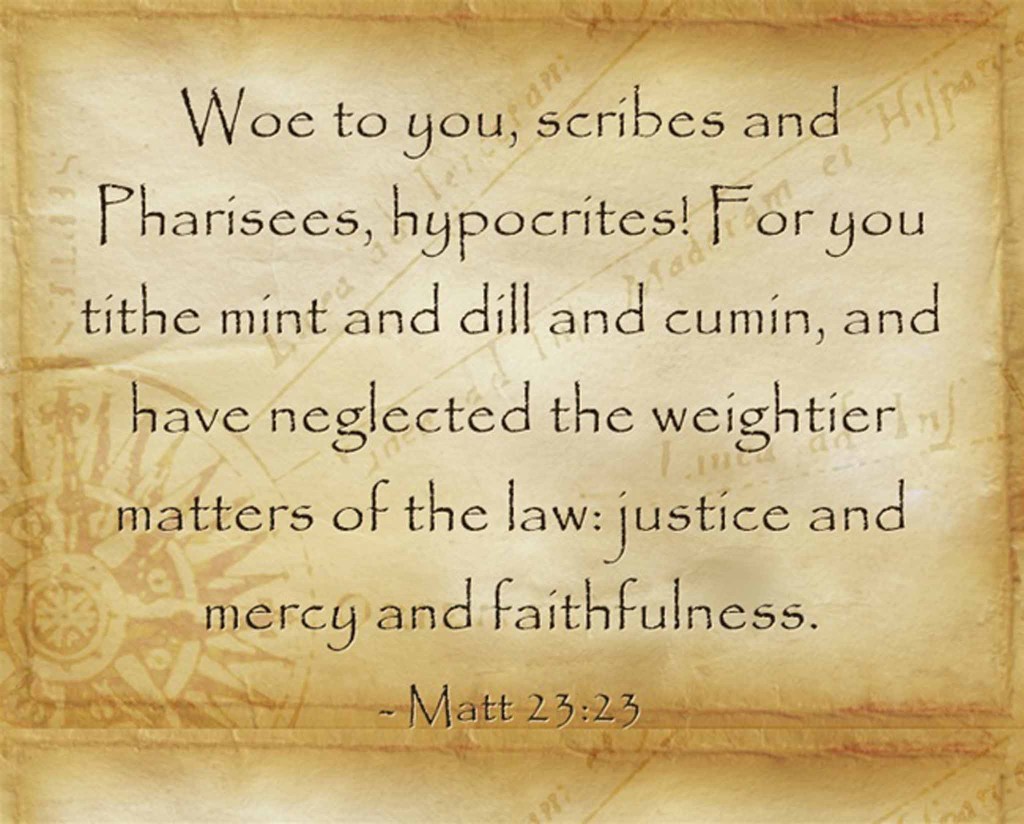
The passage set in the lectionary for this coming Sunday offers us twelves verses, which form the introductory section of this long chapter (23:1-12). It omits all that follows. There is long section of invective (23:13-33), where eight times Jesus utters his vehement criticism: “woe to you, scribes and Pharisees” (23:13, 14, 15, 16, 23, 25, 27, 29). We will come to this section later in this post.

The chapter closes with a plaintiff lament, as Jesus closes his speech: “Jerusalem, Jerusalem, how often have I desired to gather your children together…but you were not willing” (23:34-39). Jesus yearned for the salvation of his people; but, being led astray by teachers who do not practice what they preach, the people are heading to their doom.

1. Affirming the Law

The first thing that Jesus does is affirm the importance of the Law which is taught by the scribes and the Pharisees. He instructs his followers to “do whatever they teach you” (23:3). Their authority is grounded in “the seat of Moses” from which they teach (23:2). Jesus speaks as a faithful Jew, holding firmly to the commandments of the Law, living in accord with the covenant relationship with God.

The Pharisees were scribes who specialised in the interpretation of Torah and in the application of Torah to daily living. In contrast to the priestly Sadducees, the Pharisees were very popular amongst the ordinary Jewish folk. This may well have been because they undertook the highly significant task of showing how the Torah was relevant to the daily life of Jewish people.

The story of Ezra, told in Nehemiah 8, gives an example of this in practice, referring especially those who “helped the people to understand the law” (Neh 8:7). Whilst the priests upheld the Torah as the ultimate set of rules for operating the Temple, the Pharisees showed how the Torah could be applied to every aspect of daily life as a Jew.

Most Jews went to the Temple only rarely—and found it to be an expensive enterprise when they got there! But in seeking guidance for daily life, the people were greatly helped by those skilled interpreters of Torah, the scribes and the Pharisees. Josephus comments that the Pharisees were usually held in high regard by the ordinary people of the day.

Since nine out of every ten persons could not read, the importance of scribes —literate, educated, and sympathetic—could not be underestimated. Whilst the Pharisees clustered around towns in Judea, the scribes were to be found in the synagogues of villages throughout greater Israel, and indeed in any place where Jews were settled.

The task of the Pharisees was to educate the people as to the ways of holiness that were commanded in the Torah. It was possible, they argued, to live as God’s holy people at every point of one’s life, quite apart from any pilgrimages made to the Temple in Jerusalem.

The Pharisees thus held sway in the synagogues, in all the places where dispersed Jews were living. Their interpretations were highly regarded amongst the people. But they stand as the chief sparring partners for Jesus, reflecting the competing claims for authoritative teaching about the Law.

2. Jesus, the Authoritative Teacher of the Law

Jesus regularly debates with the scribes and the Pharisees about their interpretations of the Law. He berates them for their failure to keep the Law in their daily lives. This chapter brings those vigorous debates to a climax.

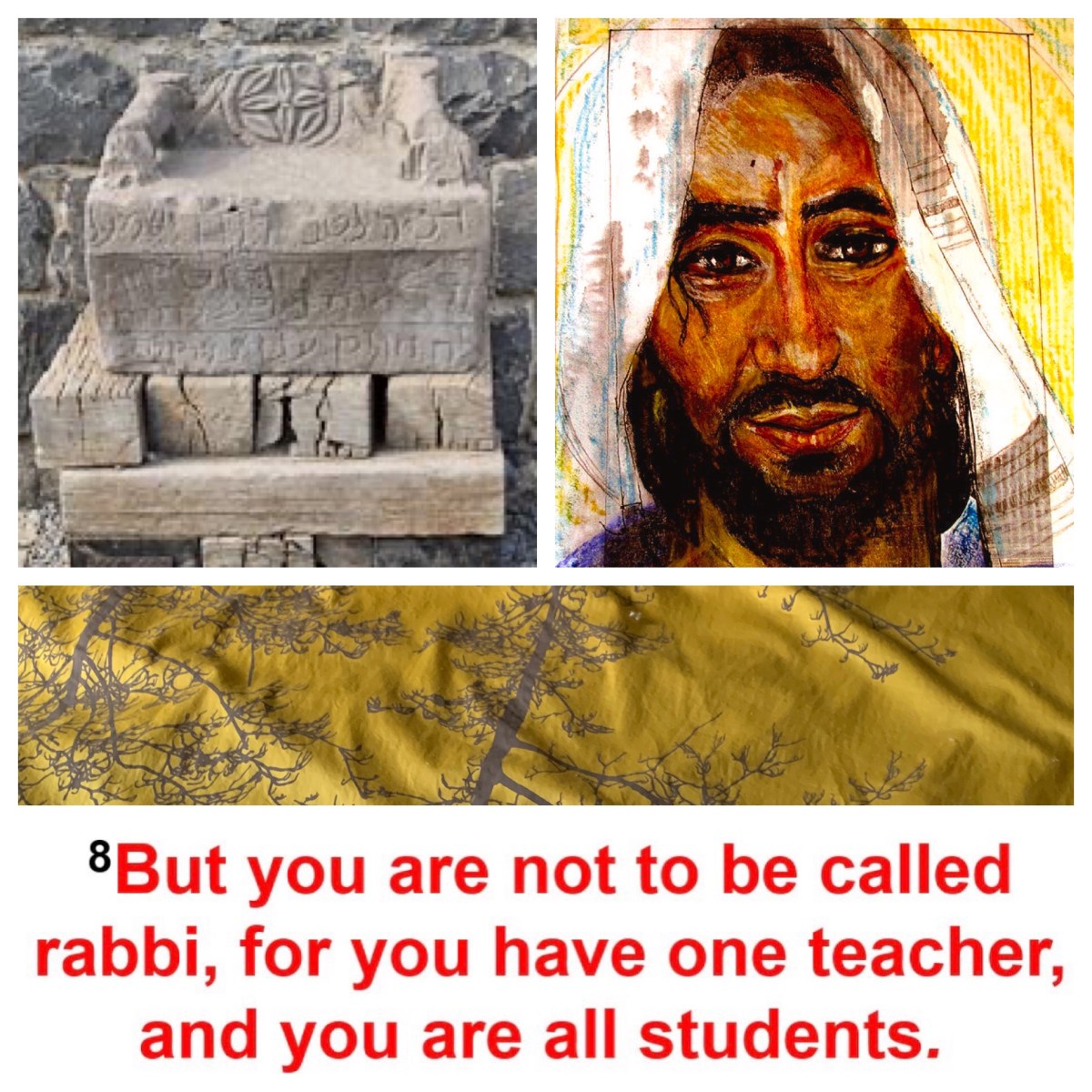
As Matthew writes his Gospel, he intensifies the way that Jesus was in competition with the Pharisees, and takes pains to present Jesus as the one who provides the best and most accurate interpretation of the Law. We see this very clearly in this passage, where Matthew has Jesus declare, “you have only one teacher” (23:8), and then, even more pointedly, “you have one instructor, the Messiah” (23:10).

We might note that the disciples are commissioned to preach (10:7), but not to teach. They are cautioned that a “disciple is not above the teacher”, and that “it is enough for the disciple to be like the teacher” (10:25). This reflects the later exhortation that the disciples only have one teacher, and that teacher is Jesus, and that the disciples are brothers, and are not to call themselves teachers (23:8–10). They are disciples (learners), not teachers (rabbis). Jesus is the only Teacher.

The motif of Jesus as the authoritative teacher of the Law has sounded throughout this Gospel. Only in this Gospel do we hear Jesus unambiguously declare that he comes to fulfil the Law (5:17-20), and then go on to provide his understanding of particular laws (“you have heard it said … but I say to you …”, 5:21-48).

See https://johntsquires.com/2020/02/06/an-excess-of-righteous-justice-matt-5/

Indeed, in this series Jesus employs a classic method from Jewish halakhic debate. (Halakha is a Hebrew word which literally means “walk”; it is used in a metaphorical sense to indicate the way to walk in life. It almost always describes debates which focus on the interpretation of the 613 commandments found within Hebrew scriptures.) The techniques of halakhic debate were known and used at the time of Jesus. He quotes a Pharisaic interpretation (“you have heard it said”), but then places alongside it his own interpretation (“but I say”). Jesus operates as a teacher of the Law.

See https://johntsquires.com/2020/02/13/you-have-heard-it-said-but-i-say-to-you-matt-5/

The collection of sayings which we call “the Sermon on the Mount” ends with the affirmation that Jesus “taught as one having authority, and not as their scribes” (7:29). The instruction of Jesus to “take my yoke upon you and learn from me” (11:29) draws on the concept of “the yoke” as the teachings of a rabbi (see Mishnah, Sayings of the Father 3.5).

The parables of Jesus are offered as teachings about “what has been hidden from the foundation of the world” (13:35, quoting Psalm 78:2, a lengthy teaching psalm). And at the end of this Gospel, Jesus finally commission his disciples to “teach [the nations] to obey everything that I have commanded you” (28:19).

In the book of origins, therefore, Jesus is The Authoritative Teacher, the one who instructs most accurately and faithfully in the Law, using the techniques of Jewish teachers.

3. Doing the Law

The second thing that Jesus does in the passage in the lectionary this Sunday is criticise those who teach the Law but do not (in his view) live by the Law. They say the right things, but their actions fail to bear this out—a familiar criticism in the book of origins, where Jesus taught that not everyone who says the right things will enter the kingdom, “but only the one who does the will of my Father”(7:21), and which includes a parable about “doing the will of God” as the prerequisite for entering the kingdom (21:28-32).

The following verses offer a fulsome list of the inadequacies and failures in the way that the scribes and Pharisees live: they impose heavy burdens (23:4), make public displays of their faith (5), seek the place of honour at feasts (6), and flaunt their status (7). The series of woes likewise criticises the scribes and Pharisees for keeping people out of the kingdom (23:13), praying at length (14), making converts (15), misuse of oaths (16), misdirected tithing (23), greed and self-indulgence (25), hypocrisy and lack of faithfulness to the Law (28), and hypocrisy in relation to the prophets (29-30).

Jesus is critical of those who do not keep the Law. He condemns them” “go away from you, you who are without the Law” (7:23) and says that those who dot keep the Law will be “thrown into the furnace of fire” (13:41). The end time includes “the increase of lawlessness” (24:12). And he specifically describes the scribes and the Pharisees as being “full of hypocrisy and lawlessness” (23:28).

Time after time in this speech, the scathing rhetoric of Jesus indicts the teachers of the Law with their failure to adhere to the Law. Eight times he says that they are hypocrites (23:13, 14, 15, 23, 25, 27, 28, 29). The deduction to be drawn is clear: if those who teach the Law in the synagogues cannot be trusted, because they do not follow the Law in their lives, then whose teaching of the Law should be trusted?

It is surely the “one teacher”, the “one instructor, the Messiah” (23:8, 10).

4. Criticising the Teachers of the Law

The Jesus who is presented in this Gospel is a fearful and demanding figure. We have noted how, in his capacity as God’s Messiah, Jesus frequently promises (or threatens) judgement (5:21–26; 7:1–2; 10:15; 11:21–24; 12:36–37; 19:28–30; 21:33–44; 22:1–14; 24:29–31, 36-44, 45–51; 25:1–13, 14–30, 31–46; 26:64). Many of these declarations occur in eschatological contexts, where Jesus is warning about the punishment that is to come unless righteous-justice is followed in the present.

See https://johntsquires.com/2020/10/06/darkness-weeping-and-gnashing-of-teeth-the-scene-of-judgement-matt-22/

Later in his Gospel, Matthew has Jesus intensify and personalise his rhetoric, by applying it specifically and insistently to the “scribes and Pharisees” in this collection of woes (23:13-36). If we include the woe of verse 14 (which is missing in some early manuscripts), there are eight woes in this final teaching section of the Gospel—providing a perfect counterpoint to the series of eight blessings offered by Jesus in his first substantive teaching (5:1-12, at the start of the “Sermon on the Mount”).

https://johntsquires.com/2020/01/30/blessed-are-you-the-beatitudes-of-matthew-5/

These woes, carefully shaped by Matthew out of the various traditions available to him, appear to slander the scribes and Pharisees to such an extent that they have fuelled explicit anti-Semitic acts, and contributed to the more insidious stereotyping of “Pharisaic” attitudes, throughout much of subsequent history.

See also https://johntsquires.com/2020/10/01/producing-the-fruits-of-the-kingdom-matt-21/

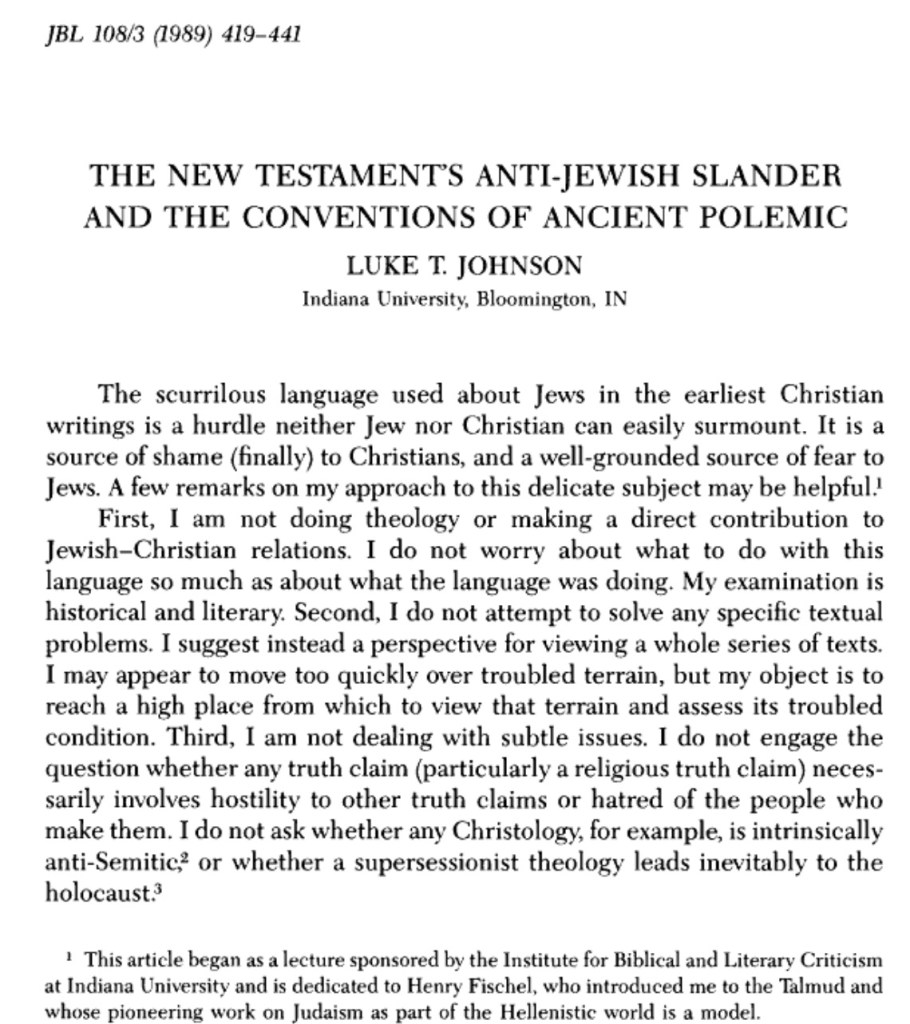
However, we need to read these woes in the literary and historical contexts, which can provide a different view of their purpose when first written. In antiquity, “the rhetoric of slander” was not so much a way of attacking others, but a means of establishing the self-identity of the writer’s community. It often had more to do with solidifying one’s own position, than with undermining another position.

In a 1989 article published in the Journal of Biblical Literature, Luke Johnson has demonstrated that such “rhetoric of slander” was found both within and beyond Judaism. He documents its use by Jews against Jews, most notably in the Dead Sea Scrolls (Community Rule 2:4-10, 4:9-14), but also in the Psalms of Solomon (4:1-5), in what Josephus writes about the Zealots (Jewish War 4.385-388, 5.443-4, 566, 7.260-2), and in assorted rabbinical works.

He also notes how it was used by Gentiles against Jews (book 5 of the History by Tacitus), by Gentiles against Gentiles (the Orations of Dio of Prusa, the Dissertations of Epictetus), and by Jews against Gentiles (Josephus, Against Apion 1.225-6).

Widespread use of such language mitigates against interpreting the woes of Matthew 23 in such a stringent and limiting fashion; in the context of its day, its effect was to define the identity of the Matthean community over and against the Pharisaic leaders, rather than to belittle them for the sake of spite or malice.

This series of woes culminates the debates with Pharisees which Jesus has been involved in throughout this Gospel. Each of the woes is a debate over the way in which a particular law should be applied. In this way, the woes repeat the emphasis of the Sermon on the Mount: what is most important is single-minded devotion to the principles set forth in the Law, and an intention to live by these precepts in all of life—both in actions and in attitudes.

That is what the “one teacher” conveys to his followers. That is what the “one instructor” passes on to his disciples. “Practice what you preach”, indeed!

*****

This blog draws on material in MESSIAH, MOUNTAINS, AND MISSION: an exploration of the Gospel for Year A, by Elizabeth Raine and John Squires (self-published 2012)

See also

https://johntsquires.com/2019/11/28/leaving-luke-meeting-matthew/

https://johntsquires.com/2020/01/30/blessed-are-you-the-beatitudes-of-matthew-5/

https://johntsquires.com/2020/06/11/go-nowhere-among-the-gentiles-matt-105-the-mission-of-jesus-in-the-book-of-origins/

Chopping and changing: what the lectionary does to the parables of Matthew (Pentecost 7–9A)

This is the third week that the Revised Common Lectionary has provided us with parables, chosen from chapter 13 in Matthew’s book of origins. This chapter is the third of five “blocks of teaching” in this account of Jesus—blocks where originally disparate elements are brought together on a thematic basis, to form the “five discourses of Jesus” (chapters 5-7, 10, 13, 18, and 23-25). Many interpreters repeat the claim that these five discourses stand as an intentional complement to the “five Books of Moses” in Hebrew Scripture.

This particular chapter, I believe, was based on the earlier collection of parables found in chapter 4 of Mark’s “beginning of the good news about Jesus”, the key source for the works that Matthew and also Luke utilised (along with other hypothetical sources). There are three parables in Mark’s chapter: the seeds and the sower (4:3-9), the seed sown in secret (4:26-29), and the mustard seed (4:30-32). Of those, the first and the third are picked up by Matthew. The second, some interpreters believe, has been explicitly modified by Matthew to form the parable of the wheat and the weeds (about which see https://johntsquires.com/2020/07/14/let-anyone-with-ears-hear-matt-13/ and also https://johntsquires.com/2020/07/09/parables-the-craft-of-storytelling-in-the-book-of-origins-matt-13/)

Matthew has expanded this source of three parables, to seven parables, adding parables about the mustard seed (13:31-32), the yeast in the flour (13:33), hidden treasure (13:44), a pearl of great value (13:45-46), and the net that caught fish (13:47-48). What each of these parables have in common are their opening phrases “the kingdom of heaven is like …”, and their simplicity of form. All five of them are short and succinct, making their point without any expansion or extrapolation.

We see, week after week, that Matthew edits the sources that he uses. We can see this quite evidently with regard to Mark, where we have the source material to compare with Matthew’s redactional enterprise. If we compare the places where Luke includes material in common with Matthew (the Q material), we can explore hypotheses about what one, or the other, of these editors seems to have done with that common material. (We have no point of comparison for the other material, drawn form the “special M” source, as we have no specific evidence that it existed, let alone any wording of that hypothetical source.)

Comparing Mark’s beginning of the good news with Matthew’s book of origins, we find the editorial impact of Matthew to be strong. Material is expanded, contracted, revised, put into a different order, sometimes modified almost beyond recognition. (The parable of the wheat and the weeds, compared with the parable of the seed sown secretly, might be such an instance.)

In relation to the parables, we see that Matthew expands Mark in significant ways—possibly modifying Mark’s second parable (13:24-30), adding three parables (13:33, 44, 45-46) to the third in Mark’s collection, and offering a concluding commentary on the significance of these parables (13:52). As a trade-off, he has omitted the brief lecture found in Mark 4:21-25, concerning the lamp under the bushel or on the lampstand—a teaching that may itself have elements of a parabolic form.

However, Matthew deliberately keeps the discussion of the relationship between the parables being offered, and the Hebrew Scriptures. Mark had Jesus reflect on this (4:10-12) and explicitly relate parables to the prophecy of Isaiah, that to outsiders who look, they will not perceive, or listen, but not understand (Isa 6:9-10). This prophetic “explanation” appears to justify the drawing of a strict boundary between insiders who understand, and outsiders who are destined not to comprehend. A difficult theological claim, but one that is central to Mark.

Matthew retains this (13:13-15) and strengthens the sense of insider/outsider, both in the assertions that come before (13:10-12) and in the blessing that follows (13:16-17). This remains important for Matthew. And he undergirds it with a distinctive blessing of the disciples with whom has is speaking (13:16).

But—and here is the curiosity—the Revised Common Lectionary does not include any of these verses. They are omitted from the Gospel selection in that lectionary. So, two weeks ago, following the directives of the lectionary, readers of the Gospel would jump from the parable (13:1-9) straight to the interpretation (13:18-23), omitting the intervening verses (13:10-17) that, as we have just noted, were so significant for Matthew—and for Mark, his source at this point.

And last week, the same thing happened, as readers of the Gospel who followed the lectionary prescriptions would jump from the parable (13:24-30) to its interpretation (13:36-43), leapfrogging the second consideration of the purpose of parables, which Matthew alone includes in his account (13:34-35).

And this explanatory section, like the earlier one, reaches back into Hebrew Scripture to provide another explanation of the purpose of parables (Psalm 78:2). According to this scripture, parables enable Jesus to “proclaim what has been hidden from the foundation of the world” (13:35).

Today, the same thing occurs. The lectionary offers us five parables, all quite short, and none with a separate interpretation: the mustard seed (13:31-32), the yeast in the flour (13:33), hidden treasure (13:44), a pearl of great value (13:45-46), and the net that caught fish (13:47-48). And once again, we jump over a block of text (in this case, the interpretation of the wheat and the weeds, 13:36-43).

So for the third week in a row, the lectionary has edited the text for reading, recasting it by removing it from the narrative context in which Matthew places it. I think we need a “hermeneutic of suspicion” with regard to the lectionary, at this point (and, indeed, at many other points throughout the three year cycle of texts).

Each one of these five parables is short and to the point. Each one is offered without interpretation. What do we make of each parable, heard in its own right, without any editorial gloss? That, at least, is the gift that the lectionary offers us this week.

To the parable of the mustard seed, a story about the potency of a tiny, seemingly insignificant, item, there is added the parable of the yeast; also a small, almost invisible, element, which when added into flour performs an amazingly powerful task, transforming the flour into a risen dough fit for baking.

And then, after the second scripture citation, two more short parables are offered, this time focusing on the great value, the immense significance, of two tiny and perhaps quite hidden elements: some treasure hidden in a field, and a pearl of great value nestling amongst many other commonplace pearls.

This is what the kingdom is like: small yet amazingly potent, hidden yet incredibly valuable.

Finally, to the parable of the wheat and the weeds, a story which points to the inexorable nature of God’s exercise of justice, there is added a final short parable which also underlines this message of divine judgement. The net is used to draw up baskets full of fish; but the task of the person fishing is to discriminate between the good fish and the bad fish—just as the person reaping the harvest must discriminate between good wheat and bad weeds.

So the focus is clear. The kingdom, valuable and powerful, will be the reason for sifting between good and bad. The good will enjoy “the kingdom of their Father” (13:43). The bad will be condemned to “the furnace of fire, where there will be weeping and gnashing of teeth” (13:43, 50; see also 22:13, 24:51, 25:30).

“Have you understood all this?”, Jesus asked the disciples after he had related all seven of these parables (13:51). They replied, with confidence, “Yes”. But did they???

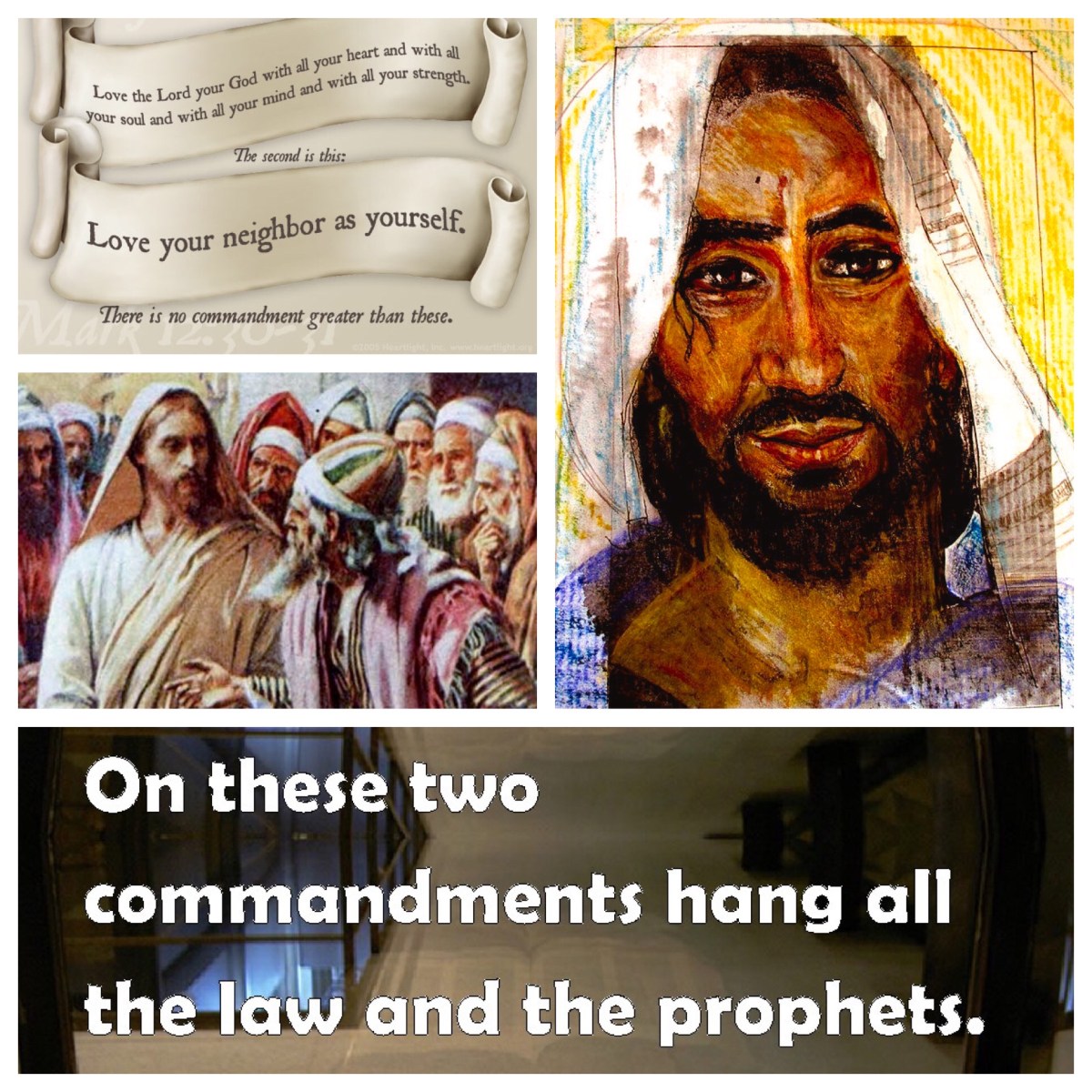
On these two commandments hang all the law and the prophets (Matt 22; Pentecost 22A)

In our Gospel this coming Sunday (Matt 22:34-40), Jesus reinforces the centrality of loving God in all that we do in our discipleship, as well as underlining the importance of loving our neighbour in all that we do. See https://johntsquires.com/2020/10/12/the-greatest-and-first-commandment-and-a-second-like-it-matt-22/

Thos affirmation of these traditions of the faith that Jesus knew and held have carried on in the movement which was initiated in the years after his life, death, and resurrection. Christianity stands on the firm foundation of Jewish faith and ethics, placing love of God and love of neighbour at the very centre of life.

There are other places in our Gospels where, with careful reading, we can see how Jesus affirms, strengthens, and intensifies the Jewish traditions which he has inherited, in the words that he offers his disciples. This is particularly the case in Matthew’s book of origins, which we have been reading this year.

Prayer. Whilst instructing his disciples how to pray (Matt 6:5–15), the Matthean Jesus offers a distinctive formula for prayer (6:9–13). Although this prayer has become known as the distinctive Christian prayer, a close study of Hebrew Scriptures shows that the concept in each clause (and in almost every case, the precise terminology of each clause) has originated in Jewish thought, as the following list indicates:

God is Father (our Father in heaven): Isa 63:16; 64:8; Jer 3:19; Mal 1:6

God is holy (hallowed be your name): Lev 19:1–2; Exod 19:5–6; Isa 6:3

God is King (your kingdom come): Ps 47:2, 8; Ezek 20:33)

God’s will is to be sought (your will be done, on earth as in heaven): Isa 46:10–11; Ps 143:9–10

God’s gift of bread is to be accepted (give us today our daily bread): Ps 104:14–15; 132:15; Lam 1:11).

God remits debt (forgive us our debts): Laws for the remission of debts are found in Deut 15, Exod 21, and Lev 25; deliverance by God is sought in numerous psalm (for instance, Ps 31:15–16; 39:7–8; 66:10; 79:9)

For yours is the kingdom, the power and the glory, the doxology which forms part of the traditional form of this prayer (it is included in some later manuscripts of Matthew) is similar to David’s prayer at the end of his reign as King (1 Chron 29:10–13).

Indeed, all the elements of this prayer are reflected in the synagogue Prayer of Eighteen Benedictions which was most likely in existence at this time, even though we do not have the precise wording prayer of Jesus thus reflects traditional Jewish piety. The central prayer of Jesus thus reflects traditional Jewish piety.

Beatitudes. Jesus begins his Sermon on the Mount with a series of Beatitudes, or blessings. Each one of these beatitudes is based on texts found in the Hebrew Scriptures.

In blessing the poor (5:3) and the meek (5:5), Jesus echoes those psalms which speak of those who are poor and meek, who will receive the justice of God and an earth cleansed of evil-doers as their reward (Ps 9:18; 10:1–2, 8–9; 12:5; 14:6; 40:17; 70:5; 72:4, 12; 140:12). Isaiah 61:1 speaks of the good news to the poor; Proverbs 16:19 commends being poor and having a lowly spirit as desirable for those who trust in God.

The blessing offered to the meek, for they will inherit the earth, recalls the refrain of one of the psalms (Ps 37:11, 22, 29), whilst the blessing on the merciful evokes the prophetic valuing of mercy (Micah 6:6–8; Hosea 6:5–6).

The blessing of the pure in heart who will see God recalls Moses (Exod 3:4; 33:7–11, 12–20; Deut 34:10) as well as words of the psalmist (Ps 17:15; 27:7–9).

Jesus’ blessing of those who hunger and thirst (5:6) similarly evokes earlier biblical blessings on such people (Ps 107:4–9, 33–38; Ezek 34:25–31; Isa 32:1–6; 49:8–12). But in this saying of Jesus, it is specifically those who hunger and thirst for the righteous-justice, of God who are blessed. That righteous-justice, is a central motif of Hebrew scripture.

Righteous-justice is highlighted in the story of Abraham (Gen 15:1-6, 18:19), is found in many psalms (Pss 5:8, 7:17, 33:5, etc), and recurs regularly in the oracles of various prophets (Amos 5:24, Zeph 2:3, Zech 8:7-8, Mal 4:1-2, Jer 9:24, 33:14-16) as well as many times in Isaiah (Isa 9:7, 11:1-5, 42:6, etc). Jesus draws on this tradition in his blessings, and in other teachings.

The blessings uttered by Jesus upon those who are persecuted (5:10, 11–12) recall the promises of God to such people (Ps 34:15–22), as well as the psalms of the righteous sufferer (Ps 22, 31, 69, 71, etc.). God’s blessing is especially granted in situations of persecution.

The Beatitudes resonate strongly with key themes from Hebrew Scripture.

Sermon on the Mount. Later in the Sermon on the Mount, Jesus affirms the central religious practices of his faith—alms, prayer and fasting—but instructs his disciples to carry them out with a different motivation : “do not display your piety before others” (6:1–18). Here, Jesus does not represent a radical break with the past, but the fulfilment of prophecy. The new does not replace the old; rather, it has evolved from the old.

We should readily recognise that the three acts which Jesus affirms are central to Jewish faith.

Prayer, of course, runs throughout so many of the stories told in scripture, and shapes the hymn book of ancient Israel, the book of Psalms. There are substantial prayers recorded at 1 Kings 8 and 2 Chron 6 (both Solomon), 2 Kings 19 (Hezekiah), 1 Chron 17 and 1 Chron 29 (both David), Ezra 9 (Ezra), amd Nehemiah 1 and 9 (both Nehemiah). “Hear my prayer” is a regular petition in the Psalms (4:1, 39:12, 54:2, 84:8, 102:1, 143:1).

Likewise, fasting is reflected in the Psalms (35,13, 69:10, 109:24) and in various stories in scripture (1 Ki 21:9, 2 Chron 20:3, Ezra 8:21, 9:5, Neh 1:4, 9:1).

Giving alms, by contrast, is not directly instructed in the Torah. This instruction appears in later Jewish literature, at Sirach 7:10 (linked with prayer) and is referred to a number of times in Tobit. Nevertheless, such generous action is certainly encouraged through the many commandments which instruct care for the poor (Lev 19:9-10, 15, 23:22; Deut 15:11, 24:10-15), the orphans and the widows (Deut 14:28-29, 16:11, 14, 26:12-15; Ps 68:5-6) and the stranger in the land (Deut 10:17-19; Ps 146:9).

The Sermon on the Mount includes the Golden Rule (7:12), a rule that is repeated in various ways throughout the Gospel. All that Jesus has been teaching and encouraging in 5:17–7:11 is summarised by this rule, which is the essence of the law and prophets. This Golden Rule is modelled on Lev 19:18, “You shall love your neighbour as yourself”, and emerges in various forms in the rabbinic writings.

In Jewish traditions, there is a story told about Hillel and Shammai, two Rabbis who consistently held opposite interpretations of Scripture. The story goes that a Gentile asked Shammai to explain to him the entire Jewish law while standing on one foot (i.e. briefly). Shammai drove him away. The Gentile made the same request to Hillel, and was told “What is hateful to you, do not do to anyone. That is the whole law; all the rest is commentary.” That’s as close as can be to the words of Jesus in Matt 7:12.

Towards the end of the Sermon, Jesus criticises those who mouth the confession, “Lord, Lord”, but fail to do God’s will (7:21–23). Such people are condemned as “evildoers” in the NRSV; a more accurate translation is conveyed by the phrase “lawless ones”. It is their inability to live by Torah, the Law, which condemns them.

Alongside the affirmation of the Law in this Sermon (7:12) stands a fierce condemnation of those who do not follow its paths (7:23). The same Greek term (literally, “without law”) is applied in eschatological contexts to those who do not follow the Law (13:41; 24:12) and, with great irony, to the Pharisees (23:28)—those charged with the teaching of the Law! This provides a cutting edge to the stance of the Matthean Jesus: to follow his way means to take seriously the Torah—something which even its authorised teachers appear unable to do.

A relevant story is found in the writings about Hillel and Shammai, two Rabbis who consistently held opposite interpretations of Scripture. The story goes that a Gentile asked Shammai to explain to him the entire Jewish law while standing on one foot (i.e. briefly). Shammai drove him away. The Gentile made the same request to Hillel, and was told “What is hateful to you, do not do to anyone. That is the whole law; all the rest is commentary.”

Which brings us back to the discussion between Jesus and the scribe in Matt 22, where the question posed to Jesus is about identifying the greatest commandment, the instruction which sits as the foundation of the whole Law. Jesus offers his answer, “love God … love neighbour”, and then concludes with the assertion, “on these two commandments hang all the law and the prophets” (22:40). He strongly affirms these elements of his Jewish tradition as fundamental for discipleship.

The greatest and first commandment … and a second, like it (Matt 22)

The section of the book of origins which is offered as the Gospel reading this coming Sunday (Matt 22:34-40) reveals the fundamental commitment which Jesus of Nazareth had to the Jewish faith and ethic with which he was raised.

The Jewish nature of Jesus is evident right throughout this book, and indeed in each Gospel account in our Bible. The Torah and the covenant with God which were so important for Jesus, also undergird contemporary Judaism and continue as fundamental to the Christian life.

This is made very clear in the first part of this week’s passage (Matt 22:34-40), when Jesus engages in conversation with a teacher of the Torah (the law). To the question, “which commandment in the law is the greatest?”, Jesus responds by citing two, each drawn from Hebrew Scripture, noting that he has quoted “the greatest and first commandment … and a second, like it” (Matt 22:38-39).

Love God. The first commandment cited by Jesus, “love God” (22:37-38), comes from Deuteronomy, the book which provides a comprehensive report of “the statutes and ordinances that I am teaching you to observe” (a phrase which occurs regularly—4:1,5,8,14,40,45, 5:1,31, 6:1,20, 7:11, etc).

Specifically, the command to “love God” is located immediately after The Ten Words were given to Moses and through him to the people (5:1-33), at the very start of the long recital of these “statutes and ordinances” (6:1-26:19).

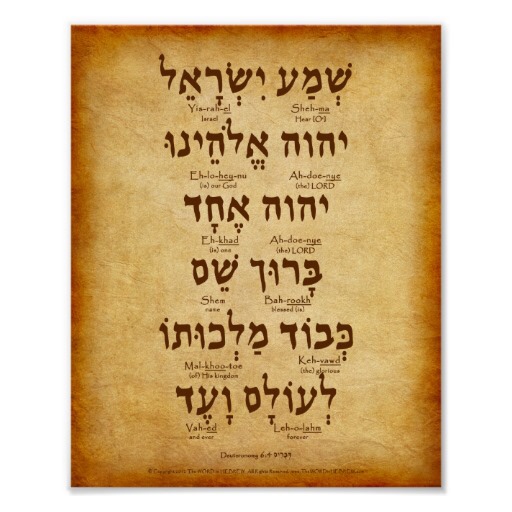
Indeed, this commandment is nestled into the passage which forms the basis of the daily prayer of faithful Jews: “Hear, O Israel: the Lord is our God, the Lord alone. You shall love the Lord your God ….” (6:4-9). The prayer is known as the Shema (שְׁמַע), which is simply the opening word in Hebrew: Hear!

The offering of these words in prayer twice each day is in response to the clear instruction to “recite them with your children and talk about them … when you lie down and when you rise” at all times (Deut 6:7). To this day, it is traditional for Jews to seek to say the Shema as their last words, and for parents to teach their children to say it before they go to sleep at night.

This portion of Deuteronomy also contains the instruction to “bind [these words] on your hand, fix them … on your forehead, wrote them on the door posts of your house and on your gates” (Deut 6:8)—from which the classic traditional pious Jewish garb is derived.

The third century document, the Mishnah (Berakhot 2:5), links the reciting of the Shema with re-affirming a personal relationship with God’s rule. Reciting the Shema was considered to be akin to “receiving the kingdom of heaven.”

In developing Jewish tradition, two additional texts were added to the Deut 6 text, to produce an expanded Shema: Deut 6:4-9, the fundamental instruction to love God; Deut 11:13-21, reiterating the words about binding and talking, and the blessings that ensue; and Num 15:37-41, reiterating the words about fringes as an important reminder to be obedient to God.

Centuries later, the Talmud points out that subtle references to the Ten Commandments the can be found in the three portions, so the Shema is seen as an opportunity to commemorate the Ten Commandments.

The importance of this commandment is clear in Hebrew Scripture, and continues in the tradition which Jesus has inherited, in that “love God” is the fundamental commandment.

Love Neighbour. The second commandment which Jesus cites, “love your neighbour” (22:39), comes from Leviticus, a book whose name comes from a Greek word derived from the priestly tribe of Levi, as many of its laws relate to priests.

Leviticus unfairly bears a negative reputation, our time, for containing pages and pages of “boring, archaic, irrelevant” laws and regulations. (That is, unless you are talking about *that issue*—in which case Lev 18:22 and 20:13, taken quite out of context, suddenly become of primary and enduring significance.)

The command to “love your neighbour” culminates a series a instructions regarding to the relationship with neighbour: “you shall not defraud your neighbour .. with justice you shall judge your neighbour … you shall not profit by the blood of your neighbour … you shall not reprove your neighbour (19:13-18).

It sits within the section of the book which is often called The Holiness Code—a section which emphasises the word to Israel, that “you shall be holy, for I the Lord your God am holy” (Lev 19:2; also 20:7,26).

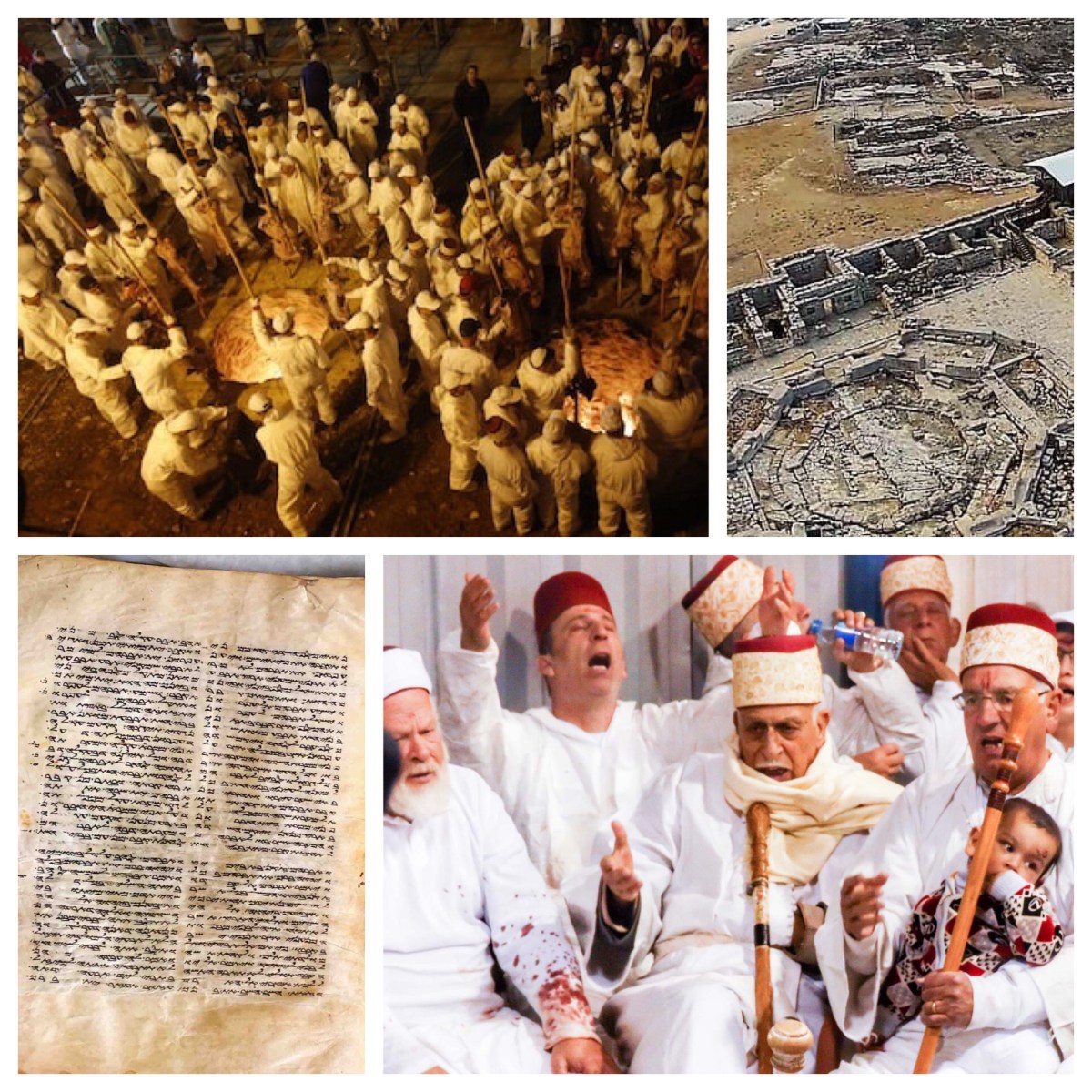
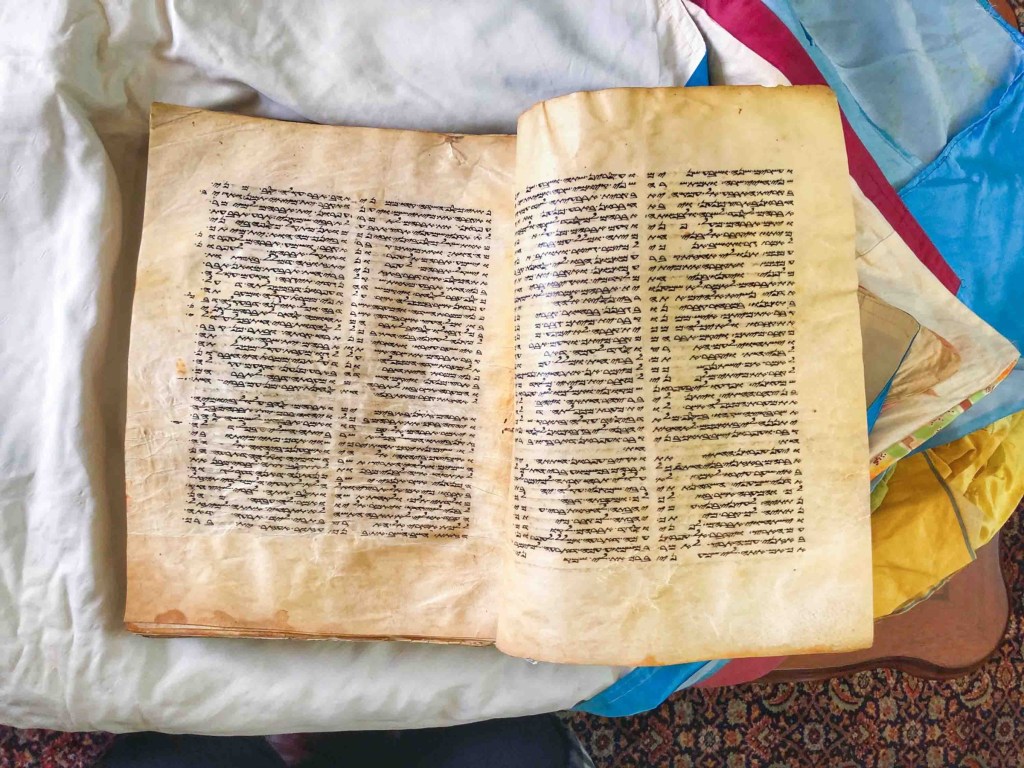
Part of the Paleo-Hebrew Leviticus scroll from the Dead Sea Scrolls,
found in cave 11 at Qumran, the which contains
the oldest known copy of the Holiness Code.

Holiness was central to the people of Israel. Those who ministered to God within the Temple, as priests, were to be especially concerned about holiness in their daily life and their regular activities in the Temple (Exod 28-29; Lev 8-9). The temple priests claimed their role as the authorised interpreters of the Torah, and they were responsible for determining how the matter of holiness was to be worked out in the system of sacrifices brought to the Temple (Ezekiel 44:15–16, 23–24).

Pharisees and scribes alike specialised in the interpretation of Torah and in the application of Torah to ensure that holiness was observed in daily living. They undertook the highly significant task of showing how the Torah was relevant to the daily life of Jewish people.

Whilst the Pharisees clustered around the larger towns in Judea, the scribes were to be found in the synagogues of villages throughout greater Israel, and indeed in any place where Jews were settled. Their task was to educate the people as to the ways of holiness that were commanded in the Torah. It was possible, they argued, to live as God’s holy people at every point of one’s life, quite apart from any pilgrimages made to the Temple in Jerusalem. So there was already an “alternative pathway” for living out holiness in daily life.

“Love your neighbour”, then, was a critical way by which the life of holiness was to be demonstrated.

In this context, then, Jesus reinforces the centrality of loving God in all that we do in our discipleship, as well as underlining the importance of loving our neighbour in all that we do. On these two commandments, says Jesus, “hang all the law and the prophets” (22:40).

That peculiar term, “hang”, has very clear resonances in Jewish tradition. In the third century document, the Mishnah (Hagigah 1.8), we find the claim that “the rules about the Sabbath … are as mountains hanging by a hair”. Centuries later, the Babylonian Talmud (b.Ber. 63a) makes the affirmation that Proverbs 3:6 (“in all your ways acknowledge him”) is “a short text … upon which all the essential principles of the Torah hang”.

Jesus’ affirmation of these traditions of his faith have carried on in the movement which was initiated in the years after his life, death, and resurrection. Paul of course, affirms that “love is the fulfilling of the law” (Rom 13:8-10) and that “the whole law is summed up in a single commandment” (Gal 5:14). In both places he explicitly quotes Lev 19:18.

Centuries later in the developing Christian tradition, Augustine wrote that “all of God’s commandments … are carried out in the right manner when they are motivated by love of God, and because of God, for our neighbour” (Enchiridion 32.121). Still later, the 9th century mystic Theodore of Edessa affirmed that “love unites and protects the virtues” (A Century of Spiritual Texts 83).

We stand on the shoulders of a long line of Jewish faithfulness.

See also https://johntsquires.com/2020/10/01/producing-the-fruits-of-the-kingdom-matt-21/ and the Uniting Church Assembly Statement on Jews and Judaism, https://assembly.uca.org.au/resources/key-papers-reports/item/1704-jews-and-judaism

Paul the travelling philosopher (1 Thessalonians; Pentecost 21–25A)

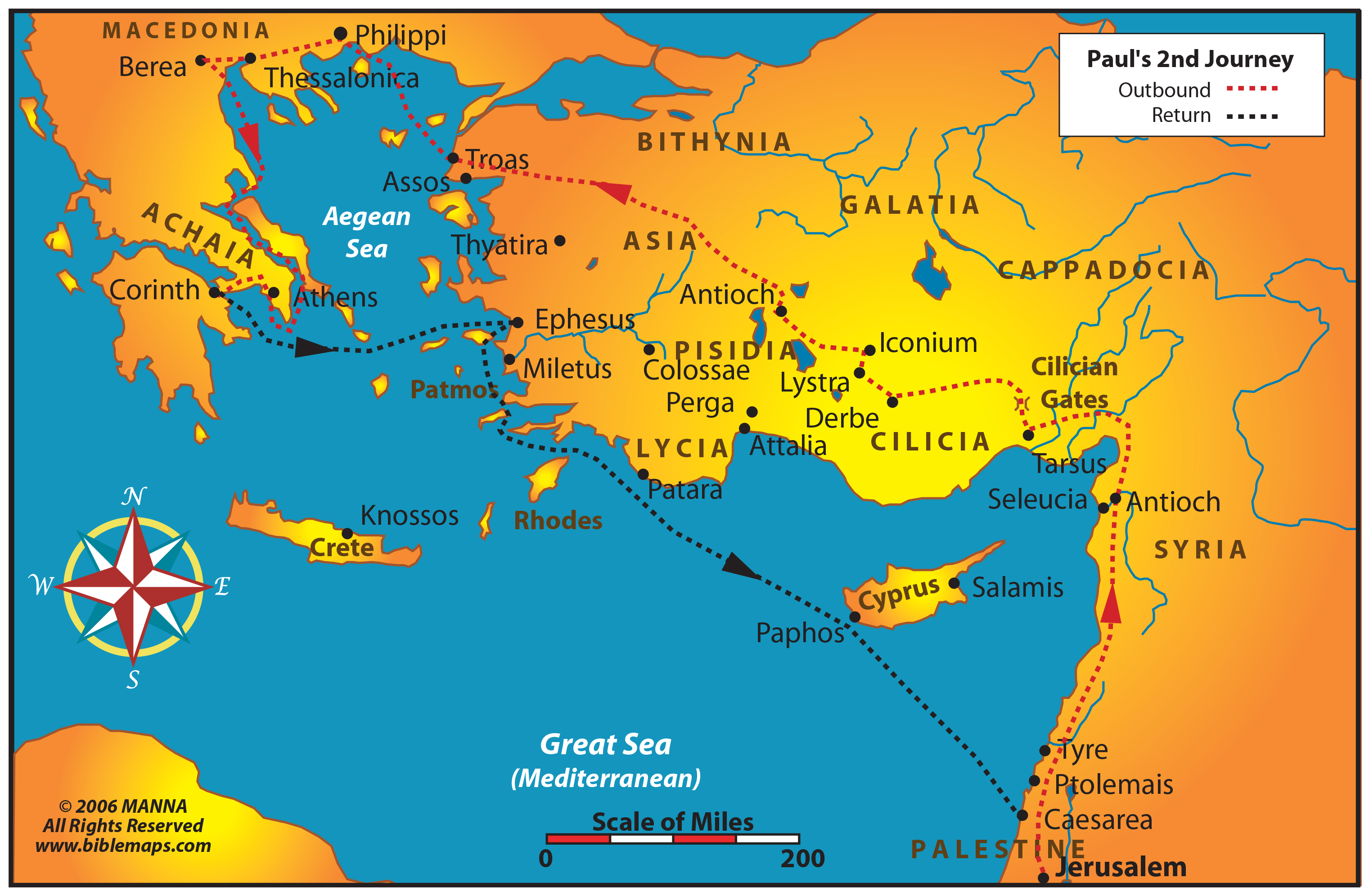
Thessalonika, the capital of the Roman province of Macedonia, was a port city strategically situated on the Egnatian Way, the main transport link between Rome and the eastern part of the empire. It was an important trading post in Greece, second only to Corinth.

Evidence of its cosmopolitan nature includes an Egyptian settlement, a strong Jewish presence, and a Samaritan community in the city. Religion was a part of everyday life, and so worship of all manner of gods and goddesses thrived. There were also schools to learn philosophy, travelling preachers, and synagogues for worshipping Yahweh.

Paul, Silas and Timothy arrived in Thessalonika in the year 50 CE. The account in Acts 17 indicates that they went to the synagogue, where Paul declared that the Jewish scriptures pointed to Jesus as Messiah (Acts 17:2–3). This stirred up antagonism amongst the Jews of the city (Acts 17:5).

Those who accepted Paul’s message, realising that he was just recovering from the experience of prison in Philippi (Acts 16:19–24), sent him and Silas on to their next stop in Beroea after only three weeks in Thessalonica (Acts 17:2). Paul then travelled to Athens (Acts 17:15) and Corinth (Acts 18:1).

See the source image

Little of this is reflected in Paul’s letters to the Thessalonians, apart from a direct comment about his difficulties in Philippi (1 Thess 2:2) and some generalised references to the persecution he was suffering (1 Thess 3:4, 7). Although it is likely that Paul wrote letters before he had visited Thessalonica, none of them are known to us.

1 Thessalonians, dating from the same year (50 CE) as his visit to Thessalonica, is the earliest example of Paul’s letter writing that we have. The letter itself contains no explicit indication of the time or place of its writing; tradition has it that Paul wrote from Athens, although it is more likely that he penned it in Corinth just months after his departure from Thessalonica. His visit was still fresh in Paul’s mind, and he writes with love and concern for the community of believers that he left behind in Thessalonica.

It is obvious that Paul had developed a strong bond with this community, and he is anxious to keep in touch with them (3:5). The letter was in reply to what he had learned from Timothy about their recent progress (3:6).

In the opening thanksgiving of this letter (1:1-8), Paul characterizes the Thessalonians as undertaking a “work of faith and labour of love and steadfastness of hope in our Lord Jesus Christ” (1 Thess 1:8). These terms summarise the key issues to be addressed later in that letter; all three return at 1 Thess 5:8.

Paul writes more about the faith of the Thessalonians at 3:1–10; he commends them for their love at 3:6 and 4:9–10, and prays for it to increase at 3:12. He strengthens them in their hope at 2:19 and 4:13–18. Also in the thanksgiving, he affirmed them for being “imitators of us and of the Lord” (1:6)—a central motif in Paul’s theology.

At the point in the letter where we would expect the body of the letter to begin (2:1), Paul turns his attention to his way of operating whilst he had been with the Thessalonians (2:1–12). He feels the need to defend himself, pointing out that his motivation was not based on “deceit or impure motives or trickery” (2:3), nor did he speak “with words of flattery or with a pretext for greed” (2:5).

Rather, Paul undertook his task with deep-seated care (2:8) and purity of motive (2:10). He invokes the divine no less than nine times in twelve verses, proclaiming that his methods were “approved by God” and that he spoke “to please God” (2:4).

See the source image
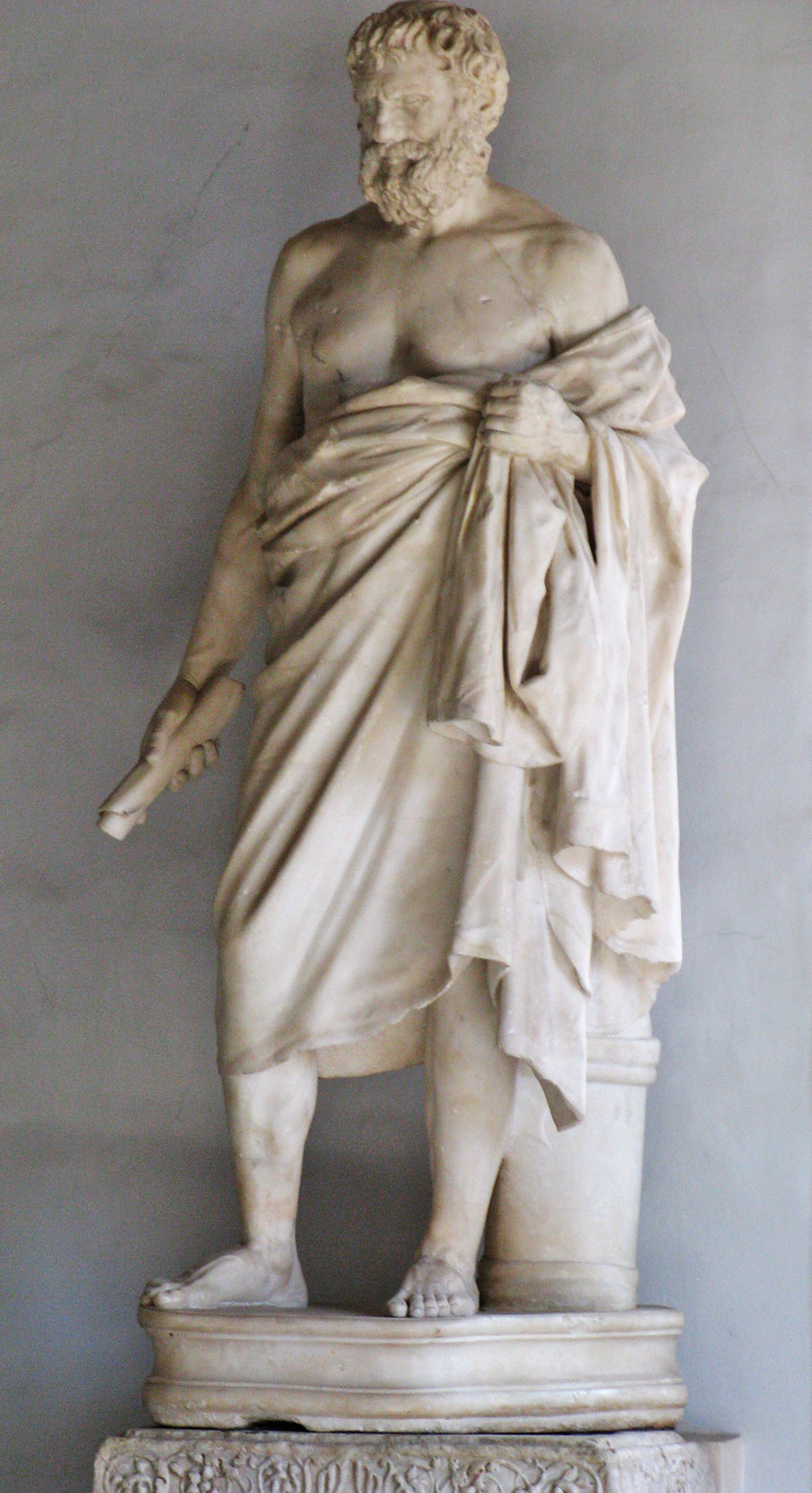
A statue depicting a Cynic, one of the popular
wandering philosophers of the time.

The language which Paul uses in this part of the letter is reminiscent of discussions of rhetoricians and philosophers of the time, a number of whom were accused of having base motives, an interest in self-promotion and a desire for immediate financial rewards! His itinerant way of life could easily leave him open to such a criticism. How Paul defends himself is similar to the way that the better class of philosophers and rhetoricians of the day tried to defend themselves.

See a good summary of Abraham Malherbe’s analysis of 1 Thess 2 in this vein, at http://www.religion.emory.edu/faculty/robbins/SRI/Examples/textures/inter/echo2.cfm