
Today, 4 October, is the day when many churches of various denominations in numerous countries around the world remember two important saints, Francis and Clare of Assisi. Many believers pray to them, or rather ask them to make intercession with God for them. This blog post is in honour of them and the discipleship that they modelled. It is a sermon that I preached in the Dungog Uniting Church on 21 September 2025, during the Season of Creation.
*****
The sequence of Bible readings that we follow in this church throughout the year comes from a resource called the Revised Common Lectionary. A lectionary is a collection of passages from the Bible, arranged in a particular way, and intended for use in Christian worship. The word “lection” simply means “reading”, so a lectionary is just that: an arrangement of readings.
The readings are arranged by season. We all know that the season of Spring has begun; it started on 1 September, at the change of month. Although my nose and eyes had already alerted me, some time before that day, to this turn-of-the-seasons. But as from 1 September, it’s officially Spring.
Of course, there’s are many other signs of the coming of Spring downunder. The days are lengthening, the warming sun is strengthening its heat, the grass and flowers—and weeds!—are returning from their wintry hibernation.
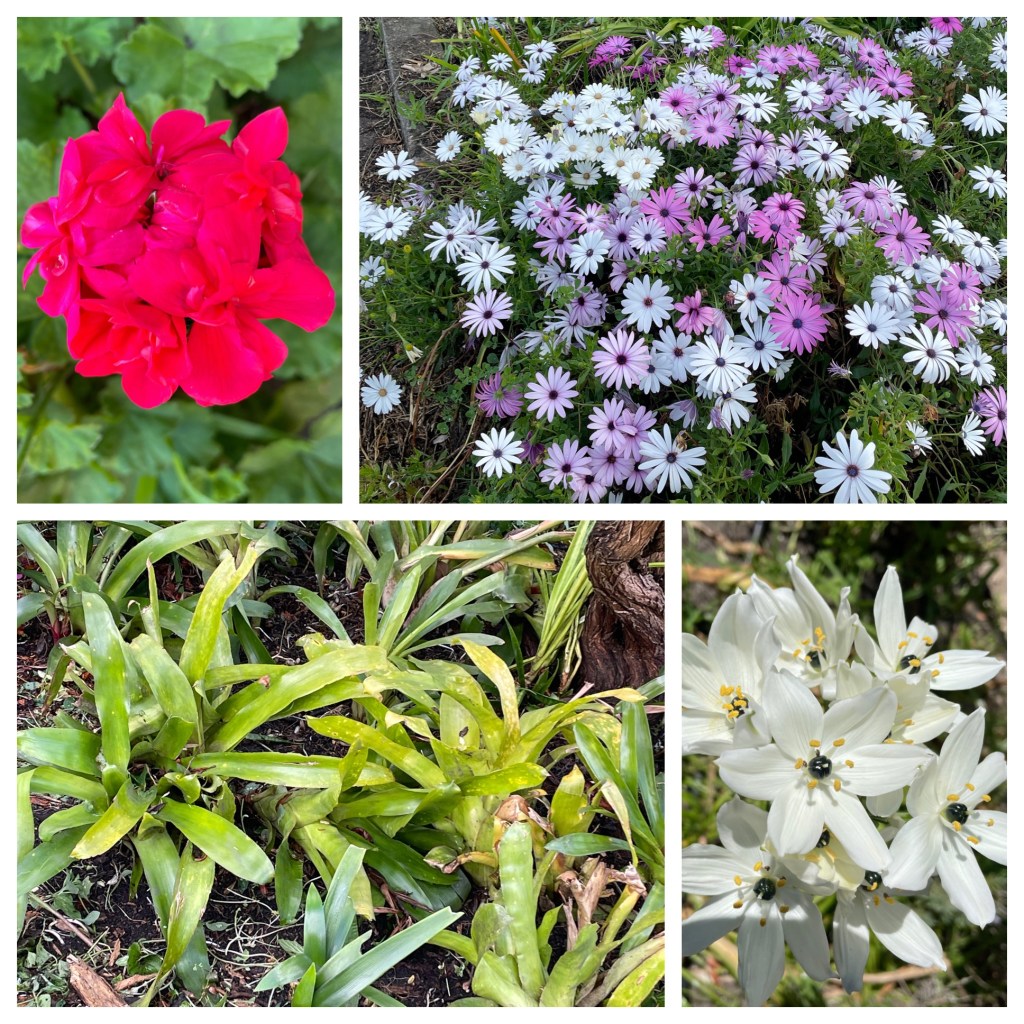
Here in Dungog where I live there is a string of local community events that are planned for these pleasantly warm weeks. We have already had Run Dungog and Sculpture on the Farm, and the Dungog Tea Party. There is also Ride Dungog social bike rides, a new art exhibition in one of the local galleries, the Dungog Rumble for hot rod cars, and then the Dungog Show early in November.
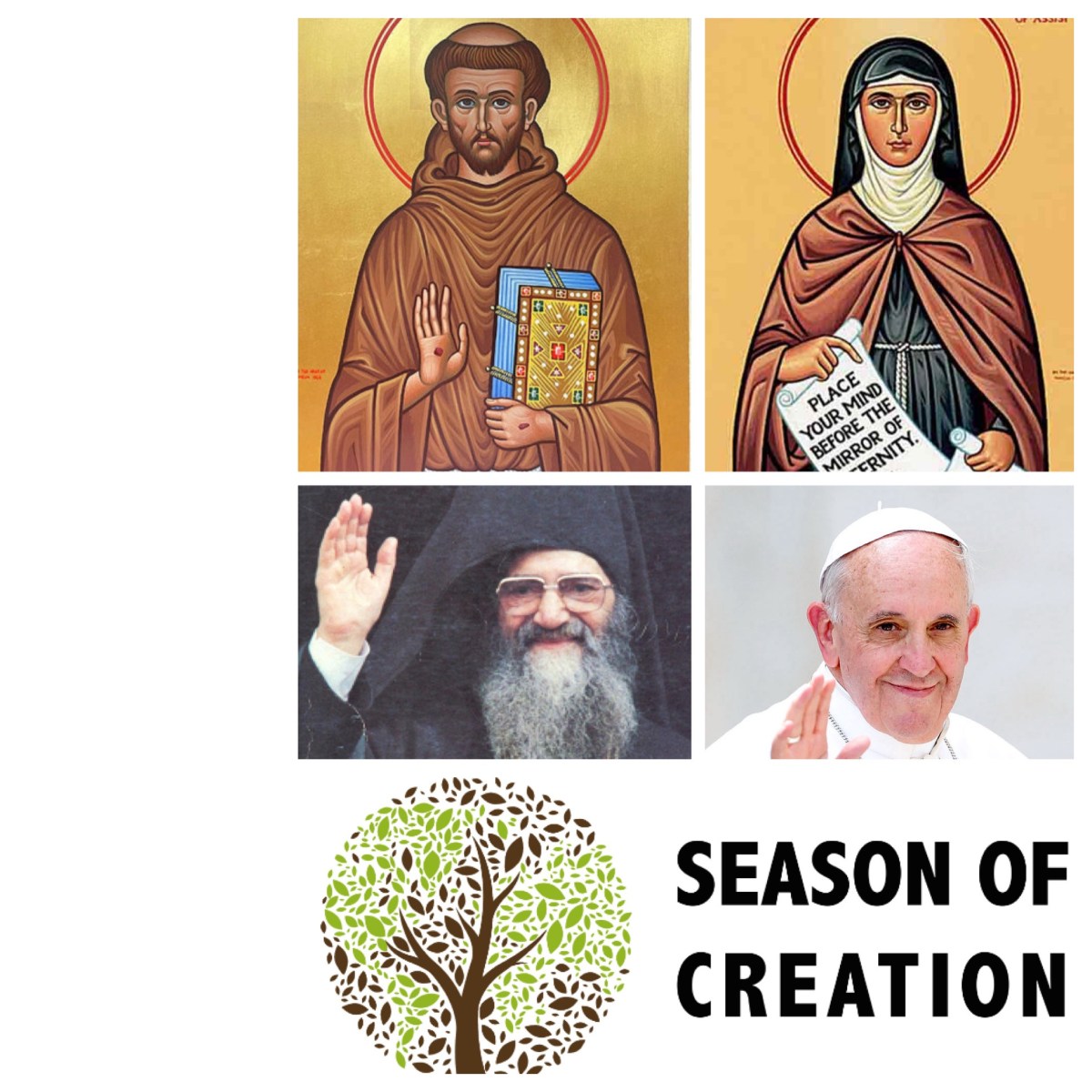
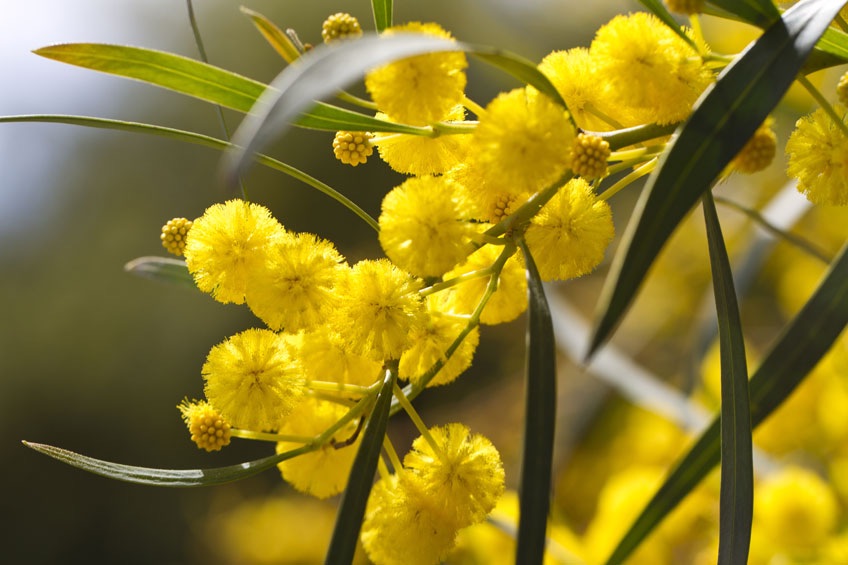
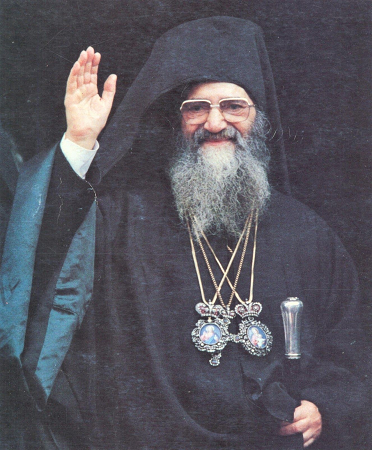
However, alongside the seasonal change, there’s also an ecclesial significance to the change-of-season taking place. In 1989, the Ecumenical Patriarch Dimitrios I (bottom left), the head of the Eastern Orthodox Church, declared 1 September to be a day of prayer for the natural environment. I guess it’s somewhat overshadowed by the fact that in Australia, this day is Wattle Day, honouring the national floral emblem of our nation. But in the church calendar, 1 September was the Day of Prayer for the Environment.
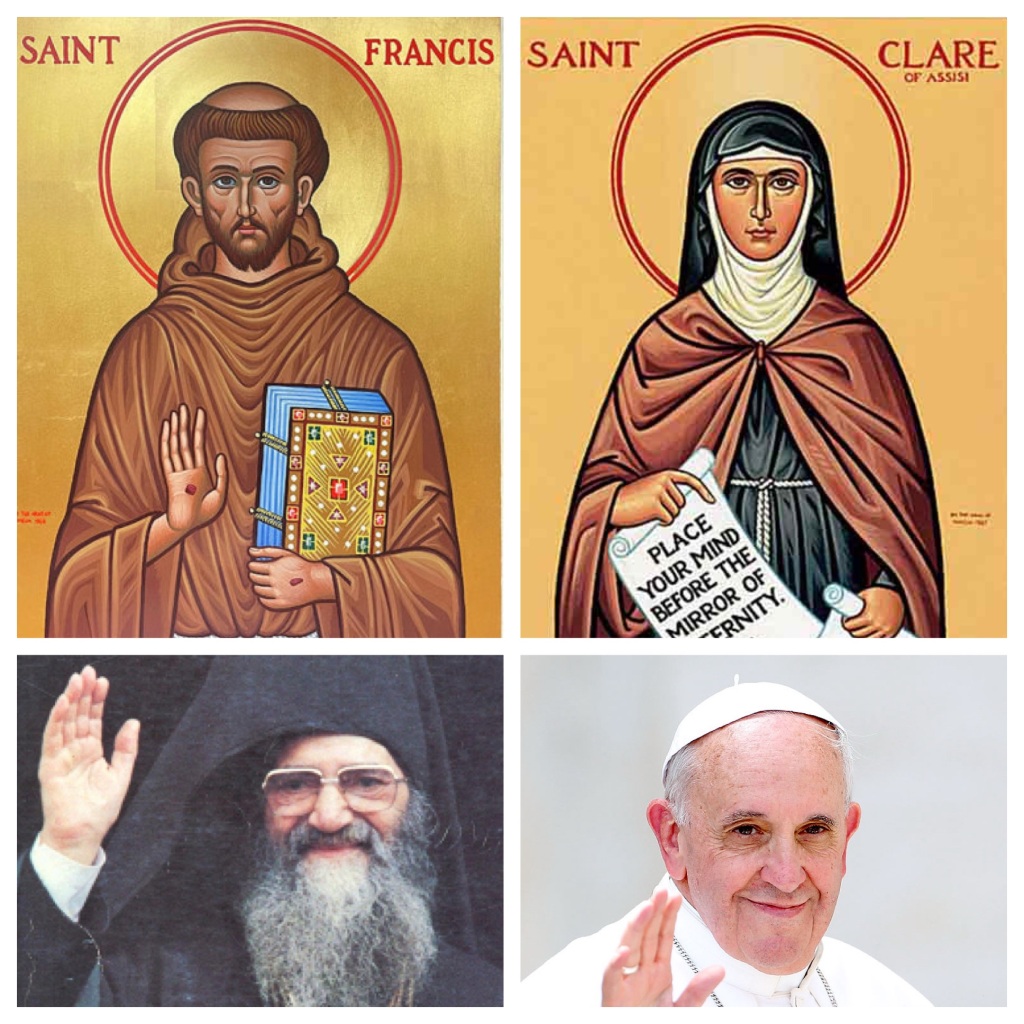
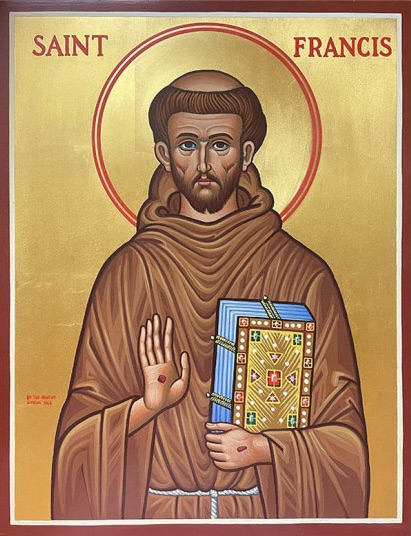
In 2008, the World Council of Churches made a decision to extend this focus beyond one day. It invited all churches to observe a Time for Creation from 1 September to 4 October—the day which had long been kept as the feast day for St Francis of Assisi (top left).
Francis, of course, is probably the most popular Catholic saint in the world. He is the one who preached to the birds; blessed fish that had been caught, releasing them back into the water; communicated with wolves, brokering an agreement between one famous ferocious wolf and the citizens of a town that were terrified of it; and used real animals when he created the very first, live, Christmas nativity scene. As a result of these, Francis is the patron saint of animals and the environment. And he is the inventor of the familiar nativity scene.
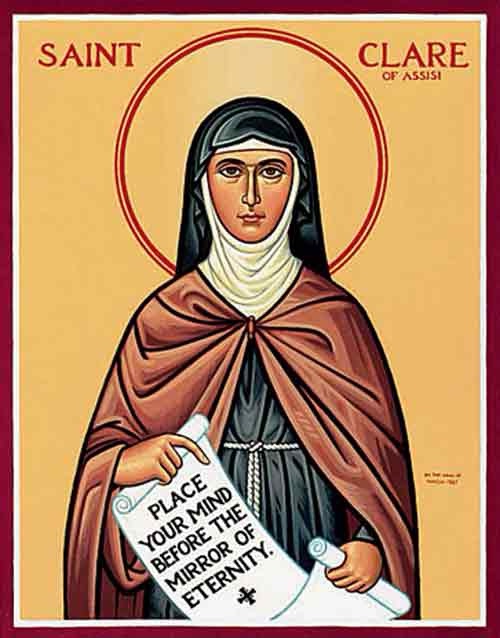
Every 4 October, Francis of Assisi is remembered in churches around the world—along with St Clare of Assisi (top right) who, like Francis, came from a noble family, but decided to renounce it all to live a life of simplicity with Francis and his brothers. Unlike Francis, who was a mendicant, a wandering friar, Clare lived an enclosed life of poverty and prayer, leading a community of women who shared the same vision.
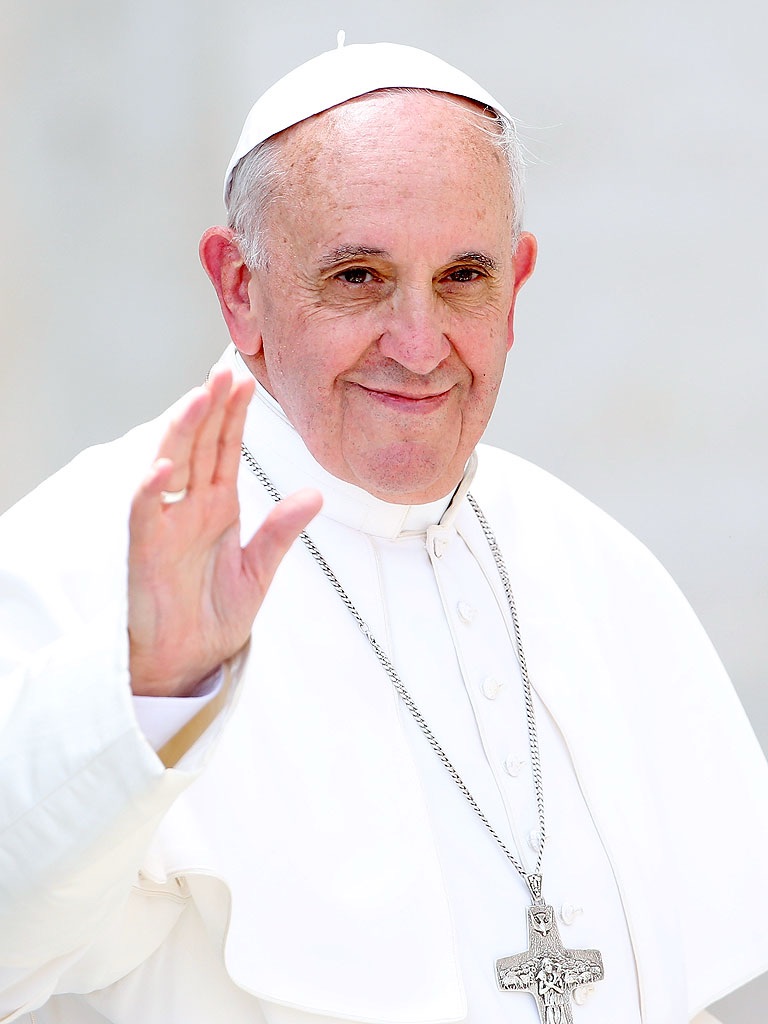
In 2019, the Pope who had taken the name of Francis for his time as Pontiff (bottom right) adopted the Season of Creation for Roman Catholic worship. It runs from 1 September to 4 October. And so, in many churches around the world, the whole of September is now designated as a time to focus on Creation—a truly ecumenical festive season, involving Eastern Orthodox, Roman Catholic, Anglican, Lutheran, and many Protestant churches alike.
The Rev. Dr Elizabeth Smith is an Anglican priest living in Western Australia and a well-known hymn writer; she wrote the words for “God gives us a future”, for instance, and for “Where wide skies roll down”, which we will sing in a few minutes. Dr Smith recently attended an internal colloquium which was exploring the adoption of a Season of Creation by all mainstream denominations.
She described the impetus for such a gathering in this way: “Christians have joined the growing chorus lamenting the climate crisis and its effects on nature and on vulnerable humanity, especially the poor. Energy is coalescing around liturgical acknowledgement of the value of ‘creation’—both God’s creative action and the universe it produces.”
She then noted that “Ecumenical efforts are pressing toward a feast or season that raises both the act and fact of creation to the praise and thanksgiving of assemblies across denominations, from the Orthodox and Catholics where the initiatives began, to Anglican, Reformed, Lutheran, Methodist, and Pentecostal fellowships and associations.”
We can only hope that this initiative moves from “a good idea” to “a practical implementation” of that good idea! It will be good to have a regular formal liturgical accompaniment, ecumenical and international, to the signs of the change of season that is all around us.
In the meantime, we have opportunity today to give some attention to the environment; to celebrate the wonderful achievements of God’s creative work all around us; to lament the ways that human beings have ignored, exploited, and destroyed elements of that creation; and to commit to living in ways that honour the creation, ensure its continued viability, and plant seeds of hope for the future.
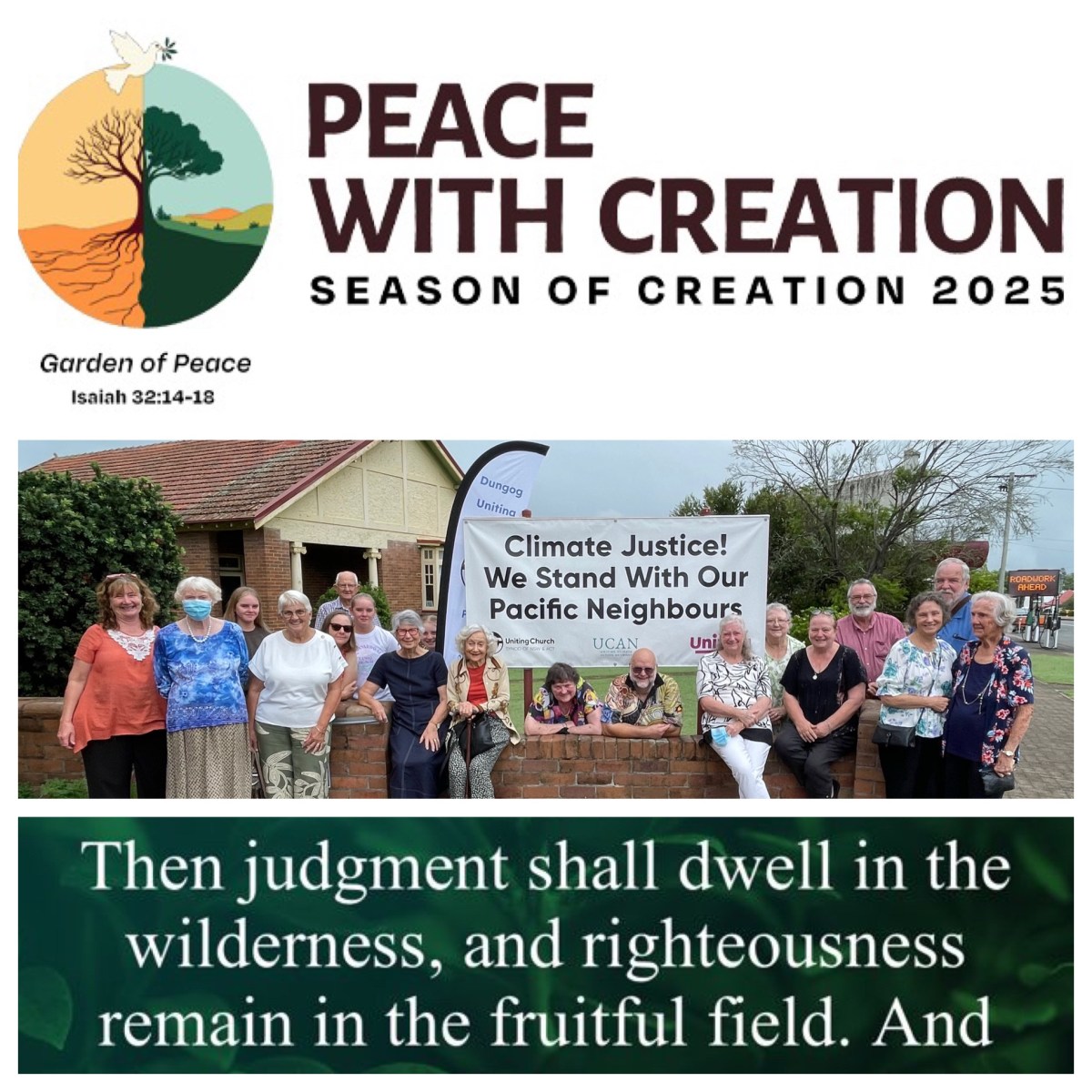
The theme for the Season of Creation this year is Peace with Creation. It’s a theme that is inspired by the example of Francis and c,are, but is taken directly from words in the passage we heard in Isaiah 32, in which the prophet offers words of hope after the time of exile and despair has taken place. Isaiah foresees that “a spirit from on high is poured out on us, and the wilderness becomes a fruitful field, and the fruitful field is deemed a forest” (Isa 32:15).
In these words, the prophet offers a fine, bountiful expression of the abundance that exists in creation; an abundance which came into being, as the priests would describe in their story telling of the act of creation, when the spirit of God, in the form of a mighty wind, “swept over the face of the waters” and energised the creation of earth and sky, seas and trees, fish and birds, land creatures—and human beings (Gen 1).
Isaiah draws from this priestly story, which we know from Genesis 1, and then continues, describing this coming time as a period when “justice will dwell in the wilderness, and righteousness abide in the fruitful field” (Isa 32:16). These are the two central qualities that God desires amongst human beings—justice and righteousness.
“Happy are those who observe justice, who do righteousness at all times”, one of the psalmists sings (Ps 106:3). As king, Solomon is told that “the Lord has made you king to execute justice and righteousness” (1 Ki 10:9). The prophet Amos most famously declared, “let justice roll down like waters, and righteousness like an ever-flowing stream” (Amos 5:24).
And in the time of exile, Jeremiah prophesies about what lies ahead, stating that God has said to him, “I will cause a righteous Branch to spring up for David; and he shall execute justice and righteousness in the land” (Jer 33:15). For Christians, of course, this righteous branch, executing justice and righteousness, is considered to be Jesus, the chosen servant, upon whom God pours out the spirit, so that “he will proclaim justice to the Gentiles” (Matt 12:18).
The vision that Isaiah has shares elements, also, with an earlier passage, in which he looks to the child to be born, who is “named Wonderful Counselor, Mighty God, Everlasting Father, Prince of Peace” (Isa 9:6). This passage, also, we Christians appropriate and claim that it gives us insight into the nature of the child born in Bethlehem,raised in Nazareth, and crucified in Jerusalem. “His authority”, Isaiah declares, “shall grow continually, and there shall be endless peace” (Is 9:7).
So in chapter 32, Isaiah continues, declaring that “the effect of righteousness will be peace, and the result of righteousness, quietness and trust forever. My people will abide in a peaceful habitation, in secure dwellings, and in quiet resting places” (Isa 32:16–18). The global vision of how the environment will operate is that it will be a time of abundance, a time of justice and righteousness, a time of peace.
How will God achieve such a wonderful time? What role do human beings have in helping the divine to shepherd this time of environmental peace into being? What do we have to do to bring abundance, justice, and peace into being across the world? What do we have to do give up to ensure there is plenty for all, equity for all, and peaceful co-existence amongst human beings, amongst all creatures, across all the ecosystems and environments existing in this world?
And especially, how do we convince our leaders to act so that there is peace in the world: peace in Gaza, peace in the Ukraine, peace in Sudan, peace in the Yemen, peace in the many places where conflicts still continue.
The Season of Creation stands as a time when we can consider what we do that harms the planet … what we do that contributes to the destruction of forests, the endangerment of species, the futile warfare amongst human beings. This Season calls us to walk lightly on the earth, recycle and reuse in every way, decline plastic in our shopping, buy local food and minimise the mileage travelled by ships and trucks transporting food across large distances.
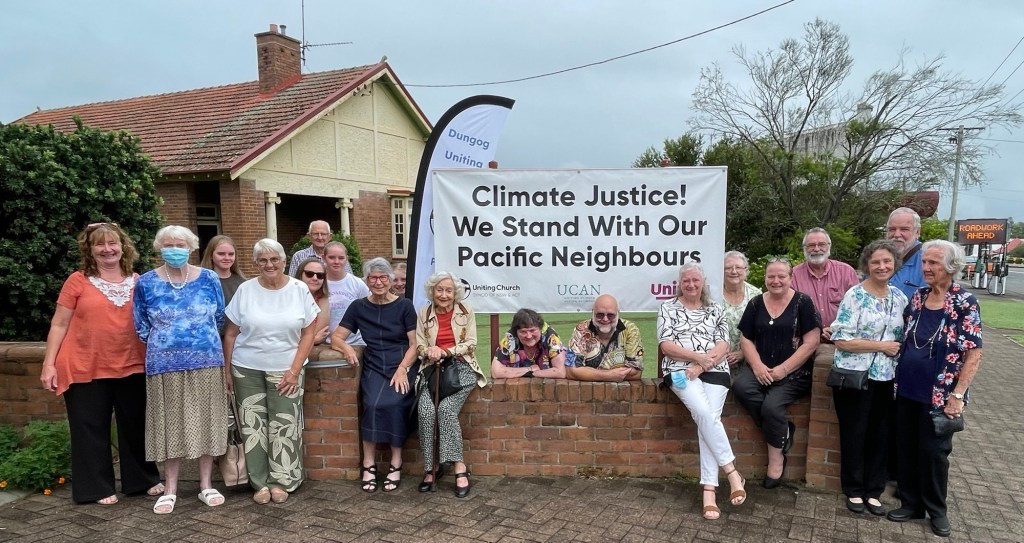
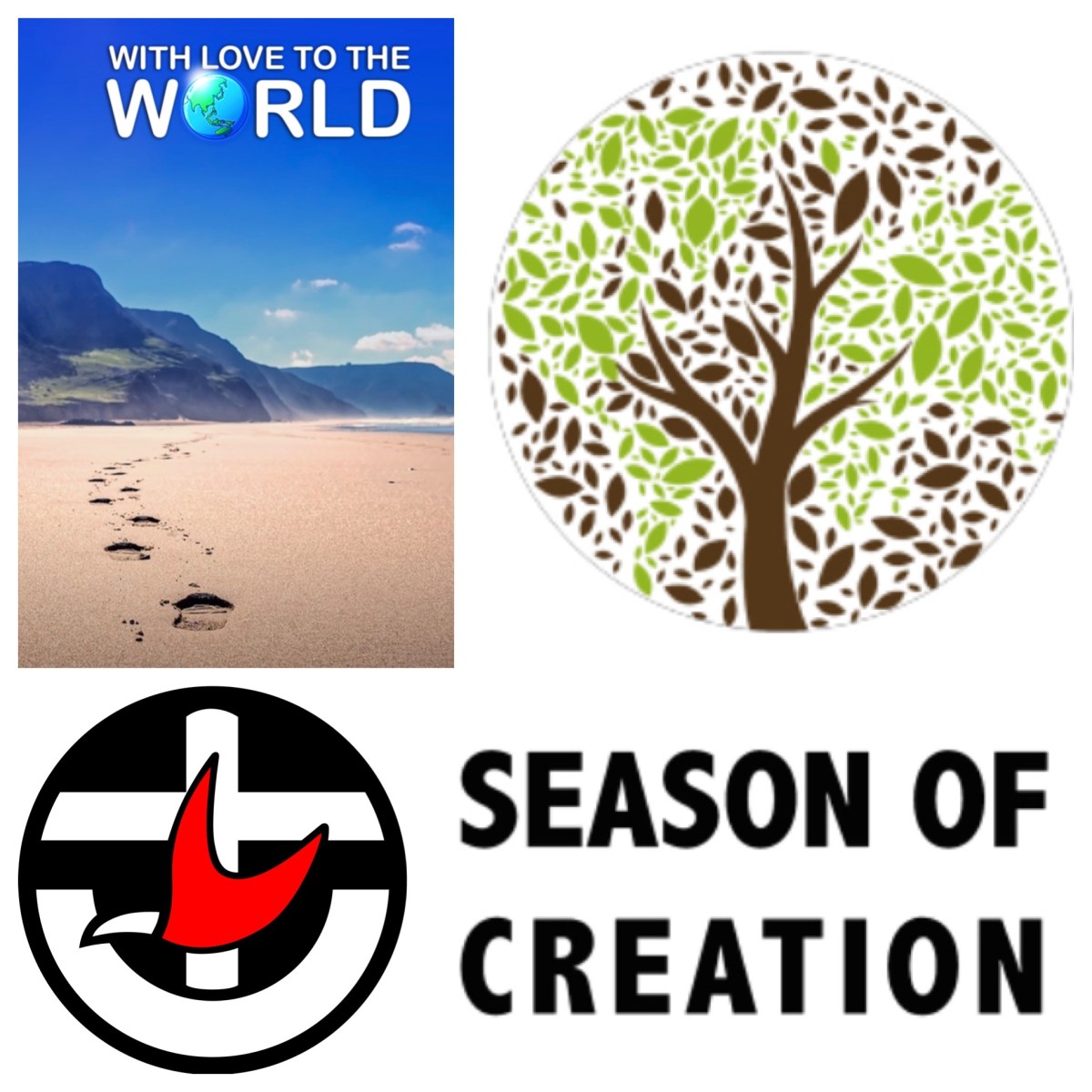
The sign on display at the front our our church in Dungog declares our commitment to such a way of living, as individuals and families, and as a church. And hopefully, as a nation, as our leaders consider the latest report on what needs to be done to ensure the growth of renewable industries and the closure of coal mines—with appropriate retraining for all those employed in mines at the present. This sign is an expression of solidarity with friends in the Pacific region whose countries are slowly being swamped by rising sea levels; it is an expression of our care for the whole creation.
Can you see the vision of fruitful abundance, security and peacefulness, for the whole of creation that Isaiah sets forth? And in seeing that vision, can you commit to small, achievable, daily actions that contribute to ensuring this vision can become a reality? May this be the path we see ahead of us; may this be the path we walk in the days ahead.

 An Informed Faith