“We do not lose hope” (2 Corinthians; Pentecost 3B—6B)

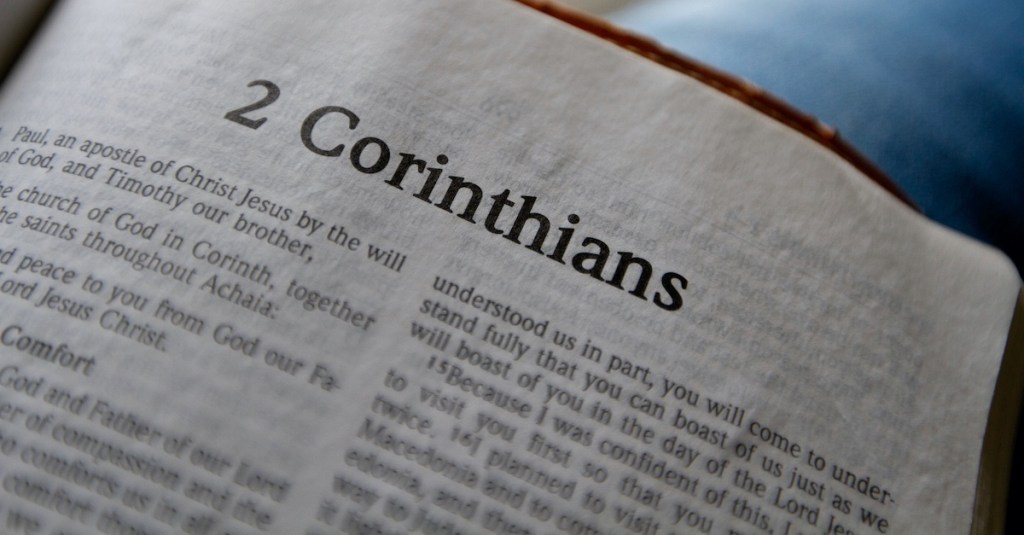
At the moment, the lectionary is offering us selections from the second of two letters included in the New Testament, written from Paul to the believers in Corinth. This week, we have an excerpt that affirms, “we do not lose hope” (2 Cor 4:16), and encourages the Corinthians, “we know that if the earthly tent we live in is destroyed, we have a building from God, a house not made with hands, eternal in the heavens” (2 Cor 5:1). Next week, we encounter the affirmation, “if anyone is in Christ, there is a new creation: everything old has passed away; see, everything has become new!” (2 Cor 5:17).
These words are positive and affirming. Paul is in a good frame of mind about the Corinthians. He offers them phrases which build them up in faith, consistent with his words in his first letter to these believers about what should be done as a community (1 Cor 14:4, 12, 26; and see also Rom 15:2; 1 Thess 5:11).

Paul’s first letter indicates that he concentrated his mission in Corinth on Gentiles, non-Jews (1 Cor 12:2; 16:15–18), and it would seem that he had significant success there (see also Acts 18:1–18). He stayed in Corinth for some time, earning his own living and working with other people in the early Christian movement, such as Peter, Apollos, and the tentmakers, Aquila and his wife Priscilla, two of the Jews expelled from Rome by Emperor Claudius in a general expulsion a few years earlier.
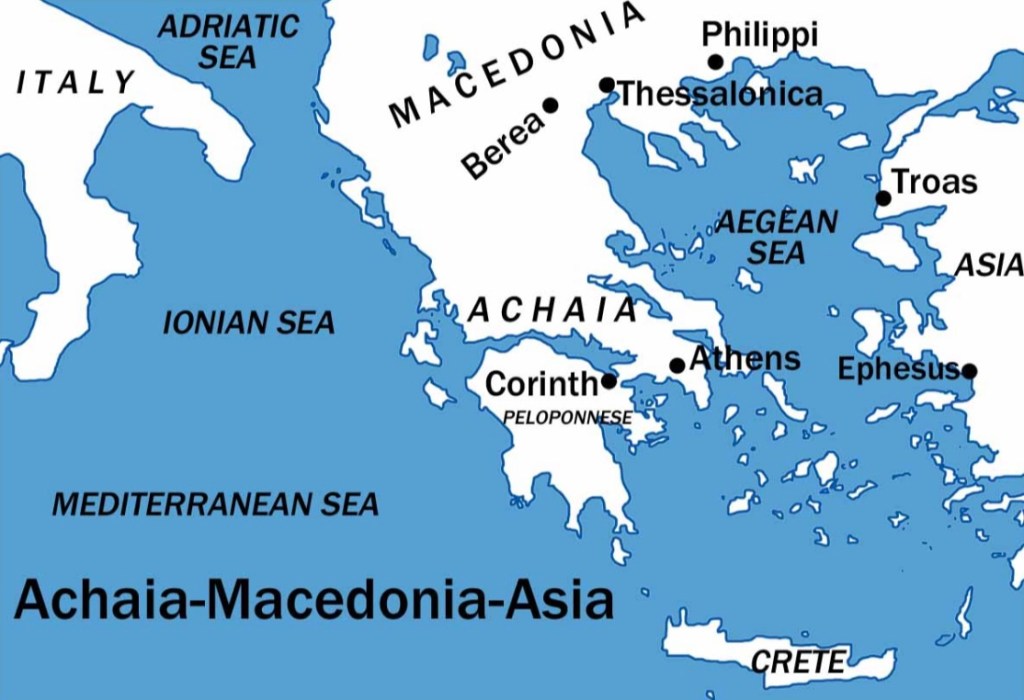
Paul was successful in establishing a new Christian community in Corinth. This undoubtedly caused tension with the local synagogue, as Paul was preaching that Jesus was the Messiah, whom Jews were expecting to come (Acts 18:4). This success may have led to his being dragged before Gallio, the Roman proconsul, by the local Jews, charged with heresy.

Gallio dismissed the charge as a matter of concern to the Jews alone; it was not a matter for the Roman authorities to be involved with (Acts 18:12–17). Gallio was proconsul in Corinth in the years 50–51, so this provides the date for Paul’s visit there. Soon afterwards, Paul left Corinth, accompanied by Aquila and Pricilla, bound for Antioch, but on the way they stopped over in Ephesus (Acts 18:18–21).

*****

After Paul left Corinth, he remained in contact with the community of believers there, as the two letters of Paul to the Corinthians attest. He indicates that he wrote the first one whilst in Ephesus (1 Cor 16:8). Yet in that letter, Paul refers to his “previous letter” to Corinth (1 Cor 5:9); so it seems that 1 Corinthians was probably the second of his letters to Corinth, and what we know as 2 Corinthians might actually be 3 Corinthians!
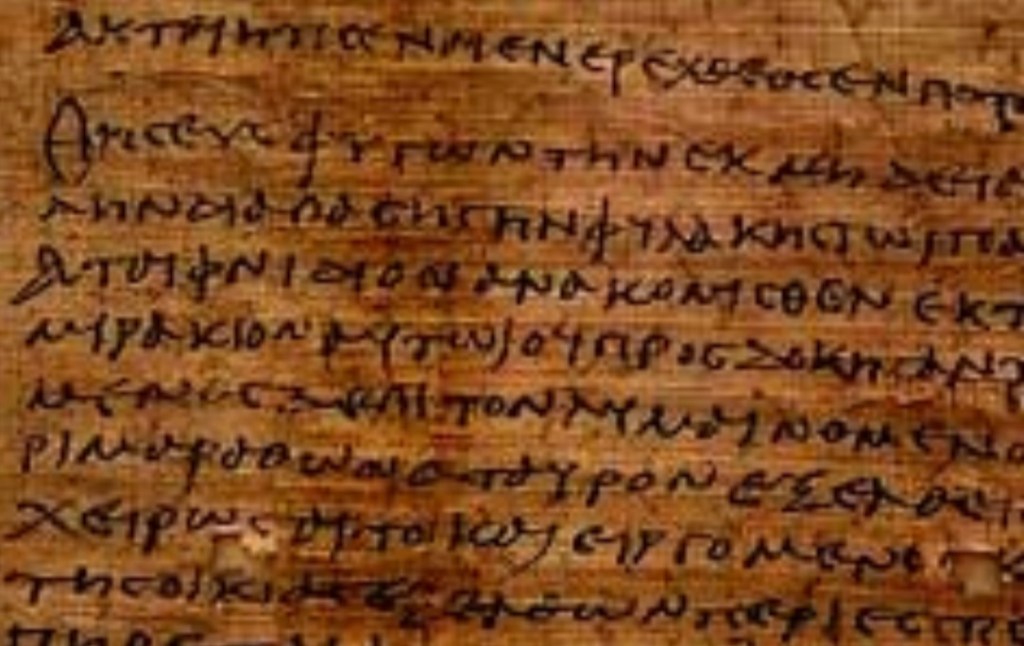
But then, our letter of 2 Corinthians refers to a second visit which Paul made to Corinth—the “painful visit” (2 Cor 2:1)—followed by another letter from Paul to the Corinthians—the “tearful letter” (2 Cor 2:4; 7:8). So what we know as 2 Corinthians was probably the fourth letter that Paul wrote to the Corinthians!

Indeed, the integrity of 2 Corinthians as we know it has been questioned, and scholarly scrutiny of the form and contents of the letter even suggests that it may be a composite of two, three, or even four letters which were originally separate communications. So Paul’s fourth letter to Corinth, which we call 2 Corinthians, is comprised of a number of main sections, each of which has its own distinctive focus.

*****
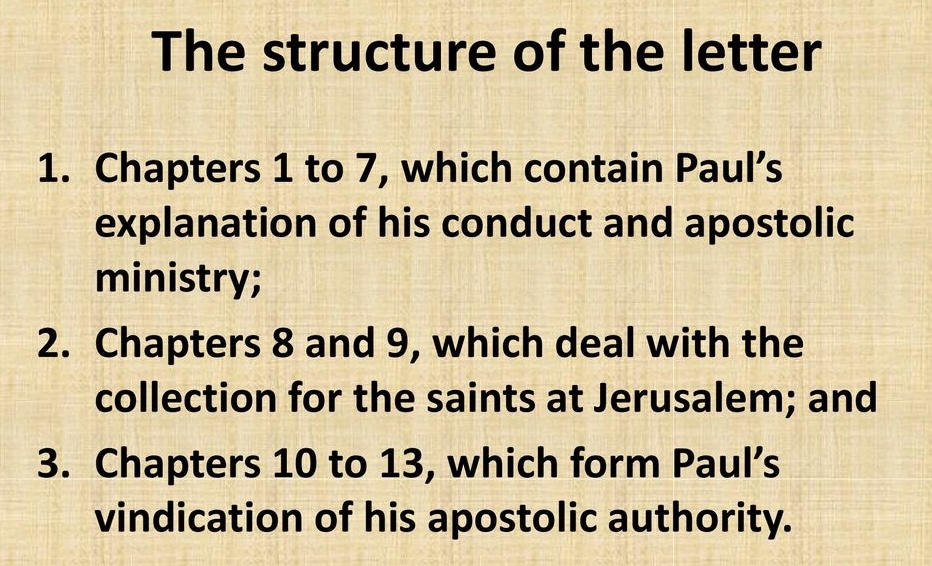
In the first section of the letter (1:1–7:16), Paul writes to offer consolation and hope to his converts in Corinth. It is clear that members of the community have undergone some difficult times; Paul empathises with them, drawing on his own experiences, as a way of offering a message of hope to the believers in Corinth. The excerpts we heard in worship last Sunday (Pentecost 3), and will hear this Sunday (Pentecost 4), come from this part of the letter—warm, encouraging, affirming.

This first section contains a brief excursus (6:14–7:1), which is of a markedly different character—leading many scholars to the conclusion that Paul himself did not write these verses. (How they came to be included in the final letter, then, poses something of a mystery requiring more detailed attention than we can give it here.)

In a second main section (8:1–9:15), Paul addresses a very practical matter—the collection of money which he was making amongst the churches of Achaia and Macedonia, which he was planning to take to Jerusalem for the benefit of the believers there who had been experiencing difficulties. In this section, Paul focuses on the need for unity among the churches, both Gentile and Jewish, which lies at the heart of this enterprise. The lectionary selects one paragraph from this section for Pentecost 5.

In the third main section (10:1–13:13), Paul’s tone is markedly apologetic, as he writes in severe tones to defend himself in the face of criticisms which have been levelled against him in Corinth. Here, the issue is how to discern true and false teachers amongst the leadership active within the churches. That’s the section that provides one of the readings for Pentecost 6, which ends with Paul’s famous declaration, “whenever I am weak, then I am strong” (12:10).
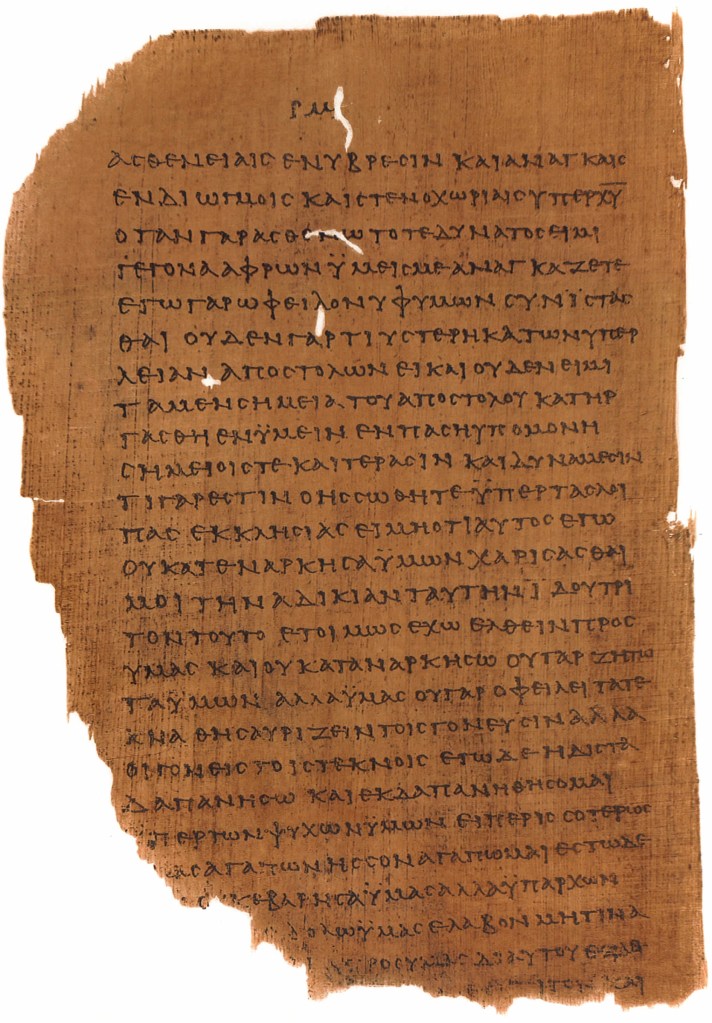
A page from Papyrus 46 (P46) with the text of 1 Cor 12:10–18

******

As was the case in a number of churches where Paul was active, a group of traditional Jewish believers had become active and were persuading the Corinthians to adopt beliefs and practices different from those advocated by Paul. The task which Paul undertakes in these chapters is to validate his own authority over and against this other group, and encourage the Corinthians to remain faithful to the good news which he first brought to them.

Paul’s theology of the cross, clearly articulated in 1 Cor 1–4, provides the basis for the approach that he takes in 2 Cor 10–13. He emphasises his frailty (10:10) and reiterates the catalogue of sufferings that he has experienced (11:23–29; 12:10; cf. 6:4–10) but argues that this is the sign of his true calling as an apostle, for “power is made perfect in weakness” (12:9).

So Paul asserts that his authority comes not from self-validation, but because he bears the Lord’s commendation (10:18), and his sufferings demonstrate that “whenever I am weak, then I am strong” (12:10), in accordance with the pattern established in the crucifixion of Jesus himself (13:3–4).

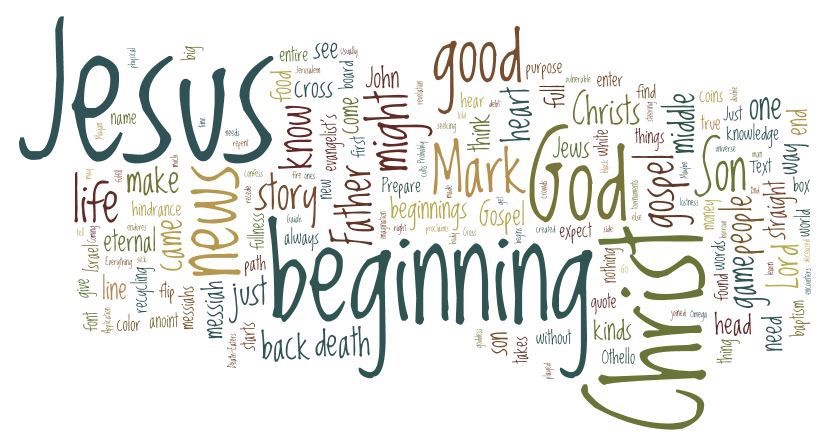
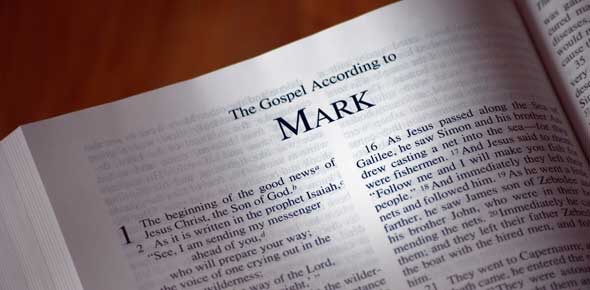
The beginning of the good news of Jesus the chosen one

This week, after the long haul of Lent–Easter–Pentecost, the Revised Common Lectionary resumes a weekly offering from the earliest, and shortest, account of the life of Jesus. We are offered Mark 3:20–35 as the Gospel reading for this coming Sunday.

We know this work as the Gospel according to Mark. The manuscript this text contains an opening verse which may well have served as the title for the work: the beginning of the good news of Jesus the chosen one (Mark 1:1).

As we resume weekly excerpts from this Gospel, it is good to remember how this work came into being.

Jesus did not write an account of his life. In fact, we know of nothing enduring that he wrote. In the New Testament, we have four accounts which relate how Jesus called followers to travelled with him around Galilee, and then to Jerusalem, where they witnessed his arrest, trials, crucifixion, and burial of their leader.

Subsequently, they attested that he had been raised from the dead and had appeared to them to commission them for their ongoing task. We have four of these accounts. They each have their own distinctive features.

The story of Jesus is told, first, in the beginning of the good news of Jesus the chosen one, the shortest account. We know this, because of Church tradition, as the gospel according to Mark. This work, it is clear, forms the primary source for two subsequent accounts of Jesus: the book of origins of Jesus, chosen one (the gospel according to Matthew) and an orderly account of the things fulfilled amongst us (the gospel according to Luke).

In this earliest written account of Jesus, we find stories told by Jesus, and stories told about Jesus, which had already been circulating in oral form for some decades. It is likely that some of these stories had already come together in short collections.

The distinctive contribution of this collated story was twofold. First, it places side-by-side a number of different traditions, or collections of stories, about Jesus. Second, these stories are arranged in a dramatic way, beginning with the stories about Jesus in his native area of Galilee, and culminating in the account of Jesus’ passion in Jerusalem.

This work thus provides a much fuller ‘story of Jesus’ than any of the individual oral stories about him. Isolated incidents are placed within a larger context. Individual sayings and deeds of Jesus are grouped together with similar sayings or deeds. Episodes are linked together to form a coherent account of who Jesus was and what it meant to follow his way.

There are two main parts this account of the beginning of the good news of Jesus the chosen one: telling stories about Jesus in Galilee and on his journey to Jerusalem (Mark 1–10) and then telling what happened to Jesus in Jerusalem (Mark 11–16).

But this account of Jesus is more than just a compilation of existing stories. It is infused with vigour and intensity. The story moves from one incident to the next; yet the whole Gospel is a carefully-crafted piece of literature. A sense of drama runs through the Gospel. You might be forgiven for thinking that this is a movie script!

The conflict between Jesus and the authorities is hinted at in the claim that Jesus speaks blasphemy and then is revealed in full in the plot that is initiated; the shadow of destruction hangs over Jesus from the beginnings of his activity. The tension mounts, from the early days in Galilee, towards the events that will take place in Jerusalem. The people of his own town took offense at what he was preaching and even his closest disciples seemed unable to grasp what he was teaching them (see 8:21; 9:33; 10:35–40).

The popularity of Jesus as he entered Jerusalem was fleeting, even though he acquitted himself so well in arguments with the leaders in Jerusalem (11:27–12:40). His actions in the Temple forecourt were controversial and it is clear that this incident raised opposition to him to a high level. The final teachings he gave his disciples begin with a prediction of the destruction of the Temple before recounting the apocalyptic woes that are in store (13:3–37).

The plot hatched by the authorities led them to stir up the crowd to call for his death. Jesus was betrayed by one of his closest followers, all knowledge of him was denied by another, and all abandoned him at his point of need. The tragic climax of Jesus’ death is a scene of utter abandonment: “my God, my God, why have you forsaken me?” (15:34). Only some—a group of faithful women—watched from afar before they came to provide an honourable burial for the man who was condemned and dishonoured—but precisely there, a surprise awaits them.
Yet the account found in the beginning of the good news is still more than a dramatic account of a tragic death; for this work appears to be a kind of political manifesto, advocating the way of Jesus in a situation of deep tension and widespread conflict. The whole Gospel conveys the significance of Jesus and his message about the kingdom: “the time is near!” (1:15).
This story reveals the key fact that faithful discipleship will mean enduring suffering, as Jesus did. He writes to help believers understand what it means to follow Jesus and to take up the cross (8:34). These were potent words in the Roman Empire; death by crucifixion was the fate in store for criminals, especially those engaged in any political activities which the Roman authorities perceived to be a threat to the peace of the Empire.

Jesus’ injunction to “take up your cross” was advice which was loaded with danger. Was he advocating resistance against an oppressive Roman rule? The story which is told in this Gospel addresses issues which were pressing on the lives of those who told it, read it, and heard it.

Almost all of this work, the beginning of the good news, appears in basically the same order, in the two following accounts—the orderly account of the things that have been fulfilled among us and the book of origins of Jesus, chosen one. (We know these works as the Gospel according to Luke, and the Gospel according to Matthew.)

Both of these accounts expand the story, incorporating additional material—some is found in both accounts, other stories are recounted in one or the other of the orderly account and the book of origins. So the contribution made by the beginning of the good news is significant, and enduring.

What can love hope for? A review.

Bill Loader is widely-known, much-consulted, and greatly loved across the Uniting Church. He has had a fine career as a leading biblical scholar, teaching for decades at Murdoch University and publishing prolifically with prestigious international publishers.

This academic career has sat alongside an active involvement in the Uniting Church, preaching in local Congregations, teaching regular sessions with lay leaders, and forming ministers and deacons for their ministries. His website with its scholarly yet accessible discussions of lectionary texts (http://wwwstaff.murdoch.edu.au/~loader/home.html) attracts regular readership, not only from Uniting Church people, but from preachers right around the world

Out of this wealth of experience comes this slim but rich offering: ten succinct chapters (most only ten to twelve pages long) on topics of key theological import: the significance of Jesus, the good news for the poor, how to understand the cross, the place of other faiths, God’s wrath and God’s justice, the place of the Law, miracles and faith, God and love–and, of course, marriage and sexuality. All in 110 pages.

Each chapter ends with a focused “question for reflection”, to encourage ongoing consideration of the topic at hand. The book itself ends with a bonus afterword, setting out Bill’s personal journey “from fundamentalism to fundamentals”. The afterword concludes, “we all walk with some grit in our shoes in religious and cultural contexts where its awareness is possible even if, by and large, its removal is not” (p.130).

Loader seeks to work with the irritants provided by this “grit” in a constructive and hope-filled way, to indicate how, in the midst of contentious discussions, people of faith are able to discern “what brings life and health”. In Chapter 5, whose title also provides the title of the book, he concludes that we ought “to be a just and caring society that is inclusive and to care for the world and its future inhabitants” (p.46).

It’s no surprise that the enduringly contentious issue of marriage and sexuality is addressed (in chapter 10, the longest chapter). Bill Loader has made many contributions to the long-running discussions of these matters–leading workshops and producing resources pitched at a popular level, undergirded especially by the academic research and writing undertaken during his five years as a professorial fellow with Australian Research Council funding.

This chapter makes clear the two key pillars of his well-considered views: one, that Paul reflects the common first century belief that “all people are heterosexual”, so anyone identifying as homosexual is “in an unnatural state of being as a result of sin” (p.111); and two, that in some circumstances “it is not appropriate, indeed it is irresponsible, to apply what Paul says” to contemporary situations (also p.111).

Thus, Loader affirms that “the Bible does not tell it all on these matters any more than it did on matters of women and divorce” (p.112). Such honesty about matters hermeneutical is to be commended. As is the case in each chapter, the reader is invited to give serious personal consideration to how biblical passages are to be brought into engagement with contemporary situations and considerations.

But the book is not just about marriage and sexuality. There is much more that is explored in its pages.

Chapter 5 (whose title, as we have noted, provides the title for the whole book) begins with a further observation about the process of interpretation: “There is a 2,000-year gap between believers in today’s twenty-first-century world and those of the first century”, such that “to engage the writings of the New Testament is to engage in a cross-cultural encounter with all the respect and opportunity for learning and enrichment which that entails” (p.35).

Starting with the fact that New Testament texts expect a return of Jesus within the lifetime of those then alive, the chapter canvasses the eschatological vision of the kingdom, various parables of Jesus, the function of the risen Jesus, and the resurrection body, leading to the conclusion that we, today, are to “reconfigure our approach to hope, retaining the central [first century] substance, but not their notions of timing and manner of its achievement” (p.45).

In this way, Loader models the task of the interpreter, be they preacher, Bible study leader, scholar, or individual disciple. Immersion into the culture, customs, languages, perspectives of the ancient texts is as important as thoughtful, reflective consideration of what is heard and seen in the text, in the light of contemporary understandings, insights, and perspectives. (Somewhat like what paragraphs 5 and 11 of the UCA Basis of Union affirms.)

There is much more to be said about this delightful book; but only one comment needs to be made here. This is a book worth buying, reading, studying (alone or with others), and engaging with wholeheartedly.

An Affirmation for Our Times

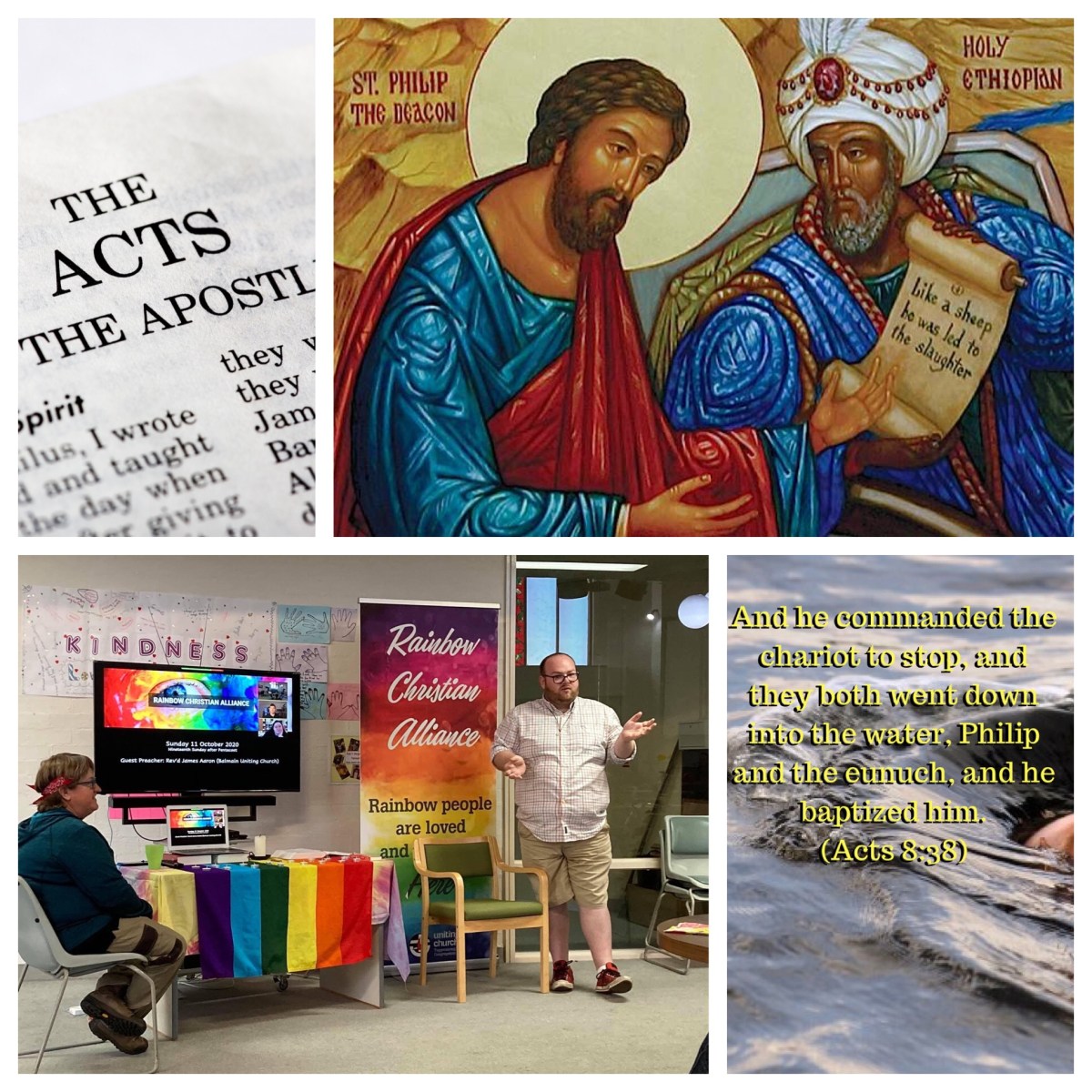
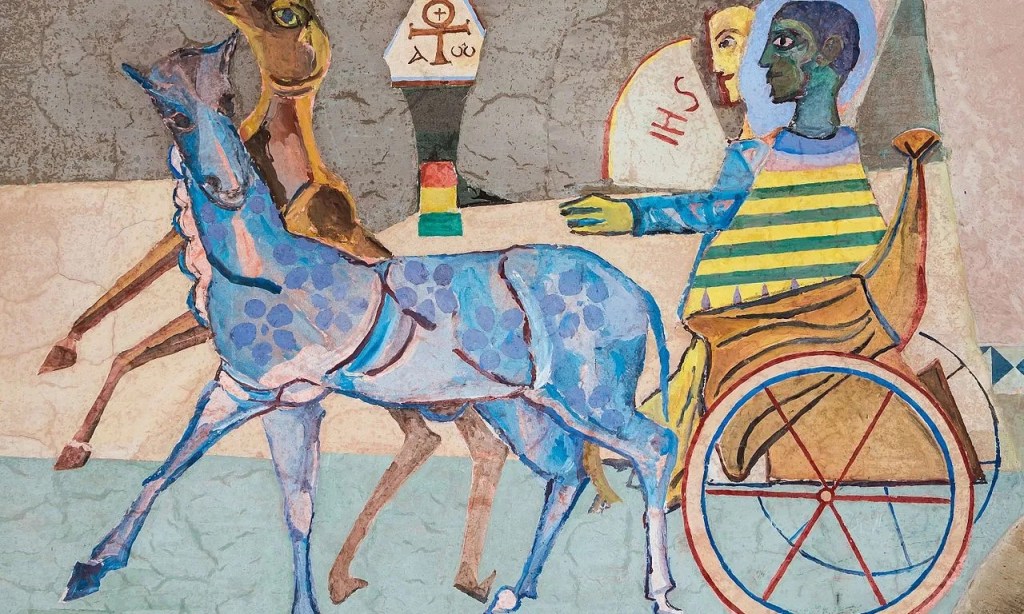
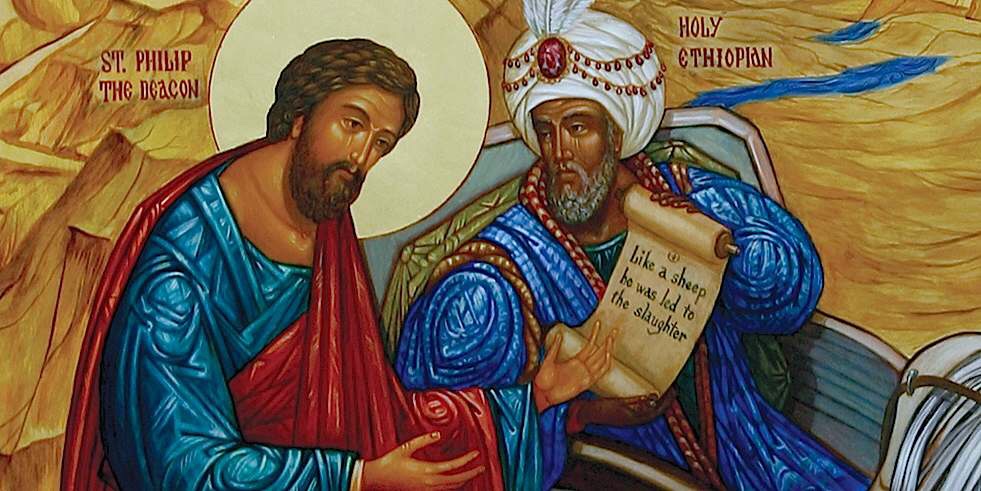
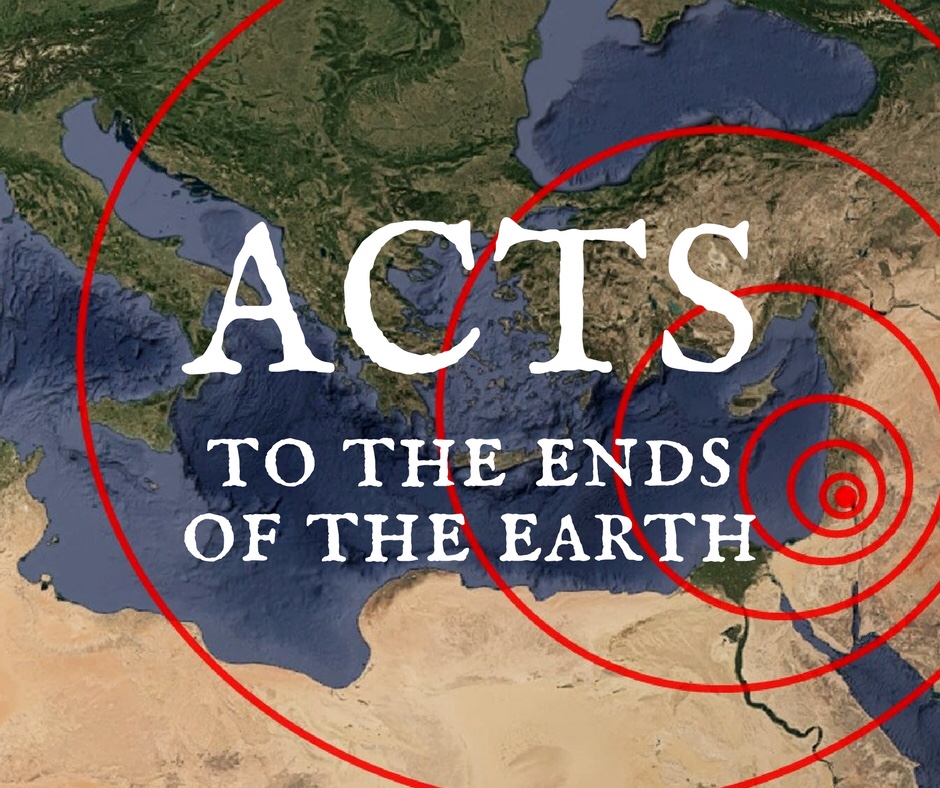
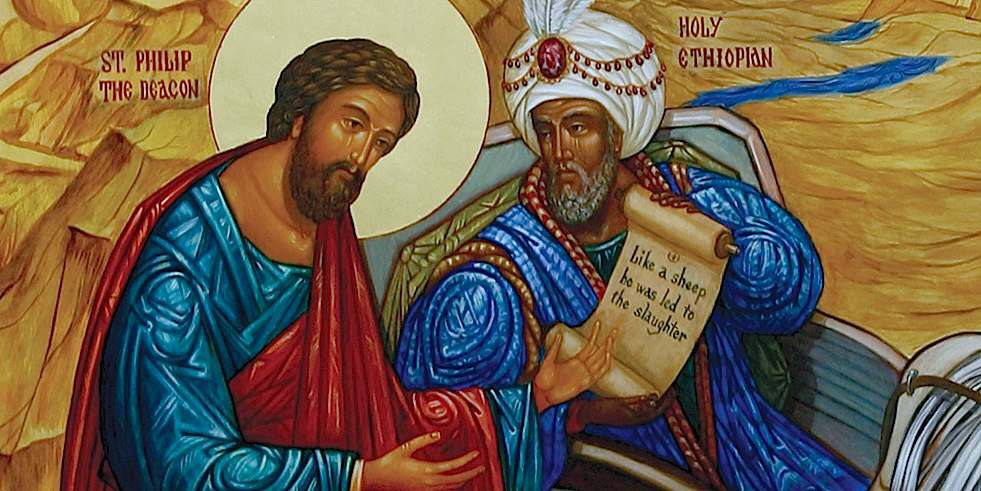
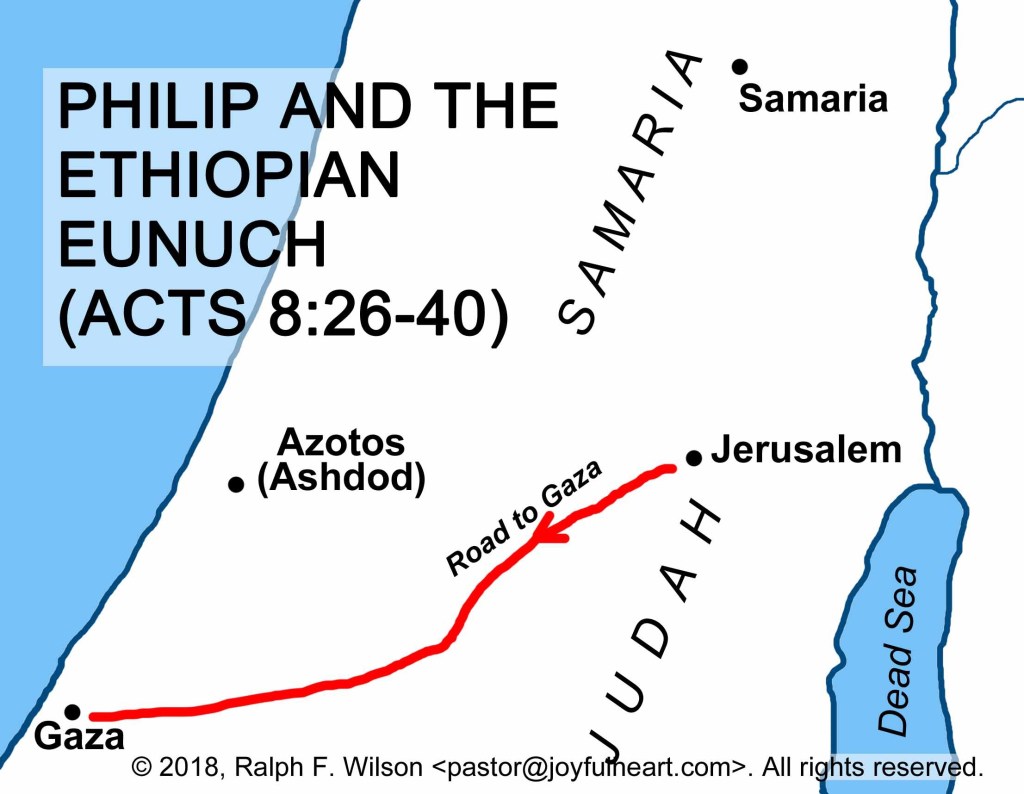
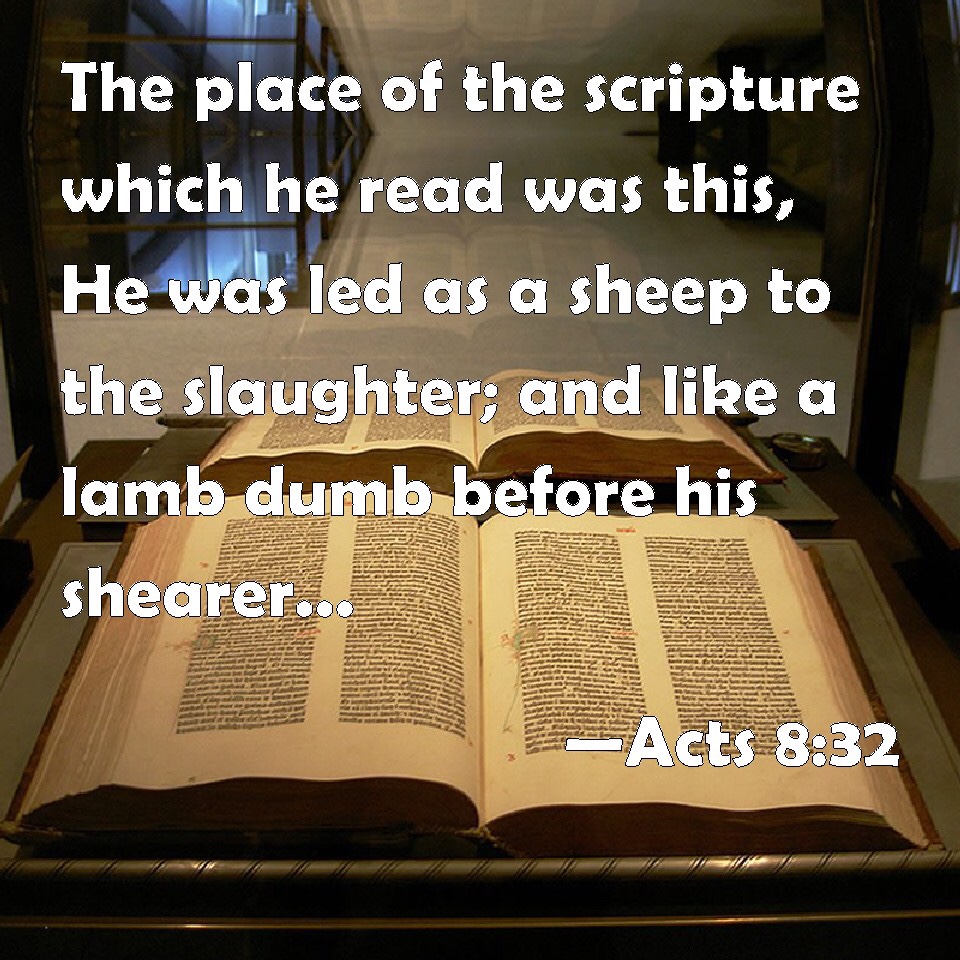
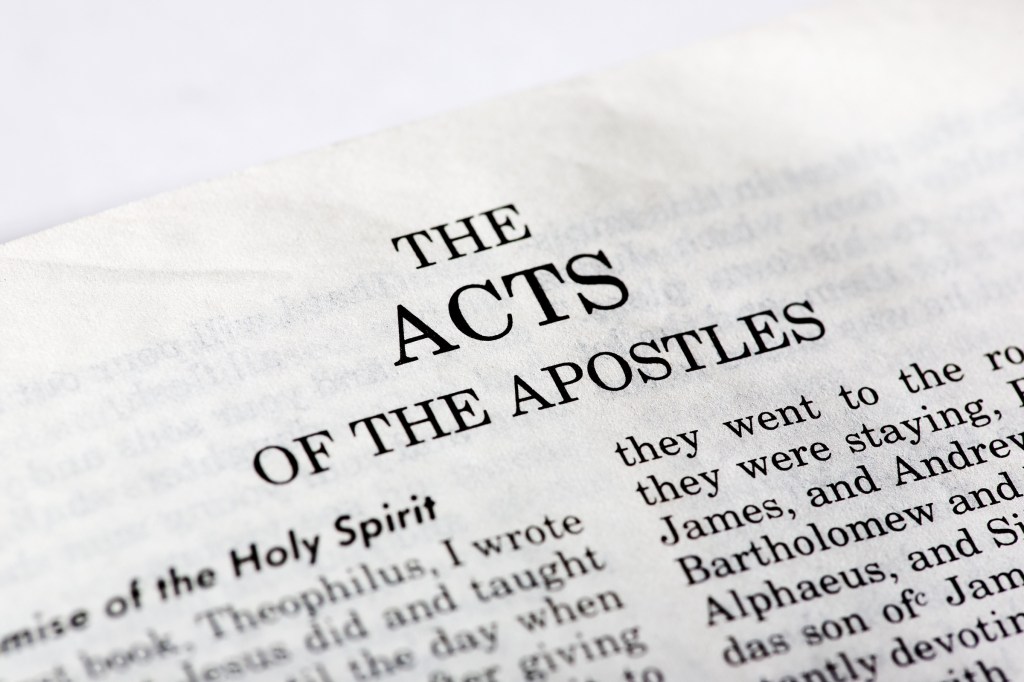
In recent weeks, the Revised Common Lectionary has offered passages from Acts which narrate the expansion of the early movement of followers of Jesus. The author of Acts provides a clear schematic account of how the good news spread out from the centre of the Jewish nation, Jerusalem, to the edges of Samaria and beyond (starting with a court official from Ethiopia), and into the widespread Gentile world (starting with a Roman soldier based in Caesarea).

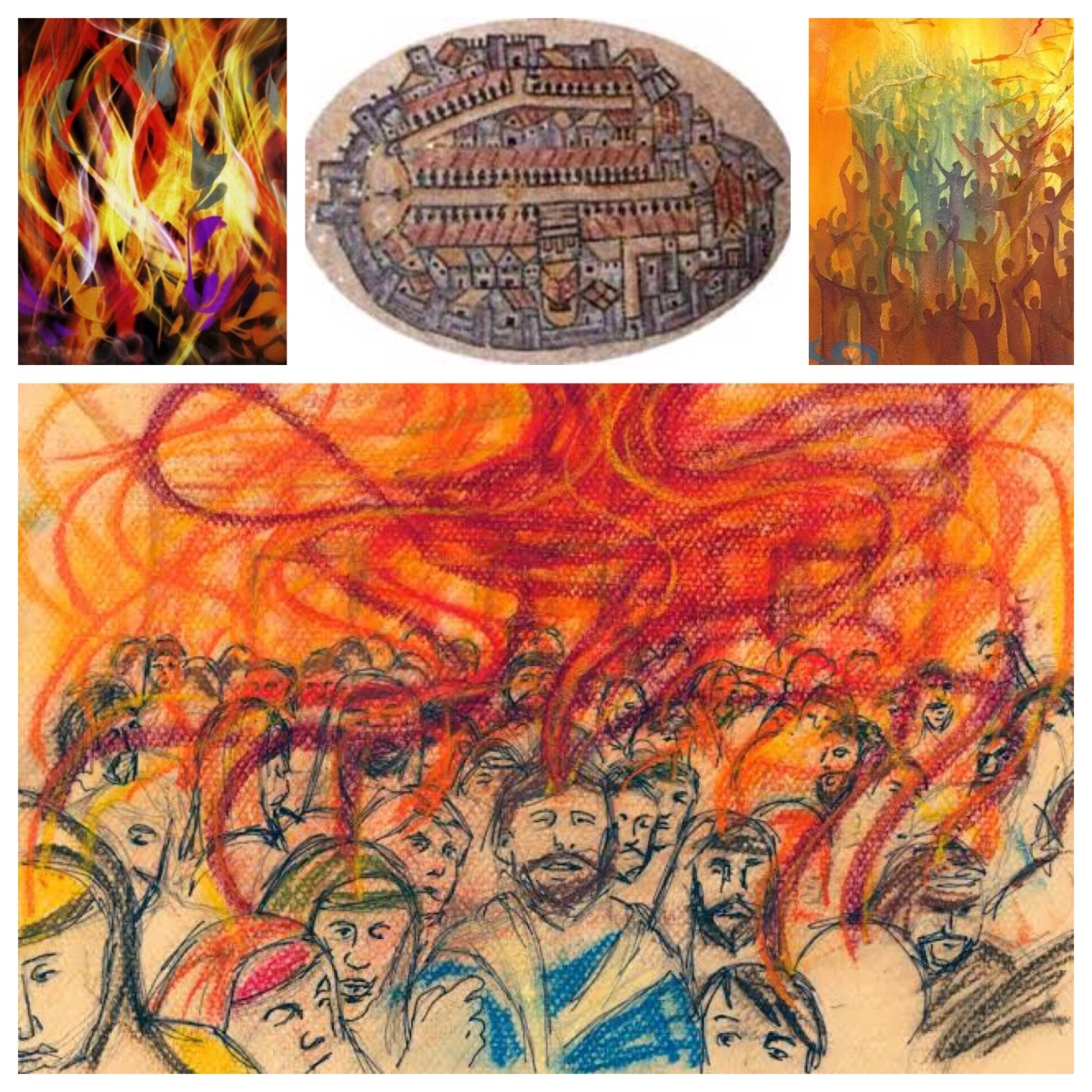
In a couple of weeks, we will read the story of Pentecost, with Mews gathered in Jerusalem from many of the surrounding regions and nations. Encountering God in a dramatic new way, they return to their homes with good news bubbling over in joyful ways.

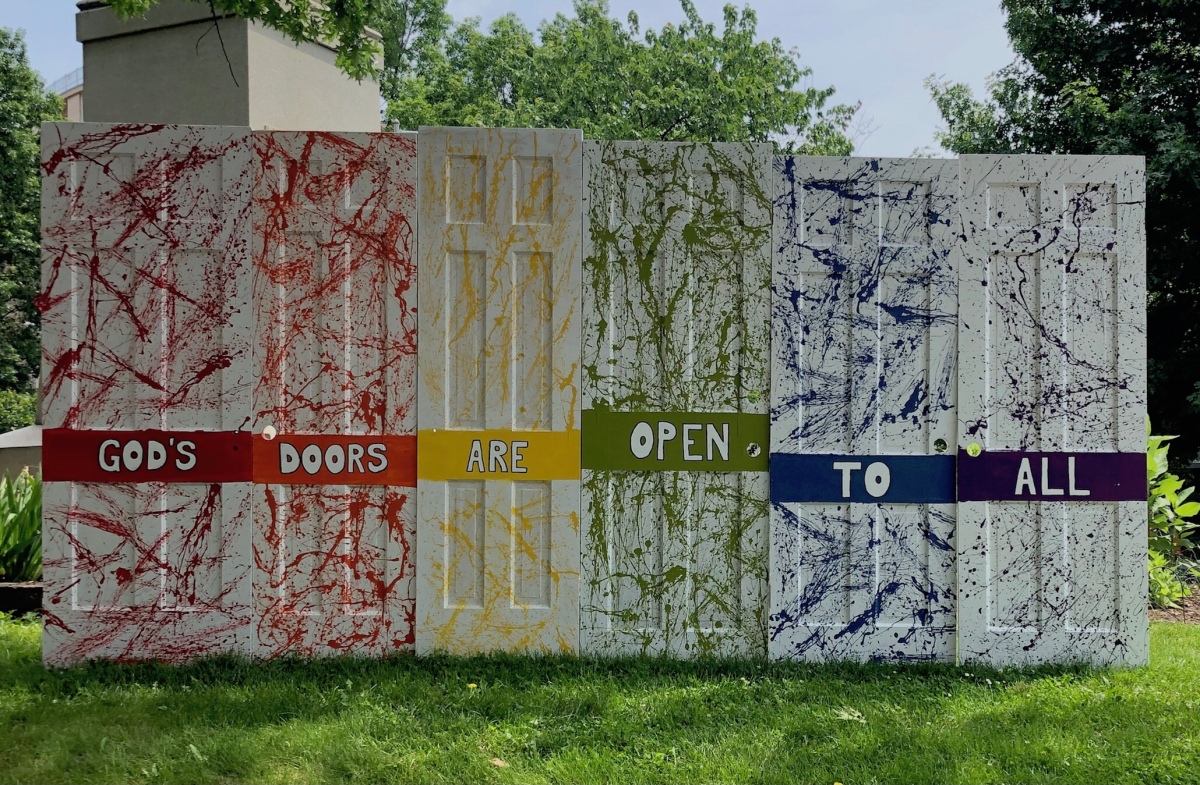
The Iona Community has a fine Affirmation which fits well within the context of these readings, reflecting God’s openness to the outsider, welcoming the diversity of humanity, affirming grace at work . Here it is:

Affirming the Global Church

We believe in God,

who befriended a wandering people,

calling them from slavery into freedom,

yet who in Rahab, Tamar, Ruth, Bathsheba,

Cyrus, Darius and many others,

called outsiders to be agents of God’s purpose.

We believe in Jesus,

who was revered by Persian sages,

sought and found asylum in Egypt,

preached the love of God to Syrians,

attracted Greeks to his cause,

found his first evangelist in a Samaritan,

saw incomparable faith in a Roman,

had his cross shouldered by a Libyan,

and ascended to his native land

that he might be present in all places.

We believe in the Holy Spirit,

who at Pentecost proved

that heaven has no mother tongue;

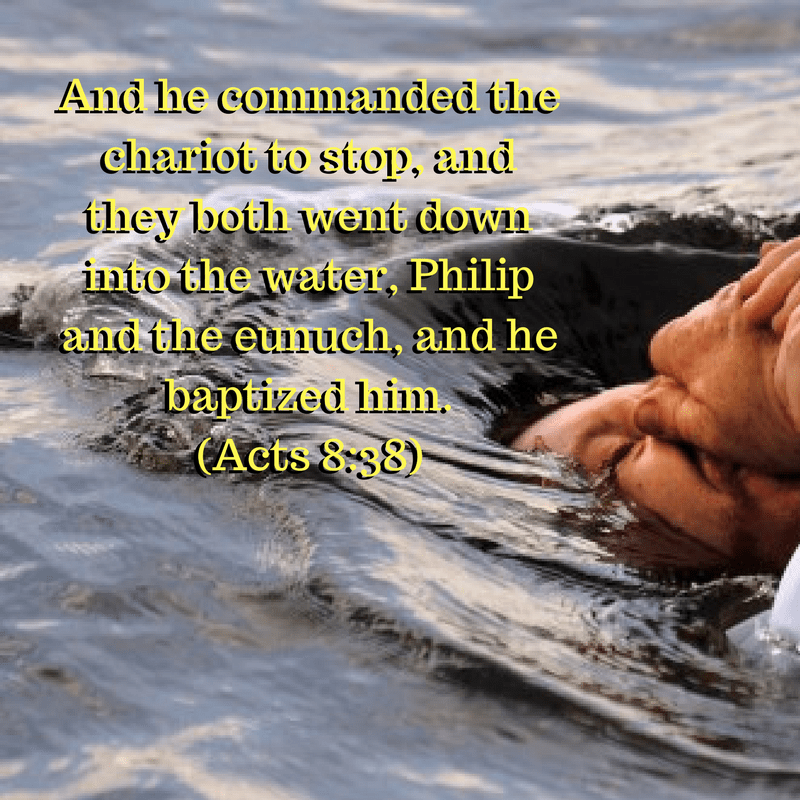
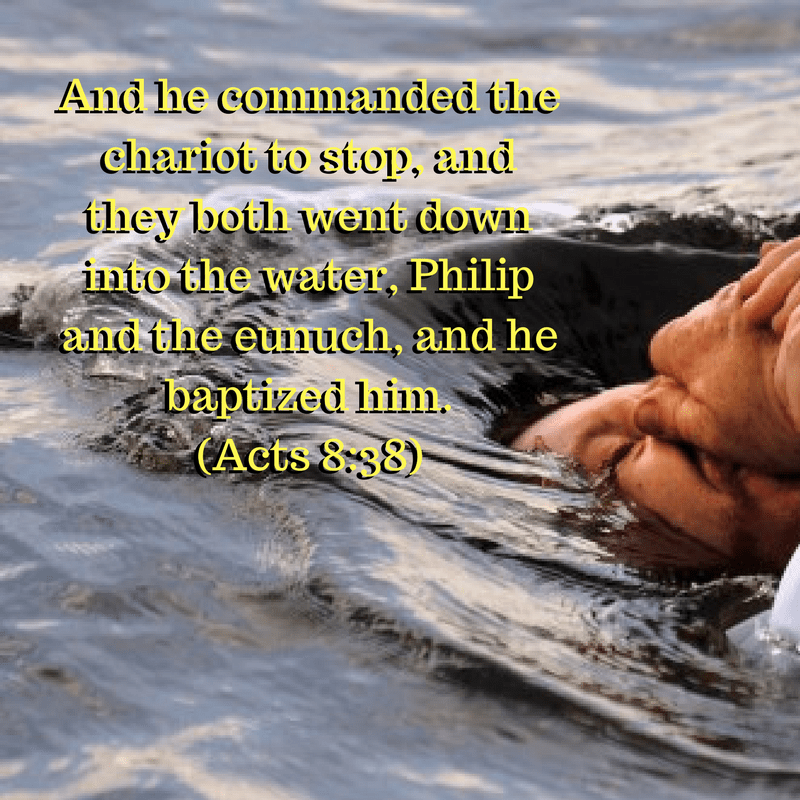
who, in the baptism of an Ethiopian,

denied racism a foothold in faith;

and who, in the ancient and modern worlds,

founded churches in different cultures.

We believe that God is supremely known in Jesus,

yet we affirm that the love of God is beyond our understanding.

Therefore we celebrate

that God’s ways are not our ways,

that God knows whom God chooses,

and reserves the right to surpass all human expectation.

From A Wee Worship Book, 2015, from Wild Goose Publications (page 105)

On the Acts passages, see https://johntsquires.com/2021/04/27/edging-away-from-the-centre-easter-5-acts-8/

What happened after Philip met the Ethiopian? (Acts 8; Easter 5B)

Even to the Gentiles! (Acts 10; Easter 6B)

On creeds, see also https://johntsquires.com/2018/10/30/affirming-the-teachings-of-jesus/

Interpreting the creeds “in a later age”

Earth Day 2021

In 2009, the United Nations designated 22 April as “Mother Earth Day”, and encouraged all member nations to observe this and advocate for sustainable ways of living, to show our care and respect for the earth on which we live.

The term “Mother Earth” was adopted, recognising that this was a common expression for the planet earth in a number of countries and regions. The term intends to reflect the interdependence that exists among human beings, other living species and the planet we all inhabit.

Over the years, the day has become better known by the shorter title, “Earth Day”. This year, the theme for Earth Day 2021 is Restore Our Earth™. The theme focuses our attention on natural processes, emerging green technologies, and innovative thinking that can restore the world’s ecosystems.

The theme rejects the notion that mitigation or adaptation are the only ways to address climate change. It is up to each and every one of us to Restore Our Earth, not just because we care about the natural world, but because we live on it. We all need a healthy Earth to support our jobs, livelihoods, health and survival, and happiness. A healthy planet is not an option — it is a necessity.

More than 1 billion people in 192 countries now participate in Earth Day activities each year, making it the largest civic observance in the world. So this week, why not be a part of Earth Day and help further climate action across the globe? There are plenty of suggestions at https://www.earthday.org/toolkit-earth-day-2021-restore-our-earth/

The Uniting Church has had a long commitment to living in a way that is sustainable, respectful to the environment, minimising our carbon footprint on the earth. More than forty years ago, a Statement to the Nation was promulgated by the first National Assembly of the Uniting Church. This statement recognised the importance of the kind of lifestyles that we lead, and the impact that they are having on the environment of which we are an integral part.

With growing awareness of this matter over the ensuing decades, we can clearly recognise, today, the imperative of the words from 1977, urging us to ensure the wise use of energy, the protection of the environment and the replenishment of the earth’s resources. These matters were evident then; they are pressing and urgent today.

Environmental responsibility sits at the heart of the story of God’s dealings with people, as it is recounted in the biblical texts. From the myth of origins of the creation, as recounted in Genesis, to the vision of a renewed heaven and earth, as portrayed in Revelation, the concern of the divine is for the goodness of creation.

Human beings of faith have an integral and important role to play in seeing that this remains a reality for people in our own time. The Statement was provocative and prescient in this short paragraph. I have reflected more broadly on this Statement at https://johntsquires.com/2018/08/20/alongside-the-basis-of-union-there-was-the-statement-to-the-nation/

Since then, a whole series of statements and policies relating to the environment have been produced by the Uniting Church, at national, regional, and local levels. The national statements and policies are collected at https://www.unitingjustice.org.au/environment. Many local churches have participated in projects promoted by the Five Leaf Eco-Awards, which has its own website at https://fiveleafecoawards.org

These churches have taken all sorts of actions for the environment, including crosses made of solar panels, restoring and replanting watercourses next to their church, leading mud brick shed building workshops, setting up community gardens, installing water tanks, developing a peace garden of native plants. Others have collected signatures for petitions, planted trees, rung their church bells for climate change, held talks and discussions of environmental issues, and held worship around environmental themes.

So recognising and participating in Earth Day is an important part of our faithful discipleship—and living each and every day in accord with these principles is even more important.

See https://uniting.church/earth-day-2021-restoreourearth/

See also https://johntsquires.com/2019/11/09/faith-in-action-a-religious-response-to-the-climate-emergency-part-one/

https://johntsquires.com/2019/11/09/faith-in-action-a-religious-response-to-the-climate-emergency-part-two/

https://johntsquires.com/2019/11/09/faith-in-action-a-religious-response-to-the-climate-emergency-part-three/

https://johntsquires.com/2019/06/25/873/