
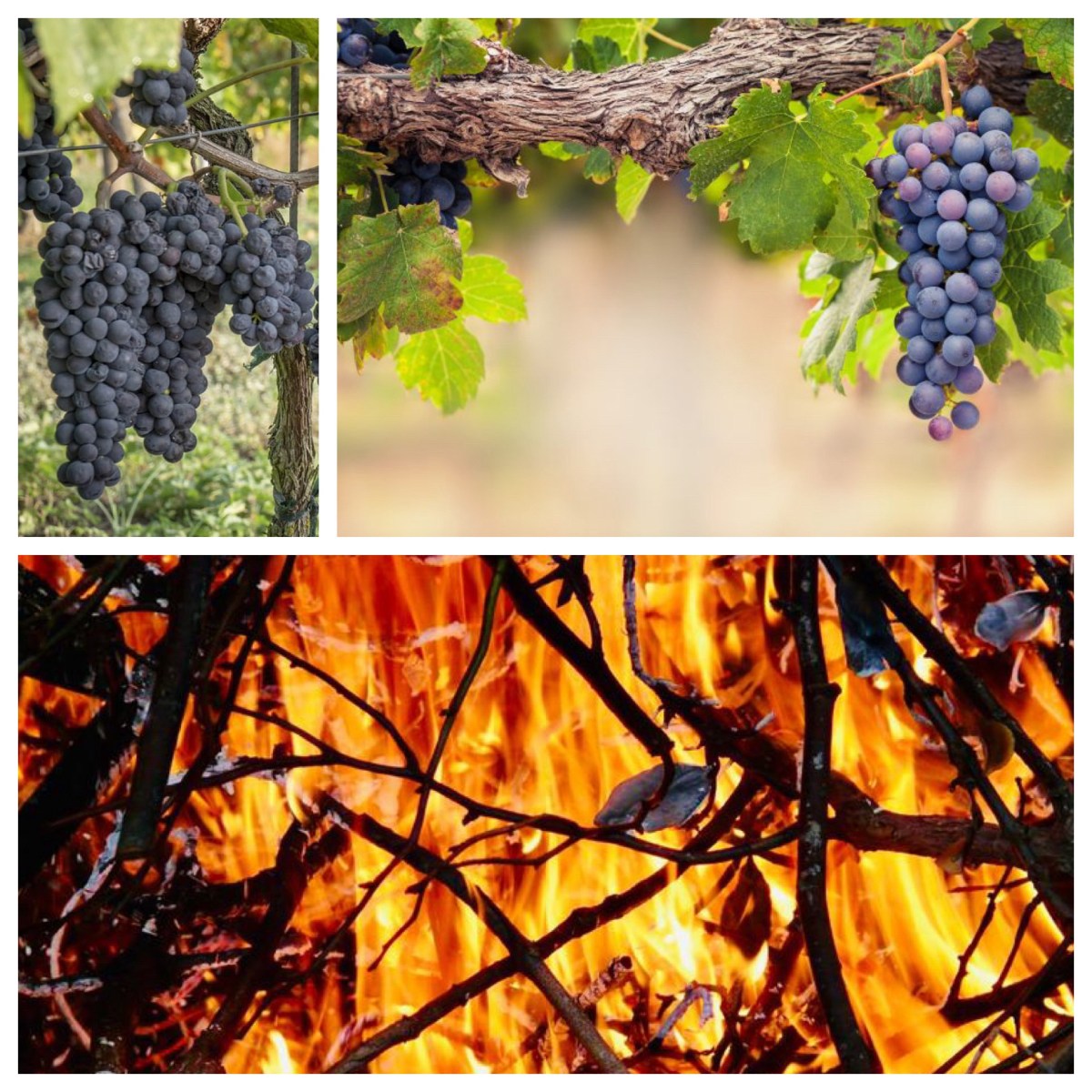
The Gospel passage that the lectionary designates for reading this coming Sunday opens with the statement by Jesus, “I am the true vine, and my Father is the vinegrower” (15:1). In a later verse, the statement is reworked: “I am the vine, you are the branches” (15:5).
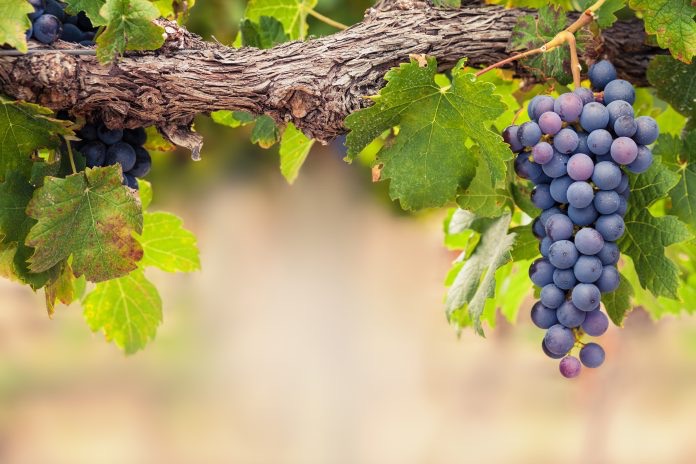
“I am the vine” is the last in a series of seven I AM statements found within the book of signs, the Gospel we attribute to John. “I am the bread of life” (6:48) is the first such instance in this series. The others are “the light of the world” (8:12), “the door of the sheep” (10:7, 9), “the good shepherd” (10:11, 14), “the resurrection and the life” (11:25), “the way, the truth, and the life” (14:6), and “the true vine” (16:1).
The vine, of course, was a standard image for Israel. The psalmist sings, “you brought a vine out of Egypt; you drove out the nations and planted it; you cleared the ground for it; it took deep root and filled the land; the mountains were covered with its shade, the mighty cedars with its branches; it sent out its branches to the sea, and its shoots to the River” (Ps 80:8–10). The prophet Hosea reflects a similar understanding, declaring, “Israel is a luxuriant vine that yields its fruit; the more his fruit increased, the more altars he built; as his country improved, he improved his pillars” (Hosea 10:1–2).
In the book of Judges, Jotham, the youngest son of Jerubbaal, tells a parable in which the trees seek a king, asking first the olive tree and the fig tree, before approaching to the vine, saying, “You come and reign over us”. However, the vine replied, “Shall I stop producing my wine
that cheers gods and mortals, and go to sway over the trees?”, before the bramble ultimately accepted the role (Judg 9:8–15).
Various prophets portray Israel as a vine. Isaiah sings God’s “love-song for my beloved … concerning his vineyard”, in which Israel is portrayed as the vineyard. He ends it by declaring that God “expected justice, but saw bloodshed; righteousness, but heard a cry!” (Isa 5:1–7).
In similar vein, Jeremiah laments the state of Israel, conveying God’s plea, “I planted you as a choice vine, from the purest stock. How then did you turn degenerate and become a wild vine?” (Jer 2:21). In a later oracle, the lament continues: “I wanted to gather them, says the Lord, there are no grapes on the vine, nor figs on the fig tree; even the leaves are withered, and what I gave them has passed away from them” (Jer 8:13).
Fellow prophet Ezekiel also utilises the imagery of the vine as a way to berate Israel for its sinful state. He reflects on the uselessness “the vine branch that is among the trees of the forest”—nothing useful is made from it, it simply provides wood for the fire (Ezek 15:1–8). The prophet draws the pointed comparison: “thus says the Lord God: like the wood of the vine among the trees of the forest, which I have given to the fire for fuel, so I will give up the inhabitants of Jerusalem; I will set my face against them” (Ezek 15:7–8).
Another parable told by Ezekiel involves a vine, planted and flourishing; it bore fruit and became a noble vine (Ezek 17:3–19). The parable ends with the rhetorical questions, “Will it prosper? Will he not pull up its roots, cause its fruit to rot and wither, its fresh sprouting leaves to fade? No strong arm or mighty army will be needed to pull it from its roots” (Ezek 17:9). Regarding the king who presides over this situation, God declares, “I will surely return upon his head my oath that he despised, and my covenant that he broke. I will spread my net over him, and he shall be caught in my snare; I will bring him to Babylon and enter into judgment with him there … all the pick of his troops shall fall by the sword, and the survivors shall be scattered to every wind” (Ezek 17:19–21).
A third use of the image begins positively, as Ezekiel speaks to the people, “Your mother was like a vine in a vineyard transplanted by the water, fruitful and full of branches from abundant water. Its strongest stem became a ruler’s sceptre; it towered aloft among the thick boughs; it stood out in its height with its mass of branches” (Ezek 18:10–11). But the sins of the people meant that God plucked out the vine and burnt it in fury, “so that there remains in it no strong stem, no sceptre for ruling” (Ezek 18:12–14).
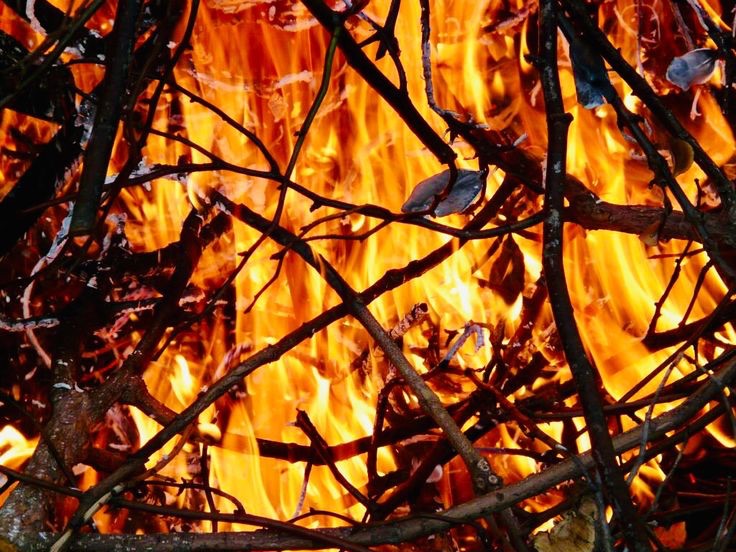
In developing this parabolic image, Jesus applies it to his followers, both positively and negatively. The negative application comes directly from the way the prophets used this image in their parables and oracles; Jesus declares that “whoever does not abide in me is thrown away like a branch and withers; such branches are gathered, thrown into the fire, and burned” (John 15:6).
The more positive dimension of the imagery receives a more extended treatment by Jesus, both in this chapter and in other places in John’s Gospel. “Those who abide in me and I in them bear much fruit, because apart from me you can do nothing”, says Jesus (John 15:5b). “If you abide in me, and my words abide in you, ask for whatever you wish, and it will be done for you”, he continues (15:7).
The close relationship of the vine and the branches thus provides significant statements about the mutual indwelling of the Son with the disciples, in these verses. This is a theme that runs throughout John’s Gospel. “Abide in me as I abide in you. Just as the branch cannot bear fruit by itself unless it abides in the vine, neither can you unless you abide in me. I am the vine, you are the branches.” (15:4–5a).
The sense of “abiding in” is a mysterious inner connection that binds followers to their master; but because that master has likewise been bound with the Father, the intimacy of connection between Father, Son, and disciples is clear. In an earlier chapter, where the saying “I am the bread of life” is prominent, the Johannine Jesus had introduced this theme in relation to Eucharistic practice: “those who eat my flesh and drink my blood have eternal life, and I will raise them up on the last day … those who eat my flesh and drink my blood abide in me, and I in them” (6:54, 56).
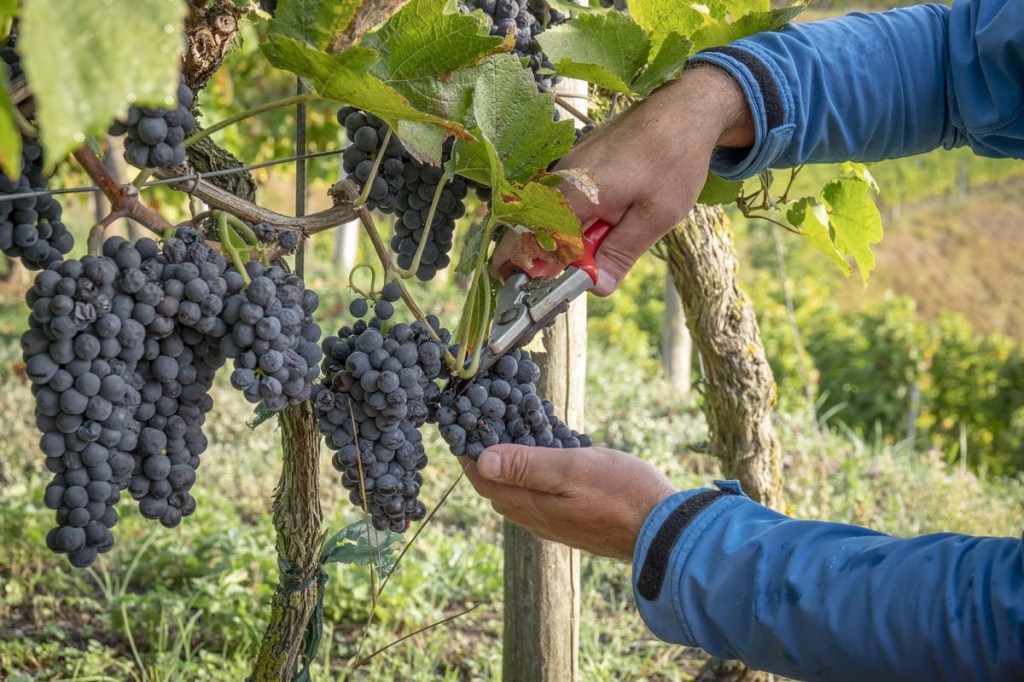
Thus, in the extended explanation that Jesus had provided in response to the request of Philip, “Lord, show us the Father” (14:8), he affirms that “you will know that I am in my Father, and you in me, and I in you” (14:20). Those who are linked inextricably with the Son, who abide in him, are linked through his intimate connection with the Father, as he abides in the Father. Father, Son, and Disciples: this is what I refer to as the Johannine version of the trinity; it comes to full fruition in the chapter that provides the Gospel,passage for the Sunday after this coming Sunday (John 17).
On the way that this three-part unity of Father, Son, and Disciples is developed in John’s Gospel, see more detail at
 An Informed Faith