Australian citizens go to the polls to elect a federal government on 21 May. The 17 million people eligible to vote will be electing both a local member to sit in the House of Representatives for the next three years; and a number of senators, to sit in the Senate for the next six years.
To assist voters in considering how they might vote, the Uniting Church has prepared a resource that identifies a number of issues, in seven key areas, that should inform the way that we vote, if we take seriously how the Gospel. calls us to live.
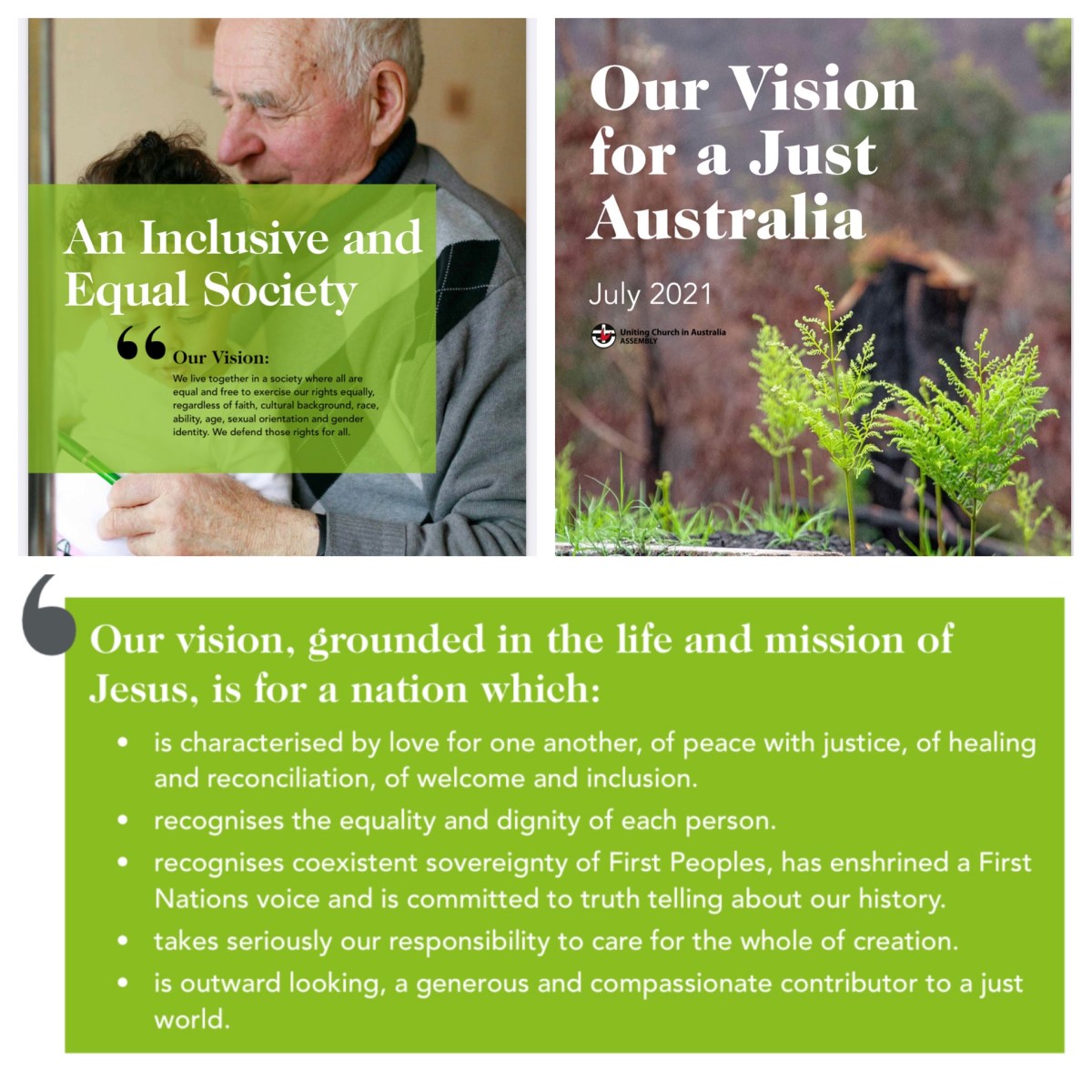
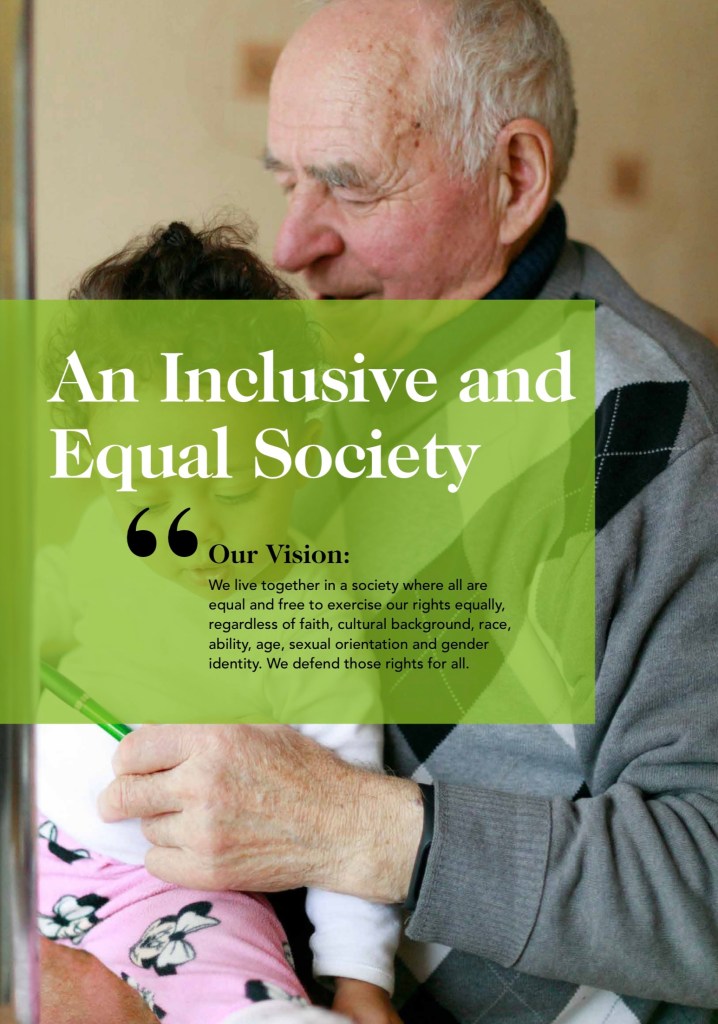
The fifth area reflects the vision of the Uniting Church for An Inclusive and Equal Society, with particular reference to how we age well within contemporary society.
The Uniting Church seeks a fairer Australia where wellbeing in older years is protected and defended, and is also committed to appreciating and recognising the value of care work undertaken in Australia. This vision is based on the dignity of all human beings created in the image of a loving God. “We believe in a world-class aged care system. Older Australians should have access to the appropriate and affordable support and care services that they need, when they need them”, the resource notes.
It further notes that “the Royal Commission into Aged Care Quality and Safety identified many barriers to providing universal access to high quality aged care. Over the past two years in particular, the aged care crisis has escalated significantly and threatens the continued operations of the sector. A key component of that threat is the capacity to attract and retain enough workers; aged care workers are the lowest paid caring workforce and yet are doing some of the most important work in the nation, supporting our ageing and aged citizens.”
The key issues to inform our voting in this regard are what each candidate or their party says about a clear commitment to makes sure all parts of the aged care system have adequate funding, and to fair wages for aged care workers.
Australian citizens go to the polls to elect a federal government on 21 May. The 17 million people eligible to vote will be electing both a local member to sit in the House of Representatives for the next three years; and a number of senators, to sit in the Senate for the next six years.
To assist voters in considering how they might vote, the Uniting Church has prepared a resource that identifies a number of issues, in seven key areas, that should inform the way that we vote, if we take seriously how the Gospel. calls us to live.
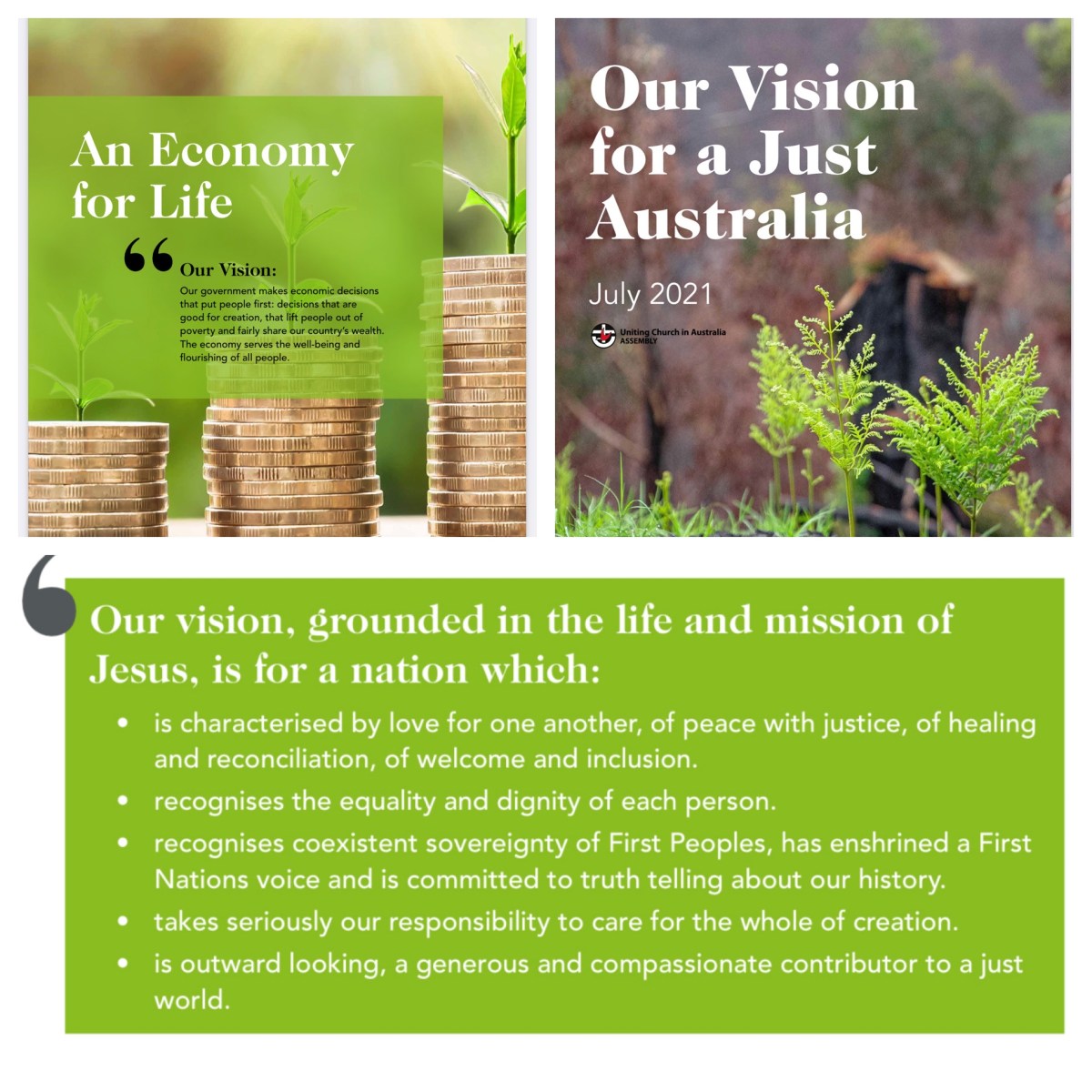
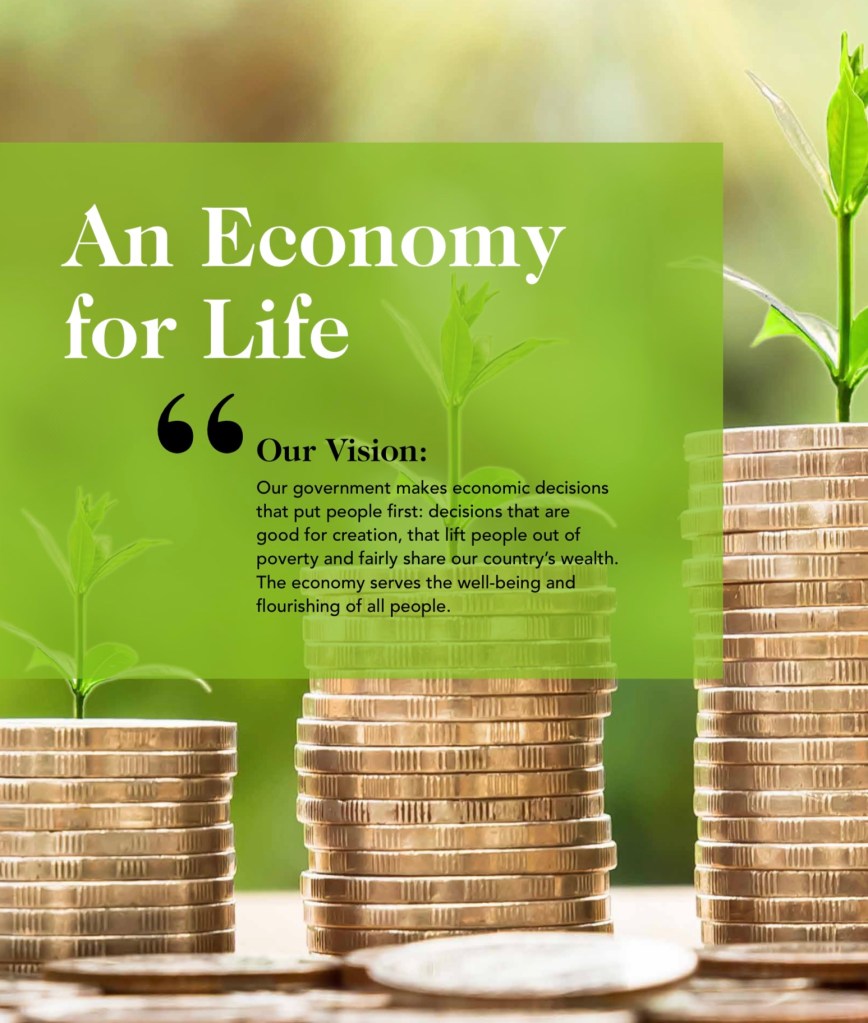
The fourth area reflects the vision of the Uniting Church for An Economy of Life. This was the title of an extensive document on economic policy which the Twelfth Assembly adopted in 2009. See https://ucaassembly.recollect.net.au/nodes/view/17
The resource notes that our “government makes economic decisions that put people first: decisions that are good for creation, that lift people out of poverty and fairly share our country’s wealth. The economy serves the well-being and flourishing of all people. We believe in an Australia where prosperity is shared fairly, embracing all people regardless of their privilege or upbringing.”
The resource makes these observations: “Aspirations for shared prosperity in Australia are unravelling under the sustained, twin trends of weak wage growth and rising asset prices. Over the past 10 years wage growth has limped under 2.5 per cent annually. Over the same period share portfolio and real estate values have grown around 10 per cent annually.”
“These settings deliver economic gains toward those with assets and away from those doing it tough, resulting in a greater and growing gap between the haves and the have-nots. Greater inequality strongly tracks with stress, hunger, poor physical health, poor mental health, homelessness and social exclusion, and has a negative impact on economic growth.”
“Older women are more at risk of reduced financial security after a lifelong gender pay-gap, interruptions to employment for care and reduced superannuation. The retirement savings gap between males and females in 2019 was almost one quarter. The result is that 34 percent of single women in Australia live in poverty.”
The key issues to inform our voting in this regard are what each candidate or their party says about:
• A clear commitment to undertake a review into the past decade of low-income growth.
• An increase in social security payments, especially Jobseeker.
• Tax reforms to increase the progressive nature of the Australian tax system to address unhealthy inequality.
• A clear commitment to make superannuation contributions on top of the government Parental Leave Pay.
Australian citizens go to the polls to elect a federal government on 21 May. The 17 million people eligible to vote will be electing both a local member to sit in the House of Representatives for the next three years; and a number of senators, to sit in the Senate for the next six years.
To assist voters in considering how they might vote, the Uniting Church has prepared a resource that identifies a number of issues, in seven key areas, that should inform the way that we vote, if we take seriously how the Gospel. calls us to live.
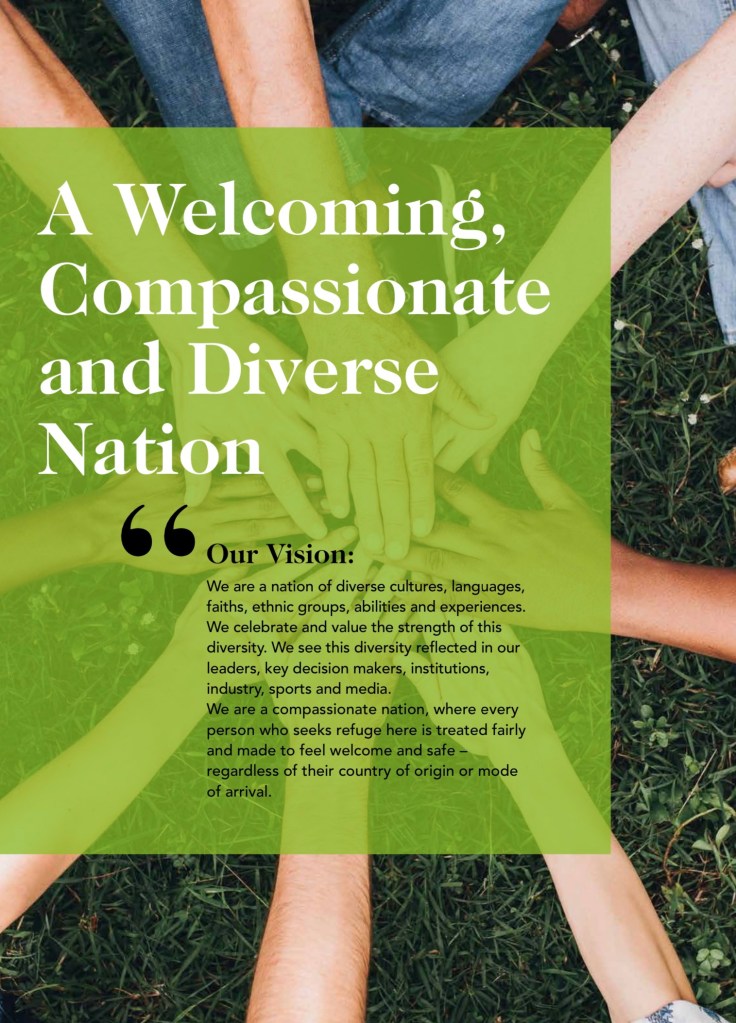
The third area reflects the vision of the Uniting Church for A Welcoming, Compassionate, and Diverse Nation. The election resource acknowledges that we are a nation of diverse cultures, languages, faiths, ethnic groups and experiences, and affirms: “We celebrate and value the strength of this diversity. We see this diversity reflected in our leaders, key decision makers, institutions, industry, sports and media. We are a compassionate nation, where every person who seeks refuge here is treated fairly and made to feel welcome and safe – regardless of their country of origin or mode of arrival.”
Australia’s immigration policies continue to leave some people in indefinite detention. Some refugees and asylum seekers in Melbourne’s Park Hotel have been in offshore and onshore detention for up to nine years. Across the country, it is estimated more than 70 people are being held in hotel detention, and, as of 31 December 2021, 105 people remained in PNG and 114 on Nauru. In response to the Afghanistan crisis, the Australian Government has committed to 10,000 humanitarian and 5,000 family reunion places over four years.
However, the 10,000 places will be taken from Australia’s current refugee and humanitarian program, which was cut by 5,000 places a year from 2020. Australia has received applications from more than 145,000 Afghan nationals and very few of those people have any hope of building a life of safety in Australia1. In addition, the recent and ongoing conflict in Ukraine will see more people fleeing their homes in fear, seeking refuge in other countries.
The key issues to inform our voting in this regard are what each candidate or their party says about:
• An end to mandatory and indefinite off-shore and on-shore detention either in Alternative Places of Detention (hotels) or detention centres.
• Community detention of refugees and asylum seekers must allow access to education, work and housing support.
• A target for Afghan and Ukrainian refugee resettlement much higher and appropriate to the magnitude of the problem.
• Permanent protection for Afghan people already in Australia but on temporary visas.
• Enhance safeguards for people on temporary visas including including overseas students andmigrant workers.
Australian citizens go to the polls to elect a federal government on 21 May. The 17 million people eligible to vote will be electing both a local member to sit in the House of Representatives for the next three years; and a number of senators, to sit in the Senate for the next six years.
To assist voters in considering how they might vote, the Uniting Church has prepared a resource that identifies a number of issues, in seven key areas, that should inform the way that we vote, if we take seriously how the Gospel. calls us to live.
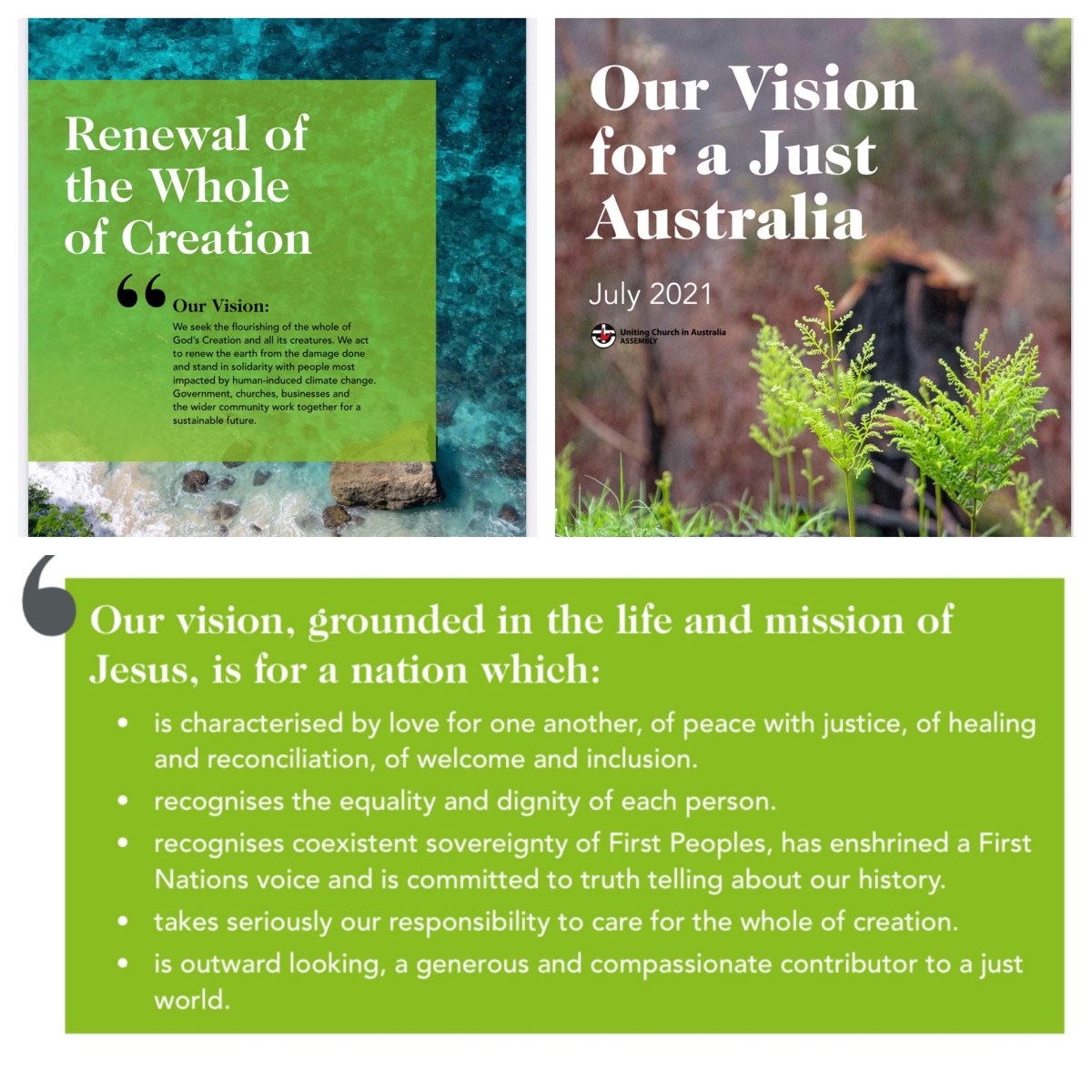
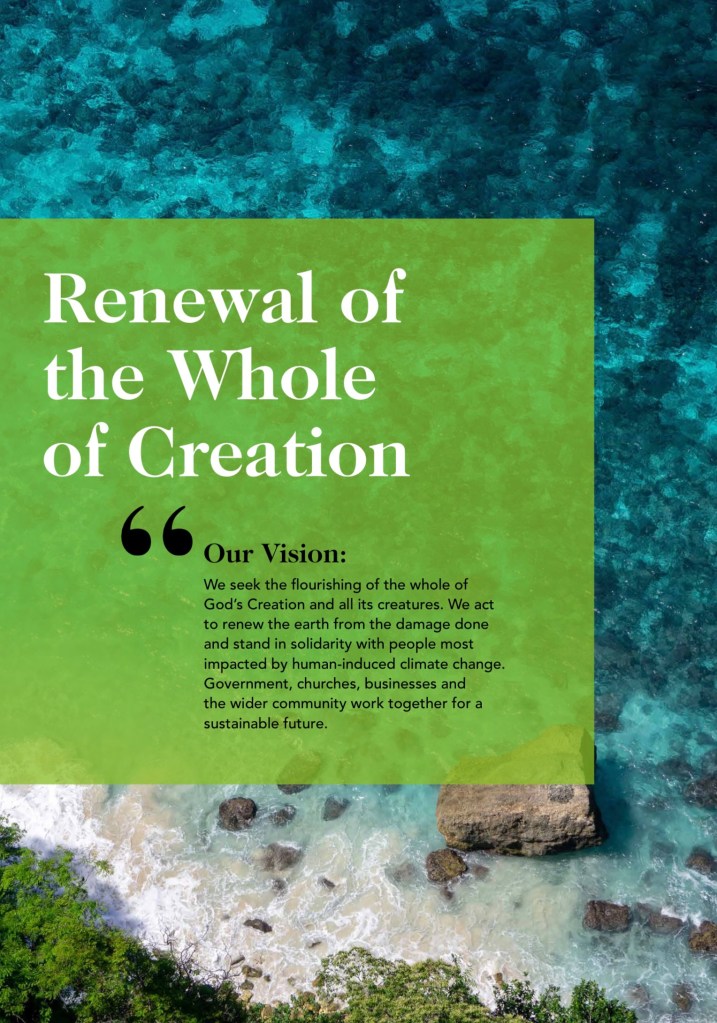
The second area reflects the vision of the Uniting Church for living sustainably and responsibly as an integral part of the global environment. The Renewal of the Whole Creation is a vision and a commitment that was articulated in the Uniting Church’s Basis of Union, adopted in 1977, and which has continued to inform policies and practices over the ensuing decades.
The church seeks the flourishing of the whole of God’s Creation and all its creatures, in which “we act to renew the earth from the damage done and stand in solidarity with people most impacted by human-induced climate change”. To achieve this, government, churches, businesses and the wider community need to work together for a sustainable future.
The UCA resource acknowledges the current Government commitment to net zero carbon emissions by 2050, but notes that “we need to do more, and sooner. Global temperatures are rising as human activity continues to pollute the atmosphere with greenhouse gases. Australia faces significant climate change impacts: rising sea levels, extreme heat and flooding, longer droughts and bushfire seasons and the loss of coral reef. Our neighbours in the Pacific and elsewhere are suffering the impacts of climate change, to their lands and waters, their livelihoods, their culture and identity.”
The key issues to inform our voting in this regard are what each candidate or their party says about:
• Setting more ambitious targets for 2030 – committing to a 45-50% carbon reduction as a minimum but working towards a target closer to 70%. • A strong renewables target – which embraces the potential for Australia as a global leader. • Just transitions for impacted communities currently dependent on fossil fuels. • Australia must play a significant role in our region and globally in addressing the causes and impacts of climate change, responding to the call from Pacific countries, including the Pacific Conference of Churches, for our country to act more decisively to reduce carbon emissions.
Australian citizens go to the polls to elect a federal government on 21 May. The media, in true form, has dumbed things down, making us think that it’s about voting directly for a Prime Minister, and that it’s all about the mistakes the candidates make and the economic impact of their policies.
Our system, of course, is not simply a two- person contest; the 17 million people eligible to vote will be electing both a local member to sit in the House of Representatives for the next three years; and a number of senators, to sit in the Senate for the next six years.
And it’s not just about personalities; it’s actually about policies. We need to think about each party is promising to do, in relation to a wide array of policy areas—not just economics, but a whole array of matters.
To assist voters in considering how they might vote, the Uniting Church has prepared a resource that identifies a number of issues, in seven key areas, that should inform the way that we vote, if we take seriously how the Gospel. calls us to live.
The seven areas are drawn from a fine 40-page document that was prepared and published last year, Our Vision for a Just Australia, expressing the Uniting Church vision for a just Australia and why our Christian faith calls us to work towards its fulfilment. It can be read in full at https://uniting.church/wp-content/uploads/2021/07/Our-Vision-For-a-Just-Australia_July2021.pdf
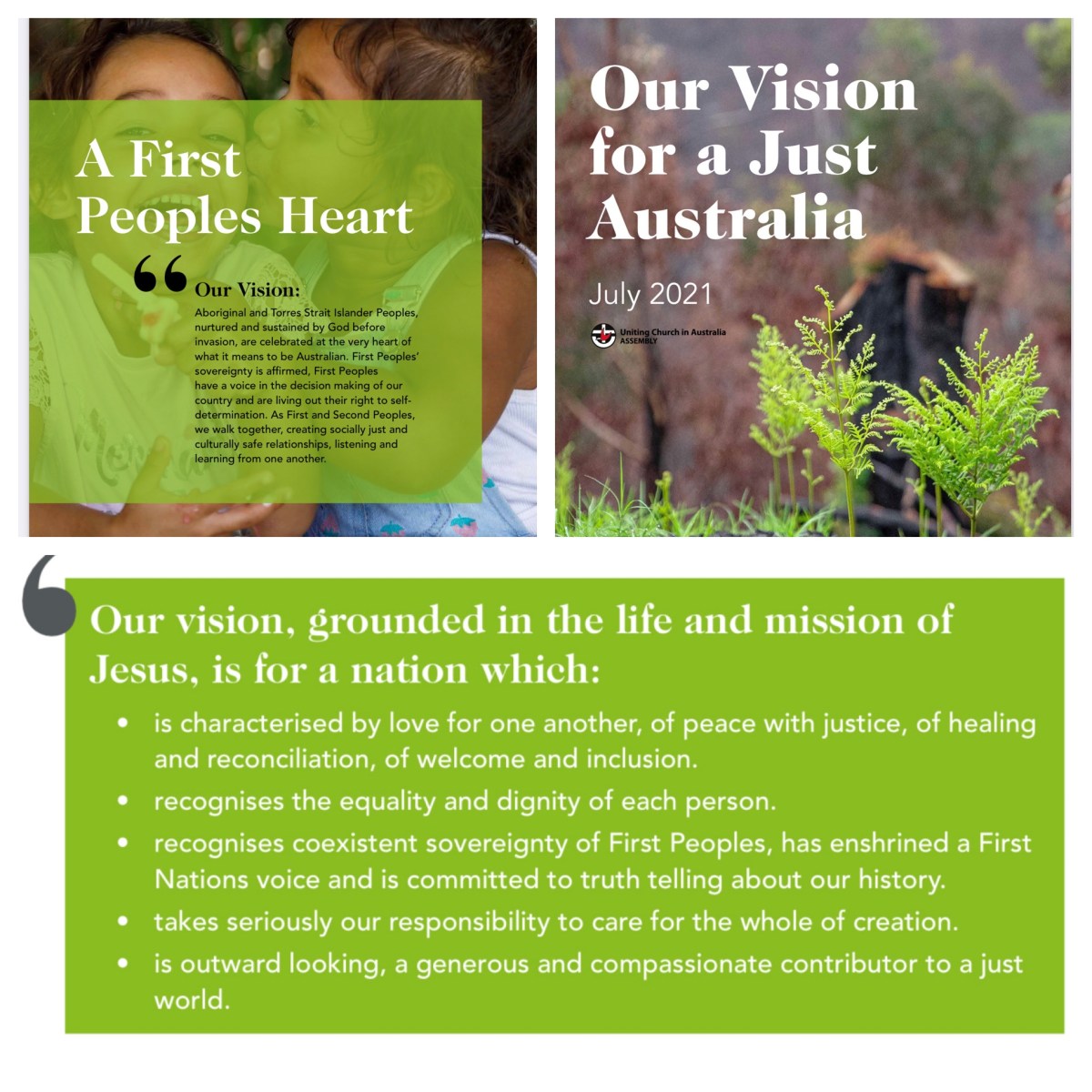
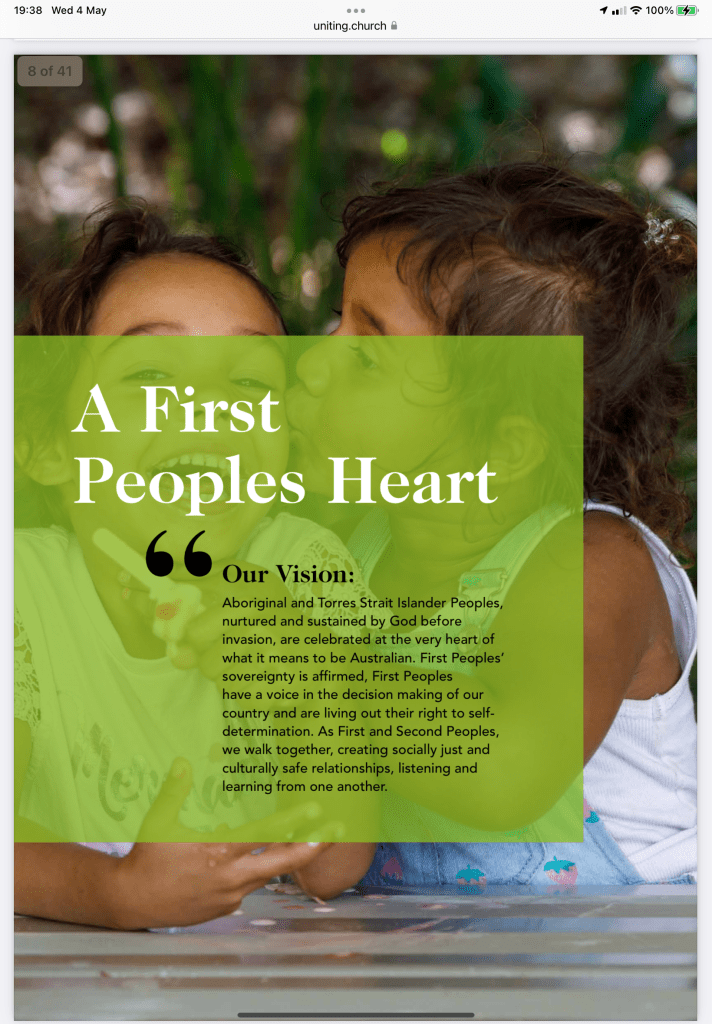
The first area featured in this resource reflects the vision of the Uniting Church for Aboriginal and Torres Strait Islander Peoples. It acknowledges that these people were nurtured and sustained by God before invasion, and so are to be celebrated at the very heart of what it means to be Australian.
The Uniting Church affirms First Peoples’ sovereignty, and believes that First Peoples have a voice in the decision making of our country and in how they live out their right to self-determination. “As First and Second Peoples”, the resource states, “we walk together, creating socially just and culturally safe relationships, listening and learning from one another”.
The Statement from the Heart developed at Uluru has been given to us by First Peoples as the basis for how we can work together to build a better future, but governments have not followed their lead. First Peoples communities, whether remote, regional or urban, experience heightened levels of disadvantage, including a lower life expectancy and worse health, education and employment outcomes than other people in Australia.
The key issues to inform our voting in this regard are what each candidate or their party says about:
• Constitutional change to enshrine a First Nations Voice to Federal Parliament.
• Recognising the sovereignty of First Nations People and establish a commission for treaty making, truth telling, justice and reconciliation.
• Sufficient funding to achieve the Closing the Gap targets, prioritising Aboriginal and Torres Strait Islander community-controlled organisations to deliver services wherever possible.
Last year, the Uniting Church adopted a statement, Our Vision for a Just Australia, which articulates in detail the values that we hold as people of faith, following the way of Jesus.
This statement includes an affirmation that “we live together in a society where all are equal and free to exercise our rights equally, regardless of faith, cultural background, race, ability, age, sexual orientation and gender identity”. The statement asserts that “we defend those rights for all.”
It also makes the key claim that “A person’s sexual orientation and gender identity does not impact on their ability to live, work and contribute to society.”
On that basis, the Uniting Church has been working consistently towards valuing, accepting, and affirming “rainbow people”—those who identify with one of the letters in the now-familiar shorthand way of referring to people who are lesbian, gay, bisexual, transgender, intersex, queer, asexual, or identify their gender and/or sexuality in other ways.
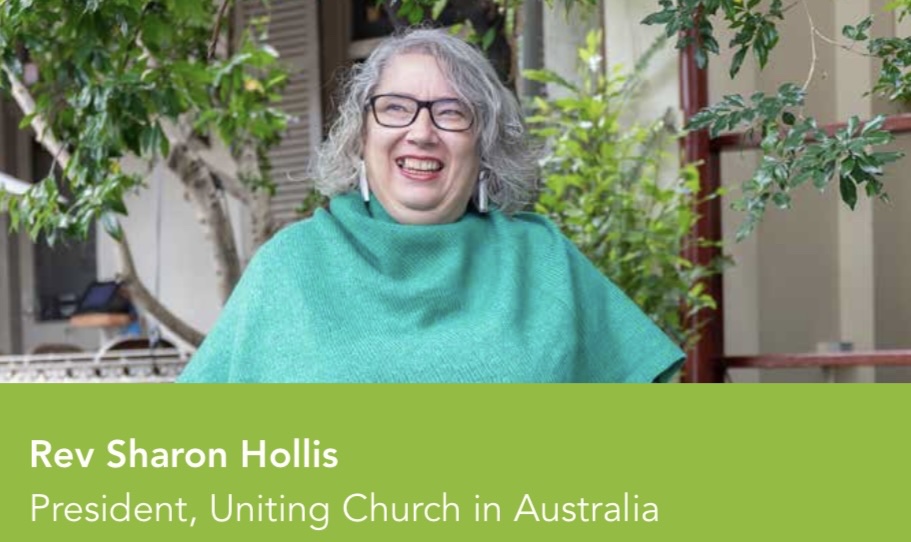
In the recent pastoral response to the debate surrounding the proposed Religious Discrimination Bill earlier this year, President Sharon Hollis wrote, “We believe every person is entitled to dignity, compassion and respect, and that the community flourishes when all people are included and accorded the dignity and respect they deserve.” That fundamental commitment undergirds all that the Uniting Church seeks to do.
President Hollis continued, “I note with sadness not all LGBTIQA+ people feel fully welcome and safe across the Uniting Church. I encourage members of the Uniting Church and people of faith to offer prayer and support to those around them who are feeling particularly vulnerable because of the political and public debate taking place.”
It is, indeed, a sadness that we do not yet have consistent practices right across the church, in how we accord dignity and respect to LGBTIQA+ people. Within the Uniting Church we are continuing to learn how best to do this, and to avoid what causes distress and anguish to “rainbow people”. Many Congregations have become explicit about their acceptance and welcome of such people, even as some communities of faith double down and refuse to make this gracious openness a marker of their life.
In recent times, governments in Australia have given consideration to banning practices which seek to alter the sexual orientation and/or gender identity of the minority of people who fall into the category of LGBTIQA+. Popularly (but unhelpfully) known as “conversion therapy”, such practices have been conducted by people of faith, in the name of Christ—attempting by persuasion, by prayer, by coercion, even by physical intervention, to “change” the attraction that an individual feels towards people of the same gender. Such “conversion” is valued by these people as a clear marker of “repentance” and “commitment” to the faith that they hold.
It is widely recognised, however, that such practices are harmful; the use of coercion, emotional manipulation, medical intervention, even physical acts, cause damage that has ongoing affects for decades. Survivors of sexual orientation or gender identity change efforts (often referenced as SOGICE) attest to the many ways by which such practices have harmed them.
*****
Jones, T, Brown, A, Carnie, L, Fletcher, G, & Leonard, W. Preventing Harm, Promoting Justice: Responding to LGBT Conversion Therapy in Australia. Melbourne: GLHV@ARCSHS and the Human Rights Law Centre, 2018.
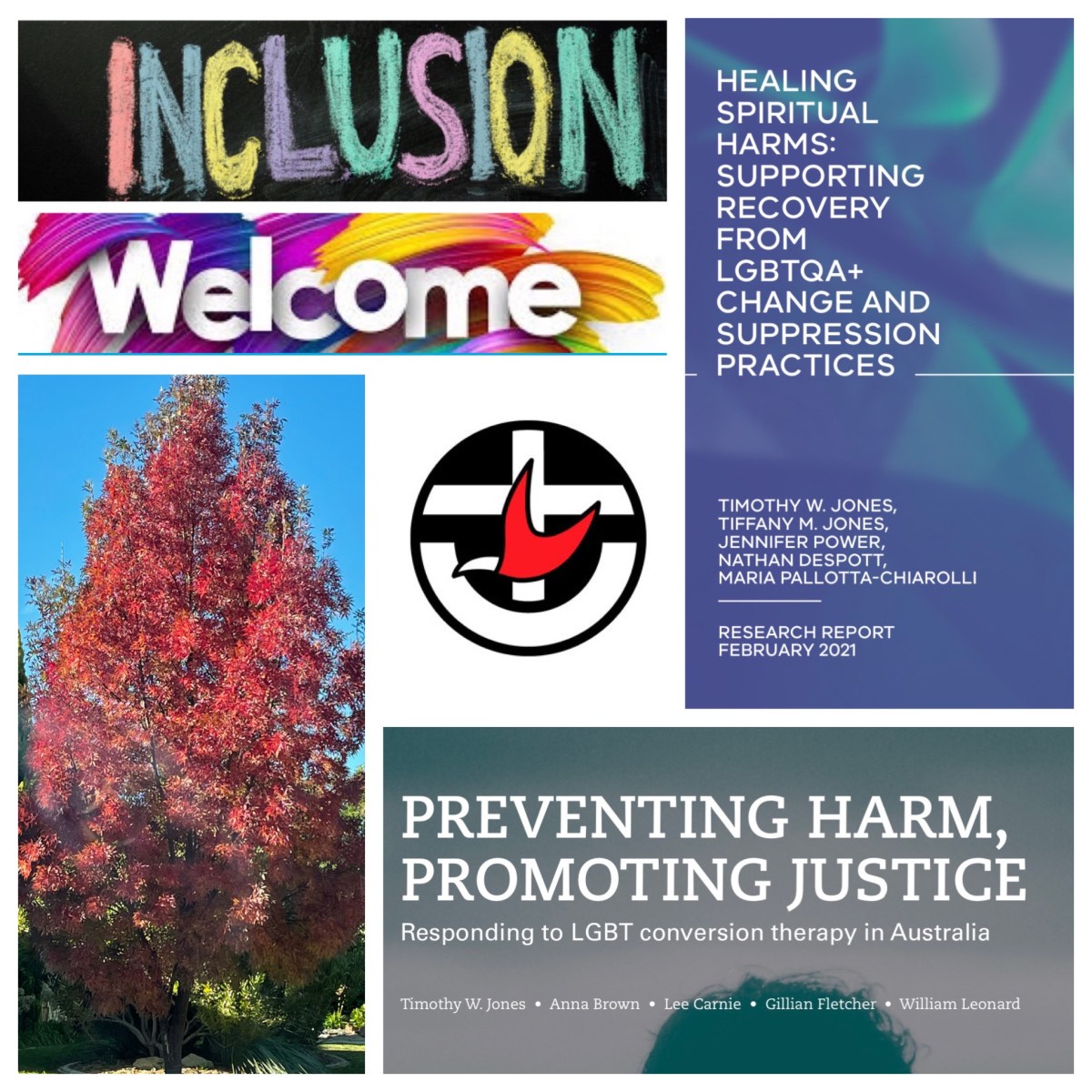
A 2018 study, entitled “Preventing Harm, Promoting Justice – Responding to LGBT conversion therapy in Australia”, drew on the lived experiences of “15 LGBT people with experiences of conversion therapy, documented through social research”. These participants had engaged with various conversion therapy practices between 1986 and 2016 “as part of their struggle to reconcile their sexuality or transgender identity with the beliefs and practices of their religious communities”.
This study found that “responding to conversion practices in Australia requires a multi-faceted strategy”, and proposed “a number of legislative and regulatory reforms, with a particular focus on young people given their vulnerability”. It is hoped, say the study’s authors, “that this research will raise awareness of the severity of the harms occasioned through conversion therapy, and support the development of more appropriate pastoral care for LGBT people of faith.”
*****
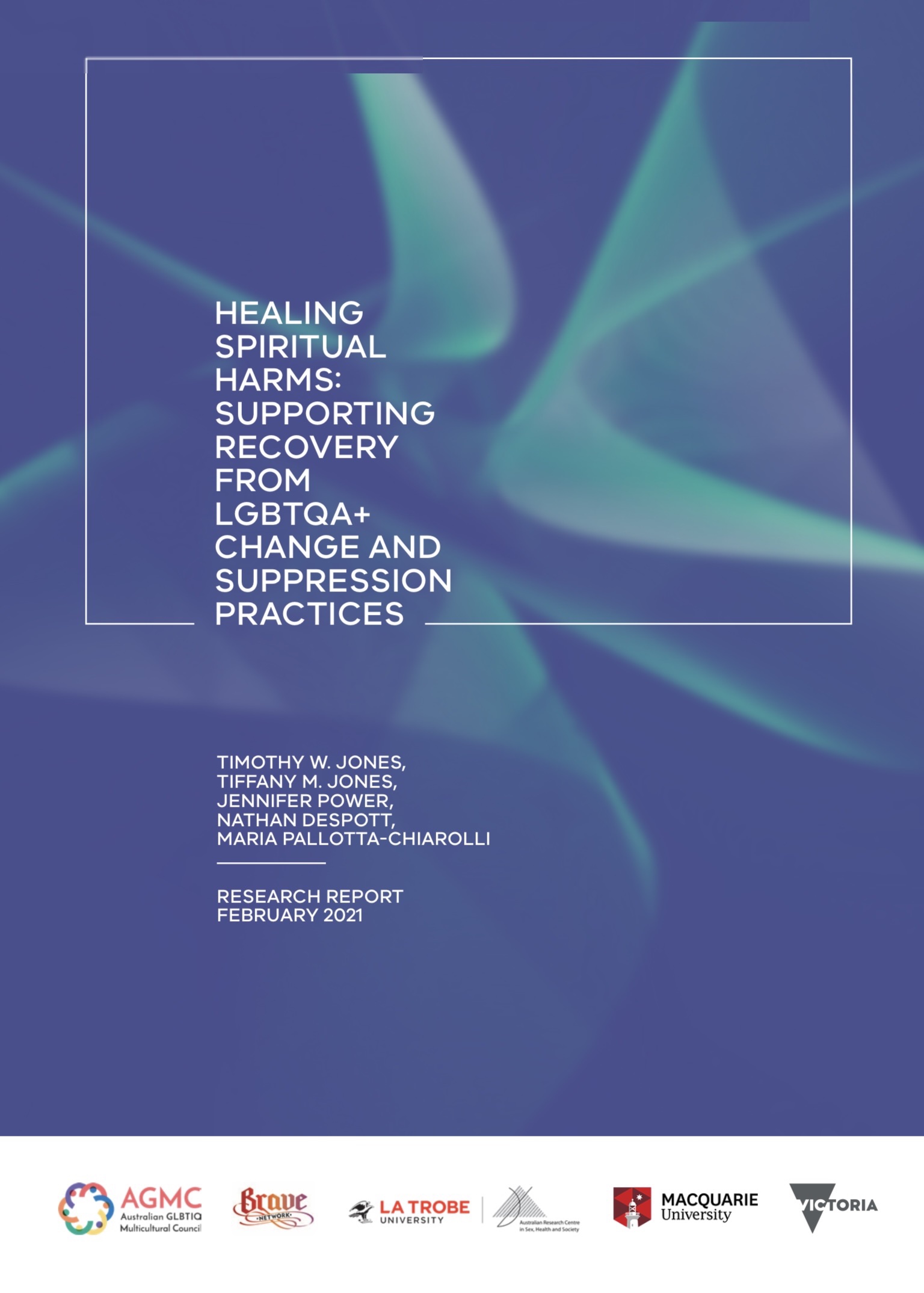
A study published in 2021, by the Australian Research Centre in Sex, Health and Society of LaTrobe University, concluded that “many people who experience attempts to change or suppress the LGBTQA+ elements of their selves are severely harmed by those attempts.”
Jones, T.W., Jones, T.M, Power, J., Despott, N., & Pallotta-Chiarolli, M. (2021). Healing Spiritual Harms: Supporting Recovery from LGBTQA+ Change and Suppression Practices. Melbourne: The Australian Research Centre in Sex, Health and Society, La Trobe University.
The study, Healing Spiritual Harms: Supporting Recovery from LGBTQA+ Change and Suppression Practices, was a joint project involving the Brave Network, the Australian GLBTIQ Multicultural Council (AGMC), the Victorian Government and researchers at La Trobe University and Macquarie University. The project was funded by the Victorian Government and the Australian Research Council.
The study made some significant findings. First, it found that “at least one in ten LGBTQA+ Australians are vulnerable to religion-based pressures and attempts to change or suppress their sexuality”. Second, it noted that such practices “may involve formal conversion programs or ‘counselling’ practices, but more often involve less-formal processes including pastoral care, interactions with religious or community leaders, prayer groups and other spiritual or cultural practices initiated within particular communities.”
Sadly, a third key finding is that “core to both these formal and informal change and suppression practices is the message conveyed to LGBTQA+ people that they are ‘broken’, ‘unacceptable’ to God, and need spiritual or psychological healing.” That is certainly of great concern to people of faith, especially in the Uniting Church, given what our President has articulated regarding the “dignity, compassion and respect” to which every person is entitled.
The study further reports that “psychological research has demonstrated that LGBTQA+ change and suppression efforts do not reorient a person’s sexuality or gender identity and an increasing body of literature has documented the negative impacts that these pressures and attempts have on LGBTQA+ people’s lives.”
The imperative to act in relation to instances of SOGICE, as well as the importance of providing supportive pastoral care to survivors of SOGICE, cannot be underestimated.
*****
In 2021, whilst advocating to the ACT Government to pass legislation that would outlaw such activities, a group of UCA ministers in the ACT wrote about the biblical understanding of human beings as created by God, infused with the spirit, and perfectly acceptable to God just as exactly as they are—whatever gender identity or sexual orientation each individual possesses.
We quoted from research undertaken by Elizabeth Raine, who has argued that “all creatures are ‘nephesh’, or sentient beings.
We have a soul, a state of being, a life that is fully formed and given by God. All human beings are created with the spirit of God within us (Gen 1:20, 21, 24, 30, 2:7; Job 12:7-10). There are no exceptions to this in biblical understanding. All human beings exist within this understanding. Our human identity is grounded in the creative work of God’s spirit. Who we are is how God has made us to be—each human being is made in God’s image (Gen 1:27; Sir 17:3).”
It’s my view that this fundamental biblical insight should guide our actions as the church today—accepting people for who they are, placing no value judgements on how they understand themselves or how they express themselves in loving, committed relationships. That is a key way by which we live out our faith in our lives and our relationships.
The 16th Assembly of the Uniting Church, meeting this coming weekend, has before it a proposal that is a direct response to this call, and sits firmly in line with the research findings from the studies noted above.
It’s an important proposal which merits careful and prayerful consideration. Its a direction that is well-supported, both by individual stories told by survivors of SOGICE, and by careful academic research in this area. It’s a proposal that should inform our pastoral care practices as well as our public advocacy and our local community engagement.
It’s a matter that people right across the Uniting Church (and beyond) would do well to consider—to ensure that we do not contribute to the (sadly) continuing harm being caused to our “rainbow” brothers and sisters.
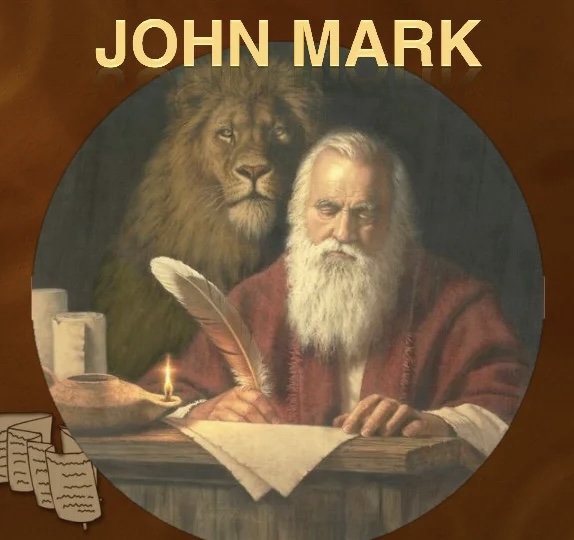
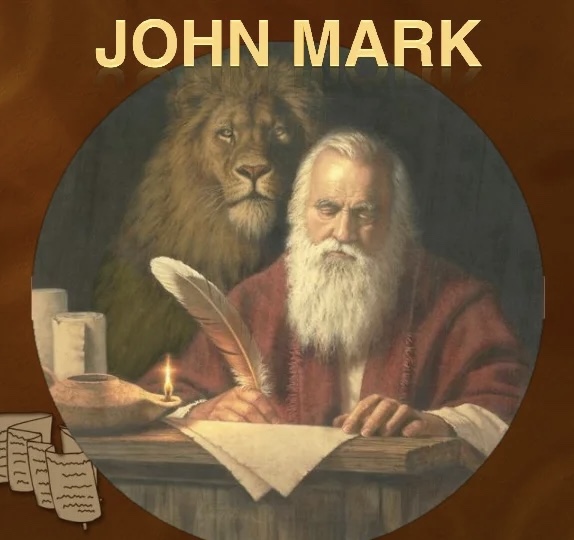
In the Uniting Church’s resource provided for worship leaders, Uniting in Worship, there is a Calendar of Commemorations, based on the cycle of annual feast days for saints in the Anglican, Catholic, and Orthodox churches—but broadened out to be much wider than this. Many days of the year are designated to remember specific people. Today (25 April) is the day allocated to remember John Mark, fellow worker with Paul and, by tradition, the author of the earliest Gospel.
Mark, it is believed, was a young man at the time of Jesus. The first explicit mention of this young man comes in Luke’s description of the community of believers, gathered together. When Peter was released from prison, he went to “the house of Mary, the mother of John whose other name was Mark, where many had gathered and were praying” (Acts 12:12).
It’s interesting to wonder whether this gathering in the house of this Mary might have been in the same place, with many of the same people, who gathered in Jerusalem, after the resurrection and ascension of Jesus, but before the Day of Pentecost. That gathering was in “the room upstairs where they were staying”, without the owner of the house being noted. Included in the people participating in this gathering was “Mary the mother of Jesus, as well as his brothers” (Acts 1:12–14). John Mark is not mentioned amongst those named in this group on that earlier occasion.
John Mark is mentioned further time in Acts after the gathering in Jerusalem in Acts 12. After working for a year in Antioch (11:26), Barnabas and Saul “returned to Jerusalem and brought with them John, whose other name was Mark” (12:25). It seems that John Mark had been sharing in ministry with Barnabas and Saul in Antioch.
The final reference to John Mark occurs at a critical moment in the narrative about the mission that Barnabas and Saul had been undertaking. They had spent time in Antioch in Syria (11:22–30), Cyprus (13:4–12), Antioch in Pisidia (13:13–52), Iconium (14:1–5), Lystra and Derbe (14:6–20), Barnabas and Saul travelled back to Antioch in Pisidia (14:21–23) and then on back to Antioch in Syria (14:24–28).
After a council of the church was held in Jerusalem (15:1–29) and a report from that was given in Antioch (15:30–35), there was some discussion about revisiting “the believers in every city where we proclaimed the word of the Lord and see how they are doing” (15:36).
Luke reports that “Barnabas wanted to take with them John called Mark. But Paul decided not to take with them one who had deserted them in Pamphylia and had not accompanied them in the work” (15:37–38). This earlier desertion of the apostles—not actually noted in the text at the time it was said to have taken place—was the basis for Paul’s opposition to this proposal.
Luke indicates that “the disagreement became so sharp that they parted company”; the word that is used here, paroxysmos, is sharp and cutting (we derive the word paroxysm from it). So “Barnabas took Mark with him and sailed away to Cyprus; but Paul chose Silas and set out, the believers commending him to the grace of the Lord (15:39–40). Silas would be the ongoing companion of Paul for some time thence.
There is an ancient church tradition, however, that identifies John Mark with “a certain young man”, not named in the text, who was “wearing nothing but a linen cloth” (Mark 14:51). This young man, perceived to be one of the followers of Jesus, was with Jesus in the garden at the critical time when, as the Gospel reports, all those who were with him “deserted and fled” (14:50). The text explicitly notes of this “certain young man” that the “crowd with swords and clubs, from the chief priests, the scribes and the elders” (14:43) caught hold of him as the others fled, “but he left the linen cloth and ran off naked” (14:52).
This young man—the first Christian streaker!—has been identified as John Mark, and it’s further claimed that he was the author of the work we know as the Gospel according to Mark. The “evidence” in the text is as clear as the clothing that the young man was wearing—it slips away in an instant, it is nothing of any substance at all.
What else do we know of John Mark? Is he the “Mark, cousin of Barnabas” mentioned at Col 4:10? His name appears here and in Philemon 24, amidst a similar cluster of men identified as fellow-workers of Paul (Epaphras, Mark, Aristarchus, Demas, and Luke; see Col 4:10–14). The names of three of these men (Mark, Delmas, and Luke) recur amidst the people noted at 2 Tim 4:9–11; also named are Crescens, Titus, Alexander, and Tychicus).
This section of 2 Tim may well be an historical fragment from the time of Paul, inserted into a letter written at a later time, claiming Pauline authorship (but betraying many signs of a later composition). But nothing definitively links this Mark with the John Mark of Acts (nor, for that matter, with the author of the earliest extant Gospel).
The later relationship between John Mark and Paul is also hinted at in a further letter, attributed to Peter (but most likely not authored by either him), which concludes with a note that Silvanus (whom some think may have been Silas) assisted in writing the letter, and that “my son Mark sends greetings” (1 Pet 5:12–13).
This verse has contributed to the tradition that Mark was a disciple of Peter (the word translated “son” could also infer he was a “disciple”)—and thus, that Mark’s Gospel came from when Mark, “in his capacity as Peter’s interpreter, wrote down accurately as many things as he recalled from memory—though not in an ordered form—of the things either said or done by the Lord”, as Papias declared (Eusebius, Church History 3.39). The lion is the symbol that is traditionally attached to this Gospel.
But this claim about authorship comes from a later century, and is not an observation made at the time the Gospel was written. See
The closing words of the letter attributed to Peter are a fitting conclusion to our consideration of the mercurial John Mark: “Greet one another with a kiss of love. Peace to all of you who are in Christ.” (1 Pet 5:14). If he was, indeed, with Peter, and if this was, indeed, their wish for “the exiles of the Dispersion in Pontus, Galatia, Cappadocia, Asia, and Bithynia” (1 Pet 1:1), it stands as a fine testimony from this first century follower of Jesus.
Mark is subsequently credited as being the founder of the church in Egypt. The Coptic Church (the Church of Alexandria) is called the “See of St. Mark”; it is claimed as one of the four earliest sees: Jerusalem, Antioch, Alexandria, and Rome. John Mark regarded in the Coptic Church as the first of their unbroken 117 patriarchs, and also the first of a stream of Egyptian martyrs.
An apocryphal story told about John Mark concerns an incident soon after he had left Jerusalem and arrived in Alexandria. On his arrival, the strap of his sandal was loose. He went to a cobbler to mend it. When the cobbler, named Anianos, took an awl to work on it, he accidentally pierced his hand and cried aloud “O One God”. At this utterance, it is said that Mark miraculously healed the man’s wound. This gave him courage to preach to Anianos. The spark was ignited and Anianos took the Apostle home with him. He and his family were baptized, and many others followed.
It is said that John Mark went to Rome, but left there after Peter and Paul had been martyred; he then returned to Alexandria and was martyred there in the year 68, after an altercation with a crowd attempting to celebrate the feast of Serapis at the same time as the Christians were celebrating Easter.
As we draw nearer to the annual ANZAC Day commemorations, we prepare to remember those who have served in military forces in many theatres of war over the past decades. As I keep on hearing, now, this annual day is not a day to glorify the exploits of those who took part in those wars (which is how I experienced it, growing up in the 1960s and 1970s), but rather, a day to reflect on the cost, even the sacrifice, of those combatants.
Certainly, the mood of sober reflection on the cost of war, the damage that it does to those who have served, and also the courage that many showed under situations of great adversity and danger—this is what usually predominates in our time. (Although my liturgical sensitivities still cringe, every time a local RSL branch leads an ANZAC Day service using antiquated language and creakingly-obsolete theology via the “approved order of service” and the hymns that are taken straight from the vault of Antiques Roadshow.)
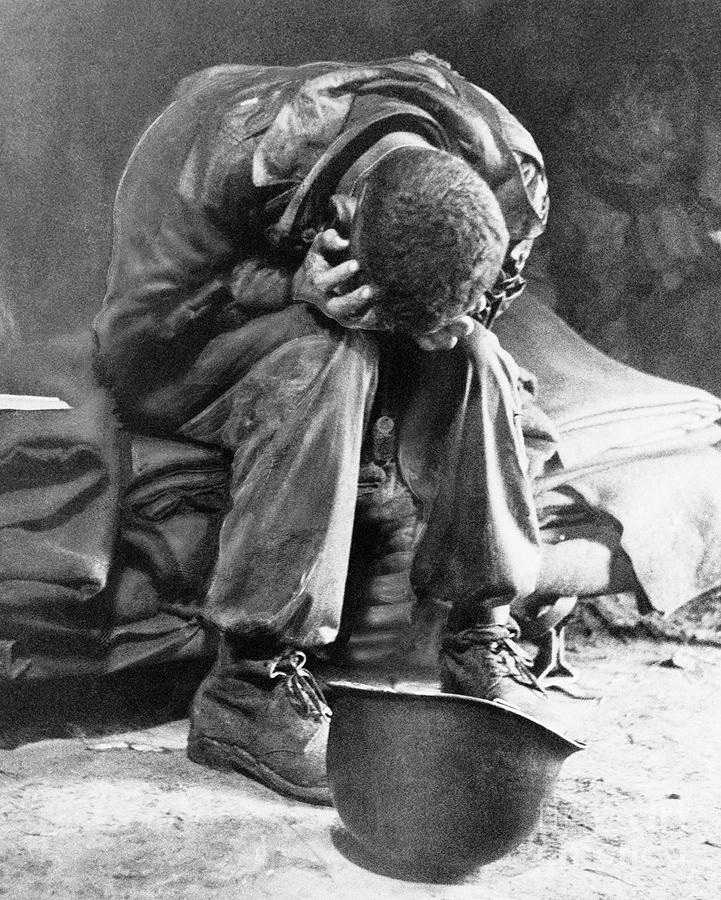
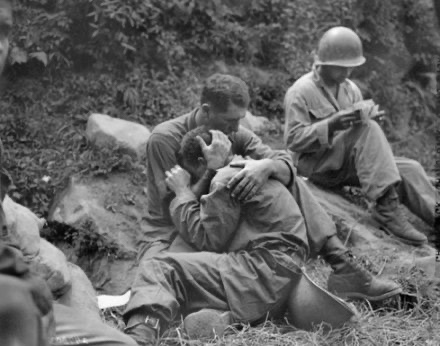
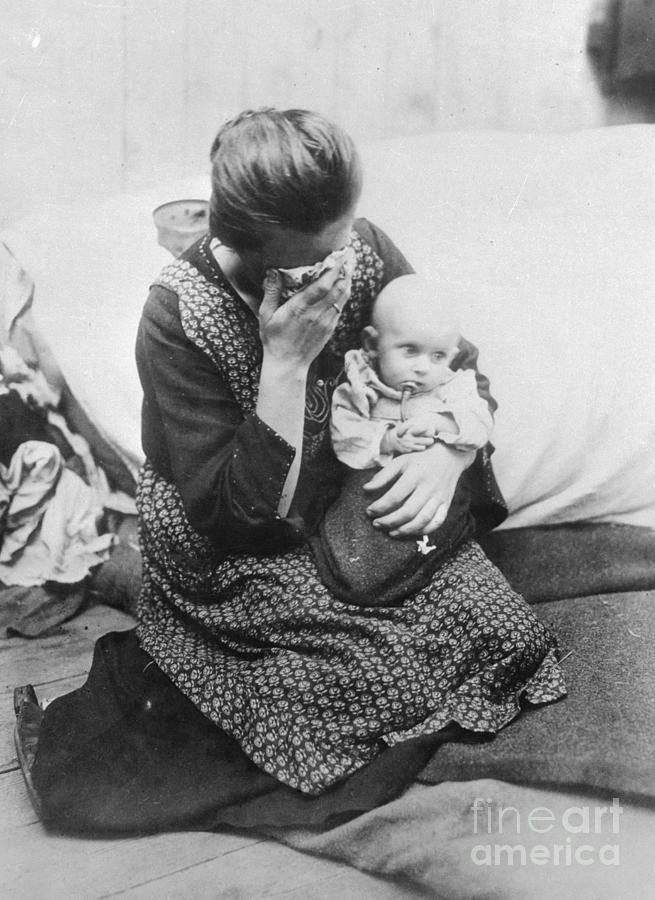
I recently read about a visit that Pope Francis made to Italy’s largest military cemetery. It was in 2014, but what the Pope said merits our consideration: “war is madness; humanity needs to weep, and this is the time to weep.”
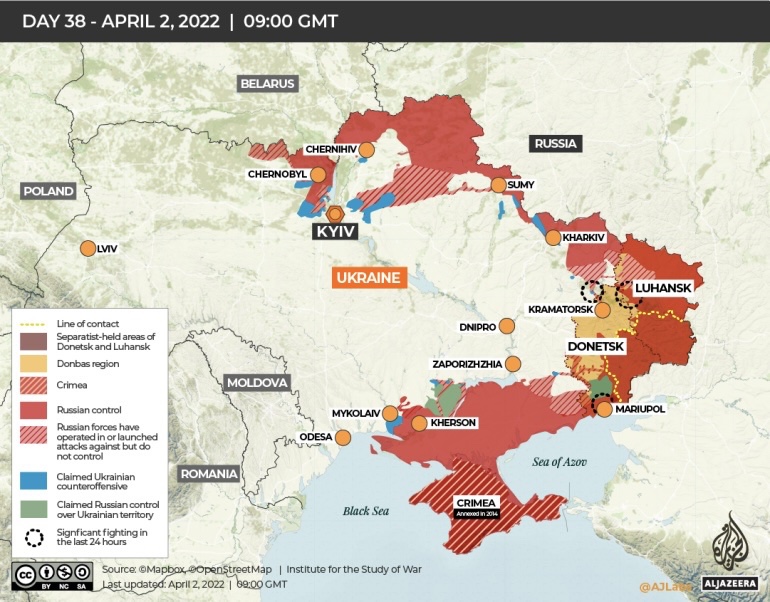
The report indicated that the Pope believed, even back in 2014, that we were in the midst of a Third World War—a piecemeal war, but a world war, nevertheless. The current Russian invasion of the Ukraine, the sturdy resistance of the people of Ukraine, and the consequent involvement of NATO and western nations, could well be seen to be the most immediate sign of this war.
If this is a world war, and if the West is heavily invested in this war, then will the West be able to gain victory? The bottom line, for me, is that war is never a winning strategy. There are no winners in warfare. Certainly, there appears to be winners—in the short term—as well as losers—also in the short term. But in the long term, everyone loses. There are no winners. War causes such pain, such turmoil, such hurt, such dislocation. “War is madness; humanity needs to weep, and this is the time to weep.”
World War I was supposed to be “the war to end all wars”. The Armistice signed in late 1918 was supposed to ensure peace in Europe, and across the world. However, within two decades, the world was at war again. World War II was, in many ways, dealing with the consequences of the way that World War I was resolved, both on the battlefields, and in the negotiating rooms. The League of Nations became the United Nations, pursuing a programme of seeking peace across the world—a programme that still, today, is ongoing, and never-ending.
Can this current war be won? Should resources and personnel be devoted to “winning the war”? Certainly, Russia is showing every sign that it intends to “win the war”; whether they will, remains to be seen. And the Ukraine is valiantly demonstrating that it intends not to be the “loser” of the current war being waged in its territory; whether this will be the result, will depend on the tenacity of Ukrainian troops and the level of support (military, sanctions, trade embargoes, and the like) from NATO and others. Only time will tell who the short-term “winner” and “loser” will be.
It is true that going to war is seen by many as a legitimate way to resolve disputes and solve arguments, on a large scale. There have even been, through the ages, sophisticated arguments mounted to justify warfare. The Just War theory (originating in Ancient Greece, developed by St Augustine, and further developed by Thomas Aquinas) could presumably be used to support a western pushback to the current Russian invasion. Fighting evil is seen as essential. War is reckoned as the way to do this.
But, as the Pope said, “war is madness; humanity needs to weep, and this is the time to weep.” We know that war has many consequences. It damages individuals, communities, societies, and nations. It has many more innocent victims than the casualty lists of enrolled personnel indicate. And there is abundant evidence that one war might appear to resolve one issue, but often will cause other complications which will lead to another war.
As I have noted, when we look at the outcome of the Armistice at the end of World War One, we can trace a direct sequence of events that led from World War One to World War Two. The same connections can be made, for instance, between colonisation (itself a process that involves warfare, as invasions require the subduing of Indigenous Peoples) and subsequent civil wars in the USA, Sri Lanka, and in various countries in Africa and Asia.
Sometimes, pitched battle warfare seems to be the only possible way forward. In the current situation, resisting the Russian invasion seems to be a vital strategy, especially as we see the pictures beamed from building reduced to rubble, lines of homeless people seeking to find refuge, hospitals that have been bombed but are seeking to continue to operate under difficulties. These pictures pull at our heartstrings, and validate our support for a direct western response to Russian aggression. A non-violent response seems harsh, uncaring, selfish, and doomed to failure.
Yet, overall, a commitment to peace is surely what we need to foster. An aversion to war is what we need to develop. As we follow the man from Nazareth who advocated turning the other cheek, praying for those who abuse you, and loving the enemy—the man who blessed those who work for peace—it would seem that a non-violent response is essential. And that is the ultimate goal.
To achieve that ultimate goal, a culture of respectful disagreement and honest negotiation, rather than pitched rhetoric and savage violence, is surely what we ought to aspire towards. However, that can’t suddenly be brought to bear in the current situation. I think the imperative to respond “in kind” is too strong to ignore. The justification for an aggressive western response is strong.
But over time, our leaders need to foster a much more constructive sense of relating in positive ways through diplomacy that is nurtured over time—rather than public posturing and media-oriented sound bites. That takes hard work and persistent commitment. Instead of rattling the sabres to grow in popularity during the current battle, why not commit to the military response that is currently required, but also seek to develop robust ways of developing respectful and mutually-constructive ways of operating.
That longer path of peace must surely be the direction that our governments must work for in the coming years. The Uniting Church has had a long commitment to seeking peace in local, national, and international spheres, stretching right back to a 1982 decision of the National Assembly, affirming that “the Uniting Church is committed to be a peacemaking body, seeking to follow the Lord of the Church by encouraging political authorities to resolve political tensions by peaceful means.” (82.57(1)(c))
We know that “war is madness; humanity needs to weep, and this is the time to weep.” Those papal words might inspire us to pause, reflect, weep—and pray. And as people of faith, the ultimate goal of peace (not just of “winning the war”, but of “bringing peace with justice”) must surely be the focus of our prayers—as we pray for those displaced, injured, or mourning in this current war, so too, we pray and work for peace in the world on the basis of justice.
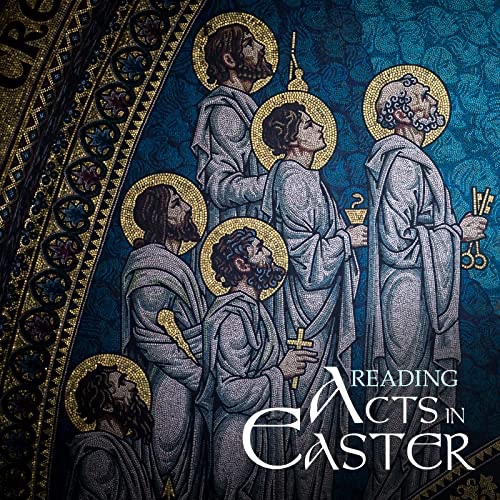
Society celebrates Easter over a four-day holiday period, then packs it away, to be rolled out again next year. In the church, Easter is not a short-term holiday opportunity. It is a full-on season, taking place over seven full weeks. The season of Easter begins on Easter Sunday, and concludes with the Day of Pentecost.
Pentecost, of course, means 50th, and it is actually a Jewish festival in origin; the festival of Pentecost was the Feast of Weeks (the spring harvest festival of Shavuot), taking place after seven weeks of weeks (7 x 7 = 49 days). So we have forty nine days to celebrate and remember Easter, and then the great feast of Pentecost, the 50th day!
One way that the church has devised to continue the celebrations of Easter Sunday throughout those seven weeks, has been to lay aside the First Reading from the Hebrew Scriptures, and provide readings from the book of Acts for that period.
Why? Because, in traditional Christian understanding, the church was brought into being on the Day of Pentecost, when the Spirit fell upon the followers of Jesus “gathered in one place” (Acts 2:1) Presumably they were in the Temple court for the festive celebrations, along with the crowd of “about three thousand persons” mentioned later in the narrative (2:41). They were certainly in the Temple at 3:1–4:3, and again at 5:20–26, and quite regularly according to 5:42.
From that event at Pentecost, the church grew and spread; and this is what the book of Acts recounts. So, in anticipation of that pivotal Pentecostal moment, the First Reading on each Sunday in Easter offers one of the important moments in the growth and spread of the church in its early years.
Each year, the lectionary offers selected incidents from the earliest days of the church in Jerusalem (Acts 2:43–8:3); in the early dispersion of disciples (8:4–12:25); and in the missionary travels undertaken by Paul and his companions (13:1–21:26).
This year, Year C, we have just such a selection: the early morning at the tomb of Jesus (John 20) and the journey on the road to Emmaus (Luke 24) on Easter Sunday; then an incident involving Peter and John (Acts 5), the early section of the life-changing call of Paul (ch.9), a striking account of the resurrection of Tabitha (ch.9), the report of Peter’s revolutionary vision to the church in Jerusalem (ch.11), and two stories from the time that Paul spent in Philippi (ch.16), before hearing again the story of Pentecost (ch.2). It is a rich fare!
1 Peter and John on trial
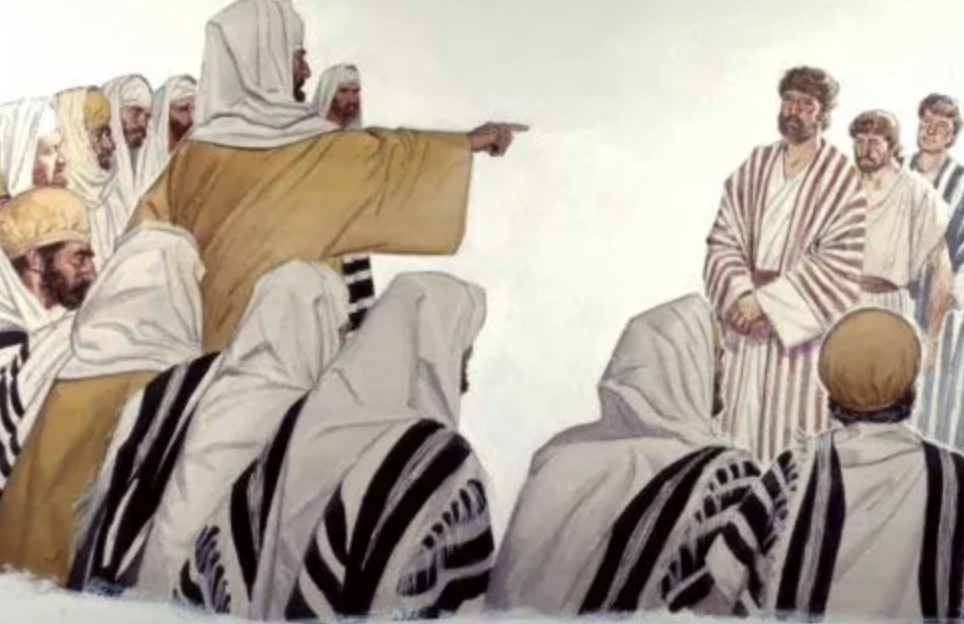
The reading from Acts this coming Sunday (Acts 5:27–32) is a small part of Luke’s account of the second trial of Peter and John (5:17-40). They had been brought to trial previously (4:1—22), but released because of the recognition that these “uneducated and ordinary men” were companions of Jesus and had effected a miracle in his name (4:13—14). Nevertheless, the antagonism of “the priests, the captains of the temple, and the Sadducees” (4:1) continued, so that the high priest once again intervened, having them arrested for a second time (5:17-18).
The account that Luke provides offers one of the most striking statements about the responsibility that followers of Jesus have, to give first priority to God (5:29). The authorities are “filled with jealousy” (5:17), indicating that they were at odds with the divine will (13:45; 17:5; 22:3-4), and contrasting with being “filled with the spirit” (see 4:8).
The apostles were released overnight by God’s intervention (5:19—21), and they resume their teaching in the temple (5:21a). The authorities order their re-arrest and return to the court (5:21b-26) on the charge of “standing in the temple and teaching the people” (5:25,28), in defiance of their earlier command (4:18).
2 Peter’s speech: “we must obey God”
A response to the charge is given in the fifth speech of Peter reported in Acts (5:29-32). Although brief, this speech nevertheless reflects the elements already established in Peter’s speeches, through the use once more of explicit talk about “the God of our ancestors” (5:30; see 3:13) who “raised Jesus” (5:30; see 2:24,32; 3:15) and exalted him” (5:31; see 2:33). There follow the standard references to repentance and forgiveness of sins (5:31; see 2:38), the apostolic witness (5:32; see 2:32; 3:15) and the gift of the holy spirit (5:32; see 2:33).
Most striking, however, is the introductory statement, “we must obey God” (5:29). Luke justifies the apostles’ action by having Peter employ this widely-known Greek proverb.
Plato includes this proverb in his Apology 29D: “I must obey God rather than you”; the proverb is used also by Sophocles, Antigonus 453-455; Herodotus 5.63; Epictetus, Diss. 1.30.1; Athenaeus, Deipn. 12.502A; Livy 39.37.17; Plutarch, Conviv. 125C. It was well-known in Greek literature. It is striking that this “uneducated and ordinary man” (4:13) has such erudite knowledge; surely a sign that the author of Acts has shaped the speeches himself.
The proverb also has strong resonances with the persistent scriptural language of obedience to YHWH. The language about the obedience that is due to God is particularly Deuteronomistic and prophetic. Abraham is told, “by your offspring shall all the nations of the earth gain blessing for themselves, because you have obeyed my voice” (Gen 22:18) and Moses warns the people of Israel, “like the nations that the Lord is destroying before you, so shall you perish, because you would not obey the voice of the Lord your God” (Deut 8:20).
Samuel laments to the disobedient Saul, “why then did you not obey the voice of the Lord? Why did you swoop down on the spoil, and do what was evil in the sight of the Lord?” (1 Sam 15:19) and instructs him, “surely, to obey is better than sacrifice, and to heed than the fat of rams” (1 Sam 15:22). Solomon is assured by God, “if you will walk in my statutes, obey my ordinances, and keep all my commandments by walking in them, then I will establish my promise with you, which I made to your father David. I will dwell among the children of Israel, and will not forsake my people Israel” (1 Kings 6:12)
Jeremiah persistently laments that the people “have sinned against the Lord our God, we and our ancestors, from our youth even to this day; and we have not obeyed the voice of the Lord our God” (Jer 3:25), whilst Ezra declares to those returning to settle in Jerusalem, “all who will not obey the law of your God and the law of the king, let judgment be strictly executed on them, whether for death or for banishment or for confiscation of their goods or for imprisonment” (Ezra 7:26).
(See also Gen 26:5; Exod 19:3-6; Deut 4:30, 9:23, 11:13,27-28, 13:4,18, 15:5, 26:14,17, 28:1-2,13,15,45,62, 30:2,8,10,16,20; 1 Sam 28:18; 1 Kgs 13:21,26; 2 Kgs 18:11-12; Neh 9:16-17; Jer 3:13,25, 7:23-24,28, 9:13, 11:7-8, 22:21, 25:8, 26:13, 32:23, 34:17, 38:20, 40:3, 42:6, 43:4,7,23; Dan 9:9-14; Hag 1:11; Zech 6:14.)
“We must obey God”. This proverb sounds forth the note of divine necessity which resonates throughout the book of Acts: obedience is a necessity. (I wrote about the various ways that language about God is used by Luke to validate the course of events he narrates, in my book on The plan of God in Luke-Acts). The speech is framed with references to God’s effort to persuade human beings (5:29,32). The authorities, however, are not yet persuaded; they seek to kill the apostles (5:33).
The necessity which presses upon the apostles ensures that they, and others in their movement, will be seen as “people who have been turning the world upside down” (17:6).
In this, they have remained faithful to the way set forth by Jesus, who regularly called people to follow him (5:27: 9:23; 9:59; 14:27; 18:22). Jesus himself was accused by the Jewish authorities of “perverting our nation, forbidding us to pay taxes to the emperor, and saying that he himself is the Messiah, a king” (23:2), of “stir[ring] up the people by teaching throughout all Judea, from Galilee where he began even to this place” (23:5). Following Jesus does require a way of life that others will perceive as political activism.
3 The speech of Gamaliel: “this is of God”
Unfortunately, the lectionary omits Gamaliel’s speech (5:34-39), which provides support to the apostles and ensures their release (39b—40). Gamaliel, a Pharisee in the council who is described as “a teacher of the law, respected by all the people” (5:34) provides a surprising witness in defence of the apostles.
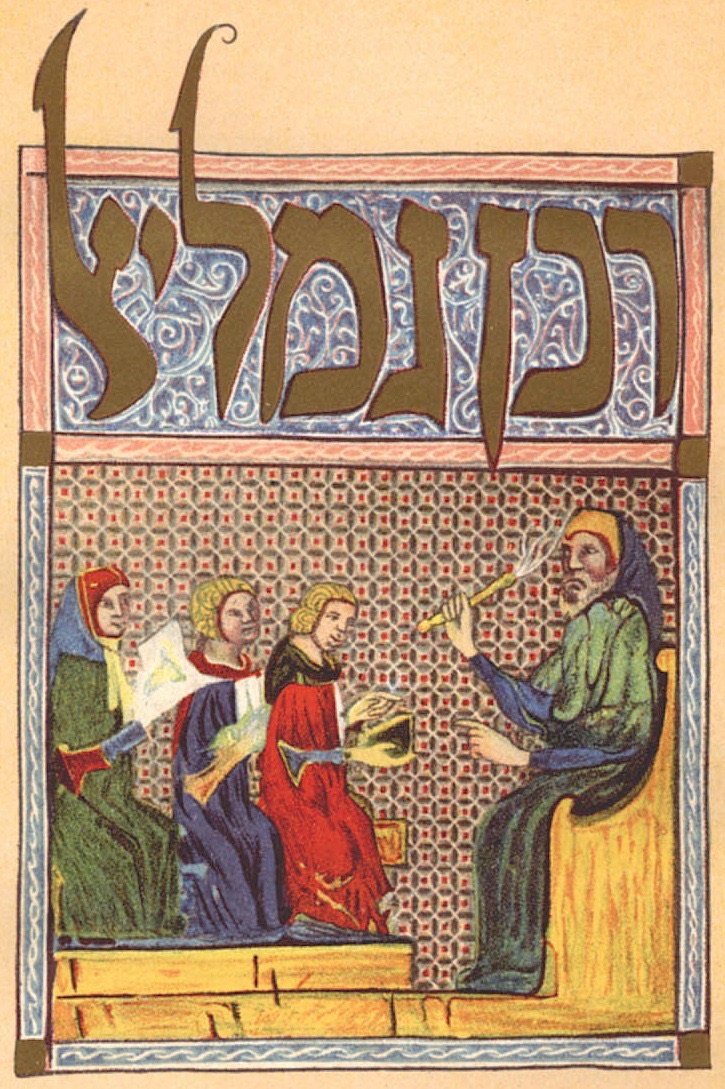
Rabban Gamaliel
Gamaliel refers to the Jewish uprisings under Judas and Theudas, which serve as warnings to the council (5:36-37).
Josephus calls Judas the Galilean the leader of “the fourth of the philosophies” (Ant. 18 §23; J.W. 2 §433). But let’s not be fooled by the description of Josephus; he was no armchair philosopher; Judas, son of Hezekiah the Zealot, was an activist, an insurgent, a renowned rebel, a clever and capable organiser of men bonded by a desire to rid the nation of the Roman overlords. Planning insurrection and leading rebellion was what Judas was on about.
Luke dates the activity of Judas to “the time of the census”, already referred to in Luke 2:1-3. This was probably around 6 CE. Josephus also refers to the uprising under Theudas (Ant. 20 §97-98), but places him at the time when Cuspius Fadus was governor (c.44-46 CE). This is more than a decade after the presumed date of the trial scene reported in Acts 5. So there is a problem with this dating.
Although the historical references are somewhat inexact, the apologetic purpose of this speech is clear. The Pharisee Gamaliel reinforces the claim made by Peter. His speech ends with a forthright exposition of the Lukan perspective: “if this is of God, we will not be able to resist them, and we may be found fighting against God” (5:39; cf. Luke 7:30). This sentence climaxes this subsection and holds the whole sequence of events in the temple (3:1-5:42) within the framework of God’s overarching sovereignty.
So the outsider, one who was not a follower of Jesus, underlines what the leader of those followers had claimed. “We must obey God”, the apostle Peter declared. “This may well be of God”, the Pharisee Gamaliel concurred. Insights from the outsiders are valuable; they may, in fact, confirm our hunches, consolidate our thinking, and lead us to creative and courageous ways of living.
It is a pity that the lectionary cuts short the excerpt that is offered. Perhaps you might include it in your reading, and sermon, if you are preaching on this passage?
This blog is based on a section of my commentary on Acts in the Eerdmans Commentary on the Bible, ed. Dunn and Rogerson (Eerdmans, 2003). I have also explored the theme of the plan of God at greater depth in my doctoral research, which was published in 1993 by Cambridge University Press as The plan of God in Luke-Acts (SNTSM 76).
Jesus has died. His body has been handed over to followers, placed in a tomb, and left for the Sabbath. By tradition, the body would next be anointed with spices. Normally, the role of anointing a body of a deceased person is undertaken by women. Perhaps the reference to washing the body of Tabitha after her death (Acts 9:37) refers to this?
Josephus describes the rites relating to the body of the young Jonathan III Aristobulus, a High Priest who was murdered in 35 BCE. After his death, there was “great preparation for a sepulchre to lay his body in; and providing a great quantity of spices; and burying many ornaments together with him (Antiquities 15.4). This was a lavish provision for a high status person; we can deduce, by analogy, that similar funeral rites were offered to the bodies others of lesser status on their death.
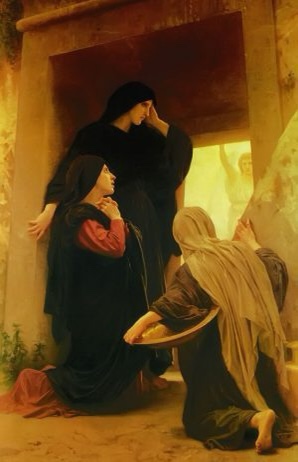
Indeed, two of the Synoptics note this practice: when the women came to the tomb, they “bought spices, so that they might go anoint him” (Mark 16:1); they came, “taking the spices that they had prepared” (Luke 24:1; see also 23:55–56). Matthew, by contrast, simply states that the women “went to see the tomb” (Matt 28:1); there is no mention of spices in this version, where the focus is more on the claim that the disciples stole the body (Matt 27:64–66; 28:13–15).
This anointing of the body was to be done, at the first possible opportunity, after the Sabbath. Yet, although the women come to the tomb, prepared to anoint the body (Mark 16:1–2), they are curiously unprepared with any plan to roll away the stone that had been placed over the mouth of the tomb (Mark 16:3; perhaps this inferred at Luke 24:1–2 ?).
Matthew, of course, tells of the exact moment that “an angel of the Lord, descending from heaven, came and rolled back the stone and sat on it” (Matt 28:2). This is one of two dramatic apocalyptic events that Matthew recounts. When the curtain in the temple is torn in two, the scene evokes the apocalypse: the earth shook, the rocks were split, the tombs were opened, the saints were raised (27:51–53).
So, when the women arrive at the tomb, and the angel rolls back the stone, there is another such moment; “his appearance was like lightning, his clothing white as snow” (28:3); the guards at the tomb “shook and became like dead men” (28:4). Both scenes evoke the apocalyptic scenario that Matthew has had Jesus point to before his arrest (24:29–31, referencing Isa 13:10–13).
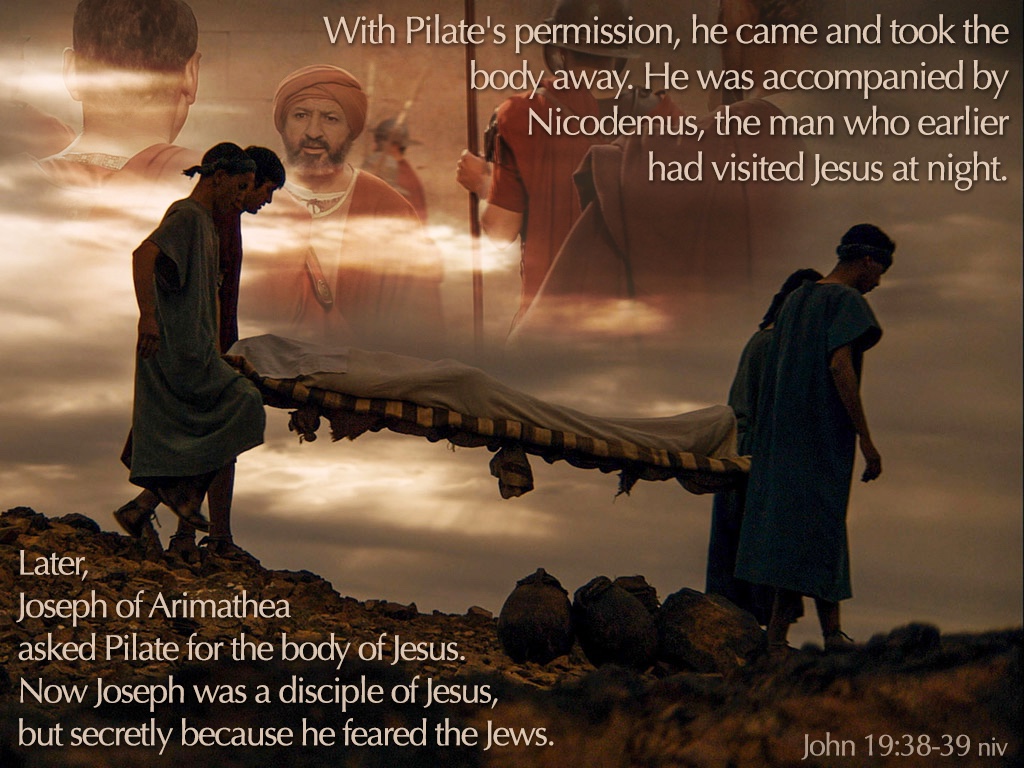
In John’s Gospel, by contrast, there is an interesting twist. John reports that the anointing of the body was undertaken immediately by the two men who had taken custody of the body of Jesus—Joseph of Arimathea, “who was a disciple of Jesus, though a secret one because of his fear of the [Jewish authorities]” (John 19:38), and Nicodemus, “who had at first come to Jesus by night” (19:39).
The two men had a large amount of “myrrh and aloes, weighing about a hundred pounds”, which they wrapped “in linen cloths, according to the burial custom of the Jews” (19:40). I can’t find a specific reference that substantiates what those burial customs were in the first century (the relative dearth of historical sources for this time is a regular problem encountered in biblical studies). There are laws relating to this from later centuries. Did they apply in the first century?
James McGrath, in his book on “The Burial of Jesus: History and Faith”, 2008 (see https://www.amazon.com/Burial-Jesus-History-Faith/dp/1439210179) argues that “the account in Mark’s Gospel itself seems to suggest that some of the concerns of later Jewish laws preserved in rabbinic sources existed at the time of Jesus”—laws such as not leaving the body exposed overnight, not giving the body of the deceased to the family immediately, and placing the body in a nearby tomb used for the bodies of those executed. He thinks that later changes to the story reflect the discomfort and embarrassment of the earliest followers of Jesus regarding the burial of Jesus; an hypothesis that has much merit.
The story of the anointing of the body of Jesus this grows over time; the respect accorded to Jesus has been overlaid across the bare narrative of the earliest account. The notion that the body of Jesus could be left out for the vultures, or thrown into a communal grave, is anathema to the faithful Jewish followers of Jesus.
Powerful figures step into the story, to request the body and deal reverently with the body. The story grows in each telling, with another small element being added, to ensure that the holiness of the body of Jesus is maintained. Even in the despair of death, the story claims the importance of Jesus. Such is the power of the storytelling amongst the earliest followers of Jesus.







 An Informed Faith