The counter-cultural, alternative-narrative impact of the person of Jesus

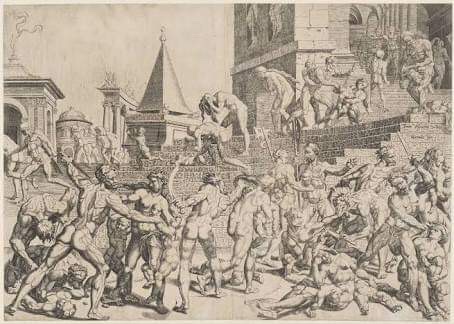
Today (in the Western Church) is designated as the Feast of the Holy Innocents. (It is celebrated tomorrow in the Eastern Church.) This festival day commemorates a tradition known as “the slaughter of the Innocents”, reportedly ordered by King Herod.

Continue reading “The counter-cultural, alternative-narrative impact of the person of Jesus”

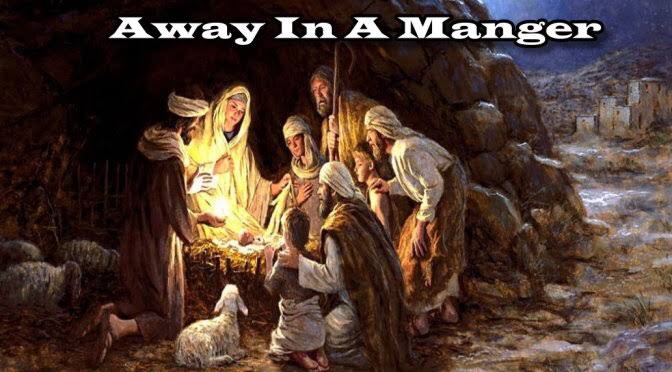
Away in a manger

No doubt you have sung that much-loved carol, “Away in a manger”, this Christmas.

The traditional words offer a heavily romanticised, sickly-sweet, unrealistic take on the infant Jesus. Who ever heard of a baby that made NO noise??

I have been collecting rewrites of this carol. Each version reworks the carol so that the realism of the day is evident — especially highlighting the plight of the family as refugees, seeking safety in another country.

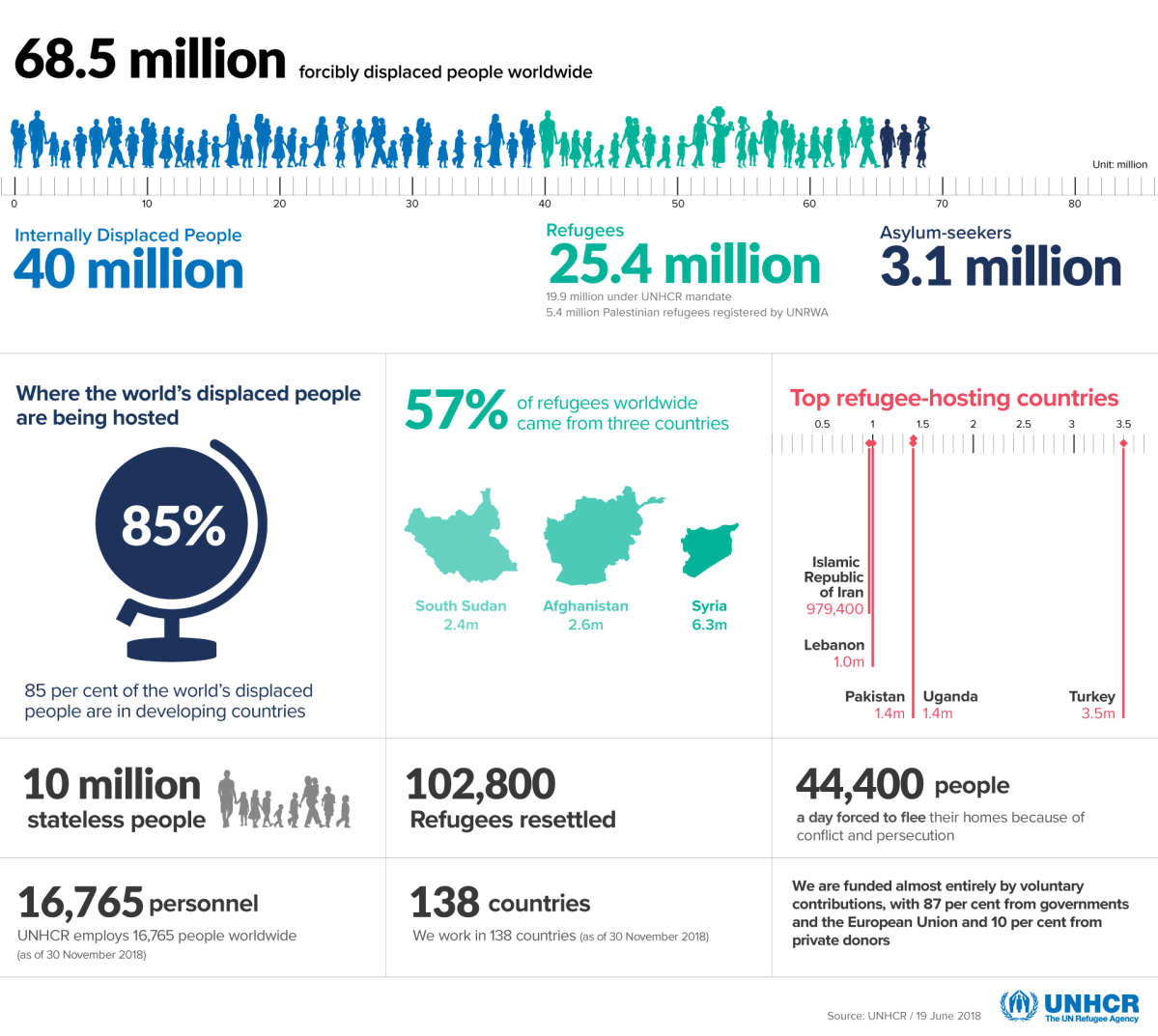
That part of the story resonates so strongly with our contemporary world: the number of refugees across the globe is the largest it has ever been, and it continues to grow as warfare afflicts country after country.

In the midst of this despair and turmoil, I wish for the traditional greeting to become a reality through acts of justice and compassion for all who are displaced, homeless, seeking the safety of refuge in another country: Merry Christmas! May it be so!

How ancient and lovely

Words by British writer Rebecca Dudley

(Shine on Star of Bethlehem, Christian Aid)

How ancient and lovely, this news of a star,

a baby, a mother, the kings from afar.

Come close now, Lord Jesus, we ask you to stay

and show us your face in your people today.

What star shall we follow but one that leads here

to a baby born homeless and a family in fear?

What heaven shall we long for but one that starts there

for all the world’s children in your tender care?

We thank you, Lord Jesus, for coming to earth;

for the light in the darkness that shone at your birth,

for life in its fullness that you promise today,

and the hope of a baby asleep in the hay.

Away and in danger

Words by Shirley Erena Murray

Away and in danger, no hope of a bed,

the refugee children, no tears left to shed

look up at the night sky for someone to know

that refugee children have no place to go.

The babies are crying, their hunger awakes,

the boat is too loaded, it shudders and breaks;

humanity’s wreckage is thrown out to die,

the refugee children will never know why.

Come close, little children, we hold out our hand

in rescue and welcome to shores of our land –

in *aroha, touching your fear and your pain,

with dreams for your future when peace comes again.

*aroha is Maori for ‘warm embracing love’

alternative line “in touching, in healing’

http://www.hopepublishing.com/html/main.isx?sitesec=40.2.1.0&hymnID=5787


If I saw my toddler

Words by Carolyn Winfrey Gillette.

If I saw my toddler with hands in the air

In fearful surrender to someone, somewhere,

I’d search for a people in some other place

Who practiced their preaching and showed love and grace.

If I had to flee from the madness of war—

From terror and violence and things I abhor,

I’d search for a nation with arms open wide,

With safety and beauty and friendships inside.

Be with me, Lord Jesus, as I seek to be

A friend to the stranger and poor refugee,

And as I remember you once had no bed,

May I give up fear and give welcome instead.

This hymn was inspired by a photo of a small Syrian child, hands in the air, fearing that a camera lens was a gun: www.snopes.com/syria-refugee-child-surrender/

Biblical References: Leviticus 19:34; Matthew 25:35; Luke 2:7; Hebrews 13:1; 1 John 4:18

Tune: James Ramsey Murray, 1887 (“Away in a Manger”)

Text: Copyright © 2015 by Carolyn Winfrey Gillette. All rights reserved.

http://www.carolynshymns.com/if_i_saw_my_toddler.html

See also https://johntsquires.wordpress.com/2018/12/24/resonating-with-christmas-a-story-of-restless-travel-and-seeking-refuge/# and https://johntsquires.wordpress.com/2018/12/19/what-can-we-know-about-the-birth-of-jesus/#

Resonating with Christmas: a story of restless travel and seeking refuge

The story of Christmas, which is so prominent in the public arena at this time of the year, is a story that resonates strongly with life in 2018.

Not because of its increasing commercialism. Not because of its sentimental schmaltz. Not because of the bustling shoppers, looking for last-minute gifts, nor because of the frazzled travellers, journeying to fraught meals with distant family.

No, the Christmas story resonates most strongly with those millions of people who are displaced and homeless, stateless and on the move, and seeking the safety of refuge in a foreign land. And there are millions of such people.

Continue reading “Resonating with Christmas: a story of restless travel and seeking refuge”

What can we know about the birth of Jesus?

We are about to celebrate the birth of Jesus, the real reason behind the Christmas season. Tradition has it that Jesus was born after a long journey by his parents, in the animal feeding-tray of an overcrowded inn, surrounded by noisy animals. He was visited by shepherds from the field after they heard an angelic choir singing his praises. Soon after, three wise men from the East also came, bearing gifts. They had followed a bright star from their distant country in order to see him.

But what do we really know about this story? What is the undisputed history of the birth of Jesus?

Continue reading “What can we know about the birth of Jesus?”

Learning of the land (1): Eora, Biripi, Whadjuk Noongar

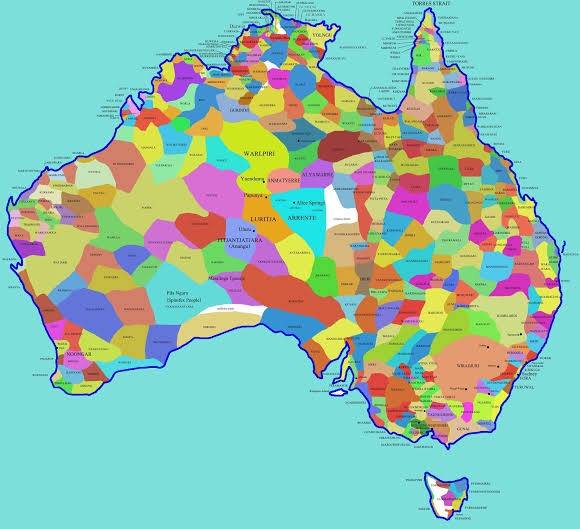
Earlier this year, I attended a national Uniting Church meeting where all of the participants were asked to introduce themselves by stating their name and their nominating body, and then by identifying the First People of the land on which they lived and/or worked.

I took a few liberties with the required formula, and introduced myself as “John Squires, from the Synod of Western Australia. I was born on the land of the Gadigal people of the Eora nation; I rejoiced, for some years, to live and work amongst the Biripi people, on their lands, beside their waters; and currently live on the lands of the Whadjuk people of the Noongar nation.”

Continue reading “Learning of the land (1): Eora, Biripi, Whadjuk Noongar”

Perth Peacemaking Conference Statement

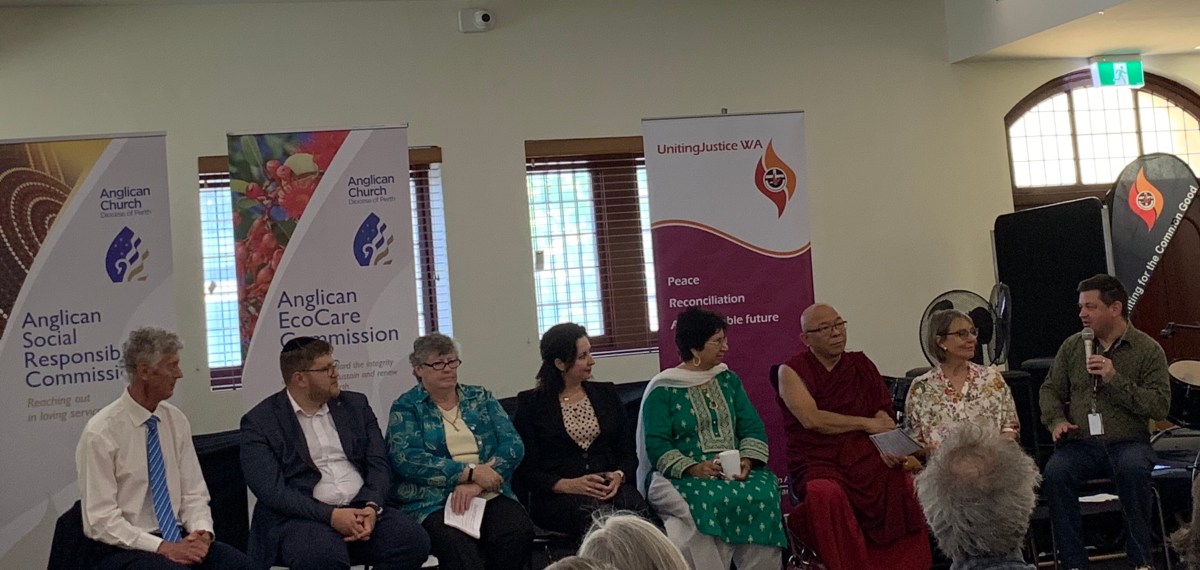
On the 10-11 November this year, more than 60 people gathered for the Perth Peacemaking Conference to coincide with the 100 year anniversary of the end of WW1. The Conference included an Interfaith Forum (pictured) with representatives from a range of religious faiths.

After the Conference, members of the Ecumenical Social Justice Roundtable agreed to issue a Statement which emerges from the material presented and discussed at the Conference. You can read the Statement below.

Continue reading “Perth Peacemaking Conference Statement”

To articulate faith contextually

“The ability to articulate faith contextually within our multifaith, in our multifaith, multicultural society, in covenant relationship with the First Peoples.”

I’m at a national gathering of theological educators who teach at the accredited Uniting Church colleges across the country. We are exploring, together, how we go about educating people within the church for discipleship and leadership, and forming people for ministry in the various ministries that we recognise in the Uniting Church (pastor, lay preacher, deacon, and minister of the word).

These words have been ringing in my ears for much of my time here. It’s one of the things that we say we want to achieve in forming people for ministry. What does it mean, though, “to articulate faith contextually”, in the kind of society that we are living in today?

Continue reading “To articulate faith contextually”

The Uniting Church is not a political democracy

The Uniting Church is not a political democracy. We do not have election campaigns. We do not make pitches for votes. We do not promise money, or capital works, or particular favours, in response for votes. We do not set up political parties and vote en bloc for people that we may, or may not, not know personally, on the basis of an ideological commitment. We do not look to “win” or “lose” on specific issues.

Continue reading “The Uniting Church is not a political democracy”

The presence of God while in the hands of police

This time, one year ago, I was one of a number of church leaders who entered the Ellenbrook office of the Hon Christian Porter MP. We went to ask Mr Porter and the Federal Government to bring to Australia all people imprisoned in offshore processing centres. We took this action in solidarity with the more than 400 men on Manus Island who, at that time, were refusing to leave the ‘closed’ processing centre.

We went there in love, because we believe that Love Makes A Way.

This is the blog that I wrote for the UCA WA magazine, Revive, in reflection on the experiences of that day. (Note: the four years in detention has now stretched to five years in detention, with no end in sight … the injustice continues.)

Continue reading “The presence of God while in the hands of police”