Luke sets his story of the birth of Jesus “in the days of King Herod of Judea” (Luke 1:5). King Herod died soon after an eclipse of the moon soon before a Passover, according to the Jewish historian Josephus; that was most likely in March/April of 4BCE, by our reckoning. So Mary was pregnant, and gave birth, some years before the mythical “year zero”. (There was, of course, no “year zero”. The calendar flipped from 1BCE straight to 1 CE.)
Later, after the death of Herod, the region of Galilee came under the control of Herod Antipas, the son of Herod the Great and one of his wives, Malthace, from Samaria. Herod senior was the king who, according to Matthew, ordered the slaughter of all males born in Israel (Matt 2:16-18). Herod Antipas was, according to Mark, the ruler who, against his better judgement, ordered the beheading of John the baptiser (Mark 6:17-29). Herod Agrippa was another member of the family, a grandson of King Herod by another of his wives, Mariamne, who ruled as King of Judea from 41 to 44 CE.
9 Was Mary a pregnant virgin?
When Luke introduces Mary, he reports that the angel Gabriel appears to “a virgin engaged to a man whose name was Joseph, of the house of David; the virgin’s name was Mary” (Luke 1:27). After listening to what the angel says, Mary questions the announcement of her pregnancy and the promised birth of a son: “How can this be, since I am a virgin?” (Luke 1:34).
The assertion that Mary is pregnant despite being a virgin is a part of the cluster of miraculous events taking place in the first two chapters of Luke’s orderly account—a young virgin conceives, a barren old woman conceives, a talkative father is struck dumb, and a number of angelic appearances occur. Luke never explains his claim that Mary is a virgin; he simply assert this.
Matthew explains that “the birth of Jesus the Messiah took place in this way: when his mother Mary had been engaged to Joseph, but before they lived together, she was found to be with child from the Holy Spirit” (Matt 1:18). The event is seen by Matthew also as a miraculous divine intervention. However, Matthew provides an explanation of the birth of Jesus as taking place “to fulfill what had been spoken by the Lord through the prophet” (Matt 1:22).
At this point, Matthew agrees with Luke; they each include the claim about Mary’s virginity. And from this, the statement made it into the Apostles Creed and later affirmations of faith.
However, these two writers are the only two amongst all the New Testament writers who know anything of Mary’s alleged virginity. Neither Mark nor John tell of the actual birth of Jesus, while Paul makes no reference to Mary’s virginity when he states that “God sent his Son, born of a woman, born under the law” (Gal 4:4). Other authors don’t refer to his birth at all.
So I don’t adhere to the “Virgin Mary” part of the story. I think she was pregnant to Joseph, pure and simple. The claim that Mary was a virgin was not historical; it was a later apologetic addition.
10 Why are the shepherds included in the story?
The story of the shepherds is not told in Matthew’s book of origins. It is told only in Luke’s orderly account. I think it likely that the shepherds who came in from the fields to pay homage to the newborn child would have been somewhat ambiguous visitors. On the one hand, they were really “essential services”. Sheep were common in Israel; they provided meat for food, milk for drink, wool for clothing, and the animal for the requisite daily sacrifice at the Temple.
On the other hand, they were considered akin to outcasts, impure and unclean, placed outside the circle of holiness within which good Jews were expected to live. In the Mishnah, a third century work which collects and discusses traditional Jewish laws, shepherds are classified amongst those who practice “the craft of robbers”. These are not highly valued guests!
Luke’s recounting of the visit of the outcast shepherds to the infant child and his family serves a theological purpose. The visit indicates that those on the edge were welcomed by Jesus, at the start of his life, as well as right throughout his ministry (Luke 5:12–13; 5:29–32; 6:30; 7:34, 37; 8:26–33; 9:37–43; 14:13, 21: 15:1–2). He grounds the message of the Gospel in the heart of the needs of the people of his day.
The role of the shepherds in the story also allows Luke to include another song of joy in these opening chapters: the song sung by the angels to the shepherds in the fields: “Glory to God in the highest heaven, and on earth peace among those whom he favours!” (Luke 2:14). This follows on from the songs of Mary (1:46–55) and Zechariah (1:68–79), and leads on to the song of Simeon (2:29–32). All four songs show that the birth of Jesus signals forgiveness, joy, peace, salvation, and redemption for Israel.
So whether these characters were actual historical events is almost by-the-by. What is most important is the role they play in the story that Luke has shaped—an ancient story which endures (albeit with elaborations and additions) into the present age.
We are at a critical moment in Australia, as we watch the beginnings of the Omicron phase of the global pandemic here. And we are being told to
Prime Minister Morrison says that we need to “keep our nerve, keep calm and carry on”, and that “we want to stay safely open so the economy can continue to grow and people can get jobs”. NSW Premier Perrottet advises that we must “move away from fear” and “take on more hope and confidence”. Again and again, day after day, we hear advice that we must now “learn to live with COVID”.
“Living with COVID” is a sly, misleading, devious slogan. It belies the fact that whilst many are “living with COVID”, there is a regular stream of deaths each day, as the chart below shows (Victoria on the left, NSW on the right). Think about those 74 deaths from COVID in NSW and Victoria that are tabled on that chart, from the last 12 days.
Think about those 2,146 deaths across the country that have been attributed to COVID since March 2020.
How many grieving spouses does this represent? How many children, siblings, parents, cousins are mourning? How many neighbours, lifetime friends, extended family members will be amongst those impacted? And how many medical and hospital staff are being hit emotionally by the persistent recurring patients deaths that they experience?
Many are living with COVID, but also many are dying from COVID or grieving because of COVID.
“Living with COVID” reminds me of the slogan that the prophet Jeremiah punctured: “peace, peace”. He says, “They have treated the wound of my people carelessly, saying, “Peace, peace,” when there is no peace. They acted shamefully, they committed abomination; yet they were not at all ashamed, they did not know how to blush … We look for peace, but find no good, for a time of healing, but there is terror instead” (Jer 8:11-12, 15).
Those words can apply to the Prime Minister, the Premiers, the “leaders” that bleat that this is just “personal responsibility”, the “leaders” that abdicate their responsibility to lead, to mandate sensible restrictions, to model good practice, to advocate for the most vulnerable and exposed in the communities they allegedly “serve”.
We can deal with the current situation in a much better way than abdicating everything to “personal responsibility”.
“See, I am letting snakes loose among you, adders that cannot be charmed, and they shall bite you, says the Lord” (Jer 8:17). As it was then, so it is now.
In the traditional Christmas story it is a dutiful donkey, a faithful beast of burden, which provides the means of transport for the pregnant Mary on its back. However, nowhere in any Gospel does it say that Mary rode a donkey on that journey. The whole journey is given in three short verses: “All went to their own towns to be registered. Joseph also went from the town of Nazareth in Galilee to Judea, to the city of David called Bethlehem, because he was descended from the house and family of David. He went to be registered with Mary, to whom he was engaged and who was expecting a child.” (Luke 2:3-5).
One of the main reasons why a donkey is associated with the Christmas story is because of the way the story is told in The Protoevangelium of James, an ancient account of Mary’s life that probably originated in the 2nd century, but was not included in the Bible. That text reads: “And there was an order from the Emperor Augustus, that all in Bethlehem of Judæa should be enrolled. And Joseph said: “I shall enroll my sons, but what shall I do with this maiden? How shall I enroll her? As my wife? I am ashamed. As my daughter then? But all the sons of Israel know that she is not my daughter.” “The day of the Lord shall itself bring it to pass as the Lord will.” And he saddled the ass, and set her upon it; and his son led it, and Joseph followed.”
So although this story is an early part of Catholic and Orthodox Church tradition, it does not have the same authority for Protestant believers because it is not in the Bible. Nevertheless, it is quite plausible that Joseph may have obtained a donkey to carry Mary. Donkeys were a common form of transportation (see Matt 21:1–8; John 12:14–15); there are many references to travelling by donkey in Hebrew Scriptures (such as Gen 22:3–5; 44:13; Num 22; Josh 15:17–19; Judges 1:14; 19:28; etc).
Perhaps the strongest influence might have been the story of Moses, travelling from Midian back to Egypt: “So Moses took his wife and sons, put them on a donkey, and went back to the land of Egypt; and Moses carried the staff of God in his hand” (Exod 4:20). So, did Mary travel on a donkey? Quite possibly.
However, most modern biblical scholars say that it is more likely that the Holy Family traveled in a caravan of people. Chris Mueller, in an article for Ascension Press, paints a much different picture. He writes: “Mary and Joseph were not the only ones taking the journey. More than likely, the routes between cities were crowded with travelers. Nobody would consider taking a trip like this alone. It would not have been safe, as the territory between towns was not policed and bandits would have been a real concern. The people probably traveled in great caravans for convenience and safety. Mary and Joseph would have been among the vast migration of people.”
6 Was there really no room left at the local motel?
Reading Matthew’s account, we have no clues at all about what happened when Jesus was born. Luke gives just a few details, informing us that Mary “laid him in a manger, because there was no place for them in the inn” (Luke 2:7). But that, still, is a rather sparse account. We don’t have the length and weight of the baby and the precise time of birth, like so many proud parents today post on social media!
What was this “inn” that was the birthplace, as Luke maintains, for the infant Jesus? The Greek word used here, κατάλυμα (kataluma), is relatively rare in the New Testament, but appears in many places in ancient Greek literature. It refers usually to a guest chamber or lodging place in a private home. The same term appears in Luke 22:11 with the meaning “guest room,” and the verb derived from this noun appears in Luke 9:12 and Luke 19:7, where it means something like “find lodging” or “be a guest.”
Moreover, in the story of the Good Samaritan, when Jesus refers to the place where the injured traveller rests—clearly a commercial inn—a specific word meaning an inn frequented by travellers is used (pandokian; see Luke 10:34).
So Joseph and Mary were most likely hoping to find shelter with a family member in Bethlehem. That would make sense, given what we know of ancient life; in Jewish society (indeed, in all ancient Mediterranean societies), hospitality was very important. Travel to a town where members of the extended family lived would usually mean staying with them. Unfortunately for them, in the story, once they arrived, they found many other family members had arrived before them. So there was no room in the kataluma, the guest house in the family member’s home.
So banish thoughts of the local Best Western being overflowing, with its flashing neon “No Vacancy” sign. Luke’s story probably suggests that Joseph and Mary were planning to stay at the home of friends or relatives; but the home where they arrived was so full, even the guest room was overflowing, and so they had to be housed with the animals in a lower in the lower part of the house. That was the custom (to house animals in a special section of the house), and that, of course, would be where the manger was to be found.
7 Was Jesus really placed in an animal’s feeding trough?
If we continue to follow the story that Luke tells, then the newborn Jesus is placed into a manger, a trough normally used for feeding household animals. Joel Green believes that Mary and Joseph would have been the guests of family or friends, but because their home was so overcrowded, the baby was placed in a feeding trough. (Green, Luke, NITCNT, 128-29)
Sharon Ringe suggests that “others from a higher rung on the social ladder and in the hierarchy of obligations and honor that characterized Palestinian society had already claimed the space. Not even Mary’s obvious need could dislodge such a firmly implanted order of rights and privileges. Instead of having a guest room, then, Mary, Joseph, and the baby are left to spend their nights in Bethlehem in the manger area where the birth has taken place.” (Ringe, Luke: Westminster Bible Companion, 42)
There is even an old tradition going back to Justin Martyr (who lived 100–165CE), who says it occurred in a cave where animals were housed (Dialogue with Trypho 78). “But when the Child was born in Bethlehem, since Joseph could not find a lodging in that village, he took up his quarters in a certain cave near the village; and while they were there Mary brought forth the Christ and placed Him in a manger, and here the Magi who came from Arabia found Him. I have repeated to you what Isaiah foretold about the sign which foreshadowed the cave.”
Justin claims that by being born in a cave, Jesus fulfils the prophecy of Isaiah 33:16, “he shall dwell in the lofty cave of the strong rock; bread shall be given to him, and his water [shall be] sure”. However, although this verse refers to a cave, there is nothing at all about any birth in that cave.
Nevertheless, the story stuck; Origen refers to it in his work AgainstCelsus (“there is shown at Bethlehem the cave where He was born, and the manger in the cave where He was wrapped in swaddling-clothes. And this sight is greatly talked of in surrounding places”, 1.51). The cave as the place where Jesus was born is included in the narratives of the Protoevangelium of James (Joseph “found a cave there, and led her into it; and leaving his two sons beside her, he went out to seek a midwife in the district of Bethlehem”, 17–18) and the Gospel of Pseudo-Matthew (an angel “commanded the blessed Mary to come down off the animal, and go into a recess under a cavern, in which there never was light, but always darkness, because the light of day could not reach it”, ch.13).
Was the manger a feeding trough in a cave? or in an outhouse? Robert Tannehill returns to the story of the kataluma, noting that “moving to the manger might take only a few steps, if we assume a one-room farmhouse where the family quarters might be separated from the animal quarters only by being on a raised platform.” (Tannehill, Luke: Abingdon New Testament Commentaries, 65).
Darrell Bock writes that “in all likelihood, the manger is an animal’s feeding trough, which means the family is in a stable or in a cave where animals are housed.” (Bock, Luke: IVP New Testament Commentary, 55). Bock notes the rhetorical ploy of drawing a clear contrast between “the birth’s commonness and the child’s greatness”; perhaps this influenced Luke to provide this particular narrative detail?
So it is plausible that there were animals in near proximity when Jesus was born; the feeding trough suggests an animal shelter. The most commonly pictured animals in traditional nativities, the ox and donkey, are introduced in later apocryphal texts, and most likely draw from the statement by Isaiah that “the ox knows its owner, and the donkey its master’s crib” (Isa 1:3), even though this statement was spoken in a very different context.
1 Who was the first person to be told the news about the coming of the child Jesus? And where were they?
Was it Joseph? Or Mary? And were they in Nazareth? Or in Bethlehem?
According to Luke, it was in Nazareth, in the northern region of Galilee, that an angel named Gabriel appeared to Mary, to inform her that she would bear a child (Luke 1:26). That is different from the story told in Matthew’s Gospel, where an unnamed angel delivers the same message, not to Mary, but to Joseph, to whom she was engaged (Matt 1:18).
The location of the announcement in Matthew’s account is not specified, but it is reasonable to assume from the flow of the narrative that this took place in the southern region of Judah, in Bethlehem (Matt 2:1, 6). Matthew, having located the family initially in the southern city from the beginning, has no need of the story of a census and a forced trip from Nazareth to Galilee (Luke 2:1-4). The family is already in Bethlehem, another small village, but in the south, in Judea.
So we have two versions, with significant differences.
2 Were Joseph and Mary travelling while she was heavily pregnant?
The story told by Luke reports a widespread movement of the population that meant a pregnant Mary from Nazareth, accompanied by Joseph, had to travel afar and find lodging in the crowded town of Bethlehem just at the most inconvenient time—because “a decree went out from Emperor Augustus that all the world should be registered” (Luke 2:1).
There are historical problems with this story. Identifying the census as an actual historical event, and locating it accurately in time, both present challenges. There is no other record of such a Roman census at that time. King Herod, noted as ruling at Luke 1:5, and also at Matt 2:1, died in 4BCE, but Quirinius, who ordered the census noted in Luke’s account, began as Governor in 6 CE.
Even though the combined story has entered the popular mindset as a real event and provides a clear and compelling picture of the holy family as travelling far when Mary was at term, because of decisions made by political authorities, whether Herod or Quirinius, we can’t say that it actually took place. So the answer is, a very hesitant, maybe.
3 Was it actually a “silent night”?
No: it is not the case that “all was calm, all was bright”, that it was a “silent night”, that the cattle were gently lowing and “the little Lord Jesus … no crying did make”. Lots of travellers and inns that were full would surely mean the town was abuzz? This was no irenic scene, such as we see on Christmas cards and sing of in Christmas carols.
Mary giving birth would surely have meant that it was not, in fact, a silent night. Labour without any modern medication would have been primal and harsh. The arrival of the child was surely signalled by that first hearty cry of a newborn, piercing the other sounds of the noisy night.
Although the Bible is silent on the matter, the Quran reports of Maryam (Mary), “The labor-pains came upon her, by the trunk of a palm-tree. She said, ‘I wish I had died before this, and been completely forgotten’” (19:23). The Bible does not mention any labour pains or any physical pain in the birth narratives. But let us not think that it was a silent night—in all probability, it was very noisy!
Matthew and Luke claim that Jesus was born in Bethlehem, in Judaea. No other biblical reference agrees with this, however. In fact, in his adult life, Jesus was known as “Jesus of Nazareth”, a town in Galilee (Matt 21:11; Mark 14:67; Luke 24:19; John 1:46; Acts 2:22). He is identified as a Galilean (Matt 26:69; Luke 23:5–7). There is no mention of his birth in Bethlehem outside the accounts of Matthew and Luke. His home is in Nazareth, and he spends almost all of his life in Galilee. The answer to this question is No.
So why do two writers claim that he is a Judean? One clue can be found in John 7:40–43, which indicates that Jewish people expected the Messiah to be born in Bethlehem, of the line of David. This view is based on the prophetic word of Micah 5:2, “from you, O Bethlehem Ephrathah, shall come forth one who is to be ruler in Israel”. This is precisely the way Matthew and Luke tell it. Jesus is born in Bethlehem. However, no other biblical writers know anything of this story.
It appears that Matthew and Luke have shaped their versions of Jesus’ birth so that it accords with traditional Jewish expectations. They do not recount precise historical information. Rather, they tell a story in such a way that it implicitly meets expectations about Jesus. And so, because he allegedly comes from Bethlehem in Judea, they can claim that he is the Messiah.
Throughout the year that is now drawing to a close, the Canberra Region Presbytery Co-Chairs and Presbytery Ministers have joined with leaders from Synod and the 12 other Presbyteries in our Synod, for a regular monthly online meeting.
These monthly meetings have been held since early in 2021 (in 2020, we were meeting weekly, then fortnightly, to deal with the unprecedented stress of COVID-19 and the restrictions that were brought in). These meetings have been invaluable for maintaining contact and support across the leadership of all Presbyteries during the challenging times of the COVID-19 pandemic.
We were asked to comment on three questions—and we thought we would share our responses with people across the Canberra Region Presbytery, as our final message for 2021. The three questions are: What are some things that have been celebrated in 2021? What are some things that have been learned in 2021? And What are some things that we are hopeful for 2022?
Here’s what we shared.
Some things we celebrated: We celebrated milestones in the lives of a number of Congregations: Goulburn 150 years, Weston Creek 50 years, Kippax 50 years, and Gungahlin 25 years; and we celebrated the establishment of two new congregations, Parkesbourne—Merrilla, and Woden Valley.
We celebrated the fact that Presbytery is drawing alongside Rise Ministries to support a fresh expression of church in a disused church building at St Aidan’s Narrabundah (now called Rise Sanctuary) In other words, we celebrated faithful worship, witness and service in a number of locations, each quite different, across the Presbytery.
Some things we learned: We had two online presbytery meetings that were theme-focussed—one on advocacy, one on chaplaincy—and one in-person meeting with consideration of mission. These meetings provided stimulus and resourced the thinking of Presbytery members, and we hope that this will flow on into the discipleship of individuals and the mission of Congregations.
We also learned about ways we included folk who are spread over a wide distance in ministry training, Code of Ethics and Code of Conduct workshops, Sacraments Refresher sessions, Bible studies, Presbytery meetings, and other sessions, via ZOOM. The changed circumstances with restrictions on moving around or even gathering have opened up such opportunities, making these offerings more accessible across a wider audience.
Some things we are hopeful for in 2022: We are hopeful about the mission planning process for the Presbytery that will take place in 2022. We are also hopeful about what might emerge as we develop our work on how we use property to resource mission.
We are hopeful for growing interconnection, mutual support, sharing of resources and talents. We are hopeful for the future because of a more educated laity taking on leadership and seeing new ways of doing and being. We also sense that there is a changing feeling about letting go; more of us are willing to let go and embrace change in what is coming in the future.
We are thankful that through the concerns and challenges of 2021, we have seen the continuing faithfulness and grace of God amongst us. We are thankful for all those in ministry and congregations who have expressed their discipleship in acts of encouragement, kindness, generosity and care for others.
As we move into the time of the year when things become hectic, pressures rise, and events multiply (as they do each and every year—not just during COVID!), may we know the abiding presence of the Spirit, the peace of the one whom God sent to proclaim peace, and the joy of the news that God is active and at work in our world!
Ross, Judy, Andrew, and John Canberra Region Presbytery December 2021
Last year, in following the passages for the fourth Sunday in Advent offered by the Revised Common Lectionary, I wrote about the scriptural resonances in the Annunciation—that scene when Mary is informed by an angel that she is pregnant and will bear a son (Luke 1:26–38). This is such a classic “Old Testament” scene. See
This year, for the fourth Sunday in Advent, the lectionary offers the Visitation—a scene that take place after the pregnant Mary travels to visit a town in the hill country of Judaea, in the house of Zechariah and his wife Elizabeth, an elderly relative of Mary (Luke 1:39–45). This scene also is rich with scriptural resonances.
More than this, the lectionary offers as the Psalm, the song which Mary sang after meeting Elizabeth—a song known by tradition as the Magnificat (1:46–55). It makes sense, of course, for a song that Mary most likely sang in Aramaic, and which is known to us from a Greek text, to be given a Latin title (not!). Such is the power of the western Roman Catholic Church, whose liturgy was in Latin for many centuries.
I
Providing the Magnificat as the Psalm for the week has a certain poetic justice. Although this is part of the New Testament, this hymn is certainly a song in the mode of the psalms, as they are found in the book of that name in Hebrew Scripture. Indeed, such psalms are found not only in the book of Psalms, but in other places in those scriptures. Songs in the manner of psalms are scattered throughout the stories of the lives of the people of Israel—including into the century we identify as “the first century” (CE).
Included in these psalms are some striking songs. The Song of Miriam and the Song of Moses, both sung after the crossing of the Red Sea, are psalms of thanksgiving (Exod 15:21, and 15:1–18), whilst the Song of Moses at the end of his life recounts the story of the people (Deut 32:1–43). The Song of Deborah celebrates the defeat of Sisera of Canaan (Judges 5), whilst there are two Songs of David outside the book of Psalms: a psalm of thanksgiving after a series of battles with the Philistines (2 Sam 22) and another thanksgiving psalm after the ark was set inside the Tabernacle in Jerusalem (1 Chron 16:8–36).
Some prophetic books include psalms, such as a psalm of Hezekiah after he had recovered from illness (Isa 38:9-20), a psalm sung by Jonah from the belly of the fish that had swallowed him (Jon 2:1–10), and a prayer of praise sung by Habakkuk (Hab 3).
And then, at the beginning of the story of Samuel, his mother, Hannah, offers a long prayer in the manner of psalms of thanksgiving (1 Sam 2:1–10). We heard this song just a few weeks ago, on the penultimate Sunday of Year B (Pentecost 33). This particular psalm is most important when we come to consider the song sung about a later prophet, Jesus, by his mother, Mary (Luke 1:46–55).
II
We know that Jesus is intensely Jewish in the Synoptic Gospels. The story about Jesus begins in the heart of Jewish piety, and continues apace within the life of the people of Israel through his lifetime.
The opening scene of the orderly account of the things fulfilled among us (Luke’s Gospel), set in Jerusalem in the Temple precincts, reveals a pair of righteous Jews who faithfully keep the commandments of God (Luke 1:5–6). The first person we meet, Zechariah the priest, is devoted to the service of God in the Temple (1:8–9).
His wife, Elizabeth, expresses an attitude of deep faith in God, accepting her surprise pregnancy as “what the Lord has done for me” (1:25). They are both described as “righteous before God” (1:6). Elizabeth’s relative, Mary, demonstrates a similar faith as she submits to a similar fate, bearing a child, with the words, “here am I, the servant of the Lord” (1:38).
In turn, the traditional hopes and expectations of the people are articulated in spirit-inspired hymns sung by Mary (1:46–55, known as the Magnificat), Zechariah (1:67–79, known as the Benedictus), and Simeon the righteous (2:29–32, known as the Nunc dimittis, or the Song of Simeon). These songs set the strongly Jewish tone of the opening chapters.
The key characters operate as people of deep faith. God’s Spirit is active in these scenes; Mary is “overshadowed” by the Spirit (1:35), whilst Elizabeth and Zechariah are both “filled” with the Spirit (1:41, 1:67). It is presumably that same Spirit which generates Elizabeth’s blessing of Mary and her unborn child (1:42, 45) as well as the prescient movement of the unborn John in Elizabeth’s womb, on meeting with Mary (1:44). In a subsequent scene, Simeon is “righteous and devout” (2:25); the Spirit “rested on him” (2:25), then “revealed to him” the words he then speaks (2:26) before “guiding him … into the temple” (2:27).
This is the same Spirit that has been active since the moment of creation (Gen 1:2), that was breathed into human beings (Gen 2:7), and that infuses every one of the creatures brought into being in God’s wonderful creation (Ps 104:24–30). It is this Spirit that has endowed individuals with leadership (Exod 31:2–3; Num 11:25–26; Deut 34:9; and a number of judges) and which has inspired prophets to proclaim the word of the Lord (Isa 61:1; Ezek 2:2; Joel 2:28–29).
Mary stands in the long Jewish tradition of female singers. The story of the Exodus culminates in a short song from Miriam (Exod 15:21). Other females who sing of salvation at key moments in the story include Deborah (Judges 5:1–31), Hannah (1 Sam 2:1–10), and Judith (Judith 16:1–17). These are the victory songs of the oppressed.
The two scenes involving Hannah and Mary have a number of parallels. The language and the events resonate with each other across the centuries. It seems to me that the author of this orderly account (by tradition, Luke) is well-read and very capable in his writing style. This whole section is shaped to read like a Hebrew Scripture narrative. So, in my understanding of Luke 1–2, the author has been influenced by the story of Hannah as he tells the story of Mary.
Indeed, we note this in the way the two songs begin. Hannah commences by singing out “my heart exults in the Lord; my strength is exalted in my God” (1 Sam 2:1). This is deliberately echoed in Mary’s song, where she begins “my soul magnifies the Lord, and my spirit rejoices in God my Saviour” (Luke 1:46).
Hannah describes God as the Holy One (2:2) and the Most High (2:10). Holy One is a term applied to God in the Writings (Ps 71:22; 78:41; 89:18; Prov 9:10; Job 6:10; Sir 4:14; 23:9; 53:10; 47:8; 48:20) and by the Prophets (Is 1:4; 5:19, 24; and a further 24 times; Jer 50:29; Ezek 8:13; Hos 11:9, 12; Hab 1:12; 3:3). Of course, Holiness was a central element of piety in ancient Israel, exemplified by the Holiness Code of Leviticus (Lev 11:44–45; 19:2; 20:7–8; see also Deut 7:6; 14:2, 21; 28:9). The followers of Jesus are instructed to consider themselves as God’s holy people (1 Cor 3:17; 6:19; Eph 5:25–27; Col 1:22; 3:12; Heb 3:1; 1 Pet 1:13–16; 2:5, 9) and to live accordingly.
Most High is also a very common way that God is described and addressed—23 times in the Psalms (Ps 7:17; 9:2; 18:13; etc) and a number of times elsewhere (Gen 14:17–24; Num 24:16; Deut 32:8; 1 Sam 2:10; 2 Sam 22:14; Isa 14:14; Lam 3:35, 38; Dan 3:26; 4:2, 17, 24, 25 and more; Hos 11:7; and also Wis Sol 5:15; 6:3; and 45 times in Sirach—4:10; 7:9, 15; 9:15, etc). It appears as a description of God in early Christian writings (Mark 5:7; Luke 1:32, 35, 76; 6:35: 8:28; Acts 7:48: 16:17).
Mary uses a similarly-familiar term, the Mighty One (1:49), which also is a biblical name for God (Gen 49:24; Ps 45:3; 50:1: 52:1; 132:2, 5; Isa 1:24; 49:26; 60:16; Sir 46:5–6, 16; 51:12), and then she goes on to affirm, “holy is his name”, alluding directly to the title of Holy One that Hannah has used.
Hannah’s declaration that “my strength is exalted in my God” (2:1) is echoed in Mary’s affirmation that “he has shown strength with his arm” (1:51). That strength is demonstrated in a series of claims made by Mary, regarding the proud, the powerful, and the rich, in contrast to the lowly and the hungry (1:51–53).
The clear juxtaposition of these categories, and God’s obvious preference for the latter group, is another way in which Mary’s song echoes and replicates Hannah’s song. Hannah’s “he brings low, he also exalts” (2:7) is expanded by Mary, “he has brought down the powerful, he has lifted up the lowly” (1:52). “He raises up the poor from the dust, lifts the needy from the ash heap, to make them sit with princes and inherit a seat of honour” (2:8) is reworked by Mary into her note that God “has filled the hungry with good things and sent the rich away empty” (1:53).
In these ways, it is clear that the righteous-justice desired by God for the people of God will in fact be evident; “the Lord will judge the ends of the earth” (2:10), sings Hannah; “he has helped his servant Israel in remembrance of his mercy” (1:54) is how Mary sings it. Both justice and mercy are fundamental aspects of the being of God which are worked out in the ways that God engages with the people of Israel. God is envisaged and experienced in the same way in each of these songs. The God of Hannah continues to be the God of Mary. These two songs strongly confirm that reality.
IV
What Hannah is celebrating is that God will be at work in the events of her time. In particular, despite her barren state (1 Sam 1:2, 5–8), Hannah prayed regularly for a son (1 Sam 2:10–18) and was blessed with just such a child: “in due time Hannah conceived and bore a son” (1 Sam 2:20, 27). Likewise, what Mary anticipates is that God will demonstrate the ongoing fulfilment of the promises made to Israel in the birth of her child given to her, despite her state as a virgin (Luke 1:27, 34).
Both newborn sons are dedicated to the Lord: Hannah’s son was dedicated as a nazirite (1 Sam 2:11, 22, 24–28), Mary’s son is recognised as the one who will have “the throne of David given to him” and who will “reign over the house of Jacob forever” (Luke 1:32–33). The son of Hannah is dedicated in “the house of the Lord at Shiloh” (1 Sam 2:24); the son of Mary is circumcised (Luke 1:21) and then taken “to Jerusalem to present him to the Lord” (Luke 1:22). The two stories mirror each other in the same way that the two songs run in parallel to each other.
So Mary affirms that “all generations will call me blessed” (1:48), in the same way that Leah exclaimed, “blessed am I! for the women will call me blessed”. (Gen 30:13). Her song ends with the claim that the promise being fulfilled is made “to Abraham and to his descendants forever” (1:55), evoking the prayer of David, that the Lord “shows steadfast love to his anointed, to David and his descendants forever” (2 Sam 22:50). The exalting of the anointed is also noted at the very end of the song sung by Hannah (1 Sam 2:10).
V
Dietrich Bonhoeffer, a German pastor and theologian who was executed by the Nazis, declared that the Magnificat, this song of Mary, “is at once the most passionate, the wildest, one might even say the most revolutionary advent hymn ever sung. This is not the gentle, tender, dreamy Mary whom we sometimes see in paintings… This song has none of the sweet, nostalgic, or even playful tones of some of our Christmas carols. It is instead a hard, strong, inexorable song about the power of God and the powerlessness of humankind.” (From a sermon during Advent on December 17, 1933; see http://cdn.bakerpublishinggroup.com/processed/esource-assets/files/1780/original/8.40.Luke_1.46-55__The_World%27s_First_Advent_Hymn.pdf?1524151427)
Martin Luther declared, “the mightier you are, the more must you fear; the lowlier you are, the more must you take comfort.” Pope John Paul II noted the scholarly view that this song, as well as the songs by Zechariah and Simeon, are songs of the anawim (the faithful poor), whose songs offer “glorious praise of God … thanksgiving for the great things done by the Mighty One, the battle against the forces of evil, solidarity with the poor and fidelity to the God of the Covenant” (in a general audience on Psalm 149 on Wednesday 23 May 2001; see https://www.vatican.va/content/john-paul-ii/en/audiences/2001/documents/hf_jp-ii_aud_20010523.html)
Sister Elizabeth Johnson sums it up well,
“The Magnificat is a revolutionary song of salvation whose political, economic, and social dimensions cannot be blunted. People in need in every society hear a blessing in this canticle. The battered woman, the single parent without resources, those without food on the table or without even a table, the homeless family, the young abandoned to their own devices, the old who are discarded: all are encompassed in the hope Mary proclaims”.
The Gospel passage offered by the lectionary this coming Sunday (Luke 3:7–18) continues the narrative about John the baptiser, who attracted crowds of people to listen to his proclamation of “a baptism of repentance for the forgiveness of sins” (3:3) and to be dunked into the river in response to that message (3:7, 21).
This passage from the orderly account of the things being fulfilled among us (the Gospel of Luke) reports the message of John, as he makes clear the pressing need to take responsibility for living an ethical and faithful life. Insight comes as we compare the words attributed to John in this narrative, with the parallel accounts in the beginning of the good news of Jesus (the earlier narrative attributed to Mark) and the book of origins (a later work attributed to Matthew).
In Luke’s narrative there are three major sections in what John is reported as having said: a call to metanoia, instructions about what that metanoia looks like, and then a description of what faithful living will require in the future.
I The necessity of metanoia
Luke reports the first part of what John says as follows: John said to the crowds that came out to be baptized by him, “You brood of vipers! Who warned you to flee from the wrath to come? Bear fruits worthy of repentance. Do not begin to say to yourselves, ‘We have Abraham as our ancestor’; for I tell you, God is able from these stones to raise up children to Abraham. Even now the axe is lying at the root of the trees; every tree therefore that does not bear good fruit is cut down and thrown into the fire.” (3:7–9)
This is a significant expansion of the earlier Markan report, that “John the baptizer appeared in the wilderness, proclaiming a baptism of repentance for the forgiveness of sins” (Mark 1:4). The words of John in Luke’s account fill out the content of that call for repentance.
Matthew provides some substance to that message, in words that almost to the letter replicate what is reported in Luke (Matt 3:7–10). The variations to be noted are twofold. First, the audience. In Luke, John addresses “the crowds”; in Matthew, he specifically addresses “many Pharisees and Sadducees”. Second, there is a tiny—perhaps insignificant—variation, in that “bear fruits (plural) worthy of repentance” in Luke are “bear fruit (singular)” in Matthew.
At this point, it would seem, these two separate Gospel compilers had access to a memory, a tradition—perhaps even a written source—that they have repeated almost exactly verbatim. That source (whether oral or written) is what scholars call Q, abbreviating the German word Quelle—which simply means, “source”. (How imaginative!)
The message of John, in this section, is fierce in its intensity and challenging in its orientation. It is a call to action that is impelled by the looming moment of judgement—strikingly symbolised in the image of “the axe lying at the root of the tree”. The trunk of the tree will be severed at any moment, it seems; and then, in the next dramatic image, the useless branches (that did not “bear good fruit”) will be burned to ashes.
The action that John seeks is contained in the potent Greek word, metanoia. This has a literal sense of replacing one’s mind. When we translate it as “repentance”, we need to bear in mind that it comprises a number of elements—which John articulates in these verses. To repent is to “flee from the wrath to come”, to re-orient life away from what will condemn, towards what will give life. It also requires people to “bear fruit”—that is, to demonstrate in their lives how this complete reorientation has taken place. So it is about a complete transformation of being. There are specific ethical actions that are expected to follow from this, to indicate the extent of transformation that has taken place.
The imagery of fire in the words of John (3:9) is drawn from a strong tradition in earlier prophetic texts, which give warn of the judgement to come in fierce apocalyptic terms. This judgement to come is regularly envisaged as taking place by burning in fire. We will return to this trajectory of fiery judgement passages when we come to the third section, where this is developed and expanded in what John says.
II Instructions regarding ethical responsibility: three case studies
Luke continues his narrative, with a distinctive paragraph (found only in his Gospel), in which he reports: The crowds asked him, “What then should we do?” In reply he said to them, “Whoever has two coats must share with anyone who has none; and whoever has food must do likewise.” Even tax collectors came to be baptized, and they asked him, “Teacher, what should we do?” He said to them, “Collect no more than the amount prescribed for you.” Soldiers also asked him, “And we, what should we do?” He said to them, “Do not extort money from anyone by threats or false accusation, and be satisfied with your wages.” (3:10–14)
Here, the three groups which pose the same question to John—what then should we do?—provide opportunity for three short case studies in what is required by the call to metanoia—a call to a complete transformation of being.
The instruction about sharing coats is similar to words of Jesus, reported by Matthew in the so-called Sermon on the Mount: “You have heard that it was said, ‘An eye for an eye and a tooth for a tooth.’ But I say to you, Do not resist an evildoer. But if anyone strikes you on the right cheek, turn the other also; and if anyone wants to sue you, give your cloak as well; and if anyone forces you to go one mile, go also the second mile. Give to everyone who begs from you, and do not refuse anyone who wants to borrow from you.” (5:38–42)
These actions of apparent generosity signify the metanoia, the change of mind, the complete reorientation of one’s person. Sharing the second cloak, walking the second mile, and turning the other cheek, are each metanoia in action: loving a life in accord with ethical principles. The same instruction is delivered by John. The addition of the sharing of food likewise resonates with the words of Jesus regarding giving water to the thirsty (Mark 9:41; Matt 10:42; 25:35–37) and sharing food with the hungry (as is demonstrated in the various narratives reporting the feeding of multitudes by Jesus).
Of course, in the second volume of the orderly account of Luke’s Gospel, the community in Jerusalem is marked by such sharing in its common life: “all who believed were together and had all things in common” (Acts 2:44), “day by day, as they spent much time together in the temple, they broke bread at home and ate their food with glad and generous hearts (2:46), and “the whole group of those who believed were of one heart and soul, and no one claimed private ownership of any possessions, but everything they owned was held in common” (4:32).
The instruction to tax collectors, not to collect more tax than what is owed, resonates with the story of Zacchaeus, much later in Luke’s narrative. Zacchaeus is a fine example of metanoia in practical terms: “half of my possessions, Lord, I will give to the poor; and if I have defrauded anyone of anything, I will pay back four times as much” (Luke 19:8).
There is debate as to whether this statement reflects an intention for acting in the future by Zacchaeus, which signals his repentance in the presence of Jesus; or whether this is a statement of actions already being implemented, which means that Jesus is recognising how Zacchaeus has changed. (The two verbs in the declaration of Zacchaeus are both in the present tense.) Either way, the message is clear: ethical standards are important when dealing with money or conducting business.
And that is precisely what John is instructing the crowds: a life of faith means a life of ethical behaviour; discipleship is shaped by deep-seated metanoia, a thorough-going transformation of being.
III The call to faithful living in the future
The third section in Luke’s expanded narrative about John links back to the earlier Markan narrative, which is widely assumed to have been a primary source for Luke. It shows strong similarities, once again, with Matthew’s report of John’s words:
As the people were filled with expectation, and all were questioning in their hearts concerning John, whether he might be the Messiah, John answered all of them by saying, “I baptize you with water; but one who is more powerful than I is coming; I am not worthy to untie the thong of his sandals. He will baptize you with the Holy Spirit and fire. His winnowing fork is in his hand, to clear his threshing floor and to gather the wheat into his granary; but the chaff he will burn with unquenchable fire.” (Luke 3:15–17)
In Mark, John had simply proclaimed, “The one who is more powerful than I is coming after me; I am not worthy to stoop down and untie the thong of his sandals. I have baptized you with water; but he will baptize you with the Holy Spirit.” (1:7–8)
In Matthew’s version, John has more to say: “I baptize you with water for repentance, but one who is more powerful than I is coming after me; I am not worthy to carry his sandals. He will baptize you with the Holy Spirit and fire. His winnowing fork is in his hand, and he will clear his threshing floor and will gather his wheat into the granary; but the chaff he will burn with unquenchable fire.” (Matt 3:11–12)
Luke has the crowd pose the question about John: are you the Messiah? We hear that same question being asked at John 1:19–22, and the same answer being provided by John: “I baptize with water. Among you stands one whom you do not know, the one who is coming after me; I am not worthy to untie the thong of his sandal.” (John 1:26–27). We also have the question flipped around, when disciples of John later come to the adult Jesus, and ask him, “Are you the one who is to come, or are we to wait for another?” (Matt 11:3).
In this passage in Luke, John identifies Jesus as “one who is more powerful than I is coming; I am not worthy to untie the thong of his sandals” (Luke 3:16). He uses language drawn from familiar practices to describe the function that Jesus will fulfil. In bringing in God’s kingdom, Jesus will execute judgement.
The language of the threshing floor and the granary, wheat and chaff, is familiar language in agricultural societies such as ancient Israel. The threshing floor was both a place of work for farmers (Num 18:27, 30; Deut 15:14; 16:13; Job 5:26; 39:12; Jer 51:33) and of ceremonial events for royalty (Gen 50:10; 1 Kings 22:10; 2 Chron 18:9). The threshing floor of Araunah the Jebusite was the place where David erected an altar to the Lord (2 Sam 24:18–25; he is named Ornan at 1 Chron 21:18–30) and also a favoured place for illicit sexual liaisons (Hos 9:1–2; Ruth 3).
It is, of course, the primary agricultural use which John has in mind in his preaching beside the Jordan; the winnowing that takes place there was essential to farming life. Usually it is the wind which blows away the winnowed chaff (Ps 1:4; 35:5; 83:13; Isa 17:13; 41:15; Jer 13:24; Hos 13:3; Zeph 2:2). The sense of judgement upon evildoers is imported into these references to the basic agricultural activity of the threshing floor.
Likewise, the function of the winnowing fork as integral to judgement is noted by the prophets (Isa 21:10; 41:6; Jer 15:7; 51:2), and the application of the activities of threshing floor to God’s judgement is made by the prophet Micah (Mic 4:11–13; and see 2 Esdras 4:31–32), whilst the burning of unwanted grass is part of God’s judgement at Isa 5:24.
In both Matthew and Luke, John extends the Markan reference to Jesus “baptizing with the Holy Spirit” (Mark 1:8) to become “he will baptize you with the Holy Spirit and fire” (Matt 3:11; Luke 3:16). Reference to fire can be found regularly in the prophetic words about the coming times—The Day, The End—when God will call people to account and judge them in terms of their lives of righteous-justice. See https://johntsquires.com/2021/11/09/the-beginnings-of-the-birth-pangs-mark-13-pentecost-25b/
The fiery furnace scene in Daniel (chapter 3) indicates the use of fire as a mechanism for punishment in the ancient world. The Exodus from Egypt is portrayed as a time of liberation from a fiery furnace: “the LORD has taken you and brought you out of the iron-smelter, out of Egypt, to become a people of his very own possession” (Deut 4:20), along with similar references in 1 Kings 8:51 and Jer 11:4.
Accordingly, many prophets declare that the Lord will burn the enemies of Israel (Isa 9:5; 26:11; 30:27–33; 33:14; 47:14; 66:14–16; Jer 43:11–13; 49:1–2; 49:23–27; 50:29–32; 51:24–33; 51:58; Ezek 21:28–32; 22:17–22; 30:13–19; 38:17–39:6; Amos 1:2–2:3; Micah 1:2–7; Nahum 1:2–8; Zech 9:1–4) and also burn wickedness in Israel (Isa 9:18; Jer 4:3–4; 5:14; 11:16–17; Lam 1:11; Ezek 15:6–8; 19:10–14; 20:45–49; 24:9–13; Dan 7:9–14; Hos 8:14; Joel 1:15–2:5; 2:30; Amos 2:4–5; Obad 1:17–18; Nahum 3:12–15; Zech 13:7–9; Mal 3:1–4).
Indeed, Zephaniah reports the word of the Lord, that the whole earth will be consumed by fire (Zeph 1:17–18; 3:8).
This imagery recurs in the teachings of Jesus, who declared ““I came to bring fire to the earth, and how I wish it were already kindled!” (Luke 12:49) and readily portrayed the fiery fate awaiting lawless ones (Mark 9:42–49: Matt 18:8–9). Amongst the parables found in Matthew’s Gospel, Jesus concludes with images of weeds burning (13:30, 40), reflecting the “furnace of fire” awaiting lawless ones (13:52) and “the eternal fire prepared for the devil and his angels” (25:41).
In Luke’s account, Jesus notes the role played by fire in the judgement of Sodom and Gomorrah (Luke 17:28–30; see Gen 19:24–25; Deut 29:22–23; Ps 11:6). In like manner, when the disciples want to signal judgement on the Samaritans, they ask Jesus, “Lord, do you want us to command fire to come down from heaven and consume them?” (Luke 9:54).
John stands in this tradition—a fearsomely intense tradition in which fire is the agent of divine of judgement and destruction. In the face of this threatened fiery judgement, metanoia is essential. The tradition of the prophets, John the baptiser, and Jesus of Nazareth is then focussed in the Revelation of John, with multiple references to “the lake of fire that burns with sulphur” (Rev 19:20; 20:10, 14–15; 21:8). In this work, this is the fate that awaits those who do not demonstrate metanoia (Rev 2:5, 16, 21–22; 3:3, 19; 9:20–21; 16:9–11).
IVTo conclude: exhortations
Luke concludes this narrative of John beside the Jordan with the concise summation: “So, with many other exhortations, he proclaimed the good news to the people” (3:18). This is typical of Luke’s narrative style; there are similar summary sentences punctuation the narrative of both volumes (Luke 4:14–15; 5:15–16; 6:12; 8:1–3; 13:22; 19:47–48; 21:37–38; Acts 1:14; 2:42, 46–47; 4:32–35; 5:12–16; 6:7; 8:1–3; 8:40; 9:31; 11:19; 12:24; 19:20; 24:27; 28:30–31).
In the end, the characterisation of the preaching of John as exhortation indicates that the emphasis of all of this fierce judgement language is directed towards achieving metanoia: to re-orient life, to replace mind, to repent, and to bear fruit worthy of that repentance. The message impels us to a complete transformation of being that is manifested in ethical living.
The Indigenous people of West Papua have been struggling for independence from Indonesia since Indonesia’s invasion of the territory in 1962. Since that time, Indonesia’s occupation of West Papua has resulted in ongoing human rights abuses from Indonesian security forces, massive deforestation and destruction of the land for resource extraction, racial discrimination against Indigenous Papuans, mass displacement of Papuans from their Indigenous lands as refugees and internally displaced persons, and the systematic destruction of a Papuan identity.
2021 is a significant year as it marks the 60th anniversary of the first raising of West Papua’s symbol of independence, the Morning Star Flag. Sixty years ago the Nieuw Guinea Raad (New Guinea Council) raised the Morning Star flag alongside the Dutch flag across West Papua for the first time, on 1 December 1961.
The event was a milestone in West Papua’s ongoing path to national self-determination, which had begun when the Netherlands registered West Papua with the United Nations as a Non-Self-Governing Territory in December 1950. The self-determination project was short-lived, however, with West Papua being invaded through Operation Trikora by Australian-backed Indonesian forces.
The Morning Star Flag continues to be a powerful unifying symbol for West Papua’s struggle for economic, social and political self-determination. Raising the flag in Indonesia carries a prison sentence of up to 15 years. West Papuans, as Melanesian people of the Pacific, continue to stand defiant against Indonesia’s fictitious claims to their land and identity.
(The flag is used by the Free Papua Organization and other independence supporters. It consists of a red vertical band along the hoist side, with a white five-pointed star in the center, and thirteen horizontal stripes, alternating blue and white, with seven blue stripes and six white ones. The seven blue stripes represents seven customary territories in the region.)
The Pacific Conference of Churches, with the Papua New Guinea Council of Churches, has strongly condemned the institutional racism against the indigenous npeople of West (Tanah) Papua and the increase of Indonesian militarisation in Papua that comes with this. PCC General Secretary, Rev. James Bhagwan and PNGCC General Secretary, Rev. Roger Joseph, have stated that the oppression of Papuan people underlines the need for an urgent investigation of ongoing abuse of
Human Rights, the Economic, Social and Cultural and Political rights of West Papuans, by the United Nations.
In 2019, the WCC Executive Committee released a statement of concern and solidarity for West Papua, a supporting the church leaders’ joint appeal for a comprehensive political dialogue, and calling on the Government of Indonesia to allow access to human rights organisations and journalists. The statement also invited all WCC member churches “to pray and act in support of the witness of the churches in West Papua – and that of PGI, PCC, and CCA – for justice and peace in the region.”
(The Uniting Church in Australia is a member of the Pacific Conference of Churches and the World Council of Churches.)
Map courtesy of the ABC
Sadly, the Australian Government has been notably silent on the issue of violence and human rights abuses in West Papua, being bound by the controversial 2006 Lombok Treaty to respect Indonesia’s “territorial integrity”.
The theme of this year’s flag raising is Youth Rize for Land Rights. In the words of West Papuan activist Cyndi Makabory: “What resonates for me with the theme is young people are the leaders of today not ‘tomorrow’, what I’m seeing in West Papua and outside of West Papua is that youths are mobilising and propelling movements”.
There are a number of West Papuans who are active in the Canberra City Congregation—they play together in worship, as some were members of the popular Black Brothers band (see https://asiapacificreport.nz/2016/09/20/west-papuas-black-brothers-message-to-png-musicians-stay-committed/). Elizabeth “discovered” them when she was ministering in the Canberra City Congregation in 2017. They include Benny Bettay and Willem Ayamiseba.
For people of faith in Australia, the continuing injustices seen in this near neighbour merit attention and prayer. We yearn for justice, we seek to see oppression end in West Papua.
*****
I have prepared this post in conjunction with Jack Johnson, regional organiser of the Free West Papua Youth—Australia Team, and a member of the St Columba’s Uniting Church, Braddon, in the ACT.
In this post, I’m exploring the Gospel reading for this coming Sunday (Luke 3:1–6), as well as the continuation in the following Sunday’s reading (Luke 3:7–18), and looking at the person and the preaching of John the baptiser in this Gospel as a whole (with some helpful comparisons with the earlier Gospel of Mark as well as the Gospel of Matthew).
I
John the baptiser occupies a prominent place at the start of each canonical gospel. He is there in the very first scene of the beginning of the good news of Jesus, the chosen one(Mark 1:2–8), dunking into the river Jordan those who had heard his message of repentance.
Yes, that’s right: he dunked people into the river! Whilst there is interminable debate about the means by which baptism should take place in the church today (sprinkle, pour, or immerse; once or three times), there is not dispute that the basic meaning of the regular Greek word baptizō is to immerse, to submerge—to dunk!
Of course, those being dunked into the river included Jesus, who “came from Nazareth of Galilee and was baptised by John in the Jordan (1:9–11). And that’s why John occupies an important place in the story of Jesus, for he performed the action that symbolised the deepening faith of Jesus, and crystallised the mission that Jesus was called to exercise.
The activity of John is interpreted by the author of this account with reference to the words of the prophet Isaiah: “a voice crying in the wilderness, ‘prepare the way of the Lord’” (1:2–3; Isa 40:3). The figure of John perhaps evoked comparisons, amongst the people flocking to hear him, with the great prophetic figure of Elijah, as described by the prophet Malachi: “I will send you the prophet Elijah before the great and terrible day of the Lord comes” (Mal 4:5).
Certainly, John appeared to claim this Elijah-like role for himself, in his manner of dress and his customary diet. He was “was clothed with camel’s hair, with a leather belt around his waist” (1:6). According to Zech 13:4, “a hairy mantle” was the sign of a prophet. John is clearly reminiscent of Elijah, described by the messengers of the king of Samaria as “a hairy man, with a leather belt around his waist”—a figure immediately recognised by the king: “It is Elijah the Tishbite”, he said (2 Kings 1:8). He was most certainly not “a man dressed in fine clothes” (or “soft robes”), as Jesus later declared (Matt 11:8).
Likewise, John had a distinctive diet: “he ate locusts and wild honey” (1:6). This diet was kosher; the eating of locusts is expressly permitted in Lev 11:22, and the honey most likely came from a date tree, which was also permissible as a food source. The regular characterisation of the land of Israel at its best was of “a land flowing with milk and honey” (Exod 3:8, 17; 3:5; 33:3; Lev 20:24; Num 13:27; 14:8; 16:13–14; Deut 6:3; 11:9; 26:9, 15; 31:20; Josh 5:6; Jer 11:5; 32:22; Ezek 20:6, 15; Sir 46:8). John, quite clearly, “lived off the land”, with his rough clothing and basic diet.
II
John occupies the same place in the story in the book of origins (Matt 3:1–12) and is described as wearing the same clothing and eating the same diet (3:4). His message of “a baptism of repentance for the forgiveness of sins” (Mark 1:4) is given stronger voice, in Matthew: “you brood of vipers … bear fruit worthy of repentance” (Matt 3:7–10). In Mark, John had referred to baptism “with water … and with the Holy Spirit” (Mark 1:8); in Matthew, he speaks of the “water for repentance” that he offers and the coming baptism of Jesus “with the Holy Spirit and fire” (Matt 3:11).
John refers to the one coming after him, “more powerful than me”, who comes after him (Mark 1:7); in Matthew’s account, this is expanded with reference to “his winnowing fork in hand … to gather the wheat … and burn the chaff” (Matt 3:12). John in this account declares that “the axe is lying at the root of the trees”, preparing to cull the unproductive trees (Matt 3:10). In classic apocalyptic—prophetic style, his message clearly has in view “the wrath to come” (Matt 3:7; see Isa 1:24; 13:6–22; Jer 4:3–5; 7:20; Ezek 7:5–27; 38:17–23; Dan 11:36; Hos 5:10; Mic 5:10–15; Nah 1:2–11; Zeph 1:14–18; 2:1–4; Sir 5:7).
So Matthew strengthens the apocalyptic dimension of John’s message. He also places a prelude before this, explaining the origins of Jesus as an infant, which contains clear pointers to the dangerous dimension of the coming of Jesus—the murderous inclinations of Herod regarding the infant Jesus prefigure the apocalyptic cataclysm spoken of by the adult Jesus (Matt 24:1–25:46). See further in https://johntsquires.com/2020/11/04/discipleship-in-an-apocalyptic-framework-matt-23-25/
In telling of his baptising activity, only Matthew (3:14–15) reports the conversation between Jesus and John the Baptist, in which Jesus states that for John to baptise him “is proper for us in this way to fulfil all righteousness”. In this way, Jesus begins his public ministry by demonstrating a central theme of this particular Gospel—that of obedience to the will of God. At this moment, he exemplifies the righteous-justice that is a central concern in this Gospel. See https://johntsquires.com/2020/02/06/an-excess-of-righteous-justice-matt-5/
III
By contrast, there is quite a different figure of John the baptiser presented in the orderly account of the things being fulfilled amongst us (as the Gospel of Luke portrays itself). First, in the chapters prior to the encounter of the adult Jesus and the adult John, Luke tells a different story. In this lengthy prelude (Luke 1:5–2:52) before the adult Jesus comes to be baptised by the adult Jesus (3:21–22), devotes substantial space in the story to telling of the already-exisiting relationship between Jesus and John.
In this prelude, there is no murderous rampage, as in Matthew’s story, but rather a joyful encounter between the two pregnant women, sitting at the heart of a series series of joyful songs in which the coming visitation of God is praised and anticipated in hope. (Jesus, in Luke’s Gospel, characterises his whole ministry as a “time of visitation from God” at 19:44.)
That visitation will be a time when God will “look favourably on his people and redeem them” (1:68), when a prophet will emerge “to give knowledge of salvation to his people by the forgiveness of their sins” (1:76–77). The coming time will exhibit “the tender mercy of God” (1:78), a time of “peace on earth among those whom he favours” (2:14), the coming of “a light for revelation to the Gentiles and glory to your people Israel” (2:32), the bringing of “the redemption of Israel” (2:38).
In the coming of the one who is promised, God will do “great things” (1:49); God will scatter the proud and lift up the lowly, feed the hungry and send the rich away empty (1:51–53), in actions which fulfil “the promise he made to our ancestors” (1:55). This is a time of blessing, as Elizabeth acknowledges (1:42), Zechariah foresees (1:68), and Simeon enacts (2:34). Jesus later will convey those blessings, to the poor and the hungry, to those weeping and those being reviled (6:20–23). See https://johntsquires.com/2020/12/14/advent-four-the-scriptural-resonances-in-the-annunciation-luke-1/
IV
In the midst of these uplifting and inspiring hymns, the angel declares to Zechariah that he will be the father of the one who, “with the spirit and power of Elijah he will go before him, to turn the hearts of parents to their children, and the disobedient to the wisdom of the righteous, to make ready a people prepared for the Lord” (1:17). This son, of course, is John who is later introduced as baptising people “in the region around the Jordan”, where he was “proclaiming a baptism of repentance for the forgiveness of sins” (3:3).
In Luke’s account, John also fulfils the prophetic pronouncement as the one preparing the way of the Lord in the wilderness (3:4–6, citing Isa 40:3). Through his activity, “all flesh shall see the salvation of God” (3:6). In his preaching, the “brood of vipers” are still warned to “flee the wrath that is coming” (3:7) and “bear fruits worthy of repentance” (3:8).
The preaching attributed to him here (Luke 3:7–9) is almost verbatim the same as in Matt 3:7-10, although it is further extended by additional teachings about this repentance, in response to questions from the crowds, tax collectors, and soldiers (Luke 3:10–14). The teaching about “the one to come” (Luke 3:16–17) also mirrors the words in Matt 3:11-12, including the reference to the winnowing fork and the threshing floor. Inserted in the midst of this, however, is the reference to the people being “filled with expectation, and all were questioning in their hearts concerning John, whether he might be the Messiah” (Luke 3:15).
Luke strikingly characterises all of this preaching as “with many other exhortations, he proclaimed the good news to the people” (3:18). The “wrath to come” (3:7) will bring opportunity for all to see “the salvation of God” (3:6) in these constructive exhortations. The Elijah-like dress of John, and his desert-like diet, is completely absent from the Lukan account—there is no hint of this idiosyncratic dimension at all. And in introducing all of this relatively more respectable activity of John, Luke provides a precise and details historical reference point for this activity (3:1–2). Luke has really “tidied up” the person of John in his account.
V
The work of John prepares the people; it also prepares Jesus, as the heavens open, a voice from heaven describes him to be “my Son, the Beloved”, and “the Holy Spirit descended on him in bodily form” (3:21–22). The Spirit then continues, leading Jesus into the wilderness (4:1), back into Galilee (4:14), and into Nazareth, where Jesus boldly claims that “the Spirit of the Lord is upon me” as being scripture which “has been fulfilled in your hearing” (4:21). Jesus confronts unclean spirits (4:31–37), deals with fevers and demons (4:38–41), and proclaims good news throughout Judea (4:44; a textual variant here reads Galilee, which would make more sense).
John is a much more constructive and positive figure in the Lukan narrative. He has lost almost all of his fiery apocalyptic appearance and nature. He still preaches the apocalyptic message, mentioning “the wrath to come”; but he provides more detail about the ethical way of living in response to the word of judgement, and prepares the way in positive ways for the message of good news to flourish.
Alone in Luke’s account, Jesus declares that “among those born of women no one is greater than John; yet the least in the kingdom of God is greater than he” (7:28). Those who accepted the baptism of John “acknowledged the justice of God”, whilst those “refusing to be baptized by him … rejected God’s purpose for themselves” (7:30). Aligning the baptism of John with the purpose of God is a strong Lukan claim; “the plan of God” is a central theological interpretive principle for the author of this work.
VI
Sadly, the Lukan narrative about John’s baptising (3:1–20) ends with the note that Herod “added to all the evil things that Herod had done … by shutting up John in prison” (3:19–20). Herod in this reference was Herod Antipas, son of Herod the Great (who appeared in Matt 2:1–12). This Herod ruled the region of Galilee from 4BCE to 39CE as a puppet king in the service of the Romans, whom Jesus later contemptuously described as “that fox” (Luke 13:32).
His beheading and death, reported in great detail in other narratives (Mark 6:17–29 and Matt 14:3–12), is all but passed over in Luke’s narrative; there is the brief recognition by Herod that is reported in chapter 9: “Herod said, ‘John I beheaded’; but who is this about whom I hear such things?” (Luke 9:9).
There is a similarly brief mention of the death of John in the later work of Josephus, who refers simply to the fact that “John was sent as a prisoner, out of Herod’s suspicious temper, to Machaerus, the castle I already mentioned, and was put to death” (Josephus, Jewish Antiquities 18.119; see https://www.livius.org/sources/content/josephus/jewish-antiquities/josephus-on-john-the-baptist/)
Later in Luke’s account, John is portrayed as one who came “eating no bread and drinking no wine, and you say, ‘He has a demon’” (7:33)—in striking contrast to the Son of Man, who came “eating and drinking, and you say, ‘Look, a glutton and a drunkard, a friend of tax collectors and sinners!’” (7:34).
John lived life in the right way, and still was not recognised for his virtue. Jesus came with generous and open engagement with people across the spectrum of society, and was harshly judged. In this regard, both met a similar fate. And, indeed, both were put to death in an unjust manner under foreign authority.
He’s also mentioned in Acts, when that book refers to Apollos of Alexandria, who taught “the baptism of John” and was then subsequently informed further about “the Way of God” by Priscilla and Aquila (Acts 18:24–26). In this passage, also, knowledge of John provides the basis for moving to a fuller understanding of the messianic role of Jesus (Acts 18:27–28).
The November 2021 meeting of the Canberra Region Presbytery of the Uniting Church in Australia met on 20 November. We had identified that the focus for the meeting would be Chaplaincy. Across the Presbytery, there are nineteen people (stipended, salaried, or volunteers) in ministry in hospitals, prisons, universities, and aged care centres, as well as community chaplaincy, disaster chaplains (on standby), and defence force chaplains.
Jean Shannon, the minister in placement with the Sapphire Coast congregation, began the meeting with a very pertinent devotion. Jean has previously served as a chaplain to the Canberra Hospitals, and as an ordained Deacon, has a strong commitment to ministry beyond the gathered community of faith, in the wide community.
In opening the meeting with a devotional reflection, Jean offered some thoughts about her understanding and practice of chaplaincy. She noted that chaplains “hear the small voices and see the invisible ones”. She went on to claim that the fundamental element in the act of listening, for a chaplain, is not so much to hear the voice of the person speaking, but “to listen for God—to listen for your God”.
Andrew Mead is the chaplain to the Canberra Hospitals; he was invited to offer a keynote address on Chaplaincy to the meeting. Andrew made reference to the contributions on their particular form of chaplaincy that many of the chaplains in the Presbytery have made, in their articles that have been collected in the most recent issue of Viewpoint, the Presbytery magazine.
In speaking about chaplaincy, Andrew identified that it has both a pioneering role, moving beyond the space occupied by the congregation; and a representative role, firmly connected to the life of the church, not independent of it.
Andrew noted that chaplaincy exists simply to offer an experience of the good news of Jesus Christ through relationships with people. It is a calling to be a sign and instrument of the reign of God instigated by Jesus, demonstrating a realm of love, reconciliation, and justice (drawing, here, on words from the UCA’s Basis of Union).
Chaplains, said Andrew, do not change the world; rather, they make an impact on people, one by one, through their caring, listening, and relationship building. The hope is that such relationships make a difference in ways that matter, as individual transformations build into communal change.
Andrew noted that organisations which have chaplains expect well trained, credentialed ministers, consistent with the expectations of other positions, who are also well-attuned to the spiritual dimensions of life. Thus, chaplains need to be both formed for ministry by the church and equipped for work within the formal structures of their employing organisation.
Andrew offered the picture of a chaplain as an icon: a visible representation of the spiritual dimension of human life, literally embodied in the being of the chaplain. When a chaplain is present with a person, there is the possibility that such a deeper insight might emerge for the people that are being engaged by the chaplain.
Within the Presbytery, work has been underway to provide a longer-term, substantial response to the impact of the bushfires of 2019–2020 in the south coast region that is served by the Presbytery. A position description has been approved for a South Coast Community Chaplaincy role, hopefully to commence in early 2022. Funding for this position has come from the Moderator’s Appeal fund, as well as the Mount Dromedary Parish, two other Congregations within the Presbytery, the Presbytery itself, and some individuals wishing to support this ministry.
Andrew noted that governments now recognise the value that is provided by “non-clinical mental health support”, and so this opens the way for such a form of community chaplaincy as is being proposed. It is a good recognition of the value of “religious services” or “spiritual resources” in a society that some say is becoming more secular and opposed to religion. In this instance, the opening for ministry is significant.
What does a chaplain offer? The art of being present, in peace and steadiness, is a gift to people in need; the chaplain offers an anchor in the midst of all that is going on. Calming the mind and spirit, fostering a quiet which can end the inner clamour, and offering a non-anxious presence in the midst of anxiety, are all deeper dimensions that chaplaincy can offer.
Chaplains seek to listen deeply, to hear the sources of resilience and wellbeing within the other person, accepting them just as they are, allowing these elements of the person’s inner strength to emerge in their own time. Chaplains seek to enliven the biblical stories as myth and symbol, to resonate with our spirituality. As relationships are built, a ripple effect can be seen from the work of the chaplain outwards to others.
During COVID, Andrew noted that some chaplains were refused entry to their institutions, and told to go home. For others, they were part of a small group of people permitted entry to offer care. In hospitals, the sense of suffering has been amplified and magnified for patients and their families. The impact on staff has been huge; there has been a slow erosion of the resilience of staff, eating away over 20 months of intense crisis. Andrew recounted a recent time which was, for him, the most critical experience of crisis that he has had in years of chaplaincy.
In such contexts, chaplains connect with human need in unexpected ways, maintaining the affirmation of the Gospel, as expressed in John 1: “the light shines in the darkness, and the darkness has not overcome it”.
Presbytery Co-chairperson, Ross Kingham, then invited people in the session to a time of prayer, noting the intense cost of pain bearing, as carers carry much in them selves as they relate to those they encounter.
Members of the Presbytery were given time in small groups; each one was focussed on a different form of chaplaincy: hospital, prisons and indigenous, university, aged care, community and disaster response, and defence force chaplaincies. Reports back from these groups showed a strong commitment to ensuring the presence of the church, and of spirituality, in each of these contexts.
Chaplains engage with the emotional needs of hospital patients and visitors—and staff. They bear the pain of people and offer the hope of the Gospel. They relate to people undergoing major and significant life changes in aged care, and walk with them on that journey. They provide friendship to students in a new and unfamiliar university environment, as well as engaging with the intellectual curiosity of students as they explore religious issues.
Chaplains in defence settings encounter trauma and moral injury. Chaplains in prisons sit with people in major crisis moments, in what may be an alien environment, facing huge personal challenges. And as chaplains in community and disaster response settings enter into relationships, they both respond to immediate presenting needs, often in time-critical ways, as well as ensuring that they are attuned to deeper issues which may manifest as the relationship develops.
The connection (or sense of disconnection) that chaplains may feel in relation to the church as a whole, was one issue that was identified for careful attention.
For myself, as I listened to the devotions, the keynote address, and the reporting-back from the discussion groups, a question formed in my mind. What if all disciples,,whether ordained or lay, saw the importance of exercising a chaplaincy-like “ministry of presence” in their daily lives?
The Uniting Church has established two forms of ordained ministry: Ministers of the Word, called to minister with the gathered community (preaching the Word, presiding at sacraments, and offering pastoral care), and Deacons, called to minister with the scattered community (being the presence of Christ in the places of everyday life).
By analogy, we might press the challenge to those faithful people who “belong to church” and faithfully participate in worship on a regular basis. When they come into the gathered community (Sunday worship, Bible Study or fellowship groups), they participate in the ministry of the Word. But that is a relatively small percentage of time for their whole week. Perhaps one hour, perhaps four or five, maybe even ten or so hours—out of 168 hours in every week.
What of the other time during the week? All those people are “in the community”, amongst the scattered community, day by day, in their regular lives. What if each and every disciple of Jesus sought to be that compassionate carer, that non-anxious presence, that listening ear, that relationship-building companion, in ways that invited those people with whom they encounter to see them as “a sign and instrument of the reign of God instigated by Jesus, demonstrating a realm of love, reconciliation, and justice” in the ways that they speak, act, and relate to those people.
And—lo and behold—one comment towards the end of the report-back session made exactly that same point! As disciples, we are called to be chaplains—to live the love of God, to enact the justice of God, each and every day.



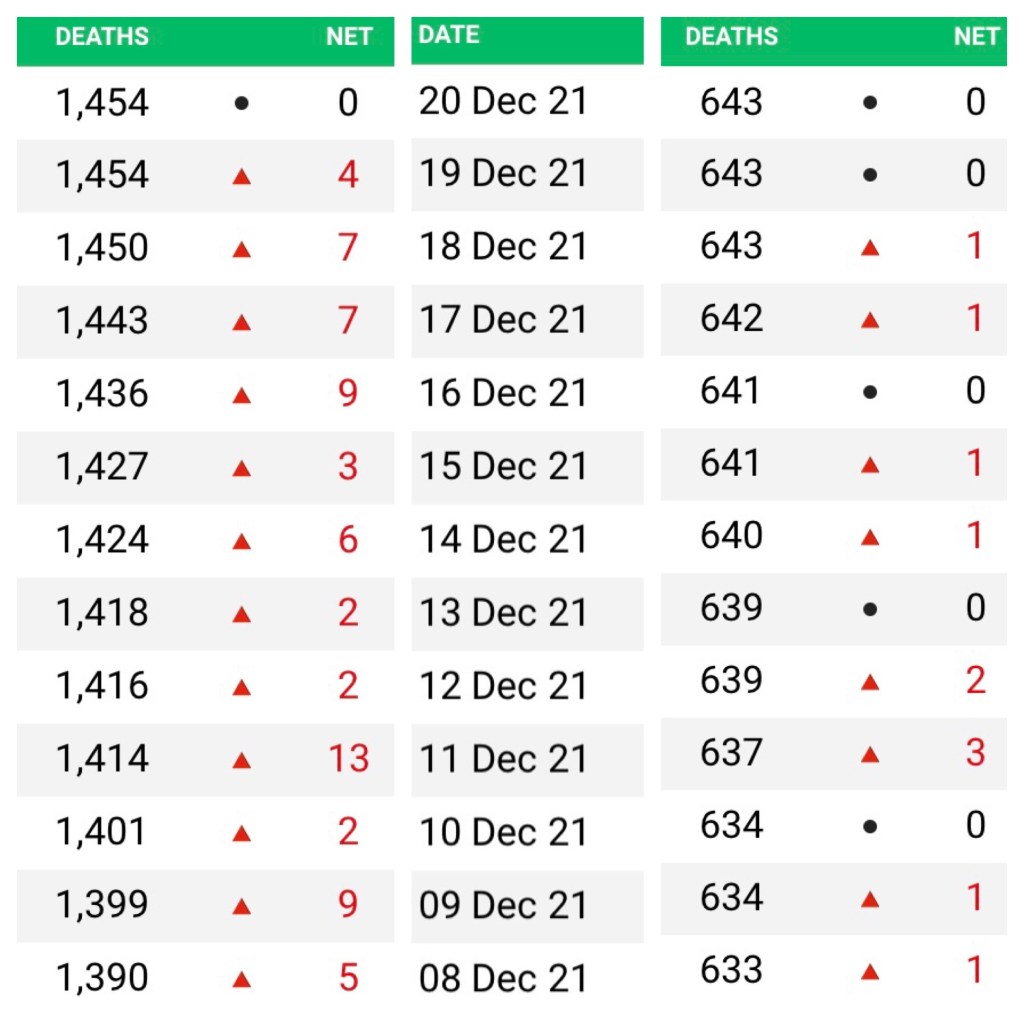
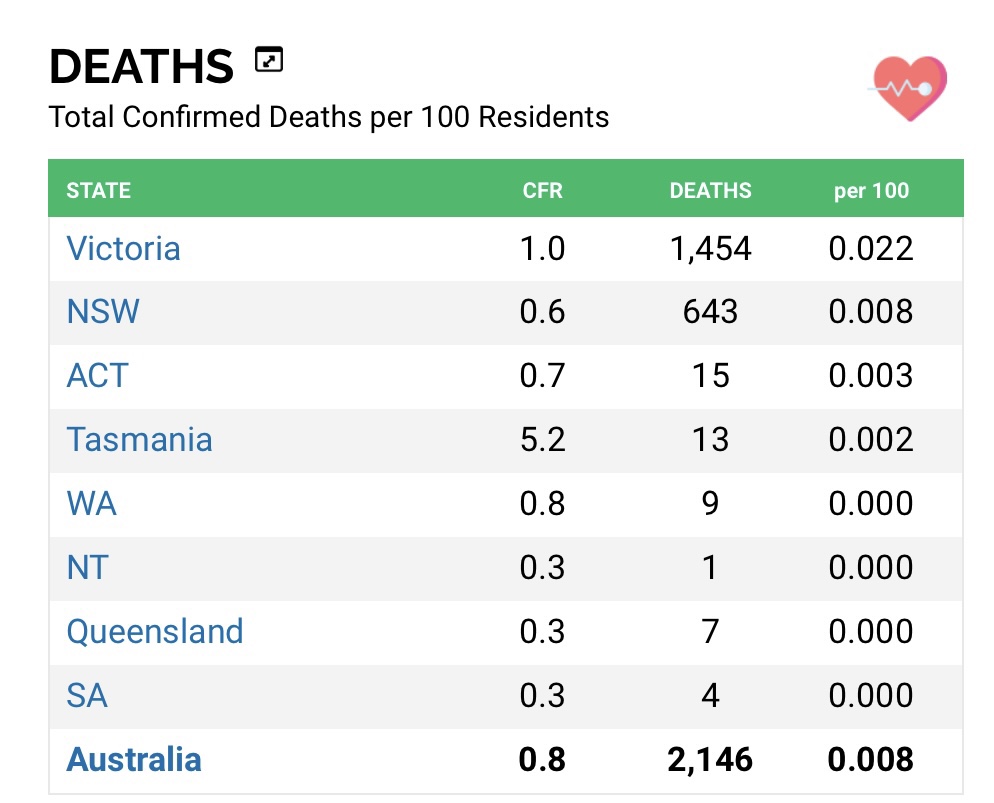


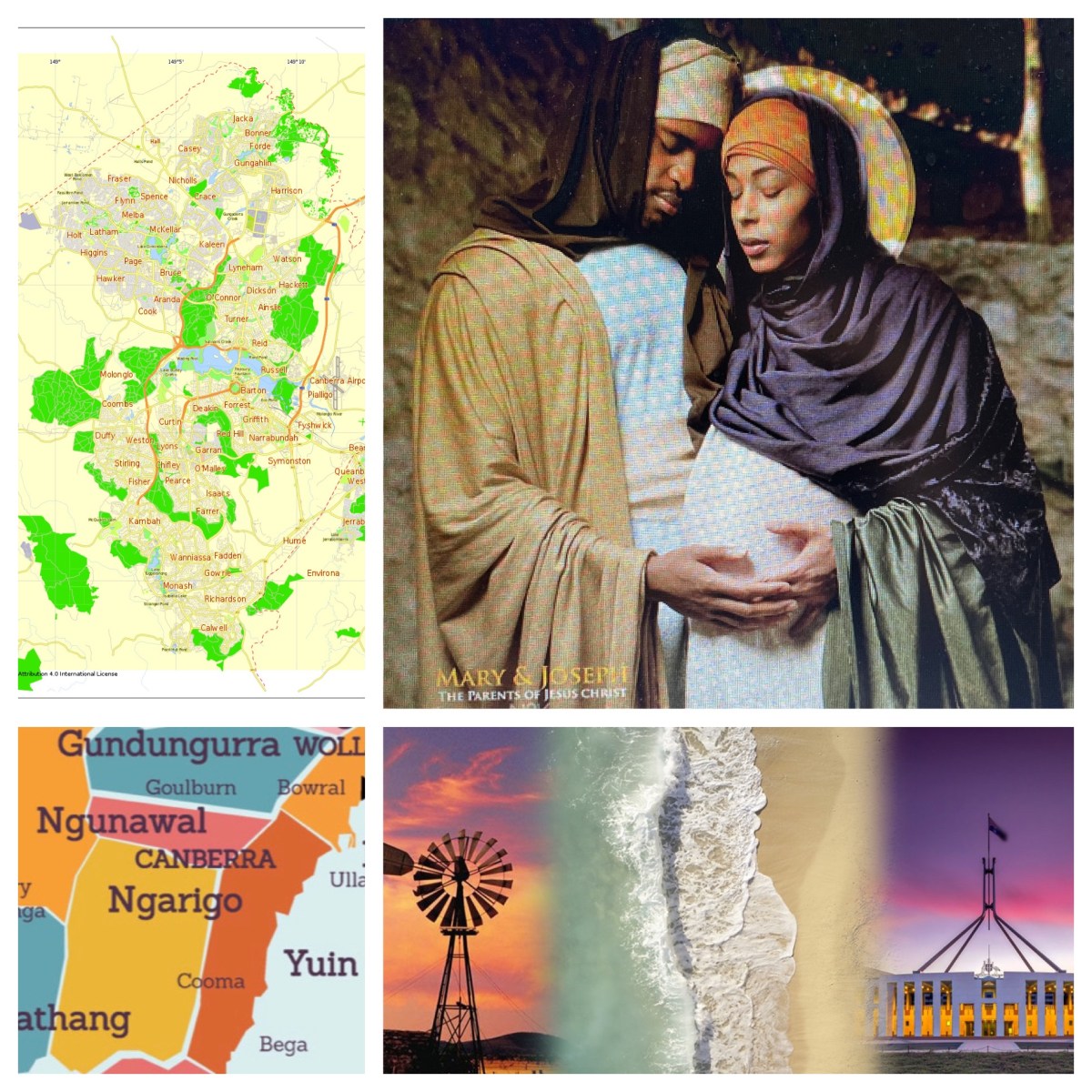

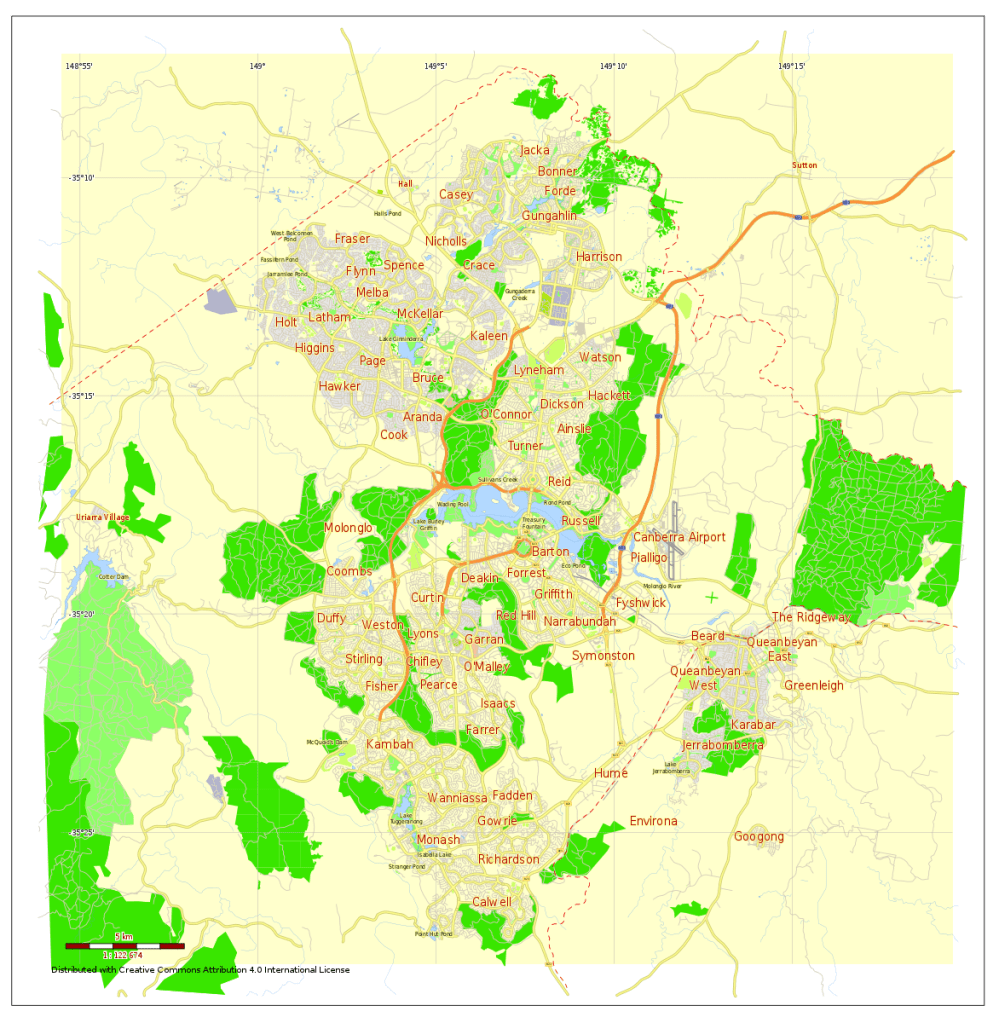

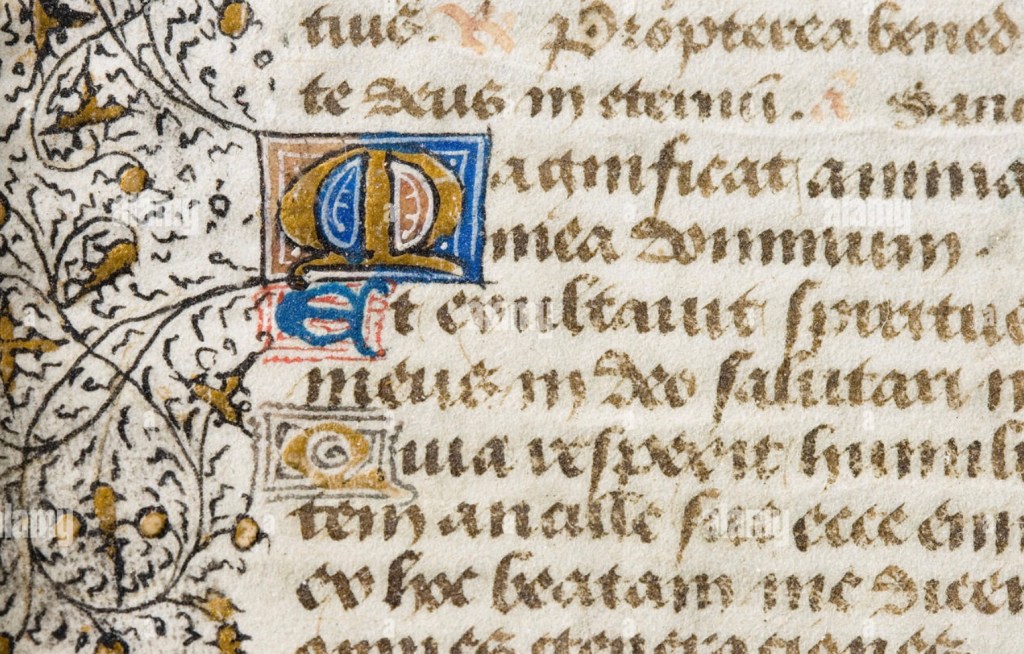
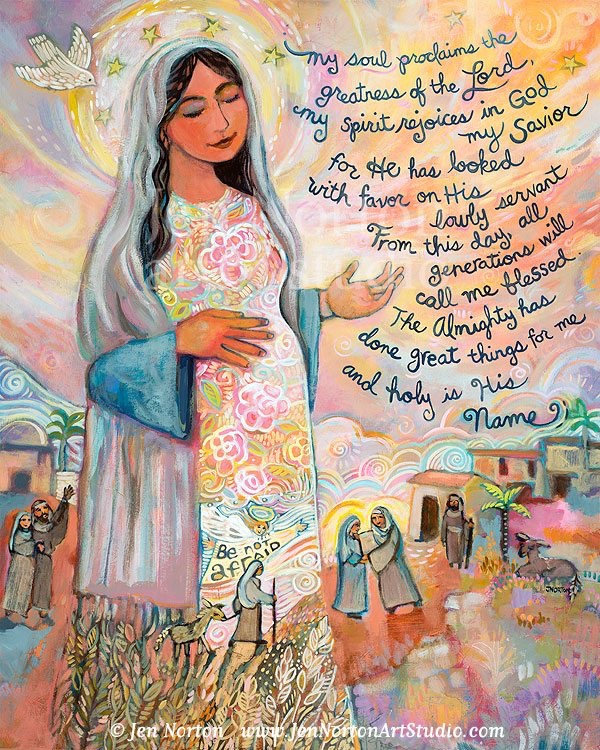
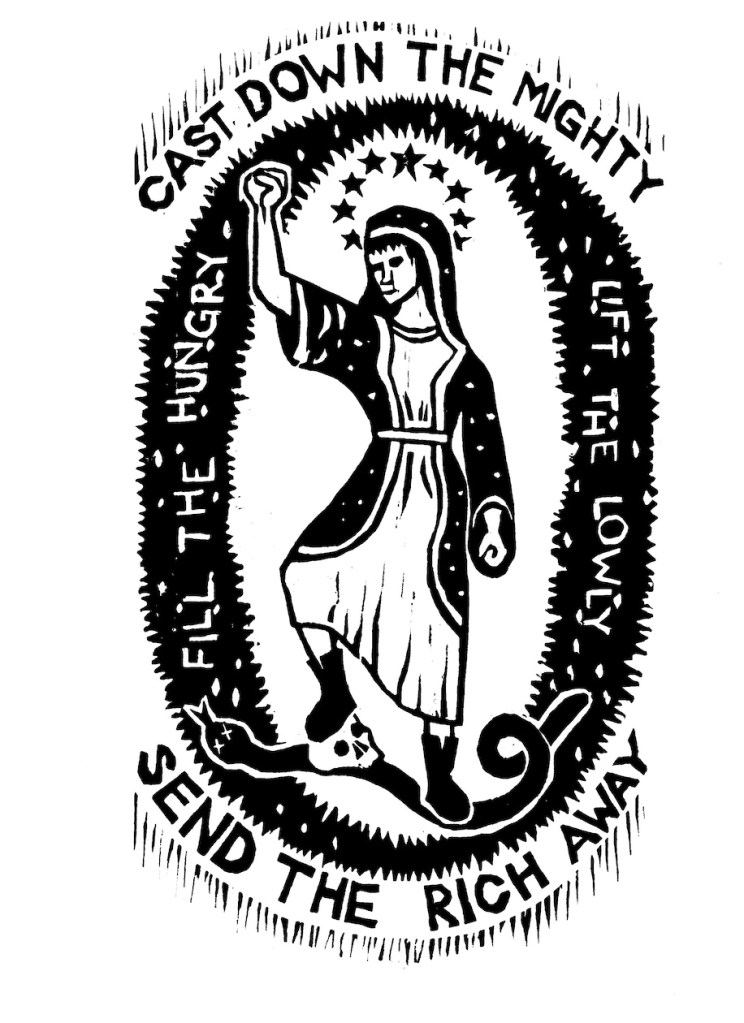
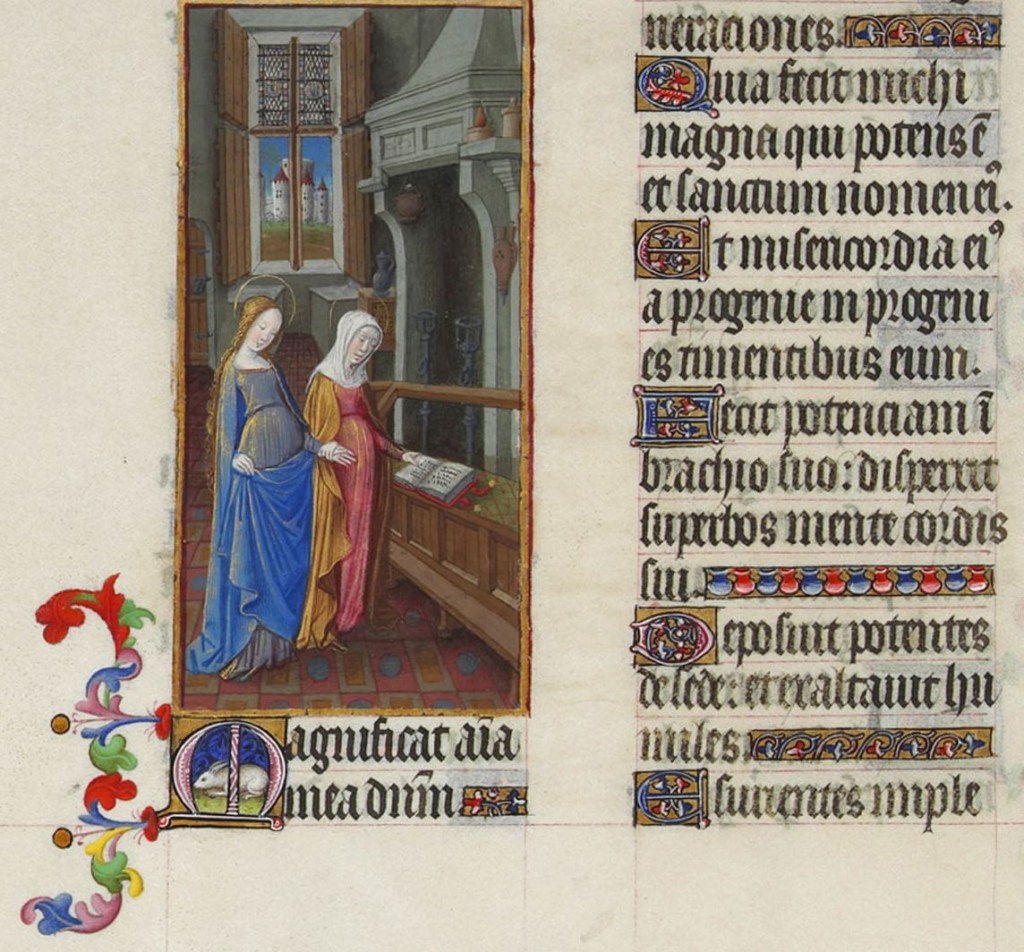
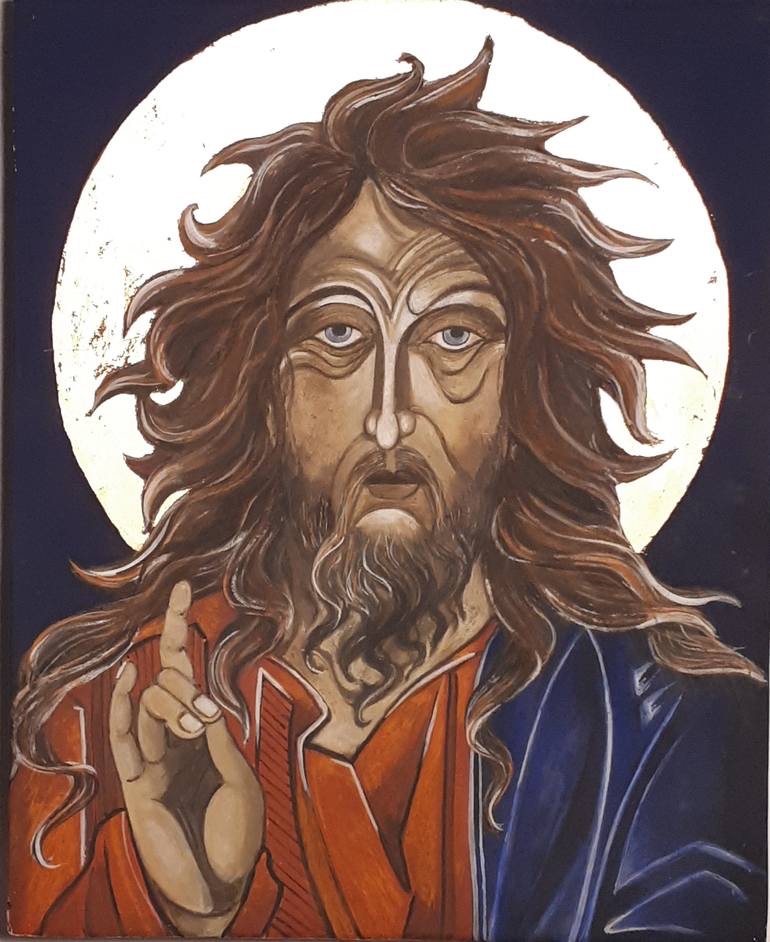
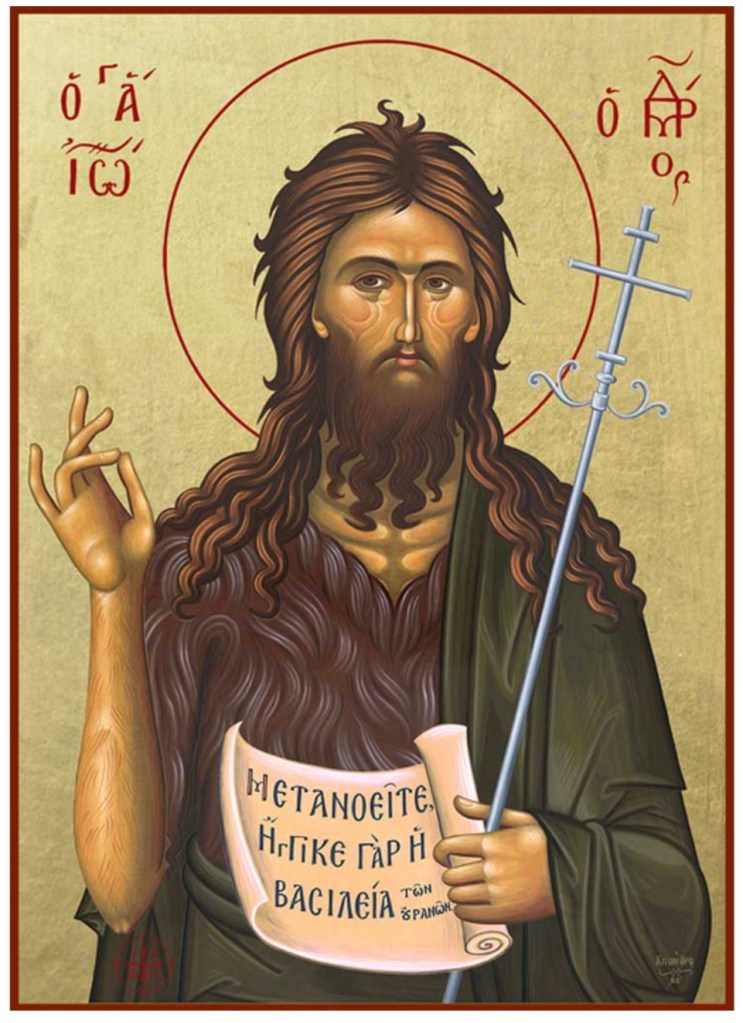
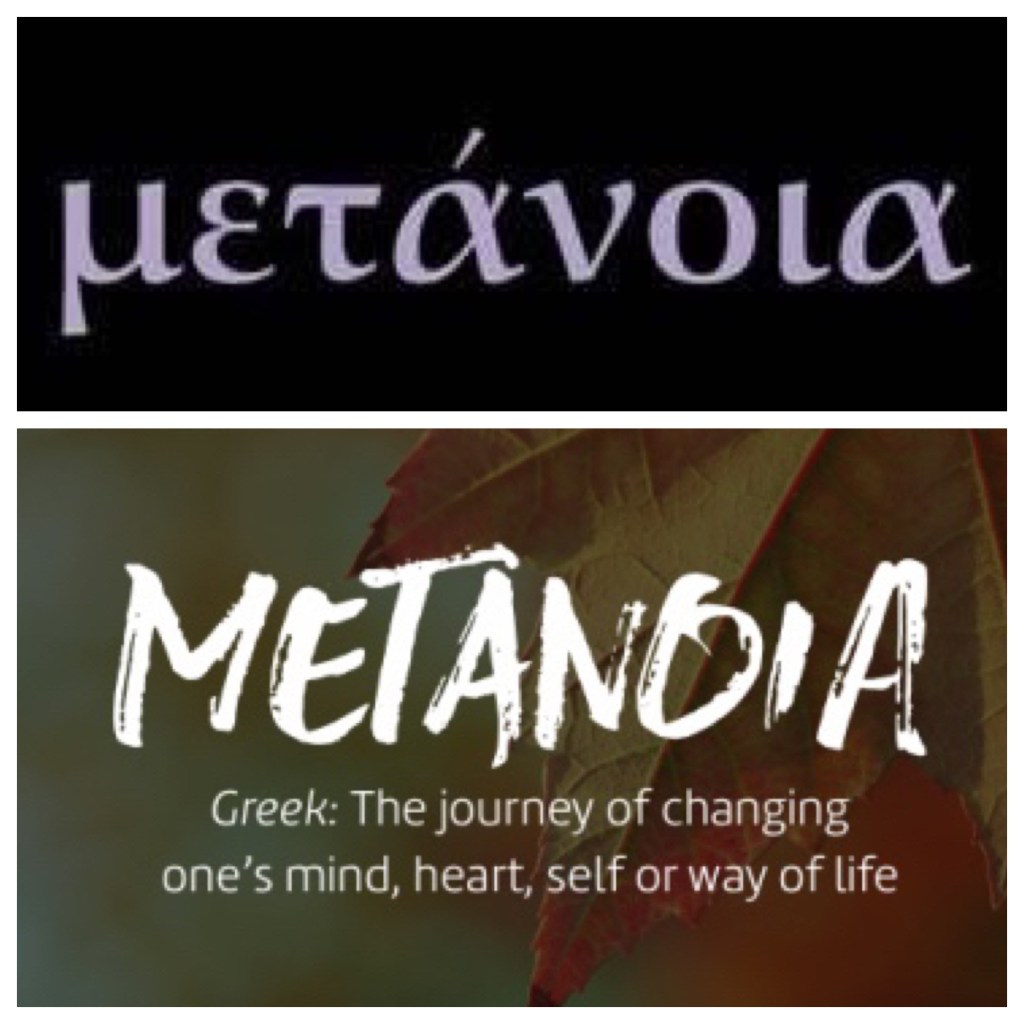

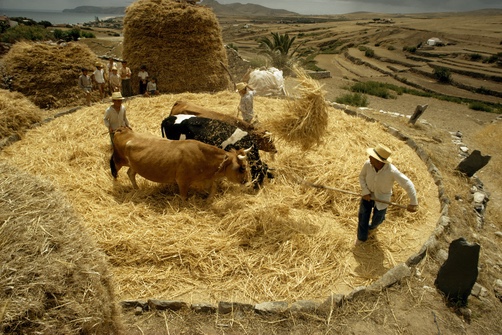

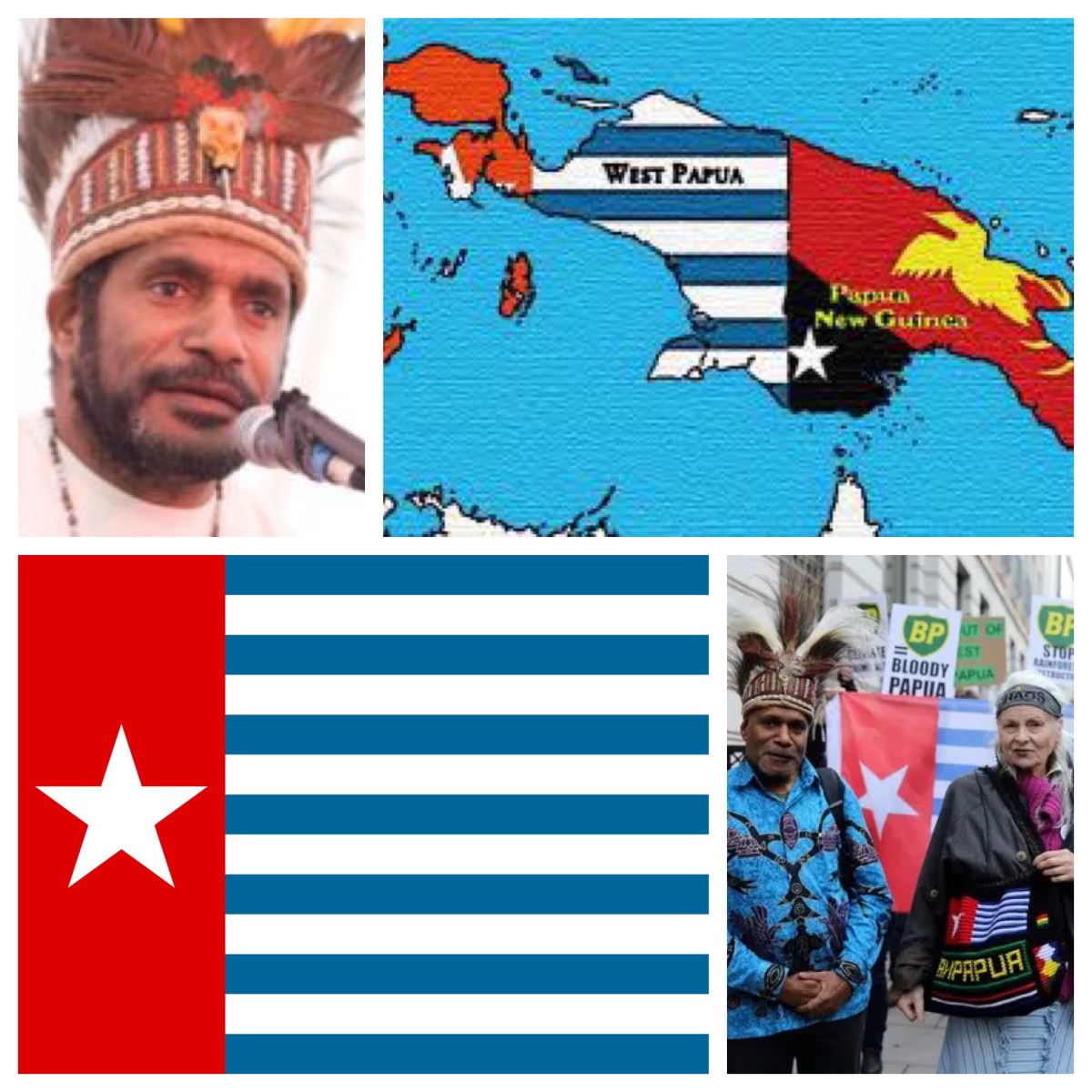

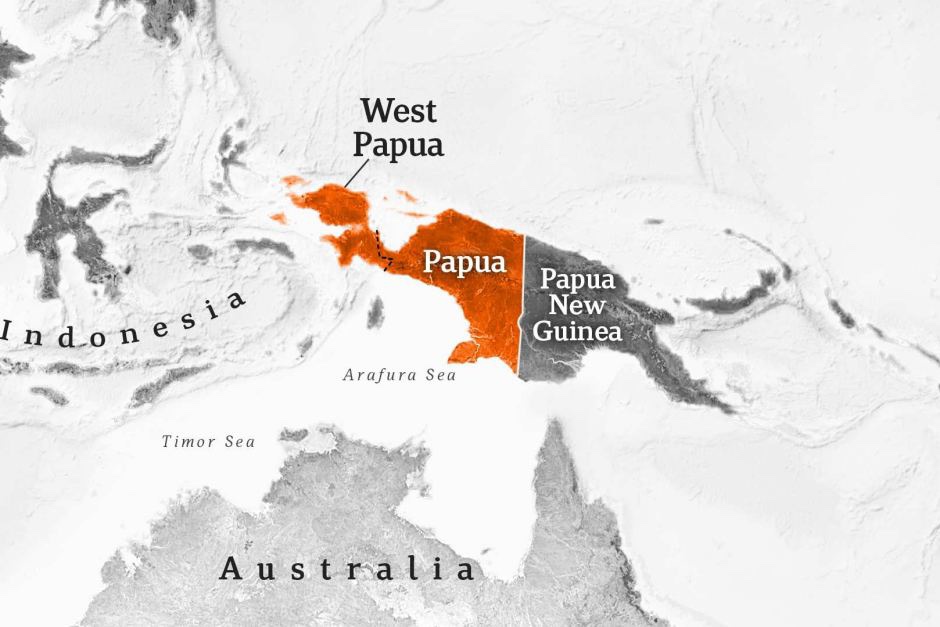
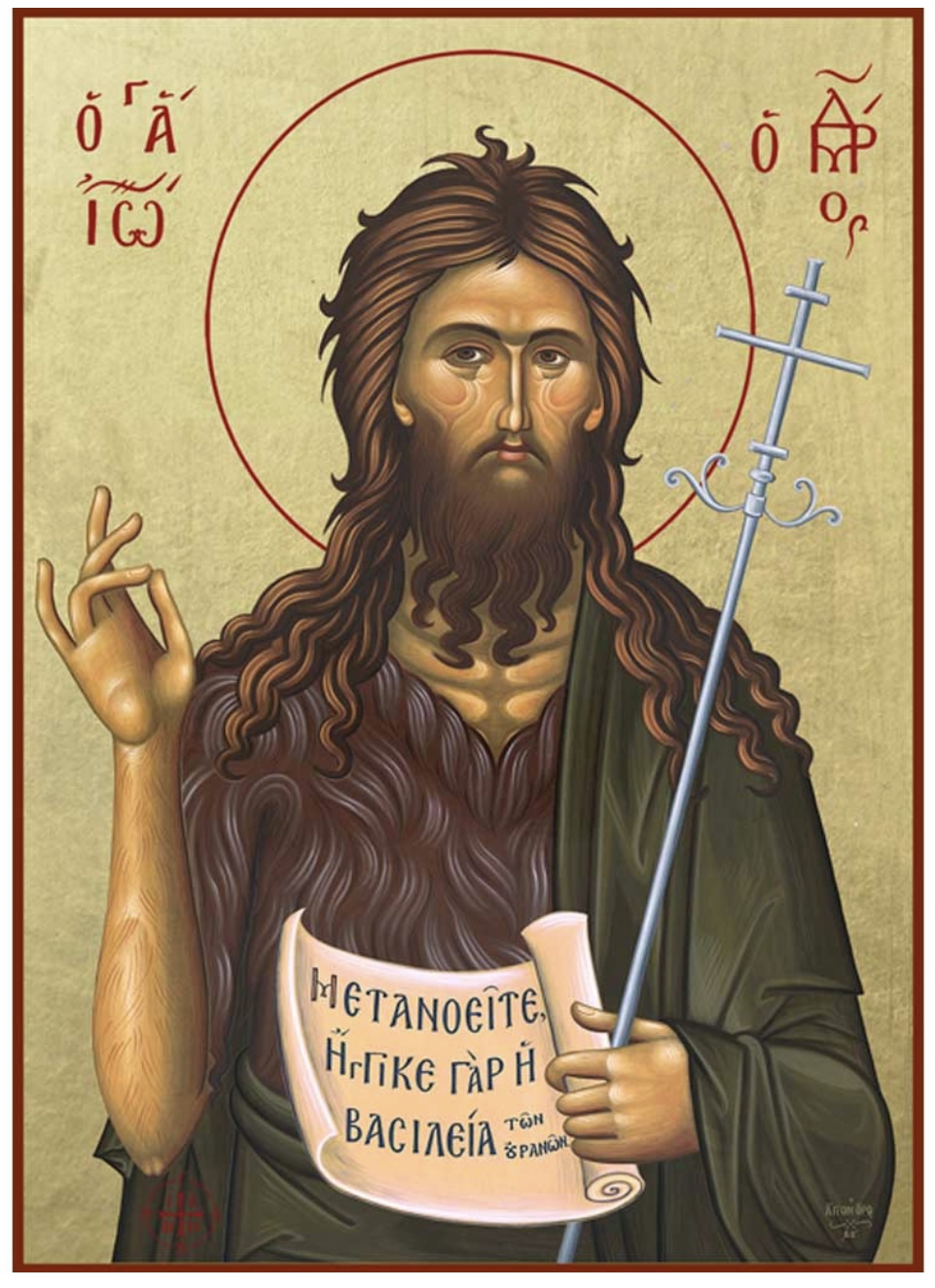

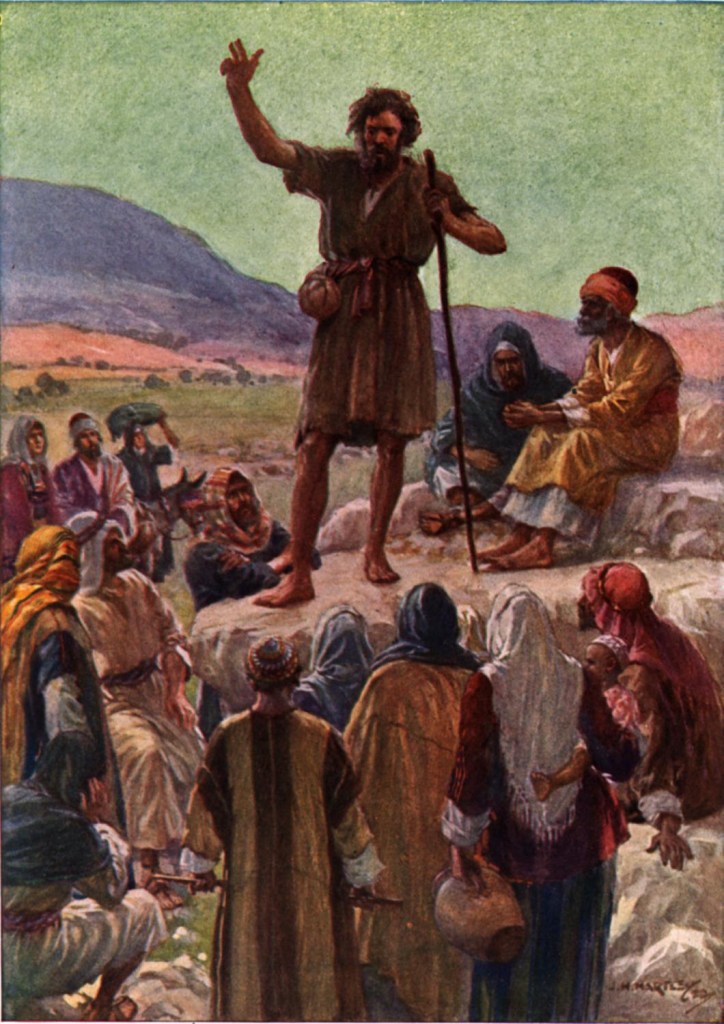
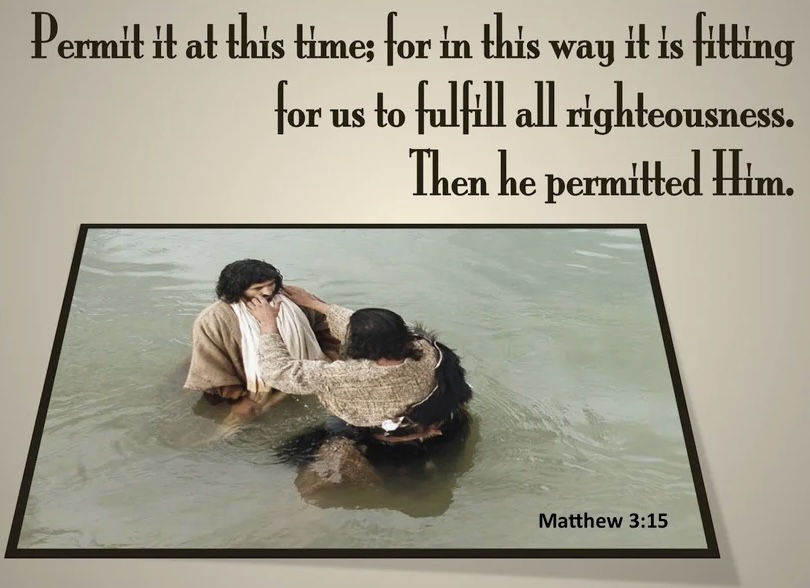
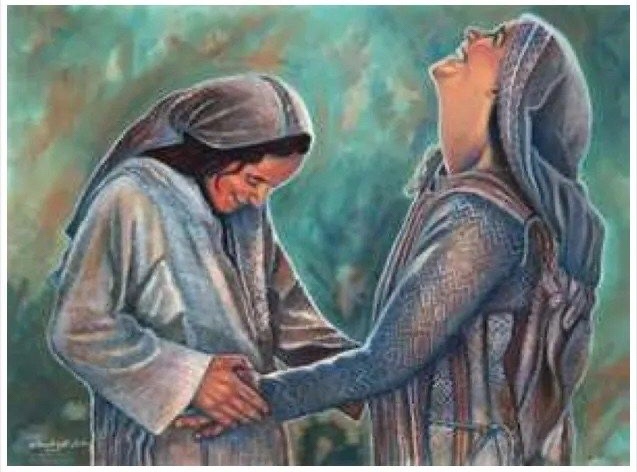
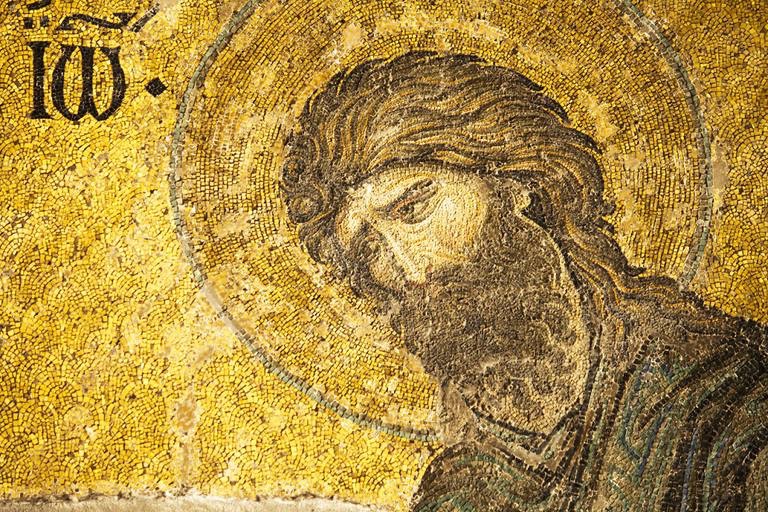
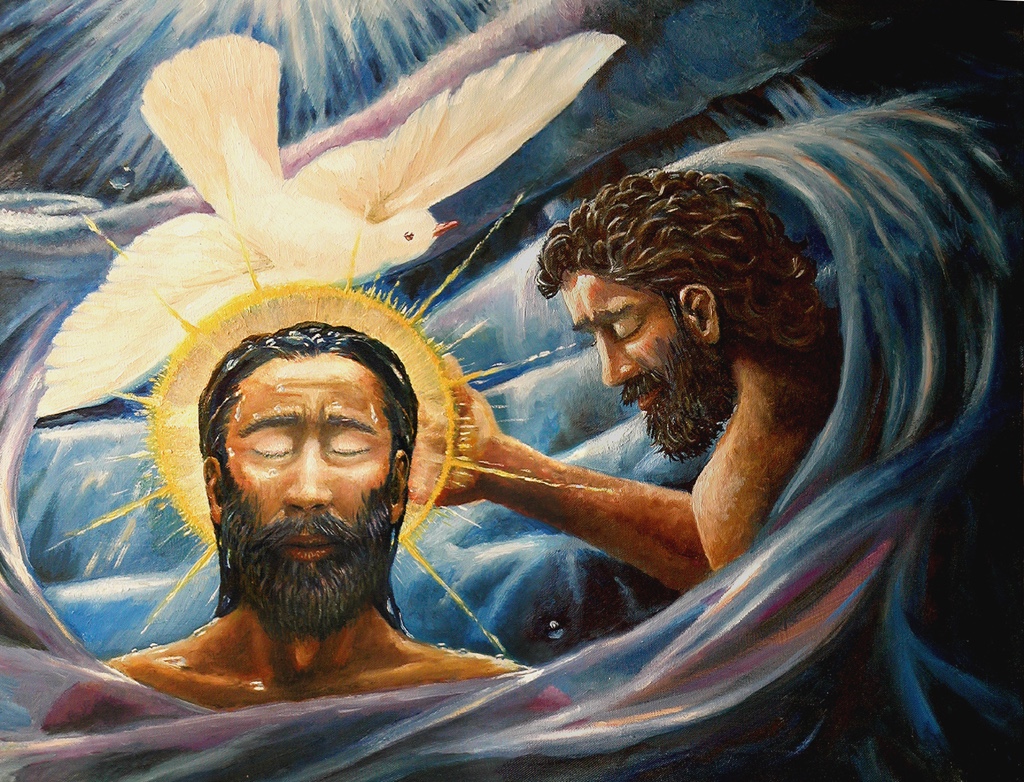

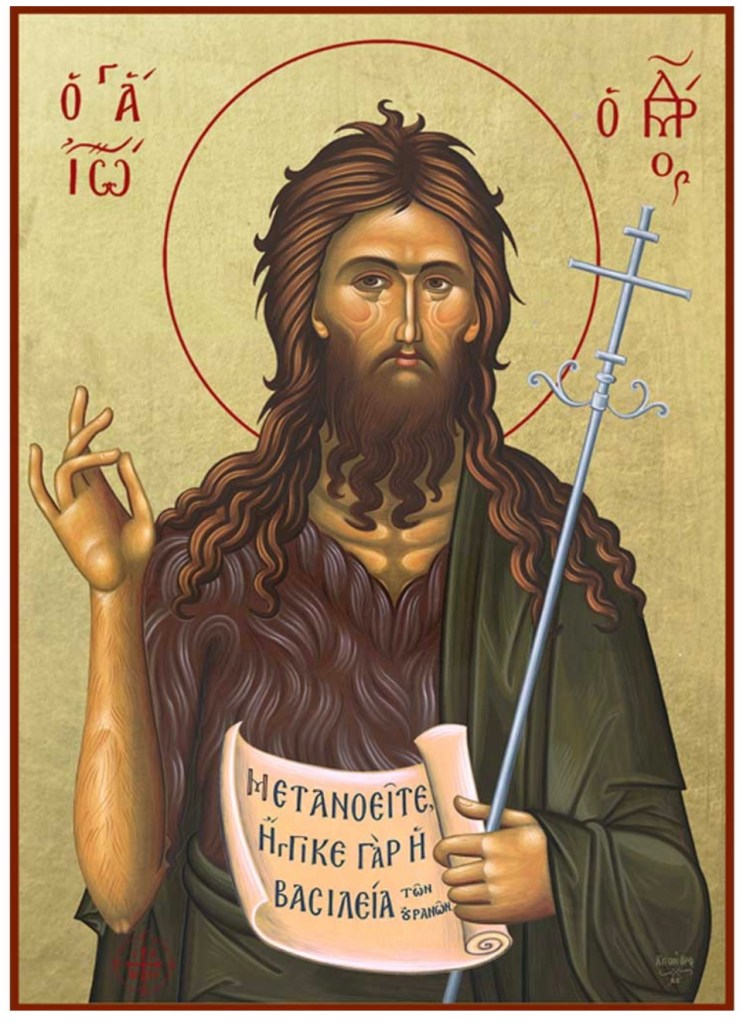
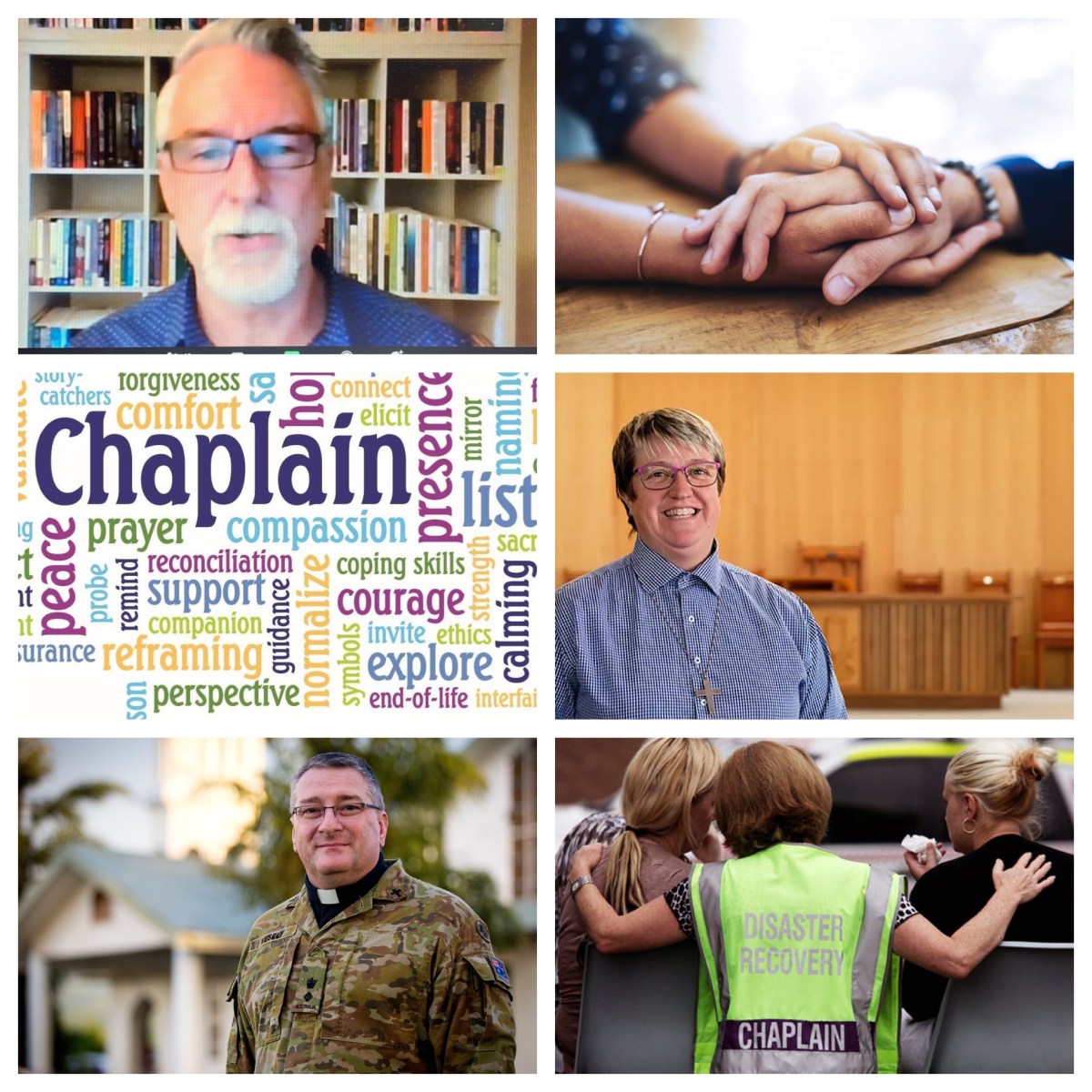
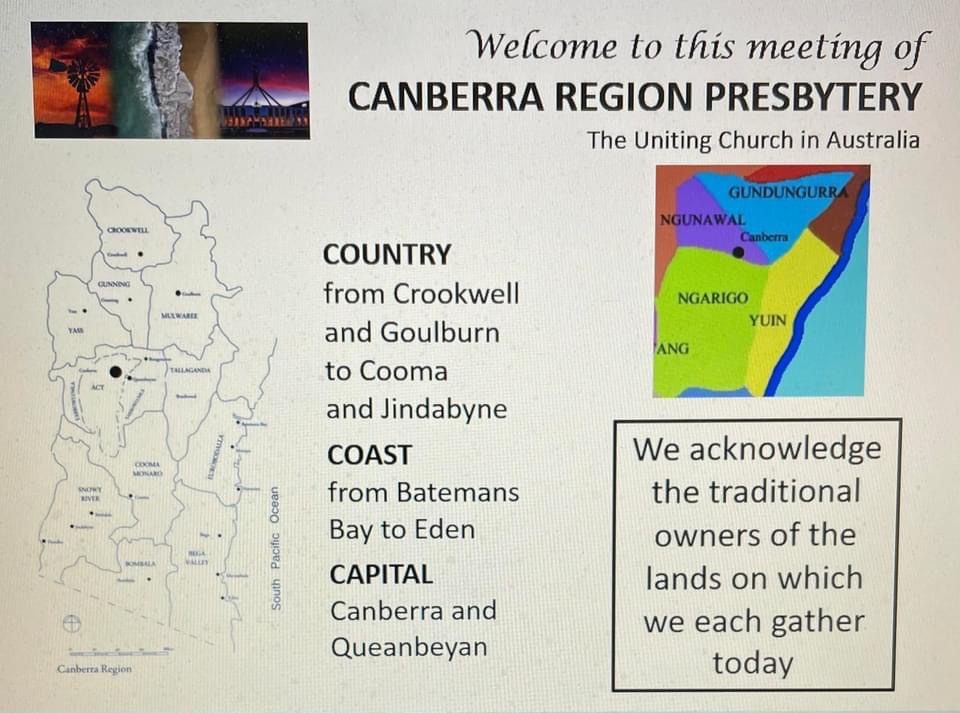
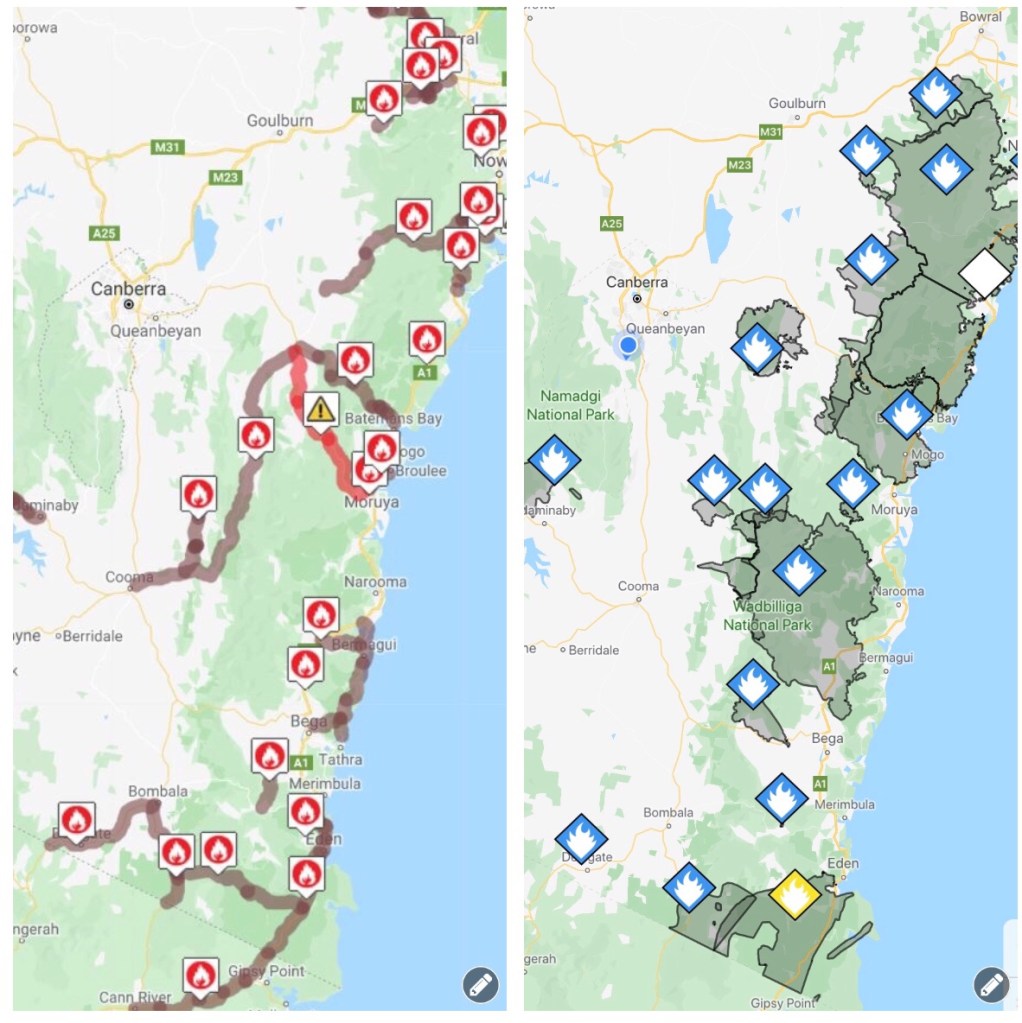

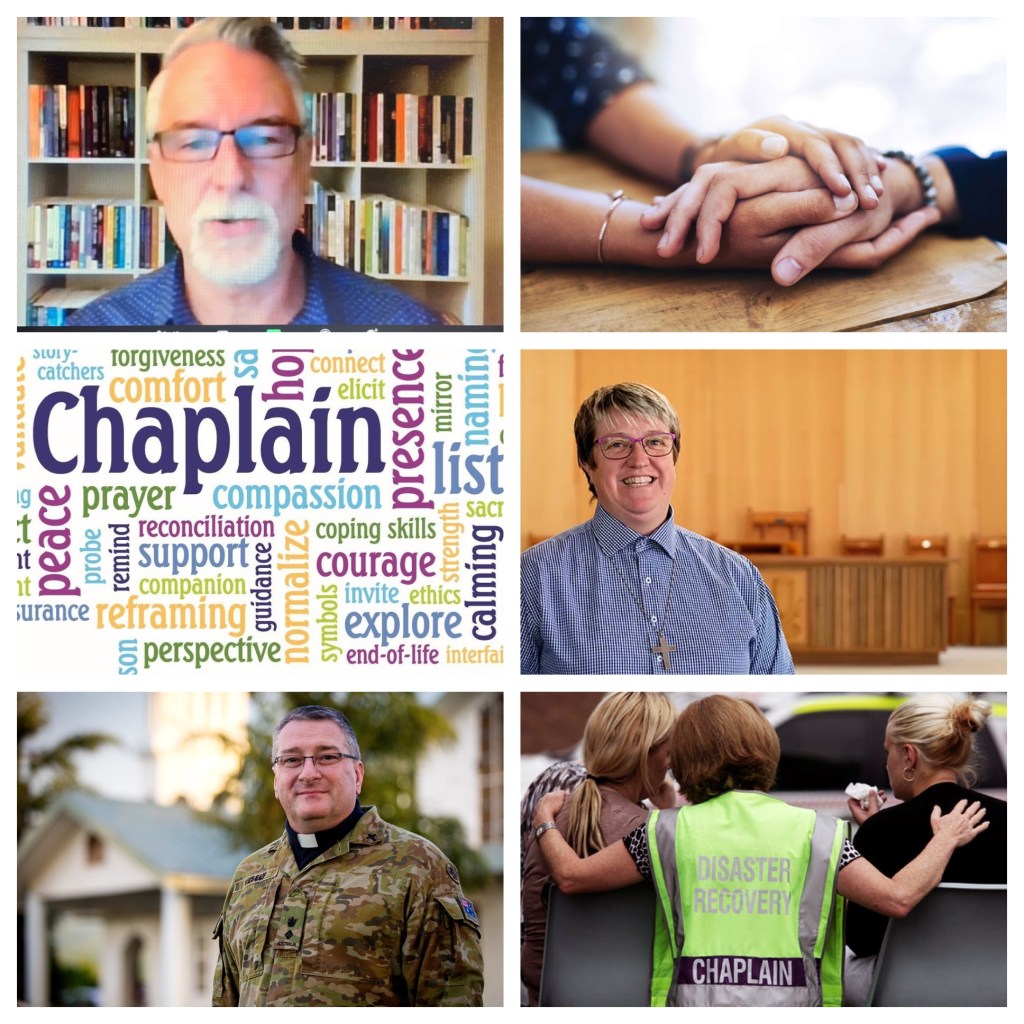
 An Informed Faith