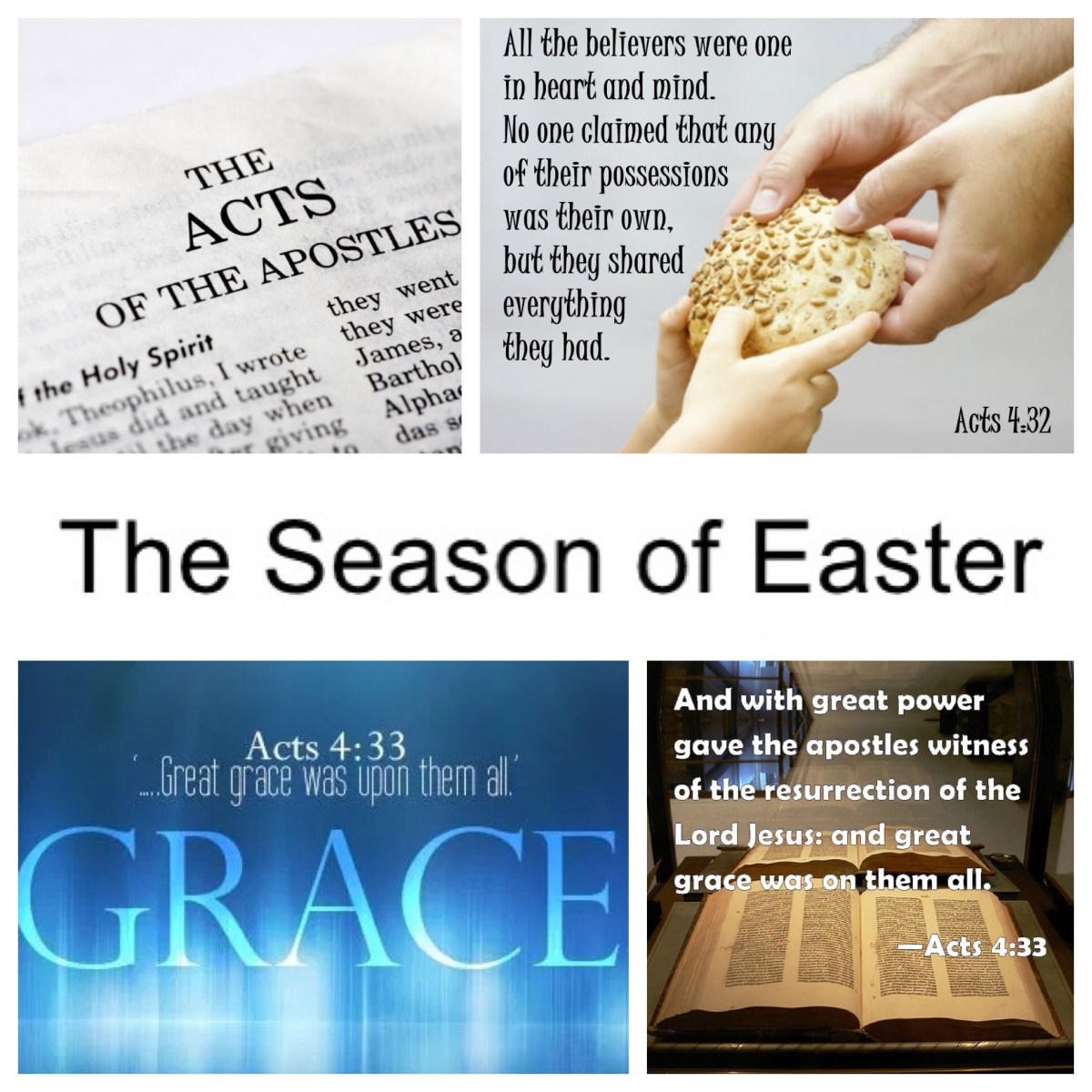
During the weeks that stretch out after Easter Sunday, we are in the season of the year (in the church calendar) that is called, simply, Easter. This coming Sunday will be the second Sunday in Easter (the second of seven, running through to the middle of May). During this season, the lectionary we use replaces the first reading from Hebrew Scripture with sections from the book of Acts—the second of two volumes attributed to Luke.
Acts recounts, from one perspective, the way that the church emerged as the key organisational response to the teachings and example of Jesus. Luke, the presumed author of the two volumes which provide an orderly account of the things fulfilled among us (Luke 1:1, 3), takes pains to indicate multiple lines of connection and continuity between his account of Jesus (the Gospel of Luke) and his subsequent account of the church (the book of Acts).
In this second volume, there are many indications of how Luke understood the emergence of the church to have occurred. It began as a series of loosely-connected Jewish communities, bonded by their common belief that Jesus of Nazareth was the Messiah (Acts 2:31,36,38; 3:6,18; 4:10; 8:5,37; 9:22; 10:36,48; 11:17; 15:26; 16:18; 17:3; 18:5; 20:21; 28:31).
They were messianic communities, followers of ‘The Way’ (9:2; 18:25; 19:9,23; 22:4; 24:14,22) which grew, over time, into groups identified as Christians (11:26)—and from that developed the Christian church. From these descriptive narratives, the church has drawn guidance for ways to shape its life in subsequent eras.
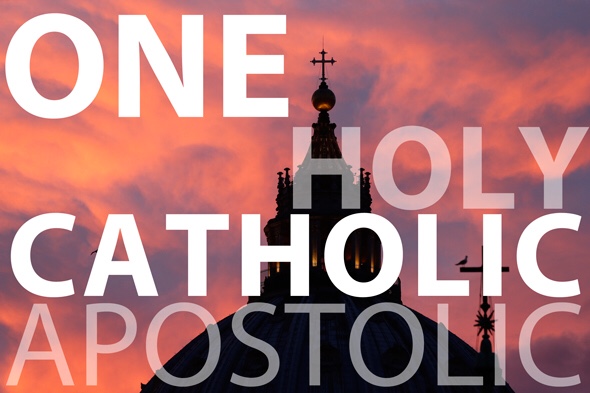
How do we characterise the church? A classic way from the traditions of the church is to cite ‘The Marks of the Church’: one, holy, catholic, and apostolic. Those four descriptions have been derived from various biblical sources (including the narrative shaped in Acts), and have certainly influenced theology, church organisation, and preaching over the centuries.
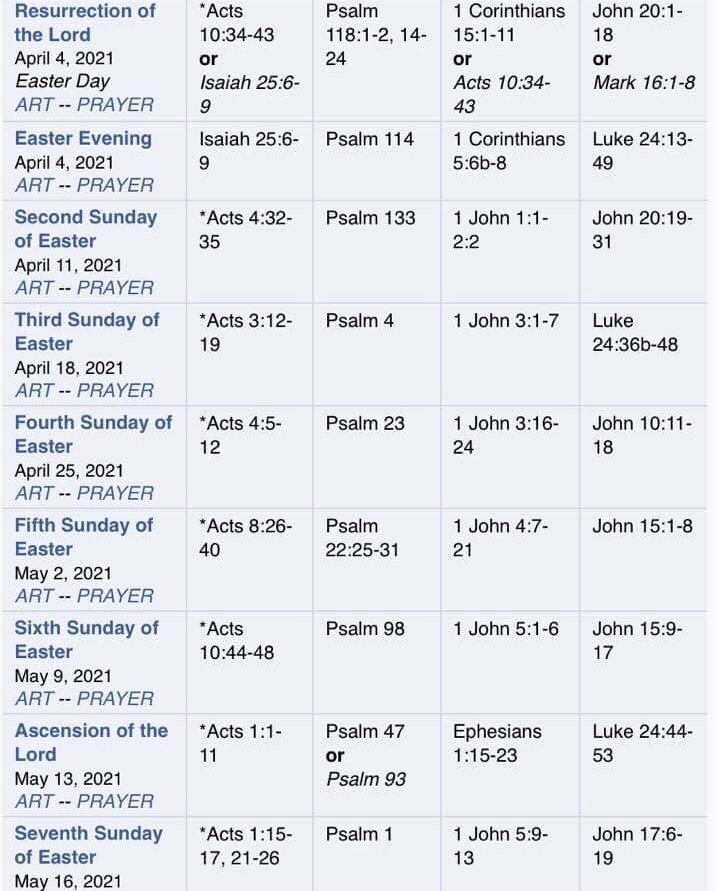
The Acts passage provided by the lectionary for this coming Sunday, although quite short (4:32-35), nevertheless is very rich. It offers another set of Marks, which the author of Acts used to describe the church. All three have already been offered in an earlier section of the narrative, as the author recounts them formation of the faith community after the preaching by Peter on the Day of Pentecost. (See https://johntsquires.com/2020/04/28/teaching-fellowship-bread-and-prayers-the-marks-of-community-acts-2/)
The first mark is unity of purpose (4:32; see 2:42,46). A second mark refers to the powerful testimony to the resurrection that the church offers (4:33; see 2:24,32; 3:15; 4:2). A third mark is the manifestation of grace (4:33b; see 2:47).
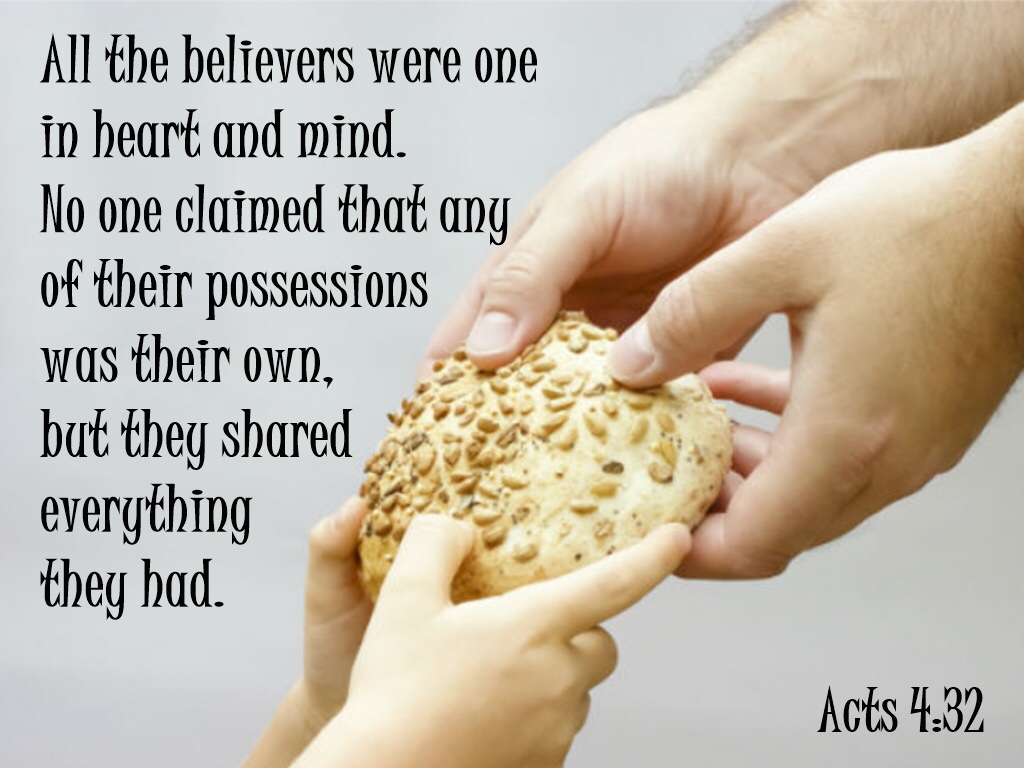
The major focus in this summary description is on the first feature, which is introduced with a striking phrase: the believers were “one in heart and soul”, to which is added a repetition of the earlier comment that “for them all things were common” (4:32; see 2:44).
Fellowship is identified as a key aspect of the community (2:42). The precise term koinonia occurs only here in Acts; however, the notion of sharing or togetherness which is inherent in it is evident in other ways. Members of the community gather with one mind (2:46) in a way that will consistently characterise the community (4:24; 5:12; 15:25).
These phrases used evoke the traditional Greek proverbs, ‘friends have one soul’ and ‘the goods of friends are common property’, which were known since the time of Aristotle (Aristotle, Nicomedian Ethics 9.8.2; Cicero, De officiis 1.16.51; Plutarch, On Brotherly Love 490E, How to Tell a Flatterer 65A and De amic. mult. 96E; Iamblichus, Life of Pythagoras 65A; Dio Chrysostom Oration 34.20; Diogenes Laertius Lives 5.20, 8.10).
The Essenes were described in a similar way by Philo, Every Good Man is Free 85, and Josephus, Jewish War 2 §122. The first phrase is also reminiscent of the common Deuteronomic reference to ‘heart and soul’ (Deut 6:5; 10:12; 11:13; 13:4; 26:16; 30:2,6,10). The early messianic communities shared in this central characteristic. For the author of this book, it was to be a defining mark of the messianic communities in each place they were found.
2. A second mark refers to the powerful testimony to the resurrection that the church offers (4:33; see 2:24,32; 3:15; 4:2). The proclamation the apostles, of course, is a regular element in the story of Acts: there is a comprehensive list of no less than thirty-six speeches in Act at
Proclaiming the good news about Jesus was at the centre of these messianic communities, as Acts takes pains to indicate (2:23; 3:7, 15, 26; 4:10; 5:30; 10:40; 13:30-37).
3. A third mark of these communities was the manifestation of grace (4:33b). The community in Jerusalem was earlier described in this way, as “having grace towards the whole of the people”—the NRSV translates this, less accurately, as “having the goodwill of all the people” (2:47). This introduces another term which will have significance in the narrative of Acts: charis. In 2:47, charis is linked with the inner life of the community as they “ate their food with glad and generous hearts, praising God and having grace towards the whole of the people”.
Grace is a characteristic which also marks Stephen, enabling him to perform “great wonders and signs” (6:8); in his speech, he notes that God ascribed grace to Moses (7:10) and to David (7:46). It is this grace of God which is evident in the growing community in Antioch (11:23) and continues to be a characteristic of the community in Iconium, where once again it is evident through the signs and wonders granted by God (14:3).
Such grace is regarded as the means of salvation (15:11) which enables people to believe that Jesus is Messiah (18:27-28). This same grace of God is attested by Paul throughout his ministry (20:24,32). It thus forms another of the characteristics of messianic communities in Jerusalem and beyond.
This blog is based on a section of my commentary on Acts in the Eerdmans Commentary on the Bible, ed. Dunn and Rogerson (Eerdmans, 2003). I have also explored the theme of the plan of God at greater depth in my doctoral research, which was published in 1993 by Cambridge University Press as The plan of God in Luke-Acts (SNTSM 76).
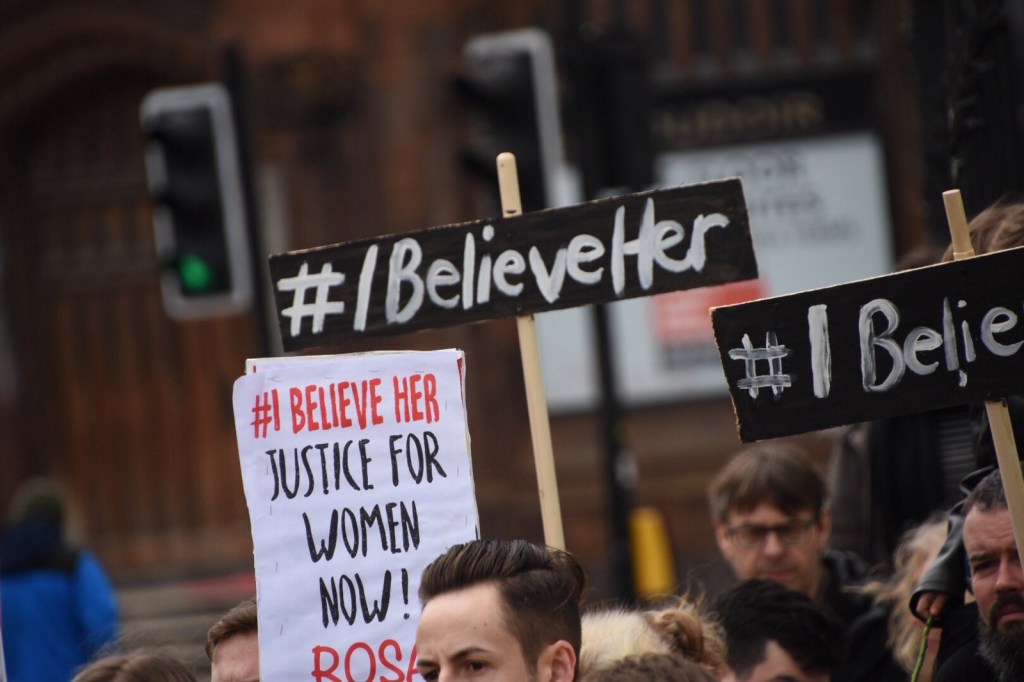
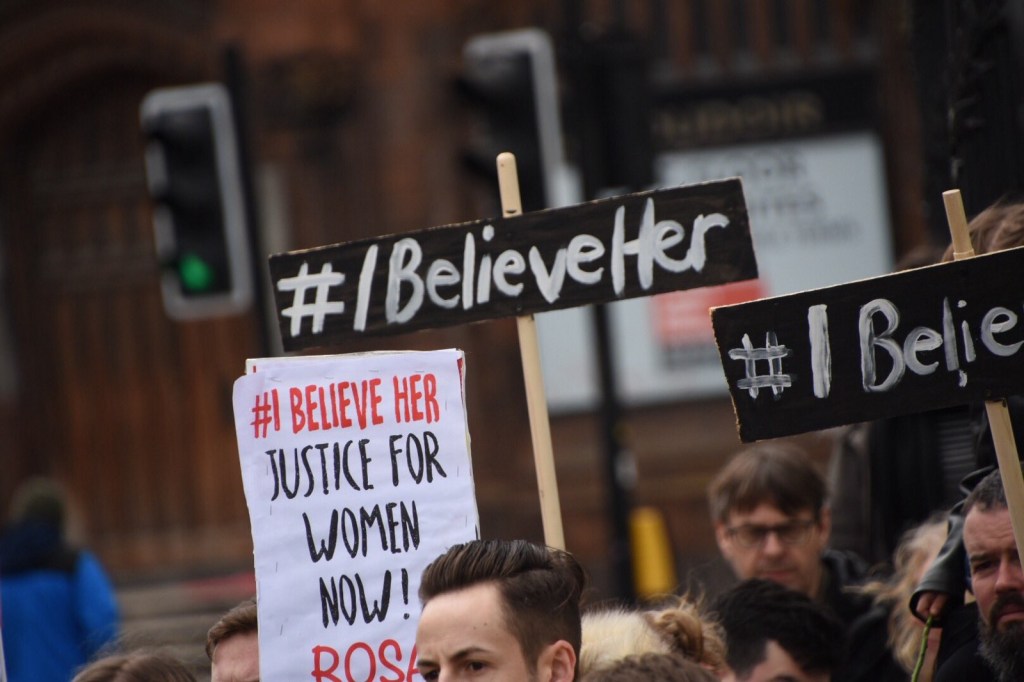
Events in Australian society over recent weeks have seen the emergence of a powerful hashtag: #IBelieveHer.
The announcement of Grace Tame as Australian of the Year for 2021 set in train a dramatic series of events. Grace’s testimony to the abuse she has suffered is powerful. Her appointment to this role validates the stories of countless survivors with similar stories.
Since Australia Day, it has been fascinating, and disturbing, to see how the announcement of this particular Australian of the Year has set in train a powerful and disturbing sequence of events in Australian public life. Sexual abuse, and especially male mistreatment of females, has been in the news each day since then.
The announcement about Grace Tame was soon followed by the testimony of Brittany Higgins, about being raped in Parliament House. This was another key catalyst in the public discussion of sexual abuse and misogyny in our society. In contrast to the shocking and shameful characterisation of her testimony by a Federal minister, her public words invited the clear response: #IBelieveHer.
The turmoil swirling around these revelations soon encompassed a matter that, apparently, had long been a widely-known secret in the corridors of Parliament House and amongst the media in the national capital. That secret started to leak into public awareness; rumour and supposition spread.
When the then Attorney General eventually spoke publicly, identifying himself as the subject of the rumours, we were offered the options: believe him, with his emotionally theatrical presentation of denial; or listen to the testimony of the sadly-deceased woman, as she grappled with her recollection of events in 1988, and attested to friends of her abuse by him at that time. The opportunity arose, once more, to consider our response; and many have responded with heightened intensity: #IBelieveHer.
And in the ensuing weeks, many other females: members of parliaments, parliamentary staffers, public figures, and private individuals, have borne testimony to their experiences of harassment, discrimination, and abuse. Each of them invites us to consider whether #IBelieveHer.
Brittany Higgins, Grace Tame, and the former Attorney General.
In this context, it is sobering for us to read and reflect on the Gospel texts which provide the underlying narrative for The Easter Story, which we remember and reflect on each year at this time.
*****
The earliest of our Gospels affirms that women were involved with the movement started by Jesus. They were present, they experienced life on the road with him, they heard his words and saw his deeds; and they remained faithful until the very end.
In his beginning of the good news about Jesus, Mark reports:
There were also women looking on from a distance; among them were Mary Magdalene, and Mary the mother of James the younger and of Joses, and Salome. These used to follow him and provided for him when he was in Galilee; and there were many other women who had come up with him to Jerusalem. (Mark 15:40–41)
The passage raises questions: how do we know about what happened to Jesus on the cross? Do we attend to, and give credence to, the testimony of the women? Do we respond, #IBelieveHer ?
Just a few verses later, Mark provides the first account of the scene at the tomb, where a group of female followers of Jesus were the first to discover that the tomb was empty. He ends the scene with the women fleeing, and the abrupt observation that “they said nothing to anyone” (Mark 16:8). Was that because they feared that nobody would believe them?
However, others who report this scene feels that this ending is quite inadequate—after all, we do have a story about that empty tomb encounter, so surely someone there must have spoken about it?
With that in mind, in his book oforigins, Matthew modifies the story, even as he repeats it: “So they left the tomb quickly with fear and great joy, and ran to tell his disciples.” (Matt 28:8) And the silence of the text about how this news was received, invites the unspoken question about their testimony: do #IBelieveHer ?
In narrating his orderly account of things being fulfilled, Luke provides a more nuanced account of the scene, more directly reflecting an awareness of the strong patriarchal context of his day. Why would men believe this report from the women? Would not the typical response be that this was simply women, gossiping, repeating hearsay, even causing trouble??
Luke notes: They remembered his words, and returning from the tomb, they told all this to the eleven and to all the rest. Now it was Mary Magdalene, Joanna, Mary the mother of James, and the other women with them who told this to the apostles. But these words seemed to them an idle tale, and they did not believe them. (Luke 24:10-11).
The male apostles (identified so by the same author at Acts 1:13) clearly did not believe the women. #IBelieveHer appears not to apply here.
So Luke continues: Peter got up and ran to the tomb; stooping and looking in, he saw the linen cloths by themselves; then he went home, amazed at what had happened. (Luke 24:12)
Male authorisation of female claims was still needed, even in this Gospel where women appear to have a stronger voice. Those male leaders did not respond with #IBelieveHer, until they were able to see and experience for themselves. In the house where they gathered in Jerusalem, them men at last believe the women—because one of their own had validated their words.
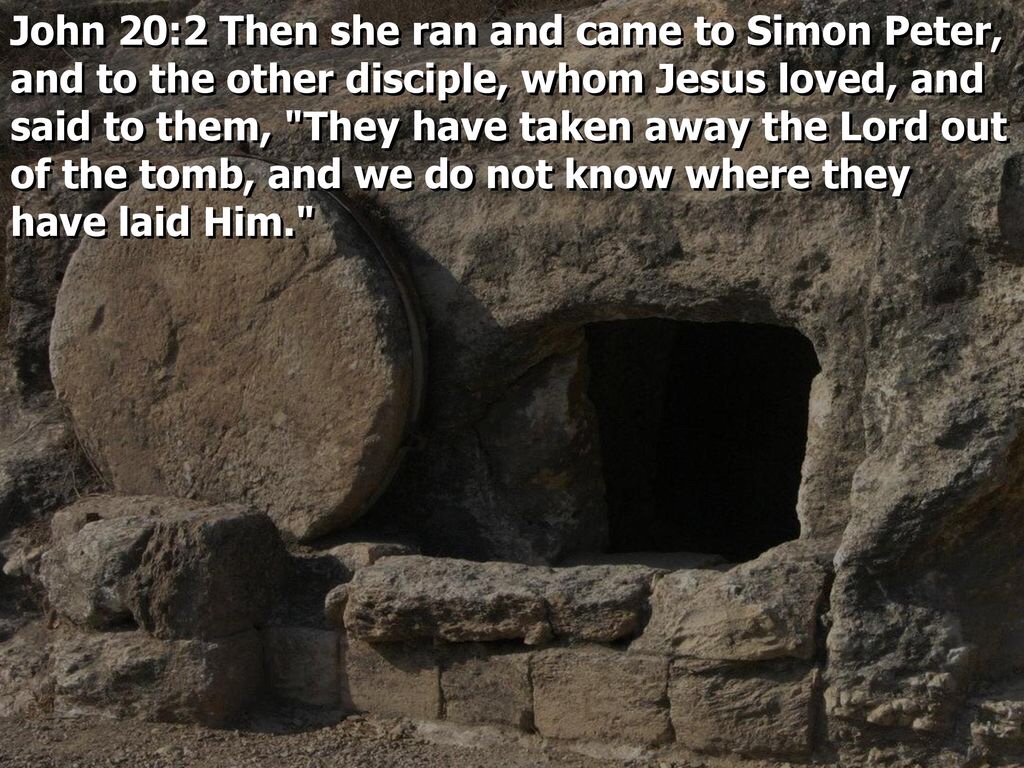
The latest of the four canonical Gospels locates this response of disbelief at the empty tomb, rather than in the house in Jerusalem. In this Gospel, the book of signs, Mary has come by herself to the tomb, found it empty, and returned to tell Simon Peter and the beloved disciple of this news.
As a result, John notes:
Peter and the other disciple set out and went toward the tomb. The two were running together, but the other disciple outran Peter and reached the tomb first. He bent down to look in and saw the linen wrappings lying there, but he did not go in.
Then Simon Peter came, following him, and went into the tomb. He saw the linen wrappings lying there, and the cloth that had been on Jesus’ head, not lying with the linen wrappings but rolled up in a place by itself. Then the other disciple, who reached the tomb first, also went in, and he saw and believed. (John 20:3–8)
Yet again, the males were required to inspect and authorise the claims of the women. In this Gospel, “seeing is believing” (see John 1:39, 46, 50; 4:29; 4:48–53; 6:30: 7:3; 9:15–17, 25; 11:9; 11:34–40; 12:21; 20:25–27). #IBeliveHer was conditional on male affirmation. They saw; we believe. Yet we take the story of Mary, in the garden, seeing Jesus, as part of our “Gospel truth”. It is clear that believers affirm: #IBelieveHer—even when the early male leaders did not!
John recounts another, more personal, more profound story, focussed solely on Mary of Magdala, who later encounters a man in the garden. Uncertain of his identity, she thinks he is the gardener. It takes only one word from the man to persuade her that he is, indeed, Jesus:
Jesus said to her, “Mary!” She turned and said to him in Hebrew, “Rabbouni!” (which means Teacher). (John 20:16)
This story ends, as the earlier accounts do, with a woman testifying to the male (and presumably other female) followers of Jesus:
Mary Magdalene went and announced to the disciples, “I have seen the Lord”; and she told them that he had said these things to her. (John 20:18).
#IBelieveHer. This is the logical deduction to draw from each of these narratives—at times, in counterpoint to the males in the story, but eventually, in relation to each account, with assurance that the voice of the females is acceptable, trustworthy, believable. #IBelieveHer.
And other Gospel narratives contain stories in which women are placed alongside men as experiencing the ministry of Jesus (most notably, Luke 8:1–3; John 11:20–27; Mark 1:29–31; and many other scenes), as well as accounts where the word of a woman was heard and believed: for instance, the woman of the Samaritan village (John 4:39–42); the unnamed woman who anoints Jesus in Bethany (Mark 14:3–9 and parallels); and the Syrophoenician woman in the region of Tyre (Mark 7:24–30), whose pushback against Jesus convinces him! In these stories, also, our response is: #IBelieveHer!
****
Of course, the passages noted above with women as the key protagonists raise the question: who told the evangelists about these incidents? Are they based on eye-witness testimony? Are they historical narratives, attested from the very beginning? Or are they stories developed and expanded over time, imaginative recreations of what is assumed to have taken place, shaped as stories for later generations?
In reconstructing “the historical Jesus”, scholars developed a number of criteria for assessing whether sayings and teachings in the Gospels were likely to have been authentic—that is, spoken by the historical Jesus himself. (See a simple listing at https://www.westmont.edu/~fisk/articles/CriteriaOfAuthenticity.htm)
One of these criteria was “dissimilarity”: does the saying sit uneasily, both with Judaism of the time, and in terms of what we know about the early church? The same criteria can be used, by extension, to consider narrative accounts in the Gospels: they are more likely to have been authentic if they reflect “dissimilarity”. Why would an author create something that sat uneasily within the worldview of the day?
On this basis, placing weight on the testimony of women might be seen to be as close as we can get to an authentic account. There is an argument that women were not regarded as valid witnesses—a passage in the Talmud (Shavuot 30a) interprets Deut 19:17 as requiring males only to be witnesses.
And they shall stand the two men, who have them the conflict, before God. Before the priests, and the judges, that will be, in those days.
Deliberately casting doubt on the testimony of women (Mark 16:8; Luke 24:11; John 20:3–8) would be a counter-productive move, if that testimony was to serve as the earliest account of what happened to Jesus. More likely than not, this was a tradition received and valued as plausible, perhaps even historical.
Indeed, feminist theological reflection on these and other narratives moves away from the “kyriachal” nature of these male-generated criteria, and into a “hermeneutic of remembrance” in which the voices of women—present, but often diluted, softened, or hidden in the final,form of the biblical text—are valued and accorded primary significance.
(See a useful discussion of the hermeneutics of remembrance, focussed on the writings of Schüssler Fiorenza, at https://www.degruyter.com/document/doi/10.1515/opth-2020-0117/html) In this approach to the texts, we read carefully and listen attentively, to hear the voices of ancient women, and respond affirmatively: #IBelieveHer.
At any rate, however we assess these early narratives, the way they have been handled throughout the ensuing two millennia is clear: #IBelieveHer. That is how we deal with the narratives of cross and resurrection that we receive in the scriptures. #IBelieveHer. And that principle is surely valid and valuable to guide us in life today. #IBelieveHer.
During Holy Week, it is Christian tradition to trace the pathway which Jesus took towards Jerusalem, sometimes following the stories recounted in Mark 11-14. In the city of Jerusalem, Jesus was arrested, crucified and died; in this city, for untold years, pilgrims had gathered in festive celebration, to remember, to retell the stories, to nurture their faith, to seek the Lord.
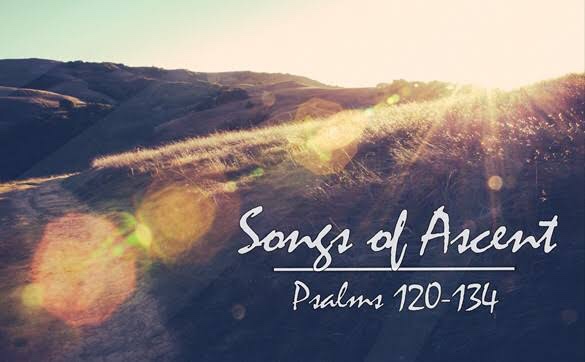
In Jewish tradition, the pilgrims travelling towards the city would join in songs—some of which are included within the book of Psalms in Hebrew Scripture and Christian Bibles. On their journey towards the city, according to this tradition, the pilgrims would sing Psalms 120—134. These are known as The Songs of Ascent, for they were sung as the pilgrims climbed higher towards the city, and then higher still towards the Temple at the highest point in the city.
This series of blogs use these ancient songs as the focus for reflecting, to envisage what that journey was like for Jesus and his followers, travelling as pilgrims to the city to celebrate Passover.
It was during that week that everything came to a head.
A gathering of friends and family; a joyful occasion, with exuberant celebration. We had walked with other pilgrims, heading towards the city, climbing the road, singing the psalms, looking forward to the festival.
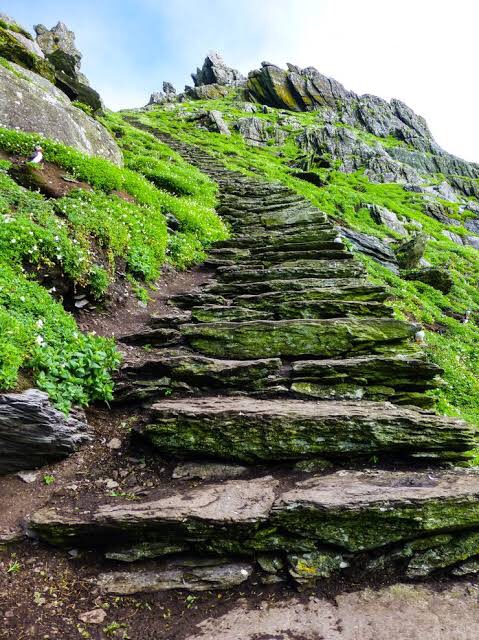
Each step closer to the city was a step that brought us closer to the heart of our faith. Each step along the way was a step that brought us higher, nearer to the holy mount. Each stage along the way was matched with a psalm of ascent, singing with joy as we drew near to the holy place.
So we stood at the foot of the holy place, the Temple first built by Solomon, then rededicated and rebuilt in the time of Herod; the Temple where the Lord God dwelt, where he dwelt in the Holy of Holies.
So we prayed, and sang, once more, with hope: I have calmed and quieted my soul, like a weaned child with its mother; my soul is like the weaned child that is with me. O Israel, hope in the LORD from this time on and forevermore. (131) In the silence, reflect on Psalm 131
It was here, surely, that we would meet God; For, as we sang, The LORD has chosen Zion; he has desired it for his habitation:“This is my resting place forever; here I will reside, for I have desired it.” (132) In the silence, reflect on Psalm 132
So we gathered around the table, friends and family, a joyful occasion, with the drinking of wine, some singing, some laughing; a meal shared together. And we celebrated in song: How very good and pleasant it is when kindred live together in unity! (133) In the silence, reflect on Psalm 133
And again, in song, we sought to bless each other: Come, bless the LORD, all you servants of the LORD,who stand by night in the house of the LORD!Lift up your hands to the holy place, and bless the LORD.May the LORD, maker of heaven and earth, bless you from Zion. (134) In the silence, reflect on Psalm 134
So our songs of ascent had come to an end. We were in the holy city, near to the holy place, gathered once again for a joyful occasion, with the drinking of wine, some singing, some laughing; a meal shared together; but then, a kiss … a betrayal … a denial … a trial.
It had begun in celebration. For years, it was so; for decades, for centuries, on this very night, we would gather, joined as family, to remember, to rejoice, to recall the act of liberation.
It was on that night that everything came to a head.
During Holy Week, it is Christian tradition to trace the pathway which Jesus took towards Jerusalem, sometimes following the stories recounted in Mark 11-14. In the city of Jerusalem, Jesus was arrested, crucified and died; in this city, for untold years, pilgrims had gathered in festive celebration, to remember, to retell the stories, to nurture their faith, to seek the Lord.
In Jewish tradition, the pilgrims travelling towards the city would join in songs—some of which are included within the book of Psalms in Hebrew Scripture and Christian Bibles. On their journey towards the city, according to this tradition, the pilgrims would sing Psalms 120—134. These are known as The Songs of Ascent, for they were sung as the pilgrims climbed higher towards the city, and then higher still towards the Temple at the highest point in the city.
This series of blogs use these ancient songs as the focus for reflecting, to envisage what that journey was like for Jesus and his followers, travelling as pilgrims to the city to celebrate Passover.
It was during that week that everything came to a head.
A gathering of friends and family; a joyful occasion, with exuberant celebration, meeting up after months or years in our own villages. We had walked with other pilgrims, heading towards the city, climbing the road, singing the psalms, looking forward to the festival. We climbed, higher, nearer to the holy mount. Each stage along the way was matched with a psalm of ascent, singing with joy as we drew near to the holy place.
So we stood at the foot of the holy place, the Temple first built by Solomon, then rededicated and rebuilt in the time of Herod; the Temple where the Lord God dwelt, where he dwelt in the Holy of Holies.
And we prayed for one another, and we sang: The LORD bless you from Zion. May you see the prosperity of Jerusalem all the days of your life. (128) In the silence, reflect on Psalm 128
Yet when we came inside, into the court of the temple, there was no peace, no joyful singing, no celebration, no preparation for worship.
Instead: a whip of cords, a shout of anger, words of vengeance, judgement, rejection; tables overturned and coins scattered. A whip of cords, a shout of anger, tables overturned and coins scattered.
It was not a moment of peaceful reflection; it was a moment of fearsome agitation. So we sang, in fear: The LORD is righteous; he has cut the cords of the wicked. (129) In the silence, reflect on Psalm 129
and again, we sang, this time in hope: O Israel, hope in the LORD! for with the LORD there is steadfast love, and with him is great power to redeem. It is he who will redeem Israel from all its iniquities. (130) In the silence, reflect on Psalm 130
A gathering of friends and family; a joyful occasion, with exuberant celebration. We had walked with other pilgrims, heading towards the city,
climbing the road, singing the psalms, looking forward to the festival.
Each step closer to the city was a step that brought us closer to the heart of our faith. We climbed, higher, nearer to the holy mount. Each stage along the way was matched with a psalm of ascent, singing with joy as we drew near to the holy place. So we stepped out, full of faith, on our journey to Jerusalem.
It was during that week that everything came to a head.
During Holy Week, it is Christian tradition to trace the pathway which Jesus took towards Jerusalem, sometimes following the stories recounted in Mark 11-14. In the city of Jerusalem, Jesus was arrested, crucified and died; in this city, for untold years, pilgrims had gathered in festive celebration, to remember, to retell the stories, to nurture their faith, to seek the Lord.
In Jewish tradition, the pilgrims travelling towards the city would join in songs—some of which are included within the book of Psalms in Hebrew Scripture and Christian Bibles. On their journey towards the city, according to this tradition, the pilgrims would sing Psalms 120—134. These are known as The Songs of Ascent, for they were sung as the pilgrims climbed higher towards the city, and then higher still towards the Temple at the highest point in the city.
This series of blogs use these ancient songs as the focus for reflecting, to envisage what that journey was like for Jesus and his followers, travelling as pilgrims to the city to celebrate Passover.
It was during that week that everything came to a head.
A gathering of friends and family; a joyful occasion, with exuberant celebration, meeting up after months or years in our own villages. We had walked with other pilgrims, heading towards the city, climbing the road, singing the psalms, looking forward to the festival.
Each step closer to the city was a step that brought us closer to the heart of our faith. Each step along the way was a step that brought us higher, nearer to the holy mount. Each stage along the way was matched with a psalm of ascent, singing with joy as we drew near to the holy place.
So we sang, together: Those who trust in the LORD are like Mount Zion,
which cannot be moved, but abides forever. As the mountains surround Jerusalem, so the LORD surrounds his people, from this time on and forevermore. (125) In the silence, reflect on Psalm 125
When the LORD restored the fortunes of Zion, we were like those who dream. Then our mouth was filled with laughter, and our tongue with shouts of joy; Those who go out weeping, bearing the seed for sowing, shall come home with shouts of joy, carrying their sheaves. (126) In the silence, reflect on Psalm 126
And then, we were at the foot of the holy place, the Temple first built by Solomon, then rededicated and rebuilt in the time of Herod; the Temple where the Lord God dwelt, where he dwelt in the Holy of Holies.
So we sang: Unless the LORD builds the house, those who build it labour in vain. Unless the LORD guards the city, the guard keeps watch in vain. (127) In the silence, reflect on Psalm 127
A gathering of friends and family; a joyful occasion, with exuberant celebration. We had walked with other pilgrims, heading towards the city, climbing the road, singing the psalms, looking forward to the festival.
Each step closer to the city was a step that brought us closer to the heart of our faith. Each step along the way was a step that brought us higher, nearer to the holy mount. Each stage along the way was matched with a psalm of ascent, singing with joy as we drew near to the holy place. So we stepped out, full of faith, on our journey to Jerusalem.
It was during that week that everything came to a head.
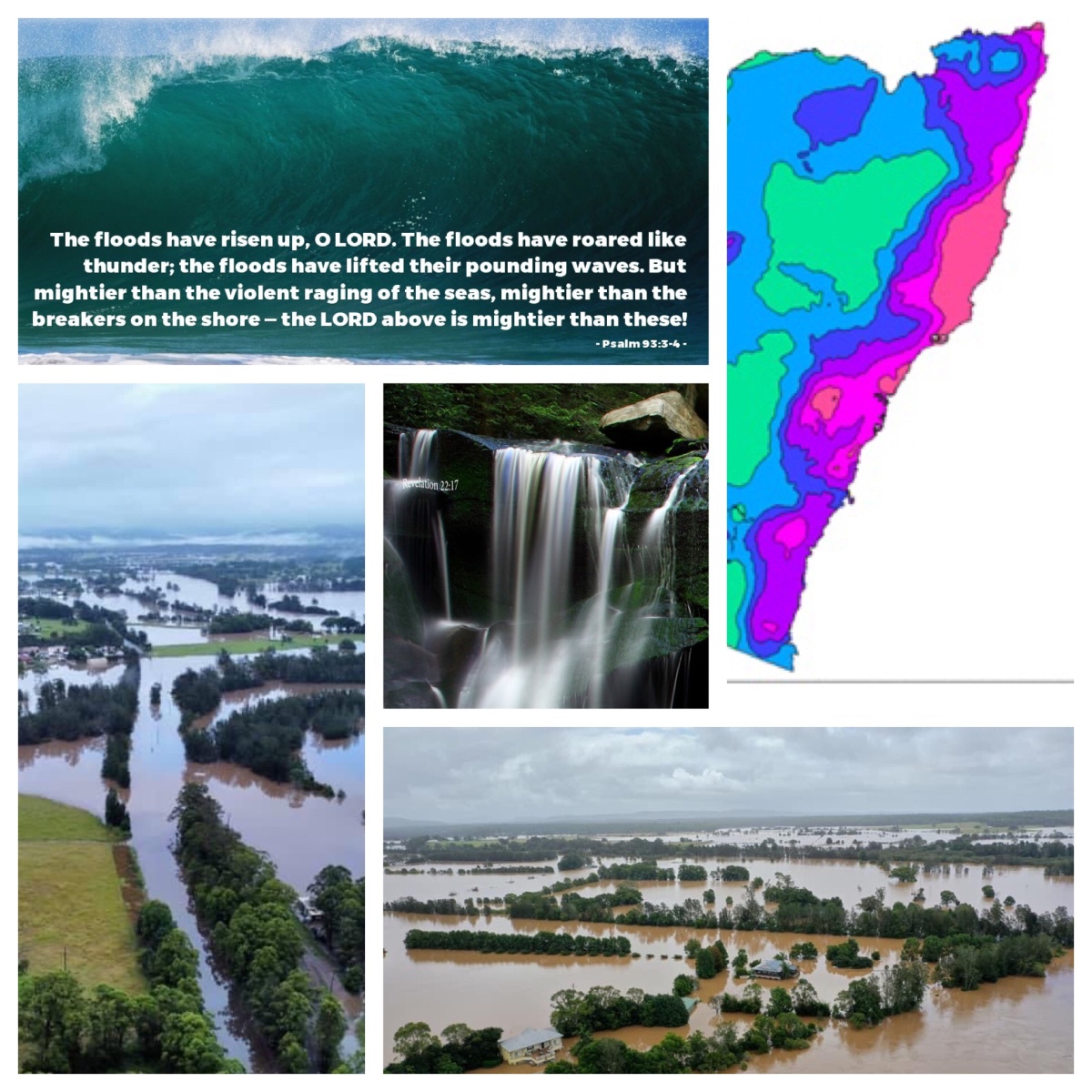
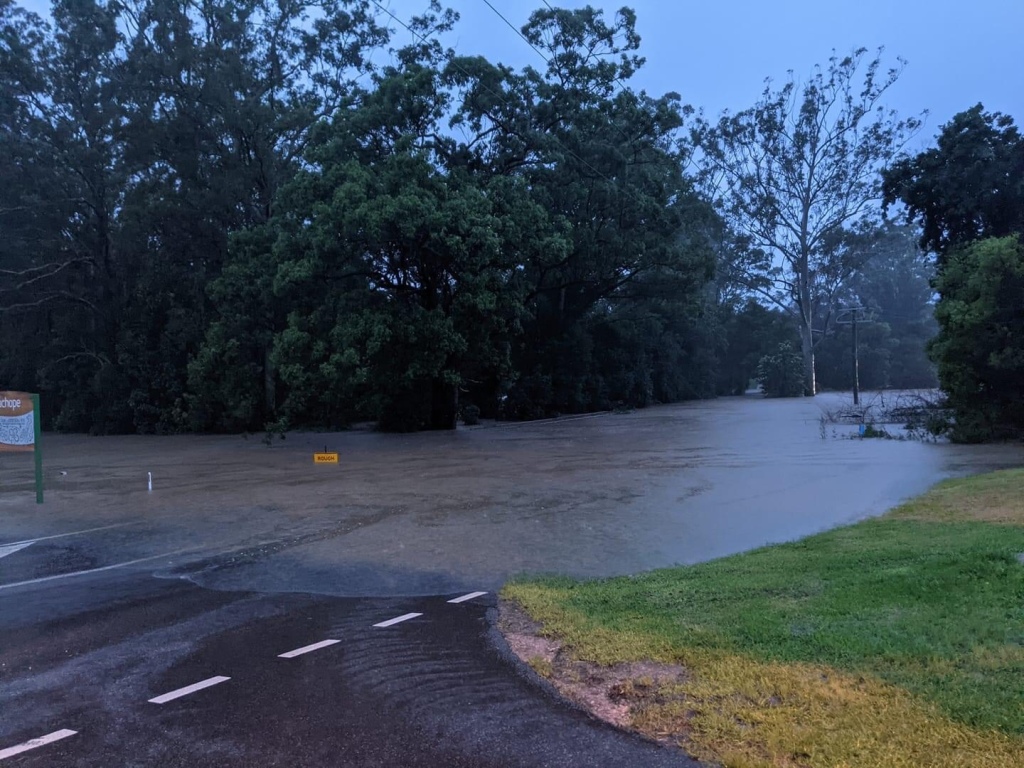
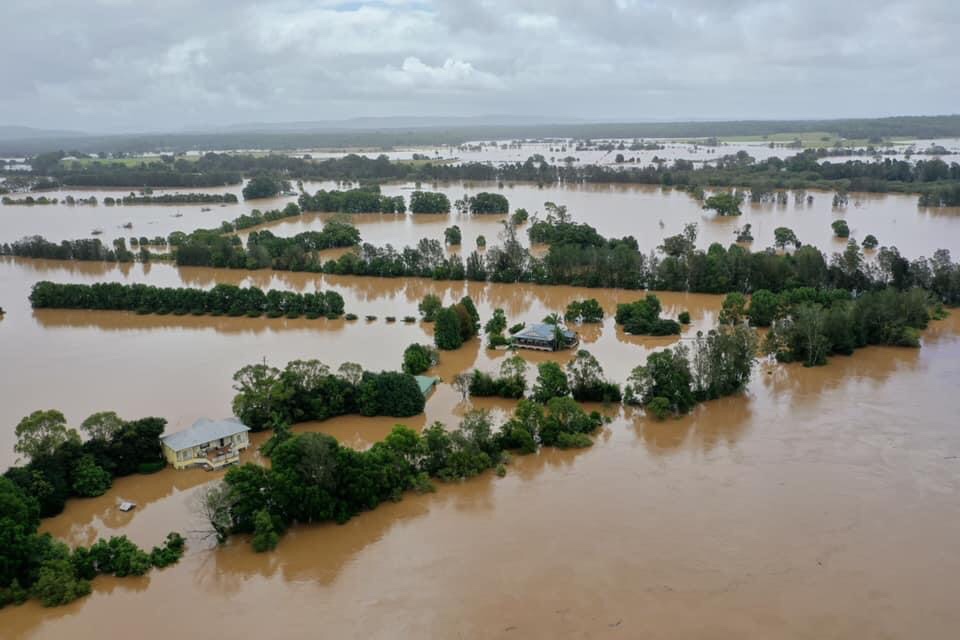
Water is on our mind, on the east coast of Australia, at the moment. Widespread flooding has occurred. Houses and businesses in many seaside locations, as well as in inland flood plains beside rivers, have been inundated by rising waters. People have been evacuated, some were stuck away from home, some now have no home to return to amd live in.
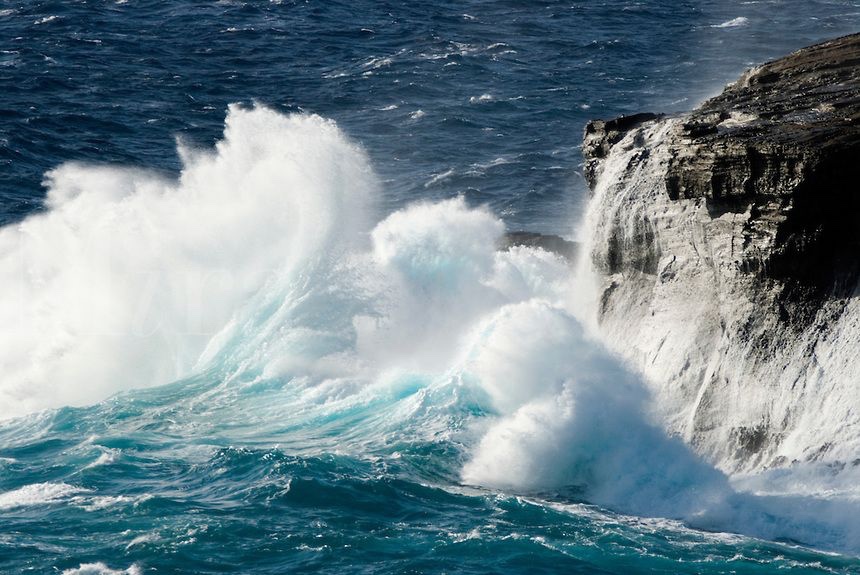
The power of water has been on display all around us. Constant sheets of wind-driven rain have fallen across hundreds of kilometres on the eastern coast of Australia. Surges of creek and river waters created currents that moved vehicles—even houses—and spread across flood plains, invading domestic and industrial spaces in towns and suburbs. Crashing ocean waves menaced beaches and cliff-faces, and currents swirled fiercely in the ocean.
We stand in awe and trepidation before the power of water—just as, a little over a year ago, we stood in awe and trepidation as roaring fires swept through bushland, invaded towns and suburbs, and wrought widespread and long-lasting damage. Then, we pondered, as now, we reflect on what this manifestation of “Nature, red in tooth and claw” means for us, as people of faith. (See https://johntsquires.com/2020/01/12/reflecting-on-faith-amidst-the-firestorms/)
Is this a demonstration of divine power in the pouring rain and rising floodwaters? Is this, somehow (as some would maintain), God declaring judgement on human beings, for our sinful state and rebellious nature?
I have been looking at a range of public commentary on the floods. One church website (not Uniting Church) includes these statements: “[These] devastating floods are not to be considered as an act of judgement upon our world, but instead, a warning to repent. Whether it’s drought, bushfire, flood or pandemic, these disasters are an important time for us all to consider Christ in the crisis. As we pray for the recovery of our land from these devastating floods, let us also pray that through this disaster might be a fresh opportunity for people to find eternal comfort and security in Christ Jesus.”
This appears to understand the floods as God seeking to make human beings respond with an act of faith in Jesus. Whilst ancient understandings may have made this kind of immediate connection between an event in nature and the intentions of God, we cannot make such a simple link. It’s much more than just “flood—warning—repentance—faith”. We need to reflect more deeply.
Water in our bodies helps us to form saliva, regulate body temperature through sweating, contribute to the brain’s manufacturing of hormones and neurotransmitters, lubricate our joints, and enable oxygen to be distributed throughout the body. Water facilitates the digestion of food, and the waste that is produced in our bodily systems is regularly flushed out as we pass urine. And we use water every day, to wash away solid bodily waste, to clean our hair and skin, to wash our clothes and keep our kitchen utensils clean.
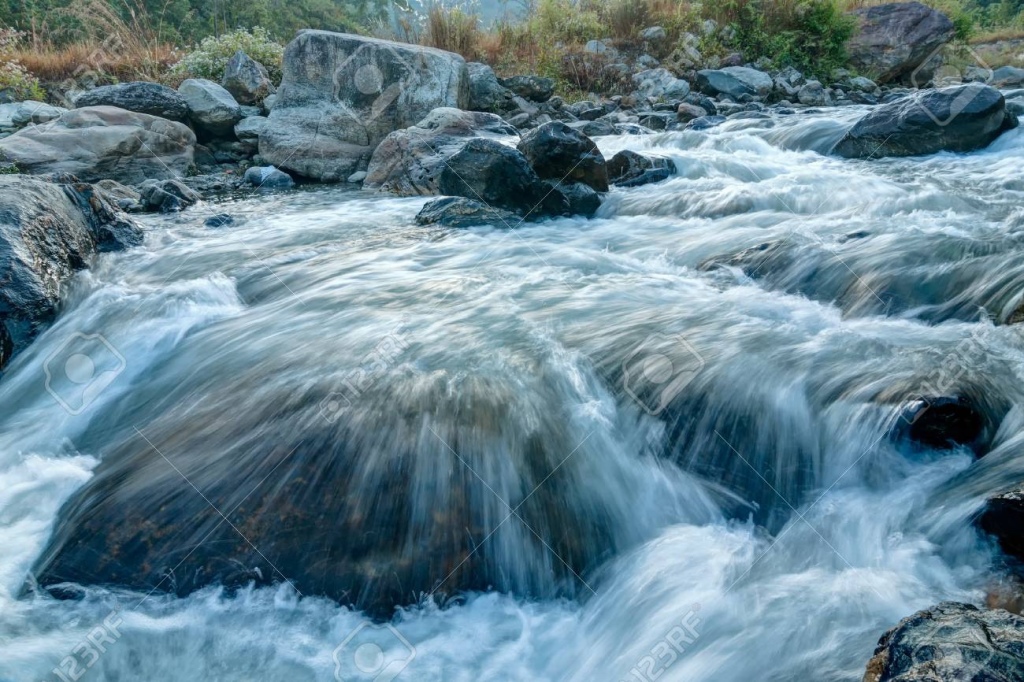
Water is also a source of enjoyment: sitting on the beach, watching the powerful rhythmic surge of wave after wave; sitting beside the babbling brook, appreciating the gentle murmuring of running water; sitting beside the pool, listening the the squeals of delight as children jump into the water, splashing and playing with unrestrained glee.
The power of the ocean, of course, has often drawn the attention of human beings. We are reminded of this when swimmers are caught in rips and transported rapidly out into the ocean, or towards the jagged rocks at the edge of the beach. Sadly, the son of a friend was caught in a rip one day a few years ago. His two companions were rescued; the body of our friend’s son has never been found. The power of the ocean, whipped up by the wind, can be intense and unforgiving.
*****
Water makes regular appearances in the Bible. It is a key symbol throughout scripture. It appears in the very first scene, when the priestly writer tells how, “in the beginning … the earth was without form and void … and a wind from God was hovering over the face of the waters” (Gen 1:1-2).
It also appears near the very end of the last book of scripture, where the exiled prophet reports that “the Spirit and the bride say, ‘Come.’ And let everyone who hears say, ‘Come.’ And let everyone who is thirsty come. Let anyone who wishes take the water of life as a gift” (Rev 22:17).
Water flows throughout the scripture as a central image, appearing another 720 times in the intervening pages of scripture. Water enables healings to occur, for instance (Namaan, commander of the army of the king of Aram, in 2 Kings 5; the man by the pool at the Sheep Gate in Jerusalem, in John 5).
To the people of Israel, as they retold their foundational myth of the Exodus and the subsequent forty years of wandering in the wilderness, the gift of water was a sustaining grace. Parched by desert thirst, the Israelites cried out for water, Moses struck the rock, and water flowed (Exod 17:1–7; Num 20:2-13). Rivers flowing with water then provided food for the people living in the land—the fish of the waters (Deut 14:9; Lev 11:9), alongside the beasts of the land and the birds of the air (Ezek 29:3-5; Deut 14:3–20; Lev 11:1–45).
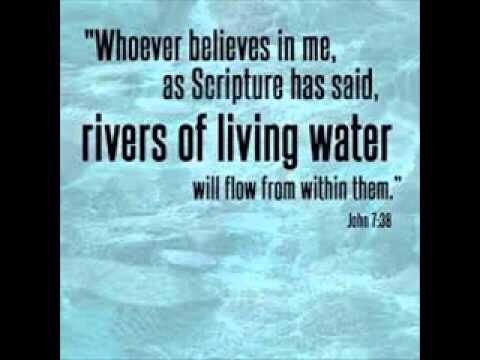
Flowing water—“living water”—is one of the images adopted in John’s account of Jesus, to explain his role within the society of his day: “Let anyone who is thirsty come to me, and let the one who believes in me drink. As the scripture has said, ‘Out of the believer’s heart shall flow rivers of living water” (John 7:37–38).
The precise scriptural quote is unclear—commentators suggest that the reference may be to Prov 18:4 (“the fountain of wisdom is a bubbling brook”), or Zech 14:8 (“living waters shall flow out of Jerusalem”), or Psalm 78:16 (“[God] made streams come out of the rock, and caused waters to flow down like rivers”), or Rev 22:1–2 (“the river of the water of life, bright as crystal, flowing from the throne of God and of the Lamb through the middle of the street of the city”). The uncertainty as to the precise reference alerts us, however, to the many instances where “living water” is mentioned.
The imagery of water was used, in addition, in earlier stories in this Gospel. To the request of the woman of Samaria at the well, “give me some water”, Jesus replies, “If you knew the gift of God, and who it is that is saying to you, ‘Give me a drink,’ you would have asked him, and he would have given you living water” (John 4:7–10).
To the crowd beside the Sea of Galilee, who asked, “Sir, give us this bread always”, Jesus replied, “I am the bread of life. Whoever comes to me will never be hungry, and whoever believes in me will never be thirsty” (John 6:34–35). Water is powerfully creative, restorative, empowering.
*****
Water also threatens destruction: witness the paradigmatic stories of the Flood (Gen 6:1–9:17) and the Exodus from Egypt (Exod 14:1–15:21, retold in Psalms 78 and 105). The destructive power of massive flows of water is evident in both of these stories: water falling from the heavens (Gen 7:4, 12) in one version of The Flood story, water rising from The Deep in an alternate version (Gen 7:11, 8:2).
Although (as we noted above), the gift of water was a sustaining grace to the people of Israel as they wandered in the wilderness, from the time of settlement in the land of Canaan, the Great Sea to the west of their lands (what we know as the Mediterranean Sea) was seen as a threat. In the sea, Leviathan and other monsters dwelt (Ps 74:13-14; 104:25–26; Isa 27:1).
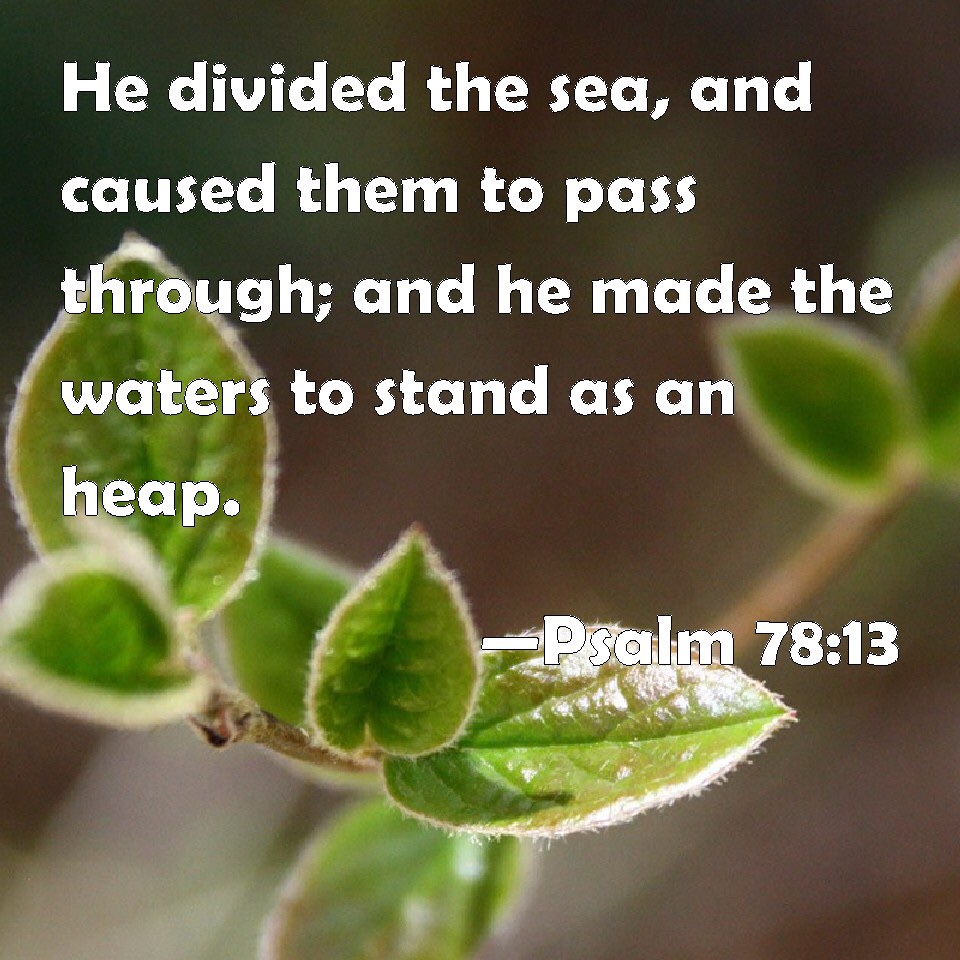
The Exodus was made possible because the waters of the Red Sea had caught and drowned the Egyptian army (Exod 14:23–28); this unleashing of destructive divine power was celebrated by the escaping Israelites in victory songs (Exod 15:2–10, 19–21), in credal remembrance (Deut 11:2–4; Josh 24:6–7), and in poetic allusions in psalms (Ps 18:13–18; 66:6; 77:18–20; 78:13, 53; 106:8–12; 136:10–16).
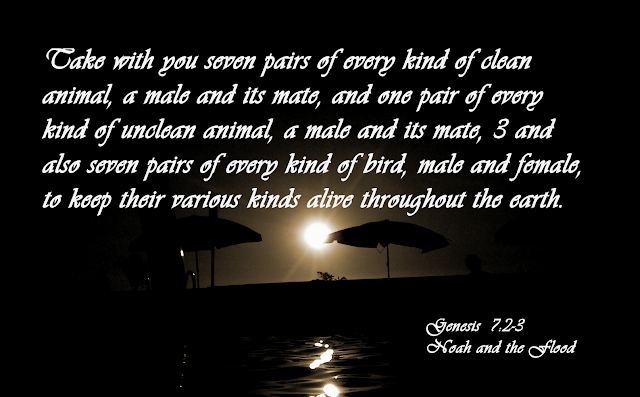
In like manner, the waters in The Flood caused almost compete annihilation of living creatures on the earth (Gen 6:12–13, 17); only the family of Noah and the animals they put onto the Ark were saved from the destructive waters (Gen 6:19–21 indicates “two of every sort”, whilst Gen 7:2–3 refers to “seven pairs of all clean animals … and a pair of the animals that are not clean”).
*****
Both the creative power of water, and destructive capabilities of water, led the people of Israel to ascribe power to God over the seas and the rivers. The Psalmist affirms of God that “the sea is his, for he made it, and the dry land, which his hands have formed” (Ps 95:5).
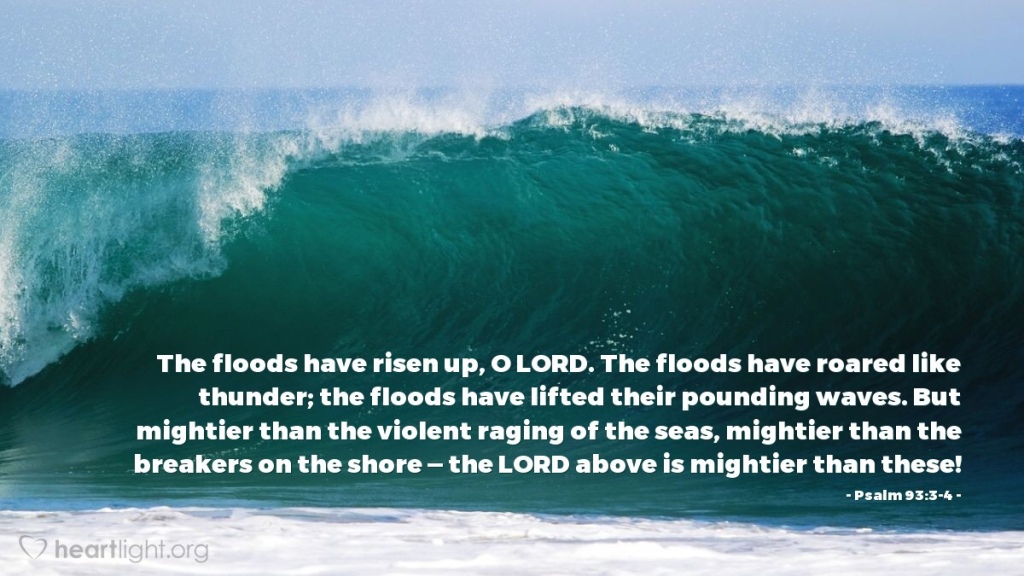
Accordingly, the Lord God, who “made heaven and earth, the sea, and all that is in them (Ps 146:6), was seen as able to “rule the raging of the sea; when its waves rise, you still them” (Ps 89:9). God’s power over creation is also expressed through flooding: “The floods have lifted up, O LORD, the floods have lifted up their voice; the floods lift up their roaring. More majestic than the thunders of mighty waters, more majestic than the waves of the sea, majestic on high is the LORD!” (Ps 93:4).
In our current context, such words are deeply troubling. Can it be that God is exercising divine judgement through the increased rainfall and rising floodwaters currently being experienced? There are two problems with this point of view, both with an inherently theological note to be sounded.
The first relates to the nature of God, and how God interacts with the created world. The ancients had a view that God was an interventionist God, directly engaging with the created world. When something happened “in nature” (like a birth, a death, a flood, a fire, and earthquake, etc), it was seen to be directly attributable to God. It simply happened “to” human beings.
Contemporary scientific and sociological views, however, would provide much more room for human agency. When things happen, what contribution does the human being (or an animal of some kind) have in the process? We would want to say that events that take place do not “just happen”; they are shaped by the actions of human beings in history, by our intention and interaction.
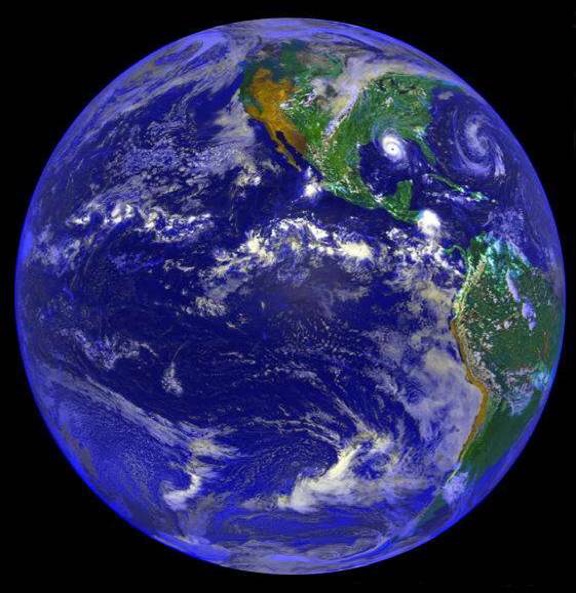
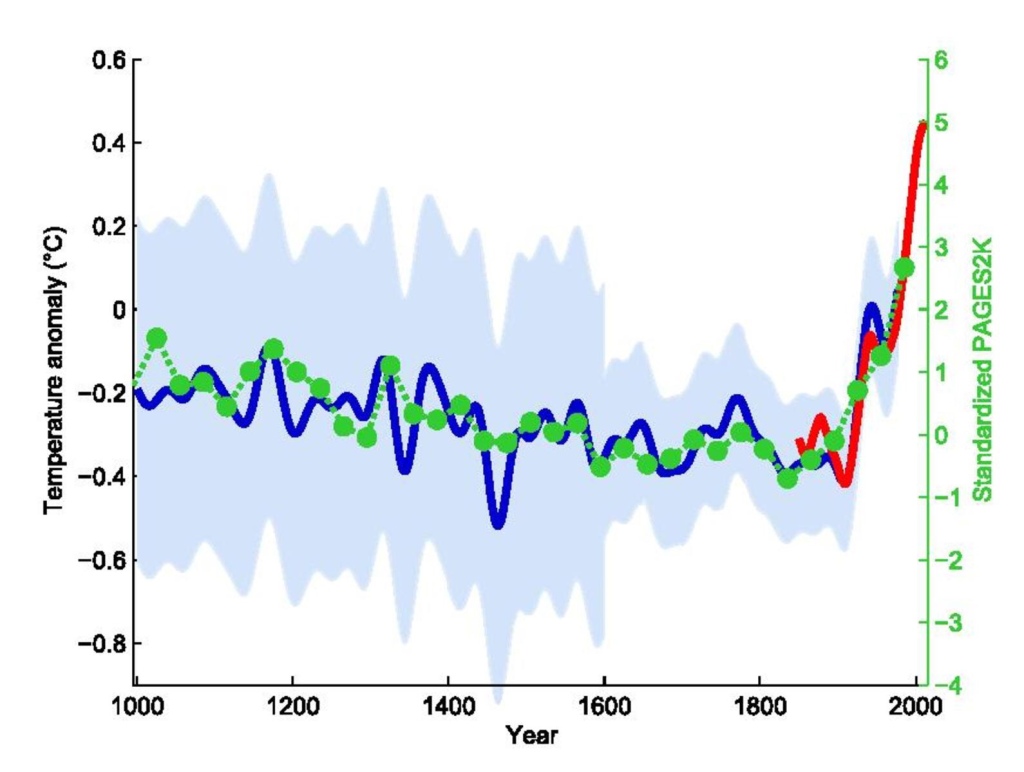
So, the second element I see as integral to understanding the current situation, theologically, is the contribution that human beings have made to the current environmental situation. Why are floods occurring more regularly, and with more intensity, in recent times? The answer is, simply, that we are seeing the effects of climate change right around the earth.
And the human contribution to climate change cannot be argued away. Climate change is real. (See this excellent website from NASA, at https://climate.nasa.gov/evidence/)
We human beings know this. We have known it for some decades, now. Yet policy makers bow to the pressures and enticements they receive from vested interests in business, pressing and bribing to ensure that their businesses can continue—even though it contributes the greatest proportion to the rise in temperature.
For every one degree Celsius that temperature rises, the atmosphere holds 7% more water. Given the right atmospheric conditions (such as we have seen develop in the last week), that water will get dumped somewhere—in recent times, that has been over much of the east coast of Australia, in massive amounts.
And it is obvious to thinking human beings, that how we have lived, how we have developed industries, how we have expanded international travel, how we have expanded the transportation of food and other goods around the globe, how we have mined deeper and wider to find fossil fuels to sustain this incessant development, has all contributed to that rise in temperature.
*****
Certainly, a fundamental human response to the tragedies we have seen unfolding around us through the rainfall and flooding, is one of compassion. Compassion for the individuals who have borne the brunt of the damage that has occurred.
Compassion and thankfulness for the emergency services personnel and others who have spent countless hours in assisting those caught by the floods. Compassion and careful listening provided by Disaster Recovery Chaplains in many evacuation centres.
Compassion, practical support, and prayerful support for all who have been affected by these events, is fundamental.
Yet whilst the massive rainfall and the high floods are the processes of nature at work around us, we know that we have intensified and exacerbated them. And we see tragic results in the rivers that have surged and flooded in recent days—just as the same instability in the earth’s system has generated more intense and more frequent cyclones, created more intense and more frequent fires, warmed the oceans and melted the edges of the polar caps, and caused other observable events around the world.
This past week, there have been two opportunities for us to remember what we are doing to the planet—opportunities to commit to a different way of living in the future. The first was Australia’s Overshoot Day, on 22 March. This is the day that Australia has used up its yearly allocation of the earth’s resources. What should have taken 365 days has taken Australians 81 days. You can read about this at https://www.insights.uca.org.au/overshoot-day-and-a-theology-of-creation/
The second opportunity was Earth Hour 2021, on 27 March. This hour was an invitation to turn off electricity and rely on natural sources of energy, for just one hour— and then to use this as the basis for living more sustainably in the future. See https://johntsquires.com/2021/03/27/switchfornature-earth-hour-2021/
So, in the midst of the increased and more intense cyclones, and more regular meltings, and bleachings of coral, and eruptions of fire storms, and flooding of plains, God is communicating with us: the world cannot go on like this, the planet can not sustain our incessant disregard for its natural ways.
So let’s not blame God for dumping all that water and flooding all those homes and businesses. Let’s look closer to home, and consider how, in the years ahead, we can adjust our lifestyle, reduce our carbon footprint, live more sustainably, and treat God’s creation with respect and care.
During Holy Week, it is Christian tradition to trace the pathway which Jesus took towards Jerusalem, sometimes following the stories recounted in Mark 11-14. In the city of Jerusalem, Jesus was arrested, crucified and died; in this city, for untold years, pilgrims had gathered in festive celebration, to remember, to retell the stories, to nurture their faith, to seek the Lord.
In Jewish tradition, the pilgrims travelling towards the city would join in songs—some of which are included within the book of Psalms in Hebrew Scripture and Christian Bibles. On their journey towards the city, according to this tradition, the pilgrims would sing Psalms 120—134. These are known as The Songs of Ascent, for they were sung as the pilgrims climbed higher towards the city, and then higher still towards the Temple at the highest point in the city.
This series of blogs use these ancient songs as the focus for reflecting, to envisage what that journey was like for Jesus and his followers, travelling as pilgrims to the city to celebrate Passover.
It was during that week that everything came to a head.
A gathering of friends and family; a joyful occasion, with exuberant celebration, meeting up after months or years in our own villages. We had walked with other pilgrims, heading towards the city, climbing the road, singing the psalms, looking forward to the festival.
Each step closer to the city was a step that brought us closer to the heart of our faith. Each step along the way was a step that brought us higher, nearer to the holy mount. Each stage along the way was matched with a psalm of ascent, singing with joy as we drew near to the holy place. We stepped inside the gates; our songs grew stronger.
I was glad when they said to me, “Let us go to the house of the LORD!” Our feet are standing within your gates, O Jerusalem. Pray for the peace of Jerusalem: May they prosper who love you. (122) In the silence, reflect on Psalm 122
Inside the city, the city of shalom, Jeru-shalom, we seek this shalom, this peace, in our lives.
And our prayers intensify: To you I lift up my eyes, O you who are enthroned in the heavens! As the eyes of servants look to the hand of their master, as the eyes of a maid to the hand of her mistress, so our eyes look to the LORD our God, until he has mercy upon us. (123) In the silence, reflect on Psalm 123
And we continued in prayer: Our help is in the name of the LORD, who made heaven and earth. (124) In the silence, reflect on Psalm 124
A gathering of friends and family; a joyful occasion, with exuberant celebration. We had walked with other pilgrims, heading towards the city, climbing the road, singing the psalms, looking forward to the festival.
Each step closer to the city was a step that brought us closer to the heart of our faith. Each step along the way was a step that brought us higher, nearer to the holy mount. Each stage along the way was matched with a psalm of ascent, singing with joy as we drew near to the holy place. So we stepped out, full of faith, on our journey to Jerusalem.
It was during that week that everything came to a head.
During Holy Week, it is Christian tradition to trace the pathway which Jesus took towards Jerusalem, sometimes following the stories recounted in Mark 11-14. In the city of Jerusalem, Jesus was arrested, crucified and died; in this city, for untold years, pilgrims had gathered in festive celebration, to remember, to retell the stories, to nurture their faith, to seek the Lord.
In Jewish tradition, the pilgrims travelling towards the city would join in songs—some of which are included within the book of Psalms in Hebrew Scripture and Christian Bibles. On their journey towards the city, according to this tradition, the pilgrims would sing Psalms 120—134. These are known as The Songs of Ascent, for they were sung as the pilgrims climbed higher towards the city, and then higher still towards the Temple at the highest point in the city.
This series of blogs use these ancient songs as the focus for reflecting, to envisage what that journey was like for Jesus and his followers, travelling as pilgrims to the city to celebrate Passover.
It was during that week that everything came to a head.
A gathering of friends and family; a joyful occasion, with exuberant celebration, meeting up again after months or years in our own villages. We had walked with other pilgrims, heading towards the city, climbing the road, singing the psalms, looking forward to the festival.
Each step closer to the city was a step that brought us closer to the heart of our faith. Each step along the way was a step that brought us higher, nearer to the holy mount. Each stage along the way was matched with a psalm of ascent, singing with joy as we drew near to the holy place.
So we sang, together: In my distress I cry to the LORD, that he may answer me: “Deliver me, O LORD”. (120) In the silence, reflect on Psalm 120
That is how it started, far from the city. A prayer seeking deliverance; a cry reaching out for saving mercies. Then, as we turned the corner, we saw the hill, far away, yet drawing close.
I lift up my eyes to the hills — from where will my help come? My help comes from the LORD, who made heaven and earth. (121) In the silence, reflect on Psalm 121
And we held out our hands as we sent forth our prayers. The Lord, our God, would be our help. The Lord would save us. Yes, he would save us.
Each step closer to the city was a step that brought us closer, closer to the heart of our faith. Each step along the way was a step that brought us higher, nearer to the holy mount. Each stage along the way was matched with a psalm of ascent, singing with joy as we drew near to the holy place. So we stepped out, full of faith, on our journey to Jerusalem.
It was during that week that everything came to a head.
A guest blog … a poem for the season, by the Rev. Jean Shannon, Uniting Church Minister serving on the Sapphire Coast in southern NSW.
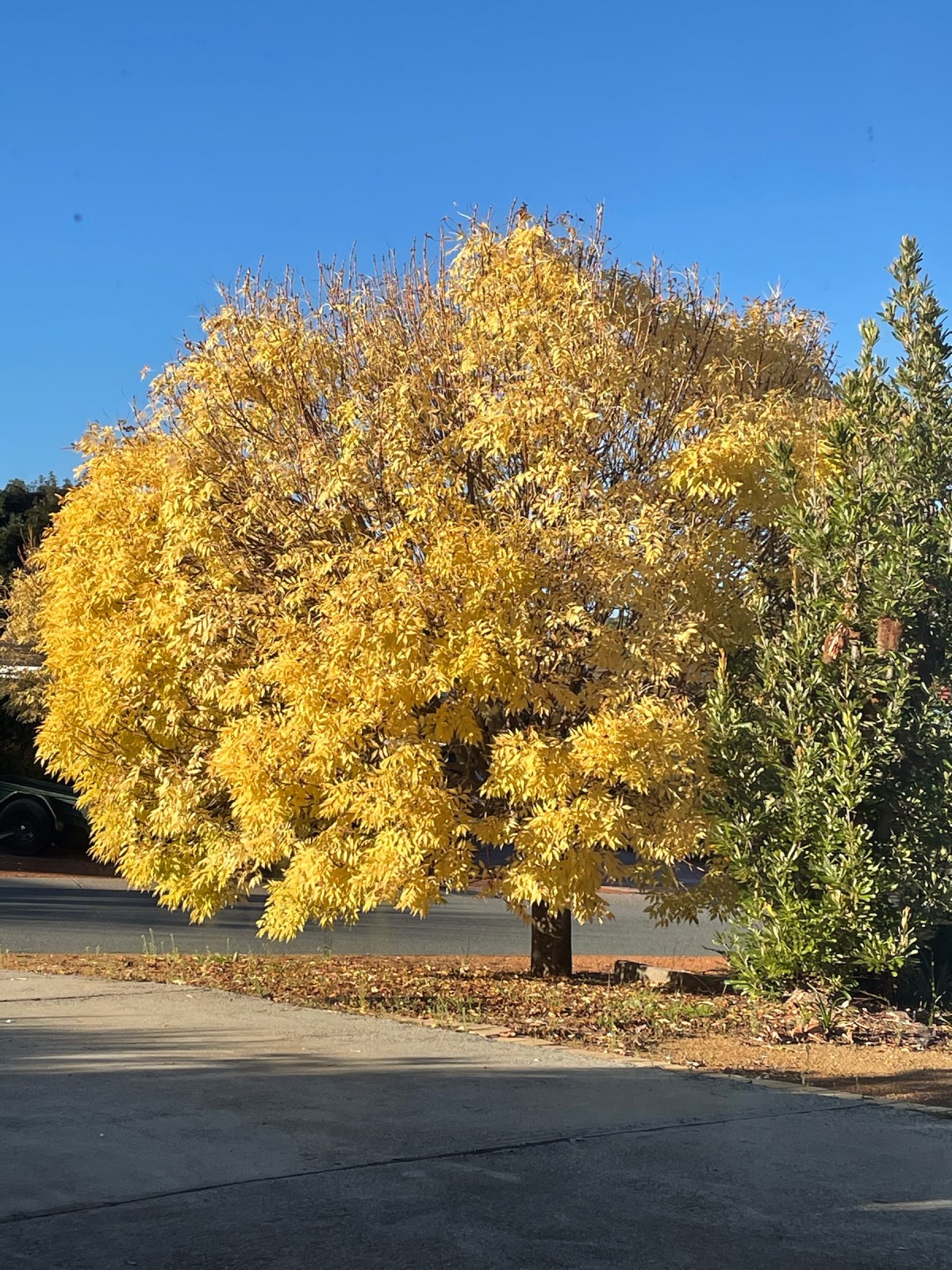
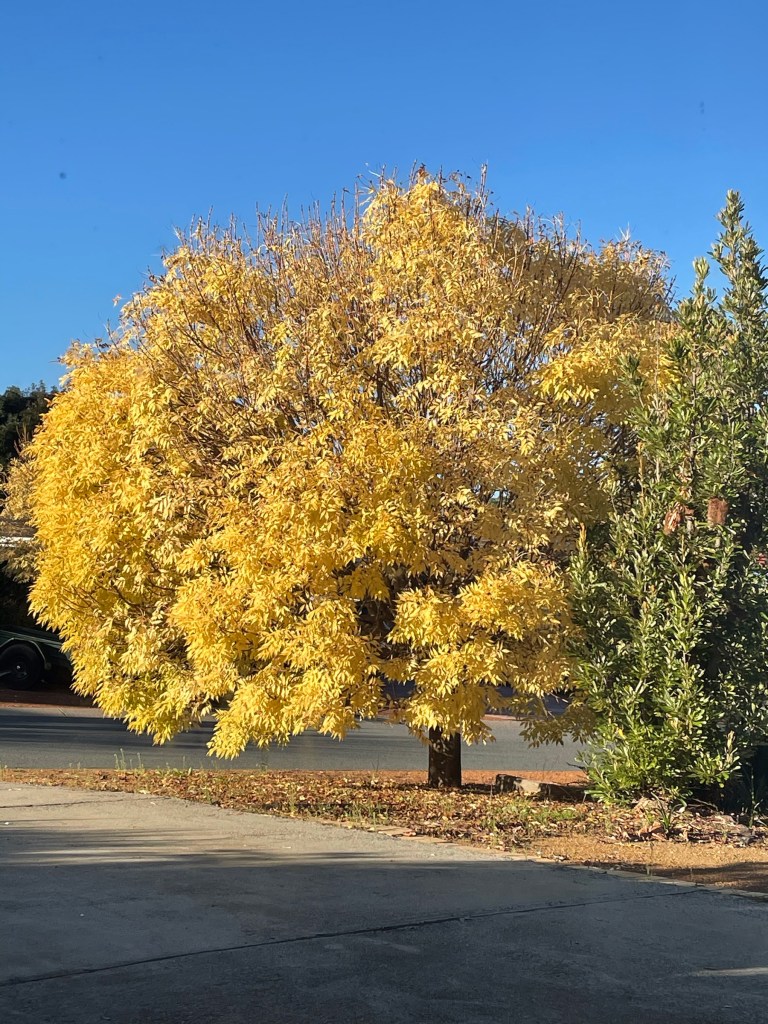
(The scene from my front door in Canberra)
The sun warms my knees while puffs of cool air tell me winter is waiting in the wings. Holding her breath: a sharp intake of awe to the turning leaves – foreign but loving… and the eucalypt speak suddenly silver or more blue than green.
The trees whisper softly of what will come. There is a smell that is cleanly autumn: of soil and nutmeg and some grounded spice. The air moves differently and tells a story – that leaves will fall and icy wind invade. Earth’s almanac predicting death and resurrection.
How much life must die, turn cold and pull the earth over them like linen. Who will love them deep in their graves and who will wait for emergence…so very far away? The earth cries for our patience. God’s time is so different from mine.
But how I love the autumn with its golden light slanted across long afternoons, scented in the air, expectant of the night. These days betray nature’s secret a ritual of discovery and revival.
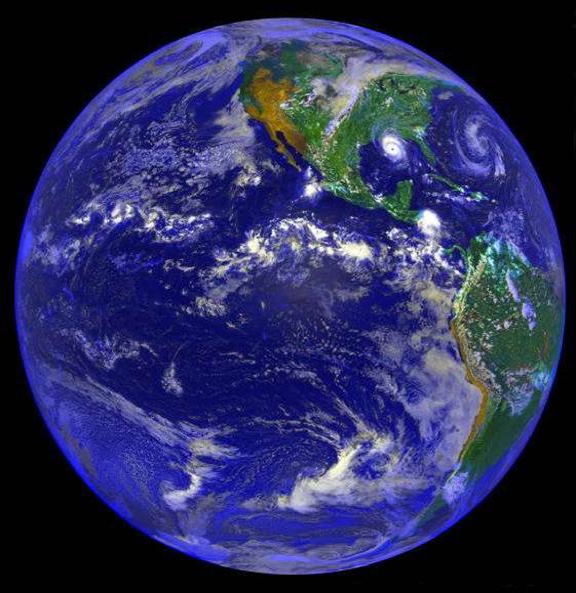
Every year hundreds of millions of people around the world in more than 7,000 cities in over 190 countries take part by switching off power for 60 minutes as a symbolic gesture of solidarity to show they care about our planet’s future.
This year, Earth Hour is at 8.30pm local time Saturday 27 March. Around the continent, Australians will gather without electricity, to make the #SwitchforNature. Thousands of people will demonstrate their support for the switch to a renewables-based economy for Australia.
Individual actions can benefit our planet, while symbolically demonstrating support for a renewable future for our country, and for the world.
Earth Hour started in Sydney in 2007, and has since spread around the globe. Central to Earth Hour is advocacy for increasing renewable sources of energy. There are many advantages to using renewable energy sources.
Renewables (solar, wind and hydro) now comprise a quarter of the mix in the National Electricity Market. In 2023, it is likely that renewables will pass black coal to become the largest electricity source.
Solar and wind energy are already huge industries globally, and employ 27,000 people in Australia. This reflects a doubling in just three years. And solar and wind electricity in Australia already costs less than electricity from new coal and gas plants.
A recent study has demonstrated that solar and wind plants built between 2018 and 2025 would add 70,000 gigawatt hours of new electricity supply – equivalent to more than a third of what is currently used across the national grid each year.
This would mean that five of Australia’s remaining 16 coal power plants could be financially unviable by 2025. The study estimates that renewable energy could make up 40% to 50% of electricity by 2025. It would force output from coal and gas-fired power stations to fall by an amount between 28% and 78% respectively over the seven years.
Closing these plants would make a good contribution to reducing Australia’s greenhouse emissions. It would also be likely to push down the average wholesale electricity price to 2015 levels. Revenue at coal and gas-fired plants would be hit on two fronts: they would not be able to sell as much electricity, and the price of the electricity would be lower.
The raw materials needed for renewable energy are abundant and won’t run out. A solar panel needs silicon, a glass cover, plastic, an aluminium panel frame, copper and aluminium electrical conductors and small amounts of other common materials. These materials are what our world is made of. Recycling panel materials at the end of their life adds only slightly to larger existing recycling streams.
And nearly three-quarters of the global population lives in the planet’s sunbelt (lower than 35 degrees of latitude). This includes most developing countries, where most of the growth in energy consumption and greenhouse emissions is located.
Finally, renewables are much safer. Solar panel accidents pale in comparison to spilled radioactive material (like Fukushima or Chernobyl), an oil disaster (like BP’s Deepwater Horizon), or a coal mine fire (like Hazelwood in Victoria). Wind and solar electricity eliminates oil imports, oil-related warfare, fracking for gas, strip mining for coal, smokestacks, car exhausts and smog.
So let’s make the #SwitchForNature, and let’s make it start now!













 An Informed Faith