The one coming after me: a review of “Christmaker”, a fresh look at John the Baptist

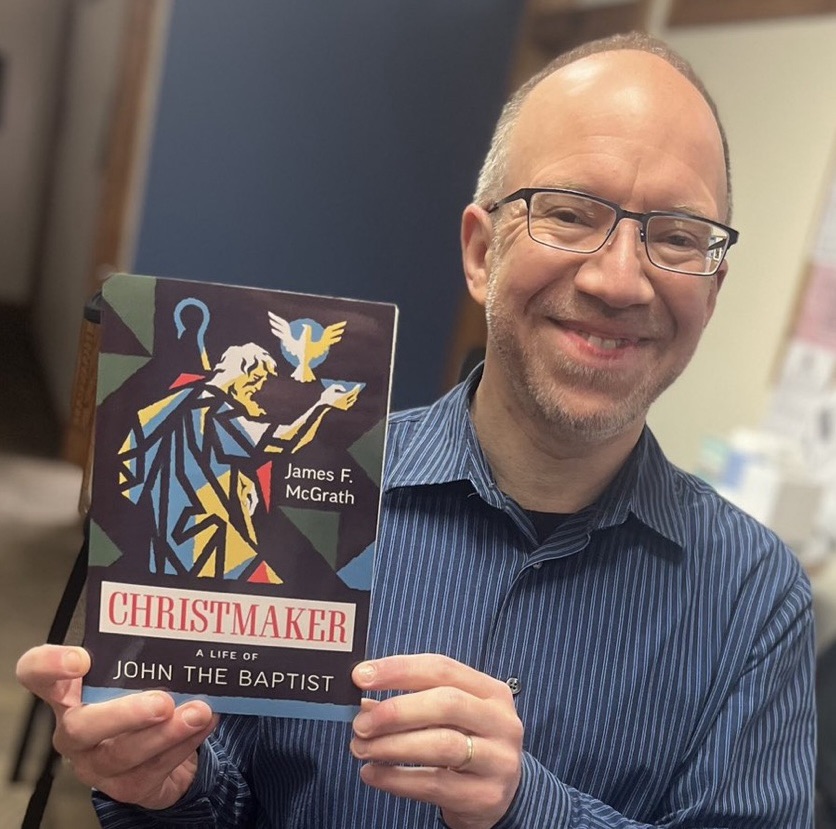
Yesterday Elizabeth and I had the opportunity to attend a lecture at Macquarie University given by our friend and colleague, Prof. James F. McGrath of Butler University, Indiana, who is on a short visit downunder at the moment. James has recently completed two books on John the Baptist, and as part of his visit he is speaking about some of the research involved in producing those books. The first is Christmaker: A Life of John the Baptist (Eerdmans, 2024); the second is John of History, Baptist of Faith: The Quest for the Historical Baptizer (Eerdmans, 2024).

His other personal and professional interest is in the intersection of religious studies and science fiction—he has written other works in relation to this area of interest: Time and Relative Dimensions in Faith (Dayton, Longman and Todd, 2013) and Theology and Science Fiction (Cascade, 2016). James is also speaking tonight at Sci-Fi Church in northern Sydney.

Elizabeth and I met James in 1997, when we were all a part of the research community in the Theology Department at Durham University in the UK. Both James and Elizabeth were undertaking postgraduate research under the supervision of the late Prof. James D.G. Dunn—James, into the Christology of John’s Gospel, and Elizabeth, into mission in the Gospel of Matthew.

The two books that McGrath has written complement each other. Christmaker is unapologetically “popular”, in that is was written for a generalist audience. I can confirm that it is easy to read as it invites us along the journey of discovery that McGrath himself has taken. The second book (a clever riff off the oft-heard statement about Jesus, “the Jesus of history, the Christ of faith”) promises to take us deep into the scholarly explorations of the ancient texts that provide the foundation for Christmaker. In his recent lecture at Macquarie University, James McGrath has provided a glimpse of those scholarly discussions in his typical engaging style.

The small book Christmaker (just 172 pages) opens with typical McGrath-esque snappy commentary: “everybody thinks they know John the Baptist; he has good name recognition”, and yet, “I bet most readers of this book would know him the way they know a homeless man they pass on their way to work each day … [with] an astonishing lack of detail, little apart from vague impressions” (p.1).

The book proceeds to explore “the splash John made” (pp.3–8) and then to set out how a reconstruction of the life of John will be built, using both familiar and less familiar sources. The best-known sources come from Hebrew Scripture—the infancy narratives of 1 Samuel 1—2 and Judges 13—and the New Testament—the conception and birth of John in Luke 1; the Gospel accounts of the baptising activity and preaching/witnessing of the adult John, and the Synoptic accounts of his death. The other sources he uses, barely known outside a small academic circle, are the Infancy Gospel of James from within second century Christianity, and the Mandaean Book of John, from the traditions of another living religion, Mandaeism.

There is, obviously, solid and groundbreaking scholarly work lying beneath the surface of this accessible “fresh look at the life of John the Baptist”. One element of this is that McGrath has co-authored the only English translation of the Mandaean Book of John, published in a critical edition (de Gruyter, 2019) which takes the readers on a wondrous journey into the poetry and imagery of this 7th century Aramaic text.

See the translation at http://www.gnosis.org/library/The_Mandaean_Book_of_John_Open_Access_Ve.pdf

Since late antiquity, the Mandaeans have followed the baptismal practice of John and have revered him as the key figure in their religion. Communities of Mandaeans are to be found in many places around the world today, still practising their faith. One significant characteristic of McGrath’s work is that he has connected with, and interacted with, Mandaean communities in a number of countries.

By discussing his views with them, he has ensured that he is best understanding (from the vantage of an “outsider” to the religion) how John is today understood within that faith tradition. Indeed, there were a number of Mandaeans present at the lecture that Elizabeth and I attended, and they offered helpful insights into the thesis that McGrath was proposing.

Another contribution to the fine scholarly work that is evident in this book is the careful critical reading of the Infancy Gospel of James, a second century Christian text replete with miracles and extravagant tales relating to the birth of Jesus (chs. 1–20) and the death of Zecharias, father of John the Baptist (chs. 22–24).

See a translation at https://www.newadvent.org/fathers/0847.htm and my own discussion at

By reading these two unfamiliar texts alongside the biblical passages already noted, McGrath is able to posit quite a lot about the quite overshadowed—and largely misunderstood—figure of John the Baptist. He wasn’t an unkempt and unruly figure, wandering the desert, angrily denouncing his fellow-Jews, for one; rather, he travelled the rural areas, proclaiming his vision for Israel. McGrath has visited many of the sites traditionally associated with John in person—beyond the all-too-predictable River Jordan spot where John’s baptisms were said to have taken place. So this adds another dimension to his discussion of the traditions.

John was not, as might have been expected of the son of a priest, devoted to service in the temple; rather, he was “an antiestablishment rebel and activist”, challenging the hegemony of the Temple through the practice of baptism, for which he is best-known. Such baptism “invited people to have a mystical spiritual experience of rebirth”—leading, eventually, to a Gnostic-type movement (Mandaeism) which embraced his practice as the key to religious fulfilment.

John did, indeed, look to the coming of “one who is to come”, to rectify the classism of ancient Israelite society—although it is not necessarily so clear-cut that John himself actually envisaged any particular one of his followers (let alone the man from Nazareth, Jesus) as the one to fill that role.

And, in a surpassing twist, it may well have been the overenthusiastic action of this particular disciple, Jesus of Nazareth, who sought physically to overturn the practices of the Temple in his famous “Temple tantrum” (a catchy phrase that McGrath has used in conversation with me). So it was John’s stimulus of Jesus which provoked controversy about his movement through this act, leading to the arrest of John and his eventual death. That Jesus might have borne primary responsibility for the death of John is a twist, indeed!

See my recent discussion of the death of John at

So, what can we take from this fascinating tour through ancient texts and modern religious practices? Jjj, that Christianity started within a very specific social and religious context—the Baptist movement—and not just within an undifferentiated amorphous mass of “Judaism of the time”. Jesus, as a disciple of John, adopted his teachings, his practices, his vision. The introduction that Luke provides to his Gospel, focussing on Zechariah, Elizabeth, and John, needs then to be reconsidered in this light.

Second, that piecing together a life of John the Baptist can and should be done by judiciously critical use of the later Mandaean sources. Scholars have learnt, in the last half-century, to utilise material from rabbinic writings in Mishnah, Midrash, and Talmud—works from late antiquity—with appropriate care and critical acumen, to inform our discussions of the foundational documents of Christianity (especially the Gospels). In similar manner, a critical appreciation of the Mandaean Book of John offers a range of applicable insights.

Third, scholars have become aware of “editorial fatigue” in their treatment of various ancient texts. This refers to the practice of including source material without paying careful attention to the need to adapt and contextualise it for the later writing in which it is used. Evidence for this “editorial fatigue” can be found in works by historians, evangelists, and apologists alike. McGrath cites instances in the Infancy Gospel of James which throw light on the figure of John the Baptist—especially the jagged change in ch.22 from a story about Jesus, to a story about John.

On this basis, he proposes that the author of this second century Gospel was using an existing account of the infancy of John and adapting it as a story about the origins of Jesus. An editorial lapse (forgetting to change the names of mother and child!) provides the key to unlocking this reading. We may well, then, have access to an early tradition about John, separate from the apologetic way that he is portrayed in the New Testament Gospels (where he is portrayed as “second-fiddle” to Jesus).

So a readily-accessible “life of John the Baptist” (set out with clarity in Christmaker) becomes possible, by tracing and examining the interlocking and overlapping threads across three religious traditions—Judaism, Christianity, and Mandaeism—through the various source documents already noted. What results is a creative, insightful, and groundbreaking book. I recommend it as worth purchasing and reading.

See also https://www.insights.uca.org.au/what-can-mandaean-sources-teach-christian-scholars/
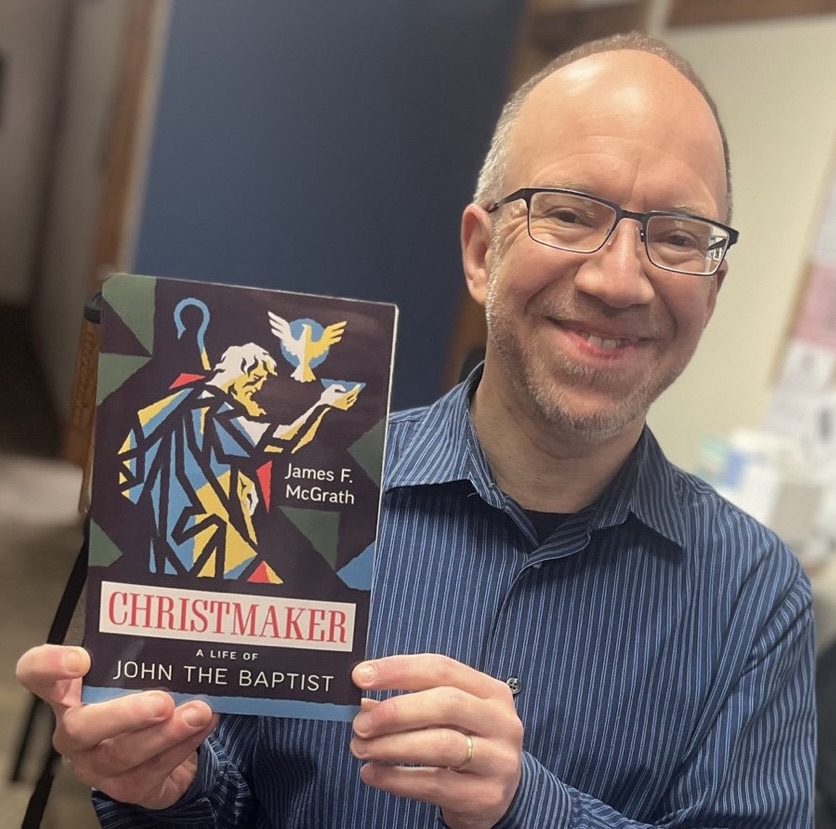
James F. McGrath with Christmaker

My son, the beloved, with whom I am well pleased (Mark 1; Epiphany 1B)

In this year of the lectionary, the focus is on the narrative offered by “the beginning of the good news of Jesus, Chosen One”, which we know as Mark’s Gospel. The author of this work plunges right in to the story from the very beginning. There is no preface, no prologue, no extended set up, like we have in other Gospels; just straight down to business. The various scenes in this opening chapter are offered in the revised common lectionary in Year B, largely during the season of Epiphany.

These scenes offer a snapshot of the key features of the lead character in the story that is told. That figure, Jesus of Nazareth, is intensely religious (Mark 1:9–11, 35), articulately focussed on his key message (1:14–15, 22, 39), building a movement of committed followers (1:16–20), regularly living out his faith in actions alongside his words (1:26, 31, 34, 39). Jesus is energised by personal contacts with individuals: the brothers whom he called (1:17, 20), the man in the synagogue (1:25), Simon’s mother-in-law (1:30–31), and a begging leper (1:40). In the midst of all of this, he makes sure that his central message (1:14–15) is conveyed with clarity and passion (1:27, 39, 45).

Jesus is nourished by quiet moments, in his wilderness testing (1:12–13) and in early morning prayer (1:35), and yet is consistently immersed in the public life of his community. The author most likely exaggerates, but he does indicate that Jesus was with “people from the whole Judean countryside and all the people of Jerusalem” (1:5), teaching a crowd in the synagogue in Capernaum (1:21), renowned “throughout the surrounding region of Galilee” (1:28).

The author also notes that Jesus is visited by “all who were sick or possessed with demons”, indeed by “the whole city” (1:32–33), told that “everyone is searching for you” (1:37), and touring throughout Galilee (1:39), where “people came to him from every quarter” (1:45). He is quite the drawcard!

It is an holistic portrayal of Jesus, setting the scene for the story that follows. Jesus is passionate and articulate, compassionate and caring, energised and engaged, focused on a strategy that will reap benefits as the story emerges. And yet, as we know, that passion and energy will also lead to conflict, suffering, and death; a conflict already depicted in some of these opening scenes, as the story commences, but soon to make its presence felt in full force as the narrative continues.

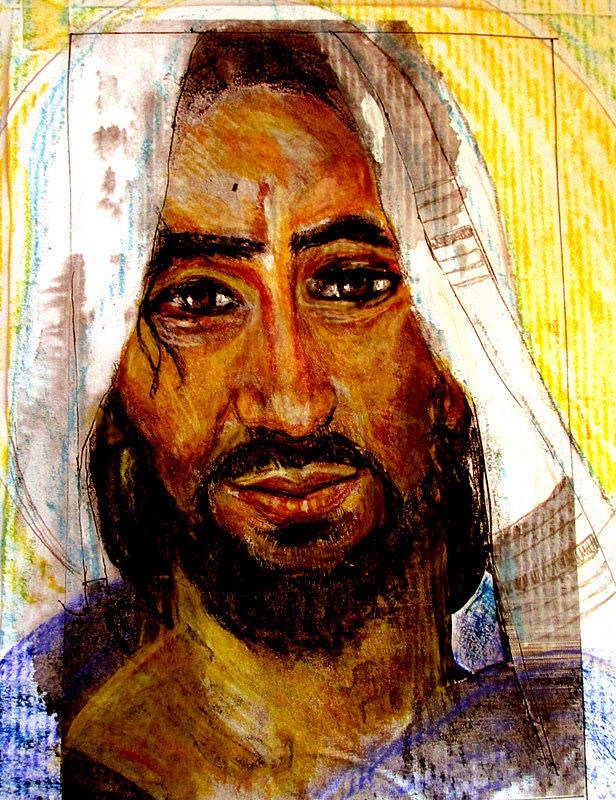
An image that depicts the way a first century Jewish male,
like Jesus, might well have appeared

The author of this narrative—known by tradition as “Mark”—begins this series of scenes with the striking moment when Jesus of Nazareth was declared to be the beloved Son, anointed by the Spirit, equipped for his role of proclaiming the kingdom of God (Mark 1:1–13), which we hear this coming Sunday when the focus is on the Baptism of Jesus.

We know that Jesus was raised as a good Jew. We can hypothesise much about his upbringing and faith. He knew the daily prayer of the Jews, the Shema (“Hear, O Israel, the Lord our God is One”). He also knew the major annual festivals of his people: Passover, Harvest (later called Pentecost) and Tabernacles.

Jesus attended the synagogue each Sabbath, where he watched the scrolls containing the Hebrew scriptures unrolled, before they were read (in Hebrew, the sacred language) and explained (in Aramaic, the language of the common Jewish folk). Jesus, like all his fellow–Jews, believed that his God, Yahweh, was the one true God. He followed the traditional practices of worship and studied the scriptures under the guidance of the scribes in his synagogue.

At a mature age (by tradition, in his early 30’s), Jesus made his way south towards Jerusalem, into the desert regions, along with other Jews of the day. Beside the Jordan River he listened to the preaching of a strange figure—a desert-dwelling apocalyptic prophet named John (Mark 1:4–8). This appears to have been a pivotal moment for the pious Jewish man from Nazareth. His encounter with John deepens his faith and sharpens his commitment.

John’s message was the traditional prophetic call to repent (1:4). Prophets occasionally call directly for teshuva (Hebrew; in Greek, metanoia). These words are usually translated into English as “repentance” (see Isa 1:27; Jer 8:4-7, 9:4-5, 34:15; Ezek 14:6, 18:30; Zech 1:1-6). Indeed, so many of the oracles included in both major and minor prophets provide extended diatribes against the sinfulness of Israel and call for a return to the ways of righteousness that are set out in the convening with the Lord. When prophets called for metanoia, repentance, they were seeking a striking and thoroughgoing change of mind, a reversal of thinking and acting, a 180 degree turnaround, amongst the people. This is what metanoia means.

Accompanying this, however, was a very distinctive action that John the desert dweller performed, of immersing people into the river (Mark 1:5). Our Bibles translate this as “baptising”, but it was actually a wholesale dunking right down deep into the waters of the river.

Our refined ecclesial terminology of “baptism” is often associated, in the popular mind, with cute babies in beautiful christening gowns surrounded by adoring grandparents, aunties and uncles. This leads us far away from the stark realities of the act: being pushed down deep into the river, being completely surrounded by the waters, before emerging saturated and maybe gasping for air.

Such a dramatic dunking was designed to signify the cleansing of the repentant person. Repentance and baptism were necessary for the ushering in of the reign of God, according to John. Jesus appears to have accepted this point of view; it is most likely that his baptism was an intense religious experience for him. He underwent a whole scale change of mind, a reorientation towards the mission that was thrust upon him.

Certainly, the way that the experience is presented by Mark (and also in the other canonical Gospels) presents Jesus as being singled out by God for a special role. There are multiple signs on the short account of this moment (Mark 1:9–11).

FIrst, Jesus sees “the heavens torn apart” (1:10). This breaking apart is mirrored in the water of the river, which parts “as he was coming up out of the water”. The breaking of the heavens perhaps echoes the cry of the prophet of old: “O that you would tear open the heavens and come down, so that the mountains would quake at your presence … to make your name known to your adversaries, so that the nations might tremble at your presence!” (Isa 64:1).

Then, he sees a vision of “the Spirit like a dove” (Mark 1:10). A dove, of course, appeared at a key moment early in the biblical narrative: as the waters of the Great Flood recede (Gen 8:6–12); but the association of the dove with the Spirit (a commonplace in our thinking today, surely) is not actually made anywhere in scripture before this moment. The dove which appears seems, to Jesus, to come from beyond rest on him, in the way that the prophet declares that “the spirit of the Lord God is upon me” (Isa 61:1). The dove brings a signal from the sky—from the Lord God, perhaps?

A third signal comes through “a voice from heaven” (Mark 1:11). This is a common note regarding the hearing of the divine voice. Moses tells the Israelites, “from heaven he made you hear his voice to discipline you” (Deut 4:36). In the wilderness, God “came down upon Mount Sinai, and spoke with them from heaven, and gave them right ordinances and true laws, good statutes and commandments” (Neh 9:13; also Exod 20:22). Ben Sirach tells the story of the judges, when “the Lord thundered from heaven, and made his voice heard with a mighty sound” (Sir 46:17). David sang that “the Lord thundered from heaven; the Most High uttered his voice” (2 Sam 22:14). So a voice speaking from heaven, in Jewish understanding, is a communication from God.

Finally, the actual words which that voice speaks are deeply significant. “You are my son” are words spoken by God to David (Ps 2:7). “With you I am well pleased” echoes what God says about “my servant, whom I uphold, my chosen, in whom my soul delights” (Isa 42:1); indeed, of the Servant, the prophet declares, God indicates that “I have put my spirit upon him; he will bring forth justice to the nations” (Isa 42:2). What is heard at the moment of the baptism of Jesus is confirmation of the place of Jesus as one beloved, chosen, and equipped by God for what lies ahead of him.

So it is that from the moment of this intense experience, Jesus was fervently committed to the renewal and restoration of Israel. His first words, as reported in this shortest and earliest account of his ministry, were clear and focussed (1:14–15). There are four key elements: fulfilment of the time, nearness of the kingdom, the need to repent, and belief in the good news. Repentance is pivotal in this succinct summary of his message. It was the heart of the message that Jesus instructed his followers to proclaim (6:12).

After this dramatic dunking by the desert dweller, Jesus left his family and began travelling around Galilee, announcing that the time was near for dramatic changes to take place. He gathered a group of men and women who accepted his teachings, journeying with him as he spread the news throughout Galilee.

The intense religious experience of his dunking meant that the fierce apocalyptic message spoken by the desert dweller was lived out in a radical way in daily life by this group of deeply committed associates of Jesus. The intense religious experience associated with his dramatic dunking by the desert dweller had a deep and abiding impact. The challenge, for those of us who follow him, is to live out this radical way of life today.

Dead to sin and alive to God (Romans 6; Pentecost 4A)

“What then are we to say? Should we continue in sin in order that grace may abound? By no means! How can we who died to sin go on living in it? Do you not know that all of us who have been baptized into Christ Jesus were baptized into his death?”

Paul, in typical style, starts into this section of his letter to the Romans (6:1–14) with a string of questions—interrupted only by his typical exclamation, “by no means!” The chapter divisions in our Bibles lead us to read the text in self-contained chunks—and the lectionary, by choosing clearly-defined collections of verses, exacerbates this tendency. But if we read in the way that the letter was written—as a continuous stream, with no chapter divisions or verse markings—we can see the downside of this approach.

What we know as Romans 6:1–14 (offered under a heading such as “dying and rising with Christ”) is actually a continuation of the discussion in the previous section, about sin. The sentence immediately before these words (5:21) refers to “sin exercising dominion in death”; this passage explores how the dominion of death is dealt with by Christ. Before that, Paul has undertaken a discussion of the sin of all people (5:18–20), citing the effect of “the one man’s trespass”.

That passage in turn has been a development from the claim that “sin came into the world through one man, and death came through sin, and so death spread to all because all have sinned” (5:12), itself introducing a carefully-structured argument, proceeding step by step through parallel clauses, using a typical Jewish line of argument whereby the one (Adam) functions as a representative of all (humanity). This line of argument sets up the basis for the claim that it is the work of another one man (Christ) to provide “grace exercis[ing] dominion through justification leading to eternal life” (5:21).

And the pinning of the blame for universal sinfulness on the one representative man, Adam, itself is an exposition of the earlier claim that “while we still were sinners Christ died for us” (5:8), which in turn rests on the need for God to demonstrate how sinful people are “reckoned as righteous”—something asserted at 4:6 and explained through a midrashic treatment of Gen 15:6 throughout Rom 4:1–25.

And Paul’s midrash of the Abraham story in turn expounds the tightly-declared announcement of 3:21–26, concerning how God “showed his righteousness” (3:25–26) by means of “the redemption that is in Christ Jesus, whom God put forward as a sacrifice of atonement by his blood, effective through faith” (3:24–25).

This sacrifice of atonement itself is premised on the understanding that “all have sinned and fall short of the glory of God” (3:23), which is a statement which repeats and refines the earlier “all, both Jews and Greeks, are under the power of sin” (3:9), a gathering up of those under law who have sinned (2:1–29) and those not under law who also have sinned (1:18–32)—which in turn explains the need for the Gospel of which Paul was not ashamed, “the gospel [which is] the power of God for salvation to everyone who has faith, to the Jew first and also to the Greek” (1:16).

Or, to put it all the other way around (as Paul writes it), there is good news (1:16–17) which deals with the sinfulness of Gentiles (1:18–31) and of Jews (2:1–29), a universal sinfulness (3:1–20) which God has dealt with through the sacrifice of Jesus (3:21–31), consistent with the pattern already shown centuries before in Abraham, of “reckoning as righteous” those who have faith (4:1–25), which manifests God’s grace (5:1–11); all of which has been necessary because of the introduction of sin through one man, Adam (5:12–21).

And so: “What then are we to say? Should we continue in sin in order that grace may abound? By no means!” (6:1).

Turning to the particular verses offered by the lectionary for this coming Sunday (6:1b—11): what do we find? The rhetorical pattern of the diatribe is evident here, also. The posing of a rhetorical question, followed by the definitive “by no means!”, followed up with further rhetorical questioning, is characteristic of a diatribe—a form that was developed in Ancient Greece and which was widely practised by Greek rhetoricians, philosophers, and teachers during the Hellenistic period.

Paul wants to explain that baptism signals the way that Jesus deals with human sinfulness. “Do you not know that …” (6:3) is the typical way to introduce a new matter for consideration (see also 6:16; 7:1; 11:2; 1 Cor 3:16: 5:6; 6:2, 3, 9, 15, 16, 19; 9:13, 24). In this case, the standard question introduces the subject of baptism. Whilst baptism is a sign of belonging to the community of faith, as is stated in 1 Cor 12:13 and Gal 3:27, baptism is also a joining with Christ into the mystical union that characterises Paul’s thinking.

In other letters, Paul writes about “being found in him” (Phil 3:9),

“In Christ” appears frequently in Paul’s letters: grace is given “in Christ” (1 Cor 1:4), redemption is “in Christ” (Rom 3:24), sanctification is “in Christ” (1 Cor 1:2), justification is “in Christ” (Gal 2:16–17), reconciliation is “in Christ” (2 Cor 5:19), “the blessing of Abraham” is “in Christ” (Gal 3:14), peace guards the hearts and minds of believers “in Christ” (Phil 4:7), “the riches in glory” of God are “in Christ” (Phil 4:19), encouragement is “in Christ” (Phil 2:1), and eternal life is “in Christ Jesus our Lord” (Rom 6:23). Or, as Paul writes to the Galatians, “I have been crucified with Christ; and it is no longer I who live, but it is Christ who lives in me; and the life I now live in the flesh I live by faith in the Son of God, who loved me and gave himself for me” (Gal 2:20).

So this mystical union with Christ, which shapes the life of a believer, is both symbolised and, it would seem, enacted through the ritual of baptism. Paul here pushes beyond the forensic argumentation of the previous chapters, where the status of “being justified” is a transaction that is effected by placing trust (faith) in what Jesus has done, and is doing. (Jesus, or rather Christ, for Paul, is always both past and present; perhaps, even more the active presence in a believer’s life, that the historical figure of Galilee.)

Being baptised is being “buried with him by baptism into death” which leads, inevitably, to emerging from that state into “newness of life”: “just as Christ was raised from the dead by the glory of the Father, so we too might walk in newness of life” (Rom 6:4). To drive the point home, Paul restates this union in verse 5: “if we have been united with him in a death like his”, through the act of baptism, then “we will certainly be united with him in a resurrection like his”, as we emerge from the waters of baptism. The dynamic of what is believed to take place in baptism is clear.

Then he finds another way to describe this process, introducing it by another stock standard introductory phrase, “we know” (6:6). Paul uses this phrase also at 6:9, and quite regularly elsewhere in Romans (2:2; 3:19; 7:14; 8:22, 28) as well,as in other letters )1 Cor 8:1, 4; 13:9; 2 Cor 1:7; 5:1, 6, 16; Gal 2:16; 1 Thess 1:4). In each case, the phrase functions to underline and reaffirm something that Paul presumably has previously communicated to those hearing his letter.

So, for a third time, Paul states the first, most important, half dynamic: “we know that our old self was crucified with him so that the body of sin might be destroyed” (6:6). The result is that “we might no longer be enslaved to sin”, repeated and amplified in the next clause, “for whoever has died is freed from sin” (6:7).

Then, Paul moves to the second half of this dynamic: “if we have died with Christ, we believe that we will also live with him” (6:8). Death, in the baptismal dynamic, leads inevitably into life. That is the value that it has for believers; an assurance of a “newness of life” in union with Christ, as believers “live with him”.

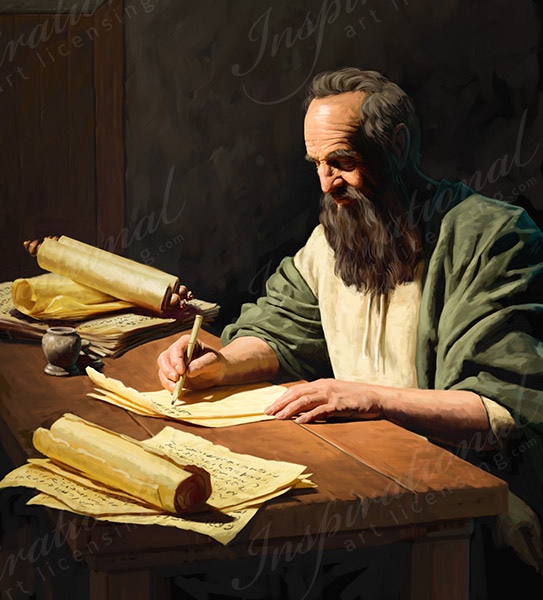
To make sure the Roman’s grasp the point, Paul says, once again, “we know”. The style of Romans is more oral rhetoric than written argumentation; I always like to imagine Paul, his brow furrowed, his shoulders slightly stooped, pacing up and down his small room, as Tertius (the scribe who actually wrote the letter, according to Rom 16:22) furiously scribbles the phrases that pour forth from Paul’s mouth. Syntactical omissions and irregularities, peculiar grammatical forms, idiosyncratic vocabulary: all of this is due to the lack of a careful, third-party, editorial eye. The letter was dictated, scribed, and sent off post haste!

At any rate, “we know”, says Paul, “that Christ, being raised from the dead, will never die again; death no longer has dominion over him, [for] the death he died, he died to sin, once for all; but the life he lives, he lives to God” (6:9–10).

Which brings us to the punchline for this particular collection of verses. Nothing new is said; the same thing has been said four or five times, and that one thing has been said, with variations throughout, to drive the point home. For the Romans, hearing this letter read in their various house gatherings, the consequence of their baptism, and of what God has done in Jesus, and of how they are to understand God’s atoning actions, and of how they are regard themselves, as justified by faith: “so you also must consider yourselves dead to sin and alive to God in Christ Jesus” (6:11).

And so the conclusion itself is then expanded, once again by stylistically varied repetitions, in 6:12–14, ending with the definitive conclusion, “sin will have no dominion over you”, and the strong and clear affirmation, “you are not under law, but under grace” (6:14).

*****

On the central theme of the letter to the Romans, see

On the use of the diatribe form in Romans, and particularly in 4:1–25, see

For my take on a key theological issue in 5:12–21, see

The voice of the Lord, made manifest in Jesus (Matt 3; Epiphany 1A)

The readings that are collected for this coming Sunday seem to gather around the theme of “the voice of the Lord”. This is one of those Sundays when the selection of four readings clearly focusses on a topic found in each of them (in contrast to the many “ordinary” Sundays where each of the four readings follow their own independent lines).

The theme of “the voice of the Lord” is sounded clearly in the psalm (Psalm 29), with a repeated refrain, “the voice of the Lord” through verses 3 to 9. First, the psalmist announces, “the voice of the Lord is over the waters; the God of glory thunders … the voice of the Lord is powerful; the voice of the Lord is full of majesty” (29:3–4).

Then follows a repeated affirmation, “the voice of the Lord breaks the cedars … the voice of the Lord flashes forth flames of fire … the voice of the Lord shakes the wilderness … the voice of the LORD causes the oaks to whirl, and strips the forest bare; and in his temple all say, ‘Glory!’” (29:5, 7–9). The message declared by the Lord God is conveyed by the natural order of things, in the elements of the creation, made by God (see Gen 1–2; Ps 104; and in this Sunday’s reading, Isaiah 42:5).

The speaking forth of God, made manifest and evident in God’s creation, is a fitting theme for the first Sunday in the season of Epiphany—a season that celebrates the shining forth, the manifestation, of God. However, this Sunday is designated, not only as the first Sunday in the season of Epiphany, but also as the day on which The Baptism of the Lord is recalled.

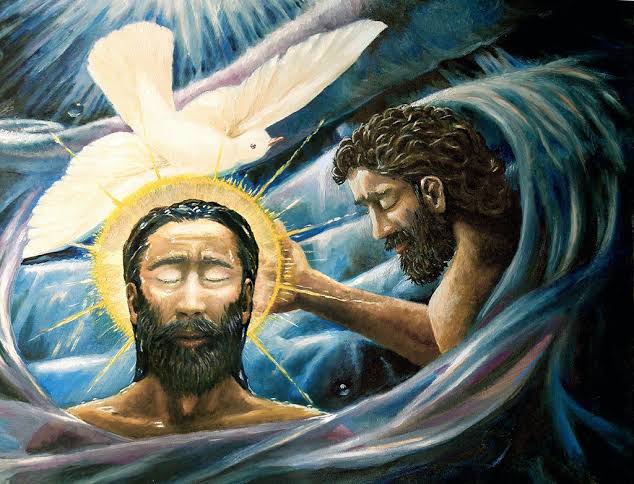
In the Gospel selection (Matt 3:13–17), the first evangelist reports that the Spirit of God “descended on [Jesus] like a dove” (3:16) as Jesus was baptised by John in the River Jordan. At that event, “a voice from heaven said, ‘This is my Son, the Beloved, with whom I am well pleased’” (3:17). The voice of the Lord is clear and prominent in this account of what was likely to have been the commissioning event for Jesus as he started into his public activities in the region of Galilee (Matt 4:12–25, and on until 19:1).

In the reading from Acts, in place of a section of an epistle, we hear Luke’s report of a speech of Peter, given in the house of the centurion Cornelius in Caesarea (Acts 1:34–43). In this speech, Peter announced how “the message spread throughout Judea, beginning in Galilee after the baptism that John announced; how God anointed Jesus of Nazareth with the Holy Spirit and with power” (Acts 10:38).

That message was to be continued by the disciples; Peter says that God “commanded us to preach to the people and to testify that he is the one ordained by God as judge of the living and the dead” (10:42). The voice of the Lord that has been heard in the early testimony (see Acts 2, 3, 7) continues through the later apostolic proclamation (see Acts 13, 17, 20).

Linked with this is the first of the four songs found in Second Isaiah (Isa 40–55) that are linked explicitly with the Servant (42:1–9; 49:1–7; 50:4–11; and 52:13–53:12). Here, the Servant is designated as the one in whom God delights (42:1); the phrase recurs in the message of the voice from the cloud which speaks at the baptism of Jesus, declaring that he is the one “with whom I am well pleased” (Matt 3:17). The Servant has God’s spirit within him (Isa 42:1), something which is directly enacted in the baptism of Jesus when he “saw the Spirit of God descending like a dove and alighting on him” (Matt 3:16).

The work of the Servant is to bring justice to the nations (Isa 42:1, 3, 4); that will be evident in the work of Jesus (Matt 12:18–21, quoting directly these verses from the first Servant Song). Through the Servant, the Lord calls people “in righteousness” (Isa 42:6); that call is echoed by Jesus as he calls his followers to demonstrate righteousness (Matt 5:20) and exhorts them to “strive first for the kingdom of God and his righteousness” (6:33). Indeed, the baptism of Jesus narrated by Matthew is said to have taken place “to fulfil all righteousness” (3:15).

Through the Servant, God establishes God’s people “as a covenant to the people, a light to the nations” (Isa 42:6); that charge is repeated by Jesus, who came as light shining in the darkness (Matt 4:15–16) and who equips his followers to be “the light of the world” (5:14–16), whose whole body will be “full of light” (6:23).

Through the Servant, God announces that “the former things have come to pass, and new things I now declare” (Isa 42:9); this is exemplified, according to Jesus, by “every scribe who has been trained for the kingdom of heaven [who] is like the master of a household who brings out of his treasure what is new and what is old” (Matt 13:52).

The identity of the Servant was debated in Israel; was this an individual, or a symbolic representation of the whole nation? The many resonances of the Servant Song in the story of Jesus indicate why Christian interpreters have identified Jesus as this servant. The story of his baptism provides a most appropriate occasion for underlining this connection. The shapers of the lectionary have thus linked these two passages on this Sunday, and set them into the context of passages declaring how “the word of the Lord” has been made manifest. It is a compelling start to the season of Epiphany.

The identity of the Uniting Church

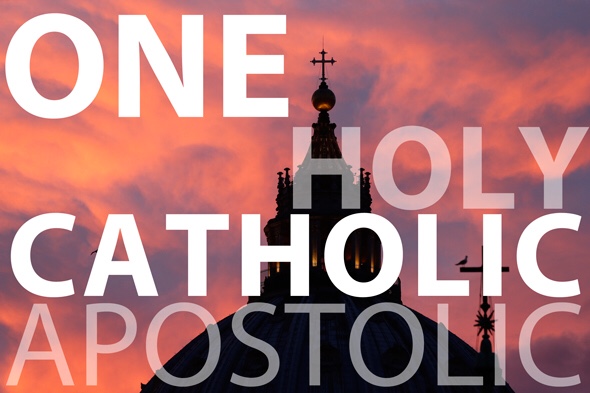
The Uniting Church is part of the one holy catholic and apostolic church – we see ourselves as just one part of a much larger whole. We do the things that other denominations within the church do: we gather for worship, preach the Gospel, care for the needy, witness to our faith, and connect with communities.

We have many organisations that cater specifically for pre-schoolers, school students, people with disabilities, theological students, adult learners, Indigenous people and aged and infirm people. We have chaplains in hospitals, schools, industry, and the defence forces. And we have congregations in many places across the continent.

When we worship, we feel connected with the people of God of all denominations across the globe. When we witness, we bear testimony to the faith shared by Christians of many varieties. When we reach out in service, we act in solidarity with people of Christian faith, people of other faiths, and people of goodwill of any stripe, in our communities and across the globe.

We share in the call to be missional, universal, set apart, and unified, as God’s people together. Or in more traditional theological language, we are part of the ‘one, holy, catholic and apostolic’ church.

But we believe that we have some distinctive elements to contribute to that larger whole. Our identity as the Uniting Church in Australia is marked by ten distinctive features.

I In Ecumenical Relationship

When the Congregational, Methodist and Presbyterian churches joined together in 1977 to form the Uniting Church in Australia, they declared that this union was both in accord with the will of God, and that it was a gift of God to the people of God in Australia.

Since then, the Uniting Church has been a church which is committed to working ecumenically with other Christian denominations. That commitment is one very important aspect of our identity as a Uniting Church. We belong to the National Council of Churches in Australia and the World Council of Churches, where we co-operate with many denominations.

Nationally, we have participated in ongoing conversations with other denominations (Anglican, Lutheran, Greek Orthodox, and Roman Catholic). At the grassroots level, our ministers participate in local ministers’ associations in hundreds of towns and cities across the nation. Some Congregations share buildings with other denominations; some worship and serve together, especially in rural towns.

We are an ecumenical church.

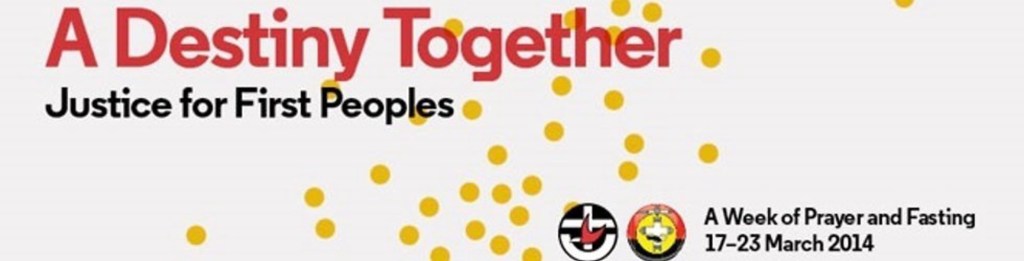
II In Covenant with First Peoples

A very important dimension to being the church in this country is that we are a church in Covenant with the First Peoples of Australia. From its earliest years, the Uniting Church has been involved in actions which express our solidarity with the Aboriginal and Torres Strait Islander peoples. Older members will recall events at Noonkanbah Station in the Kimberley in 1980, when Uniting Church members stood in solidarity with the traditional owners, the Yungngora people, against the mining of their land.

The Uniting Aboriginal and Islander Christian Congress (UAICC) was established in 1985, and a Covenant between the UAICC and the UCA was implemented in 1994. This Covenant recognises that working for reconciliation amongst people is central to the Gospel. This gives expression to our commitment to shape a destiny together.

In 2009, the Preamble to the UCA Constitution was revised to recognise the difficult history of relationships between the First Peoples and the later arrivals, as Second Peoples. In 2018, we agreed to support a Makarrata process to give a clear national voice to First Peoples, and to support a national Treaty. Our present relationship is one which seeks to ensure that we commit to the destiny together which we share as Australians. The Assembly fosters ongoing work in this area through the Walking Together as First and Second Peoples Circle.

We stand in covenant relationship with the First Peoples.

III A Multicultural Church 

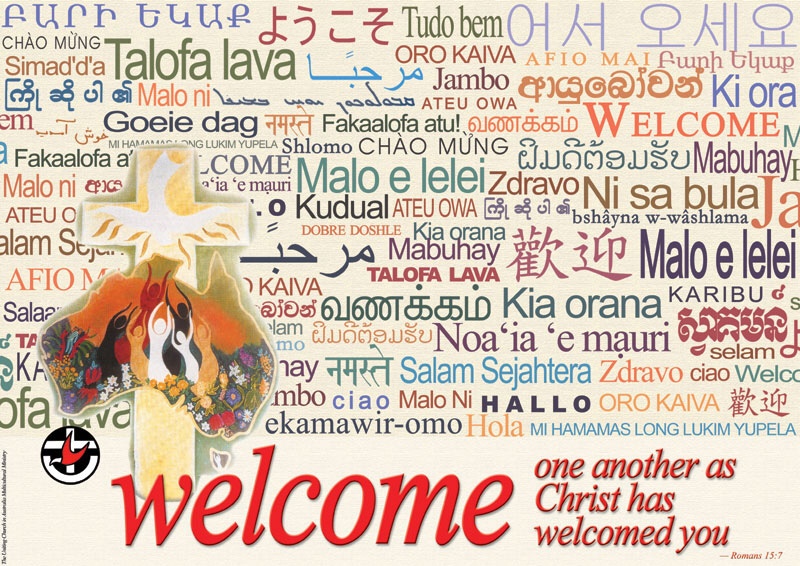
In the same year that the Congress was formed, the Uniting Church declared that it is a multicultural church, which rejoices in the diversity of cultures and languages which are found across Australia. The Basis of Union recognises that we share much, as Australians, with people of Asia and the Pacific. The Uniting Church has maintained strong relationships with churches from these regions, as well forging new links with churches in Africa and the Middle East.

The Statement to the Nation, issued in 1977, acknowledged that the Uniting Church seeks a unity that transcends cultural, economic and racial distinctions. Within Australia, there are at least 12 national conferences based on regional groupings and people from 193 language groups who belong to the Uniting Church.

Each Sunday, worship takes place in Uniting Churches in 26 languages from cultures beyond Australia, as well as many indigenous languages used in worship by first peoples across our church. We have learnt the importance of moving from “enjoying each other’s foods”, to conversing at a deep level about the hopes and expectations we bring from different cultural experiences. We have learnt that we need to be intercultural in our relationships.

Through UnitingWorld, we maintain partnerships with churches in Asia, the Pacific, Africa and the Middle East. We are truly a multicultural church. Through the Relations with Other Faiths Working Group and the Seeking Common Ground Circle, the Uniting Church has been active in developing relationships with other faith communities. We have had a long and fruitful Dialogue with the Jewish Community, and participate in a number of other interfaith Dialogue conversations. We are firmly committed to constructive interfaith relations.

We continue to develop as a church in deepening relationships with many cultures and faiths.

IV  All the people of God

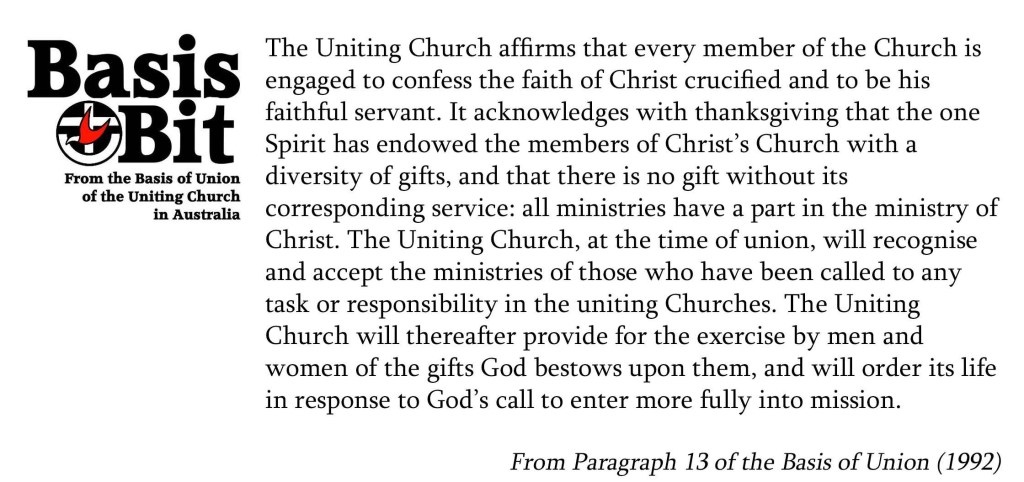
The Uniting Church is a church which values the ministry of all the people of God and seeks to order itself in accordance with the will of God. Our Basis of Union affirms that every member of the church is engaged to confess Christ crucified, and every person is gifted by the Spirit to engage in ministry in their own particular way. We are a church that values the ministry of each and every person.

Throughout the life of the Uniting Church, we have held our structures and forms of ministry accountable to ongoing scrutiny. Alongside the Ministry of the Word, to nurture and guide Congregations, we have introduced the Ministry of Deacon, to focus attention on people living on the margins. We have introduced the Ministry of Pastor to recognise the giftedness of lay people, and that sits alongside the Ministry of Lay Preacher (which we have had since 1977), and the more recent accreditation of Lay Presiders in many locations.

We have also undertaken important conversations about membership and the relationship of Baptism to Holy Communion. We now have a clear commitment to an open table when we gather for The Lord’s Supper: all who are baptised (whether adult or child, whether confirmed or not) are welcome to share at this table.

We are a church which values the ministry of all the people of God.

V  Women and Men

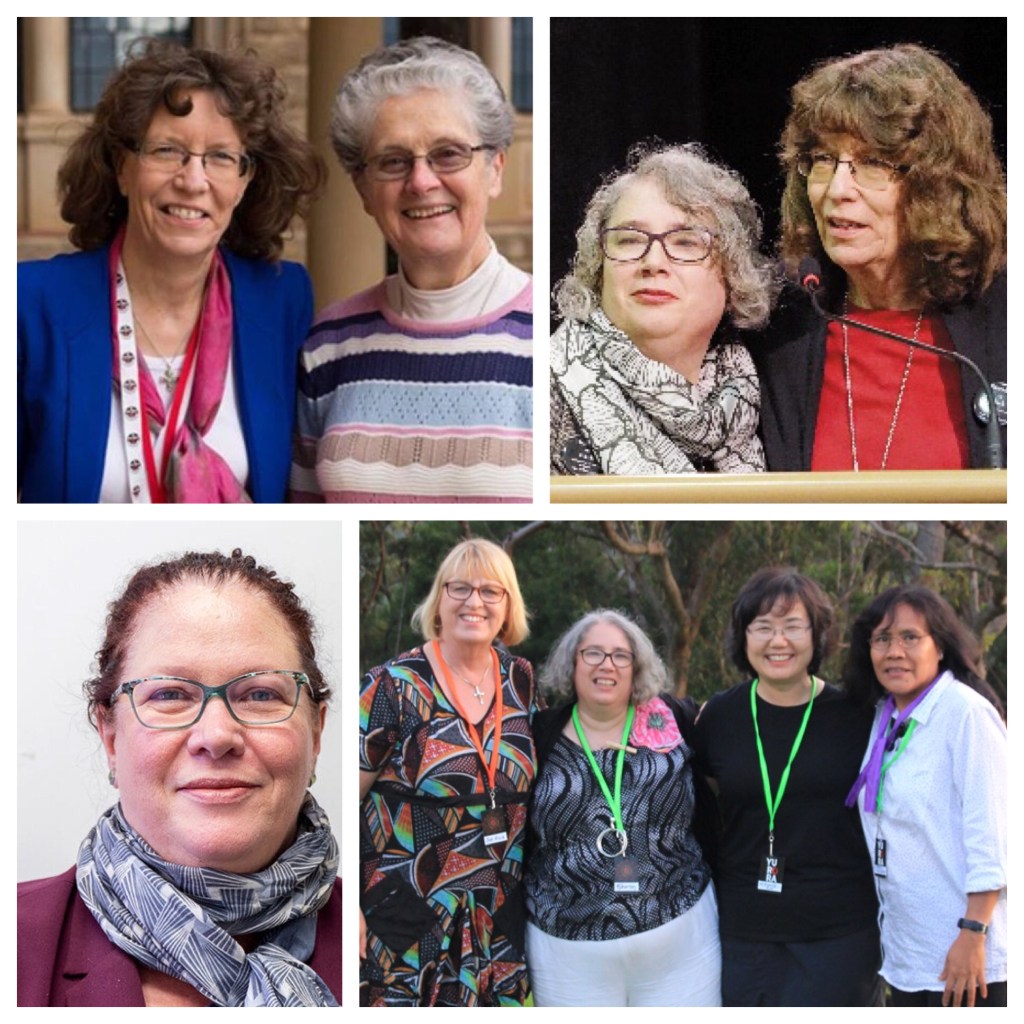
The Basis of Union makes it very clear that we are a church which is committed to equality and mutuality of women and men in ministry. Even before 1977, the three previous denominations had ordained women to ministry. This is a very strong distinctive, especially in the Australian scene.

Since 1977, many women have stood on an equal basis alongside men, as Ministers of the Word, Deacons, Elders, Church Councillors, Lay Preachers, Lay Presiders, Chaplains, and Pastoral Carers. We value the insights and experience of women in each and every way that we seek to “be church”—as we gather to worship, as we witness to our faith, as we serve the wider community.

Women in leadership: Presidents Jill Tabart (1994–1997) and Deidre Palmer (2018–2021); Deidre Palmer and President-Elect Sharon Hollis (2021–2024);
Assembly General Secretary Colleen Geyer (2016– );
and Moderators Sue Ellis (SA), Sharon Hollis (VicTas),
Myung Hwa Park (NSW.ACT) and Thresi Mauboy (Northern Synod).

Both lay and ordained women have served in leadership positions across all councils of the Uniting Church, from Church Council Chairpersons to Presbytery Chairpersons, to Synod Moderators and Secretaries, to the Assembly General Secretary and President. Many couples minister together as husband and wife. Gender equality is most certainly part of our identity.

We are committed to mutuality and gender equality in every part of the church.

VI Discernment

Another contribution that the UCA has made has been to highlight the importance, when we gather in council, of being open to the Spirit, and seeking to discern the will of God. We live this out in our councils by practising a process of consensus decision-making. The Manual for Meetings sets out the various elements that are involved in making decisions by discernment: a time of information, a time of deliberation, and a time of decision-making.

The infamous “coloured cards” are only one small part of the whole. The focus is on listening to the Spirit before we speak, and striving to find a way forward that most, if not all, people can see as the will of God for the church. This way of decision-making, which originated in the UCA, has now been adopted by the World Council of Churches and a number of its member Churches.

We are a church which deliberately seeks to discern the movement of the Spirit in our midst.

VII Professional Standards

Over the last 20 years, the Uniting Church has developed a firm commitment to strong professional standards, for Ministers as well as for lay people who exercise leadership in the church. Our commitment to professional standards emerged initially in response to the problems of sexual misconduct within the church. A whole section of the Regulations is now devoted to this.

Since 1999, all Ministers have been expected to adhere to a Code of Ethics, and this has most recently been revised to provide a Code of Ethics Ministry Practice for Ministers and a Code of Conduct for Lay Leaders. Ministers and Pastors undertake regular training in aspects of this code, in ethical ministry workshops.

Since the Royal Commission into Institutional Responses to Child Sexual Abuse, we have intensified our efforts to ensure that our churches are Safe Places, valuing everybody, honouring integrity, avoiding negative and hurtful behaviours.

We are a church which values integrity and clarity about our ethical standards.

VIII  Open to explore difficult issues

Over 40 years, the Uniting Church has shown that it is a church which is prepared to engage in difficult discussions about contentious issues. Our Basis of Union commits us to learn from the insights of contemporary scientific and historical studies, and affirms that we remain open to correction by God in the way we order our life together.

In the early years of the Uniting Church, debates about Baptism were the focus of great controversy. Infant baptism had been an integral part of the worship practices of each denomination which joined the Uniting Church, but Ministers and Elders Councils were receiving regular requests for baptism by adults who had been baptised as infants but had come to a personal faith later in their lives. After debates stretching through the 1980s and 1990s, the Uniting Church has developed a clear set of protocols to cover such requests.

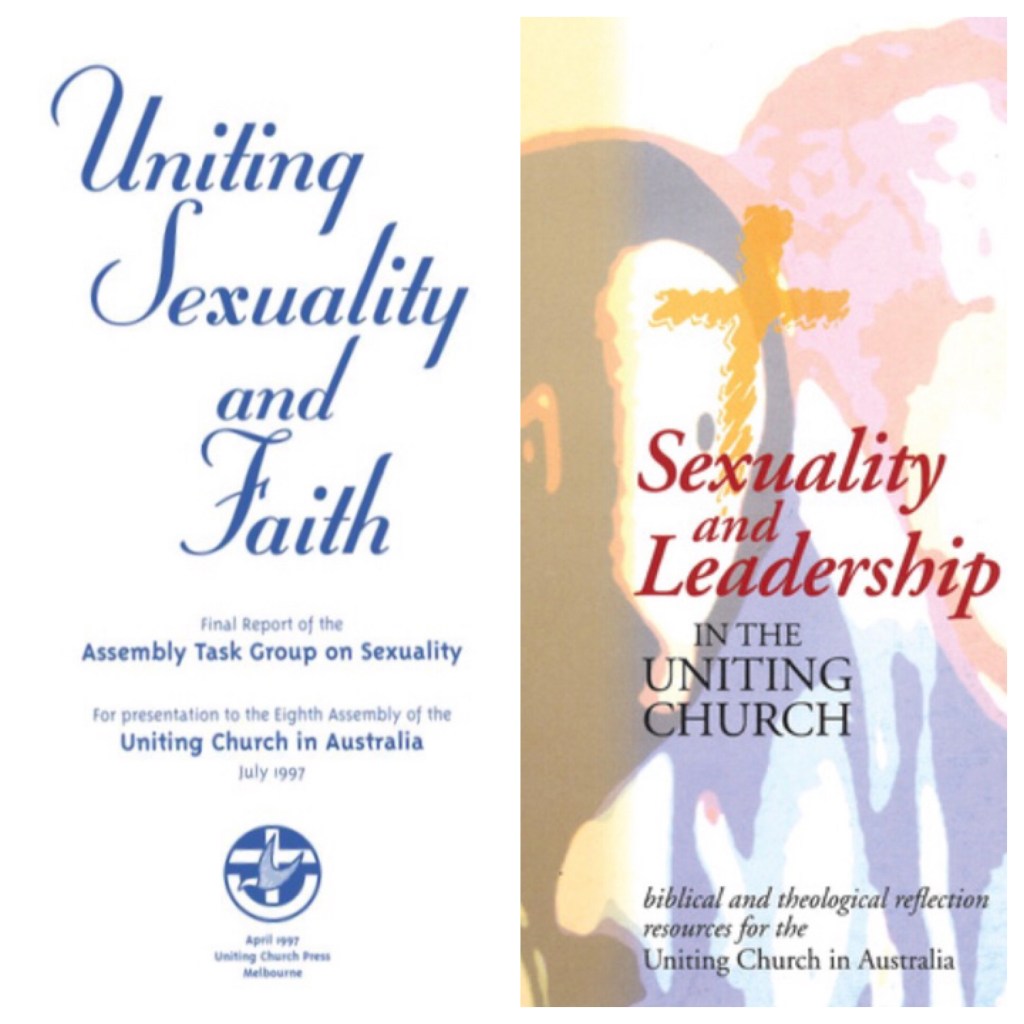
Another area of enduring controversy has been that of human sexuality. There is a wide diversity of opinion within society relating to such matters, and this diversity is present within the Uniting Church. Once again, from the 1980s though into the present era, lively debates regarding human sexuality have taken place in the various councils of the church. We have worked through difficult decisions about sexuality and leadership, and then about sexuality, gender, and marriage. We continue to learn, explore, and adapt.

In dealing with such issues, we have learned how to debate with respect and integrity with ongoing conversations looking to employ a “Space for Grace” process to encourage respectful, empowering, and inclusive decision-making.

We seek to be a church that engages in the difficult discussions with honesty, transparency, and hopefulness.

IX  Advocating for Justice

The Uniting Church inherited from its predecessor Churches a strong commitment to advocating for justice for all. Many Uniting Church congregations and members are actively committed to serving those people who find themselves on the margins of society. This commitment was clearly articulated in the 1977 Statement to the Nation and it has been evident in many actions undertaken by Uniting Church members over the decades.

The Uniting Church has joined in common cause with other groups and organisations in society, in advocating for a welcoming attitude towards refugees; in lobbying for a fair and just system of caring for people who are experiencing poverty and homelessness; in seeking equity for workers in their workplace; and in many other issues. The Assembly Working for Justice Circle, brings together people who are strongly committed to this avenue of ministry.

A regular stream of policy documents and public resolutions point to a clear and unbroken commitment to seeking justice for all. Each federal election, we are provided with resources that encourage us, as people of faith, to consider the implications of our votes in the life of the nation.

We are a church which is strongly committed to justice for all.

Environmental Sustainability

In like manner, the Uniting Church has always been a church which honours the environment and supports a sustainable lifestyle. Although such matters are firmly on the radar of the public now, they have long been integral to the identity of the UCA. Once again, the 1977 Statement to the Nation flagged such commitment. A series of subsequent documents attest to the ongoing determination of the church to live responsibly, in such a way that we minimise the damage we cause to the environment in which we live.

Our partnerships with Churches in the Pacific have intensified our awareness of the negative impacts that are resulting from climate change. We know that we need to act now, to reduce the threat. Each year, we experience catastrophic consequences from more regular and more intensified “natural disasters”—fires, floods, drought, cyclones. Just as we provide pastoral support in these situations through Disaster Response Chaplains, so too we maintain advocacy with governments, urging them to set policies which will turn us away from the trajectory of yet more environmental disasters.

Locally, many Congregations and individual members of the UCA are seeking to implement practices that will reduce their carbon footprint on the planet. We know that we owe it to future generations, to live responsibly in the present.

We are a church that lives, acts, and advocates for a sustainable environmental future.

*****

You may have some thoughts about what I have articulated above. You may have thought, “what about …?” – something that I have overlooked, that you see as important. You may have some questions about how I have described some of these elements. I encourage you to talk with others about how you respond. Together, we are the Uniting Church!

This discussion of identity is the first in a series of articles on this question on the Assembly website, at DNA of the UCA – Uniting Church Australia