A Reflection for A Day of Mourning 2025

A reflection given by the Rev. Dr John Squires at Dungog Uniting Church on Sunday 18 January 2026.

In just over a week, on 26 January, no doubt many people around Australia will gather to cook at the BBQ and swim in the surf. Families and friends will enjoy a relaxing time on a public holiday. Somewhere in the background, perhaps, there will hover a sense of satisfaction that we are “the lucky country” full of “mates and cobbers”, where there is “a fair go” for everyone, a country in which we can wave our flags, have our BBQs, kick back and relax.

Indeed, around the world, people who call Australia home will most likely be gathering, perhaps with fellow-Aussies, to celebrate the day. I know that when I was living in a foreign country, 40 years ago, I did just that—finding some other Australians in the university’s Graduate Student Housing to share in a meal as we celebrated “being Australian” in a foreign land.

That was all almost half-a-lifetime ago, now; and my perspective on this has changed somewhat, I confess. I am still, as I was then, a fervent republican, believing that Australia needs to be a completely independent nation with no role at all for the imperialist blueblooded family whose forbears colonised this continent and who still have a formal, legal role in the affairs of this country, from many thousands of kilometres away.

And I am still resolutely opposed to the primitive tribal tendencies inherent in nationalism, and its ugly cousin jingoism, because of the emotional damage that this does to impressionable minds, and the consequent savagery that it has unleashed in warfare across the years.

The cost of war is immense and long-enduring; the “victory” won by a nation in prosecuting war is fleeting by comparison. War means injury and death, to our own troops, and to the troops of those we are fighting against. Every death means a family and a local community that is grieving. There is great emotional cost just in one death, let alone the thousands and thousands that wars incur. To say nothing of the damage done to civilians, particularly women and children, as “collateral damage” in these nationalistic enterprises. Jingoistic nationalism fuels the appetite for warfare. So let us be wary about how far we are carried away by the rhetoric of living in “the lucky country” and extolling the virtues of this “great southern land”.
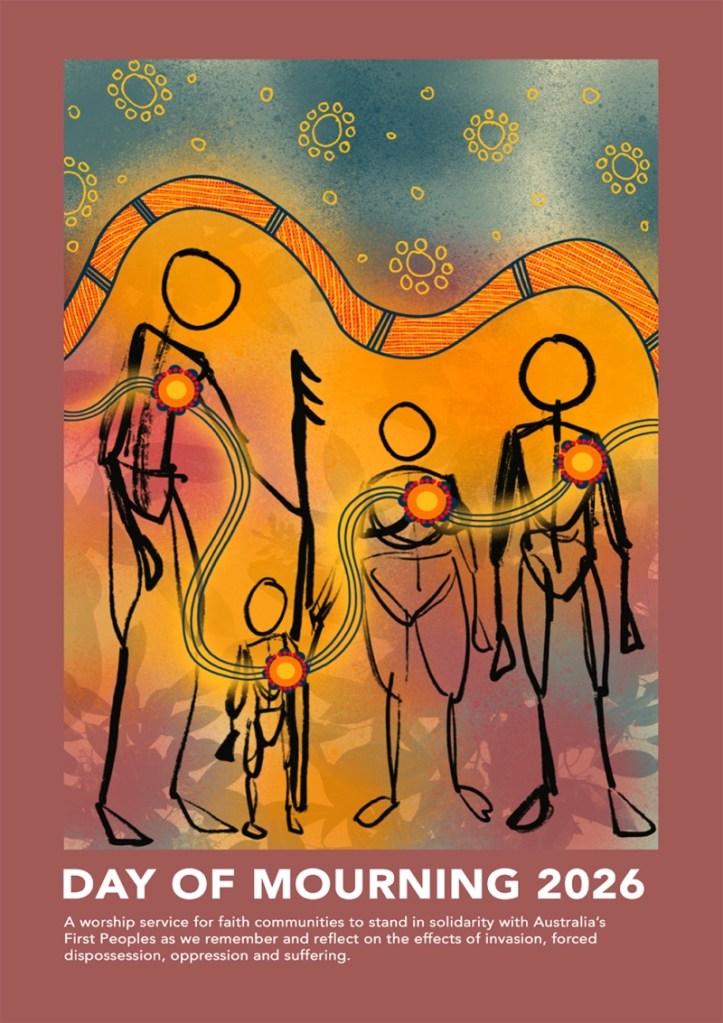
Standing in contrast to any nationalistic fervour that may well grip people on 26 January, I note that the many congregations of the Uniting Church have taken up the invitation of the Assembly to hold a Day of Mourning each year on the Sunday before 26 January. On that day, we are invited to reflect on the dispossession of Australia’s First Peoples and the ongoing injustices faced by First Nations people in this land. This resets and reorients the focus of the time around the “national day” of Australia. Indeed, it can provide a timely reminder that First People around this continent were forced into armed engagements with the invading colonisers, as they sought to press the frontiers of their newly-claimed colonial lands further and further.  

We are now aware that in these Frontier Wars, more Indigenous people died than in the formal military engagement of World War One; and, of course, many settlers also died in these conflicts. But First People were not armed with guns and did not have any way to push back against the superior firepower of the colonists. So they suffered greatly in these wars.

For those of us who are Second Peoples from many lands, the focus of a Day of Mourning offers an opportunity to lament that we were and remain complicit in the ongoing consequences of this dispossession and warfare. It also invites us to consider what we might do to move away from that negative trajectory.
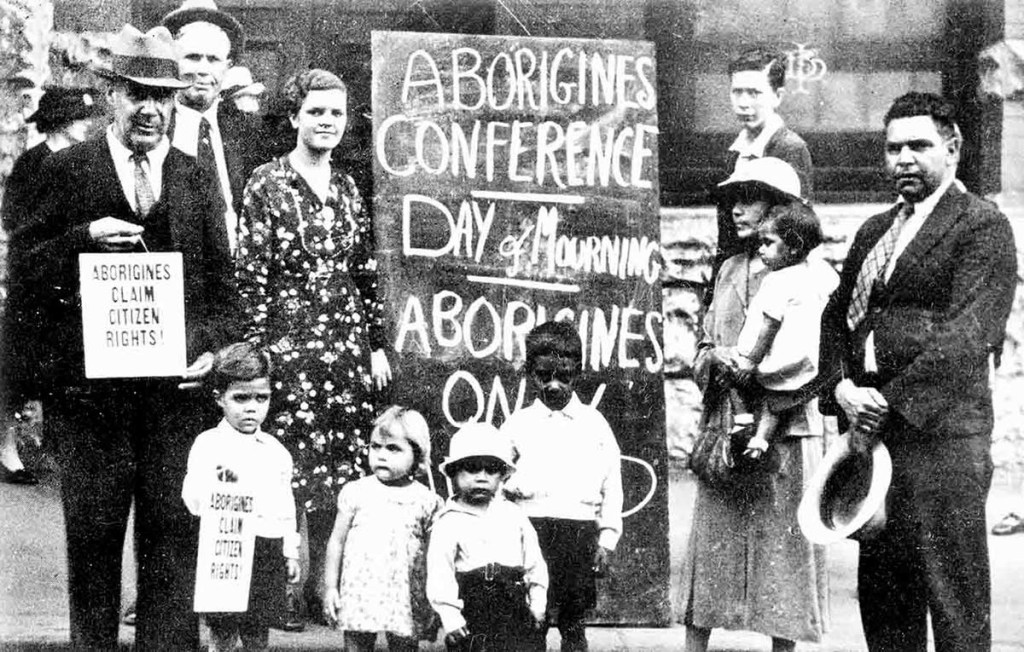
The observance of a Day of Mourning on the Sunday before 26 January looks back to the first Day of Mourning in 1938, after years of work by the Australian Aborigines League (AAL) and the Aborigines Progressive Association (APA). In a pamphlet published for the occasion, it was stated that “the 26th of January, 1938, is not a day of rejoicing for Australia’s Aborigines; it is a day of mourning. This festival of 150 years’ so-called “progress” in Australia commemorates also 150 years of misery and degradation imposed upon the original native inhabitants by the white invaders of this country.”

The national body of the Uniting Church, the Assembly, has acknowledged that our predecessors in the denominations which joined in 1977 to form the Uniting Church have been “complicit in the injustice that resulted in many of the First Peoples being dispossessed from their land, their language, their culture and spirituality, becoming strangers in their own land”. That itself is a cause for lament and mourning.

The Uniting Church Assembly has also recognised that people in these churches “were largely silent as the dominant culture of Australia constructed and propagated a distorted version of history that denied this land was occupied, utilised, cultivated and harvested by these First Peoples who also had complex systems of trade and inter-relationships”. [These quotations come from the Revised Preamble to the Constitution of the Uniting Church in Australia, adopted in 2009]
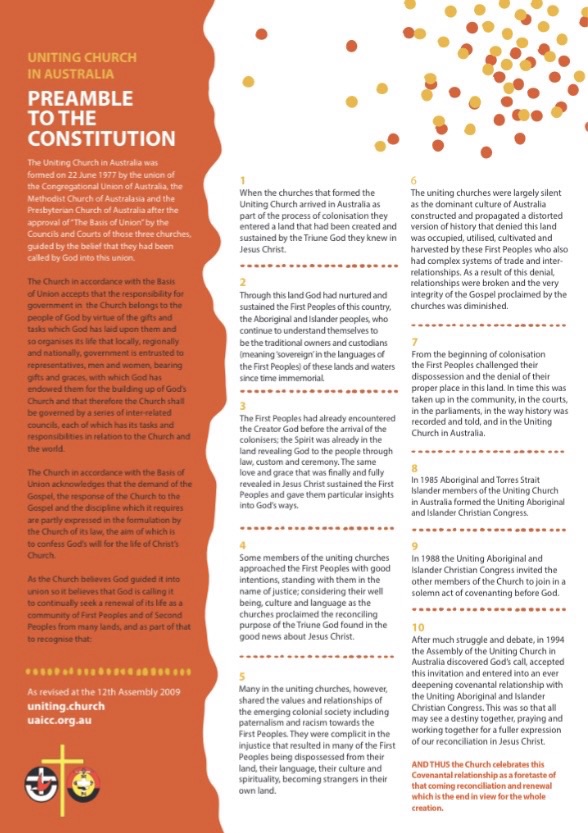
In worship resources prepared in relation to this Revised Preamble, we are invited to affirm the general belief that “the Spirit has been alive and active in every race and culture, getting hearts and minds ready for the good news: the good news of God’s love and grace that Jesus Christ revealed”, as well as the specific statement for our context, that “from the beginning the Spirit was alive and active, revealing God through the law, custom and ceremony of the First Peoples of this ancient land”. God is not confined to the way that we know things, the people we are familiar with, the customs and culture that we inhabit. God acts beyond all of these.

Thinking more about our First People, we are also invited by this Revised Preamble to confess “with sorrow the way in which their land was taken from them and their language, culture and spirituality despised and suppressed”, as well as the reality that “in our own time the injustice and abuse has continued; we have been indifferent when we should have been outraged, we have been apathetic when we should have been active, we have been silent when we should have spoken out.”
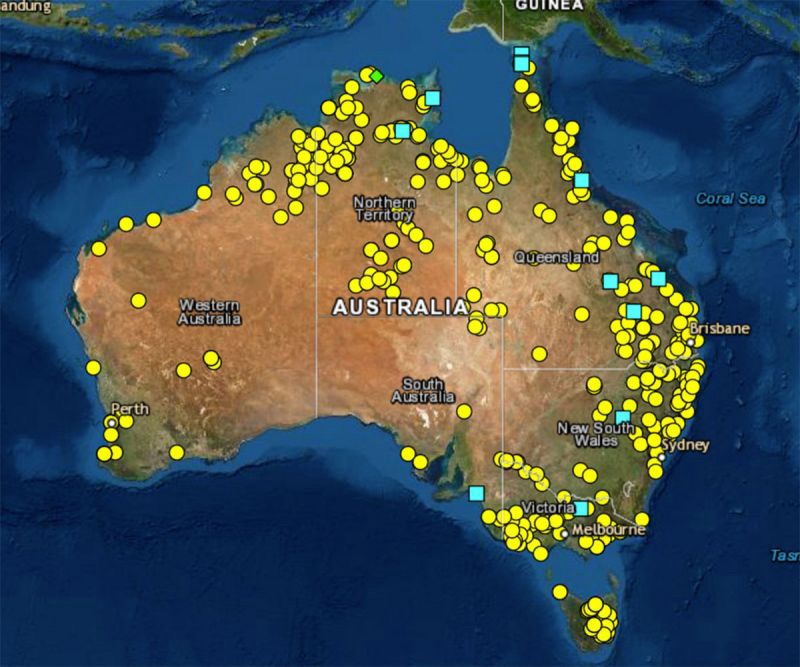
Injustice, discrimination, and oppression was not just the way of life for First People in times past; oppression, discrimination, and injustice still occur against First People today. Massacres do not happen in our time; but they were a feature of Australian life until 1932, probably in the lifetime of all of our parents. That is a national disgrace in our history. This map, compiled in the University of Newcastle, shows just how extensive these massacres were.

Children are not routinely taken from their families and placed into care homes; the policies about this brought mass removals to an end in the 1970s, but still today interventions are made amongst Indigenous people at a higher rate than other ethnic groups. 

We had a Royal Commission into Aboriginal and Islander Deaths in Custody three decades ago, but still the rate of Indigenous deaths in custody remains many times higher than non-Indigenous people in custody. Some died by suicide as they were gripped by the black dog, that deep, deep despair, some by neglect as they were suffering significant medical conditions that were not treated, and some, as we have seen in graphic images and heard in voice recordings, have died through the violent interventions of police and custodial staff. It remains a national disgrace in our own time.
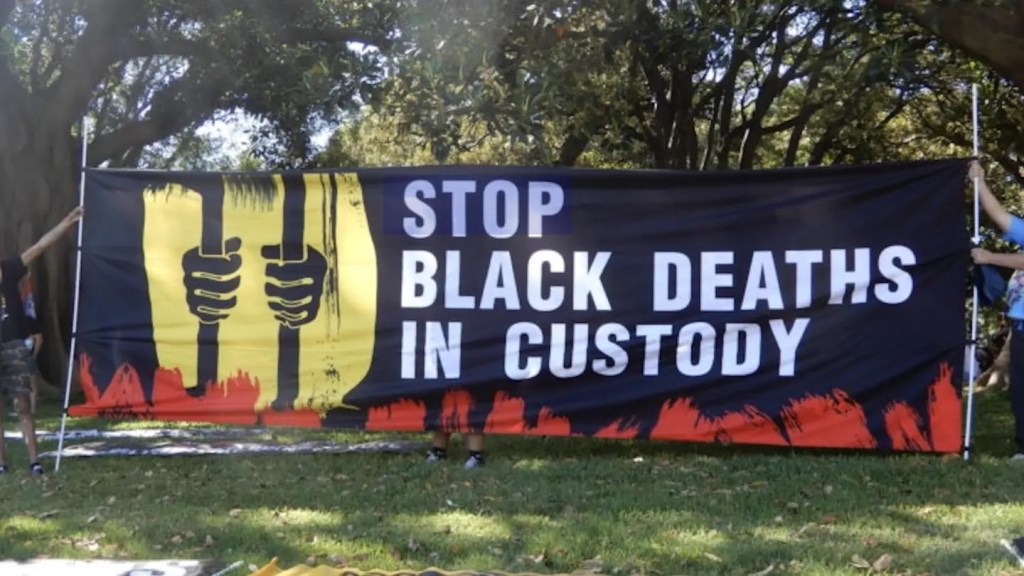
First People were ill-treated in the past; it is still the way that many of them are ill-treated today. Being the victim of racial discrimination, no matter how large or how seemingly small, is still a regular feature for many First People. We have not moved into a new and better era; we continue to perpetuate the sins of our past.

*****

Elizabeth and I are friends with Aunty Karen, a Yeagl woman of the Budjalung nation further to the north of NSW, who lives on Gadigal land in Sydney. She recently wrote this post on Facebook:

“As we near ‘Australia Day’: Please remember the hurt and degradation this day means to Aboriginals Australia-wide. Intergenerational trauma exists (just ask the Jewish community; they still mourn the “Holocaust”). Enjoy yourselves, but remember this day has a different meaning for us Kooris.  Please be respectful to each other. It’s time to acknowledge that we have survived, yes, but also carry the hurt and memories of what colonisation has done to our ancestors, and we have long memories.”

And in the latest issue of With Love to the World, I have reproduced a poem that Aunty Karen wrote some years ago, about the day which is our national day. If you’d like a copy of it, I have some WLW copies to give out. It is entitled “Walking Together”.

The droning of the Didgeridoo 

as the music sticks plays along;

the sounds of my people’s Corroboree

as they sing their dreaming songs.

For 60,000 years or more, 

my ancestors walked the land. 

Our homes have changed in many ways, 

sometimes hard to understand.

But though long gone are my tribal ways 

after millennia of age, 

I cannot forget our history:

for this is my heritage.

But to live in anger of the past is wrong, 

as hate is such a wasted emotion.

So, let’s forgive the past, say “hello, my friend”, 

and forge a greater nation.

In that spirit, let us approach 26 January, mindful of what has been done in the past, aware of the challenges and opportunities before us at the present, and committed to act with justice and to seek reconciliation in our nation. 

See more on the UCA and First Peoples in these posts:
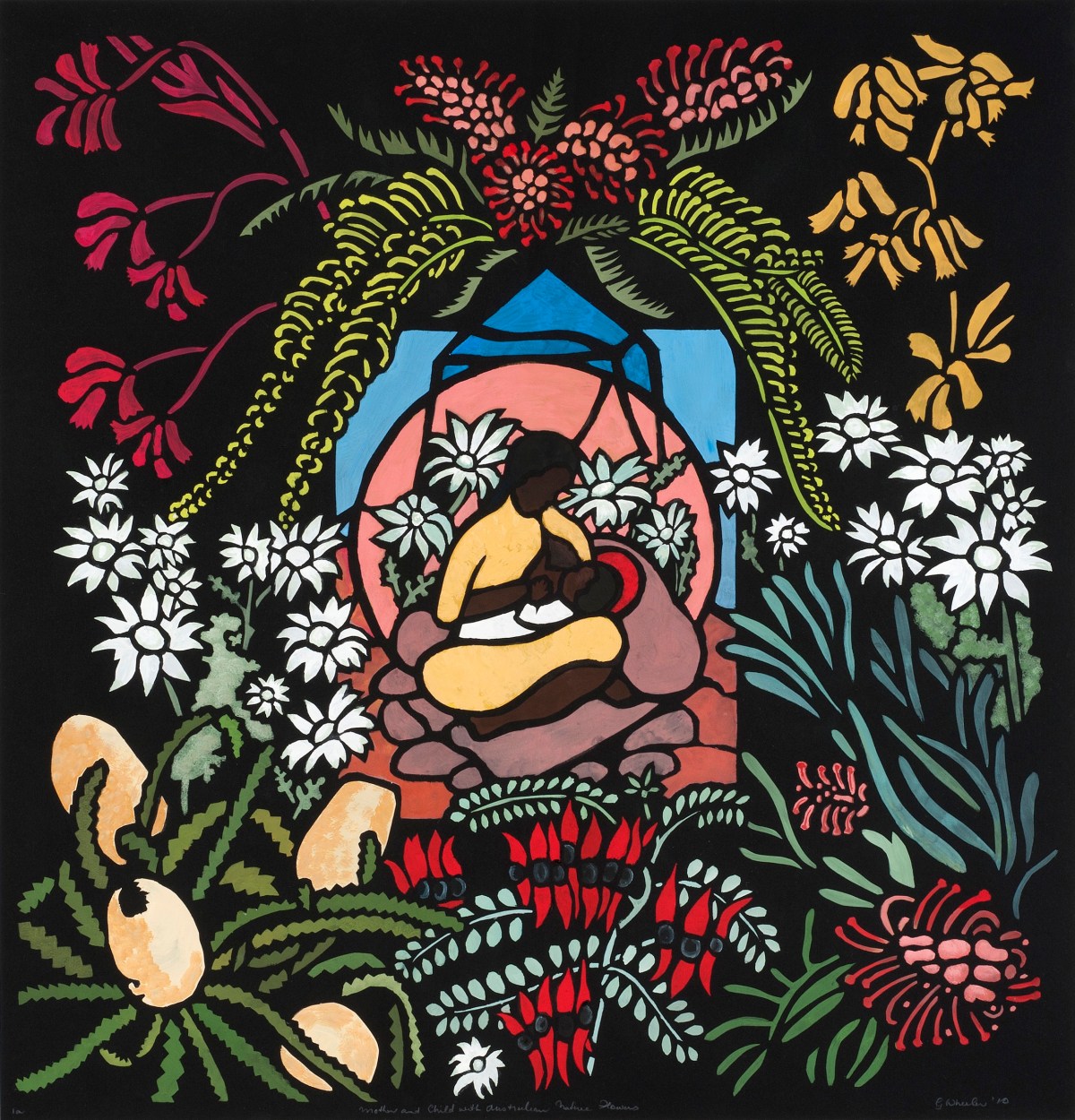
Reconciliation: a theme for Trinity Sunday

Today (26 May) is National Sorry Day. It sits at the head of Reconciliation Week 2021, which runs from 27 May, the anniversary of the 1967 referendum, until 3 June, the day in 1992 that Eddie (Koiki) Mabo won and the lie of terra nullius was laid bare by Koiki in the Australian High Court.

In 2014, Elizabeth and I wrote this sermon for the Wauchope Congregation for Reconciliation Week. There, we had an active youth group that comprised about 90% Indigenous young peoples. We were able to develop a very good relationship with Biripi elders there.

We preached the sermon in May 2014, and Elizabeth adapted the sermon for the Star Street Congregation (in Perth) in May 2018, then we repeated the sermon in Queanbeyan in May 2019.

The sermon, which connects themes between Trinity Sunday and Reconciliation Sunday, greatly spoke to Covenanting and International Mission Officer Tarlee Leondaris in the South Australian Synod of the Uniting Church. She adapted the sermon for the annual Reconciliation Week resources, fitting it with the 2021 lectionary, and linked it as well with the theme for the 2021 National Reconciliation Week—in doing so, reflecting on current covenanting relationships.

*****

Today, we also celebrate both Trinity Sunday and Reconciliation Sunday. Trinity Sunday is a celebration of who God is for us: Creator, Redeemer and Sustainer – Father, Son and Holy Spirit. Reconciliation is an important issue in the Australian context. The Uniting Church in Australia remains on a journey of reconciliation with First Peoples.

So, because the Trinity evokes the theme of community and relationships and restoring human relationships as a part of God’s reconciling mission in our world, the two do belong together. And through forgiveness, God’s grace works to provide all with hope and a new way of living.

One God, yet a community of persons. The Trinitarian doctrine insists that the nature of God is closer to a loving community than to a lofty individual. The trinity expresses the notion that the highest form of existence is communal. God is communal, so therefore we should find the true meaning of being as a person in fellowship with other people.

Because of this, the church community should reflect God far better than a lone person, no matter how gifted that person may happen to be. By insisting on being individuals over being community, we limit and diminish ourselves. Growth in faith really only takes place when we give to others and receive from others; when we know we need them and they need us.

What kind of wonderful creatures might we become if, in the fellowship of the church, we begin to model ourselves not on individualism but on God’s community, as symbolised by the Trinity?

David Unaiapon, a Ngarrindjeri man and preacher and the man on our $50 note, recognised this many years prior to Union. He said:

“We, as Aboriginal people, need you and you, as non-Aboriginal people, need us. You, as non-Aboriginal people who have come to Australia, have played a large part in making this society what it is, so you can’t just leave us Aboriginal people and expect us to fend for ourselves. You can’t leave us now because it’s like us taking you out in the bush and leaving you there. Most of you wouldn’t survive in the wilderness on your own.

“For many Aboriginal people, white society is like a wilderness. We need to be shown the way through what is, for many of us, very much uncharted waters; an unknown territory. However, it is inappropriate for you to insist that we become like you in order to succeed in society. This is what has happened so often in the past and Aboriginal people have been disempowered by this approach.

“Our society can encompass people who are quite different, and so can the Church. We can work together to fulfil God’s purpose for us all. Your relationship with God as expressed through the Trinity is the key to building loving relationships with those who are different. The love we are able share comes from God’s love for us and we have Christ’s example to follow, but we need the Spirit to guide us on our way.

“Loving one another means forgiving, trusting and sacrificing. It means opening our hearts to others; it means transforming your attitudes toward others.”

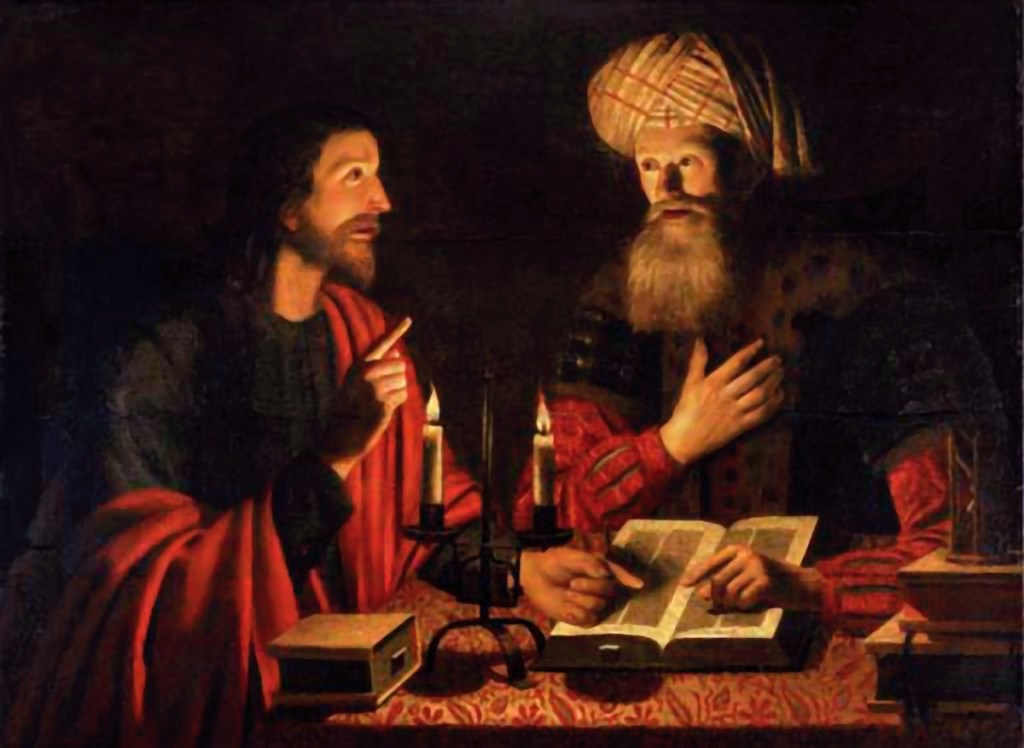
David Unaiapon raised important points here about culture, community and the work of Holy Spirit in our lives. In a very familiar Gospel reading (John 3:1-17), Nicodemus came to Jesus personally. He wanted to examine Jesus for himself and separate fact from rumour.

The passage reads that Nicodemus came at night or after dark. Possibly this was because he was worried about what his peers, the Pharisees would say about his visit to Jesus. Nicodemus himself was a Pharisee and a member of the ruling high council or Sanhedrin.

During Jesus’s time, the Pharisees were a group of religious leaders. Jesus and John the Baptist often criticised the Pharisees for being hypocrites. Many Pharisees were resentful of Jesus because he undermined their authority and challenged their perspectives.

Contrarily, Nicodemus was inquisitive and he believed Jesus had some answers. An educator himself, Nicodemus came on this occasion to learn from Jesus. It is a reminder to each of us no matter how well educated we are, we must come to Jesus with an open mind and heart to be lifelong learners.

Jesus revealed to Nicodemus that the kingdom would come to the whole world, not just to the Jews, and that to be part of the kingdom we must be born again. This was a radical concept: Jesus’ kingdom is personal not pertaining to a particular race, and entrance requirements are repentance and spiritual rebirth.

David Unaiapon spoke to this point well by stating, “The love we are able share comes from God’s love for us and we have Christ’s example to follow, but we need the Spirit to guide us on our way.”

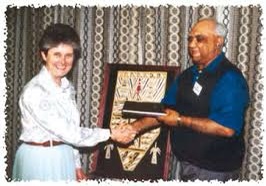
It is this same understanding of God’s love and presence of the Holy Spirit that bonds the Uniting Church in Australia into a covenant with the Uniting Aboriginal and Islander Christian Congress. On Sunday 10 July 1994 the then President of the Uniting Church in Australia, Dr Jill Tabart,mread the Covenanting Statement. In doing so, the church was lamenting historical wrongs and systemic failings—whilst at the same time committing the Uniting Church in Australia and the Uniting Aboriginal and Islander Christian Congress, to journey together in the true spirit of Christ.

Further, Dr Tabart stated: “We acknowledge that no matter how great our intentions, however, we will not succeed in our efforts for reconciliation without Christ’s redeeming grace and the renewing power of the Holy Spirit at work in both your people and ours.”

Jesus’ teaching to Nicodemus informs the Covenanting Statement. That spiritual renewal transcends race and that no one is beyond the touch of God’s Spirit. Towards the end of today’s Scripture reading in John 3:16 the entire gospel comes into focus. God’s love is not stationary or self-centred. It reaches out and draws others in. Here God sets out the pattern of true love, the basis of reconciliation for all relationships. Our challenge as Christians is to adhere to the words of the Covenanting Statement. By journeying together in the spirit of Christ and discover what it means to be bound as First and Second Peoples in a covenant. 

On that same day in 1994, the Chairperson of the Uniting Aboriginal and Islander Christian Congress Pastor Bill Hollingsworth responded to the Covenanting Statement. He set out a roadmap to practical reconciliation. Pastor Hollingsworth stated:

“Your commitment to be practical in seeking to be united in this relationship will be assessed by your decisions to resource the Congress ministry and to be actively involved in ministry alongside and with Aboriginal and Islander people to change the present disadvantage … We pray that God will guide you together with us in developing a covenant to walk together practically so that the words of your statement may become a tangible expression of His justice and love for all creation. We ask you to remember this covenant by remembering that our land is now also sustaining your people by God’s grace.”

Nearly 27 years have passed since the formalisation of the Covenant. During this time, there have been many wonderful achievements in covenanting and reconciliation. Yet this year’s National Reconciliation Week theme ‘More than a word. Reconciliation takes action’, urges the reconciliation movement towards braver and more impactful action.

Although 27 years later, this year’s theme is reminiscent of Pastor Hollingsworth’s response. That commitment to covenanting must be practical. It is in this moment that we should truly take a moment to assess our practical commitments towards covenanting.

To reflect upon our own individual commitment but more importantly our collective commitment as a community of called by Christ. In this moment, it is right to ask ourselves as a Christian community, is this where wewant to be on our covenanting journey? Are we satisfied with reconciliation between First and Second Peoples within the life of our congregation?

This Reconciliation Sunday, can we as Christians take the risk like Nicodemus and bring our questions to the Lord? By asking where, might the Trinity Creator, Redeemer and Sustainer be calling us into commitment to covenanting? How can our Christian community continue or start to make our contributions to covenanting be more than words and put into action?

*****

National Reconciliation Week (NRW) started as the Week of Prayer for Reconciliation in 1993 (the International Year of the World’s Indigenous Peoples) and was supported by Australia’s major faith communities. In 1996, the Council for Aboriginal Reconciliation launched Australia’s first National Reconciliation Week. The theme for 2021 is ‘More than a Word – Reconciliation takes Action’.

*****

See also https://johntsquires.com/2020/05/26/saying-sorry-seeking-justice-walking-together-working-for-reconciliation/

https://johntsquires.com/2020/11/08/always-was-always-will-be-naidoc2020/

The identity of the Uniting Church

The Uniting Church is part of the one holy catholic and apostolic church – we see ourselves as just one part of a much larger whole. We do the things that other denominations within the church do: we gather for worship, preach the Gospel, care for the needy, witness to our faith, and connect with communities.

We have many organisations that cater specifically for pre-schoolers, school students, people with disabilities, theological students, adult learners, Indigenous people and aged and infirm people. We have chaplains in hospitals, schools, industry, and the defence forces. And we have congregations in many places across the continent.

When we worship, we feel connected with the people of God of all denominations across the globe. When we witness, we bear testimony to the faith shared by Christians of many varieties. When we reach out in service, we act in solidarity with people of Christian faith, people of other faiths, and people of goodwill of any stripe, in our communities and across the globe.

We share in the call to be missional, universal, set apart, and unified, as God’s people together. Or in more traditional theological language, we are part of the ‘one, holy, catholic and apostolic’ church.

But we believe that we have some distinctive elements to contribute to that larger whole. Our identity as the Uniting Church in Australia is marked by ten distinctive features.

I In Ecumenical Relationship

When the Congregational, Methodist and Presbyterian churches joined together in 1977 to form the Uniting Church in Australia, they declared that this union was both in accord with the will of God, and that it was a gift of God to the people of God in Australia.

Since then, the Uniting Church has been a church which is committed to working ecumenically with other Christian denominations. That commitment is one very important aspect of our identity as a Uniting Church. We belong to the National Council of Churches in Australia and the World Council of Churches, where we co-operate with many denominations.

Nationally, we have participated in ongoing conversations with other denominations (Anglican, Lutheran, Greek Orthodox, and Roman Catholic). At the grassroots level, our ministers participate in local ministers’ associations in hundreds of towns and cities across the nation. Some Congregations share buildings with other denominations; some worship and serve together, especially in rural towns.

We are an ecumenical church.

II In Covenant with First Peoples

A very important dimension to being the church in this country is that we are a church in Covenant with the First Peoples of Australia. From its earliest years, the Uniting Church has been involved in actions which express our solidarity with the Aboriginal and Torres Strait Islander peoples. Older members will recall events at Noonkanbah Station in the Kimberley in 1980, when Uniting Church members stood in solidarity with the traditional owners, the Yungngora people, against the mining of their land.

The Uniting Aboriginal and Islander Christian Congress (UAICC) was established in 1985, and a Covenant between the UAICC and the UCA was implemented in 1994. This Covenant recognises that working for reconciliation amongst people is central to the Gospel. This gives expression to our commitment to shape a destiny together.

In 2009, the Preamble to the UCA Constitution was revised to recognise the difficult history of relationships between the First Peoples and the later arrivals, as Second Peoples. In 2018, we agreed to support a Makarrata process to give a clear national voice to First Peoples, and to support a national Treaty. Our present relationship is one which seeks to ensure that we commit to the destiny together which we share as Australians. The Assembly fosters ongoing work in this area through the Walking Together as First and Second Peoples Circle.

We stand in covenant relationship with the First Peoples.

III A Multicultural Church 

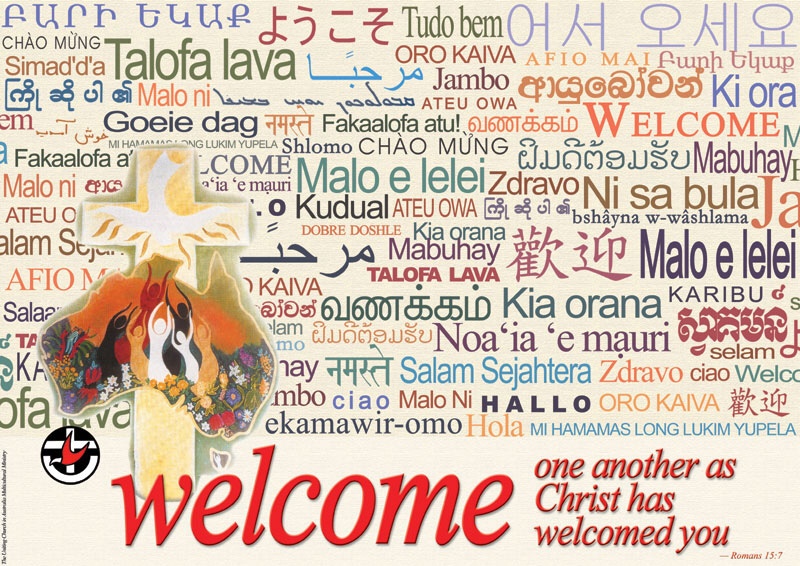
In the same year that the Congress was formed, the Uniting Church declared that it is a multicultural church, which rejoices in the diversity of cultures and languages which are found across Australia. The Basis of Union recognises that we share much, as Australians, with people of Asia and the Pacific. The Uniting Church has maintained strong relationships with churches from these regions, as well forging new links with churches in Africa and the Middle East.

The Statement to the Nation, issued in 1977, acknowledged that the Uniting Church seeks a unity that transcends cultural, economic and racial distinctions. Within Australia, there are at least 12 national conferences based on regional groupings and people from 193 language groups who belong to the Uniting Church.

Each Sunday, worship takes place in Uniting Churches in 26 languages from cultures beyond Australia, as well as many indigenous languages used in worship by first peoples across our church. We have learnt the importance of moving from “enjoying each other’s foods”, to conversing at a deep level about the hopes and expectations we bring from different cultural experiences. We have learnt that we need to be intercultural in our relationships.

Through UnitingWorld, we maintain partnerships with churches in Asia, the Pacific, Africa and the Middle East. We are truly a multicultural church. Through the Relations with Other Faiths Working Group and the Seeking Common Ground Circle, the Uniting Church has been active in developing relationships with other faith communities. We have had a long and fruitful Dialogue with the Jewish Community, and participate in a number of other interfaith Dialogue conversations. We are firmly committed to constructive interfaith relations.

We continue to develop as a church in deepening relationships with many cultures and faiths.

IV  All the people of God

The Uniting Church is a church which values the ministry of all the people of God and seeks to order itself in accordance with the will of God. Our Basis of Union affirms that every member of the church is engaged to confess Christ crucified, and every person is gifted by the Spirit to engage in ministry in their own particular way. We are a church that values the ministry of each and every person.

Throughout the life of the Uniting Church, we have held our structures and forms of ministry accountable to ongoing scrutiny. Alongside the Ministry of the Word, to nurture and guide Congregations, we have introduced the Ministry of Deacon, to focus attention on people living on the margins. We have introduced the Ministry of Pastor to recognise the giftedness of lay people, and that sits alongside the Ministry of Lay Preacher (which we have had since 1977), and the more recent accreditation of Lay Presiders in many locations.

We have also undertaken important conversations about membership and the relationship of Baptism to Holy Communion. We now have a clear commitment to an open table when we gather for The Lord’s Supper: all who are baptised (whether adult or child, whether confirmed or not) are welcome to share at this table.

We are a church which values the ministry of all the people of God.

V  Women and Men

The Basis of Union makes it very clear that we are a church which is committed to equality and mutuality of women and men in ministry. Even before 1977, the three previous denominations had ordained women to ministry. This is a very strong distinctive, especially in the Australian scene.

Since 1977, many women have stood on an equal basis alongside men, as Ministers of the Word, Deacons, Elders, Church Councillors, Lay Preachers, Lay Presiders, Chaplains, and Pastoral Carers. We value the insights and experience of women in each and every way that we seek to “be church”—as we gather to worship, as we witness to our faith, as we serve the wider community.

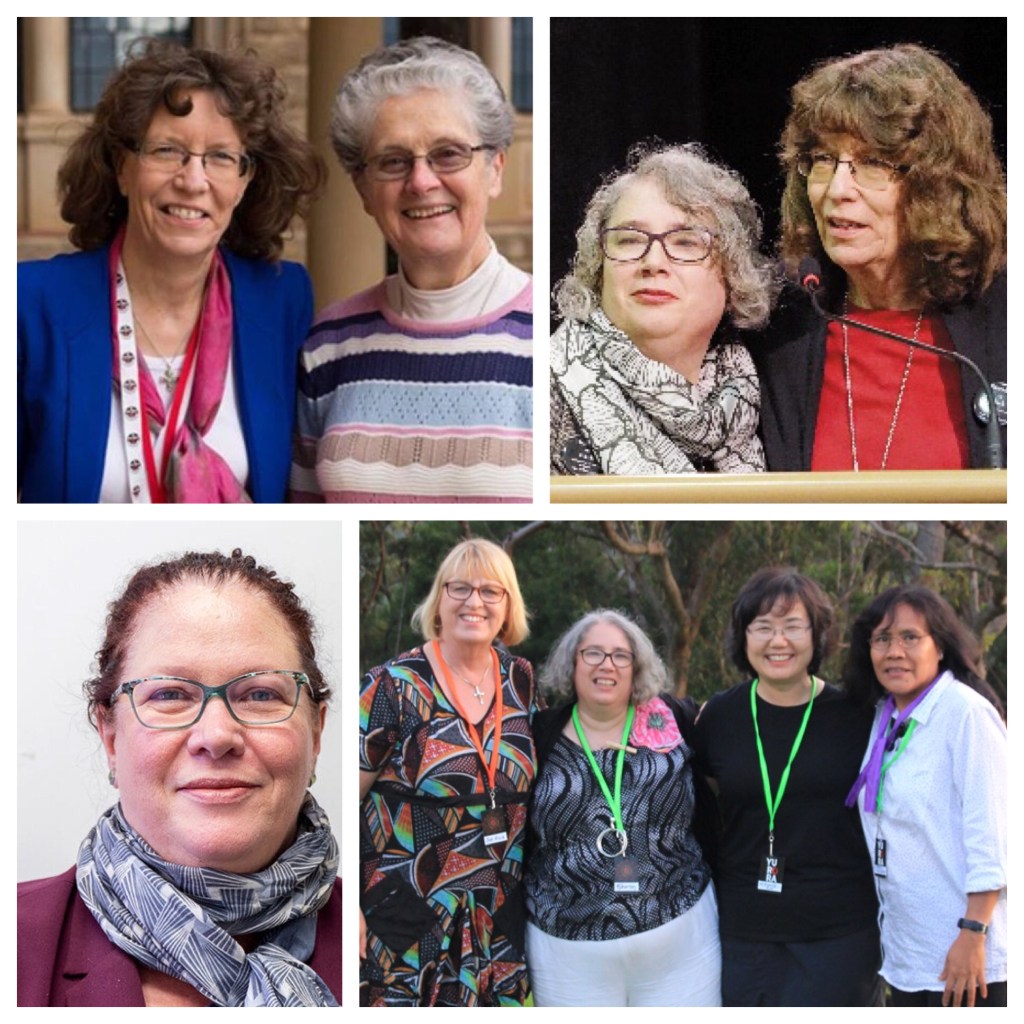
Women in leadership: Presidents Jill Tabart (1994–1997) and Deidre Palmer (2018–2021); Deidre Palmer and President-Elect Sharon Hollis (2021–2024);
Assembly General Secretary Colleen Geyer (2016– );
and Moderators Sue Ellis (SA), Sharon Hollis (VicTas),
Myung Hwa Park (NSW.ACT) and Thresi Mauboy (Northern Synod).

Both lay and ordained women have served in leadership positions across all councils of the Uniting Church, from Church Council Chairpersons to Presbytery Chairpersons, to Synod Moderators and Secretaries, to the Assembly General Secretary and President. Many couples minister together as husband and wife. Gender equality is most certainly part of our identity.

We are committed to mutuality and gender equality in every part of the church.

VI Discernment

Another contribution that the UCA has made has been to highlight the importance, when we gather in council, of being open to the Spirit, and seeking to discern the will of God. We live this out in our councils by practising a process of consensus decision-making. The Manual for Meetings sets out the various elements that are involved in making decisions by discernment: a time of information, a time of deliberation, and a time of decision-making.

The infamous “coloured cards” are only one small part of the whole. The focus is on listening to the Spirit before we speak, and striving to find a way forward that most, if not all, people can see as the will of God for the church. This way of decision-making, which originated in the UCA, has now been adopted by the World Council of Churches and a number of its member Churches.

We are a church which deliberately seeks to discern the movement of the Spirit in our midst.

VII Professional Standards

Over the last 20 years, the Uniting Church has developed a firm commitment to strong professional standards, for Ministers as well as for lay people who exercise leadership in the church. Our commitment to professional standards emerged initially in response to the problems of sexual misconduct within the church. A whole section of the Regulations is now devoted to this.

Since 1999, all Ministers have been expected to adhere to a Code of Ethics, and this has most recently been revised to provide a Code of Ethics Ministry Practice for Ministers and a Code of Conduct for Lay Leaders. Ministers and Pastors undertake regular training in aspects of this code, in ethical ministry workshops.

Since the Royal Commission into Institutional Responses to Child Sexual Abuse, we have intensified our efforts to ensure that our churches are Safe Places, valuing everybody, honouring integrity, avoiding negative and hurtful behaviours.

We are a church which values integrity and clarity about our ethical standards.

VIII  Open to explore difficult issues

Over 40 years, the Uniting Church has shown that it is a church which is prepared to engage in difficult discussions about contentious issues. Our Basis of Union commits us to learn from the insights of contemporary scientific and historical studies, and affirms that we remain open to correction by God in the way we order our life together.

In the early years of the Uniting Church, debates about Baptism were the focus of great controversy. Infant baptism had been an integral part of the worship practices of each denomination which joined the Uniting Church, but Ministers and Elders Councils were receiving regular requests for baptism by adults who had been baptised as infants but had come to a personal faith later in their lives. After debates stretching through the 1980s and 1990s, the Uniting Church has developed a clear set of protocols to cover such requests.

Another area of enduring controversy has been that of human sexuality. There is a wide diversity of opinion within society relating to such matters, and this diversity is present within the Uniting Church. Once again, from the 1980s though into the present era, lively debates regarding human sexuality have taken place in the various councils of the church. We have worked through difficult decisions about sexuality and leadership, and then about sexuality, gender, and marriage. We continue to learn, explore, and adapt.

In dealing with such issues, we have learned how to debate with respect and integrity with ongoing conversations looking to employ a “Space for Grace” process to encourage respectful, empowering, and inclusive decision-making.

We seek to be a church that engages in the difficult discussions with honesty, transparency, and hopefulness.

IX  Advocating for Justice

The Uniting Church inherited from its predecessor Churches a strong commitment to advocating for justice for all. Many Uniting Church congregations and members are actively committed to serving those people who find themselves on the margins of society. This commitment was clearly articulated in the 1977 Statement to the Nation and it has been evident in many actions undertaken by Uniting Church members over the decades.

The Uniting Church has joined in common cause with other groups and organisations in society, in advocating for a welcoming attitude towards refugees; in lobbying for a fair and just system of caring for people who are experiencing poverty and homelessness; in seeking equity for workers in their workplace; and in many other issues. The Assembly Working for Justice Circle, brings together people who are strongly committed to this avenue of ministry.

A regular stream of policy documents and public resolutions point to a clear and unbroken commitment to seeking justice for all. Each federal election, we are provided with resources that encourage us, as people of faith, to consider the implications of our votes in the life of the nation.

We are a church which is strongly committed to justice for all.

Environmental Sustainability

In like manner, the Uniting Church has always been a church which honours the environment and supports a sustainable lifestyle. Although such matters are firmly on the radar of the public now, they have long been integral to the identity of the UCA. Once again, the 1977 Statement to the Nation flagged such commitment. A series of subsequent documents attest to the ongoing determination of the church to live responsibly, in such a way that we minimise the damage we cause to the environment in which we live.

Our partnerships with Churches in the Pacific have intensified our awareness of the negative impacts that are resulting from climate change. We know that we need to act now, to reduce the threat. Each year, we experience catastrophic consequences from more regular and more intensified “natural disasters”—fires, floods, drought, cyclones. Just as we provide pastoral support in these situations through Disaster Response Chaplains, so too we maintain advocacy with governments, urging them to set policies which will turn us away from the trajectory of yet more environmental disasters.

Locally, many Congregations and individual members of the UCA are seeking to implement practices that will reduce their carbon footprint on the planet. We know that we owe it to future generations, to live responsibly in the present.

We are a church that lives, acts, and advocates for a sustainable environmental future.

*****

You may have some thoughts about what I have articulated above. You may have thought, “what about …?” – something that I have overlooked, that you see as important. You may have some questions about how I have described some of these elements. I encourage you to talk with others about how you respond. Together, we are the Uniting Church!

This discussion of identity is the first in a series of articles on this question on the Assembly website, at DNA of the UCA – Uniting Church Australia

A vision, a Congress, and a struggle for justice

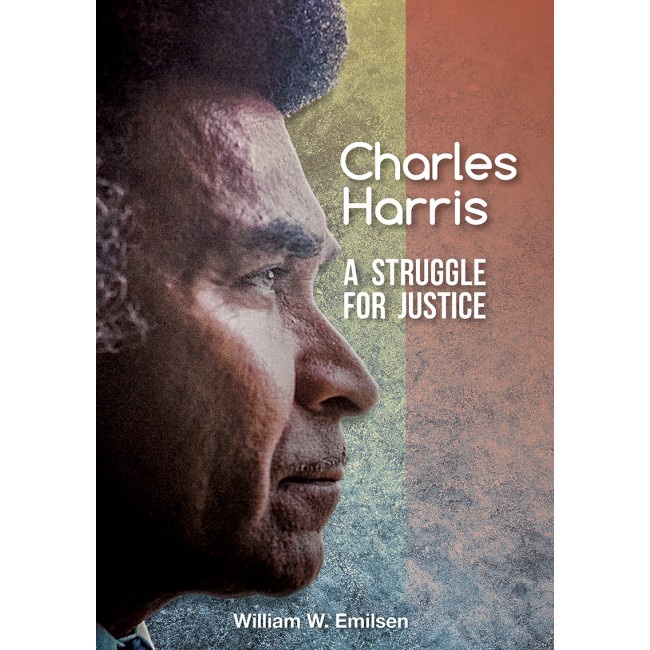
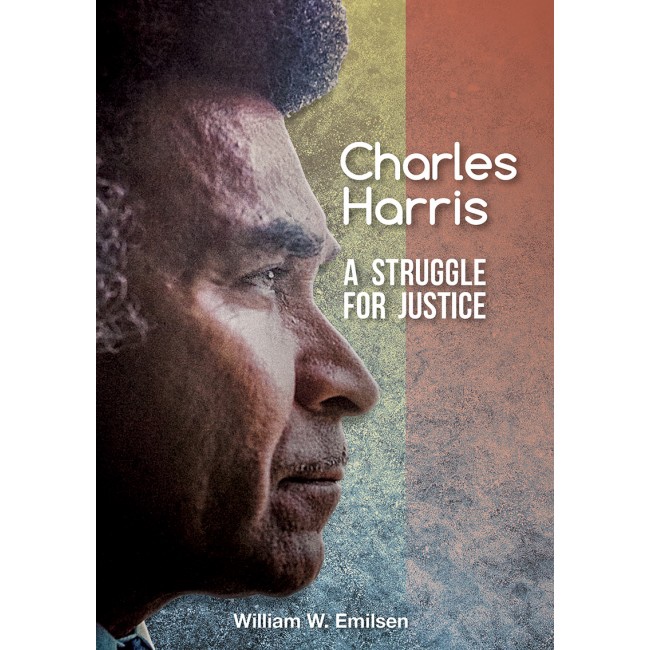
Charles Harris: A Struggle for Justice (William W. Emilsen, 2019, MediaCom)

In August 1983, a National Conference within the Uniting Church was held from 22-26 August at Galiwin’ku, Elcho Island, in the Northern Territory. The Conference inaugurated the Uniting Aboriginal and Islander Christian Congress within the UCA. It built on the work that had taken place in 1982, as a series of meetings brought together Aboriginal and Islander members of the Church and other interested people in a conference at Crystal Creek, near Townsville.

The UAICC, or “Congress”, as it is more commonly called, has remained a significant feature of the UCA nationally, as well as in a number of Synods. Two Synods have contained Presbyteries composed entirely of Congress Congregations.

The Northern Regional Council of Congress (NRCC) functions as one of two Presbyteries in the Northern Synod. Representatives of more than 28 Aboriginal congregations from East Arnhem Land, West Arnhem Land, the West Kimberley region of Western Australia, Alice Springs, Aputula and the Aṉangu Pitjantjatjara Yankunytjatjara Lands in South Australia, make up the Council.

For many decades, Calvary Presbytery served as the regional Queensland body of Congress, a Presbytery in the Synod of Queensland. It oversees Indigenous congregations in the Cape York and Gulf region (Mapoon, Napranum, Aurukun and Mornington Island), as well as Congress congregations at Gordonvale (south of Cairns), Townsville, and Zillmere (in northern Brisbane). Since 2016, Calvary Presbytery and North Queensland Presbytery have worked together as Carpentaria Presbytery, one of seven Presbyteries in the Queensland Synod.

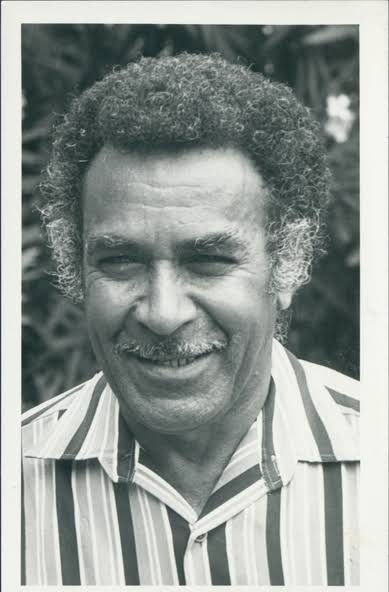
This unique ecclesial arrangement, of a Congress body functioning within the denominational structures of the UCA, but having the authority to make decisions in all matters relating to ministry with Aboriginal and Islander peoples, had been the vision of the Rev. Charles Harris, an Aboriginal community worker and pastor who was ordained a UCA minister in November 1980.

Charles was the first President of the national body of Congress when it was formed in 1985. This was a role that, over the ensuing decades, has come to be seen as equal and complementary to the position of President of the national Assembly.

Charles Harris would later describe the 1983 conference as a time “of discovery, of one another, of culture, and of common faithfulness. It was a conference dedicated to searching for the will and purpose of God.”

The passion and vision birthed at these historic meetings for First Nations Peoples has not subsided in hearts and minds of members of the UAICC.

William Emilsen has written much on the work of Charles Harris; after a series of articles published over some decades, he has now published a book-length account of the whole of the life and work of Harris, entitled Charles Harris: A Struggle for Justice.

See https://assembly.uca.org.au/news/item/3060-a-destiny-is-born-uaicc-beginnings. The book is available from MediaCom at https://www.mediacomeshop.org.au/test/index.php?route=product/product&product_id=426

At the end of his life, the activist and public servant Charles Perkins, a long-time friend, described Harris as one who helped set ‘the moral and ethical standards for relationships between Aboriginal, Islander and white Australians. A man of principle, whose impact will never be forgotten’ (Foster 1993, 5, quoted in https://ia.anu.edu.au/biography/harris-charles-enoch-18183)

The book by Emilsen provides multiple examples of how Harris lived and worked by his ethical principles, grounded in the understanding that God’s justice is the heart of the Gospel, and our discipleship is to be focussed on seeking that justice in all of life.

The vision of an Aboriginal Congress was central to Charles Harris’ church ministry and community leadership. He toured the country, encouraging, urging, negotiating, to bring this vision to reality. In 1985 the National Assembly welcomed the formation of Congress, and in 1994 the Uniting Church in Australia formally entered into a Covenant with the Uniting Aboriginal and Islander Christian Congress, to work together for a more just church and nation.

See https://uniting.church/covenanting-resources/

That work arose out of his work with local Aboriginal communities in Queensland, where Charles offered an integrated ministry that attended to material and spiritual needs, whilst building networks and undertaking advocacy for his people.

And the creation of the Congress formed the springboard for the work that Charles Harris undertook among nest Aboriginal communities across Australia, preparing the converge on Sydney in January 1988 for the BiCentenary celebrations. Charles was the driving force behind the creation of the Day of Mourning, with a march through Sydney and a rally at Hyde Park, which attended by 40,000 people, on 26 January.

See https://www.deadlystory.com/page/culture/history/The_1988_Bicentenary_Protest

The Bicentenary protest was carried out in the spirit of the earlier Day of Mourning protest, also organised by indigenous leaders, led by William Cooper. This took place in 1938, on the 150th anniversary of the landing of the first fleet. See https://www.deadlystory.com/page/culture/history/Day_of_Mourning_protests_held_in_Sydney

It is a legacy continues in the current marches and protests organised each January to fight for rights and justice for Aboriginal and Islander peoples.

In telling the story of the role that Charles Harris played in 1988, and in other key events in his life and ministry, William Emilsen had access to the history that Harris himself had begun to sketch, before his health issues predominated, and which led to his early death in 1991.

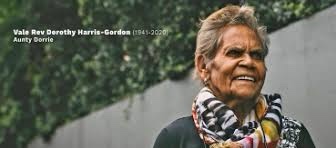
However, Emilsen has gained access to a wide range of sources–not only published accounts and transcripts of speeches and meetings, but also letters and recollections of events by the colleagues and friends of Charles Harris. He has interviewed and corresponded with key people, including the late widow of Charles Harris, the much-respected Aunty Dorrie (see https://assembly.uca.org.au/news/item/3221-pastoral-letter-rev-dorothy-harris-gordon-1941-2020)

This makes for a rich account, with a proliferation of material enabling the reader to enter into a deep appreciation of the values and commitments of Charles Harris: pastor, community worker, evangelist, student, orator, organiser, visionary, and prophet. It’s a work that is well worth reading.

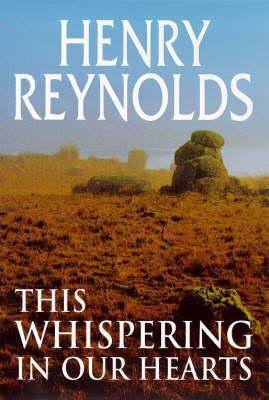
This whispering in our hearts: potent stories from Henry Reynolds
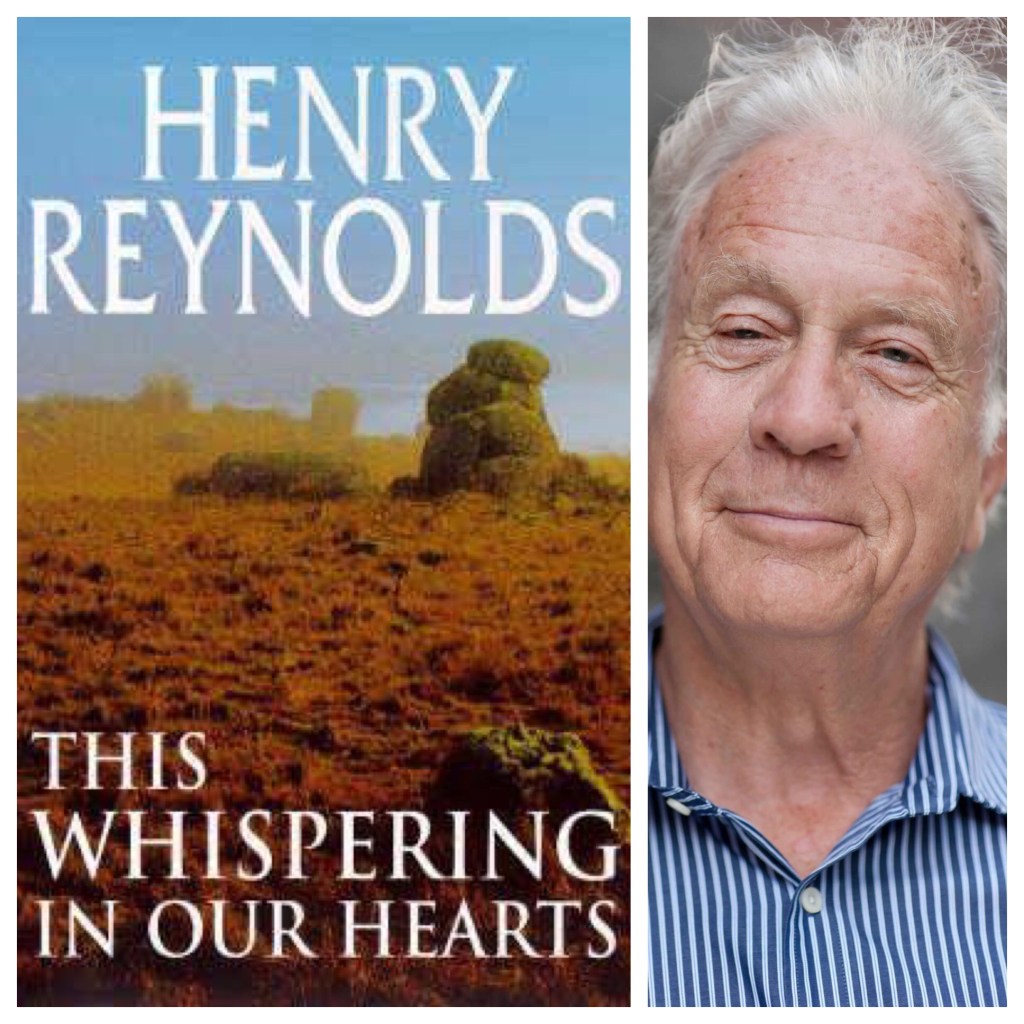
I have recently finished reading This Whispering in our Hearts, by the doyen of living Australian historians, Henry Reynolds. (Thanks to Barbara Braybrook for loaning me her copy and suggesting I read it, because she thought I would appreciate it. I have, and I did!)

The whole career of Reynolds has been devoted to researching and writing about the Indigenous peoples of Australia—including his investigations of the stream of violent confrontation and massacre of indigenous peoples in what he has, memorably, called “The Frontier Wars”.

The book tells a story that all Australians need to know. It is an inspiring narrative with potent stories. We need to hear the words, sense the passion, know the sagas of our recent post-invasion history.

Time and time again, as I was reading the book, I found myself greatly appreciating its accounts of courageous, deeply-committed people in early Australian society. They saw and spoke out against the terrible racist attitudes towards Australian Aboriginal people, and especially the many massacres that have peppered our history since the late 18th century.

However, I found it equally a rather depressing account. I had to read it in “chunks” of a chapter or two at a time. I needed to let the information in each chapter settle in my mind, as the battle between passionate advocates and redneck racists was played out over decades.

The book is based on Reynolds’ research into debates, and actions, that took place in white Australian society throughout the 19th century, into the early 20th century. There are numerous quotations from all manner of primary sources—letters, speeches, sermons, pamphlets, newspaper articles, books, and more.

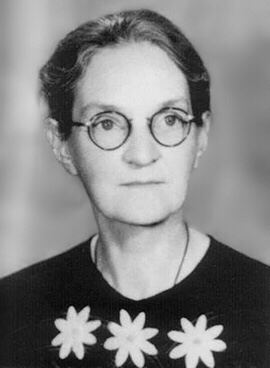
“All over Australia there were men and women who stood up and demanded justice for the aborigines”, writes Reynolds (p.xvi). The book tells the stories of nine such men and women—although, truth be told, only one, the 20th century activist Mary Bennett, is a woman.

Mary Bennett, pioneering feminist and advocate for Indigenous Australians

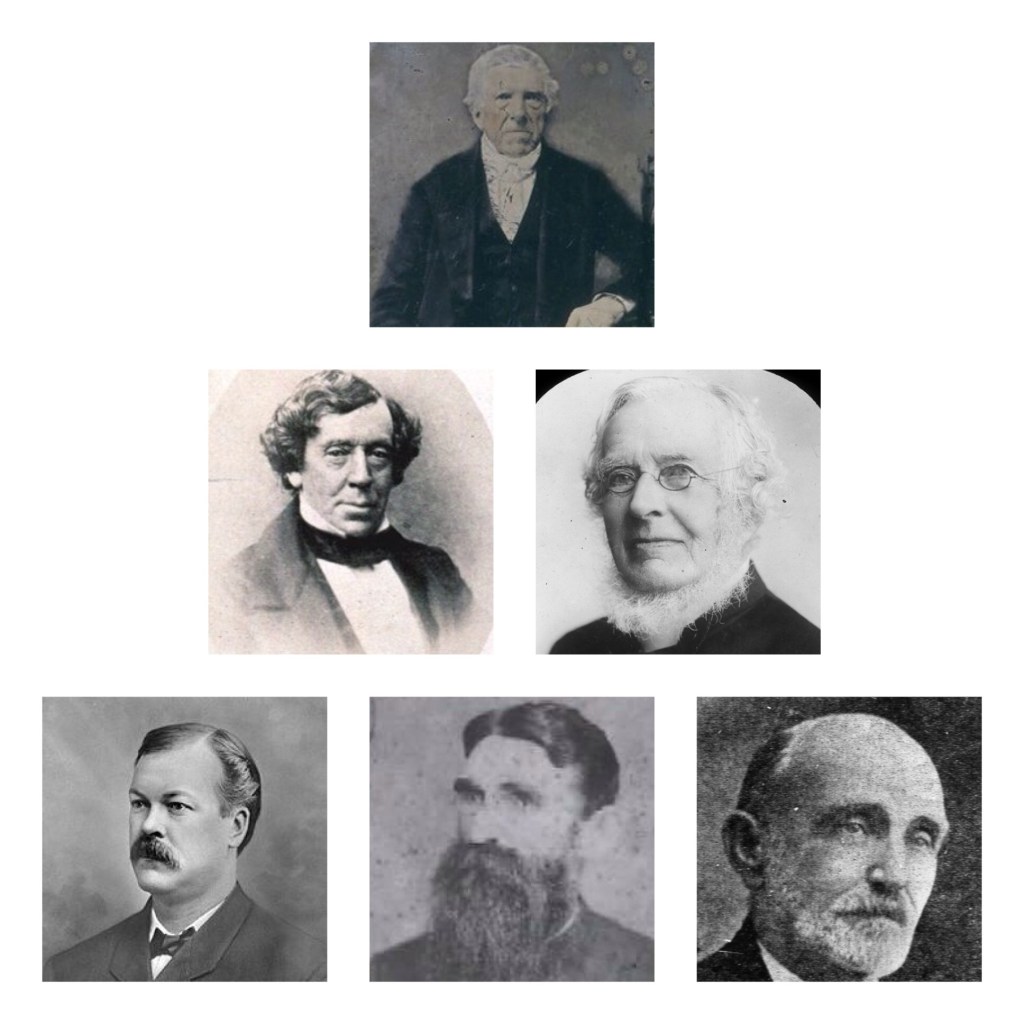
The others canvassed include Lancelot Threlkeld, George Augustus Robinson, Louis Giustiniani, and Robert Lyon (active in the 1830s and 1840s); John B. Gribble and David Carley (from the 1880s); and Ernest Gribble (from 1926 to 1934).

Pictured: Lancelot Threlkeld (top);
G. A. Robinson and Louis Giustiniani (middle);
Robert Lyon, John B. Gribble, and Ernest Gribble (bottom).

The regions of Australia under scrutiny include the colonies of New South Wales (Threlkeld and Robinson), the Swan River (Giustiniani and Carley), Queensland (with fascinating quotations from letters published in the press in the 1880s), and then Western Australia (both Gribbles, father John and then son Ernest).

The title comes from the closing line of a public lecture delivered by a Sydney barrister, Richard Windemyer, in 1842, a year before he was elected to the Legislative Council. Windemyer had set out to undermine the words and actions of humanitarians who had been advocating for the rights of Aborigines, but ended with the wistful observation, “how is it our minds are not satisfied? what means this whispering in the bottom of our hearts?”

Richard Windeyer (1806-1847),
journalist, barrister and politician

That whispering is still with us, into the 21st century, as we have lived through the High Court judgements of Wik and Mabo, the Stolen Generations Report and the Royal Commission into Deaths in Custody, the Reconciliation March and the National Apology, and the Statement from the Heart at Uluru. And still, despite these and other important happenings, the life expectancy of indigenous Australians is lower and their incarceration rates are far higher than the Australian average; and awareness that white Australia is premised on living on stolen land is still low amongst the general population.

The most recent NAIDOC Week slogan–Always Was. Always Will Be.–has much distance to go to before it gains traction amongst the general Australian population. As Reynolds notes in the final paragraph of the book, “if true reconciliation is ever consummated in Australia and justice is not only done but seen to be done … after 200 years, the whisper in the heart will be heard no more” (p.251). What he wrote in 1998 remains still the case today. We wait in hope …

*****

From the earliest days, Reynolds reports, there was a clear awareness that the indigenous peoples had the right to possession and ownership of the land, and the British colonisers were there because of an act on invasion. Before Cook, Banks, and the crew of the endeavour had set sail, they were in receipt of instructions from James Douglas, President of the Royal Society until his death in 1768, which clearly stated, “they are the natural, and in the strictest sense of the word, the legal possessors of the several Regions they inhabit”.

James Douglas, 14th Earl of Morton
(portrait with his family by Jeremiah Davison, 1740)

Douglas continued, “no European nation has a right to occupy any part of their country, or settle among them without their voluntary consent”, and asserted that “shedding the blood of these people is a crime of the highest nature”, and that “conquest over such people can never give just title … they may naturally and justly attempt to repel invaders who they may apprehend are come to disturb them in the quiet possession of their country” (quoted on p.xii).

The book recounts how all nine of these people, along with others, advocated for Aboriginal people, and how all nine of them encountered various pushbacks—arguments, rejections, persecutions or sackings. In the face of strong community resistance, biased legal judgements, and pure racist political leadership, these people continued their prophetic tasks of advocacy, social work, political strategising, and grassroots activism.

The courage, persistence, and zeal of these nine humanitarians, advocates and activists, and of the many others who worked with them, is offset, at times, by the character evaluation that Reynolds provides. Robinson was “thought to be a tiresome and discredited officer, a pompous, prickly upstart” (p.55). Ernest Gribble was “relentlessly self-centred, tactless, self-righteous, courageous” (p.181). Mary Bennett was “excessive in her righteous passion” (p.241).

Yet the dogged, even intransigent, nature of their various characters was probably what fitted them for the roles they undertook, in the face of massive public opinion oriented in the opposite direction. The closing chapter of the book documents the very significant shift that occurred in the aftermath of, first, the 1926 Forrest River Massacre, and then the 1928 Coniston Massacre.

The first of these massacres occurred in Western Australia, long the heart of racist repudiation of any rights for Aboriginal peoples. The second was in the Northern Territory, which was also quite resistant to addressing matters of racism. The shift that occurred after these events, through the 1930s, was only possible because of the persistent and penetrating critique of the time, driven from the eastern states, with leadership from Elizabeth Bennett and active participation from Christian churches.

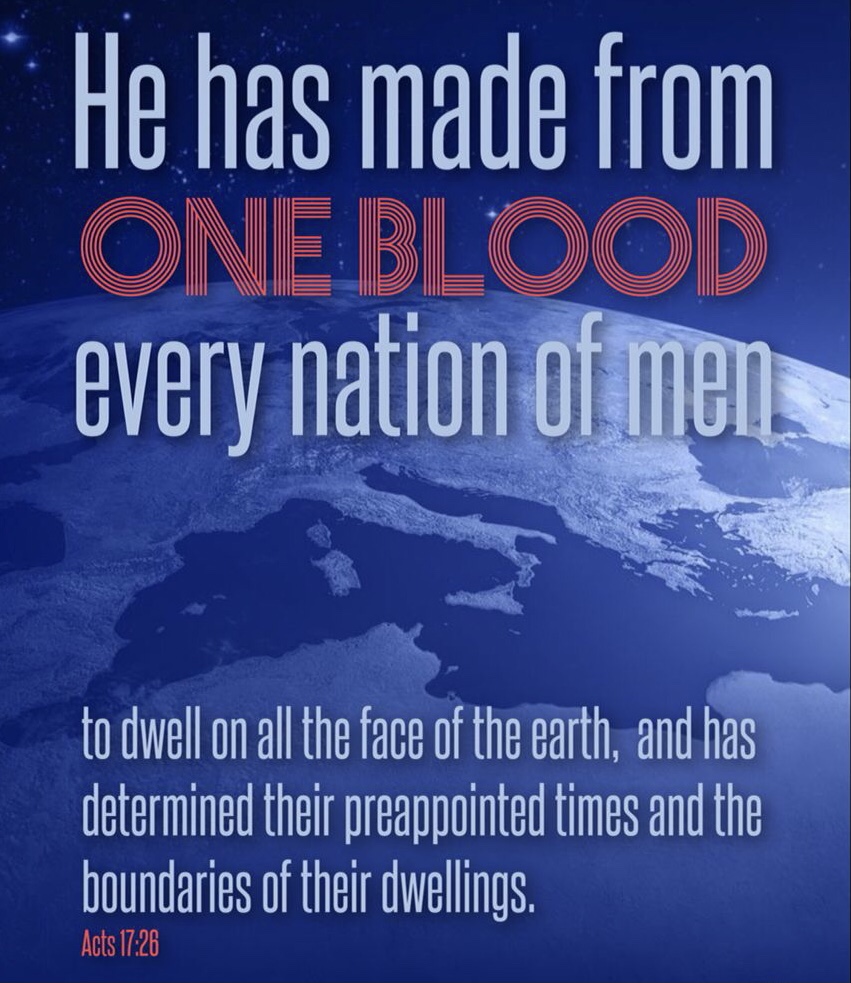
The commitment of Christian voices throughout the decades is one striking element in the story that Reynolds tells. He cites a number of early clergymen who argued that discrimination against “the Natives” was contrary to the clear teaching of scripture, by which all races are “of one blood” (drawing on the old translation in the King James Version of Acts 17:26).

Ministers of religion were frequently at the forefront of activism in colonial Australia. Their advocacy for the view that black-skinned people are humans with the same capacities and rights as white-skinned people was clear; but, sadly, not compelling enough. After a century and a half of British settlement, the federal parliament actually legislated for a racist policy, popularly known as the White Australia policy.

Before I read this book, I knew about some of these activist-advocates (for instance, I had blogged about Gribble senior in https://johntsquires.com/2019/08/18/dark-deeds-in-a-sunny-land-the-expose-offered-by-john-b-gribble/).

However, there was much that I did not know. This year, as we approach Invasion Day, January 26, commemorated officially as “Australia Day”, I think it is appropriate that we remember, and give thanks, for those who in years past have spoken and acted in support of the First Peoples of Australia and its surrounding islands, as Henry Reynolds reminds us.

See also https://johntsquires.com/2020/11/08/always-was-always-will-be-naidoc2020/

https://johntsquires.com/2018/08/13/affirming-the-sovereignty-of-first-peoples-undoing-the-doctrine-of-discovery/

https://johntsquires.com/2019/01/16/the-profound-effect-of-invasion-and-colonisations/

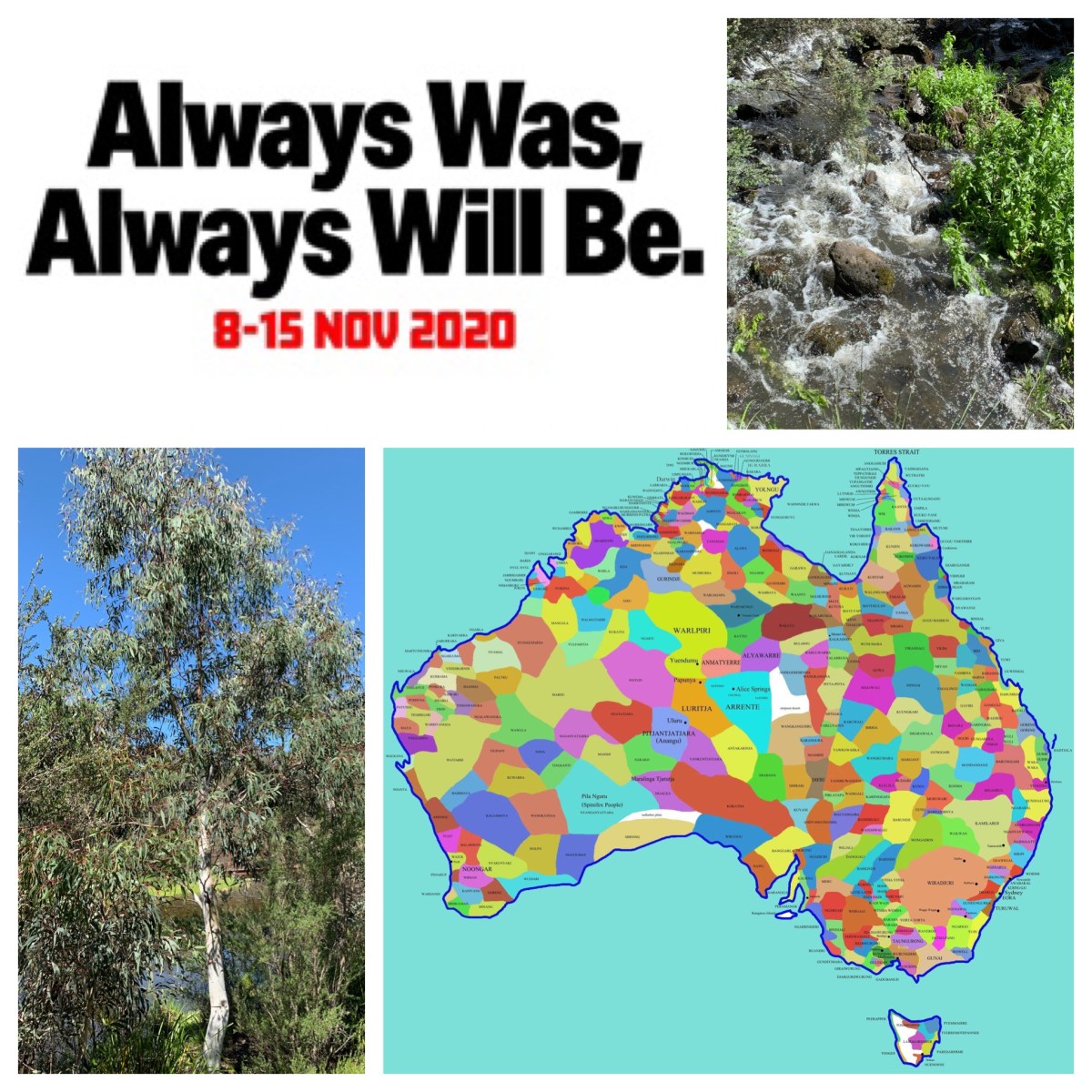
Always Was, Always Will Be. #NAIDOC2020

This week is NAIDOC Week 2020. Earlier this year, the decision was taken to postpone NAIDOC Week from the original July dates, due to the impacts and uncertainty from the escalating Coronavirus (COVID-19) pandemic across our communities and cities.

The postponement was primarily aimed at protecting indigenous elders and those in indigenous communities with chronic health issues from the disastrous impacts of COVID-19. So National NAIDOC Week 2020 celebrations are being held this week, 8-15 November. See https://www.naidoc.org.au/about/naidoc-week

The theme, Always Was, Always Will Be, recognises that First Nations people have occupied and cared for this continent for over 65,000 years; that they have a spiritual and cultural connected to this land. Aboriginal and Torres Strait Islander people were Australia’s first explorers, first navigators, first engineers, first farmers, first botanists, first scientists, first diplomats, first astronomers and first artists.

Australia has the world’s oldest oral stories. The First Peoples engraved the world’s first maps, made the earliest paintings of ceremony and invented unique technologies. They built and engineered structures on Earth, long before well-known sites such as the Egyptian Pyramids and Stonehenge.

The adaptation demonstrated by First Peoples and their intimate knowledge of Country enabled them to endure climate change, catastrophic droughts and rising sea levels.

Always Was, Always Will Be acknowledges that hundreds of Nations and our cultures covered this continent. All were managing the land (“the biggest estate on earth”, as Bill Gammage has described it) to sustainably provide for their future. Through ingenious land management systems like fire stick farming, they transformed the harshest habitable continent into a land of bounty. See https://www.naidoc.org.au/get-involved/2020-theme

So this week offers a good opportunity for people around Australia to pause, acknowledge the care that the indigenous peoples of the continent and its surrounding islands have given to the land, and give thanks for their resilience and dedication over many millennia, into the present age.

Within the Uniting Church, indigenous members of the Uniting Church have argued for a treaty within the councils of the Church, and some Synods (such as NSW.ACT) have supported this call. See https://johntsquires.com/2019/07/07/giving-voice-telling-truth-talking-treaty-naidoc-2019/

The Assembly, the national Council of the UCA, has recognised that indigenous people are sovereign over the land we stand on. See https://johntsquires.com/2018/08/10/the-sovereignty-of-the-first-peoples-of-australia/

Sovereignty is defined with reference to two documents. First, the Preamble to the Constitution of Uniting Church in Australia, which defines sovereignty to be “the way in which First Peoples understand themselves to be the traditional owners and custodians”.

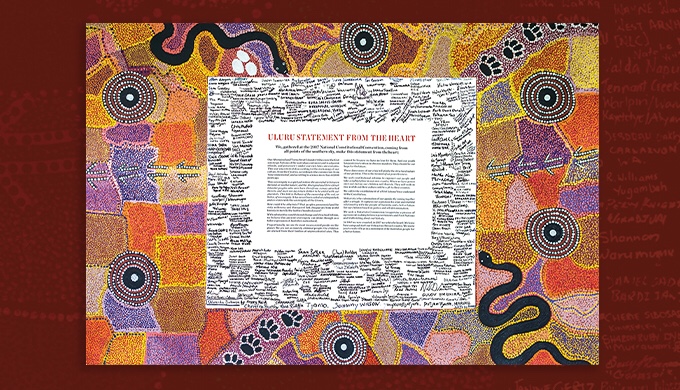
Second, the Uluru Statement from the Heart acknowledges that “sovereignty is a spiritual notion, reflecting the ancestral tie between the land and First Peoples”, and affirms that “the First Peoples of Australia, the Aboriginal and Islander Peoples, are sovereign peoples in this land”.

Statement from the Heart, Uluru, 2017
https://www.referendumcouncil.org.au/sites/default/files/2017-05/Uluru_Statement_From_The_Heart_0.PDF

Alison Overeem (UAICC Tasmania, Leprena) has written a moving reflection for NAIDOC Week 2020, at https://crosslight.org.au/2020/11/05/naidoc-week-2020-reflection/

Uniting Church resources for NAIDOC Week 2020 can be found at https://uniting.church/naidoc-week-2020/ and https://nswact.uca.org.au/about-us/first-nations-resources/

See also my blogs on the works of Gammage and Pascoe at https://johntsquires.com/2019/01/24/resembling-the-park-lands-of-a-gentlemans-residence-in-england/ and on sovereignty at https://johntsquires.com/2018/08/13/affirming-the-sovereignty-of-first-peoples-undoing-the-doctrine-of-discovery/

Invasion and colonisation, Joshua 3 and contemporary Australia (Pentecost 23A)

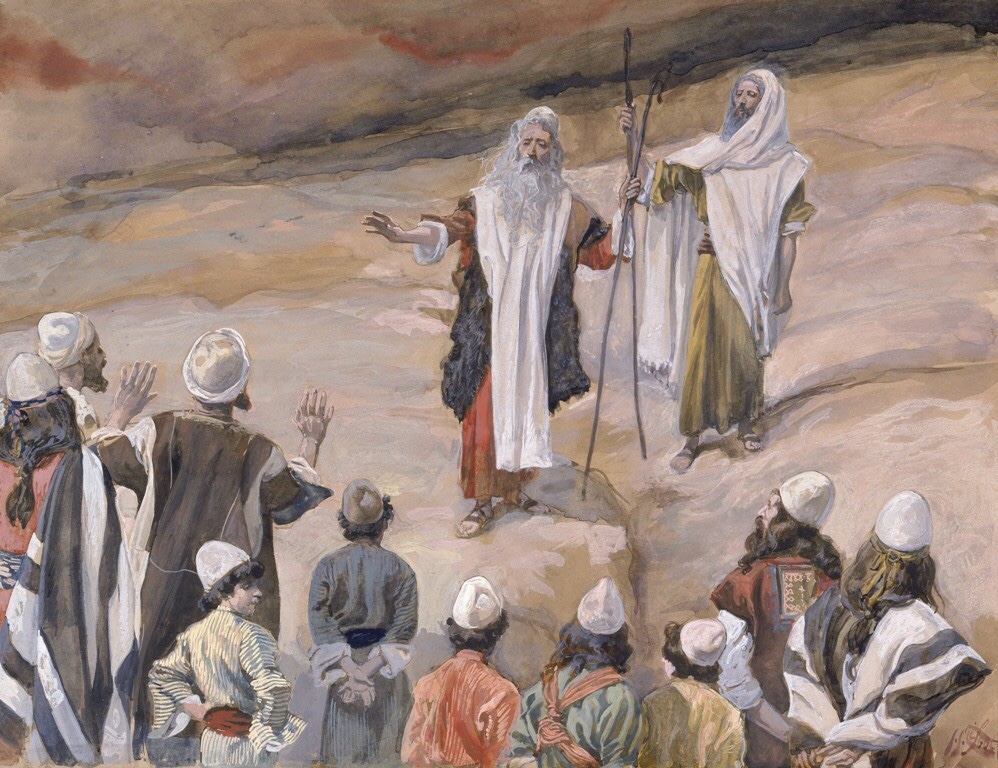
This coming Sunday, the lectionary offers us a passage from Joshua (3:7-17). It is the one and only time, in the three years of the lectionary, that we are invited to read from this book.

Joshua as history?

The story from Joshua tells, in a highly stylised way, of the entry of the people of God into the promised land. It is a key incident in the extended narrative history that stretches from Genesis to 1 Kings, recounting slavery in Egypt, the redemptive moment of Exodus, the giving of the Law, the long haul of wilderness wanderings, the battles waged to capture the land under the Judges, and the ultimate vindication of the establishment of the kingdom of Israel under King David.

Of course, it didn’t actually happen like this. For one thing, the book of Joshua is almost universally considered to be a wonderfully embellished and highly stylised narrative constructed by the priests in the sixth century BCE, as they prepared to lead exiled people of Israel in their return to the land from which they had been removed.

The book as a whole is marked by the schematic structuring that was so characteristic of priestly narratives. Structure and order was central to their style (see the various genealogies in various books of Hebrew scripture; the regular identifications of dates and locations; the repeated phrases throughout the “seven days” of Gen 1:1-2:3; the structure of the whole of the book of Numbers, as well as Joshua; and the repeated formulaic assessment of various kings in 1 Ki 11:6, 11:19, 14:22, 15:5, 15:11, 15:26, 15:34, 16:7, etc).

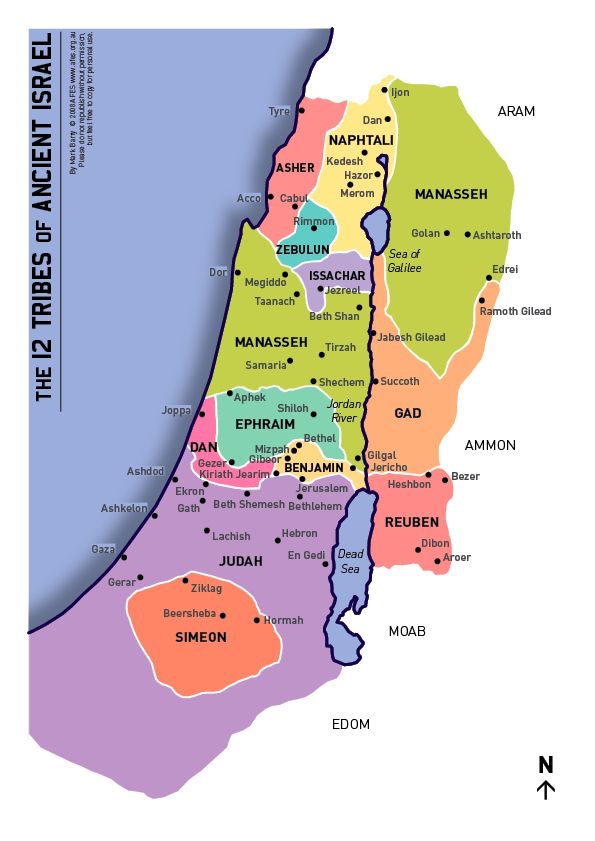
For another thing, we know that the division of Israel into the twelve tribes (3:12), so important in the story that the priests of Israel tell about the nation, was a later ideological construction of the priestly story-tellers—there were no neatly schematised tribes at the time of this incident.

And, of course, the whole story of Exodus, liberation, wilderness and conquest, is beset by multiple historical problems. There is no evidence in the records of the Egyptians about the escape of a large crowd of slaves, not any record of the destruction of the Egyptian Army in the Red Sea. There are no remains in the wilderness between Egypt and Israel that suggest that such a large crowd was travelling, for many years, through the desire—no remains of campsites, no graves of deceased people. And there is no archaeological evidence that correlates the biblical record of the capture of Jericho and other cities in the land. All we have is the story told in the Bible.

The form of the story we have was written down quite some centuries from when the event is alleged to have taken place. It serves an ideological purpose, as exiled people prepare to return to the land. As the 5th century exiles enter the land, the story of the wandering tribes entering the land centuries before provides encouragement and inspiration.

So it is not the historical reliability of this incident itself that is to the fore as the story is told. What we, in the post-Enlightenment era, understand to be “history”, is very different from the way that “history” was understood in the time when the story was written.

Joshua as saga

Rather than history, the narrative offers us a saga that invites us into a creative, thoughtful pondering of the story. It offers the people of Israel, exiles returning from Babylon, hope and assurance for their future. The best question we can ask of this story, is not, “did this actually happen?”, but rather, “what does this story offer to us, today?”

Central in the story is the ark of the covenant. The story tells of the time at Mount Sinai when God established a covenant with Moses and Israel, and the giving of the Law within that covenant relationship. The ark is a sign of the presence of God, continuing on with the people of Israel beyond Mount Sinai (Exod 25:10-22). God is not an absentee God, but very present amongst the people. The ark symbolises and reinforces that message.

The priests serve to mediate the presence of God. They carry the ark of the covenant, maintaining it, ensuring that it remains safe (Deut 10:8, 31:9, 25-26; Josh 3:3, 6, 8, 13). The story offers an indication that holy people are necessities in life; their mediation of the divine in the midst of the mundane is important. (As an ordained person, I confess that I have a vested interest in this claim!) As the priests shape the story, they make sure that priests play a central role in what is narrated.

Joshua as testimony to faith

The story contains a memorable description of God as “the living God” (3:10). The phrase appears elsewhere in a Hebrew Scriptures (Deut 5:26, 1 Sam 17:26, 36, 2 Kings 19:4, 16, Pss 42:2, 84:2, Isa 37:4,17, Jer 10:10, 23:36, Dan 6:20, 26, Hos 1:10) and also in the New Testament (Matt 16:16, 26:63, Acts 14:15, Rom 9:26, 2 Cor 3:3, 6:16, 1 Thess 1:9, 1 Tim 3:15, 4:10, Heb 3:13, 4:12, 9:14, 10:31, 12:22, Rev 7:2). The ark is a sign that this living God is present, active and engaged in the lives of the people.

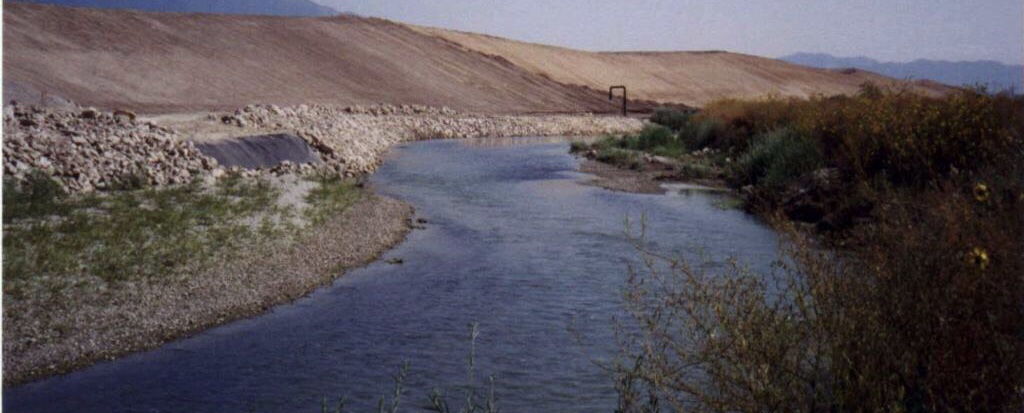
A striking event demonstrates this: as the priests stand in the river, the waters stand still (3:16), and so the people are able to cross the river and enter the land. Of course, later on in Joshua, another miraculous event takes place, as the sun stands still (10:13). These were not actual events, but symbolic of divine intervention.
We might well compare the New Testament story of the earthquake and resurrection of the saints (found only in Matt 27) after the resurrection of Jesus. This, too, was not an historical event; it was a dramatic tale told to underline that God was active in the story.

The key aspect of the story of the escape from Egypt, as the story is found in Exodus 14-15, is the connection with the Feast of the Passover. The story that is attached to the Exodus actually serves a liturgical purpose; the priests have developed the story to reinforce and highlight the way that God was able to redeem the people—as in the story, so in the experience of the returning exiles.

Likewise, the key aspect of this story of the entry into the land, in Joshua 3, is not the actual physical wading across the river, but the assurance of faith that comes from the telling of the story of entering the land. God is not only the redeemer, who delivers the people into freedom, but the one who delivers the land to the people. The promise of the gift of land, first made to Abraham (Gen 12:1, 15:7, 17:8), then reiterated to Jacob (Gen 28:4,13, 35:12) and again to Moses (Exod 3:8,17, 6:4,8, 12:25, 13:5,11), is now coming to fulfilment.

Joshua as military victory

Indeed, the crossing of the river itself points to the symbolism that this story contributes to the overarching narrative. Leaving Egypt, the Lord God parts the waters, the people pass through, the army is bogged and drowned, and their escape from Egypt is secure. Entering Canaan, the Lord God once again stops the flow of the waters, the priests who carried the ark of the covenant enable the people to cross the river and enter the land, and their hold on the land is made secure. Josh 4:19-24 draws this comparison quite explicitly.

The parallel continues in the strong militaristic element, found in the list of the peoples whom “the living God who without fail will drive out from before you”. The text specifies “the Canaanites, Hittites, Hivites, Perizzites, Girgashites, Amorites, and Jebusites” (3:10). Even before the battles are waged, the victories have been declared. This also provides a neat bookend: the army of Egypt is crushed in Exodus 15, the inhabitants of the land are subdued and defeated in Joshua 3.
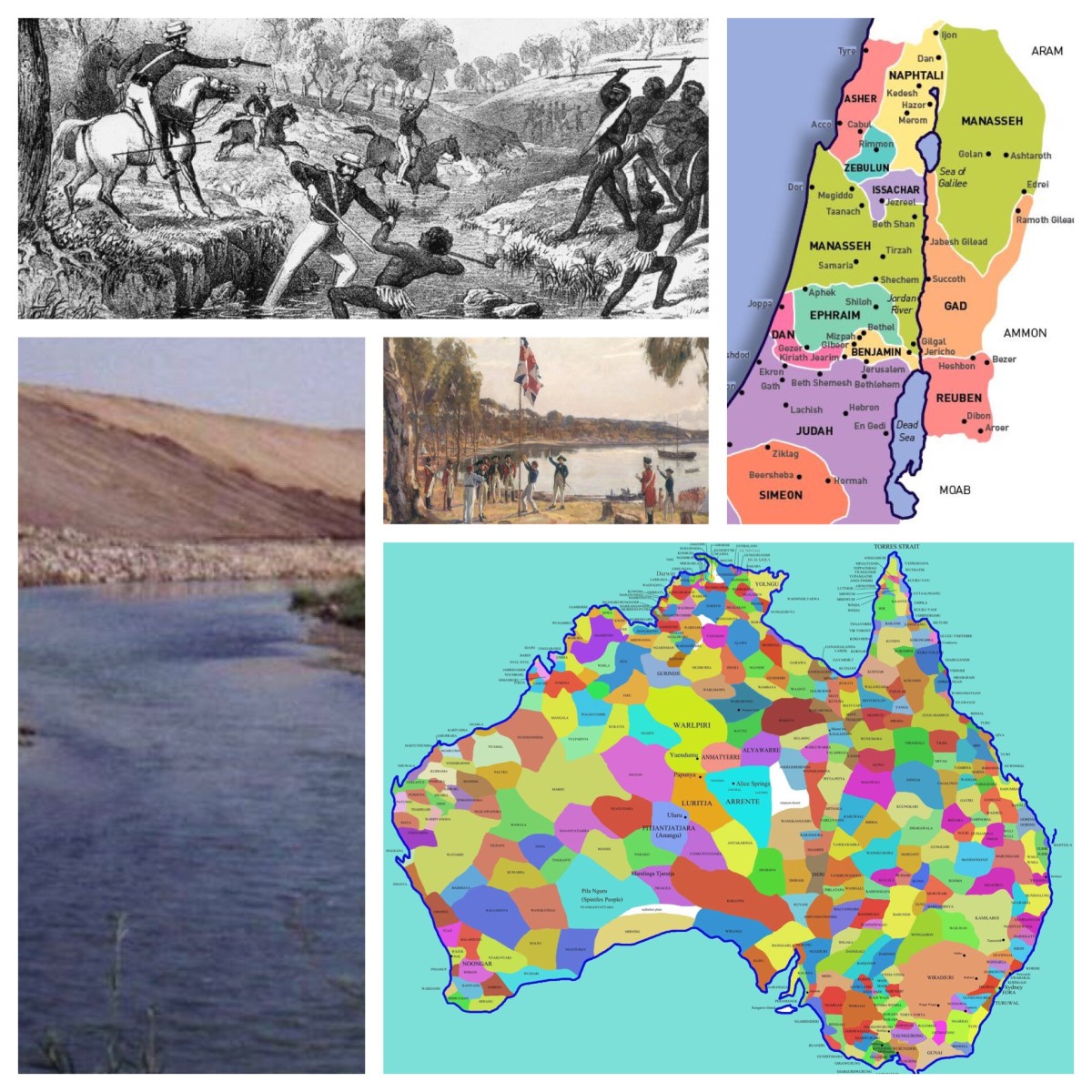
What follows on from this story of entering the land is a highly schematic presentation of the military conquest of the land, in the rest of the book of Joshua. The invaders take the key areas in turn: first the Central area (chs. 6-8), then the Southern regions (chs. 9-10) followed by the Northern areas (ch 11). Chapter 12 then provides a summary of the conquest, listing “the kings of the lands whom the Israelites defeated”—a kind of victor’s gloating, “thirty one kings in all” (Josh 3:24).

The story of taking control of the land is then followed by a parallel schematic account of the allotment of the land to each of the tribes. The Transjordan (the land to the east of the Jordan River) is allotted in ch. 13; the Central regions in chs. 14-17; and then the peripheral regions to the north and south in chs. 18-19. Chapter 20 details the allocation of the five “cities of refuge”, whilst chapter 21 identifies the forty-eight towns which were allotted to the tribe of Levi, from which the priests came.

None of these are historical accounts. The schematic ordering carries symbolic weight, rather than being an historical account. Indeed, the twelve tribes of Israel were a later construction by the compiler of the narrative, rather than being an actual organisational principle at the time of any such conquest.

And even as the list of conquered peoples are identified, the savagery of this glorious moment is revealed. The memorial stones provide a reminder of the event (Josh 4:1-10), a reminder of the power of the invading force as they colonise the settled inhabitants of the land. We hear the story from the perspective of the victorious invaders—the people of Israel. The dispossession and death of so many Canaanites is simply “collateral damage” in this process.

Joshua and Israel, Britain and Australia, and the indigenous perspective

This is a story of land, invasion, massacre, colonisation, and victory. It is an ancient story which resonates strongly with the experience of indigenous peoples in the modern era of history. Time and time again, from late medieval times onwards, “explorers” set out from Western powers, “discovered” new lands, followed by “settlers” who came and established “civilisation”, most often by means of “subduing” the indigenous peoples, making them subservient to the “new order”—and even, in many instances, punishing those who resisted their new ways, even utilising means of killing the indigenous peoples.

This is the dynamic of the story of “Israel entering the promised land” which is told in Joshua, as well as the story of “establishing British civilisation in the land of Australia” which is the story of our own continent. The imposition of a new way of living by a more powerful force, the subjugation of those who already were living in the land, and the use of violence and murder to ensure that the new order was maintained and could flourish—all of this is in the history of Australia since 1788.

The story of invasion and settlement, defeat and decline, resonates with the contemporary Australian experience of the indigenous peoples of the continent and its islands. Which gives us pause for thought: how, then, do we hear and understand that story recounted in Joshua?

James Cook: Captain? Discoverer? Invader? Coloniser? Cook, the Endeavour, and Possession Island.

It is 250 years ago, today, since British sailor James Cook “took possession” of the continent we know as Australia—a land that he named New South Wales—on behalf of the reigning monarch of one of the dominant world powers of the day, the British Empire.

We know Cook as “Captain Cook”. Technically, at that time, he was still Lieutenant Cook, although he was indeed captain of the ship HMS Endeavour, in the middle of a government-sponsored expedition in which he circumnavigated the globe.

During this journey, Cook and his crew observed the transit of Venus across the sun in 1769, circumnavigated both islands of New Zealand, and then mapped the eastern coastline of Australia, laying claim to the whole continent at the place he named Possession Island, before heading home via Batavia (now Jakarta) and the Cape of Good Hope (South Africa).

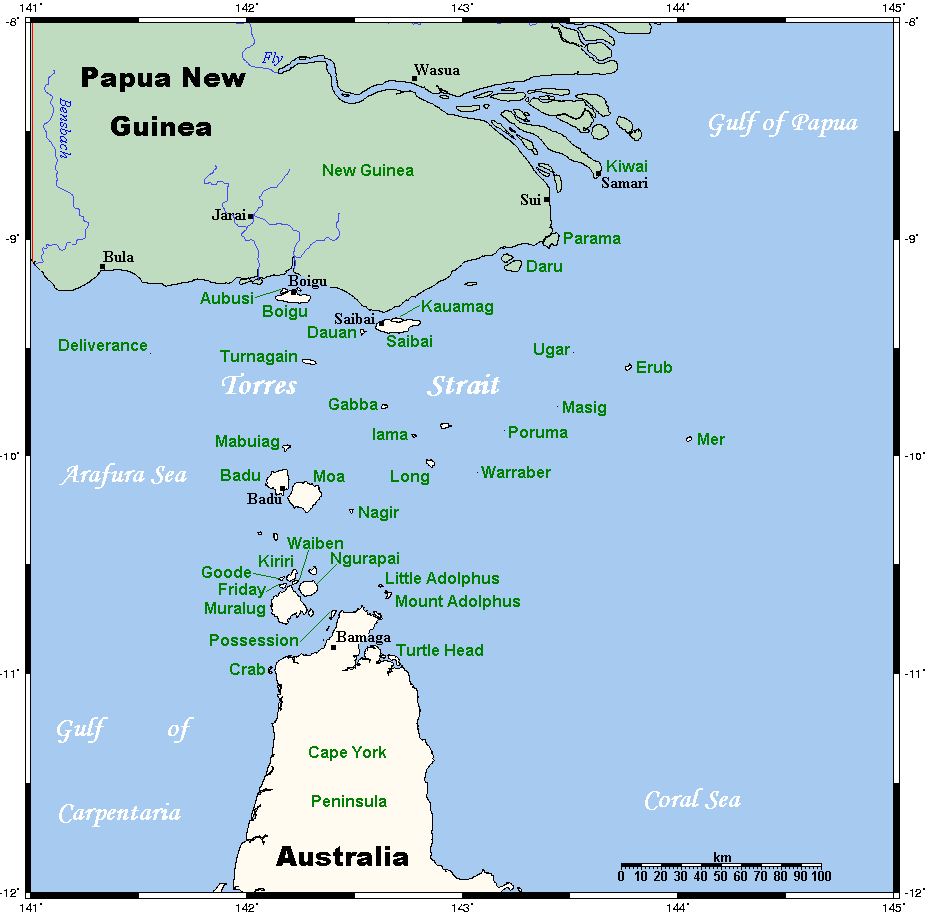
After he had travelled the length of the eastern coastline of Australia, Cook landed on Possession Island, in the area we now call the Torres Strait. It is known as Bedanug or Bedhan Lag by one of the indigenous peoples of the islands, the Kaurareg, whose country includes the lower western Torres Strait islands grouped around Muralag.

(The Ankamuti also lay claim to being indigenous to the island. They were based on the western side of Cape York, but frequented Bedanug, Muralag, and other islands off the coast.)

Today, Possession Island is located at the centre of the Possession Island National Park, an area of 5.10 km2 established as a protected area in 1977 and currently managed by the Queensland Parks and a wildlife Service.

See https://parks.des.qld.gov.au/parks/possession-island/about/culture

There, on Possession Island, just before sunset on Wednesday 22 August 1770, Cook declared the land to be a British possession:

Notwithstand[ing] I had in the Name of His Majesty taken possession of several places upon this coast, I now once more hoisted English Coulers and in the Name of His Majesty King George the Third took possession of the whole Eastern Coast . . . by the name New South Wales, together with all the Bays, Harbours Rivers and Islands situate upon the said coast, after which we fired three Volleys of small Arms which were Answerd by the like number from the Ship.

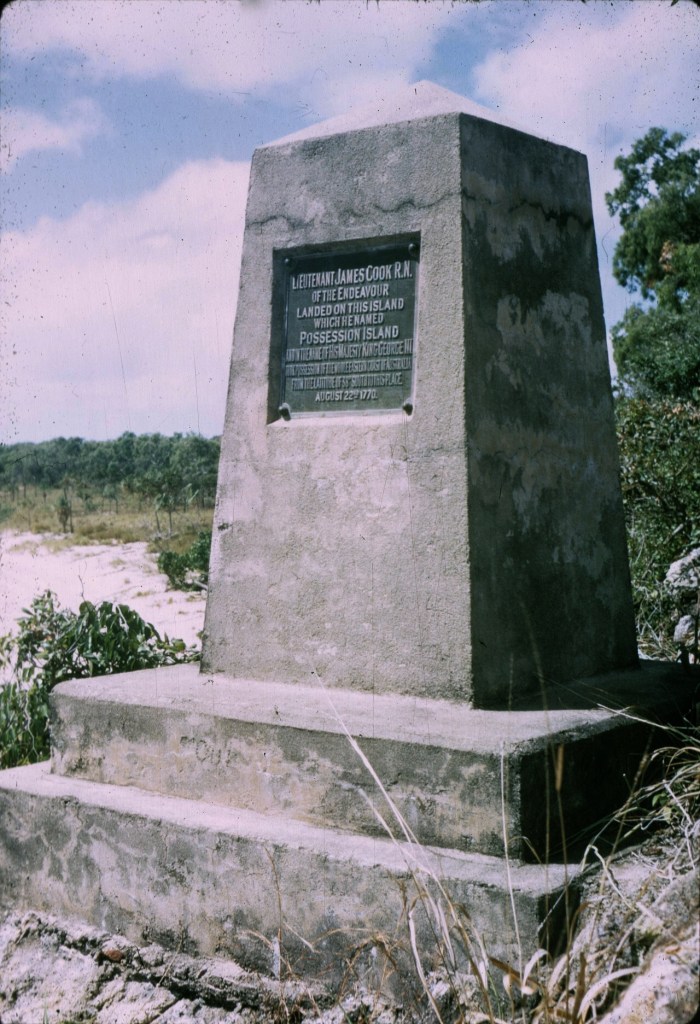
A monument in recognition of this event has been erected on the headland above the beach where Cook raised the flag in 1770. It states:

LIEUTENANT JAMES COOK R.N.

ON THE “ENDEAVOUR”

LANDED ON THIS ISLAND

WHICH HE NAMED

POSSESSION ISLAND

AND IN THE NAME OF HIS MAJESTY

 KING GEORGE III

TOOK POSSESSION OF THE WHOLE EASTERN

 COAST OF AUSTRALIA

FROM THE LATITUDE 38° SOUTH TO THIS PLACE

AUGUST 22nd 1770

See https://www.monumentaustralia.org.au/themes/landscape/exploration/display/100194-possession-island-

*****

Cook and the HMS Endeavour play a dominant role in our Australian historical awareness. The (misleading and inaccurate) claim that Cook “discovered Australia” is made even in our own times—when we should know better. Western scientific and historical knowledge now correlates strongly with Indigenous narratives that indicate that the land had long been inhabited and cared for, by the peoples we know call Aboriginal.

See https://www.aboriginalart.com.au/aboriginal_australia.html and http://www.workingwithindigenousaustralians.info/content/History_2_60,000_years.html

Our history did not start with Cook, however. Indeed, if we read the observations made by Cook in his journal as he sailed his ship alongside the eastern coast of New South Wales, we find that he was observing, not only the unfamiliar flora and fauna of the continent—but also the indigenous people of the land.

See my blogs on the time that Cook sailed along the eastern seaboard of Australia, at

https://johntsquires.com/2020/04/23/they-appeard-to-be-of-a-very-dark-or-black-colour-cook-hms-endeavour-and-the-yuin-people-and-country/

https://johntsquires.com/2020/04/29/three-canoes-lay-upon-the-beach-the-worst-i-think-i-ever-saw-james-cook-at-botany-bay-29-april-1770/

https://johntsquires.com/2020/06/17/we-weighd-and-run-into-the-harbour-cook-the-endeavour-and-the-guugu-yimithirr/

https://johntsquires.com/2020/07/19/james-cook-the-endeavour-and-the-guugu-yimithirr-3/

So all along his journey beside the eastern coastline, Cook had recorded signs that the land was inhabited, and he even reported that he had met a number of the Aboriginal inhabitants. In his journal, on Saturday 21st April (at the southernmost point of this leg of his journey), Cook wrote:

Winds Southerly a gentle breeze and clear weather with which we coasted along shore to the northward. In the PM we saw the smook of fire in several places a certain sign that the Country is inhabited.

But he still pressed ahead with his report that he had claimed all the lands for the British Crown. This, despite the fact that he knew there were inhabitants in the land.

*****

Cook, of course, was acting in accord with his royal orders. And those orders had been promulgated under the Doctrine of Discovery, a long-standing understanding amongst European trading nations, that they had every right—indeed, a divine right—to explore, invade, colonise, and convert the “natives” of distant lands.

On the Doctrine of Discovery, see https://www.creativespirits.info/aboriginalculture/land/how-was-aboriginal-land-ownership-lost-to-invaders and my reflections at https://johntsquires.wordpress.com/2018/08/13/affirming-the-sovereignty-of-first-peoples-undoing-the-doctrine-of-discovery/

So Cook planted the British flag on the continent of Australia. This action demonstrated how the imperial colonising power operated: the land, and the people, were to be subsumed under imperial rule, simply because the imperial power wished that to be so. The people already living in those places were simply to bend in obedience to this greater power. And, as we know, if they resisted, although there might be some initial attempts to live together peaceably, ultimately they would be met with force, violence, and murder.

What became a cause of enduring conflict over many decades was the subsequent activity of settling on the land, erecting fences, planting crops, farming animals, protecting the property and claiming exclusive rights to the crops and animals now installed on the land.

To those who had formerly lived on this land, this was theft from their land. To those who had established a “civilised” lifestyle on the land, the former inhabitants were irritants to be kept at bay, and eventually enemies to be removed.

Thus murder was normalised in the years of settlement. And the original inhabitants experienced this as aggressive invasion and enforced colonisation.

See https://johntsquires.wordpress.com/2019/01/18/endeavour-by-every-possible-means-to-conciliate-their-affections/

*****

On this day, as we remember the actions and words of Cook, on behalf of the British monarch, we need to make a commitment to tell the truth, on behalf of the indigenous peoples, whose land was invaded, whose lifestyle was disrupted, whose peoples were massacred, whose families were torn apart, over the decades and indeed centuries that followed.

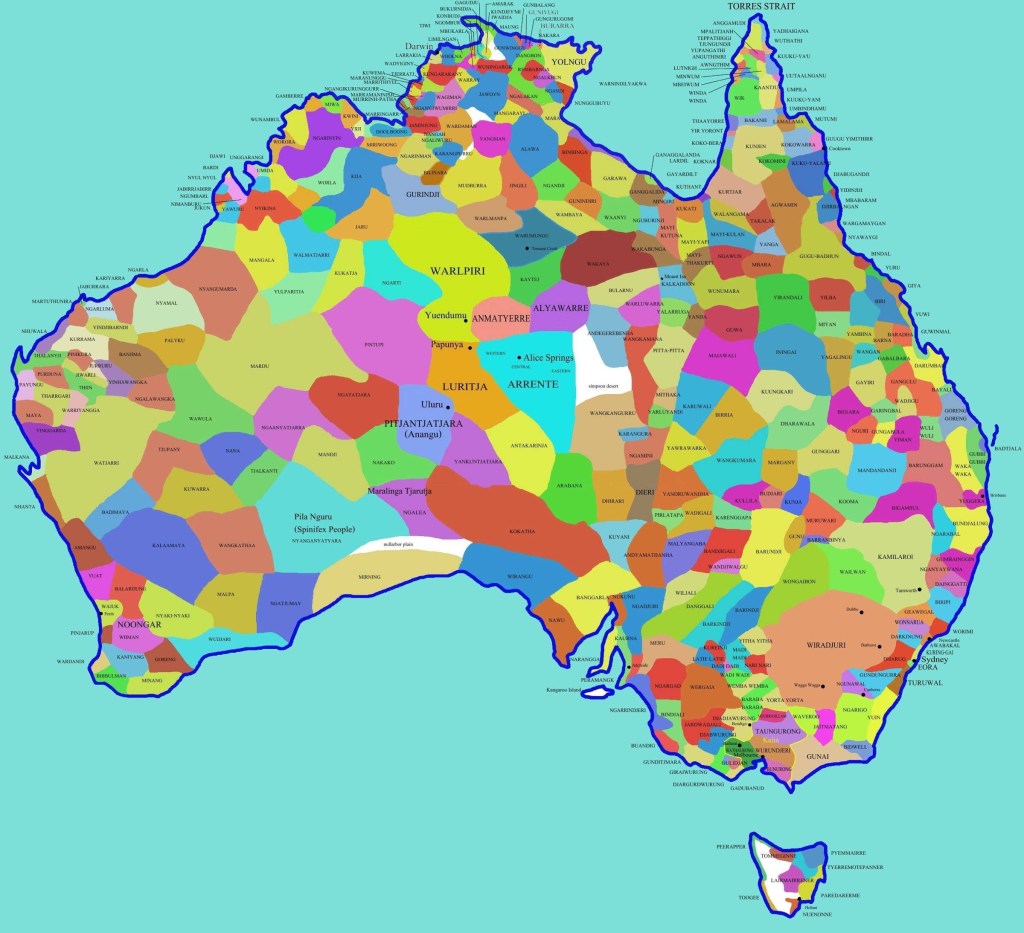
We need to tell the truth on behalf of these First Peoples, who have cared for this land for millennia, who have nurtured community, strengthened family, traded and visited amongst the 270 language and culture groups which existed prior to Cook and the subsequent British invasion.

http://www.shareourpride.org.au/sections/our-culture/index.html

The church in which I serve, the Uniting Church, is committed to telling truth. This truth is confronting and challenging. In the revised Preamble which was adopted a decade ago by the Uniting Church, we sought to tell the truth.

Drawing on the voices of Indigenous Peoples, we have named the settlement of this continent as a colonising movement, generated by foreign imperialism, manifesting in violent invasion and genocidal massacres, spread from north to south, from east to west, of this continent. We must continue to prioritise this commitment to tell the truth.

See https://johntsquires.com/2019/01/16/the-profound-effect-of-invasion-and-colonisations/

Likewise, at the 14th Assembly, meeting in Perth in 2015, we decided to repudiate the Doctrine of Discovery, that medieval theological foundation upon which the worldwide invasion and colonisation of lands was based—including the invasion and colonisation of Terra Australis. This has been part of our commitment to tell the truth.

See https://johntsquires.com/2018/08/13/affirming-the-sovereignty-of-first-peoples-undoing-the-doctrine-of-discovery/

As a result of this, the Uniting Church is committed to talking treaty. We are supportive of the formalisation of treaties with the various nations of Peoples who have inhabited, nurtured and cared for this land since time immemorial. This commitment is based on a recognition of the Sovereignty of each of those nations, sovereignty over the land that the people have inhabited, nurtured, and cared for over those many millennia.

See https://www.insights.uca.org.au/hear-the-statement-from-the-heart/

Sovereignty, as articulated in the Statement from the Heart of 2017, is understood by the First Peoples as a spiritual notion, reflecting the ancestral tie between the land and the First Peoples

See https://ulurustatement.org/

Also https://johntsquires.wordpress.com/2018/10/13/on-covenant-reconciliation-and-sovereignty/ and https://johntsquires.wordpress.com/2018/10/13/on-covenant-reconciliation-and-sovereignty/

And we need to listen to the voice of the indigenous peoples, in this a statement, and in other ways.

For an indigenous perspective on Cook, see https://www.nla.gov.au/digital-classroom/senior/Cook/Indigenous-Response/Maynard

There are fine resources on the website of the National Museum of a Australia relating to Bedanug (Possession Island) at https://www.nma.gov.au/exhibitions/endeavour-voyage/bedanug-thunadha-bedhan-lag-tuidin-possession-island

As we remember Possession Island, 1770, may this be the legacy of Cook, 250 years on: that we remember his observation that the Country is inhabited, that we value those people who had long inhabited this land and held sovereignty of the land, who continue to live in our midst today, and that we tell the full history of this country.