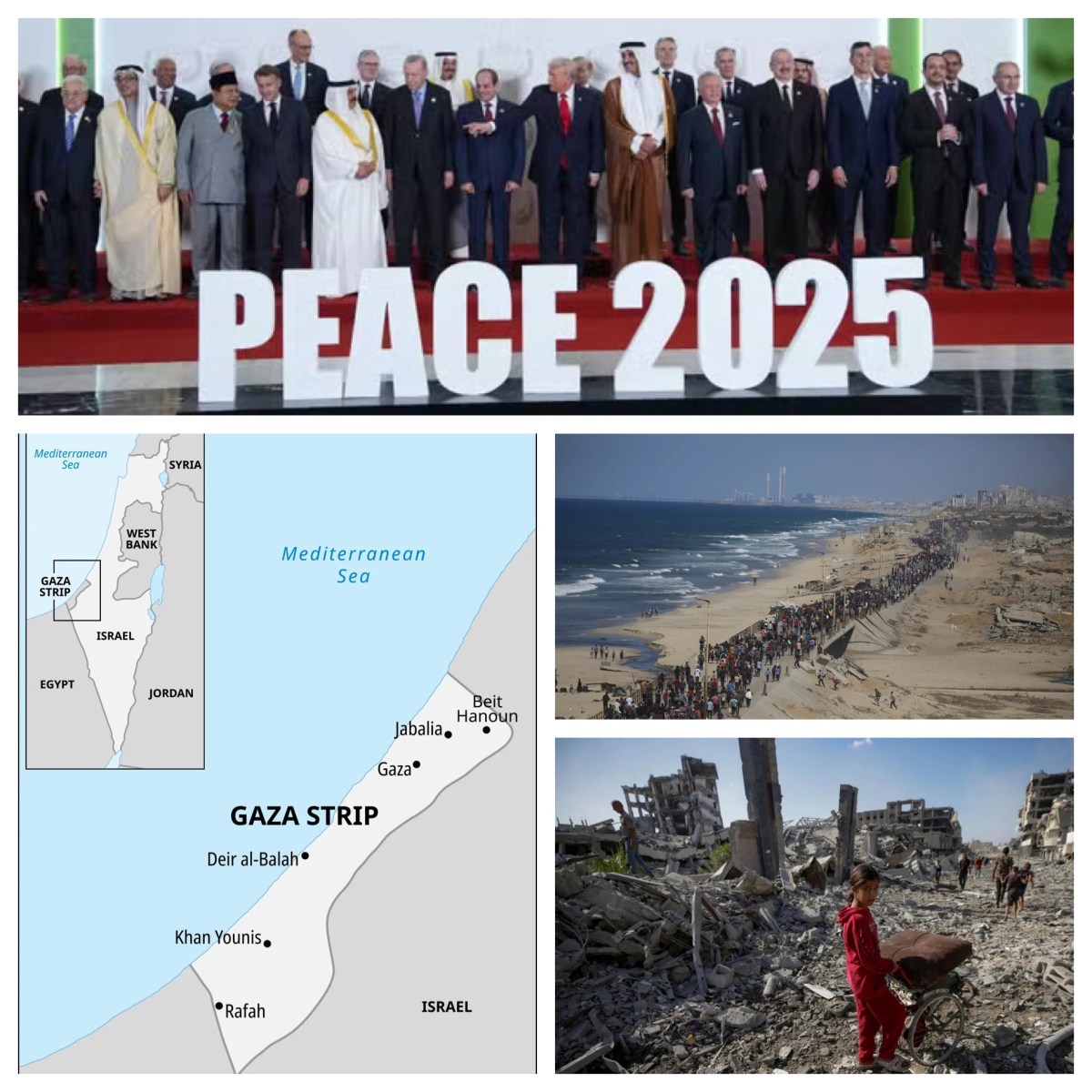
Will “the peace” hold in Gaza?

There is intense emotion in Israel and in Gaza. Hundreds of Israeli families are mourning the deaths of the 1200 people killed on 7 October 2024, the deaths of scores (perhaps even hundreds) of the 251 hostages taken on that day, the 468 Israeli soldiers who have died since that day.

At the same time, the families and friends of the nearly 68,000 Palestinians killed in Gaza over the same timeframe, and especially the 20,179 of them who were children, are experiencing a similarly intense sense of grief.

It’s a region bubbling with all that unrequited grief brings: sorrow, despair, anger, a festering hatred, a resolve to “never forget”. It’s hardly a fertile ground for peace to flourish. Will the “peace agreement” hold? Will the “peace plan” prove to be effective?
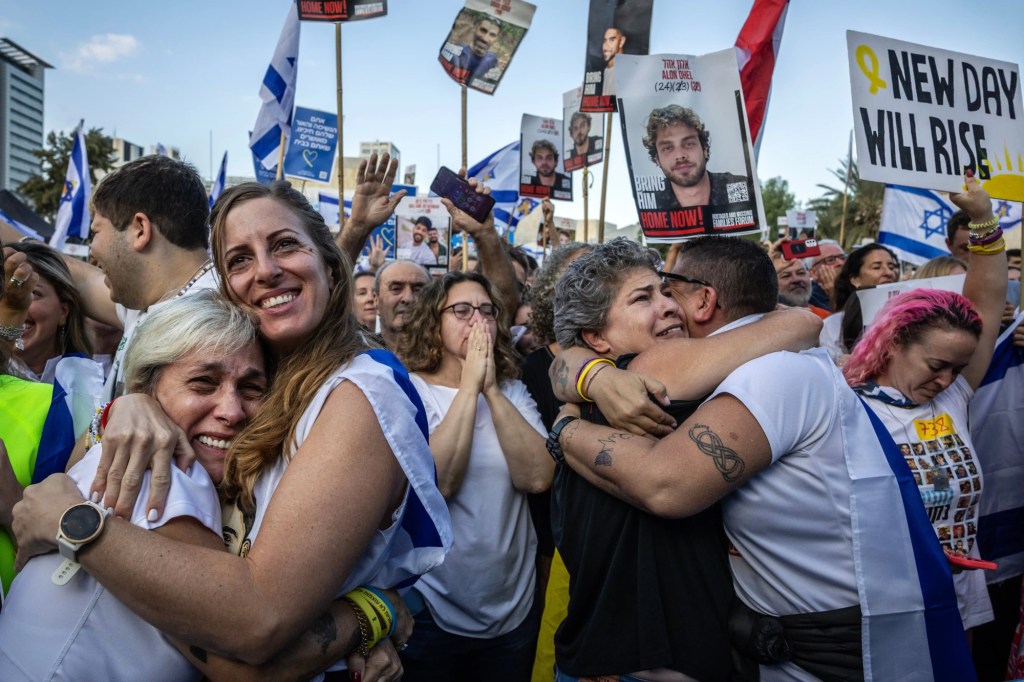
As the latest group of hostages return to Israel, giving understandable joy to their families and friends, and hope for an enduring peace in the region, let us not forget that the displaced Gazans returning to the homes will find 78% of the structures in Gaza are damaged or destroyed; 22 of the 36 hospitals in Gaza have been destroyed, and some of the remaining 14 hospitals are only partially functional; and 1.5% of the viable cropland in Gaza is able now to be used for cultivation. They are not simply “coming back home”; they are returning to scenes of devastation and destruction that will surely intensify their despair.
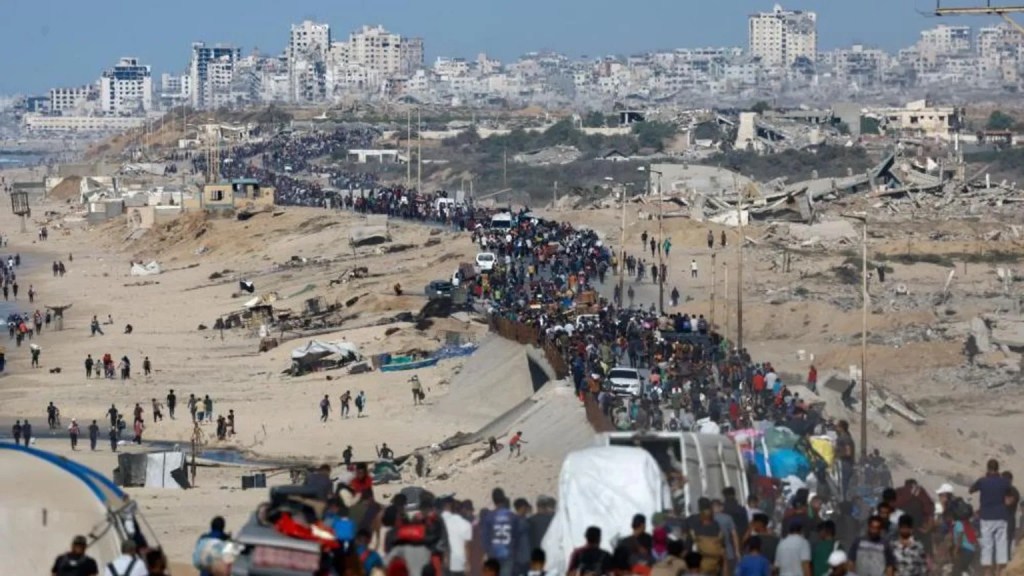
This is the third ceasefire since the events of 7 October 2023. Will it last? Relations between many (not all) Israelis and Palestinians are incredibly complex, and an enduring peace amidst the aggressive antagonism and intensifying hatred that has marked recent years (indeed, decades) does not give me confidence. 

The US has provided $21.7 billion of military aid to Israel since 7 Oct 2023. If Trump really wants peace, he could cease all future military aid and divert funds to the needs in aid supplies, health, and restoration of infrastructure in Gaza.

I’ve taken these figures from an article by NPR, a media organisation in the USA that is “an independent, nonprofit media organization … founded on a mission to create a more informed public”. (Thanks to Megan Powell du Toit for the link.)

https://www.npr.org/2025/10/13/g-s1-92205/ceasefire-gaza-war-key-figures?

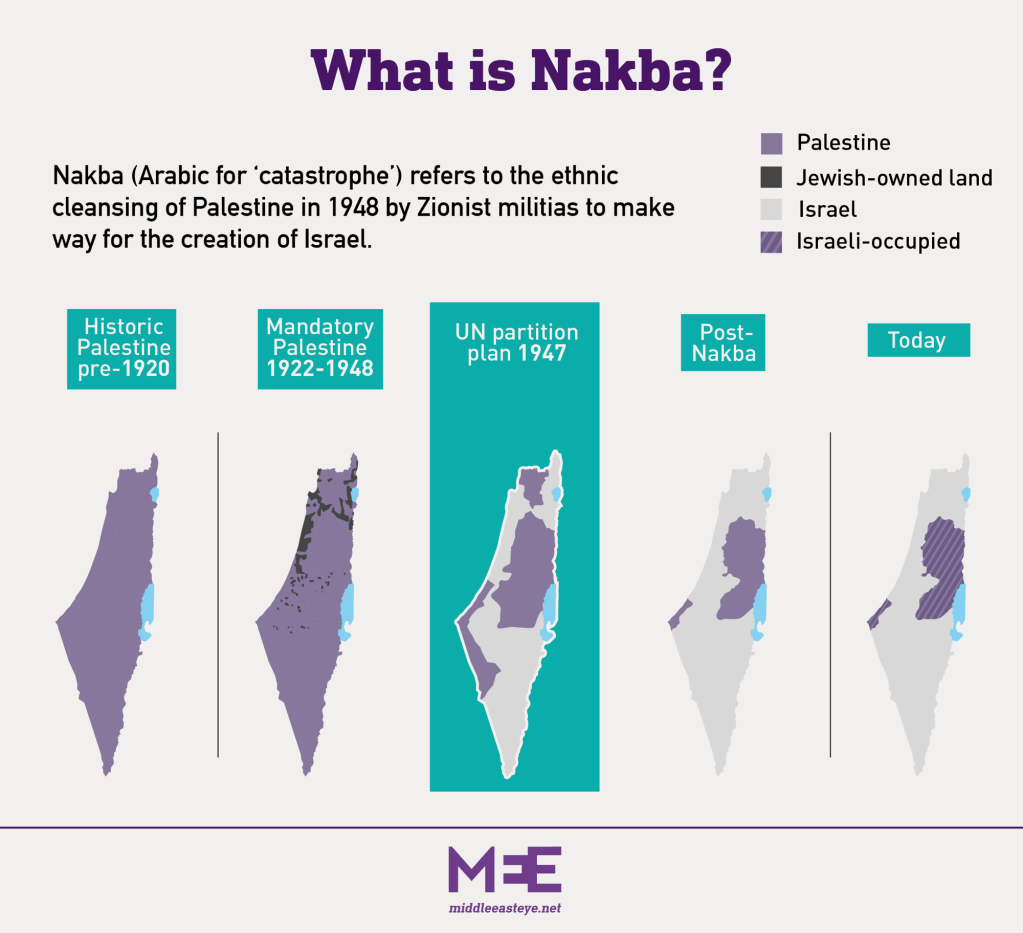
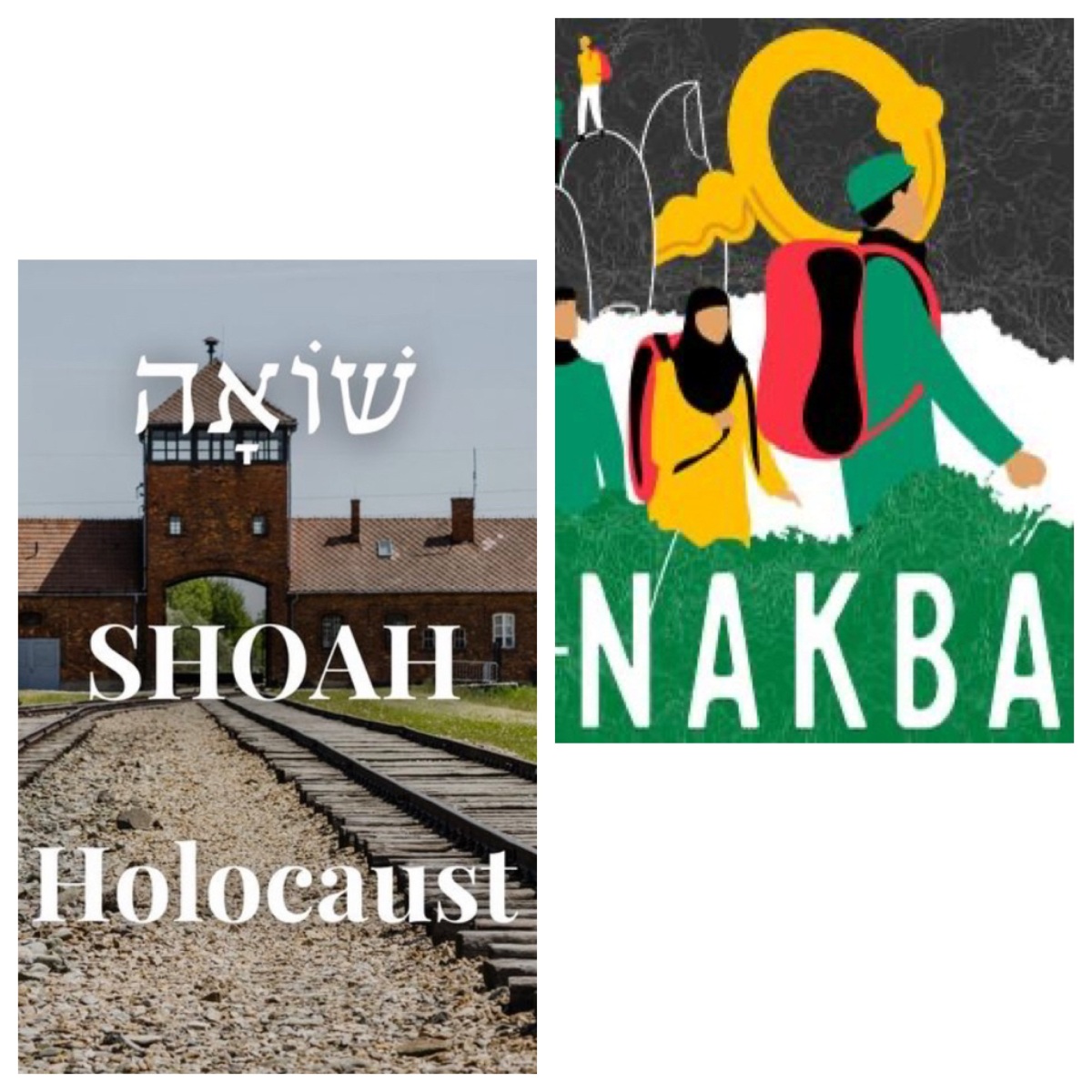
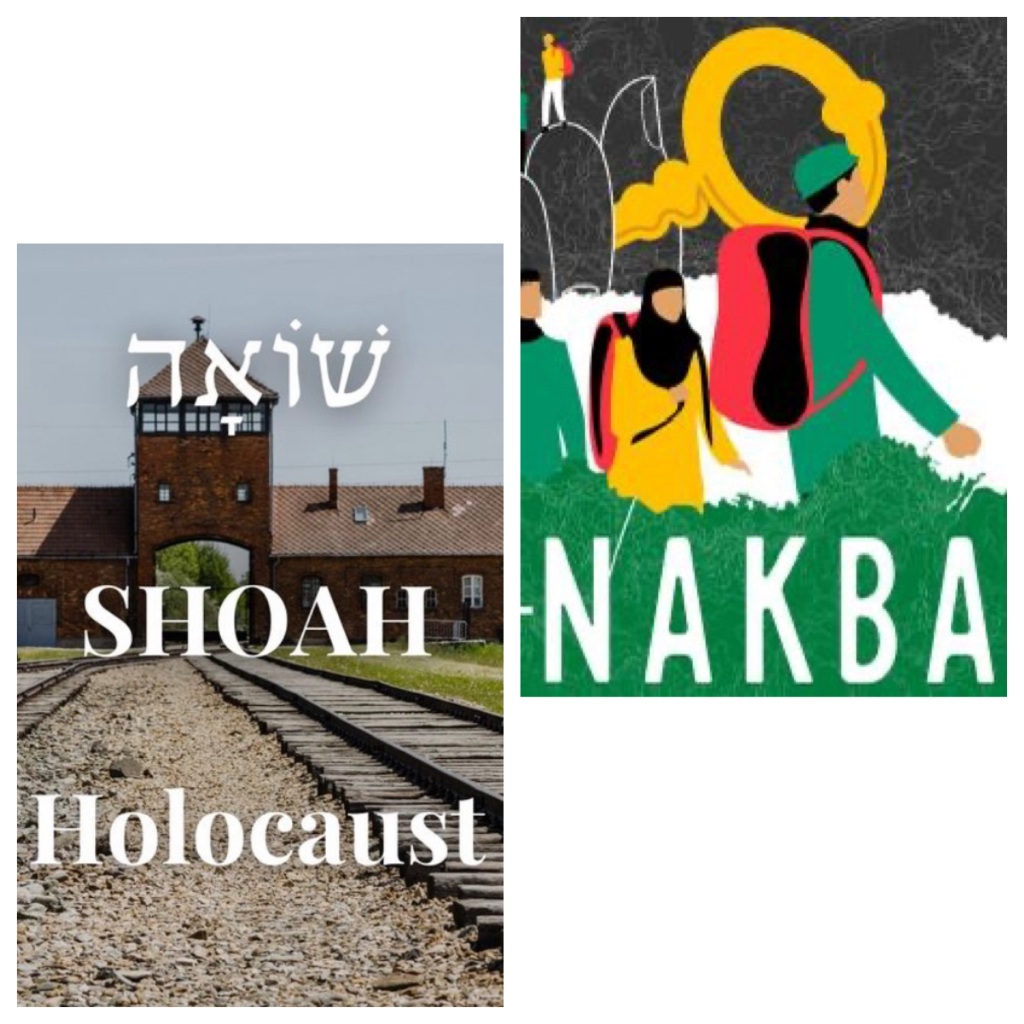
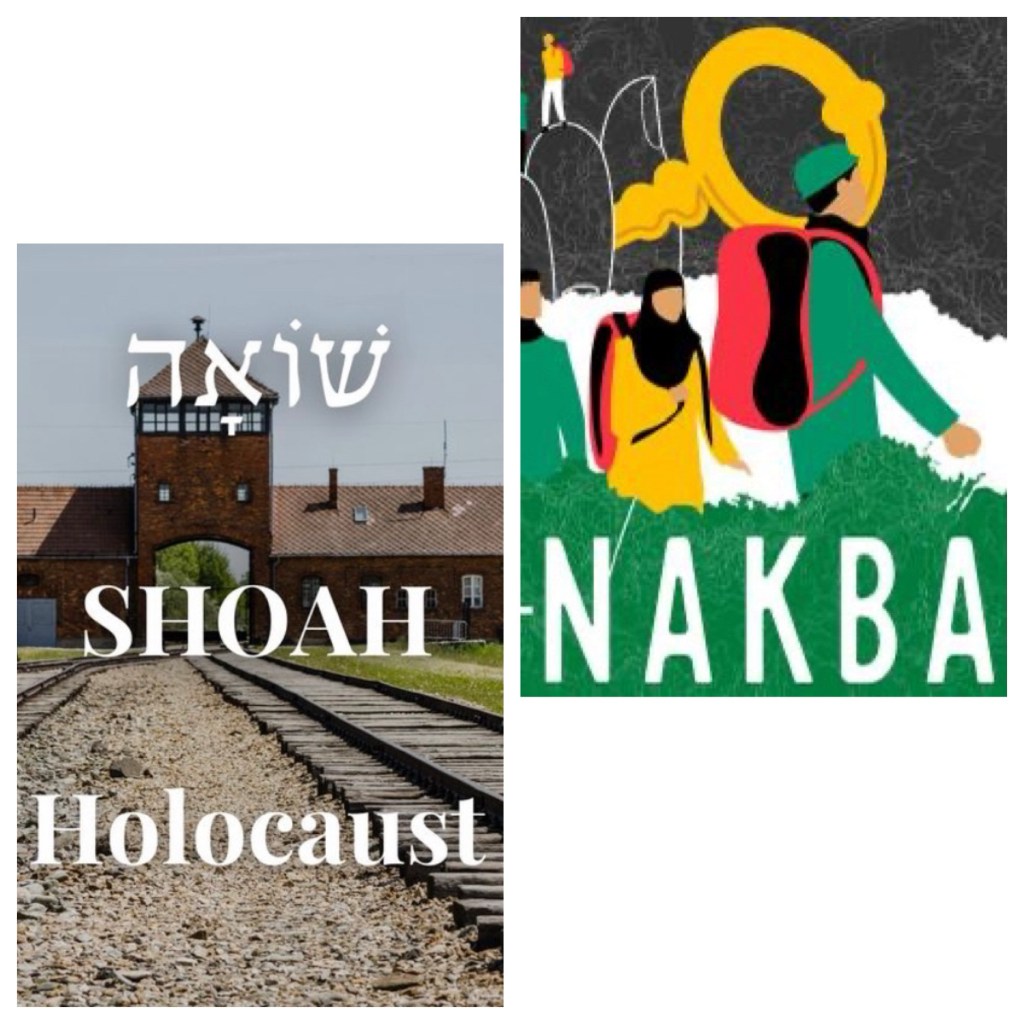
The history of “the peace” in this region over the past 50 years does not give grounds for hope. The establishment of Israel in 1948, as important and necessary as that was after the horrors of the Shoah (a Hebrew word meaning “desolation, sudden destruction, catastrophe”), caused the expulsion of hundreds of thousands of inhabitants of that area, in a catastrophe called by Palestinians the Nakbah (an Arabic word which also means “catastrophe”). 
The Camp David Accords (1978) ultimately led to an agreement in which Israel agreed to “resolve the Palestinian question” and permit Palestinian self-governance in the West Bank and Gaza within five years. It never happened. 

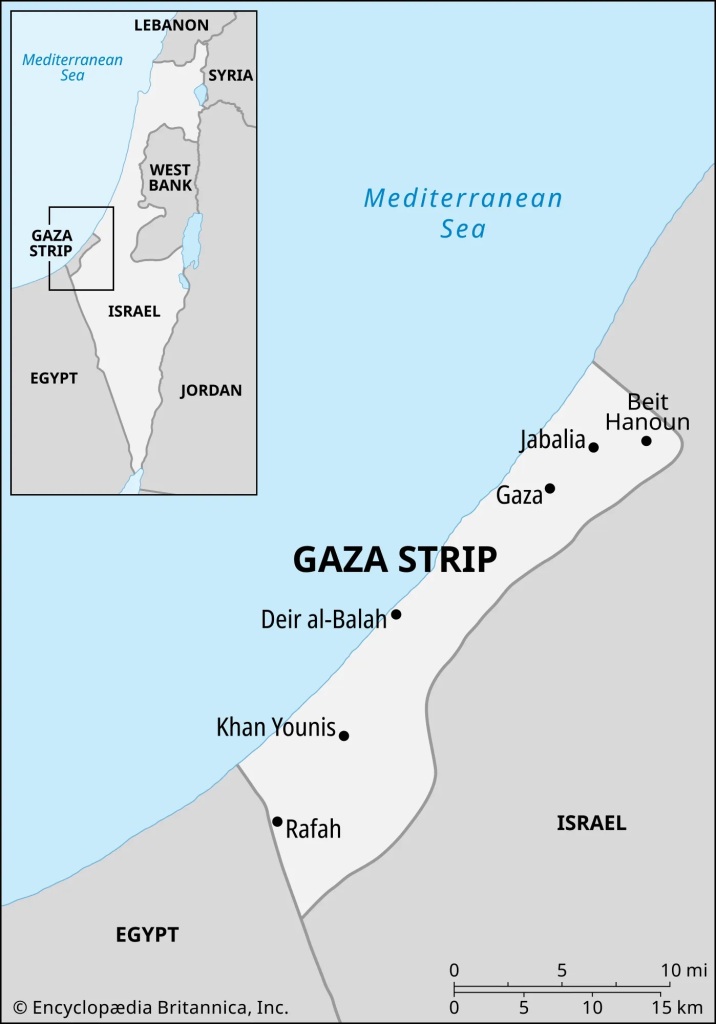
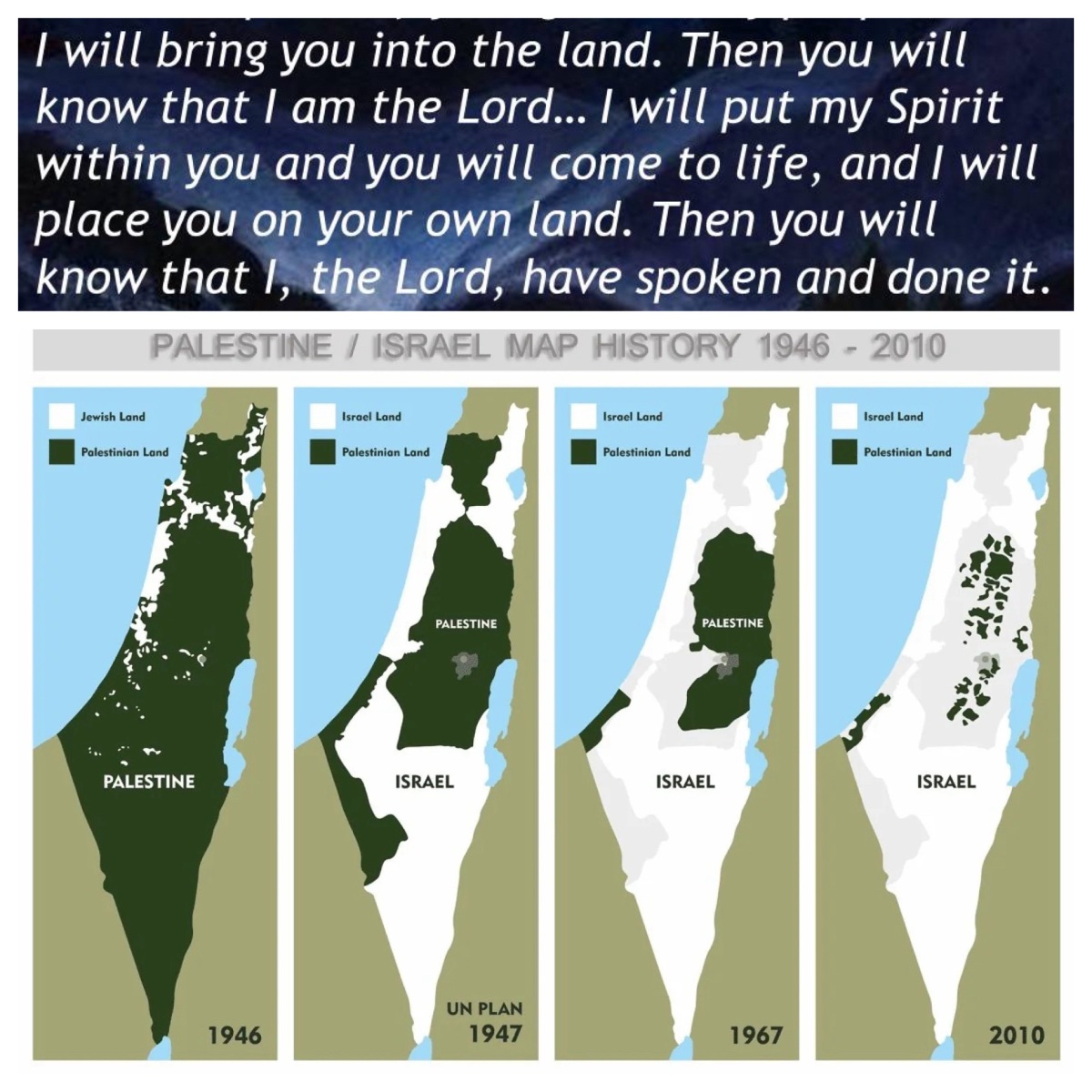
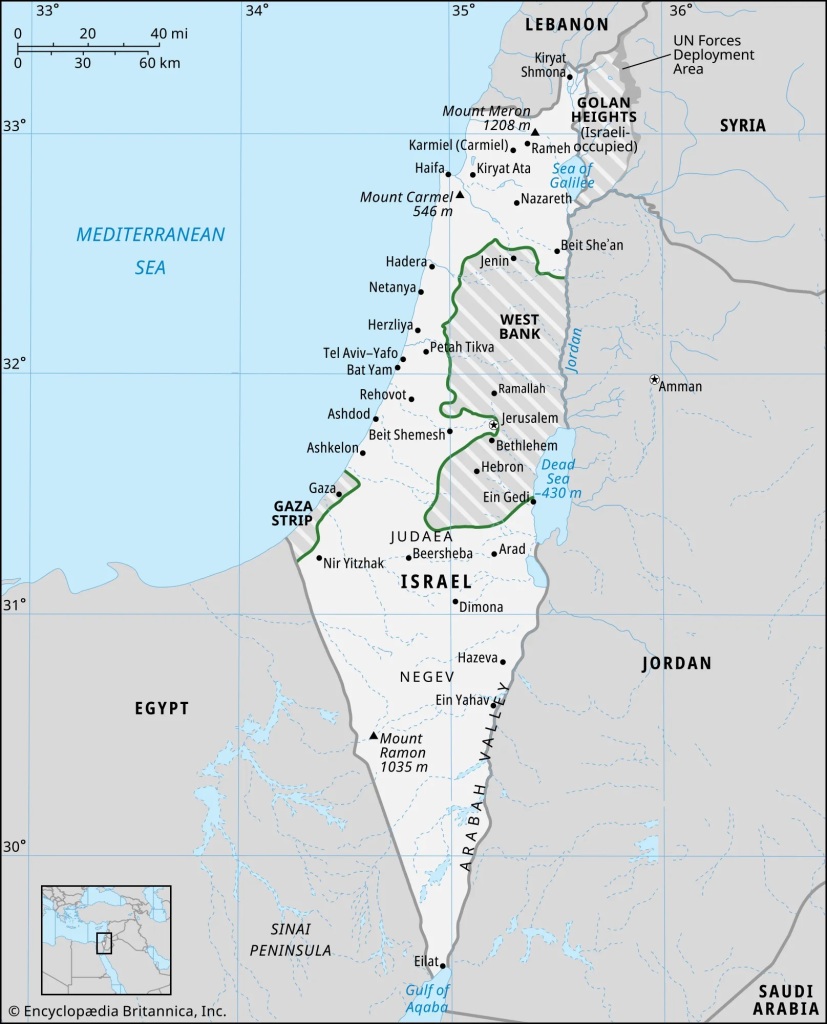
The Oslo Accords (1993) included a pledge to end hostilities, and the second Accords (1995) provided that Israel would accept Palestinian claims to national sovereignty. As an interim measure, a Palestinian Authority was established, to govern designated areas (see the map) in a phased process leading towards Palestinian self-determination. The Palestine Authority still exists today, and the goal of the Accords has never been reached.

See https://www.aljazeera.com/news/2023/9/13/what-were-oslo-accords-israel-palestinians

Indeed, from 1993 onwards, Israel increased its building of settlements in the West Bank, leaving that area utterly fragmented between Israeli and Palestinian areas—a process deemed illegal under international law. Families who had lived on their historic lands were expelled so that new Israeli settlements could be built. It’s been an utterly unjust process.

When PLO leader Yasser Arafat gave up the right for Palestinian refugees to return to their historic lands which Jewish settlers had seized from them in 1948 when Israel was created, many Palestinians became disenchanted with him. The ground was fertile for dissent and revolt; Hamas emerged out of this situation as the leading organisation advocating for—and acting to gain—a Palestinian right to return. Peace was never possible while such an ideology was the key driving force.
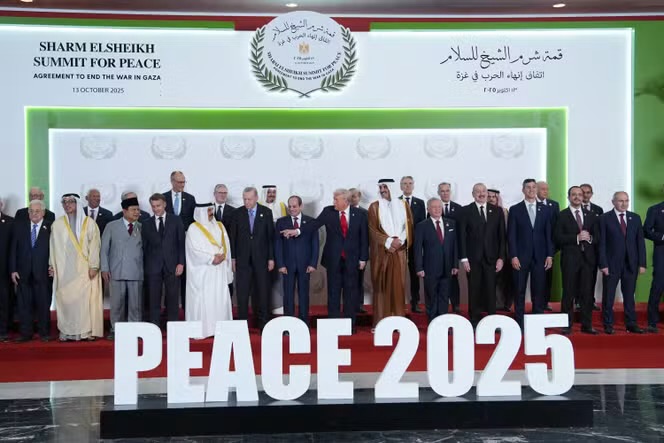
Chris Hedges, an American journalist, author, and commentator (and also an ordained Presbyterian minister, as of 2014) writes that the current “peace” is simply “a commercial break … a moment when the condemned man is allowed to smoke a cigarette before being gunned down in a fusillade of bullets”. He foresees the crumbling of the current ceasefire, on the basis of the history of these recent decades.

“Once Israeli hostages are released, the genocide will continue”, he writes. “A pause in the genocide is the best we can anticipate. Israel is on the cusp of emptying Gaza, which has been all but obliterated under two years of relentless bombing. It is not about to be stopped. This is the culmination of the Zionist dream.”

He notes the staggeringly obscene amount of military aid that the USA has given Israel, and observes that the US “will not shut down its pipeline, the only tool that might halt the genocide”. He then goes on to argue that “of the myriads of peace plans over the decades, the current one is the least serious”. He details all the flaws and inadequacies in the much-trumpeted 20-point “peace plan” that has been advocated recently and claims that “there will be no peace in Gaza; only the temporary absence of war”.

Hedges notes that this “peace plan” fails to mention Palestinians’ right to self-determination; it ignores the advice of the International Court of Justice that Israeli settlements are illegal; it places no brakes on Israel’s continuing military power; it does not provide for Israel to provide anything in the way of reparations for Gaza, the area which it has mercilessly bombed; and many provisions are vague to the point of being unenforceable. You can read his scathing analysis at https://chrishedges.substack.com/p/trumps-sham-peace-plan?

Eric Tlozek, the ABC’s Middle East correspondent, observes that “Israel gets to keep troops in Gaza instead of having to withdraw, but that only signifies that the key issues in this conflict — disarmament, security, governance — are far from being resolved”. What will change once the thousands of displaced Gazans return?
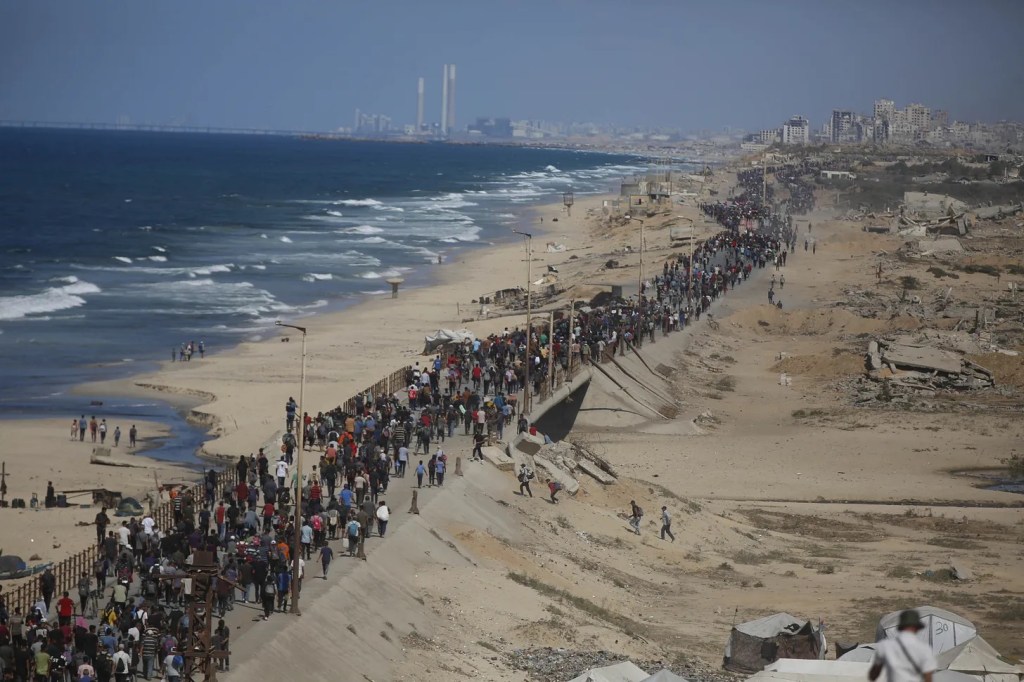
He continues, “Hamas still refuses to disarm and remains in control of large parts of the [Gaza] strip. The US may claim the war is over, but Israel’s defence minister has already flagged plans to attack Hamas, and Israeli fire and air strikes continue in Gaza. The violence has not ended, it has only decreased in intensity.”  Tlozek’s pessimism is, nevertheless grounded in reality.

See https://www.abc.net.au/news/2025-10-15/donald-trump-should-not-be-thanked-for-the-gaza-ceasefire/

Will the current “peace” last? How long will it last? How long before the genocide of Palestinians resumes and continues to its inexorable end? As a person of faith, I can join with people of faith around the globe, to pray and to hope. As a citizen of the world in 2025, however, I think that, sadly, we must temper this with realism about the situation and the prospects of an enduring peace. 

*****

See my other, earlier, ruminations at
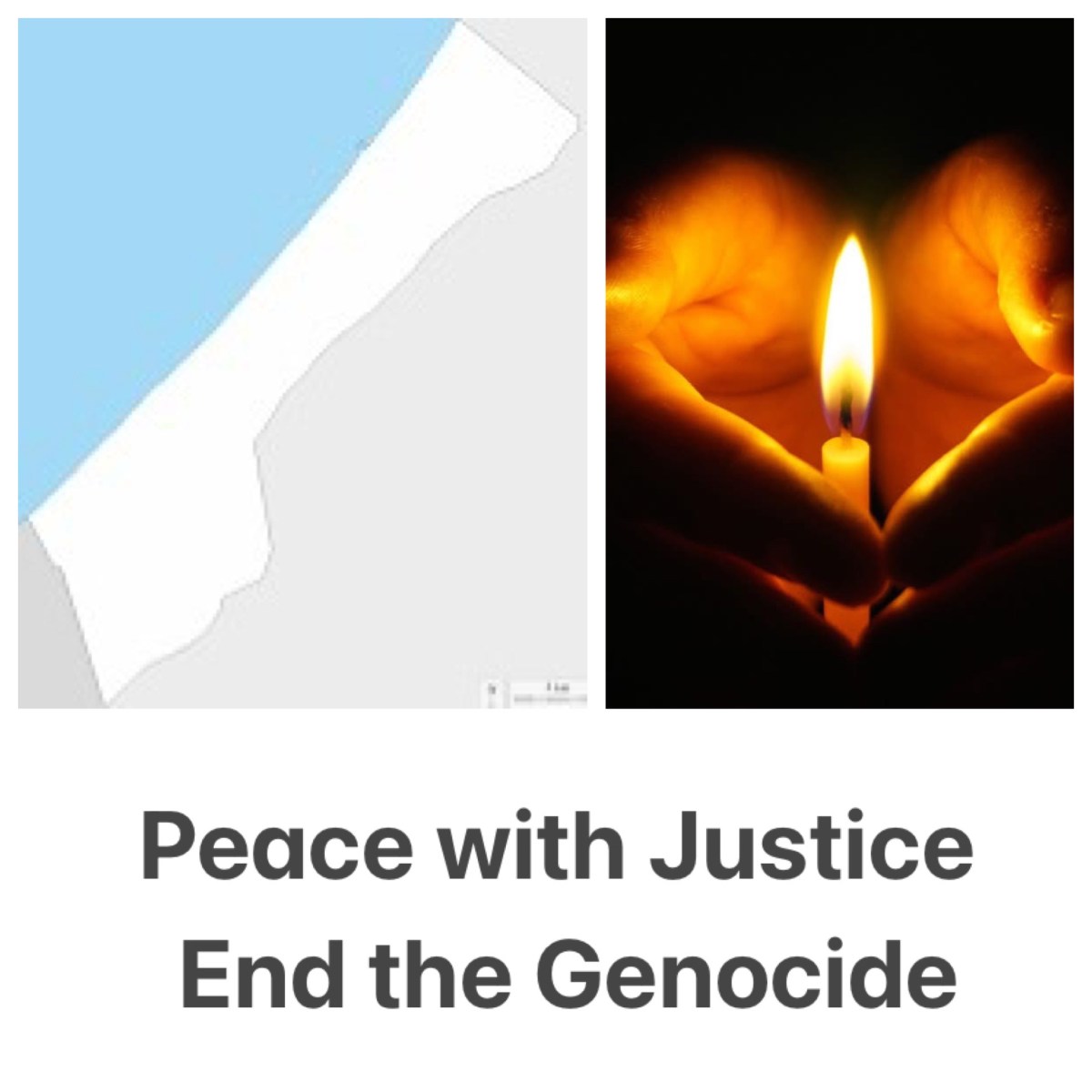
Peace with Justice: end the genocide in Gaza

It’s hard not to look at what has been happening in the Middle East—and particularly in Gaza—over recent years, and make some very harsh decisions from afar. For a start, after the series of attacks that Hamas and some other Palestinian groups made two years ago yesterday, on 7 October 2023, it seems easy to condemn the violence of terrorists fighting for Palestinian rights. The firing of 4,300 rockets, the slaughter of 1,195 Israelis, mostly civilians, and the taking of around 250 hostages, some still held today, all deserve to be condemned.

The Gaza Strip and the national state of Israel,
from a map in the Encyclopedia Britannica

But it is also hard not to decide that all Israelis should be condemned for the aggressive militaristic actions taken in response to the 7 Oct attacks. On 8 Oct, the Israeli government declared that the nation was “in a state of war”. That “war” has continued each day since then, with consistent attacks across Gaza. 

Current estimates by the Hamas-run Gaza Ministry of Health are that around 67,000 residents in Gaza have been killed, including 18,000 children; 170,000 people have been injured, and 1.9 million people displaced. Amongst the deaths, Al-Jazeera estimates that around 300 journalists and media workers have been killed. They say that across Gaza, the destruction includes 92% of all residential buildings, 88% of all commercial facilities, and more than 2,300 educational buildings have been destroyed.

The clearest accusation that has been made for some time now is that Israel is committing genocide. The World Council of Churches asserts that “the Government of Israel’s military campaign in Gaza has entailed grave breaches of the Fourth Geneva Convention which may constitute genocide and/or other crimes under the Rome Statute of the International Criminal Court (ICC)”. This council has denounced “the system of apartheid imposed by Israel on the Palestinian people, in violation of international law and moral conscience”. It’s clear that Israel,is acting outside the agreed international laws and customs. Yet the USA and other countries continue to provide Israel with all manner of materials and products to sustain their genocidal aggression.

However, it’s important not to not tag all Israelis with the one brush. The Israeli Defence Forces are carrying out the policies implemented by the right wing Prime Minister and his far right fundamentalist coalition of parties. They are committed to the Zionist ideal of ensuring the security of Israel, and of removing all opposition to this nation within the region. They are prosecuting this with vigorous zeal. The bombs and buckets continue each day. But as they oversee this policy, we should remember that they are not representative of everyone in Israel.

Elizabeth and I have a friend in Israel who is faithful and deeply committed to justice; they have been working with others for peace in their country for decades, and they are currently most distressed by their government’s callous fundamentalist actions. And we have a friend in Australia who served in the IDF who is now campaigning vigorously to stop the genocide, lobbying our government to push this message internationally. 

They are not all “the same”—what the army is implementing is a government policy that is incredibly divisive within Israel. Not all Israelis support what has been happening; many disagree with the genocide happening in Gaza. Jeremy Bowen, of the BBC, reports that “Israelis are war-weary and polls show that a majority want a deal that returns the hostages and ends the war. Hundreds of thousands of reservists in the armed forces, the IDF, want to get back to their lives after many months in uniform on active service.”

In like fashion, it’s not fair to label all Palestinians as terrorists. Some are, but many are not. Good Palestinians of integrity do not support the actions of organisations like Hamas.

It’s a complex situation which is not helped when people adopt the simplistic media language that paints all XXs as evil people or all YYs as good people. Indeed, the actions of warfare, terrorism, and genocide that we see playing out each day are held in disdain by millions of people in the region. Like them, we should hope for, yearn for, and pray for peace.

I wrote this blog on what happened two years ago today:

In today’s blog, I have drawn on the following sources:

https://abcnews.go.com/International/israel-hamas-wars-devastating-human-toll-after-2/story?id=126252242

https://www.aljazeera.com/news/liveblog/2025/10/7/live-israels-genocide-continues-across-gaza-two-years-since-start-of-war

https://www.bbc.com/news/articles/cvgqyj268ljo

https://www.oikoumene.org/resources/documents/statement-on-palestine-and-israel-a-call-to-end-apartheid-occupation-and-impunity-in-palestine-and-israel

For other related blogs, see

Peace within creation: a sermon for the Season of Creation 2025

A sermon preached during the 2025 Season of Creation

Today, 4 October, is the day when many churches of various denominations in numerous countries around the world remember two important saints, Francis and Clare of Assisi. Many believers pray to them, or rather ask them to make intercession with God for them. This blog post is in honour of them and the discipleship that they modelled. It is a sermon that I preached in the Dungog Uniting Church on 21 September 2025, during the Season of Creation.

*****

The sequence of Bible readings that we follow in this church throughout the year comes from a resource called the Revised Common Lectionary. A lectionary is a collection of passages from the Bible, arranged in a particular way, and intended for use in Christian worship. The word “lection” simply means “reading”, so a lectionary is just that: an arrangement of readings.

The readings are arranged by season. We all know that the season of Spring has begun; it started on 1 September, at the change of month. Although my nose and eyes had already alerted me, some time before that day, to this turn-of-the-seasons. But as from 1 September, it’s officially Spring.

Of course, there’s are many other signs of the coming of Spring downunder. The days are lengthening, the warming sun is strengthening its heat, the grass and flowers—and weeds!—are returning from their wintry hibernation.

Here in Dungog where I live there is a string of local community events that are planned for these pleasantly warm weeks. We have already had Run Dungog and Sculpture on the Farm, and the Dungog Tea Party. There is also Ride Dungog social bike rides, a new art exhibition in one of the local galleries, the Dungog Rumble for hot rod cars, and then the Dungog Show early in November.

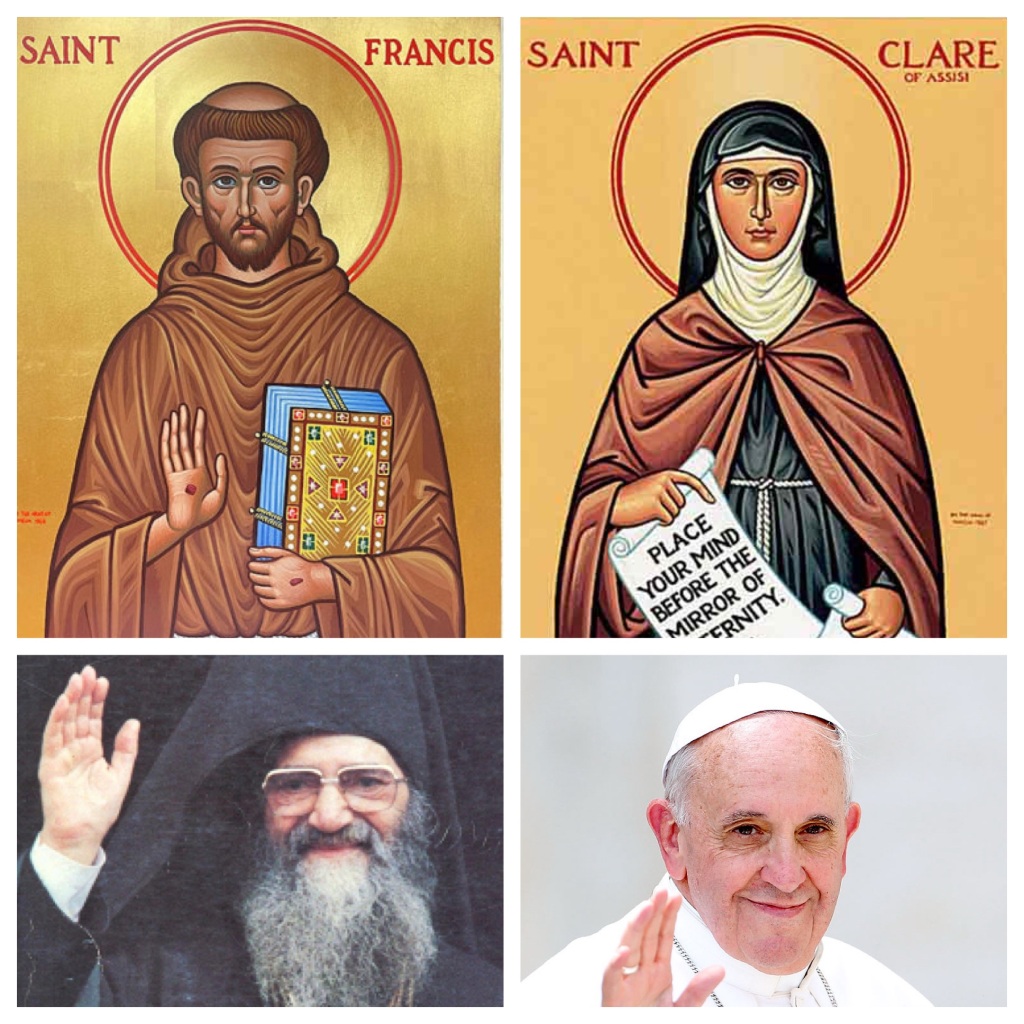
However, alongside the seasonal change, there’s also an ecclesial significance to the change-of-season taking place. In 1989, the Ecumenical Patriarch Dimitrios I (bottom left), the head of the Eastern Orthodox Church, declared 1 September to be a day of prayer for the natural environment. I guess it’s somewhat overshadowed by the fact that in Australia, this day is Wattle Day, honouring the national floral emblem of our nation. But in the church calendar, 1 September was the Day of Prayer for the Environment.

In 2008, the World Council of Churches made a decision to extend this focus beyond one day. It invited all churches to observe a Time for Creation from 1 September to 4 October—the day which had long been kept as the feast day for St Francis of Assisi (top left).

Francis, of course, is probably the most popular Catholic saint in the world. He is the one who preached to the birds; blessed fish that had been caught, releasing them back into the water; communicated with wolves, brokering an agreement between one famous ferocious wolf and the citizens of a town that were terrified of it; and used real animals when he created the very first, live, Christmas nativity scene. As a result of these, Francis is the patron saint of animals and the environment. And he is the inventor of the familiar nativity scene. 

Every 4 October, Francis of Assisi is remembered in churches around the world—along with St Clare of Assisi (top right) who, like Francis, came from a noble family, but decided to renounce it all to live a life of simplicity with Francis and his brothers. Unlike Francis, who was a mendicant, a wandering friar, Clare lived an enclosed life of poverty and prayer, leading a community of women who shared the same vision.

In 2019, the Pope who had taken the name of Francis for his time as Pontiff (bottom right) adopted the Season of Creation for Roman Catholic worship. It runs from 1 September to 4 October. And so, in many churches around the world, the whole of September is now designated as a time to focus on Creation—a truly ecumenical festive season, involving Eastern Orthodox, Roman Catholic, Anglican, Lutheran, and many Protestant churches alike.

The Rev. Dr Elizabeth Smith is an Anglican priest living in Western Australia and a well-known hymn writer; she wrote the words for “God gives us a future”, for instance, and for “Where wide skies roll down”, which we will sing in a few minutes. Dr Smith recently attended an internal colloquium which was exploring the adoption of a Season of Creation by all mainstream denominations. 

She described the impetus for such a gathering in this way: “Christians have joined the growing chorus lamenting the climate crisis and its effects on nature and on vulnerable humanity, especially the poor. Energy is coalescing around liturgical acknowledgement of the value of ‘creation’—both God’s creative action and the universe it produces.” 

She then noted that “Ecumenical efforts are pressing toward a feast or season that raises both the act and fact of creation to the praise and thanksgiving of assemblies across denominations, from the Orthodox and Catholics where the initiatives began, to Anglican, Reformed, Lutheran, Methodist, and Pentecostal fellowships and associations.”

We can only hope that this initiative moves from “a good idea” to “a practical implementation” of that good idea! It will be good to have a regular formal liturgical accompaniment, ecumenical and international, to the signs of the change of season that is all around us.

In the meantime, we have opportunity today to give some attention to the environment; to celebrate the wonderful achievements of God’s  creative work all around us; to lament the ways that human beings have ignored, exploited, and destroyed elements of that creation; and to commit to living in ways that honour the creation, ensure its continued viability, and plant seeds of hope for the future.

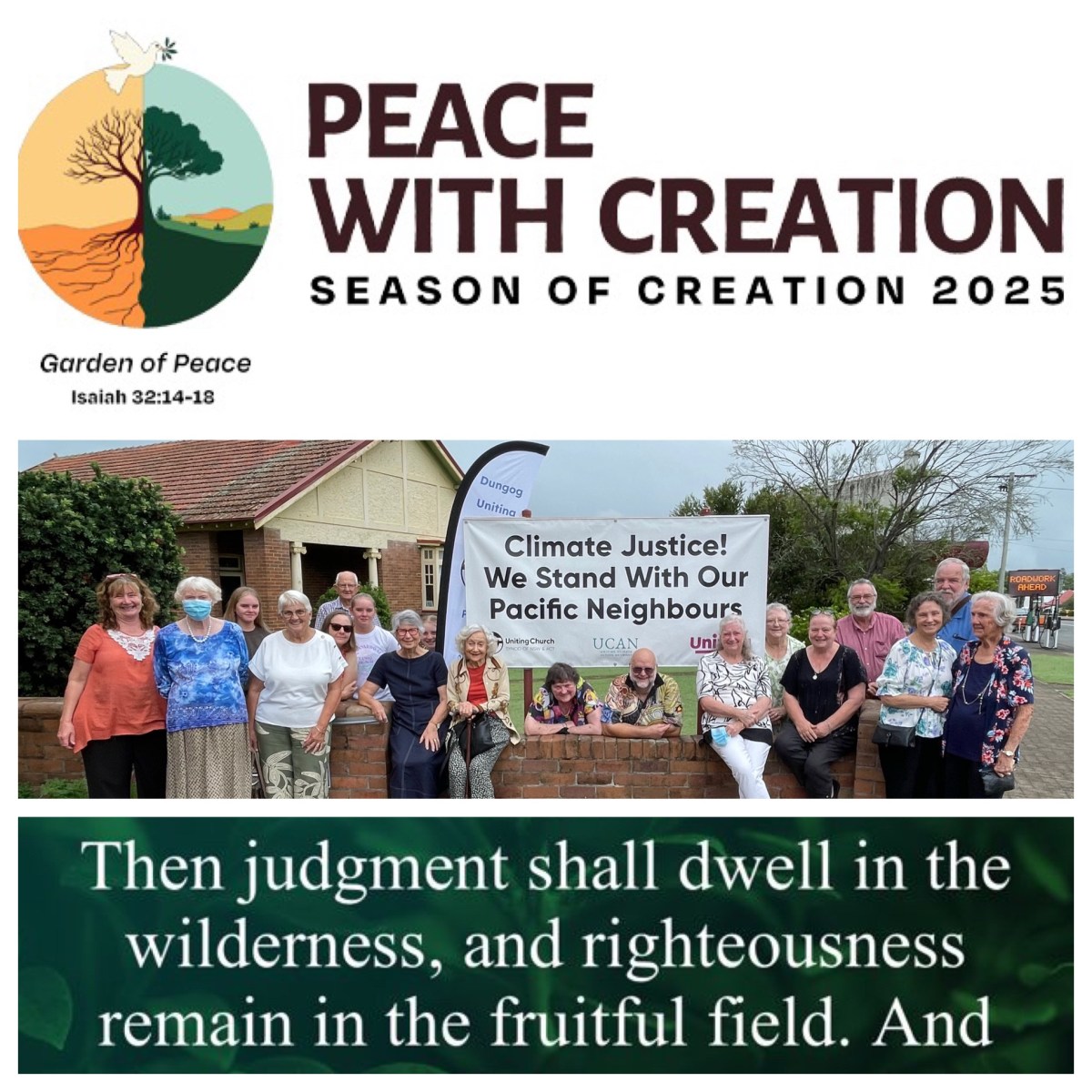
The theme for the Season of Creation this year is Peace with Creation. It’s a theme that is inspired by the example of Francis and c,are, but is taken directly from words in the passage we heard in Isaiah 32, in which the prophet offers words of hope after the time of exile and despair has taken place. Isaiah foresees that “a spirit from on high is poured out on us, and the wilderness becomes a fruitful field, and the fruitful field is deemed a forest” (Isa 32:15).

In these words, the prophet offers a fine, bountiful expression of the abundance that exists in creation; an abundance which came into being, as the priests would describe in their story telling of the act of creation, when the spirit of God, in the form of a mighty wind, “swept over the face of the waters” and energised the creation of earth and sky, seas and trees, fish and birds, land creatures—and human beings (Gen 1).

Isaiah draws from this priestly story, which we know from Genesis 1, and then continues, describing this coming time as a period when “justice will dwell in the wilderness, and righteousness abide in the fruitful field” (Isa 32:16). These are the two central qualities that God desires amongst human beings—justice and righteousness. 

“Happy are those who observe justice, who do righteousness at all times”, one of the psalmists sings (Ps 106:3). As king, Solomon is told that “the Lord has made you king to execute justice and righteousness” (1 Ki 10:9). The prophet Amos most famously declared, “let justice roll down like waters, and righteousness like an ever-flowing stream” (Amos 5:24). 
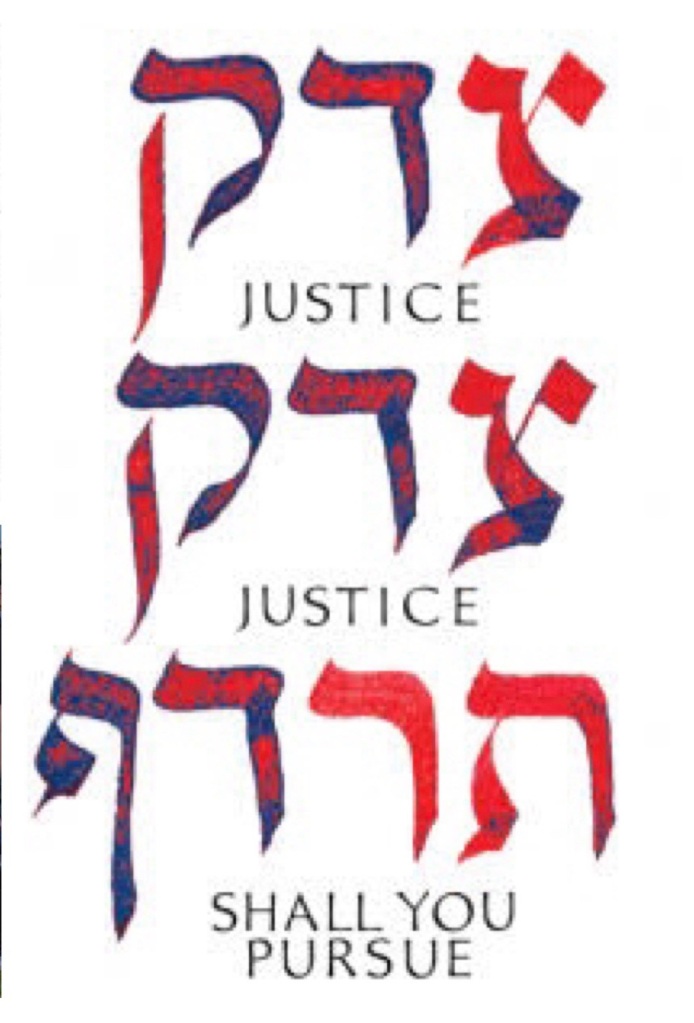
And in the time of exile, Jeremiah prophesies about what lies ahead, stating that God has said to him, “I will cause a righteous Branch to spring up for David; and he shall execute justice and righteousness in the land” (Jer 33:15). For Christians, of course, this righteous branch, executing justice and righteousness, is considered to be Jesus, the chosen servant, upon whom God pours out the spirit, so that “he will proclaim justice to the Gentiles” (Matt 12:18).

The vision that Isaiah has shares elements, also, with an earlier passage, in which he looks to the child to be born, who is “named Wonderful Counselor, Mighty God, Everlasting Father, Prince of Peace” (Isa 9:6). This passage, also, we Christians appropriate and claim that it gives us insight into the nature of the child born in Bethlehem,raised in Nazareth, and crucified in Jerusalem. “His authority”, Isaiah declares, “shall grow continually, and there shall be endless peace” (Is 9:7).

So in chapter 32, Isaiah continues, declaring that “the effect of righteousness will be peace, and the result of righteousness, quietness and trust forever. My people will abide in a peaceful habitation, in secure dwellings, and in quiet resting places” (Isa 32:16–18). The global vision of how the environment will operate is that it will be a time of abundance, a time of justice and righteousness, a time of peace.

How will God achieve such a wonderful time? What role do human beings have in helping the divine to shepherd this time of environmental peace into being? What do we have to do to bring abundance, justice, and peace into being across the world? What do we have to do give up to ensure there is plenty for all, equity for all, and peaceful co-existence amongst human beings, amongst all creatures, across all the ecosystems and environments existing in this world? 

And especially, how do we convince our leaders to act so that there is peace in the world: peace in Gaza, peace in the Ukraine, peace in Sudan, peace in the Yemen, peace in the many places where conflicts still continue.

The Season of Creation stands as a time when we can consider what we do that harms the planet … what we do that contributes to the destruction of forests, the endangerment of species, the futile warfare amongst human beings. This Season calls us to walk lightly on the earth, recycle and reuse in every way, decline plastic in our shopping, buy local food and minimise the mileage travelled by ships and trucks transporting food across large distances. 

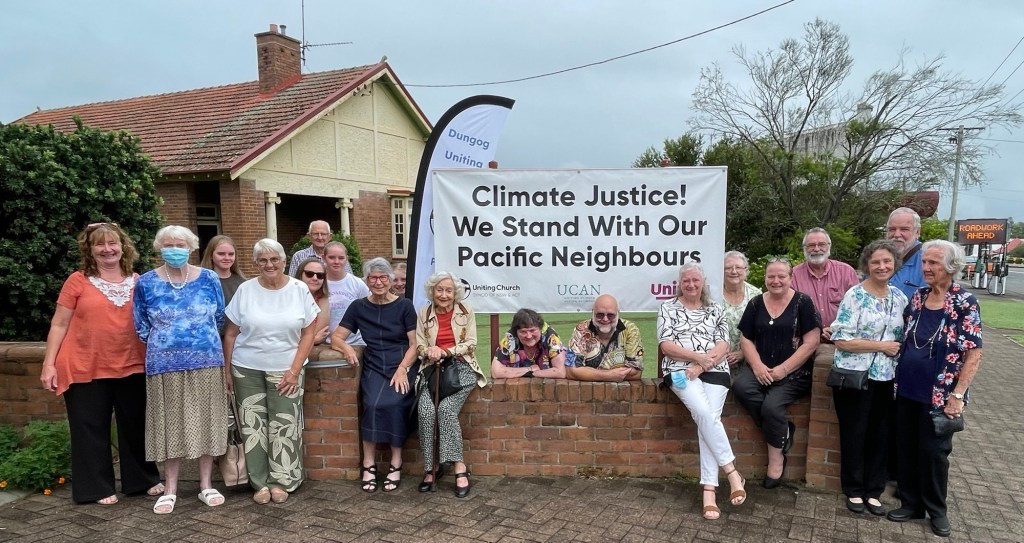
The sign on display at the front our our church in Dungog declares our commitment to such a way of living, as individuals and families, and as a church. And hopefully, as a nation, as our leaders consider the latest report on what needs to be done to ensure the growth of renewable industries and the closure of coal mines—with appropriate retraining for all those employed in mines at the present. This sign is an expression of solidarity with friends in the Pacific region whose countries are slowly being swamped by rising sea levels; it is an expression of our care for the whole creation.
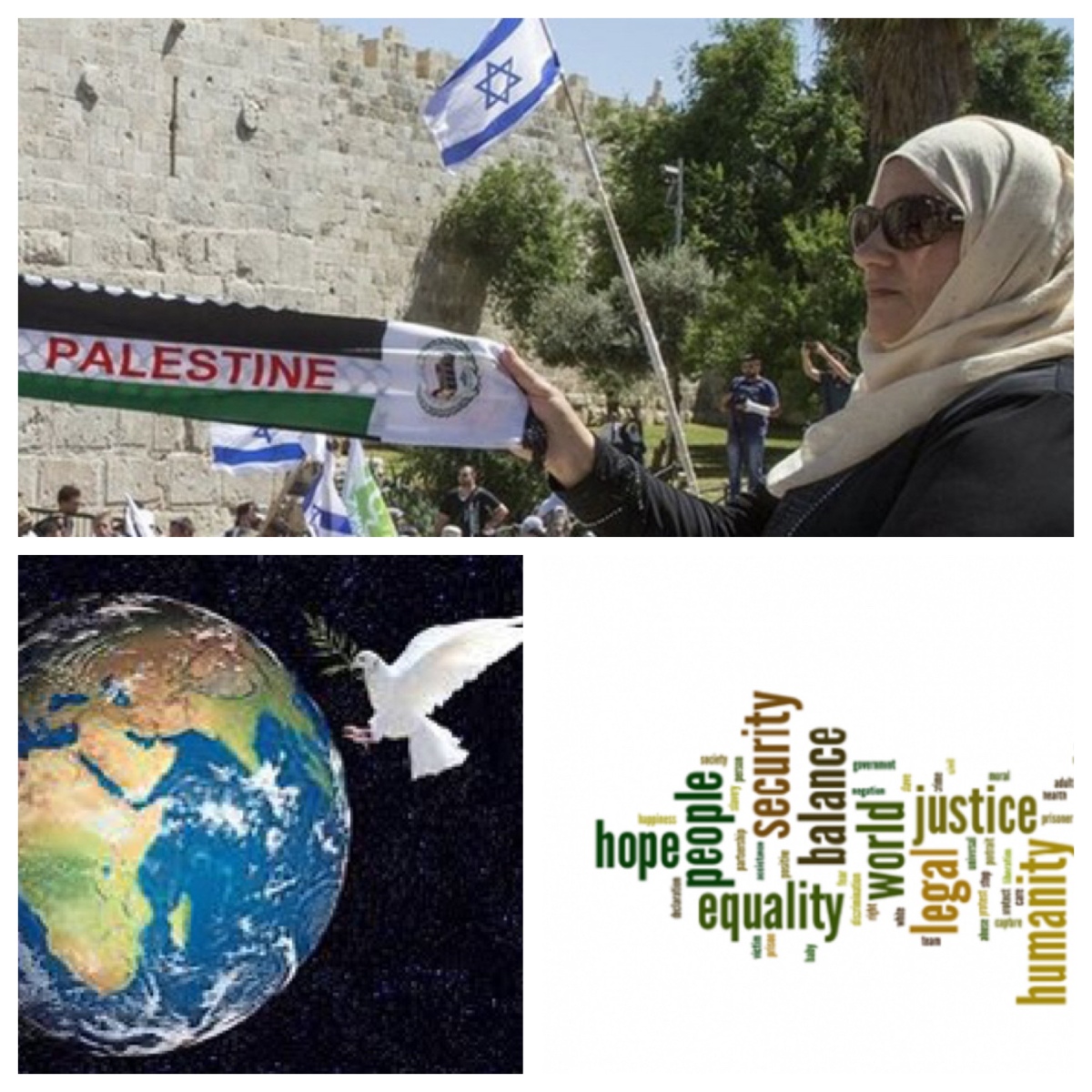
Can you see the vision of fruitful abundance, security and peacefulness, for the whole of creation that Isaiah sets forth? And in seeing that vision, can you commit to small, achievable, daily actions that contribute to ensuring this vision can become a reality? May this be the path we see ahead of us; may this be the path we walk in the days ahead.

Act Now for a Peaceful World: the International Day of Peace 2025

A post for the International Day of Peace, 21 September 2025

Over its lifetime, the United Nations has been proactive in identifying issues of concern in the world and designating specific “days of” and “weeks of”: World Environment Day, World AIDS Day, World Mental Health Day, World Diabetes Day, World Poetry Day,  Day for the Elimination of Violence  against Women, Interfaith Harmony Week, World Immunization Week, World Space Week, and more … 

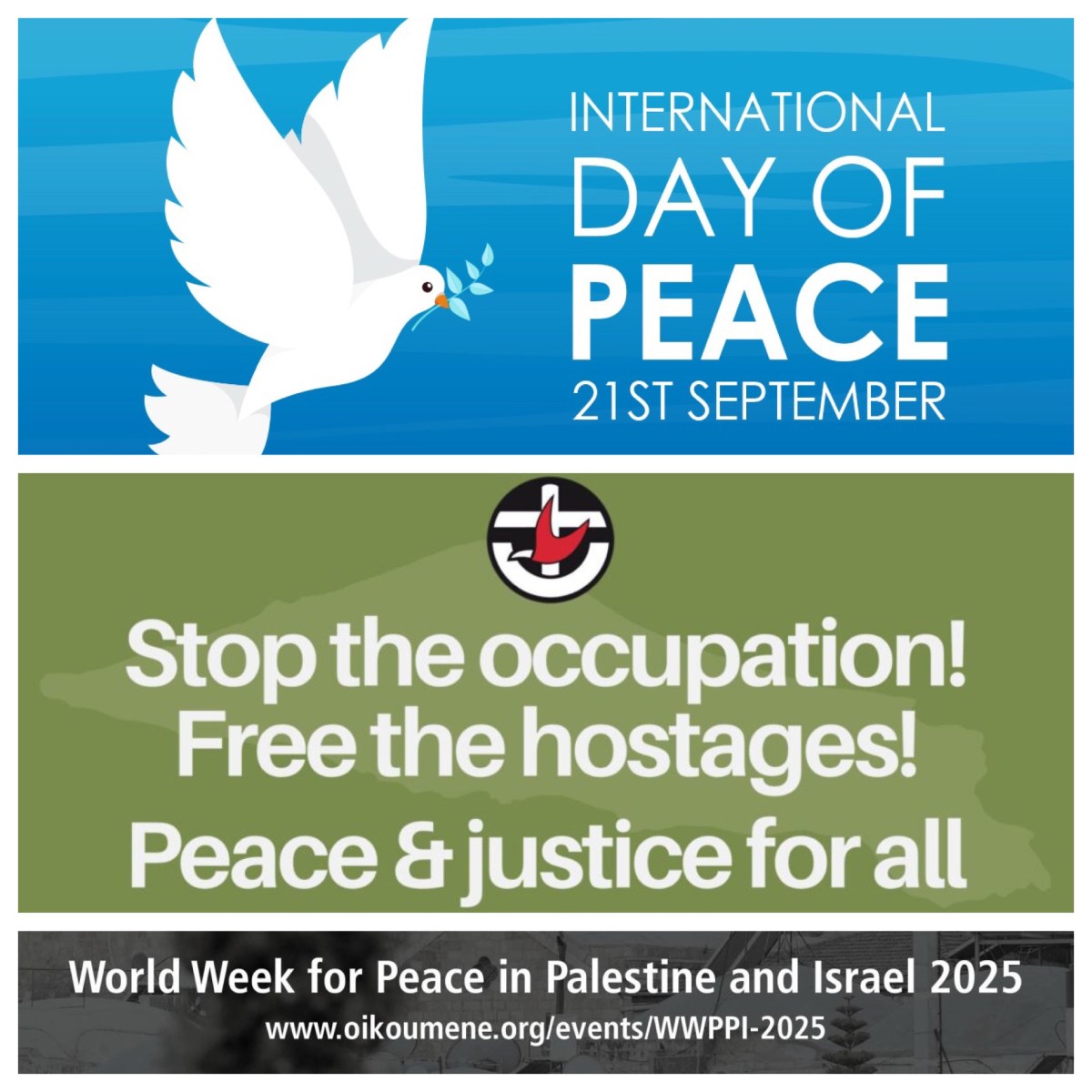
Today, 21 September, is one of those days: it is the International Day of Peace (Peace Day). This day was established in 1981 by a resolution of the United Nations resolution, supported unanimously by all representatives who voted. So Peace Day is a globally-shared date for all humanity to commit to Peace above all differences and work to ensure that Peace predominates over the conflicts raging in the world.

There is perhaps no more acute time, in 2025, for such a day to be highlighted. Our world today is beset by conflict, aggression, and devastating warfare. Mass starvation and the killing of civilians in Gaza; a genocide, many now (rightly) say. Decades of terrorist activity and the exercise of military power in Israel, the West Bank, Gaza, and surrounding nations. An entrenched military battle on many fronts in the Ukraine, bogged down in the ego of a long-term tyrant. Ethnic violence and long-enduring civil warfare in the Sudan. Armed uprisings in the Congo. A civil war in Myanmar following the 2021 military coup. The list could go on to cover many—far too many—places.

One of the myths of the 20th century is that there were two great wars (the two “World Wars”). That puts the focus on conflicts that involved many nations around the world, coalescing together in alliances to fight “the other side”. However, the terrible reality is that in every year of the 20th century, in country after country, Peace was absent. Civil wars, border disputes, regional conflicts, and terrorist insurgencies against unjust dictatorships, all attest to the continuing reality of the Lack of Peace around the world. 

And at the moment, we really need some signs of Peace in our world.  Where is Peace? When will it ever come? It is more important than ever that we recommit to seeking Peace in our world, and press our leaders to work towards peace in national life and International relations. 

The theme for the 2025 International Day of Peace is Act Now for a Peaceful World. UN Secretary-General António Guterres has rightly said, “Around the world lives are being ripped apart, childhoods extinguished, and basic human dignity discarded, amidst the cruelty and degradations of war.”  

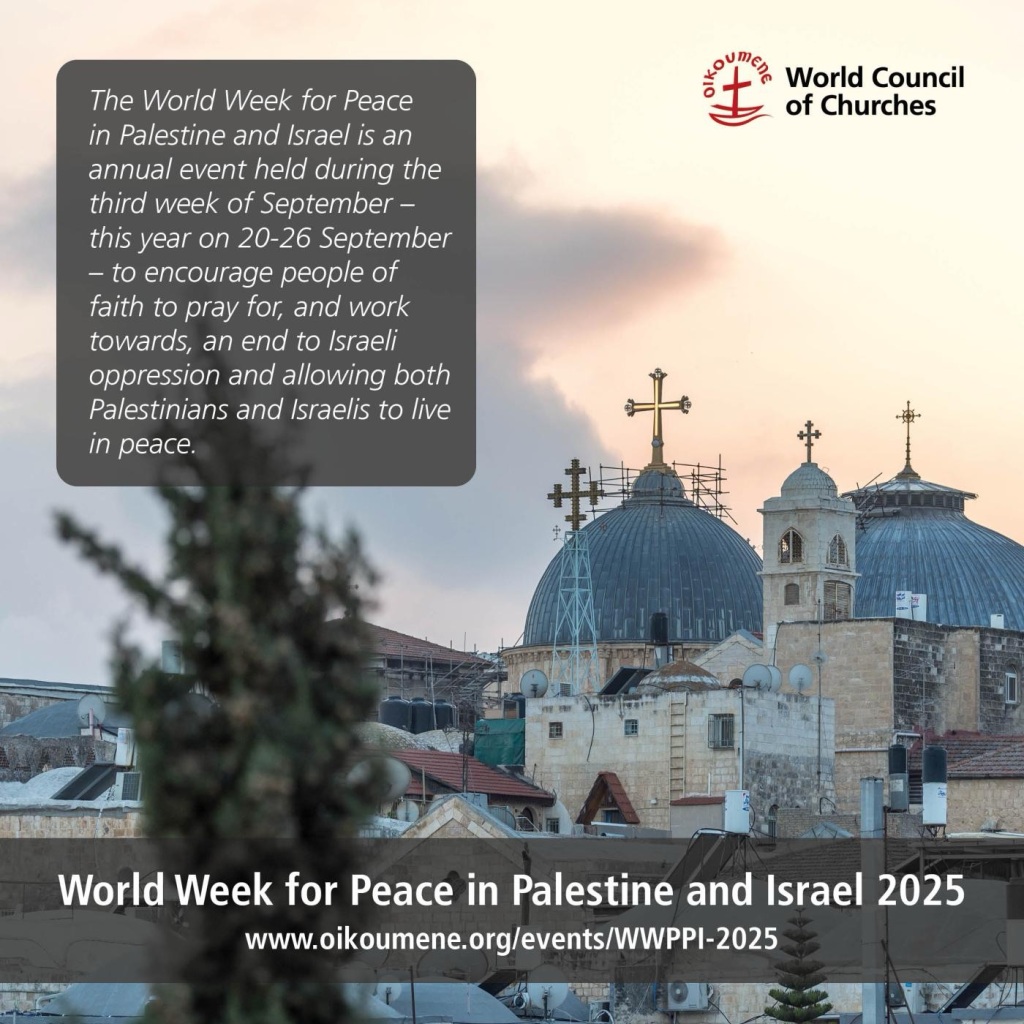
Coinciding with the UN’s International Day of Peace is the World Week for Peace in Palestine and Israel, an event established by the World Council of Churches (WCC) and held each year during the third week of September. This year that week runs from Saturday 20 to Friday 26 September.

The week aims to encourage people of faith to pray for, and work towards, an end to Israeli oppression and allowing both Palestinians and Israelis to live in peace. A fine set of resources has been prepared by the WCC, containing testimonies, a Christian liturgy, a reflective poem, and a “concept note” that sets out the situation in Gaza, the focus of the week, and a set of steps that can be taken locally. See

https://www.oikoumene.org/events/WWPPI-2025?

The Uniting Church has long been a strong supporter of initiatives building towards Peace. Early in the life of the Uniting Church, the National Assembly made a clear and unequivocal commitment, on behalf of the whole church, to support peace-building and reject the idea that the world can be made a better place by killing people.

In 1982, that Assembly declared “that God came in the crucified and risen Christ to make peace; that he calls all Christians to be peacemakers, to save life, to heal and to love their neighbours. The call of Christ to make peace is the norm, and the onus of proof rests on any who resort to military force as a means of solving international disputes.” 

It called for action “to interact and collaborate with local communities, secular movements, and people of other living faiths towards cultivating a culture of peace” and to work to “empower people who are systemically oppressed by violence, and to act in solidarity with all struggling for justice, peace, and the integrity of creation”. It also identified the need “to repent together for our complicity in violence, and to engage in theological reflection to overcome the spirit, logic, and practice of violence”. 

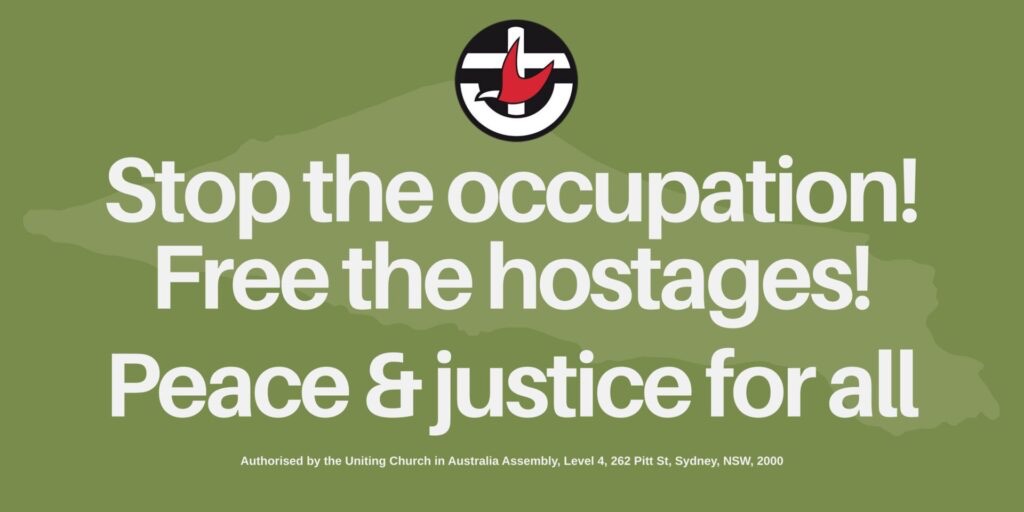
Since the horrific attack on Israel by Hamas militants on 7 October 2023, and the devastating military retaliation by Israel in Gaza, the Uniting Church in Australia Assembly has sought to respond to a worsening conflict situation with a commitment to justice and peace. It has published a number of statements, which can be read at https://uniting.church/palestine-and-israel/

At the moment, the church is encouraging Uniting Church communities to take practical action on Palestine and engage with the World Council of Churches Statement on Palestine and Israel: A Call to End Apartheid, Occupation, and Impunity in Palestine and Israel. This statement has recently been affirmed and adopted by the Uniting Church Assembly.

In the statement, the WCC has declared that “the Government of Israel’s military campaign in Gaza has entailed grave breaches of the Fourth Geneva Convention which may constitute genocide and/or other crimes under the Rome Statute of the International Criminal Court (ICC)”. The WCC calls for churches “to witness, to speak out, and to act” in this matter.

See https://www.oikoumene.org/resources/documents/statement-on-palestine-and-israel-a-call-to-end-apartheid-occupation-and-impunity-in-palestine-and-israel

*****

For more of my blogs on Peace, see

and see also

https://unitingforpeacewa.org/2018/11/28/perth-peacemaking-conference-statement/

There in heaven a door stood open (Rev 4)

In the book of Revelation, we are invited into a world of unfettered imagination, with evocative imagery, enticing language, and disturbing rhetoric. The whole book comes from words spoken by “one like the Son of Man, clothed with a long robe and with a golden sash across his chest” (Rev 1:13). Clearly, it is a vision of the glorified Jesus Christ, now conveying his “revelations” to John, who is instructed to write letters to seven churches (in chapters 2—3) and then to detail a series of amazing visions (in chapter 4 onwards to the end of the book). 

Each vision contains graphic descriptions and dramatic happenings. The first of these visions (proposed for this coming Sunday in the Narrative Lectionary Summer Series for this year) sets the scene set for what will later be revealed as a colossal, cosmic battle between good and evil. 

It opens with the striking claim that the door into heaven is opened (4:1). A disturbing and increasingly detailed dramatization of “what must take place after this” is revealed. The vision comes to a climax with an image of a slaughtered lamb (5:11–14), which  is the passage set in the Narrative Lectionary for a week after this coming Sunday.

Gazing into heaven, the author views a magnificent scene of worship. The importance of this scene is signalled by gleaming jewels and a shining rainbow, golden crowns and white robes, thrones and torches of fire, a sea of glass, grumbling thunder and flashes of lightning (4:3–6).

Thunder and lightning were characteristic of the God of Israel. In the book of Job, Elihu praises God, describing “the thunder of his voice and the rumbling that comes from his mouth … his voice roars; he thunders with his majestic voice” (Job 37:1–5). The psalmist sings of  “voice of the Lord over the waters” which thunders with powerful and is “full of majesty” as it “breaks the cedars of Lebanon … flashes forth flames of fire … shakes the wilderness of Kadesh … causes the oaks to whirl, and strips the forest bare” (Ps 29:3–9).

Thunder and lightning were associated with the foundational event of Israel, in the Exodus from Egypt. David sang of how the Lord God “thundered from heaven; sent out arrows, and scattered them—lightning, and routed them; then the channels of the sea were seen, the foundations of the world were laid bare at the rebuke of the Lord, at the blast of the breath of his nostrils” (2 Sam 22:14–16; Ps 18:13–19). The same graphic descriptions occur at Ps 77:16–20. 

In the book of Exodus, the scene at Mount Sinai includes thunder and lightning, a thick cloud, the blast of a trumpet, the shaking of the mountain and a spreading haze of smoke from the burning fire, an intensifying of the trumpet blast and peals of thunder  (Exod 19:16–19). This was the setting for Moses’ encounter with the Lord, when (according to the story passed on through the generations) the foundation of Torah was laid. The biblical nature of the imagery is very clear; these are all associated with an encounter with the divine.

Twenty-four elders and four six-winged creatures sing praises to “one seated on the throne” (4:2–11), and to a slaughtered lamb “with seven horns and seven eyes” (5:1–14). The hymns they sing in chapters 4, 5, and 7 appear to combine attributes of God which feature in scriptural songs of praise (holy, worthy, glory, honour, power, creator) as well as elements familiar from other New Testament texts in which early Christian thinking is developing. The twenty-four elders, sitting on thrones (4:4), along with the seven spirits (4:5; see also 1:4; 3:1) represent numbers of great symbolism throughout scripture, if we consider the twenty-four to comprise two lots of twelve.

The four living creatures each have a distinctive facial feature: “the first living creature like a lion, the second living creature like an ox, the third living creature with a face like a human face, and the fourth living creature like a flying eagle” (4:7). These four creatures allude to the chariot vision which opens the book of Ezekiel, in which the prophet sees four such creatures, with “the face of a human being, the face of a lion on the right side, the face of an ox on the left side, and the face of an eagle” (Ezek 4:10). These creatures emerge out of the midst of “

“a great cloud with brightness around it and fire flashing forth continually, and in the middle of the fire, something like gleaming amber” (Ezek 4:4), later revealed to be a magnificent chariot (Ezek 4:15–28), on which sat “something that seemed like a human form” (v.26).

Jesus is depicted in this book as “one like the Son of Man, clothed with a long robe and with a golden sash across his chest” (Rev 1:13). He is the supreme authority, the one who has risen from the dead and is at one with God (1:18). Yet there is a stark counterpoint running throughout the whole book. Jesus is the one who has been pierced (1:7); perhaps this evokes the piercing of Jesus’ side as he hung on the cross (John 19:34–37, citing this as a fulfillment of Zech 12:10).

In this initial vision, the Lord God Almighty is seated on the throne, surrounded by four six-winged creatures (4:2–11), perhaps reminiscent also of the six-winged seraphim seen by Isaiah in his vision in the temple (Isa 6:1–2). The one on the throne is holding a scroll with seven seals, which no one was able to open (5:1–4). These seals form the basis for the sequence of visions in 6:1—8:1, culminating in the vision of seven angels holding seven trumpets (8:2), yet another angel burning incense (8:3–4), and the inevitable “peals of thunder, rumblings, flashes of lightning, and an earthquake” (8:5). The markers of the divine are evident once more.

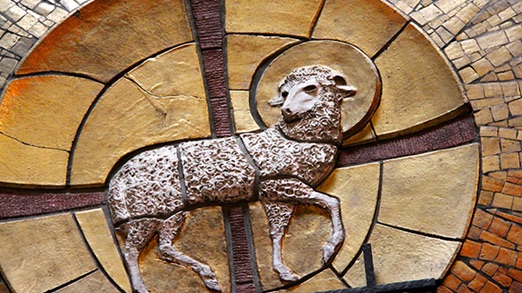
The author continues on, to introduce the one who has power to open the scroll: “the Lion of the tribe of Judah, the Root of David” (5:5)—phrases which clearly evoke the Davidic lineage of Jesus which the Gospel writers have so carefully claimed. (The same Davidic lineage is noted at 22:16.) Immediately, and despite the magnificent splendour of the scene being described, with its many dazzling jewels and angelic creatures, this “Lion” is described as a “Lamb standing as if it had been slaughtered” (5:6).

This paradoxical description of Jesus as “the Lamb that was slaughtered” recurs in hymns later in the book (5:9, 13; 13:8). His victory has been won, not through the power of force, but by submission to death. It seems that it is the fact that he has been slain which qualifies him to open the scroll. His power lies in his avoidance of violence, his submission to death.

This theme is the power that this strange book from a distant past offers us in the turmoil of the present. Our world today—as, indeed, the world time and time again over the centuries—is beset by conflict, aggression, and devastating warfare. Mass starvation and the killing of civilians in Gaza; a genocide, many now (rightly) say. Decades of terrorist activity and the exercise of military power in Israel, the West Bank, Gaza, and surrounding nations. An entrenched military battle on many fronts in the Ukraine, bogged down in the ego of a long-term tyrant. Ethnic violence and long-enduring civil warfare in the Sudan. Armed uprisings in the Congo. A civil war in Myanmar following the 2021 military coup. The list could go on to cover many–far too many–places.

The Geneva Academy of International Humanitarian Law (an institute of the University of Geneva) is monitoring more than 110 armed conflicts which are currently active across the globe. It’s a sad testimony to human greed for power, and to the seemingly endless capacity to inflict terrible damage on others.

The Way of the Lamb is a way that turns away from conflict as a means to resolve differences. In 1982, the National Assembly of my church (the Uniting Church in Australia) passed a resolution declaring “that God came in the crucified and risen Christ to make peace; that he calls all Christians to be peacemakers, to save life, to heal and to love their neighbours. The call of Christ to make peace is the norm, and the onus of proof rests on any who resort to military force as a means of solving international disputes.” 

It reiterated this affirmation some decades later, in 2003, when the Assembly further declared that “that the Church is committed to be a peacemaking body”. This is central to who we are as a faith community. Many other church denominations around the world have similar resolutions marking a similar commitment. Pope John XXIII had issued his encyclical “Pacem in Terris” in 1963. Yet wars snd conflicts have continued. More recently, Pope Francis issued a “Prayer for Peace” in which he invited the faithful to pray, “Renew our hearts and minds, so that the word which always brings us together will be “brother”, and our way of life will always be that of: Shalom, Peace, Salaam!”. Pope Leo XIV prayed for peace in the Middle East and in other conflicted areas. The church yearns for peace. Too many leaders perpetuate antagonism, foment conflict, engender wars.

We need to recapture the central element of the way of discipleship as a commitment to the way of peace, as we seek to follow Jesus in our contemporary world. This is the vision of Revelation. May it be that, as we hear again of the door in heaven standing open, and the vision of the “Lamb standing as if it had been slaughtered”, we recommit to praying for peace, living in a peaceable way, and writing to our political representatives urging them to withdraw support for any armed conflict (including the withdrawal of arms and financial support for those perpetrating aggression). 

The International Day of Peace (21 September)

Today, 21 September, is the International Day of Peace (“Peace Day“). This day was established in 1981 by a resolution of the United Nations resolution, supported unanimously by all representatives who voted. So Peace Day is a globally-shared date for all humanity to commit to Peace above all differences and work to ensure that Peace predominates over the conflicts raging in the world.

One of the myths of the 20th century is that there were two great wars (the two “World Wars”). That puts the focus on conflicts that involved many nations around the world, coalescing together in alliances to fight “the other side”. However, the terrible reality is that in every year of the 20th century, in country after country, Peace was absent. Civil wars, border disputes, regional conflicts, and terrorist insurgencies against unjust dictatorships, all attest to the continuing reality of the Lack of Peace around the world. 

And at the moment, we really need some signs of Peace in our world, as the media has focussed in recent times on the Russian invasion of Ukraine and, for the past 11 months, the atrocities being committed in Gaza, and now Lebanon. Where is Peace? When will it ever come? It is more important than ever that we recommit to seeking Peace in our world, and press our leaders to work towards peace in national life and International relations. 

The theme for the 2024 International Day of Peace is Cultivating a Culture of Peace. 2024 marks the 25th anniversary of the United Nations General Assembly’s adoption of the Declaration and Programme of Action on a Culture of Peace. In that declaration, the United Nations recognises that peace “not only is the absence of conflict but also requires a positive, dynamic participatory process where dialogue is encouraged, and conflicts are solved in a spirit of mutual understanding and cooperation.”

The Justice and International Cluster of the Uniting Church in the Synod of Victoria and Tasmania has produced a fine resource for this day. In this resource, it notes that early in the life of the Uniting Church, the National Assembly has made a clear and unequivocal commitment, on behalf of the whole church, to support peace-building and reject the idea that the world can be made a better place by killing people.

In 1982, the Assembly meeting passed a resolution declaring “that God came in the crucified and risen Christ to make peace; that he calls all Christians to be peacemakers, to save life, to heal and to love their neighbours. The call of Christ to make peace is the norm, and the onus of proof rests on any who resort to military force as a means of solving international disputes.” (res. 85.26)

It called for action “to interact and collaborate with local communities, secular movements, and people of other living faiths towards cultivating a culture of peace” and to work to “empower people who are systemically oppressed by violence, and to act in solidarity with all struggling for justice, peace, and the integrity of creation”. It also identified the need “to repent together for our complicity in violence, and to engage in theological reflection to overcome the spirit, logic, and practice of violence”. 

The Justice and International Cluster resource quoted Rev. Martin Luther King, in Strength to Love (Fontana, 1969), who wrote, “Returning hate for hate multiples hate, adding deeper darkness to a night already devoid of stars. Darkness cannot drive out darkness; only light can do that. Hate cannot drive out hate; only love can do that… So when Jesus says, ‘Love your enemies’, he is setting forth a profound and ultimately inescapable admonition. Have we not come to such an impasse in the modern world that we must love our enemies—or else? The chain reaction of evil—hate begetting hate, wars producing wars—must be broken, or we shall be plunged into darkness of annihilation.” How true those words still are, today.

The resource can be found at https://justact.org.au/wp-content/uploads/2024/08/240704-eLM-PFA-International-Day-of-Peace-Digital.pdf

For more of my thoughts on Peace, see

and also https://unitingforpeacewa.org/2018/11/28/perth-peacemaking-conference-statement/

I will put my spirit within you … I will place you on your own soil (Ezekiel 37; Pentecost B)

In the alternate reading that the Revised Common Lectionary proposes for the festival of Pentecost, this coming Sunday, we find a section from the exilic prophet Ezekiel (Ezek 37:1–14). This is the famous prophecy covering the dead bones, to which the Lord (through Ezekiel) declares, “I will cause breath to enter you, and you shall live. I will lay sinews on you, and will cause flesh to come upon you, and cover you with skin, and put breath in you, and you shall live; and you shall know that I am the Lord” (Ezek 37:5–6).

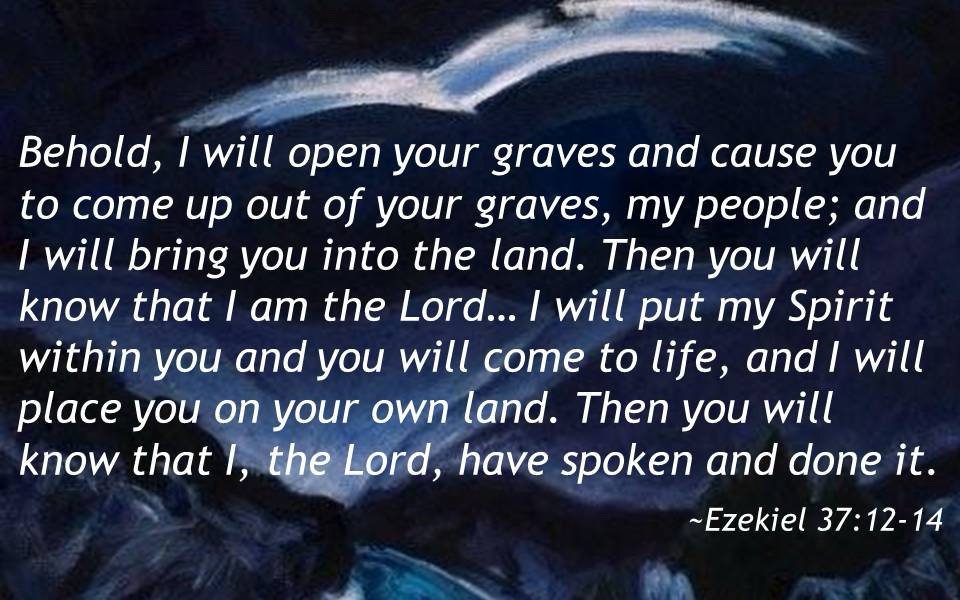
However, this passage also contains words which were filled with hope for the exiled people—but which, in the light of current events in the Middle East, and especially since the eruption of conflict on 7 October last year, are fraught with difficulties. God instructs Ezekiel, “prophesy, and say to them, Thus says the Lord God: I am going to open your graves, and bring you up from your graves, O my people; and I will bring you back to the land of Israel. … I will put my spirit within you, and you shall live, and I will place you on your own soil; then you shall know that I, the Lord, have spoken” (Ezek 37:12,14).

However, this passage also contains words which were filled with hope for the exiled people—but which, in the light of current events in the Middle East, and especially since the eruption of conflict on 7 October last year, are fraught with difficulties. God instructs Ezekiel, “prophesy, and say to them, Thus says the Lord God: I am going to open your graves, and bring you up from your graves, O my people; and I will bring you back to the land of Israel. … I will put my spirit within you, and you shall live, and I will place you on your own soil; then you shall know that I, the Lord, have spoken” (Ezek 37:12,14).

These words are fraught because of the long history of conflict relating to “the land of Israel”—the land to which the exiles would return under the decree of Cyrus of Persia; the land which today is the focus of such controversy and conflicted claims.

The land marked out for Israel was based on the historical reality that in ancient times Israelites/Jews had lived on that land for centuries until the scattering of all Jews under Roman rule first and second centuries of the Common Era. But since then, Arabs of various origins had held control of the land (see below), and those living there came to be known as Palestinians.

In the early 20th century, the place where Arabs who identified as Palestinians were living was decreed to be the British Mandate of Palestine (1920–1948). The ancient conflicts, it was hoped, would be well in the past. A place for Palestinians in the modern world was, it was thought, now settled. But this was not to be, as we well know today.

In part in response to the horrors of the Shoah, exposed by the ending of World War Two, the modern state of Israel was created in 1948. This was a hugely important, completely justified step to take, give the atrocities of genocide that had been inflicted on Jews in Europe by the Nazi regime of Germany.

The new nation of Israel took 78% of the area which had been provided for Palestinians in the British Mandate. That this was now Jewish territory was a blessing for Jews, but it was a huge and continuing irritant to Palestinian sensibilities, which is why the period from 1948 onwards is known as the Nakba, the Palestinian Catastrophe. A significant number of Palestinians fled the area declared as Israel, as (in one estimate) over 500 Palestinian villages were repopulated by Jews, becoming refugees with no national identity. That was indeed a catastrophe for those inhabitants.

The contested regions of the Gaza Strip (along the east coastline of the Mediterranean Sea) and the West Bank (land immediately to the west of the River Jordan) became known as the Palestinian Territories. They have been disputed territories ever since they were occupied by Israel, two decades later, in the Six-Day War of 1967. In the decades since then, continuing and increasingly aggressive expansion of Israeli settlements into areas where Palestinians were living has greatly exacerbated the situation.

And so those who were dispossessed—and offered the hope of return to “their land”—become the dispossessors of others, to whom that same land was also “their land”; and so the tragic cycle continues.

The biblical texts which claim that God gave land to a chosen people so long ago are not verbatim accounts of “what God said” long ago, nor are they historical reports of actual events. They were written by priests returning from Exile, trying to recapture the period when Israel had some autonomy, because of the strength of its army under various tribal leaders (presented as “kings”). The texts form aetiological tales—that is, they are written as stories at a point in time, purporting to be ancient records, laying the foundation for a claim such as “this is our land, God gave it to us”.

That same land, promised to Abraham, claimed by Moses, is in contention today. It has had a chequered history. The ancient land of Cana an eventually became the land of Israel, then (along with Judaea) part of the Roman province of Syria Palaestina (132–390), and then of the Diocese of the East in the Roman Empire (to 536). What followed the fall of the Roman Empire was a millennium and a half of Muslim rule of this land, first as a part of Bilad al-Sham, the Greater Syria region, under various Caliphates.

The region continued to be part of various organisational configurations under successive Muslim rule, on into the Ottoman Caliphate (from 1517) and then into the modern era, as already noted. (I am not an expert, by any means, of this ancient and medieval history; for this summary, I am dependent on what I read in what I consider to be reputable sources.)

An exaggerated, idealised view of the extent of the land claimed by modern-day Israelis is evident in so many ways in the portrayal of Solomon, who was seen to be filled with “wisdom and knowledge”, and granted “riches, possessions, and honour, such as none of the kings had who were before you, and none after you shall have the like” (2 Chron 1:7–12, especially verses 10 and 12). The biblical figure of Solomon is an exaggerated caricature, a description of an idealised ruler whose existence is actually still a matter of debate amongst ancient historians.

It is also worth noting that the large reach of land that Solomon ruled over, even more extensive than the oft-cited phrase “from Dan to Beersheba” (Judg 20:1; 1 Sam 3:20; 2 Sam 3:10; 17:11; 24:2, 15; 1 Ki 4:25; 1 Chron 21:2; 2 Chron 30:5), did not continue past his death. The hagiographical exaggeration of territory under Solomon is not noted in the period after his death. The narrative books that recount the stories of the kingdoms of Israel, in the north, and Judah, in the south, in the centuries after Solomon, indicate that the scope of those kingdoms was more constrained.

*****

In the light of this, we need to take care when we come across texts in the Hebrew Scriptures which dogmatically and definitively declare that this land belongs to the people of Israel. Indeed, even scripture itself tells the story of the invading colonisers who claimed this land for their own (in the book of Joshua).

So I don’t think it is responsible, today, to lay claim to the whole, extended territory of the land, from the biblical passages noted, as the scope for the modern state of Israel which was created in 1948. There is no justification for the continued aggressive expansion of Israeli settlements in Palestinian areas. So I have sympathy for Palestinians who have lived on the land for thousands of years prior to 1948, as they understand this to be their ancestral land. It has been a continuing Nakba, a catastrophe, for Palestinians over these decades.

I also have sympathy for Jews, both those living in the land of Israel today, as well as those living in diaspora, for whom the land of Israel has a powerful symbolic significance—especially since the Shoah of 1933—1945 and the terrible genocide perpetrated by the Nazis against Jews in so many countries during that period. Granting them land in the area where their ancestors long ago had lived, a homeland that gives them security in the modern world, is important and necessary.

That said, I don’t agree that Palestinians should take matters into their own hands to seek vengeance against people in Israel in the way that they have done, once again, in recent months. In the same manner, nor do I think that the Israeli forces should respond in the aggressive and violent manner that they have done, once again, in recent times, with deaths of women and children, and aid workers, noted on the news with dreadful persistence. Too many people—innocent people—are dying and being injured, making any possible progress towards peace with justice even more difficult each day.

We need to seek once more the peace of these peoples. And we need to find that peace on the basis of justice. Neither terrorist attacks nor military crackdowns will achieve this. They will simply exacerbate a dangerous situation.

How do we deal, today, with the promises of God made long ago? “I will bring you back to the land of Israel. … I will place you on your own soil” (Ezek 37:12,14). We need to tread with care. Perhaps some other texts from both Jewish scripture Christian scripture provide guidance.

“Depart from evil, and do good; seek peace, and pursue it.” (Psalm 34:14). “Blessed are the peacemakers, for they will be called children of God.” (Matt 5:9). “Justice, and only justice, you shall pursue, so that you may live and occupy the land that the Lord your God is giving you.” (Deut 16:20). “… the weightier matters of the law: justice and mercy and faith. It is these you ought to have practiced …” (Mat 23:23). May these be the principles that guide the leaders of the warring groups in Israel and Palestine today.

Significant days, reflecting Shoah, Independence, Nakba, and 7 October.

This week there are two significant days happening in the Middle East. Yesterday, 14 May, was Yom Ha’atzmaut, Israel Independence Day, the national day for the modern state of Israel. And today, 15 May, is Dhikra an-Nakba (meaning “Memory of the Catastrophe”), a day of great significance for Palestinians, as it commemorates the Nakba, the Palestinian Catastrophe. These days are particularly poignant this year, as the ongoing conflict in Gaza which began on 7 October 2023 has exploded and escalated into a terrible state of entrenched warfare, with far too many unwarranted deaths (overwhelmingly of Palestinians) taking place each day since then.

These two days remember, from different perspectives, that moment when the modern state of Israel was created in 1948. This was achieved by mapping out an area for Jewish settlers to live in, and the simultaneous destruction of Palestinian society and homeland, with the permanent displacement of a majority of Arabs who identified as Palestinians and who had lived in this area for centuries.

The land marked out for Israel was based on the historical reality that in ancient times Israelites/Jews had lived on that land for centuries until the scattering of all Jews under Roman rule first and second centuries of the Common Era. But since then, Arabs of various origins had held control of the land (see below), and those living there came to be known as Palestinians.

In the early 20th century, the place where Arabs who identified as Palestinians were living was decreed to be the British Mandate of Palestine (1920–1948). The ancient conflicts, it was hoped, would be well in the past. A place for Palestinians in the modern world was, it was thought, now settled. But this was not to be, as we well know today.

British Mandate of Palestine, from Britannica.com

In part in response to the horrors of the Shoah, exposed by the ending of World War Two, the modern state of Israel was created in 1948. This was a hugely important, completely justified step to take, give the atrocities of genocide that had been inflicted on Jews in Europe by the Nazi regime of Germany.

The new nation of Israel took 78% of the area which had been provided for Palestinians in the British Mandate. That this was now Jewish territory was a blessing for Jews, but it was a huge and continuing irritant to Palestinian sensibilities, which is why the period from 1948 onwards is known as the Nakba, the Palestinian Catastrophe. A significant number of Palestinians fled the area declared as Israel, as (in one estimate) over 500 Palestinian villages were repopulated by Jews, becoming refugees with no national identity. That was indeed a catastrophe for those inhabitants.

The contested regions of the Gaza Strip (along the east coastline of the Mediterranean Sea) and the West Bank (land immediately to the west of the River Jordan) became known as the Palestinian Territories. They have been disputed territories ever since they were occupied by Israel, two decades later, in the Six-Day War of 1967. In the decades since then, continuing and increasingly aggressive expansion of Israeli settlements into areas where Palestinians were living has greatly exacerbated the situation. And so those who were dispossessed become the dispossessors of others, and the cycle continues.

Map showing Gaza and the West Bank, from Britannica.com

The biblical texts which claim that God gave land to a chosen people so long ago are not verbatim accounts of “what God said” long ago, nor are they historical reports of actual events. They were written by priests returning from Exile, trying to recapture the period when Israel had some autonomy, because of the strength of its army under various tribal leaders (presented as “kings”). The texts form aetiological tales—that is, they are written as stories at a point in time, purporting to be ancient records, laying the foundation for a claim such as “this is our land, God gave it to us”.

That same land, promised to Abraham, claimed by Moses, is in contention today. It has had a chequered history. The ancient land of Canaan eventually became the land of Israel, then (along with Judaea) part of the Roman province of Syria Palaestina (132–390), and then of the Diocese of the East in the Roman Empire (to 536). What followed the fall of the Roman Empire was a millennium and a half of Muslim rule of this land, first as a part of Bilad al-Sham, the Greater Syria region, under various Caliphates.

The region continued to be part of various organisational configurations under successive Muslim rule, on into the Ottoman Caliphate (from 1517) and then into the modern era, as already noted. (I am not an expert, by any means, of this ancient and medieval history; for this summary, I am dependent on what I read in what I consider to be reputable sources.)

An exaggerated, idealised view of the extent of the land claimed by modern-day Israelis is evident in so many ways in the portrayal of Solomon, who was seen to be filled with “wisdom and knowledge”, and granted “riches, possessions, and honour, such as none of the kings had who were before you, and none after you shall have the like” (2 Chron 1:7–12, especially verses 10 and 12). The biblical figure of Solomon is an exaggerated caricature, a description of an idealised ruler whose existence is actually still a matter of debate amongst ancient historians.

It is also worth noting that the large reach of land that Solomon ruled over, even more extensive than the oft-cited phrase “from Dan to Beersheba” (Judg 20:1; 1 Sam 3:20; 2 Sam 3:10; 17:11; 24:2, 15; 1 Ki 4:25; 1 Chron 21:2; 2 Chron 30:5), did not continue past his death. The hagiographical exaggeration of territory under Solomon is not noted in the period after his death. The narrative books that recount the stories of the kingdoms of Israel, in the north, and Judah, in the south, in the centuries after Solomon, indicate that the scope of those kingdoms was more constrained.

Solomon’s reputed empire, based on the exaggerated biblical texts

In the light of this, I don’t think it is responsible to lay claim to the whole, extended territory of the land, from the biblical passages noted, as the scope for the modern state of Israel which was created in 1948. There is no justification for the continued aggressive expansion of Israeli settlements in Palestinian areas. So I have sympathy for Palestinians who have lived on the land for thousands of years prior to 1948, as they understand this to be their ancestral land.

I also have sympathy for Jews, both those living in the land of Israel today, as well as those living in diaspora, for whom the land of Israel has a powerful symbolic significance—especially since the Shoah of 1933—1945 and the terrible genocide perpetrated by the Nazis against Jews in so many countries during that period. Granting them land in the area where their ancestors long ago had lived, a homeland that gives them security in the modern world, is important and necessary.

That said, I don’t agree that Palestinians should take matters into their own hands to seek vengeance against people in Israel in the way that they have done, once again, in recent months. In the same manner, nor do I think that the Israeli forces should respond in the aggressive and violent manner that they have done, once again, in recent times, with deaths of women and children, and aid workers, noted on the news with dreadful persistence. Too many people—innocent people—are dying and being injured, making any possible progress towards peace with justice even more difficult each day.

As John Hanscombe writes in The Echidna, “Just as there are no excuses for Hamas’s October 7 massacres, rapes and hostage-taking, using starvation as a weapon is also abhorrent. Turning a blind eye to attacks on aid convoys, as the Israeli police reportedly did, only pushes the country further into isolation. Two wrongs never make a right.”

See https://www.theechidna.com.au/

We need to seek once more the peace of these peoples. And we need to find that peace on the basis of justice. Neither terrorist attacks nor military crackdowns will achieve this. They will simply exacerbate a dangerous situation.

“Depart from evil, and do good; seek peace, and pursue it.” (Psalm 34:14). “Blessed are the peacemakers, for they will be called children of God.” (Matt 5:9). “Justice, and only justice, you shall pursue, so that you may live and occupy the land that the Lord your God is giving you.” (Deut 16:20). “… the weightier matters of the law: justice and mercy and faith. It is these you ought to have practiced …” (Mat 23:23). May these be the principles that guide the leaders of the warring groups in Israel and Palestine today.

See also

Remembering

If we are going to adopt an imperialist artefact
to enforce remembrance over all these years,
then let us be clear what it is
that we remember.

It was the war to end all wars …
… as long as we don’t count
Hitler and Europe, Japan and the Pacific,
Ireland, Spain, Korea, Vietnam, Sierra Leone,
Bosnia and Kosovo, Afghanistan and Iraq,
Libya, Syria, Rwanda, Nigeria,
Somalia, the Yemen, South Sudan,
and multiple iterations of aggression and conflict
in Israel and the Palestinian Territories

It was the most futile of wars …
… started by the assassination of a little-known member of the Austrian-Hungarian Empire
… marked for the ANZACS by the most stupid strategic deployment to Gallipoli, with no backup support, and a massive death count
… stalled in the trenches of the Western Front for years as generals, from the safety of distance, moved men amd salons like expendable pawns on a chessboard
… resolved by a conference in which the powerful made arbitrary decisions that benefitted themselves
… bequeathing a legacy of distrust and hatred, which itself gave birth to a second war, and from that, a cold war

So it is not the sacrifice or the courage
that I most remember
—although there was sacrifice aplenty,
and courage in abundance.

What I most remember is
the outright folly and the sheer ineptitude,
the deep pain and the prolonged suffering,
the massacre of innocents and the inability to learn lessons,
the inefficiency and inadequacy of using warfare
to settle accounts, build nations, create the future.

Yes, that is what I remember, and will not forget.

11 Nov 2023

Re-reading the story of Palestine and Israel

This blog comes from a guest blogger, the Rev. Dr Chris Budden. It relates to the current explosion of the conflict in Gaza and Israel. Chris is a retired Uniting Church Minister who is actively engaged with First Peoples; amongst other things, he teaches a course on reconciliation at United Theological College in Sydney, Australia. He has a long interest in ways to find peace in Palestine-Israel. His present research interest is the Preamble to the Constitutional of the Uniting Church in Australia.

There are, in my opinion, three contributing factors to both poor analysis and inadequate responses to the conflict between Palestine and Israel, and the particular role of Hamas.

Let me be very clear from the beginning. Hamas’ actions in Israel were wrong, profoundly and horribly wrong.

First, however, the response and analysis has sought to ignore history. There is a pretence that Hamas simply attacked Israel out of the blue in an act of irrationality. They are mad people who must be eliminated, regardless of the cost to the civilian population. Consider the reality:

  • In 1917 the British Government issued the Balfour Declaration supporting the establishment in Palestine of a home for Jewish people. The aim was not to protect Jewish people, but to get rid of them out of Britain.
  • Prior to World War 2, there were relatively small numbers of Jewish people in Palestine, which was controlled as a British Protectorate.
  • At the end of the war, and with the guilt of the near annihilation of the Jewish people in Germany, support was given to finally enact the Balfour Declaration. People entered Palestine, often illegally, and began to push Palestinians off their land.
  • By 1948 there was significant occupation. The UN declared that the land should be partitioned, and two states established. Israel was established, but a Palestinian state has never gained proper support. Israel is opposed to such a state, believing it would threaten their security.
  • The State of Israel is a settler-colonial state, and has done exactly what such states have done in Australia, New Zealand, USA and Canada. That is, they have stolen land, and justified that theft with the claim that the place was largely unoccupied. Where it was, the people did not use the land properly. People can be dispossessed because they are lesser people – it is a racist narrative, that has been imbedded in apartheid.
  • Palestinians have been pushed into smaller and smaller enclaves, reducing any chance of a proper state. They have had walls built around them, their movements are controlled. Witnesses say that they live in a virtual prison.
  • In the last 10 years, 3500 Palestinians have been killed by the IDF, including large numbers of children.

One of the things we learned from the struggle against apartheid in South Africa was that we should asked those who are oppressed to tell the story of their oppression, and not to ask the oppressors. People should tell their own story, and not have it told by those who continue to harm them.

Second, the clear narrative across the world is that some people are of more value than others. The latest deaths in Israel quite rightly bring forth international condemnation. But the deaths of Palestinians rarely cause a protest. And because people are not seen as equal, then it is okay to seek revenge that is completely disproportionate. Many more Palestinians must die to make up for the death of citizens of Israel.

Third, the US and its allies like Australia must take some blame for what is happening because we have failed to uphold international law; we have failed to insist that the law applies to Israel. The settlements on Palestinian land are illegal, yet they keep expanding. The state of Palestine has been declared by the UN, but no-one does anything to make it happen. It is illegal to attack civilians, but civilians in Palestine are attacked and killed all the time, and no-one is held accountable. It is illegal to punish civilians for what their military do, which is exactly what Israel is doing, but the US and its allies will not tell them to stop.

Let me say it again, this is not a defence of Hamas. Which, by the way, was supported by Israel for years as a way of dividing the Palestinian opposition.

This is a claim that we will not have peace in the area until people are treated as of equal value, until international law is respected, and until people stop stealing land. The alternative is a never-ending spiral of violence.

The response to this argument is often to label it and me as antisemitic. This is about the actions of the State of Israel. To name the ways a state breaks international laws, and oppresses other people is not antisemitic or aimed at Jewish people at all. I hope opponents will not throw labels that obscure the debate but will actually respond to the arguments I have made.

Chris Budden, 31 October 2023

*****

This piece was first posted on UC Forum at https://ucforum.unitingchurch.org.au/?p=5286

For my own earlier reflections on this situation, see

and for a comprehensive overview of the history of this region over the last 100 years, from Al-Jazeera, see

https://www.aljazeera.com/news/2023/10/9/whats-the-israel-palestine-conflict-about-a-simple-guide