Act Now for a Peaceful World: the International Day of Peace 2025

A post for the International Day of Peace, 21 September 2025

Over its lifetime, the United Nations has been proactive in identifying issues of concern in the world and designating specific “days of” and “weeks of”: World Environment Day, World AIDS Day, World Mental Health Day, World Diabetes Day, World Poetry Day,  Day for the Elimination of Violence  against Women, Interfaith Harmony Week, World Immunization Week, World Space Week, and more … 

Today, 21 September, is one of those days: it is the International Day of Peace (Peace Day). This day was established in 1981 by a resolution of the United Nations resolution, supported unanimously by all representatives who voted. So Peace Day is a globally-shared date for all humanity to commit to Peace above all differences and work to ensure that Peace predominates over the conflicts raging in the world.
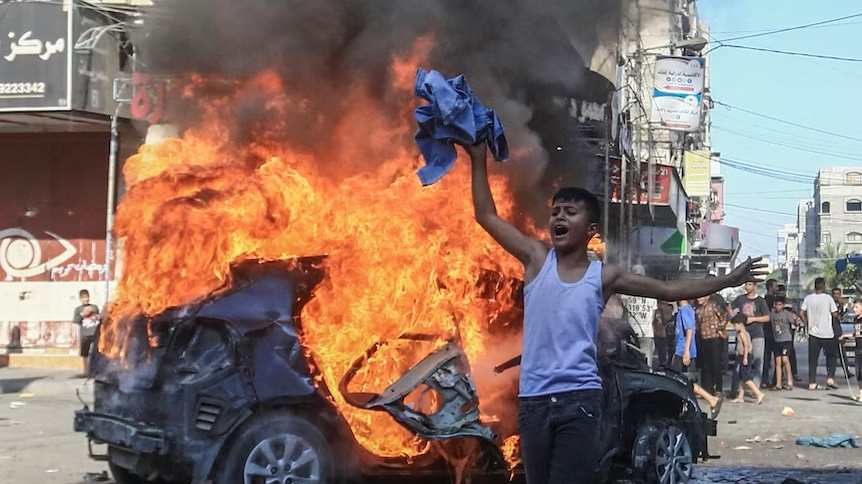
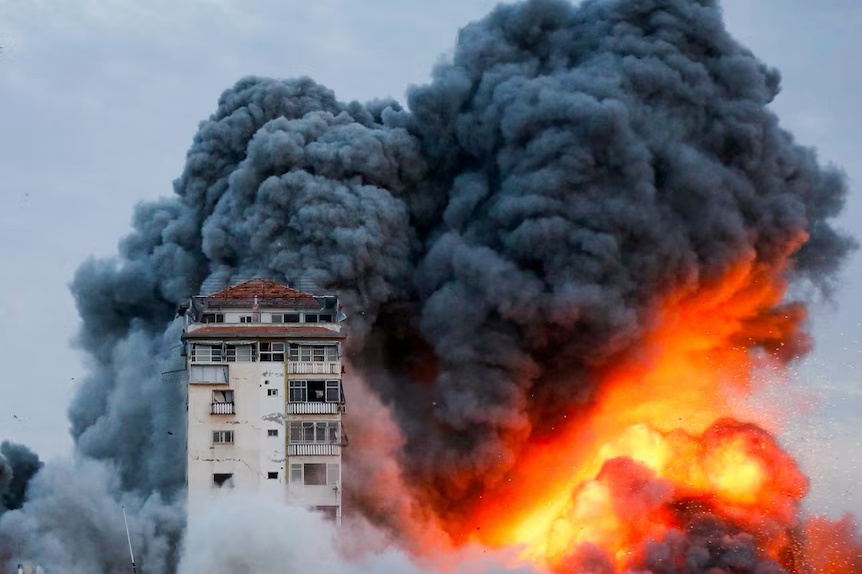
There is perhaps no more acute time, in 2025, for such a day to be highlighted. Our world today is beset by conflict, aggression, and devastating warfare. Mass starvation and the killing of civilians in Gaza; a genocide, many now (rightly) say. Decades of terrorist activity and the exercise of military power in Israel, the West Bank, Gaza, and surrounding nations. An entrenched military battle on many fronts in the Ukraine, bogged down in the ego of a long-term tyrant. Ethnic violence and long-enduring civil warfare in the Sudan. Armed uprisings in the Congo. A civil war in Myanmar following the 2021 military coup. The list could go on to cover many—far too many—places.

One of the myths of the 20th century is that there were two great wars (the two “World Wars”). That puts the focus on conflicts that involved many nations around the world, coalescing together in alliances to fight “the other side”. However, the terrible reality is that in every year of the 20th century, in country after country, Peace was absent. Civil wars, border disputes, regional conflicts, and terrorist insurgencies against unjust dictatorships, all attest to the continuing reality of the Lack of Peace around the world. 

And at the moment, we really need some signs of Peace in our world.  Where is Peace? When will it ever come? It is more important than ever that we recommit to seeking Peace in our world, and press our leaders to work towards peace in national life and International relations. 

The theme for the 2025 International Day of Peace is Act Now for a Peaceful World. UN Secretary-General António Guterres has rightly said, “Around the world lives are being ripped apart, childhoods extinguished, and basic human dignity discarded, amidst the cruelty and degradations of war.”  

Coinciding with the UN’s International Day of Peace is the World Week for Peace in Palestine and Israel, an event established by the World Council of Churches (WCC) and held each year during the third week of September. This year that week runs from Saturday 20 to Friday 26 September.
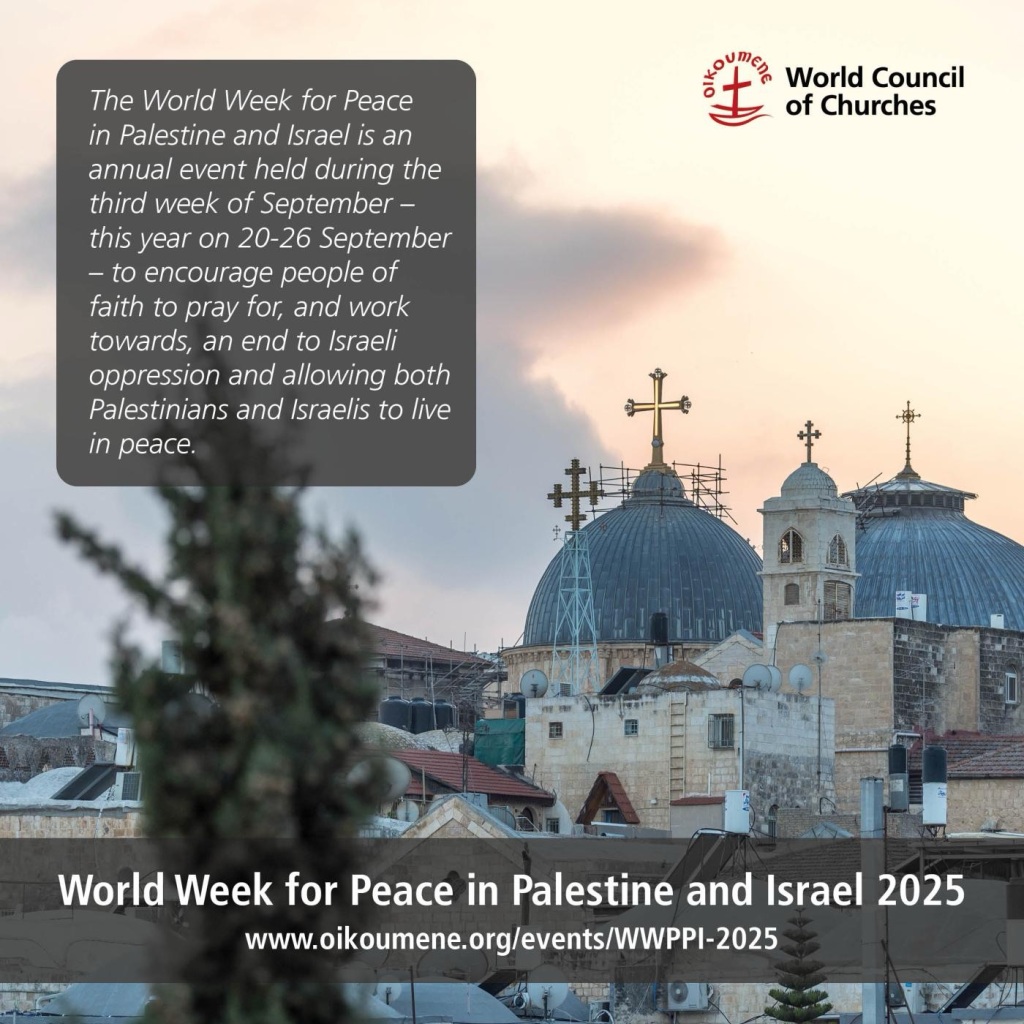
The week aims to encourage people of faith to pray for, and work towards, an end to Israeli oppression and allowing both Palestinians and Israelis to live in peace. A fine set of resources has been prepared by the WCC, containing testimonies, a Christian liturgy, a reflective poem, and a “concept note” that sets out the situation in Gaza, the focus of the week, and a set of steps that can be taken locally. See

https://www.oikoumene.org/events/WWPPI-2025?

The Uniting Church has long been a strong supporter of initiatives building towards Peace. Early in the life of the Uniting Church, the National Assembly made a clear and unequivocal commitment, on behalf of the whole church, to support peace-building and reject the idea that the world can be made a better place by killing people.

In 1982, that Assembly declared “that God came in the crucified and risen Christ to make peace; that he calls all Christians to be peacemakers, to save life, to heal and to love their neighbours. The call of Christ to make peace is the norm, and the onus of proof rests on any who resort to military force as a means of solving international disputes.” 

It called for action “to interact and collaborate with local communities, secular movements, and people of other living faiths towards cultivating a culture of peace” and to work to “empower people who are systemically oppressed by violence, and to act in solidarity with all struggling for justice, peace, and the integrity of creation”. It also identified the need “to repent together for our complicity in violence, and to engage in theological reflection to overcome the spirit, logic, and practice of violence”. 

Since the horrific attack on Israel by Hamas militants on 7 October 2023, and the devastating military retaliation by Israel in Gaza, the Uniting Church in Australia Assembly has sought to respond to a worsening conflict situation with a commitment to justice and peace. It has published a number of statements, which can be read at https://uniting.church/palestine-and-israel/
At the moment, the church is encouraging Uniting Church communities to take practical action on Palestine and engage with the World Council of Churches Statement on Palestine and Israel: A Call to End Apartheid, Occupation, and Impunity in Palestine and Israel. This statement has recently been affirmed and adopted by the Uniting Church Assembly.

In the statement, the WCC has declared that “the Government of Israel’s military campaign in Gaza has entailed grave breaches of the Fourth Geneva Convention which may constitute genocide and/or other crimes under the Rome Statute of the International Criminal Court (ICC)”. The WCC calls for churches “to witness, to speak out, and to act” in this matter.

See https://www.oikoumene.org/resources/documents/statement-on-palestine-and-israel-a-call-to-end-apartheid-occupation-and-impunity-in-palestine-and-israel

*****

For more of my blogs on Peace, see

and see also

https://unitingforpeacewa.org/2018/11/28/perth-peacemaking-conference-statement/
Reflecting this ANZAC Day on wars and conflicts: frontiers abroad … and at home

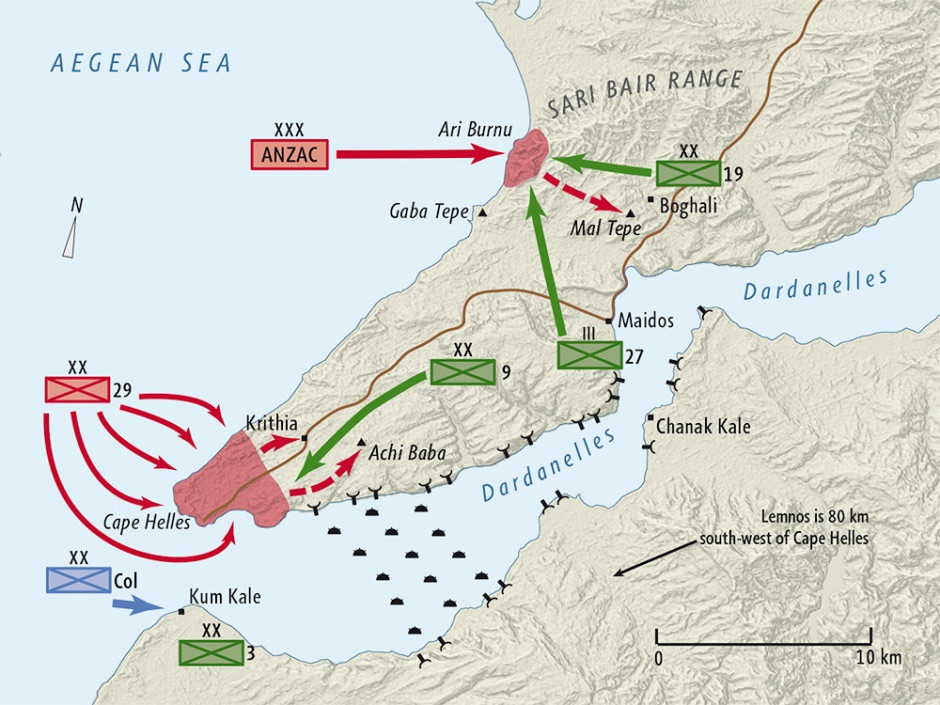
Today is ANZAC Day. It is an annual commemoration that has been held since 1916, which was the first anniversary of the landing of Australian and New Zealand troops on the Gallipoli Peninsula during the early stages of World War I. These troops were the first of approximately 70,000 Allied soldiers whose service included time at Gallipoli; more than 20,000 of these troops were Australian and New Zealand soldiers.

The website of the Australian War Memorial states: “The Australian and New Zealand forces landed on Gallipoli on 25 April, meeting fierce resistance from the Ottoman Turkish defenders. What had been planned as a bold stroke to knock Turkey out of the war quickly became a stalemate, and the campaign dragged on for eight months.

“At the end of 1915 the allied forces were evacuated from the peninsula, with both sides having suffered heavy casualties and endured great hardships. More than 8,000 Australian soldiers had died in the campaign. Gallipoli had a profound impact on Australians at home, and 25 April soon became the day on which Australians remembered the sacrifice of those who died in the war.” See

https://www.awm.gov.au/commemoration/anzac-day/traditions

The first ANZAC Day was observed in 1916 in Australia, New Zealand and England and by troops in Egypt. That year, 25 April was officially named ‘Anzac Day’ by the Acting Australian Prime Minister, George Pearce. It has been held every year since then on the same date, 25 April. It has become, in Australia, a day that commemorates the roles played by Australian servicemen and servicewomen in many arenas of conflict beyond World War I.

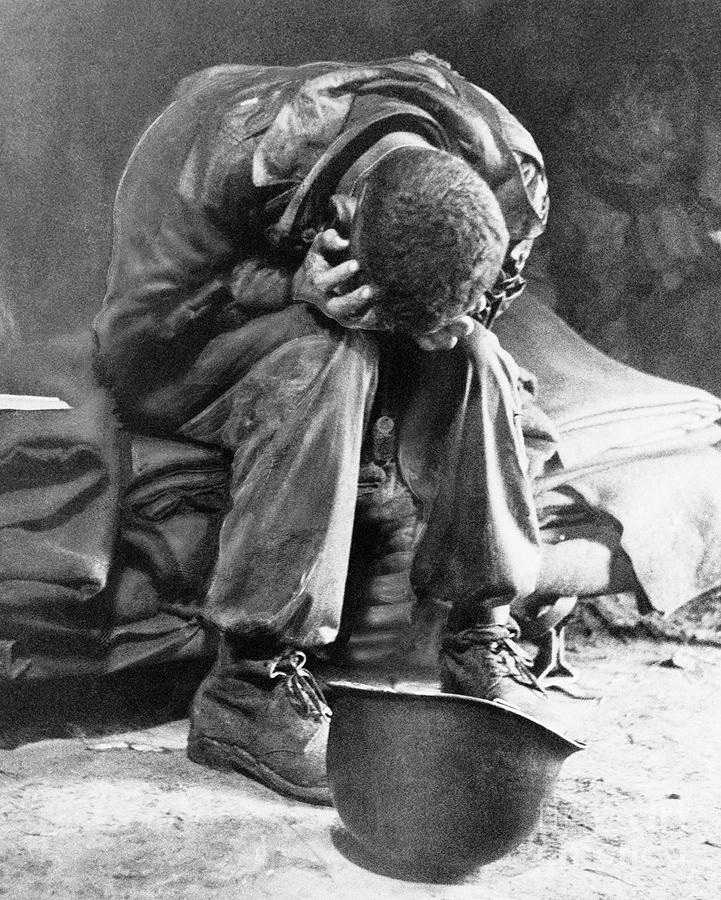
So we rightly pause, today, to remember all that is involved warfare: the contributions of these service people, but also the many victims of war, those who lost their lives, those who lost their health and livelihood, those who lost their loved ones, those who lost all hope.

War has many consequences. It damages individuals, communities, societies, and nations. It has many more innocent victims than the casualty lists of enrolled personnel indicate. And there is abundant evidence that one war might resolve one issue, but often will cause other complications which will lead to another war. Look at the outcome of the Armistice at the end of World War One: we can trace a direct sequence of events that led from World War One to World War Two.

In recent years, in ANZAC Day ceremonies, there has at last been due recognition given to Indigenous men who enlisted in our armed services. The War Memorial has an educational programme on this topic for schoolchildren; see

https://www.awm.gov.au/visit/schools/programs/indigenous-service

For many years, the Australian War Memorial insisted that its concern is solely with “Australians serving overseas in peacekeeping operations or in war”. A decade ago, a previous Director, Dr Brendan Nelson, infamously asserted that “the Australian War Memorial is concerned with the story of Australians deployed in war overseas on behalf of Australia, not with a war within Australia between colonial militia, British forces, and Indigenous Australians.” See

https://www.theguardian.com/world/2013/sep/12/australian-war-memorial-ignores-frontier-war

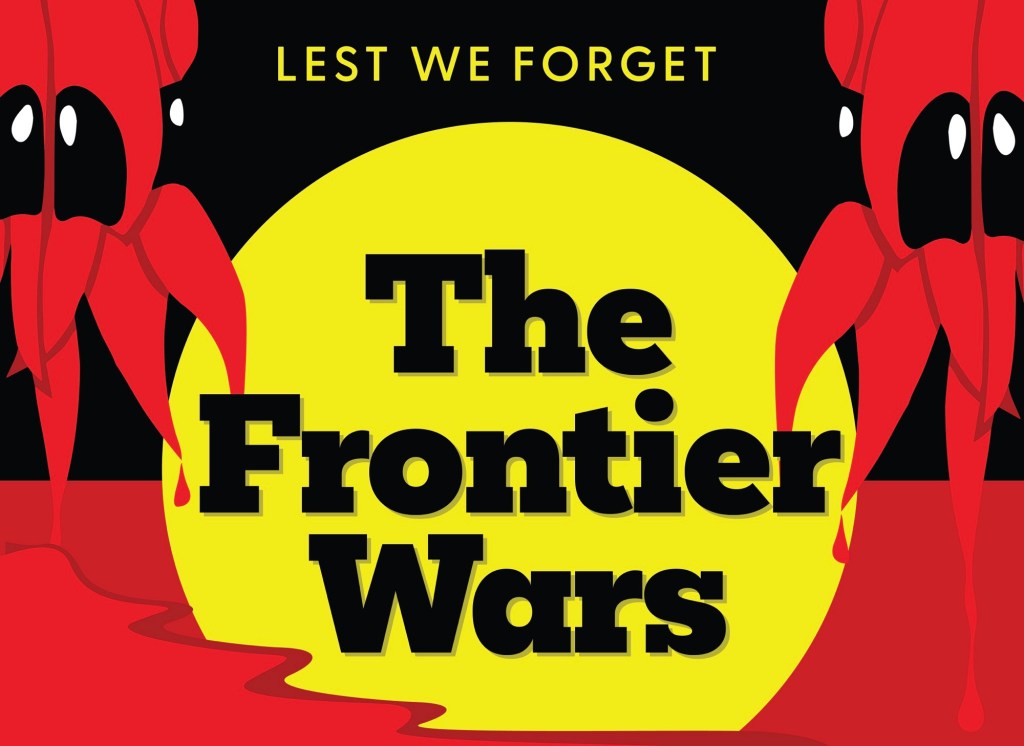
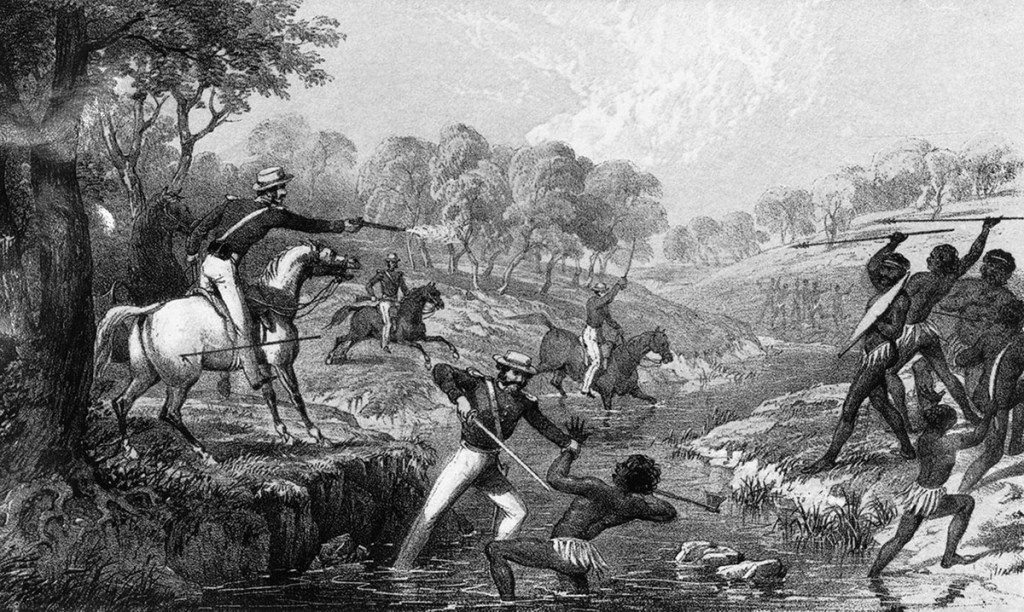
This means that the War Memorial does not include any memory of the thousands of indigenous people who were killed on Australian soil over many decades, in The Frontier Wars (nor, indeed, those white colonials who also died in these encounters). You can read more about this at https://www.awm.gov.au/blog/2013/12/17/response-question-about-frontier-conflicts/

More recently, in 2023, the recently-appointed chair of the War Memorial, Kim Beazley, says he supports “proper recognition of the frontier conflict” as part of the institution’s $500m expansion, questioning how the institution can “have a history of Australian wars without that”. See https://www.theguardian.com/australia-news/australian-war-memorial

Studies have indicated that, over those decades, more indigenous people died here, in Australia, at the hands of the colonisers, than the 60,000+ Australians who died in 1915—1919 on foreign soil, fighting a European war at the behest of our imperial overlords.

[Raymond Evans and Robert Ørsted-Jensen used statistical modelling to hypothesize that total fatalities suffered during Queensland’s frontier wars were no less than 66,680. See http://treatyrepublic.net/content/researcher-calls-recognition-frontier-wars]

The Australian War Memorial blog cited above states, “The ‘Frontier Wars’ were a series of actions that were carried out by British colonial forces stationed in Australia, by the police, and by local settlers. It is important to note that the state police forces used Indigenous Australians to hunt down and kill other Indigenous Australians; but the Memorial has found no substantial evidence that home-grown military units, whether state colonial forces or post-Federation Australian military units, ever fought against the Indigenous population of this country.”

The myth that there was no official, state-sponsored military force which was charged with the task of dealing with “the troublesome natives” (or however else they were described in derogatory terms), is, however, punctured by this Wikipedia note: that on 3 October 1831, Governor Stirling appointed Edward Barrett Lennard as Commanding Officer of the Yeomanry of the Middle Swan, a citizens militia to pursue and capture Aboriginal offenders, with Henry Bull appointed as Commander of the Upper Swan.

The orders were that on being called out, the Yeomanry were “to cause the offending tribe to be instantly pursued, and if practicable captured and brought in at all hazard, and take such further decisive steps for bringing them to Punishment as the Circumstances of the Case may admit.” [Wikipedia here quotes from Michael J. Bourke (1987). On the Swan: a History of the Swan District of Western Australia. Nedlands, WA: University of Western Australia Press.]

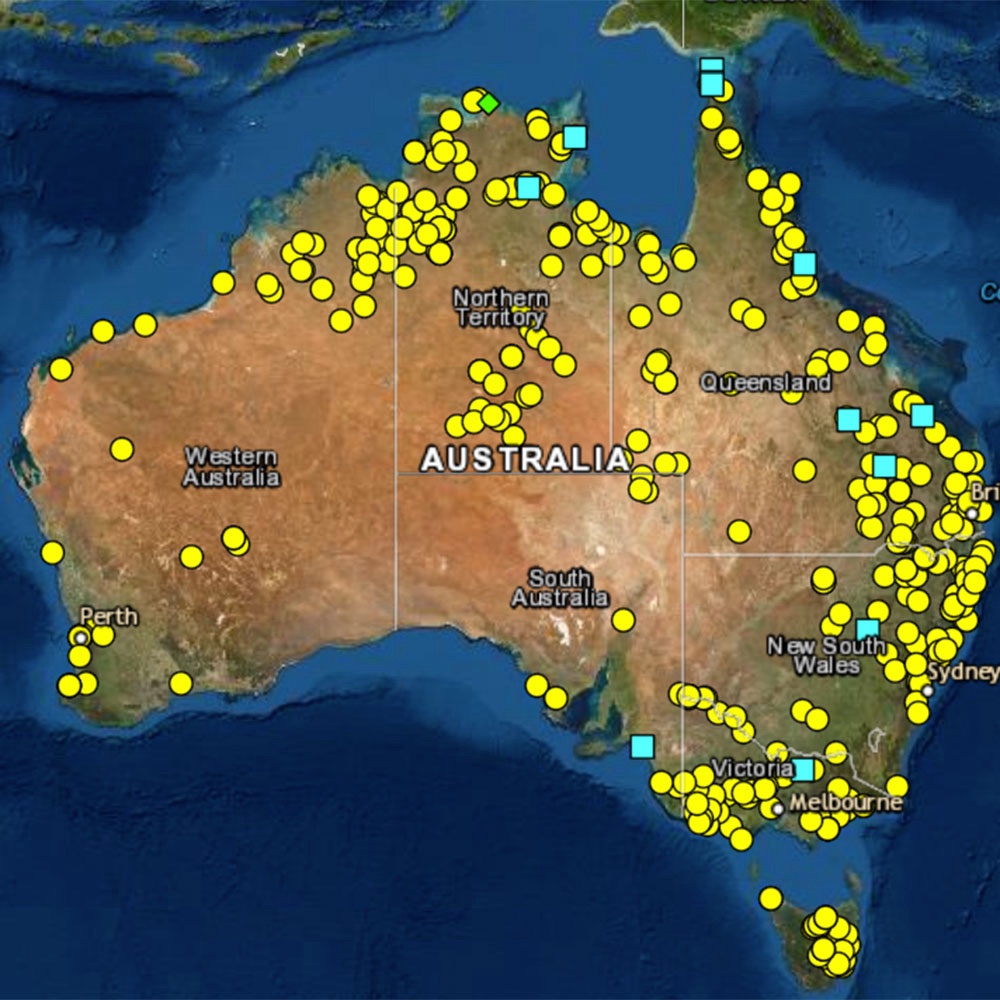
The evidence is clear: Australian servicemen have been party to an officially-organised programme to attack First Nations people. And the evidence is also clear, that across the continent over many decades, thousands upon thousands of Indigenous people have been massacred by the invading British settlers and troopers. See the careful historical work of the late Prof. Lyndall Ryan and her team in the Centre for 21st Century Humanities in the Newcastle University, at

https://c21ch.newcastle.edu.au/colonialmassacres/map.php

So today, as we remember those who served in war and the many victims of war, let us remember also the victims of The Frontier Wars, indigenous and white alike … especially the many thousands of First Nations people who died in these wars.

See more at

Israel, the West Bank, and Hamas: a prayer for peace, and a yearning for justice

I am watching the events in Israel with deep sadness and high apprehension. The simmering hotspot of the Middle East has erupted, yet again, in a vicious and worrying way.

I am not a political expert, although I have watched the sequence of events in that region for decades, reading a lot at different times about what has been going on. I don’t really have any connection with Palestinians, but have had quite a lot to do with Jews in Australia over the decades of my ministry, from local contacts with rabbis in neighbouring synagogues through to membership of my church’s national dialogue group with the Jewish People.

I have also been a member of working groups that prepared resources for the national Assembly to consider as they reflected on the relationship that the Uniting Church has with Jewish people, including a paper presented to the 1997 Assembly and then further work which resulted in the Statement on Jews and Judaism which the 2009 Assembly adopted.

That 2009 Statement included an affirmation “that the State of Israel and a Palestinian State each have the right to live side by side in peace and security” (#15), and an encouragement to the members and councils of the UC “to pray and work for a just and lasting peace for both Israelis and Palestinians” (#24). Both of these clauses hold good in the current situation.

See https://ucaassembly.recollect.net.au/nodes/view/374?keywords=Jews%20judaism&highlights=eyIwIjoiamV3cyIsIjEiOiJqdWRhaXNtOiIsIjMiOiJqdWRhaXNtOyIsIjUiOiJqdWRhaXNtLCIsIjciOiJqdWRpYWlzbSIsIjkiOiJqdWRhaXNtIiwiMTIiOiJqZXdzLiIsIjEzIjoiamV3LCIsIjE5IjoiKGp1ZGFpc20ifQ==&lsk=ff2123f0fd56a80e39107599b0b2fbb7

Just over a decade ago, the then Assembly President, the Rev. Alistair Macrae, launched a set of resources, Prayer for Peace, which provided practical and prayerful ways of working for peace in the Middel East. He said, “The pursuit of peace is at the core of what it means to be a disciple of Jesus Christ. We echo his words when we share the greeting ‘peace be with you’ with members of our worshipping congregations each week. Jesus expresses the centrality of peacemaking in the Beatitudes; he preaches that peacemakers will be the children of God (Matt 5:9).”

The President continued, “Our commitment to being peacemakers takes us down many paths to peace. It’s our responsibility and imperative to explore all options that could bring about peace in our hearts, our homes, our communities and in our world.”

See https://ucaassembly.recollect.net.au/nodes/view/216?keywords=Prayer%20for%20peace&type=all&highlights=eyIwIjoicGVhY2UuIiwiMSI6InByYXllci4iLCIyIjoicHJheWVyIiwiMyI6InBlYWNlIiwiNCI6InByYXllcnMiLCIxMyI6InBlYWNlLCIsIjE3IjoicHJheSJ9&lsk=afa2a1ce65cd901b7aa99df5ad6a35ec

I think that many of the suggestions in this resource also hold good today, including the Prayer For Peace In Palestine which was provided by a National Working Group set up at that time:

“God of peace, we pray for peace in Palestine, the land where the Prince of Peace walked long ago; Let there be an end to the cycle of violence and vengeance that has prevailed there for so long; Let there be an end to the frequent killing and maiming of people, victims of hate and prejudice; Let there be an end to all political agendas that justify and prolong the conflict. God of peace, hear our prayer.

“Bring justice for all the people of Palestine regardless of race, culture or religion; Sustain the courage and determination of all those who work for peace and keep them strong in the face of threats and persecution; Establish such mutual respect and harmony between Christians and Muslims that they will live and work together for the sake of all. God of peace, hear our prayer.

“Keep our own hearts and minds free from fear and prejudice; Help us to be instruments of your peace where we are. God of peace, hear our prayer.

That is one thing that we can do, at this time: pray for peace.

There’s another dimension to the current situation that I think bears some consideration. That is the reality of the current political situation, that the lands in the region currently claimed as the modern state of Israel are contested lands, with both Palestinians and Jews laying claim to that area as their ancient ancestral lands.

Whilst there is contention about these claims, there is one matter that I believe merits thoughtful consideration. The claim made by the hard-line right in Israel—reflected in the boundaries of the current state of Israel, including the occupied territories of the West Bank, Gaza, and the Golan Heights—rests on certain biblical texts which, with an ideologically-based orientation, indicate that “God gave this land to the people of Israel”.

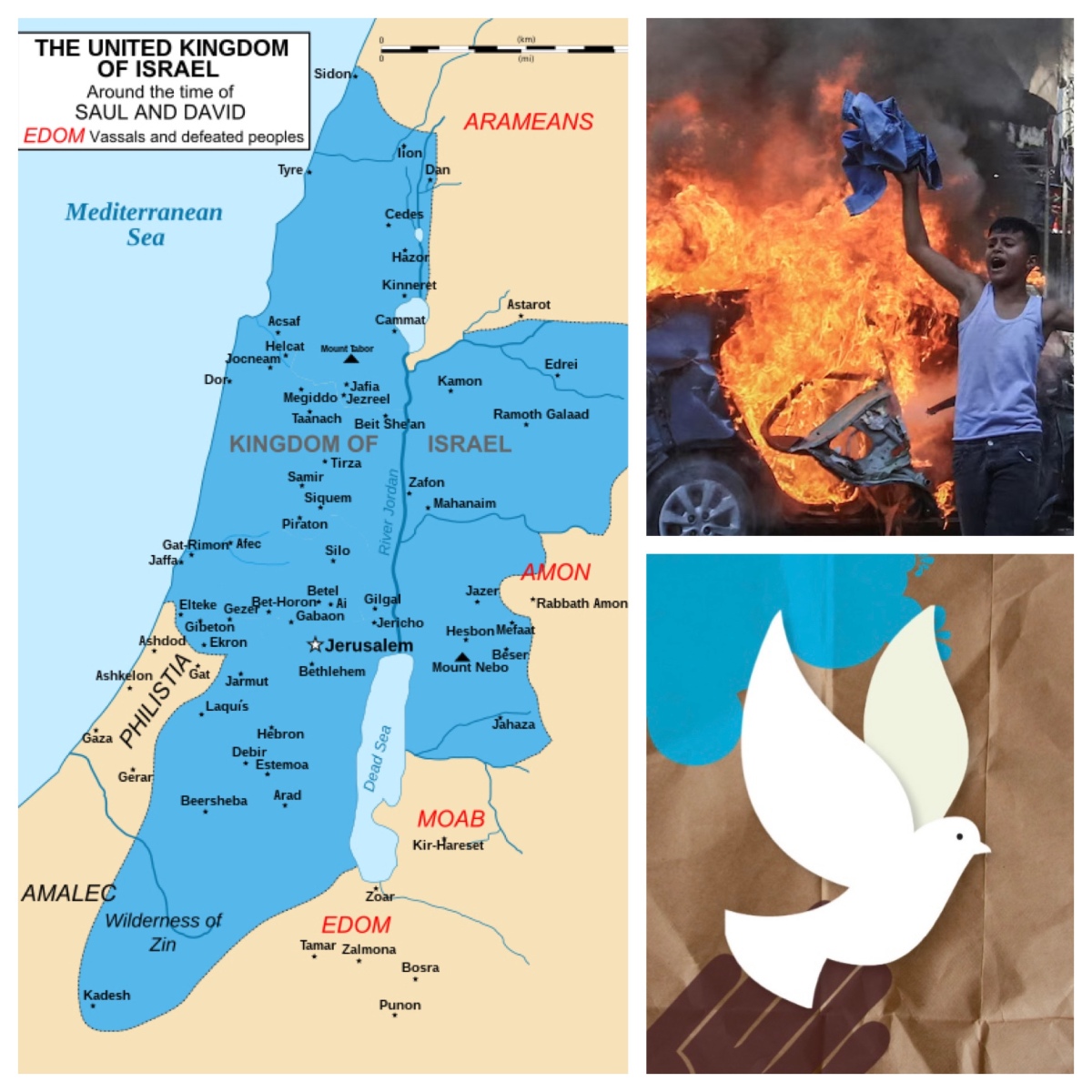
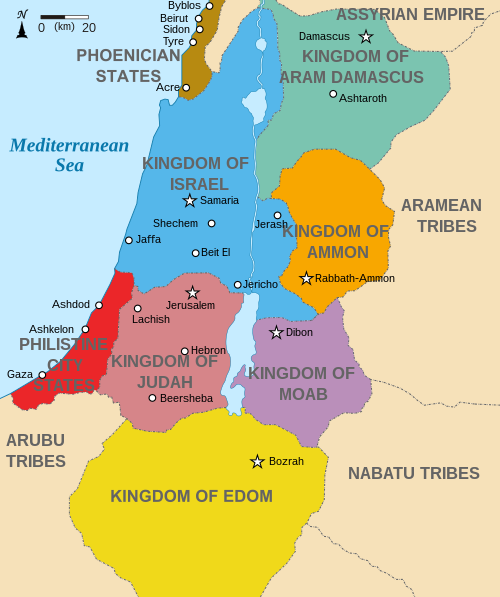
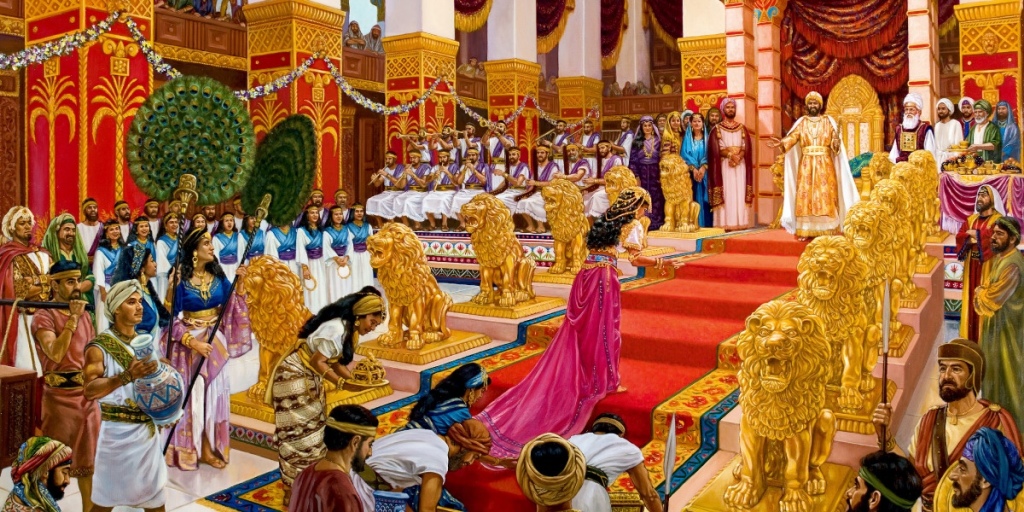
In particular, the large extent of land in view under this claim rests on the biblical description of the territory ruled under Solomon, the much-venerated and highly-valorised king of the United Kingdom of Israel around three millennia ago, in a number of texts in the so-called historical narratives of Hebrew Scripture. Whilst those books might look in many ways like historical narratives, we should take care not to assume that contemporary understandings of history can be easily applied to those passages from antiquity.

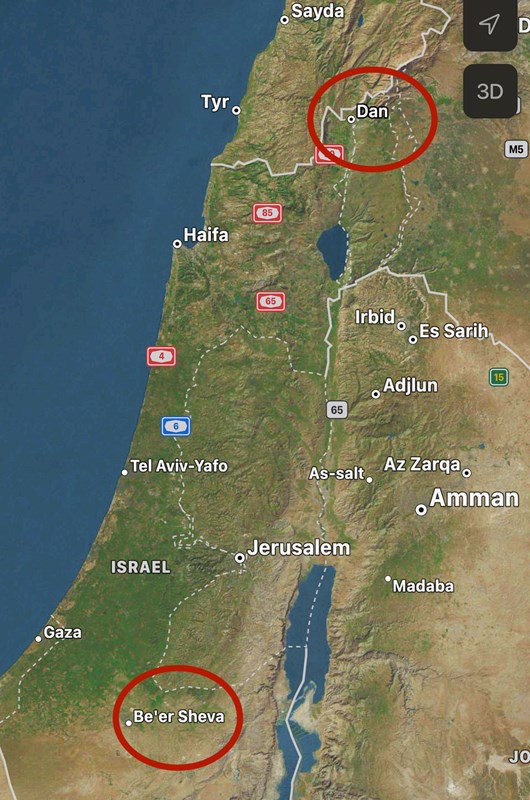
The land that the biblical texts claim was ruled by King Solomon,
from Egypt to the Euphrates

In considering these texts, we should begin by noting that the way that Solomon is presented in the Hebrew Scriptures can only be characterised by the term “hyperbolic exaggeration”. It is not an authentic historical depiction of the man; it is a hagiography. Indeed, the actual existence of Solomon in historical reality (in contrast to being a literary character in the Bible) is highly questionable. Israel Finkelstein and Neil Asher Silberman, writing in The Bible Unearthed: Archaeology’s New Vision of Ancient Israel and the Origin of Its Sacred Texts (Simon and Schuster, 2001), claim that “The glorious epic of the united monarchy was — like the stories of the patriarchs and the sagas of the Exodus and conquest — a brilliant composition that wove together ancient heroic tales and legends into a coherent and persuasive prophecy for the people of Israel in the seventh century BCE.” 

See https://www.thenotsoinnocentsabroad.com/blog/did-king-david-and-king-solomon-really-exist

In the story told in the biblical text, King Solomon was said to have “excelled all the kings of the earth in riches and in wisdom. And all the kings of the earth sought the presence of Solomon to hear his wisdom, which God had put into his mind. Every one of [those kings] brought silver and gold, so much, year by year.” (2 Chron 9:22–24). That’s quite a claim!

This wonderfully wise, insightful, discerning man, Solomon—bearing a name derived from the Hebrew for peace, “shalom”—became a powerhouse in the ancient world, we are told. But he did not always live as a “man of peace”. Indeed, the narrative indicates that he used his 4,000 horses and chariots and 12,000 horsemen to good effect; we read that “he ruled over all the kings from the Euphrates to the land of the Philistines and to the border of Egypt.” (2 Chron 9:26; also 1 Ki 4:21). This was the extent of land that had been promised to Abraham (Gen 15:18), and it was more than any other ruler of Israel, before or after him.

So Solomon was remembered as king over the greatest expanse of land claimed by Israel in all of history. Solomon was a warrior. And warrior-kings were powerful, tyrannical in their exercise of power, ruthless in the way that they disposed of rivals for the throne and enemies on the battlefield alike. Think Alexander the Great. Think Charlemagne. Think Genghis Khan. Think William the Conqueror. This is an integral part of the heritage that the story of Solomon bequeathed to Israel: the memory of an aggressive, dominating ruler, lording it over the region. Even though the modern state of Israel doesn’t have a king, this is an image that is being acted out today, in the politics of the region.

Solomon reigned for 40 years—a long, wealthy, successful time—although “forty years” in the biblical narrative should not be understood to be a precise time, but more a statement that this was “a long, extended time”. Solomon exemplifies the model of kingship which survives through into the modern era. We expect kings to rule. We expect them to invade and enforce and dominate, for that is the heritage passed on. (And I won’t comment on Solomon’s marital relationships; I will leave 1 Kings 11:3 to speak for itself!)

This exaggerated, idealised view of things is evident in so many ways in the portrayal of Solomon, who was seen to be filled with “wisdom and knowledge”, and granted “riches, possessions, and honour, such as none of the kings had who were before you, and none after you shall have the like” (2 Chron 1:7–12, especially verses 10 and 12).

It is also worth noting that the large reach of land that Solomon ruled over, even more extensive than the oft-cited phrase “from Dan to Beersheba” (Judg 20:1; 1 Sam 3:20; 2 Sam 3:10; 17:11; 24:2, 15; 1 Ki 4:25; 1 Chron 21:2; 2 Chron 30:5), did not continue past his death. The hagiographical exaggeration of territory under Solomon is not noted in the period after his death. The narrative books that recount the stories of the kingdoms of Israel, in the north, and Judah, in the south, in the centuries after Solomon, indicate that the scope of those kingdoms was more constrained.

In the light of this, I don’t think it is responsible to lay claim to the whole, extended territory of the land, from the biblical passages noted, as the scope for the modern state of Israel which was created in 1948. I therefore have sympathy for Palestinians who have lived on the land for thousands of years prior to 1948, as they understand this to be their ancestral land.

I also have sympathy for Jews, both those living in the land of Israel today, as well as those living in diaspora, for whom the land of Israel has a powerful symbolic significance—especially since the Shoah of 1933—1945 and the terrible genocide perpetrated by the Nazis against Jews in so many countries during that period. Granting them land in the area where their ancestors long ago had lived, a homeland that gives them security in the modern world, is important and necessary.

That said, I don’t agree that Palestinians should take matters into their own hands to seek vengeance against people in Israel in the way that they have done, once again, in recent days. In the same manner, nor do I think that the Israeli forces should respond in the aggressive and violent manner that they have done, once again, in recent days. Too many people are dying and being injured, making any possible progress towards peace with justice even more difficult each day.

We need to seek once more the peace of these peoples. And we need to find that peace on the basis of justice. Neither terrorist attacks nor military crackdowns will achieve this. They will simply exacerbate a dangerous situation.

“Depart from evil, and do good; seek peace, and pursue it.” (Psalm 34:14). “Blessed are the peacemakers, for they will be called children of God.” (Matt 5:9). “Justice, and only justice, you shall pursue, so that you may live and occupy the land that the Lord your God is giving you.” (Deut 16:20). “… the weightier matters of the law: justice and mercy and faith. It is these you ought to have practiced …” (Mat 23:23).

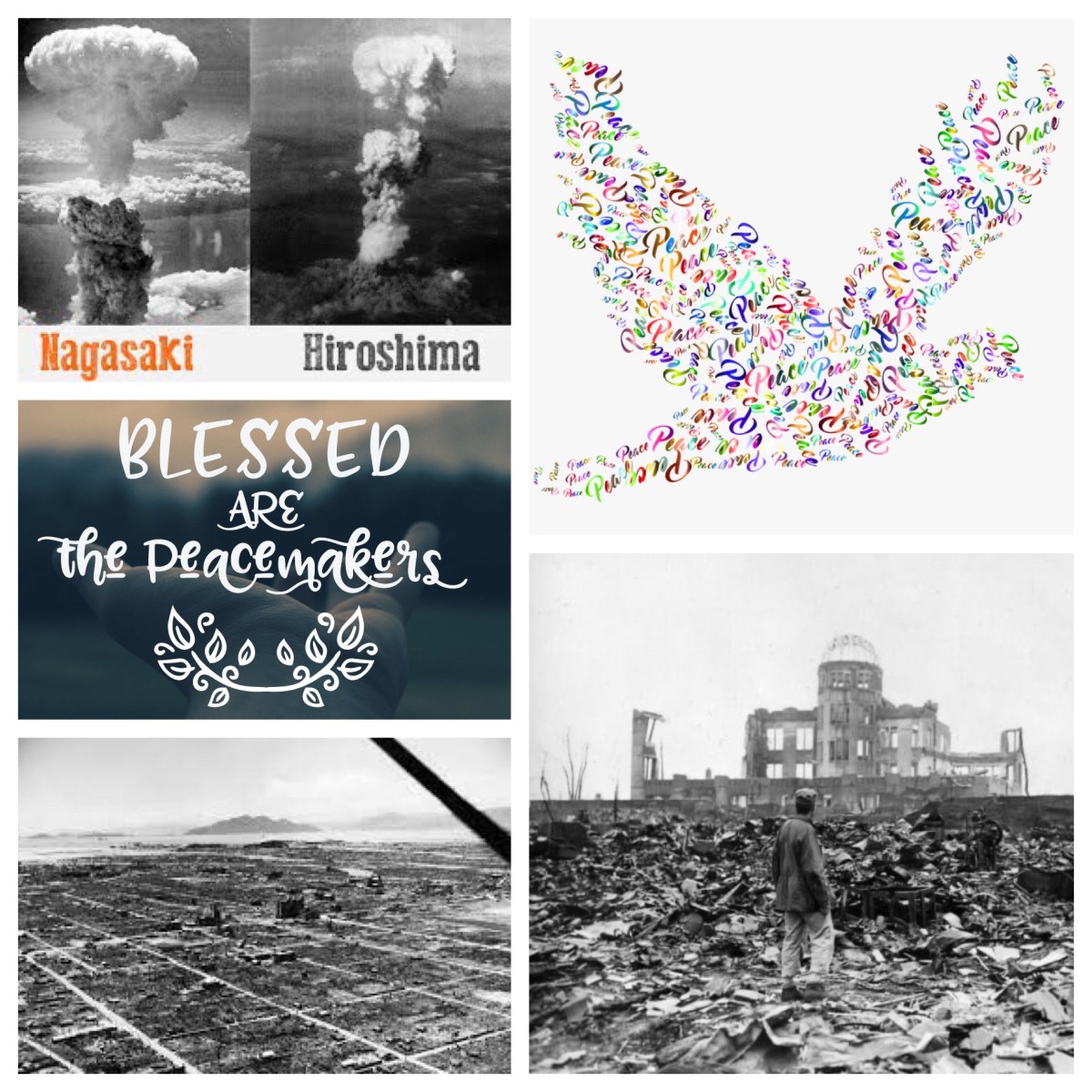
Hiroshima and Nagasaki, Oppenheimer and Oliphant (for 9 August)

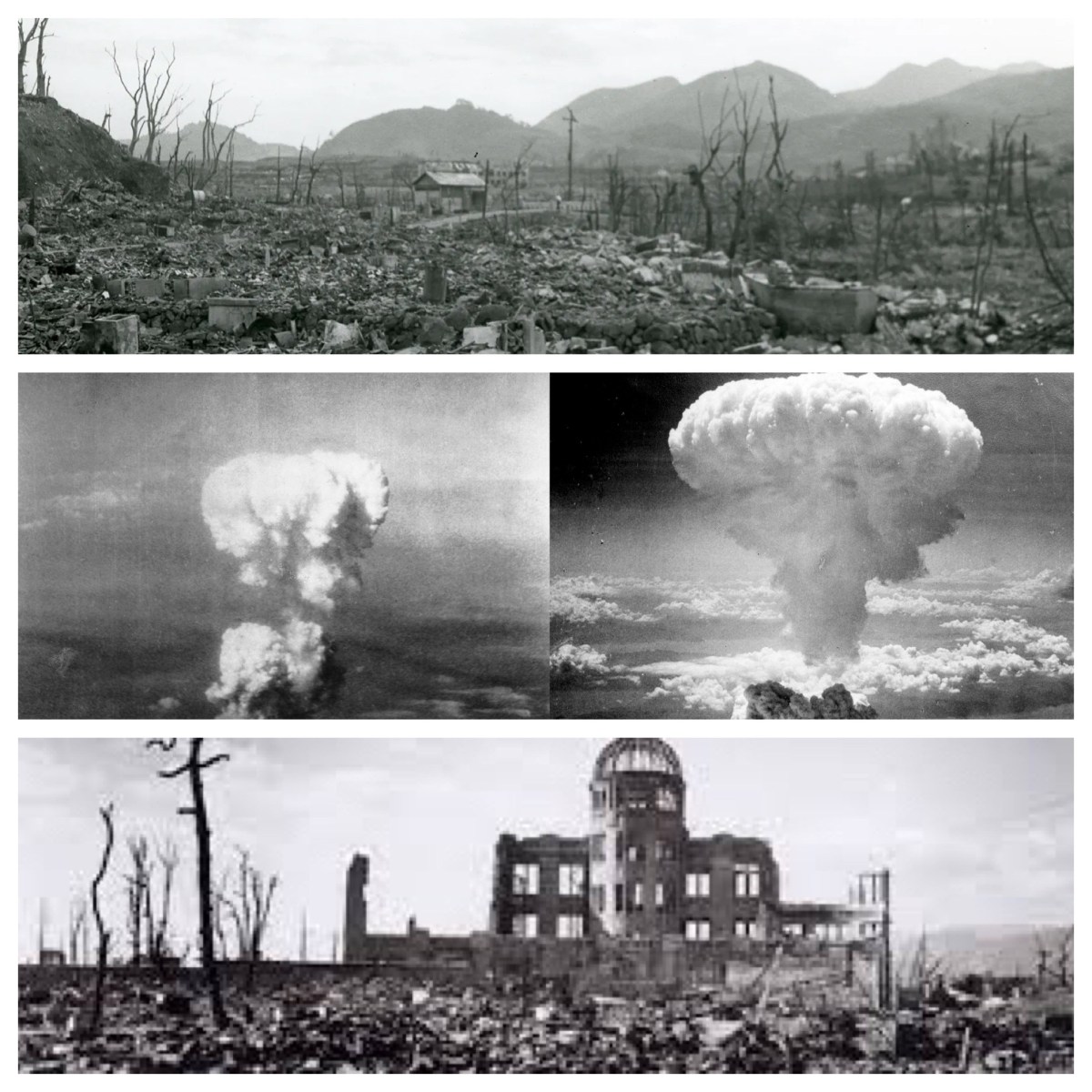
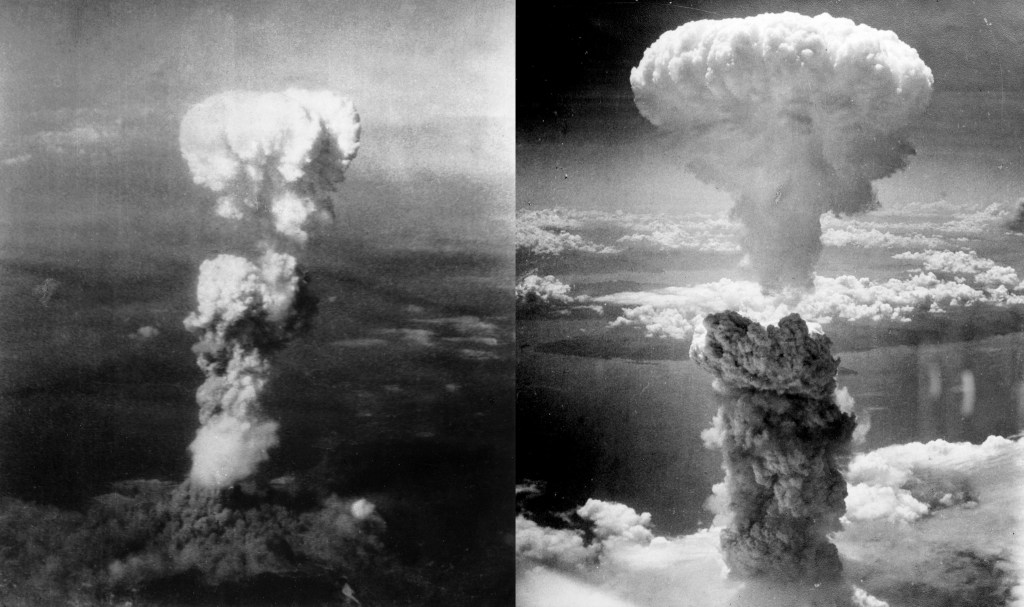
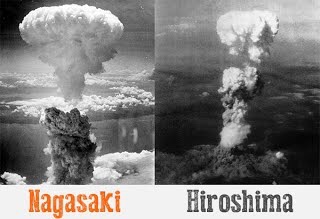
On 6 August 1945, at 8:15 am, a nuclear weapon which had been given the ironic name “Little Boy” was dropped on the Japanese city of Hiroshima. The bomb was dropped from an American B-29 plane, the Enola Gay. A number of military units were located nearby, including the command centre for the defence of all of southern Japan.

Three days later, on 9 August 1945, at 11:01 am, another nuclear weapon was dropped from another American B-29 plane, the Bokscar, onto another Japanese city, Nagasaki.

In the months before August, Tokyo and Yokohama and other cities had been extensively fire-bombed, but no one could have imagined the devastation of the A-bombs. It has been estimated that these two bombings killed between 129,000 and 226,000 people, most of whom were civilians, on the day and in the weeks immediately following the bombings. There are many other deaths that took place in the years afterwards, as well as many, many accounts of diseases, which have been attributed to the fallout from the nuclear bombs.

These two incidents remain the only use of nuclear weapons in an armed conflict. They come to the fore of our attention in August each year, as the anniversary rolls around. This year, however, it may well be more focussed, because,of the recent release of the movie Oppenheimer, which tells the story of Robert Oppenheimer, who was the driving intellectual force behind the development of the technology that enabled nuclear power to be exploded in such a destructive way.

Also involved in that process was Mark Oliphant, an Australian scientist, who some commentators believe was the person that guided Oppenheimer from his theoretical scientific pursuits into this applied field of using physics for human warfare. See

https://www.abc.net.au/news/2023-08-05/j-robert-oppenheimer-mark-oliphant-and-the-atomic-bomb/102577024

(I haven’t seen the movie, so am making no comment on that; I have read some reviews which suggest that it is well made and worth watching.)

I have reflected on the devastating and enduring impacts of these two bombings at

This year, in remembering these two bombings and the subsequent damage caused by them both, I have explored some online resources relating to Hiroshima and Nagasaki, and the ongoing impacts of those two terrible bombings.

On one online page, creative writer Marie Neil writes about the personal impact of warfare: “Increasingly, we realise war is not even about soldiers – the greatest casualties are always civilians – just like the atomic blasts all those decades ago. Returned men and women, damaged beyond recognition suffering the extremities of loss and bereavement. 

“They do not get over it, or move on, or get closure. Survivors with grievous wounds often chose suicide, others clung to another existence, a shadow of their previous life. There were soldiers who had accidents or illness and died without getting near a battlefield.” It is a never-ending roll of casualties, spread across the world.

In commemoration of the 70th anniversary of the dropping of bombs on Hiroshima and Nagasaki almost a decade ago, TIME Magazine curated a selection of testimonies from survivors in both cities, recounting their experiences in 1945. It makes for sober reading.

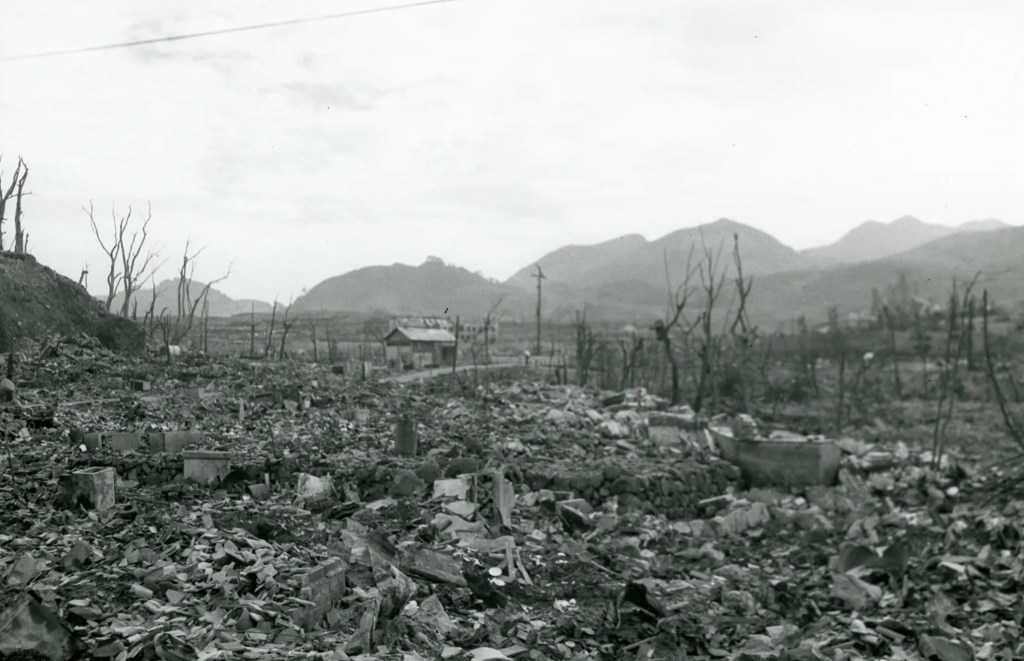
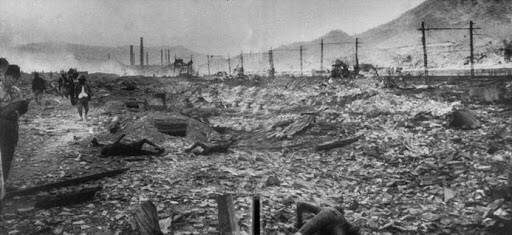
A scene in Nagasaki after the bombing

YASUJIRO TANAKA (in Nagasaki)

“I lost hearing in my left ear, probably due to the air blast. More than a decade after the bombing, my mother began to notice glass shards growing out of her skin – debris from the day of the bombing, presumably. My younger sister suffers from chronic muscle cramps to this day, on top of kidney issues that has her on dialysis three times a week. ‘What did I do to the Americans?’ she would often say, ‘Why did they do this to me?’”

SHIGEKO MATSUMOTO (in Nagasaki)

“At 11:02am, the sky turned bright white. My siblings and I were knocked off our feet and violently slammed back into the bomb shelter. We had no idea what had happened. As we sat there shell-shocked and confused, heavily injured burn victims came stumbling into the bomb shelter en masse.

“Their skin had peeled off their bodies and faces and hung limply down on the ground, in ribbons. Their hair was burnt down to a few measly centimeters from the scalp. Many of the victims collapsed as soon as they reached the bomb shelter entrance, forming a massive pile of contorted bodies. The stench and heat were unbearable. My siblings and I were trapped in there for three days.”

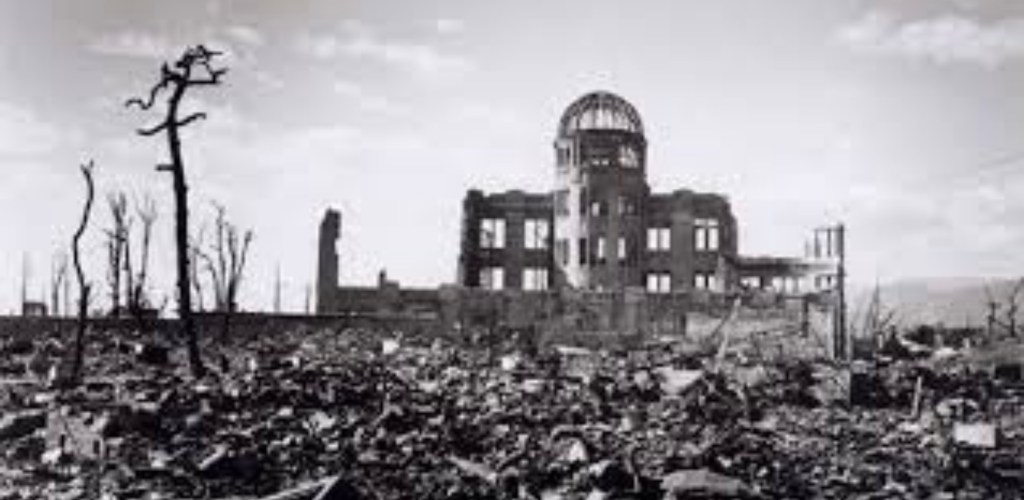
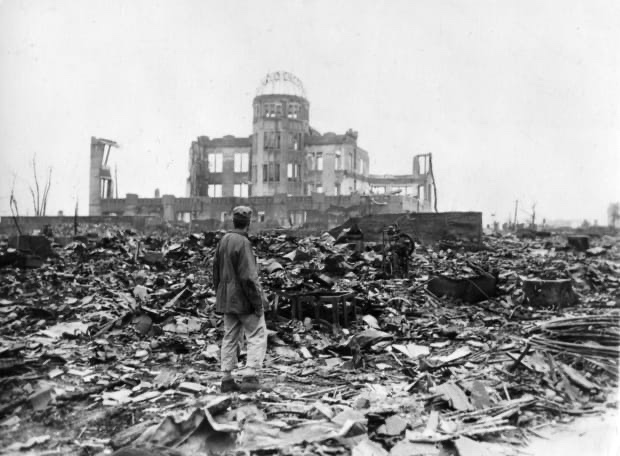
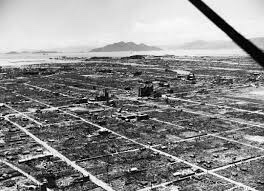
A scene in Hiroshima after the bombing

FUJIO TORIKOSHI (in Hiroshima)

“I heard my mother’s voice in the distance. ‘Fujio! Fujio!’ I clung to her desperately as she scooped me up in her arms. ‘It burns, mama! It burns!’ I drifted in and out of consciousness for the next few days. My face swelled up so badly that I could not open my eyes. I was treated briefly at an air raid shelter and later at a hospital in Hatsukaichi, and was eventually brought home wrapped in bandages all over my body.

“I was unconscious for the next few days, fighting a high fever. I finally woke up to a stream of light filtering in through the bandages over my eyes and my mother sitting beside me, playing a lullaby on her harmonica. I was told that I had until about age 20 to live.

“Yet here I am seven decades later, aged 86. All I want to do is forget, but the prominent keloid scar on my neck is a daily reminder of the atomic bomb. We cannot continue to sacrifice precious lives to warfare. All I can do is pray – earnestly, relentlessly – for world peace.”

INOSUKE HAYASAKI (in Nagasaki)

“The injured were sprawled out over the railroad tracks, scorched and black. When I walked by, they moaned in agony. ‘Water… water…’

I heard a man in passing announce that giving water to the burn victims would kill them. I was torn. I knew that these people had hours, if not minutes, to live. These burn victims – they were no longer of this world.

‘Water… water…’

“I decided to look for a water source. Luckily, I found a futon nearby engulfed in flames. I tore a piece of it off, dipped it in the rice paddy nearby, and wrang it over the burn victims’ mouths. There were about 40 of them. I went back and forth, from the rice paddy to the railroad tracks. They drank the muddy water eagerly. Among them was my dear friend Yamada. ‘Yama- da! Yamada!’ I exclaimed, giddy to see a familiar face. I placed my hand on his chest. His skin slid right off, exposing his flesh. I was mortified. ‘Water…’ he murmured. I wrang the water over his mouth. Five minutes later, he was dead.

“In fact, most of the people I tended to were dead. I cannot help but think that I killed those burn victims. What if I hadn’t given them water? Would many of them have lived? I think about this everyday.”

My colleague Chris Walker has written wisely, in reflection on war and the great damage it causes: ‘Let us then be peacemakers following the way of Jesus. Jesus himself rejected the way of the sword. At his arrest he told his disciples to put away their swords. He followed the way of suffering love and did not resort to violence. Even on the cross he cried out, “Father forgive them; for they do not know what they are doing” (Luke 23:34).’ See

For my earlier blog on these bombings, see

See also

God calls all Christians to be peacemakers

Today there is one of those regular reminders that occur in social media, about remembering war—the victims of war, those who have died, the consequences of armed struggle.

It is a good day to remember, also, that the Gospel is a call to peacemaking and reconciliation. This is at the heart of the commitments that the Uniting Church in Australia, amongst many other churches, has made over the decades.

At the Tenth Assembly in 2003, the Uniting Church affirmed “that God came in the crucified and risen Christ to make peace; and that God calls all Christians to be peacemakers, to save life, to heal and to love their neighbours; and that the Church is committed to be a peacemaking body”. (Uniting for Peace, Tenth Assembly, Uniting Church in Australia) A number of the UCA statements and resources relating to peacemaking are collected at https://www.unitingjustice.org.au/uniting-for-peace

Peacemaking has been a central concern of the Uniting Church since its inception in 1977. As early as 1982, the Assembly made a major statement on peacemaking, with two clear declarations: first, that “God came in the crucified and risen Christ to make peace [and] He calls all Christians to be peacemakers, to save life, to heal and to love their neighbours”; and second, that “the call of Christ to make peace is the norm, the onus of proof rests on any who resort to military force as a means of solving international disputes” (Militarism and Disarmament, 1982).

In 1988, in a Statement to the Nation issued for the Australian Bicentennial, the church declared, “In cooperation with all fellow Australians of goodwill, we are committed to work for justice and peace, calling for honesty and integrity, encouraging tolerance and compassion, challenging acquisitiveness and greed, opposing discrimination and prejudice, condemning violence and oppression and creating a loving and caring community”.

At that same Assembly, a statement on Nuclear Deterrence, Disarmament and Peace was also issued, with the statement that “All Christian affirmation about peace is grounded in the declaration that Jesus Christ is our peace. Through him the power of evil, sin and death is decisively broken, and the hostile and alienated world is reconciled to God and is itself renewed. We speak in hope, trusting God’s promise of the final transformation of all things.”

In 2003 the Assembly adopted an extensive statement entitled Uniting for Peace. In this statement the Uniting Church promised to “work together for peace, justice and reconciliation at the local, national and global level and in collaboration with local communities, secular movements, non- government agencies and people of other faiths”. We declared that we embraced “creative approaches to peacebuilding which are consonant with the spirit of the Gospel” and that we sought to “empower people who are systematically oppressed by violence, and to act in solidarity with those struggling for justice, peace and the integrity of creation”. The Statement also indicated an intention to “repent of our complicity in violence and attempt to overcome the spirit, logic and practice of violence”.

For the International Day of Peace in 2016, the church issued a resource which explored three important “Building Blocks for Peace— gender equality, climate justice, and nuclear disarmament”. See https://www.unitingjustice.org.au/images/stories/PDFs/160909_Peace_IDPResource2016.pdf

Continuing this commitment to peace today is important. One member of the Uniting Church, Len Baglow, has written this helpful piece on making peace, in which he gives serious consideration to a difficult question: “what does it mean in our time to be a peacemaker?” He indicates that he writes “to encourage others to join in this adventure that scripture calls peacemaking. I would particularly urge leaders in the Church community to see peacemaking not as a peripheral activity, but something which is urgent for our times.”

See https://ucforum.unitingchurch.org.au/?p=4660

Len notes that IPAN, the Independent and Peaceful Australia Network, is planning a national conference later this month, at which there will be consideration of AUKUS and the current threat of war for Australia, as well as sessions on “building the peace movement: planning collaborative activism”. The details of the programme and registration are at

Continuing the commitment to making peace that Jesus articulated is an integral and important part of Christian discipleship in the contemporary world. May the resolutions of this conference and the networks that it builds contribute to the ongoing work of making peace and forming reconciliation in our fractured world.

See also

Seeking peace amidst the turmoil: the terrible tragedy of warfare

As we draw nearer to the annual ANZAC Day commemorations, we prepare to remember those who have served in military forces in many theatres of war over the past decades. As I keep on hearing, now, this annual day is not a day to glorify the exploits of those who took part in those wars (which is how I experienced it, growing up in the 1960s and 1970s), but rather, a day to reflect on the cost, even the sacrifice, of those combatants.

Certainly, the mood of sober reflection on the cost of war, the damage that it does to those who have served, and also the courage that many showed under situations of great adversity and danger—this is what usually predominates in our time. (Although my liturgical sensitivities still cringe, every time a local RSL branch leads an ANZAC Day service using antiquated language and creakingly-obsolete theology via the “approved order of service” and the hymns that are taken straight from the vault of Antiques Roadshow.)

I recently read about a visit that Pope Francis made to Italy’s largest military cemetery. It was in 2014, but what the Pope said merits our consideration: “war is madness; humanity needs to weep, and this is the time to weep.”

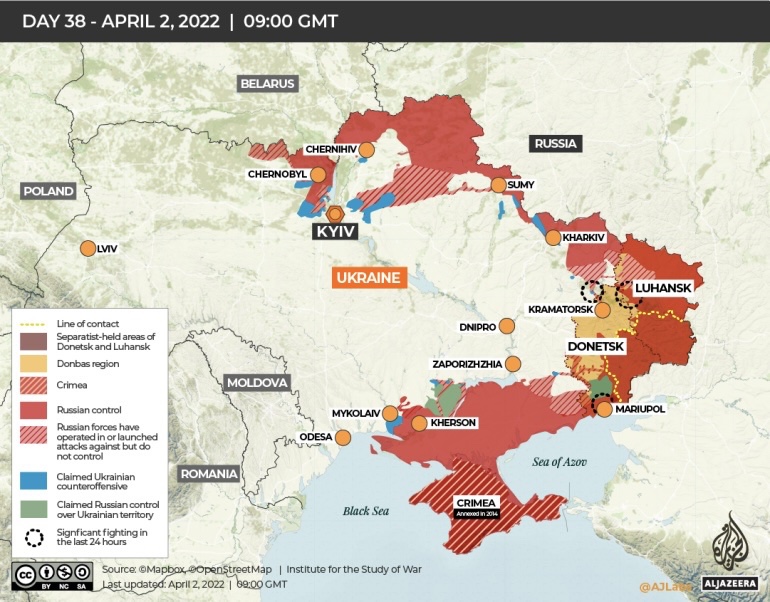
The report indicated that the Pope believed, even back in 2014, that we were in the midst of a Third World War—a piecemeal war, but a world war, nevertheless. The current Russian invasion of the Ukraine, the sturdy resistance of the people of Ukraine, and the consequent involvement of NATO and western nations, could well be seen to be the most immediate sign of this war.

(See https://www.abc.net.au/news/2022-04-10/russia-invasion-ukraine-rumblings-world-war-three-decades-ago/100977334

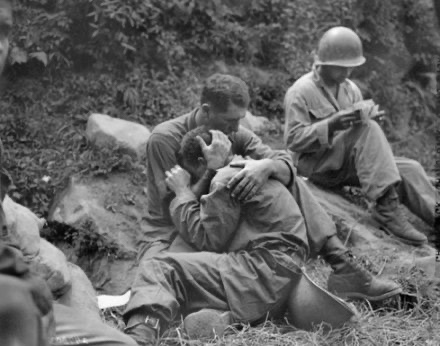
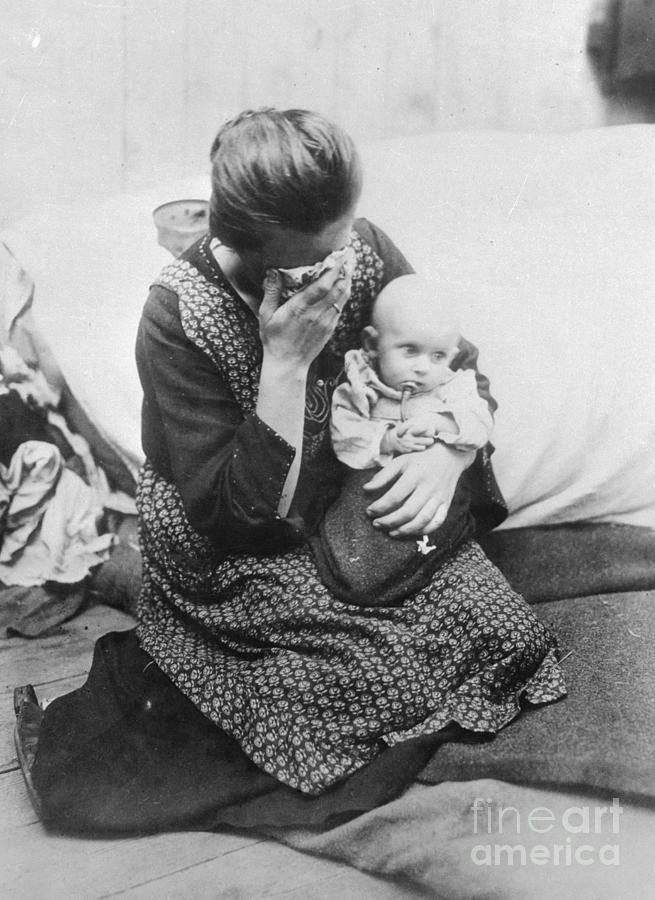
If this is a world war, and if the West is heavily invested in this war, then will the West be able to gain victory? The bottom line, for me, is that war is never a winning strategy. There are no winners in warfare. Certainly, there appears to be winners—in the short term—as well as losers—also in the short term. But in the long term, everyone loses. There are no winners. War causes such pain, such turmoil, such hurt, such dislocation. “War is madness; humanity needs to weep, and this is the time to weep.”

World War I was supposed to be “the war to end all wars”. The Armistice signed in late 1918 was supposed to ensure peace in Europe, and across the world. However, within two decades, the world was at war again. World War II was, in many ways, dealing with the consequences of the way that World War I was resolved, both on the battlefields, and in the negotiating rooms. The League of Nations became the United Nations, pursuing a programme of seeking peace across the world—a programme that still, today, is ongoing, and never-ending.

Can this current war be won? Should resources and personnel be devoted to “winning the war”? Certainly, Russia is showing every sign that it intends to “win the war”; whether they will, remains to be seen. And the Ukraine is valiantly demonstrating that it intends not to be the “loser” of the current war being waged in its territory; whether this will be the result, will depend on the tenacity of Ukrainian troops and the level of support (military, sanctions, trade embargoes, and the like) from NATO and others. Only time will tell who the short-term “winner” and “loser” will be.

It is true that going to war is seen by many as a legitimate way to resolve disputes and solve arguments, on a large scale. There have even been, through the ages, sophisticated arguments mounted to justify warfare. The Just War theory (originating in Ancient Greece, developed by St Augustine, and further developed by Thomas Aquinas) could presumably be used to support a western pushback to the current Russian invasion. Fighting evil is seen as essential. War is reckoned as the way to do this.

But, as the Pope said, “war is madness; humanity needs to weep, and this is the time to weep.” We know that war has many consequences. It damages individuals, communities, societies, and nations. It has many more innocent victims than the casualty lists of enrolled personnel indicate. And there is abundant evidence that one war might appear to resolve one issue, but often will cause other complications which will lead to another war.

As I have noted, when we look at the outcome of the Armistice at the end of World War One, we can trace a direct sequence of events that led from World War One to World War Two. The same connections can be made, for instance, between colonisation (itself a process that involves warfare, as invasions require the subduing of Indigenous Peoples) and subsequent civil wars in the USA, Sri Lanka, and in various countries in Africa and Asia.

Sometimes, pitched battle warfare seems to be the only possible way forward. In the current situation, resisting the Russian invasion seems to be a vital strategy, especially as we see the pictures beamed from building reduced to rubble, lines of homeless people seeking to find refuge, hospitals that have been bombed but are seeking to continue to operate under difficulties. These pictures pull at our heartstrings, and validate our support for a direct western response to Russian aggression. A non-violent response seems harsh, uncaring, selfish, and doomed to failure.

Yet, overall, a commitment to peace is surely what we need to foster. An aversion to war is what we need to develop. As we follow the man from Nazareth who advocated turning the other cheek, praying for those who abuse you, and loving the enemy—the man who blessed those who work for peace—it would seem that a non-violent response is essential. And that is the ultimate goal.

To achieve that ultimate goal, a culture of respectful disagreement and honest negotiation, rather than pitched rhetoric and savage violence, is surely what we ought to aspire towards. However, that can’t suddenly be brought to bear in the current situation. I think the imperative to respond “in kind” is too strong to ignore. The justification for an aggressive western response is strong.

But over time, our leaders need to foster a much more constructive sense of relating in positive ways through diplomacy that is nurtured over time—rather than public posturing and media-oriented sound bites. That takes hard work and persistent commitment. Instead of rattling the sabres to grow in popularity during the current battle, why not commit to the military response that is currently required, but also seek to develop robust ways of developing respectful and mutually-constructive ways of operating.

That longer path of peace must surely be the direction that our governments must work for in the coming years. The Uniting Church has had a long commitment to seeking peace in local, national, and international spheres, stretching right back to a 1982 decision of the National Assembly, affirming that “the Uniting Church is committed to be a peacemaking body, seeking to follow the Lord of the Church by encouraging political authorities to resolve political tensions by peaceful means.” (82.57(1)(c))

See https://www.unitingjustice.org.au/uniting-for-peace

We know that “war is madness; humanity needs to weep, and this is the time to weep.” Those papal words might inspire us to pause, reflect, weep—and pray. And as people of faith, the ultimate goal of peace (not just of “winning the war”, but of “bringing peace with justice”) must surely be the focus of our prayers—as we pray for those displaced, injured, or mourning in this current war, so too, we pray and work for peace in the world on the basis of justice.

So may it be.

*****

On civil war in the USA, see https://www.journalofthecivilwarera.org/2020/03/a-war-for-settler-colonialism/

On civil war in Sri Lanka, see https://hir.harvard.edu/sri-lankan-civil-war/

On civil wars in former colonies in Africa and Asia, see https://history.state.gov/milestones/1945-1952/asia-and-africa

Hiroshima and Nagasaki (1945), and the commitment to seek peace (2020)

Today, on this 75th anniversary, we remember past events … we mourn the lives lost and grieve for the lives damaged and distorted … and we hear the invitation to commit to seeking peace in our own times.

75 years ago, on Monday, August 6, 1945, at 8:15 am, a nuclear weapon which had been given the ironic name “Little Boy” was dropped on the Japanese city of Hiroshima. The bomb was dropped from an American plane, the Enola Gay.

Three days later, on Thursday August 9, 1945, at 11:01 am, another nuclear weapon was dropped from another American plane, the Bokscar, onto another Japanese city, Nagasaki.

The two bombings killed a number of people, variously estimated between 129,000 and 226,000 people, most of whom were civilians, and impacted the lives of hundreds of thousands of people for decades. It is estimated that between 90,000 and 146,000 people died in Hiroshima and 39,000 and 80,000 people died in Nagasaki; roughly half of the deaths in each city occurred on the first day.

Despite the high military presence in Hiroshima, fewer than 10% of the casualties were military personnel. In Nagasaki, only 150 Japanese soldiers died on the day of the bombing. Over 90 percent of the doctors and 93 percent of the nurses in Hiroshima were killed or injured—most had been in the downtown area which received the greatest damage.

Many people lived with the traumatic memory of those days, and grieved for relatives and friends who died. Many suffered terrible illness, physical disfigurement, or mental illness, for decades after those bombs were dropped. The personal and social impact was huge. Had this been considered before the bombs were dropped?

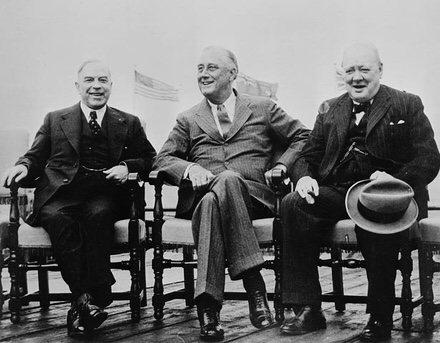
The United States was not solely responsible for these bombings. Under the Quebec Agreement, the US had to seek the consent of the United Kingdom for such an action. The Quebec Agreement was a secret agreement between these two nations, setting the terms for the coordinated development of the science and engineering related to nuclear energy and nuclear weapons.

The Quebec Agreement was signed by Winston Churchill and Franklin D. Roosevelt on 19 August 1943, in Quebec City, Canada. These bombings had been intentionally planned and deliberately prepared for over the course of the two years prior to August 1945.

Hiroshima was a supply and logistics base for the Japanese military. It was a logical target for American aggression, as it was a centre for communications center, a key shipping port, and an assembly area for Japanese troops. It contained manufacturing plants in which were made parts for planes, boats, bombs, rifles, and handguns.

Winston Churchill (right) and Franklin D. Roosevelt (centre) in Quebec
in 1943, hosted by the Canadian prime minister William King (left)

Nagasaki was one of the largest seaports in southern Japan, and was of great wartime importance because of its wide-ranging industrial activity. It had manufacturing plants which produced ships, military equipment, weapons, ammunition, and other war materials. The four largest companies in the city employed 90% of the workforce: Mitsubishi Shipyards, Electrical Shipyards, the Arms Plant, and the Steel and Arms Works.

The strategic logic in targeting these two cities is clear. The city of Kokura had been the primary target for the 9 August bombing, but clouds and smoke drifting in from the Allied bombing of nearby Yahata, resulting in much of the city Kokura being covered, obscuring the aiming point.

The bombings had the desired strategic effect within the war that was being waged; on 15 August Japan surrendered to the Allies, and on 2 September the Japanese government signed the formal instrument of surrender.

Was the terrible cost from these two bombings worth it? In terms of military strategy, undoubtedly so. In terms of the overall picture across the world, torn asunder by a vicious war, it may well be possible to see the benefits of ending the conflict, even in such a dramatic way.

But the personal and social impacts of these two bombings set up severe consequences for hundreds of thousands people over the ensuing decades. The social fabric of Japan was shredded. The military hubris of the Allied powers was nourished and encouraged.

And the political consequences of these two bombs was that nations continued to distrust each, and to relate to each other in antagonistic ways, fostering secrecy, promoting public dissembling and posturing, generating a game of threats and power plays across the ensuing decades. The US threatened many times to make use of the superior nuclear firepower that they claimed—although, thank goodness, they did not ever act on that. But the public threats and bluffs continued apace for years.

Perhaps the one enduring benefit form these tragic events was that the nations of the world, despite this public braggadocio, did become very cautious about how nuclear power was used. No similar nuclear bombing or other large scale nuclear weapon has been used in warfare since then, probably because the devastating impact of these bombs was registered around the world, and a firm commitment was made to avoid such large scale and widespread devastation.

What lessons can we take, 75 years later, from these events? We can seek ways to interrupt the course of injustice, without adopting the means of injustice that is being experienced. We can seek to combat evil without adopting the patterns of evil. We can nurture a response that is neither fight not flight, but rather, seeking reconciliation and justice in all we do.

As we do this, we follow the way of Jesus, the prophet of old who speaks words for the present, blessing those who live out the qualities that he most valued:

Blessed are the poor in spirit. Blessed are those who mourn.

Blessed are those who are hungering for righteousness.

Blessed are the pure in heart. Blessed are the peacemakers. (Matt 5:3-12)

And as we follow this way, we seek to live as his followers proclaimed, pursuing what makes for peace (Rom 14:19; Heb 12:14; and see Gal 5:22; Eph 6:15; 1 Pet 3:11).

My colleague Chris Walker writes: ‘Let us then be peacemakers following the way of Jesus. Jesus himself rejected the way of the sword. At his arrest he told his disciples to put away their swords. He followed the way of suffering love and did not resort to violence. Even on the cross he cried out, “Father forgive them; for they do not know what they are doing” (Luke 23:34).’ (See https://johntsquires.com/2018/11/22/being-peacemakers/)

War causes such pain, such turmoil, such hurt, such dislocation. It has ongoing and enduring consequences. It might solve an immediate problem, but it inevitably sets up longer term dilemmas, difficulties, and discords. War can never bring deep, enduring peace.

To be sure, going to war is seen by many as a legitimate way to resolve disputes and solve arguments, on a large scale. There have even been, through the ages, sophisticated arguments mounted to justify warfare. Fighting evil is seen as essential. War is reckoned as the way to do this.

But war has many consequences. It damages individuals, communities, societies, and nations. It has many more innocent victims than the casualty lists of enrolled personnel indicate. And there is abundant evidence that one war might resolve one issue, but often will cause other complications which will lead to another war. Look at the outcome of the Armistice at the end of World War One: we can trace a direct sequence of events that led from World War One to World War Two.

Sometimes, pitched battle warfare seems to be the only possible way forward. Yet, overall, a commitment to peace is surely what we need to foster. An aversion to war is what we need to develop. A culture of respectful disagreement and honest negotiation, rather than pitched rhetoric and savage violence, is surely what we ought to aspire towards.

Can that be the commitment that we make, today, as we remember the tragedies of 75 years ago?

For this anniversary, the Uniting Church has joined with many other religious organisations, calling for a full nuclear weapons ban—for Australia to sign and ratify the 2017 UN Treaty on the Prohibition of Nuclear Weapons. See https://icanw.org.au/united-religious-call-for-australia-to-join-nuclear-ban/

See also https://johntsquires.com/2018/11/11/blessed-are-the-peacemakers/

https://johntsquires.com/2018/11/09/pondering-peace-worrying-about-war/

https://unitingforpeacewa.org/2018/11/28/perth-peacemaking-conference-statement/
https://johntsquires.com/2018/11/22/being-peacemakers/

On Peacemaking and the Uniting Church, see https://assembly.uca.org.au/blogs/item/download/508_0a66ead117d444388aac26cb064ff14c

Hello. Thank you. We are with you. We support you.

Hello.

Thank you.

Salaam.

Thank you for being here.

Simple words. Everyday words. But words which were filled with emotion and sated with meaning, in the context in which they were spoken.

Everyday people. Everyday words. People going about their normal, everyday business.

They have been to work. They have driven their cars, parked along the verge. They are walking along the street; walking with intent, heading with purpose, to the place of prayer.

Hello. Thank you. Everyday words. Accompanied by smiles. Sometimes, by handshakes. Or by a hand held to the heart; no words, just a signal, that this was appreciated. Deeply appreciated.

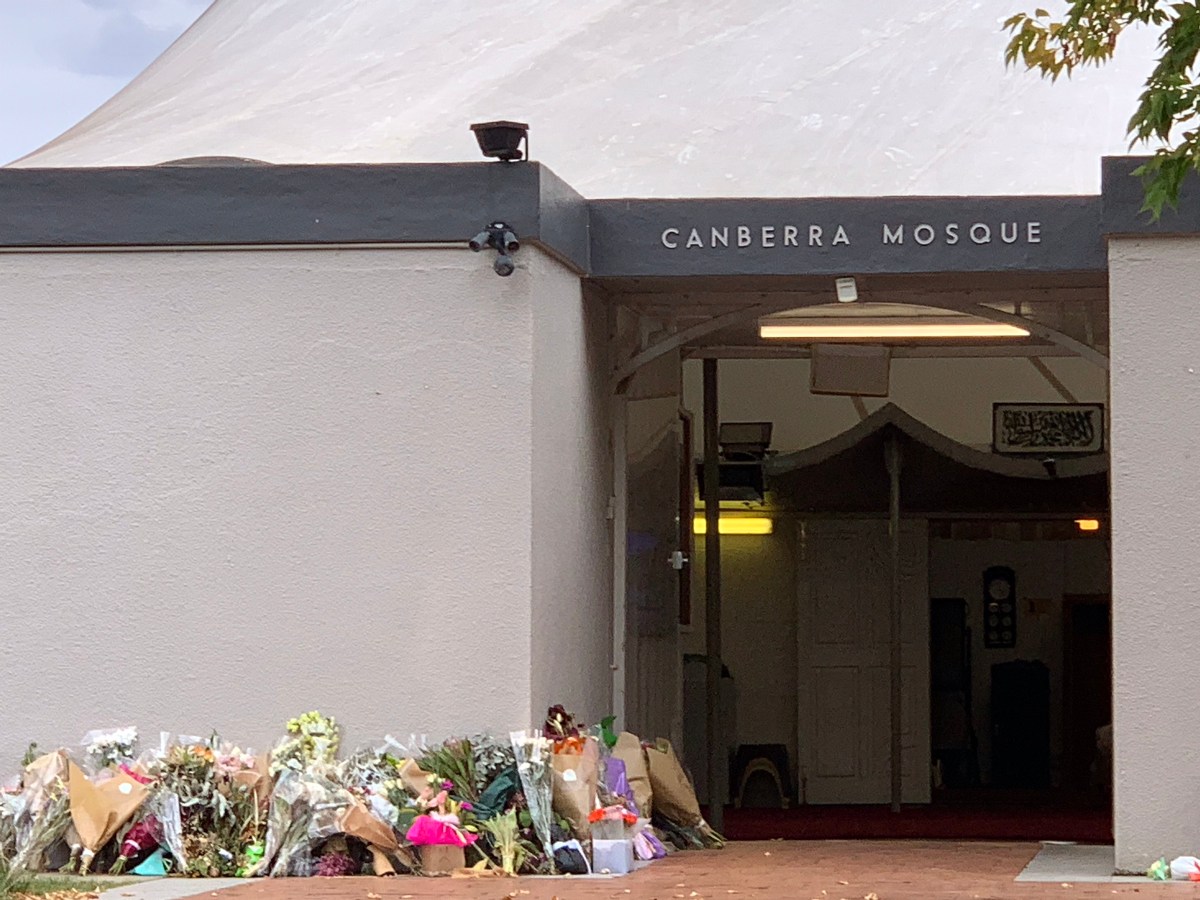
In a curving street on a gently-sloping hill in a Canberra suburb, twenty of us were gathered, standing on the footpath, greeting worshippers as they arrived for prayer.

We were Christians. They were Muslims. We were white. They were, mostly, Middle Eastern, or Southeast Asian. They were coming to pray. We, too, would gather to pray; but not today.

Our day of prayer is Sunday. Their day of prayer is Friday. Today is Friday. It is their day of prayer.

So this Friday, we stood outside the mosque, a silent witness of support and solidarity. Smiling, bowing, shaking hands, offering a greeting; not speaking further unless we were engaged in conversation; simply, standing in solidarity.

This is what it is, to be a human being. This is what it is, to relate to our fellow human beings. Hello. Thank you. You are welcome. You are us. We are with you. We support you.

Simple words, short phrases; but deep emotion, and profound meaning. Just in these simple acts and words of human interaction.

Some conversations were longer. We discussed the issues, the personalities. We could see, and hear, and feel, the emotion.

It could have been people like these. It could have been these people. Ordinary people. Coming from work. Gathering to pray. People of faith. Ordinary people, committed people, people who share their lives with us each and every day.

They serve us in shops. They answer our phone calls. They draft our legislation. They clean our homes. They install and service our utilities. They collect our fares and drive our taxis. They are everywhere. They are people of prayer. They are people of peace. They are us. We are them.

What happened a week ago in New Zealand, at the Al Noor Mosque and the Linwood Islamic Centre … and what has happened in Quebec City, and Kembe in the Central African Republic, and the Dar Al-Farooq Islamic Center in Minnesota, and in countless interpersonal interactions involving Muslims as victims … what has happened in far too many places, on far too many occasions, is a cause for deep distress.

We weep. We pray. And we stand, quietly, supportively, in solidarity.

Hello.

Thank you.

Salaam.

Thank you for being here.

Further reflections on the tragic events in Christchurch:

https://canberra.uca.org.au/uca-news/uca-statement-christchurch/

https://revdocgeek.com/2019/03/16/prayer-for-christchurch/

https://www.eternitynews.com.au/world/aussie-church-leaders-respond-to-christchurch-massacre/

https://www.eternitynews.com.au/world/dont-give-nz-terrorist-what-he-wants/

Perth Peacemaking Conference Statement

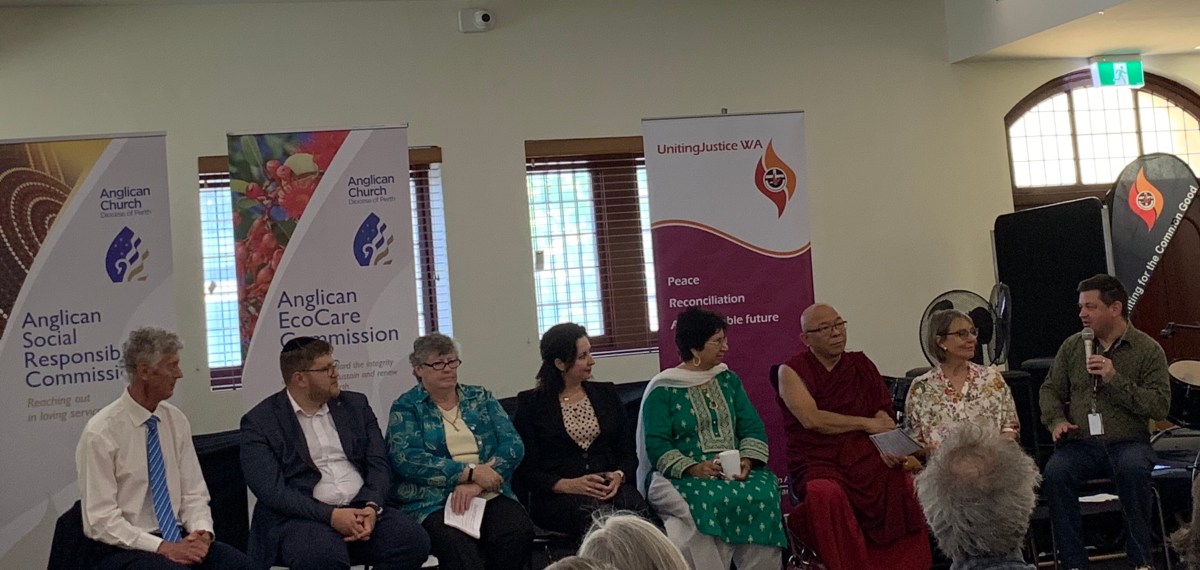
On the 10-11 November this year, more than 60 people gathered for the Perth Peacemaking Conference to coincide with the 100 year anniversary of the end of WW1. The Conference included an Interfaith Forum (pictured) with representatives from a range of religious faiths.

After the Conference, members of the Ecumenical Social Justice Roundtable agreed to issue a Statement which emerges from the material presented and discussed at the Conference. You can read the Statement below.

Continue reading “Perth Peacemaking Conference Statement”