Boaz and Phoebe, on Mary and Jesus (John 12; Lent 5C)

A dialogue between two slaves at the house of Lazarus, Martha and Mary, written by Elizabeth Raine, presented at Tuggeranong Uniting Church on Sunday 3 April.

Boaz is a strict Jew and has a firm idea of custom and law. Phoebe is of Jewish Hellenistic origin, more liberal in her views and very interested in the message of Jesus. They have been serving dinner to the guests, including Jesus, after Lazarus’ was mysteriously raised from the dead.

*****

Boaz: It still find it creepy, I confess, being at the home of a dead man who somehow isn’t dead any more. Oh, I can understand the gratitude that Martha and Mary must have felt, and why they wanted to thank Jesus for restoring their brother to them. But you have to admit, the whole thing was strange. And that Jesus fellow, he is rather strange as well, don’t you think?

Phoebe: I thought it very kind of Martha and Mary to honour Jesus. I don’t find it strange at all. Everyone knows he is a holy man withwonderful powers from God. Lazarus’ raising was a miracle, a blessing from God. How can you think holiness in someone is a problem?

Lots of reasons. Holy men have a habit of coming to sticky ends. And I thought Mary’s gratitude was a little excessive. Fancy wasting all that expensive perfume. Where did she get the money from?

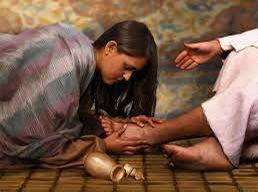
Well, I thought Mary’s anointing Jesus with that perfume was a beautiful demonstration of gratitude, and devotion. And surely you are not suggesting that she came by the perfume dishonestly.

No, of course not. But with a household to run, it seems an unnecessary expense to incur. And you must have heard the argument between Jesus and one of his disciples about it. You know, the one who keeps their accounts. Judas, I believe his name is. Judas wasn’t impressed by Mary’s action.

Well, I don’t think it is any business of Judas, or ours, or anyone else’s if Mary wished to thank Jesus in this way. How she spends her money is surely her concern and her business only.

I suppose so. But Judas had a good point. A whole jar of that perfume would be worth a year’s wages. Imagine how much good all that money could do for the poor. After all, we were commanded as Jews to give relief to the poor. Deuteronomy specifically states that we should ‘Open your hand to the poor and needy neighbour in your land’”. And look at the teachings of Jesus himself. He is always on about helping the poor. I heard he even advised one wealthy young man to sell everything he had and give it to the poor. Yet here he is accepting perfume worth a king’s ransom be wasted on his feet!

I can see what you are saying. But Jesus and the disciples have given lots of money to the poor over the last few years. You know they have. And inspired others to do the same. And Mary has a right to spend her money as she wishes. She clearly offered this gift out of her gratitude and great love for Jesus. After all, what price her brother’s life?

Well, I am not sure Jesus should have allowed a whole year’s wages to simply evaporate into thin air. Yes, it was a nice gesture and it did make the house very fragrant and pleasant. But what business has Jesus got to ask other people to be giving away or selling their things in aid of the poor when he allows such waste on himself? I still think Judas had a good point. All those denarii could feed a lot of hungry people. How can you be sure that Mary was doing the right thing? 

I say if you are going to be generous, then do it properly. And this is also an important part of all our traditions, to be generous in hospitality to our guests and to take care to show our appreciation for the favours of others. After all, the proverb says, “Some give freely, yet grow all the richer; others withhold what is due, and only suffer want.” Mary has given freely and didn’t withhold the appropriate thanks due to Jesus.

You sound just like that Rabbi Hillel with your liberal notions. I am sure this was not the intent of that proverb. But it wasn’t just the expense. It was what Jesus said in response to Judas, you know, about the poor always being around. You must admit that it was a very odd response for someone who says they are all for the poor and alleviating their suffering. He said that the poor would always be with us, but that he would not. This is not the attitude of a holy man. A holy man would think first of the poor.

I just told you that no one can accuse Jesus of ignoring the poor. Look at his recent actions. Apparently he managed to feed a whole crowd recently with only five loaves and two fish. In addition, I have heard some of the other followers of Jesus speak poorly of Judas. They say that Judas was not really concerned about the poor at all but was a thief who used to steal money from their common purse. Surely we cannot take his remarks seriously. Mary was motivated by love and gratitude,and Judas by selfishly wanting the money for himself. Mary, however, has surely given away a most precious possession with total selflessness.

Oh, you make it all sound very noble indeed. But just think about the way she went about it. Anointing his feet instead of his head. This isn’t customary. And letting her hair down in public like that, just like she was a prostitute. Whatpossessed her to do such a thing? She acted like she was repenting of something, not thanking the saviour of her brother. Or worse, making an offer of herself.

Oh, surely not. But I agree, it wasn’t the best image she presented of herself. I was a little shocked myself to see her kneeling at the feet of a man who wasn’t related to her, hair all over the place, wiping herself on his feet. I know they are good friends and all, but still – yes, there certainly was a breach of proprietary there. I just assumed she had forgotten herself in her great outburst of gratitude.

Well, though there is some truth in what you say, I wouldn’t want to make such an exhibition of myself. Wouldn’t a simple and heartfelt thank you in addition to the dinner be enough?

But you are forgetting just how great a miracle had been performed here – no wonder she knelt in worship at his feet. Jesus speaks about being humble and serving others. I am sure he wouldn’t be above anointing or washing feet himself. And only prophets anoint the heads of the great.

Hang on a minute. You are making it sound like Mary was recognising Jesus as the Messiah! Surely you are not suggesting this. Such ideas could be seen as blasphemous in certain circles. There have been whispers about this very thing.

Yes, I have heard the rumours as well. Apparently the chief priests are not happy at all with all the attention that Jesus has drawn to himselfsince the raising of Lazarus from the dead. I heard that they were trying to say that Lazarus wasn’t really dead; it was a stunt to suggest to the common folk that Jesus was the Messiah. You know, to drum up support from the peasants and get a movement going.

Yes, after Lazarus came alive, I did hear that the chief priests had called an emergency meeting of the Sanhedrin. They wanted to discuss what had happened, I suppose. After all, everyone is talking about the many signs that Jesus has performed. I guess they would be thinking that if they let him keep going on like this, that soon everyone will be believing he is the promised kingand messiah. And any mention of ‘king’ and the Romans would be sure tocome and destroy both the temple and us. 

I did hear that Caiaphas, the high priest, had made some sort of plan. Someone did whisper to me that he got fed up with all the debate, and told the Sanhedrin they were all fools. I heard that they decided it was better to sacrifice Jesus. You know, better to just have one man killed to appease the Romans rather than the whole nation be destroyed.

Hmmmmm, do you think Jesus has heard about this? Might explain the very strange remark he made at the time Mary was wiping his feet. He said to Judas that the perfume was for his burial. I thought to myself at the time, ‘Who is he to be planning such an expensive burial ritual? And he is only young. Why would Mary be getting ready for his burial now?’ But if he had heard the rumours too, then that remark suddenly makes sense.

Do you really think that the priests have made up their mind to actually have Jesus put to death?

I think it possible, and what’s more, I heard that they had let it slip that anyone who might know where Jesus was should let them know, so that they could arrest him. Even heard there was a reward. If you are right about Judas being a money grubbing thief, then maybe he will try and claim it.

Oh, surely not. He and Jesus are so close. Don’t even think that. But Jesus needs to be careful. I thought I heard him say at the dinner that he was going to Jerusalem soon, and Jerusalem is a hotbed of unrest with Passover coming up. There was also some talk that the priests were planning to kill Lazarus as well, because everyone keeps coming to have a look at him. It isn’t every day that you can look at someone who has come back from the dead.


Well, Jesus wants to hope that the priests don’t hear of this latest extravagance and interpret Mary’s gesture and Jesus’ acceptance of it as some sort of symbolic anointing of Jesus as a royal Messiah. Otherwise he will be looking for a tomb, not a throne.

*****

See also https://johntsquires.com/2022/04/01/jesus-anointed-as-a-sign-of-his-fate-john-12-lent-5c/

Mission, Evangelism, Bearing Witness, and Dialogue: some theological reflections

What are we doing when we engage in ”mission planning”? What do we mean when we talk about “mission”?

The Canberra Region Presbytery of the Uniting Church is exploring such questions this year. Our previous Strategic Plan, with its Five Key Pillars, came to a conclusion last year. This year, in conjunction with the Mission Enablement Team from Synod, the Presbytery is developing a new mission plan, to serve as the guiding document for the Presbytery for the next few years. We are taking time in each meeting of Presbytery to focus on this process, drawing on wisdom from right across the Presbytery (country, coast, and capital).

This is my contribution to the initial conversation that is taking place.

*****

In approaching these questions, it may be helpful to explore a series of related ideas, and distinguish them from one another. Often, when people refer to mission, they mean one of these related ideas : evangelism, testifying (or bearing witness), converting (or proselytising), or perhaps engaging in dialogue. Mission is related to each of these words, but mission is not simply one or more of these words alone.

Mission is what God is doing in the world. It began long ago with the people of Israel, when God sent (missionised) messengers, prophets to speak guidance to the people. In Christian understanding, this mission came to a head when God sent (missionised) Jesus into the world. (The word mission comes from the Latin word missio, which simply means “to send”). We are called to join with this missional initiative, to find where God is already at work in the world.

Evangelism is work that is related to the good news (the evangel, originally a Greek word) … work that is carried out through words, through actions, through being a presence. We are called to undertake this work in the ways that are most appropriate and most fruitful in each particular circumstance. The aim is to make that good news known as a reality for other people. That can be by words, by actions, in personal relationships, in working groups, in communal undertakings.

Testifying or Bearing Witness is offering our words to explain how we have experienced God, how we have been swept up in the mission that God is undertaking in the world, how we have experienced the good news (evangel) in our lives. We are called to communicate our personal experience of this good news carefully, in contextually relevant ways, and in respectful relationship with others. The story is ours to tell!

Conversion is an effort made to change someone’s mind, to turn someone FROM something and TOWARDS something else, to turn them so that they join WITH you in your understanding of things. It necessarily involves persuasion, a focus on convincing, an intention to arrive at a clearly-defined goal. It can all-too-easily teeter over the edge of respectful relationships into unhealthy pressurising behaviour. It needs to be undertaken (if it is seen as important) in a very careful, measured way.

Proselytism is a term that has gained a hard edge over time. It appears in scripture, when new converts to the Jesus movement are called proselytes in Acts. It literally means “coming towards”. But in modern usage it has a harsh edge, often indicating the following of a prescribed formula, involving the use of pressure tactics, sometimes with verbal force that goes beyond mere conversation. It’s not something that I personally see as important—or even valid—in undertaking mission.

Dialogue is another word that needs to be considered when we think about mission. Dialogue means to “speak across”; to speak another person and appreciate them in their own right, valuing who they are and what they have to offer, engaging them in conversation that seeks mutual growth and deepened understanding of each other. Inevitably, in my experience, such conversations, when they facilitate genuine mutual encounters, can lead to new understandings, renewed commitments, and revitalised faith. And that is at the heart of mission!

So there is a cluster of activities that need to be considered when considering mission:

evangelism and witnessing to your faith (telling and showing the good news from your personal perspective)

developing respectful relationships with other people (building respectful relationships that enable deep sharing)

community engagement with local groups (working in practical ways on a common cause, and in so doing, deepening relationships)

the ministry of presence in the community (simply “being there”, indicating that you are open to engagement and conversation with others)

developing faithful disciples (working intentionally to deepen understanding, enliven passion, broaden commitment, strengthen capacity)

growing your church (working with others to develop the worship, witness, service, and fellowship of the local community of faith)

advocating for the least (taking a stand on issues of justice, seeking the common good for all)

Each of these aspects has a place when we think about “doing mission”. For when we focus on mission, we start with a very simple premise: God is present and active in the world. From that premise, we can begin to see that people around us are engaged in activities that God has inspired. There are stories from people all around us, about how God is at work—in our congregations, in our families, in our communities, in any part of the world.

We join in the mission that God is already carrying out when the spirit leads us to find these people and join with them in partnership. The gospel then becomes declaring what God is already doing in our midst, in our time; interpreting the actions that we undertake together as expressions of God’s loving care for the world.

In the midst of all of this, we will know that the church is formed in its fullness through this process of partnering with others. The community is the place where being disciples and being church is lived out. The mission that God is already undertaking in the world through these assorted people is the enterprise in which we participate, enthusiastically, hopefully, energetically.

Cutting the covenant (Gen 15; Lent 2C)

The saga of Israel begins with stories about the ancestors held in highest regard as the mother and father of the nation: Sarai and Abram. The command that they heard is set out at the beginning of their story: “Go from your country and your kindred and your father’s house to the land that I will show you” (Gen 12:1). The saga of this couple will reach fulfilment, many chapters and many centuries later, when their descendants enter the land and settle in Canaan (Joshua 1–6).

For the moment, Abram set off, with his extended family: “his wife Sarai and his brother’s son Lot, and all the possessions that they had gathered, and the persons whom they had acquired in Haran” (12:5). Haran was a strategic city in the upper reaches of the area we know as the Fertile Crescent, far from the land of Canaan (over 12,000km). The call was to travel that distance, to Canaan.

That call, to enter the journey and remain persistent along the way, is a call that we do well to recall each Lent, as we navigate the journey of this season, calling us towards the climactic story of the Christian faith, in the death and resurrection of Jesus.

For support and sustenance along the way, Abram and Sarai were called into covenant relationship with God. The formalising of the covenant is reported later in this chapter, at 15:18, with a promise that the descendants of Abram and Sarah will indeed have the land that is specified. That, I would argue, resonates also with the Lenten journey; these current weeks of preparation for Easter beckon us to re-commit to our covenant, the one that we ourselves have with God. So these later verses are included in our reading for this Sunday.

(The question about the people already living in the land—those specifically identified in 15:19–21, merits separate consideration. The invasion of Canaan and conquering of these people by the people of Israel raises difficult questions.)

Abram and Sarah had left their homeland with some assured promises from God; they would be parents of a great nation, blessed by God, remembered as having a great name, and that all the nations of the earth would be blessed through them (12:1–3). Those promises were intended to hold Sarai and Abram to the journey, despite all that they might encounter. The end result would make the travails along the way bearable.

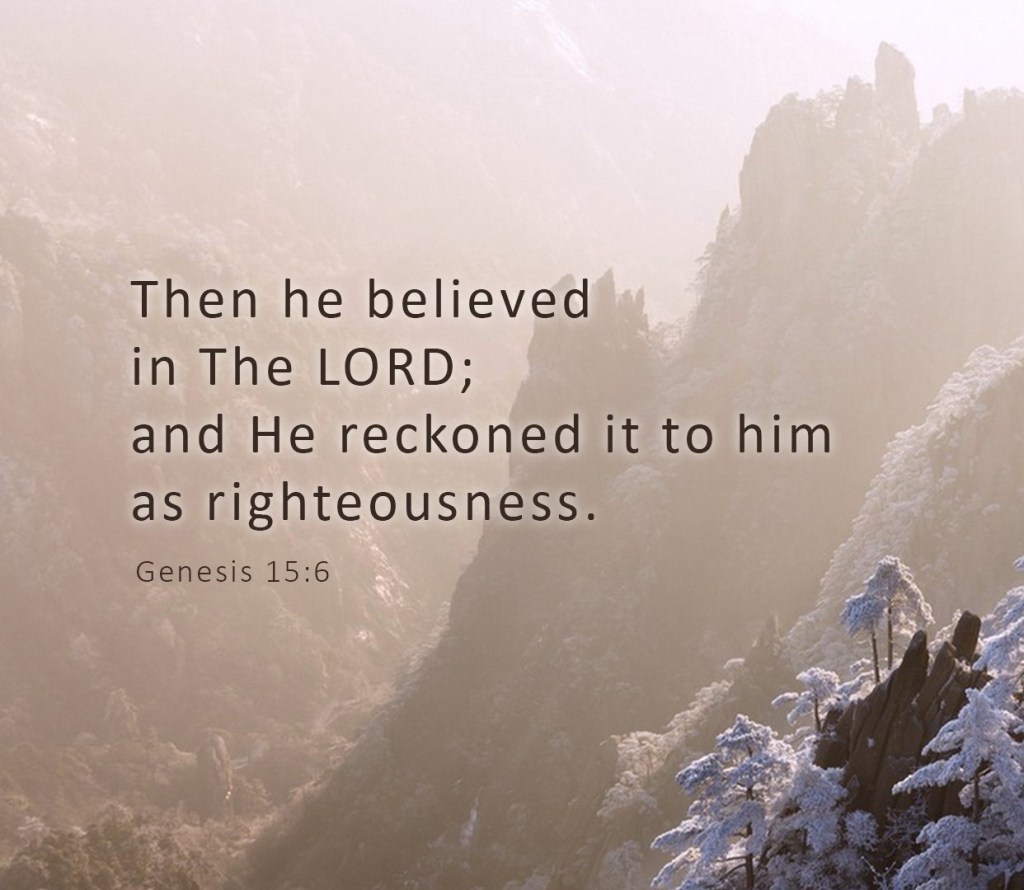
However, Abram expresses some doubt that the promises made by God would come to pass (15:2-3). God’s response is to provide further reassurance; the multitude of stars in the sky is testimony to that (15:5). Abraham’s resulting affirmation of faith leads to the famous phrase, so central to Paul’s later argument about righteousness: “he believed the Lord; and the Lord reckoned it to him as righteousness” (15:6; see Rom 4:3, 9, 22). In a way, this story sets the foundations for later Christian faith, as we see the grace of God at work in relating to Abraham.

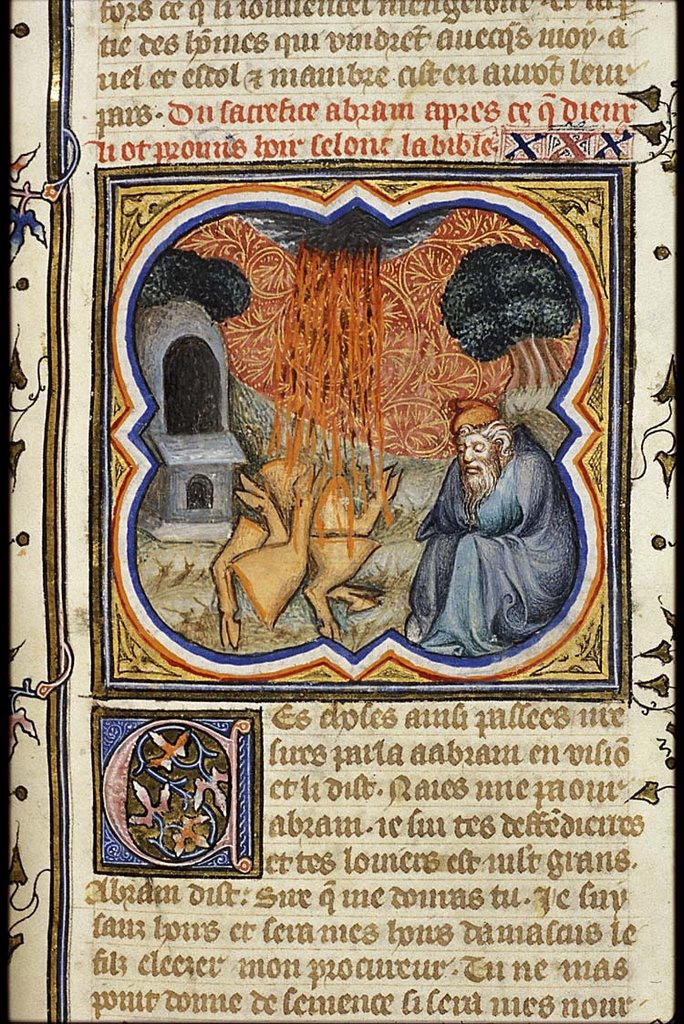
The ceremony that follows adheres to the traditional cultic practices of the time. A collection of sacrificial victims, two animals and two birds, are offered and slaughtered, and the animals are cut in two (15:9–11). (The phrase, “to make a covenant” in Hebrew, can literally be rendered as ”to cut a covenant”.) Such practices signal the seriousness of the moment and send the message that each party will keep their word on pain of death.

Indeed, the prophet Jeremiah later alludes to this specific provision, when he warns recalcitrant Israelites that “those who transgressed my covenant and did not keep the terms of the covenant that they made before me, I will make like the calf when they cut it in two and passed between its parts” (Jer 34:18, referring to Gen 15:10). The prophet continues, “their corpses shall become food for the birds of the air and the wild animals of the earth” (Jer 34:20, an allusion to Gen 15:11).

This ancient cultic sacrificial practice of cutting animals does not reflect modern practices and is, in fact, distasteful to contemporary sensitivities. That might prod current readers to dismiss this passage as archaic, irrelevant, obsolete. That would be a shame. It remains relevant to us in a striking way.

Abram and Sarai reveal both trust in the promises they have been given, but also articulate some uncertainty about whether God would continue to be faithful to those promises. How human this is! In this regard, they reflect the somewhat ambivalent way that each of us relate to the promises of God: living out our trust and hope in the midst of the challenges, changes, and obstacles along the way, yet still holding back, somewhat dubious, about the ultimate reality this all.

It’s a perfect vignette for Lent, for the period when we reconsider how God had been at work in our midst, when we reconsider our commitment to the covenant we have made with God, and how live out that covenant in the realities of discipleship. It reminds us of the call to full-blooded, whole-scale, all-of-life commitment to the covenant that we have with God through Jesus.

See also

We Three Kings: exegeted, explained, and exposed

A carol-commentary for the Festival of Epiphany
(a little weird, a little forced, perhaps a little sin-ical ?)

WE: the first person plural subject of the song, suggesting this comes straight from the horse’s mouth, so to speak

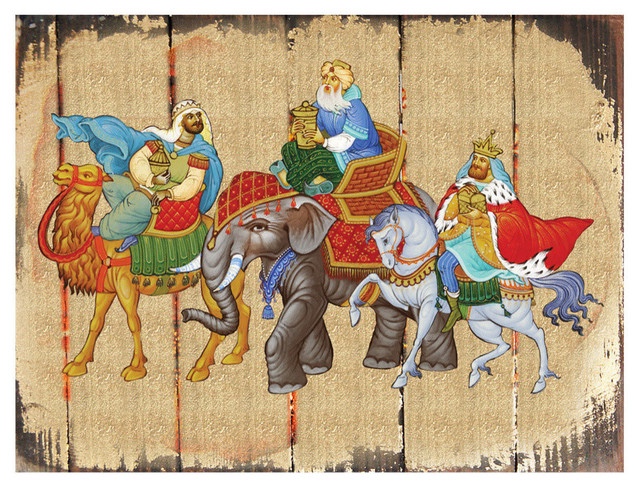
THREE: or perhaps four, or maybe seven, or even twelve, or some other indeterminate number, since the initial story does not specify the precise number of subjects in the story

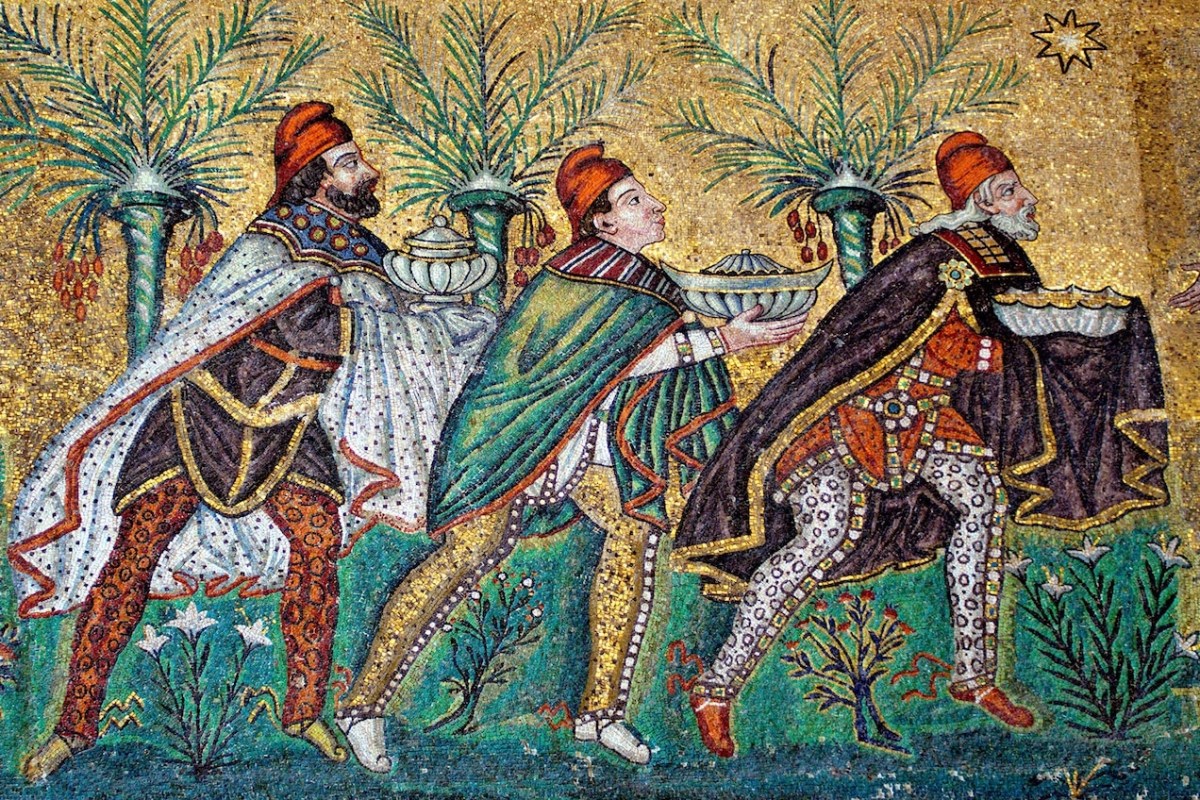
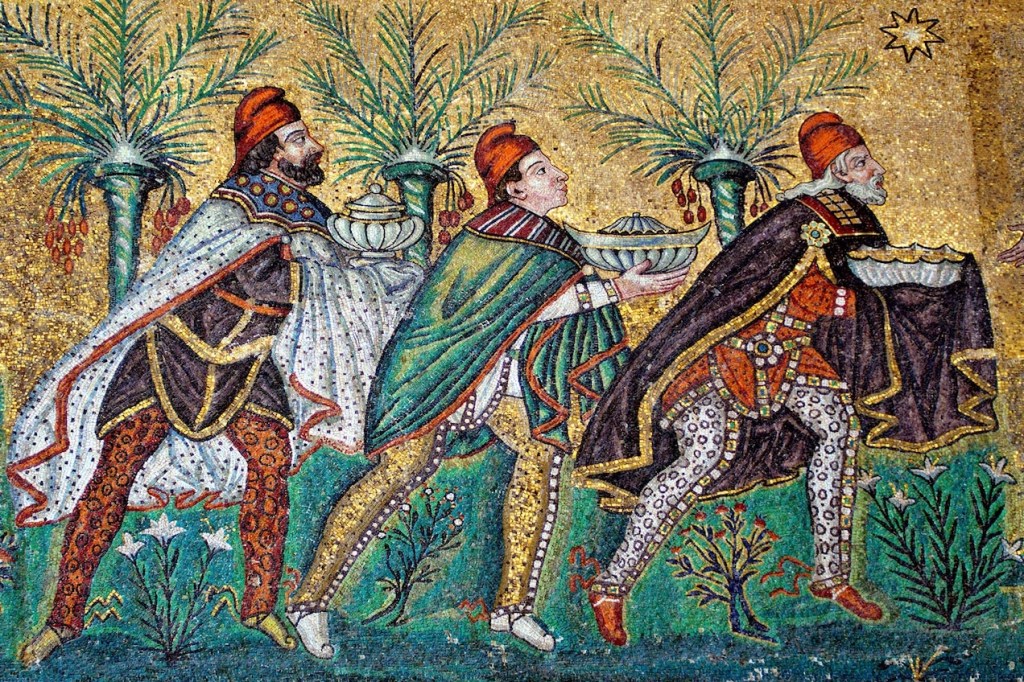
KINGS: or some say wise men, or others say sages, which they offer as an interpretation of the term magus, used in the initial narrative … so perhaps the subjects of the song are Zoroastrians, for whom star-watching was a highly-developed skill.

OF ORIENT: or, lands east of Israel, so perhaps Babylon, or even further to the east, in Parthia, where the Zoroastrian faith was dominant

ARE: the main verb, denoting the existential state of being of the subjects

BEARING: adverbial participle, descriptive of the activity of the aforesaid subjects of the song

GIFTS: by tradition, three of them [see below], which goes to explain why you might think there are three of the subjects [see above] … and providing grist for the mill for the idea that these subjects were kings, since Psalm 72:10-11 speaks about kings bringing gifts to the King of Israel

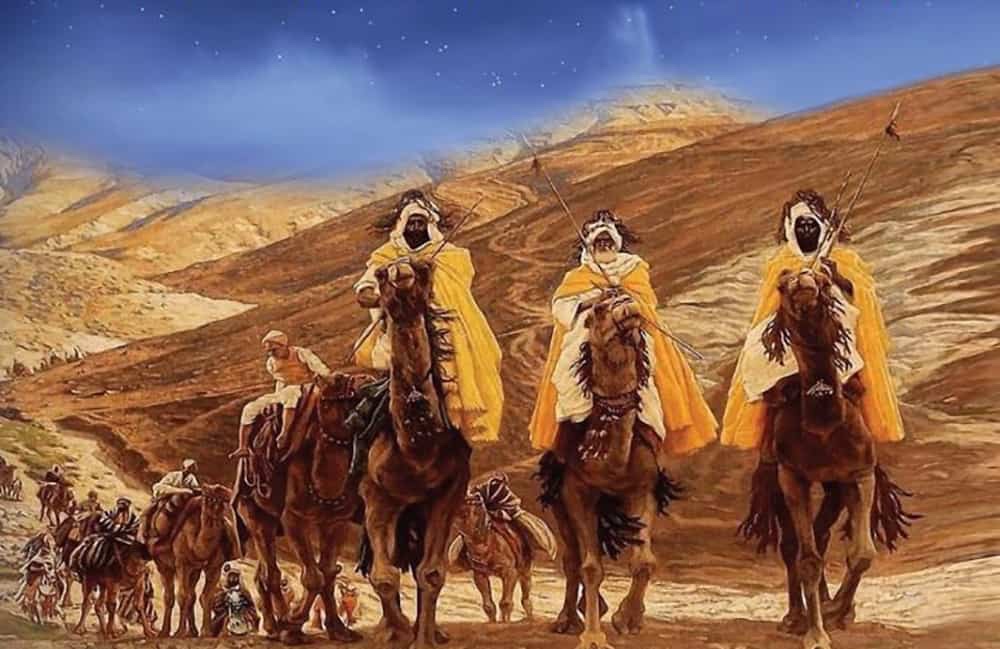
WE TRAVERSE AFAR: presumably on camels, the deluxe form of transportation of the time … although ………

FIELD AND FOUNTAIN, MOOR AND MOUNTAIN: a little bit of poetic excursus, a selective account of the natural phenomena encountered on the journey, arranged in alliterative couplets (it feeds the creative imagination of the listener/singer, you see)

FOLLOWING: another adverbial participle, providing a second description of the activity of the subjects

YONDER STAR: a bright celestial phenomenon, shining in the eastern sky but apparently moving or pointing in the direction of Israel, which was dutifully followed by the subjects

star on a dark background

O Star of wonder, star of night / Star with royal beauty bright /
Westward leading, still proceeding / Guide us to thy Perfect Light:
more poetic extrapolation, as befits the season

*****

Born a King on Bethlehem’s plain / GOLD I bring to crown Him again /
King forever, ceasing never / Over us all to reign:
which explains the claim that the subjects of the song are kings, as the gift of gold was what the kings of the nations bring to the Lord God when they travel to Jerusalem, according to Isaiah 60 verses 3 and 6–bearing in mind the injunction of Exodus 20:23, that this gift of gold not be in the form of any idol

O Star of wonder, etc …

*****

FRANKINCENSE to offer have I / Incense owns a Deity nigh /
Prayer and praising, all men [oops!] raising / Worship Him, God most high:
in relation to the gift of frankincense, as already noted above, the kings of the nations bring this to the Lord God when they travel to Jerusalem, according to Isaiah 60 verses 3 and 6 … and, ahhh, presumably there has been a divine change of mind since Isaiah 1:13, where the Lord God declared that “bringing offerings is futile; incense is an abomination to me” ?

***

MYRRH is mine, its bitter perfume / Breathes of life of gathering gloom /
Sorrowing, sighing, bleeding, dying /Sealed in the stone-cold tomb:
curiously, there is no scriptural tradition about kings bringing myrrh to the Lord

Nevertheless, myrrh certainly featured as a gift in the religious practices of Israel, according to Exodus 30:23–27 (The LORD spoke to Moses: “Take the finest spices: of liquid myrrh five hundred shekels, and of sweet-smelling cinnamon half as much, that is, two hundred fifty, and two hundred fifty of aromatic cane, and five hundred of cassia—measured by the sanctuary shekel—and a hin of olive oil; and you shall make of these a sacred anointing oil blended as by the perfumer; it shall be a holy anointing oil’ — an oil to anoint “the tent of meeting and the ark of the covenant, and the table and all its utensils, and the lampstand and its utensils, and the altar of incense, and the altar of burnt offering with all its utensils, and the basin with its stand”)

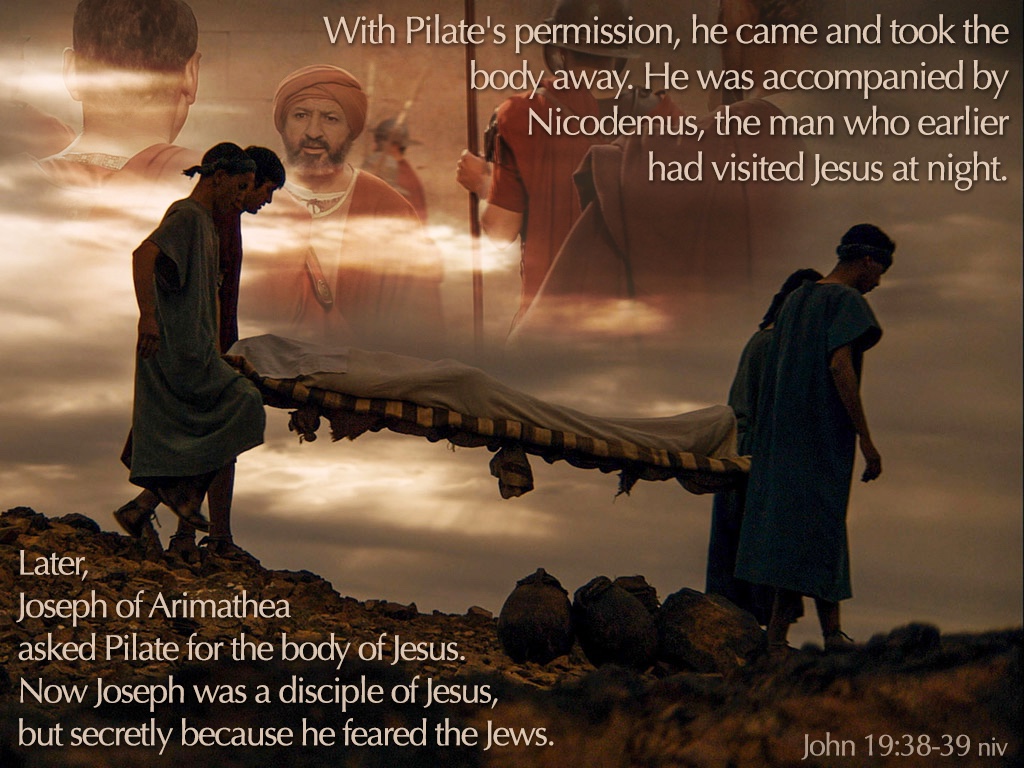
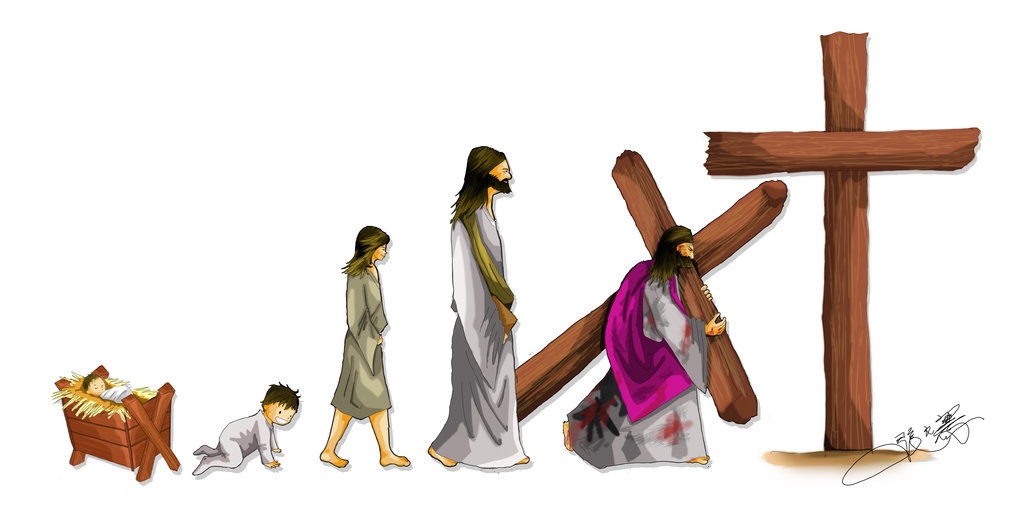
As the song signifies, it points forward to a moment in the passion of Jesus as narrated at Mark 15:23, where it is mixed with wine [but in that case, the gift was not accepted] and to the burial scene as reported at John 19:39, where it is mixed with aloes.

And let’s not make any link to the scene in Revelation 18:11-13, where the merchants of the world lament the fact that nobody is purchasing their goods any longer … goods which include, amongst many options, gold, and frankincense, and myrrh …

O Star of wonder, etc …

*****

Glorious now behold Him arise / King and God and Sacrifice /
Alleluia, Alleluia / Earth to heav’n replies:
adhering to the Golden Evangelical Rule of always taking the opportunity to smuggle Easter and the Cross and the Sacrifice of Jesus into any song or sermon or worship service or, even, Christmas/Epiphany Carol!

O Star of wonder, etc …

*****

So: Merry EndofChristmas and HappyEpiphany!!!

And for more exotica on the Magi, see https://johntsquires.com/2021/01/04/tales-from-the-magi-the-revelation-of-the-magi/