Pondering the prophets (during Pentecost Year C)

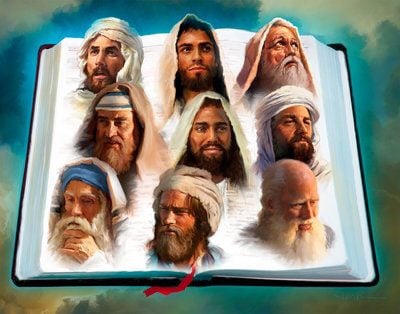
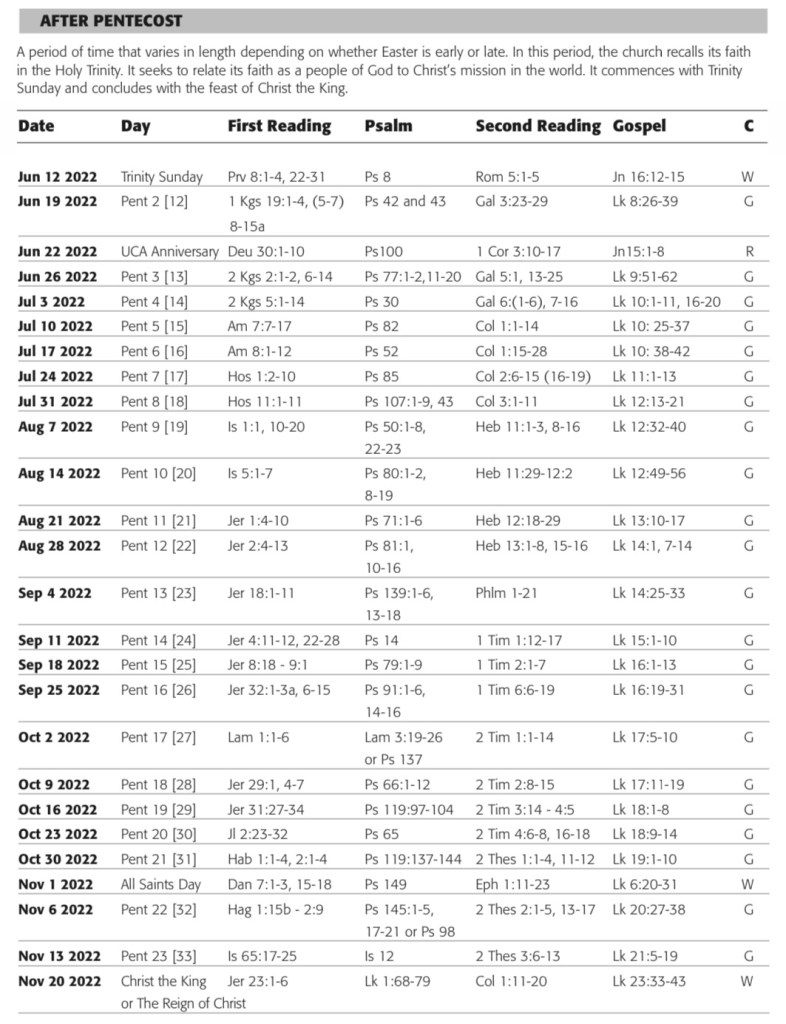
Elizabeth and I are leading a weekly study on The Prophets, because excerpts from these books appear in the Revised Common Lectionary as the Hebrew Scripture selection each week during the current church season (the long season of Pentecost). See

Our study series kicked off last week with two sessions of robust, engaged discussion (one on Thursday morning, the same session repeated on Thursday evening). I’ll be blogging material relating to this series and these readings 8n coming weeks.

The concept of a prophet was widely-known in the ancient world. Marvin Sweeney writes that “prophets were well known throughout the ancient Near Eastern world as figures who would serve as messengers or mouthpieces for the gods to communicate the divine will to their human audiences.”

He notes, in particular: “Mesopotamian baru priests who read smoke patterns from sacrificial altars, examined the livers of sacrificial animals, read the movements of heavenly bodies … ecstatic muhhu prophets from the Mesopotamian city ofMari drew blood from themselves and engaged in trance possession as part of their preparation for oracular speech … the assinu prophets of Mari were well known for emulating feminine characteristics and dress as they prepared themselves to embody the goddess Ishtar of Arbela to speak on her behalf … Egyptian lector priests (see image) engaged in analysis of the worlds of nature and human beings in preparation for the well-crafted poetic compositions that gave expression to the will of the gods”. (“The Latter Prophets and prophecy”, pp.234–235 in The Cambridge Companion to the Hebrew Bible/Old Testament, ed. Stephen B. Chapman and Marvin A. Sweeney, CUP, 2016)
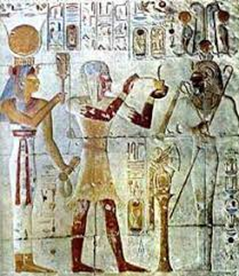
Egyptian lector priests

The Hebrew Prophets typically claim that the word of the Lord came to me and pepper their speeches with the interjection, thus says the Lord. They often report visionary experiences which provide the divine authorisation for what they speak. Some are reported as having had ecstatic experiences where they travel out-of-body and, they say, see things from God’s perspective. A number of prophets engage in symbolic activities which underline the message delivered by their words. Woe to you is a standard introductory phrase, leading to condemnations on nations or people for their sinfulness.

Adherence to the covenant of the Lord lies at the root of all that the prophets say—they recall Israel to their distinctive task of being a holy people, dedicated to the Lord. “I have given you as a covenant to the people, a light to the nations”, Isaiah declares (Isa 42:6); “cursed be anyone who does not heed the words of this covenant”, cries Jeremiah (Jer 11:3); “I pledged myself and entered into a covenant with you, and you became mine”, Ezekiel declaims (Ezek 16:8).

Daniel prays, saying, “Ah, Lord, great and awesome God, keeping covenant and steadfast love with those who love you and keep your commandments, we have sinned and done wrong … turning aside from your commandments and ordinances” (Dan 9:4–5). Amos announces that Israel has “rejected the law of the Lord, and have not kept his statutes” (Amos 2:4); Hosea denounces the people, for “you have forgotten the law of your God” (Hos 4:6); Malachi berates the people in the name of God, for “ever since the days of your ancestors you have turned aside from my statutes and have not kept them” (Mal 3:7).

Similar declarations of the sinfulness of Israel, turning away from the covenant, recur in other prophetic books (Isa 30:9–11; Jer 2:20–22; Ezek 18:21–22, 24; Hos 8:1; Mal 2:4–17). So many of the oracles of judgement pronounced by the prophets are built on the assumption that the sinful behaviours being described indicate that Israel and Judah have turned from the covenant and are ignoring the commandments that God gave.
Ezekiel also notes that God says “I will establish with you an everlasting covenant” (Ezek 16:60), whilst Jeremiah says that God promises “I will make a new covenant with the house of Israel and the house of Judah … I will put my law within them and I will write it on their hearts” (Jer 31:31–33). Hosea declares that God promises, “I will make for you a covenant … I will make you lie down in safety” (Hos 2:18).

The prophetic call for repentance is heard often (Isa 1:27; 45:22; 59:20; Jer 15:19; 18:11; 22:1–5; 35:15; 36:5–7; 44:4-5; Ezek 3:19; 14:6–8; 18:21–32; 33:8–9; Mal 4:4–6). This call is based on the premise that God will relent, and redeem those who turn from sinful practices. Sadly, Jeremiah notes that “the Lord persistently sent you all his servants the prophets”, but “you did not listen to me, says the Lord” (Jer 25:4-7). The work of a prophet is often thankless.

In the course, we are exploring each of the named prophets in our Bibles: the four Major Prophets (Isaiah, Jeremiah, Ezekiel, Daniel) and the twelve Minor Prophets (Hosea—Joel—Amos—Obadiah—Jonah—Micah—Nahum—Habakkuk—Zephaniah—Haggai—Zechariah—Malachi); the latter ones are collected together in one scroll by Jews, who call this The Book of The Twelve. Some merit more detailed attention than others (because their works are longer), but all of them share a common concern to “set right” the people of Israel and Judah.

We have noted that there are others in scripture who are declared to be prophets, but who do not have a book dedicated to them. We’ll be paying some of them some attention as we work through the books. The first prophet mentioned in scripture is Miriam, the sister of Moses, who led the women of Israel in song, to celebrate victory over the Egyptians; the short Song of Miriam (Exod 15:20–21) was then attributed also to Moses, and placed at the head of a much longer song in his name (Exod 15:1–18).

Such musical leadership is recognised as an act of prophecy in the story of Saul: “you will meet a band of prophets coming down from the shrine with harp, tambourine, flute, and lyre playing in front of them; they will be in a prophetic frenzy” (1 Sam 10:5). Both males and females were able to serve as musicians who prophesied (1 Sam 18:6; 1 Chron 25:1–8).

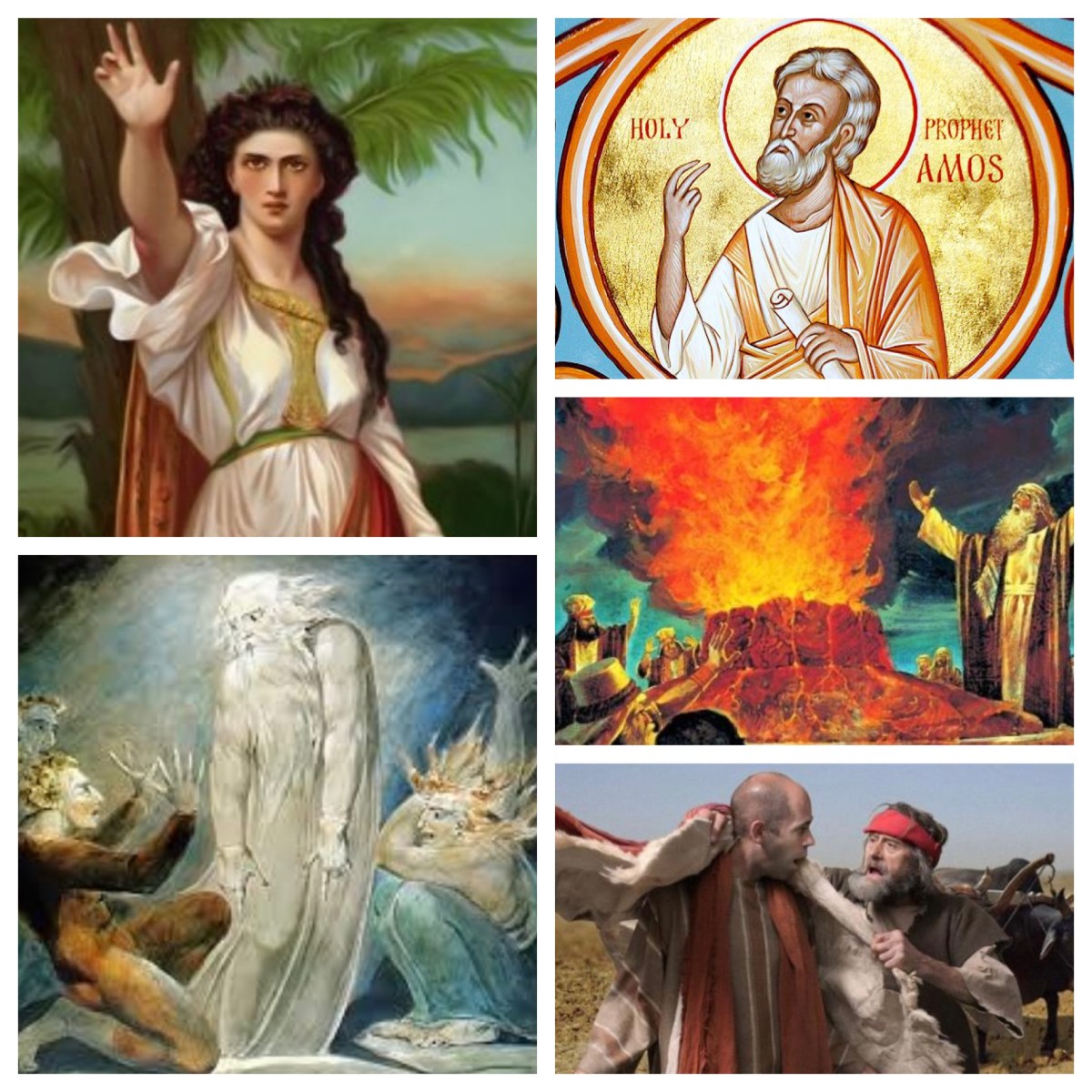
Miriam is described as a prophet at Exodus 15:20 and again at Micah 6:4. She shares this designation with Deborah, who is introduced as a prophet “who was judging Israel” (Judg 4:4);. Deborah sits under a palm tree, the place for exercising judgement (Judg 4:5). However, the function of a “judge” was more akin to that of a military leader—a tribal elder who led military activities to protect their tribe from enemies and to establish justice within their group.
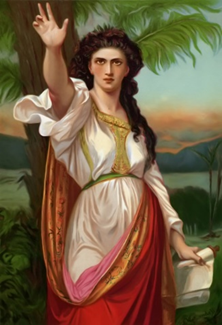
Deborah exercises such military leadership against Sisera, who led the army of King Jabin of Canaan. She recruits Barak to lead the fight (Judg 4:6–7); persuaded by her oracle, Barak insists that he will not fight unless Deborah goes out with him (Judg 4:8). When the Israelites gain victory over the Canaanite general (Judg 4:23–24), Deborah sings a song to celebrate her victory (Judg 5:1–31), maintaining the musical connection already noted in Miriam.

After the conquest and settlement of the land of Canaan, Samuel and Nathan figure significantly in the historical narratives about Israel. Samuel anoints Saul as the first king (and one interesting story about Saul ends with the question, is Saul also among the prophets? (1 Sam 19:18–24). Nathan, of course, is the prophet who promises David that “your house and your kingdom shall be made sure forever before me; your throne shall be established forever” (2 Sam 7:14). This is the oracle that assures the Davidic dynasty in Israel.
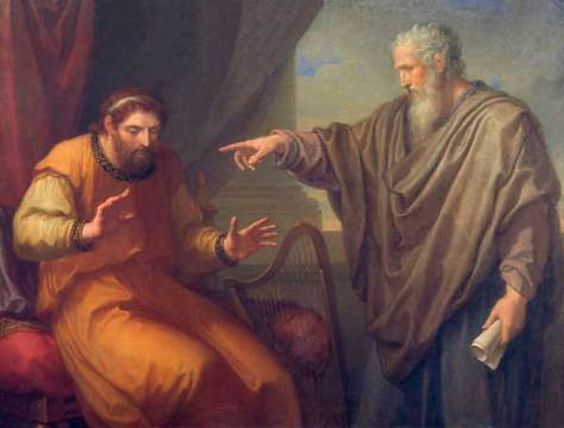
Nathan also is the one who confronts David about his adultery with Bathsheba, ending his famous parable of “the poor man [who] had nothing but one little ewe lamb” with the scathing denunciation: “you are the man” (2 Sam 12:1–7). Still later, Nathan tells the dying David of the plot by Adonijah to become king (1 Ki 1:11–14), leading to David’s final machinations which saw Solomon appointed as king (1 Ki 1:15–53) and the death of Adonijah (1 Ki 2:13­–25).

Later in the time of the divided kingdoms, Elijah and Elisha serve as prophets to call the king to account for the sinfulness of the court, and of all the people. Elijah spectacularly defended Yahweh against the might of the prophets of Baal, who were being worshipped in Israel, even by King Ahab. The prophets of Baal were unable to call down fire for the sacrifice (1 Ki 18:26–29), but Elijah, building an altar and drenching it with water, was able to call down “the fire of the Lord [which] fell and consumed the burnt offering” (1 Ki 18:30–40).

Elisha raised the son of a Shunnamite woman (2 Ki 4:8–37), turned a poisoned pot of stew into an edible meal (2 Ki 4:38–41), and fed a hundred men with twenty loaves of barley (2 Kings 4:42–44); these stories evoke Jesus.
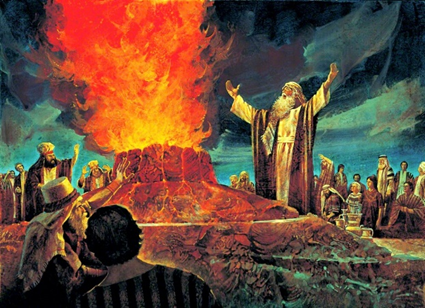
Elijah is taken up into heaven in a whirlwind (2 Ki 2), passing his mantle to Elisha. The last words of the prophet Malachi indicate that Elijah would return “before the great and terrible day of the Lord comes” (Mal 4:5–6); this prophecy plays an important role in New Testament texts. Just as it is not said that Enoch dies, but “walked with God, because God took him” (Gen 5:21–24), so this ascension of Elijah is believed to indicate that he did not die.

The final words uttered over Elisha were the same as those uttered over Elijah: “my father, my father! the chariots of Israel and its horsemen!” (2 Ki 13:14; cf. 2 Ki 2:12). His miraculous power lived on after his death; it is said that the body of a Moabite soldier killed in battle was thrown into his grave, and immediately “he came to life and stood on his feet” (2 Ki 13:20–21).
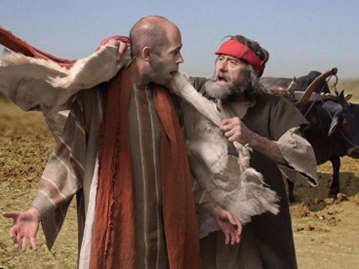
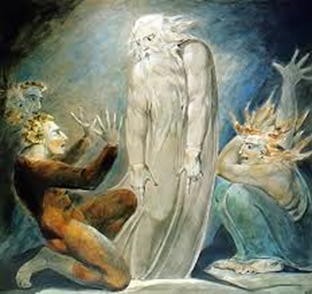
We might also include the woman of Endor as a prophet; despite the condemnation of divination (Deut 8:10–11), this woman provides Saul with guidance at the point where traditional means have failed. She consults with the ghosts; she sees “an old man is coming up, and he is wrapped in a robe” (1 Sam 28:14), and Saul recognises this as the ghost of Samuel. The deceased prophet thus directs the terrified king (1 Sam 28:15–19).
Later, we meet Huldah the wife of Shallum son of Tikva, son of Harhas, keeper of the wardrobe (2 Kings 22; 2 Chronicles 34). Both narratives tell of the reforms that took place under King Josiah, when a “Book of the Law” was discovered, and the king ordered that its prescriptions be followed. It is striking that Huldah, a female prophet, was consulted in relation to this book (not a male prophet). In a detailed oracle (2 Ki 22:16–20; 2 Chron 34:23–28), she speaks the word of the Lord to the king. Huldah validates the book that has been discovered.

Another female prophet is the wife of Isaiah, noted (without name) at Isa 8:3, who become the mother of one of Isaiah’s children; all of these children are given to be “signs and portents in Israel from the Lord of hosts” (Isa 8:18).

There were many more prophets active alongside Elijah and Elisha. Throughout the historical narratives, there are regular refences to “the prophets” (1 Sam 10:11–12; 1 Ki 18:4, 13, 20; 20:41; 22:6, 13; 2 Ki 23:2), “my servants the prophets” (2 Ki 9:7; 17:13, 23; 21:10; 24:2), a “band of prophets” (1 Sam 10:5, 10), a  “company of prophets” (1 Sam 19:20; 1 Ki 20:35; 2 Ki 2:3, 5, 7, 15; 4:1, 38; 5:22; 6:1; 9:1), 2 Chron 18:5, 12), and “all the prophets” (1 Ki 19:1; 22:10–12; 2 Chron 18:9–11).

Indeed, later Jewish tradition refers to the forty-eight prophets and the seven prophetesses who prophesied on behalf of the Jewish people. The relevant section of the Talmud reads: “In fact, there were more prophets, as it is taught in a baraita*: Many prophets arose for the Jewish people, numbering double the number of Israelites who left Egypt. However, only a portion of the prophecies were recorded, because only prophecy that was needed for future generations was written down in the Bible for posterity, but that which was not needed, as it was not pertinent to later generations, was not written. Therefore, the fifty-five prophets recorded in the Bible, although not the only prophets of the Jewish people, were the only ones recorded, due to their eternal messages.” (Talmud, Megillah 14a)   [* A Baraita is an ancient teaching that was not recorded in the Mishnah]

That would make the sum total of prophets a whopping 1,200,000 prophets! (This assumes the number of 600,000 “men on foot” as given at Exod 12:37—a gross exaggeration, by any account—-and also overlooks the complicating comment, “besides children”, and the complete omission of any reference to women!) We can at least say that there were more people undertaking prophetic activity than are named or designated in the scrolls of Hebrew scriptures. Whether each of them would meet the criteria that is set out for a true prophet (Deut 18:15-22), we will never know!

The seven female prophets are identified by later rabbis as Sarah, Miriam, Deborah, Hannah, Abigail, Hilda, and Esther. To read a brief contemporary Jewish discussion of the seven female prophets, see https://www.chabad.org/library/article_cdo/aid/4257802/jewish/The-7-Prophetesses-of-Judaism.htm

In the New Testament, the words of Joel that Peter cites on the Day of Pentecost indicate that the gifting of prophecy continues in this new era: “God declares that I will pour out my Spirit upon all flesh, and your sons and your daughters shall prophesy … even upon my slaves, both men and women, in those days I will pour out my Spirit” (Acts 2:17–18).

So we find Anna described as a prophet (Luke 2:38), as is Zechariah (Luke 1:67) and his son, John the Baptist (Mark 6:15; Matt 11:9; 21:26; Luke 1:76; 7:26; 20:6), while Jesus himself is recognised as a prophet (Matt 14:5; 21:11, 46; Luke 7:16; 24:19; John 4:19; 6:14: 7:40–42; 9:17).

There were prophets active at the time of Jesus, as we see in his saying about welcoming a prophet (Matt 10:41). The movement that continued after the time of Jesus had prophets active such as the four daughters of Philip (Acts 21:9) and Agabus (Acts 21:10), as well as those gifted by the Spirit with the gift of prophecy (Rom 12:6; 1 Cor 12:10, 28–29; 13:2; 14:1–5, 22–25, 29, 37; Eph 2:20; 4:11; 1 Tim 4:14), although the activity here described as prophecy may well differ in significant ways from what is found throughout Hebrew Scripture.

*****

See also
The ‘word of truth’, according to Colossians 1 (Pentecost 5C)

This coming Sunday, we turn from a letter written in the name of Paul, which few interpreters doubt is an authentic letter of Paul, to a slightly shorter letter which also claims to be written by Paul—but about which there is quite some debate as to whether Paul did write it. We will hear the opening section of the letter this Sunday (Col 1:1–14).

The letter begins with a clear claim to be a letter from “Paul, an apostle of Christ Jesus by the will of God, and Timothy our brother, to the saints and faithful brothers and sisters in Christ in Colossae” (Col 1:1-2). Despite this claim, there are signs that Paul may not be the author.

A more complex grammatical structure at some points, and some unusual vocabulary when compared with the vocabulary of the authentic letters of Paul, suggest a different hand in the creation of this letter. Some theological motifs are developed further than is found in the authentic letters of Paul, while the situation addressed appears to be different from—and probably later than—any situation envisaged in the lifetime of Paul.

(On the authorship of the various letters attributed to Paul, see https://johntsquires.com/2020/11/18/what-do-we-know-about-who-wrote-the-letters-attributed-to-paul-3/)

It is typical of Paul’s letters that the opening “prayer of thanksgiving” sets out some of the key contenders which will be addressed in the body of the letter. (This is the case in many other letters from the time that survive to today; whether Christian, or Jewish, or pagan, letters invariably flag key issues in the opening sentences.) Here, the key concerns seem to be about “the knowledge of God’s will in all spiritual wisdom and understanding” which will enable the readers and hearers of this letter to “lead lives worthy of the Lord” and “be prepared to endure everything with patience”.

The letter refers to Onesimus (Col 4:9), the slave about whom Paul wrote to Philemon (Phlm 10), as well as one of the addressees of that letter, Archippus (Col 4:17; Phlm 1). The greetings at the end of the letter contain a number of names also found in the greetings of Philemon 23–24: Epaphras (Col 4:12), Mark and Aristarchus (Col 4:10), and Demas and Luke (Col 4:14).

This suggests that the two letters might have originated at the same time in the ministry of Paul—when he was in prison (Col 4:3, 8; Phlm 10, 13), perhaps in Rome towards the end of his life. However, there is little else to connect Colossians with Philemon. The content of each letter is quite different.

Alternatively, the Colossian references to Paul’s imprisonment might link the letter with Philippians, written similarly during an imprisonment (Phil 1:7, 12– 14, 17). This would be so if Epaphroditus in Philippians (2:25; 4:18) was the same person as Paul’s associate, Epaphras, noted in Colossians (1:7–8; 4:12– 13). That possibility suggests a common origin; but no further links between these letters are evident.

A more fruitful connection is found between Colossians and Ephesians, where there are a number of similarities in theological development as well as a significant overlap of text. Eph 6:21b–22 replicates almost exactly the underlined phrases in Col 4:7–9. The most persuasive theory is that Ephesians, written well after the death of Paul by a follower of Paul’s teachings, drew on that section of Colossians, believing it to be the words of Paul.

Returning to Colossians itself, we note that it follows the traditional form of a letter, with opening greetings (1:1–2) and thanksgiving (1:3–8) leading into a further prayer for the Colossians (1:9–14) before the body of the letter (1:15–2:23) and a series of exhortations (3:1–4:6). The closing greetings (4:7–17) and grace (4:18) bring the letter to a close in conventional fashion.

There are a number of indications of the distinctive situation to which the letter is addressed, although these insights are mediated through the perspective of the writer of the letter. The Colossians, although believers in Christ, continue to recognise the “elemental spirits of the universe” (2:8, 20). They are “deceived with plausible arguments” (2:4) and thus are captive to a “philosophy and empty deceit” (2:8) which is contradictory to Christian belief. They take part in “festivals … new moons … sabbaths” (2:16), engage in “self-abasement and worship of angels” (2:18) and adhere to strict regulations (2:20–22).

These terms seem to be describing people who are Gentiles (elemental spirits) who have adopted some Jewish practices (new moons, sabbaths, worship of angels) yet have an ascetic flavour (self-a basement) with rhetorical interests (plausible arguments) mediated through their philosophical interests. That’s quite a thick description of the presumed recipients, and not like others who received authentic letters from Paul.

Along with clear evidence for syncretism amongst the Colossians, there is a thought that the believers in Colossae were proto-Gnostics—that is, precursors of the kind of Christianity that emerged fully in the second century onwards, and which we know about most directly through the documents collected in the Nag Hammadi library (discovered in Egypt in 1945). See http://gnosis.org/naghamm/nhl.html

Over against this cluster of beliefs, the letter-writer advocates the gospel, which is described as “the word of truth” (1:5) and “the faith” (1:23; 2:7), and exhorts the readers to be “mature in Christ” (1:28; 4:12). The opening thanksgiving (1:9–10) contains key terms which express the writer’s hopes for the readers: understanding (2:2) and growth (2:19), and especially wisdom (1:28; 2:3, 23; 3:16; 4:5) and knowledge (2:2, 3; 3:10). These last terms, particularly, point in the direction of the developing Gnostic movement which held sway in some parts of the developing Jesus movement.

Some of these terms do appear in Paul’s authentic letters; some others appear less frequently, if at all. They do appear, however, in the Pastoral Epistles (written “in the name of Paul” some decades after his death) and then in various documents, not part of the New Testament, which demonstrate the growing Gnostic and speculative-philosophical tendencies in some parts of Christianity in the late first century and on into the second and third centuries.

The positive qualities which are highlighted in this letter, noted above, are especially related to Christ, in whom “the whole fullness of deity dwells” (2:9–10), a doctrine which sits at the core of a distinctive hymn in which Christ is portrayed as an all-encompassing cosmic figure (1:15–20). This is one key point where the letter moves beyond what is found in Paul’s authentic letters to the formulation of a post-Pauline doctrine. This, it seems, is central to “the word of truth” that is highlighted from the start of the letter.

My own conclusion is that Colossians was most likely written by a follower of Paul, writing in his teacher’s name in order to claim his authority as he addressed a situation different from, and some time after, Paul’s own time. Paul’s theological and ethical positions are known by the author. However, the problematic situation addressed, the theological ideas expressed, and the ethical instructions offered, each point to an origin after the lifetime of Paul.

This is what the Lord showed me: the visions and messages of Amos (Pentecost 5C and 6C)

Over the next five months, the lectionary is taking a dive into the books of the prophets. These are offered as companions to the Gospel readings from the “orderly account” of Luke that we are hearing, week by week. It is, after all, Luke’s narrative which most directly depicts Jesus speaking as God’s prophet (Luke 7:16; 24:19; Acts 2:30; 3:22).

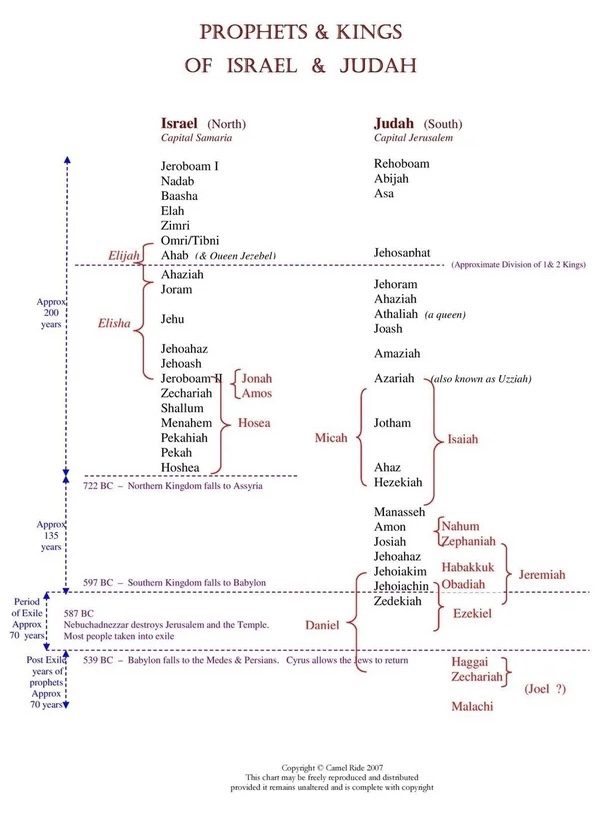
In turn, over the coming months we will read and hear excerpts from the northern kingdom prophets, Amos and Hosea; then from the southern kingdom prophets, Isaiah and Jeremiah, two of the “major prophets” of Israel; followed by three “minor prophets”, Joel, Habakkuk, and Haggai; and then a section from the closing vision in the much later set of oracles collected at the end of the book of Isaiah. We should buckle up for the ride; the prophets pull no punches and speak in ways that can confront, accuse, and terrify!

We have these books in our scriptures and read and reflect on them in our services of worship because, although these voices sounded forth long ago, their message resonates still with us today. The call for justice and righteousness undergirds the entire narrative of the people of Israel, from the call attributed to Moses in Deut 16:20, “justice, and only justice, shall you follow”, through the words of Amos and Isaiah, into the declarations of Jeremiah and in the various “minor prophets” that we will encounter.

See https://johntsquires.com/2021/08/16/justice-and-only-justice-you-shall-follow/

Justice is the common theme in these prophetic books—God’s justice; the justice which God desires for the people of God; the justice which God speaks through the voice of the prophets; the justice that God calls for in Israel; the justice that provides the measure against which Israel will be judged, and saved, or condemned.

In the later scriptures of the New Testament, we hear resonances from many of these selected passages of Hebrew Scripture. Jesus, the prophet of Nazareth, stands in this tradition and speaks “the voice of the Lord”, so the call for justice and righteousness sits at the heart of who we are, as people of faith, heirs of this tradition, in the 21st century.

As we read and hear these prophetic passages week after week, we are invited to reflect more deeply on how these ancient words, particular to their original time and place, can yet be for us the word of God to us, in our time, in our place.

*****

This Sunday, we will hear the vision of the plum line (Amos 7:7–17); next Sunday, the vision of the basket of fruit (Amos 8:1–12). Amos, who came from Tekoa in the southern kingdom (1:1), was active in the northern kingdom (Israel) during the reign of Jeroboam II, the thirteenth king of Israel, who reigned for four decades (786–746 BCE; see Amos 7:10). It was a time of prosperity, built on the trading of olive oil and wine with the neighbouring nations of Assyria to the north and Egypt to the south. But the sinfulness of the time was too much for Amos.

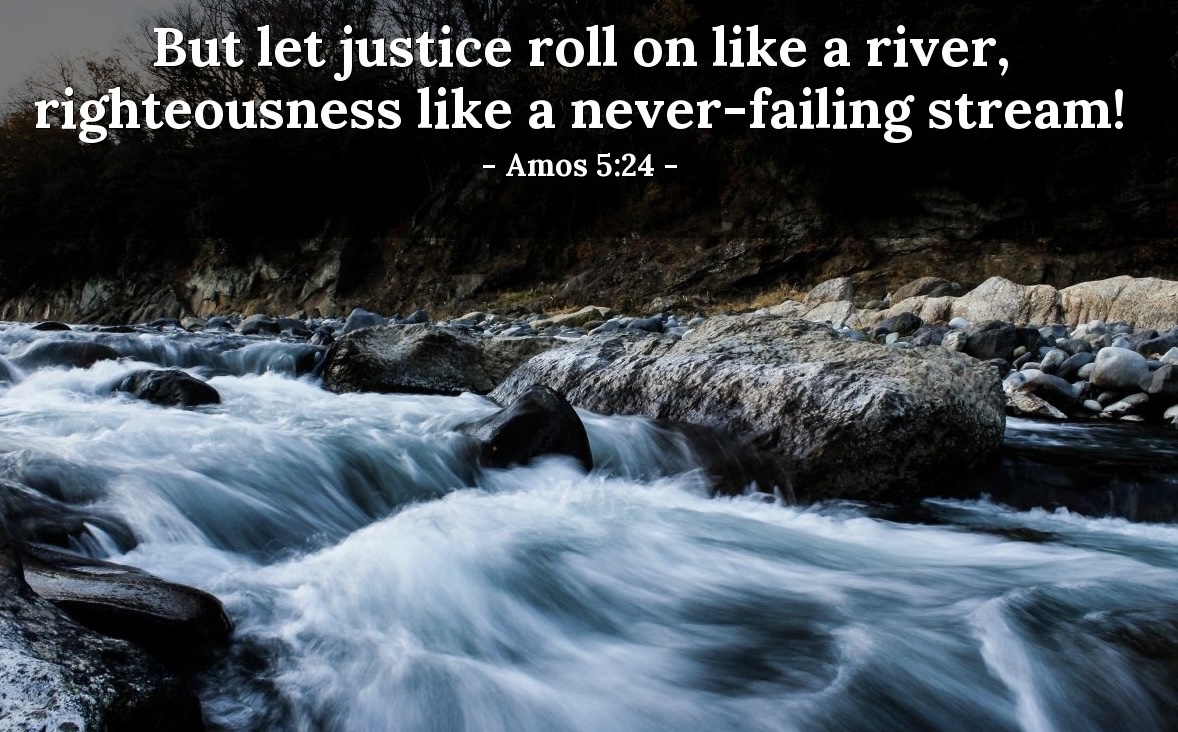
Although the Temple in Jerusalem was the focus for religious activity in the southern kingdom (Judah), there were a number of religious sites in the northern kingdom—Dan, Bethel, Gilgal and Beersheba (Amos 5:5; 8:14)—where not only was the Lord God worshipped, but idolatrous images were used in worship services (5:26). Amos is trenchant in his criticism of the worship that the people offer (5:21–27); embedded in this crisis is a doublet of poetry, words most often associated with Amos: “let justice roll down like waters, and righteousness like an ever-flowing stream” (5:24).

Indeed, it is the perpetration of social inequity within Israel that most causes him to convey the anger of divine displeasure. He admonishes the rich for the way that they mistreat the poor: “they sell the righteous for silver, and the needy for a pair of sandals—they who trample the head of the poor into the dust of the earth and push the afflicted out of the way” (2:6–7); “you trample on the poor and take from them levies of grain” (5:11).

Again, Amos rails: “you trample on the needy and bring to ruin the poor of the land … buying the poor for silver and the needy for a pair of sandals, and selling the sweepings of the wheat” (8:4, 6). In a biting oracle, he criticises the “cows of Bashan who are on Mount Samaria” for the way they “oppress the poor, crush the needy” (4:1).

Bashan was the mountainous area to the northeast of Israel (Ps 68:15), which rejoiced in majestic oaks (Isa 2:13) and extensive pasture lands (1 Chron 5:16). The luxurious lifestyle of these people can well be imagined. The reference to “winter houses … summer houses … houses of ivory … and great houses” (3:15) is telling. Luxury and opulence is evident amongst the wealthy.

So, too, is the description of “those who lie on beds of ivory, and lounge on their couches, and eat lambs from the flock, and calves from the stall; who sing idle songs to the sound of the harp, and like David improvise on instruments of music; who drink wine from bowls, and anoint themselves with the finest oils” (6:4–6). The extravagance of the wealthy is obvious, juxtaposed against the plight of the poor, as we have noted.

Amos indicates that God had given Israel a number of opportunities to repent, “yet you did not return to me” (4:6, 8, 9, 10, 11). God pleads for Israel to “seek me and live” (5:4), “seek the Lord and live” (5:6), “seek good and not evil, that you may live” (5:14).

But this is all in vain; ultimately, the prophet insists, the Lord God will bring on the day of the Lord—a day of “darkness, not light, and gloom with no brightness in it” (5:18–20). God is determined; “the great house shall be shattered to bits, and the little house to pieces” (6:11); later, he insists again, “the dead bodies shall be many, cast out in every place” (8:3).

***

In a series of visions, Amos sees how the judgement of God will be implemented. He sees a plague of locusts (7:1–3), a shower of fire (7:4–6), a plum line (7:7–9), and a basket of summer fruit (8:1–6). Finally, he sees “the Lord standing beside the altar” (9:1–8).

The first two visions give Amos an opportunity to intercede on behalf of the people: “O Lord God, forgive, I beg you!” (7:2), “O Lord God, cease, I beg you!” (7:5). On both occasions, God relents, declaring, “it shall not be” (7:3, 6).

Not so with the following visions, however. The vision of the plum line signals that “the high places of Isaac shall be made desolate, and the sanctuaries of Israel shall be laid waste, and I will rise against the house of Jeroboam with the sword” (7:8). The vision of the basket of fruits signals that “the end has come upon my people Israel” (8:2). In the vision of the Lord at the altar, God declares a definitive judgement on Israel: “those who are left I will kill with the sword; not one of them shall flee away, not one of them shall escape” (9:1).

Interrupting the sequence of visions, Amaziah, the priest of Bethel, confers with King Jeroboam of Israel, informing him that the prophet has spoken of the king’s imminent death and the people’s exile (7:11). Amaziah, disturbed by this pronouncement, commands Amos to flee south, to Judah (7:12-13).

Amos responds with what we recognise to be the humility of a true prophet: “I am no prophet” (7:14; cf. Moses at Exod 3:11; 4:1, 10, 13; Jeremiah at Jer 1:6), yet then he proceeds to reiterate his prophecy: “you yourself shall die in an unclean land, and Israel shall surely go into exile away from its land” (7:16-17).

*****

Returning to the sequence of visions, Amos notes that the day will come when God “will make the sun go down at noon, and darken the earth in broad daylight” (8:9–11). On that day, “the beautiful young women and the young men shall faint for thirst … they shall fall, and never rise again” (8:12–13).

Resolute in the intention to punish those who have perpetrated social inequity and religious idolatry, God insists that “I will fix my eyes on them for harm and not for good” (9:4); “the eyes of the Lord God are upon the sinful kingdom, and I will destroy it from the face of the earth” (9:8).

Yet, at the very end, Amos relays the news that God has modified this intention: “I will not utterly destroy the house of Jacob, says the Lord” (9:8); “on that day I will raise up the booth of David that is fallen, and repair its breaches, and raise up its ruins, and rebuild it as in the days of old” (9:11). This final oracle from Amos (9:11–15) envisages a restored and rebuilt Israel, a land once again productive, and ends with a strong expression of confidence in the people: “I will plant them upon their land, and they shall never again be plucked up out of the land that I have given them, says the Lord” (9:15).

Little did the prophet actually know what lay ahead; soon after this oracle, the king of Assyria began to deport Israelites to Assyria (2 Kings 15:29; 1 Chron 5:26), perhaps in the 730s; two decades later, a new Assyrian king captured the northern capital, Samaria (2 Kings 17:3–6). The northern kingdom had come to an end; the people taken into exile would never return to their land. They became known as “the lost tribes of Israel” (see https://www.britannica.com/topic/Ten-Lost-Tribes-of-Israel).

*****

See also
The Paraclete as a “replacement Jesus” and the Doctrine of the Trinity (John 16; Trinity Sunday, Year C)

This coming Sunday is designated as Trinity Sunday. It’s an unusual occurrence, for two reasons. First, it’s the only time in the Christian calendar that a Sunday is named for a doctrine, rather than for a biblical story. And second, it is unusual in that it presents problems for the shapers of the lectionary, since (in my view) the Doctrine of the Trinity is not actually proclaimed in the biblical texts.

Yes, there are passages that canvass some aspects of the Doctrine—how the Son relates to the Father, what is the essential character of God, how the Spirit was experienced and understood, and how Son and Spirit might relate. But there is no biblical passage which articulates the full scope of the Doctrine of the Trinity: God is three, God is one, Father, Son, and Spirit, consubstantial, co-eternal, while unending ages run (as it were).

That’s quite understandable, since the full expression of this Doctrine took a number of centuries to develop, after the period in which the texts of the New Testament were written. If the latest NT text comes from the end of the first century, the earliest form of the Doctrine of the Trinity is found in the Apostles’ Creed, adopted by the Council of Nicea in 325 CE, and a more fulsome and complex form is to be found in the Nicene Creed, adopted by the Council of Constantinople in 381 CE.

So we should not expect the lectionary to provide any texts which set out the Doctrine of the Trinity. What we do find, however, is that certain texts are offered, in which some, or all, of the three persons of the Trinity—Father, Son, and Spirit—are in view.

In fact, two texts name all three persons in a quasi-formulaic way: the benediction at the close of 2 Corinthians 13, and final words of Jesus in Matthew 28. Indeed, these two passages are set for Trinity Sunday in the first of the three years of the lectionary, Year A. Associated with these two passages is a text that expounds something of the nature of one of these persons, God the Creator, in Genesis 1.

In Year B, two texts are offered which focus somewhat on the third person of the Trinity, the Spirit: Romans 8, where Paul wrestles with the role of the Sprit, and John 3, the conversation between Jesus and Nicodemus, which includes reference to the Spirit. The Hebrew Scripture offering in Year C draws from the wonderful depiction of Wisdom in Proverbs 8; while the epistle in Year C, from Romans 5, appears to be included because it manages to refer to each of the three person of the Trinity within the space of five verses.

The Gospel offered in Year C (the current year) is just a short section (John 16:12–15) from the last chapter in the lengthy “farewell discourses” of Jesus (chs. 14–16), which John reports as being given to the disciples at the last meal that Jesus shared with his followers (from 13:1 onwards). It contains the fourth of four brief references in these “farewell discourses” to the Spirit, identified as “the Spirit of truth” (14:17; 15:26; 16:13), the parakletos (14:16, 26; 15:26; 16:7) and “the Holy Spirit” (14:26).

These passages are considered to provide some biblical material for the Doctrine of the Trinity relating specifically to the third person, the Holy Spirit. In particular, I am interested in how the Spirit is defined in relation to the other two persons of the Trinity.

There are three ways in which the Spirit is defined in relation to Jesus. First, the Spirit is identified as a parakletos—a word with multiple translation options. It could mean one who advocates for, one who provides counsel, one who offers help, or one who gives comfort.

See https://johntsquires.com/2019/06/07/the-paraclete-in-john-15-exploring-the-array-of-translation-options/

Whatever option we take in translating this word, it is striking that Jesus says that the main role of the Spirit (at least as we encounter the explanation in this gospel) is to be “another parakletos” (14:16). The implication is that Jesus himself has been a parakletos—an implication that is confirmed when we read the statement in 1 John, that “we have a parakletos with the Father, Jesus Christ the righteous; and he is the atoning sacrifice for our sins, and not for ours only but also for the sins of the whole world” (1 John 2:1–2).

This first statement about the Spirit thus places the Spirit in the position that Jesus had whilst living in human form amongst the people of Israel. The Spirit is the present manifestation of the role that Jesus of Nazareth had all those centuries ago. The Spirit is, in effect, a “replacement Jesus”.

Indeed, this is strengthened by the affirmation that this figure will “abide with you … and be in you”, precisely the same terminology used of Jesus in the earlier parable of the vine (“abide in me and I abide in you”, 15:4) and in the final prayer that Jesus prays before his arrest (“may [they] be one, as we are one, I in them and you in me, that they may become completely one”, 17:22–23]). The reality of the presence of the Spirit is the same as the reality of the presence of Jesus when he was with the disciples.

This idea is confirmed by the second statement about the parakletos, who is the one “whom the Father will send in my name” (14:26), the one “whom I will send to you from the Father” (15:26). Indeed, Jesus makes it clear that “if I do not go away, the parakletos will not come to you; but if I go, I will send him to you” (16:7). This seems to suggest that the Spirit is unable to take up the role assigned to it until Jesus has departed from his followers—the Spirit is a “replacement Jesus”.

Indeed, at an earlier point in the narrative, on “the last day of the festival, the great day” (7:37; the festival referred to was Booths, 7:2), Jesus was speaking about the Spirit, and portraying the “rivers of living water” that the Spirit would give, as something still to come. The narrator informs us that he was speaking “about the Spirit, which believers in him were to receive; for as yet there was no Spirit, because Jesus was not yet glorified” (7:37–39).

This, of course, is directly contradicted by the many references in Hebrew Scripture to the activity of the Spirit in Israel (Gen 1:1–2; Job 33:4; Ps 104:30; Isa 42:5, 44:3, 48:16, 59:21, 61:1, 63:11–14; Num 11:16–17; Deut 34:9; 1 Sam 10:6, 19:23–24; Ezek 37:1; Joel 2:28–29). Nevertheless, the definitive arrangement of things that is held to quite firmly in the book of signs, is that the Spirit comes only after Jesus has returned to the Father.

The language of sending is used frequently in the fourth Gospel, in describing the relationship between the Father and the Son. The Father is regularly described as the one who sent the Son (3:34; 4:34; 5:23, 30; 6:29, 39, 44, 57; 7:16, 18, 28–29, 33; 8:16, 18, 26, 29, 42; etc). In the final prayer of Jesus, the Father is “him who sent me” (17:3, 8, 18, 21, 23, 25). Amongst the final words of the risen Jesus, we hear Jesus say again, “as the Father has sent me” (20:21).

So, when Jesus refers to the parakletos as the one “whom the Father will send in my name” (14:26), he is reinforcing the notion that the Spirit is the “replacement Jesus”. This is further strengthened by the affirmation that the parakletos will “teach you everything, and remind you of all that I have said to you” (14:26). The language of teaching also recalls a key function of Jesus, who “went up into the temple and began to teach” (7:14), who “sat down and began to teach” the people in the temple (8:2), who characterises his ministry as “I have always taught in synagogues and in the temple, where all the Jews come together” (18:20).

Further, Jesus describes the role of the parakletos as “he will take what is mine and declare it to you” (16:15). Jesus has already declared that “my teaching is not mine but his who sent me” (7:16) and “the word that you hear is not mine, but is from the Father who sent me” (14:24); now he passes that divinely-given material on to the parakletos, clearly stating that “he will take what is mine and declare it to you. All that the Father has is mine. For this reason I said that he will take what is mine and declare it to you” (16:14–15). The teaching function that the parakletos performs is to replicate the teaching role that Jesus has already enacted.

The content of the teaching provided by the parakletos is also evocative of the teaching that Jesus has provided. The parakletos will teach “about sin and righteousness and judgment” (16:8, expanded in 16:9–11). In relation to sin, what Jesus does as “the lamb of God” is to “take away the sin of the world” (1:29); he provides freedom from the slavery of sin (8:34–36), and the final commission that he gives his disciples (who are sent just as he has been sent) is to decree that they have the authority of grant forgiveness of sins (20:23).

Likewise, in relation to judgement, Jesus has stated, “as I hear, I judge; and my judgment is just, because I seek to do not my own will but the will of him who sent me” (5:30), and again, “even if I do judge, my judgment is valid; for it is not I alone who judge, but I and the Father who sent me” (8:16)—although later, Jesus asserts that “I came not to judge the world, but to save the world. The one who rejects me and does not receive my word has a judge; on the last day the word that I have spoken will serve as judge” (12:47–48).

Thus, as the parakletos teaches about sin, and about judgement, the teachings of Jesus on these matters are repeated. (On the matter of righteousness—apart from a single reference to God as “righteous Father”, 17:25—this Gospel is silent.) Again, we see that the parakletos is a “replacement Jesus”.

Finally, the distinctive term used in this Gospel to describe the Spirit, “the Spirit of truth”, also reinforces this way of viewing the relationship between the Son and the Spirit. The Johannine Jesus is “the Word became flesh” who “lived among us … full of grace and truth” (1:14). It is through Jesus Christ that “grace and truth came” (1:17). Jesus describes himself to the leaders in Jerusalem as “a man who has told you the truth that I heard from God” (8:40), and to the Roman Governor, Pilate, he declares, “for this I was born, and for this I came into the world, to testify to the truth. Everyone who belongs to the truth listens to my voice” (18:37).

So Jesus tells his followers that “if you continue in my word, you are truly my disciples; and you will know the truth, and the truth will make you free” (8:31–32), and even affirms unreservedly that “I am the truth” (14:6). Again, the language applied to the Spirit links in with key terminology that describes Jesus and his role. The Spirit of truth now teaches “the truth that will make you free”, that the one who is the truth had taught.

Finally, it is noteworthy that nowhere in the book of signs is there any direct statement about the relationship between Father and Sprit. Although Jesus states that “God is spirit” (4:24), the relationship is always, apparently, mediated through the Son: the Father sends the Son, the Son sends the parakletos; the Son teaches what the Father provides, the parakletos continues the teaching of Jesus; the Father incarnates the Word “in truth”, the Son teaches and is “the truth”, so the Spirit is named as “the Spirit of truth”.

In summary, the relationship between Son and Spirit reads to me as a quite hierarchical style of relationship—not at all a relationship of equals who abide in each other, who are of the same nature and share the same substance with one another, who exist co-eternally and inherit co-equally. Indeed, in the relationship between Father and Spirit/Parakletos, there is no direct link, as there is in the classic Doctrine of the Trinity; all is mediated through the Son, as we have seen. The fourth Gospel offers a different, distinctive—we might even say, unorthodox—theology of Father, Son, and Spirit/Parakletos.

The Trinity is a complex idea, a doctrine with many subsets and dimensions and component parts. Although there are passages in scripture which many say point to this doctrine, nevertheless gaining a full understanding of this doctrine really means entering into the world of metaphysics, philosophy, and linguistics of a later age.

All of this is beyond the capacity of the lectionary to provide, nor can it be done in a relatively brief reflection time within a Sunday worship service—and it runs the risk of charging away from the world of ideas in which the biblical texts were written, and opening up the danger of imposing later ideas, anachronistically, onto those texts.

The little passage from the Gospel of John that we encounter in the lectionary this coming Sunday actually points us in quite another direction!

*****

See also
Scriptural resonances in Revelation 21–22 (Easter 6C)

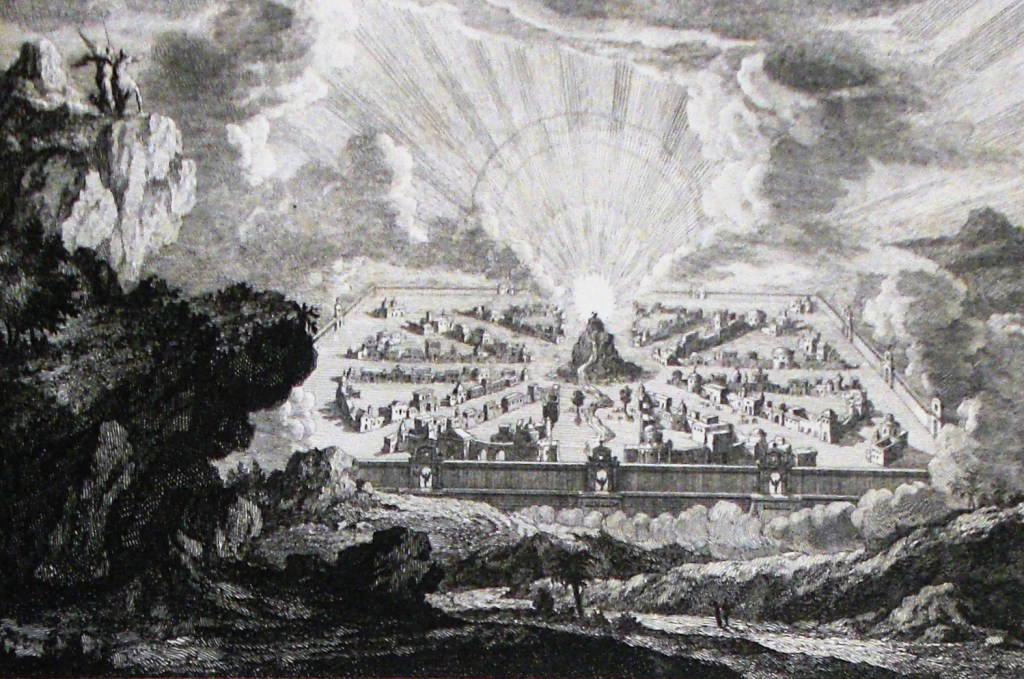
The section of Revelation provided by the lectionary for this coming Sunday (21:10, 22–22:5) is the final vision from a long sequences of visions, in which the writer, carried “in the spirit” to “a great, high mountain”, sees “the holy city Jerusalem, coming down out of heaven from God” (22:10).

The top of a mountain is significant in biblical narratives; we only need to remember Moses atop Mount Sinai, receiving the commandments from God (Exod 19:1–25) and viewing the promised land, which he would not himself enter (Deut 34:1–4); and Jesus on the mountain in Galilee, teaching his disciples (Matt 5:1–7:28), being transfigured in the presence of Moses and Elijah (Matt 17:1–8), and giving his last instructions to his followers before departing from them (Matt 18:16–20).

Visions in Scripture

There are many accounts of visions being seen by people on earth, as God reveals guidance to them; noteworthy are the visions of Abraham (Gen 18:1–16), Moses (Exod 3:1–6), Balaam and his donkey (Num 22:22–35), Joshua (Josh 5:13–15), Eli (1 Sam 3:2–18), and the visions of various prophets (Isa 6:1–13; Ezek 2:1–10; Ezek 40:1–44:31; Dan 7:1–14; Dan 8:1–14; Amos 7:1–9; Amos 8:1–14; Zech chapters 1–6).

In early chapters of the Gospels, visions experienced by key figures shape the course of the story—Zechariah (Luke 1:8–20), Mary (Luke 1:26–38), shepherds (Luke 2:8–14), and Joseph (Matt 1:19–21; 2:13; 2:19–20). Paul experienced “visions and revelations of the Lord” (2 Cor 12:1–7a); according Luke’s account of the journey he took towards Damascus, it was the visions to both Ananias and to Paul himself (Acts 9:10–12) that brought Paul into the community of believers, in a life-transforming moment.

However, the most notable vision is surely that experienced by Peter, in Joppa: “he saw the heaven opened and something like a large sheet coming down, being lowered to the ground by its four corners. In it were all kinds of four-footed creatures and reptiles and birds of the air. Then he heard a voice saying, ‘Get up, Peter; kill and eat.’” (Acts 10:11–13). This vision not only changes Peter’s understanding of things; it sets forth the rationale for the fundamental nature of the movement founded by Jesus, as an inclusive community of Jews and Gentiles.

Visions in Revelation 19–22

The vision that the author of Revelation sees is part of an extended sequence of visions which are introduced by the same phrase that is used in Acts: “then I saw heaven opened” (19:11; cf. Acts 10:11). God’s opening of the heavens is recognised by the psalmist (Ps 78:23) as the means by which manna was provided in the wilderness; and perhaps this resonance is picked up in the Gospel accounts of the baptism of Jesus in the Jordan, when Jesus “saw the heavens torn apart and the Spirit descending like a dove on him” (Mark 1:10 and parallels). God tears open the heavens to bless and to commission.

More pertinent, however, is the statement by Isaiah, in an oracle describing incredible devastation wrought in divine judgement over Israel, when “the earth shall be utterly laid waste and utterly despoiled … the earth dries up and withers, the world languishes and withers; the heavens languish together with the earth [for] the earth lies polluted under its inhabitants” (Isa 24:3–4). The prophet declares that “the windows of heaven are opened, and the foundations of the earth tremble; the earth is utterly broken, the earth is torn asunder, the earth is violently shaken” Isa 24:18–19). This is a fearsome rending apart of the heavens!

So, too, in Revelation, where the opening of the heavens (19:1) reveals a series of seven visions. There is a vision of an intense, violent battle (19:11–21), a vision of the binding of a dragon and “the first resurrection” (20:1–6), and two visions of judgement (20:7–10, 11–15); followed by a vision of “a new heaven and a new earth” (21:1–8), a vision of “the holy city Jerusalem, coming down out of heaven from God” (21:9–27), and then the final vision of “the river of the water of life, flowing … through the middle of the street of the city” (22:1–5).

Scriptural resonances in the visions of Revelation 19–22

In the initial vision of a cataclysmic battle, “the beast and the kings of the earth”, along with their armies, are confronted by a fiery, blood-soaked rider on a white horse, with “the armies of heaven” (19:11–16). The description of this particular figure, as is so often the case on this book, draws from biblical imagery (eyes like a flame of fire, sharp sword, rod of iron, treading the winepress). Indeed, each of the visions that follow are themselves thoroughly shaped by biblical language and imagery. As the author looks forward, he draws heavily on the traditions and stories of his own faith, as expressed in the scrolls of Hebrew Scriptures with which he is intimately familiar.

An angel steps forward to issue the call to battle—yet his call is an invitation to “the great supper of God” (19:17). The image of a supper had been utilised by the prophet Isaiah, who saw the final gathering of the nations in terms of a lavish feast (Isa 25:6–10; see also 55:1–5). This time, however, the supper is a feast for cannibals—turning the imagery upside-down, in a manner reminiscent of a grisly oracle uttered by Ezekiel (Ezek 39:17–20).

The beast and his false prophet are thrown alive into a lake of burning sulphur, evoking the punishment visited upon Sodom and Gomorrah (Gen 19:24–25; Deut 29:23; 3 Macc 2:5; Luke 17:28–30). The armies of the kings of the earth are slain by the sword, and Satan is cast into a locked pit for one thousand years (19:17–20:6). This recalls an oracle delivered by Isaiah, in which he declared that God, in judgement, would imprison “the host of heaven and the kings of the earth” (Isa 24:21–22).

But for a thousand years? The Psalmist says that “a thousand years in [God’s] sight are like yesterday when it is past, or like a watch in the night” (Ps 90:4), and a late New Testament book affirms that “with the Lord one day is like a thousand years, and a thousand years are like one day” (2 Pet 3:8); however, we should note that the period of one thousand years is nowhere associated with divine punishment elsewhere in biblical texts.

After the release of Satan, one further battle takes place, against “the nations … Gog and Magog” (20:8). The account in Revelation 20 is brief, but the distinctive names (Gog and Magog) evoke a reference to an older battle against invaders from the north, described by Ezekiel (Ezek 38:1–39:20). This decisive encounter effected the definitive punishment of God and paved the way for the promised restoration of Israel to the land (Ezek 39:21–29) and the vision of a restored temple (Ezek 40:1–46:24). The same pattern is followed in Revelation 20. After the battle against Gog and Magog, the devil is also cast into the lake of burning sulphur, all the dead are judged, and Death itself is destroyed (20:7–15).

This is followed by the establishment of a new heaven and a new earth, a place devoid of death, bathed in light, sustained by the water of life, a city dazzling with jewels and home to “the throne of God and of the Lamb” (21:1–22:5). The vision appears closely related to the final visions reported at the end of the book of Isaiah (Isa 65:17; 66:22–23).

The imagery used in these verses relates particularly to various sections of the book of Isaiah. The bride prepared for her husband (21:2) recalls the scene of Isa 61:10; the wiping away of tears (21:4) evokes the banishing of sorrow (Isa 35:10). The gift of water from the spring of life (21:6) is suggestive of the way that water functions as an image of life (Isa 35:6–7; 41:18), and the prominent place of the river of the water of life in the new Jerusalem (22:1–2) evokes Isaiah’s link between “the new thing” and “rivers in the desert” (Isa 43:18–21).

Likewise, the description of the spectacular beauty of the city and the careful itemizing of its measurements (21:10–21) imitates the section of Ezekiel where the Temple of his vision is carefully described and numerous measurements are provided (Ezek 40–42). What is noteworthy, of course, is the pointed declaration that “I saw no temple in the city” (21:22) and the insistence that the divine presence will provide more than enough light for the whole city (21:23– 25; 22:5).

Despite the author’s lengthy and intricate entwining with scriptural sources, in this final vision he points beyond the past, to a new form of the future. Yet still, he reaches back before the temple, to the times when the shining light signaled the divine presence (Exod 3:2; 13:21–22; Ps 78:14). In similar fashion, perhaps the prominence of the tree of life (22:2) is intended to supplant the many trees beside the river in Ezekiel’s vision (Ezek 47:12) and provide a reminder of the single tree in the creation story (Gen 2:9).

The closing scenes this provide assurance of God’s providential care of the people of Israel, and perhaps even of the whole earth. Indeed, the familiar patterns of this life, as we know it—night and day, light and dark, even life and death—will be transcended in this new order of reality. Written for a people in the midst of oppressive persecution, this glorious vision and triumphant conclusion provides assurance, reinforcing their faith with hope and certainty.

So it is no wonder, then, that the prayer of those who first heard these visions proclaimed to them, is simply: “Come” (22:17, 20). As we know, that coming was not, as was hoped for, “soon” (22:7, 12, 20). How we now apply these visionary words to our own times is the challenge that rests with us!

See https://johntsquires.com/2022/05/04/with-regard-to-revelation-and-rev-14/

*****

This blog draws on material in JOURNEYING WITH JOHN: an exploration of the Johannine writings, by Elizabeth Raine and John Squires (self-published 2014)

Splitting a church, maintaining a prejudice: the sad case of the (un)United Methodist Church

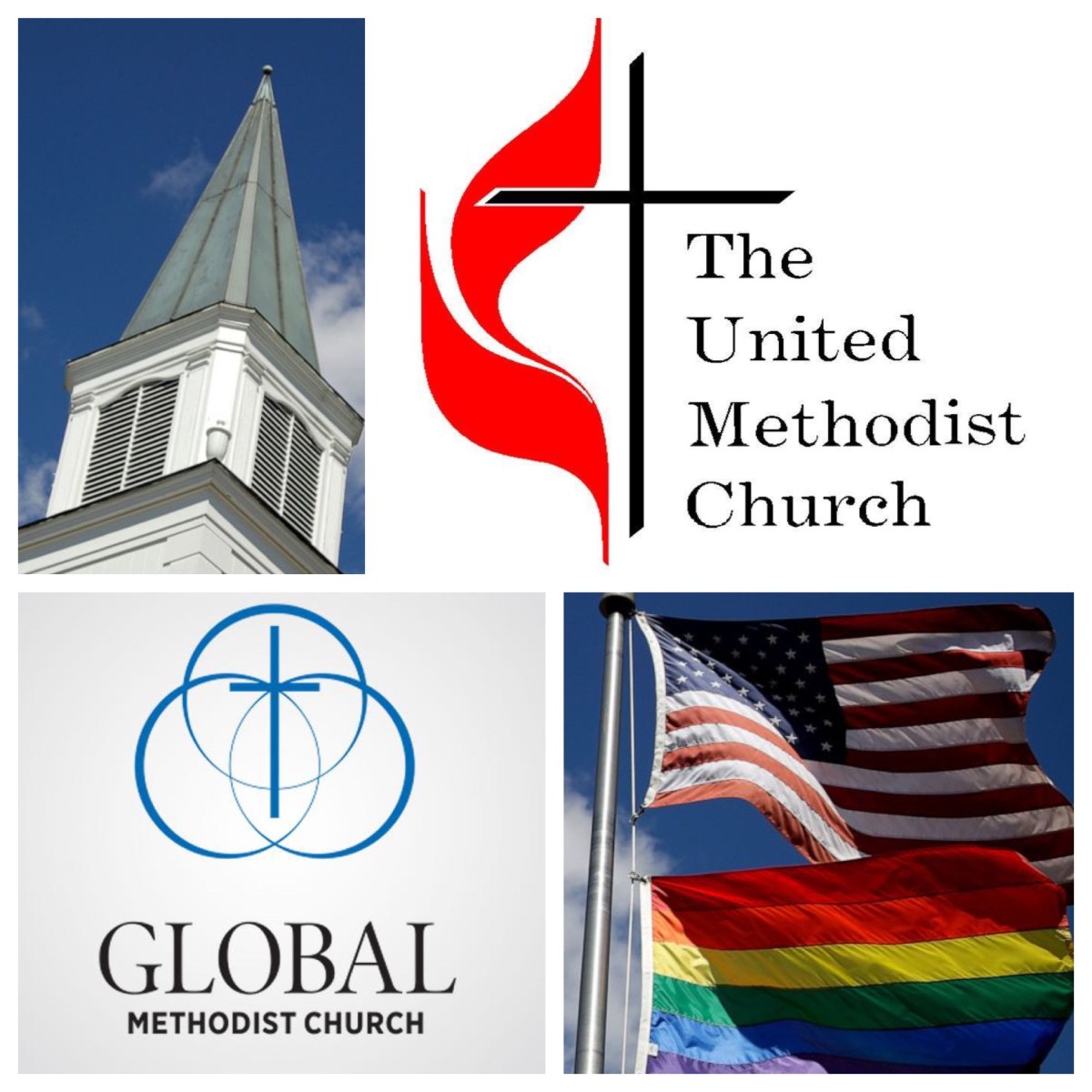
A new church was formed this month. The so-called Global Methodist Church (GNC) was launched as a new denomination—in effect, a sectarian schismatic movement, splitting from the United Methodist Church (UMC)—on the basis of, you guessed it, sexuality.

The GMC has placed to the fore a belief that marriage is between one man and one woman, and clergy must adhere to this in their ministry. This has been a point of persistent debate, dissension, and division in the UMC for decades. Many efforts have been made to hold the different points of view together under the one umbrella of the UMC. That fragile union cracked with a decision last year, and now the moment has been seized by the breakaway group, acting unilaterally, to set up its own structures.

Rev. Keith Boyette, chairman of the new denomination’s Transitional Leadership Council and until now a United Methodist minister in Virginia, complained that “some bishops are intentionally blocking churches from using certain processes for exiting the denomination”—a reference to the fact that the UMC’s Council of Bishops has twice delayed holding a General Conference that would enable a friendly parting of the church.

The COVID pandemic had been the reason for delaying the General Conference first set for 2020, and then for 2021; this year, the delay has been credited to the delays being experienced in the US of the processing of visa applications. The United Methodist Church currently claims 6.3 million members in the U.S. and 6.5 million overseas, so half the representatives would have been travelling into the US and would have needed visas.

Bishop Thomas Bickerton, who recently became the President of the UMC Council of Bishops, said that the continuing United Methodist Church was “not interested in continuing sexism, racism, homophobia, irrelevancy and decline … what we are interested in is a discovery of what God has in mind for us on the horizon as the next expression of who we are as United Methodists.”

I have taken this information from an article at https://www.columbian.com/news/2022/apr/30/united-methodist-church-split-official-as-of-today/. It’s important to note that the trigger words used here—sexism, racism, homophobia—are Bishop Bickerton’s words; I am simply quoting him.

Sadly, it seems to me that this is just another instance of people within a Christian church perpetuating actions that will impinge in negative ways on people in society—and, indeed, within the church. The discriminatory actions of the new schismatic denomination will have a negative impact on a small, but significant, minority group within society.

It’s simply a fact that the majority of the population identify as heterosexual (experiencing sexual attraction to people of the opposite gender) and cis-gender (the gender assigned to them at birth correlates with their sense of personal identity and gender). LGBTIQA+ people do not identify as either cis-gender, or as heterosexual, or as both. So whilst it is true that they are a minority in society, that should not affect the way that they are treated in society, and by churches.

However, the key plank in the formation of the GMC is a perpetuation of a discriminatory attitude towards same-gender attracted people who are seeking to be married in a service of Christian marriage. The GMC will not allow its ministers to marry such people. There are many denominations around the world who, sadly, share that attitude.

Up until 2018, my own denomination, the Uniting Church in Australia was one. All of this changed with a decision taken by the National Assembly in 2018, which meant that ministers now do have discretion to marry people of the same gender. That is part of a continuing trajectory within the Uniting Church, affirming and valuing the place of LGBTIQA+ people within the life of the church, and, indeed, within society.

See https://johntsquires.com/2018/07/31/a-diversity-of-religious-beliefs-and-ethical-understandings/ and the various links included in that blogpost.

For the various affirmations that the Assembly has made that have led the church to this latest decision, see https://johntsquires.com/2018/10/20/seven-affirmations/

It’s my hope that we can continue along that trajectory, continue to marry people regardless of their gender identity, and hopefully in due course issue an Apology to LGBTIQA+ people for how the church has treated such people in past years.

See also

*****

For an exploration of the forces that worked for so long against this, and earlier, enlightened moves relating to sexuality within the UCA, see my series of posts that are linked below.

For my series of blogs on the failed strategy of conservatives in the Uniting Church over the decades, see