Challenged and transformed: with thanks for rainbow people, this Lent

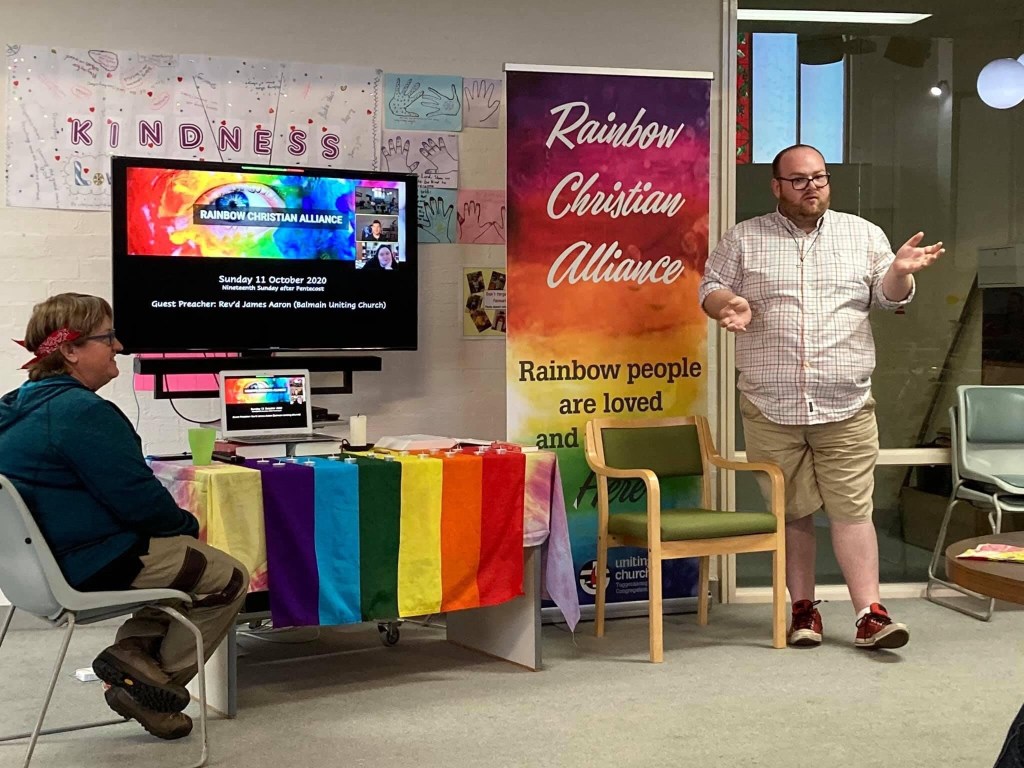
The following reflection was written by John Squires and Elizabeth Raine, and shared with the Rainbow Christian Alliance at Tuggeranong Uniting Church on Sunday 13 March 2022.
In many churches, including the Uniting Church, today is called the Second Sunday in Lent. Our church follows the calendar of seasons that is held by many churches around the world; instead of spring, summer, autumn, winter, we have Advent, Christmas, Epiphany, Lent, Easter, and Pentecost.

The season of Lent lasts for just six weeks, and it leads into the three day celebration of Easter. It’s called Lent, incidentally, not because it is tilted or skew-whiff, but because in the northern hemisphere, where such seasons were first given their names, the days are starting to lengthen (the name was Lencten in Old English).

In the Roman Catholic and Orthodox churches, Lent is a period of fasting. The day before, Mardi Gras, which is French for Fat Tuesday, was a day to use up all the fatty goods in the kitchen — eggs, flour, milk — so they were out of the way for Lent. The day is also known as Pancake Tuesday. In South America, in countries where Roman Catholicism was the dominant religion, Mardi Gras became a public festival, a day not only to feast, but a day for street parades, for big banquets to celebrate, with colourful costumes and extravagant public exhibitions of joy.

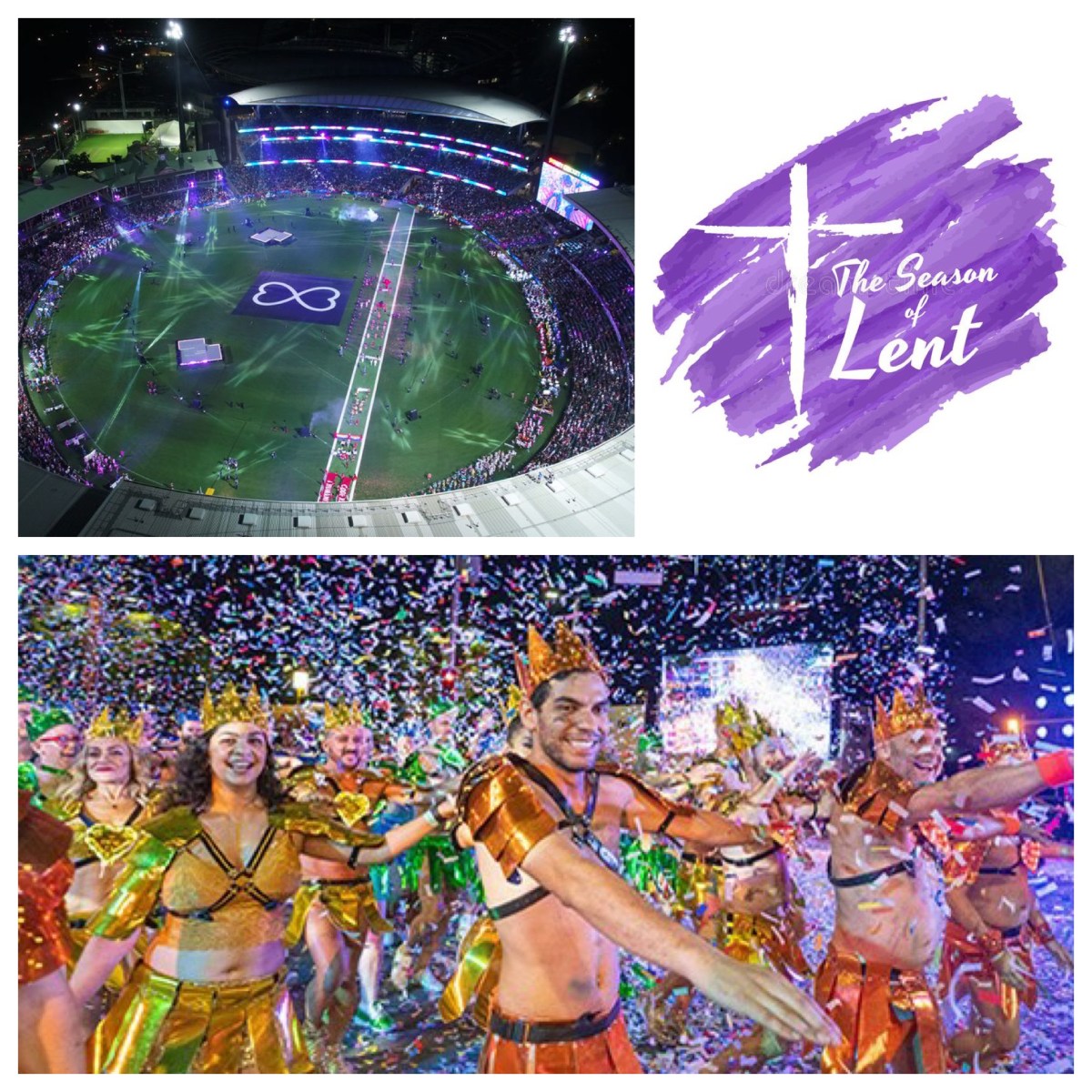
And that has surely been the inspiration for the Sydney Gay and Lesbian Mardi Gras, both in recent years with colourful and extravagant floats, and in the decades before, with lots of rainbow groups marching, and even in the early days of protest and attempting to “claim the streets” and “go public” about gays and lesbians and more.

*****

Immediately after Mardi Gras, Fat Tuesday, comes Ash Wednesday — a solemn day of penitence; and the fasting continued right through Lent, until Easter Sunday. We don’t actually do full-on fasting in the Uniting Church, but in recent times it has become customary to decide to “give up something for Lent” — chocolate and alcohol being the most common, but also more significant things like not driving your car and catching public transport; or not eating meat. In this way, Lent becomes a time of challenge, as we try to remind ourselves each day of the importance of being faithful to God. We “give up” so that we can focus in more clearly on God, if you like.

So there is already a connection between the season of Lent and rainbow people; because Lent starts immediately after Mardi Gras. And the annual Sydney Gay and Lesbian Mardi Gras, now an institution in our annual public events; the extravagantly colourful celebrations of that event mark, if you like, the climax of joy as rainbow people celebrate that they are each made exactly as they are, and they can be happy about that.

We both enjoyed watching (on TV) the parade of organisations and people that were out and proud, out and loud, a week ago, walking unhindered around the SCG — a striking contrast to the first Mardi Gras, when police barricaded the road and people were arrested. It is truly wonderful to see that the rainbow colours can be flown in society, that people can acknowledge and declare who they are, and not be under threat of arrest.

*****

So in the cycle of seasons for Christians, after Mardi Gras comes Lent. And Lent is about giving up; or, at least, focussing intently on Jesus, the one in whom we see most clearly see God. How else might Lent relate to the experience of rainbow people?

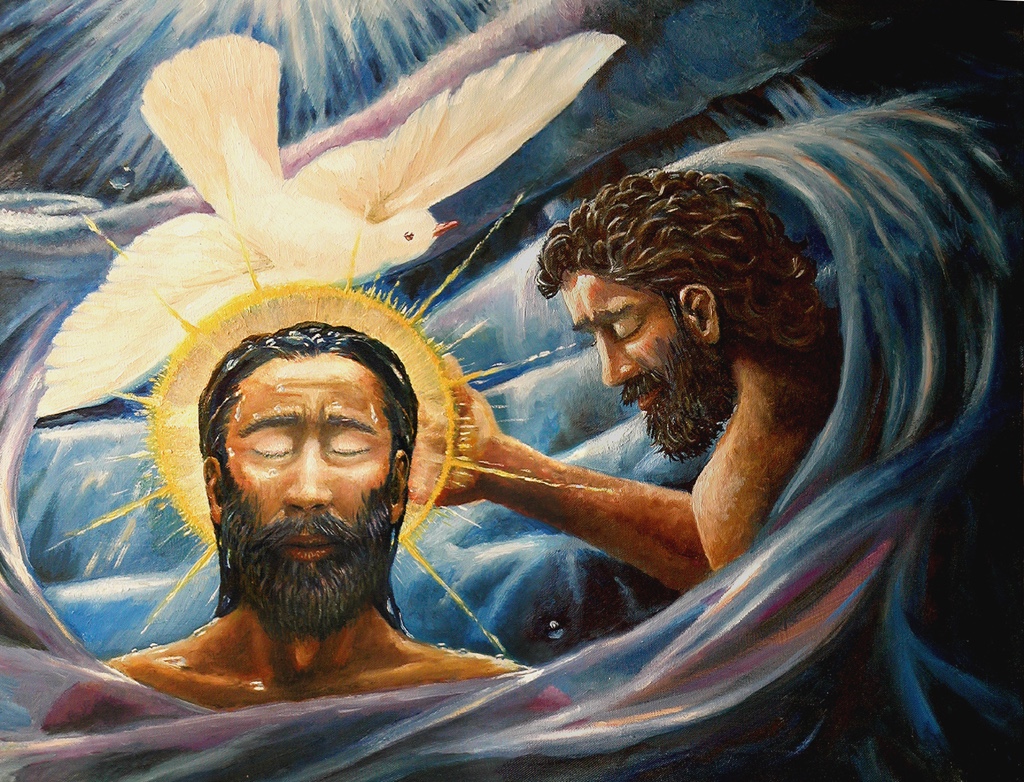
There are a collection of stories that the church retells each year, in association with Lent. In preparation for Lent, the story is told of the day that Jesus was baptised: in the river Jordan, to the east of Jerusalem, fully submerged into the water by his crazy cousin John, baptising people as they repented of their sins.

John was crying out to the people who came to him, to repent; to change their way of being and living; to be transformed, completely, by being baptised. That’s what is meant by the single Greek word that John used, calling people to metanoia—to a complete transformation of who they are and how they love. Jesus came to that moment, willing to submit to that call, willing to experience metanoia in his own life.
OLYMPUS DIGITAL CAMERA

And yet for Jesus, this baptism became more than just the moment of call, or the moment of change; it was the moment when God publicly acknowledged him, when God declared, “this is my son, my beloved child; listen to him”. In that voice, booming from the clouds, a central affirmation is made: look at him, this is who he is; can you see that this is really who he is? And from that moment, Jesus began his mission of challenging people and transforming society.

The story of the baptism of Jesus tells us that, when God looks at us, God sees us exactly as we are; and we may well also hear God saying to use, and to those around us, “this is my child, my beloved one; I can see exactly who they are, and I am well pleased that this is who they are”. God sees me, a straight white male, and is well pleased; God sees a lesbian woman, and is equally well pleased; a trans man, and God is pleased; an intersex person, and is well pleased; an enbie, a gay, a pan sexual—God is just well pleased with each of us, as we are, and declares us to be beloved. And that means that we can get on with the kind of life that we each want to live, and are called to live.

*****

There’s another story about Jesus that is associated with Lent. It’s a story that, from our rather privileged, straight, perspective, sounds a great challenge to us. It’s a story about being changed; about being transformed. It’s a story that shows that being transformed means you are able to stand and challenge others to be transformed. It’s the story of when Jesus took his three closest friends to a mountain, and they had a shared experience of seeing Jesus standing between two of the greats of their people: Moses, to whom God had given the Law to govern the people of Israel, and Elijah, through whom God had established a long line of prophets in Israel.
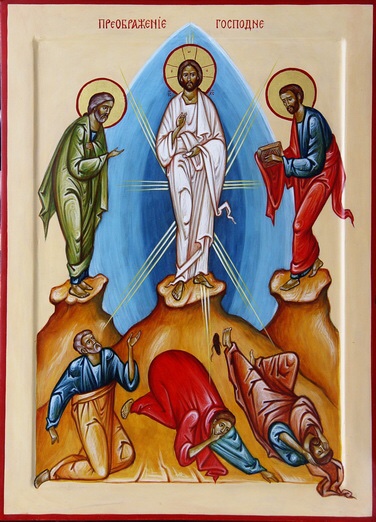
The Gospel writers say that Jesus was transformed at that moment. But in this story, also, there is the indication that the friends of Jesus were transformed. That moment on the mountain was a challenge to each of them; the response that Peter wanted to make was seen to be inadequate. Jesus challenged him to respond differently. It was another moment when metanoia, complete transformation, took place. And these disciples did change; yes, it took some time, but these friends of Jesus ultimately became leaders amongst the followers of Jesus, and spearheaded the movement that became the church.

The change, the metanoia, that occurred within Peter, James, and John, spread widely. They faced the challenge head on, and responded with their own metanoia. That is mirrored, today, in changes that are taking place in society. As we watched the Mardi Gras last weekend, it soon became evident that this was no longer a side carnival, an event that was important to a minority group in society, and that’s all.

For the Mardi Gras—commercialised, mainstreamed, headlined and noticed—now reflects the way that society has been challenged—by you, by rainbow people—and how it has responded in metanoia, by being transformed. Banks, unions, police, sports teams, churches, golfing clubs, and more—all marched in the Mardi Gras, all affirming that there is a place in their ranks for rainbow people, no matter what letter an individual identifies with. And that reflects a very significant change in society, in which public acknowledgement and public discussion of gender and sexuality can take place.

Sure, there is still work to be done—much work to be done; many changes still to occur, deeper acceptance still to take place. But the changes are clear and evident; and it has been because those who themselves have been able to meet challenges by holding firm and calling for change, have then effected transformation, thoroughgoing change, in society. Rainbow people are changing our society. Last week’s Mardi Gras demonstrated that.

And for that, we are grateful, and say: thanks be to God.
Some carols for Epiphany

Some carols from Aotearoa-New Zealand and Australia, as we head towards Epiphany, orienting us to the journey motif in the story.

God, help the weary travelers (Daniel Charles Damon)

1. God, help the weary travelers who follow their star,
seeking a refuge, so near, yet so far,
seeking a place of shelter from hatred and war,
seeking the safety of some distant shore.

Refrain: God, help the weary travelers, the lost and the found,
all of us travelers on this holy ground.
God, help the weary travelers, those just passing through,
all of us travelers with love’s work to do.

2. God, help the gifted people who come seeking gold,
far from their homelands, their lives bought and sold.
God, free us from the judgments that turn us to stone,
show us the river that flows from your throne.

3. God, lift new generations from muck and from mire,
baptized with water and Spirit and fire.
God, raise new generations with hearts set ablaze,
singing and dancing their Maker’s high praise.

Suggested Hymn Tune: PRAYER FOR TRAVELERS – Damon, Daniel Charles
Poetic Meter: 12.10.12.10. Ref.

*****

Wise men came journeying (Shirley Erena Murray)

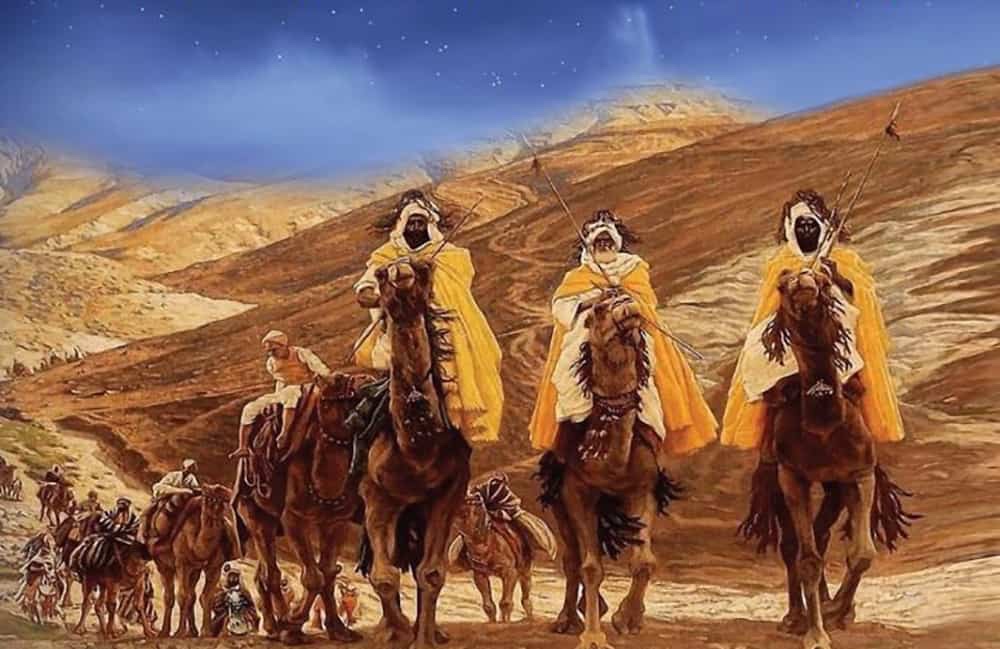
Wise men came journeying, once, long ago,
camel hooves swirling the sand dune and snow,
gold in the saddlebag, myrrh in the jar,
incense to honor the Child of the star.

Wise are the travelers led to move on
following signs where the Christ light has shone,
facing the deserts and crossing the lines,
heeding no limits that culture defines.

Wise are each one of us looking for change,
stargazer people, respecting the strange,
inner and outer worlds open to light,
centered on seeing the real and the right.

Wise ones keep journeying all through their days
bringing their gifts to the source of their praise,
risking the Promise with all they hold dear,
seeking God’s peace at the door of the year.

http://www.hopepublishing.com/html/main.isx?sitesec=40.2.1.0&hymnID=2956

*****

The star and hope for our times (Shirley Erena Murray)

Shirley Erena Murray writes of looking to peace and justice in our world, with particular reference to the three Abrahamic faiths.

Now the star of Christmas shines into our day,
points a new direction: change is on the way –
there’s another landscape to be travelled through,
there’s a new-born spirit broadening our view.

When the Christ of Christmas speaks to heart and mind,
clears the clouded vision hurting humankind,
kindred spirits gather, drawn toward the light,
sharing revelation, joyful at the sight.

If we choose to follow, we may yet be wise:
where the three kings travel, three great faiths arise:
Christ within the Christian, Jesus in the Jew,
Prophet for the Muslim, each tradition true.

Where the star enlightens, light is shared around.
God has drawn no borders, faith sees common ground:
Peace the hopeful journey, justice without bar,
God’s illumination from the Christmas star.

Suggested Hymn Tune: NOEL NOUVELET –
Poetic Meter: 6.5.6.5.D.

*****

Be the light (Craig Mitchell and David MacGregor)

Be the light that shrouds the twilight
Be the might that holds our fears
Be the home that yearns our dwelling
Be the stone that takes our tears

Refrain: Christ be our light, Whom shall we fear?
Deep in the night, Spirit, draw near.

Be the cry that whispers mercy
Be the seeker when we hide
Be the taker and the giver
Be the pathway and the guide

Be the sacrifice that breaks us
Be the shelter in the flood
Be the promise that remakes us
Be the parent who is good

We Three Kings: exegeted, explained, and exposed

A carol-commentary for the Festival of Epiphany
(a little weird, a little forced, perhaps a little sin-ical ?)

WE: the first person plural subject of the song, suggesting this comes straight from the horse’s mouth, so to speak

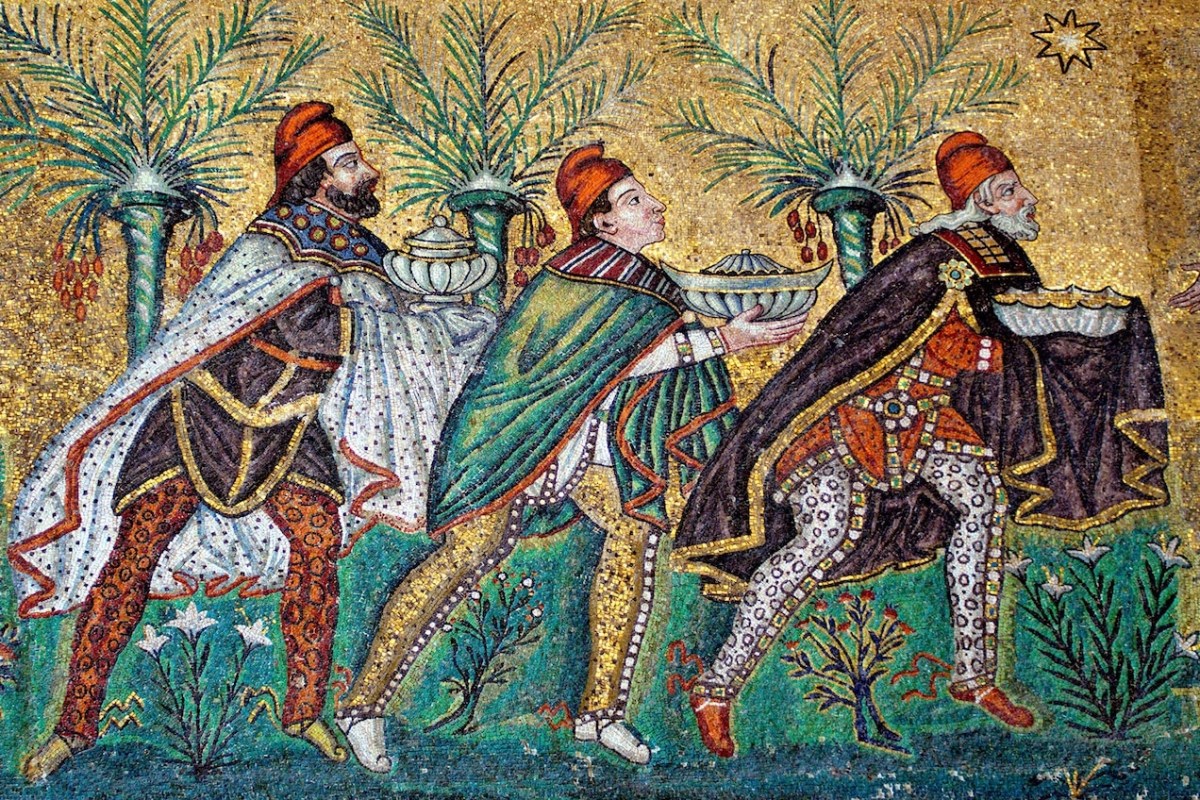
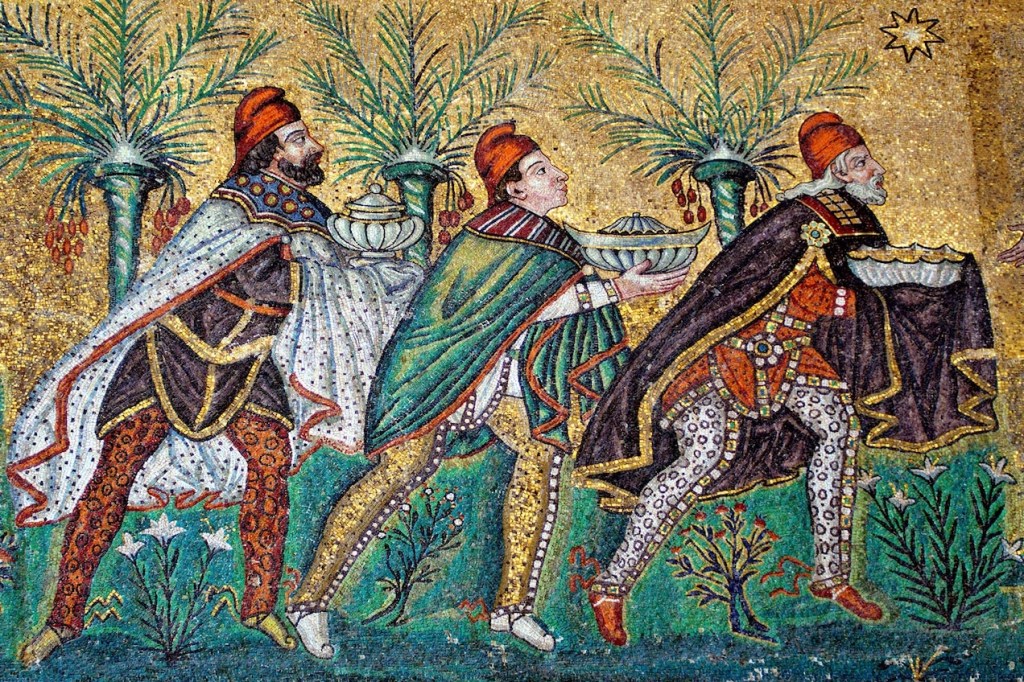
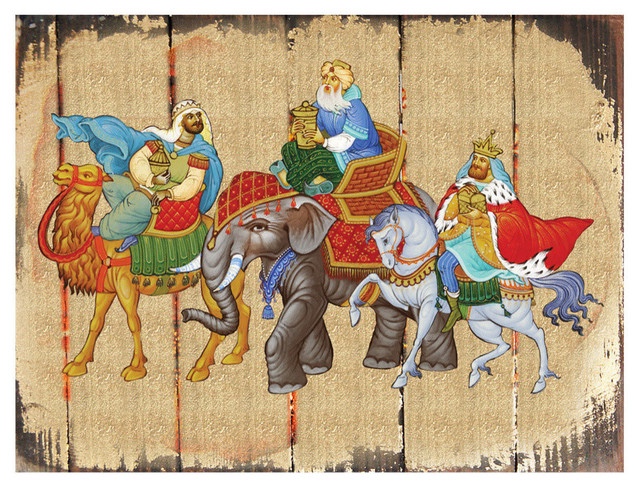
THREE: or perhaps four, or maybe seven, or even twelve, or some other indeterminate number, since the initial story does not specify the precise number of subjects in the story

KINGS: or some say wise men, or others say sages, which they offer as an interpretation of the term magus, used in the initial narrative … so perhaps the subjects of the song are Zoroastrians, for whom star-watching was a highly-developed skill.

OF ORIENT: or, lands east of Israel, so perhaps Babylon, or even further to the east, in Parthia, where the Zoroastrian faith was dominant

ARE: the main verb, denoting the existential state of being of the subjects

BEARING: adverbial participle, descriptive of the activity of the aforesaid subjects of the song

GIFTS: by tradition, three of them [see below], which goes to explain why you might think there are three of the subjects [see above] … and providing grist for the mill for the idea that these subjects were kings, since Psalm 72:10-11 speaks about kings bringing gifts to the King of Israel

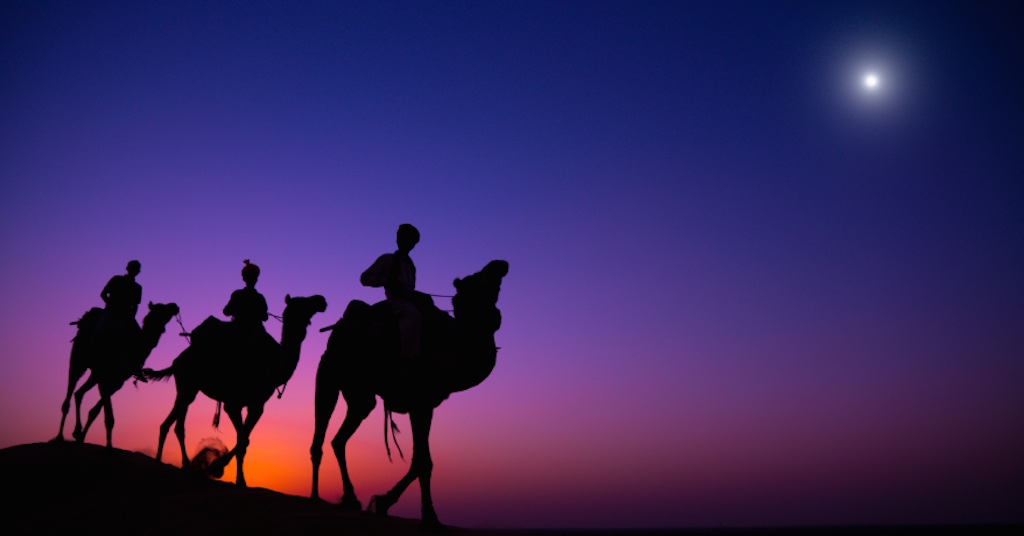
WE TRAVERSE AFAR: presumably on camels, the deluxe form of transportation of the time … although ………

FIELD AND FOUNTAIN, MOOR AND MOUNTAIN: a little bit of poetic excursus, a selective account of the natural phenomena encountered on the journey, arranged in alliterative couplets (it feeds the creative imagination of the listener/singer, you see)

FOLLOWING: another adverbial participle, providing a second description of the activity of the subjects

YONDER STAR: a bright celestial phenomenon, shining in the eastern sky but apparently moving or pointing in the direction of Israel, which was dutifully followed by the subjects

star on a dark background

O Star of wonder, star of night / Star with royal beauty bright /
Westward leading, still proceeding / Guide us to thy Perfect Light:
more poetic extrapolation, as befits the season

*****

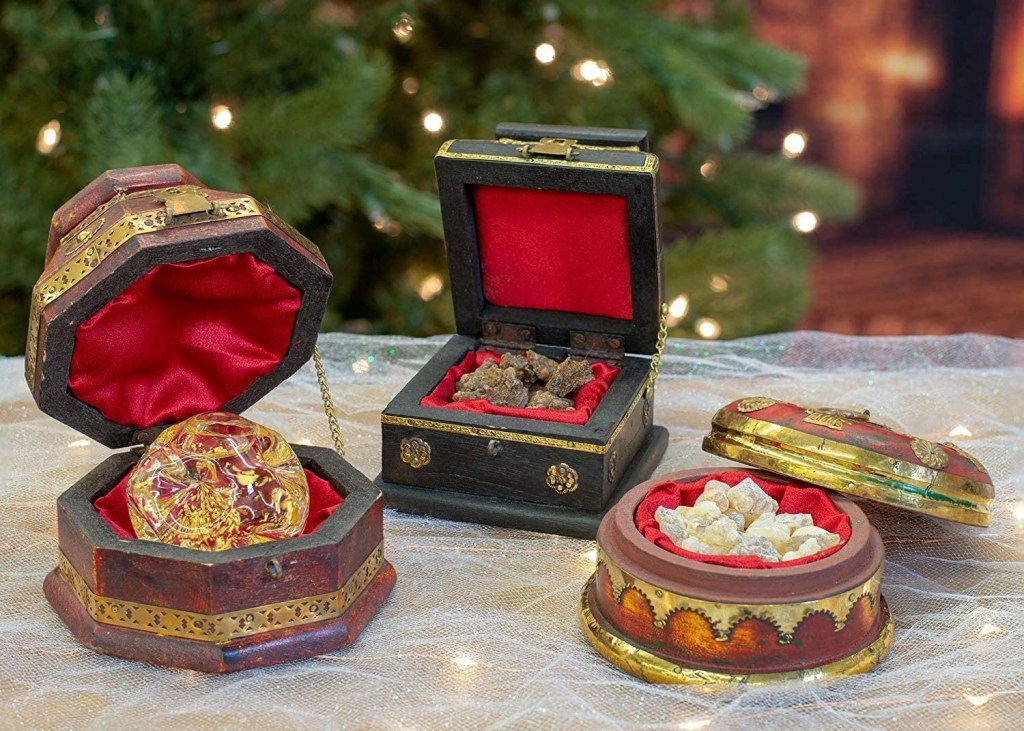
Born a King on Bethlehem’s plain / GOLD I bring to crown Him again /
King forever, ceasing never / Over us all to reign:
which explains the claim that the subjects of the song are kings, as the gift of gold was what the kings of the nations bring to the Lord God when they travel to Jerusalem, according to Isaiah 60 verses 3 and 6–bearing in mind the injunction of Exodus 20:23, that this gift of gold not be in the form of any idol

O Star of wonder, etc …

*****

FRANKINCENSE to offer have I / Incense owns a Deity nigh /
Prayer and praising, all men [oops!] raising / Worship Him, God most high:
in relation to the gift of frankincense, as already noted above, the kings of the nations bring this to the Lord God when they travel to Jerusalem, according to Isaiah 60 verses 3 and 6 … and, ahhh, presumably there has been a divine change of mind since Isaiah 1:13, where the Lord God declared that “bringing offerings is futile; incense is an abomination to me” ?

***

MYRRH is mine, its bitter perfume / Breathes of life of gathering gloom /
Sorrowing, sighing, bleeding, dying /Sealed in the stone-cold tomb:
curiously, there is no scriptural tradition about kings bringing myrrh to the Lord

Nevertheless, myrrh certainly featured as a gift in the religious practices of Israel, according to Exodus 30:23–27 (The LORD spoke to Moses: “Take the finest spices: of liquid myrrh five hundred shekels, and of sweet-smelling cinnamon half as much, that is, two hundred fifty, and two hundred fifty of aromatic cane, and five hundred of cassia—measured by the sanctuary shekel—and a hin of olive oil; and you shall make of these a sacred anointing oil blended as by the perfumer; it shall be a holy anointing oil’ — an oil to anoint “the tent of meeting and the ark of the covenant, and the table and all its utensils, and the lampstand and its utensils, and the altar of incense, and the altar of burnt offering with all its utensils, and the basin with its stand”)

As the song signifies, it points forward to a moment in the passion of Jesus as narrated at Mark 15:23, where it is mixed with wine [but in that case, the gift was not accepted] and to the burial scene as reported at John 19:39, where it is mixed with aloes.

And let’s not make any link to the scene in Revelation 18:11-13, where the merchants of the world lament the fact that nobody is purchasing their goods any longer … goods which include, amongst many options, gold, and frankincense, and myrrh …

O Star of wonder, etc …

*****

Glorious now behold Him arise / King and God and Sacrifice /
Alleluia, Alleluia / Earth to heav’n replies:
adhering to the Golden Evangelical Rule of always taking the opportunity to smuggle Easter and the Cross and the Sacrifice of Jesus into any song or sermon or worship service or, even, Christmas/Epiphany Carol!

O Star of wonder, etc …

*****

So: Merry EndofChristmas and HappyEpiphany!!!

And for more exotica on the Magi, see https://johntsquires.com/2021/01/04/tales-from-the-magi-the-revelation-of-the-magi/

On the move: a central feature of the Christmas story

At Christmas, we recall a familiar story. Central to the story is the baby born in a manger, because “there was no room in the inn”. This element is, of course, told and retold countless times in the weeks leading up to Christmas, and in churches in every country around the world, on Christmas Eve and Christmas Day.

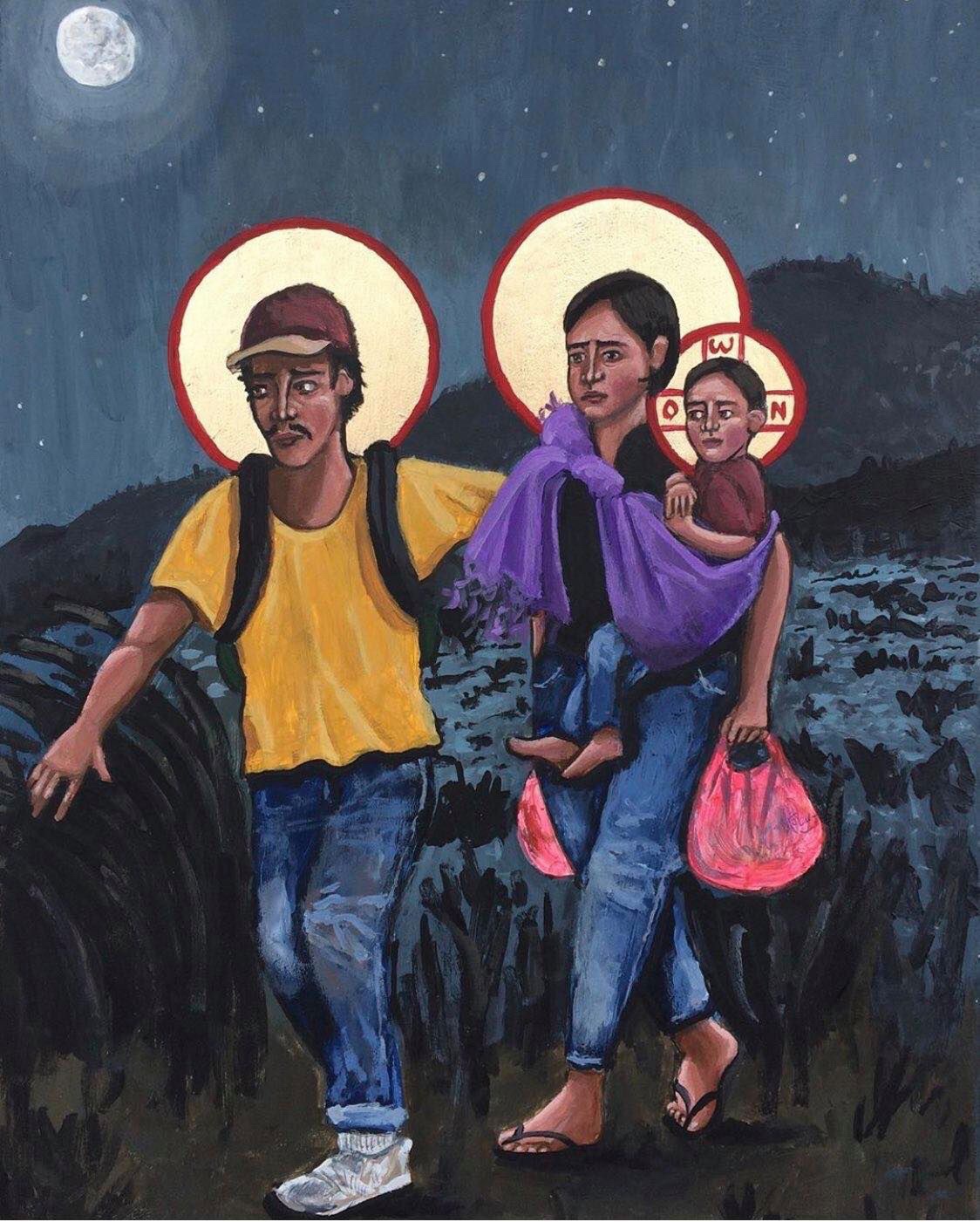
That part of the story gets disseminated widely. That part of the story contributes strongly to the warm, fuzzy vibe that Christmas brings to many people. Less well shared, however, is that part of the story which reports that this family were soon under threat, and they hurriedly fled to another country, seeking the safety of refuge, until the threat was over.

Christmas cards, and Christmas carols, have tended to encourage us to romanticise and sentimentalise the first part of the story—the babe in the manger in Bethlehem. We sing so easily about the scene that Luke recounts in his Gospel, imagining it in the picture perfect way of so many cards and carols: the baby lying peacefully asleep in the manger, the adoring mother and doting father, the shepherds who come from the fields to worship. It all sounds so peaceful, so relaxed, so comfortable, so ideal.

As we sing all of this, I suspect that we forget that the newborn infant was born in the area that was shared with the animals, because there was no room, not in “the inn”, but rather in the guest room of the house where they were (according to the story) staying that night. So at the time when Mary gave birth, there were no homely comforts, but there would have been the sights and sounds and smells of the animals, all around.

We overlook, perhaps, that the shepherds who came in from the fields to pay homage to the newborn child (Luke 2:8–16) would have been despised for carrying out a lowly and unworthy occupation. They were outcasts, considers impure and unclean, placed outside the circle of holiness within which good Jews were expected to live. In the Mishnah, a third century work which collects and discusses traditional Jewish laws, shepherds are classified amongst those who practice “the craft of robbers”. These are not highly valued guests!

We forget, also, that Luke’s account of this birth places it in Bethlehem, which is not the place where the newly-formed family lived. They had been forced to travel there, according to Luke’s account, because of a nation-wide census that was required by the Romans (Luke 2:1-7).

Giving birth to the child in that town, in that room, in that manger, was not the plan that his parents initially had; this was a temporary, unforeseen situation, basic and crude. This part of the story is not at all the comfortable and soothing scene that cards and carols regularly depict. The birth takes place after a forced journey, in an less than desirable setting.

*****

The second part of the story, that found in the Gospel of Matthew, also has an unexpected and forced journey involved. This part of the story relates to the rapid flight that the family took after the child was born, heading away from Herod, fleeing into the safety of Egypt, a foreign country (Matt 2:13-15). Matthew’s contribution to the story rarely fosters those warm, fuzzy vibes that many associate with Christmas.

And often, in church, this part of the story is left for the time after Christmas Day—which is logical, since this is where it comes in the flow of the story; but which means that, downunder at least, it is featured during the Great Summer Holiday which comes immediately after the feasting and festivities of Christmas Day (and Boxing Day, if there are still plentiful left overs!)

Matthew’s account sets out very clearly that this journey was not part of the original plan, worked out methodically in advance. Rather, this was a rapid response to an emergency situation, a hurried seeking of refuge. It was a temporary measure, undertaken under great duress.

The ruler who gives the order which provokes the family to undertake this journey is the man whom Jesus once called “that fox”: Herod. Ruling over Judea as a client king of the Romans, Herod was a half-Jewish man who had risen to the top of Jewish society through political cunning and strategic marriages. He had a reputation for violent brutality.

Matthew’s story recounts that Herod ordered that all male children under two years of age should be killed, to ensure that this potential rival to his rule would be safely despatched (Matt 2:1-3, 16-18). Jesus survived this because his parents were advised of the imminent pogrom by visitors “from the east” who had come via the court of Herod (Matt 2:13-15). This part of the story also does not sound relaxed, sweet, and comfortable!

And then, as the story in Matthew’s account continues, there is yet another journey, returning from Egypt, back into Israelis–but not Judea, for fear of the ruler who followed Herod, his son Archelaus; rather, to Galilee, where the family,settled in Nazareth (Matt 2:19-23). Another episode of dislocation and disruption, that rarely features in the classic carols and Christmas cards.

*****

It is because of these disruptive and confronting elements in the story that, in my mind, Christmas challenges us to think about those who have no shelter. It especially invites us to think about those who have nowhere safe to shelter because their homes are beset by warfare, their lives are constrained by oppression, their families have been decimated by murders, their houses have been bombed or shelled.

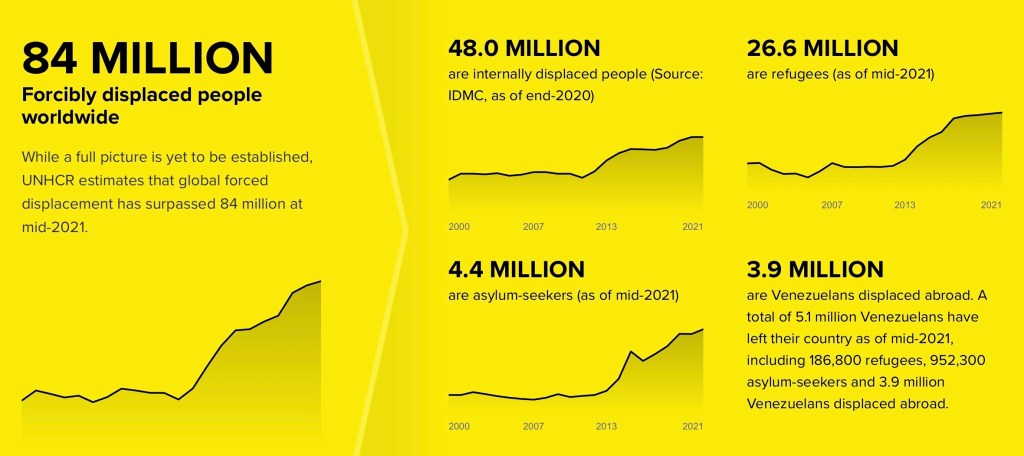
While the full impact of the COVID-19 pandemic on wider cross-border migration and displacement globally is not yet clear, UNHCR data shows that arrivals of new refugees and asylum-seekers were sharply down in most regions – about 1.5 million fewer people than would have been expected in non-COVID circumstances, and reflecting how many of those seeking international protection in 2020 became stranded.

Despite COVID-related movement restrictions and pleas from the international community for a ceasefire that would facilitate the COVID-19 response, displacement continued to occur – and to grow. As a result, above one per cent of the world’s population – or 1 in 95 people – is now forcibly displaced. This compares with 1 in 159 in 2010.

Most recent statistics from the UNHCR,
as of mid-2021

In that spirit, as we celebrate Christmas, let us also commit to working to ensure safety and security for those who are imperilled, homeless, stateless, and on the move. There are so many such people in our world today. There are so many ways we can live out the Christmas story as we reach out to them.

*****

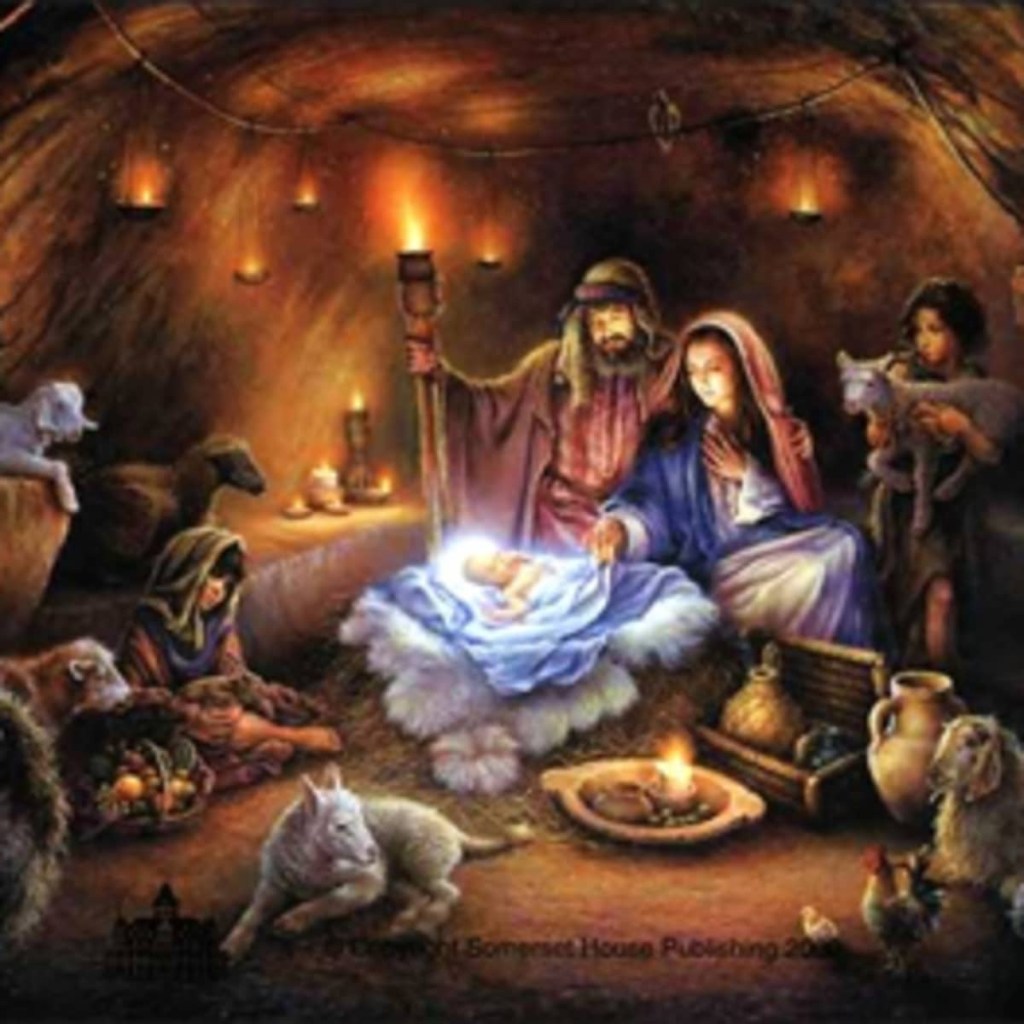
The image is La Sagrada Familia by Kelly Latimore https://kellylatimoreicons.com/gallery/img_2361/

See also https://johntsquires.com/2019/12/25/acting-for-peace-through-the-christmas-bowl/

https://johntsquires.com/2018/12/19/what-can-we-know-about-the-birth-of-jesus/

Saint Basil: scholar and gift-giver

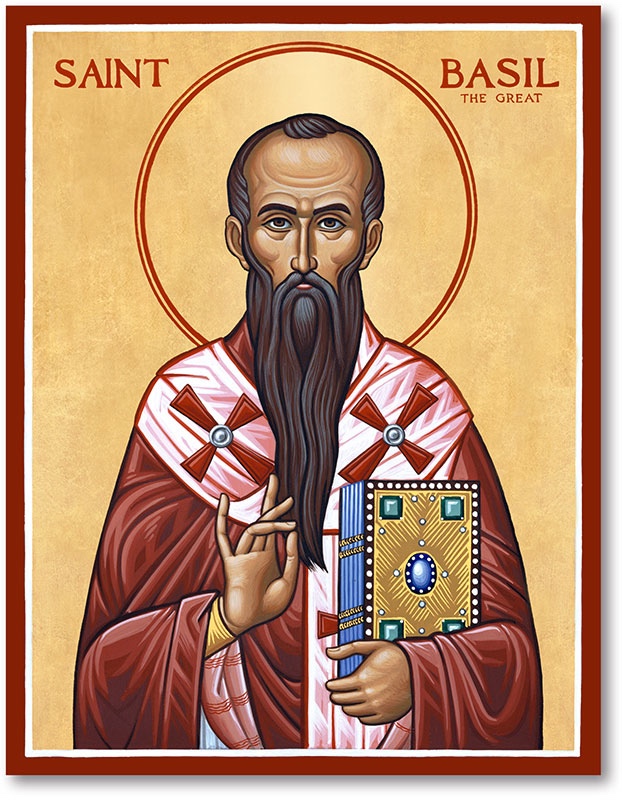
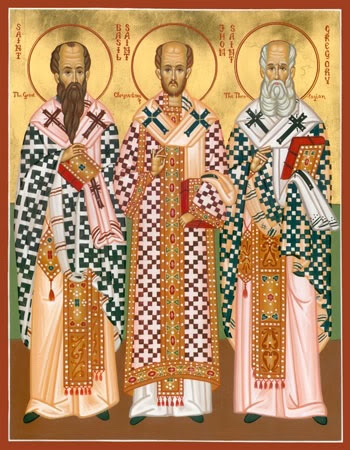
Today (1 January) is the feast day of Saint Basil the Great in the Eastern churches. Basil wrote many theological works and is remembered (along with the two Gregorys, of Nyssa and Nazianzus—pictured below) as one of the Cappadocian Fathers, who played an influential role in the development of patristic thinking about the triune God.

It is said that Basil was tall, thin, partly bald, with a long beard. (He is the one on the left in the icon above.) He ate no more than was absolutely necessary for his survival; he never ate meat. It is said that he had only one worn undergarment and one overgarment.

Basil said that prayer was the seasoning for our daily work, as we season food with salt; that sacred and holy songs can only inspire us and give us joy and not grief. His philosophy fits well into the Christmas Season, when we season our lives with carols!

At the age of 28, Basil “left the world” and became a monk; at 35 a priest, then at 41, the Bishop of Caesarea. It is said that Basil, being born into a wealthy family, gave away all his possessions to the poor, the underprivileged, those in need, and children.

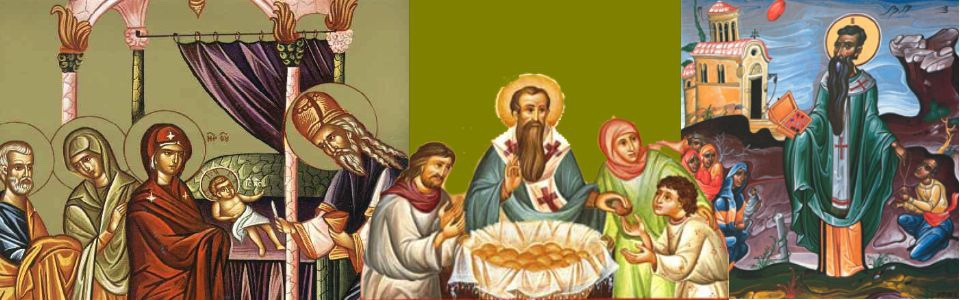
For Greeks and others in the Orthodox tradition, St Basil is the saint associated with Santa Claus. In Greek tradition, he brings gifts to children every January 1 (St Basil’s Day). It is traditional on St Basil’s Day to serve vasilopita, a rich bread baked with a coin inside.

It is also customary on his feast day to visit the homes of friends and relatives, to sing carols for the New Year, and to set an extra place at the table for Basil.

The celebration of St Basil on 1 January marks the day of his death. In the Western Church, because 1 January commemorates the Solemnity of Mary, Mother of God, Basil shares his saintly commemoration on the next day, 2 January, with Gregory of Nazianzus.

St Basil’s Hymn is one of many traditional Greek carols (often referred to as calanda) that are still sung by children on St Basil’s feast day (New Year’s Day). In the tradition still practiced to some extent in modern times, Greek children roam the neighborhoods from house-to-house on St Basil’s Day, playing instruments and singing songs, bidding New Year’s tidings to everyone, and receiving gifts of sweets and pastries from householders.

Here is the hymn (in a quirky and rather stilted translation):

It’s the beginning of the month
beginning of the year
High incense tree
Beginning of my good year
Church with the Holy Seat
It’s the beginning of our Christ
Saint and spiritual
He got out to walk on earth
And to welcome us
St. Basil is coming from Caesarea
And doesn’t want to deal with us
May you long live, my lady
He holds an icon and a piece of paper
With the picture of Christ our Saviour
A piece of paper and a quill
Please look at me, the young man

Realism at Christmas

The combined collection of traditional carols that we sing each Christmas demonstrate a very strange dichotomy.

On the one hand, there are those carols, or verses in carols, which go goo-gah at ten news of the cute little bay by, ruddy-cheeked and gurgling enticingly (or sleeping silently, making not a hint of baby noise).

On the other hand, there are those carols that really want us to focus on Jesus the exalted Lord, resplendent in glory, coming to earth from heaven, bring peace and joy, salvation and redemption, to the whole world. They move us quickly away from the vulnerable infant, and especially from the grim political and social realities of the time, into an ethereal heavenly realm.

Aotearoa/New Zealand hymn writer Colin Gibson has written a fine hymn, We who love Jesus, that offers a realistic take on what Christmas might/should/must mean for people of faith:

We who love Jesus asleep in the hay,
for all those children who wander today,
homeless and hungry and driven, we pray.
Et te Ariki, whakarongo ki a matou.*

We who see Jesus on Mary’s sweet breast
pray for the children who are nobody’s guest,
walking to nowhere, with nowhere to rest.
Et te Ariki, whakarongo ki a matou.

We who praise Jesus, the gentle and kind,
pray for all children unseen, out of mind,
beaten, abused or in conflict entwined.
Et te Ariki, whakarongo ki a matou.

We who in Jesus know God come to earth
pray for all children, wherever their birth;
may they find shelter, beloved, given worth.
Et te Ariki, whakarongo ki a matou.

*New Zealand Maori for ‘Lord, hear our prayer’;
it is pronounced ay tay areekee, fockarongo kee a ma-toe.

*****

Another much more realistic offering comes in one of my favourites, to the tune of Away in a Manger, in which Rebecca Dudley (of Shine on Star of Bethlehem, Christian Aid, UK) has reworked the unrealistic saccharine lyrics of the traditional Carol into a reflection on the story in a far more realistic mode:

How ancient and lovely this news of a star,
a baby, a mother, the kings from afar.
Come close now, Lord Jesus, we ask you to stay
and show us your face in your people today.

What star shall we follow but one that leads here
to a baby born homeless and a family in fear?
What heaven shall we long for but one that starts there
for all the world’s children in your tender care?

We thank you, Lord Jesus, for coming to earth;
for the light in the darkness that shone at your birth,
for life in its fullness that you promise today,
and the hope of a baby asleep in the hay.

*****

There are some other reworkings of Away in a manger that I have collected at https://johntsquires.com/2019/12/18/no-crying-he-makes-get-real-puhhh-leeeease/

*****

British lyricist Andrew Pratt has written What makes Christmas real? — a whole Carol devoted to being more realistic!

Christmas is real when the cost that we measure
reaches the manger and touches the skies,
shop fronts give way to divine revelation,
God is among us and selfishness dies.

Christmas is real when the gifts that are given
mirror the love of this God upon earth,
God who is known in self-giving and loving
crowning our poverty, coming to birth.

Christmas still echoed when screams of the children,
slaughtered by Herod inflamed people’s fear.
Christmas remains when the trees and the tinsel
make way for news that we’d rather not hear.

Christmas is real when we enter the squalor
mirrored in Bethlehem so long ago;
off’ring the love that was seen in the God-head,
total self-giving not baubles and show.

Copyright Andrew Pratt (andrewpratt@btconnect.com)

Tune: Epiphany Hymn

It was not a silent night (for Christmas)

It was not a silent night. The stables were full with extra animals from the visitors. All the animals were restless, sounding their calls with a sense of unease. They could sniff the stress of their human masters. Extra bodies meant extra chores, so there was extra stress all round.

It was not a silent night. The visitors in town made settling down well nigh impossible. Family reunions, catching up on gossip, calling around to see friends from long ago; the streets were abuzz with good-natured banter. None of the humans were silent for very long.

It was not a silent night. There was blood on the ground; you could hear the young woman streets away, her cry stabbing into the night, as the new baby made his way into the world of his family.

It was not a silent night.

Still, in our time, it is not a silent night. Yes, babies are rocked to sleep, and tired visitors bunk down to rest … but still, the sighs and groans of people in distress fill our nights, invade our minds, unsettle our lives.

It is not a silent night, for the woman battered by her partner.

It is not a silent night, for the old man grieving his loss.

It is not a silent night, for the young woman and her starving children, fleeing violence, seeking safety, hoping for a second chance.

It is not a silent night, for the indigenous young man in the lockup.

If we listen with care, we will realise: it is not a silent night.

It is not a silent night in our time … and yet, still, the baby makes his way into our lives. Not to whisk us away from all the noise and distress; but to be with us, to sit with us, to grow with us, to feel with us, and to share with us.

The baby becomes the man, the one who offers acceptance to everyone; the one who reassures us we are loved; the one who holds out the gift of grace and yearns to share all of life with us.

It is not a silent night. And we are grateful.

“Personal responsibility”

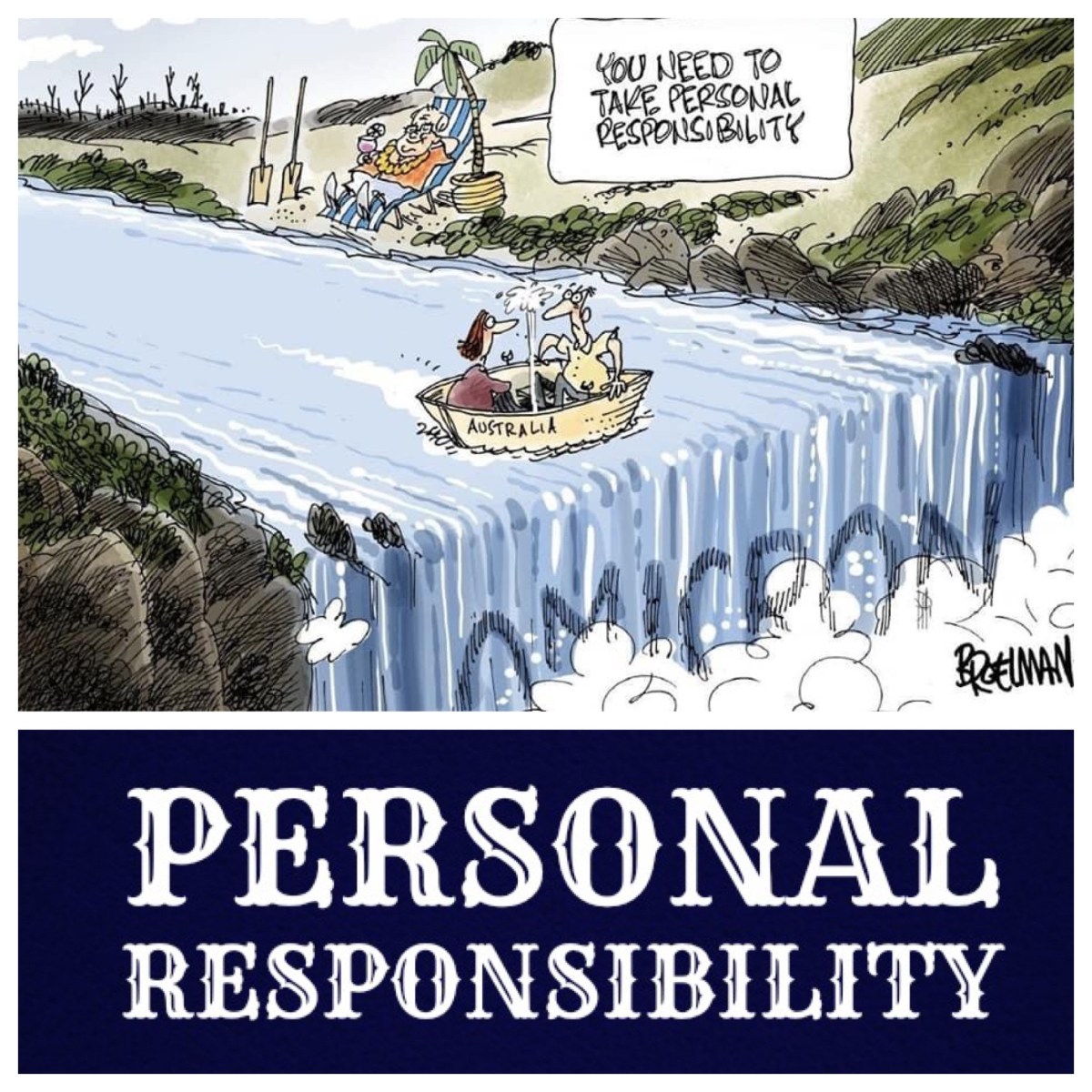
A couple of days ago, NSW Premier Dominic Perrottet has defended his refusal to reinstate COVID-19 health restrictions ahead of Christmas, saying it’s a matter of “personal responsibility”.

“When it comes to face masks”, he said, “we recommend face masks in areas where you can’t socially distance. It is the time for personal responsibility for our state. We are treating the people of our state like adults. If we need to tailor our responses from time to time, we will.”

The next day, Prime Minister Scott Morrison said that “Australia must embrace a ‘culture of responsibility’ that places the onus on individuals to take protective actions against COVID-19 rather than a ‘culture of control and mandates’ by government.”

“Personal responsibility” is the latest mantra, to be placed alongside the repeated admonition that “we need to live with the virus”.

Is this a reasonable position to advocate?

We have lived through the first and second waves of the pandemic throughout 2020, and learnt much about how to handle the pandemic. We have demonstrated during those months that we could, indeed, pivot and change, as a society.

Then, the third wave in mid-2021 hit hard, as Delta ran riot through the community; but we made our way through that surge, as well, and rejoiced as we saw case numbers decline, hospital staff breath a little more freely, and ICU units step back from high, high stress moments.

And now, we are on the edge of a “fourth wave”—the Omicron wave. It is a wave that threatens to wreak more damage than the previous three have done. The numbers that are being projected by responsible medical researchers and national medical associations are deeply troubling.

We know the potential for, not just scores or hundreds of people to become ill, but thousands, tens of thousands, perhaps even more than this to become ill, and for a significant number of them to die. The deepening grief that is being spread by this virus is a third pandemic, alongside that of deaths and the second pandemic of mental ill-health.

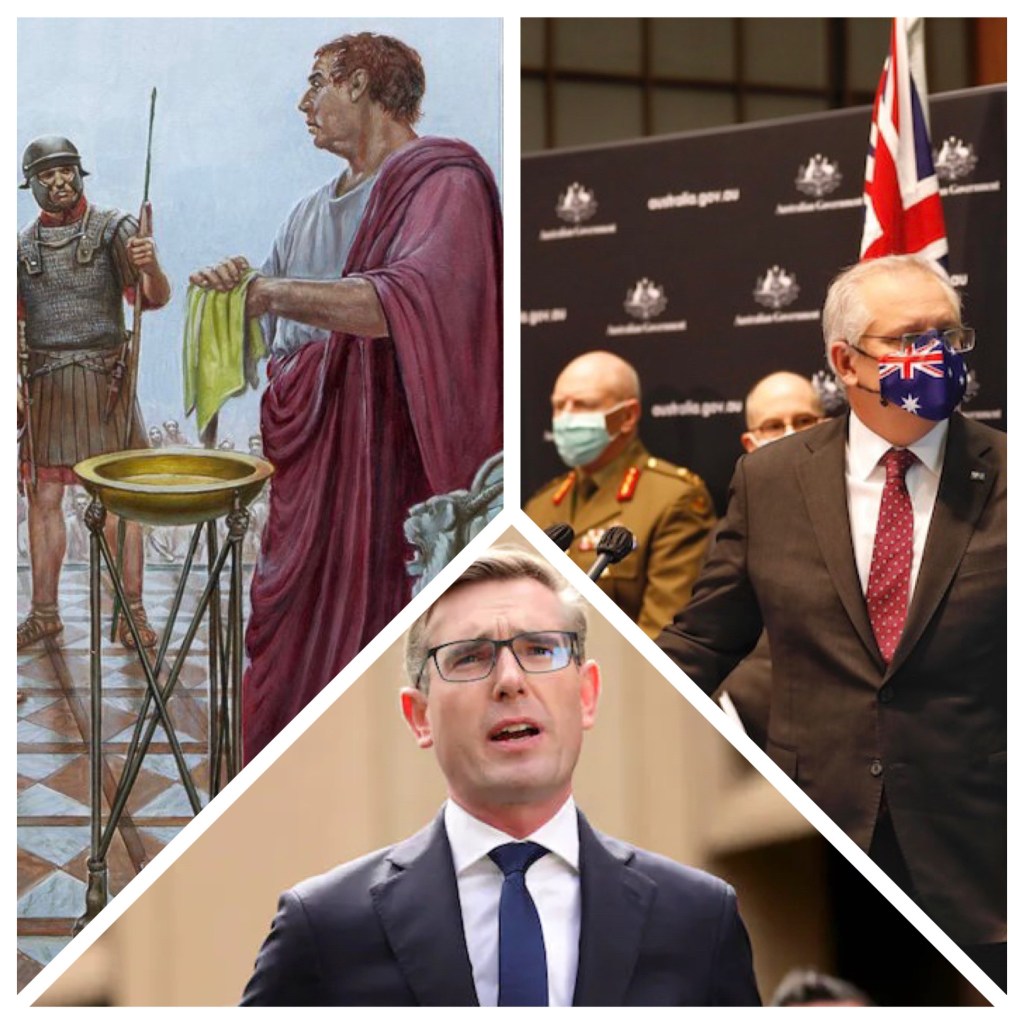
The political leadership of our day is now standing outside the praetorium, side by side with Pontius Pilate, dipping their hands into that same bowl of water, washing their hands as they declare in lip-synch with him: “we are innocent of these consequences … it is a matter of personal responsibility”.

We, in the church, say often, that the zeitgeist of our time is one of rampant individualism – an individualism that has given up on the age-old tradition of corporate responsibility, communal care, extended-family responsibility for the wellbeing of each and every one of us.

The political mantra of “individual responsibility” is a crystal-clear manifestation of that abdication of communal responsibility for one another. It is the starkest instance, in our modern times, of the ancient problem that plagued Israel in its formational period: when every person did what was right in their own eyes. The utterly fraught nature of that period is attested in scripture, even in the airbrushed and polished accounts we have inherited in Judges.

So the place that I see for the church, now, at this time, is this: we are called to stand against the dominant culture of rampant individualism. We are called to bear witness to our concern that we have for the whole of society, not just for our own individual and localised part of that society.

We are called to work for the welfare of the city [and the whole state, or territory], not just to ensure that our local manifestation of the body of Church is able to continue with ‘business as usual’ whilst infections spread, hospitals once again overflow, ICU staff become hyper-stressed, people die, families grieve, and communities fracture under this heavy weight.

We are called to live out that love for the world which so fundamentally encapsulates who God is, how God acts, who were are as God’s people, what we are called to do in our daily lives. Love our neighbours. Love those around us. Love those far from us. Act in love.

Paul wrote wisely that if one member [of the body] suffers, all suffer together with it. That is surely a mantra for our current time. There is suffering, and the potential for greater and more widespread suffering. The call we have is to stand with those who suffer; to act in ways that ensure that we do not occasion any further suffering; to behave responsibly so that we minimise the spread of COVID, to act in ways that demonstrate, not just “individual responsibility”, but communal care, corporate responsibility, in appropriate ways.

We know that the most vulnerable are most exposed to the risks that COVID infections bring—serious illness, ongoing ‘Long COVID’, and death. We know, also, that we are in pastoral relationship with, and bear pastoral responsibility for, many such vulnerable people. How do we best care for them?

Wearing a mask indoors (and outdoors in crowds), using the QR check-in code, sanitising, maintaining social distancing, bumping elbows rather than shaking hands—all of this is now commonplace, and ought to be the usual practice for all of us. We can take personal responsibility for this, indeed.

It seems to me that there is a more important step that we can take, by encouraging our Congregations to move back to online worship. To make the bold declaration that, simply wearing a mask and being careful about not hugging or shaking hands, is not an adequate response in the situation that we find ourselves. Not being together in person—especially not being together indoors (even if we open all the windows and turn up all the fans)—this is what is most responsible at this time. To make this decision irrespective of any official government advice is an important step to take.

Yes, individuals taking responsibility is important. But collective responsibility, acting corporately, with a care for all of us, is very important, at this time.

*****

See also https://johntsquires.com/2021/06/28/values-and-principles-in-the-context-of-a-pandemic-revisited/