The lectionary reading for this Sunday contains selections from two acrostic poems in the book of Lamentations. The first reading is Lam 1:1–6, “how lonely sits the city that once was full of people”, a lament about the desecration of the city of Jerusalem by the Babylonian invaders. The psalm offered is Lam 3:19–26, probably because it contains a counterpoint to this lament in the famous words of hope, “the steadfast love of the Lord never ceases, his mercies never come to an end; they are new every morning; great is your faithfulness” (3:22–23).
An acrostic poem begins each line with each letter of the alphabet, in order, line after line. It is an aide-de-memoire for recalling the lines of the poem in order. Thus, in Hebrew, which has 22 letters in its alphabet, Lam 1 has 22 verses, each new verse beginning with the next letter of the Hebrew alphabet, in alphabetical order. There are 22 verses in chapters 1, 2, and 4 of Lamentations; chapter 3 has 66 verses, so each letter commences three verses before moving on to the next letter.
There are other acrostic poems in the Hebrew Scriptures, including Psalms 9 and 10 together, Psalms 25, 34, 37 (2 verses per letter), 111 (two letters per verse), 112 (also two letters per verse), 119 (which has 176 verses, meaning eight lines for each of the 22 letters!), and Psalm 145. There are also acrostic poems in praise of the eset chayil: “a woman of valour, who can find? she is far more precious than jewels” (Proverbs 31:10–31), and in the oracle of judgement at Nahum 1:1–9, “a jealous and avenging God is the Lord, the Lord is avenging and wrathful; the Lord takes vengeance on his adversaries and rages against his enemies”.
Psalm 34 in Hebrew, showing its acrostic structure
In recognition of the selections from acrostic poems that are provided by this Sunday’s lectionary, I have written my own attempt at an acrostic poem, including some of the key motifs that we encountered in the recent course on The Prophets.
The Uniting Church Basis of Union declares that we are followers of Jesus, and that in Jesus, God made a representative beginning of a new order of righteousness and love. It is righteousness and love which is at the heart of God, and it is righteousness and love which is at the centre of the work that Jesus undertakes. That is the perpetual dynamic that expresses the essential nature of God—and, indeed, that describes the demands and requirements of living with others in society.
We have considered prophets from Miriam in the story of the Exodus, through Deborah in the prime of the judges, through the time of the divided kingdoms (Amos, Hosea, Isaiah, Micah, and others), after the conquest of the northern kingdom, as the southern kingdom continues (Huldah and Jeremiah) into the time of exile in Babylon (Jeremiah, still, as well as Ezekiel and Second Isaiah), and on into the return to the land after exile (Third Isaiah, Haggai, and Zechariah). Today we move beyond those periods into the ongoing life of post-exiled Israel.
Each of these prophets wrestles with this dynamic; how does God express deep seated covenant love to show his mercy, whilst holding the covenant people to the terms of their agreement, living in a just and righteous manner, and executing punishment for their failure to uphold what that covenant requires. Righteousness and mercy, judgement and grace, belong together in an unbroken whole within God. That is the dynamic that each prophet is aware of, and that each prophet articulates in the oracles the speak to their people.
As the later Jewish writer Ben Sirach, a scribe and sage in the 2nd century BCE, wrote: “Do not say, ‘His mercy is great, he will forgive the multitude of my sins,’ for both mercy and wrath are with him, and his anger will rest on sinners” (Sir 5:6). That phrase, “both mercy and wrath are with him”, articulates the tensions inherent in the developing Jewish understanding of God.
The final group of prophets that we consider now are also grappling with that same dynamic. The tension between mercy and anger, between gracious forgiveness and fierce punishment, between righteousness and love, runs through these books. How do they deal with this?
*****
The prophet Malachi was active after the Babylonian Exile, soon after Haggai and Zechariah had been prophesying. The city and temple had been fully restored and worship was now active in the temple. In this context, Malachi called the people to repentance, starting with the priests, whom he attacks for their corruption (1:6–2:9); “the lips of a priest should guard knowledge, and people should seek instruction from his mouth, for he is the messenger of the Lord of hosts; but you have turned aside from the way; you have caused many to stumble by your instruction; you have corrupted the covenant of Levi, says the Lord of hosts” (2:8–9).
He then turns to the religious profanity of the people; “Judah has been faithless, and abomination has been committed in Israel and in Jerusalem; for Judah has profaned the sanctuary of the Lord, which he loves, and has married the daughter of a foreign god” (2:11), and instructs them to “take heed to yourselves and do not be faithless” (2:16). God threatens punishment in graphic terms: “I will rebuke your offspring, and spread dung on your faces, the dung of your offerings, and I will put you out of my presence” (2:3).
Malachi then identifies a range of ways by which social inequities are practised; God threatens, “I will be swift to bear witness against the sorcerers, against the adulterers, against those who swear falsely, against those who oppress the hired workers in their wages, the widow and the orphan, against those who thrust aside the alien, and do not fear me, says the Lord of hosts” (3:5). He notes that people regularly shortchange the Lord with incomplete tithes (3:8–15); rectifying this will result in blessings from God (3:10–12).
The prophet looks to the coming of a messenger from God (3:1) who will bring judgment “like a refiner’s fire and like fullers’ soap; he will sit as a refiner and purifier of silver, and he will purify the descendants of Levi and refine them like gold and silver, until they present offerings to the Lord in righteousness” (3:2–3).
The fierce imagery continues with a description of “the day [which] is coming, burning like an oven, when all the arrogant and all evildoers will be stubble; the day that comes shall burn them up, says the Lord of hosts, so that it will leave them neither root nor branch” (4:1). The motif of “the day” has run through the prophets, from before the exile (Amos 5:18–20; Isa 2:12, 17; 13:6–8; 34:8; Zeph 1:7, 14–15), during the years of exile (Jer 35:32–33; 46:10), and on into the years after the return from exile (Joel 2:1–3, 30–31).
What is required of the people is clear: “remember the teaching of my servant Moses, the statutes and ordinances that I commanded him at Horeb for all Israel” (4:4). Adherence to the covenant undergirds the claims of this prophet, as indeed it does with each prophet in Israel.
This short book ends with a memorable prophecy from Malachi: “Lo, I will send you the prophet Elijah before the great and terrible day of the Lord comes. He will turn the hearts of parents to their children and the hearts of children to their parents, so that I will not come and strike the land with a curse.” (4:5–6). These words are picked up in the Gospel portrayals of John the Baptist as the returning Elijah (Matt 17:9–13; Luke 1:17), turning the hearts of people so that they might receive the promise offers by Jesus. Whether Malachi himself understood these words to point to John and Jesus, of course, is somewhat dubious.
*****
The final two “minor prophets”, Jonah and Joel, are hard to locate within the timeline of Israel. Whether Jonah was an actual historical figure is hotly debated; in fact, the four chapters of this book tell a rollicking good tale, that makes us suspect that it was, in fact, “just a story”, rather than actual history.
The large city in this book is Nineveh (Jon 1:2; 3:1–10); it was the capital of Assyria (2 Ki 19:36; Isa 37:37) and we learn at the end of the story of Jonah that it had a huge population of more than 120,000 people. The story thus appears to be set during the period of Assyrian ascendancy, in the 8th century BCE. But many of the literary characteristics of this book reflect a later period, perhaps even a post- explicitly time.
It is true that 2 Kings 14:25 mentions that God speaks through “Jonah son of Amittai, the prophet” during the time of Jeroboam II (about 793–753 B.C.), but this was a time before Nineveh was the capital of Assyria. There is no other indication that this individual was the prophet whose story is told in the book of Jonah, for it does not provide any specific dating; nor does the mention of Jonah in 2 Kings indicate how he exercised his prophetic role.
The charge that Jonah is given is a stock standard prophetic charge: “go to Nineveh, that great city, and cry out against it; for their wickedness has come up before me” (1:2; cf. Amos 1:3; Isa 6:9–13; Jer 1:9–10; Ezek 2:3–4; 3:18–21; Nah 1:2–3; Hab 2:2–5; Zeph 1:2–6). The response of Jonah is like some of those prophets: an initial reluctance to accept the charge (Isa 6:5; Jer 1:6; and see Moses at Exod 3:11, 13; 4:1, 10).
However, whilst other prophets accede to the divine pressure to take up the challenge and declare the judgement of the Lord to a sinful people, Jonah holds fast to his reticence—when commanded to go northeast to Nineveh, he immediately flees in the opposite direction, boarding a ship that was headed west across the Mediterranean Sea, to Tarshish, “away from the presence of the Lord” (Jon 1:3).
The escape of Jonah from the command of the Lord may be deeply troubling; but the narrative spins the story into burlesque, as “the Lord hurled a great wind upon the sea”, all the cargo on the ship is thrown overboard, and then Jonah (blissfully sleeping, apparently unaware of the great storm—as if!) is interrogated by the sailors, and eventually offers himself as a sacrifice to save the boat (1:12).
The sailors try in vain to save the ship; realising that this is futile, they throw Jonah into the sea—and immediately “the sea ceased from its raging” (1:15). Then, adding further incredulity to the unbelievable narrative, “the Lord provided a large fish to swallow up Jonah” (1:17). The three days and three nights that he spends “in the belly of the fish” before he is vomited onto dry land (2:10) add to the comic exaggeration.
The psalm that Jonah prays from inside the fish (2:1–9) and the successful venture to Nineveh, where even the king “removed his robe, covered himself with sackcloth, and sat in ashes” (3:1–10) apparently demonstrate that Jonah should have obeyed the command of the Lord in the first place. However, Jonah’s response continues the exaggerated response of a burlesque character; “this was displeasing to Jonah, and he became angry” (4:1).
Jonah’s resentment and his plea for God to take his life (4:2–4) and his patient waiting for God to act (4:5) lead to yet another comic-book scene, as a bush grows and then is eaten by a worm and Jonah is assaulted by “a sultry east wind” (4:6–8). The closing words of the book pose a rhetorical question to Jonah (4:9–11) which infers that God has every right to be concerned about the lives of pagans in Nineveh. The last laugh is on Jonah; indeed, he has given his readers many good laughs throughout the whole story!
******
The final prophet for us to consider is Joel, who speaks words of lament and calls for repentance amongst the people of Judah. Nothing in this book provides any clues as to the time when Joel was active. The identification of the prophet as “son of Pethuel” (Joel 1:1) gives no clue, as Pethuel appears nowhere else in the Hebrew Scriptures—indeed, the name Joel, itself appears nowhere else. The name appears to combine the divine names of Jah and El, suggesting that it may be a symbolic creation. Was Joel an historical person?
Joel calls on the “ministers of God” to “put on sackcloth and lament” (1:13); this reminds us of the response of the pagans in Nineveh (Jonah 3), whilst his remonstrations that “the day of the Lord is near” (1:15) echoes the motif of “the day” already sounded by other prophets (Amos 5:18–20; Isa 2:12, 17; 13:6–8; 34:8; Zeph 1:7, 14–15; Jer 35:32–33; 46:10).
This day forms the centrepiece of Joel’s undated prophecies, as he describes that day as “a day of darkness and gloom, a day of clouds and thick darkness!” (Joel 2:2), when “the earth quakes before them, the heavens tremble, the sun and the moon are darkened, and the stars withdraw their shining” (2:10). He describes the response of the people “in anguish, all faces grow pale” (2:6).
However, Joel adheres to the constant thread running through Hebrew Scriptures, that the Lord is “gracious and merciful, slow to anger, and abounding in steadfast love, and relents from punishing” (2:13). Because of this, he yearns for the people to “turn with all your heart, with fasting, with weeping, and with mourning” (2:12), sensing that there might be hope of restitution for the people.
Joel calls for the people to gather (2:15–16); the oracle that follows paints a picture of abundance and blessing (2:18–27), affirming that “my people shall never again be put to shame” (2:27).
The prophet then speaks words which have been given a central place in the later story of the Christian church, when he foreshadows that the blessings of God will be manifest through the outpouring of the spirit: “your sons and your daughters shall prophesy, your old men shall dream dreams, and your young men shall see visions; even on the male and female slaves, in those days, I will pour out my spirit” (2:28–29). This promise is specifically for “all flesh”; this universal vision informs the whole outward impulse of the movement of followers of Jesus, after the day of Pentecost, which Peter interprets as being a fulfilment of this prophecy (Acts 2:14–21).
The day of the Lord that is then envisaged (2:31) will signal a significant reversal for Israel. The Lord laughs at other nations (3:1–8), a reversal that pivots on a turn from despair to hope, from the threats of judgement to a glorious future (3:9–21). Joel repeats the irenic vision of swords being beaten into ploughshares (3:10; see Isa 2:4; Mic 4:3); he sees a ripe harvest (3:13), the land will drip with sweet wine, and there will be milk and water in abundance (3:18). The voice of the Lord “roars from Zion, and utters his voice from Jerusalem, and the heavens and the earth shake” (3:16; cf the similar pronouncement of Amos at Am 1:2; 3:8).
The last word of this book, “the Lord dwells on Zion” (3:21), provides assurance and certainty for the future. These words of hope promises a peaceful future for the nation. When Joel might have been speaking these words cannot be definitively determined; it could have been under the Assyrian threat, during the Babylonian dominance, in the time of exile, or after the return to the land—the promise of hope holds good in each of these scenarios.
For the last two Sundays, the lectionary has offered us parables of Jesus (Luke 15:1–10; 16:1–13). This coming Sunday, the lectionary leads us to another parable of Jesus—that of the rich man and the poor man (Luke 16:19–31).
Interestingly, in this parable, whilst the rich man in not named, it is the poor man whose name is noted: Lazarus. This is a latinised version of the Hebrew name Eleazar, which means “God is my helper”. (It is only in later developments that the rich man acquires a name—Dives. This occurred in the Vulgate, an early Latin translation; the word dives simply means “rich man”, so it’s not really an actual name, just a shorthand descriptor.)
This parable is found only in Luke’s Gospel—one of many such parables. Some of them are much-beloved (the Good Samaritan in Luke 10, the Prodigal Son in Luke 15); some are pointedly provocative (the two parables about banquets in Luke 14) or challenging (the parables of the widow and the judge, and of the Pharisee and the tax collector, in Luke 18); this one is deeply disturbing. Once again, Jesus is addressing the responsible way to use the resources at our disposal. The rich man was selfish in his use of all that he had; he did not ever deign to offer some of his wealth and resources to the poor man, Lazarus.
In Luke’s Gospel, there are many places where Jesus talks about the use of money and resources. Some replicate Mark’s Gospel, namely the encounter between Jesus and the rich man (Mark 10:17– 27; Luke 18:18–30), and the story of the widow in the temple (Mark 12:41–44; Luke 211–4).
Other passages, however, are added into Luke’s narrative. For Luke, the ministry of Jesus is characterized by “preaching good news” to the poor (4:18; 7:22). In his preaching, Jesus reassures the poor, “yours is the kingdom of God” (6:22), and promises the hungry, “you will be filled” (6:23). He contrasts this with the punishments due to the selfish rich and powerful who do not share their blessings (6:24–26).
The desperately poor (those who are desperate, with no home and no regular source of income—and no social security net, such as we know today) are very prominent throughout Luke’s “orderly account”. They are the ones who benefit from the message preached by Jesus: “he has anointed me to bring good news to the poor” (4:18).
Such teachings are reminiscent of the hymn sung by Mary, before the birth of Jesus: “[God] has filled the hungry with good things, and sent the rich away empty” (1:53). Those words themselves evoke many of the proclamations of the prophets of earlier eras. See
Subsequently, as an adult, Jesus tells parables in which the poor are reassured of their invitation to share in the feast of the kingdom (14:21; 16:19–31). The instruction is to be deliberate in broadening the groups of people who are to be welcomed at table: “when you give a banquet, invite the poor, the crippled, the lame, and the blind” (14:13); “go out into the streets and lanes of the town and bring in the poor, the crippled, the blind, and the lame” (14:21). The reason for this is made crystal clear by Jesus: “they cannot repay you, [but] you will be repaid at the resurrection of the righteous” (14:14).
Jesus sends his followers out with minimal possessions (10:4), tells a parable of the rich man and his barns (12:13–21), and commands his followers to “sell your possessions” (12:32–34). He advises his followers, “you cannot serve God and wealth” (16:13) and later commends Zacchaeus for giving half of his possessions to the poor (19:1–10). All of this, as we have noted, had long ago been sung out loud by his pregnant mother (1:52–53).
A simple statistical analysis shows that Jesus in Luke’s Gospel makes more references to the poor than in the other canonical Gospels. Alongside this, he also makes more references to people drawn from the upper classes of his society. They have a responsibility to share their resources with those who have much less. One such well-to-do person, a ruler with wealth, is instructed to “sell all that you own and distribute the moment to the poor” (18:22); soon after that, Jesus encounters Zacchaeus, who is transformed by Jesus to the extent that he says, “half of my possessions I will give to the poor” (19:8).
In the second volume of his orderly account, Luke reports that Joseph Barnabas from Cyprus “sold a field that belonged to him, then brought the money, and laid it at the apostles’ feet” (Acts 4:37). This exemplified the way that within the community of believes in Jerusalem, “as many as owned lands or houses sold them and brought the proceeds of what was sold”, so that “there was not a needy person among them” (Acts 4:34; so also 2:45).
As we read the story which Jesus tells of these two men—one rich, one poor—if we identify with Lazarus, the parable offers abundant grace. If we (as people living in the richest nation in the Western world) identify with the rich man (as we undoubtedly should), then the parable offers profound distress and enduring pain. It is a challenge!
*****
Cover illustration: Lazarus and Dives, illumination from the 11th century Codex Aureus of Echternach Top panel: Lazarus at the rich man’s door Middle panel: Lazarus’ soul is carried to Paradise by two angels; Lazarus in Abraham’s bosom Bottom panel: The rich man’s soul is carried off by Satan to Hell; the rich man is tortured in Hades
Jeremiah is usually associated with doom and gloom, as we saw in last week’s lectionary offering: “my joy is gone, grief is upon me, my heart is sick … is there no balm in Gilead?” (Jer 8:18, 22). In the reading for this week, however, offered by the lectionary (Jer 32:1–3a, 6–15), Jeremiah is optimistic. Even though he is being held under arrest in the royal court (Jer 32:1–3), he is planning for a future—a personal future, as well as a future for the besieged nation.
Jeremiah arranges, through Baruch, to purchase a field from his cousin Hamael, the son of his uncle, Shallum (32:7, 16). He is a child of Judah, and here is sending down his roots even deeper into the land that God had given his ancestors. He believes that, even though the Babylonian army was encircling Judah and he was unable to move about freely, nevertheless the time would come when God would ensure that ‘houses and fields and vineyards shall again be bought in this land’ (v.15). This attitude is thoroughly grounded in trust in God.
Jeremiah “serves as an examplar for exiles by acting with obedient hopefulness in the face of invasion and captivity”. The land purchase “begins the fulfilment of the visions of 30:1–31:40.” It is located at “the nadir of Judah’s story, during the bleakness of invasion” (587 to 586 BCE by our reckoning). (Quotations from Kathleen O’Connor, Oxford Bible Commentary, 515)
On the surface, the purchase appears futile, as Jeremiah foresees the dominance of the Babylonians, under Nebuchadnezzar, their king; this dominance shall remain, it seems, for some time, “until I attend to him, as the Lord declares” (32:5). So the prophet insists that the transaction take place, as a sign of hope in the future amidst the despair and devastation of his present.
This is what scholars call a “prophetic sign-act”, one of a number that Jeremiah enacts: wearing a linen loincloth, then hiding it, recovering it, and finding it “ruined, good for nothing” (13:1–7), a sign of the punishment to come on Judah (13:8–11); living as a celibate (16:1–2) as a sign of the exile to come (16:3–9); and pointing to the work of the potter, shaping a vessel, spoiling the vessel, and remaking it (18:1–4) as a sign of the way the Lord will treat Israel (18:5–11). Indeed, the last word of Jeremiah is to have his words written on a scroll which is thrown into the Euphrates River (51:59–63), to indicate that “Babylon shall sink, to rise no more”. (51:64).
The redemption of this parcel of land is a “prophetic sign-act” offering hope. It is reminder of the commands about the land found in Leviticus 25, where the Lord is said to have declared that “the land shall not be sold in perpetuity, for the land is mine; with me, you are but aliens and tenants” (Lev 25:23). The last concept is picked up in New Testament texts describing the people as aliens (1 Pet) and looking to the promise of a heavenly city (Heb 11).
The Levitical decree sits in the chapter concerning the Sabbatical Year (Lev 25:1–7) and the Year of Jublilee (Lev 25:8–55), a time of cancellation of debts and restitution of the land, a liberating sign of the liberating God who is to be worshipped; “the people of Israel are my servants whom I brought out from the land of Egypt; I am the Lord your God” (Lev 25:55). The redemption of the land by Jeremiah, acting through Baruch, signals an ongoing commitment to the covenant which the people had with the Lord God.
The purchase of land demonstrates a trust in the promise spoken in the preceding chapter. Jeremiah famously speaks about the new covenant; his words, however, are often spiritualised—the law is not written on stones, but written in the hearts of the people (Jer 31:31–33), the knowledge of God is not to be taught, but will be innate—“they shall all know me” (Jer 25:34).
By contrast to this common spiritualised interpretation, Jeremiah intends that this new covenant is to be lived in all of life; it is not simply a promise for an ethereal future, but it is to be a tangible reality in the immediacy of life in the present. So Jeremiah enfleshes the promise through the purchase of land. It is an incarnation of action some centuries before Jesus!
Interestingly, although the lectionary shifts the order of these passages, the purchase of land in Jer 32, signalling the promises made in the oracles of Jer 30–31, is placed immediately after the letter that Jeremiah wrote to the exiles in Babylon, urging them to come to terms with their situation in exile: “build houses and live in them, plant gardens and eat what they produce, take wives and have sons and daughters … multiply there [in Babylon] and do not decrease” (Jer 29:1–9). They, too, are to express their covenant faith in the realities of everyday life, even if they are in exile in a foreign land.
The details of this commercial transaction, involving money, property, and a deed of purchase (vv.9–12), are important; they indicate that how we treat our possessions, the land on which we live, the land which we own, reflects our faith. Jeremiah knows the trust of Lev 25:24; the land is of God—in this case, it has been given over to the family of Jeremiah as a trust, for them to care for. That trust is to “last for a long time” (v.14).
So the story invites us to consider how we exercise our responsibilities in property matters, how we live on the land, how we show that we believe that the land is of God. (It sits well alongside the Gospel passage offered in the lectionary, from Luke 16, which also emphasises the importance of responsible dealing with property and material things, in the life of faith.)
Our attitude to the land is actually a live current issue in Australia, as we mark the turning of an era (as the Queen dies, so the King reigns). Signs and symbols of British imperialism in this Great Southern Land remind us that, although the land was, and is, and will remain, central to the lives of the First Peoples of this continent, British colonisers have invaded, settled, massacred, and imposed a foreign way of life on those First Peoples. For them, being on country is being in spirit—connected with the spirit of the ancestors, living in harmony with the spirit of the creator God. There are resonances, surely, with the close connection to the land that Jeremiah here exhibits.
So in our context, the fact that Jeremiah buys the land is a challenge to our expectations that we can simply assume and take control of these lands. The fact that Jeremiah exchanges a contract for the land reinforces the importance of our dealings with real estate, property, finances, and people. His property transaction attests to the promise of the Lord to a besieged and soon-to-be exiled people, “ houses and fields and vineyards shall again be bought in this land” (32:15). The sign, to us, is clear: what we do with our material, physical lives ought to reflect the spiritual hopes and commitments that we have as people of faith.
This Sunday the lectionary offers a number of passages that focus on the inherent sinfulness of human behaviour, and the consequent response of God to such a situation. The prophet Jeremiah, centuries before Jesus, looks at what is taking place before him, and sees the earth as “waste and void”, the heavens with “no light”, the mountains and hills shaking, and the creatures deserting the land (Jer 4:23–26).
This cosmic catastrophe of environmental disruption undoes the work of the creator (as described in the priestly creation narrative of Gen 1:1–2:4a) and bears testimony to “the fierce anger of the Lord”. Because of this undoing of creation, the prophet laments, “the whole land shall be a desolation” (4:27). There is no forgiveness in sight, at least in this passage, for those who have caused this disaster.
The reason for this desolation is placed fairly and squarely at the feet of the people of Judah: “My people are foolish, they do not know me; they are stupid children, they have no understanding; they are skilled in doing evil, but do not know how to do good” (Jer 4:22). He reminds them of their sinfulness in later oracles. When the people say to you, “Why has the Lord pronounced all this great evil against us? What is our iniquity? What is the sin that we have committed against the Lord our God?”, the reply that Jeremiah offers is, “It is because your ancestors have forsaken me, says the Lord” (Jer 16:10).
*****
Forsaking the Lord is a common accusation raised by the prophets against Israel (Hos 4:10) and Judah (Isa 1:28; 65:11; Jer 2:19; 17:13; 22:9; Dan 11:30), and the psalmist joins in that warning (Ps 119:53; 139:19–20). That the people have broken the covenant is a regular criticism raised by the prophets as an explanation for the wrath of God visited on them (Isa 24:5; Jer 11:1–5, 9–11; 22:8–9; 31:32; 34:12–22; Ezek 16:59; 44:6–8; Hos 6:7; 8:1; Mal 2:8–9, 10–12). The same theme is found in the words of the prophet Huldah at 2 Ki 22:14–17, and of the prophet Shemaiah at 2 Chron 12:5.
This is a motif echoed in the psalms (Ps 55:20–21; 78:32–37), although most of the references to the covenant in the psalms are affirming that God will keep the covenant with Israel. It is also set forth regularly in the narrative books, as the people are regularly criticised (Judg 2:12–15; 10:6–7, 10–14; 1 Sam 12:10; 1 Ki 9:9; 18:18; 19:10, 14; 2 Ki 21:19–22; 1 Chron 7:19–20; 2 Chron 7:19–22; 12:1; 24:17–19; 28:6; 34:25; Ezra 9:10–15).
That the people “did evil in the sight of the Lord” is a refrain in the narrative of Judges (Judg 2:11; 3:7, 12; 4:1; 6:1; 10:6; 13:1); this accusation is subsequently applied to King Solomon (1 Ki 11:6) and then forms a recurring formula of condemnation of the kings that followed him in the northern kingdom.
Those condemned include Nadab (1 Ki 15:25–26), Baasha (1 Ki 15:33–34), Zimri (1 Ki 16:19), Omri, who established Samaria as the capital of the northern kingdom (1 Ki 16:25-26), Ahab (1 Ki 16:30; 21:20, 25–26), Ahaziah (1 Ki 22:51–53), Jehoiakim (2 Ki 3:1–3), Jehoram (2 Ki 8:16–18), Jehoahaz (2 Ki 13:1–3), Jehoash (2 Ki 13:10–11), Jeroboam (2 Ki 14:23–24), Zechariah, who ruled for only six months (2 Ki 15:8–9), Menahem (2 Ki 15:17–18), Pekahiah (2 Ki 15:23–24), Pekah (2 Ki 15:27–28), and the last ruler of the northern kingdom, Hoshea (2 Ki 17:1–2).
The formula is also applied to rulers of the southern kingdom, Ahaziah (2 Ki 8:25–27), Manasseh (2 Ki 21:1–9), Amon (2 Ki 21:19–22), Jehoahaz (2 Ki 23:31–32), Jehoiakim (2 Ki 23:36-37), and the last southern king, Zedekiah (2 Ki 24:18–20). Just as the Lord finally gave up on the northern kingdom because of their persistent sinfulness (2 Ki 17:5–18), so also the accumulated sinfulness of the southern kingdom “so angered the Lord that he expelled them from his presence” (2 Ki 24:20).
The same formula recurs in 2 Chronicles, where it is applied to Jehoram, Ahaziah, Manasseh, Amon, Jehoiakim, Jehoiachin, and Zedekiah, as well as more generically to “our ancestors [who] have been unfaithful” (2 Chron 29:6).
This is also a refrain found in the book of Deuteronomy, where the Lord laments the failure of people to keep the covenant (Deut 8:11; 28:20; 29:22–28; 32:15, 51) and insistently instructs the people to “keep the commandments” (Deut 4:2; 4:40; 5:29; 6:2, 17; 8:6, 11; 10:13; 11:1, 8; 27:1), for “the Lord will establish you as his holy people, as he has sworn to you, if you keep the commandments of the LORD your God and walk in his ways” (Deut 28:9).
*****
And so, to the people who “are foolish, they do not know me; [who] are stupid children, they have no understanding; [who] are skilled in doing evil, but do not know how to do good” (Jer 4:22), Jeremiah declares, “the sin of Judah is written with an iron pen … with a diamond point it is engraved on the tablet of their hearts, and on the horns of their altars” (Jer 17:1). When a plot is mounted against him, Jeremiah pleads with God regarding the conspirators, “do not forgive their iniquity, do not blot out their sin from your sight; let them be tripped up before you; deal with them while you are angry” (Jer 18:23).
Later, however, he relents; in the new covenant that is promised, Jeremiah foresees that the Lord “will forgive their iniquity, and remember their sin no more” (Jer 31:34), and the Lord himself declares, “I will cleanse them from all the guilt of their sin against me, and I will forgive all the guilt of their sin and rebellion against me” (Jer 35:8).
In articulating ideas both of a vengeful God, unwilling to forgive, and of a gracious God, forgiving sin, Jeremiah reflects perspectives articulated elsewhere in the scriptures. The Psalmist both prays for the destruction of sinners (Ps 104:34) and yearns for sinners to return to God (Ps 51:13) and be instructed in “the way” (Ps 25:8). Prophets announce that sinners will die (Amos 9:10; Isa 1:28), but also that God will forgive them (Ezek 16:63; Dan 9:19; Amos 7:2).
*****
The sinfulness of humanity and the responsibility that the Lord God has to maintain covenant faithfulness with God’s people is a theme that recurs in other biblical books. It appears in the late first century letter to Timothy, in a formulaic way: “the saying is sure and worthy of full acceptance, that Christ Jesus came into the world to save sinners—of whom I am the foremost” (1 Tim 1:15). In this saying, the means of forgiveness is the coming of Jesus.
In the introduction to the sequence of five parables that Jesus tells in Luke’s orderly account (Luke 15:3–16:31), the same theme is sounded: “all the tax collectors and sinners were coming near to listen to him, and the Pharisees and the scribes were grumbling and saying, ‘This fellow welcomes sinners and eats with them’” (15:1). That introduction sets the scene for what follows.
In the first two of these parables, the punchline is about “the joy in heaven over one sinner who repents” (15:7, 10), while the third parable concerns a son who confesses to his father, “I have sinned against heaven and before you” (15:18, 21) and whose return is celebrated, for “he was dead and has come to life; he was lost and has been found” (Luke 15:24, 32).
In the fourth parable, a shrewd manager is commended for forgiving debts owed to his master (16:3–7); by contrast, in the fifth parable, the sinful life of “a rich man who was dressed in purple and fine linen and who feasted sumptuously every day” is condemned (16:19, 25). All have to do with sin and forgiveness; in the three “lost-and-found” parables found in Luke 15, the grace of the one who welcomes back the lost is highlighted.
Indeed, in the earliest layers of the Gospel traditions, Jesus is already brought into relationship with human sinfulness. In the Q tradition, the prayer of Jesus includes the petition, “forgive us our sins, as we forgive others …” (Luke 11:4; Matt 6:12). In the triple tradition, Jesus asserts that “the Son of Man has authority on earth to forgive sins” (Mark 2:10; Matt 9:5; Luke 5:23). Jesus articulates the rationale for his association with sinners in the saying, “those who are well have no need of a physician, but those who are sick; I have come to call not the righteous but sinners.” (Mark 2:15–17; Matt 9:10; Luke 5:31–32).
The fourth Gospel recounts stories of healings performed by Jesus, in which the relationship of sin and sickness is raised (John 5:14; 9:1–5, 34). In recalling the last meal of Jesus with his followers, Matthew’s account specifies that the wine in the cup is “my blood of the covenant, which is poured out for many for the forgiveness of sins” (Matt 26:28). What happens to Jesus in the following scenes is clearly understood to be the means by which sinfulness is dealt with. Interpreting the significance of Jesus in this light, Paul declares that “God proves his love for us in that while we still were sinners Christ died for us” (Rom 5:8).
The reality of sinful behaviours amongst human beings cannot be denied. Throughout history, people have always experienced the selfishness, greed, manipulation, abuse, and hatred manifested by others (as well, of course, as loving, selfless, caring, supportive and encouraging behaviours and ways of relating). That this sinfulness needs to be addressed and dealt with cannot be ignored.
That God, in Hebrew Scriptures, stands firm for justice and calls for covenant fidelity, is important. That Jesus, in turn, calls out unjust actions and invites sinful people to repent, is consistent with this earlier witness. As a society, we need to function in healthy ways that foster co-operation. Dealing with sin, which impedes this healthy functioning, is vitally important.
The third section of the book of Isaiah (chapters 56–66) begins with a familiar prophetic announcement: “maintain justice, and do what is right, for soon my salvation will come, and my deliverance be revealed” (Isa 56:1). Written during the period when the people of Judah were returning to their land, to the city of Jerusalem (from the 520s BCE), the book demonstrates what this justice will look like through a series of powerful oracles.
The prophet sounds a vivid counter-cultural note in the midst of the events of his time. He begins with the promise to foreigners and eunuchs that “I will give, in my house and within my walls, a monument and a name better than sons and daughters; I will give them an everlasting name that shall not be cut off” (Isa 56:5). This is a striking contrast to the narrative provided in the books of Ezra and Nehemiah, which tell of the return to the city, the rebuilding of the walls, the renewal of the covenant and the public reading of the Law, the rededication of the Temple—and actions designed to remove foreigners (especially women) from within Israel (see Ezra 10; Neh 13).
Ezra and Nehemiah exhibited a zealous fervour to restore the Law to its central place in the life of Israel. Ezra, learning that “the holy seed has mixed itself with the peoples of the lands” (Ezra 9:2), worked with “the elders and judges of every town” to determine who had married foreign women; the men identified “pledged themselves to send away their wives, and their guilt offering was a ram of the flock for their guilt” (Ezra 10:19). (So much for the importance of families!)
Nehemiah considered that this project to “cleanse [the people] from everything foreign” (Neh 13:30) was in adherence to the command that “no Ammonite or Moabite should ever enter the assembly of God, because they did not meet the Israelites with bread and water, but hired Balaam against them to curse them” (Neh 13:1–2; see Num 22—24). The restoration of Israel as a holy nation meant that foreigners would be barred from the nation.
The oracle at the start of the third section of Isaiah stands in direct opposition to this point of view; “the foreigners who join themselves to the Lord … and hold fast my covenant—these I will bring to my holy mountain, and make them joyful in my house of prayer; their burnt offerings and their sacrifices will be accepted on my altar; for my house shall be called a house of prayer for all peoples” (Isa 56:6–7).
Jesus, of course, quoted this last phrase in the action he undertook in the outer court of the Temple (Mark 11:17). Later, the welcome offered to the Ethiopian court official by Philip, who talked with him about scripture and baptised him, a eunuch (Acts 8:26–38), is consistent with the prophetic words, “to the eunuchs who keep my sabbaths, who choose the things that please me and hold fast my covenant, I will give them an everlasting name that shall not be cut off” (Isa 56:4–5). (From the earliest days, the church practised an inclusive welcoming of diversity that was consistent with this prophetic declaration.)
Other words in this last section of Isaiah also resonate strongly with texts in the New Testament. The ingathering of the outcasts (56:8) and the flocking of all the nations to Zion (60:1–18) together are reflected in the prediction of Jesus that “this good news of the kingdom will be proclaimed throughout the world, as a testimony to all the nations; and then the end will come” (Matt 24:14).
The statement that those coming from Sheba “shall bring gold and frankincense, and shall proclaim the praise of the Lord” (60:6) most likely informed the story that Matthew created, concerning the wise ones from the east who came to see the infant Jesus and “offered him gifts of gold, frankincense, and myrrh” (Matt 2:11).
******
Further oracles set out exactly what the justice that God desires (56:1; 61:8) looks like. The extensive worship of idols (57:1–13) will bring God’s wrath on the people; “there is no peace, says my God, for the wicked” (57:13). Rather, “the high and lofty one who inhabits eternity, whose name is Holy” chooses “to revive the spirit of the humble and to revive the heart of the contrite” (57:15).
Because God indicates that “I will not continually accuse, nor will I always be angry” (57:16), the prophet conveys what the Lord sees as the fast that is required; not a fast when “you serve your own interest on your fast day,
and oppress all your workers” (58:3), but rather, a fast “to loose the bonds of injustice, to undo the thongs of the yoke, to let the oppressed go free,
and to break every yoke … to share your bread with the hungry, and bring the homeless poor into your house; when you see the naked, to cover them, and not to hide yourself from your own kin” (58:6–7). These words resonate with the actions of “the righteous” in the well-known parable of Jesus, as they gave food, water, a welcome, clothing, and care to those sick or imprisoned (Matt 25:31–46).
The prophet laments that “there is no justice … justice is far from us … we wait for justice, but there is none … justice is turned back … the Lord saw it, and it displeased him” (59:8–15); he declares that, as a consequence, God “put on righteousness like a breastplate, and a helmet of salvation on his head; he put on garments of vengeance for clothing, and wrapped himself in fury as in a mantle” (59:17)—a description that underlines the later exhortations to the followers of Jesus to “put on the whole armour of God, so that you may be able to stand against the wiles of the devil” (Eph 6:10–17).
Because the Lord “loves justice” (61:8), the prophet has been anointed “to bring good news to the oppressed, to bind up the brokenhearted, to proclaim liberty to the captives, and release to the prisoners; to proclaim the year of the Lord’s favour, and the day of vengeance of our God” (61:1–2)—words which are appropriated by Jesus when he visits his hometown and reads from the scroll of Isaiah (Luke 4:18–19); “today this scripture has been fulfilled in your hearing”, Jesus declares (Luke 4:21).
Adhering to this way of justice, practising the fast that the Lord desires, means that he will give Israel a new name: “you shall no more be termed Forsaken, and your land shall no more be termed Desolate; but you shall be called My Delight Is in Her, and your land Married; for the Lord delights in you, and your land shall be married” (Isa 62:4). We have already seen the symbolic significance of names in considering the prophet Hosea and in Isaiah 8.
By contrast, vengeance will be the experience of Edom; using the image of trampling down the grapes in the wine press, the prophet reports the intention of God: “I trampled down peoples in my anger, I crushed them in my wrath, and I poured out their lifeblood on the earth” (63:1–6). So vigorously does God undertake this task, that he is attired in “garments stained crimson” because “their juice spattered on my garments and stained all my robes” (63:1–3). Once again, the prophet speaks in graphic terms about the consequences of sinfulness.
Confronted with this display of wrath and vengeance, the prophet adopts an attitude of penitence, yearning for God to “look down from heaven and see, from your holy and glorious habitation” (63:15). His plea for the Lord to “tear open the heavens and come down, so that the mountains would quake at your presence—to make your name known to your adversaries, so that the nations might tremble at your presence!” (64:1–2) must surely have been in the mind of the evangelists as the reported the baptism of Jesus, when he “saw the heavens torn apart and the Spirit descending like a dove on him” (Mark 1:10).
The book ends with a sequence in which the prophet reports the words of the Lord which indicate that Israel will be restored (65:1–16), followed by the statement that the Lord is “about to create new heavens and a new earth” (65:17–25; 66:22–23). (This passage appears in the lectionary on the 23rd Sunday flyer Pentecost.)
This vision is taken up and expanded in the closing chapters of the final book of the New Testament (Rev 21:1–22:7). The closing vision of Trito-Isaiah incorporates a number of references to earlier prophetic words: building houses and planting vineyards (65:21) recalls the words of Jeremiah (Jer 29:5–7); the image of wolves lying with lambs and lions “eating straw like the ox” recalls the vision of Isaiah (Isa 11:6–7).
The promise that “they shall not hurt or destroy all on my holy mountain” (65:25) recalls that same vision of Isaiah (Isa 11:9), whilst the next promise about not labouring in vain nor bearing children for calamity (65:23) reverses the curse of Gen 3:16–19. The story of creation from the beginning of Genesis is evoked when the Lord asserts that “heaven is my throne and the earth is my footstool … all these things my hand has made” (66:1–2); these are the words which Stephen will quote back to the council in Jerusalem (Acts 7:48–50) and will lead to his death at their hands.
Even to the very end of this book, the judgement of the Lord is evident; the prophet declares that “the Lord will come in fire, and his chariots like the whirlwind, to pay back his anger in fury, and his rebuke in flames of fire; for by fire will the Lord execute judgment, and by his sword, on all flesh; and those slain by the Lord shall be many” (66:15–16).
Nevertheless, the glory of the Lord shall be declared “among the nations” (66:19) and “they shall bring all your kindred from all the nations as an offering to the Lord” (66:20). The universalising inclusivism that was sounded at the start of this prophet’s work is maintained through into this closing oracle. In “the new heavens and the new earth which I will make … all flesh shall come to worship before me, says the Lord” (66:22–23). The vision lives strong!
Continuing my series of blogs on the prophets: today, Jeremiah, who was called to be a prophet at an early age (Jer 1:4–10). Some commentators consider him to be in his early 20s, while others note that the distinctive Hebrew word used in this passage indicates he was in his teens. When he heard God declare to him, “I appointed you a prophet to the nations”, the NRSV translation says that the young man replied, “Ah, Lord God! Truly I do not know how to speak, for I am only a boy” (1:6).
Actually, when they say he replied, “Ah”, he was using a Hebrew word that actually means “alas” or “woe is me” (see also 4:10; 14:13: 32:17; and also Joel 1:15). Strong’s Concordance says this is “a primitive word expressing pain”—so, more like “ouch!!!” So perhaps it’s better to think of his response as more like “oh no, oh no, oh nooooo—I couldn’t possibly do that! no way at all!!”. Jeremiah just did not want this gig at all. See my sermon on this passage at
Yet Jeremiah faithfully carried out the task committed to him; it is thought that he was active from the mid-620s in Judah, through into the time of exile in Babylon, from 587 BCE onwards—that is, over four decades—although Jeremiah himself was exiled, not into Babylon, but into Egypt (Jer 43:1–7).
The task he was given when called to be a prophet was to declare the coming judgment of God on the people of Israel, for continuing to ignore their covenant commitments. The Lord tells him, “I will utter my judgments against them, for all their wickedness in forsaking me; they have made offerings to other gods, and worshiped the works of their own hands” (1:16). As encouragement, he urges the young man to “gird up your loins; stand up and tell them everything that I command you” (1:17).
Jeremiah proclaims both God’s judgement and God’s hope for repentance by the people. This dual focus appears in God’s instructions to Jeremiah “to pluck up and to pull down, to destroy and to overthrow” but also “to build and to plant” (1:10). In his later years, in solidarity with the people who have been “plucked up” into exile in Babylon, Jeremiah urges his people to make the best of their time in exile: “build houses and live in them; plant gardens and eat what they produce … seek the welfare of the city” (29:5, 7). Many centuries later, a clear allusion to that same oracle is made by Simeon as he meets the infant Jesus: “this child is destined for the falling and the rising of many in Israel” (Luke 2:34).
*****
The overall progression of the book is chronological, as it begins with the call of Jeremiah (ch.1) and ends with an account of the destruction of Jerusalem (ch.52). Nevertheless, the arrangement of the book is more topical overall, rather than chronological, since oracles on the same topic are grouped together even though they may have been delivered at different times. There are various theories as to how the book was put together; most scholars believe that someone after the lifetime of Jeremiah has brought together material from collections that were originally separate.
Indeed, A.R. Pete Diamond concludes that “like it or not, we have no direct access to the historical figure of Jeremiah or his cultural matrix”; we have “interpretative representations rather than raw cultural transcripts”, and thus he argues that the way we read this book should be informed by insights from contemporary literary theory, and especially by reading this book alongside the book of Deuteronomy, as it offers a counterpoint to the Deuteronomic view of “the myth of Israel and its patron deity, Yahweh” (Jeremiah, pp. 544–545 in the Eerdman’s Commentary on the Bible, 2003). Whereas Deuteronomy advocates a nationalistic God, Jeremiah conceives of an international involvement of Israel’s God.
The chronological disjunctures can be seen when we trace the references to various kings of Judah: in order, we have Josiah in 627 BCE (Jer 1:2), jumping later to Zedekiah in 587 BCE (21:1), then back earlier to Shallum (i.e. Jehoahaz) in 609 BCE (22:11), Jehoiakim from 609 to 598 BCE (22:18), and Jeconiah in 597 BCE (22:24), before returning to Zedekiah in 597 BCE (24:8) then back even earlier to Jehoiakim in April 604 BCE, “the first year of King Nebuchadrezzar of Babylon” (25:1)—and then further haphazard leaps between Zedekiah (chs. 27, 32-34, 37–38, and 51:59) and Jehoiakim (chs. 26, 35, 45) as well as the period in 587 after the fall of Jerusalem when Gedaliah was Governor (chs. 40–44). It is certainly an erratic trajectory if we plot the historical landmarks!
*****
The topical arrangement is easier to trace: 25 chapters of prophecies in poetic form about Israel, 20 chapters of narrative prose, and six chapters of prophecies against foreign nations. Early in the opening chapters, as Jeremiah prophesies against Israel, he reports that God muses, “you have played the whore with many lovers; and would you return to me?” (3:1). The idolatry and injustices practised by the people of Israel have caused God concern. Throughout the poetry of the prophetic oracles in chapters 1—25, God cajoles, encourages, warns, and threatens the people.
“I will not look on you in anger, for I am merciful” (3:13), the Lord says; then Jeremiah instructs the people, “put on sackcloth, lament and wail: ‘the fierce anger of the Lord has not turned away from us’” (4:8). Next, God says, “I am now making my words in your mouth a fire, and this people wood, and the fire shall devour them” (5:14), and then, “take warning, O Jerusalem, or I shall turn from you in disgust, and make you a desolation, an uninhabited land” (6:8), and so on, for 25 chapters.
Whilst God laments the “perpetual backsliding” of the people, who “have held fast to deceit, they have refused to return” (8:5), the prophet laments, “my joy is gone, grief is upon me, my heart is sick … is there no balm in Gilead? Is there no physician there? why then has the health of my poor people not been restored?” (8:18–22). As Jeremiah denounces their worship of idols (10:1–16) and breaches of the covenant (11:1–17), his life is placed in danger: “I was like a gentle lamb led to the slaughter, and I did not know it was against me that they devised schemes” (11:18–20).
Others prophesying are condemned by God; “they are prophesying lies in my name; I did not send them, nor did I command them or speak to them; they are prophesying to you a lying vision, worthless divination, and the deceit of their own minds” (14:13–18). The prophet dramatises his message of divine judgement on the people with reference to the familiar image of the potter, shaping and moulding the clay (18:1–11), a broken earthenware jug (19:1–15), two baskets of figs (one bunch good, the other inedible; 24:1–10), and “the cup of the wine of wrath” which, when “all the nations to whom I send you drink it, they shall drink and stagger and go out of their minds because of the sword that I am sending among them” (25:15–38).
*****
The punishment that is coming to Israel is a cause of great grief for Jeremiah, and so he is sometimes known as “the weeping prophet” (see 9:1; 13:17; 22:10). He doesn’t sit easy with the terrors associated with the execution of God’s justice in the nation—perhaps we can resonate with the angst of this ancient figure?
The most common criticism that I hear of Old Testament passages is about the terrible violence of the vengeful God—an element of Israelite religion that seems quite at odds with so much of modern sensibilities. Jeremiah gives a clear and potent expression to this image, when he has Jeremiah report that God says, “I myself will fight against you with outstretched hand and mighty arm, in anger, in fury, and in great wrath. And I will strike down the inhabitants of this city, both human beings and animals; they shall die of a great pestilence” (21:5–6).
A number of passages in the first main section of this book are seen to reflect this angst about a powerful, vengeful God—they are often called “Jeremiah’s confessions”, as he confesses his pain and grief to God, and prays for a release from his condition (see 11:18–23; 12:1–6; 15:10–14; 15:15–21; 17:14–18; 18:18–23; 20:7–12; 20:14–18). These “confessions” share stylistic and thematic similarities with the “psalms of lament”, such as Pss 44, 60, 74, 79, 80, 85, 86, and 90 (psalms of communal lament), and Pss 3, 6, 13, 22, 25, 31, 71, 77, 86, and 142 (psalms of individual lament).
“Woe is me”, or “woe to us”, is a common phrase in Jeremiah’s oracles (4:13; 4:31; 6:4; 10:19; 13:27; 15:10; 22:13; 23:1; 45:3; 48:46). It is the same term that we found in Isaiah’s call (Isa 6:5) and oracles (Isa 24:16), Hosea’s declarations (7:13; 9:12), Micah’s prophecies (Mic 7:1), and Ezekiel’s utterances (Ezek 13:18; 16:23; 24:6, 9). All lament the imposition of divine justice in ways that wreak havoc amongst the people.
*****
Jeremiah conveys the specific timetable of God’s judgement in explicit announcements: first, “the whole land shall become a ruin and a waste, and these nations shall serve the king of Babylon seventy years” (25:11); then, “after seventy years are completed, I will punish the king of Babylon and that nation, the land of the Chaldeans, for their iniquity, making the land an everlasting waste” (25:12).
The result of this is conveyed in another oracle, when God declares, “I myself will gather the remnant of my flock out of all the lands where I have driven them, and I will bring them back to their fold, and they shall be fruitful and multiply” (23:3). The end result, it seems, will be positive; but the process of journeying to that desired end will be difficult, to say the least.
The seventy years noted in these prophecies (25:11–12) has occasioned some debate amongst the scholars: was this a prediction of exact years, an approximation of the length of time of the exile, or a symbolic statement, typical of biblical numbers, which should not be taken literally? (such as, 40 years means “a long time”, 1,000 means “very many”, seven means “complete” or “fulfilled”, and so on).
Many conservative commentators (and especially Seven Day Adventists) who take biblical texts literally, spend much time and ink in wrestling with this issue! One such commentary or, for instance, notes that, if this is an exact period of 70 years, it could be: (a) from the initial attack of Nebuchadnezzar II of Babylon against Jerusalem in 605 BCE, to the return of the Jews under Cyrus of Persia in 536 BCE; or (b) from the destruction of Jerusalem in 586 BCE to the completion of the rebuilding of the temple in Jerusalem in 516 BCE.
He continues by noting that some scholars claim that “these years were in actuality shortened by God’s mercy, since when one works backwards from 539 B.C. (the occasion of the capture of Babylon), it is obvious that none of the traditional starting dates—605 B.C., 597 B.C., or 587/86 B.C.—provides a time period of exactly seventy years”. Some other suggestions include that “these years represent a lifetime, since Ps 90:10 presents seventy years as a normal human lifespan”, or that “the expression [is] simply a term that referred to the period of desolation for a nation”, as it is used in that way in an Esarhaddon inscription concerning Babylon. (Ross E. Winkle, in an article in Andrews University Seminary Studies, 1987, vol. 25 no. 2, pp. 201–202)
Jeremiah invites our consideration in a number of ways. He continues the prophetic tradition of speaking truth to power. He begins a development which sees the role of Israel’s God as stretching beyond the bounds of Israel. He expresses personal emotional angst with regard to the aggressive, power-based actions of God. And, as we shall see next week,
In the lectionary, the next two Sundays include passages from the prophet Isaiah—namely, the opening oracle (1:1, 10–20) this Sunday, and the story of the vineyard and its failure to produce good fruit (5:1–7). So, in the course on The Prophets that Elizabeth and I are teaching, we come to Isaiah.
We are considering the book of Isaiah in three parts, as most scholars believe that these three sections originate from three different periods during the history of Israel. The first section (chs. 1–39) is located in Judah in the eighth century BCE, as the final decades of the northern kingdom of Israel play out. Two decades after conquering the north, the Assyrians attempted to gain control of the southern kingdom, but that effort failed. These events provide the context for the activity of Isaiah and the oracles include in chapters 1–39.
The second section of Isaiah (chs. 40–55) dates from the time of exile for the southern kingdom, after the people of Judah had been conquered by the Babylonians in 587 BCE; it offers words of hope as the people look to a return to the land. Then, the third section (chs. 56–66) is dated to a time when the exiles had returned to Judah, sometime after 520 BCE. By convention, the three parts are known as Isaiah, Deutero-Isaiah, and Trito-Isaiah.
The opening verse of the book of Isaiah says that Isaiah son of Amoz saw a vision concerning Judah and Jerusalem “in the days of Uzziah, Jotham, Ahaz, and Hezekiah, kings of Judah” (Isa 1:1). That places his prophetic activity over a period of some decades in the latter part of the 8th century BCE. Amos and Hosea had been active a little before Isaiah, but in the northern kingdom. Isaiah was a contemporary of Micah in the southern kingdom; both prophets would have known about the attacks on towns in Judah by the Assyrian king Sennacherib in 701 (see 2 Kings 18–19; Micah 1:10–16; Isa 7:17; 8:1–4, 5–8).
*****
Isaiah was based in the southern kingdom, and the account of his call (6:1–13) takes place in the temple in Jerusalem, for Isaiah “saw the Lord sitting on a throne, high and lofty; and the hem of his robe filled the temple” (6:1). This location, as well as a number of subsequent passages, suggest that Isaiah served as a “court prophet” to various southern kings; we see Isaiah providing prophetic advice to Ahaz (7:1–17) and Hezekiah (37:1–38; 39:1–8; 39:3–8).
Isaiah, by Jean Louis Ernest Meissonier (1815–1891)
The call narrative is dated quite specifically (“in the year that King Uzziah died”, 6:1), suggesting that Isaiah began his activity right at the end of Uzziah’s reign, around 740 BCE. The prophet, initially reluctant (6:5), eventually accepts the call (“here I am; send me!”, 6:8), and hears the difficult charge given to him: “Go and say to this people: ‘Keep listening, but do not comprehend; keep looking, but do not understand.’ Make the mind of this people dull, and stop their ears, and shut their eyes, so that they may not look with their eyes, and listen with their ears, and comprehend with their minds, and turn and be healed” (6:9–10). It’s a charge that we hear at a number of places in the New Testament: beside the Sea of Galilee (Mark 4:10) and in a house in Rome (Acts 28:26–27).
*****
In the opening oracle (1:1–31), the prophet berates Judah as a “sinful nation, people laden with iniquity, offspring who do evil, children who deal corruptly, who have forsaken the Lord, who have despised the Holy One of Israel, who are utterly estranged!” (1:4). Justice and righteousness have disappeared (1:21–22); the rulers “do not defend the orphan, and the widow’s cause does not come before them” (1:23). The covenant with the Lord has been seriously damaged.
The main substance of this oracle involves a criticism of the worship practices in the Temple (“bringing offerings is futile; incense is an abomination to me; new moon and sabbath and calling of convocation—I cannot endure solemn assemblies with iniquity; your new moons and your appointed festivals my soul hates”, 1:10–15). Instead of these rituals, God demands that the people “wash yourselves; make yourselves clean; remove the evil of your doings from before my eyes; cease to do evil, learn to do good; seek justice, rescue the oppressed, defend the orphan, plead for the widow” (1:16–17).
The prophet indicates that God will countenance repentance and a return to the covenant: “Zion shall be redeemed by justice, and those in her who repent, by righteousness” (1:27); but if there is no repentance, the familiar prophetic indication of divine punishment is heard: “rebels and sinners shall be destroyed together, and those who forsake the Lord shall be consumed” (1:28). Thus, the dual themes of punishment and forgiveness are sounded early; they recur throughout the rest of this section of the book.
*****
There are many well-known oracles in the ensuing chapters. First comes the vision of when “nations shall beat their swords into plowshares, and their spears into pruning hooks; nation shall not lift up sword against nation, neither shall they learn war any more” (2:1–4; the same oracle appears in Micah 4:1–4). Next, the concept of the faithful remnant is introduced (4:2–6; see also 10:19–23; 11:10–11, 16; 28:5).
Isaiah tells the story of the nation in God’s “love-song concerning his vineyard” (5:1–7); after “my beloved” undertakes all the activity required to establish and nurture the vineyard, only wild grapes were produced; and so, “he expected justice (mishpat) but saw bloodshed (mispach); righteousness (tsedakah) but heard a cry (seakah)” (5:7). What follows is a searing denunciation of the ills of society: the excesses of a debaucherous elite, the oppressive state of the lowly (5:8–23). As a result, the Lord threatens invasion of the land (5:24–30); “he will raise a signal for a nation far away, and whistle for a people at the ends of the earth; here they come, swiftly, speedily!” (5:26). The threat from Assyria looms large in this oracle.
There is mention made of a group of disciples of the prophet (8:16–22), as well as the children of the prophet, who serve as “signs and portents in Israel from the Lord of hosts, who dwells on Mount Zion” (8:18). These children are named as Shear-jashub, meaning “a remnant shall return” (7:3), and Maher-shalal-hash-baz, meaning “the spoil speeds, the prey hastens” (8:3).
Both names provide testimony to the fate that lies in store for Judah: the planned attack by Assyria will fail (7:4–9), and “the wealth of Damascus and the spoil of Samaria will be carried away by the king of Assyria” (8:4). The mother of these two sons, unnamed, is simply “the prophetess”, who “conceived and bore a song for Isaiah (8:3)—although married to the prophet Isaiah, might she have been a prophet in her own right?
*****
Chapters 7–11 deal with the Assyrian threat; we know about the Assyrian interest in Israel and Judah from 2 Kings 15—20 and 2 Chronicles 28—33. These chapters of Isaiah include oracles that are well known in the church because of their Advent connection, when the lectionary offers them, inferring that they are “predictions of the coming Messiah”. Isaiah speaks of “the young woman [who] is with child and shall bear a son, and shall name him Immanuel” (7:14); in context, this is a promise to king Ahaz, that God will not desert him and his people, even as they experience “such days as have not come since the day that Ephraim departed from Judah—the king of Assyria” (7:17). What lies in store for Judah (7:18–25) will need this assurance to help them survive it.
Then comes reference to “the “child [who] has been born for us, a son given to us; authority rests upon his shoulders; and he is named Wonderful Counselor, Mighty God, Everlasting Father, Prince of Peace” (9:6), and the “shoot [which] shall come out from the stump of Jesse, and a branch shall grow out of his roots; the spirit of the Lord shall rest on him” (11:1–2). This will lead to the promised time when “the wolf shall live with the lamb, the leopard shall lie down with the kid, the calf and the lion and the fatling together, and a little child shall lead them” (11:6)—a wonderful Messianic prophecy.
However, in reading Isaiah, we need to banish thoughts of a Messiah to come centuries later; in each case, Isaiah was not foretelling a far-distant event, but forthtelling to the king and the people of his time. In the midst of injustice and aggression, the prophet assures Judah that, in their own time,j “the root of Jesse … will raise a signal for the nations, and will assemble the outcasts of Israel, and gather the dispersed of Judah from the four corners of the earth” (11:10–16).
*****
Chapters 14 to 21 contain a string of oracles against other nations (Babylon, Assyria, Philistia, Moab, Damascus, Ethiopia, and Egypt). The destruction of Jerusalem is foreseen (22:1–25) before resuming further oracles, against Tyre (ch.23) and against the whole earth (ch.24). God’s wrath is cosmic in scope: “on that day the Lord will punish the host of heaven in heaven, and on earth the kings of the earth” (24:21). Anticipatory celebrations are reported (chs.25 to 27) before further oracles of judgement erupt, against corrupt judges, priests, and prophets (28:1–29), who have entered into a “covenant with death … [an] agreement with Sheol” (28:18).
The siege of Jerusalem is graphically described by the prophet (29:1–24) and further oracles reinforce his message: both judgement, “they are a rebellious people, faithless children, children who will not hear the instruction of the Lord” (30:9); and compassionate mercy, “the Lord waits to be gracious to you; therefore he will rise up to show mercy to you; for the Lord is a God of justice; blessed are all those who wait for him” (30:18).
Foreign alliances are futile (chs. 30–31), for “a king will reign in righteousness, and princes will rule with justice” (32:1). Under this king, justice will prevail (chs. 33–34) and “the ransomed of the Lord shall return, and come to Zion with singing” (35:1–10).
In the wonderful vision of chapter 35, “the eyes of the blind shall be opened, and the ears of the deaf unstopped; then the lame shall leap like a deer, and the tongue of the speechless sing for joy. For waters shall break forth in the wilderness, and streams in the desert; the burning sand shall become a pool, and the thirsty ground springs of water” (35:5–7). One commentator calls this “a majestic poem on God’s final salvation of his people” which goes “beyond restoration to the land … it speaks of a restoration of all creation” (McConville, Exploring the Old Testament, vol. 4, The Prophets; SPCK, 2002, p.21).
*****
The final scenes of the first section of the book involve Isaiah and Hezekiah, who was king from 716 to 687 BCE. Whilst most of the book comprises oracles in poetic form, chapters 36–39 are prose narratives concerning the events of around 701 BCE, when the Assyrians pressed into Judah. Isaiah provides Hezekiah with a prediction of the failure of the Assyrian assault, saying that the Lord had told him, “I myself will put a spirit in him, so that he shall hear a rumor, and return to his own land; I will cause him to fall by the sword in his own land” (Isa 37:7). And so it comes to pass; Judah is saved, the future looks positive—for the moment.
As we follow the various readings from the Prophets during this season after Pentecost in Year C, we encounter a striking passage this coming Sunday. It contains an impassioned love poem, in the words of God, concerning the people of Israel (Hosea 11:1–11).
The poem depicts God as a human being, loving Israel as a child (11:1), calling to them (11:1–2), taking them up into God’s arms (11:3), kissing them and feeding them (11:4, showing warm and tender compassion (11:8), withholding anger (11:9), welcoming them back as they return from their wandering (11:11). God is the patient, loving, caring parent.
This is a striking passage. It confronts us in two ways: first, by depicting God in human form, and second, as it is a passage in the Old Testament which depicts God in a way that is quite different from many other passages that are often cited, where God’s anger with Israel bubbles over into aggressive punishment. I can’t count the number of times that I have heard this aspect of God used to characterise (or, indeed, caricature) the God of the Old Testament as violent and vengeful.
First, let’s consider the depiction of God in ways that indicate the deity is acting like a human being. Even thought there are clear injunctions against having any images (or idols) representing God (Exod 20:4, 23; Lev 19:4; 26:1; Num 33:50–52; Deut 5:8; 27:15; Isa 42:17), God is nevertheless portrayed in the scriptures as being human-like.
In Deuteronomy, Moses had reminded the the Israelites of what had taken place on Mount Horeb (Sinai of Exodus 19): “the Lord spoke to you out of the fire; you heard the sound of words but saw no form; there was only a voice” (Deut 4:12). He continued, “since you saw no form when the Lord spoke to you at Horeb out of the fire, take care and watch yourselves closely, so that you do not act corruptly by making an idol for yourselves, in the form of any figure—the likeness of male or female, the likeness of any animal that is on the earth, the likeness of any winged bird that flies in the air, the likeness of anything that creeps on the ground, the likeness of any fish that is in the water under the earth” (Deut 4:15–18). That’s a comprehensive list of what is prohibited!
Nevertheless, at many places in Hebrew Scripture, God has eyes and ears (2 Chron 6:40; 7:15; Ps 34:15; Dan 9:18), a mouth (Deut 8:3; 2 Chron 36:12; Isa 1:20; 34:16; 40:5; 58:14; 62:2; Jer 9:12; 23:16; Mic 4:4) and nostrils (Deut 15:8; 2 Sam 22:9, 16; Ps 18:8, 15; Isa 65:5), as well as hands (Exod 9:3; 16:3; Josh 4:24; Job 12:9; Ps 75:8; Isa 5:25; Ezek 3:22) and feet (Gen 3:8; Ps 2:11–12; 18:9; Isa 63:3; Ezek 43:7; Nah 1:3; Zech 14:3–4).
God speaks (Gen 1:3; Exod 33:11; Num 22:8; Ps 50:1; Ezek 10:5; Jer 10:1; listens (Exod 16:12; Ps 4:3; 34:17; 69:33; Prov 15:29), and smells the aroma of sacrifices as smoke rises to the heavens (Gen 8:21; Lev 1:13, 17; 2:2, 9; 3:5, 11, 16; 4:10, 31; 6:15; 8:21; 17:6; cf. Lev 26:31). God even whistles (Isa 7:18) and shaves (Isa 7:20)!
This depiction of God in human form is despite the polemic of Psalm 115, which derides idols as “the work of human hands. They have mouths, but do not speak; eyes, but do not see. They have ears, but do not hear; noses, but do not smell. They have hands, but do not feel; feet, but do not walk; they make no sound in their throats.” (Ps 115:4–7; see also Deut 4:28; Isa 44:18; Hab 2:18).
The God with eyes and ears, then, laughs (Ps 2:4), has regrets (Jer 42:10), feels grief (Ps 78:40) and joy (Isa 62:5; Jer 32:41; Zeph 3:17). God experiences jealousy (Exod 20:5; Deut 4:24; 5:9; 6:15; 32:19–21; Josh 24:19; Job 36:33)—jealousy so intense that his wrath “burns like fire” (Ps. 79:5). “Who can stand before his indignation? Who can endure the heat of his anger? His wrath is poured out like fire, and by him the rocks are broken in pieces”, says Nahum (Nah 1:2).
Which brings us to the stereotype I noted above: that the God of the Old Testament was always violent and vengeful. To be sure, we can see intense flashes of God’s anger in incidents told in the historical narratives (Num 25:1–9; Deut 28:15–68; 29:19–28; Judg 2:11-23; 2 Sam 6:1–11) and in the regular refrain, “the anger of the Lord was kindled against XX” (Exod 4:14; Num 11:33; 12:9; 32:13; Deut 6:15; 7:4; 11:17; 29:27; Josh 23:16; Judg 2:14, 20; 3:8; 10:7; 2 Sam 6:7; 24:1; 1 Ki 16:7, 13, 26, 33; 22:53; 2 Ki 13:3; 17:17; 21:6; 23:19, 26; 1 Chron 13:10; 2 Chron 21:16; 28:25; 33:6; Ps 106:40).
The prophets proclaim that judgement will fall with a vengeance on the people on the Day of the Lord (Isa 2:12–22, 13:6–16; Jer 46:10; Joel 2:1–11; Amos 5:18–24; Zeph 1:7–18; Mal 4:1–5) whilst the psalmists invoke the wrath of the Lord upon their enemies (Ps 2:5, 12; 21:9; 56:7; 59:13; 110:5–6), note that God’s wrath punishes Israel (Ps 78:49, 59, 62; 88:7, 16; 89:38; 90:7–11), and petition God to turn his wrath away from them (Ps 6:1; 38:1; 79:5; 89:46). Such punishment is the consequence of breaking the covenant (Lev 26:14–33; 2 Sam 7:14; Ps 89:31–32; Jer 5:7–9; Ezek 7:1–4).
******
However, this is not the sum total of God’s character in Hebrew Scriptures; there is much more to be said about God. The prophets, for instance, not only proclaim the coming “day of the Lord”, but also look with hope to a time when peace will reign and justice will be done (Isa 2:1–4, 5:1–7, 9:6–7, 28:16–17, 42:1–9, 52:9–10, 66:12; Ezek 34:25; Mic 4:1–7; Hag 2:9; Zech 8:12).
The psalmists praise God for the steadfast love (heșed) that he expresses to Israel (Ps 5:7; 6:4; 13:5; 17:7; 18:50; 21:7; 25:6–10; 26:3; 31:7, 16, 21; 33:5, 18, 22; 36:5–10; 40:11; 42:8; 44:26; 48:9; 51:1; 52:8; 57:3, 10; and so on) and prophets recognise this same quality in God (Isa 54:10; 55:3; 63:7; Jer 9:24; 16:5; 32:18; 33:11; Dan 9:4). As Jeremiah sings, “the steadfast love of the Lord never ceases, his mercies never come to an end; they are new every morning; great is your faithfulness” (Lam 3:22).
Micah asks, “who is a God like you, pardoning iniquity and passing over the transgression of the remnant of your possession?” (Mic 7:18). The answer to that question is sounded again and again in the refrain, “the Lord is a God merciful and gracious, slow to anger, and abounding in steadfast love and faithfulness, keeping steadfast love for the thousandth generation, forgiving iniquity and transgression and sin” (Exod 34:6; Num 14:18; Neh 9:17; Ps 86:5, 15; 103:8; 145:8; Joel 2:13; Jon 4:2).
This steadfast love (heșed)—also translated as loving kindness, or as covenant love—is a consistent characteristic of the God found in the pages of the Old Testament, along with the God who executes judgement and inflicts punishment. Like human beings, the God of Hebrew Scripture is complex, with multiple characteristics, exhibiting a wide range of behaviours.
Hosea 11 not the only passage where the deity is depicted as acting a human being. God is occasionally imaged as a woman, such as in the palmist’s comparison, “as the eyes of servants look to the hand of their master, as the eyes of a maid to the hand of her mistress, so our eyes look to the Lord our God, until [God] has mercy upon us” (Ps 132:2–3).
God is described as being “like a woman in labour; I will gasp and pant” (Isa 49:15); she gives birth (Deut 32:18) and comforts her child “as a mother comforts her child” (Isa 66:13). The psalmist compares themself to “a weaned child with its mother; my soul is like the weaned child that is with me” (Ps 131:2). Such female descriptors for God emerge in the New Testament as Jesus evokes the image of “a hen [who] gathers her brood under her wings” (Matt 23:37; Luke 13:34), as well as in the parable of the woman searching for her lost coin (Luke 15:8–10).
In the love song of Hosea 11, God exudes heșed, loving kindness, or covenant love. In return, God expects that Israel will demonstrate that same covenant love (Hos 4:1), for “I desire steadfast love and not sacrifice” (Hos 6:6). The prophet calls to the people, “return to your God, hold fast to covenant love (heșed) and justice (mishpat), and wait continually for your God” (Hos 12:6).
The chapter offers beautiful insights into how God deals with people; it stands in stark juxtaposition to the many passages that describe the anger of the deity. It reminds us that the mercy of God, expressed in deep covenant love, must always be held alongside the justice of God, expressed in angry punishments meted out when that covenant is broken. Indeed, Hosea describes the covenant relationship between Israel in this manner: “I will take you for my wife in righteousness and in justice, in steadfast love, and in mercy” (Hos 2:19).
Mercy and justice are two sides of same coin, two key aspects of the character of God. Accordingly, God requires of us both mercy and justice, as Jesus notes: “the weightier matters of the law: justice and mercy and faith” (Matt 23:23).
As we continue to follow the prophets in the readings from Hebrew Scripture that the lectionary offers, we hear from Hosea this coming Sunday (Hos 1:2–10) and the following Sunday (Hos 11:1–11). The two passages offer quite a contrast.
In the first selection in the lectionary, the opening chapter of the book, we hear about the prophet’s own situation. Hosea receives direction from God as to how he is to behave. The actions he undertakes provide a series of signs to the people of Israel concerning their fate (1:2–10). The future looks grim. In the second section offered by the lectionary (11:1–11), the prophet speaks on behalf of God to the people, reminding them of God’s persistent love for them. There is hope for the future, he tells them.
Jeroboam II from Guillaume Rouillé’s Promptuarii Iconium Insigniorum (published 1553)
Hosea was active as a prophet in the northern kingdom in the 8th century BCE, over six decades, from the reign of Jeroboam II to the time of Hoshea. He seems to reflect an awareness of the war between Syria and Ephraim, a northern tribe (see 5:8–15), but his oracles do not indicate any knowledge of the defeat of the northerners by the Assyrians in 721 BCE, and their subsequent exile (2 Kings 17).
The name Hosea means “salvation”, and the oracles in this book provide occasional glimpses of that desired outcome (1:7; 2:24; 6:2–3; 10:12; 11:3–4, 8–9; 13:4–5) before the final oracle assures Israel, “I will heal their disloyalty; I will love them freely, for my anger has turned from them” (14:4–9). The love song of chapter 11 represents the height of this aspiration. However, the predominant tone of the book is a relentless condemnation of Israel for her sins. This fate is signalled in striking fashion in the opening chapter, through the names of Hosea’s children. They indicate exactly what fate is in store for the people.
*****
The opening chapter presents a challenge to orthodox views of morality and the nature of God. God commands Hosea to “take for yourself a wife of whoredom and have children of whoredom, for the land commits great whoredom by forsaking the Lord” (1:2). Let’s note that: God commands behaviour that is generally regarded as immorality!
Hosea’s wife is named as Gomer, from the verb gamar, which means “to complete or bring to an end”. Is she the one to bring to completion the salvation to which Hosea looks? The promiscuity of Gomer is noted at 3:1; Hosea wins her back with “fifteen shekels of silver and a homer of barley and a measure of wine” (3:2). Her behaviour seems to signal the infidelity and then return to God of the Israelites (3:3–5). Hosea regularly pleads with Israel to “return to the Lord” (2:7; 4:5; 6:1; 12:6; 14:1–2).
Not only does Gomer signify the behaviour of Israel; the names of her children are similarly significant. The first son, Jezreel (“God sows”) signals punishment (1:4). A daughter, Lo-ruhamah (“not pitied”) signals God’s continuing refusal to forgive Israel (1:6). A second son, Lo-ammi (“not my people”) seals their fate, it would seem: “you are not my people and I am not your [God]” (1:9). The names tell a story; a story that does not bode well for Israel.
Wrath infuses the whole book, from the opening series of names and in the indictment set out in legal form, “the Lord has an indictment against the inhabitants of the land” (4:1), with the threat from God that “I will punish them for their ways, and repay them for their deeds” (4:1–11). It is present as the prophet tells of the wrath poured out on Ephraim like drowning water (5:8–11) and in his words about God’s smouldering anger over idol worship (8:1–6). It climaxes in the threat of destruction and the removal of the king (13:9–11). Paradoxically, for a book bearing the name “salvation” (Hosea), the message is consistently about punishment for wrongdoing.
The metaphor of Gomer’s behaviour as a whore (1:2; 2:5; 3:1) permeates the book: the divine accusation is that Israel has “played the whore” (4:10–14; 5:3; 9:1), that “a spirit of whoredom has led them astray” (4:12; 5:5), that “they have forsaken the Lord to devote themselves to whoredom” (4:10–11), that because of this whoredom, the nation is defiled (6:10).
Yet in the opening chapter, Hosea strongly affirms that all is not lost; there is hope. “The number of the people of Israel shall be like the sand of the sea”, says Hosea, “which can be neither measured nor numbered” (1:10a)—and more than this, “in the place where it was said to them, ‘You are not my people,’ it shall be said to them, ‘Children of the living God’” (1:10b). The new name for the people signifies the promise that Israel will be saved; “I will now allure her, and bring her into the wilderness, and speak tenderly to her. From there I will give to her her vineyards, and make the Valley of Achor a door of hope” (3:14–15).
*****
This fluctuation between the threat of punishment hanging over Israel, and the alluring words of love that God speaks to her, takes us into a deeper level of concern, for this is precisely the kind of behaviour that is experienced by women caught in abusive relationships. Is the Lord nothing more than a manipulative, power-wielding tyrant of a husband, inflicting damage, driving his woman away in fear, then pleading for his woman to come back to him, offering all manner of blandishments and promises of transformation? “Come, let us return to the Lord, for it is he who has torn, and he will heal us; he has struck down, and he will bind us up” (6:1)
How we answer that question determines how we read the second passage offered by the lectionary (11:1–11). Is this a truly loving, gracious, ever-forgiving God? or a violent, devious, never-changing tyrant?
Certainly, the larger context of the prophetic literature and of the whole sweep of the story told in scripture encourages us to see God in a good light. This is surely the God who is “a God merciful and gracious, slow to anger, and abounding in steadfast love and faithfulness” (Exod 34:6, and a number of other places in Hebrew Scripture). Hosea plays out in one specific time what God and Israel enact time and time again, over the centuries.
Indeed, the words of promise (“after two days he will revive us; on the third day he will raise us up, that we may live before him”, 6:2) were even cited by church fathers and scholars as the place in Hebrew Scripture which provides a prediction of the gospel affirmation, “he was raised on the third day” (2 Cor 15:4; and see Acts 10:40; Luke 9:22; 18:33; 24:7, 21, 46).
These words were not, of course, intended to point forward in this way in the time of Hosea; they are poetically non-specific (“after two days… on the third day” is typical Hebraic parallelism with a linguistic variation), and are spoken by Hosea into the context of his own time, as an insight into the divine offer of hope that he senses, for the Lord “will come to us like the showers, like the spring rains that water the earth” (6:3). This is forthtelling, and not foretelling.
So the “cords of human kindness … bands of love” (11:4) depict God in an anthropomorphic manner, loving Israel as a child (11:1), calling to them (11:1–2), taking them up into God’s arms (11:3), kissing them and feeding them (11:4, showing warm and tender compassion (11:8), withholding anger (11:9), welcoming them back as they return from their wandering (11:11). God is the patient, loving, caring parent. The chapter offers beautiful insights into how God deals with people, to set alongside our concerns about the nature of God.
As we noted in considering the prophet Amos, the king of Assyria began to deport Israelites to Assyria (2 Kings 15:29; 1 Chron 5:26), perhaps in the 730s, while Hosea was still alive. Two decades later, after Hosea’s death, a new Assyrian king captured the northern capital, Samaria (2 Kings 17:3–6). The northern kingdom had come to an end; the people taken into exile would never return to their land. They became known as “the lost tribes of Israel” (see https://www.britannica.com/topic/Ten-Lost-Tribes-of-Israel).

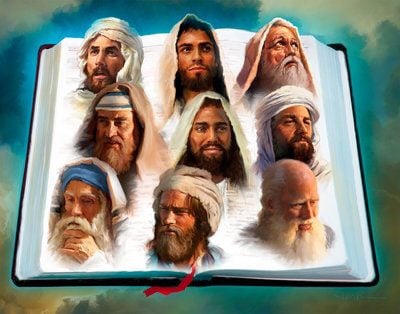
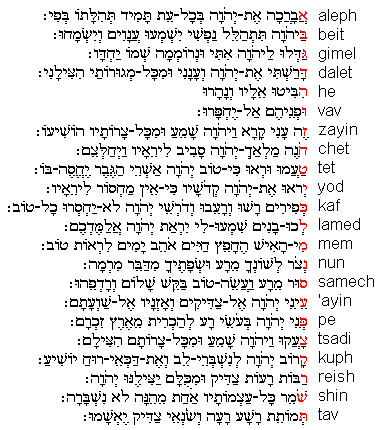
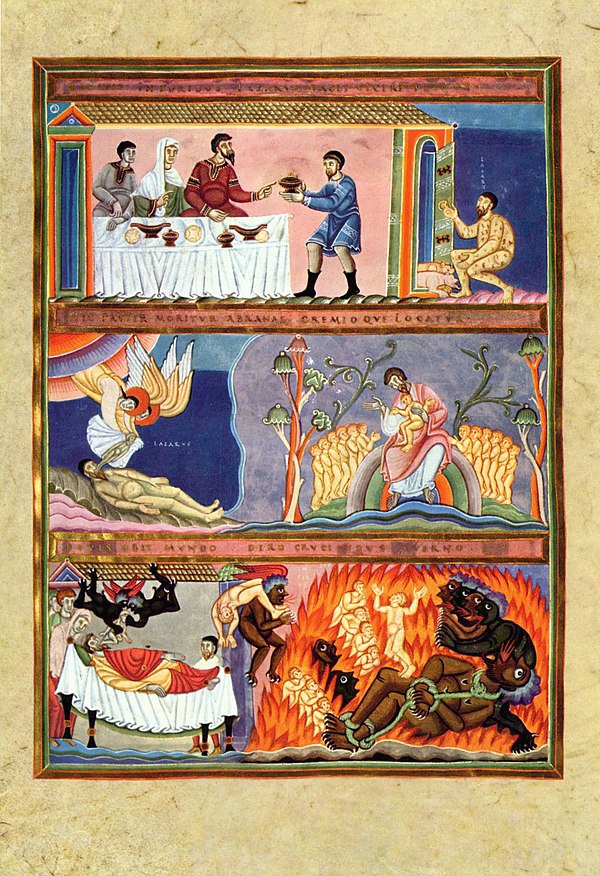

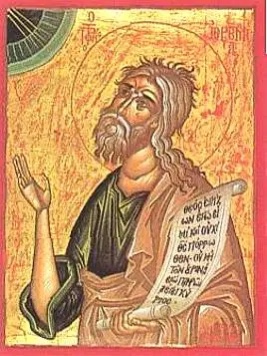


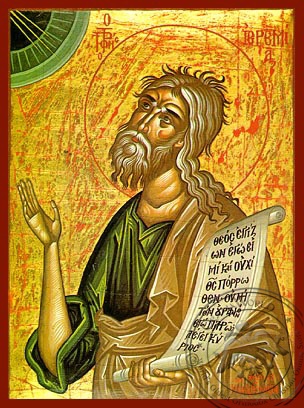
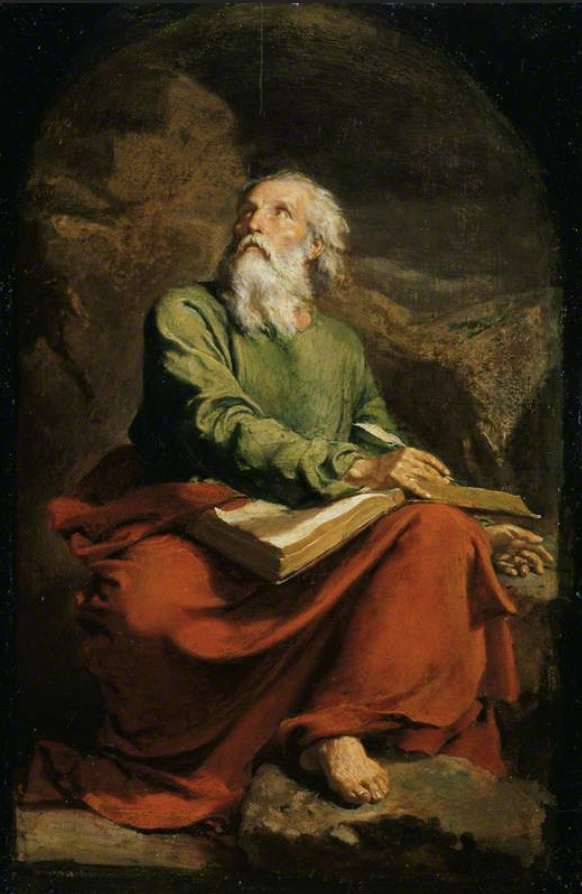
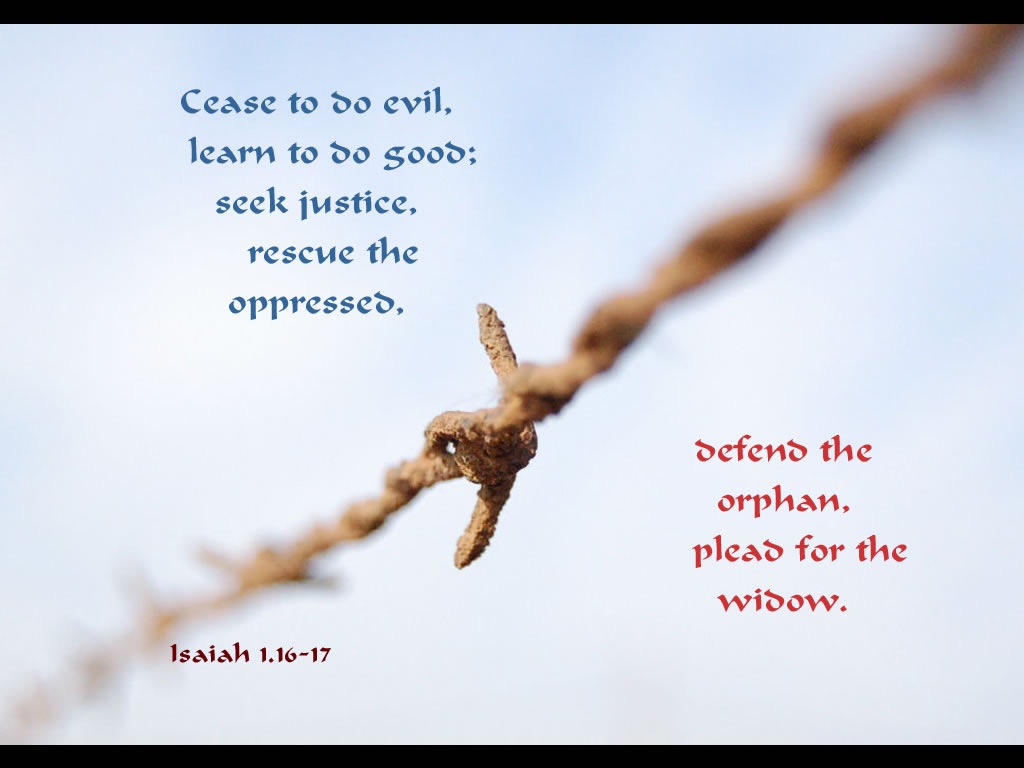
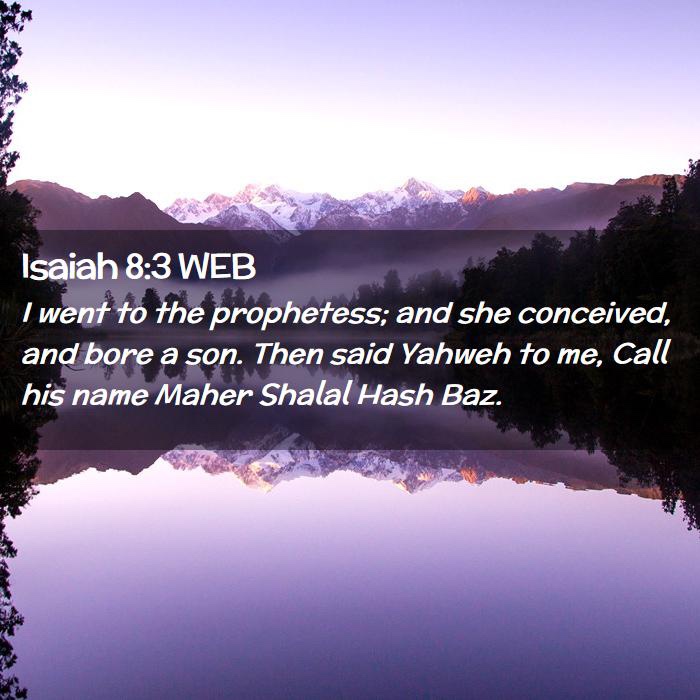

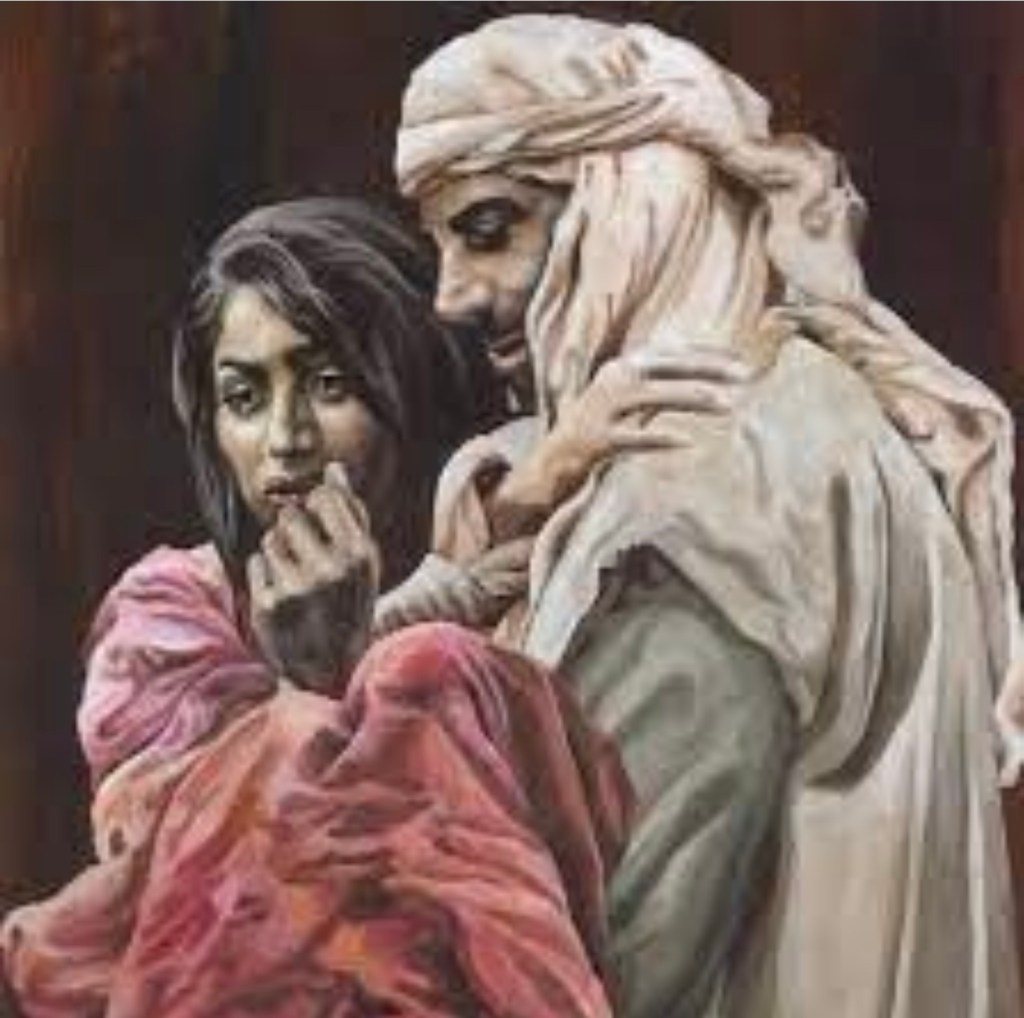
 An Informed Faith