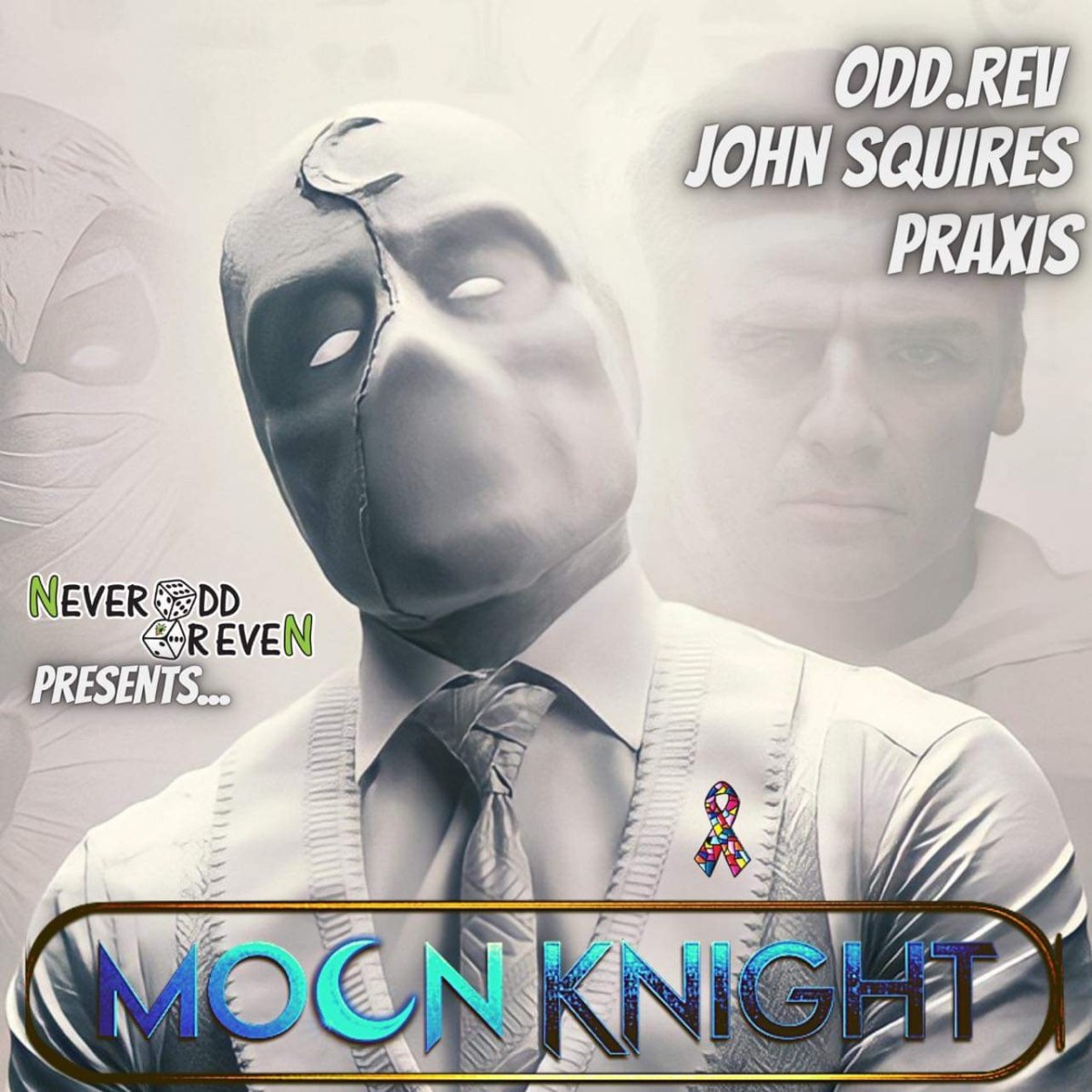
On fantasy, mythology, and mental health (part I)

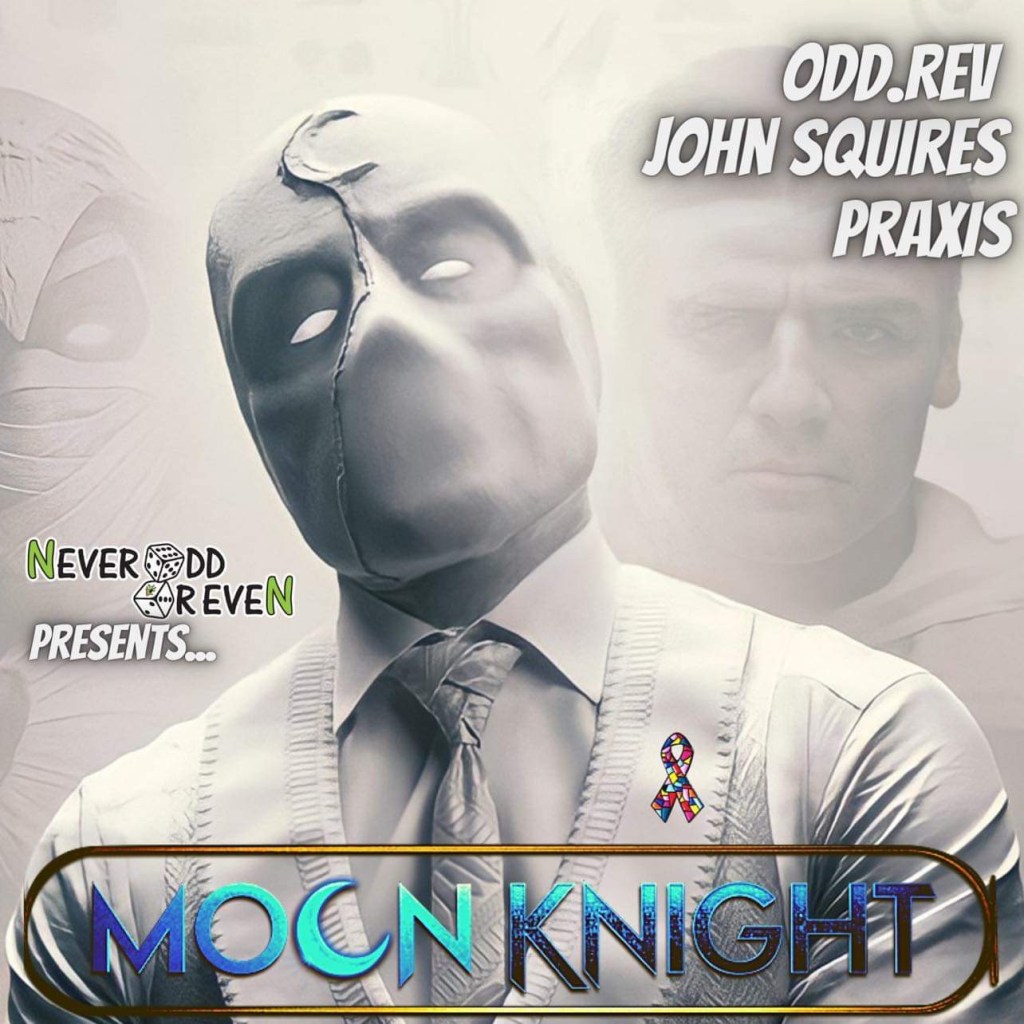
I have recently taken part in a most interesting series of conversations, on topics that are quite unlike others that I have participated in. I’ve been one of three members of the “Moon Knight Panel”, discussing the six episodes of this show, Moon Knight, which was released earlier this year on Disney Plus. The three of us—Will in Melbourne, Praxis in Hobart, and myself in Canberra—have recorded a series of seven podcasts that explore the issues that arise in each of the six episodes of Moon Knight. (Seven podcasts for six episodes, as the first podcast is an introduction to the panel members.)

The six episodes were released by Marvel Entertainment, which began life as the publisher of comic books (Spider Man, Doctor Doom, Captain America, She-Hulk, and Wolverine, amongst many others). It has now expanded to be a film production enterprise. Moon Knight is a character in Marvel comics, and this series represents a stepping-up from the role that Moon Knight has had in the printed comic books, for this character to become the star of his own television miniseries. The six episodes contain action, adventure, violence, drama, and suspense—it’s a really well-done artistic creation.
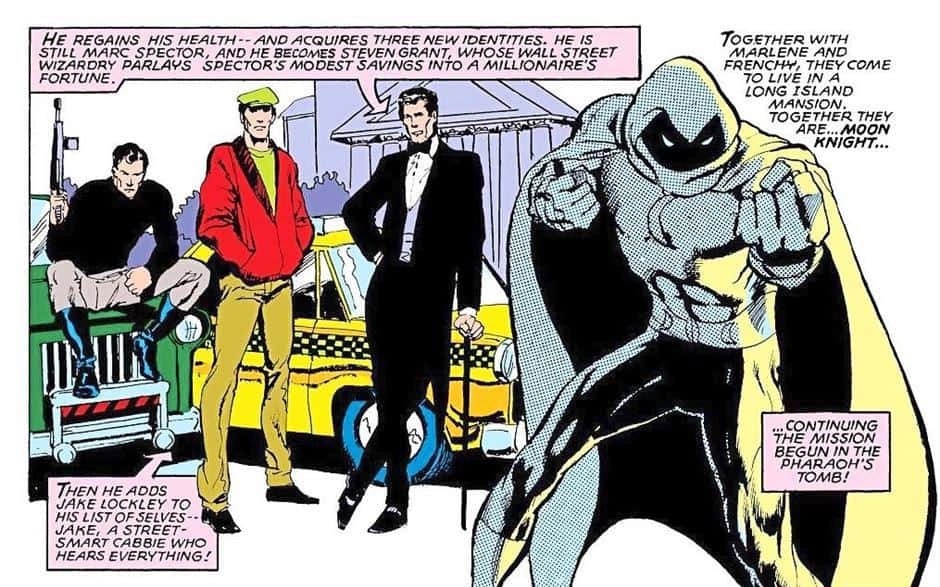
An early appearance of Moon Knight in the comics

Moon Knight first appeared as a character in a 1975 comic, Werewolf by Night #32, where his character was a villain, aiming to kill Werewolf. Moon Knight continued to appear in various comics in subsequent years, in which he turns to become a “good guy”. His first solo series, Moon Knight #1, was published in 1980. There is a whole complex story that has evolved over the decades, as Moon Knight has appeared, as himself and in various guises, in various comic series during that time. I entered into this podcast series, however, in blissful ignorance of that long history of Moon Knight; I was viewing the episodes with Paul Ricouer’s “first naïveté”.

My involvement in the panel has come about, not because I am a Marvel comic aficionado—I am not—nor because I am a Disney Plus subscriber—I am not—and not even because I am an action movie buff—I most certainly am not! It was because the episodes reveal a situation in which the human character who is to the fore at the start of the first episode, mild-mannered British gift-shop employee Steven Grant, is revealed to have Dissociative Identity Disorder (DID), and DID is something that I know about quite closely, from my own lived experience of the condition.

Steven Grant actually turns out to have been an identity created by Marc Spector, a Jewish-American mercenary who has been implicated in numerous murders. The series provides a gradual revelation of the relationship between Marc and Steven—and by the last episode, leaving us on the expected cliffhanger, we are aware that there is yet another identity, Jake Lockley, lurking in and around Marc and Steven. Jake is a ruthless Spanish assassin; how he figures in the complex scenario will, we presume, be revealed in the second series, yet to be recorded (although readers of the printed comics will have a good understanding of this already).

*****
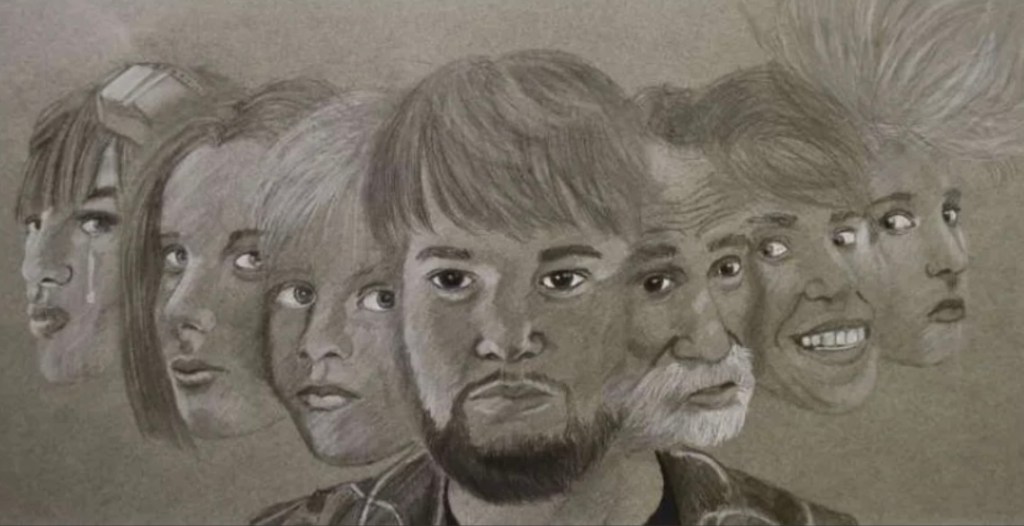
Dissociative Identity Disorder (DID) was previously known as MPD (Multiple Personality Disorder), and it was MPD that I was diagnosed with about 30 years ago. The process of therapy that led to this diagnosis was a thoroughly challenging and deeply disturbing process for me. The therapy that followed, enabling me to deal with the dissociated identities that were lurking in my being, was a comprehensive and exhausting marathon over some years. I haven’t spoken about this before to many people in my life—and certainly never in such a public way as I have in the podcasts and now in this blog.

The series does a fine job, in my estimation, of portraying the confusion, disturbance, incomprehensibility, and fear that comes with a diagnosis of DID. Although I did not have many dramatic experiences of suddenly finding myself in a foreign and unknown situation—which is what happens, very dramatically, to Steven Grant in the earlier episodes—I certainly had the experience of complete and absolute confusion, of finding myself “gripped” in an intense way by a personality or force that felt quite alien, of enacting behaviours that were completely uncharacteristic for me and deeply troubling for others. All of these things are portrayed with vivid drama in the Moon Knight series—far more dramatically than what my own experiences were, but resonating deeply with the experiences I had, which still remember very clearly.

One of the other members of the Moon Knight panel, Praxis, also has lived experience of DID—although his experience is very different from mine. The “system” of Praxis that he is living with is quite different from the “system” that I identified in my therapy. His personalities identify in ways very different from the ways that mine did, and his “living with a ‘functioning multiplicity’ system of identities” is very different from the process that I undertook, of “fusing personalities piece-by-piece, seeking an ultimate integration into one person”. Talking with one another about our rather different experiences of DID has been mutually beneficial—and even through the differences, there are many key similarities that we have shared.
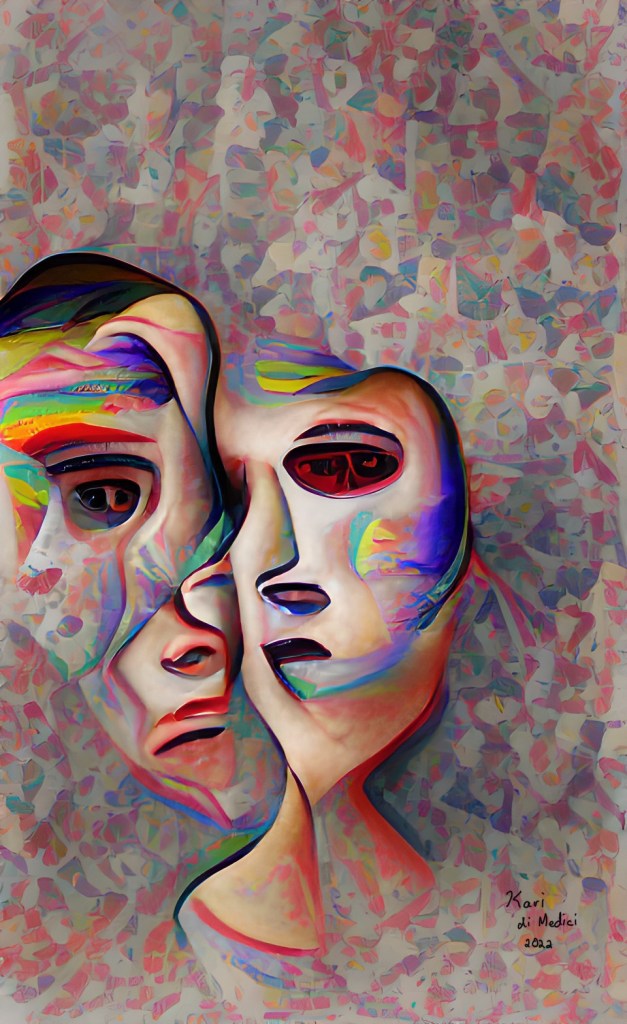
The series also accurately depicts the sheer exhaustion of the process of “switching” identities—something that was a very real experience for me in the height of the time when my “personalities” were emerging. Such “switching” would happen without warning, many times in a fierce, dramatic way. The sense of suddenly being “taken over” by another identity was an intensely draining experience for me, even when it happened in a relatively “smooth” way. So the dramatic portrayals of this aspect in Moon Knight, whilst not entirely “realistic” for me, certainly convey the intensity and dramatic impact of how such experiences felt at the time.

One critic of the comic book character made this assessment a few years ago: “When you look at Moon Knight’s story as a whole, it appears to be more and more of a story about perseverance, endurance, and coming to grips with who you are. That’s an extremely universal story. That’s something anyone can relate to, in one way or another. It’s a call to believe in yourself, and to never give up. And, really, that’s one of the most heroic tales you can get.” (Matt Attanasio, https://comicsverse.com/moon-knight-mental-health/, 22 May 2018)

That is a very positive and affirming conclusion for me to take from this story, and from my own experience. I hope that this is sensed by those who watch the television series. You don’t need to have experienced the condition of DID to take this lesson to heart.

The link to the first podcast (introducing the Moon Knight Panel) is at https://open.spotify.com/episode/5feSJb2qyVAhzBEfoeHj1x?si=29983b58d694477d

The podcast on Episode One is at https://open.spotify.com/episode/0Rk2PZKSvqKcc7yigju8pn?si=f7tXj0jnRk2ph9o1UpgKSw

I invite you to have a listen and explore these fascinating (and challenging) issues.

Good information about DID can be found at https://www.sane.org/information-and-resources/facts-and-guides/dissociative-identity-disorder
Brothers and sisters, do not be weary in doing what is right (2 Thess 2 and 3; Pentecost 22C and 23C)

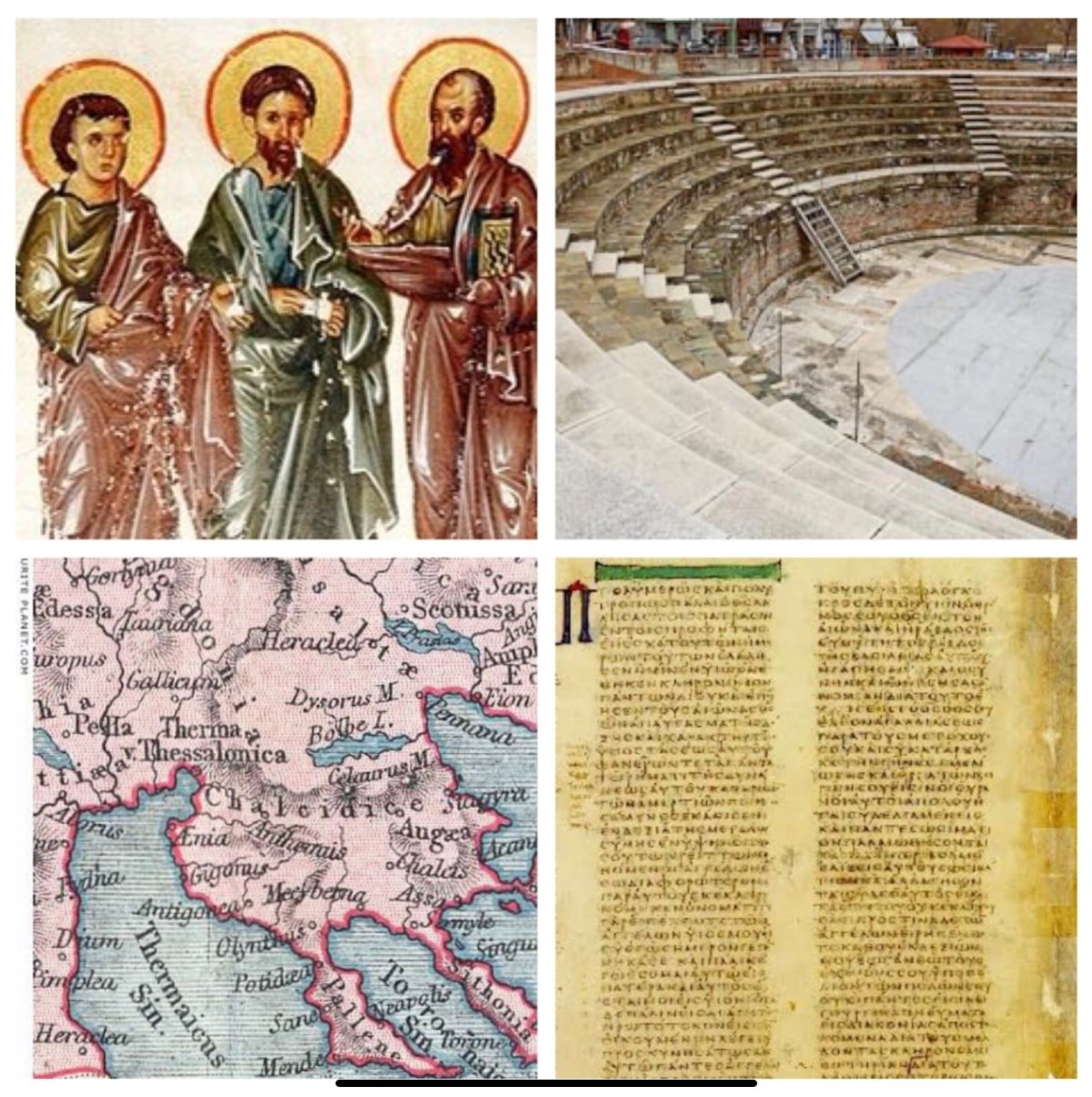
The closing words in the passage from 2 Thessalonians that appear in this Sunday’s lectionary offerings (2 Thess 3:6–13) exhort the believers in Thessaloniki to “do what is right”. It concludes a section telling them not to be idle, but to “do their work quietly and to earn their own living” (3:12), which itself has picked up the direction given in the earlier letter to Thessaloniki, “to aspire to live quietly, to mind your own affairs, and to work with your hands, as we directed you, so that you may behave properly toward outsiders and be dependent on no one” (1 Thess 4:11–12).

This could well be another instance in 2 Thess where a later writer, a follower of Paul, has mined the earlier letter of 1 Thess, authentic to Paul, to shape a letter drawing on the apostle’s authority to reinforce teachings for his own time. A clear way in which the letter deviates from Paul’s authentic thought is its apocalyptic content.

Paul himself (like Jesus) did have an apocalyptic view of the world. He affirms that “the appointed time has grown short” (1 Cor 7:29), “the night is far gone, the day is near” (Rom 13:12), and looks to the coming “day of the Lord” (1 Cor 1:8; Phil 1:10; 1 Thess 5:2), the “the day of wrath, when God’s righteous judgment will be revealed” (Rom 2:6; 1 Cor 3:13).

He foresees that “the trumpet will sound, and the dead will be raised imperishable, and we will be changed” (1 Cor 15:52) and asserts that “the Lord himself, with a cry of command, with the archangel’s call and with the sound of God’s trumpet, will descend from heaven, and the dead in Christ will rise first; then we who are alive, who are left, will be caught up in the clouds together with them to meet the Lord in the air; and so we will be with the Lord forever” (1 Thess 4:16–17).

However, this letter develops from those views in ways most uncharacteristic of Paul—more like the kind of hardline developments that we find in Jewish apocalypses of the general time. The “righteous judgment of God” (2 Thess 1:5) will be “when the Lord Jesus is revealed from heaven with his mighty angels in flaming fire, inflicting vengeance on those who do not know God and on those who do not obey the gospel of our Lord Jesus” (1:7–8), bringing “the punishment of eternal destruction” (1:9). This is an extreme position, beyond the hope for a return of Jesus to reconcile believers with God; this presses the notion of divine judgement into callous retribution.

Further consideration of that day of judgement is given in chapter 2; we had excerpts from this chapter in last week’s lectionary—but the critical verses, 2:6–12, were omitted in that offering! There, we read that this day “will not come unless the rebellion comes first and the lawless one is revealed, the one destined for destruction” (2:3). The Greek word translated as “rebellion” is apostasies, from which we get apostasy. It was used to describe those who wandered from the keeping of the Torah (1 Mac 2:15).

The writer continues, declaring that “the lawless one” (2:8) who brings “a powerful delusion” (2:11) will result in “all who have not believed the truth but took pleasure in unrighteousness will be condemned” (2:12). This portrayal resonates strongly with scenes in Jewish apocalyptic literature of the late Second Temple period, or soon thereafter, attributed to (but not actually written by) great luminaries in the history of Israel; see 4 Ezra 4:27–5:13; 2 Baruch 27; 1 Enoch 91; and also, in the Dea Sea Scrolls, 1QpHab 2:1–10.

On other ways that the letter indicates a later, non-Pauline authorship which goes well beyond Paul’s thinking—see

*****

To return to chapter 3; here we find a set of instructions, buttressed by Paul’s authority, in which the Thessalonians are encouraged to maintain “the tradition” they received from Paul (3:6), the “command” which he had given them (3:10), and are admonished to “have nothing to do with … those who do not obey what we say in this letter” (3:14).

A key verse in this section (3:13) draws strongly on a theme running through Hebrew Scripture, to “not be weary in doing what is right”. The Psalmist, for instance, sings that those who may abide on God’s holy hill are “those who walk blamelessly, and do what is right, and speak the truth from their heart” (Ps 15:2), and in a later psalm, sings that “I have done what is just and right; do not leave me to my oppressors” (Ps 119:131). Yet another psalm questions the gods: “do you indeed decree what is right, you gods? do you judge people fairly?” and immediately provides the answer, “no, in your hearts you devise wrongs; your hands deal out violence on earth” (Ps 58:1–2). The alignment of doing what is right with the Lord God of Israel is clear.

Accordingly, that deity is depicted in some of the foundational stories of Israel as requiring people to do what is right. At Marah in the wilderness, the Lord God tells the people, “if you will listen carefully to the voice of the Lord your God, and do what is right in his sight, and give heed to his commandments and keep all his statutes, I will not bring upon you any of the diseases that I brought upon the Egyptians; for I am the Lord who heals you” (Exod 15:26).

Likewise, when reminding the people “not to put the Lord your God to the test, as you tested him at Massah” (referring to Exod 17:1–7), Moses instructs them to “do what is right and good in the sight of the LORD, so that it may go well with you, and so that you may go in and occupy the good land that the LORD swore to your ancestors to give you” (Deut 6:18). That message is reinforced later in the long speech of Moses, when he gives instructions relating to the discovery of a murder whose perpetrator is unknown, concluding that “you shall purge the guilt of innocent blood from your midst, because you must do what is right in the sight of the Lord” (Deut 21:9).

The same instruction that is attributed to Moses is given by the prophet Ahijah the Shilonite, when Jeroboam led a rebellion against King Solomon: “if you will listen to all that I command you, walk in my ways, and do what is right in my sight by keeping my statutes and my commandments, as David my servant did, I will be with you, and will build you an enduring house, as I built for David, and I will give Israel to you” (1 Kings 11:38). The equation of “doing what is right “ with “keeping [God’s] statutes and commandments” in this passage, as also in the account of the incident at Marah (Exod 15:26), indicates the centrality of this command within the life of Israel.

Two prophets reinforce the importance of this command. Ezekiel declares that, “if the wicked turn away from all their sins that they have committed and keep all my statutes and do what is lawful and right, they shall surely live; they shall not die” (Ezek 18:21; see also 18:27; 33:14, 19; 45:9). Likewise, the opening oracle of the unnamed post-exiled prophet whose words are collected at the end of the scroll of Isaiah begins with the declaration, “maintain justice, and do what is right, for soon my salvation will come, and my deliverance be revealed” (Isa 56:1). This important text equates “do what is right” with divine justice; the two prophetic texts indicate that “doing what is right” is the prerequisite for life (Ezekiel) and salvation (Trito-Isaiah).

Finally, we note that the story of Tobit ends with his prayer of blessing to God (Tob 13:1–17), including the admonition, “turn back, you sinners, and do what is right before him; perhaps he may look with favor upon you and show you mercy” (Tob 13:6); followed by his farewell words to his son, Tobias, and the seven sons of Tobias, in which he declares, “so now, my children, I command you, serve God faithfully and do what is pleasing in his sight; your children are also to be commanded to do what is right and to give alms, and to be mindful of God and to bless his name at all times with sincerity and with all their strengths (Tob 14:9). This final passage explains that “doing what is right” includes both central religious activities (bless God) and helpful social activities (give alms).

To Jewish listeners, the simple instruction, “do not be weary in doing what is right” (2 Thess 3:13) evokes central aspects of faith: obedience, following God’s way, keeping the commandments, speaking the right words, enacting the required behaviours, receiving the gift of life, being assured of salvation, and doing justice. Beyond the authority of Paul, reinforced a number of times in this chapter, the resonances of Hebrew Scripture voices sound loudly.

New heavens and a new earth (Isaiah 65; Pentecost 23C)

The Hebrew Scripture passage offered by the lectionary this coming Sunday comes from the third main section of the book of Isaiah (chapters 56–66). This section of the book differs from the two main sections that precede it—the pre-exilic section (chapters 1–39) and the section as the exile itself is drawing to an end (chapters 40–55).

The prophet begins this third section with a familiar prophetic announcement which sets forth the classic prophetic programme, with the classic divine assurance: “maintain justice, and do what is right, for soon my salvation will come, and my deliverance be revealed” (Isa 56:1). The section offered by the lectionary (Isa 65:17–25) sets out how that justice will come to be, through the vision of “new heavens and a new earth”.

Written during the period when the people of Judah were returning to their land, to the city of Jerusalem (from the 520s BCE), this section of Isaiah sets out what this justice will look like through a series of powerful oracles. The prophet sounds a vivid counter-cultural note in the midst of the events of his time. He begins with the promise to foreigners and eunuchs that “I will give, in my house and within my walls, a monument and a name better than sons and daughters; I will give them an everlasting name that shall not be cut off” (Isa 56:5).

This is a striking contrast to the narrative provided in the books of Ezra and Nehemiah, which tell of the return to the city, the rebuilding of the walls, the renewal of the covenant and the public reading of the Law, the rededication of the Temple—and actions designed to remove foreigners (especially women) from within Israel (see Ezra 10; Neh 13).

Ezra and Nehemiah exhibited a zealous fervour to restore the Law to its central place in the life of Israel. Ezra, learning that “the holy seed has mixed itself with the peoples of the lands” (Ezra 9:2), worked with “the elders and judges of every town” to determine who had married foreign women; the men identified “pledged themselves to send away their wives, and their guilt offering was a ram of the flock for their guilt” (Ezra 10:19). (So much for the importance of families!)

Nehemiah considered that this project to “cleanse [the people] from everything foreign” (Neh 13:30) was in adherence to the command that “no Ammonite or Moabite should ever enter the assembly of God, because they did not meet the Israelites with bread and water, but hired Balaam against them to curse them” (Neh 13:1–2; see Num 22—24). The restoration of Israel as a holy nation meant that foreigners would be barred from the nation.

The oracle at the start of the third section of Isaiah stands in direct opposition to this point of view; “the foreigners who join themselves to the Lord … and hold fast my covenant—these I will bring to my holy mountain, and make them joyful in my house of prayer; their burnt offerings and their sacrifices will be accepted on my altar; for my house shall be called a house of prayer for all peoples” (Isa 56:6–7). This is what God’s justice looks like!

Jesus, of course, quoted this last phrase (“a house of prayer for all people”) in the action he undertook in the outer court of the Temple (Mark 11:17). Later, the welcome offered to the Ethiopian court official by Philip, who talked with him about scripture and baptised him, a eunuch (Acts 8:26–38), is consistent with the prophetic words, “to the eunuchs who keep my sabbaths, who choose the things that please me and hold fast my covenant, I will give them an everlasting name that shall not be cut off” (Isa 56:4–5).

From the earliest days, the church practised an inclusive welcoming of diversity that was consistent with this prophetic declaration. What went wrong, we may ponder, for the church to dig itself into the corner of exclusivism and judgementalism that unfortunately has characterised too many manifestation of church?

The particular passage that is provided for this coming Sunday is almost at the end of the book. It offers a wonderfully climactic vision to this section of the book—and indeed to the whole of Isaiah. The prophet has continued to explain what it means to adhere to the way of justice, practising the fast that the Lord desires.

The promise is that Israel will have a new name: “you shall no more be termed Forsaken, and your land shall no more be termed Desolate; but you shall be called My Delight Is in Her, and your land Married; for the Lord delights in you, and your land shall be married” (Isa 62:4). We can see the symbolic significance of names in considering the prophet Hosea and in Isaiah 8, for example.

By contrast, vengeance will be the experience of Edom; using the image of trampling down the grapes in the wine press, the prophet reports the intention of God: “I trampled down peoples in my anger, I crushed them in my wrath, and I poured out their lifeblood on the earth” (63:1–6). So vigorously does God undertake this task, that he is attired in “garments stained crimson” because “their juice spattered on my garments and stained all my robes” (63:1–3).

Once again, the prophet speaks in graphic terms. Edom is a symbolic portrayal of the Babylonian Empire, which had been dominant in the middle eastern world of the day for some time—yet it had recently been subsumed by the Persian Empire (under whom the people of Judah were able to return home). The punishment was on the horizon, either the horizon immediately in view, or the horizon that had just passed. Edom (Babylon) had been conquered—a happening interpreted by the anonymous prophet as divine retribution.

Confronted with this display of wrath and vengeance, the prophet adopts an attitude of penitence, yearning for God to “look down from heaven and see, from your holy and glorious habitation” (63:15). His plea for the Lord to “tear open the heavens and come down, so that the mountains would quake at your presence—to make your name known to your adversaries, so that the nations might tremble at your presence!” (64:1–2) must surely have been in the mind of the evangelists as the reported the baptism of Jesus, when he “saw the heavens torn apart and the Spirit descending like a dove on him” (Mark 1:10).

The book ends with a sequence in which the prophet reports the words of the Lord which indicate that Israel will be restored (65:1–16), followed by the statement that the Lord is “about to create new heavens and a new earth” (65:17–25; 66:22–23)—the passage provided by the lectionary this week. It is a wonderfully climactic, all-encompassing vision. Not only will Jerusalem enjoy prosperity, but “the wealth of the nations [shall be] like an overflowing stream” (66:12).

The vision of this penultimate chapter is global; it is for “all people” (picking up the hope of Isa 40:5), for “all the nations of the earth”, as both Jeremiah (Jer 33:9) and Haggai foresee (Hag 2:6–9), for “all flesh” as Joel predicts (Joel 2:28–29), for “every living creature”, as the final vision of Ezekiel portrays (Ezek 47:7–12). The “new heavens and new earth” (Isa 65:17) are for everyone of Israel (Isa 65:18–19), indeed, even for all creatures, “wolf and lamb, lion and ox” (Isa 65:25).

This vision is, of course, taken up and expanded in the closing chapters of the final book of the New Testament (Rev 21:1–22:7). That provides a globally wondrous vision to end the writings of the renewed covenant. The closing vision of Trito-Isaiah, the foundation for the vision of the seer at Patmos, has incorporated a number of references to earlier prophetic words: building houses and planting vineyards (65:21) recalls the words of Jeremiah (Jer 29:5–7); the image of wolves lying with lambs and lions “eating straw like the ox” recalls the vision of Isaiah (Isa 11:6–7).

The promise that “they shall not hurt or destroy all on my holy mountain” (65:25) recalls that same vision of Isaiah (Isa 11:9), whilst the next promise about not labouring in vain nor bearing children for calamity (65:23) reverses the curse of Gen 3:16–19. The story of creation from the beginning of Genesis is evoked when the Lord asserts that “heaven is my throne and the earth is my footstool … all these things my hand has made” (66:1–2); these are the words which Stephen will quote back to the council in Jerusalem (Acts 7:48–50) and will lead to his death at their hands. All the allusions together make this a fine conclusion to the visionary prophetic stream of the first covenant.

And yet, even to the very end of this book, the judgement of the Lord is evident; the prophet declares that “the Lord will come in fire, and his chariots like the whirlwind, to pay back his anger in fury, and his rebuke in flames of fire; for by fire will the Lord execute judgment, and by his sword, on all flesh; and those slain by the Lord shall be many” (66:15–16).

Nevertheless, the glory of the Lord shall be declared “among the nations” (66:19) and “they shall bring all your kindred from all the nations as an offering to the Lord” (66:20). The universalising inclusivism that was sounded in the oracle at the start of this prophet’s work (in chapter 56) is maintained through into this closing oracle. In “the new heavens and the new earth which I will make … all flesh shall come to worship before me, says the Lord” (66:22–23). The vision lives strong! It’s a good way to end the series of readings from the prophets we have followed during the past few months.

Prayers of the People for Pentecost 22C

Prayers of the People led by Cathy Rossiter at Tuggeranong Uniting Church on Sunday 6 November, during a service celebrating All Saints’ Day and reflecting on Halloween (All Hallow’s Eve)

At this time of much international and domestic uncertainty, of inequality and of hunger, let’s bring our prayers and thoughts for others before almighty God.

We ask you to be with us, O Lord, as we contemplate what it means to live out our faith in a world which seems more selfish and uncaring than ever before. Help us to stand up for what is right, just and compassionate.  Help us to meet people wherever they are at and not to be judgemental or self-righteous.  Help us to be generous with our time, our friendship and our finances.

We know that there are many troubling issues where the voice of compassion and justice needs to be raised.  We pray for those who influence the ways we act and think through their roles in the media, and we ask that those who are elected to represent us in our parliaments are always mindful of their responsibilities towards all Australians.  

We think of the many people whose lives and livelihoods have been turned upside down by extreme weather events, both here in Australia and elsewhere in the world.  As we come to grips with the dangers posed by the changing climate, help us to reassess our lives and the contributions that we make to the global situation.

O God, as the world contemplates the prospect of many more such catastrophes, and the destruction of more and more habitat, we ask that the coming meeting of nations in Egypt will move closer to serious commitments to drastically reduce the amount of greenhouse gases in the atmosphere.  As people of faith, we care for the world you have given us and we bring you our concerns for those who are least able to protect themselves from the ravages of extreme weather events.

As the evidence of ongoing cruelty and discrimination around the world continues to mount, we pray that the voices of calm and of wisdom will be heard in many places. We think especially of Myanmar, of North Korea, of China, of Ethiopia and of Iran.

We pray especially for the people of Ukraine and the people of Russia.  We pray for those who are afraid, for those who have lost loved ones, for those who choose war and for those who seek peace.   May the search for peace prevail.

In our own Canberra community, there are many who suffer from the indignities of poverty and discrimination, from long-term health problems, and from violence in their own families.  We ask that you will uphold them, give them strength and surround them with care and love.  

All these things we ask in the name of Jesus, who taught us how to live and to love, and to pray …

Ou Father in heaven, hallowed be your name … … …

*****

The sermon for the day is at http://ruralreverend.blogspot.com/2022/11/on-halloween-all-saints-and-ghosts-of.html

On Halloween, All Saints, and the ghosts of the past (All Saints Year C)

A sermon preached by the Rev. Elizabeth Raine at Tuggeranong Uniting Church on 6 November 2022, in a service remembering All Saints.

*****

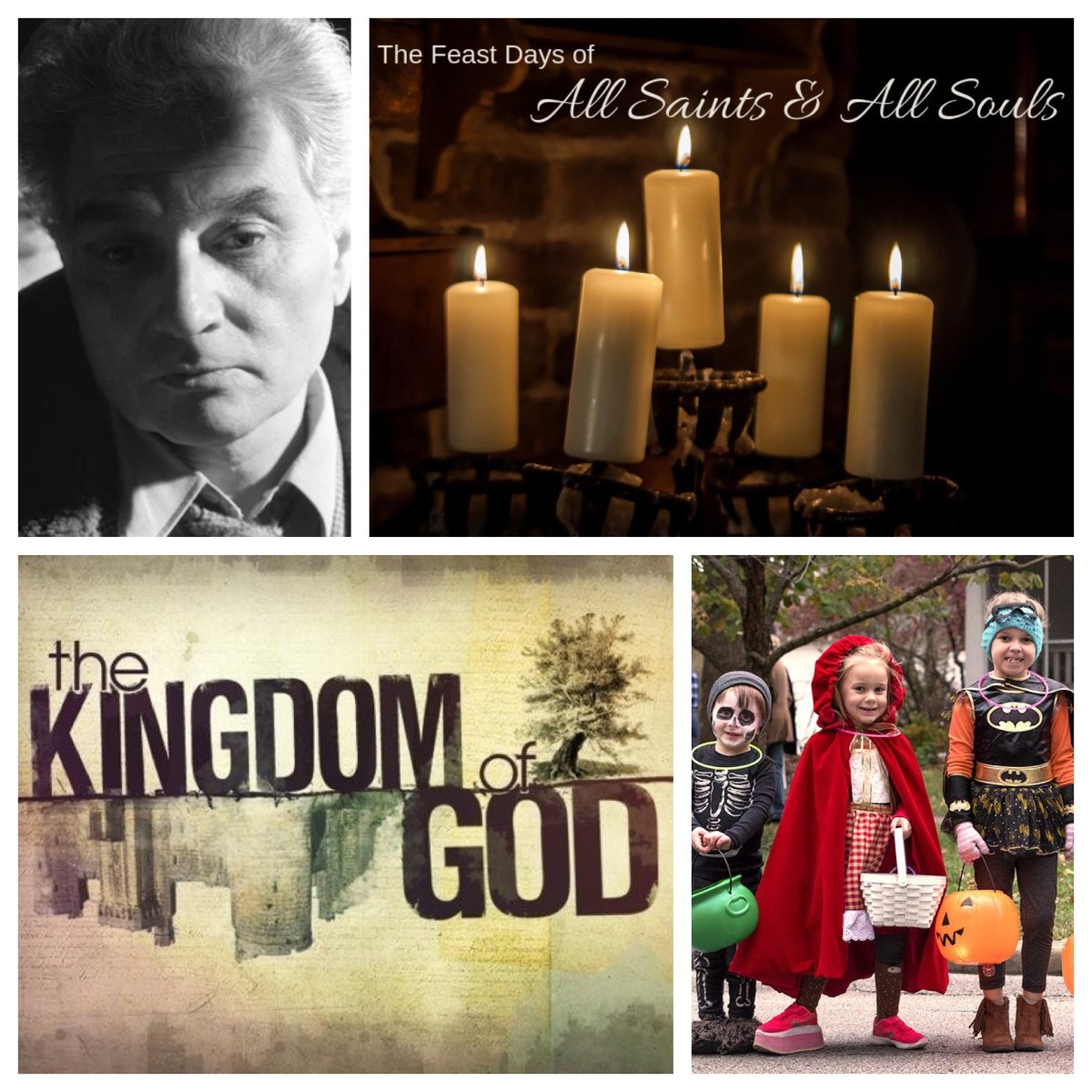
Halloween seems to be a thing that has crept up on Australia more recently. Halloween trick or treating was not something I did as a child, nor was it even considered. But many Australian kids seem to have taken to Halloween including my grandchildren, and roam the street in spooky costumes in search of sugary and chocolatey treats. What they would do as a trick if they were refused is an interesting thought, and I am not sure they have worked that out yet.

We also seem to be having the Halloween equivalent of Christmas lights in streets around us, with house fronts covered in spiderwebs and large spiders, ghouls, witches and ghosts in front yards. My daughter even had three graves in hers.

But what is Halloween really? Is it dancing with the devil? A celebration of something sinister? An import from American culture we don’t need? Or is it imaginative good fun and giving kids a chance to be creative and neighbourhoods to come together and neighbours get to know each other? Is it representing the choosing of life over death, hope over despair, and good over evil?

Wikipedia informs us that Halloween (also known as All Hallows’ Eve, or All Saints’ Eve) is a “celebration observed in many countries on 31 October, the eve of the Western Christian feast of All Hallows’ Day. It begins the observance of Allhallowtide, the time in the liturgical year dedicated to remembering the dead, including saints (hallows), martyrs, and all the departed.”

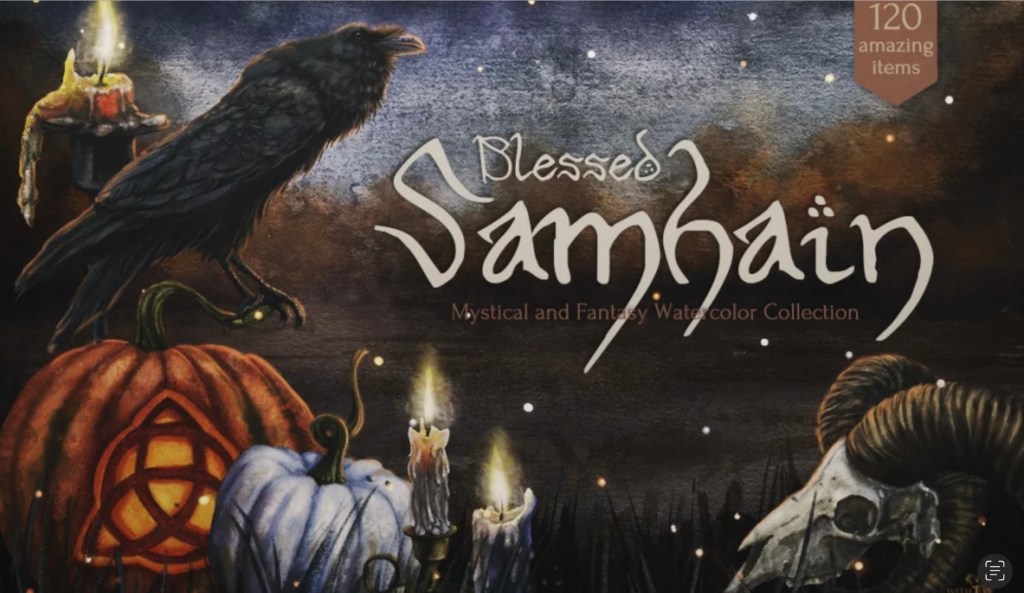
Some scholars believe that Halloween traditions grew out of Celtic harvest festivals, particularly the Gaelic festival Samhain, which is believed to have pagan roots. Some go further and suggest that Samhain may have been Christianized as All Hallow’s Day, along with its eve, by the early Church in the same way Christmas was.

Other academics believe Halloween began solely as a Christian holiday, being the vigil of All Hallow’s Day. Celebrated in Ireland and Scotland for centuries, Irish and Scottish immigrants took many Halloween customs to North America in the 19th century, and then through American influence Halloween had spread to other countries by the late 20th and early 21st century.

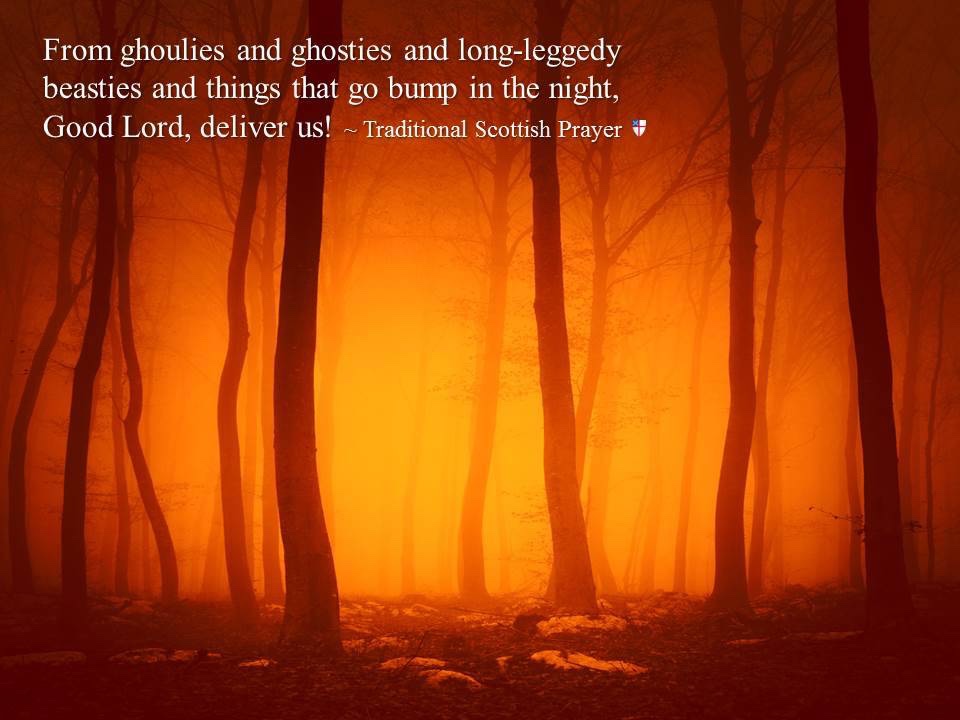
Despite the ghoulies and ghosties and long-legged beasties that may have roamed the drier streets of Canberra last Monday, Halloween and All Saints Day are predominantly Christian festivals, still celebrated as such in many parts of the world. Since the time of the early Church, the feast of All Hallows began the night before, as did the feast of Christmas. These days are collectively called Allhallowtide and are a time when Western Christians honour all saints and pray for departed souls.

It is easy to talk about All Saints Day, but not so easy to get a sermon from Halloween. Yet that is where I am heading. I read a really interesting article in the conversation on the topic of Halloween. By Alasdair Macintyre, it is on the topic of ‘hauntology’, a study of the memories and dreams that follow us through life. Macintyre writes, hauntology “is that eerie zone where time collapses and our past memories and associations haunt our minds, like a ghost”.

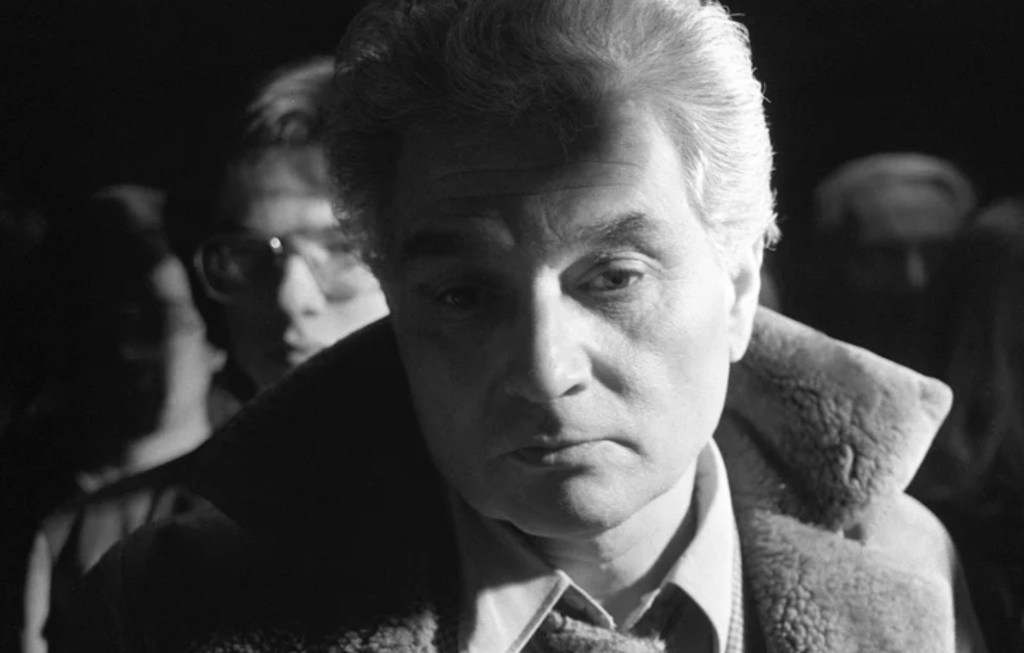
This philosophical concept of “hauntology” was invented by the French philosopher Jacques Derrida for his 1993 lecture Spectres of Marx. Apparently the words “hauntology” and “ontology” both sound identical when spoken in French, something which tickled Derrida’s fancy. Ontology is the philosophical and theological study of existence and being, dating back as far as ancient Greece and important in Christian theology, especially in regard to the Trinity. But in Derrida’s mind, the concept of ontology was shadowed by hauntology, a state of non-being.

French philosopher Jacques Derrida

I have been thinking the modern day church just might be stuck in hauntology, both haunted by memories of its past practices and by visions of the future that did not eventuate. Nobody 30-40 years ago foresaw that the church would be dwindling and aging. And John and I have found, when you talk to small churches as a Presbytery minister they are haunted by memories Sunday school numbers form 1950s and 60s.

It’s an interesting idea, this one of hauntology. The church is not is the place it planned to be 30 years ago. It hasn’t evolved in the way that people thought it would. Not everything that was planned was executed into action. Are these unfulfilled hopes haunting us now us a church?

Apparently such hauntings by unfulfilled expectations is a thing and has been studied. English theorist and academic Dr. Mark Fisher called this concept “cancelled futures” and associated it with a lack of action and cultural stagnation. He believed very little that was innovative was happening in our culture and there was instead an endless repetition and recycling of old ideas, just now in high definition and on social media.

He wasn’t referring to technology (which is advancing) but to the collapse of hopes that politically, economically and socially, the world might be improved.the regular and often startling upheavals of the 1960s have disappeared to be slowly replaced by a culture which struggles to imagine truly the possibility of a better future. Instead, such cultural upheavals and flights of imagination have been replaced by advances in mobile communication technology that have intensified superficiality and isolation rather than brought people together in healthy ways. Community, relationship, logic, and compassion are seen asfrighteningly diminished and being replaced by social networking, short-term thinking, individualism and fake news.

To put it another way, being haunted by memories and nostalgia from the past along with unrealised hauntings of unfulfilled dreams has led to a crisis of imagination on our present times. For example, society as a whole has failed informulating new ways of living in the face of a looming climate disaster. We largely continue with business as usual, though expressing concern over the potential consequences.

This apathy or fear or inertia or whatever it is will not help us as the climate warms and things worsen. We are creating more ghosts with loss of habitat, loss of species, loss of faith in something. So what needs to be done? How are we to deal with unfulfilled hopes still being all around us, albeit unseen? Whether you believe in ghosts or not, people, traditions and events from decades past continue to appear and influence our minds and our behaviour.

Firstly, we need to rethink our relationship to the past. We can’t stay trapped in it or use it to develop excuses for not addressing the needs of the future. And we can’t just be critical of things such as non-action by governments on climate change. We need to do some re-imagining of what is needed and move beyond critique to alternative modes of living and being – from hauntology to ontology if you like.

Next, we need the skills to deconstruct the memories and stories we have created that no longer serve us well and make new ones. Jesus was a master at this. Derrida saw Jesus as the “greatest” and “most incomprehensible of ghosts.” He saw Jesus as having spectral and life-exceeding attributes. Why?

I assume it is because Jesus challenged the comfortable institutions of his day with a radical reinterpretation of the narrative of their inheritance and tradition. Refusing to be haunted by the ghosts of comfortable living in the knowledge the Jews were the chosen people, Jesus recast and reframed the narrative of justice and righteousness for his context. “Blessed are you who are poor … who are hungry now … who week now … you will laugh, you will be filled, yours is the kingdom of God” (Luke 6:20–21).

Jesus reimagined a future of equity and justice in the vision of the kingdom of God. “I say to you that listen, ‘Love your enemies, do good to those who hate you, bless those who curse you, pray for those who abuse you” (Luke 6:27–28).

He inspired followers who caught the vision and ran with it through the Roman empire and beyond. He started a movement that would lead people to transform lives and live in ways that supported fairness, acceptance and justice for everyone. “Do to others as you would have them do to you”, he instructs his followers ( Luke 6:31).

Jesus was present to his community through relationships and story, focused on being in an ontological sense rather than yearning for the ghosts of hauntology.

What has happened to this movement? What has happened to this story that lives in churches’ past and traditions but seems to have lost its transforming power and its bite? What is the story of the future that church should be telling? How do we reframe the story of the future in the face of instability, uncertaintyand failed futures? Can we escape the “eerie zone where time collapses and our past memories and associations haunt our minds, like a ghost?”

Instead of being haunted by things already done or by wistful thinking on unfulfilled futures, we need to listen to Jesus, the messiah who brought in new ways of perceiving life and faith and “who haunts our self-presence, our self-sufficiency, who disturbs the order of the same, who comes to us as the voice of the dead to whom we bear a responsibility, and as the voice of the one still to come.” (John D. Caputo 1997).

Jesus, as a messianic figure, holds “open the door” of the would-be closed system of empire. He disrupts the legacy of his heritage. He takes a stand with everyone and everything that has been rejected or expelled by heritage and empire, all that are disempowered by these powers,and demands a revisioned future of fairness.

The church, like Jesus, needs to haunt people and society in meaningful ways. Things do not evolve, thrive or disappear in isolation. Something or someone is creating the conditions to allow such things. It is only by transforming our narrative, our lifestyles, our faith stories that the church bring about the radical social change that Jesus was committed to.

It is only by transforming what we have that we can effectively alter what is bad and what is destructive in our lives and our communities. The ghouls and ghosts of uncritical thinking, fake news, war, patriarchy, racism, individualism, unbridled climate change and non-acceptance of the other have no place in our community, and we as the church are called by Jesus to do nothing less.

Prof. Rosalyn Diprose, from the UNSW, states that “In the extraordinary responsibility of inheriting the future-to-come, it is all of this that we must continue to interrupt, transform, and put at risk.” (2006, 446)

As a church, must develop this new narrative, this story of hope, metanoia and courage. We must take risks for the gospel, and not allow the ghosts of the past or the unfulfilled future to rob us of these things. And we must continue to pray, From ghoulies and ghosties / and long-leggéd beasties / and things that go bump in the night, / Good Lord, deliver us. Amen.

The Prayers of the People are at https://johntsquires.com/2022/11/06/prayers-of-the-people-for-pentecost-22c/

I am with you (Haggai 2; Pentecost 22C)

In recent months, the lectionary has been offering us passages from the prophets, the second main section of TaNaK, which is the Jewish name for the collection of scrolls, largely in Hebrew (with a tiny section in Aramaic in the prophet Daniel), which are known as the Old Testament by most Christians.

I prefer to call this collection of documents the Hebrew Scriptures—technically, not quite accurate, but a better option, I believe, than the title that labels these works as “old”, with the implications of out-of-date, no longer relevant, or (worst of all) superseded by something that is “new”. As it is quite unfair to label the scriptures of a living faith, Judaism, as “superseded”, I prefer to take the option of a descriptor which refers both to the language of the documents (well, most of them), and the cultural origins of the documents, as coming from the ancient Israelite culture of the Hebrews.

So, within the central section of these documents are the scrolls of the Prophets (nevi’im, in Hebrew). These books (using Christian terminology) date from a number of centuries, before, during, and after, the central historical era of the Exile (from 587 BCE until the various returns to the land of Judah in the 530s, 520s, and beyond). It is from this section of the scriptures that we have been offered a series of readings in recent months—starting with Amos and Hosea, touching on Isaiah, covering many key parts of Jeremiah, and then moving into a series of “minor prophets” (Joel, Habakkuk, and Haggai), before concluding with Isaiah 65.

See

There are four prophets whose activity can reasonably be dated to the specific time soon after the exiles had returned to Jerusalem. The books of Haggai and Zechariah each open with a specific date, both placing their activity in the time of Darius, King of Persia. The third section of Isaiah (chapters 56—66) are widely considered to have originated around this same period of time, as the exiles returned to the land and undertook the task of rebuilding its society and its buildings. The prophet Malachi is not dated, but is generally considered to have been written fairly soon after Haggai and Zechariah.

The people from Judah who had lived as exiles in Babylon for five decades were permitted to return to Judah late in the 6th century BCE, by decision of the Persian King, Cyrus (whom Deutero-Isaiah described as God’s “Messiah”, Isa 45:1). In his decree, Cyrus acknowledges “the Lord, the God of heaven” and states that “any of those among you who are of his people … are now permitted to go up to Jerusalem in Judah, and rebuild the house of the Lord, the God of Israel” (Ezra 1:2–4).

Under Nehemiah as Governor, worship is reinstituted in Jerusalem (Ezra 3:1–7), the walls around the city of Jerusalem are rebuilt (Neh 2—6, 12), and the Temple is rebuilt and rededicated (Ezra 5–6). After this, the Law is read in the city under the guidance of Ezra, a priest who is also described as a scribe (Neh 8) and the covenant with the Lord is renewed (Neh 9–10).

Initially, there was opposition to the rebuilding works from “the enemies of Judah and Benjamin” (Ezra 4:1–16), and with intervention from King Artaxerxes, work on the temple ceased (Ezra 4:17–24). The narrative in Ezra reports that “the prophets, Haggai and Zechariah son of Iddo, prophesied to the Jews who were in Judah and Jerusalem, in the name of the God of Israel who was over them” (Ezra 5:1), and work on restoring the temple recommenced (Ezra 5:2).

Further opposition emerged (Ezra 5:3–17), resulting in intervention from King Darius that decreed “let the house be rebuilt … let the Governor of the Jews and the elders of the Jews rebuild this house of God on its site … let it be done with all diligence” (Ezra 6:1–12).

The end result is that the prophets of the Lord and the rulers of the Persian Empire together ensure that the temple is restored: “So the elders of the Jews built and prospered, through the prophesying of the prophet Haggai and Zechariah son of Iddo. They finished their building by command of the God of Israel and by decree of Cyrus, Darius, and King Artaxerxes of Persia” (Ezra 6:14).

What is it, then, that Haggai says to the people? His prophetic words are nestled within a relatively brief narrative telling of this return to Jerusalem; they were delivered over a short period of time from “the second year of King Darius, in the sixth month, on the first day of the month” (Hag 1:1) until “the twenty-fourth day of the ninth month, in the second year of Darius” (Hag 2:10, 20).

In the course of those three months, Haggai condemns the people for failing to rebuild the ruined temple while people live in “paneled houses” (1:4) and encourages the people to “go up to the hills and bring wood and build the house” (1:8). In the oracle offered by the lectionary this coming Sunday (1:15b—2:9), Haggai declares that “the latter splendour of this house shall be greater than the former, says the Lord of hosts; and in this place I will give prosperity, says the Lord of hosts” (2:9).

“I am with you, says the Lord of hosts”, the prophet affirms, “according to the promise that I made you when you came out of Egypt; my spirit abides among you; do not fear” (Hag 2:4–5). The prophet offers a word of hope to a people who have suffered and who are anxious about what the future may hold for them.

Haggai then goes on to relay an ominous word of the Lord: “I am about to shake the heavens and the earth, and to overthrow the throne of kingdoms; I am about to destroy the strength of the kingdoms of the nations, and overthrow the chariots and their riders; and the horses and their riders shall fall, every one by the sword of a comrade” (2:21–22).

Yet this short book ends with a positive note for the future, promising to make Zerubbabel, who led the first wave of exiles to return to Judah, “like a signet ring, for I have chosen you” (2:23). It is undoubtedly with this motif of hope that the selected passage has been chosen for the lectionary, as we come to the final Sundays after Pentecost at the end of Year C in the cycle of seasons. It leads well into the vision of “new heavens and a new earth” that we will read the following Sunday (Isa 65:17).

#nuptothecup

The post below comes from 2019. I have updated it here with statistics relating to 2022, taken from Deathwatch 2022.

Click here to read our Deathwatch 2022 Report.

It is important to note that this and previous years death tolls are almost entirely made up of the deaths we learn of from official race day reports. Countless others are taken away from the racetrack and killed behind the scenes when it is clear they cannot (or were chosen not to) be saved, indicating that although high and devastating, these findings are still grossly understated.

Key Findings

  • At least 139 horses were killed on track for a number of reasons, most commonly for catastrophic front limb injury (46)
  • On average at least one horse will die on Australian racetracks every 2.5 days
  • At least nine horses died from cardiac causes
  • The state with the highest recorded deaths was NSW (55) followed by VIC (37) and QLD (20)
  • Fifty-five of the horses that were reported to have been killed had been raced as two-year-olds
  • Ten horses were only two years old when they died on track
  • Two horses are still listed as ‘active’ on the Racing Australia website at the time of writing,
  • All states failed on several occasions to upload race replays where a horse died. NSW was the worst culprit, editing or failing to upload replays where a horse died on at least seven occasions.

*****

Remembering Medora, Dispatch, Dulcify, Verema, Admire Rakti, Araldo, Red Cadeaux, Regal Monarch, and Cliffsofmoher–who each died during or soon after racing in the Melbourne Cup.

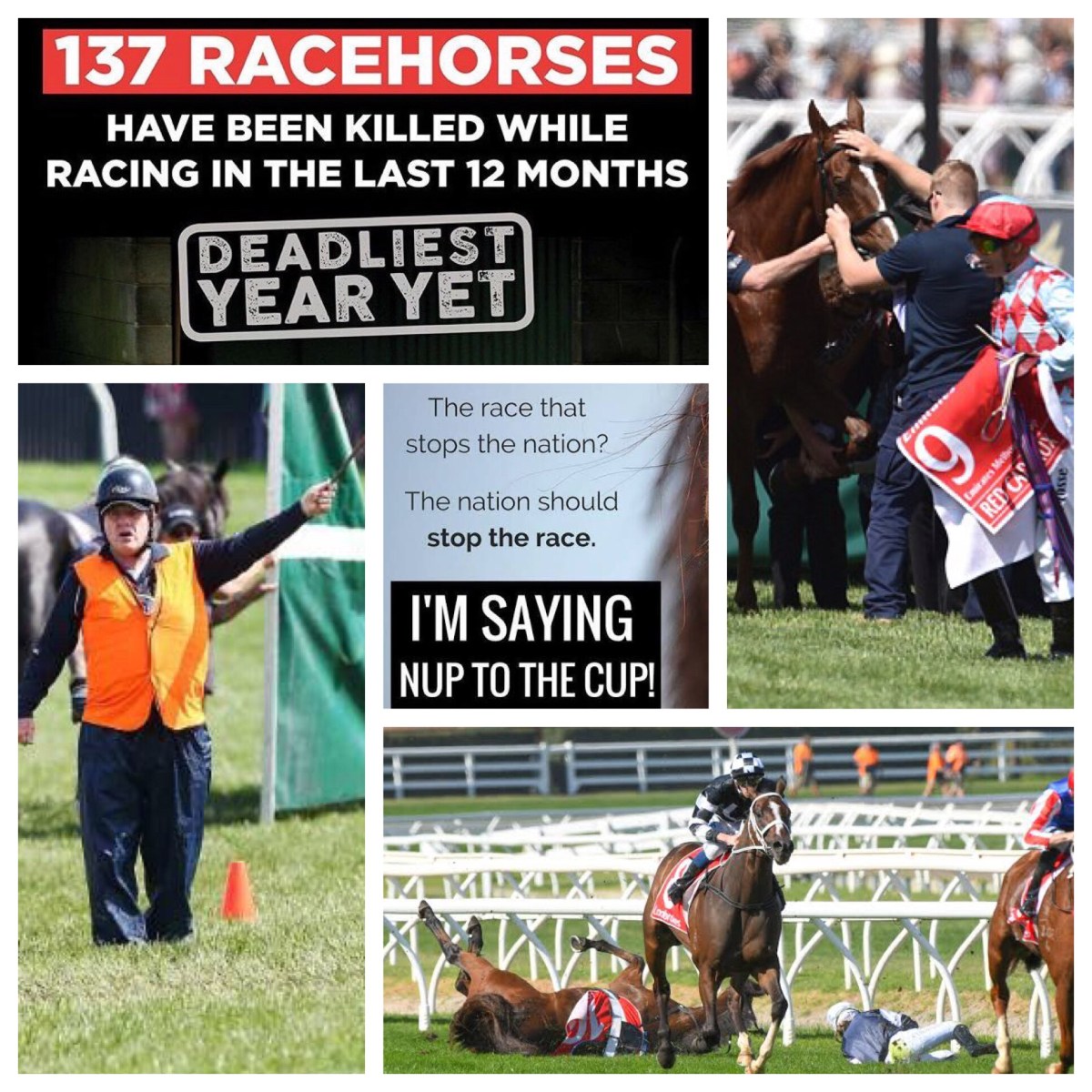
Today the Melbourne Cup takes place. It has become known as the race that stops a nation. But the reality is, it really should be the nation that stops a race—and all other horse races—because of the cruelty that is integral to the horse racing industry. A brief history indicates this.

The race was first run in 1861 to a crowd of 4,000 people. Two horses died in that first race. An article in the Australian Dictionary of Biography describes the race: Medora’s front legs gave way and she fell heavily, bringing down her jockey, Henderson. Dispatch rounded the turn and somersaulted over her, careered into the picket fence and threw her jockey, Morrison. Next came Twilight who collapsed on top of them, bringing Haynes down with her. Unhurt, she broke loose before heading off across the course and was disqualified. Nearby spectators anxiously dragged the fallen horses off the track before the others came round the course again. The jockeys also sustained injuries; Henderson’s shoulder was dislocated and Morrison’s right collar broken. The injury to his right side was such that he could only walk with assistance and had to be taken to Melbourne Hospital. (see http://adb.anu.edu.au/essay/1)

In 1881, Jockey John Dodd died as a result of injuries received while riding Suwarrow in the race. The horse survived.

In 1979, Dulcify broke his hip 400m from the finishing post in the 1979 Melbourne Cup and was taken to the Melbourne stables of his trainer, where he was euthanased by a vet in the back of a horse float.

In 2013, a horse named Verema was euthanased right on the Flemington racetrack, although green tarps prevented the crowd from seeing what was happening.

Two horses died due to racing in the 2014 Melbourne Cup. Cup favourite Admire Rakti, who was carrying the heaviest weight since Think Big (1975), died of heart failure in his stall after the race, and Araldo broke his leg and had to be euthanased after being spooked by a flag in the crowd after the race.

In 2015, Red Cadeaux, the only horse to finish 2nd in the race on 3 occasions, and a public favourite, did not finish due to a fetlock injury and had to be euthanased 2 weeks later.

In 2017, Regal Monarch broke his right leg and had to be euthanased. Such deaths take place because it is difficult for a horse’s fractured bone to heal. So a broken bone spells death.

In 2018, Cliffsofmoher had to be put down after fracturing a shoulder early in the Cup. He was euthanased on the track, right in front of the grandstand, behind a large green sheet.

In 2015, 132 racehorses died on race courses across Australia due to repeat injuries, according to the Coalition for the Protection of Racehorses. That’s about one death every three days.

Has that terrible figure produced a response from racing authorities, to lessen the death toll? Not at all—in fact, the number of death has grown in the intervening years. From July 2016 until July 2017, 137 horses died on Australian racetracks. That is an outrageous number.

The most recent set of figures kept by the Coalition for the Protection of Racehorses indicate that over the past year, the most common reason for a racehorse dying was catastrophic front limb injury (61), whilst 7 horses collapsed and died on the track, 10 horses died from cardiac causes, and 5 horses died from bleeds.

We need to stop this cruelty. This is actually the race that shames a nation. The whole industry, however, is riddled with practices and customs that perpetuate cruelty and cause regular deaths, as the recent ABC 7:30 report has demonstrated. (see https://www.abc.net.au/7.30/the-dark-side-of-the-horse-racing-industry/11614022)

Say Nup to the Cup.

See also

https://www.animalsaustralia.org/events/?event=159

https://horseracingkills.com/issues/deathwatch/

https://www.abc.net.au/news/2018-11-06/the-cliffsofmoher-euthanased-on-track-after-melbourne-cup/10470260

https://www.news.com.au/sport/sports-life/the-melbourne-cup-hit-by-protests-after-horse-deaths/news-story/f9948e85ad3a3b68cde5d197292e65f2