1 Who was the first person to be told the news about the coming of the child Jesus? And where were they?
Was it Joseph? Or Mary? And were they in Nazareth? Or in Bethlehem?
According to Luke, it was in Nazareth, in the northern region of Galilee, that an angel named Gabriel appeared to Mary, to inform her that she would bear a child (Luke 1:26). That is different from the story told in Matthew’s Gospel, where an unnamed angel delivers the same message, not to Mary, but to Joseph, to whom she was engaged (Matt 1:18).
The location of the announcement in Matthew’s account is not specified, but it is reasonable to assume from the flow of the narrative that this took place in the southern region of Judah, in Bethlehem (Matt 2:1, 6). Matthew, having located the family initially in the southern city from the beginning, has no need of the story of a census and a forced trip from Nazareth to Galilee (Luke 2:1-4). The family is already in Bethlehem, another small village, but in the south, in Judea.
So we have two versions, with significant differences.
2 Were Joseph and Mary travelling while she was heavily pregnant?
The story told by Luke reports a widespread movement of the population that meant a pregnant Mary from Nazareth, accompanied by Joseph, had to travel afar and find lodging in the crowded town of Bethlehem just at the most inconvenient time—because “a decree went out from Emperor Augustus that all the world should be registered” (Luke 2:1).
There are historical problems with this story. Identifying the census as an actual historical event, and locating it accurately in time, both present challenges. There is no other record of such a Roman census at that time. King Herod, noted as ruling at Luke 1:5, and also at Matt 2:1, died in 4BCE, but Quirinius, who ordered the census noted in Luke’s account, began as Governor in 6 CE.
Even though the combined story has entered the popular mindset as a real event and provides a clear and compelling picture of the holy family as travelling far when Mary was at term, because of decisions made by political authorities, whether Herod or Quirinius, we can’t say that it actually took place. So the answer is, a very hesitant, maybe.
3 Was it actually a “silent night”?
No: it is not the case that “all was calm, all was bright”, that it was a “silent night”, that the cattle were gently lowing and “the little Lord Jesus … no crying did make”. Lots of travellers and inns that were full would surely mean the town was abuzz? This was no irenic scene, such as we see on Christmas cards and sing of in Christmas carols.
Mary giving birth would surely have meant that it was not, in fact, a silent night. Labour without any modern medication would have been primal and harsh. The arrival of the child was surely signalled by that first hearty cry of a newborn, piercing the other sounds of the noisy night.
Although the Bible is silent on the matter, the Quran reports of Maryam (Mary), “The labor-pains came upon her, by the trunk of a palm-tree. She said, ‘I wish I had died before this, and been completely forgotten’” (19:23). The Bible does not mention any labour pains or any physical pain in the birth narratives. But let us not think that it was a silent night—in all probability, it was very noisy!
Matthew and Luke claim that Jesus was born in Bethlehem, in Judaea. No other biblical reference agrees with this, however. In fact, in his adult life, Jesus was known as “Jesus of Nazareth”, a town in Galilee (Matt 21:11; Mark 14:67; Luke 24:19; John 1:46; Acts 2:22). He is identified as a Galilean (Matt 26:69; Luke 23:5–7). There is no mention of his birth in Bethlehem outside the accounts of Matthew and Luke. His home is in Nazareth, and he spends almost all of his life in Galilee. The answer to this question is No.
So why do two writers claim that he is a Judean? One clue can be found in John 7:40–43, which indicates that Jewish people expected the Messiah to be born in Bethlehem, of the line of David. This view is based on the prophetic word of Micah 5:2, “from you, O Bethlehem Ephrathah, shall come forth one who is to be ruler in Israel”. This is precisely the way Matthew and Luke tell it. Jesus is born in Bethlehem. However, no other biblical writers know anything of this story.
It appears that Matthew and Luke have shaped their versions of Jesus’ birth so that it accords with traditional Jewish expectations. They do not recount precise historical information. Rather, they tell a story in such a way that it implicitly meets expectations about Jesus. And so, because he allegedly comes from Bethlehem in Judea, they can claim that he is the Messiah.
Events in Australian society over recent weeks have seen the emergence of a powerful hashtag: #IBelieveHer.
The announcement of Grace Tame as Australian of the Year for 2021 set in train a dramatic series of events. Grace’s testimony to the abuse she has suffered is powerful. Her appointment to this role validates the stories of countless survivors with similar stories.
Since Australia Day, it has been fascinating, and disturbing, to see how the announcement of this particular Australian of the Year has set in train a powerful and disturbing sequence of events in Australian public life. Sexual abuse, and especially male mistreatment of females, has been in the news each day since then.
The announcement about Grace Tame was soon followed by the testimony of Brittany Higgins, about being raped in Parliament House. This was another key catalyst in the public discussion of sexual abuse and misogyny in our society. In contrast to the shocking and shameful characterisation of her testimony by a Federal minister, her public words invited the clear response: #IBelieveHer.
The turmoil swirling around these revelations soon encompassed a matter that, apparently, had long been a widely-known secret in the corridors of Parliament House and amongst the media in the national capital. That secret started to leak into public awareness; rumour and supposition spread.
When the then Attorney General eventually spoke publicly, identifying himself as the subject of the rumours, we were offered the options: believe him, with his emotionally theatrical presentation of denial; or listen to the testimony of the sadly-deceased woman, as she grappled with her recollection of events in 1988, and attested to friends of her abuse by him at that time. The opportunity arose, once more, to consider our response; and many have responded with heightened intensity: #IBelieveHer.
And in the ensuing weeks, many other females: members of parliaments, parliamentary staffers, public figures, and private individuals, have borne testimony to their experiences of harassment, discrimination, and abuse. Each of them invites us to consider whether #IBelieveHer.
Brittany Higgins, Grace Tame, and the former Attorney General.
In this context, it is sobering for us to read and reflect on the Gospel texts which provide the underlying narrative for The Easter Story, which we remember and reflect on each year at this time.
*****
The earliest of our Gospels affirms that women were involved with the movement started by Jesus. They were present, they experienced life on the road with him, they heard his words and saw his deeds; and they remained faithful until the very end.
In his beginning of the good news about Jesus, Mark reports:
There were also women looking on from a distance; among them were Mary Magdalene, and Mary the mother of James the younger and of Joses, and Salome. These used to follow him and provided for him when he was in Galilee; and there were many other women who had come up with him to Jerusalem. (Mark 15:40–41)
The passage raises questions: how do we know about what happened to Jesus on the cross? Do we attend to, and give credence to, the testimony of the women? Do we respond, #IBelieveHer ?
Just a few verses later, Mark provides the first account of the scene at the tomb, where a group of female followers of Jesus were the first to discover that the tomb was empty. He ends the scene with the women fleeing, and the abrupt observation that “they said nothing to anyone” (Mark 16:8). Was that because they feared that nobody would believe them?
However, others who report this scene feels that this ending is quite inadequate—after all, we do have a story about that empty tomb encounter, so surely someone there must have spoken about it?
With that in mind, in his book oforigins, Matthew modifies the story, even as he repeats it: “So they left the tomb quickly with fear and great joy, and ran to tell his disciples.” (Matt 28:8) And the silence of the text about how this news was received, invites the unspoken question about their testimony: do #IBelieveHer ?
In narrating his orderly account of things being fulfilled, Luke provides a more nuanced account of the scene, more directly reflecting an awareness of the strong patriarchal context of his day. Why would men believe this report from the women? Would not the typical response be that this was simply women, gossiping, repeating hearsay, even causing trouble??
Luke notes: They remembered his words, and returning from the tomb, they told all this to the eleven and to all the rest. Now it was Mary Magdalene, Joanna, Mary the mother of James, and the other women with them who told this to the apostles. But these words seemed to them an idle tale, and they did not believe them. (Luke 24:10-11).
The male apostles (identified so by the same author at Acts 1:13) clearly did not believe the women. #IBelieveHer appears not to apply here.
So Luke continues: Peter got up and ran to the tomb; stooping and looking in, he saw the linen cloths by themselves; then he went home, amazed at what had happened. (Luke 24:12)
Male authorisation of female claims was still needed, even in this Gospel where women appear to have a stronger voice. Those male leaders did not respond with #IBelieveHer, until they were able to see and experience for themselves. In the house where they gathered in Jerusalem, them men at last believe the women—because one of their own had validated their words.
The latest of the four canonical Gospels locates this response of disbelief at the empty tomb, rather than in the house in Jerusalem. In this Gospel, the book of signs, Mary has come by herself to the tomb, found it empty, and returned to tell Simon Peter and the beloved disciple of this news.
As a result, John notes:
Peter and the other disciple set out and went toward the tomb. The two were running together, but the other disciple outran Peter and reached the tomb first. He bent down to look in and saw the linen wrappings lying there, but he did not go in.
Then Simon Peter came, following him, and went into the tomb. He saw the linen wrappings lying there, and the cloth that had been on Jesus’ head, not lying with the linen wrappings but rolled up in a place by itself. Then the other disciple, who reached the tomb first, also went in, and he saw and believed. (John 20:3–8)
Yet again, the males were required to inspect and authorise the claims of the women. In this Gospel, “seeing is believing” (see John 1:39, 46, 50; 4:29; 4:48–53; 6:30: 7:3; 9:15–17, 25; 11:9; 11:34–40; 12:21; 20:25–27). #IBeliveHer was conditional on male affirmation. They saw; we believe. Yet we take the story of Mary, in the garden, seeing Jesus, as part of our “Gospel truth”. It is clear that believers affirm: #IBelieveHer—even when the early male leaders did not!
John recounts another, more personal, more profound story, focussed solely on Mary of Magdala, who later encounters a man in the garden. Uncertain of his identity, she thinks he is the gardener. It takes only one word from the man to persuade her that he is, indeed, Jesus:
Jesus said to her, “Mary!” She turned and said to him in Hebrew, “Rabbouni!” (which means Teacher). (John 20:16)
This story ends, as the earlier accounts do, with a woman testifying to the male (and presumably other female) followers of Jesus:
Mary Magdalene went and announced to the disciples, “I have seen the Lord”; and she told them that he had said these things to her. (John 20:18).
#IBelieveHer. This is the logical deduction to draw from each of these narratives—at times, in counterpoint to the males in the story, but eventually, in relation to each account, with assurance that the voice of the females is acceptable, trustworthy, believable. #IBelieveHer.
And other Gospel narratives contain stories in which women are placed alongside men as experiencing the ministry of Jesus (most notably, Luke 8:1–3; John 11:20–27; Mark 1:29–31; and many other scenes), as well as accounts where the word of a woman was heard and believed: for instance, the woman of the Samaritan village (John 4:39–42); the unnamed woman who anoints Jesus in Bethany (Mark 14:3–9 and parallels); and the Syrophoenician woman in the region of Tyre (Mark 7:24–30), whose pushback against Jesus convinces him! In these stories, also, our response is: #IBelieveHer!
****
Of course, the passages noted above with women as the key protagonists raise the question: who told the evangelists about these incidents? Are they based on eye-witness testimony? Are they historical narratives, attested from the very beginning? Or are they stories developed and expanded over time, imaginative recreations of what is assumed to have taken place, shaped as stories for later generations?
In reconstructing “the historical Jesus”, scholars developed a number of criteria for assessing whether sayings and teachings in the Gospels were likely to have been authentic—that is, spoken by the historical Jesus himself. (See a simple listing at https://www.westmont.edu/~fisk/articles/CriteriaOfAuthenticity.htm)
One of these criteria was “dissimilarity”: does the saying sit uneasily, both with Judaism of the time, and in terms of what we know about the early church? The same criteria can be used, by extension, to consider narrative accounts in the Gospels: they are more likely to have been authentic if they reflect “dissimilarity”. Why would an author create something that sat uneasily within the worldview of the day?
On this basis, placing weight on the testimony of women might be seen to be as close as we can get to an authentic account. There is an argument that women were not regarded as valid witnesses—a passage in the Talmud (Shavuot 30a) interprets Deut 19:17 as requiring males only to be witnesses.
And they shall stand the two men, who have them the conflict, before God. Before the priests, and the judges, that will be, in those days.
Deliberately casting doubt on the testimony of women (Mark 16:8; Luke 24:11; John 20:3–8) would be a counter-productive move, if that testimony was to serve as the earliest account of what happened to Jesus. More likely than not, this was a tradition received and valued as plausible, perhaps even historical.
Indeed, feminist theological reflection on these and other narratives moves away from the “kyriachal” nature of these male-generated criteria, and into a “hermeneutic of remembrance” in which the voices of women—present, but often diluted, softened, or hidden in the final,form of the biblical text—are valued and accorded primary significance.
(See a useful discussion of the hermeneutics of remembrance, focussed on the writings of Schüssler Fiorenza, at https://www.degruyter.com/document/doi/10.1515/opth-2020-0117/html) In this approach to the texts, we read carefully and listen attentively, to hear the voices of ancient women, and respond affirmatively: #IBelieveHer.
At any rate, however we assess these early narratives, the way they have been handled throughout the ensuing two millennia is clear: #IBelieveHer. That is how we deal with the narratives of cross and resurrection that we receive in the scriptures. #IBelieveHer. And that principle is surely valid and valuable to guide us in life today. #IBelieveHer.
At the end of the twelve days of Christmas — running from 25 December to 5 January — stands the day known as Epiphany. That’s from a Greek word which means “the revealing” or “the shining forth”.
On this day, we focus our thinking on that part of the Christmas story which was told by Matthew, in his Gospel, about the moment of epiphany, or revealing, of the infant Jesus, to the whole world, represented in Matthew’s story by travellers who had journeyed from afar to see him (Matt 2:1-12).
Here, we encounter an infant (not necessarily a newborn) with his mother and father, some travellers from the East (no mention of how many, actually), the gifts which they bring to the infant (specified as three in number), and the bright star in the sky which, it is said, guided them to the child with his parents. And the notion that this was history — real, accurate history — is alive and well as people sing of these characters.
Indeed, what we understand as “history”, today, varies quite significantly from the way that “historia” was understood by Josephus (who did write historical works about the Jews) or by Lucian (who wrote a whole treatise on the nature of “historia”), or even Luke or Matthew, for that matter.
As Luke begins his work, he says quite clearly that he is providing an account (“diegesis”) of “the things that have come to fulfillment amongst us”, written to supplement what Theophilus had already been instructed (“katechesis”). This is history in first century terms, but not quite history as we know it today.
And Matthew offers us a book of the origins (“genesis”) of Jesus, outlining the scope of his teachings and narrating the key moments in his life. But this work is written from faith for faith; not to document events or substantiate historical occurrences. Matthew crafts a story from Jewish midrashic techniques of story-telling that link story with text in all manner of creative ways. His purpose is more to explain the significance of Jesus and his teachings than it is simply to state what Jesus did or said.
In particular, in the opening chapters (where we encounter the pregnant Mary, the newborn infant Jesus, his father Joseph, a bright star in the sky, visitors from the east, the tyrannical rule of Herod, and slaughtered infant boys), Matthew is working hard to place Jesus alongside the great prophet of Israel, Moses. The early years of Jesus unfold in striking parallel to the early years of Moses. The parallel patterns are striking.
Both Matthew and Luke produce works which are a far cry from the craft of the modern day historian. History is far from their minds, at least as we know it in the modern conception of “history”.
As we head into Epiphany, we need to ponder the story for what it is. It is a tale told with creative power, a story that locates plausible characters within an inviting storyline, in order to point to some deep aspects of our human existence. There is the mystery of exploration, a journey to a destination far off, respectful encounter with foreigners, as well as the fear induced by tyrannical rule, and the hurried journey away from repression, seeking the safety of refuge in an unknown, but hopefully welcoming, distant place. All of these elements are realities in our life today. The story from long ago is a story for us, today.
As we sing songs of this story, let us not reify the story (that is, turn the narrative into “a thing”, like history) … let us not collapse the story into a surface “real history”, but let us allow the story to speak in a deep way of who we are as humans, and of the reality of our lives today. That is how the story functions, as myth. (Not in the sense of myth being “not true”, but rather, in the sense of myth plumbing the depths of human existence.)
Myths are the stories we tell that convey deep-seated and fundamental insights about life. Whether they “actually happened” is not the point. More fundamental is that they help us to make sense of our lives. They draw us out of the mundane routines of daily life and offer us glimpses of a greater picture. May that be what happens for us as we hear the story of the magi, this Epiphany.
Soon we will celebrate the Feast of the Epiphany, and remember the story that Matthew tells, of wise men travelling from the east, with gifts to bring to the infant Jesus (Matt 2:1-12).
Matthew doesn’t record how many Magi made this trip; this Gospel indicates only that there were more than one, by using the plural form of the noun magus. It is likely that the mention of three specific gifts (gold, frankincense, myrrh, at Matt 2:11) led the tradition to settle on three as an appropriate number.
The Magi don’t have names in Matthew, either. They are given names, and places of origin, in a document written in Greek around 500 CE, although this survives only in a Latin translation from the 9th century with the title Excerpta Latina Barbari . Because of this document, the Western churches identify the Magi as Melchior, from Persia; Caspar, from India; and Balthazar, from Arabia. But in many early churches, especially in Syria, there were actually twelve magi visiting Jesus and bringing him gifts.
In amongst the documents from antiquity that are explicitly Christian, but not included in our canonical collection, there is a work called The Revelation of the Magi. The text is found, along with other works, in a Syriac manuscript known as the Chronicle of Zuqnin.
The story is told from the perspective of the Magi, who certainly number more than three in this document—perhaps even more than twelve. They are described quite differently from how they appear in the canonical account. Brent Landau completed a Harvard ThD dissertation on this document in 2008, and has since published Revelation of the Magi: The Lost Tale of the Wise Men’s Journey to Bethlehem (San Francisco: Harper Collins, 2010), based on his dissertation. He summarises the work:
The Magi hail from a mythological eastern land named Shir, and the name “Magi,” it is said, derives etymologically from their practice of praying in silence. They knew to follow the star to Bethlehem because they are descendants of Seth, the third child of Adam and Eve, who passed on to them a prophecy told to him by his father Adam.
The star appears to the Magi in the Cave of Treasures on the Mountain of Victories. There it transforms into a small, luminous being (clearly Christ, but his precise identity is never explicitly revealed) and instructs them about its origins and their mission.
The Magi follow the star to Bethlehem, where it transforms into the infant Jesus. Upon returning to their land, the Magi instruct their people about the star-child. In an epilogue likely secondary to the text, Judas Thomas arrives in Shir, baptizes the Magi and commissions them to preach throughout the world.
*****
Of course, we recognise this to be pure fantasy—a story developed from the shorter, more modest account that we find in the Gospel of Matthew. And even that canonical account, when we read it with care, can be recognised as an elaboration of a story derived from various “prophecies” in the Hebrew Scriptures—which is the way that the author of Matthew’s Gospel shapes all of his first two chapters (see Matt 1:22; 2:5,15,17,23).
The rising of the star in the east, for instance, correlates with the prophet Balaam’s prediction in Num 24:17 that “a star shall come out of Jacob and a scepter shall rise out of Israel”. The identification of the star as being “in the east” comes because, in Greek, the word for “east” is the same as “rising”. The Greek translation thus is ambiguous about whether the star simply “rises up out of Israel” or whether it is “to the east” of Israel.
We can see this ambiguity if we compare how different recent translations of the Bible render this phrase in Matt 2:9 — “a star they saw in the east” (KJV), “the star they had seen when it rose” (NIV and ESV), “the star they had seen at its rising” (NRSV), “the star they had seen in the east” (NLT)
The story reflects a verse in an oracle in Third Isaiah, addressed to the nation of Israel, which foresees a time when “nations shall come to your light, and kings to the brightness of your dawn” (Isa 60:3).
Two of the three gifts draw from later in this oracle (Isa 60:6), reflecting gold and frankincense being brought to Jerusalem by visitors from Sheba (a kingdom in South Arabia). The gifts, it is claimed, are symbolic of what is to come. The gold is considered to symbolise the royal status of the child, as he is of the line of David. The frankincense is connected with the Temple cult, and thus considered a symbol of the priestly role eventually to be played by the child.
And the myrrh, in Christian tradition, is linked with the death that will be experienced by the infant when he has grown to maturity—death at the hands of a Romans, who offered him wine mixed with myrrh as he hung dying on a cross (Mark 15:23). This symbolism reveals the reasons for adopting and expanding the earlier oracle.
And the notion that was developed later in Christian writings, that the three Magi were kings in their respective kingdoms (as in, “we three kings of orient are”), derives from the application of Isaiah 60:3 , noted above, and Psalm 72:10-11, as the psalmist praises the King of Israel and prays, “may the kings of Tarshish and of the isles render him tribute; may the kings of Sheba and Seba bring gifts; may all kings fall down before him, all nations give him service.”
It is more likely that the Magi were astronomers, rather than kings. The word magi is the plural of the Latin word magus, borrowed from the Greek magos. This, in turn, is derived from the Old Persian maguŝ from the Avestan term magâunô, which signified the religious caste into which Zoroaster was born. This was the Persian priestly caste of Zoroastrianism.
As part of their religion, these priests paid particular attention to the stars and gained a reputation for astrology, which was at that time highly regarded as a science. Their religious practices and use of astrology has since led to a development from Magi to the English term magic. It is in this sense, of magician, that Luke uses the word magus to describe both Simon, in Samaria (Acts 8:9-13) and Elymas, on the island of Paphos (Acts 13:6-11).
Landau makes further observations about the Revelation of the Magi.
The “Cave of Treasures” is mentioned also in the Syriac version of the Testament of Adam (a Christian work from the fifth or sixth century) and from there is taken up in a work which itself is entitled “The Cave of Treasures” (dated to the sixth century) and another entitled “The Book of the Bee” (from the thirteenth century). Several elements of the story of the Revelation of the Magi are found also in the Liber de nativitate salvatoris, an expansion of the Gospel of Pseudo-Matthew with curious features that may have originated in a very early infancy gospel.
Some aspects of the Revelation of the Magi were also passed on in summary by the anonymous author of a fifth-century commentary on the Gospel of Matthew known as the Opus Imperfectum in Matthaeum. From here some elements found their way into chapter 6 of the 13th century collection of stories of the saints, known as the Golden Legend. The traditions found in the Revelation of the Magi are thus surprisingly widespread for a text that, were it not for that one manuscript, would have been lost to history.
This Sunday, we are approaching the end of Year A, the year when we have been tracing the story of Jesus was it is reported in the book of origins, the Gospel we attribute to Matthew.
During the month of November, we have heard a series of parables–stories which Jesus tells about the kingdom of heaven. Just in case the disciples didn’t actually get the message about what it will take to enter the kingdom of heaven, Jesus uses this string of parables to end this last section of his last long teaching block, as we have it reported in the book of origins.
After launching in to a dramatic depiction of the coming times—wars and famines, etc—Jesus tells four stories, one after another, each ending with an admonition to be alert, be prepared; each one ending with a dire warning about what will happen to those who are not adequately prepared. See https://johntsquires.com/2020/11/04/discipleship-in-an-apocalyptic-framework-matt-23-25/
A story about an unprepared slave (24:45-51) ends: “He will cut him in pieces and put him with the hypocrites, where there will be weeping and gnashing of teeth.” (24:51). To conclude the story of the ten virgins, some prepared, others unprepared (25:1-13), the final words of Jesus to those unprepared are, “Truly I tell you, I do not know you” (25:13).
At the end of the story of the talents given to various slaves (25:14-30), Jesus concludes, “From those who have nothing, even what they have will be taken away. As for this worthless slave, throw him into the outer darkness, where there will be weeping and gnashing of teeth.” (25:29-30).
And towards the end of the famous parable of the sheep and the goats (25:31-46), Jesus says, “Then he will say to those at his left hand, ‘You that are accursed, depart from me into the eternal fire prepared for the devil and his angels’ (25:41), and he concludes that “these will go away into eternal punishment” (25:46).
All of these dire warnings are consistent with the teachings of the Matthean Jesus, who warns about “weeping and gnashing of teeth” when he tells a story about weeds sown in a field amongst the wheat (13:42), another story about good bad fish caught in the same net (13:49), and a later story about a man who attended a wedding banquet with inappropriate dress (22:14). See https://johntsquires.com/2020/10/06/darkness-weeping-and-gnashing-of-teeth-the-scene-of-judgement-matt-22/
This is the same Matthean Jesus who also predicts that evildoers (a better translation would be, “those who do not live by the Law”) will be “thrown into outer darkness” (8:12), as will the poorly-dressed man at the wedding banquet (22:13) and also the slave who buried the talents that he was given (25:30).
It is the same Jesus who pronounces a series of woes upon the scribes and Pharisees, accusing them of being “hypocrites” (multiple times), children of hell (23:15), blind (23:19), neglectful of the Law (23:23), self-indulgent (23:25), full of filth (23:27) and lawlessness (23:28). He ends this series of invective denunciations with the clear condemnation: “you snakes, you brood of vipers—how can you escape being sentenced to hell [Gehenna]?” (23:33). See https://johntsquires.com/2020/10/26/sitting-on-the-seat-of-moses-teaching-the-law-but-they-do-not-practice-what-they-teach-matt-23/
It’s a perspective that presents us with quite a challenge!
This particular Gospel highlights and intensifies the theme of judgement. Is this something that the author of the book of origins has created, as some interpreters might suggest? My sense, on the other hand, is that even though this message is very strong at so many places in this book, the author of the book of origins gets this from the historical Jesus.
In Luke 13:28, as Jesus speaks about the narrow way, he warns his followers, “I do not know where you come from; go away from me, all you evildoers! There will be weeping and gnashing of teeth when you see Abraham and Isaac and Jacob and all the prophets in the kingdom of God, and you yourselves thrown out.”
That saying is a doublet, found also (in a modified form) at Matt 8:11-12. It is thus part of what is known as the “Q material”—sayings of Jesus found only in Luke and Matthew, but not in Mark, and thus hypothesised to have come from an early oral collection of sayings of Jesus (called Q, after the German Quelle, meaning source).
This saying is not unique to Jesus, however. It draws on language from a number of Psalms. In Psalm 6:8, the writer cries out: depart from me, all you workers of evil, for the LORD has heard the sound of my weeping. Psalm 9:17 declares that the wicked shall depart to Sheol, and Psalm 139:19 offers the prayer, O that you would kill the wicked, O God, and the bloodthirsty would depart from me. The command to the wicked to depart has good biblical warrant.
Likewise, the image of the wicked gnashing their teeth is found in Hebrew Scripture. In Psalm 35:16, lamenting the activities of “malicious witnesses” who attacks the Psalmist, the writer accuses them: they impiously mocked more and more, gnashing at me with their teeth. The same phrase appears in Psalm 112:10, where the psalmist declares that, in the face of the grace and justice demonstrated by “the righteous”, the wicked see it and are angry; they gnash their teeth and melt away; the desire of the wicked comes to nothing. (There are similar descriptions of gnashing teethat Lamentations 2:16 and Sirach 30:10.)
So Jesus stands in the tradition of the Psalms, affirming the righteous-justice exhibited by those who faithfully live by the Law, and imploring God to exercise divine justice in dealing with those who are wicked.
And alongside these Psalms, we can invoke many of the prophetic oracles, decrying the injustice and failure to live by the covenant, disregarding the commandments and statutes of the Law. Consistent with the prayers of the Psalms, the oracles of the prophets call on God to be good to God’s word and adhere to the punishments prescribed for the wicked.
Therefore, Matthew does the right and fair thing, by depicting Jesus as consistently and insistently holding the people of Israel in his time to account: live your lives in accord with righteous-justice, or be prepared to face the fate that is in store for you if you breach the covenant by ignoring the Law. See https://johntsquires.com/2020/02/06/an-excess-of-righteous-justice-matt-5/
Of course, this is destabilising and disturbing for us today. Did not Jesus establish a movement founded on love and grace? (Thank you, Paul.) Did he not carry out a ministry that was invitational and attractive, calling people to the excitement of discipleship discovery? (For some, that’s a way to read Mark.)
Surely he spent his years reaching out beyond traditional barriers, offering an inclusive vision of the kingdom, throwing open the doors of welcome to all comers? (Luke, take a bow.) And was he not the very image of God, enfleshed in our lives, speaking truth and love, offering abundant life? (That’s how John portrays him.)
Yet, for Matthew, Jesus speaks truth, calls out sin, adheres to standards, advocates for a deep righteous-justice. The perceived negativity of the attack mode, the damaging denunciation of those who fall short, is harnessed in the service of advocating the positive, affirming the heart of covenant relationship with God. It is not only the teeth-gnashing, wailing, cast-out wicked ones, that are in view for Jesus.
Rather, it is the blessing that he offers to “the slave whom his master will find at work when he arrives” (24:46). It is the affirmation of the wisely prepared virgins who were ready, who “went with him [the bridegroom] into the wedding banquet” (25:10). It is the slaves who made constructive use of the talents that they were given, who are commended with the words, “Well done, good and trustworthy slave; you have been trustworthy in a few things, I will put you in charge of many things; enter into the joy of your master” (25:21, 23).
And it is in the abundant welcome offered to “the sheep”, whose good deeds lead them to be invited, “Come, you that are blessed by my Father, inherit the kingdom prepared for you from the foundation of the world” (25:34), and who, as “the righteous”, will inevitably experience “eternal life” (25:46).
And how is it that these people “inherit the kingdom” and experience “ eternal life”? They feed the hungry, give drink to the thirsty, welcome strangers, clothe the naked, take care of the sick, and visit those in prison (25:35-36).
Each of these actions, of course, is carrying out a commandment of the Law. Ezekiel 18:5-9 includes amongst actions undertaken by a righteous person who “does what is lawful and right”, the fact that such a person gives his bread to the hungry and covers the naked with a garment (the same phrase is repeated in a subsequent list at Ezekiel 18:16). Similar actions are noted at Job 22:7, when Eliphaz the Temanite condemns Job from Uz with you have given no water to the weary to drink, and you have withheld bread from the hungry.
Care for those “in bonds” is noted at Psalm 70:33 and liberty for the captives is clearly part of the mission of the one anointed by the Spirit at Isaiah 61:1. Care for the stranger and their inclusion on the festivals of Israel is exhorted in the laws set forth in Deuteronomy 10:18-19, 16:11,14, and commended in Psalm 146:9. Visiting the sick is commanded in Sirach 7:35.
A larger list of such actions is canvassed at Isaiah 58:6-7, which poses the rhetorical question from God, “is not this the fast that I choose … to share your bread with the hungry, and bring the homeless poor into your house; when you see the naked, to cover them, and not to hide yourself from your own kin?”.
What “the sheep” have done, is demonstrate an unflinching commitment to the way of life enjoined by the Law. They live, breathe, and offer righteous-justice in what they do.
And the kicker in this story is that “the sheep”, those who carry out these good deeds in adherence to the Law, are not drawn entirely and exclusively from the people of Israel. They are drawn from “the nations”–a phrase that is usually translated as “the Gentiles” (τά ἔθνη is translated this way, in the NRSV, at Matt 4:15, 6:32, 10:5, 10:18, 12:18,21, 20:19,25, and most famously of all, 28:19).
In this parable, the usual biblical description of Israel as “sheep” (Psalms 78:52, 95:7, 100:3; Jer 23:1, 50:6,17; Ezek 34:1-31; Micah 2:12; Zech 10:2) is turned completely on its head. Amongst the people outside of Israel, there are many who are now “the sheep”, who follow the way of righteous-justice.
So the sheep are not just those who are righteous within Israel, who live by the Law, but the sheep also include many Gentiles, drawn from the regions surrounding Israel, whose lives exemplify the heart of the law, in the various actions set out in the parable (feed the hungry, visit those in prison, clothe the naked, house the homeless, etc). These actions are perhaps akin to what later became known as “the Noahide laws”—the prohibitions to avoid blasphemy, idolatry, adultery, bloodshed, theft, and eating the blood of a living animal, as well as to establish courts of justice to govern the behaviours of people in society. (They are set out in the 6th century document, the Babylonian Talmud, Sanhedrin 56ab.)
This means that, in their own way, those Gentiles who act righteously and live with justice to the fore join with Jews who live with righteous-justice, abiding by all 613 commandments of Torah, to provide encouragement, to stand as role models, living in the way that is required to “inherit the kingdom that is prepared … from the foundation of the world” (25:34).
These people, both Jews and Gentiles, exhibit righteous-justice, the heart of the covenant, in contrast to lives which are lived without reference to the Law. There is no justice with judgement. There is no justice without righteous deeds. And righteous deeds require fidelity to the Law. Not in Matthew’s account of Jesus, and not in Hebrew Scriptures. Righteous-justice and fiersome judgement are the two sides of the one coin. We can’t have one without the other.
Belief in Jesus, as Messiah, as the authoritative Teacher of the Law, thus requires faithfulness to the ethical demands and instructions taught by Jesus—which themselves are drawn entirely from Hebrew Scriptures. The way of Jesus, according to Matthew, is the way of righteous-justice, the way of faithfulness to Torah.
*****
This blog draws on material in MESSIAH, MOUNTAINS, AND MISSION: an exploration of the Gospel for Year A, by Elizabeth Raine and John Squires (self-published 2012). I am particularly grateful to Elizabeth for the ways in which her research and our conversations over the years have deepened my understanding of Matthew’s “parable of the sheep and the goats”.
This coming Sunday, the Gospel passage in our lectionary jumps a chapter and plunges into the very last section of the teachings of Jesus that are collected in the book of origins, which we know as we the Gospel according to Matthew. For this Sunday, and following Sundays, Jesus speaks parables which contain instructions on the form of discipleship in a situation of anxiety, expectation, and waiting.
That passage (23:1-10) begins the fifth of five teaching blocks in this Gospel: the Sermon on the Mount (5–7), instructions on mission (10), parables of the kingdom (13), guidance for life in community (18), and this teaching block, which focuses on the imminent future—the coming kingdom of heaven, which was expected to come very soon (23–25).
The lectionary jumps over chapter 24; although, to be fair, we read an excerpt from this chapter right back at the beginning of the year in which we read through Matthew’s Gospel. This chapter is often labelled as the “apocalyptic discourse” in which Jesus tells his followers what is soon to take place. By tradition, the “apocalyptic discourse” is read on the First Sunday in Advent, which is when the new year begins in the Christian calendar.
So, you can think back to what you read, heard, or said back on Sunday 1st December 2019 … or you can read on and see my take.
Matthew sets out the teachings of Jesus concerning discipleship in chapter 25, within the context of an apocalyptic view of reality that is outlined in chapter 24. This view locates the present time in relation to the ultimate end of time, when God will reveal God’s ultimate will for the world (that’s what apocalyptic is), and calls for a way of living that will ultimately show responsibility for decisions made.
What ultimate end does Matthew have in view? Each Gospel writer tends to emphasis something slightly different as the climax for the story they narrate. In Mark, the focus is on the resurrection of Jesus (Mark 14:28; 16:7). In Luke-Acts, carrying the good news throughout the Roman Empirefulfils the story of the universal Gospel (Luke 24:47–48; Acts 1:8). In John, it is eternal life which is emphasised (John 20:31).
Matthew’s Jesus has in mind the coming eschatological deliverance, a deliverance which is expected imminently and that will vindicate the community as faithful and righteous to the will of God.
Apocalyptic hope
In this way, the community of faith reflected in this Gospel is typical of one type of Judaism after the destruction of the Second Temple; that of apocalyptic hope. Most of the post-70 sectarian groups express hope that God will remember his covenant with them, the faithful few of Israel, and save them; for example, 2 Baruch and 4 Ezra write that God will provide consolation for their suffering and vindicate them, whilst also punishing their enemies on the Day of Judgement (2 Baruch 6:21; 82:1–2; 4 Ezra 8:51–59; 12:34).
In these sectarian documents, the kingdom of God is eschatological is nature; it has not yet arrived on earth, though signs telling of its coming can be detected. These communities also agree that much of Israel no longer truly follows the Law of God, and that the dominant Jewish leadership is unfaithful and wicked, and that they are the ones alone representing the true Israel. Therefore, entry to the kingdom is dependent upon faithfulness to the Law as interpreted by the community.
Much of this opinion can also be found in this book of origins. In fact, the evangelist redacts his sources and shapes his material so that this eschatological end is prominent, and the author makes it clear that there are two ages: the first is the current time for the evangelist, and the second is the age to come (Matt 12:32, from Mark 3:29).
The nearness of the second age
In this book of origins, the first indication that we have of the nearness of the second age is the announcement of John the Baptist, “Repent, for the kingdom of heaven has come near” (3:2). This sets the tone for the rest of the Gospel, where Jesus calls people to repent and be obedient to God’s Law, as the end-time of God’s judgement is fast approaching.
In the teachings of Jesus in this Gospel, the kingdom is imminent, but not yet arrived; however, signs of its imminence break in to the present times as a demonstration and proof of its nearness. The ministry of Jesus is set at the end of the first age; the second age will commence very shortly with the triumphant return of Jesus after his death, within the lifetime of his disciples (10:23; 16:28; 24:34).
There is no real sense in this Gospel of the notion that the kingdom had already arrived and was present on the earth, though it can be seen in the ministry of Jesus (12:28), and in the continuation of his ministry by his followers after his death. Jesus and the disciples both preach that the kingdom of heaven is near, or at hand (4:17; 7:21–22; 9:35; 10:7), but it has not yet established itself on earth.
The kingdom of heaven will be established “at the end of the age”, when the final judgement of righteous and unrighteous will take place (13:39–40, 49; 24:3). Before the coming of the Son of Man, it remains hidden and mysterious (13:31–33, 44–45), too small to be observed, but the day is coming when it will grow and become the “greatest of all things”, and the righteousness of God will triumph.
The promise of the coming age
On Jesus’ return as the Son of Man, the promised kingdom will be established for the faithful people of God. At this time, God will cleanse the earth of evil; Matthew’s Gospel emphasises the fate of the unrighteous as being the place of eternal punishment (25:46), where there will be “weeping and gnashing of teeth” (13:42, 49; 22:14; 25:30). See https://johntsquires.com/2020/10/06/darkness-weeping-and-gnashing-of-teeth-the-scene-of-judgement-matt-22/
Much of the view of the eschaton and the judgement it entails reflected in this Gospel is dependent on prophetic texts such as Ezek 32:7; Joel 2:10–11; Zeph 1:14–15; Dan 7:13; as well as parts of Trito-Isaiah (Isa 56–66) and 1 Enoch.
Matthew’s Jesus states that the exact day of these events is not known (24:42), but its arrival will be heralded by cosmic tribulations (24:7), and the Son of Man will be the judge on that day (7:21; 13:41; 16:27; 24:30–31, 44; 25:31–46), separating the righteous from the unrighteous. The righteous shall enter the kingdom with God, the unrighteous will be cast into outer darkness and fire (5:20–22; 13:40–42; 25:30, 41).
The reference to the resurrection of the saints (found only at Matt 27:52–54) strengthens the eschatological interpretation of the crucifixion of Jesus as the revelation of God’s Son. Though the kingdom has not been established in its fullness, nonetheless God has broken in to the world in a way that can only be equated with the end of time.
Matthew here has Jesus drawing on the tradition of Ezekiel, a text which assumed importance in Jewish apocalyptic literature, with references to an earthquake (Matt 27:52; Ezek 37:12), the opening of graves occurs (Matt 27:52; Ezek 37:12), a resurrection (Matt 27:52; Ezek 37:12) after which the risen saints enter into the Holy city, or Israel (Matt 27:53; Ezek 37:12). This reworking of the ancient prophecy underlines the sense of hope in God, even in the face of death.
Discipleship as active waiting
The form of discipleship that is required in such an apocalyptic context is to remain faithful, awaiting the return of Jesus (the parousia). There is some evidence of concern within the community that the delay of the return of Jesus may have given rise to tension, especially if those who actually knew Jesus were dead or few in number.
The text indicates that at least some of the community expected the parousia to arrive and vindicate them very soon; its non-appearance may have affected the faith of members or influenced others to leave the community. That is the issue which undergirds the chapter of the Gospel that appears in our lectionary this Sunday, and on the two following Sundays. The parables are told to foster a sense of active waiting.
Two parables contain specific warnings about this delay (24:45–51; 25:1–13); the second of these is unique to Matthew, and we encounter it in the lectionary this coming Sunday. It indicates that active waiting involves making wise decisions, persisting tenaciously in hope for what lies in the future. The wise virgins are commended: “those who were ready went with him [the bridegroom] into the wedding banquet” (25:10). The foolish virgins are rejected by Jesus: “truly I tell you, I do not know you” (25:12).
Similar warnings occur in other parables drawn from the Q tradition: the parable of the banquet (22:1–14), which we have read some weeks back; and the well-known parable of the talents (25:14–30), which appears next Sunday, in which the master commends his two “good and trustworthy slaves” with the words, “you have been trustworthy in a few things, I will put you in charge of many things; enter into the joy of your master” (25:21,23). By contrast, the third slave is condemned as worthless: “throw him into the outer darkness, where there will be weeping and gnashing of teeth” (25:30).
These parables all advocate active waiting as the desired form of discipleship. Being faithful to the way of Jesus means being ready for his coming, prepared for the kingdom. The message is driven home by the contrasting pairs: wise virgins, foolish virgins; trustworthy slaves, worthless slave”.
Chapter 25 comes to a rousing conclusion with perhaps the most famous parable of Jesus from this Gospel, the parable of the sheep and the goats (25:31-46). The parable uses the same contrasting pair: the sheep are the righteous, the goats are the wicked, those without law.
This blog draws on material in MESSIAH, MOUNTAINS, AND MISSION: an exploration of the Gospel for Year A, by Elizabeth Raine and John Squires (self-published 2012)
The Samaritans. We read about them in the encounters narrated in John 4 and in the apostolic visit in Acts 8. We hear the story that Jesus tells about “the Good Samaritan” (Luke 10) and recall the time when the only healed leper who thanked Jesus was a Samaritan (Luke 17). We read about the antagonism felt towards the Samaritans by the disciples (Luke 9) and remember that in one Gospel Jesus instructed his disciples not to enter the region of Samaria (Matt 10)—even though another Gospel reports that he travelled through the region with his followers (Luke 17).
The Samaritans were a group of people living in the region known as Samaria. They originated amongst the people of Israel, but trace a different history from the people we today know as Jews.
Samaria was a part of the Northern Kingdom of Israel, when the united kingdom of Solomon was divided into north and south around 922 BCE. The Samaritans claimed that they descended from the priestly clan, the Levites, as well as the two clans from the sons of Joseph, Ephraim and Manasseh. In their view, these clans were the faithful ones, and the others strayed from the true faith.
Origins 1. In Samaritan literature, the split from the southern kingdom is traced back to the time of Eli, the priest at the time of Samuel (1 Sam 1—2). In the literature of the southern kingdom, the split is dated later, to the 8th century exile of the northern kingdom (2 Kings 17). The other nine tribes all became considered as apostate by the Samaritans.
Samaritan worship was based at a Temple on Mount Gerizim, a site which is referred to at Deuteronomy 11:29 and Joshua 8:33. This is a mountain near to modern-day Nablus (previously Shechem), on the West Bank. The Samaritans considered Mt Gerizim to be the highest and oldest mountain of the world (but it is 881m high, less even than the neighbouring mountain of Ebal, at 951m).
The temple was destroyed in 110 BCE during the aggressive expansion of the Hasmonean kingdom (based at Jerusalem). The destruction of the sanctuary and the city on Mount Gerizim deepened the rift between Samaritans and Jews.
Archaeological remains on Mount Gerizim
Origins 2. For Jews during the Second Temple period, 2 Kings 17:24-41 explained the origin of the Samaritans. After the Assyrians sent the inhabitants of the northern kingdom into exile in 722 BCE (2 Ki 17:1-6), they resettled the area with pagans from other nations (2 Ki 17:24). These people, of course, brought their own religions. But the Assyrians recognised the need for these new inhabitants to worship the ancestral god(s) of the land, and so they sent exiled priests back to the land to instruct the people of the ancestral religion (2 Ki 17:25-28).
In the eyes of the southern author of 2 Kings, this was completely unacceptable, for the people “worshipped the Lord … and sacrificed in the shrines of the high places” (2 Ki 17:29-33). This unacceptable behaviour continued: “to this day they continue to practice their former customs. They do not worship the Lord and they do not follow the statutes or the ordinances or the law” (2 Ki 17:34). The southern antagonism towards the northerners is also reflected at Ezra 4:1-5.
We can trace a history of continuing antagonism in the writings of Flavius Josephus, a late 1st century CE historian. He notes disagreement about which site should be the location for the temple (Josephus, JewishAntiquities 12.9-10); the same issue is reflected at John 4:20-22.
Josephus tells of a time when some Samaritans scattered bones of dead people in the in portico of the Jerusalem Temple, thus rendering it unclean (Antiquities 18.29-30), and he gives a graphic description of the time when Cumanus (governor of Judea 48-52 CE) was bribed by some Samaritans, leading some Judean brigands to mount an uprising. Cumanus ordered the Romans to join with the Samaritans in battling the Judeans; many were killed, many more taken captive (Antiquities 20.118-123).
Jewish disdain for the Samaritans is clear in a number of places in the Mishnah, a third century CE collection of legal opinions handed down by teachers of the law (later, Rabbis). In these texts, Samaritans are equated with Gentiles “who eat the flesh of swine” (Shebith 8.10); along with Gentiles, women, slaves and minors, they are excused from any responsibility to pay the temple tax (Shekalim 1.5); Samaritans are not recognised as authentic witnesses to most writs (Gittin 1.5); and in matters of marriage, Samaritans are placed in the same category as shetuki and asufi, categories of people whom Jews are firmly prohibited to marry (Kiddushin 4.2-3).
These points of view are what lay behind the insult thrown at Jesus, that he was a Samaritan, possessed by a demon (John 8:48). It was a great slander.
The name Samaritan is another pointer to this rivalry and antagonism between north and south. The word Samaritan is claimed to come from the Hebrew word shamerim (ַש ֶמ ִרים ), from the root word SMR (שמר) which means “to watch, to guard, to keep”. Thus, the name indicates that the Samaritans saw themselves as “the true keepers of the Law”. On the other side, we find the same term (shamerim) used at 2 Chronicle 13:11 to refer to the Levitical priests at Jerusalem, who keep the traditions of the Law alive in the worship in Jerusalem. Who was the true keeper of the Law??
The Samaritan Pentateuch
The Samaritan Bible consists of just the first five books (Genesis to Deuteronomy), in the same way that the Sadducees accepted only the five books of Moses. The Samaritan Bible is written in a different dialect of Hebrew. The Sadducees reject the idea of the resurrection, because it is not mentioned in any of these books of scripture. The Samaritans note that these books do not ever refer to Jerusalem, but they do refer to Mount Gerizim (Deut 11:29, 27:12). That explains their fervent preference for Gerizim as the holy mountain where the temple is to be located.
In the 5th century, a Christian invasion of the area led to the building of a Christianchurch in honour of Mother Mary on Mount Gerizim. Throughout the Byzantine period, there are numerous indications of a widespread, Greek-speaking Samaritan diaspora; evidence has been found in Delos, Egypt, Asia Minor, and Italy. The situation of the Samaritans improved under Islamic rule, but in the course of time, their numbers dwindled. There might have been a million Samaritans at the time of Jesus. There are barely a few hundred today.
Remains of the Christian church on Mount Gerizim
Moses has a prominent role in Samaritan literature. In “The Birth of Moses” (Molad Mosheh), Moses is described in glowing terms very much like the way Jesus is exalted in Christian traditions. “The prophet of the Lord is born in whom is His Favour; the Select of creation is born; the Man of God is born; the Servant of the Lord is born; the One Chosen out of all the prophets is born; the Prophet of the world and of its end is born.” The Samaritans look to the time when Moses will return as the Taheb, the Restorer, who will restore God’s sovereign rule over all the earth and bring universal peace.
Today, only a few hundred Samaritans live on Mount Gerizim and in Holon, near Tel Aviv. They observe the sabbath and continue to offer animal sacrifices each Passover. They maintain customs based on a strict interpretation of the purity laws in Leviticus; they marry only amongst themselves, for instance.
“The scribes and the Pharisees sit on the seat of Moses; therefore, do whatever they teach you.” So Jesus instructs his followers, according to a teaching reported only in the book of origins, which we know by tradition as the Gospel according to Matthew.
This teaching comes at the start of a lengthy chapter (Matt 23), where Jesus does two important things. He reinforces the central significance of the Law of Moses which was taught by the scribes and the Pharisees. At the same time, he criticises the practices of those scribes and Pharisees, for again and again they fail (in the view of Jesus) to put into practice what they teach. Slightly modifying the end of verse 3 results in the familiar proverb, “practice what you preach”.
The passage set in the lectionary for this coming Sunday offers us twelves verses, which form the introductory section of this long chapter (23:1-12). It omits all that follows. There is long section of invective (23:13-33), where eight times Jesus utters his vehement criticism: “woe to you, scribes and Pharisees” (23:13, 14, 15, 16, 23, 25, 27, 29). We will come to this section later in this post.
The chapter closes with a plaintiff lament, as Jesus closes his speech: “Jerusalem, Jerusalem, how often have I desired to gather your children together…but you were not willing” (23:34-39). Jesus yearned for the salvation of his people; but, being led astray by teachers who do not practice what they preach, the people are heading to their doom.
1. Affirming the Law
The first thing that Jesus does is affirm the importance of the Law which is taught by the scribes and the Pharisees. He instructs his followers to “do whatever they teach you” (23:3). Their authority is grounded in “the seat of Moses” from which they teach (23:2). Jesus speaks as a faithful Jew, holding firmly to the commandments of the Law, living in accord with the covenant relationship with God.
The Pharisees were scribes who specialised in the interpretation of Torah and in the application of Torah to daily living. In contrast to the priestly Sadducees, the Pharisees were very popular amongst the ordinary Jewish folk. This may well have been because they undertook the highly significant task of showing how the Torah was relevant to the daily life of Jewish people.
The story of Ezra, told in Nehemiah 8, gives an example of this in practice, referring especially those who “helped the people to understand the law” (Neh 8:7). Whilst the priests upheld the Torah as the ultimate set of rules for operating the Temple, the Pharisees showed how the Torah could be applied to every aspect of daily life as a Jew.
Most Jews went to the Temple only rarely—and found it to be an expensive enterprise when they got there! But in seeking guidance for daily life, the people were greatly helped by those skilled interpreters of Torah, the scribes and the Pharisees. Josephus comments that the Pharisees were usually held in high regard by the ordinary people of the day.
Since nine out of every ten persons could not read, the importance of scribes —literate, educated, and sympathetic—could not be underestimated. Whilst the Pharisees clustered around towns in Judea, the scribes were to be found in the synagogues of villages throughout greater Israel, and indeed in any place where Jews were settled.
The task of the Pharisees was to educate the people as to the ways of holiness that were commanded in the Torah. It was possible, they argued, to live as God’s holy people at every point of one’s life, quite apart from any pilgrimages made to the Temple in Jerusalem.
The Pharisees thus held sway in the synagogues, in all the places where dispersed Jews were living. Their interpretations were highly regarded amongst the people. But they stand as the chief sparring partners for Jesus, reflecting the competing claims for authoritative teaching about the Law.
2. Jesus, the Authoritative Teacher of the Law
Jesus regularly debates with the scribes and the Pharisees about their interpretations of the Law. He berates them for their failure to keep the Law in their daily lives. This chapter brings those vigorous debates to a climax.
As Matthew writes his Gospel, he intensifies the way that Jesus was in competition with the Pharisees, and takes pains to present Jesus as the one who provides the best and most accurate interpretation of the Law. We see this very clearly in this passage, where Matthew has Jesus declare, “you have only one teacher” (23:8), and then, even more pointedly, “you have one instructor, the Messiah” (23:10).
We might note that the disciples are commissioned to preach (10:7), but not to teach. They are cautioned that a “disciple is not above the teacher”, and that “it is enough for the disciple to be like the teacher” (10:25). This reflects the later exhortation that the disciples only have one teacher, and that teacher is Jesus, and that the disciples are brothers, and are not to call themselves teachers (23:8–10). They are disciples (learners), not teachers (rabbis). Jesus is the only Teacher.
The motif of Jesus as the authoritative teacher of the Law has sounded throughout this Gospel. Only in this Gospel do we hear Jesus unambiguously declare that he comes to fulfil the Law (5:17-20), and then go on to provide his understanding of particular laws (“you have heard it said … but I say to you …”, 5:21-48).
Indeed, in this series Jesus employs a classic method from Jewish halakhic debate. (Halakha is a Hebrew word which literally means “walk”; it is used in a metaphorical sense to indicate the way to walk in life. It almost always describes debates which focus on the interpretation of the 613 commandments found within Hebrew scriptures.) The techniques of halakhic debate were known and used at the time of Jesus. He quotes a Pharisaic interpretation (“you have heard it said”), but then places alongside it his own interpretation (“but I say”). Jesus operates as a teacher of the Law.
The collection of sayings which we call “the Sermon on the Mount” ends with the affirmation that Jesus “taught as one having authority, and not as their scribes” (7:29). The instruction of Jesus to “take my yoke upon you and learn from me” (11:29) draws on the concept of “the yoke” as the teachings of a rabbi (see Mishnah, Sayings of the Father 3.5).
The parables of Jesus are offered as teachings about “what has been hidden from the foundation of the world” (13:35, quoting Psalm 78:2, a lengthy teaching psalm). And at the end of this Gospel, Jesus finally commission his disciples to “teach [the nations] to obey everything that I have commanded you” (28:19).
In the book of origins, therefore, Jesus is The Authoritative Teacher, the one who instructs most accurately and faithfully in the Law, using the techniques of Jewish teachers.
3. Doing the Law
The second thing that Jesus does in the passage in the lectionary this Sunday is criticise those who teach the Law but do not (in his view) live by the Law. They say the right things, but their actions fail to bear this out—a familiar criticism in the book of origins, where Jesus taught that not everyone who says the right things will enter the kingdom, “but only the one who does the will of my Father”(7:21), and which includes a parable about “doing the will of God” as the prerequisite for entering the kingdom (21:28-32).
The following verses offer a fulsome list of the inadequacies and failures in the way that the scribes and Pharisees live: they impose heavy burdens (23:4), make public displays of their faith (5), seek the place of honour at feasts (6), and flaunt their status (7). The series of woes likewise criticises the scribes and Pharisees for keeping people out of the kingdom (23:13), praying at length (14), making converts (15), misuse of oaths (16), misdirected tithing (23), greed and self-indulgence (25), hypocrisy and lack of faithfulness to the Law (28), and hypocrisy in relation to the prophets (29-30).
Jesus is critical of those who do not keep the Law. He condemns them” “go away from you, you who are without the Law” (7:23) and says that those who dot keep the Law will be “thrown into the furnace of fire” (13:41). The end time includes “the increase of lawlessness” (24:12). And he specifically describes the scribes and the Pharisees as being “full of hypocrisy and lawlessness” (23:28).
Time after time in this speech, the scathing rhetoric of Jesus indicts the teachers of the Law with their failure to adhere to the Law. Eight times he says that they are hypocrites (23:13, 14, 15, 23, 25, 27, 28, 29). The deduction to be drawn is clear: if those who teach the Law in the synagogues cannot be trusted, because they do not follow the Law in their lives, then whose teaching of the Law should be trusted?
It is surely the “one teacher”, the “one instructor, the Messiah” (23:8, 10).
4. Criticising the Teachers of the Law
The Jesus who is presented in this Gospel is a fearful and demanding figure. We have noted how, in his capacity as God’s Messiah, Jesus frequently promises (or threatens) judgement (5:21–26; 7:1–2; 10:15; 11:21–24; 12:36–37; 19:28–30; 21:33–44; 22:1–14; 24:29–31, 36-44, 45–51; 25:1–13, 14–30, 31–46; 26:64). Many of these declarations occur in eschatological contexts, where Jesus is warning about the punishment that is to come unless righteous-justice is followed in the present.
Later in his Gospel, Matthew has Jesus intensify and personalise his rhetoric, by applying it specifically and insistently to the “scribes and Pharisees” in this collection of woes (23:13-36). If we include the woe of verse 14 (which is missing in some early manuscripts), there are eight woes in this final teaching section of the Gospel—providing a perfect counterpoint to the series of eight blessings offered by Jesus in his first substantive teaching (5:1-12, at the start of the “Sermon on the Mount”).
These woes, carefully shaped by Matthew out of the various traditions available to him, appear to slander the scribes and Pharisees to such an extent that they have fuelled explicit anti-Semitic acts, and contributed to the more insidious stereotyping of “Pharisaic” attitudes, throughout much of subsequent history.
However, we need to read these woes in the literary and historical contexts, which can provide a different view of their purpose when first written. In antiquity, “the rhetoric of slander” was not so much a way of attacking others, but a means of establishing the self-identity of the writer’s community. It often had more to do with solidifying one’s own position, than with undermining another position.
In a 1989 article published in the Journal of Biblical Literature, Luke Johnson has demonstrated that such “rhetoric of slander” was found both within and beyond Judaism. He documents its use by Jews against Jews, most notably in the Dead Sea Scrolls (Community Rule 2:4-10, 4:9-14), but also in the Psalms of Solomon (4:1-5), in what Josephus writes about the Zealots (Jewish War 4.385-388, 5.443-4, 566, 7.260-2), and in assorted rabbinical works.
He also notes how it was used by Gentiles against Jews (book 5 of the History by Tacitus), by Gentiles against Gentiles (the Orations of Dio of Prusa, the Dissertations of Epictetus), and by Jews against Gentiles (Josephus, Against Apion 1.225-6).
Widespread use of such language mitigates against interpreting the woes of Matthew 23 in such a stringent and limiting fashion; in the context of its day, its effect was to define the identity of the Matthean community over and against the Pharisaic leaders, rather than to belittle them for the sake of spite or malice.
This series of woes culminates the debates with Pharisees which Jesus has been involved in throughout this Gospel. Each of the woes is a debate over the way in which a particular law should be applied. In this way, the woes repeat the emphasis of the Sermon on the Mount: what is most important is single-minded devotion to the principles set forth in the Law, and an intention to live by these precepts in all of life—both in actions and in attitudes.
That is what the “one teacher” conveys to his followers. That is what the “one instructor” passes on to his disciples. “Practice what you preach”, indeed!
*****
This blog draws on material in MESSIAH, MOUNTAINS, AND MISSION: an exploration of the Gospel for Year A, by Elizabeth Raine and John Squires (self-published 2012)
This is the third week that the Revised Common Lectionary has provided us with parables, chosen from chapter 13 in Matthew’s book of origins. This chapter is the third of five “blocks of teaching” in this account of Jesus—blocks where originally disparate elements are brought together on a thematic basis, to form the “five discourses of Jesus” (chapters 5-7, 10, 13, 18, and 23-25). Many interpreters repeat the claim that these five discourses stand as an intentional complement to the “five Books of Moses” in Hebrew Scripture.
This particular chapter, I believe, was based on the earlier collection of parables found in chapter 4 of Mark’s “beginning of the good news about Jesus”, the key source for the works that Matthew and also Luke utilised (along with other hypothetical sources). There are three parables in Mark’s chapter: the seeds and the sower (4:3-9), the seed sown in secret (4:26-29), and the mustard seed (4:30-32). Of those, the first and the third are picked up by Matthew. The second, some interpreters believe, has been explicitly modified by Matthew to form the parable of the wheat and the weeds (about which see https://johntsquires.com/2020/07/14/let-anyone-with-ears-hear-matt-13/ and also https://johntsquires.com/2020/07/09/parables-the-craft-of-storytelling-in-the-book-of-origins-matt-13/)
Matthew has expanded this source of three parables, to seven parables, adding parables about the mustard seed (13:31-32), the yeast in the flour (13:33), hidden treasure (13:44), a pearl of great value (13:45-46), and the net that caught fish (13:47-48). What each of these parables have in common are their opening phrases “the kingdom of heaven is like …”, and their simplicity of form. All five of them are short and succinct, making their point without any expansion or extrapolation.
We see, week after week, that Matthew edits the sources that he uses. We can see this quite evidently with regard to Mark, where we have the source material to compare with Matthew’s redactional enterprise. If we compare the places where Luke includes material in common with Matthew (the Q material), we can explore hypotheses about what one, or the other, of these editors seems to have done with that common material. (We have no point of comparison for the other material, drawn form the “special M” source, as we have no specific evidence that it existed, let alone any wording of that hypothetical source.)
Comparing Mark’s beginning of the good news with Matthew’s book of origins, we find the editorial impact of Matthew to be strong. Material is expanded, contracted, revised, put into a different order, sometimes modified almost beyond recognition. (The parable of the wheat and the weeds, compared with the parable of the seed sown secretly, might be such an instance.)
In relation to the parables, we see that Matthew expands Mark in significant ways—possibly modifying Mark’s second parable (13:24-30), adding three parables (13:33, 44, 45-46) to the third in Mark’s collection, and offering a concluding commentary on the significance of these parables (13:52). As a trade-off, he has omitted the brief lecture found in Mark 4:21-25, concerning the lamp under the bushel or on the lampstand—a teaching that may itself have elements of a parabolic form.
However, Matthew deliberately keeps the discussion of the relationship between the parables being offered, and the Hebrew Scriptures. Mark had Jesus reflect on this (4:10-12) and explicitly relate parables to the prophecy of Isaiah, that to outsiders who look, they will not perceive, or listen, but not understand (Isa 6:9-10). This prophetic “explanation” appears to justify the drawing of a strict boundary between insiders who understand, and outsiders who are destined not to comprehend. A difficult theological claim, but one that is central to Mark.
Matthew retains this (13:13-15) and strengthens the sense of insider/outsider, both in the assertions that come before (13:10-12) and in the blessing that follows (13:16-17). This remains important for Matthew. And he undergirds it with a distinctive blessing of the disciples with whom has is speaking (13:16).
But—and here is the curiosity—the Revised Common Lectionary does not include any of these verses. They are omitted from the Gospel selection in that lectionary. So, two weeks ago, following the directives of the lectionary, readers of the Gospel would jump from the parable (13:1-9) straight to the interpretation (13:18-23), omitting the intervening verses (13:10-17) that, as we have just noted, were so significant for Matthew—and for Mark, his source at this point.
And last week, the same thing happened, as readers of the Gospel who followed the lectionary prescriptions would jump from the parable (13:24-30) to its interpretation (13:36-43), leapfrogging the second consideration of the purpose of parables, which Matthew alone includes in his account (13:34-35).
And this explanatory section, like the earlier one, reaches back into Hebrew Scripture to provide another explanation of the purpose of parables (Psalm 78:2). According to this scripture, parables enable Jesus to “proclaim what has been hidden from the foundation of the world” (13:35).
Today, the same thing occurs. The lectionary offers us five parables, all quite short, and none with a separate interpretation: the mustard seed (13:31-32), the yeast in the flour (13:33), hidden treasure (13:44), a pearl of great value (13:45-46), and the net that caught fish (13:47-48). And once again, we jump over a block of text (in this case, the interpretation of the wheat and the weeds, 13:36-43).
So for the third week in a row, the lectionary has edited the text for reading, recasting it by removing it from the narrative context in which Matthew places it. I think we need a “hermeneutic of suspicion” with regard to the lectionary, at this point (and, indeed, at many other points throughout the three year cycle of texts).
Each one of these five parables is short and to the point. Each one is offered without interpretation. What do we make of each parable, heard in its own right, without any editorial gloss? That, at least, is the gift that the lectionary offers us this week.
To the parable of the mustard seed, a story about the potency of a tiny, seemingly insignificant, item, there is added the parable of the yeast; also a small, almost invisible, element, which when added into flour performs an amazingly powerful task, transforming the flour into a risen dough fit for baking.
And then, after the second scripture citation, two more short parables are offered, this time focusing on the great value, the immense significance, of two tiny and perhaps quite hidden elements: some treasure hidden in a field, and a pearl of great value nestling amongst many other commonplace pearls.
This is what the kingdom is like: small yet amazingly potent, hidden yet incredibly valuable.
Finally, to the parable of the wheat and the weeds, a story which points to the inexorable nature of God’s exercise of justice, there is added a final short parable which also underlines this message of divine judgement. The net is used to draw up baskets full of fish; but the task of the person fishing is to discriminate between the good fish and the bad fish—just as the person reaping the harvest must discriminate between good wheat and bad weeds.
So the focus is clear. The kingdom, valuable and powerful, will be the reason for sifting between good and bad. The good will enjoy “the kingdom of their Father” (13:43). The bad will be condemned to “the furnace of fire, where there will be weeping and gnashing of teeth” (13:43, 50; see also 22:13, 24:51, 25:30).
“Have you understood all this?”, Jesus asked the disciples after he had related all seven of these parables (13:51). They replied, with confidence, “Yes”. But did they???
Thos affirmation of these traditions of the faith that Jesus knew and held have carried on in the movement which was initiated in the years after his life, death, and resurrection. Christianity stands on the firm foundation of Jewish faith and ethics, placing love of God and love of neighbour at the very centre of life.
There are other places in our Gospels where, with careful reading, we can see how Jesus affirms, strengthens, and intensifies the Jewish traditions which he has inherited, in the words that he offers his disciples. This is particularly the case in Matthew’s book of origins, which we have been reading this year.
Prayer. Whilst instructing his disciples how to pray (Matt 6:5–15), the Matthean Jesus offers a distinctive formula for prayer (6:9–13). Although this prayer has become known as the distinctive Christian prayer, a close study of Hebrew Scriptures shows that the concept in each clause (and in almost every case, the precise terminology of each clause) has originated in Jewish thought, as the following list indicates:
God is Father (our Father in heaven): Isa 63:16; 64:8; Jer 3:19; Mal 1:6
God is holy (hallowed be your name): Lev 19:1–2; Exod 19:5–6; Isa 6:3
God is King (your kingdom come): Ps 47:2, 8; Ezek 20:33)
God’s will is to be sought (your will be done, on earth as in heaven): Isa 46:10–11; Ps 143:9–10
God’s gift of bread is to be accepted (give us today our daily bread): Ps 104:14–15; 132:15; Lam 1:11).
God remits debt (forgive us our debts): Laws for the remission of debts are found in Deut 15, Exod 21, and Lev 25; deliverance by God is sought in numerous psalm (for instance, Ps 31:15–16; 39:7–8; 66:10; 79:9)
For yours is the kingdom, the power and the glory, the doxology which forms part of the traditional form of this prayer (it is included in some later manuscripts of Matthew) is similar to David’s prayer at the end of his reign as King (1 Chron 29:10–13).
Indeed, all the elements of this prayer are reflected in the synagogue Prayer of Eighteen Benedictions which was most likely in existence at this time, even though we do not have the precise wording prayer of Jesus thus reflects traditional Jewish piety. The central prayer of Jesus thus reflects traditional Jewish piety.
Beatitudes. Jesus begins his Sermon on the Mount with a series of Beatitudes, or blessings. Each one of these beatitudes is based on texts found in the Hebrew Scriptures.
In blessing the poor (5:3) and the meek (5:5), Jesus echoes those psalms which speak of those who are poor and meek, who will receive the justice of God and an earth cleansed of evil-doers as their reward (Ps 9:18; 10:1–2, 8–9; 12:5; 14:6; 40:17; 70:5; 72:4, 12; 140:12). Isaiah 61:1 speaks of the good news to the poor; Proverbs 16:19 commends being poor and having a lowly spirit as desirable for those who trust in God.
The blessing offered to the meek, for they will inherit the earth, recalls the refrain of one of the psalms (Ps 37:11, 22, 29), whilst the blessing on the merciful evokes the prophetic valuing of mercy (Micah 6:6–8; Hosea 6:5–6).
The blessing of the pure in heart who will see God recalls Moses (Exod 3:4; 33:7–11, 12–20; Deut 34:10) as well as words of the psalmist (Ps 17:15; 27:7–9).
Jesus’ blessing of those who hunger and thirst (5:6) similarly evokes earlier biblical blessings on such people (Ps 107:4–9, 33–38; Ezek 34:25–31; Isa 32:1–6; 49:8–12). But in this saying of Jesus, it is specifically those who hunger and thirst for the righteous-justice, of God who are blessed. That righteous-justice, is a central motif of Hebrew scripture.
Righteous-justice is highlighted in the story of Abraham (Gen 15:1-6, 18:19), is found in many psalms (Pss 5:8, 7:17, 33:5, etc), and recurs regularly in the oracles of various prophets (Amos 5:24, Zeph 2:3, Zech 8:7-8, Mal 4:1-2, Jer 9:24, 33:14-16) as well as many times in Isaiah (Isa 9:7, 11:1-5, 42:6, etc). Jesus draws on this tradition in his blessings, and in other teachings.
The blessings uttered by Jesus upon those who are persecuted (5:10, 11–12) recall the promises of God to such people (Ps 34:15–22), as well as the psalms of the righteous sufferer (Ps 22, 31, 69, 71, etc.). God’s blessing is especially granted in situations of persecution.
The Beatitudes resonate strongly with key themes from Hebrew Scripture.
Sermon on the Mount. Later in the Sermon on the Mount, Jesus affirms the central religious practices of his faith—alms, prayer and fasting—but instructs his disciples to carry them out with a different motivation : “do not display your piety before others” (6:1–18). Here, Jesus does not represent a radical break with the past, but the fulfilment of prophecy. The new does not replace the old; rather, it has evolved from the old.
We should readily recognise that the three acts which Jesus affirms are central to Jewish faith.
Prayer, of course, runs throughout so many of the stories told in scripture, and shapes the hymn book of ancient Israel, the book of Psalms. There are substantial prayers recorded at 1 Kings 8 and 2 Chron 6 (both Solomon), 2 Kings 19 (Hezekiah), 1 Chron 17 and 1 Chron 29 (both David), Ezra 9 (Ezra), amd Nehemiah 1 and 9 (both Nehemiah). “Hear my prayer” is a regular petition in the Psalms (4:1, 39:12, 54:2, 84:8, 102:1, 143:1).
Likewise, fasting is reflected in the Psalms (35,13, 69:10, 109:24) and in various stories in scripture (1 Ki 21:9, 2 Chron 20:3, Ezra 8:21, 9:5, Neh 1:4, 9:1).
Giving alms, by contrast, is not directly instructed in the Torah. This instruction appears in later Jewish literature, at Sirach 7:10 (linked with prayer) and is referred to a number of times in Tobit. Nevertheless, such generous action is certainly encouraged through the many commandments which instruct care for the poor (Lev 19:9-10, 15, 23:22; Deut 15:11, 24:10-15), the orphans and the widows (Deut 14:28-29, 16:11, 14, 26:12-15; Ps 68:5-6) and the stranger in the land (Deut 10:17-19; Ps 146:9).
The Sermon on the Mount includes the Golden Rule (7:12), a rule that is repeated in various ways throughout the Gospel. All that Jesus has been teaching and encouraging in 5:17–7:11 is summarised by this rule, which is the essence of the law and prophets. This Golden Rule is modelled on Lev 19:18, “You shall love your neighbour as yourself”, and emerges in various forms in the rabbinic writings.
In Jewish traditions, there is a story told about Hillel and Shammai, two Rabbis who consistently held opposite interpretations of Scripture. The story goes that a Gentile asked Shammai to explain to him the entire Jewish law while standing on one foot (i.e. briefly). Shammai drove him away. The Gentile made the same request to Hillel, and was told “What is hateful to you, do not do to anyone. That is the whole law; all the rest is commentary.” That’s as close as can be to the words of Jesus in Matt 7:12.
Towards the end of the Sermon, Jesus criticises those who mouth the confession, “Lord, Lord”, but fail to do God’s will (7:21–23). Such people are condemned as “evildoers” in the NRSV; a more accurate translation is conveyed by the phrase “lawless ones”. It is their inability to live by Torah, the Law, which condemns them.
Alongside the affirmation of the Law in this Sermon (7:12) stands a fierce condemnation of those who do not follow its paths (7:23). The same Greek term (literally, “without law”) is applied in eschatological contexts to those who do not follow the Law (13:41; 24:12) and, with great irony, to the Pharisees (23:28)—those charged with the teaching of the Law! This provides a cutting edge to the stance of the Matthean Jesus: to follow his way means to take seriously the Torah—something which even its authorised teachers appear unable to do.
A relevant story is found in the writings about Hillel and Shammai, two Rabbis who consistently held opposite interpretations of Scripture. The story goes that a Gentile asked Shammai to explain to him the entire Jewish law while standing on one foot (i.e. briefly). Shammai drove him away. The Gentile made the same request to Hillel, and was told “What is hateful to you, do not do to anyone. That is the whole law; all the rest is commentary.”
Which brings us back to the discussion between Jesus and the scribe in Matt 22, where the question posed to Jesus is about identifying the greatest commandment, the instruction which sits as the foundation of the whole Law. Jesus offers his answer, “love God … love neighbour”, and then concludes with the assertion, “on these two commandments hang all the law and the prophets” (22:40). He strongly affirms these elements of his Jewish tradition as fundamental for discipleship.






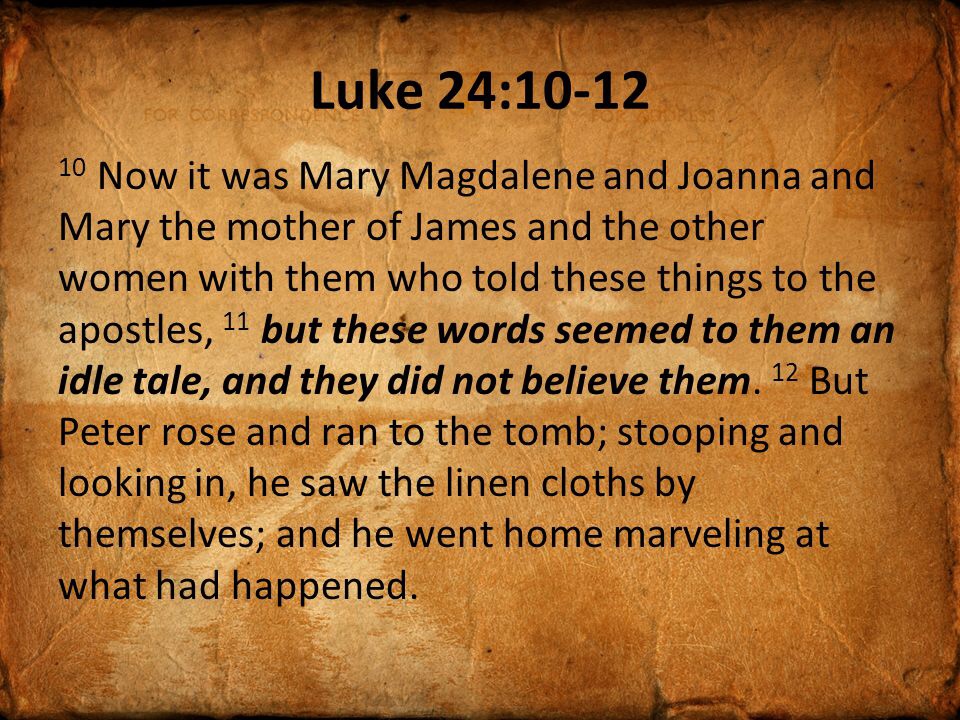
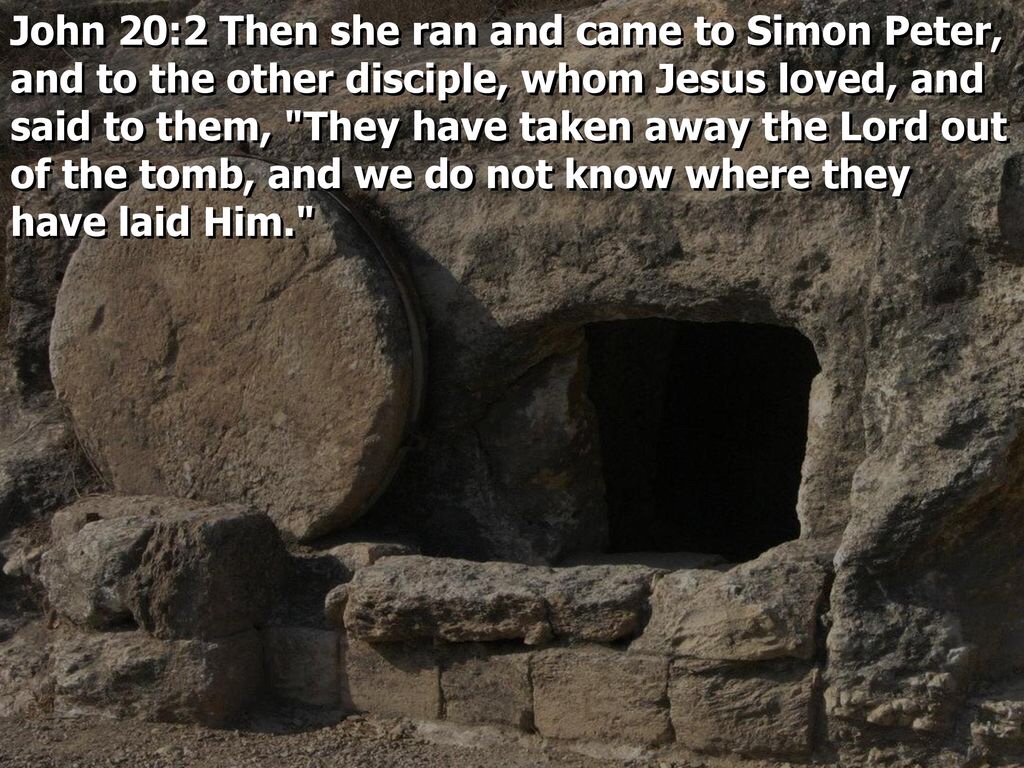




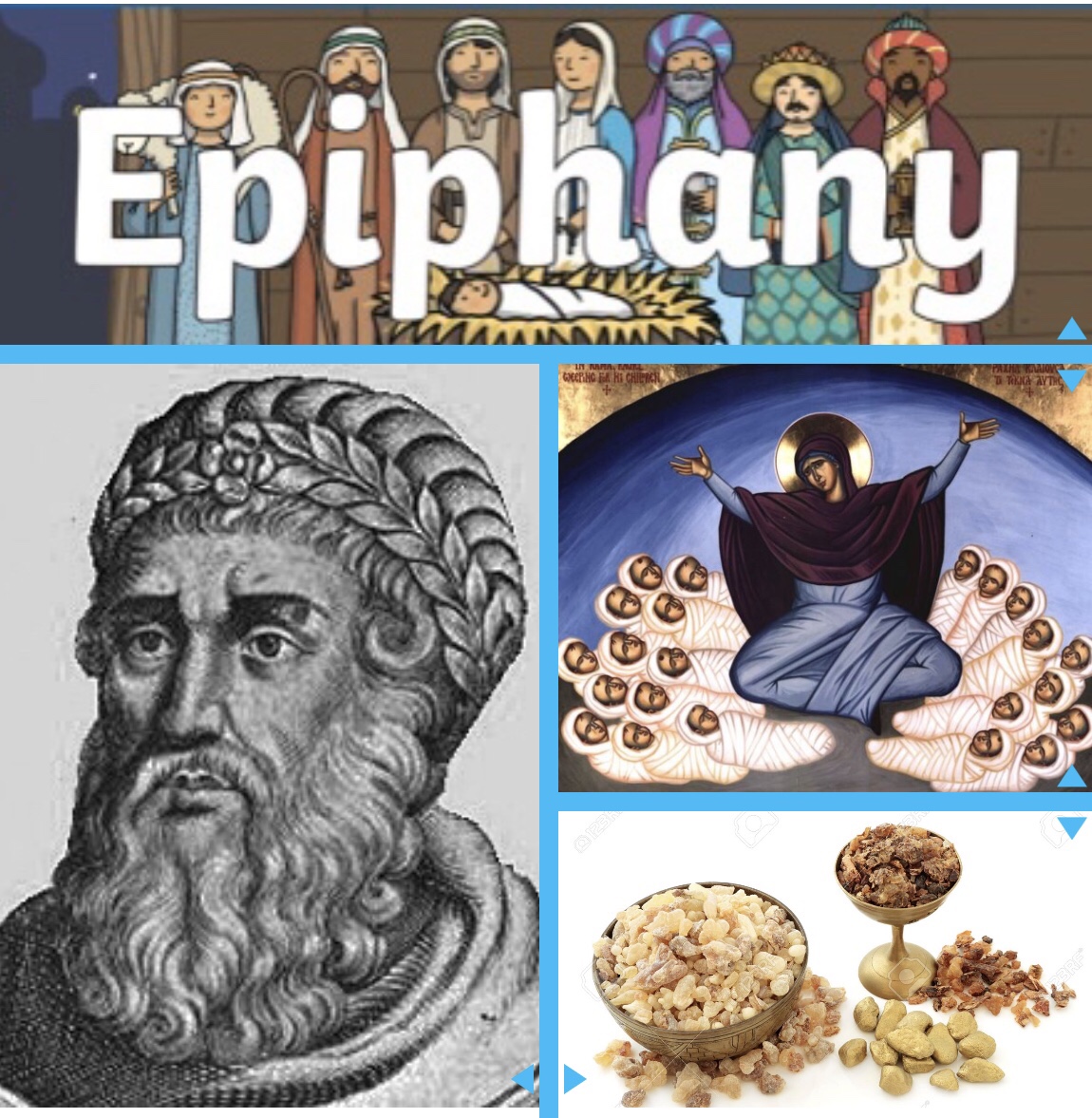
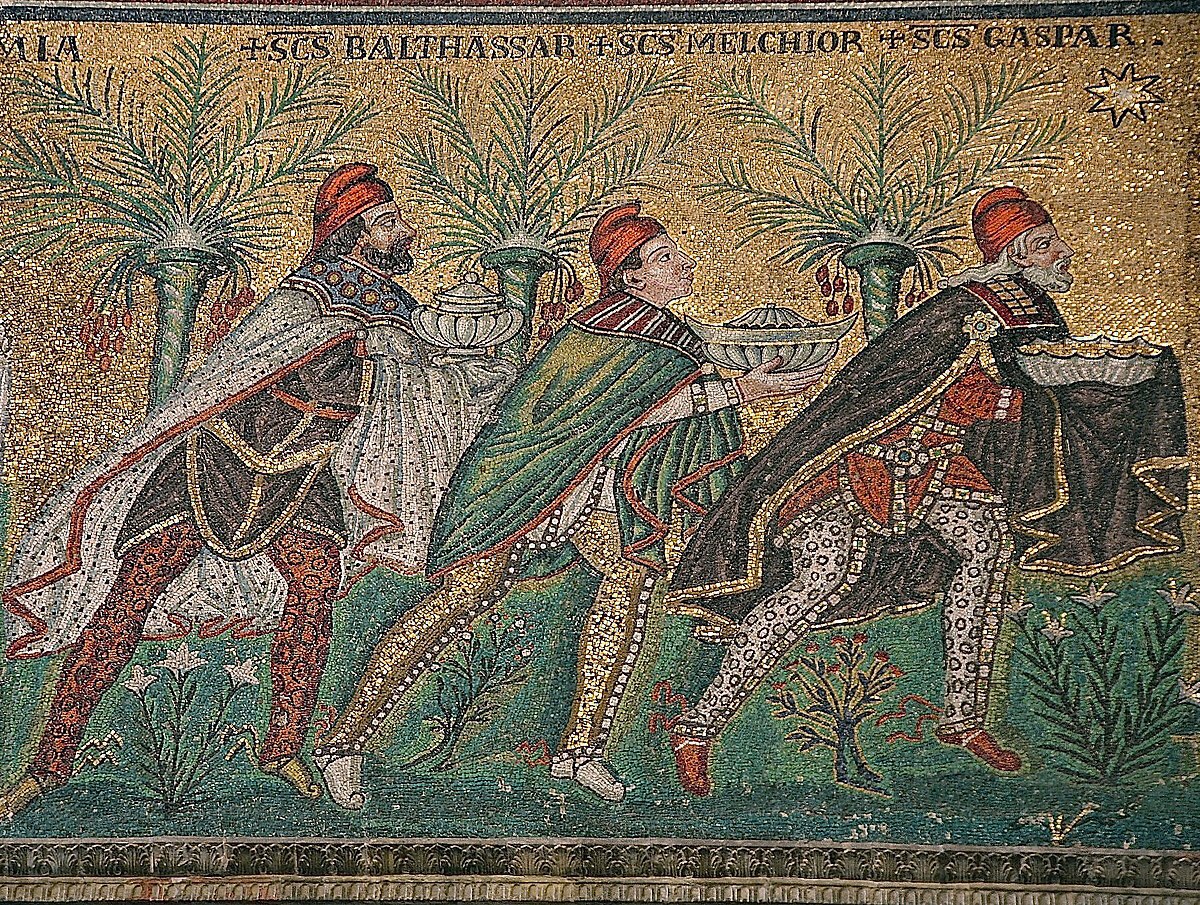
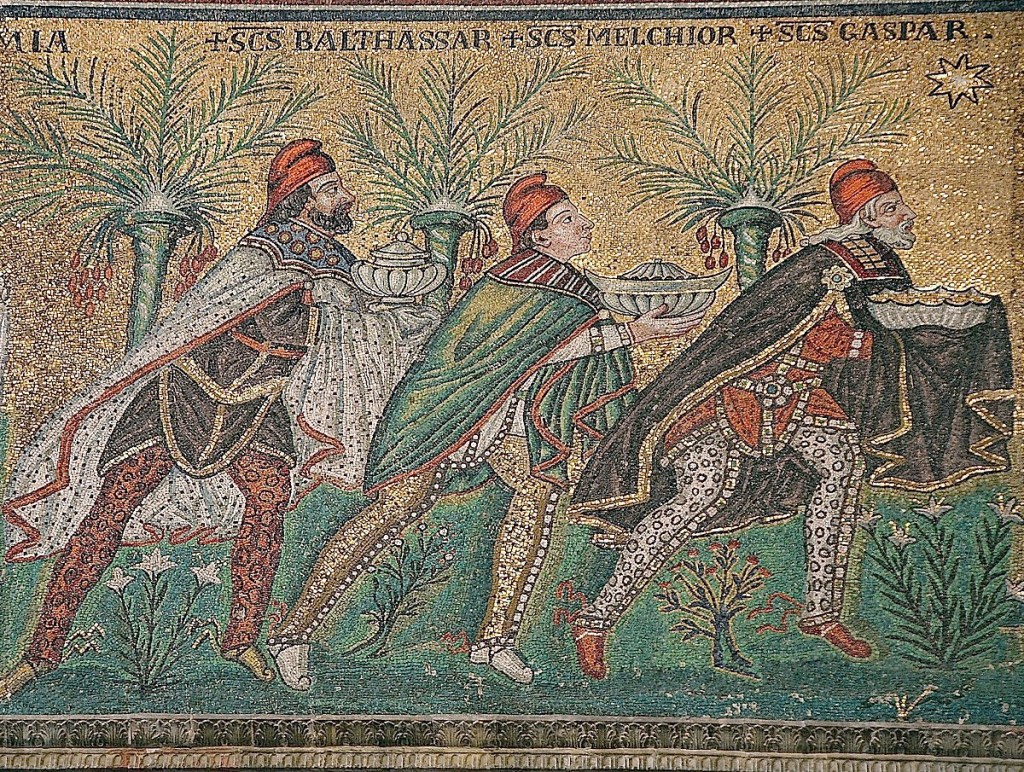
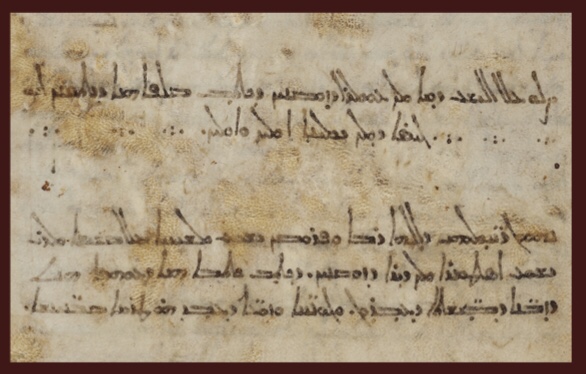


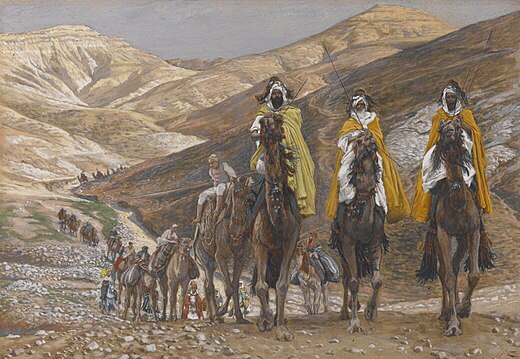
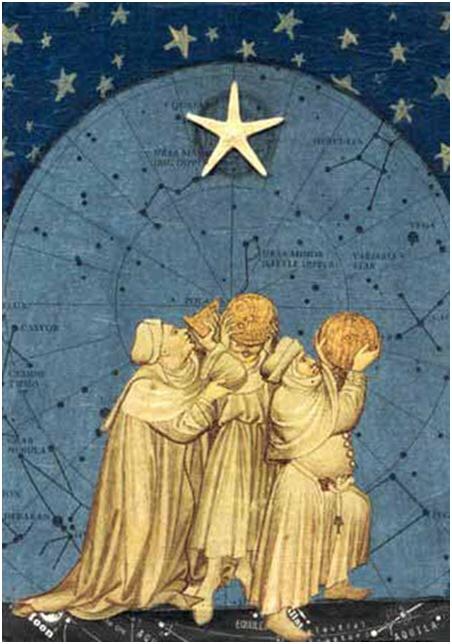
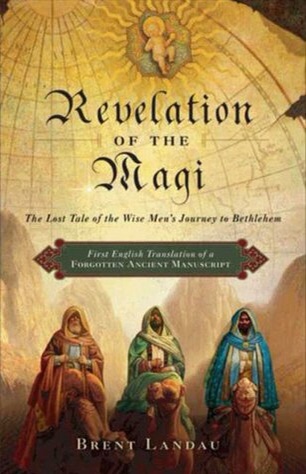



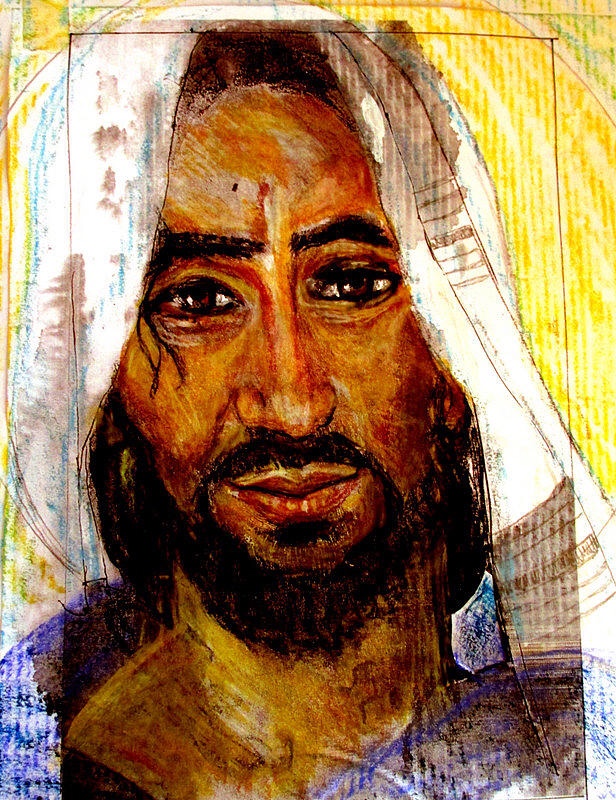



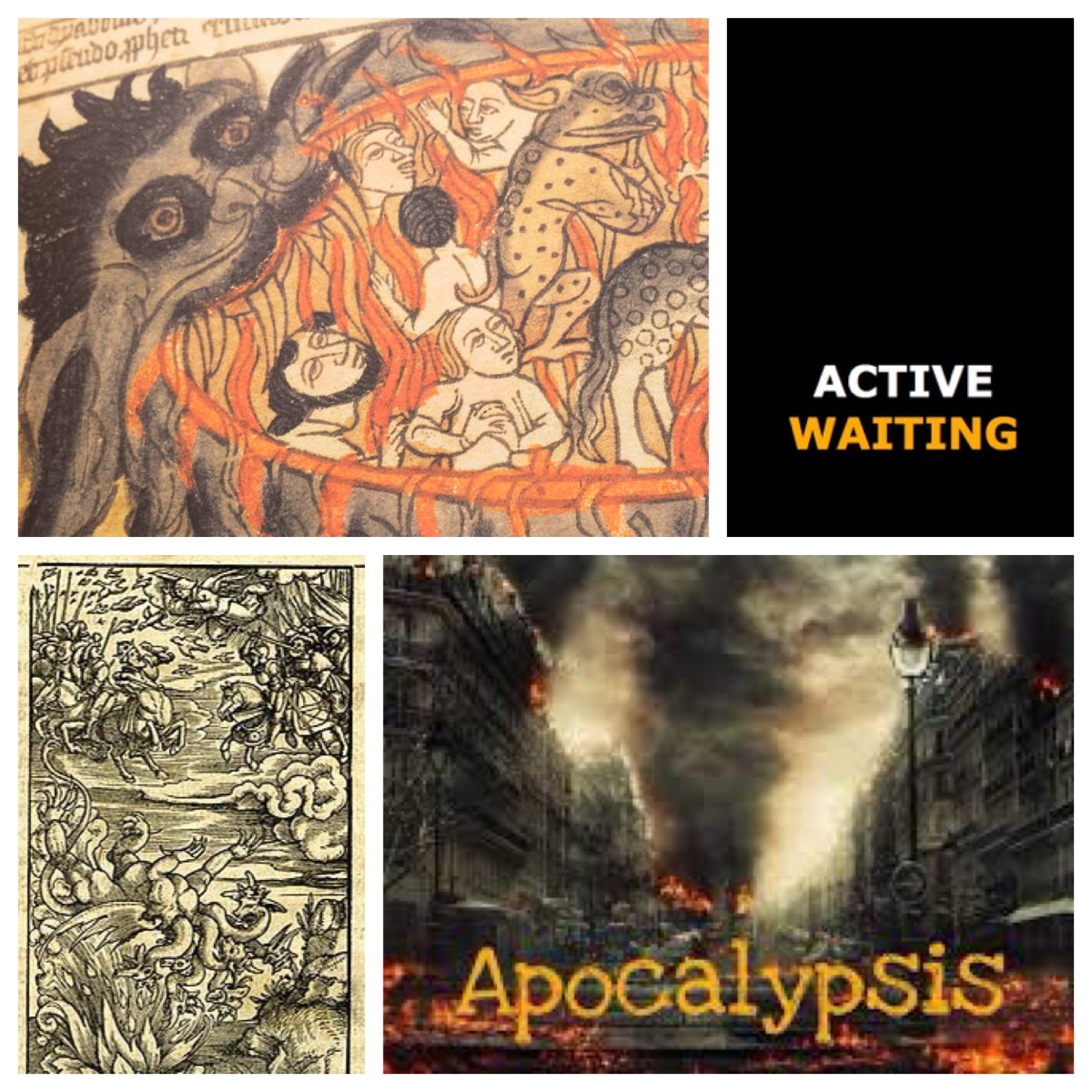
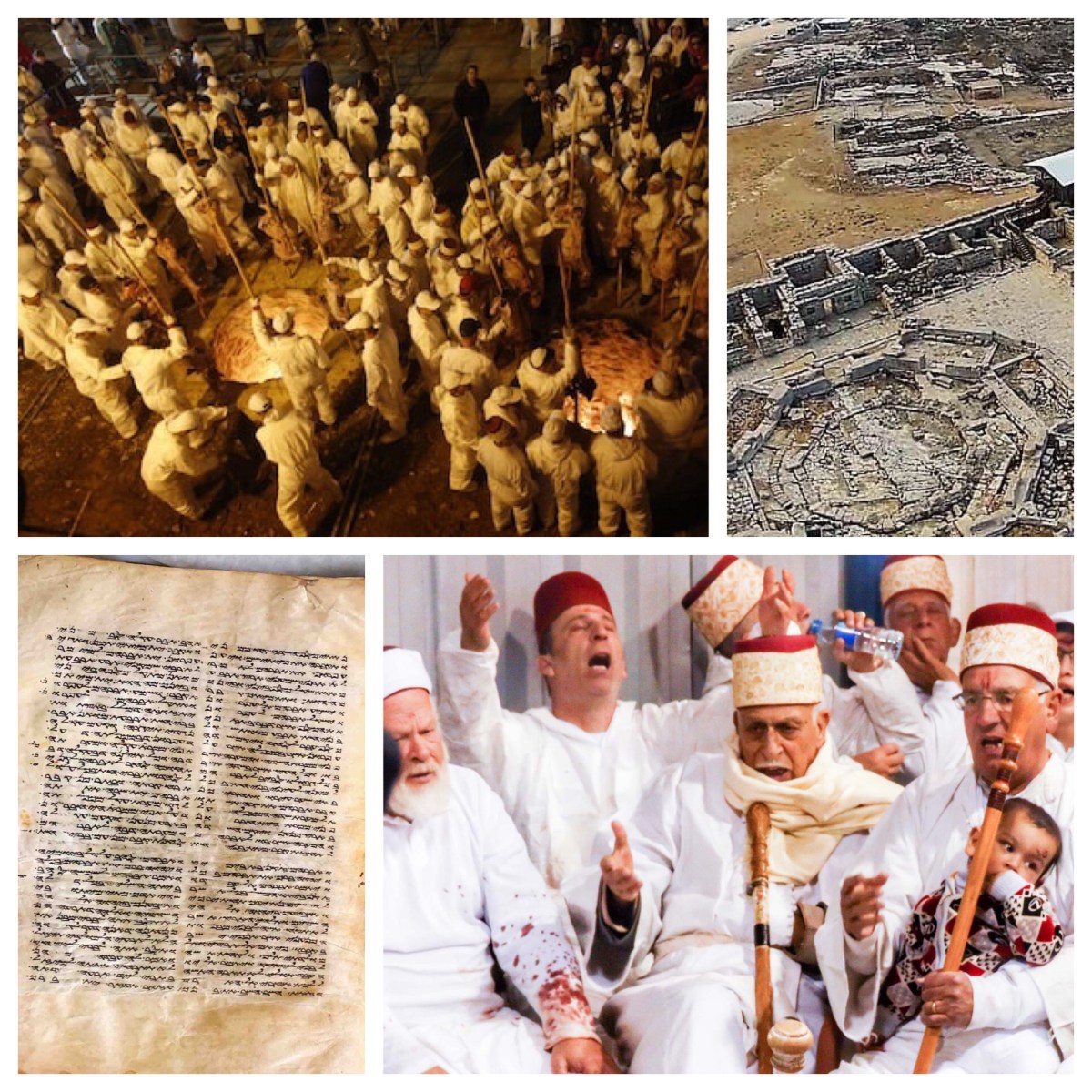

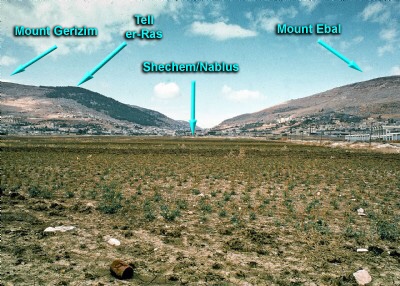
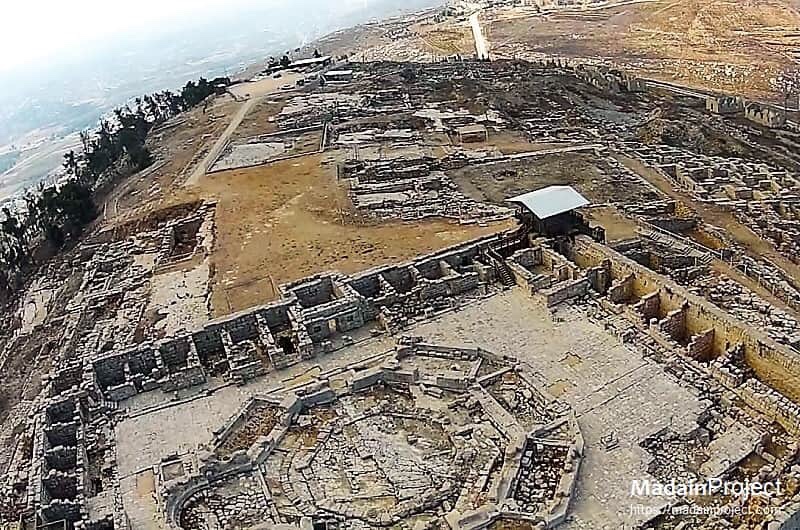
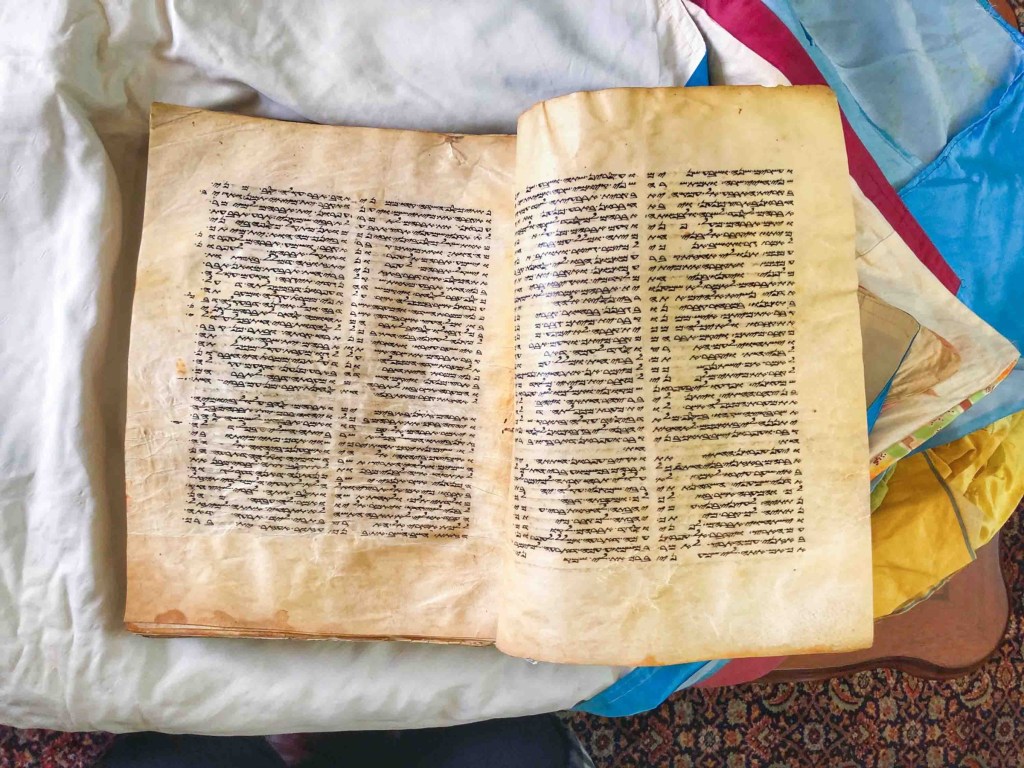
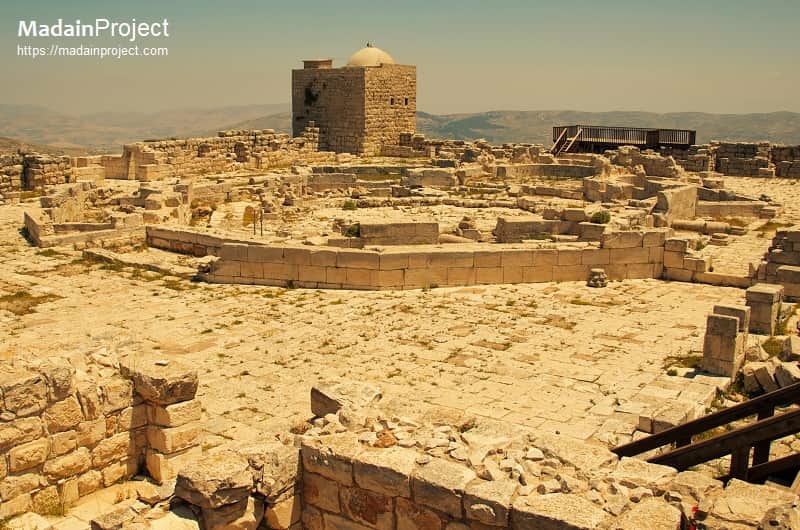

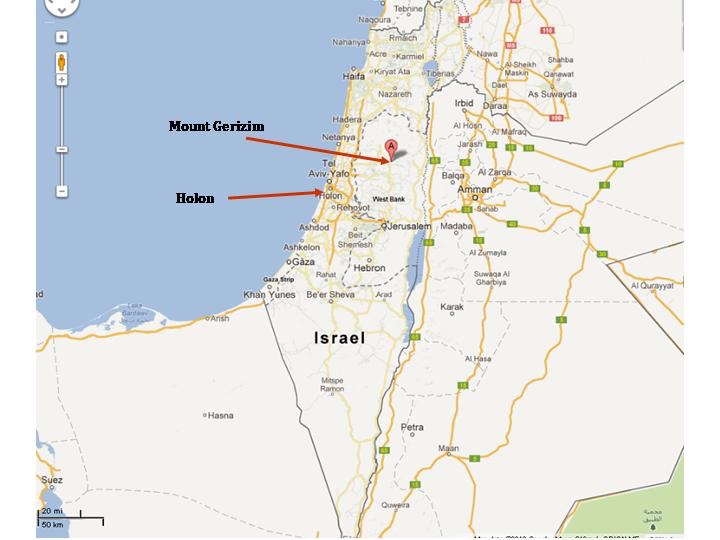
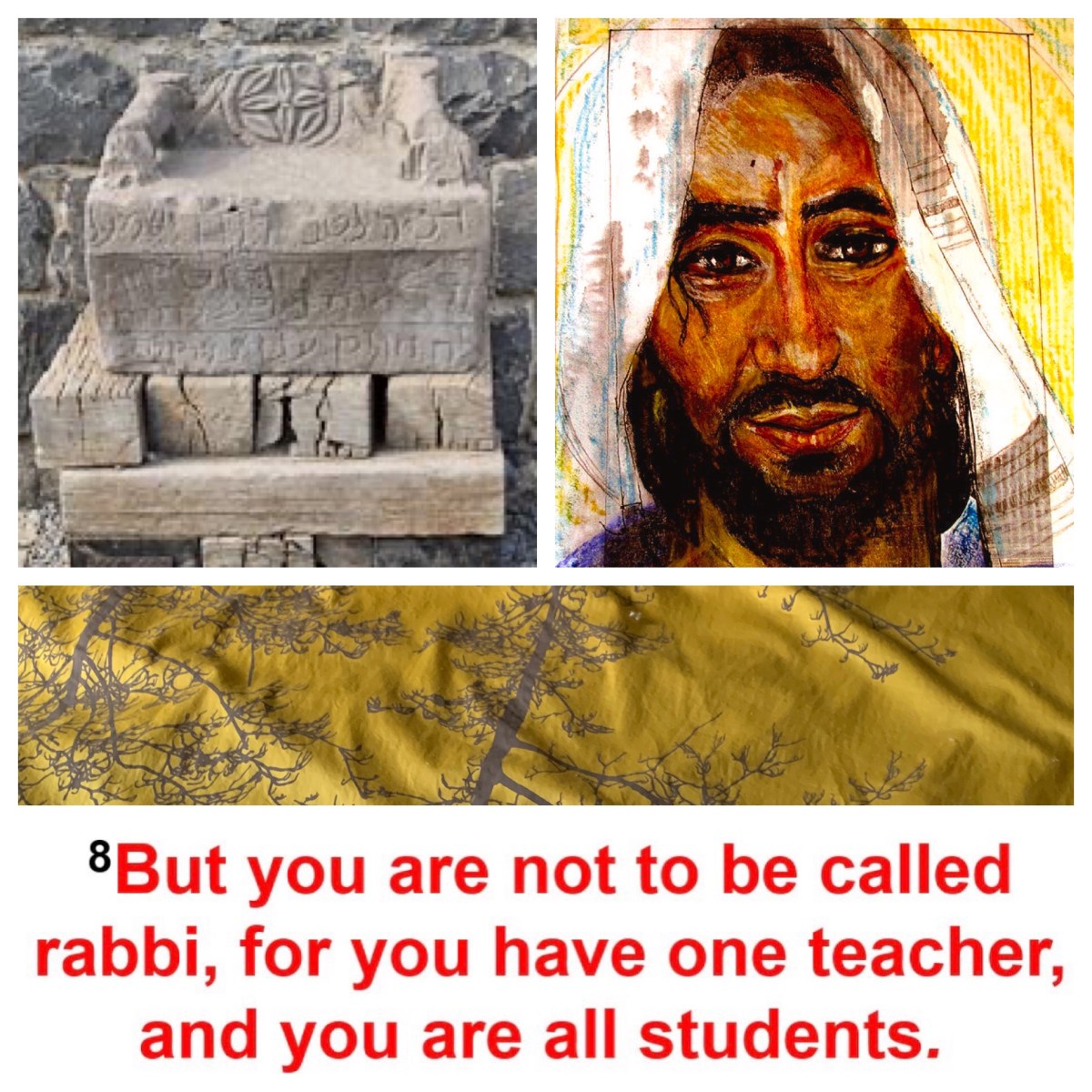

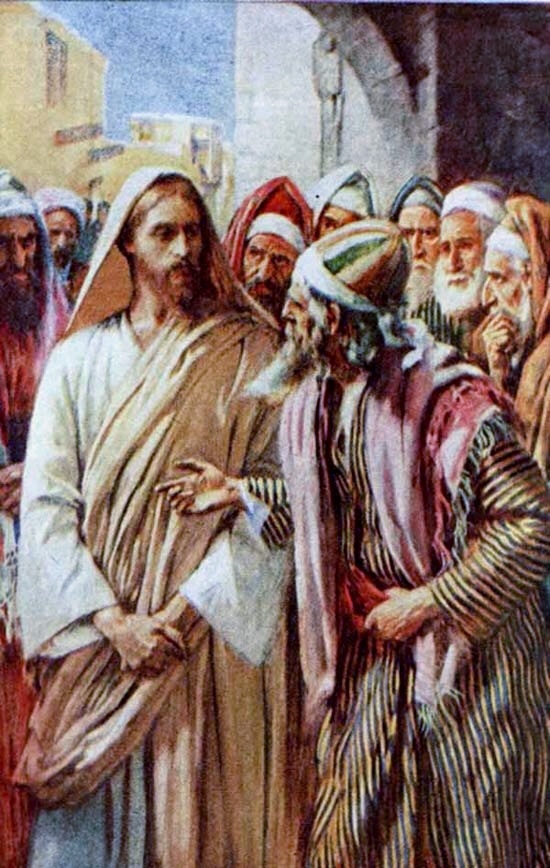
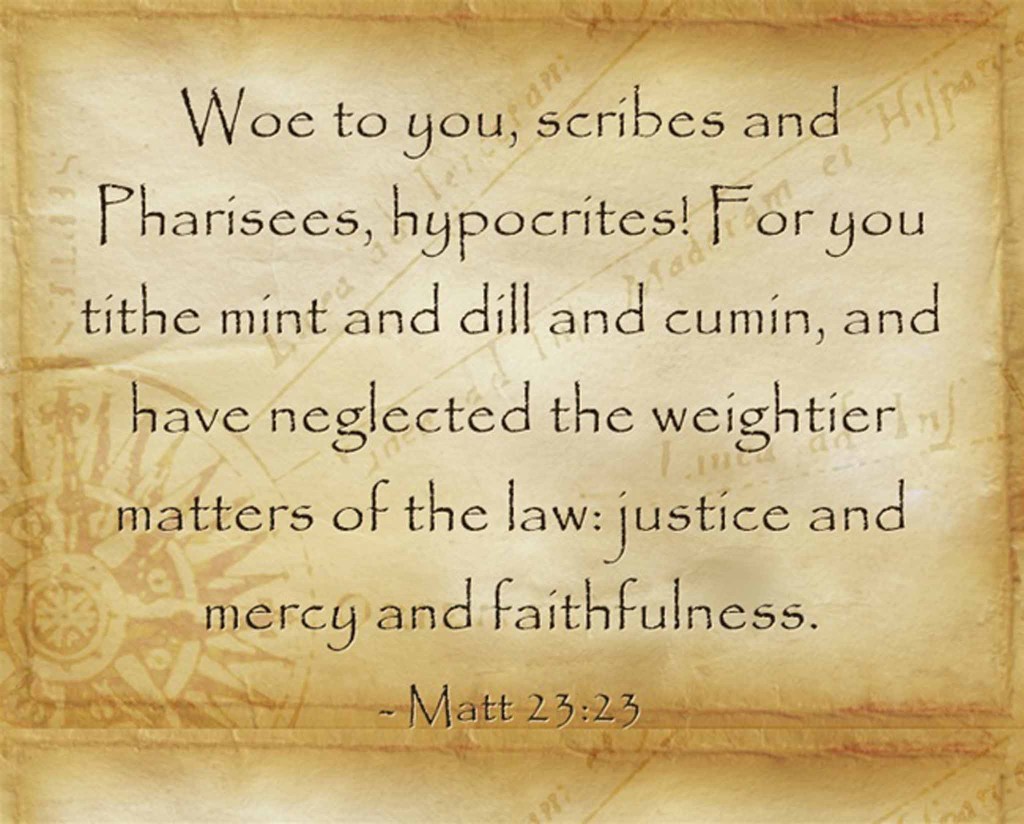
 An Informed Faith