A blaze of glory, to end Epiphany (Exod 24 and Matt 17; Transfiguration A)

The season of Epiphany celebrates the manifestation of God in Jesus, the one chosen by God to show God’s love to the world. Running through many of the scripture passages offered by the lectionary for this season in Year A is the motif of light—for light illumines, light reveals. The passages remind us that God’s light shines brightly on our lives. See

This coming Sunday is the last Sunday in the season of Epiphany, and the readings for this Sunday do no disappoint in this regard. A theme of light runs through the readings: the appearance of the glory of the Lord” on Mount Sinai (Exod 24:17), the transformation of the appearance of Jesus as “he was transfigured before them, and his face shone like the sun, and his clothes became dazzling white” (Matt 17:2), and a reminiscence of that event from one who styles himself as one of the “eyewitnesses of his majesty” (2 Pet 1:16).

Light first figures in the biblical narrative in the Priestly narrative of creation that was placed at the head of the Torah, when the first word from God’s mouth was, “‘Let there be light’”; and there was light” (Gen 1:3; see also Job 12:22). Light is the companion to the Israelites as the traversed the wilderness: “the Lord went in front of them in a pillar of cloud by day, to lead them along the way, and in a pillar of fire by night, to give them light” (Exod 13:21; see also Neh 9:12).

Light was to burn constantly in the Tabernacle: “command the people of Israel to bring you pure oil of beaten olives for the lamp, that a light may be kept burning regularly. Aaron shall set it up in the tent of meeting, outside the curtain of the covenant, to burn from evening to morning before the Lord regularly” (Lev 24:2–3). In Numbers, the command is for seven golden lamps to shine forth light (Num 8:1–4).

In David’s last words, he sings an inspired song about the king as one “who rules over people justly, ruling in the fear of God, [who] is like the light of morning, like the sun rising on a cloudless morning, gleaming from the rain on the grassy land” (2 Sam 23:3–4). In this regard, the king reflects the Lord God, for “he will make your vindication shine like the light, and the justice of your cause like the noonday” (Ps 37:5–6). Many centuries later, the prophet Daniel would declare that God “reveals deep and hidden things; he knows what is in the darkness, and light dwells with him” (Dan 5:22).

In like fashion, the psalmist sings, “the Lord is my light and my salvation; whom shall I fear?” (Ps 27:1), rejoices that God is “clothed with honour and majesty, wrapped in light as with a garment” (Ps 104:1–2), and prays, “ let the light of your face shine on us, O Lord!” (Ps 4:6). “Your word is a lamp to my feet and a light to my path”, the writer of the longest psalm sings (Ps 119:105), rejoicing that “the unfolding of your words gives light; it imparts understanding to the simple” (Ps 119:130). The same thought appears in Proverbs: “the commandment is a lamp and the teaching a light” (Prov 6:23), and “the path of the righteous is like the light of dawn, which shines brighter and brighter until full day” (Prov 4:18).

Israel’s vocation, according to the exilic prophet whose words are included in the scroll of Isaiah, is to be “a covenant to the people, a light to the nations” (Isa 42:6, Epiphany 1A), “a light to the nations, that my salvation may reach to the end of the earth” (Isa 49:6, Epiphany 2A). That same prophet evokes the creation story, affirming that “I form light and create darkness, I make weal and create woe; I the Lord do all these things” (Isa 45:7), and reminds the people that God promises, “a teaching will go out from me, and my justice for a light to the peoples” (Isa 51:4). Later, after returning from exile, another prophet rejoices in the bright shining of the light of the Lord (Isa 60:1–3, set for the day of the Epiphany).

This theme extends the call of the prophet Isaiah himself, who cries, “O house of Jacob, come, let us walk in the light of the Lord!” (Isa 2:5) and foresees a time when “the people who walked in darkness have seen a great light; those who lived in a land of deep darkness—on them light has shined” (Isa 9:2, Epiphany 3A). For Micah, realisation of the scale of injustice within Israel lads him not only to call the the people “to do justice, and to love kindness, and to walk humbly with your God” (Mic 6:8, Epiphany 4A), but also leads him to express his deep penitence: “when I sit in darkness, the Lord will be a light to me … he will bring me out to the light; I shall see his vindication” (Mic 7:8–9).

The prophet Isaiah also links light with judgement, declaring that “the light of Israel will become a fire, and his Holy One a flame; and it will burn and devour his thorns and briers in one day; the glory of his forest and his fruitful land the Lord will destroy, both soul and body, and it will be as when an invalid wastes away” (Isa 10:17; see also 13:10–11

Other prophets use the absence of light—the presence of darkness—as a symbol for divine judgement in the face of human sinfulness (Amos 5:18–20; Jer 4:23; 13:16; 25:10; Lam 3:1–3; Ezek 32:7–8), although in his apocalyptic mode, Isaiah offers hope using this image: “the light of the moon will be like the light of the sun, and the light of the sun will be sevenfold, like the light of seven days, on the day when the Lord binds up the injuries of his people, and heals the wounds inflicted by his blow” (Isa 30:26).

In Third Isaiah this promise blossoms wonderfully: “the sun shall no longer be your light by day, nor for brightness shall the moon give light to you by night; but the Lord will be your everlasting light, and your God will be your glory. Your sun shall no more go down, or your moon withdraw itself; for the Lord will be your everlasting light, and your days of mourning shall be ended” (Isa 60:19–20). For Zechariah, the apocalyptic vision of the final victory of the Lord includes the affirmation that “ there shall be continuous day (it is known to the Lord), not day and not night, for at evening time there shall be light” (Zech 14:7).

Light, of course, forms one of the famous “I Am”affirmations that Jesus makes of himself in John’s Gospel (John 8:12; 9:5; see also 1:4–9; 3:19–21; 11:9–10; 12:35–36, 46) and the description of his faithful followers as “the light of the world” (Matt 5:14, 16). Paul rejoiced that “it is the God who said, “Let light shine out of darkness,” who has shone in our hearts to give the light of the knowledge of the glory of God in the face of Jesus Christ” (2 Cor 4:6).

He urged believers to “lay aside the works of darkness and put on the armour of light” (Rom 13:12) and affirmed that they are “all children of light and children of the day; we are not of the night or of darkness” (1 Thess 5:5). He rejoices that “it is the God who said, “Let light shine out of darkness,” who has shone in our hearts to give the light of the knowledge of the glory of God in the face of Jesus Christ” (2 Cor 4:6).

The author of 1 John also uses this imagery to affirm that “ God is light” (1 John 1:5) and advises believers, “if we walk in the light as he himself is in the light, we have fellowship with one another” (1 John 1:7; 2:10). The final vision of Revelation includes a description of the servants of the Lamb, noting that “there will be no more night; they need no light of lamp or sun, for the Lord God will be their light, and they will reign forever and ever” (Rev 22:5); indeed, “the city has no need of sun or moon to shine on it, for the glory of God is its light, and its lamp is the Lamb; the nations will walk by its light, and the kings of the earth will bring their glory into it” (Rev 21:23–24).

So the readings for this Sunday express a strong biblical theme that has run from the opening story of creation, through the story of Israel and the movement initiated by Jesus, to the vision of the promised future. What has been to the fore throughout Epiphany climaxes atop the mountains where Moses receives and Jesus interprets the Torah, with the appearance of “the glory of the Lord … like a devouring fire on the top of the mountain in the sight of the people of Israel” on Mount Sinai (Exod 24:17) and the glittering transformation of the appearance of Jesus as “his face shone like the sun, and his clothes became dazzling white” (Matt 17:2).

To delight in the commandments (Psalm 112; Epiphany 5A)

The psalm which is offered by the lectionary for this coming Sunday (Psalm 112:1–10) portrays “those who fear the Lord” (verses 1–9) in contrast to “the wicked” (verse 10). I suspect that this psalm was chosen as a fitting companion to the Gospel reading, in which Jesus strongly affirms the Law: “do not think that I have come to abolish the law or the prophets; I have come not to abolish but to fulfill” (Matt 5:17).

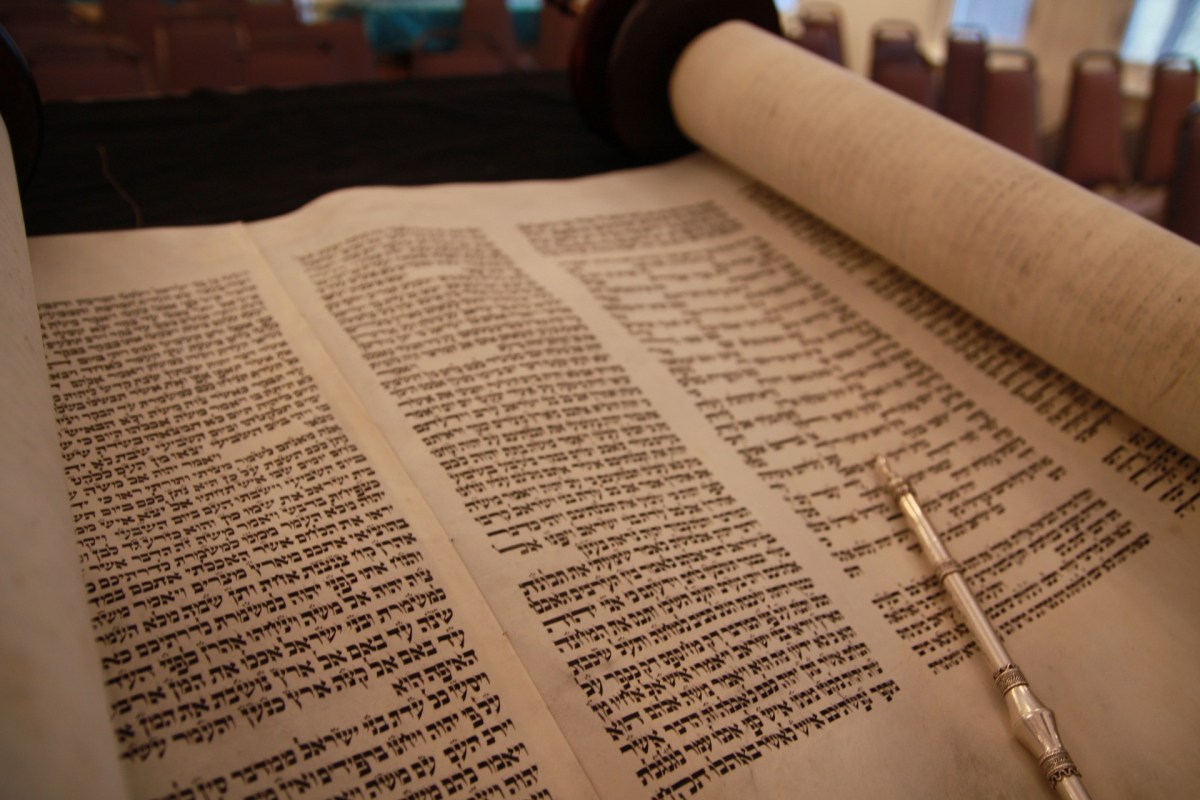
This affirmation of the Law (in Hebrew, תּוֹרָה, transliterated as Torah) is a distinctive characteristic of the book of origins which we attribute, by tradition, to the disciple Matthew. In this Gospel, Jesus holds consistently to the requirements of Torah, advocating strongly for the righteous-justice that is at its heart, debating strenuously the interpretations offered by the scribes and Pharisees, and claiming his role as the authorised Teacher of Torah: “you have one teacher, and you are all students … nor are you to be called instructors, for you have one instructor, the Messiah” (Matt 23:8, 10).

[As a side note: the last verse of Psalm 112—which should not be omitted, despite the suggestion that is possible by the lectionary itself—also resonates with the words of Jesus in Matthew’s Gospel. It is largely in this Gospel that Jesus speaks of evildoers being thrown into “outer darkness” where there will be “weeping and gnashing of teeth” (Matt 8:12; 13:42, 50; 22:13; 24:51; 25:30; cf. Luke 3:28). That phrase, of course, is used by the psalmist to characterise the fate of “the wicked”, who, when they see the blessings of the righteous, “are angry; they gnash their teeth and melt away” (Ps 112:10).]

The strong affirmation of Torah which is expressed in Matthew’s Gospel is ubiquitous throughout Hebrew Scripture. The Law is God’s gift to Israel; in Exodus, God tells Moses, “I will give you the tablets of stone, with the law and the commandment, which I have written for their instructions (Exod 24:12).

In a later retelling the story of Moses, the Deuteronomist has Moses, speaking on behalf of God, telling the Israelites, “take to heart all the words that I am giving in witness against you today; give them as a command to your children, so that they may diligently observe all the words of this law” (Deut 32:46). Indeed, he intensifies this in the next sentence: “this is no trifling matter for you, but rather your very life” (Deut 32:47). The Torah is the very heart of the matter.

Some of the great figures in Israel (at least in the historical sagas that were collected) are remembered as those who were faithful to Torah. On Josiah, the great reformer who recalled a faithless Israel to the covenant, we are told “before him there was no king like him, who turned to the Lord with all his heart, with all his soul, and with all his might, according to all the law of Moses; nor did any like him arise after him” (2 Kings 23:25).

On Hezekiah, who had the neglected Temple cleansed and sanctified and then restored the right worship of the Lord in the Temple (2 Chron 30:8–9), we read that “every work that he undertook in the service of the house of God, and in accordance with the law and the commandments, to seek his God, he did with all his heart; and he prospered” (2 Chron 31:21). And during the restoration of Jerusalem, we are told that Ezra “had set his heart to study the law of the LORD, and to do it, and to teach the statutes and ordinances in Israel” (Ezra 7:10).

*****

Each of these leaders manifested in their life what this Sunday’s psalm states; they are “those who fear the Lord, who greatly delight in his commandments” (Ps 112:1). Elsewhere in the psalms, this same piety is clearly evident. The opening psalm affirms that for the righteous, “their delight is in the law of the Lord, and on his law they meditate day and night” (Ps 1:2). A later psalm declares that “I delight to do your will, O my God; your law is within my heart” (Ps 40:8).

The longest psalm of all, Psalm 119, is an acrostic series of 22 eight-verse stanzas (arranged alphabetically) in which the author(s) consistently affirm this. “I will delight in your statutes; I will not forget your word” (Ps 119:16). By contrast to “the arrogant”, whose “hearts are fat and gross”, the psalmist declares, “I delight in your law” (Ps 119:70).

Again, we hear, “let your mercy come to me, that I may live, for your law is my delight” (Ps 119:77); “if your law had not been my delight, I would have perished in my misery” (Ps 119:92); and “I long for your salvation, O Lord, and your law is my delight” (Ps 119:74). Echoing these words many centuries later, Paul, in the midst of his agonising about Torah in Romans 7, is able to affirm, “I delight in the law of God in my inmost self” (Rom 7:22). Delight for the Law runs through Jewish history.

So this longest of all psalms, a series of 22 meditations on Torah, contains regular affirmations of its place in personal and communal piety: “give me understanding, that I may keep your law and observe it with my whole heart” (v.34); “Oh, how I love your law! It is my meditation all day long” (v.97); “I hate the double-minded, but I love your law” (v.113); “I hate and abhor falsehood, but I love your law” (v.163); and, “great peace have those who love your law; nothing can make them stumble” (v.165).

In the long speech attributed to Moses (but actually crafted many centuries later during the time of a renewal of the covenant), the lawgiver distills the essence of Torah: “now, O Israel, what does the Lord your God require of you? Only to fear the Lord your God, to walk in all his ways, to love him, to serve the Lord your God with all your heart and with all your soul” (Deut 10:12). Love is at the heart of the Law, as later faithful Jews would affirm. the Preacher, writing as Hellenism comes to the ascendancy, declares that “those who fear the Lord seek to please him, and those who love him are filled with his law” (Sirach 2:16).

Just a few centuries later the Pharisee-turned-evangelist Paul declares that “the one who loves another has fulfilled the law” and, citing a number of commandments, emphasises that “love is the fulfilling of the law” (Rom 13:8–10); and again, citing a verse from the Torah, he affirms that “the whole law is summed up in a single commandment, ‘You shall love your neighbour as yourself’” (Gal 5:14, quoting Lev 19:18).

*****

The terms used in Psalm 112 to describe “those who fear the Lord” and “delight in his commandments” are striking. Most strikingly, they are characterised by their “righteousness” (112:3), which is at the heart of Torah. The psalmist places these two concepts in poetic parallelism in the song, “your righteousness is an everlasting righteousness, and your law is the truth” (Ps 119:142).

They are depicted as “upright” (112:2, 4) and they “conduct their affairs with justice” (112:5). This is a central claim of Torah on the people: “justice, only justice you shall follow” (Deut 16:20), “with justice you shall judge your neighbour” (Lev 19:15)—with the corollary that “anyone who deprives the alien, the orphan, and the widow of justice” is to be cursed (Deut 27:19). The call for justice is, likewise, a regular refrain amongst the prophets, calling the people to act justly (Amos 5:18–24; Micah 6:6–8; Isa 5:1–7; 42:1–4; 56:1–2; Jer 21:12; 22:3; 33:15; Ezek 18:5–9; 34:11–16; Zeph 3:5; Zech 7:9, to name just some of the many key passages on justice).

These people are “blessed” (112:2), a word which resounds through the stories and songs of the ancient Israelites. God’s blessings are given in the story of the creation of the world, where God blessed “living creatures of every kind” (Gen 1:22), and then humankind, made “in the image of God” and blessed to “be fruitful and multiply, and fill the earth” (Gen 1:26–28). God blesses Noah and his sons, with the same charge to “be fruitful and multiply, and fill the earth” (Gen 9:1), and Abram (Gen 12:2), and through Abram promises to bless “all the families of the earth” (Gen 12:3; the b,easing is on “all the nations of the earth” at Gen 22:18).

An early prayer, later attributed to the priests, began, “the Lord bless you and keep you” (Num 6:23); these words are picked up in a later psalm, praying “may God be gracious to us and bless us” (Ps 67:1–7). God’s blessing is indeed realised by those who are faithful to God’s way, as expressed in Torah, with each of the patriarchs blessed: Abraham (Gen 22:15–18), Isaac (Gen 26:24), Jacob (Gen 28:1–4), and Joseph (Gen 49:22–26).

God blessed the people in the land (Deut 30:16), Elkanah and Hannah, parents of Samuel (1 Sam 2:18–20), David (2 Sam 7:28–29), and on through the ahead the blessing continued for the faithful people of Israel (Psalms 3:8; 5:12; 24:5; 29:11; 63:4; 107:38; 115:12–13; 133:3; Isa 44:1–5; Jer 31:23; Ezek 34:25–31; 37:26; Hag 2:19; Joel 2:14; Mal 3:10).

These blessed people, righteous and upright, thus are said to have exhibited the character of God, for they are “gracious, merciful and righteous” (Ps 112:4). This description echoes the refrain heard many times through the Hebrew Scriptures, affirming that the Lord God is “gracious and merciful, slow to anger and abounding in steadfast love” (Exod 34:6; 2 Chron 30:8–9; Neh 9:17, 32; Jonah 4:2; Joel 2:13; Ps 86:15; 103:8, 11; 111:4; 145:8–9). This is the Lord God who enters into covenant, time and time and again, with the people of Israel; they, in turn, exemplify the qualities of God in their daily lives. They are “gracious, merciful, and righteous” (Ps 112:4).

Such a strong affirmation and deep appreciation for Torah, as we find in this psalm—and, indeed, in a number of other psalms—underlies the portrayal of Jesus in Matthew’s Gospel that we will encounter, week by week, throughout this Year A of the liturgical cycle. This is the emphasis that Matthew offers, for he wants to heighten the fidelity of Jesus as a Torah-abiding Jew, and encourage his hearers and readers to follow that same pathway of faithfulness to the Torah. Jesus stands firmly in the tradition of the psalms, grateful to God for his covenant relationship with God, and seeking to live with justice and steadfast love in all the ways that God expects and requires; and he beckons us to follow in that same pathway in our lives of faith.

*****

See also

Teaching the disciples (Matt 5; Epiphany 4A)

“When Jesus saw the crowds, he went up the mountain; and after he sat down, his disciples came to him; then he began to speak, and taught them” (Matt 5:1). These verses introduce the famous “Sermon on the Mount” in Matthew’s book of origins, and lead immediately into the Beatitudes, a series of blessings in which Jesus explains what is involved in “the kingdom of heaven”, which is the centre of his message (4:17, 23; 5:3, 10, 19–20).

On those Beatitudes, see

The author of this narrative knows very well the traditional rabbinic methods of teaching which were consistently employed by Jesus—he collects parables and pithy sayings, reports his dialogical debates and midrashic expositions, and shapes the whole “book of origins” so that, through its five collated teaching blocks, it evokes the five books of the Law of Moses—the “books of origins” of the people Israel. Jesus is presented as the Rabbi (Teacher) par excellence, the new Moses for the people of his time.

These five blocks of teaching provide an extensive catechisms for the disciples who travelled with Jesus throughout Galilee. We should remember that these disciples included more than “the twelve apostles” of later Christian tradition—Matthew himself notes that “many women … had followed Jesus from Galilee and had provided for him”, and identifies “Mary Magdalene, and Mary the mother of James and Joseph, and the mother of the sons of Zebedee” amongst them (Matt 27:55–56).

However, this group of followers is representative for the larger group of people who had begun to follow Jesus in the years since the events reported in the Gospel. The work was compiled in order to provide a catechetical foundation for those later followers—through even to our own times, many centuries later.

These five teaching blocks canvass ethical imperatives (5:1–7:29), missional guidelines (10:5–11:1), parables of the kingdom (13:1–53), relationships within the community of faith (18:1–19:1), and apocalyptic predictions about the coming kingdom along with strengthened indications of what righteousness is required in that kingdom (23:1–26:2). These teachings are demanding and comprehensive.

Who compiled this teaching Gospel? Within ecclesial tradition, the author is identified as Matthew, the tax collector who became a disciple of Jesus. There is absolutely no hint that he was schooled in the intricacies of Torah interpretation. In that tradition, Matthew was appointed as an apostle, and later wrote an eye-witness account of the time he spent with Jesus. It’s a point of view that I don’t personally adhere to.

Within biblical scholarship, Matthew is recognised simply as a character who appears briefly in the story told by the first Gospel in the New Testament. He is identified in one short verse narrating his call by Jesus (Matt 9:9). He is also included in the list of twelve who were called to be apostles, with the added descriptor, “the tax collector” (Matt 10:3). He is also named in three other books, with nothing further said about him (Mark 3:18; Luke 6:15; and Acts 1:13). But little else about him is conveyed in the four books that name him.

On the authorship of the Gospels, see

Those five fleeting references are the only times we see directly this person in the biblical narratives. He is surely there in other scenes, but he simply blends into the collection of “the disciples” (Mark 2:23; 3:7; 5:31: 6:1, 35, 41, 45; 7:17; 8:1–10, 14, 27, 34: 9:14, 28, 31; 10:10, 13, 23–24; 11:19; 12:43; 13:1; 14:12–16; and Synoptic parallels), “the twelve” (Mark 4:10; 6:7; 9:35; 14:20; and Synoptic parallels; and John 6:66–71; 20:24), or, even more anonymously, into “the crowd” (Mark 2:4, 13; 4:1; Matt 7:28; 13:2; Luke 5:1; 6:17; 7:11–12; 8:4; John 6:2; 12:9, 12; Acts 1:15; 2:6; etc.).

And yet, in the evolving church traditions, Matthew emerges from the shadows to take centre stage as disciple, apostle, saint, and author of the Gospel which is placed first in the New Testament. Some churches even maintain the patristic claim that Matthew wrote in Aramaic, and was later translated into the Greek version that forms the basis of the New Testament text.

The claim about Aramaic comes from a fourth century report by Eusebius of Caesarea that a second century bishop, Papias of Heirapolis, claimed that Matthew “put the logia in an ordered arrangement in the Hebrew language (Ἑβραΐδι διαλέκτῳ), but each person interpreted them as best he could” (Eusebius, Ecclesiastical History 3.39.16). We should note that this is a somewhat indirect witness at quite some remove, and also that the Greek word Ἑβραΐδι can be translated either as Hebrew or as Aramaic.

But this claim falls down from the clear evidence of the Greek text of Matthew’s Gospel, which mirrors very closely both the Gospel of Mark, at many points, and the Gospel of Luke, at other points, in passages found only in Matthew and Luke. The two key conclusions drawn by many scholars are twofold: first, that Matthew (like Luke) used the Gospel of Mark as a basis for writing a narrative about Jesus—but modified and adapted both the order and wording of passages; and second, that Luke and Matthew had access to another source (whether oral or written) for many of the sayings of Jesus (the source is known as Q). This makes it completely unlikely that Matthew wrote, in Aramaic, or in Hebrew, the earliest account of Jesus.

And ascribing the authorship of this Gospel to the tax collector identified at Matt 9:9 is also a patristic move. The title of this (and the other) Gospels, identifying the alleged author, is found only in later manuscripts and patristic writings; the narrative itself fails to identify anyone as the author, let alone the tax collector named Matthew. This claim is a later apologetic move, most likely made to provide an “apostolic authorisation” to the Gospel.

See

So what do we say, then, of “Matthew”, the purported author of this Gospel, a work which the author declares at the start to be “the book of origins of Jesus, Messiah” (Matt 1:1)? For me, a key to the way that the author of this “book of origins” operated is provided at Matt 13:52, where Jesus concludes a sequence of parables with the statement that “every scribe who has been trained for the kingdom of heaven is like the master of a household who brings out of his treasure what is new and what is old”.

That description encapsulates very clearly, for me, who the author of this Gospel was—a scribe, “trained for the kingdom”, drawing on old resources, but reshaping them so that they are seen to be new. We can see this in many ways in the narrative that he constructs. We can especially see this in the way he presents Jesus as an authoritative teacher of Torah—the one whose words are to be heard, remembered, studied, and passed on. (Thus, the reason for his writing of this Gospel.) It’s a point of view that undergirds the way that I interpret the various Gospel selections that the lectionary offers in this coming year, in which Jesus gathers his disciples, speaks to them, and teaches them.

Teaching in “their synagogues” (Matt 4; Epiphany 3A)

“Jesus went throughout Galilee, teaching in their synagogues and proclaiming the good news of the kingdom and curing every disease and every sickness among the people” (Matt 4:23). So we hear at the end of the Gospel passage offered by the lectionary for this coming Sunday.

This verse contains a very significant statement, when it refers to “their synagogues”. It is the passing reference, a seemingly fleeting, yet quite significant, reference to “their synagogues”. Not “our synagogues”, not even “the synagogues”, but “their synagogues” (Matt 4:23; 9:35; 10:17). There is a note of tension in this description; perhaps a hint of a conflict simmering between “our synagogues” and “their synagogues”?

In fact, the third of these texts (Matt 10:17) equates those who were flogging disciples in “their synagogues” as “wolves”—perhaps harking back to the prophetic denunciations of priests (Ezek 22:23–27), judges (Zeph 3:1–5), and Chaldeans (Hab 1:6–11). We might also note the devastating depiction of Benjamin as “a ravenous wolf, in the morning devouring the prey, and at evening dividing the spoil” (Gen 49:27). That is how “their synagogues” are depicted in Matthew’s book of origins.

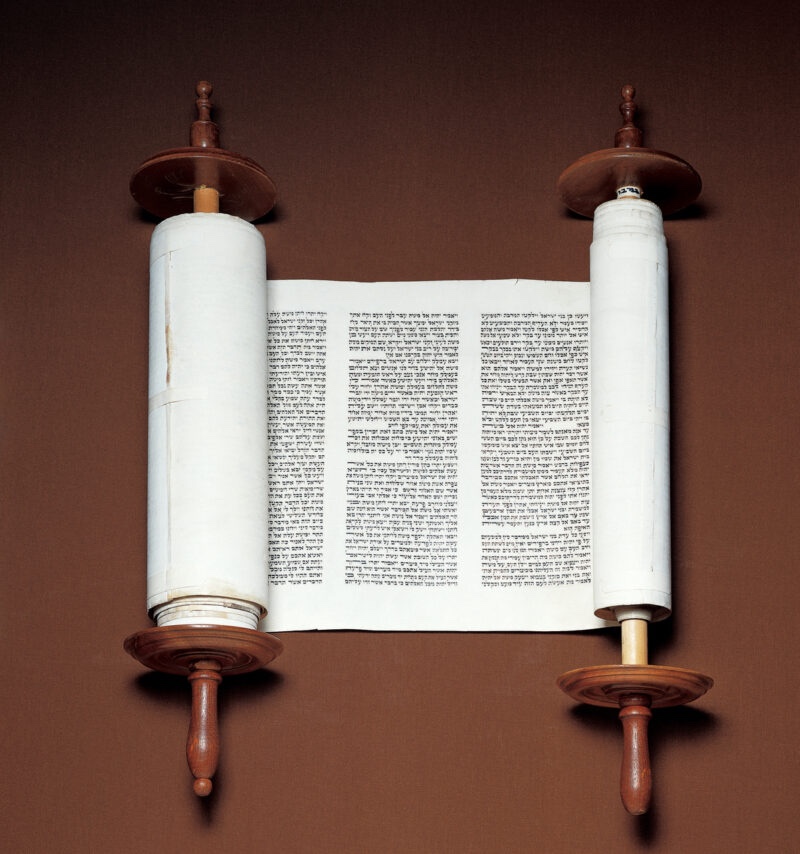
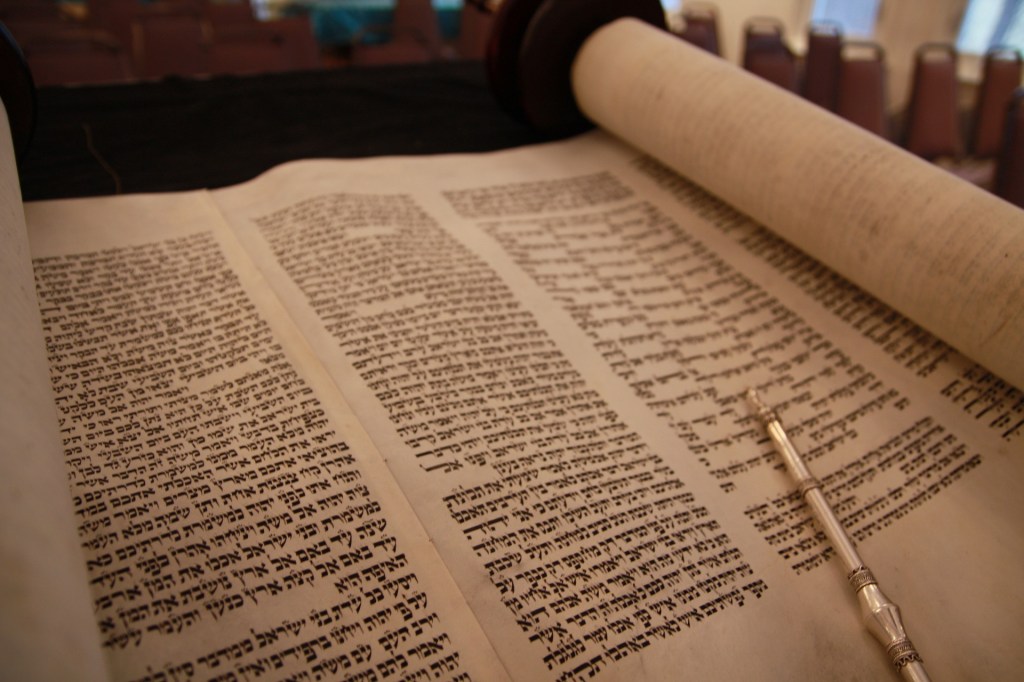
Synagogues were the places in towns and villages throughout Judea and Galilee where the Torah was taught, through memorisation, debate, and discussion. These debates about Torah in synagogues across the land took on an intensified form after 70 CE. The survival of Judaism without the Temple depended on the faithful practice of the Torah: all of its commandments and instructions were there to shape a whole way of life for the people, to maintain the covenant that their ancestors had entered into with the Lord God. So there was much debate about how to keep all those commandments appropriately and faithfully.

The polemic in Jesus’ debates with the Pharisees, and the warnings that are uttered to Israel, show that Matthew still had hope that his ideas would become normative for all Jewish people. What was being taught in “our synagogues” at the time of the writing of this Gospel, some decades after the time of Jesus, was somewhat different from what was being taught in “their synagogues”—the places of teaching for the scribal authorities of the time. And this was despite the fact that Jesus himself had taught in “their synagogues”.

If the author of this Gospel knew anything about what was happening elsewhere in the movement initiated by the life and teachings of Jesus, he would have known about the gathering strength of the movement led by Saul of Tarsus, for whom strict obedience to Torah was of less importance than belief in Jesus as Messiah.

This arm of the movement was opening a door wide for Gentiles, who did not follow the Torah, to belong to such communities. This had been underway since the 50s. It had gained momentum by the late 60s and would become the dominant form of Christianity later in the second century. At the time that Matthew’s book of origins was being compiled, however, there were still people maintaining fidelity to the covenant of Israel, holding fast to the commandments and ordinances of the Torah, who nevertheless confessed Jesus to be Messiah—the chosen one of God, the Teacher supreme of Torah.

It was perhaps with an awareness of this growing trajectory of less attachment to Torah within the Jesus movement, that Matthew’s Gospel was created—to insist on the centrality and priority of the traditional teaching of Jesus, the Torah-observant Jew, whom God had chosen as the anointed one. And the picture that he offers of Jesus is a resolutely Jewish one. Remembering that Jesus said “Go nowhere among the Gentiles” (10:5) makes perfect sense in this context.

The Jesus who is presented in this Gospel is a fearful and demanding figure. In his capacity as the disciple’s Rabbi and as God’s Messiah, Jesus frequently promises (or threatens) judgement (5:21–26; 7:1–2; 10:15; 11:21–24; 12:36–37; 19:28–30; 21:33–44; 22:1–14; 24:29–31, 36-44, 45–51; 25:1–13, 14–30, 31–46; 26:64). Many of these declarations occur in eschatological contexts, where Jesus is warning about the punishment that is to come unless righteous-justice is followed in the present. The threat of this judgement is constantly before the people, calling them to lives of righteous-justice, which is the hallmark of the kingdom which God has in store for God’s people—the central message that Jesus persistently proclaims.

Proclaiming the good news of the kingdom (Matt 4; Epiphany 3A)

“Jesus went throughout Galilee, teaching in their synagogues and proclaiming the good news of the kingdom and curing every disease and every sickness among the people” (Matt 4:23). So we hear at the end of the Gospel passage offered by the lectionary for this coming Sunday.

Again, some chapters later, we hear that Jesus leaves his family (10:35–38) to travel from town to town, “proclaiming the good news of the kingdom, and curing every disease and every sickness” (9:35). As he travels, he has “nowhere to lay his head” (8:20) and no possessions to call his own, in accordance with the instruction he later gives to a rich man, telling him, “if you wish to be perfect, go, sell your possessions, and give the money to the poor, and you will have treasure in heaven; then come, follow me” (19:21).

The “good news” that Jesus proclaims so insistently as he travels around contains some hard, demanding requirements. In fact, towards the end of this Gospel, Jesus gives a series of clear directions regarding what is required to “be perfect”, to gain “eternal life”, to enter “the kingdom of heaven” (19:16–26). His call is challenging.

At the very start of his public activity in Matthew’s account, Jesus has sounded the central motif of his preaching: “repent, for the kingdom of heaven has come near” (4:17, repeating the very same message of John the baptiser, 3:2).

On the significance of the themes in this key verse, see

This coming kingdom, which Jesus has proclaimed from the start of his public preaching (4:17, 23; 5:3, 10; 5:19-20; 6:10, 33; 7:21; 8:11–12; 9:35; 10:7), is the same kingdom that Daniel had foreseen (“the God of heaven will set up a kingdom that shall never be destroyed”, Dan 2:44). The promise that God had made long ago was that “my covenant of peace shall not be removed” (Isa 54:10). It is this kingdom that many prophets had been speaking about—the time when the ways of God would be faithfully followed by the people chosen by God, as they maintained their commitment to the covenant made with their God.

Those prophets had regularly reminded the people of Israel of the need to act in ways that were consistent with the tsedeqah, the righteous-justice, that the Lord God required of them. Jesus stands in this prophetic tradition; in Matthew’s narrative, he emphasises that it is keeping righteous-justice (5:20; 10:41; 13:17; 21:32) which characterises “the kingdom of God” (6:33). It is this righteous-justice which is a prerequisite to “inherit the kingdom prepared from the foundation of the world” (25:34–40).

Acting in accordance with this righteous-justice brings into present reality the prophetic promise about the coming kingdom, when God’s way of righteous-justice will be followed by faithful people (Isa 26:7–9; 40:3–5; Jer 6:16; Mal 3:1; 4:4–6; and the many prophetic oracles concerning the Day of the Lord).

It is only in this Gospel that Jesus is directly equated with the Servant, chosen by God, on whom God’s Spirit rests, the one who will “proclaim righteous-justice to the Gentiles” (Matt 12:18, quoting Isa 42:1) and will not rest until “he brings righteous-justice to victory” (Matt 12:20, quoting Isa 42:3).

This way of righteous-justice is consistent with the message of many prophetic voices (Amos 5:24; Hos 10:12; Isa 5:7, 16; 9:7; 11:4–5; 32:1, 16–17; 42:6; 61:1–4; Jer 9:23–24; 22:3; 33:14–16; Zeph 2:3; Mal 4:1–6). The Servant exemplifies this way of faithful obedience to the claims of the covenant. And it is in this way of righteous-justice that Jesus stands, as he proclaims “the good news of the kingdom”.

The voice of the Lord, made manifest in Jesus (Matt 3; Epiphany 1A)

The readings that are collected for this coming Sunday seem to gather around the theme of “the voice of the Lord”. This is one of those Sundays when the selection of four readings clearly focusses on a topic found in each of them (in contrast to the many “ordinary” Sundays where each of the four readings follow their own independent lines).

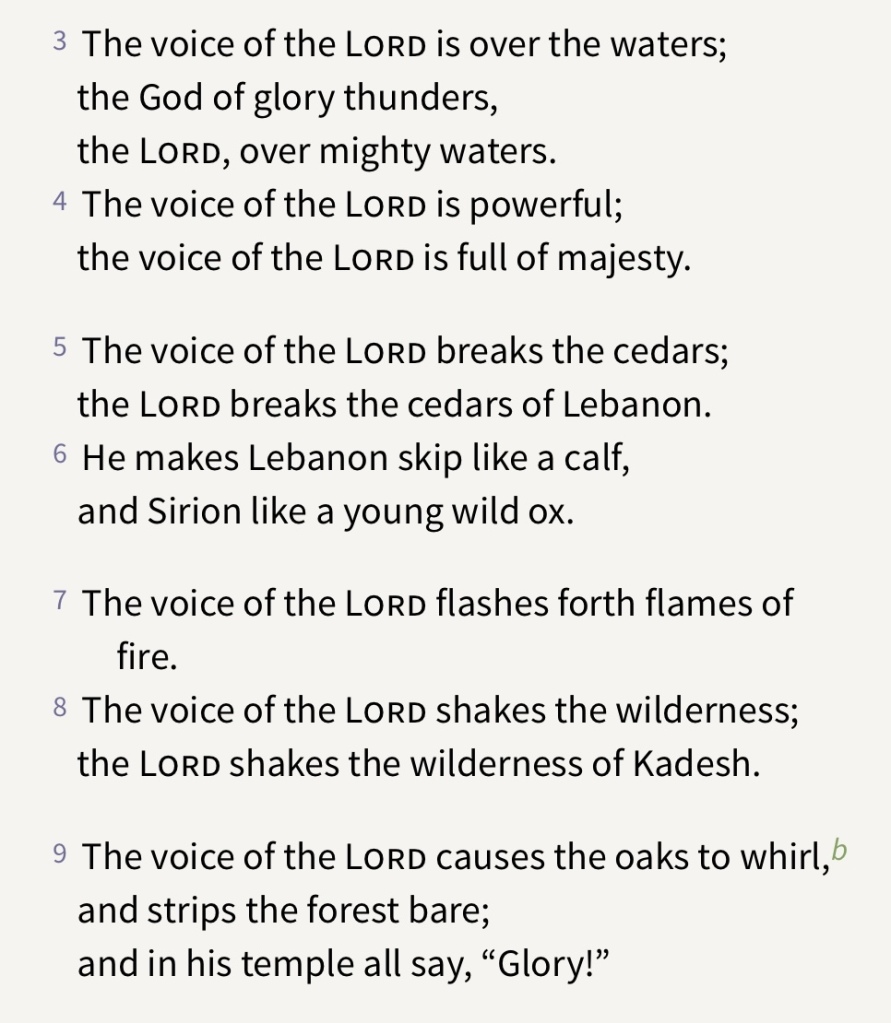
The theme of “the voice of the Lord” is sounded clearly in the psalm (Psalm 29), with a repeated refrain, “the voice of the Lord” through verses 3 to 9. First, the psalmist announces, “the voice of the Lord is over the waters; the God of glory thunders … the voice of the Lord is powerful; the voice of the Lord is full of majesty” (29:3–4).

Then follows a repeated affirmation, “the voice of the Lord breaks the cedars … the voice of the Lord flashes forth flames of fire … the voice of the Lord shakes the wilderness … the voice of the LORD causes the oaks to whirl, and strips the forest bare; and in his temple all say, ‘Glory!’” (29:5, 7–9). The message declared by the Lord God is conveyed by the natural order of things, in the elements of the creation, made by God (see Gen 1–2; Ps 104; and in this Sunday’s reading, Isaiah 42:5).

The speaking forth of God, made manifest and evident in God’s creation, is a fitting theme for the first Sunday in the season of Epiphany—a season that celebrates the shining forth, the manifestation, of God. However, this Sunday is designated, not only as the first Sunday in the season of Epiphany, but also as the day on which The Baptism of the Lord is recalled.

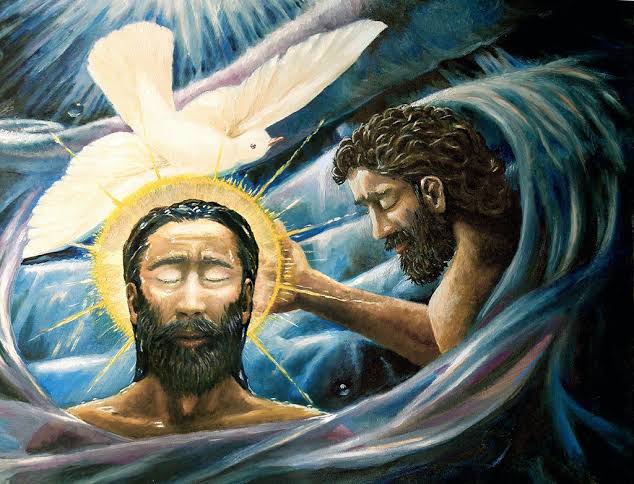
In the Gospel selection (Matt 3:13–17), the first evangelist reports that the Spirit of God “descended on [Jesus] like a dove” (3:16) as Jesus was baptised by John in the River Jordan. At that event, “a voice from heaven said, ‘This is my Son, the Beloved, with whom I am well pleased’” (3:17). The voice of the Lord is clear and prominent in this account of what was likely to have been the commissioning event for Jesus as he started into his public activities in the region of Galilee (Matt 4:12–25, and on until 19:1).

In the reading from Acts, in place of a section of an epistle, we hear Luke’s report of a speech of Peter, given in the house of the centurion Cornelius in Caesarea (Acts 1:34–43). In this speech, Peter announced how “the message spread throughout Judea, beginning in Galilee after the baptism that John announced; how God anointed Jesus of Nazareth with the Holy Spirit and with power” (Acts 10:38).

That message was to be continued by the disciples; Peter says that God “commanded us to preach to the people and to testify that he is the one ordained by God as judge of the living and the dead” (10:42). The voice of the Lord that has been heard in the early testimony (see Acts 2, 3, 7) continues through the later apostolic proclamation (see Acts 13, 17, 20).

Linked with this is the first of the four songs found in Second Isaiah (Isa 40–55) that are linked explicitly with the Servant (42:1–9; 49:1–7; 50:4–11; and 52:13–53:12). Here, the Servant is designated as the one in whom God delights (42:1); the phrase recurs in the message of the voice from the cloud which speaks at the baptism of Jesus, declaring that he is the one “with whom I am well pleased” (Matt 3:17). The Servant has God’s spirit within him (Isa 42:1), something which is directly enacted in the baptism of Jesus when he “saw the Spirit of God descending like a dove and alighting on him” (Matt 3:16).

The work of the Servant is to bring justice to the nations (Isa 42:1, 3, 4); that will be evident in the work of Jesus (Matt 12:18–21, quoting directly these verses from the first Servant Song). Through the Servant, the Lord calls people “in righteousness” (Isa 42:6); that call is echoed by Jesus as he calls his followers to demonstrate righteousness (Matt 5:20) and exhorts them to “strive first for the kingdom of God and his righteousness” (6:33). Indeed, the baptism of Jesus narrated by Matthew is said to have taken place “to fulfil all righteousness” (3:15).

Through the Servant, God establishes God’s people “as a covenant to the people, a light to the nations” (Isa 42:6); that charge is repeated by Jesus, who came as light shining in the darkness (Matt 4:15–16) and who equips his followers to be “the light of the world” (5:14–16), whose whole body will be “full of light” (6:23).

Through the Servant, God announces that “the former things have come to pass, and new things I now declare” (Isa 42:9); this is exemplified, according to Jesus, by “every scribe who has been trained for the kingdom of heaven [who] is like the master of a household who brings out of his treasure what is new and what is old” (Matt 13:52).

The identity of the Servant was debated in Israel; was this an individual, or a symbolic representation of the whole nation? The many resonances of the Servant Song in the story of Jesus indicate why Christian interpreters have identified Jesus as this servant. The story of his baptism provides a most appropriate occasion for underlining this connection. The shapers of the lectionary have thus linked these two passages on this Sunday, and set them into the context of passages declaring how “the word of the Lord” has been made manifest. It is a compelling start to the season of Epiphany.