In order that all the peoples of earth may know your name (1 Kings 8; Pentecost 13B)

This week I am taking leave of my consideration of New Testament passages in the lectionary, to turn to the Hebrew Scripture passage offered by the Revised Common Lectionary: 1 Kings 8.

If you have been following the Old Testament readings offered by the lectionary since Pentecost, you will know we have encountered some fascinating characters. We started way back in May with Hannah, mother of Samuel, offering her prayer of thanks (1 Sam 2).

We saw the adult Samuel, arguing with the people of Israel about whether they should have a king (1 Sam 8). Not everyone was supportive of the idea.

The first king of Israel was Saul; the lectionary offered us the passage where David was chosen as the successor of Saul—the young shepherd who “was ruddy, and had beautiful eyes, and was handsome” (1 Sam 16). Then came the account of David’s encounter with the giant from Gath, the Philistine named Goliath (1 Sam 17), and the telling of David’s love for Jonathan (2 Sam 1). After the death of Saul, the tribes gathered at Hebron, to make a covenant together supporting David as the new king (2 Sam 5).

The following week we had the story of Michal, daughter of Saul, looking out of the window, watching King David leaping and dancing before the ark, dressed only, we are told, in a linen ephod (2 Sam 6).
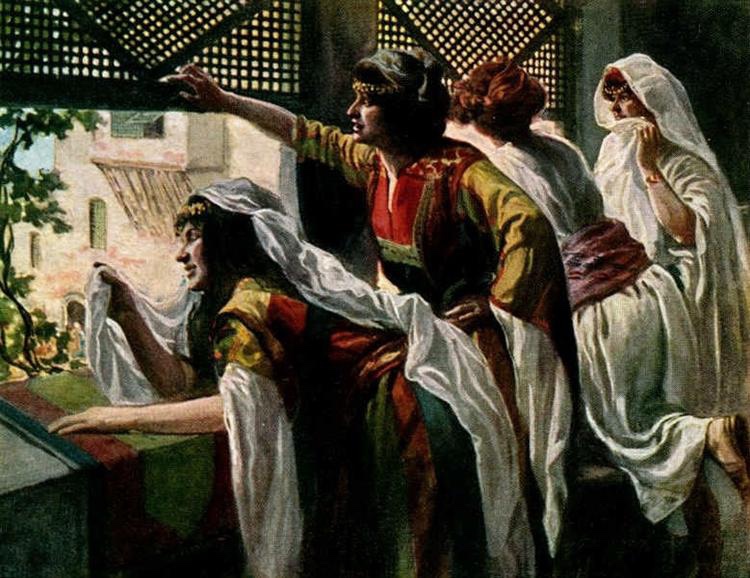
The ephod is basically a very loose fitting outer garment; given that David was leaping and dancing, we can only surmise that it left little, if anything, to the imagination of onlookers, as it flapped and swirled.

And then, in a dramatic change of mood, we heard Nathan receiving the word of the Lord instructing David to build a house—a temple, no less (2 Sam 7).

The following Sunday provided another insight into the character of David—not only was he a scantily-clad dancer, but an adulterer and murderer as well, as we learn in the well-known story that involves Uriah, his wife Bathsheba, and the king’s officer Joab (2 Sam 11).

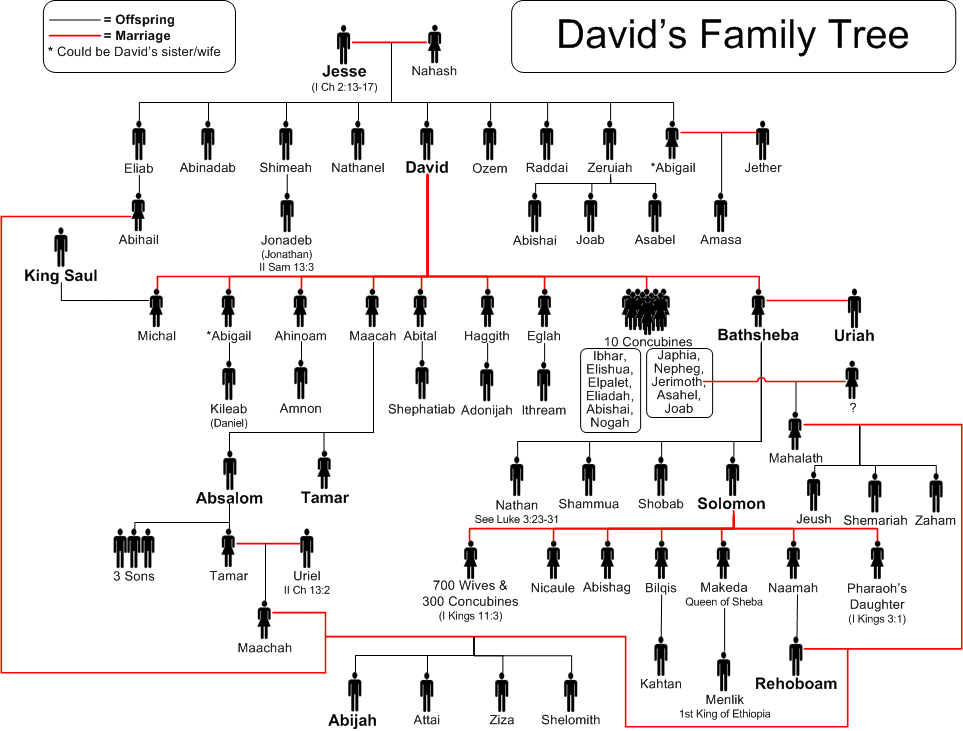
This was followed by the gory account of the death of Absalom, the third of David’s 21 children (yes, that’s correct: from his eight wives and ten concubines, David bore at least 21 children!)
Poor long-haired Absalom was murdered after his hair got caught in the branches of an oak tree, and he was left swinging, until ten of the king’s soldiers butchered him. And all of this took place after a battle which was marked by the slaughter of 20,000 Israelites (2 Sam 18).
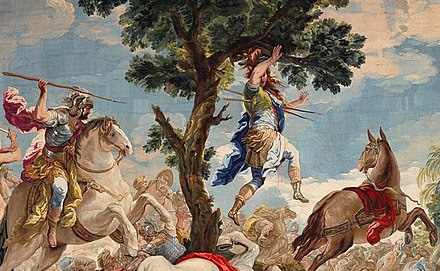
David, we are told, was grief-stricken. “O my son Absalom, my son, my son Absalom!”, we are told he lamented. “Would I had died instead of you, O Absalom, my son, my son!” That is a sardonic reflection, however, on the faux-love of David for his estranged son and his faux-grief on Absalom’s death.

All of these stories reveal to us the character of the leaders in Israel. All of these stories have featured in our lectionary over the last three months—have a look at what has been offered and read those stories, I encourage you. Leaders are human, after all, we find in these stories, and life in those days was tough, rugged, challenging.

The leaders whom we encounter in these stories are devious, unscrupulous, scheming, manipulative, emotional, hard-headed, self-serving, and deeply flawed. All of this. From these ancient texts—as if we didn’t already know this from our own observations of leaders in our own situation!

Which brings us, through these sagas of violence, conflict, betrayal, and drama, to Solomon, son of David, installed as king of Israel after the death of his father (1 Kings 2). God made a promise to Solomon: “I give you a wise and discerning mind; no one like you has been before you and no one like you shall arise after you” (1 Kings 3:12).

*****

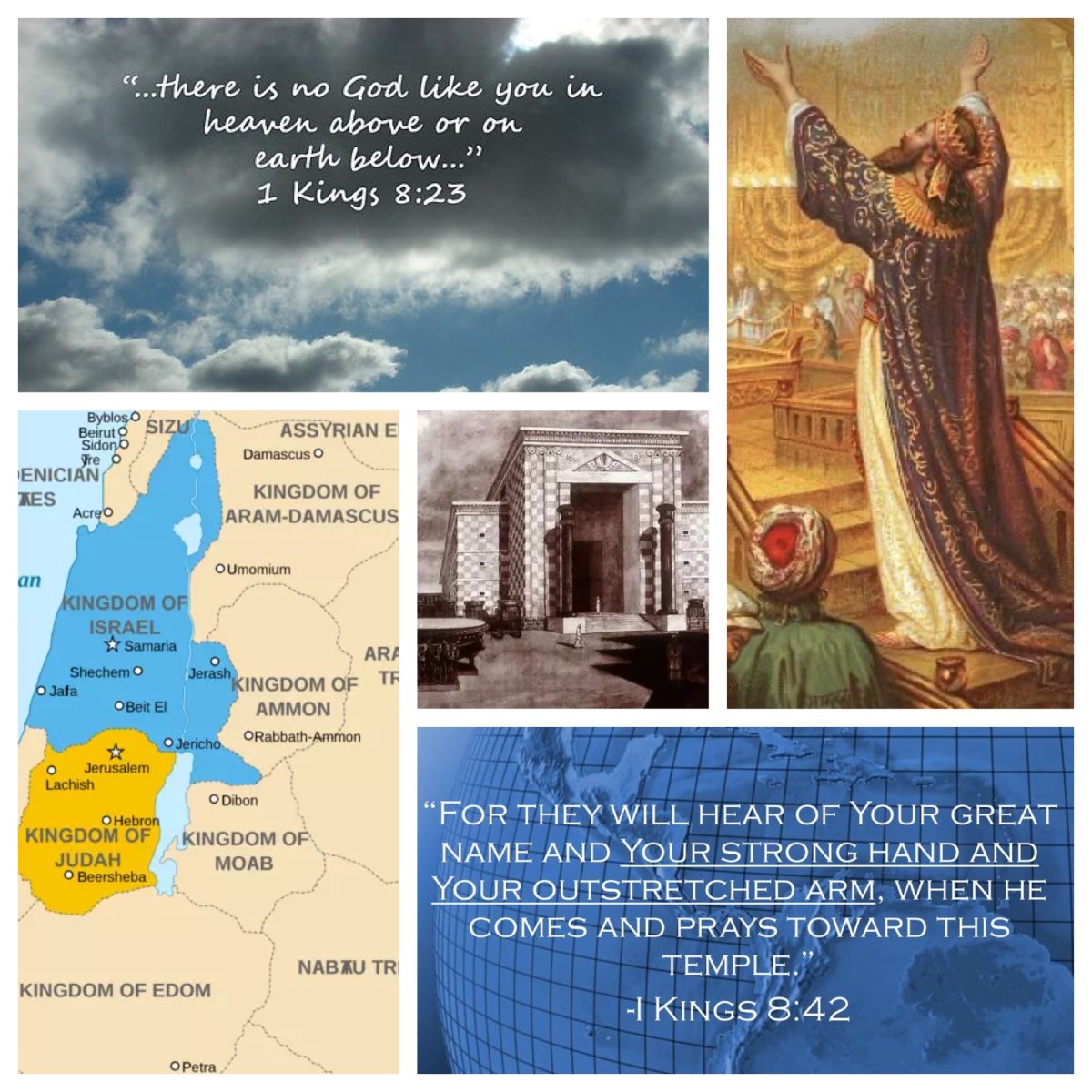
Then we come to the passage set for this coming Sunday, where all the stops are pulled out, as Solomon gathers people for the opening of the Temple (1 Kings 8).

This journey through the narratives of the Hebrew Scriptures reaches it climactic point in this passage, where the greatest king of Israel, Solomon, prays to dedicate the grand religious building, the Temple, on the top of the highest hill in Jerusalem, the capital city of the kingdom at the point of its greatest influence and power. (The readings in following weeks will move into the literature attributed to and inspired by Solomon, the wisdom literature.)
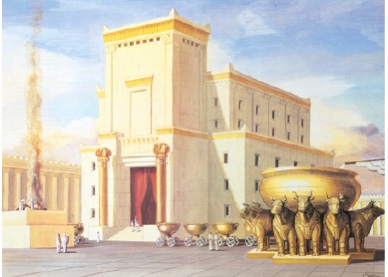
So, we hear the account of this moment of dedication: “Then Solomon assembled the elders of Israel and all the heads of the tribes, the leaders of the ancestral houses of the Israelites, before King Solomon in Jerusalem, to bring up the ark of the covenant of the LORD out of the city of David, which is Zion. Then the priests brought the ark of the covenant of the LORD to its place, in the inner sanctuary of the house, in the most holy place, underneath the wings of the cherub. And when the priests came out of the holy place, a cloud filled the house of the LORD.” (1 Kings 8:1–10).

Man, this is serious stuff: heavy, important, serious. The king. All the elders. The heads of each of the 12 tribes. And the priests, with the ark of the covenant. All assembled at the place where Solomon, king in all his majesty and power, had arranged for a temple to be built. “Then Solomon stood before the altar of the LORD in the presence of all the assembly of Israel, and spread out his hands to heaven” (1 Kings 8:22), and prays a long prayer of blessing for the new edifice.

Now, Solomon, I am sure you are thinking, is remembered as the wise one. “The wisdom of Solomon”, we say. Jesus relates how “the Queen of the south [the Queen of Sheba] came from the ends of the earth to hear the wisdom of Solomon” (Matt 12:42).

In 2 Chronicles 1, God says to Solomon, “because you have asked for wisdom and knowledge for yourself … wisdom and knowledge are granted to you. I will also give you riches, possessions, and honor, such as none of the kings had who were before you, and none after you shall have the like” (2 Chron 1:11–12).

And later, King Solomon is said to have “excelled all the kings of the earth in riches and in wisdom. And all the kings of the earth sought the presence of Solomon to hear his wisdom, which God had put into his mind. Every one of [those kings] brought his present, articles of silver and of gold, garments, myrrh, spices, horses, and mules, so much year by year.” (2 Chron 9:22–24).

This wonderfully wise, insightful, discerning man, Solomon—bearing a name derived from the Hebrew for peace, “shalom”—became a powerhouse in the ancient world. But he did not always live as a man of peace. “Solomon”, the text continues, “had 4,000 stalls for horses and chariots, and 12,000 horsemen, whom he stationed in the chariot cities and with the king in Jerusalem.” (2 Chron 9:25). Solomon had amassed a great army, exercising great power, imposing his rule across the region.

And Solomon, the tenth son of David, the second child of Bathsheba, came to the throne by devious means. It was Adonijah, son of David’s fifth wife Haggith, who sought to succeed his father on his death; Solomon, however, had Adonijah murdered, as well as dispatching the henchmen of Adonijah—Joab the general, who was executed, and Abiathar the priest, who was murdered. This paved the way for Solomon to succeed to the throne. He did not come with clean hands.

But he became a powerful ruler. More is said of Solomon: “he ruled over all the kings from the Euphrates to the land of the Philistines and to the border of Egypt.” (2 Chron 9:26). Solomon was remembered as king over the greatest expanse of land claimed by Israel in all of history. That’s a claim that is still held by the hardest of fundamentalist right-wing Israelis in the modern state of Israel today—claiming that God gave all this land to Israel under Solomon, and that is the extent of the land that should be under the control of the government of modern Israel. Which is not going to happen, given the realities of Middle Eastern politics on our times.
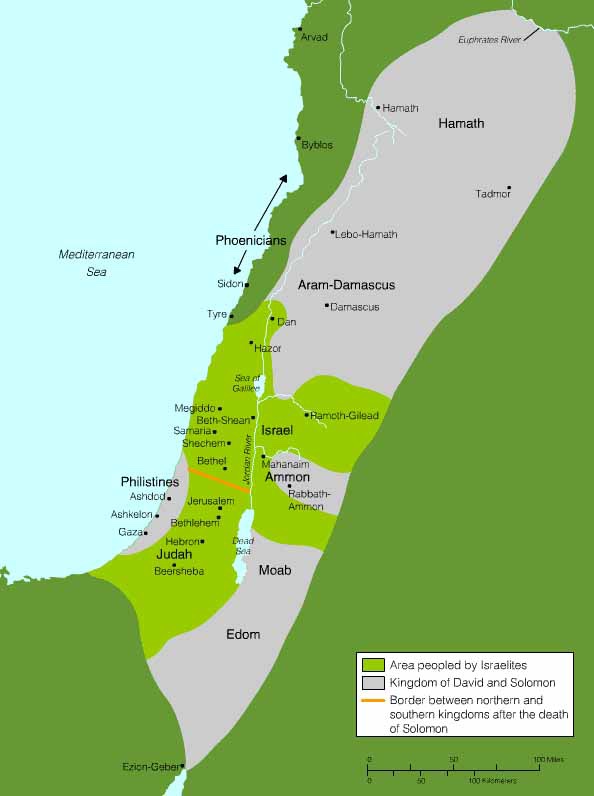
And we see the utilisation of this power by Solomon, the man of peace, in the Chronicler’s comment that “the king made silver as common in Jerusalem as stone, and he made cedar as plentiful as the sycamore of the Shephelah; and horses were imported for Solomon from Egypt and from all lands.” (2 Chron 9:27–28).

So Solomon was a warrior. And warrior-kings were powerful, tyrannical in their exercise of power, ruthless in the way that they disposed of rivals for the throne and enemies on the battlefield alike. Think Alexander the Great. Think Charlemagne. Think Genghis Khan. Think William the Conqueror. Solomon reigned for 40 years—a long, wealthy successful time.

*****

Yet in the passage set for this Sunday, Solomon appears not as a powerful king. Rather, he is a humble person of faith. He stands before all the people, raises his arms, and prays to the God who is to be worshipped in the Temple that he had erected. He is a person of faith, in the presence of his God, expressing his faith, exuding his piety.
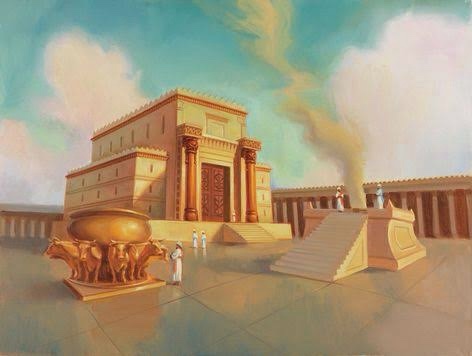
Now, the prayer of Solomon goes for thirty solid verses; there are eight different sections in this prayer. The lectionary has mercy on us this Sunday; we are offered just two of those sections, eleven of the thirty verses. We have heard the shortened version! In these two sections of this prayer, Solomon identifies two important features of the newly-erected Temple. The first is that the fundamental reason for erecting this building is to provide a focal point, where people of faith can gather to pray to God (1 Ki 8:23–30).
Perhaps we may be used to hearing about the Temple in Jerusalem in fairly negative terms. Jesus cleared the Temple of the money changers and dove sellers who were exploring the people. He predicted the destruction of the Temple during the cataclysmic last days. For centuries, people from all over Israel were required to bring their sacrifices to the priests in the Temple, to offer up the firstborn of their animals and the firstfruits of their harvest. The Temple cult was a harsh, primitive religious duty, imposing hardships on the people. The priests, the elites who ran the Temple, lived well off the benefits of all of these offerings.

I could offer you a counter argument to each of these criticisms; but today I simply want to note that Solomon, in his prayer of dedication, makes it clear that the fundamental purpose of the Temple was to provide a house of prayer, a place where the people of God could gather, knowing that they were in the presence of God, knowing that the prayers that they offer would be heard by God and would lead to God’s offering of grace, forgiving them for their inadequacies and failures.

The Temple was to be a place of piety for the people. It was to foster the sense of connection with God. It was to deepen the life of faith of the people. It was to strengthen their covenant relationship with the Lord God.

All of which can be said for us, today, about the building that we come to each Sunday, to worship. The church—this church—is a place of piety for us, the people of God. It is to foster the sense of connection with God. It is to deepen the life of faith of each of us, the people of God. It is to strengthen our covenant relationship with the Lord God through the new covenant offered in grace by Jesus. That’s what the church—this church, your church—is to be.

So we read in the first part of Solomon’s Temple prayer. For the people of ancient Israel, standing in the shadow of this wonderful new building, the prayer might encourage a strong sense of self identity, blessed to be part of the people of God. Of course, it could also develop narrow nationalism, a jingoistic praising of the greatness of Israel, extolling their identity as the chosen nation, the holy people, the elect of God.

The Temple invited the people of God to meet the God of the people, to pray, to sing, to offer signs of gratitude and bring pleas and petitions—in short, to keep the covenant, to show that they are keeping the covenant, to be satisfied that they are keeping the covenant, as they worship. It had a strong, positive purpose for the people.

But that is not where the prayer ends. The second key element of Solomon’s prayer that the lectionary offers us today (1 Ki 8:41–43) is striking. It also relates to prayer. But it is not the prayer of the people of God, covenant partners with the Lord God. It is about the prayer of “a foreigner, who is not of your people Israel, [who] comes from a distant land because of your name”. This is a striking and dramatic element to include in this dedication prayer before all the people.

Solomon prays to God, imploring God to “hear in heaven your dwelling place and do according to all for which the foreigner calls to you, in order that all the peoples of the earth may know your name and fear you, as do your people Israel, and that they may know that this house that I have built is called by your name.”
Now that is an incredible prayer for the King of Israel to pray! It reflects an openness to the world beyond the nation, an engagement with the wider geopolitical and social relatives of the world at that time. Solomon was not an isolationist. He was not inward focussed on his nation. He had an outwards orientation. He did not want the Temple to foster a holy huddle, shut off from the world. He had other intentions. He wanted the Temple to be a holy place, open to people from across the region, from far beyond the territory of Israel—a gathering place for all the peoples.

That was the vision that Solomon set forth for his people. That was not always the way that the Temple actually did function, we know. But that was the foundational vision—articulated by Solomon, remembered by the scribes, included in the narrative account of the kings, placed in a strategic position at the opening and dedication of the Temple. It is a vision which speaks, both to the people of Israel, but also to people of faith today, in the 21st century world.

*****

On the temple of Solomon, see https://www.bibleodyssey.org/en/places/main-articles/first-temple
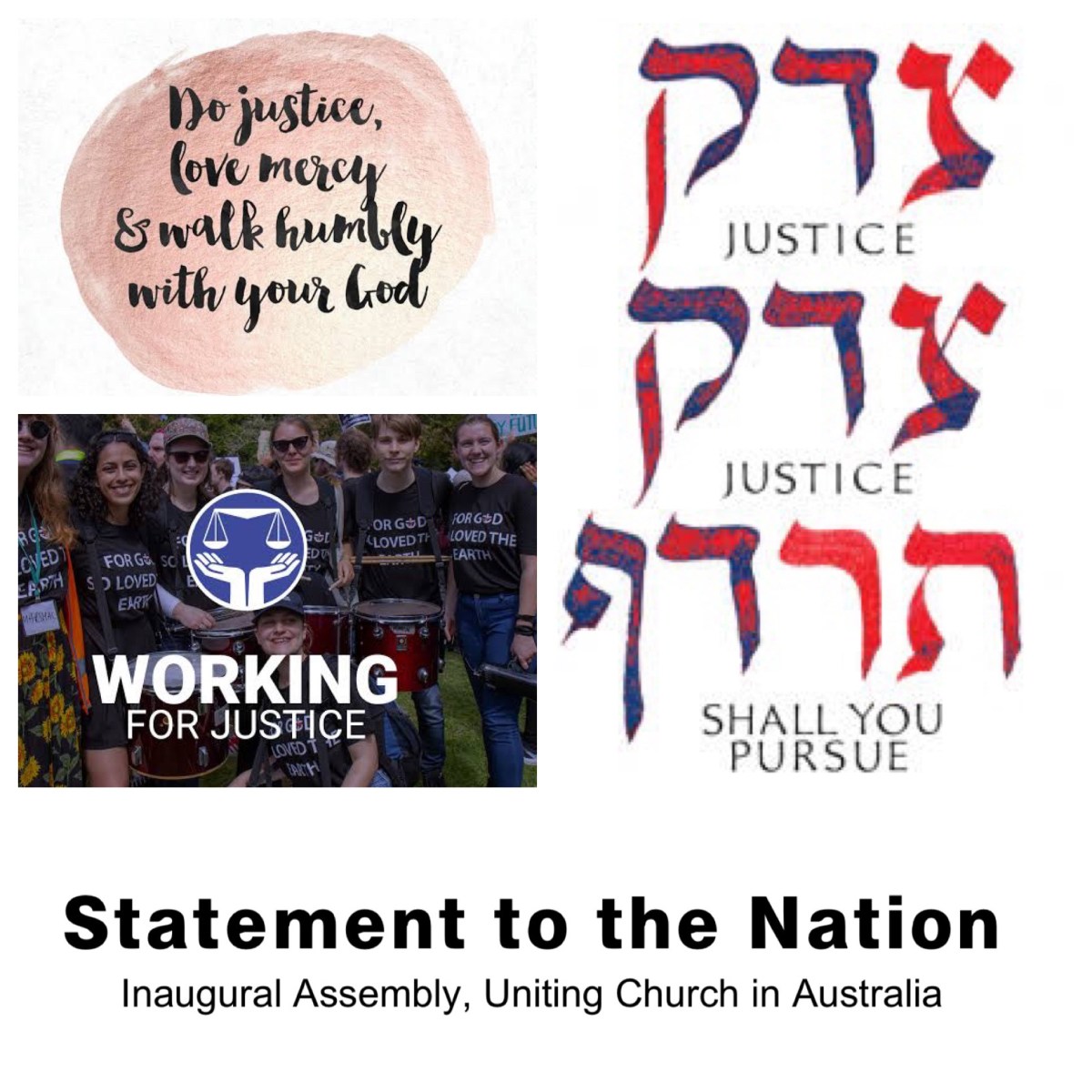
Justice, and only justice, you shall follow.

“Justice, and only justice, you shall follow, that you may live and inherit the land that the LORD your God is giving you.” So we read in scripture (Deut 16:20). And once they were in that land (even though they colonised it unjustly), the people of Israel were reminded of the centrality of justice. “What does the LORD require of you, but to do justice, and to love kindness, and to walk humbly with your God?”, one prophet asked (Micah 6:8). “Let justice roll down like waters, and righteousness like an ever-flowing stream”, another of the prophets declared (Amos 5:24).

Justice is an important and oft-recurring theme in scripture, in both Old and New Testaments. It is not an add-on, an optional extra. It sits at the centre of the scriptural witness

1 Jesus and Justice

When one of the evangelists told the story of Jesus, the person chosen by God for a special task, he related him to the words (from yet another prophet) in which God affirmed, “Behold, my servant whom I have chosen, my beloved with whom my soul is well pleased. I will put my Spirit upon him, and he will proclaim justice to the Gentiles … a smoldering wick he will not quench, until he brings justice to victory” (Matt 12:18–20, quoting Isaiah 42:1–4).

Jesus himself had made it clear that when his focus was on fulfilling all the Law (Matt 5:17–20), it was “the weightier matters of the law: justice and mercy and faithfulness” that ought to be given priority (Matt 23:23). So when Jesus instructs his followers to “seek first the kingdom of God and his righteousness” (Matt 6:33), he is pointing to the centrality of justice in the ways of God. And when he affirms that “those who hunger and thirst for righteousness” are blessed, “for they shall be satisfied” (Matt 5:6), he is placing justice at the centre of his message. (The Greek word translated here as “righteousness” can equally be translated as “justice”.)

2 The Justice [Righteousness] of God

The letters of Paul place this justice (“righteousness”) at the heart of the gospel which he proclaimed: “I am not ashamed of the gospel, for it is the power of God for salvation to everyone who believes, to the Jew first and also to the Greek. For in it the righteousness [justice] of God is revealed from faith for faith, as it is written, ‘The righteous [the just] shall live by faith.’” (Rom 1:16–17).

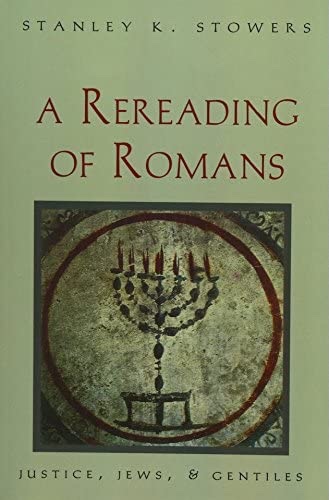
Indeed, in his excellent analysis of Paul’s letter to the Romans, identifies this clearly in the title of his book: A Rereading of Romans: Justice, Jews, and Gentiles (Yale University Press, 1997).

Justice [righteousness] is the very essence of God, given as an act of grace to all who put trust in God. It is through this “righteousness [justice] of God, through faith in Jesus Christ for all who believe”, that “all are justified by his grace as a gift, through the redemption that is in Christ Jesus” (Rom 3:21–26). Paul asserts that it is “one act of righteousness [justice] [which] leads to justification and life for all” so that “grace also might reign through righteousness [justice] leading to eternal life through Jesus Christ our Lord” (Rom 5:18–21). Justice is the very essence of God, given to all through Jesus.

3 Justice and Grace

One way of expressing this quality of justice, or righteousness, in the life of faith, is to show grace, or compassion, to those who are in need. Jesus recognised this when affirmed “whoever gives a cup of water to drink” (Mark 9:41), and in his parable about the Samaritan who went out of his way to assist and care for an injured traveller (Luke 10:25–37).

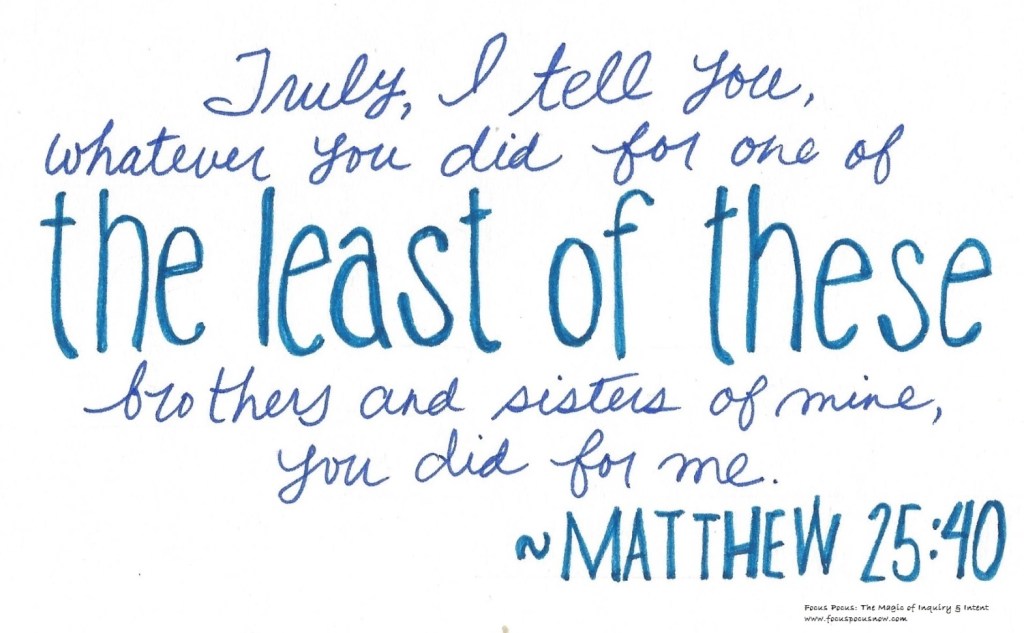
Both the manifesto for mission that Luke highlights at the start of the public activity of Jesus (Luke 4:18–21) and the climactic parable of the sheep and the goats that Matthew places at the end of the public teaching of Jesus (Matt 25:31–46). Jesus declares his intention to enact justice by setting free the captives, giving sight to the blind, and liberating the oppressed (Luke 4:18). He tells his followers that whenever they sheltered the homeless, fed the hungry, or gave a drink to the thirsty, “you did it to me” (Matt 25:35–40). James, his brother, likewise asserted that to practice true religion was “to visit orphans and widows in their affliction” (James 1:27).

So acts of kindness give expression to the very heart of who God is, by manifesting God’s justice, or righteousness. “Unless your righteousness [justice] exceeds that of the scribes and Pharisees, you will never enter the kingdom of heaven”, he declares (Matt 5:20), and so “blessed are those who are persecuted for the sake of righteousness [justice], for theirs is the kingdom of heaven” (Matt 5:10).

4 Advocating for Justice in Scripture

Taking care that justice is done also requires speaking out for those who are silenced, marginalised, oppressed, or persecuted. In Proverbs, the sage advises, “Open your mouth for the mute, for the rights of all who are destitute. Open your mouth, judge righteously, defend the rights of the poor and needy.” (Prov 31:8–9).

Likewise, the Psalmist affirms, “Blessed is the one who considers the poor! In the day of trouble the LORD delivers him” Psalm 41:1).

Advocating for justice is thus seen as integral to faith in God.

One of the prophets delivered the word of the Lord: “Render true judgments, show kindness and mercy to one another, do not oppress the widow, the fatherless, the sojourner, or the poor, and let none of you devise evil against another in your heart.” (Zech 7:9). Another prophet asserted, “Keep justice, and do righteousness, for soon my salvation will come, and my righteousness be revealed.” (Isa 56:1).

Jesus is remembered in the preaching of his followers as The Righteous One—we might also say, The Just One. This is what he is called by Peter (Acts 3:14), Stephen (Acts 7:52), and Paul (Acts 22:14). The title recalls the centrality of justice in the ministry of Jesus.

And Jesus maintains the importance of advocating for justice in his teachings. We have already noted his teachings in which he advocates that we care for the little ones and those in need (Matt 25) and instructs his followers to work for liberty for the oppressed (Luke 4). He teaches the central significance of love for neighbour (Mark 12:31), which surely entails advocating for justice.

And he tells the parable of the widow calling persistently for justice (Luke 18:1-8), which concludes with the powerful rhetorical question, “will not God give justice to his elect, who cry to him day and night?” (Luke 18:7), followed I meant the striking affirmation, “tell you, he will give justice to them speedily” (Luke 18:8). A commitment to justice requires advocacy for justice.

5 Justice in the Basis of Union

The centrality of justice, so evident in the witness of scripture, is reiterated in the Basis of Union of the Uniting Church. If we are followers of Jesus, called to walk the way he sets out before us, then as faithful disciples, we are called to walk right into what the Basis of Union envisages as a “new order of righteousness and love” (para 3). The words in that phrase are drawn from the deep wells of tradition, especially in scripture, where both live and righteousness are frequently-occurring words. It is the kingdom of God which is the new order of righteousness (justice), manifested in love.

These words call us to care for one another but also to do what is right. They call us to live a live grounded in justice, in the same terms that Jesus and the prophets before him cried out, seeking justice for everyone—not just for ourselves or those close to us, but for the whole of society.

These words challenge us to live with the same self-giving, fully-emptying love, that we see in the cross at the centre of the story of Jesus. And they lead us to the conclusion that as we live in this way, we will advocate for justice.

6 Advocating for Justice in the Statement to the Nation

The Uniting Church inherited from its predecessor Churches this resolutely firm commitment to advocating for justice for all. Many Uniting Church congregations and members are actively committed to serving those people who find themselves on the margins of society. This commitment was clearly articulated in the 1977 Statement to the Nation, which declared, “We pledge ourselves to seek the correction of injustices wherever they occur.”

That Statement then identified specific forms of injustice: “poverty, racism and discrimination, acquisitiveness and greed, and the daily widening gap between the rich and poor”. It identified a number of rights to be supported: “equal educational opportunities, adequate health care, freedom of speech, employment or dignity in unemployment if work is not available”.

It also noted some just actions that were to be followed, including “the wise use of energy, the protection of the environment and the replenishment of the earth’s resources”, as well as a concern for the welfare of the whole human race.

The Statement spoke out publicly about these matters. It models for future Uniting Church people the importance of advocating for justice.

7 Advocating for Justice in Action

This commitment to advocating for justice has been evident in many actions undertaken by Uniting Church members over the decades. The Uniting Church has joined in common cause with other groups and organisations in society, in standing in covenant solidarity with First Peoples; in advocating for a welcoming attitude towards refugees; in lobbying for a fair and just system of caring for people who are experiencing poverty and homelessness; in seeking equity for workers in their workplace; and in many other issues. A regular stream of policy documents and public resolutions point to a clear and unbroken commitment to seeking justice for all.

“Justice, and only justice, you shall follow.” The words of the ancient prophet sound clear, still, today. “Do justice, love kindness, and walk humbly” has become a compelling guide for people of faith. And as we walk the way of The Just One, we do well to “seek first the kingdom of God and God’s justice”.

*****

On justice in scripture, see https://johntsquires.com/2021/05/26/reading-old-and-new-testaments-together-2-worship-and-justice/. For the Basis of Union, see https://assembly.uca.org.au/basis-of-union. For the Statement to the Nation, see https://assembly.uca.org.au/resources/introduction/item/134-statement-to-the-nation-inaugural-assembly-june-1977. For policy documents and Assembly resolutions on matters of justice, see the many resources collected at https://unitingjustice.org.au

There are further articles about justice and advocacy in the Spring 2021 issue of Viewpoint, the magazine of the Canberra Region Presbytery of the Uniting Church in Australia, at https://canberra.uca.org.au/media/10701/viewpoint-crp-advocacy-august-2021.pdf

A Safe Place for Rainbow Christians

A post from guest blogger Delia Quigley

July 2015 saw the beginning of  Rainbow Christian Alliance (RCA) as a joint program run in partnership between Tuggeranong Uniting Church (TUC) and Diversity ACT community services. RCA was initiated to provide a Safe Place for LGBTIQA+ people of faith, their families and friends who wanted to be able to get together in fellowship in an environment away from the judgement, hurt and pain often caused by Christian Churches and other faiths to the LGBTIQA+ community.

See the source image

RCA  gathers  on the second Sunday of each month with a dinner church format, meeting with LGBTIQA+ people of faith and their allies; gathering, chatting, eating, then sharing in a variety of worship styles including modified liturgy, readers theatre, discussion groups, guest speakers and the evening is usually wrapped up with dessert and much more chatting!

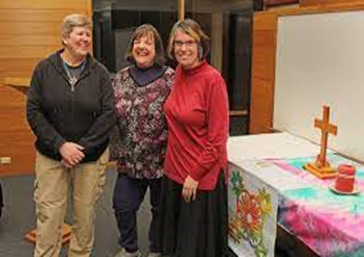
Initially RCA was led by Delia Quigley, Rev Anne Ryan and  Megan Watts

Initially the RCA project was set up utilising the space in the Erindale Neighbourhood Centre, next door to TUC, but since the arrival of COVID-19 and the requirements for modifications including increased space for those gathered, RCA has been meeting in the TUC auditorium.

Following the commencement of RCA in July 2015, an invitation was extended by Rev Aimee Kent and a partnership was also created with Goulburn Grace Community. Dare Café commenced in Goulburn in February 2016, meeting monthly, and later incorporating a Bible Study group. The Dare Café and Grace Community has been impacted by COVID-19, but Pastor Amy Junor is now keen to work with the Dare Café group and keep things moving where possible.

See the source image

Over its six years, RCA has provided support to many people, including Ministers or Pastors who lost their congregation or Church because of their own sexuality, as well as people who faced exorcism, conversion therapies or even had lobotomies performed on them to cure their sexuality!

RCA also provided information to other congregations on LGBTIQA+ education and issues, including at the very stressful time of the Marriage Plebiscite. Following the June 2016 Orlando shooting at the Pulse night club in the USA, where 49 patrons were killed and 53 were wounded, RCA partnered with Canberra City Church to hold a Blue service for Orlando which was catered for with heart warming soups and fresh bread rolls by the City Church Congregation.

In more recent times RCA has had increasing support from TUC Congregation members, who provide a core support group to assist with set up, catering and running of RCA, giving more space for the leadership team of Rev. Miriam Parker-Lacey, James Ellis and Rev. Elizabeth Raine to concentrate on working with the group activities.

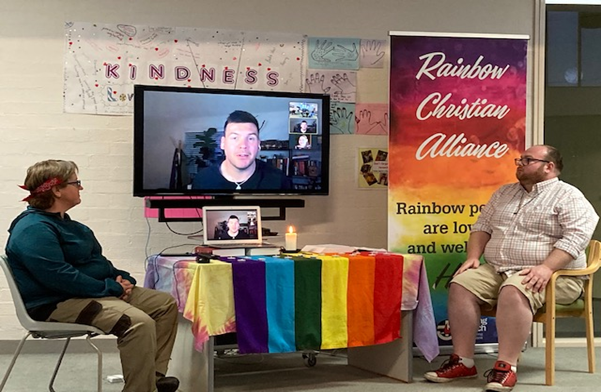
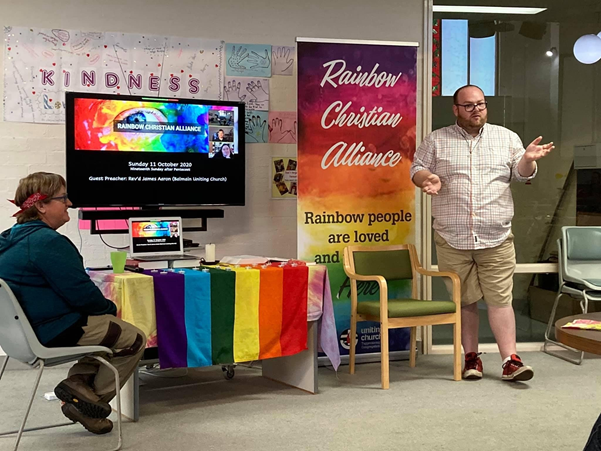
Rev Aaron James pictured speaking online to the RCA gathering in October 2020
with Rev Miriam Parker-Lacey and James Ellis 

RCA has provided a safe place for many and has had steady numbers of attendees of approximately 20-22 people at each gathering over the past 6 years.  Obviously there has been changes as to who attends, but the numbers have remained steady and in recent months there has been an increase in LGBTIQA+ youthful attendees. These younger attendees may not face some of the issues older generation LGBTIQA+ people faced but there are still many  ongoing issues for LGBTIQA+ plus Christians.

6th Birthday gluten-free chocolate mud cake 

Sadly, since the Marriage Plebiscite, there has been an increased push from certain quarters to demonise Transgender or Non-Binary people, and the current Olympics has been used to push fears that Trans people are stealing women’s rights and your children! (The “protect your children” fears was also previously used to push the falsehood that homosexuality equalled paedophilia.)

There are ongoing pushes for legislative changes being introduced by Mark Latham in NSW to prevent even mentioning LGBTIQA+ issues in classrooms.  LGBTIQA+ people are also faced with possible legislation to be tabled by the current Federal Government on ‘Religious Freedom’. Initially the Prime Minister promised to look at legislation to keep LGBTIQA+ young people safe, but there is much cynicism as to what may be introduced and many LGBTIQA+ people fear exclusion or even loss of employment because of their sexuality or gender identity

The Rainbow Christian Alliance continues to provide a Safe Space for people who have been hurt or marginalised within society–even by the church–to gather, relax in each other’s company, and share their faith.

More information on RCA can be found at  https://tuc.org.au/worship/rainbow-christian-alliance/ or on Facebook at https://www.facebook.com/groups/1025029234182558

See also https://www.abc.net.au/news/2017-08-17/what-is-it-like-to-be-christian-and-in-the-lgbtiq-rainbow-family/8808584

Values and Principles in the context of a pandemic (revisited)

Cases of COVID-19 continue to occur in Australia. Lockdowns and enforced periods of isolation have taken place in numerous locations over the last few months; they are taking place again now across the country; and given the slow vaccine rollout and the emergence of variants that spread far more easily and rapidly, they will take place again in the future.

As these new strains of the virus emerge with greater rates of infections, uncertainty continues as to how long and and how hard the restrictions will be needed, and where the next outbreak will occur. In this context of uncertainty, people of faith would do well to reflect on how we respond to the guidance provided by our leaders.

Our faith offers us some support as we navigate the difficulties and dangers that we find ourselves in. There is comfort, as well as guidance, in the beliefs we hold, and in the ways that they are applied to our current situation of pandemic. Whether we gather together for worship and fellowship, or we are gathering-apart by online means, there are principles which hold good for us.

My thoughts follow on from my earlier biblical and theological considerations in https://johntsquires.com/2020/03/15/when-you-come-together-reflections-on-community-in-the-midst-of-a-pandemic/ and repeat what I wrote in a subsequent post, https://johntsquires.com/2020/05/11/when-we-come-together-2-values-and-principles-in-the-midst-of-a-pandemic/

So here are some key principles, along with some associated biblical passages that, in my thinking, shape our ethos and inform how we make responsible ethical decisions about how we gather as church.

1. Gathering for worship is important, but safety of people is more important

We know that, across society, there are many people who are vulnerable, who needs our particular care, support, and attention. Whilst gathering-together for worship, prayer, discussion, fellowship, and conversation, is highly valued, our highest priority must be to act in a manner that ensures the lowest risk for people in society, that offers a safe place and safe manner for people to gather-together.

We have committed to being a Safe Place some years ago, and whilst we have applied that to matters such as the safety of children and young people, the physical arrangement in our buildings, and acceptance of diversity. Can we now apply that to the matter of community health and wellbeing?

The psalmist reflects, “Because the poor are despoiled, because the needy groan, I will now rise up,” says the LORD; “I will place them in the safety for which they long” (Psalm 12:5). In another psalm, we hear the prayer, “O Lord, let your steadfast love and your faithfulness keep me safe forever” (Psalm 40:11). We need to echo that sentiment and follow that commitment to safety as we gather together.

2. The weakest or most vulnerable is the test for any decision we make

The people who have high risk of infection are those who have the following vulnerabilities: an impaired immune system, one of a number of chronic medical conditions, age, and people with Aboriginal and Islander descent.

Paul writes to the believers in a number of his communities, exhorting those who are “stronger” to attend to “the weak”, with the fundamental principle that “orientation to the needs of the other” undergirds everything. That orientation should govern how we think about, and how we act in, the days ahead. Those who are most vulnerable in terms of age or health should be the litmus test for anything that we consider doing when we gather-together.

Our own personal needs (or desires), the hopes and wants (or desires) of a community of faith, need to have this first consideration governing all that they decide. As Paul writes:

“Do nothing from selfish ambition or conceit, but in humility regard others as better than yourselves. Let each of you look not to your own interests, but to the interests of others.” (Phil 2:3-4)

“Let us therefore no longer pass judgment on one another, but resolve instead never to put a stumbling block or hindrance in the way of another.” (Rom 14:13)

You can read more about this way of operating in Romans 14:1-15:13. This would form an excellent focus for a Bible Study to go alongside a Church Council discussion of what steps can be taken as we consider gathering-together once more.

3. Relationships with others are our first priority. Loving our neighbour takes priority over programs and activities

“Which commandment is the first of all?” Jesus answered, “The first is, ‘Hear, O Israel: the Lord our God, the Lord is one; you shall love the Lord your God with all your heart, and with all your soul, and with all your mind, and with all your strength.’ The second is this, ‘You shall love your neighbour as yourself.’ There is no other commandment greater than these.” (Mark 12:28-31)

Relationships with other people are given priority in this passage, and in the teachings of Jesus throughout the Gospels. That’s a fairly simple observation, but it is incredibly potent in the current situation. How do we ensure that we are “loving our neighbour” in what we decide and what we do together?
Jesus places this as the second “greatest commandment”, alongside the first, of loving God. We need to hold these two aspects in tension, and ensure that we do not focus solely on “loving God” (and doing that in the old, familiar ways, unthinkingly), but we hold together “loving our neighbour” with “loving God”, and that we prioritise these over “returning to business as usual”. If business as usual is just about ourselves as a group, then our higher priority needs to be about how we operate in relation to all those around us.

4. We have a commitment to the common good—the good of all people in society
Almost a decade ago, the Uniting Church adopted a snappy slogan which expressed our commitment to “the common good”. This has been a rallying cry at many gatherings where matters of social justice are being addressed and advocated for—refugees and asylum seekers, affordable housing, care for the creation and environmental policies, sheltering the homeless and feeding the hungry, for instance.

Now, in this challenging time, we need to apply that same commitment “to the common good” to the question of what the implications are when we gather-together, after a time of gathering-apart. We need to ensure that whatever steps we take do contribute to that common good, not simply to the benefit of the group gathering together—be that Congregation, Church Council, Fellowship Group, Bible Study Group, our informal lunch gathering at the church.

And let us remember that “the common good” is itself an important biblical marker:

“So then, whenever we have an opportunity, let us work for the good of all, and especially for those of the family of faith.” (Gal 6:10)

“To each is given the manifestation of the Spirit for the common good.” (1 Cor 12:7)

5. We need to ensure the safety of vulnerable people in leadership (ministry leaders, both ordained and lay)

“So the LORD said to Moses, “Gather for me seventy of the elders of Israel, whom you know to be the elders of the people and officers over them; bring them to the tent of meeting, and have them take their place there with you. I will come down and talk with you there; and I will take some of the spirit that is on you and put it on them; and they shall bear the burden of the people along with you so that you will not bear it all by yourself.” (Num 11:16-17)

This story from the Hebrew Scriptures demonstrates that God was concerned to take care of the leadership of the people of Israel. The seventy Elders were he people. appointed to assist Moses in his growing role as a leader of the people in a stressful and challenging time (as they journey through the wilderness, seeking a way to the promised land). The story from of old has strong resonances with our current situation!

If we accept that God demonstrated concerns for the pressures on Moses, can we see that this provides an analogy for the way that we offer care for our leaders, especially those who are vulnerable themselves, or living in a household with another vulnerable person?

Pressures on ministry leaders (both those ordained, and those lay people who are providing local leadership) to lead their people in gatherings should not be countenanced, until such time as it is clear that all the required protocols can be, and are being, adhered to, and they are not in any position of extra vulnerability because of this. That requires careful discernment and wise leadership at the local level.

See also https://johntsquires.com/2020/05/05/the-times-they-are-are-a-changin/

See also https://johntsquires.com/2020/05/04/not-this-year-so-what-about-next-year/

https://johntsquires.com/2020/04/22/its-been-just-over-a-month-but-there-have-been-lots-of-learnings/

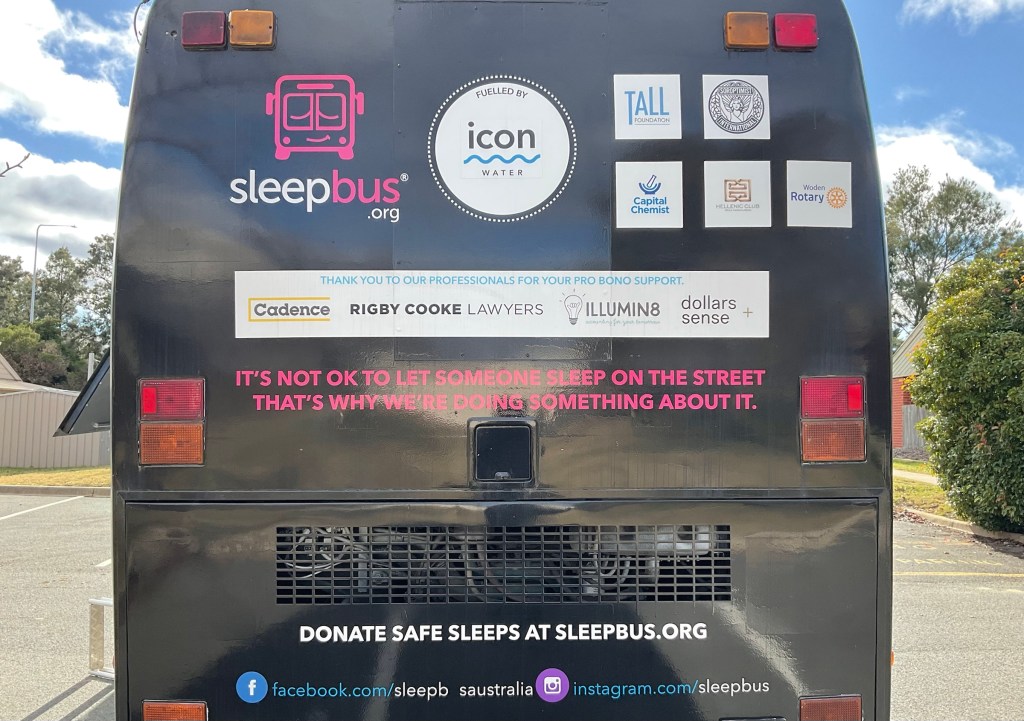
SUE: Canberra’s new Pink Sleepbus

Men in Canberra who are without a home have been able to sleep safely under the Safe Shelter scheme for the last decade. The Uniting Church has been at the forefront of assisting such men, with overnight sleeping available on the Northside at St Columba’s church hall in Braddon, and breakfast and associated services available each morning at the Early Morning Centre at Canberra City Church in Civic.

Where do women who are homeless find shelter at night? The limited spaces available in homeless shelters mean that many sleep rough—in door alcoves, under bushes, or, for the more fortunate, in their car, or couch surfing in the homes of friends. Until now. Until the coming of SUE, the Pink Sleepbus.

In a partnership including the Tuggeranong Uniting Church and the National Council of Women in the ACT, Sleepbus is about to open a service for women only, based in the Southside of the national capital. Already the Blue Sleepbus is operating in Queanbeyan, with beds available for men and women. SUE, the Pink Sleepbus, will be the first of its kind—offering safe sleeping for women, including women with children, as well as associated services such as breakfast and information about what services are available locally.

The Rev. Elizabeth Raine has had a concern for homeless women for some time. When she ministered at City and St Columba’s, she saw the value of “stop-gap” services—limited as they may be. They don’t solve the housing crisis for society, but they do offer support, care, and nourishment for those who live on the streets. When she moved to Tuggeranong, Elizabeth began exploring with her Church Council how the Congregation might reach out to needs in the community. Replicating the model of Safe Shelter, but for women, was on the cards.

Then the church became aware of the possibility of hosting a Sleepbus. Elizabeth had been involved in the Southside Homeless Initiative, which became aware of the initiative underway in Queanbeyan. Juanita Flett, of the National Council of Women in the ACT spearheaded a fundraising drive in late 2019, raising the $100,000 that is required to bring a Sleepbus to the area. By early 2020, everyone was poised, ready to go—and then COVID hit.

“We know that more than half the homeless in Canberra are currently women, and we know that the homeless rate of women over 50 is currently rising—not just in Canberra, but right around Australia”, the Rev. Raine said. She cited the most recent census data from the Australian Bureau of Statistics, which shows:

• over half of Canberra’s homeless population are women

• 59% of people accessing ACT homeless services are women

• 53 percent of Canberrans living in low-income households are women

• older single women are the largest growing cohort of homeless people in the ACT.

“That situation is a real concern to us as compassionate people of faith”, Elizabeth said. “When I read the Bible, I see that God charged the people of Israel with providing special care for the vulnerable members of society—widows and orphans, with no males to protect and support them—as well as the “aliens in the land”, foreigners residing in Israel (Deut 10:18, 14:28–29, 16:11,14).

In his teachings, Jesus praises “whoever gives a cup of water to drink” (Mark 9:41), and in the parable of the sheep and the goats he indicates that whenever you shelter the homeless, feed the hungry, and give a drink to the thirsty, “you did it to me” (Matt 25:35–40).

“So we’re hoping that those women who are housed in very vulnerable circumstances can find a place on the Pink Sleepbus, to at least get a good night’s sleep, clear their heads, think properly, and hopefully access services that will give them a more permanent solution to their situation. That’s the least we can do for them.”

The bus is a large bus which can sleep up to 22 women each night—each in their own separate pod. Each pod (see picture above) is air-conditioned and comes with a mattress, pillows, sheets, blankets (washed daily), USB charging, portable toilet, fire extinguisher, lockable door and a television with a special channel showing services in the area for pathways out of homelessness. Inmates from the ACT Corrective Services unit, the Alexander Maconochie Centre, have been making sheets, quilt covers and pet beds for the bus.

The bus also has a special purpose-built larger pod (pictured below) that can cater for women with children, with two double bunks in its own area. There is a storage area running underneath the sleeping pods that includes pet pods, so that if women are travelling with their pets, there is somewhere for their pets to stay overnight.

The women are met each night by volunteers from local service groups and workers from employers who have a community service scheme. The pods are cleaned thoroughly each morning by a new set of volunteers, and fresh linen is provided for each night’s stay.

The front of the bus has its own self-contained section, where a caretaker sleeps at night. Juanita Flett explained that “the bus is really an emergency stop-over for the women; it’s not meant to be a permanent solution, it just provides a safe sleep for that night, and then the women can face the next day after having a good rest.”

“One of the contributing factors for some women who find themselves experiencing homelessness is trying to get away from a violent situation at home”, Juanita continues. However, the lack of available crisis and transitional accommodation in the ACT is also often a leading factor for women returning to abusive relationships and unsafe housing situations.

The ABS data indicates that over half of ACT women experiencing domestic and family violence become homeless in the first year post-crisis. “We are well aware of that”, says Juanita. “Given the extra challenges that this presents for those women, having a trained caretaker on hand at all times is important.”

Elizabeth adds, “With safety concerns in mind, the caretaker is able, if the situation requires, to drive the bus away from the scene to a safer location. Simon Rowe, the CEO of Sleepbus, has ensured that local police and other services are aware of the operations of the Sleepbus and are on hand to intervene should any situation escalate to that point.”

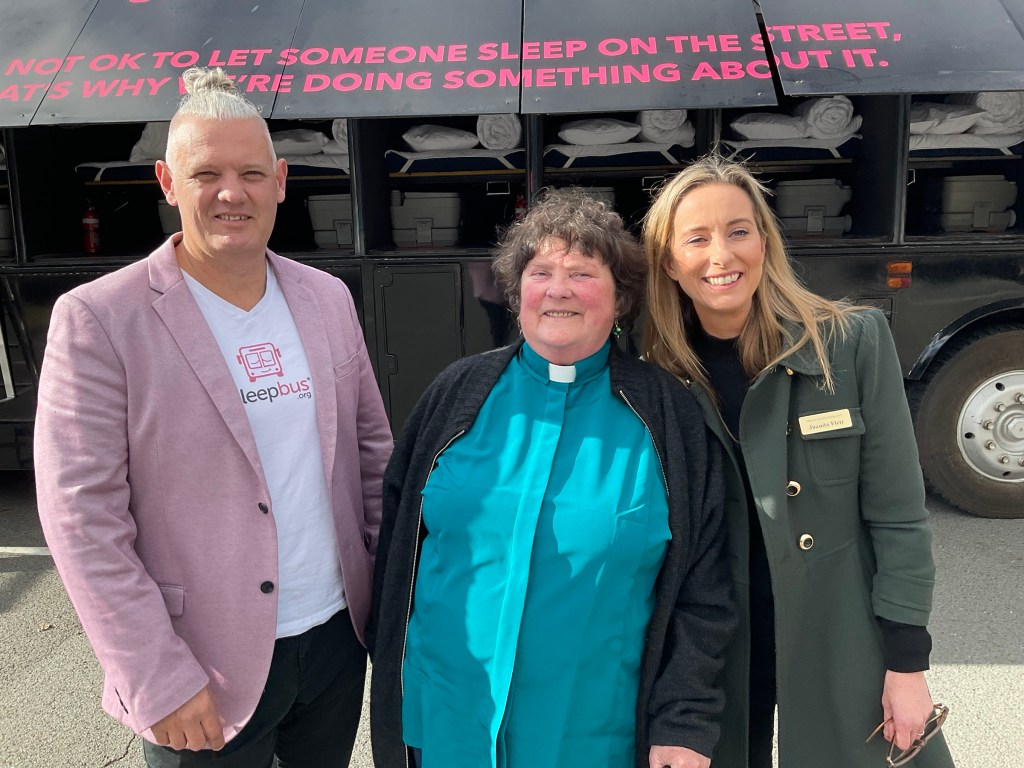
Simon Rowe (Sleepbus), Rev. Elizabeth Raine (Tuggeranong Uniting Church), Juanita Flett (National Council of Women ACT)

Juanita notes that “the bus is surrounded by CCTV. At night, the pods are completely blacked out, so you can’t see into them—nobody could know who is in a particular pod. All the CCTV cameras are connected to the caretaker’s cabin, and there is also security on call.” “Yes—the bus is on wheels”, Elizabeth noted, “so it can be moved if a desperate situation arose. That’s one of the things that originally appealed to us.”

The Pink Sleepbus will be stationed at Tuggeranong Uniting Church’s car park for three nights a week to start off with—Friday, Saturday and Sunday nights. Elizabeth notes that “We expect it will take some time to build up the service, for people to develop a trust in the volunteers who meet them. We want people to know that if you’re sleeping rough and you’re not getting a good night sleep, you don’t need to keep doing that. You can sleep on the Sleepbus, have a good breakfast, and be pointed to some of the local services that can assist you longer-term.”

Local community workers estimate the homeless population in Tuggeranong, in Canberra’s south, to be about 40 people sleeping rough at any one time, but they say it is hard to know. Georgie Fowler, President of the Tuggeranong Rotary Club, is involved in the Safe Shelter for men that operates in Tuggeranong. “The leading cause of homelessness is legal issues and family crisis,” Ms Fowler said. “So that surprised us, because there’s a common misconception that drugs and alcohol and general substance abuse lead to those situations—but that’s not the case.”

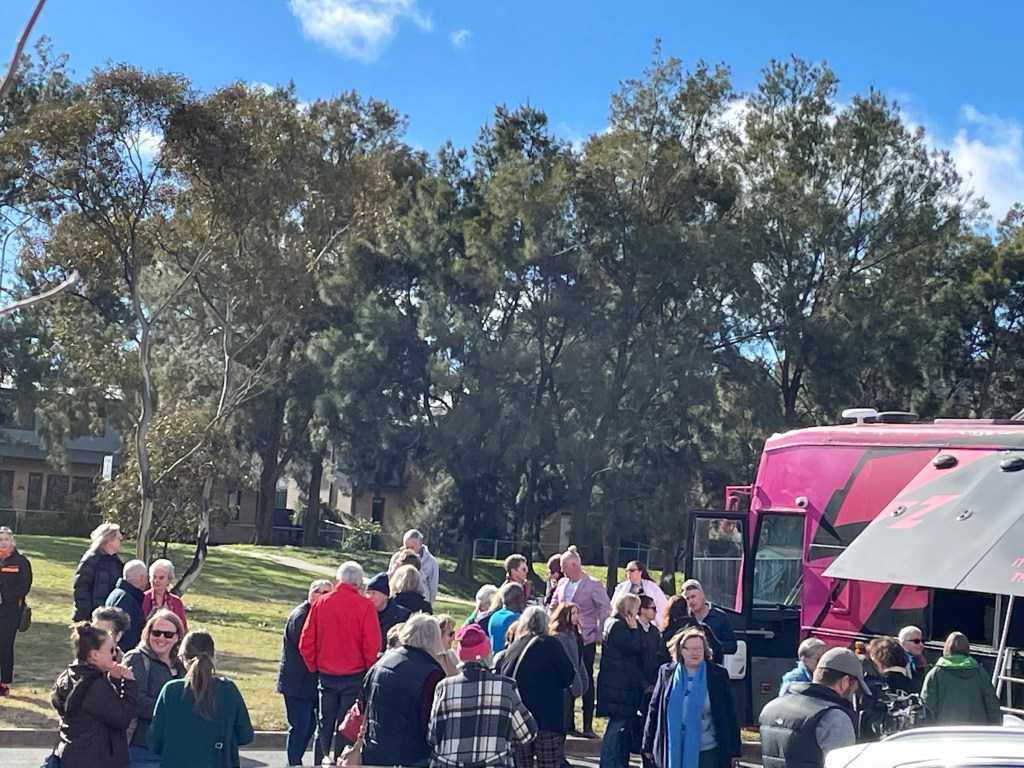
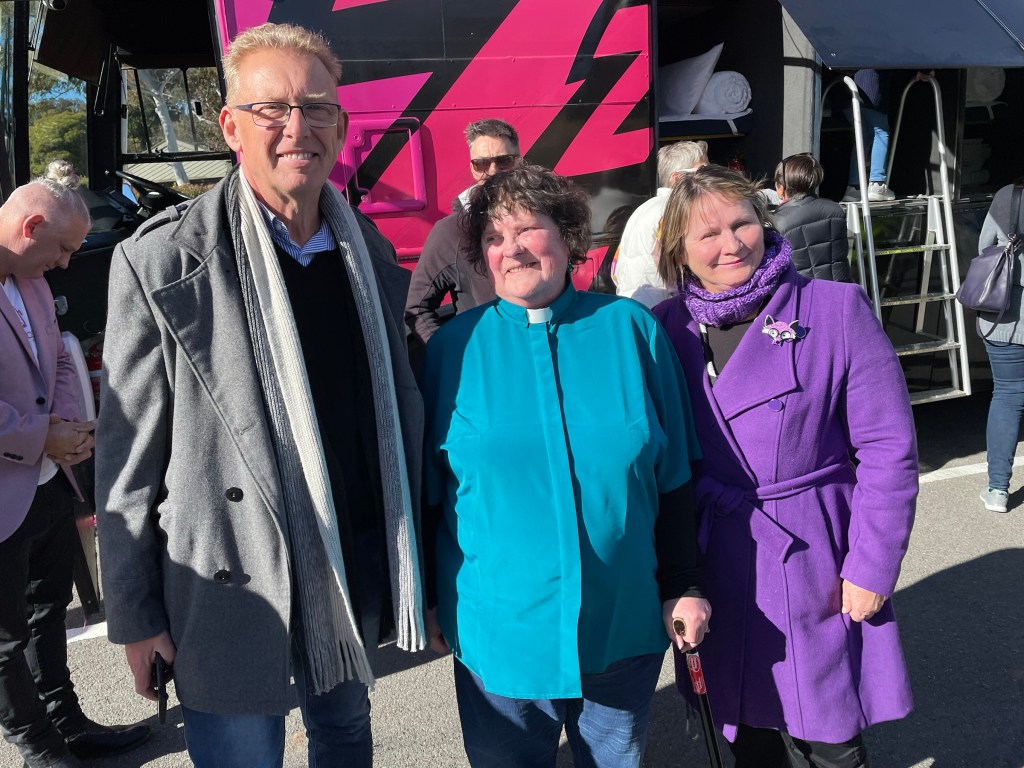
SUE the Pink Sleepbus was launched on Saturday 19 June in the car park of the Tuggeranong Uniting Church in Wanniassa, with a good crowd of almost 100 people from the Uniting Church, the National Council of Women ACT, and a number of local service organisations (SeeChange, Rotary, Lions, Communities At Work, and others).

Local members Nicole Lawder and Mark Parton attended the launch.

Mark Parton MLA, Rev. Elizabeth Raine, Nicole Lawder MLA

The bus is sponsored by ICON Water and some other local businesses, and is named after the late Sue Schreiner, feminist, lawyer, and ACT community activist. Ms Schreiner, the first woman from the ACT to be admitted to the New South Wales Bar, was a staunch advocate for finding solutions to homelessness.

SUE was “open for business” on Friday 25 June, the first night that she was stationed at the Tuggeranong Uniting Church, with a number of volunteers on hand to welcome women who were looking for a comfortable, safe, and warm sleep for the night.

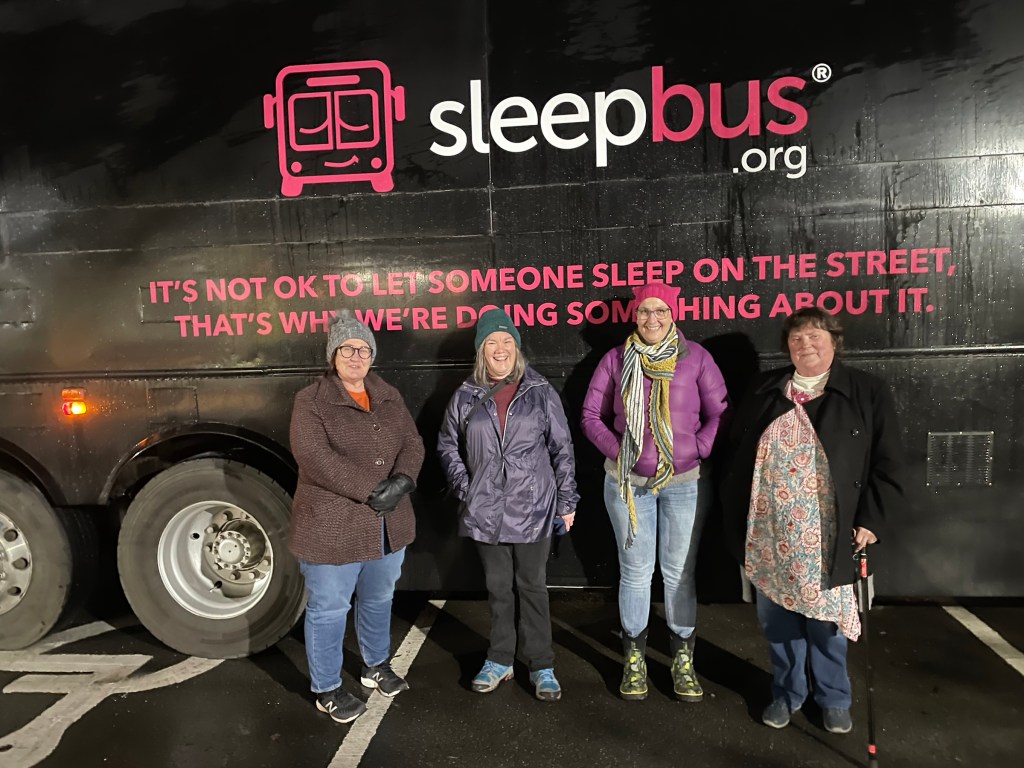
Elizabeth with some of the volunteers on “opening night”

For information on Sleepbus, see https://www.sleepbus.org/why-sleep

To contribute to the costs of the Canberra Pink Sleepbus, go to https://www.sleepbus.org/fundraisers/juanitaflett40/ncwact-pink-sleepbus

See also https://the-riotact.com/a-bus-named-sue-canberra-to-get-first-womens-sleepbus/460585

World Refugee Day 2021: “when I was a stranger, you welcomed me”

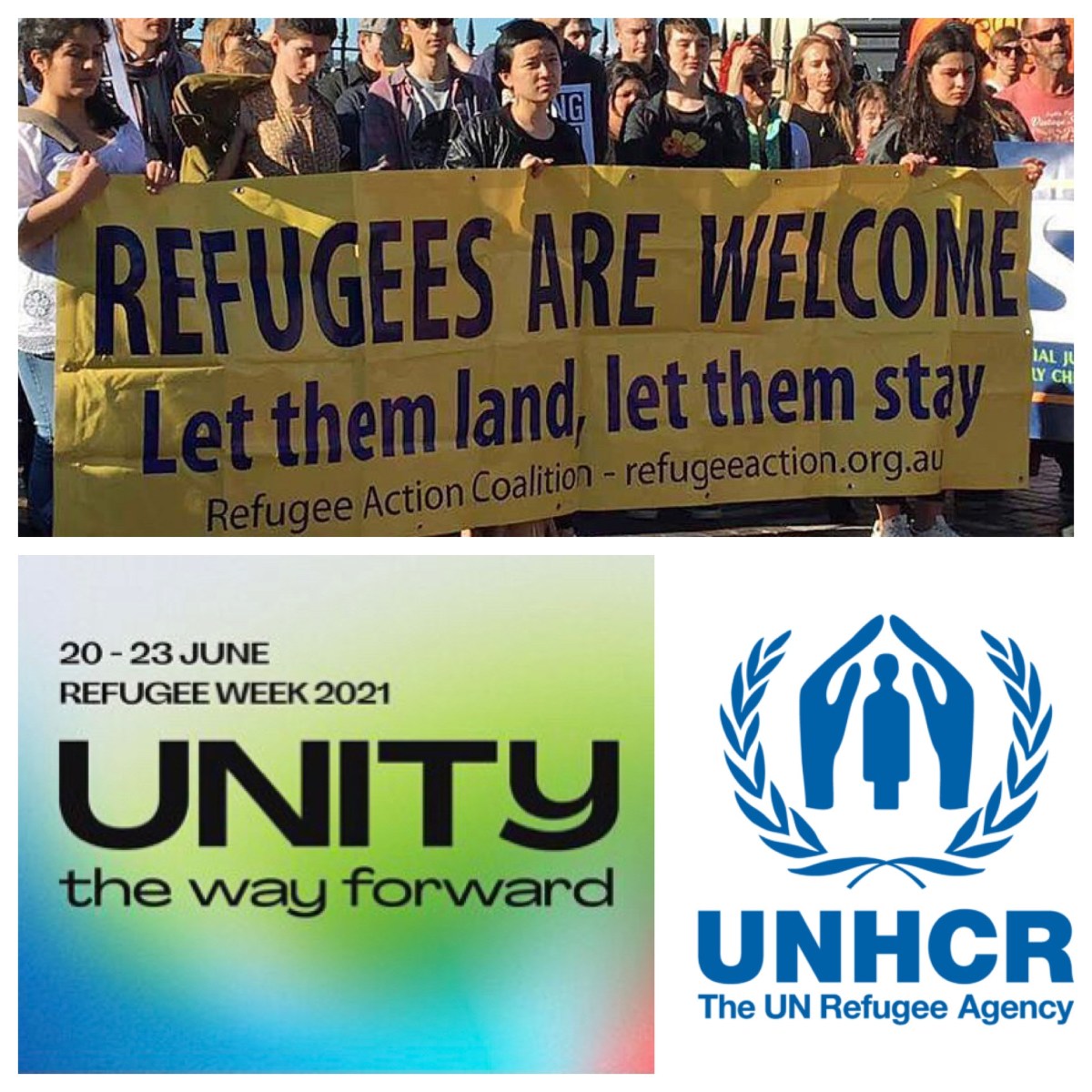
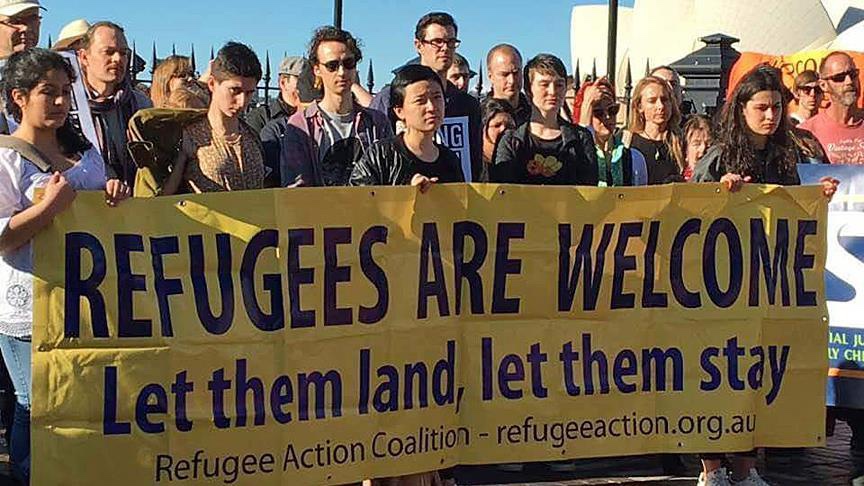
Today, 20 June, is World Refugee Day. On this day, people around the world celebrate the strength, courage and perseverance of millions of refugees. It stands at the beginning of Refugee Week; in Australia, this is always held from Sunday to Saturday of the week which includes 20 June (World Refugee Day).

The first Refugee Week events were organised in Sydney in 1986 by Austcare (Australians Caring for Refugees). Austcare’s mission is to assist refugees overseas, displaced people and those affected by landmines to rebuild their lives, through the expert delivery of development programs in partnership with local communitities and other agencies.

In 1987, the Refugee Council of Australia (RCOA) became a co-organiser of the week, and the week became a national event from 1988. RCOA took on responsibility for the national coordination of Refugee Week from 2004.

*****

The UNHCR (United Nations High Commissioner for Refugees) was established in 1951, when it was estimated that there were just 1.5 million refugees around the world. The UNHCR has most recently estimated that during 2020, for the first time in recorded history, the number of people forcibly displaced had reached over 80 million.

According to the UNHCR, there are now 82.4 million forcibly displaced people, as a result of persecution, conflict, violence, human rights violations or events seriously disturbing public order in their countries of origin. 35 million of these people are children, aged under 18 years. 1 million of these children were born as refugees; in the years 2018 to 2020, an average of between 290,000 and 340,000 children were born into a refugee life per year.

Over half of these people (48 million) are classified as “internally displaced”, meaning that they are homeless within their own country. About 26 million are officially classified as refugees, meaning that they are “unable or unwilling to return to their country of origin owing to a well-founded fear of being persecuted for reasons of race, religion, nationality, membership of a particular social group, or political opinion.” This is the definition in the Convention and Protocol Relating to the Status of Refugees—an international agreement which Australia signed in 1951, the year it was published.

A further 4.1 million people are classified as asylum seekers. Under Article 14 of the 1948 Universal Declaration of Human Rights, everyone has the right to seek asylum The 1951 Refugee Convention prohibits states from imposing penalties on those entering ‘illegally’ who come directly from a territory where their life or freedom is threatened. (Terms such as ‘illegals’, ‘queue jumpers’ and ‘boat people’ are both inaccurate and unhelpful—even though they appear in the media with saddening regularity, they are terms that should be avoided.)

More than two thirds of all refugees currently under the UNHCR’s mandate come from just five countries: the Syrian Arabic Republic (6.7 million), Venezuela (4.0 million), Afghanistan (2.6 million), South Sudan (2.2 million), and Myanmar (1.1 million).

The countries which are currently hosting the most number of refugees are Turkey (3.6 million), Pakistan (1.4 million), Uganda (1.4 million), Germany (1.1 million), Sudan (just over 1 million), and the Islamic Republic of Iran (just under 1 million). Developing countries host 86 per cent of the world’s refugees, and the Least Developed Countries provide asylum to 27 per cent of the total.

https://www.unhcr.org/refugee-statistics/

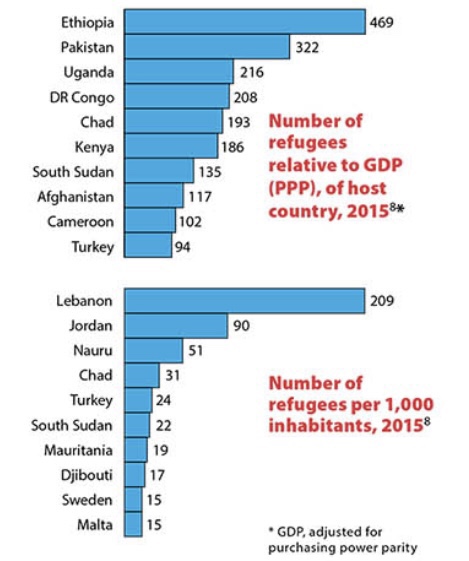
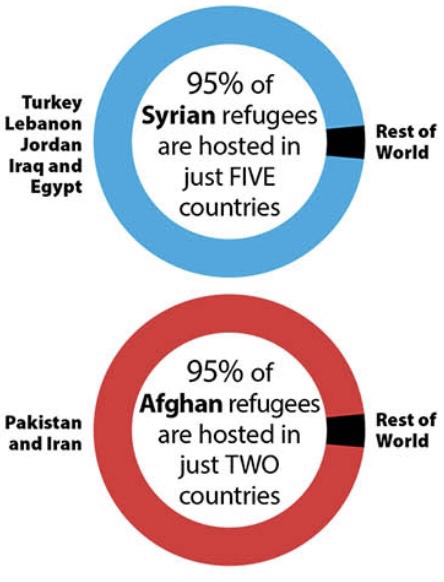
An analysis by the New Internationalist magazine reveals the inequities in how refugees are distributed around the world:

https://newint.org/features/2016/01/01/global-refugee-crisis-the-facts

Between January 2009 and December 2018, Australia recognised or resettled 180,790 refugees. This represented 0.89% of the 20.3 million refugees recognised globally over that period. Australia’s total contribution for the decade is ranked 25th overall, 29th per capita and 54th relative to national GDP. It is clear that, as a wealthy and robust country, we can do much better than this.

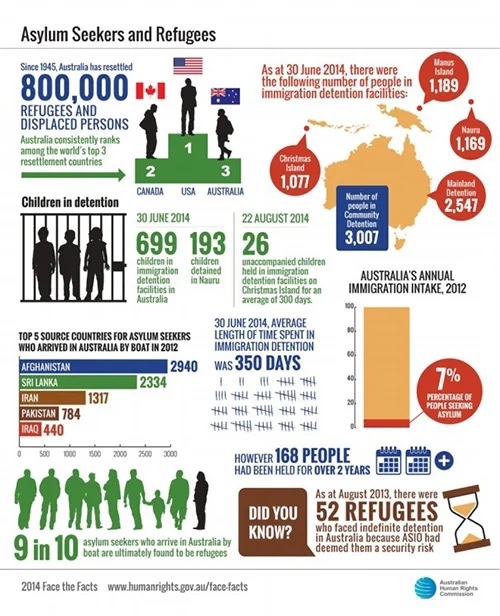
Some years ago, the Australian Human Rights Commission provided information on the number of refugees in Australia, and on various issues relating to refugees, as this graphic shows:

https://humanrights.gov.au/our-work/education/face-facts-asylum-seekers-and-refugees

After intense and extended pressure, the Australian Government eventually reduced the numbers of children being held in detention. However, as recent events concerning the Murugappan family of Biloela have shown, there are still children being held in detention in this country.

See https://johntsquires.com/2021/06/15/the-murugappans-of-biloela/

*****

Christians have a particular responsibility to welcome refugees and assist them to become fully functioning members of society. This responsibility reaches back well into the origins of the mother religion of Christianity, the faith of the people of ancient Israel.

In the Hebrew Scriptures, God charged the people of Israel with providing special care for the “ aliens in the land”, foreigners residing in Israel (see Deut 10:18, 14:28–29). There were specific provisions that “sojourner in the land” were to be accorded the justice due to all Israelites (Exod 22:21–24) and they were to be included in two of the major festive celebrations each year—the Feast of Weeks and the Feast of Booths (Deut 16:11, 14).

In the Gospels, Jesus tells the parable of the sheep and the goats and indicates that “whenever you welcome the stranger, shelter the homeless, feed the hungry, and give a drink to the thirsty … you did it to me” (Matt 25:35–40). See https://johntsquires.com/2020/11/16/a-final-parable-from-the-book-of-origins-on-sheep-and-goats-on-judgement-and-righteous-justice-matt-25/

Hospitality was a central virtue in ancient Jewish society, and was well practised by the early Christians (Mark 6:10; Matt 10:11–13, 41; Luke 10: 8–9; Rom 12:13, 15:7; 1 Tim 5:10; 1 Pet 4:9). The importance of welcoming “the stranger” is emphasised in Christian letters (Heb 13:2; 3 John 5), and Paul encourages the Corinthians to consider “the outsider” in their worship (1 Cor 14:13–17).

The Uniting Church has had a long commitment to refugee issues, advocating for the rights of asylum seekers and refugees, and working on the ground to welcome and support refugees as they start to live within Australian society. In 2003, the National Assembly resolved:

a) to note the important call of the gospel to welcome the stranger;

b) to commend and celebrate the work of those within the Uniting Church and wider community who work with refugees and asylum seekers as they commence resettlement within Australia;

c) to celebrate the work which has been undertaken by the NCCA National Program for Refugees and Displaced Persons over many years and for the creation in late 1998 of an ecumenical committee to support this work;

d) to commit the Uniting Church in Australia to ongoing support for refugee and asylum seeker resettlement in Australia.

A major resource on working with refugees, Shelter from the Storm, was adopted at the 2015 Assembly; see https://www.unitingjustice.org.au/refugees-and-asylum-seekers/uca-statements/item/download/893_ba4816ebfb6adadd1c721150aa8f9ccb

See also https://www.unitingjustice.org.au/refugees-and-asylum-seekers

*****

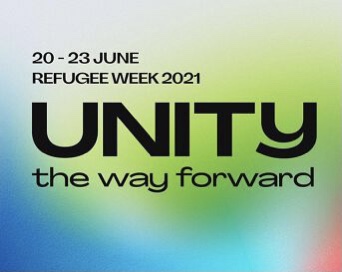
The theme for Refugee Week in 2021 is UNITY. The themes of Refugee Week in the past 16 years have been: Year of Welcome (2020), A World of Stories (2019), #WithRefugees (2018), With courage let us all combine (2015–2017), Restoring Hope (2012–2014), Freedom from Fear (2009–2011), A Place to Call Home (2008), The Voices of Young Refugees (2007), Journeys (2006) and Different Past, Shared Future (2005).

In explaining the 2021 theme of UNITY, the Refugee Council of Australia says:

“The volatility of life in recent times has shown us unequivocally that we need to work together often merely to survive, let alone to thrive and progress. Let’s take the opportunity to start afresh and rebuild our lives together. To count our blessings and to put them to work. Existing and emerging communities. Working together. The powerful potential of Unity. The special brew of ideas from all over the world that created our great way of life can continue evolving if we work together. Let’s not stop now, let’s move forward unified.

“In 2021, we are calling on you to help build a more cohesive community during Refugee Week. Whether hosting a local meal, a community event or attending an online event to hear from people all over the world, join us as we call for the spirit of unity as we recover from the isolation we have all endured in 2020. Stronger. Safer. Healthier. Happier. Together.”

See https://www.refugeeweek.org.au/refugee-week-theme/

Mark: a Gospel full of questions (Mark 4; Pentecost 4B)

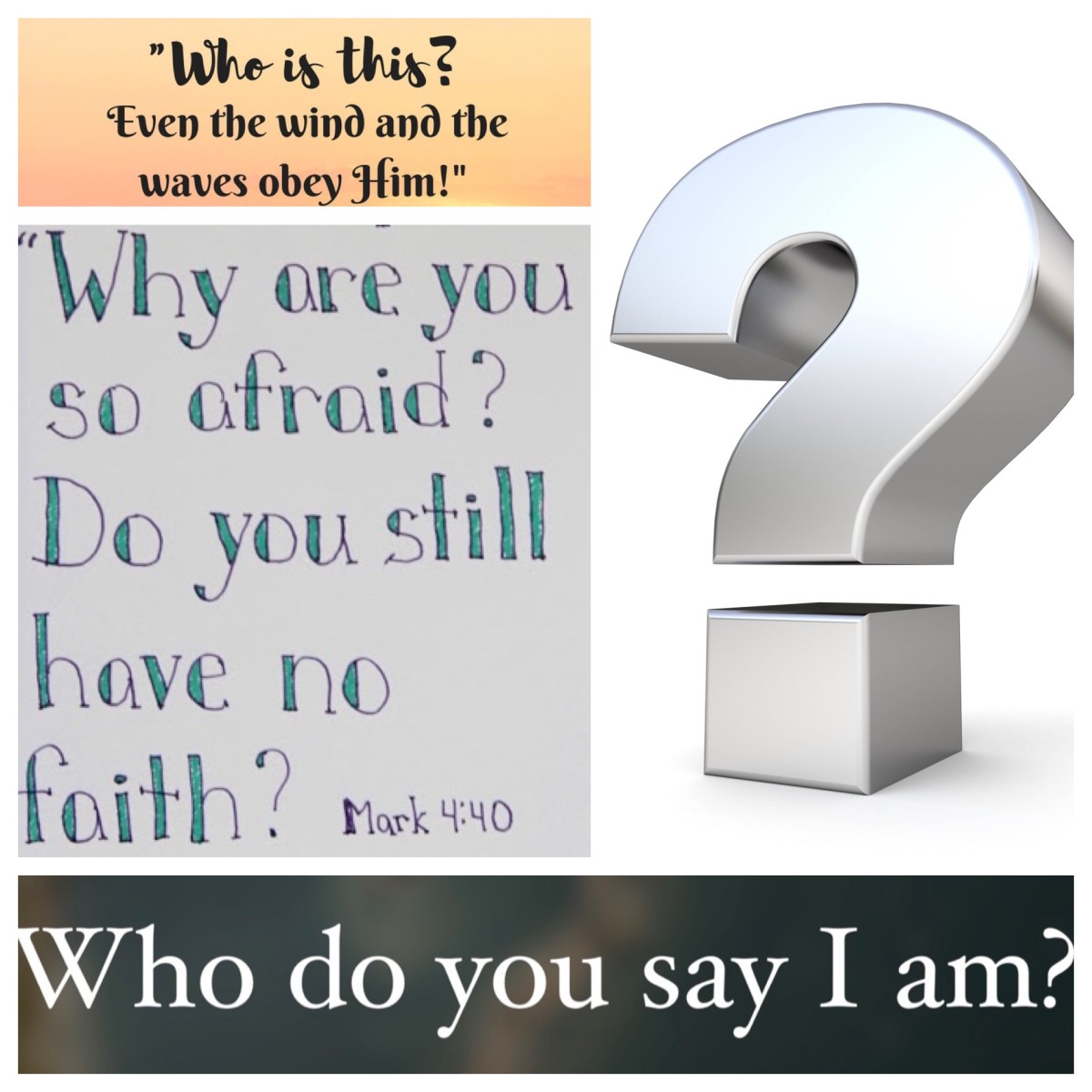
The short story provided by the lectionary this coming Sunday (Mark 4:35–41) is just seven verses long, but it contains four potent questions.

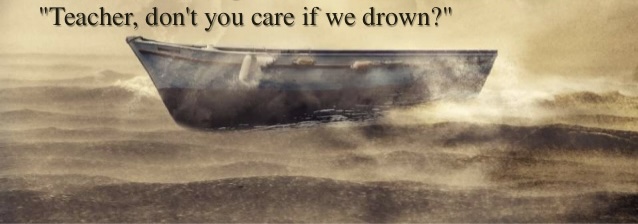
Jesus and his disciples find themselves in a boat that was sinking into the lake. This upheaval has been caused by a “great windstorm” (4:37). Jesus, however, is asleep. The ensuing dialogue is instructive. During this dialogue, the four questions are posed.

First, the disciples wake Jesus and ask him, somewhat accusingly, “Teacher, do you not care that we are perishing?” (4:38). Having been woken up, Jesus commands the storm to be still (4:39), but then he poses two short and incisive questions, in return, to the disciples: “Why are you afraid? Have you still no faith?” (4:40).

The episode ends with yet another question. The disciples, “filled with great awe” at what had happened, mused to one another, “Who then is this, that even the wind and the sea obey him?” (4:41). And that’s where the story ends.

Four questions. Four different requests to consider. That’s how the incident progresses. And through those questions, that’s how we think more about Jesus.

It is questions that are in focus, today, in considering this passage, and indeed, this Gospel—the beginning of the good news of Jesus, chosen one. Indeed, many interpreters argue that Mark’s Gospel can best be characterised by the central question of Jesus: “who do you say that I am?” (8:29). The identity of Jesus is, indeed, central to this Gospel (as it is, also, in the other canonical Gospels).

A passage earlier in the Gospel, Mark 1:21–28, contains another confronting question, which a demon-possessed man asked of Jesus in the early stages of his public ministry: “what have you to do with us, Jesus of Nazareth?” (1:24). Now this is a question worth pondering.

In Mark’s Gospel as a whole, there are (according to the NRSV) no less than 118 questions. Since there are 668 verses in total in Mark’s Gospel, this means that the reader (or hearer) of this Gospel is confronted with a question, on average, every 5.66 verses! (Why not try reading a couple of chapters through, looking out especially for the questions?)

Some of these questions are simple conversational enquiries—the kind of questions that we ask one another every day. “should we go there? should I do this? do you have any? can I get you something?” and so on. Some questions are genuine requests for information, and reflect people who really want to learn from Jesus—“what must I do to inherit eternal life?” (10:17), or “which commandment is the first of all?” (12:28), or “what will be the sign that all these things are about to be accomplished?” (13:4). Jesus, good teacher that he is, responds with information and insight; he takes the opportunity to convert the question into a step forward in the life of discipleship.

Indeed, Jesus himself follows the rabbinic practice of teaching by questioning—he often poses a question which leads the disciples, or the crowd, into further discussion and debate (see, for instance, 3:33; 4:30; 10:3; 10:51). It is interesting to note that this is often how Jesus uses scripture; he does not simply quote it, but he says, “have you not read that…?” or, “do you not known the scripture which says…?”. (Look at 11:17; 12:10; and 12:26.) This style invites conversation and leads to deepened understanding. Scripture is not being used to squash debate, but to open up insights about God. Now that is an insight worth recalling and preserving in our current context!

As Mark tells his story, some people pose questions to Jesus which are quite sharp—and may be designed to create controversy or to challenge the authority of Jesus. For instance: “why does this fellow speak in this way? it is blasphemy! who can forgive sins but God alone?” (2:7); “why does he eat with tax collectors and sinners?” (2:16); “why do your disciples do not fast?” (2:18); “by what authority are you doing these things?” (11:28); “is it lawful to pay taxes to the emperor, or not?” (12:14). Jesus did not shy away from the challenge to his honour and authority that such questions posed. According to Mark, he was a public debater of the first order.

Indeed, Jesus poses pointed questions of his own for his disciples and the crowds who follow him. Think about the provocations and challenges in these phrases of Jesus: “why are you afraid? have you still no faith?” (4:40); “do you also fail to understand?” (7:18); “do you still not perceive or understand? are your hearts hardened? do you have eyes, and fail to see? do you have ears, and fail to hear?” (8:17–18); “you faithless generation, how much longer must I be among you? how much longer must I put up with you?” (9:19). There is certainly no “gentle Jesus, meek and mild” in this Gospel!!

The teachings of Jesus are demanding: to his disciples, he asks, “for what will it profit a person to gain the whole world and forfeit their life?” (9:36); or, with eyes fixed towards the cross, he prods them further: “are you able to drink the cup that I drink, or be baptized with the baptism that I am baptized with?” (10:38). For their part, the disciples are not afraid to confront their leader when required, as we have seen: “Teacher, do you not care that we are perishing?” (4:38). Discipleship means entering into the rough-and-tumble of these difficult questions.

Theologically, perhaps the most challenging question in the Gospel is when Jesus quotes the Psalmist: “my God, my God, why have you forsaken me?” (15:34). Is this an expression of the deepest despair of a human being who feels alienated, abandoned, utterly alone? Mark gives a great gift to followers of Jesus in all generations, when he takes us to the heart of the struggle which Jesus faced on the cross. This question shows us the human dimension of Jesus, as he was confronted by the starkness of life and death.

Of course, the identity of Jesus remains the central motif of this Gospel. It is the focus of the very first verse (“Jesus, Messiah, Son of God”, 1:1) and is reiterated in a variety of ways in statements made at crucial moments in the story (see 1:11; 8:29; 9:7; 10:45; 14:62; 15:39). But it also forms a recurring question, asked by many characters throughout the story.

We can’t read Mark’s Gospel without being confronted, again and again, by this question, in whatever guise it comes:  “what have you to do with us, Jesus of Nazareth?” (1:24, from a possessed man); “who then is this, that even the wind and the sea obey him?” (4:41, from the disciples); “what have you to do with me, Jesus, Son of the Most High God?” (5:6, from the Gadarene demoniac); “where did this man get all this? what is this wisdom that has been given to him?” (6:2, from his extended family in Nazareth).

Once he is in Jerusalem, Jesus encounters the same question from the High Priest: “are you the Messiah, the Son of the Blessed One?” (14:61); and from the Roman governor: “are you the King of the Jews?” (15:2). So, the key question remains for us: “who do people say that I am?” (8:27, asked by Jesus)—a question which he immediately sharpens into “who do you say that I am?” (8:28).

This year, as we meditate on Mark’s Gospel in our personal devotions, as we hear it read in worship, as we prepare sermons to preach from it, or however it is that we encounter it—may the questions it poses strengthen our discipleship, expand our understanding and deepen our faith.

The Murugappans of Biloela

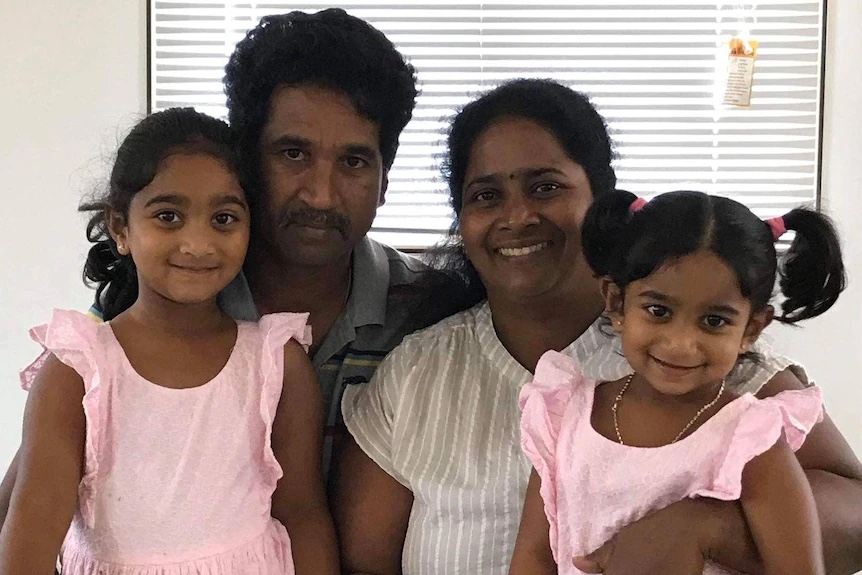
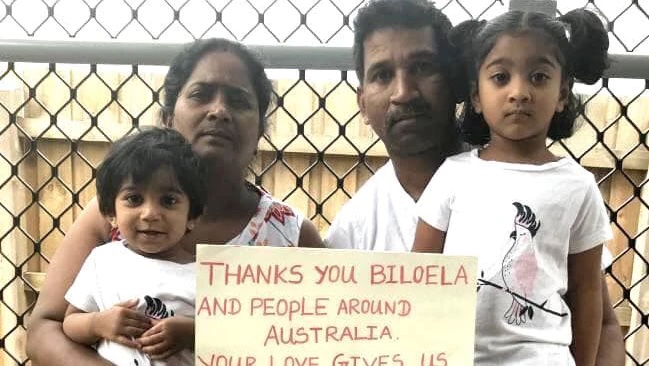
Let’s not get carried away with today’s news about the Murugappan family, held for so long in detention on Christmas Island, but soon, apparently, to be reunited in community detention in Perth, whilst the two daughters receive medical attention.

And let’s use their names—Priya and Nadesalingam Murugappan, who have been in Australia for almost a decade, and Kopika and Tharunicaa, who were both born in Australia. They are not just “the Biloela family”, even though they did settle into that community in Queensland some years ago, nor are they just “the Tamil family” being held in offshore detention. They have names.

See https://www.abc.net.au/news/2019-08-30/who-are-tamil-family-from-biloela-why-are-they-being-deported/11463276

So let’s not get carried away with today’s news that the Murugappan family will be reunited in Perth. First, the timing of the announcement today is deviously designed to draw attention away from the revelations made last night by Four Corners on ABC-TV, that the PM had been influenced by a close friend, a devotee of QAnon, to include the signal phrase “ritual abuse” in the Apology to victims of sexual abuse in institutions that he delivered in October 2018. Strike One for devious strategy. See

https://www.abc.net.au/news/2021-06-14/qanon-follower-old-friend-scott-morrison-stewart-family-speaks/100125156

Second, the Murugappan family will continue to be held in community detention in Perth. They are not being permitted to return, ultimately, to the life that they had made in the Biloela community—where they were well-accepted and greatly loved. They are still to be held in limbo, not yet permitted to be considered as legitimate refugees within Australian society, not yet permitted to make application for permanent residency, not yet permitted to plan for a longterm future in this country. The heartless policy of this government remains clear and obvious.

See https://www.abc.net.au/news/2021-06-15/tamil-family-murugappan-christmas-island/100215160

Third, this is just one small sampling of people who for years have been held—in direct contradiction to international law—in offshore detention. ThenRefugee Council of Australia reports that there are currently 1,483 people in closed detention (367 of whom came by boat, seeking asylum), while there are another 537 being held in community detention. That’s over 2,000 people being held in limbo—some of them for many years—while an unresponsive and heartless system defers any real action in responding to the situation of these people.

See https://www.refugeecouncil.org.au/detention-australia-statistics/

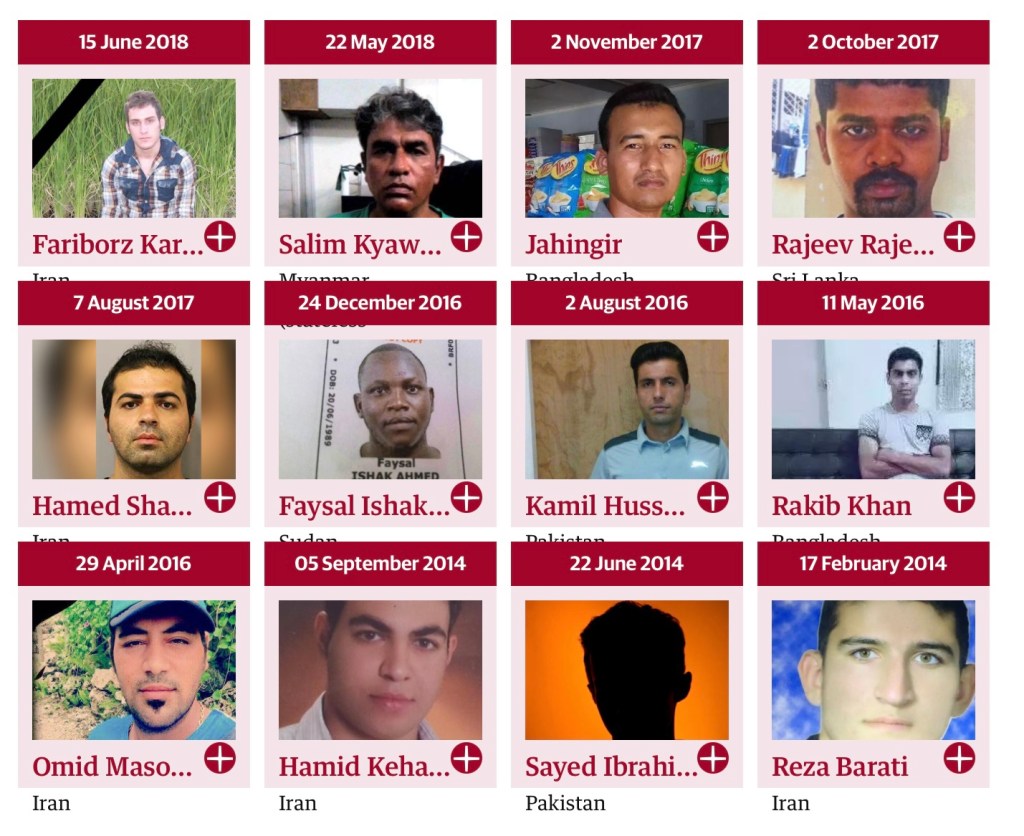
Fourth, and most troubling, let’s not forget that our government policy of detention and restriction (including minimal access to health services) has seen no less than twelve refugees and asylum seekers die whilst in detention under the care of Australia. And whilst there has been community response in each case, the government policy has remained steadfastly heartless and unresponsive. And the whole Australian community has been complicit in allowing this terrible situation to continue.

See https://www.theguardian.com/australia-news/ng-interactive/2018/jun/20/deaths-in-offshore-detention-the-faces-of-the-people-who-have-died-in-australias-care?

Finally, the situation with the Murugappan family exposes the lie that Australia is built on, and operates by, a “Judea-Christian ethic”. Our two decades of heartless refugee and asylum seeker policy have been in breach of international law and contrary to the principles articulated in scripture by prophet, sage, evangelist, and apostle. Welcome the stranger, care for the outcast, offer hospitality to the visitor, provide water to the thirsty and food to the hungry: commands that were central to the ancient Israelite ethos, that continued to be advocated in the teaching of Jesus, and that are central to the ethic of faithful Jews and Christians today.

See https://johntsquires.com/2020/11/16/a-final-parable-from-the-book-of-origins-on-sheep-and-goats-on-judgement-and-righteous-justice-matt-25/ and https://johntsquires.com/2021/05/06/an-affirmation-for-our-times/

A new creation: the promise articulated by Paul (2 Cor 5; Pentecost 6B)

This Sunday, the epistle reading comes from 2 Corinthians. As indicated last week, this is actually Paul’s fourth letter to the believers in Corinth, even though we label it as 2 Corinthians (see https://johntsquires.com/2021/06/05/we-do-not-lose-hope-2-corinthians-pentecost-3b-6b/)

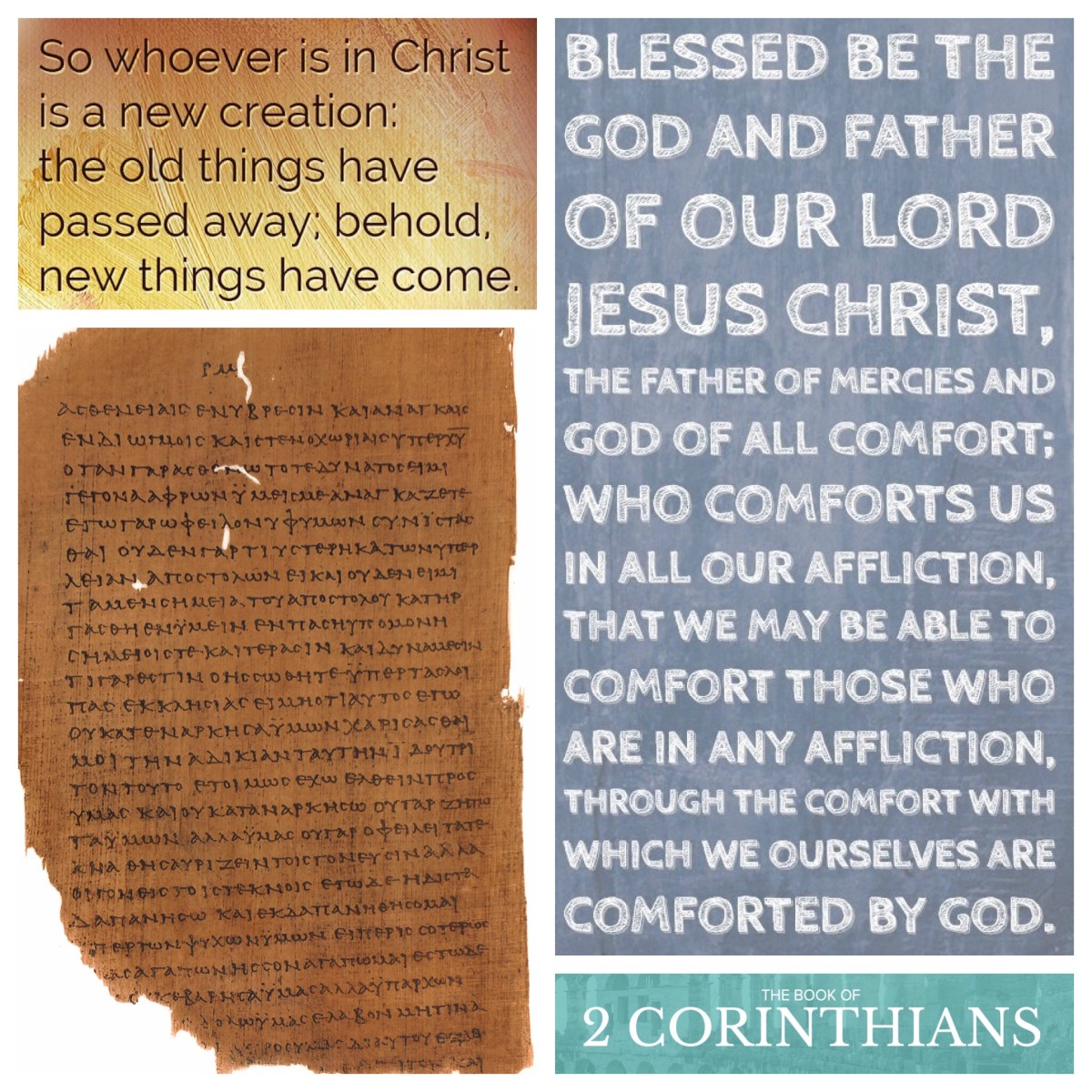
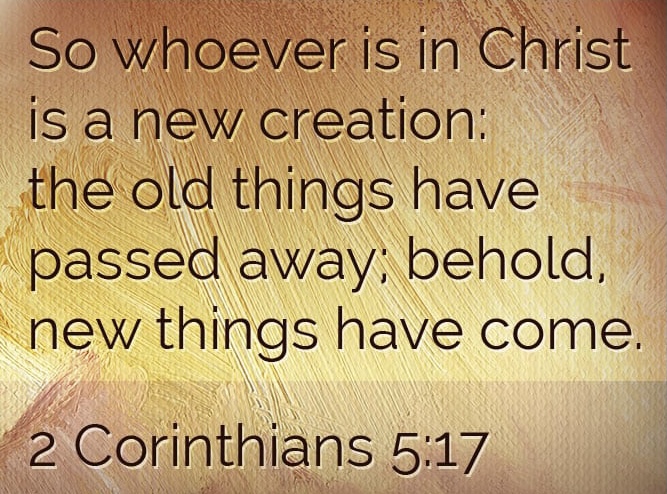
The passage offered by the lectionary contains one of Paul’s best-loved and well-known sayings: “so whoever is in Christ, is a new creation. The old has passed away; behold, the new has come” (2 Cor 5:17). In this blog, I want to set that verse in its context within the flow of the letter.

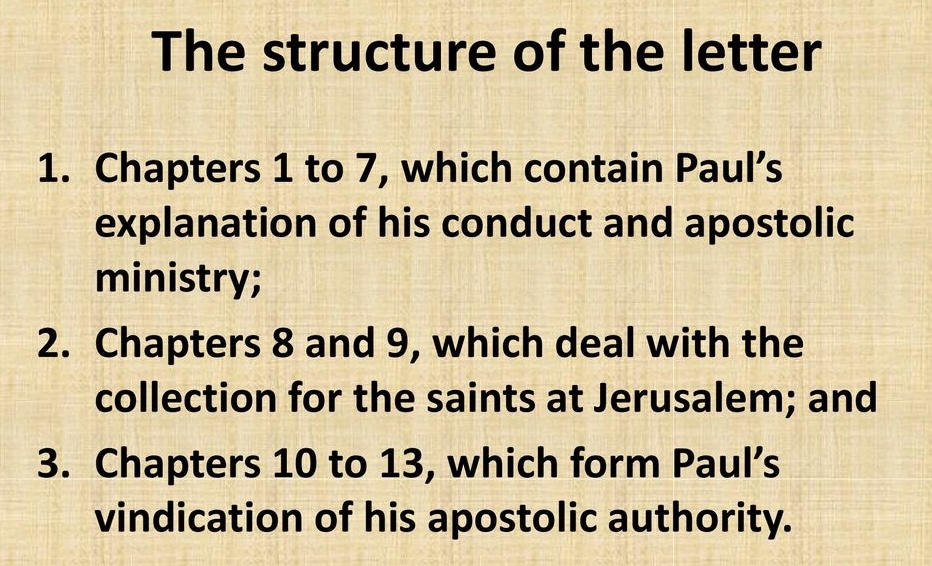
The first section of 2 Corinthians (1:1–7:16) is really a letter in its own right. In this letter, Paul offers the believers in Corinth consolation through a message of hope. Instead of a thanksgiving section, this letter opens with a traditional Jewish-style blessing, in which God is praised for being “the God of all consolation” (1:3). In the five verses of this blessing, the terms “consolation” or “console” appear ten times, whilst “suffering” and “affliction” combined appear seven times.

The same terms cluster towards the end of this section of 2 Corinthians: in 7:2–16, we find “consolation” or “console” seven times (including twice in 7:13), “affliction” twice, and the term “grief” is also used seven times. The orientation of the letter is very clear; Paul’s hope for the Corinthians is that they might attain consolation (1:3–7; 7:2–4).

At the start of the letter, then, Paul has provided a strong identification between himself and the Corinthians; rather than calling the Corinthians to imitate him (as in 1 Corinthians), in this letter Paul wishes to empathise with them in order to strengthen their sense of identity with him. He affirms that “the one who raised the Lord Jesus…will bring us with you into his presence. Yes, everything is for your sake” (4:14–15) and concludes, “you are in our hearts, to die together and to live together” (7:3). 

The central similarity between his situation and that of the Corinthians is that they suffer, like he suffers (1:6). And this suffering, in turn, he relates to the passion of Christ (1:5; 4:10–12). So the theological insights which Paul offers in this section of the letter emerge out of the tension, struggle, and difficulty of his own situation, as well as his awareness of the pain being experienced by the Corinthians. (This has always been the way that good theology is developed—thrashing out the issues in honest, robust debate ensures that the heart of God is unveiled in the process.)

A tense interpersonal encounter is then noted, which Paul characterises as a “painful visit” (2:1) which appears to lie behind this letter. He writes, not to intensify this pain (2:3–4), but to test the obedience of the Corinthians (2:9). However, he advances his argument always with reference to his own actions in relation to the Corinthians.

Fundamental to his argument throughout this section of the letter is Paul’s attempt to validate his activity as a “minister of a new covenant” (3:6). He describes his activity as being a “ministry of reconciliation” (5:18), which is characterised by numerous afflictions and sufferings (4:7–10; 6:4–10) in order to bring consolation and hope to others. This is the process by which the signs of the “new creation” (5:17) emerge.

Paul also argues that his own life demonstrates how God has been able to work through suffering to bring hope (4:7–12). The afflictions and persecutions which Paul has experienced manifest the death of Jesus in his (Paul’s) own body, “so that the life of Jesus may also be made visible in our bodies” (4:11). What Paul writes both emerges out of his personal experience, and is consistent with his developed self-understanding as an apostle, called by God, commissioned to serve.

In the course of presenting his self-validation (“are we beginning to commend ourselves again?”, 3:1), Paul launches into a somewhat tortured criticism of his Jewish heritage (3:1–4:15). Can it be that the judaising opponents of chapters 10–13 are already somewhat active in Corinth? As he does in Gal 3:1–5:1, when he wishes to engage seriously with a so-called judaising point of view, he undertakes his own interpretation of Hebrew scripture texts in order to support his more inclusive viewpoint.

Referring to the biblical account of Exodus 34, Paul infers that the letters written on “tablets of stone” (the Law) lead to a “ministry of death” (3:7). He depicts Moses as having undertaken a “ministry of condemnation” (3:9) and declares that he was veiled in order to keep God’s glory from the people of Israel (3:13). Of that people, he says “their minds were hardened” (3:14), “to this very day…that same veil lies over their minds” (3:15), and “the god of this world has blinded the minds of the unbelievers” (4:3).

This is difficult language; it is strikingly different from the way that he speaks of his hopes and prayers for Israel in Rom 9:1–11:32, a passage which culminates with the assertion that “all Israel will be saved” (Rom 11:26) and the declaration that God will be “merciful to all” (Rom 11:32). Had he perhaps been more afflicted in his sufferings than he wanted to admit?

The vehemence of his language in 2 Cor 3–4 sits oddly in his overarching purpose, to bring consolation and hope to the Corinthians. The subtle interplay of suffering and hope which he poses in much of this letter appear to have deserted him at this point; the rhetorical structure of this part of the argument juxtaposition of two apparently opposed entities. So tablets of stone are contrasted with tablets of human hearts; while the letter kills, the Spirit gives life. Moses’ ministry of death and condemnation is contrasted with the ministry of the Spirit and of justification; the veil which lies over the minds of his people can now be removed.

Most strikingly, Paul juxtaposes these two acts: “whenever Moses is read” there is a veiling of understanding; “when one turns to the Lord” (3:15), there is an unveiling. The central problem in this argument is that Paul, a Jew, is contrasting Moses with the Lord, since the widespread Jewish understanding would have been that the Lord (that is, Yahweh) would be present and revealed when the Law of Moses was read. The polemical intention is thus clear.

We can see this rhetorical structure in 1 Cor 1–2 and 1 Cor 15; it was a technique familiar to Paul from his Pharisaic training. Here, the rhetorical structure of contrasting entities appears to be made for the ultimate purpose of drawing a clear distinction between the freedom which he asserts comes through the Spirit (3:17), and the condemnation and death which is a result of the Law of Moses. Can it be that Paul’s rhetorical purpose has led him far from his initial Pharisaic understanding of scripture? Certainly, this scriptural interpretation shows no nuances in the manner that Paul elsewhere conveys.

Within a few verses, he has recaptured his fundamental theological intention, which is to relate present afflictions to the promise of resurrection hope (4:7–12; see also 4:17–18; 5:4; 5:14–15). This hope is most clearly seen in “the glory of God in the face of Jesus Christ” (4:6), and is to be lived out by the followers of Jesus through their offering of the ministry of reconciliation (5:16–21). It is this promise, this hope, which is fully manifest in “the new creation” in which “the old has passed away; behold, the new has come” (5:17).

Although Paul concludes his argument in this letter with an even longer list of his tribulations as a “servant of God” (6:4–10), some additional emotive pleas to the Corinthians (6:11–13; 7:2–4) and a recapitulation of the basic theme of consolation (7:5–16), he finally closes this letter on a note of joy (7:13) and confidence: “I rejoice, because I have complete confidence in you” (7:16). In Corinth, he believes, there are those who have become that “new creation” in Christ.

*****

The above blog was adapted from my contribution to Witness the glory of God in the face of Jesus Christ, a Festschrift in honour of Dean Drayton (edited by Christopher C. Walker; Mediacom, SA, 2014), pages 112-122).

“We do not lose hope” (2 Corinthians; Pentecost 3B—6B)

At the moment, the lectionary is offering us selections from the second of two letters included in the New Testament, written from Paul to the believers in Corinth. This week, we have an excerpt that affirms, “we do not lose hope” (2 Cor 4:16), and encourages the Corinthians, “we know that if the earthly tent we live in is destroyed, we have a building from God, a house not made with hands, eternal in the heavens” (2 Cor 5:1). Next week, we encounter the affirmation, “if anyone is in Christ, there is a new creation: everything old has passed away; see, everything has become new!” (2 Cor 5:17).

These words are positive and affirming. Paul is in a good frame of mind about the Corinthians. He offers them phrases which build them up in faith, consistent with his words in his first letter to these believers about what should be done as a community (1 Cor 14:4, 12, 26; and see also Rom 15:2; 1 Thess 5:11).

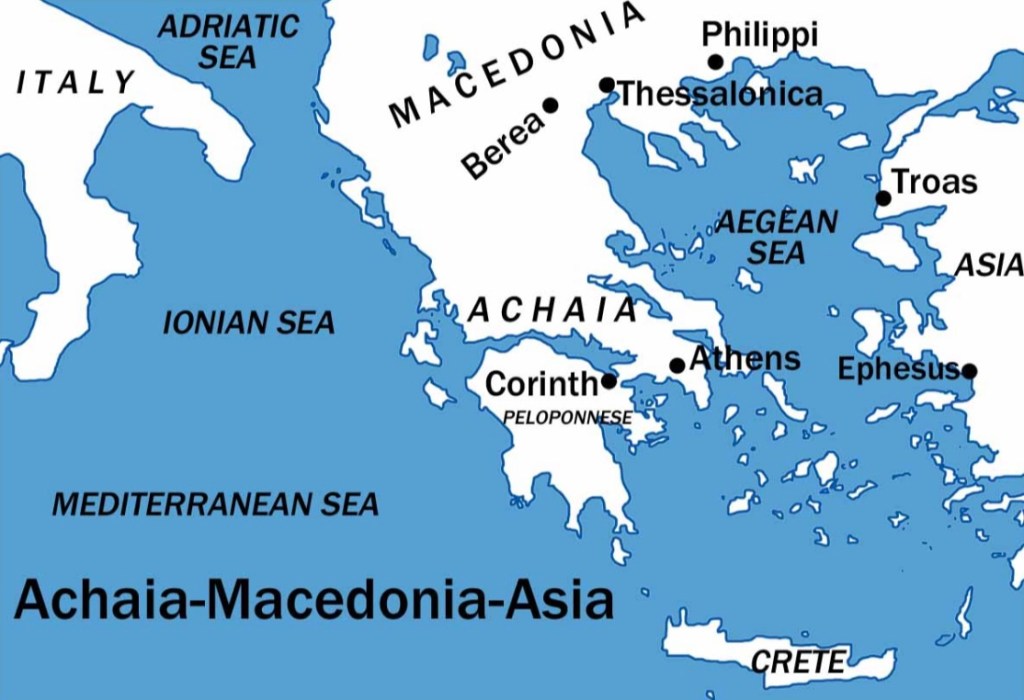
Paul’s first letter indicates that he concentrated his mission in Corinth on Gentiles, non-Jews (1 Cor 12:2; 16:15–18), and it would seem that he had significant success there (see also Acts 18:1–18). He stayed in Corinth for some time, earning his own living and working with other people in the early Christian movement, such as Peter, Apollos, and the tentmakers, Aquila and his wife Priscilla, two of the Jews expelled from Rome by Emperor Claudius in a general expulsion a few years earlier.

Paul was successful in establishing a new Christian community in Corinth. This undoubtedly caused tension with the local synagogue, as Paul was preaching that Jesus was the Messiah, whom Jews were expecting to come (Acts 18:4). This success may have led to his being dragged before Gallio, the Roman proconsul, by the local Jews, charged with heresy.

Gallio dismissed the charge as a matter of concern to the Jews alone; it was not a matter for the Roman authorities to be involved with (Acts 18:12–17). Gallio was proconsul in Corinth in the years 50–51, so this provides the date for Paul’s visit there. Soon afterwards, Paul left Corinth, accompanied by Aquila and Pricilla, bound for Antioch, but on the way they stopped over in Ephesus (Acts 18:18–21).

*****

After Paul left Corinth, he remained in contact with the community of believers there, as the two letters of Paul to the Corinthians attest. He indicates that he wrote the first one whilst in Ephesus (1 Cor 16:8). Yet in that letter, Paul refers to his “previous letter” to Corinth (1 Cor 5:9); so it seems that 1 Corinthians was probably the second of his letters to Corinth, and what we know as 2 Corinthians might actually be 3 Corinthians!

But then, our letter of 2 Corinthians refers to a second visit which Paul made to Corinth—the “painful visit” (2 Cor 2:1)—followed by another letter from Paul to the Corinthians—the “tearful letter” (2 Cor 2:4; 7:8). So what we know as 2 Corinthians was probably the fourth letter that Paul wrote to the Corinthians!

Indeed, the integrity of 2 Corinthians as we know it has been questioned, and scholarly scrutiny of the form and contents of the letter even suggests that it may be a composite of two, three, or even four letters which were originally separate communications. So Paul’s fourth letter to Corinth, which we call 2 Corinthians, is comprised of a number of main sections, each of which has its own distinctive focus.

*****

In the first section of the letter (1:1–7:16), Paul writes to offer consolation and hope to his converts in Corinth. It is clear that members of the community have undergone some difficult times; Paul empathises with them, drawing on his own experiences, as a way of offering a message of hope to the believers in Corinth. The excerpts we heard in worship last Sunday (Pentecost 3), and will hear this Sunday (Pentecost 4), come from this part of the letter—warm, encouraging, affirming.

This first section contains a brief excursus (6:14–7:1), which is of a markedly different character—leading many scholars to the conclusion that Paul himself did not write these verses. (How they came to be included in the final letter, then, poses something of a mystery requiring more detailed attention than we can give it here.)

In a second main section (8:1–9:15), Paul addresses a very practical matter—the collection of money which he was making amongst the churches of Achaia and Macedonia, which he was planning to take to Jerusalem for the benefit of the believers there who had been experiencing difficulties. In this section, Paul focuses on the need for unity among the churches, both Gentile and Jewish, which lies at the heart of this enterprise. The lectionary selects one paragraph from this section for Pentecost 5.

In the third main section (10:1–13:13), Paul’s tone is markedly apologetic, as he writes in severe tones to defend himself in the face of criticisms which have been levelled against him in Corinth. Here, the issue is how to discern true and false teachers amongst the leadership active within the churches. That’s the section that provides one of the readings for Pentecost 6, which ends with Paul’s famous declaration, “whenever I am weak, then I am strong” (12:10).

A page from Papyrus 46 (P46) with the text of 1 Cor 12:10–18

******

As was the case in a number of churches where Paul was active, a group of traditional Jewish believers had become active and were persuading the Corinthians to adopt beliefs and practices different from those advocated by Paul. The task which Paul undertakes in these chapters is to validate his own authority over and against this other group, and encourage the Corinthians to remain faithful to the good news which he first brought to them.

Paul’s theology of the cross, clearly articulated in 1 Cor 1–4, provides the basis for the approach that he takes in 2 Cor 10–13. He emphasises his frailty (10:10) and reiterates the catalogue of sufferings that he has experienced (11:23–29; 12:10; cf. 6:4–10) but argues that this is the sign of his true calling as an apostle, for “power is made perfect in weakness” (12:9).

So Paul asserts that his authority comes not from self-validation, but because he bears the Lord’s commendation (10:18), and his sufferings demonstrate that “whenever I am weak, then I am strong” (12:10), in accordance with the pattern established in the crucifixion of Jesus himself (13:3–4).