A vision, a Congress, and a struggle for justice

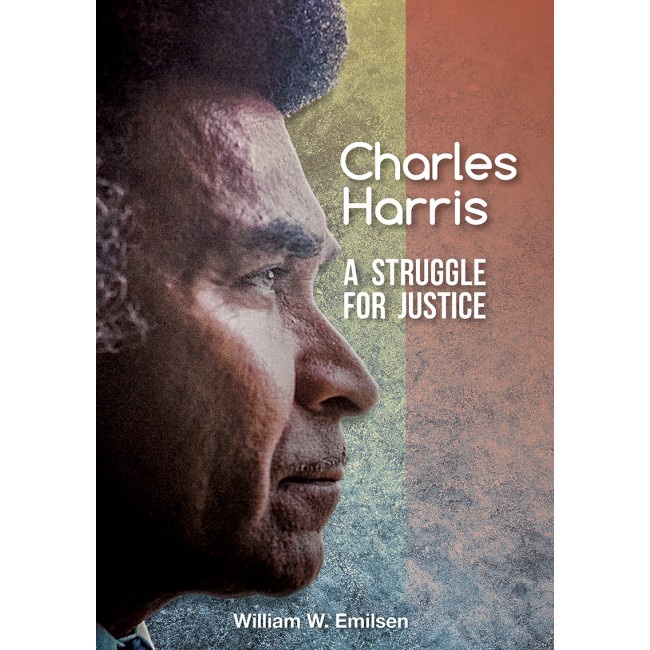
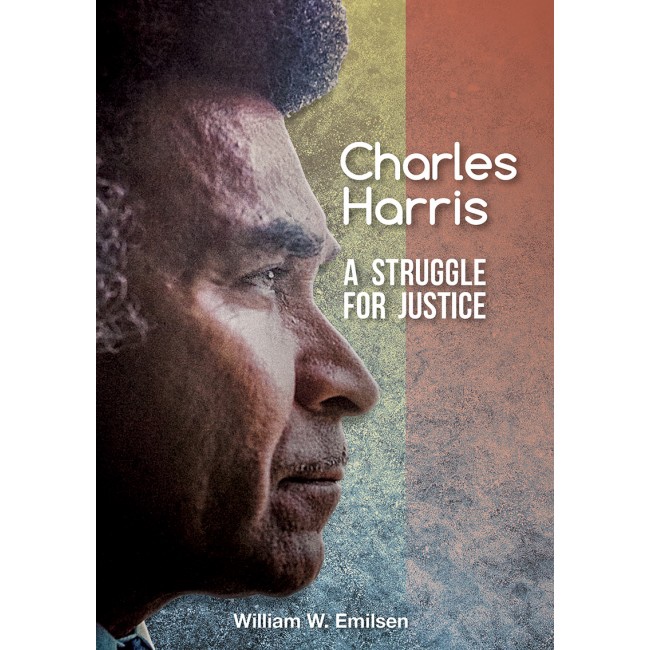
Charles Harris: A Struggle for Justice (William W. Emilsen, 2019, MediaCom)

In August 1983, a National Conference within the Uniting Church was held from 22-26 August at Galiwin’ku, Elcho Island, in the Northern Territory. The Conference inaugurated the Uniting Aboriginal and Islander Christian Congress within the UCA. It built on the work that had taken place in 1982, as a series of meetings brought together Aboriginal and Islander members of the Church and other interested people in a conference at Crystal Creek, near Townsville.

The UAICC, or “Congress”, as it is more commonly called, has remained a significant feature of the UCA nationally, as well as in a number of Synods. Two Synods have contained Presbyteries composed entirely of Congress Congregations.

The Northern Regional Council of Congress (NRCC) functions as one of two Presbyteries in the Northern Synod. Representatives of more than 28 Aboriginal congregations from East Arnhem Land, West Arnhem Land, the West Kimberley region of Western Australia, Alice Springs, Aputula and the Aṉangu Pitjantjatjara Yankunytjatjara Lands in South Australia, make up the Council.

For many decades, Calvary Presbytery served as the regional Queensland body of Congress, a Presbytery in the Synod of Queensland. It oversees Indigenous congregations in the Cape York and Gulf region (Mapoon, Napranum, Aurukun and Mornington Island), as well as Congress congregations at Gordonvale (south of Cairns), Townsville, and Zillmere (in northern Brisbane). Since 2016, Calvary Presbytery and North Queensland Presbytery have worked together as Carpentaria Presbytery, one of seven Presbyteries in the Queensland Synod.

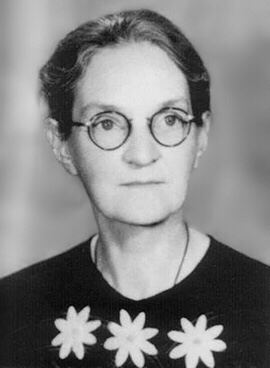
This unique ecclesial arrangement, of a Congress body functioning within the denominational structures of the UCA, but having the authority to make decisions in all matters relating to ministry with Aboriginal and Islander peoples, had been the vision of the Rev. Charles Harris, an Aboriginal community worker and pastor who was ordained a UCA minister in November 1980.

Charles was the first President of the national body of Congress when it was formed in 1985. This was a role that, over the ensuing decades, has come to be seen as equal and complementary to the position of President of the national Assembly.

Charles Harris would later describe the 1983 conference as a time “of discovery, of one another, of culture, and of common faithfulness. It was a conference dedicated to searching for the will and purpose of God.”

The passion and vision birthed at these historic meetings for First Nations Peoples has not subsided in hearts and minds of members of the UAICC.

William Emilsen has written much on the work of Charles Harris; after a series of articles published over some decades, he has now published a book-length account of the whole of the life and work of Harris, entitled Charles Harris: A Struggle for Justice.
See https://assembly.uca.org.au/news/item/3060-a-destiny-is-born-uaicc-beginnings. The book is available from MediaCom at https://www.mediacomeshop.org.au/test/index.php?route=product/product&product_id=426

At the end of his life, the activist and public servant Charles Perkins, a long-time friend, described Harris as one who helped set ‘the moral and ethical standards for relationships between Aboriginal, Islander and white Australians. A man of principle, whose impact will never be forgotten’ (Foster 1993, 5, quoted in https://ia.anu.edu.au/biography/harris-charles-enoch-18183)

The book by Emilsen provides multiple examples of how Harris lived and worked by his ethical principles, grounded in the understanding that God’s justice is the heart of the Gospel, and our discipleship is to be focussed on seeking that justice in all of life.

The vision of an Aboriginal Congress was central to Charles Harris’ church ministry and community leadership. He toured the country, encouraging, urging, negotiating, to bring this vision to reality. In 1985 the National Assembly welcomed the formation of Congress, and in 1994 the Uniting Church in Australia formally entered into a Covenant with the Uniting Aboriginal and Islander Christian Congress, to work together for a more just church and nation.

See https://uniting.church/covenanting-resources/

That work arose out of his work with local Aboriginal communities in Queensland, where Charles offered an integrated ministry that attended to material and spiritual needs, whilst building networks and undertaking advocacy for his people.

And the creation of the Congress formed the springboard for the work that Charles Harris undertook among nest Aboriginal communities across Australia, preparing the converge on Sydney in January 1988 for the BiCentenary celebrations. Charles was the driving force behind the creation of the Day of Mourning, with a march through Sydney and a rally at Hyde Park, which attended by 40,000 people, on 26 January.

See https://www.deadlystory.com/page/culture/history/The_1988_Bicentenary_Protest

The Bicentenary protest was carried out in the spirit of the earlier Day of Mourning protest, also organised by indigenous leaders, led by William Cooper. This took place in 1938, on the 150th anniversary of the landing of the first fleet. See https://www.deadlystory.com/page/culture/history/Day_of_Mourning_protests_held_in_Sydney

It is a legacy continues in the current marches and protests organised each January to fight for rights and justice for Aboriginal and Islander peoples.
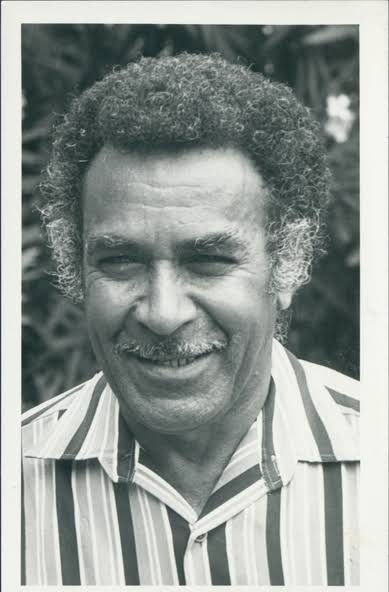
In telling the story of the role that Charles Harris played in 1988, and in other key events in his life and ministry, William Emilsen had access to the history that Harris himself had begun to sketch, before his health issues predominated, and which led to his early death in 1991.

However, Emilsen has gained access to a wide range of sources–not only published accounts and transcripts of speeches and meetings, but also letters and recollections of events by the colleagues and friends of Charles Harris. He has interviewed and corresponded with key people, including the late widow of Charles Harris, the much-respected Aunty Dorrie (see https://assembly.uca.org.au/news/item/3221-pastoral-letter-rev-dorothy-harris-gordon-1941-2020)

This makes for a rich account, with a proliferation of material enabling the reader to enter into a deep appreciation of the values and commitments of Charles Harris: pastor, community worker, evangelist, student, orator, organiser, visionary, and prophet. It’s a work that is well worth reading.
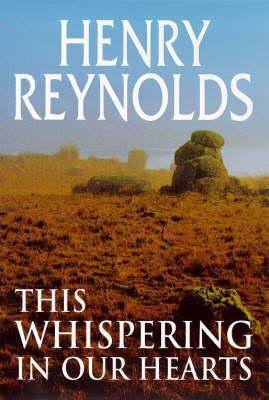
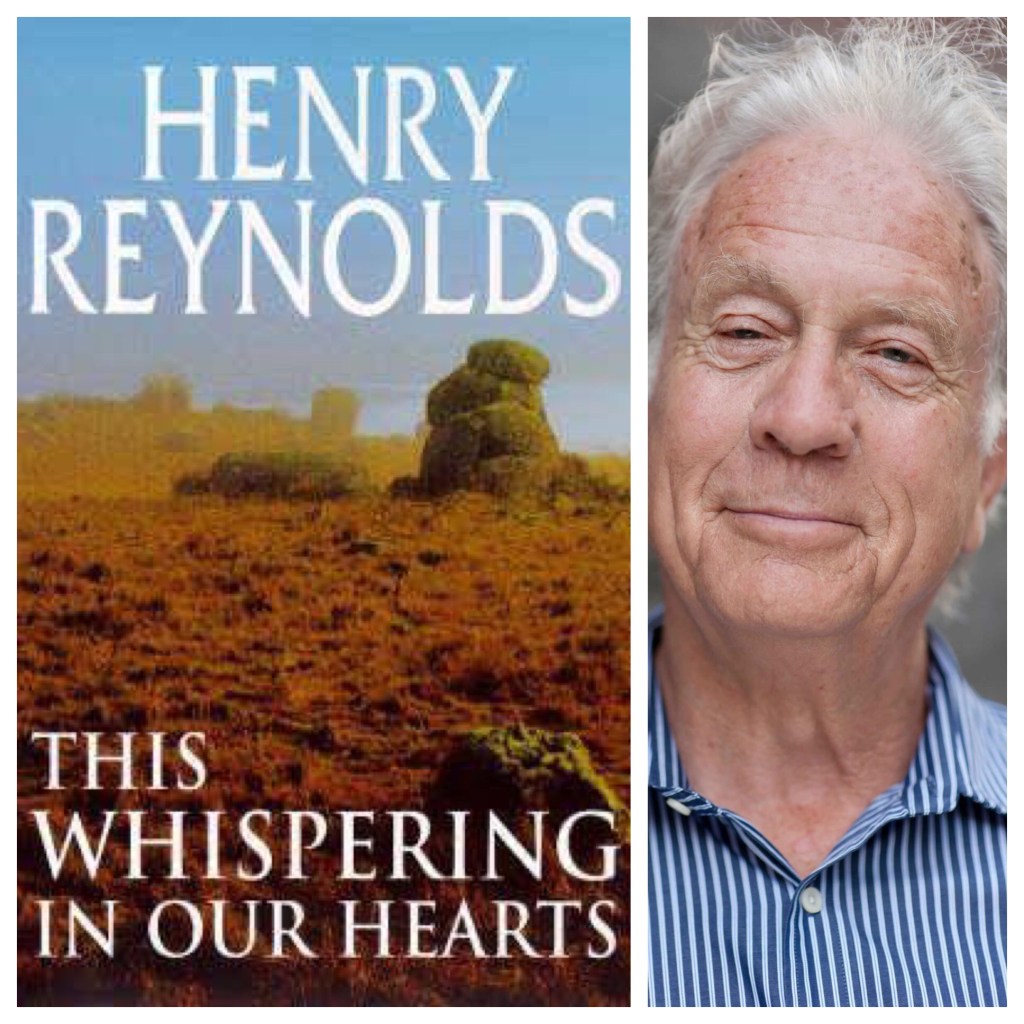
This whispering in our hearts: potent stories from Henry Reynolds

I have recently finished reading This Whispering in our Hearts, by the doyen of living Australian historians, Henry Reynolds. (Thanks to Barbara Braybrook for loaning me her copy and suggesting I read it, because she thought I would appreciate it. I have, and I did!)

The whole career of Reynolds has been devoted to researching and writing about the Indigenous peoples of Australia—including his investigations of the stream of violent confrontation and massacre of indigenous peoples in what he has, memorably, called “The Frontier Wars”.

The book tells a story that all Australians need to know. It is an inspiring narrative with potent stories. We need to hear the words, sense the passion, know the sagas of our recent post-invasion history.

Time and time again, as I was reading the book, I found myself greatly appreciating its accounts of courageous, deeply-committed people in early Australian society. They saw and spoke out against the terrible racist attitudes towards Australian Aboriginal people, and especially the many massacres that have peppered our history since the late 18th century.

However, I found it equally a rather depressing account. I had to read it in “chunks” of a chapter or two at a time. I needed to let the information in each chapter settle in my mind, as the battle between passionate advocates and redneck racists was played out over decades.

The book is based on Reynolds’ research into debates, and actions, that took place in white Australian society throughout the 19th century, into the early 20th century. There are numerous quotations from all manner of primary sources—letters, speeches, sermons, pamphlets, newspaper articles, books, and more.

“All over Australia there were men and women who stood up and demanded justice for the aborigines”, writes Reynolds (p.xvi). The book tells the stories of nine such men and women—although, truth be told, only one, the 20th century activist Mary Bennett, is a woman.

Mary Bennett, pioneering feminist and advocate for Indigenous Australians

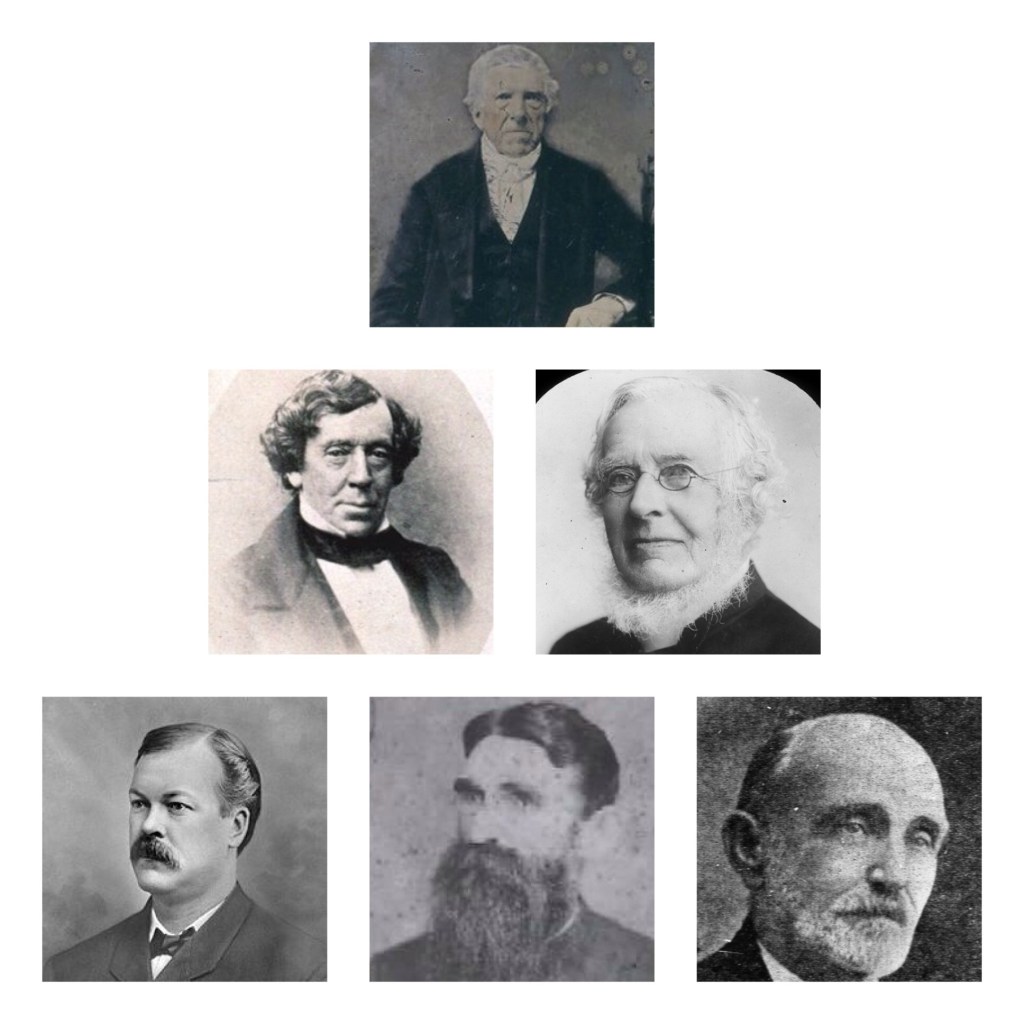
The others canvassed include Lancelot Threlkeld, George Augustus Robinson, Louis Giustiniani, and Robert Lyon (active in the 1830s and 1840s); John B. Gribble and David Carley (from the 1880s); and Ernest Gribble (from 1926 to 1934).

Pictured: Lancelot Threlkeld (top);
G. A. Robinson and Louis Giustiniani (middle);
Robert Lyon, John B. Gribble, and Ernest Gribble (bottom).

The regions of Australia under scrutiny include the colonies of New South Wales (Threlkeld and Robinson), the Swan River (Giustiniani and Carley), Queensland (with fascinating quotations from letters published in the press in the 1880s), and then Western Australia (both Gribbles, father John and then son Ernest).

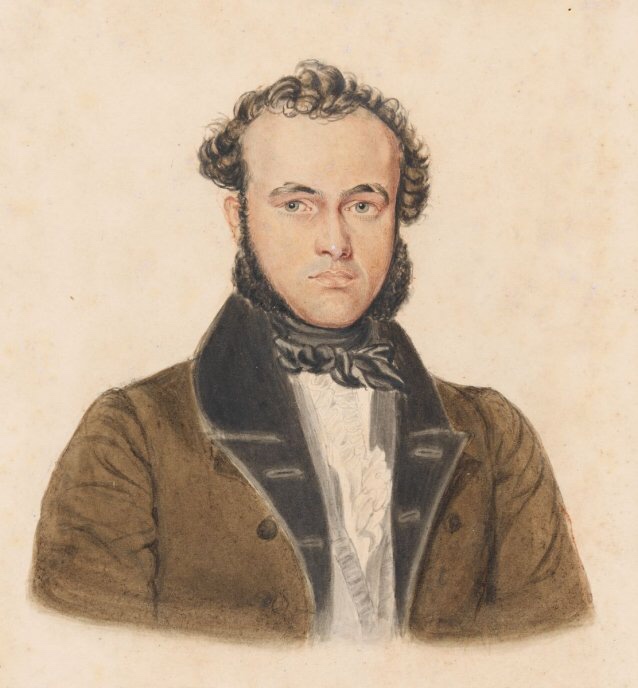
The title comes from the closing line of a public lecture delivered by a Sydney barrister, Richard Windemyer, in 1842, a year before he was elected to the Legislative Council. Windemyer had set out to undermine the words and actions of humanitarians who had been advocating for the rights of Aborigines, but ended with the wistful observation, “how is it our minds are not satisfied? what means this whispering in the bottom of our hearts?”

Richard Windeyer (1806-1847),
journalist, barrister and politician

That whispering is still with us, into the 21st century, as we have lived through the High Court judgements of Wik and Mabo, the Stolen Generations Report and the Royal Commission into Deaths in Custody, the Reconciliation March and the National Apology, and the Statement from the Heart at Uluru. And still, despite these and other important happenings, the life expectancy of indigenous Australians is lower and their incarceration rates are far higher than the Australian average; and awareness that white Australia is premised on living on stolen land is still low amongst the general population.

The most recent NAIDOC Week slogan–Always Was. Always Will Be.–has much distance to go to before it gains traction amongst the general Australian population. As Reynolds notes in the final paragraph of the book, “if true reconciliation is ever consummated in Australia and justice is not only done but seen to be done … after 200 years, the whisper in the heart will be heard no more” (p.251). What he wrote in 1998 remains still the case today. We wait in hope …

*****

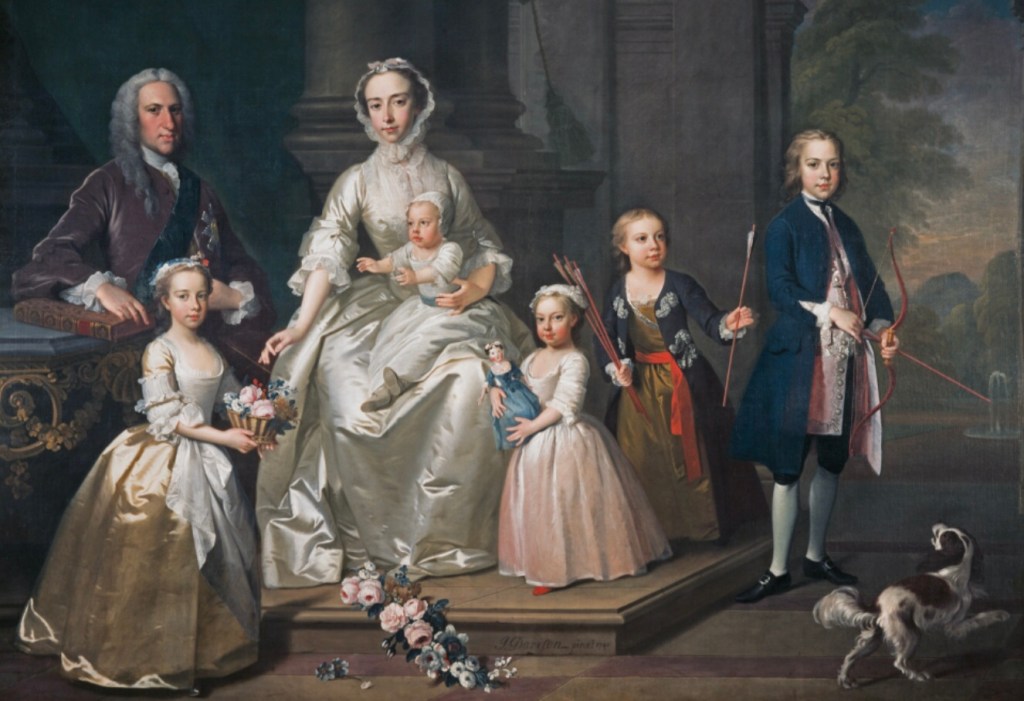
From the earliest days, Reynolds reports, there was a clear awareness that the indigenous peoples had the right to possession and ownership of the land, and the British colonisers were there because of an act on invasion. Before Cook, Banks, and the crew of the endeavour had set sail, they were in receipt of instructions from James Douglas, President of the Royal Society until his death in 1768, which clearly stated, “they are the natural, and in the strictest sense of the word, the legal possessors of the several Regions they inhabit”.

James Douglas, 14th Earl of Morton
(portrait with his family by Jeremiah Davison, 1740)

Douglas continued, “no European nation has a right to occupy any part of their country, or settle among them without their voluntary consent”, and asserted that “shedding the blood of these people is a crime of the highest nature”, and that “conquest over such people can never give just title … they may naturally and justly attempt to repel invaders who they may apprehend are come to disturb them in the quiet possession of their country” (quoted on p.xii).

The book recounts how all nine of these people, along with others, advocated for Aboriginal people, and how all nine of them encountered various pushbacks—arguments, rejections, persecutions or sackings. In the face of strong community resistance, biased legal judgements, and pure racist political leadership, these people continued their prophetic tasks of advocacy, social work, political strategising, and grassroots activism.

The courage, persistence, and zeal of these nine humanitarians, advocates and activists, and of the many others who worked with them, is offset, at times, by the character evaluation that Reynolds provides. Robinson was “thought to be a tiresome and discredited officer, a pompous, prickly upstart” (p.55). Ernest Gribble was “relentlessly self-centred, tactless, self-righteous, courageous” (p.181). Mary Bennett was “excessive in her righteous passion” (p.241).

Yet the dogged, even intransigent, nature of their various characters was probably what fitted them for the roles they undertook, in the face of massive public opinion oriented in the opposite direction. The closing chapter of the book documents the very significant shift that occurred in the aftermath of, first, the 1926 Forrest River Massacre, and then the 1928 Coniston Massacre.

The first of these massacres occurred in Western Australia, long the heart of racist repudiation of any rights for Aboriginal peoples. The second was in the Northern Territory, which was also quite resistant to addressing matters of racism. The shift that occurred after these events, through the 1930s, was only possible because of the persistent and penetrating critique of the time, driven from the eastern states, with leadership from Elizabeth Bennett and active participation from Christian churches.

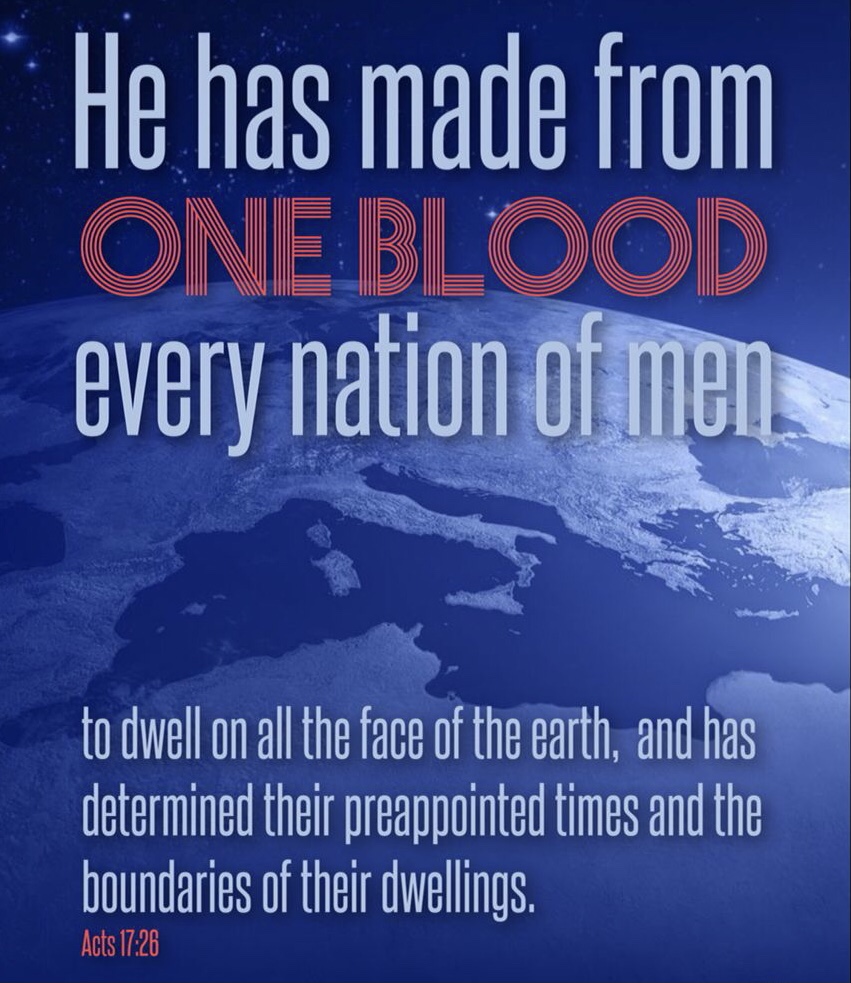
The commitment of Christian voices throughout the decades is one striking element in the story that Reynolds tells. He cites a number of early clergymen who argued that discrimination against “the Natives” was contrary to the clear teaching of scripture, by which all races are “of one blood” (drawing on the old translation in the King James Version of Acts 17:26).

Ministers of religion were frequently at the forefront of activism in colonial Australia. Their advocacy for the view that black-skinned people are humans with the same capacities and rights as white-skinned people was clear; but, sadly, not compelling enough. After a century and a half of British settlement, the federal parliament actually legislated for a racist policy, popularly known as the White Australia policy.

Before I read this book, I knew about some of these activist-advocates (for instance, I had blogged about Gribble senior in https://johntsquires.com/2019/08/18/dark-deeds-in-a-sunny-land-the-expose-offered-by-john-b-gribble/).

However, there was much that I did not know. This year, as we approach Invasion Day, January 26, commemorated officially as “Australia Day”, I think it is appropriate that we remember, and give thanks, for those who in years past have spoken and acted in support of the First Peoples of Australia and its surrounding islands, as Henry Reynolds reminds us.

See also https://johntsquires.com/2020/11/08/always-was-always-will-be-naidoc2020/

https://johntsquires.com/2018/08/13/affirming-the-sovereignty-of-first-peoples-undoing-the-doctrine-of-discovery/

https://johntsquires.com/2019/01/16/the-profound-effect-of-invasion-and-colonisations/

Honours. Honestly?

Every year, for as long as I can remember, around this time of the year, there are media stories that report the honours that are being bestowed upon citizens in our society.

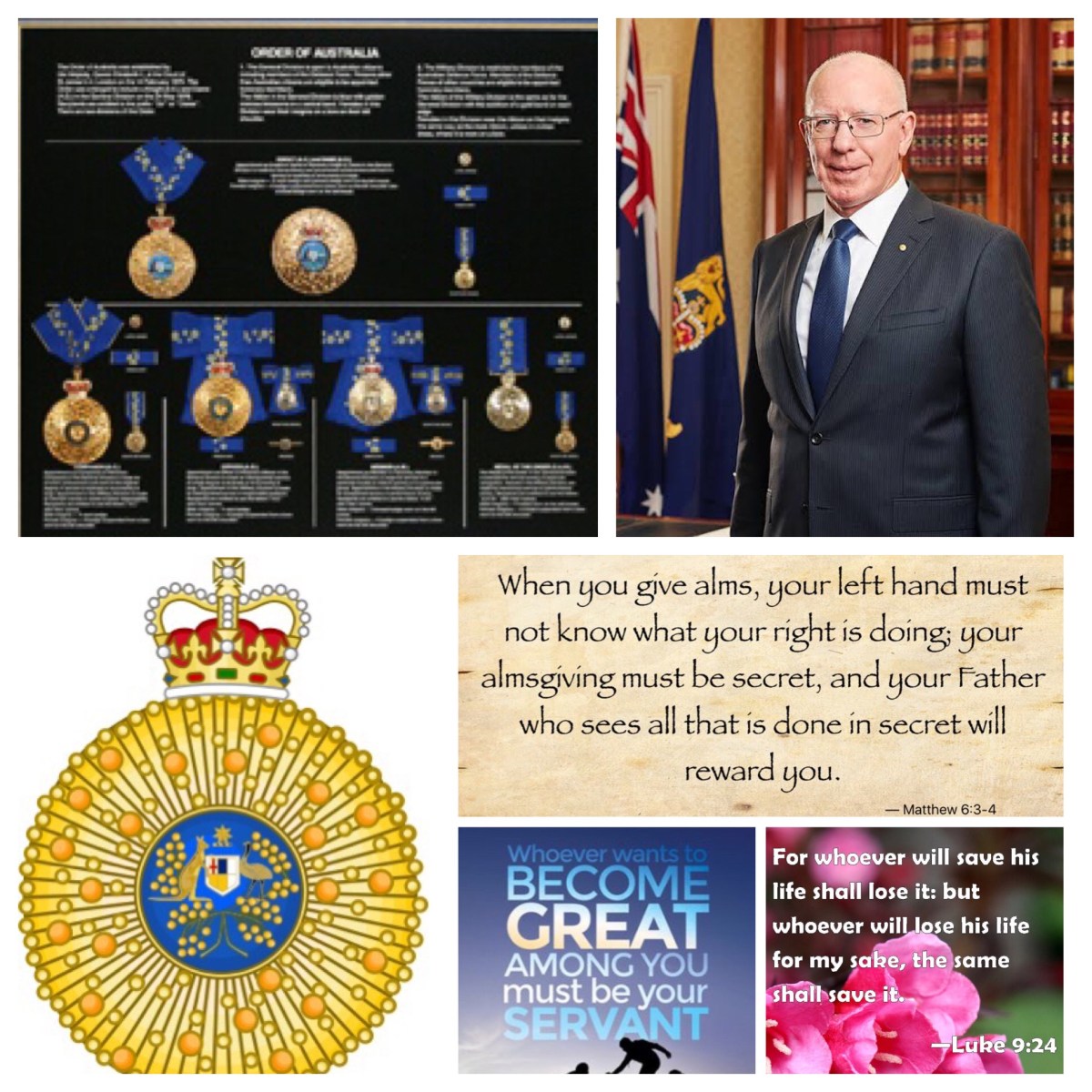
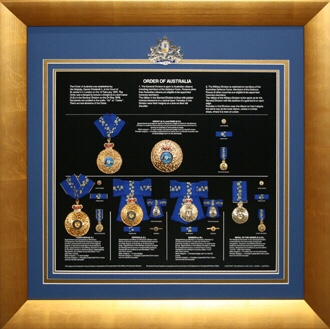
Every Australia Day in January (as well as every Queen’s Birthday in June), a long list of names is published, honouring lots of people. The awards are categorised under various levels in the Order of Australia: Companions (AC), Officers (AO), Members (AM), as well as a list of people awarded a Medal (OAM). There are both Civil and Military sections in each of these levels.

The reasons identified for the various honours given are identified by various activities undertaken by the recipients. This can include “service to the community” in philanthropic and other worthwhile ventures, often in voluntary capacities with charities, religious groups, community organisations, and the like. These awards say something like “we appreciate that you gave your time, energy, expertise” to this good cause, usually over an extended period of many years, even decades.

I’ve got no complaint about such recognitions being made. Indeed, this seems to fit very well with the stated aim of the awards system, to honour “Australians who have demonstrated outstanding service or exceptional achievement” (see https://www.gg.gov.au/australian-honours-and-awards/order-australia)

There is also “service to the community” through the various professional sectors of society—basically, awards which say “you did a good job in the work that you were paid to do over these many years”. That’s a different kind of recognition. Surely, if a person is paid to do their job, and they do it well, even very well, then their employer should recognise and celebrate this—and perhaps even hold an event to make this acknowledgement more public than just within the in-house of employment?

It is instructive to read the reasons for the upper levels of awards given. Here’s a sampling from the AC and AO awards issued in June 2020. First, there is “For eminent service to the people and Parliament of Australia, particularly as Prime Minister, and through significant contributions to trade, border control, and to the Indigenous community” (yes, that was Tony Abbott); “For distinguished service to the people and Parliament of New South Wales, particularly as Premier, and to the community” (Mike Baird, in NSW); “For distinguished service to the Parliament of Australia, to the people of New South Wales, and to women in politics” (Bronwyn Bishop, NSW Senator); “For distinguished service to the Parliament of Australia, to the people of Queensland, and to fisheries research and development” (Ron Boswell, Qld Senator). Enough said.

After all these political personages, there follows awards for “distinguished service to business in the energy, gas and oil production and infrastructure sectors … to aerospace and mechanical engineering, to education and research … to business, particularly through a range of travel industries, to professional tourism organisations … to public administration, and to international legal practice, through senior counsel and advisory roles … to higher education, particularly in the field of economics and public policy, and to professional societies.”

So that’s one way to analyse the awards. The higher awards go to politicians and people at the peak of their respective professional fields. All for doing their jobs well. Occasionally the phrase “and for community service” sneaks in, but not often. So it’s really about awarding the privileged and powerful who have “made it”.

They have “made it” by the hard slog of winning lots of elections, or by the hard slog of doing their demanding job really well. We could well debate whether we need this whole complex system to pat on the back those who’ve already received accolades, the trappings of office, the height of their professional work, for this hard slog.

There’s another way to looks at all of this. That’s an analysis that our own Governor General, David Hurley (pictured below), has offered this year.

As the person responsible for overseeing this whole process, he has noted some very striking biases. Such as:

The higher awards – the Companion of the Order of Australia and the Officer of the Order of Australia – tend to go to the rich, male and powerful. About 130 directors of boards of ASX 300 companies are members of the Order of Australia, and the suburbs in which AC and AO members are most likely to live are Toorak in Melbourne and Mosman in Sydney, followed by Melbourne’s South Yarra and Kew, and Sydney’s exclusive Vaucluse.

No one in the “Multicultural” or “Disabled” fields of endeavour have been made members of the AC, but the “Parliament and Politics” category has 42 ACs, while “Business and Commerce” leaders have 48 of them.

And indigenous Australians are completely under-represented in the honours system. In fact, there has not even been an indigenous member of the Council for the Order of Australia for almost a decade, now.

That’s an extraordinary admission by the very person charged with overseeing the system—a clear, public recognition that (as he wrote recently to the various peak bodies who need to bring recommendations), “quite candidly, ‘I don’t think you’re doing well enough.’ ”

It’s a system for rich, white, privileged blokes — rich, white, privileged blokes, who reward other rich, white, privileged blokes — and who sometimes let others squeak in, just a little, but not at the upper level, no thank you, just at the lower levels of recognition.

It’s a system that is completely inappropriate for the current context. It’s a system that needs to end. And there is already one extremely high-profile award in this year’s Australia Day honours that has highlighted, once again, the embedded inequities, biases, and discrimination that is at the heart of a system that rewards a person for things that are so far removed from recognising “Australians who have demonstrated outstanding service or exceptional achievement”.

So here’s the deal: what if all those “little people” who are nominated for an award, actually say, “thank you, but no thanks”. What if all the folks who genuinely merit such recognition — women, Aborigines, faithful community group leaders, devoted church and charity people, and even philanthropists, and the like — what if they turn it down, and leave only those rich, white, privileged blokes as the recipients?

And wouldn’t it be great if this mass rejection movement was led by all those folks (good, honourable, decent devoted) who are people of faith? After all, the central ethos of following Jesus calls for a focus on servanthood, placing others before self, and not doing things for show.

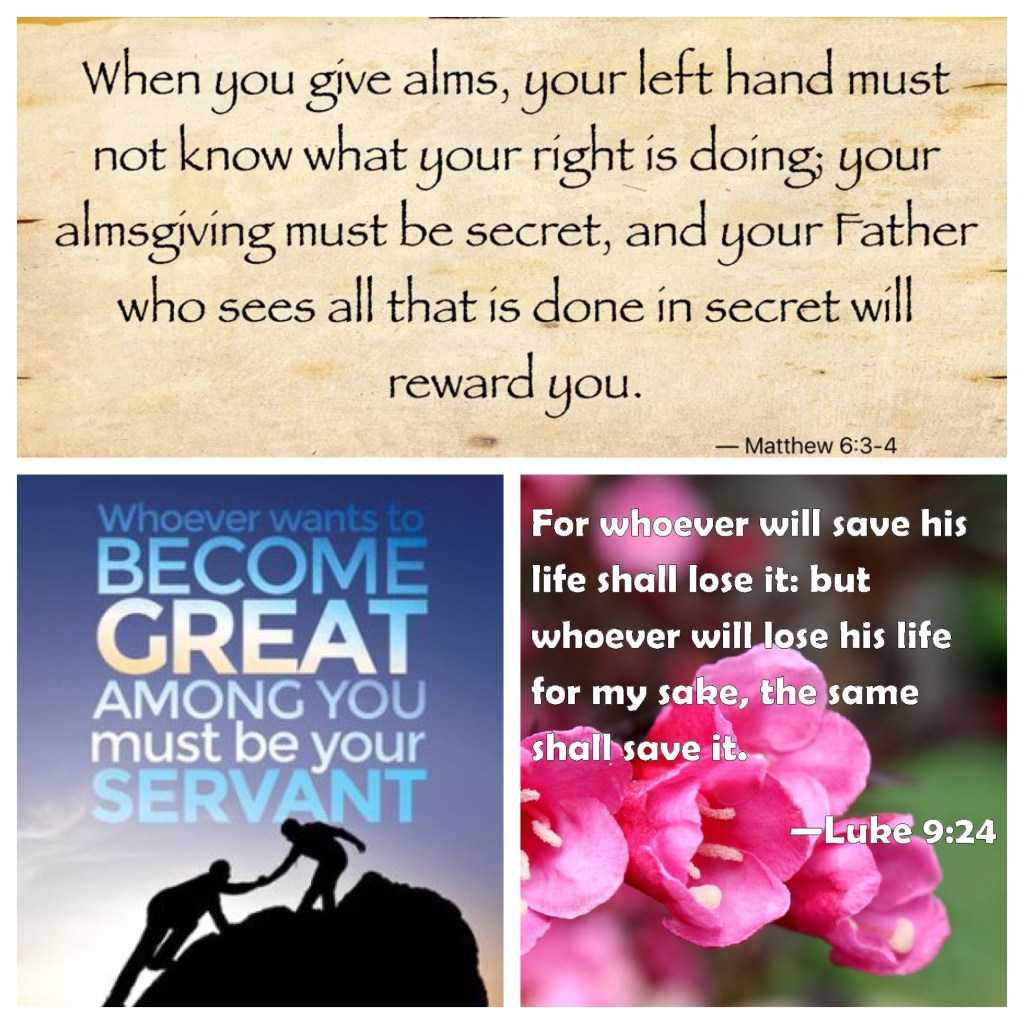
So wouldn’t it be a wonderful testimony to our faith, if the move not to accept an honours nomination would be led by those who live by the guide, “whoever wishes to become great among you must be your servant, and whoever wishes to be first among you must be slave of all” (Mark 10:43-44)?

Who adhere to the instruction, “whenever you give alms, do not sound a trumpet before you, as the hypocrites do in the synagogues and in the streets, so that they may be praised by others … when you give alms, do not let your left hand know what your right hand is doing, so that your alms may be done in secret” (Matt 6:2-4)?

Who pattern their whole lives on the word that “those who want to save their life will lose it, and those who lose their life for my sake will save it” (Luke 9:24)?

Such a wholesale mass repudiation of the honours system would expose that system for what it is. And would hopefully drive us closer to closing down this biased, anachronistic, self-congratulatory system once and for all.

https://www.smh.com.au/politics/federal/order-of-australia-biased-against-women-admits-governor-general-20201222

*****

Update on 27 Jan 2021: see https://www.theage.com.au/national/faith-rattled-in-australia-day-honours-20210127-p56x9m.html?fbclid=IwAR30XdhVn9MeWGuj3eSxwZC1LcaZB2Uv7ooKFhjLc0e73XGVi1Mm_V3l2rs

Textual interplay: stories of Jesus in Mark 1 and the prophets of Israel (Year B)

The Revised Common Lectionary is shaped with deliberate intention, offering a selection from Hebrew Scripture each week, alongside a portion of the designated a gospel for the year (this year, Year B, it is Mark). For about half the year, there is no specific intention to correlate the Hebrew Scripture passage with the Gospel passage. In some seasons, however, there is a careful selection of the Hebrew Scripture passage, so that it resonates with and complements or intensifies themes in the Gospel passage.

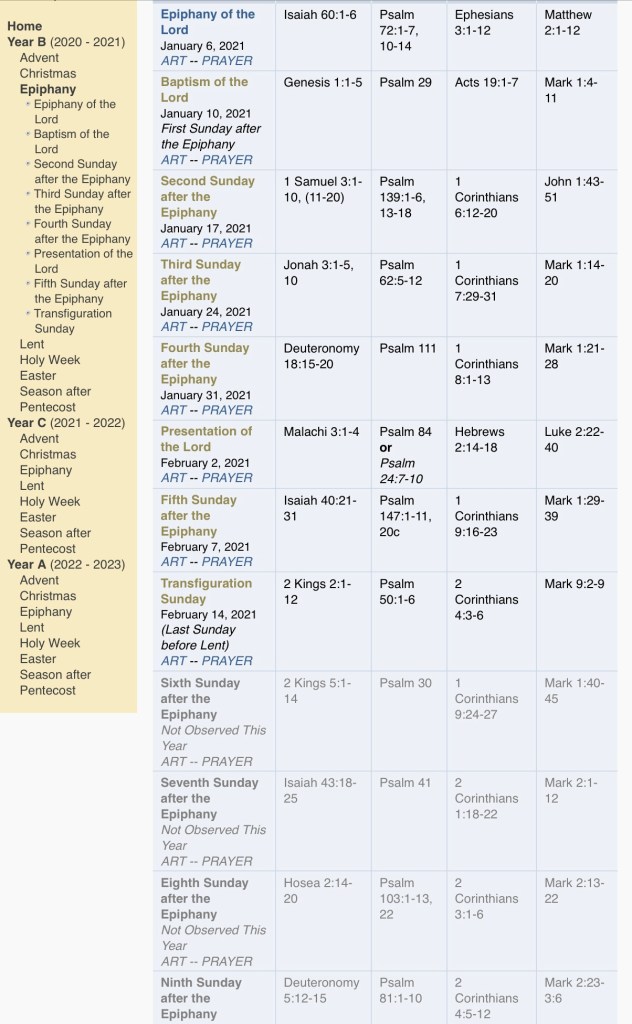
This appears to be the case in the season of Epiphany, during Year B. Whilst the Gospel sections largely trace the opening scenes of Mark (1:1-3:6), the Hebrew Scripture sections are drawn from a range of Hebrew prophets: Isaiah, 1 Samuel, Jonah, Deuteronomy, Malachi, Hosea, and stories about Elisha in 2 Kings. (Not all of these passages, nor all of Mark 1:1-3:6, appear in Epiphany in 2021; in other years, when Easter is later in the year, the season of Epiphany stretches over more weeks, as the image below indicates.)

The selection of a prophetic passage alongside, and directly oriented towards, a Gospel passage, invites readers and hearers of these scripture passages to explore in creative ways what themes are highlighted. Back in Advent 2, Isaiah 40:1-11 was offered alongside Mark 1:1-8, the account of the activities of John the baptiser in the wilderness. The logic of this is clear; the Gospel actually directly quotes Isa 40:3 in Mark 1:2b-3, depicting John as “crying out in the wilderness: ‘Prepare the way of the Lord’.”

On the feast of the Baptism of Jesus, Hebrew Scripture passages underline the breaking open of the heavens for the voice of the Lord to be heard (Ps 29:3-9 and Gen 1:3; see Mark 1:11). The words of that heavenly voice are drawn from Psalm 2:7 (“you are my Son”) and Isaiah 42:1 (“with you I am well-pleased”).

In following weeks, there are clear resonances of theme between the two selections. On Epiphany 3 (24 January), both Jonah 3:1-10 and Mark 1:14-20 recount call stories. We read the story of Jonah, called to proclaim God’s message to the city of Nineveh, alongside the story of Andrew and Simon Peter, John and James, called to become followers of Jesus.

Jonah is effective in his proclamation to Nineveh, which in turn provokes God to change his mind about the calamity that he had promised for them. That is power!! But this was the second call that Jonah had received (3:1); the first had ended in quite a catastrophe (Jonah was thrown overboard and swallowed whole, 1:15-17).

Andrew and Peter, John and James undergo a period of learning-on-the-road with Jesus, before they start to proclaim with power. Theirs was a slowly-evolving call, requiring diligent attention and persistence. And other calls following this pattern are narrated by Mark—Levi (2:15), a crowd following him (8:34-36), and women in Galilee (15:40-41).

On Epiphany 4 (31 January), words attributed to Moses in Deut 18:15-20 are placed alongside Mark 1:21-28. These passages address the question: once we are called by God—then what?? Deut 18 contains a story about the promise God made to Israel, to “raise up a prophet”, while Mark 1 tells the story of the man possessed in the synagogue in Capernaum, who was exorcised by Jesus.

Both stories focus on the distinctive nature of faith in the particular contexts of these stories. The prophet of Israel stands over against “other gods” (Isa 40:20). Jesus of Nazareth is recognised as one who speaks “a new teaching—with authority” (Mark 1:27).

Both stories indicate that being faithful to the call will place us in challenging, daunting, perhaps even threatening situations. Faith is a call to trust in God as we enter into those situations. How is your call being challenged? How are you responding?

On Epiphany 5 (7 February), Isaiah 40:21-31 and Mark 1:29-39 offer stories at the start of a significant period of ministry; an unnamed prophet of Israel, speaking to the people as they prepare to step into the wilderness, journeying to the promised land; and Jesus, interacting with people soon after his own wilderness experience (Mark 1:12-13). Both passages are set at the start of a significant period of time; both stories reveal important things about the nature of God, and the ways that God engages with human beings in their lives.

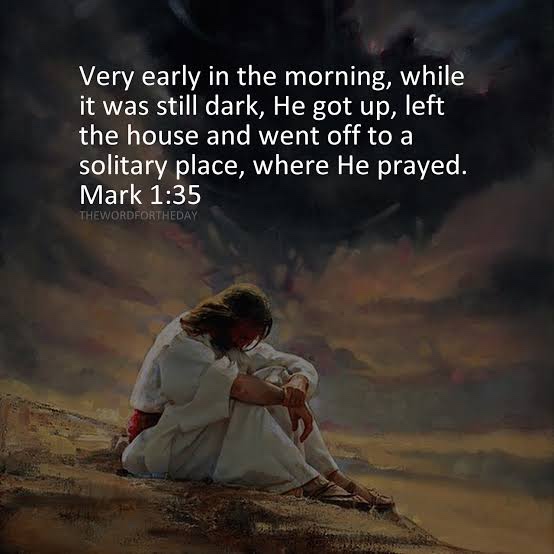
God is portrayed as powerful and sovereign in Isaiah 40; that was comforting and reassuring for the journeying Israelites. God comes with power, also, in Jesus; yet in his humanity, Jesus needs time to replenish and rejuvenate (Mark 1:35).

His example tells us that we need to hold in balance the desire to do great things, with the need to care for ourselves and remain connected with God.

In other years, we would follow on to explore the interplay of passages in Mark 2 and 3 with excerpts from 2 Kings 5, Isaiah 43, Hosea 2, and Deuteronomy 5. But this year, Epiphany ends on 14 February, the last Sunday before Lent. On this day, the story of the Transfiguration of Jesus, in the presence of Moses and Elijah (Mark 9:2-9) is linked, quite understandably, with the account of Elijah ascending into heaven, after his mantle is passed on to Elisha (2 Kings 2:1-12).

This account contains the second of three occasions in Mark’s Gospel where we encounter the voice of God, affirming his Son, in the words, “This is my Son, the Beloved; listen to him!” (Mark 9:7; cf. Ps 2:7). The other instances are at the Baptism of Jesus (1:11) and at his Crucifixion (15:39, although this affirmation is placed on the lips of the centurion who was guarding him).

The three occurrences of this affirmation encompass the whole Markan narrative within this clear claim about Jesus—echoing the very title of this work: “The beginning of the good news of Jesus Christ, the Son of God “ (1:1).

Readings for Epiphany 2021, from the website
of the Vanderbilt Divinity Library in the USA,
http://divinity.library.vanderbilt.edu/

See also https://johntsquires.com/2021/01/18/lets-get-down-to-business-beginning-the-story-of-jesus-mark-1/

and https://johntsquires.com/2020/11/24/the-kingdom-is-at-hand-so-follow-me-the-gospel-according-to-mark/

Let there be light: the season of Epiphany (Gen 1; Epiphany 1B)

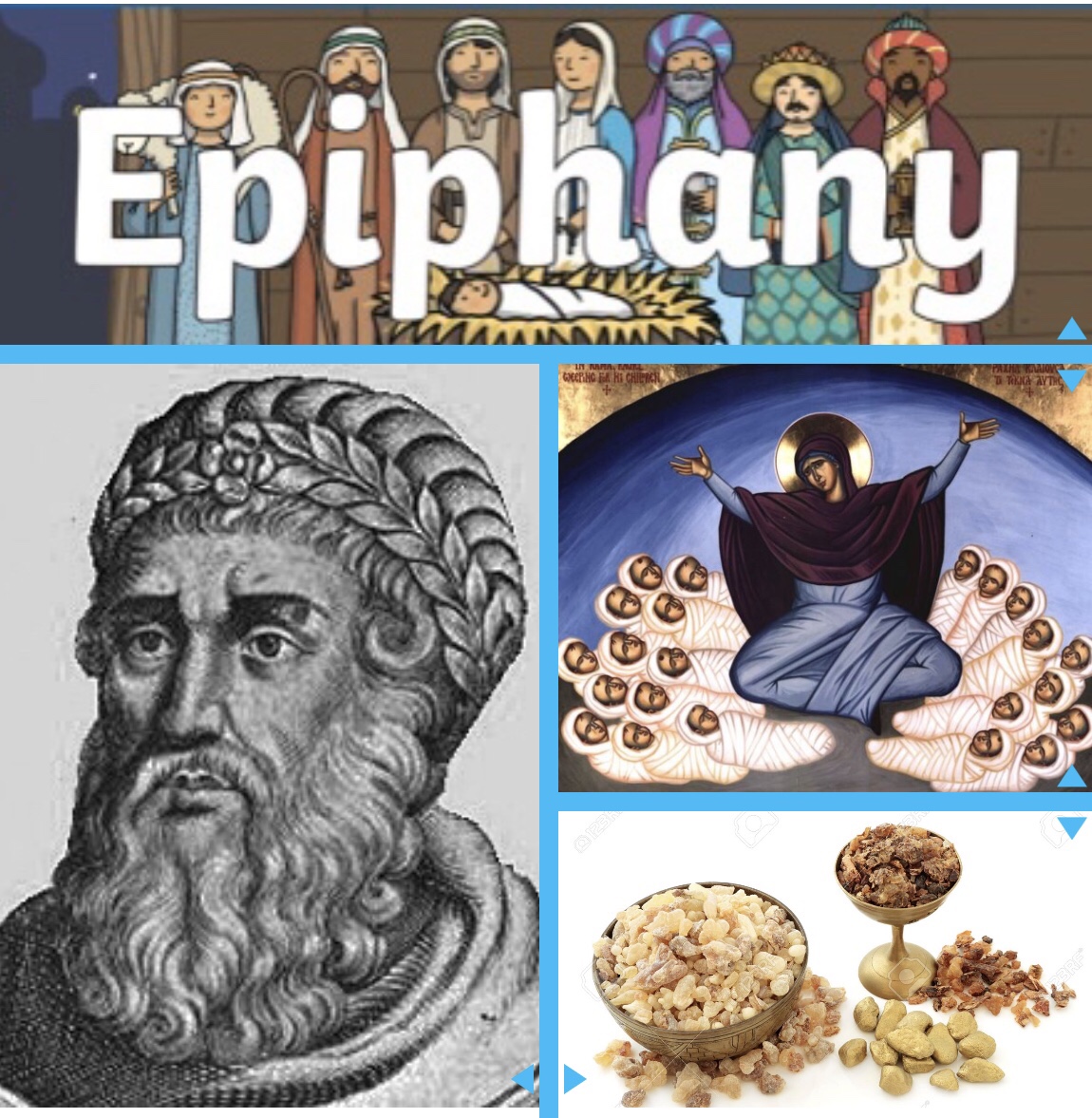
Today is the first Sunday in the season of Epiphany. The word epiphany refers to the manifesting of light, the shining forth of revelation. It is applied to this season, which follows on from Christmas, and is initiated by the story of “the star in the east” told in Matthew 2:1-12.

The birth of Jesus, and the story of the Magi following the star, signals the early Christian belief that God was acting in a new way through this child. The Magi come from the east, following the star, to pay homage to the infant Jesus. Light is of symbolic significance in this story, as is the theological claim that the child Jesus provides a revelation of God.

During the five Sundays of Epiphany, we start into the long haul of this year, following week by week the stories contained in the earliest account of Jesus, the beginning of the good news of Jesus, which we know more typically as the Gospel according to Mark.

Alongside these Gospel excerpts, the passages set in the lectionary from the Hebrew Scriptures have been carefully chosen. These passages illuminate the message of the Gospel which we hear each week from the New Testament, as we celebrate Christ as the light that comes into the world, illuminating and enlightening.

The Hebrew Scripture passage this Sunday (Genesis 1:1-5) tells of the creation of light, the first act of creation. It stands at the head of the whole story about creation. All that happens after that is bathed in the light of God’s creation. Telling of the creation of light establishes a pattern which is then repeated, five more times, for each of the various elements whose creation is noted in this narrative.

This repetition provides a structure, an ordering of the story. That reflects the very strong likelihood that the origins of this narrative lie, not in the distant mists of “the beginning of time”, but in the period after the exile of the people of Israel, in the 6th century BCE.

Many ancient cultures had their own creation stories, told in dramatic narratives and recorded for posterity. The ancient Israelites had their stories, but the account that we have in Genesis 1:1-2:4a comes from that time of returning from exile.

As the people returned from their decades of living in Babylon, they encountered the distressing scene of their former glory, the city of Jerusalem, in ruins. The hard work of rebuilding the city lay ahead of them. Under the leadership of the priests, the work of construction was inspired by the story of the creation. The structure and order in the creation narrative reflected the needs of the people at that time.

The same structure and order also reflected the liturgical structures set up in association with the rebuilt temple. Books were written, drawing from older oral traditions, that set out a complex and highly regulated system of sacrifices and offerings, to be brought to the temple overseen by a priestly class (the Levites, men descended from Levi).

The first two verses introduce the key characters: God, first described as the one who creates; a formless void, which is how the earth is first described; darkness, an entity in and of itself (not defined in any further way); and the breath of God, sweeping over the waters of the void. The fundamental image of God, then, is of a creative being, bringing order out of chaos; an image pertinent to the situation of the returning exiles.

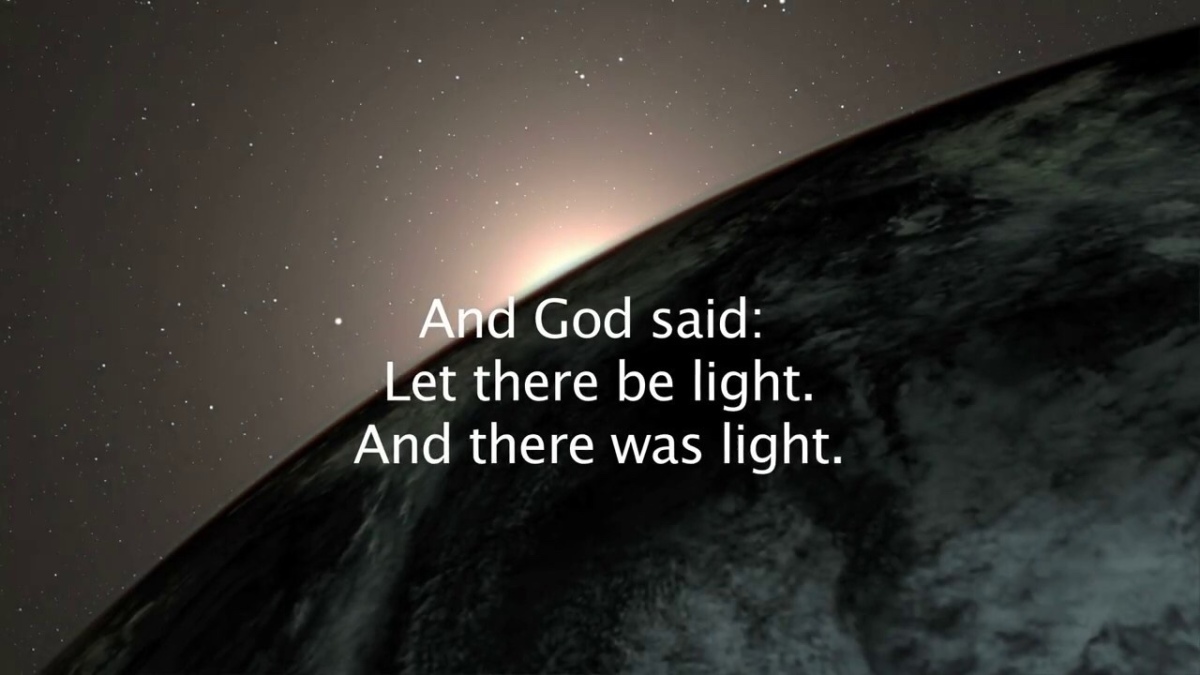
The third verse introduces light, which comes into existence through a single word of command. Then God said, “Let there be light”; and there was light (1:3). Light is the key entity in the creation story, the first creation of God, a signal of the creative process which then ensues.

Each subsequent creative action results from something that God said (verses 6, 9, 11, 14, 20, 24, 26). And each creation is affirmed with the phrase, and it was so (verses 7, 9, 11, 15, 24, and then verse 30). The pattern is regular and clear.

The fourth verses tells of God’s approval of what had been created: And God saw that the light was good (1:4). Likewise, God then affirms as good the creation of earth and seas (1:10), vegetation (1:12), the sun for the day and the moon for the night (1:18), all living creatures in the seas and in the sky (1:21), then the living creatures on the earth (1:25).

Finally, after the creation of humanity in the image of God, there comes the climactic approval: God saw everything that he had made, and indeed, it was very good (1:31).

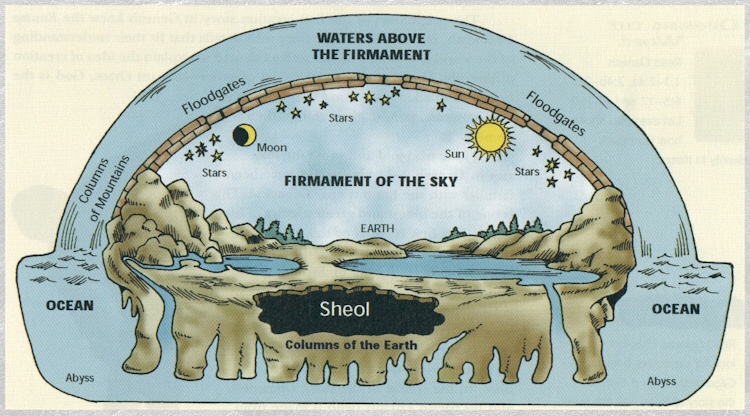
In a number of the six main sections of the narrative, God explicitly names what has been created: he called the light Day, and the darkness he called Night (1:5), then God called the dome Sky (1:8), God called the dry land Earth, and the waters that were gathered together he called Seas (1:10), followed by plants yielding seed of every kind, and trees of every kind bearing fruit with the seed in it (1:12), and the greater light to rule the day and the lesser light to rule the night—and the stars (1:16).

After this, the categories of living creatures are identified (1:21, 25), before the climax of creation is identified: “So God created humankind in his image, in the image of God he created them; male and female he created them” (1:27); and finally, God’s blessing is narrated (1:28).

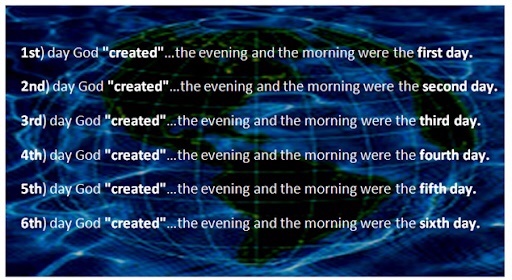
Finally, each section concludes with another formulaic note: “and there was evening and there was morning, the first day” (1:5; likewise, at verses 8, 13, 19, 23, 31), before the whole narrative draws to a close with the note that “on the seventh day God finished the work that he had done, and he rested on the seventh day from all the work that he had done” (2:2).

Of course, it is from this demarcation of the sections of the creative process as “days” that there came the traditional notion that “creation took place over seven days”. But this flat, literal reading of the “days” is a complete misunderstanding of the nature of the narrative in Genesis.

The story is thus told with a set of simple, repetitive phrases, but arranged with sufficient variation to give aesthetic pleasure, and with a growing sense of building towards a climax, to shape the narrative arc towards the culmination of creation (humanity, 1:26) and the completion of the creative task (sabbath rest, 2:2-3).

The noting of the “days” gives the story a shape that we can appreciate—they are not literal 24-hour periods, but a literary technique for the story, much like we find that some jokes, some children’s songs, and some fairy stories are constructed around threes (“three men went into a pub …”, or “three blind mice”, or “Goldilocks and the three bears”, etc).

And on the first “day”, God speaks and Light is created. It is a fine passage for us to reflect on at the start of the season of Epiphany, when we focus on the manifesting of light, the shining forth of revelation.

I love Christmas !

A dialogue about the origins of various Christmas traditions, written by Elizabeth Raine and John Squires, December 2020

What are you looking so pleased about?

It’s Christmas! I love Christmas! It is a time when we remember the old, old story, from centuries ago, when we do all sorts of things that people have done each Christmas for years and years—hundreds, even thousands, of years. All those wonderful traditions, stretching all the way back. It all reminds us of that very first Christmas, doesn’t it?

Well, I am not so sure about that.

But I love Christmas! It’s all about the presents, isn’t it?

Well, actually, it seems that Christmas presents in the way we give them—to family members and close friends—have only been around for 200 years.

It started in New York in the early years of the 19th century with donations in the streets to the poor. Even then Americans worried about socialism, so this Christmas tradition moved from the streets into homes. One of these benefactors decided to celebrate Christmas by giving family gifts to promote his enormously popular poem “’Twas the Night Before Christmas”.

So Christmas presents as we know them are just a modern American commercialisation of the season.

But weren’t there presents given long ago?

Well, kind of. The story of Nicholas of Myra who was Bishop there (in Turkey) in the 4th century says that he rescued three young girls from prostitution by providing them with a dowry. Nicholas secretly dropped a sack of gold coins through the window in the dead of night—one sack for each of the three girls, three nights in a row. That meant their father could marry them off instead of selling them. 

But didn’t the Wise Men give presents?

They took gifts that matched prophecies in the scriptures. Hardly the gift fest of modern times.

Anyway, I was telling you about Nicholas of Myra. He became Saint Nicholas. He is known as Sinterklaas in Holland, Miklavz in Lovenia, and much later onhe became jolly old St Nick, and then Father Christmas in Britain, and Santa Claus in America.

Ah—Santa Claus! Christmas is all about Santa Claus, isn’t it?

Santa Claus is really only 150 years old. During the 1860s, the cartoonist Thomas Nast created an image of Santa Claus that portrayed him as a warm, grandfatherly character who appeared with his arms full of toys. 

The familiar red suit and long white beard appeared only in 1931, when Coca Cola commissioned Haddon Sundblom to paint Santa for their Christmas ads. Sundblom based his portrayal of Santa on the 1822 poem, “‘Twas the Night Before Christmas”. In Coca Cola’s colours, of course.

Well I still love Christmas!. It’s all about the cards and carols and Christmas cheer, then.

Cards. Actually, the first Christmas card was invented only in the 1840s, by Sir Henry Cole—best remembered today as the founder of the Victoria and Albert Museum in London. It was a way of encouraging people to use the newly-formed postal service.

Well what about carols, then? The carols that we have sung for centuries and centuries.

Sure. There are lots of Christmas carols. And that is an old tradition. But I reckon you don’t actually sing the really old Christmas carols. Sung “Jesus refulsit omnium” (“Jesus illuminates all”) lately? St. Hilary of Poitiers composed it in Latin in 368. Another carol from the 4th century was written by the Roman poet, Aurelius Prudentius Clemens. Prudentius composed “Cordenatus ex Parentis”, which was subsequently translated into English as “Of the Father’s love begotten”. That’s in the hymn book, but I don’t think you will hear it in the Christmas muzak when you shop in the stores!

Most of the carols we sing were written in the late 19th or early 20th century. So they are old-ish, but not really ancient. And people today are still writing new carols. We should be singing some of those!

But how good is Christmas. It’s all about putting up the Christmas tree. And the Christmas lights. I love Christmas! Lots of spectacle. It’s a great time. Christmas tree and Christmas lights, just like people have always done.

Yes, there is an old, old connection with light shining in the darkness at this time of the year. From an oil lamp, presumably and not electricity! Christmas Day is right near the Winter Solstice—the day where there is the shortest time between the sun rising and the sun setting. It hardly applies here in the Southern Hemisphere, as there is an abundance of light, but we still celebrate Christmas in December.

There was a pagan festival at this time, to celebrate that light will come despite it being winter. The early Christian missionaries just took this festival and Christianised it, and made it their festival. Clever tactics, really.

And the Christmas tree?

The honour of establishing this tradition belongs to ‘good Queen Charlotte’, the German wife of George III, who set up the first known English tree at Queen’s Lodge, Windsor, in December, 1800.

Legend has it that Martin Luther, the religious reformer, invented the Christmas tree. One winter’s night in 1536, so the story goes, Luther was walking through a pine forest near his home in Wittenberg when he suddenly looked up and saw thousands of stars glinting jewel-like among the branches of the trees. This wondrous sight inspired him to set up a candle-lit fir tree in his house that Christmas to remind his children of the starry heavens from whence their Saviour came.

So the Christmas tree is around 500 years old. Hardly biblical, is it?

OK, I still love Christmas! It’s all about celebrating with family and eating lots of food and drinking lots of booze. Turkey and ham and prawns and pudding and mince pies and eggnog and wine.

What? No beer?

Well, yes, beer—of course! In the Aussie summer, you must drink beer at Christmas!

Well I guess you must! It’s the Victorians who really gave birth to the traditional Christmas dinner as we know it. Actually, Charles Dickens was the one who spread the idea of a table filled to overflowing with food, with a roast bird in the middle, surrounded by all the trimmings and a pudding. 
Legend has it that Henry VIII was the first person to eat a turkey on Christmas Day, but it wasn’t until Victorian times that it became more common. 

The Christmas cake we all know and love today originates from a cake made for and eaten on Twelfth Night (5 January), which was when the three wise men supposedly arrived in Bethlehem to see baby Jesus. The use of spices was supposed to symbolise the gifts the three men brought with them, whilealmonds and dried fruit were a rare sweet treat in the colder months. 

However, in the 1640s Oliver Cromwell and the Puritans banned feasting of any kind on Twelfth Night, so people started to make it on Christmas Day instead. 

What about Christmas pudding? It’s an ancient custom, surely.

You think the wise men turned up with it as well? Christmas pudding began life as something called plum porridge (first referenced in 1573), a pretty unappetising sounding dish made from beef shin, spices, sugar and fruit, boiled in a broth and reduced until gelatinous. It was eaten on Christmas Eve after fasting, and then stored for weeks afterwards (back then people believed if something jellified it was good to eat for a long time). It wasn’t in the form of the delicious Christmas pudding that we know until—once again, the Victorian times. No biblical joy here!

Well, seafood, then—what about Christmas prawns and oysters?

Prawns and seafood are a special downunder addition to the menu. They reflect that our Christmas is right in the middle of summer, days are long and hot, having the oven going full pelt for hours is not really sensible, so cold seafood is a good alternative. Again, not in the Bible (unless you eat sardines—they are caught in the Sea of Galilee).

I love Christmas!. It’s all about the sales, isn’t it? Bargains!!

Yes: Christmas has been completely turned into a commercial event by these sales. Before Christmas is bad enough; but Boxing Day is another thing. This comes from the ancient practice of giving boxes of money at the midwinter holiday season to all those who had given good service throughout the year. Boxing Day, December 26, was the day the boxes were opened. 
Later, it was the day on which the alms boxes, located in the churches on Christmas Day, were opened and the contents given to the poor. We don’t have alms boxes at churches any more. And the sales in the shops only really came into being in the last two decades or so. Another commercial element introduced by America! And this is distinctively anti-biblical, where Jesus tells us to give our possessions away—not buy more and more!

I still love Christmas!. Because it must be all about the holidays. Days at the beach. Lazing around and sleeping in and doing nothing.
And travelling to get there. Stuck in the Boxing Day traffic snarls. Polluting the atmosphere with exhaust fumes and particulates and poisons. Good one. All very recent additions to the celebrations. Nothing ancient here as in biblical times they walked everywhere.

I still love Christmas!. It’s all about the nativity scene when the wise men came with the shepherds to give the newborn baby gifts.

True that every Christmas, we are surrounded by images of the nativity scene: the infant Jesus, in a cradle, with his mother Mary sitting and his father Joseph standing nearby, surrounded by animals (cows, most often), with a group of shepherds (with their sheep) to one side, whilst on the other side three exotic blokes stand with presents in hand: gold, frankincense, and myrrh. It’s as historical as the Little Drummer Boy is and not a particularly accurate portrayal of what was happening at the time when Jesus was born.

The traditional scene that we see today was invented by the medieval friar, Francis of Assisi. Before that, it did not exist because it wasn’t very biblical!

Besides, it is only in Luke’s story that we have the shepherds in the field, listening to the angels. And it is only in Matthew’s account that we have the wise visitors from the East, travelling long distances to bring their gifts to the child. Shepherds in one story, wise ones in the other; not there at the same time, despite all the nativity scenes we see!

I still love Christmas!. It’s all about celebrating the birth of Jesus on his real birthday, December 25.

What? In the middle of winter in the northern hemisphere? When the ground was covered with snow and all the animals like the sheep should have been under cover—not out in the fields listening to the angels! When no one travelled anywhere?

No one knows the real birthday of Jesus. No date is given in the Bible. The early Christians had many arguments as to when it should be celebrated.Also, the birth of Jesus probably didn’t happen in the year 1 but slightly earlier, probably in 4 BCE.

The first recorded date of Christmas being celebrated on December 25th was in 336, during the time of the Roman Emperor Constantine (he was the first Christian Roman Emperor). I’ve already told you it was a pagan festival that the early Christians stole, could even have been from the Roman Saturnalia.

Christmas was actually celebrated by the very early Church on January 6th, when they also celebrated the Epiphany, which means the revelation that Jesus was God’s son. In Eastern Orthodox churches, they still do this.

I love Christmas!. It’s all about Christ. Let’s keep Christ in Christmas.

Finally! The name Christmas comes from the Mass of Christ. A Roman Catholic Mass service (which is similar to our Communion) is where Christians remember that Jesus died for us and then came back to life. The ‘Christ-Mass’ service was the only one that was allowed to take place after sunset (and before sunrise the next day), so people had it at Midnight! So we get the name Christ-Mass, shortened to Christmas, and for many centuries it was celebrated at midnight on Christmas Eve, not on Christmas morning.
Oh well: Happy Christmas, anyway!  

And Happy Christmas to you, too!

Advent Greetings from Canberra Region Presbytery

The Canberra Region Presbytery Co-Chairpersons and Presbytery Ministers offer these greetings as Advent draws to a close and we enter the Christmas season.
HOPE (John Squires)

During December, we have been in the season of Advent. It is a season of four weeks; a season marked by HOPE. The word “Advent” literally means “towards the coming”. It is what pregnant women do; they look with hope “towards the coming” of the expected child. It is what young children do, as dinner time approaches; they look with hope “towards the coming” of their working parents, returning home to share in the evening meal and associated rituals. It is what we have been doing during these four weeks; to look with hope “towards the coming” of Jesus, the one whose birth we celebrate on Christmas Day.

It was just over a year ago that the Presbytery elected Judy McKinlay to the position of Co-Chairperson. It was just ten months ago that Andrew Smith and I stood at the front of Canberra City Church, in a service where we were each inducted into our ministry placements as Presbytery Ministers. And it has only been four months since Ross Kingham was elected to fill the other position of Co-Chairperson. We all serve with a desire to encourage, support, equip, and sustain the mission of all the Congregations in this Presbytery.

What a year it has been, to maintain hope! A year ago, many communities were already coping with the immediate impacts of the bushfires; as the fires grew, our anxieties rose, and grief spread wide. Early this year, countries overseas were beginning to experience the devastating impact of a new viral pandemic; the effects of COVID-19 became all to apparent for us as the year proceeded. Fear flew in on top of grief and anxiety. Four months ago, we were just beginning to hope that life might move out of heavy restrictions, and some manner of COVID-normality might be achieved. Hope was knocking on the door, peeking through the curtains.

Hope invites us to stand firm in the midst of these challenges: hope based in who we are, as people of faith. Hope grounded in the resilience of humanity. Hope based on our relationship with a loving God, who extends to us divine Grace so that we might work for compassion and justice in society. Hope made manifest in the story of Jesus, God-with-us, whose coming we remember and celebrate at Christmas.

PEACE (Ross Kingham)

May the PEACE of Christ be yours this Christmas Season!

The following words of James McAuley have enriched the lives of many over the years:

Incarnate Word, in whom all nature lives

Cast flame upon the earth: raise up contemplatives

Among us, those who walk within the fire

Of ceaseless prayer, impetuous desire.

Set pools of silence in this thirsty land:

Distracted folk that sow their hopes in sand

Will sometimes feel an evanescent sense

Of questioning they do not know from whence.

  ……………………………………………………………….                                         

Scan (Mercator’s map) who will, with faithless eyes,

It will not yield…. its mysteries….

He shall not see Leviathan hunt the deep,

Nor Jacob’s ladder rise from stony sleep;

For him the serpent is not lifted up,

Nor Mystery poured red into the cup…

Open, eyes of the heart, begin to see

The tranquil, vast, created mystery,

In all its courts of being laid awake,

Flooded with uncreated light for mercy’s sake.

(James McAuley, Selected Poems, 1963

JOY (Andrew Smith)

JOY springs to my mind and heart when I read the Isaiah 40:1-11 passage that was part of the lectionary for the second Sunday in Advent. In verse 6: “A voice says, ‘Cry out!’ And I said, ‘What shall I cry?’” Part of the answer comes in verse 9. It overflows with joy. The one who cries out is the herald of good tidings. Another who cries out is again the herald of good tidings. They joyfully cry out, “Here is your God!”

There is great joy for the exiles in this passage as their expectancy is raised for the longed-for return of God. They cry out these good tidings to one another, “Here is your God”. When we apply this passage in Advent it raises our expectancy about the coming of Jesus Christ – “Here is your God”. These are good tidings of great joy. Here is forgiveness, restoration, and justice. Here is the coming of the Kingdom of God.

We cry this out to each other as we gather for worship through Advent and Christmas. And joyfully we will get to sing it as well! We also cry it out to the world as we gather with our local communities for Christmas Carol outdoors or indoors. We also experiment in finding ways to cry it out in the course of the whole year in connection with our loving service. In these notices see the article “On the Journey, Know Christ is Here” that touches on some of how Eurobodalla “cried out” in its card that accompanied gifts to fire affected people.

“What shall I cry?” We need help to be heralds of these good tidings. The Gospel Project of our church (running through Uniting Mission and Education) identifies that we need help with developing a clear understanding of the gospel that we can confidently share and speak into the public square. The project aims to develop a Uniting Church perspective on both the good news Jesus proclaimed and the good news about Jesus.

These are good tidings of great joy. Lift up your voice with strength, O herald of good tidings. Lift it up, do not fear. Lift it up in Advent and Christmas. Lift it up all year.

LOVE (Judy McKinlay)

For most in our community, Christmas is primarily about love and family. It seems that’s one reason TV channels air Love Actually every Christmas season. Against the background of Christmas merriment and ritual, it touches on the complications of love and family relationships, and issues of commitment, faithfulness and trust. At the end, Great Britain’s bachelor Prime Minister and his young, sweet staffer publically declare their love. The viewer accepts their declared love as real. How it is actualized from that point on is left to our imagination.

For many of our contemporaries, Love Actually seems more about believable love than the story of a baby born millennia ago to a devout Jewish girl in a Palestinian village. They are wrong. The wonder once evoked by heraldic angels, quaking shepherds and wise men may have faded for 20th Century society, but the plot remains fully explained in 1 John 4, and summarized in John 3: 16. Take a moment to read them again. God leaves nothing to our imagination. He declares and actualizes his love synchronically, because Love is who he is. From the beginning, he has unceasingly, steadfastfully, faithfully, loved the world for which his Son died.

So I was taught that love was our Lord’s meaning. And I saw most certainly in this and in everything, that before God made us he loved us, and this love has never abated nor ever shall. And in this love he has done all his works; and in this love he has made everything for our benefit; and in this love our life is everlasting. In our making we had our beginning, but the love in which he made us was in him from without beginning, and in this love we have our beginning. And all this shall be seen in God without end, which may Jesus grant us. Amen. (Julian of Norwhich).

“Beloved, we love because He first loved us.” In this Christmas time when God’s beloved world is so hurting, and so many are grieving, suffering and needing to be loved, may we make Love real in all our words and actions. And may the blessings of hope, peace, joy and love be with you all.

******

Christmas Greetings

The Moderator of our Synod, the Rev. Simon Hansford, has issued a 2020 Christmas message on video. It is available to watch and upload at https://vimeo.com/485752056

The President of Assembly, Dr Deidre Palmer, has also issued a 2020 Christmas message on video. It is available to watch and upload at https://vimeo.com/489203297 The President of Assembly has also issued a Pastoral Letter. The letter can be read at https://uniting.church/pastoral-letter-end-of-2020/

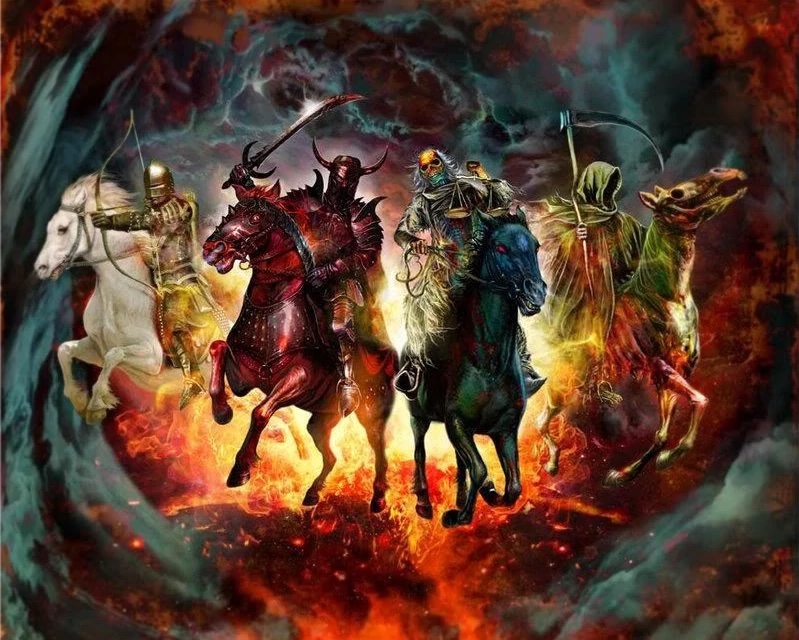
Revelation: a complex and intricate world of heavenly beings and exotic creatures

When we come to the end of the New Testament, we find that the final book bears the name of the apostle John. We know it as the book of the Revelation of John. This book, however, is dramatically different from the Gospel that also bears John’s name. It has its own utterly distinctive character and style.

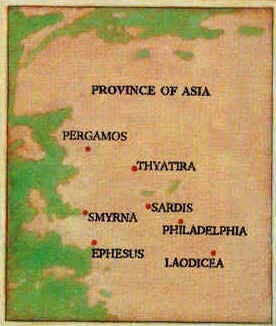
This book has some indications that it is to be understood as a letter. The opening section (1:1–20) includes an explicit identification of the author (1:4) and the location of his writing (1:9); a brief description of the situation of the recipients (1:9) along with a listing of the specific cities in which they lived (1:11); and a short blessing and doxology (1:4–5).

The book also contains the text of seven short letters, to the churches in these seven cities (2:1–3:22). The closing section (22:8–21) reiterates the role of the author (22:8) and concludes with a blessing formula (22:21). Each of these elements reflects traditional letter-writing style.

The author identifies himself as John (1:4, 9; 22:8) and notes that he was living on the island of Patmos (1:9); church tradition has equated him with John, the disciple of Jesus, as well as the author of the fourth Gospel and three letters. However, this book is strikingly different from the Gospel and the three letters.

Some have argued that the tone of the book might reflect the style of one of “the Sons of Thunder”, as the disciple John was labelled (Mark 3:17); but such a generalisation is not grounded in specific evidence.

Both the style of Greek employed and the way that biblical imagery is deployed sets this book apart from the Gospel which bears John’s name; whilst that book is steeped in biblical imagery and language, it is done in a more subtle and sophisticated manner.

The issues addressed in each of the letters which are attributed to John are internal church matters, quite different from the broader view of society which is in view in Revelation. These letters require separate consideration from the dramatic scenes which follow.

The recipients of the book, identified generically as “the seven churches that are in Asia” (1:4), are then named one by one, by city (1:11).  In the details of the seven letters which are addressed specifically to these seven churches (2:1–3:22), we might imagine that we will find insight into the specific situation in these churches, which is being addressed in this book.

Yet, a careful reading of these particular letters indicates that they are written and delivered in response to a dramatic vision of a distinguished figure with an ominous presence, who instructs the author to write the letters to the angels of the various churches (1:9–20).

Furthermore, the content of a number of these letters introduces additional elements which are striking and unusual—seven stars held in a man’s hand, seven spirits of God, seven golden lampstands, white robes and a white stone, immoral behaviours and strange teachings which exhibit Satanic influences.

As we read on, we discover that this turns out to be just a little “sampler” of the far more complex and intricate world of heavenly beings and exotic creatures, who populate a series of increasingly bizarre and disturbing visions throughout the rest of the book. The whole book is much more than a letter, or a series of letters.

The opening and closing chapters give a number of clues in this regard. The work is characterised as being words of prophecy (1:3; 22:10, 18–19). The prophecy which is presented in this book is summarised as what must soon take place (1:1; 22:6). Both at the beginning and at the end of the book, the author declares that he is looking forward in time, reporting events that will soon occur.

However, this is not simply John’s view of what is to happen; what he writes, he maintains, has first been made known to him by an angel (1:1; 22:6, 8). So, the visions reported in chapters 4–21 are encircled by strong assertions of their significance and import.

As the book ends (22:6–21), a series of statements and affirmations reinforce the importance of what has been revealed in these visions.

First, the author repeats the explicit claim that this was shown to him by an angel (22:8–9). The instruction he is given, to make this known (“do not seal up the words”, 22:10), ensures that the message will become public—the author must write letters and report visions to those who will listen.

Then the author intensifies the moment by reporting the direct words of Jesus: “It is I, Jesus, who sent my angel to you” (22:16); the message has a clear heavenly origin.

Next comes a dire warning not to tamper with the words as revealed by these means (22:18–19); the style is that of a solemn oath. The work closes with a prayer which looks to the way of Jesus in the future, “Come, Lord Jesus” (22:20), and a final formulaic benediction of grace (22:11, evoking the opening blessing of 1:4).

Ways of interpreting this book

The book of Revelation has probably become the most misunderstood book of the New Testament—because of the enigmatic nature, and the dramatic power, of these visionary sections. There are numerous theories seeking to ‘explain’ the meaning of the visions and to ‘prove’ the identity of the various figures who appear in these visions.

There are many approaches that have been taken to explain the vivid imagery which depicts the future judgement of humanity, which has led to this also being one of the most misused books of the New Testament. It has been interpreted by groups of fervent believers throughout the centuries as evidence that the end of the world was at hand.

How, then, do we seek to “understand” this book? When ever we turn to scripture, are we looking for clear doctrinal statements? In which case, this book could be mined as a source for teachings about “the last days”.

Or do we hope to encounter stories which help us to understand what has transpired in history? In which case, we will look for evidence that pins down the content of this book and grounds it in real-life events.

Both approaches require us to develop an extensive system of interpretation for reading this book. This is not a simple or straightforward task.

An alternative (and often employed) way of reading this book is to consider that it is prophecy which provides a set of predictions about the future. Sometimes this is seen to relate to the times immediately in the future of the writer, in the late 1st century. Other interpreters claim that the book is pointing forward in time, to events that will take place beyond the time of the reader, in our own times (that is, the 21st century). 

Some people will want to read the book simply as literature in its own right; as a work of art, it has the power to generate ideas and responses without necessarily tying these down to what is “true” or “accurate”. Ideological critics might wish to engage in dialogue with the book in relation to the violence which runs throughout the visions. 

Some readers have considered this book to be an expression of patriarchal power, caught up in the masculine enterprise of solving disputes through coercion and violence. Others have undertaken a search for an alternative vision of peacemaking in the midst of human warfare, as the lamb who was slaughtered is the one who ultimately triumphs.

How do you come to this book? What is the lens, the perspective, that you employ, to read this dramatic and different book?

Whatever the way is that we seek to approach our reading of this book, it will influence the kind of understanding that results. Because the work does not lay down one simple narrative line; because it is so rich and intricate in its symbolism; because it places layer upon layer, image upon image, it will produce multiple readings with multiple appreciations. Such is the complex nature of interpreting biblical texts.

Reflections on a significant anniversary

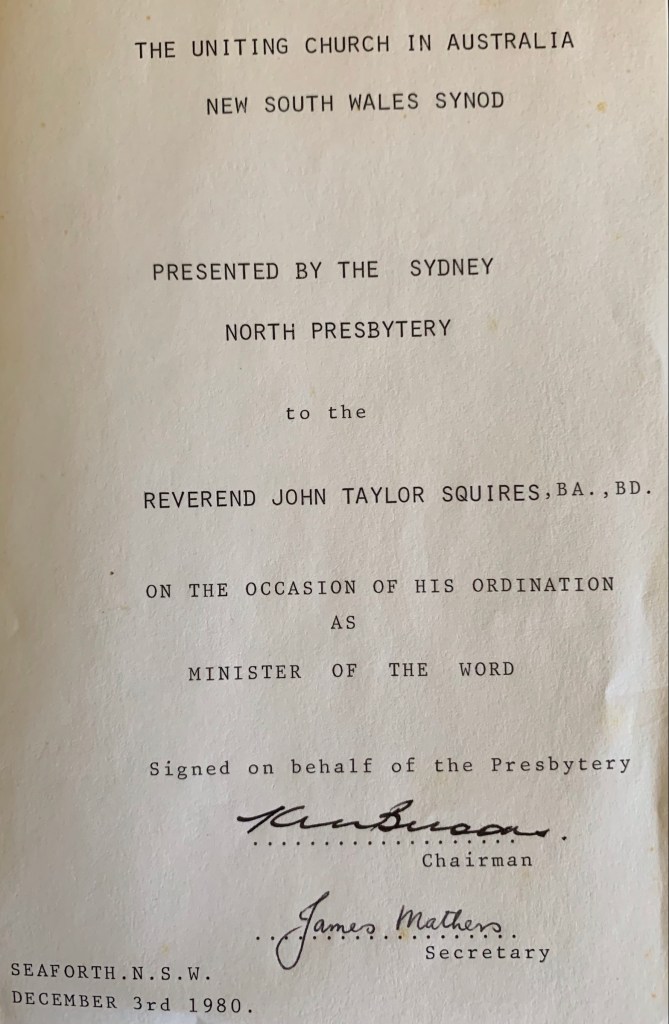
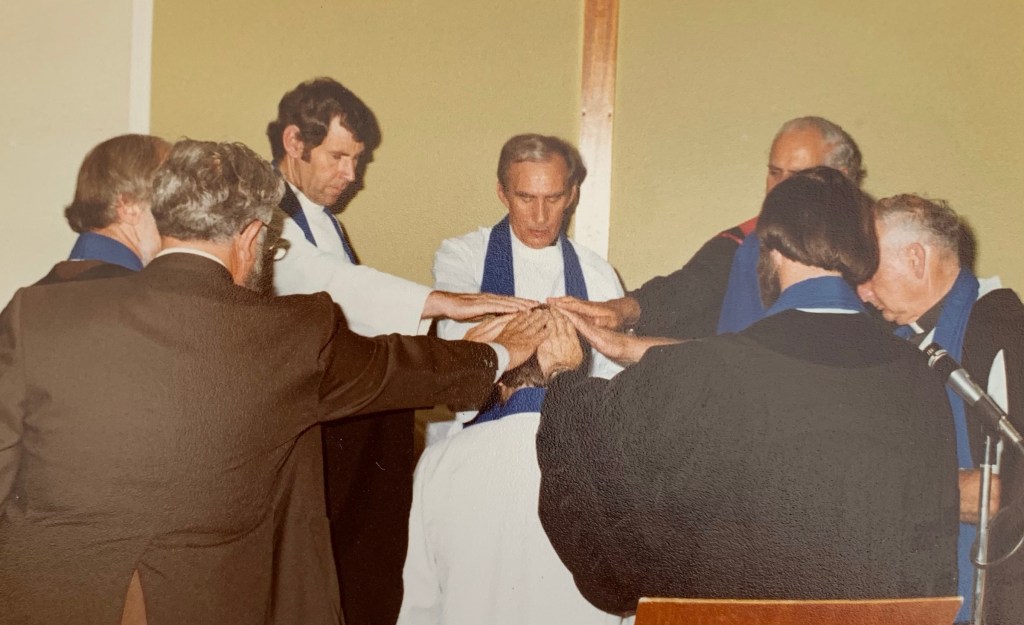
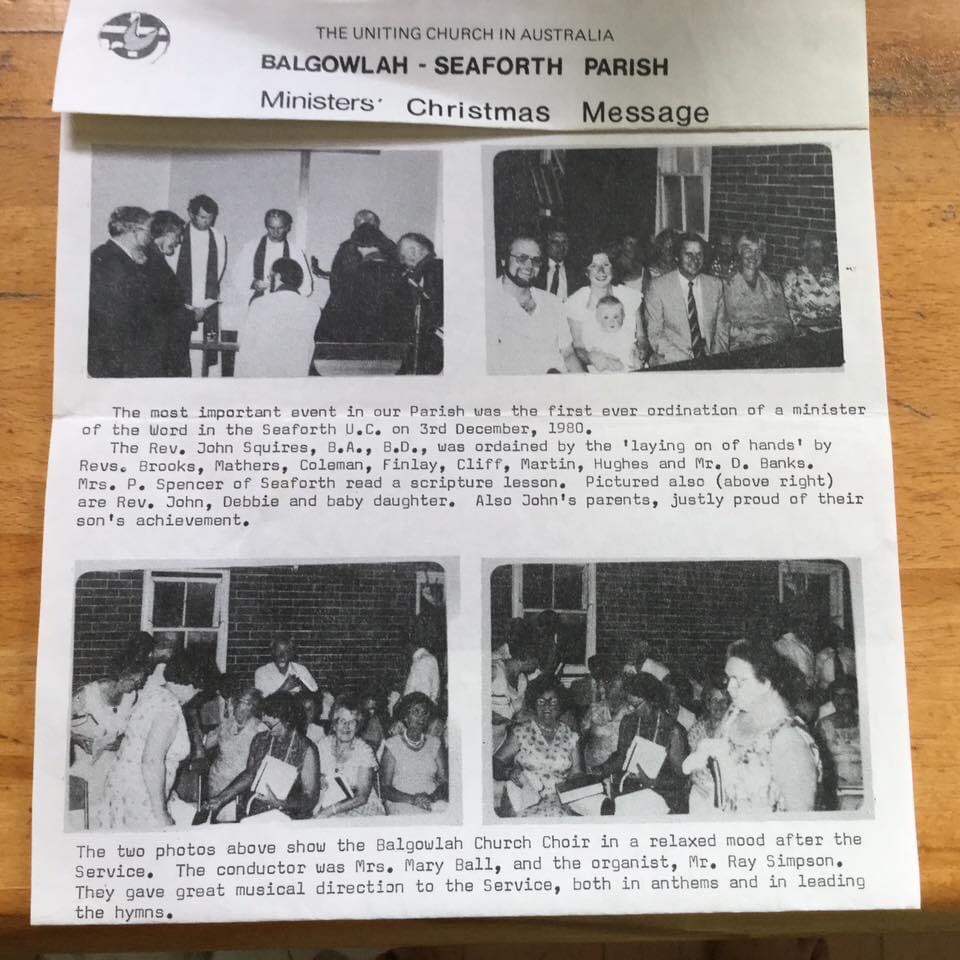
On this day forty years ago (3 December 1980), I was ordained to the Ministry of the Word in the Uniting Church, in my home church in Seaforth. Forty years!!!

As I reflect on that day and the intervening decades, I am grateful for the early testimony, encouragement, and challenging I received from Phyl Spencer and her various Sunday School teachers at Seaforth over the previous two decades; from Len Cliff, my minister as I candidated and then my field education supervisor for a year in prison chaplaincy; from the late Milton Coleman, who asked me the provocative questions as I candidated and later became a valued Faculty colleague; and from the late Graham Hughes, teacher, thesis examiner, colleague, and friend over the years.

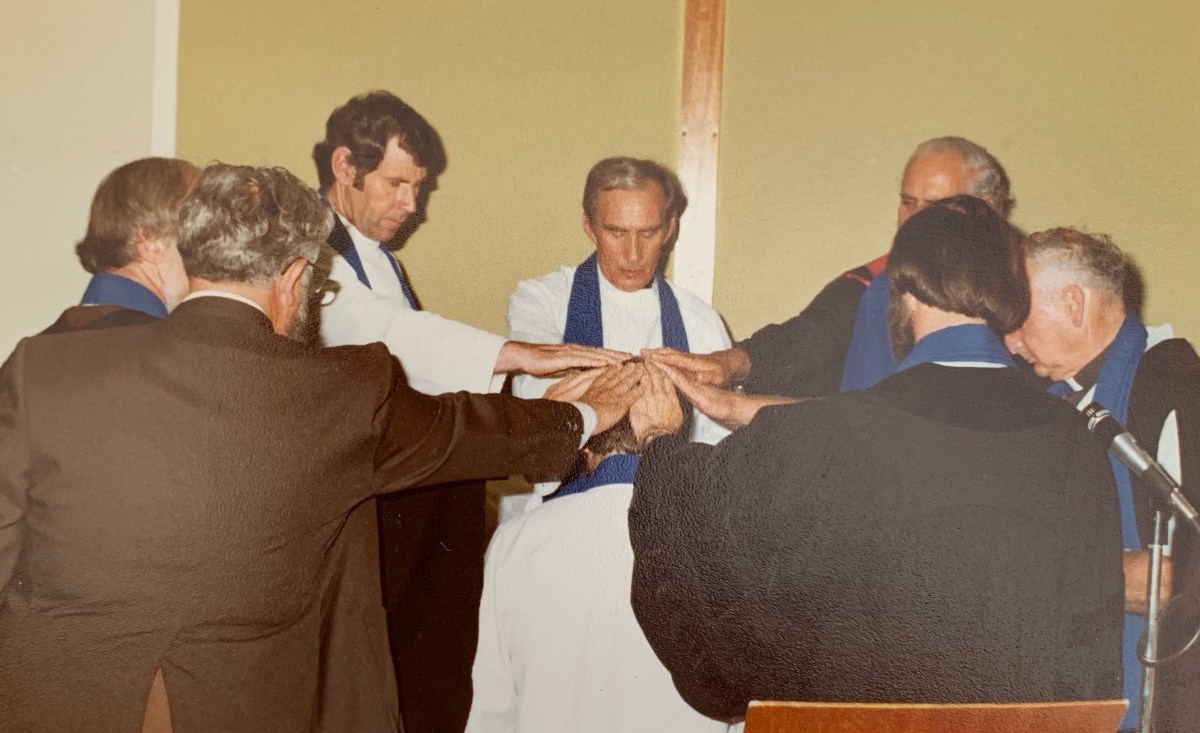
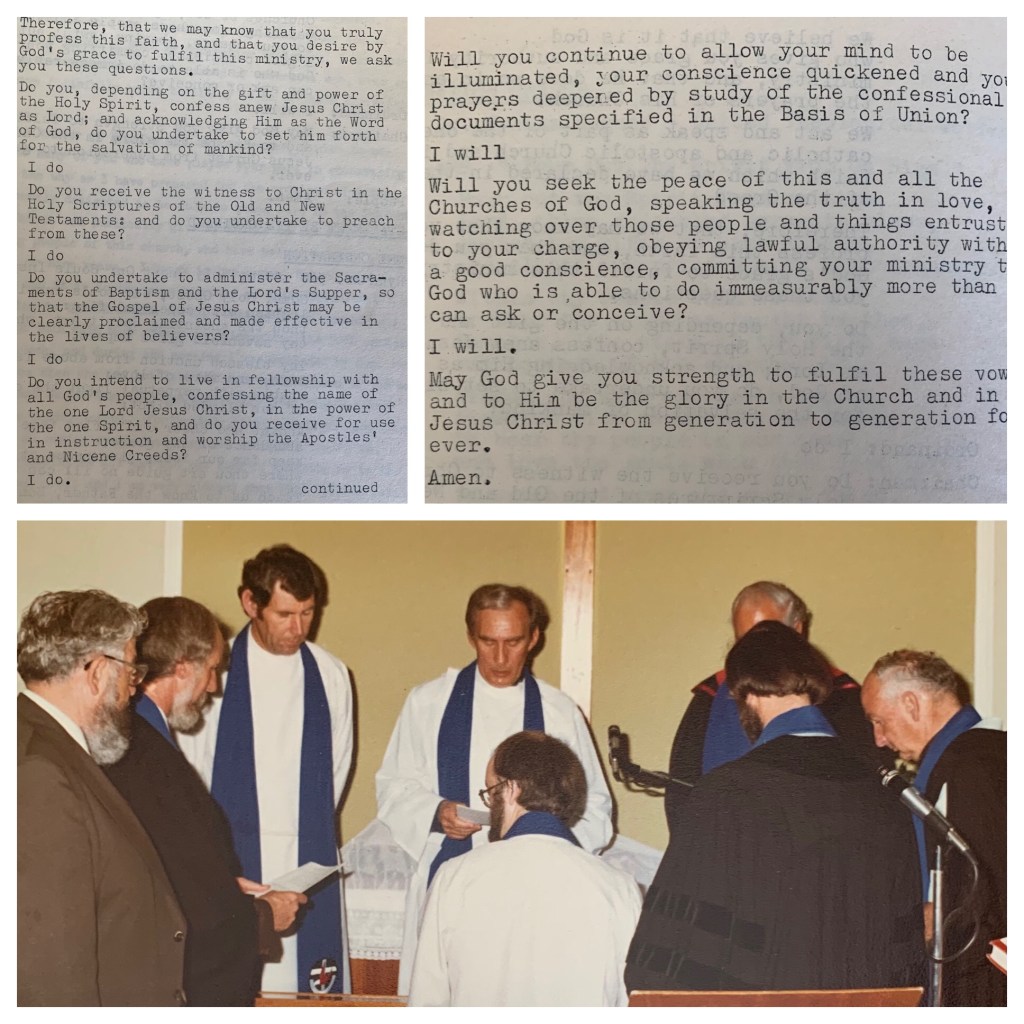
In my reflections, also, I am struck by the developments and changes that have occurred since that time. No females and only one lay person in the group appointed for the laying on of hands (even though one of my major final-year essays was on feminist theology!). A lack of inclusive language in the ordination vows. These matters have been clearly rectified in the liturgy now used at ordinations. Yet being an inclusive church, living that out in actual reality, continues to be a challenge even into the 21st century.

Those questions to which I answered affirmatively in 1980 had no requirement to be “guided by the Basis of Union” or “submit to the discipline of the church” (two important additions to the vows in later years—which I happily affirm). There was no reference to the First Peoples of Australia (it would take decades for that perspective to be accepted).

These and so many other changes that have taken place over the decades that I have served in ministry, learnt so much from fellow disciples, and experienced a variety of ministry opportunities in urban, rural, and regional roles: in six Congregations (Southern Illawarra, Waverley, Wauchope, and Queanbeyan, as well as Woodbury Methodist and Mount Carmel Congregational in the USA), two Presbyteries (Mid North Coast and Canberra Region), and two theological colleges (United Theological College in Sydney, and Perth Theological Hall in Western Australia).

Each of these placements has given me the opportunity to serve with people of deep faith, alongside colleagues with all manner of gifts and skills; to share in significant life moments with many parishioners; to work with people preparing for a lifetime of ministry in the church and in the community, expanding their biblical understanding, sharpening their pastoral and missional skills, and deepening their faith through the process of questioning and exploring; and to step out in new paths of ministry in activism, fostering care for the environment, working with indigenous peoples, and advocating for environmental responsibility.

And throughout these decades of ministry, I have had wonderful opportunities for deepening theological and biblical understandings with intensive study (at Yale, in the USA) and then further study leave periods (at Durham, and at Cambridge, in the UK). More recently, in my fourth decade of ministry, I have undertaken training in Resource Ministry, Transitional Ministry, Mission Shaped Ministry, and Supervision, exploring new ways to engage in ministry and mission.

And, of course, I have immense gratitude for the deep love and friendship, as well as collegial working, learning, and challenging, with my wife Elizabeth Raine over the past three decades, throughout many of those experiences, as we have been together in a whole range of opportunities for ministry and mission.