Textual interplay: stories of Jesus in Mark 1 and the prophets of Israel (Year B)

The Revised Common Lectionary is shaped with deliberate intention, offering a selection from Hebrew Scripture each week, alongside a portion of the designated a gospel for the year (this year, Year B, it is Mark). For about half the year, there is no specific intention to correlate the Hebrew Scripture passage with the Gospel passage. In some seasons, however, there is a careful selection of the Hebrew Scripture passage, so that it resonates with and complements or intensifies themes in the Gospel passage.

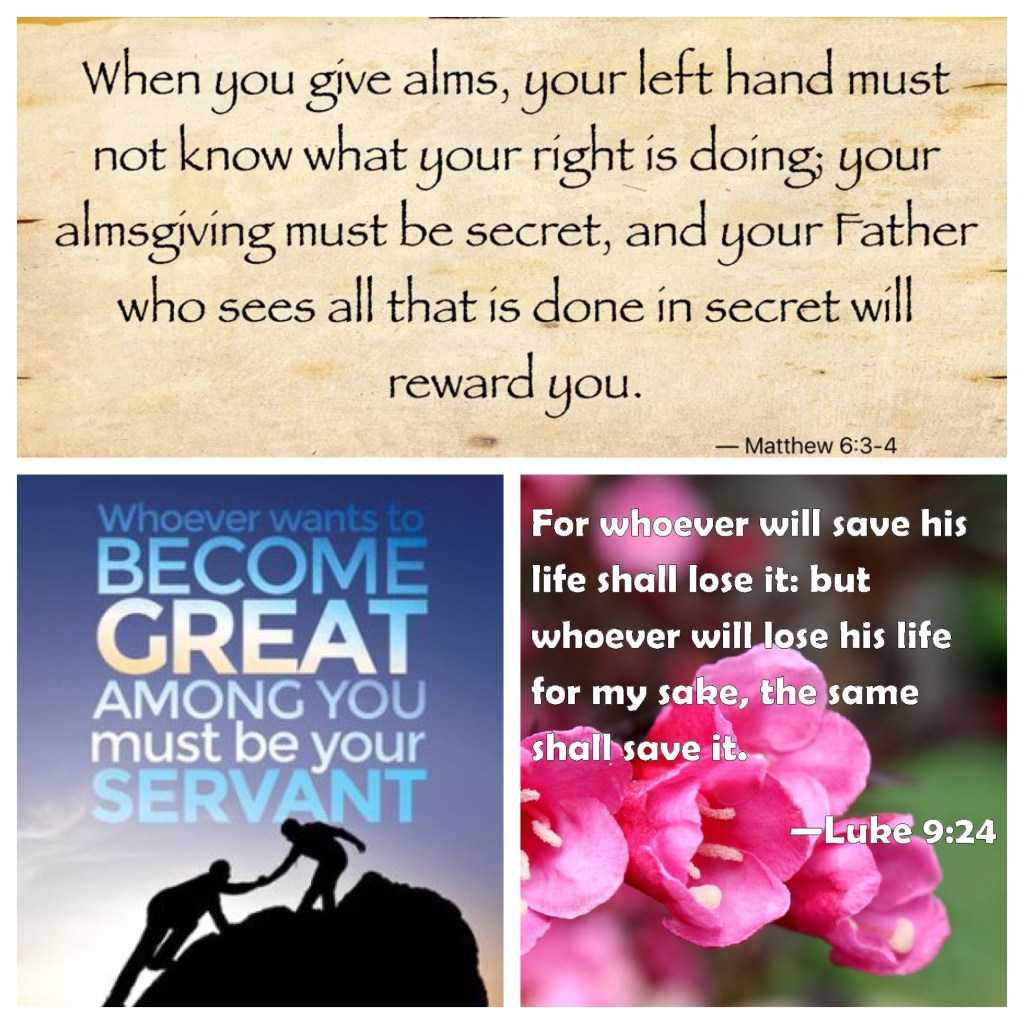
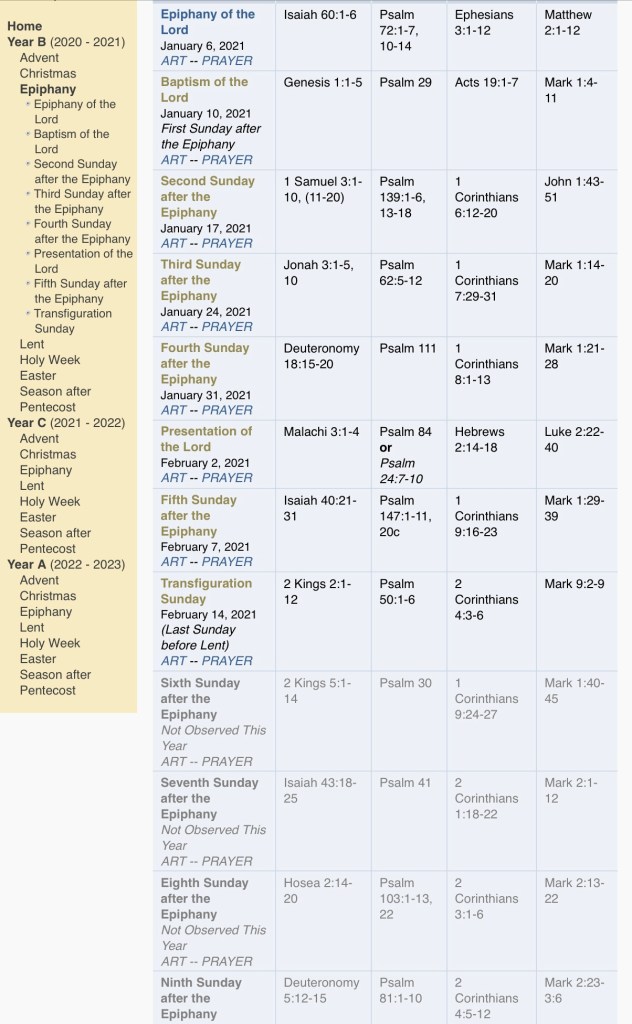
This appears to be the case in the season of Epiphany, during Year B. Whilst the Gospel sections largely trace the opening scenes of Mark (1:1-3:6), the Hebrew Scripture sections are drawn from a range of Hebrew prophets: Isaiah, 1 Samuel, Jonah, Deuteronomy, Malachi, Hosea, and stories about Elisha in 2 Kings. (Not all of these passages, nor all of Mark 1:1-3:6, appear in Epiphany in 2021; in other years, when Easter is later in the year, the season of Epiphany stretches over more weeks, as the image below indicates.)

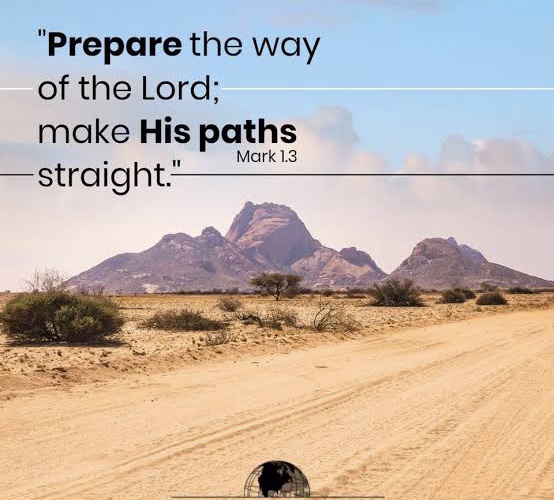
The selection of a prophetic passage alongside, and directly oriented towards, a Gospel passage, invites readers and hearers of these scripture passages to explore in creative ways what themes are highlighted. Back in Advent 2, Isaiah 40:1-11 was offered alongside Mark 1:1-8, the account of the activities of John the baptiser in the wilderness. The logic of this is clear; the Gospel actually directly quotes Isa 40:3 in Mark 1:2b-3, depicting John as “crying out in the wilderness: ‘Prepare the way of the Lord’.”

On the feast of the Baptism of Jesus, Hebrew Scripture passages underline the breaking open of the heavens for the voice of the Lord to be heard (Ps 29:3-9 and Gen 1:3; see Mark 1:11). The words of that heavenly voice are drawn from Psalm 2:7 (“you are my Son”) and Isaiah 42:1 (“with you I am well-pleased”).

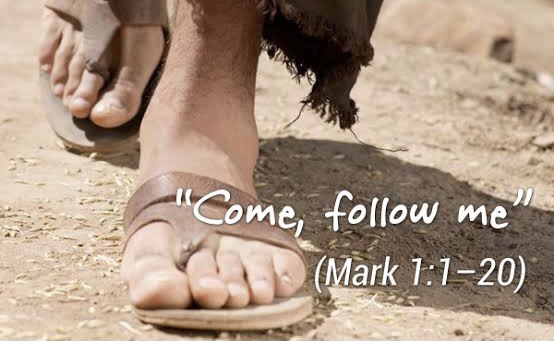
In following weeks, there are clear resonances of theme between the two selections. On Epiphany 3 (24 January), both Jonah 3:1-10 and Mark 1:14-20 recount call stories. We read the story of Jonah, called to proclaim God’s message to the city of Nineveh, alongside the story of Andrew and Simon Peter, John and James, called to become followers of Jesus.

Jonah is effective in his proclamation to Nineveh, which in turn provokes God to change his mind about the calamity that he had promised for them. That is power!! But this was the second call that Jonah had received (3:1); the first had ended in quite a catastrophe (Jonah was thrown overboard and swallowed whole, 1:15-17).

Andrew and Peter, John and James undergo a period of learning-on-the-road with Jesus, before they start to proclaim with power. Theirs was a slowly-evolving call, requiring diligent attention and persistence. And other calls following this pattern are narrated by Mark—Levi (2:15), a crowd following him (8:34-36), and women in Galilee (15:40-41).

On Epiphany 4 (31 January), words attributed to Moses in Deut 18:15-20 are placed alongside Mark 1:21-28. These passages address the question: once we are called by God—then what?? Deut 18 contains a story about the promise God made to Israel, to “raise up a prophet”, while Mark 1 tells the story of the man possessed in the synagogue in Capernaum, who was exorcised by Jesus.

Both stories focus on the distinctive nature of faith in the particular contexts of these stories. The prophet of Israel stands over against “other gods” (Isa 40:20). Jesus of Nazareth is recognised as one who speaks “a new teaching—with authority” (Mark 1:27).

Both stories indicate that being faithful to the call will place us in challenging, daunting, perhaps even threatening situations. Faith is a call to trust in God as we enter into those situations. How is your call being challenged? How are you responding?

On Epiphany 5 (7 February), Isaiah 40:21-31 and Mark 1:29-39 offer stories at the start of a significant period of ministry; an unnamed prophet of Israel, speaking to the people as they prepare to step into the wilderness, journeying to the promised land; and Jesus, interacting with people soon after his own wilderness experience (Mark 1:12-13). Both passages are set at the start of a significant period of time; both stories reveal important things about the nature of God, and the ways that God engages with human beings in their lives.

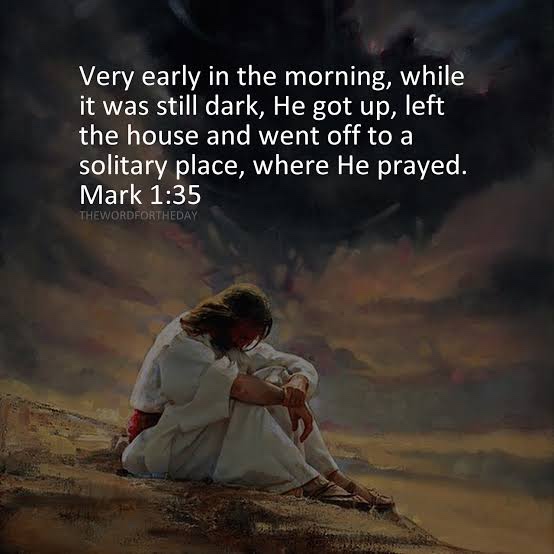
God is portrayed as powerful and sovereign in Isaiah 40; that was comforting and reassuring for the journeying Israelites. God comes with power, also, in Jesus; yet in his humanity, Jesus needs time to replenish and rejuvenate (Mark 1:35).

His example tells us that we need to hold in balance the desire to do great things, with the need to care for ourselves and remain connected with God.

In other years, we would follow on to explore the interplay of passages in Mark 2 and 3 with excerpts from 2 Kings 5, Isaiah 43, Hosea 2, and Deuteronomy 5. But this year, Epiphany ends on 14 February, the last Sunday before Lent. On this day, the story of the Transfiguration of Jesus, in the presence of Moses and Elijah (Mark 9:2-9) is linked, quite understandably, with the account of Elijah ascending into heaven, after his mantle is passed on to Elisha (2 Kings 2:1-12).

This account contains the second of three occasions in Mark’s Gospel where we encounter the voice of God, affirming his Son, in the words, “This is my Son, the Beloved; listen to him!” (Mark 9:7; cf. Ps 2:7). The other instances are at the Baptism of Jesus (1:11) and at his Crucifixion (15:39, although this affirmation is placed on the lips of the centurion who was guarding him).

The three occurrences of this affirmation encompass the whole Markan narrative within this clear claim about Jesus—echoing the very title of this work: “The beginning of the good news of Jesus Christ, the Son of God “ (1:1).

Readings for Epiphany 2021, from the website
of the Vanderbilt Divinity Library in the USA,
http://divinity.library.vanderbilt.edu/
See also https://johntsquires.com/2021/01/18/lets-get-down-to-business-beginning-the-story-of-jesus-mark-1/

and https://johntsquires.com/2020/11/24/the-kingdom-is-at-hand-so-follow-me-the-gospel-according-to-mark/

“Let’s get down to business”: beginning the story of Jesus (Mark 1; Epiphany 3B)

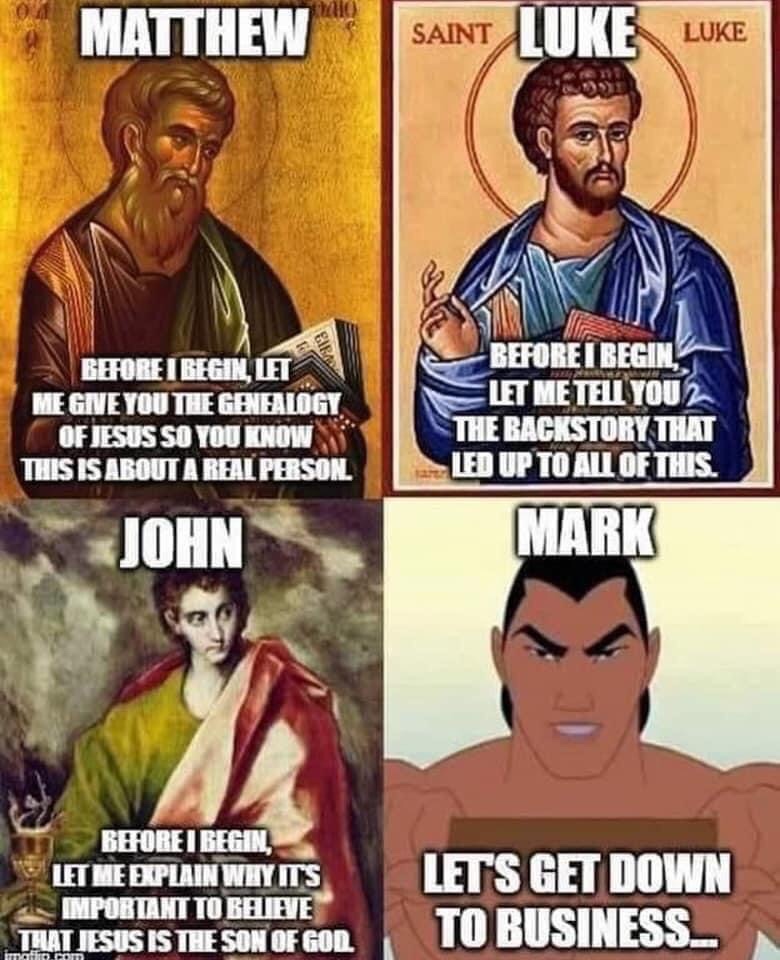
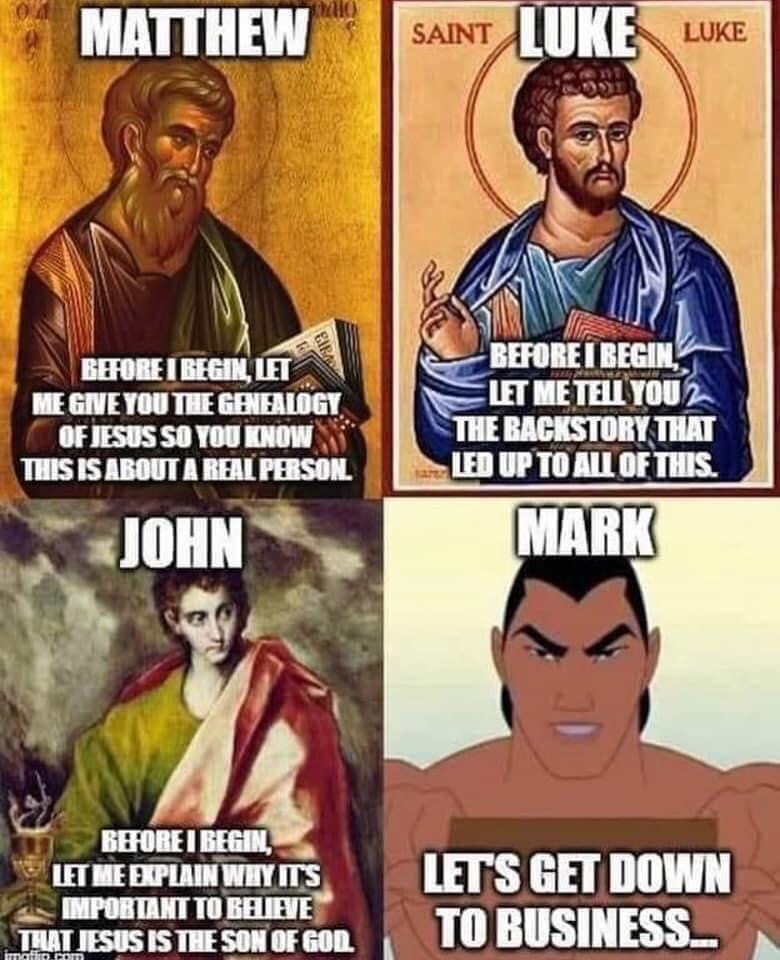
“Before I begin, let me give you the genealogy of Jesus, so you know this is about a real person” (so says the author of the book of origins, whom we label as Matthew).

“Before *I* begin, let me tell you the backstory that led up to all of this” (so we read in the orderly account of the things fulfilled amongst us that we attribute to Luke).

“Well, before I begin, let me explain why it’s important to believe that Jesus is the Son of God” (in the book of signs, as the author we name as John launches into his Gospel).

By contrast: “Let’s get down to business”, says Mark. And so he does!

The first chapter of Mark’s Gospel rips right in to the story. No preface, no prologue, not set up; just straight down to business. The various scenes in this opening chapter are offered in the revised common lectionary in Year B, largely during the season of Epiphany.

First, the striking moment when Jesus of Nazareth was declared to be the beloved Son, anointed by the Spirit, equipped for his role of proclaiming the kingdom of God (Mark 1:1-13, offered in the lectionary back during Advent, and part-repeated two Sundays ago for the Baptism of Jesus). See https://johntsquires.com/2020/12/01/advent-two-the-more-powerful-one-who-is-coming-mark-1/

Then, the succinct summation of the message of Jesus; just four short, snappy phrases: “the time is fulfilled, the kingdom of God has come near, repent, believe in the good news” (1:14-15). See https://johntsquires.com/2020/11/24/the-kingdom-is-at-hand-so-follow-me-the-gospel-according-to-mark/

This summary is followed by two compressed accounts, told in formulaic exactitude, in which Jesus calls four of his key followers, brothers Simon and Andrew (“follow me; they left their nets, and followed him”), and then brothers James and John (“he called them; they left their father, and followed him” (1:16-20). Mark 1:14-20 is the Gospel passage offered in the lectionary this coming Sunday (24 January).

These two call narratives establish the nature of the movement that Jesus was initiating. He sets out a call to all four brothers; an exclamation, to which they must respond: “follow me!” The call invites a specific, tangible, and radical response: “leave everything”. And both encounters result in a new, binding commitment to Jesus: they “followed him”. The same pattern repeats with Levi in 2:14, and then with others (2:15; 8:34-36; 15:41). A rich young man comes to the brink, but then pulls away at the last moment (10:21).

Ched Myers offers a good exploration of how this scene establishes the dynamic of radical discipleship which permeates Mark’s Gospel, at https://inquiries2015.files.wordpress.com/2002/08/02-1-pc-mark-invitation-to-discipleship-in-ringehoward-brook-discipleship-anthology.pdf

After these stories of announcement and call to follow, there comes a scene in a synagogue, revealing the authority that Jesus had, in calling people, to command “the unclean spirit, convulsing him and crying with a loud voice, [to] come out of him” (Mark 1:21-28—the lectionary Gospel for 31 January).

This scene defines the cosmic dimension in which the story of Jesus is set, as he grapples with unclean spirits (1:23-26; 3:11; 5:1-13; 6:7; 7:14-29), also identified as demons (7:24-30; 1:32-34, 39; 3:14-15, 22; 5:14-18; 6:13; 9:38). Jesus is a human being, situated in first century occupied Palestine—but he is engaged in a contest in a cosmic dimension.

Ched Myers offers a compelling interpretation of the scene in the synagogue: “The synagogue on the Sabbath is scribal turf, where they exercise the authority to teach Torah. This “spirit” personifies scribal power, which holds sway over the hearts and minds of the people. Only after breaking the influence of this spirit is Jesus free to begin his compassionate ministry to the masses (1:29ff).” See https://radicaldiscipleship.net/2015/01/29/lets-catch-some-big-fish-jesus-call-to-discipleship-in-a-world-of-injustice-2/, and the complete commentary on Mark by Ched Myers, Binding the Strong Man: A Political Reading of Mark’s Story of Jesus (Maryknoll: Orbis, 1988).

This is followed by a number of scenes (Mark 1:29-39) which are offered in the lectionary for Sunday 7 February. We begin with a pair of complementary scenes—the first set in the hustle and bustle of the village, where Jesus heals the sick and casts out more demons (1:29-34); the second an early morning start, where Jesus prays “in a deserted place” (1:35-37). This contrast is deliberate, and instructive. Both settings are vital for his project of radical discipleship.

This latter scene evokes an earlier scene, immediately after the public dunking of Jesus in the Jordan river (1:9-11), when Jesus spends a highly symbolic forty days “in the wilderness” (1:12-13). Although it was the Spirit which drove him into wilderness (1:12), it was Satan who tested Jesus during this period (1:13). And that seminal encounter sits alongside the first public declaration of Jesus as “beloved Son”, made over the waters of the Jordan (1:11).

The author then provides a characteristic summation of the activity that Jesus was called to do: “he went throughout Galilee, proclaiming the message in their synagogues and casting out demons” (1:38-39). Subsequent summaries in this vein appear at Mark 3:7-8, 4:33-34, 6:12-13, 6:56, 10:1. The opening chapter sets the pattern of behaviour by Jesus.

A final, intensely emotional scene brings this substantial opening sequence to a close. Jesus is approached by a leper, seeking to be “made clean” (1:40-42). The way Jesus responds to this need is striking: what the NRSV translates as “moved with pity” is actually better rendered as “being totally consumed by deep-seated compassion” (1:41). An alternative textual variation renders the emotions of Jesus more sparsely: “and being indignant”.

The command to adhere to the law by bringing a sacrificial offering to the priests for his cleaning (as any teacher of Jewish Torah would advocate—Lev 14) is, strikingly, expressed in the typical manner of a wild magic healer; the NRSV translation, “sternly warning him”, is better expressed as “snorting like a horse”—the use of striking, dramatic language being a characteristic feature of ancient healers (1:43-44).

The final scene collects all the activity of the opening chapter into the bustling energy of the swarming public square. Jesus can no longer remain isolated or removed; “people came to him from every quarter” (1:45). This passage, along with other section of chapter 2, appears in the lectionary only in a year when Easter is later and thus the season of Epiphany is extended by further weeks.

*****

It is worth our while considering the flow of events and sequence of scenes that Mark provides, as he hurriedly “gets down to business” in his narrative of the beginning of the good news of Jesus, chosen one. Why has this author chosen these particular scenes? What insights into Jesus, and his followers, does he want to offer us, as his story gets underway?

One clue is in the way that he portrays Jesus: Jesus is intensely religious (1:9-11, 35), articulately focussed on his key message (1:14-15, 22, 39), building a movement of committed followers (1:16-20), regularly living out his faith in actions alongside his words (1:26, 31, 34, 39). Jesus was energised by personal contacts with individuals: the brothers whom he called (1:17, 20), the man in the synagogue (1:25), Simon’s mother-in-law (1:30-31), and a begging leper (1:40). In the midst of all of this, he makes sure that his central message (1:14-15) is conveyed with clarity and passion (1:27, 39, 45).

Jesus is nourished by quiet moments, in his wilderness testing (1:12-13) and in early morning prayer (1:35), and yet is consistently immersed in the public life of his community. Mark most likely exaggerates, but he does indicate that Jesus was with “people from the whole Judean countryside and all the people of Jerusalem” (1:5), teaching a crowd in the synagogue in Capernaum (1:21), renowned “throughout the surrounding region of Galilee” (1:28), visited by “all who were sick or possessed with demons”, indeed by “the whole city” (1:32-33), told that “everyone is searching for you” (1:37), and touring throughout Galilee (1:39), where “people came to him from every quarter” (1:45).

It is an holistic portrayal of Jesus, setting the scene for the story that follows. Jesus is passionate and articulate, compassionate and caring, energised and engaged, focused on a strategy that will reap benefits as the story emerges. And yet, as we know, that passion and energy will also lead to conflict, suffering, and death; a conflict already depicted in some of these opening scenes, as the story commences, but soon to make its presence felt in full force as the narrative continues.

See also https://johntsquires.com/2021/01/21/textual-interplay-stories-of-jesus-in-mark-1-and-the-prophets-of-israel/

Let there be light: the season of Epiphany (Gen 1; Epiphany 1B)

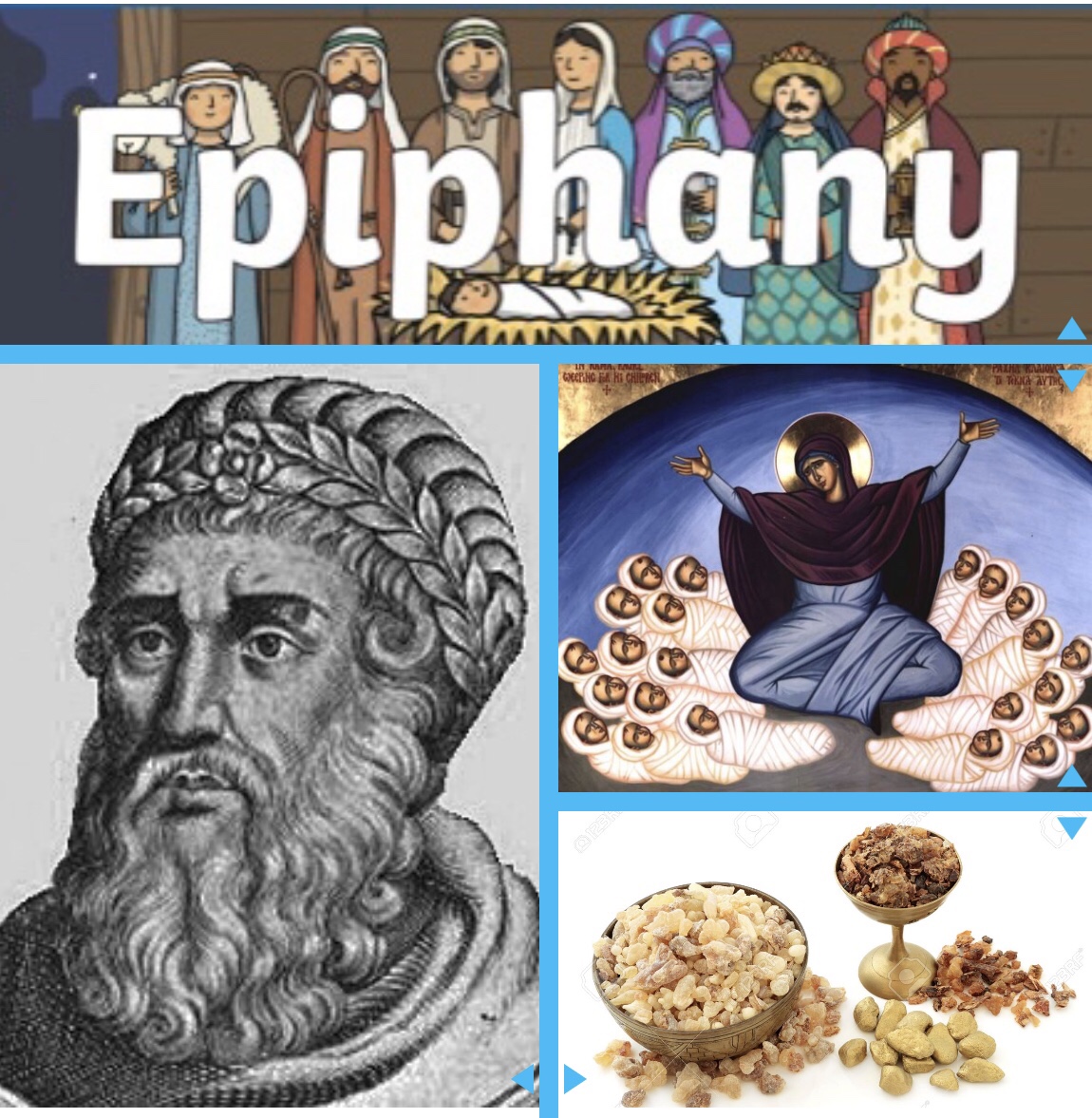
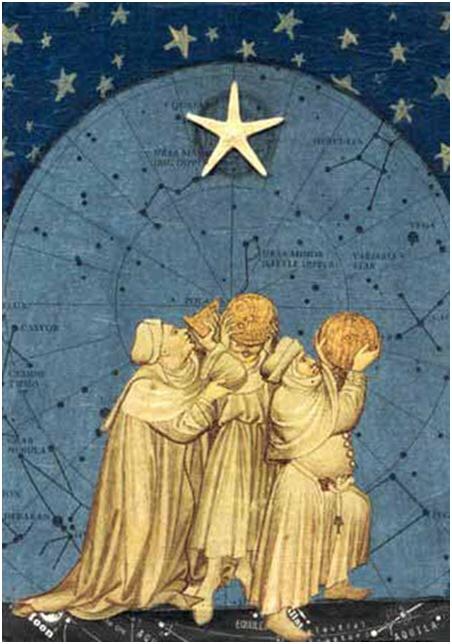
Today is the first Sunday in the season of Epiphany. The word epiphany refers to the manifesting of light, the shining forth of revelation. It is applied to this season, which follows on from Christmas, and is initiated by the story of “the star in the east” told in Matthew 2:1-12.

The birth of Jesus, and the story of the Magi following the star, signals the early Christian belief that God was acting in a new way through this child. The Magi come from the east, following the star, to pay homage to the infant Jesus. Light is of symbolic significance in this story, as is the theological claim that the child Jesus provides a revelation of God.

During the five Sundays of Epiphany, we start into the long haul of this year, following week by week the stories contained in the earliest account of Jesus, the beginning of the good news of Jesus, which we know more typically as the Gospel according to Mark.

Alongside these Gospel excerpts, the passages set in the lectionary from the Hebrew Scriptures have been carefully chosen. These passages illuminate the message of the Gospel which we hear each week from the New Testament, as we celebrate Christ as the light that comes into the world, illuminating and enlightening.

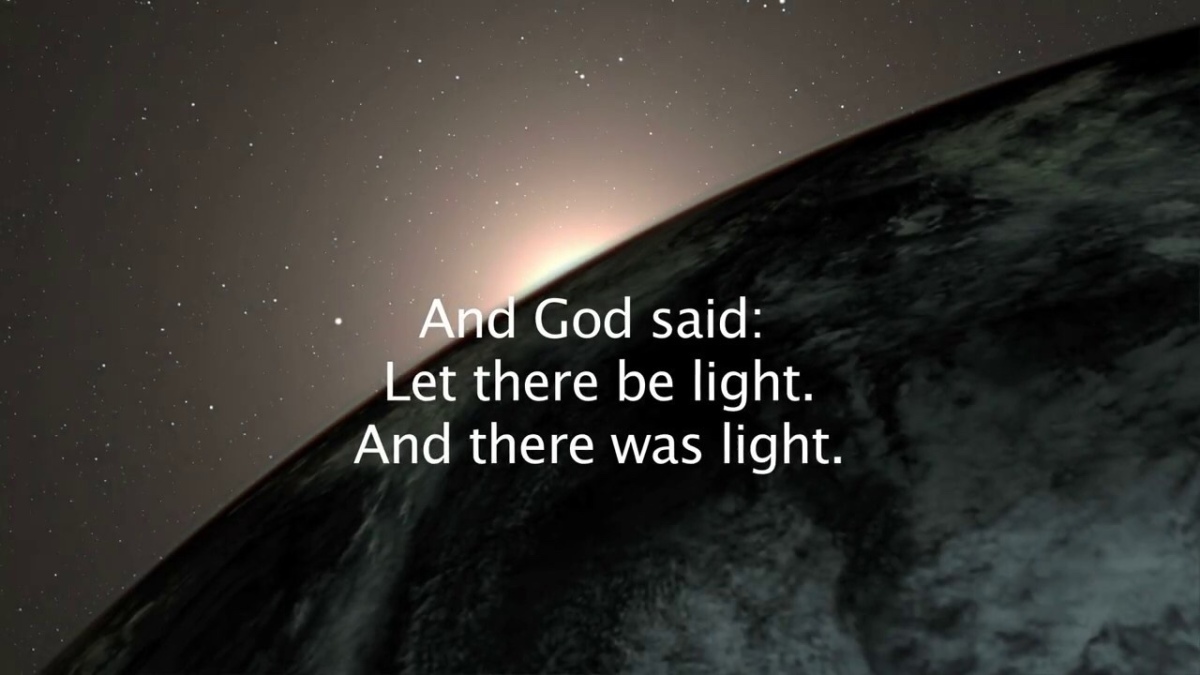
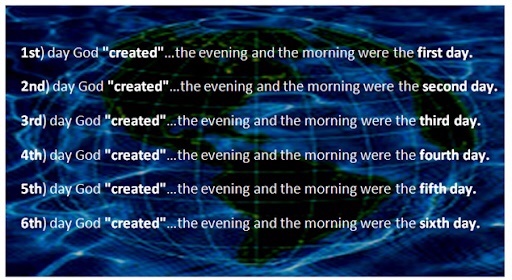
The Hebrew Scripture passage this Sunday (Genesis 1:1-5) tells of the creation of light, the first act of creation. It stands at the head of the whole story about creation. All that happens after that is bathed in the light of God’s creation. Telling of the creation of light establishes a pattern which is then repeated, five more times, for each of the various elements whose creation is noted in this narrative.

This repetition provides a structure, an ordering of the story. That reflects the very strong likelihood that the origins of this narrative lie, not in the distant mists of “the beginning of time”, but in the period after the exile of the people of Israel, in the 6th century BCE.

Many ancient cultures had their own creation stories, told in dramatic narratives and recorded for posterity. The ancient Israelites had their stories, but the account that we have in Genesis 1:1-2:4a comes from that time of returning from exile.

As the people returned from their decades of living in Babylon, they encountered the distressing scene of their former glory, the city of Jerusalem, in ruins. The hard work of rebuilding the city lay ahead of them. Under the leadership of the priests, the work of construction was inspired by the story of the creation. The structure and order in the creation narrative reflected the needs of the people at that time.

The same structure and order also reflected the liturgical structures set up in association with the rebuilt temple. Books were written, drawing from older oral traditions, that set out a complex and highly regulated system of sacrifices and offerings, to be brought to the temple overseen by a priestly class (the Levites, men descended from Levi).

The first two verses introduce the key characters: God, first described as the one who creates; a formless void, which is how the earth is first described; darkness, an entity in and of itself (not defined in any further way); and the breath of God, sweeping over the waters of the void. The fundamental image of God, then, is of a creative being, bringing order out of chaos; an image pertinent to the situation of the returning exiles.

The third verse introduces light, which comes into existence through a single word of command. Then God said, “Let there be light”; and there was light (1:3). Light is the key entity in the creation story, the first creation of God, a signal of the creative process which then ensues.

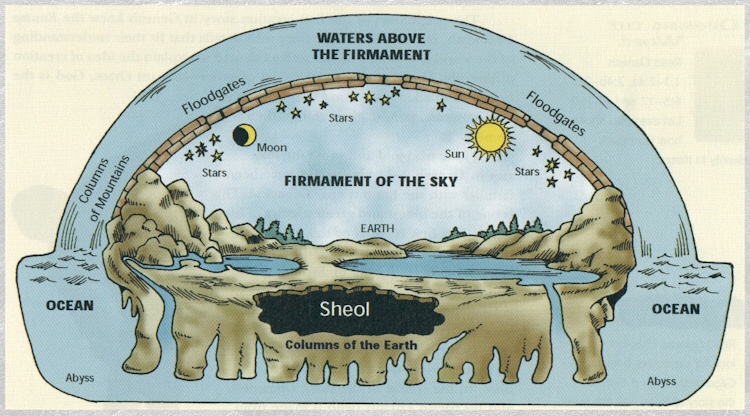
Each subsequent creative action results from something that God said (verses 6, 9, 11, 14, 20, 24, 26). And each creation is affirmed with the phrase, and it was so (verses 7, 9, 11, 15, 24, and then verse 30). The pattern is regular and clear.

The fourth verses tells of God’s approval of what had been created: And God saw that the light was good (1:4). Likewise, God then affirms as good the creation of earth and seas (1:10), vegetation (1:12), the sun for the day and the moon for the night (1:18), all living creatures in the seas and in the sky (1:21), then the living creatures on the earth (1:25).

Finally, after the creation of humanity in the image of God, there comes the climactic approval: God saw everything that he had made, and indeed, it was very good (1:31).

In a number of the six main sections of the narrative, God explicitly names what has been created: he called the light Day, and the darkness he called Night (1:5), then God called the dome Sky (1:8), God called the dry land Earth, and the waters that were gathered together he called Seas (1:10), followed by plants yielding seed of every kind, and trees of every kind bearing fruit with the seed in it (1:12), and the greater light to rule the day and the lesser light to rule the night—and the stars (1:16).

After this, the categories of living creatures are identified (1:21, 25), before the climax of creation is identified: “So God created humankind in his image, in the image of God he created them; male and female he created them” (1:27); and finally, God’s blessing is narrated (1:28).

Finally, each section concludes with another formulaic note: “and there was evening and there was morning, the first day” (1:5; likewise, at verses 8, 13, 19, 23, 31), before the whole narrative draws to a close with the note that “on the seventh day God finished the work that he had done, and he rested on the seventh day from all the work that he had done” (2:2).

Of course, it is from this demarcation of the sections of the creative process as “days” that there came the traditional notion that “creation took place over seven days”. But this flat, literal reading of the “days” is a complete misunderstanding of the nature of the narrative in Genesis.

The story is thus told with a set of simple, repetitive phrases, but arranged with sufficient variation to give aesthetic pleasure, and with a growing sense of building towards a climax, to shape the narrative arc towards the culmination of creation (humanity, 1:26) and the completion of the creative task (sabbath rest, 2:2-3).

The noting of the “days” gives the story a shape that we can appreciate—they are not literal 24-hour periods, but a literary technique for the story, much like we find that some jokes, some children’s songs, and some fairy stories are constructed around threes (“three men went into a pub …”, or “three blind mice”, or “Goldilocks and the three bears”, etc).

And on the first “day”, God speaks and Light is created. It is a fine passage for us to reflect on at the start of the season of Epiphany, when we focus on the manifesting of light, the shining forth of revelation.

Tales from the Magi (the Revelation of the Magi)

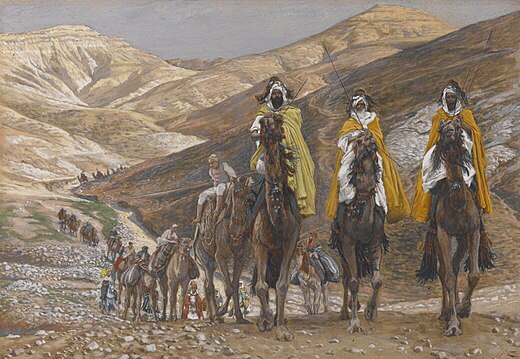
Soon we will celebrate the Feast of the Epiphany, and remember the story that Matthew tells, of wise men travelling from the east, with gifts to bring to the infant Jesus (Matt 2:1-12).

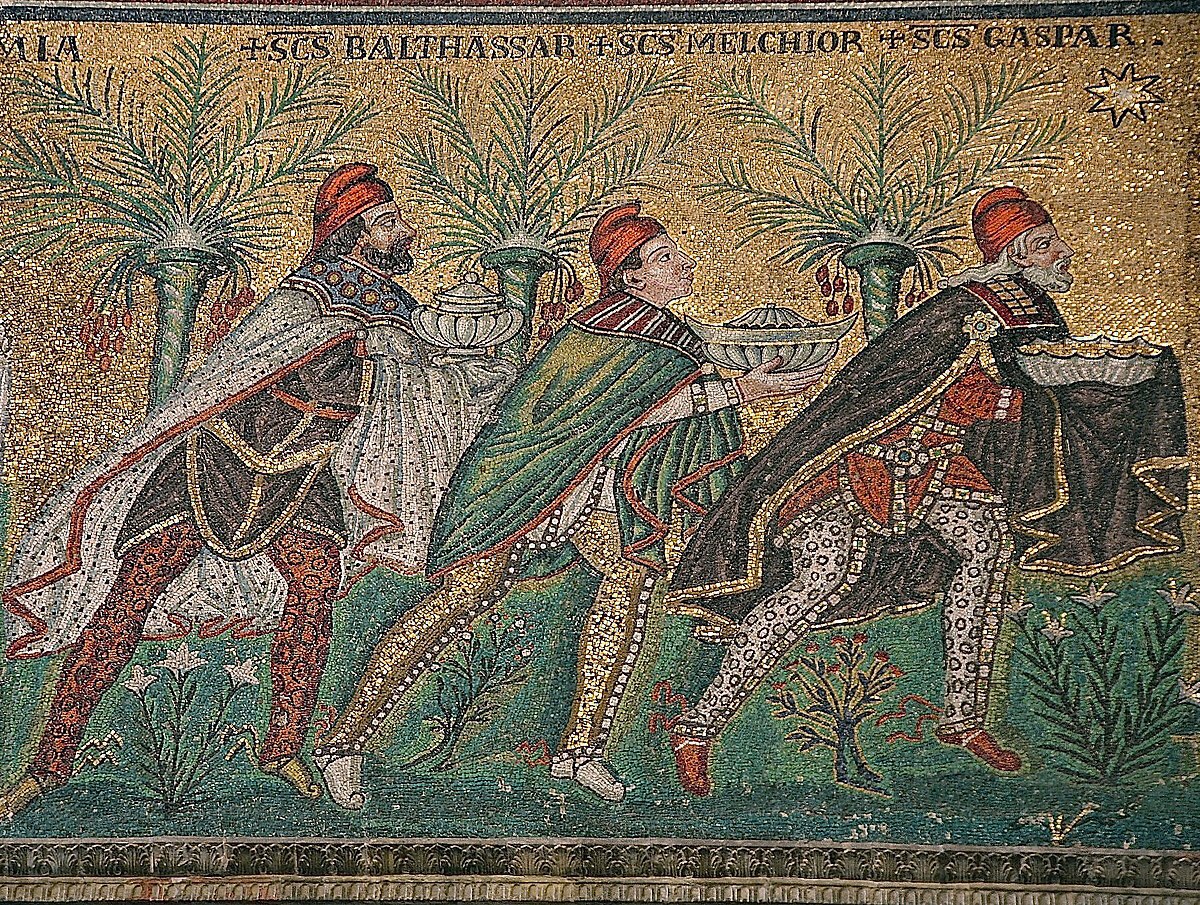
Matthew doesn’t record how many Magi made this trip; this Gospel indicates only that there were more than one, by using the plural form of the noun magus. It is likely that the mention of three specific gifts (gold, frankincense, myrrh, at Matt 2:11) led the tradition to settle on three as an appropriate number.

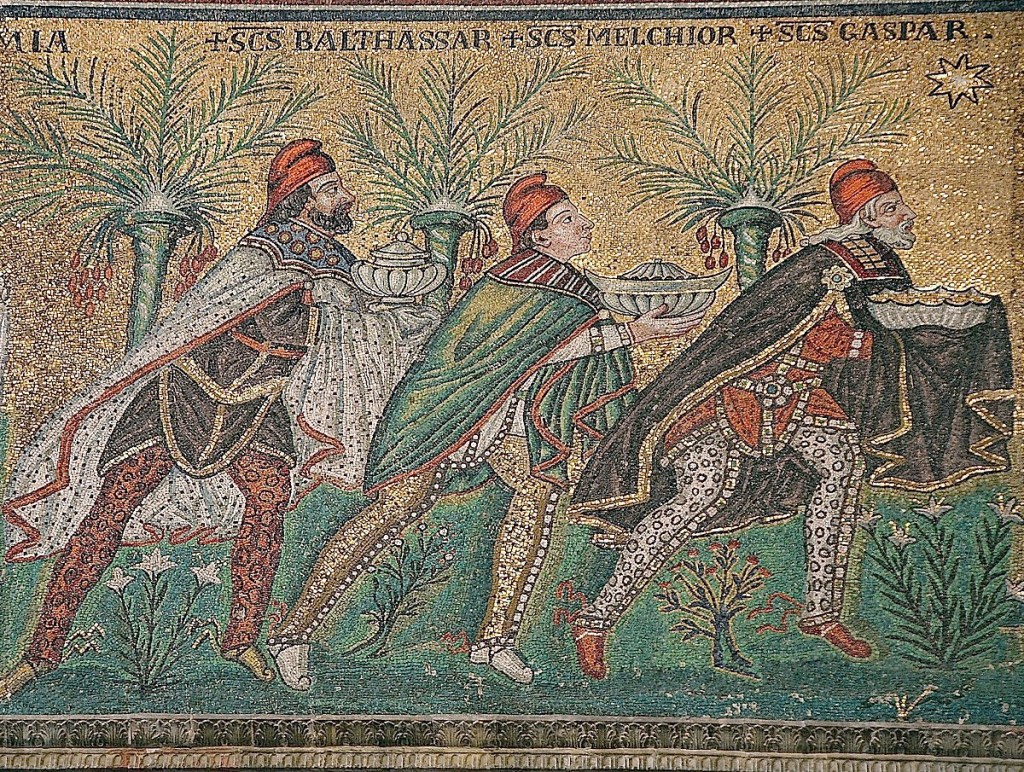
The Magi don’t have names in Matthew, either. They are given names, and places of origin, in a document written in Greek around 500 CE, although this survives only in a Latin translation from the 9th century with the title Excerpta Latina Barbari . Because of this document, the Western churches identify the Magi as Melchior, from Persia; Caspar, from India; and Balthazar, from Arabia. But in many early churches, especially in Syria, there were actually twelve magi visiting Jesus and bringing him gifts.

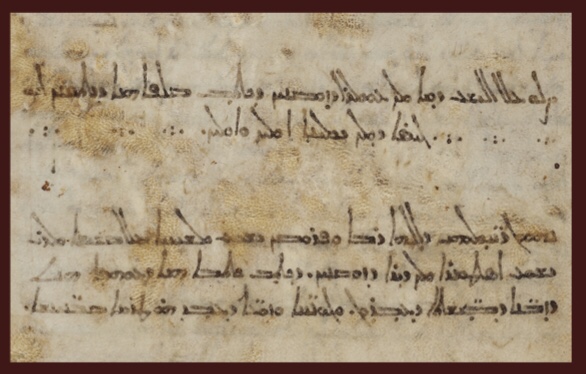
In amongst the documents from antiquity that are explicitly Christian, but not included in our canonical collection, there is a work called The Revelation of the Magi. The text is found, along with other works, in a Syriac manuscript known as the Chronicle of Zuqnin.

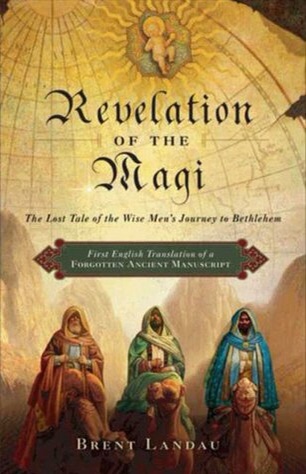
The story is told from the perspective of the Magi, who certainly number more than three in this document—perhaps even more than twelve. They are described quite differently from how they appear in the canonical account. Brent Landau completed a Harvard ThD dissertation on this document in 2008, and has since published Revelation of the Magi: The Lost Tale of the Wise Men’s Journey to Bethlehem (San Francisco: Harper Collins, 2010), based on his dissertation. He summarises the work:

The Magi hail from a mythological eastern land named Shir, and the name “Magi,” it is said, derives etymologically from their practice of praying in silence. They knew to follow the star to Bethlehem because they are descendants of Seth, the third child of Adam and Eve, who passed on to them a prophecy told to him by his father Adam.

The star appears to the Magi in the Cave of Treasures on the Mountain of Victories. There it transforms into a small, luminous being (clearly Christ, but his precise identity is never explicitly revealed) and instructs them about its origins and their mission.

The Magi follow the star to Bethlehem, where it transforms into the infant Jesus. Upon returning to their land, the Magi instruct their people about the star-child. In an epilogue likely secondary to the text, Judas Thomas arrives in Shir, baptizes the Magi and commissions them to preach throughout the world.

*****

Of course, we recognise this to be pure fantasy—a story developed from the shorter, more modest account that we find in the Gospel of Matthew. And even that canonical account, when we read it with care, can be recognised as an elaboration of a story derived from various “prophecies” in the Hebrew Scriptures—which is the way that the author of Matthew’s Gospel shapes all of his first two chapters (see Matt 1:22; 2:5,15,17,23).

The rising of the star in the east, for instance, correlates with the prophet Balaam’s prediction in Num 24:17 that “a star shall come out of Jacob and a scepter shall rise out of Israel”. The identification of the star as being “in the east” comes because, in Greek, the word for “east” is the same as “rising”. The Greek translation thus is ambiguous about whether the star simply “rises up out of Israel” or whether it is “to the east” of Israel.

We can see this ambiguity if we compare how different recent translations of the Bible render this phrase in Matt 2:9 — “a star they saw in the east” (KJV), “the star they had seen when it rose” (NIV and ESV), “the star they had seen at its rising” (NRSV), “the star they had seen in the east” (NLT)

The story reflects a verse in an oracle in Third Isaiah, addressed to the nation of Israel, which foresees a time when “nations shall come to your light, and kings to the brightness of your dawn” (Isa 60:3).

Two of the three gifts draw from later in this oracle (Isa 60:6), reflecting gold and frankincense being brought to Jerusalem by visitors from Sheba (a kingdom in South Arabia). The gifts, it is claimed, are symbolic of what is to come. The gold is considered to symbolise the royal status of the child, as he is of the line of David. The frankincense is connected with the Temple cult, and thus considered a symbol of the priestly role eventually to be played by the child.

And the myrrh, in Christian tradition, is linked with the death that will be experienced by the infant when he has grown to maturity—death at the hands of a Romans, who offered him wine mixed with myrrh as he hung dying on a cross (Mark 15:23). This symbolism reveals the reasons for adopting and expanding the earlier oracle.

And the notion that was developed later in Christian writings, that the three Magi were kings in their respective kingdoms (as in, “we three kings of orient are”), derives from the application of Isaiah 60:3 , noted above, and Psalm 72:10-11, as the psalmist praises the King of Israel and prays, “may the kings of Tarshish and of the isles render him tribute; may the kings of Sheba and Seba bring gifts; may all kings fall down before him, all nations give him service.”

It is more likely that the Magi were astronomers, rather than kings. The word magi is the plural of the Latin word magus, borrowed from the Greek magos. This, in turn, is derived from the Old Persian maguŝ from the Avestan term magâunô, which signified the religious caste into which Zoroaster was born. This was the Persian priestly caste of Zoroastrianism.

As part of their religion, these priests paid particular attention to the stars and gained a reputation for astrology, which was at that time highly regarded as a science. Their religious practices and use of astrology has since led to a development from Magi to the English term magic. It is in this sense, of magician, that Luke uses the word magus to describe both Simon, in Samaria (Acts 8:9-13) and Elymas, on the island of Paphos (Acts 13:6-11).

So there are a lot of accretions clinging to the story in Matthew 2, about the Magi from the east visiting Bethlehem. The basic story itself is an expanded midrash on older scriptural prophecies, worked up for the purpose of telling a fine tale. (See more at https://johntsquires.com/2020/12/17/why-the-christmas-story-is-not-history-2-luke-1-2-and-matthew-1-2/ and https://johntsquires.com/2020/01/04/herod-was-infuriated-and-he-sent-and-killed-all-the-children-matt-2/)

*****

Landau makes further observations about the Revelation of the Magi.

The “Cave of Treasures” is mentioned also in the Syriac version of the Testament of Adam (a Christian work from the fifth or sixth century) and from there is taken up in a work which itself is entitled “The Cave of Treasures” (dated to the sixth century) and another entitled “The Book of the Bee” (from the thirteenth century). Several elements of the story of the Revelation of the Magi are found also in the Liber de nativitate salvatoris, an expansion of the Gospel of Pseudo-Matthew with curious features that may have originated in a very early infancy gospel.

Some aspects of the Revelation of the Magi were also passed on in summary by the anonymous author of a fifth-century commentary on the Gospel of Matthew known as the Opus Imperfectum in Matthaeum. From here some elements found their way into chapter 6 of the 13th century collection of stories of the saints, known as the Golden Legend. The traditions found in the Revelation of the Magi are thus surprisingly widespread for a text that, were it not for that one manuscript, would have been lost to history.

See also https://www.apocryphicity.ca/2014/08/20/more-christian-apocrypha-updates-2-revelation-of-the-magi/ and https://www.bibleodyssey.org/en/passages/related-articles/magi

In the beginning … the Prologue and the book of signs (John 1; Christmas 2B)

The book of signs, which we know as the Gospel according to John, begins with a beautifully poetic Prologue (1:1–18). As well as being a piece of poetry, it is a piece of theology; it sets out many of the key themes of the whole work. The Prologue is the Gospel reading for this coming Sunday, the second Sunday in the season of Christmas. It offers a rich array of ideas for consideration. Only some of them are in focus in what follows.

1. The Prologue begins by introducing the main character of the story: the pre–existent Logos, the word made flesh, Jesus Christ, the one who “makes God known” (1:1, 14, 17-18). This motif of word runs consistently throughout the work: Jesus “speaks the words of God” (3:34; 8:47; 12:50; 14:8–10; 17:14), gives teaching which is “from God” (7:16–18; 14:24; 17:7–8), makes known “everything that I have heard from my Father” (15:15), utters words of “spirit and life” (6:63, 67). For the author of this Gospel, Jesus is, indeed, the Word who was always with God (1:1).

2. Already in the Prologue the narrator speaks of the rejection of the Word (1:10–11). This is played out in the body of the Gospel, especially in chapter 10, with references to the threat posed to the sheep by thieves and bandits (10:1, 8, 10), strangers (10:5), the hired hand (10:12–13), and wolves (10:12). The menace posed by these figures leads Jesus to infer that some of his sheep will be “snatched” out of his hand (10:28–29). At this, the Jews prepare to stone Jesus for the second time (10:31; the earlier instance was at 8:59). This enacts the revelation made by Jesus in an earlier discourse, that his fate is to be hated by the world (7:7).

A fuller and more explicit exposition of this theme of opposition is given in the second Farewell Discourse, under the rubric of “the world hates you” (15:18–25). Jesus here predicts that his fate will set the pattern for the fate of his followers; “if they persecuted me, they will persecute you also” (15:20).

3. The words and ideas found in the Prologue to the gospel (1:1–18) have led to the hypothesis that Hellenistic Judaism had been influential in the context in which the gospel was shaped. The role of the Logos is akin to the role of Wisdom within Hellenistic Jewish literature —both as the agent by which God created the world, and as the means by which God reveals knowledge and truth to the world.

That Judaism had long been engaged with the dominant hellenistic culture, has been well proven by contemporary scholarship. Influences from the Greek–speaking world, and its hellenised culture, are reflected in numerous Jewish writings. In this gospel, the account of the Greeks who wish to see Jesus (12:20–22) is a clear indication of the interaction between the community of the gospel, and the wider hellenised world.

The issue is also raised by the question of the Pharisees at 7:35; “does he [Jesus] intend to go to the Dispersion among the Greeks and teach the Greeks?” The kind of Judaism which has influenced the gospel is not of the dominant, Pharisaic–rabbinic kind. It has become open to the wider hellenised world; perhaps the community which first received this Gospel had already become somewhat diversified in its composition.

4. An important motif running throughout this Gospel is that Jesus is to be regarded as the fulfilment of scripture. This feature is common to all four canonical Gospels. This interpretive stance is hinted at as early as the Prologue, in the comparison between Jesus and Moses (1:17). It is stated explicitly in the claim put on the mouth of Philip, “we have found him of whom Moses and the prophets wrote” (1:45), and in the words attributed to Jesus, “You search the scriptures, because you think that in them you have eternal life; and it is they that bear witness to me” (5:39).

There are fifteen clear quotations from Hebrew Scriptures in this Gospel. There are eight explicit references to scripture in the early chapters (1:23; 2:17; 6:31; 6:45; 7:38; 7:42; 10:34; 12:13–15), while a fulfilment formula is used in later chapters, to introduce seven such scriptural quotations (12:38–40; 13:18; 15:25; 18:9; 19:24, 28, 36–37). There is also a passing note that Judas died after betraying Jesus “so that the scripture might be fulfilled” (17:12).

However, the total significance of the Hebrew Scriptures in this Gospel is much greater than these sixteen occurrences, as the Gospel contains numerous allusions to specific scripture passages, such as references to Jacob’s ladder (1:51) and the sacrificial lamb (1:29, 36), as well as more generalised allusions to scripture. These allusions are much freer in their form and indicate that, for the author of this Gospel, the Hebrew Scriptures had become an integral part of his mind and heart, for he treats them with a freedom born from intimate familiarity.

5. In like fashion, a series of Jewish titles is embedded in the narrative as confessions by key characters of the significance of Jesus. The Prologue has introduced a key Johannine title for Jesus: the Word (1:1, 14).

In the extended preface that follows (1:19–51), Jesus is addressed as “Rabbi” (1:38, 49), “Messiah” (1:41), “King of Israel” (1:49), and “Son of God” (1:49). These claims about Jesus are all made also within the Synoptic traditions. The Johannine Jesus himself refers, in the allusive synoptic fashion, to the “Son of Man” (thirteen times, from 1:51 to 13:31), which we must presume to be a self–reference. In later scenes, Jesus is also called “prophet” (4:19), “Messiah” (4:29; 11:27), and “Rabbouni” (my teacher, 20:16). These are all Jewish titles.

6. The ultimate Christological confession of the Gospel is uttered by Thomas, when he moves beyond this viewpoint in the phrase, “my Lord and my God” (20:28), echoing the perception of the Jews, that Jesus was “making himself equal to God” (5:18). Is this already alluded to in the conclusion of the Prologue, in the affirmation, “it is God the only Son, who is close to the Father’s heart, who has made him known” (1:18)?

For the most part of this Gospel, Jesus is presented in terms drawn from within a Jewish context. Indeed, even the confession by Thomas can be understood within a particular stream of Jewish tradition, for the hellenisticJewish author Philo uses the terms “Lord” and “God” to designate the two major divine powers of creation (signified by “God”) and eschatological judgement (signified by “Lord”).

7. Another characteristic which dominates the Christology of this Gospel is the Father-Son relationship (3:35–36; 5:19–23, 26; 6:37–40; 8:34–38; 10:32–38; 14:8–13; 17:1–5). This relationship is hinted at in the Prologue in 1:18, where the “only-begotten son” is portrayed as being “next to the breast of the Father” (my literal translation), or “close to the father’s heart” (NRSV). In one of his disputes with the Jewish authorities, Jesus declares that he does his works “so that you may know and understand that the Father is in me, and I am in the Father” (10:38).

This mutual interrelationship is brought to the pinnacle of its development in the lengthy prayer of chapter 17: “you, Father, are in me, and I am in you” (17:21). The purpose of describing this relationship in this way is to strengthen the claims made for Jesus, to validate him as authoritative, in the context of debates with the Jewish authorities.

8. Finally, Jesus is perceived as being “equal with God” (5:18). At the narrative level, this is a polemical view of Jesus, attributed to the Jews. However, the author of the Gospel clearly wants the readers to agree with the claim. This is supported by further comments such as: it is clear that he is the Messiah, for he is “doing the works of God” (10:24–25); he is “making himself a god” (10:33); “he has claimed to be the Son of God” (19:7); and he is acclaimed as “Lord and God” (20:28). It is also signalled in the closing verse of the Prologue: “it is God the only Son [or, the Father’s only son], who is close to the Father’s heart, who has made [God] known” (1:18).

This is the strongest claim made about Jesus; it lifts him above the realm of human debate and, as a consequence, it also lifts the claims made by his disciples, in his name, above that human realm. By this means, the community of his followers lay claim to a dominant, privileged position, vis–a–vis the Jewish authorities. The Christology which is proclaimed in the written Gospel has thus been developed and refined in the controversies and disputes of the community over the preceding decades.

9. Later Christian theology developed the doctrine of the Trinity, in which God, Jesus and the Spirit relate to one another as equals. Whilst the Gospel of John provides biblical warrant for the equality of Father and Son, the role of the Spirit is less prominent. Jesus is endowed with the Spirit at his baptism (1:32–33) and gives the Spirit to others through the words he speaks (3:34).

However, the Spirit is clearly subordinated to the Son in this Gospel. It is not until after Jesus is glorified that the Spirit is given (7:39; 20:22). The role of the Spirit is to be the Advocate of the Son (14:16, 26; 15:26; 16:7), sent by the Son to testify on his behalf (15:26) and to represent what has already been spoken by Jesus (14:26; 16:13–15). As the Son testifies to the truth (1:14, 17; 8:32, 45–46; 14:6; 18:37), so the Spirit is “the spirit of truth” (14:17; 15:26; 16:13).

So the book of signs provides pointers towards this central Christian doctrine, but does not actually articulate it in the categories and using the terms from later debates amongst the Church Fathers and decisions made by the various Councils of the Church. We need to hear the message of this Gospel in its own terms, in its own context, in its own right.

I love Christmas !

A dialogue about the origins of various Christmas traditions, written by Elizabeth Raine and John Squires, December 2020

What are you looking so pleased about?

It’s Christmas! I love Christmas! It is a time when we remember the old, old story, from centuries ago, when we do all sorts of things that people have done each Christmas for years and years—hundreds, even thousands, of years. All those wonderful traditions, stretching all the way back. It all reminds us of that very first Christmas, doesn’t it?

Well, I am not so sure about that.

But I love Christmas! It’s all about the presents, isn’t it?

Well, actually, it seems that Christmas presents in the way we give them—to family members and close friends—have only been around for 200 years.

It started in New York in the early years of the 19th century with donations in the streets to the poor. Even then Americans worried about socialism, so this Christmas tradition moved from the streets into homes. One of these benefactors decided to celebrate Christmas by giving family gifts to promote his enormously popular poem “’Twas the Night Before Christmas”.

So Christmas presents as we know them are just a modern American commercialisation of the season.

But weren’t there presents given long ago?

Well, kind of. The story of Nicholas of Myra who was Bishop there (in Turkey) in the 4th century says that he rescued three young girls from prostitution by providing them with a dowry. Nicholas secretly dropped a sack of gold coins through the window in the dead of night—one sack for each of the three girls, three nights in a row. That meant their father could marry them off instead of selling them. 

But didn’t the Wise Men give presents?

They took gifts that matched prophecies in the scriptures. Hardly the gift fest of modern times.

Anyway, I was telling you about Nicholas of Myra. He became Saint Nicholas. He is known as Sinterklaas in Holland, Miklavz in Lovenia, and much later onhe became jolly old St Nick, and then Father Christmas in Britain, and Santa Claus in America.

Ah—Santa Claus! Christmas is all about Santa Claus, isn’t it?

Santa Claus is really only 150 years old. During the 1860s, the cartoonist Thomas Nast created an image of Santa Claus that portrayed him as a warm, grandfatherly character who appeared with his arms full of toys. 

The familiar red suit and long white beard appeared only in 1931, when Coca Cola commissioned Haddon Sundblom to paint Santa for their Christmas ads. Sundblom based his portrayal of Santa on the 1822 poem, “‘Twas the Night Before Christmas”. In Coca Cola’s colours, of course.

Well I still love Christmas!. It’s all about the cards and carols and Christmas cheer, then.

Cards. Actually, the first Christmas card was invented only in the 1840s, by Sir Henry Cole—best remembered today as the founder of the Victoria and Albert Museum in London. It was a way of encouraging people to use the newly-formed postal service.

Well what about carols, then? The carols that we have sung for centuries and centuries.

Sure. There are lots of Christmas carols. And that is an old tradition. But I reckon you don’t actually sing the really old Christmas carols. Sung “Jesus refulsit omnium” (“Jesus illuminates all”) lately? St. Hilary of Poitiers composed it in Latin in 368. Another carol from the 4th century was written by the Roman poet, Aurelius Prudentius Clemens. Prudentius composed “Cordenatus ex Parentis”, which was subsequently translated into English as “Of the Father’s love begotten”. That’s in the hymn book, but I don’t think you will hear it in the Christmas muzak when you shop in the stores!

Most of the carols we sing were written in the late 19th or early 20th century. So they are old-ish, but not really ancient. And people today are still writing new carols. We should be singing some of those!

But how good is Christmas. It’s all about putting up the Christmas tree. And the Christmas lights. I love Christmas! Lots of spectacle. It’s a great time. Christmas tree and Christmas lights, just like people have always done.

Yes, there is an old, old connection with light shining in the darkness at this time of the year. From an oil lamp, presumably and not electricity! Christmas Day is right near the Winter Solstice—the day where there is the shortest time between the sun rising and the sun setting. It hardly applies here in the Southern Hemisphere, as there is an abundance of light, but we still celebrate Christmas in December.

There was a pagan festival at this time, to celebrate that light will come despite it being winter. The early Christian missionaries just took this festival and Christianised it, and made it their festival. Clever tactics, really.

And the Christmas tree?

The honour of establishing this tradition belongs to ‘good Queen Charlotte’, the German wife of George III, who set up the first known English tree at Queen’s Lodge, Windsor, in December, 1800.

Legend has it that Martin Luther, the religious reformer, invented the Christmas tree. One winter’s night in 1536, so the story goes, Luther was walking through a pine forest near his home in Wittenberg when he suddenly looked up and saw thousands of stars glinting jewel-like among the branches of the trees. This wondrous sight inspired him to set up a candle-lit fir tree in his house that Christmas to remind his children of the starry heavens from whence their Saviour came.

So the Christmas tree is around 500 years old. Hardly biblical, is it?

OK, I still love Christmas! It’s all about celebrating with family and eating lots of food and drinking lots of booze. Turkey and ham and prawns and pudding and mince pies and eggnog and wine.

What? No beer?

Well, yes, beer—of course! In the Aussie summer, you must drink beer at Christmas!

Well I guess you must! It’s the Victorians who really gave birth to the traditional Christmas dinner as we know it. Actually, Charles Dickens was the one who spread the idea of a table filled to overflowing with food, with a roast bird in the middle, surrounded by all the trimmings and a pudding. 

Legend has it that Henry VIII was the first person to eat a turkey on Christmas Day, but it wasn’t until Victorian times that it became more common. 

The Christmas cake we all know and love today originates from a cake made for and eaten on Twelfth Night (5 January), which was when the three wise men supposedly arrived in Bethlehem to see baby Jesus. The use of spices was supposed to symbolise the gifts the three men brought with them, whilealmonds and dried fruit were a rare sweet treat in the colder months. 

However, in the 1640s Oliver Cromwell and the Puritans banned feasting of any kind on Twelfth Night, so people started to make it on Christmas Day instead. 

What about Christmas pudding? It’s an ancient custom, surely.

You think the wise men turned up with it as well? Christmas pudding began life as something called plum porridge (first referenced in 1573), a pretty unappetising sounding dish made from beef shin, spices, sugar and fruit, boiled in a broth and reduced until gelatinous. It was eaten on Christmas Eve after fasting, and then stored for weeks afterwards (back then people believed if something jellified it was good to eat for a long time). It wasn’t in the form of the delicious Christmas pudding that we know until—once again, the Victorian times. No biblical joy here!

Well, seafood, then—what about Christmas prawns and oysters?

Prawns and seafood are a special downunder addition to the menu. They reflect that our Christmas is right in the middle of summer, days are long and hot, having the oven going full pelt for hours is not really sensible, so cold seafood is a good alternative. Again, not in the Bible (unless you eat sardines—they are caught in the Sea of Galilee).

I love Christmas!. It’s all about the sales, isn’t it? Bargains!!

Yes: Christmas has been completely turned into a commercial event by these sales. Before Christmas is bad enough; but Boxing Day is another thing. This comes from the ancient practice of giving boxes of money at the midwinter holiday season to all those who had given good service throughout the year. Boxing Day, December 26, was the day the boxes were opened. 

Later, it was the day on which the alms boxes, located in the churches on Christmas Day, were opened and the contents given to the poor. We don’t have alms boxes at churches any more. And the sales in the shops only really came into being in the last two decades or so. Another commercial element introduced by America! And this is distinctively anti-biblical, where Jesus tells us to give our possessions away—not buy more and more!

I still love Christmas!. Because it must be all about the holidays. Days at the beach. Lazing around and sleeping in and doing nothing.

And travelling to get there. Stuck in the Boxing Day traffic snarls. Polluting the atmosphere with exhaust fumes and particulates and poisons. Good one. All very recent additions to the celebrations. Nothing ancient here as in biblical times they walked everywhere.

I still love Christmas!. It’s all about the nativity scene when the wise men came with the shepherds to give the newborn baby gifts.

True that every Christmas, we are surrounded by images of the nativity scene: the infant Jesus, in a cradle, with his mother Mary sitting and his father Joseph standing nearby, surrounded by animals (cows, most often), with a group of shepherds (with their sheep) to one side, whilst on the other side three exotic blokes stand with presents in hand: gold, frankincense, and myrrh. It’s as historical as the Little Drummer Boy is and not a particularly accurate portrayal of what was happening at the time when Jesus was born.

The traditional scene that we see today was invented by the medieval friar, Francis of Assisi. Before that, it did not exist because it wasn’t very biblical!

Besides, it is only in Luke’s story that we have the shepherds in the field, listening to the angels. And it is only in Matthew’s account that we have the wise visitors from the East, travelling long distances to bring their gifts to the child. Shepherds in one story, wise ones in the other; not there at the same time, despite all the nativity scenes we see!

I still love Christmas!. It’s all about celebrating the birth of Jesus on his real birthday, December 25.

What? In the middle of winter in the northern hemisphere? When the ground was covered with snow and all the animals like the sheep should have been under cover—not out in the fields listening to the angels! When no one travelled anywhere?

No one knows the real birthday of Jesus. No date is given in the Bible. The early Christians had many arguments as to when it should be celebrated.Also, the birth of Jesus probably didn’t happen in the year 1 but slightly earlier, probably in 4 BCE.

The first recorded date of Christmas being celebrated on December 25th was in 336, during the time of the Roman Emperor Constantine (he was the first Christian Roman Emperor). I’ve already told you it was a pagan festival that the early Christians stole, could even have been from the Roman Saturnalia.

Christmas was actually celebrated by the very early Church on January 6th, when they also celebrated the Epiphany, which means the revelation that Jesus was God’s son. In Eastern Orthodox churches, they still do this.

I love Christmas!. It’s all about Christ. Let’s keep Christ in Christmas.

Finally! The name Christmas comes from the Mass of Christ. A Roman Catholic Mass service (which is similar to our Communion) is where Christians remember that Jesus died for us and then came back to life. The ‘Christ-Mass’ service was the only one that was allowed to take place after sunset (and before sunrise the next day), so people had it at Midnight! So we get the name Christ-Mass, shortened to Christmas, and for many centuries it was celebrated at midnight on Christmas Eve, not on Christmas morning.

Oh well: Happy Christmas, anyway!  

And Happy Christmas to you, too!